EP1960444B1 - Poss nanostructured chemicals as dispersion aids and friction reducing agents - Google Patents
Poss nanostructured chemicals as dispersion aids and friction reducing agents Download PDFInfo
- Publication number
- EP1960444B1 EP1960444B1 EP06851823.2A EP06851823A EP1960444B1 EP 1960444 B1 EP1960444 B1 EP 1960444B1 EP 06851823 A EP06851823 A EP 06851823A EP 1960444 B1 EP1960444 B1 EP 1960444B1
- Authority
- EP
- European Patent Office
- Prior art keywords
- group
- polymer
- poss
- silicones
- particulate
- Prior art date
- Legal status (The legal status is an assumption and is not a legal conclusion. Google has not performed a legal analysis and makes no representation as to the accuracy of the status listed.)
- Not-in-force
Links
- 239000000126 substance Substances 0.000 title claims description 56
- 239000006185 dispersion Substances 0.000 title claims description 20
- 239000003638 chemical reducing agent Substances 0.000 title description 2
- 229920000642 polymer Polymers 0.000 claims description 43
- 239000000463 material Substances 0.000 claims description 31
- 238000000034 method Methods 0.000 claims description 27
- 238000002156 mixing Methods 0.000 claims description 23
- 239000000203 mixture Substances 0.000 claims description 22
- -1 styrenics Chemical class 0.000 claims description 22
- 229920001296 polysiloxane Polymers 0.000 claims description 21
- 229910052751 metal Inorganic materials 0.000 claims description 18
- 239000002184 metal Substances 0.000 claims description 17
- 150000002148 esters Chemical class 0.000 claims description 15
- 230000003746 surface roughness Effects 0.000 claims description 13
- 150000002739 metals Chemical class 0.000 claims description 10
- 239000002086 nanomaterial Substances 0.000 claims description 10
- 239000004952 Polyamide Substances 0.000 claims description 9
- 238000004519 manufacturing process Methods 0.000 claims description 9
- 229920002647 polyamide Polymers 0.000 claims description 9
- 229920000098 polyolefin Polymers 0.000 claims description 9
- 150000001336 alkenes Chemical class 0.000 claims description 8
- 125000003118 aryl group Chemical group 0.000 claims description 8
- 229920000515 polycarbonate Polymers 0.000 claims description 8
- 239000004417 polycarbonate Substances 0.000 claims description 8
- 229920000728 polyester Polymers 0.000 claims description 8
- 229920000570 polyether Polymers 0.000 claims description 8
- 229920002635 polyurethane Polymers 0.000 claims description 8
- 239000004814 polyurethane Substances 0.000 claims description 8
- 239000004593 Epoxy Substances 0.000 claims description 7
- 239000004642 Polyimide Substances 0.000 claims description 7
- 229920002396 Polyurea Polymers 0.000 claims description 7
- 229920006397 acrylic thermoplastic Polymers 0.000 claims description 7
- 150000001408 amides Chemical class 0.000 claims description 7
- 150000004649 carbonic acid derivatives Chemical class 0.000 claims description 7
- 229910002110 ceramic alloy Inorganic materials 0.000 claims description 7
- 239000004643 cyanate ester Substances 0.000 claims description 7
- 150000001913 cyanates Chemical class 0.000 claims description 7
- 229920001971 elastomer Polymers 0.000 claims description 7
- 125000003700 epoxy group Chemical group 0.000 claims description 7
- 229920002313 fluoropolymer Polymers 0.000 claims description 7
- 239000004811 fluoropolymer Substances 0.000 claims description 7
- 229930195733 hydrocarbon Natural products 0.000 claims description 7
- 150000002430 hydrocarbons Chemical class 0.000 claims description 7
- 229920000554 ionomer Polymers 0.000 claims description 7
- 229910001092 metal group alloy Inorganic materials 0.000 claims description 7
- 150000002825 nitriles Chemical class 0.000 claims description 7
- 229920003229 poly(methyl methacrylate) Polymers 0.000 claims description 7
- 229920000767 polyaniline Polymers 0.000 claims description 7
- 229920000647 polyepoxide Polymers 0.000 claims description 7
- 229920001721 polyimide Polymers 0.000 claims description 7
- 235000013824 polyphenols Nutrition 0.000 claims description 7
- 229920003987 resole Polymers 0.000 claims description 7
- ISXSCDLOGDJUNJ-UHFFFAOYSA-N tert-butyl prop-2-enoate Chemical compound CC(C)(C)OC(=O)C=C ISXSCDLOGDJUNJ-UHFFFAOYSA-N 0.000 claims description 7
- 239000000919 ceramic Substances 0.000 claims description 6
- 239000011236 particulate material Substances 0.000 claims description 6
- 230000000704 physical effect Effects 0.000 claims description 6
- 238000012876 topography Methods 0.000 claims description 6
- 238000010079 rubber tapping Methods 0.000 claims description 5
- 239000002861 polymer material Substances 0.000 claims description 4
- 230000005540 biological transmission Effects 0.000 claims description 2
- 239000004743 Polypropylene Substances 0.000 description 15
- 229920001155 polypropylene Polymers 0.000 description 14
- 239000002245 particle Substances 0.000 description 12
- 238000010348 incorporation Methods 0.000 description 10
- 239000004594 Masterbatch (MB) Substances 0.000 description 8
- 239000000945 filler Substances 0.000 description 8
- 238000011068 loading method Methods 0.000 description 8
- 230000004048 modification Effects 0.000 description 8
- 238000012986 modification Methods 0.000 description 8
- 238000006722 reduction reaction Methods 0.000 description 7
- 230000003993 interaction Effects 0.000 description 6
- 230000008569 process Effects 0.000 description 6
- 230000009467 reduction Effects 0.000 description 6
- 239000003795 chemical substances by application Substances 0.000 description 5
- VGGSQFUCUMXWEO-UHFFFAOYSA-N Ethene Chemical compound C=C VGGSQFUCUMXWEO-UHFFFAOYSA-N 0.000 description 4
- 238000013329 compounding Methods 0.000 description 4
- 229920001684 low density polyethylene Polymers 0.000 description 4
- 239000004702 low-density polyethylene Substances 0.000 description 4
- 239000000654 additive Substances 0.000 description 3
- 150000001412 amines Chemical class 0.000 description 3
- 238000000576 coating method Methods 0.000 description 3
- 239000007789 gas Substances 0.000 description 3
- 238000000227 grinding Methods 0.000 description 3
- 238000003801 milling Methods 0.000 description 3
- 239000003607 modifier Substances 0.000 description 3
- 229920003023 plastic Polymers 0.000 description 3
- 239000004033 plastic Substances 0.000 description 3
- 239000000843 powder Substances 0.000 description 3
- 239000000243 solution Substances 0.000 description 3
- 239000002904 solvent Substances 0.000 description 3
- 229920001169 thermoplastic Polymers 0.000 description 3
- 238000011282 treatment Methods 0.000 description 3
- VYPSYNLAJGMNEJ-UHFFFAOYSA-N Silicium dioxide Chemical compound O=[Si]=O VYPSYNLAJGMNEJ-UHFFFAOYSA-N 0.000 description 2
- XUIMIQQOPSSXEZ-UHFFFAOYSA-N Silicon Chemical group [Si] XUIMIQQOPSSXEZ-UHFFFAOYSA-N 0.000 description 2
- 238000005299 abrasion Methods 0.000 description 2
- 150000001298 alcohols Chemical class 0.000 description 2
- 230000008901 benefit Effects 0.000 description 2
- 238000007906 compression Methods 0.000 description 2
- 230000006835 compression Effects 0.000 description 2
- 230000002708 enhancing effect Effects 0.000 description 2
- 239000004744 fabric Substances 0.000 description 2
- 238000009472 formulation Methods 0.000 description 2
- 230000001965 increasing effect Effects 0.000 description 2
- 238000005461 lubrication Methods 0.000 description 2
- 238000005259 measurement Methods 0.000 description 2
- 239000013528 metallic particle Substances 0.000 description 2
- 229920000734 polysilsesquioxane polymer Polymers 0.000 description 2
- 230000005855 radiation Effects 0.000 description 2
- 230000036962 time dependent Effects 0.000 description 2
- QTBSBXVTEAMEQO-UHFFFAOYSA-M Acetate Chemical compound CC([O-])=O QTBSBXVTEAMEQO-UHFFFAOYSA-M 0.000 description 1
- 229910000897 Babbitt (metal) Inorganic materials 0.000 description 1
- 206010073306 Exposure to radiation Diseases 0.000 description 1
- 239000006057 Non-nutritive feed additive Substances 0.000 description 1
- UVPNNMSOKAULIN-UHFFFAOYSA-N O1[Si](O)(C2CCCC2)O[Si](O2)(C3CCCC3)O[Si](O)(C3CCCC3)O[Si](O3)(C4CCCC4)O[Si](O)(C4CCCC4)O[Si]1(C1CCCC1)O[Si]23C1CCCC1 Chemical compound O1[Si](O)(C2CCCC2)O[Si](O2)(C3CCCC3)O[Si](O)(C3CCCC3)O[Si](O3)(C4CCCC4)O[Si](O)(C4CCCC4)O[Si]1(C1CCCC1)O[Si]23C1CCCC1 UVPNNMSOKAULIN-UHFFFAOYSA-N 0.000 description 1
- BPQQTUXANYXVAA-UHFFFAOYSA-N Orthosilicate Chemical compound [O-][Si]([O-])([O-])[O-] BPQQTUXANYXVAA-UHFFFAOYSA-N 0.000 description 1
- 239000004698 Polyethylene Substances 0.000 description 1
- 229910052772 Samarium Inorganic materials 0.000 description 1
- 229910020381 SiO1.5 Inorganic materials 0.000 description 1
- 239000006087 Silane Coupling Agent Substances 0.000 description 1
- 229910000831 Steel Inorganic materials 0.000 description 1
- 229910052771 Terbium Inorganic materials 0.000 description 1
- 229910052770 Uranium Inorganic materials 0.000 description 1
- OBNDGIHQAIXEAO-UHFFFAOYSA-N [O].[Si] Chemical compound [O].[Si] OBNDGIHQAIXEAO-UHFFFAOYSA-N 0.000 description 1
- 238000010521 absorption reaction Methods 0.000 description 1
- 229910052768 actinide Inorganic materials 0.000 description 1
- 230000000996 additive effect Effects 0.000 description 1
- 239000000853 adhesive Substances 0.000 description 1
- 230000001070 adhesive effect Effects 0.000 description 1
- 238000005054 agglomeration Methods 0.000 description 1
- 230000002776 aggregation Effects 0.000 description 1
- 125000001931 aliphatic group Chemical group 0.000 description 1
- 150000004703 alkoxides Chemical class 0.000 description 1
- 238000005275 alloying Methods 0.000 description 1
- 229910052782 aluminium Inorganic materials 0.000 description 1
- 229920006125 amorphous polymer Polymers 0.000 description 1
- 229910052785 arsenic Inorganic materials 0.000 description 1
- 238000000418 atomic force spectrum Methods 0.000 description 1
- 229910052788 barium Inorganic materials 0.000 description 1
- 230000004888 barrier function Effects 0.000 description 1
- 238000010923 batch production Methods 0.000 description 1
- 230000004071 biological effect Effects 0.000 description 1
- 230000008827 biological function Effects 0.000 description 1
- 238000006664 bond formation reaction Methods 0.000 description 1
- 229910052796 boron Inorganic materials 0.000 description 1
- 229910010293 ceramic material Inorganic materials 0.000 description 1
- 238000001311 chemical methods and process Methods 0.000 description 1
- 239000011248 coating agent Substances 0.000 description 1
- 239000012141 concentrate Substances 0.000 description 1
- 235000008504 concentrate Nutrition 0.000 description 1
- 238000010924 continuous production Methods 0.000 description 1
- 229910052802 copper Inorganic materials 0.000 description 1
- 125000004122 cyclic group Chemical group 0.000 description 1
- 230000003247 decreasing effect Effects 0.000 description 1
- 230000007547 defect Effects 0.000 description 1
- 230000002950 deficient Effects 0.000 description 1
- 238000009826 distribution Methods 0.000 description 1
- 230000000694 effects Effects 0.000 description 1
- 150000002170 ethers Chemical class 0.000 description 1
- 238000001125 extrusion Methods 0.000 description 1
- 230000006870 function Effects 0.000 description 1
- 230000008570 general process Effects 0.000 description 1
- 150000004820 halides Chemical class 0.000 description 1
- 238000007731 hot pressing Methods 0.000 description 1
- 239000001257 hydrogen Substances 0.000 description 1
- 229910052739 hydrogen Inorganic materials 0.000 description 1
- 229910052738 indium Inorganic materials 0.000 description 1
- 238000002347 injection Methods 0.000 description 1
- 239000007924 injection Substances 0.000 description 1
- 229910052741 iridium Inorganic materials 0.000 description 1
- 239000012948 isocyanate Substances 0.000 description 1
- 150000002513 isocyanates Chemical class 0.000 description 1
- 150000002576 ketones Chemical class 0.000 description 1
- 229910052747 lanthanoid Inorganic materials 0.000 description 1
- 150000002602 lanthanoids Chemical class 0.000 description 1
- 229910052745 lead Inorganic materials 0.000 description 1
- 238000004020 luminiscence type Methods 0.000 description 1
- 229910052748 manganese Inorganic materials 0.000 description 1
- 239000011159 matrix material Substances 0.000 description 1
- 230000007246 mechanism Effects 0.000 description 1
- 238000002844 melting Methods 0.000 description 1
- 230000008018 melting Effects 0.000 description 1
- 239000002923 metal particle Substances 0.000 description 1
- 239000002991 molded plastic Substances 0.000 description 1
- 239000000178 monomer Substances 0.000 description 1
- 239000002105 nanoparticle Substances 0.000 description 1
- 125000000962 organic group Chemical group 0.000 description 1
- 229910052762 osmium Inorganic materials 0.000 description 1
- 230000003647 oxidation Effects 0.000 description 1
- 238000007254 oxidation reaction Methods 0.000 description 1
- 239000003973 paint Substances 0.000 description 1
- 238000005453 pelletization Methods 0.000 description 1
- 230000035699 permeability Effects 0.000 description 1
- 150000002978 peroxides Chemical class 0.000 description 1
- 229910052697 platinum Inorganic materials 0.000 description 1
- 229920000573 polyethylene Polymers 0.000 description 1
- 238000006116 polymerization reaction Methods 0.000 description 1
- 238000002360 preparation method Methods 0.000 description 1
- 238000012545 processing Methods 0.000 description 1
- 238000010791 quenching Methods 0.000 description 1
- 230000000246 remedial effect Effects 0.000 description 1
- 239000000523 sample Substances 0.000 description 1
- 125000005372 silanol group Chemical group 0.000 description 1
- 150000004819 silanols Chemical class 0.000 description 1
- 150000004760 silicates Chemical class 0.000 description 1
- 229910052710 silicon Inorganic materials 0.000 description 1
- 239000010703 silicon Substances 0.000 description 1
- 239000000377 silicon dioxide Substances 0.000 description 1
- 125000005374 siloxide group Chemical group 0.000 description 1
- 125000004469 siloxy group Chemical group [SiH3]O* 0.000 description 1
- 229910052709 silver Inorganic materials 0.000 description 1
- 239000007787 solid Substances 0.000 description 1
- 125000006850 spacer group Chemical group 0.000 description 1
- 238000005507 spraying Methods 0.000 description 1
- 235000020354 squash Nutrition 0.000 description 1
- 239000010959 steel Substances 0.000 description 1
- 229910052712 strontium Inorganic materials 0.000 description 1
- 125000001424 substituent group Chemical group 0.000 description 1
- 239000004094 surface-active agent Substances 0.000 description 1
- 229910052714 tellurium Inorganic materials 0.000 description 1
- 239000004753 textile Substances 0.000 description 1
- 229910052716 thallium Inorganic materials 0.000 description 1
- 239000004416 thermosoftening plastic Substances 0.000 description 1
- 229910052719 titanium Inorganic materials 0.000 description 1
- 230000007704 transition Effects 0.000 description 1
- 229910052720 vanadium Inorganic materials 0.000 description 1
- 238000007740 vapor deposition Methods 0.000 description 1
- 230000000007 visual effect Effects 0.000 description 1
- 235000012431 wafers Nutrition 0.000 description 1
- 229910052727 yttrium Inorganic materials 0.000 description 1
- 229910052725 zinc Inorganic materials 0.000 description 1
Images


Classifications
-
- C—CHEMISTRY; METALLURGY
- C08—ORGANIC MACROMOLECULAR COMPOUNDS; THEIR PREPARATION OR CHEMICAL WORKING-UP; COMPOSITIONS BASED THEREON
- C08F—MACROMOLECULAR COMPOUNDS OBTAINED BY REACTIONS ONLY INVOLVING CARBON-TO-CARBON UNSATURATED BONDS
- C08F283/00—Macromolecular compounds obtained by polymerising monomers on to polymers provided for in subclass C08G
- C08F283/12—Macromolecular compounds obtained by polymerising monomers on to polymers provided for in subclass C08G on to polysiloxanes
-
- B—PERFORMING OPERATIONS; TRANSPORTING
- B82—NANOTECHNOLOGY
- B82Y—SPECIFIC USES OR APPLICATIONS OF NANOSTRUCTURES; MEASUREMENT OR ANALYSIS OF NANOSTRUCTURES; MANUFACTURE OR TREATMENT OF NANOSTRUCTURES
- B82Y30/00—Nanotechnology for materials or surface science, e.g. nanocomposites
-
- C—CHEMISTRY; METALLURGY
- C08—ORGANIC MACROMOLECULAR COMPOUNDS; THEIR PREPARATION OR CHEMICAL WORKING-UP; COMPOSITIONS BASED THEREON
- C08F—MACROMOLECULAR COMPOUNDS OBTAINED BY REACTIONS ONLY INVOLVING CARBON-TO-CARBON UNSATURATED BONDS
- C08F255/00—Macromolecular compounds obtained by polymerising monomers on to polymers of hydrocarbons as defined in group C08F10/00
-
- C—CHEMISTRY; METALLURGY
- C08—ORGANIC MACROMOLECULAR COMPOUNDS; THEIR PREPARATION OR CHEMICAL WORKING-UP; COMPOSITIONS BASED THEREON
- C08F—MACROMOLECULAR COMPOUNDS OBTAINED BY REACTIONS ONLY INVOLVING CARBON-TO-CARBON UNSATURATED BONDS
- C08F265/00—Macromolecular compounds obtained by polymerising monomers on to polymers of unsaturated monocarboxylic acids or derivatives thereof as defined in group C08F20/00
-
- C—CHEMISTRY; METALLURGY
- C08—ORGANIC MACROMOLECULAR COMPOUNDS; THEIR PREPARATION OR CHEMICAL WORKING-UP; COMPOSITIONS BASED THEREON
- C08F—MACROMOLECULAR COMPOUNDS OBTAINED BY REACTIONS ONLY INVOLVING CARBON-TO-CARBON UNSATURATED BONDS
- C08F283/00—Macromolecular compounds obtained by polymerising monomers on to polymers provided for in subclass C08G
-
- C—CHEMISTRY; METALLURGY
- C08—ORGANIC MACROMOLECULAR COMPOUNDS; THEIR PREPARATION OR CHEMICAL WORKING-UP; COMPOSITIONS BASED THEREON
- C08F—MACROMOLECULAR COMPOUNDS OBTAINED BY REACTIONS ONLY INVOLVING CARBON-TO-CARBON UNSATURATED BONDS
- C08F289/00—Macromolecular compounds obtained by polymerising monomers on to macromolecular compounds not provided for in groups C08F251/00 - C08F287/00
-
- C—CHEMISTRY; METALLURGY
- C08—ORGANIC MACROMOLECULAR COMPOUNDS; THEIR PREPARATION OR CHEMICAL WORKING-UP; COMPOSITIONS BASED THEREON
- C08F—MACROMOLECULAR COMPOUNDS OBTAINED BY REACTIONS ONLY INVOLVING CARBON-TO-CARBON UNSATURATED BONDS
- C08F291/00—Macromolecular compounds obtained by polymerising monomers on to macromolecular compounds according to more than one of the groups C08F251/00 - C08F289/00
-
- C—CHEMISTRY; METALLURGY
- C08—ORGANIC MACROMOLECULAR COMPOUNDS; THEIR PREPARATION OR CHEMICAL WORKING-UP; COMPOSITIONS BASED THEREON
- C08J—WORKING-UP; GENERAL PROCESSES OF COMPOUNDING; AFTER-TREATMENT NOT COVERED BY SUBCLASSES C08B, C08C, C08F, C08G or C08H
- C08J3/00—Processes of treating or compounding macromolecular substances
- C08J3/20—Compounding polymers with additives, e.g. colouring
- C08J3/22—Compounding polymers with additives, e.g. colouring using masterbatch techniques
- C08J3/226—Compounding polymers with additives, e.g. colouring using masterbatch techniques using a polymer as a carrier
-
- C—CHEMISTRY; METALLURGY
- C08—ORGANIC MACROMOLECULAR COMPOUNDS; THEIR PREPARATION OR CHEMICAL WORKING-UP; COMPOSITIONS BASED THEREON
- C08J—WORKING-UP; GENERAL PROCESSES OF COMPOUNDING; AFTER-TREATMENT NOT COVERED BY SUBCLASSES C08B, C08C, C08F, C08G or C08H
- C08J5/00—Manufacture of articles or shaped materials containing macromolecular substances
- C08J5/005—Reinforced macromolecular compounds with nanosized materials, e.g. nanoparticles, nanofibres, nanotubes, nanowires, nanorods or nanolayered materials
-
- C—CHEMISTRY; METALLURGY
- C08—ORGANIC MACROMOLECULAR COMPOUNDS; THEIR PREPARATION OR CHEMICAL WORKING-UP; COMPOSITIONS BASED THEREON
- C08K—Use of inorganic or non-macromolecular organic substances as compounding ingredients
- C08K5/00—Use of organic ingredients
- C08K5/54—Silicon-containing compounds
- C08K5/549—Silicon-containing compounds containing silicon in a ring
-
- C—CHEMISTRY; METALLURGY
- C08—ORGANIC MACROMOLECULAR COMPOUNDS; THEIR PREPARATION OR CHEMICAL WORKING-UP; COMPOSITIONS BASED THEREON
- C08J—WORKING-UP; GENERAL PROCESSES OF COMPOUNDING; AFTER-TREATMENT NOT COVERED BY SUBCLASSES C08B, C08C, C08F, C08G or C08H
- C08J2323/00—Characterised by the use of homopolymers or copolymers of unsaturated aliphatic hydrocarbons having only one carbon-to-carbon double bond; Derivatives of such polymers
- C08J2323/02—Characterised by the use of homopolymers or copolymers of unsaturated aliphatic hydrocarbons having only one carbon-to-carbon double bond; Derivatives of such polymers not modified by chemical after treatment
- C08J2323/10—Homopolymers or copolymers of propene
-
- C—CHEMISTRY; METALLURGY
- C08—ORGANIC MACROMOLECULAR COMPOUNDS; THEIR PREPARATION OR CHEMICAL WORKING-UP; COMPOSITIONS BASED THEREON
- C08J—WORKING-UP; GENERAL PROCESSES OF COMPOUNDING; AFTER-TREATMENT NOT COVERED BY SUBCLASSES C08B, C08C, C08F, C08G or C08H
- C08J2483/00—Characterised by the use of macromolecular compounds obtained by reactions forming in the main chain of the macromolecule a linkage containing silicon with or without sulfur, nitrogen, oxygen, or carbon only; Derivatives of such polymers
-
- C—CHEMISTRY; METALLURGY
- C08—ORGANIC MACROMOLECULAR COMPOUNDS; THEIR PREPARATION OR CHEMICAL WORKING-UP; COMPOSITIONS BASED THEREON
- C08L—COMPOSITIONS OF MACROMOLECULAR COMPOUNDS
- C08L83/00—Compositions of macromolecular compounds obtained by reactions forming in the main chain of the macromolecule a linkage containing silicon with or without sulfur, nitrogen, oxygen or carbon only; Compositions of derivatives of such polymers
- C08L83/04—Polysiloxanes
Definitions
- This invention relates generally to methods for enhancing the bulk and surface properties of a polymer through use of POSS nanostructured chemicals as dispersion aids, surface modifiers, and interfacial friction modifiers.
- the present invention describes methods of dispersing particulates into a polymer by controlling its surface properties at the nanoscopic level with the use of nanostructured chemicals.
- the method is highly desirable for the creation of chemical masterbatches.
- This invention also teaches a method of controlling the surface and interfacial properties of polymeric, metallic and ceramic materials by controlling their nanoscopic surface topology, surface area, and associated volume via nanostructured chemicals. Such surface control can be applied in both remedial and original manufacturing.
- the invention solves the problem of dispersing nano and macroscopic particulates at high concentrations within a polymer matrix.
- the solution uses nanostructured chemicals as dispersion aids and surface modifying agents within polymeric materials and on particulate surfaces.
- the invention also provides a means for reducing the friction of surfaces through the use of the same nanostructured chemicals as interfacial modifiers.
- POSS nanostructured chemicals for control of particulate dispersion in polymers is useful for the preparation of highly concentrated particulate masterbatches.
- the purpose of the masterbatch is to provide performance enhancing additive concentrates in an easily dilutable form. Masterbatches are desired by formulators, molders, and polymer converters as they provide a convenient method of increasing the value of common plastics and are lower-cost to ship than a fully diluted product.
- the ability to increase the concentration, complexity, number, and type of additives that can be incorporated into a masterbatch enables additional functionality and further increases value.
- POSS nanostructured chemicals POSS metallized nanostructured oligomers, or metal containing nanostructured polymers
- polymers or polymer/monomer combinations including traditional amorphous polymer systems such as acrylics, carbonates, epoxies, esters, silicones, polyolefins, polyethers, polyesters, polycarbonates, polyimides, polyamides, polyurethanes, phenolics, cyanate esters, polyureas, resoles, polyanilines, fluoropolymers, and silicones; traditional semicrystalline and crystalline polymer systems such as styrenics, amides, nitriles, olefins, aromatic oxides, aromatic sulfides, and esters; or ionomers or traditional rubbery polymer systems derived from hydrocarbons and silicones; and (3) nanoscopic and macroscopic particulates including metals, metal alloysceramic and ceramic alloy
- the nanostuctured chemical can be utilized to surface functionalize a particle prior to or during masterbatch mixing. It can be added to the polymer followed by addition of the particulate filler or can be added simultaneously with the polymer and filler in a sequence that provides the most desirable performance and economic advantages.
- the process of particulate dispersion occurs by combining together the components of interest and effecting the surface and interfacial modification through mixing.
- All types and techniques of blending, and mixing including melt blending, dry blending, grinding, milling, solution blending, reactive and nonreactive mixing are also effective.
- POSS nanostructured chemicals can be tailored to show compatibility or incompatibility with nearly all polymer, biological, organic, and inorganic systems.
- Their physical size in combination with their tailorable compatibility enables nanostructured chemicals to be selectively incorporated into plastics, and to control the dynamics of coils, blocks, domains, and segments, and subsequently favorably impact a multitude of physical properties.
- the properties most favorably improved are time dependent mechanical and thermal properties such as viscosity, friction, solubility, dispersion, heat distortion, creep, shrinkage, compression set, modulus, hardness, abrasion resistance, electrical resistance, electrical conductivity, radiation absorption, luminescence, emissivity, degree of cure, biological compatibility and biological function.
- other physical properties that are favorably improved include thermal conductivity and electrical conductivity, fire resistance, and gas barrier and gas and moisture permeation properties, which are selectively controlled depending on cage size, composition and homogeneity of distribution.
- the invention provides a method for modifying the surface or interfacial properties of a material comprising the steps of:
- the invention provides method for modifying the surface or interfacial properties of an article of manufacture comprising the steps of:
- a physical property selected from the group consisting of lubricity and friction is improved by incorporating the nanostructured chemical into the material.
- the invention provides a method for dispersing a particulate into a polymer, comprising the steps of:
- the nanostructured chemical reinforces the polymer at a molecular level.
- Polysilsesquioxanes may be either homoleptic or heteroleptic. Homoleptic systems contain only one type of R group while heteroleptic systems contain more than one type of R group. As a special case R may also include fluorinated organic groups.
- POSS, POMS, and POS nanostructure compositions are represented by the formula:
- R is the same as defined above and X includes but is not limited to OH, Cl, Br, I, alkoxide (OR), acetate (OOCR), peroxide (OOR), amine (NR 2 ), isocyanate (NCO), and R.
- the symbol M refers to metallic elements within the composition that include high and low Z metals including s and p block metals, d and f block transition, lanthanide, actinide metals, in particular, Al, B, Ga, Gd, Ce, W, Ni, Eu, U, Y, Zn, Mn, Os, Ir, Ta, Cd, Cu, Ag, V, As, Tb, In, Ba, Ti, Sm, Sr, Pt, Pb, Lu, Cs, Tl, and Te.
- the symbols m, n and j refer to the stoichiometry of the composition.
- the symbol ⁇ indicates that the composition forms a nanostructure and the symbol # refers to the number of silicon atoms contained within the nanostructure.
- ⁇ # is not to be confused as a multiplier for determining stoichiometry, as it merely describes the overall nanostructural characteristics of the system (aka cage size).
- the present invention recognizes that significant property enhancements can be realized by the modification of particulate and polymer surfaces with nanostructured chemicals. This greatly simplifies surface modification since the prior art does not control surface area, volume, or nanoscopic topology, and does not function as interfacial control agents nor as alloying agents within polymer morphology or between dissimilar materials.
- the prior art is deficient in recognizing and establishing control over nanoscopic surface features.
- the present invention demonstrates that properties such as dispersion, viscosity, surface energy, lubricity, adhesion, and stain resistance can be easily and favorably controlled through use of nanostructured chemicals at material surfaces and interfaces.
- Properties most favorably improved are time dependent mechanical and thermal properties such as particle dispersion, dispersion stability, heat distortion, creep, compression set, strength, toughness, visual appearance, feel, and texture, shrinkage, modulus, hardness and abrasion resistance, impact resistance, fire resistance, shrinkage reduction, expansion reduction, adhesion, lubricity, conductive, dielectric, capacitive properties, degree of cure, rate of cure, radiation absorptive properties and biological activity.
- other physical properties are favorably improved, including gas and moister permeability, paint, print, film and coating properties.
- the fundamental premise behind surface modification in this invention is underpinned mathematically through computation of the surface area and volume contribution provided at various loadings of 1 nm spherical nanostructured chemical particles either into or onto a material. Computation reveals that as a particle becomes smaller it contributes more surface area and more volume as a wt% of its incorporation into a material than would larger particles ( see Figures 1-3 ). The net effect is that even small loadings of sufficiently small nanoparticles can ultimately dominate the surface characteristics of a material.
- the new surface provided by nanomodification can be utilized to either decrease surface roughness by filling-in surface defects or can increase surface roughness by creating more surface. Furthermore, it can be utilized to either increase or decrease the surface-surface interaction between two or more materials by making their surfaces smoother or rougher. The material surfaces can be similar or dissimilar.
- Nanostructured chemicals meet such requirements and are preferably employed in this invention.
- Nanostructured chemicals are best exemplified by those based on low-cost Polyhedral Oligomeric Silsesquioxanes (POSS) and Polyhedral Oligomeric Silicates (POS) and Polyhedral Oligometallosesquioxanes (POMS).
- Figure 4 illustrates some representative examples of monodisperse POSS nanostructured chemicals.
- POMS are nanostructured POSS chemicals that contain one or more metals inside or outside the central cage framework. In certain instances, cages may contain more than one metal atom, or more than one type of metal atom or even metal alloys in or on the cage.
- POSS nanostructured chemicals contain hybrid (i.e. organic-inorganic) compositions and cage-like frameworks that are primarily comprised of inorganic silicon-oxygen bonds which may also contain one or more metal atoms bound to the cage.
- hybrid i.e. organic-inorganic
- cage-like frameworks that are primarily comprised of inorganic silicon-oxygen bonds which may also contain one or more metal atoms bound to the cage.
- R reactive and nonreactive organic functionalities
- POSS nanostructured chemicals dissolve into polymers and solvents and exhibit a range of melting points from -40°C to 400°C.
- POSS nanostructured chemicals bearing metal atoms (POMS), silanols, alcohols, amines or other polar groups are preferably utilized as dispersion and surface modification agents because they can chemically interact and even permanently bond to the surface of silica, metallic or polymer particles while nonreactive groups on the cage can compatibilize the surface toward a secondary material or secondary surface.
- POMS metal atoms
- Each POSS nanostructured chemical also has a molecular diameter that can be controlled through variation of cage size and the length of the cage R groups attached to the cage (typical range from 0.5 nm to 5.0 nm).
- the molecular diameter is key to providing control over surface topology, surface area, and volume contributions in optimal formulations. For example, a cage bound to a surface by three silanol groups provides a lower topological profile than a cage bound at one vertice ( Figure 5 ).
- topological control that POSS cages offers can be used advantageously as bumps on a surface ( Figure 6 ).
- the resulting surface roughness will increase the amount of bondable surface area and can be utilized to disrupt the interaction of filler particulates with each other. It is well known that filler-filler interactions lead to self-quenching, agglomeration and inefficient dispersion of fillers and additives. POSS greatly reduces filler-filler interactions and self association by providing a nanoscopic spacer on the surface of particles and between polymer chains.
- POSS surface modification can reduce surface friction by decreasing the areal contact between two surfaces. Because POSS cages are molecules they can also melt and thereby reduce friction through nanoscopic surface lubrication and through isoviscous flow. This feature is particularly attractive for use in low friction fabrics, bandages, films, fabrics, tapes, and clothing.
- POSS to promote lower surface friction is beneficially utilized in sabots and shotgun wadding to retain projectile kinetic energy (Example 5) against loss from barrel friction and aerodynamic drag. As a projectile translates the interfacial friction is reduced through lubrication by POSS R groups and also reduces barrel fouling.
- Methods for application include master batching, mixing, blending, milling, grinding, and thermal or solvent assisted methods including spraying and vapor deposition. Masterbatching is particularly desired because it affords automated and continuous production and consequent cost saving advantages.
- the incorporation of a nanostructured chemical into or onto a particle polymer favorably impacts a multitude of physical properties.
- POSS trisilanols were added to metallic particles by dissolving the POSS in dicholoromethane followed by addition of the metal particle powder. The solvent was then recovered under reduced pressure and the solid was heated to promote bonding of the POSS to the surface through Si-O-M bond formation.
- POSS trisilanols were added to thermoplastic polymers by melt compounding followed by addition of metallic particles and additional melt compounding. Similarly POSS trisilanols and metallic powders were added to a polymer during melt compounding followed by extrusion and pelletizing of the final composition.
- POSS polymer and fillers
- heptaisoOctyl POSS trisilanol #SO1455, TrisilanolisoButyl POSS #SO1450, or OctaisoButyl POSS #MS0825 are most preferably utilized with polyethylene, polypropylene and related polyolefins. While masterbatch concentrations of POSS at greater than 20 wt% can be utilized, loading levels of 0.1 wt% POSS are effective at creation of stable dispersions.
- Masterbatches of polar thermoplastics such as polyamides, polyethers, polycarbonates, polyesters, and polyurethanes preferably utilize trisilanolphenyl POSS #SO1458 or trisilanolisoOctyl POSS #SO1455. While masterbatch concentrations of POSS at greater than 20 wt% can be utilized, loading levels of 0.1 wt% POSS are also effective at creation of stable dispersions.
- Example 4 is deleted.
Landscapes
- Chemical & Material Sciences (AREA)
- Health & Medical Sciences (AREA)
- Chemical Kinetics & Catalysis (AREA)
- Medicinal Chemistry (AREA)
- Polymers & Plastics (AREA)
- Organic Chemistry (AREA)
- Engineering & Computer Science (AREA)
- Nanotechnology (AREA)
- Materials Engineering (AREA)
- Manufacturing & Machinery (AREA)
- Physics & Mathematics (AREA)
- Composite Materials (AREA)
- Condensed Matter Physics & Semiconductors (AREA)
- General Physics & Mathematics (AREA)
- Crystallography & Structural Chemistry (AREA)
- Compositions Of Macromolecular Compounds (AREA)
- Lubricants (AREA)
- Other Surface Treatments For Metallic Materials (AREA)
Description
- This invention relates generally to methods for enhancing the bulk and surface properties of a polymer through use of POSS nanostructured chemicals as dispersion aids, surface modifiers, and interfacial friction modifiers.
- It is common practice to modify particulates of polymer, organic, inorganic, man-made or natural origin materials with silane coupling agents, surfactants, polymeric coatings, chemical oxidation treatments, chemical reduction treatments, hot and cold treatments, and radiation exposures in attempts to alter the surface properties of the particle with itself or with a secondary material, or to improve its dispersive characteristics.
- Prior art associated with particulates, coatings, and processing techniques has not been able to precisely control particulate and material surface properties and surface-surface interactions at the 1 nm to 50 nm level. Therefore, a need exists for surface modification agents and techniques to provide such control.
- The present invention describes methods of dispersing particulates into a polymer by controlling its surface properties at the nanoscopic level with the use of nanostructured chemicals. The method is highly desirable for the creation of chemical masterbatches. This invention also teaches a method of controlling the surface and interfacial properties of polymeric, metallic and ceramic materials by controlling their nanoscopic surface topology, surface area, and associated volume via nanostructured chemicals. Such surface control can be applied in both remedial and original manufacturing.
- The invention solves the problem of dispersing nano and macroscopic particulates at high concentrations within a polymer matrix. The solution uses nanostructured chemicals as dispersion aids and surface modifying agents within polymeric materials and on particulate surfaces. The invention also provides a means for reducing the friction of surfaces through the use of the same nanostructured chemicals as interfacial modifiers.
- The use of POSS nanostructured chemicals for control of particulate dispersion in polymers is useful for the preparation of highly concentrated particulate masterbatches. The purpose of the masterbatch is to provide performance enhancing additive concentrates in an easily dilutable form. Masterbatches are desired by formulators, molders, and polymer converters as they provide a convenient method of increasing the value of common plastics and are lower-cost to ship than a fully diluted product. The ability to increase the concentration, complexity, number, and type of additives that can be incorporated into a masterbatch enables additional functionality and further increases value.
- Combination of three primary material are preferred for masterbatch compositions: (1) POSS nanostructured chemicals, POMS metallized nanostructured oligomers, or metal containing nanostructured polymers; (2) polymers or polymer/monomer combinations including traditional amorphous polymer systems such as acrylics, carbonates, epoxies, esters, silicones, polyolefins, polyethers, polyesters, polycarbonates, polyimides, polyamides, polyurethanes, phenolics, cyanate esters, polyureas, resoles, polyanilines, fluoropolymers, and silicones; traditional semicrystalline and crystalline polymer systems such as styrenics, amides, nitriles, olefins, aromatic oxides, aromatic sulfides, and esters; or ionomers or traditional rubbery polymer systems derived from hydrocarbons and silicones; and (3) nanoscopic and macroscopic particulates including metals, metal alloysceramic and ceramic alloys.
- The nanostuctured chemical can be utilized to surface functionalize a particle prior to or during masterbatch mixing. It can be added to the polymer followed by addition of the particulate filler or can be added simultaneously with the polymer and filler in a sequence that provides the most desirable performance and economic advantages.
- Preferably, the process of particulate dispersion occurs by combining together the components of interest and effecting the surface and interfacial modification through mixing. All types and techniques of blending, and mixing including melt blending, dry blending, grinding, milling, solution blending, reactive and nonreactive mixing are also effective.
- In addition, because of their chemical nature, POSS nanostructured chemicals can be tailored to show compatibility or incompatibility with nearly all polymer, biological, organic, and inorganic systems. Their physical size in combination with their tailorable compatibility enables nanostructured chemicals to be selectively incorporated into plastics, and to control the dynamics of coils, blocks, domains, and segments, and subsequently favorably impact a multitude of physical properties. The properties most favorably improved are time dependent mechanical and thermal properties such as viscosity, friction, solubility, dispersion, heat distortion, creep, shrinkage, compression set, modulus, hardness, abrasion resistance, electrical resistance, electrical conductivity, radiation absorption, luminescence, emissivity, degree of cure, biological compatibility and biological function. In addition to mechanical properties, other physical properties that are favorably improved include thermal conductivity and electrical conductivity, fire resistance, and gas barrier and gas and moisture permeation properties, which are selectively controlled depending on cage size, composition and homogeneity of distribution.
- In a first aspect, the invention provides a method for modifying the surface or interfacial properties of a material comprising the steps of:
- (a) providing a polymer or particulate material selected from the group consisting of (i) a polymer selected from the group consisting of acrylics, carbonates, epoxies, esters, silicones, polyolefins, polyethers, polyesters, polycarbonates, polyamides, polyurethanes, polyimides, phenolics, cyanate esters, polyureas, resoles, polyanilines, fluoropolymers, silicones, styrenics, amides, nitriles, olefins, aromatic oxides, aromatic sulfides, esters, and ionomers or rubbery polymers derived from hydrocarbons and silicones, and (ii) a particulate selected from the group consisting of metals, metal alloys, ceramics and ceramic alloys; and
- (b) nonreactively incorporating a nanostructured chemical selected from the group consisting of POSS, POS, and POMS with the material by mixing; wherein the surface roughness of the mixture as measured using tapping mode surface topography according to the description is at least twenty-five percent greater or smaller than the surface roughness of the material selected from (a). Preferably, the volume of the material is modified by the nanostructured chemical. Preferably, the nanostructured chemical reinforces the material at a molecular level.
- In a second aspect, the invention provides method for modifying the surface or interfacial properties of an article of manufacture comprising the steps of:
- (a) providing a polymer or particulate material selected from the group consisting of (i) a polymer selected from the group consisting of acrylics, carbonates, epoxies, esters, silicones, polyolefins, polyethers, polyesters, polycarbonates, polyamides, polyurethanes, polyimides, phenolics, cyanate esters, polyureas, resoles, polyanilines, fluoropolymers, silicones, styrenics, amides, nitriles, olefins, aromatic oxides, aromatic sulfides, esters, and ionomers or rubbery polymers derived from hydrocarbons and silicones, and (ii) a particulate selected from the group consisting of metals, metal alloys, ceramics and ceramic alloys, and
- (b) incorporating a nanostructured chemical selected from the group consisting of POSS, POS and POMS with the material by mixing;
- Preferably, a physical property selected from the group consisting of lubricity and friction is improved by incorporating the nanostructured chemical into the material.
- In a third aspect, the invention provides a method for dispersing a particulate into a polymer, comprising the steps of:
- (a) providing a polymer selected from the group consisting of acrylics, carbonates, epoxies, esters, silicones, polyolefins, polyethers, polyesters, polycarbonates, polyamides, polyurethanes, polyimides, phenolics, cyanate esters, polyureas, resoles, polyanilines, fluoropolymers, silicones, styrenics, amides, nitriles, olefins, aromatic oxides, aromatic sulfides, esters, and ionomers or rubbery polymers derived from hydrocarbons and silicones;
- (b) providing a particulate material selected from the group consisting of metals, metal alloys, ceramics and ceramic alloys; and
- (c) nonreactively incorporating a nanostructured chemical selected from the group consisting of POSS, POS, and POMS with the polymer and particulate by mixing;
- Preferably, the nanostructured chemical reinforces the polymer at a molecular level.
-
-
FIG. 1 illustrates the representative volume contributions of a 1.5 nm POSS molecule; -
FIG. 2 illustrates the impact of surface area relative to weight % loading of POSS; -
FIG. 3 illustrates the volume contribution relative to weight % loading of POSS; -
FIG. 4 illustrates representative examples of POSS nanostructured chemicals; -
FIG. 5 illustrates different surface topology for cages bound to a surface by one or three reactive groups; -
FIG. 6 illustrates the use of a nanostructured chemical to increase the surface area of a particle; - FIG. 7 to 9 are deleted;
-
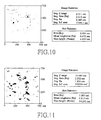
FIG. 10 illustrates the surface of a polypropylene control; and -
FIG. 11 illustrates the surface of a 10% MS0825 POSS/polypropylene formulation. - For the purposes of understanding this invention's chemical compositions the following definition for formula representations of Polyhedral Oligomeric Silsesquioxane (POSS), Polyhedral Oligometallosesquioxane (POMS) and Polyhedral Oligomeric Silicate (POS) nanostructures is made.
- Polysilsesquioxanes are materials represented by the formula [RSiO1.5]∞ where ∞ represents molar degree of polymerization and R = represents an organic substituent (H, siloxide, siloxy, cyclic or linear aliphatic or aromatic groups that may additionally contain reactive functionalities such as alcohols, esters, amines, ketones, olefins, ethers or halides). Polysilsesquioxanes may be either homoleptic or heteroleptic. Homoleptic systems contain only one type of R group while heteroleptic systems contain more than one type of R group. As a special case R may also include fluorinated organic groups.
- POSS, POMS, and POS nanostructure compositions are represented by the formula:
- [(RSiO1.5)n]∑# for homoleptic compositions
- [(RSiO1.5)n(R'SiO1.5)m]∑# for heteroleptic compositions (where R ≠ R')
- [(RSiO1.5)n(RXSiO1.0)m]∑# for functionalized heteroleptic compositions (where R groups can be equivalent or inequivalent)
- [(RSiO1.5)n(RSiO1.0)m(M)j]∑# for heterofunctionalized heteroleptic compositions
- In all of the above R is the same as defined above and X includes but is not limited to OH, Cl, Br, I, alkoxide (OR), acetate (OOCR), peroxide (OOR), amine (NR2), isocyanate (NCO), and R. The symbol M refers to metallic elements within the composition that include high and low Z metals including s and p block metals, d and f block transition, lanthanide, actinide metals, in particular, Al, B, Ga, Gd, Ce, W, Ni, Eu, U, Y, Zn, Mn, Os, Ir, Ta, Cd, Cu, Ag, V, As, Tb, In, Ba, Ti, Sm, Sr, Pt, Pb, Lu, Cs, Tl, and Te. The symbols m, n and j refer to the stoichiometry of the composition. The symbol ∑ indicates that the composition forms a nanostructure and the symbol # refers to the number of silicon atoms contained within the nanostructure. The value for # is usually the sum of m+n, where n ranges typically from 1 to 24 and m ranges typically from 1 to 12. It should be noted that ∑# is not to be confused as a multiplier for determining stoichiometry, as it merely describes the overall nanostructural characteristics of the system (aka cage size).
- The present invention recognizes that significant property enhancements can be realized by the modification of particulate and polymer surfaces with nanostructured chemicals. This greatly simplifies surface modification since the prior art does not control surface area, volume, or nanoscopic topology, and does not function as interfacial control agents nor as alloying agents within polymer morphology or between dissimilar materials.
- The prior art is deficient in recognizing and establishing control over nanoscopic surface features. The present invention demonstrates that properties such as dispersion, viscosity, surface energy, lubricity, adhesion, and stain resistance can be easily and favorably controlled through use of nanostructured chemicals at material surfaces and interfaces. Properties most favorably improved are time dependent mechanical and thermal properties such as particle dispersion, dispersion stability, heat distortion, creep, compression set, strength, toughness, visual appearance, feel, and texture, shrinkage, modulus, hardness and abrasion resistance, impact resistance, fire resistance, shrinkage reduction, expansion reduction, adhesion, lubricity, conductive, dielectric, capacitive properties, degree of cure, rate of cure, radiation absorptive properties and biological activity. In addition other physical properties are favorably improved, including gas and moister permeability, paint, print, film and coating properties.
- The fundamental premise behind surface modification in this invention is underpinned mathematically through computation of the surface area and volume contribution provided at various loadings of 1 nm spherical nanostructured chemical particles either into or onto a material. Computation reveals that as a particle becomes smaller it contributes more surface area and more volume as a wt% of its incorporation into a material than would larger particles (see
Figures 1-3 ). The net effect is that even small loadings of sufficiently small nanoparticles can ultimately dominate the surface characteristics of a material. The new surface provided by nanomodification can be utilized to either decrease surface roughness by filling-in surface defects or can increase surface roughness by creating more surface. Furthermore, it can be utilized to either increase or decrease the surface-surface interaction between two or more materials by making their surfaces smoother or rougher. The material surfaces can be similar or dissimilar. - Practical applications of this invention require the use of nanoscopic particulate-like entities. Most desirably, such particles would have a known and precise chemical composition, rigid three dimensional shape, controllable diameter, and controllable surface chemistry. Nanostructured chemicals meet such requirements and are preferably employed in this invention.
- Nanostructured chemicals are best exemplified by those based on low-cost Polyhedral Oligomeric Silsesquioxanes (POSS) and Polyhedral Oligomeric Silicates (POS) and Polyhedral Oligometallosesquioxanes (POMS).
Figure 4 illustrates some representative examples of monodisperse POSS nanostructured chemicals. POMS are nanostructured POSS chemicals that contain one or more metals inside or outside the central cage framework. In certain instances, cages may contain more than one metal atom, or more than one type of metal atom or even metal alloys in or on the cage. - POSS nanostructured chemicals contain hybrid (i.e. organic-inorganic) compositions and cage-like frameworks that are primarily comprised of inorganic silicon-oxygen bonds which may also contain one or more metal atoms bound to the cage. In addition to the metal and silicon-oxygen framework, the exterior of a nanostructured chemical is covered by both reactive and nonreactive organic functionalities (R), which ensure compatibility and tailorability of the nanostructure with other substances. Unlike particulate fillers, POSS nanostructured chemicals dissolve into polymers and solvents and exhibit a range of melting points from -40°C to 400°C.
- POSS nanostructured chemicals bearing metal atoms (POMS), silanols, alcohols, amines or other polar groups are preferably utilized as dispersion and surface modification agents because they can chemically interact and even permanently bond to the surface of silica, metallic or polymer particles while nonreactive groups on the cage can compatibilize the surface toward a secondary material or secondary surface. The chemical nature of POSS nanostructured chemicals also renders their dispersion characteristics to be governed by the Gibbs free energy of mixing equation (□G = □H-T□S) rather than kinetic dispersive mixing as for insoluble particulates. Thus, the ability of POSS to interact with a surface through Van der Waals interactions, covalent, ionic, or hydrogen bonding can be utilized to chemically, thermodynamically, and kinetically drive their dispersion and surface modification. Furthermore, since POSS cages are monoscopic in size, entropic dispersion (□S) is favored.
- Each POSS nanostructured chemical also has a molecular diameter that can be controlled through variation of cage size and the length of the cage R groups attached to the cage (typical range from 0.5 nm to 5.0 nm). The molecular diameter is key to providing control over surface topology, surface area, and volume contributions in optimal formulations. For example, a cage bound to a surface by three silanol groups provides a lower topological profile than a cage bound at one vertice (
Figure 5 ). - Additionally, the topological control that POSS cages offers can be used advantageously as bumps on a surface (
Figure 6 ). The resulting surface roughness will increase the amount of bondable surface area and can be utilized to disrupt the interaction of filler particulates with each other. It is well known that filler-filler interactions lead to self-quenching, agglomeration and inefficient dispersion of fillers and additives. POSS greatly reduces filler-filler interactions and self association by providing a nanoscopic spacer on the surface of particles and between polymer chains. - Consequently, POSS surface modification can reduce surface friction by decreasing the areal contact between two surfaces. Because POSS cages are molecules they can also melt and thereby reduce friction through nanoscopic surface lubrication and through isoviscous flow. This feature is particularly attractive for use in low friction fabrics, bandages, films, fabrics, tapes, and clothing.
- The use of POSS to promote lower surface friction is beneficially utilized in sabots and shotgun wadding to retain projectile kinetic energy (Example 5) against loss from barrel friction and aerodynamic drag. As a projectile translates the interfacial friction is reduced through lubrication by POSS R groups and also reduces barrel fouling.
- Furthermore, the use of POSS nanostructured chemicals is very cost effective because only a small amount is needed to greatly increase the surface area (
Figure 2 ) . Computations indicate that a 1 wt% incorporation of POSS onto a material provides a billion nm2/g increase in surface area. Thus the incorporation of small amount of POSS is both economically and technically effective at dominating surface area. - As is typical with chemical processes, there are a number of variables that can be used to control the purity, selectivity, rate and mechanism of any process. Variables influencing the process for the incorporation of nanostructured chemicals (e.g. POSS, POMS, POS) into plastics includes the size, polydispersity, topology, composition, and rigidity of the nanostructured chemical. Similarly the molecular weight, polydispersity and composition of the polymer system must also be matched with that of the nanostructured chemical. Finally, the kinetics, thermodynamics, and processing aids used during the compounding process are also tools of the trade that can impact the loading level and degree of enhancement resulting from incorporation of nanostructured chemicals into polymers. Blending processes such as melt blending, dry blending, milling, grinding, and solution mixing blending are all effective in utilizing nanostructured chemicals. Continuous, semicontinuous, and batch process methods of incorporation can be used.
- Methods for application include master batching, mixing, blending, milling, grinding, and thermal or solvent assisted methods including spraying and vapor deposition. Masterbatching is particularly desired because it affords automated and continuous production and consequent cost saving advantages. The incorporation of a nanostructured chemical into or onto a particle polymer favorably impacts a multitude of physical properties.
- POSS trisilanols were added to metallic particles by dissolving the POSS in dicholoromethane followed by addition of the metal particle powder. The solvent was then recovered under reduced pressure and the solid was heated to promote bonding of the POSS to the surface through Si-O-M bond formation.
- POSS trisilanols were added to thermoplastic polymers by melt compounding followed by addition of metallic particles and additional melt compounding. Similarly POSS trisilanols and metallic powders were added to a polymer during melt compounding followed by extrusion and pelletizing of the final composition.
- Specific combinations of POSS with polymer and fillers are necessary to obtain optimal dispersions and masterbatch concentrations. For example heptaisoOctyl POSS trisilanol #SO1455, TrisilanolisoButyl POSS #SO1450, or OctaisoButyl POSS #MS0825, are most preferably utilized with polyethylene, polypropylene and related polyolefins. While masterbatch concentrations of POSS at greater than 20 wt% can be utilized, loading levels of 0.1 wt% POSS are effective at creation of stable dispersions.
- Masterbatches of polar thermoplastics such as polyamides, polyethers, polycarbonates, polyesters, and polyurethanes preferably utilize trisilanolphenyl POSS #SO1458 or trisilanolisoOctyl POSS #SO1455. While masterbatch concentrations of POSS at greater than 20 wt% can be utilized, loading levels of 0.1 wt% POSS are also effective at creation of stable dispersions.
- Masterbatches containing 5 and 10 wt % Octaisobutyl POSS (#MS0825) and polypropylene (PP) were prepared utilizing a continuous co-rotating twin screw extruder with an L:D ratio of 40:1. Surface topography measurements were made by hot pressing the extrudate between clean silicon wafers and conducting tapping mode surface topography. The relative surface roughness from incorporation of 10% MS0825 POSS increased four fold (from 0.61 nm for PP) (
Figure 10 ) to 2.23 nm for the POSS-PP (Figure 11 ). The topographical measurements verify the control of surface roughness at the nanoscopic length scale and the uniform incorporation of MS0825 POSS throughout the PP in 1.5-50 nm domains. - Surface topology control necessarily renders control over surface friction properties. Nanoscale surface friction studies were performed via AFM in lateral force mode (LFM) on 1 µm x 1 µm scan size for master batches of POSS in thermoplastic polymers. Relative coefficient of friction (µ) is defined as the ratio of the total lateral friction force (Ff) to the total normal force (FN). In LFM AFM, the surface is scanned in the direction perpendicular to the long axis of the cantilever and the probe experiences a friction force in the direction opposite to the scanning direction. The relative coefficient of friction for PP, and PP masterbatches containing 5 wt.% and 10 wt.% MS0825 POSS is shown in Table 1. The incorporation of 10 wt.% MS0825 POSS in PP results in an almost 60% reduction in relative coefficient of friction (COF). The reduction in surface friction renders polymers containing POSS useful for low friction textiles and molded articles.
Table 1. Comparisons of adhesion and friction for PP MS0825 POSS masterbatches Composition COF Relative Adhesive Force (nN) % COF Reduction Intercept Force Curve PP control 0.17 37.77 30.76 - PP/ 5% MS0825 POSS 0.14 20.57 17.35 18 PP + 10% MS0825 POSS 0.07 26.29 15.02 59 - The use of nanoscopic POSS to attain low friction polymer surfaces is also desirable for sabots to reduce energy loss. A wide series of POSS polyolefin and polyamide masterbatches were prepared and injection molded into shotgun wads. The wads were then loaded with 1.25 oz (35 g) of #2 steel shot using same-lot, factory controlled powder loadings. The rounds were then fired and both shot velocity and pattern were measured (Table 3). The findings indicated and increase in shot velocity and significantly tighter shot pattern. Such enhancements are of great value to sportsmen, law enforcement and the military. The combination of POSS coated projectiles and low friction sabots is also envisioned.
Table 3. Comparison of ballistics for 12 gauge steel-shot shotgun wads. Composition Ave. Shot Velocity Resulting Shot pattern Wad flight distance ft/sec m/s LDPE Control 1342 409 modified choke LDPE 5wt% MS0825 1364 416 equivalent to full choke wad traveled 20 yds (18 m) further LDPE 5wt% S01450 1364 416 equivalent to full choke wad traveled 18 yds (16 m) further LDPE 5wt% MS0830 1356 413 modified-full choke pattern wad traveled 10 yds (9 m) further
Claims (7)
- A method for modifying the surface or interfacial properties of a material comprising the steps of:(a) providing a polymer or particulate material selected from the group consisting of (i) a polymer selected from the group consisting of acrylics, carbonates, epoxies, esters, silicones, polyolefins, polyethers, polyesters, polycarbonates, polyamides, polyurethanes, polyimides, phenolics, cyanate esters, polyureas, resoles, polyanilines, fluoropolymers, silicones, styrenics, amides, nitriles, olefins, aromatic oxides, aromatic sulfides, esters, and ionomers or rubbery polymers derived from hydrocarbons and silicones, and (ii) a particulate selected from the group consisting of metals, metal alloys, ceramics and ceramic alloys; and(b) nonreactively incorporating a nanostructured chemical selected from the group consisting of POSS, POS, and POMS with the material by mixing; wherein the surface roughness of the mixture as measured using tapping mode surface topography according to the description is at least twenty-five percent greater or smaller than the surface roughness of the material selected from (a).
- The method of claim 1, wherein the volume of the material is modified by the nanostructured chemical.
- The method of claim 1 wherein the nanostructured chemical reinforces the material at a molecular level.
- A method for modifying the surface or interfacial properties of an article of manufacture comprising the steps of:(a) providing a polymer or particulate material selected from the group consisting of (i) a polymer selected from the group consisting of acrylics, carbonates, epoxies, esters, silicones, polyolefins, polyethers, polyesters, polycarbonates, polyamides, polyurethanes, polyimides, phenolics, cyanate esters, polyureas, resoles, polyanilines, fluoropolymers, silicones, styrenics, amides, nitriles, olefins, aromatic oxides, aromatic sulfides, esters, and ionomers or rubbery polymers derived from hydrocarbons and silicones, and (ii) a particulate selected from the group consisting of metals, metal alloys, ceramics and ceramic alloys, and(b) incorporating a nanostructured chemical selected from the group consisting of POSS, POS and POMS with the material by mixing; wherein the article of manufacture is a projectile or a sabot, and the surface roughness of the article of manufacture as measured using tapping mode surface topography according to the description is at least twenty-five percent smaller than the surface roughness of an article of manufacture made from the material selected from (a) without the nanostructure chemical selected from (b).
- The method of claim 1, wherein a physical property selected from the group consisting of lubricity and friction is improved by incorporating the nanostructured chemical into the material.
- A method for dispersing a particulate into a polymer, comprising the steps of:(a) providing a polymer selected from the group consisting of acrylics, carbonates, epoxies, esters, silicones, polyolefins, polyethers, polyesters, polycarbonates, polyamides, polyurethanes, polyimides, phenolics, cyanate esters, polyureas, resoles, polyanilines, fluoropolymers, silicones, styrenics, amides, nitriles, olefins, aromatic oxides, aromatic sulfides, esters, and ionomers or rubbery polymers derived from hydrocarbons and silicones;(b) providing a particulate material selected from the group consisting of metals, metal alloys, ceramics and ceramic alloys; and(c) nonreactively incorporating a nanostructured chemical selected from the group consisting of POSS, POS, and POMS with the polymer and particulate by mixing;
wherein the nanostructured material facilitates dispersion of the particulate in the polymer as observed by transmission electron micrography. - The method of claim 6, wherein the nanostructured chemical reinforces the polymer at a molecular level.
Applications Claiming Priority (2)
| Application Number | Priority Date | Filing Date | Title |
|---|---|---|---|
| US75136205P | 2005-12-16 | 2005-12-16 | |
| PCT/US2006/048560 WO2008054418A2 (en) | 2005-12-16 | 2006-12-18 | Poss nanostructured chemicals as dispersion aids and friction reducing agents |
Publications (3)
| Publication Number | Publication Date |
|---|---|
| EP1960444A2 EP1960444A2 (en) | 2008-08-27 |
| EP1960444A4 EP1960444A4 (en) | 2009-11-04 |
| EP1960444B1 true EP1960444B1 (en) | 2014-02-12 |
Family
ID=39344763
Family Applications (1)
| Application Number | Title | Priority Date | Filing Date |
|---|---|---|---|
| EP06851823.2A Not-in-force EP1960444B1 (en) | 2005-12-16 | 2006-12-18 | Poss nanostructured chemicals as dispersion aids and friction reducing agents |
Country Status (6)
| Country | Link |
|---|---|
| EP (1) | EP1960444B1 (en) |
| JP (1) | JP2009520081A (en) |
| CN (1) | CN101511576A (en) |
| RU (1) | RU2008129089A (en) |
| TW (1) | TW200730558A (en) |
| WO (1) | WO2008054418A2 (en) |
Families Citing this family (8)
| Publication number | Priority date | Publication date | Assignee | Title |
|---|---|---|---|---|
| US8012583B2 (en) * | 2009-07-29 | 2011-09-06 | Xerox Corporation | Polyaniline silanol containing intermediate transfer members |
| RU2457419C1 (en) * | 2010-12-22 | 2012-07-27 | Государственное образовательное учреждение высшего профессионального образования "Новосибирский государственный технический университет" | Creation method of protective antifriction coating on inner surface of barrel channel of small-arms and artillery systems |
| CN102199262B (en) * | 2011-04-12 | 2013-06-05 | 厦门大学 | Polyhedral oligomeric silsesquioxane amphiphilic block copolymer and preparation method thereof |
| CN103146175B (en) * | 2012-12-26 | 2015-02-04 | 余姚中国塑料城塑料研究院有限公司 | Polyether ether ketone (PEEK) composite material modified from polyhedral oligomeric silsesquioxane (POSS) |
| CN103755847B (en) | 2013-12-31 | 2015-09-16 | 京东方科技集团股份有限公司 | Polyacrylate dispersant, dispersible pigment dispersion, colored photoresist material, color membrane substrates and display unit |
| CN104201007B (en) * | 2014-08-29 | 2017-02-01 | 中科院广州化学有限公司 | Carbon nanomaterial-based flexible super capacitor electrode material and preparation method for same |
| CN104448183A (en) * | 2014-12-08 | 2015-03-25 | 江南大学 | Plant oil-based polyurethane composite material and preparation method thereof |
| CN111072873B (en) * | 2019-12-31 | 2022-06-03 | 南京同宁新材料研究院有限公司 | Nano hybrid material with antibacterial function and preparation, use method and application thereof |
Family Cites Families (12)
| Publication number | Priority date | Publication date | Assignee | Title |
|---|---|---|---|---|
| JPS5241774B2 (en) * | 1974-05-21 | 1977-10-20 | ||
| JP2000001609A (en) * | 1998-06-16 | 2000-01-07 | Kanegafuchi Chem Ind Co Ltd | Flame retardant thermoplastic resin composition |
| US7638195B2 (en) * | 1999-08-04 | 2009-12-29 | Hybrid Plastics, Inc. | Surface modification with polyhedral oligomeric silsesquioxanes silanols |
| US20050192364A1 (en) * | 2003-12-18 | 2005-09-01 | Lichtenhan Joseph D. | Polyhedral oligomeric silsesquioxanes and metallized polyhedral oligomeric silsesquioxanes as coatings, composites and additives |
| JP5535418B2 (en) * | 2000-03-24 | 2014-07-02 | ハイブリッド・プラスチックス・インコーポレイテッド | Nanostructured chemicals as alloying agents in polymers |
| AU3765602A (en) * | 2000-11-21 | 2002-06-03 | Tyco Electronics Corp | Pigments and compositions for use in laser marking |
| JP2002322370A (en) * | 2001-04-24 | 2002-11-08 | Asahi Kasei Corp | Silsesquioxane-containing resin composition |
| JP2003049079A (en) * | 2001-08-06 | 2003-02-21 | Asahi Kasei Corp | Cage-like silsesquioxane-containing resin composition |
| US6852794B2 (en) * | 2001-09-07 | 2005-02-08 | The Goodyear Tire & Rubber Company | Rubber compound containing a polyhedral oligomeric silsesquioxanes |
| EP1799468B1 (en) * | 2004-09-11 | 2011-02-23 | Kumho European Technical Centre (Operating In Europe On Behalf Of Kumho Tire Co. Inc.) | Rubber composition comprising a polyhedral oligomeric silsesquioxane additive |
| TWI399297B (en) * | 2005-01-27 | 2013-06-21 | Hybrid Plastics Inc | Surface modification with polyhedral oligomeric silsesquioxanes silanols |
| TW200708544A (en) * | 2005-05-24 | 2007-03-01 | Hybrid Plastics Inc | Polyhedral oligomeric silsesquioxanes as glass forming coatings |
-
2006
- 2006-12-18 WO PCT/US2006/048560 patent/WO2008054418A2/en not_active Ceased
- 2006-12-18 JP JP2008545890A patent/JP2009520081A/en active Pending
- 2006-12-18 TW TW095147471A patent/TW200730558A/en unknown
- 2006-12-18 CN CNA2006800421131A patent/CN101511576A/en active Pending
- 2006-12-18 RU RU2008129089/04A patent/RU2008129089A/en not_active Application Discontinuation
- 2006-12-18 EP EP06851823.2A patent/EP1960444B1/en not_active Not-in-force
Also Published As
| Publication number | Publication date |
|---|---|
| EP1960444A4 (en) | 2009-11-04 |
| RU2008129089A (en) | 2010-01-27 |
| JP2009520081A (en) | 2009-05-21 |
| TW200730558A (en) | 2007-08-16 |
| CN101511576A (en) | 2009-08-19 |
| WO2008054418A2 (en) | 2008-05-08 |
| WO2008054418A3 (en) | 2009-05-07 |
| EP1960444A2 (en) | 2008-08-27 |
| WO2008054418A9 (en) | 2009-07-02 |
Similar Documents
| Publication | Publication Date | Title |
|---|---|---|
| US9267023B2 (en) | Method for modifying surface properties with nanostructured chemicals | |
| US8680215B2 (en) | Method for modifying surface properties with nanostructured chemicals | |
| DE69910617T2 (en) | A POLYMER / CLAY NANO COMPOSITE CONTAINING A FUNCTIONALIZED POLYMER OR OLIGOMER AND A METHOD FOR PRODUCING THE SAME | |
| US7897667B2 (en) | Fluorinated POSS as alloying agents in nonfluorinated polymers | |
| EP2121811B1 (en) | Method for making a dispersion | |
| CN100523085C (en) | Polyamide powder with durable and constant good flow properties | |
| JP5082863B2 (en) | COMPOSITE RESIN COMPOSITION AND MOLDED BODY USING THE SAME | |
| EP2509710A2 (en) | Polymeric hybrid organometalloglass | |
| CN106674705A (en) | Method for preparing inorganic nanoparticle/polyethylene copolymer composite material | |
| WO2008054418A2 (en) | Poss nanostructured chemicals as dispersion aids and friction reducing agents | |
| Varghese et al. | Nanocomposites of polymer matrices: Nanoscale processing | |
| US7820761B2 (en) | Metallized nanostructured chemicals as cure promoters | |
| WO2007041344A2 (en) | Metallized nanostructured chemicals as cure promoters | |
| Sreekala et al. | Property improvements of an epoxy resin by nanosilica particle reinforcement | |
| DE69422241T2 (en) | Organopolysiloxane composition, process for its preparation, its use and coated articles | |
| Venkatesan et al. | Zinc composite materials and food packaging | |
| KR101684329B1 (en) | Manufacturing method for titanium dioxide coating solution | |
| KR20230029775A (en) | High Performance Materials Including Polymers and Hybrid Nanoadditives | |
| WO2008051190A2 (en) | Metallized nanostructured chemicals alloyed into polymers | |
| Zulfiqar et al. | Synthesis and characterization of aromatic–aliphatic polyamide nanocomposite films incorporating a thermally stable organoclay | |
| KR100882095B1 (en) | Surface treatment method of metal particles using self-assembly characteristics, Metal particles surface-treated by the method, Polymer resin solution production method comprising the metal particles and Steel sheet coated with the polymer resin solution prepared by the method | |
| HK1137699A (en) | Poss nanostructured chemicals as dispersion aids and friction reducing agents | |
| US7612143B2 (en) | Metallized nanostructured chemicals alloyed into polymers | |
| Yahyaei et al. | Organic–inorganic hybrid materials with POSS for coatings | |
| JPH115886A (en) | Polyoxymethylene resin composition improved in mechanical physical property |
Legal Events
| Date | Code | Title | Description |
|---|---|---|---|
| PUAI | Public reference made under article 153(3) epc to a published international application that has entered the european phase |
Free format text: ORIGINAL CODE: 0009012 |
|
| AK | Designated contracting states |
Kind code of ref document: A2 Designated state(s): AT BE BG CH CY CZ DE DK EE ES FI FR GB GR HU IE IS IT LI LT LU LV MC NL PL PT RO SE SI SK TR |
|
| AX | Request for extension of the european patent |
Extension state: AL BA HR MK RS |
|
| R17D | Deferred search report published (corrected) |
Effective date: 20090507 |
|
| RIC1 | Information provided on ipc code assigned before grant |
Ipc: B32B 1/00 20060101AFI20090514BHEP Ipc: C08K 5/549 20060101ALI20090514BHEP |
|
| 17P | Request for examination filed |
Effective date: 20090527 |
|
| RBV | Designated contracting states (corrected) |
Designated state(s): AT BE BG CH CY CZ DE DK EE ES FI FR GB GR HU IE IS IT LI LT LU LV MC NL PL PT RO SE SI SK TR |
|
| A4 | Supplementary search report drawn up and despatched |
Effective date: 20091001 |
|
| 17Q | First examination report despatched |
Effective date: 20100112 |
|
| DAX | Request for extension of the european patent (deleted) | ||
| REG | Reference to a national code |
Ref country code: DE Ref legal event code: R079 Ref document number: 602006040308 Country of ref document: DE Free format text: PREVIOUS MAIN CLASS: C08F0283120000 Ipc: B32B0001000000 |
|
| GRAP | Despatch of communication of intention to grant a patent |
Free format text: ORIGINAL CODE: EPIDOSNIGR1 |
|
| RIC1 | Information provided on ipc code assigned before grant |
Ipc: C08K 5/549 20060101ALI20130812BHEP Ipc: C08J 5/00 20060101ALI20130812BHEP Ipc: B32B 1/00 20060101AFI20130812BHEP |
|
| INTG | Intention to grant announced |
Effective date: 20130827 |
|
| GRAS | Grant fee paid |
Free format text: ORIGINAL CODE: EPIDOSNIGR3 |
|
| GRAA | (expected) grant |
Free format text: ORIGINAL CODE: 0009210 |
|
| AK | Designated contracting states |
Kind code of ref document: B1 Designated state(s): AT BE BG CH CY CZ DE DK EE ES FI FR GB GR HU IE IS IT LI LT LU LV MC NL PL PT RO SE SI SK TR |
|
| REG | Reference to a national code |
Ref country code: GB Ref legal event code: FG4D |
|
| REG | Reference to a national code |
Ref country code: CH Ref legal event code: EP |
|
| REG | Reference to a national code |
Ref country code: AT Ref legal event code: REF Ref document number: 651950 Country of ref document: AT Kind code of ref document: T Effective date: 20140215 |
|
| REG | Reference to a national code |
Ref country code: DE Ref legal event code: R096 Ref document number: 602006040308 Country of ref document: DE Effective date: 20140320 |
|
| REG | Reference to a national code |
Ref country code: IE Ref legal event code: FG4D |
|
| REG | Reference to a national code |
Ref country code: NL Ref legal event code: VDEP Effective date: 20140212 |
|
| REG | Reference to a national code |
Ref country code: AT Ref legal event code: MK05 Ref document number: 651950 Country of ref document: AT Kind code of ref document: T Effective date: 20140212 |
|
| REG | Reference to a national code |
Ref country code: LT Ref legal event code: MG4D |
|
| PG25 | Lapsed in a contracting state [announced via postgrant information from national office to epo] |
Ref country code: IS Free format text: LAPSE BECAUSE OF FAILURE TO SUBMIT A TRANSLATION OF THE DESCRIPTION OR TO PAY THE FEE WITHIN THE PRESCRIBED TIME-LIMIT Effective date: 20140612 Ref country code: LT Free format text: LAPSE BECAUSE OF FAILURE TO SUBMIT A TRANSLATION OF THE DESCRIPTION OR TO PAY THE FEE WITHIN THE PRESCRIBED TIME-LIMIT Effective date: 20140212 |
|
| PG25 | Lapsed in a contracting state [announced via postgrant information from national office to epo] |
Ref country code: ES Free format text: LAPSE BECAUSE OF FAILURE TO SUBMIT A TRANSLATION OF THE DESCRIPTION OR TO PAY THE FEE WITHIN THE PRESCRIBED TIME-LIMIT Effective date: 20140212 Ref country code: FI Free format text: LAPSE BECAUSE OF FAILURE TO SUBMIT A TRANSLATION OF THE DESCRIPTION OR TO PAY THE FEE WITHIN THE PRESCRIBED TIME-LIMIT Effective date: 20140212 Ref country code: CY Free format text: LAPSE BECAUSE OF FAILURE TO SUBMIT A TRANSLATION OF THE DESCRIPTION OR TO PAY THE FEE WITHIN THE PRESCRIBED TIME-LIMIT Effective date: 20140212 Ref country code: AT Free format text: LAPSE BECAUSE OF FAILURE TO SUBMIT A TRANSLATION OF THE DESCRIPTION OR TO PAY THE FEE WITHIN THE PRESCRIBED TIME-LIMIT Effective date: 20140212 Ref country code: SE Free format text: LAPSE BECAUSE OF FAILURE TO SUBMIT A TRANSLATION OF THE DESCRIPTION OR TO PAY THE FEE WITHIN THE PRESCRIBED TIME-LIMIT Effective date: 20140212 Ref country code: NL Free format text: LAPSE BECAUSE OF FAILURE TO SUBMIT A TRANSLATION OF THE DESCRIPTION OR TO PAY THE FEE WITHIN THE PRESCRIBED TIME-LIMIT Effective date: 20140212 |
|
| PG25 | Lapsed in a contracting state [announced via postgrant information from national office to epo] |
Ref country code: BE Free format text: LAPSE BECAUSE OF FAILURE TO SUBMIT A TRANSLATION OF THE DESCRIPTION OR TO PAY THE FEE WITHIN THE PRESCRIBED TIME-LIMIT Effective date: 20140212 Ref country code: LV Free format text: LAPSE BECAUSE OF FAILURE TO SUBMIT A TRANSLATION OF THE DESCRIPTION OR TO PAY THE FEE WITHIN THE PRESCRIBED TIME-LIMIT Effective date: 20140212 |
|
| PG25 | Lapsed in a contracting state [announced via postgrant information from national office to epo] |
Ref country code: EE Free format text: LAPSE BECAUSE OF FAILURE TO SUBMIT A TRANSLATION OF THE DESCRIPTION OR TO PAY THE FEE WITHIN THE PRESCRIBED TIME-LIMIT Effective date: 20140212 Ref country code: DK Free format text: LAPSE BECAUSE OF FAILURE TO SUBMIT A TRANSLATION OF THE DESCRIPTION OR TO PAY THE FEE WITHIN THE PRESCRIBED TIME-LIMIT Effective date: 20140212 Ref country code: CZ Free format text: LAPSE BECAUSE OF FAILURE TO SUBMIT A TRANSLATION OF THE DESCRIPTION OR TO PAY THE FEE WITHIN THE PRESCRIBED TIME-LIMIT Effective date: 20140212 Ref country code: RO Free format text: LAPSE BECAUSE OF FAILURE TO SUBMIT A TRANSLATION OF THE DESCRIPTION OR TO PAY THE FEE WITHIN THE PRESCRIBED TIME-LIMIT Effective date: 20140212 |
|
| REG | Reference to a national code |
Ref country code: DE Ref legal event code: R097 Ref document number: 602006040308 Country of ref document: DE |
|
| PG25 | Lapsed in a contracting state [announced via postgrant information from national office to epo] |
Ref country code: SK Free format text: LAPSE BECAUSE OF FAILURE TO SUBMIT A TRANSLATION OF THE DESCRIPTION OR TO PAY THE FEE WITHIN THE PRESCRIBED TIME-LIMIT Effective date: 20140212 Ref country code: PL Free format text: LAPSE BECAUSE OF FAILURE TO SUBMIT A TRANSLATION OF THE DESCRIPTION OR TO PAY THE FEE WITHIN THE PRESCRIBED TIME-LIMIT Effective date: 20140212 |
|
| PLBE | No opposition filed within time limit |
Free format text: ORIGINAL CODE: 0009261 |
|
| STAA | Information on the status of an ep patent application or granted ep patent |
Free format text: STATUS: NO OPPOSITION FILED WITHIN TIME LIMIT |
|
| 26N | No opposition filed |
Effective date: 20141113 |
|
| REG | Reference to a national code |
Ref country code: DE Ref legal event code: R097 Ref document number: 602006040308 Country of ref document: DE Effective date: 20141113 |
|
| PG25 | Lapsed in a contracting state [announced via postgrant information from national office to epo] |
Ref country code: IT Free format text: LAPSE BECAUSE OF FAILURE TO SUBMIT A TRANSLATION OF THE DESCRIPTION OR TO PAY THE FEE WITHIN THE PRESCRIBED TIME-LIMIT Effective date: 20140212 |
|
| PG25 | Lapsed in a contracting state [announced via postgrant information from national office to epo] |
Ref country code: SI Free format text: LAPSE BECAUSE OF FAILURE TO SUBMIT A TRANSLATION OF THE DESCRIPTION OR TO PAY THE FEE WITHIN THE PRESCRIBED TIME-LIMIT Effective date: 20140212 |
|
| REG | Reference to a national code |
Ref country code: DE Ref legal event code: R119 Ref document number: 602006040308 Country of ref document: DE |
|
| PG25 | Lapsed in a contracting state [announced via postgrant information from national office to epo] |
Ref country code: LU Free format text: LAPSE BECAUSE OF FAILURE TO SUBMIT A TRANSLATION OF THE DESCRIPTION OR TO PAY THE FEE WITHIN THE PRESCRIBED TIME-LIMIT Effective date: 20141218 |
|
| REG | Reference to a national code |
Ref country code: CH Ref legal event code: PL |
|
| GBPC | Gb: european patent ceased through non-payment of renewal fee |
Effective date: 20141218 |
|
| REG | Reference to a national code |
Ref country code: IE Ref legal event code: MM4A |
|
| REG | Reference to a national code |
Ref country code: FR Ref legal event code: ST Effective date: 20150831 |
|
| PG25 | Lapsed in a contracting state [announced via postgrant information from national office to epo] |
Ref country code: LI Free format text: LAPSE BECAUSE OF NON-PAYMENT OF DUE FEES Effective date: 20141231 Ref country code: DE Free format text: LAPSE BECAUSE OF NON-PAYMENT OF DUE FEES Effective date: 20150701 Ref country code: GB Free format text: LAPSE BECAUSE OF NON-PAYMENT OF DUE FEES Effective date: 20141218 Ref country code: CH Free format text: LAPSE BECAUSE OF NON-PAYMENT OF DUE FEES Effective date: 20141231 Ref country code: IE Free format text: LAPSE BECAUSE OF NON-PAYMENT OF DUE FEES Effective date: 20141218 |
|
| PG25 | Lapsed in a contracting state [announced via postgrant information from national office to epo] |
Ref country code: FR Free format text: LAPSE BECAUSE OF NON-PAYMENT OF DUE FEES Effective date: 20141231 |
|
| PG25 | Lapsed in a contracting state [announced via postgrant information from national office to epo] |
Ref country code: MC Free format text: LAPSE BECAUSE OF FAILURE TO SUBMIT A TRANSLATION OF THE DESCRIPTION OR TO PAY THE FEE WITHIN THE PRESCRIBED TIME-LIMIT Effective date: 20140212 Ref country code: BG Free format text: LAPSE BECAUSE OF FAILURE TO SUBMIT A TRANSLATION OF THE DESCRIPTION OR TO PAY THE FEE WITHIN THE PRESCRIBED TIME-LIMIT Effective date: 20140212 |
|
| PG25 | Lapsed in a contracting state [announced via postgrant information from national office to epo] |
Ref country code: GR Free format text: LAPSE BECAUSE OF FAILURE TO SUBMIT A TRANSLATION OF THE DESCRIPTION OR TO PAY THE FEE WITHIN THE PRESCRIBED TIME-LIMIT Effective date: 20140513 Ref country code: PT Free format text: LAPSE BECAUSE OF FAILURE TO SUBMIT A TRANSLATION OF THE DESCRIPTION OR TO PAY THE FEE WITHIN THE PRESCRIBED TIME-LIMIT Effective date: 20140212 |
|
| PG25 | Lapsed in a contracting state [announced via postgrant information from national office to epo] |
Ref country code: TR Free format text: LAPSE BECAUSE OF FAILURE TO SUBMIT A TRANSLATION OF THE DESCRIPTION OR TO PAY THE FEE WITHIN THE PRESCRIBED TIME-LIMIT Effective date: 20140212 Ref country code: HU Free format text: LAPSE BECAUSE OF FAILURE TO SUBMIT A TRANSLATION OF THE DESCRIPTION OR TO PAY THE FEE WITHIN THE PRESCRIBED TIME-LIMIT; INVALID AB INITIO Effective date: 20061218 |