EP1959339A2 - System for maintaining a cache of printer-readable prioritized content - Google Patents
System for maintaining a cache of printer-readable prioritized content Download PDFInfo
- Publication number
- EP1959339A2 EP1959339A2 EP08151366A EP08151366A EP1959339A2 EP 1959339 A2 EP1959339 A2 EP 1959339A2 EP 08151366 A EP08151366 A EP 08151366A EP 08151366 A EP08151366 A EP 08151366A EP 1959339 A2 EP1959339 A2 EP 1959339A2
- Authority
- EP
- European Patent Office
- Prior art keywords
- document
- printer
- readable format
- cache
- key identifier
- Prior art date
- Legal status (The legal status is an assumption and is not a legal conclusion. Google has not performed a legal analysis and makes no representation as to the accuracy of the status listed.)
- Granted
Links
Images


Classifications
-
- G—PHYSICS
- G06—COMPUTING OR CALCULATING; COUNTING
- G06F—ELECTRIC DIGITAL DATA PROCESSING
- G06F3/00—Input arrangements for transferring data to be processed into a form capable of being handled by the computer; Output arrangements for transferring data from processing unit to output unit, e.g. interface arrangements
- G06F3/12—Digital output to print unit, e.g. line printer, chain printer
- G06F3/1201—Dedicated interfaces to print systems
- G06F3/1202—Dedicated interfaces to print systems specifically adapted to achieve a particular effect
- G06F3/1211—Improving printing performance
- G06F3/1212—Improving printing performance achieving reduced delay between job submission and print start
-
- G—PHYSICS
- G06—COMPUTING OR CALCULATING; COUNTING
- G06F—ELECTRIC DIGITAL DATA PROCESSING
- G06F3/00—Input arrangements for transferring data to be processed into a form capable of being handled by the computer; Output arrangements for transferring data from processing unit to output unit, e.g. interface arrangements
- G06F3/12—Digital output to print unit, e.g. line printer, chain printer
- G06F3/1201—Dedicated interfaces to print systems
- G06F3/1223—Dedicated interfaces to print systems specifically adapted to use a particular technique
- G06F3/1237—Print job management
- G06F3/1244—Job translation or job parsing, e.g. page banding
- G06F3/1245—Job translation or job parsing, e.g. page banding by conversion to intermediate or common format
-
- G—PHYSICS
- G06—COMPUTING OR CALCULATING; COUNTING
- G06F—ELECTRIC DIGITAL DATA PROCESSING
- G06F3/00—Input arrangements for transferring data to be processed into a form capable of being handled by the computer; Output arrangements for transferring data from processing unit to output unit, e.g. interface arrangements
- G06F3/12—Digital output to print unit, e.g. line printer, chain printer
- G06F3/1201—Dedicated interfaces to print systems
- G06F3/1278—Dedicated interfaces to print systems specifically adapted to adopt a particular infrastructure
- G06F3/1285—Remote printer device, e.g. being remote from client or server
Definitions
- the present disclosure relates to systems and methods for printing and converting documents from a workstation to a print driver.
- printer driver refers to a printer or an image marking device. Even for some small jobs, such as a single photograph, the translation or conversion into the printer-readable format can result in delays of several minutes as the data are transmitted and ripped.
- the present disclosure relates to a system for prioritizing a cache of print jobs associated with at least one print driver.
- the system includes a workstation having a processing unit and at least one print driver having a processing unit.
- the workstation and the at least one print driver are configured for interfacing via a network.
- the processing unit of the workstation has a set of programmable instructions configured for: implementing a print job request for a document; and determining whether a document key identifier associated with the document exists. If no document key identifier exists, the set of programmable instructions of the workstation creates a document key identifier associated with the document.
- the processing unit of the at least one print driver has a set of programmable instructions configured for determining whether a printer-readable format for a document associated with the document key identifier is stored in at least one of at least two caches configured for interfacing with the workstation and with the at least one print driver via the network.
- the processing unit of the at least one print driver may further include a set of programmable instructions configured for assigning a prioritization identifier to the printer-readable format if a printer-readable format for a document associated with the document key identifier is stored in the at least one of the at least two caches.
- the processing unit of the at least one print driver may further include a set of programmable instructions configured for: retrieving the printer-readable format corresponding to the document associated with the document key identifier from the at least one of the at least two caches; and producing a print job output from the printer-readable format.
- the processing unit of the at least one print driver may further include a set of programmable instructions configured for: processing the print job request as a print job request for a novel printer-readable format by creating a document key identifier associated with the document; and converting the document into a printer-readable format.
- the processing unit of the at least one print driver may further include a set of programmable instructions configured for: assigning a prioritization identifier to the printer-readable format; and storing in the at least one of the at least two caches, for the document, at least one of the document key identifier associated with the document; the prioritization identifier assigned to the printer-readable format; and the printer-readable format corresponding to the document and the document key identifier.
- the at least two caches may comprise a first cache and a second cache, and wherein the printer-readable format is stored in the first cache, the processing unit of the at least one print driver may further include a set of programmable instructions configured for at least one of copying and moving the printer-readable format to the second cache if a priority threshold for the prioritization identifier has been met for the printer-readable format. Additionally, the processing unit of the at least one print driver further may include a set of programmable instructions configured for removing the printer-readable format from the first cache if a priority threshold for the prioritization identifier has not been met for the printer-readable format.
- the prioritization identifier may include at least one of a timestamp, a document length, and a document topic.
- the processing unit of the at least one print driver may further include a set of programmable instructions configured for: retrieving the printer-readable format corresponding to the document associated with the document key identifier from the at least one cache; and producing a print job output from the printer-readable format.
- the at least two caches may include a first cache and a second cache.
- the first cache may be a persistent cache and the second cache may be a temporary cache.
- At least one of the at least two caches may reside in either the at least one print driver or in a data memory storage accessible via the network, or combinations thereof.
- the present disclosure relates also to a workstation for prioritizing a cache of print jobs associated with at least one print driver as described above.
- the present disclosure relates also to at least one print driver for prioritizing a cache of print jobs as described above.
- the present disclosure relates to a method for prioritizing a cache of print jobs associated with at least one print driver.
- the method includes: implementing a print job request for a document; determining whether a document key identifier associated with the document exists, wherein if no document key identifier exists, creating a document key identifier; and determining whether a printer-readable format for a document associated with the document key identifier is stored in at least one of at least two caches. If a printer-readable format for a document associated with the document key identifier is stored in the at least one of the at least two caches, the method may further include assigning a prioritization identifier to the printer-readable format for the document associated with the document key identifier. In addition, the method may further include retrieving the printer-readable format corresponding to the document associated with the document key identifier from the at least one of the at least two caches; and producing a print job output from the printer-readable format.
- the method may further include: processing the print job request as a print job request for a novel printer-readable format by creating a document key identifier associated with the document; and converting the document into a printer-readable format.
- the method may further include: assigning a prioritization identifier to the printer-readable format; and storing in the at least one of the at least two caches, for the document, at least one of the document key identifier associated with the document, the prioritization identifier assigned to the printer-readable format, and the printer-readable format corresponding to the document and the document key identifier.
- the method may also further include: storing in the at least one of the at least two caches, for the document, at least one of the document key identifier associated with the document, the prioritization identifier assigned to the printer-readable format, and the printer-readable format corresponding to the document and the document key identifier.
- the at least two caches may include a first cache and a second cache, wherein if a priority threshold for the prioritization identifier has been met for the printer-readable format, and wherein the printer-readable format is stored in the first cache, the method may further include: at least one of copying and moving the printer-readable format to the second cache.
- the method may further include removing the printer-readable format from the first cache. Furthermore, in one embodiment, if a priority threshold for the prioritization identifier has been met for the printer-readable format, and the printer-readable format is stored in the first cache, the method may further include at least one of copying and moving the printer-readable format to the second cache.
- the prioritization identifier may include at least one of a timestamp, a document length, and a document topic.
- the method may further include: retrieving the printer-readable format corresponding to the document associated with the document key identifier from the at least one cache; and producing a print job output.
- the method may be implemented wherein the at least two caches comprises a first cache and a second cache, and wherein the first cache is a persistent cache and the second cache is a temporary cache.
- the method may be implemented wherein at least one of the at least two caches reside in one of the at least one print driver and in a data memory storage accessible via the network.
- the at least two caches comprises a first cache and a second cache, and wherein the printer-readable format is stored in the first cache, the processing unit of the at least one print driver further comprises a set of programmable instructions configured for:
- the at least two caches comprises a first cache and a second cache, and wherein the printer-readable format is stored in the first cache, the processing unit of the at least one print driver further comprises a set of programmable instructions configured for:
- the processing unit of the at least one print driver further comprises a set of programmable instructions configured for assigning a prioritization identifier to the printer-readable format if a printer-readable format for a document associated with the document key identifier is stored in the at least one of the at least two caches.
- the processing unit of the at least one print driver further comprises a set of programmable instructions configured for:
- the processing unit of the at least one print driver further comprises a set of programmable instructions configured for:
- the processing unit of the at least one print driver further comprises a set of programmable instructions configured for:
- the method further comprises:
- the method further comprises:
- the at least two caches comprises a first cache and a second cache, wherein if a priority threshold for the prioritization identifier has been met for the printer-readable format, and wherein the printer-readable format is stored in the first cache, the method further comprises:
- the at least two caches comprises a first cache and a second cache, wherein if a priority threshold for the prioritization identifier has not been met for the printer-readable format, and wherein the printer-readable format is stored in the first cache, the method further comprises:
- the at least two caches comprises a first cache and a second cache, and wherein if a priority threshold for the prioritization identifier has been met for the printer-readable format, and wherein the printer-readable format is stored in the first cache, the method further comprises:
- the present disclosure relates to caching by a print driver in printer-readable format of documents, e.g., rasterized renditions of popular, lengthy or important documents in order to avoid the cost or time associated with re-rasterization with each re-printing.
- a system 100 that includes a workstation 110 that has a processor or processing unit 112.
- the system 100 further includes at least one print driver 120a and may include additional print drivers such as print driver 120b, wherein the workstation 110 and the at least one print driver 120a and any additional print drivers such as print driver 120b are configured for interfacing via a network 10.
- the processing unit 112 of the workstation 110 has a set of programmable instructions, e.g., software, configured for implementing a print job request for a document 114 that is stored electronically by the processor or processing unit 112 in computer-readable format.
- the programmable instructions of the processor 112 are configured also for determining whether a document key identifier 116 exists, wherein the document key identifier 116 is associated with the document 114. That is, documents such as document 114 may be identified by the (nearly) unique key identifier 116 generated by the print job request. If no document key identifier exists, the processor 112 of the workstation 110 creates a document key identifier, such as document key identifier 116.
- the document key identifier 116 is a suitable identifier, e.g., a universal resource identifier (URI) or universal resource locator (URL), or output from a one-way hash function, among others.
- URI universal resource identifier
- URL universal resource locator
- the document key identifiers 116 are maintained as small and created as fast as practical.
- the URIs may be submitted directly to the print device and used as keys to uniquely identify documents.
- the one-way-hash function translates relatively large arrays of binary data into a key value.
- the creation of the hash function is as fast and efficient as practical, and guarantees the uniqueness of the key in the majority of circumstances (i.e. two different documents should not generate the same key). Similar keys are used in encryption to ensure that data has not been modified during transmission.
- the print drivers 130a and 130b each include processors or processing units 132a and 132b, respectively, that have a set of programmable instructions configured for determining whether a printer-readable format, e.g., printer-readable format 136a, 136b is stored in or is pre-existing in first or persistent cache 134a and 134b, or printer-readable format 140a and 140b is stored in or is pre-existing in second or temporary cache 138a and 138b, respectively.
- the caches 134a, 134b and 138a, 138b are configured for interfacing with the workstation 110 and with the print drivers 130a and 130b, respectively, via the network 10.
- the caches 134a, 134b and 138a, 138b may reside in print drivers 130a, 130b, respectively, as shown, or in a data memory storage (not shown) that is accessible via the network 10.
- the network 10 may be a local area network (LAN) or a wide area network (WAN) such as the internet.
- the network may be configured for wireless or contactless interaction, e.g., such as by electromagnetic, optical, or acoustic signals.
- terms such as “ripping” , “ripped”, “rasterizing” or “rasterized” refer to conversion or translation of a document from a computer-readable format to a print driver-readable or printer-readable format.
- the printer-readable format may be in the form of binary data, among others. For simplicity, the terminology printer-readable format is used herein rather than print driver-readable format, with the terminology being equivalent.
- the processor 132a, 132b includes a set of programmable instructions configured for assigning a prioritization identifier, e.g., prioritization identifier 142a, 142b to a printer-readable format 136a, 136b stored in the first or persistent cache 134a, 134b or prioritization identifier 144a, 144b to a printer-readable format 140a, 140b stored in the second or temporary cache 138a, 138b, respectively.
- the processor 132a, 132b may also include a set of programmable instructions configured for retrieving the printer-readable format 136a, 136b and 140a, 140b corresponding to the document, e.g., document 114, associated with the document key identifier 116 from at least one of the two caches 134a, 134b and 138a, 138b, and producing a print job output from the printer-readable format 136a, 136b or 140a, 140b, respectively.
- the processor or processor unit 132a, 132b of the at least one print driver 130a, 130b includes a set of programmable instructions configured for processing the print job request as a print-job request for a novel printer-readable format by creating a document key identifier 116 associated with the document 114 and converting the document 116, via printer-readable format converter 146a, 146b, into a printer-readable format, e.g., printer-readable format 136a, 136b and 140a, 140b corresponding to the document, e.g., document 114, respectively.
- the processor 132a, 132b of the at least one print driver 130a, 130b may include a set of programmable instructions configured for assigning a prioritization identifier, e.g., prioritization or priority identifier 142a, 142b to the printer-readable format 136a, 136b stored in first cache 134a, 134b or prioritization identifier 144a, 144b to the printer-readable format 140a, 140b stored in second cache 138a, 138b, respectively.
- a prioritization identifier e.g., prioritization or priority identifier 142a, 142b
- the set of programmable instructions for the processor 132a, 132b may also be configured for storing in at least one of the at least two caches 134a, 134b or 138a, 138b, for the document 114, at least one of the document key identifier 116 associated with the document 114; the prioritization identifier 142a, 142b or 144a,144b assigned to the printer-readable format 136a, 136b or 140a, 140b; and the printer-readable format 136a, 136b or 140a, 140b corresponding to the document 114 and the document key identifier 116, respectively.
- the prioritization identifier 142a, 142b or 144a, 144b may include a timestamp and/or a document length and/or a document topic.
- a particular prioritization threshold is associated with each of the prioritization or priority identifiers 142a, 142b or 144a, 144b, respectively.
- the prioritization identifier is frequency of printing of a particular printer-readable format corresponding to a document, the frequency is determined by applying a timestamp, e.g., TS0 , to the printer-readable format to indicate the time and date at which the printer-readable format, e.g. PRF1, was printed.
- the print drivers 130a, 130b leverage local (or shared) storage to store the recently printed printer-readable formats PRF1 to PRFx in the second or temporary cache 138a, 138b, respectively.
- the processor 132a, 132b of the print driver 130a, 130b tracks the frequency at which the printer-readable formats PRF1 to PRFx are printed (number of prints over time) to determine whether or not each document meets a popularity threshold based on the print frequency.
- One example algorithm for determining print frequency might be:
- a printer-readable format e.g., printer-readable format PRF3 that corresponds to a document, that meets or exceeds the designated threshold print frequency is moved from the temporary cache 138a, 138b to the persistent cache 134a, 134b, respectively, where the printer-readable format PRF3 can be quickly and easily accessed as needed.
- the print driver 130a, 130b must be able to uniquely identify documents (e.g. through the use of URIs/URLs 116a or hash functions 116b) so that the printer-readable format PRF3 can be retrieved from the cache 134a, 134b as needed without re-transmitting or re-ripping the content thereof.
- the temporary cache 138a, 138b may be in the form of a hash map and which stores recently printed documents.
- the temporary cache 138a, 138b may or may not be stored persistently (meaning that the temporary cache 138a, 138b may persist across restarts of the print driver 130a, 130b), and resides in the print driver 130a, 130b, respectively. Since the temporary cache 138a, 138b stores recently printed documents, new documents entering the system for the first time can be tracked against older documents.
- the persistent cache 134a, 134b is also in the form of a hash map, and stores exactly the same types of key/value pairs. The major difference is that content is only promoted to the persistent cache once it meets or exceeds a certain popularity threshold. For example, if the frequency of one of the stored documents in the temporary cache exceeds the frequency of the least popular document in the persistent cache, the older document may be removed and replaced with the newer document.
- the permanent cache is also likely to be much larger, perhaps an order of magnitude larger than the temporary cache. Therefore, the persistent cache 138a, 138b accommodates the more popular documents.
- Distributed or network accessible storage may be used to allow a pool of print drivers to share the same cache(s).
- a suitable distributed or network file system may be employed (not shown) to interface with the print drivers 130a, 130b via the network 10.
- Examples of currently available or known distributed or network file systems include “Ceph”, “DCE Distributed File System”, “Google File System”, “Hadoop”, “Lustre”, and “Microsoft Distributed File System”, among others.
- the prioritization categories can be frequency of use (the timestamp), but can also include length of the document and the fact that considerable time would be required to print out the document should a user want to do so, even if infrequently.
- Printer-readable formats corresponding to such documents are stored in document length cache 150.
- printer-readable formats PRF-L1 to PRF-Lm are stored in the document length cache 150.
- Printer-readable formats PRF-L1 to PRF-Lm may or may not be subjected to periodic review to determine the necessity of continued storage therein and the desirability of moving one or more selected printer-readable formats PRF-L1 to PRF-Lm to another cache such as the persistent cache 134a, 134b or simply removing one or more selected printer-readable formats PRF-L1 to PRF-Lm entirely from the system 100 if a priority threshold has not been met.
- the review process may be performed over much longer time intervals as compared to the temporary cache 138a, 138b.
- the prioritization categories can also include importance of the topic or subject of the document. For example, even though a document may not be used frequently, that particular document and a series of related documents might need to be printed sequentially at the same time when called upon (e.g., for a report or for a meeting, etc.). Therefore, printer-readable formats corresponding to such documents are stored in document importance cache 160.
- printer-readable formats PRF-I1 to PRF-Im may be stored in document importance cache 160 and also may or may not be subjected to periodic review to determine the necessity of continued storage therein and the desirability of moving one or more selected printer-readable formats PRF-11 to PRF-lm to another cache such as the persistent cache 134a, 134b or simply removing one or more selected printer-readable formats PRF-I1 to PRF-Im entirely from the system 100 if a priority threshold has not been met.
- the review process may be performed over much longer time intervals as compared to the temporary cache 138a, 138b.
- the document length cache 150 and the document importance cache 160 may reside either within the one or more print drivers 132a, 132b, respectively, or in a data memory storage (not shown) that is accessible via the network 10, e.g., a distributed or network file system as described above..
- the present disclosure relates also to the workstation 110 for prioritizing a cache of print jobs associated with the at least one print driver 130a, 130b.
- the workstation 110 has the processing unit 112, wherein the workstation 110 is configured for interfacing with at least one print driver 130a, 130b via the network 10, and the processing unit 112 has a set of programmable instructions configured for implementing a print job request for document 114 and determining whether a document key identifier, e.g., document key identifier 116, associated with the document 114 exists. If no document key identifier exists, the processing unit 132a, 132b, respectively, creates a document key identifier, e.g., document key identifier 116.
- the present disclosure relates also to the at least one print driver 130a, 130b for prioritizing a cache of print jobs.
- the at least one print driver 130a, 130b is configured for interfacing with the workstation 110 that has the processing unit 112.
- the workstation 110 and the at least one print driver 130a, 130b are configured for interfacing via the network 10.
- the processing unit 132a, 132b of the at least one print driver 130a, 130b has a set of programmable instructions configured for determining whether a printer-readable format associated with the document key identifier 116 created by the workstation 110 is stored in one of the at least two caches 134a, 134b and 138a, 138b that is configured for interfacing with the workstation 110 and with the at least one print driver 130a, 130b via the network 10, respectively.
- the present disclosure relates also to a method 200 for prioritizing a cache of print jobs associated with at least one print driver. More particularly, the method 200 includes in step 202 implementing a print job request for a document, e.g., document 114. Step 204 includes determining whether a document key identifier associated with the document exists, e.g., document key identifier 116. If no document key identifier exists, step 206 includes creating a document key identifier, e.g., document key identifier 116 being created by the workstation 100.
- step 208 includes transferring the document key identifier 116 from the workstation 110 to the at least one print driver 130a, 130b via the network 10.
- the method 200 also includes in step 210 determining whether a printer-readable format for a document associated with the document key identifier 116 is stored in at least one of at least two caches, e.g., whether printer-readable format 136a, 136b is stored in first or persistent cache 134a, 134b of at least two caches, e.g., in second or temporary cache 138a, 138b, document length cache 150, or document importance cache 160, respectively.
- step 212 includes assigning a prioritization or priority identifier, e.g., identifier 142a, 142b to the printer-readable format to a printer-readable format 136a, 136b stored in the first or persistent cache 134a, 134b, respectively.
- Step 214 includes the print driver 130a, 130b retrieving the printer-readable format 138a, 138b from the persistent cache 134a, 134b, respectively.
- step 216 includes producing a print job out from the printer-readable format 138a, 138b.
- the method 200 includes the step 218 of determining whether a printer-readable format for a document associated with the document key identifier 116 is stored in temporary cache 138a, 138b, respectively.
- step 220 includes processing the print job request as a print job request for a novel printer-readable format implemented by the at least one print driver 130a, 130b requesting the workstation 110 to create a document key identifier associated with the document, e.g., by creating document key identifier 116 associated with the document 114, respectively.
- Step 222 includes the workstation 110 transferring the document 114 and the document key identifier 116 from the workstation 110 to the at least one print driver 130a, 130b via the network 10, respectively.
- Step 224 includes converting the document 114 into printer-readable format 140a, 140b via printer-readable format converter 146a, 146b, respectively.
- step 226 includes assigning a prioritization identifier, e.g., prioritization identifier 144a, 144b and storing in the second or temporary cache 138a, 138b at least one of the document key identifier 116 associated with the document 114, the prioritization identifier 144a, 144b assigned to the printer-readable format 140a, 140b, and the printer-readable format 140a, 140b corresponding to the document 114 and document key identifier 116, respectively.
- a prioritization identifier e.g., prioritization identifier 144a, 144b and storing in the second or temporary cache 138a, 138b at least one of the document key identifier 116 associated with the document 114, the prioritization identifier 144a, 144b assigned to the printer-readable format 140a, 140b,
- step 228 includes assigning a prioritization identifier, e.g., prioritization identifier 144a, 144b such as a timestamp TSi to the printer-readable format 140a, 140b, respectively.
- a prioritization identifier e.g., prioritization identifier 144a, 144b such as a timestamp TSi
- decision step 230 includes determining whether a priority threshold for the prioritization identifier 144a, 144b has been met, e.g., for a novel printer-readable format , whether a priority threshold such as document length or document importance, or for a pre-existing printer-readable format, whether a priority threshold, such as print frequency, has been met.
- the method 200 includes the step 232 of retrieving the printer-readable format 140a, 140b corresponding to the document 114 associated with the key identifier 116 from the temporary cache 134a, 134b, respectively, and completing the step 216 of producing a print job output.
- the step 234 includes at least one of copying the printer-readable format 140a, 140b and moving printer-readable format 140a, 140b from temporary cache 138a, 138b to the first or persistent cache 134a, 134b, effectively promoting printer-readable format 140a, 140b from temporary cache 138a, 138b to the first or persistent cache 134a, 134b, respectively.
- Step 236 includes removing the printer-readable format 140a, 140b from the temporary cache 138a, 138b.
- step 214 of retrieving the printer-readable format 140a, 140b from the persistent cache 134a, 134b, respectively, and step 216 of producing a print job output may be implemented.
- printer-readable format e.g., in a binary language that the print driver understands and can use to quickly produce output.
- Storage of the printer-readable format avoids the need to transmit the computer-readable document data, which must be converted to printer-readable format, from the workstation to the print driver over the network (only the document keys, which are much smaller than the actual data, need to be transmitted as part of the job), and avoids duplicating the CPU-intensive ripping process.
- the print driver simply uses the document-keys to retrieve the printer-readable format, which has already been ripped, and immediately begins producing output. While there will always be novel documents introduced to the print drivers, by avoiding transmission and ripping delays between frequently printed, lengthy or important print jobs, the throughput of the print driver may be increased, perhaps dramatically.
Landscapes
- Engineering & Computer Science (AREA)
- Theoretical Computer Science (AREA)
- Human Computer Interaction (AREA)
- Physics & Mathematics (AREA)
- General Engineering & Computer Science (AREA)
- General Physics & Mathematics (AREA)
- Record Information Processing For Printing (AREA)
- Accessory Devices And Overall Control Thereof (AREA)
- Facsimiles In General (AREA)
Abstract
Description
- The present disclosure relates to systems and methods for printing and converting documents from a workstation to a print driver.
- In current printing environments, frequently printed and popular documents (e.g. memos, e-mails, manuals, corporate logos, business cards, photographs, letterhead, etc) must be completely reprocessed each time they are printed. The user selects the document(s) to be printed from a workstation, and then transmits the document(s) to a print driver over a network. The print driver translates or converts the data from a language in a computer-readable format such as PostScript or Adobe PDF into a printer-readable format such as a binary language that the print driver understands (a computationally intensive process often referred to as "rasterizing" or "ripping"), and then generates the print job output from the printer-readable format. (As defined herein, the terminology "print driver" refers to a printer or an image marking device). Even for some small jobs, such as a single photograph, the translation or conversion into the printer-readable format can result in delays of several minutes as the data are transmitted and ripped.
- In view of the problems regarding prior art systems and methods for processing print job requests, the present disclosure relates to a system for prioritizing a cache of print jobs associated with at least one print driver. The system includes a workstation having a processing unit and at least one print driver having a processing unit. The workstation and the at least one print driver are configured for interfacing via a network. The processing unit of the workstation has a set of programmable instructions configured for: implementing a print job request for a document; and determining whether a document key identifier associated with the document exists. If no document key identifier exists, the set of programmable instructions of the workstation creates a document key identifier associated with the document. The processing unit of the at least one print driver has a set of programmable instructions configured for determining whether a printer-readable format for a document associated with the document key identifier is stored in at least one of at least two caches configured for interfacing with the workstation and with the at least one print driver via the network. The processing unit of the at least one print driver may further include a set of programmable instructions configured for assigning a prioritization identifier to the printer-readable format if a printer-readable format for a document associated with the document key identifier is stored in the at least one of the at least two caches. The processing unit of the at least one print driver may further include a set of programmable instructions configured for: retrieving the printer-readable format corresponding to the document associated with the document key identifier from the at least one of the at least two caches; and producing a print job output from the printer-readable format.
- When a printer-readable format corresponding to the document associated with the document key identifier is not stored in the at least one of the at least two caches, the processing unit of the at least one print driver may further include a set of programmable instructions configured for: processing the print job request as a print job request for a novel printer-readable format by creating a document key identifier associated with the document; and converting the document into a printer-readable format. The processing unit of the at least one print driver may further include a set of programmable instructions configured for: assigning a prioritization identifier to the printer-readable format; and storing in the at least one of the at least two caches, for the document, at least one of the document key identifier associated with the document; the prioritization identifier assigned to the printer-readable format; and the printer-readable format corresponding to the document and the document key identifier.
- The at least two caches may comprise a first cache and a second cache, and wherein the printer-readable format is stored in the first cache, the processing unit of the at least one print driver may further include a set of programmable instructions configured for at least one of copying and moving the printer-readable format to the second cache if a priority threshold for the prioritization identifier has been met for the printer-readable format. Additionally, the processing unit of the at least one print driver further may include a set of programmable instructions configured for removing the printer-readable format from the first cache if a priority threshold for the prioritization identifier has not been met for the printer-readable format. The prioritization identifier may include at least one of a timestamp, a document length, and a document topic.
- The processing unit of the at least one print driver may further include a set of programmable instructions configured for: retrieving the printer-readable format corresponding to the document associated with the document key identifier from the at least one cache; and producing a print job output from the printer-readable format. The at least two caches may include a first cache and a second cache. The first cache may be a persistent cache and the second cache may be a temporary cache. At least one of the at least two caches may reside in either the at least one print driver or in a data memory storage accessible via the network, or combinations thereof.
- The present disclosure relates also to a workstation for prioritizing a cache of print jobs associated with at least one print driver as described above. Correspondingly, the present disclosure relates also to at least one print driver for prioritizing a cache of print jobs as described above.
- In addition, the present disclosure relates to a method for prioritizing a cache of print jobs associated with at least one print driver. The method includes: implementing a print job request for a document; determining whether a document key identifier associated with the document exists, wherein if no document key identifier exists, creating a document key identifier; and determining whether a printer-readable format for a document associated with the document key identifier is stored in at least one of at least two caches. If a printer-readable format for a document associated with the document key identifier is stored in the at least one of the at least two caches, the method may further include assigning a prioritization identifier to the printer-readable format for the document associated with the document key identifier. In addition, the method may further include retrieving the printer-readable format corresponding to the document associated with the document key identifier from the at least one of the at least two caches; and producing a print job output from the printer-readable format.
- If a printer-readable format corresponding to the document associated with the document key identifier is not stored in the at least one of the at least two caches, the method may further include: processing the print job request as a print job request for a novel printer-readable format by creating a document key identifier associated with the document; and converting the document into a printer-readable format. The method may further include: assigning a prioritization identifier to the printer-readable format; and storing in the at least one of the at least two caches, for the document, at least one of the document key identifier associated with the document, the prioritization identifier assigned to the printer-readable format, and the printer-readable format corresponding to the document and the document key identifier.
- The method may also further include: storing in the at least one of the at least two caches, for the document, at least one of the document key identifier associated with the document, the prioritization identifier assigned to the printer-readable format, and the printer-readable format corresponding to the document and the document key identifier. In one embodiment, the at least two caches may include a first cache and a second cache, wherein if a priority threshold for the prioritization identifier has been met for the printer-readable format, and wherein the printer-readable format is stored in the first cache, the method may further include: at least one of copying and moving the printer-readable format to the second cache. In one embodiment, if a priority threshold for the prioritization identifier has not been met for the printer-readable format, and the printer-readable format is stored in the first cache, the method may further include removing the printer-readable format from the first cache. Furthermore, in one embodiment, if a priority threshold for the prioritization identifier has been met for the printer-readable format, and the printer-readable format is stored in the first cache, the method may further include at least one of copying and moving the printer-readable format to the second cache. Again, the prioritization identifier may include at least one of a timestamp, a document length, and a document topic. The method may further include: retrieving the printer-readable format corresponding to the document associated with the document key identifier from the at least one cache; and producing a print job output. The method may be implemented wherein the at least two caches comprises a first cache and a second cache, and wherein the first cache is a persistent cache and the second cache is a temporary cache. In addition, the method may be implemented wherein at least one of the at least two caches reside in one of the at least one print driver and in a data memory storage accessible via the network.
- Specific embodiments of the present invention are as follows.
- In one embodiment of the system according to claim 5, the at least two caches comprises a first cache and a second cache, and wherein the printer-readable format is stored in the first cache, the processing unit of the at least one print driver further comprises a set of programmable instructions configured for:
- removing the printer-readable format from the first cache if a priority threshold for the prioritization identifier has not been met for the printer-readable format.
- In a further embodiment the at least two caches comprises a first cache and a second cache, and wherein the printer-readable format is stored in the first cache, the processing unit of the at least one print driver further comprises a set of programmable instructions configured for:
- at least one of copying and moving the printer-readable format to the second cache if a priority threshold for the prioritization identifier has been met for the printer-readable format; and
- wherein the printer-readable format is stored in one of the at least two caches, the processing unit of the at least one print driver further comprises a set of programmable instructions configured for:
- removing the printer-readable format from the one of the at least two caches if a priority threshold for the prioritization identifier has not been met for the printer-readable format.
- In a further embodiment the processing unit of the at least one print driver further comprises a set of programmable instructions configured for:
- retrieving the printer-readable format corresponding to the document associated with the document key identifier from the at least one cache; and
- producing a print job output from the printer-readable format.
- In a further embodiment of the at least one print driver according to claim 9 the processing unit of the at least one print driver further comprises a set of programmable instructions configured for assigning a prioritization identifier to the printer-readable format if a printer-readable format for a document associated with the document key identifier is stored in the at least one of the at least two caches.
- In a further embodiment of the at least one print driver the processing unit of the at least one print driver further comprises a set of programmable instructions configured for:
- retrieving the printer-readable format corresponding to the document associated with the document key identifier from the at least one of the at least two caches; and
- producing a print job output from the printer-readable output.
- In a further embodiment of the at least one print driver the processing unit of the at least one print driver further comprises a set of programmable instructions configured for:
- processing the print job request as a print job request for a novel printer-readable format by creating a document key identifier associated with the document; and
- converting the document into a printer-readable format, when a printer-readable format corresponding to the document associated with the document key identifier is not stored in the at least one of the at least two caches.
- In a further embodiment of the at least one print driver the processing unit of the at least one print driver further comprises a set of programmable instructions configured for:
- assigning a prioritization identifier to the printer-readable format; and storing in the at least one of the at least two caches, for the document, at least one of the document key identifier associated with the document, the prioritization identifier associated with the document, and the printer-readable format corresponding to the document and the document key identifier.
- In a further embodiment of the at least one print driver the processing unit of the at least one print driver further comprises a set of programmable instructions configured for:
- storing in the at least one of the at least two caches, for the document, at least one of the document key identifier associated with the document, the prioritization identifier assigned to the printer-readable format, and the printer-readable format corresponding to the document and the document key identifier.
- In a further embodiment of the at least one print driver the at least two caches comprises a first cache and a second cache, and wherein the printer-readable format is stored in the first cache, the processing unit of the at least one print driver further comprises a set of programmable instructions configured for:
- at least one of copying and moving the printer-readable format to the second cache if a priority threshold for the prioritization identifier has been met for the printer-readable format.
- In a further embodiment of the at least one print driver the at least two caches comprises a first cache and a second cache, and wherein the printer-readable format is stored in the first cache, the processing unit of the at least one print driver further comprises a set of programmable instructions configured for:
- removing the printer-readable format from the first cache if a priority threshold for the prioritization identifier has not been met for the printer-readable format.
- In a further embodiment of the at least one print driver the at least two caches comprises a first cache and a second cache, and wherein the printer-readable format is stored in the first cache, the processing unit of the at least one print driver further comprises a set of programmable instructions configured for:
- at least one of copying and moving the printer-readable format to the second cache if a priority threshold for the prioritization identifier has been met for the printer-readable format; and
- wherein the printer-readable format is stored in one of the at least two caches, the processing unit of the at least one print driver further comprises a set of programmable instructions configured for:
- removing the printer-readable format from the one of the at least two caches if a priority threshold for the prioritization identifier has not been met for the printer-readable format.
- In a further embodiment of the at least one print driver the processing unit of the at least one print driver further comprises a set of programmable instructions configured for:
- retrieving the printer-readable format corresponding to the document associated with the document key identifier from the at least one cache; and
- producing a print job output from the printer-readable format.
- In one embodiment of the method according to
claim 10, if a printer-readable format for a document associated with the document key identifier is stored in the at least one of the at least two caches, the method further comprises: - assigning a prioritization identifier to the printer-readable format for the document associated with the document key identifier.
- In a further embodiment the method further comprises:
- retrieving the printer-readable format corresponding to the document associated with the document key identifier from the at least one of the at least two caches; and
- producing a print job output from the printer-readable format.
- In a further embodiment, if a printer-readable format corresponding to the document associated with the document key identifier is not stored in the at least one of the at least two caches, the method further comprises:
- processing the print job request as a print job request for a novel printer-readable format by creating a document key identifier associated with the document; and
- converting the document into a printer-readable format.
- In a further embodiment the method further comprises:
- assigning a prioritization identifier to the printer-readable format; and storing in the at least one of the at least two caches, for the document, at least one of the document key identifier associated with the document, the prioritization identifier assigned to the printer-readable format, and the printer-readable format corresponding to the document and the document key identifier.
- In a further embodiment the method further comprises:
- storing in the at least one of the at least two caches, for the document, at least one of the document key identifier associated with the document, the prioritization identifier assigned to the printer-readable format, and the printer-readable format corresponding to the document and the document key identifier.
- In a further embodiment the at least two caches comprises a first cache and a second cache, wherein if a priority threshold for the prioritization identifier has been met for the printer-readable format, and wherein the printer-readable format is stored in the first cache, the method further comprises:
- at least one of copying and moving the printer-readable format to the second cache.
- In a further embodiment the at least two caches comprises a first cache and a second cache, wherein if a priority threshold for the prioritization identifier has not been met for the printer-readable format, and wherein the printer-readable format is stored in the first cache, the method further comprises:
- removing the printer-readable format from the first cache.
- In a further embodiment the at least two caches comprises a first cache and a second cache, and wherein if a priority threshold for the prioritization identifier has been met for the printer-readable format, and wherein the printer-readable format is stored in the first cache, the method further comprises:
- at least one of copying and moving the printer-readable format to the second cache; and
- wherein if a priority threshold for the prioritization identifier has not been met for the printer-readable format, and wherein the printer-readable format is stored in one of the at least two caches, the method further comprises:
- removing the printer-readable format from the one of the at least two caches.
- In a further embodiment the method further comprises:
- retrieving the printer-readable format corresponding to the document associated with the document key identifier from the at least one cache; and
- producing a print job output from the printer-readable format.
- Various embodiments of the present disclosure will be described herein below with reference to the figures wherein:
-
FIG. 1 illustrates a system for maintaining and prioritizing a cache of print jobs associated with at least one print driver, according to the present disclosure; -
FIG. 2 illustrates an example of caches that are configured to move from one cache to another cache a printer-readable format for a document associated with a document key identifier according to the present disclosure; -
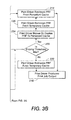
FIG. 3A is a logic flow diagram for a method of maintaining and prioritizing a cache of print jobs associated with at least one print driver according to the present disclosure; and -
FIG. 3B is a continuation of the logic flow diagram ofFIG. 3A . - To address the issues related to prior art methods of requesting a print job as described above, the present disclosure relates to caching by a print driver in printer-readable format of documents, e.g., rasterized renditions of popular, lengthy or important documents in order to avoid the cost or time associated with re-rasterization with each re-printing.
- Referring to
FIG. 1 , there is illustrated asystem 100 according to the present disclosure that includes aworkstation 110 that has a processor orprocessing unit 112. Thesystem 100 further includes at least one print driver 120a and may include additional print drivers such as print driver 120b, wherein theworkstation 110 and the at least one print driver 120a and any additional print drivers such as print driver 120b are configured for interfacing via anetwork 10. Theprocessing unit 112 of theworkstation 110 has a set of programmable instructions, e.g., software, configured for implementing a print job request for adocument 114 that is stored electronically by the processor orprocessing unit 112 in computer-readable format. - The programmable instructions of the
processor 112 are configured also for determining whether a documentkey identifier 116 exists, wherein the documentkey identifier 116 is associated with thedocument 114. That is, documents such asdocument 114 may be identified by the (nearly) uniquekey identifier 116 generated by the print job request. If no document key identifier exists, theprocessor 112 of theworkstation 110 creates a document key identifier, such as documentkey identifier 116. The documentkey identifier 116 is a suitable identifier, e.g., a universal resource identifier (URI) or universal resource locator (URL), or output from a one-way hash function, among others. Due to the fact that creation and transmission of the documentkey identifier 116 are additional functions that must be performed by theworkstation 110 during the course of a print job request, in one embodiment, the documentkey identifiers 116 are maintained as small and created as fast as practical. The URIs may be submitted directly to the print device and used as keys to uniquely identify documents. The one-way-hash function translates relatively large arrays of binary data into a key value. Similarly, in one embodiment, the creation of the hash function is as fast and efficient as practical, and guarantees the uniqueness of the key in the majority of circumstances (i.e. two different documents should not generate the same key). Similar keys are used in encryption to ensure that data has not been modified during transmission. - The
print drivers processing units readable format persistent cache readable format temporary cache caches workstation 110 and with theprint drivers network 10. Thecaches print drivers network 10. Thenetwork 10 may be a local area network (LAN) or a wide area network (WAN) such as the internet. In addition, the network may be configured for wireless or contactless interaction, e.g., such as by electromagnetic, optical, or acoustic signals. Also, as defined in the background above, and as used herein, terms such as "ripping" , "ripped", "rasterizing" or "rasterized" refer to conversion or translation of a document from a computer-readable format to a print driver-readable or printer-readable format. The printer-readable format may be in the form of binary data, among others. For simplicity, the terminology printer-readable format is used herein rather than print driver-readable format, with the terminology being equivalent. - If a printer-readable format for a document, e.g.,
document 114, associated with the documentkey identifier 116, is stored in at least one of the twocaches processor prioritization identifier readable format persistent cache prioritization identifier readable format temporary cache processor readable format document 114, associated with the documentkey identifier 116 from at least one of the twocaches readable format - Conversely, if a printer-readable format corresponding to the
document 114 associated with the documentkey identifier 116 is not stored in the at least one of the at least twocaches processor unit print driver key identifier 116 associated with thedocument 114 and converting thedocument 116, via printer-readable format converter readable format document 114, respectively. - In addition, the
processor print driver priority identifier readable format first cache prioritization identifier readable format second cache processor caches document 114, at least one of the documentkey identifier 116 associated with thedocument 114; theprioritization identifier readable format readable format document 114 and the documentkey identifier 116, respectively. - Referring to
FIG. 2 , theprioritization identifier priority identifiers print drivers temporary cache processor print driver - One example algorithm for determining print frequency might be:
- Given:
- n = number of timestamps
- timestamp0 = TS0, oldest timestamp
- timestampi = TSi, most recent timestamp
- frequency "f" = n / ( TSi -TS0), where n = i + 1
- A printer-readable format, e.g., printer-readable format PRF3 that corresponds to a document, that meets or exceeds the designated threshold print frequency is moved from the
temporary cache persistent cache print driver URLs 116a or hashfunctions 116b) so that the printer-readable format PRF3 can be retrieved from thecache - The higher the frequency, the more popular the document. Additional data may also be stored, such as the number of unique users that have printed the document (so that popularity = frequency * users for example).
- The
temporary cache temporary cache temporary cache print driver print driver temporary cache - The
persistent cache persistent cache - Distributed or network accessible storage may be used to allow a pool of print drivers to share the same cache(s). Alternatively, a suitable distributed or network file system may be employed (not shown) to interface with the
print drivers network 10. Examples of currently available or known distributed or network file systems include "Ceph", "DCE Distributed File System", "Google File System", "Hadoop", "Lustre", and "Microsoft Distributed File System", among others. - As also illustrated in
FIG. 2 , the prioritization categories can be frequency of use (the timestamp), but can also include length of the document and the fact that considerable time would be required to print out the document should a user want to do so, even if infrequently. Printer-readable formats corresponding to such documents are stored indocument length cache 150. For example, printer-readable formats PRF-L1 to PRF-Lm are stored in thedocument length cache 150. Printer-readable formats PRF-L1 to PRF-Lm may or may not be subjected to periodic review to determine the necessity of continued storage therein and the desirability of moving one or more selected printer-readable formats PRF-L1 to PRF-Lm to another cache such as thepersistent cache system 100 if a priority threshold has not been met. However, the review process may be performed over much longer time intervals as compared to thetemporary cache - The prioritization categories can also include importance of the topic or subject of the document. For example, even though a document may not be used frequently, that particular document and a series of related documents might need to be printed sequentially at the same time when called upon (e.g., for a report or for a meeting, etc.). Therefore, printer-readable formats corresponding to such documents are stored in
document importance cache 160. In particular, printer-readable formats PRF-I1 to PRF-Im may be stored indocument importance cache 160 and also may or may not be subjected to periodic review to determine the necessity of continued storage therein and the desirability of moving one or more selected printer-readable formats PRF-11 to PRF-lm to another cache such as thepersistent cache system 100 if a priority threshold has not been met. Again, the review process may be performed over much longer time intervals as compared to thetemporary cache - As is the case with respect to the
persistent cache document length cache 150 and thedocument importance cache 160 may reside either within the one ormore print drivers network 10, e.g., a distributed or network file system as described above.. - As can be appreciated from the above discussion, the present disclosure relates also to the
workstation 110 for prioritizing a cache of print jobs associated with the at least oneprint driver workstation 110 has theprocessing unit 112, wherein theworkstation 110 is configured for interfacing with at least oneprint driver network 10, and theprocessing unit 112 has a set of programmable instructions configured for implementing a print job request fordocument 114 and determining whether a document key identifier, e.g., documentkey identifier 116, associated with thedocument 114 exists. If no document key identifier exists, theprocessing unit key identifier 116. - Correspondingly, the present disclosure relates also to the at least one
print driver print driver workstation 110 that has theprocessing unit 112. Theworkstation 110 and the at least oneprint driver network 10. Theprocessing unit print driver key identifier 116 created by theworkstation 110 is stored in one of the at least twocaches workstation 110 and with the at least oneprint driver network 10, respectively. - Referring also to
FIGS. 3A and3B , the present disclosure relates also to a method 200 for prioritizing a cache of print jobs associated with at least one print driver. More particularly, the method 200 includes instep 202 implementing a print job request for a document, e.g.,document 114. Step 204 includes determining whether a document key identifier associated with the document exists, e.g., documentkey identifier 116. If no document key identifier exists,step 206 includes creating a document key identifier, e.g., documentkey identifier 116 being created by theworkstation 100. If a documentkey identifier 116 exists or has been created,step 208 includes transferring the documentkey identifier 116 from theworkstation 110 to the at least oneprint driver network 10. The method 200 also includes instep 210 determining whether a printer-readable format for a document associated with the documentkey identifier 116 is stored in at least one of at least two caches, e.g., whether printer-readable format persistent cache temporary cache document length cache 150, ordocument importance cache 160, respectively. - If a printer-readable format, e.g., printer-
readable format document 114, associated with the documentkey identifier 116 is stored in thepersistent cache step 212 includes assigning a prioritization or priority identifier, e.g., identifier 142a, 142b to the printer-readable format to a printer-readable format persistent cache print driver readable format persistent cache step 216 includes producing a print job out from the printer-readable format - Returning to
decision step 210, if a printer-readable format for a document associated with the documentkey identifier 116 is not stored in at least one of the at least two caches, e.g., if printer-readable format persistent cache step 218 of determining whether a printer-readable format for a document associated with the documentkey identifier 116 is stored intemporary cache key identifier 116 is not stored intemporary cache step 220 includes processing the print job request as a print job request for a novel printer-readable format implemented by the at least oneprint driver workstation 110 to create a document key identifier associated with the document, e.g., by creating documentkey identifier 116 associated with thedocument 114, respectively. Step 222 includes theworkstation 110 transferring thedocument 114 and the documentkey identifier 116 from theworkstation 110 to the at least oneprint driver network 10, respectively. - Step 224 includes converting the
document 114 into printer-readable format readable format converter step 226 includes assigning a prioritization identifier, e.g.,prioritization identifier temporary cache key identifier 116 associated with thedocument 114, theprioritization identifier readable format readable format document 114 and documentkey identifier 116, respectively. - Returning to
decision step 218, if a printer-readable format for a document associated with the documentkey identifier 116 is stored intemporary cache readable format document 114 associated with the documentkey identifier 116,step 228 includes assigning a prioritization identifier, e.g.,prioritization identifier readable format - Upon completion of either
step decision step 230 includes determining whether a priority threshold for theprioritization identifier - If the priority threshold has not been met for either case, the method 200 includes the
step 232 of retrieving the printer-readable format document 114 associated with thekey identifier 116 from thetemporary cache step 216 of producing a print job output. - Returning to
decision step 230, if the priority threshold has been met for printer-readable format temporary cache step 234 includes at least one of copying the printer-readable format readable format temporary cache persistent cache readable format temporary cache persistent cache readable format temporary cache step 236, step 214 of retrieving the printer-readable format persistent cache - In view of the above description, it can be appreciated that documents that have exemplary characteristics such as being either popular (thus having a high print frequency), lengthy or pertaining to an important topic, or combinations thereof, are stored in printer-readable format or ripped form (e.g., in a binary language that the print driver understands and can use to quickly produce output). Storage of the printer-readable format avoids the need to transmit the computer-readable document data, which must be converted to printer-readable format, from the workstation to the print driver over the network (only the document keys, which are much smaller than the actual data, need to be transmitted as part of the job), and avoids duplicating the CPU-intensive ripping process. The print driver simply uses the document-keys to retrieve the printer-readable format, which has already been ripped, and immediately begins producing output. While there will always be novel documents introduced to the print drivers, by avoiding transmission and ripping delays between frequently printed, lengthy or important print jobs, the throughput of the print driver may be increased, perhaps dramatically.
Claims (10)
- A system for prioritizing a cache of print jobs associated with at least one print driver, the system comprising:a workstation having a processing unit;at least one print driver having a processing unit, the workstation and the at least one print driver configured for interfacing via a network, andwherein the processing unit of the workstation has a set of programmable instructions configured for:implementing a print job request for a document; anddetermining whether a document key identifier associated with the document exists, wherein if no document key identifier exists, creating a document key identifier associated with the document; andwherein the processing unit of the at least one print driver has a set of programmable instructions configured for:determining whether a printer-readable format for a document associated with the document key identifier is stored in at least one of at least two caches configured for interfacing with the workstation and with the at least one print driver via the network.
- The system according to claim 1, wherein the processing unit of the at least one print driver further comprises a set of programmable instructions configured for assigning a prioritization identifier to the printer-readable format if a printer-readable format for a document associated with the document key identifier is stored in the at least one of the at least two caches.
- The system according to claim 2, wherein the processing unit of the at least one print driver further comprises a set of programmable instructions configured for:retrieving the printer-readable format corresponding to the document associated with the document key identifier from the at least one of the at least two caches; andproducing a print job output from the printer-readable format.
- The system according to claim 1, wherein the processing unit of the at least one print driver further comprises a set of programmable instructions configured for:processing the print job request as a print job request for a novel printer-readable format by creating a document key identifier associated with the document; andconverting the document into a printer-readable format when a printer-readable format corresponding to the document associated with the document key identifier is not stored in the at least one of the at least two caches.
- The system according to claim 4, wherein the processing unit of the at least one print driver further comprises a set of programmable instructions configured for:assigning a prioritization identifier to the printer-readable format; andstoring in the at least one of the at least two caches, for the document, at least one of the document key identifier associated with the document; the prioritization identifier assigned to the printer-readable format; and the printer-readable format corresponding to the document and the document key identifier.
- The system according to claim 2, wherein the processing unit of the at least one print driver further comprises a set of programmable instructions configured for:storing in the at least one of the at least two caches, for the document, at least one of the document key identifier associated with the document; the prioritization identifier assigned to the printer-readable format; and the printer-readable format corresponding to the document and the document key identifier.
- The system according to claim 5, wherein the at least two caches comprises a first cache and a second cache, and wherein the printer-readable format is stored in the first cache, the processing unit of the at least one print driver further comprises a set of programmable instructions configured for:
at least one of copying and moving the printer-readable format to the second cache if a priority threshold for the prioritization identifier has been met for the printer-readable format. - A workstation for prioritizing a cache of print jobs associated with at least one print driver, the workstation having a processing unit,
wherein the workstation is configured for interfacing with at least one print driver via a network, and
wherein the processing unit of the workstation has a set of programmable instructions configured for:implementing a print job request for a document; anddetermining whether a document key identifier associated with the document exists, wherein if no document key identifier exists, creating a document key identifier. - At least one print driver for prioritizing a cache of print jobs, the at least one print driver configured for interfacing with a workstation having a processing unit;
the workstation and the at least one print driver configured for interfacing via a network,
wherein the processing unit of the workstation has a set of programmable instructions configured for:implementing a print job request for a document; anddetermining whether a document key identifier associated with the document exists, wherein if no document key identifier exists, creating a document key identifier; andwherein the at least one print driver has a set of programmable instructions configured for:
determining whether a printer-readable format associated with the document key identifier is stored in one of at least two caches configured for interfacing with the workstation and with the at least one print driver via the network. - A method for prioritizing a cache of print jobs associated with at least one print driver, the method comprising:implementing a print job request for a document;determining whether a document key identifier associated with the document exists, wherein if no document key identifier exists, creating a document key identifier; anddetermining whether a printer-readable format for a document associated with the document key identifier is stored in at least one of at least two caches.
Applications Claiming Priority (1)
| Application Number | Priority Date | Filing Date | Title |
|---|---|---|---|
| US11/706,698 US8395794B2 (en) | 2007-02-15 | 2007-02-15 | System for maintaining a cache of printer-readable prioritized content |
Publications (3)
| Publication Number | Publication Date |
|---|---|
| EP1959339A2 true EP1959339A2 (en) | 2008-08-20 |
| EP1959339A3 EP1959339A3 (en) | 2011-03-23 |
| EP1959339B1 EP1959339B1 (en) | 2019-04-24 |
Family
ID=39386443
Family Applications (1)
| Application Number | Title | Priority Date | Filing Date |
|---|---|---|---|
| EP08151366.5A Ceased EP1959339B1 (en) | 2007-02-15 | 2008-02-13 | System for maintaining a cache of printer-readable prioritized content |
Country Status (3)
| Country | Link |
|---|---|
| US (1) | US8395794B2 (en) |
| EP (1) | EP1959339B1 (en) |
| JP (1) | JP5111138B2 (en) |
Families Citing this family (4)
| Publication number | Priority date | Publication date | Assignee | Title |
|---|---|---|---|---|
| US8243313B2 (en) * | 2009-05-26 | 2012-08-14 | Infoprint Solutions Company Llc | Cache optimization mechanism |
| US9047030B2 (en) | 2010-04-29 | 2015-06-02 | Hewlett-Packard Development Company, L.P. | Caching network service resources |
| CN102651861B (en) * | 2011-02-24 | 2014-08-20 | 腾讯科技(深圳)有限公司 | Download method for mobile terminal, mobile terminal and proxy download server |
| US9226108B2 (en) * | 2011-03-31 | 2015-12-29 | Microsoft Technology Licensing, Llc | Publishing location information |
Family Cites Families (11)
| Publication number | Priority date | Publication date | Assignee | Title |
|---|---|---|---|---|
| US5001696A (en) * | 1987-11-20 | 1991-03-19 | Minnesota Mining And Manufacturing Company | Method of preparing an image access card |
| JPH01233655A (en) * | 1988-03-15 | 1989-09-19 | Fuji Xerox Co Ltd | Network system |
| JPH09188011A (en) | 1996-01-09 | 1997-07-22 | Brother Ind Ltd | Storage unit management device and storage unit management method |
| JP2908441B1 (en) | 1998-06-25 | 1999-06-21 | 中国日本電気ソフトウェア株式会社 | Identifier generation system in computer system |
| JP2000330746A (en) | 1999-05-20 | 2000-11-30 | Dainippon Screen Mfg Co Ltd | Method and device for data caching, storage medium and digital printer |
| GB2376331A (en) * | 2001-06-04 | 2002-12-11 | Hewlett Packard Co | Print device with two local memories |
| US7535583B2 (en) * | 2001-11-05 | 2009-05-19 | Hewlett-Packard Development Company, L.P. | Printer-based pre-ripping and caching of network documents |
| US20040021905A1 (en) * | 2002-08-01 | 2004-02-05 | Holmstead Stanley Bruce | System and method for managing printable assets |
| SE525748C2 (en) | 2002-10-28 | 2005-04-19 | Devlabs Ab | Procedure for direct printing on networks |
| US20060069746A1 (en) * | 2004-09-08 | 2006-03-30 | Davis Franklin A | System and method for smart persistent cache |
| US7589847B2 (en) * | 2005-07-20 | 2009-09-15 | Xerox Corporation | Apparatus and method for conversion from portable document format |
-
2007
- 2007-02-15 US US11/706,698 patent/US8395794B2/en not_active Expired - Fee Related
-
2008
- 2008-02-06 JP JP2008026039A patent/JP5111138B2/en not_active Expired - Fee Related
- 2008-02-13 EP EP08151366.5A patent/EP1959339B1/en not_active Ceased
Also Published As
| Publication number | Publication date |
|---|---|
| EP1959339A3 (en) | 2011-03-23 |
| JP2008198201A (en) | 2008-08-28 |
| JP5111138B2 (en) | 2012-12-26 |
| US8395794B2 (en) | 2013-03-12 |
| EP1959339B1 (en) | 2019-04-24 |
| US20080198399A1 (en) | 2008-08-21 |
Similar Documents
| Publication | Publication Date | Title |
|---|---|---|
| US8659777B2 (en) | Server system, print device, network print system including server system and print device, and downloading method in network print system | |
| JP2006302290A (en) | Image output device selection method and image output system | |
| EP1959339B1 (en) | System for maintaining a cache of printer-readable prioritized content | |
| US20030206315A1 (en) | Printing utilizing external storage | |
| US10380554B2 (en) | Extracting data from email attachments | |
| JP4109821B2 (en) | Information processing apparatus and job processing result confirmation method | |
| US8717607B2 (en) | Image forming apparatus, image processing system, and image processing method | |
| JP3800380B2 (en) | Printing system and printer | |
| EP2838010B1 (en) | Information processing apparatus, information processing method, and processing apparatus | |
| US20030226464A1 (en) | Method to keep copies of device queued jobs in the network queue until print delivery is guaranteed | |
| US8294924B2 (en) | Printing system, printing method and printing apparatus | |
| US8810840B2 (en) | Image forming system, output management method, and program product, configured to determine type of PDL in output data | |
| JP2006088591A (en) | Printer and its control method | |
| JP3829798B2 (en) | Image forming apparatus and program | |
| US8860981B2 (en) | Systems and methods for print job scheduling | |
| JP2000284926A (en) | Print processing system and print processing method | |
| US9507556B2 (en) | Server, print job control method for the same, and recording medium | |
| JP3897083B2 (en) | Print processing apparatus and print processing method | |
| US8345288B2 (en) | Image forming system and image forming apparatus | |
| JP2009025952A (en) | Image forming system, image-forming program and image forming device | |
| JP2008046739A (en) | Image forming device, information processor and program | |
| JP2004220098A (en) | Image forming apparatus capable of reusing target data for image formation and its processing conditions | |
| US20120250092A1 (en) | Print management for plurality of print requests in image forming apparatus | |
| JP2009151697A (en) | Printing system and server device | |
| JP7035674B2 (en) | Information processing equipment, programs and information processing systems |
Legal Events
| Date | Code | Title | Description |
|---|---|---|---|
| PUAI | Public reference made under article 153(3) epc to a published international application that has entered the european phase |
Free format text: ORIGINAL CODE: 0009012 |
|
| AK | Designated contracting states |
Kind code of ref document: A2 Designated state(s): AT BE BG CH CY CZ DE DK EE ES FI FR GB GR HR HU IE IS IT LI LT LU LV MC MT NL NO PL PT RO SE SI SK TR |
|
| AX | Request for extension of the european patent |
Extension state: AL BA MK RS |
|
| PUAL | Search report despatched |
Free format text: ORIGINAL CODE: 0009013 |
|
| AK | Designated contracting states |
Kind code of ref document: A3 Designated state(s): AT BE BG CH CY CZ DE DK EE ES FI FR GB GR HR HU IE IS IT LI LT LU LV MC MT NL NO PL PT RO SE SI SK TR |
|
| AX | Request for extension of the european patent |
Extension state: AL BA MK RS |
|
| 17P | Request for examination filed |
Effective date: 20110923 |
|
| AKX | Designation fees paid |
Designated state(s): DE FR GB |
|
| 17Q | First examination report despatched |
Effective date: 20170217 |
|
| GRAP | Despatch of communication of intention to grant a patent |
Free format text: ORIGINAL CODE: EPIDOSNIGR1 |
|
| INTG | Intention to grant announced |
Effective date: 20190102 |
|
| GRAS | Grant fee paid |
Free format text: ORIGINAL CODE: EPIDOSNIGR3 |
|
| GRAA | (expected) grant |
Free format text: ORIGINAL CODE: 0009210 |
|
| AK | Designated contracting states |
Kind code of ref document: B1 Designated state(s): DE FR GB |
|
| REG | Reference to a national code |
Ref country code: GB Ref legal event code: FG4D |
|
| REG | Reference to a national code |
Ref country code: DE Ref legal event code: R096 Ref document number: 602008059824 Country of ref document: DE |
|
| REG | Reference to a national code |
Ref country code: DE Ref legal event code: R097 Ref document number: 602008059824 Country of ref document: DE |
|
| PLBE | No opposition filed within time limit |
Free format text: ORIGINAL CODE: 0009261 |
|
| STAA | Information on the status of an ep patent application or granted ep patent |
Free format text: STATUS: NO OPPOSITION FILED WITHIN TIME LIMIT |
|
| 26N | No opposition filed |
Effective date: 20200127 |
|
| PGFP | Annual fee paid to national office [announced via postgrant information from national office to epo] |
Ref country code: GB Payment date: 20200123 Year of fee payment: 13 |
|
| PGFP | Annual fee paid to national office [announced via postgrant information from national office to epo] |
Ref country code: FR Payment date: 20200122 Year of fee payment: 13 |
|
| GBPC | Gb: european patent ceased through non-payment of renewal fee |
Effective date: 20210213 |
|
| PG25 | Lapsed in a contracting state [announced via postgrant information from national office to epo] |
Ref country code: FR Free format text: LAPSE BECAUSE OF NON-PAYMENT OF DUE FEES Effective date: 20210228 Ref country code: GB Free format text: LAPSE BECAUSE OF NON-PAYMENT OF DUE FEES Effective date: 20210213 |
|
| PGFP | Annual fee paid to national office [announced via postgrant information from national office to epo] |
Ref country code: DE Payment date: 20220119 Year of fee payment: 15 |
|
| REG | Reference to a national code |
Ref country code: DE Ref legal event code: R119 Ref document number: 602008059824 Country of ref document: DE |
|
| PG25 | Lapsed in a contracting state [announced via postgrant information from national office to epo] |
Ref country code: DE Free format text: LAPSE BECAUSE OF NON-PAYMENT OF DUE FEES Effective date: 20230901 |