EP1958989A1 - Process for making organic photosensitive phthalocyanine pigment - Google Patents
Process for making organic photosensitive phthalocyanine pigment Download PDFInfo
- Publication number
- EP1958989A1 EP1958989A1 EP08151299A EP08151299A EP1958989A1 EP 1958989 A1 EP1958989 A1 EP 1958989A1 EP 08151299 A EP08151299 A EP 08151299A EP 08151299 A EP08151299 A EP 08151299A EP 1958989 A1 EP1958989 A1 EP 1958989A1
- Authority
- EP
- European Patent Office
- Prior art keywords
- pigment
- solvent mixture
- crystal form
- titanyl phthalocyanine
- type
- Prior art date
- Legal status (The legal status is an assumption and is not a legal conclusion. Google has not performed a legal analysis and makes no representation as to the accuracy of the status listed.)
- Granted
Links
- 239000000049 pigment Substances 0.000 title claims abstract description 130
- 238000000034 method Methods 0.000 title claims abstract description 62
- IEQIEDJGQAUEQZ-UHFFFAOYSA-N phthalocyanine Chemical compound N1C(N=C2C3=CC=CC=C3C(N=C3C4=CC=CC=C4C(=N4)N3)=N2)=C(C=CC=C2)C2=C1N=C1C2=CC=CC=C2C4=N1 IEQIEDJGQAUEQZ-UHFFFAOYSA-N 0.000 title claims abstract description 25
- 239000013078 crystal Substances 0.000 claims abstract description 60
- XLYOFNOQVPJJNP-UHFFFAOYSA-N water Substances O XLYOFNOQVPJJNP-UHFFFAOYSA-N 0.000 claims abstract description 31
- 238000011282 treatment Methods 0.000 claims abstract description 17
- 239000002253 acid Substances 0.000 claims abstract description 16
- -1 alkylene halide Chemical class 0.000 claims abstract description 16
- 230000001376 precipitating effect Effects 0.000 claims abstract description 12
- 239000003960 organic solvent Substances 0.000 claims abstract description 9
- 150000005171 halobenzenes Chemical class 0.000 claims abstract description 6
- OKKJLVBELUTLKV-UHFFFAOYSA-N Methanol Chemical compound OC OKKJLVBELUTLKV-UHFFFAOYSA-N 0.000 claims description 102
- YMWUJEATGCHHMB-UHFFFAOYSA-N Dichloromethane Chemical compound ClCCl YMWUJEATGCHHMB-UHFFFAOYSA-N 0.000 claims description 96
- SJHHDDDGXWOYOE-UHFFFAOYSA-N oxytitamium phthalocyanine Chemical group [Ti+2]=O.C12=CC=CC=C2C(N=C2[N-]C(C3=CC=CC=C32)=N2)=NC1=NC([C]1C=CC=CC1=1)=NC=1N=C1[C]3C=CC=CC3=C2[N-]1 SJHHDDDGXWOYOE-UHFFFAOYSA-N 0.000 claims description 54
- 239000011877 solvent mixture Substances 0.000 claims description 48
- 239000008367 deionised water Substances 0.000 claims description 34
- DTQVDTLACAAQTR-UHFFFAOYSA-N Trifluoroacetic acid Chemical compound OC(=O)C(F)(F)F DTQVDTLACAAQTR-UHFFFAOYSA-N 0.000 claims description 20
- 238000001556 precipitation Methods 0.000 claims description 20
- MVPPADPHJFYWMZ-UHFFFAOYSA-N chlorobenzene Chemical compound ClC1=CC=CC=C1 MVPPADPHJFYWMZ-UHFFFAOYSA-N 0.000 claims description 15
- 238000004519 manufacturing process Methods 0.000 claims description 11
- 238000005406 washing Methods 0.000 claims description 6
- 239000000203 mixture Substances 0.000 abstract description 32
- 239000002904 solvent Substances 0.000 abstract description 27
- 238000003384 imaging method Methods 0.000 abstract description 17
- 239000012860 organic pigment Substances 0.000 abstract 1
- 239000010410 layer Substances 0.000 description 37
- 238000000634 powder X-ray diffraction Methods 0.000 description 18
- 239000002245 particle Substances 0.000 description 17
- 206010034972 Photosensitivity reaction Diseases 0.000 description 12
- 230000036211 photosensitivity Effects 0.000 description 12
- 108091008695 photoreceptors Proteins 0.000 description 11
- VHUUQVKOLVNVRT-UHFFFAOYSA-N Ammonium hydroxide Chemical compound [NH4+].[OH-] VHUUQVKOLVNVRT-UHFFFAOYSA-N 0.000 description 8
- 239000011230 binding agent Substances 0.000 description 8
- 238000001914 filtration Methods 0.000 description 8
- 239000000463 material Substances 0.000 description 7
- 238000013019 agitation Methods 0.000 description 6
- 239000000908 ammonium hydroxide Substances 0.000 description 6
- 230000015572 biosynthetic process Effects 0.000 description 6
- 239000000523 sample Substances 0.000 description 6
- LFQSCWFLJHTTHZ-UHFFFAOYSA-N Ethanol Chemical compound CCO LFQSCWFLJHTTHZ-UHFFFAOYSA-N 0.000 description 5
- 229910021641 deionized water Inorganic materials 0.000 description 5
- 239000000758 substrate Substances 0.000 description 5
- QGZKDVFQNNGYKY-UHFFFAOYSA-N Ammonia Chemical compound N QGZKDVFQNNGYKY-UHFFFAOYSA-N 0.000 description 4
- QAOWNCQODCNURD-UHFFFAOYSA-N Sulfuric acid Chemical compound OS(O)(=O)=O QAOWNCQODCNURD-UHFFFAOYSA-N 0.000 description 4
- 238000003917 TEM image Methods 0.000 description 4
- 238000001035 drying Methods 0.000 description 4
- BUGBHKTXTAQXES-UHFFFAOYSA-N Selenium Chemical compound [Se] BUGBHKTXTAQXES-UHFFFAOYSA-N 0.000 description 3
- 238000002441 X-ray diffraction Methods 0.000 description 3
- 238000004090 dissolution Methods 0.000 description 3
- 238000009472 formulation Methods 0.000 description 3
- 238000000746 purification Methods 0.000 description 3
- 229910052711 selenium Inorganic materials 0.000 description 3
- 239000011669 selenium Substances 0.000 description 3
- 238000012360 testing method Methods 0.000 description 3
- WROMPOXWARCANT-UHFFFAOYSA-N tfa trifluoroacetic acid Chemical compound OC(=O)C(F)(F)F.OC(=O)C(F)(F)F WROMPOXWARCANT-UHFFFAOYSA-N 0.000 description 3
- 229910021529 ammonia Inorganic materials 0.000 description 2
- DKPFZGUDAPQIHT-UHFFFAOYSA-N butyl acetate Chemical compound CCCCOC(C)=O DKPFZGUDAPQIHT-UHFFFAOYSA-N 0.000 description 2
- 238000011109 contamination Methods 0.000 description 2
- 230000000694 effects Effects 0.000 description 2
- 238000011156 evaluation Methods 0.000 description 2
- 238000005259 measurement Methods 0.000 description 2
- 239000002184 metal Substances 0.000 description 2
- 229910052751 metal Inorganic materials 0.000 description 2
- 238000012986 modification Methods 0.000 description 2
- 230000004048 modification Effects 0.000 description 2
- 229920005989 resin Polymers 0.000 description 2
- 239000011347 resin Substances 0.000 description 2
- 102220632652 Immunoglobulin heavy variable 3-20_C41F_mutation Human genes 0.000 description 1
- 102220558276 Lipocalin-like 1 protein_C45W_mutation Human genes 0.000 description 1
- 229910001370 Se alloy Inorganic materials 0.000 description 1
- 238000005299 abrasion Methods 0.000 description 1
- 230000002378 acidificating effect Effects 0.000 description 1
- 230000003213 activating effect Effects 0.000 description 1
- 239000012790 adhesive layer Substances 0.000 description 1
- 230000002411 adverse Effects 0.000 description 1
- 150000001298 alcohols Chemical class 0.000 description 1
- 150000001338 aliphatic hydrocarbons Chemical class 0.000 description 1
- 150000001408 amides Chemical class 0.000 description 1
- 150000001412 amines Chemical class 0.000 description 1
- 150000004982 aromatic amines Chemical class 0.000 description 1
- 150000004945 aromatic hydrocarbons Chemical class 0.000 description 1
- 230000000903 blocking effect Effects 0.000 description 1
- 102220358282 c.125G>T Human genes 0.000 description 1
- 230000015556 catabolic process Effects 0.000 description 1
- 239000003153 chemical reaction reagent Substances 0.000 description 1
- XOYLJNJLGBYDTH-UHFFFAOYSA-M chlorogallium Chemical compound [Ga]Cl XOYLJNJLGBYDTH-UHFFFAOYSA-M 0.000 description 1
- 239000011248 coating agent Substances 0.000 description 1
- 238000000576 coating method Methods 0.000 description 1
- 230000000052 comparative effect Effects 0.000 description 1
- 239000002131 composite material Substances 0.000 description 1
- 150000001875 compounds Chemical class 0.000 description 1
- 230000001351 cycling effect Effects 0.000 description 1
- 238000007405 data analysis Methods 0.000 description 1
- 238000006731 degradation reaction Methods 0.000 description 1
- 238000000151 deposition Methods 0.000 description 1
- 238000011161 development Methods 0.000 description 1
- 150000002009 diols Chemical class 0.000 description 1
- 230000005670 electromagnetic radiation Effects 0.000 description 1
- 150000002148 esters Chemical class 0.000 description 1
- 150000002170 ethers Chemical class 0.000 description 1
- 239000012467 final product Substances 0.000 description 1
- 230000005525 hole transport Effects 0.000 description 1
- 239000012212 insulator Substances 0.000 description 1
- 150000002576 ketones Chemical class 0.000 description 1
- JGBBEDHDVABGGX-UHFFFAOYSA-N methoxygallium Chemical compound CO[Ga] JGBBEDHDVABGGX-UHFFFAOYSA-N 0.000 description 1
- 150000002979 perylenes Chemical class 0.000 description 1
- 229920002037 poly(vinyl butyral) polymer Polymers 0.000 description 1
- 229920000515 polycarbonate Polymers 0.000 description 1
- 239000004417 polycarbonate Substances 0.000 description 1
- 238000000247 postprecipitation Methods 0.000 description 1
- 239000013074 reference sample Substances 0.000 description 1
- 230000000717 retained effect Effects 0.000 description 1
- 102200043258 rs281875271 Human genes 0.000 description 1
- 102220072642 rs375310569 Human genes 0.000 description 1
- 102220020987 rs80357150 Human genes 0.000 description 1
- 102220020950 rs80357446 Human genes 0.000 description 1
- 102220009446 rs80357498 Human genes 0.000 description 1
- 230000035945 sensitivity Effects 0.000 description 1
- 239000002356 single layer Substances 0.000 description 1
- 239000007787 solid Substances 0.000 description 1
- 239000000126 substance Substances 0.000 description 1
- 238000003786 synthesis reaction Methods 0.000 description 1
- 238000012546 transfer Methods 0.000 description 1
- 238000004627 transmission electron microscopy Methods 0.000 description 1
- 125000005287 vanadyl group Chemical group 0.000 description 1
Images


Classifications
-
- C—CHEMISTRY; METALLURGY
- C09—DYES; PAINTS; POLISHES; NATURAL RESINS; ADHESIVES; COMPOSITIONS NOT OTHERWISE PROVIDED FOR; APPLICATIONS OF MATERIALS NOT OTHERWISE PROVIDED FOR
- C09B—ORGANIC DYES OR CLOSELY-RELATED COMPOUNDS FOR PRODUCING DYES, e.g. PIGMENTS; MORDANTS; LAKES
- C09B67/00—Influencing the physical, e.g. the dyeing or printing properties of dyestuffs without chemical reactions, e.g. by treating with solvents grinding or grinding assistants, coating of pigments or dyes; Process features in the making of dyestuff preparations; Dyestuff preparations of a special physical nature, e.g. tablets, films
- C09B67/0001—Post-treatment of organic pigments or dyes
- C09B67/0017—Influencing the physical properties by treatment with an acid, H2SO4
- C09B67/0019—Influencing the physical properties by treatment with an acid, H2SO4 of phthalocyanines
-
- C—CHEMISTRY; METALLURGY
- C09—DYES; PAINTS; POLISHES; NATURAL RESINS; ADHESIVES; COMPOSITIONS NOT OTHERWISE PROVIDED FOR; APPLICATIONS OF MATERIALS NOT OTHERWISE PROVIDED FOR
- C09B—ORGANIC DYES OR CLOSELY-RELATED COMPOUNDS FOR PRODUCING DYES, e.g. PIGMENTS; MORDANTS; LAKES
- C09B67/00—Influencing the physical, e.g. the dyeing or printing properties of dyestuffs without chemical reactions, e.g. by treating with solvents grinding or grinding assistants, coating of pigments or dyes; Process features in the making of dyestuff preparations; Dyestuff preparations of a special physical nature, e.g. tablets, films
- C09B67/0025—Crystal modifications; Special X-ray patterns
- C09B67/0026—Crystal modifications; Special X-ray patterns of phthalocyanine pigments
-
- C—CHEMISTRY; METALLURGY
- C09—DYES; PAINTS; POLISHES; NATURAL RESINS; ADHESIVES; COMPOSITIONS NOT OTHERWISE PROVIDED FOR; APPLICATIONS OF MATERIALS NOT OTHERWISE PROVIDED FOR
- C09B—ORGANIC DYES OR CLOSELY-RELATED COMPOUNDS FOR PRODUCING DYES, e.g. PIGMENTS; MORDANTS; LAKES
- C09B67/00—Influencing the physical, e.g. the dyeing or printing properties of dyestuffs without chemical reactions, e.g. by treating with solvents grinding or grinding assistants, coating of pigments or dyes; Process features in the making of dyestuff preparations; Dyestuff preparations of a special physical nature, e.g. tablets, films
- C09B67/0033—Blends of pigments; Mixtured crystals; Solid solutions
- C09B67/0034—Mixtures of two or more pigments or dyes of the same type
- C09B67/0035—Mixtures of phthalocyanines
-
- C—CHEMISTRY; METALLURGY
- C09—DYES; PAINTS; POLISHES; NATURAL RESINS; ADHESIVES; COMPOSITIONS NOT OTHERWISE PROVIDED FOR; APPLICATIONS OF MATERIALS NOT OTHERWISE PROVIDED FOR
- C09B—ORGANIC DYES OR CLOSELY-RELATED COMPOUNDS FOR PRODUCING DYES, e.g. PIGMENTS; MORDANTS; LAKES
- C09B67/00—Influencing the physical, e.g. the dyeing or printing properties of dyestuffs without chemical reactions, e.g. by treating with solvents grinding or grinding assistants, coating of pigments or dyes; Process features in the making of dyestuff preparations; Dyestuff preparations of a special physical nature, e.g. tablets, films
- C09B67/0096—Purification; Precipitation; Filtration
-
- C—CHEMISTRY; METALLURGY
- C30—CRYSTAL GROWTH
- C30B—SINGLE-CRYSTAL GROWTH; UNIDIRECTIONAL SOLIDIFICATION OF EUTECTIC MATERIAL OR UNIDIRECTIONAL DEMIXING OF EUTECTOID MATERIAL; REFINING BY ZONE-MELTING OF MATERIAL; PRODUCTION OF A HOMOGENEOUS POLYCRYSTALLINE MATERIAL WITH DEFINED STRUCTURE; SINGLE CRYSTALS OR HOMOGENEOUS POLYCRYSTALLINE MATERIAL WITH DEFINED STRUCTURE; AFTER-TREATMENT OF SINGLE CRYSTALS OR A HOMOGENEOUS POLYCRYSTALLINE MATERIAL WITH DEFINED STRUCTURE; APPARATUS THEREFOR
- C30B7/00—Single-crystal growth from solutions using solvents which are liquid at normal temperature, e.g. aqueous solutions
-
- G—PHYSICS
- G03—PHOTOGRAPHY; CINEMATOGRAPHY; ANALOGOUS TECHNIQUES USING WAVES OTHER THAN OPTICAL WAVES; ELECTROGRAPHY; HOLOGRAPHY
- G03G—ELECTROGRAPHY; ELECTROPHOTOGRAPHY; MAGNETOGRAPHY
- G03G9/00—Developers
- G03G9/08—Developers with toner particles
- G03G9/09—Colouring agents for toner particles
- G03G9/0906—Organic dyes
- G03G9/0918—Phthalocyanine dyes
Definitions
- the present disclosure relates generally to organic photosensitive pigments used in imaging members, such as layered photoreceptor devices, and novel processes for producing the pigments.
- the imaging members can be used in electrophotographic, electrostatographic, xerographic and like devices, including printers, copiers, scanners, facsimiles, and including digital, image-on-image, and like devices. More specifically, the present embodiments relate to processes for controlling the polymorph of the organic photosensitive pigment, specifically titanyl phthalocyanine (TiOPc) with consistent polymorph as illustrated by its X-ray diffraction pattern (XRPD), particle size and high photosensitivity.
- TiOPc titanyl phthalocyanine
- Electrophotographic imaging members typically include a photoconductive layer formed on an electrically conductive substrate.
- the photoconductive layer is an insulator in the substantial absence of light so that electric charges are retained on its surface. Upon exposure to light, charge is generated by the photoactive or photosensitive pigment, and under applied field charge moves through the photoreceptor and the charge is dissipated.
- electrophotography also known as xerography, electrophotographic imaging or electrostatographic imaging
- the surface of an electrophotographic plate, drum, belt or the like (imaging member or photoreceptor) containing a photoconductive insulating layer on a conductive layer is first uniformly electrostatically charged.
- the imaging member is then exposed to a pattern of activating electromagnetic radiation, such as light.
- Charge generated by the photoactive pigment move under the force of the applied field.
- the movement of the charge through the photoreceptor selectively dissipates the charge on the illuminated areas of the photoconductive insulating layer while leaving behind an electrostatic latent image.
- This electrostatic latent image may then be developed to form a visible image by depositing oppositely charged particles on the surface of the photoconductive insulating layer.
- the resulting visible image may then be transferred from the imaging member directly or indirectly (such as by a transfer or other member) to a print substrate, such as transparency or paper.
- the imaging process may be repeated many times with reusable imaging members.
- An electrophotographic imaging member may be provided in a number of forms.
- the imaging member may be a homogeneous layer of a single material such as vitreous selenium or it may be a composite single layer containing charge photogenerating and charge transporting compounds and other materials.
- the imaging member may be layered. These layers can be in any order, and sometimes can be combined in a single or mixed layer.
- Typical multilayered photoreceptors have at least two layers, and may include a substrate, a conductive layer, an optional charge blocking layer, an optional adhesive layer, a photogenerating layer (sometimes referred to as, and used herein interchangeably, a "charge generation layer,” “charge generating layer,” or “charge generator layer”), a charge transport layer, an optional overcoating layer and, in some belt embodiments, an anticurl backing layer.
- the active layers of the photoreceptor are the charge generating layer (CGL) and the charge transport layer (CTL).
- Organic photosensitive pigments are widely used as photoactive components in charge generating layers.
- One such pigment used in the charge generating layer in electrophotographic devices is titanyl phthalocyanines or oxytitanium phthalocyanine (TiOPc).
- TiOPc titanyl phthalocyanines or oxytitanium phthalocyanine
- polymorphism or the ability to form distinct solid state forms is well known in phthalocyanines and will affect its photoactive properties.
- TiOPc crystal forms, or polymorphs known to be useful in photoreceptor devices. For example, some crystal forms of TiOPc are described as Types I, II, III, X, Y and N or V.
- TiOPc Type IV or Type V offer many attractive features as a photosensitive pigment, and they are especially of interest because of their high efficiency of charge generation. As such, TiOPc Type IV is incorporated into photoreceptor layers, such as disclosed in U.S. Patent Nos. 5,164,493 and 5,384,222 , which are hereby incorporated by reference in their entirety. Many processes for making the various crystal forms of TiOPc are disclosed in the literature. In general the processes involve the synthesis of the TiOPc as a first step.
- the desired polymorph, with the preferred photoactive properties, XRPD pattern and particle size is then obtained from the "as synthesized" TiOPc, usually Type I or II, in a second process step which involves the dissolution of the TiOPc in specific acidic solvent systems, followed by a precipitation in a non-solvent mixture or system. Further purification and solvent treatment of the material is usually required to obtain the desired photoactive properties.
- Such processes where the "as synthesized" TiOPc is dissolved in sulfuric acid, prior to precipitation and further purification are described in U.S. Patent Nos. 5,512,674 and 6,232,466 which are hereby incorporated by reference in their entirety.
- non-solvent system used is generally described as determining the type of crystal form obtained during the precipitation step, while another solvent treatment after the precipitation may also affect the polymorph, as well as the photoactive properties.
- non-solvent systems used in the precipitation step described in the above mentioned patents include water, mixtures of water and an alcohol, an alcohol, a diol or a mixture of alcohol and alkylene halide.
- One of the preferred post precipitation treatments is the use of a halobenzene.
- 2006/0105254 which is hereby incorporated by reference in its entirety, describes the use of a dissolution mixture comprised of a haloacetic acid and alkylene halide, a precipitation solvent mixture of an alcohol and alkylene halide to precipitate an intermediate crystal form of TiOPc, assigned as type Y, followed by a treatment with monochlorobenzene to obtain the desired photoactive crystal form of TiOPc, identified as Type Y.
- the control of the crystal form of phthalocyanines is critical for obtaining the desired photoactive properties, such as high photosensitivity.
- Processes for obtaining phthalocyanines for electrophotographic application are generally complex, multistep processes and therefore the ability of obtaining the final product with all the right properties may not be very reproducible.
- Processes that involve obtaining an intermediate crystal form of the phthalocyanine are even more challenging: if the intermediate crystal form is not the right one, then the solvent treatment will generally not yield the desired crystal form of the phthalocyanine.
- there is a need for processes which improve the crystal form control of the phthalocyanines, such as TiOPc which will result in a consistent and reproducible process for obtaining the desired crystal form and photoactive properties.
- the present invention provides:
- an improved process for preparing a phthalocyanine pigment having a specific crystal form comprising dissolving a pigment in a solvent mixture of a haloacetic acid and alkylene halide to form a solution, and precipitating the pigment to a crystal form by adding the solution to a non-solvent mixture, the non-solvent mixture comprising one or more organic solvents and a small amount of water, wherein a presence of water controls the resulting crystal form of the pigment.
- an improved process for preparing a photosensitive phthalocyanine pigment having a specific crystal form comprising dissolving a pigment in a solvent mixture of a haloacetic acid and alkylene halide to form a solution, precipitating the pigment to a crystal form by adding the solution to a non-solvent mixture, the non-solvent mixture comprising one or more organic solvents and a small amount of water, wherein the amount of water controls the resulting crystal form of the pigment, and converting the pigment to a second crystal form by treatment with a halobenzene, wherein the second crystal form is highly photosensitive.
- Yet another embodiment provides an improved process for preparing a photosensitive phthalocyanine pigment having a specific crystal form, comprising dissolving titanyl phthalocyanine Type I in a solvent mixture of trifluoroacetic acid and methylene chloride to form a solution, adding the solution to a non-solvent mixture of methanol, methylene chloride and a small amount of de-ionized water to initiate precipitation of titanyl phthalocyanine Type X, and treating the titanyl phthalocyanine Type X with monochlorobenzene to form titanyl phthalocyanine Type IV.
- the embodiments relate to processes for making organic photosensitive pigments, namely, titanyl phthalocyanine (TiOPc) Type IV, with good charge generation for use in the formulation of a charge generating layer.
- TiOPc titanyl phthalocyanine
- improved processes are described that consistently produce the desired crystal forms of titanyl phthalocyanine, therefore providing better control in producing the desired TiOPc properties, such as for example, high photosensitivity, consistent particle size, and the like.
- Patent No 5,164,493 begins by dissolving TiOPc Type I in a mixture of trifluoroacetic acid (TFA) and methylene chloride, followed by adding the mixture to methanol/de-ionized water to precipitate the formation of TiOPc Type X.
- the pigment is subsequently washed with hot and cold de-ionized water, followed by a treatment with neat monochlorobenzene at room temperature, and a final methanol wash. The final step in the process is drying the pigment under vacuum.
- TFA trifluoroacetic acid
- methylene chloride methylene chloride
- a mixture of methanol/methylene chloride is used for precipitating the pigment in place of the methanol/de-ionized water with the formation of TiOPc Type Y.
- the pigment is subsequently washed with hot and cold de-ionized water, followed by a treatment with neat monochlorobenzene to yield a photosensitive titanyl phthalocyanine (TiOPC Type V).
- TiOPC Type V photosensitive titanyl phthalocyanine
- small amount is defined in the present disclosure as less than 10.0 percent of water in the non-solvent mixture.
- an improved process for preparing a phthalocyanine pigment having a specific crystal form comprises dissolving the pigment in a solvent mixture of a haloacetic acid and alkylene halide to form a solution, and precipitating the pigment to a specific crystal form by adding the solution to a non-solvent system, the non-solvent system comprising one or more organic solvents and a small amount of water, wherein the presence of water controls the resulting crystal form of the pigment.
- the photosensitive phthalocyanine pigment is titanyl phthalocyanine Type X, which can be converted to the high photosensitivity titanyl phthalocyanine Type IV.
- a novel process for consistently producing pure TiOPc Type IV comprising dissolving TiOPc Type I in an acid and solvent to form a solution, followed by adding the solution to a non-solvent mixture, for example, methanol and methylene chloride, with a small amount of de-ionized water to precipitate TiOPc Type X.
- a non-solvent mixture for example, methanol and methylene chloride
- de-ionized water to precipitate TiOPc Type X.
- the formed Type X polymorph is subsequently washed with hot and cold de-ionized water, followed by a treatment with monochlorobenzene at a temperature of from about 20°C to about 40°C.
- a final wash is done with methanol and the process is completed with drying the pigment under vacuum.
- the small amount of de-ionized water is from about 0.1 percent to about 5.0 percent, or from about 0.5 percent to 1.0 percent. In other embodiments, the amount is from about 1.0 percent to about 5.0 percent.
- the acid used is trifluoroacetic acid (TFA). The acid may also be any haloacetic acid, and mixtures thereof.
- the solvent is, in particular embodiments, methylene chloride.
- the process includes washing the formed Type X polymorph with dilute ammonia to achieve higher photosensitivity (shown in the Examples).
- the particle size of the pigment can be controlled (shown in the Examples).
- the particle size of the pigments can be assessed qualitatively by transmission electron microscopy (TEM), or inferred from surface area measurements, such as BET.
- TEM transmission electron microscopy
- the non-solvent mixture has a volume to volume ratio of methanol to methylene chloride of from about 0.25:1 to about 1.5:1, or from about 0.33:1 to about 1:1.
- the present embodiments provide an improved process which consistently produces the highly photosensitive pigment, TiOPc Type IV, with the desired properties such as high photosensitivity and controlled particle size.
- the phthalocyanine pigment made through the processes described above may be used as a photosensitive pigment in an imaging member comprising a substrate, a charge generating layer disposed on the substrate, and at least one charge transport layer disposed on the charge generating layer.
- the pigment is used for the charge generating layer, and may be used alone or in combination with another pigment, such as metal phthalocyanines, metal free phthalocyanines, perylenes, hydroxygallium phthalocyanines, chlorogallium phthalocyanines, methoxygallium phthalocyanines, vanadyl phthalocyanines, selenium, selenium alloys, trigonal selenium, and the like, and mixtures thereof.
- the pigment may also be further mixed with a binder.
- Photogenerating pigments can be selected for the charge generating layer in embodiments for example of an amount of from about 10 percent by weight to about 95 percent by weight dispersed in a binder.
- the pigment and binder may be mixed in a desired pigment: binder ratio, for example, about 60:40. Other ratios that can be used include anywhere in between 10:90 to 90:10 pigment to binder by weight.
- the binder may be a binder resin, such as any inactive resin material including those described, for example, in U.S. Patent No. 3,121,006 , the entire disclosure thereof being incorporated herein by reference.
- the pigment may be mixed with the binder in a solvent. It is desirable to select a coating solvent that does not substantially disturb or adversely affect the other previously coated layers of the device, such as ketones, alcohols, aromatic hydrocarbons, halogenated aliphatic hydrocarbons, ethers, amines, amides, esters, and the like.
- the thickness of the charge generating layer depends on a number of factors, including the thicknesses of the other layers and the amount of photogenerator material or pigment contained in the charge generating layers.
- the photoconductive imaging member uses as hole transport molecule an aryl amine, such as N,N'-diphenyl-N,N-bis(3-methylphenyl)-1,1'-biphenyl-4,4'-diamine.
- an aryl amine such as N,N'-diphenyl-N,N-bis(3-methylphenyl)-1,1'-biphenyl-4,4'-diamine.
- TiOPc Type I 10g TiOPc Type I was dissolved in a mixture of 12 ml trifluoroacetic acid (TFA) and 48 ml methylene chloride under agitation for 1 hour. The solution was then added dropwise over about 2 hours to a mixture of 300 ml methanol and 300 ml methylene chloride, kept under agitation at under -10°C. The separated pigment was filtered from the solvent, reslurried in 300 ml methanol, and filtered again to obtain a wet cake. The wet cake was reslurried in 200 ml hot deionized water at about 80 °C for 10 minutes after which the pigment was filtered off to produce a wet cake. The hot water wash and filtration was repeated two more times.
- TFA trifluoroacetic acid
- the wet cake was treated with 140 g of monochlorobenzene, under agitation, at room temperature, for 1.5 hours. 50 ml methanol were added to facilitate the filtration of the pigment and the pigment was recovered as a wet cake. Two final 300 ml methanol reslurry washes and filtrations were performed, after which the pigment was dried in a vacuum oven at 65 °C. The XRPD of the final pigment appears to indicate a mixture of polymorphs, as shown in Figure 3 , and evaluation of electrical properties shows a relatively low photosensitivity.
- TiOPc Type I 10g TiOPc Type I was dissolved in a mixture of 12 ml trifluoroacetic acid (TFA) and 48 ml methylene chloride under agitation for 1 hour. The solution was then added dropwise over about 2 hours to a mixture of 295 ml methanol and 300 ml methylene chloride containing also 5 ml of deionized water, kept under agitation at under -10°C. The separated pigment was filtered from the solvent, reslurried in 300 ml methanol, and filtered again to obtain a wet cake. The wet cake was reslurried in 200 ml hot deionized water at about 80 °C for 10 minutes after which the pigment was filtered off to produce a wet cake.
- TFA trifluoroacetic acid
- the wet cake was treated with 140 g of monochlorobenzene, under agitation, at room temperature, for 1.5 hours. 50 ml methanol were added to facilitate the filtration of the pigment and the pigment was recovered as a wet cake. Two final 300 ml methanol reslurry washes and filtrations were performed, after which the pigment was dried in a vacuum oven at 65 °C. The XRPD of the final pigment showed that the crystal form is that of TiOPc Type IV as shown in Figure 4 .
- TiOPc Type IV poly(vinyl butyral) (BMS) in n-butyl acetate
- BMS poly(vinyl butyral)
- charge transport layer formulation 40 60 N,N'-diphenyl-N,N-bis(3-methyl phenyl)-1,1'-biphenyl-4,4'-diamine: polycarbonate Z in monochlorobenzene
- E -32 V/ ⁇ m
- Expose ⁇ 780 nm
- Erase ⁇ 600-850 nm (200-250 ergs/cm 2 ).
- Control is a previously made reference sample.
- Table 1 Electrical properties of several TiOPC Type IV pigments obtained with using about 0.5% (v/v) de-ionized water in the methanol/methylene chloride non-solvent mixture Sample ID Dark Decay (500 ms)(V) E 1/2 (ergs/cm 2 ) E 7/8 (ergs/cm 2 ) Control 4.4 1.21 2.84 Pigment C38F 5.6 1.32 3.11 Pigment C39F 2.4 1.12 2.85 Pigment C40F 2.5 1.11 2.60 Pigment C41F 4.4 1.16 2.80 Pigment C42F 4.2 1.12 2.94 Pigment C43F 3.0 1.17 2.69 Pigment C44F 3.1 1.12 2.80 Pigment C45F 3.6 1.19 2.70 Pigment C46F 3.2 1.16 2.64 Pigment C47F 3.5 1.10 2.83
- the electrical properties of the sample pigments are similar to the control, with some samples possibly slightly better (e.g., lower E 7/8 ). These pigments were all obtained with about 0.5 to about 1.0% de-ionized water added in the non-solvent mixture for precipitating the pigment.
- Example 2 The same process was followed as in Example 1, however, the volume ratio (v/v) of the methanol/methylene chloride mixture used for precipitating the titanyl phthalocyanine was varied from about 0.33/1 to about 1/1 in the different samples. It was observed that by adjusting the non-solvent ratio, the particle size of the resulting pigment can be controlled.
- the results show a BET mean of 38.23 m 2 /g, with a standard deviation of 3.29, for a ratio of methanol/ methylene chloride of 0.33/1 (larger particle size), versus a BET mean of 48.73 m 2 /g, with a standard deviation of 1.65 , for a ratio of 1/1 (smaller particle size).
- Example 2 The same process was followed as in Example 1, however, the pigment separated after precipitation in the non-solvent system was washed with dilute ammonium hydroxide before the hot de-ionized water washes.
- the ammonium hydroxide neutralizes the traces oftrifluoroacetic acid in the pigment and the resulting pigment was shown to have higher photosensitivity.
- Table 2 Effect of single dilute ammonium hydroxide wash on the photosensitivity (E 7/8 ).
Landscapes
- Chemical & Material Sciences (AREA)
- Organic Chemistry (AREA)
- Chemical Kinetics & Catalysis (AREA)
- Engineering & Computer Science (AREA)
- Crystallography & Structural Chemistry (AREA)
- Materials Engineering (AREA)
- Metallurgy (AREA)
- Physics & Mathematics (AREA)
- General Physics & Mathematics (AREA)
- Photoreceptors In Electrophotography (AREA)
Abstract
Description
- The present disclosure relates generally to organic photosensitive pigments used in imaging members, such as layered photoreceptor devices, and novel processes for producing the pigments. The imaging members can be used in electrophotographic, electrostatographic, xerographic and like devices, including printers, copiers, scanners, facsimiles, and including digital, image-on-image, and like devices. More specifically, the present embodiments relate to processes for controlling the polymorph of the organic photosensitive pigment, specifically titanyl phthalocyanine (TiOPc) with consistent polymorph as illustrated by its X-ray diffraction pattern (XRPD), particle size and high photosensitivity.
- Electrophotographic imaging members, e.g., photoreceptors, typically include a photoconductive layer formed on an electrically conductive substrate. The photoconductive layer is an insulator in the substantial absence of light so that electric charges are retained on its surface. Upon exposure to light, charge is generated by the photoactive or photosensitive pigment, and under applied field charge moves through the photoreceptor and the charge is dissipated.
- In electrophotography, also known as xerography, electrophotographic imaging or electrostatographic imaging, the surface of an electrophotographic plate, drum, belt or the like (imaging member or photoreceptor) containing a photoconductive insulating layer on a conductive layer is first uniformly electrostatically charged. The imaging member is then exposed to a pattern of activating electromagnetic radiation, such as light. Charge generated by the photoactive pigment move under the force of the applied field. The movement of the charge through the photoreceptor selectively dissipates the charge on the illuminated areas of the photoconductive insulating layer while leaving behind an electrostatic latent image. This electrostatic latent image may then be developed to form a visible image by depositing oppositely charged particles on the surface of the photoconductive insulating layer. The resulting visible image may then be transferred from the imaging member directly or indirectly (such as by a transfer or other member) to a print substrate, such as transparency or paper. The imaging process may be repeated many times with reusable imaging members.
- An electrophotographic imaging member may be provided in a number of forms. For example, the imaging member may be a homogeneous layer of a single material such as vitreous selenium or it may be a composite single layer containing charge photogenerating and charge transporting compounds and other materials. In addition, the imaging member may be layered. These layers can be in any order, and sometimes can be combined in a single or mixed layer.
- Typical multilayered photoreceptors have at least two layers, and may include a substrate, a conductive layer, an optional charge blocking layer, an optional adhesive layer, a photogenerating layer (sometimes referred to as, and used herein interchangeably, a "charge generation layer," "charge generating layer," or "charge generator layer"), a charge transport layer, an optional overcoating layer and, in some belt embodiments, an anticurl backing layer. In the multilayer configuration, the active layers of the photoreceptor are the charge generating layer (CGL) and the charge transport layer (CTL).
- As more advanced, higher speed electrophotographic copiers, duplicators and printers were developed, however, degradation of image quality was encountered during extended cycling. The complex, highly sophisticated duplicating and printing systems operating at very high speeds have placed stringent requirements, including narrow operating limits, on the imaging members. Thus, photoreceptor materials are required to exhibit, efficient charge generation and charge transport properties, and structural integrity and robustness so as to withstand mechanical abrasion during image development cycles.
- Organic photosensitive pigments are widely used as photoactive components in charge generating layers. One such pigment used in the charge generating layer in electrophotographic devices is titanyl phthalocyanines or oxytitanium phthalocyanine (TiOPc). As explained, for example, in
U.S. Patent No. 5,164,493 , which is hereby incorporated by reference in its entirety, polymorphism or the ability to form distinct solid state forms is well known in phthalocyanines and will affect its photoactive properties. There are several TiOPc crystal forms, or polymorphs, known to be useful in photoreceptor devices. For example, some crystal forms of TiOPc are described as Types I, II, III, X, Y and N or V. TiOPc Type IV or Type V offer many attractive features as a photosensitive pigment, and they are especially of interest because of their high efficiency of charge generation. As such, TiOPc Type IV is incorporated into photoreceptor layers, such as disclosed inU.S. Patent Nos. 5,164,493 and5,384,222 , which are hereby incorporated by reference in their entirety. Many processes for making the various crystal forms of TiOPc are disclosed in the literature. In general the processes involve the synthesis of the TiOPc as a first step. The desired polymorph, with the preferred photoactive properties, XRPD pattern and particle size is then obtained from the "as synthesized" TiOPc, usually Type I or II, in a second process step which involves the dissolution of the TiOPc in specific acidic solvent systems, followed by a precipitation in a non-solvent mixture or system. Further purification and solvent treatment of the material is usually required to obtain the desired photoactive properties. Such processes where the "as synthesized" TiOPc is dissolved in sulfuric acid, prior to precipitation and further purification, are described inU.S. Patent Nos. 5,512,674 and6,232,466 which are hereby incorporated by reference in their entirety. Other processes where the "as synthesized" TiOPc is dissolved in a mixture of haloacetic acid and alkylene halide, prior to precipitation and further purification, are described inU.S. Patent Nos. 5,153,094 ,5,153,313 ,5,166,339 ,5,189,156 ,5,182,382 and522,551 , which are hereby incorporated by reference in their entirety. These patents also describe the use of several non-solvent mixtures or systems to precipitate the dissolved TiOPc in order to obtain the desired crystal form, particle size and photoactive properties. The non-solvent system used is generally described as determining the type of crystal form obtained during the precipitation step, while another solvent treatment after the precipitation may also affect the polymorph, as well as the photoactive properties. Thus non-solvent systems used in the precipitation step described in the above mentioned patents include water, mixtures of water and an alcohol, an alcohol, a diol or a mixture of alcohol and alkylene halide. One of the preferred post precipitation treatments is the use of a halobenzene. Thus,U.S. Patent No. 5,206,359 , which is hereby incorporated by reference in its entirety, describes the use of a dissolution mixture comprised of a haloacetic acid and alkylene halide, a precipitation solvent mixture of an alcohol and water to obtain an intermediate crystal form TiOPc designated as Type X, followed by a treatment with a halobenzene to obtain the desired photoactive TiOPc crystal form identified as Type IV.U.S. Patent Publication No. 2006/0105254 , which is hereby incorporated by reference in its entirety, describes the use of a dissolution mixture comprised of a haloacetic acid and alkylene halide, a precipitation solvent mixture of an alcohol and alkylene halide to precipitate an intermediate crystal form of TiOPc, assigned as type Y, followed by a treatment with monochlorobenzene to obtain the desired photoactive crystal form of TiOPc, identified as Type Y. - The control of the crystal form of phthalocyanines, such as titanyl phthalocyanine (TiOPc) is critical for obtaining the desired photoactive properties, such as high photosensitivity. Processes for obtaining phthalocyanines for electrophotographic application are generally complex, multistep processes and therefore the ability of obtaining the final product with all the right properties may not be very reproducible. Processes that involve obtaining an intermediate crystal form of the phthalocyanine are even more challenging: if the intermediate crystal form is not the right one, then the solvent treatment will generally not yield the desired crystal form of the phthalocyanine. Thus, there is a need for processes which improve the crystal form control of the phthalocyanines, such as TiOPc, which will result in a consistent and reproducible process for obtaining the desired crystal form and photoactive properties.
- The present invention provides:
- (1) An improved process for preparing a phthalocyanine pigment having a specific crystal form, comprising:
- (a) dissolving a pigment in a solvent mixture of a haloacetic acid and alkylene halide to form a solution; and
- (b) precipitating the pigment to a crystal form by adding the solution to a non-solvent mixture, the non-solvent mixture comprising one or more organic solvents and a small amount of water, wherein a presence of water controls the resulting crystal form of the pigment.
- (2) The process of (1), wherein the phthalocyanine pigment is titanyl phthalocyanine.
- (3) The process of (2), wherein the phthalocyanine pigment is titanyl phthalocyanine type X.
- (4) The process of (1), wherein the dissolving pigment is titanyl phthalocyanine Type I, the solvent mixture comprises trifluoroacetic acid and methylene chloride to form a solution, and the non-solvent mixture comprises methanol, methylene chloride and a small amount of de-ionized water to initiate precipitation of titanyl phthalocyanine Type X.
- (5) The process of (4), wherein the non-solvent mixture has from about 0.1 percent to about 5.0 percent de-ionized water.
- (6) An improved process for preparing a photosensitive phthalocyanine pigment having a specific crystal form, comprising:
- (a) dissolving a pigment in a solvent mixture of a haloacetic acid and alkylene halide to form a solution;
- (b) precipitating the pigment to a crystal form by adding the solution to a non-solvent mixture, the non-solvent mixture comprising one or more organic solvents and a small amount of water, wherein the amount of water controls the resulting crystal form of the pigment; and
- (c) converting the pigment to a second crystal form by treatment with a halobenzene, wherein the second crystal form is highly photosensitive.
- (7) The process of (6), wherein the photosensitive phthalocyanine pigment is titanyl phthalocyanine.
- (8) The process of (7), wherein the photosensitive phthalocyanine is titanyl phthalocyanine Type IV.
- (9) The process of (6), wherein the dissolving pigment is titanyl phthalocyanine Type I, the solvent mixture comprises trifluoroacetic acid and methylene chloride to form a solution and the non-solvent mixture comprises methanol, methylene chloride and a small amount of de-ionized water to initiate precipitation of titanyl phthalocyanine Type X.
- (10) The process of (6) further including washing the titanyl phthalocyanine Type X with a solvent, and treating the titanyl phthalocyanine Type X with monochlorobenzene to form titanyl phthalocyanine Type IV.
- (11) The process of (10), wherein the solvent is de-ionized water.
- (12) An improved process for preparing a photosensitive phthalocyanine pigment having a specific crystal form, comprising:
- (a) dissolving titanyl phthalocyanine Type I in a solvent mixture of trifluoroacetic acid and methylene chloride to form a solution;
- (b) adding the solution to a non-solvent mixture of methanol, methylene chloride and a small amount of de-ionized water to initiate precipitation of titanyl phthalocyanine Type X;
- (c) washing the titanyl phthalocyanine Type X with de-ionized water; and
- (d) treating the titanyl phthalocyanine Type X with monochlorobenzene to form titanyl phthalocyanine Type IV.
- (13) The process of (12) further including purifying the titanyl phthalocyanine Type IV by washing with methanol and drying the titanyl phthalocyanine Type IV.
- (14) The process of (12), wherein (b) is performed with the non-solvent mixture having from about 0.1 percent to about 5.0 percent de-ionized water.
- (15) The process of (12), wherein the non-solvent mixture has a volume to volume ratio of methanol to methylene chloride of from about 0.25:1 to about 1.5:1.
- (16) The process of (12), wherein a particle size of the titanyl phthalocyanine in (b) is controlled by adjusting the non-solvent ratios.
- (17) The process of (12), wherein (c) is performed with both hot and cold de-ionized water.
- (18) The process of (12), wherein (c) further includes washing with dilute ammonia to neutralize traces of the trifluoroacetic acid.
- (19) The process of (12), wherein (d) is performed at a temperature of from about 20°C to about 40°C.
- (20) The process of (12), wherein a particle size of the titanyl phthalocyanine in (b) is controlled by adjusting the non-solvent ratios.
- According to embodiments illustrated herein, there is provided improved processes for making a photosensitive pigment for use in electrophotographic applications that address the shortcomings discussed above.
- In one embodiment, there is provided an improved process for preparing a phthalocyanine pigment having a specific crystal form, comprising dissolving a pigment in a solvent mixture of a haloacetic acid and alkylene halide to form a solution, and precipitating the pigment to a crystal form by adding the solution to a non-solvent mixture, the non-solvent mixture comprising one or more organic solvents and a small amount of water, wherein a presence of water controls the resulting crystal form of the pigment.
- In another embodiment, there is provided an improved process for preparing a photosensitive phthalocyanine pigment having a specific crystal form, comprising dissolving a pigment in a solvent mixture of a haloacetic acid and alkylene halide to form a solution, precipitating the pigment to a crystal form by adding the solution to a non-solvent mixture, the non-solvent mixture comprising one or more organic solvents and a small amount of water, wherein the amount of water controls the resulting crystal form of the pigment, and converting the pigment to a second crystal form by treatment with a halobenzene, wherein the second crystal form is highly photosensitive.
- Yet another embodiment provides an improved process for preparing a photosensitive phthalocyanine pigment having a specific crystal form, comprising dissolving titanyl phthalocyanine Type I in a solvent mixture of trifluoroacetic acid and methylene chloride to form a solution, adding the solution to a non-solvent mixture of methanol, methylene chloride and a small amount of de-ionized water to initiate precipitation of titanyl phthalocyanine Type X, and treating the titanyl phthalocyanine Type X with monochlorobenzene to form titanyl phthalocyanine Type IV.
- For a better understanding of the present embodiments, reference may be had to the accompanying figures.
-
Figure 1 is a diffractograph of the XRPD of titanyl phthalocyanine (TiOPc) Type X; -
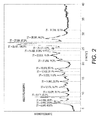
Figure 2 is a diffractograph of the XRPD of an undesired mixture of titanyl phthalocyanine (TiOPc) crystal forms (polymorphs); -
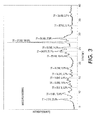
Figure 3 is a diffractograph of the XRPD of an undesired titanyl phthalocyanine (TiOPc) obtained upon treatment with monochlorobenzene of the titanyl phthalocyanine described inFigure 2 ; -
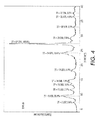
Figure 4 is a diffractograph of the XRPD of titanyl phthalocyanine (TiOPC) Type IV obtained upon treatment with monochlorobenzene of the titanyl phthalocyanine Type X, obtained from an embodiment of the present invention; and -
Figure 5 is a comparison of transmission electron micrographs (TEM) of TiOPc Type IV of different particle sizes obtained by changing the non-solvent ratio. - It is understood that other embodiments may be utilized and structural and operational changes may be made without departure from the scope of the embodiments disclosed herein.
- The embodiments relate to processes for making organic photosensitive pigments, namely, titanyl phthalocyanine (TiOPc) Type IV, with good charge generation for use in the formulation of a charge generating layer. In embodiments, improved processes are described that consistently produce the desired crystal forms of titanyl phthalocyanine, therefore providing better control in producing the desired TiOPc properties, such as for example, high photosensitivity, consistent particle size, and the like.
- There are existing processes used for converting TiOPc Type I to photoreceptor grade TiOPc Type IV. One process, described in
U.S. Patent No. 5,512,674 , begins by dissolving TiOPc Type I in sulfuric acid, followed by adding the mixture to methanol/de-ionized water to precipitate the formation of an amorphous pigment. The pigment is subsequently washed with dilute ammonium hydroxide and de-ionized water, followed by a treatment with a mixture of monochlorobenzene and water at 40°C, and a final methanol wash. The final step in the process is drying the pigment under vacuum. Another process, described inU.S. Patent No 5,164,493 , begins by dissolving TiOPc Type I in a mixture of trifluoroacetic acid (TFA) and methylene chloride, followed by adding the mixture to methanol/de-ionized water to precipitate the formation of TiOPc Type X. The pigment is subsequently washed with hot and cold de-ionized water, followed by a treatment with neat monochlorobenzene at room temperature, and a final methanol wash. The final step in the process is drying the pigment under vacuum. In a third process, described inU.S. Patent Application No. 2006/0105254 , a mixture of methanol/methylene chloride is used for precipitating the pigment in place of the methanol/de-ionized water with the formation of TiOPc Type Y. The pigment is subsequently washed with hot and cold de-ionized water, followed by a treatment with neat monochlorobenzene to yield a photosensitive titanyl phthalocyanine (TiOPC Type V). Each of the above patents and patent applications are hereby incorporated by reference in their entirety. - It was discovered that when practicing a process where the pigment solution is precipitated in a mixture of organic solvents, such as methanol and methylene chloride, the crystal form of the precipitated titanyl phthalocyanine is not consistently the same. While in some cases a desired crystal form, such as TiOPC Type X was obtained, as shown by X-ray diffraction (XRPD) depicted in
Figure 1 , many times a pigment with a different XRPD pattern was obtained, which is attributed to be a mixture of crystal forms (polymorphs). Such an undesired mixture of crystal form is shown inFigure 2 . Furthermore, the X-ray diffraction (XRPD) of this undesired precipitated pigment of the mixture varied from batch to batch which supports the assertion that a mixed crystal form of the pigment was obtained. The pigment lots which had the undesired XRPD pattern could not be converted by the standard monochlorobenzene treatment to a high photosensitivity crystal form of titanyl phthalocyanine, such as for example TiOPc type IV.Figure 3 shows the XRDP pattern of such an undesired final pigment, whileFigure 4 shows the XRPD pattern of a desired high sensitivity titanyl phthalocyanine type IV. - In conducting experimental trials, changes in precipitating time, temperature, equipment standards, equipment contamination levels, and chemical and solvent lots, were shown not to affect the ability and selectivity of formation of the desired Type X polymorph. This result indicated that the resulting mixture of polymorphs after precipitation was not being caused by these variables. Subsequent testing demonstrated that by adding a small amount of water, such as de-ionized water to the non-solvent mixture of methanol/methylene chloride in the precipitation step resulted in the Type X polymorph. Additional testing using from about 0.1 percent to about 5.0 percent de-ionized water with the methanol/methylene chloride in the precipitation step consistently resulted in the pure Type X polymorph, described by the XRPD in
Figure 1 . As such, "small amount" is defined in the present disclosure as less than 10.0 percent of water in the non-solvent mixture. Thus, it was discovered that adding small, controlled amounts of water, such as de-ionized water to the non-solvent mixture used for the precipitation of the pigment resulted in the formation Type X polymorph, and subsequently facilitated the production of pure, high photosensitivity, uncontaminated TiOPc Type IV pigment. - According to the present embodiments, there is provided an improved process for preparing a phthalocyanine pigment having a specific crystal form. The process comprises dissolving the pigment in a solvent mixture of a haloacetic acid and alkylene halide to form a solution, and precipitating the pigment to a specific crystal form by adding the solution to a non-solvent system, the non-solvent system comprising one or more organic solvents and a small amount of water, wherein the presence of water controls the resulting crystal form of the pigment. In this embodiment, the photosensitive phthalocyanine pigment is titanyl phthalocyanine Type X, which can be converted to the high photosensitivity titanyl phthalocyanine Type IV.
- In further embodiments, there is provided a novel process for consistently producing pure TiOPc Type IV comprising dissolving TiOPc Type I in an acid and solvent to form a solution, followed by adding the solution to a non-solvent mixture, for example, methanol and methylene chloride, with a small amount of de-ionized water to precipitate TiOPc Type X. The formed Type X polymorph is subsequently washed with hot and cold de-ionized water, followed by a treatment with monochlorobenzene at a temperature of from about 20°C to about 40°C. A final wash is done with methanol and the process is completed with drying the pigment under vacuum.
- In embodiments, the small amount of de-ionized water is from about 0.1 percent to about 5.0 percent, or from about 0.5 percent to 1.0 percent. In other embodiments, the amount is from about 1.0 percent to about 5.0 percent. In embodiments, the acid used is trifluoroacetic acid (TFA). The acid may also be any haloacetic acid, and mixtures thereof. The solvent is, in particular embodiments, methylene chloride. In further embodiments, the process includes washing the formed Type X polymorph with dilute ammonia to achieve higher photosensitivity (shown in the Examples).
- Moreover, by adjusting the non-solvent ratios, e.g. methanol/methylene chloride ratio, the particle size of the pigment can be controlled (shown in the Examples). The particle size of the pigments can be assessed qualitatively by transmission electron microscopy (TEM), or inferred from surface area measurements, such as BET. In the present embodiments, the non-solvent mixture has a volume to volume ratio of methanol to methylene chloride of from about 0.25:1 to about 1.5:1, or from about 0.33:1 to about 1:1.
- Thus, the present embodiments provide an improved process which consistently produces the highly photosensitive pigment, TiOPc Type IV, with the desired properties such as high photosensitivity and controlled particle size.
- In general embodiments, the phthalocyanine pigment made through the processes described above may be used as a photosensitive pigment in an imaging member comprising a substrate, a charge generating layer disposed on the substrate, and at least one charge transport layer disposed on the charge generating layer. The pigment is used for the charge generating layer, and may be used alone or in combination with another pigment, such as metal phthalocyanines, metal free phthalocyanines, perylenes, hydroxygallium phthalocyanines, chlorogallium phthalocyanines, methoxygallium phthalocyanines, vanadyl phthalocyanines, selenium, selenium alloys, trigonal selenium, and the like, and mixtures thereof.
- The pigment may also be further mixed with a binder. Photogenerating pigments can be selected for the charge generating layer in embodiments for example of an amount of from about 10 percent by weight to about 95 percent by weight dispersed in a binder. The pigment and binder may be mixed in a desired pigment: binder ratio, for example, about 60:40. Other ratios that can be used include anywhere in between 10:90 to 90:10 pigment to binder by weight. The binder may be a binder resin, such as any inactive resin material including those described, for example, in
U.S. Patent No. 3,121,006 , the entire disclosure thereof being incorporated herein by reference. - The pigment may be mixed with the binder in a solvent. It is desirable to select a coating solvent that does not substantially disturb or adversely affect the other previously coated layers of the device, such as ketones, alcohols, aromatic hydrocarbons, halogenated aliphatic hydrocarbons, ethers, amines, amides, esters, and the like.
- Generally, the thickness of the charge generating layer depends on a number of factors, including the thicknesses of the other layers and the amount of photogenerator material or pigment contained in the charge generating layers.
- In yet another embodiment, the photoconductive imaging member uses as hole transport molecule an aryl amine, such as N,N'-diphenyl-N,N-bis(3-methylphenyl)-1,1'-biphenyl-4,4'-diamine.
- It will be appreciated that various of the above-disclosed and other features and functions, or alternatives thereof, may be desirably combined into many other different systems or applications. Various presently unforeseen or unanticipated alternatives, modifications, variations, or improvements therein may be subsequently made by those skilled in the art which are also intended to be encompassed by the following claims.
- The examples set forth herein below and are illustrative of different compositions and conditions that can be used in practicing the present embodiments. All proportions are by weight unless otherwise indicated. It will be apparent, however, that the present embodiments can be practiced with many types of compositions and can have many different uses in accordance with the disclosure above and as pointed out hereinafter.
- 10g TiOPc Type I was dissolved in a mixture of 12 ml trifluoroacetic acid (TFA) and 48 ml methylene chloride under agitation for 1 hour. The solution was then added dropwise over about 2 hours to a mixture of 300 ml methanol and 300 ml methylene chloride, kept under agitation at under -10°C. The separated pigment was filtered from the solvent, reslurried in 300 ml methanol, and filtered again to obtain a wet cake. The wet cake was reslurried in 200 ml hot deionized water at about 80 °C for 10 minutes after which the pigment was filtered off to produce a wet cake. The hot water wash and filtration was repeated two more times. The wet cake was then reslurried in 300 ml cold (room temperature) deionized water and the pigment was recovered by filtration. A small sample of the pigment taken at this time and it was dried. The XRPD of this sample is shown in
Figure 2 and it appears to indicate a mixture of polymorphs as it could not be identified with any known pure TiOPc crystal form. - The wet cake was treated with 140 g of monochlorobenzene, under agitation, at room temperature, for 1.5 hours. 50 ml methanol were added to facilitate the filtration of the pigment and the pigment was recovered as a wet cake. Two final 300 ml methanol reslurry washes and filtrations were performed, after which the pigment was dried in a vacuum oven at 65 °C. The XRPD of the final pigment appears to indicate a mixture of polymorphs, as shown in
Figure 3 , and evaluation of electrical properties shows a relatively low photosensitivity. - The above process was performed several times with fresh reagents and new glassware to try to eliminate any contamination. In a majority of the cases a mixture of crystal forms were obtained. Only occasionally a TiOPc Type X (XRPD shown in
Figure 1 ) was obtained after the water washes, which then was converted to TiOPc Type IV (XRPD shown inFigure 4 ). The successful procedure could not be consistently reproduced. - 10g TiOPc Type I was dissolved in a mixture of 12 ml trifluoroacetic acid (TFA) and 48 ml methylene chloride under agitation for 1 hour. The solution was then added dropwise over about 2 hours to a mixture of 295 ml methanol and 300 ml methylene chloride containing also 5 ml of deionized water, kept under agitation at under -10°C. The separated pigment was filtered from the solvent, reslurried in 300 ml methanol, and filtered again to obtain a wet cake. The wet cake was reslurried in 200 ml hot deionized water at about 80 °C for 10 minutes after which the pigment was filtered off to produce a wet cake. The hot water wash and filtration was repeated two more times. The wet cake was then reslurried in 300 ml cold (room temperature) deionized water and the pigment was recovered by filtration. A small sample of the pigment taken at this time and it was dried. The XRPD of this sample showed that the crystal form of the pigment is TiOPc type X as shown in
Figure 1 . - The wet cake was treated with 140 g of monochlorobenzene, under agitation, at room temperature, for 1.5 hours. 50 ml methanol were added to facilitate the filtration of the pigment and the pigment was recovered as a wet cake. Two final 300 ml methanol reslurry washes and filtrations were performed, after which the pigment was dried in a vacuum oven at 65 °C. The XRPD of the final pigment showed that the crystal form is that of TiOPc Type IV as shown in
Figure 4 . - The above process was performed a large number of times with 100% success in obtaining the intermediate TiOPc Type X and the final desired TiOPc Type IV. Various samples of the obtained TiOPc Type IV pigment were evaluated and the electrical properties obtained are shown below in Table 1. The evaluation was conducted under the following conditions: charge generator layer formulation: 60:40 pigment (TiOPc type IV): poly(vinyl butyral) (BMS) in n-butyl acetate; charge transport layer formulation 40:60 N,N'-diphenyl-N,N-bis(3-methyl phenyl)-1,1'-biphenyl-4,4'-diamine: polycarbonate Z in monochlorobenzene; testing conditions: E = -32 V/µm; Exposeλ = 780 nm; Eraseλ = 600-850 nm (200-250 ergs/cm2). The Control is a previously made reference sample.
Table 1: Electrical properties of several TiOPC Type IV pigments obtained with using about 0.5% (v/v) de-ionized water in the methanol/methylene chloride non-solvent mixture Sample ID Dark Decay
(500 ms)(V)E1/2
(ergs/cm2)E7/8
(ergs/cm2)Control 4.4 1.21 2.84 Pigment C38F 5.6 1.32 3.11 Pigment C39F 2.4 1.12 2.85 Pigment C40F 2.5 1.11 2.60 Pigment C41F 4.4 1.16 2.80 Pigment C42F 4.2 1.12 2.94 Pigment C43F 3.0 1.17 2.69 Pigment C44F 3.1 1.12 2.80 Pigment C45F 3.6 1.19 2.70 Pigment C46F 3.2 1.16 2.64 Pigment C47F 3.5 1.10 2.83 - As seen from Table 1, the electrical properties of the sample pigments (C38F-C47F) are similar to the control, with some samples possibly slightly better (e.g., lower E7/8). These pigments were all obtained with about 0.5 to about 1.0% de-ionized water added in the non-solvent mixture for precipitating the pigment.
- The same process was followed as in Example 1, however, the volume ratio (v/v) of the methanol/methylene chloride mixture used for precipitating the titanyl phthalocyanine was varied from about 0.33/1 to about 1/1 in the different samples. It was observed that by adjusting the non-solvent ratio, the particle size of the resulting pigment can be controlled.
- The effect of the different ratios is shown qualitatively in the Transmission Electron Micrographs (TEMs) of the samples as illustrated in
Figure 5 . However, the difference in the particle size obtained when using different non-solvent ratios can be also quantified by using pigment surface area measurements using the Brunauer, Emmett, and Teller (BET) technique. Thus, BET values are generally larger for smaller particle size, as they have a larger surface area, and smaller BET values will be obtained for larger particle size pigments. The BET data analysis was done on 12 samples obtained using two different non-solvent ratios (6 samples at 0.33/1 (v/v) ratio of methanol/methylene chloride and 6 samples at 1/1 (v/v) ratio of non-solvents). The results show a BET mean of 38.23 m2/g, with a standard deviation of 3.29, for a ratio of methanol/ methylene chloride of 0.33/1 (larger particle size), versus a BET mean of 48.73 m2/g, with a standard deviation of 1.65 , for a ratio of 1/1 (smaller particle size). - The same process was followed as in Example 1, however, the pigment separated after precipitation in the non-solvent system was washed with dilute ammonium hydroxide before the hot de-ionized water washes. The ammonium hydroxide neutralizes the traces oftrifluoroacetic acid in the pigment and the resulting pigment was shown to have higher photosensitivity. Thus, as shown in Table 2, using one ammonium hydroxide wash results in a slight increase in photosensitivity, compared to the trials when no ammonium hydroxide was used.
Table 2: Effect of single dilute ammonium hydroxide wash on the photosensitivity (E7/8). Trials Control E7/8
(ergs/cm2)
No NH4OH washE7/8
(ergs/cm2)
One NH4OH wash1 2.84 3.11 2.6 2 2.83 2.69 3 2.80 2.64 4 - 2.85 Average - 2.91 2.70 - All the patents and applications referred to herein are hereby specifically, and totally incorporated herein by reference in their entirety in the instant specification.
- It will be appreciated that various of the above-disclosed and other features and functions, or alternatives thereof, may be desirably combined into many other different systems or applications. Also that various presently unforeseen or unanticipated alternatives, modifications, variations or improvements therein may be subsequently made by those skilled in the art which are also intended to be encompassed by the following claims. Unless specifically recited in a claim, steps or components of claims should not be implied or imported from the specification or any other claims as to any particular order, number, position, size, shape, angle, color, or material.
Claims (10)
- An improved process for preparing a phthalocyanine pigment having a specific crystal form, comprising:(a) dissolving a pigment in a solvent mixture of a haloacetic acid and alkylene halide to form a solution; and(b) precipitating the pigment to a crystal form by adding the solution to a non-solvent mixture, the non-solvent mixture comprising one or more organic solvents and a small amount of water, wherein a presence of water controls the resulting crystal form of the pigment.
- The process of claim 1, wherein the phthalocyanine pigment is titanyl phthalocyanine.
- The process of claim 2, wherein the phthalocyanine pigment is titanyl phthalocyanine type X.
- The process of claim 1, wherein the dissolving pigment is titanyl phthalocyanine Type I, the solvent mixture comprises trifluoroacetic acid and methylene chloride to form a solution, and the non-solvent mixture comprises methanol, methylene chloride and a small amount of de-ionized water to initiate precipitation of titanyl phthalocyanine Type X.
- The process of claim 4, wherein the non-solvent mixture has from about 0.1 percent to about 5.0 percent de-ionized water.
- An improved process for preparing a photosensitive phthalocyanine pigment having a specific crystal form, comprising:(a) dissolving a pigment in a solvent mixture of a haloacetic acid and alkylene halide to form a solution;(b) precipitating the pigment to a crystal form by adding the solution to a non-solvent mixture, the non-solvent mixture comprising one or more organic solvents and a small amount of water, wherein the amount of water controls the resulting crystal form of the pigment; and(c) converting the pigment to a second crystal form by treatment with a halobenzene, wherein the second crystal form is highly photosensitive.
- The process of claim 6, wherein the photosensitive phthalocyanine pigment is titanyl phthalocyanine.
- The process of claim 7, wherein the photosensitive phthalocyanine is titanyl phthalocyanine Type IV.
- The process of claim 6, wherein the dissolving pigment is titanyl phthalocyanine Type I, the solvent mixture comprises trifluoroacetic acid and methylene chloride to form a solution and the non-solvent mixture comprises methanol, methylene chloride and a small amount of de-ionized water to initiate precipitation of titanyl phthalocyanine Type X.
- An improved process for preparing a photosensitive phthalocyanine pigment having a specific crystal form, comprising:(a) dissolving titanyl phthalocyanine Type I in a solvent mixture of trifluoroacetic acid and methylene chloride to form a solution;(b) adding the solution to a non-solvent mixture of methanol, methylene chloride and a small amount of de-ionized water to initiate precipitation of titanyl phthalocyanine Type X;(c) washing the titanyl phthalocyanine Type X with de-ionized water; and(d) treating the titanyl phthalocyanine Type X with monochlorobenzene to form titanyl phthalocyanine Type IV.
Applications Claiming Priority (1)
| Application Number | Priority Date | Filing Date | Title |
|---|---|---|---|
| US11/706,609 US7888501B2 (en) | 2007-02-14 | 2007-02-14 | Process for making organic photosensitive pigment |
Publications (2)
| Publication Number | Publication Date |
|---|---|
| EP1958989A1 true EP1958989A1 (en) | 2008-08-20 |
| EP1958989B1 EP1958989B1 (en) | 2013-04-03 |
Family
ID=39332523
Family Applications (1)
| Application Number | Title | Priority Date | Filing Date |
|---|---|---|---|
| EP08151299A Ceased EP1958989B1 (en) | 2007-02-14 | 2008-02-12 | Process for making organic photosensitive phthalocyanine pigment |
Country Status (4)
| Country | Link |
|---|---|
| US (2) | US7888501B2 (en) |
| EP (1) | EP1958989B1 (en) |
| JP (1) | JP5384836B2 (en) |
| CA (1) | CA2619554C (en) |
Families Citing this family (2)
| Publication number | Priority date | Publication date | Assignee | Title |
|---|---|---|---|---|
| US7888501B2 (en) * | 2007-02-14 | 2011-02-15 | Xerox Corporation | Process for making organic photosensitive pigment |
| JP2010235897A (en) * | 2009-03-31 | 2010-10-21 | Fujifilm Corp | Non-aqueous ink, ink set, image recording method, image recording apparatus, and recorded matter |
Citations (14)
| Publication number | Priority date | Publication date | Assignee | Title |
|---|---|---|---|---|
| US522551A (en) | 1894-07-03 | Worth | ||
| US3121006A (en) | 1957-06-26 | 1964-02-11 | Xerox Corp | Photo-active member for xerography |
| EP0460565A2 (en) * | 1990-06-04 | 1991-12-11 | Xerox Corporation | Titanium phthalocyanines and processes for the preparation thereof |
| US5153094A (en) | 1990-06-14 | 1992-10-06 | Xerox Corporation | Processes for the preparation of photogenerating pigments |
| US5153313A (en) | 1990-06-04 | 1992-10-06 | Xerox Corporation | Processes for the preparation of phthalocyanines |
| EP0508772A1 (en) * | 1991-04-11 | 1992-10-14 | Xerox Corporation | Process for the preparation of titanyl phthalocyanines |
| US5164493A (en) | 1991-02-28 | 1992-11-17 | Xerox Corporation | Processes for the preparation of titanyl phthalocyanines type I with phthalonitrile |
| US5182382A (en) | 1991-05-28 | 1993-01-26 | Xerox Corporation | Processes for the preparation of titaniumphthalocyanine type x |
| US5189156A (en) | 1991-04-01 | 1993-02-23 | Xerox Corporation | Processes for the preparation of titanium-phthalocyanine Type X |
| US5288574A (en) * | 1992-09-14 | 1994-02-22 | Xerox Corporation | Phthalocyanine imaging members and processes |
| US5384222A (en) | 1993-07-01 | 1995-01-24 | Xerox Corporation | Imaging member processes |
| US5512674A (en) | 1990-03-20 | 1996-04-30 | Fuji Xerox Co., Ltd. | Process for preparing titanyl phthalocyanine crystal by solvent dilution |
| US6232466B1 (en) | 1990-03-20 | 2001-05-15 | Fuji Xerox Co., Ltd | Process for preparing titanyl phthalocyanine crystal by solvent treatment of amorphous or quasi-amorphous titanyl phthalocyanine |
| US20060105254A1 (en) | 2004-11-18 | 2006-05-18 | Xerox Corporation. | Processes for the preparation of high sensitivity titanium phthalocyanines photogenerating pigments |
Family Cites Families (2)
| Publication number | Priority date | Publication date | Assignee | Title |
|---|---|---|---|---|
| JP3476488B2 (en) * | 1990-06-04 | 2003-12-10 | ゼロックス・コーポレーション | Titanium phthalocyanine and method for preparing the same |
| US7888501B2 (en) * | 2007-02-14 | 2011-02-15 | Xerox Corporation | Process for making organic photosensitive pigment |
-
2007
- 2007-02-14 US US11/706,609 patent/US7888501B2/en active Active
-
2008
- 2008-02-07 CA CA2619554A patent/CA2619554C/en not_active Expired - Fee Related
- 2008-02-12 EP EP08151299A patent/EP1958989B1/en not_active Ceased
- 2008-02-13 JP JP2008031518A patent/JP5384836B2/en not_active Expired - Fee Related
-
2010
- 2010-12-14 US US12/968,215 patent/US8193344B2/en not_active Expired - Fee Related
Patent Citations (17)
| Publication number | Priority date | Publication date | Assignee | Title |
|---|---|---|---|---|
| US522551A (en) | 1894-07-03 | Worth | ||
| US3121006A (en) | 1957-06-26 | 1964-02-11 | Xerox Corp | Photo-active member for xerography |
| US5512674A (en) | 1990-03-20 | 1996-04-30 | Fuji Xerox Co., Ltd. | Process for preparing titanyl phthalocyanine crystal by solvent dilution |
| US6232466B1 (en) | 1990-03-20 | 2001-05-15 | Fuji Xerox Co., Ltd | Process for preparing titanyl phthalocyanine crystal by solvent treatment of amorphous or quasi-amorphous titanyl phthalocyanine |
| EP0460565A2 (en) * | 1990-06-04 | 1991-12-11 | Xerox Corporation | Titanium phthalocyanines and processes for the preparation thereof |
| US5153313A (en) | 1990-06-04 | 1992-10-06 | Xerox Corporation | Processes for the preparation of phthalocyanines |
| US5166339A (en) | 1990-06-04 | 1992-11-24 | Xerox Corporation | Processes for the preparation of titanium phthalocyanines |
| US5153094A (en) | 1990-06-14 | 1992-10-06 | Xerox Corporation | Processes for the preparation of photogenerating pigments |
| US5164493A (en) | 1991-02-28 | 1992-11-17 | Xerox Corporation | Processes for the preparation of titanyl phthalocyanines type I with phthalonitrile |
| US5189156A (en) | 1991-04-01 | 1993-02-23 | Xerox Corporation | Processes for the preparation of titanium-phthalocyanine Type X |
| EP0508772A1 (en) * | 1991-04-11 | 1992-10-14 | Xerox Corporation | Process for the preparation of titanyl phthalocyanines |
| US5206359A (en) | 1991-04-11 | 1993-04-27 | Xerox Corporation | Processes for preparation of titanyl phthalocyanines type x |
| US5182382A (en) | 1991-05-28 | 1993-01-26 | Xerox Corporation | Processes for the preparation of titaniumphthalocyanine type x |
| US5288574A (en) * | 1992-09-14 | 1994-02-22 | Xerox Corporation | Phthalocyanine imaging members and processes |
| US5384222A (en) | 1993-07-01 | 1995-01-24 | Xerox Corporation | Imaging member processes |
| US20060105254A1 (en) | 2004-11-18 | 2006-05-18 | Xerox Corporation. | Processes for the preparation of high sensitivity titanium phthalocyanines photogenerating pigments |
| EP1672034A1 (en) * | 2004-11-18 | 2006-06-21 | Xerox Corporation | Processes for the preparation of high sensitivity titanium phthalocyanines photogenerating pigments |
Also Published As
| Publication number | Publication date |
|---|---|
| CA2619554C (en) | 2011-11-29 |
| JP5384836B2 (en) | 2014-01-08 |
| JP2008195941A (en) | 2008-08-28 |
| CA2619554A1 (en) | 2008-08-14 |
| US20110087020A1 (en) | 2011-04-14 |
| EP1958989B1 (en) | 2013-04-03 |
| US20080194813A1 (en) | 2008-08-14 |
| US7888501B2 (en) | 2011-02-15 |
| US8193344B2 (en) | 2012-06-05 |
Similar Documents
| Publication | Publication Date | Title |
|---|---|---|
| JP4658782B2 (en) | Photo imaging member | |
| US5153094A (en) | Processes for the preparation of photogenerating pigments | |
| EP0679695B1 (en) | Processes for the preparation of hydroxygallium phthalocyanine | |
| US5132197A (en) | Oxytitanium phthalocyanine, process for producing same and electrophotosensitive member using same | |
| JP2008015532A (en) | Imaging member | |
| EP1788037B1 (en) | Titanylphthalocyanin crystal, method for preparing the same, and electrophotographic photoreceptor | |
| US8193344B2 (en) | Process for making organic photosensitive pigment | |
| US6492080B1 (en) | Process for tuning photoreceptor sensitivity | |
| US7682762B2 (en) | Process for preparing organic photosensitive pigment | |
| CA2051364C (en) | Method of preparing photoconductive pigments | |
| US5302710A (en) | Phthalocyanine mixed crystal and electrophotographic photoreceptor containing the same | |
| KR100203312B1 (en) | Oxy-titanium pthalocyanine crystal | |
| US6268097B1 (en) | Electrophotographic photoreceptor | |
| CA2619136C (en) | Process for making titanyl phthalocyanine | |
| JP4164970B2 (en) | Pigment particles, production method thereof, electrophotographic photoreceptor using the same, and electrophotographic image forming method | |
| US20260133510A1 (en) | Electrophotographic photosensitive member, process cartridge, electrophotographic apparatus, and method of manufacturing hydroxygallium phthalocyanine crystal | |
| JP2000267323A (en) | Electrophotographic photoreceptor | |
| US5587262A (en) | Photoconductive imaging members | |
| JP2020008680A (en) | Electrophotographic photosensitive member and image forming apparatus having the same | |
| JP3230179B2 (en) | Electrophotographic photoreceptor | |
| JP2024044623A (en) | Electrophotographic photoreceptors, process cartridges, and electrophotographic devices | |
| CN110684181A (en) | Polyarylate resin and electrophotographic photoreceptor | |
| JPH07247441A (en) | Chlorogallium phthalocyanine crystal, its production and electrophotographic receptor using the same | |
| JP2002296816A (en) | Electrophotographic photoreceptor, process cartridge and electrophotographic apparatus | |
| JPH01291256A (en) | Electrophotographic sensitive body |
Legal Events
| Date | Code | Title | Description |
|---|---|---|---|
| PUAI | Public reference made under article 153(3) epc to a published international application that has entered the european phase |
Free format text: ORIGINAL CODE: 0009012 |
|
| AK | Designated contracting states |
Kind code of ref document: A1 Designated state(s): AT BE BG CH CY CZ DE DK EE ES FI FR GB GR HR HU IE IS IT LI LT LU LV MC MT NL NO PL PT RO SE SI SK TR |
|
| AX | Request for extension of the european patent |
Extension state: AL BA MK RS |
|
| 17P | Request for examination filed |
Effective date: 20090220 |
|
| AKX | Designation fees paid |
Designated state(s): DE FR GB |
|
| 17Q | First examination report despatched |
Effective date: 20120821 |
|
| GRAP | Despatch of communication of intention to grant a patent |
Free format text: ORIGINAL CODE: EPIDOSNIGR1 |
|
| GRAS | Grant fee paid |
Free format text: ORIGINAL CODE: EPIDOSNIGR3 |
|
| GRAA | (expected) grant |
Free format text: ORIGINAL CODE: 0009210 |
|
| AK | Designated contracting states |
Kind code of ref document: B1 Designated state(s): DE FR GB |
|
| REG | Reference to a national code |
Ref country code: GB Ref legal event code: FG4D |
|
| REG | Reference to a national code |
Ref country code: DE Ref legal event code: R096 Ref document number: 602008023400 Country of ref document: DE Effective date: 20130529 |
|
| PLBE | No opposition filed within time limit |
Free format text: ORIGINAL CODE: 0009261 |
|
| STAA | Information on the status of an ep patent application or granted ep patent |
Free format text: STATUS: NO OPPOSITION FILED WITHIN TIME LIMIT |
|
| 26N | No opposition filed |
Effective date: 20140106 |
|
| REG | Reference to a national code |
Ref country code: DE Ref legal event code: R097 Ref document number: 602008023400 Country of ref document: DE Effective date: 20140106 |
|
| REG | Reference to a national code |
Ref country code: FR Ref legal event code: PLFP Year of fee payment: 9 |
|
| REG | Reference to a national code |
Ref country code: FR Ref legal event code: PLFP Year of fee payment: 10 |
|
| REG | Reference to a national code |
Ref country code: FR Ref legal event code: PLFP Year of fee payment: 11 |
|
| PGFP | Annual fee paid to national office [announced via postgrant information from national office to epo] |
Ref country code: GB Payment date: 20200123 Year of fee payment: 13 |
|
| PGFP | Annual fee paid to national office [announced via postgrant information from national office to epo] |
Ref country code: FR Payment date: 20200122 Year of fee payment: 13 |
|
| GBPC | Gb: european patent ceased through non-payment of renewal fee |
Effective date: 20210212 |
|
| PG25 | Lapsed in a contracting state [announced via postgrant information from national office to epo] |
Ref country code: GB Free format text: LAPSE BECAUSE OF NON-PAYMENT OF DUE FEES Effective date: 20210212 Ref country code: FR Free format text: LAPSE BECAUSE OF NON-PAYMENT OF DUE FEES Effective date: 20210228 |
|
| PGFP | Annual fee paid to national office [announced via postgrant information from national office to epo] |
Ref country code: DE Payment date: 20230119 Year of fee payment: 16 |
|
| REG | Reference to a national code |
Ref country code: DE Ref legal event code: R119 Ref document number: 602008023400 Country of ref document: DE |
|
| PG25 | Lapsed in a contracting state [announced via postgrant information from national office to epo] |
Ref country code: DE Free format text: LAPSE BECAUSE OF NON-PAYMENT OF DUE FEES Effective date: 20240903 |
|
| PG25 | Lapsed in a contracting state [announced via postgrant information from national office to epo] |
Ref country code: DE Free format text: LAPSE BECAUSE OF NON-PAYMENT OF DUE FEES Effective date: 20240903 |