EP1934350B1 - Polyoleosins - Google Patents
Polyoleosins Download PDFInfo
- Publication number
- EP1934350B1 EP1934350B1 EP06790390.6A EP06790390A EP1934350B1 EP 1934350 B1 EP1934350 B1 EP 1934350B1 EP 06790390 A EP06790390 A EP 06790390A EP 1934350 B1 EP1934350 B1 EP 1934350B1
- Authority
- EP
- European Patent Office
- Prior art keywords
- oleosin
- sequence
- repeats
- construct
- plant
- Prior art date
- Legal status (The legal status is an assumption and is not a legal conclusion. Google has not performed a legal analysis and makes no representation as to the accuracy of the status listed.)
- Not-in-force
Links
Images


Classifications
-
- C—CHEMISTRY; METALLURGY
- C07—ORGANIC CHEMISTRY
- C07K—PEPTIDES
- C07K14/00—Peptides having more than 20 amino acids; Gastrins; Somatostatins; Melanotropins; Derivatives thereof
- C07K14/415—Peptides having more than 20 amino acids; Gastrins; Somatostatins; Melanotropins; Derivatives thereof from plants
Definitions
- the present invention relates to constructs including one or more nucleic acids encoding between three and twenty oleosin repeat units, and methods of use thereof.
- the present invention also relates to recombinant polypeptides including between three and twenty oleosin repeat units, and methods of use thereof.
- TAG triacylglycerol
- the only committed step in TAG biosynthesis is the last one, i.e., the addition of a third fatty acid to an existing diacylglycerol, thus generating TAG.
- this step is performed by one of three enzymes including: acyl CoA: diacylglycerol acyltransferase (DGAT1); an unrelated acyl CoA: diacylglycerol acyl transferase (DGAT2); and phospholipid: diacylglycerol acyltransferase (PDAT) (Bouvier-Nave et al., 2000; Dahlqvist et al., 2000; Lardizabal et al., 2001; Zou et al., 1999).
- DGAT1 diacylglycerol acyltransferase
- PDAT phospholipid: diacylglycerol acy
- Oleosins are specific plant proteins usually found only in seeds and pollen. Their function is to stop oil bodies coalescing during seed and pollen dehiscence. In nature, TAG produced in seeds and pollen form micelles encapsulated by a spherical phospholipid monolayer and one or several species of oleosin proteins. Oil bodies in fruit tissues (such as olives and avocados) do not contain oleosins.
- An oil body that is produced in seed or pollen consists of a droplet of TAG surrounded by a monolayer of phospholipid where the hydrophobic acyl moieties of the phospholipids interact with the encapsulated TAG and the hydrophilic head groups face the cytoplasm.
- Oil bodies are naturally produced in the seeds and pollen of many plants. Oil bodies can also be generated artificially by combining oleosins, triacylglycerides and phospholipids (Peng et al., 2004).
- the outside of the oil body is coated with oleosins which are orientated with their central hydrophobic amino acid domains protruding through the phospholipid monolayer and into the TAG core of the oil body ( Figures 2-6 ).
- the size of the oil body may be regulated by oleosin imparting a defined curvature; the curvature is dependent on the oleosin::oil ratio as well as the type of oleosin and oil.
- lipid profile of ruminant animal feed in turn influences the lipid profile of meat and dairy products (Demeyer and Doreau, 1999).
- Different plants have different lipid profiles; by selectively feeding animals only plants with the desired lipid profile it is possible to positively influence the lipid profile of downstream meat and dairy products.
- the final lipid make up of the meat and milk is not only influenced by the dietary lipids but is also heavily influenced by biohydrogenation.
- Biohydrogenation is the hydrogenation of non-reduced compounds (such as unsaturated fats) by the biota present in the rumen.
- Emulsions are produced when one or more liquids that are immiscible (usually due to different polarities and thus different hydrophobicities) in another liquid are uniformly suspended within that liquid, for example when oil droplets are dispersed uniformly in water or water droplets dispersed uniformly in oil.
- Generation of a relatively stable emulsion requires the use of an emulsifier, which lowers the interfacial tension between the liquids.
- the stability of an emulsion is generally a measure of what conditions and for how long the uniform dispersion persists.
- Emulsifiers are commonly used in the food and cosmetic industry; as such the emulsifiers need to have high emulsion stability as well as be safe for consumption and topical application.
- the present invention provides a construct including one or more nucleic acids encoding between three and twenty oleosin repeat units according to the claims.
- the construct for expression in vegetative plant tissue preferably the construct further includes a nucleic acid encoding a diacylglycerol acryltransferase.
- the invention provides a method of altering the emulsification properties of an oleosin, said method including recombinantly producing the oleosin with between three and twenty oleosin repeat units, wherein an oleosin repeat unit is an amino acid sequence encoding functionally active plant oleosin, wherein said functionally active plant oleosin is capable of stopping oil bodies coalescing during seed and pollen dehiscence.
- oleosin as used herein includes any functionally active plant oleosin, including functionally active fragments and variants thereof (e.g., L-oleosin, H-oleosin, steroleosin and caoleosin).
- the oleosin repeat unit may be from white clover or sesame seed, or may be a synthetic or recombinant version of an oleosin repeat unit from white clover or sesame seed.
- the invention is not limited thereto and any functionally active plant oleosin sequence may be used in the constructs of the present invention.
- the oleosin sequence may be naturally occurring, recombinant or synthetic.
- repeat units is meant multiple copies of nucleotide sequences encoding oleosin within a single polynucleotide, or multiple copies of amino acid sequences encoding oleosin within a single polypeptide, which may or may not contain intervening nucleotide or amino acid sequences.
- the repeat units may be tandem repeats.
- the repeat units may be homo- or hetero- repeats (homo or heteromeric).
- the oleosin repeat units may be linked either directly, for example by direct fusion of the repeats, or by using linking sequences.
- linker sequences may be included between the oleosin repeats to facilitate rotation of the oleosin hydrophilic domains relative to each other to form the correct topology.
- Such linker sequences also facilitate recombinatorial subcloning of sequences encoding desired peptides in between the oleosin repeats, and also facilitate chemical or enzymatic cleavage, for example to destroy the multimeric oleosin chain and/or release the desired peptide from the multimeric oleosin chain.
- the construct may further include nucleotide sequences encoding linking sequences between three and twenty of the oleosin repeat units.
- the linking sequences may be short sequences, for example sequences that allow flexibility between the repeat units (act as a flexible hinge) or induce a directional change (act as a directional induction hinge) between the repeats, enable degradation between the oleosin repeat units, for example by peptidases, unrelated peptide sequences that may have bioactive properties, or sites for enzymatic cleavage and or subsequent fusion.
- the linking nucleotide sequence(s) between the oleosin repeat units may encode the native N- and C-termini of the respective repeats, sequences that code for comparatively short peptides that allow flexibility between the repeats, comparatively short peptides with amino acid residues that induce a directional change in the chain (for example proline), sequences that enable the future targeted cloning of additional sequences between the repeats, sequences that encode for specific targeted peptidase degradation, sequences that encode for bioactive peptides, and/or sequences encoding sites for specific enzymatic cleavage and subsequent fusion, e.g., modified self splicing intein and polymerisation cyclisation (Williams et al., 2005).
- the multiple oleosin nucleotide sequences may code for the same oleosin peptide sequence or code for different oleosin peptide sequences.
- the multiple oleosin nucleotide sequences may code for the same oleosin peptide sequence but use alternate codons in the nucleotide sequence where applicable. This enables the construct to also be used in prokaryotic expression systems that are not non-recombinant minus (rec - ). It also enables the use of oleosins that contain different affinities for the oil body.
- the nucleic acid encoding an oleosin repeat unit includes a nucleotide sequence selected from the group consisting of sequences shown in Figures 13 , 15 , 17 , 19 , 21 , 23 , 25 , 27 , 31 , 34 , 70 , 72-77 and 97-106 hereto, and functionally active fragments and variants thereof.
- the construct encoding oleosins of the present invention and oleosins for use in the claimed methods includes one or more nucleic acids encoding between three and twenty oleosin repeats, more preferably between three and ten oleosin repeats, most preferably between three and five or six oleosin repeats.
- the diacylglycerol acyltransferase may be of any suitable type, including functionally active fragments and variants thereof.
- the diacylglycerol acyltransferase is selected from the group consisting of DGAT1, DGAT2 and PDAT.
- Nucleic acids according to the invention may be full-length genes or part thereof, and are also referred to as “nucleic acid fragments" and “nucleotide sequences" in this specification.
- the nucleic acid may be of any suitable type and includes DNA (such as cDNA or genomic DNA) and RNA (such as mRNA) that is single- or double-stranded, optionally containing synthetic, non-natural or altered nucleotide bases, and combinations thereof.
- DNA such as cDNA or genomic DNA
- RNA such as mRNA
- the fragment or variant in respect of a nucleotide sequence is meant that the fragment or variant (such as an analogue, derivative or mutant) is capable of modifying lipids in a plant.
- Such variants include naturally occurring allelic variants and non-naturally occurring variants. Additions, deletions, substitutions and derivatizations of one or more of the nucleotides are contemplated so long as the modifications do not result in loss of functional activity of the fragment or variant.
- the functionally active fragment or variant has at least approximately 80% identity to the relevant part of the oleosin repeat sequences exemplified herein, more preferably at least approximately 90% identity, most preferably at least approximately 95% identity.
- Such functionally active variants and fragments include, for example, those having nucleic acid changes that result in conservative amino acid substitutions of one or more residues in the corresponding amino acid sequence.
- the nucleic acid sequence may be modified to enhance expression without altering the amino acid sequence.
- the fragment has a size of at least 30 nucleotides, more preferably at least 45 nucleotides, most preferably at least 60 nucleotides.
- the fragment or variant has one or more of the biological properties of oleosin polypeptides. Additions, deletions, substitutions and derivatizations of one or more of the amino acids are contemplated so long as the modifications do not result in loss of functional activity of the fragment or variant.
- the functionally active fragment or variant has at least approximately 60% identity to the relevant part of the oleosin polypeptides exemplified herein, more preferably at least approximately 80% identity, most preferably at least approximately 90% identity.
- Such functionally active variants and fragments include, for example, those having conservative amino acid substitutions of one or more residues in the corresponding amino acid sequence.
- the fragment has a size of at least 10 amino acids, more preferably at least 15 amino acids, most preferably at least 20 amino acids.
- a regulatory element is capable of causing expression of said nucleic acid in a cell and/or a terminator is capable of terminating expression of said nucleic acid in a cell.
- said regulatory element is upstream of said nucleic acid and said terminator is downstream of said nucleic acid.
- an effective amount is meant an amount sufficient to result in an identifiable phenotypic trait in said plant, or a plant, plant seed or other plant part derived therefrom. Such amounts can be readily determined by an appropriately skilled person, taking into account the type of plant, the route of administration and other relevant factors. Such a person will readily be able to determine a suitable amount and method of administration. See, for example, Maniatis et al, Molecular Cloning: A Laboratory Manual, Cold Spring Harbor Laboratory, Cold Spring Harb or.
- the construct encoding oleosins of the present invention and used in the methods according to the claims may be a vector.
- the vector may include at least one regulatory element, such as a promoter, operatively linked to the nucleic acid.
- the vector may also include an operatively linked terminator.
- the vector may be of any suitable type and may be viral or non-viral.
- the vector may be an expression vector.
- Such vectors include chromosomal, non-chromosomal and synthetic nucleic acid sequences, eg. derivatives of plant viruses; bacterial plasmids; derivatives of the Ti plasmid from Agrobacterium tumefaciens , derivatives of the Ri plasmid from Agrobacterium rhizogenes ; phage DNA; yeast artificial chromosomes; bacterial artificial chromosomes; binary bacterial artificial chromosomes; vectors derived from combinations of plasmids and phage DNA.
- any other vector may be used as long as it is replicable, or integrative or viable in the relevant cell.
- the regulatory element and terminator may be of any suitable type and may be endogenous to the target cell or may be exogenous, provided that they are functional in the target cell.
- one of the regulatory elements is a promoter.
- promoters which may be employed in the vectors of the present invention according to the claims are well known to those skilled in the art. Factors influencing the choice of promoter include the desired tissue specificity of the vector, and whether constitutive or inducible expression is desired and the nature of the cell to be transformed. Particularly suitable constitutive promoters for use in plants include the Cauliflower Mosaic Virus 35S (CaMV 35S) promoter, the maize Ubiquitin promoter, and the rice Actin promoter. In a preferred embodiment the promoter may be chosen to enable the expression of oleosin in the desired organ, tissue and stage of development.
- terminators which may be employed in the vectors of the present invention, according to the claims, are also well known to those skilled in the art.
- the terminator may be from the same gene as the promoter sequence or a different gene.
- Particularly suitable terminators for use in plants are polyadenylation signals, such as the CaMV 35S polyA and other terminators from the nopaline synthase (nos) and the octopine synthase (ocs) genes.
- the vector in addition to the regulatory element, the nucleic acid and the terminator, may include further elements necessary for expression of the nucleic acid, in different combinations, for example vector backbone, origin of replication (ori), multiple cloning sites, spacer sequences, enhancers, introns (such as the maize Ubiquitin Ubi intron), antibiotic resistance genes and other selectable marker genes (such as the neomycin phosphotransferase ( npt2 ) gene, the hygromycin phosphotransferase ( hph ) gene, the phosphinothricin acetyltransferase ( bar or pat ) gene), and reporter genes (such as green fluorescence protein (GFP), beta-glucuronidase (GUS) gene ( gusA )).
- the vector may also contain a ribosome binding site for translation initiation.
- the vector may also include appropriate sequences for facilitating correct transcription, amplifying expression, increasing mRNA stability, enhancing protein
- the presence of the construct or vector in transformed cells may be determined by other techniques well known in the art, such as PCR (polymerase chain reaction), Southern blot hybridisation analysis, histochemical GUS assays, northern and Western blot hybridisation analyses.
- the constructs and vectors encoding oleosins of the present invention may be incorporated into a variety of plants, including monocotyledons (such as grasses from the genera Lolium, Festuca, Paspalum, Pennisetum, Panicum and other forage and turfgrasses, corn, rice, sugarcane, oat, wheat and barley) dicotyledons (such as arabidopsis, tobacco, soybean, canola, cotton, potato, chickpea, medics, white clover, red clover, subterranean clover, alfalfa, eucalyptus, poplar, hybrid aspen, and gymnosperms (pine tree)).
- the constructs and vectors are used to transform commercial crops that are fed directly to animals.
- constructs and vectors encoding oleosins of the present invention may also be incorporated into other eukaryotic expression systems, including yeast, insect and mammalian cells.
- repeat oleosins such as multimeric tandem repeat oleosins, (either homo or hetero repeats) may be generated by recombinant protein expression in eukaryotic expression systems and subsequently purified as functional recombinant oil bodies having the additional properties afforded by the presence of repeat oleosins.
- constructs and vectors encoding oleosins of the present invention may also be incorporated into prokaryotic expression systems.
- repeat oleosins such as multimeric tandem repeat oleosins, (either homo or hetero repeats) may be generated by recombinant protein expression in bacteria such as Escherichia coli and subsequently purified and recombined with for example, phospholipids and triacyl glyceride to generate functional recombinant oil bodies with the additional properties afforded by the presence of repeat oleosins.
- constructs and vectors encoding oleosins of the present invention may be constructed by any suitable method, including:
- Techniques for incorporating the constructs and vectors encoding oleosins of the present invention into cells are well known to those skilled in the art.
- techniques include Agrobacterium mediated introduction, electroporation to tissues, cells and protoplasts, protoplast fusion, injection into reproductive organs, injection into immature embryos and high velocity projectile introduction to cells, tissues, calli, immature and mature embryos. The choice of technique will depend largely on the type of cell to be transformed.
- Cells incorporating the constructs and vectors encoding oleosins of the present invention may be selected, as described above, and then cultured in an appropriate medium to regenerate transformed plants, using techniques well known in the art.
- the culture conditions such as temperature, pH and the like, will be apparent to the person skilled in the art.
- the resulting plants may be reproduced, either sexually or asexually, using methods well known in the art, to produce successive generations of transformed plants.
- a plant cell, plant, plant seed or other plant part including, e.g. transformed with, a construct or vector encoding an oleosin of the present invention.
- the plant cell, plant, plant seed or other plant part may be from any suitable species, including monocotyledons, dicotyledons and gymnosperms.
- the plant cell, plant, plant seed or other plant part is from a commercial plant that is normally fed directly to animals.
- the present disclosure also provides a plant, plant seed or other plant part derived from a plant cell including a construct or vector of encoding oleosins the present invention.
- the present disclosure also provides a plant, plant seed or other plant part derived from a plant and including a construct or vector encoding oleosins of the present invention.
- the present disclosure also provides a eukaryotic cell, such as a yeast, insect or mammalian cell, including, eg. transformed with, a construct or vector encoding oleosins of the present invention.
- a eukaryotic cell such as a yeast, insect or mammalian cell, including, eg. transformed with, a construct or vector encoding oleosins of the present invention.
- the present disclosure also provides a prokaryotic cell, eg. a bacteria such E. coli, including, eg. transformed with, a construct or vector encoding oleosins of the present invention.
- a prokaryotic cell eg. a bacteria such E. coli, including, eg. transformed with, a construct or vector encoding oleosins of the present invention.
- the present invention also provides a method of producing repeat oleosins in a plant, said method including introducing into said plant a construct or vector encoding oleosins of the present invention according to the claims.
- repeat oleosin is meant a recombinant polypeptide including between three and twenty oleosin repeat units.
- the present invention also provides a method of producing repeat oleosins in a eukaryotic cell according to the claims, said method including introducing into said eukaryotic cell a construct or vector encoding oleosins of the present invention.
- the method may include the further step of partially or substantially purifying said repeat oleosin from said cell.
- the repeat oleosin may be partially or substantially purified by the generation of oil bodies.
- the oil bodies may be produced within the cell, e.g. plant seed.
- the present invention also provides a method of producing repeat oleosins in a prokaryotic cell according to the claims, said method including introducing into said prokaryotic cell a construct or vector encoding oleosins of the present invention.
- the method may include the further steps of partially or substantially purifying said repeat oleosin from said cell.
- the repeat oleosin may be partially or substantially purified by the generation of oil bodies.
- the oil bodies may be produced artificially using recombinant oleosin repeats from other expression systems such as E. coli.
- the oleosin protein repeats may be purified using affinity chromatography, such as a fused Histidine tag and Ni 2+ resin purification.
- the present invention also provides a partially or substantially purified and/or recombinant polypeptide including between three and twenty oleosin repeat units.
- the polypeptide may be produced by expression of a construct or vector.
- the present invention also provides a lipid encapsulated by a polypeptide according to the present invention.
- the oleosin repeat units may be of any suitable type, including functionally active fragments and variants thereof.
- the oleosin repeat units may be selected from the group consisting of L-oleosin, H-oleosin, steroleosin and caoleosin and functionally active fragments and variants thereof.
- the oleosin repeats may be tandem repeats.
- the oleosin repeats may be multimeric tandem repeats.
- the oleosin repeats may be homo- or hetero- repeats.
- the oleosin repeat unit may be from white clover or sesame seed, or may be a synthetic or recombinant version of an oleosin repeat unit from white clover or sesame seed.
- the invention is not limited thereto and the polypeptide of the present invention may include any functionally active plant oleosin sequence.
- the oleosin repeat units may be linked either directly or by linking sequences.
- the polypeptide may further include linking sequences between two or more of the oleosin repeat units.
- the linking sequences may allow flexibility, induce a directional change or enable degradation between the oleosin repeat units.
- the oleosin repeat unit includes an amino acid sequence selected from the group consisting of the sequences shown in Figures 69 , 70 , 78-83 and 107-116 hereto, and functionally active fragments and variants thereof.
- the oleosin repeat unit is encoded by a nucleotide sequence selected from the group consisting of sequences shown in Figures 13 , 15 , 17 , 19 , 21 , 23 , 25 , 27 , 31 , 34 , 70 , 72-77 and 97-106 hereto, and functionally active fragments and variants thereof.
- the recombinant polypeptide of the present invention includes between three and twenty oleosin repeats, more preferably between three and ten oleosin repeats, most preferably between three and five or six oleosin repeats.
- repeat oleosins such as recombinant multimeric tandem repeat oleosins, (either homo or hetero repeats) may be expressed in the seeds of plants which would mean that the extract would contain a mixture of native oleosins along with the repeat oleosins. If a single species of oleosin multiples are required the repeat oleosins may be expressed in plants in which native oleosin expression has been suppressed, e.g., by mutagenesis, gene silencing or natural selection.
- repeat oleosins may be coexpressed with a diacylglyerol acyltransferase such as DGAT1 or DGAT2 or PDAT, in plant vegetative organs allowing the generation of emulsion complexes containing substantially only the desired species of oleosin (since oleosins are not normally expressed in the vegetative portions of plants).
- DGAT1, DGAT2 or PDAT with polyoleosin in the vegetative portions of plants produces oil bodies encapsulated by the polyoleosin.
- repeat oleosins may be expressed and purified from bacteria, such as E. coli, since oleosins are not naturally present in E. coli. Expression of repeat oleosins in some bacteria may require modification of the nucleotide sequence to avoid recombination events occurring in rec - strains.
- repeat oleosins such as recombinant multimeric tandem repeat oleosins (either homo or hetero repeats) the stability of an oil body may be regulated.
- the incorporation of amino acid residues between the oleosin repeats may be desirable to allow sufficient flex between the repeats, to influence the curvature of the oil body, to control the direction of the repeats relative to each other, to incorporate bioactive peptides, to provide sites for directed proteolytic degradation, or to provide sites for specific enzymatic cleavage and subsequent fusion, e.g., modified self splicing intein and polymerisation cyclisation (Williams et al., 2005).
- the present invention also provides a mechanism for the delivery of bioactive peptides that may be fused between the repeats or at the end of the repeats.
- the present invention also provides a mechanism for allowing free rotation between the repeats or for directing the orientation of the repeats relative to each other by incorporating linking sequences between the repeats.
- the size of the suspended particles contributes to the stability of the suspension and the amount of material that may be suspended and this allows the emulsification properties to be tailored for the application.
- oleosins By altering the number of oleosin repeats in a peptide sequence (preferably using recombinant technologies) oleosins with different emulsification properties may be generated. These may confer enhanced stabilities in terms of, for example, temperature stability, pH stability and/or altered particle size. In turn this broadens the number of compounds that may be emulsified, as well as expanding the applications of the emulsifications, for example, by extending their stability and the amount of compounds that may be emulsified.
- the present invention provides a method of manipulating lipids in a plant, said method including introducing into said plant a construct including one or more nucleic acids encoding between three and twenty oleosin repeat units.
- Manipulation of lipids includes, but is not limited to, alteration of emulsification properties, including stability of suspension and amount of material that may be suspended, alteration of physiochemical properties, including hydrophobic interactions, and altering the degree of biohydrogenation.
- the present invention provides a method of altering stability of an oil body in a plant, said method including modifying an oleosin in said plant to include between three and twenty oleosin repeat units. This may in turn alter the ratio of oleosin to oil in said oil body.
- biohydrogenation is the hydrogenation of non-reduced compounds (such as unsaturated fats) with hydrogen from rumen biota.
- Applicants have engineered oleosin to generate oil bodies containing unsaturated fats in the TAG (surrounded by a phospholipid monolayer) encapsulated by the oleosin repeats of the present invention. This may be less susceptible to the process of biohydrogenation in the rumen before it passes into the intestine for absorption. While applicants do not wish to be restricted by theory, it is thought that a chain of oleosin units would have fewer N-termini per unit of oleosin available for amino peptidase degradation (the main form of protein degradation in the rumen).
- the present invention provides a method of altering biohydrogenation of a lipid, said method including encapsulating said lipid in a recombinant polypeptide including three and twenty oleosin repeat units.
- the present invention also provides a method of protecting unsaturated lipids from biohydrogenation, said method including incorporating said unsaturated lipids into an oil body including a recombinant polypeptide including between three and twenty oleosin repeat units.
- Applicants have engineered restriction sites between the oleosin repeats to enable insertion of a frame coding sequence (such as those encoding bioactive peptides that would normally be susceptible to degradation in the intestines). While applicants do not wish to be restricted by theory it is thought that a chain of oleosin units would have enhanced stability in the digestive acid conditions of the stomach as well as fewer N-termini per unit of oleosin available for amino peptidase degradation (the main form of protein degradation in the rumen). Thus a peptide inserted between multimeric oleosin tandem repeats is afforded a degree of protection from degradation by digestive acidic conditions and aminopeptidases.
- the degree of protection may be altered by the position of the bioactive peptide in the oleosin chain, the nature of the oleosins in the chain, and/or the amino acid sequences joining the oleosins and bioactive peptides.
- the present invention provides a method of delivering a bioactive peptide, to animals including humans, said method including inserting said peptide at the N- or C-terminus of a series of between three and twenty oleosin repeat units to produce a recombinant polypeptide and administering said recombinant polypeptide to said animal.
- the bioactive peptides are delivered orally or topically.
- the bioactive peptides may be delivered to the intestine.
- the bioactive peptides may be delivered by timed release, eg. sustained release or delayed release.
- the present invention also provides a partially or substantially purified or recombinant polypeptide including between three and twenty oleosin repeat units and further including one or more bioactive peptides.
- the bioactive peptide may be inserted at the N- or C-terminus of a series of two or more oleosin repeat units or between two or more oleosin repeat units.
- the recombinant polypeptide may be produced by expression of a construct or vector.
- the present invention also provides a construct including one or more nucleic acids encoding between three and twenty oleosin repeat units and further including one or more nucleic acids encoding bioactive peptides.
- Polyoleosin provides a mechanism for the development and delivery of compounds such as therapeutic and prophylactic drugs, including drugs for internal parasites in humans and animals and bioactive peptides; and organisms such as health promoting bacteria (e.g., lactobacillus) by encapsulation of the compound or organism within the oil body.
- drugs for internal parasites in humans and animals and bioactive peptides include drugs for internal parasites in humans and animals and bioactive peptides; and organisms such as health promoting bacteria (e.g., lactobacillus) by encapsulation of the compound or organism within the oil body.
- it provides a mechanism for delivering bioactive peptides through the rumen and into the digestive system, substantially without loss of bioactivity. This issue currently represents a major hurdle for the development of bioactives for internal parasites in rumens.
- Polyoleosins thus facilitate development of bioactive drug development and delivery.
- polyoleosin has a similar application in the delivery of encapsulated bioactives in cosmetics, eg. creams and may be applied epidermally, for example to wounds or skin problems. Polyolesin may also have applications for controlled release in dermal applications.
- the present disclosure also provides a method of delivering compounds and/or organisms to animals including humans, said method including encapsulation of said compound or organism in an oil body including two or more oleosin repeat units and administering said oil body to said animal.
- the compound is a therapeutic or prophylactic drug or a bioactive peptide or protein.
- the organism is a bacterium, more preferably a health promoting bacterium such as lactobacillus.
- the compound or organism is delivered orally or topically.
- the compound or organism may be delivered to the intestine.
- the compound or organism may be delivered by timed release eg. sustained release or delayed release.
- Repeat oleosins such as recombinant multimeric tandem repeat oleosins (either homo or hetero repeats), may be used to tailor emulsion complexes and to encapsulate bioactive compounds that may exist in the emulsion.
- repeat oleosins the stability of an oil body may be tailored by oleosin.
- the size of the suspended particles contributes both to the stability of the suspension and the amount of material that may be suspended.
- oleosins with different emulsification properties are generated. These confer enhanced stabilities in terms of, for example, temperature and pH stability and altered particle size. In turn this broadens the number of compounds that may be emulsified as well as expanding the applications of the emulsifications.
- Polyoleosin allows the manufacturer to tailor the emulsification properties by altering the number of oleosin repeats.
- the majority of processed foods utilise emulsifiers of some form or another.
- polyoleosins may be utilised in the cosmetics industry.
- the oil based encapsulation mechanism provides an ideal delivery mechanism for any compound, notably bioactives for dermal application.
- the present invention provides a method of altering the emulsification properties of an oleosin according to the claims, said method including recombinantly producing the oleosin with between three and twentyoleosin repeat units.
- Altering the emulsification properties of the oleosin may include altering temperature and/or pH stability and/or size of oil bodies including the oleosin.
- the present invention also provides a recominbant oleosin with altered emulsification properties, said oleosin including between three and twenty oleosin repeat units.
- the recombinant polypeptide may be produced by expression of a construct or vector.
- tandem oleosins may be fused directly or by small linking (eg. hinge) sequences.
- the polypeptides may contain fused bioactive peptides either at the terminal ends of the repeats or located between the repeats.
- Such polyoleosins may be used to deliver encapsulated products/compounds/proteins that do not have to be fused to the oleosin peptides but rather are generated during the process of creating oil bodies or AOBs.
- Polyoleosins may also be used to deliver bioactive peptides either encapsulated within oil bodies, AOBs or fused to the ends of oleosin repeats or fused between the repeats.
- Polyoleosins used for emulsification or delivery or protection of compounds may be tailored by changing the number of oleosin tandem repeats rather than simply being the fusion of a peptide of insert fused between two oleosin repeats.
- Figure 2 Oil body showing topology of oleosin single peptide chains.
- Figure 3 Oil body showing topology of dimeric oleosin repeat peptide chains joined by unique peptide linkers.
- Figure 4 Oil body showing topology of trimeric oleosin repeat peptide chains joined by unique peptide linkers.
- Figure 5 Oil body showing topology of tetrameric oleosin repeat peptide chains joined by unique peptide linkers.
- Figure 6 Oil body showing topology of pentameric oleosin repeat peptide chains joined by unique peptide linkers.
- Figure 9 Standard layout of primers and PCR products to generate white clover polyoleosin constructs.
- Figure 10 Map of pENTR/D-TOPO.
- Figure 11 Map of pENTR/D-TOPO.
- Map of pCR2.1-TOPO Map of pCR2.1-TOPO.
- Figure 12 Map of pOLE01-MC.
- Figure 13 Sequence of the oleosin coding region in pOLE01-MC (Seq ID No. 29).
- CACC GATEWAYTM adapter
- XXXX oleosin sequence
- XXXXXX restriction enzyme site - included in primer
- TGA stop codon.
- Figure 14 Map of pOLE02-MC.
- Figure 15 Sequence of the oleosin coding region in pOLE02-MC (Seq ID No. 30).
- XXXX oleosin sequence
- XXXXXX restriction enzyme site - included in primer
- XXXXX codons for extra amino acids - included in primer.
- Figure 16 Map of pOLE03-MC.
- Figure 17 Sequence of the oleosin coding region in pOLE03-MC (Seq ID No. 31).
- XXXX oleosin sequence
- XXXXXX restriction enzyme site - included in primer
- XXXXXX codons for extra amino acids - included in primer.
- Figure 18 Map of pOLE04-MC.
- Figure 19 Map of pOLE04-MC.
- XXXX oleosin sequence
- XXXXXX restriction enzyme site - included in primer
- XXXXXX codons for extra amino acids - included in primer.
- Figure 20 Map of pOLE05-MC.
- Figure 21 Sequence of the oleosin coding region in pOLE05-MC (Seq ID No. 33).
- Figure 22 .
- Map of pOLE06-MC Map of pOLE06-MC.
- Figure 23 Sequence of the oleosin coding region in pOLE06-MC (Seq ID No. 34).
- XXXX GATEWAYTM adapter sequence
- XXXX oleosin sequence
- XXXXXX base pairs encoding for additional amino acids- included in primer
- XXXX polylinker sequence
- TGA stop codon.
- Figure 24 Map of pOLE07-MC.
- Figure 25 Sequence of the oleosin coding region in pOLE07-MC (Seq ID No. 35).
- XXXX GATEWAYTM adapter sequence
- XXXX oleosin sequence
- XXXXXX base pairs encoding for additional amino acids- included in primer
- XXX polylinker sequence
- TGA stop codon.
- Figure 26 Map of pOLE08-MC.
- Figure 27 Sequence of the oleosin coding region in pOLE08-MC (Seq ID No. 36).
- XXXX GATEWAYTM adapter sequence
- XXX oleosin sequence
- XXXXXX base pairs encoding for additional amino acids- included in primer
- XXXX polylinker sequence
- TGA stop codon.
- Figure 28
- FIG. 31 Sequence of pOLE09-MC, confirming the addition of the oleosin from pOLE04-MC into pOLE08-MC. Sequence was obtained by sequencing across the last oleosin in pOLE09-MC into the original pOLE08-MC vector. All mismatches were checked back to the original electropherogram to confirm errors were due to software misreads.
- Figure 32 Map of pOLE10-MC.
- Figure 33 Agarose gel analysis of a restriction enzyme digested pOLE10-MC clone, compared to pOLE09-MC.
- Figure 46 A representative diagram of the pRSh1 binary vector containing oleosin multimers.
- Figure 47 A representative diagram of the pRS12 binary vector containing oleosin multimers.
- Figure 48 Plasmid map for the expression vector p17NON (N terminal oleosin, in pDEST17).
- Figure 49 Plasmid maps for the expression vectors p42CON (N terminal oleosin in pET DEST42).
- Figure 50 Characterisation of p17NON by PCR analysis.
- oleosin clones (Pole01-MC to pOLE05-MC), containing suitable restriction sites, were prepared for the subsequent generation of constructs containing oleosin repeats.
- clones pOLE01-MC to pOLE05-MC were used to prepare monomer, dimer, trimer, tetramer and pentamer oleosin repeat constructs, pOLE06-MC to pOLE10-MC respectively.
- the pBLUESCRIPT polylinker ( Figure 8 ) was used in the preparation of pOLE01-MC to provide the multiple restriction sites required to build the oleosin repeat constructs.
- PCR products were produced using a proof-reading polymerase to amplify the existing oleosin open reading frame (609 bases) of an oleosin clone containing no Sacl, Xba I, Spe I, Bam HI, Sma I, Pst I, Eco RI, Hind III Bsp 106I, Sal I or Xho I sites.
- unique primers were designed to amplify the oleosin sequence and add specific flanking restriction sites ( Figure 9 ). Additional base pairs coding for specific amino acids were also included between the restriction site and oleosin priming sequence. In the polyoleosin peptide these amino acids could be expected to act as spacer arms enabling the individual oleosins to be separated from each other, reducing the chances of any misfolding occurring.
- the oleosin PCR product to generate pOLE01-MC was then TOPO cloned into the pENTR/D-TOPO vector with the primary purpose of maintaining the flanked oleosin sequence.
- the oleosin PCR product to generate pOLE02, 03, 04, 05-MC was then TOPO cloned into the pCR2.1-TOPO vector with the primary purpose of maintaining the flanked oleosin sequence.
- Maps of the vectors used for cloning, pENTR/D-TOPO and pCR2.1-TOPO are shown in Figures 10 and 11 , respectively.
- the new construct was transformed into competent E.coli cells and plated out for single colonies. Individual colonies were cultured and the purified plasmid from these cultures was analysed by digestion with a range of suitable restriction enzymes. If no suitable colonies were identified then this process was repeated. Those colonies/plasmid preps that produced predicted patterns by restriction enzyme digestion were then sequenced across the cassette containing the oleosin insert and the resulting data compared against the predicted sequence for the construct/plasmid.
- constructs pOLE01-MC to pOLE05-MC are summarised below, based on the method outlined above. Each cassette was fully sequenced after construction, with all sequences being confirmed as correct.
- forward primer XXXX represents an oleosin specific primer that has a 5' end beginning with the first ATG site in the open reading frame.
- reverse primer XXXX represents an oleosin specific primer that has a 5' end complementary to the sequence for last codon in the open reading frame.
- a map of pOLE01-MC is shown in Figure 12 .
- the sequence of pOLE01-MC is shown in Figure 13 .
- forward primer XXXX represents an oleosin specific primer that has a 5' end beginning with the first ATG site in the open reading frame.
- reverse primer XXXX represents an oleosin specific primer that has a 5' end complementary to the sequence for last codon in the open reading frame.
- a map of pOLE02-MC is shown in Figure 14 .
- the sequence of pOLE02-MC is shown in Figure 15 .
- forward primer XXXX represents an oleosin specific primer that has a 5' end beginning with the first ATG site in the open reading frame.
- reverse primer XXXX represents an oleosin specific primer that has a 5' end complementary to the sequence for last codon in the open reading frame.
- a map of pOLE03-MC is shown in Figure 16 .
- the sequence of pOLE03-MC is shown in Figure 17 .
- forward primer XXXX represents an oleosin specific primer that has a 5' end beginning with the first ATG site in the open reading frame.
- reverse primer XXXX represents an oleosin specific primer that has a 5' end complementary to the sequence for last codon in the open reading frame.
- a map of pOLE04-MC is shown in Figure 18 .
- the sequence of pOLE04-MC is shown in Figure 19 .
- forward primer XXXX represents an oleosin specific primer that has a 5' end beginning with the first ATG site in the open reading frame.
- reverse primer XXXX represents an oleosin specific primer that has a 5' end complementary to the sequence for last codon in the open reading frame.
- a map of pOLE05-MC is shown in Figure 20 .
- the sequence of pOLE05-MC is shown in Figure 21 .
- pOLE01-MC and pBLUESCRIPT were digested using Sac I and Xho I.
- the pBLUESCRIPT fragment was ligated into the open pOLE01-MC vector to form pOLE06-MC ( Figure 22 ).
- the sequence of pOLE06-MC is shown in Figure 23 .
- CACC pENTR/D-TOPO adapter sequence ⁇ Oleosin ORF sequence
- pOLE06-MC was digested using Xba I and pOLE02-MC was digested with Xba I and Spe I, the resulting fragments were ligated together to form pOLE07-MC ( Figure 24 ).
- the sequence of pOLE07-MC is shown in Figure 25 .
- CACC pENTR/D-TOPO adapter sequence ⁇ Oleosin ORF sequences
- pOLE07-MC and pOLE03-MC were digested using Sma I and Pst I, then the required fragments were ligated together to form pOLE08-MC ( Figure 26 ).
- the sequence of pOLE08-MC is shown in Figure 27 .
- pOLE08-MC containing the oleosin trimer was digested using Hind III and Cla I ( Cla I is an isoschizomer of Bsp 106I), and pOLE04-MC was digested with Hind III and Cla I (Table 1), the resulting fragments were gel purified ( Figure 28 ).
- the digests were purified from the agarose gel using the QIAGEN QIAquick Gel Extraction Kit.
- the Hind III/ Cla I digested oleosin isolated from pOLE04-MC was then cloned into the Hind III/ Cla I linearised pOLE08-MC vector (table 2) to generate pOLE09-MC ( Figure 29 ).
- Table 1 Table describing the components used in the restriction enzyme digest to produce the linearised pOLE08-MC vector and the oleosin insert/fragment from pOLE04-MC 4 8 10 ⁇ L pOLE04-MC 10 ⁇ L pOLE08-MC 1 1 ⁇ L Hind III (Roche) 1 1 ⁇ L Cla I (Roche) 2 2 ⁇ L Buffer B (Roche) 6 6 ⁇ L sH 2 O 20 20 ⁇ L Total volume After 2.5h at 37°C added 1 1 ⁇ L Phosphatase (Roche, CAP, 20U/uL) Incubated for a further 30min at 37°C. Table 2.
- the pOLE09-MC oleosin cassette was transferred into pET-DEST42 by an LR reaction.
- the cassette was then sequenced ( Figure 31 ).
- pOLE09-M Due to poor restriction enzyme digestion efficiency when digesting the oleosin tetramer pOLE09-MC with Sal I, pOLE09-M was digested using only Xho I (Table 3). Sal I generated ends that are compatible with Xho I generated ends and thereby the Sal I/ Xho I generated fragment was ligated into the Xho I linearised vector. pOLE05-MC was digested with Sal I and Xho I and the resulting oleosin fragment was ligated with pOLE09-MC (table 3) to form pOLE10-MC ( Figure 32 ).
- Table 3 Table describing the components used in the restriction enzyme digest to produce the linearised oleosin tetramer pOLE09-MC vector and the oleosin insert/fragment from pOLE05-MC. 5 9 x3 x2 6 ⁇ L pOLE05-MC (midipreped DNA) 6 ⁇ L pOLE09-MC (midipreped DNA) 1 2 ⁇ L Xho I (Roche) 1 x ⁇ L Sal I (Roche) 2 2 ⁇ L Buffer H (Roche) 10 10 ⁇ L sH 2 O 20 20 ⁇ L Total volume After 2.5h at 37°C added - 1 ⁇ L Phosphatase (Roche, CAP, 20U/uL) Incubated for a further 30min at 37°C.
- the digests were purified from the agarose gel using the QIAGEN QIAquick Gel Extraction Kit.
- the Xho I/ Sal I digested oleosin isolated from pOLE05-MC was then cloned into the Xho I linearised pOLE09-MC vector (Table 4) to generate pOLE10-MC.
- Table 4 Table describing the components used in the ligation of the linearised pOLE09-MC vector and the oleosin insert/fragment from pOLE05-MC to produce pOLE10-MC.
- the pOLE10-MC oleosin cassette was transferred into pET-DEST42 by an LR reaction.
- the cassette was then sequenced ( Figure 34 ).
- Clones pOLE06-MC through to pOLE10-MC were generated as GATEWAYTM entry vectors. The following is a description of subsequent LR reactions performed to transfer the oleosin constructs into two plant binary vectors, pRSh1 (Table 5 and Figure 35 ) and pRS12 (Table 5 and Figure 36 ). Table 5. Table describing the components between the left and right borders of two plant binary vectors used to transform the multimeric oleosin repeats into plants.
- LR reactions were set up between pRSH1 with pOLE06-MC to pOLE10-MC as well as with DGAT1 as per Table 6. Table 6. LR reactions for cloning oleosin repeats and DGAT1 into pRSH1.
- the LR reactions were incubated overnight at 25°C, and were then transformed into E. coli DH5 ⁇ . Four colonies were picked for each of the constructs C6-pRSH1, C7-pRSH1, C9-pRSH1 & C10-pRSH1, eight colonies were picked for C8-pRSH1 and three colonies for DGAT1-pRSH1.
- Plasmid DNA was extracted from clones, and purified plasmid was analysed by restriction digest using the following protocol: ⁇ L Component 2 Plasmid DNA (construct in pRSH1) 1 Eco RI (Roche) 2 Buffer H (Roche) 15 sH 2 O 20 Total volume
- LR reactions were set up between pRS12 with pOLE06-MC to pOLE10-MC as well as with DGAT1 as per Table 7. Table 7. For LR cloning oleosin repeats and DGAT1 into pRS12.
- the LR reactions were incubated overnight at 25°C, and were then transformed into E. coli DH5 ⁇ . Twelve colonies were picked for analysis from the C6-pRS12 construct, two colonies from C7-pRS12, two from C8-pRS12, three from C9-pRS12, three from C10-pRS12, and two from DGAT1-pRS12.
- Plasmid DNA was extracted from clones, and purified plasmid was analysed by restriction digest using the following protocol: ⁇ L Component 2 Plasmid DNA (construct in pRS12) 1 Restriction enzyme (Roche) 2 Buffer (Roche) 15 sH 2 O 20 Total volume
- the N- terminal region of oleosin was cloned into the pENTR-D vector, to produce the construct pEON.
- the N- terminal region of oleosin was transferred into the pDEST17 and pET-DEST42 vectors (Invitrogen) by the LR reaction to produce the constructs p17NON ( Figure 48 ) and p42CON ( Figure 49 ), which were then transformed into E. coli DH5 ⁇ .
- p17NON was designed to express the N- terminal oleosin peptide with an N-terminal 6xHis tag (6HON).
- the p42CON was designed to express the N- terminal oleosin peptides with a C-terminal 6xHis tag (ON6H).
- Plasmid DNA purified from the putative constructs was analysed by PCR using T7 and T7t primers (as marked on the maps in Figure 48 and Figure 49 ), to determine if the terminal regions were present ( Figure 50 and Figure 51 ).
- Plasmid DNA from lines p42CON-2 and p17NON-1 were transformed into E. coli strains BL21 and BL21-Al for protein expression.
- the p17NON and p42CON plasmid lines were sequenced from the 5' and 3' ends using T7 and T7t primers, respectively.
- the sequences obtained showed that the N-terminal regions of oleosin had been cloned in frame into both the pDEST17 and pET-DEST42 vectors.
- HIS-Select Nickel Affinity Gel (Sigma) was used to purify the oleosin 6xHIS tagged proteins under denaturing conditions (Table 9 shows the buffers used).
- Lysozyme was added to a concentration of 100 ⁇ g/mL, 1/10 volume of 1% Triton X-100 was then added, mixed gently and incubated at 30°C for 15 minutes. DNA was sheared by sonication and the insoluble protein fraction was separated from the soluble fraction by centrifugation. Analysis 1mL aliquots were removed from each culture and prepared for SDS-PAGE analysis ( Figure 53 )
- HIS-Select Nickel Affinity Gel (Sigma) was used to purify the 6HON under denaturing conditions (as described above).
- a trial scale purification of 6HON was carried out using a 2mL sample from the insoluble protein fraction (as described above).
- the isolated 6HON was visualised using SDS-PAGE ( Figure 54 ).
- Lysozyme was added to a concentration of 100 ⁇ g/mL, 1/10 volume of 1% Triton X-100 was then added, mixed gently and incubated at 30°C for 15 minutes. DNA was sheared by sonication and the insoluble protein fraction was separated from the soluble fraction by centrifugation. Analysis 1 mL aliquots were removed from each culture and prepared for SDS-PAGE analysis
- HIS-Select Nickel Affinity Gel was used to purify 6HON under denaturing conditions (as described above). A large scale purification of 6HON was carried out using the 500mL sample (induced as described above). The purified 6HON was visualised using SDS-PAGE ( Figure 55 ) and the concentration of the eluted protein was estimated using a Bradford's protein assay, and found to be approximately 0.72, 2.74 and 1.89mg/mL, for Elutions 1, 2 and 3 respectively ( Figure 56 ).
- results from the immunoblot showed that the anti-oleosin N-terminal antibodies could be used to specifically detect a ⁇ 20kDa protein - the expected size of the clover oleosin protein.
- a total of 12 constructs were transformed into Brassica oleracea (Table 14. These were all transferred into Agrobacterium tumefaciens strain LBA4404 via the freeze-thaw method described in Christey and Braun (2004). Colonies were selected on LB medium containing 100ml/l streptomycin and 100ml/l spectinomycin. PCR analysis for the BAR gene was used to confirm plasmid presence in Agrobacterium colonies. Table 14. Summary of constructs placed into Brassica oleracea.
- hypocotyl and cotyledonary petiole explants from 4-5 day-old seedlings were co-cultivated briefly with a culture of Agrobacterium grown overnight in LB medium containing antibiotics prior to 1:10 dilution in antibiotic-free minimal medium (7.6mM (NH 4 ) 2 SO 4 , 1.7mM sodium citrate, 78.7mM K 2 HPO 4 , 0.33M KH 2 PO 4 , 1mM MgSO 4 , 0.2% sucrose) with growth for a further 4 hrs.
- Explants were cultured on Murashige-Skoog (MS; Murashige and Skoog, 1962) based medium with B5 vitamins and 2.5mg/L BA.
- explants were transferred to the same medium with 300mg/L Timentin (SmithKline Beecham) and subsequently placed on selection medium with 2.5mg/L Basta. Green shoots were transferred to hormone-free Linsmaier-Skoog based medium (LS; Linsmaier and Skoog, 1965) containing 5mg/L Basta and solidified with 10gm/L Danisco Standard Agar. Explants were cultured in tall Petri dishes (9cm diameter, 2cm tall) sealed with Micropore (3M) surgical tape. Shoots were cultured in clear plastic tubs (98mm, 250ml, Vertex). All culture manipulations were conducted at 25°C with a 16h/day photoperiod, provided by Cool White fluorescent lights (20 ⁇ E/m 2 /s).
- Hypocotyl and cotyledon explants from 4 day-old seedlings were cultured on LSN medium containing 2.5mg/L BAP and 300mg/L Timentin and 5 different levels of Basta (0, 2.5, 5, 10 and 25mg/L) to determine the appropriate level to use for selection in co-cultivation experiments.
- DNA was isolated from leaves of in vitro shoots using the rapid method described in Christey and Braun (2004).
- PCR was conducted to test for the presence of the bar gene using the primers baran (5'-tcagatctcggtgacgggcagg-3') (Seq ID No. 11) and barse (5'-atgagccaagaacgacgcccgg-3') (Seq ID No. 12) to produce a 551 bp product.
- PCR conditions were: 94°C for 30sec, 65°C for 30sec and 72°C for 30sec over 40 cycles.
- PCR was conducted on Bar positive samples to check for the presence of the oleosin clones using the primers outlined in Table15. PCR conditions were: 94°C for 30 s, 45°C for 30 s and 68°C for 30 s for 30 cycles. A 650bp product was expected. Table 15. Primers used for oleosin PCR. Primer name Sequence Sequence IDs AgR 6 forward CACCATGGCACAACCTCAAGTT SEQUENCE ID NO. 13 AgR7 forward GCTCCACCGCG SEQUENCE ID NO. 14 AgR 6/7 reverse TCCACTAGTTCTAG SEQUENCE ID NO. 15 AgR 8 forward CTAGAACTAGTGGAT SEQUENCE ID NO.
- Transgenic shoots were obtained for 10 of the 12 constructs in Table 14. Most constructs had at least 4 independent transgenic shoots but no transgenic shoots were obtained for pRSh6 and pRSh9. Negative shoots were retained on 5mg/L Basta in case they were false negatives and re-tested if they remained green with roots. Generally PCR negative shoots showed Basta sensitivity symptoms in subsequent subculture rounds suggesting negative PCR results were genuine. For all transgenic lines 1-2 pots of clonal cuttings remain in vitro. All lines appeared healthy with good root and shoot development and normal phenotype.
- RT-PCR analysis confirmed expression of the oleosin construct in 4 out of 5 lines tested ( Figure 64 ).
- Northern blot analysis was performed on transformed Lotus japonicus hairy roots (see below) to confirm the expression of the polyoleosin constructs.
- the blot was probed with 32 P labled, random primed, white clover oleosin cDNA ( Figure 65 ).
- the Northern blot analysis shows that the constructs are transcribed. In each case it appears that transcription has finished close to the 3' end of the OCS terminator where a single oleosin transcript and the terminator are roughly 1.5kb in length. It is clear that the transcript from the single oleosin is highly expressed in the majority of the single oleosin transformants. Each additional oleosin repeat resulted in the increase in the transcript size by the appropriate amount ( ⁇ 650b).
- the sizes are as follows 1.4kb, 2kb, 2.7kb, 3.4kb and 4kb for the oleosin monomer, dimer, trimer, tetramer and pentamer, respectively.
- the level of transcript accumulated appears to be inversely proportional to the number of oleosin repeats.
- the transformants containing either the oleosin monomer or dimer did not have any transcripts of unexpected size hybridising to the oleosin probe, whereas the transformants containing the oleosin trimer, tetramer or pentamer had a number of additional hybridising bands.
- This protocol includes the transformation of Agrobacterium which sometimes is just being grown from glycerols. Also is written as for GFP - if for PPT resistant plants then on day 9 (or just when roots are visible) we transfer to selective plates. Usually 4 plants (roots only) per plate. Once selection has taken place (either GFP or PPT) individual roots are transferred to individual plates. Supposedly we transfer all or some of the tissue to a new plate each month. Once we are growing root portions only the plates are kept horizontal, sealed and in darkness, usually in the 25 C room.
- Agrobacterium transformed with a binary vector are prepared for infiltration by plating or spreading a bacterial lawn on the appropriate plate with appropriate antibiotics (although Rifampicin is not normally included).
- the Agrobacterium should be grown at 28°C for 2-3 days.
- RLT Buffer guanidinium isothiocyanate
- the lysate was transferred onto a QIAshredder spin column (lilac), fitted in a 2mL collection tube (supplied) using a 1mL pipette with the end of the tip cut off to prevent blockages.
- the mixture was spun in microfuge for 2min at 13000rpm.
- the filtrate was transferred to a 1.5mL centrifuge tube taking care not to disturb the debris in collection tube.
- 225 ⁇ L Absolute Ethanol (0.5vols.) was added and mixed immediately by pipetting.
- the filtrate/ethanol mix, and any precipitate, was decanted onto the RNeasy mini spin column (pink) which had been fitted in a 2mL collection tube (supplied).
- the mixture was spun in a microfuge for 15sec at 13000rpm.
- the buffer may yellow with age or autoclaving but this will not affect buffering capacity.
- This Northern Blot method uses the flow of buffer DOWN through a gel then a nylon membrane to transfer denatured RNA from the gel onto the membrane. Based on the design of the Schleicher & Schuell TurboBlotter.
- Seal membranes in thin plastic bag check counts using Geiger counter, and expose to X-ray film with intensifying screen at -70°C, overnight (if ⁇ 20 counts per second) or longer depending on signal intensity after washing.
- the original sesame seed oleosin nucleotide sequence and translated peptide sequence are from a sesame seed oleosin, GenBank clone AF091840 (Tai et al., 2002). The codons were optimised for both E.
- Each repeat used randomised degenerate codons to code for the specific amino acid sequence thus ensuring that the repeats will not be rearranged by non rec - bacteria such as Agrobacterium tumefaciens or Agrobacterium rhizogenes.
- the construct was designed so that it can be relatively simply sublconed from the original backbone (pUC57) into both pET29a and various plant binary vectors. In order to allow simple restriction digestion and re-ligation to reduce the number of repeats as well as to enable us to paste in future peptides between the repeats we engineered restriction sites between them.
- the design allows various numbers of tandem repeats to be easily transferred into pET29a and to perform simple digestions on the original clone to remove different numbers of inserts then transfer to binary vectors.
- For transfer to plant binary vectors we designed an attL1 site to the 5'end and an attL2 site to the 3'end, these are compatible for with our GATEWAY plant binary constructs built in house.
- CaMV35S cauliflower mosaic virus 35S promoter
- codons were removed from the codon Table, the remaining codons were placed in a spread sheet which randomised the possibilities still available for each amino acid. Thus, while the codon usage was randomised the peptide sequence for the sesame seed oleosin was conserved. The randomisation was repeated 6 times, one for each oleosin repeat. An alignment of these sequences showed that the homology dropped to approximately 75% between each repeat and the drop in homology was generally distributed evenly across the whole sequence.
- Each number represents the proportion that codon is used to code for the respective amino acid. Codons in grey were not used in the polyoleosin construct since they coded for the respective amino acid less than 10% of the time in either organism. Codons in bold and underlined were removed to raise the GC content and to remove cryptic splice sites and mRNA degradation signals (ATTTA).
- ATTTA cryptic splice sites and mRNA degradation signals
- Restriction sites were inserted as linkers between the repeats. The sites were chosen to allow the subcloning of different combinations of oleosin repeats; they also allowed for the generation of 8 amino acid linkers between each repeat to allow for free rotation etc. Linkers with undesirable codons were not used.
- FIG. 66 A schematic diagram of the construct is shown in Figure 66 .
- the phenylalanine codon TTT was removed and replaced by TTC; in one case the site was eliminated by moving the engineered DraI site to the 5' end of the Mlu NI site. Combined these changes reduced the number of TTTT sites to 14 and the number of TTTTT sites to 1.
- Vector NTI identified approximately 4 PstI sites within the proposed polyoleosin construct with the closest to the 5' end occurring approximately 500 bases downstream. All these sites were eliminated using various combinations of degenerate codons and a new PstI site was engineered at position 300 using the degenerate codons. This places the intron in the first oleosin repeat and therefore enables the generation of all truncated versions with the intron (see Sub-Cloning Strategy below). Using the UBQ10 intron sequence (Norris et al., 1993) we engineered the 3' end to include a Pst1 site; the comparison with the original sequence is shown in Figure 67 .
- the new polyoleosin construct (containing the intron) was then analysed by NetGene2 (Hebsgaard et al., 1996; Brunak et al., 1991, web site address http://www.cbs.dtu.dk/services/NetGene2/) to confirm that the engineered intron would be predicted to be spliced correctly.
- NetGene2 Hebsgaard et al., 1996; Brunak et al., 1991, web site address http://www.cbs.dtu.dk/services/NetGene2/
- the repeats were linked using the previously engineered linking regions. These sequences were modified to remove all but the first Pst I sites in the first oleosin repeat and the removal of an Xho site in the second oleosin repeat. In our construct the ORF has no ATTTA or TTTT sites. Furthermore, when the sequence was re-analysed by NetGene2 the only predicted intron splice site in the ORF was the UBQ10 intron engineered into the PstI site and the % identity of the repeats increased from an average of 74.8% identical to 79.1% identical.
- NetGene2 was used to predict the splicing of the proposed construct. The results indicated that the RNA should only be spliced at the acceptor and donor sites of the UBQ10 intron (Table 19 and Figure 68 ).
- the intron is designed to be removed by Pst I digestion, fragment removal and religation.
- Pst I digestion due to the presence of a Pst I site in the multiple cloning site of pUC57 it would be necessary to perform a partial digestion to remove this fragment. It would be preferable to attempt this at least once in order to generate full length clones with and without the intron in the initial cloning vector.
- the full length clones can be transferred to expression vectors prior to Pst I digestion as detailed above.
- a single oleosin repeat can be generated by Xho I digestion and religation.
- constructs for a dimeric, trimeric and tetrameric oleosin repeats can be generated by digestion and re-ligation with Cla I, Bst XI and Nde I respectively. These can then be transferred to chosen binary vectors via the LR reaction. If the intron is not required then this can be removed after transfer to the binary vector or by partial digestion in pUC57.
- Table 18 Comparison of GC content of each synthetic oleosin repeat and the original oleosin sequence.
- Oleosin Repeat Number Construct Design Original Oleosin 1 2 3 4 5 6 Oleosins with initial selection of optimised and randomised codons; no ATTTA sites or TTT codons 60.9% 54% 54% 53% 57% 56.8% 53.8% Oleosins with initial selection of optimised and randomised codons; no ATTTA sites or TTT codons and additionally no ATT, AAT, TTA or CTT codons 60.9% 58.7% 59.1% 59.8% 60.5% 59.5% 57.7% Table 19.
- the predicted cryptic splice site at position 97 was ignored since this is in the attL1 site and is not part of the transcribed region.
- Three sesame seed oleosin direct repeat constructs were used to generate the prokaryotic expression constructs ( Figures 66 , 72 and 73 ).
- One clone provided by Dr Bocky Peng contained a single oleosin clone using the cDNA nucleotide sequence obtained from the sesame seed oleosin clone as reported by Peng et al., (2004).
- a second clone generated synthetically by GENEART AG contained 3 identical tandem repeats of the cDNA nucleotide sequence obtained from the sesame seed oleosin clone ( Figure 73 ); each repeats was linked with a nucleotide sequence encoding glycine-glycine-glycine-glycine-serine-glycine-glycine-glycine-glycine-serine (GGGGSGGGGS) (Seq ID No. 22).
- the third clone was the synthetic sesame seed oleosin hexameric repeat generated by GENEART AG ( Figure 66 ).
- the first new synthetic oleosin clone was designed around the sesame seed oleosin minus the six C terminal amino acids but a different C terminal linker to the 6xHis tag. Successful expression of this clone in the pET29a vector would indicate that a specific C terminal linker amino acid sequence is not essential for successful expression.
- the design of the linker also allows for many different oleosin sequences/repeats to be cloned into the 3' region of the clone, including components of the existing synthetic oleosin sequence with altered codons.
- the linker sequence between each unit in the repeat has a repetitive amino acid motif of GGGGSGGGGS, which is designed to allow free movement of each unit in relation to the other units.
- the C terminal sequence is also be the same as C terminal sequence from the protein expressed by p29Ole, i.e., the single sesame seed oleosin construct.
- Table 20 Constructs in the pET29 (Novagen) backbone for sesame seed polyoleosin expression in E. coli.
- a 50mL LB broth, supplemented with 50 ⁇ g/L kanamycin (Kan50), was inoculated with a loop of pET29 (containing the nucleotide sequence encoding a single sesame seed oleosin with a C-terminal His tag) culture from a plate and incubated 37°C 200rpm overnight (16h). The following day 6mL aliquots of the overnight culture were used to inoculate 2x 125mL LB Kan50 broths in 1L conical flasks (initial OD600 0.16).
- the induced cultures were returned to incubate at 37°C 200rpm for a further 4h.
- the cultures were transferred to 250mL centrifuge pots and spun at 4000xg 4°C for 10min (5000rpm, Sorvall, SS34 rotor).
- the supernatant was discarded and the remaining cells were lysed by adding 10mL of B PER® Reagent (Novagen) to the pellet and vortexing/pipetting up and down until the cell suspension was homogeneous.
- the lysed culture was then incubated with gentle mixing for 20min. Soluble proteins were separated from insoluble proteins by centrifugation at 12,000 ⁇ g 4°C for 25min (13,400rpm, microfuge). The supernatant was discarded (i.e. retained insoluble proteins in pellet).
- 5mL B PER® Reagent + 200 ⁇ g/mL lysozyme was added to the pellet, which was then vortexed/pipetted up and down to resuspend.
- the mixture was then incubated at RT for 5min, then spun at 12,000xg 4°C for 25min (13,400rpm, microfuge). The supernatant was discarded (i.e. retained insoluble proteins in pellet, pellet very diffuse) and pellet/dissolved inclusion bodies was resuspended in 4mL Binding Buffer (100mM NaPO 4 , pH8.0, 500mM NaCl, 6M urea and 10mM imidazole). To remove debris the mixture was spun at 12,000 ⁇ g 4°C for 15min (13,400rpm, microfuge).
- wash Buffer 100mM NaPO 4 , pH8.0, 500mM NaCl, 6M urea and 50mM imidazole
- the Wash Buffer previously contained 25mM imidazole the higher concentration (50mM) was found to increase the purity of the His-tagged target protein in the eluted fractions.
- fractions were eluted in the following sequential volumes of Elution Buffer (100mM NaPO 4 , pH8.0, 500mM NaCl, 6M urea and 250mM imidazole), with spinning in a hand-operated centrifuge between each fraction: 1mL (fraction 1), 2mL (fraction 2), 1mL (fraction 3), 1mL overnight (fraction 4).
- Elution Buffer 100mM NaPO 4 , pH8.0, 500mM NaCl, 6M urea and 250mM imidazole
- fractions 1A, 2A, and the remainder of fraction 3A were pooled as were fractions 1B, 2B, and the remainder of fraction 3B giving approximately 2.5mL each.
- Each pool was placed into a spin concentrator with a 10kD molecular weight cut off. The concentrators were spun 3181 ⁇ g 4°C for 60min. The concentrate was transferred to a fresh tube and the membrane washed with 2x 100uL of the respective retained Fraction 3, the washes were then added to the concentrate.
- the first injection was prepared by mixing equal amount of Freunds Complete Adjuvant and the solution containing 265 ⁇ g of the target protein, to a maximum final volume of 0.5mL. The injection was then administered into multiple sites across the back of the neck and shoulder area of the rabbit. Booster shots containing 77 ⁇ g of the target protein were delivered 3 4 weeks after the primary. Then 10-14 days later a test bleed of ⁇ 3mL was removed for preliminary analysis.
- Bleeds were normally stored overnight at 4°C. The following day this was spun at 1500xg 4°C for 5min. Clear serum was removed from the top of the clot and initially stored as 200 ⁇ L aliquots at 20°C. After thawing, phenol and methiolate was added to the serum (to a final concentration of 0.25% and 0.01% respectively)
- Serum from the test sample was prepared as described above for the rabbit anti-white clover oleosin antisera and used at 1:200 and 1:1000 dilutions (in TBS-Tween) to screen two of the immunoblots.
- the remaining immunoblot was screened with a 1:200 dilution (in TBS-Tween) of a chicken anti oleosin antibody raised by Professor Jason Tzen (Graduate Institute of Biotechnology, National Chung Hsing University, Taichung, Taiwan 40227). Results from the immunoblot analysis and silver staining are shown in Figure 86 .
- the primary methods for investigating the properties of the putative triple sesame polyoleosin protein was to compare with the single sesame recombinant protein in terms of:
- Samples were then sonicated (Sonics & Materials Vibra ⁇ Cell VC600, 600W, 20kHz; 1/8" tapered micro-tip probe) on ice at Power 4, 80% pulse, 1x 90sec (probe heated up at this setting); followed by Power 4, 50% pulse, 2x 180sec. After incubation on ice for 90min the samples were again sonicated on ice at Power 4, 50% pulse, 2x 180sec.
- the samples were spun 10min 4°C 3200 ⁇ g and the lower phase decanted off from under upper oilbody phase. Oilbodies were then mixed in 5mL Oilbody Buffer and completely resuspended by sonication at Power 4, 50% pulse, 1x 180sec. The AOBs were then stored at 4°C until required for subsequent analysis.
- pellets from 20mL induced cultures of 1 ⁇ 6 ⁇ polyoleosin lines were resuspended in 1mL Oilbody Buffer and sonicated (Sonics & Materials Vibra-Cell VC600, 600W, 20kHz; 1/8" tapered micro tip probe) off/on ice at: Pulse Time Power 100 20 3 100 20 3 100 20 3 100 20 3 100 20 3
- a 50 ⁇ L aliquot of AOBs was transferred to a 250 ⁇ L PCR tube and incubated at 4°C for 168h. 5 ⁇ L aliquots of the AOBs were then placed on a microscope slide and observed at 1000x ( Figure 92 ).
- AOB generated from vector control protein extracts showed almost complete coalescence of the oil.
- the size of the AOB in the samples containing recombinant oleosins was inversley related to the number of oleosin repeats. In other words the AOB containing single chain oleosin units were on average larger than those containing 3 linked oleosin units that in turn were on average larger than those containing 6 linked oleosin units ( Figure 92 ).
- the long-term stability of the emulsification can be tailored by altering the number of oleosin repeats used to generate the AOB.
- a 50 ⁇ L aliquot of AOBs was transferred to a 250 ⁇ L PCR tube and incubated either at 70°C for 4h, or at 90°C for 15min in a PCR machine.
- the tubes were spun 10min 4°C 3200xg (4000rpm, Eppendorf 5810R centrifuge, A 4 62 swing out rotor). 5 ⁇ L aliquots of the AOBs were then placed on a microscope slide and observed at 1000 ⁇ ( Figure 93 ).
- Buffers 50 mM Sodium Phosphate pH 8, 100 mM NaCl
- AOBs were generated using 1, 2, 3 or 6 polyoleosins; the negative control consisted of AOBs generated using inclusion bodies generated from E. coli containing an empty expression vector. Each preparation was sonicated to evenly suspend them in buffer containing 50 mM sodium phosphate pH 8, 100 mM NaCl. A 25 ⁇ l suspension of each polyoleosin-oil body was aliquot into microtubes containing 75 ⁇ L of the buffers at different pH. The tubes were incubated at room temperature ( ⁇ 22 °C) with every 5 minutes interval of 15 seconds vigorously shaking ( ⁇ 1,400 rpm) using a Thermomixer. After approximately 4 hours, samples were taken ( ⁇ 4 ⁇ L) and dropped on glass slice for microscoping at 1000x magnification.
- Prokaryotically produced polyoleosins were purified by either AOB generation or Ni 2+ affinity column. These samples were analysed by both SDS-PAGE/immunoblot or Coomassie stain or SafeStain ( Figure 96 ). This demonstrates that both methods can be used for polyoleosin purification.
- a range of plant binary vectors containing from 1 to 6 oleosin repeats were created using the synthetic sequences generated by GENEART AG ( Figures 66 , 70 , 71 & 72 ) and two plant binary vectors containing either the CaMV35s promoter or the Arabidopsis oleosin seed promoter (Table 24 and Figures 97-116 ). Table 24. Summary of constructs generated for expression of polyoleosin in plants.
- Agrobacterium tumefaciens (strain GV3101) was transformed using the freeze thaw method. 5 ⁇ g of plasmid was added to 250 ⁇ L of competent GV3101 cells and incubated on ice for 30 min. The cells were then frozen in liquid nitrogen for 1 min and thawed in a 37°C water bath for 1 min. This process was repeated once then 1 mL LB broth was added to the cell mix. Following incubation at 28°C for 4-6 h, the cells were pelleted, resuspended in 100 ⁇ L LB and plated (20 ⁇ L and 50 ⁇ L) onto LB Spec.
- Transformed colonies were visualised on LB spec plates after approximately 48 h and single colonies were re streaked on LB spec to ensure the use of single colonies. From these new plates, single colonies were selected and plasmid preps obtained by using 8-10 mL of overnight culture in a modified QIAGEN Mini Prep protocol. Quantification of the preps was by NanoDrop spectrophotometer, and as yields were typically low, the presence of the construct in Agrobacterium was detected by PCR.
- the pRSh1-PSP4 primers could be used on any of the 35S promoter polyoleosin constructs.
- these primers will detect any of the plant polyoleosin constructs containing the oleosin promoter.
- the constructs were thoroughly checked by restriction digestion and sequencing when purified from E. coli.
- the positive controls were the respective pRSh3-PSP4 and pRSh3-PSP6 plasmid preps from E. coli.
- Columbia plants were transformed using the floral dip method.
- the efficiency of this process can vary depending on a number of variables, including the construct itself, the health and floral development stage of the plant and the strain of Agrobacterium.
- two variations on the floral dip method were employed in order to try and optimise infiltration effectiveness.
- the alternative method involved dropping Agrobacterium culture, suspended in the floral dip solution described above, onto individual flowers using a sterile transfer pipette (Floral drop).
- the rationale here was to avoid the entire plant being covered in Agrobacterium, thus aiding plant recovery. Florets were infiltrated as often as every second day and up to four times in total.
- the seed collected from these transformation events represent T1 seed, which were germinated and sprayed with Basta herbicide in order to select transformed T1 plants.
- the total number of plants subjected to either of these methods with the different constructs is summarised in Table 25.
- Table 25 Summary of Arabidopsis transformations completed with the polyoleosin monomeric, trimeric, tetrameric and hexameric polyoleosin constructs.
- T1 seed from batch GH 22017 (Table 25) was collected and 1g of seed germinated. Spraying with Basta herbicide resulted in approximately 20 herbicide resistant plants. These plants were also tested by PCR on genomic DNA. Genomic DNA was extracted from the rosette leaves of selected plants once they were of a suitable size. Extraction was carried out using the QIAGEN DNeasy mini kit protocol and 100 ng genomic DNA was used as PCR template. Two primer pairs were used to detect different areas of the polyoleosin insertion, thus giving information as to whether any gross rearrangements occurred during integration of the construct into the plant genome.
- Plants transformed with tandem repeats of identical nucleotide Sesame seed oleosin transcripts.
- the plasmid prep yield from Agrobacterium is typically too low to be able to perform digests, so the prep of clone #1 from each construct was used to transform E. coli TOP10 cells by heatshock. Plasmid preps were prepared by overnight culture of three single colonies and extraction using the Qiagen mini-prep kit. The preps were analysed by three restriction enzymes the correct banding pattern is observed for all the clones tested. This result indicates that the Ole3+ constructs are intact in the Agrobacterium with no rearrangement. In the white clover constructs (discussed above), aberrent RNA species were only found to be expressed in Lotus japonicus roots when the number of identical white clover oleosin repeats was greater than 3. This could be due to rearrangements occurring in the Agrobacterium prior to plant transformation or during the process of stable integration into the plant geneome.
- T1 The herbicide resistant Arabidopsis seeds (T1) from the floral dip and full dip plants (T0) were allowed to self and set seed (T2). Seeds were collected from plants as the sliques matured (i.e., turned brown and became dry). Seeds were separated from the sliques and all seeds from 1 plant were pooled. Given the method of transformation the T2 seeds consist of segregating populations. It could be expected that for a single insertion event the T2 seed will demonstrate a 3:1 segregation pattern for a dominant trait (as would be expected for protein expression under the CaMV35s promoter). This would consist of 25% homozygous, 50% hemizygous and 25% wild type (untransformed).
- T2 seeds from approximately 10 individual transformation events for each construct were analysed for protein expression. Seed lots for analysis were chosen based on the total amount of seed collected per plant.
- buffer A To both fractions (aqueous and oil layer) add buffer A to a final volume of 500 ⁇ L; mix by pipetting.
- the rabbit anti-sesame seed oleosin antiserum showed no binding with extracts from wild type plants.
- Immnoreactive protein of the expected size was detected in the plants transformed with the polyoleosin constructs including the monomeric, trimeric and tetrameric constructs (dimeric and tetrameric transformants were not included) ( Figure 117 ).
- the SDS-PAGE/immunoblot analysis demonstrates that the constructs can be expressed and translated and that the protein is of the expected molecular weight, it accumulates in the seed and is targeted to the oil bodies in the correct manner.
- the T2 seed populations screened here contained segregating populations, hence it could be reasonably anticipated that even higher levels of expression would exist in homozygous plants as well perhaps in transgenic plants yet to be analysed.
- the presences of the immunoreactive band at the molecular weight of the monomeric sesame seed oleosin in all extracts from plants transformed with the polyoleosin trimer and polyoleosin hexamer suggests that either some protein cleavage is occurring or that some of the transcript is only translated as far as the first oleosin repeat before being terminated.
- the ratio of monomer to either trimer or hexamer is relatively low indicating that the level of accumulation of the monomer is also low.
- Oil bodies from two wild type, pRSh1-PSP1, pRSh1-PSP3 and pRSh1-PSP6 Arabidopsis transformants were compared for heat stability. 25mg of seed from each plant was ground separately in a mortar and pestle containing xx ⁇ L oil body extraction buffer (10mM Sodium Phosphate buffer containing 600mM sucrose)). This was transferred to a microfuge tube, the mortar and pestle was rinsed a further two times with 500 ⁇ L of oil body extraction buffer, combined with the original extract and the volumes were made up to 500 ⁇ L with oil body extraction buffer. The tubes were spun at 13k rpm for 10 minutes and phographed ( Figure 119 ).
- Each sample showed a thin layer (containing the oil bodies) floating on the surface of extraction buffer.
- 400 ⁇ L of the oil body extraction buffer was removed using a protein gel loading tip attached to an eppendorf. Small aliquots of oil body extraction buffer were used to resuspend the oil layer and removed to a new 2ml eppendorf tube.
- the oil body layers were made up to the same final volume (approximately 500 ⁇ L with oil body extraction buffer and resuspended fully by pipetting.
- 50 ⁇ L of the suspension was loaded into PCR tubes and capped; 50 ⁇ L was stored at 4°C. The PCR tubes were heated at 90°C for 2, 4, 24 and 58hrs.
- the reduction in oleosin repeat numbers correlates with a decrease in the emulsification layer remaining after 24hr at 90°C, where the thickest emulsification can be seen from plants expressing the hexameric polyoleosin construct.
- the reduction in oleosin repeat numbers correlates with a decrease in the emulsification layer remaining after 24hr at 90°C, where the thickest emulsification can be seen from plants expressing the hexameric polyoleosin construct.
Landscapes
- Chemical & Material Sciences (AREA)
- Organic Chemistry (AREA)
- Health & Medical Sciences (AREA)
- Life Sciences & Earth Sciences (AREA)
- Molecular Biology (AREA)
- Biochemistry (AREA)
- Biophysics (AREA)
- Botany (AREA)
- General Health & Medical Sciences (AREA)
- Medicinal Chemistry (AREA)
- Genetics & Genomics (AREA)
- Proteomics, Peptides & Aminoacids (AREA)
- Gastroenterology & Hepatology (AREA)
- Micro-Organisms Or Cultivation Processes Thereof (AREA)
- Breeding Of Plants And Reproduction By Means Of Culturing (AREA)
- Peptides Or Proteins (AREA)
- Preparation Of Compounds By Using Micro-Organisms (AREA)
Description
- The present invention relates to constructs including one or more nucleic acids encoding between three and twenty oleosin repeat units, and methods of use thereof. The present invention also relates to recombinant polypeptides including between three and twenty oleosin repeat units, and methods of use thereof.
- Most plants synthesise and store significant amounts of triacylglycerol (TAG) only in developing embryos and pollen cells where it is subsequently utilised to provide catabolizable energy during germination and pollen tube growth. Dicotyledonous plants can accumulate up to approximately 60% of their seed weight as TAG. Ordinarily, this level is considerably lower in the monocotyledonous seeds where the main form of energy storage is carbohydrates (e.g., starch).
- The only committed step in TAG biosynthesis is the last one, i.e., the addition of a third fatty acid to an existing diacylglycerol, thus generating TAG. In plants this step is performed by one of three enzymes including: acyl CoA: diacylglycerol acyltransferase (DGAT1); an unrelated acyl CoA: diacylglycerol acyl transferase (DGAT2); and phospholipid: diacylglycerol acyltransferase (PDAT) (Bouvier-Nave et al., 2000; Dahlqvist et al., 2000; Lardizabal et al., 2001; Zou et al., 1999).
- Oleosins are specific plant proteins usually found only in seeds and pollen. Their function is to stop oil bodies coalescing during seed and pollen dehiscence. In nature, TAG produced in seeds and pollen form micelles encapsulated by a spherical phospholipid monolayer and one or several species of oleosin proteins. Oil bodies in fruit tissues (such as olives and avocados) do not contain oleosins.
- The physiochemical properties of the major oleosins is relatively conserved between plants and is characterised by the following:
- 15-25kDa protein corresponding to approximately 140-230 amino acid residues.
- The protein sequence can be divided almost equally along its length into 4 parts that correspond to a N-terminal hydrophilic region; two centre hydrophobic regions (joined by a proline knot or knob) and a C-terminal hydrophilic region.
- The topology of oleosin is attributed to its physiochemical properties, which includes a folded hydrophobic core flanked by hydrophilic domains (
Figure 1 ). This arrangement confers an amphipathic nature to oleosin resulting in the hydrophobic domain being embedded in the phospholipid monolayer (Tzen et al., 1992) while the flanking hydrophilic domains are exposed to the aqueous environment of the cytoplasm (Figure 2 ), see also US patent application numberUS 2002/0088025 A1 . - An oil body that is produced in seed or pollen consists of a droplet of TAG surrounded by a monolayer of phospholipid where the hydrophobic acyl moieties of the phospholipids interact with the encapsulated TAG and the hydrophilic head groups face the cytoplasm. Oil bodies are naturally produced in the seeds and pollen of many plants. Oil bodies can also be generated artificially by combining oleosins, triacylglycerides and phospholipids (Peng et al., 2004).
- The outside of the oil body is coated with oleosins which are orientated with their central hydrophobic amino acid domains protruding through the phospholipid monolayer and into the TAG core of the oil body (
Figures 2-6 ). - The size of the oil body may be regulated by oleosin imparting a defined curvature; the curvature is dependent on the oleosin::oil ratio as well as the type of oleosin and oil.
- It has been demonstrated that the lipid profile of ruminant animal feed in turn influences the lipid profile of meat and dairy products (Demeyer and Doreau, 1999). Different plants have different lipid profiles; by selectively feeding animals only plants with the desired lipid profile it is possible to positively influence the lipid profile of downstream meat and dairy products. In ruminants the final lipid make up of the meat and milk is not only influenced by the dietary lipids but is also heavily influenced by biohydrogenation. Biohydrogenation is the hydrogenation of non-reduced compounds (such as unsaturated fats) by the biota present in the rumen.
- Emulsions are produced when one or more liquids that are immiscible (usually due to different polarities and thus different hydrophobicities) in another liquid are uniformly suspended within that liquid, for example when oil droplets are dispersed uniformly in water or water droplets dispersed uniformly in oil. Generation of a relatively stable emulsion requires the use of an emulsifier, which lowers the interfacial tension between the liquids. The stability of an emulsion is generally a measure of what conditions and for how long the uniform dispersion persists. Emulsifiers are commonly used in the food and cosmetic industry; as such the emulsifiers need to have high emulsion stability as well as be safe for consumption and topical application.
- It is an object of the present invention to overcome, or at least alleviate, one or more of the difficulties or deficiencies associated with the prior art.
- In one aspect the present invention provides a construct including one or more nucleic acids encoding between three and twenty oleosin repeat units according to the claims. For expression in vegetative plant tissue preferably the construct further includes a nucleic acid encoding a diacylglycerol acryltransferase.
- In another aspect the invention provides a method of altering the emulsification properties of an oleosin, said method including recombinantly producing the oleosin with between three and twenty oleosin repeat units, wherein an oleosin repeat unit is an amino acid sequence encoding functionally active plant oleosin, wherein said functionally active plant oleosin is capable of stopping oil bodies coalescing during seed and pollen dehiscence.
- The term "oleosin" as used herein includes any functionally active plant oleosin, including functionally active fragments and variants thereof (e.g., L-oleosin, H-oleosin, steroleosin and caoleosin).
- In a preferred embodiment, the oleosin repeat unit may be from white clover or sesame seed, or may be a synthetic or recombinant version of an oleosin repeat unit from white clover or sesame seed.
- While Applicants have exemplified the invention using white clover and sesame seed oleosins, the invention is not limited thereto and any functionally active plant oleosin sequence may be used in the constructs of the present invention. The oleosin sequence may be naturally occurring, recombinant or synthetic.
- By "repeat units" is meant multiple copies of nucleotide sequences encoding oleosin within a single polynucleotide, or multiple copies of amino acid sequences encoding oleosin within a single polypeptide, which may or may not contain intervening nucleotide or amino acid sequences. The repeat units may be tandem repeats. The repeat units may be homo- or hetero- repeats (homo or heteromeric).
- The oleosin repeat units may be linked either directly, for example by direct fusion of the repeats, or by using linking sequences.
- In a preferred embodiment of this aspect of the invention linker sequences may be included between the oleosin repeats to facilitate rotation of the oleosin hydrophilic domains relative to each other to form the correct topology. Such linker sequences also facilitate recombinatorial subcloning of sequences encoding desired peptides in between the oleosin repeats, and also facilitate chemical or enzymatic cleavage, for example to destroy the multimeric oleosin chain and/or release the desired peptide from the multimeric oleosin chain.
- Thus, the construct may further include nucleotide sequences encoding linking sequences between three and twenty of the oleosin repeat units. The linking sequences may be short sequences, for example sequences that allow flexibility between the repeat units (act as a flexible hinge) or induce a directional change (act as a directional induction hinge) between the repeats, enable degradation between the oleosin repeat units, for example by peptidases, unrelated peptide sequences that may have bioactive properties, or sites for enzymatic cleavage and or subsequent fusion.
- More particularly, the linking nucleotide sequence(s) between the oleosin repeat units may encode the native N- and C-termini of the respective repeats, sequences that code for comparatively short peptides that allow flexibility between the repeats, comparatively short peptides with amino acid residues that induce a directional change in the chain (for example proline), sequences that enable the future targeted cloning of additional sequences between the repeats, sequences that encode for specific targeted peptidase degradation, sequences that encode for bioactive peptides, and/or sequences encoding sites for specific enzymatic cleavage and subsequent fusion, e.g., modified self splicing intein and polymerisation cyclisation (Williams et al., 2005).
- The multiple oleosin nucleotide sequences may code for the same oleosin peptide sequence or code for different oleosin peptide sequences. The multiple oleosin nucleotide sequences may code for the same oleosin peptide sequence but use alternate codons in the nucleotide sequence where applicable. This enables the construct to also be used in prokaryotic expression systems that are not non-recombinant minus (rec-). It also enables the use of oleosins that contain different affinities for the oil body.
- In a particularly preferred embodiment of the present invention, the nucleic acid encoding an oleosin repeat unit includes a nucleotide sequence selected from the group consisting of sequences shown in
Figures 13 ,15 ,17 ,19 ,21 ,23 ,25 ,27 ,31 ,34 ,70 ,72-77 and97-106 hereto, and functionally active fragments and variants thereof. - The construct encoding oleosins of the present invention and oleosins for use in the claimed methods includes one or more nucleic acids encoding between three and twenty oleosin repeats, more preferably between three and ten oleosin repeats, most preferably between three and five or six oleosin repeats.
- The diacylglycerol acyltransferase may be of any suitable type, including functionally active fragments and variants thereof. In a preferred form, the diacylglycerol acyltransferase is selected from the group consisting of DGAT1, DGAT2 and PDAT.
- Nucleic acids according to the invention may be full-length genes or part thereof, and are also referred to as "nucleic acid fragments" and "nucleotide sequences" in this specification.
- The nucleic acid may be of any suitable type and includes DNA (such as cDNA or genomic DNA) and RNA (such as mRNA) that is single- or double-stranded, optionally containing synthetic, non-natural or altered nucleotide bases, and combinations thereof.
- By "functionally active" in respect of a nucleotide sequence is meant that the fragment or variant (such as an analogue, derivative or mutant) is capable of modifying lipids in a plant. Such variants include naturally occurring allelic variants and non-naturally occurring variants. Additions, deletions, substitutions and derivatizations of one or more of the nucleotides are contemplated so long as the modifications do not result in loss of functional activity of the fragment or variant. Preferably the functionally active fragment or variant has at least approximately 80% identity to the relevant part of the oleosin repeat sequences exemplified herein, more preferably at least approximately 90% identity, most preferably at least approximately 95% identity. Such functionally active variants and fragments include, for example, those having nucleic acid changes that result in conservative amino acid substitutions of one or more residues in the corresponding amino acid sequence. For example, the nucleic acid sequence may be modified to enhance expression without altering the amino acid sequence. Preferably the fragment has a size of at least 30 nucleotides, more preferably at least 45 nucleotides, most preferably at least 60 nucleotides.
- By "functionally active" in the context of a polypeptide is meant that the fragment or variant has one or more of the biological properties of oleosin polypeptides. Additions, deletions, substitutions and derivatizations of one or more of the amino acids are contemplated so long as the modifications do not result in loss of functional activity of the fragment or variant. Preferably the functionally active fragment or variant has at least approximately 60% identity to the relevant part of the oleosin polypeptides exemplified herein, more preferably at least approximately 80% identity, most preferably at least approximately 90% identity. Such functionally active variants and fragments include, for example, those having conservative amino acid substitutions of one or more residues in the corresponding amino acid sequence. Preferably the fragment has a size of at least 10 amino acids, more preferably at least 15 amino acids, most preferably at least 20 amino acids.
- By "operatively linked" is meant that a regulatory element is capable of causing expression of said nucleic acid in a cell and/or a terminator is capable of terminating expression of said nucleic acid in a cell. Preferably, said regulatory element is upstream of said nucleic acid and said terminator is downstream of said nucleic acid.
- By "an effective amount" is meant an amount sufficient to result in an identifiable phenotypic trait in said plant, or a plant, plant seed or other plant part derived therefrom. Such amounts can be readily determined by an appropriately skilled person, taking into account the type of plant, the route of administration and other relevant factors. Such a person will readily be able to determine a suitable amount and method of administration. See, for example, Maniatis et al, Molecular Cloning: A Laboratory Manual, Cold Spring Harbor Laboratory, Cold Spring Harbor.
- It will also be understood that the term "comprises" (or its grammatical variants) as used in this specification is equivalent to the term "includes" and should not be taken as excluding the presence of other elements or features.
- The construct encoding oleosins of the present invention and used in the methods according to the claims may be a vector. In a preferred embodiment of this aspect of the invention, the vector may include at least one regulatory element, such as a promoter, operatively linked to the nucleic acid. The vector may also include an operatively linked terminator.
- The vector may be of any suitable type and may be viral or non-viral. The vector may be an expression vector. Such vectors include chromosomal, non-chromosomal and synthetic nucleic acid sequences, eg. derivatives of plant viruses; bacterial plasmids; derivatives of the Ti plasmid from Agrobacterium tumefaciens, derivatives of the Ri plasmid from Agrobacterium rhizogenes; phage DNA; yeast artificial chromosomes; bacterial artificial chromosomes; binary bacterial artificial chromosomes; vectors derived from combinations of plasmids and phage DNA. However, any other vector may be used as long as it is replicable, or integrative or viable in the relevant cell.
- The regulatory element and terminator may be of any suitable type and may be endogenous to the target cell or may be exogenous, provided that they are functional in the target cell.
- Preferably one of the regulatory elements is a promoter. A variety of promoters which may be employed in the vectors of the present invention according to the claims are well known to those skilled in the art. Factors influencing the choice of promoter include the desired tissue specificity of the vector, and whether constitutive or inducible expression is desired and the nature of the cell to be transformed. Particularly suitable constitutive promoters for use in plants include the
Cauliflower Mosaic Virus 35S (CaMV 35S) promoter, the maize Ubiquitin promoter, and the rice Actin promoter. In a preferred embodiment the promoter may be chosen to enable the expression of oleosin in the desired organ, tissue and stage of development. - A variety of terminators which may be employed in the vectors of the present invention, according to the claims, are also well known to those skilled in the art. The terminator may be from the same gene as the promoter sequence or a different gene. Particularly suitable terminators for use in plants are polyadenylation signals, such as the
CaMV 35S polyA and other terminators from the nopaline synthase (nos) and the octopine synthase (ocs) genes. - The vector, in addition to the regulatory element, the nucleic acid and the terminator, may include further elements necessary for expression of the nucleic acid, in different combinations, for example vector backbone, origin of replication (ori), multiple cloning sites, spacer sequences, enhancers, introns (such as the maize Ubiquitin Ubi intron), antibiotic resistance genes and other selectable marker genes (such as the neomycin phosphotransferase (npt2) gene, the hygromycin phosphotransferase (hph) gene, the phosphinothricin acetyltransferase (bar or pat) gene), and reporter genes (such as green fluorescence protein (GFP), beta-glucuronidase (GUS) gene (gusA)). The vector may also contain a ribosome binding site for translation initiation. The vector may also include appropriate sequences for facilitating correct transcription, amplifying expression, increasing mRNA stability, enhancing protein translation or facilitating accurate translation.
- As an alternative to use of a selectable marker gene to provide a phenotypic trait for selection of transformed host cells, the presence of the construct or vector in transformed cells may be determined by other techniques well known in the art, such as PCR (polymerase chain reaction), Southern blot hybridisation analysis, histochemical GUS assays, northern and Western blot hybridisation analyses.
- Those skilled in the art will appreciate that the various components of the construct or vector are operatively linked; so as to result in expression of said nucleic acid. Techniques for operatively linking the components of the construct or vector encoding oleosins of the present invention are well known to those skilled in the art. Such techniques include the use of linkers, such as synthetic linkers, for example including one or more restriction enzyme sites.
- The constructs and vectors encoding oleosins of the present invention may be incorporated into a variety of plants, including monocotyledons (such as grasses from the genera Lolium, Festuca, Paspalum, Pennisetum, Panicum and other forage and turfgrasses, corn, rice, sugarcane, oat, wheat and barley) dicotyledons (such as arabidopsis, tobacco, soybean, canola, cotton, potato, chickpea, medics, white clover, red clover, subterranean clover, alfalfa, eucalyptus, poplar, hybrid aspen, and gymnosperms (pine tree)). In a preferred embodiment, the constructs and vectors are used to transform commercial crops that are fed directly to animals.
- The constructs and vectors encoding oleosins of the present invention may also be incorporated into other eukaryotic expression systems, including yeast, insect and mammalian cells. Thus, repeat oleosins, such as multimeric tandem repeat oleosins, (either homo or hetero repeats) may be generated by recombinant protein expression in eukaryotic expression systems and subsequently purified as functional recombinant oil bodies having the additional properties afforded by the presence of repeat oleosins.
- The constructs and vectors encoding oleosins of the present invention may also be incorporated into prokaryotic expression systems. Thus, repeat oleosins, such as multimeric tandem repeat oleosins, (either homo or hetero repeats) may be generated by recombinant protein expression in bacteria such as Escherichia coli and subsequently purified and recombined with for example, phospholipids and triacyl glyceride to generate functional recombinant oil bodies with the additional properties afforded by the presence of repeat oleosins.
- The constructs and vectors encoding oleosins of the present invention may be constructed by any suitable method, including:
- Amplification and subsequent cloning of oleosin sequences, for example using PCR with primers designed to publicly available oleosin sequences. For plant based expression clones these may include oleosins amplified from genomic DNA that may also contain introns depending on the clone. For prokaryotic and non-plant eukaryotic expression systems the source of the template for PCR preferably comes from cDNA which will not contain plant introns.
- Restriction digestion and ligation of oleosin clones that contain suitable inframe restriction sites at both N and C termini. Restriction sites may be added by techniques such as PCR or ligation of sticky ends.
- Engineering different restriction sites (that correspond to a cloning polylinker sequence) onto the ends of individual oleosin clones, then building up the multimer by a series of digestions and ligations by firstly ligating the polylinker to the 3' end of the first oleosin clone.
- Chemically synthesising the complete construct.
- A combination of the above.
- Techniques for incorporating the constructs and vectors encoding oleosins of the present invention into cells (for example by transduction, transfection or transformation) are well known to those skilled in the art. For plant cells, techniques include Agrobacterium mediated introduction, electroporation to tissues, cells and protoplasts, protoplast fusion, injection into reproductive organs, injection into immature embryos and high velocity projectile introduction to cells, tissues, calli, immature and mature embryos. The choice of technique will depend largely on the type of cell to be transformed.
- Cells incorporating the constructs and vectors encoding oleosins of the present invention may be selected, as described above, and then cultured in an appropriate medium to regenerate transformed plants, using techniques well known in the art. The culture conditions, such as temperature, pH and the like, will be apparent to the person skilled in the art. The resulting plants may be reproduced, either sexually or asexually, using methods well known in the art, to produce successive generations of transformed plants.
- In a further disclosure there is provided a plant cell, plant, plant seed or other plant part, including, e.g. transformed with, a construct or vector encoding an oleosin of the present invention.
- The plant cell, plant, plant seed or other plant part may be from any suitable species, including monocotyledons, dicotyledons and gymnosperms. In a preferred disclosure the plant cell, plant, plant seed or other plant part is from a commercial plant that is normally fed directly to animals.
- The present disclosure also provides a plant, plant seed or other plant part derived from a plant cell including a construct or vector of encoding oleosins the present invention. The present disclosure also provides a plant, plant seed or other plant part derived from a plant and including a construct or vector encoding oleosins of the present invention.
- The present disclosure also provides a eukaryotic cell, such as a yeast, insect or mammalian cell, including, eg. transformed with, a construct or vector encoding oleosins of the present invention.
- The present disclosure also provides a prokaryotic cell, eg. a bacteria such E. coli, including, eg. transformed with, a construct or vector encoding oleosins of the present invention.
- The present invention also provides a method of producing repeat oleosins in a plant, said method including introducing into said plant a construct or vector encoding oleosins of the present invention according to the claims. By "repeat oleosin" is meant a recombinant polypeptide including between three and twenty oleosin repeat units.
- The present invention also provides a method of producing repeat oleosins in a eukaryotic cell according to the claims, said method including introducing into said eukaryotic cell a construct or vector encoding oleosins of the present invention. The method may include the further step of partially or substantially purifying said repeat oleosin from said cell. In a preferred form the repeat oleosin may be partially or substantially purified by the generation of oil bodies. The oil bodies may be produced within the cell, e.g. plant seed.
- The present invention also provides a method of producing repeat oleosins in a prokaryotic cell according to the claims, said method including introducing into said prokaryotic cell a construct or vector encoding oleosins of the present invention. The method may include the further steps of partially or substantially purifying said repeat oleosin from said cell. In a preferred form the repeat oleosin may be partially or substantially purified by the generation of oil bodies. The oil bodies may be produced artificially using recombinant oleosin repeats from other expression systems such as E. coli.
- The oleosin protein repeats may be purified using affinity chromatography, such as a fused Histidine tag and Ni2+ resin purification.
- The present invention also provides a partially or substantially purified and/or recombinant polypeptide including between three and twenty oleosin repeat units.
- The polypeptide may be produced by expression of a construct or vector.
- The present invention also provides a lipid encapsulated by a polypeptide according to the present invention.
- The oleosin repeat units may be of any suitable type, including functionally active fragments and variants thereof. For example, the oleosin repeat units may be selected from the group consisting of L-oleosin, H-oleosin, steroleosin and caoleosin and functionally active fragments and variants thereof. The oleosin repeats may be tandem repeats. The oleosin repeats may be multimeric tandem repeats. The oleosin repeats may be homo- or hetero- repeats.
- In a preferred embodiment, the oleosin repeat unit may be from white clover or sesame seed, or may be a synthetic or recombinant version of an oleosin repeat unit from white clover or sesame seed. However, the invention is not limited thereto and the polypeptide of the present invention may include any functionally active plant oleosin sequence.
- The oleosin repeat units may be linked either directly or by linking sequences. Thus, the polypeptide may further include linking sequences between two or more of the oleosin repeat units. The linking sequences may allow flexibility, induce a directional change or enable degradation between the oleosin repeat units.
- In a particularly preferred embodiment of the present invention, the oleosin repeat unit includes an amino acid sequence selected from the group consisting of the sequences shown in
Figures 69 ,70 ,78-83 and107-116 hereto, and functionally active fragments and variants thereof. - In another particularly preferred embodiment of the present invention, the oleosin repeat unit is encoded by a nucleotide sequence selected from the group consisting of sequences shown in
Figures 13 ,15 ,17 ,19 ,21 ,23 ,25 ,27 ,31 ,34 ,70 ,72-77 and97-106 hereto, and functionally active fragments and variants thereof. - The recombinant polypeptide of the present invention includes between three and twenty oleosin repeats, more preferably between three and ten oleosin repeats, most preferably between three and five or six oleosin repeats.
- Applicants have found that repeat oleosins, such as recombinant multimeric tandem repeat oleosins, (either homo or hetero repeats) may be expressed in the seeds of plants which would mean that the extract would contain a mixture of native oleosins along with the repeat oleosins. If a single species of oleosin multiples are required the repeat oleosins may be expressed in plants in which native oleosin expression has been suppressed, e.g., by mutagenesis, gene silencing or natural selection.
- In addition, the repeat oleosins may be coexpressed with a diacylglyerol acyltransferase such as DGAT1 or DGAT2 or PDAT, in plant vegetative organs allowing the generation of emulsion complexes containing substantially only the desired species of oleosin (since oleosins are not normally expressed in the vegetative portions of plants). Thus, co-expression of DGAT1, DGAT2 or PDAT with polyoleosin in the vegetative portions of plants produces oil bodies encapsulated by the polyoleosin.
- Furthermore, the repeat oleosins may be expressed and purified from bacteria, such as E. coli, since oleosins are not naturally present in E. coli. Expression of repeat oleosins in some bacteria may require modification of the nucleotide sequence to avoid recombination events occurring in rec- strains.
- Applicants have found that use of a series of oleosin repeats generates a recombinant protein with exploitable properties. Linking oleosin units to give homo or hetero multimeric repeats reduces the number of N-termini available for the initiation amino peptidase degradation in the rumen and/or stomach as well as altering the physiochemical characteristics (e.g., the hydrophobic interactions) of the protein and thus broadening the range of emulsification properties. In particular, this has a number of exploitable benefits, including:
- Generating a simple method for producing foodstuffs such as meat and milk with health promoting lipid profiles by reducing the degree of biohydrogenation.
- Allowing for the delivery of fused bioactive peptides to be ingested and delivered intact to the site of absorption.
- Providing a rapid mechanism to alter the emulsion properties of reconstituted feeds, pharmaceuticals, beauty products etc.
- Allowing for the delivery of lipid soluble active compounds to be delivered and released in a controlled fashion by topical application.
- Allowing for the delivery of lipid soluble bioactive compounds to be ingested and delivered intact to the site of absorption.
- Applicants have found that by the use of repeat oleosins, such as recombinant multimeric tandem repeat oleosins (either homo or hetero repeats) the stability of an oil body may be regulated. The incorporation of amino acid residues between the oleosin repeats may be desirable to allow sufficient flex between the repeats, to influence the curvature of the oil body, to control the direction of the repeats relative to each other, to incorporate bioactive peptides, to provide sites for directed proteolytic degradation, or to provide sites for specific enzymatic cleavage and subsequent fusion, e.g., modified self splicing intein and polymerisation cyclisation (Williams et al., 2005).
- Thus, the present invention also provides a mechanism for the delivery of bioactive peptides that may be fused between the repeats or at the end of the repeats.
- The present invention also provides a mechanism for allowing free rotation between the repeats or for directing the orientation of the repeats relative to each other by incorporating linking sequences between the repeats.
- The size of the suspended particles contributes to the stability of the suspension and the amount of material that may be suspended and this allows the emulsification properties to be tailored for the application. By altering the number of oleosin repeats in a peptide sequence (preferably using recombinant technologies) oleosins with different emulsification properties may be generated. These may confer enhanced stabilities in terms of, for example, temperature stability, pH stability and/or altered particle size. In turn this broadens the number of compounds that may be emulsified, as well as expanding the applications of the emulsifications, for example, by extending their stability and the amount of compounds that may be emulsified.
- In a further aspect the present invention provides a method of manipulating lipids in a plant, said method including introducing into said plant a construct including one or more nucleic acids encoding between three and twenty oleosin repeat units.
- Manipulation of lipids includes, but is not limited to, alteration of emulsification properties, including stability of suspension and amount of material that may be suspended, alteration of physiochemical properties, including hydrophobic interactions, and altering the degree of biohydrogenation.
- In a preferred embodiment, the present invention provides a method of altering stability of an oil body in a plant, said method including modifying an oleosin in said plant to include between three and twenty oleosin repeat units. This may in turn alter the ratio of oleosin to oil in said oil body.
- In ruminants, biohydrogenation is the hydrogenation of non-reduced compounds (such as unsaturated fats) with hydrogen from rumen biota. Applicants have engineered oleosin to generate oil bodies containing unsaturated fats in the TAG (surrounded by a phospholipid monolayer) encapsulated by the oleosin repeats of the present invention. This may be less susceptible to the process of biohydrogenation in the rumen before it passes into the intestine for absorption. While applicants do not wish to be restricted by theory, it is thought that a chain of oleosin units would have fewer N-termini per unit of oleosin available for amino peptidase degradation (the main form of protein degradation in the rumen). In turn this would reduce the degree of oleosin degradation and therefore reduce the loss of oil body integrity and subsequently reduce the degree of biohydrogenation of the unsaturated fats in the TAG. In turn this would lead to an increase in the level of unsaturated fats reaching the site of adsorption in the intestine. In turn this would lead to a change in the fatty acid profile of foodstuffs such as milk and meat products from the animal eating such a product.
- Thus, the present invention provides a method of altering biohydrogenation of a lipid, said method including encapsulating said lipid in a recombinant polypeptide including three and twenty oleosin repeat units.
- The present invention also provides a method of protecting unsaturated lipids from biohydrogenation, said method including incorporating said unsaturated lipids into an oil body including a recombinant polypeptide including between three and twenty oleosin repeat units.
- Applicants have engineered restriction sites between the oleosin repeats to enable insertion of a frame coding sequence (such as those encoding bioactive peptides that would normally be susceptible to degradation in the intestines). While applicants do not wish to be restricted by theory it is thought that a chain of oleosin units would have enhanced stability in the digestive acid conditions of the stomach as well as fewer N-termini per unit of oleosin available for amino peptidase degradation (the main form of protein degradation in the rumen). Thus a peptide inserted between multimeric oleosin tandem repeats is afforded a degree of protection from degradation by digestive acidic conditions and aminopeptidases. In turn this would reduce the degree of active peptide degradation in the stomach and rumen. In turn this would lead to higher levels of active peptides reaching the site of adsorption in the intestine. In turn this would lead to an increased absorption of bioactive peptides by the organism. The degree of protection may be altered by the position of the bioactive peptide in the oleosin chain, the nature of the oleosins in the chain, and/or the amino acid sequences joining the oleosins and bioactive peptides.
- Thus, the present invention provides a method of delivering a bioactive peptide, to animals including humans, said method including inserting said peptide at the N- or C-terminus of a series of between three and twenty oleosin repeat units to produce a recombinant polypeptide and administering said recombinant polypeptide to said animal.
- Preferably, the bioactive peptides are delivered orally or topically. The bioactive peptides may be delivered to the intestine. The bioactive peptides may be delivered by timed release, eg. sustained release or delayed release.
- The present invention also provides a partially or substantially purified or recombinant polypeptide including between three and twenty oleosin repeat units and further including one or more bioactive peptides.
- The bioactive peptide may be inserted at the N- or C-terminus of a series of two or more oleosin repeat units or between two or more oleosin repeat units.
- The recombinant polypeptide may be produced by expression of a construct or vector.
- Thus, the present invention also provides a construct including one or more nucleic acids encoding between three and twenty oleosin repeat units and further including one or more nucleic acids encoding bioactive peptides.
- Polyoleosin provides a mechanism for the development and delivery of compounds such as therapeutic and prophylactic drugs, including drugs for internal parasites in humans and animals and bioactive peptides; and organisms such as health promoting bacteria (e.g., lactobacillus) by encapsulation of the compound or organism within the oil body. In particular, it provides a mechanism for delivering bioactive peptides through the rumen and into the digestive system, substantially without loss of bioactivity. This issue currently represents a major hurdle for the development of bioactives for internal parasites in rumens. Polyoleosins thus facilitate development of bioactive drug development and delivery.
- In addition, polyoleosin has a similar application in the delivery of encapsulated bioactives in cosmetics, eg. creams and may be applied epidermally, for example to wounds or skin problems. Polyolesin may also have applications for controlled release in dermal applications.
- Thus, the present disclosure also provides a method of delivering compounds and/or organisms to animals including humans, said method including encapsulation of said compound or organism in an oil body including two or more oleosin repeat units and administering said oil body to said animal.
- Preferably the compound is a therapeutic or prophylactic drug or a bioactive peptide or protein.
- Preferably the organism is a bacterium, more preferably a health promoting bacterium such as lactobacillus.
- Preferably the compound or organism is delivered orally or topically. The compound or organism may be delivered to the intestine. The compound or organism may be delivered by timed release eg. sustained release or delayed release.
- Repeat oleosins, such as recombinant multimeric tandem repeat oleosins (either homo or hetero repeats), may be used to tailor emulsion complexes and to encapsulate bioactive compounds that may exist in the emulsion. By the use of repeat oleosins, the stability of an oil body may be tailored by oleosin. The size of the suspended particles contributes both to the stability of the suspension and the amount of material that may be suspended. By altering the number of oleosin repeats in a peptide sequence (preferably using recombinant technologies) oleosins with different emulsification properties are generated. These confer enhanced stabilities in terms of, for example, temperature and pH stability and altered particle size. In turn this broadens the number of compounds that may be emulsified as well as expanding the applications of the emulsifications.
- Polyoleosin allows the manufacturer to tailor the emulsification properties by altering the number of oleosin repeats. The majority of processed foods utilise emulsifiers of some form or another. In addition, polyoleosins may be utilised in the cosmetics industry. The oil based encapsulation mechanism provides an ideal delivery mechanism for any compound, notably bioactives for dermal application.
- Accordingly, in a further aspect the present invention provides a method of altering the emulsification properties of an oleosin according to the claims, said method including recombinantly producing the oleosin with between three and twentyoleosin repeat units.
- Altering the emulsification properties of the oleosin may include altering temperature and/or pH stability and/or size of oil bodies including the oleosin.
- The present invention also provides a recominbant oleosin with altered emulsification properties, said oleosin including between three and twenty oleosin repeat units.
- The recombinant polypeptide may be produced by expression of a construct or vector.
- Thus, in the polypeptides of the present invention tandem oleosins may be fused directly or by small linking (eg. hinge) sequences. The polypeptides may contain fused bioactive peptides either at the terminal ends of the repeats or located between the repeats.
- Such polyoleosins may be used to deliver encapsulated products/compounds/proteins that do not have to be fused to the oleosin peptides but rather are generated during the process of creating oil bodies or AOBs.
- Polyoleosins may also be used to deliver bioactive peptides either encapsulated within oil bodies, AOBs or fused to the ends of oleosin repeats or fused between the repeats.
- Polyoleosins used for emulsification or delivery or protection of compounds may be tailored by changing the number of oleosin tandem repeats rather than simply being the fusion of a peptide of insert fused between two oleosin repeats.
- The present invention will now be more fully described with reference to the accompanying Examples and drawings. It should be understood, however, that the description following is illustrative only and should not be taken in any way as a restriction on the generality of the invention described above.
- In the Figures
Figure 1 . Kyte and Doolittle hydrophobic plot (window = 17) of a typical oleosin sequence.
Figure 2 . Oil body showing topology of oleosin single peptide chains.
Figure 3 . Oil body showing topology of dimeric oleosin repeat peptide chains joined by unique peptide linkers.
Figure 4 . Oil body showing topology of trimeric oleosin repeat peptide chains joined by unique peptide linkers.
Figure 5 . Oil body showing topology of tetrameric oleosin repeat peptide chains joined by unique peptide linkers.
Figure 6 . Oil body showing topology of pentameric oleosin repeat peptide chains joined by unique peptide linkers.
Figure 7 . Typical Kyte and Doolittle hydrophobicity plot (window = 17) of homo or hetero pentameric oleosin tandem repeat containing unique inter oleosin peptide liners.
Figure 8 . pBLUESCRIPT II SK MCS sequence and translated amino acid sequence. With the exception of EcoRV all other restriction sites are not present in either the white clover oleosin clone or the Gateway PCR entry vector pENTR/D _• and XXX = codon not part of a restriction site.
Figure 9 . Standard layout of primers and PCR products to generate white clover polyoleosin constructs.
Figure 10 . Map of pENTR/D-TOPO.
Figure 11 . Map of pCR2.1-TOPO.
Figure 12 . Map of pOLE01-MC.
Figure 13 . Sequence of the oleosin coding region in pOLE01-MC (Seq ID No. 29). CACC = GATEWAY™ adapter, XXXX = oleosin sequence, XXXXXX = restriction enzyme site - included in primer, TGA = stop codon.
Figure 14 . Map of pOLE02-MC.
Figure 15 . Sequence of the oleosin coding region in pOLE02-MC (Seq ID No. 30). XXXX = oleosin sequence, XXXXXX = restriction enzyme site - included in primer, XXXXXX = codons for extra amino acids - included in primer.
Figure 16 . Map of pOLE03-MC.
Figure 17 . Sequence of the oleosin coding region in pOLE03-MC (Seq ID No. 31). XXXX = oleosin sequence, XXXXXX = restriction enzyme site - included in primer, XXXXXX = codons for extra amino acids - included in primer.
Figure 18 . Map of pOLE04-MC.
Figure 19 . Sequence of the oleosin coding region in pOLE04-MC (Seq ID No. 32). XXXX = oleosin sequence, XXXXXX = restriction enzyme site - included in primer, XXXXXX = codons for extra amino acids - included in primer.
Figure 20 . Map of pOLE05-MC.
Figure 21 . Sequence of the oleosin coding region in pOLE05-MC (Seq ID No. 33). XXXX = oleosin sequence, XXXXXX = restriction enzyme site - included in primer, XXXXXX = codons for extra amino acids - included in primer.
Figure 22 . Map of pOLE06-MC.
Figure 23 . Sequence of the oleosin coding region in pOLE06-MC (Seq ID No. 34). XXXX= GATEWAY™ adapter sequence, XXXX= oleosin sequence, XXXXXX= base pairs encoding for additional amino acids- included in primer, XXXX= polylinker sequence, TGA = stop codon.
Figure 24 . Map of pOLE07-MC.
Figure 25 . Sequence of the oleosin coding region in pOLE07-MC (Seq ID No. 35). XXXX= GATEWAY™ adapter sequence, XXXX= oleosin sequence, XXXXXX= base pairs encoding for additional amino acids- included in primer, XXXX= polylinker sequence, TGA = stop codon.
Figure 26 . Map of pOLE08-MC.
Figure 27 . Sequence of the oleosin coding region in pOLE08-MC (Seq ID No. 36). XXXX= GATEWAY™ adapter sequence, XXXX= oleosin sequence, XXXXXX= base pairs encoding for additional amino acids- included in primer, XXXX= polylinker sequence, TGA = stop codon.
Figure 28 . Agarose gel of HindIII/ClaI digested pOLE04-MC and pOLE08-MC. Dotted boxes outline the regions excised for extraction from gel.
Figure 29 . Map of pOLE09-MC.
Figure 30 . Agarose gel results from checking pOLE09-MC.
Expected sizes:
Clone 7NcoI/XhoI - 2.6kb and 1.3kb NcoI/SpeI/XhoI - 2.6kb, 1.3kb & 57bp NotI/XhoI - 2.6kb, 697bp, & 643bp XhoI - 3.9kb
Clone 9NcoI/XhoI - two bands at ∼2.6kb clones C9.1-C9.3 correct NcoI/SpeI/XhoI - 2.6kb & two bands at ∼1.3kb clones C9.1-C9.3 correct NotI/XhoI - 2.6kb, 1.9kb & 643bp clones C9.1-C9.3 correct XhoI - 5.2kb clones C9.1-C9.3 correct
Clones 9.1 - 9.3 all showed the correct/expected sizes for pOLE09-MC.
The region in the pOLE09-MC cassette containing the newly inserted oleosin was then sequenced.
Figure 31 . Sequence of pOLE09-MC, confirming the addition of the oleosin from pOLE04-MC into pOLE08-MC. Sequence was obtained by sequencing across the last oleosin in pOLE09-MC into the original pOLE08-MC vector. All mismatches were checked back to the original electropherogram to confirm errors were due to software misreads.
Figure 32 . Map of pOLE10-MC.
Figure 33 . Agarose gel analysis of a restriction enzyme digested pOLE10-MC clone, compared to pOLE09-MC.
Expected sizes:
Clone 9XhoI/PstI -4.5kb and 650bp correct PstI -5.1kb correct SalI/PstI -4.5kb and 650bp correct
Expected sizes:
Clone 10XhoI/PstI -4.5kb and 1.2kb correct PstI -5.7kb correct SalI/PstI -5.1 kb and 650bp correct
Both pOLE09-MC and pOLE10-MC clones were found to be correct when analysed by restriction digests.
The region in the pOLE10-MC cassette containing the newly inserted oleosin was then sequenced using the M13-Reverese primer (five clones sequenced and found to match the predicted sequence.
Figure 34 . Sequence of pOLE10-MC, confirming the addition of the oleosin from pOLE05-MC, into pOLE09-MC. Sequence was obtained via sequencing into the fifth pOLE10-MC and back across into pOLE09-MC.Figure 35 . Map of pRSh1.
Figure 36 . Map of pRS12.
Figure 37 . EcoRI digest of C6 and C7 clones in pRSH1.
Expected sizes:Clone 6-pRSH1 10,349bp, 3084bp, 725bp and 566bp clones Clone 7-pRSH1 10,349bp, 3084bp, 1352bp and 566bp clones pRSH1 11,525bp, 3084bp, 566bp and 463bp.
Figure 38 . EcoRI digest of C8 clones in pRSH1.
Expected sizes:Clone 8-pRSH1 10,349bp, 3084bp, 1973bp and 566bp clones 2-8 correct pRSH1 11,525bp, 3084bp, 566bp and 463bp.
Figure 39 . EcoRI digest of C9 and C10 clones in pRSH1.
Expected sizes:Clone 9-pRSH1 10,970bp, 3084bp, 1973bp and 566bp clones Clone 10-pRSH1 11,594bp, 3084bp, 1973bp and 566bp clones
Figure 40 . BamHI digest of C9 and C10 clones in pRSH1.
Expected sizes:Clone 9-pRSH1 10826bp, 4400bp and 1367bp clone correct Clone 10-pRSH1 10826bp, 4400bp and 1991bp clone correct pRSH1 10826bp, 3279bp, 830bp and 703bp.
Figure 41 . EcoRI digest of DGAT1 clones in pRSH1.
Expected sizes:DGAT1-pRSH1 10700bp, 3084bp, 1232bp and 566bp clones 1-3 correct pRSH1 11525bp, 3084bp, 566bp and 463bp. Figure 42 .EcoRV digest of C6 clones in pRS12.
Expected sizes:C6-pRS12 9131bp, 7424bp and 3762bp clones pRS12 13810bp and 7424bp.
Figure 43 . Restriction digest of DGAT1 and C7 clones in pRS12.
Expected sizes:DGAT1-pRS12 SpeI 14437bp, 3833bp and 2908bp clones 1 & 2 correctC7-pRS12 SpeI 14437bp, 2908bp, 2724bp and 878bp clones 1 & 2 correctpRS12 SpeI 14437bp, 3889bp and 2908bp DGAT1-pRS12 BamHI 17039bp and 4139bp clones 1 & 2 correct C7-pRS12 BamHI 16683bp, 4139 bp and 125bp clones 1 & 2 correct pRS12 BamHI 15562bp, 4139bp, 830bp and 703bp.
Figure 44 . Restriction digest of C8, C9 and C10 clones in pRS12.
Expected sizes:C8-pRS12 SpeI 14437bp, 2908bp, 2724bp and 1499bp clones 1 & 2 correctC9-pRS12 SpeI 14437bp, 2908bp, 2724bp and 2120bp clones 2 & 3 correctC10-pRS12, SpeI 14437bp, 2908bp, 2744bp and 2724bp clones 1-3 correct pRS12 SpeI 14437bp, 3889bp and 2908bp C8-pRS12 BamHI 16683bp, 4139bp and 746bp clones 1 & 2 correctC9-pRS12 BamHI 16683bp, 4139bp and 1367bp clones 2 & 3 correctC10-pRS12 BamHI 16683bp, 4139bp and 1991bp clone 1... correct pRS12 BamHI 15562bp, 4139bp, 830 bp and 703bp.
Figure 45 . Restriction digest of C8, C9 and C10 clones in pRS12.
Expected sizes:C10-pRS12 BamHI 16683bp, 4139bp and 1991bp clones ...2 & 3 correct C8-pRS12 EcoRV 10382bp, 7424bp and 3762bp clones 1 & 2 correctC9-pRS12 EcoRV 10382bp, 7424bp and 4383bp clones 2 & 3 correctC10-pRS12 EcoRV 10382bp, 7424bp and 5007bp clones 1-3 correct pRS12 SpeI 14437bp, 3889bp and 2908bp pRS12 BamHI 15562bp, 4139bp, 830 bp and 703bp pRS12 EcoRV 13810bp and 7424bp.
Figure 46 . A representative diagram of the pRSh1 binary vector containing oleosin multimers.
Figure 47 . A representative diagram of the pRS12 binary vector containing oleosin multimers.
Figure 48 . Plasmid map for the expression vector p17NON (N terminal oleosin, in pDEST17).
Figure 49 . Plasmid maps for the expression vectors p42CON (N terminal oleosin in pET DEST42).
Figure 50 . Characterisation of p17NON by PCR analysis. - Expected sizes: NT - 505bp
- Expected sizes: NT - 561bp
NT# 1 appears to contain a slightly larger insert.. - B F = reverse transcriptase treated RNA from pRSH1 C6 plants;
- G K RNASE treated RNA from pRSH1 C6 plants;
- L= pRSH1 C6 plasmid DNA;
- M = blank
- A. Modified Arabidopsis thaliana UBQ10 intron (3' splice site modified to be PstI as per Rose and Beliakoff, 2000) (Seq ID No. 44).
- B. Comparison of the modified UBQ10 intron (Seq ID No. 44) with the original sequence from Norris et al., (1993) (Seq ID No. 45). Consensus = Seq ID No. 46.
- A. Preliminary analysis of 1× - 6× AOBs by SDS-PAGE separation.
Small arrows indicate expected sizes of 4×, 5× and 6× oleosin (rectangular boxes). Large arrows indicate bands of putative polyoleosin protein corresponding to 1×, 2, and 3x oleosins (oval boxes). Expected molecular weights are shown in brackets. - B. Coomassie stained SDS-PAGE gel after whole gel elution (39C_sesame_oleosin_AOBs.doc).
- Ls = BioRad Prestained SDS-PAGE Standards, Low Range (cat# 161-0305) #A & #B = Fraction number from either column A or B.
- ← = expected size of oleosin.
- We have generated a dimeric, trimeric, tetrameric and a pentameric homo white clover oleosin tandem repeat construct and placed these into plant binary vectors for plant transformation. The following is a description of the methods used to generate the constructs. It should be noted that the oleosin sequence used is for example only. Any oleosin sequence or combinations of oleosins, steroleosins and caoleosins and oleosin linking sequences could be used.
- Five oleosin clones (Pole01-MC to pOLE05-MC), containing suitable restriction sites, were prepared for the subsequent generation of constructs containing oleosin repeats. In this description clones pOLE01-MC to pOLE05-MC were used to prepare monomer, dimer, trimer, tetramer and pentamer oleosin repeat constructs, pOLE06-MC to pOLE10-MC respectively. The pBLUESCRIPT polylinker (
Figure 8 ) was used in the preparation of pOLE01-MC to provide the multiple restriction sites required to build the oleosin repeat constructs. - PCR products were produced using a proof-reading polymerase to amplify the existing oleosin open reading frame (609 bases) of an oleosin clone containing no Sacl, XbaI, SpeI, BamHI, SmaI, PstI, EcoRI, HindIII Bsp106I, SalI or XhoI sites. For each cassette unique primers were designed to amplify the oleosin sequence and add specific flanking restriction sites (
Figure 9 ). Additional base pairs coding for specific amino acids were also included between the restriction site and oleosin priming sequence. In the polyoleosin peptide these amino acids could be expected to act as spacer arms enabling the individual oleosins to be separated from each other, reducing the chances of any misfolding occurring. - The oleosin PCR product to generate pOLE01-MC was then TOPO cloned into the pENTR/D-TOPO vector with the primary purpose of maintaining the flanked oleosin sequence. The oleosin PCR product to generate pOLE02, 03, 04, 05-MC was then TOPO cloned into the pCR2.1-TOPO vector with the primary purpose of maintaining the flanked oleosin sequence. Maps of the vectors used for cloning, pENTR/D-TOPO and pCR2.1-TOPO are shown in
Figures 10 and11 , respectively. - The new construct was transformed into competent E.coli cells and plated out for single colonies. Individual colonies were cultured and the purified plasmid from these cultures was analysed by digestion with a range of suitable restriction enzymes. If no suitable colonies were identified then this process was repeated. Those colonies/plasmid preps that produced predicted patterns by restriction enzyme digestion were then sequenced across the cassette containing the oleosin insert and the resulting data compared against the predicted sequence for the construct/plasmid.
- The construction of constructs pOLE01-MC to pOLE05-MC is summarised below, based on the method outlined above. Each cassette was fully sequenced after construction, with all sequences being confirmed as correct.
- We have generated polyclonal antibodies to a number of white clover oleosin fragments, the generation and characterisation of these antisera is summarised below.
-

- In the forward primer XXXX represents an oleosin specific primer that has a 5' end beginning with the first ATG site in the open reading frame.
- In the reverse primer XXXX represents an oleosin specific primer that has a 5' end complementary to the sequence for last codon in the open reading frame.
-

- A map of pOLE01-MC is shown in
Figure 12 . The sequence of pOLE01-MC is shown inFigure 13 . -
Forward primer TCTAGAGGTACTXXXXXXXXXXXXXXXXXX (Seq ID No. 3) Reverse primer ACTAGTAGTACCXXXXXXXXXXXXXXXXXX (Seq ID No. 4) - In the forward primer XXXX represents an oleosin specific primer that has a 5' end beginning with the first ATG site in the open reading frame.
- In the reverse primer XXXX represents an oleosin specific primer that has a 5' end complementary to the sequence for last codon in the open reading frame.
-
XbaI/GGTACT■■■■■■GGTACT/SpeI cloned into pCR2.1-TOPO to generate pOLE02-MC ■■■■■■ Oleosin ORF sequence GGTACT Extra bases to code for glycine and threonine. - A map of pOLE02-MC is shown in
Figure 14 . The sequence of pOLE02-MC is shown inFigure 15 . -
Forward primer CCCGGGGGTACTXXXXXXXXXXXXXXXXXX (Seq ID No. 5) Reverse primer CTGCAGAGTACCXXXXXXXXXXXXXXXXXX (Seq ID No. 6) - In the forward primer XXXX represents an oleosin specific primer that has a 5' end beginning with the first ATG site in the open reading frame.
- In the reverse primer XXXX represents an oleosin specific primer that has a 5' end complementary to the sequence for last codon in the open reading frame.
-
SmaI/GGTACT■■■■■■GGTACT/PstI cloned into pCR2.1-TOPO to generate pOLE03-MC ■■■■■■ Oleosin ORF sequence GGTACT Extra bases to code for glycine and threonine - A map of pOLE03-MC is shown in
Figure 16 . The sequence of pOLE03-MC is shown inFigure 17 . -
Forward primer AAGCTTGGTACTXXXXXXXXXXXXXXXXXX (Seq ID No. 7) Reverse primer ATCGATAGTACCXXXXXXXXXXXXXXXXXX (Seq ID No. 8) - In the forward primer XXXX represents an oleosin specific primer that has a 5' end beginning with the first ATG site in the open reading frame.
- In the reverse primer XXXX represents an oleosin specific primer that has a 5' end complementary to the sequence for last codon in the open reading frame.
-
HindIII/GGTACT■■■■■■GGTACT/Bsp106I cloned into pCR2.1-TOPO to generate pOLE04-MC ■■■■■■ Oleosin ORF sequence GGTACT Extra bases to code for glycine and threonine - A map of pOLE04-MC is shown in
Figure 18 . The sequence of pOLE04-MC is shown inFigure 19 . -
Forward primer GTCGACGGTACTTCTXXXXXXXXXXXXXXXXXX (Seq ID No. 9) Reverse primer CTCGAGXXXXXXXXXXXXXXXXXX (Seq ID No. 10) - In the forward primer XXXX represents an oleosin specific primer that has a 5' end beginning with the first ATG site in the open reading frame.
- In the reverse primer XXXX represents an oleosin specific primer that has a 5' end complementary to the sequence for last codon in the open reading frame.
-
SalI/GGTACTTCT■■■■■■ XhoI cloned into pCR2.1-TOPO to generate pOLE05-MC ■■■■■■ Oleosin ORF sequence GGTACTTCT Extra bases to code for glycine, threonine and serine - A map of pOLE05-MC is shown in
Figure 20 . The sequence of pOLE05-MC is shown inFigure 21 . - pOLE01-MC and pBLUESCRIPT were digested using SacI and XhoI. The pBLUESCRIPT fragment was ligated into the open pOLE01-MC vector to form pOLE06-MC (
Figure 22 ). The sequence of pOLE06-MC is shown inFigure 23 .CACC■SacIl••••••/XbaI/SpeI/BamHI/SmaI/PstI/EcoRI/EcoRV/HindIII/Bsp106I/•/SalIXhoI/TGA CACC pENTR/D-TOPO adapter sequence ■ Oleosin ORF sequence - Confirmation of the addition of the polylinker was carried out via digestion with Sacl, XhoI, XbaI, BamHI, SmaI, PstI, EcoRI, HindIII and SalI. The pOLE06-MC cassette was then sequenced.
- pOLE06-MC was digested using XbaI and pOLE02-MC was digested with XbaI and SpeI, the resulting fragments were ligated together to form pOLE07-MC (
Figure 24 ). The sequence of pOLE07-MC is shown inFigure 25 .CACC■SacI/••••••/XbaI/••/■/••/SpeI/BamHI/SmaI/PstI/EcoRI/EcoRV/HindIII/Bsp106I/•/SalI/XhoI/TGA CACC pENTR/D-TOPO adapter sequence ■ Oleosin ORF sequences - Confirmation of the generation of pOLE07-MC was carried via XbaI/EcoRI, PstI, and HindIII/PstI digests. In order to gain a complete sequence of the clone, an LR reaction was performed to transfer the pOLE07-MC cassette into pET-DEST42. The pOLE07-MC cassette was then sequenced.
- pOLE07-MC and pOLE03-MC were digested using SmaI and PstI, then the required fragments were ligated together to form pOLE08-MC (
Figure 26 ). The sequence of pOLE08-MC is shown inFigure 27 . -
CACC pENTR/D-TOPO adapter sequence ■ Oleosin ORF sequences PstI to XhoI Restriction sites within pBLUESCRIPT - Confirmation of the generation of pOLE08-MC was carried out via PstI/NcoI, NotI/XhoI and BamHI digests. In order to gain a complete sequence of the clone, the pOLE08-MC oleosin cassette was transferred into pET-DEST42 by an LR reaction. The cassette was then sequenced and the sequence of the polylinker, and the pOLE03-MC oleosin fragment ligated into pOLE07-MC.
- pOLE08-MC containing the oleosin trimer, was digested using HindIII and ClaI (ClaI is an isoschizomer of Bsp106I), and pOLE04-MC was digested with HindIII and ClaI (Table 1), the resulting fragments were gel purified (
Figure 28 ). The digests were purified from the agarose gel using the QIAGEN QIAquick Gel Extraction Kit. The HindIII/ClaI digested oleosin isolated from pOLE04-MC was then cloned into the HindIII/ClaI linearised pOLE08-MC vector (table 2) to generate pOLE09-MC (Figure 29 ). -
CACC pENTR/D-TOPO adapter sequence ■ Oleosin ORF sequences ClaI to XhoI Restriction sites within pBLUESCRIPT -
Table 1. Table describing the components used in the restriction enzyme digest to produce the linearised pOLE08-MC vector and the oleosin insert/fragment from pOLE04- MC 4 8 10 µL pOLE04- MC 10 µL pOLE08- MC 1 1 µL HindIII (Roche) 1 1 µL ClaI (Roche) 2 2 µL Buffer B (Roche) 6 6 µL sH2O 20 20 µL Total volume After 2.5h at 37°C added 1 1 µL Phosphatase (Roche, CAP, 20U/uL) Incubated for a further 30min at 37°C. Table 2. Table describing the components used in the ligation of the linearised pOLE08-MC vector and the oleosin insert/fragment from pOLE04-MC to produce pOLE09-MC. Ct8 Ct4 1:1 1:3 1:6 3.5 3.5 3.5 3.5 µL pOLE08-MC HindIII/ClaI linearised vector Oleosin HindIII/ClaI fragment from Ligase buffer 8 2 6 12 µL 4 4 4 4 4 µL 1 1 1 1 1 µL T4 DNA Ligase (Roche) 11.5 7 9.5 5.5 µL sH 20 20 20 20 20 20.5 µL Total volume Incubated at 11°C overnight. - 5µL of each of the above ligation reactions were then transformed into E. coli DH5α to allow screening for correct pOLE09-MC plasmids.
- Confirmation of the generation of pOLE09-MC was carried via agarose gel/ethidium bromide analysis of the NcoI/XhoI, NcoI/SpeI/XhoI, XhoI, and NotI/XhoI digests (
Figure 30 ). - In order to gain a complete sequence of the clone, the pOLE09-MC oleosin cassette was transferred into pET-DEST42 by an LR reaction. The cassette was then sequenced (
Figure 31 ). - Due to poor restriction enzyme digestion efficiency when digesting the oleosin tetramer pOLE09-MC with SalI, pOLE09-M was digested using only XhoI (Table 3). SalI generated ends that are compatible with XhoI generated ends and thereby the SalI/XhoI generated fragment was ligated into the XhoI linearised vector. pOLE05-MC was digested with SalI and XhoI and the resulting oleosin fragment was ligated with pOLE09-MC (table 3) to form pOLE10-MC (
Figure 32 ). -
CACC pENTR/D-TOPO adapter sequence ■ Oleosin ORF sequences ClaI to XhoI Restriction sites within pBLUESCRIPT -
Table 3. Table describing the components used in the restriction enzyme digest to produce the linearised oleosin tetramer pOLE09-MC vector and the oleosin insert/fragment from pOLE05-MC. 5 9 x3 x2 6 µL pOLE05-MC (midipreped DNA) 6 µL pOLE09-MC (midipreped DNA) 1 2 µL XhoI (Roche) 1 x µL SalI (Roche) 2 2 µL Buffer H (Roche) 10 10 µL sH2O 20 20 µL Total volume After 2.5h at 37°C added - 1 µL Phosphatase (Roche, CAP, 20U/uL) Incubated for a further 30min at 37°C. - The digests were purified from the agarose gel using the QIAGEN QIAquick Gel Extraction Kit. The XhoI/SalI digested oleosin isolated from pOLE05-MC was then cloned into the XhoI linearised pOLE09-MC vector (Table 4) to generate pOLE10-MC.
Table 4. Table describing the components used in the ligation of the linearised pOLE09-MC vector and the oleosin insert/fragment from pOLE05-MC to produce pOLE10-MC. Ct9 Ct5 1:3 1:9 3 6 3 3 µL pOLE09-MC XhoI/SalI linearised vector 3 9 µL Oleosin XhoI/SalI fragment from pOLE05- MC 1 1 1 1 µL Ligase buffer 4 4 4 4 µL T4 DNA Ligase (Roche) 12 9 9 3 µL sH 20 20 20 20 20.5 µL Total volume Incubated at 11 °C overnight. - 5µL of each of the above ligation reactions were then transformed into E. coli DH5α to allow screening for correct pOLE10-MC plasmids. Confirmation of the generation of pOLE10-MC was carried via PstI/XhoI, PstI and SalI/PstI restriction enzyme digests. One clone was selected for detailed agarose/ethidium bromide gel analysis, and compared to pOLE09-MC digested with the same enzymes (
Figure 33 ). - In order to gain a complete sequence of the clone, the pOLE10-MC oleosin cassette was transferred into pET-DEST42 by an LR reaction. The cassette was then sequenced (
Figure 34 ). - Clones pOLE06-MC through to pOLE10-MC were generated as GATEWAY™ entry vectors. The following is a description of subsequent LR reactions performed to transfer the oleosin constructs into two plant binary vectors, pRSh1 (Table 5 and
Figure 35 ) and pRS12 (Table 5 andFigure 36 ).Table 5. Table describing the components between the left and right borders of two plant binary vectors used to transform the multimeric oleosin repeats into plants. Construct Name Plasmid Type Cassette Design Bacterial Selectable Marker Plant Selectable Marker pRSh1 Plant binary CaMV35s::attR1::GW::attR2::OCS3' Spectinomycinr BASTAr pRS12 Plant binary CaMV35s::attR1::GW::attR2::OCS3' Spectinomycinr Kanamycinr & GFP expression -
attR1 GATEWAY™ recombination site attR2 GATEWAY™ recombination site CaMV35s Cauliflower mosaic virus promoter sequence GFP Jelly Fish Green Fluoresence Protein sequence GW GATEWAY™ destination cassette OCS3' Octapine Synthase Terminator sequence - Overview of experimental approaches used to clone white clover oleosin repeats and DGAT1 into pRSH1.
- When cloning into pRSH1, linearising the entry clone seemed to make the reaction more efficient. 2µg of each of the six constructs were digested in 20µL volumes with the enzyme Alw441 (Roche) which cuts once in the back bone of pENTRD™. Digests were cleaned up using the QIAGEN QIAquick PCR Purification Kit.™.
- LR reactions were set up between pRSH1 with pOLE06-MC to pOLE10-MC as well as with DGAT1 as per Table 6.
Table 6. LR reactions for cloning oleosin repeats and DGAT1 into pRSH1. Component Rxn 1 Rxn 2Rxn 3Rxn 4Rxn 5Rxn 6C6 C7 C8 C9 C10 DGAT1 Linear entry clone 5.55 5.55 5.55 5.55 5.55 5.55 pRSH1 (1.5µg/µL) 0.2 0.2 0.2 0.2 0.2 0.2 LR Clonase™ (µL) 2 2 2 2 2 2 LR Rxn mix™ (µL) 2 2 2 2 2 2 Topoisomerase (µL) 0.25 0.25 0.25 0.25 0.25 0.25 H2O (µL) - - - - - - Total (µL): 10 10 10 10 10 10 C6 = pOLE06-MC etc. - The LR reactions were incubated overnight at 25°C, and were then transformed into E. coli DH5α. Four colonies were picked for each of the constructs C6-pRSH1, C7-pRSH1, C9-pRSH1 & C10-pRSH1, eight colonies were picked for C8-pRSH1 and three colonies for DGAT1-pRSH1.
- Plasmid DNA was extracted from clones, and purified plasmid was analysed by restriction digest using the following protocol:
µL Component 2 Plasmid DNA (construct in pRSH1) 1 EcoRI (Roche) 2 Buffer H (Roche) 15 sH2O 20 Total volume - Incubated at 37°C for 2 hours.
- Digests were analysed by agarose/ethidium bromide gel electrophoresis and are shown in
Figures 37-39 . - Due to difficulties distinguishing between the two constructs C9-pRSH1 and C10-pRSH1 with the EcoRI digest clone1 of C9-pRSH1 and clone2 of C10-pRSH1 were digested with BamHI to determine if both constructs were correct. Digests were analysed by agarose/ethidum bromide gel electrophoresis and are shown in
Figures 40-41 . - Overview of experimental approaches used to clone white clover oleosin repeats and DGAT1 into pRS12.
- When cloning into pRS12, linearising the binary plasmid rather than the entry clone seemed to make the reaction more efficient. 2µg of pRS12 was digested in a 20µL reaction volume with the enzyme SmaI (Roche), which makes a single cut between the GATEWAY™ att recombination sites in pRS12. The digest was cleaned up using phenol:chloroform:isoamyl alcohol (25:24:1 v/v) and then chloroform. 100% recovery of DNA was assumed from this cleanup method.
- LR reactions were set up between pRS12 with pOLE06-MC to pOLE10-MC as well as with DGAT1 as per Table 7.
Table 7. For LR cloning oleosin repeats and DGAT1 into pRS12. Component Rxn 1 Rxn 2Rxn 3Rxn 4Rxn 5Rxn 6C6 C7 C8 C9 C10 DGAT1 Linear entry clone 1 1 1 1 1 1 pRS12 (2µg/µL) 0.2 0.2 0.2 0.2 0.2 0.2 LR Clonase™ (µL) 2 2 2 2 2 2 LR Rxn mix™ (µL) 2 2 2 2 2 2 Topoisomerase 0.25 0.25 0.25 0.25 0.25 0.25 H2O (µL) 5.3 5.3 5.3 5.3 5.3 5.3 Total (µL): 10 10 10 10 10 10 C6 = pOLE06-MC etc. - The LR reactions were incubated overnight at 25°C, and were then transformed into E. coli DH5α. Twelve colonies were picked for analysis from the C6-pRS12 construct, two colonies from C7-pRS12, two from C8-pRS12, three from C9-pRS12, three from C10-pRS12, and two from DGAT1-pRS12.
- Plasmid DNA was extracted from clones, and purified plasmid was analysed by restriction digest using the following protocol:
µL Component 2 Plasmid DNA (construct in pRS12) 1 Restriction enzyme (Roche) 2 Buffer (Roche) 15 sH2O 20 Total volume - Incubated at 37°C for 2 hours.
- Digests were analysed by agarose/ethidium bromide gel electrophoresis and are shown in
Figures 42-45 . - Representative maps of a pRSH1 binary vector containing white clover oleosin multimers is shown in
Figure 46 . - Representative maps of a pRS12 binary vector containing white clover oleosin multimers is shown in
Figure 47 . - The N- terminal region of oleosin was cloned into the pENTR-D vector, to produce the construct pEON. The N- terminal region of oleosin was transferred into the pDEST17 and pET-DEST42 vectors (Invitrogen) by the LR reaction to produce the constructs p17NON (
Figure 48 ) and p42CON (Figure 49 ), which were then transformed into E. coli DH5α. p17NON was designed to express the N- terminal oleosin peptide with an N-terminal 6xHis tag (6HON). The p42CON was designed to express the N- terminal oleosin peptides with a C-terminal 6xHis tag (ON6H). - Plasmid DNA purified from the putative constructs was analysed by PCR using T7 and T7t primers (as marked on the maps in
Figure 48 andFigure 49 ), to determine if the terminal regions were present (Figure 50 andFigure 51 ). - Plasmid DNA from lines p42CON-2 and p17NON-1 were transformed into E. coli strains BL21 and BL21-Al for protein expression.
- The p17NON and p42CON plasmid lines were sequenced from the 5' and 3' ends using T7 and T7t primers, respectively. The sequences obtained showed that the N-terminal regions of oleosin had been cloned in frame into both the pDEST17 and pET-DEST42 vectors.
- 10mL LB Amp100 broths were inoculated with expression construct in E. coli BL21-Al and incubated overnight at 37°C 220rpm. The next day duplicate 10mL LB Amp100 broths were inoculated with 500µL of the overnight cultures (to give OD600 = 0.05 - 0.1). All cultures were incubated for approximately three hours at 37°C 220rpm, until OD600 = 0.5 - 0.7 was reached. One set of the duplicate cultures was induced by the addition of 20% Arabinose to a final concentration of 0.2% and IPTG (isopropyl β-D-thiogalactopyranoside) to a final concentration of 1mM. The second set of duplicate cultures was used as the non-induced negative controls, and therefore nothing was added to these cultures. All cultures were then incubated overnight at 37°C 220rpm. 1mL aliquots were removed from each culture and prepared for SDS-PAGE analysis (Table 8).
Table 8. Standard prokaryotic induction protocol. 1° broth 10mL LB Amp100 broths 1° inoculation Colony picked from plate by toothpick 1° incubation conditions Overnight at 37° C 220rpm 2° broth 10mL LB Amp100 broths (in duplicate) 2° inoculation 500µL of the overnight cultures (to give OD600 = 0.05 - 0.1) 2° incubation conditions Approximately three hours at 37°C 220rpm, until OD600 = 0.5 - 0.7 Induction +ve - 20% Arabinose to a final concentration of 0.2% and IPTG (isopropyl β-D-thiogalactopyranoside) to a final concentration of 1mM -ve - nothing added to non-induced negative control cultures Induction incubation conditions Overnight at 37°C 220rpm Additional preparation This may include harvesting and lysing cells Analysis 1 mL aliquots were removed from each culture and prepared for SDS-PAGE analysis - HIS-Select Nickel Affinity Gel (Sigma) was used to purify the oleosin 6xHIS tagged proteins under denaturing conditions (Table 9 shows the buffers used).
-

- 1.5mL of HIS-Select Nickel Affinity Gel was transferred to a chromatography column. The affinity gel was washed with two volumes of deionized water and then equilibrated with three volumes of equilibration buffer. The clarified crude extract was loaded onto the column at a flow rate of 2 to 10 column volumes/hour. After the extract was loaded, the column was washed with wash buffer at a flow rate of about 10 to 20 column volumes/hour. The 6xHis tagged protein was eluted from the column using 3 to 10 column volumes of elution buffer at a flow rate of 2 to 10 column volumes/hour. Fractions were collected continuously and assayed for the target protein using Bradford's protein assay.
-
Table 10. Large scale induction protocol. 1° broth 10mL LB Amp100 broths 1° inoculation p17NON in E. coli BL21-Al, colony picked from plate by toothpick 1° incubation conditions Overnight at 37° C 220rpm 2° broth 10mL LB Amp100 broths 2° inoculation 500µL of the overnight cultures (to give OD600 = 0.05 - 0.1) 2° incubation conditions Approximately three hours at 37°C 220rpm, until OD600 = 0.5 - 0.7 Induction 20% Arabinose to a final concentration of 0.2% and IPTG (isopropyl β-D-thiogalactopyranoside) to a final concentration of 1 mM Induction incubation conditions Overnight at 37° C 220rpm Analysis 1 mL aliquots were removed from each culture and prepared for SDS-PAGE analysis ( Figure 52 ) -
Table 11. Inclusion body preparation for E. coli expressed white clover oleosin. 1° broth 5mL LB Amp100 broths 1° inoculation p17NON in E. coli BL21- Al 1° incubation conditions Overnight at 37° C 220rpm 2° broth 50mL LB Amp100 broths 2° inoculation 3.5mL of the overnight cultures (to give OD600 = 0.05 - 0.1) 2° incubation conditions Approximately three hours at 37°C 220rpm, until OD600 = 0.5 - 0.7 Induction 20% Arabinose to a final concentration of 0.2% and IPTG (isopropyl β-D-thiogalactopyranoside) to a final concentration of 1 mM Induction incubation conditions Overnight at 37°C 220rpm Additional preparation The induced cells were collected by centrifugation and resuspended in 1/10 culture volume of buffer (50mM Tris-HCl pH8.0, 2mM EDTA). Lysozyme was added to a concentration of 100µg/mL, 1/10 volume of 1% Triton X-100 was then added, mixed gently and incubated at 30°C for 15 minutes. DNA was sheared by sonication and the insoluble protein fraction was separated from the soluble fraction by centrifugation. Analysis 1mL aliquots were removed from each culture and prepared for SDS-PAGE analysis ( Figure 53 ) - HIS-Select Nickel Affinity Gel (Sigma) was used to purify the 6HON under denaturing conditions (as described above).
- A trial scale purification of 6HON was carried out using a 2mL sample from the insoluble protein fraction (as described above). The isolated 6HON was visualised using SDS-PAGE (
Figure 54 ). -
Table 12. Large scale preparation for prokaryotically produced white clover oleosin for antibody generation. 1° broth 50mL LB Amp100 broths 1° inoculation p17NON in E. coli BL21- Al 1° incubation conditions Overnight at 37° C 220rpm 2° broth 500mL LB Amp100 broths 2° inoculation 50mL of the overnight cultures (to give OD600 = 0.05 - 0.1) 2° incubation conditions Approximately three hours at 37°C 220rpm, until OD600 = 0.5 - 0.7 Induction 20% Arabinose to a final concentration of 0.2% and IPTG (isopropyl β-D-thiogalactopyranoside) to a final concentration of 1mM Induction incubation conditions Overnight at 37°C 220rpm Additional preparation The induced cells were collected by centrifugation and resuspended in 1/10 culture volume of buffer (50mM Tris-HCl pH8.0, 2mM EDTA). Lysozyme was added to a concentration of 100µg/mL, 1/10 volume of 1% Triton X-100 was then added, mixed gently and incubated at 30°C for 15 minutes. DNA was sheared by sonication and the insoluble protein fraction was separated from the soluble fraction by centrifugation. Analysis 1 mL aliquots were removed from each culture and prepared for SDS-PAGE analysis - HIS-Select Nickel Affinity Gel was used to purify 6HON under denaturing conditions (as described above). A large scale purification of 6HON was carried out using the 500mL sample (induced as described above). The purified 6HON was visualised using SDS-PAGE (
Figure 55 ) and the concentration of the eluted protein was estimated using a Bradford's protein assay, and found to be approximately 0.72, 2.74 and 1.89mg/mL, forElutions Figure 56 ). - 66µL of Elution 2 (see Large scale purification of 6HON, above), containing 250µg purified protein, was mixed with 433µL PBS. This was passed to the Massey University Small Animals Unit for immunisation of a rabbit (male, ID# 124, Massey University Animal Ethics Committee (MUAEC) approval number 04/28). 25 days after the primary immunisation the first boost was administered (66µL of
Elution 2, containing 250µg purified protein, mixed with 433µL PBS), and the second boost was given 46 days after the primary immunisation (128µL ofElution 1, containing 250µg purified protein, mixed with 372µL PBS). - 53 days after the primary immunisation approximately 3mL of blood was taken from the rabbit and placed at 4°C for approximately 16h. To separate the serum the blood was centrifuged at 1500xg 20min 4°C. The serum (1.5mL) was transferred to a fresh tube and stabilised with 0.25% Phenol in PBS and 0.01% Methiolate.
- The samples outlined in Table 13 were analysed by SDS-PAGE immunoblot analysis using the anti oleosin N terminal antibody (
Figure 57 ).Table 13. Samples used to determine titre and specificity of polyclonal rabbit anti-white clover oleosin antisera. Lane ID Load Oleosin Induced Expressed 1 FLA-BL21-Al, E. coli 1µL 6HOF - - 2 FLA-BL21_Al, E. coli 1µL 6HOF + + 3 17C-2-BL21_Al, E. coli 1µL 6HOC + + 4 Elu1, 1:200, pure 1µL 6HON, 1.8ng + + 5 Elu2, 1:200, pure 1µL 6HON, 6.9ng + + 6 Elu3, 1:200, pure 1µL 6HON, 4.7ng + + 8 clover seed extract 0.1µL 1.6µg total protein 9 clover seed extract 1µL 16µg total protein 10 clover seed extract 5µL 80µg total protein - We checked to see if the antibodies were capable of detecting full-length oleosin. Early analysis of the antibodies on crude clover seed protein extracts had shown that the antibodies were able to be used to detect a protein of the expected size when clover seed oil body extracts were analysed by Immunoblot analysis (
Figure 58 ). - Results from the immunoblot showed that the anti-oleosin N-terminal antibodies could be used to specifically detect a ∼20kDa protein - the expected size of the clover oleosin protein.
- Overview of experimental approaches used to transform plants with white clover polyoleosin clones.
- A total of 12 constructs were transformed into Brassica oleracea (Table 14. These were all transferred into Agrobacterium tumefaciens strain LBA4404 via the freeze-thaw method described in Christey and Braun (2004). Colonies were selected on LB medium containing 100ml/l streptomycin and 100ml/l spectinomycin. PCR analysis for the BAR gene was used to confirm plasmid presence in Agrobacterium colonies.
Table 14. Summary of constructs placed into Brassica oleracea. Construct C&F code Genes Marker pRSH1- C6 AgR 6 35S- oleosin monomer 35S-BAR pRSH1- C7 AgR 7 35S- oleosin dimer 35S-BAR pRSH1- C8 AgR 8 35S- oleosin trimer 35S-BAR pRSH1- C9 AgR 9 35S- oleosin tetramer 35S-BAR pRSH1- C10 AgR 10 35S- oleosin pentamer 35S-BAR pRSH1- At DGAT DGAT 35S-Arab. DGAT 35S-BAR pRSh4 Arab. oleosin seed promoter + GUSi 35S-BAR pRSh6 oleosin seed prom.+ oleosin monomer 35S-BAR pRSh7 oleosin seed prom.+ oleosin dimer 35S-BAR pRSh8 oleosin seed prom.+ oleosin trimer 35S-BAR pRSh9 oleosin seed prom.+ oleosin tetramer 35S-BAR pRSh10 oleosin seed prom.+ oleosin pentamer 35S-BAR - For these experiments a rapid cycling (RC) B. oleracea line, DH1012, selected for high regeneration and transformation ability by Sparrow et al. (2004) was used. Seeds were germinated in vitro as described in Christey et al. (1997). Hypocotyl and cotyledonary petiole explants from 4-5 day-old seedlings were co-cultivated briefly with a culture of Agrobacterium grown overnight in LB medium containing antibiotics prior to 1:10 dilution in antibiotic-free minimal medium (7.6mM (NH4)2SO4, 1.7mM sodium citrate, 78.7mM K2HPO4, 0.33M KH2PO4, 1mM MgSO4, 0.2% sucrose) with growth for a further 4 hrs. Explants were cultured on Murashige-Skoog (MS; Murashige and Skoog, 1962) based medium with B5 vitamins and 2.5mg/L BA. After 3 days co-cultivation, explants were transferred to the same medium with 300mg/L Timentin (SmithKline Beecham) and subsequently placed on selection medium with 2.5mg/L Basta. Green shoots were transferred to hormone-free Linsmaier-Skoog based medium (LS; Linsmaier and Skoog, 1965) containing 5mg/L Basta and solidified with 10gm/L Danisco Standard Agar. Explants were cultured in tall Petri dishes (9cm diameter, 2cm tall) sealed with Micropore (3M) surgical tape. Shoots were cultured in clear plastic tubs (98mm, 250ml, Vertex). All culture manipulations were conducted at 25°C with a 16h/day photoperiod, provided by Cool White fluorescent lights (20 µE/m2/s).
- Hypocotyl and cotyledon explants from 4 day-old seedlings were cultured on LSN medium containing 2.5mg/L BAP and 300mg/L Timentin and 5 different levels of Basta (0, 2.5, 5, 10 and 25mg/L) to determine the appropriate level to use for selection in co-cultivation experiments.
- To determine the selective level of Basta for maintenance of in vitro shoots, small healthy apical cuttings were transferred to tall pots of hormone-free LSn containing either 2.5 or 5mg/L Basta.
- DNA was isolated from leaves of in vitro shoots using the rapid method described in Christey and Braun (2004). PCR was conducted to test for the presence of the bar gene using the primers baran (5'-tcagatctcggtgacgggcagg-3') (Seq ID No. 11) and barse (5'-atgagccaagaacgacgcccgg-3') (Seq ID No. 12) to produce a 551 bp product. PCR conditions were: 94°C for 30sec, 65°C for 30sec and 72°C for 30sec over 40 cycles.
- PCR was conducted on Bar positive samples to check for the presence of the oleosin clones using the primers outlined in Table15. PCR conditions were: 94°C for 30 s, 45°C for 30 s and 68°C for 30 s for 30 cycles. A 650bp product was expected.
Table 15. Primers used for oleosin PCR. Primer name Sequence Sequence IDs AgR 6 forward CACCATGGCACAACCTCAAGTT SEQUENCE ID NO. 13 AgR7 forward GCTCCACCGCG SEQUENCE ID NO. 14 AgR 6/7 reverseTCCACTAGTTCTAG SEQUENCE ID NO. 15 AgR 8 forwardCTAGAACTAGTGGAT SEQUENCE ID NO. 16 AgR 8 reverseTCCTGCAGAGTAC SEQUENCE ID NO. 17 AgR 9 forwardGTACTCTGCAGGA SEQUENCE ID NO. 18 AgR 9 reverseATACGATAGTAC SEQUENCE ID NO. 19 AgR 10 forwardCTATCGATACCGTCG SEQUENCE ID NO. 20 AgR 10 reverseCTCGAGTGTTGATCTCTTAGCTTC SEQUENCE ID NO. 21 - RNA was isolated from plants using the Concert™ small scale isolation reagent (Invitrogen). DNA was digested using Turbo DNase (Ambion). For RT-PCR the primers described in Table 15 were used to amplify the transcribed region. Reactions were performed on RNA samples using the Superscript™ III (Invitrogen) Reverse Transcriptase, with the RT step performed at 50°C followed by PCR.
- PCR for the Bar gene was used to confirm the presence of the oleosin-containing plasmids in Agrobacterium colonies (
Figure 59 ). Two BAR positive colonies from each transformation event were selected for storage at -80°C in glyercols and used in subsequent explant co-cultivation experiments. - The results of the explant selection experiment confirmed that use of 2.5mg/L Basta was suitable for use as the selection level for subsequent co-cultivation experiments. After 2-4 weeks on this level rare shoot regeneration was noted (
Figure 60 ). In contrast, in vitro shoot cuttings showed some development on 2.5mg/L Basta with root development apparent on some. In contrast, after 4-5 weeks on 5mg/L Basta cuttings turned brown with no root development. This level was used in subsequent experiments for growth of putative transgenic shoots. - At least 150 explants were co-cultivated with each construct (Table 16). Three to four weeks after co-cultivation rare small green shoots were apparent. Putative Basta resistant shoots were excised and transferred to hormone-free media containing 5mg/L Basta. In vitro shoot and root growth on Basta-containing medium confirmed plants were transgenic. Transgenic plants were healthy with good shoot and root development and normal phenotype. In contrast, Basta sensitive cuttings showed little development (
Figure 61 ). Transgenic shoots were obtained mainly from hypocotyl explants with only rare transgenic shoots obtained from cotyledon explants. While the overall transformation rate was only 1.2%, there was a lot of variation between both experiments and explants, with some combinations producing over 5% transformation in some experiments.Table 16. Summary of PCR positive shoots. Construct No. explants cocultivated No. PCR +ve for BAR Total cotyledon hypocotyl cotyledon hypocotyl pRSH1-C6 70 90 0 6 6 pRSH1-C7 170 110 1 3 4 pRSH1-C8 390 190 2 2 4 pRSH1-C9 390 190 0 4 4 pRSH1-C10 250 120 3 7 10 At DGAT 416 195 0 8 8 pRSh4 200 120 2 2 4 pRSh6 100 50 0 0 0 pRSh7 110 30 0 1 1 pRSh8 110 50 1 2 3 pRSh9 110 50 0 0 0 pRSh10 110 50 1 0 1 Total 2426 1245 10 35 45 - Shoots growing on 5mg/L Basta that were still green and showing good root development after at least two subcultures had DNA extracted and PCR performed for the bar gene. Over 250 shoots were analysed with 45 confirmed as having the bar gene (20%) (Table 10). PCR analysis confirmed the presence of the Bar gene in all plants that had shown good growth on selective levels of Basta in vitro. PCR for the Bar gene produced a 551bp fragment (
Figure 62 ). PCR analysis of Bar positive shoots for the oleosin gene indicated that not all plants contain the oleosin gene as well (Figure 63 ). - Transgenic shoots were obtained for 10 of the 12 constructs in Table 14. Most constructs had at least 4 independent transgenic shoots but no transgenic shoots were obtained for pRSh6 and pRSh9. Negative shoots were retained on 5mg/L Basta in case they were false negatives and re-tested if they remained green with roots. Generally PCR negative shoots showed Basta sensitivity symptoms in subsequent subculture rounds suggesting negative PCR results were genuine. For all transgenic lines 1-2 pots of clonal cuttings remain in vitro. All lines appeared healthy with good root and shoot development and normal phenotype.
- RT-PCR analysis confirmed expression of the oleosin construct in 4 out of 5 lines tested (
Figure 64 ). - Northern blot analysis was performed on transformed Lotus japonicus hairy roots (see below) to confirm the expression of the polyoleosin constructs. The blot was probed with 32P labled, random primed, white clover oleosin cDNA (
Figure 65 ). The Northern blot analysis shows that the constructs are transcribed. In each case it appears that transcription has finished close to the 3' end of the OCS terminator where a single oleosin transcript and the terminator are roughly 1.5kb in length. It is clear that the transcript from the single oleosin is highly expressed in the majority of the single oleosin transformants. Each additional oleosin repeat resulted in the increase in the transcript size by the appropriate amount (~650b). As such that the sizes are as follows 1.4kb, 2kb, 2.7kb, 3.4kb and 4kb for the oleosin monomer, dimer, trimer, tetramer and pentamer, respectively. The level of transcript accumulated appears to be inversely proportional to the number of oleosin repeats. Furthermore, the transformants containing either the oleosin monomer or dimer did not have any transcripts of unexpected size hybridising to the oleosin probe, whereas the transformants containing the oleosin trimer, tetramer or pentamer had a number of additional hybridising bands. In the majority of cases the bands were considerably larger than the expected size, frequently >4.4kb, and in only one case did the hybridising band appear to be smaller than the predicted transcript. Since the extra bands only appear in lines transformed with the trimeric or larger oleosin repeats, we have assumed that these bands represent aberrantly processed oleosin RNA, and in many cases the processing appears to have failed to terminate transcription. - Sterilise seeds by rotating for 20 min in 10mL sterilisation soln:
7 mL 100 % ethanol 1 mL 30% H2O2 2 mL H2O -
Wash 3 times in sterile H2O - Place seeds on 1% water agar plates
- Wrap plates in tinfoil (dark) and germinate at 25°C for 2 days
- Streak TY agar plate with Agrobacterium rhizogenes (A4T) glycerol stock and grow overnight @ 28°C
-
- Inoculate 50mL YEB culture broth with colony from A4T plate and grow overnight @ 28°C shaking (220rpm)
-
- Make Agrobacterium competent cells and transform with binary plasmid containing gene of interest, plate on TY agar plates and grow for 2 days at 28°C. (refer: Transformation of Agrobacterium)
- Transfer germinated seeds to ½ B5 media, approx 10 across each plate, roots pointing down.
- Tape plates together, grow vertically on lab bench.
-
- Pick colonies from Agrobacterium plates into 10mL TY-spectomycin broths and grow at 28°C shaking (220rpm) for 2 days.
- Perform PCR on Agrobacterium broths to check for desired gene.
-
- Inoculate Lotus japonicus plants by dipping a sterile scalpel into the Agrobacterium broth and cutting off the root. After inoculation tape plates together, wrap in tinfoil and leave overnight on lab bench
-
- Unwrap plates and grow for 2 days vertically on lab bench
-
- Transfer plants to MS(CRO) media containing the antibiotic cephotaximine, 10 across a plate. Grow vertically on lab bench.
- Roots can be viewed (for GFP) under a Microscope 10-20 days later.
-
0.0425 g NaH2PO4.2H20 0.625 g KN03 0.0335 g (NH4)2SO4 0.0625 g MgS04.2H20 0.01 g Ferric EDTA 0.025 g Myo-Inositol 0.25 mL Stock A 0.25 mL Stock B 0.25 mL Stock C 0.25 mL Stock D 6 g Agar -
50 mL MS Macro Stock 5 mL MS Macro Stock 5 mL MS Fe (EDTA) Stock 1 mL B5B Vitamins stock 30 g Sucrose 100 mg Myo-Inositol 8 g Phytagel agar pH to 5.7 with NaOH Final volume = 1000mL -
33 g NH4NO3 38 g KNO3 8.8 g CaCl2.2H2O 3.4 g KH2PO4 7.4 g MgSO4.7H2O Final volume = 1000mL -
4 g Ferric EDTA (Fe Na Ethylene diaminetetra acetic Final volume = 500mL -
1.24 g H3BO3 4.46 g MnSO4.4H20 1.72 g ZnSO4.7H20 0.166 g Kl 0.05 g Na2MoO4.2H20 0.005 g CuSO4.5H20 0.005 g CoCl2.6H20 Final volume = 1000mL -
0.1 g Nicotinic Acid 1.0 g Thiamine HCl 0.1 g Pyridoxine HCl Final volume = 100mL
Store at -20°C - This protocol includes the transformation of Agrobacterium which sometimes is just being grown from glycerols. Also is written as for GFP - if for PPT resistant plants then on day 9 (or just when roots are visible) we transfer to selective plates. Usually 4 plants (roots only) per plate. Once selection has taken place (either GFP or PPT) individual roots are transferred to individual plates. Supposedly we transfer all or some of the tissue to a new plate each month. Once we are growing root portions only the plates are kept horizontal, sealed and in darkness, usually in the 25 C room.
-
- 1. Streak a TY agar plate with Agrobacterium rhizogenes (A4T) glycerol stock and grow 28°C overnight.
- 2. Inoculate 50mL of YEB broth with a colony from Agrobacterium plate and grow at 28°C, shaking (220rpm) until OD600 is approx 0.5 (16h)
- 3. Centrifuge cells for 15 min @ 4000rpm, discard supernatant and resuspend in 10mL of 0.15M NaCl
- 4. Centrifuge cells for 10 min @ 4000rpm, discard supernatant, and resuspend in 1mL of ice-cold 20mM CaCl2
- 5. Aliquot 200µL of cells into an eppendorf tube, add 5µg of DNA and incubate on ice for 30 min.
- 6. With what is left of the 1mL aliquot 186µL of cells and 14µL of DMSO into eppendorf tubes and freeze in liquid N2 then store at -70°C.
- 7. After incubation on ice for 30mins freeze the DNA/cells in liquid N2 for 1 min.
- 8. Thaw in a 37°C waterbath
- 9. Repeat steps 7 & 8
- 10. Add 1mL of YEB broth and incubate cells for 4h @ 28°C with gentle shaking
- 11. Plate cells on TY agar containing spectomycin and grow for 2 days @ 28°C.
- 12. Pick colonies from the Agrobacterium plates into 10mL TY broths containing spectomycin and grow for 2 days @ 28°C, shaking at 220rpm.
- Agrobacterium transformed with a binary vector are prepared for infiltration by plating or spreading a bacterial lawn on the appropriate plate with appropriate antibiotics (although Rifampicin is not normally included). The Agrobacterium should be grown at 28°C for 2-3 days.
-
4 mL 500mM NaPhosphate Buffer, pH 7.5 41.1 g sucrose Final volume = 200mL (with dH2O) -
4 mL 500mM NaPhosphate Buffer, pH 7.5 17.1 g sucrose 23.4 g NaCl Final volume = 200mL (with dH2O) -
0.4 mL 10% Tween 20 (0.1%) 20 mL Floating Buffer (½x Buffer D) Final volume = 40mL (with dH2O) -
- 1. Weigh 2g of clover seed.
- 2. Homogenate the seed in ∼20mL of Buffer A with sand in a mortar and pestle.
- 3. Transfer to two 15mL Falcon tubes and centrifuge 3200xg 10min RT.
- 4. Transfer upper aqueous phase and any floating material to two 15mL Falcon tubes and add 1mL Buffer D.
- 5. Resuspend the oil bodies thoroughly by sonication Power-1 Duty Cycle-100% 5x30sec.
- 6. Centrifuge 10,000rpm 10min RT.
- 7. Transfer upper/floating oil-body layer at the top with a bended spatula to 2mL microfuge tubes containing 1.5mL of Detergent Washing Solution.
- 8. Resuspend the oil bodies thoroughly by sonication Power-1 Duty Cycle-100% 5x30sec.
- 9. Centrifuge 10,000rpm 10min RT.
- 10. Transfer upper/floating oil-body layer at the top with a bended spatula to 2mL microfuge tubes containing 1.5mL of Buffer A.
- 11. Resuspend the oil bodies thoroughly by sonication Power-1 Duty Cycle-100% 5x30sec.
- 12. Centrifuge 10,000rpm 10min RT.
- 13. Transfer upper/floating oil-body layer at the top with a bended spatula to 2mL microfuge tubes containing 500µL of Buffer A.
- 14. Resuspend the oil bodies thoroughly by vortexing and prepare samples for SDS-PAGE analysis.
- RNA was isolated from Agrobacterium tumefaciens infected N. benthamiana leaves and Agrobacterium rhizogenes infected L. japonicus roots using the RNeasy Plant Mini Kit (QIAGEN, Hilden, Germany). Approximately 0.1g of tissue was removed from the plant, placed into a 1.5mL microcentrifuge tube, frozen in liquid nitrogen and ground to a fine powder using a stainless steel rod. 450µL RLT Buffer (guanidinium isothiocyanate) and 4.5µL β-mercaptoethanol were added and the mixture vortexed vigorously until the sample thawed then for a further 30sec. The lysate was transferred onto a QIAshredder spin column (lilac), fitted in a 2mL collection tube (supplied) using a 1mL pipette with the end of the tip cut off to prevent blockages. The mixture was spun in microfuge for 2min at 13000rpm. The filtrate was transferred to a 1.5mL centrifuge tube taking care not to disturb the debris in collection tube. 225µL Absolute Ethanol (0.5vols.) was added and mixed immediately by pipetting. The filtrate/ethanol mix, and any precipitate, was decanted onto the RNeasy mini spin column (pink) which had been fitted in a 2mL collection tube (supplied). The mixture was spun in a microfuge for 15sec at 13000rpm. The filtrate was then discarded, but the column and collection tube were retained for the next step. To column was washed by loading on 700µL RW1 Buffer then spun in a microfuge for 15sec at 13000rpm. The filtrate was discarded, and 500µL RPE Buffer was loaded onto the column, which was then spun in a microfuge for 15sec at 13000rpm. Again, the filtrate was discarded and another 500µL RPE Buffer was loaded onto the column and spun for 15sec at 13000rpm. The filtrate was discarded, and the column was spun for an additional min at 13000rpm to thoroughly dry the column. Next the column was carefully removed from the collection tube, avoiding the carry-over of ethanol/wash buffer. The RNeasy column was then placed into a fresh 1.5mL collection tube (supplied) and 30µL RNase-free H2O was added onto the column. The column was spun in a microfuge for 60sec at 13000rpm to elute the RNA. The RNA was stored at -20°C until required.
- Expand Reverse Transcriptase, Roche, cat#1785826, supplied with 5 x Buffer and DTT.
8.5-9.5 µL Total RNA (1µg recommended) either 2 µL 10µM gene specific reverse primer or 1 µL Oligo(dT)12-18 @ 100 pmoles/ µL Total volume 10.5 µL (with RNase-free sterile H2O) - Denatured RNA and primer for 10min at 65°C.
- Immediately cooled on ice.
- Added respective reagents separately to each tube in the following order (no cocktail):
4 µL 5 x Expand reverse transcriptase buffer (first-strand) (1x) 2 µL 100mM DTT (10mM) 2 µL 10mM dNTP Mix (dATP+dCTP+dGTP+dTTP, Roche cat#1581295; 1mM) 0.5 µL RNase Inhibitor (Roche, cat#799017, 40U/µL; 20U) 1 µL Expand Reverse Transcriptase ( Roche cat# 11 785 834 001; 50U/µL; 50U)Total volume 20 µL(with RNase-free sterile H2O) - Mixed and pulse spun.
- Incubated at 43°C for 45-60min.
- Quenched on ice.
- Used immediately.
-
5 µLcDNA 1 µL10mM dNTP Mix (dATP+dCTP+dGTP+dTTP, Roche cat#1581295; 200 µM) 0.3 µL25µM Forward primer (150 nM) 0.3 µL25µM Reverse primer (150 nM) 5 µL10x PCR reaction buffer with MgCl2 ( Roche cat# 1 647 679; 1x)1 µLTaq DNA Polymerase ( Roche cat# 1 647 679; 1U/ µL;1U)Total volume 50 µL (with sH2O) -
95°C 2:00 1 cycle 95°C 0:30 ] 58°C 0:30 ] 30 cycles 72°C 2:30 ] 72°C 7:00 1 cycle - 4pg pMC6 (Clone 6) used as template.
- Amplified using pMC1 (Clone 1) forward and reverse primers and standard Taq reaction.
- Extracted bands purified using QIAGEN Gel Purification kit.
- Product quantified to 55ng/µL.
- ***All water should be sourced fresh from the still.
-
- (A) 52.3 g MOPS (free acid, Mr=209, 500mM)
Adjust pH to 7.0 with 10N NaOH.
Final vol 250mL. - (B) 1.86 g EDTA (Na salt, Mr=372, 10mM, or 1mL 500mM EDTA in 500mL) Adjust pH to 7.5 with 10N NaOH.
Final vol 250mL - Add 250mL MOPS to 250mL EDTA to obtain correct final concentrations.
- Store in the dark at room temperature.
- The buffer may yellow with age or autoclaving but this will not affect buffering capacity.
-
- 300 µL 10x MOPS/EDTA Buffer
Final vol 1mL. -
89 µL AR Formaldehyde (37-40%) 250 µL Formamide (TOXIC. Fumehood and Gloves) -
400 mg Sucrose 320 µL Buffer A 5 mg Xylene cyanol 5 mg Bromophenol blue 178 µL AR Formaldehyde (37-40%) (TOXIC. Fumehood and Gloves) 500 µL Formamide (TOXIC. Fumehood and Gloves) Store in 100 µL aliquots at -20oC -
225 mL 10x MOPS/EDTA Buffer Total vol = 2.25L -
30 µg RNA (as a dry pellet) 5.5 µL Buffer A - 12 µL Formamide/Formaldehyde (TOXIC. Fumehood and Gloves) Heat to 70°C (heating block) for 10 min then quench on ice.
Add 4.5 µL Gel Loading Buffer
Load onto submerged gel. - Prepare gel tray by wiping out with ethanol and taping both ends with a double layer of masking tape.
250 200 125 mL Final vol. 2.5 2.0 1.25 g Agarose 25 20 12.5 mL 10x MOPS/EDTA Buffer 180 144 90mL H2O - For today's
work 2 gels 150x100mm prepared with 30-tooth combs in each. - Mix in a 500mL flask and dissolve in microwave. Stir while cooling.
- All of following steps should be done in the fumehood:
Add 45mL 36mL 22.5 mL AR Formaldehyde (37-40%) - Mix and pour into prepared gel tray, with comb in place.
- Allow to set for 30-45min.
- Cover with Running Buffer, load and run initially at 50V for 15min to get samples into gel, then turn voltage down to 12V and run overnight.
-
175.3 g AR NaCl (=3M) 88.2 g AR Sodium citrate (=0.3M) - This Northern Blot method uses the flow of buffer DOWN through a gel then a nylon membrane to transfer denatured RNA from the gel onto the membrane. Based on the design of the Schleicher & Schuell TurboBlotter.
- 1. Two 3cm stacks of interfolded paper hand towels (Hygenex Royale, 245x270mm, cat#2170360) were placed side-by-side in a plastic tray
- 2. Two sheet of 3MM paper, cut to 220x160mm were placed on top, followed by one sheet pre-wetted in 10xSSC.
- 3. The nylon membrane (Hybond-XL (Amersham; cat no: RPN303S) was cut to 220x160mm, pre-wetted with dH2O, rinsed for 1min in 10xSSC, and finally placed onto the stack.
- 4. The gel was removed from the gel plate and washed for 20min in 10xSSC.
- 5. The washed gel was then placed onto the membrane ensuring that no bubbles were trapped between the gel and the membrane. Note care was taken to ensure that the gel was positioned correctly as transfer may be initiated as soon as the gel comes into contact with the membrane.
- 6. Three sheets of pre-wetted 3MM paper, cut to 230x170mm, were layered onto the stack. Again ensuring that no bubbles were trapped between the layers.
- 7. Finally the pre-wetted 3MM wick, cut to ∼800x180mm, was placed across the stack, with each end folded over and submerged in ∼100mL 20xSSC, which was in containers at the side of the blot/stack.
-
- 1. The wick was kept flat at all times (i.e. the containers were long enough so that the wick did not have to be crammed in).
- 2. The sides of the containers were only 1-2cm high so that the capillary action could easily draw the 20xSSC up and out of the reservoirs.
-
- 1. The blot was carefully taken apart down to the gel. A soft leaded pencil was pushed through the wells, and used to mark the position of each well on the membrane.
- 2. The RNA crosslinked to the membrane using a
- 3. The membrane was then placed between two sheets of dry 3MM paper and allowed to dry.
- 4. Finally the membrane was wrapped in Gladwrap and stored at 4°C overnight.
-
1. Denature 25ng DNA dissolved in 19µL of sterile distilled water or TE in a microcentrifuge tube by heating for 5min in a boiling water bath; then immediately cool on ice
2. Perform the following additions on ice:1 µL 500 µM dATP 1 µL 500 µM dGTP 1 µL 500 µM dTTP 20 µL 2.5X Random Primers Solution 5 µL [α-32P]dCTP (3000Ci/mmol, 10 mCi/mL, approximately 50µCi) To 49 µL with dH2O
3. Pulse spin
4. Mix briefly, add
1 µL Klenow Fragment
5. Mix gently but thoroughly
6. Pulse spin
7. Incubate at 37°C for 10min
8. Add 5 µL Stop Buffer - ProbeQuant G-50 Micro Columns, Amersham Biosciences, cat#27-5335-01.
- 1. Loosen the lid of the column and snap off the seal at the bottom.
- 2. Place the column into a 1.5mL microcentrifuge tube.
- 3. Spin at 735xg for 1 min to remove the liquid.
- 4. Place the column into a fresh 1.5mL microcentrifuge tube.
- 5. Layer the labelled probe onto the column.
- 6. Spin at 735xg for 2min (unincorporated nucleotides, dyes, and salts will remain on the column).
- 7. The purified labelled probe will collect in the microfuge tube.
- 8. Denature the labelled DNA by heating to 95-100°C for 5min and snap-cool on ice.
- 9. Pulse spin.
- 10. Immediately add into Pre/Hybridisation Solution in tubes (do not place directly onto blot).
-
175.3 g AR NaCl (=3M) 88.2 g AR Sodium citrate (=0.3M)
Total volume 1L -
- (from: Church GM & Gilbert W, 1984, Genomic Sequencing, Proc. Natl. Acad. Sci. USA ).
- Pre-wet blots in 2 x SSC before placing in hybridisation oven tubes.
- Pre-hybridise in 45mL Pre/Hybridisation Solution at 65°C for 2h.
- Add denatured probe (see above) to the Pre/Hybridisation Solution and hybridise at 65°C overnight.
-
50 mL 20 x SSC (2 x SSC) 2.5 mL 20% SDS (0.1 % SDS) Final volume = 500mL. -
25 mL 20 x SSC (1 x SSC) 2.5 mL 20% SDS (0.1 % SDS) Final volume = 500mL. -
5 mL 20 x SSC (0.2 x SSC) 2.5 mL 20% SDS (0.1 % SDS) Final volume = 500mL. -
2.5 mL 20 x SSC (0.1 x SSC) 2.5 mL 20% SDS (0.1 % SDS) Final volume = 500mL. -
-
2x Wash Buffer 2x 15min at 65°C (∼200mL per hybridisation tube). -
1x Wash Buffer 2x 15min at 65°C (∼200mL per hybridisation tube). - 0.2x Wash Buffer2x 15min at 65°C (∼200mL per hybridisation tube).
- 0.1x Wash Buffer2x 15min at 65°C (∼200mL per hybridisation tube).
- Seal membranes in thin plastic bag, check counts using Geiger counter, and expose to X-ray film with intensifying screen at -70°C, overnight (if ∼20 counts per second) or longer depending on signal intensity after washing.
- Blots were exposed for 3 days.
- We designed a synthetic sesame seed oleosin with tandem repeats for expression in both E. coli as well as plants (e.g., Arabidopsis and Lotus). It should be noted that the oleosin sequence used is for example only. Any oleosin sequence or combinations of oleosins, steroleosins and caoleosins and oleosin linking sequences could be used. The original sesame seed oleosin nucleotide sequence and translated peptide sequence are from a sesame seed oleosin, GenBank clone AF091840 (Tai et al., 2002). The codons were optimised for both E. coli and Arabidopsis expression. Each repeat used randomised degenerate codons to code for the specific amino acid sequence thus ensuring that the repeats will not be rearranged by non rec- bacteria such as Agrobacterium tumefaciens or Agrobacterium rhizogenes. The construct was designed so that it can be relatively simply sublconed from the original backbone (pUC57) into both pET29a and various plant binary vectors. In order to allow simple restriction digestion and re-ligation to reduce the number of repeats as well as to enable us to paste in future peptides between the repeats we engineered restriction sites between them.
- The design allows various numbers of tandem repeats to be easily transferred into pET29a and to perform simple digestions on the original clone to remove different numbers of inserts then transfer to binary vectors. This included a Ncol site on each end of the sesame oleosin to place it into pET29a which gives the peptide an N-terminal S●Tag and thrombin cleavage site and a C-terminal His●Tag. For transfer to plant binary vectors we designed an attL1 site to the 5'end and an attL2 site to the 3'end, these are compatible for with our GATEWAY plant binary constructs built in house.
- Unique restriction sites (Eco47 III, DraI, MluNI, SacI, SalI, EcoRI, HindIII, ScaI, HpaI, Alw44I) were also engineered between the repeats to allow future additions of peptides between the repeats. A single oleosin repeat can be generated by XhoI digestion and re-ligation. Similarly, constructs for a dimeric, trimeric and tetrameric oleosin repeats can be generated by digestion and re-ligation with ClaI, BstXI and NdeI respectively. These can then be transferred to chosen binary vectors via the LR reaction. If the intron is not required then this can be removed after transfer to the binary. NotI sites flanked the ORF of the complete clone to allow sub-cloning into pART binary vectors if necessary.
- We have mainly concentrated on constructs using
cauliflower mosaic virus 35S promoter (CaMV35S), a well-characterized over-expression promoter. It is expected that polyoleosin expression will only be seen in the seeds of transformed plants where triglyceride will be present (de Boer and Somerville, 2001). We have also created a binary vector containing the Arabidopsis oleosin promoter; this can also be utilised for discreet polyoleosin expression in the seed.. - In addition we created several alternative trimeric oleosin-repeat constructs, In E. coli, we have had success expressing a trimer of direct repeats of the sesame oleosin that was successfully expressed by Dr. Bocky Chi-Chung Peng (Peng et al., 2004). We created two binary vectors (CaMV35S and Oleosin promoters) containing this direct repeat trimer. These constructs have been transformed into Arabidopsis.
- We compared the codon usage by both E. coli and Arabidopsis (Table 17). From this we were able to identify codons that were not suitable for use in this construct; these included the following:
Arg AGG Ile ATA Arg AGA Leu CTA Arg CGG stop TAG Arg CGA Arg CGC - These codons were removed from the codon Table, the remaining codons were placed in a spread sheet which randomised the possibilities still available for each amino acid. Thus, while the codon usage was randomised the peptide sequence for the sesame seed oleosin was conserved. The randomisation was repeated 6 times, one for each oleosin repeat. An alignment of these sequences showed that the homology dropped to approximately 75% between each repeat and the drop in homology was generally distributed evenly across the whole sequence.


- Each number represents the proportion that codon is used to code for the respective amino acid. Codons in grey were not used in the polyoleosin construct since they coded for the respective amino acid less than 10% of the time in either organism. Codons in bold and underlined were removed to raise the GC content and to remove cryptic splice sites and mRNA degradation signals (ATTTA).
- Restriction sites were inserted as linkers between the repeats. The sites were chosen to allow the subcloning of different combinations of oleosin repeats; they also allowed for the generation of 8 amino acid linkers between each repeat to allow for free rotation etc. Linkers with undesirable codons were not used.
- The multiple cloning sites of both pUC57 and pET29a allowed the design of a sub-cloning strategy using multiple placements of the following restriction sites within the polyoleosin construct.
Bst XI Cla I Pst I Nco I Nde I Not I Xho I - The randomised oleosin repeats were checked for these sites and alternative codons were then used to eliminate the sites when discovered.
- We also engineered unique Eco47 III, Dra I, Mlu NI, Sac I, Sal I, Sca I, Hpa I, Alw44I sites between different repeats. These have been included to allow future additions of peptides between the repeats.
- Not I sites flank the ORF of the complete clone. This is to allow sub-cloning into pART binary vectors if necessary.
- A schematic diagram of the construct is shown in
Figure 66 . - Brown et al., (1990) reported that there was an increasing number of reports where the tri-nucleotide stop codons do not signal the termination of protein synthesis; they found that the signals UAA(A/G) and UGA(A/G) are the preferred stop codons in eukaryotes. Hence we have added an A to the 3' end of the second stop codon (TGA) in our construct.
- Beelman and Parker (1995) reported the degradation signal ATTTA (AUUUA) can destabilize transcripts in plants as well as animals. The proposed construct ORF originally had 7 ATTTA sites. These were predominantly caused by the sequence coding for isoleucine followed by a tyrosine residue. The ATTTA sites were removed by changing the relevant isoleucine codons to ATC. Re-analysis of the splice sites after the removal of the ATTTA sites showed that fewer regions were predicted to be introns (partially determined by the GC content).
- The original proposed construct ORF would have had 27 TTTT sites and 12 TTTTT sites.
- To reduce the number of these regions the phenylalanine codon TTT was removed and replaced by TTC; in one case the site was eliminated by moving the engineered DraI site to the 5' end of the Mlu NI site. Combined these changes reduced the number of TTTT sites to 14 and the number of TTTTT sites to 1.
- The insertion of a recognised plant intron into an expression construct frequently results in a significantly enhanced expression of the construct in planta; this is termed Intron Mediated Enhancement (Rose 2004 and references therein). The sequence and position of the intron is important in terms of expression enhancement with the highest gains obtained by placing the Arabidopsis thaliana ubiquitin 10 (UBQ10) intron within the first 250 bases or so of the 5' end of the transcript (Rose, 2002; 2004 and references therein). Rose and Beliakoff (2000) found that utilising a PstI site was a useful way to insert introns. This was achieved by engineering a PstI site to the 5' end of the intron and by modifying the existing 3' end of the intron to contain a PstI site, from this they were able to add or delete functional introns wherever a PstI site existed in the gene or cDNA.
- Vector NTI identified approximately 4 PstI sites within the proposed polyoleosin construct with the closest to the 5' end occurring approximately 500 bases downstream. All these sites were eliminated using various combinations of degenerate codons and a new PstI site was engineered at
position 300 using the degenerate codons. This places the intron in the first oleosin repeat and therefore enables the generation of all truncated versions with the intron (see Sub-Cloning Strategy below). Using the UBQ10 intron sequence (Norris et al., 1993) we engineered the 3' end to include a Pst1 site; the comparison with the original sequence is shown inFigure 67 . - The new polyoleosin construct (containing the intron) was then analysed by NetGene2 (Hebsgaard et al., 1996; Brunak et al., 1991, web site address http://www.cbs.dtu.dk/services/NetGene2/) to confirm that the engineered intron would be predicted to be spliced correctly. This analysis revealed that not only would the UBQ10 be spliced out correctly but there were also high confidence cryptic donor and acceptor sites that would likely result in aberrant splicing. The putative cryptic splice sites were either eliminated wherever possible or reduced in confidence by using alternative redundant codons. The analysis was repeated and showed that the only high confidence donor and acceptor sites remaining were flanking the engineered UBQ10 intron (
NetGene 2 results of both the polyoleosin prior to cryptic splice site removal and polyoleosin with intron and cryptic splice sites removed are shown below); it was predicted that the splicing would remove only the intron and would leave the construct in frame. The analysis showed that a number of regions did not appear to be coding regions and as such may be susceptible to some aberrant splicing. To further reduce the possibility of cryptic splicing we then modified the GC content of the construct (see GC content below). - Oleosins with optimised and randomised codons; no ATTTA sites or TTT were still found to have relatively low GC content compared to the original sequence. To increase the GC content the additional codons were removed: ATT, AAT, TTA, CTT; this raised the GC content to close to the original content (Table 18).
- The repeats were linked using the previously engineered linking regions. These sequences were modified to remove all but the first Pst I sites in the first oleosin repeat and the removal of an Xho site in the second oleosin repeat. In our construct the ORF has no ATTTA or TTTT sites. Furthermore, when the sequence was re-analysed by NetGene2 the only predicted intron splice site in the ORF was the UBQ10 intron engineered into the PstI site and the % identity of the repeats increased from an average of 74.8% identical to 79.1% identical.
- NetGene2 was used to predict the splicing of the proposed construct. The results indicated that the RNA should only be spliced at the acceptor and donor sites of the UBQ10 intron (Table 19 and
Figure 68 ). - The coding sequence of the complete ORF (after splicing) was then checked against a heptameric repeat of the original oleosin translated sequence and found to be identical over the oleosin coding regions (
Figure 69 ). - The sequence and feature map of the proposed construct is shown in
Figure 70 and the vector map is shown inFigure 71 . - The intron is designed to be removed by Pst I digestion, fragment removal and religation. However, due to the presence of a Pst I site in the multiple cloning site of pUC57 it would be necessary to perform a partial digestion to remove this fragment. It would be preferable to attempt this at least once in order to generate full length clones with and without the intron in the initial cloning vector. Alternatively the full length clones can be transferred to expression vectors prior to Pst I digestion as detailed above.
- Transfer the complete clone via partial Ncol digestion then re-ligation into pET29a. The intron can then be removed by Pst I digestion and re-ligation. Full Nco I digestion of the original clone then transfer to pET29a will also yield two trimeric oleosin clones, one will contain the intron. All Ncol digests going into pET29a will have to also be checked for orientation, as this step is not directional. Following intron removal in pET29a a single oleosin repeat can be generated by Xho I digestion and re-ligation. Similarly, constructs for a dimeric, trimeric and tetrameric oleosin repeats can be generated by digestion and re-ligation with Cla I, Bst XI and Nde I respectively.
- A single oleosin repeat can be generated by Xho I digestion and religation. Similarly, constructs for a dimeric, trimeric and tetrameric oleosin repeats can be generated by digestion and re-ligation with Cla I, Bst XI and Nde I respectively. These can then be transferred to chosen binary vectors via the LR reaction. If the intron is not required then this can be removed after transfer to the binary vector or by partial digestion in pUC57.
Table 18. Comparison of GC content of each synthetic oleosin repeat and the original oleosin sequence. Oleosin Repeat Number Construct Design Original Oleosin 1 2 3 4 5 6 Oleosins with initial selection of optimised and randomised codons; no ATTTA sites or TTT codons 60.9% 54% 54% 53% 57% 56.8% 53.8% Oleosins with initial selection of optimised and randomised codons; no ATTTA sites or TTT codons and additionally no ATT, AAT, TTA or CTT codons 60.9% 58.7% 59.1% 59.8% 60.5% 59.5% 57.7% Table 19. NetGene2 tabulated output prediction of splicing in polyoleosin after manual removal of cryptic splice sites plus the addition of the UBQ10 intron and enriched GC content. The predicted cryptic splice site at position 97 was ignored since this is in the attL1 site and is not part of the transcribed region.With Intron, optimised codons, enriched GC content, RNA stability modifications Donor splice sites, direct strand pos5'->3' phase strand confidence 5' exon intron 3' 332 2 + 1.00 GTACCTGCAG^GTAAATTTCT H Acceptor splice sites, direct strand pos5'->3' phase strand confidence 5' intron exon 3' 97 1 + 0.90 AAAAAAGCAG^GCTCCGCGGC 635 1 + 1.00 TGATCTGCAG^TCATCACAAT H Branch points, direct strand acceptor branch pos 5'->3' pos 5'->3' strand score 5' A 3' 97 52 + -2.41 CAACAAATTGATAAGCAATG 635 617 + -3.71 GATTAATCTGAGTTTTTCTG - Three sesame seed oleosin direct repeat constructs were used to generate the prokaryotic expression constructs (
Figures 66 ,72 and73 )..One clone provided by Dr Bocky Peng (Graduate Institute of Biotechnology, National Chung Hsing University, Taichung, Taiwan 40227) contained a single oleosin clone using the cDNA nucleotide sequence obtained from the sesame seed oleosin clone as reported by Peng et al., (2004). A second clone generated synthetically by GENEART AG contained 3 identical tandem repeats of the cDNA nucleotide sequence obtained from the sesame seed oleosin clone (Figure 73 ); each repeats was linked with a nucleotide sequence encoding glycine-glycine-glycine-glycine-serine-glycine-glycine-glycine-glycine-serine (GGGGSGGGGS) (Seq ID No. 22). The third clone was the synthetic sesame seed oleosin hexameric repeat generated by GENEART AG (Figure 66 ). Combinations of the GENEART AG synthesised clones including the prokaryotic specific constructs and the plant optimised construct were used to generate prokaryotic expression vectors in the Novagen pET29 backbone containing between 1 to 6 repeats of the oleosin transcript (Figures 74-83 ). - The first new synthetic oleosin clone was designed around the sesame seed oleosin minus the six C terminal amino acids but a different C terminal linker to the 6xHis tag. Successful expression of this clone in the pET29a vector would indicate that a specific C terminal linker amino acid sequence is not essential for successful expression. The design of the linker also allows for many different oleosin sequences/repeats to be cloned into the 3' region of the clone, including components of the existing synthetic oleosin sequence with altered codons.
- In the synthetic sesame seed oleosin identical triplicate nucleotide repeat clone (
Figures 73 and83 ), the linker sequence between each unit in the repeat has a repetitive amino acid motif of GGGGSGGGGS, which is designed to allow free movement of each unit in relation to the other units. The C terminal sequence is also be the same as C terminal sequence from the protein expressed by p29Ole, i.e., the single sesame seed oleosin construct. A summary of the constructs and their design is listed in Table 20.Table 20. Constructs in the pET29 (Novagen) backbone for sesame seed polyoleosin expression in E. coli. Construct name Purpose Number of sesame seed oleosin repeats Source of repeats p29Ole prokaryotic expression 1 original cDNA ( Figure 83 )p29Ole2-6xHis prokaryotic expression 2 triplet identical repeats from GENEART AG clone ( Figure 73 )p29PS3a prokaryotic expression 3 first 3 randomised codon repeats from GENEART AG ( Figure 70 )p29PS3b prokaryotic expression 3 second 3 random repeats from GENEART AG ( Figure 70 )p29Ole3+ prokaryotic expression 3 Triplet identical repeats from GENEART AG ( Figure 73 )p29Ole4-6xHis prokaryotic expression 4 Original cDNA and triplicate identical repeats from GENEART AG ( Figure 73 )p29Ole5-6xHis prokaryotic expression 5 Triplicate identical repeats from GENEART AG ( Figure 73 )p29Ole6-6xHis prokaryotic expression 6 randomised codon repeats from GENEART AG ( Figure 70 ) - A 50mL LB broth, supplemented with 50µg/L kanamycin (Kan50), was inoculated with a loop of pET29 (containing the nucleotide sequence encoding a single sesame seed oleosin with a C-terminal His tag) culture from a plate and incubated 37°C 200rpm overnight (16h). The following day 6mL aliquots of the overnight culture were used to inoculate 2x 125mL LB Kan50 broths in 1L conical flasks (initial OD600 = 0.16). The cultures were incubated 37°C 200rpm for ∼2h (OD600 = 0.6) and IPTG was added to a final concentration of 0.24mg/mL (1mM). The induced cultures were returned to incubate at 37°C 200rpm for a further 4h. The cultures were transferred to 250mL centrifuge pots and spun at 4000xg 4°C for 10min (5000rpm, Sorvall, SS34 rotor).
- The supernatant was discarded and the remaining cells were lysed by adding 10mL of B PER® Reagent (Novagen) to the pellet and vortexing/pipetting up and down until the cell suspension was homogeneous. The lysed culture was then incubated with gentle mixing for 20min. Soluble proteins were separated from insoluble proteins by centrifugation at 12,000×
g 4°C for 25min (13,400rpm, microfuge). The supernatant was discarded (i.e. retained insoluble proteins in pellet). To increase the purity of the inclusion bodies, 5mL B PER® Reagent + 200µg/mL lysozyme was added to the pellet, which was then vortexed/pipetted up and down to resuspend. The mixture was then incubated at RT for 5min, then spun at 12,000xg 4°C for 25min (13,400rpm, microfuge). The supernatant was discarded (i.e. retained insoluble proteins in pellet, pellet very diffuse) and pellet/dissolved inclusion bodies was resuspended in 4mL Binding Buffer (100mM NaPO4, pH8.0, 500mM NaCl, 6M urea and 10mM imidazole). To remove debris the mixture was spun at 12,000×g 4°C for 15min (13,400rpm, microfuge). - 2mL aliquots of Invitrogen Ni agarose slurry was placed into two empty columns (A and B) and spun in a hand-operated centrifuge to remove storage buffer. To equilibrate the
columns 3x 4mL Binding Buffer was passed through the columns, spinning in the hand-operated centrifuge between each equilibration. The lysate was added to the column and the Ni agarose was gently resuspended into the lysate. The columns were incubated at RT for 10min with gentle end-over-end mixing then spun in a hand-operated centrifuge to remove post bind filtrate. To remove non-bound proteins the columns were washed 3x 4mL Wash Buffer (100mM NaPO4, pH8.0, 500mM NaCl, 6M urea and 50mM imidazole), spinning in a hand-operated centrifuge between each wash. Note that the Wash Buffer previously contained 25mM imidazole the higher concentration (50mM) was found to increase the purity of the His-tagged target protein in the eluted fractions. Finally, fractions were eluted in the following sequential volumes of Elution Buffer (100mM NaPO4, pH8.0, 500mM NaCl, 6M urea and 250mM imidazole), with spinning in a hand-operated centrifuge between each fraction: 1mL (fraction 1), 2mL (fraction 2), 1mL (fraction 3), 1mL overnight (fraction 4). - 200µL of fraction 3A and 3B was removed and put aside, fractions 1A, 2A, and the remainder of fraction 3A were pooled as were fractions 1B, 2B, and the remainder of fraction 3B giving approximately 2.5mL each. Each pool was placed into a spin concentrator with a 10kD molecular weight cut off. The concentrators were spun 3181×
g 4°C for 60min. The concentrate was transferred to a fresh tube and the membrane washed with 2x 100uL of the respective retainedFraction 3, the washes were then added to the concentrate. - Whole gel elution was performed using the Bio Rad Mini Whole Gel Eluter as per manufacturers instructions. A denaturing elution buffer was used (250mM Tris, 125mM boric acid, 0.1% SDS, check final pH ≈ 8.7) and the gel was eluted at 85mA (constant) for 25min.
- The whole gel elution technique was used to increase the purity of a sample of Ni2+ agarose purified recombinant sesame oleosin. Table 21 outlines the loss of recombinant protein that occurred at each stage of the purification process.
Table 21. Protein losses during the whole gel elution procedure. Total Protein Volume Remaining Following... (µg) (µL) (%) Ni-agarose column 4106 830 100 Concentration 978 60 24 Whole gel elution 272 3000 7 Concentration 83 70 2 - Following the whole gel elution the gel (
Figure 84 ) and cellophane (not shown) were Coomassie stained to try to identify where the loss had occurred. - An intense band of the same molecular weight as the oleosin could be seen both in the gel and on the cellophane. This indicated that the region of the gel containing the oleosin had not been completely over one of the slots in the whole gel eluter, and only an estimated 40% of the target protein was actually eluted from the gel. The presence of oleosin on the cellophane membrane suggested that the oleosin was either precipitating out at high concentrations or the oleosin was binding to the cellophane, which is possible given the hydropathic clusters within the protein.
- Following the failure of the whole gel elution another culture was prepared and passed through two Ni2+ agarose affinity columns (A and B) and washed at a high stringency (50mM imidazole). Eluted fractions were analysed by Coomassie stained SDS PAGE (
Figure 85 ) and the protein concentration of fractions 1A and 1B was measured using the Bradford's Assay (Table 22).
- The first injection was prepared by mixing equal amount of Freunds Complete Adjuvant and the solution containing 265µg of the target protein, to a maximum final volume of 0.5mL. The injection was then administered into multiple sites across the back of the neck and shoulder area of the rabbit. Booster shots containing 77µg of the target protein were delivered 3 4 weeks after the primary. Then 10-14 days later a test bleed of ∼3mL was removed for preliminary analysis.
- Bleeds were normally stored overnight at 4°C. The following day this was spun at 1500xg 4°C for 5min. Clear serum was removed from the top of the clot and initially stored as 200µL aliquots at 20°C. After thawing, phenol and methiolate was added to the serum (to a final concentration of 0.25% and 0.01% respectively)
- Four SDS PAGE gels were prepared and loaded identically with samples containing varying amounts of affinity purified oleosin (first fractions from columns A and B). The gels were run out and three were used for immunoblot analysis and one was silver stained.
- Serum from the test sample was prepared as described above for the rabbit anti-white clover oleosin antisera and used at 1:200 and 1:1000 dilutions (in TBS-Tween) to screen two of the immunoblots. The remaining immunoblot was screened with a 1:200 dilution (in TBS-Tween) of a chicken anti oleosin antibody raised by Professor Jason Tzen (Graduate Institute of Biotechnology, National Chung Hsing University, Taichung, Taiwan 40227). Results from the immunoblot analysis and silver staining are shown in
Figure 86 . - 100µL competent E. coli Rosetta cells were transformed with 2.5µL plasmid DNA. Samples were then incubated on ice for 20min; heat shocked 42°C 1min; cooled rapidly on ice 2min; and incubated with the addition of 900µL LB broth at 37°C 60min 1400rpm (Thermomixer). Pelleted cells were spread on LB Kan50 plates and incubated at 37°C overnight.
- The primary methods for investigating the properties of the putative triple sesame polyoleosin protein was to compare with the single sesame recombinant protein in terms of:
- AOB size
- AOB stability over time and at various temperatures and pH values
- Stability of AOBs in the rumen
- 10mL LB Kan50 broth toothpick inoculated with original colony from p29Ole3+(8b) and p29Ole, then incubated at 37°C overnight.
- 5mL overnight culture inoculated into a 100mL LB Kan50 broth (500mL flask). Incubated 37°C ∼150min. Induced with 400µL 250mM IPTG, incubated 37°C 3h.
- Each culture was transferred to 2x 50mL Falcon tubes and cells pelleted by centrifugation 10min 4°C 3200×g. Pellet resuspended in 4mL B Per Reagent (Pierce) and incubated to lyse (RT 20min, gentle end-over-end mixing).
- Insoluble protein pelleted by centrifugation 20min 4°C 3200×g. Supernatant discarded and pellets resuspended in 2mL Oilbody Buffer (total vol.; 50mM NaPO4 pH8.0, 50mM NaCl) and stored at -20°C.
- Samples removed from -20°C and thawed. 2x 500µL each prep mixed with 4.5mL Oilbody Buffer and either 200µL(A) or 500µL(B) of purified sesame oil (remaining 1mL of each prep returned to -20°C).
- Samples were then sonicated (Sonics & Materials Vibra∼Cell VC600, 600W, 20kHz; 1/8" tapered micro-tip probe) on ice at
Power Power Power - To concentrate the AOBs the samples were spun 10min 4°C 3200×g and the lower phase decanted off from under upper oilbody phase. Oilbodies were then mixed in 5mL Oilbody Buffer and completely resuspended by sonication at
Power - Alternatively, pellets from 20mL induced cultures of 1× 6× polyoleosin lines were resuspended in 1mL Oilbody Buffer and sonicated (Sonics & Materials Vibra-Cell VC600, 600W, 20kHz; 1/8" tapered micro tip probe) off/on ice at:
Pulse Time Power 100 20 3 100 20 3 100 20 3 100 20 3 - The mixture was then spun in a
microfuge 4°C 10min 14,000×g (14,500rpm), the supernatant discarded and 1mL Oilbody Buffer added to the pellets. 10µL Purified Sesame Oil added to 240606 samples and 50µL Purified Sesame Oil added to 210606 samples. Sonicated:Pulse Time Power 100 20 3 100 20 3 100 20 3 100 10 5 - Spun in a
microfuge 4°C 15min 14,000xg (14,500rpm). None of the samples had formed AOBs. Supernatant discarded and 1mL Oilbody Buffer added to pellets. 50µL Purified Sesame Oil added to all 240606 and 210606 samples, including those that had already formed AOBs (white layer). Sonicated:Pulse Time Power 100 15 5 100 15 5 100 15 5 100 15 5 - Spun in a
microfuge 4°C 15min 14,000×g (14,500rpm). The supernatant was transferred to a fresh 1.5mL tube, and the supernatant and AOBs were stored at 4°C overnight. - It can be seen by the formation of two layers that (AOB layer = upper), all samples form AOBs including the negative controls (
Figure 87 ), which consist of induced E. coli Rosetta strain containing the pET22 vector. However, the AOBs formed using non-oleosin E. coli proteins are unstable and rapidly breakdown and coalesce (Figure 92 ). - Alternative methods to prepare artificial oil bodies can also be used including varying the oil/buffer/protein emulsion via different proportions or different oils and buffers. It is also possible to vary the ultrasonic energy required or to dispense with the requirement for ultrasonication via use of other disruptive methods such as vortexing and the use of organic solvents to purify the polyoleosin prior to use.
- 750µL Oilbody Buffer added to AOBs, then sonicated:
Pulse Time Power 100 15 5 - 30µL of each sample was mixed with an equal volume of SDS GLB [@ 2× SDS], and the remaining AOBs were stored at 4°C. Protein denatured in boiling water bath for 5min. Samples loaded onto 12% SDS PAGE [@ 2× SDS] gel at 15µL per lane for the supernatant (S) and 2.5µL per lane for the AOBs (A). Run at 150V 75min. After electrophoresis gels were transferred to PVDF membrane for subsequent immunoblot analysis with rabbit anti-oleosin antibodies (
Figure 88 ). Alternatively samples were loaded onto a 4-15% gradient SDS-PAGE (with no stacking gel) and after electrophoresis gels were stained with SafeStain (Invitrogen) (Figure 89 ). Earlier attempts to analyse artificial oil bodies from bacteria by SDS-PAGE showed that varying portions of the 3×, 4×, 5× and 6× samples do not run into the gel, and stop at the stacking/separating gel interface. As it was possible that the polyoleosin proteins with higher numbers of repeats were forming high molecular weight aggregates. This problem is partially alleviated by using SDS/urea denaturing PAGE (Table 23) and visualised using SafeStain (Figure 90 ).Table 23. Recipe for SDS/urea denaturing PAGE. SDS/urea Separating Gel | SDS/urea Stacking Gel 2.5 mL 4× Tris-SDS Separating Buffer | 5 mL 2× Tris- SDS Stacking Buffer 3 mL 40% Acrylamide | 1.25 mL 40% Acrylamide 4.8 g Urea (Mr=60, 8M final conc.) | 4.8 g Urea (Mr=60, 8M final conc.) Made to 10mL with H2O | Made to 10mL with H2O pH adjusted to 8.8 with conc. HCl | pH adjusted to 6.8 with 1M HCl 10 µL TEMED | 10 µL TEMED 100 µL 10% APS | Washed top of polymerised separating gel with 200µL aliquots. | 100 µL 10% APS * Rinsed wells immediately before loading samples * - 5µL aliquots of AOBs were placed on a microscope slide and observed at 1000x magnification (
Figure 91 ). When observed under the microscope the 1× oleosin AOBs appeared to be the smallest, and as the number of oleosin repeats increased the average size of the AOBs increased; up to the 3x polyoleosin, when AOB size appeared to remain similar for the 3x, 4x, 5x and 6x polyoleosin. - It is likely that significantly more single oleosin was used to make AOB than any of the multimeric tandem repeat proteins. This would explain the comparatively small size of the 1x oleosin AOB size.
- A 50µL aliquot of AOBs was transferred to a 250µL PCR tube and incubated at 4°C for 168h. 5µL aliquots of the AOBs were then placed on a microscope slide and observed at 1000x (
Figure 92 ). AOB generated from vector control protein extracts showed almost complete coalescence of the oil. After 168h the size of the AOB in the samples containing recombinant oleosins was inversley related to the number of oleosin repeats. In other words the AOB containing single chain oleosin units were on average larger than those containing 3 linked oleosin units that in turn were on average larger than those containing 6 linked oleosin units (Figure 92 ). Thus the long-term stability of the emulsification can be tailored by altering the number of oleosin repeats used to generate the AOB. - A 50µL aliquot of AOBs was transferred to a 250µL PCR tube and incubated either at 70°C for 4h, or at 90°C for 15min in a PCR machine. To clearly define the amount of intact AOBs remaining, the tubes were spun 10min 4°C 3200xg (4000rpm, Eppendorf 5810R centrifuge, A 4 62 swing out rotor). 5µL aliquots of the AOBs were then placed on a microscope slide and observed at 1000× (
Figure 93 ). - Although there did not appear to be much difference in the size of the different AOBs after heat treatment, a large proportion of the AOBs formed with the 1× and 2× polyoleosins had coalesced (
Figure 93 ) to form large pools of oil. Those AOBs that were observed from samples formed with the 3× polyoleosin were of relatively the same size as before the heat treatment, but had formed a very thick emulsion. Some coalescence was observed in the 4× and 5× AOBs, but no large pools of oil were observed (Figure 93 ). With the 6× polyoleosin there was no change in the size of the AOBs, nor was there any evidence of coalescence (Figure 93 ). Thus the heat stability of the emulsification can be tailored by altering the number of oleosin repeats used to generate the AOB. - In addition, thickness of the emulsion layer remaining after heat treatment was correlated with an increase in oleosin repeat number (
Figure 94 ). Thus the stability of the emulsification at elevated temperatures can be tailored by altering the number of oleosin repeats used to generate the AOB. - A large number of proteins have been found experimentally to have different optimum pH of maximal stability where pH influences the folding and the net charge of the proteins. We tested for stability of AOBs generated with different polyoleosins at pH 3.5, 8.0 and 10.5.
- Buffers: 50 mM
Sodium Phosphate pH - 50 mM Glycine-HCl pH 3.5
- 50 mm Glycine-NaOH pH 10.5
- AOBs were generated using 1, 2, 3 or 6 polyoleosins; the negative control consisted of AOBs generated using inclusion bodies generated from E. coli containing an empty expression vector. Each preparation was sonicated to evenly suspend them in buffer containing 50 mM
sodium phosphate pH - After 4 hours at room temperature the negative control AOBs were beginning to coalesce at both pH3.5 and 10.5; while no coalescence of the negative control was seen at pH8 the AOBs were no longer spherical (
Figure 95 ). The AOBs containing 1 oleosin repeat appeared to be unstable at both pH3.5 and 10.5 but were stable at pH8.0. In comparison, AOBs containing 2 or more oleosin repeats were relatively stable at both pH 8.0 and 3.5. At pH 10.5 the AOBs containing 2 or more oleosin repeats were still visible but appeared to be smaller than those in lower pH buffers (Figure 95 ). Some precipitation/aggregation of the emulsification was noted in the preparations containing 2 or more oleosin repeats at pH 10.5. - Prokaryotically produced polyoleosins were purified by either AOB generation or Ni2+ affinity column. These samples were analysed by both SDS-PAGE/immunoblot or Coomassie stain or SafeStain (
Figure 96 ). This demonstrates that both methods can be used for polyoleosin purification. - A range of plant binary vectors containing from 1 to 6 oleosin repeats were created using the synthetic sequences generated by GENEART AG (
Figures 66 ,70 ,71 &72 ) and two plant binary vectors containing either the CaMV35s promoter or the Arabidopsis oleosin seed promoter (Table 24 andFigures 97-116 ).Table 24. Summary of constructs generated for expression of polyoleosin in plants. Construct name Plant promoter Terminator Oleosin cassette UBQ10 intron in first repeat Selectable marker pRSh1-PSP1 CaMV35s ocs3' 1 oleosin, randomised degenerarte codons yes Spectinomycin & Basta pRSh1-PSP3 CaMV35s ocs3' 3 oleosins, randomised degenerate codons yes Spectinomycin & Basta pRSh1-PSP4 CaMV35s ocs3' 4 oleosins, randomised degenerate codons yes Spectinomycin & Basta pRSh1-PSP6 CaMV35s ocs3' 6 oleosins, randomised degenerate codons yes Spectinomycin & Basta pRSh3-PSP1 Oleosin ocs3' 1 oleosin, yes Spectinomycin & Basta seed randomised degenearte codons pRSh3-PSP3 Oleosin seed ocs3' 3 oleosins, randomised degenerate codons yes Spectinomycin & Basta pRSh3-PSP4 Oleosin seed ocs3' 4 oleosins, randomised degenerate codons yes Spectinomycin & Basta pRSh3-PSP6 Oleosin seed ocs3' 6 oleosins, randomised degenerate codons yes Spectinomycin & Basta pRSh1-Ole3+ CaMV35s ocs3' 3 oleosins, identical nucleotides codons no Spectinomycin & Basta - Agrobacterium tumefaciens (strain GV3101) was transformed using the freeze thaw method. 5 µg of plasmid was added to 250 µL of competent GV3101 cells and incubated on ice for 30 min. The cells were then frozen in liquid nitrogen for 1 min and thawed in a 37°C water bath for 1 min. This process was repeated once then 1 mL LB broth was added to the cell mix. Following incubation at 28°C for 4-6 h, the cells were pelleted, resuspended in 100 µL LB and plated (20 µL and 50 µL) onto LB Spec.
- Transformed colonies were visualised on LB spec plates after approximately 48 h and single colonies were re streaked on LB spec to ensure the use of single colonies. From these new plates, single colonies were selected and plasmid preps obtained by using 8-10 mL of overnight culture in a modified QIAGEN Mini Prep protocol. Quantification of the preps was by NanoDrop spectrophotometer, and as yields were typically low, the presence of the construct in Agrobacterium was detected by PCR.
-
35S(3'end)Fwd 5' GAC ACG CTC GAG GAA TTC GGT ACC (Seq ID No. 23) UBQ10IntRev 5' GAT GGT GAT GAC TGC AGA TCA GAA (Seq ID No. 24) -
UBQ10IntFwd 5' CGA TTA ATC TGA GTT TTT CTG ATC TGC AGT CA (Seq ID No. 25) PolySes3R 5' CGA TCA CCG TTC CGG CCA ATG TC (Seq ID No. 26) - The pRSh1-PSP4 primers could be used on any of the 35S promoter polyoleosin constructs.
-
- 94°C / 2 min
- (94°C / 30 sec; 63°C / 30 sec; 72°C / 1 min) x 30
- 72°C / 7 min
-
pRSh3-PSP4 and pRSh3-PSP6:OlePro 5' GAC ACG TGA CTT CTC GTC TCC TT (Seq ID No. 27) UBQ10IntRev 5' GAT GGT GAT GAC TGC AGA TCA GAA (Seq ID No. 28) - In theory, these primers will detect any of the plant polyoleosin constructs containing the oleosin promoter. The constructs were thoroughly checked by restriction digestion and sequencing when purified from E. coli. The positive controls were the respective pRSh3-PSP4 and pRSh3-PSP6 plasmid preps from E. coli.
-
- 94°C / 2 min
- (94°C / 30 sec; 63°C / 30 sec; 72°C / 45 sec) x 30
- 72°C / 7 min
-

- Columbia plants were transformed using the floral dip method. The efficiency of this process can vary depending on a number of variables, including the construct itself, the health and floral development stage of the plant and the strain of Agrobacterium. For some constructs, two variations on the floral dip method were employed in order to try and optimise infiltration effectiveness.
- One method involved dipping the entire plant or pot of plants (Full-dip) into Agrobacterium culture suspended in a solution of 5 % (w/v) sucrose and 10 mM magnesium chloride, pH 5.7. Prior to dipping, Silwet L77 (a silicone polyether copolymer) was added to the culture solution to aid infiltration. Plants could be dipped up to three times, at a frequency of no more than once per week. We now have some idea of the efficiency of our full dip method using the polyoleosin constructs, which looks to be about 0.05 0.1%. This indicates that 1g of T1 seed (approx 50,000 seed) should yield 25 herbicide resistant plants. One batch of 200 dipped plants should yield between 2g and 5g of seed.
- The alternative method involved dropping Agrobacterium culture, suspended in the floral dip solution described above, onto individual flowers using a sterile transfer pipette (Floral drop). The rationale here was to avoid the entire plant being covered in Agrobacterium, thus aiding plant recovery. Florets were infiltrated as often as every second day and up to four times in total.
- The seed collected from these transformation events represent T1 seed, which were germinated and sprayed with Basta herbicide in order to select transformed T1 plants. The total number of plants subjected to either of these methods with the different constructs is summarised in Table 25.
Table 25. Summary of Arabidopsis transformations completed with the polyoleosin monomeric, trimeric, tetrameric and hexameric polyoleosin constructs. Batch Number Construct Promoter Terminator Resistance Approx number of plants treated Method of transformation GH 22083 pRSh1- PSP1 CaMV 35S ocs3' Spec / Basta 200 Full-dip GH 22242 pRSh1- PSP1 CaMV 35S ocs3' Spec / Basta 60 Floral drop GH 22243 GH 22082 pRSh1- PSP3 CaMV 35S ocs3' Spec / Basta 200 Full-dip GH 22244 pRSh1- PSP3 CaMV 35S ocs3' Spec / Basta 60 Floral drop GH 22188 GH 22446 pRSh1- PSP4 CaMV 35S ocs3' Spec / Basta 200 Full dip GH 22017 pRSh1- PSP6 CaMV 35S ocs3' Spec / Basta 300 Full dip GH 22150 GH 22171-2 pRSh1- PSP6 CaMV 35S ocs3' Spec / Basta 60 Floral drop GH 22209-10 GH 22447 pRSh3-PSP4 Arabidopsis oleosin ocs3' Spec / Basta 200 Full dip GH 22286 pRSh3-PSP6 Arabidopsis oleosin ocs3' Spec / Basta 300 Full dip GH 22430 GH 22196 pRSh3-PSP6 Arabidopsis oleosin ocs3' Spec / Basta 60 Floral drop GH 22646 pRSh1- Ole3+ CaMV 35S ocs3' Spec / Basta 200 Full dip GH 22485 pRSh3-Ole3+ Arabidopsis oleosin ocs3' Spec / Basta 200 Full dip - T1 seed from batch GH 22017 (Table 25) was collected and 1g of seed germinated. Spraying with Basta herbicide resulted in approximately 20 herbicide resistant plants. These plants were also tested by PCR on genomic DNA. Genomic DNA was extracted from the rosette leaves of selected plants once they were of a suitable size. Extraction was carried out using the QIAGEN DNeasy mini kit protocol and 100 ng genomic DNA was used as PCR template. Two primer pairs were used to detect different areas of the polyoleosin insertion, thus giving information as to whether any gross rearrangements occurred during integration of the construct into the plant genome.
- The concern with using a construct containing repeating units of exactly the same sequence, as is the case with the Ole3+ constructs, is that non rec - bacteria such as Agrobacterium may utilise their natural recombination mechanism to rearrange the sequence each time a new generation of bacteria is grown. Most laboratory strains of E. coli have the rec mutation to prevent this phenomenon. The PCR results go some way towards investigating this possibility, by using 2 sets of primers at each end of the repeating unit structure in the constructs. This suggests the constructs are intact after one round of sub-culturing. An additional check is to digest the plasmid preps from Agrobacterium with restriction enzymes and check the banding pattern obtained. The plasmid prep yield from Agrobacterium is typically too low to be able to perform digests, so the prep of
clone # 1 from each construct was used to transform E. coli TOP10 cells by heatshock. Plasmid preps were prepared by overnight culture of three single colonies and extraction using the Qiagen mini-prep kit. The preps were analysed by three restriction enzymes the correct banding pattern is observed for all the clones tested. This result indicates that the Ole3+ constructs are intact in the Agrobacterium with no rearrangement. In the white clover constructs (discussed above), aberrent RNA species were only found to be expressed in Lotus japonicus roots when the number of identical white clover oleosin repeats was greater than 3. This could be due to rearrangements occurring in the Agrobacterium prior to plant transformation or during the process of stable integration into the plant geneome. - An additional check of integrity is to sequence through the repeating units of the E. coli preps from TOP10 cells transformed with plasmid obtained from Agrobacterium. We have sequenced through 90% of the repeating units and for the sequence completed, the construct sequence matches with the expected database sequence.
- The possibility of rearrangement is potentially greater as the Agrobacterium integrates its T-DNA into the plant genome. We have no control over this event, so can only check for rearrangement events in the genomic DNA of herbicide resistant plants once they have been identified.
- The herbicide resistant Arabidopsis seeds (T1) from the floral dip and full dip plants (T0) were allowed to self and set seed (T2). Seeds were collected from plants as the sliques matured (i.e., turned brown and became dry). Seeds were separated from the sliques and all seeds from 1 plant were pooled. Given the method of transformation the T2 seeds consist of segregating populations. It could be expected that for a single insertion event the T2 seed will demonstrate a 3:1 segregation pattern for a dominant trait (as would be expected for protein expression under the CaMV35s promoter). This would consist of 25% homozygous, 50% hemizygous and 25% wild type (untransformed).
- T2 seeds from approximately 10 individual transformation events for each construct were analysed for protein expression. Seed lots for analysis were chosen based on the total amount of seed collected per plant.
- Weigh out 25mg of seed collected from 1 plant; combine with approximately 100mg of dried, clean sand and 500µL buffer A (600mM Sucrose in 10mM Sodium Phosphate buffer, pH 7.5).
- Grind to a paste using mortar and pestel.
- Recover maximum volume using pipette.
- Rinse mortar and
pestel 2x with 500µL buffer A. - Combine extract and rinse in eppendorf tube, spin at 13k rpm for 5 minutes.
- Quickly recover the majority of the aqueous layer (bottom layer) using a piptette and transfer to a fresh tube.
- Recover overlying oil layer by piptette after tilting the tube horizontally; transfer to a fresh tube.
- To both fractions (aqueous and oil layer) add buffer A to a final volume of 500µL; mix by pipetting.
- Mix with equal volumes of loading buffer, vortex, boil for 5 minutes and analyse by SDS-PAGE /immunoblot using rabbit anti-sesame seed oleosin antiserum as the primary antibody (
Figure 117 ). - The rabbit anti-sesame seed oleosin antiserum showed no binding with extracts from wild type plants. Immnoreactive protein of the expected size was detected in the plants transformed with the polyoleosin constructs including the monomeric, trimeric and tetrameric constructs (dimeric and tetrameric transformants were not included) (
Figure 117 ). The SDS-PAGE/immunoblot analysis demonstrates that the constructs can be expressed and translated and that the protein is of the expected molecular weight, it accumulates in the seed and is targeted to the oil bodies in the correct manner. The T2 seed populations screened here contained segregating populations, hence it could be reasonably anticipated that even higher levels of expression would exist in homozygous plants as well perhaps in transgenic plants yet to be analysed. The presences of the immunoreactive band at the molecular weight of the monomeric sesame seed oleosin in all extracts from plants transformed with the polyoleosin trimer and polyoleosin hexamer suggests that either some protein cleavage is occurring or that some of the transcript is only translated as far as the first oleosin repeat before being terminated. The ratio of monomer to either trimer or hexamer is relatively low indicating that the level of accumulation of the monomer is also low. - SDS-PAGE/Coomassie analysis of the crude protein extracts from seeds of the same samples shows that the level of recombinant protein in the hemizygous transgenic plants is too low to be detected by Coomassie stain in the background of native proteins (
Figure 118 ). - Oil bodies from two wild type, pRSh1-PSP1, pRSh1-PSP3 and pRSh1-PSP6 Arabidopsis transformants were compared for heat stability. 25mg of seed from each plant was ground separately in a mortar and pestle containing xxµL oil body extraction buffer (10mM Sodium Phosphate buffer containing 600mM sucrose)). This was transferred to a microfuge tube, the mortar and pestle was rinsed a further two times with 500µL of oil body extraction buffer, combined with the original extract and the volumes were made up to 500µL with oil body extraction buffer. The tubes were spun at 13k rpm for 10 minutes and phographed (
Figure 119 ). Each sample showed a thin layer (containing the oil bodies) floating on the surface of extraction buffer. 400µL of the oil body extraction buffer was removed using a protein gel loading tip attached to an eppendorf. Small aliquots of oil body extraction buffer were used to resuspend the oil layer and removed to a new 2ml eppendorf tube. The oil body layers were made up to the same final volume (approximately 500µL with oil body extraction buffer and resuspended fully by pipetting. 50µL of the suspension was loaded into PCR tubes and capped; 50µL was stored at 4°C. The PCR tubes were heated at 90°C for 2, 4, 24 and 58hrs. At each time point the tubes were removed from the heating block, spun for 10 minutes at 13k rpm to separate the suspensions and photographed (Figure 120 ). The reduction in oleosin repeat numbers correlates with a decrease in the emulsification layer remaining after 24hr at 90°C, where the thickest emulsification can be seen from plants expressing the hexameric polyoleosin construct. The reduction in oleosin repeat numbers correlates with a decrease in the emulsification layer remaining after 24hr at 90°C, where the thickest emulsification can be seen from plants expressing the hexameric polyoleosin construct. At 0hrs through to 24hrs at 90°C the higher the number of oleosin repeats correlates with a thicker emulsification layer. After 58hrs at 90°C the oil bodies from the wild type arabidopsis has been reduced to a very thin layer with a small ring of emulsion deposited on the tube above the remaining aqueous phase. In comparison, the ring of emulsion remaining in the transformant samples is much greater (Figure 120 ). Thus the stability of the emulsification derived from seed extracts at elevated temperatures can be tailored by altering the number of oleosin repeats used to transform the plant. -
- Beelman CA and Parker R. (1995). Degradation of mRNA ineukaryotes. Cell, 81(2) 179-183.
- Bouvier-Nave P, Benveniste P, Oelkers P, Sturley SL, Schaller H. (2000) Expression in yeast and tobacco of plant cDNAs encoding acyl CoA:diacylglycerol acyltransferase. Eur. J. Biochem. 267, 85-96.
- Brown CM, Stockwell PA, Trotman CN, Tate WP. (1990). Sequence analysis suggests that tetra-nucleotides signal the termination of protein synthesis in eukaryotes. Nucleic Acids Research. 18(21): 6339-6349.
- Brunak, S., Engelbrecht, J., and Knudsen, S. (1991). Prediction of Human mRNA Donor and Acceptor Sites from the DNA Sequence, Journal of Molecular Biology, 220, 49-65)
- Christey, M.C. and Braun R.H. 2004. Production of Hairy Root Cultures and Transgenic Plants by Agrobacterium rhizogenes-mediated Transformation p.47-60. In: L. Pena (ed.), Methods in Molecular Biology, Vol. 286: Transgenic Plants. Humana Press Inc., Totowa, NJ.
- Christey, M.C., Sinclair, B.K., Braun, R.H. and Wyke, L. 1997. Regeneration of transgenic vegetable brassicas (Brassica oleracea and B. campestris) via Ri-mediated transformation. Plant Cell Reports 16: 587-593.
- Dahlqvist A, Stahl U, Lenman M, Banas A, Lee M, Sandager L, Ronne H, Stymne S. (2000) Phospholipid:diacylglycerol acyltransferase: an enzyme that catalyzes the acyl-CoA-independent formation of triacylglycerol in yeast and plants. Proc Natl Acad Sci U S A. 97, 6487-6492.
- de Boer G-J and Somerville C. (2001). The many changing colours of fatty acid biosynthesis. Proc. Nat. Plant Lipid Cooperative Supplement. Stanford Sierra Summer Camp, Fallen Leaf Lake, CA)
- Demeyer, D., Doreau, M. 1999. Targets and procedures for altering ruminant meat and milk lipids. Proceedings of the Nutrition Society 58:593-607.
- Hebsgaard, SM. Korning, P.G. Tolstrup, N. Engelbrecht, J. Rouze, P. Brunak. S. (1996): Splice site prediction in Arabidopsis thaliana DNA by combining local and global sequence information, Nucleic Acids Research,24(17)3439-3452.
- Lardizabal KD, Mai JT, Wagner NW, Wyrick A, Voelker T, Hawkins DJ. (2001) DGAT2 Is a new diacylglycerol acyltransferase gene family. J.B.C. 276, 38862-38869.
- Linsmaier, E.M. and Skoog, F. 1965. Organic growth factor requirements of tobacco tissue cultures. Physiol. Plant. 18:100-127.
- Murashige, T. and Skoog, F. 1962. A revised medium for rapid growth and bioassay with tobacco tissue cultures. Physiol. Plant. 15: 473-497.
- Norris SR, Meyer SE and Callis J (1993). The intron of Arabidopsis thaliana polyubiquitin genes is conserved in location and is a quantitative determinant of chimeric gene expression. Plant Molecular Biology, 21, 895-906
- Peng C-C, Chen JCF, Shyu DJH, Chen M-J, Tzen JTC. (2004) A system for purification of recombinant proteins in Escherichia coli via artificial oil bodies constituted with their oleosin-fused polypeptides. J. Biotech. 111, 51-57
- Rose AB (2002). Requirements for intron-mediated enhancement of gene expression in Arabidopsis. RNA, 8, 1444-1453
- Rose AB (2004). The effect of intron location on intron-mediated enhancement of gene expression in Arabidopsis. The Plant Journal, 40, 744-751
- Rose AB and Beliakoff JA (2000). Intron-mediated enhancement of gene expression independent of unique intron sequences and splicing. Plant Physiology, 122, 535-542
- Sparrow, P.A.C., Dale, P.J. and Irwin, J.A. 2004. The use of phenotypic markers to identify Brassica oleracea genotypes for routine high throughput Agrobacterium-mediated transformation. Plant Cell Reports 23: 64-70.
- Tai, SSK, Chen, MCM, Peng, CC, Tzen JTC. (2002). Gene family of oleosin isoforms and their structural stabilization in sesame seed oil bodies. Biosci. Biotechnol. Biochem. 66(10): 2146-2153.
- Tzen JT, Lie GC, Huang AH. (1992). Characterization of the charged components and their topology on the surface of plant seed oil bodies. J Biol Chem. 267(22):15626-34.
- Williams NK, Liepinsh E, Watt SJ, Prosselkov P, Matthews JM, Attard P, BeckJL, Dixon NE, Otting G. (2005). Stabilization of native protein fold by intein-mediated covalent cyclization. J. Mol. Biol., 346(4):1095-1108.
- Zou J, Wei Y, Jako C, Kumar A, Selvaraj G, Taylor DC. (1999) The Arabidopsis thaliana TAG1 mutant has a mutation in a diacylglycerol acyltransferase gene. Plant J. 19, 645-653.
- Reference to any prior art in the specification is not, and should not be taken as, an acknowledgement or any form of suggestion that this prior art forms part of the common general knowledge in Australia or any other jurisdiction.
-
- <110> Agriculture Victoria Services Pty Ltd A Research Limited
- <120> Polyoleosins
- <130> 81115824:DLT
- <150>
2005905787
<151> 2005-10-19 - <150>
2005906364
<151> 2005-11-16 - <160> 83
- <170> PatentIn version 3.3
- <210> 1
<211> 4
<212> DNA
<213> Synthetic - <400> 1
cacc 4 - <210> 2
<211> 15
<212> DNA
<213> Synthetic - <400> 2
tcactcgagg agctc 15 - <210> 3
<211> 12
<212> DNA
<213> synthetic - <400> 3
tctagaggta ct 12 - <210> 4
<211> 12
<212> DNA
<213> Synthetic - <400> 4
actagtagta cc 12 - <210> 5
<211> 12
<212> DNA
<213> synthetic - <400> 5
cccgggggta ct 12 - <210> 6
<211> 12
<212> DNA
<213> synthetic - <400> 6
ctgcagagta cc 12 - <210> 7
<211> 12
<212> DNA
<213> synthetic - <400> 7
aagcttggta ct 12 - <210> 8
<211> 12
<212> DNA
<213> synthetic - <400> 8
atcgatagta cc 12 - <210> 9
<211> 15
<212> DNA
<213> Synthetic - <400> 9
gtcgacggta cttct 15 - <210> 10
<211> 6
<212> DNA
<213> Synthetic - <400> 10
ctcgag 6 - <210> 11
<211> 22
<212> DNA
<213> synthetic - <400> 11
tcagatctcg gtgacgggca gg 22 - <210> 12
<211> 22
<212> DNA
<213> Synthetic - <400> 12
atgagccaag aacgacgccc gg 22 - <210> 13
<211> 22
<212> DNA
<213> synthetic - <400> 13
caccatggca caacctcaag tt 22 - <210> 14
<211> 11
<212> DNA
<213> synthetic - <400> 14
gctccaccgc g 11 - <210> 15
<211> 14
<212> DNA
<213> Synthetic - <400> 15
tccactagtt ctag 14 - <210> 16
<211> 15
<212> DNA
<213> synthetic - <400> 16
ctagaactag tggat 15 - <210> 17
<211> 13
<212> DNA
<213> Synthetic - <400> 17
tcctgcagag tac 13 - <210> 18
<211> 13
<212> DNA
<213> synthetic - <400> 18
gtactctgca gga 13 - <210> 19
<211> 12
<212> DNA
<213> synthetic - <400> 19
atacgatagt ac 12 - <210> 20
<211> 15
<212> DNA
<213> Synthetic - <400> 20
ctatcgatac cgtcg 15 - <210> 21
<211> 24
<212> DNA
<213> Synthetic - <400> 21
ctcgagtgtt gatctcttag cttc 24 - <210> 22
<211> 10
<212> PRT
<213> Synthetic - <400> 22

- <210> 23
<211> 24
<212> DNA
<213> synthetic - <400> 23
gacacgctcg aggaattcgg tacc 24 - <210> 24
<211> 24
<212> DNA
<213> Synthetic - <400> 24
gatggtgatg actgcagatc agaa 24 - <210> 25
<211> 30
<212> DNA
<213> Synthetic - <400> 25
cgattaatct gagtttttct gatctgcagt 30 - <210> 26
<211> 23
<212> DNA
<213> Synthetic - <400> 26
cgatcaccgt tccggccaat gtc 23 - <210> 27
<211> 23
<212> DNA
<213> synthetic - <400> 27
gacacgtgac ttctcgtctc ctt 23 - <210> 28
<211> 24
<212> DNA
<213> Synthetic - <400> 28
gatggtgatg actgcagatc agaa 24 - <210> 29
<211> 628
<212> DNA
<213> Trifolium repens - <400> 29

- <210> 30
<211> 633
<212> DNA
<213> Trifolium repens - <400> 30

- <210> 31
<211> 613
<212> DNA
<213> Trifolium repens - <400> 31


- <210> 32
<211> 633
<212> DNA
<213> Trifolium repens - <400> 32

- <210> 33
<211> 630
<212> DNA
<213> Trifolium repens - <400> 33


- <210> 34
<211> 709
<212> DNA
<213> Trifolium repens - <400> 34

- <210> 35
<211> 1336
<212> DNA
<213> Trifolium repens - <400> 35

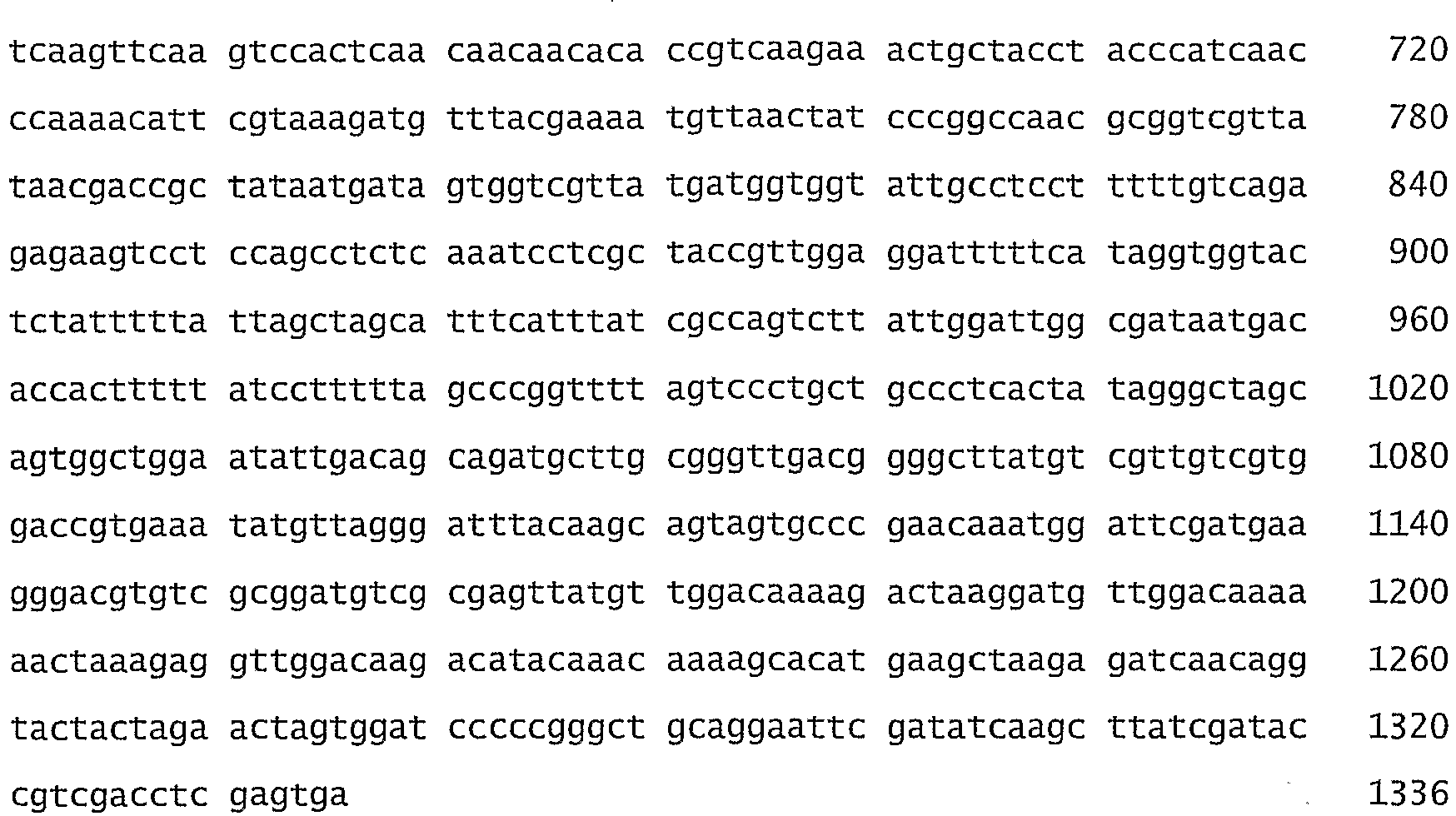
- <210> 36
<211> 1958
<212> DNA
<213> Trifolium repens - <400> 36


- <210> 37
<211> 500
<212> DNA
<213> Trifolium repens - <400> 37

- <210> 38
<211> 662
<212> DNA
<213> Trifolium repens - <400> 38


- <210> 39
<211> 794
<212> DNA
<213> Trifolium repens - <400> 39

- <210> 40
<211> 609
<212> DNA
<213> Trifolium repens - <400> 40


- <210> 41
<211> 609
<212> DNA
<213> Trifolium repens - <400> 41

- <210> 42
<211> 869
<212> DNA
<213> Trifolium repens - <400> 42


- <210> 43
<211> 818
<212> DNA
<213> Trifolium repens - <400> 43

- <210> 44
<211> 304
<212> DNA
<213> Arabidopsis thaliana - <400> 44

- <210> 45
<211> 304
<212> DNA
<213> Arabidopsis thaliana - <400> 45

- <210> 46
<211> 301
<212> DNA
<213> Arabidopsis thaliana - <400> 46

- <210> 47
<211> 870
<212> PRT
<213> Sesamum indicum - <400> 47


- <210> 48
<211> 839
<212> PRT
<213> sesamum indicum - <400> 48


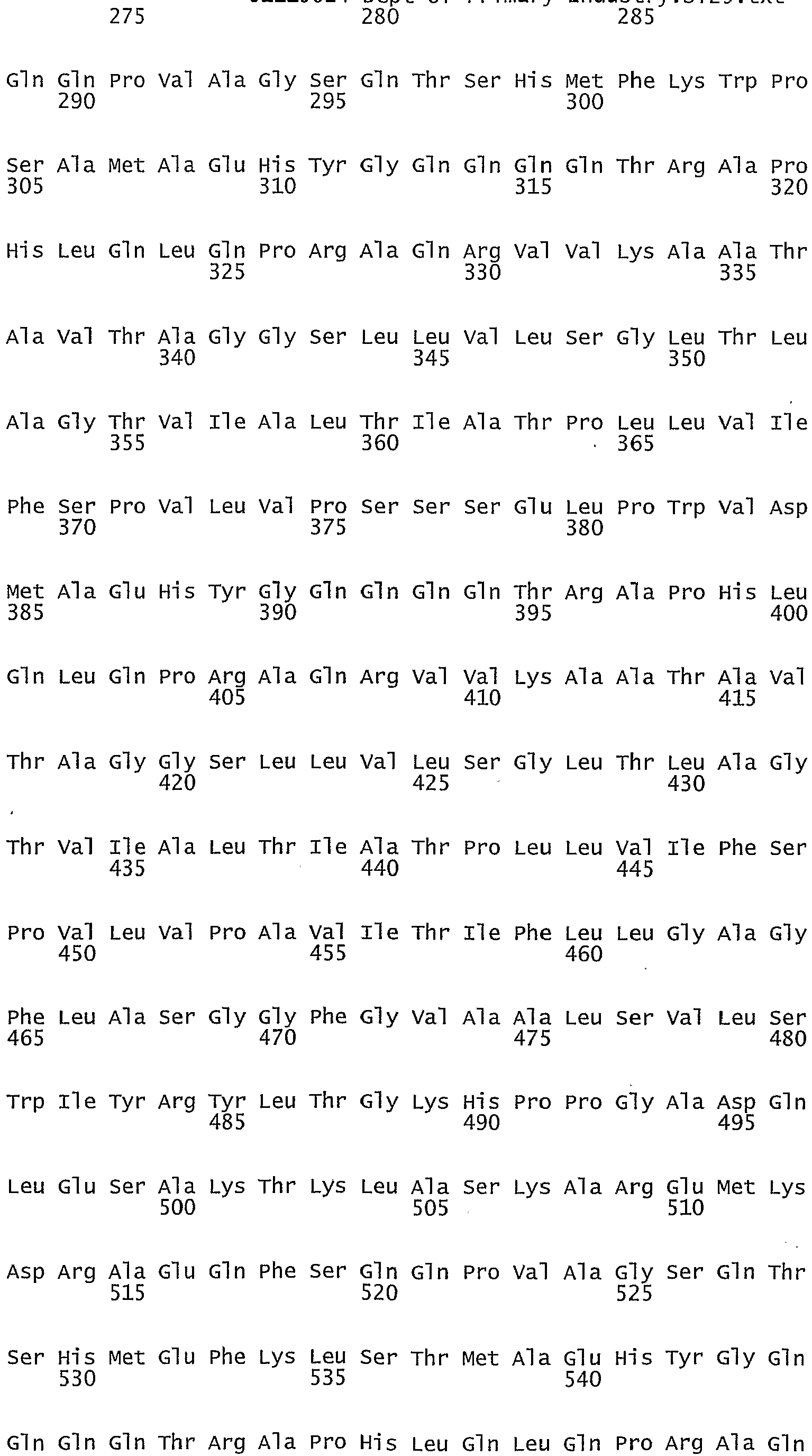


- <210> 49
<211> 869
<212> PRT
<213> Sesamum indicum - <400> 49


- <210> 50
<211> 3289
<212> DNA
<213> Sesamum indicum/Synthetic - <400> 50


- <210> 51
<211> 914
<212> PRT
<213> Sesamum indicum/Synthetic - <400> 51


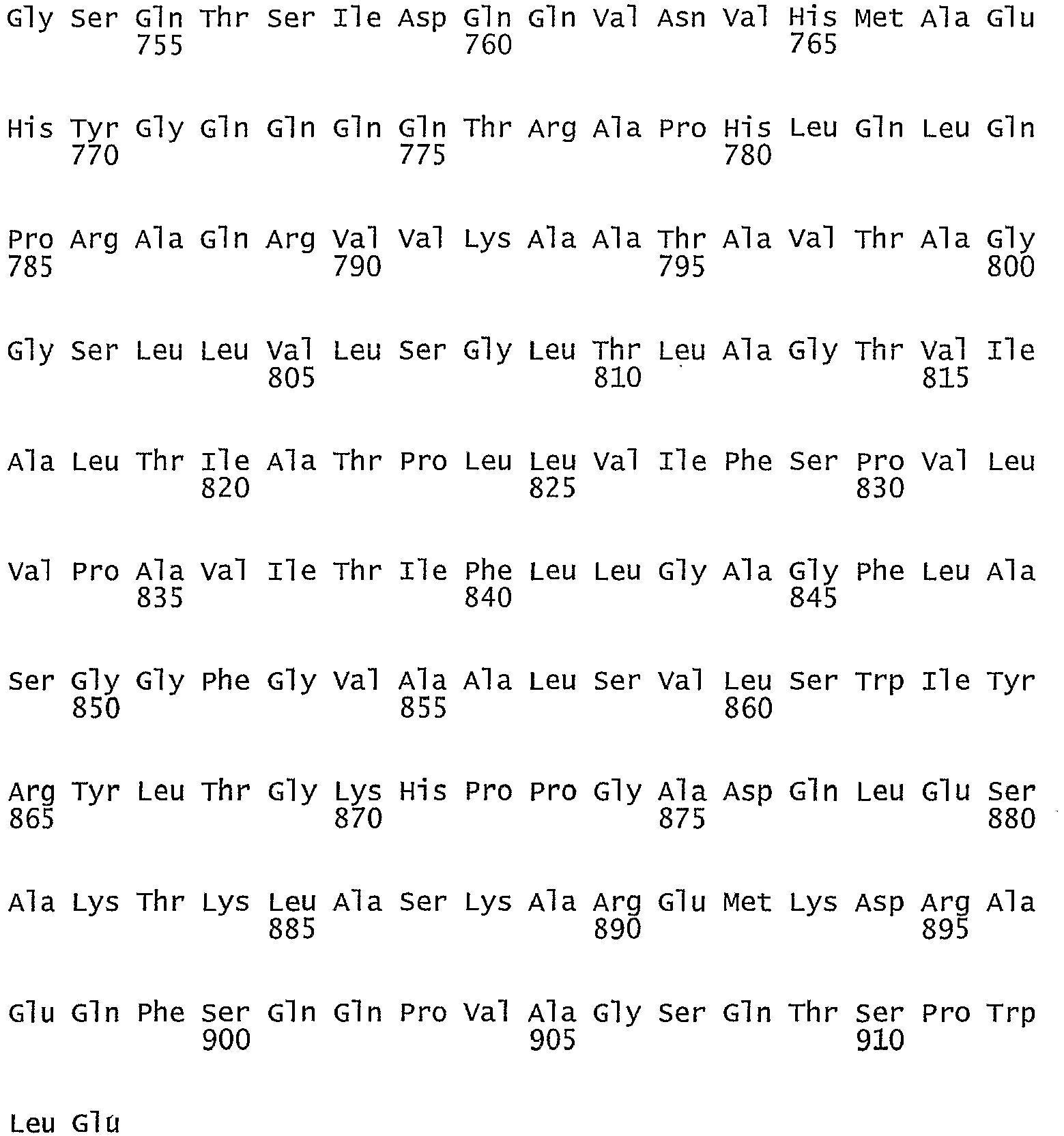
- <210> 52
<211> 3291
<212> DNA
<213> sesamum indicum/Synthetic - <400> 52


- <210> 53
<211> 1350
<212> DNA
<213> sesamum indicum/synthetic - <400> 53
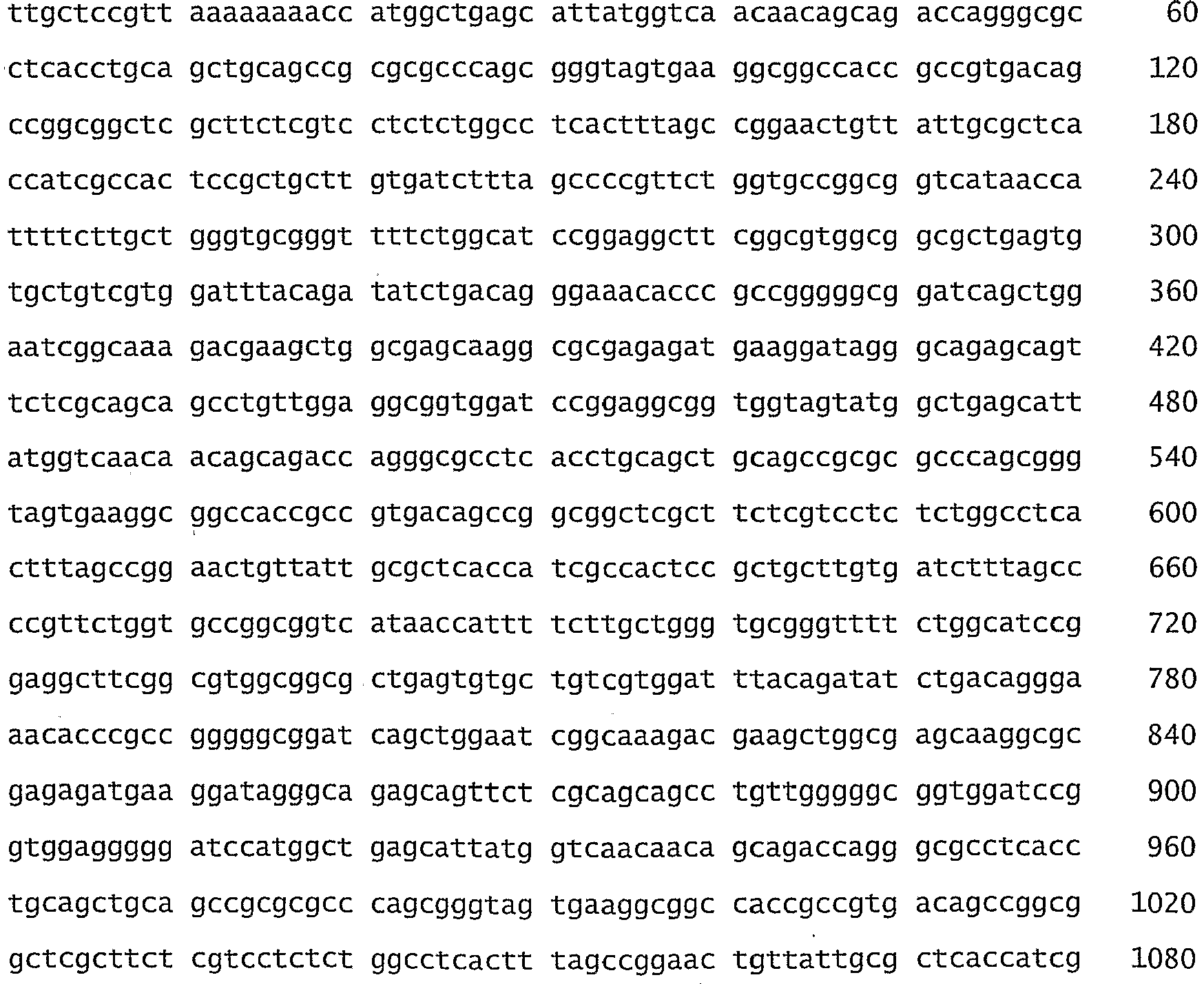

- <210> 54
<211> 2878
<212> DNA
<213> Sesamum indicum/synthetic - <400> 54


- <210> 55
<211> 1068
<212> DNA
<213> Sesamum indicum/synthetic - <400> 55


- <210> 56
<211> 1929
<212> DNA
<213> sesamum indicum/Synthetic - <400> 56


- <210> 57
<211> 2403
<212> DNA
<213> Sesamum indicum/Synthetic - <400> 57


- <210> 58
<211> 953
<212> PRT
<213> Sesamum indicum/Synthetic - <400> 58
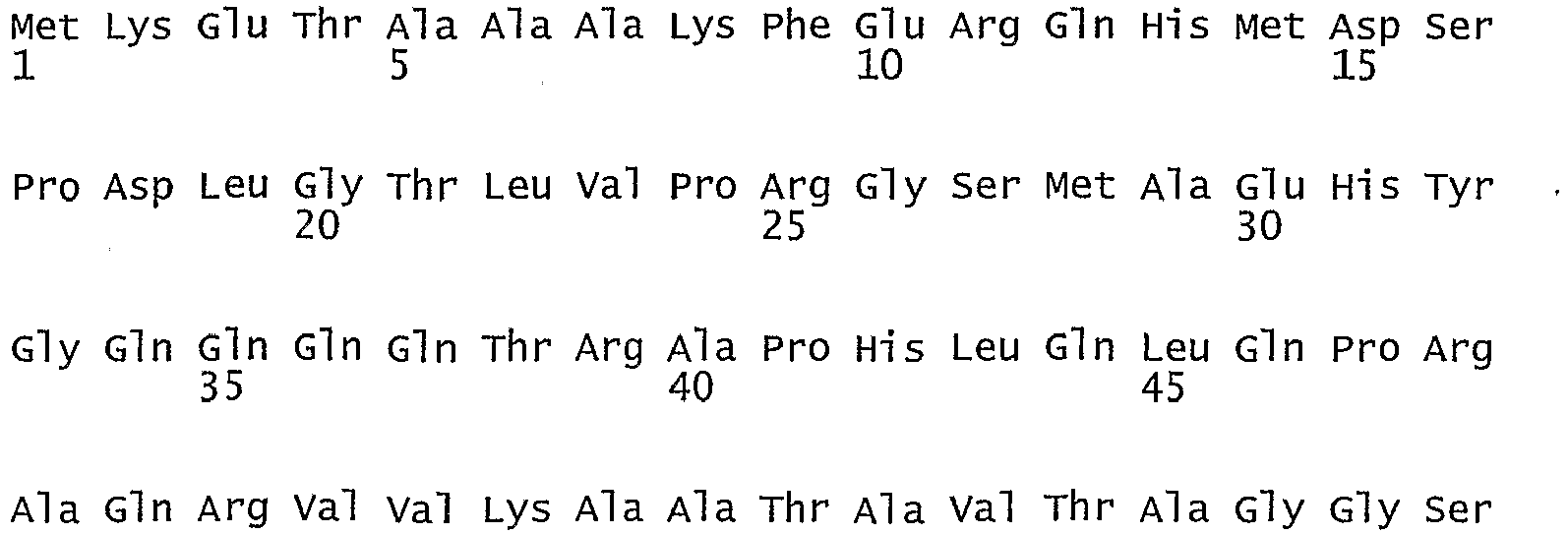


- <210> 59
<211> 350
<212> PRT
<213> sesamum indicum/Synthetic - <400> 59


- <210> 60
<211> 637
<212> PRT
<213> sesamum indicum/Synthetic - <400> 60


- <210> 61
<211> 795
<212> PRT
<213> sesamum indicum/Synthetic - <400> 61


- <210> 62
<211> 441
<212> PRT
<213> Sesamum indicum/synthetic - <400> 62


- <210> 63
<211> 149
<212> PRT
<213> sesamum indicum/synthetic - <400> 63

- <210> 64
<211> 2227
<212> DNA
<213> sesamum indicum/synthetic - <400> 64


- <210> 65
<211> 3133
<212> DNA
<213> sesamum indicum/synthetic - <400> 65


- <210> 66
<211> 3610
<212> DNA
<213> sesamum indicum/Synthetic - <400> 66


- <210> 67
<211> 4510
<212> DNA
<213> Sesamum indicum/synthetic - <400> 67


- <210> 68
<211> 1706
<212> DNA
<213> Sesamum indicum/Synthetic - <400> 68


- <210> 69
<211> 2612
<212> DNA
<213> sesamum indicum/Synthetic - <400> 69


- <210> 70
<211> 3089
<212> DNA
<213> sesamum indicum/synthetic - <400> 70


- <210> 71
<211> 3989
<212> DNA
<213> Sesamum indicum/Synthetic - <400> 71


- <210> 72
<211> 2787
<212> DNA
<213> Sesamum indicum/synthetic - <400> 72


- <210> 73
<211> 2263
<212> DNA
<213> Sesamum indicum/Synthetic - <400> 73


- <210> 74
<211> 153
<212> PRT
<213> Sesamum indicum/synthetic - <400> 74


- <210> 75
<211> 455
<212> PRT
<213> Sesamum indicum/synthetic - <400> 75


- <210> 76
<211> 602
<212> PRT
<213> Sesamum indicum/synthetic - <400> 76


- <210> 77
<211> 914
<212> PRT
<213> sesamum indicum/Synthetic - <400> 77


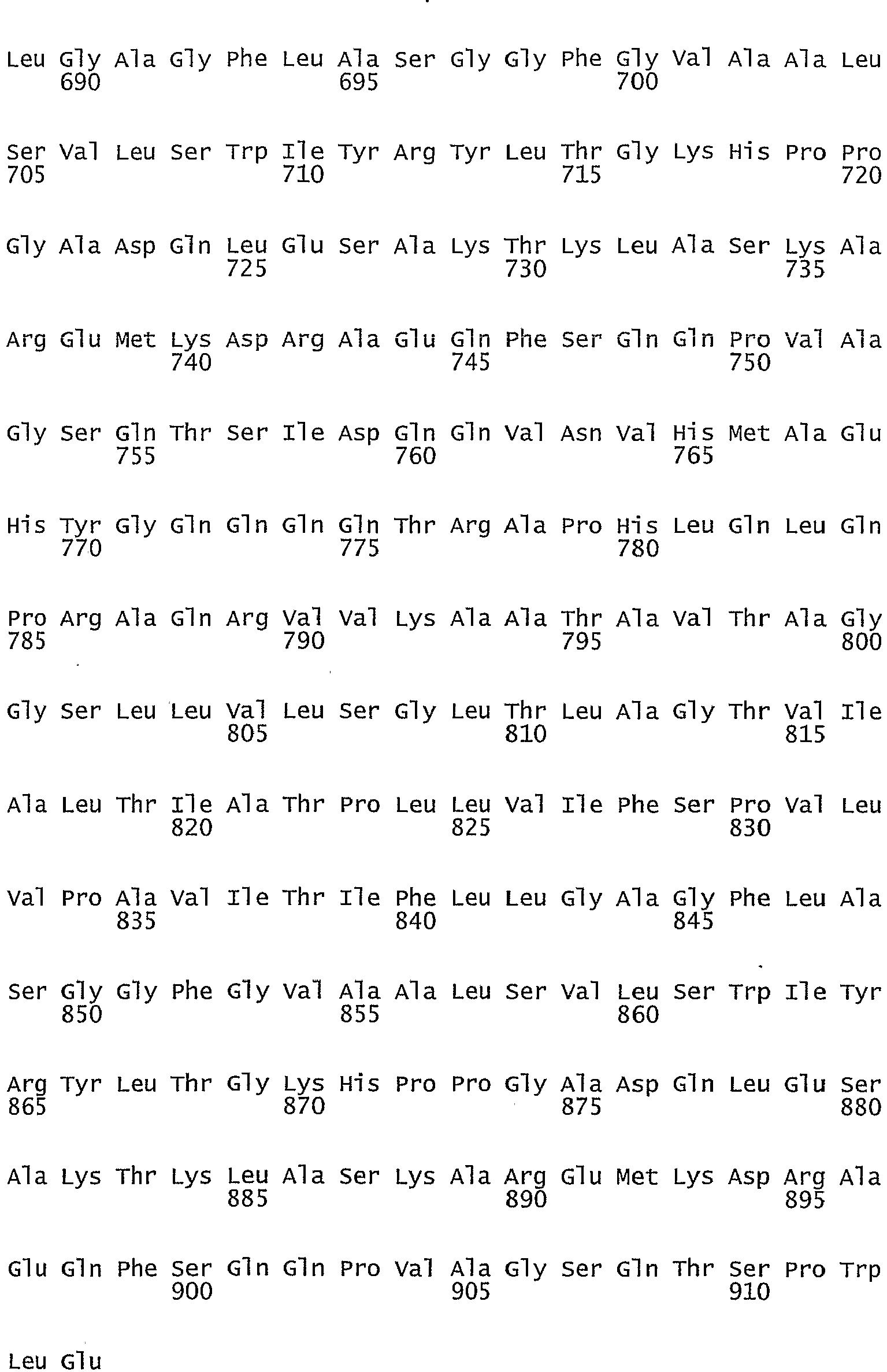
- <210> 78
<211> 153
<212> PRT
<213> Sesamum indicum/synthetic - <400> 78

- <210> 79
<211> 455
<212> PRT
<213> Sesamum indicum/synthetic - <400> 79


- <210> 80
<211> 602
<212> PRT
<213> sesamum indicum/Synthetic - <400> 80


- <210> 81
<211> 914
<212> PRT
<213> Sesamum indicum/synthetic - <400> 81


- <210> 82
<211> 441
<212> PRT
<213> Sesamum indicum/synthetic - <400> 82


- <210> 83
<211> 441
<212> PRT
<213> sesamum indicum/synthetic - <400> 83


All plasmids appear to contain an insert of the expected size
This amplification confirms the presence of the N terminal oleosin gene in the pDEST17 plasmid → p17NON
All others appear to contain an insert of the expected size
This amplification confirms the presence of the N-terminal oleosin gene in the pET DEST42 plasmid → p42CON
* = putative expressed 6HOC expected size 6HOC = 12.8kD
Samples loaded as equivalent volumes.
Lane A = AgR6; B =
D =
J, K, L =
| A and | lanes B and C DNA from |
| lanes D and E DNA from | lanes F and G DNA from |
| lanes H and I DNA from | lanes J and K DNA from |
| | lane M blank |
Top panel = PCR for bar gene, Bottom panel = PCR with the same DNA using oleosin clone specific primers
| A = 1 Kb plus ladder; | B F = pRSH1 C6 plants; |
| G = pRSH1 C6 plasmid; | H = blank; |
| I L = pRSH1 C7 plants; | M = pRSH1 C7 plasmid; |
| N = blank; | O R = pRSH1 C8 plants; |
| S = pRSH1 C6 plasmid; | T= 1Kb plus ladder |
Probed with 25ng random primed 5µCi 32P labelled oleosin cDNA.
Positive controls: + = 4pg; + = 20pg (arrows in ladder lane); oleosin gene (PCR product).
Line in single oleosin lanes indicates main transcript size detected (approximately 1.4Kb);
Line in tandem oleosin construct lanes indicates main transcript size detected (approximately 2Kb);
Line in trimeric oleosin construct lanes indicates main transcript size detected (approximately 2.7Kb);
Line in tetrameric oleosin construct lanes indicates main transcript size detected(approximately 3.4Kb);
Line in pentameric construct lanes indicates main transcript size detected (approximately 4Kb);
Small black arrows indicate oleosin hybridising transcripts of aberrant size.
The alignment shows the oleosin peptide sequences of each repeat are identical, also there is no change between the randomised codons sequences with and without intron.
Key: attL sites (bold); engineered restriction sites and linkers (italics); oleosin repeats (grey box, white letters); double stop codon to ensure no read through due to amber codon (bold, underline); tetranucleotide stop codon (black box, white letter); UBQ10 intron (grey box, black letters); -20 to -11 from original cDNA (underline); -10 to -1 modified Joshi et al (1997) consensus sequence (bold, italics, underline).
LK = BioRad Kaleidoscope Standards (cat# 161-0324) Pre = Coomassie stained slice of acrylamide gel prior to elution ← = expected size of oleosin.
| PI = Post Induction | SPL = Supernatant, Post Lysis |
| L = Lysate | FT = Flow Through |
LK = BioRad Kaleidoscope Standards (cat# 161 0324)
11 = 3ng of
S1 & S2 = sesame seed extract C = clover seed extract
12 = 3ng of
I = crude post-induction sample LP = BioRad Precision Plus Standard (cat# 161 0363).
□ = expected size of oleosin. Overflow of the standards can be seen in
The rabbit raised antibodies show a high affinity for the affinity purified recombinant oleosin, detecting down to at least 3ng. The antibodies also show high specificity, with no cross-reactivity against soluble seed proteins and low cross-reactivity to bacterial proteins (lane I).
For analysis of the 6x polyoleosin two samples were loaded per lane. N = non-induced negative control.
Small arrow indicates expected position of 6x oleosin (rectangular box). Large arrows indicate bands of putative polyoleosin protein corresponding to 1×, 2, 3×, 4×, and 5× oleosins (oval boxes). Expected molecular weights are shown in brackets.
| 12.5 | mL | 1M NaHPO4 Buffer pH 7.2 (250mM) |
| 20 | H2O | |
| 100 | µL | 0.5M EDTA (1mM) |
| 17.5 | | 20% SDS (7%) |
| 0.5 | g | BSA (1%) |
Claims (16)
- A method of altering the emulsification properties of an oleosin, said method including recombinantly producing the oleosin with between three and twenty oleosin repeat units, wherein an oleosin repeat unit is an amino acid sequence encoding functionally active plant oleosin, wherein said functionally active plant oleosin is capable of stopping oil bodies coalescing during seed and pollen dehiscence.
- A method according to claim 1, wherein the oleosin repeat units are tandem repeats.
- A method according to claim 1 or 2, wherein said method includes introducing into a plant a construct including one or more nucleic acids encoding between three and twenty oleosin repeat units, wherein an oleosin repeat unit is an amino acid sequence encoding functionally active plant oleosin, wherein said functionally active plant oleosin is capable of stopping oil bodies coalescing during seed and pollen dehiscence.
- A method according to claim 3, wherein the construct further includes one or more nucleotide sequences encoding peptide linking sequences between two or more of the oleosin repeat units.
- A method according to claim 3 or 4, wherein the construct includes nucleic acids encoding between three and ten oleosin repeat units.
- A method according to claim 4, wherein said peptide linking sequences enable degradation, allow flexibility and/or induce a directional change between the oleosin repeat units.
- A method according to claim 4, wherein the nucleic acids encoding peptide linking sequences include sites for enzymatic cleavage, and/or subsequent fusion.
- A method according to any one of claims 3 to 7, wherein said construct further includes one or more nucleic acids encoding bioactive peptides.
- A method according to claim 8, wherein said one or more nucleic acids encoding bioactive peptides are inserted at the N or C terminus of said nucleic acids encoding oleosin repeat units or between two or more of said nucleic acids encoding oleosin repeat units.
- A method according to any one of claims 3 to 9, wherein the nucleic acids encoding oleosin repeat units are from white clover or sesame seed or are a recombinant or synthetic version thereof.
- A method according to claim 10, wherein said nucleic acids are modified to enhance expression of said construct.
- A method according to any one of claims 3 to 11, wherein said construct further includes a nucleic acid encoding a diacylglycerol acyltransferase or a functionally active fragment or variant thereof, for expression of said construct in vegetative plant tissue.
- A method according to claim 3, wherein the nucleic acids encoding oleosin repeat units include a nucleotide sequence selected from the group consisting of:(a) sequences shown in Figures 13, 15, 17, 19, 21, 23, 25, 27, 31, 34, 70, 72-77 and 97-106 hereto, and(b) functionally active fragments and variants of the sequences recited in (a) having at least 80% identity with the sequence recited in (a).
- A recombinant oleosin with altered emulsification properties, suitable for altering the temperature and/or pH stability of an emulsion and/or the size of oil bodies in an emulsion, said recombinant oleosin including between three and twenty oleosin repeat units, wherein an oleosin repeat unit is an amino acid sequence encoding functionally active plant oleosin, wherein said functionally active plant oleosin is capable of stopping oil bodies coalescing during seed and pollen dehiscence.
- A recombinant oleosin according to claim 14, wherein said recombinant oleosin is produced by a method according to claim 1.
- A recombinant oleosin according to claim 14 or 15, wherein said oleosin includes between three and ten oleosin repeat units.
Applications Claiming Priority (3)
| Application Number | Priority Date | Filing Date | Title |
|---|---|---|---|
| AU2005905787A AU2005905787A0 (en) | 2005-10-19 | Polyoleosins | |
| AU2005906364A AU2005906364A0 (en) | 2005-11-16 | Polyoleosin (2) | |
| PCT/AU2006/001528 WO2007045019A2 (en) | 2005-10-19 | 2006-10-16 | Polyoleosins |
Publications (3)
| Publication Number | Publication Date |
|---|---|
| EP1934350A2 EP1934350A2 (en) | 2008-06-25 |
| EP1934350A4 EP1934350A4 (en) | 2009-08-19 |
| EP1934350B1 true EP1934350B1 (en) | 2018-04-18 |
Family
ID=37962859
Family Applications (1)
| Application Number | Title | Priority Date | Filing Date |
|---|---|---|---|
| EP06790390.6A Not-in-force EP1934350B1 (en) | 2005-10-19 | 2006-10-16 | Polyoleosins |
Country Status (5)
| Country | Link |
|---|---|
| US (1) | US8309794B2 (en) |
| EP (1) | EP1934350B1 (en) |
| CA (1) | CA2626390C (en) |
| NZ (1) | NZ567603A (en) |
| WO (1) | WO2007045019A2 (en) |
Families Citing this family (9)
| Publication number | Priority date | Publication date | Assignee | Title |
|---|---|---|---|---|
| NZ554114A (en) * | 2007-04-23 | 2010-01-29 | Agres Ltd | Plants with an increased ratio of oleosin to TAG synthesising enzymes |
| US8987551B2 (en) | 2009-10-30 | 2015-03-24 | Agresearch Limited | Modified oil encapsulating proteins and uses thereof |
| BR112012011464A2 (en) * | 2009-10-30 | 2015-09-15 | Agres Ltd | modified oil encapsulated proteins and their use |
| TWI377954B (en) * | 2009-11-25 | 2012-12-01 | Univ China Medical | Oil body carriers, uses in target therapy and/or detection of the same, and fusion proteins comprised therein |
| WO2011127118A1 (en) * | 2010-04-06 | 2011-10-13 | Algenetix, Inc. | Methods of producing oil in non-plant organisms |
| AU2012294956B2 (en) * | 2011-08-05 | 2017-05-18 | Agresearch Limited | Methods for increasing CO2 assimilation and oil production in photosynthetic organisms |
| WO2016004473A1 (en) | 2014-07-07 | 2016-01-14 | Commonwealth Scientific And Industrial Research Organisation | Processes for producing industrial products from plant lipids |
| US11859193B2 (en) | 2016-09-02 | 2024-01-02 | Nuseed Global Innovation Ltd. | Plants with modified traits |
| US12415840B2 (en) | 2020-02-21 | 2025-09-16 | Brookhaven Science Associates, Llc | Modified form of oleosin that when expressed in plants leads to increased triacylglycerol (oil) accumulation |
Citations (1)
| Publication number | Priority date | Publication date | Assignee | Title |
|---|---|---|---|---|
| WO1993021320A1 (en) * | 1991-02-22 | 1993-10-28 | University Technologies International, Inc. | Oil-body proteins as carriers of high-value peptides in plants |
Family Cites Families (4)
| Publication number | Priority date | Publication date | Assignee | Title |
|---|---|---|---|---|
| US6750046B2 (en) * | 1991-02-22 | 2004-06-15 | Sembiosys Genetics, Inc. | Preparation of thioredoxin and thioredoxin reductase proteins on oil bodies |
| US5856452A (en) * | 1996-12-16 | 1999-01-05 | Sembiosys Genetics Inc. | Oil bodies and associated proteins as affinity matrices |
| US20030167524A1 (en) * | 2000-12-19 | 2003-09-04 | Rooijen Gijs Van | Methods for the production of multimeric protein complexes, and related compositions |
| WO2004113376A1 (en) * | 2003-06-20 | 2004-12-29 | Sembiosys Genetics Inc. | Modified oleosins |
-
2006
- 2006-10-16 WO PCT/AU2006/001528 patent/WO2007045019A2/en not_active Ceased
- 2006-10-16 EP EP06790390.6A patent/EP1934350B1/en not_active Not-in-force
- 2006-10-16 NZ NZ567603A patent/NZ567603A/en not_active IP Right Cessation
- 2006-10-16 CA CA2626390A patent/CA2626390C/en not_active Expired - Fee Related
- 2006-10-16 US US12/090,758 patent/US8309794B2/en not_active Expired - Fee Related
Patent Citations (1)
| Publication number | Priority date | Publication date | Assignee | Title |
|---|---|---|---|---|
| WO1993021320A1 (en) * | 1991-02-22 | 1993-10-28 | University Technologies International, Inc. | Oil-body proteins as carriers of high-value peptides in plants |
Non-Patent Citations (2)
| Title |
|---|
| ROBERT LAURIAN S ET AL: "Molecular characterization of two Brassica napus genes related to oleosins which are highly expressed in the tapetum", PLANT JOURNAL, vol. 6, no. 6, 1994, pages 927 - 933, ISSN: 0960-7412 * |
| ROSS JOANNE H E ET AL: "Characterization of anther-expressed genes encoding a major class of extracellular oleosin-like proteins in the pollen coat of Brassicaceae", PLANT JOURNAL, vol. 9, no. 5, 1996, pages 625 - 637, ISSN: 0960-7412 * |
Also Published As
| Publication number | Publication date |
|---|---|
| US8309794B2 (en) | 2012-11-13 |
| EP1934350A2 (en) | 2008-06-25 |
| CA2626390A1 (en) | 2007-04-26 |
| EP1934350A4 (en) | 2009-08-19 |
| NZ567603A (en) | 2012-03-30 |
| US20090133160A1 (en) | 2009-05-21 |
| WO2007045019A2 (en) | 2007-04-26 |
| WO2007045019A3 (en) | 2007-07-12 |
| CA2626390C (en) | 2018-02-20 |
Similar Documents
| Publication | Publication Date | Title |
|---|---|---|
| Mena et al. | An endosperm‐specific DOF protein from barley, highly conserved in wheat, binds to and activates transcription from the prolamin‐box of a native B‐hordein promoter in barley endosperm | |
| EP2494051B1 (en) | Modified oil encapsulating proteins and uses thereof | |
| AU2015255995B2 (en) | Dre4 nucleic acid molecules that confer resistance to coleopteran pests | |
| WO1996003522A1 (en) | Ubiquitin-lytic peptide fusion gene constructs, protein products deriving therefrom, and methods of making and using same | |
| US8563687B2 (en) | Synthetic genes for plant gums and other hydroxyproline rich glycoproteins | |
| Torrent et al. | Lysine-rich modified γ-zeins accumulate in protein bodies of transiently transformed maize endosperms | |
| US8309794B2 (en) | Polyoleosins | |
| AU2014369014B2 (en) | RNAPII-140 nucleic acid molecules that confer resistance to coleopteran pests | |
| WO2022072833A2 (en) | Expression constructs and methods of genetically engineering cells | |
| AU748910B2 (en) | Novel synthetic genes for plant gums | |
| EP1774001B1 (en) | Mammalian Tissue Factor obtained from plants and applications of the same | |
| HUE027484T2 (en) | Artificial DNA sequence with optimized leader function in 5' (5'-UTR) for the improved expression of heterologous proteins in plants | |
| JP2002520064A (en) | How to collect metabolites from modified nectar by insects | |
| AU2006303870B2 (en) | Polyoleosins | |
| US20070039073A1 (en) | Novel synthetic genes for plant gums | |
| WO2001016339A1 (en) | Use of arabinogalactan protein fusion constructs in a method of expressing proteins and peptides in plants | |
| AU2002301020B2 (en) | Novel Synthetic Genes for Plant Gums | |
| WO2018175382A2 (en) | Syntaxin 7 nucleic acid molecules to control coleopteran and hemipteran pests | |
| AU2016350628A1 (en) | Rab5 nucleic acid molecules that confer resistance to coleopteran and hemipteran pests | |
| US20100278775A1 (en) | Plant Bioreactor For The Production Of Interleukin-24 Cytokine | |
| CN120796296A (en) | Use of LbSNAP331,331 in plant salt resistance | |
| CN105177037B (en) | Utilize double oil body protein fusion technological expression collagens | |
| CN115975980A (en) | Application of StCBL4 gene in improving resistance of rhizoctonia solani of potatoes | |
| HK1114405B (en) | Collagen producing plants and methods of generating and using same | |
| HK1114405A1 (en) | Collagen producing plants and methods of generating and using same |
Legal Events
| Date | Code | Title | Description |
|---|---|---|---|
| PUAI | Public reference made under article 153(3) epc to a published international application that has entered the european phase |
Free format text: ORIGINAL CODE: 0009012 |
|
| 17P | Request for examination filed |
Effective date: 20080331 |
|
| AK | Designated contracting states |
Kind code of ref document: A2 Designated state(s): AT BE BG CH CY CZ DE DK EE ES FI FR GB GR HU IE IS IT LI LT LU LV MC NL PL PT RO SE SI SK TR |
|
| A4 | Supplementary search report drawn up and despatched |
Effective date: 20090722 |
|
| 17Q | First examination report despatched |
Effective date: 20091026 |
|
| DAX | Request for extension of the european patent (deleted) | ||
| GRAJ | Information related to disapproval of communication of intention to grant by the applicant or resumption of examination proceedings by the epo deleted |
Free format text: ORIGINAL CODE: EPIDOSDIGR1 |
|
| GRAP | Despatch of communication of intention to grant a patent |
Free format text: ORIGINAL CODE: EPIDOSNIGR1 |
|
| GRAP | Despatch of communication of intention to grant a patent |
Free format text: ORIGINAL CODE: EPIDOSNIGR1 |
|
| INTG | Intention to grant announced |
Effective date: 20171027 |
|
| GRAS | Grant fee paid |
Free format text: ORIGINAL CODE: EPIDOSNIGR3 |
|
| GRAA | (expected) grant |
Free format text: ORIGINAL CODE: 0009210 |
|
| AK | Designated contracting states |
Kind code of ref document: B1 Designated state(s): AT BE BG CH CY CZ DE DK EE ES FI FR GB GR HU IE IS IT LI LT LU LV MC NL PL PT RO SE SI SK TR |
|
| REG | Reference to a national code |
Ref country code: GB Ref legal event code: FG4D |
|
| REG | Reference to a national code |
Ref country code: CH Ref legal event code: EP |
|
| REG | Reference to a national code |
Ref country code: AT Ref legal event code: REF Ref document number: 990508 Country of ref document: AT Kind code of ref document: T Effective date: 20180515 |
|
| REG | Reference to a national code |
Ref country code: IE Ref legal event code: FG4D |
|
| REG | Reference to a national code |
Ref country code: DE Ref legal event code: R096 Ref document number: 602006055182 Country of ref document: DE |
|
| REG | Reference to a national code |
Ref country code: NL Ref legal event code: MP Effective date: 20180418 |
|
| REG | Reference to a national code |
Ref country code: LT Ref legal event code: MG4D |
|
| PG25 | Lapsed in a contracting state [announced via postgrant information from national office to epo] |
Ref country code: NL Free format text: LAPSE BECAUSE OF FAILURE TO SUBMIT A TRANSLATION OF THE DESCRIPTION OR TO PAY THE FEE WITHIN THE PRESCRIBED TIME-LIMIT Effective date: 20180418 |
|
| REG | Reference to a national code |
Ref country code: FR Ref legal event code: PLFP Year of fee payment: 13 |
|
| PG25 | Lapsed in a contracting state [announced via postgrant information from national office to epo] |
Ref country code: LT Free format text: LAPSE BECAUSE OF FAILURE TO SUBMIT A TRANSLATION OF THE DESCRIPTION OR TO PAY THE FEE WITHIN THE PRESCRIBED TIME-LIMIT Effective date: 20180418 Ref country code: PL Free format text: LAPSE BECAUSE OF FAILURE TO SUBMIT A TRANSLATION OF THE DESCRIPTION OR TO PAY THE FEE WITHIN THE PRESCRIBED TIME-LIMIT Effective date: 20180418 Ref country code: SE Free format text: LAPSE BECAUSE OF FAILURE TO SUBMIT A TRANSLATION OF THE DESCRIPTION OR TO PAY THE FEE WITHIN THE PRESCRIBED TIME-LIMIT Effective date: 20180418 Ref country code: BG Free format text: LAPSE BECAUSE OF FAILURE TO SUBMIT A TRANSLATION OF THE DESCRIPTION OR TO PAY THE FEE WITHIN THE PRESCRIBED TIME-LIMIT Effective date: 20180718 Ref country code: FI Free format text: LAPSE BECAUSE OF FAILURE TO SUBMIT A TRANSLATION OF THE DESCRIPTION OR TO PAY THE FEE WITHIN THE PRESCRIBED TIME-LIMIT Effective date: 20180418 Ref country code: ES Free format text: LAPSE BECAUSE OF FAILURE TO SUBMIT A TRANSLATION OF THE DESCRIPTION OR TO PAY THE FEE WITHIN THE PRESCRIBED TIME-LIMIT Effective date: 20180418 |
|
| PG25 | Lapsed in a contracting state [announced via postgrant information from national office to epo] |
Ref country code: GR Free format text: LAPSE BECAUSE OF FAILURE TO SUBMIT A TRANSLATION OF THE DESCRIPTION OR TO PAY THE FEE WITHIN THE PRESCRIBED TIME-LIMIT Effective date: 20180719 Ref country code: LV Free format text: LAPSE BECAUSE OF FAILURE TO SUBMIT A TRANSLATION OF THE DESCRIPTION OR TO PAY THE FEE WITHIN THE PRESCRIBED TIME-LIMIT Effective date: 20180418 |
|
| REG | Reference to a national code |
Ref country code: AT Ref legal event code: MK05 Ref document number: 990508 Country of ref document: AT Kind code of ref document: T Effective date: 20180418 |
|
| PG25 | Lapsed in a contracting state [announced via postgrant information from national office to epo] |
Ref country code: PT Free format text: LAPSE BECAUSE OF FAILURE TO SUBMIT A TRANSLATION OF THE DESCRIPTION OR TO PAY THE FEE WITHIN THE PRESCRIBED TIME-LIMIT Effective date: 20180820 |
|
| REG | Reference to a national code |
Ref country code: DE Ref legal event code: R097 Ref document number: 602006055182 Country of ref document: DE |
|
| PG25 | Lapsed in a contracting state [announced via postgrant information from national office to epo] |
Ref country code: AT Free format text: LAPSE BECAUSE OF FAILURE TO SUBMIT A TRANSLATION OF THE DESCRIPTION OR TO PAY THE FEE WITHIN THE PRESCRIBED TIME-LIMIT Effective date: 20180418 Ref country code: DK Free format text: LAPSE BECAUSE OF FAILURE TO SUBMIT A TRANSLATION OF THE DESCRIPTION OR TO PAY THE FEE WITHIN THE PRESCRIBED TIME-LIMIT Effective date: 20180418 Ref country code: EE Free format text: LAPSE BECAUSE OF FAILURE TO SUBMIT A TRANSLATION OF THE DESCRIPTION OR TO PAY THE FEE WITHIN THE PRESCRIBED TIME-LIMIT Effective date: 20180418 Ref country code: CZ Free format text: LAPSE BECAUSE OF FAILURE TO SUBMIT A TRANSLATION OF THE DESCRIPTION OR TO PAY THE FEE WITHIN THE PRESCRIBED TIME-LIMIT Effective date: 20180418 Ref country code: SK Free format text: LAPSE BECAUSE OF FAILURE TO SUBMIT A TRANSLATION OF THE DESCRIPTION OR TO PAY THE FEE WITHIN THE PRESCRIBED TIME-LIMIT Effective date: 20180418 Ref country code: RO Free format text: LAPSE BECAUSE OF FAILURE TO SUBMIT A TRANSLATION OF THE DESCRIPTION OR TO PAY THE FEE WITHIN THE PRESCRIBED TIME-LIMIT Effective date: 20180418 |
|
| PLBE | No opposition filed within time limit |
Free format text: ORIGINAL CODE: 0009261 |
|
| STAA | Information on the status of an ep patent application or granted ep patent |
Free format text: STATUS: NO OPPOSITION FILED WITHIN TIME LIMIT |
|
| PG25 | Lapsed in a contracting state [announced via postgrant information from national office to epo] |
Ref country code: IT Free format text: LAPSE BECAUSE OF FAILURE TO SUBMIT A TRANSLATION OF THE DESCRIPTION OR TO PAY THE FEE WITHIN THE PRESCRIBED TIME-LIMIT Effective date: 20180418 |
|
| 26N | No opposition filed |
Effective date: 20190121 |
|
| PG25 | Lapsed in a contracting state [announced via postgrant information from national office to epo] |
Ref country code: SI Free format text: LAPSE BECAUSE OF FAILURE TO SUBMIT A TRANSLATION OF THE DESCRIPTION OR TO PAY THE FEE WITHIN THE PRESCRIBED TIME-LIMIT Effective date: 20180418 |
|
| REG | Reference to a national code |
Ref country code: CH Ref legal event code: PL |
|
| REG | Reference to a national code |
Ref country code: BE Ref legal event code: MM Effective date: 20181031 |
|
| PG25 | Lapsed in a contracting state [announced via postgrant information from national office to epo] |
Ref country code: LU Free format text: LAPSE BECAUSE OF NON-PAYMENT OF DUE FEES Effective date: 20181016 Ref country code: MC Free format text: LAPSE BECAUSE OF FAILURE TO SUBMIT A TRANSLATION OF THE DESCRIPTION OR TO PAY THE FEE WITHIN THE PRESCRIBED TIME-LIMIT Effective date: 20180418 |
|
| REG | Reference to a national code |
Ref country code: IE Ref legal event code: MM4A |
|
| PG25 | Lapsed in a contracting state [announced via postgrant information from national office to epo] |
Ref country code: LI Free format text: LAPSE BECAUSE OF NON-PAYMENT OF DUE FEES Effective date: 20181031 Ref country code: CH Free format text: LAPSE BECAUSE OF NON-PAYMENT OF DUE FEES Effective date: 20181031 Ref country code: BE Free format text: LAPSE BECAUSE OF NON-PAYMENT OF DUE FEES Effective date: 20181031 |
|
| PG25 | Lapsed in a contracting state [announced via postgrant information from national office to epo] |
Ref country code: IE Free format text: LAPSE BECAUSE OF NON-PAYMENT OF DUE FEES Effective date: 20181016 |
|
| PGFP | Annual fee paid to national office [announced via postgrant information from national office to epo] |
Ref country code: DE Payment date: 20191021 Year of fee payment: 14 |
|
| PGFP | Annual fee paid to national office [announced via postgrant information from national office to epo] |
Ref country code: FR Payment date: 20191028 Year of fee payment: 14 |
|
| PG25 | Lapsed in a contracting state [announced via postgrant information from national office to epo] |
Ref country code: TR Free format text: LAPSE BECAUSE OF FAILURE TO SUBMIT A TRANSLATION OF THE DESCRIPTION OR TO PAY THE FEE WITHIN THE PRESCRIBED TIME-LIMIT Effective date: 20180418 |
|
| PGFP | Annual fee paid to national office [announced via postgrant information from national office to epo] |
Ref country code: GB Payment date: 20191021 Year of fee payment: 14 |
|
| PG25 | Lapsed in a contracting state [announced via postgrant information from national office to epo] |
Ref country code: CY Free format text: LAPSE BECAUSE OF FAILURE TO SUBMIT A TRANSLATION OF THE DESCRIPTION OR TO PAY THE FEE WITHIN THE PRESCRIBED TIME-LIMIT Effective date: 20180418 Ref country code: HU Free format text: LAPSE BECAUSE OF FAILURE TO SUBMIT A TRANSLATION OF THE DESCRIPTION OR TO PAY THE FEE WITHIN THE PRESCRIBED TIME-LIMIT; INVALID AB INITIO Effective date: 20061016 |
|
| PG25 | Lapsed in a contracting state [announced via postgrant information from national office to epo] |
Ref country code: IS Free format text: LAPSE BECAUSE OF FAILURE TO SUBMIT A TRANSLATION OF THE DESCRIPTION OR TO PAY THE FEE WITHIN THE PRESCRIBED TIME-LIMIT Effective date: 20180818 |
|
| REG | Reference to a national code |
Ref country code: DE Ref legal event code: R119 Ref document number: 602006055182 Country of ref document: DE |
|
| GBPC | Gb: european patent ceased through non-payment of renewal fee |
Effective date: 20201016 |
|
| PG25 | Lapsed in a contracting state [announced via postgrant information from national office to epo] |
Ref country code: FR Free format text: LAPSE BECAUSE OF NON-PAYMENT OF DUE FEES Effective date: 20201031 Ref country code: DE Free format text: LAPSE BECAUSE OF NON-PAYMENT OF DUE FEES Effective date: 20210501 |
|
| PG25 | Lapsed in a contracting state [announced via postgrant information from national office to epo] |
Ref country code: GB Free format text: LAPSE BECAUSE OF NON-PAYMENT OF DUE FEES Effective date: 20201016 |