EP1927621A1 - Metal filled polyurethane composition and moulds prepared therefrom - Google Patents
Metal filled polyurethane composition and moulds prepared therefrom Download PDFInfo
- Publication number
- EP1927621A1 EP1927621A1 EP06256166A EP06256166A EP1927621A1 EP 1927621 A1 EP1927621 A1 EP 1927621A1 EP 06256166 A EP06256166 A EP 06256166A EP 06256166 A EP06256166 A EP 06256166A EP 1927621 A1 EP1927621 A1 EP 1927621A1
- Authority
- EP
- European Patent Office
- Prior art keywords
- composition
- polyol
- mould
- metal
- molecular weight
- Prior art date
- Legal status (The legal status is an assumption and is not a legal conclusion. Google has not performed a legal analysis and makes no representation as to the accuracy of the status listed.)
- Granted
Links
- 239000000203 mixture Substances 0.000 title claims abstract description 109
- 229910052751 metal Inorganic materials 0.000 title claims abstract description 45
- 239000002184 metal Substances 0.000 title claims abstract description 45
- 239000004814 polyurethane Substances 0.000 title claims abstract description 40
- 229920002635 polyurethane Polymers 0.000 title claims abstract description 40
- 229920005862 polyol Polymers 0.000 claims abstract description 126
- 150000003077 polyols Chemical class 0.000 claims abstract description 122
- 239000000945 filler Substances 0.000 claims abstract description 45
- 229910001092 metal group alloy Inorganic materials 0.000 claims abstract description 30
- 239000005056 polyisocyanate Substances 0.000 claims abstract description 22
- 229920001228 polyisocyanate Polymers 0.000 claims abstract description 22
- 238000000034 method Methods 0.000 claims abstract description 12
- 239000007795 chemical reaction product Substances 0.000 claims abstract description 10
- -1 platelets Substances 0.000 claims description 37
- 239000004721 Polyphenylene oxide Substances 0.000 claims description 30
- 229920000570 polyether Polymers 0.000 claims description 30
- 239000012948 isocyanate Substances 0.000 claims description 26
- 150000002513 isocyanates Chemical class 0.000 claims description 26
- 239000000463 material Substances 0.000 claims description 23
- 239000004411 aluminium Substances 0.000 claims description 18
- 229910052782 aluminium Inorganic materials 0.000 claims description 18
- XAGFODPZIPBFFR-UHFFFAOYSA-N aluminium Chemical compound [Al] XAGFODPZIPBFFR-UHFFFAOYSA-N 0.000 claims description 18
- 229910021536 Zeolite Inorganic materials 0.000 claims description 12
- 239000002518 antifoaming agent Substances 0.000 claims description 12
- HNPSIPDUKPIQMN-UHFFFAOYSA-N dioxosilane;oxo(oxoalumanyloxy)alumane Chemical group O=[Si]=O.O=[Al]O[Al]=O HNPSIPDUKPIQMN-UHFFFAOYSA-N 0.000 claims description 12
- XLYOFNOQVPJJNP-UHFFFAOYSA-N water Substances O XLYOFNOQVPJJNP-UHFFFAOYSA-N 0.000 claims description 12
- 239000010457 zeolite Substances 0.000 claims description 12
- 229920003023 plastic Polymers 0.000 claims description 10
- 239000004033 plastic Substances 0.000 claims description 10
- 238000002156 mixing Methods 0.000 claims description 9
- 239000002250 absorbent Substances 0.000 claims description 8
- 230000002745 absorbent Effects 0.000 claims description 8
- 230000005294 ferromagnetic effect Effects 0.000 claims description 7
- 239000010949 copper Substances 0.000 claims description 6
- RYGMFSIKBFXOCR-UHFFFAOYSA-N Copper Chemical compound [Cu] RYGMFSIKBFXOCR-UHFFFAOYSA-N 0.000 claims description 5
- 229910052802 copper Inorganic materials 0.000 claims description 5
- 239000002245 particle Substances 0.000 claims description 5
- 229910000906 Bronze Inorganic materials 0.000 claims description 4
- BQCADISMDOOEFD-UHFFFAOYSA-N Silver Chemical compound [Ag] BQCADISMDOOEFD-UHFFFAOYSA-N 0.000 claims description 4
- HCHKCACWOHOZIP-UHFFFAOYSA-N Zinc Chemical compound [Zn] HCHKCACWOHOZIP-UHFFFAOYSA-N 0.000 claims description 4
- 239000010974 bronze Substances 0.000 claims description 4
- KUNSUQLRTQLHQQ-UHFFFAOYSA-N copper tin Chemical compound [Cu].[Sn] KUNSUQLRTQLHQQ-UHFFFAOYSA-N 0.000 claims description 4
- PCHJSUWPFVWCPO-UHFFFAOYSA-N gold Chemical compound [Au] PCHJSUWPFVWCPO-UHFFFAOYSA-N 0.000 claims description 4
- 229910052737 gold Inorganic materials 0.000 claims description 4
- 239000010931 gold Substances 0.000 claims description 4
- 239000004332 silver Substances 0.000 claims description 4
- 229910052709 silver Inorganic materials 0.000 claims description 4
- 229910052725 zinc Inorganic materials 0.000 claims description 4
- 239000011701 zinc Substances 0.000 claims description 4
- 125000003118 aryl group Chemical group 0.000 claims description 3
- 239000011324 bead Substances 0.000 claims description 3
- 239000008187 granular material Substances 0.000 claims description 3
- 239000008188 pellet Substances 0.000 claims description 3
- 239000000843 powder Substances 0.000 description 21
- PEDCQBHIVMGVHV-UHFFFAOYSA-N Glycerine Chemical compound OCC(O)CO PEDCQBHIVMGVHV-UHFFFAOYSA-N 0.000 description 14
- LYCAIKOWRPUZTN-UHFFFAOYSA-N Ethylene glycol Chemical compound OCCO LYCAIKOWRPUZTN-UHFFFAOYSA-N 0.000 description 13
- 238000004519 manufacturing process Methods 0.000 description 13
- UPMLOUAZCHDJJD-UHFFFAOYSA-N 4,4'-Diphenylmethane Diisocyanate Chemical compound C1=CC(N=C=O)=CC=C1CC1=CC=C(N=C=O)C=C1 UPMLOUAZCHDJJD-UHFFFAOYSA-N 0.000 description 12
- MTHSVFCYNBDYFN-UHFFFAOYSA-N diethylene glycol Chemical group OCCOCCO MTHSVFCYNBDYFN-UHFFFAOYSA-N 0.000 description 12
- DNIAPMSPPWPWGF-UHFFFAOYSA-N Propylene glycol Chemical compound CC(O)CO DNIAPMSPPWPWGF-UHFFFAOYSA-N 0.000 description 9
- 229920000642 polymer Polymers 0.000 description 8
- CZZYITDELCSZES-UHFFFAOYSA-N diphenylmethane Chemical compound C=1C=CC=CC=1CC1=CC=CC=C1 CZZYITDELCSZES-UHFFFAOYSA-N 0.000 description 7
- IAYPIBMASNFSPL-UHFFFAOYSA-N Ethylene oxide Chemical compound C1CO1 IAYPIBMASNFSPL-UHFFFAOYSA-N 0.000 description 6
- 150000001298 alcohols Chemical class 0.000 description 6
- 235000011187 glycerol Nutrition 0.000 description 6
- 150000002334 glycols Chemical class 0.000 description 6
- 150000002739 metals Chemical class 0.000 description 6
- 238000003801 milling Methods 0.000 description 6
- 239000000126 substance Substances 0.000 description 6
- SZXQTJUDPRGNJN-UHFFFAOYSA-N dipropylene glycol Chemical compound OCCCOCCCO SZXQTJUDPRGNJN-UHFFFAOYSA-N 0.000 description 5
- 239000000428 dust Substances 0.000 description 5
- 238000003754 machining Methods 0.000 description 5
- 125000005628 tolylene group Chemical group 0.000 description 5
- QGZKDVFQNNGYKY-UHFFFAOYSA-N Ammonia Chemical compound N QGZKDVFQNNGYKY-UHFFFAOYSA-N 0.000 description 4
- PAYRUJLWNCNPSJ-UHFFFAOYSA-N Aniline Chemical compound NC1=CC=CC=C1 PAYRUJLWNCNPSJ-UHFFFAOYSA-N 0.000 description 4
- WYURNTSHIVDZCO-UHFFFAOYSA-N Tetrahydrofuran Chemical compound C1CCOC1 WYURNTSHIVDZCO-UHFFFAOYSA-N 0.000 description 4
- TZCXTZWJZNENPQ-UHFFFAOYSA-L barium sulfate Chemical compound [Ba+2].[O-]S([O-])(=O)=O TZCXTZWJZNENPQ-UHFFFAOYSA-L 0.000 description 4
- 125000005442 diisocyanate group Chemical group 0.000 description 4
- 150000002009 diols Chemical class 0.000 description 4
- 230000017525 heat dissipation Effects 0.000 description 4
- 239000003999 initiator Substances 0.000 description 4
- HEBKCHPVOIAQTA-UHFFFAOYSA-N meso ribitol Natural products OCC(O)C(O)C(O)CO HEBKCHPVOIAQTA-UHFFFAOYSA-N 0.000 description 4
- 230000000704 physical effect Effects 0.000 description 4
- NIFIFKQPDTWWGU-UHFFFAOYSA-N pyrite Chemical compound [Fe+2].[S-][S-] NIFIFKQPDTWWGU-UHFFFAOYSA-N 0.000 description 4
- ZJCCRDAZUWHFQH-UHFFFAOYSA-N Trimethylolpropane Chemical compound CCC(CO)(CO)CO ZJCCRDAZUWHFQH-UHFFFAOYSA-N 0.000 description 3
- 230000015572 biosynthetic process Effects 0.000 description 3
- 210000000988 bone and bone Anatomy 0.000 description 3
- 230000008859 change Effects 0.000 description 3
- XXMIOPMDWAUFGU-UHFFFAOYSA-N hexane-1,6-diol Chemical compound OCCCCCCO XXMIOPMDWAUFGU-UHFFFAOYSA-N 0.000 description 3
- 125000004435 hydrogen atom Chemical group [H]* 0.000 description 3
- 229920005906 polyester polyol Polymers 0.000 description 3
- 229920001451 polypropylene glycol Polymers 0.000 description 3
- 229920001296 polysiloxane Polymers 0.000 description 3
- 229910052683 pyrite Inorganic materials 0.000 description 3
- 239000011028 pyrite Substances 0.000 description 3
- JOYRKODLDBILNP-UHFFFAOYSA-N urethane group Chemical group NC(=O)OCC JOYRKODLDBILNP-UHFFFAOYSA-N 0.000 description 3
- LCZVSXRMYJUNFX-UHFFFAOYSA-N 2-[2-(2-hydroxypropoxy)propoxy]propan-1-ol Chemical compound CC(O)COC(C)COC(C)CO LCZVSXRMYJUNFX-UHFFFAOYSA-N 0.000 description 2
- BEGTYOYMERGIDU-UHFFFAOYSA-N 5-methyloxonane Chemical compound CC1CCCCOCCC1 BEGTYOYMERGIDU-UHFFFAOYSA-N 0.000 description 2
- VTYYLEPIZMXCLO-UHFFFAOYSA-L Calcium carbonate Chemical compound [Ca+2].[O-]C([O-])=O VTYYLEPIZMXCLO-UHFFFAOYSA-L 0.000 description 2
- FBPFZTCFMRRESA-FSIIMWSLSA-N D-Glucitol Natural products OC[C@H](O)[C@H](O)[C@@H](O)[C@H](O)CO FBPFZTCFMRRESA-FSIIMWSLSA-N 0.000 description 2
- FBPFZTCFMRRESA-KVTDHHQDSA-N D-Mannitol Chemical compound OC[C@@H](O)[C@@H](O)[C@H](O)[C@H](O)CO FBPFZTCFMRRESA-KVTDHHQDSA-N 0.000 description 2
- HEBKCHPVOIAQTA-QWWZWVQMSA-N D-arabinitol Chemical compound OC[C@@H](O)C(O)[C@H](O)CO HEBKCHPVOIAQTA-QWWZWVQMSA-N 0.000 description 2
- FBPFZTCFMRRESA-JGWLITMVSA-N D-glucitol Chemical compound OC[C@H](O)[C@@H](O)[C@H](O)[C@H](O)CO FBPFZTCFMRRESA-JGWLITMVSA-N 0.000 description 2
- 229920013700 Dow VORANOL™ CP 4711 Polyol Polymers 0.000 description 2
- 229930195725 Mannitol Natural products 0.000 description 2
- 229920003171 Poly (ethylene oxide) Polymers 0.000 description 2
- KKEYFWRCBNTPAC-UHFFFAOYSA-N Terephthalic acid Chemical compound OC(=O)C1=CC=C(C(O)=O)C=C1 KKEYFWRCBNTPAC-UHFFFAOYSA-N 0.000 description 2
- TVXBFESIOXBWNM-UHFFFAOYSA-N Xylitol Natural products OCCC(O)C(O)C(O)CCO TVXBFESIOXBWNM-UHFFFAOYSA-N 0.000 description 2
- 239000002253 acid Substances 0.000 description 2
- 239000013543 active substance Substances 0.000 description 2
- 125000002947 alkylene group Chemical group 0.000 description 2
- PNEYBMLMFCGWSK-UHFFFAOYSA-N aluminium oxide Inorganic materials [O-2].[O-2].[O-2].[Al+3].[Al+3] PNEYBMLMFCGWSK-UHFFFAOYSA-N 0.000 description 2
- 229910021529 ammonia Inorganic materials 0.000 description 2
- HIFVAOIJYDXIJG-UHFFFAOYSA-N benzylbenzene;isocyanic acid Chemical class N=C=O.N=C=O.C=1C=CC=CC=1CC1=CC=CC=C1 HIFVAOIJYDXIJG-UHFFFAOYSA-N 0.000 description 2
- WERYXYBDKMZEQL-UHFFFAOYSA-N butane-1,4-diol Chemical compound OCCCCO WERYXYBDKMZEQL-UHFFFAOYSA-N 0.000 description 2
- 125000004432 carbon atom Chemical group C* 0.000 description 2
- 239000004359 castor oil Substances 0.000 description 2
- 235000019438 castor oil Nutrition 0.000 description 2
- 239000003054 catalyst Substances 0.000 description 2
- 125000002091 cationic group Chemical group 0.000 description 2
- 238000006243 chemical reaction Methods 0.000 description 2
- 238000007796 conventional method Methods 0.000 description 2
- 239000013256 coordination polymer Substances 0.000 description 2
- 150000001991 dicarboxylic acids Chemical class 0.000 description 2
- 235000014113 dietary fatty acids Nutrition 0.000 description 2
- SNRUBQQJIBEYMU-UHFFFAOYSA-N dodecane Chemical compound CCCCCCCCCCCC SNRUBQQJIBEYMU-UHFFFAOYSA-N 0.000 description 2
- 125000001033 ether group Chemical group 0.000 description 2
- 239000000194 fatty acid Substances 0.000 description 2
- 229930195729 fatty acid Natural products 0.000 description 2
- 150000004665 fatty acids Chemical class 0.000 description 2
- 150000002191 fatty alcohols Chemical class 0.000 description 2
- 239000006260 foam Substances 0.000 description 2
- 238000009472 formulation Methods 0.000 description 2
- ZEMPKEQAKRGZGQ-XOQCFJPHSA-N glycerol triricinoleate Natural products CCCCCC[C@@H](O)CC=CCCCCCCCC(=O)OC[C@@H](COC(=O)CCCCCCCC=CC[C@@H](O)CCCCCC)OC(=O)CCCCCCCC=CC[C@H](O)CCCCCC ZEMPKEQAKRGZGQ-XOQCFJPHSA-N 0.000 description 2
- 125000002887 hydroxy group Chemical group [H]O* 0.000 description 2
- WGCNASOHLSPBMP-UHFFFAOYSA-N hydroxyacetaldehyde Natural products OCC=O WGCNASOHLSPBMP-UHFFFAOYSA-N 0.000 description 2
- ZFSLODLOARCGLH-UHFFFAOYSA-N isocyanuric acid Chemical compound OC1=NC(O)=NC(O)=N1 ZFSLODLOARCGLH-UHFFFAOYSA-N 0.000 description 2
- NIMLQBUJDJZYEJ-UHFFFAOYSA-N isophorone diisocyanate Chemical compound CC1(C)CC(N=C=O)CC(C)(CN=C=O)C1 NIMLQBUJDJZYEJ-UHFFFAOYSA-N 0.000 description 2
- 239000000594 mannitol Substances 0.000 description 2
- 235000010355 mannitol Nutrition 0.000 description 2
- BDJRBEYXGGNYIS-UHFFFAOYSA-N nonanedioic acid Chemical compound OC(=O)CCCCCCCC(O)=O BDJRBEYXGGNYIS-UHFFFAOYSA-N 0.000 description 2
- 239000003921 oil Substances 0.000 description 2
- 235000019198 oils Nutrition 0.000 description 2
- 125000006353 oxyethylene group Chemical group 0.000 description 2
- WXZMFSXDPGVJKK-UHFFFAOYSA-N pentaerythritol Chemical compound OCC(CO)(CO)CO WXZMFSXDPGVJKK-UHFFFAOYSA-N 0.000 description 2
- XNGIFLGASWRNHJ-UHFFFAOYSA-N phthalic acid Chemical compound OC(=O)C1=CC=CC=C1C(O)=O XNGIFLGASWRNHJ-UHFFFAOYSA-N 0.000 description 2
- WLJVNTCWHIRURA-UHFFFAOYSA-N pimelic acid Chemical compound OC(=O)CCCCCC(O)=O WLJVNTCWHIRURA-UHFFFAOYSA-N 0.000 description 2
- 239000000376 reactant Substances 0.000 description 2
- 239000011541 reaction mixture Substances 0.000 description 2
- WBHHMMIMDMUBKC-QJWNTBNXSA-M ricinoleate Chemical compound CCCCCC[C@@H](O)C\C=C/CCCCCCCC([O-])=O WBHHMMIMDMUBKC-QJWNTBNXSA-M 0.000 description 2
- 238000007142 ring opening reaction Methods 0.000 description 2
- CXMXRPHRNRROMY-UHFFFAOYSA-N sebacic acid Chemical compound OC(=O)CCCCCCCCC(O)=O CXMXRPHRNRROMY-UHFFFAOYSA-N 0.000 description 2
- 239000000600 sorbitol Substances 0.000 description 2
- 239000007858 starting material Substances 0.000 description 2
- TYFQFVWCELRYAO-UHFFFAOYSA-N suberic acid Chemical compound OC(=O)CCCCCCC(O)=O TYFQFVWCELRYAO-UHFFFAOYSA-N 0.000 description 2
- 150000005846 sugar alcohols Polymers 0.000 description 2
- 150000003467 sulfuric acid derivatives Chemical class 0.000 description 2
- YLQBMQCUIZJEEH-UHFFFAOYSA-N tetrahydrofuran Natural products C=1C=COC=1 YLQBMQCUIZJEEH-UHFFFAOYSA-N 0.000 description 2
- ZIBGPFATKBEMQZ-UHFFFAOYSA-N triethylene glycol Chemical group OCCOCCOCCO ZIBGPFATKBEMQZ-UHFFFAOYSA-N 0.000 description 2
- IMNIMPAHZVJRPE-UHFFFAOYSA-N triethylenediamine Chemical compound C1CN2CCN1CC2 IMNIMPAHZVJRPE-UHFFFAOYSA-N 0.000 description 2
- QXJQHYBHAIHNGG-UHFFFAOYSA-N trimethylolethane Chemical compound OCC(C)(CO)CO QXJQHYBHAIHNGG-UHFFFAOYSA-N 0.000 description 2
- 150000004072 triols Chemical class 0.000 description 2
- LWBHHRRTOZQPDM-UHFFFAOYSA-N undecanedioic acid Chemical compound OC(=O)CCCCCCCCCC(O)=O LWBHHRRTOZQPDM-UHFFFAOYSA-N 0.000 description 2
- 239000000811 xylitol Substances 0.000 description 2
- HEBKCHPVOIAQTA-SCDXWVJYSA-N xylitol Chemical compound OC[C@H](O)[C@@H](O)[C@H](O)CO HEBKCHPVOIAQTA-SCDXWVJYSA-N 0.000 description 2
- 235000010447 xylitol Nutrition 0.000 description 2
- 229960002675 xylitol Drugs 0.000 description 2
- DNIAPMSPPWPWGF-VKHMYHEASA-N (+)-propylene glycol Chemical compound C[C@H](O)CO DNIAPMSPPWPWGF-VKHMYHEASA-N 0.000 description 1
- PCHXZXKMYCGVFA-UHFFFAOYSA-N 1,3-diazetidine-2,4-dione Chemical compound O=C1NC(=O)N1 PCHXZXKMYCGVFA-UHFFFAOYSA-N 0.000 description 1
- YPFDHNVEDLHUCE-UHFFFAOYSA-N 1,3-propanediol Substances OCCCO YPFDHNVEDLHUCE-UHFFFAOYSA-N 0.000 description 1
- PXGZQGDTEZPERC-UHFFFAOYSA-N 1,4-cyclohexanedicarboxylic acid Chemical compound OC(=O)C1CCC(C(O)=O)CC1 PXGZQGDTEZPERC-UHFFFAOYSA-N 0.000 description 1
- RTBFRGCFXZNCOE-UHFFFAOYSA-N 1-methylsulfonylpiperidin-4-one Chemical compound CS(=O)(=O)N1CCC(=O)CC1 RTBFRGCFXZNCOE-UHFFFAOYSA-N 0.000 description 1
- QFGCFKJIPBRJGM-UHFFFAOYSA-N 12-[(2-methylpropan-2-yl)oxy]-12-oxododecanoic acid Chemical compound CC(C)(C)OC(=O)CCCCCCCCCCC(O)=O QFGCFKJIPBRJGM-UHFFFAOYSA-N 0.000 description 1
- RZEWIYUUNKCGKA-UHFFFAOYSA-N 2-(2-hydroxyethylamino)ethanol;octadecanoic acid Chemical compound OCCNCCO.CCCCCCCCCCCCCCCCCC(O)=O RZEWIYUUNKCGKA-UHFFFAOYSA-N 0.000 description 1
- XDTMQSROBMDMFD-UHFFFAOYSA-N Cyclohexane Chemical compound C1CCCCC1 XDTMQSROBMDMFD-UHFFFAOYSA-N 0.000 description 1
- 239000005058 Isophorone diisocyanate Substances 0.000 description 1
- 241001465754 Metazoa Species 0.000 description 1
- 235000019483 Peanut oil Nutrition 0.000 description 1
- 229920005830 Polyurethane Foam Polymers 0.000 description 1
- VYPSYNLAJGMNEJ-UHFFFAOYSA-N Silicium dioxide Chemical compound O=[Si]=O VYPSYNLAJGMNEJ-UHFFFAOYSA-N 0.000 description 1
- XSQUKJJJFZCRTK-UHFFFAOYSA-N Urea Chemical compound NC(N)=O XSQUKJJJFZCRTK-UHFFFAOYSA-N 0.000 description 1
- 229920013701 VORANOL™ Polymers 0.000 description 1
- 150000007513 acids Chemical class 0.000 description 1
- 150000001252 acrylic acid derivatives Chemical class 0.000 description 1
- 235000011037 adipic acid Nutrition 0.000 description 1
- 150000001279 adipic acids Chemical class 0.000 description 1
- 125000001931 aliphatic group Chemical group 0.000 description 1
- RGCKGOZRHPZPFP-UHFFFAOYSA-N alizarin Chemical compound C1=CC=C2C(=O)C3=C(O)C(O)=CC=C3C(=O)C2=C1 RGCKGOZRHPZPFP-UHFFFAOYSA-N 0.000 description 1
- 229910052783 alkali metal Inorganic materials 0.000 description 1
- 150000001340 alkali metals Chemical class 0.000 description 1
- 150000003863 ammonium salts Chemical class 0.000 description 1
- JFCQEDHGNNZCLN-UHFFFAOYSA-N anhydrous glutaric acid Natural products OC(=O)CCCC(O)=O JFCQEDHGNNZCLN-UHFFFAOYSA-N 0.000 description 1
- 230000008901 benefit Effects 0.000 description 1
- OHJMTUPIZMNBFR-UHFFFAOYSA-N biuret Chemical compound NC(=O)NC(N)=O OHJMTUPIZMNBFR-UHFFFAOYSA-N 0.000 description 1
- 238000009529 body temperature measurement Methods 0.000 description 1
- 229910000019 calcium carbonate Inorganic materials 0.000 description 1
- HHSPVTKDOHQBKF-UHFFFAOYSA-J calcium;magnesium;dicarbonate Chemical compound [Mg+2].[Ca+2].[O-]C([O-])=O.[O-]C([O-])=O HHSPVTKDOHQBKF-UHFFFAOYSA-J 0.000 description 1
- 239000004202 carbamide Substances 0.000 description 1
- VPKDCDLSJZCGKE-UHFFFAOYSA-N carbodiimide group Chemical group N=C=N VPKDCDLSJZCGKE-UHFFFAOYSA-N 0.000 description 1
- 150000001718 carbodiimides Chemical class 0.000 description 1
- 150000004649 carbonic acid derivatives Chemical class 0.000 description 1
- 230000001413 cellular effect Effects 0.000 description 1
- 238000004140 cleaning Methods 0.000 description 1
- 239000003086 colorant Substances 0.000 description 1
- 230000000052 comparative effect Effects 0.000 description 1
- 150000001875 compounds Chemical class 0.000 description 1
- 238000011960 computer-aided design Methods 0.000 description 1
- 238000001816 cooling Methods 0.000 description 1
- 229920001577 copolymer Polymers 0.000 description 1
- 229910052593 corundum Inorganic materials 0.000 description 1
- XXKOQQBKBHUATC-UHFFFAOYSA-N cyclohexylmethylcyclohexane Chemical compound C1CCCCC1CC1CCCCC1 XXKOQQBKBHUATC-UHFFFAOYSA-N 0.000 description 1
- FOTKYAAJKYLFFN-UHFFFAOYSA-N decane-1,10-diol Chemical compound OCCCCCCCCCCO FOTKYAAJKYLFFN-UHFFFAOYSA-N 0.000 description 1
- 230000007547 defect Effects 0.000 description 1
- ZBCBWPMODOFKDW-UHFFFAOYSA-N diethanolamine Chemical compound OCCNCCO ZBCBWPMODOFKDW-UHFFFAOYSA-N 0.000 description 1
- HPNMFZURTQLUMO-UHFFFAOYSA-N diethylamine Chemical compound CCNCC HPNMFZURTQLUMO-UHFFFAOYSA-N 0.000 description 1
- 235000013870 dimethyl polysiloxane Nutrition 0.000 description 1
- 239000003995 emulsifying agent Substances 0.000 description 1
- 230000001804 emulsifying effect Effects 0.000 description 1
- 150000002148 esters Chemical class 0.000 description 1
- 238000011156 evaluation Methods 0.000 description 1
- 230000002349 favourable effect Effects 0.000 description 1
- 239000004872 foam stabilizing agent Substances 0.000 description 1
- RRAMGCGOFNQTLD-UHFFFAOYSA-N hexamethylene diisocyanate Chemical compound O=C=NCCCCCCN=C=O RRAMGCGOFNQTLD-UHFFFAOYSA-N 0.000 description 1
- 238000000265 homogenisation Methods 0.000 description 1
- 239000007788 liquid Substances 0.000 description 1
- 238000005259 measurement Methods 0.000 description 1
- 239000010445 mica Substances 0.000 description 1
- 229910052618 mica group Inorganic materials 0.000 description 1
- 238000000465 moulding Methods 0.000 description 1
- 229940049964 oleate Drugs 0.000 description 1
- ZQPPMHVWECSIRJ-KTKRTIGZSA-N oleic acid Chemical compound CCCCCCCC\C=C/CCCCCCCC(O)=O ZQPPMHVWECSIRJ-KTKRTIGZSA-N 0.000 description 1
- 239000012188 paraffin wax Substances 0.000 description 1
- 239000000312 peanut oil Substances 0.000 description 1
- 229920000435 poly(dimethylsiloxane) Polymers 0.000 description 1
- 229920000647 polyepoxide Polymers 0.000 description 1
- 229920000728 polyester Polymers 0.000 description 1
- 229920000166 polytrimethylene carbonate Polymers 0.000 description 1
- 239000011496 polyurethane foam Substances 0.000 description 1
- 230000008569 process Effects 0.000 description 1
- 238000012545 processing Methods 0.000 description 1
- 239000000047 product Substances 0.000 description 1
- 150000003254 radicals Chemical class 0.000 description 1
- 239000002994 raw material Substances 0.000 description 1
- 230000009257 reactivity Effects 0.000 description 1
- 230000001105 regulatory effect Effects 0.000 description 1
- WBHHMMIMDMUBKC-XLNAKTSKSA-N ricinelaidic acid Chemical compound CCCCCC[C@@H](O)C\C=C\CCCCCCCC(O)=O WBHHMMIMDMUBKC-XLNAKTSKSA-N 0.000 description 1
- 229940066675 ricinoleate Drugs 0.000 description 1
- 229960003656 ricinoleic acid Drugs 0.000 description 1
- FEUQNCSVHBHROZ-UHFFFAOYSA-N ricinoleic acid Natural products CCCCCCC(O[Si](C)(C)C)CC=CCCCCCCCC(=O)OC FEUQNCSVHBHROZ-UHFFFAOYSA-N 0.000 description 1
- 150000003839 salts Chemical class 0.000 description 1
- 159000000000 sodium salts Chemical class 0.000 description 1
- 239000007787 solid Substances 0.000 description 1
- 230000000087 stabilizing effect Effects 0.000 description 1
- 235000011044 succinic acid Nutrition 0.000 description 1
- 150000003444 succinic acids Chemical class 0.000 description 1
- 150000004763 sulfides Chemical class 0.000 description 1
- 150000003460 sulfonic acids Chemical class 0.000 description 1
- 239000004094 surface-active agent Substances 0.000 description 1
- 230000002195 synergetic effect Effects 0.000 description 1
- 238000012360 testing method Methods 0.000 description 1
- 125000000383 tetramethylene group Chemical group [H]C([H])([*:1])C([H])([H])C([H])([H])C([H])([H])[*:2] 0.000 description 1
- AVWRKZWQTYIKIY-UHFFFAOYSA-N urea-1-carboxylic acid Chemical compound NC(=O)NC(O)=O AVWRKZWQTYIKIY-UHFFFAOYSA-N 0.000 description 1
- 229910001845 yogo sapphire Inorganic materials 0.000 description 1
Images
Classifications
-
- B—PERFORMING OPERATIONS; TRANSPORTING
- B29—WORKING OF PLASTICS; WORKING OF SUBSTANCES IN A PLASTIC STATE IN GENERAL
- B29C—SHAPING OR JOINING OF PLASTICS; SHAPING OF MATERIAL IN A PLASTIC STATE, NOT OTHERWISE PROVIDED FOR; AFTER-TREATMENT OF THE SHAPED PRODUCTS, e.g. REPAIRING
- B29C70/00—Shaping composites, i.e. plastics material comprising reinforcements, fillers or preformed parts, e.g. inserts
- B29C70/58—Shaping composites, i.e. plastics material comprising reinforcements, fillers or preformed parts, e.g. inserts comprising fillers only, e.g. particles, powder, beads, flakes, spheres
-
- B—PERFORMING OPERATIONS; TRANSPORTING
- B29—WORKING OF PLASTICS; WORKING OF SUBSTANCES IN A PLASTIC STATE IN GENERAL
- B29C—SHAPING OR JOINING OF PLASTICS; SHAPING OF MATERIAL IN A PLASTIC STATE, NOT OTHERWISE PROVIDED FOR; AFTER-TREATMENT OF THE SHAPED PRODUCTS, e.g. REPAIRING
- B29C33/00—Moulds or cores; Details thereof or accessories therefor
- B29C33/38—Moulds or cores; Details thereof or accessories therefor characterised by the material or the manufacturing process
- B29C33/40—Plastics, e.g. foam or rubber
-
- B—PERFORMING OPERATIONS; TRANSPORTING
- B29—WORKING OF PLASTICS; WORKING OF SUBSTANCES IN A PLASTIC STATE IN GENERAL
- B29K—INDEXING SCHEME ASSOCIATED WITH SUBCLASSES B29B, B29C OR B29D, RELATING TO MOULDING MATERIALS OR TO MATERIALS FOR MOULDS, REINFORCEMENTS, FILLERS OR PREFORMED PARTS, e.g. INSERTS
- B29K2105/00—Condition, form or state of moulded material or of the material to be shaped
- B29K2105/06—Condition, form or state of moulded material or of the material to be shaped containing reinforcements, fillers or inserts
- B29K2105/16—Fillers
-
- B—PERFORMING OPERATIONS; TRANSPORTING
- B29—WORKING OF PLASTICS; WORKING OF SUBSTANCES IN A PLASTIC STATE IN GENERAL
- B29K—INDEXING SCHEME ASSOCIATED WITH SUBCLASSES B29B, B29C OR B29D, RELATING TO MOULDING MATERIALS OR TO MATERIALS FOR MOULDS, REINFORCEMENTS, FILLERS OR PREFORMED PARTS, e.g. INSERTS
- B29K2305/00—Use of metals, their alloys or their compounds, as reinforcement
-
- B—PERFORMING OPERATIONS; TRANSPORTING
- B29—WORKING OF PLASTICS; WORKING OF SUBSTANCES IN A PLASTIC STATE IN GENERAL
- B29K—INDEXING SCHEME ASSOCIATED WITH SUBCLASSES B29B, B29C OR B29D, RELATING TO MOULDING MATERIALS OR TO MATERIALS FOR MOULDS, REINFORCEMENTS, FILLERS OR PREFORMED PARTS, e.g. INSERTS
- B29K2305/00—Use of metals, their alloys or their compounds, as reinforcement
- B29K2305/02—Aluminium
-
- B—PERFORMING OPERATIONS; TRANSPORTING
- B29—WORKING OF PLASTICS; WORKING OF SUBSTANCES IN A PLASTIC STATE IN GENERAL
- B29K—INDEXING SCHEME ASSOCIATED WITH SUBCLASSES B29B, B29C OR B29D, RELATING TO MOULDING MATERIALS OR TO MATERIALS FOR MOULDS, REINFORCEMENTS, FILLERS OR PREFORMED PARTS, e.g. INSERTS
- B29K2705/00—Use of metals, their alloys or their compounds, for preformed parts, e.g. for inserts
- B29K2705/02—Aluminium
-
- B—PERFORMING OPERATIONS; TRANSPORTING
- B29—WORKING OF PLASTICS; WORKING OF SUBSTANCES IN A PLASTIC STATE IN GENERAL
- B29K—INDEXING SCHEME ASSOCIATED WITH SUBCLASSES B29B, B29C OR B29D, RELATING TO MOULDING MATERIALS OR TO MATERIALS FOR MOULDS, REINFORCEMENTS, FILLERS OR PREFORMED PARTS, e.g. INSERTS
- B29K2705/00—Use of metals, their alloys or their compounds, for preformed parts, e.g. for inserts
- B29K2705/08—Transition metals
- B29K2705/10—Copper
-
- B—PERFORMING OPERATIONS; TRANSPORTING
- B29—WORKING OF PLASTICS; WORKING OF SUBSTANCES IN A PLASTIC STATE IN GENERAL
- B29K—INDEXING SCHEME ASSOCIATED WITH SUBCLASSES B29B, B29C OR B29D, RELATING TO MOULDING MATERIALS OR TO MATERIALS FOR MOULDS, REINFORCEMENTS, FILLERS OR PREFORMED PARTS, e.g. INSERTS
- B29K2705/00—Use of metals, their alloys or their compounds, for preformed parts, e.g. for inserts
- B29K2705/08—Transition metals
- B29K2705/14—Noble metals, e.g. silver, gold or platinum
Definitions
- Moulds for shoe soles are typically made of aluminium.
- the problem with these moulds are that they are expensive, because aluminium is an expensive raw material, and the cost associated with a slow production time as a result of the difficulty of working with aluminium blocks.
- the mould can be formed by any known methods. Suitable methods include pouring the reaction mixture onto a model to form the mould or milling a block to the appropriate mould shape.
- composition of the present invention is particular useful for the production of moulds for prototype parts, where a relatively small quantity of parts (for example up to 1000) are required.
- a mould according to the present invention can be produced more quickly and more cost effectively than the corresponding aluminium mould. This enables the producer to produce a set of identical parts for rapid evaluation, without the high cost of producing an aluminium mould, as was previously necessary.
- the composition is also suitable for use in the production of moulds for other plastics material parts as well as prototypes.
- a method of producing a plastics material part comprising producing the mould as described above or undertaking the method as described above, and using the mould to produce the part.
- the part is a prototype part.
- Suitable metals or metal alloys include aluminium (235 watts/m.°K), copper (400 watts/m.°K), zinc (194 watts/m.°K), bronze, gold (317 watts/m.°K) and silver (429 watts/m.°K). It is preferred that the metal is aluminium or copper or a combination thereof, and more preferably the metal is aluminium.
- the reaction mixture is very viscous and hard to mix, and therefore platelets are less favourable than spherical particulate.
- the particulate has a mean diameter of from 20 to 100 micrometers, regardless of shape.
- the filler consists of metal or metal alloy particles having a mean diameter of from 20 to 40 micrometers.
- aluminium particles having a mean diameter of from 30 to 40 micrometers.
- the polyol preferably has a hydroxyl number of from 100 to 700 and preferably from 400 to 600.
Landscapes
- Engineering & Computer Science (AREA)
- Mechanical Engineering (AREA)
- Manufacturing & Machinery (AREA)
- Chemical & Material Sciences (AREA)
- Composite Materials (AREA)
- Polyurethanes Or Polyureas (AREA)
- Compositions Of Macromolecular Compounds (AREA)
- Footwear And Its Accessory, Manufacturing Method And Apparatuses (AREA)
- Moulds For Moulding Plastics Or The Like (AREA)
Abstract
Description
- The present invention relates to a polyurethane composition, a method of making the polyurethane composition and the use of the polyurethane composition for making moulds, particularly moulds for shoe soles.
- Moulds for shoe soles are typically made of aluminium. The problem with these moulds are that they are expensive, because aluminium is an expensive raw material, and the cost associated with a slow production time as a result of the difficulty of working with aluminium blocks.
- It is known to use other materials when producing moulds for shoe soles, such as polyurethane, as disclosed in
EP1323755 . However, moulds made from these materials also suffer from considerable disadvantages. Although initial shoe sole production is good, there is a rapid increase in mould temperature from 25 to 60°C, with soles moulded at a temperature of greater than 45°C showing problems caused by a change in the chemical reactivity of the surface of the polyurethane mould at temperatures greater than 45°C. This problem could be resolved by cooling the moulds or allowing them to be cooled to less than 40°C. However, this has the disadvantage of slowing down the process. - Accordingly, it is the aim of the present invention to provide a new material which can be used for making moulds, particularly for shoe soles, the material being cheaper than the aluminium moulds currently used. In addition, it is the aim of the present invention that the material can be processed using the same tools as for aluminium moulds, but more easily and more quickly, but at the same time can produce soles of equivalent quality and at an equivalent rate to aluminium moulds.
- In a first aspect of the present invention, there is provided a composition comprising a polyurethane and from 20 to 80 weight percent of a particulate metal or metal alloy filler, wherein polyurethane is the reaction product of:
- a) a first polyol, the first polyol having a molecular weight of less than 1000;
- b) a second polyol, the second polyol having a molecular weight of from 1500 to 10000; and
- c) at least one polyisocyanate, and
- The composition preferably additionally comprises at least one of a water absorbent, such as a zeolite; an antifoaming agent; and a viscosity cutter. Some antifoaming agents can act as a viscosity cutter, and so an additional viscosity cutter may not be required.
- A particularly preferred composition comprises a polyurethane, a zeolite paste and a particulate metal or metal alloy filler, wherein the polyurethane is the reaction product of:
- a) from 40 to 60 parts by weight of a first polyether polyol, the first polyether polyol having a molecular weight of from 100 to 600 and a functionality of from 2 to 8;
- b) from 40 to 60 parts by weight of a second polyether polyol, the second polyether polyol having a molecular weight of from 1500 to 8000 and a functionality of from 2 to 6; and
- c) at least one isocyanate, wherein the isocyanate is present in an amount to provide for an isocyanate index of from 80 to 115, and
- The composition of the first aspect of the invention may be used to produce any solid article. However, it is particularly suitable for producing a mould, such as a mould for forming part of a footwear article, such as a shoe or a boot, and in particular for forming a sole of the footwear article. The composition can also be used in the production of moulds for other purposes, such as for producing furniture parts and mechanical parts.
- The mould is suitable for use where the article to be produced is a plastics material, such as polyurethane, and in particular for the production of an article in which the plastics material can be poured or injected into the mould. Typical conditions for pouring the plastics material are a temperature range of from 25 to 130°C and a pressure of 0 to 5 bar. However, the moulds are also suitable for use at temperatures higher than 130°C.
- Polyurethane foams are commonly used to manufacture a large number of different articles. One particular example is the field of sporting goods, and more particularly, shooting and archery targets, which may be in the form of animals and birds. The moulds used in the production of these targets are usually very crude, and as they are typically sold very cheaply, it is not economical to use custom-made metal moulds to produce higher quality, less crude targets. The compositions of the present invention are particularly suitable for use in the production of moulds, for example by using computer-aided design, which can produce targets having greater detail. The moulds produced are both cheap and of high quality, which will reduce the number of rejects produced.
- The composition is particularly suited for the production of moulds for prototype articles. The nature of the composition is such that it can be produced easily and cheaply, and can readily be formed into the shape of a mould.
- In a second aspect of the present invention, there is provided a mould for producing a plastics material part comprising a polyurethane and a particulate metal or metal alloy filler, wherein the polyurethane is the reaction product of:
- a) a first polyol, the first polyol having a molecular weight of less than 1000;
- b) a second polyol, the second polyol having a molecular weight of from 1500 to 10000; and
- c) at least one polyisocyanate. Preferably, at least one of the first and second polyols is a polyether polyol, and more preferably, both first and second polyols are polyether polyols.
- In a third aspect of the present invention, there is provided a mould for a part of a footwear article, for example a sole, formed from a composition comprising a polyurethane and at least one particular metal or metal alloy filler, wherein the polyurethane is the reaction product of at least one polyol and at least one isocyanate. Preferably, the polyol is a polyether polyol.
- Without wishing to be bound by theory, it is thought that one of the major problems with polyurethane-only moulds is poor heat dissipation. By inclusion of one or more specific particulate metals or metal alloys as a filler in the polyurethane formation, it is possible to provide to improve the heat dissipation of the material.
- A large number of alternative materials could be used which have improved heat dissipation; including metal carbonates, oxides, sulphates and sulphides. However, it is not sufficient simply to improve heat dissipation; it is also necessary to ensure that the composition has the correct properties for machining into the shape of the mould, including turning, milling, shaving, holing and threading. It is important that the material does not produce excessive dust when being machined. In addition, it is important that the material is sufficiently structurally sound to ensure that a mould can be made. It is also important that the material does not have excessive thermal expansion, which would affect the shape of the mould as it gets hotter during use. Further important features are that the composition is not too dense, and has sufficient hardness.
- In a fourth aspect of the present invention, there is provided a method of producing a mould, comprising the steps of:
- i) mixing a first polyol having a molecular weight of less than 1000 and a second polyol having a molecular weight of from 1500 to 10000;
- ii) adding a particulate metal filler to the mixture of step i) wherein the metal has a thermal conductivity of at least 150 watts/m.°K;
- iii) mixing the polyol and filler mixture under vacuum; and
- iv) adding at least one isocyanate and mixing. Optionally, step iv) can be undertaken under vacuum. However, it is typically undertaken at ambient pressure. Preferably, at least one of the first and second polyols is a polyether polyol, and more preferably, both first and second polyols are polyether polyols.
- In a preferred embodiment, a water absorbent, such as a zeolite, is additionally added in step i).
- It is preferable that the surface of the mould is sufficiently smooth so that there are no defects on the surface of the resultant sole. When the filler and the polyol are mixed, bubbles form in the mixture which results in flaws in the mould material which are then present on the surface of the mould after machining. Mixing the components under vacuum, and in particular the mixing of the polyol side of the reactants, including addition of the filler, prevents or reduces air bubble formation. Addition of an anti-foaming agent is also useful for preventing or reducing bubble formation. Where the polyol and filler are mixed under vacuum, the resultant composition has a very smooth, shiny finish. However, when the composition is formed without the use of vacuum, the surface finish tends to be matt, and have imperfections due to air bubbles on the surface of the composition.
- The mould can be formed by any known methods. Suitable methods include pouring the reaction mixture onto a model to form the mould or milling a block to the appropriate mould shape.
- The composition of the present invention is particular useful for the production of moulds for prototype parts, where a relatively small quantity of parts (for example up to 1000)
are required. A mould according to the present invention can be produced more quickly and more cost effectively than the corresponding aluminium mould. This enables the producer to produce a set of identical parts for rapid evaluation, without the high cost of producing an aluminium mould, as was previously necessary. However, the composition is also suitable for use in the production of moulds for other plastics material parts as well as prototypes. - Accordingly, in a fifth aspect of the present invention, there is provided a method of producing a plastics material part, comprising producing the mould as described above or undertaking the method as described above, and using the mould to produce the part. Preferably, the part is a prototype part.
- It is preferred that the composition of the present invention is non-cellular, that is the composition is not a foam. In one preferred embodiment, the composition has a density of at least 1.2 g/cm3. More preferably, the composition has a density of at least 1.3 and yet more preferably 1.45 g/cm3. Preferably, the composition has a density of less than 2.2 g/cm3, more preferably less than 1.8 g/cm3.
- It is preferred that the only polymer present is a polyurethane in the composition. It is particularly preferred that the composition does not contain any polyepoxide.
- A number of different metal or metal alloy particulates are suitable for use as the filler in the present invention. The metal or metal alloy particulate to be used can either be one metal or metal alloy or a mixture of metals and/or metal alloys. The metal or metal alloy to be used is typically one having a high thermal conductivity. Suitable metals are ones having a thermal conductivity of at least 150 watts/m.°K. It is preferred that the metal has a thermal conductivity of at least 180, more preferably at least 200 watts/m.°K. The metal or metal alloy is suitably one which is not ferro-magnetic. However, in some cases, ferromagnetic metals can be used on their own or in combination with non-ferromagnetic metals. Suitable metals or metal alloys include aluminium (235 watts/m.°K), copper (400 watts/m.°K), zinc (194 watts/m.°K), bronze, gold (317 watts/m.°K) and silver (429 watts/m.°K). It is preferred that the metal is aluminium or copper or a combination thereof, and more preferably the metal is aluminium.
- The metal filler is in the form of a particulate such that it can be spread throughout the resultant polyurethane composition during mixing of the polyol side, prior to addition of the isocyanate. Exemplary types of particulate include granules, platelets, pellets, beads, flakes, particles or grains. However, the present invention can suitably be used with any type of particulate. It is particularly suitable that the metal or metal alloy filler is in the form of spherical or substantially spherical particulate. Fillers of this type offer the best all round characteristics. Where fillers which are platelets are used, the thermal conductivity of the resultant polymer is substantially improved. However, the reaction mixture is very viscous and hard to mix, and therefore platelets are less favourable than spherical particulate. Preferably the particulate has a mean diameter of from 20 to 100 micrometers, regardless of shape. It is particularly preferred that the filler consists of metal or metal alloy particles having a mean diameter of from 20 to 40 micrometers. Particularly preferred are aluminium particles having a mean diameter of from 30 to 40 micrometers.
- The metal or metal alloy filler is preferably used in an amount of from 20 to 80 weight percent, based on the total weight of the composition. It is further preferred that the metal filler is used in an amount of from 30 to 70 weight percent, and yet more preferably from 35 to 55 weight percent.
- The compositions of the present invention are formed using a polyurethane, which is the reaction product of at least one polyol and at least one isocyanate. Although it is preferred that the polyol is a polyether polyol, a polyester polyol can be used.
- Suitably, the composition is formed using a first polyol having a molecular weight of less than 1000 (a low molecular weight polyol) and a second polyol having a molecular weight of from 1500 to 10000 (a high molecular weight polyol). The combination of two different polyols provides a polyurethane having excellent physical properties for use as a mould. The low molecular weight polyol provides the hardness for the resultant composition, whilst the high molecular weight composition provides elasticity to prevent the composition being too brittle.
- It is preferred that at least one of the first and second polyols are polyether polyols, and more preferably, both first and second polyols are polyether polyols.
- The low molecular weight polyether polyol preferably has a molecular weight of from 100 to 600g/mol, more preferably from 125 to 500 and most preferably from 150 to 450g/mol.
- The low molecular weight polyether polyols include those obtained by the alkoxylation of suitable starting molecules with an alkylene oxide, such as ethylene, propylene, butylene oxide, or a mixture thereof. Examples of initiator molecules include water, ammonia, aniline or polyhydric alcohols such as dihydric alcohols, especially the alkane polyols such as ethylene glycol, propylene glycol, hexamethylene diol, glycerol, trimethylol propane or trimethylol ethane, or the low molecular weight alcohols containing ether groups such as diethylene glycol, triethylene glycol, dipropylene glycol or tripropylene glycol. Other commonly used initiators include pentaerythritol, xylitol, arabitol, sorbitol, mannitol and the like. Particularly preferred is glycerin.
- Preferably a poly(propylene oxide) polyol, including poly(oxypropylene-oxyethylene) polyols, is used. Preferably the oxyethylene content should comprise less than about 40 weight percent of the total and preferably less than about 25 weight percent of the total weight of the polyol. The ethylene oxide can be incorporated in any manner along the polymer chain, which stated another way means that the ethylene oxide can be incorporated either in internal blocks, as terminal blocks, may be randomly distributed along the polymer chain, or may be randomly distributed in a terminal oxyethylene-oxypropylene block. These polyols are conventional materials prepared by conventional methods.
- Other polyether polyols include the poly(tetramethylene oxide) polyols, also known as poly(oxytetramethylene) glycol, that are commercially available as diols. These polyols are prepared from the cationic ring-opening of tetrahydrofuran and termination with water as described in Dreyfuss, P. and M. P. Dreyfuss, Adv. Chem. Series, 91, 335 (1969).
- The low molecular weight polyol preferably has a functionality, i.e the number of isocyanate reactive hydrogens per polyol, of at least 1.5, more preferably from 2 to 8, yet more preferably from 2 to 6 and most preferably from 2 to 4.
- The polyol preferably has a hydroxyl number of from 100 to 700 and preferably from 400 to 600.
- A particularly preferred low molecular weight polyether polyol is Voranol® CP 260, which is available from The Dow Chemical Company. This polyol has a functionality of 3 and a molecular weight of 260g/mol.
- The amount of low molecular weight polyol used is preferably from 5 to 95 weight percent, based on the total amount of polyol used. More preferably, from 10 to 90, yet more preferably from 15 to 85 and most preferably from 40 to 60 weight percent of low molecular weight polyol is used.
- The high molecular weight polyether polyols include those obtained by the alkoxylation of suitable starting molecules with an alkylene oxide, such as ethylene, propylene, butylene oxide, or a mixture thereof. Examples of initiator molecules include water, ammonia, aniline or polyhydric alcohols such as dihydric alcohols having a molecular weight of 62 to 399, especially the alkane polyols such as ethylene glycol, propylene glycol, hexamethylene diol, glycerol, trimethylol propane or trimethylol ethane, or the low molecular weight alcohols containing ether groups such as diethylene glycol, triethylene glycol, dipropylene glycol or tripropylene glycol. Other commonly used initiators include pentaerythritol, xylitol, arabitol, sorbitol, mannitol and the like. Particularly preferred is glycerin.
- Preferably a poly(propylene oxide) polyol, including poly(oxypropylene-oxyethylene) polyols, is used. Preferably the oxyethylene content should comprise less than about 40 weight percent of the total and preferably less than about 25 weight percent of the total weight of the polyol. The ethylene oxide can be incorporated in any manner along the polymer chain, which stated another way means that the ethylene oxide can be incorporated either in internal blocks, as terminal blocks, may be randomly distributed along the polymer chain, or may be randomly distributed in a terminal oxyethylene-oxypropylene block. These polyols are conventional materials prepared by conventional methods.
- Other polyether polyols include the poly(tetramethylene oxide) polyols, also known as poly(oxytetramethylene) glycol, that are commercially available as diols. These polyols are prepared from the cationic ring-opening of tetrahydrofuran and termination with water as described in Dreyfuss, P. and M. P. Dreyfuss, Adv. Chem. Series, 91, 335 (1969).
- The high molecular weight polyol preferably has a molecular weight of from 1500 to 8000, more preferably from 2000 to 7000, yet more preferably from 2500 to 6000 and most preferably from 4000 to 5000 g/mol. The high molecular weight polyol preferably has a functionality of at least 1.5, more preferably from 2 to 6, yet more preferably from 2 to 4 and most preferably from 2 to 3. A particularly preferred polyol is a mixed propylene oxide-ethylene oxide polyol, with an ethylene oxide endcap. The polyol preferably has a hydroxyl number of from 20 to 90 and more preferably from 30 to 40. A particularly preferred high molecular weight polyether polyol is Voranol® CP 4711, which is available from The Dow Chemical Company. This polyol is formed using a glycerin starter and is a mixed ethylene oxide-propylene oxide polyol having a 14% ethylene oxide endcap. The polyol has a molecular weight of 4700, an OH value of 35 and a primary OH content of 70 to 75%.
- The amount of high molecular weight polyol used is preferably from 5 to 95 weight percent, based on the total amount of polyol used. More preferably, from 10 to 90, yet more preferably from 15 to 85, even more preferably from 30 to 70 and most preferably from 40 to 60 weight percent of high molecular weight polyol is used.
- Suitable polyester polyols which can be used instead of one or both of the polyether polyols include those produced from dicarboxylic acids, preferably aliphatic dicarboxylic acids, having 2 to 12 carbon atoms in the alkylene radical, and multifunctional alcohols, preferably diols. These acids include, for instance, aliphatic dicarboxylic acids such as glutaric acid, pimelic acid, suberic acid, azelaic acid, sebacic acid, undecanedioic acid, dodecanedioic acid, and preferably, succinic and adipic acids; cycloaliphatic dicarboxylic acids such as 1,3- and 1,4-cyclohexane dicarboxylic acid; and aromatic dicarboxylic acids such as phthalic acid and terephthalic acid. Examples of di- and multifunctional, particularly difunctional, alcohols are: ethylene glycol, diethylene glycol, propylene glycol, dipropylene glycol, 1,3-propanediol, 1,10-decanediol, glycerine, trimethylolpropane, and preferably, 1,4-butanediol, and 1,6-hexanediol. Other suitable polyester polyols would be known to the skilled person.
- Other polyols can also be used in combination with the low and high molecular weight polyols. Such polyols are preferably used in an amount of less than 10 weight percent of the total polyol used. However, it is preferred that no other polyols are used.
- Suitable polyisocyanates for use in the present invention include aliphatic, cycloaliphatic, araliphatic and preferably aromatic polyfunctional isocyanates.
- Specific examples are: alkylene diisocyanates having from 4 to 12 carbon atoms in the alkylene radical, for example dodecane 1,12- diisocyanate, 2-ethyltetramethylene 1,4-diisocyanate, 2- methylpentamethylene 1,5-diisocyanate, tetramethylene 1,4-diisocyanate and preferably hexamethylene 1,6-diisocyanate; cycloaliphatic diisocyanates such as cyclohexane 1,3- and 1,4-diisocyanate and also any mixtures of these isomers, 1-isocyanato-3,3,5-trimethyl-5- isocyanatomethylcyclohexane (isophorone diisocyanate), hexahydrotolylene 2,4- and 2,6-diisocyanate and also the corresponding isomer mixtures, dicyclohexylmethane 4,4'-, 2,2'- and 2,4'-diisocyanate and also the corresponding isomer mixtures, and preferably aromatic diisocyanates and polyisocyanates, such as tolylene 2,4- and 2,6-diisocyanate and the corresponding isomer mixtures, diphenylmethane 4, 4'-, 2,4'- and 2,2'- diisocyanate and the corresponding isomer mixtures, mixtures of diphenylmethane 4,4'- and 2,4'-diisocyanates, polyphenylpolymethylene polyisocyanates, mixtures of diphenylmethane 4,4'-, 2,4'- and 2,2'- diisocyanates and polyphenylpolymethylene polyisocyanates (raw MDI) and mixtures of raw MDI and tolylene diisocyanates. The organic diisocyanates and polyisocyanates can be used individually or in the form of their mixtures.
- Other suitable isocyanates are modified polyfunctional isocyanates, i.e. products which are obtained by chemical reaction of organic diisocyanates and/or polyisocyanates. Examples which may be mentioned are diisocyanates and/or polyisocyanates containing ester, urea, biuret, allophanate, carbodiimide, isocyanurate, uretdione and/or urethane groups. Specific examples are: organic, preferably aromatic polyisocyanates containing urethane groups and having NCO contents of from 33.6 to 15% by weight, preferably from 31 to 21% by weight, based on the total weight, for
example diphenylmethane 4,4'-diisocyanate modified with low molecular weight diols, triols, dialkylene glycols, trialkylene glycols or polyoxyalkylene glycols having molecular weights up to 6000, in particular having molecular weights up to 1500, modifieddiphenylmethane 4,4'- and 2,4'-diisocyanate mixtures or modified raw MDI ortolylene 2,4- or 2,6-diisocyanate, with examples of dialkylene glycols or polyoxyalkylene glycols which can be used individually or as mixtures being: diethylene glycol, dipropylene glycol, polyoxyethylene, polyoxypropylene and polyoxypropylene-polyoxyethylene glycols, triols and/or tetrols. Also suitable are prepolymers containing NCO groups and having NCO contents of from 25 to 3.5% by weight, preferably from 21 to 14% by weight, based on the total weight, and prepared from the polyester and/or preferably polyether polyols described below anddiphenylmethane 4, 4'-diisocyanate, mixtures ofdiphenylmethane 2,4'- and 4,4'-diisocyanate,tolylene 2,4- and/or 2,6-diisocyanates or raw MDI. Other modified polyisocyanates which have been found to be useful are liquid polyisocyanates containing carbodiimide groups and/or isocyanurate rings and having NCO contents of from 33.6 to 15% by weight, preferably from 31 to 21% by weight, based on the total weight, for example those on the basis ofdiphenylmethane 4,4'-, 2,4'- and/or 2,2'-diisocyanates and/ortolylene 2, 4- and/or 2,6-diisocyanate. - The modified polyisocyanates can, if desired, be mixed with one another or with unmodified organic polyisocyanates such as
diphenylmethane 2,4'- and/or 4,41-diisocyanate, raw MDI,tolylene 2,4- and/or 2,6-diisocyanate. - Polyisocyanates which have been found to be particularly useful are diphenylmethane diisocyanate isomer mixtures or raw MDI having a diphenylmethane diisocyanate isomer content of from 33 to 55% by mass and polyisocyanate mixtures containing urethane groups and based on diphenylmethane diisocyanate having an NCO content of from 15 to 33% by mass.
- A preferred isocyanate is ISONATE® M143, which is commercially available from The Dow Chemical Company. ISONATE® M143 has an NCO content of 29.5 weight percent, an equivalent weight of 1.43 and a functionality of 2.15.
- When preparing a polyurethane polymer according to this invention, the polyisocyanate is used in an amount to provide for an isocyanate reaction index of advantageously from 80 to 130, preferably from 85 to 110, and more preferably from 90 to 105. By the term "isocyanate index" it is understood that at an index of 100, one equivalent of isocyanate is present for each isocyanate reactive hydrogen atom present from the polyol, or other active hydrogen atom bearing substance able to react with the polyisocyanate.
- Additional optional components which are suitably included in the composition include additional filler, surface active agents, water absorbents, anti-foaming agents, viscosity cutters and colorants. These components are typically added to the polyol side of the reactants, prior to addition of the polyisocyanate.
- Additional fillers can be any standard filler known to the skilled person, such as for example chalk or mica. Additional fillers, where present, are used in amounts of less that 10% and preferably less than 5% by weight, based on the total weight of the composition.
- Suitable surface-active substances are, for example, compounds which serve to aid the homogenization of the starting materials and may also be suitable for regulating the cell structure of the plastics. Examples which may be mentioned are emulsifiers such as the sodium salts of castor oil sulphates or of fatty acids and also amine salts of fatty acids, e.g. diethylamine oleate, diethanolamine stearate, diethanolamine ricinoleate, salts of sulfonic acids, e.g. alkali metal or ammonium salts of dodecylbenzene- or dinaphthylmethanedisulfonic acid and ricinoleic acid; foam stabilizers such as siloxane-oxalkylene copolymers and other organopolysiloxanes, ethoxylated alkylphenols, ethoxylated fatty alcohols, paraffin oils, castor oil or ricinoleate esters, Turkey red oil and peanut oil and cell regulators such as paraffins, fatty alcohols and dimethylpolysiloxanes. The above-described oligomeric acrylates having polyoxyalkylene and fluoroalkane radicals as side groups are also suitable for improving the emulsifying action, the cell structure and/or stabilizing the foam. The surface-active substances are usually employed in amounts of from 0.01 to 5 parts by weight, based on 100 parts by weight of polyol.
- Any suitable water absorbents known to the skilled person can be used. However, it is preferred that the water absorbent is a zeolite. The zeolite can be added in powder form or in paste form. A particularly preferred zeolite paste is Voratron EG 711, produced by the Dow Chemical Company.
- Any suitable anti-foaming agents known to the skilled person can be used, including silicone and non-silicone containing anti-foaming agents. It is preferred that the anti-foaming agent is used in an amount of less than 2 percent by weight. One preferred commercially available anti-foaming agent is Antifoam 1500, which is produced by Dow Coming.
- It is also preferred that the composition includes a viscosity cutter. In some cases, the anti-foaming agent acts as the viscosity cutter. However, where a separate viscosity cutter is used, it is typically used in an amount of less than 2 percent by weight. The skilled person would understand which suitable viscosity cutters could be used. Some commercially available viscosity cutters include those of BYK-Chemie, such as BYK®-W 985, BYK®-W 995 and BYK®-W 996.
- Preferred embodiments of the invention will be described with reference to the drawings in which:-
-
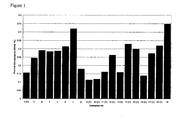
Figure 1 is a bar chart showing the thermal conductivity of a series of polymers containing a filler; -
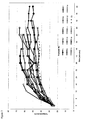
Figure 2 is a chart showing the surface temperature of a series of bone moulds during moulding. - A number of different compositions were made using a variety of different fillers, as well as a polyurethane-only composition. All of the compositions were made using the same basic polyurethane composition as shown in Table 1:
Table 1 Component Amount (by weight) High molecular weight polyol (Voranol CP 4711) 46.19 Catalyst (Triethylene diamine 33 % in dipropylene glycol) 0.05 Zeolite paste (Voratron EG 711) 7.39 Low molecular weight polyol (Voranal CP 260) 46.19 - The isocyanate (Isonate 143M) was added to give an isocyanate index of between 90 and 95.
- Filler, where added, was added to a mixture of the polyols, zeolite paste and catalyst, and was stirred thoroughly. The isocyanate and the polyol containing mixture are then mixed together.
- In Examples 1 to 20, the polyurethane mixture for each example was formed into a plate of dimension 20cm x 20cm by 1 cm and the thermal conductance of the plate was measured using a LASERCOMP FOX 200 using EN 12667. The thermal conductance was measured in the temperature range of 30 to 40°C. The weight percentage for each filler used, based on the total weight of the composition, and the resulting thermal conductance of the composition are given in Table 2. The thermal conductance results are shown in
Figure 1 .Table 2 EXAMPLE FILLER WT % FILLER THERMAL CONDUCTANCE (W/m2.°K) 1(C) No Filler - 0.156 2 30 micrometers Al powder 35% 0.245 3 30 micrometers Al powder 50% 0.291 4 100 micrometers Al powder 50% 0.284 5 100 micrometers Al powder 60% 0.288 6 30 micrometers Al powder 75% 0.314 7 30 micrometers lamellar Al 30% 0.421 8 30 micrometers Cu powder 35% 0.179 9 (C) 50 micrometers BaSO4 powder 35% 0.114 10 (C) 50 micrometers BaSO4 powder 50% 0.118 11 (C) 50 micrometers CaCO3 powder 35% 0.162 12 (C) 50 micrometers dolomite (CaMg(CO3)2) powder 50% 0.263 13 (C) 50 micrometers FeS powder 50% 0.159 14 (C) 50 micrometers silica (SiO2) powder 50% 0.33 15 (C) 25 micrometers pyrite (FeO2) powder 50 % 0.3 16 (C) 175 micrometers pyrite (Fe02) powder 50 % 0.139 17 (C) 3 micrometers pyrite (FeO2) powder 50 % 0.273 18 (C) 50 micrometers alumina (Al2O3) powder 50% 0.319 19 30 micrometer Al powder and lamellar Al 30% powder, 20% lamellar 0.449 - Examples marked (C) are comparative examples and are not part of the present invention. They relate to compositions made with the same polyurethane, but with no filler or non-metallic fillers.
- It can be seen that the composition comprising the mixture of Al powder and lamellar Al has a particularly high thermal conductance, which is higher than the powder or lamellar A1 alone. The use of a mixture of particulate of different shapes appears to provide a synergistic effect. Accordingly, in a preferred embodiment, the metal particulate is formed of a mixture of substantial spherical particulate and lamellar particulate
- Polyurethane moulds were formed using the compositions in Table 2 for making so called "bone" moulds, which are moulds for forming flat sheets. The bone mould was formed to measure the temperature behaviour of the mould during pouring of a polyurethane formulation that is typically used for making shoe moulds.
Figure 2 shows the temperature measurement of the surface of the moulds after pouring of the polyurethane into the mould. - The same compositions were also formed into blocks so that the physical properties could be measured, including the suitability of the materials for processing into moulds by turning, milling, holing and threading.
- As well as the measurement of the thermal conductance of the composition, it is also important that the composition does not show significant thermal expansion. The thermal expansion was measured by measuring the change in the length of the part relative to the initial length of the part over a temperature range. The shrinkage is given per degree of temperature change. Other physical properties are also important, such as the density and the hardness. A mould should have a density of less than 1.8 g/cm3 and a hardness of greater than 70 when measured by Shore D, according to ASTM D2240.
- In addition, the properties on machining are important. The composition must be sufficiently dimensionally stable such that it does not break or collapse on machining, that it has a good surface quality and that the composition does not form excessive dust on milling. The production of dust is not only dangerous for the workers, but also causes problems for cleaning of the apparatus after milling. By consideration of these features, it is possible to assess both qualitatively and quantitatively whether a particular formulation is suitable for use as a mould.
- Table 3 below compares the results of these tests for a number of the Examples. As can be seen, the compositions of the present invention compare favourably with those which are not part of the present invention. In particular, the compositions which are not part of the invention typically demonstrate either poor thermal conductance or poor expansion, as well as often producing dust on milling.
Table 3 Physical property Thermal property Machining quality Total Example Density <1.8g/cm3 Hardness >70 Shore D Thermal expansion <70(10-6/°C) Thermal Conductance >0.2 (W/m/K) Absence of Dust Finishing surface of sufficient quality 1 (C) X X X X X 5 2 X X X X X 5 3 X X X X X X 6 4 X X X X X 5 5 X X X X X 5 6 X X X X X 5 7 X X X X 4 8 X X X X 4 9 (C) X X X 3 10 (C) X X X X 4 11 (C) X X 2 12 (C) X X X 3 13 (C) X X X 3 14 (C) X X 2 15 (C) X X X 3 16 (C) X X 2 - As can be seen from the results above, the composition of Example 3 is particularly suitable for use in the production of moulds. However, a number of the other compositions according to the present invention also produced good moulds.
- Moulds with a particularly good surface were produced by using a vacuum when adding the filler to the polyol and also by inclusion of an anti-foaming agent. The benefit of a good mould surface is that the resultant article produced from the mould has similar excellent surface properties.
- A filled polyurethane mould according to the present invention can be produced for significantly less cost than the corresponding mould made solely from aluminium.
from 5 to 15 parts by weight of the zeolite paste and from 50 to 200 parts by weight of a particulate aluminium filler.
Claims (26)
- A composition comprising a polyurethane and from 20 to 80 weight percent of a particulate metal or metal alloy filler, wherein polyurethane is the reaction product of:a) a first polyol, the first polyol having a molecular weight of less than 1000;b) a second polyol, the second polyol having a molecular weight of from 1500 to 10000; andc) at least one polyisocyanate, andwherein the particulate metal or metal alloy filler has a thermal conductivity of at least 150 watts/m.°K.
- A composition as claimed in claim 1 having a density of at least 1.2 g/cm3.
- A composition as claimed in claim 1 or claim 2, wherein the first and second polyols are polyether polyols.
- A composition as claimed in any one of claims 1 to 3, wherein the metal or metal alloy is non-ferromagnetic.
- A composition as claimed in claim 4, where in the metal or metal alloy is at least one of aluminium, copper, silver, gold, bronze and zinc.
- A composition as claimed in any one of the preceding claims, wherein the metal or metal alloy filler is present in an amount of from 30 to 70 weight percent, based on the total weight of composition.
- A composition as claimed in any one of the preceding claims, wherein the particulate is in the form of one or more of granules, platelets, pellets, beads, flakes, particles, lamellae and grains.
- A composition as claimed in any one of the preceding claims, wherein the composition additionally comprises a water absorbent.
- A composition as claimed in claim 8, wherein the water absorbent is a zeolite.
- A composition as claimed in any one of the preceding claims, wherein the first polyether polyol has a molecular weight of 100 to 600 and a functionality of from 2 to 8.
- A composition as claimed in any one of the preceding claims, wherein the second polyether polyol has a molecular weight of from 1500 to 8000 and a functionality of from 2 to 6.
- A composition as claimed in any one of the preceding claims, wherein the isocyanate is an aromatic polyfunctional isocyanate.
- A composition as claimed in any one of the preceding claims, wherein the composition additionally comprises an anti-foaming agent.
- A composition as claimed in any one of the preceding claims, wherein the first polyol is present in an amount of from 5 to 95 weight percent and the second polyol is present in an amount of from 5 to 95 weight percent based on the total amount of polyol in the composition.
- A composition comprising a polyurethane, a zeolite paste and a particulate metal or metal alloy filler, wherein the polyurethane is the reaction product of:a) from 40 to 60 parts by weight of a first polyether polyol, the first polyether polyol having a molecular weight of from 100 to 600 and a functionality of from 2 to 8;b) from 40 to 60 parts by weight of a second polyether polyol, the second polyether polyol having a molecular weight of from 1500 to 8000 and a functionality of from 2 to 6; andc) at least one isocyanate, wherein the isocyanate is present in an amount to provide for an isocyanate index of from 80 to 115, and wherein the composition comprisesfrom 5 to 15 parts by weight of the zeolite paste and from 50 to 200 parts by weight of a particulate aluminium filler.
- A mould comprising the composition of any one of the preceding claims.
- A mould as claimed in claim 16, wherein the mould is for forming a plastics material part.
- A mould as claimed in claim 16 or claim 17, wherein the mould is for forming part of a footwear article.
- A mould as claimed in claim 18, wherein the mould is for forming a sole for a footwear article.
- A mould for producing a plastics material part comprising a polyurethane and a particulate metal or metal alloy filler, wherein the polyurethane is the reaction product of:a) a first polyol, the first polyol having a molecular weight of less than 1000;b) a second polyol, the second polyol having a molecular weight of from 1500 to 10000; andc) at least one polyisocyanate.
- A mould for a part of a footwear article formed from a composition comprising a polyurethane and at least one particular metal or metal alloy filler, wherein the polyurethane is the reaction product of at least one polyol and at least one isocyanate.
- A mould as claimed in claim 21, wherein the part is a sole.
- A method of producing a mould, comprising the steps of:i) mixing a first polyol having a molecular weight of less than 1000 and a second polyol having a molecular weight of from 1500 to 10000;ii) adding a particulate metal or metal alloy filler to the mixture of step i) wherein the metal has a thermal conductivity of at least 150 watts/m.°K;iii) mixing the polyol and filler mixture under vacuum; andiv) adding at least one isocyanate and mixing.
- A method as claimed in claim 23, wherein a water absorbent is additionally added in step i).
- A method as claimed in claim 23 or claim 24, wherein the metal or metal alloy is at least one of aluminium, copper, silver, gold, bronze and zinc
- A method of producing a plastics material part, comprising producing the mould of any one of claims 16 to 22 or undertaking the method of any one of claims 23 to 25, and using the mould to produce a part.
Priority Applications (10)
| Application Number | Priority Date | Filing Date | Title |
|---|---|---|---|
| EP06256166A EP1927621B1 (en) | 2006-12-01 | 2006-12-01 | Metal filled polyurethane composition and moulds prepared therefrom |
| PL06256166T PL1927621T3 (en) | 2006-12-01 | 2006-12-01 | Metal filled polyurethane composition and moulds prepared therefrom |
| DE602006013160T DE602006013160D1 (en) | 2006-12-01 | 2006-12-01 | Metal-filled polyurethane composition and molds made therefrom |
| AT06256166T ATE461966T1 (en) | 2006-12-01 | 2006-12-01 | METAL-FILLED POLYURETHANE COMPOSITION AND MOLDING TOOLS MADE THEREFROM |
| TW096144563A TW200837143A (en) | 2006-12-01 | 2007-11-23 | Polyurethane composition and moulds |
| CN2007800506685A CN101611082B (en) | 2006-12-01 | 2007-11-26 | Metal filled polyurethane composition and moulds prepared therefrom |
| BRPI0717921-9A2A BRPI0717921A2 (en) | 2006-12-01 | 2007-11-26 | COMPOSITION, CAST, CAST FOR PRODUCING A PIECE OF PLASTIC MATERIAL, CAST FOR A PART OF A FOOTWEAR AND METHOD FOR MAKING A CAST |
| PCT/EP2007/062835 WO2008065090A1 (en) | 2006-12-01 | 2007-11-26 | Metal filled polyurethane composition and moulds prepared therefrom |
| RU2009125041/05A RU2009125041A (en) | 2006-12-01 | 2007-11-26 | METAL-COMPLETED POLYURETHANE COMPOSITION AND MADE OF ITS PRESS FORMS |
| US12/516,893 US20100331472A1 (en) | 2006-12-01 | 2007-11-26 | Metal filled polyurethane composition and moulds prepared therefrom |
Applications Claiming Priority (1)
| Application Number | Priority Date | Filing Date | Title |
|---|---|---|---|
| EP06256166A EP1927621B1 (en) | 2006-12-01 | 2006-12-01 | Metal filled polyurethane composition and moulds prepared therefrom |
Publications (2)
| Publication Number | Publication Date |
|---|---|
| EP1927621A1 true EP1927621A1 (en) | 2008-06-04 |
| EP1927621B1 EP1927621B1 (en) | 2010-03-24 |
Family
ID=38001217
Family Applications (1)
| Application Number | Title | Priority Date | Filing Date |
|---|---|---|---|
| EP06256166A Not-in-force EP1927621B1 (en) | 2006-12-01 | 2006-12-01 | Metal filled polyurethane composition and moulds prepared therefrom |
Country Status (10)
| Country | Link |
|---|---|
| US (1) | US20100331472A1 (en) |
| EP (1) | EP1927621B1 (en) |
| CN (1) | CN101611082B (en) |
| AT (1) | ATE461966T1 (en) |
| BR (1) | BRPI0717921A2 (en) |
| DE (1) | DE602006013160D1 (en) |
| PL (1) | PL1927621T3 (en) |
| RU (1) | RU2009125041A (en) |
| TW (1) | TW200837143A (en) |
| WO (1) | WO2008065090A1 (en) |
Cited By (1)
| Publication number | Priority date | Publication date | Assignee | Title |
|---|---|---|---|---|
| US20130134636A1 (en) * | 2011-11-24 | 2013-05-30 | Abb Research Ltd | Apparatus, mold and method for producing shaped articles from a uv-curable composition |
Families Citing this family (10)
| Publication number | Priority date | Publication date | Assignee | Title |
|---|---|---|---|---|
| DE102013002519B4 (en) | 2013-02-13 | 2016-08-18 | Adidas Ag | Production method for damping elements for sportswear |
| USD776410S1 (en) | 2013-04-12 | 2017-01-17 | Adidas Ag | Shoe |
| DE102015202013B4 (en) | 2015-02-05 | 2019-05-09 | Adidas Ag | Process for producing a plastic molding, plastic molding and shoe |
| DE102016209046B4 (en) | 2016-05-24 | 2019-08-08 | Adidas Ag | METHOD FOR THE PRODUCTION OF A SHOE SOLE, SHOE SOLE, SHOE AND PREPARED TPU ITEMS |
| DE102016209045B4 (en) | 2016-05-24 | 2022-05-25 | Adidas Ag | METHOD AND DEVICE FOR AUTOMATICALLY MANUFACTURING SHOE SOLES, SOLES AND SHOES |
| KR20190023080A (en) * | 2016-06-24 | 2019-03-07 | 다우 글로벌 테크놀로지스 엘엘씨 | Metallized polyurethane composites and methods for their preparation |
| DE102016223980B4 (en) | 2016-12-01 | 2022-09-22 | Adidas Ag | Process for the production of a plastic molding |
| JP6889902B2 (en) * | 2016-12-27 | 2021-06-18 | ナミックス株式会社 | Resin composition, cured product, conductive film, conductive pattern and garment |
| US20220234256A1 (en) * | 2021-01-28 | 2022-07-28 | Adidas Ag | Mold and method for manufacturing a component by molding, component thereof and shoe with such a component |
| CN115404037B (en) * | 2022-09-29 | 2023-08-15 | 东莞市纳百川电子科技有限公司 | Metal hand die weld joint filling material, preparation method and weld joint treatment process |
Citations (6)
| Publication number | Priority date | Publication date | Assignee | Title |
|---|---|---|---|---|
| EP0412891A2 (en) * | 1989-08-07 | 1991-02-13 | Nissan Motor Co., Ltd. | Metal-powder filled epoxy resin mold and method of producing the same |
| WO1993012170A1 (en) * | 1991-12-19 | 1993-06-24 | Hans Dammer | Resin composition, in particular for casting resin |
| GB2268496A (en) * | 1992-07-08 | 1994-01-12 | Intersurgical Ltd | Improved thermal capacity reticulated polymer foams |
| US5451629A (en) * | 1985-05-31 | 1995-09-19 | Jacobs; Richard | Fast bonding electrically conductive composition and structures |
| EP1101783A2 (en) * | 1999-11-22 | 2001-05-23 | Vantico AG | Casting resin and process for the fabrication of resin molds |
| JP2004300300A (en) * | 2003-03-31 | 2004-10-28 | Bando Chem Ind Ltd | Flexible polyurethane elastomer and heat dissipation sheet |
Family Cites Families (7)
| Publication number | Priority date | Publication date | Assignee | Title |
|---|---|---|---|---|
| US3632278A (en) * | 1970-08-27 | 1972-01-04 | Minnesota Mining & Mfg | Elastomeric shoe sole mold |
| US3878157A (en) * | 1971-09-09 | 1975-04-15 | Dow Chemical Co | Non-elastomeric polyurethane compositions |
| EP0055928A3 (en) * | 1980-12-30 | 1982-12-29 | Aerofoam Industries (Proprietary) Limited | Process for the production of polyurethane polymer compositions |
| US5698613A (en) * | 1995-02-21 | 1997-12-16 | Mancuso Chemicals Limited | Chemical binder |
| US6328917B1 (en) * | 1998-01-28 | 2001-12-11 | Thermoset Molds, L.L.C. | Method for making tools from thermosetting resin and filler compositions |
| ITMI20012724A1 (en) * | 2001-12-20 | 2003-06-20 | Angelo Negri | COMPOSITION AND PROCEDURE FOR THE MOLDING OF OBJECTS OF VARIOUS SHAPES SUCH AS FORMS FOR FOOTWEAR AND SIMILAR |
| EP1889860A1 (en) * | 2006-08-15 | 2008-02-20 | Basf Aktiengesellschaft | Semi-prepolymers containing isocyanate groups for manufacturing flame-resistant polymers |
-
2006
- 2006-12-01 DE DE602006013160T patent/DE602006013160D1/en active Active
- 2006-12-01 AT AT06256166T patent/ATE461966T1/en not_active IP Right Cessation
- 2006-12-01 PL PL06256166T patent/PL1927621T3/en unknown
- 2006-12-01 EP EP06256166A patent/EP1927621B1/en not_active Not-in-force
-
2007
- 2007-11-23 TW TW096144563A patent/TW200837143A/en unknown
- 2007-11-26 WO PCT/EP2007/062835 patent/WO2008065090A1/en not_active Ceased
- 2007-11-26 CN CN2007800506685A patent/CN101611082B/en not_active Expired - Fee Related
- 2007-11-26 BR BRPI0717921-9A2A patent/BRPI0717921A2/en not_active Application Discontinuation
- 2007-11-26 RU RU2009125041/05A patent/RU2009125041A/en not_active Application Discontinuation
- 2007-11-26 US US12/516,893 patent/US20100331472A1/en not_active Abandoned
Patent Citations (6)
| Publication number | Priority date | Publication date | Assignee | Title |
|---|---|---|---|---|
| US5451629A (en) * | 1985-05-31 | 1995-09-19 | Jacobs; Richard | Fast bonding electrically conductive composition and structures |
| EP0412891A2 (en) * | 1989-08-07 | 1991-02-13 | Nissan Motor Co., Ltd. | Metal-powder filled epoxy resin mold and method of producing the same |
| WO1993012170A1 (en) * | 1991-12-19 | 1993-06-24 | Hans Dammer | Resin composition, in particular for casting resin |
| GB2268496A (en) * | 1992-07-08 | 1994-01-12 | Intersurgical Ltd | Improved thermal capacity reticulated polymer foams |
| EP1101783A2 (en) * | 1999-11-22 | 2001-05-23 | Vantico AG | Casting resin and process for the fabrication of resin molds |
| JP2004300300A (en) * | 2003-03-31 | 2004-10-28 | Bando Chem Ind Ltd | Flexible polyurethane elastomer and heat dissipation sheet |
Non-Patent Citations (1)
| Title |
|---|
| DATABASE WPI Week 200478, Derwent World Patents Index; AN 2004-788645, XP002433298 * |
Cited By (2)
| Publication number | Priority date | Publication date | Assignee | Title |
|---|---|---|---|---|
| US20130134636A1 (en) * | 2011-11-24 | 2013-05-30 | Abb Research Ltd | Apparatus, mold and method for producing shaped articles from a uv-curable composition |
| US9238313B2 (en) * | 2011-11-24 | 2016-01-19 | Abb Research Ltd | Apparatus, mold and method for producing shaped articles from a UV-curable composition |
Also Published As
| Publication number | Publication date |
|---|---|
| BRPI0717921A2 (en) | 2013-10-22 |
| ATE461966T1 (en) | 2010-04-15 |
| WO2008065090A1 (en) | 2008-06-05 |
| TW200837143A (en) | 2008-09-16 |
| DE602006013160D1 (en) | 2010-05-06 |
| EP1927621B1 (en) | 2010-03-24 |
| PL1927621T3 (en) | 2010-08-31 |
| CN101611082A (en) | 2009-12-23 |
| RU2009125041A (en) | 2011-01-10 |
| US20100331472A1 (en) | 2010-12-30 |
| CN101611082B (en) | 2013-05-08 |
Similar Documents
| Publication | Publication Date | Title |
|---|---|---|
| US20100331472A1 (en) | Metal filled polyurethane composition and moulds prepared therefrom | |
| US9714332B2 (en) | Combination foam | |
| US6197839B1 (en) | Process for preparing compact or cellular polyurethane elastomers and isocyanate prepolymers suitable for this purpose | |
| JP4993038B2 (en) | Two-component curable foamed polyurethane resin composition, molded article using the same, and shoe sole | |
| US10501596B2 (en) | Hybrid systems consisting of foamed thermoplastic elastomers and polyurethanes | |
| JP3995710B2 (en) | Method for producing flexible polyurethane foam | |
| TWI624486B (en) | Transparent hydrophobic thermoplastic polyurethane and its batch process | |
| EP0583929A1 (en) | Flexible polyurethane foams using chlorinated alkanes | |
| JP2017520673A (en) | Use of thermoplastic polyurethane powder | |
| CA2230171A1 (en) | Method of preparing compact or cellular polyurethane elastomers and isocyanate prepolymers suitable therefor | |
| JPWO1998017703A1 (en) | Composition capable of forming rigid polyurethane foam molded articles, molded articles, and models obtained from the molded articles | |
| JP2017514947A (en) | Soft open-cell thermosetting foam, foaming agent, and method for producing the same | |
| AU717636B2 (en) | Process for preparing a flexible polyurethane foam | |
| EP2130641A1 (en) | Polyurethane Adhesive Composition | |
| JP6666931B2 (en) | Antistatic polyurethane resin composition | |
| JP5104079B2 (en) | Production method and molding method of polyurethane foam | |
| JPH10152543A (en) | Storage stable flame retardant containing polyol compounding agent | |
| WO2009098966A1 (en) | Low-resilience flexible polyurethane foam | |
| JP5109160B2 (en) | Method for producing rigid foam synthetic resin and board foam | |
| JP2001197901A (en) | Manufacturing method of polyurethane foam for antibacterial shoe sole | |
| US20250236700A1 (en) | Polyurethane compositions and viscoelastic polyurethane foams having reduced surface defect prepared with same | |
| EP3762437B1 (en) | A preparation comprising thermoplastic polyisocyanate polyaddition product, a process for preparing the same and use thereof | |
| JP6714053B2 (en) | Polyurethane resin composition for cutting | |
| WO2025141888A1 (en) | Polyurethane foam containing plant-derived raw material, and impact absorbing material | |
| JP4474677B2 (en) | Two-part cast thermosetting polyurethane elastomer-forming composition, molded product obtained from the composition, and method for producing the same |
Legal Events
| Date | Code | Title | Description |
|---|---|---|---|
| PUAI | Public reference made under article 153(3) epc to a published international application that has entered the european phase |
Free format text: ORIGINAL CODE: 0009012 |
|
| AK | Designated contracting states |
Kind code of ref document: A1 Designated state(s): AT BE BG CH CY CZ DE DK EE ES FI FR GB GR HU IE IS IT LI LT LU LV MC NL PL PT RO SE SI SK TR |
|
| AX | Request for extension of the european patent |
Extension state: AL BA HR MK RS |
|
| RIN1 | Information on inventor provided before grant (corrected) |
Inventor name: CORINTI, ELISA |
|
| 17P | Request for examination filed |
Effective date: 20081204 |
|
| AKX | Designation fees paid |
Designated state(s): AT BE BG CH CY CZ DE DK EE ES FI FR GB GR HU IE IS IT LI LT LU LV MC NL PL PT RO SE SI SK TR |
|
| 17Q | First examination report despatched |
Effective date: 20090119 |
|
| GRAP | Despatch of communication of intention to grant a patent |
Free format text: ORIGINAL CODE: EPIDOSNIGR1 |
|
| GRAS | Grant fee paid |
Free format text: ORIGINAL CODE: EPIDOSNIGR3 |
|
| GRAA | (expected) grant |
Free format text: ORIGINAL CODE: 0009210 |
|
| AK | Designated contracting states |
Kind code of ref document: B1 Designated state(s): AT BE BG CH CY CZ DE DK EE ES FI FR GB GR HU IE IS IT LI LT LU LV MC NL PL PT RO SE SI SK TR |
|
| REG | Reference to a national code |
Ref country code: GB Ref legal event code: FG4D |
|
| REG | Reference to a national code |
Ref country code: CH Ref legal event code: EP |
|
| REG | Reference to a national code |
Ref country code: IE Ref legal event code: FG4D |
|
| REF | Corresponds to: |
Ref document number: 602006013160 Country of ref document: DE Date of ref document: 20100506 Kind code of ref document: P |
|
| REG | Reference to a national code |
Ref country code: NL Ref legal event code: VDEP Effective date: 20100324 |
|
| PG25 | Lapsed in a contracting state [announced via postgrant information from national office to epo] |
Ref country code: LT Free format text: LAPSE BECAUSE OF FAILURE TO SUBMIT A TRANSLATION OF THE DESCRIPTION OR TO PAY THE FEE WITHIN THE PRESCRIBED TIME-LIMIT Effective date: 20100324 |
|
| LTIE | Lt: invalidation of european patent or patent extension |
Effective date: 20100324 |
|
| PG25 | Lapsed in a contracting state [announced via postgrant information from national office to epo] |
Ref country code: LV Free format text: LAPSE BECAUSE OF FAILURE TO SUBMIT A TRANSLATION OF THE DESCRIPTION OR TO PAY THE FEE WITHIN THE PRESCRIBED TIME-LIMIT Effective date: 20100324 Ref country code: SI Free format text: LAPSE BECAUSE OF FAILURE TO SUBMIT A TRANSLATION OF THE DESCRIPTION OR TO PAY THE FEE WITHIN THE PRESCRIBED TIME-LIMIT Effective date: 20100324 Ref country code: AT Free format text: LAPSE BECAUSE OF FAILURE TO SUBMIT A TRANSLATION OF THE DESCRIPTION OR TO PAY THE FEE WITHIN THE PRESCRIBED TIME-LIMIT Effective date: 20100324 Ref country code: FI Free format text: LAPSE BECAUSE OF FAILURE TO SUBMIT A TRANSLATION OF THE DESCRIPTION OR TO PAY THE FEE WITHIN THE PRESCRIBED TIME-LIMIT Effective date: 20100324 |
|
| REG | Reference to a national code |
Ref country code: PL Ref legal event code: T3 |
|
| PG25 | Lapsed in a contracting state [announced via postgrant information from national office to epo] |
Ref country code: ES Free format text: LAPSE BECAUSE OF FAILURE TO SUBMIT A TRANSLATION OF THE DESCRIPTION OR TO PAY THE FEE WITHIN THE PRESCRIBED TIME-LIMIT Effective date: 20100705 Ref country code: GR Free format text: LAPSE BECAUSE OF FAILURE TO SUBMIT A TRANSLATION OF THE DESCRIPTION OR TO PAY THE FEE WITHIN THE PRESCRIBED TIME-LIMIT Effective date: 20100625 Ref country code: BE Free format text: LAPSE BECAUSE OF FAILURE TO SUBMIT A TRANSLATION OF THE DESCRIPTION OR TO PAY THE FEE WITHIN THE PRESCRIBED TIME-LIMIT Effective date: 20100324 Ref country code: EE Free format text: LAPSE BECAUSE OF FAILURE TO SUBMIT A TRANSLATION OF THE DESCRIPTION OR TO PAY THE FEE WITHIN THE PRESCRIBED TIME-LIMIT Effective date: 20100324 Ref country code: NL Free format text: LAPSE BECAUSE OF FAILURE TO SUBMIT A TRANSLATION OF THE DESCRIPTION OR TO PAY THE FEE WITHIN THE PRESCRIBED TIME-LIMIT Effective date: 20100324 Ref country code: RO Free format text: LAPSE BECAUSE OF FAILURE TO SUBMIT A TRANSLATION OF THE DESCRIPTION OR TO PAY THE FEE WITHIN THE PRESCRIBED TIME-LIMIT Effective date: 20100324 Ref country code: SE Free format text: LAPSE BECAUSE OF FAILURE TO SUBMIT A TRANSLATION OF THE DESCRIPTION OR TO PAY THE FEE WITHIN THE PRESCRIBED TIME-LIMIT Effective date: 20100324 |
|
| PG25 | Lapsed in a contracting state [announced via postgrant information from national office to epo] |
Ref country code: BG Free format text: LAPSE BECAUSE OF FAILURE TO SUBMIT A TRANSLATION OF THE DESCRIPTION OR TO PAY THE FEE WITHIN THE PRESCRIBED TIME-LIMIT Effective date: 20100624 Ref country code: CZ Free format text: LAPSE BECAUSE OF FAILURE TO SUBMIT A TRANSLATION OF THE DESCRIPTION OR TO PAY THE FEE WITHIN THE PRESCRIBED TIME-LIMIT Effective date: 20100324 Ref country code: IS Free format text: LAPSE BECAUSE OF FAILURE TO SUBMIT A TRANSLATION OF THE DESCRIPTION OR TO PAY THE FEE WITHIN THE PRESCRIBED TIME-LIMIT Effective date: 20100724 Ref country code: SK Free format text: LAPSE BECAUSE OF FAILURE TO SUBMIT A TRANSLATION OF THE DESCRIPTION OR TO PAY THE FEE WITHIN THE PRESCRIBED TIME-LIMIT Effective date: 20100324 |
|
| PLBE | No opposition filed within time limit |
Free format text: ORIGINAL CODE: 0009261 |
|
| STAA | Information on the status of an ep patent application or granted ep patent |
Free format text: STATUS: NO OPPOSITION FILED WITHIN TIME LIMIT |
|
| PG25 | Lapsed in a contracting state [announced via postgrant information from national office to epo] |
Ref country code: DK Free format text: LAPSE BECAUSE OF FAILURE TO SUBMIT A TRANSLATION OF THE DESCRIPTION OR TO PAY THE FEE WITHIN THE PRESCRIBED TIME-LIMIT Effective date: 20100324 Ref country code: PT Free format text: LAPSE BECAUSE OF FAILURE TO SUBMIT A TRANSLATION OF THE DESCRIPTION OR TO PAY THE FEE WITHIN THE PRESCRIBED TIME-LIMIT Effective date: 20100726 |
|
| 26N | No opposition filed |
Effective date: 20101228 |
|
| PG25 | Lapsed in a contracting state [announced via postgrant information from national office to epo] |
Ref country code: MC Free format text: LAPSE BECAUSE OF NON-PAYMENT OF DUE FEES Effective date: 20101231 |
|
| REG | Reference to a national code |
Ref country code: CH Ref legal event code: PL |
|
| GBPC | Gb: european patent ceased through non-payment of renewal fee |
Effective date: 20101201 |
|
| REG | Reference to a national code |
Ref country code: FR Ref legal event code: ST Effective date: 20110831 |
|
| PG25 | Lapsed in a contracting state [announced via postgrant information from national office to epo] |
Ref country code: FR Free format text: LAPSE BECAUSE OF NON-PAYMENT OF DUE FEES Effective date: 20110103 Ref country code: CH Free format text: LAPSE BECAUSE OF NON-PAYMENT OF DUE FEES Effective date: 20101231 Ref country code: LI Free format text: LAPSE BECAUSE OF NON-PAYMENT OF DUE FEES Effective date: 20101231 Ref country code: IE Free format text: LAPSE BECAUSE OF NON-PAYMENT OF DUE FEES Effective date: 20101201 |
|
| PG25 | Lapsed in a contracting state [announced via postgrant information from national office to epo] |
Ref country code: GB Free format text: LAPSE BECAUSE OF NON-PAYMENT OF DUE FEES Effective date: 20101201 |
|
| PG25 | Lapsed in a contracting state [announced via postgrant information from national office to epo] |
Ref country code: CY Free format text: LAPSE BECAUSE OF FAILURE TO SUBMIT A TRANSLATION OF THE DESCRIPTION OR TO PAY THE FEE WITHIN THE PRESCRIBED TIME-LIMIT Effective date: 20100324 |
|
| PG25 | Lapsed in a contracting state [announced via postgrant information from national office to epo] |
Ref country code: LU Free format text: LAPSE BECAUSE OF NON-PAYMENT OF DUE FEES Effective date: 20101201 Ref country code: HU Free format text: LAPSE BECAUSE OF FAILURE TO SUBMIT A TRANSLATION OF THE DESCRIPTION OR TO PAY THE FEE WITHIN THE PRESCRIBED TIME-LIMIT Effective date: 20100925 |
|
| PGFP | Annual fee paid to national office [announced via postgrant information from national office to epo] |
Ref country code: IT Payment date: 20181220 Year of fee payment: 13 |
|
| PGFP | Annual fee paid to national office [announced via postgrant information from national office to epo] |
Ref country code: DE Payment date: 20191119 Year of fee payment: 14 |
|
| PGFP | Annual fee paid to national office [announced via postgrant information from national office to epo] |
Ref country code: PL Payment date: 20191016 Year of fee payment: 14 |
|
| PGFP | Annual fee paid to national office [announced via postgrant information from national office to epo] |
Ref country code: TR Payment date: 20191129 Year of fee payment: 14 |
|
| PG25 | Lapsed in a contracting state [announced via postgrant information from national office to epo] |
Ref country code: IT Free format text: LAPSE BECAUSE OF NON-PAYMENT OF DUE FEES Effective date: 20191201 |
|
| REG | Reference to a national code |
Ref country code: DE Ref legal event code: R119 Ref document number: 602006013160 Country of ref document: DE |
|
| PG25 | Lapsed in a contracting state [announced via postgrant information from national office to epo] |
Ref country code: DE Free format text: LAPSE BECAUSE OF NON-PAYMENT OF DUE FEES Effective date: 20210701 |
|
| PG25 | Lapsed in a contracting state [announced via postgrant information from national office to epo] |
Ref country code: TR Free format text: LAPSE BECAUSE OF NON-PAYMENT OF DUE FEES Effective date: 20201201 |
|
| PG25 | Lapsed in a contracting state [announced via postgrant information from national office to epo] |
Ref country code: PL Free format text: LAPSE BECAUSE OF NON-PAYMENT OF DUE FEES Effective date: 20201201 |