EP1917961A1 - Capsinoid containing composition - Google Patents
Capsinoid containing composition Download PDFInfo
- Publication number
- EP1917961A1 EP1917961A1 EP06782840A EP06782840A EP1917961A1 EP 1917961 A1 EP1917961 A1 EP 1917961A1 EP 06782840 A EP06782840 A EP 06782840A EP 06782840 A EP06782840 A EP 06782840A EP 1917961 A1 EP1917961 A1 EP 1917961A1
- Authority
- EP
- European Patent Office
- Prior art keywords
- cyclodextrin
- complex
- capsinoid
- dct
- dihydrocapsiate
- Prior art date
- Legal status (The legal status is an assumption and is not a legal conclusion. Google has not performed a legal analysis and makes no representation as to the accuracy of the status listed.)
- Withdrawn
Links
- 239000000203 mixture Substances 0.000 title claims abstract description 79
- 229920000858 Cyclodextrin Polymers 0.000 claims abstract description 165
- HFHDHCJBZVLPGP-UHFFFAOYSA-N schardinger α-dextrin Chemical compound O1C(C(C2O)O)C(CO)OC2OC(C(C2O)O)C(CO)OC2OC(C(C2O)O)C(CO)OC2OC(C(O)C2O)C(CO)OC2OC(C(C2O)O)C(CO)OC2OC2C(O)C(O)C1OC2CO HFHDHCJBZVLPGP-UHFFFAOYSA-N 0.000 claims abstract description 95
- 150000001875 compounds Chemical class 0.000 claims abstract description 43
- 238000000034 method Methods 0.000 claims abstract description 29
- 238000010298 pulverizing process Methods 0.000 claims abstract description 5
- RBCYRZPENADQGZ-UHFFFAOYSA-N Dihydrocapsiate Chemical compound COC1=CC(COC(=O)CCCCCCC(C)C)=CC=C1O RBCYRZPENADQGZ-UHFFFAOYSA-N 0.000 claims description 141
- GDSRMADSINPKSL-HSEONFRVSA-N gamma-cyclodextrin Chemical compound OC[C@H]([C@H]([C@@H]([C@H]1O)O)O[C@H]2O[C@@H]([C@@H](O[C@H]3O[C@H](CO)[C@H]([C@@H]([C@H]3O)O)O[C@H]3O[C@H](CO)[C@H]([C@@H]([C@H]3O)O)O[C@H]3O[C@H](CO)[C@H]([C@@H]([C@H]3O)O)O[C@H]3O[C@H](CO)[C@H]([C@@H]([C@H]3O)O)O[C@H]3O[C@H](CO)[C@H]([C@@H]([C@H]3O)O)O3)[C@H](O)[C@H]2O)CO)O[C@@H]1O[C@H]1[C@H](O)[C@@H](O)[C@@H]3O[C@@H]1CO GDSRMADSINPKSL-HSEONFRVSA-N 0.000 claims description 65
- 229940080345 gamma-cyclodextrin Drugs 0.000 claims description 49
- WHGYBXFWUBPSRW-FOUAGVGXSA-N beta-cyclodextrin Chemical compound OC[C@H]([C@H]([C@@H]([C@H]1O)O)O[C@H]2O[C@@H]([C@@H](O[C@H]3O[C@H](CO)[C@H]([C@@H]([C@H]3O)O)O[C@H]3O[C@H](CO)[C@H]([C@@H]([C@H]3O)O)O[C@H]3O[C@H](CO)[C@H]([C@@H]([C@H]3O)O)O[C@H]3O[C@H](CO)[C@H]([C@@H]([C@H]3O)O)O3)[C@H](O)[C@H]2O)CO)O[C@@H]1O[C@H]1[C@H](O)[C@@H](O)[C@@H]3O[C@@H]1CO WHGYBXFWUBPSRW-FOUAGVGXSA-N 0.000 claims description 34
- BXBVPYSHEOQGHP-UHFFFAOYSA-N Nordihydrocapsiate Chemical compound COC1=CC(COC(=O)CCCCCC(C)C)=CC=C1O BXBVPYSHEOQGHP-UHFFFAOYSA-N 0.000 claims description 32
- HFHDHCJBZVLPGP-RWMJIURBSA-N alpha-cyclodextrin Chemical compound OC[C@H]([C@H]([C@@H]([C@H]1O)O)O[C@H]2O[C@@H]([C@@H](O[C@H]3O[C@H](CO)[C@H]([C@@H]([C@H]3O)O)O[C@H]3O[C@H](CO)[C@H]([C@@H]([C@H]3O)O)O[C@H]3O[C@H](CO)[C@H]([C@@H]([C@H]3O)O)O3)[C@H](O)[C@H]2O)CO)O[C@@H]1O[C@H]1[C@H](O)[C@@H](O)[C@@H]3O[C@@H]1CO HFHDHCJBZVLPGP-RWMJIURBSA-N 0.000 claims description 28
- 229960004853 betadex Drugs 0.000 claims description 25
- YKPUWZUDDOIDPM-SOFGYWHQSA-N capsaicin Natural products COC1=CC(CNC(=O)CCCC\C=C\C(C)C)=CC=C1O YKPUWZUDDOIDPM-SOFGYWHQSA-N 0.000 claims description 22
- 229920001450 Alpha-Cyclodextrin Polymers 0.000 claims description 21
- 239000001116 FEMA 4028 Substances 0.000 claims description 20
- 229940043377 alpha-cyclodextrin Drugs 0.000 claims description 20
- 235000011175 beta-cyclodextrine Nutrition 0.000 claims description 20
- ZICNYIDDNJYKCP-SOFGYWHQSA-N capsiate Chemical compound COC1=CC(COC(=O)CCCC\C=C\C(C)C)=CC=C1O ZICNYIDDNJYKCP-SOFGYWHQSA-N 0.000 claims description 17
- 230000008569 process Effects 0.000 claims description 10
- 238000001035 drying Methods 0.000 claims description 7
- 235000013305 food Nutrition 0.000 claims description 7
- 238000005063 solubilization Methods 0.000 abstract description 3
- LFQSCWFLJHTTHZ-UHFFFAOYSA-N Ethanol Chemical compound CCO LFQSCWFLJHTTHZ-UHFFFAOYSA-N 0.000 description 67
- 239000000843 powder Substances 0.000 description 41
- VLKZOEOYAKHREP-UHFFFAOYSA-N n-Hexane Chemical compound CCCCCC VLKZOEOYAKHREP-UHFFFAOYSA-N 0.000 description 39
- IAZDPXIOMUYVGZ-WFGJKAKNSA-N Dimethyl sulfoxide Chemical group [2H]C([2H])([2H])S(=O)C([2H])([2H])[2H] IAZDPXIOMUYVGZ-WFGJKAKNSA-N 0.000 description 37
- XLYOFNOQVPJJNP-UHFFFAOYSA-N water Substances O XLYOFNOQVPJJNP-UHFFFAOYSA-N 0.000 description 30
- 239000002904 solvent Substances 0.000 description 26
- 238000005160 1H NMR spectroscopy Methods 0.000 description 24
- 230000015572 biosynthetic process Effects 0.000 description 24
- 239000013078 crystal Substances 0.000 description 21
- 238000005259 measurement Methods 0.000 description 21
- JNSSVMGPTZYYIW-UHFFFAOYSA-N 2-chloro-6-methyl-1-oxidopyridin-1-ium Chemical compound CC1=CC=CC(Cl)=[N+]1[O-] JNSSVMGPTZYYIW-UHFFFAOYSA-N 0.000 description 18
- OAOABCKPVCUNKO-UHFFFAOYSA-N isodecanoic acid Natural products CC(C)CCCCCCC(O)=O OAOABCKPVCUNKO-UHFFFAOYSA-N 0.000 description 18
- 239000000243 solution Substances 0.000 description 18
- FAKANUSCBNENBY-UHFFFAOYSA-N (4-hydroxy-3-methoxyphenyl)methyl decanoate Chemical compound CCCCCCCCCC(=O)OCC1=CC=C(O)C(OC)=C1 FAKANUSCBNENBY-UHFFFAOYSA-N 0.000 description 16
- 239000007864 aqueous solution Substances 0.000 description 16
- ZENOXNGFMSCLLL-UHFFFAOYSA-N vanillyl alcohol Chemical compound COC1=CC(CO)=CC=C1O ZENOXNGFMSCLLL-UHFFFAOYSA-N 0.000 description 16
- KRKNYBCHXYNGOX-UHFFFAOYSA-N citric acid Chemical compound OC(=O)CC(O)(C(O)=O)CC(O)=O KRKNYBCHXYNGOX-UHFFFAOYSA-N 0.000 description 15
- GHVNFZFCNZKVNT-UHFFFAOYSA-N decanoic acid Chemical compound CCCCCCCCCC(O)=O GHVNFZFCNZKVNT-UHFFFAOYSA-N 0.000 description 15
- 238000002360 preparation method Methods 0.000 description 15
- 229920006395 saturated elastomer Polymers 0.000 description 14
- 239000012047 saturated solution Substances 0.000 description 12
- 235000009508 confectionery Nutrition 0.000 description 11
- 238000001914 filtration Methods 0.000 description 11
- 238000002156 mixing Methods 0.000 description 11
- 241000208293 Capsicum Species 0.000 description 10
- 235000002566 Capsicum Nutrition 0.000 description 10
- 239000001390 capsicum minimum Substances 0.000 description 10
- 239000003921 oil Substances 0.000 description 10
- 241000894007 species Species 0.000 description 9
- 238000003756 stirring Methods 0.000 description 9
- HEDRZPFGACZZDS-MICDWDOJSA-N Trichloro(2H)methane Chemical compound [2H]C(Cl)(Cl)Cl HEDRZPFGACZZDS-MICDWDOJSA-N 0.000 description 8
- 239000007979 citrate buffer Substances 0.000 description 8
- 235000014113 dietary fatty acids Nutrition 0.000 description 8
- 229930195729 fatty acid Natural products 0.000 description 8
- 239000000194 fatty acid Substances 0.000 description 8
- 238000011084 recovery Methods 0.000 description 8
- -1 fatty acid esters Chemical class 0.000 description 7
- 238000003786 synthesis reaction Methods 0.000 description 7
- 239000003925 fat Substances 0.000 description 6
- 239000007788 liquid Substances 0.000 description 6
- 239000000047 product Substances 0.000 description 6
- ZMXDDKWLCZADIW-UHFFFAOYSA-N N,N-Dimethylformamide Chemical compound CN(C)C=O ZMXDDKWLCZADIW-UHFFFAOYSA-N 0.000 description 5
- 239000002994 raw material Substances 0.000 description 5
- 239000013589 supplement Substances 0.000 description 5
- 238000005481 NMR spectroscopy Methods 0.000 description 4
- 150000004665 fatty acids Chemical group 0.000 description 4
- 239000003960 organic solvent Substances 0.000 description 4
- 238000004321 preservation Methods 0.000 description 4
- CSCPPACGZOOCGX-UHFFFAOYSA-N Acetone Chemical compound CC(C)=O CSCPPACGZOOCGX-UHFFFAOYSA-N 0.000 description 3
- 241000196324 Embryophyta Species 0.000 description 3
- 108090000790 Enzymes Proteins 0.000 description 3
- 102000004190 Enzymes Human genes 0.000 description 3
- XEKOWRVHYACXOJ-UHFFFAOYSA-N Ethyl acetate Chemical compound CCOC(C)=O XEKOWRVHYACXOJ-UHFFFAOYSA-N 0.000 description 3
- OKKJLVBELUTLKV-UHFFFAOYSA-N Methanol Chemical compound OC OKKJLVBELUTLKV-UHFFFAOYSA-N 0.000 description 3
- 238000006243 chemical reaction Methods 0.000 description 3
- 229940097362 cyclodextrins Drugs 0.000 description 3
- 238000000605 extraction Methods 0.000 description 3
- 238000004128 high performance liquid chromatography Methods 0.000 description 3
- 238000006116 polymerization reaction Methods 0.000 description 3
- 239000002244 precipitate Substances 0.000 description 3
- XZOYHFBNQHPJRQ-UHFFFAOYSA-N 7-methyloctanoic acid Chemical compound CC(C)CCCCCC(O)=O XZOYHFBNQHPJRQ-UHFFFAOYSA-N 0.000 description 2
- OCALSPDXYQHUHA-FNORWQNLSA-N 8-Methyl-6-nonenoic acid Chemical compound CC(C)\C=C\CCCCC(O)=O OCALSPDXYQHUHA-FNORWQNLSA-N 0.000 description 2
- 235000008534 Capsicum annuum var annuum Nutrition 0.000 description 2
- 108010025880 Cyclomaltodextrin glucanotransferase Proteins 0.000 description 2
- 108090001060 Lipase Proteins 0.000 description 2
- 239000004367 Lipase Substances 0.000 description 2
- 102000004882 Lipase Human genes 0.000 description 2
- IMNFDUFMRHMDMM-UHFFFAOYSA-N N-Heptane Chemical compound CCCCCCC IMNFDUFMRHMDMM-UHFFFAOYSA-N 0.000 description 2
- OFBQJSOFQDEBGM-UHFFFAOYSA-N Pentane Chemical compound CCCCC OFBQJSOFQDEBGM-UHFFFAOYSA-N 0.000 description 2
- VYPSYNLAJGMNEJ-UHFFFAOYSA-N Silicium dioxide Chemical compound O=[Si]=O VYPSYNLAJGMNEJ-UHFFFAOYSA-N 0.000 description 2
- 229920002472 Starch Polymers 0.000 description 2
- 229960002504 capsaicin Drugs 0.000 description 2
- 235000017663 capsaicin Nutrition 0.000 description 2
- 238000004587 chromatography analysis Methods 0.000 description 2
- 235000015872 dietary supplement Nutrition 0.000 description 2
- 230000000694 effects Effects 0.000 description 2
- 150000002148 esters Chemical class 0.000 description 2
- 235000019387 fatty acid methyl ester Nutrition 0.000 description 2
- 239000008187 granular material Substances 0.000 description 2
- 238000004898 kneading Methods 0.000 description 2
- 235000019421 lipase Nutrition 0.000 description 2
- 238000012423 maintenance Methods 0.000 description 2
- 239000000463 material Substances 0.000 description 2
- 150000004667 medium chain fatty acids Chemical class 0.000 description 2
- YRHYCMZPEVDGFQ-UHFFFAOYSA-N methyl decanoate Chemical compound CCCCCCCCCC(=O)OC YRHYCMZPEVDGFQ-UHFFFAOYSA-N 0.000 description 2
- 150000004702 methyl esters Chemical class 0.000 description 2
- 238000000746 purification Methods 0.000 description 2
- 239000002002 slurry Substances 0.000 description 2
- 239000007787 solid Substances 0.000 description 2
- 230000006641 stabilisation Effects 0.000 description 2
- 238000011105 stabilization Methods 0.000 description 2
- 235000019698 starch Nutrition 0.000 description 2
- 239000008107 starch Substances 0.000 description 2
- 239000000126 substance Substances 0.000 description 2
- 239000006188 syrup Substances 0.000 description 2
- 235000020357 syrup Nutrition 0.000 description 2
- UFTFJSFQGQCHQW-UHFFFAOYSA-N triformin Chemical compound O=COCC(OC=O)COC=O UFTFJSFQGQCHQW-UHFFFAOYSA-N 0.000 description 2
- VSINWHDOHWBJCS-UHFFFAOYSA-N (4-hydroxy-3-methoxyphenyl)methyl nonanoate Chemical compound CCCCCCCCC(=O)OCC1=CC=C(O)C(OC)=C1 VSINWHDOHWBJCS-UHFFFAOYSA-N 0.000 description 1
- WOQZUSJDLLGEHO-UHFFFAOYSA-N (4-hydroxy-3-methoxyphenyl)methyl octanoate Chemical compound CCCCCCCC(=O)OCC1=CC=C(O)C(OC)=C1 WOQZUSJDLLGEHO-UHFFFAOYSA-N 0.000 description 1
- NIFITBVFNGQSNA-SOFGYWHQSA-N (e)-8-methylnon-2-enoic acid Chemical compound CC(C)CCCC\C=C\C(O)=O NIFITBVFNGQSNA-SOFGYWHQSA-N 0.000 description 1
- 238000004482 13C cross polarization magic angle spinning Methods 0.000 description 1
- WQNHWIYLCRZRLR-UHFFFAOYSA-N 2-(3-hydroxy-2,5-dioxooxolan-3-yl)acetic acid Chemical compound OC(=O)CC1(O)CC(=O)OC1=O WQNHWIYLCRZRLR-UHFFFAOYSA-N 0.000 description 1
- YVOBBFQJMOGQOU-UHFFFAOYSA-N 5-nitro-2,3-dihydrophthalazine-1,4-dione Chemical compound O=C1NNC(=O)C2=C1C([N+](=O)[O-])=CC=C2 YVOBBFQJMOGQOU-UHFFFAOYSA-N 0.000 description 1
- GMVPRGQOIOIIMI-DODZYUBVSA-N 7-[(1R,2R,3R)-3-hydroxy-2-[(3S)-3-hydroxyoct-1-enyl]-5-oxocyclopentyl]heptanoic acid Chemical compound CCCCC[C@H](O)C=C[C@H]1[C@H](O)CC(=O)[C@@H]1CCCCCCC(O)=O GMVPRGQOIOIIMI-DODZYUBVSA-N 0.000 description 1
- 240000004160 Capsicum annuum Species 0.000 description 1
- 240000008384 Capsicum annuum var. annuum Species 0.000 description 1
- 125000002353 D-glucosyl group Chemical group C1([C@H](O)[C@@H](O)[C@H](O)[C@H](O1)CO)* 0.000 description 1
- 229920001353 Dextrin Polymers 0.000 description 1
- 239000004375 Dextrin Substances 0.000 description 1
- 239000005640 Methyl decanoate Substances 0.000 description 1
- 108010084311 Novozyme 435 Proteins 0.000 description 1
- 240000008042 Zea mays Species 0.000 description 1
- 235000005824 Zea mays ssp. parviglumis Nutrition 0.000 description 1
- 235000002017 Zea mays subsp mays Nutrition 0.000 description 1
- 239000002253 acid Substances 0.000 description 1
- 230000009471 action Effects 0.000 description 1
- 230000004913 activation Effects 0.000 description 1
- 230000010933 acylation Effects 0.000 description 1
- 238000005917 acylation reaction Methods 0.000 description 1
- XAGFODPZIPBFFR-UHFFFAOYSA-N aluminium Chemical compound [Al] XAGFODPZIPBFFR-UHFFFAOYSA-N 0.000 description 1
- 229910052782 aluminium Inorganic materials 0.000 description 1
- 230000003579 anti-obesity Effects 0.000 description 1
- 229940053200 antiepileptics fatty acid derivative Drugs 0.000 description 1
- 239000000872 buffer Substances 0.000 description 1
- 239000007853 buffer solution Substances 0.000 description 1
- 235000013339 cereals Nutrition 0.000 description 1
- 235000015218 chewing gum Nutrition 0.000 description 1
- 229940112822 chewing gum Drugs 0.000 description 1
- 235000019219 chocolate Nutrition 0.000 description 1
- ACTIUHUUMQJHFO-UPTCCGCDSA-N coenzyme Q10 Chemical compound COC1=C(OC)C(=O)C(C\C=C(/C)CC\C=C(/C)CC\C=C(/C)CC\C=C(/C)CC\C=C(/C)CC\C=C(/C)CC\C=C(/C)CC\C=C(/C)CC\C=C(/C)CCC=C(C)C)=C(C)C1=O ACTIUHUUMQJHFO-UPTCCGCDSA-N 0.000 description 1
- 235000005822 corn Nutrition 0.000 description 1
- 239000007857 degradation product Substances 0.000 description 1
- 235000019425 dextrin Nutrition 0.000 description 1
- 235000021373 diet component Nutrition 0.000 description 1
- XJQPQKLURWNAAH-UHFFFAOYSA-N dihydrocapsaicin Chemical compound COC1=CC(CNC(=O)CCCCCCC(C)C)=CC=C1O XJQPQKLURWNAAH-UHFFFAOYSA-N 0.000 description 1
- 238000004090 dissolution Methods 0.000 description 1
- 239000012153 distilled water Substances 0.000 description 1
- 230000037149 energy metabolism Effects 0.000 description 1
- 230000002255 enzymatic effect Effects 0.000 description 1
- 238000002474 experimental method Methods 0.000 description 1
- 239000000706 filtrate Substances 0.000 description 1
- 230000037406 food intake Effects 0.000 description 1
- 238000009472 formulation Methods 0.000 description 1
- 235000021588 free fatty acids Nutrition 0.000 description 1
- 238000004108 freeze drying Methods 0.000 description 1
- 235000013611 frozen food Nutrition 0.000 description 1
- 235000021552 granulated sugar Nutrition 0.000 description 1
- 239000007902 hard capsule Substances 0.000 description 1
- 235000013402 health food Nutrition 0.000 description 1
- 230000006872 improvement Effects 0.000 description 1
- 235000008446 instant noodles Nutrition 0.000 description 1
- 235000014109 instant soup Nutrition 0.000 description 1
- 238000002955 isolation Methods 0.000 description 1
- 235000021056 liquid food Nutrition 0.000 description 1
- 238000004519 manufacturing process Methods 0.000 description 1
- 235000013372 meat Nutrition 0.000 description 1
- VGNUXABWYPYWTB-SOFGYWHQSA-N methyl (e)-8-methylnon-6-enoate Chemical compound COC(=O)CCCC\C=C\C(C)C VGNUXABWYPYWTB-SOFGYWHQSA-N 0.000 description 1
- 238000000199 molecular distillation Methods 0.000 description 1
- 239000002808 molecular sieve Substances 0.000 description 1
- 229920001542 oligosaccharide Polymers 0.000 description 1
- 238000002953 preparative HPLC Methods 0.000 description 1
- 235000019633 pungent taste Nutrition 0.000 description 1
- 239000011541 reaction mixture Substances 0.000 description 1
- 238000012552 review Methods 0.000 description 1
- 239000000741 silica gel Substances 0.000 description 1
- 229910002027 silica gel Inorganic materials 0.000 description 1
- 238000010898 silica gel chromatography Methods 0.000 description 1
- 235000011888 snacks Nutrition 0.000 description 1
- URGAHOPLAPQHLN-UHFFFAOYSA-N sodium aluminosilicate Chemical compound [Na+].[Al+3].[O-][Si]([O-])=O.[O-][Si]([O-])=O URGAHOPLAPQHLN-UHFFFAOYSA-N 0.000 description 1
- 238000000279 solid-state nuclear magnetic resonance spectrum Methods 0.000 description 1
- 238000001694 spray drying Methods 0.000 description 1
- 239000007858 starting material Substances 0.000 description 1
- 239000000758 substrate Substances 0.000 description 1
- 238000010189 synthetic method Methods 0.000 description 1
- 239000003826 tablet Substances 0.000 description 1
- 238000010792 warming Methods 0.000 description 1
- 238000005406 washing Methods 0.000 description 1
Images



Classifications
-
- B—PERFORMING OPERATIONS; TRANSPORTING
- B82—NANOTECHNOLOGY
- B82Y—SPECIFIC USES OR APPLICATIONS OF NANOSTRUCTURES; MEASUREMENT OR ANALYSIS OF NANOSTRUCTURES; MANUFACTURE OR TREATMENT OF NANOSTRUCTURES
- B82Y5/00—Nanobiotechnology or nanomedicine, e.g. protein engineering or drug delivery
-
- A—HUMAN NECESSITIES
- A23—FOODS OR FOODSTUFFS; TREATMENT THEREOF, NOT COVERED BY OTHER CLASSES
- A23L—FOODS, FOODSTUFFS OR NON-ALCOHOLIC BEVERAGES, NOT OTHERWISE PROVIDED FOR; PREPARATION OR TREATMENT THEREOF
- A23L27/00—Spices; Flavouring agents or condiments; Artificial sweetening agents; Table salts; Dietetic salt substitutes; Preparation or treatment thereof
- A23L27/10—Natural spices, flavouring agents or condiments; Extracts thereof
-
- A—HUMAN NECESSITIES
- A23—FOODS OR FOODSTUFFS; TREATMENT THEREOF, NOT COVERED BY OTHER CLASSES
- A23L—FOODS, FOODSTUFFS OR NON-ALCOHOLIC BEVERAGES, NOT OTHERWISE PROVIDED FOR; PREPARATION OR TREATMENT THEREOF
- A23L33/00—Modifying nutritive qualities of foods; Dietetic products; Preparation or treatment thereof
- A23L33/10—Modifying nutritive qualities of foods; Dietetic products; Preparation or treatment thereof using additives
- A23L33/105—Plant extracts, their artificial duplicates or their derivatives
-
- A—HUMAN NECESSITIES
- A61—MEDICAL OR VETERINARY SCIENCE; HYGIENE
- A61K—PREPARATIONS FOR MEDICAL, DENTAL OR TOILETRY PURPOSES
- A61K31/00—Medicinal preparations containing organic active ingredients
-
- A—HUMAN NECESSITIES
- A61—MEDICAL OR VETERINARY SCIENCE; HYGIENE
- A61K—PREPARATIONS FOR MEDICAL, DENTAL OR TOILETRY PURPOSES
- A61K31/00—Medicinal preparations containing organic active ingredients
- A61K31/21—Esters, e.g. nitroglycerine, selenocyanates
- A61K31/215—Esters, e.g. nitroglycerine, selenocyanates of carboxylic acids
- A61K31/22—Esters, e.g. nitroglycerine, selenocyanates of carboxylic acids of acyclic acids, e.g. pravastatin
- A61K31/23—Esters, e.g. nitroglycerine, selenocyanates of carboxylic acids of acyclic acids, e.g. pravastatin of acids having a carboxyl group bound to a chain of seven or more carbon atoms
-
- A—HUMAN NECESSITIES
- A61—MEDICAL OR VETERINARY SCIENCE; HYGIENE
- A61K—PREPARATIONS FOR MEDICAL, DENTAL OR TOILETRY PURPOSES
- A61K31/00—Medicinal preparations containing organic active ingredients
- A61K31/21—Esters, e.g. nitroglycerine, selenocyanates
- A61K31/215—Esters, e.g. nitroglycerine, selenocyanates of carboxylic acids
- A61K31/22—Esters, e.g. nitroglycerine, selenocyanates of carboxylic acids of acyclic acids, e.g. pravastatin
- A61K31/23—Esters, e.g. nitroglycerine, selenocyanates of carboxylic acids of acyclic acids, e.g. pravastatin of acids having a carboxyl group bound to a chain of seven or more carbon atoms
- A61K31/231—Esters, e.g. nitroglycerine, selenocyanates of carboxylic acids of acyclic acids, e.g. pravastatin of acids having a carboxyl group bound to a chain of seven or more carbon atoms having one or two double bonds
-
- A—HUMAN NECESSITIES
- A61—MEDICAL OR VETERINARY SCIENCE; HYGIENE
- A61K—PREPARATIONS FOR MEDICAL, DENTAL OR TOILETRY PURPOSES
- A61K47/00—Medicinal preparations characterised by the non-active ingredients used, e.g. carriers or inert additives; Targeting or modifying agents chemically bound to the active ingredient
- A61K47/50—Medicinal preparations characterised by the non-active ingredients used, e.g. carriers or inert additives; Targeting or modifying agents chemically bound to the active ingredient the non-active ingredient being chemically bound to the active ingredient, e.g. polymer-drug conjugates
- A61K47/69—Medicinal preparations characterised by the non-active ingredients used, e.g. carriers or inert additives; Targeting or modifying agents chemically bound to the active ingredient the non-active ingredient being chemically bound to the active ingredient, e.g. polymer-drug conjugates the conjugate being characterised by physical or galenical forms, e.g. emulsion, particle, inclusion complex, stent or kit
- A61K47/6949—Medicinal preparations characterised by the non-active ingredients used, e.g. carriers or inert additives; Targeting or modifying agents chemically bound to the active ingredient the non-active ingredient being chemically bound to the active ingredient, e.g. polymer-drug conjugates the conjugate being characterised by physical or galenical forms, e.g. emulsion, particle, inclusion complex, stent or kit inclusion complexes, e.g. clathrates, cavitates or fullerenes
- A61K47/6951—Medicinal preparations characterised by the non-active ingredients used, e.g. carriers or inert additives; Targeting or modifying agents chemically bound to the active ingredient the non-active ingredient being chemically bound to the active ingredient, e.g. polymer-drug conjugates the conjugate being characterised by physical or galenical forms, e.g. emulsion, particle, inclusion complex, stent or kit inclusion complexes, e.g. clathrates, cavitates or fullerenes using cyclodextrin
-
- A—HUMAN NECESSITIES
- A61—MEDICAL OR VETERINARY SCIENCE; HYGIENE
- A61K—PREPARATIONS FOR MEDICAL, DENTAL OR TOILETRY PURPOSES
- A61K9/00—Medicinal preparations characterised by special physical form
- A61K9/14—Particulate form, e.g. powders, Processes for size reducing of pure drugs or the resulting products, Pure drug nanoparticles
- A61K9/141—Intimate drug-carrier mixtures characterised by the carrier, e.g. ordered mixtures, adsorbates, solid solutions, eutectica, co-dried, co-solubilised, co-kneaded, co-milled, co-ground products, co-precipitates, co-evaporates, co-extrudates, co-melts; Drug nanoparticles with adsorbed surface modifiers
- A61K9/146—Intimate drug-carrier mixtures characterised by the carrier, e.g. ordered mixtures, adsorbates, solid solutions, eutectica, co-dried, co-solubilised, co-kneaded, co-milled, co-ground products, co-precipitates, co-evaporates, co-extrudates, co-melts; Drug nanoparticles with adsorbed surface modifiers with organic macromolecular compounds
-
- A—HUMAN NECESSITIES
- A61—MEDICAL OR VETERINARY SCIENCE; HYGIENE
- A61P—SPECIFIC THERAPEUTIC ACTIVITY OF CHEMICAL COMPOUNDS OR MEDICINAL PREPARATIONS
- A61P3/00—Drugs for disorders of the metabolism
- A61P3/04—Anorexiants; Antiobesity agents
-
- A—HUMAN NECESSITIES
- A61—MEDICAL OR VETERINARY SCIENCE; HYGIENE
- A61P—SPECIFIC THERAPEUTIC ACTIVITY OF CHEMICAL COMPOUNDS OR MEDICINAL PREPARATIONS
- A61P37/00—Drugs for immunological or allergic disorders
- A61P37/02—Immunomodulators
- A61P37/04—Immunostimulants
-
- A—HUMAN NECESSITIES
- A61—MEDICAL OR VETERINARY SCIENCE; HYGIENE
- A61P—SPECIFIC THERAPEUTIC ACTIVITY OF CHEMICAL COMPOUNDS OR MEDICINAL PREPARATIONS
- A61P43/00—Drugs for specific purposes, not provided for in groups A61P1/00-A61P41/00
Definitions
- the present invention relates to a composition containing a capsinoid; more particularly, it relates to a new composition which is improved in preservability and useful as a raw material for anti-obesity supplement. Specifically, the invention relates to a new composition containing a complex of capsinoid and cyclodextrin.
- capsinoid fatty acid esters of vanillyl alcohol, capsiate, dihydrocapsiate, etc.
- capsinoid fatty acid esters of vanillyl alcohol, capsiate, dihydrocapsiate, etc.
- capsinoids exist as fat-soluble liquids at ordinary temperature, and have to be circulated in a state diluted with a highly pure liquid or oil when used as raw materials for food products. There is no problem in a food product originally blended with fats and oils, but contrivance would be required if a fat-soluble liquid capsinoid is added to and admixed with a liquid food product or powdered food product containing no fats and oils.
- capsinoids are very unstable because the ester linkage formed between a vanilloid group and a fatty acid chain is readily hydrolyzed. Therefore, a technique for allowing pulverization or water-solubilization of capsinoids has been required with maintenance of stability.
- the purpose of the invention is to provide a technique for allowing pulverization or water-solubilization of capsinoids applicable to a variety of preparations with maintenance of stability of capsinoids.
- capsinoids can be pulverized and solubilized in water in a stable state by admixing with cyclodextrin. That is, the invention includes at least the following content.
- composition containing a capsinoid or capsinoids which is stably pulverized, soluble in water, easily handled and applicable to a variety of uses is provided.
- the capsinoid compounds of the invention include fatty acid esters of vanillyl alcohol, of which the typical examples include capsiate, dihydrocapsiate, and nordihydrocapsiate confirmed as components contained in capsicum, as well as herein fatty acid esters of vanillyl alcohol with a variety of straight chain or branched chain fatty acids having approximately the same chain length as that of capsiate or nordihydrocapsiate, such as vanillyl decanoate, vanillyl nonanoate, vanillyl octanoate, and the like.
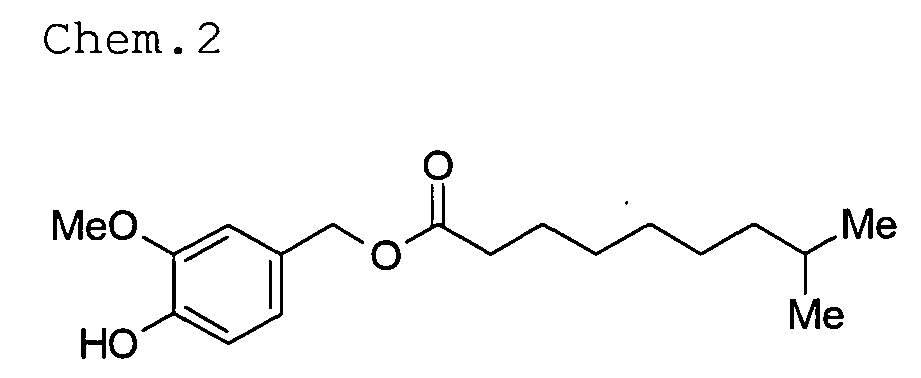
- Capsiate (hereinafter, sometimes abbreviated to CST), dihydrocapsiate (hereinafter, sometimes abbreviated to DCT) and nordihydrocapsiate (hereinafter, sometimes abbreviated to NDCT), respectively can be represented by the following chemical formulae.
- Capsinoids which are abundant in plants belonging to Capsicum can be prepared by purifying and isolating from the plant body and/or seeds of the plant belonging to Capsicum.
- the capsicum used in purification may be an ordinary species of Capsicum represented by "Nikko”, “Goshiki”, and the like, and any species of Capsicum may be used as far as it contains capsinoids.
- pungent-less ordinary species of Capsicum represented by "CH-19 sweet”, “Manganji”, “Fusimi Kancho”, green pepper, sweet pepper, and the like can be employed preferably since they contain a large quantity of capsinoids.
- CH-19 sweet means “CH-19 sweet” per se and progeny relative species derived from “CH-19 sweet”, and in this specification the term “CH-19 sweet” is used to include all of these species.
- Purification and isolation may be achieved in a conventional manner well known by a person skilled in the art, for example, extraction with a solvent, various types of chromatography such as silica gel chromatography, preparative high performance liquid chromatography, and the like, alone or in appropriate combination; for example, a method as described in JP-A-11-246478 may be employed.
- capsinoids may be synthesized by an ester exchange reaction of a corresponding fatty acid ester with vanillyl alcohol as a starting material as described in JP-A-11-246478 .
- capsinoids may be synthesized in the other manner well known by a person skilled in the art based on their structure. Further, capsinoids may easily be prepared in a synthetic method using an enzyme.
- the desired capsinoid compounds may be prepared by utilizing a reverse reaction of lipase from vanillyl alcohol and a compound such as a fatty acid ester and/or triglyceride corresponding to the desired compound as substrates in a method as described in JP-A-2000/312598 or Kobata et al., Biosci. Biotechnol. Biochem., 66(2), 319-327, 2002 ).
- the capsinoid compound when used in preparation of the composition of the invention, may be an extract as mentioned above or a synthetic product, and may be used alone or as a mixture of two or more compounds. Additionally, the capsinoid compounds may contain their degradation products such as free fatty acid or vanillyl alcohol.
- the capsinoid compound when it is an extract from Capsicum, can be used in preparation of the composition of the invention in a state of a mixture with fats and oils. Accordingly, this process for preparation may be applied to the capsinoid compound containing naturally occurring fats and oils or the capsinoid compound dissolved once in fats and oils after extraction in order to separate and purify the capsinoid compound from fats and oils.
- an extract product When an extract product is used, it is a mixture of the above three compounds as main components, which approximate each other in their molecular size and can be used in preparation of the composition without any problem.
- Cyclodextrin means cyclic oligosaccharides in which 6 to 12 pieces of D-glucose form a ring structure through ⁇ 1 ⁇ 4 linkage, which are prepared from starch by conversion with an enzyme such as CGTase (cyclodextrin glucanotransferase, CD generating enzyme).
- CGTase cyclodextrin glucanotransferase
- the cyclodextrin (hereinafter sometimes referred to as "CD") used in the invention at low cost includes non-branched cyclodextrins such as ⁇ -cyclodextrin (polymerization degree: 6), ⁇ -cyclodextrin (polymerization degree: 7), ⁇ -cyclodextrin (polymerization degree: 8), and additionally chemically modified cyclodextrins (branched cyclodextrin) in which non-branched cyclodextrin molecule is methylated, hydroxypropylated, mono-acetylated, tri-acetylated, mono-chlorotriazino-, sulfobutylated, or glycosyl-maltosylated, can be used.
- the invention is not limited by these cyclodextrins.
- the cyclodextrin may be used alone or as a mixture, though ⁇ -cyclodextrin is particularly preferred.
- composition of the invention containing capsinoid that is, the composition containing a capsinoid compound and cyclodextrin
- a saturated solution process a saturated solution of cyclodextrin is prepared, to which a capsinoid compound is added; after mixing, an inclusion complex is deposited from the mixture, collected as crystals, which are dried to yield powder.
- the molar ratio of a capsinoid compound to cyclodextrin in the mixture is approximately 4 : 1 to 1 : 10, preferably about 2 : 1 to 1 : 2.
- the resulting mixture prepared in this ratio forms a complex comprising the capsinoid compound and cyclodextrin in the ratio of about 2 : 1 to 1 : 2.
- the composition of the invention can be characterized in view of either the mixing ratio in the preparation or the ratio of formation for the complex.
- capsinoid is in an oil form at ordinary temperature, and in using it may be used as such or diluted in an organic solvent such as ethanol. In forming a complex with ⁇ -cyclodextrin, it is preferable to avoid mixing of the capsinoid with an organic solvent.
- composition obtained by admixing When the composition obtained by admixing is obtained as precipitates in the solution, after filtration, it may be dried as such in a state of mixture with free cyclodextrin not forming the complex; the complex before drying may be washed with an organic solvent such as hexane, pentane, heptane, alcohol, a mixture of alcohol and water, etc., and then dried.
- an organic solvent such as hexane, pentane, heptane, alcohol, a mixture of alcohol and water, etc.
- composition of the invention prepared as mentioned above is in a state of powder at ordinary temperature, which has been pulverized from the capsinoid compound so far being in an oily state; thus, this allows preparation of a variety of formulations which have not so far been attained in the oily state.
- the composition of the invention can be formed in any mold different in form, which may be prepared according to the purpose of use.
- composition of the invention can be blended in a conventional composition for a variety of supplements, for example, supplement forms such as granules, tablets, hard capsules; food forms such as drinks, powdered drinks, instant soup, chocolate, candies, chewing gum, tablet confection, bakery confection, snacks, processed marine products, stock farm meat processed products, retort foods, frozen foods, instant noodle, health foods, etc.; thus, the composition is very useful since it allows easy ingestion of the capsinoids which are also diet components.
- supplement forms such as granules, tablets, hard capsules
- food forms such as drinks, powdered drinks, instant soup, chocolate, candies, chewing gum, tablet confection, bakery confection, snacks, processed marine products, stock farm meat processed products, retort foods, frozen foods, instant noodle, health foods, etc.
- the composition is very useful since it allows easy ingestion of the capsinoids which are also diet components.
- ⁇ -Cyclodextrin (Nihon Shokuhin Kako; trade name: Celdex G-100) (18 . 6 g; 14.3 mmol) was dissolved in 74 g of 0.1 mM citrate buffer (pH 3.5) to yield a saturated solution of ⁇ -cyclodextrin.
- capsinoids a triple mixture of capsinoids (4.39 g; 14.3 mmol) (synthesized according to the method as described by Kobata et al., Biosci. Biotechnol.
- ⁇ -Cyclodextrin (Nihon Shokuhin Kako; trade name: Celdex A-100) (8.1 g; 8.3 mmol) and triple mixture of capsinoids (2.54 g; 8.3 mmol) were used; otherwise in the same manner as in Example 1, the complex powder (4.9 g) of ⁇ -cyclodextrin and capsinoid (capsinoid content: 45.9%) was obtained. On the resulting complex powder and the complex powder of ⁇ -cyclodextrin (capsinoid content: 29.4%) prepared in Example 1, the stability during preservation was evaluated, respectively. Fig. 1 shows the results.
- the complex powder (100 mg) was placed in an aluminum pouch, and preserved at a temperature of 5°C, 24°C, 34°C or 44°C and a relative humidity of 78%RH. In the cyclodextrin complex powders, high stability of capsinoid was confirmed.
- ⁇ -Cyclodextrin (Nihon Shokuhin Kako; trade name: Celdex B-100) (1.28 g; 1.13 mmol) and a triple mixture of capsinoids (0.346 g; 1.13 mmol) were used; otherwise in the same manner as in Example 1, the complex powder (0.769 g) of ⁇ -cyclodextrin and capsinoids (capsinoid content: 33.7%) was obtained. On the respective complex powder of ⁇ , ⁇ , or ⁇ -cyclodextrin and capsinoids prepared in Examples 1 to 3, the solubility in water was evaluated. Table 1 shows the results.
- the complex powder was slowly added to 100 mL of buffer (pH 3), and the dissolved amount and the floating oil occurring during dissolution were evaluated visually. Though there is some difference in the amount dissolved in water depending on the kind of cyclodextrin, the water-solubility of the complex powder with capsinoid was confirmed. Table 1. Solubility of cyclodextrin complexes in water Sample Dissolved amount Floating oil ⁇ -Cyclodextrin complex powder (Example 2) Capsinoid corresp.
- Table 3 shows the results of (1) to (5).
- DCT ⁇ -CD
- a good complex was formed.
- the solvent for cyclodextrin both of water and a citrate buffer could be used satisfactorily. Additionally, it was confirmed that the complex was formed in the ratio of approximately 1 : 1 for DCT : ⁇ -CD.
- Table 4 shows the results of (1) - (3) . Thus, the results confirmed that in any case of examination using a variety of capsinoids a good complex with cyclodextrin was formed. Table 4: Formation of the complex of capsinoid and ⁇ -cyclodextrin Exmp. Capsinoid Yield Recovery Inclusion cmp.
- Table 5 shows the results of (1) to (5).
- DCT ⁇ -CD
- a good complex could be formed.
- the solvent for cyclodextrin both of water and a citrate buffer could be used satisfactorily. Additionally, it was confirmed that the complex was formed in the ratio of approximately 1 : 1 to 1 : 2 for DCT : ⁇ -CD.
- Table 5 Formation of the complex of dihydrocapsiate with ⁇ -cyclodextrin Exp. Raw Mat. Solvent Stirring Yield Recovery Incl. cmp. (for DCT) CD DCT CD DCT (EtOH) Incl mp *1 DCT *2 CD con.
- ⁇ -Cyclodextrin (568.0 mg) (Tokyo Kasei Kogyo Co., Ltd.; 0.5 mmol) was dissolved in 15 ml of water at 40°C and then cooled to room temperature to yield a saturated aqueous solution of cyclodextrin.
- Vanillyl decanoate (154.3 mg, 0.5 mmol) was dissolved in 0.5 ml of ethanol at room temperature and added to the saturated aqueous solution of cyclodextrin. The solution was stirred at room temperature for 2 hours, and the precipitated crystals were collected by filtration.
- Table 7 shows the results of (1) to (3).
- the complex can be formed in the mixing ratio of 1 : 1 of the raw materials, DCT : ⁇ -CD.
- the solvent for cyclodextrin both of water and a citrate buffer could be used satisfactorily.
- the side chain fatty acid is considered to precede the formation of the complex, and so the stirring is preferably continued for about 1 - 2 hours depending on the condition.
- the complex was formed at approximately 1 : 1 in the ratio of DCT : ⁇ -CD.
- Table 7 Formation of ⁇ -cyclodextrin complex Law material Solvent Stirring Yield Recovery Inclusion cmpd. (for DCT) Exmp.
- ⁇ -Cyclodextrin (489.3 mg) (Tokyo Kasei Kogyo Co., Ltd.; 0.5 mmol) was dissolved in 2 ml of water at 40°C and then cooled to room temperature to yield a saturated aqueous solution of cyclodextrin. Vanillyl decanoate (155.3 mg, 0.5 mmol) was dissolved in 0.5 ml of ethanol at room temperature and added to the saturated aqueous solution of cyclodextrin'. The solution was stirred at room temperature for 2 hours, and the precipitated crystals were collected by filtration.
- the solid-state NMR spectra were measured by a 13C-CPMAS technique using an AVANCE 400WB instrument (BRUKER Co., Ltd.).
- Fig.. 2 The results are shown in Fig.. 2 .
- a complex (20.7 g) of capsinoid and ⁇ -cyclodextrin prepared in the method as described in Example 1 was admixed with 479.3 g of dextrin, and granulated with a stirring granulator. The granules were dried at 70°C with an air drier to yield a granular supplement containing the capsinoid CD complex.
- a liquid portion (40 g starch syrup, 60 g corn syrup, 60 g granulated sugar, 2 g citric anhydride, and 25 g distilled water) was weighed and dissolved under warming. To the dissolved liquid portion was added a medium-chain fatty acid triglyceride, and the mixture was stirred. A solid portion (197 g cereal, and 0.11 g complex of capsinoid and ⁇ -cyclodextrin prepared in the method as described in Example 1) was weighed and homogenized under stirring with a mixer. The liquid portion was poured into the solid portion with stirring, and then the whole mixture was poured into a plastic tray and allowed to stand at room temperature. Next day, the mixture was taken out, divided into five portions, placed on a net and dried to give a dietary supplement containing capsinoid.
- the capsinoids used in the experiments were synthesized from fatty acid methyl esters or fatty acids according to the methods as described in the document 1 below or an improved method thereof. The followings describe typical examples.
- Methyl decanoate (2.13 ml, 10.5 mmol), vanillyl alcohol (1.62 g, 10.5 mmol), molecular sieves 4 angstrom (10 g) and Novozyme 435 (2.5 g) were added to acetone (50 ml), and the mixture was stirred at room temperature for 2 days.
- the reaction mixture was filtered through celite and the filtrate was concentrated under reduced pressure.
- the concentrated residue was purified by chromatography on silica gel to yield 2.25 g of vanillyl decanoate (7.30 mmol; 73.0%) as a colorless oily material.
- a triple mixture of fatty acid methyl esters was prepared from commercially available capsaicin according to the method as described in the document 1 below.
- the triple mixture of capsinoids was prepared from this methyl esters according to the method as described in the document 1 below.
- the abundance ratio of capsiate, dihydrocapsiate and nordihydrocapsiate was confirmed to be 62 : 30 : 7 by HPLC analysis.
- capsinoids so far being in an oily state are stably pulverized and become soluble in water; thus, the capsinoids are provided in forms which can be handled conveniently and used in diverse uses, allowing utilization in the field of a variety, for example pharmaceutical preparations and healthy food products.
Landscapes
- Health & Medical Sciences (AREA)
- Life Sciences & Earth Sciences (AREA)
- Chemical & Material Sciences (AREA)
- Engineering & Computer Science (AREA)
- Medicinal Chemistry (AREA)
- Pharmacology & Pharmacy (AREA)
- General Health & Medical Sciences (AREA)
- Public Health (AREA)
- Animal Behavior & Ethology (AREA)
- Veterinary Medicine (AREA)
- Bioinformatics & Cheminformatics (AREA)
- Epidemiology (AREA)
- Polymers & Plastics (AREA)
- Food Science & Technology (AREA)
- Nutrition Science (AREA)
- Emergency Medicine (AREA)
- Nanotechnology (AREA)
- Immunology (AREA)
- Nuclear Medicine, Radiotherapy & Molecular Imaging (AREA)
- Organic Chemistry (AREA)
- Chemical Kinetics & Catalysis (AREA)
- General Chemical & Material Sciences (AREA)
- Medical Informatics (AREA)
- Botany (AREA)
- Biophysics (AREA)
- Biotechnology (AREA)
- General Engineering & Computer Science (AREA)
- Mycology (AREA)
- Molecular Biology (AREA)
- Crystallography & Structural Chemistry (AREA)
- Child & Adolescent Psychology (AREA)
- Obesity (AREA)
- Diabetes (AREA)
- Hematology (AREA)
- Medicinal Preparation (AREA)
- Polysaccharides And Polysaccharide Derivatives (AREA)
- Cosmetics (AREA)
- Coloring Foods And Improving Nutritive Qualities (AREA)
- Acyclic And Carbocyclic Compounds In Medicinal Compositions (AREA)
Abstract
Problem to be Solved
To provide a technique for allowing pulverization and water-solubilization of capsinoids while maintaining their stability.
Solution
Providing a composition comprising a capsinoid compound and cyclodextrin.
Description
- The present invention relates to a composition containing a capsinoid; more particularly, it relates to a new composition which is improved in preservability and useful as a raw material for anti-obesity supplement. Specifically, the invention relates to a new composition containing a complex of capsinoid and cyclodextrin.
- It has been reported that new pungent-less capsinoid compounds (fatty acid esters of vanillyl alcohol, capsiate, dihydrocapsiate, etc., hereinafter sometimes merely referred to as "capsinoid" or "capsinoids") found in a pungent-less fixed variety of capsicum "CH-19 sweet" which was selected and fixed by Yazawa et al. as a low pungent capsicum have no pungent taste, differing from capsaicinoids (capsaicin, dihydrocapsaicin, etc.), but they exhibit an immune-activating action, activation effect for energy metabolism, and the like (
JP-A-11-246478 - On the other hand, capsinoids exist as fat-soluble liquids at ordinary temperature, and have to be circulated in a state diluted with a highly pure liquid or oil when used as raw materials for food products. There is no problem in a food product originally blended with fats and oils, but contrivance would be required if a fat-soluble liquid capsinoid is added to and admixed with a liquid food product or powdered food product containing no fats and oils. In addition, capsinoids are very unstable because the ester linkage formed between a vanilloid group and a fatty acid chain is readily hydrolyzed. Therefore, a technique for allowing pulverization or water-solubilization of capsinoids has been required with maintenance of stability.
- It is publicly known that a technique for inclusion/stabilization with cyclodextrin is effective in stabilization of a healthy functional component such as coenzyme Q-10, etc., but it is unknown that capsinoids are stabilized with cyclodextrin.
- The purpose of the invention is to provide a technique for allowing pulverization or water-solubilization of capsinoids applicable to a variety of preparations with maintenance of stability of capsinoids.
- The present inventors assiduously worked to examine in view of the above problems and as a result found that capsinoids can be pulverized and solubilized in water in a stable state by admixing with cyclodextrin. That is, the invention includes at least the following content.
- (1) A composition comprising a capsinoid compound and cyclodextrin.
- (2) A composition as described in (1), wherein the capsinoid compound is capsiate, dihydrocapsiate, nordihydrocapsiate or a mixture of two or more species.
- (3) A composition as described in (1) or (2), wherein cyclodextrin is one selected from the group consisting of α-cyclodextrin, β-cyclodextrin, and γ-cyclodextrin.
- (4) A composition as described in any one of (1) to (3), wherein the capsinoid compound is a mixture of capsiate, dihydrocapsiate, and nordihydrocapsiate, and the cyclodextrin is γ-cyclodextrin.
- (5) Acomposition as described in any one of (1) to (3), wherein the capsinoid compound is dihydrocapsiate, and the cyclodextrin is γ-cyclodextrin.
- (6) Acomposition as described in any one of (1) to (5), wherein the capsinoid compound and the cyclodextrin form a complex at a molar ratio of 2 : 1 to 1 : 2.
- (7) A food composition comprising a composition as described in any one of (1) to (6) and a cyclodextrin forming no complex.
- (8) A process for producing a composition comprising a capsinoid compound and cyclodextrin, which comprises admixing a capsinoid compound with cyclodextrin, followed by drying and pulverizing.
- (9) A process as described in (8), which comprises admixing a capsinoid compound with cyclodextrin in the molar ratio of 4 : 1 to 1 : 10.
- According to the invention, a composition containing a capsinoid or capsinoids which is stably pulverized, soluble in water, easily handled and applicable to a variety of uses is provided.
-
-
Fig. 1 shows the stability of α- and γ-cyclodextrin complexes during preservation. -
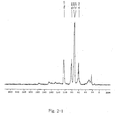
Fig. 2-1 shows an NMR chart of a complex consisting of a triple mixture of capsinoids and γ-cyclodextrin. -
Fig. 2-2 shows an NMR chart of γ-cyclodextrin (Nihon Shokuhin Kako; Celdex G-100). -
Fig. 2-3 shows an NMR chart of a complex of dihydrocapsiate and γ-cyclodextrin. -
Fig. 2-4 shows an NMR chart of γ-cyclodextrin (Product of Tokyo Kasei Kogyo). - The capsinoid compounds of the invention include fatty acid esters of vanillyl alcohol, of which the typical examples include capsiate, dihydrocapsiate, and nordihydrocapsiate confirmed as components contained in capsicum, as well as herein fatty acid esters of vanillyl alcohol with a variety of straight chain or branched chain fatty acids having approximately the same chain length as that of capsiate or nordihydrocapsiate, such as vanillyl decanoate, vanillyl nonanoate, vanillyl octanoate, and the like. Capsiate (hereinafter, sometimes abbreviated to CST), dihydrocapsiate (hereinafter, sometimes abbreviated to DCT) and nordihydrocapsiate (hereinafter, sometimes abbreviated to NDCT), respectively can be represented by the following chemical formulae.


- Capsinoids which are abundant in plants belonging to Capsicum can be prepared by purifying and isolating from the plant body and/or seeds of the plant belonging to Capsicum. The capsicum used in purification may be an ordinary species of Capsicum represented by "Nikko", "Goshiki", and the like, and any species of Capsicum may be used as far as it contains capsinoids. In particular, pungent-less ordinary species of Capsicum represented by "CH-19 sweet", "Manganji", "Fusimi Kancho", green pepper, sweet pepper, and the like can be employed preferably since they contain a large quantity of capsinoids. In addition, it is particularly preferable to use a pungent-less species "CH-19 sweet" since it contains said component in large quantities. Herein, the term "CH-19 sweet" means "CH-19 sweet" per se and progeny relative species derived from "CH-19 sweet", and in this specification the term "CH-19 sweet" is used to include all of these species. Purification and isolation may be achieved in a conventional manner well known by a person skilled in the art, for example, extraction with a solvent, various types of chromatography such as silica gel chromatography, preparative high performance liquid chromatography, and the like, alone or in appropriate combination; for example, a method as described in
JP-A-11-246478 - Further, the above-mentioned capsinoids may be synthesized by an ester exchange reaction of a corresponding fatty acid ester with vanillyl alcohol as a starting material as described in
JP-A-11-246478 JP-A-2000/312598 - The capsinoid compound, when used in preparation of the composition of the invention, may be an extract as mentioned above or a synthetic product, and may be used alone or as a mixture of two or more compounds. Additionally, the capsinoid compounds may contain their degradation products such as free fatty acid or vanillyl alcohol. The capsinoid compound, when it is an extract from Capsicum, can be used in preparation of the composition of the invention in a state of a mixture with fats and oils. Accordingly, this process for preparation may be applied to the capsinoid compound containing naturally occurring fats and oils or the capsinoid compound dissolved once in fats and oils after extraction in order to separate and purify the capsinoid compound from fats and oils. When an extract product is used, it is a mixture of the above three compounds as main components, which approximate each other in their molecular size and can be used in preparation of the composition without any problem.
- Cyclodextrin means cyclic oligosaccharides in which 6 to 12 pieces of D-glucose form a ring structure through α1 → 4 linkage, which are prepared from starch by conversion with an enzyme such as CGTase (cyclodextrin glucanotransferase, CD generating enzyme).
- The cyclodextrin (hereinafter sometimes referred to as "CD") used in the invention at low cost includes non-branched cyclodextrins such as α-cyclodextrin (polymerization degree: 6), β-cyclodextrin (polymerization degree: 7), γ-cyclodextrin (polymerization degree: 8), and additionally chemically modified cyclodextrins (branched cyclodextrin) in which non-branched cyclodextrin molecule is methylated, hydroxypropylated, mono-acetylated, tri-acetylated, mono-chlorotriazino-, sulfobutylated, or glycosyl-maltosylated, can be used. The invention is not limited by these cyclodextrins.
- In this invention, the cyclodextrin may be used alone or as a mixture, though γ-cyclodextrin is particularly preferred.
- The composition of the invention containing capsinoid, that is, the composition containing a capsinoid compound and cyclodextrin, can be prepared in a variety of publicly known processes such as a saturated solution process or kneading process. In the saturated solution process, a saturated solution of cyclodextrin is prepared, to which a capsinoid compound is added; after mixing, an inclusion complex is deposited from the mixture, collected as crystals, which are dried to yield powder. In the kneading process, water is added to cyclodextrin to yield a slurry mixture, to which a capsinoid compound is added and kneaded, and dried to yield powder of the complex (Nippon Shokuhin Kagaku Kogaku Kaishi, vol.51, no.12, 647-655 (2004); general review). Drying may be selected properly from freeze-drying, spray drying, drying under reduced pressure, drying under hot air, and the like.
- In this operation, the molar ratio of a capsinoid compound to cyclodextrin in the mixture is approximately 4 : 1 to 1 : 10, preferably about 2 : 1 to 1 : 2. The resulting mixture prepared in this ratio forms a complex comprising the capsinoid compound and cyclodextrin in the ratio of about 2 : 1 to 1 : 2. Thus, the composition of the invention can be characterized in view of either the mixing ratio in the preparation or the ratio of formation for the complex.
- As the solvent used for dissolving cyclodextrin during mixture formation, water or a variety of buffer solutions such as citrate buffer may properly be employed, and preferably water is used in view of convenience for the preparation. On the other hand, capsinoid is in an oil form at ordinary temperature, and in using it may be used as such or diluted in an organic solvent such as ethanol. In forming a complex with α-cyclodextrin, it is preferable to avoid mixing of the capsinoid with an organic solvent.
- When the composition obtained by admixing is obtained as precipitates in the solution, after filtration, it may be dried as such in a state of mixture with free cyclodextrin not forming the complex; the complex before drying may be washed with an organic solvent such as hexane, pentane, heptane, alcohol, a mixture of alcohol and water, etc., and then dried. The capsinoid which has not formed the complex is eliminated by washing with an organic solvent; this operation is effective in improvement of stickiness.
- The composition of the invention prepared as mentioned above is in a state of powder at ordinary temperature, which has been pulverized from the capsinoid compound so far being in an oily state; thus, this allows preparation of a variety of formulations which have not so far been attained in the oily state. The composition of the invention can be formed in any mold different in form, which may be prepared according to the purpose of use. In addition, the composition of the invention can be blended in a conventional composition for a variety of supplements, for example, supplement forms such as granules, tablets, hard capsules; food forms such as drinks, powdered drinks, instant soup, chocolate, candies, chewing gum, tablet confection, bakery confection, snacks, processed marine products, stock farm meat processed products, retort foods, frozen foods, instant noodle, health foods, etc.; thus, the composition is very useful since it allows easy ingestion of the capsinoids which are also diet components.
- γ-Cyclodextrin (Nihon Shokuhin Kako; trade name: Celdex G-100) (18 . 6 g; 14.3 mmol) was dissolved in 74 g of 0.1 mM citrate buffer (pH 3.5) to yield a saturated solution of γ-cyclodextrin. As capsinoids, a triple mixture of capsinoids (4.39 g; 14.3 mmol) (synthesized according to the method as described by Kobata et al., Biosci. Biotechnol. Biochem., 66(2), 319-327, 2002; triple mixture (88% purity) containing capsiate, nordihydrocapsiate, and dihydrocapsiate at the ratio of 62 : 7 : 30) was used. The synthesized capsinoid was dissolved in 6 mL of ethanol in advance. The saturated solution of γ-cyclodextrin was powerfully agitated with a homo-mixer (Heidolph, DIAX900) at dial 2 (corresponding to 11,000 rpm), to which was added capsinoid. The initially clear solution became cloud immediately after dropwise addition; occurrence of precipitates was confirmed visually. After stirring for 10 minutes, the mixture was centrifuged (8, 000 rpm, 10 minutes) to recover the precipitates, which were freeze-dried to yield 18.1 g of complex powder of capsinoid and γ-cyclodextrin. The resulting γ-cyclodextrin complex powder was dissolved in DMF (N,N-dimethylformamide), diluted with a mixture of ethyl acetate and methanol (6 : 4), and analyzed by high performance liquid chromatography (HPLC). The result of HPLC analysis indicated the capsinoid content being 23.2% as the total amount of three species of capsinoids.
- α-Cyclodextrin (Nihon Shokuhin Kako; trade name: Celdex A-100) (8.1 g; 8.3 mmol) and triple mixture of capsinoids (2.54 g; 8.3 mmol) were used; otherwise in the same manner as in Example 1, the complex powder (4.9 g) of α-cyclodextrin and capsinoid (capsinoid content: 45.9%) was obtained. On the resulting complex powder and the complex powder of γ-cyclodextrin (capsinoid content: 29.4%) prepared in Example 1, the stability during preservation was evaluated, respectively.
Fig. 1 shows the results. The complex powder (100 mg) was placed in an aluminum pouch, and preserved at a temperature of 5°C, 24°C, 34°C or 44°C and a relative humidity of 78%RH. In the cyclodextrin complex powders, high stability of capsinoid was confirmed. - β-Cyclodextrin (Nihon Shokuhin Kako; trade name: Celdex B-100) (1.28 g; 1.13 mmol) and a triple mixture of capsinoids (0.346 g; 1.13 mmol) were used; otherwise in the same manner as in Example 1, the complex powder (0.769 g) of β-cyclodextrin and capsinoids (capsinoid content: 33.7%) was obtained. On the respective complex powder of α, β, or γ-cyclodextrin and capsinoids prepared in Examples 1 to 3, the solubility in water was evaluated. Table 1 shows the results. The complex powder was slowly added to 100 mL of buffer (pH 3), and the dissolved amount and the floating oil occurring during dissolution were evaluated visually. Though there is some difference in the amount dissolved in water depending on the kind of cyclodextrin, the water-solubility of the complex powder with capsinoid was confirmed.
Table 1. Solubility of cyclodextrin complexes in water Sample Dissolved amount Floating oil α-Cyclodextrin complex powder (Example 2) Capsinoid corresp. to ca 10 mg/100 mL trace β-Cyclodextrin complex powder (Example 3) - (unable to calc.) large quantity γ-Cyclodextrin complex powder (Example 1) Capsinoid corresp. to ca 0.3 mg/100 mL none - In the same manner as in Example 1, on 3 types of α, β, and γ-cyclodextrins, the 4 types of complexes of capsinoid : cyclodextrin = 3 : 1, 2 : 1, 1 : 1, and 1 : 2 by molar ratio were prepared on trial. In reference to the value as described in the published document, cyclodextrin each was dissolved in 80 mL of water up to saturation, and then capsinoid was added depending on the fixed amount of cyclodextrin so that the molar ratio of blended capsinoid became the values as shown in Table. Table 2 shows the list of trial blending and the result of the complexes produced (recovery of capsinoid, stickiness of the complex powder). In all of the blending, preparation of the complex powder was allowed, but as powder the mixture with γ-cyclodextrin was preferred because of less stickiness. In particular, the use of an equimolar or more amount of γ-cyclodextrin for capsinoid in the mixture was preferred.
Table 2: Trial blending in the complexes and trial results Cyclodextrin (CD) Type CD:Capsinoid Molar ratio of blending Capsinoid Recovery (%) Stickiness in Complex Powder* α-CD 3:1 85.6 + 2:1 80.0 + 1:1 90.1 + 1:2 92.8 ++ β-CD 3:1 57.9 + 2:1 66.5 + 1:1 75.0 + 1:2 81.7 ++ γ-CD 3:1 85.2 - 2:1 90.7 - 1:1 95.8 - 1:2 99.5 ++ *-: No stickiness; +:slight stickiness; ++ strong stickiness -
- (1) γ-Cyclodextrin (649.1 mg) (Tokyo Kasei Kogyo Co., Ltd.; 0.5 mmol) was dissolved in 2 ml of water at 40°C and cooled to room temperature to yield a saturated aqueous solution of cyclodextrin. Dihydrocapsiate (154.6 mg, 0.5 mmol; containing 0.08 equivalent of 8-methylnonanoic acid) was dissolved in 0.5 ml of ethanol at room temperature and added to the saturated aqueous solution of cyclodextrin. The solution was stirred at room temperature for 2 hours, and the precipitated crystals were collected by filtration. The crystals were washed with 5 ml of hexane and dried under reduced pressure to yield 584.1 mg of dihydrocapsiate/γ-cyclodextrin complex as white powder. According to 1H-NMR measurement (solvent= DMSO-d6 (deuterated dimethylsulfoxide), measured with an AVANCE400, Bruker Co., Ltd., the same hereafter), this complex comprised DCT : γ-CD = 1 : 0.88 by molar ratio, and contained 0.10 equivalent by mole of 8-methylnonanoic acid for DCT.
- (2) γ-Cyclodextrin (937.1 mg) (Tokyo Kasei Kogyo Co., Ltd.; 0.75 mmol) was dissolved in 3 ml of water to yield a saturated aqueous solution of cyclodextrin; otherwise in the same manner as in (1), 610.4 mg of dihydrocapsiate/γ-cyclodextrin complex was obtained as white powder. According to 1H-NMR measurement (solvent= DMSO-d6), this complex comprised DCT : γ-CD = 1 : 1 by molar ratio, and contained 0.08 equivalent by mole of 8-methylnonanoic acid for DCT.
- (3) Dhydrocapsiate (308.6 mg) (Tokyo Kasei Kogyo Co., Ltd.; 0.75 mmol) was used; otherwise in the same manner as in (1), 697.9 mg of dihydrocapsiate/γ-cyclodextrin complex was obtained as white powder. According to 1H-NMR measurement (solvent= DMSO-d6), this complex comprised DCT : γ-CD = 1 : 1 by molar ratio, and contained 0.15 equivalent by mole of 8-methylnonanoic acid for DCT.
- (4) γ-Cyclodextrin (648.3 mg) (Tokyo Kasei Kogyo Co., Ltd.; 0.5 mmol) was dissolved in 3 ml of citrate buffer (pH 3.5) at 40°C and then cooled to room temperature to yield a saturated solution of cyclodextrin. Dihydrocapsiate (154.2 mg, 0.5 mmol) was dissolved in 0.5 ml of ethanol at room temperature and added to the saturated solution of cyclodextrin. The solution was stirred at room temperature for 2 hours, and the precipitated crystals were collected by filtration. The crystals were washed with 5 ml of hexane and dried under reduced pressure to yield 733.0 mg of dihydrocapsiate/γ-cyclodextrin complex as white powder. According to 1H-NMR measurement (solvent= DMSO-d6), this complex comprised DCT : γ-CD = 1 : 1 by molar ratio, and contained 0.09 equivalent by mole of 8-methylnonanoic acid for DCT.
- (5) To a saturated solution of cyclodextrin was added a dihydrocapsiate/ethanol solution, and the mixture was stirred for 15 minutes, and otherwise treated in the same manner as in (4) to yield 584.0 mg of dihydrocapsiate/γ-cyclodextrin complex as white powder. According to 1H-NMR measurement (solvent= DMSO-d6), this complex comprised DCT : γ-CD = 1 : 0.8 by molar ratio, and contained 0.10 equivalent by mole of 8-methylnonanoic acid for DCT.
- Table 3 shows the results of (1) to (5). Thus, in any case of 2 : 1 to 1 : 2 in the mixing ratio of the raw materials, DCT : γ-CD, a good complex was formed. As for the solvent for cyclodextrin, both of water and a citrate buffer could be used satisfactorily. Additionally, it was confirmed that the complex was formed in the ratio of approximately 1 : 1 for DCT : γ-CD.
Table 3. Formation of the complex of γ-cyclodextrin and dihydrocapsiate Exp. Raw Mat. Solvent Stirring Yield Recovery Incl. cmp. (for DCT) CD DCT CD DCT (EtOH) Incl cmp*1 DCT*2 CD con. Side chain con*3 mmol mmol solv ml ml hr mg % % eq eq 5-1 0.5 0.5 H2O 2 0.5 2 584.1 72.7 80.4 0.9 0.10 5-2 0.75 0.5 H2O 3 0.5 2 610.4 54.1 76.8 1.0 0.08 5-3 0.5 1.0 H2O 2 0.5 2 697.9 72.9 44.5 1.0 0.15 5-4 0.5 0.5 CA* 3 0.5 2 733.0 91.3 91.3 1.0 0.10 5-5 0.5 0.5 CA* 3 0.5 0.25 584.0 72.8 86.8 0.8 0.10 *: aq. citric acid
*1: [inclusion cmp. by wt/(CD+DCT by wt)] x 100
*2: [DCT in inclusion cmp. by wt/DCT used] x 100
*3: 8-methylnonanoic acid -
- (1) γ-Cyclodextrin (648.7 mg) (Tokyo Kasei Kogyo Co., Ltd.; 0.5 mmol) was dissolved in 2 ml of water at 40°C and then cooled to room temperature to yield a saturated aqueous solution of cyclodextrin. Capsiate (154.0 mg, 0.5 mmol, containing 0.63 eq. of trans-8-methyl-6-nonenoic acid) was dissolved in 0.5 ml of ethanol at room temperature and added to the saturated aqueous solution of cyclodextrin. The solution was stirred at room temperature for 2 hours, and the precipitated crystals were collected by filtration. The crystals were washed with 5 ml of hexane and dried under reduced pressure to yield 648.2 mg of capsiate/γ-cyclodextrin complex as white powder. According to 1H-NMR measurement (solvent= DMSO-d6), this complex comprised CST : γ-CD = 1 : 1 by molar ratio, and contained 0.61 equivalent by mole of trans-8-methyl-6-nonenoic acid for CST.
- (2) In place of capsiate, nordihydrocapsiate (147.6 mg; 0.5 mmol, containing 0.08 equivalent of 7-methyloctanoic acid; the same hereinafter) was used; otherwise, in the same manner as in (1), 511.0 mg of nordihydrocapsiate/γ-cyclodextrin complex was obtained as white powder. According to 1H-NMR measurement (solvent= DMSO-d6), this complex comprised NDCT : γ-CD = 1 : 0.8 by molar ratio, and contained 0.09 equivalent by mole of 7-methyloctanoic acid for NDCT.
- (3) In place of capsiate, vanillyl decanoate (hereinafter, sometimes abbreviated to as VD) (155.2 mg; 0.5 mmol, containing 0.08 equivalent of n-decanoic acid, the same hereinafter) was used; in the same manner as in (1), 425.3 mg of vanillyl decanoate/ γ-cyclodextrin complex was obtained as white powder. According to 1H-NMR measurement (solvent= DMSO-d6), this complex comprised VD : γ-CD = 1 : 1 by molar ratio, and contained 0.09 equivalent by mole of n-decanoic acid for VD.
- Table 4 shows the results of (1) - (3) . Thus, the results confirmed that in any case of examination using a variety of capsinoids a good complex with cyclodextrin was formed.
Table 4: Formation of the complex of capsinoid and γ-cyclodextrin Exmp. Capsinoid Yield Recovery Inclusion cmp. (for capsinoid) Inclusion cmp*1 Capsinoid *2 CD content Side chain con*3 [mg] [%] [%] [eq] [eq] 6-1 Capsiate 648.2 80.8 83.8 1.0 0.61 6-2 Nordihydrocapsiate 511.0 64.2 74.3 0.8 0.09 6-3 Vanillyl decanoate 425.3 52.9 51.8 1.0 0.09 *1:[inclusion cmp. by wt/(CD+capsinoid by wt)] x 100
*2:[capsinoid in inclusion cmp. by wt/capsinoid used] x 100
*3: No.6: trans-8-methyl-nonenoic acid; No.7: 7-methylocatanoic acid; No.8: n-decanoic acid -
- (1) β-Cyclodextrin (567.8 mg) (Tokyo Kasei Kogyo Co., Ltd.; 0.5 mmol) was dissolved in 15 ml of water at 40°C and then cooled to room temperature to yield a saturated aqueous solution of cyclodextrin. Dihydrocapsiate (155.7 mg, 0.5 mmol) was dissolved in 0.5 ml of ethanol at room temperature and added to the saturated aqueous solution of cyclodextrin. The solution was stirred at room temperature for 2 hours, and the precipitated crystals were collected by filtration. The crystals were washed with 5 ml of hexane and dried under reduced pressure to yield 580.2 mg of dihydrocapsiate/β-cyclodextrin complex as white powder. According to 1H-NMR measurement (solvent= DMSO-d6), this complex comprised DCT : β-CD = 1 : 1.3 by molar ratio, and contained 0.12 equivalent by mole of 8-methylnonanoic acid for DCT.
- (2) β-Cyclodextrin (1.135 g) (Tokyo Kasei Kogyo Co., Ltd.; 1.0 mmol) was dissolved in 30 ml of water to yield a saturated aqueous solution of cyclodextrin; otherwise, this was treated in the same manner as in (1) to yield 865.7 mg of dihydrocapsiate/β-cyclodextrin complex as white powder. According to 1H-NMR measurement (solvent= DMSO-d6), this complex comprised DCT : β-CD = 1 : 2 by molar ratio, and contained 0.09 equivalent by mole of 8-methylnonanoic acid for DCT.
- (3) Dihydrocapsiate (231.9 mg; 0.75 mmol) was used; otherwise, in the same manner as in (1), 586.0 mg of dihydrocapsiate/β-cyclodextrin complex was obtained as white powder. According to 1H-NMR measurement (solvent= DMSO-d6), this complex comprised DCT : β-CD = 1 : 1.8 by molar ratio, and contained 0. 16 equivalent by mole of 8-methylnonanoic acid for DCT.
- (4) β-Cyclodextrin (567.5 mg) (Tokyo Kasei Kogyo Co., Ltd.; 0.5 mmol) was dissolved in 15 ml of citrate buffer (pH 3.5) at 40°C and then cooled to room temperature to yield a saturated solution of cyclodextrin. Dihydrocapsiate (154.2 mg, 0.5 mmol) was dissolved in 0.5 ml of ethanol at room temperature and added to the saturated solution of cyclodextrin. The solution was stirred at room temperature for 2 hours, and the precipitated crystals were collected by filtration. The crystals were washed with 5 ml of hexane and dried under reduced pressure to yield 463.8 mg of dihydrocapsiate/β-cyclodextrin complex as white powder. According to 1H-NMR measurement (solvent= DMSO-d6), this complex comprised DCT : β-CD = 1 : 1.5 by molar ratio, and contained 0.09 equivalent by mole of 8-methylnonanoic acid for DCT.
- (5) To a saturated cyclodextrin solution was added a dihydrocapsiate/ethanol solution, and the mixture was stirred for 15 minutes, and otherwise treated in the same manner as in (4) to yield 318.7 mg of dihydrocapsiate/β-cyclodextrin complex as white powder. According to 1H-NMR measurement (solvent= DMSO-d6), this complex comprised DCT : β-CD = 1 : 0.8 by molar ratio, and contained 0.11 equivalent by mole of 8-methylnonanoic acid for DCT.
- Table 5 shows the results of (1) to (5). Thus, in any case of 2 : 1 to 1 : 2 in the mixing ratio of the raw materials, DCT : β-CD, a good complex could be formed. As for the solvent for cyclodextrin, both of water and a citrate buffer could be used satisfactorily. Additionally, it was confirmed that the complex was formed in the ratio of approximately 1 : 1 to 1 : 2 for DCT : β-CD.
Table 5: Formation of the complex of dihydrocapsiate with β-cyclodextrin Exp. Raw Mat. Solvent Stirring Yield Recovery Incl. cmp. (for DCT) CD DCT CD DCT (EtOH) Incl mp*1 DCT*2 CD con. Side chain con*3 mmol mmol solv ml ml hr mg % % eq eq 7-1 0.5 0.5 H2O 15 0.5 2 580.2 80.2 63.2 1.3 0.12 7-2 1.0 0.5 H2O 30 0.5 2 865.7 67.1 67.1 2.0 0.09 7-3 0.5 0.75 H2O 15 0.5 2 586.0 73.3 32.8 1.8 0.16 7-4 0.5 0.5 CA* 15 0.5 2 463.8 64.2 46.1 1.5 0.09 7-5 0.5 0.5 CA* 15 0.5 0.25 318.7 44.2 52.4 0.8 0.11 *: aq. citric acid
*1:[inclusion cmp. by wt/(CD+DCT by wt)] x 100
*2:[DCT in inclusion cmp. by wt/DCT used] x 100
*3: 8-methylnonanoic acid - β-Cyclodextrin (568.0 mg) (Tokyo Kasei Kogyo Co., Ltd.; 0.5 mmol) was dissolved in 15 ml of water at 40°C and then cooled to room temperature to yield a saturated aqueous solution of cyclodextrin. Vanillyl decanoate (154.3 mg, 0.5 mmol) was dissolved in 0.5 ml of ethanol at room temperature and added to the saturated aqueous solution of cyclodextrin. The solution was stirred at room temperature for 2 hours, and the precipitated crystals were collected by filtration. The crystals were washed with 5 ml of hexane and dried under reduced pressure to yield 554.2 mg of vanillyl decanoate/β-cyclodextrin complex as white powder. According to 1H-NMR measurement (solvent= DMSO-d6), this complex comprised VD : β-CD =1 : 1.9 by molar ratio, and contained 0.12 equivalent by mole of n-decanoic acid for VD.
Table 6: Formation of the complex of vanillyl decanoate and β-cyclodextrin Exmp. Capsinoid Yield Recovery Inclusion cmp. (for VD) Inclusion cmp*1 VD*2 CD content Side chain con*3 [mg] [%] [%] [eq] [eq] 8 vanillyl decanoate 554.2 76.7 44.9 1.9 0.12 *1:[inclusion cmp. by wt/(CD+VD by wt)] x 100
*2:[VD in inclusion cmp. by wt/VD used] x 100
*3: n-decanoic acid -
- (1) α-Cyclodextrin (486.4 mg) (Tokyo Kasei Kogyo Co., Ltd.; 0.5 mmol) was dissolved in 2 ml of water at 40°C and then cooled to room temperature to yield a saturated aqueous solution of cyclodextrin. Dihydrocapsiate (154.2 mg, 0.5 mmol) was dissolved in 0.5 ml of ethanol at room temperature and added to the saturated aqueous solution of cyclodextrin. The solution was stirred at room temperature for 2 hours, and the precipitated crystals were collected by filtration. The crystals were washed with 5 ml of hexane and dried under reduced pressure to yield 297.5 mg of dihydrocapsiate/α-cyclodextrin complex as white powder. According to 1H-NMR measurement (solvent= DMSO-d6), this complex comprised DCT : α-CD = 1 : 3.8 by molar ratio, and contained 0.44 equivalent by mole of 8-methylnonanoic acid and 1.3 equivalent by mole of ethanol for DCT.
- (2) α-Cyclodextrin (486.4 mg) (Tokyo Kasei Kogyo Co., Ltd.; 0.5 mmol) was dissolved in 3 ml of citrate buffer (pH 3.5) at 40°C and then cooled to room temperature to yield a saturated solution of cyclodextrin. Dihydrocapsiate (154.2 mg, 0.5 mmol) was dissolved in 0.5 ml of ethanol at room temperature and added to the saturated solution of cyclodextrin. The solution was stirred at room temperature for 15 minutes, and the precipitated crystals were collected by filtration. The crystals were washed with 5 ml of hexane and dried under reduced pressure to yield 493.2 mg of dihydrocapsiate/α-cyclodextrin complex as white powder. According to 1H-NMR measurement (solvent= DMSO-d6), this complex comprised DCT : α-CD = 1 : 0.8 by molar ratio, and contained 0.08 equivalent by mole of 8-methylnonanoic acid and 0.2 equivalent by mole of ethanol for DCT.
- (3) A dihydrocapsiate/ethanol solution was added to a saturated cyclodextrin solution and stirred for 15 minutes; the mixture was otherwise treated in the same manner as in Example 16 to yield 372.7 mg of dihydrocapsiate/α-cyclodextrin complex as white powder. According to 1H-NMR measurement (solvent= DMSO-d6), this complex comprised DCT : α-CD = 1 : 1.1 by molar ratio, and contained 0.13 equivalent by mole of 8-methylnonanoic acid and 0.2 equivalent by mole of ethanol for DCT.
- Table 7 shows the results of (1) to (3). Thus, the complex can be formed in the mixing ratio of 1 : 1 of the raw materials, DCT : α-CD. As for the solvent for cyclodextrin, both of water and a citrate buffer could be used satisfactorily. When the time required for stirring in the preparation is short, the side chain fatty acid is considered to precede the formation of the complex, and so the stirring is preferably continued for about 1 - 2 hours depending on the condition. When stirred sufficiently, it was confirmed that the complex was formed at approximately 1 : 1 in the ratio of DCT : α-CD.
Table 7: Formation of α-cyclodextrin complex Law material Solvent Stirring Yield Recovery Inclusion cmpd. (for DCT) Exmp. CD DCT CD DCT (EtOH) Inclusion cmp*1 DCT*3 CD content Side chain cont*3 Residual EtOH mmol mmol Solv. ml ml hr mg [%] [%] eq eq eq 9-1 0.5 0.5 H2O 2 0.5 2 493.2 77.0 90.8 0.8 0.08 0.2 9-2 0.5 0.5 CA* 3 0.5 2 372.7 67.4 62.6 1.1 0.13 0.2 9-3 0.5 0.5 CA 3 0.5 0.25 297.5 46.4 14.9 3.8 0.44 1.3 *:aq. citric acid
*1:[inclusion compound by wt/(CD+DCT by wt)] x 100
*2:[DCT in inclusion compound by wt/DCT used] x 100
*3: 8-methylnonanoic acid - α-Cyclodextrin (489.3 mg) (Tokyo Kasei Kogyo Co., Ltd.; 0.5 mmol) was dissolved in 2 ml of water at 40°C and then cooled to room temperature to yield a saturated aqueous solution of cyclodextrin. Vanillyl decanoate (155.3 mg, 0.5 mmol) was dissolved in 0.5 ml of ethanol at room temperature and added to the saturated aqueous solution of cyclodextrin'. The solution was stirred at room temperature for 2 hours, and the precipitated crystals were collected by filtration. The crystals were washed with 5 ml of hexane and dried under reduced pressure to yield 546.1 mg of vanillyl decanoate/α-cyclodextrin complex as white powder. According to 1H-NMR measurement (solvent= DMSO-d6), this complex comprised VD : α-CD = 1 : 1.4 by molar ratio, and contained 0.09 equivalent by mole of n-decanoic acid for VD.
Table 8: Formation of the complex of vanillyl decanoate and α-cyclodextrin Exmp. Capsinoid Yield Recovery Inclusion cmp. (for DCT) Inclusion cmp*1 VD*2 CD content Side chain con*3 [mg] [%] [%] [eq] [eq] 10 vanillyl decanoate 546.1 84.7 83.8 1.0 0.09 *1:[inclusion compound by wt/(CD+VD by wt)] x 100
*2:[VD in inclusion compound by wt/VD used] x 100
*3: n-decanoic acid - For the composition comprising γ-cyclodextrin and a triple mixture of capsinoids prepared in Example 1 and for the composition comprising γ-cyclodextrin and dihydrocapsiate prepared in Example 5(2), the solid-state NMR spectra were measured by a 13C-CPMAS technique using an AVANCE 400WB instrument (BRUKER Co., Ltd.).
- The results are shown in
Fig.. 2 . The results of measurement indicated that the triple mixture of capsinoids or dihydrocapsinoid with γ-cyclodextrin exhibited a broader peak (Fig. 2-1 , 3) than the simple substance of γ-CD (Fig. 2-2 , 4). From these results, it was confirmed that capsinoids and DCT are bound to γ-CD to form the complexes, suggesting the inclusion effect of cyclodextrin to capsinoids, that is, formation of the inclusion compound in the composition of the invention. - A complex (20.7 g) of capsinoid and γ-cyclodextrin prepared in the method as described in Example 1 was admixed with 479.3 g of dextrin, and granulated with a stirring granulator. The granules were dried at 70°C with an air drier to yield a granular supplement containing the capsinoid CD complex.
- A liquid portion (40 g starch syrup, 60 g corn syrup, 60 g granulated sugar, 2 g citric anhydride, and 25 g distilled water) was weighed and dissolved under warming. To the dissolved liquid portion was added a medium-chain fatty acid triglyceride, and the mixture was stirred. A solid portion (197 g cereal, and 0.11 g complex of capsinoid and γ-cyclodextrin prepared in the method as described in Example 1) was weighed and homogenized under stirring with a mixer. The liquid portion was poured into the solid portion with stirring, and then the whole mixture was poured into a plastic tray and allowed to stand at room temperature. Next day, the mixture was taken out, divided into five portions, placed on a net and dried to give a dietary supplement containing capsinoid.
-
- (1) Natural capsinoid (1.0 g; capsinoid content about 8 wt%/MCT; containing about 0.26 mmol of 3 species of capsinoids) prepared from "CH-19 sweet" by drying, extraction with hexane and molecular distillation after mixing with MCT (medium-chain fatty acid) was admixed with 1.0 ml of ethanol, to which was added a solution of γ-cyclodextrin (339 mg; 0.26 mmol) dissolved in 0.1% citric acid aqueous solution (3.0 ml), and the mixture was stirred at room temperature overnight (about 20 hours). The precipitated crystals were collected by filtration, washed with hexane, and dried under reduced pressure to yield 345 mg of capsinoid/γ-cyclodextrin complex as light yellow powder (yield of capsinoid: about 57.0%). According to 1H-NMR measurement, this complex comprised capsinoid : γ-CD = 1 : 1.32 by molar ratio, and contained 13.2 wt% component derived from MCT for complex.
- (2) γ-Cyclodextrin (339 mg) and 0.1% citric acid aqueous solution (3.0 ml) were separately added to a natural capsinoid/ethanol solution, and the resulting complex crystals were washed as slurry with hexane, and treated otherwise in the same manner as above to yield 315 mg of capsinoid/γ-cyclodextrin complex as light yellow powder (yield of capsinoid: about 53.0%) . According to 1H-NMR measurement, this complex comprised capsinoid : γ-CD = 1 : 1.47 by molar ratio, and contained 2.4 wt% component derived from MCT for complex.
- The capsinoids used in the experiments were synthesized from fatty acid methyl esters or fatty acids according to the methods as described in the
document 1 below or an improved method thereof. The followings describe typical examples. - The title decanoate was synthesized according to the method as described in the
document 1 below. - Methyl decanoate (2.13 ml, 10.5 mmol), vanillyl alcohol (1.62 g, 10.5 mmol), molecular sieves 4 angstrom (10 g) and Novozyme 435 (2.5 g) were added to acetone (50 ml), and the mixture was stirred at room temperature for 2 days. The reaction mixture was filtered through celite and the filtrate was concentrated under reduced pressure. The concentrated residue was purified by chromatography on silica gel to yield 2.25 g of vanillyl decanoate (7.30 mmol; 73.0%) as a colorless oily material.
- 1H-NMR (CDCl3, δ) : 0.87 (t, 3H, J=7.1Hz), 1.18-1.30 (m, 12H), 1.55-1.65 (m, 2H), 2.33 (t, 2H, J=7.7Hz), 3.90 (s, 3H), 5.03 (s, 2H), 5.64 (br, 1H), 6.80-6.90 (m, 3H).
- Using methyl trans-8-methyl-6-nonenoate synthesized according to the method as described in the
document 2 below, the title capsiate was synthesized according to the method as described in thedocument 1 below. - 1H-NMR (CDCl3, δ) : 0. 95 (d, 6H, J=6. 74Hz), 1.33-1.40 (m, 2H), 1.59-1.67 (m, 2H), 1.94-1.99 (m, 2H), 2.18-2.23 (m, 1H), 2.33 (t, 2H, J=7.52Hz), 3.89 (s, 3H), 5.02 (s, 2H), 5.26-5.39 (m, 2H), 5.63 (br, 1H), 6. 83-6. 90 (m, 3H).
- Commercially available 8-methylnonanoic acid was converted into the methyl ester, from which the title compound was synthesized according to the method as described in the
document 1 below. - 1H-NMR (CDCl3, δ) : 0.86 (d, 6H, J=6.60Hz), 1.12-1.37 (m, 8H), 1.46-1.64 (m, 3H), 2.32 (t, 2H, J=7.56Hz), 3.89 (s, 3H), 5.02 (s, 2H), 5.63 (br, 1H), 6.83-6.90 (m, 3H).
- Using a commercially available methyl 7-methyloctanoate, the title compound was synthesized according to the method as described in the
document 1 below. - 1H-NMR (CDCl3, δ) : 0.86 (d, 6H, J=5.64Hz), 1.10-1.16 (m, 2H), 1.22-1.32 (m, 4H), 1.42-1.68 (m, 3H), 2.33 (t, 2H, J=7.68Hz), 3.90 (s, 3H), 5.02 (s, 2H), 5.63 (s, 1H), 6.83-6.90 (m, 3H).
- A triple mixture of fatty acid methyl esters was prepared from commercially available capsaicin according to the method as described in the
document 1 below. The triple mixture of capsinoids was prepared from this methyl esters according to the method as described in thedocument 1 below. The abundance ratio of capsiate, dihydrocapsiate and nordihydrocapsiate was confirmed to be 62 : 30 : 7 by HPLC analysis. - Enzymatic Synthesis of a Capsinoid by the Acylation of Vanillyl Alcohol with Fatty Acid Derivatives Catalyzed by Lipases. Kenji Kobata, Manami Kawaguchi, and Tatsuo watanabe, Biosci. Biotechnol. Biochem., 66 (2), 319-327, 2002
- A General and Stereoselective Synthesis of the Capsaicinoids via the Orthoester Claisen Rearrangement. Harumi Koga, Kouhei Goto, Tomiki Takahashi, Masao Hino, Takashi Tokuhashi and Kazuhiko Orito, Tetrahedoron, 52(25), 8451-8470, 1996
- According to the invention, capsinoids so far being in an oily state are stably pulverized and become soluble in water; thus, the capsinoids are provided in forms which can be handled conveniently and used in diverse uses, allowing utilization in the field of a variety, for example pharmaceutical preparations and healthy food products.
- Residual ratio of capcinoid (%)
Preservation duration (month)
α-CD capcinoid 5°C
Claims (9)
- A composition comprising a capsino'id compound and cyclodextrin.
- A composition as claimed in Claim 1, wherein the capsinoid compound is capsiate, dihydrocapsiate, nordihydrocapsiate or a mixture of two or more species.
- A composition as claimed in Claim 1 or 2, wherein cyclodextrin is one selected from the group consisting of α-cyclodextrin, β-cyclodextrin, and γ-cyclodextrin.
- A composition as claimed in any one of Claims 1 to 3, wherein the capsinoid compound is a mixture of capsiate, dihydrocapsiate, and nordihydrocapsiate, and the cyclodextrin is γ-cyclodextrin.
- A composition as claimed in any one of Claims 1 to 3, wherein the capsinoid compound is dihydrocapsiate, and the cyclodextrin is γ-cyclodextrin.
- A composition as claimed in any one of Claims 1 to 5, wherein the capsinoid compound and the cyclodextrin form a complex at a molar ratio of 2 : 1 to 1 : 2.
- A food composition comprising a composition as described in any one of Claims 1 to 6 and a cyclodextrin forming no complex.
- A process for producing a composition comprising a capsinoid compound and cyclodextrin, which comprises admixing a capsinoid compound with cyclodextrin, followed by drying and pulverizing.
- A process as claimed in Claim 8, which comprises admixing a capsinoid compound with cyclodextrin in the molar ratio of 4 : 1 to 1 : 10.
Applications Claiming Priority (2)
| Application Number | Priority Date | Filing Date | Title |
|---|---|---|---|
| JP2005235927 | 2005-08-16 | ||
| PCT/JP2006/316284 WO2007021020A1 (en) | 2005-08-16 | 2006-08-14 | Capsinoid containing composition |
Publications (1)
| Publication Number | Publication Date |
|---|---|
| EP1917961A1 true EP1917961A1 (en) | 2008-05-07 |
Family
ID=37757669
Family Applications (1)
| Application Number | Title | Priority Date | Filing Date |
|---|---|---|---|
| EP06782840A Withdrawn EP1917961A1 (en) | 2005-08-16 | 2006-08-14 | Capsinoid containing composition |
Country Status (4)
| Country | Link |
|---|---|
| US (1) | US20080213413A1 (en) |
| EP (1) | EP1917961A1 (en) |
| JP (1) | JPWO2007021020A1 (en) |
| WO (1) | WO2007021020A1 (en) |
Families Citing this family (7)
| Publication number | Priority date | Publication date | Assignee | Title |
|---|---|---|---|---|
| JPWO2010074163A1 (en) * | 2008-12-24 | 2012-06-21 | ハウス食品株式会社 | Composite and production method thereof |
| JP2012012308A (en) * | 2010-06-29 | 2012-01-19 | House Foods Corp | Complex and method for producing the same |
| EP3377057A4 (en) * | 2016-01-07 | 2018-12-05 | Conagen Inc. | Methods of making capsinoids by biosynthetic processes |
| KR101866010B1 (en) * | 2016-02-17 | 2018-06-08 | 경남대학교 산학협력단 | A Method for Manufacturing Microcapsules of the Capsaicin in a Hot Pepper |
| WO2017161379A1 (en) * | 2016-03-18 | 2017-09-21 | 4Life Patents, Llc | Methods and compositions for weight control |
| HUE056799T2 (en) | 2016-07-19 | 2022-03-28 | Conagen Inc | Method for the microbial production of specific natural capsaicinoids |
| WO2019181529A1 (en) * | 2018-03-23 | 2019-09-26 | 味の素株式会社 | Aromatic capsicum plant |
Family Cites Families (1)
| Publication number | Priority date | Publication date | Assignee | Title |
|---|---|---|---|---|
| JP4060587B2 (en) * | 2001-12-26 | 2008-03-12 | 長谷川香料株式会社 | Capsaicinoid-like substance-containing preparation |
-
2006
- 2006-08-14 JP JP2007531050A patent/JPWO2007021020A1/en active Pending
- 2006-08-14 EP EP06782840A patent/EP1917961A1/en not_active Withdrawn
- 2006-08-14 WO PCT/JP2006/316284 patent/WO2007021020A1/en not_active Ceased
-
2008
- 2008-02-19 US US12/033,237 patent/US20080213413A1/en not_active Abandoned
Non-Patent Citations (1)
| Title |
|---|
| See references of WO2007021020A1 * |
Also Published As
| Publication number | Publication date |
|---|---|
| JPWO2007021020A1 (en) | 2009-02-26 |
| US20080213413A1 (en) | 2008-09-04 |
| WO2007021020A1 (en) | 2007-02-22 |
Similar Documents
| Publication | Publication Date | Title |
|---|---|---|
| KR100194270B1 (en) | Foods Containing Alpha-Glycosyl-L-ascorbic Acid | |
| KR0181013B1 (en) | Cosmetic composition containing crystalline 2-o-alpha-di-glucopyranosyl-L-ascorbic acid | |
| JP5347018B2 (en) | Piceatannol-containing composition and method for producing piceatannol-containing composition | |
| US20080213413A1 (en) | Compositions containing capsinoids | |
| AU6303099A (en) | Branched maltodextrins and method of preparing them | |
| JPS59118053A (en) | Food and drink, and its preparation | |
| JPS646752B2 (en) | ||
| JPH0826345B2 (en) | Method for producing solid oil-soluble substance | |
| JP2009137929A (en) | Production method of polyphenol extract, osteoporosis preventive agent, carbohydrate digestive enzyme inhibitor, functional composition using these, and food composition, food composition for specified health use, quasi-drug containing this functional composition Product composition, pharmaceutical composition | |
| JP3072535B2 (en) | 5-O-α-D-glucopyranosyl-L-ascorbic acid, its production method and use | |
| EP1627634A1 (en) | Composition for lowering lipid in body | |
| TWI441655B (en) | Composition containing piceatannol and method for preparing same | |
| JP2002348275A (en) | STABLE INCLUSION COMPOUND OF ASTAXANTHIN AND gamma- CYCLODEXTRIN, METHOD FOR PRODUCING IT, AND ITS USE FOR LIQUID AGENT, FOOD AND DRINK, FODDER, MEDICINE, AND COSMETICS | |
| JPS59187746A (en) | Beverage and its preparation | |
| JPH01165346A (en) | Composition to be used in mouth | |
| JPH0368663B2 (en) | ||
| JPH0368664B2 (en) | ||
| JPH045418B2 (en) | ||
| JP2026083994A (en) | Solubility enhancers, sustained-release agents, complexes, foods and beverages, cosmetics, pharmaceuticals, chemical products using the complex, methods for producing the same, methods for improving solubility, and methods for sustained-release. | |
| JP2010189360A (en) | Camu camu fruit juice containing agent for ameliorating liver function | |
| JPS63190895A (en) | Use of anhydrous crystal of maltitol | |
| JPH0342080B2 (en) | ||
| HK1192144A1 (en) | Piceatannol-containing compositions and food, drinks and cosmetics comprising said piceatannol-containing compositions | |
| JPS63177765A (en) | Preparation of food and drink |
Legal Events
| Date | Code | Title | Description |
|---|---|---|---|
| PUAI | Public reference made under article 153(3) epc to a published international application that has entered the european phase |
Free format text: ORIGINAL CODE: 0009012 |
|
| 17P | Request for examination filed |
Effective date: 20080306 |
|
| AK | Designated contracting states |
Kind code of ref document: A1 Designated state(s): AT BE BG CH CY CZ DE DK EE ES FI FR GB GR HU IE IS IT LI LT LU LV MC NL PL PT RO SE SI SK TR |
|
| STAA | Information on the status of an ep patent application or granted ep patent |
Free format text: STATUS: THE APPLICATION HAS BEEN WITHDRAWN |
|
| 18W | Application withdrawn |
Effective date: 20091020 |