EP1911750A1 - Agent for improvement in bounce/body of hair, and hair cosmetic - Google Patents
Agent for improvement in bounce/body of hair, and hair cosmetic Download PDFInfo
- Publication number
- EP1911750A1 EP1911750A1 EP06781847A EP06781847A EP1911750A1 EP 1911750 A1 EP1911750 A1 EP 1911750A1 EP 06781847 A EP06781847 A EP 06781847A EP 06781847 A EP06781847 A EP 06781847A EP 1911750 A1 EP1911750 A1 EP 1911750A1
- Authority
- EP
- European Patent Office
- Prior art keywords
- hair
- group
- carbon atoms
- hydrogen atom
- resiliency
- Prior art date
- Legal status (The legal status is an assumption and is not a legal conclusion. Google has not performed a legal analysis and makes no representation as to the accuracy of the status listed.)
- Withdrawn
Links
Images


Classifications
-
- A—HUMAN NECESSITIES
- A61—MEDICAL OR VETERINARY SCIENCE; HYGIENE
- A61K—PREPARATIONS FOR MEDICAL, DENTAL OR TOILETRY PURPOSES
- A61K8/00—Cosmetics or similar toiletry preparations
- A61K8/18—Cosmetics or similar toiletry preparations characterised by the composition
- A61K8/30—Cosmetics or similar toiletry preparations characterised by the composition containing organic compounds
- A61K8/49—Cosmetics or similar toiletry preparations characterised by the composition containing organic compounds containing heterocyclic compounds
-
- A—HUMAN NECESSITIES
- A61—MEDICAL OR VETERINARY SCIENCE; HYGIENE
- A61P—SPECIFIC THERAPEUTIC ACTIVITY OF CHEMICAL COMPOUNDS OR MEDICINAL PREPARATIONS
- A61P17/00—Drugs for dermatological disorders
-
- A—HUMAN NECESSITIES
- A61—MEDICAL OR VETERINARY SCIENCE; HYGIENE
- A61P—SPECIFIC THERAPEUTIC ACTIVITY OF CHEMICAL COMPOUNDS OR MEDICINAL PREPARATIONS
- A61P17/00—Drugs for dermatological disorders
- A61P17/14—Drugs for dermatological disorders for baldness or alopecia
-
- A—HUMAN NECESSITIES
- A61—MEDICAL OR VETERINARY SCIENCE; HYGIENE
- A61Q—SPECIFIC USE OF COSMETICS OR SIMILAR TOILETRY PREPARATIONS
- A61Q5/00—Preparations for care of the hair
-
- A—HUMAN NECESSITIES
- A61—MEDICAL OR VETERINARY SCIENCE; HYGIENE
- A61Q—SPECIFIC USE OF COSMETICS OR SIMILAR TOILETRY PREPARATIONS
- A61Q5/00—Preparations for care of the hair
- A61Q5/12—Preparations containing hair conditioners
-
- A—HUMAN NECESSITIES
- A61—MEDICAL OR VETERINARY SCIENCE; HYGIENE
- A61Q—SPECIFIC USE OF COSMETICS OR SIMILAR TOILETRY PREPARATIONS
- A61Q7/00—Preparations for affecting hair growth
Definitions
- the present invention relates to a drug for improving the resiliency and body of hair and to a hair cosmetic comprising that drug, more particularly, to a drug for improving the resiliency and body of hair by activating hair-associated cells and hair follicle cells, and even more particularly, to increasing the expression of hair-associated genes, and to a hair cosmetic containing that drug.
- Hair itself is composed of a cuticle that covers the surface thereof, and internally a cortex, which accounts for the majority of the hair, and a central medulla.
- the cuticle has been clearly demonstrated to greatly contribute to the hardness, resiliency and body of hair ( Sogabe, A. et al., J. Soc. Cosmet. Chem. Japan, Vol. 36, No. 3 (2002), pp. 207-216, "A Study of the Physical Properties of Hair, Part 1 - "Measurement of Hair Short Axis and Long Axis and Evaluation of Bending Stress ").
- the cuticle is known to be composed of various components including fibrous proteins such as acidic hair keratins Ha1 and Ha2 and basic keratins Hb1 and Hb2, modifying enzymes such as transglutaminase and peptidyl arginine deiminase, and a granular component in the form of tricohyaline S100.
- fibrous proteins such as acidic hair keratins Ha1 and Ha2 and basic keratins Hb1 and Hb2
- modifying enzymes such as transglutaminase and peptidyl arginine deiminase
- a granular component in the form of tricohyaline S100 granular component in the form of tricohyaline S100.
- hair cosmetics of the prior art that impart resiliency and body to hair is a hair treatment composition comprising a copolymer having a silyl group bonded by a reactive functional group as described in Japanese Unexamined Patent Publication (Kokai) No. 11-302129 that forms Si-O-Si siloxane bonds in the hair by hydrolysis resulting in the occurrence of crosslinking between copolymer molecules and thus imparting resiliency and body to the hair.
- these hair cosmetics of the prior art are coated onto the surface of hair, and do not improve the resiliency and body of hair by penetrating into hair or being absorbed into hair follicles and activating hair-associated cells or hair follicle cells.
- a cell activator containing taurine as an active ingredient thereof is described in Japanese Unexamined Patent Publication (Kokai) No. 2002-97116
- a cell activator and hair resiliency and body improver, containing N-methyltaurine as an active ingredient thereof are described in International Publication No. WO 2002/034253 .
- the actions and effects of these drugs are described as being control of hair cells, extension of the hair growth period, activation of hair cell proliferation and improvement of hair resiliency and body by activating cell proliferation, the effects of improving hair resiliency and body described here are still evaluated by testing the physical properties of hair (torsion torque).
- a novel hair resiliency and body improver based on an evaluation of activity at the biochemical and molecular biological levels.
- An object of the present invention is to provide a novel hair resiliency and body improver based on an evaluation of activity at the biochemical and molecular biological levels.
- the inventors of the present invention found that the greater the expression of hair keratin genes, and particularly hair keratin Ha2 gene, hair keratin Hb2 gene and/or keratin-associated proteins KAP5.1 to 5.5, and more preferably the greater the expression of hair keratin Ha2 gene, KAP5.1 gene, KAP5.2 gene or KAP5.4 gene, the higher the Young's modulus of the hair, namely the greater the feeling of resiliency and body of the hair, thereby leading to filing of a patent application entitled "Hair Evaluation Method Using Hair Keratin Genes as Indicators" ( Japanese Patent Application No. 2004-164596 ).
- the present invention relates to a hair resiliency and body improver comprising as the active ingredient one or more types of compounds selected from the group consisting of 2-aminothiazole derivatives represented by the following general formula (1) and pharmaceutically acceptable salts thereof: wherein, R 1 , R 2 , R 3 and R 4 independently represent a hydrogen atom, linear or branched alkyl group having 1 to 8 carbon atoms, linear or branched alkenyl group having 2 to 8 carbon atoms, cycloalkyl group having 3 to 8 carbon atoms, aralkyl group having 7 to 10 carbon atoms, aryl group having 6 to 14 carbon atoms or heteroaryl group having 5 to 14 members, and n and m represent 0 or 1, provided that when n is 1, m is 0 and R 3 is a hydrogen atom or methyl group and when m is 1, n is 0 and R 3 is a hydrogen atom or methyl group.
- R 1 , R 2 , R 3 and R 4 independently represent
- the present invention relates to a hair cosmetic comprising as the active ingredient one or more types of compounds selected from the group consisting of a 2-aminothiazole derivative represented by general formula (1) above, wherein R 2 is a hydrogen atom, and pharmaceutically acceptable salts thereof.
- the present invention relates to a method for improving hair resiliency and body comprising the step of applying a hair cosmetic, containing one or more types of compounds selected from the group consisting of 2-aminothiazole derivatives and pharmaceutically acceptable salts thereof, to the hair or scalp.
- the present invention relates to a method for preparing a hair cosmetic comprising the step of producing a hair cosmetic by adding one or more types of compounds selected from the group consisting of 2-aminothiazole derivatives and pharmaceutically acceptable salts thereof to an aqueous phase or oily phase.
- the present invention relates to a hair cosmetic comprising as the active ingredient one or more types of compounds selected from the group consisting of 3-aminoisoxazole derivatives represented by the following general formula (2) and pharmaceutically acceptable salts thereof: wherein, R 1 represents a hydrogen atom or methyl group, R 2 represents a hydrogen atom, linear or branched alkyl group having 1 to 8 carbon atoms, linear or branched alkenyl group having 2 to 8 carbon atoms, cycloalkyl group having 3 to 8 carbon atoms, aralkyl group having 7 to 10 carbon atoms or aryl group having 6 to 14 carbon atoms, R 3 represents a hydrogen atom or methyl group, and R 4 represents a hydrogen atom, linear or branched alkyl group having 1 to 8 carbon atoms, linear or branched alkenyl group having 2 to 8 carbon atoms, cycloalkyl group having 3 to 8 carbon atoms, aralkyl group having 7 to 10 carbon carbon
- the hair cosmetic is preferably a hair resiliency and body improver.
- the present invention relates to a method for improving hair resiliency and body comprising the step of applying a hair cosmetic, containing one or more types of compounds selected from the group consisting a 3-aminoisoxazole derivative represented by general formula (2) above and pharmaceutically acceptable salts thereof, to the hair or scalp.
- the present invention relates to a method for preparation of a hair cosmetic comprising the step of producing a hair cosmetic by adding one or more types of compounds selected from the group consisting of 3-aminoisoxazole derivatives represented by general formula (2) above and pharmaceutically acceptable salts thereof to an aqueous phase or oily phase.
- the active ingredient of the hair resiliency and body improver and hair cosmetic of the present invention in the form of a 2-aminothioazole derivative, 3-aminoisoxazole derivative or pharmaceutically acceptable salts thereof penetrates into the hair or is absorbed into hair follicles as a result of using on the hair or scalp, thereby increasing intracellular expression of the keratin-associated protein, KAP5, and making it possible to improve the resiliency and body of hair.
- the present invention relates to a drug and hair cosmetic that improve hair resiliency and body by activating hair-associated cells and hair follicle cells, and more particularly, by increasing expression of hair-associated genes, and provides a novel hair resiliency and body improver and hair cosmetic based on evaluation of activity at the biochemical and molecular biological levels, and more particularly, based on an assay of effects regulating the expression of keratin-associated protein KAP5 genes.
- the Young's modulus of hair was found to be statistically significantly higher if the expressed amounts of hair keratin Ha2, KAP5.1, KAP5.2 and KAP5.4 genes are high. In addition, the Young's modulus of hair was also found to be higher, although not statistically significantly higher, even in the case of large expressed amounts of hair keratin Hb2 gene.
- there was no correlation with hair hardness for other constituent proteins of the cortex such as hair keratin Ha1.
- a higher proportion of constituent proteins of the cuticle and associated genes thereof were suggested to be involved in hair hardness.
- Hair keratin Ha2 gene (NCBI GenBANK Source “X90761”) encodes acidic protein that is a constituent member of the keratin gene family. Hair keratin Ha2 is a type I keratin, and composes hair, nails and the like by forming a heterodimer with type II keratin. Type I keratin is localized on the q12-q21 region of chromosome 17.
- Hair keratin Hb2 gene (NCBI GenBANK Source “Y19207”) encodes a basic protein that is a constituent member of the keratin gene family. Hair keratin Hb2 is a type II keratin, and composes hair, nails and the like by forming a heterodimer with type I keratin. Type II keratin is localized on the q13 region of chromosome 12.
- KAP5.1 to KAP5.5 genes SEQ ID NO. 1 to 5
- KAP human keratin-associated protein
- RP11-684B2 complete sequences; Accession No.: AP000867
- deduced proteins encoded by KAP5.2 gene are cysteine-rich (about 35.5%), and are composed of 186 amino acids rich in the low molecular weight amino acids of glycine and serine (18.8% and 24.2%, respectively), they do not form an ⁇ -helix or other secondary structure and easily enter between keratin fibers, and since it is also plausible that they form a large number of hydrogen bonds by means of the OH groups of the large number of serine residues, they have the potential to greatly contribute to hair mechanical strength.
- Other KAP5 genes are similarly rich in cysteine, glycine and serine, their expression products have a structure similar to that of KAP5.2, and are also considered to greatly contribute to hair mechanical strength.
- Table 1 shows the partial amino acid compositions of deduced proteins encoded by KAP5.1 to KAP5.5 genes.
- Table 1 Characteristics of Human KAP5.x Genes Amino acid residues MW (kDa) pI Contents Cys Ser Gly Pro KAP5.1 164 15.0 8.06 59 (36.0%) 35 (21.3%) 37 (12.6%) 8 (4.9%) KAP5.2 186 17.4 8.30 66 (35.5%) 45 (24.2%) 35 (18.8%) 10 (5.4%) KAP5.3 168 16.1 8.34 60 (35.7%) 39 (23.2%) 27 (16.1%) 10 (6.0%) KAP5.4 201 17.9 8.20 66 (32.8%) 37 (18.4%) 59 (29.4%) 8 (4.0%) KAP5.5 155 14.5 8.17 55 (35.5%) 35 (22.6%) 30 (19.4%) 8 (5.5%)
- KAP5.1 to KAP5.5 genes (SEQ ID NO. 1 to 5) belong to the KAP5 family of human keratin-associated proteins. This gene group has a comparatively high level of mutual homology. The high degrees of homology between amino acid sequences of deduced proteins encoded by each gene are clear from FIG. 4 and Table 2 below. Table 2 Homology of Amino Acid Sequences of Human KAP5.x Genes KAP5.1 KAP5.2 KAP5.3 KAP5.4 KAP5.2 86 KAP5.3 72 74 KAP5.4 69 68 52 KAP5.5 81 70 72 63
- the inventors of the present invention newly constructed a reporter assay system for evaluating the effects of various drugs on the expression of the hair-associated gene KAP5.1 gene, among the hair keratin Ha2 and Hb2 genes and hair keratin-associated protein KAP5.1, KAP5.2 and KAP.4 genes, which have been observed to demonstrate a correlation with the hardness (Young's modulus) of hair.
- Extensive studies were then conducted on the effects of various compounds on the expression of KAP5.1 gene using this assay system.
- 2-aminothiazole derivatives and pharmaceutically acceptable salts thereof were found to have the effect of increasing expression of KAP5.1 gene.
- KAP5.1 to KAP5.5 genes constitute a group of genes belonging to the human keratin-associated protein KAP5 family that have comparatively high levels of mutual homology.
- sequence of the promoter region of KAP5.1 gene is extremely similar to the sequences of the promoter regions of other KAP5.2 to KAP5.5 genes, and there is a high likelihood that their control mechanisms are the same.
- drugs that increase expression of KAP5.1 gene are considered to have an extremely high possibility of also increasing expression of other KAP5 genes.
- the 2-aminothiazole derivatives of the present invention are known compounds that can be easily acquired. In addition, they can be easily synthesized using known methods from easily acquired 2-aminothiazole and the like.
- 2-aminothiazole derivatives of the present invention are known to be applied as nitrification inhibitors (Japanese Examined Patent Publication (Kokoku) No. 46-9208 ), antimicrobials or bactericidals ( International Publication No. WO 96/16650 ), pruritis therapeutic drugs (Japanese Unexamined Patent Publication (Kokai) No. 2002-241308 ), and cyclin-dependent protein kinase cdk5 and cdk2 as well as glycogen synthase kinase 3 inhibitors ( Japanese Unexamined Patent Publication (Kokai) No.
- Examples of specific substance names of the 2-aminothiazole derivatives of the present invention include 2-aminothiazole, 2-amino-4-methylthiazole, 2-amino-5-methylthiazole, 2-amino-4,5-dimethylthiazole, 2-acetamidothiazole, 2-acetamido-4-methylthiazole, 2-acetamido-5-methylthiazole, 2-acetamido-4,5-dimethylthiazole, 2-acetamido-4,5-diphenylthiazole, 2-propionylaminothiazole, 2-butyrylaminothiazole, 2-valerylaminothiazole, 2-propionylamino-4-methylthiazole, 2-butyrylamino-4-methylthiazole, 2-valerylamino-4-methylthiazole, 2-methylaminothiazole, 2-dimethylaminothiazole, 2-methylsulfonylamino-4,5-diphenylthiazole and 2-benzenesul
- 3-aminoisoxazole derivatives of the present invention are known to be applied as herbicides (Japanese Examined Patent Publication (Kokoku) No. 54-44723 ), their effect of increasing expression of hair-associated genes and their improvement of hair resiliency and body has been completely unknown.
- 3-aminoisoxazole derivatives of the present invention include 3-aminoisoxazole, 3-amino-4-methylisoxazole, 3-amino-5-methylisoxazole, 3-amino-5-ethylisoxazole, 3-amino-5-n-propylisoxazole, 3-amino-5-cyclopropylisoxazole, 3-amino-5-n-butylisoxazole, 3-amino-5-tert-butylisoxazole, 3-amino-5-n-pentylisoxazole, 3-amino-5-isoamylisoxazole, 3-amino-5-n-hexylisoxazole, 3-amino-5-cyclohexylisoxazole, 3-amino-5-n-octylisoxazole, 3-amino-5-phenylisoxazole, 3-amino-5-(p)
- a “pharmaceutically acceptable salt” refers to a salt that retains nearly equal biological activity as the drug compound and has low toxicity.
- examples of such salts include, but are not limited to, addition salts formed with inorganic acids such as hydrochlorides, hydrobromides, sulfates, phosphates and nitrates, and addition salts formed with organic acids such as acetates, oxalates, tartrates, succinates, malates, fumarates, maleates, ascorbates and benzoates.
- the hair resiliency and body improver and hair cosmetic containing a 2-aminothiazole derivative or 3-aminoisoxazole derivative and pharmaceutically acceptable salts thereof of the present invention
- the form may be any form ordinarily used for improving hair resiliency and body, examples of which include a liquid, emulsion, emulsified cream, cream, gel, wax, mist, foam and aerosol.
- the hair resiliency and body improver and hair cosmetic of the present invention can be applied to, for example, products such as hair liquids, hair tonics, hair creams, mousses, treatments, hair restoration agents, shampoos, rinses, creams, emulsions and packs.
- the incorporated amount of the 2-aminothiazole derivative or 3-aminoisoxazole derivative and pharmaceutically acceptable salts thereof of the present invention is typically 0.001 to 20% by weight and preferably 0.01 to 5% by weight based on the total amount of the hair cosmetic.
- the hair resiliency and body improver and hair cosmetic of the present invention can be prepared by incorporating conventionally formulated components of cosmetics, over-the-counter medicines and pharmaceuticals in accordance with ordinary methods as necessary within a range that does impair the effects of the present invention.
- Examples of conventionally formulated components include powdered ingredients, liquid oils, solid oils, waxes, hydrocarbon oils, higher fatty acids, higher alcohols, ester oils, silicone oils, anionic surfactants, cationic surfactants, amphoteric surfactants, nonionic surfactants, moisturizers, watersoluble polymers, thickeners, coating agents, ultraviolet absorbers, metal ion chelating agents, lower alcohols, polyvalent alcohols, sugars, amino acids, organic amines, polymer emulsions, pH adjusters, skin nutrients, vitamins, antioxidants, antioxidation assistants, fragrances and water.
- the hair resiliency and body improver and hair cosmetic is produced in accordance with ordinary methods corresponding to the desired form by incorporating one type or two or more types of the ingredients indicated below.
- ingredients able to be incorporated in the hair resiliency and body improver and hair cosmetic include powders such as polyethylene powder, methyl polymethacrylate powder or Nylon powder; inorganic pigments such as titanium dioxide, zinc oxide, synthetic mica, talc, kaolin, zeolite or boron nitride; oils such as camellia oil, macadamia nut oil, olive oil or castor oil; waxes such as jojoba oil, beeswax, candelilla wax, carnauba wax or lanolin; hydrocarbon oils such as liquid paraffin, squalane, paraffin, ceresin, vaseline or microcrystalline wax; higher fatty acids such as lauric acid, myristic acid, palmitic acid, stearic acid or isostearic acid; higher alcohols such as cetyl alcohol, stearyl alcohol, isostearyl alcohol or octyl decanol; ester oils such as isopropyl myristate or diis
- the transcriptional regulatory region of KAP5.1 which has been observed to demonstrate a correlation with hair hardness (Young's modulus), was amplified by PCR followed by the construction of a reporter plasmid.
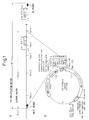
- a DNA fragment of about 15 kb containing KAP5.1 gene and KAP5.2 gene was amplified by PCR using an NM-F1 primer (SEQ ID NO. 6), in which the recognition sites of restriction endonuclease NotI and MluI were added to the 5'-terminal thereof, and an R2 primer (SEQ ID NO. 7), and using commercially available human genomic DNA (obtained from Promega) as the template ( FIG. 1-A ).
- the NM-F1 primer (SEQ ID NO. 6) and the R2 primer (SEQ ID NO. 7) were as shown in the table below. Furthermore, the numbers shown in the table indicate the locations of the sequence numbers of Homo sapiens genomic DNA, chromosome 11 clone: RP11-684B2, complete sequences, Accession No.: AP000867.5.
- Table 4 SEQUENCE 6: TTT GCGGCCGC ACGCGT TTTCAGTAATGTGCCCCTCTTATGCT NotI site MluI site Specific sequence in 5'-terminal upstream region of KAP5.1 gene 51039 TTTCAGTAATGTGCCCCTCTTATGCT 51064 SEQUENCE 7: 66762 AGGTTGAAGTGATGAGGTCAGGAAAG 66737 Specific sequence in 3'-terminal downstream region of KAP5.2 gene
- the amplified DNA fragment was double-digested with restriction endonucleases MluI and NheI, and a DNA fragment of about 4.9 kb was recovered following separation by agarose gel electrophoresis. This DNA fragment was cloned between the MluI and NheI sites of reporter vector pGL-3basic (obtained from Promega) having a gene that encodes firefly luciferase ( FIG. 1-B ).
- Reporter plasmid pGL-3-KAP5.1 containing the 5' upstream region (SEQ ID NO. 8) of KAP5.1 was then constructed by subcloning [Step 1: subcloning of SacI/NcoI fragment (154 bp, FIG. 2 ) to pGL-3basic; Step 2: insertion of ScaI fragment (about 4.0 kbp, FIG. 2 ) into resulting plasmid] ( FIG. 2 ).
- IORS immortalized outer root sheath
- Day 2 The transformed cells were re-seeded into in a 24-well multiwell plate at 10 to 16 ⁇ 10 4 cells per well and cultured overnight under conditions of 37°C and 5% CO 2 .
- Day 3 The medium in each well was replaced with a basal medium in which each drug was dissolved followed by culturing overnight under conditions of 37°C and 5% CO 2 .
- a wax was prepared in accordance with ordinary methods containing a drug of the present invention according to the formula indicated below.
- the resulting wax was an emulsified wax and had a hardness of 20. This wax had a favorable feel during use and was observed to improve hair resiliency and body.
- a mist was prepared in accordance with ordinary methods containing a drug of the present invention according to the formula indicated below.
- the resulting mist was a mist (aerosol) and had a viscosity of 5. This mist had a favorable feel during use and was observed to improve hair resiliency and body.
- 2-acetamidothiazole 1 Acrylic resin alkanolamine solution 12 Lauric acid diethanolamide 0.5 Ethanol 57 Polyoxyethylene oleyl ether 0.5 Purified water Balance
- a gel was prepared in accordance with ordinary methods containing a drug of the present invention according to the formula indicated below.
- the resulting gel was a transparent solid (gel) and had a viscosity of 30000. This gel had a favorable feel during use and was observed to improve hair resiliency and body.
- 2-acetamidothiazole 1 Behenyl alcohol 1 Glycerin 5 1,3-butylene glycol 5 Polyoxyethylene-hydrogenated castor oil 40 succinate (50 E.O.) Potassium hydroxide 1 2-ethylhexyl paramethoxycinnamate 0.1 Purified water Balance Fragrance As suitable
- a hair liquid was prepared in accordance with ordinary methods containing a drug of the present invention according to the formula indicated below.
- the resulting hair liquid was a transparent solid and had a viscosity of 8. This hair liquid had a favorable feel during use and was observed to improve hair resiliency and body.
- 2-acetamidothiazole 3 Ethanol 55 Propylene glycol 5 Polyoxyethylene-polyoxypropylene- 25 pentaerythritol ether (5 E.O.) 2-ethylhexyl paramethoxycinnamate 0.5 Pigment As suitable Purified water Balance Fragrance As suitable
- a treatment was prepared in accordance with ordinary methods containing a drug of the present invention according to the formula indicated below.
- the resulting treatment was an emulsified cream and had a viscosity of 25000. This treatment had a favorable feel during use and was observed to improve hair resiliency and body.
- 2-acetamidothiazole 0.5 Liquid paraffin 10 Vaseline 3 Dimethyl polysiloxane 2 Propylene glycol 10 Polyoxypropylene (40) butyl ether 2 Pentaerythritol tetra(2-ethylhexanoate) 3 Polyoxyethylene-hydrogenated castor oil 2 Potassium hydroxide 0.1 Carboxyvinyl polymer 0.3 Purified water Balance Fragrance As suitable
- a mousse was prepared in accordance with ordinary methods containing a drug of the present invention according to the formula indicated below.
- the ratio of undiluted liquid to propellant was 90/10.
- the resulting mousse was a foam (aerosol) and had a viscosity of 5. This mousse had a favorable feel during use and was observed to improve hair resiliency and body.
- a hair tonic was prepared in accordance with ordinary methods containing a drug of the present invention according to the formula indicated below.
- the resulting hair tonic was a transparent liquid and had a viscosity of 7. This hair tonic had a favorable feel during use and was observed to improve hair resiliency and body.
- 2-acetamidothiazole 3 Ethanol 60 Dipropylene glycol 2
- Polyoxyethylene-hydrogenated castor oil 0.5 Lactic acid As suitable Sodium lactate solution As suitable Monoammonium glycyrrhizate 0.1 Nicotinic amide 0.1 DL- ⁇ -tocopherol acetate 0.1 L-menthol 0.2 Pigment As suitable Purified water Balance Fragrance As suitable
- a hair tonic was prepared in accordance with ordinary methods containing a drug of the present invention according to the formula indicated below.
- the resulting hair tonic was a transparent liquid and had a viscosity of 7. This hair tonic had a favorable feel during use and was observed to improve hair resiliency and body.
- 2-acetamido-4-methylthiazole 2 Ethanol 60 Dipropylene glycol 2
- Polyoxyethylene-hydrogenated castor oil 0.5 Lactic acid As suitable Sodium lactate solution As suitable Monoammonium glycyrrhizate 0.1 Nicotinic amide 0.1 DL- ⁇ -tocopherol acetate 0.1 L-menthol 0.2 Pigment As suitable Purified water Balance Fragrance As suitable
- a hair restoration agent was prepared in accordance with ordinary methods containing a drug of the present invention according to the formula indicated below.
- the resulting hair restoration agent was a transparent liquid and had a viscosity of 7. This hair restoration agent had a favorable feel during use and was observed to improve hair resiliency and body.
- a hair restoration agent was prepared in accordance with ordinary methods containing a drug of the present invention according to the formula indicated below.
- the resulting hair restoration agent was a transparent liquid and had a viscosity of 7. This hair restoration agent had a favorable feel during use and was observed to improve hair resiliency and body.
- a hair lotion was prepared in accordance with ordinary methods containing a drug of the present invention according to the formula indicated below.
- the resulting hair lotion was a transparent liquid and had a viscosity of 3000. This hair lotion had a favorable feel during use and was observed to improve hair resiliency and body.
- a wax was prepared in accordance with ordinary methods containing a drug of the present invention according to the formula indicated below.
- the resulting wax was an emulsified wax and had a hardness of 20. This wax had a favorable feel during use and was observed to improve hair resiliency and body.
- a mist was prepared in accordance with ordinary methods containing a drug of the present invention according to the formula indicated below.
- the resulting mist was a mist (aerosol) and had a viscosity of 5. This mist had a favorable feel during use and was observed to improve hair resiliency and body.
- 3-amino-5-methylisoxazole 1 Acrylic resin alkanolamine solution 12 Lauric acid diethanolamide 0.5 Ethanol 57 Polyoxyethylene oleyl ether 0.5 Purified water Balance
- a gel was prepared in accordance with ordinary methods containing a drug of the present invention according to the formula indicated below.
- the resulting gel was a transparent solid (gel) and had a viscosity of 30000. This gel had a favorable feel during use and was observed to improve hair resiliency and body.
- 3-amino-5-methylisoxazole 1 Behenyl alcohol 1 Glycerin 5 1,3-butylene glycol 5
- a hair liquid was prepared in accordance with ordinary methods containing a drug of the present invention according to the formula indicated below.
- the resulting hair liquid was a transparent solid and had a viscosity of 8. This hair liquid had a favorable feel during use and was observed to improve hair resiliency and body.
- 3-amino-5-methylisoxazole 3 Ethanol 55 Propylene glycol 5
- a treatment was prepared in accordance with ordinary methods containing a drug of the present invention according to the formula indicated below.
- the resulting treatment was an emulsified cream and had a viscosity of 25000. This treatment had a favorable feel during use and was observed to improve hair resiliency and body.
- 3-amino-5-methylisoxazole 0.5 Liquid paraffin 10 Vaseline 3 Dimethyl polysiloxane 2 Propylene glycol 10 Polyoxypropylene (40) butyl ether 2 Pentaerythritol tetra(2-ethylhexanoate) 3 Polyoxyethylene-hydrogenated castor oil 2 Potassium hydroxide 0.1 Carboxyvinyl polymer 0.3 Purified water Balance Fragrance As suitable
- a mousse was prepared in accordance with ordinary methods containing a drug of the present invention according to the formula indicated below.
- the ratio of undiluted liquid to propellant was 90/10.
- the resulting mousse was a foam (aerosol) and had a viscosity of 5. This mousse had a favorable feel during use and was observed to improve hair resiliency and body.
- a hair tonic was prepared in accordance with ordinary methods containing a drug of the present invention according to the formula indicated below.
- the resulting hair tonic was a transparent liquid and had a viscosity of 7. This hair tonic had a favorable feel during use and was observed to improve hair resiliency and body.
- 3-amino-5-methylisoxazole 3 Ethanol 60 Dipropylene glycol 2
- Polyoxyethylene-hydrogenated castor oil 0.5 Lactic acid As suitable Sodium lactate solution As suitable Monoammonium glycyrrhizate 0.1 Nicotinic amide 0.1 DL- ⁇ -tocopherol acetate 0.1 L-menthol 0.2 Pigment As suitable Purified water Balance Fragrance As suitable
- a hair tonic was prepared in accordance with ordinary methods containing a drug of the present invention according to the formula indicated below.
- the resulting hair tonic was a transparent liquid and had a viscosity of 7. This hair tonic had a favorable feel during use and was observed to improve hair resiliency and body.
- 3-acetamido-5-methylisoxazole 2 Ethanol 60 Dipropylene glycol 2
- Polyoxyethylene-hydrogenated castor oil 0.5 Lactic acid As suitable Sodium lactate solution As suitable Monoammonium glycyrrhizate 0.1 Nicotinic amide 0.1 DL- ⁇ -tocopherol acetate 0.1 L-menthol 0.2 Pigment As suitable Purified water Balance Fragrance As suitable
- a hair tonic was prepared in accordance with ordinary methods containing drugs of the present invention according to the formula indicated below.
- the resulting hair tonic was a transparent liquid and had a viscosity of 7. This hair tonic had a favorable feel during use and was observed to improve hair resiliency and body.
- a hair restoration agent was prepared in accordance with ordinary methods containing a drug of the present invention according to the formula indicated below.
- the resulting hair restoration agent was a transparent liquid and had a viscosity of 7. This hair restoration agent had a favorable feel during use and was observed to improve hair resiliency and body.
- Ethanol 80 Isostearyl alcohol 2 1,3-butylene glycol 3 Polyoxyethylene-hydrogenated castor oil 1 Sodium lauryl sulfate 0.3 DL-malic acid As suitable ⁇ -glycyrrhetinic acid 0.2 Pantotenyl ethyl ether 0.1 Benzyl nicotinate 0.1 Nicotinic amide 0.1 DL- ⁇ -tocopherol acetate 0.5 Decyltetradecyl dimethylamine oxide solution (20%) 5 L-menthol 1
- a hair restoration agent was prepared in accordance with ordinary methods containing a drug of the present invention according to the formula indicated below.
- the resulting hair restoration agent was a transparent liquid and had a viscosity of 7. This hair restoration agent had a favorable feel during use and was observed to improve hair resiliency and body.
- a hair restoration agent was prepared in accordance with ordinary methods containing a drug of the present invention according to the formula indicated below.
- the resulting hair restoration agent was a transparent liquid and had a viscosity of 7. This hair restoration agent had a favorable feel during use and was observed to improve hair resiliency and body.
- a hair lotion was prepared in accordance with ordinary methods containing a drug of the present invention according to the formula indicated below.
- the resulting hair lotion was a transparent liquid and had a viscosity of 3000. This hair lotion had a favorable feel during use and was observed to improve hair resiliency and body.
- a hair resiliency and body improver and hair cosmetic of the present invention are able to improve hair resiliency and body by penetrating into the hair or being absorbed into hair follicles when used on the hair or scalp, thereby making it useful as a beauty regimen.
Landscapes
- Health & Medical Sciences (AREA)
- Life Sciences & Earth Sciences (AREA)
- Animal Behavior & Ethology (AREA)
- General Health & Medical Sciences (AREA)
- Public Health (AREA)
- Veterinary Medicine (AREA)
- Dermatology (AREA)
- Epidemiology (AREA)
- Birds (AREA)
- Chemical Kinetics & Catalysis (AREA)
- Chemical & Material Sciences (AREA)
- General Chemical & Material Sciences (AREA)
- Medicinal Chemistry (AREA)
- Nuclear Medicine, Radiotherapy & Molecular Imaging (AREA)
- Organic Chemistry (AREA)
- Pharmacology & Pharmacy (AREA)
- Bioinformatics & Cheminformatics (AREA)
- Engineering & Computer Science (AREA)
- Cosmetics (AREA)
- Pharmaceuticals Containing Other Organic And Inorganic Compounds (AREA)
Abstract

Description
- The present invention relates to a drug for improving the resiliency and body of hair and to a hair cosmetic comprising that drug, more particularly, to a drug for improving the resiliency and body of hair by activating hair-associated cells and hair follicle cells, and even more particularly, to increasing the expression of hair-associated genes, and to a hair cosmetic containing that drug.
- Concerns relating to hair involve the health of hair roots and hair follicles in the manner of thinning hair and hair loss, and the physical properties of hair in the manner hard hair, soft hair, hair lacking resiliency and body, split ends, frizzy hair or unmanageable hair. In addition, problems involving the physical properties of hair may be the result of damage caused by external factors resulting direct damage to hair such as hair permanent agents, bleaching agent treatment, exposure to ultraviolet light, exposure to air pollutants or combing friction, or may involve internal factors in the formation of hair shafts. With respect to hair care in the latter case, in addition to improving hair quality, it is also necessary to care for the hair by ensuring the favorable health of hair roots and hair follicles. Thus, even though the quality of hair may be considered to be poor, there are various methods of hair care according to the particular cause.
- Hair itself is composed of a cuticle that covers the surface thereof, and internally a cortex, which accounts for the majority of the hair, and a central medulla. The cuticle has been clearly demonstrated to greatly contribute to the hardness, resiliency and body of hair (Sogabe, A. et al., J. Soc. Cosmet. Chem. Japan, Vol. 36, No. 3 (2002), pp. 207-216, "A Study of the Physical Properties of Hair, Part 1 - "Measurement of Hair Short Axis and Long Axis and Evaluation of Bending Stress"). The cuticle is known to be composed of various components including fibrous proteins such as acidic hair keratins Ha1 and Ha2 and basic keratins Hb1 and Hb2, modifying enzymes such as transglutaminase and peptidyl arginine deiminase, and a granular component in the form of tricohyaline S100. However, the relationship between these components and, for example, the resiliency and body of hair has yet to be fully understood. If those mechanisms that influence hair were adequately elucidated at the biochemical and molecular biological levels, it would be possible to provide hair improvers capable of demonstrating more prominent effects than existing hair improvers.
- An example of hair cosmetics of the prior art that impart resiliency and body to hair is a hair treatment composition comprising a copolymer having a silyl group bonded by a reactive functional group as described in Japanese Unexamined Patent Publication (Kokai)
No. 11-302129 - On the other hand, a cell activator containing taurine as an active ingredient thereof, is described in Japanese Unexamined Patent Publication (Kokai)
No. 2002-97116 WO 2002/034253 . Although the actions and effects of these drugs are described as being control of hair cells, extension of the hair growth period, activation of hair cell proliferation and improvement of hair resiliency and body by activating cell proliferation, the effects of improving hair resiliency and body described here are still evaluated by testing the physical properties of hair (torsion torque). Thus, there is a need for a novel hair resiliency and body improver based on an evaluation of activity at the biochemical and molecular biological levels. - An object of the present invention is to provide a novel hair resiliency and body improver based on an evaluation of activity at the biochemical and molecular biological levels.
- As a result of investigating the correlation between hair resiliency and body (using hardness, and more specifically, Young's modulus, as an indicator thereof) and expression of hair-associated genes, the inventors of the present invention found that the greater the expression of hair keratin genes, and particularly hair keratin Ha2 gene, hair keratin Hb2 gene and/or keratin-associated proteins KAP5.1 to 5.5, and more preferably the greater the expression of hair keratin Ha2 gene, KAP5.1 gene, KAP5.2 gene or KAP5.4 gene, the higher the Young's modulus of the hair, namely the greater the feeling of resiliency and body of the hair, thereby leading to filing of a patent application entitled "Hair Evaluation Method Using Hair Keratin Genes as Indicators" (
Japanese Patent Application No. 2004-164596 - As a result of newly developing an assay system for evaluating the effects of various drugs on the expression of hair-associated genes and using this assay system to extensively study the effects of various compounds on the expression of hair-associated genes, the inventors of the present invention found that specific 2-aminothiazole and 3-aminoisoxazole derivatives have the effect of increasing the expression of hair-associated genes, thereby leading to completion of the present invention.
- Namely, in a first aspect thereof, the present invention relates to a hair resiliency and body improver comprising as the active ingredient one or more types of compounds selected from the group consisting of 2-aminothiazole derivatives represented by the following general formula (1) and pharmaceutically acceptable salts thereof:

- In addition, the present invention relates to a hair cosmetic comprising as the active ingredient one or more types of compounds selected from the group consisting of a 2-aminothiazole derivative represented by general formula (1) above, wherein R2 is a hydrogen atom, and pharmaceutically acceptable salts thereof.
- In addition, the present invention relates to a method for improving hair resiliency and body comprising the step of applying a hair cosmetic, containing one or more types of compounds selected from the group consisting of 2-aminothiazole derivatives and pharmaceutically acceptable salts thereof, to the hair or scalp.
- In addition, the present invention relates to a method for preparing a hair cosmetic comprising the step of producing a hair cosmetic by adding one or more types of compounds selected from the group consisting of 2-aminothiazole derivatives and pharmaceutically acceptable salts thereof to an aqueous phase or oily phase.
- In a second aspect thereof, the present invention relates to a hair cosmetic comprising as the active ingredient one or more types of compounds selected from the group consisting of 3-aminoisoxazole derivatives represented by the following general formula (2) and pharmaceutically acceptable salts thereof:

- The hair cosmetic is preferably a hair resiliency and body improver.
- In addition, the present invention relates to a method for improving hair resiliency and body comprising the step of applying a hair cosmetic, containing one or more types of compounds selected from the group consisting a 3-aminoisoxazole derivative represented by general formula (2) above and pharmaceutically acceptable salts thereof, to the hair or scalp.
- In addition, the present invention relates to a method for preparation of a hair cosmetic comprising the step of producing a hair cosmetic by adding one or more types of compounds selected from the group consisting of 3-aminoisoxazole derivatives represented by general formula (2) above and pharmaceutically acceptable salts thereof to an aqueous phase or oily phase.
- The active ingredient of the hair resiliency and body improver and hair cosmetic of the present invention in the form of a 2-aminothioazole derivative, 3-aminoisoxazole derivative or pharmaceutically acceptable salts thereof penetrates into the hair or is absorbed into hair follicles as a result of using on the hair or scalp, thereby increasing intracellular expression of the keratin-associated protein, KAP5, and making it possible to improve the resiliency and body of hair.
-
-
FIG. 1 is a schematic drawing showing the construction and configuration of a KAP5.1 reporter plasmid.FIG. 1-A is a drawing showing PCR amplification of a DNA fragment containing KAP5.1 gene and KAP5.2 gene, andFIG. 1-B is a drawing showing cloning of the amplified DNA fragment to a reporter plasmid vector pGL-3basic. -
FIG. 2 is a construction drawing of a KAP5.1 reporter plasmid continuing fromFIG. 1 , and shows the deletion of a KAP5.1 gene translation region (starting with the starting codon) by subcloning. -
FIG. 3 is a drawing showing regulation of expression of a KAP5 gene group. -
FIG. 4 is a drawing showing a comparison of amino acid sequences of deduced encoded proteins of human KAP5.1 to KAP5.5 genes. - The present invention relates to a drug and hair cosmetic that improve hair resiliency and body by activating hair-associated cells and hair follicle cells, and more particularly, by increasing expression of hair-associated genes, and provides a novel hair resiliency and body improver and hair cosmetic based on evaluation of activity at the biochemical and molecular biological levels, and more particularly, based on an assay of effects regulating the expression of keratin-associated protein KAP5 genes.
- In the previously filed
Japanese Patent Application No. 2004-164596 - Hair keratin Ha2 gene (NCBI GenBANK Source "X90761") encodes acidic protein that is a constituent member of the keratin gene family. Hair keratin Ha2 is a type I keratin, and composes hair, nails and the like by forming a heterodimer with type II keratin. Type I keratin is localized on the q12-q21 region of chromosome 17.
- Hair keratin Hb2 gene (NCBI GenBANK Source "Y19207") encodes a basic protein that is a constituent member of the keratin gene family. Hair keratin Hb2 is a type II keratin, and composes hair, nails and the like by forming a heterodimer with type I keratin. Type II keratin is localized on the q13 region of chromosome 12.
- KAP5.1 to KAP5.5 genes (SEQ ID NO. 1 to 5), belonging to the human keratin-associated protein (KAP) 5 family (Homo sapiens genomic DNA, chromosome II clone: RP11-684B2, complete sequences; Accession No.: AP000867), are human ESTs for which only the nucleotide sequences are known, and there have been no reports regarding their functions. The relationship between increased expression of KAP5.1 to KAP5.5 genes and hair hardness was unknown. Although not constrained to a particular theory, since, for example, deduced proteins encoded by KAP5.2 gene are cysteine-rich (about 35.5%), and are composed of 186 amino acids rich in the low molecular weight amino acids of glycine and serine (18.8% and 24.2%, respectively), they do not form an α-helix or other secondary structure and easily enter between keratin fibers, and since it is also plausible that they form a large number of hydrogen bonds by means of the OH groups of the large number of serine residues, they have the potential to greatly contribute to hair mechanical strength. Other KAP5 genes are similarly rich in cysteine, glycine and serine, their expression products have a structure similar to that of KAP5.2, and are also considered to greatly contribute to hair mechanical strength. The following Table 1 shows the partial amino acid compositions of deduced proteins encoded by KAP5.1 to KAP5.5 genes.
Table 1 Characteristics of Human KAP5.x Genes Amino acid residues MW (kDa) pI Contents Cys Ser Gly Pro KAP5.1 164 15.0 8.06 59 (36.0%) 35 (21.3%) 37 (12.6%) 8 (4.9%) KAP5.2 186 17.4 8.30 66 (35.5%) 45 (24.2%) 35 (18.8%) 10 (5.4%) KAP5.3 168 16.1 8.34 60 (35.7%) 39 (23.2%) 27 (16.1%) 10 (6.0%) KAP5.4 201 17.9 8.20 66 (32.8%) 37 (18.4%) 59 (29.4%) 8 (4.0%) KAP5.5 155 14.5 8.17 55 (35.5%) 35 (22.6%) 30 (19.4%) 8 (5.5%) - KAP5.1 to KAP5.5 genes (SEQ ID NO. 1 to 5) belong to the KAP5 family of human keratin-associated proteins. This gene group has a comparatively high level of mutual homology. The high degrees of homology between amino acid sequences of deduced proteins encoded by each gene are clear from
FIG. 4 and Table 2 below.Table 2 Homology of Amino Acid Sequences of Human KAP5.x Genes KAP5.1 KAP5.2 KAP5.3 KAP5.4 KAP5.2 86 KAP5.3 72 74 KAP5.4 69 68 52 KAP5.5 81 70 72 63 - The inventors of the present invention newly constructed a reporter assay system for evaluating the effects of various drugs on the expression of the hair-associated gene KAP5.1 gene, among the hair keratin Ha2 and Hb2 genes and hair keratin-associated protein KAP5.1, KAP5.2 and KAP.4 genes, which have been observed to demonstrate a correlation with the hardness (Young's modulus) of hair. Extensive studies were then conducted on the effects of various compounds on the expression of KAP5.1 gene using this assay system. As a result, 2-aminothiazole derivatives and pharmaceutically acceptable salts thereof were found to have the effect of increasing expression of KAP5.1 gene.
- As was previously described, KAP5.1 to KAP5.5 genes (SEQ ID NO. 1 to 5) constitute a group of genes belonging to the human keratin-associated protein KAP5 family that have comparatively high levels of mutual homology. In addition, as can be understood from
FIG. 3 , the sequence of the promoter region of KAP5.1 gene is extremely similar to the sequences of the promoter regions of other KAP5.2 to KAP5.5 genes, and there is a high likelihood that their control mechanisms are the same. Thus, drugs that increase expression of KAP5.1 gene are considered to have an extremely high possibility of also increasing expression of other KAP5 genes. - Moreover, as was also previously described, since the larger the expressed amount of KAP5.1 gene, the greater the statistically significant increase in Young's modulus, drugs that increase expression of KAP5.1 gene improve hair hardness, thereby improving hair resiliency and body.
- The 2-aminothiazole derivatives of the present invention are known compounds that can be easily acquired. In addition, they can be easily synthesized using known methods from easily acquired 2-aminothiazole and the like.
- Although the 2-aminothiazole derivatives of the present invention are known to be applied as nitrification inhibitors (Japanese Examined Patent Publication (Kokoku)
No. 46-9208 International Publication No. WO 96/16650 No. 2002-241308 Japanese Unexamined Patent Publication (Kokai) No. 2002-338556 Japanese Unexamined Patent Publication (Kokai) No. 2002-338556 - Examples of specific substance names of the 2-aminothiazole derivatives of the present invention include 2-aminothiazole, 2-amino-4-methylthiazole, 2-amino-5-methylthiazole, 2-amino-4,5-dimethylthiazole, 2-acetamidothiazole, 2-acetamido-4-methylthiazole, 2-acetamido-5-methylthiazole, 2-acetamido-4,5-dimethylthiazole, 2-acetamido-4,5-diphenylthiazole, 2-propionylaminothiazole, 2-butyrylaminothiazole, 2-valerylaminothiazole, 2-propionylamino-4-methylthiazole, 2-butyrylamino-4-methylthiazole, 2-valerylamino-4-methylthiazole, 2-methylaminothiazole, 2-dimethylaminothiazole, 2-methylsulfonylamino-4,5-diphenylthiazole and 2-benzenesulfonylamino-4,5-diphenylthiazole and the like. Among these, 2-aminothiazole, 2-acetamidothiazole and 2-acetamido-4-methylthiazole are preferable.
- Although the 3-aminoisoxazole derivatives of the present invention are known to be applied as herbicides (Japanese Examined Patent Publication (Kokoku)
No. 54-44723 - Examples of specific substance names of the 3-aminoisoxazole derivatives of the present invention include 3-aminoisoxazole, 3-amino-4-methylisoxazole, 3-amino-5-methylisoxazole, 3-amino-5-ethylisoxazole, 3-amino-5-n-propylisoxazole, 3-amino-5-cyclopropylisoxazole, 3-amino-5-n-butylisoxazole, 3-amino-5-tert-butylisoxazole, 3-amino-5-n-pentylisoxazole, 3-amino-5-isoamylisoxazole, 3-amino-5-n-hexylisoxazole, 3-amino-5-cyclohexylisoxazole, 3-amino-5-n-octylisoxazole, 3-amino-5-phenylisoxazole, 3-amino-5-(p-methoxyphenyl)isoxazole, 3-amino-5-(p-methoxyphenethyl)isoxazole, 3-amino-4,5-dimethylisoxazole, 3-acetamidoisoxazole, 3-acetamido-4-methylisoxazole, 3-acetamido-5-methylisoxazole, 3-acetamido-5-tert-butylisoxazole, 3-(N-acetyl-N-methylamino)-5-methylisoxazole, 3-(N-acetyl-N-methylamino)-5-tert-butylisoxazole, 3-acetamido-4,5-dimethylisoxazole, 3-propionylaminoisoxazole, 3-propionylamino-5-methylisoxazole, 3-propionylamino-5-tert-butylisoxazole, 3-(N-propionyl-N-methylamino)-5-methylisoxazole, 3-(N-propionyl-N-methylamino)-5-tert-butylisoxazole, 3-butyrylamino-5-methylisoxazole, 3-butyrylamino-5-tert-butylisoxazole, 3-(N-methylamino)-5-methylisoxazole, 3-(N,N-dimethylamino)-5-tert-butylisoxazole and the like.
- A "pharmaceutically acceptable salt" refers to a salt that retains nearly equal biological activity as the drug compound and has low toxicity. Examples of such salts include, but are not limited to, addition salts formed with inorganic acids such as hydrochlorides, hydrobromides, sulfates, phosphates and nitrates, and addition salts formed with organic acids such as acetates, oxalates, tartrates, succinates, malates, fumarates, maleates, ascorbates and benzoates.
- There are no particular limitations on the form of the hair resiliency and body improver and hair cosmetic containing a 2-aminothiazole derivative or 3-aminoisoxazole derivative and pharmaceutically acceptable salts thereof of the present invention, and the form may be any form ordinarily used for improving hair resiliency and body, examples of which include a liquid, emulsion, emulsified cream, cream, gel, wax, mist, foam and aerosol. The hair resiliency and body improver and hair cosmetic of the present invention can be applied to, for example, products such as hair liquids, hair tonics, hair creams, mousses, treatments, hair restoration agents, shampoos, rinses, creams, emulsions and packs.
- Although varying according to the hair cosmetic, the incorporated amount of the 2-aminothiazole derivative or 3-aminoisoxazole derivative and pharmaceutically acceptable salts thereof of the present invention is typically 0.001 to 20% by weight and preferably 0.01 to 5% by weight based on the total amount of the hair cosmetic.
- The hair resiliency and body improver and hair cosmetic of the present invention can be prepared by incorporating conventionally formulated components of cosmetics, over-the-counter medicines and pharmaceuticals in accordance with ordinary methods as necessary within a range that does impair the effects of the present invention. Examples of conventionally formulated components include powdered ingredients, liquid oils, solid oils, waxes, hydrocarbon oils, higher fatty acids, higher alcohols, ester oils, silicone oils, anionic surfactants, cationic surfactants, amphoteric surfactants, nonionic surfactants, moisturizers, watersoluble polymers, thickeners, coating agents, ultraviolet absorbers, metal ion chelating agents, lower alcohols, polyvalent alcohols, sugars, amino acids, organic amines, polymer emulsions, pH adjusters, skin nutrients, vitamins, antioxidants, antioxidation assistants, fragrances and water.
- Specific examples of ingredients able to be incorporated are indicated below. The hair resiliency and body improver and hair cosmetic is produced in accordance with ordinary methods corresponding to the desired form by incorporating one type or two or more types of the ingredients indicated below.
- Specific examples of ingredients able to be incorporated in the hair resiliency and body improver and hair cosmetic include powders such as polyethylene powder, methyl polymethacrylate powder or Nylon powder; inorganic pigments such as titanium dioxide, zinc oxide, synthetic mica, talc, kaolin, zeolite or boron nitride; oils such as camellia oil, macadamia nut oil, olive oil or castor oil; waxes such as jojoba oil, beeswax, candelilla wax, carnauba wax or lanolin; hydrocarbon oils such as liquid paraffin, squalane, paraffin, ceresin, vaseline or microcrystalline wax; higher fatty acids such as lauric acid, myristic acid, palmitic acid, stearic acid or isostearic acid; higher alcohols such as cetyl alcohol, stearyl alcohol, isostearyl alcohol or octyl decanol; ester oils such as isopropyl myristate or diisostearyl malate; silicone oils such as methyl polysiloxane; anionic surfactants such as higher fatty acid soaps, higher alkyl sulfate ester salts, N-acylsuccinate or POE-alkyl ether sulfates; cationic surfactants such as alkyl trimethyl ammonium chloride, dialkyl dimethyl ammonium chloride or benzalkonium chloride; amphoteric surfactants such as betaine alkyl dimethylamino acetate or betaine alkyl amidopropyl dimethylamino acetate; nonionic surfactants such as polyoxyethylene types, polyvalent alcohol ester types or ethylene oxide-propylene oxide block copolymers; moisturizers such as polyethylene glycol, propylene glycol, glycerin, 1,3-butylene glycol, sorbitol, sodium hyaluronate or sodium pyrrolidone carboxylate; watersoluble polymers such as quince seed gum, xanthane gum, carboxymethyl cellulose or carboxyvinyl polymer; coating agents such as polyvinyl alcohol, polyvinyl pyrrolidone, nitrocellulose or polymer silicone; ultraviolet absorbers such as PABA-based, cinnamic acid-based, salicylic acid-based, benzophenone-based, benzotriazole-based or dibenzoylmethane-based ultraviolet absorbers; metal ion chelating agents such as sodium salts of ethylenediamine tetraacetic acid (EDTA); photostabilizers such as 4,5-dimorpholinopyridazinone; lower alcohols such as ethanol, propanol, isopropanol, isobutyl alcohol or b-butyl alcohol; polyvalent alcohols such as 1,3-butylene glycol, xylitol, sorbitol, diethylene glycol or polyglycerin; monosaccharides such as triose, tetrose, pentose, hexose, deoxyose, aminosaccharides or uronic acid; polysaccharides such as cellulose or chondroitin sulfate; amino acids and derivatives thereof such as glycine, serine, lysine, cystine, cysteine, methionine, glutamic acid or proline; organic amines such as monoethanolamine, diethanolamine or triethanolamine; pH adjusters such as lactic acid-sodium lactate or citric acid-sodium citrate; vitamins and derivatives thereof such as vitamin A, vitamin B1, vitamin B2, vitamin C, vitamin E, biotin or nicotinic amide; antioxidants such as dibutyl hydroxytoluene, butyl hydroxyanisole, gallic acid ester, hypotaurine or thiotaurine; antiseptics such as paraoxybenzoic acid esters or phenoxyethanol; propellants such as various types of liquefied petroleum gas (LPG), nitrogen gas or carbonic acid gas; antiphlogistics such as glycyrrhizic acid, glycyrrhetinic acid, hinokithiol or zinc oxide; protease inhibitors such as tranexamic acid; whiteners such as albutin, ascorbic acid glucoside, 4-methoxysalicylates, ellagic acid or rucinol; anti-wrinkle agents such as retinol or α-hydroxyacids; activators such as royal jelly, photosensitizers or cholesterol derivatives; circulation promoters such as Swertia japonica extract, γ-oryzanol, cepharanthine, vitamin E and derivatives thereof, nicotinic acid benzyl ester, adenosine or minoxidil; local stimulants such as capsaicin, cayenne pepper tincture, ginger tincture, cantharides tincture or nonylic acid vanillylamide; anti-androgenic agonists such as estradiol or ethynyl estradiol; pantothenic acid and derivatives thereof; hair follicle activators such as allantoin or photosensitizer 301; keratin exfoliation and dissolving agents such as salicylic acid, sulfur, resorcin or selenium sulfide; anti-seborrhea agents such as vitamin B6 and derivatives thereof; antipruritics such as diphenhydramine hydrochloride, chlorpheniramine maleate, camphor or menthol; and various types of extracts such as those of phellodendron bark, coptis rhizome, Lithospermum erythrorhizon, Chinese peony, birch, sage, loquat, carrot, aloe, tree mallow, iris, grape, coix seed, luffa, lily, saffron, Cnidium rhizome, ginger, bush clover, restharrow root, garlic, cayenne pepper, orange peel, angelica or algae.
- The following provides a more detailed explanation of the present invention through specific examples thereof.
- The transcriptional regulatory region of KAP5.1, which has been observed to demonstrate a correlation with hair hardness (Young's modulus), was amplified by PCR followed by the construction of a reporter plasmid.
- A DNA fragment of about 15 kb containing KAP5.1 gene and KAP5.2 gene was amplified by PCR using an NM-F1 primer (SEQ ID NO. 6), in which the recognition sites of restriction endonuclease NotI and MluI were added to the 5'-terminal thereof, and an R2 primer (SEQ ID NO. 7), and using commercially available human genomic DNA (obtained from Promega) as the template (
FIG. 1-A ). - Furthermore, the conditions of the PCR reaction were as indicated below.

- The NM-F1 primer (SEQ ID NO. 6) and the R2 primer (SEQ ID NO. 7) were as shown in the table below. Furthermore, the numbers shown in the table indicate the locations of the sequence numbers of Homo sapiens genomic DNA,
chromosome 11 clone: RP11-684B2, complete sequences, Accession No.: AP000867.5.Table 4 SEQUENCE 6: TTTGCGGCCGC ACGCGT TTTCAGTAATGTGCCCCTCTTATGCT NotI site MluI site Specific sequence in 5'-terminal upstream region of KAP5.1 gene 51039 TTTCAGTAATGTGCCCCTCTTATGCT 51064 SEQUENCE 7: 66762 AGGTTGAAGTGATGAGGTCAGGAAAG 66737 Specific sequence in 3'-terminal downstream region of KAP5.2 gene - The amplified DNA fragment was double-digested with restriction endonucleases MluI and NheI, and a DNA fragment of about 4.9 kb was recovered following separation by agarose gel electrophoresis. This DNA fragment was cloned between the MluI and NheI sites of reporter vector pGL-3basic (obtained from Promega) having a gene that encodes firefly luciferase (
FIG. 1-B ). Reporter plasmid pGL-3-KAP5.1 containing the 5' upstream region (SEQ ID NO. 8) of KAP5.1 was then constructed by subcloning [Step 1: subcloning of SacI/NcoI fragment (154 bp,FIG. 2 ) to pGL-3basic; Step 2: insertion of ScaI fragment (about 4.0 kbp,FIG. 2 ) into resulting plasmid] (FIG. 2 ). - 8 × 10⁵ immortalized outer root sheath (IORS) cells (obtained in accordance with Japanese Unexamined Patent Publication (Kokai)
No. 2000-89 - Day 1: Plasmid DNA Transfection (transient). The cultured IORS cells were dually transformed with the previously constructed reporter plasmid pGL3-KAP5.1 (firefly luciferase) and commercially available internal standard plasmid pRL-TK (renilla luciferase) in accordance with the manual provided with Effectene Transfection Reagent (Qiagen).
- Day 2: The transformed cells were re-seeded into in a 24-well multiwell plate at 10 to 16 × 104 cells per well and cultured overnight under conditions of 37°C and 5% CO2.
- Day 3: The medium in each well was replaced with a basal medium in which each drug was dissolved followed by culturing overnight under conditions of 37°C and 5% CO2.
- Day 4: Assay. Luciferase activity was assayed for each well using the Dual-Luciferase Reporter Assay System (Promega) in accordance with the manual provided by the manufacturer. The AutoLumat LB953 (Berthold) was used for the luminometer.
- An assay was carried out under the same conditions with the exception of not containing drug as a negative control [K-SFM(-)]. The assay results are shown in Table 5. The effect of increasing gene expression are represented in the form of the rate of increase (ratio based on a value of 100 for the negative control).
Table 5 Drug Name Rate of Increase 100 ppm 2-acetamidothiazole 180 10 ppm 2-acetamidothiazole 130 100 ppm 2-acetamido-4-methylthioazole 150 10 ppm 2-acetamido-4-methylthiazole 110 100 ppm 2-aminothiazole 140 10 ppm 2-aminothiazole 110 300 ppm 3-amino-5-methylisoxazole 160 100 ppm 3-amino-5-methylisoxazole 140 10 ppm 3-amino-5-methylisoxazole 120 300 ppm 3-acetamido-5-methylisoxazole 125 100 ppm 3-acetamido-5-methylisoxazole 110 10 ppm 3-acetamido-5-methylisoxazole 100 Negative control [K-SFM(-)] 100 - As shown in Table 5, the 2-aminothiazole derivatives or 3-aminoisoxazole derivatives of the present invention were observed to demonstrate effects that increase expression of KAP5.1 gene.
- Although assay results were shown for only KAP5.1 in this example, as was previously stated, since the sequence of the promoter region of KAP5.1 gene and the sequences of the promoter regions of other KAP5.2 to KAP5.5 genes are extremely similar (
FIG. 3 ) and their control mechanisms have a high possibility of being the same, drugs that increase expression of KAP5.1 are considered to also increase expression of other KAP5 genes, and therefore improve hair resiliency and body. - The following indicates formulation examples of the hair cosmetic of the present invention. Furthermore, all incorporated amounts are indicated in percent by weight. Wax hardness was measured with the MAX ME-415 Curd Meter manufactured by I-Techno Engineering Co., Ltd. (diameter: 5.6 mm; speed: 7 sec/inch; load: 200 g; temperature: 37°C). Viscosity was measured at a temperature of 30°C with the 1287 Single Cylinder Rotary Viscometer manufactured by Shibaura Systems Co., Ltd. Furthermore, the model VS-H1 (rotor no. 6/10 rpm) was used for high viscosity preparations such as gels and treatments, while the model VS-A1 (rotor no. 1/60 rpm) was used for low viscosity preparations such as mists, hair liquids, mousses, hair tonics and hair restoration agents.
- A wax was prepared in accordance with ordinary methods containing a drug of the present invention according to the formula indicated below. The resulting wax was an emulsified wax and had a hardness of 20. This wax had a favorable feel during use and was observed to improve hair resiliency and body.
2-acetamidothiazole 0.1 Liquid paraffin 10 Microcrystalline wax 10 Dimethyl polysiloxane 4 Stearyl alcohol 4 Propylene glycol 10 Carnauba wax 3 Isostearic acid 0.5 Stearic acid 4.5 Pentaerythritol tetra(2-ethylhexanoate) 2 Polyoxyethylene-hydrogenated castor oil 3 Polyoxyethylene oleyl ether phosphate 2 Self-emulsified glycerin monostearate 3 Triethanolamine 1 Paraoxybenzoic acid ester As suitable Sodium polyacrylate As suitable Purified water Balance Fragrance As suitable - A mist was prepared in accordance with ordinary methods containing a drug of the present invention according to the formula indicated below. The resulting mist was a mist (aerosol) and had a viscosity of 5. This mist had a favorable feel during use and was observed to improve hair resiliency and body.
2- acetamidothiazole 1 Acrylic resin alkanolamine solution 12 Lauric acid diethanolamide 0.5 Ethanol 57 Polyoxyethylene oleyl ether 0.5 Purified water Balance - A gel was prepared in accordance with ordinary methods containing a drug of the present invention according to the formula indicated below. The resulting gel was a transparent solid (gel) and had a viscosity of 30000. This gel had a favorable feel during use and was observed to improve hair resiliency and body.
2- acetamidothiazole 1 Behenyl alcohol 1 Glycerin 5 1,3- butylene glycol 5 Polyoxyethylene-hydrogenated castor oil 40 succinate (50 E.O.) Potassium hydroxide 1 2-ethylhexyl paramethoxycinnamate 0.1 Purified water Balance Fragrance As suitable - A hair liquid was prepared in accordance with ordinary methods containing a drug of the present invention according to the formula indicated below. The resulting hair liquid was a transparent solid and had a viscosity of 8. This hair liquid had a favorable feel during use and was observed to improve hair resiliency and body.
2-acetamidothiazole 3 Ethanol 55 Propylene glycol 5 Polyoxyethylene-polyoxypropylene- 25 pentaerythritol ether (5 E.O.) 2-ethylhexyl paramethoxycinnamate 0.5 Pigment As suitable Purified water Balance Fragrance As suitable - A treatment was prepared in accordance with ordinary methods containing a drug of the present invention according to the formula indicated below. The resulting treatment was an emulsified cream and had a viscosity of 25000. This treatment had a favorable feel during use and was observed to improve hair resiliency and body.
2-acetamidothiazole 0.5 Liquid paraffin 10 Vaseline 3 Dimethyl polysiloxane 2 Propylene glycol 10 Polyoxypropylene (40) butyl ether 2 Pentaerythritol tetra(2-ethylhexanoate) 3 Polyoxyethylene-hydrogenated castor oil 2 Potassium hydroxide 0.1 Carboxyvinyl polymer 0.3 Purified water Balance Fragrance As suitable - A mousse was prepared in accordance with ordinary methods containing a drug of the present invention according to the formula indicated below. The ratio of undiluted liquid to propellant was 90/10. The resulting mousse was a foam (aerosol) and had a viscosity of 5. This mousse had a favorable feel during use and was observed to improve hair resiliency and body.
Stock: 2-acetamidothiazole 0.5 Volatile isoparaffin 0.5 Ethanol 10 Polyoxyethylene-hydrogenated castor oil 0.5 Polyoxyethylene-polyoxypropylene decyl ether 0.5 Loquat leaf extract 0.1 Yuka Foamer SM 10 Purified water Balance Propellant: LPG - A hair tonic was prepared in accordance with ordinary methods containing a drug of the present invention according to the formula indicated below. The resulting hair tonic was a transparent liquid and had a viscosity of 7. This hair tonic had a favorable feel during use and was observed to improve hair resiliency and body.
2-acetamidothiazole 3 Ethanol 60 Dipropylene glycol 2 Polyoxyethylene-hydrogenated castor oil 0.5 Lactic acid As suitable Sodium lactate solution As suitable Monoammonium glycyrrhizate 0.1 Nicotinic amide 0.1 DL-α-tocopherol acetate 0.1 L-menthol 0.2 Pigment As suitable Purified water Balance Fragrance As suitable - A hair tonic was prepared in accordance with ordinary methods containing a drug of the present invention according to the formula indicated below. The resulting hair tonic was a transparent liquid and had a viscosity of 7. This hair tonic had a favorable feel during use and was observed to improve hair resiliency and body.
2-acetamido-4- methylthiazole 2 Ethanol 60 Dipropylene glycol 2 Polyoxyethylene-hydrogenated castor oil 0.5 Lactic acid As suitable Sodium lactate solution As suitable Monoammonium glycyrrhizate 0.1 Nicotinic amide 0.1 DL-α-tocopherol acetate 0.1 L-menthol 0.2 Pigment As suitable Purified water Balance Fragrance As suitable - A hair restoration agent was prepared in accordance with ordinary methods containing a drug of the present invention according to the formula indicated below. The resulting hair restoration agent was a transparent liquid and had a viscosity of 7. This hair restoration agent had a favorable feel during use and was observed to improve hair resiliency and body.
2- acetamidothiazole 2 Ethanol 80 Isostearyl alcohol 2 1,3-butylene glycol 3 Polyoxyethylene-hydrogenated castor oil 1 Sodium lauryl sulfate 0.3 DL-malic acid As suitable β-glycyrrhetinic acid 0.2 Pantotenyl ethyl ether 0.1 Benzyl nicotinate 0.1 Nicotinic amide 0.1 DL-α-tocopherol acetate 0.5 Decyltetradecyl dimethylamine oxide solution (20%) 5 L- menthol 1 - A hair restoration agent was prepared in accordance with ordinary methods containing a drug of the present invention according to the formula indicated below. The resulting hair restoration agent was a transparent liquid and had a viscosity of 7. This hair restoration agent had a favorable feel during use and was observed to improve hair resiliency and body.
2-acetamido-4- methylthiazole 2 Ethanol 80 Isostearyl alcohol 2 1,3-butylene glycol 3 Polyoxyethylene-hydrogenated castor oil 1 Sodium lauryl sulfate 0.3 DL-malic acid As suitable β-glycyrrhetinic acid 0.2 Pantotenyl ethyl ether 0.1 Benzyl nicotinate 0.1 Nicotinic amide 0.1 DL-α-tocopherol acetate 0.5 Decyltetradecyl dimethylamine oxide solution (20%) 5 L- menthol 1 - A hair lotion was prepared in accordance with ordinary methods containing a drug of the present invention according to the formula indicated below. The resulting hair lotion was a transparent liquid and had a viscosity of 3000. This hair lotion had a favorable feel during use and was observed to improve hair resiliency and body.
2-acetamido-4-methylthiazole 0.1 Ethanol 50 Dipropylene glycol 5 Polyoxyethylene-hydrogenated castor oil 0.5 Malic acid As suitable Monoammonium glycyrrhizate 0.1 Nicotinic amide 0.1 DL-α-tocopherol acetate 0.1 L-menthol 0.2 Crosslinked N,N-dimethylacrylamide/sodium 2-acrylamido-2-methylpropane sulfonate 0.3 copolymer Pigment As suitable Purified water Balance Fragrance As suitable - A wax was prepared in accordance with ordinary methods containing a drug of the present invention according to the formula indicated below. The resulting wax was an emulsified wax and had a hardness of 20. This wax had a favorable feel during use and was observed to improve hair resiliency and body.
3-amino-5-methylisoxazole 0.1 Liquid paraffin 10 Microcrystalline wax 10 Dimethyl polysiloxane 4 Stearyl alcohol 4 Propylene glycol 10 Carnauba wax 3 Isostearic acid 0.5 Stearic acid 4.5 Pentaerythritol tetra(2-ethylhexanoate) 2 Polyoxyethylene-hydrogenated castor oil 3 Polyoxyethylene oleyl ether phosphate 2 Self-emulsified glycerin monostearate 3 Triethanolamine 1 Paraoxybenzoic acid ester As suitable Sodium polyacrylate As suitable Purified water Balance Fragrance As suitable - A mist was prepared in accordance with ordinary methods containing a drug of the present invention according to the formula indicated below. The resulting mist was a mist (aerosol) and had a viscosity of 5. This mist had a favorable feel during use and was observed to improve hair resiliency and body.
3-amino-5- methylisoxazole 1 Acrylic resin alkanolamine solution 12 Lauric acid diethanolamide 0.5 Ethanol 57 Polyoxyethylene oleyl ether 0.5 Purified water Balance - A gel was prepared in accordance with ordinary methods containing a drug of the present invention according to the formula indicated below. The resulting gel was a transparent solid (gel) and had a viscosity of 30000. This gel had a favorable feel during use and was observed to improve hair resiliency and body.
3-amino-5- methylisoxazole 1 Behenyl alcohol 1 Glycerin 5 1,3- butylene glycol 5 Polyoxyethylene-hydrogenated castor oil succinate (50 E.O.) 40 Potassium hydroxide 1 2-ethylhexyl paramethoxycinnamate 0.1 Purified water Balance Fragrance As suitable - A hair liquid was prepared in accordance with ordinary methods containing a drug of the present invention according to the formula indicated below. The resulting hair liquid was a transparent solid and had a viscosity of 8. This hair liquid had a favorable feel during use and was observed to improve hair resiliency and body.
3-amino-5-methylisoxazole 3 Ethanol 55 Propylene glycol 5 Polyoxyethylene-polyoxypropylene-pentaerythritol ether (5 E.O.) 25 2-ethylhexyl paramethoxycinnamate 0.5 Pigment As suitable Purified water Balance Fragrance As suitable - A treatment was prepared in accordance with ordinary methods containing a drug of the present invention according to the formula indicated below. The resulting treatment was an emulsified cream and had a viscosity of 25000. This treatment had a favorable feel during use and was observed to improve hair resiliency and body.
3-amino-5-methylisoxazole 0.5 Liquid paraffin 10 Vaseline 3 Dimethyl polysiloxane 2 Propylene glycol 10 Polyoxypropylene (40) butyl ether 2 Pentaerythritol tetra(2-ethylhexanoate) 3 Polyoxyethylene-hydrogenated castor oil 2 Potassium hydroxide 0.1 Carboxyvinyl polymer 0.3 Purified water Balance Fragrance As suitable - A mousse was prepared in accordance with ordinary methods containing a drug of the present invention according to the formula indicated below. The ratio of undiluted liquid to propellant was 90/10. The resulting mousse was a foam (aerosol) and had a viscosity of 5. This mousse had a favorable feel during use and was observed to improve hair resiliency and body.
Stock: 3-amino-5-methylisoxazole 0.5 Volatile isoparaffin 0.5 Ethanol 10 Polyoxyethylene-hydrogenated castor oil 0.5 Polyoxyethylene-polyoxypropylene decyl ether 0.5 Loquat leaf extract 0.1 Yuka Foamer SM 10 Purified water Balance Propellant: LPG - A hair tonic was prepared in accordance with ordinary methods containing a drug of the present invention according to the formula indicated below. The resulting hair tonic was a transparent liquid and had a viscosity of 7. This hair tonic had a favorable feel during use and was observed to improve hair resiliency and body.
3-amino-5-methylisoxazole 3 Ethanol 60 Dipropylene glycol 2 Polyoxyethylene-hydrogenated castor oil 0.5 Lactic acid As suitable Sodium lactate solution As suitable Monoammonium glycyrrhizate 0.1 Nicotinic amide 0.1 DL-α-tocopherol acetate 0.1 L-menthol 0.2 Pigment As suitable Purified water Balance Fragrance As suitable - A hair tonic was prepared in accordance with ordinary methods containing a drug of the present invention according to the formula indicated below. The resulting hair tonic was a transparent liquid and had a viscosity of 7. This hair tonic had a favorable feel during use and was observed to improve hair resiliency and body.
3-acetamido-5- methylisoxazole 2 Ethanol 60 Dipropylene glycol 2 Polyoxyethylene-hydrogenated castor oil 0.5 Lactic acid As suitable Sodium lactate solution As suitable Monoammonium glycyrrhizate 0.1 Nicotinic amide 0.1 DL-α-tocopherol acetate 0.1 L-menthol 0.2 Pigment As suitable Purified water Balance Fragrance As suitable - A hair tonic was prepared in accordance with ordinary methods containing drugs of the present invention according to the formula indicated below. The resulting hair tonic was a transparent liquid and had a viscosity of 7. This hair tonic had a favorable feel during use and was observed to improve hair resiliency and body.
3-amino-5- methylisoxazole 1 3-acetamido-5- methylisoxazole 1 2- acetamidothiazole 1 Ethanol 60 Dipropylene glycol 2 Polyoxyethylene-hydrogenated castor oil 0.5 Lactic acid As suitable Sodium lactate solution As suitable Monoammonium glycyrrhizate 0.1 Nicotinic amide 0.1 DL-α-tocopherol acetate 0.1 L-menthol 0.2 Pigment As suitable Purified water Balance Fragrance As suitable - A hair restoration agent was prepared in accordance with ordinary methods containing a drug of the present invention according to the formula indicated below. The resulting hair restoration agent was a transparent liquid and had a viscosity of 7. This hair restoration agent had a favorable feel during use and was observed to improve hair resiliency and body.
3-amino-5-methylisoxazole 3 Ethanol 80 Isostearyl alcohol 2 1,3-butylene glycol 3 Polyoxyethylene-hydrogenated castor oil 1 Sodium lauryl sulfate 0.3 DL-malic acid As suitable β-glycyrrhetinic acid 0.2 Pantotenyl ethyl ether 0.1 Benzyl nicotinate 0.1 Nicotinic amide 0.1 DL-α-tocopherol acetate 0.5 Decyltetradecyl dimethylamine oxide solution (20%) 5 L- menthol 1 - A hair restoration agent was prepared in accordance with ordinary methods containing a drug of the present invention according to the formula indicated below. The resulting hair restoration agent was a transparent liquid and had a viscosity of 7. This hair restoration agent had a favorable feel during use and was observed to improve hair resiliency and body.
3-acetamido-5- methylisoxazole 2 Ethanol 80 Isostearyl alcohol 2 1,3-butylene glycol 3 Polyoxyethylene-hydrogenated castor oil 1 Sodium lauryl sulfate 0.3 DL-malic acid As suitable β-glycyrrhetinic acid 0.2 Pantotenyl ethyl ether 0.1 Benzyl nicotinate 0.1 Nicotinic amide 0.1 DL-α-tocopherol acetate 0.5 Decyltetradecyl dimethylamine oxide solution (20%) 5 L- menthol 1 - A hair restoration agent was prepared in accordance with ordinary methods containing a drug of the present invention according to the formula indicated below. The resulting hair restoration agent was a transparent liquid and had a viscosity of 7. This hair restoration agent had a favorable feel during use and was observed to improve hair resiliency and body.
3-acetamido-5- methylisoxazole 2 Ethanol 80 Isostearyl alcohol 2 1,3-butylene glycol 3 Polyoxyethylene-hydrogenated castor oil 1 Sodium lauryl sulfate 0.3 DL-malic acid As suitable β-glycyrrhetinic acid 0.2 Pantotenyl ethyl ether 0.1 Benzyl nicotinate 0.1 Nicotinic amide 0.1 DL-α-tocopherol acetate 0.5 Decyltetradecyl dimethylamine oxide solution (20%) 5 L- menthol 1 - A hair lotion was prepared in accordance with ordinary methods containing a drug of the present invention according to the formula indicated below. The resulting hair lotion was a transparent liquid and had a viscosity of 3000. This hair lotion had a favorable feel during use and was observed to improve hair resiliency and body.
2-acetamido-4-methylthiazole 0.1 Ethanol 50 Dipropylene glycol 5 Polyoxyethylene-hydrogenated castor oil 0.5 Malic acid As suitable Monoammonium glycyrrhizate 0.1 Nicotinic amide 0.1 DL-α-tocopherol acetate 0.1 L-menthol 0.2 Crosslinked N,N-dimethylacrylamide/sodium 2-acrylamido-2-methylpropane sulfonate copolymer 0.3 Pigment As suitable Purified water Balance Fragrance As suitable - A hair resiliency and body improver and hair cosmetic of the present invention are able to improve hair resiliency and body by penetrating into the hair or being absorbed into hair follicles when used on the hair or scalp, thereby making it useful as a beauty regimen.


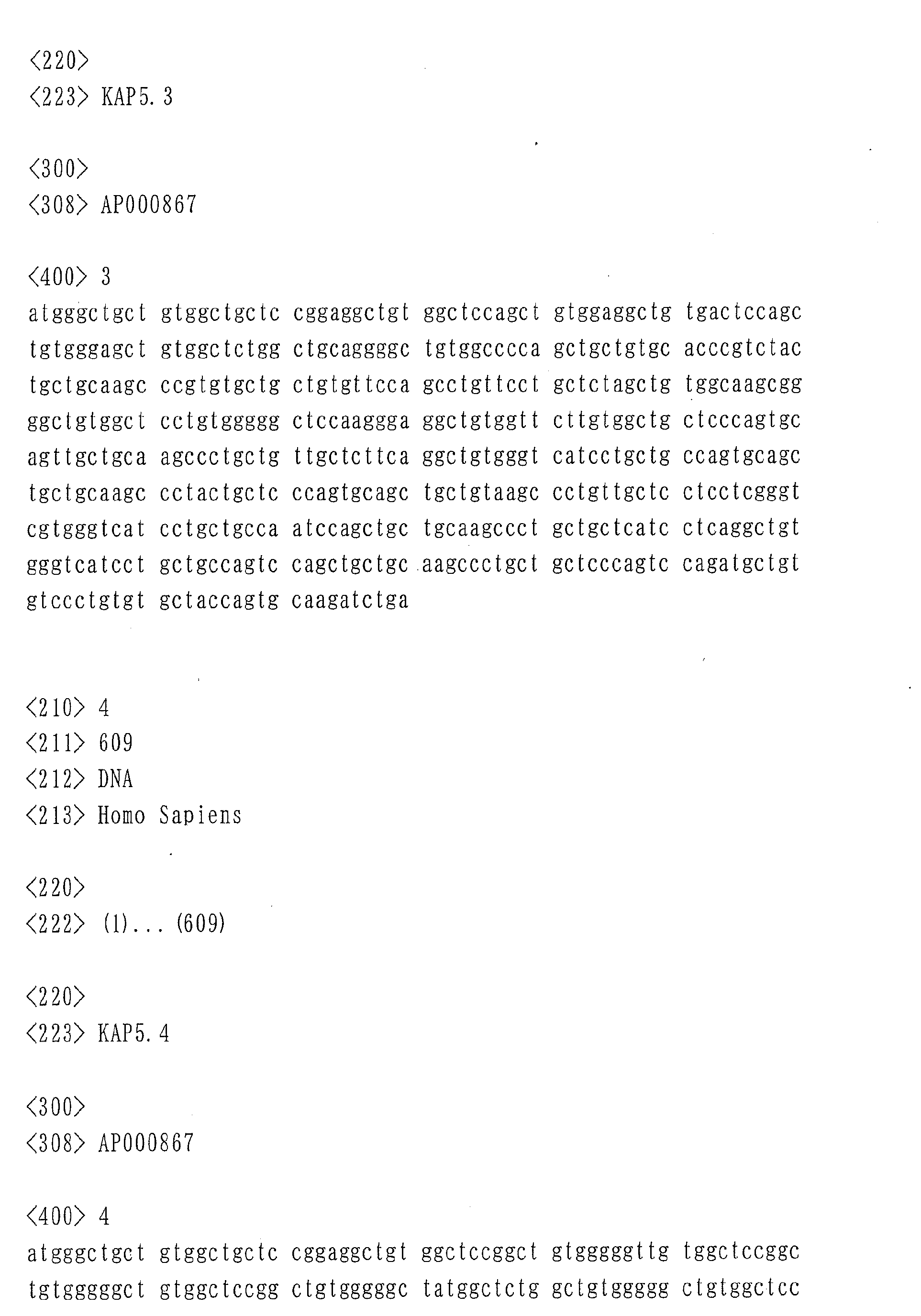


Claims (9)
- A hair resiliency and body improver comprising as the active ingredient one or more types of compounds selected from the group consisting of 2-aminothiazole derivatives represented by the following general formula (1) and pharmaceutically acceptable salts thereof:

- The hair resiliency and body improver according to claim 1, wherein R2 in the general formula (I) is a hydrogen atom.
- The hair resiliency and body improver according to either claim 1 or 2, wherein the 2-aminothiazole derivative is selected from the group consisting of 2-aminothiazole, 2-acetamidothiazole and 2-acetamido-4-methylthiazole.
- A hair cosmetic comprising as the active ingredient one or more types of compounds selected from the group consisting of 2-aminothiazole derivatives represented by the following general formula (1) and pharmaceutically acceptable salts thereof:

- The hair cosmetic according to claim 4, wherein the 2-aminothiazole derivative is selected from the group consisting of 2-aminothiazole, 2-acetamidothiazole and 2-acetamido-4-methylthiazole.
- A method for improving hair resiliency and body comprising the step of applying one or more types of compounds selected from the group consisting of the 2-aminothiazole derivatives and pharmaceutically acceptable salts thereof according to claim 1, to the hair or scalp.
- A method for preparing a hair cosmetic comprising the step of producing a hair cosmetic by adding one or more types of compounds selected from the group consisting of the 2-aminothiazole derivatives and pharmaceutically acceptable salts thereof according to claim 4, to an aqueous phase or oily phase.
- A hair cosmetic comprising as the active ingredient one or more types of compounds selected from the group consisting of 3-aminoisoxazole derivatives represented by the following general formula (2) and pharmaceutically acceptable salts thereof:

- A hair resiliency and body improver comprising as the active ingredient one or more types of compounds selected from the group consisting of the 3-aminoisoxazole derivatives of the general formula (2) and pharmaceutically acceptable salts thereof according to claim 8.
Priority Applications (1)
| Application Number | Priority Date | Filing Date | Title |
|---|---|---|---|
| EP12154575A EP2484342A1 (en) | 2005-07-29 | 2006-07-21 | Hair resiliency / body improver and hair cosmetic |
Applications Claiming Priority (3)
| Application Number | Priority Date | Filing Date | Title |
|---|---|---|---|
| JP2005220504A JP4689393B2 (en) | 2005-07-29 | 2005-07-29 | Hair tension / scrubbing improver and hair cosmetics |
| JP2005247571A JP4646739B2 (en) | 2005-08-29 | 2005-08-29 | Hair tension / scrubbing improver and hair cosmetics |
| PCT/JP2006/314936 WO2007013572A1 (en) | 2005-07-29 | 2006-07-21 | Agent for improvement in bounce/body of hair, and hair cosmetic |
Publications (2)
| Publication Number | Publication Date |
|---|---|
| EP1911750A1 true EP1911750A1 (en) | 2008-04-16 |
| EP1911750A4 EP1911750A4 (en) | 2011-08-24 |
Family
ID=37683462
Family Applications (2)
| Application Number | Title | Priority Date | Filing Date |
|---|---|---|---|
| EP06781847A Withdrawn EP1911750A4 (en) | 2005-07-29 | 2006-07-21 | Agent for improvement in bounce/body of hair, and hair cosmetic |
| EP12154575A Withdrawn EP2484342A1 (en) | 2005-07-29 | 2006-07-21 | Hair resiliency / body improver and hair cosmetic |
Family Applications After (1)
| Application Number | Title | Priority Date | Filing Date |
|---|---|---|---|
| EP12154575A Withdrawn EP2484342A1 (en) | 2005-07-29 | 2006-07-21 | Hair resiliency / body improver and hair cosmetic |
Country Status (6)
| Country | Link |
|---|---|
| US (1) | US20090233975A1 (en) |
| EP (2) | EP1911750A4 (en) |
| KR (1) | KR20080030031A (en) |
| CN (1) | CN101953755B (en) |
| TW (1) | TW200733981A (en) |
| WO (1) | WO2007013572A1 (en) |
Cited By (1)
| Publication number | Priority date | Publication date | Assignee | Title |
|---|---|---|---|---|
| WO2014139757A1 (en) * | 2013-03-11 | 2014-09-18 | Beiersdorf Ag | Combinations of alkylamidothiazoles and preservatives |
Families Citing this family (7)
| Publication number | Priority date | Publication date | Assignee | Title |
|---|---|---|---|---|
| KR100931093B1 (en) * | 2009-05-06 | 2009-12-10 | 박호 | Hair root strengthening and scalp cleaning composition and preparation method thereof |
| DE102013204110A1 (en) * | 2013-03-11 | 2014-09-25 | Beiersdorf Ag | Active ingredient combinations of alkylamidothiazoles and one or more cyclodextrins |
| KR101679334B1 (en) * | 2016-09-02 | 2016-11-24 | 이재일 | Hair dyeing composition having lowering effect of hair damage and scalp stimulation and ammonia odor caused by using ammonia and manufacturing thereof |
| MX2022005810A (en) | 2019-11-12 | 2022-06-08 | Genzyme Corp | 6-MEMBRED HETEROARYLAMINOSULPHONAMIDES FOR TREATING DISEASES AND CONDITIONS MEDIATED BY DEFICIENT CYSTIC FIBROSIS TRANSMEMBRANE CONDUCTANCE REGULATOR (CFTR) ACTIVITY. |
| WO2021113806A1 (en) | 2019-12-05 | 2021-06-10 | Genzyme Corporation | Arylamides and methods of use thereof |
| WO2021113808A1 (en) | 2019-12-05 | 2021-06-10 | Genzyme Corporation | Cftr-modulating arylamides |
| WO2021113809A1 (en) | 2019-12-05 | 2021-06-10 | Genzyme Corporation | Arylamides and methods of use thereof |
Family Cites Families (16)
| Publication number | Priority date | Publication date | Assignee | Title |
|---|---|---|---|---|
| CH421963A (en) * | 1963-08-06 | 1966-10-15 | Hoffmann La Roche | Process for the preparation of aminoisoxazoles |
| JPS5386033A (en) | 1977-10-20 | 1978-07-29 | Shionogi & Co Ltd | Herbicides |
| EP0790057B1 (en) | 1994-11-29 | 2002-06-05 | Hisamitsu Pharmaceutical Co., Inc. | Antibacterial or bactericide comprising 2-aminothiazole derivative and salts thereof |
| JP3670841B2 (en) | 1997-05-30 | 2005-07-13 | 株式会社資生堂 | Hair treatment composition and hair treatment method |
| JP2000000089A (en) | 1998-06-15 | 2000-01-07 | Shiseido Co Ltd | Immortalized human outer root sheath cells and a hair restorer evaluation method using the same |
| JP2002537307A (en) | 1999-02-19 | 2002-11-05 | ベー・エル・アー・ハー・エム・エス・ディアグノスティカ・ゲーエムベーハー | Use of blocking anti-TSH receptor antibodies in the treatment of hyperthyroidism and monoclonal antibodies for such uses |
| US6534531B2 (en) * | 2000-04-27 | 2003-03-18 | Bristol-Myers Squibb Company | Methods for preventing and treating alopecia induced by chemotherapy or radiotherapy |
| JP2002097116A (en) | 2000-09-19 | 2002-04-02 | Shiseido Co Ltd | Cell activator |
| JP2002241308A (en) | 2001-02-21 | 2002-08-28 | Ikeda Mohandou:Kk | Drugs for pruritus cutaneous |
| DE60208630T2 (en) | 2001-05-11 | 2006-08-17 | Pfizer Products Inc., Groton | Thiazole derivatives and their use as cdk inhibitors |
| US6868420B2 (en) | 2002-07-31 | 2005-03-15 | Mitsubishi Electric Research Laboratories, Inc. | Method for traversing quadtrees, octrees, and N-dimensional bi-trees |
| WO2004072068A1 (en) * | 2003-02-10 | 2004-08-26 | Amgen Inc. | Vanilloid receptor ligands and their use in treatments |
| CN1572280B (en) * | 2003-06-20 | 2010-05-05 | 花王株式会社 | Manufacturing method of hair cosmetic |
| FR2857666B1 (en) * | 2003-07-15 | 2005-08-26 | Oreal | TINCTORIAL COMPOSITION COMPRISING AS A COUPLER A FURANE DERIVATIVE AND NEW FURANE DERIVATIVES |
| US20050137239A1 (en) * | 2003-12-17 | 2005-06-23 | Hines Michelle D. | Thiazole derivatives |
| US7297168B2 (en) * | 2004-02-02 | 2007-11-20 | The Procter & Gamble Company | Keratin dyeing compounds, keratin dyeing compositions containing them, and use thereof |
-
2006
- 2006-07-21 WO PCT/JP2006/314936 patent/WO2007013572A1/en not_active Ceased
- 2006-07-21 US US11/997,008 patent/US20090233975A1/en not_active Abandoned
- 2006-07-21 EP EP06781847A patent/EP1911750A4/en not_active Withdrawn
- 2006-07-21 CN CN2010102626168A patent/CN101953755B/en not_active Expired - Fee Related
- 2006-07-21 KR KR1020087001495A patent/KR20080030031A/en not_active Ceased
- 2006-07-21 EP EP12154575A patent/EP2484342A1/en not_active Withdrawn
- 2006-07-28 TW TW095127816A patent/TW200733981A/en unknown
Cited By (2)
| Publication number | Priority date | Publication date | Assignee | Title |
|---|---|---|---|---|
| WO2014139757A1 (en) * | 2013-03-11 | 2014-09-18 | Beiersdorf Ag | Combinations of alkylamidothiazoles and preservatives |
| US9610234B2 (en) | 2013-03-11 | 2017-04-04 | Beiersdorf Ag | Combinations of alkylamidothiazoles and preservatives |
Also Published As
| Publication number | Publication date |
|---|---|
| US20090233975A1 (en) | 2009-09-17 |
| CN101953755B (en) | 2012-03-28 |
| CN101953755A (en) | 2011-01-26 |
| EP2484342A1 (en) | 2012-08-08 |
| TW200733981A (en) | 2007-09-16 |
| WO2007013572A1 (en) | 2007-02-01 |
| EP1911750A4 (en) | 2011-08-24 |
| KR20080030031A (en) | 2008-04-03 |
Similar Documents
| Publication | Publication Date | Title |
|---|---|---|
| JP6826134B2 (en) | Composition for inhibiting microorganisms | |
| CN110300573A (en) | Purposes of the bio-based polymers in makeup, dermatology or pharmacological compositions | |
| MXPA04011607A (en) | Increased moisturization efficacy using hydroxyalkylurea. | |
| CN103857379A (en) | Hair care compositions and methods of use | |
| CN107106430A (en) | Mitochondrial function improver and aging prevent from using composition | |
| KR102171523B1 (en) | How to treat the appearance of thinned hair | |
| EP1891924B1 (en) | Composition for protection of body surface | |
| JP4601088B2 (en) | Ceramide synthesis promoter that enhances sphingomyelinase activity | |
| EP2484342A1 (en) | Hair resiliency / body improver and hair cosmetic | |
| JP2009298752A (en) | Skin care preparation composition for external use | |
| KR102195161B1 (en) | Personal Care Composition Including Hair Restoration Blend | |
| JP2008007476A (en) | Hair restorer composition | |
| JP4689393B2 (en) | Hair tension / scrubbing improver and hair cosmetics | |
| TWI874061B (en) | Aqueous composition and external skin preparation | |
| CN120187292A (en) | Antimicrobial compositions | |
| JP4646739B2 (en) | Hair tension / scrubbing improver and hair cosmetics | |
| US10406086B2 (en) | Moisturizer and cosmetic including the same | |
| JP2008162922A (en) | Tenseness and stiffness improver of hair and hair cosmetic | |
| EP3944856A1 (en) | Use of piroctone olamine | |
| KR101949937B1 (en) | Anti-aging Composition for Skin External Application Comprising Callus extracts from Citrus junos Siebold ex Tanaka and Pyrus pyrifolia Nakai and Xanthan Gum | |
| JP2007254323A (en) | Ameliorant for hair resilience and stiffness and hair cosmetic | |
| KR102781149B1 (en) | Cosmetic composition for increase internal binding water and maintain homeostasis | |
| JP2024004732A (en) | Desmoplakin expression enhancer | |
| KR101984276B1 (en) | A body hair growth inhibition composition comprising berberine hydrochloride as an effective ingredient | |
| JP2024040521A (en) | External composition |
Legal Events
| Date | Code | Title | Description |
|---|---|---|---|
| PUAI | Public reference made under article 153(3) epc to a published international application that has entered the european phase |
Free format text: ORIGINAL CODE: 0009012 |
|
| 17P | Request for examination filed |
Effective date: 20080129 |
|
| AK | Designated contracting states |
Kind code of ref document: A1 Designated state(s): DE ES FR GB IT |
|
| RIC1 | Information provided on ipc code assigned before grant |
Ipc: C07D 277/46 20060101ALI20080602BHEP Ipc: C07D 277/20 20060101ALI20080602BHEP Ipc: C07D 277/40 20060101ALI20080602BHEP Ipc: A61K 8/49 20060101AFI20080602BHEP Ipc: A61Q 5/00 20060101ALI20080602BHEP |
|
| DAX | Request for extension of the european patent (deleted) | ||
| RBV | Designated contracting states (corrected) |
Designated state(s): DE ES FR GB IT |
|
| A4 | Supplementary search report drawn up and despatched |
Effective date: 20110721 |
|
| RIC1 | Information provided on ipc code assigned before grant |
Ipc: A61K 8/49 20060101AFI20110715BHEP Ipc: C07D 277/40 20060101ALI20110715BHEP Ipc: C07D 277/20 20060101ALI20110715BHEP Ipc: C07D 277/46 20060101ALI20110715BHEP Ipc: A61Q 5/00 20060101ALI20110715BHEP |
|
| STAA | Information on the status of an ep patent application or granted ep patent |
Free format text: STATUS: THE APPLICATION IS DEEMED TO BE WITHDRAWN |
|
| 18D | Application deemed to be withdrawn |
Effective date: 20120221 |