EP1896511B1 - A method for preparing low molecular weight polysaccharide and the salt thereof - Google Patents
A method for preparing low molecular weight polysaccharide and the salt thereof Download PDFInfo
- Publication number
- EP1896511B1 EP1896511B1 EP06769044.6A EP06769044A EP1896511B1 EP 1896511 B1 EP1896511 B1 EP 1896511B1 EP 06769044 A EP06769044 A EP 06769044A EP 1896511 B1 EP1896511 B1 EP 1896511B1
- Authority
- EP
- European Patent Office
- Prior art keywords
- exchange resin
- group
- salt
- molecular weight
- acid
- Prior art date
- Legal status (The legal status is an assumption and is not a legal conclusion. Google has not performed a legal analysis and makes no representation as to the accuracy of the status listed.)
- Active
Links
Images

Classifications
-
- C—CHEMISTRY; METALLURGY
- C08—ORGANIC MACROMOLECULAR COMPOUNDS; THEIR PREPARATION OR CHEMICAL WORKING-UP; COMPOSITIONS BASED THEREON
- C08B—POLYSACCHARIDES; DERIVATIVES THEREOF
- C08B37/00—Preparation of polysaccharides not provided for in groups C08B1/00 - C08B35/00; Derivatives thereof
- C08B37/006—Heteroglycans, i.e. polysaccharides having more than one sugar residue in the main chain in either alternating or less regular sequence; Gellans; Succinoglycans; Arabinogalactans; Tragacanth or gum tragacanth or traganth from Astragalus; Gum Karaya from Sterculia urens; Gum Ghatti from Anogeissus latifolia; Derivatives thereof
- C08B37/0063—Glycosaminoglycans or mucopolysaccharides, e.g. keratan sulfate; Derivatives thereof, e.g. fucoidan
- C08B37/0072—Hyaluronic acid, i.e. HA or hyaluronan; Derivatives thereof, e.g. crosslinked hyaluronic acid (hylan) or hyaluronates
-
- A—HUMAN NECESSITIES
- A23—FOODS OR FOODSTUFFS; TREATMENT THEREOF, NOT COVERED BY OTHER CLASSES
- A23L—FOODS, FOODSTUFFS OR NON-ALCOHOLIC BEVERAGES, NOT OTHERWISE PROVIDED FOR; PREPARATION OR TREATMENT THEREOF
- A23L33/00—Modifying nutritive qualities of foods; Dietetic products; Preparation or treatment thereof
- A23L33/10—Modifying nutritive qualities of foods; Dietetic products; Preparation or treatment thereof using additives
Definitions
- the present invention relates to a method for effectively preparing low molecular weight hyaluronic acid and the salt thereof by hydrolyzing high molecular hyaluronic acid with ionic exchange resin under water solution or mixture solution thereof.
- hyaluronic acid is a water-soluble polysaccharide, a bio-macromolecule having long chain structure linked with ⁇ -D-glucuronic acid and ⁇ -D-N-acetylglucosamine which shows various physical characteristics such as high viscosity, hydroscopic activity, biocompatibility and one of main skin components together with collagen and elastine.
- the molecular weight of hyaluronic acid ranges from 0.1x10 6 to 10x10 6 dalton varied from the origin, preparing method and purification method of hyaluronic acid, and their viscosity, elasticity and hydroscopic activity in water solution depending on their molecular weight and concentration.
- hyaluronic acid is a too large molecule to permeate skin barrier till now.
- low molecular weight hyaluronic acid and the salt thereof, especially, oligo-hyaluronic acid having low-molecular weight less than 10,000 dalton has been paid attention by dint of it's favorable advantages such as applicability with high concentration, non-stickiness.
- JP H02-245193 a method using by ammonium persulfurate (Korean Patent Registration No. 10-0369517 ) and method using by hyaluronidase enzymes ( A. Sattor et al., J. Invest. Dermatol. 103, pp576-579, 1994 ; Japanese Patent Publication Nos. JP S62-79790 and JP H11-124401 ).
- JP S62-79790 and JP H11-124401 there still remain lots of problems or disadvantages in the above-described literatures or patents as follows:
- the hydrolysis method under acid condition using inorganic acid or organic acid shows lots of disadvantages such as wide distribution ranges of various molecular weight of hydrolyzed products resulting from abundant production of too many monosaccharides; low transformation rate into lower molecular weight hyaluronic acid; necessity for further purification steps, i.e., desalting steps such as dialysis or ultra filtration caused by salt production associated from neutralization process; the formation of by-products resulting from the ring-cleavage of saccharide in case of hydrolysis method with strong inorganic acid, which could not afford complete production of oligo-hyaluronic acid ( Y. Tokita and A. Okamoto, Polymer Degradation and Stability 48 pp269-273, 1995 ).
- the enzymatic hydrolysis method has some advantages such that it could obtain narrow distribution range of oligo-hyaluronic acid by selecting different hydrolysis condition such as enzyme activity and reaction period, however the method still remain several disadvantages such that it is not economic in mass production since the enzyme is too expensive and it is difficult to remove remained hydrolysis enzyme from the process, which requires further purification steps such as dialysis resulting in costly preparation method. Moreover, it has been reported that the low molecular weight hyaluronic acid obtained by enzymatic hydrolysis method has double-bonded terminal group differently from that of original structure of oligo-hyaluronic acid ( J. A. Alkrad et al., J. Pharm. Biomed. Anal. 31, pp545-550, 2003 ).
- EP 1992645 A1 and EP 1865002 A1 disclose the preparation of low molecular hyaluronic acid by an ion-exchange resin.
- present inventors endeavored to develop effective and economic method for preparing low-molecular weight hyaluronic acid having various advantages over prior arts such as reduction of by-product, convenient reaction and manipulation, cheap priced product, finally found an effective and economic preparation method of the present invention to obtain low molecular-weight hyaluronic acid using by ion exchange resin as a hydrolysis catalyst having heterogeneous phase which has advantageous over prior arts, i.e., it could inhibit the transformation of hyaluronic acid due to its heterogeneous phase condition, easily remove and recover remaining catalyst with simple filtration and neutralization process and so on, and finally have accomplished present invention.
- a method for preparing low molecular weight hyaluronic acid and the salt thereof from high molecular weight hyaluronic acid using by ion exchange resin comprises preparing a low molecular weight hyaluronic acid and the salt thereof from high molecular weight hyaluronic acid by hydrolyzing high molecular weight hyaluronic acid with ion exchange resin under water solution or mixture solution with organic solvent.
- the term "low molecular weight hyaluronic acid and the salt thereof" disclosed herein comprises the compounds represented by following general chemical formula (I) and the salt thereof:
- the pharmaceutically acceptable alkali salt form of inventive compounds may be prepared by using base.
- the alkali metal or alkali-earth metal salt thereof can be prepared by the conventional method, for example, after dissolving the compound in the excess amount of alkali metal hydroxide or alkali-earth metal hydroxide solution, the insoluble salts are filtered and remaining filtrate is subjected to evaporation and drying to obtain the metal salt thereof.
- a metal salt of the present invention sodium, potassium or calcium salt are pharmaceutically suitable and the corresponding silver salt can be prepared by reacting alkali metal salt or alkali-earth metal salt with suitable silver salt such as silver nitrate.
- the pharmaceutically acceptable salt of the compound represented by general formula (I) comprise all the acid or base salt which may be present at the compounds, if it does not indicated specifically herein.
- the pharmaceutically acceptable salt of the present invention comprise the salt of metal group; i.e., alkali metal salt such as lithium, sodium, potassium salt thereof; alkali-earth metal salt such as magnesium, calcium salt thereof; the salt of organic amino group such as ammonia, ethylene diamine, cyclohexyl amine, aniline ethanolamine, diethanolamine, triethanolamine, ethylamine, propyl amine, aryl amine, diethylamine, butylamine, isobutylamine, triethylamine, petylamine, t-butylamine, isopropylamine salt thereof; the salt of hydroxyl group such as the sodium, calcium and potassium salt thereof, more preferably, the salt of hydroxyl group such as the sodium, calcium and potassium salt thereof or the physiologically acceptable salt of amine, which can be
- Distilled water or mixture solution with organic acid preferably, mixed water solution with lower alcohol such as methanol, ethanol in an amount of ranging from 50 fold to 150 fold, preferably, 80 to 120 fold, more preferably, 90 to 110 fold weight based on the weight of high molecular weight hyaluronic acid sodium salt is added to high molecular weight hyaluronic acid to dissolve at 1 st step; appropriate amount of ion exchange resin ranging from 0.01 to 50%, preferably, 1 to 20% weight based on the weight of said high molecular weight hyaluronic acid salt is added to said solution and reacted with stirring at the temperature ranging from 20 to 130°C, preferably, 50 to 100°C, for the period ranging from 24 to 120 hours, preferably, 48 to 72 hours at 2 nd step; after stopping the reaction, said ion exchange resin is removed with filtration and remaining solution is neutralized with neutralizing agent to afford lyophilized low molecular weight hyaluronic acid of the present invention at 3 rd step
- the mixed water solution with lower alcohol is mixed with lower alcohol such as methanol, ethanol, butanol, glycerol, 1,3-butandiol, 1,2-propanediol, isopropanol, isobutanol, ethyleneglycol in a mixed ratio ranging from 1 to 50%, preferably, 1 to 5% in water.
- lower alcohol such as methanol, ethanol, butanol, glycerol, 1,3-butandiol, 1,2-propanediol, isopropanol, isobutanol, ethyleneglycol in a mixed ratio ranging from 1 to 50%, preferably, 1 to 5% in water.
- cationic exchange resin anion exchange resin, or the combination thereof may be used as an exchange resin: specifically, as a cationic exchange resin, for example, strong acid cationic exchange resin such as gel type or porous type-styrene cationic exchange resin with sulfonyl group as an exchanging group and having crosslinking degree ranging from low to high crosslinking degree; strong acid cationic exchange resin with sulfonyl group and phenol group as exchanging groups; weak acid cationic exchange resin such as high porous type acrylic exchange resin with carboxylic group as an exchanging group; weak acid cationic exchange resin with amino acetic acid group as an exchanging group can be preferably used.
- strong acid cationic exchange resin such as gel type or porous type-styrene cationic exchange resin with sulfonyl group as an exchanging group and having crosslinking degree ranging from low to high crosslinking degree
- strong acid cationic exchange resin with sulfonyl group and phenol group as exchanging groups
- anionic exchange resin gel type and porous type strong base styrene anionic exchange resin with triethylammonium group and diethyl ethanol ammonium group as an exchanging group respectively; strong base styrene anionic exchange resin with benzyldimethyl 2-hydroxyethyl ammonium group as an exchanging group; weak base acrylic anionic exchange resin with trimethylammonium group as an exchanging group; weak base styrene anionic exchange resin with tertiary ammine group as an exchanging group; weak base styrene anionic exchange resin with trimethylammonium group as an exchanging group; and weak base styrene anionic exchange resin with benzyltrialkyl ammonium group as an exchanging group can be preferably used.
- various agent such as sodium methoxide, sodium ethoxide, potassium tertiary butylate, sodium hydroxide, calcium carbonate, sodium carbonate, sodium bicarbonate, calcium hydroxide, potassium hydroxide, ethylene diamine, cyclohexylamine, aniline, ethanol amine, diethanol amine, triethanol amine, ethylamine, propylamine, arylamine, diethylamine, butyl amine, isobutyl amine, triethylamine, pentyl amine, t-butyl amine, isopropyl amine can be preferably used.
- the method for preparing low molecular weight hyaluronic acid of the present invention can solve the problems occurring in the prior methods using chemical hydrolysis with acid and enzymatic hydrolysis with enzyme which has lots of disadvantages such as the formation of by-product, high cost, difficulty in mass production and has various advantages over prior arts such as easy to mass production, more economic production, uniform production of purposed low molecular weight hyaluronic acid and the salt thereof having mean molecular weight ranging from 500 to 50,000 dalton. Furthermore, it has been confirmed that the method of the present invention can prevent the ring cleavage of monosacchride in hyaluronic acid occurring in chemical hydrolysis and undesired formation of by-product having double bonded sugar ring occurring in enzymatic hydrolysis.
- the inventive method of the present invention could provide effective and economic method for preparing low-molecular weight hyaluronic acid with mass production and low cost.
- the low molecular weight hyaluronic acid and the salt thereof which has uniform mean molecular weight ranging from 500 to 50,000 dalton and can be prepared by inventive method of the present invention may extensively used as medicine, cosmetic, medical material, food additives.
- Example 1 Preparation of low molecular hyaluronic acid from high molecular weight hyaluronic acid (1)
- the mean molecular weight of various sodium salt of oligo-hyaluronic acids (1)-(22) prepared in Example 1 was determined by GPC under the condition that used column was Ultrahydrogel TM 120.250 model (size: 7.8x300 mm, Waters Co. Ltd) eluted with 0.1M sodium nitrate solution at the speed of 0.8 ml/min and the result was shown in Table 2 and Fig. 1 .
- the method for preparing low molecular weight hyaluronic acid of the present invention could solve the problems occurring in the prior methods using chemical hydrolysis with acid and enzymatic hydrolysis with enzyme which has lots of disadvantages such as the formation of by-product, high cost, difficulty in mass production etc and has various advantages over prior arts such as easy to mass production, more economic production, uniform production of purposed low molecular weight hyaluronic acid, prevention of the ring cleavage of monosacchride in hyaluronic acid occurring in chemical hydrolysis and undesired formation of by-product having double bonded sugar ring occurring in enzymatic hydrolysis.
- the inventive method of the present invention could provide effective and economic method for preparing low-molecular weight hyaluronic acid with mass production and low cost and the low molecular weight hyaluronic acid and the salt thereof prepared from the method of the present invention may extensively be used as a medicine, cosmetic, medical material, food additives.
Landscapes
- Life Sciences & Earth Sciences (AREA)
- Chemical & Material Sciences (AREA)
- Health & Medical Sciences (AREA)
- Engineering & Computer Science (AREA)
- Polymers & Plastics (AREA)
- General Health & Medical Sciences (AREA)
- Food Science & Technology (AREA)
- Nutrition Science (AREA)
- Mycology (AREA)
- Molecular Biology (AREA)
- Biochemistry (AREA)
- Materials Engineering (AREA)
- Chemical Kinetics & Catalysis (AREA)
- Medicinal Chemistry (AREA)
- Organic Chemistry (AREA)
- Polysaccharides And Polysaccharide Derivatives (AREA)
Description
- The present invention relates to a method for effectively preparing low molecular weight hyaluronic acid and the salt thereof by hydrolyzing high molecular hyaluronic acid with ionic exchange resin under water solution or mixture solution thereof.
- It has been known that hyaluronic acid is a water-soluble polysaccharide, a bio-macromolecule having long chain structure linked with β-D-glucuronic acid and β-D-N-acetylglucosamine which shows various physical characteristics such as high viscosity, hydroscopic activity, biocompatibility and one of main skin components together with collagen and elastine. The molecular weight of hyaluronic acid ranges from 0.1x10⁶ to 10x106 dalton varied from the origin, preparing method and purification method of hyaluronic acid, and their viscosity, elasticity and hydroscopic activity in water solution depending on their molecular weight and concentration.
- By dint of those properties, hyaluronic aid and the derivatives thereof have been extensively used in various fields: for examples, USP Nos.
4,141,973 and4,517,295 disclose their use in optical surgery, horse knee treatment and as a cosmetic moisturizing agent; International Patent Publication No.PCT/WO 99/59603 - However, there remains unsolved problem to use as a topical preparation since hyaluronic acid is a too large molecule to permeate skin barrier till now. In an alternative tool, low molecular weight hyaluronic acid and the salt thereof, especially, oligo-hyaluronic acid having low-molecular weight less than 10,000 dalton has been paid attention by dint of it's favorable advantages such as applicability with high concentration, non-stickiness.
- There have been reported on the method for preparing low-molecular weight hyaluronic acid from high molecular weight hyaluronic acid: for example, the method using by heating method with high temperature and ultra-sonication method (Motohashi et al., Journal of Chromatography, 435 pp335-342, 1988; Bothner et al., Int. J. Biol. Macromol., p10, 1998); the method using by acid or base catalyst (Japanese Patent Publication Nos.
JP S63-57602 JP H01-266102 JP H02-245193 10-0369517 JP S62-79790 JP H11-124401 - For example, the hydrolysis method under acid condition using inorganic acid or organic acid shows lots of disadvantages such as wide distribution ranges of various molecular weight of hydrolyzed products resulting from abundant production of too many monosaccharides; low transformation rate into lower molecular weight hyaluronic acid; necessity for further purification steps, i.e., desalting steps such as dialysis or ultra filtration caused by salt production associated from neutralization process; the formation of by-products resulting from the ring-cleavage of saccharide in case of hydrolysis method with strong inorganic acid, which could not afford complete production of oligo-hyaluronic acid (Y. Tokita and A. Okamoto, Polymer Degradation and Stability 48 pp269-273, 1995). In a while, the enzymatic hydrolysis method has some advantages such that it could obtain narrow distribution range of oligo-hyaluronic acid by selecting different hydrolysis condition such as enzyme activity and reaction period, however the method still remain several disadvantages such that it is not economic in mass production since the enzyme is too expensive and it is difficult to remove remained hydrolysis enzyme from the process, which requires further purification steps such as dialysis resulting in costly preparation method. Moreover, it has been reported that the low molecular weight hyaluronic acid obtained by enzymatic hydrolysis method has double-bonded terminal group differently from that of original structure of oligo-hyaluronic acid (J. A. Alkrad et al., J. Pharm. Biomed. Anal. 31, pp545-550, 2003).
-
EP 1992645 A1 andEP 1865002 A1 disclose the preparation of low molecular hyaluronic acid by an ion-exchange resin. - Accordingly, present inventors endeavored to develop effective and economic method for preparing low-molecular weight hyaluronic acid having various advantages over prior arts such as reduction of by-product, convenient reaction and manipulation, cheap priced product, finally found an effective and economic preparation method of the present invention to obtain low molecular-weight hyaluronic acid using by ion exchange resin as a hydrolysis catalyst having heterogeneous phase which has advantageous over prior arts, i.e., it could inhibit the transformation of hyaluronic acid due to its heterogeneous phase condition, easily remove and recover remaining catalyst with simple filtration and neutralization process and so on, and finally have accomplished present invention.
- Accordingly, it is an object of the present invention to provide a method for preparing low molecular weight hyaluronic acid from high molecular weight hyaluronic acid using by ion exchange resin.
- In accordance with one aspect of the present invention, there is provided a method for preparing low molecular weight hyaluronic acid and the salt thereof from high molecular weight hyaluronic acid using by ion exchange resin according to annexed claim 1. The method comprises preparing a low molecular weight hyaluronic acid and the salt thereof from high molecular weight hyaluronic acid by hydrolyzing high molecular weight hyaluronic acid with ion exchange resin under water solution or mixture solution with organic solvent.
The term "low molecular weight hyaluronic acid and the salt thereof" disclosed herein comprises the compounds represented by following general chemical formula (I) and the salt thereof:
- wherein n is an integer of 1 to 120,
- R is a hydrogen atom or pharmaceutically acceptable salt.
- Further, the pharmaceutically acceptable alkali salt form of inventive compounds may be prepared by using base. The alkali metal or alkali-earth metal salt thereof can be prepared by the conventional method, for example, after dissolving the compound in the excess amount of alkali metal hydroxide or alkali-earth metal hydroxide solution, the insoluble salts are filtered and remaining filtrate is subjected to evaporation and drying to obtain the metal salt thereof. As a metal salt of the present invention, sodium, potassium or calcium salt are pharmaceutically suitable and the corresponding silver salt can be prepared by reacting alkali metal salt or alkali-earth metal salt with suitable silver salt such as silver nitrate.
- The pharmaceutically acceptable salt of the compound represented by general formula (I) comprise all the acid or base salt which may be present at the compounds, if it does not indicated specifically herein. For example, the pharmaceutically acceptable salt of the present invention comprise the salt of metal group; i.e., alkali metal salt such as lithium, sodium, potassium salt thereof; alkali-earth metal salt such as magnesium, calcium salt thereof; the salt of organic amino group such as ammonia, ethylene diamine, cyclohexyl amine, aniline ethanolamine, diethanolamine, triethanolamine, ethylamine, propyl amine, aryl amine, diethylamine, butylamine, isobutylamine, triethylamine, petylamine, t-butylamine, isopropylamine salt thereof; the salt of hydroxyl group such as the sodium, calcium and potassium salt thereof, more preferably, the salt of hydroxyl group such as the sodium, calcium and potassium salt thereof or the physiologically acceptable salt of amine, which can be prepared by the conventional method well known in the art.
- Above described low molecular weight hyaluronic acid of the present invention is prepared by the following procedures.
- Distilled water or mixture solution with organic acid, preferably, mixed water solution with lower alcohol such as methanol, ethanol in an amount of ranging from 50 fold to 150 fold, preferably, 80 to 120 fold, more preferably, 90 to 110 fold weight based on the weight of high molecular weight hyaluronic acid sodium salt is added to high molecular weight hyaluronic acid to dissolve at 1st step; appropriate amount of ion exchange resin ranging from 0.01 to 50%, preferably, 1 to 20% weight based on the weight of said high molecular weight hyaluronic acid salt is added to said solution and reacted with stirring at the temperature ranging from 20 to 130°C, preferably, 50 to 100°C, for the period ranging from 24 to 120 hours, preferably, 48 to 72 hours at 2nd step; after stopping the reaction, said ion exchange resin is removed with filtration and remaining solution is neutralized with neutralizing agent to afford lyophilized low molecular weight hyaluronic acid of the present invention at 3rd step.
- In the above described method of the present invention,
At the 1st step, it is preferable that the mixed water solution with lower alcohol is mixed with lower alcohol such as methanol, ethanol, butanol, glycerol, 1,3-butandiol, 1,2-propanediol, isopropanol, isobutanol, ethyleneglycol in a mixed ratio ranging from 1 to 50%, preferably, 1 to 5% in water.
At the 2nd step, cationic exchange resin, anion exchange resin, or the combination thereof may be used as an exchange resin: specifically, as a cationic exchange resin, for example, strong acid cationic exchange resin such as gel type or porous type-styrene cationic exchange resin with sulfonyl group as an exchanging group and having crosslinking degree ranging from low to high crosslinking degree; strong acid cationic exchange resin with sulfonyl group and phenol group as exchanging groups; weak acid cationic exchange resin such as high porous type acrylic exchange resin with carboxylic group as an exchanging group; weak acid cationic exchange resin with amino acetic acid group as an exchanging group can be preferably used. As an anionic exchange resin, gel type and porous type strong base styrene anionic exchange resin with triethylammonium group and diethyl ethanol ammonium group as an exchanging group respectively; strong base styrene anionic exchange resin with benzyldimethyl 2-hydroxyethyl ammonium group as an exchanging group; weak base acrylic anionic exchange resin with trimethylammonium group as an exchanging group; weak base styrene anionic exchange resin with tertiary ammine group as an exchanging group; weak base styrene anionic exchange resin with trimethylammonium group as an exchanging group; and weak base styrene anionic exchange resin with benzyltrialkyl ammonium group as an exchanging group can be preferably used. - At the 3rd step, as a neutralizing agent to neutralize the reaction solution cationic exchange resin, various agent such as sodium methoxide, sodium ethoxide, potassium tertiary butylate, sodium hydroxide, calcium carbonate, sodium carbonate, sodium bicarbonate, calcium hydroxide, potassium hydroxide, ethylene diamine, cyclohexylamine, aniline, ethanol amine, diethanol amine, triethanol amine, ethylamine, propylamine, arylamine, diethylamine, butyl amine, isobutyl amine, triethylamine, pentyl amine, t-butyl amine, isopropyl amine can be preferably used.
- The method for preparing low molecular weight hyaluronic acid of the present invention can solve the problems occurring in the prior methods using chemical hydrolysis with acid and enzymatic hydrolysis with enzyme which has lots of disadvantages such as the formation of by-product, high cost, difficulty in mass production and has various advantages over prior arts such as easy to mass production, more economic production, uniform production of purposed low molecular weight hyaluronic acid and the salt thereof having mean molecular weight ranging from 500 to 50,000 dalton. Furthermore, it has been confirmed that the method of the present invention can prevent the ring cleavage of monosacchride in hyaluronic acid occurring in chemical hydrolysis and undesired formation of by-product having double bonded sugar ring occurring in enzymatic hydrolysis.
- Therefore, the inventive method of the present invention could provide effective and economic method for preparing low-molecular weight hyaluronic acid with mass production and low cost.
- The low molecular weight hyaluronic acid and the salt thereof which has uniform mean molecular weight ranging from 500 to 50,000 dalton and can be prepared by inventive method of the present invention may extensively used as medicine, cosmetic, medical material, food additives.
-
-
Fig.1 . presents a GPC analysis of oligo-hyaluronic acid prepared in Example 1; -
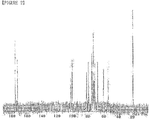
Fig.2 . depicts a 13C-NMR spectrum of oligo-hyaluronic acid prepared in Example 1. - The present invention is more specifically explained by the following figures and examples. However, it should be understood that the present invention is not limited to these examples in any manner.
- 10 g of high molecular weight sodium salt of hyaluronic acid (Bioland Co. Ltd, Korea) was added to 1,000 g of distilled water to dissolve it. 80 g of strong acid cationic exchange resin (
Amberite IR 120, Aldrich Co. Ltd) was added thereto and reacted with stirring at 80-90 °C for 48 hours. After stopping the reaction, remaining exchange resin was removed with filtration and the solution was neutralized with 1 N sodium bicarbonate. The neutralized solution was lyophilized to afford purposed low molecular weight hyaluronic acid ( See Table 1). - To obtain various sodium salt of oligo-hyaluronic acid (2)-(22), all the hydrolysis methods were identical with that disclosed in Example 1-1 except adopting different condition varying with the added amount and the sort of ion exchange resin, reaction time, and the sort of solvent. The result was shown in following Table 1.
[Table 1] No. Ion exchange Resin Reaction Time (hr) Solvent Weight of final product (g) Type Resin amount (g) (1) Strong acid cationic Amberlite IR120 80 48 water 9.2 (2) 160 48 water 9.1 (3) Weak acid cationic Amberlite IRP64 100 48 water 9.5 (4) 200 48 water 9.0 (5) Strong acid cationic Amberlite IR120 80 72 water 8.8 (6) 160 72 water 8.9 (7) Weak acid cationic Amberlite IRP64 100 72 water 9.2 (8) 200 72 water 9.2 (9) Strong base anionic Amberlite IRA400 120 48 water 9.1 (10) 200 48 water 8.8 (11) Weak base anionic Amberlite IRA67 120 48 water 9.3 (12) 200 48 water 9.0 (13) Strong base anionic Amberlite IRA400 120 72 water 8.7 (14) 200 72 water 9.4 (15) Weak base anionic Amberlite IRA67 120 72 water 9.1 (16) 200 72 water 9.3 (17) Strong acid cationic Amberlite IR120 160 96 water 9.0 (18) 160 120 water 8.8 (19) 160 72 5% EtOH 8.5 (20) 160 72 5% EtOH 8.3 (21) 160 72 20% EtOH 7.4 (22) 160 72 40% EtOH 7.2 - The mean molecular weight of various sodium salt of oligo-hyaluronic acids (1)-(22) prepared in Example 1 was determined by GPC under the condition that used column was Ultrahydrogel TM 120.250 model (size: 7.8x300 mm, Waters Co. Ltd) eluted with 0.1M sodium nitrate solution at the speed of 0.8 ml/min and the result was shown in Table 2 and
Fig. 1 .Table 2 No Mw* Mn** PDI*** (1) 5,710 3,270 1,746 (2) 5,123 3,582 1,430 (3) 15,204 10,856 1,401 (4) 12,534 9,254 1,354 (5) 4,234 2,948 1,436 (6) 3,823 2,623 1,457 (7) 9,872 6,562 1,504 (8) 8,923 6,189 1,442 (9) 15,845 9,857 1,607 (10) 12,856 8,102 1,587 (11) 18,023 9,758 1,847 (12) 16,654 11,025 1,511 (13) 13,007 7,634 1,704 (14) 9,924 5,997 1,655 (15) 17,752 9,241 1,921 (16) 15,546 8,534 1,822 (17) 2,062 1,246 1,654 (18) 1,409 924 1,525 (19) 18,599 9,865 1,885 (20) 20,032 12,252 1,635 (21) 29,133 17,476 1,667 (22) 30,409 19,720 1,542 *: Mw: Mean Molecular weight (weight),**Mn: Mean Molecular weight (number),***PDI: Poly Dispersity Index - The chemical structure of various sodium salt of oligo-hyaluronic acids (1)-(22) prepared in Example 1 was analyzed by 13C-NMR spectrometer (Varian Mercury plus 400) using D2O (Deuterium oxide 99.9 atom %D, Aldrich Co. Ltd) as a solvent.
- At the result, there did not show any by-product which shows double-bonded chain or cleaved sugar ring and showed clear spectrum of oligo-hyaluronic acid ( See
Fig. 2 ). - The method for preparing low molecular weight hyaluronic acid of the present invention could solve the problems occurring in the prior methods using chemical hydrolysis with acid and enzymatic hydrolysis with enzyme which has lots of disadvantages such as the formation of by-product, high cost, difficulty in mass production etc and has various advantages over prior arts such as easy to mass production, more economic production, uniform production of purposed low molecular weight hyaluronic acid, prevention of the ring cleavage of monosacchride in hyaluronic acid occurring in chemical hydrolysis and undesired formation of by-product having double bonded sugar ring occurring in enzymatic hydrolysis. Therefore, the inventive method of the present invention could provide effective and economic method for preparing low-molecular weight hyaluronic acid with mass production and low cost and the low molecular weight hyaluronic acid and the salt thereof prepared from the method of the present invention may extensively be used as a medicine, cosmetic, medical material, food additives.
Preferably, the term "low molecular weight hyaluronic acid and the salt thereof" disclosed herein comprises the low molecular weight hyaluronic acid and the salt thereof having molecular weight ranging from 500 to 50,000 dalton, more preferably, 500 to 30,000 dalton, most preferably, 500 to 10,000.
Specifically, the pharmaceutically acceptable salt of the compounds represented by general formula (I) includes metal salt, acid salt, and base salt, preferably, the alkali metal or alkali-earth metal salt. As a free acid of above-described method, organic acid or inorganic acid can be used. For example, organic acid such as methansulfonic acid, p-toluensulfonic acid, acetic acid, trifluoroacetic acid, citric acid, maleic acid, succinic acid, oxalic acid, benzoic acid, lactic acid, glycolic acid, gluconic acid, galacturonic acid, glutamic acid, glutaric acid, glucuronic acid, aspartic acid, ascorbic acid, carbonylic acid, vanillic acid, hydroiodic acid, and inorganic acid such as hydrochloric acid, phosphoric acid, sulfuric acid, nitric acid, tartaric acid can be used herein, which can be formed by a pharmaceutically acceptable free acid thereof and can be prepared by the conventional method. For example, after dissolving the compound in the excess amount of acid solution, the salts are precipitated by the water-miscible organic solvent such as methanol, ethanol, acetone or acetonitrile to prepare acid addition salt thereof and further the mixture of equivalent amount of compound and diluted acid with water or alcohol such as glycol monomethylether, can be heated and subsequently dried by evaporation or filtrated under reduced pressure to obtain dried salt form thereof.
Claims (15)
- A method for preparing a low molecular weight hyaluronic acid and the salt thereof from high molecular weight hyaluronic acid comprising the procedure consisting of: adding 50 fold to 150 fold weight of distilled water or mixture solution with organic solvent to high molecular weight hyaluronic acid to dissolve at 1st step; adding 0.01 to 50% ion exchange resin by weight to said solution and reacting with stirring at the temperature ranging from 20 to 100°C, for the period ranging from 24 to 120 hours to hydrolyze the high molecular weight hyaluronic acid at 2nd step; removing said ion exchange resin with filtration after stopping the reaction, and neutralizing remaining solution with neutralizing agent to afford lyophilized low molecular weight hyaluronic acid of the present invention at 3rd step.
- The method according to claim 1 said hyaluronic acid is the compounds represented by following general chemical formula (I) and the salt thereof:
 wherein n is an integer of 1 to 120,R is a hydrogen atom or pharmaceutically acceptable salt.
 - The method according to claim 2 said n is an integer of 1 to 25.
- The method according to claim 1 the molecular weight of said low molecular weight hyaluronic acid ranges from 500 to 50,000 dalton.
- The method according to claim 1 said salt is selected from metal salt or base salt.
- The method according to claim 5 said metal salt is alkali metal salt selected from lithium, sodium, potassium salt thereof or alkali-earth metal salt selected from magnesium, calcium salt thereof.
- The method according to claim 5 said base salt is organic amino group selected from the group consisting of: ammonia, ethylene diamine, cyclohexyl amine, aniline ethanolamine, diethanolamine, triethanolamine, ethylamine, propyl amine, aryl amine, diethylamine, butylamine, isobutylamine, triethylamine, petylamine, t-butylamine, isopropylamine salt thereof.
- The method according to claim 1 said ion exchange resin is cationic ion exchange resin, anionic exchange resin or the combination thereof.
- The method according to claim 8 said cationic ion exchange resin is selected from strong acid cationic exchange resin such as gel type or porous type-styrene cationic exchange resin with sulfonyl group as an exchanging group, strong acid cationic exchange resin with sulfonyl group and phenol group as exchanging groups, weak acid cationic exchange resin such as high porous type acrylic exchange resin with carboxylic group as an exchanging group or weak acid cationic exchange resin with amino acetic acid group as an exchanging group anionic exchange.
- The method according to claim 8 said anionic ion exchange resin is selected from gel type and porous type strong base styrene anionic exchange resin with triethylammonium group and diethyl ethanol ammonium group as an exchanging group respectively, strong base styrene anionic exchange resin with benzyldimethyl 2-hydroxyethyl ammonium group as an exchanging group, weak base acrylic anionic exchange resin with trimethylammonium group as an exchanging group, weak base styrene anionic exchange resin with tertiary ammine group as an exchanging group, weak base styrene anionic exchange resin with trimethylammonium group as an exchanging group or weak base styrene anionic exchange resin with benzyltrialkyl ammonium group as an exchanging group strong acid cationic exchange resin such as gel type or porous type-styrene cationic exchange resin with sulfonyl group as an exchanging group.
- The method according to claim 1 the amount of said anionic ion exchange resin is 1 to 20% weight based on the weight of said high molecular weight hyaluronic acid salt.
- The method according to claim 1 the temperature of said reaction ranges from 50 to 100°C, for the period ranging from 24 to 120 hours.
- The method according to claim 1 said organic solvent is a lower alcohol selected from methanol, ethanol, butanol, glycerol, 1,3-butandiol, 1,2-propanediol, isopropanol, isobutanol or ethyleneglycol.
- The method according to claim 1 the mixed ratio of said organic solvent is ranging from 1 to 50%.
- The method according to claim 1 the mixed ratio of said organic solvent is ranging from 1 to 5%.
Applications Claiming Priority (2)
| Application Number | Priority Date | Filing Date | Title |
|---|---|---|---|
| KR1020050055478A KR100665916B1 (en) | 2005-06-27 | 2005-06-27 | Low molecular weight polysaccharides and their preparation method |
| PCT/KR2006/002467 WO2007001140A1 (en) | 2005-06-27 | 2006-06-26 | A method for preparing low molecular weight polysaccharide and the salt thereof |
Publications (3)
| Publication Number | Publication Date |
|---|---|
| EP1896511A1 EP1896511A1 (en) | 2008-03-12 |
| EP1896511A4 EP1896511A4 (en) | 2010-04-28 |
| EP1896511B1 true EP1896511B1 (en) | 2017-10-25 |
Family
ID=37595354
Family Applications (1)
| Application Number | Title | Priority Date | Filing Date |
|---|---|---|---|
| EP06769044.6A Active EP1896511B1 (en) | 2005-06-27 | 2006-06-26 | A method for preparing low molecular weight polysaccharide and the salt thereof |
Country Status (3)
| Country | Link |
|---|---|
| EP (1) | EP1896511B1 (en) |
| KR (1) | KR100665916B1 (en) |
| WO (1) | WO2007001140A1 (en) |
Families Citing this family (4)
| Publication number | Priority date | Publication date | Assignee | Title |
|---|---|---|---|---|
| JP2008280430A (en) * | 2007-05-10 | 2008-11-20 | Mitsubishi Rayon Co Ltd | Method for producing hyaluronic acid |
| KR101449687B1 (en) | 2008-03-13 | 2014-10-14 | 주식회사 바이오랜드 | Anti-aging composition containing a polysaccharide extract separated from low molecular weight and high molecular weight hyaluronic acid and rhizome |
| JP6865980B2 (en) | 2017-04-07 | 2021-04-28 | ユーレー カンパニー リミテッドYoureh Co.,Ltd. | Method for producing low molecular weight hyaluronic acid |
| KR102780203B1 (en) | 2024-01-25 | 2025-03-14 | (주)바이오스트림 | Paenibacillus strain and new enzyme derived from the same |
Family Cites Families (8)
| Publication number | Priority date | Publication date | Assignee | Title |
|---|---|---|---|---|
| JPS6279790A (en) | 1985-09-30 | 1987-04-13 | Toyo Jozo Co Ltd | Production of modified hyaluronic acid |
| JPS6357602A (en) * | 1986-08-29 | 1988-03-12 | Q P Corp | Production of low-molecular hyaluronic acid |
| KR100381408B1 (en) * | 1996-01-16 | 2003-08-21 | 주식회사 엘지생명과학 | Method for producing low molecular weight sodium hyaluronate |
| JP4151092B2 (en) * | 1997-10-22 | 2008-09-17 | チッソ株式会社 | Method for producing oligohyaluronic acid or a salt thereof |
| KR100369517B1 (en) * | 2000-08-29 | 2003-01-29 | 김공수 | Method for preparing a low molecular weight polysaccharides and oligosaccharides |
| JP2005110675A (en) * | 2003-09-16 | 2005-04-28 | Meiji Univ | Method for producing low sugar and / or oligosaccharide, and functional low sugar and / or oligosaccharide |
| JP4576583B2 (en) * | 2005-03-22 | 2010-11-10 | キユーピー株式会社 | Hyaluronic acid or a salt thereof, method for producing the same, and cosmetics and food compositions containing the same |
| JP5289936B2 (en) * | 2006-02-24 | 2013-09-11 | キユーピー株式会社 | Novel low molecular weight hyaluronic acid and / or salt thereof, and cosmetics, pharmaceutical compositions and food compositions using the same |
-
2005
- 2005-06-27 KR KR1020050055478A patent/KR100665916B1/en not_active Expired - Lifetime
-
2006
- 2006-06-26 WO PCT/KR2006/002467 patent/WO2007001140A1/en not_active Ceased
- 2006-06-26 EP EP06769044.6A patent/EP1896511B1/en active Active
Non-Patent Citations (1)
| Title |
|---|
| None * |
Also Published As
| Publication number | Publication date |
|---|---|
| KR100665916B1 (en) | 2007-01-10 |
| WO2007001140A1 (en) | 2007-01-04 |
| EP1896511A4 (en) | 2010-04-28 |
| EP1896511A1 (en) | 2008-03-12 |
| KR20070000057A (en) | 2007-01-02 |
Similar Documents
| Publication | Publication Date | Title |
|---|---|---|
| KR100992178B1 (en) | Water-soluble iron-carbohydrate complex, preparation method thereof and medicament containing the complex | |
| JPH0558002B2 (en) | ||
| JP2003523460A5 (en) | ||
| CA2167059A1 (en) | Heparin derivatives having antimetastatic activity | |
| US6992183B2 (en) | Highly sulfated derivatives of K5 polysaccharide and their preparation | |
| JP7139360B2 (en) | Derivatives of water-soluble polysaccharides, methods for their preparation, and uses thereof | |
| WO2007001140A1 (en) | A method for preparing low molecular weight polysaccharide and the salt thereof | |
| AU2002236118A1 (en) | Highly sulfated derivatives of K5 polysaccharide and their preparation | |
| CN108017723B (en) | Preparation method of high-quality high-molecular-weight carboxymethyl chitosan | |
| JP3369845B2 (en) | Method for denaturing polyglucosamine | |
| US7345165B2 (en) | Method for preparing water-soluble free amine chitosan | |
| US12234302B2 (en) | Chitosan derivatives and methods for preparing the same | |
| JP2005533878A (en) | Epimerized derivatives of K5 polysaccharide with very high degree of sulfation | |
| KR20060136027A (en) | A method for preparing low molecular weight polysaccharide and the salt thereof | |
| KR20180021829A (en) | Derivatives of Sulfated polysaccharides and their preparation, modification and use | |
| KR100441270B1 (en) | The Method for Preparation of Water Soluble Free Amine Chitosan | |
| JPH01167302A (en) | Stabilization treatment method for water-soluble chitin or chitosan | |
| KR102957772B1 (en) | Method for purifying sodium hyaluronate salt in an organic solvent | |
| Joshi et al. | Chemical preparation of chitooligosaccharides | |
| JPS6377901A (en) | Novel polysaccharides | |
| JPS6363701A (en) | Production of water-soluble chitosan of lowered molecular weight | |
| HK1081976B (en) | Water-soluble iron-carbohydrate complexes, production thereof, and medicaments containing said complexes | |
| KR20010045184A (en) | Chitosan derivative bonding polypropyleneglycol and process for producing the same |
Legal Events
| Date | Code | Title | Description |
|---|---|---|---|
| PUAI | Public reference made under article 153(3) epc to a published international application that has entered the european phase |
Free format text: ORIGINAL CODE: 0009012 |
|
| 17P | Request for examination filed |
Effective date: 20071023 |
|
| AK | Designated contracting states |
Kind code of ref document: A1 Designated state(s): DE FR GB |
|
| DAX | Request for extension of the european patent (deleted) | ||
| RIN1 | Information on inventor provided before grant (corrected) |
Inventor name: CHO, NAM SUK Inventor name: KIM, KI HO Inventor name: YU, HEUI JONG Inventor name: KIM, JIN GUK Inventor name: KIM, KI SOO Inventor name: CHOI, BONG RAK108-804, CHEONGDANG MAEUL Inventor name: KIM, YOUNG HEUI |
|
| DAX | Request for extension of the european patent (deleted) | ||
| RBV | Designated contracting states (corrected) |
Designated state(s): DE FR GB |
|
| A4 | Supplementary search report drawn up and despatched |
Effective date: 20100329 |
|
| 17Q | First examination report despatched |
Effective date: 20101110 |
|
| RAP1 | Party data changed (applicant data changed or rights of an application transferred) |
Owner name: SK BIOLAND CO., LTD. |
|
| GRAP | Despatch of communication of intention to grant a patent |
Free format text: ORIGINAL CODE: EPIDOSNIGR1 |
|
| INTG | Intention to grant announced |
Effective date: 20170331 |
|
| GRAJ | Information related to disapproval of communication of intention to grant by the applicant or resumption of examination proceedings by the epo deleted |
Free format text: ORIGINAL CODE: EPIDOSDIGR1 |
|
| GRAL | Information related to payment of fee for publishing/printing deleted |
Free format text: ORIGINAL CODE: EPIDOSDIGR3 |
|
| GRAS | Grant fee paid |
Free format text: ORIGINAL CODE: EPIDOSNIGR3 |
|
| INTC | Intention to grant announced (deleted) | ||
| GRAR | Information related to intention to grant a patent recorded |
Free format text: ORIGINAL CODE: EPIDOSNIGR71 |
|
| GRAA | (expected) grant |
Free format text: ORIGINAL CODE: 0009210 |
|
| AK | Designated contracting states |
Kind code of ref document: B1 Designated state(s): DE FR GB |
|
| INTG | Intention to grant announced |
Effective date: 20170919 |
|
| REG | Reference to a national code |
Ref country code: GB Ref legal event code: FG4D |
|
| REG | Reference to a national code |
Ref country code: DE Ref legal event code: R096 Ref document number: 602006053945 Country of ref document: DE |
|
| REG | Reference to a national code |
Ref country code: FR Ref legal event code: PLFP Year of fee payment: 13 |
|
| REG | Reference to a national code |
Ref country code: DE Ref legal event code: R097 Ref document number: 602006053945 Country of ref document: DE |
|
| PLBE | No opposition filed within time limit |
Free format text: ORIGINAL CODE: 0009261 |
|
| STAA | Information on the status of an ep patent application or granted ep patent |
Free format text: STATUS: NO OPPOSITION FILED WITHIN TIME LIMIT |
|
| 26N | No opposition filed |
Effective date: 20180726 |
|
| REG | Reference to a national code |
Ref country code: DE Ref legal event code: R082 Ref document number: 602006053945 Country of ref document: DE Representative=s name: VIERING, JENTSCHURA & PARTNER MBB PATENT- UND , DE Ref country code: DE Ref legal event code: R081 Ref document number: 602006053945 Country of ref document: DE Owner name: HYUNDAI BIOLAND CO., LTD., CHEONGJU-SI, KR Free format text: FORMER OWNER: SK BIOLAND CO., LTD., CHEONAN, CHUNGNAM, KR |
|
| P01 | Opt-out of the competence of the unified patent court (upc) registered |
Effective date: 20230508 |
|
| PGFP | Annual fee paid to national office [announced via postgrant information from national office to epo] |
Ref country code: DE Payment date: 20250528 Year of fee payment: 20 |
|
| PGFP | Annual fee paid to national office [announced via postgrant information from national office to epo] |
Ref country code: GB Payment date: 20250529 Year of fee payment: 20 |
|
| PGFP | Annual fee paid to national office [announced via postgrant information from national office to epo] |
Ref country code: FR Payment date: 20250610 Year of fee payment: 20 |