EP1891962A1 - Glutathione based delivery system - Google Patents
Glutathione based delivery system Download PDFInfo
- Publication number
- EP1891962A1 EP1891962A1 EP05292820A EP05292820A EP1891962A1 EP 1891962 A1 EP1891962 A1 EP 1891962A1 EP 05292820 A EP05292820 A EP 05292820A EP 05292820 A EP05292820 A EP 05292820A EP 1891962 A1 EP1891962 A1 EP 1891962A1
- Authority
- EP
- European Patent Office
- Prior art keywords
- tocotrienol
- tocopherol
- derivative
- polyethylene glycol
- delivery system
- Prior art date
- Legal status (The legal status is an assumption and is not a legal conclusion. Google has not performed a legal analysis and makes no representation as to the accuracy of the status listed.)
- Granted
Links
- ULPBRVBQCZPIHW-UHFFFAOYSA-N CC(C1C)C1NC Chemical compound CC(C1C)C1NC ULPBRVBQCZPIHW-UHFFFAOYSA-N 0.000 description 1
- YYMQZXMSPLVJJN-UHFFFAOYSA-N CC(CC1)C1N Chemical compound CC(CC1)C1N YYMQZXMSPLVJJN-UHFFFAOYSA-N 0.000 description 1
Images




Classifications
-
- A—HUMAN NECESSITIES
- A61—MEDICAL OR VETERINARY SCIENCE; HYGIENE
- A61K—PREPARATIONS FOR MEDICAL, DENTAL OR TOILETRY PURPOSES
- A61K9/00—Medicinal preparations characterised by special physical form
- A61K9/10—Dispersions; Emulsions
- A61K9/127—Synthetic bilayered vehicles, e.g. liposomes or liposomes with cholesterol as the only non-phosphatidyl surfactant
-
- A—HUMAN NECESSITIES
- A61—MEDICAL OR VETERINARY SCIENCE; HYGIENE
- A61K—PREPARATIONS FOR MEDICAL, DENTAL OR TOILETRY PURPOSES
- A61K38/00—Medicinal preparations containing peptides
- A61K38/04—Peptides having up to 20 amino acids in a fully defined sequence; Derivatives thereof
- A61K38/06—Tripeptides
- A61K38/063—Glutathione
-
- A—HUMAN NECESSITIES
- A61—MEDICAL OR VETERINARY SCIENCE; HYGIENE
- A61K—PREPARATIONS FOR MEDICAL, DENTAL OR TOILETRY PURPOSES
- A61K47/00—Medicinal preparations characterised by the non-active ingredients used, e.g. carriers or inert additives; Targeting or modifying agents chemically bound to the active ingredient
- A61K47/50—Medicinal preparations characterised by the non-active ingredients used, e.g. carriers or inert additives; Targeting or modifying agents chemically bound to the active ingredient the non-active ingredient being chemically bound to the active ingredient, e.g. polymer-drug conjugates
- A61K47/69—Medicinal preparations characterised by the non-active ingredients used, e.g. carriers or inert additives; Targeting or modifying agents chemically bound to the active ingredient the non-active ingredient being chemically bound to the active ingredient, e.g. polymer-drug conjugates the conjugate being characterised by physical or galenical forms, e.g. emulsion, particle, inclusion complex, stent or kit
- A61K47/6905—Medicinal preparations characterised by the non-active ingredients used, e.g. carriers or inert additives; Targeting or modifying agents chemically bound to the active ingredient the non-active ingredient being chemically bound to the active ingredient, e.g. polymer-drug conjugates the conjugate being characterised by physical or galenical forms, e.g. emulsion, particle, inclusion complex, stent or kit the form being a colloid or an emulsion
- A61K47/6911—Medicinal preparations characterised by the non-active ingredients used, e.g. carriers or inert additives; Targeting or modifying agents chemically bound to the active ingredient the non-active ingredient being chemically bound to the active ingredient, e.g. polymer-drug conjugates the conjugate being characterised by physical or galenical forms, e.g. emulsion, particle, inclusion complex, stent or kit the form being a colloid or an emulsion the form being a liposome
-
- A—HUMAN NECESSITIES
- A61—MEDICAL OR VETERINARY SCIENCE; HYGIENE
- A61P—SPECIFIC THERAPEUTIC ACTIVITY OF CHEMICAL COMPOUNDS OR MEDICINAL PREPARATIONS
- A61P21/00—Drugs for disorders of the muscular or neuromuscular system
- A61P21/02—Muscle relaxants, e.g. for tetanus or cramps
-
- A—HUMAN NECESSITIES
- A61—MEDICAL OR VETERINARY SCIENCE; HYGIENE
- A61P—SPECIFIC THERAPEUTIC ACTIVITY OF CHEMICAL COMPOUNDS OR MEDICINAL PREPARATIONS
- A61P25/00—Drugs for disorders of the nervous system
-
- A—HUMAN NECESSITIES
- A61—MEDICAL OR VETERINARY SCIENCE; HYGIENE
- A61P—SPECIFIC THERAPEUTIC ACTIVITY OF CHEMICAL COMPOUNDS OR MEDICINAL PREPARATIONS
- A61P25/00—Drugs for disorders of the nervous system
- A61P25/04—Centrally acting analgesics, e.g. opioids
-
- A—HUMAN NECESSITIES
- A61—MEDICAL OR VETERINARY SCIENCE; HYGIENE
- A61P—SPECIFIC THERAPEUTIC ACTIVITY OF CHEMICAL COMPOUNDS OR MEDICINAL PREPARATIONS
- A61P39/00—General protective or antinoxious agents
-
- Y—GENERAL TAGGING OF NEW TECHNOLOGICAL DEVELOPMENTS; GENERAL TAGGING OF CROSS-SECTIONAL TECHNOLOGIES SPANNING OVER SEVERAL SECTIONS OF THE IPC; TECHNICAL SUBJECTS COVERED BY FORMER USPC CROSS-REFERENCE ART COLLECTIONS [XRACs] AND DIGESTS
- Y10—TECHNICAL SUBJECTS COVERED BY FORMER USPC
- Y10S—TECHNICAL SUBJECTS COVERED BY FORMER USPC CROSS-REFERENCE ART COLLECTIONS [XRACs] AND DIGESTS
- Y10S977/00—Nanotechnology
- Y10S977/70—Nanostructure
- Y10S977/773—Nanoparticle, i.e. structure having three dimensions of 100 nm or less
Definitions
- the invention relates to a biological delivery system, and more specifically to a glutathione based delivery system.
- the blood brain barrier is composed of brain endothelial cells capable of blocking foreign substances, such as toxin, due to the tight junction therebetween. Hydrophobic or low-molecular-weight molecules, however, can pass through the BBB via passive diffusion.
- active compounds such as hydrophilic protein drugs for treating cerebral or nervous diseases and analgesic peptide drugs acting on the central nervous system, cannot enter brain tissue thereby due to their large molecular weight or hydrophilicity, resulting in decomposition by enzymes.
- AMT absorption-mediated transport
- CMT carrier-mediated transcytosis
- RMT receptor-mediated transcytosis
- Glutathione is an endogenous antioxidant. If its concentration in serum is insufficient, some nervous diseases, such as chronic fatigue syndrome (CFS), may occur.
- CFS chronic fatigue syndrome
- Kiwada Hiroshi provided a liposome capable of accumulation in liver comprising a N-acylglutathione such as N-palmitoylglutathione and a phospholipid such as phosphotidylcholine to target and treat liver diseases recited in JP63002922 .
- GSH glutathione
- GSH glutathione
- Zhao Zhiyang provided an anti-cancer pro-drug bonded with glutathione s-transferase (GST)/glutathione (GSH) by sulfonamide covalent bonds to target and treat specific cancer cells after broken of the sulfonamide bonds recited in US2003109555 .
- This modification can protect amino groups of drugs, increase solubility thereof, and alter absorption and distribution thereof in body.
- the invention provides a delivery system comprising a carrier or an active compound and a glutathione or a glutathione derivative grafted thereon.
- the invention also provides a compound comprising a moiety comprising a vitamin E derivative or a phospholipid derivative, a polyethylene glycol (PEG) or a polyethylene glycol derivative bonded thereto, and a glutathione (GSH) or a glutathione derivative bonded to the polyethylene glycol or the polyethylene glycol derivative.
- PEG polyethylene glycol
- GSH glutathione
- the invention provides a delivery system comprising a carrier or an active compound and a glutathione or a glutathione derivative grafted thereon.
- the carrier may comprise nanoparticle, polymeric nanoparticle, solid liquid nanoparticle, polymeric micelle, liposome, microemulsion, or liquid-based nanoparticle.
- the liposome comprises at least one of lecithin such as soy lecithin and hydrogenated lecithin such as hydrogenated soy lecithin.
- the liposome may further comprise cholesterol, water-soluble vitamin E, or octadecyl amine to increase serum resistance or charge amounts.
- the molar composition ratio of the liposome may be 0.5-100% of lecithin or hydrogenated lecithin, 0.005-75% of cholesterol or water-soluble vitamin E, 0.001-25% of octadecyl amine.
- the carrier may encapsulate the active compound in an encapsulation efficiency of about 0.5-100%.
- the active compound may comprise small molecule compounds such as gabapentin, peptides such as enkephalin, proteins, DNA plasmids, oligonucleotides, or gene fragments and have a molar ratio of about 0.0005-95% in the carrier.
- the targeted carrier or the active compound may target on glutathione transporters of organs such as heart, lung, liver, kidney, or blood brain barrier.
- the active compound can pass through the blood-brain-barrier (BBB), such as brain endothelial cells, with the targeted carrier and has a cell penetration rate of about 0.01-100%.
- BBB blood-brain-barrier
- the invention also provides a compound comprising a moiety comprising a vitamin E derivative or a phospholipid derivative, a polyethylene glycol (PEG) or a polyethylene glycol derivative bonded thereto, and a glutathione (GSH) or a glutathione derivative bonded to the polyethylene glycol or the polyethylene glycol derivative.
- PEG polyethylene glycol
- GSH glutathione
- the vitamin E derivative comprises tocopherol derivatives or tocotrienol derivatives and may be ⁇ -tocopherol, ⁇ -tocopherol, ⁇ -tocopherol, 5-tocopherol, ⁇ -tocotrienol, ⁇ -tocotrienol, ⁇ -tocotrienol, ⁇ -tocotrienol, ⁇ -tocopherol succinate, ⁇ -tocopherol succinate, 5-tocopherol succinate, ⁇ -tocotrienol succinate, ⁇ -tocotrienol succinate, ⁇ -tocotrienol succinate, ⁇ -tocotrienol succinate, ⁇ -tocotrienol succinate, ⁇ -tocotrienol succinate, ⁇ -tocopherol acetate, ⁇ -tocopherol acetate, ⁇ -tocopherol acetate, ⁇ -tocopherol acetate, ⁇ -tocotrienol acetate, ⁇ -tocotrienol acetate, ⁇ -to
- the phorpholipid derivative may have the following formulae comprising R 1 -A 1 - (I) or
- a 1 is sphingosine and R 1 may comprise octanoyl or palmitoyl.
- R 1 may comprise octanoyl or palmitoyl.
- a 2 is phosphoethanoamine and R 2 may comprise myristoyl, palmitoyl, stearoyl, or oleoyl.
- the polyethylene glycol (PEG) or the polyethylene glycol derivative has a polymerization number (n) of about 6-210.
- the molecular weight of the polyethylene glycol (PEG) or the polyethylene glycol derivative may be altered with various vitamin E derivatives or phospholipid derivatives. For example, when PEG or its derivative is bonded to vitamin E derivatives, it may have a molecular weight of about 30-10000, when PEG or its derivative is bonded to the phospholipid derivatives represented by formula (I), it may have a molecular weight of about 750-5000, and when PEG or its derivative is bonded to the phospholipid derivatives represented by formula (II), it may have a molecular weight of about 350-5000.
- the polyethylene glycol derivative may comprise carboxylic acid, maleimide, PDP, amide, or biotin.
- the delivery system 10 comprises a liposome 20 and a ligand 30 grafted thereon.
- the ligand 30 comprises a moiety 40 comprising a vitamin E derivative or a phospholipid derivative, a polyethylene glycol (PEG) or a polyethylene glycol derivative 50 bonded thereto, and a glutathione (GSH) or a glutathione derivative 60 bonded to the polyethylene glycol and the polyethylene glycol derivative.
- Active compounds such as proteins, peptides, or small molecules, transported by the targeted carrier with a novel glutathione (GSH) ligand provided by the invention can effectively pass through blood-brain-barrier by carrier-mediated transcytosis (CMT) or receptor-mediated transcytosis (RMT) to treat cerebral or nervous diseases.
- CMT carrier-mediated transcytosis
- RMT receptor-mediated transcytosis
- N-Cbz Benzyl amino acid N-Cbz Glutamine, 1.0 equiv
- HOSu N-hydroxysuccinimide
- DME DME
- Dicyclohexylcarbodiimide DIC, 1.0 equiv
- the pure compound was obtained in excellent yield (98%) after filtration of the dicyclohexylurea (DCU) formed and evaporation of the solvent. The residue was triturated in Et 2 O/hexanes, filtered out, and then dried in vacuo to afford a white solid.
- DCU dicyclohexylurea
- TPGS-OH d-alpha tocopheryl polyethylene glycol 1000 succinate
- the compound 4 in methanol (100mL) was added 10% Pd-C (0.2 times the weight of protected tripeptide-TPGS).
- the suspension was stirred at room temperature for 16hr under a balloon filled with hydrogen.
- the suspension was filtered through Celite and evaporated, and the residue was crystallized from ethanol. Then, the compound 5 was obtained.
- lipid containing 83.2% soybean phosphatidylcholine (SPC), 4.2% ⁇ -tocopherol succinate PEG 1500 (TPGS), 4.2% glutathione-TPGS (GSH-TPGS), and 8.4% cholesterol was placed in a 12.5mL ZrO 2 mortar.
- Appropriate amounts of met-enkephalin were dissolved in 10mM phosphate solution with pH7.4 to form a 4% drug solution.
- 0.5mL drug solution and five ZrO 2 beads (10mm of diameter) were then added to the mortar and ground with 500rpm for one hour to form a sticky cream.
- 0.2g sticky cream and 1.8mL phosphate solution (10mM, pH7.4) were added to a 10mL flask to hydrate under room temperature for one hour to form a carrier solution containing liposomes encapsulating met-enkephalin.
- concentration of met-enkephalin in a liposome was 0.56mg/mL.
- the encapsulation efficiency thereof was 33.3%.
- the mean diameter of the carrier was 173.1nm as well as the polydispersity index (PI) was 0.243.
- lipid containing 83.2% soybean phosphatidylcholine (SPC), 4.2% ⁇ -tocopherol succinate PEG 1500 (TPGS), 4.2% glutathione-TPGS (GSH-TPGS), and 8.4% cholesterol was placed in a 12.5mL ZrO 2 mortar.
- Appropriate amounts of gabapentin were dissolved in 10mM phosphate solution with pH7.4 to form a 10% drug solution.
- 0.5mL drug solution and five ZrO 2 beads (10mm of diameter) were then added to the mortar and ground with 500rpm for one hour to form a sticky cream.
- 0.2g sticky cream and 1.8mL phosphate solution (10mM, pH7.4) were added to a 10mL flask to hydrate under room temperature for one hour to form a carrier solution containing liposomes encapsulating gabapentin.
- concentration of gabapentin in a liposome was 1.08mg/mL.
- the encapsulation efficiency thereof was 35.7%.
- the mean diameter of the carrier was 147.7nm as well as the polydispersity index (PI) was 0.157.
- lipid containing 83.2% soybean phosphatidylcholine (SPC), 8.4% ⁇ -tocopherol succinate PEG 1500 (TPGS), and 8.4% cholesterol was placed in a 12.5mL ZrO 2 mortar.
- Appropriate amounts of met-enkephalin were dissolved in 10mM phosphate solution with pH7.4 to form a 4% drug solution.
- 0.5mL drug solution and five ZrO 2 beads (10mm of diameter) were then added to the mortar and ground with 500rpm for one hour to form a sticky cream.
- 0.2g sticky cream and 1.8mL phosphate solution (10mM, pH7.4) were added to a 10mL flask to hydrate under room temperature for one hour to form a carrier solution containing liposomes encapsulating met-enkephalin.
- concentration of met-enkephalin in a liposome was 0.57mg/mL.
- the encapsulation efficiency thereof was 31.1%.
- the mean diameter of the carrier was 164.1nm as well as the polydispersity index (PI) was 0.281.
- lipid containing 83.2% soybean phosphatidylcholine (SPC), 8.4% ⁇ -tocopherol succinate PEG 1500 (TPGS), and 8.4% cholesterol was placed in a 12.5mL ZrO 2 mortar.
- Appropriate amounts of gabapentin were dissolved in 10mM phosphate solution with pH7.4 to form a 10% drug solution.
- 0.5mL drug solution and five ZrO 2 beads (10mm of diameter) were then added to the mortar and ground with 500rpm for one hour to form a sticky cream.
- 0.2g sticky cream and 1.8mL phosphate solution (10mM, pH7.4) were added to a 10mL flask to hydrate under room temperature for one hour to form a carrier solution containing liposomes encapsulating gabapentin.
- concentration of gabapentin in a liposome was 1.17mg/mL.
- the encapsulation efficiency thereof was 38.5%.
- the mean diameter of the carrier was 155.8nm as well as the polydispersity index (PI) was 0.186.
- example 3 has an apparently higher penetration rate (6.99%) of about 1.96 times greater than comparative example 2 (3.55%). Additionally, if cells were cultured with glutathione for 30 min before example 3 was performed, the penetration rate thereof was lowered by 0.25% due to the addition of glutathione which occupied the glutathione transportor of the cells to block binding of carriers, reducing drug penetration through the BBB. The result proves that the glutathione carrier provided by the invention passes through the BBB via glutathione ligand/transportor binding to induce carrier-mediated transcytosis (CMT) or receptor-mediated transcytosis (RMT).
- CMT carrier-mediated transcytosis
- RTT receptor-mediated transcytosis
- example 5 provides 3.2 times the analgesic effect of comparative example 3 and 14.7 times the met-enkephalin solution.
- example 7 provides 1.54 times the analgesic effect of comparative example 4 (p ⁇ 0.005) and 2.76 times the gabapentin solution (p ⁇ 0.0005).
- the carriers provided by example 5 and fetal bovine serum (FBS) were mixed with 1:1 (v/v) to form a solution. After being placed in a 37°C water bath for 0, 1, 2, and 4 hours, respectively, the solution was analyzed by gel filtration (Sephrox CL-4B, 75mm x 120mm) and measured residual concentration of met-enkephalin in liposomes. The results are shown in FIG. 6.
Landscapes
- Health & Medical Sciences (AREA)
- Chemical & Material Sciences (AREA)
- Life Sciences & Earth Sciences (AREA)
- Public Health (AREA)
- Veterinary Medicine (AREA)
- Medicinal Chemistry (AREA)
- General Health & Medical Sciences (AREA)
- Animal Behavior & Ethology (AREA)
- Pharmacology & Pharmacy (AREA)
- Engineering & Computer Science (AREA)
- Bioinformatics & Cheminformatics (AREA)
- Epidemiology (AREA)
- Chemical Kinetics & Catalysis (AREA)
- Organic Chemistry (AREA)
- Nuclear Medicine, Radiotherapy & Molecular Imaging (AREA)
- General Chemical & Material Sciences (AREA)
- Dispersion Chemistry (AREA)
- Neurology (AREA)
- Biomedical Technology (AREA)
- Neurosurgery (AREA)
- Pain & Pain Management (AREA)
- Proteomics, Peptides & Aminoacids (AREA)
- Gastroenterology & Hepatology (AREA)
- Immunology (AREA)
- Physical Education & Sports Medicine (AREA)
- Orthopedic Medicine & Surgery (AREA)
- Toxicology (AREA)
- Medicinal Preparation (AREA)
- Medicines That Contain Protein Lipid Enzymes And Other Medicines (AREA)
- Polyethers (AREA)
- Acyclic And Carbocyclic Compounds In Medicinal Compositions (AREA)
- Pharmaceuticals Containing Other Organic And Inorganic Compounds (AREA)
Abstract
Description
- The invention relates to a biological delivery system, and more specifically to a glutathione based delivery system.
- The blood brain barrier (BBB) is composed of brain endothelial cells capable of blocking foreign substances, such as toxin, due to the tight junction therebetween. Hydrophobic or low-molecular-weight molecules, however, can pass through the BBB via passive diffusion.
- Nevertheless, active compounds, such as hydrophilic protein drugs for treating cerebral or nervous diseases and analgesic peptide drugs acting on the central nervous system, cannot enter brain tissue thereby due to their large molecular weight or hydrophilicity, resulting in decomposition by enzymes.
- Current researches forward various methods of allowing active compounds to pass through the BBB, including structural modification to increase hydrophobicity of drugs, absorption-mediated transport (AMT) allowing positive-charged carriers to pass via charge absorption, carrier-mediated transcytosis (CMT) allowing hydrophilic metal ions such as Na+ and K+, di-peptides, tri-peptides or glucose to pass via transporters, and receptor-mediated transcytosis (RMT) allowing macro molecules such as insulin, transferrin, or low-density lipoprotein (LDL) to pass via transcytosis.
- Glutathione (GSH) is an endogenous antioxidant. If its concentration in serum is insufficient, some nervous diseases, such as chronic fatigue syndrome (CFS), may occur.
- In 1988, Kiwada Hiroshi provided a liposome capable of accumulation in liver comprising a N-acylglutathione such as N-palmitoylglutathione and a phospholipid such as phosphotidylcholine to target and treat liver diseases recited in
JP63002922 - In 1994, Berislav V. Zlokovic asserted that glutathione (GSH) reaches and passes through the BBB of a guinea pig via a special route, such as GSH-transporter, without decomposition.
- In 1995, Berislav V. Zlokovic asserted that glutathione (GSH) exists in brain astrocyte and endothelial cells with millimolar concentration.
- In 1995, Ram Kannan asserted that GSH uptake depends on Na+ concentration. If Na+ concentration is low, GSH uptake from brain endothelial cells may be inhibited. He also pointed Na-dependent GSH transporter located on the luminal side of the BBB manages GSH uptake and Na-independent GSH transporter located on the luminal side of the BBB manages efflux of GSH. Additionally, Kannan built a rat hepatic canalicular GSH transporter (RcGSHT) system using the brains of mice and guinea pigs to analyze
cDNA fragments fragment 7 represents Na-dependent GSH transporter andfragments 5 and 11 represent Na-dependent GSH transporter. - In 1999, Ram Kannan built a mouse brain endothelial cell line (MBEC-4) model simulating BBB situations. The model proved that Na-dependent GSH transporter is located on the luminal side of the MBEC-4 cell.
- In 2000, Ram Kannan asserted that GSH passes through the BBB via Na-dependent GSH transporter in human cerebrovascular endothelial cells (HCEC) and Na-dependent GSH transporter exists in the luminal plasma membrane of HCEC.
- In 2003, Zhao Zhiyang provided an anti-cancer pro-drug bonded with glutathione s-transferase (GST)/glutathione (GSH) by sulfonamide covalent bonds to target and treat specific cancer cells after broken of the sulfonamide bonds recited in
US2003109555 . This modification can protect amino groups of drugs, increase solubility thereof, and alter absorption and distribution thereof in body. - The invention provides a delivery system comprising a carrier or an active compound and a glutathione or a glutathione derivative grafted thereon.
- The invention also provides a compound comprising a moiety comprising a vitamin E derivative or a phospholipid derivative, a polyethylene glycol (PEG) or a polyethylene glycol derivative bonded thereto, and a glutathione (GSH) or a glutathione derivative bonded to the polyethylene glycol or the polyethylene glycol derivative.
- A detailed description is given in the following embodiments with reference to the accompanying drawings.
- The invention can be more fully understood by reading the subsequent detailed description and examples with references made to the accompanying drawings, wherein:
- FIG. 1 shows a delivery system of the invention.
- FIG. 2 shows maximal possible effect (MPE) of various met-enkephalin carriers of the invention.
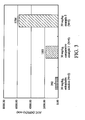
- FIG. 3 shows area under curve (AUC) of various met-enkephalin carriers of the invention.
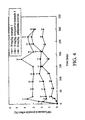
- FIG. 4 shows maximal possible effect (MPE) of various gabapentin carriers of the invention.
- FIG. 5 shows area under curve (AUC) of various gabapentin carriers of the invention.
- FIG. 6 shows serum stability of free met-enkephalin and met-enkephalin in liposomes.
- The invention provides a delivery system comprising a carrier or an active compound and a glutathione or a glutathione derivative grafted thereon. The carrier may comprise nanoparticle, polymeric nanoparticle, solid liquid nanoparticle, polymeric micelle, liposome, microemulsion, or liquid-based nanoparticle. The liposome comprises at least one of lecithin such as soy lecithin and hydrogenated lecithin such as hydrogenated soy lecithin.
- The liposome may further comprise cholesterol, water-soluble vitamin E, or octadecyl amine to increase serum resistance or charge amounts. The molar composition ratio of the liposome may be 0.5-100% of lecithin or hydrogenated lecithin, 0.005-75% of cholesterol or water-soluble vitamin E, 0.001-25% of octadecyl amine.
- Additionally, the carrier may encapsulate the active compound in an encapsulation efficiency of about 0.5-100%. The active compound may comprise small molecule compounds such as gabapentin, peptides such as enkephalin, proteins, DNA plasmids, oligonucleotides, or gene fragments and have a molar ratio of about 0.0005-95% in the carrier.
- The targeted carrier or the active compound may target on glutathione transporters of organs such as heart, lung, liver, kidney, or blood brain barrier.
- Specifically, the active compound can pass through the blood-brain-barrier (BBB), such as brain endothelial cells, with the targeted carrier and has a cell penetration rate of about 0.01-100%.
- The invention also provides a compound comprising a moiety comprising a vitamin E derivative or a phospholipid derivative, a polyethylene glycol (PEG) or a polyethylene glycol derivative bonded thereto, and a glutathione (GSH) or a glutathione derivative bonded to the polyethylene glycol or the polyethylene glycol derivative.
- The vitamin E derivative comprises tocopherol derivatives or tocotrienol derivatives and may be α-tocopherol, β-tocopherol, γ-tocopherol, 5-tocopherol, α-tocotrienol, β-tocotrienol, γ-tocotrienol, δ-tocotrienol, α-tocopherol succinate, β-tocopherol succinate, γ-tocopherol succinate, 5-tocopherol succinate, α-tocotrienol succinate, β-tocotrienol succinate, γ-tocotrienol succinate, δ-tocotrienol succinate, α-tocopherol acetate, β-tocopherol acetate, γ-tocopherol acetate, δ-tocopherol acetate, α-tocotrienol acetate, β-tocotrienol acetate, γ-tocotrienol acetate, δ-tocotrienol acetate, α-tocopherol nicotinate, β-tocopherol nicotinate, γ-tocopherol nicotinate, δ-tocopherol nicotinate, α-tocotrienol nicotinate, β-tocotrienol nicotinate, γ-tocotrienol nicotinate, δ-tocotrienol nicotinate, α-tocopherol phosphate, β-tocopherol phosphate, γ-tocopherol phosphate, δ-tocopherol phosphate, α-tocotrienol phosphate, β-tocotrienol phosphate, γ-tocotrienol phosphate, or 5-tocotrienol phosphate.
- The phorpholipid derivative may have the following formulae comprising R1-A1- (I) or

- In formula (I), A1 is sphingosine and R1 may comprise octanoyl or palmitoyl. In formula (II), A2 is phosphoethanoamine and R2 may comprise myristoyl, palmitoyl, stearoyl, or oleoyl.
- The polyethylene glycol (PEG) or the polyethylene glycol derivative has a polymerization number (n) of about 6-210. The molecular weight of the polyethylene glycol (PEG) or the polyethylene glycol derivative may be altered with various vitamin E derivatives or phospholipid derivatives. For example, when PEG or its derivative is bonded to vitamin E derivatives, it may have a molecular weight of about 30-10000, when PEG or its derivative is bonded to the phospholipid derivatives represented by formula (I), it may have a molecular weight of about 750-5000, and when PEG or its derivative is bonded to the phospholipid derivatives represented by formula (II), it may have a molecular weight of about 350-5000.
- The polyethylene glycol derivative may comprise carboxylic acid, maleimide, PDP, amide, or biotin.
- Referring to FIG. 1, the delivery system of the invention is illustrated. The
delivery system 10 comprises aliposome 20 and aligand 30 grafted thereon. Theligand 30 comprises amoiety 40 comprising a vitamin E derivative or a phospholipid derivative, a polyethylene glycol (PEG) or apolyethylene glycol derivative 50 bonded thereto, and a glutathione (GSH) or aglutathione derivative 60 bonded to the polyethylene glycol and the polyethylene glycol derivative. - Active compounds, such as proteins, peptides, or small molecules, transported by the targeted carrier with a novel glutathione (GSH) ligand provided by the invention can effectively pass through blood-brain-barrier by carrier-mediated transcytosis (CMT) or receptor-mediated transcytosis (RMT) to treat cerebral or nervous diseases.
-

- A stirred solution of N-Cbz Benzyl amino acid (N-Cbz Glutamine, 1.0 equiv) and N-hydroxysuccinimide (HOSu, 1.0 equiv) in DME (15mL) was cooled to 0°C. Dicyclohexylcarbodiimide (DIC, 1.0 equiv) was added and stirred at this temperature for 4hr. The reaction mixture was allowed to stand for 2hr in a refrigerator and then filtered.
- As expected, the pure compound was obtained in excellent yield (98%) after filtration of the dicyclohexylurea (DCU) formed and evaporation of the solvent. The residue was triturated in Et2O/hexanes, filtered out, and then dried in vacuo to afford a white solid.
- The (+)-S-tritylcysteine lithium salt (H-Cys(STrt)-OLi, 1.0 equiv) and sodium carbonate (Na2CO3, 5.0 equiv) were dissolved in water (15mL), and then acetonitrile (CH3CN) was added followed by the intermediated product obtained in Step-2. The mixture was vigorously stirred at room temperature for 3-6hr until the TLC analysis indicated the absence of intermediated product in Step-2. The solution was washed with water (2*100mL) and the organic phase was dried with Na2SO4, filtered, and concentrated in vacuo to afford the
compound 2. - A stirred solution of
compound 2 and N-hydroxysuccinimide (HOSu, 1.0 equiv) in DME (15mL) was cooled to 0°C. Dicyclohexylcarbodiimide (DIC, 1.0 equiv) was added and stirred at this temperature for 4hr. The reaction mixture was allowed to stand for 2hr in a refrigerator and then filtered. - After the DCU and solvent was removed, the glycine lithium salt (H-Gly-OLi, 1.0 equiv) and sodium carbonate (Na2CO3, 5.0 equiv) were dissolved in water (15mL), and then acetonitrile (CH3CN) was added followed by the intermediated product obtained in Step-4. The mixture was vigorously stirred at room temperature for 3-6hr until the TLC analysis indicated the absence of intermediated product in Step-4. The solution was washed with water (2*100mL) and the organic phase was dried with Na2SO4, filtered, and concentrated in vacuo to afford the
compound 3. - The d-alpha
tocopheryl polyethylene glycol 1000 succinate (TPGS-OH) was coupling withcompound 3 via esterification to afford thecompound 4. - The
compound 4 in methanol (100mL) was added 10% Pd-C (0.2 times the weight of protected tripeptide-TPGS). The suspension was stirred at room temperature for 16hr under a balloon filled with hydrogen. The suspension was filtered through Celite and evaporated, and the residue was crystallized from ethanol. Then, thecompound 5 was obtained. - Triethylsilane (Et3SiH) and TFA-mediated deprotection of
compound 5 in the presence of CH2Cl2 provided the compound 6 (that is GSH-TPGS). - 0.5g lipid containing 83.2% soybean phosphatidylcholine (SPC), 4.2% α-tocopherol succinate PEG 1500 (TPGS), 4.2% glutathione-TPGS (GSH-TPGS), and 8.4% cholesterol was placed in a 12.5mL ZrO2 mortar. Appropriate amounts of met-enkephalin were dissolved in 10mM phosphate solution with pH7.4 to form a 4% drug solution. 0.5mL drug solution and five ZrO2 beads (10mm of diameter) were then added to the mortar and ground with 500rpm for one hour to form a sticky cream. Next, 0.2g sticky cream and 1.8mL phosphate solution (10mM, pH7.4) were added to a 10mL flask to hydrate under room temperature for one hour to form a carrier solution containing liposomes encapsulating met-enkephalin. The concentration of met-enkephalin in a liposome was 0.56mg/mL. The encapsulation efficiency thereof was 33.3%. The mean diameter of the carrier was 173.1nm as well as the polydispersity index (PI) was 0.243.
- Preparation methods of examples 2-6 are similar to example 1. The distinctions therebetween are the various carrier compositions. Please see Tables 1 and 2.
Table 1 (Molar ratio) Example Soy lecithin H- soy lecithin Cholesterol TPGS TPGS- GSH Octadecyl amine Metenkephalin 2 10 - 1 - 1 - 0.48 3 10 - 1 - 1 1 1.60 4 9 1 1 0.5 0.5 - 1.60 5 9 1 1 0.75 0.25 - 1.60 6 9 1 1 - 1 - 1.60 Table 2 Example Mean diameter (nm) PI Metenkephalin concentration (mg/mL) Encapsulation efficiency (%) 2 162.7 0.227 0.56 31.70 3 161.4 0.046 4.00 70.33 4 214.1 0.003 3.25 68.85 5 165.3 0.137 3.40 68.48 6 214.5 0.116 3.99 80.78 - 0.5g lipid containing 83.2% soybean phosphatidylcholine (SPC), 4.2% α-tocopherol succinate PEG 1500 (TPGS), 4.2% glutathione-TPGS (GSH-TPGS), and 8.4% cholesterol was placed in a 12.5mL ZrO2 mortar. Appropriate amounts of gabapentin were dissolved in 10mM phosphate solution with pH7.4 to form a 10% drug solution. 0.5mL drug solution and five ZrO2 beads (10mm of diameter) were then added to the mortar and ground with 500rpm for one hour to form a sticky cream. Next, 0.2g sticky cream and 1.8mL phosphate solution (10mM, pH7.4) were added to a 10mL flask to hydrate under room temperature for one hour to form a carrier solution containing liposomes encapsulating gabapentin. The concentration of gabapentin in a liposome was 1.08mg/mL. The encapsulation efficiency thereof was 35.7%. The mean diameter of the carrier was 147.7nm as well as the polydispersity index (PI) was 0.157.
- 0.5g lipid containing 83.2% soybean phosphatidylcholine (SPC), 8.4% α-tocopherol succinate PEG 1500 (TPGS), and 8.4% cholesterol was placed in a 12.5mL ZrO2 mortar. Appropriate amounts of met-enkephalin were dissolved in 10mM phosphate solution with pH7.4 to form a 4% drug solution. 0.5mL drug solution and five ZrO2 beads (10mm of diameter) were then added to the mortar and ground with 500rpm for one hour to form a sticky cream. Next, 0.2g sticky cream and 1.8mL phosphate solution (10mM, pH7.4) were added to a 10mL flask to hydrate under room temperature for one hour to form a carrier solution containing liposomes encapsulating met-enkephalin. The concentration of met-enkephalin in a liposome was 0.57mg/mL. The encapsulation efficiency thereof was 31.1%. The mean diameter of the carrier was 164.1nm as well as the polydispersity index (PI) was 0.281.
- Preparation methods of comparative examples 2-3 are similar to comparative example 1. The distinctions therebetween are the various carrier compositions. Please see Tables 3 and 4.
Table 3 (Molar ratio) Comparative example Soy lecithin H- soy lecithin Cholesterol TPGS Octadecyl amine Metenkephalin 2 10 - 1 1 1 1.60 3 9 1 1 1 - 1.60 Table 4 Comparative Example Mean diameter (nm) PI Metenkephalin concentration (mg/ml) Encapsulation efficiency (%) 2 159.7 0.103 3.58 70.17 3 149.0 0.168 3.22 69.67 - 0.5g lipid containing 83.2% soybean phosphatidylcholine (SPC), 8.4% α-tocopherol succinate PEG 1500 (TPGS), and 8.4% cholesterol was placed in a 12.5mL ZrO2 mortar. Appropriate amounts of gabapentin were dissolved in 10mM phosphate solution with pH7.4 to form a 10% drug solution. 0.5mL drug solution and five ZrO2 beads (10mm of diameter) were then added to the mortar and ground with 500rpm for one hour to form a sticky cream. Next, 0.2g sticky cream and 1.8mL phosphate solution (10mM, pH7.4) were added to a 10mL flask to hydrate under room temperature for one hour to form a carrier solution containing liposomes encapsulating gabapentin. The concentration of gabapentin in a liposome was 1.17mg/mL. The encapsulation efficiency thereof was 38.5%. The mean diameter of the carrier was 155.8nm as well as the polydispersity index (PI) was 0.186.
- The penetration rate of met-enkephalin was measured using a RBE4/glioma cell model simulating BBB situations. The test results of examples 1-2 (containing glutathione) and comparative example 1 (without glutathione) are compared in Table 5.
Table 5 Example Drug dose (µg) Penetration rate (%) SD Comparative Example 1 182.6 3.4 0.6 Example 1 167.7 9.8 1.3 Example 2 165.2 9.8 1.2 - The results indicate that examples 1 and 2 have an apparently higher penetration rate (9.8%) of about 2.82 times greater than comparative example 1 (3.4%).
- The penetration rate of met-enkephalin was measured using a RBE4/glioma cell model simulating BBB situations. The test results of example 3 (containing glutathione) and comparative example 2 (without glutathione) are compared in Table 6.
Table 6 Example Drug dose (µg) Penetration rate (%) SD Comparative Example 2 250.0 3.55 0.36 Example 3 250.0 6.99 1.43 Example 3 (glutathione added) 250.0 0.25 0.03 - The results indicate that example 3 has an apparently higher penetration rate (6.99%) of about 1.96 times greater than comparative example 2 (3.55%). Additionally, if cells were cultured with glutathione for 30 min before example 3 was performed, the penetration rate thereof was lowered by 0.25% due to the addition of glutathione which occupied the glutathione transportor of the cells to block binding of carriers, reducing drug penetration through the BBB. The result proves that the glutathione carrier provided by the invention passes through the BBB via glutathione ligand/transportor binding to induce carrier-mediated transcytosis (CMT) or receptor-mediated transcytosis (RMT).
- After a laboratory mouse on a 55°C hot plate was intravenously injected, the analgesic effect on heat*-induced pain was evaluated. Referring to FIG. 2, for carriers without glutathione (comparative example 3), 90 min after injection, the maximal possible effect (MPE) of a 30mg/mL dose was 13%. For carriers containing glutathione (example 5), 60 min after injection, the maximal possible effect (MPE) of 30mg/mL dose was 37%. Referring to FIG. 3, according to the area under curve (AUC), example 5 provides 3.2 times the analgesic effect of comparative example 3 and 14.7 times the met-enkephalin solution. Thus, drugs can be safely carried by the carrier with glutathione ligand to pass through the BBB to achieve analgesic effect.
- After a laboratory mouse on a 55°C hot plate was intravenously injected, the analgesic effect on heat-induced pain was evaluated. Referring to FIG. 4, for carriers without glutathione (comparative example 4), 270 min after injection, the maximal possible effect (MPE) of a 10mg/mL dose was 3.15%. For carriers containing glutathione (example 7), 180 min after injection, the maximal possible effect (MPE) of a 10mg/mL dose was 4.47%. Referring to FIG. 5, according to the area under curve (AUC), example 7 provides 1.54 times the analgesic effect of comparative example 4 (p<0.005) and 2.76 times the gabapentin solution (p<0.0005). Thus, drugs can be safely carried by the carrier with glutathione ligand to pass through the BBB to achieve analgesic effect.
- The carriers provided by example 5 and fetal bovine serum (FBS) were mixed with 1:1 (v/v) to form a solution. After being placed in a 37°C water bath for 0, 1, 2, and 4 hours, respectively, the solution was analyzed by gel filtration (Sephrox CL-4B, 75mm x 120mm) and measured residual concentration of met-enkephalin in liposomes. The results are shown in FIG. 6.
- The results indicate that the concentration of met-enkephalin in liposomes remains 93% above. However, residual concentration of free met-enkephalin decreases to 2%. It is clear that the carrier provided by the invention has high serum resistance.
- While the invention has been described by way of example and in terms of preferred embodiment, it is to be understood that the invention is not limited thereto. To the contrary, it is intended to cover various modifications and similar arrangements (as would be apparent to those skilled in the art). Therefore, the scope of the appended claims should be accorded the broadest interpretation so as to encompass all such modifications and similar arrangements.
Claims (24)
- A delivery system, comprising:a carrier or an active compound; anda glutathione (GSH) or a glutathione derivative grafted thereon.
- The delivery system as claimed in claim 1, wherein the carrier comprises nanoparticle, polymeric nanoparticle, solid liquid nanoparticle, polymeric micelle, liposome, microemulsion, or liquid-based nanoparticle.
- The delivery system as claimed in claim 2, wherein the liposome comprises at least one of lecithin and hydrogenated lecithin.
- The delivery system as claimed in claim 3, wherein the liposome further comprises cholesterol, water-soluble vitamin E, or octadecyl amine.
- The delivery system as claimed in claim 3, wherein lecithin or hydrogenated lecithin has a molar ratio of about 0.5-100%.
- The delivery system as claimed in claim 4, wherein cholesterol or water-soluble vitamin E has a molar ratio of about 0.005-75%, and octadecyl amine has a molar ratio of about 0.001-25%.
- The delivery system as claimed in claim 1, the carrier further comprises the active compound encapsulated thereinto.
- The delivery system as claimed in claim 7, wherein the active compound comprises small molecule compounds, peptides, proteins, DNA plasmids, oligonucleotides, or gene fragments.
- The delivery system as claimed in claim 7, wherein the active compound has a molar ratio of about 0.0005-50%.
- The delivery system as claimed in claim 1, wherein the carrier has an encapsulation efficiency of about 0.5-100%.
- The delivery system as claimed in claim 1, wherein the carrier or the active compound targets on glutathione transporters of organs.
- The delivery system as claimed in claim 1, wherein the carrier or the active compound targets on glutathione transporters of the blood brain barrier.
- The delivery system as claimed in claim 7, wherein the active compound has a penetration rate for brain endothelial cells.
- The delivery system as claimed in claim 13, wherein the cell penetration rate of the active compound is about 0.01-100%.
- A compound, comprising:a moiety comprising a vitamin E derivative or a phospholipid derivative;a polyethylene glycol (PEG) or a polyethylene glycol derivative bonded thereto; anda glutathione (GSH) or a glutathione derivative bonded to the polyethylene glycol or the polyethylene glycol derivative.
- The compound as claimed in claim 15, wherein the vitamin E derivative comprises tocopherol derivatives or tocotrienol derivatives.
- The compound as claimed in claim 15, wherein the vitamin E derivative comprises α-tocopherol, β-tocopherol, γ-tocopherol, 5-tocopherol, α-tocotrienol, β-tocotrienol, γ-tocotrienol, δ-tocotrienol, α-tocopherol succinate, β-tocopherol succinate, γ-tocopherol succinate, 5-tocopherol succinate, α-tocotrienol succinate, β-tocotrienol succinate, γ-tocotrienol succinate, δ-tocotrienol succinate, α-tocopherol acetate, β-tocopherol acetate, γ-tocopherol acetate, 5-tocopherol acetate, α-tocotrienol acetate, β-tocotrienol acetate, γ-tocotrienol acetate, 5-tocotrienol acetate, α-tocopherol nicotinate, β-tocopherol nicotinate, γ-tocopherol nicotinate, δ-tocopherol nicotinate, α-tocotrienol nicotinate, β-tocotrienol nicotinate, γ-tocotrienol nicotinate, δ-tocotrienol nicotinate, α-tocopherol phosphate, β-tocopherol phosphate, γ-tocopherol phosphate, 5-tocopherol phosphate, α-tocotrienol phosphate, β-tocotrienol phosphate, γ-tocotrienol phosphate, or δ-tocotrienol phosphate.
- The compound as claimed in claim 15, wherein the phospholipid derivative has formula (I):
R1-A1- (I)
wherein A1 is sphingosine and R1 comprises octanoyl or palmitoyl. - The compound as claimed in claim 15, wherein the phospholipid derivative has formula (II):

- The compound as claimed in claim 15, wherein the polyethylene glycol (PEG) or the polyethylene glycol derivative has a polymerization number (n) of about 6-210.
- The compound as claimed in claim 15, wherein when the moiety is the vitamin E derivative, the polyethylene glycol (PEG) or the polyethylene glycol derivative has a molecular weight of about 300-10000.
- The compound as claimed in claim 18, wherein the polyethylene glycol (PEG) or the polyethylene glycol derivative has a molecular weight of about 750-5000.
- The compound as claimed in claim 19, wherein the polyethylene glycol (PEG) or the polyethylene glycol derivative has a molecular weight of about 350-5000.
- The compound as claimed in claim 15, wherein the polyethylene glycol derivative comprises carboxylic acid, maleimide, PDP, amide, or biotin.
Priority Applications (4)
| Application Number | Priority Date | Filing Date | Title |
|---|---|---|---|
| SI200531880T SI1891962T1 (en) | 2005-12-19 | 2005-12-29 | Glutathione based delivery system |
| PL05292820T PL1891962T3 (en) | 2005-12-19 | 2005-12-29 | Glutathione-based delivery system |
| EP14180310.6A EP2837384A1 (en) | 2005-12-19 | 2005-12-29 | Glutathione based delivery system |
| CY20141100728T CY1115542T1 (en) | 2005-12-19 | 2014-09-10 | NUTRITION SYSTEM THAT IS RELATED TO GLUTATHIONE |
Applications Claiming Priority (1)
| Application Number | Priority Date | Filing Date | Title |
|---|---|---|---|
| US11/303,934 US7446096B2 (en) | 2005-12-19 | 2005-12-19 | Glutathione based delivery system |
Related Child Applications (1)
| Application Number | Title | Priority Date | Filing Date |
|---|---|---|---|
| EP14180310.6A Division EP2837384A1 (en) | 2005-12-19 | 2005-12-29 | Glutathione based delivery system |
Publications (2)
| Publication Number | Publication Date |
|---|---|
| EP1891962A1 true EP1891962A1 (en) | 2008-02-27 |
| EP1891962B1 EP1891962B1 (en) | 2014-08-13 |
Family
ID=36217526
Family Applications (2)
| Application Number | Title | Priority Date | Filing Date |
|---|---|---|---|
| EP14180310.6A Ceased EP2837384A1 (en) | 2005-12-19 | 2005-12-29 | Glutathione based delivery system |
| EP05292820.7A Expired - Lifetime EP1891962B1 (en) | 2005-12-19 | 2005-12-29 | Glutathione based delivery system |
Family Applications Before (1)
| Application Number | Title | Priority Date | Filing Date |
|---|---|---|---|
| EP14180310.6A Ceased EP2837384A1 (en) | 2005-12-19 | 2005-12-29 | Glutathione based delivery system |
Country Status (11)
| Country | Link |
|---|---|
| US (4) | US7446096B2 (en) |
| EP (2) | EP2837384A1 (en) |
| JP (2) | JP4773200B2 (en) |
| CN (2) | CN101385859B (en) |
| CY (1) | CY1115542T1 (en) |
| DK (1) | DK1891962T3 (en) |
| ES (1) | ES2516665T3 (en) |
| PL (1) | PL1891962T3 (en) |
| PT (1) | PT1891962E (en) |
| SI (1) | SI1891962T1 (en) |
| TW (1) | TWI365754B (en) |
Cited By (2)
| Publication number | Priority date | Publication date | Assignee | Title |
|---|---|---|---|---|
| WO2008118013A3 (en) * | 2007-03-23 | 2009-02-19 | To Bbb Holding B V | Targeted intracellular delivery of antiviral agents |
| WO2015161295A1 (en) * | 2014-04-17 | 2015-10-22 | The Corporation Of Mercer University | Vitamin e-based nanocarriers for drug delivery and methods of making and using the same |
Families Citing this family (34)
| Publication number | Priority date | Publication date | Assignee | Title |
|---|---|---|---|---|
| AUPR549901A0 (en) * | 2001-06-06 | 2001-07-12 | Vital Health Sciences Pty Ltd | Topical formulation containing tocopheryl phosphates |
| AU2002950713A0 (en) | 2002-08-09 | 2002-09-12 | Vital Health Sciences Pty Ltd | Carrier |
| US20040057983A1 (en) | 2002-09-25 | 2004-03-25 | David Schmidt | Biomolecular wearable apparatus |
| CA2557354C (en) * | 2004-03-03 | 2013-05-07 | Vital Health Sciences Pty Ltd. | Alkaloid formulations |
| JP5198858B2 (en) * | 2004-08-03 | 2013-05-15 | バイタル ヘルス サイエンシズ プロプライアタリー リミティド | Carrier for enteral administration |
| US20090239827A1 (en) * | 2005-03-03 | 2009-09-24 | Esra Ogru | Compounds having lipid lowering properties |
| MX2007015949A (en) | 2005-06-17 | 2008-03-07 | Vital Health Sciences Pty Ltd | A carrier comprising one or more di and/or mono-(electron transfer agent) phosphate derivatives or complexes thereof. |
| US8067380B2 (en) * | 2005-12-19 | 2011-11-29 | Industrial Technology Research Institute | Glutathione-based delivery system |
| US7446096B2 (en) * | 2005-12-19 | 2008-11-04 | Industrial Technology Research Institute | Glutathione based delivery system |
| FR2926725B1 (en) * | 2008-01-25 | 2010-09-03 | Biochimie Appliquee Soc | COSMETIC AND / OR DERMATOLOGICAL COMPOSITIONS SCALING |
| US8602961B2 (en) * | 2008-05-15 | 2013-12-10 | Lifewave Products Llc | Apparatus and method of stimulating elevation of glutathione levels in a subject |
| JP5600299B2 (en) * | 2008-11-26 | 2014-10-01 | 中外製薬株式会社 | Vesicle formulation |
| EP2610343A3 (en) | 2008-11-26 | 2013-09-25 | Chugai Seiyaku Kabushiki Kaisha | Method for designing siRNA and oligoribonucleotides inhibiting HCV |
| EP2398500B1 (en) | 2009-02-20 | 2019-03-13 | 2-BBB Medicines B.V. | Glutathione-based drug delivery system |
| US10071030B2 (en) | 2010-02-05 | 2018-09-11 | Phosphagenics Limited | Carrier comprising non-neutralised tocopheryl phosphate |
| JP5806287B2 (en) | 2010-03-30 | 2015-11-10 | フォスファジェニクス リミティド | Transdermal delivery patch |
| WO2012122586A1 (en) | 2011-03-15 | 2012-09-20 | Phosphagenics Limited | New composition |
| GB201302427D0 (en) | 2013-02-12 | 2013-03-27 | Midatech Ltd | Nanoparticle delivery compositions |
| EP3038657A2 (en) | 2013-08-28 | 2016-07-06 | Bioasis Technologies Inc. | Cns-targeted conjugates having modified fc regions and methods of use thereof |
| JP6529012B2 (en) | 2013-10-08 | 2019-06-12 | エイアイ・セラピューティクス・インコーポレーテッド | Rapamycin for the treatment of lymphangiyomyomatosis |
| US10765755B1 (en) * | 2013-11-20 | 2020-09-08 | University Of South Florida | Preparation and characterization of methylene blue nanoparticles for Alzheimer's disease and other tauopathies |
| NZ724756A (en) | 2014-04-04 | 2023-07-28 | Ai Therapeutics Inc | An inhalable rapamycin formulation for treating age-related conditions |
| WO2015154897A1 (en) * | 2014-04-08 | 2015-10-15 | Wolfgang Stremmel | Means and methods for treating disorders of copper metabolism |
| AU2015330905B2 (en) | 2014-10-07 | 2021-02-25 | AI Therapeutics, Inc. | An inhalable rapamycin formulation for the treatment of pulmonary hypertension |
| US10758520B1 (en) | 2015-05-20 | 2020-09-01 | University Of South Florida | Glutathione-coated nanoparticles for delivery of MKT-077 across the blood-brain barrier |
| MX383940B (en) | 2015-12-09 | 2025-03-14 | Phosphagenics Ltd | Pharmaceutical formulation |
| JP7198754B2 (en) | 2016-12-21 | 2023-01-04 | アベーチョ バイオテクノロジー リミテッド | Method |
| US10226442B2 (en) * | 2017-07-10 | 2019-03-12 | Syneurx International (Taiwan) Corp. | Lithium salts of N-substituted glycine compounds and uses thereof |
| US10842755B2 (en) | 2018-03-23 | 2020-11-24 | University Of South Carolina | Nanoparticles for brain targeted drug delivery |
| WO2021054927A2 (en) * | 2018-08-10 | 2021-03-25 | South Dakota Board Of Regents | Glutathione-cholesterol derivatives as brain targeting agents |
| WO2020242217A1 (en) * | 2019-05-28 | 2020-12-03 | 울산과학기술원 | Liposome comprising glutathione-s-transferase and protein having capacity to bind to target cell or target protein, and use thereof |
| EP3954393A1 (en) | 2020-08-13 | 2022-02-16 | Bioasis Technologies Inc. | Combination therapies for delivery across the blood brain barrier |
| TW202228792A (en) | 2020-10-09 | 2022-08-01 | 殷漢生技股份有限公司 | Nanocarrier formulations for inhalation |
| CN118987236B (en) * | 2024-08-12 | 2025-07-22 | 中山大学附属第一医院 | Carrier system for achieving targeted drug delivery based on glutathione response to micro-environment active oxygen, and preparation method and application thereof |
Citations (3)
| Publication number | Priority date | Publication date | Assignee | Title |
|---|---|---|---|---|
| FR2627385A1 (en) * | 1988-02-23 | 1989-08-25 | Serobiologiques Lab Sa | Dermatological and cosmetic compsns. - contain lipid phase and nitrogenous cpd. esp. amino acid, oligo or polypeptide |
| WO2000028977A1 (en) * | 1998-09-29 | 2000-05-25 | Thione International, Inc. | Antioxidant gel for gingival conditions |
| EP1072608A1 (en) * | 1998-04-16 | 2001-01-31 | Teijin Limited | Glutathione derivatives and dosage forms thereof |
Family Cites Families (12)
| Publication number | Priority date | Publication date | Assignee | Title |
|---|---|---|---|---|
| JPS60142915A (en) | 1983-12-28 | 1985-07-29 | Lion Corp | Composition for oral cavity |
| JPS632922A (en) | 1986-06-20 | 1988-01-07 | Yamanouchi Pharmaceut Co Ltd | Drug carrier |
| JPH0714865B2 (en) * | 1986-10-28 | 1995-02-22 | 武田薬品工業株式会社 | Liposome preparation and method for producing the same |
| US5695751A (en) | 1993-04-08 | 1997-12-09 | Cornell Research Foundation, Inc. | Enhancing delivery of large neutral amino acid drugs |
| JPH0834779A (en) * | 1994-05-20 | 1996-02-06 | Senju Pharmaceut Co Ltd | Tocopherol derivative |
| US6653331B2 (en) | 1996-07-03 | 2003-11-25 | Pharmacia & Upjohn Company | Targeted drug delivery using sulfonamide derivatives |
| JP2001523221A (en) * | 1996-09-01 | 2001-11-20 | ファーモス コーポレイション | Solid co-precipitates for enhanced bioavailability of lipophilic substances |
| AU4907897A (en) * | 1996-10-11 | 1998-05-11 | Sequus Pharmaceuticals, Inc. | Therapeutic liposome composition and method |
| JP2004323486A (en) * | 2003-04-30 | 2004-11-18 | National Institute Of Advanced Industrial & Technology | Eye drops for prevention or treatment of retinal and / or uveal diseases |
| CN100515390C (en) * | 2005-04-14 | 2009-07-22 | 蔡海德 | Nanoliposome combination drug of pituitary anterior lobe adrenal cortex extract and its preparation method and application |
| US7446096B2 (en) * | 2005-12-19 | 2008-11-04 | Industrial Technology Research Institute | Glutathione based delivery system |
| US8067380B2 (en) * | 2005-12-19 | 2011-11-29 | Industrial Technology Research Institute | Glutathione-based delivery system |
-
2005
- 2005-12-19 US US11/303,934 patent/US7446096B2/en not_active Expired - Lifetime
- 2005-12-27 JP JP2005374896A patent/JP4773200B2/en not_active Expired - Lifetime
- 2005-12-29 ES ES05292820.7T patent/ES2516665T3/en not_active Expired - Lifetime
- 2005-12-29 PT PT52928207T patent/PT1891962E/en unknown
- 2005-12-29 EP EP14180310.6A patent/EP2837384A1/en not_active Ceased
- 2005-12-29 EP EP05292820.7A patent/EP1891962B1/en not_active Expired - Lifetime
- 2005-12-29 DK DK05292820.7T patent/DK1891962T3/en active
- 2005-12-29 SI SI200531880T patent/SI1891962T1/en unknown
- 2005-12-29 PL PL05292820T patent/PL1891962T3/en unknown
- 2005-12-30 TW TW094147661A patent/TWI365754B/en not_active IP Right Cessation
-
2006
- 2006-01-19 CN CN2008101693581A patent/CN101385859B/en not_active Expired - Lifetime
- 2006-01-19 CN CN200610005869.0A patent/CN1985804B/en not_active Expired - Lifetime
-
2007
- 2007-12-11 US US12/000,261 patent/US7704956B2/en not_active Expired - Fee Related
-
2008
- 2008-11-03 US US12/263,885 patent/US7700564B2/en not_active Expired - Lifetime
-
2010
- 2010-01-15 JP JP2010007125A patent/JP5394944B2/en not_active Expired - Lifetime
- 2010-03-11 US US12/721,633 patent/US8569239B2/en active Active
-
2014
- 2014-09-10 CY CY20141100728T patent/CY1115542T1/en unknown
Patent Citations (3)
| Publication number | Priority date | Publication date | Assignee | Title |
|---|---|---|---|---|
| FR2627385A1 (en) * | 1988-02-23 | 1989-08-25 | Serobiologiques Lab Sa | Dermatological and cosmetic compsns. - contain lipid phase and nitrogenous cpd. esp. amino acid, oligo or polypeptide |
| EP1072608A1 (en) * | 1998-04-16 | 2001-01-31 | Teijin Limited | Glutathione derivatives and dosage forms thereof |
| WO2000028977A1 (en) * | 1998-09-29 | 2000-05-25 | Thione International, Inc. | Antioxidant gel for gingival conditions |
Non-Patent Citations (5)
| Title |
|---|
| "Liposome carrier for liver disease treatment - contains N-higher acyl glutathione as base material", DERWENT, 7 January 1988 (1988-01-07), XP002322756 * |
| JURIMA-ROMET M ET AL: "LUNG UPTAKE OF LIPOSOME-ENTRAPPED GLUTATHIONE AFTER INTRATRACHEAL ADMINISTRATION", JOURNAL OF PHARMACY AND PHARMACOLOGY, LONDON, GB, vol. 43, no. 1, 1991, pages 6 - 10, XP001105806, ISSN: 0022-3573 * |
| KIWADA H ET AL: "Application of synthetic liposomes based on acyl amino acids or acyl peptides as drug carriers. I. Their preparation and transport of glutathione into the liver", CHEMICAL AND PHARMACEUTICAL BULLETIN, PHARMACEUTICAL SOCIETY OF JAPAN, TOKYO, JP, vol. 35, no. 7, July 1987 (1987-07-01), pages 2935 - 2942, XP002276804, ISSN: 0009-2363 * |
| SUGIYAMA Y ET AL: "Kinetic and biochemical analysis of carrier-mediated efflux of drugs through the blood-brain and blood-cerebrospinal fluid barriers: importance in the drug delivery to the brain", JOURNAL OF CONTROLLED RELEASE, ELSEVIER, AMSTERDAM, NL, vol. 62, no. 1-2, 1 November 1999 (1999-11-01), pages 179 - 186, XP004363015, ISSN: 0168-3659 * |
| SUNTRES Z E ET AL: "INCORPORATION OF ALPHA-TOCOPHEROL IN LIPOSOMES PROMOTES THE RETENTION OF LIPOSOME-ENCAPSULATED GLUTATHIONE IN THE RAT LUNG", JOURNAL OF PHARMACY AND PHARMACOLOGY, LONDON, GB, vol. 46, no. 1, January 1994 (1994-01-01), pages 23 - 28, XP001105800, ISSN: 0022-3573 * |
Cited By (2)
| Publication number | Priority date | Publication date | Assignee | Title |
|---|---|---|---|---|
| WO2008118013A3 (en) * | 2007-03-23 | 2009-02-19 | To Bbb Holding B V | Targeted intracellular delivery of antiviral agents |
| WO2015161295A1 (en) * | 2014-04-17 | 2015-10-22 | The Corporation Of Mercer University | Vitamin e-based nanocarriers for drug delivery and methods of making and using the same |
Also Published As
| Publication number | Publication date |
|---|---|
| US7704956B2 (en) | 2010-04-27 |
| DK1891962T3 (en) | 2014-10-13 |
| JP2010150264A (en) | 2010-07-08 |
| PL1891962T3 (en) | 2015-01-30 |
| TWI365754B (en) | 2012-06-11 |
| CY1115542T1 (en) | 2017-01-04 |
| US20100166849A1 (en) | 2010-07-01 |
| CN1985804A (en) | 2007-06-27 |
| SI1891962T1 (en) | 2014-12-31 |
| US7700564B2 (en) | 2010-04-20 |
| JP5394944B2 (en) | 2014-01-22 |
| CN101385859B (en) | 2011-12-07 |
| JP4773200B2 (en) | 2011-09-14 |
| CN101385859A (en) | 2009-03-18 |
| US8569239B2 (en) | 2013-10-29 |
| US20080095836A1 (en) | 2008-04-24 |
| CN1985804B (en) | 2014-05-14 |
| ES2516665T3 (en) | 2014-10-31 |
| JP2007169252A (en) | 2007-07-05 |
| US7446096B2 (en) | 2008-11-04 |
| US20070141133A1 (en) | 2007-06-21 |
| EP1891962B1 (en) | 2014-08-13 |
| PT1891962E (en) | 2014-11-11 |
| US20090060991A1 (en) | 2009-03-05 |
| EP2837384A1 (en) | 2015-02-18 |
Similar Documents
| Publication | Publication Date | Title |
|---|---|---|
| EP1891962B1 (en) | Glutathione based delivery system | |
| US8673863B2 (en) | Glutathione-based delivery system | |
| Li et al. | Targeting tumor highly-expressed LAT1 transporter with amino acid-modified nanoparticles: toward a novel active targeting strategy in breast cancer therapy | |
| Jiang et al. | Overcoming drug-resistant lung cancer by paclitaxel loaded dual-functional liposomes with mitochondria targeting and pH-response | |
| Souza et al. | Development of topotecan loaded lipid nanoparticles for chemical stabilization and prolonged release | |
| Wu et al. | A Core–Shell Albumin Copolymer Nanotransporter for High Capacity Loading and Two‐Step Release of Doxorubicin with Enhanced Anti‐Leukemia Activity | |
| JP2021175757A (en) | Targeted conjugate and its particles and formulations | |
| RU2404916C2 (en) | Carrier system on protein base for overcoming resistance of tumour cells | |
| WO2022235514A1 (en) | Liposome delivery of psychedelics | |
| Kurmi et al. | Lactoferrin-conjugated dendritic nanoconstructs for lung targeting of methotrexate | |
| CN115040495B (en) | Oral nanometer drug delivery system mediated by small molecule nutrient substances | |
| Qu et al. | Targeted delivery of doxorubicin via CD147-mediated ROS/pH dual-sensitive nanomicelles for the efficient therapy of hepatocellular carcinoma | |
| Bai et al. | Nanoparticles with surface features of dendritic oligopeptides as potential oral drug delivery systems | |
| Zhang et al. | Rational engineering of cholesterol-modified prodrug nanoassemblies for improving the tumor selectivity and safety of mitoxantrone | |
| Najmi et al. | 2-(2-Cholesteroxyethoxyl) ethyl 3′-S-glutathionylpropionate and its self-assembled micelles for brain delivery: Design, synthesis and evaluation | |
| CN120420448A (en) | Self-synergistic iron death enhancement nano assembly, and preparation method and application thereof | |
| KR101948088B1 (en) | Nanoliposome for drug delivery to mitochondria containing mitochondria penetrating peptide with conjugated cholesterol in N-terminus as effective component | |
| CN117919435A (en) | A hybrid nanoassembly for dual-effect killing of tumor cells and tumor stem cells and its preparation method and application | |
| Bano et al. | Fmoc-amino acid conjugated self-assembling gemcitabine nanoparticles against cancers with enhanced pharmacokinetic profile | |
| CN114053248B (en) | Nucleic acid and small molecule drug co-delivery nano-preparation for regulating tumor metabolism and preparation method thereof | |
| CN101176721B (en) | Hexamethylmelamine liposome and preparation method thereof | |
| Wang et al. | Self-assembly of multi-arm star PEG containing TXA9 into nanoparticle for the efficient chemotherapy of NSCLC | |
| Khare et al. | Amino Acid Coupled Liposomes for the Effective Management of Parkinsonism | |
| Varshosaz et al. | Research Article Retinoic Acid Decorated Albumin-Chitosan Nanoparticles for Targeted Delivery of Doxorubicin Hydrochloride in Hepatocellular Carcinoma | |
| MX2008008125A (en) | Protein-based delivery system for overcoming resistance in tumour cells |
Legal Events
| Date | Code | Title | Description |
|---|---|---|---|
| PUAI | Public reference made under article 153(3) epc to a published international application that has entered the european phase |
Free format text: ORIGINAL CODE: 0009012 |
|
| 17P | Request for examination filed |
Effective date: 20060105 |
|
| AK | Designated contracting states |
Kind code of ref document: A1 Designated state(s): AT BE BG CH CY CZ DE DK EE ES FI FR GB GR HU IE IS IT LI LT LU LV MC NL PL PT RO SE SI SK TR |
|
| AX | Request for extension of the european patent |
Extension state: AL BA HR MK YU |
|
| 17Q | First examination report despatched |
Effective date: 20080603 |
|
| AKX | Designation fees paid |
Designated state(s): AT BE BG CH CY CZ DE DK EE ES FI FR GB GR HU IE IS IT LI LT LU LV MC NL PL PT RO SE SI SK TR |
|
| REG | Reference to a national code |
Ref country code: DE Ref legal event code: R079 Ref document number: 602005044451 Country of ref document: DE Free format text: PREVIOUS MAIN CLASS: A61K0038060000 Ipc: A61P0025000000 |
|
| RIC1 | Information provided on ipc code assigned before grant |
Ipc: A61P 25/00 20060101AFI20130801BHEP |
|
| GRAP | Despatch of communication of intention to grant a patent |
Free format text: ORIGINAL CODE: EPIDOSNIGR1 |
|
| INTG | Intention to grant announced |
Effective date: 20131009 |
|
| RIN1 | Information on inventor provided before grant (corrected) |
Inventor name: JIAN, CHI-HENG Inventor name: LIN, YI-FONG Inventor name: WANG, AE-JUNE Inventor name: LI, SHYH-DAR Inventor name: LIU, SHIH-JR |
|
| GRAP | Despatch of communication of intention to grant a patent |
Free format text: ORIGINAL CODE: EPIDOSNIGR1 |
|
| INTG | Intention to grant announced |
Effective date: 20140306 |
|
| GRAS | Grant fee paid |
Free format text: ORIGINAL CODE: EPIDOSNIGR3 |
|
| GRAA | (expected) grant |
Free format text: ORIGINAL CODE: 0009210 |
|
| AK | Designated contracting states |
Kind code of ref document: B1 Designated state(s): AT BE BG CH CY CZ DE DK EE ES FI FR GB GR HU IE IS IT LI LT LU LV MC NL PL PT RO SE SI SK TR |
|
| REG | Reference to a national code |
Ref country code: GB Ref legal event code: FG4D |
|
| REG | Reference to a national code |
Ref country code: AT Ref legal event code: REF Ref document number: 681818 Country of ref document: AT Kind code of ref document: T Effective date: 20140815 Ref country code: CH Ref legal event code: EP |
|
| REG | Reference to a national code |
Ref country code: CH Ref legal event code: NV Representative=s name: FIAMMENGHI-FIAMMENGHI, CH |
|
| REG | Reference to a national code |
Ref country code: IE Ref legal event code: FG4D |
|
| REG | Reference to a national code |
Ref country code: DE Ref legal event code: R096 Ref document number: 602005044451 Country of ref document: DE Effective date: 20140918 |
|
| REG | Reference to a national code |
Ref country code: DK Ref legal event code: T3 Effective date: 20141006 |
|
| REG | Reference to a national code |
Ref country code: SE Ref legal event code: TRGR |
|
| REG | Reference to a national code |
Ref country code: RO Ref legal event code: EPE |
|
| REG | Reference to a national code |
Ref country code: ES Ref legal event code: FG2A Ref document number: 2516665 Country of ref document: ES Kind code of ref document: T3 Effective date: 20141031 |
|
| REG | Reference to a national code |
Ref country code: PT Ref legal event code: SC4A Free format text: AVAILABILITY OF NATIONAL TRANSLATION Effective date: 20141030 |
|
| REG | Reference to a national code |
Ref country code: NL Ref legal event code: T3 |
|
| REG | Reference to a national code |
Ref country code: EE Ref legal event code: FG4A Ref document number: E009694 Country of ref document: EE Effective date: 20141104 |
|
| REG | Reference to a national code |
Ref country code: PL Ref legal event code: T3 |
|
| REG | Reference to a national code |
Ref country code: GR Ref legal event code: EP Ref document number: 20140402230 Country of ref document: GR Effective date: 20141223 |
|
| REG | Reference to a national code |
Ref country code: SK Ref legal event code: T3 Ref document number: E 17525 Country of ref document: SK |
|
| REG | Reference to a national code |
Ref country code: DE Ref legal event code: R097 Ref document number: 602005044451 Country of ref document: DE |
|
| PLBE | No opposition filed within time limit |
Free format text: ORIGINAL CODE: 0009261 |
|
| STAA | Information on the status of an ep patent application or granted ep patent |
Free format text: STATUS: NO OPPOSITION FILED WITHIN TIME LIMIT |
|
| REG | Reference to a national code |
Ref country code: HU Ref legal event code: AG4A Ref document number: E022968 Country of ref document: HU |
|
| 26N | No opposition filed |
Effective date: 20150515 |
|
| REG | Reference to a national code |
Ref country code: FR Ref legal event code: PLFP Year of fee payment: 11 |
|
| REG | Reference to a national code |
Ref country code: FR Ref legal event code: PLFP Year of fee payment: 12 |
|
| REG | Reference to a national code |
Ref country code: FR Ref legal event code: PLFP Year of fee payment: 13 |
|
| REG | Reference to a national code |
Ref country code: DE Ref legal event code: R082 Ref document number: 602005044451 Country of ref document: DE Representative=s name: KILBURN & STRODE LLP, NL |
|
| PGFP | Annual fee paid to national office [announced via postgrant information from national office to epo] |
Ref country code: LT Payment date: 20241203 Year of fee payment: 20 |
|
| PGFP | Annual fee paid to national office [announced via postgrant information from national office to epo] |
Ref country code: MC Payment date: 20241205 Year of fee payment: 20 |
|
| PGFP | Annual fee paid to national office [announced via postgrant information from national office to epo] |
Ref country code: DK Payment date: 20241226 Year of fee payment: 20 |
|
| PGFP | Annual fee paid to national office [announced via postgrant information from national office to epo] |
Ref country code: BE Payment date: 20241227 Year of fee payment: 20 Ref country code: NL Payment date: 20241226 Year of fee payment: 20 Ref country code: FI Payment date: 20241226 Year of fee payment: 20 Ref country code: PT Payment date: 20241212 Year of fee payment: 20 Ref country code: GR Payment date: 20241230 Year of fee payment: 20 Ref country code: PL Payment date: 20241204 Year of fee payment: 20 Ref country code: LU Payment date: 20241227 Year of fee payment: 20 |
|
| PGFP | Annual fee paid to national office [announced via postgrant information from national office to epo] |
Ref country code: GB Payment date: 20241227 Year of fee payment: 20 |
|
| PGFP | Annual fee paid to national office [announced via postgrant information from national office to epo] |
Ref country code: FR Payment date: 20241226 Year of fee payment: 20 Ref country code: BG Payment date: 20241212 Year of fee payment: 20 |
|
| PGFP | Annual fee paid to national office [announced via postgrant information from national office to epo] |
Ref country code: LV Payment date: 20241203 Year of fee payment: 20 Ref country code: EE Payment date: 20241203 Year of fee payment: 20 |
|
| PGFP | Annual fee paid to national office [announced via postgrant information from national office to epo] |
Ref country code: HU Payment date: 20241209 Year of fee payment: 20 Ref country code: IS Payment date: 20241210 Year of fee payment: 20 Ref country code: AT Payment date: 20241204 Year of fee payment: 20 |
|
| PGFP | Annual fee paid to national office [announced via postgrant information from national office to epo] |
Ref country code: CZ Payment date: 20241209 Year of fee payment: 20 Ref country code: IE Payment date: 20241227 Year of fee payment: 20 |
|
| PGFP | Annual fee paid to national office [announced via postgrant information from national office to epo] |
Ref country code: RO Payment date: 20241209 Year of fee payment: 20 Ref country code: SK Payment date: 20241203 Year of fee payment: 20 |
|
| PGFP | Annual fee paid to national office [announced via postgrant information from national office to epo] |
Ref country code: IT Payment date: 20241218 Year of fee payment: 20 |
|
| PGFP | Annual fee paid to national office [announced via postgrant information from national office to epo] |
Ref country code: SE Payment date: 20241227 Year of fee payment: 20 |
|
| PGFP | Annual fee paid to national office [announced via postgrant information from national office to epo] |
Ref country code: SI Payment date: 20241202 Year of fee payment: 20 |
|
| PGFP | Annual fee paid to national office [announced via postgrant information from national office to epo] |
Ref country code: DE Payment date: 20241227 Year of fee payment: 20 |
|
| PGFP | Annual fee paid to national office [announced via postgrant information from national office to epo] |
Ref country code: ES Payment date: 20250102 Year of fee payment: 20 |
|
| PGFP | Annual fee paid to national office [announced via postgrant information from national office to epo] |
Ref country code: CH Payment date: 20250108 Year of fee payment: 20 |
|
| PGFP | Annual fee paid to national office [announced via postgrant information from national office to epo] |
Ref country code: TR Payment date: 20241210 Year of fee payment: 20 |
|
| PGFP | Annual fee paid to national office [announced via postgrant information from national office to epo] |
Ref country code: CY Payment date: 20241210 Year of fee payment: 20 |
|
| REG | Reference to a national code |
Ref country code: CH Ref legal event code: H14 Free format text: ST27 STATUS EVENT CODE: U-0-0-H10-H14 (AS PROVIDED BY THE NATIONAL OFFICE) Effective date: 20251229 Ref country code: DE Ref legal event code: R071 Ref document number: 602005044451 Country of ref document: DE |
|
| REG | Reference to a national code |
Ref country code: NL Ref legal event code: MK Effective date: 20251228 |
|
| REG | Reference to a national code |
Ref country code: DK Ref legal event code: EUP Expiry date: 20251229 |
|
| REG | Reference to a national code |
Ref country code: ES Ref legal event code: FD2A Effective date: 20260108 |
|
| REG | Reference to a national code |
Ref country code: LT Ref legal event code: MM9A Effective date: 20251229 |
|
| REG | Reference to a national code |
Ref country code: SK Ref legal event code: MK4A Ref document number: E 17525 Country of ref document: SK Expiry date: 20251229 Ref country code: GB Ref legal event code: PE20 Expiry date: 20251228 |
|
| REG | Reference to a national code |
Ref country code: BE Ref legal event code: MK Effective date: 20251229 |
|
| PG25 | Lapsed in a contracting state [announced via postgrant information from national office to epo] |
Ref country code: CZ Free format text: LAPSE BECAUSE OF EXPIRATION OF PROTECTION Effective date: 20251229 |
|
| PG25 | Lapsed in a contracting state [announced via postgrant information from national office to epo] |
Ref country code: SK Free format text: LAPSE BECAUSE OF EXPIRATION OF PROTECTION Effective date: 20251229 |
|
| REG | Reference to a national code |
Ref country code: IE Ref legal event code: MK9A |
|
| PG25 | Lapsed in a contracting state [announced via postgrant information from national office to epo] |
Ref country code: ES Free format text: LAPSE BECAUSE OF EXPIRATION OF PROTECTION Effective date: 20251230 |
|
| REG | Reference to a national code |
Ref country code: SE Ref legal event code: EUG |
|
| REG | Reference to a national code |
Ref country code: AT Ref legal event code: MK07 Ref document number: 681818 Country of ref document: AT Kind code of ref document: T Effective date: 20251229 |
|
| PG25 | Lapsed in a contracting state [announced via postgrant information from national office to epo] |
Ref country code: IE Free format text: LAPSE BECAUSE OF EXPIRATION OF PROTECTION Effective date: 20251229 |
|
| PG25 | Lapsed in a contracting state [announced via postgrant information from national office to epo] |
Ref country code: PT Free format text: LAPSE BECAUSE OF EXPIRATION OF PROTECTION Effective date: 20260108 |