EP1864974A1 - Potentiator for radiation therapy comprising pyridine derivative as active ingredient - Google Patents
Potentiator for radiation therapy comprising pyridine derivative as active ingredient Download PDFInfo
- Publication number
- EP1864974A1 EP1864974A1 EP06730909A EP06730909A EP1864974A1 EP 1864974 A1 EP1864974 A1 EP 1864974A1 EP 06730909 A EP06730909 A EP 06730909A EP 06730909 A EP06730909 A EP 06730909A EP 1864974 A1 EP1864974 A1 EP 1864974A1
- Authority
- EP
- European Patent Office
- Prior art keywords
- group
- radiotherapy
- hydrogen atom
- hydroxy group
- radiation
- Prior art date
- Legal status (The legal status is an assumption and is not a legal conclusion. Google has not performed a legal analysis and makes no representation as to the accuracy of the status listed.)
- Granted
Links
- 0 *c1cc(*)nc(*)c1* Chemical compound *c1cc(*)nc(*)c1* 0.000 description 1
Images

Classifications
-
- A—HUMAN NECESSITIES
- A61—MEDICAL OR VETERINARY SCIENCE; HYGIENE
- A61K—PREPARATIONS FOR MEDICAL, DENTAL OR TOILETRY PURPOSES
- A61K31/00—Medicinal preparations containing organic active ingredients
- A61K31/33—Heterocyclic compounds
- A61K31/395—Heterocyclic compounds having nitrogen as a ring hetero atom, e.g. guanethidine or rifamycins
- A61K31/435—Heterocyclic compounds having nitrogen as a ring hetero atom, e.g. guanethidine or rifamycins having six-membered rings with one nitrogen as the only ring hetero atom
- A61K31/44—Non condensed pyridines; Hydrogenated derivatives thereof
-
- C—CHEMISTRY; METALLURGY
- C07—ORGANIC CHEMISTRY
- C07D—HETEROCYCLIC COMPOUNDS
- C07D213/00—Heterocyclic compounds containing six-membered rings, not condensed with other rings, with one nitrogen atom as the only ring hetero atom and three or more double bonds between ring members or between ring members and non-ring members
- C07D213/02—Heterocyclic compounds containing six-membered rings, not condensed with other rings, with one nitrogen atom as the only ring hetero atom and three or more double bonds between ring members or between ring members and non-ring members having three double bonds between ring members or between ring members and non-ring members
- C07D213/04—Heterocyclic compounds containing six-membered rings, not condensed with other rings, with one nitrogen atom as the only ring hetero atom and three or more double bonds between ring members or between ring members and non-ring members having three double bonds between ring members or between ring members and non-ring members having no bond between the ring nitrogen atom and a non-ring member or having only hydrogen or carbon atoms directly attached to the ring nitrogen atom
- C07D213/60—Heterocyclic compounds containing six-membered rings, not condensed with other rings, with one nitrogen atom as the only ring hetero atom and three or more double bonds between ring members or between ring members and non-ring members having three double bonds between ring members or between ring members and non-ring members having no bond between the ring nitrogen atom and a non-ring member or having only hydrogen or carbon atoms directly attached to the ring nitrogen atom with hetero atoms or with carbon atoms having three bonds to hetero atoms with at the most one bond to halogen, e.g. ester or nitrile radicals, directly attached to ring carbon atoms
- C07D213/62—Oxygen or sulfur atoms
- C07D213/69—Two or more oxygen atoms
-
- A—HUMAN NECESSITIES
- A61—MEDICAL OR VETERINARY SCIENCE; HYGIENE
- A61K—PREPARATIONS FOR MEDICAL, DENTAL OR TOILETRY PURPOSES
- A61K41/00—Medicinal preparations obtained by treating materials with wave energy or particle radiation ; Therapies using these preparations
- A61K41/0038—Radiosensitizing, i.e. administration of pharmaceutical agents that enhance the effect of radiotherapy
-
- A—HUMAN NECESSITIES
- A61—MEDICAL OR VETERINARY SCIENCE; HYGIENE
- A61P—SPECIFIC THERAPEUTIC ACTIVITY OF CHEMICAL COMPOUNDS OR MEDICINAL PREPARATIONS
- A61P35/00—Antineoplastic agents
Definitions
- the present invention relates to a radiotherapy enhancer that can reduce the radiation dose and adverse drug reactions, when used in combination with cancer radiotherapy.
- Radiotherapy is often performed for various types of cancers such as gastric cancer, colorectal cancer, pancreatic cancer, head and neck cancer, esophageal cancer, lung cancer, and breast cancer that are advanced to stage III or IV.
- long-term treatment using radiation alone a total radiation dose of 40 to 60 Gy is currently used in clinical setting
- adverse drug reactions in the digestive system such as hematological toxicity and dry mouth, and its clinical effect (antitumor effect) is therefore insufficient.
- Non-Patent Document 1 chemoradiotherapy using chemotherapeutic drugs and radiation in combination has recently been introduced as one of standard therapies, and it is said that its treatment results are better than those of therapies using radiation alone or chemotherapy alone.
- Non-Patent Document 2 carboplatin/fluorouracil and radiation
- Non-Patent Document 3 cisplatin and radiation
- Non-Patent Document 4 a combination of fluorouracil/cisplatin and radiation
- Non-Patent Document 5 a combination of fluorouracil and radiation
- Non-Patent Document 6 a combination of cisplatin/vinblastine and radiation
- Non-Patent Document 7 a report has shown that the recurrence rate was lower, and the survival time is longer in patients with rectal cancer who postoperatively underwent chemoradiotherapy than in patients who did not.
- Non-Patent Document 7 since adverse drug reactions of chemotherapeutic drugs themselves occur in the conventional use of chemotherapeutic drugs and radiotherapy in combination, the medial practice may have to be discontinued as a result. Satisfactory effect of reducing adverse drug reactions has not been obtained either.
- nitroimidazole derivatives are known as radiation sensitizers, and compounds such as misonidazole and etanidazole have been developed.
- these compounds have not been used in practice due to their too severe neurotoxicity at doses at which sensitization activity can be obtained and the like.
- combination use of a drug that enhances radiation sensitivity is desired in the treatment of radiation-resistant tumors, this neurotoxicity has become problematic in the development of many of the previously reported radiotherapy enhancers (radiation sensitizers, etc.).
- an object of the present invention is to provide a radiotherapy enhancer that can reduce the radiation dose and adverse drug reactions when used in combination with cancer radiotherapy.
- the inventors of the present invention investigated radiotherapy enhancing effects of various substances.
- a pyridine derivative represented by the following general formula (1) that is known as an antitumor activity enhancer of an antitumor agent had an excellent radiotherapy enhancing effect and can reduce the radiation dose and adverse drug reactions when used in combination with radiotherapy, and accomplished the present invention.
- the present invention provides a radiotherapy enhancer comprising, as an active ingredient, a pyridine derivative represented by general formula (1):
- R 1 , R 2 , and R 4 may be the same or different from one another and represent a hydrogen atom, hydroxy group, or protected hydroxy group, excluding the case where R 1 , R 2 , and R 4 are all a hydrogen atom, and R 3 represents a halogen atom, amino group, carboxyl group, carbamoyl group, cyano group, nitro group, alkyl group having 1 to 6 carbon atoms, alkenyl group having 2 to 6 carbon atoms, or carbonyl group containing an alkoxy group having 1 to 6 carbon atoms.
- the present invention provides cancer radiotherapy characterized in that the above-described radiotherapy enhancer and radiation are used in combination.
- the present invention provides use of the pyridine derivative represented by the above-described general formula (1) for the production of a radiotherapy enhancer.
- radiotherapy enhancer of the present invention Since use of the radiotherapy enhancer of the present invention and radiotherapy in combination achieves excellent cancer therapeutic effect at a lower radiation dose and reduces adverse drug reactions, long-term effective cancer treatment is enabled.
- More specific examples thereof include acetoxy group, propionyloxy group, butyryloxy group, isobutyryloxy group, varelyloxy group, pivaloyloxy group, lauroyloxy group, myristoyloxy group, palmitoyloxy group, stearoyloxy group, benzoyloxy group, naphthoyloxy group, toluoyloxy group, 2-furoyloxy group, 3-furoyloxy group, 2-thenoyloxy group, 3-thenoyloxy group, nicotinoyloxy group, isonicotinoyloxy group, and so forth.
- Examples of the halogen atom represented by R 3 include chlorine atom, fluorine atom, bromine atom, and iodine atom.
- Examples of the alkyl group having 1 to 6 carbon atoms include straight or branched alkyl groups having 1 to 6 carbon atoms such as methyl group, ethyl group, propyl group, isopropyl group, butyl group, t-butyl group, pentyl group, and hexyl group.
- alkenyl group having 2 to 6 carbon atoms examples include alkenyl groups having 2 to 6 carbon atoms such as vinyl group, allyl group, 2-butenyl group, 3-butenyl group, 1-methylallyl group, 2-pentenyl group, and 2-hexenyl group.
- Examples of the carbonyl group containing an alkoxy group having 1 to 6 carbon atoms include straight or branched carbonyl groups containing an alkoxy group having 1 to 6 carbon atoms such as methoxycarbonyl group, ethoxycarbonyl group, propoxycarbonyl group, isopropoxycarbonyl group, t-butoxycarbonyl group, butoxycarbonyl group, pentyloxycarbonyl group, and hexyloxycarbonyl group.
- any two of R 1 , R 2 , and R 4 in the general formula (1) represent hydroxy group or protected hydroxy group, and the remaining one represents a hydrogen atom.
- R 1 and R 2 may be the same or different from each other and represent hydroxy group or protected hydroxy group, and R 4 represents a hydrogen atom, or that R 1 and R 4 may be the same or different from each other and represent hydroxy group or protected hydroxy group, R 2 represents a hydrogen atom.
- R 1 and R 2 represent hydroxy group
- R 4 represents a hydrogen atom
- R 1 and R 4 represent hydroxy group
- R 2 represents a hydrogen atom.
- a halogen atom or cyano group is more preferred, with a chlorine atom or cyano group being more preferred.
- R 1 and R 2 are hydroxy group, R 3 is a chlorine atom, and R 4 is a hydrogen atom, i.e., 5-chloro-2,4-dihydroxypyridine (CDHP) is preferred.
- CDHP 5-chloro-2,4-dihydroxypyridine
- R 1 and R 4 are hydroxy group, R 3 is cyano group, and R 2 is a hydrogen atom, i.e., 3-cyano-2,6-dihydroxypyridine (CNDP) is preferred.
- the compound represented by the formula (1) can be produced by the method described in Japanese Unexamined Patent Publication No. 62-155215 , for example.
- the compound represented by the formula (1) is known to have an action of elevating concentrations of 5-FU based antitumor agents such as tegafur and 5-FU in an organism by selectively inhibiting dihydropyrimidine dehydrogenase (DPD), a 5-FU catabolizing enzyme abundantly distributed in the liver, and thereby enhancing the antitumor effect of 5-FU based antitumor agents.
- DPD dihydropyrimidine dehydrogenase
- 5-FU catabolizing enzyme abundantly distributed in the liver
- the compound represented by the formula (1) markedly enhances the cancer therapeutic effect of radiation compared with use of radiotherapy alone. Therefore, the compound of formula (1) is useful as a radiotherapy enhancer. Furthermore, since an adequate therapeutic effect on cancer can be obtained at a lower radiation dose as a result of the enhanced effect of radiotherapy, the compound of formula (1) can also act as an agent for reducing the radiation dose in cancer treatment. Furthermore, since prolonged high-dose radiotherapy causes adverse drug reactions such as hematological toxicity, digestive toxicity, anorexia, malaise, and body weight loss, some patients could not receive long-term treatment previously.
- radiotherapy causes severe dermatitis in the skin at the radiation-irradiated site, with skin disorders such as redness, dryness, skin abrasion, blister, and erosion, and may cause pigmentation, joint contracture, swelling of extremities, and the like later.
- the compound of formula (1) is also useful as an agent for preventing or relieving adverse drug reactions of radiation, particularly as an agent for preventing or relieving skin adverse drug reactions of radiation.
- radiation enhancer used in the present specification refers to a drug that enhances (improves) radiation sensitivity (also referred to as radiation sensitivity enhancer, radiation sensitizer, or radiation sensitizing agent) irrespective of the mechanism of action.
- cancer radiotherapy intended in the present invention is commonly used in this technical field and can be performed according to protocols known to those skilled in the art.
- irradiation with cesium, iridium, iodine, or cobalt is included in the above-mentioned cancer radiotherapy.
- Cancer radiotherapy may be systemic irradiation (for the treatment of acute leukemia, malignant lymphoma, and some solid cancers), but local irradiation of tumor sites or tissues (irradiation of the abdomen, lungs, liver, lymph nodes, head or the like for solid cancers) is preferred.
- Cancer radiotherapy is commonly divided into 25 to 30 fractions (over about 5 to 6 weeks) and performed for 2 to 3 minutes per day.
- the radiotherapy enhancer of the present invention can be used as an auxiliary agent in a cancer radiotherapy of malignant tumors that are not originally sensitive to radiation or have acquired radiation resistance as a result of radiotherapy. Furthermore, the radiotherapy enhancer of the present invention can reduce the radiation dose used in the therapy by enhancing the radiation sensitivity of tumor cells (can reduce the dose to 1/2 to 1/3 of the conventional dose, for example). Therefore, adverse drug reactions due to radiation injury inevitably associated with radiotherapy (for example, stomatitis, myelopathy, radiation ulcer, radiation pneumonia, skin disorders, etc.) can be reduced. Furthermore, since the treatment period (exposure time) can be made longer than a period specified in usual protocols (can be prolonged 1.5- to 2-fold, for example), an excellent antitumor effect can be obtained.
- the radiotherapy enhancer of the present invention is administered at the time of radiotherapy, either before or after radiotherapy. Furthermore, since the radiotherapy enhancer of the present invention enhances the effect of cancer radiotherapy as described above, it may be used in combination with other antitumor agents. Examples of such antitumor agents include platinum drugs, taxane drugs, vinca alkaloid drugs, topoisomerase inhibitors, antimetabolites, alkylating agents, and so forth.
- More specific examples include one type or two or more types of antitumor agents such as cisplatin, carboplatin, oxaliplatin, Taxol, Taxotere, vincristine, vinblastine, vinorelbine, vindesine, irinotecan hydrochloride, topotecan, etoposide, teniposide, doxorubicin, tegafur, gemcitabine, cytarabine, methotrexate, Alimta, cyclophosphamide, adriamycin, and mitomycin.
- antitumor agents are used in combination, taking into account the patient's age and sex, severity of symptoms/adverse drug reactions, drug incompatibility, and the like.
- the radiotherapy enhancer of the present invention can be produced in the form of a usual pharmaceutical preparation using pharmaceutically acceptable carriers such as, for example, fillers, extenders, binders, moisturizing agents, disintegrating agents, surfactants, lubricants, and excipients.
- pharmaceutically acceptable carriers such as, for example, fillers, extenders, binders, moisturizing agents, disintegrating agents, surfactants, lubricants, and excipients.
- this pharmaceutical preparation include tablet, pill, powder, solution, suspension, emulsion, granule, capsule, suppository, injection (solution, suspension, etc.), ointment, and so forth.
- the radiotherapy enhancer of the present invention can be prepared in the form of tablet using, for example, excipients such as lactose, sucrose, sodium chloride, glucose, urea, starch, calcium carbonate, kaolin, crystalline cellulose, and silicic acid, binders such as water, ethanol, propanol, simple syrup, glucose solution, starch solution, gelatin solution, carboxymethylcellulose, shellac, methylcellulose, potassium phosphate, and polyvinylpyrrolidone, disintegrating agents such as dry starch, sodium alginate, powdered agar, powdered laminaran, sodium hydrogencarbonate, calcium carbonate, polyoxyethylene sorbitan fatty acid esters, lauryl sodium sulfate, monoglyceride stearate, starch, and lactose, disintegration inhibitors such as sucrose, stearin, cocoa butter, and hydrogenated oils, absorption promoters such as quaternary ammonium base and lauryl sodium sulf
- tablet can be coated with a usual coating as required to prepare, for example, a sugar-coated tablet, gelatin-encapsulated tablet, enteric-coated tablet, film coated tablet, double-layer tablet, or multilayer tablet.
- the radiotherapy enhancer of the present invention can be prepared in the form of pill using, for example, excipients such as glucose, lactose, starch, cacao butter, hydrogenated vegetable oil, kaolin, and talc, binders such as gum arabic powder, tragacanth powder, gelatin, and ethanol, disintegrating agents such as powdered laminaran and powdered agar, and the like.
- the radiotherapy enhancer of the present invention can be prepared in the form of suppository using, for example, polyethylene glycol, cacao butter, higher alcohols, higher alcohol esters, gelatin, semisynthesized glyceride, and the like.
- Capsule is prepared according to usual methods by usually mixing an active ingredient compound with various carriers mentioned above as examples and filling them in a hard gelatin capsule, soft capsule, or the like.
- the radiotherapy enhancer of the present invention is prepared as an injection, the solution, emulsion, or suspension thereof is sterilized and is preferably isotonic with blood.
- diluents When these forms are prepared, a wide variety of known diluents can be used, and examples thereof include water, ethyl alcohol, macrogol, propylene glycol, polyethoxylated isostearyl alcohol, polyoxyethylene sorbitan fatty acid esters, and so forth.
- sodium chloride, glucose, or glycerine in an amount sufficient to prepare an isotonic solution may be contained in the pharmaceutical preparation, or usual solubilizing agents, buffers, soothing agents, and the like may be added.
- coloring materials, preservatives, flavors, flavoring agents, sweeteners, and the like or other drugs may be contained in the pharmaceutical preparation.
- the radiotherapy enhancer of the present invention can be prepared in the form of paste, cream, or gel by using white petrolatum, paraffin, glycerine, cellulose derivatives, polyethylene glycol, silicon, bentonite, or the like as a diluent.
- the total amount of the above-described compound of formula (1) to be contained in the pharmaceutical preparation is not particularly limited and suitably selected in a wide range, but 1 to 70% by mass of the pharmaceutical preparation is usually desirable.
- the administration method of the above-described pharmaceutical preparation is not particularly limited and determined depending on the dosage form, the patient's age, sex, and other conditions, severity of the disease, and the like.
- oral administration as a tablet, pill, solution, suspension, emulsions, granule, or capsule is particularly preferred.
- the dose of the above-described pharmaceutical preparation is suitably selected depending on the dosing regimen, patient's age, sex, and other conditions, severity of the disease, and the like.
- the dose of the compound of formula (1) as the active ingredient is usually about 0.05 to 100 mg per kg body weight, preferably about 0.1 to 50 mg.
- the dose of the above-described pharmaceutical preparation can be divided and administered 1 to 4 times daily.
- An excellent cancer treatment method can be provided by using the radiotherapy enhancer of the present invention and radiotherapy in combination.
- Tumors for which this treatment method can be used are not particularly limited. This method is particularly suitable for cancers with high radiation sensitivity.
- the enhancer of the present invention can also increase radiation sensitivity of cancers that are considered to have low sensitivity, improvement of the effect of cancer radiotherapy can be expected.
- cancers include head and neck cancer, esophageal cancer, gastric cancer, colorectal cancer, liver cancer, gallbladder/bile duct cancer, pancreatic cancer, lung cancer, breast cancer, bladder cancer, prostate cancer, cervical cancer, brain tumor, malignant lymphoma, acute leukemia, chronic leukemia, medulloblastoma, retina retinoblastoma, neuroblastoma, Wilms' tumor, Hodgkin's disease, multiple myeloma, plasmacytoma, thymoma, basal cell cancer, squamous cancer, Ewing's tumor, thyroid cancer, ovary cancer, salivary gland cancer, teratoma, malignant melanoma, neuroglioma, renal cell carcinoma, osteosarcoma, and so forth.
- head and neck cancer head and neck cancer, esophageal cancer, gastric cancer, colorectal cancer, liver cancer, lung cancer, pancreatic cancer, and breast cancer are preferred
- cancer types that can be hardly resected such as head and neck cancer, esophageal cancer, liver cancer, lung cancer, and pancreatic cancer are more preferred, and lung cancer and pancreatic cancer are particularly preferred.
- the drug treatment group was orally administered with 0.1 mL each of the above-described CDHP drug solution per body weight 10 g once daily for 14 consecutive days using a sonde for oral administration.
- the radiation group was irradiated with 2 Gy or 5 Gy of X-ray within about 1 hour after administration of the CDHP drug solution in the above-described manner on day 1, at the start of the test, and on day 8.
- Tumor-bearing mice in the control group (non-radiation/non-drug treatment group) and the radiation alone group were orally administered with 0.5% HPMC solution alone in the same manner for 14 consecutive days.
- the tumor volume of each mouse in each group was obtained prior to the start of treatment experiment, on days 3, 5, 8 (1 week later) and 11 during the treatment period, and days 15 (2 weeks later), 18, 22 (3 weeks later), 25, and 29 (4 weeks later) after completion of the treatment.
- a relative tumor volume (RTV) to the tumor volume at the start of the test was obtained for each mouse.
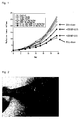
- Figure 1 shows the mean RTV and the standard deviation (S.D.) in each group as a tumor growth curve.
- the mean tumor growth inhibition rate (IR; %) in each treatment group based on the control group was obtained by using the following numerical formula 2 on days 15, at the end of the treatment period, and 29 at 4 weeks later and shown in Table 1.
- Tumor volume mm 3 major axis ⁇ minor axis 2 ⁇ 1 / 2
- Tumor growth inhibition rate IR , % 1 - mean tumor volume of treatment group / mean tumor volume of control group ⁇ 100
- test solution 3-Cyano-2,6-dihydroxypyridine (CNDP) was suspended in a 0.5% (W/V) hydroxypropylmethylcellulose (HPMC) solution at concentrations of 2.5 and 5.0 mg/mL, and the suspension was stirred with a stirrer at room temperature for about 10 minutes and ultrasonicated for about 5 minutes with ice cooling to obtain a drug solution of 25 or 50 mg/kg/day as CNDP.
- W/V hydroxypropylmethylcellulose
- the drug treatment group was orally administered with 0.1 mL of the above-described 5 mg/mL CNDP drug solution per body weight 10 g once daily for 14 consecutive days using a sonde for oral administration.
- the radiation group was irradiated with 2 Gy or 5 Gy of X-ray within about 1 hour after administration of the CNDP drug solution in the above-described manner on day 1, at the start of the test, and on day 8.
- Tumor-bearing mice in the control group (non-radiation/non-drug treatment group) and the radiation alone group were orally administered with 0.5% HPMC solution alone in the same manner for 14 consecutive days.
- the tumor volume of each mouse in each group was obtained prior to the start of treatment experiment, on days 3, 5, 8 (1 week later) and 11 during the treatment period, and day 15 (2 weeks later) after completion of treatment.
- a relative tumor volume (RTV) to the tumor volume at the start of the test was obtained for each mouse( Figure 1).
- the mean tumor growth inhibition rate (IR: %) in each treatment group based on the control group was obtained from these values by using the above-mentioned numerical formula 2 on days 11, during the treatment period, and 15, at the end of the treatment period. The results are shown in Table 2.
- Combination therapy using radiation and cisplatin is one of therapies commonly used in the clinical setting for the treatment of lung cancer.
- the effect of cisplatin in the combination therapy was verified.
- 0.1 mL per body weight 10 g of a cisplatin solution for the dose of 5 mg/kg or 0.125 mL per body weight 10 g of this solution for the dose of 7.5 mg/kg was administered into the caudal vein on day 1.
- the radiation group was irradiated with 2 Gy of X-ray in the above-described manner on day 1, at the start of the test, and on day 8.
- physiological saline was administered into the caudal vein on day 1.
- the tumor volume of each mouse in each group was obtained prior to the start of treatment experiment, on days 3, 5, 8 (1 week later) and 11 during the treatment period, and days 15 (2 weeks later), , 18, 22 (3 weeks later), 25, and 29 (4 weeks later) after completion of treatment.
- a relative tumor volume (RTV) to the tumor volume at the start of the test was obtained for each mouse.
- the mean tumor growth inhibition rate (IR; %) in each treatment group based on the control group was obtained by using the above-mentioned numerical formula 2 on days 15, at the end of the treatment period, and 29, at 4 weeks later, and shown in Table 3.
- the drug plus radiation group was irradiated with X-ray on days 1 and 3 as described above and orally administered with 0.1 mL of the CDHP drug solution per body weight 10 g once daily for 7 consecutive days using a sonde for oral administration.
- This group was irradiated with 20 Gy of X-ray within about 1 hour after administration of CDHP drug solution in the above-described manner on days 1 and 3.
- Normal mice in the control group (non-radiation/non-drug treatment group) were orally administered with 0.5% HPMC solution alone in the same manner for 7 consecutive days.
- Tablets of 185 mg/tablet were prepared with the above mixture composition according to a usual method.
- Tablets of 104 mg/tablet were prepared with the above mixture composition according to a usual method.
- Granules were prepared with the above mixture composition according to a usual method.
- a suppository was prepared with the above mixture composition according to a usual method.
Landscapes
- Chemical & Material Sciences (AREA)
- Health & Medical Sciences (AREA)
- Organic Chemistry (AREA)
- Life Sciences & Earth Sciences (AREA)
- General Health & Medical Sciences (AREA)
- Veterinary Medicine (AREA)
- Public Health (AREA)
- Pharmacology & Pharmacy (AREA)
- Medicinal Chemistry (AREA)
- Animal Behavior & Ethology (AREA)
- Epidemiology (AREA)
- Chemical Kinetics & Catalysis (AREA)
- General Chemical & Material Sciences (AREA)
- Nuclear Medicine, Radiotherapy & Molecular Imaging (AREA)
- Pharmaceuticals Containing Other Organic And Inorganic Compounds (AREA)
- Pyridine Compounds (AREA)
- Medicines That Contain Protein Lipid Enzymes And Other Medicines (AREA)
Abstract

Description
- The present invention relates to a radiotherapy enhancer that can reduce the radiation dose and adverse drug reactions, when used in combination with cancer radiotherapy.
- Conventionally, surgical therapy, chemotherapy, immunotherapy, thermotherapy, and radiotherapy have been performed for the treatment of cancer (malignant tumor). Radiotherapy is often performed for various types of cancers such as gastric cancer, colorectal cancer, pancreatic cancer, head and neck cancer, esophageal cancer, lung cancer, and breast cancer that are advanced to stage III or IV. However, long-term treatment using radiation alone (a total radiation dose of 40 to 60 Gy is currently used in clinical setting) is thought to be difficult due to adverse drug reactions in the digestive system, such as hematological toxicity and dry mouth, and its clinical effect (antitumor effect) is therefore insufficient. To achieve a high antitumor effect, chemoradiotherapy using chemotherapeutic drugs and radiation in combination has recently been introduced as one of standard therapies, and it is said that its treatment results are better than those of therapies using radiation alone or chemotherapy alone (Non-Patent Document 1). For example, it has been disclosed that a combination of carboplatin/fluorouracil and radiation (Non-Patent Document 2) or cisplatin and radiation (Non-Patent Document 3) for the treatment of head and neck cancer, a combination of fluorouracil/cisplatin and radiation (Non-Patent Document 4) for the treatment of esophageal cancer, a combination of fluorouracil and radiation (Non-Patent Document 5) for the treatment of pancreatic cancer, and a combination of cisplatin/vinblastine and radiation (Non-Patent Document 6) for the treatment of non-small cell lung cancer significantly prolong the survival time as compared with therapies using radiation alone. Furthermore, a report has shown that the recurrence rate was lower, and the survival time is longer in patients with rectal cancer who postoperatively underwent chemoradiotherapy than in patients who did not (Non-Patent Document 7). However, since adverse drug reactions of chemotherapeutic drugs themselves occur in the conventional use of chemotherapeutic drugs and radiotherapy in combination, the medial practice may have to be discontinued as a result. Satisfactory effect of reducing adverse drug reactions has not been obtained either.
Various attempts have been made to develop a radiation sensitizer that reduces the radiation dose and adverse drug reactions without compromising the therapeutic effect of radiotherapy. For example, certain types of nitroimidazole derivatives are known as radiation sensitizers, and compounds such as misonidazole and etanidazole have been developed. However, these compounds have not been used in practice due to their too severe neurotoxicity at doses at which sensitization activity can be obtained and the like. While combination use of a drug that enhances radiation sensitivity is desired in the treatment of radiation-resistant tumors, this neurotoxicity has become problematic in the development of many of the previously reported radiotherapy enhancers (radiation sensitizers, etc.). - [Non-Patent Document 1] International Journal of Clinical Oncology, Vol.9, No.6, (2004): 414-490
- [Non-Patent Document 2] Calais et al., J. Natl. Cancer Inst. 91 (1999): 2081-2086
- [Non-Patent Document 3] Jeremic B, et al., J. Clin. Oncol. 18 (2000): 1458-1464
- [Non-Patent Document 4] Al-Sarraf M, et al., J. Clin. Oncol. 15 (1997): 277-284
- [Non-Patent Document 5] Moertel CG, et al., Cancer 48 (1981): 1705-1710
- [Non-Patent Document 6] Sause W, et al., Chest 117(2000): 358-364
- [Non-Patent Document 7] Tveit KM, et al., Br. J. Cancer 84(1997): 1130-1135
- Accordingly, an object of the present invention is to provide a radiotherapy enhancer that can reduce the radiation dose and adverse drug reactions when used in combination with cancer radiotherapy.
- Accordingly, the inventors of the present invention investigated radiotherapy enhancing effects of various substances. As a result, they found that a pyridine derivative represented by the following general formula (1) that is known as an antitumor activity enhancer of an antitumor agent had an excellent radiotherapy enhancing effect and can reduce the radiation dose and adverse drug reactions when used in combination with radiotherapy, and accomplished the present invention.
- Specifically, the present invention provides a radiotherapy enhancer comprising, as an active ingredient, a pyridine derivative represented by general formula (1):
-

- wherein R1, R2, and R4 may be the same or different from one another and represent a hydrogen atom, hydroxy group, or protected hydroxy group, excluding the case where R1, R2, and R4 are all a hydrogen atom, and R3 represents a halogen atom, amino group, carboxyl group, carbamoyl group, cyano group, nitro group, alkyl group having 1 to 6 carbon atoms, alkenyl group having 2 to 6 carbon atoms, or carbonyl group containing an alkoxy group having 1 to 6 carbon atoms.
Furthermore, the present invention provides cancer radiotherapy characterized in that the above-described radiotherapy enhancer and radiation are used in combination.
Furthermore, the present invention provides use of the pyridine derivative represented by the above-described general formula (1) for the production of a radiotherapy enhancer. - Since use of the radiotherapy enhancer of the present invention and radiotherapy in combination achieves excellent cancer therapeutic effect at a lower radiation dose and reduces adverse drug reactions, long-term effective cancer treatment is enabled.
-
- Figure 1 shows the tumor volume ratios (relative tumor volumes) to the initial tumor volumes in Test Example 1;
- Figure 2 is a photo showing skin conditions of the femoral region in the radiation alone group in Test Example 3 (on day 14);
- Figure 3 is a photo showing skin conditions of the femoral region in the CDHP plus radiation group in Test Example 3 (on day 14); and
- Figure 4 is a photo showing skin conditions of the femoral region in the control group in Test Example 3 (on day 14).
- The term "protected hydroxy group" in R1, R2, and R4 in the pyridine derivative (1) used for the radiotherapy enhancer of the present invention means a protected hydroxy group that is easily hydrolyzed within blood and tissues of mammals including humans to release a corresponding hydroxy group compound, and the protected hydroxy group is not limited so long as it is a commonly known group in which a hydroxy group is protected by the formation of an ester. Examples thereof include acyloxy groups, such as alkanoyloxy groups, arylcarbonyloxy groups, heteroarylcarbonyloxy groups, and so forth that have 1 to 20 carbon atoms. More specific examples thereof include acetoxy group, propionyloxy group, butyryloxy group, isobutyryloxy group, varelyloxy group, pivaloyloxy group, lauroyloxy group, myristoyloxy group, palmitoyloxy group, stearoyloxy group, benzoyloxy group, naphthoyloxy group, toluoyloxy group, 2-furoyloxy group, 3-furoyloxy group, 2-thenoyloxy group, 3-thenoyloxy group, nicotinoyloxy group, isonicotinoyloxy group, and so forth. Examples of the halogen atom represented by R3 include chlorine atom, fluorine atom, bromine atom, and iodine atom. Examples of the alkyl group having 1 to 6 carbon atoms include straight or branched alkyl groups having 1 to 6 carbon atoms such as methyl group, ethyl group, propyl group, isopropyl group, butyl group, t-butyl group, pentyl group, and hexyl group. Examples of the alkenyl group having 2 to 6 carbon atoms include alkenyl groups having 2 to 6 carbon atoms such as vinyl group, allyl group, 2-butenyl group, 3-butenyl group, 1-methylallyl group, 2-pentenyl group, and 2-hexenyl group. Examples of the carbonyl group containing an alkoxy group having 1 to 6 carbon atoms include straight or branched carbonyl groups containing an alkoxy group having 1 to 6 carbon atoms such as methoxycarbonyl group, ethoxycarbonyl group, propoxycarbonyl group, isopropoxycarbonyl group, t-butoxycarbonyl group, butoxycarbonyl group, pentyloxycarbonyl group, and hexyloxycarbonyl group.
- It is preferable that any two of R1, R2, and R4 in the general formula (1) represent hydroxy group or protected hydroxy group, and the remaining one represents a hydrogen atom. Specifically, it is preferable that R1 and R2 may be the same or different from each other and represent hydroxy group or protected hydroxy group, and R4 represents a hydrogen atom, or that R1 and R4 may be the same or different from each other and represent hydroxy group or protected hydroxy group, R2 represents a hydrogen atom. Of these, it is preferable that R1 and R2 represent hydroxy group, and R4 represents a hydrogen atom, or that R1 and R4 represent hydroxy group, and R2 represents a hydrogen atom.
- As R3, a halogen atom or cyano group is more preferred, with a chlorine atom or cyano group being more preferred.
- Of compounds represented by the formula (1), a compound in which R1 and R2 are hydroxy group, R3 is a chlorine atom, and R4 is a hydrogen atom, i.e., 5-chloro-2,4-dihydroxypyridine (CDHP) is preferred. Furthermore, a compound in which R1 and R4 are hydroxy group, R3 is cyano group, and R2 is a hydrogen atom, i.e., 3-cyano-2,6-dihydroxypyridine (CNDP) is preferred.
- The compound represented by the formula (1) can be produced by the method described in
Japanese Unexamined Patent Publication No. 62-155215 - Combined use of the compound represented by the formula (1) and radiotherapy markedly enhances the cancer therapeutic effect of radiation compared with use of radiotherapy alone. Therefore, the compound of formula (1) is useful as a radiotherapy enhancer. Furthermore, since an adequate therapeutic effect on cancer can be obtained at a lower radiation dose as a result of the enhanced effect of radiotherapy, the compound of formula (1) can also act as an agent for reducing the radiation dose in cancer treatment. Furthermore, since prolonged high-dose radiotherapy causes adverse drug reactions such as hematological toxicity, digestive toxicity, anorexia, malaise, and body weight loss, some patients could not receive long-term treatment previously. However, since combination of the compound of formula (1) and radiotherapy can reduce the radiation dose and hence reduces these adverse drug reactions, longer-term radiotherapy is enabled, resulting in improved therapeutic effects on cancer. Furthermore, radiotherapy causes severe dermatitis in the skin at the radiation-irradiated site, with skin disorders such as redness, dryness, skin abrasion, blister, and erosion, and may cause pigmentation, joint contracture, swelling of extremities, and the like later. However, combined use of the compound of formula (1) can prevent or relieve skin adverse drug reactions of radiation. Therefore, the compound of formula (1) is also useful as an agent for preventing or relieving adverse drug reactions of radiation, particularly as an agent for preventing or relieving skin adverse drug reactions of radiation.
The term "radiotherapy enhancer" used in the present specification refers to a drug that enhances (improves) radiation sensitivity (also referred to as radiation sensitivity enhancer, radiation sensitizer, or radiation sensitizing agent) irrespective of the mechanism of action. - Furthermore, cancer radiotherapy intended in the present invention is commonly used in this technical field and can be performed according to protocols known to those skilled in the art. For example, irradiation with cesium, iridium, iodine, or cobalt is included in the above-mentioned cancer radiotherapy. Cancer radiotherapy may be systemic irradiation (for the treatment of acute leukemia, malignant lymphoma, and some solid cancers), but local irradiation of tumor sites or tissues (irradiation of the abdomen, lungs, liver, lymph nodes, head or the like for solid cancers) is preferred. Cancer radiotherapy is commonly divided into 25 to 30 fractions (over about 5 to 6 weeks) and performed for 2 to 3 minutes per day.
The radiotherapy enhancer of the present invention can be used as an auxiliary agent in a cancer radiotherapy of malignant tumors that are not originally sensitive to radiation or have acquired radiation resistance as a result of radiotherapy. Furthermore, the radiotherapy enhancer of the present invention can reduce the radiation dose used in the therapy by enhancing the radiation sensitivity of tumor cells (can reduce the dose to 1/2 to 1/3 of the conventional dose, for example). Therefore, adverse drug reactions due to radiation injury inevitably associated with radiotherapy (for example, stomatitis, myelopathy, radiation ulcer, radiation pneumonia, skin disorders, etc.) can be reduced. Furthermore, since the treatment period (exposure time) can be made longer than a period specified in usual protocols (can be prolonged 1.5- to 2-fold, for example), an excellent antitumor effect can be obtained. - The radiotherapy enhancer of the present invention is administered at the time of radiotherapy, either before or after radiotherapy. Furthermore, since the radiotherapy enhancer of the present invention enhances the effect of cancer radiotherapy as described above, it may be used in combination with other antitumor agents. Examples of such antitumor agents include platinum drugs, taxane drugs, vinca alkaloid drugs, topoisomerase inhibitors, antimetabolites, alkylating agents, and so forth. More specific examples include one type or two or more types of antitumor agents such as cisplatin, carboplatin, oxaliplatin, Taxol, Taxotere, vincristine, vinblastine, vinorelbine, vindesine, irinotecan hydrochloride, topotecan, etoposide, teniposide, doxorubicin, tegafur, gemcitabine, cytarabine, methotrexate, Alimta, cyclophosphamide, adriamycin, and mitomycin. These antitumor agents are used in combination, taking into account the patient's age and sex, severity of symptoms/adverse drug reactions, drug incompatibility, and the like.
- The radiotherapy enhancer of the present invention can be produced in the form of a usual pharmaceutical preparation using pharmaceutically acceptable carriers such as, for example, fillers, extenders, binders, moisturizing agents, disintegrating agents, surfactants, lubricants, and excipients. Examples of this pharmaceutical preparation include tablet, pill, powder, solution, suspension, emulsion, granule, capsule, suppository, injection (solution, suspension, etc.), ointment, and so forth. The radiotherapy enhancer of the present invention can be prepared in the form of tablet using, for example, excipients such as lactose, sucrose, sodium chloride, glucose, urea, starch, calcium carbonate, kaolin, crystalline cellulose, and silicic acid, binders such as water, ethanol, propanol, simple syrup, glucose solution, starch solution, gelatin solution, carboxymethylcellulose, shellac, methylcellulose, potassium phosphate, and polyvinylpyrrolidone, disintegrating agents such as dry starch, sodium alginate, powdered agar, powdered laminaran, sodium hydrogencarbonate, calcium carbonate, polyoxyethylene sorbitan fatty acid esters, lauryl sodium sulfate, monoglyceride stearate, starch, and lactose, disintegration inhibitors such as sucrose, stearin, cocoa butter, and hydrogenated oils, absorption promoters such as quaternary ammonium base and lauryl sodium sulfate, moisturizing agents such as glycerine and starch, adsorbents such as starch, lactose, kaolin, bentonite, and colloidal silicic acid, lubricants such as purified talc, stearates, powdered boric acid, and polyethylene glycol, and the like. Furthermore, tablet can be coated with a usual coating as required to prepare, for example, a sugar-coated tablet, gelatin-encapsulated tablet, enteric-coated tablet, film coated tablet, double-layer tablet, or multilayer tablet. The radiotherapy enhancer of the present invention can be prepared in the form of pill using, for example, excipients such as glucose, lactose, starch, cacao butter, hydrogenated vegetable oil, kaolin, and talc, binders such as gum arabic powder, tragacanth powder, gelatin, and ethanol, disintegrating agents such as powdered laminaran and powdered agar, and the like. The radiotherapy enhancer of the present invention can be prepared in the form of suppository using, for example, polyethylene glycol, cacao butter, higher alcohols, higher alcohol esters, gelatin, semisynthesized glyceride, and the like. Capsule is prepared according to usual methods by usually mixing an active ingredient compound with various carriers mentioned above as examples and filling them in a hard gelatin capsule, soft capsule, or the like. When the radiotherapy enhancer of the present invention is prepared as an injection, the solution, emulsion, or suspension thereof is sterilized and is preferably isotonic with blood. When these forms are prepared, a wide variety of known diluents can be used, and examples thereof include water, ethyl alcohol, macrogol, propylene glycol, polyethoxylated isostearyl alcohol, polyoxyethylene sorbitan fatty acid esters, and so forth. In this case, sodium chloride, glucose, or glycerine in an amount sufficient to prepare an isotonic solution may be contained in the pharmaceutical preparation, or usual solubilizing agents, buffers, soothing agents, and the like may be added. Furthermore, if necessary, coloring materials, preservatives, flavors, flavoring agents, sweeteners, and the like or other drugs may be contained in the pharmaceutical preparation. The radiotherapy enhancer of the present invention can be prepared in the form of paste, cream, or gel by using white petrolatum, paraffin, glycerine, cellulose derivatives, polyethylene glycol, silicon, bentonite, or the like as a diluent.
- The total amount of the above-described compound of formula (1) to be contained in the pharmaceutical preparation is not particularly limited and suitably selected in a wide range, but 1 to 70% by mass of the pharmaceutical preparation is usually desirable.
- The administration method of the above-described pharmaceutical preparation is not particularly limited and determined depending on the dosage form, the patient's age, sex, and other conditions, severity of the disease, and the like. For example, oral administration as a tablet, pill, solution, suspension, emulsions, granule, or capsule is particularly preferred.
The dose of the above-described pharmaceutical preparation is suitably selected depending on the dosing regimen, patient's age, sex, and other conditions, severity of the disease, and the like. In oral administration, the dose of the compound of formula (1) as the active ingredient is usually about 0.05 to 100 mg per kg body weight, preferably about 0.1 to 50 mg. The dose of the above-described pharmaceutical preparation can be divided and administered 1 to 4 times daily. - An excellent cancer treatment method can be provided by using the radiotherapy enhancer of the present invention and radiotherapy in combination. Tumors for which this treatment method can be used are not particularly limited. This method is particularly suitable for cancers with high radiation sensitivity. However, since the enhancer of the present invention can also increase radiation sensitivity of cancers that are considered to have low sensitivity, improvement of the effect of cancer radiotherapy can be expected. Examples of such cancers include head and neck cancer, esophageal cancer, gastric cancer, colorectal cancer, liver cancer, gallbladder/bile duct cancer, pancreatic cancer, lung cancer, breast cancer, bladder cancer, prostate cancer, cervical cancer, brain tumor, malignant lymphoma, acute leukemia, chronic leukemia, medulloblastoma, retina retinoblastoma, neuroblastoma, Wilms' tumor, Hodgkin's disease, multiple myeloma, plasmacytoma, thymoma, basal cell cancer, squamous cancer, Ewing's tumor, thyroid cancer, ovary cancer, salivary gland cancer, teratoma, malignant melanoma, neuroglioma, renal cell carcinoma, osteosarcoma, and so forth. Of these, head and neck cancer, esophageal cancer, gastric cancer, colorectal cancer, liver cancer, lung cancer, pancreatic cancer, and breast cancer are preferred, cancer types that can be hardly resected such as head and neck cancer, esophageal cancer, liver cancer, lung cancer, and pancreatic cancer are more preferred, and lung cancer and pancreatic cancer are particularly preferred.
- The present invention will be explained more specifically with reference to the following test examples and comparative examples. However, the scope of the present invention is not limited to these examples.
- (a) Preparation of test solution: 5-Chloro-2,4-dihydroxypyridine (CDHP) was suspended in a 0.5% (W/V) hydroxypropylmethylcellulose (HPMC) solution at concentrations of 0.25 and 2.5 mg/mL, and the suspension was stirred with a stirrer at room temperature for about 10 minutes and ultrasonicated for about 5 minutes with ice cooling to obtain a drug solution of 2.5 or 25 mg/kg/day as CDHP.
- (b) Method for Radiation (X-ray) irradiation: Local irradiation was performed on a human tumor strain transplanted into the right femoral region of the mouse using MBR-1505R Type 2 X-ray Irradiation System of Hitachi Medical Corporation under an irradiation condition (irradiation position) so that exposure per mouse should be 2 Gy or 5 Gy. To prevent systemic irradiation, mice were placed in a storage box made of lead so that only their right leg should be exposed to radiation.
- (c) Test: The human lung cancer strain (LC-11) subcutaneously transplanted into the back of a BALB/cA-nu mouse and grown beforehand were removed, cut into small fragments of about 2 × 2 mm2 with scissors in physiological saline, and subcutaneously transplanted into the right femoral region of 5 to 6-week-old mice of the same strain with a transplantation needle. The mice were bred for at least 1 to 2 weeks and divided into the control group, the radiation alone group, the drug alone group, and the drug plus radiation group, so that the tumor volume and standard deviation (S.D.) in each group (n = 6 per group) should be as uniform as possible. Then, drug administration and X-ray irradiation were initiated. The drug treatment group was orally administered with 0.1 mL each of the above-described CDHP drug solution per body weight 10 g once daily for 14 consecutive days using a sonde for oral administration. The radiation group was irradiated with 2 Gy or 5 Gy of X-ray within about 1 hour after administration of the CDHP drug solution in the above-described manner on day 1, at the start of the test, and on day 8. Tumor-bearing mice in the control group (non-radiation/non-drug treatment group) and the radiation alone group were orally administered with 0.5% HPMC solution alone in the same manner for 14 consecutive days.
- By using the following numerical formula 1, the tumor volume of each mouse in each group was obtained prior to the start of treatment experiment, on
days 3, 5, 8 (1 week later) and 11 during the treatment period, and days 15 (2 weeks later), 18, 22 (3 weeks later), 25, and 29 (4 weeks later) after completion of the treatment. A relative tumor volume (RTV) to the tumor volume at the start of the test was obtained for each mouse. Figure 1 shows the mean RTV and the standard deviation (S.D.) in each group as a tumor growth curve. The mean tumor growth inhibition rate (IR; %) in each treatment group based on the control group was obtained by using the following numerical formula 2 ondays 15, at the end of the treatment period, and 29 at 4 weeks later and shown in Table 1.

-
[Table 1] Group number Amount of CDHP (mg/kg) Dose of X-ray irradiation (Gy) IR(%) Day 15Day 29 1 0 0 - - 2 2.5 0 17.2 -7.9 3 25 0 9.7 -15.3 4 0 2 35.0 9.6 5 2.5 2 41.0 24.7 * 6 25 2 57.2 46.3 ** 7 0 5 48.7 53.5 * p < 0.05 compared with either of CDHP (2.5 mg/kg) and 2 Gy (Dannet test)
** p < 0.001 compared with either of CDHP (25 mg/kg) and 2 Gy (Dannet test) - (d) Test results: 2-Gy X-ray irradiation on the LC-11 tumor strain showed antitumor effects of 41% on
day day - (a) Preparation of test solution: 3-Cyano-2,6-dihydroxypyridine (CNDP) was suspended in a 0.5% (W/V) hydroxypropylmethylcellulose (HPMC) solution at concentrations of 2.5 and 5.0 mg/mL, and the suspension was stirred with a stirrer at room temperature for about 10 minutes and ultrasonicated for about 5 minutes with ice cooling to obtain a drug solution of 25 or 50 mg/kg/day as CNDP.
- (b) Method for radiation (X-ray) irradiation: Local irradiation was performed on a human tumor strain transplanted into the right femoral region of the mouse using MBR-1505R Type 2 X-ray Irradiation System of Hitachi Medical Corporation under an irradiation condition (irradiation position) so that exposure per mouse should be 2 Gy or 5 Gy. To prevent systemic irradiation, mice were placed in a storage box made of lead so that only their right leg should be exposed to radiation.
- (c) Test: The human lung cancer strain (LC-11) subcutaneously transplanted into the back of a BALB/cA-nu mouse and grown beforehand were removed, cut into small fragments of about 2 × 2 mm2 with scissors in physiological saline, and subcutaneously transplanted into the right femoral region of 5 to 6-week-old mice of the same strain with a transplantation needle. The mice were bred for at least 1 to 2 weeks and divided into the control group, the radiation alone group, the drug alone group, and the drug plus radiation group, so that the tumor volume and standard deviation (S.D.) in each group (n = 6 per group) should be as uniform as possible. Then, drug administration and X-ray irradiation were initiated. The drug treatment group was orally administered with 0.1 mL of the above-described 5 mg/mL CNDP drug solution per body weight 10 g once daily for 14 consecutive days using a sonde for oral administration. The radiation group was irradiated with 2 Gy or 5 Gy of X-ray within about 1 hour after administration of the CNDP drug solution in the above-described manner on day 1, at the start of the test, and on day 8. Tumor-bearing mice in the control group (non-radiation/non-drug treatment group) and the radiation alone group were orally administered with 0.5% HPMC solution alone in the same manner for 14 consecutive days.
- By using the above-mentioned numerical formula 1, the tumor volume of each mouse in each group was obtained prior to the start of treatment experiment, on
days 3, 5, 8 (1 week later) and 11 during the treatment period, and day 15 (2 weeks later) after completion of treatment. A relative tumor volume (RTV) to the tumor volume at the start of the test was obtained for each mouse(Figure 1). Then, the mean tumor growth inhibition rate (IR: %) in each treatment group based on the control group was obtained from these values by using the above-mentioned numerical formula 2 on days 11, during the treatment period, and 15, at the end of the treatment period. The results are shown in Table 2. -
[Table 2] Group number Amount of CNDP (mg/kg) Dose of X-ray irradiation (Gy) Tumor growth inhibition rate (IR) (%) Day 11 Day 151 0 0 - - 2 50 0 1.8 8.2 3 0 2 27.2 40.1 4 25 2 44.7 54.6 5 50 2 44.4 60.4 6 0 5 46.1 56.2 - (d) Test results: 2-Gy X-ray irradiation on the LC-11 tumor strain showed antitumor effects of 27% on day 11 and 40% on
day 15. CNDP hardly showed any antitumor effect at a high dose of 50 mg/kg, but significantly increased the antitumor effect of 2-Gy X-ray at both the doses of 25 and 50 mg/kg, with antitumor effects of 44.7% and 44.4%, respectively, on day 11 and 54.6% and 60.4%, respectively, onday 15 by using 2-Gy X-ray irradiation in combination. This effect was comparable to the antitumor effect of 5-Gy X-ray irradiation alone (46% on day 11 and 56% on day 15). That is, it was found that low-dose X-ray irradiation achieved an effect of high-dose X-ray irradiation alone by using CNDP in combination. Furthermore, no serious adverse drug reactions such as body weight loss and skin disorders were observed in the mice receiving the CNDP and X-ray in combination. - Combination therapy using radiation and cisplatin is one of therapies commonly used in the clinical setting for the treatment of lung cancer. The effect of cisplatin in the combination therapy was verified.
(a) Preparation of test solution I: The cisplatin solution (0.5 mg/mL) available from Bristol-Myers Squibb Company was used as it was. 0.1 mL per mouse body weight 10 g was administered for the dose ofcisplatin 5 mg/kg, and 0.125 mL per mouse body weight 10 g was administered for the dose of 7.5 mg/kg. - (b) Method for radiation (X-ray) irradiation: Local irradiation was performed on a human tumor strain transplanted into the right femoral region of the mouse using MBR-1505R Type 2 X-ray Irradiation System of Hitachi Medical Corporation under an irradiation condition (irradiation position) so that exposure per mouse should be 2 Gy or 5 Gy. To prevent systemic irradiation, mice were placed in a storage box made of lead so that only their right leg should be exposed to radiation.
- (c) Test: The human lung cancer LC-11 strain subcutaneously transplanted into the back of a BALB/cA-nu mouse and grown beforehand were removed, cut into small fragments of about 2 × 2 mm2 with scissors in physiological saline, and subcutaneously transplanted into the right femoral region of 5 to 6-week-old mice of the same strain with a transplantation needle. The mice were bred for at least 1 to 2 weeks and divided into the control group, the radiation alone group, the drug alone group, and the drug plus radiation group, so that the tumor volume and standard deviation (S.D.) in each group (n = 6 per group) should be as uniform as possible. Then, drug administration and X-ray irradiation were initiated. For the drug treatment group, 0.1 mL per body weight 10 g of a cisplatin solution for the dose of 5 mg/kg or 0.125 mL per body weight 10 g of this solution for the dose of 7.5 mg/kg was administered into the caudal vein on day 1. The radiation group was irradiated with 2 Gy of X-ray in the above-described manner on day 1, at the start of the test, and on day 8. For tumor-bearing mice in the control group (non-radiation/non-drug treatment group) and the radiation alone group, physiological saline was administered into the caudal vein on day 1.
By using the above-mentioned numerical formula 1, the tumor volume of each mouse in each group was obtained prior to the start of treatment experiment, ondays 3, 5, 8 (1 week later) and 11 during the treatment period, and days 15 (2 weeks later), , 18, 22 (3 weeks later), 25, and 29 (4 weeks later) after completion of treatment. A relative tumor volume (RTV) to the tumor volume at the start of the test was obtained for each mouse. Then, the mean tumor growth inhibition rate (IR; %) in each treatment group based on the control group was obtained by using the above-mentioned numerical formula 2 ondays 15, at the end of the treatment period, and 29, at 4 weeks later, and shown in Table 3. -
[Table 3] X-ray irradiation sensitizing effect of cisplatin Group number Dose of X-ray irradiation (Gy) Amount of CDDP (mg/kg) IR (%) Day 15Day 29 1 - - - - 2 2 - 37.5 32.3 3 - 5.0 39.9 45.6 4 2 5.0 53.8 46.8 5 - 7.5 55.8 60.2 6 2 7.5 54.6 66.8 7 5 - 45.1 59.9 - (d) Test results: Combination use of
CDDP 5 mg/kg or 7.5 mg/kg and 2-Gy X-ray irradiation did not significantly enhance antitumor effects compared with treatment with CDDP alone, and the radiotherapy enhancing effect of CDDP appeared to be very weak in a series of examinations using the human lung cancer LC-11 strain. - (a) Preparation of test solution: CDHP was suspended in a 0.5% (W/V) HPMC solution at a concentration of 5.0 mg/mL, and the suspension was stirred with a stirrer at room temperature for about 10 minutes and ultrasonicated with ice cooling for about 5 minutes to obtain a drug solution of 50 mg/kg/day as CDHP.
- (b) Method for X-ray irradiation: Local irradiation was performed on the right femoral region of the mouse using MBR-1505R Type 2 X-ray Irradiation System of Hitachi Medical Corporation under an irradiation condition (irradiation position) so that exposure per mouse should be 20 Gy. To prevent systemic irradiation, mice were placed in a storage box made of lead so that only their right leg should be exposed to radiation.
- (c) Test: Six to 8-week-old BALB/cA-nu mice were divided into the control group, the radiation alone group, and the drug plus radiation group, each consisting of 6 animals, and drug administration and X-ray irradiation were initiated. Since the drug (CDHP) itself does not induce any antitumor effect or adverse drug reaction even when orally administered everyday, the drug alone group was omitted. The radiation group was irradiated with 20 Gy of X-ray/mouse on day 1, at the start of the test, and on day 3. The drug plus radiation group was irradiated with X-ray on days 1 and 3 as described above and orally administered with 0.1 mL of the CDHP drug solution per body weight 10 g once daily for 7 consecutive days using a sonde for oral administration. This group was irradiated with 20 Gy of X-ray within about 1 hour after administration of CDHP drug solution in the above-described manner on days 1 and 3. Normal mice in the control group (non-radiation/non-drug treatment group) were orally administered with 0.5% HPMC solution alone in the same manner for 7 consecutive days.
- (d) Determination of severity of skin disorders: From 7 days after the end of the test, severity of skin disorders in the femoral region caused by irradiation was determined by the method of Douglas, et al. (Douglas BG, et al.: The effect of multiple small doses of X-rays on skin reactions in the mice and a basic interpretation. Radiation Res., 66: 401-426, 1976.).
- (e) Test results: In the radiation alone group, dehydration and keratinization of the skin (grades 1.0 to 1.5) and skin surface loss (grades 2.5 to 3.0) started to develop on
day 10, and skin disorders of grades 1.5 or higher were observed in all the 6 animals after day 14 (see Figure 2). On the other hand, mild disorders (redness, swelling) were observed only in 1 or 2 mice in the CDHP plus radiation group, and no abnormality was noted in the other mice (see Figure 3). No skin disorder was observed in the control group (see Figure 4).
The above results revealed that CDHP had actions of enhancing the antitumor effect of X-ray irradiation on tumor and not exacerbating but preventing or reducing disorders caused by radiation in normal tissues (here normal skin) . -
CDHP 18 mg Starch 110 mg Magnesium stearate 17 mg Lactose 40 mg Total 185 mg - Tablets of 185 mg/tablet were prepared with the above mixture composition according to a usual method.
-
CNDP 12 mg Lactose 54 mg Crystalline cellulose 20 mg Magnesium stearate 5 mg Talc 3 mg Methylcellulose 10 mg Total 104 mg - Tablets of 104 mg/tablet were prepared with the above mixture composition according to a usual method.
-
CDHP 58 mg Lactose 340 mg Corn starch 450 mg Hydroxypropylmethylcellulose 10 mg Total 858 mg - Granules were prepared with the above mixture composition according to a usual method.
-
CDHP 110 mg Witepsol W-35 900 mg Total 1010 mg - A suppository was prepared with the above mixture composition according to a usual method.
Claims (15)
- A radiotherapy enhancer comprising, as an active ingredient, a pyridine derivative represented by general formula (1):

- The radiotherapy enhancer according to claim 1 comprising a pyridine derivative as an active ingredient, wherein, in the general formula (1), R1 and R2 may be the same or different from each other and represent hydroxy group or a protected hydroxy group, and R4 represents a hydrogen atom.
- The radiotherapy enhancer according to claim 1 comprising a pyridine derivative as an active ingredient, wherein, in the general formula (1), R1 and R4 may be the same or different from each other and represent hydroxy group or protected hydroxy group, and R2 represents a hydrogen atom.
- The radiotherapy enhancer according to claim 1 comprising a pyridine derivative as an active ingredient, wherein, in the general formula (1), any two of R1, R2, and R4 represent hydroxy group, the remaining one represents a hydrogen atom, and R3 represents a halogen atom or cyano group.
- The radiotherapy enhancer according to claim 1 comprising a pyridine derivative as an active ingredient, wherein, in the general formula (1), R1 and R2 represent hydroxy group, R3 represents a chlorine atom, and R4 represents a hydrogen atom.
- The radiotherapy enhancer according to claim 1 comprising a pyridine derivative as an active ingredient, wherein, in the general formula (1), R1 and R4 represent hydroxy group, R3 represents cyano group, and R2 represents a hydrogen atom.
- The radiotherapy enhancer according to any one of claims 1 to 6, which is for use in combination with a cancer radiotherapy.
- A cancer radiotherapy, characterized in that the radiotherapy enhancer according to any one of claims 1 to 6 and radiation are used in combination.
- Use of a pyridine derivative represented by general formula (1) :

- The use according to claim 9, wherein, in the general formula (1), R1 and R2 may be the same or different from each other and represent hydroxy group or protected hydroxy group, and R4 represents a hydrogen atom.
- The use according to claim 9, wherein, in the general formula (1), R1 and R4 may be the same or different from each other and represent hydroxy group or a protected hydroxy group, and R2 represents a hydrogen atom.
- The use according to claim 9, wherein, in the general formula (1), any two of R1, R2, and R4 represent hydroxy group, the remaining one represents a hydrogen atom, and R3 represents a halogen atom or cyano group.
- The use according to claim 9, wherein, in the general formula (1), R1 and R2 represent hydroxy group, R3 represents a chlorine atom, and R4 represents a hydrogen atom.
- The use according to claim 9, wherein, in the general formula (1), R1 and R4 represent hydroxy group, R3 represents cyano group, and R2 represents a hydrogen atom.
- The use according to any one of claims 9 to 14, which is for use in combination with a cancer radiotherapy.
Applications Claiming Priority (3)
| Application Number | Priority Date | Filing Date | Title |
|---|---|---|---|
| JP2005105938 | 2005-04-01 | ||
| JP2005219119 | 2005-07-28 | ||
| PCT/JP2006/306961 WO2006106984A1 (en) | 2005-04-01 | 2006-03-31 | Potentiator for radiation therapy comprising pyridine derivative as active ingredient |
Publications (3)
| Publication Number | Publication Date |
|---|---|
| EP1864974A1 true EP1864974A1 (en) | 2007-12-12 |
| EP1864974A4 EP1864974A4 (en) | 2009-09-02 |
| EP1864974B1 EP1864974B1 (en) | 2013-10-09 |
Family
ID=37073534
Family Applications (1)
| Application Number | Title | Priority Date | Filing Date |
|---|---|---|---|
| EP06730909.6A Expired - Lifetime EP1864974B1 (en) | 2005-04-01 | 2006-03-31 | Potentiator for radiation therapy comprising pyridine derivative as active ingredient |
Country Status (11)
| Country | Link |
|---|---|
| US (2) | US20090137640A1 (en) |
| EP (1) | EP1864974B1 (en) |
| JP (1) | JP5103170B2 (en) |
| KR (1) | KR101135789B1 (en) |
| AU (1) | AU2006231809B2 (en) |
| BR (1) | BRPI0608327A2 (en) |
| CA (1) | CA2603810C (en) |
| NZ (1) | NZ562048A (en) |
| RU (1) | RU2415670C2 (en) |
| TW (1) | TWI371447B (en) |
| WO (1) | WO2006106984A1 (en) |
Cited By (1)
| Publication number | Priority date | Publication date | Assignee | Title |
|---|---|---|---|---|
| EP3042657A4 (en) * | 2013-09-03 | 2017-06-14 | União Brasileira De Educaçao E Assistência- Mantenedora Da Pucrs | Use of 6-hydroxy-2-pyridones and derivatives thereof for preparing a pharmaceutical composition that acts by inhibiting the human uridine phosphorylase enzyme |
Families Citing this family (4)
| Publication number | Priority date | Publication date | Assignee | Title |
|---|---|---|---|---|
| KR101135789B1 (en) * | 2005-04-01 | 2012-04-16 | 다이호야쿠힌고교 가부시키가이샤 | Potentiator for radiation therapy comprising pyridine derivative as active ingredient |
| CA2761243A1 (en) * | 2009-05-12 | 2010-11-18 | Taiho Pharmaceutical Co., Ltd. | Anti-tumor agent containing tegafur-gimeracil-oteracil potassium combination drug and oxaliplatin |
| CN105164107B (en) | 2012-12-20 | 2017-12-05 | 卢庆彬 | Radiosensitizer compounds for use in conjunction with radiation |
| AU2021292668A1 (en) * | 2020-06-15 | 2023-02-09 | KORTUC Japan LLC | Sensitiser for cancer treatment |
Family Cites Families (8)
| Publication number | Priority date | Publication date | Assignee | Title |
|---|---|---|---|---|
| JPS6122016A (en) * | 1984-07-10 | 1986-01-30 | Adeka Argus Chem Co Ltd | Radiation sensitizer |
| JPS61109719A (en) * | 1984-10-31 | 1986-05-28 | Otsuka Pharmaceut Co Ltd | Enhancer for antitumor activity |
| DK175432B1 (en) | 1984-10-30 | 2004-10-18 | Otsuka Pharma Co Ltd | Agent for enhancing the anticancer effect of anticancer compounds |
| JP2531952B2 (en) * | 1987-04-06 | 1996-09-04 | 大塚製薬株式会社 | Phosphorylase inhibitor |
| DE60235088D1 (en) * | 2001-07-05 | 2010-03-04 | Taiho Pharmaceutical Co Ltd | DNA ARRAYS FOR MEASURING SENSITIVITY AGAINST AN ANTICREMENT |
| CN1761665A (en) * | 2003-03-14 | 2006-04-19 | 大鹏药品工业株式会社 | Antitumor effect potentiator and antitumor agent |
| CN101155600B (en) | 2005-04-01 | 2011-05-04 | 大鹏药品工业株式会社 | Radiation Therapy Booster |
| KR101135789B1 (en) | 2005-04-01 | 2012-04-16 | 다이호야쿠힌고교 가부시키가이샤 | Potentiator for radiation therapy comprising pyridine derivative as active ingredient |
-
2006
- 2006-03-31 KR KR1020077025043A patent/KR101135789B1/en not_active Expired - Fee Related
- 2006-03-31 TW TW095111531A patent/TWI371447B/en not_active IP Right Cessation
- 2006-03-31 EP EP06730909.6A patent/EP1864974B1/en not_active Expired - Lifetime
- 2006-03-31 JP JP2007511214A patent/JP5103170B2/en not_active Expired - Fee Related
- 2006-03-31 AU AU2006231809A patent/AU2006231809B2/en not_active Ceased
- 2006-03-31 RU RU2007140384/15A patent/RU2415670C2/en active
- 2006-03-31 WO PCT/JP2006/306961 patent/WO2006106984A1/en not_active Ceased
- 2006-03-31 US US11/910,150 patent/US20090137640A1/en not_active Abandoned
- 2006-03-31 CA CA2603810A patent/CA2603810C/en not_active Expired - Fee Related
- 2006-03-31 NZ NZ562048A patent/NZ562048A/en not_active IP Right Cessation
- 2006-03-31 BR BRPI0608327-7A patent/BRPI0608327A2/en not_active IP Right Cessation
-
2010
- 2010-12-27 US US12/978,743 patent/US8569324B2/en not_active Expired - Fee Related
Non-Patent Citations (8)
| Title |
|---|
| BROWN J M ET AL: "Structure-activity relationships for tumour radiosensitization by analogues of nicotinamide and benzamide" INTERNATIONAL JOURNAL OF RADIATION BIOLOGY 1991 GB, vol. 59, no. 3, 1991, pages 739-748, XP009119752 ISSN: 0020-7616 * |
| HARADA K ET AL: "Combined effects of the oral fluoropyrimidine anticancer agent, S-1 and radiation on human oral cancer cells" ORAL ONCOLOGY, ELSEVIER SCIENCE, OXFORD, GB, vol. 40, no. 7, 1 August 2004 (2004-08-01), pages 713-719, XP004511987 ISSN: 1368-8375 * |
| ICHINOSE Y ET AL: "S-1 Plus Cisplatin Combination Chemotherapy in Patients with Advanced Non-Small Cell Lung Cancer: A Multi-Institutional Phase II Trial" CLINICAL CANCER RESEARCH, THE AMERICAN ASSOCIATION FOR CANCER RESEARCH, US, vol. 10, 1 January 2004 (2004-01-01), pages 7860-7864, XP003000957 ISSN: 1078-0432 * |
| IWASE H ET AL: "Esophageal cancer with colonic metastasis successfully treated by chemoradiotherapy followed by chemotherapy with S-1 and cisplatin" INTERNATIONAL JOURNAL OF CLINICAL ONCOLOGY, CHURCHILL LIVINGSTONE JAPAN, TOKYO, GB, vol. 9, 1 January 2004 (2004-01-01), pages 398-402, XP003000958 ISSN: 1341-9625 * |
| See also references of WO2006106984A1 * |
| SHIBAMOTO Y ET AL: "Combined effect of clinically relevant doses of emitefur, a new 5-fluorouracil derivative, and radiation in murine tumours", BRITISH JOURNAL OF CANCER 1996 GB, vol. 74, no. 11, 1996, pages 1709-1713, ISSN: 0007-0920 * |
| TAKAHASHI T ET AL: "Histological Complete Response in a Case of Advanced Gastric Cancer Treated by Chemotherapy with S-1 Plus Low-dose Cisplatin and Radiation" JAPANESE JOURNAL OF CLINICAL ONCOLOGY, TOKYO, JP, vol. 33, no. 11, 1 January 2003 (2003-01-01), pages 584-588, XP003000956 ISSN: 0368-2811 * |
| YONEDA K ET AL: "The inhibitory action of BOF-A2, a 5-fluorouracil derivative, on squamous cell carcinoma" CANCER LETTERS 19990322 IE, vol. 137, no. 1, 22 March 1999 (1999-03-22), pages 17-25, XP002536212 ISSN: 0304-3835 * |
Cited By (1)
| Publication number | Priority date | Publication date | Assignee | Title |
|---|---|---|---|---|
| EP3042657A4 (en) * | 2013-09-03 | 2017-06-14 | União Brasileira De Educaçao E Assistência- Mantenedora Da Pucrs | Use of 6-hydroxy-2-pyridones and derivatives thereof for preparing a pharmaceutical composition that acts by inhibiting the human uridine phosphorylase enzyme |
Also Published As
| Publication number | Publication date |
|---|---|
| US20090137640A1 (en) | 2009-05-28 |
| KR101135789B1 (en) | 2012-04-16 |
| JPWO2006106984A1 (en) | 2008-09-25 |
| WO2006106984A1 (en) | 2006-10-12 |
| KR20080002900A (en) | 2008-01-04 |
| NZ562048A (en) | 2011-12-22 |
| JP5103170B2 (en) | 2012-12-19 |
| TW200714588A (en) | 2007-04-16 |
| BRPI0608327A2 (en) | 2009-12-29 |
| TWI371447B (en) | 2012-09-01 |
| CA2603810C (en) | 2012-06-26 |
| AU2006231809A1 (en) | 2006-10-12 |
| EP1864974B1 (en) | 2013-10-09 |
| RU2415670C2 (en) | 2011-04-10 |
| HK1118807A1 (en) | 2009-02-20 |
| CA2603810A1 (en) | 2006-10-12 |
| AU2006231809B2 (en) | 2011-08-25 |
| US8569324B2 (en) | 2013-10-29 |
| EP1864974A4 (en) | 2009-09-02 |
| US20110091016A1 (en) | 2011-04-21 |
| RU2007140384A (en) | 2009-05-10 |
Similar Documents
| Publication | Publication Date | Title |
|---|---|---|
| US8440675B2 (en) | Potentiator of radiation therapy | |
| US8569324B2 (en) | Potentiator for radiation therapy comprising pyridine derivative as active ingredient | |
| US20130101680A1 (en) | Radiotherapy enhancer | |
| MX2007012172A (en) | Potentiator for radiation therapy comprising pyridine derivative as active ingredient. | |
| CN101155782A (en) | Potentiator for radiation therapy containing pyridine derivative as active ingredient | |
| HK1118807B (en) | Potentiator for radiation therapy comprising pyridine derivative as active ingredient | |
| MX2007012171A (en) | Radiotherapy enhancer. | |
| HK1130481B (en) | Potentiator of radiation therapy | |
| HK1118704B (en) | Radiotherapy enhancer |
Legal Events
| Date | Code | Title | Description |
|---|---|---|---|
| PUAI | Public reference made under article 153(3) epc to a published international application that has entered the european phase |
Free format text: ORIGINAL CODE: 0009012 |
|
| 17P | Request for examination filed |
Effective date: 20070921 |
|
| AK | Designated contracting states |
Kind code of ref document: A1 Designated state(s): AT BE BG CH CY CZ DE DK EE ES FI FR GB GR HU IE IS IT LI LT LU LV MC NL PL PT RO SE SI SK TR |
|
| AX | Request for extension of the european patent |
Extension state: AL BA HR MK YU |
|
| A4 | Supplementary search report drawn up and despatched |
Effective date: 20090804 |
|
| 17Q | First examination report despatched |
Effective date: 20091208 |
|
| GRAP | Despatch of communication of intention to grant a patent |
Free format text: ORIGINAL CODE: EPIDOSNIGR1 |
|
| INTG | Intention to grant announced |
Effective date: 20130510 |
|
| RIN1 | Information on inventor provided before grant (corrected) |
Inventor name: FUKUSHIMA, MASAKAZU, |
|
| GRAS | Grant fee paid |
Free format text: ORIGINAL CODE: EPIDOSNIGR3 |
|
| GRAA | (expected) grant |
Free format text: ORIGINAL CODE: 0009210 |
|
| AK | Designated contracting states |
Kind code of ref document: B1 Designated state(s): AT BE BG CH CY CZ DE DK EE ES FI FR GB GR HU IE IS IT LI LT LU LV MC NL PL PT RO SE SI SK TR |
|
| AX | Request for extension of the european patent |
Extension state: AL BA HR MK YU |
|
| REG | Reference to a national code |
Ref country code: GB Ref legal event code: FG4D |
|
| REG | Reference to a national code |
Ref country code: CH Ref legal event code: EP Ref country code: AT Ref legal event code: REF Ref document number: 635494 Country of ref document: AT Kind code of ref document: T Effective date: 20131015 |
|
| REG | Reference to a national code |
Ref country code: IE Ref legal event code: FG4D |
|
| REG | Reference to a national code |
Ref country code: DE Ref legal event code: R096 Ref document number: 602006038772 Country of ref document: DE Effective date: 20131205 |
|
| REG | Reference to a national code |
Ref country code: AT Ref legal event code: MK05 Ref document number: 635494 Country of ref document: AT Kind code of ref document: T Effective date: 20131009 |
|
| REG | Reference to a national code |
Ref country code: NL Ref legal event code: VDEP Effective date: 20131009 |
|
| PG25 | Lapsed in a contracting state [announced via postgrant information from national office to epo] |
Ref country code: SI Free format text: LAPSE BECAUSE OF FAILURE TO SUBMIT A TRANSLATION OF THE DESCRIPTION OR TO PAY THE FEE WITHIN THE PRESCRIBED TIME-LIMIT Effective date: 20131009 |
|
| REG | Reference to a national code |
Ref country code: LT Ref legal event code: MG4D |
|
| PG25 | Lapsed in a contracting state [announced via postgrant information from national office to epo] |
Ref country code: SE Free format text: LAPSE BECAUSE OF FAILURE TO SUBMIT A TRANSLATION OF THE DESCRIPTION OR TO PAY THE FEE WITHIN THE PRESCRIBED TIME-LIMIT Effective date: 20131009 Ref country code: FI Free format text: LAPSE BECAUSE OF FAILURE TO SUBMIT A TRANSLATION OF THE DESCRIPTION OR TO PAY THE FEE WITHIN THE PRESCRIBED TIME-LIMIT Effective date: 20131009 Ref country code: LT Free format text: LAPSE BECAUSE OF FAILURE TO SUBMIT A TRANSLATION OF THE DESCRIPTION OR TO PAY THE FEE WITHIN THE PRESCRIBED TIME-LIMIT Effective date: 20131009 Ref country code: BE Free format text: LAPSE BECAUSE OF FAILURE TO SUBMIT A TRANSLATION OF THE DESCRIPTION OR TO PAY THE FEE WITHIN THE PRESCRIBED TIME-LIMIT Effective date: 20131009 Ref country code: NL Free format text: LAPSE BECAUSE OF FAILURE TO SUBMIT A TRANSLATION OF THE DESCRIPTION OR TO PAY THE FEE WITHIN THE PRESCRIBED TIME-LIMIT Effective date: 20131009 Ref country code: IS Free format text: LAPSE BECAUSE OF FAILURE TO SUBMIT A TRANSLATION OF THE DESCRIPTION OR TO PAY THE FEE WITHIN THE PRESCRIBED TIME-LIMIT Effective date: 20140209 |
|
| PG25 | Lapsed in a contracting state [announced via postgrant information from national office to epo] |
Ref country code: AT Free format text: LAPSE BECAUSE OF FAILURE TO SUBMIT A TRANSLATION OF THE DESCRIPTION OR TO PAY THE FEE WITHIN THE PRESCRIBED TIME-LIMIT Effective date: 20131009 Ref country code: LV Free format text: LAPSE BECAUSE OF FAILURE TO SUBMIT A TRANSLATION OF THE DESCRIPTION OR TO PAY THE FEE WITHIN THE PRESCRIBED TIME-LIMIT Effective date: 20131009 Ref country code: CY Free format text: LAPSE BECAUSE OF FAILURE TO SUBMIT A TRANSLATION OF THE DESCRIPTION OR TO PAY THE FEE WITHIN THE PRESCRIBED TIME-LIMIT Effective date: 20131009 Ref country code: ES Free format text: LAPSE BECAUSE OF FAILURE TO SUBMIT A TRANSLATION OF THE DESCRIPTION OR TO PAY THE FEE WITHIN THE PRESCRIBED TIME-LIMIT Effective date: 20131009 Ref country code: PL Free format text: LAPSE BECAUSE OF FAILURE TO SUBMIT A TRANSLATION OF THE DESCRIPTION OR TO PAY THE FEE WITHIN THE PRESCRIBED TIME-LIMIT Effective date: 20131009 |
|
| PG25 | Lapsed in a contracting state [announced via postgrant information from national office to epo] |
Ref country code: PT Free format text: LAPSE BECAUSE OF FAILURE TO SUBMIT A TRANSLATION OF THE DESCRIPTION OR TO PAY THE FEE WITHIN THE PRESCRIBED TIME-LIMIT Effective date: 20140210 |
|
| REG | Reference to a national code |
Ref country code: DE Ref legal event code: R097 Ref document number: 602006038772 Country of ref document: DE |
|
| PG25 | Lapsed in a contracting state [announced via postgrant information from national office to epo] |
Ref country code: EE Free format text: LAPSE BECAUSE OF FAILURE TO SUBMIT A TRANSLATION OF THE DESCRIPTION OR TO PAY THE FEE WITHIN THE PRESCRIBED TIME-LIMIT Effective date: 20131009 |
|
| PLBE | No opposition filed within time limit |
Free format text: ORIGINAL CODE: 0009261 |
|
| STAA | Information on the status of an ep patent application or granted ep patent |
Free format text: STATUS: NO OPPOSITION FILED WITHIN TIME LIMIT |
|
| PG25 | Lapsed in a contracting state [announced via postgrant information from national office to epo] |
Ref country code: IT Free format text: LAPSE BECAUSE OF FAILURE TO SUBMIT A TRANSLATION OF THE DESCRIPTION OR TO PAY THE FEE WITHIN THE PRESCRIBED TIME-LIMIT Effective date: 20131009 Ref country code: RO Free format text: LAPSE BECAUSE OF FAILURE TO SUBMIT A TRANSLATION OF THE DESCRIPTION OR TO PAY THE FEE WITHIN THE PRESCRIBED TIME-LIMIT Effective date: 20131009 Ref country code: SK Free format text: LAPSE BECAUSE OF FAILURE TO SUBMIT A TRANSLATION OF THE DESCRIPTION OR TO PAY THE FEE WITHIN THE PRESCRIBED TIME-LIMIT Effective date: 20131009 Ref country code: CZ Free format text: LAPSE BECAUSE OF FAILURE TO SUBMIT A TRANSLATION OF THE DESCRIPTION OR TO PAY THE FEE WITHIN THE PRESCRIBED TIME-LIMIT Effective date: 20131009 |
|
| 26N | No opposition filed |
Effective date: 20140710 |
|
| PG25 | Lapsed in a contracting state [announced via postgrant information from national office to epo] |
Ref country code: DK Free format text: LAPSE BECAUSE OF FAILURE TO SUBMIT A TRANSLATION OF THE DESCRIPTION OR TO PAY THE FEE WITHIN THE PRESCRIBED TIME-LIMIT Effective date: 20131009 |
|
| REG | Reference to a national code |
Ref country code: DE Ref legal event code: R097 Ref document number: 602006038772 Country of ref document: DE Effective date: 20140710 |
|
| PG25 | Lapsed in a contracting state [announced via postgrant information from national office to epo] |
Ref country code: LU Free format text: LAPSE BECAUSE OF FAILURE TO SUBMIT A TRANSLATION OF THE DESCRIPTION OR TO PAY THE FEE WITHIN THE PRESCRIBED TIME-LIMIT Effective date: 20140331 |
|
| REG | Reference to a national code |
Ref country code: CH Ref legal event code: PL |
|
| REG | Reference to a national code |
Ref country code: IE Ref legal event code: MM4A |
|
| PG25 | Lapsed in a contracting state [announced via postgrant information from national office to epo] |
Ref country code: LI Free format text: LAPSE BECAUSE OF NON-PAYMENT OF DUE FEES Effective date: 20140331 Ref country code: CH Free format text: LAPSE BECAUSE OF NON-PAYMENT OF DUE FEES Effective date: 20140331 Ref country code: IE Free format text: LAPSE BECAUSE OF NON-PAYMENT OF DUE FEES Effective date: 20140331 |
|
| REG | Reference to a national code |
Ref country code: FR Ref legal event code: PLFP Year of fee payment: 11 |
|
| PG25 | Lapsed in a contracting state [announced via postgrant information from national office to epo] |
Ref country code: BG Free format text: LAPSE BECAUSE OF FAILURE TO SUBMIT A TRANSLATION OF THE DESCRIPTION OR TO PAY THE FEE WITHIN THE PRESCRIBED TIME-LIMIT Effective date: 20131009 Ref country code: MC Free format text: LAPSE BECAUSE OF FAILURE TO SUBMIT A TRANSLATION OF THE DESCRIPTION OR TO PAY THE FEE WITHIN THE PRESCRIBED TIME-LIMIT Effective date: 20131009 |
|
| PG25 | Lapsed in a contracting state [announced via postgrant information from national office to epo] |
Ref country code: GR Free format text: LAPSE BECAUSE OF FAILURE TO SUBMIT A TRANSLATION OF THE DESCRIPTION OR TO PAY THE FEE WITHIN THE PRESCRIBED TIME-LIMIT Effective date: 20140110 |
|
| PG25 | Lapsed in a contracting state [announced via postgrant information from national office to epo] |
Ref country code: TR Free format text: LAPSE BECAUSE OF FAILURE TO SUBMIT A TRANSLATION OF THE DESCRIPTION OR TO PAY THE FEE WITHIN THE PRESCRIBED TIME-LIMIT Effective date: 20131009 Ref country code: HU Free format text: LAPSE BECAUSE OF FAILURE TO SUBMIT A TRANSLATION OF THE DESCRIPTION OR TO PAY THE FEE WITHIN THE PRESCRIBED TIME-LIMIT; INVALID AB INITIO Effective date: 20060331 |
|
| REG | Reference to a national code |
Ref country code: FR Ref legal event code: PLFP Year of fee payment: 12 |
|
| REG | Reference to a national code |
Ref country code: FR Ref legal event code: PLFP Year of fee payment: 13 |
|
| PGFP | Annual fee paid to national office [announced via postgrant information from national office to epo] |
Ref country code: DE Payment date: 20250204 Year of fee payment: 20 |
|
| PGFP | Annual fee paid to national office [announced via postgrant information from national office to epo] |
Ref country code: FR Payment date: 20250210 Year of fee payment: 20 |
|
| PGFP | Annual fee paid to national office [announced via postgrant information from national office to epo] |
Ref country code: GB Payment date: 20250206 Year of fee payment: 20 |
|
| REG | Reference to a national code |
Ref country code: DE Ref legal event code: R071 Ref document number: 602006038772 Country of ref document: DE |
|
| REG | Reference to a national code |
Ref country code: GB Ref legal event code: PE20 Expiry date: 20260330 |