EP1861395B1 - 5-(1,3-diaryl-1h-pyrazol-4-ylmethylene)-thiazolidine-2,4-dione derivatives useful as anticancer agent - Google Patents
5-(1,3-diaryl-1h-pyrazol-4-ylmethylene)-thiazolidine-2,4-dione derivatives useful as anticancer agent Download PDFInfo
- Publication number
- EP1861395B1 EP1861395B1 EP06715854A EP06715854A EP1861395B1 EP 1861395 B1 EP1861395 B1 EP 1861395B1 EP 06715854 A EP06715854 A EP 06715854A EP 06715854 A EP06715854 A EP 06715854A EP 1861395 B1 EP1861395 B1 EP 1861395B1
- Authority
- EP
- European Patent Office
- Prior art keywords
- formula
- compound represented
- pyrazol
- thiazolidine
- ylmethylene
- Prior art date
- Legal status (The legal status is an assumption and is not a legal conclusion. Google has not performed a legal analysis and makes no representation as to the accuracy of the status listed.)
- Expired - Lifetime
Links
- 0 C[C@@](CC1CCCC1)*[C@](C1)C1=CC Chemical compound C[C@@](CC1CCCC1)*[C@](C1)C1=CC 0.000 description 3
Images
Classifications
-
- D—TEXTILES; PAPER
- D02—YARNS; MECHANICAL FINISHING OF YARNS OR ROPES; WARPING OR BEAMING
- D02J—FINISHING OR DRESSING OF FILAMENTS, YARNS, THREADS, CORDS, ROPES OR THE LIKE
- D02J3/00—Modifying the surface
- D02J3/02—Modifying the surface by abrading, scraping, scuffing, cutting, or nicking
-
- C—CHEMISTRY; METALLURGY
- C07—ORGANIC CHEMISTRY
- C07D—HETEROCYCLIC COMPOUNDS
- C07D417/00—Heterocyclic compounds containing two or more hetero rings, at least one ring having nitrogen and sulfur atoms as the only ring hetero atoms, not provided for by group C07D415/00
- C07D417/02—Heterocyclic compounds containing two or more hetero rings, at least one ring having nitrogen and sulfur atoms as the only ring hetero atoms, not provided for by group C07D415/00 containing two hetero rings
- C07D417/06—Heterocyclic compounds containing two or more hetero rings, at least one ring having nitrogen and sulfur atoms as the only ring hetero atoms, not provided for by group C07D415/00 containing two hetero rings linked by a carbon chain containing only aliphatic carbon atoms
-
- A—HUMAN NECESSITIES
- A61—MEDICAL OR VETERINARY SCIENCE; HYGIENE
- A61P—SPECIFIC THERAPEUTIC ACTIVITY OF CHEMICAL COMPOUNDS OR MEDICINAL PREPARATIONS
- A61P35/00—Antineoplastic agents
-
- A—HUMAN NECESSITIES
- A61—MEDICAL OR VETERINARY SCIENCE; HYGIENE
- A61P—SPECIFIC THERAPEUTIC ACTIVITY OF CHEMICAL COMPOUNDS OR MEDICINAL PREPARATIONS
- A61P43/00—Drugs for specific purposes, not provided for in groups A61P1/00-A61P41/00
-
- D—TEXTILES; PAPER
- D01—NATURAL OR MAN-MADE THREADS OR FIBRES; SPINNING
- D01H—SPINNING OR TWISTING
- D01H1/00—Spinning or twisting machines in which the product is wound-up continuously
- D01H1/04—Spinning or twisting machines in which the product is wound-up continuously flyer type
-
- D—TEXTILES; PAPER
- D01—NATURAL OR MAN-MADE THREADS OR FIBRES; SPINNING
- D01H—SPINNING OR TWISTING
- D01H7/00—Spinning or twisting arrangements
- D01H7/02—Spinning or twisting arrangements for imparting permanent twist
- D01H7/24—Flyer or like arrangements
- D01H7/26—Flyer constructions
-
- D—TEXTILES; PAPER
- D02—YARNS; MECHANICAL FINISHING OF YARNS OR ROPES; WARPING OR BEAMING
- D02G—CRIMPING OR CURLING FIBRES, FILAMENTS, THREADS, OR YARNS; YARNS OR THREADS
- D02G3/00—Yarns or threads, e.g. fancy yarns; Processes or apparatus for the production thereof, not otherwise provided for
- D02G3/22—Yarns or threads characterised by constructional features, e.g. blending, filament/fibre
- D02G3/34—Yarns or threads having slubs, knops, spirals, loops, tufts, or other irregular or decorative effects, i.e. effect yarns
Definitions
- the present invention relates to a 5-(1,3-diaryl-1H-pyrazol-4-ylmethylene)-thiazolidine-2,4-dione derivative or its pharmaceutically acceptable salts thereof, a method for preparing the same and a composition for an anticancer agent comprising the same as an active ingredient.
- CDC25B is a phosphatase playing an important role in determining G2/M phase transition during cell division. Inhibition of CDC25B activity hinders cell division, and consequently, results in cell death; t hat is, it is related with anticancer action. Hyperexpression of CDC25B was observed in most tumors including stomach cancer ( Jpn. J. Cancer Res. 1997, 88, 9947 ), colon cancer ( Exp. Cell Res. 1998, 240, 236 ; Lab. Invest. 2001, 81, 465 ), lung cancer ( Cancer Res. 1998, 58, 4082 ), brain cancer and laryngeal cancer ( Cancer Res.
- CDC25B is an important target in developing an anticancer agent. That is, development of an anticancer agent capable of inhibiting CDC25B with little cytotoxicity to normal cells will be desirable .
- EP 379979 A1 discloses that a 5-(substituted-1H-pyrazol-4-ylmethylene)-thiazolidine-2,4-dione derivative, with the pyrazole group at the 5-position of the thiazole having a pyrazolopyridine structure, can be used as adenosine antagonist.
- Japanese Patent No. 55029804 discloses that the silver halide of a 5-(substituted-1H-pyrazol-4-ylmethylene)-thiazolidine-2,4-dione derivative, with the pyrazole group at the 5-position of the thiazole having a pyrazolone structure, is useful as a dye that inhibits blurring and photoemission in a photosensitizer.
- WO2004/093803 discloses thiazolidine compounds useful in the photochemotherapy of cancer.
- the present inventors completed the present invention by discovering that the 5 - (1,3-diaryl-1H-pyrazol-4-ylmethylene)-thiazolidine-2,4-dione derivative has a selective inhibitory activity against CDC25B , a selectivity for similar other phosphatases and possesses an anticancer activity.
- composition for an anticancer agent comprising the 5-(1,3-diaryl-1H-pyrazol-4-ylmethylene) -thiazolidine-2,4-dione derivative or its pharmaceutically acceptable salts
- the present invention provides a 5-(1,3-diaryl-1H-pyrazol-4-ylmethylene)-thiazolidine-2,4-dione derivative represented by the following formula 1 or a pharmaceutically acceptable salt thereof: wherein X is hydrogen , C 1 -C 4 alkyl, C 1 -C 4 haloalkyl, a halogen atom, C 1 -C 4 alkoxy unsubstituted or substituted with C 1 -C 4 alkylcarboxyl, C 1 -C 4 haloalkoxy, C 3 -C 4 alkenyloxy, C 2 -C 4 acyl, C 3 -C 10 cycloalkylalkoxy, C 3 -C 10 cycloalkyloxy, hydroxy ,cyano or nitro; Y is hydrogen, C 1 -C 4 alkyl, a halogen atom, C 1 -C 4 alkoxy, C 3 -C 4 alkenyloxy, C 2 -C 4
- X is C 1 -C 4 alkyl, C 1 -C 4 haloalkyl, a halogen atom, C 1 -C 4 alkoxy unsubstituted or substituted with C 1 -C 4 alkylcarboxyl, C 1 -C 4 haloalkoxy, C 3 -C 10 cycloalkylalkoxy, C 3 -C 10 cycloalkyloxy, hydroxy, C 3 -C 4 alkenyloxy or nitro; Y is hydrogen, C 1 -C 4 alkyl, a halogen atom, C 1 -C 4 alkoxy, C 3 -C 4 alkenyloxy, C 2 -C 4 acryl, cyano or nitro; n is an integer of from 1 to 3; and R is hydrogen, C 1 -C 4 alkyl, C 1 -C 4 haloalkyl, C 2 -C 4 alkoxyalky
- X is isopropyl, trifluoromethyl, t -butyl, bromine, chlorine, iodine, ethyl, methoxy, cyclopentyloxy, hydroxy, fluoromethoxy, ethylcarboxyl-substituted methoxy or nitro;
- Y is hydrogen, methyl, ethyl, fluorine, chlorine, bromine, iodine, methoxy, ethoxy, cyano or nitro;
- n is an integer of from 1 to 3;
- R is hydrogen, methyl, ethyl, propano, propyl, propenyl, propynyl, C 1 -C 4 fluoroalkyl, benzyl or benzyloxy.
- X is methoxy or nitro in which the 2 -position is substituted with bromine, chlorine, methoxy or nitro, 4 -position is substituted with trifluoromethyl, methoxy, ethoxy, propyloxy, propynyloxy, fluoromethoxy, iodine, benzyloxy or allyloxy and the 3 -position and the 5 -position are substituted with isopropyl, t -butyl, bromine, iodine, methoxy, ethoxy, propyloxy, cyclopropylmethoxy, cyclopentyloxyhydroxyl or ethylcarboxyl; Y is hydrogen, methyl or ethyl; n is an integer of from 1 to 3; and R is hydrogen, methyl, ethyl, propyl, propenyl, propynyl, benzyloxy, sodium, benzyl or me
- X may be present at the 1- to 5-position s of the phenyl group, preferably at the 2-, 3-, 4- or 5 -position.
- Y may be present at the 1- to 5 -position s, preferably at the 1-, 2- or 3 -position.
- the compound represnted by the formula 1 is 5-[3-(2-chloro-phenyl)-1-phenyl-1H-pyrazol-4-ylmethylene]-thiazolidine-2,4-dione, 5-[3-(3-nitro)-1-phenyl-1H-pyrazol-4-ylmethylene]-3-methyl-thiazolidine-2,4-dione, 5-[3-(3-trifluoromethyl)-1-phenyl-1H-pyrazol-4-ylmethylene]-thiazolidine-2,4-dione, 5 -[3-(3-chloro-4-ethoxy-phenyl)-1-phenyl-1H-pyrazol-4-ylmethylene]-3 -methyl-thiazolidine-2,4-dione, 5-[3-(3-chloro-4-propyloxy-phenyl)-1-phenyl-1H-pyrazol-4-ylmethylene]-thiazolidine
- alkyl refers to a linear or branched, saturated hydrocarbon radical having 1 to 4 carbon atoms.
- 'halogen' or 'halo' used herein refers to a halogen atom and includes fluorine, chlorine , bromine , iodine and fluorine .
- alkenyl refers to an unsaturated hydrocarbon radical having a double bond and having 2 to 4 carbon atoms.
- alkynyl refers to an unsaturated hydrocarbon radical having a triple bond and having 3 or 4 carbon atoms.
- 'acyl' used herein refers to an 'aroyl' group derived from an aliphatic carboxylic acid, such as acetyl, propionyl, etc.
- 'cycloalkylalkoxy' used herein refers to a radical having 3 to 10 carbon atoms, in which alkoxy is bonded with a saturated hydrocarbon ring.
- 'cycloalkyloxy' used herein refers to a radical having 3 to 10 carbon atoms, in which oxygen is bonded with a saturated hydrocarbon ring .
- alkenyloxy' used herein refers to a radical having 3 or 4 carbon atoms, in which oxygen is bonded with an unsaturated hydrocarbon having a double bond.
- 'haloalkyl refers to an alkyl (defined above) radical, in which a hydrogen atom is substituted with a halogen atom.
- 'haloalkoxy refers to an alkoxy (defined above) radical, in which a hydrogen atom is substituted with a halogen atom.
- the present invention also provides pharmaceutically acceptable salts of the compound represented by the formula 1.
- the above salts may be prepared by the methods known in the related art.
- the above ph armaceutically acceptable salts may be any pharmaceutically acceptable salt, for example, a salt of organic or inorganic acid, such as hydrochloride, hydrobromide, sulfate, phosphate, acetate, citrate, fumarate, lactate, maleate, succinate and tartarate, an alkali metal salt, such as sodium salt and potassium salt, or an ammonium salt.
- the present invention also provides a method of preparing the compound represented by the formula 1 or its pharmaceutically acceptable salts comprising: reacting the compound represented by the formula 2 below with the compound represented by the formula 3 below to obtain the compound represented by the formula 4 below; obtaining the compound represented by the formula 5 below from Vilsmeier - Haack reaction of the compound represented by the formula 4; and reacting the compound represented by the formula 5 with thiazolo-2,4-dione to obtain the compound represented by the formula 1, in which R is H, or reacting the product with the compound represented by the formula 6 below to obtain the compound represented by the formula 1, in which R is as follows: R-Z (6) wherein X, Y, n and R are the same as defined above ; and Z , a leaving group, is a halogen atom, such as chlorine, bromine and iodine, toluenesulfonyloxy or methanesulfonyloxy .
- R-Z (6) wherein X, Y, n and
- the preparation method of the present invention may be expressed by the following scheme 1.
- the substituted acetophenone of the formula 2 is reacted with the substituted hydrazine of the formula 3 to obtain the hydrazone derivative of the formula 4.
- An alcohol such as methanol or ethanol, water or other organic solvent may be used as a solvent in this reaction.
- an alcohol such as methanol or ethanol is used .
- a small amount of a weak acid such as acetic acid or benzoic acid may be used.
- the hydrazone derivative of the formula 4 is transformed to the 3 - aryl - pyridyl -pyrazol- 4 - carboxaldehyde derivative of the formula 5 using anhydrous dimethylformamide (DMF) as a solvent and phosphorus oxychloride (POCl 3 ), thionyl chloride or oxalyl chloride , preferably phosphorus oxychloride as catalyst.
- DMF dimethylformamide
- POCl 3 phosphorus oxychloride
- thionyl chloride or oxalyl chloride preferably phosphorus oxychloride as catalyst.
- the pyrazolecarboxaldehyde of the formula 5 is reacted with thiazolidine - 2,4-dione to obtain the compound of the formula 1, in which R is H.
- Benzene, toluene or other organic solvent may be used in this reaction.
- benzene or toluene is used as a solvent.
- a mixture of acetic acid and piperidine may be used or a salt of a weak acid, such as acetic acid and benzoic acid, or a weak base, such as pyridine, amine and aniline, may be used alone.
- a mixture of acetic acid and piperidine is used.
- the product may be reacted with the compound of the formula 6 in the presence of a base, in order to obtain the compound of the formula 1, in which R is not H.
- a base in order to obtain the compound of the formula 1, in which R is not H.
- dimethylformamide (DMF), tetrahydrofuran (THF), acetone, water or other organic solvent may be used.
- dimethylformamide (DMF) or tetrahydrofuran (THF) is used as a solvent.
- an inorganic base such as potassium carbonate, sodium carbonate, sodium hydroxide, potassium hydroxide and cesium carbonate, or an organic base, such as triethylamine and pyridine, may be used.
- potassium carbonate or sodium carbonate is used for the base.
- the present invention also provides an anticancer agent comprising the 5-(1,3-diaryl-1H-pyrazol-4-ylmethylene)-thiazolidine-2,4-dione derivative represented by the formula 1 or a pharmaceutically acceptable salt thereof as an active ingredient.
- the 5-(1,3-diaryl-1H-pyrazol-4-ylmethylene)-thiazolidine-2,4-dione derivative of the formula 1 has inhibitory activity against the CDC25B phosphatase, which plays a critical role in G2/M phase transition during cell division, it effectively inhibits cell division. Also, it has selectivity for other phosphatases in the human body and has been confirmed to effectively destroy human cancer cells in a xenografted nude mouse.
- an anticancer agent or a pharmaceutical composition comprising the compound of the formula 1 as an active ingredient may be prepared into an oral administration formulation, such as tablets, capsules, troches, syrup and emulsions, by adding a pharmaceutically acceptable, non-toxic carrier, a modifier, a filler, etc.
- Administration dosage of the compound of the formula 1 may differ depending on the age, body weight, sex or health condition of the patient, administration type, and severity of disease.
- a dosage of 10 to 400 mg / day is normally acceptable for an adult with body weight of about 70 kg.
- the compound may be administered once or several times a day, as prescribed by a physician or a pharmacist.
- Phosphorus oxychloride (0.45 mL, 7.02 mol) was added to 2 mL of anhydrous dimethylformamide and the mixture was stirred for 1 hour at 0 ° C.
- Phenylhydrazone of (3',5'-difluoromethoxy) acetophenone (1.2 g, 3.51 mmol) dissolved in 5 mL of anhydrous dimethylformamide was slowly added dropwise and the mixture was stirred at 70-80 ° C for 6 hours . After cooling to 0 ° C with ice water , 30 % sodium hydroxide solution was slowly added dropwise to adjust the pH to 7-8 . The resultant solid was filtered and washed with water (10 mL ⁇ 3 times).
- Phosphorus oxychloride (3.13 mL, 33.6 mmol) was added to 2 mL of anhydrous dimethylformamide and the mixture was stirred at 0 ° C under nitrogen atmosphere for 1 hour.
- Phenylhydrazone of (3'-bromo-4'-ethoxy) acetophenone (3.90 g, 11.7 mmol) dissolved in 5 mL of anhydrous dimethylformamide was slowly added dropwise and the mixture was stirred for 6 hours at 70-80 ° C . After cooling to 0 ° C with ice water, 30 % sodium hydroxide solution was slowly added dropwise to adjust the pH to 7-8 .
- Table 1a-1p The compounds given in Table 1a-1p below were prepared in the manner similar to as in Examples 1-6.
- Example 7 Preparation forms comprising the compound of the formula 1 as an active ingredient
- the compound of the formula 1 can be prepared into various preparation forms, depending on the purpose. Hereunder are given a few examples of the preparation forms comprising the compound of the formula 1 as an active ingredient, which do not limit the scope of the present invention.
- Preparation form 2 tablet (wet granulation)
- Catalytic domain of CDC25B (aa 378 - 566) was expressed and produced in E. coli into a GST fusion protein, which was used as zymogen.
- Enzyme assay was carried out on a 96 - well plate, with the final reaction volume per well adjusted to 200 ⁇ L. 170 ⁇ L of a buffer solution (30 mM Tris buffer, pH 8.5, 75 mM NaCl, 0.67 mM EDTA, 1 mM DTT), 20 ⁇ L (0.2 ⁇ g) of CDC25B enzyme and 10 ⁇ L of the test compound dissolved in DMSO were added, so that the final concentration became 1 ⁇ g/mL CDC25B and 20 ⁇ m FDP .
- the test compound was treated to a final concentration of 10 ⁇ m to screen out one showing superior inhibitory activity, from which the IC 50 value was measured.
- the screened compound was treated to a final concentration of 1, 2, 5 and 10 ⁇ m to obtain the % inhibition value. If the inhibitory effect was low (less than 50 % at 20 ⁇ m), the concentration of the compound was increased to 20 ⁇ m and the % inhibition value and the IC 50 value were obtained.
- Table 2 Compound No. IC 50 ( ⁇ M) Compound No. IC 50 ( ⁇ M) 2 11.41 117 0.59 3 9.45 118 9.25 5 8.96 119 4.16 14 7.03 121 2.6 15 8.28 122 0.36 16 0.23 128 0.38 25 1.86 132 3.60 30 5.74 133 4.99 35 1.52 134 3.00 41 0.54 136 2.06 52 2.83 141 2.24 58 5.79 142 1.48 62 0.23 143 12.31 65 0.21 145 1.84 66 10.56 151 1.40 67 3.41 153 1.36 68 12.83 157 0.58 69 7.20 163 1.5 70 4.05 164 0.17 77 5.65 169 7.14 78 2.26 171 0.61 79 1.41 173 2.35 82 2.81 178 0.71 85 2.02 182 13.56 88 2.21 184 3.66 94 1.63 190 1.09 100 2.
- A549, HT29 and MCF - 7 were used to measure anticancer activity.
- the cancer cells were those distributed from the National Cancer Institute (NCI) of the U.S. and cultured by the Korea Research Institute of Chemical Technology (KRICT), which had been derived from human tumor cell lines.
- the cells were cultured in a 5% CO 2 incubator at 37 ° C with constant temperature and humidity using RPMI 1640 culture medium fortified with 5% fetal bovine scrum. Subculturing was carried out once in 3-4 days.
- CDTA phosphate buffered saline
- the SRB (sulforhodamine B) assay method which was developed in 1989 to measure in vitro anticancer activity of drugs by the NCI, was used.
- the cells were separated using a trypsin - CDTA solution and were plated on a 96-well microplate (Falcon), about 2 ⁇ 10 3 cells per each well.
- the cells were cultured in a CO 2 incubator for 24 hours and were attached to the bottom of the plate. After removing the culture medium using an aspirator , each of Compound No. 78 , Compound No. 79 and Doxorubicin, a control drug, diluted in a culture medium was added to the wells containing the cells, with a log dose of 6 equivalents, 3 times, 100 mL at one time.
- the cells were cultured for 48 more hours. If required, dimethylsulfoxide (DMSO) was used to dissolve the compounds. The diluted compound solutions were filtered through a 0.22 mL filter before being added to the cells. After 48 hours of culturing, the culture medium was removed from each well and 100 mL of 10 % trichloroacetic acid (TCA) was added. The cells were fixed to the plate by keeping the plate at 4 ° C for 1 hour. Then, the plate was washed 5 - 6 times with water, in order to completely remove any remaining TCA, and dried at room temperature. To the dry plate was added a staining solution, in which 0.4% SRB was dissolved in 100 mL of 1 % acetic acid solution per each well.
- TCA trichloroacetic acid
- the plate was washed 5-6 times with 1 % acetic acid solution to remove the SRB not bound to the cells.
- the stained cell plate was dried at room temperature. Then, 100 mL of 10 mm unbuffered trisma base solution was added, per each well, and the plate was shaken for 10 minutes with a titer plate shaker to elute the dye. Then, absorbance was measured at 520 nm using a microplate reader.
- Anticancer activity was calculated by the following equations 1 and 2.
- Antitumor activity T - T z C - T z ⁇ 100 if T z > T
- Antitumor activity T - T z T z ⁇ 100 if T z ⁇ T
- the 5-(1,3-diaryl-1H-pyrazol-4-ylmethylene)-thiazolidine-2,4-dione derivatives represented by the formula 1 showed cytotoxicity to several cancer cells , including A - 549 ( non-small cell lung cancer ), HT29 ( liver cancer) and MCF - 7 (breast cancer).
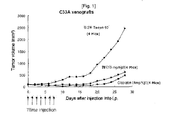
- C33A human uterine cancer cell line was subcutaneously injected at the abdominal walls of 6- to 8-week-old male nude mice.
- Compound No. 78 and 0.2% Tween 80 a negative control, were administered into the abdominal cavity, respectively.
- cisplatin 4 mg/kg
- the dosage given was 0.25 mL per each administration once a day for a period of 7 consecutive days.
- FIG. 1 The result is shown in FIG. 1 .
- Compound 78 showed an anticancer activity comparable to that of cisplatin, but it did not shows any negative responses, such as reduced motion or lack of appetite, which are caused by the toxicity of cisplatin.
- the 5-(1,3-diaryl-1H-pyrazol-4-ylmethylene)-thiazolidine-2,4 - dione derivatives represented by the formula 1 can be utilized as low-toxicity anticancer agent with less side effects.
- the 5-(1,3-diaryl-1H-pyrazol-4-yl-methylene)-thiazolidine-2,4-dione derivatives represented by the formula 1 and its pharmaceutically acceptable salts thereof show superior inhibitory activities against CDC25B, which is a phosphatase playing an important role in determining G2/M phase transition during cell division. Further, due to less side effects, for example, reduced motion or lack of appetite, they can be used as a low-toxic anticancer agent.
Landscapes
- Organic Chemistry (AREA)
- Chemical & Material Sciences (AREA)
- Engineering & Computer Science (AREA)
- Textile Engineering (AREA)
- Health & Medical Sciences (AREA)
- Mechanical Engineering (AREA)
- Life Sciences & Earth Sciences (AREA)
- Pharmacology & Pharmacy (AREA)
- Nuclear Medicine, Radiotherapy & Molecular Imaging (AREA)
- Animal Behavior & Ethology (AREA)
- General Health & Medical Sciences (AREA)
- Public Health (AREA)
- Veterinary Medicine (AREA)
- Medicinal Chemistry (AREA)
- General Chemical & Material Sciences (AREA)
- Chemical Kinetics & Catalysis (AREA)
- Bioinformatics & Cheminformatics (AREA)
- Pharmaceuticals Containing Other Organic And Inorganic Compounds (AREA)
- Plural Heterocyclic Compounds (AREA)
Abstract
Description
- The present invention relates to a 5-(1,3-diaryl-1H-pyrazol-4-ylmethylene)-thiazolidine-2,4-dione derivative or its pharmaceutically acceptable salts thereof, a method for preparing the same and a composition for an anticancer agent comprising the same as an active ingredient.
- CDC25B is a phosphatase playing an important role in determining G2/M phase transition during cell division. Inhibition of CDC25B activity hinders cell division, and consequently, results in cell death; t hat is, it is related with anticancer action. Hyperexpression of CDC25B was observed in most tumors including stomach cancer ( Jpn. J. Cancer Res. 1997, 88, 9947), colon cancer (Exp. Cell Res. 1998, 240, 236; Lab. Invest. 2001, 81, 465), lung cancer (Cancer Res. 1998, 58, 4082), brain cancer and laryngeal cancer (Cancer Res. 1997, 57, 2366), breast cancer (Cancer Statistics in Japan 1997 Foundation for Promotion of Cancer Research, Tokyo, Jpn.), etc. Abnormal proliferations of mammary glands were observed in a transgenic mouse in which CDC25B was over-expressed (Oncogene 1999, 18,4561). It was also reported that breast cancer is easily induced when treated with a carcinogen (9,10-dimethyl-1,2-benzanthracene) to the transgenic mouse. Accordingly, CDC25B is an important target in developing an anticancer agent. That is, development of an anticancer agent capable of inhibiting CDC25B with little cytotoxicity to normal cells will be desirable .
-
EP 379979 A1 - Japanese Patent No.
55029804 -
WO2004/093803 discloses thiazolidine compounds useful in the photochemotherapy of cancer. - The present inventors completed the present invention by discovering that the 5 - (1,3-diaryl-1H-pyrazol-4-ylmethylene)-thiazolidine-2,4-dione derivative has a selective inhibitory activity against CDC25B , a selectivity for similar other phosphatases and possesses an anticancer activity.
- Therefore, in an embodiment of the present invention, there is provided a 5-(1,3-diaryl-1H-pyrazol-4-ylmethylene)-thiazolidine-2,4-dione derivative or its pharmaceutically acceptable salts.
- In an embodiment of the present invention, there is provided a method for preparing the 5-(1,3-diaryl-1H-pyrazol-4-ylmethylene)-thiazolidine-2,4-dione derivative or the pharmaceutically acceptable salt thereof .
- In a further embodiment of the present invention, there is provided a composition for an anticancer agent comprising the 5-(1,3-diaryl-1H-pyrazol-4-ylmethylene) -thiazolidine-2,4-dione derivative or its pharmaceutically acceptable salts
-
-
FIG. 1 shows the result of in vivo anticancer effect of several candidate inhibitors against CDC25B tested using a human tumor model. - The present invention provides a 5-(1,3-diaryl-1H-pyrazol-4-ylmethylene)-thiazolidine-2,4-dione derivative represented by the following formula 1 or a pharmaceutically acceptable salt thereof:

X is hydrogen , C1-C4alkyl, C1-C4haloalkyl, a halogen atom, C1-C4alkoxy unsubstituted or substituted with C1-C4alkylcarboxyl, C1-C4haloalkoxy, C3-C4 alkenyloxy, C2-C4acyl, C3-C10cycloalkylalkoxy, C3-C10cycloalkyloxy, hydroxy ,cyano or nitro;
Y is hydrogen, C1-C4 alkyl, a halogen atom, C1-C4 alkoxy, C3-C4 alkenyloxy, C2-C4 acyl, cyano or nitro;
n is an integer of from 1 to 5; and
R is hydrogen, C1-C4 alkyl, C2-C4 alkenyl, C3-C4 alkynyl, C1-C4 haloalkyl, C2-C4 alkoxyalkyl or benzyl. - In a preferred embodiment of the present invention, in the formula 1 ,
X is C1-C4 alkyl, C1-C4 haloalkyl, a halogen atom, C1-C4 alkoxy unsubstituted or substituted with C1-C4 alkylcarboxyl, C1-C4 haloalkoxy, C3-C10 cycloalkylalkoxy, C3-C10 cycloalkyloxy, hydroxy, C3-C4 alkenyloxy or nitro;
Y is hydrogen, C1-C4 alkyl, a halogen atom, C1-C4 alkoxy, C3-C4 alkenyloxy, C2-C4 acryl, cyano or nitro;
n is an integer of from 1 to 3; and
R is hydrogen, C1-C4 alkyl, C1-C4 haloalkyl, C2-C4 alkoxyalkyl or benzyl - In another preferred embodiment of the present invention , in the formula 1 ,
X is isopropyl, trifluoromethyl, t-butyl, bromine, chlorine, iodine, ethyl, methoxy, cyclopentyloxy, hydroxy, fluoromethoxy, ethylcarboxyl-substituted methoxy or nitro;
Y is hydrogen, methyl, ethyl, fluorine, chlorine, bromine, iodine, methoxy, ethoxy, cyano or nitro;
n is an integer of from 1 to 3; and - R is hydrogen, methyl, ethyl, propano, propyl, propenyl, propynyl, C1-C4 fluoroalkyl, benzyl or benzyloxy.
- In a further preferred embodiment of the present invention, in the formula 1,
X is methoxy or nitro in which the 2 -position is substituted with bromine, chlorine, methoxy or nitro, 4 -position is substituted with trifluoromethyl, methoxy, ethoxy, propyloxy, propynyloxy, fluoromethoxy, iodine, benzyloxy or allyloxy and the 3 -position and the 5 -position are substituted with isopropyl, t-butyl, bromine, iodine, methoxy, ethoxy, propyloxy, cyclopropylmethoxy, cyclopentyloxyhydroxyl or ethylcarboxyl;
Y is hydrogen, methyl or ethyl;
n is an integer of from 1 to 3; and
R is hydrogen, methyl, ethyl, propyl, propenyl, propynyl, benzyloxy, sodium, benzyl or methoxy substituted with ethylcarboxyl. - In the formula 1, X may be present at the 1- to 5-position s of the phenyl group, preferably at the 2-, 3-, 4- or 5 -position. Y may be present at the 1- to 5 -position s, preferably at the 1-, 2- or 3 -position.
- In the most preferred embodiment of the present invention, the compound represnted by the formula 1 is 5-[3-(2-chloro-phenyl)-1-phenyl-1H-pyrazol-4-ylmethylene]-thiazolidine-2,4-dione, 5-[3-(3-nitro)-1-phenyl-1H-pyrazol-4-ylmethylene]-3-methyl-thiazolidine-2,4-dione, 5-[3-(3-trifluoromethyl)-1-phenyl-1H-pyrazol-4-ylmethylene]-thiazolidine-2,4-dione, 5 -[3-(3-chloro-4-ethoxy-phenyl)-1-phenyl-1H-pyrazol-4-ylmethylene]-3 -methyl-thiazolidine-2,4-dione, 5-[3-(3-chloro-4-propyloxy-phenyl)-1-phenyl-1H-pyrazol-4-ylmethylene]-thiazolidine-2,4-dione, 5-[3-(3-bromo -4-ethoxy-phenyl)-1-phenyl-1H-pyrazol-4-ylmethylene]-3-methyl-thiazolidine-2,4-dione, 5-[3-(3-bromo-4-propyloxy-phenyl)-1-phenyl-1H-pyrazol-4-ylmethylene]-3-methyl-thiazolidine-2,4-dione or a pharmaceutically acceptable salt thereof.
- Unless specified otherwise, the term 'alkyl' used herein refers to a linear or branched, saturated hydrocarbon radical having 1 to 4 carbon atoms.
- Unless specified otherwise, the term 'halogen' or 'halo' used herein refers to a halogen atom and includes fluorine, chlorine , bromine , iodine and fluorine .
- Unless specified otherwise, the term 'alkoxy' used herein refers to O-alkyl(' alkyl' is the same as defined above).
- Unless specified otherwise, the term 'alkenyl' used herein refers to an unsaturated hydrocarbon radical having a double bond and having 2 to 4 carbon atoms.
- Unless specified otherwise, the term 'alkynyl' used herein refers to an unsaturated hydrocarbon radical having a triple bond and having 3 or 4 carbon atoms.
- Unless specified otherwise, the term 'acyl' used herein refers to an 'aroyl' group derived from an aliphatic carboxylic acid, such as acetyl, propionyl, etc.
- Unless specified otherwise, the term 'cycloalkylalkoxy' used herein refers to a radical having 3 to 10 carbon atoms, in which alkoxy is bonded with a saturated hydrocarbon ring.
- Unless specified otherwise, the term 'cycloalkyloxy' used herein refers to a radical having 3 to 10 carbon atoms, in which oxygen is bonded with a saturated hydrocarbon ring .
- Unless specified otherwise, the term 'alkenyloxy' used herein refers to a radical having 3 or 4 carbon atoms, in which oxygen is bonded with an unsaturated hydrocarbon having a double bond.
- Unless specified otherwise, the term 'haloalkyl' used herein refers to an alkyl ( defined above) radical, in which a hydrogen atom is substituted with a halogen atom.
- Unless specified otherwise, the term 'haloalkoxy' used herein refers to an alkoxy ( defined above) radical, in which a hydrogen atom is substituted with a halogen atom.
- The present invention also provides pharmaceutically acceptable salts of the compound represented by the formula 1. The above salts may be prepared by the methods known in the related art. The above ph armaceutically acceptable salts may be any pharmaceutically acceptable salt, for example, a salt of organic or inorganic acid, such as hydrochloride, hydrobromide, sulfate, phosphate, acetate, citrate, fumarate, lactate, maleate, succinate and tartarate, an alkali metal salt, such as sodium salt and potassium salt, or an ammonium salt.
- The present invention also provides a method of preparing the compound represented by the formula 1 or its pharmaceutically acceptable salts comprising: reacting the compound represented by the formula 2 below with the compound represented by the formula 3 below to obtain the compound represented by the
formula 4 below; obtaining the compound represented by the formula 5 below from Vilsmeier - Haack reaction of the compound represented by theformula 4; and reacting the compound represented by the formula 5 with thiazolo-2,4-dione to obtain the compound represented by the formula 1, in which R is H, or reacting the product with the compound represented by the formula 6 below to obtain the compound represented by the formula 1, in which R is as follows:


R-Z (6)
wherein
X, Y, n and R are the same as defined above ; and
Z , a leaving group, is a halogen atom, such as chlorine, bromine and iodine, toluenesulfonyloxy or methanesulfonyloxy . - The preparation method of the present invention may be expressed by the following scheme 1.

- a: acetic acid or benzoic acid
- b: alcohol such as methanol and ethanol, water or organic solvent c: anhydrous dimethylformamide (DMF)/ phosphorus oxychloride (POCl3), thionyl chloride or oxalyl chloride
- d: sodium hydroxide solution
- e: a salt of weak acid, such as acetic acid and benzoic acid, or weak base, such as pyridine, amine and aniline
- f: an organic solvent such as benzene and toluene
- g: inorganic base, such as potassium carbonate, sodium carbonate, sodium hydroxide, calcium hydroxide and cesium carbonate, or organic base, such as triethylamine and pyridine
- h: dimethylformamide (DMF), tetrahydrofuran (THF), acetone, water or other organic solvent
- First, the substituted acetophenone of the formula 2 is reacted with the substituted hydrazine of the formula 3 to obtain the hydrazone derivative of the
formula 4. An alcohol such as methanol or ethanol, water or other organic solvent may be used as a solvent in this reaction. Preferably, an alcohol such as methanol or ethanol is used . As the catalyst, a small amount of a weak acid such as acetic acid or benzoic acid may be used. - Then , the hydrazone derivative of the
formula 4 is transformed to the 3 - aryl - pyridyl -pyrazol- 4 - carboxaldehyde derivative of the formula 5 using anhydrous dimethylformamide (DMF) as a solvent and phosphorus oxychloride (POCl3), thionyl chloride or oxalyl chloride , preferably phosphorus oxychloride as catalyst. - Next , the pyrazolecarboxaldehyde of the formula 5 is reacted with thiazolidine - 2,4-dione to obtain the compound of the formula 1, in which R is H. Benzene, toluene or other organic solvent may be used in this reaction. Preferably, benzene or toluene is used as a solvent. For the catalyst, a mixture of acetic acid and piperidine may be used or a salt of a weak acid, such as acetic acid and benzoic acid, or a weak base, such as pyridine, amine and aniline, may be used alone. Preferably, a mixture of acetic acid and piperidine is used.
- The product may be reacted with the compound of the formula 6 in the presence of a base, in order to obtain the compound of the formula 1, in which R is not H. In this reaction, dimethylformamide (DMF), tetrahydrofuran (THF), acetone, water or other organic solvent may be used. Preferably, dimethylformamide (DMF) or tetrahydrofuran (THF) is used as a solvent. For the base, an inorganic base, such as potassium carbonate, sodium carbonate, sodium hydroxide, potassium hydroxide and cesium carbonate, or an organic base, such as triethylamine and pyridine, may be used. Preferably, potassium carbonate or sodium carbonate is used.
- The present invention also provides an anticancer agent comprising the 5-(1,3-diaryl-1H-pyrazol-4-ylmethylene)-thiazolidine-2,4-dione derivative represented by the formula 1 or a pharmaceutically acceptable salt thereof as an active ingredient.
- Since the 5-(1,3-diaryl-1H-pyrazol-4-ylmethylene)-thiazolidine-2,4-dione derivative of the formula 1 has inhibitory activity against the CDC25B phosphatase, which plays a critical role in G2/M phase transition during cell division, it effectively inhibits cell division. Also, it has selectivity for other phosphatases in the human body and has been confirmed to effectively destroy human cancer cells in a xenografted nude mouse.
- Therefore, an anticancer agent or a pharmaceutical composition comprising the compound of the formula 1 as an active ingredient may be prepared into an oral administration formulation, such as tablets, capsules, troches, syrup and emulsions, by adding a pharmaceutically acceptable, non-toxic carrier, a modifier, a filler, etc.
- Administration dosage of the compound of the formula 1 may differ depending on the age, body weight, sex or health condition of the patient, administration type, and severity of disease. A dosage of 10 to 400 mg / day is normally acceptable for an adult with body weight of about 70 kg. The compound may be administered once or several times a day, as prescribed by a physician or a pharmacist.
- Hereinafter, the present invention is described in further detail via the accompanying examples. However, the following examples are only for the understanding of the present invention and they should not be construed as limiting the scope of the present invention .
- (3',5'-Dihydroxy) acetophenone (1.00 g, 6.57 mmol) was dissolved in 30 mL of anhydrous dimethylformamide. Potassium carbonate (2.00 g, 14.45 mmol) and potassium iodide (10.91 mg, 6.57 × 10⁻² mmol) were added and refluxed for 1 hour at 80 °C. After cooling to 55 - 60 °C, methyl chlorodifluoroacetate (1.75 mL, 16.43 mmol) was slowly added dropwise and the mixture was stirred for 30 minutes. After the reflux at 70-80 °C for 3 hours, the mixture was slowly cooled to room temperature . Ethyl acetate (30 mL) was added and the mixture was washed with water (10 mL × 2 times). The organic layer was further washed 2 N hydrochloric acid solution (10 mL × 3 times) and brine (10 mL × 2 times). The organic layer was separated, dried with anhydrous magnesium sulfate, filtered and concentrated under reduced pressure . The residue was purified by silica gel chromatography (n - hexane / ethyl acetate = 10:1) to obtain 1.13 g (68 %) of the target product .
1 H NMR (200 MHz, CDCl3) δ 2.61 (s, 3H), 6.58 (t, 2H, J = 74 Hz), 7.14 (s, 1H), 7.55 (s, 1H). - (3',5' - Difluoromethoxy) acetophenone (1.0 g, 3.97 mmol) was dissolved in 20 mL of anhydrous ethanol. Phenylhydrazine (0.39 mL, 3.97 mmol) and glacial acetic acid (11.00 µL, 0.20 mmol), a catalyst, were added and the mixture was stirred for 3 hours at room temperature . Ethyl acetate (20 mL) was added and the mixture was washed with water (10 mL × 3 times) and brine (10 mL × 2 times). The organic layer was dried with magnesium sulfate anhydrous, filtered and concentrated under reduced pressure to obtain 1.29 g (95 %) of the target product .
- Phosphorus oxychloride (0.45 mL, 7.02 mol) was added to 2 mL of anhydrous dimethylformamide and the mixture was stirred for 1 hour at 0 ° C. Phenylhydrazone of (3',5'-difluoromethoxy) acetophenone (1.2 g, 3.51 mmol) dissolved in 5 mL of anhydrous dimethylformamide was slowly added dropwise and the mixture was stirred at 70-80 ° C for 6 hours . After cooling to 0 ° C with ice water , 30 % sodium hydroxide solution was slowly added dropwise to adjust the pH to 7-8 . The resultant solid was filtered and washed with water (10 mL × 3 times). The filtered solid was dried to obtain 0.94 g (70 %) of the target product.
1 H NMR (200 MHz, CDCl3) δ 6.63 (t, 2H, J = 74 Hz), 7.02 (s, 1H), 7.44 (d, 1H, J = 7.5 Hz), 7.54 (t, 2H, J = 7.8 Hz), 7.63 (s, 2H), 7.79 (d, 2H, J = 8.1 Hz), 8.55 (s, 1H), 10.06 (s, 1H). - 3-(3,5-Difluoromethoxy-phenyl)-1-phenyl-1H-pyrazol-4-carboxy-laldehyde (0.50 g, 1.31 mmol) and thiazolidine - 2,4 - dione (153.00 mg, 1.31 mmol) were added 20 mL of anhydrous toluene. Glacial acetic acid (3.70µL, 6.55 × 10⁻² mmol) and piperidine (7.80 µL, 7.86 × 10⁻² mmol) were added as catalyst and refluxed for 12 hours while removing water using a Dean-Stark trap . After cooling down to room temperature, stirring was performed for 6 hours . The resultant solid was filtered and washed with diethyl ether (10 mL × 3 times). The filtered solid was dried to obtain 0.56 g (89 %) of the target product .
1H NMR (200 MHz, CDCl3) δ 7.24 (t, 2H, J = 74 Hz), 7.37 (s, 1H), 7.41 - 7.55 (m, 2H), 7.61 (t, 2H, J = 2.8 Hz), 8.06 (d, 2H, J = 7.2 Hz), 8.79 (s, 1H), 12.61 (br, 1H, NH). - 5-[3-(3,5-Difluoro-phenyl)-1-phenyl-1H-pyrazol-4-ylmethylene]-thiazolidine-2,4-dione (Compound No. 58, 0.10 g, 0.21 mmol) was dissolved in 1.0 mL of anhydrous dimethylformamide. Sodium carbonate (26.50 mg, 0.25 mmol) was added under nitrogen atmosphere and iodomethane (20.00 µL, 0.32 mmol) was added 10 minutes later. The mixture was stirred for 2 hours at room temperature . Water was added after the reaction was completed. The resultant solid was washed with water (10 mL × 3 times). The solid was dried to obtain 90.0 mg (87 %) of the target product.
1H NMR (200 MHz, CDCl3) δ 3.26 (s, 3H), 6.61 (t, 2H, J = 74 Hz), 7.03 (s, 1H), 7.30 (s, 1H). 7.42 (t, 1H, J = 7.4 Hz), 7.54 (t, 2H, J = 7.8 Hz), 7.78 (d, 2H, J = 8.1 Hz), 7.87 (s, 1H), 8.19 (s, 1H). - 5-[3-(3,5-Difluoro-phenyl)-1-phenyl-1H-pyrazol-4-ylmethylene]-thiazolidine-2,4-dione (Compound No. 58, 0.10 g, 0.21 mmol) was dissolved in 1.0 mL of anhydrous dimethylformamide. Sodium carbonate (26.5 mg, 0.25 mmol) was added under nitrogen atmosphere and ethyl bromide (23.90 µL, 0.32 mmol) was added 10 minutes later. The mixture was stirred for 4 hours at room temperature . Water was added after the reaction was completed. The resultant solid was washed with water (10 mL × 3 times). The solid was dried to obtain 85.3 mg (80 %) of the target product.
1H NMR (200 MHz, CDCl3) δ 1.29 (t, 3H, J = 7.5 Hz), 3.83 (q, 2H, J = 7.0 Hz), 6.61 (t, 2H, J = 74 Hz), 7.03 (s, 1H), 7.31 (s, 1H), 7.42 (t, 1H, J = 7.5 Hz), 7.54 (t, 2H, J = 7.5 Hz), 7.79 (d, 2H, J = 9.0 Hz), 7.86 (s, 1H), 8.19 (s, 1H). - (3'-Bromo-4'-ethoxy) acetophenone (4.00 g, 16.45 mmol) was dissolved in 100 mL of anhydrous ethanol. Phenylhydrazine (2.14 g, 19.75 mmol) and glacial acetic acid (9.16 µL, 0.16 mmol), a catalyst, was added and the mixture was stirred at room temperature for 5 hours . When the reaction was completed, 50 mL of ethyl acetate was added and the solution was extracted with 2 N hydrochloric acid solution (30 mL × 3 times) and washed with brine (30 mL × 2 times). The organic layer was dried with anhydrous magnesium sulfate to obtain 3.9 g (74.3 %) of the target product in white solid form .
- Phosphorus oxychloride (3.13 mL, 33.6 mmol) was added to 2 mL of anhydrous dimethylformamide and the mixture was stirred at 0 ° C under nitrogen atmosphere for 1 hour. Phenylhydrazone of (3'-bromo-4'-ethoxy) acetophenone (3.90 g, 11.7 mmol) dissolved in 5 mL of anhydrous dimethylformamide was slowly added dropwise and the mixture was stirred for 6 hours at 70-80 ° C . After cooling to 0 ° C with ice water, 30 % sodium hydroxide solution was slowly added dropwise to adjust the pH to 7-8 . The resultant solid was washed with water (10 mL × 3 times) and dried to obtain 2.10 g (48.4 %) of the target product .
1H NMR (300 MHz, CDCl3) δ 1.52 (t, 3H, J = 6.92 Hz), 4.19 (q, 2H, J = 6.92 Hz), 7.0 (d, 1H, J= 8.55 Hz), 7.4 - 8.15 (m, 7H), 8.52 (s, 1H), 10.04 (s, 1H). - 3-(3-Bromo-4-ethoxy-phenyl)-1-phenyl-1H-pyrazol-4-carboxy-laldehyde (0.50 g, 1.35 mmol) and thiazolidine-2,4-dione (158.40 mg, 1.35 mmol) were added to 20 mL of anhydrous toluene. Glacial acetic acid (3.81 µL, 6.75 × 10⁻² mmol) and piperidine (8.04µL, 8.10 × 10⁻² mmol) were added as catalyst and reflux was performed for 3 hours while removing water using a Dean-Stark trap. After cooling to room temperature, the mixture was stirred for 6 hours . The resultant solid was washed with diethyl ether (10 mL × 3 times) and dried to obtain 0.52 g (82 %) of the target product.
- 5-[3-(3-Bromo-4-ethoxy-phenyl)-1-phenyl-1H-pyrazol-4-yl-methylene]-thiazolidine-2,4-dione (Compound No. 77, 0.10 g, 0.21 mmol) was dissolved in 1.00 mL of anhydrous dimethylformamide. Sodium hydride (12.74 mg, 0.32 mmol) was added under nitrogen atmosphere and iodomethane (19.78 µL, 0.32 mmol) was added 5 minutes later. The mixture was stirred at room temperature for 2 hours . When the reaction was completed, 10 mL of water was added and the solution was extracted with dichloromethane (10 mL × 2 times). The organic layer was washed with brine and dried with anhydrous magnesium sulfate. The solvent was removed under reduced pressure. The product was purified with silica gel chromatography (n - hexane / ethyl acetate = 4:1) to obtain 48 mg (46.7 %) of the target product in yellow solid form.
1H NMR (300 MHz, CDCl3) δ 1.53 (t, 3H, J=7.2 Hz), 3.25 (s, 3H), 4.19 (q, 2H, J =7.0 Hz), 7.0 (d, 1H, J=8.4 Hz), 7.39 - 7.55 (m, 4H), 7.78 (d, 2H, J=7.8 Hz), 7.92 (d, 2H, J=2.1 Hz), 8.17 (s, 1H). - 5-[3-(3-Bromo-4-ethoxy-phenyl)-1-phenyl-1H-pyrazol-4-yl-methylene]-thiazolidine-2,4-dione (Compound No. 77,0.10 mg, 0.21 mmol) was dissolved in 1.00 mL of anhydrous dimethylformamide. Sodium hydride (12.74 mg, 0.32 mmol) was added under nitrogen atmosphere and bromoethane (23.72 µL, 0.32 mmol) was added 5 minutes later. The mixture was stirred at room temperature for 2 hours . When the reaction was completed, 10 mL of water was added and the solution was extracted with dichloromethane (10 mL × 2 times). The organic layer was washed with brine and dried with anhydrous magnesium sulfate. The solvent was removed under reduced pressure. The product was purified with silica gel chromatography (n - hexane / ethyl acetate = 4:1) to obtain 52 mg (49.2 %) of the target product in yellow solid form .
1H NMR (300 MHz, CDCl3) δ 1.28 (t, 3H, J= 7.2 Hz), 1.53 (t, 3H, J = 7.1 Hz), 3.82 (q, 2H, J = 7.2 Hz), 4.18 (q, 2H, J = 6.9 Hz), 7.00 (d, 1H, J = 8.7 Hz), 7.39 (t, 1 H, J = 7.4 Hz), 7.49 - 7.55 (m, 3H), 7.78 (d, 2H, J = 7.8 Hz), 7.89 (d, 2H, J = 16.8 Hz), 8.16 (s, 1H). - The compounds given in Table 1a-1p below were prepared in the manner similar to as in Examples 1-6.
Table 1a 
Comp. No. Xn Yn R 1H NMR(DMSO-d6) δ 1 2-Cl H H 7.17 (s. 1H), 7.19-8.02 (m, 9H), 8.74 (s, 1H), 12.51 (br, 1H, NH) 2 2-Cl H Et 1.26 (1. 3H, J = 7.2 Hz), 3.80 (q. 2H. J = 7.0 Hz), 7.26 (s, 1H), 7.39- 7.82 (m, 9H), 8.19 (s, 1H) 3 3-Br H H 7.38-8.00 (m. 10H), 8.68 (s. 1H), 12,53 (br, 1H, NH) 4 2-Br H H 7.17 (s, 1H), 7.46-8.03 (m, 9H). 8.74 (s, 1H), 12,52 (br, 1H. NH) 5 2-Br H Et 1.26 (t, 3H, J = 7.1 Hz). 3.79 (q, 2H, J = 7.1 Hz), 7.26 (s, 1H), 7.36 - 7.62 (m, 9H). 8.19 (s, 1H) 6 3-OMe H H 3.84 (s, 3H), 7.09-7.20 (m, 3H), 7.40-7.60 (m, 5H), 8.03 (d, 2H, J = 8.4 Hz) 8.70 (s, 1H), 12.54 (br, 1H, NH) 7 2-OMe H H 3.84 (s, 3H). 7.09-7.58 (n, 6H), 7.99 (d, 2H. J= 9.6 Hz) 8.64 (s, 1H). 12.47 (br, 1N, NH) 8 2-OMe H Ile 3.23 (s, 3H), 3.84 (s, 3H), 7.03-54 (m, 7H), 7.70 (s, 1H), 7.79 (d, 2H, J = 7.1 Hz). 8.16 (s. 1H) 9 4-OMe H H 1.37 (t, 3H, J, = 7.1 Hz), 4.11 (q, 2H, J = 7.0 Hz), 7.10 (d, 1H. J = 9.0 Hz), 7.40-7.02 (m, 9H), 8.66 (s, 1H), 12.5 (br, 1H, NH) 10 3-Et H H 1.45 (t, 3H, J = 7.5 Hz), 2.92 (q, 2H, J = 7.5 Hz), 7.57-7.81 (m, 8H). 8.23 (d, 2H. J = 7.8 Hz), 8.91 (s, 1H). 12.74 (br, 1H, NH) 11 2-NO2 H H 7.23 (s, 1H). 7.38-B. L0 (m, 9H), 8.73 (s, 1H). 12,52 (br, 1H. NH) 12 2-NO2 H He 3.24 (s, 3H), 7.22 (s, 1H). 7.38-8.10 (m, 9H), 8.73 (s, 1H) 13 2-NO2 H Et 1.36 (t, 3H. J, = 7.1 Hz), 4.05 (q, 2H, J = 7.0 Hz), 7.22 (s, 1H). 7.38-8.10 (m, 9H), 8.73 (s. 1H) 14 3-NO2 H H 3.83 (s, 3H), 7.11-7,60 (m, 8H), 8.00 (d. 2H, J = 8.2 Hz) 8.67 (s, 1H), 12.55 (br, 1H, NH) 15 3-NO2 H Me 3.26 (s, 3H). 7.27-8.60 (m, 1H) 16 3-CF3 H H 7.64-8.28 (m, 10H). 8.98 (s, 1H), 12.80 (br, 1H. NH) 17 3-CF3 H Me 3.60 (s, 3H), 7.64-8.28 (m, 10H). 8.98 (s, 1H) Table 1b Comp. No. Xn Yn R 1H NMR(CDCl3) 18 2-CF3 H H 7.10 (s, 1H), 7.10-8.01 (m, 9H). 8.76 (s, 1H). 19 2-CF3 H Me 3.21 (s, 3H). 7.39-7.87 (m, 10H), 8.12 (s, 1H) 20 2,5-di(Cl) H H 7.19 (s, 1H), 7.41-7.54 (m, GH), 8.01 (d, 2H. J = 7.8 Hz) 8.76 (s.1H). 12.54 (br, 1H, NH) 21 3,4-di(OMe) H H 3.84 (s. 6H), 7.22-8.03 (m, 9H). 8.66 (s, 1H), 12.50 (br. 1H. NH) 22 3.5-di(OMe) H H 3.81 (s, 6H), 6.62-6.77 (m, 3H), 7.34-7.45 (m, 1H). 7.51-7.62 (m, 3H), 8.00 (d, 2H, J 8.1 Hz), 8.63 (s, 1H). 12.51 (br, 1H, NH) 23 3.5-di(OMe) H Me 3.24 (s. 3H), 3.86 (s, 6H), 6.57 (t, 1H, J = 2.2 Hz). 6.78 9d, 2H. J =2.2 Hz), 7.46-7.88 (m, 4H). 8,17 (s, 1H) 24 2.5-di (OMe) H H 3.76 (s, 3H). 3.81 (s, 3H), 7.03-8.07 (m, 9H), (s, 1H), 12.53 (br, 1H, NH) 25 3,5-di(OPr) H H 1.02 (t. 4H, J= 7.3 Hz). 1.71-1.85 (m, 4H), 4.02 (t, 4H, J = 5.9 Hz), 6.66 (d, 1H, j= 2.4 Hz), 6.75 (s, 2H), 7.47 (d, 1H, J= 6.5 Hz), 7.54-7.67 (m, 3H). 8.04 (d, 2H, J = 8.1 Hz), 8.70 (s, 1H), 12.50 (br, 1H, NH) 26 3,5-di(OPr) H Me 1.02 (t, 4H, J= 7.3 Hz), 1.71-1.85 (m, 4H), 3.25 = 2.4 Hz), 6.75 (s, 2H), 7.47 (d, 1H, J= 6.5 Hz), 7.54-7.67 (m, 3H), 8.04 (d, 2N, J = 8.1 Hz), 8.70 (s, 1H), 12,50 (br, 1H, NH) 27 3.5-di(OPr) H Et 1.02 (t, 4H, J = 7.3 Hz), 1.37 (t. 3H, J 7.1 Hz), 1.71-1.85 (n. 4H), 3.81 (q, 2H, J = 7.1 2.4 Hz). 6.75 (s, 2H), 7.47 (d, 1H, J = 6.5 Hz). 7.54-7.67 (m, 3H). 8.04 (d. 2H, J= 8.1 Hz). 8.70 (s, 1H). 12.48 (br, 1H, NH) 28 3,5-di(OPr) H 1.02 (t, 4H, J = 7.3 Hz), 1.71-1.85 (m, 4H), 4.02 (t. 4H, J = 5.9 Hz), 4.19 (d, 2H, J = 23.9 Hz). 5.17 (d, 2H, J = 9.0 Hz), 5.77-5.91 (m, 1H). 6.66. (d, 1H. J = 2.4 Hz), 6.75 (s, 2H), 7.47 (d, 1H, J =6.5 Hz). 7.54-7.67 (m, 3H), 8.04 (d, 2H, J= 8.1 Hz), 8.70 (s. 1H). 11.80 (br, 1H, NH) 29 3,5-di(OPr) H 1.05 (t, 6H, J = 7,4 Hz), 1.73-1.94 (m, 4H). 2.24-2.30 (m, 1H), 3.97 (t, 4H, J= 6.5 Hz), 4,50 (d, 2H. J= 2.4 Hz), 6.54-6.60 (m, 1H), 6.73-6.78 (n, 2H). 7.37-7.58 (m. 3H), 7,76-7.84 (m, 2H). 8.02 (s, 1H), 8.18 (s, 1H) 30 3,5-di(O-Pr i ) H H 1.30 (d, 12H, J = 6.0 Hz), 4.64-4.72 (m, 210), 6.59 (s, 1H), 7.43 (d, 1H, J = 7.2 Hz), 7.52-7.65 (m, 3H), 8.01 (d. 2H. J= 8.4 Hz), 8-68 (s, 1H). 12.52 (br, 1H, NH) 31 3,5-di(O-Pr i ) H Me 1.37 (d, 12H, J = 6.7 Hz), 3.25 (s, 1H). 4.51-4.67 (m, 2H), 6.54 (t, 1H, J = 2.2 Hz), 6.74 (d, 2H, J= 2.2 Hz), 7.35-7.84 (m, 5H), 7.98 (s, 1H), 8.17 (s, 1H) Table 1c Comp. No. Xn Yn R 1 NMR CDCl3) 32 3,5-di(0-Pri) H Et 1.37 (t, 3H, J =7.1 Hz). 1.60 (d, 12H. f= 6.1 Hz). 3.81 (q, 2H. J= 7.1. Hz).4.51-4,68 (n, 2H). 6.51-6.56 (m, 1H), 6.72-6.77 (m. 2H), 7.37 (t, 1H, J= 7.3 Hz), 7.45-7.57 (m, 2H), 7.78 (d, 2H, J = 7.7 Hz), 7.96 (s, 1H), 8.17 (s, 1H) 33 3,5-di (0-Pri) H 
1.30 (d, 12H, J = 6.0 Hz), 4.19 (d, 2H, J 23.9 Hz), 4.64-4.72 (m, 2H), 5.17 (d, 2H, J= 9.0 Hz). 5.77-5.91 (m. 1H), 6.59 (s, 1H). 7.43 (d, 1H, J = 7.2 Hz), 7.52-7.65 (m, 3H), 8.01 (d. 2H. J = 8.4 Hz), 8.68 (s, 1H), 12.52 (br, 1H, NH) 34 3,5-di(o-Pri) H 
1.37 (d, 12H. J = 6.1 Hz), 2.24-2.31 (m, 1H). 4.50 (d, 2H, J= 2.4 Hz), 4.52-4.68 (m, 2H), 6.53 (q, 1H, J= 2.2 Hz), 6.71-6.78 (m, 2H). 7.33-7.87 (m, 5H), 8.01 (s, 1H), 8.17 (s, 1H) 35 
H H 0.37 (q, 4H, J =4.9 Hz), 0.62 (q. 4H. J = 6.1 Hz), 1.20-1.34 (m, 2H), 3.93 (d, 4H, J = 6.9 Hz), 6.66 (s, 1H), 6.74 (s, 2H), 7.46 (t, 1H, J= 7.3 Hz). 7.60 (t, 3H, J = 8.9 Hz), 8.05 (d, 2H, J= 7.7 Hz), 8.7] (s, 1H). 12.56 (s, 1H, NH). 36 
H He 0.36 (q. 4H, J = 6.1 Hz), 0.64 (q. 4H, J = 6.2 Hz), 1.20-1.40 (m, 2H), 3.25 (s, 3H), 3.85 (d, 4H, J= 6.9 Hz), 6.58 (s, 110), 6.76 (s, 2H), 7.40 (d, 4H, J = 7.3 Hz), 7.52 (t, 2H, J =4.5 Hz), 7.79 (d, 2H, J = 8.1 Hz), 7.95 (s, 7H), 8.17 (s, 1H). 37 
H Et 0.36 (q, 4H. J = 5.2 Hz), 0.66 (q, 4H, J = 6.2 Hz), 0.78-0.94 (m, 2H), 1.28 (t, 3H, J = 7.1 Hz). 3.81 (q. 2H, J= 6.9 Hz), 3.85 (d. 4H, J = 7.3 Hz), 6.58 (s, 1H), 6.76 (s, 2H), 7.38 (1, 1H, J= 7.3 Hz), 7.52 (t. 2H, J= 7.7 Hz), 7.79 (d, 2H, J = 8.5 Hz), 7.95 (s, 1H), 8.16 (s. 1H). 38 
H Pr 0.36 (q. 4H, J = 4.9 Hz), 0.67 (q, 4H. J = 4.2 Hz), 0.96 (t, 3H, J 7.3 Hz). 1.60-1.81 (n, 2H), 3.72 (t, 2H, J = 7.3 Hz), 3.85 (d, 4H, J = 6.9 Hz), 6.53 (s, 1H), 6.77 (s, 2H), 7.38 (t, 1H, J= 7.1 Hz), 7.52 (t, 2H, J = 7.5 Hz), 7.78 (d. 2H, J = 8.1 Hz), 7.94 (s, 1H), 8.17 (s, 1H). 39 
H 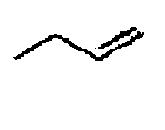
0.36 (q, 4H. J = 5.0 Hz), 0.65 (4, 4H, J = 6.2 Hz), 1.20-1.32 (m, 2H), 3.84 (d, 4H, J = 5.9 Hz). 4.34 (d, 1H, J = 5.9 Hz), 5.29 (dd, 2H, J = 10.2 Hz, 17.2 Hz), or 5,26 (d. 1H, J = 10.23 Hz), 5.29 (d, 1H, J= 17.2 Hz). 5.76-5.93 (m, 1H), 6.58 (s, 1H), 6.75 (s, 2H). 7.38 (t, 1H, J= 7.4 Hz), 7.52 (t, 2H, J= 7.8 Hz), 7.79 (d, 2H, J= 8.1 Hz). 7.95 (s, 1H), 8.17 (s, 1H). 40 
H 
0.36 (q, 4H, J = 5.1 Hz), 0.66 (q. 4H, J =6.2 Hz), 1.20-1.38 (m, 2H), 2.28 (s, 1H), 3.85 (d, 4H, J = 6.9 Hz), 4.50 (s, 1H). 6.58 (s, 1H), 6.76 (s, 2H), 7.39 (t, 1H, J= 7.5 Hz), 7.52 (t, 2H, J = 7.5 Hz), 7.79 (d, 2H, J = 7.8 Hz), 8.00 (s, 1H), 8.17 (s, 1H). 41 
H H 1.50-2.05 (m. 16H), 4.80-4.94 (m, 2H), 6.53 (s, 1H), 6.68 (s, 2H), 7.42 (t, 1H, J = 7.4 Hz), 7.57 (t, 2H, J = 7.8 Hz). 7.64 (s, 1H), 8.01 (d, 2H, J = 7.8 Hz). 8.67 (s, 1H), 12.52 (br, 1H, NH). Table 1d Comp. No. Xn Yn R 1H NMR(CDCl3) 42 
H Me 1.52-1.97 (m, 16H), 3.25 (s. 3H), 4.71-4.54 (m, 2H), 6.51 (s, 1H), 6.72 (s, 2H), 7.38 (t, 1H, J = 7.3 Hz), 7.52 (t, 2H, J= 7.9 Hz). 7.80 (d, 2H, J = 7.7 Hz). 7.98 (s, 1H), 8.17 (s, 1H). 43 
H Et 1.24 (t, 3H, J= 7.1 Hz), 1.53-1.97 (m, 16H). 3.81 (g, 2H, J =7.1 Hz), 4.72-4.86 (m, 2H). 6.50 (s, 1H), 6.71 (s, 2H), 7.37 (t, 1H, J= 7.3 H2). 7.51 (t, 2H, J = 7.7 Hz), 7.80 (d, 2H, J = 7.3 Hz). 7.97 (s, 1H, 8.16 (s, 1H). 44 
H Pr 0.95 (t, 3H, J = 7.3 Hz). 1.48-1.97 (m, 1810). 3.72 (q, 2H, J = 7.3 Hz), 4.72-4.85 (m, 2H), 6.50 (s. 1H), 6.71 (s, 2H), 7.37 (t, 1H, J = 7.3 Hz), 7.52 (t, 2H, J = 7.5 Hz). 7.80 (d, 2H, J = 8.5 Hz), 7.97 (s, 1H), 8.17 (s, 1H). 45 
H 
1.48-1.97 (m, 16H), 2.71 (s, 1H), 4.50 (s, 2H), 4.73-4.87 (m, 2H), 6.50 (s, 1H), 6.71 (s, 2H), 7.38 (t, 1H, J= 7.3 Hz), 7.52 (t, 2H, J = 7.5 Hz). 7.60 (d, 2H, J = 7.9 Hz). 8.02 (s, 1H), 8.17 (s. 1H). 46 3,4-di (O-CHF2) H H 7.20-7.34 (m, 2H). 7.36 (t, 1H, J = 73 Hz), 7.37 (t, 1H, J = 73 Hz). 7.41-7.70 (m, 5H), 8.06 (d, 2H, J= 7.3 Hz), 8.77 (s, 1H). 12.60 (s, 1H. NH). 47 3,4-di (O-CHF2) H Me 3.26 (s, 3H), 6.61 (t, 2H, J = 73 H2), 6.62 (t, 2H, J = 73 Hz), 7.35-7.68 (m, 6H), 7.79 (d, 2H, J = 7.3 Hz), 7.86 (s, 1H), 8.19 (s, 1H). 48 3.4-di (O-CHF2) H Et 1.28 (t, 3H, J = 7.1 Hz), 3.82 (q, 2H, J = 7.2 Hz), 6.60 (t, 1H, J= 73 Hz), or 6.62 (t, 1H, J= 73 Hz), 7.30-7.90 (m, 9H), 8.19 (s, 1H). 49 3.4-di (O-CHF2) H Pr 0.96 (t, 2H, J = 7.5 Hz), 1.60-1.80 (m, 2H), 3.73 (t, 2H, J = 7.3 Hz), 6.60 (t, 1H, J= 73 Hz), 6.62 (t, 1H, J= 73 Hz), 7.33-7.90 (m, 9H), 8.19 (s, 1H). 50 3.4-di (O-CHF2) H 
4.34 (d, 2H, J= 5.9 Hz), 5.27 (d, 2H, J = 1.0.2 Hz), 530 (d, 2H, J= 22.0 Hz), or 5.30 (d, 2H, J 10.2 Hz, 22.0 Hz), 5.72-6.00 (m, 1H), 6.60 (t, 1H, J = 73 Hz), 6.62 (t. 1H. J = 73 Hz), 7.33-7.78 (m. 6H). 7.79 (d, 2H, J 7.3 Hz), 7.87 (s, 1H, 8.20 (s, 1H). 51 3.4-di (O-CHF2) H 
2.29 (s, 1H), 4.51 (s, 2H), 6.61 (t, 1H, J = 73 Hz), 6.62 (t, 1H, J=73 Hz). 7.40-7.57 (m, 6H). 7.79 (d. 2H, J = 7.7 Hz). 7.90 (s, 1H), 8.20 (s, 1H), 52 
H H 0.37 (q, 2H, J = 5.0 Hz), 0.59 (q, 2H, J = 6.0 Hz), 1.21-1.31 (m, 1H), 3.91 (d, 2H. J = 6.9 Hz). 7.30 (t, 1H, J= 73 Hz), 7.22-7.62 (m, 7H), 8.03 (d, 2H, J = 7.7 Hz), 8.71 (s, 1H), 12.55 (s, 1H. NH). 53 
H Me 0.38 (q, 2H, J = 5.9 Hz), 0.67 (q, 4H, J= 6.5 Hz), 1.20-1.43 (m, 1H), 3.25 (s, 3H), 3.96 (d. 2H, J = 6.9 Hz), 6.70 (t, 1H, J = 75 Hz). 7.09-7.39 (m, 3H), 7.43 (t, 1H, J = 6.3 Hz), 7.53 (t, 28, J = 7.5 Hz). 7.80 (d, 2H, J = 7.3 Hz). 7.90 (s, 1H). 8.18 (s, 1H). 54 
H Et 0.39 (q. 2H, J = 5.3 Hz), 0.67 (q. 4H, J= 5.8 Hz), 1.20-1.39 (m, 4H), 3.82 (q, 2H, J = 7.1 Hz). 3.97 (d, 2H, J= 6.9 Hz), 6.70 (t, 1H, J = 75 Hz), 7.11-7.36 (m, 3H), 7.42 (d, 1H, J = 6.9 Hz). 7.53 (t, 2H, J = 7.5 Hz), 7.79 (d. 2H, J = 7.3 Hz), 7.89 (s, 1H), 8.18 (s. 1H). Table 1e Comp. No. Xn Yn R 1H NMR (CDCl3) 55 
H Pr 0.38 (q, 2H, J = 5.0 Hz), 0.67 (q, 4H, J = 6.2 Hz), 0.96 (m, 1H), 1.22-1.45 (m, 2H), 3.72 (q, 2H, J =7.1 Hz), 3.96 (d, 2H, J = 7.3 H2), 6.70 (t, 1H, J= 75 Hz), 7.12-7.36 (m, 3H), 7.42 (d, 1H, J = 7.7 Hz), 7.93 (t, 2H, J = 7.9 Hz), 7.79 (d, 2H, J = 8.1 Hz). 7.89 (s, 1H), 8.18 (s, 1H. 56 
H 
0.39 (q, 2H, J = 5.1 Hz), 0.67 (q, 2H, J = 6.2 Hz), 3.96 (d, 2H, J = 7.3 Hz), 4.35 (d, 2H, J = 5.7 Hz). 5.24 (d, 2H, J = 10.2 Hz), 5.29 (d, 2H. J= 27.9 Hz), 5.75-5.96 (m, 1H), 6.70 (t, 1H, J= 76 Hz), 7.18 (d, 2H, J = 6.1 Hz), 7.19-7.33 (m, 2H, 7.40 (d, 1H, J= 8,1 Hz), 7.53 (t, 2H, J = 7.3 Hz), 7.79 (d, 2H, J =7.3 Hz), 7.90 (s, 1H), 8.18 (s, 1H). 57 
H 
0.38 (q, 2H, J = 5.0 Hz), 0.67 (q, 2H, J = 6.4 Hz), 1.20-1.43 (m, 1H), 2.28 (s, 1H), 3.96 (d, 2H, J = 6.9 Hz), 4.51 (s, 2H), 6.70 (t, 1H, J = 75 Hz), 7.06-7.34 (m, 3H), 7.43 (t, 1H, J = 7.3 Hz), 7.54 (t, 2H, J= 7.7 Hz), 7.79 (d, 2H, J = 7.7 Hz), 7.94 (s, 1H), 8.18 (s, 1H). 58 3.5-di (O-CHF2) H H 7.24 (t, 2H, J = 74 Hz), 7.37 (s, 1H), 7.41-7.55 (m, 2H), 7.61 (t, 2H, J = 2.8 Hz). 8.06 (d, 2H, J = 7.2 Hz), 8.79 (s, 1H), 12.61 (br, 1H, NH) 59 3,5-di (O-CHF2)) H Me 3.26 (s, 3H), 6.61 (t, 2H, J = 74 Hz), 7.03 (s, 1H) 7.30 (s, 1H), 7.42 (t, 1H, J = 7.4. Hz), 7.54 (t, 2H, J = 7.8 Hz), 7.78 (d, 2H, J = 8. Hz), 7.87 (s, 1H), 8.19 (s, 1H) 60 3,5-di (O-CHF2) H Et 1.23 (t, 3H, J = 7.5 H2), 3.83 (q, 2H, J = 7.0 Hz), 6.61 (t, 2H, J = 74 Hz), 7.03 (s, 1H), 7.31 (s, 1H), 7.42 (t, 1H, J= 7.5 Hz), 7.54 (t, 2H, J = 7.5 Hz), 7.79 (d, 2H, J = 9.0 Hz), 7.86 (s, 1H), 8.19 (s, 1H) 61 3,5-di (O-CHF2) H Pr 0.96 (t, 3H, J = 7.4 Hz), 1.64-1.79 (m, 2H), 3.73 (t, 2H, J =7.3 Hz), 6.6.1 (t, 1H, J = 73 Hz), 7.02 (s, 1H), 7.30 (s, 2H), 7.43 (t, 1H, J = 7.1 Hz), 7.54 (t, 2H, J = 7.5 Hz), 7.79 (d, 2H, J = 7.9 Hz), 7.85 (s, 1H), 8.19 (s, 1H). 62 
H H 5.17 (s, 4H), 6.85 (s, 3H). 7.32 (m, 14H). 8.01 (d, 2H, J = 8.4 Hz), 8.69 (s, 1H), 12.54 (br, 1H, NH). 63 
H Me 3.25 (s, 3H), 5.10 (s, 4H), 7.19-8.07 (m, 19H), 8.60 (s,1H), 8.78 (s, 1H), 12.63 (br, 1H, NH). 64 
H Et 1.28 (t, 3H, J = 7.2 Hz), 3.82 (q, 2H, J = 7.3 Hz), 5.10 (s, 4H), 6.71-6.90 (m, 3H), 7.32- 7.52 (m, 14H), 7.79 (d, 2H, J = 2.8 Hz), 7.96 (s, 1H). 8.17 (s, 1H). 65 

H 5.21 (s, 4H), 6.92 (s, 3H), 7.34 (m, 9H). 7.64 (s, 1H), 8.42 (q, 4H, J = 9.2 Hz), 8.94 (s, 1H). 12.62 (br 1H, NH). Table 1f Comp. No. Xn Yn R 1H NMR (CDCl3) 66 3-Cl, 2-(OMe) H N 3.30 (s, 3H), 7.54-7.99 (m. 9H), 8.67 (s, 1H), 12.43 (br, 1H, NH), 11.12 (br, 1H, NH) 67 3-Cl, 2-(OEt) H H 1.41 (t, 3H, J = 6.7 Hz), 4.21 (q, 2H, J = 6.9 Hz), 7.54-7.99 (m, 9H), 8.67 (s, 1H), 12.43 (br, 1H, NH), 11.12 (br, 1H, NH). 68 3-Cl, 2-(OEt) H Me 1.41 (t, 3H, J = 6.7 Hz), 3.9 (s, 3H), 4.21 (q. 2H, J = 6.9 Hz), 7.54-7.99 (m, 9H), 8.67 (s. 1H). 12.43 (br, 1H, NH), 11.12 (br, 1H, NH) 69 3-Cl, 2-(OEt) H Et 1.28 (t, 3H, J = 7.2 Hz), 1.55 (t, 3H, J = 6.9 Hz), 3.83 (q, 2H, J = 7.1 Hz), 4.20 (q, 2H, J = 7.1 Hz), 7.04 (d, 1H, J= 8.6 Hz), 7.26 (s. 1H). 7.39- 7.82 (m, 8H), 8.17 (s. 1H). 70 3-Cl, 2-(OPr) H H 1.04 (t, 3H, J= 7.3 Hz), 1.75-1.86 (m, 2H), 4.12 (t, 2H, J = 6.3 Hz), 6.73-7.7 (m, 7H), 8.0 (d, 2H, J = 7.8 Hz), 8.67(s, 1H). 71 3-Br, 4-(OMe) H H 3.94 (s, 3H), 6.99-8.68 (m, 10H) 72 3-Br, 4-(OMe) H Me 3.25 (s, 3H), 3.98 (s, 3H), 7.01 (n, 10H). 73 3-Br, 4-(OMe) H Et 1.29 (t, 3H, J = 7.2Hz), 3.82 (q, 2H, J= 7.2Hz), 3.98 (s, 2H), 7.01-8.17 (m, 10H). 74 3-Br, 4-(OMe) H Pr 0.96 (t, 3H, J= 7.4 Hz), 1.62-1.77 (m, 2H). 3.72 (t, 2H, J= 7.3 Hz), 7.00-8.16 (m, 10H). 75 3-Br, 4-(OMe) H 
3.98 (s, 3H), 4.34-5.94 (m, 5H), 7.01-8.18 (m, 10H). 76 3-Br, 4-(OMe) H 
2.29 (t, 1H, J = 2.5 Hz), 3.98 (s, 3H), 4.51 (d, 2H, J = 2.4 Hz), 7.01-8.17 (m, 10H), 77 3-Br, 4-(OEt) H H 1.52 (t, 3H, J= 7.1 H2), 4.19 (q, 2H, J= 7.1 Hz), 7.06 (d, 1H, J = 8.6 Hz), 7.36-7.88 (m, 8H), 8.26 (s, 1H). Table 1g Comp. No. Xn Yn R 1H NMR(CDCl3) 78 3-Br, 4-(OEt) H Me 1.53(t, 3H, J=7.2), 3.25(s, 3H), 4.19(q, 2H, J=7.0), 7.0(d, 1N, J=8.4), 7.39-7.55(n, 4H), 7.78(d, 2H, J=7.8), 7.92(d, 2H, J=2.1), 8.17(s, 1H). 79 3-Br, 4-(OEt) H Et 1.28 (t, 3H, J = 7.2 Hz), 1.53 (t, 3H, J = 7.1 Hz), 3.82 (q, 2H, J = 7.2 Bz), 4.18 (q, 2H, J = 6.9 Hz), 7.00 (d, 1H, J = 8,7 Hz), 7.39 (t, 1H, J= 7.4 Hz), 7.49-7.55 (m, 3H), 7.78 (d, 2H, J= 7.8 Hz), 7.89 (d, 2H, J= 16.8 Hz), 8.16 (s, 1H). 80 3-Br, 4-(OEt) H 
1.52 (t, 3H, J = 7.1 Hz), 4.18 (q. 2H, J = 6,8 Hz), 4.35 (d, 2H, J = 5.6 Hz), 6.99 (d, 1H, J= 8.6 Hz), 7.39-7.56 (m, 5H), 7.78 (d, 2H, J = 8.2 Hz), 7.90 (d, 2H, J= 7.2 Hz), 8.17 (s, 1H). 81 3-Br, 4-(OEt) H 
1.52 (t, 3H, J = 7.3 Hz). 4.18 (q, 2H, J = 7.2 Hz), 4.90 (s, 1H), 6.99 (d, 1H, J= 8.6 Hz), 7.31-7.56 (m, 10H), 7.76 (d, 2H, J = 7.4 Hz), 7.90 (d, 2H, J = 9 Hz), 8.15 (s, 1H). 82 3-Br, 4-(OPr) H H 0.98-1.08 (m, 3H), 1.79-1.89 (m, 2H), 4.09 (1, 2H, J = 10.8 Hz), 7.27-8.02 (m, 9H), 8.67 (s, 1H) 83 3-Br, 4-(OPr) H Me 1.04 (t, 3H, J = 7.3 Hz), 1.75-1.85 (m, 2H), 3.32 (s. 3H), 4.11 (t, 2H, J = 6.5 Hz), 7.31-8.72 (m. 10H). 84 3-Br, 4-(OPr) H Et 1.04 (t, 3B, J = 7.4 Hz), 1.16 (t, 3H, J = 7.1 Hz). 1.75-1.85 (m, 2H), 3.67 (t, 2H), J = 7.1 Hz), 4.12 (t, 2H, J = 6.3 Hz), 7.31-8.73 (m, 10H) 85 3-Br, 4-(OPr). H Pr 0.95 (t, 3H, J = 3.4 Hz) 1.H (t, 3H, J = 7.3 Hz), 1,62-1,69 (m, 2H), 1.85-1.95 (m, 2H), 3.71 (t, 2H, J = 4.2 Hz), 4.05 (t, 2H, J = 6.4 Hz). 6.96-8.15 (m, 10H). 86 3-Br, 4-(OPr) H 
1.03 (t, 3E, J = 3,7 Hz), 1.78-1.81 (m, 2H), 4.10 (t, 2H, J = 4.9 Hz), 4.19 (d, 2H, J = 23.9 Hz), 5.17 (d, 2H, J = 9.0 H2). 5.77-5.91 (m. 1H). 7.27-9.45 (m, 10H). 87 3-Br, 4-(OPr) H 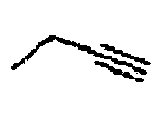
0.84 (s, 1H, 1.04 (1, 3H, J= 7.1 Hz), 1.71-1.88 (m, 2H), 4.10 (t, 2H, J = 6.1 Hz), 4.41 (s, 2H). 7.29-8.74 (m, 10H). 88 
H H 4.77 (d, 2H, J = 3.9 Hz), 5.33 (d, 1H J = 17.1 Hz), 5.51 (d, 1H, J= 17.1 Hz) 6.06-6.15 (m, 1H). 7.15-8.75 (m, 9H), 8.70 (s, 1H), 12.55 (br, 1H). 89 
H Me 3.25 (s, 3H), 4.70 (d, 2H, J= 5.1 Hz), 5.33 (d, 1H, J = 1.42 Hz), 5.39 (d, 1H, J = 7.4 Hz). 6.01-6.17 (d, 1H), 6.99-8.16 (m, 10H). Table 1h Comp. No. Xn Yn R 1H NMR(CDCl3) 90 
n Et 1.25-1.32 (m, 3K), 3.82 (q, 2M, J = 7.2 Hz), 4.70 (d, 2H, J = 4.9 Hz), 5.33 (d, 1N. J = 3,1 Hz), 5.38 (d. 1H, J = 1.4 Hz), 6.01-6.18 (m, 1H). 6.98-8.16 (m, 10H). 91 
B Pr 0.85-0.90 (m, 311) 1.58-1.80 (m, 2H), 3.71 (t, 2H, J = 4.17 Hz), 4.69 (d, 2H, J = 4.8 Hz), 5.38 (d, 1H, J = 1.4 Hz), 5.57 (d, 1H J = 1.4 Hz), 6.01-6.18 (m, 1H), 6.99-8.17 (m, 10H). 92 
H 
4.35 (d. 2H, J = 5.9 Hz), 9.68 (d, 2H, J= 1.1 Hz), 5.23-5.57 (m, 4H), 5.7-7-6.20 (m, 2H), 6.98-8.21 (m, 10H), 93 
H 
2.28 (s, 1H), 4.49 (s, 2H) 4.69 (d, 1H . = 6,5 Hz), 5.38 (d, 1H, J = 1.42 Hz), 5.57 (d, 1H, J = 1.4 Hz), 6.01-6.18 (m. 1H), 6.99-8.17 (m, 10H). 94 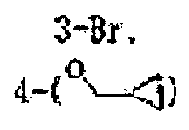
H H 0.38-0.41 (m. 2H), 0.59-0.66 (m, 2H), 1.29-1.40 (m, 1H). 4,02 (d. 2H. J= 6.9 Hz ), 7.10-8.69 (m, 10H), 12.55 (br, 1H). 95 
H Ne 0.43-0.48 (m, 2H), 0.64-0.73 (m, 2M), 1.26-1.40 (m, 1H), 3.97 (d, 2H. J = 6.7 Hz). 6.97-8.18 (m, 96 
H Et 0.41-0.48 (m, 2H), 0.64-0.71 (m. 2H), 1.25-1.40 (m, 4H), 3.82 (q, 2H, J = 7.2 Hz), 3.97 (d, 2H, J = 6.77 Hz), 6.97-8.17 (m, 10H). 97 
H Pt- 0.41-0.46 (m, 2H). 0.66-0.71 (m. 2H), 1.26-1.56 (m, 1H), 3.97 (d. 2H. J = 6.5 Hz), 4.35 (d, 2H, J = 4.48 Hz) 5.28 (m, HD, 5.32 (m, 1H). 5.77-6.96(m, 1H), 6.97-8.18 (m, 10H). 98 
H 
0.43-0.44 (m, 2H), 0.64-0.74 (m, 2H), 0.96 (t. 3H, J = 7.4 Hz). 1.29-1.43 (m, 1H), 1.62-1.77 (m, 2H), 3.72 (t, 2H, J= 7.3 Hz), 3.97 (d, 2H, J = 6.72 Hz), 6.97-8.17 (m, 10H). 99 
H 
0.43-0.48 (m, 2H), 0.64-0.74 (m, 2H), 1.25-1.40 (m, 1H), 2.28 (s, 1H), 3.97 (d, 28. J = 6.7 Mz), 4.51 (s, 1H), 6.94-8.17 (m, 10H). 100 
H H 3.69 (s, 1H). 5.03 (s, 1H). 7.14-8.69 (m. 10H), 12.55 (br, 1H). 101 
H Me 2.59 (s, 1H), 3.25 (s. 3H). 4.86 (s, 2H), 7.31-8.17 (m, 10H). Table 1i Comp. No. Xn Yn R 1H NMR(CDCl3,) 102 
H Et 1.28 (t, 3H, J = 7.1 Hz), 2.59 (s, 1H), 3.82 (q, 2H, J = 7.2 Hz), 4.85 (d. 2H, J = 2.24 Hz)), 7.17-8.17 (m, 10H). 103 
H Pr 0.96 (t, 3H, J = 7.4 Hz). 1.66-1.77 (m, 2H), 2.59 (s, 1H), 3.72 (t, 2H, J = 7.3 Hz). 4.85 (s. 2H), 7.21-8.17 (m, 10H) 104 
H 
2.59 (s, 1H), 4.35 (d, 2H. J = 6.0 Hz). 4.85 (.s. 2H), 5.24-5.34 (m, 2H), 5.82-5.91 (m, 1H). 7.17-8.17 (m, 10H) 105 
H 
2.28 (s, 1H). 2.60 (s, 1H), 4.51 (s, 2H). 4.86 (s, 2H). 7.18-8.17 (m, 10H) 106 3-Br, 4-OH H H 3.36 (br. 1H), 7.10-8.55 (m. 10H) 107 3-Br, 4--(OCH2CF2) H H 5.01 (q, 2H, J = 8.8 Hz). 7.40-7.70 (m, 6H), 7.94 (s, 1H), 3.04 (d, 2H, J = 7.3 Hz), 8.71 (s, 2H), 12.58 (br. 1H, NB). 108 3-Br, 4-(OCHl2CF3) H Me 3.25 (s, 3H), 4.48 (4, 2H. J = 8.0 Hz). 7.05 (d. 2H, J = 8.5 Hz). 7.36-7.84 (m, 7H). 7.95 (s. 1H), 8.17 (s, 1H). 109 3-Br, 4-(OCl2CF3) H Et 1.28 (t. 3H, J = 7.1 Hz), 3.82 (d. 2H, J = 7.1 Hz), 4.48 (q, 2H. J = 8.0 Hz), 7.06 (d, 2H, J = 8.3 Hz), 7.35-7.84 (m, 7H), 7.96 (s, 1H), 8.17 (s. 1H). 110 3-Br, 4-(OCH3CF3) H Pr 0.96 (t. 3H, J= 7.2 Hz). 1.64-1.77 (m, 2H), 3.72 (t, 2H. J = 7.2 Hz) 4.48 (q. 2H. J = 8.0 Hz). 7.07 (d, 2H, J = 8.3 Hz), 7.37-7.85 (m, 7H), 7.97 (s, 1H), 8.17 (s, 1H). 111 3-I, .4-(OMe) H H 3.96 (s, 3H), 7.13-7.709(m, 9H), 8.16 (s, 1H). 12.35 (br, 1H) 112 3-I, 4-(OMe) H Me 3.52 (s, 3H), 3.96 (s, 3H), 6.94 (d, 2H, J= 8.4 Hz), 7.31-7.58(m, 1H), 7.71-7.97 (m, 3H), 8.16 (s, 2H) 113 3-I, 4-(OMe) H Et 1.28 (t, 3H, J = 7.2 Hz), 3.82 (d, 2H, J = 7,2 Hz), 3.96 (s, 1H), 6.95 (d, 2H. J = 8.7 Hz), 7.4-7.80 (m, 6H), 7.86 (s, 1H), 8.16 (s, 2H) Table 1j Comp. No. Xn Yn R 1H NMR(CDCl3) 114 3-I, 4-(OMe) H Pr 0.97 (t, 3H, J = 7.4 Hz), 1.71-2.04 (m, 2H), 3,72 (s, 3H), 3.96 (s, 3H), 2.28-7.87 (m, 8H), 8.12 (s, 1H) 115 3-I, 4-(OEt) H H 1.57 (t, 3H, J = 6.9 Hz), 4.12 (q, 2H, J= 6.9 Hz), 7.32-7.55 (m, 4H), 7.68 (s, 1H), 7.76-7.99 (m, 2H), 8.07 (s, 1H), 8.16 (s, 1H), H.62 (br, 116 3-I, 4-(OEt) H Me 1.55 (t, 3H, J= 6.9 Hz), 3.25 (s, 3H), 4.13 (q, 2H, J= 7.0 Hz), 7.38-7.56 (m, 3H), 7.76-7.81 (m, 4H), 8.05 (s, 2H), 8.16 (s, 1H) 117 3-I, 4-(OEt) H Et 1.58 (t, 3H, J = 6.9 Hz), 3.84 (q, 2H, J = 6.9 Hz), 4.13 (q, 2H, J= 6.9 Hz), 7.40-7.81 (m, 6H), 8.06 (s, 3H), 8.16 (s, 1H) 118 3-I, 4-(OEt) H Pr 0.96(t, 3H, J = 7.4 Hz), 1.56 (t, 3H, J =7,0 Hz), 1.72(q, 2H, J =7.4 Hz), 3.73 (t, 3H, J = 7.4 Hz), 4.12(q, 2H, J =7.0 Hz), 7.40-7.56 (m, 2H), 7.76-1.80 (m, 4H), 8.06 (s, 2H), 8.16 (s, 1H). 119 3-I, 4-(OEt) H 
1.55 (t, 3H, J = 7.0 Hz), 4.13 (q, 2H, J= 7.0 Hz), 4.52 (s, 2H), 7.39-7.56 (m, 3H). 7.76-7.78 (m, 2H), 7.79 (s, 1H), 8.05 (s, 2H), 8.16 (s, 1H) 120 3-I, 4-(OEt) H 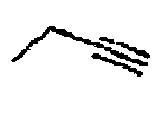
1.55 (t, 3H, J = 7.0 Hz), 4.12 (q, 2H, J = 7.0 Hz), 4.36 (d, 2H, J = 6.0 Hz), 5.25-5.35 (m, 2H), 5.83-5.86 (m, 1H), 7.40-7.56 (m, 3H), 7.76-7.82 (m, 4H), 8.05 (s, 2H), 8.16 (s, 1H) 121 3-I, 4-(OEt) H Na 122 3-I, 4-(OPr) H H 1.08 (t, 3H, J = 7.3 Hz), 1.80-1.91 (m, 2H), 4.01 (t, 2H, J = 7.3 Hz), 7.19-8.02 (m, 9H), 8.69 (s, 1H), 12.56 (br, 1H) 123 3-I, 4-(OPr) H Me 1.15 (t, 3H, J = 7.4 Hz), 1.96-2.03 (m, 3H), 3.25 (s, 3H), 4.02 (t, 2H, J= 7.4 Hz), 7.26-7.56 (m. 4H), 7.76-7.81 (m, 3H), 8.05 (s, 2H), 8.16 (s, 1H) 124 3-I, 4-(OPr) H Et 1.16 (t, 3H, J= 6.9 Hz), 1.29 (t, 2H, J = 5.0 Hz ), 1.92-2.05 (m, 2H), 3.82 (q, 2H, J = 6.9 Hz), 4.09 (t, 2H, J = 5.0 Hz), 7.25 (s, 1H), 7.29-7.35 (m, 1H), 7.41-7.53 (m, 2H), 7.72-7.81 (m, 3H), 8.05 (s, 1H), 8.16 (s, 1H) 125 3-I, 4-(OPr) H Pr 0.96 (t, 3H, J = 7.5 Hz), 1.16 (t, 3H, J = 7.4 Hz), 1.71-1.73 (m, 2H), 1.96-2.02 (m, 2H), 3.73 (t, 2H, J = 7.5 Hz), 4.01 (t, 2H, J = 7.5 Hz), 7.40-7.56(m, 4H), 7.76-7.80 (m, 3H), 8.06 (s, 2H), 8.16 (s, 1H). Table 1k Comp No. Xn Yn R 1H NMR(CDCl3) 126 3-I, 4-(OPr) H 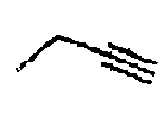
1.14 (t, 3H, J = 7.4 Hz), 1.55(t, 1H, J = 6.8 Hz), 1.98-2.05 (m, 2H), 4.01 (t, 3H, J = 7.4 Hz), 4.36 (d, 2H, J = 6.8 Hz), 7.26 (s, 1H), 7.38-7.43 (m, 1H), 7.50-7.56 (m, 2H), 7.76-7.82 (m, 3H), 8.06 (s, 2H), 8.16 (s, 1H) 127 3-I, 4-(OPr) H Na 128 
H H 4.42 (d, 2H, J = 5.7 Hz), 5.09-5.24 (m, 2H), 5.82-5.88 (m, 1H), 7.37-7.55 (n, 3H), 7.65 (s, 1H), 7.78-7.94 (m, 4), 8.18 (s, 1H). 12.60 (br. 1H). 7.15-8.75 (m, 9H), 12.60 (br, 1H). 129 
H Me 3.26 (s, 3H) 4.59 (d, 2H, J = 5.7 Hz), 5.35-5.38 (m, 1H), 5.53-5.59(m, 1H), 6.12-6.34(m, 1H), 7.41-7.43 (m, 2H), 7.53-7.56 (m, 2H), 7.79 (m, 3H), 8.06 (s, 1H), 8.16(s, 1H) 130 
H Et 1.29 (t, 3H, J = 7.2 Hz), 3.83 (q, 2H, J = 7.2 Hz), 4.59 (d, 2H, J = 5.7 Hz), 5.35-5.59 (m, 2H), 6.24-6.26 (m, 1H), 7.38-7.43 (m, 2H), 7.51-7.56(m, 2H), 7.76-7.85 (m, 3H), 8.06-8.16 (s, 3H) 131 
H Pr 0.97 (t, 3H, J =7.4 Hz), 1.75 (m, 2H), 3.73 (t, 2H, J = 7.4 Hz), 4.59 (d, 2H, J = 5.1 Hz), 5.37 (m, 1H), 5.53-5.59 (m, 1H), 6.20-6.30 (m, 1H), 7.38-7.43(m, 1H, 7.51-7.56 (m, 2H), 7.76-7.85 (m, 4H), 8.06-8.07 (m, 2H), 8.16(s, 1H) 132 
H 
4.36 (d, 2H, J = 5.9 Hz), 4.59 (d, 2H, J = 5.8 Hz), 5.02-5.25 (m, 4H), 5.40-5.78 (m, 2H), 7.52-7.93 (m, 9H), 8.18 (s, 1H). 133 
H 
2.38 (t, 1H, J = 2.4 Hz), 4.52 (d, 2H, J = 2.4 Hz), 4.59 (d, 2H, J= 5.7 Hz), 5.37-5.59 (m, 2H). 6.02-6.23 (m, 1H), 7.41-7.56 (m, 4H), 7.76-7.86 (m, 3H), 8.00-8.17 (m, 3H). 134 
H Na 135 3-Me, 4-(OMe) H H 2.23 (s, 3H), 3.86 (s, 3H), 6.33 (s, 3H), 7.10 (d, 1H, J = 8.1 Hz), 7.36-7.60 (m, 5H), 7.93 (d, 2H, J = 7.7 Hz), 9.06 (s, 1H), 10.41 (br, 1H, NH) 136 3-Pri,4-(OMe) H H 1.81 (d, 6H), 2.70 (t, 1H), 3.86 (s, 3H), 6.22 (s, 3H), 7.0-7.93 (m, 8H), 9.06 (s, 1H), 10.20 (br, 1H, NH) 137 3-Pri, 4-(OEt) H H 1.29 (d, 6H, J = 6.8 Hz), 1.47 (t, 3H, J = 6.9 Hz), 3.39 (m, 1H), 4.12 (m, 2H, J = 6.9 Hz), 6.95 (d, 1H, J= 8.6 Hz), 7.26-7.48 (m. 5H), 7.80 (d, 2H, J = 7.4 Hz), 7.96 (s, 1H), 8.17 (s, 1H), 10.0 (br, 1H, NH) Table 1l Comp. No. Xn Yn R 1H NMR(CDCl3) 138 3-Pri,4-(OEt) H Me 1.29 (d, 6H, J = 6.8 Hz), 1.47 (t, 3H, J = 6.9 Hz), 3.25 (s, 3H), 3.39 (m, 1H), 4.12 (q, 2H, J = 6.9 Hz), 6.95 (d, 1H, J= 8.6 H2), 7.26-7.48 (m, 5H), 7.80 (d, 2H, J = 7.4 Hz), 7.96 (s, 1H), 8.17 (s, 1H). 139 3-Pri, 4-(OEt) H Et 1.28 (d, 9H, J = 5.6 Hz), 1.51 (q, 3H, J = 5.3 Hz, 3.39 (m, 1H), 3.81 (d, 2H, J = 7.4 Hz), 4.13(t, 3H, J = 3.6 Hz), 6.95(d, 1H, J = 8.6 Hz), 7.41(m, 4H), 7.80(d, 2H, J= 7.2 Hz), 7.95(s, 1H), 8.16(s, 1H). 140 3-Pri, 4-(OEt) H Benzyl 1.28 (d, 6H, J= 6.8 Hz), 1.44-1.56(m, 3H), 3.39(t, 1H, J = 5.9 Hz), 4.11(q, 2H, J= 6.9 Hz), 4.89(s, 2H), 6.9(d, 1H, J = 8.6 Hz), 7.31-7.55(m, 10H), 7.79(d, 2H, J= 7.6 Hz), 7.95(s, 1H). 815(s, 1H). 141 3-Pri, 4-(OPr) H H 1.04 (t, 3H, J = 7.4 Hz), 1.23 (d, 6H, J = 6.8 Hz), 1.62-1.84 (m, 2H), 3.91-4.09 (m, 2H), 7.42-8.04 (m, 10H), 8.76 (s, 1H). 142 3-Bui, 4-(OPr) H H 1.08 (t, 3H J= 7.5 Hz), 1.41 (s, 9H), 1.85 (m, 2H, 4.06 (t, 2H, J = 5.7 Hz), 7.13-8.03 (m, 9H), 8.67 (s, 1H), 12.52 (br, 1H, NH) 143 3-( ). 4-(OMe) H H 1.58-1.91 (m, 8H), 3.83 (s, 3H), 4.85 (m, 2H), 7.14 - 8.03 (m, 9H), 8.66 (s, 1H), 12.51 (br, 1H, NH) 144 3-( ), 4-(OMe) H Me 1.56-1.99 (m, 8H), 3.25 (s, 3H), 3.92 (s, 3H), 6.97-8.18 (m, 10H) 145 3,5-di(Br), 4-(OMe) H H 3.96 (s, 3H), 7.13-7.80 (m, 8H), 8.16 (s, 1H), 11.35 (br , 1H) 146 3,5-di(Br), 4-(OMe) H Me 3.25 (s, 3H), 3.96 (s, 3H), 7.25-7.82 (m, 8H), 8.17 (s, 1H) 147 3,5-di(Br), 4-(OMe) H Et 1.25 (t, 3H, J = 7.3 Hz), 3.83 (q, 2H, J = 7.3 Hz), 3.97 (s, 3H), 7.23-7.97 (m, 8H). 8.17 (s, 1H) 148 3,5-di(Br), 4-(OMe) H Pr 0.97 (t, 3H, J = 10.8 Hz), 1.71-2.04 (m, 2H), 3.07 (t, 22, J = 10.8 Hz), 3.95 (s, 3H), 7.27-7.95 (m, 8H), 8.18 (s, 1H) 149 3,5-di(Br), 4-(OMe) H 
3.96 (s, 3H), 4.36 (d, 2H, J = 6.0 Hz), 5.25-5.35 (m, 2H), 5.83-5.92 (m, 1H), 7.39-7.44 (m, 1H), 7.51-7.56 (m, 2H), 7.76-7.83 (m, 5H), 8.18 (s, 1H) Tabel 1m Comp. No. Xn Yn R 1H NHR(CDCl3) 150 3.5-di(Br). 4-(OMe) H 
1.56 (t, 3H, J= 2.4 Hz). 3.97 (s, 3H), 4.52 (d, 2H, J =2.4 Hz), 7.26-7.87 (m, 8H), 8.12 (s, 1H) 151 3.5-di(Br), 4-(OEt) H H 1.53 (t, 3H, J = 6.9 Hz). 4.16 (q, 2H, J = 6.9 Hz) 7.31-7.82 (m, 8H), 8.25 (s. 1H), 11.6(br. 1H) 152 3,5-di(Br), 4-(OEt) H He 1.54 (t, 3H, J 3.6 Hz), 3.27 (s, 3H), 4.17(q, 2H, J = 3.6 Hz). 7.26-7.81 (m, 8H), 8.18(s, 1H). 153 3,5-di(Br), 4-(OEt) H Et 1.29 (t, 3H, J = 10.7 Hz). 1.54 (t, 3H, J = 12 Hz), 3.83 (q, 2H, J = 10.7 Hz), 4.17 (q, 3H, J = 12 Hz), 7.28-7.82 (m, 8H), 8.17 (s, 1H), 154 3.5-di(Br), 4-(OE1) H Pr 0.97 (t, 3H, J = 7.4 Hz), 1.56 (t, 3H, J = 6.9 Hz), 1.71-1.78 (m, 2H), 3.74 (t, 2H, J = 7.4 Hz), 4.17 (q, 2H, J = 6.9 Hz), 7.41-7.81 (m, 9H), 8.18 (s, 1H). 155 3.5-di(Br), 4-(OEt) H 
1.56 (t, 3H, J= 6.9 Hz), 4,17 (q, 2H, J = 6.9 Hz). 4.36 (d, 2H, J = 5.8 Hz). 5.19-5.37 (m, 2H), 5.69-5.94 (m, 1H), 7.28-7.92 (m, 8H), 8.18 (s,1H), 156 3.5-di(Br). 4-(OEt) H 
1.55 (t, 3H, J = 6.8 Hz). 2.30 (t, 1H, J = 7.3 Hz), 4.18 (q, 2H, J = 6.8 Hz). 4,52 (d, 2H. J= 7.3 Hz). 7.42-7.86 (m, 8H), 8.18 (s, 1H), 157 3.5-di(Br), 4-(OPr) H H 1.50-1.57 (m, 6H), 4.12-4.31 (m, 4H), 7.41-7.81 (m, 8H), 8.19 (s, 1H). 158 3.5-di(Br). 4-(OPr) H He 1.36 (t, 3H, J = 6.6 Hz), 1.86-2.04 (m, 2H), 3.26 (s, 3H) 4.05(t. 2H, J = 6.6 Hz) 7.40-7.84 (m, 8H), 8.17(s, 1H) 159 3,5-di(Br). 4-(OPr) H Et 1.14 (t, 3H, J = 10.8 Hz), 1.29(t, 3H, J = 10.0 Hz), 1.93.-2.0 (m, 2H), 3.83 (q, 2H, J = 10.8 Hz), 4,05 (t, 2H, J= 10.0 Hz), 7.41-9.17 (m, 8H), 9.56(s, 1H) 160 3.5-di(Br), 4-(OPr) H Pr 0.97(t, 3H, J = 4,7 Hz), 1.13(t, 2H, J = 3.4Hz), 1.71-1.97(m, 4H), 3.52 (t, 2H, J = 4.7 Hz), 4.05 (t. 2H, J = 3.4 Hz), 7.42-7.82(m, 8H), 8.18(s,1H) 161 3.5-di(Br). 4-(OPr) H 
1.13 (t. 3H, J = 7.5 Hz), 1.89-1.98 (m, 2H), 4.05 (t, 3H, J 7.5 Hz), 4.36 (d, 2H, J= 6.0 Hz) 5.25-5.35 (m, 2H), 5.81-5.92(m, 1H), 7.38-7.56 (m, 3H), 7.70-7.84 (m, 5H), 8.17 (s, 1H) Table 1n Comp.No. Xn Yn R 1H NMR(CDCl3) 162 3,5-di(Br), 4-(OPr) H 
1.14 (t, 3H, J = 7.5 Hz), 1.85-2.1(m, 2H), 2.29 (t, 1H, J = 2.1 Hz), 4.05 (t, 2H. J= 7.5 Hz), 4.51 (d, 2H, J = 2.1 Hz), 7.39-7.56 (m, 3H), 7.76-7.87(m, 5H), 8.17 (s, 1H) 163 3.5-di(Br), 4-(OPr) H Na 164 
H H 4.59 (d, 2H, J = 5.7 Hz), 5.35-5.58 (m, 2H), 6.24-6.28 (m, 1H), 7.19-7.25 (m, 1H), 7.41-7.56 (m, 4H), 7.76-7,78 (m, 3H), 8.05 (s, 1H) 8.15(s, 1H), 12.06 (br, 1H), 165 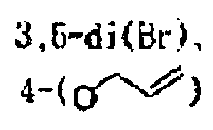
H Me 3,21 (s, 3H), 4.42 (d, 2H, J = 5,6 Hz), 5.09-5.30 (m, 2H), 5.77-5.97 (m, 1H), 7.35-7.93S (m, 8H), 8,18 (s, 1H), 166 
H Et 1.25 (t, 3H, J = 7.2 Hz) 3.77 (q, 2H, J = 7.2 Hz), 4.42 (d, 2H, J= 5.7 Hz), 5.09-5.24 (m, 2H), 5.82-5.88 (m, 1H), 7.37-7.55 (m, 3H), 7.65 (s, 1H), 7.78-7.94 (m, 4H, 8,18 (s, 1H). 167 
H Pr 0.97(t, 3H, J = 4.7Hz), 1.13(t, 2H, J = 3,4Hz), 1.71-1.97(m, 2H), 4.42 (d, 2H, J = 5.7 Hz), 5.09-5.24 (m, 2H), 5.82-5.88 (m, 1H), 7.37-7.55 (m, 3H), 7.65 (s, 1H), 7.78-7.94 (m, 4H), 8.18 (s, 1H). 168 
H 
4.36 (d, 2H, J = 5.9 Hz), 4.59 (d, 2H, J = 5.8 Hz), 5.02-5.25 (m, 4H), 5,40-5.78 (m, 2H), 7.52-7.93 (m, 8H), 8,18 (s, 1H). 169 
H 
2.38 (t, 1H, J = 2.4 Hz), 4.52 (d, 2H, J = 2.4 Hz), 4.59 (d. 2H, J = 5.7 Hz) , 5.37-5.59 (m, 2H), 6.02-6.23 (m, 1H), 7.41-7.56 (m, 4H), 7.76-7.86 (m, 3H), 8.00-8.07 (m, 2H), 170 
H Na 171 
H H 0.44-0.47 (m, 2H), 0.65-0.71 (m, 2H), 1.25-1.46 (m, 1H), 3.94 (d, 2H, J = 7.2 Hz), 7.34-7.55 (m, 3H), 7.34-7.55 (m, 5H), 7.70-7.80 (m, 5H), 8.17 (5, 1H), 11.79-11.92 (br, 1H) 172 
H Me 0.44-0.47 (m, 2H), 0.66-0.70 (m, 2H), 1.45-1.51 (m, 1H), 3.26 (s, 3H), 3.95 (d, 21). J = 7.2 Hz), 7,38-7.56 (m, 3H), 7.38-7.56 (m, 31D, 7,76-7,83 (m, 5H), 8.17 (s, 1H) 173 
H Et 0.44-0.47 (m, 2H), 0.66-0.72 (m, 2H), 1.30 (t, 3H, J = 7,2 Hz), 1.45-1.55 (m, 1H), 3.83 (q, 2H, J = 7.2 Hz), 3.95 (d, 2H, J = 7.2 Hz), 7.38-7.56 (m, 3H), 7.74-7.82 (m, 5H), 8.17 (s, 1H) Table 1o Comp. No. Xn Yn R 1H NMR(CDCl3) 174 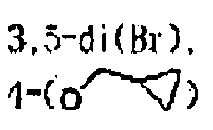
H Pr 0,44-0.47 (m, 2H), 0.66-0.69 (m, 2H), 0.97 (t, 3H, J = 7.4 Hz), 1.42-1.45 (m, 1H), 1.55-1.76 (m, 2H), 3,73 (t, 2H, J = 7.2 Hz), 3.95 (d, 2H, J = 7.4 Hz), 7.38-7.43 (m, 3H), 7.76-7,82 (m, 5H), 3.17 (s, 1H) 175 
H 
0.44-0,47(m, 2H), 0.66-0.69 (m, 2H), 1.40-1.43 (n, 1H), 3.95 (d, 2H, J = 7.2 Hz), 4.36 (d, 2H, J = 6.0 Hz), 5.29 (t, 2H, J = 14.9 Hz), 5.86 (m, 1H), 7.41-7.43 (m, 1H), 7,53-7,56 (m, 2H), 7.74-7.84 (m, 5H), 8.17 (s, 1H) 176 
H 
0.44-0.47(m, 2H), 0.66-0.72 (m, 2H), 1.42-1.46 (m, 1H), 2.29 (t, 1H, J= 4.4 Hz), 3,95 (d, 2H, J = 7.2 Hz), 4.51 (d, 2H, J = 4.4 Hz), 7.39-7.44 (m, 1H), 7.51-7.56 (m, 2H), 7.76-7.80 (m, 4H). 7.88 (s, 1H), 8.17 (s, 1H) 177 
H Na 178 3.5-di(Br), 4-(OCHF2) H H 6.48-6.97(m, 1H), 7.42-7.57 (m, 3H), 7.66 (s. 1H), 7.78-7.81 (m. 2H), 7.90 (s, 2H) 8.23 (s, 1H), 179 3,5-di(Br), 4-(OCHF2) H Me 3.26 (s, 3H), 6.33-7.06 (m, 1H), 7.42-7.89 (m, 8H) 8,20 (s, 1H). 180 3,5-di(Br). 4-(OCHF2) H Et 0.88 (1, 3H, J = 7.1 Hz), 3.83 (q, 2H, J = 7.1 Hz), 6.44-7.26 (s, 1H), 7,40-7,57 (m, 3H), 7.76-7.89 (m, 5H), 8.18 (s? 1H), 181 3,5-di(Br), 4-(OCHF2) H Pr 0.97 (t, 3H, J= 7.4 Hz), 1.72-1.85 (m, 2H), 3.73 (t, 2H, J = 7,4 Hz), 6.44-6.93 (m,1H), 7.40-7.57 (m, 3H), 7.76-7.79 (m, 3H), 7.90 (s, 2H), 8.19 (s, 1H). 182 3.5-di(Br), 4-(OCHF2) H 
4.37 (d, 2H, J = 4,4 Hz), 5.25-5.37 (m, 2H), 5.81-5.94 (m, 1H), 6.32-6.69 (m, 1H), 7.42-7.90 (m, 8H), 8,19 (s, 1H). 183 3.5-(di(Br), 4-(OCHF2) H 
1.52. (t, 1H, J = 2.4 Hz), 4.52 (d, 2H, J = 2.4 Hz), 6.32-7.06 (m, 1H), 7.43-7.89 (m, 8H), 8.19 (s, 1H), 184 3,5-di(Pri). 4-(OMe) H H 1.243 (d, 12H, J= 6.8 Hz), 3.335-3.4025(m, 2H), 3,7498 (s, 3H), 7.3467-8.0155 (m, 9H) 185 3.5-(Pri), 4-(OEt) H H 1.2375 (d, 12H, J= 7.0 Hz). 1.415 (t, 3H, J= 7.0 Hz), 3.328 (m, 2H), 3.842 (q, 2H, J= 7.0 Hz), 7.300-8.0035 (m, 8H), 8,648(s, 1H), 10.412 (Br, 1H) Table 1p Comp. No. Xn Yn R 1H NMR(CDCl3) 196 3,5-diCPr'), 4-(OEt) H Me 1.302 (d, 12H, J= 7.0 Hz). 1.490 (t, 3H, J= 7.0 Hz), 3.349 (s, 3H), 3.395 (m, 2H), 3.8745 (q, 2H, J= 7.0 Hz), 7,351-7.844 (m, 7H). 7.973 (s, 1H), 8.182 (s, 1H) 187 3,5-di(Pri), 4-(OEt) H Et 1.303 (d, 12H, J= 7.0 Hz), 1.271 (t, 3H, J= 7.0 Hz), 1.487 (t, 3H, J= 7.0 Hz), 3.326-3.760 (m, 2H), 3.843 (q, 4H, J= 7.0 Hz), 7.365-7.563 (m, 7H), 7.797(s, 1H), 8.178(s, 1H) 188 3,5-di(Pri), 4-(OEt) H Pr 0.948 (d, 3H, J= 7.0 Hz), 1.308 (d, 12H, J= 7.0 Hz), 1,492 (t, 3H, J= 7.0 Hz), 3.331-3.469 (m, 2H), 3.716 (t, 2H, J= 4.2 Hz), 3.875 (q. 2H, J= 7.0 Hz) 7.340-7.807 (m, 6H), 7.958 (s, 1H), 8.181 (s, 1H) 189 3.5-di(Pri), 4-(OEt) H 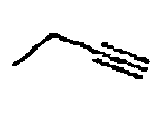
1.302 (d, 12H, J= 7.0 Hz), 1.491 (t, 3H, J= 7.0 Hz). 2.050 (s, 1H), 3.293-3.466 (m. 2H), 3.874 (q, 2H, J= 7.0 Hz), 4.499 (s, 2H), 7.360-7,838 (m, 7H), 8.011(s, 1H), 8.186(s, 1H) 190 3,5-di(Pri), 4-(OPr) H H 1.07 (t, 3H, J =7.3 Hz), 1.24 (d, 12H, J = 7.0 Hz), 1.80-1.87 (m, 2H), 3.67-3.96 (n, 2H), 7.34-8.68 (m, 9H), 8.68 (s, 1H), 12.49 (br, 1H, NH) 191 3,5-di(Pri), 4-(OPr) 
H 1.09 (t, 3H, J = 7.2 Hz), 1.26 (d, 12H, J = 7.0 H2), 1.82-1.88 (m, 2H), 3.65-3.95 (m, 2H), 7.40-8.80 (m, 8H), 8.70 (s, 1H), 12.90 (br, 1H, NH) 192 ,5-di(Bui), 4-OH H H 1.27 (s, 18H), 6.92-7.02 (m, 1H), 7.17-7.28 (m, 2H), 7.39 (t, 2H, J =7.8 Hz), 7.50 (s, 1H), 7.82 (d, 2H, J = 8.4 Hz), 8.48 (s, 1H), 12.31 (br, 1H, NH) 193 3,5-di(Bui), 4-(OPr) H H 1.07 (t, 3H, J = 7.3 Hz), 1.24 (d, 12H, J= 7.0 Hz), 1.80-1.87 (m, 2H), 3,67-3,96 (m, 2H), 7.34-8.68 (m, 9H), 8.68 (s, 1H), 1249 (br, 1H, NH) 194 3,5-di(Bui), 4-(OPr) H Et 1.09 (t, 3H, J = 7.3 Hz), 1.24 (d, 12H, J = 7.0 Hz), 3.68-3.80 (m, 2H), 3.813 (q, 4H, J= 7.0 Hz), 7.355-7.563 (m, 7H), 7.797(s, 1H), 8.178(s, 1H) 195 
H H 1.26 (t, 3H, J 7.2 Hz), 1.43 (s, 18), 4.25 (q, 2H, J= 7.0 Hz), 4.44 (s 2H), 7.42 (t, 1H, J = 7.2 Hz), 7.45-7.66 (m, 5H, 8,01 (d, 2H, J = 8.4 Hz), 8.68 (s, 1H), 12.29 (br, 1H, NH). - The compound of the formula 1 can be prepared into various preparation forms, depending on the purpose. Hereunder are given a few examples of the preparation forms comprising the compound of the formula 1 as an active ingredient, which do not limit the scope of the present invention.
- 5.0 mg of the active ingredient was sieved, mixed with 14.1 mg of lactose , 0.8 mg of Crospovidone USNF and 0.1 mg of magnesium stearate. The mixture was compressed into a tablet.
- 5.0 mg of the active ingredient was sieved and mixed with 16.0 mg of lactose and 4.0 mg of starch. 0.3 mg of
Polysorbate 80 dissolved in pure water was added and the mixture was granulated. After drying, the granule was sieved and mixed with 2.7 mg of colloidal silicon dioxide and 2.0 mg of magnesium stearate. The granule was compressed into a tablet. - 5.0 mg of the active ingredient was sieved and mixed with 14.8 mg of lactose , 10.0 mg of polyvinylpyrrolidone and 0.2 mg of magnesium stearate . The mixture was filled in a No. 5 gelatin capsule using an adequate apparatus.
- Catalytic domain of CDC25B (aa 378 - 566) was expressed and produced in E. coli into a GST fusion protein, which was used as zymogen. Enzyme assay was carried out on a 96 - well plate, with the final reaction volume per well adjusted to 200 µL. 170 µL of a buffer solution (30 mM Tris buffer, pH 8.5, 75 mM NaCl, 0.67 mM EDTA, 1 mM DTT), 20 µL (0.2 µg) of CDC25B enzyme and 10 µL of the test compound dissolved in DMSO were added, so that the final concentration became 1 µg/mL CDC25B and 20 µm FDP . Measurement was made after culturing at room temperature for 1 hour. FDP and DTT were added to the buffer solution just before assay, so that a fresh status could be maintained. After 1 hour of culturing, fluorescence resultant from the enzymatic reaction was measured at 485 nm (excitation) and 538 nm (emission).
- The test compound was treated to a final concentration of 10 µm to screen out one showing superior inhibitory activity, from which the IC50 value was measured. The screened compound was treated to a final concentration of 1, 2, 5 and 10 µm to obtain the % inhibition value. If the inhibitory effect was low (less than 50 % at 20 µm), the concentration of the compound was increased to 20 µm and the % inhibition value and the IC50 value were obtained.
- Of the compounds given in Table 1a-1p, CDC25B % inhibition values and IC50 values of those having superior activity are given in Table 2 below.
Table 2 Compound No. IC50 (µM) Compound No. IC50(µM) 2 11.41 117 0.59 3 9.45 118 9.25 5 8.96 119 4.16 14 7.03 121 2.6 15 8.28 122 0.36 16 0.23 128 0.38 25 1.86 132 3.60 30 5.74 133 4.99 35 1.52 134 3.00 41 0.54 136 2.06 52 2.83 141 2.24 58 5.79 142 1.48 62 0.23 143 12.31 65 0.21 145 1.84 66 10.56 151 1.40 67 3.41 153 1.36 68 12.83 157 0.58 69 7.20 163 1.5 70 4.05 164 0.17 77 5.65 169 7.14 78 2.26 171 0.61 79 1.41 173 2.35 82 2.81 178 0.71 85 2.02 182 13.56 88 2.21 184 3.66 94 1.63 190 1.09 100 2.98 191 1.20 111 3.25 192 3.99 115 0.57 194 4.20 - A549, HT29 and MCF - 7 were used to measure anticancer activity. The cancer cells were those distributed from the National Cancer Institute (NCI) of the U.S. and cultured by the Korea Research Institute of Chemical Technology (KRICT), which had been derived from human tumor cell lines. The cells were cultured in a 5% CO2 incubator at 37 ° C with constant temperature and humidity using RPMI 1640 culture medium fortified with 5% fetal bovine scrum. Subculturing was carried out once in 3-4 days. A PBS (phosphate buffered saline) solution in which 0.25% trypsin and 3 mm trans - 1,2 - diaminocyclohexane - N,N,N.N - tetraacetic acid (CDTA) were dissolved was used to separate the cells.
- The SRB (sulforhodamine B) assay method, which was developed in 1989 to measure in vitro anticancer activity of drugs by the NCI, was used. The cells were separated using a trypsin - CDTA solution and were plated on a 96-well microplate (Falcon), about 2 × 10³ cells per each well. The cells were cultured in a CO2 incubator for 24 hours and were attached to the bottom of the plate. After removing the culture medium using an aspirator , each of Compound No. 78 , Compound No. 79 and Doxorubicin, a control drug, diluted in a culture medium was added to the wells containing the cells, with a log dose of 6 equivalents, 3 times, 100 mL at one time. The cells were cultured for 48 more hours. If required, dimethylsulfoxide (DMSO) was used to dissolve the compounds. The diluted compound solutions were filtered through a 0.22 mL filter before being added to the cells. After 48 hours of culturing, the culture medium was removed from each well and 100 mL of 10 % trichloroacetic acid (TCA) was added. The cells were fixed to the plate by keeping the plate at 4 ° C for 1 hour. Then, the plate was washed 5 - 6 times with water, in order to completely remove any remaining TCA, and dried at room temperature. To the dry plate was added a staining solution, in which 0.4% SRB was dissolved in 100 mL of 1 % acetic acid solution per each well. After 30 minutes of staining, the plate was washed 5-6 times with 1 % acetic acid solution to remove the SRB not bound to the cells. The stained cell plate was dried at room temperature. Then, 100 mL of 10 mm unbuffered trisma base solution was added, per each well, and the plate was shaken for 10 minutes with a titer plate shaker to elute the dye. Then, absorbance was measured at 520 nm using a microplate reader. In order to quantify the anticancer effect of the compounds, number of cells was counted for the cases where the drug was added (Tz), the cells were cultured for 48 hours with a culture medium containing no drug (C) and the cells were cultured for 48 hours with a culture medium containing the drug (T). Anticancer activity was calculated by the following equations 1 and 2.


- The inhibitory effect of the drugs against growth of the cancer cells were obtained by data regression using the Lotus software in % of inhibition. The result is given in Table 3 below.
Table 3 Cancer cell lines A549 HT29 MCF-7 Concentration 10 µm (%) 10 µM (%) 10 µM (%) Compound 7867.5 59.7 67.3 Compound 79 39.1 82.4 31.1 Doxorubicin 39 51.1 63.2 - As seen in Table 3, the 5-(1,3-diaryl-1H-pyrazol-4-ylmethylene)-thiazolidine-2,4-dione derivatives represented by the formula 1 showed cytotoxicity to several cancer cells , including A - 549 ( non-small cell lung cancer ), HT29 ( liver cancer) and MCF - 7 (breast cancer).
- In order to verify the in vivo anticancer effect of the compounds of the present invention , C33A human uterine cancer cell line was subcutaneously injected at the abdominal walls of 6- to 8-week-old male nude mice. When the tumor grew to the size of about 50-80 mm3, Compound No. 78 and 0.2
% Tween 80, a negative control, were administered into the abdominal cavity, respectively. For a positive control, cisplatin (4 mg/kg), which is widely used as an anticancer agent in clinical tests, was used. The dosage given was 0.25 mL per each administration once a day for a period of 7 consecutive days. The volume of the tumor was calculated by the following equation 3, by measuring the long and short axes with a caliper.
- The result is shown in
FIG. 1 . As seen in the figure,Compound 78 showed an anticancer activity comparable to that of cisplatin, but it did not shows any negative responses, such as reduced motion or lack of appetite, which are caused by the toxicity of cisplatin. Thus, the 5-(1,3-diaryl-1H-pyrazol-4-ylmethylene)-thiazolidine-2,4 - dione derivatives represented by the formula 1 can be utilized as low-toxicity anticancer agent with less side effects. - As apparent from the above description, the 5-(1,3-diaryl-1H-pyrazol-4-yl-methylene)-thiazolidine-2,4-dione derivatives represented by the formula 1 and its pharmaceutically acceptable salts thereof show superior inhibitory activities against CDC25B, which is a phosphatase playing an important role in determining G2/M phase transition during cell division. Further, due to less side effects, for example, reduced motion or lack of appetite, they can be used as a low-toxic anticancer agent.
Claims (4)
- A compound represented by the following formula 1 or its pharmaceutically acceptable salt thereof:

X is hydrogen , C1-C4alkyl , C1-C4haloalkyl, a halogen atom, C1-C4alkoxy, unsubstituted or substituted with C1-C4alkylcarboxyl, C1-C4haloalkoxy, C3-C4alkenyloxy, C2-C4acyl, C3-C10cycloalkylalkoxy, C3-C10cycloalkyloxy, hydroxy , cyano or nitro ;
Y is hydrogen, C1-C4alkyl, a halogen atom, C1-C4alkoxy, C3-C4 alkenyloxy, C2-C4acyl, cyano or nitro ;
n is an integer of from 1 to 5; and
R is hydrogen, C1-C4alkyl, C2-C4alkenyl, C3-C4alkynyl, C1-C4 haloalkyl C2-C4 alkoxyalkyl or benzyl. - The compound represented by the formula 1 or the pharmaceutically acceptable salt thereof according to claim 1, wherein
X is C1-C4alkyl, C1-C4haloalkyl, a halogen atom, C1-C4 alkoxy unsubstituted or substituted with C1-C4 alkylcarboxyl, C1-C4 haloalkoxy, C3-C 10 cycloalkylalkoxy, C3-C10 cycloalkyloxy, hydroxy, C3-C4 alkenyloxy or nitro ;
Y is hydrogen, C1-C4alkyl, a halogen atom , C1-C4alkoxy, C3-C4 alkenyloxy, C2-C4acyl, cyano or nitro ;
n is an integer of from 1 to 3; and
R is hydrogen, C1-C4alkyl, C1-C4haloalkyl, C2-C4alkoxyalkyl or benzyl. - A method of preparing a compound represented by the formula 1 below or its pharmaceutically acceptable salts comprising:reacting the compound represented by the formula 2 below with the compound represented by the formula 3 below to obtain the compound represented by the formula 4 below;transforming the compound represented by the formula 4 to the compound represented by the formula 5 below by Vilsmeier - Haack reaction; and reacting the compound represented by the formula 5 with thiazolo - 2,4 - dione to obtain the compound represented by the formula 1, in which R is H, or reacting the product with the compound represented by the formula 6 below to obtain the compound represented by the formula 1, in which R is described below:


R-Z (6)
wherein
X, Y, n and R are the same as defined in claim 1 ; and
Z is a leaving group. - An anticancer composition comprising the compound represented by the following formula 1 or its pharmaceutically acceptable salts in a pharmaceutically effective amount:

X, Y, n and R are the same as defined in claim 1.
Applications Claiming Priority (2)
| Application Number | Priority Date | Filing Date | Title |
|---|---|---|---|
| KR1020050024688A KR101118842B1 (en) | 2005-03-24 | 2005-03-24 | 5-1,3-diaryl-1H-pyrazol-4-ylmethylene-thiazolidine-2,4-dione derivatives useful as antitumor agent |
| PCT/KR2006/000401 WO2006101307A1 (en) | 2005-03-24 | 2006-02-03 | 5-(1,3-diaryl-1h-pyrazol-4-ylmethylene)-thiazolidine-2,4-dione derivatives useful as anticancer agent |
Publications (3)
| Publication Number | Publication Date |
|---|---|
| EP1861395A1 EP1861395A1 (en) | 2007-12-05 |
| EP1861395A4 EP1861395A4 (en) | 2010-01-06 |
| EP1861395B1 true EP1861395B1 (en) | 2010-12-29 |
Family
ID=37023944
Family Applications (1)
| Application Number | Title | Priority Date | Filing Date |
|---|---|---|---|
| EP06715854A Expired - Lifetime EP1861395B1 (en) | 2005-03-24 | 2006-02-03 | 5-(1,3-diaryl-1h-pyrazol-4-ylmethylene)-thiazolidine-2,4-dione derivatives useful as anticancer agent |
Country Status (7)
| Country | Link |
|---|---|
| US (1) | US7718681B2 (en) |
| EP (1) | EP1861395B1 (en) |
| JP (1) | JP2008532999A (en) |
| KR (1) | KR101118842B1 (en) |
| CN (1) | CN101146804B (en) |
| DE (1) | DE602006019214D1 (en) |
| WO (1) | WO2006101307A1 (en) |
Families Citing this family (3)
| Publication number | Priority date | Publication date | Assignee | Title |
|---|---|---|---|---|
| EP2423204A4 (en) * | 2009-04-20 | 2013-01-09 | Sbi Biotech Co Ltd | THIAZOLIDINONE DERIVATIVE |
| CN103304559B (en) * | 2012-03-06 | 2016-05-18 | 南京大学 | One class is containing thiazole derivative and method for making and the purposes of pyrazoline and thiophene (or furans) structure |
| BR102013022402B1 (en) * | 2013-09-02 | 2020-09-15 | Universidade Federal Do Rio Grande Do Sul | BENZYLTHIAZOLIDINONIC DERIVATIVES USEFUL IN TREATING SCHIZOPHRENIA |
Family Cites Families (7)
| Publication number | Priority date | Publication date | Assignee | Title |
|---|---|---|---|---|
| JPH08157473A (en) * | 1994-10-06 | 1996-06-18 | Nissan Chem Ind Ltd | Pyrazole-based thiazolidines |
| WO2000032598A1 (en) * | 1998-12-04 | 2000-06-08 | Structural Bioinformatics Inc. | Methods and compositions for treating inflammatory diseases utilizing inhibitors of tumor necrosis factor activity |
| CN100525278C (en) | 2001-10-08 | 2009-08-05 | 诺基亚公司 | Communication device, method for controlling communication device to connect to network and network control unit |
| WO2003074550A2 (en) * | 2002-03-01 | 2003-09-12 | Pintex Pharmaceuticals, Inc. | Pin1-modulating compounds and methods of use thereof |
| WO2004028535A1 (en) * | 2002-09-26 | 2004-04-08 | Pintex Pharmaceuticals, Inc. | Pin1-modulating compounds and methods of use thereof |
| WO2004093803A2 (en) * | 2003-04-16 | 2004-11-04 | Pintex Pharmaceuticals, Inc. | Photochemotherapeutic compounds for use in treatment of pin1-associated states |
| FR2858324A1 (en) * | 2003-07-30 | 2005-02-04 | Centre Nat Rech Scient | Composition used for treating microbial infections, effective particularly against rifampicin-resistant bacteria, contain new or known 5-(heterocyclylmethylene)-thiazolidine derivatives |
-
2005
- 2005-03-24 KR KR1020050024688A patent/KR101118842B1/en not_active Expired - Fee Related
-
2006
- 2006-02-03 EP EP06715854A patent/EP1861395B1/en not_active Expired - Lifetime
- 2006-02-03 US US11/884,583 patent/US7718681B2/en not_active Expired - Fee Related
- 2006-02-03 CN CN2006800094657A patent/CN101146804B/en not_active Expired - Fee Related
- 2006-02-03 JP JP2008500608A patent/JP2008532999A/en active Pending
- 2006-02-03 WO PCT/KR2006/000401 patent/WO2006101307A1/en not_active Ceased
- 2006-02-03 DE DE602006019214T patent/DE602006019214D1/en not_active Expired - Lifetime
Also Published As
| Publication number | Publication date |
|---|---|
| US7718681B2 (en) | 2010-05-18 |
| EP1861395A4 (en) | 2010-01-06 |
| JP2008532999A (en) | 2008-08-21 |
| KR20060102765A (en) | 2006-09-28 |
| CN101146804B (en) | 2011-03-16 |
| CN101146804A (en) | 2008-03-19 |
| DE602006019214D1 (en) | 2011-02-10 |
| EP1861395A1 (en) | 2007-12-05 |
| KR101118842B1 (en) | 2012-03-16 |
| US20080275094A1 (en) | 2008-11-06 |
| WO2006101307A1 (en) | 2006-09-28 |
Similar Documents
| Publication | Publication Date | Title |
|---|---|---|
| CN117069698B (en) | Double-functional molecule targeting SHP2 degradation and preparation and application thereof | |
| ES2569660T3 (en) | IRE-1alpha inhibitors | |
| JP5325065B2 (en) | New phenol derivatives | |
| EP2238110B1 (en) | 5.6-bisaryl-2-pyridine-carboxamide derivatives, preparation thereof and therapeutic application thereof as antagonists for urotensine ii receptors | |
| EP3388428B1 (en) | Five-membered heterocyclic amides wnt pathway inhibitor | |
| CN110099900B (en) | Hedgehog Pathway Inhibitors Targeting Smoothened Mutants | |
| JP5094721B2 (en) | N-phenyl-2-pyrimidin-amine derivative and process for its preparation | |
| WO2003103656A1 (en) | O-substituted hydroxyaryl derivatives | |
| JP4664673B2 (en) | Aminobenzothiazole compounds having NOS inhibitory activity | |
| Firke et al. | Synthetic and pharmacological evaluation of some pyridine containing thiazolidinones | |
| US12534436B2 (en) | Disubstituted adamantyl derivative or pharmaceutically acceptable salt thereof, and pharmaceutical composition for suppressing cancer growth comprising same as active ingredient | |
| US12116348B2 (en) | Substituted benzimidazole compound and composition comprising same | |
| WO2020173417A1 (en) | Acryloyl-containing nuclear transport regulator and uses thereof | |
| US7718681B2 (en) | 5-(1,3-Diaryl-1H-pyrazol-4-ylmethylene)-thiazolidine,2,4-dione derivatives useful as anticancer agent | |
| BR102015007034A2 (en) | histone deacetylase inhibitors n-acylhydrazonic compounds, pharmaceutical compositions containing them, process for their production | |
| JP2018087173A (en) | Malignant brain tumor drug | |
| WO1998042680A1 (en) | Novel anilide compounds and drugs containing the same | |
| US20090029975A1 (en) | 1,3-benzothiazinone derivative and use thereof | |
| US10954197B2 (en) | Cathepsin-D and angiogenesis inhibitors and compositions thereof for treating breast cancer | |
| KR101118768B1 (en) | 5-3-Aryl-1-pyridyl-1H-pyrazol-4-ylmethylene-thiazolidine-2,4-dione derivatives useful as antitumor agent | |
| KR102576102B1 (en) | Probe for detecting uch37 and uses thereof | |
| US20090137637A1 (en) | Tetrazolyl-Methylene Amino Acid Derivatives | |
| US9353093B2 (en) | Indole-1-carboxamides as kinase inhibitors | |
| JPH07100696B2 (en) | Carbostyril derivative |
Legal Events
| Date | Code | Title | Description |
|---|---|---|---|
| PUAI | Public reference made under article 153(3) epc to a published international application that has entered the european phase |
Free format text: ORIGINAL CODE: 0009012 |
|
| 17P | Request for examination filed |
Effective date: 20070824 |
|
| AK | Designated contracting states |
Kind code of ref document: A1 Designated state(s): DE ES FR GB IT |
|
| DAX | Request for extension of the european patent (deleted) | ||
| RBV | Designated contracting states (corrected) |
Designated state(s): DE ES FR GB IT |
|
| RIN1 | Information on inventor provided before grant (corrected) |
Inventor name: LEE, GE HYEONG Inventor name: CHEON, HYAE GYEONG Inventor name: KIM, KWANG-ROK Inventor name: KIM, JUNG KI Inventor name: SON, BUM SUK Inventor name: SONG, BO GAN Inventor name: SEO, MIN JUNG Inventor name: NO, JAESUNG Inventor name: KIM, HYOUNG RAE |
|
| A4 | Supplementary search report drawn up and despatched |
Effective date: 20091203 |
|
| GRAP | Despatch of communication of intention to grant a patent |
Free format text: ORIGINAL CODE: EPIDOSNIGR1 |
|
| GRAS | Grant fee paid |
Free format text: ORIGINAL CODE: EPIDOSNIGR3 |
|
| GRAA | (expected) grant |
Free format text: ORIGINAL CODE: 0009210 |
|
| AK | Designated contracting states |
Kind code of ref document: B1 Designated state(s): DE ES FR GB IT |
|
| REG | Reference to a national code |
Ref country code: GB Ref legal event code: FG4D |
|
| REF | Corresponds to: |
Ref document number: 602006019214 Country of ref document: DE Date of ref document: 20110210 Kind code of ref document: P |
|
| REG | Reference to a national code |
Ref country code: DE Ref legal event code: R096 Ref document number: 602006019214 Country of ref document: DE Effective date: 20110210 |
|
| PG25 | Lapsed in a contracting state [announced via postgrant information from national office to epo] |
Ref country code: ES Free format text: LAPSE BECAUSE OF FAILURE TO SUBMIT A TRANSLATION OF THE DESCRIPTION OR TO PAY THE FEE WITHIN THE PRESCRIBED TIME-LIMIT Effective date: 20110409 |
|
| PLBE | No opposition filed within time limit |
Free format text: ORIGINAL CODE: 0009261 |
|
| STAA | Information on the status of an ep patent application or granted ep patent |
Free format text: STATUS: NO OPPOSITION FILED WITHIN TIME LIMIT |
|
| 26N | No opposition filed |
Effective date: 20110930 |
|
| REG | Reference to a national code |
Ref country code: DE Ref legal event code: R097 Ref document number: 602006019214 Country of ref document: DE Effective date: 20110930 |
|
| PG25 | Lapsed in a contracting state [announced via postgrant information from national office to epo] |
Ref country code: IT Free format text: LAPSE BECAUSE OF FAILURE TO SUBMIT A TRANSLATION OF THE DESCRIPTION OR TO PAY THE FEE WITHIN THE PRESCRIBED TIME-LIMIT Effective date: 20101229 |
|
| PGFP | Annual fee paid to national office [announced via postgrant information from national office to epo] |
Ref country code: GB Payment date: 20121228 Year of fee payment: 8 |
|
| PGFP | Annual fee paid to national office [announced via postgrant information from national office to epo] |
Ref country code: DE Payment date: 20121228 Year of fee payment: 8 Ref country code: FR Payment date: 20130123 Year of fee payment: 8 |
|
| REG | Reference to a national code |
Ref country code: DE Ref legal event code: R119 Ref document number: 602006019214 Country of ref document: DE |
|
| GBPC | Gb: european patent ceased through non-payment of renewal fee |
Effective date: 20140203 |
|
| REG | Reference to a national code |
Ref country code: FR Ref legal event code: ST Effective date: 20141031 |
|
| REG | Reference to a national code |
Ref country code: DE Ref legal event code: R119 Ref document number: 602006019214 Country of ref document: DE Effective date: 20140902 |
|
| PG25 | Lapsed in a contracting state [announced via postgrant information from national office to epo] |
Ref country code: FR Free format text: LAPSE BECAUSE OF NON-PAYMENT OF DUE FEES Effective date: 20140228 Ref country code: GB Free format text: LAPSE BECAUSE OF NON-PAYMENT OF DUE FEES Effective date: 20140203 Ref country code: DE Free format text: LAPSE BECAUSE OF NON-PAYMENT OF DUE FEES Effective date: 20140902 |