EP1853290B1 - Anti-hypertensive dietary supplement derived from salmo or oncorhynchus protein hydrolysates - Google Patents
Anti-hypertensive dietary supplement derived from salmo or oncorhynchus protein hydrolysates Download PDFInfo
- Publication number
- EP1853290B1 EP1853290B1 EP06701864A EP06701864A EP1853290B1 EP 1853290 B1 EP1853290 B1 EP 1853290B1 EP 06701864 A EP06701864 A EP 06701864A EP 06701864 A EP06701864 A EP 06701864A EP 1853290 B1 EP1853290 B1 EP 1853290B1
- Authority
- EP
- European Patent Office
- Prior art keywords
- hypertensive
- fish protein
- protein hydrolysate
- phe
- salmon
- Prior art date
- Legal status (The legal status is an assumption and is not a legal conclusion. Google has not performed a legal analysis and makes no representation as to the accuracy of the status listed.)
- Expired - Lifetime
Links
Images


Classifications
-
- A—HUMAN NECESSITIES
- A61—MEDICAL OR VETERINARY SCIENCE; HYGIENE
- A61K—PREPARATIONS FOR MEDICAL, DENTAL OR TOILETRY PURPOSES
- A61K38/00—Medicinal preparations containing peptides
- A61K38/04—Peptides having up to 20 amino acids in a fully defined sequence; Derivatives thereof
- A61K38/06—Tripeptides
-
- A—HUMAN NECESSITIES
- A23—FOODS OR FOODSTUFFS; TREATMENT THEREOF, NOT COVERED BY OTHER CLASSES
- A23J—PROTEIN COMPOSITIONS FOR FOODSTUFFS; WORKING-UP PROTEINS FOR FOODSTUFFS; PHOSPHATIDE COMPOSITIONS FOR FOODSTUFFS
- A23J3/00—Working-up of proteins for foodstuffs
- A23J3/04—Animal proteins
-
- A—HUMAN NECESSITIES
- A23—FOODS OR FOODSTUFFS; TREATMENT THEREOF, NOT COVERED BY OTHER CLASSES
- A23J—PROTEIN COMPOSITIONS FOR FOODSTUFFS; WORKING-UP PROTEINS FOR FOODSTUFFS; PHOSPHATIDE COMPOSITIONS FOR FOODSTUFFS
- A23J3/00—Working-up of proteins for foodstuffs
- A23J3/30—Working-up of proteins for foodstuffs by hydrolysis
- A23J3/32—Working-up of proteins for foodstuffs by hydrolysis using chemical agents
- A23J3/34—Working-up of proteins for foodstuffs by hydrolysis using chemical agents using enzymes
-
- A—HUMAN NECESSITIES
- A23—FOODS OR FOODSTUFFS; TREATMENT THEREOF, NOT COVERED BY OTHER CLASSES
- A23L—FOODS, FOODSTUFFS OR NON-ALCOHOLIC BEVERAGES, NOT OTHERWISE PROVIDED FOR; PREPARATION OR TREATMENT THEREOF
- A23L33/00—Modifying nutritive qualities of foods; Dietetic products; Preparation or treatment thereof
- A23L33/10—Modifying nutritive qualities of foods; Dietetic products; Preparation or treatment thereof using additives
- A23L33/17—Amino acids, peptides or proteins
-
- A—HUMAN NECESSITIES
- A23—FOODS OR FOODSTUFFS; TREATMENT THEREOF, NOT COVERED BY OTHER CLASSES
- A23L—FOODS, FOODSTUFFS OR NON-ALCOHOLIC BEVERAGES, NOT OTHERWISE PROVIDED FOR; PREPARATION OR TREATMENT THEREOF
- A23L33/00—Modifying nutritive qualities of foods; Dietetic products; Preparation or treatment thereof
- A23L33/10—Modifying nutritive qualities of foods; Dietetic products; Preparation or treatment thereof using additives
- A23L33/17—Amino acids, peptides or proteins
- A23L33/18—Peptides; Protein hydrolysates
-
- A—HUMAN NECESSITIES
- A61—MEDICAL OR VETERINARY SCIENCE; HYGIENE
- A61P—SPECIFIC THERAPEUTIC ACTIVITY OF CHEMICAL COMPOUNDS OR MEDICINAL PREPARATIONS
- A61P9/00—Drugs for disorders of the cardiovascular system
- A61P9/12—Antihypertensives
-
- A—HUMAN NECESSITIES
- A23—FOODS OR FOODSTUFFS; TREATMENT THEREOF, NOT COVERED BY OTHER CLASSES
- A23V—INDEXING SCHEME RELATING TO FOODS, FOODSTUFFS OR NON-ALCOHOLIC BEVERAGES AND LACTIC OR PROPIONIC ACID BACTERIA USED IN FOODSTUFFS OR FOOD PREPARATION
- A23V2002/00—Food compositions, function of food ingredients or processes for food or foodstuffs
-
- Y—GENERAL TAGGING OF NEW TECHNOLOGICAL DEVELOPMENTS; GENERAL TAGGING OF CROSS-SECTIONAL TECHNOLOGIES SPANNING OVER SEVERAL SECTIONS OF THE IPC; TECHNICAL SUBJECTS COVERED BY FORMER USPC CROSS-REFERENCE ART COLLECTIONS [XRACs] AND DIGESTS
- Y10—TECHNICAL SUBJECTS COVERED BY FORMER USPC
- Y10S—TECHNICAL SUBJECTS COVERED BY FORMER USPC CROSS-REFERENCE ART COLLECTIONS [XRACs] AND DIGESTS
- Y10S530/00—Chemistry: natural resins or derivatives; peptides or proteins; lignins or reaction products thereof
- Y10S530/855—Proteins from animals other than mammals or birds
- Y10S530/857—Fish; fish eggs; shell fish; crustacea
Definitions
- the invention concerns an anti-hypertensive composition, and a dietary supplement comprising such a composition.
- Hypertension is a condition commonly associated with narrowing of the arteries. This causes blood to be pumped with excessive force against the artery walls. It is a sign that the heart and blood vessels are being overworked. If left untreated hypertension can cause serious cardiovascular disease. For example, the heart muscle can thicken (cardiac hypertrophy) and function abnormally, or dilate and contract less forcefully (dilated cardiomyopathy). High blood pressure can also cause injury to the brain, the eyes and/or the kidneys. Hypertensive patients are also at increased risk of having a stroke.
- ACE angiotensin I-converting enzyme
- thermolysin is a metalloendopeptidase with a specificity for peptide bonds on the N-terminal side of hydrophobic amino acids, and which is produced by Bacillus thermoproteolyticus ).
- the invention provides an anti-hypertensive fish protein hydrolysate, wherein said fish is of the Salmo spp. or Oncorhynchus spp. type, and wherein the fish protein hydrolysate comprises at least 3 peptides selected from the group consisting of:
- JP 11-029594 reports that tuna hydrolysates may act as ACE inhibitors.
- JP 07-188282 reports that sardine and soybean hydrolysates have ACE inhibiting activity in vitro and compositions including them have activity in vivo.
- Such hydrolysates may be prepared by hydrolyzing the fish protein with a bacillolysin.
- the present invention provides an anti-hypertensive composition comprising an anti-hypertensive fish protein hydrolysate as described-above.
- the present invention provides a dietary supplement, nutraceutical product, or functional food product comprising an anti-hypertensive fish protein hydrolysate as described above.
- the present invention provides an anti-hypertensive fish protein hydrolysate as described above for use in the treatment or prevention of hypertension in a patient.
- the invention provides, in another aspect, an anti-hypertensive fish protein hydrolysate as described above for inhibiting angiotension I-converting enzyme (ACE) activity in a patient.
- ACE angiotension I-converting enzyme
- the present invention provides an anti-hypertensive fish protein hydrolysate as described above for reducing mean blood pressure in a patient. Also described herein is a method of producing an anti-hypertensive dietary supplement comprising hydrolyzing fish protein with a bacillolysin, wherein said fish is of the genus Salmo or Oncorhynchus.
- the fish species used in accordance with the present invention are of the salmonid type, which includes the genus Salmo or Oncorhynchus.
- the fish are selected from the group consisting of: atlantic salmon ( Salmo salar ) also know as kennebec salmon, sebago salmon, grilse or kelt; coho salmon (Oncorhynchus kisutch) also known as silver salmon, sea trout or blueback; chinook salmon ( Oncorhynchus tshawytscha ) also known as king salmon, tyee, spring salmon or quinnat; steelhead salmon ( Oncorhynchus mykiss ) also known as rainbow or silver trout; pink salmon ( Oncorhynchus gorbuscha ); and sockeye salmon ( Oncorhynchus nerka ).
- the fish used in the invention may comprise the whole fish, a fillet, a rack, other fish parts, extracts or purified or partially purified fish proteins.
- the fish material is preferably ground using a grinding machine known to those of skill in the art.
- the fish may also be de-boned using de-boning apparatus prior to grinding.
- the starting material may be pre-ground, or take the form of an extract or purified or partially purified fish protein product, in which case further grinding is not required.
- the ground fish may be homogenized in water or other aqueous solution in, for example, a 1:1 ratio.
- the water or aqueous solution may contain an anti-bacterial agent such as methyl and/or propyl parabens to minimize bacterial degradation.
- an anti-bacterial agent such as methyl and/or propyl parabens to minimize bacterial degradation.
- methyl- and propylparabens may be added it may be in the ratio, 2 parts methylparabens and 1 part propylparabens.
- a further preservative may be added.
- the protein present in the homogenized mixture of water and ground fish may be preferably denatured using heat prior to hydrolysis.
- the denaturing temperature may be, for example, greater than 65°C and most preferably, about 70°C.
- the denaturing step may be from, for example, 5 to 20 minutes in duration. More preferably, the denaturing step may be from 5 to 15 minutes in duration. Most preferably, the denaturing step may be about 10 minutes in duration.
- the mixture may preferably be cooled, for example, to about 50°C and the pH of the mixture adjusted to, for example, between about pH 7 to pH 9 by the drop-wise addition of 1N sodium hydroxide.
- the pH is adjusted to about 8.
- Enzymatic hydrolysis is carried out using an enzyme of the metalloendopeptidase type selected from those in the Enzyme Commission class: EC 3.4.24.28, which are also known as bacillolysins. More particularly, the metalloendopeptidase may be selected from those that preferentially catalyse the hydrolysis of peptide bonds on the C-terminal side of, in descending order with the most preferred amino acid first, arginine, alanine, lysine, phenylalanine and leucine.
- the enzyme is a bacillolysin produced by fermentation of Bacillus stearothermophilus.
- a preferred type of bacillolysin is Protease S Amano. Protease S Amano is obtainable from Amano Enzyme USA Company Limited (Lombard, IL.).
- Protease S Amano When Protease S Amano is used, it may be added at a ratio of from about 1.6% to 3.6% w/w Protease S Amano to fish protein substrate.
- the ratio may be from about 2.0% to 3.0% w/w and most preferably about 2.6% w/w.
- Hydrolysis of the fish protein may be performed at a temperature of, for example, from about 45°C to 75°C. Preferably the hydrolysis is carried out at a temperature of from about 45°C to about 55°C, most preferably at a temperature of about 50°C.
- Hydrolysis is preferably carried out until a degree of hydrolysis of about 10% to about 30% is achieved.
- a degree of about 17% hydrolysis is particularly preferred. Typically this takes from about 3 to about 8 hours to achieve.
- the hydrolysis reaction proceeds for about 5.5 to about 7.5 hours.
- Most preferably the hydrolysis reaction proceeds for about 6.5 to about 7 hours.
- the protein content in the ground fish material may be determined by a method known to those skilled in the art, for example, by the Kjeldahl nitrogen method wherein the percentage protein is equal to the percentage nitrogen multiplied by 6.25.
- the degree of hydrolysis may be determined by the OPA reaction method.
- the homogenized mixture may be heated to a temperature greater than 80°C for longer than 3 minutes to inactivate the metalloendopeptidase and thereby stop the hydrolysis reaction.
- Bones and other, heavy, insoluble material may be removed from the mixture by, for example, filtration through a screen or two-phase centrifugation.
- The, light, insoluble fraction and oil may be removed by, for example, three-phase centrifugation or vacuum filtration through a suitable filter or membrane, for example, diatomaceous earth.
- the aqueous fraction is preferably dried such as by spray drying to obtain a powdered fish protein hydrolysate.
- the aqueous fraction may be concentrated, for example, with a rotary evaporator, and then lyophilized, or spray-dried to yield a concentrated, powdered, protein hydrolysate.
- the aqueous fraction may be further processed either before or after concentration and/or freeze-drying by for example, ethanol precipitation, ultrafiltration or reverse-phase chromatography to remove salt, high molecular weight peptides or protein fragments.
- the aqueous fraction may also be further processed by, for example, filtration, chromatography, dialysis and/or centrifugation, or any combination thereof, as are known in the art.
- the fish protein hydrolysate of the present invention is not required to be processed further by, for example, ethanol precipitation, ultrafiltration or reverse-phase chromatography for it to be efficacious.
- a fish protein hydrolysate comprising at least one peptide selected from the group consisting of Leu-Ala-Phe, Leu-Thr-Phe, Ile-Ile-Phe, Leu-Ala-Tyr, Ile-Ala-Tyr, Val-Phe-Tyr, Val-Leu-Trp, Ile-Ala-T-rp, Tyr-Ala-Leu, and Tyr-Asn-Arg.
- the hydrolysate comprises at least 3 peptides selected from the group consisting of: Leu-Ala-Phe, Leu-Thr-Phe, Ile-Ile-Phe, Val-Phe-Tyr, Ile-Ala-Trp and Val-Leu-Trp, and the hydrolysate preferably comprises 3, 4, 5 or all of these peptides.
- Leu-Ala-Phe, Ile-Ile-Phe, Val-Phe-Tyr, Val-Leu-Trp and Ile-Ala-Trp are more preferred, and the hydrolysate preferably comprises 3, 4 or 5 of these peptides.
- the hydrolysate comprises at least 3, 4, or 5 of the peptides Leu-Ala-Phe, Ile-Ile-Phe, Val-Phe-Tyr, Val-Leu-Trp and Ile-Ala-Trp.
- the protein hydrolysate obtained by the methods as described above may be used in the production of a composition or compound comprising the above tri-peptides.
- the fish protein hydrolysates of the present invention possess useful anti-hypertensive properties, having been demonstrated to be potent inhibitors of ACE and to reduce mean blood pressure in SHR. Accordingly, the hydrolysates of the invention are useful in the prevention and treatment of hypertension in a subject as well as in the treatment and prevention of the complications of hypertension, for example, cardiac hypertrophy, dilated cardiomyopathy, congestive heart failure, ischaemic heart disease, atherosclerosis, stroke, renal injury including aneurysm, arteriovenous fistula, arterial blockage or renal vein thrombosis; brain damage, loss of vision.
- cardiac hypertrophy dilated cardiomyopathy
- congestive heart failure ischaemic heart disease
- atherosclerosis stroke
- renal injury including aneurysm, arteriovenous fistula, arterial blockage or renal vein thrombosis
- brain damage loss of vision.
- Obesity and diabetes mellitus are conditions in which blood pressure may be elevated.
- the hydrolysates of the present invention may be of use in the treatment of high blood pressure in these conditions.
- the subject may be a mammal, such as a human, companion animal or other mammal of agricultural or commercial importance.
- Compounds and compositions according to the present invention may be used in a variety of products, for example, pharmaceutical or nutraceutical products, dietary supplements, nutritional supplements, food products, food ingredients and beverages.
- the fish protein hydrolysate may be microencapulated in order to improve palatability or processing characteristics of the food or beverage products.
- the fish protein hydrolysates may be used on their own.
- nutraceutical and pharmaceutical formulations of compositions and compounds in accordance with the present invention are intended for oral administration.
- the formulations comprise the composition of the present invention in combination with one or more physiologically acceptable ingredients, such as carriers, excipients or diluents.
- physiologically acceptable ingredients such as carriers, excipients or diluents.
- Compositions and formulations for oral administration are particularly preferred.
- Formulations may be prepared, for example, in unit dose forms, such as hard capsules, tablets, capsules, dragees, and ampoules or as a powder in a sachet for dissolving in a liquid. They may be prepared in a conventional manner, for example by means of conventional mixing, granulating, confectioning, dissolving or lyophilizing processes.
- Typical physiologically acceptable ingredients include, for example:
- Soft gelatine capsules may be prepared with capsules containing a mixture of the fish protein hydrolysate composition together with paraffin oil, liquid polyethylene glycols, vegetable oil, fat and/or another suitable vehicle for soft gelatine capsules. Plasticizers such as glycerol or sorbitol may also be used. Hard gelatine capsules may contain granules of the composition. Hard gelatine capsules may also contain the composition in combination with solid powdered ingredients such as those listed above.
- Liquid formulations for oral administration may be prepared in the form of solutions, syrups or suspensions.
- Liquid formulations typically comprise the fish protein hydrolysate composition with an excipient such as sugar or sugar alcohols, and a carrier such as ethanol, water, glycerol, propylene glycol, polyethylene glycol, almond oil, oily esters or mixtures thereof.
- liquid formulations may also contain colouring agents, flavouring agents, saccharine, thickening agents (for example, carboxy methyl cellulose), suspending agents (for example, sorbitol syrup, methylcellulose, hydrogenated edible fats), emulsifying agents (for example, lecithin, acacia), and/or preservatives (for example, methyl p-hydroxy benzoates, propyl p-hydroxy benzoates, sorbic acid).
- Liquid formulations for oral administration may also be prepared in the form of a dry powder to be reconstituted with water or another suitable vehicle prior to use.
- Formulations may contain one or more additional active ingredients particularly one or more further anti-hypertensive agents.
- the one or more further anti-hypertensive agents is preferably selected from the group consisting of alpha 1 -adrenergic antagonists, beta-adrenergic antagonists, combined alpha/beta-adrenergic antagonists, adrenergic neuron blocking agents, CNS-acting antihypertensives, angiotensin converting enzyme (ACE) inhibitors, angiotensin-II receptor antagonists, calcium channel blockers and diuretic agents.
- ACE angiotensin converting enzyme
- an effective amount of the fish protein hydrolysate composition can be determined by the skilled person and may depend on various factors, such as the nature of the product, the condition to be prevented or treated, the method of administration, species of animal, age and/or individual condition.
- the dose may comprise between 1 to 5 grams of hydrolysate per day for a 70Kg human.
- the dose comprises 1.5 grams of dry hydrolysate per day.
- the hydrolysate may be taken between 2 to 4 times daily such that the dose does not have to be taken at once.
- This example illustrates the preparation and testing of an anti-hypertensive fish protein hydrolysate made using a bacillolysin.
- Figure 1 outlines the preparation of salmon protein hydrolysate.
- Ground salmon frames were homogenized with water at a 1:1 ratio. 0.013% parabens (2 parts methyl and 1 part propyl) were added to the water to minimize bacterial degradation.
- Ground salmon frames were obtained from a salmon processing plant. The mixture was heated to 70°C and held there for 10min. to denature the protein. The mixture was then cooled to 50°C. After 50°C was achieved, the pH of the mixture was adjusted to 8.0 with 1N NaOH.
- Protease S Amano was added at a 2.6% enzyme/substrate (protein) ratio and d at 50°C for 7h to a 17.0% degree of hydrolysis. The pH was not maintained constant.
- Protease S Amano produced by Bacillus stearothermophilus fermentation was purchased from Amano Enzyme USA Co., Ltd. (Lombard, IL.).
- the protein content in the ground salmon frames was 40%.
- 70-80% of fish muscle protein is structural protein (actin, myosin, tropomyosin, and actomyosin) and with respect to fish protein hydrolysis is subject to enzymatic hydrolysis. (Kristinsson and Rasco, 2000).
- the degree of hydrolysis was determined by the OPA reaction method. Heating the mixture to 85°C and holding there for 10 min terminated the hydrolysis by inactivating the Protease S Amano. The bones and heavy insoluble fraction were removed by centrifugation. The light insoluble fraction and oil were removed by vacuum filtration through diatomaceous earth. The aqueous fraction was spray dried to obtain a powdered salmon protein hydrolysate. High molecular weight peptides were removed by ethanol precipitation or ultrafiltration.
- the ACE inhibitory activity (IC 50 ) of the salmon protein hydrolysates was determined by the method of Holmquist et al. Table 1 shows the yield, ACE inhibitory activity, molecular weight distribution, and ash content of the hydrolysate without additional processing, and after ethanol precipitation or ultrafiltration.
- the ACE inhibitory activity of the hydrolysate without additional processing was 58.5 ⁇ g/mL.
- the activities after ethanol precipitation or ultrafiltration were 42.1 ⁇ g/mL and 41.1 ⁇ g/mL respectively.
- Table 1 Yield, ACE inhibitory activity, molecular weight distribution, and ash content of salmon protein hydrolysates.
- the antihypertensive effect of a single oral administration of salmon protein hydrolysates in spontaneous hypertensive rats was determined. Hydrolysates were unprocessed, and ultrafiltered or ethanol precipitated. Each hydrolysate was dissolved in water and 1500mg/kg body weight (bw) was administered by gavage. Ultrafiltered Bonito peptide (1307mg/kg bw to account for its lower ash content) was administered as a positive control. Six rats were included in each treatment group. Mean blood pressure measurements were taken from the carotid artery before, and 1, 2, 4, 6, and 8h after administration.
- the average mean blood pressure was 177 ⁇ 17mmHg before administration.
- Figure 2 shows the changes in mean blood pressure after administration of salmon hydrolysates and bonito peptide in SHR.
- the in vitro ACE-inhibitory activity of the unprocessed hydrolysate was increased by ultrafiltration or ethanol precipitation.
- SHR a single oral administration of equal doses of the ultrafiltered and ethanol precipitated hydrolysate and the unprocessed hydrolysate all had significant antihypertensive effects.
- the mean blood pressure was significantly reduced by 15% and this reduction was maintained over the 1 to 8 hour measurement period.
- the mean blood pressure reduction occurred more gradually, becoming evident after 2h ( ⁇ 15%). This reduction was not prolonged, such that after 4h blood pressure rose to baseline values.
- the hydrolysate is centrifuged to separate the active peptides (in the supernatant) from debris (for example, bone and undigested protein). This is what is referred to as an "unprocessed" hydrolysate.
- a processing step to concentrate the active peptides in the supernatant would be required.
- the bonito peptide product used as a comparison was processed by an ultrafiltration step (3000 MWCO). This removes high molecular weight peptides.
- ACE inhibitory peptides in the ultrafiltered salmon protein hydrolysate were identified.
- the ultrafiltered hydrolysate powder in water was applied on a gel filtration TSK-gel G3000PWXL column (7.8 x 300mm, 6 ⁇ , Tosoh).
- the column was eluted with 10% aqueous methanol at a flow rate of 0.8mL/min.
- the elution was monitored by UV diode array detection collecting UV absorbance data from 192-450nm. Individual fractions were lyophilized and their ACE inhibitory activities were measured.
- the identification of the peptides in the active fractions and their quantification in the unprocessed hydrolysate was carried out by LC-MS/MS consisting of a Q-Tof detector (Micromass).
- the peptides were identified by ProteinLynx Global Server software (Micromass).
- the fractions or standards were applied on a reverse-phase PLRP-S 100A column (4.6 x 150mm, 5 ⁇ , Polymer Labs). The column was eluted with a linear gradient of methanol (5-90% / 90min.) at a flow rate of 0.2mL/min.
- the ACE inhibitory activity of the ultrafiltered hydrolysate was 41.1 ⁇ g/mL.
- Three fractions A, B, and C) were eluted when the ultrafiltered hydrolysate was fractionated on the gel filtration column.
- Table 2 shows the yield and ACE inhibitory activity of each fraction. After gel filtration the activity of the most active fraction (C) was 15 ⁇ g/mL demonstrating a stronger ACE inhibitory activity in the lower molecular weight fraction.
- Fraction C was applied to reverse phase HPLC and using the ProteinLynx Global server software, individual peptides were identified. >200 peptides were identified when fraction C was fractionated on the reverse phase column.
- Tripeptides identified in fraction C were synthesized, and their ACE inhibitory activities were determined. Table 1 shows the ACE inhibitory activity of the tripeptides with the most potent ACE inhibitory activity. Tripeptides are considered to be absorbed in their intact form in the intestine without being degraded by gastrointestinal proteases and might have antihypertensive effects in vivo.
- the ACE inhibitory activities of Leu-Ala-Phe, Leu-Thr-Phe, Ile-Ile-Phe, Leu-Ala-Tyr, Ile-Ala-Tyr, Val-Phe-Tyr, Tyr-Ala-Tyr, Val-Leu-Trp, Ile-Ala-Trp, Tyr-Ala-Leu, and Tyr-Asn-Arg were 13.7, 30.7, 8.9, 32.9, 57.5, 11.1, 13.2, 3.7, 56.2, and 54.8 ⁇ g/mL respectively.
- Tripeptide IC 50 ( ⁇ g/mL; [ ⁇ M]) Content in the unprocessed hydrolysate ( ⁇ g/g) Leu-Ala-Phe 13.7 [39.2] ⁇ 3.6 Leu-Thr-Phe ⁇ 30.7 Ile-Ile-Phe 8.9 [22.7] ⁇ 0.4 Leu-Ala-Tyr* ⁇ 32.9 Ile-Ala-Tyr* ⁇ 57.5 Val-Phe-Tyr 11.1 [26.0] ⁇ 22 Tyr-Ala-Tyr 13.2 [31.8] ⁇ 0.01 Val-Leu-Trp 10.0 [24.0] ⁇ 280 Ile-Ala-Trp 3.7 [9.5] ⁇ 0.5 Tyr-Ala-Leu* ⁇ 56.2 Tyr-Asn-Arg* ⁇ 54.8 [121]
- This example compares the ACE inhibitory activity of salmon protein hydrolysates prepared using various proteases.
- Salmon frames were hydrolyzed in optimum hydrolysis conditions with various proteases by the process described in Example 1 and the ACE inhibitory activity of the hydrolysates was determined by the methods described in Example 1.
- Figure 3 shows the ACE inhibitory activities of salmon protein hydrolysates obtained using different proteases which had no additional processing or were purified further on a Diaion ® HP-20 solid phase column.
- the proteases were obtained from the following manufacturers: Alcalase (Novozymes); Flavourzyme (Novozymes); Fungal Protease Concentrate (Genencor); GC106 (Genencor); Multifect ® Neutral (Genencor); Proleather FG-F (Amano Enzymes) and Protease S Amano (Amano Enzymes).
- the hydrolysates prepared with various proteases differed substantially in ACE inhibitory activity. Without wishing to be bound by any particular theory, it is believed that the differing activity of the various hydrolysates likely results from their differing peptide compositions, resulting from the different specificities of the proteases used to prepare the hydrolysates.
Landscapes
- Life Sciences & Earth Sciences (AREA)
- Health & Medical Sciences (AREA)
- Chemical & Material Sciences (AREA)
- Engineering & Computer Science (AREA)
- Nutrition Science (AREA)
- Food Science & Technology (AREA)
- Polymers & Plastics (AREA)
- Proteomics, Peptides & Aminoacids (AREA)
- Biochemistry (AREA)
- Mycology (AREA)
- Veterinary Medicine (AREA)
- Pharmacology & Pharmacy (AREA)
- Chemical Kinetics & Catalysis (AREA)
- General Chemical & Material Sciences (AREA)
- Bioinformatics & Cheminformatics (AREA)
- Public Health (AREA)
- General Health & Medical Sciences (AREA)
- Medicinal Chemistry (AREA)
- Animal Behavior & Ethology (AREA)
- Immunology (AREA)
- Molecular Biology (AREA)
- Gastroenterology & Hepatology (AREA)
- Zoology (AREA)
- Epidemiology (AREA)
- Organic Chemistry (AREA)
- Nuclear Medicine, Radiotherapy & Molecular Imaging (AREA)
- Heart & Thoracic Surgery (AREA)
- Cardiology (AREA)
- Medicines That Contain Protein Lipid Enzymes And Other Medicines (AREA)
- Medicines Containing Material From Animals Or Micro-Organisms (AREA)
- Peptides Or Proteins (AREA)
- Coloring Foods And Improving Nutritive Qualities (AREA)
Description
- The invention concerns an anti-hypertensive composition, and a dietary supplement comprising such a composition.
- Hypertension is a condition commonly associated with narrowing of the arteries. This causes blood to be pumped with excessive force against the artery walls. It is a sign that the heart and blood vessels are being overworked. If left untreated hypertension can cause serious cardiovascular disease. For example, the heart muscle can thicken (cardiac hypertrophy) and function abnormally, or dilate and contract less forcefully (dilated cardiomyopathy). High blood pressure can also cause injury to the brain, the eyes and/or the kidneys. Hypertensive patients are also at increased risk of having a stroke.
- In vivo the renin/angiotensin system functions to regulate blood pressure. This system comprises the angiotensin I-converting enzyme (ACE) which catalyses the cleavage of inactive angiotensin I into the active vasoconstrictor, angiotensin 11. ACE also catalyses the degradation of the vasodilator, bradykinin.
- Various enzymatic hydrolysates and peptides derived from food protein have been reported to have ACE inhibitory activity.
- In particular, Ono et al. (2003) report that a chum salmon hydrolysate, obtained using thermolysin, had ACE inhibitory activity. Thermolysin is a metalloendopeptidase with a specificity for peptide bonds on the N-terminal side of hydrophobic amino acids, and which is produced by Bacillus thermoproteolyticus).
- Ohta et al. (1997) report that a hydrolysate obtained by hydrolysis of a chum salmon head with the commercial serine endopeptidase Biopurase SP10 (from Bacillus subtilis) had greater ACE inhibitory activity than hydrolysates prepared by digestion of the salmon head with any of the following commercial proteases: XP-415 (from Rhizopus delemar), Papain (from Carica papaya), DenazymeAP (from Aspergillus oryzae) or Denapsin2P (from Aspergillus niger).
- However, neither Ono et al.,
Ohta et al. JP 11-029594 JP 07-188282 - Accordingly, in one aspect the invention provides an anti-hypertensive fish protein hydrolysate, wherein said fish is of the Salmo spp. or Oncorhynchus spp. type, and wherein the fish protein hydrolysate comprises at least 3 peptides selected from the group consisting of:
- Leu-Ala-Phe, Leu-Thr-Phe, I-le-Ile-Phe, , Val-Phe-Tyr, Val-Leu-Trp, and Ile-Ala-Trp.
-
JP 11-029594 -
JP 07-188282 - Liaset et al., J. Sci Food Agric, 80(5): 581-58 (2000) describes the nutritional value of protein hydrolysates obtained from Atlantic salmon or cod using bacillolysin however does not describe their anti-hypertensive effect.
- Such hydrolysates may be prepared by hydrolyzing the fish protein with a bacillolysin.
- In another aspect, the present invention provides an anti-hypertensive composition comprising an anti-hypertensive fish protein hydrolysate as described-above.
- In still another aspect, the present invention provides a dietary supplement, nutraceutical product, or functional food product comprising an anti-hypertensive fish protein hydrolysate as described above.
- In yet another aspect, the present invention provides an anti-hypertensive fish protein hydrolysate as described above for use in the treatment or prevention of hypertension in a patient.
- The invention provides, in another aspect, an anti-hypertensive fish protein hydrolysate as described above for inhibiting angiotension I-converting enzyme (ACE) activity in a patient.
- In still another aspect, the present invention provides an anti-hypertensive fish protein hydrolysate as described above for reducing mean blood pressure in a patient. Also described herein is a method of producing an anti-hypertensive dietary supplement comprising hydrolyzing fish protein with a bacillolysin, wherein said fish is of the genus Salmo or Oncorhynchus.
-
-
Figure 1 is a flow chart illustrating steps in the preparation of a salmon protein hydrolysate according to the invention. -
Figure 2 depicts a graph showing a comparison of the anti-hypertensive effect in spontaneous hypertensive rats of unprocessed, ultrafiltered, and ethanol precipitated Protease S Amano salmon protein hydrolysates. The effect of bonito peptide hydrolysate is depicted for comparison. -
Figure 3 depicts a graph showing a comparison of ACE inhibitory IC50 values of salmon protein hydrolysates obtained using various proteases. -
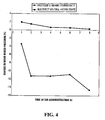
Figure 4 depicts a graph showing a comparison of the anti-hypertensive effect in spontaneous hypertensive rats of salmon protein hydrolysates prepared with Protease S Amano and Multifect Neutral. - The fish species used in accordance with the present invention are of the salmonid type, which includes the genus Salmo or Oncorhynchus. Most preferably, the fish are selected from the group consisting of: atlantic salmon (Salmo salar) also know as kennebec salmon, sebago salmon, grilse or kelt; coho salmon (Oncorhynchus kisutch) also known as silver salmon, sea trout or blueback; chinook salmon (Oncorhynchus tshawytscha) also known as king salmon, tyee, spring salmon or quinnat; steelhead salmon (Oncorhynchus mykiss) also known as rainbow or silver trout; pink salmon (Oncorhynchus gorbuscha); and sockeye salmon (Oncorhynchus nerka).
- The fish used in the invention may comprise the whole fish, a fillet, a rack, other fish parts, extracts or purified or partially purified fish proteins.
- If the fish protein is initially provided in the form of, for example, a fish fillet, rack or whole fish, the fish material is preferably ground using a grinding machine known to those of skill in the art. The fish may also be de-boned using de-boning apparatus prior to grinding. Alternatively, the starting material may be pre-ground, or take the form of an extract or purified or partially purified fish protein product, in which case further grinding is not required.
- The ground fish may be homogenized in water or other aqueous solution in, for example, a 1:1 ratio.
- The water or aqueous solution may contain an anti-bacterial agent such as methyl and/or propyl parabens to minimize bacterial degradation. Typically, if both methyl- and propylparabens are added it may be in the ratio, 2 parts methylparabens and 1 part propylparabens. Optionally, a further preservative may be added.
- The protein present in the homogenized mixture of water and ground fish may be preferably denatured using heat prior to hydrolysis. The denaturing temperature may be, for example, greater than 65°C and most preferably, about 70°C. Preferably, the denaturing step may be from, for example, 5 to 20 minutes in duration. More preferably, the denaturing step may be from 5 to 15 minutes in duration. Most preferably, the denaturing step may be about 10 minutes in duration.
- The mixture may preferably be cooled, for example, to about 50°C and the pH of the mixture adjusted to, for example, between about
pH 7 topH 9 by the drop-wise addition of 1N sodium hydroxide. Preferably, the pH is adjusted to about 8. - Enzymatic hydrolysis is carried out using an enzyme of the metalloendopeptidase type selected from those in the Enzyme Commission class: EC 3.4.24.28, which are also known as bacillolysins. More particularly, the metalloendopeptidase may be selected from those that preferentially catalyse the hydrolysis of peptide bonds on the C-terminal side of, in descending order with the most preferred amino acid first, arginine, alanine, lysine, phenylalanine and leucine.
- In one embodiment, the enzyme is a bacillolysin produced by fermentation of Bacillus stearothermophilus. A preferred type of bacillolysin is Protease S Amano. Protease S Amano is obtainable from Amano Enzyme USA Company Limited (Lombard, IL.).
- When Protease S Amano is used, it may be added at a ratio of from about 1.6% to 3.6% w/w Protease S Amano to fish protein substrate. For example, the ratio may be from about 2.0% to 3.0% w/w and most preferably about 2.6% w/w.
- Hydrolysis of the fish protein may be performed at a temperature of, for example, from about 45°C to 75°C. Preferably the hydrolysis is carried out at a temperature of from about 45°C to about 55°C, most preferably at a temperature of about 50°C.
- Hydrolysis is preferably carried out until a degree of hydrolysis of about 10% to about 30% is achieved. A degree of about 17% hydrolysis is particularly preferred. Typically this takes from about 3 to about 8 hours to achieve. Preferably the hydrolysis reaction proceeds for about 5.5 to about 7.5 hours. Most preferably the hydrolysis reaction proceeds for about 6.5 to about 7 hours.
- Advantageously, it is not necessary to constantly maintain a steady pH value of the homogenized fish mixture during the hydrolysis reaction.
- If desired, the protein content in the ground fish material may be determined by a method known to those skilled in the art, for example, by the Kjeldahl nitrogen method wherein the percentage protein is equal to the percentage nitrogen multiplied by 6.25. The degree of hydrolysis may be determined by the OPA reaction method.
- The homogenized mixture may be heated to a temperature greater than 80°C for longer than 3 minutes to inactivate the metalloendopeptidase and thereby stop the hydrolysis reaction.
- Bones and other, heavy, insoluble material may be removed from the mixture by, for example, filtration through a screen or two-phase centrifugation.
- The, light, insoluble fraction and oil may be removed by, for example, three-phase centrifugation or vacuum filtration through a suitable filter or membrane, for example, diatomaceous earth.
- The aqueous fraction is preferably dried such as by spray drying to obtain a powdered fish protein hydrolysate.
- Alternatively, the aqueous fraction may be concentrated, for example, with a rotary evaporator, and then lyophilized, or spray-dried to yield a concentrated, powdered, protein hydrolysate.
- Alternatively, the aqueous fraction may be further processed either before or after concentration and/or freeze-drying by for example, ethanol precipitation, ultrafiltration or reverse-phase chromatography to remove salt, high molecular weight peptides or protein fragments. The aqueous fraction may also be further processed by, for example, filtration, chromatography, dialysis and/or centrifugation, or any combination thereof, as are known in the art.
- Advantageously, the fish protein hydrolysate of the present invention is not required to be processed further by, for example, ethanol precipitation, ultrafiltration or reverse-phase chromatography for it to be efficacious.
- Described herein is a fish protein hydrolysate comprising at least one peptide selected from the group consisting of Leu-Ala-Phe, Leu-Thr-Phe, Ile-Ile-Phe, Leu-Ala-Tyr, Ile-Ala-Tyr, Val-Phe-Tyr, Val-Leu-Trp, Ile-Ala-T-rp, Tyr-Ala-Leu, and Tyr-Asn-Arg. In the present invention, the hydrolysate comprises at least 3 peptides selected from the group consisting of: Leu-Ala-Phe, Leu-Thr-Phe, Ile-Ile-Phe, Val-Phe-Tyr, Ile-Ala-Trp and Val-Leu-Trp, and the hydrolysate preferably comprises 3, 4, 5 or all of these peptides. Of this group, Leu-Ala-Phe, Ile-Ile-Phe, Val-Phe-Tyr, Val-Leu-Trp and Ile-Ala-Trp are more preferred, and the hydrolysate preferably comprises 3, 4 or 5 of these peptides. Most preferably, the hydrolysate comprises at least 3, 4, or 5 of the peptides Leu-Ala-Phe, Ile-Ile-Phe, Val-Phe-Tyr, Val-Leu-Trp and Ile-Ala-Trp.
- The protein hydrolysate obtained by the methods as described above may be used in the production of a composition or compound comprising the above tri-peptides.
- The fish protein hydrolysates of the present invention possess useful anti-hypertensive properties, having been demonstrated to be potent inhibitors of ACE and to reduce mean blood pressure in SHR. Accordingly, the hydrolysates of the invention are useful in the prevention and treatment of hypertension in a subject as well as in the treatment and prevention of the complications of hypertension, for example, cardiac hypertrophy, dilated cardiomyopathy, congestive heart failure, ischaemic heart disease, atherosclerosis, stroke, renal injury including aneurysm, arteriovenous fistula, arterial blockage or renal vein thrombosis; brain damage, loss of vision.
- Obesity and diabetes mellitus are conditions in which blood pressure may be elevated. The hydrolysates of the present invention may be of use in the treatment of high blood pressure in these conditions.
- The subject may be a mammal, such as a human, companion animal or other mammal of agricultural or commercial importance.
- Compounds and compositions according to the present invention may be used in a variety of products, for example, pharmaceutical or nutraceutical products, dietary supplements, nutritional supplements, food products, food ingredients and beverages. The fish protein hydrolysate may be microencapulated in order to improve palatability or processing characteristics of the food or beverage products. Alternatively, the fish protein hydrolysates may be used on their own.
- Preferably, nutraceutical and pharmaceutical formulations of compositions and compounds in accordance with the present invention are intended for oral administration. The formulations comprise the composition of the present invention in combination with one or more physiologically acceptable ingredients, such as carriers, excipients or diluents. Compositions and formulations for oral administration are particularly preferred. Formulations may be prepared, for example, in unit dose forms, such as hard capsules, tablets, capsules, dragees, and ampoules or as a powder in a sachet for dissolving in a liquid. They may be prepared in a conventional manner, for example by means of conventional mixing, granulating, confectioning, dissolving or lyophilizing processes.
- Typical physiologically acceptable ingredients include, for example:
- a) binding agents such as starch, polyvinylpyrrolidone, hydroxypropylmethyl cellulose and/or gelatine;
- b) fillers such as rice powder, sugars (for example, lactose, saccharose, mannitol, sorbitol) and amylopectin, cellulose preparations (for example, microcrystaline cellulose), calcium phosphates (for example, tricalcium phosphate, calcium hydrogen phosphate, lactose), magnesium stearate and/or titanium dioxide;
- c) lubricants such as steric acid, calcium stearate, magnesium stearate, talc, silica, silicic acid, polyethylene glycol and/or waxes;
- d) disintegrants such the above mentioned starches, carboxymethyl starch, cross-linked polyvinylpyrrolidone, agar, alginic acid or a salt thereof (for example, sodium alginate) and/or sodium starch glycolate;
- e) wetting agents such as sodium lauryl sulphate; and/or
- f) stabilizers.
- Soft gelatine capsules may be prepared with capsules containing a mixture of the fish protein hydrolysate composition together with paraffin oil, liquid polyethylene glycols, vegetable oil, fat and/or another suitable vehicle for soft gelatine capsules. Plasticizers such as glycerol or sorbitol may also be used. Hard gelatine capsules may contain granules of the composition. Hard gelatine capsules may also contain the composition in combination with solid powdered ingredients such as those listed above.
- Liquid formulations for oral administration may be prepared in the form of solutions, syrups or suspensions. Liquid formulations typically comprise the fish protein hydrolysate composition with an excipient such as sugar or sugar alcohols, and a carrier such as ethanol, water, glycerol, propylene glycol, polyethylene glycol, almond oil, oily esters or mixtures thereof. If desired, such liquid formulations may also contain colouring agents, flavouring agents, saccharine, thickening agents (for example, carboxy methyl cellulose), suspending agents (for example, sorbitol syrup, methylcellulose, hydrogenated edible fats), emulsifying agents (for example, lecithin, acacia), and/or preservatives (for example, methyl p-hydroxy benzoates, propyl p-hydroxy benzoates, sorbic acid). Liquid formulations for oral administration may also be prepared in the form of a dry powder to be reconstituted with water or another suitable vehicle prior to use.
- Formulations may contain one or more additional active ingredients particularly one or more further anti-hypertensive agents. The one or more further anti-hypertensive agents is preferably selected from the group consisting of alpha1-adrenergic antagonists, beta-adrenergic antagonists, combined alpha/beta-adrenergic antagonists, adrenergic neuron blocking agents, CNS-acting antihypertensives, angiotensin converting enzyme (ACE) inhibitors, angiotensin-II receptor antagonists, calcium channel blockers and diuretic agents.
- An effective amount of the fish protein hydrolysate composition can be determined by the skilled person and may depend on various factors, such as the nature of the product, the condition to be prevented or treated, the method of administration, species of animal, age and/or individual condition. Typically, the dose may comprise between 1 to 5 grams of hydrolysate per day for a 70Kg human. Preferably the dose comprises 1.5 grams of dry hydrolysate per day. Preferably, the hydrolysate may be taken between 2 to 4 times daily such that the dose does not have to be taken at once.
- The following examples are offered by way of illustration and not by way of limitation.
- This example illustrates the preparation and testing of an anti-hypertensive fish protein hydrolysate made using a bacillolysin.
-
Figure 1 outlines the preparation of salmon protein hydrolysate. Ground salmon frames were homogenized with water at a 1:1 ratio. 0.013% parabens (2 parts methyl and 1 part propyl) were added to the water to minimize bacterial degradation. Ground salmon frames were obtained from a salmon processing plant. The mixture was heated to 70°C and held there for 10min. to denature the protein. The mixture was then cooled to 50°C. After 50°C was achieved, the pH of the mixture was adjusted to 8.0 with 1N NaOH. Protease S Amano was added at a 2.6% enzyme/substrate (protein) ratio and d at 50°C for 7h to a 17.0% degree of hydrolysis. The pH was not maintained constant. Protease S Amano produced by Bacillus stearothermophilus fermentation was purchased from Amano Enzyme USA Co., Ltd. (Lombard, IL.). - Protein content in the ground salmon frames was determined by the Kjeldahl nitrogen method and % protein = % nitrogen x 6.25. The protein content in the ground salmon frames was 40%. 70-80% of fish muscle protein is structural protein (actin, myosin, tropomyosin, and actomyosin) and with respect to fish protein hydrolysis is subject to enzymatic hydrolysis. (Kristinsson and Rasco, 2000).
- The degree of hydrolysis was determined by the OPA reaction method. Heating the mixture to 85°C and holding there for 10 min terminated the hydrolysis by inactivating the Protease S Amano. The bones and heavy insoluble fraction were removed by centrifugation. The light insoluble fraction and oil were removed by vacuum filtration through diatomaceous earth. The aqueous fraction was spray dried to obtain a powdered salmon protein hydrolysate. High molecular weight peptides were removed by ethanol precipitation or ultrafiltration.
- The ACE inhibitory activity (IC50) of the salmon protein hydrolysates was determined by the method of Holmquist et al. Table 1 shows the yield, ACE inhibitory activity, molecular weight distribution, and ash content of the hydrolysate without additional processing, and after ethanol precipitation or ultrafiltration. The ACE inhibitory activity of the hydrolysate without additional processing was 58.5µg/mL. The activities after ethanol precipitation or ultrafiltration were 42.1µg/mL and 41.1µg/mL respectively.
Table 1: Yield, ACE inhibitory activity, molecular weight distribution, and ash content of salmon protein hydrolysates. Yield (%) ACE inhibitory activity (µg/mL) Average Molecular Weight (daltons) Ash (%) Unprocessed hydrolysate 6.42 58.5 1290 11.4 Ethanol soluble fraction n/d 42.1 723 15.8 <3000 dalton fraction 1.02 41.1 547 15.8 - The antihypertensive effect of a single oral administration of salmon protein hydrolysates in spontaneous hypertensive rats (SHR) was determined. Hydrolysates were unprocessed, and ultrafiltered or ethanol precipitated. Each hydrolysate was dissolved in water and 1500mg/kg body weight (bw) was administered by gavage. Ultrafiltered Bonito peptide (1307mg/kg bw to account for its lower ash content) was administered as a positive control. Six rats were included in each treatment group. Mean blood pressure measurements were taken from the carotid artery before, and 1, 2, 4, 6, and 8h after administration.
- The average mean blood pressure was 177 ± 17mmHg before administration.
Figure 2 shows the changes in mean blood pressure after administration of salmon hydrolysates and bonito peptide in SHR. The in vitro ACE-inhibitory activity of the unprocessed hydrolysate was increased by ultrafiltration or ethanol precipitation. In the SHR, a single oral administration of equal doses of the ultrafiltered and ethanol precipitated hydrolysate and the unprocessed hydrolysate all had significant antihypertensive effects. One hour after administration of the unprocessed hydrolysate and the ethanol-precipitated hydrolysate, the mean blood pressure was significantly reduced by 15% and this reduction was maintained over the 1 to 8 hour measurement period. However, for the ultrafiltered hydrolysate, the mean blood pressure reduction occurred more gradually, becoming evident after 2h (∼ 15%). This reduction was not prolonged, such that after 4h blood pressure rose to baseline values. - When the salmon rack is digested with Protease S Amano, the hydrolysate is centrifuged to separate the active peptides (in the supernatant) from debris (for example, bone and undigested protein). This is what is referred to as an "unprocessed" hydrolysate. Based on what is known in the art for other blood pressure lowering hydrolysates the applicants believed that to obtain an efficacious product, a processing step to concentrate the active peptides in the supernatant would be required. For example, the bonito peptide product used as a comparison was processed by an ultrafiltration step (3000 MWCO). This removes high molecular weight peptides. The applicants tested two approaches: ultrafiltration (3000 MWCO) and ethanol precipitation, a step that preferentially removes higher molecular weight peptides. Surprisingly, it was the "unprocessed" hydrolysate that was most effective at reducing blood pressure. In the side-by-side comparison, the unprocessed hydrolysate of the instant invention was as effective at lowering blood pressure as the bonito peptide in vivo.
- Several ACE inhibitory peptides in the ultrafiltered salmon protein hydrolysate were identified. The ultrafiltered hydrolysate powder in water was applied on a gel filtration TSK-gel G3000PWXL column (7.8 x 300mm, 6µ, Tosoh). The column was eluted with 10% aqueous methanol at a flow rate of 0.8mL/min. The elution was monitored by UV diode array detection collecting UV absorbance data from 192-450nm. Individual fractions were lyophilized and their ACE inhibitory activities were measured.
- The identification of the peptides in the active fractions and their quantification in the unprocessed hydrolysate was carried out by LC-MS/MS consisting of a Q-Tof detector (Micromass). The peptides were identified by ProteinLynx Global Server software (Micromass). The fractions or standards were applied on a reverse-phase PLRP-S 100A column (4.6 x 150mm, 5µ, Polymer Labs). The column was eluted with a linear gradient of methanol (5-90% / 90min.) at a flow rate of 0.2mL/min.
- The ACE inhibitory activity of the ultrafiltered hydrolysate was 41.1µg/mL. Three fractions A, B, and C) were eluted when the ultrafiltered hydrolysate was fractionated on the gel filtration column. Table 2 shows the yield and ACE inhibitory activity of each fraction. After gel filtration the activity of the most active fraction (C) was 15µg/mL demonstrating a stronger ACE inhibitory activity in the lower molecular weight fraction. Fraction C was applied to reverse phase HPLC and using the ProteinLynx Global server software, individual peptides were identified. >200 peptides were identified when fraction C was fractionated on the reverse phase column.
- Several tripeptides identified in fraction C were synthesized, and their ACE inhibitory activities were determined. Table 1 shows the ACE inhibitory activity of the tripeptides with the most potent ACE inhibitory activity. Tripeptides are considered to be absorbed in their intact form in the intestine without being degraded by gastrointestinal proteases and might have antihypertensive effects in vivo. The ACE inhibitory activities of Leu-Ala-Phe, Leu-Thr-Phe, Ile-Ile-Phe, Leu-Ala-Tyr, Ile-Ala-Tyr, Val-Phe-Tyr, Tyr-Ala-Tyr, Val-Leu-Trp, Ile-Ala-Trp, Tyr-Ala-Leu, and Tyr-Asn-Arg were 13.7, 30.7, 8.9, 32.9, 57.5, 11.1, 13.2, 3.7, 56.2, and 54.8µg/mL respectively. The identification of each of these peptides was confirmed with the corresponding synthetic peptide by their retention time and mass spectroscopy and the synthetic peptide was used to quantitate each peptide in the unprocessed hydrolysate by LC-MS/MS. Among these peptides, Leu-Ala-Phe, Ile-Ile-Phe, Val-Phe-Tyr, Tyr-Ala-Tyr, Val-Leu-Trp, and Ile-Ala-Trp have been quantitated in the unprocessed hydrolysate. Table 3 also shows the peptides contents in the unprocessed hydrolysate.
Table 2: Fractions from Gel Filtration of the ultrafiltered hydrolysate. Fraction Yield (%) IC50 (µg/mL) Ultrafiltered hydrolysate 58.5 A 82 105.0 B 15 52.1 C 3 16.5 Table 3: Some tripeptides identified in fraction C. Tripeptide IC50 (µg/mL; [µM]) Content in the unprocessed hydrolysate (µg/g) Leu-Ala-Phe 13.7 [39.2] ∼3.6 Leu-Thr-Phe ∼30.7 Ile-Ile-Phe 8.9 [22.7] ∼0.4 Leu-Ala-Tyr* ∼32.9 Ile-Ala-Tyr* ∼57.5 Val-Phe-Tyr 11.1 [26.0] ∼22 Tyr-Ala-Tyr 13.2 [31.8] ∼0.01 Val-Leu-Trp 10.0 [24.0] ∼280 Ile-Ala-Trp 3.7 [9.5] ∼0.5 Tyr-Ala-Leu* ∼56.2 Tyr-Asn-Arg* ∼54.8 [121] *Semi-pure synthetic peptides. - This example compares the ACE inhibitory activity of salmon protein hydrolysates prepared using various proteases.
- Salmon frames were hydrolyzed in optimum hydrolysis conditions with various proteases by the process described in Example 1 and the ACE inhibitory activity of the hydrolysates was determined by the methods described in Example 1.
-
Figure 3 shows the ACE inhibitory activities of salmon protein hydrolysates obtained using different proteases which had no additional processing or were purified further on a Diaion® HP-20 solid phase column. The proteases were obtained from the following manufacturers: Alcalase (Novozymes); Flavourzyme (Novozymes); Fungal Protease Concentrate (Genencor); GC106 (Genencor); Multifect® Neutral (Genencor); Proleather FG-F (Amano Enzymes) and Protease S Amano (Amano Enzymes). - As can be seen from the
Figure 3 , hydrolysates that were obtained by using Protease S Amano and Multifect Neutral proteases, which were subsequently purified on the solid phase column, demonstrated the best in vitro ACE inhibitory activity. - As shown in
Figure 3 , the hydrolysates prepared with various proteases differed substantially in ACE inhibitory activity. Without wishing to be bound by any particular theory, it is believed that the differing activity of the various hydrolysates likely results from their differing peptide compositions, resulting from the different specificities of the proteases used to prepare the hydrolysates. - In this example, the in vivo anti-hypertensive effect of a salmon protein hydrolysate prepared using Protease S Amano is compared to that of a salmon protein hydrolysate prepared using Multifect® Neutral.
- The in vivo effect of a single oral administration of 1500mg/kg of body weight to spontaneous hypertensive rats (SHRs) was determined.
- Hydrolysates prepared with Protease S Amano and Multifect® Neutral, using optimal digestive conditions of the enzymes and ethanol precipitated to remove high molecular weight peptides, had IC50 of 40.5µg/mL and 32.8µg/mL, respectively.
- Referring to
Figure 4 it can be seen that only the ethanol precipitated hydrolysate prepared using Protease S Amano resulted in an in vivo reduction in blood pressure. The Protease S Amano hydrolysate significantly reduced mean carotid blood pressure by -11.2% to -14.6% during the period from 2 to 8 hours from administration. -
- Holmquist B, Bunning P, Riordan JF. A Continuous Spectrophotometric Assay for Angiotension Converting Enzyme. Analytical Biochemistry 1979;95:540-548.
- Kristinsson H, Rasco B. Fish Protein Hydrolysates: Production, Biochemical, and Functional Properties. Critical Reviews in Food Science and Nutrition 2000;40(1):43-81.
- Maruyama S, Tanaka H, Maeda H, Miyoshi S, Ishikawa H, Fukui F. Oligopeptide, Angiotension Converting Enzyme Inhibitors, Hypotensive Agent, and Method for Treatment of Hypertension. Patent number
05238921 1993 - Ohta T. et al. Antihypertensive Action of the Orally Administered Protease Hydrolysates of Chum Salmon Head and Their Angiotensin I-Converting Enzyme Inhibitory Peptides. Food Sci. Technol. Int. Tokyo 1997;3(4):339-343.
- Ono et al. Isolation of Peptides with Angiotensin I-Converting Enzyme Inhibitory Effect Derived from Hydrolysate of Upstream Chum Salmon Muscle. Journal of Food Science 2003;68(5) :1611-1614.
- Yasuda M, Izeki T, Sezoko M, Kaneshiro M. Blood Pressure Suppressant Using Red Koji Yeast, and Production Method Therefor. Publication number
04083529 JP 2004 - It must be noted that as used in this specification and the appended claims, the singular forms "a," "an," and "the" include plural reference unless the context clearly dictates otherwise. Unless defined otherwise all technical and scientific terms used herein have the same meaning as commonly understood to one of ordinary skill in the art to which this invention belongs.
Claims (12)
- An anti-hypertensive fish protein hydrolysate, wherein said fish is of the Salmo spp. or Oncorhynchus spp. type, and wherein the fish protein hydrolysate comprises at least 3 peptides selected from the group consisting of: Leu-Ala-Phe, Leu-Thr-Phe, Ile-Ile-Phe, Val-Phe-Tyr, Ile-Ala-Trp and Val-Leu-Trp.
- The anti-hypertensive fish protein hydrolysate according to claim 1, comprising at least 4 of the peptides selected from the group defined in claim 1.
- The anti-hypertensive fish protein hydrolysate according to claim 1, comprising at least 5 of the peptides selected from the group defined in claim 1.
- The anti-hypertensive fish protein hydrolysate according to claim 1, comprising the peptides Leu-Ala-Phe, Ile-Ile-Phe, Val-Phe-Tyr, Val-Leu-Trp and Ile-Ala-Trp.
- The anti-hypertensive fish protein hydrolysate according to claim 1, wherein the fish is selected from the group consisting of: atlantic salmon (Salmo salar), Coho salmon (Oncorhynchus kisutch), chinook salmon (Oncorhynchus tshawytscha), steelhead salmon (Oncorhynchus mykiss), pink salmon (Oncorhynchus gorbuscha), and sockeye salmon (Oncorhynchus nerka).
- The anti-hypertensive fish protein hydrolysate according to claim 1, produced by the hydrolysis of fish protein with a bacillolysin, preferably a bacillolysin produced by fermentation of Bacillus stearothermophilus, preferably Protease S Amano.
- An anti-hypertensive composition comprising an anti-hypertensive fish protein hydrolysate according to any one of claims 1 to 6.
- The anti-hypertensive composition according to claim 7, wherein the composition comprises one or more further anti-hypertensive agents, preferably selected from the group consisting of alpha1-adrenergic antagonists, beta-adrenergic antagonists, combined alpha/beta-adrenergic antagonists, adrenergic neuron blocking agents, CNS-acting anti-hypertensives, angiotensin converting enzyme (ACE) inhibitors, angiotensin-II receptor antagonists, calcium channel blockers and diuretic agents.
- A dietary supplement, nutraceutical product, or functional food product comprising an anti-hypertensive fish protein hydrolysate according to any one of claims 1 to 6.
- The anti-hypertensive fish protein hydrolysate according to any one of claims 1 to 6 for use in the treatment or prevention of hypertension in a patient.
- The anti-hypertensive fish protein hydrolysate according to any one of claims 1 to 6 for use in inhibiting angiotensin 1-converting enzyme (ACE) activity in a patient.
- The anti-hypertensive fish protein hydrolysate according to any one of claims 1 to 6 for use in reducing mean blood pressure in a patient.
Applications Claiming Priority (2)
| Application Number | Priority Date | Filing Date | Title |
|---|---|---|---|
| US11/056,145 US7179793B2 (en) | 2005-02-14 | 2005-02-14 | Anti-hypertensive dietary supplement |
| PCT/CA2006/000121 WO2006084351A1 (en) | 2005-02-14 | 2006-02-02 | Anti-hypertensive dietary supplement derived from salmo or oncorhynchus protein hydrolysates |
Publications (3)
| Publication Number | Publication Date |
|---|---|
| EP1853290A1 EP1853290A1 (en) | 2007-11-14 |
| EP1853290A4 EP1853290A4 (en) | 2010-07-07 |
| EP1853290B1 true EP1853290B1 (en) | 2012-05-23 |
Family
ID=36792866
Family Applications (1)
| Application Number | Title | Priority Date | Filing Date |
|---|---|---|---|
| EP06701864A Expired - Lifetime EP1853290B1 (en) | 2005-02-14 | 2006-02-02 | Anti-hypertensive dietary supplement derived from salmo or oncorhynchus protein hydrolysates |
Country Status (4)
| Country | Link |
|---|---|
| US (1) | US7179793B2 (en) |
| EP (1) | EP1853290B1 (en) |
| CA (1) | CA2567582C (en) |
| WO (1) | WO2006084351A1 (en) |
Families Citing this family (16)
| Publication number | Priority date | Publication date | Assignee | Title |
|---|---|---|---|---|
| FR2947149B1 (en) * | 2009-06-26 | 2011-09-09 | Cie Des Peches Saint Malo Sante | FISH PROTEIN HYDROLYSAT FOR ITS USE IN INHIBITING WEIGHT TAKING AND / OR WEIGHT LOSS |
| WO2011074731A1 (en) * | 2009-12-18 | 2011-06-23 | 주식회사 연세 | Peptide having a blood pressure-lowering ability |
| NO20100369A1 (en) | 2010-03-08 | 2011-09-09 | Marine Bioproducts As | Peptide material, feed composition and preparations and uses thereof. |
| NO20100359A1 (en) | 2010-03-08 | 2011-09-09 | Marine Bioproducts As | Peptide material and preparations and uses thereof. |
| NO20100370A1 (en) | 2010-03-08 | 2011-09-09 | Marine Bioproducts As | Peptide material, feed compositions and preparations, and uses thereof. |
| US8715648B2 (en) | 2011-02-16 | 2014-05-06 | Pivotal Therapeutics Inc. | Method for treating obesity with anti-obesity formulations and omega 3 fatty acids for the reduction of body weight in cardiovascular disease patients (CVD) and diabetics |
| US8952000B2 (en) | 2011-02-16 | 2015-02-10 | Pivotal Therapeutics Inc. | Cholesterol absorption inhibitor and omega 3 fatty acids for the reduction of cholesterol and for the prevention or reduction of cardiovascular, cardiac and vascular events |
| US8951514B2 (en) | 2011-02-16 | 2015-02-10 | Pivotal Therapeutics Inc. | Statin and omega 3 fatty acids for reduction of apolipoprotein-B levels |
| US9119826B2 (en) | 2011-02-16 | 2015-09-01 | Pivotal Therapeutics, Inc. | Omega 3 fatty acid for use as a prescription medical food and omega 3 fatty acid diagniostic assay for the dietary management of cardiovascular patients with cardiovascular disease (CVD) who are deficient in blood EPA and DHA levels |
| CN105325670A (en) * | 2015-09-11 | 2016-02-17 | 舟山福氏食品科技有限公司 | Processing method for preparing biological enzymatic hydrolysis protein from squid leftovers |
| CN105218655A (en) * | 2015-09-28 | 2016-01-06 | 吉林农业大学 | Fish anticoagulant protein and preparation method thereof |
| CN110028550B (en) * | 2016-07-07 | 2022-08-05 | 华东理工大学 | Antihypertensive peptide and antihypertensive protein and application thereof |
| KR101961921B1 (en) * | 2017-06-21 | 2019-03-26 | 제주대학교 산학협력단 | Antihypertensive peptides derived from Paralichthys olivaceus and antihypertensive composition comprising the same |
| CN111474281B (en) * | 2020-05-27 | 2022-08-05 | 中国检验检疫科学研究院 | A method for identifying salmon species using characteristic identification peptides |
| US20240300999A1 (en) * | 2021-06-29 | 2024-09-12 | Thomas A. Gill | Peptides for regulating glucose |
| TWI890506B (en) * | 2024-06-27 | 2025-07-11 | 開曼群島商味丹國際(控股)有限公司 | Peptides with ACE inhibitory activity and combinations thereof |
Family Cites Families (15)
| Publication number | Priority date | Publication date | Assignee | Title |
|---|---|---|---|---|
| US87504A (en) * | 1869-03-02 | Improvement in horse-rakes | ||
| JPS59161319A (en) * | 1983-03-04 | 1984-09-12 | Nippon Bussan Kk | Preparation of extract of fishes and shellfishes having pharmacological action |
| US4533654A (en) | 1982-09-29 | 1985-08-06 | The Salk Institute For Biological Studies | Urotensin peptides |
| ZA898329B (en) | 1988-11-14 | 1990-07-25 | Salk Inst For Biological Studi | Fish crf |
| JPH05238921A (en) | 1991-03-13 | 1993-09-17 | Kanebo Ltd | Shampoo composition |
| JPH07188282A (en) * | 1991-04-19 | 1995-07-25 | Suetsuna Yoko | Novel tripeptide, production method thereof and antihypertensive agent containing the same |
| US6214797B1 (en) * | 1995-06-13 | 2001-04-10 | The Salk Institute For Biological Studies | Urocortin peptides, nucleic acid encoding same methods for using same |
| JP3787585B2 (en) * | 1997-02-03 | 2006-06-21 | はごろもフーズ株式会社 | Angiotensin converting enzyme inhibitor, method for producing the same, and antihypertensive agent using the same |
| JP3040389B2 (en) | 1999-01-18 | 2000-05-15 | 日本合成化学工業株式会社 | Production method of peptide |
| JP3592593B2 (en) * | 1999-10-15 | 2004-11-24 | 日本合成化学工業株式会社 | Angiotensin converting enzyme inhibitor |
| AU2001245547A1 (en) | 2000-03-13 | 2001-09-24 | Monsanto Technology Llc | Process for producing peptide sequences possessing anti-hypertension activity |
| KR100960843B1 (en) | 2001-12-25 | 2010-06-07 | 센미 에키스 가부시키가이샤 | New Peptides |
| PE20040320A1 (en) | 2002-08-14 | 2004-06-26 | Novozymes As | FOOD COMPOSITION THAT INCLUDES HYDROLYZED FISH PROTEINS AND METHOD TO OBTAIN IT |
| JP2004083529A (en) | 2002-08-28 | 2004-03-18 | Ryuukyuu Cement Kk | Blood pressure suppressant using red koji yeast, and production method therefor |
| NO322425B1 (en) | 2003-07-04 | 2006-10-02 | Berge Biomed As | Use of a hydrolyzate of proteinaceous fish material for the preparation of a pharmaceutical agent for the treatment and / or prevention of pathologically high levels of tracylglycerols, hypercholesterolemia, hyperhomocysteinemia, or pathologically low levels of beta-oxidation in an animal or human. |
-
2005
- 2005-02-14 US US11/056,145 patent/US7179793B2/en not_active Expired - Fee Related
-
2006
- 2006-02-02 WO PCT/CA2006/000121 patent/WO2006084351A1/en not_active Ceased
- 2006-02-02 EP EP06701864A patent/EP1853290B1/en not_active Expired - Lifetime
- 2006-02-02 CA CA002567582A patent/CA2567582C/en not_active Expired - Fee Related
Non-Patent Citations (1)
| Title |
|---|
| LIASET B ET AL: "Enzymatic hydrolysis of by-products from the fish-filleting industry; chemical characterisation and nutritional evaluation", JOURNAL OF THE SCIENCE OF FOOD AND AGRICULTURE, WILEY & SONS, CHICHESTER, GB, vol. 80, no. 5, 1 April 2000 (2000-04-01), pages 581 - 589, XP002502819, ISSN: 0022-5142, DOI: 10.1002/(SICI)1097-0010(200004)80:5<581::AID-JSFA578>3.0.CO;2-I * |
Also Published As
| Publication number | Publication date |
|---|---|
| US7179793B2 (en) | 2007-02-20 |
| WO2006084351A1 (en) | 2006-08-17 |
| EP1853290A1 (en) | 2007-11-14 |
| CA2567582A1 (en) | 2006-08-17 |
| US20060183690A1 (en) | 2006-08-17 |
| CA2567582C (en) | 2008-04-29 |
| EP1853290A4 (en) | 2010-07-07 |
Similar Documents
| Publication | Publication Date | Title |
|---|---|---|
| US7179793B2 (en) | Anti-hypertensive dietary supplement | |
| Choi et al. | Angiotensin I-converting enzyme inhibitor from Grifola frondosa | |
| Kim et al. | Marine fish-derived bioactive peptides as potential antihypertensive agents | |
| EP2253324A1 (en) | Use of a casein-derived peptide and compositions thereof as antihypertensive | |
| JP3068656B2 (en) | Novel peptide and angiotensin converting enzyme inhibitory peptide and oral feeding composition containing them | |
| JP3183945B2 (en) | High Fischer Ratio Peptide Mixture, Process for Producing the Same, and Nutritional Composition for Patients with Liver Disease | |
| CN101171025A (en) | Novel nutraceutical composition | |
| US7125702B2 (en) | Process for the preparation of angiotensis converting enzyme (ACE) inhibitors and its use | |
| JP4087339B2 (en) | New peptide SY | |
| US20090111747A1 (en) | Anti-Diabetic or Anti-Hypertensive Dietary Supplement | |
| EP0784978B1 (en) | Agents for inhibiting accumulation of visceral fat | |
| JP2805032B2 (en) | Angiotensin converting enzyme inhibitor | |
| JP2873327B2 (en) | Angiotensin converting enzyme inhibitor | |
| JP4934369B2 (en) | Peptide having blood pressure lowering effect | |
| JP2003128694A (en) | Angiotensin converting enzyme inhibitory peptide | |
| Okada et al. | Enzymatic production of marine-derived protein hydrolysates and their bioactive peptides for use in foods and nutraceuticals | |
| Liu et al. | Production, analysis and in vivo antihypertensive evaluation of novel angiotensin-I-converting enzyme inhibitory peptides from porcine brain | |
| WO2011074731A1 (en) | Peptide having a blood pressure-lowering ability | |
| KR101403325B1 (en) | A pharmaceutical composition for prevention or treatment of hypertension comprising enzymatic extracts from croaker mossambica as an effective component | |
| JP2002338594A (en) | Medicinal composition including peptide | |
| JP2007297325A (en) | Peptide and method for producing the same, and angiotensin converting enzyme inhibitor | |
| KR0150798B1 (en) | Novel oligopeptides, pharmaceutical composition and food containing the same, and use of oligopeptides | |
| WO2007119590A1 (en) | Wheat-derived anti-hypertensive composition | |
| JP2007297328A (en) | Peptide production method and angiotensin converting enzyme inhibitor | |
| JP2003267993A (en) | Novel pentapeptide, tetrapeptide and angiotensin converting enzyme inhibitors |
Legal Events
| Date | Code | Title | Description |
|---|---|---|---|
| PUAI | Public reference made under article 153(3) epc to a published international application that has entered the european phase |
Free format text: ORIGINAL CODE: 0009012 |
|
| 17P | Request for examination filed |
Effective date: 20070711 |
|
| AK | Designated contracting states |
Kind code of ref document: A1 Designated state(s): AT BE BG CH CY CZ DE DK EE ES FI FR GB GR HU IE IS IT LI LT LU LV MC NL PL PT RO SE SI SK TR |
|
| DAX | Request for extension of the european patent (deleted) | ||
| A4 | Supplementary search report drawn up and despatched |
Effective date: 20100604 |
|
| 17Q | First examination report despatched |
Effective date: 20110228 |
|
| GRAP | Despatch of communication of intention to grant a patent |
Free format text: ORIGINAL CODE: EPIDOSNIGR1 |
|
| GRAS | Grant fee paid |
Free format text: ORIGINAL CODE: EPIDOSNIGR3 |
|
| GRAA | (expected) grant |
Free format text: ORIGINAL CODE: 0009210 |
|
| AK | Designated contracting states |
Kind code of ref document: B1 Designated state(s): AT BE BG CH CY CZ DE DK EE ES FI FR GB GR HU IE IS IT LI LT LU LV MC NL PL PT RO SE SI SK TR |
|
| REG | Reference to a national code |
Ref country code: GB Ref legal event code: FG4D |
|
| REG | Reference to a national code |
Ref country code: CH Ref legal event code: EP |
|
| REG | Reference to a national code |
Ref country code: AT Ref legal event code: REF Ref document number: 558733 Country of ref document: AT Kind code of ref document: T Effective date: 20120615 |
|
| REG | Reference to a national code |
Ref country code: IE Ref legal event code: FG4D |
|
| REG | Reference to a national code |
Ref country code: DE Ref legal event code: R096 Ref document number: 602006029636 Country of ref document: DE Effective date: 20120719 |
|
| REG | Reference to a national code |
Ref country code: NL Ref legal event code: VDEP Effective date: 20120523 |
|
| REG | Reference to a national code |
Ref country code: LT Ref legal event code: MG4D Effective date: 20120523 |
|
| PG25 | Lapsed in a contracting state [announced via postgrant information from national office to epo] |
Ref country code: IS Free format text: LAPSE BECAUSE OF FAILURE TO SUBMIT A TRANSLATION OF THE DESCRIPTION OR TO PAY THE FEE WITHIN THE PRESCRIBED TIME-LIMIT Effective date: 20120923 Ref country code: CY Free format text: LAPSE BECAUSE OF FAILURE TO SUBMIT A TRANSLATION OF THE DESCRIPTION OR TO PAY THE FEE WITHIN THE PRESCRIBED TIME-LIMIT Effective date: 20120523 Ref country code: SE Free format text: LAPSE BECAUSE OF FAILURE TO SUBMIT A TRANSLATION OF THE DESCRIPTION OR TO PAY THE FEE WITHIN THE PRESCRIBED TIME-LIMIT Effective date: 20120523 Ref country code: FI Free format text: LAPSE BECAUSE OF FAILURE TO SUBMIT A TRANSLATION OF THE DESCRIPTION OR TO PAY THE FEE WITHIN THE PRESCRIBED TIME-LIMIT Effective date: 20120523 Ref country code: LT Free format text: LAPSE BECAUSE OF FAILURE TO SUBMIT A TRANSLATION OF THE DESCRIPTION OR TO PAY THE FEE WITHIN THE PRESCRIBED TIME-LIMIT Effective date: 20120523 |
|
| REG | Reference to a national code |
Ref country code: AT Ref legal event code: MK05 Ref document number: 558733 Country of ref document: AT Kind code of ref document: T Effective date: 20120523 |
|
| PG25 | Lapsed in a contracting state [announced via postgrant information from national office to epo] |
Ref country code: GR Free format text: LAPSE BECAUSE OF FAILURE TO SUBMIT A TRANSLATION OF THE DESCRIPTION OR TO PAY THE FEE WITHIN THE PRESCRIBED TIME-LIMIT Effective date: 20120824 Ref country code: SI Free format text: LAPSE BECAUSE OF FAILURE TO SUBMIT A TRANSLATION OF THE DESCRIPTION OR TO PAY THE FEE WITHIN THE PRESCRIBED TIME-LIMIT Effective date: 20120523 Ref country code: PT Free format text: LAPSE BECAUSE OF FAILURE TO SUBMIT A TRANSLATION OF THE DESCRIPTION OR TO PAY THE FEE WITHIN THE PRESCRIBED TIME-LIMIT Effective date: 20120924 Ref country code: LV Free format text: LAPSE BECAUSE OF FAILURE TO SUBMIT A TRANSLATION OF THE DESCRIPTION OR TO PAY THE FEE WITHIN THE PRESCRIBED TIME-LIMIT Effective date: 20120523 |
|
| PG25 | Lapsed in a contracting state [announced via postgrant information from national office to epo] |
Ref country code: BE Free format text: LAPSE BECAUSE OF FAILURE TO SUBMIT A TRANSLATION OF THE DESCRIPTION OR TO PAY THE FEE WITHIN THE PRESCRIBED TIME-LIMIT Effective date: 20120523 |
|
| PG25 | Lapsed in a contracting state [announced via postgrant information from national office to epo] |
Ref country code: EE Free format text: LAPSE BECAUSE OF FAILURE TO SUBMIT A TRANSLATION OF THE DESCRIPTION OR TO PAY THE FEE WITHIN THE PRESCRIBED TIME-LIMIT Effective date: 20120523 Ref country code: NL Free format text: LAPSE BECAUSE OF FAILURE TO SUBMIT A TRANSLATION OF THE DESCRIPTION OR TO PAY THE FEE WITHIN THE PRESCRIBED TIME-LIMIT Effective date: 20120523 Ref country code: DK Free format text: LAPSE BECAUSE OF FAILURE TO SUBMIT A TRANSLATION OF THE DESCRIPTION OR TO PAY THE FEE WITHIN THE PRESCRIBED TIME-LIMIT Effective date: 20120523 Ref country code: AT Free format text: LAPSE BECAUSE OF FAILURE TO SUBMIT A TRANSLATION OF THE DESCRIPTION OR TO PAY THE FEE WITHIN THE PRESCRIBED TIME-LIMIT Effective date: 20120523 Ref country code: RO Free format text: LAPSE BECAUSE OF FAILURE TO SUBMIT A TRANSLATION OF THE DESCRIPTION OR TO PAY THE FEE WITHIN THE PRESCRIBED TIME-LIMIT Effective date: 20120523 Ref country code: SK Free format text: LAPSE BECAUSE OF FAILURE TO SUBMIT A TRANSLATION OF THE DESCRIPTION OR TO PAY THE FEE WITHIN THE PRESCRIBED TIME-LIMIT Effective date: 20120523 Ref country code: CZ Free format text: LAPSE BECAUSE OF FAILURE TO SUBMIT A TRANSLATION OF THE DESCRIPTION OR TO PAY THE FEE WITHIN THE PRESCRIBED TIME-LIMIT Effective date: 20120523 |
|
| PG25 | Lapsed in a contracting state [announced via postgrant information from national office to epo] |
Ref country code: IT Free format text: LAPSE BECAUSE OF FAILURE TO SUBMIT A TRANSLATION OF THE DESCRIPTION OR TO PAY THE FEE WITHIN THE PRESCRIBED TIME-LIMIT Effective date: 20120523 Ref country code: PL Free format text: LAPSE BECAUSE OF FAILURE TO SUBMIT A TRANSLATION OF THE DESCRIPTION OR TO PAY THE FEE WITHIN THE PRESCRIBED TIME-LIMIT Effective date: 20120523 |
|
| PLBE | No opposition filed within time limit |
Free format text: ORIGINAL CODE: 0009261 |
|
| STAA | Information on the status of an ep patent application or granted ep patent |
Free format text: STATUS: NO OPPOSITION FILED WITHIN TIME LIMIT |
|
| PG25 | Lapsed in a contracting state [announced via postgrant information from national office to epo] |
Ref country code: ES Free format text: LAPSE BECAUSE OF FAILURE TO SUBMIT A TRANSLATION OF THE DESCRIPTION OR TO PAY THE FEE WITHIN THE PRESCRIBED TIME-LIMIT Effective date: 20120903 |
|
| PGFP | Annual fee paid to national office [announced via postgrant information from national office to epo] |
Ref country code: IE Payment date: 20130104 Year of fee payment: 8 Ref country code: GB Payment date: 20130121 Year of fee payment: 8 Ref country code: FR Payment date: 20130301 Year of fee payment: 8 |
|
| 26N | No opposition filed |
Effective date: 20130226 |
|
| REG | Reference to a national code |
Ref country code: DE Ref legal event code: R097 Ref document number: 602006029636 Country of ref document: DE Effective date: 20130226 |
|
| PG25 | Lapsed in a contracting state [announced via postgrant information from national office to epo] |
Ref country code: BG Free format text: LAPSE BECAUSE OF FAILURE TO SUBMIT A TRANSLATION OF THE DESCRIPTION OR TO PAY THE FEE WITHIN THE PRESCRIBED TIME-LIMIT Effective date: 20120823 |
|
| PGFP | Annual fee paid to national office [announced via postgrant information from national office to epo] |
Ref country code: DE Payment date: 20130430 Year of fee payment: 8 |
|
| PG25 | Lapsed in a contracting state [announced via postgrant information from national office to epo] |
Ref country code: MC Free format text: LAPSE BECAUSE OF NON-PAYMENT OF DUE FEES Effective date: 20130228 |
|
| REG | Reference to a national code |
Ref country code: CH Ref legal event code: PL |
|
| PG25 | Lapsed in a contracting state [announced via postgrant information from national office to epo] |
Ref country code: LI Free format text: LAPSE BECAUSE OF NON-PAYMENT OF DUE FEES Effective date: 20130228 Ref country code: CH Free format text: LAPSE BECAUSE OF NON-PAYMENT OF DUE FEES Effective date: 20130228 |
|
| REG | Reference to a national code |
Ref country code: DE Ref legal event code: R119 Ref document number: 602006029636 Country of ref document: DE |
|
| GBPC | Gb: european patent ceased through non-payment of renewal fee |
Effective date: 20140202 |
|
| REG | Reference to a national code |
Ref country code: FR Ref legal event code: ST Effective date: 20141031 |
|
| REG | Reference to a national code |
Ref country code: IE Ref legal event code: MM4A |
|
| REG | Reference to a national code |
Ref country code: DE Ref legal event code: R119 Ref document number: 602006029636 Country of ref document: DE Effective date: 20140902 |
|
| PG25 | Lapsed in a contracting state [announced via postgrant information from national office to epo] |
Ref country code: FR Free format text: LAPSE BECAUSE OF NON-PAYMENT OF DUE FEES Effective date: 20140228 Ref country code: GB Free format text: LAPSE BECAUSE OF NON-PAYMENT OF DUE FEES Effective date: 20140202 Ref country code: DE Free format text: LAPSE BECAUSE OF NON-PAYMENT OF DUE FEES Effective date: 20140902 Ref country code: IE Free format text: LAPSE BECAUSE OF NON-PAYMENT OF DUE FEES Effective date: 20140202 |
|
| PG25 | Lapsed in a contracting state [announced via postgrant information from national office to epo] |
Ref country code: TR Free format text: LAPSE BECAUSE OF FAILURE TO SUBMIT A TRANSLATION OF THE DESCRIPTION OR TO PAY THE FEE WITHIN THE PRESCRIBED TIME-LIMIT Effective date: 20120523 |
|
| PG25 | Lapsed in a contracting state [announced via postgrant information from national office to epo] |
Ref country code: HU Free format text: LAPSE BECAUSE OF FAILURE TO SUBMIT A TRANSLATION OF THE DESCRIPTION OR TO PAY THE FEE WITHIN THE PRESCRIBED TIME-LIMIT; INVALID AB INITIO Effective date: 20060202 Ref country code: LU Free format text: LAPSE BECAUSE OF NON-PAYMENT OF DUE FEES Effective date: 20130202 |