EP1850823B1 - Hyperbaric oxygen devices and delivery methods - Google Patents
Hyperbaric oxygen devices and delivery methods Download PDFInfo
- Publication number
- EP1850823B1 EP1850823B1 EP05811886.0A EP05811886A EP1850823B1 EP 1850823 B1 EP1850823 B1 EP 1850823B1 EP 05811886 A EP05811886 A EP 05811886A EP 1850823 B1 EP1850823 B1 EP 1850823B1
- Authority
- EP
- European Patent Office
- Prior art keywords
- enclosure
- hyperbaric device
- sheets
- hyperbaric
- patient
- Prior art date
- Legal status (The legal status is an assumption and is not a legal conclusion. Google has not performed a legal analysis and makes no representation as to the accuracy of the status listed.)
- Expired - Lifetime
Links
Images




Classifications
-
- A—HUMAN NECESSITIES
- A61—MEDICAL OR VETERINARY SCIENCE; HYGIENE
- A61G—TRANSPORT, PERSONAL CONVEYANCES, OR ACCOMMODATION SPECIALLY ADAPTED FOR PATIENTS OR DISABLED PERSONS; OPERATING TABLES OR CHAIRS; CHAIRS FOR DENTISTRY; FUNERAL DEVICES
- A61G10/00—Treatment rooms or enclosures for medical purposes
- A61G10/02—Treatment rooms or enclosures for medical purposes with artificial climate; with means to maintain a desired pressure, e.g. for germ-free rooms
- A61G10/023—Rooms for the treatment of patients at over- or under-pressure or at a variable pressure
- A61G10/026—Rooms for the treatment of patients at over- or under-pressure or at a variable pressure for hyperbaric oxygen therapy
-
- A—HUMAN NECESSITIES
- A61—MEDICAL OR VETERINARY SCIENCE; HYGIENE
- A61M—DEVICES FOR INTRODUCING MEDIA INTO, OR ONTO, THE BODY; DEVICES FOR TRANSDUCING BODY MEDIA OR FOR TAKING MEDIA FROM THE BODY; DEVICES FOR PRODUCING OR ENDING SLEEP OR STUPOR
- A61M35/00—Devices for applying media, e.g. remedies, on the human body
- A61M35/30—Gas therapy for therapeutic treatment of the skin
-
- A—HUMAN NECESSITIES
- A61—MEDICAL OR VETERINARY SCIENCE; HYGIENE
- A61H—PHYSICAL THERAPY APPARATUS, e.g. DEVICES FOR LOCATING OR STIMULATING REFLEX POINTS IN THE BODY; ARTIFICIAL RESPIRATION; MASSAGE; BATHING DEVICES FOR SPECIAL THERAPEUTIC OR HYGIENIC PURPOSES OR SPECIFIC PARTS OF THE BODY
- A61H33/00—Bathing devices for special therapeutic or hygienic purposes
- A61H33/14—Devices for gas baths with ozone, hydrogen, or the like
- A61H2033/143—Devices for gas baths with ozone, hydrogen, or the like with oxygen
-
- A—HUMAN NECESSITIES
- A61—MEDICAL OR VETERINARY SCIENCE; HYGIENE
- A61H—PHYSICAL THERAPY APPARATUS, e.g. DEVICES FOR LOCATING OR STIMULATING REFLEX POINTS IN THE BODY; ARTIFICIAL RESPIRATION; MASSAGE; BATHING DEVICES FOR SPECIAL THERAPEUTIC OR HYGIENIC PURPOSES OR SPECIFIC PARTS OF THE BODY
- A61H33/00—Bathing devices for special therapeutic or hygienic purposes
- A61H33/14—Devices for gas baths with ozone, hydrogen, or the like
Definitions
- This invention relates to hyperbaric oxygen delivery devices and methods.
- oxygen for treatment of open wounds and sores has long been understood to have practical medical application as a supplement or replacement to conventional antibiotic therapy.
- Oxygen is believed to be bactericidal to the anaerobic bacteria that tend to grow in both open and closed wounds.
- Application of oxygen to wounds under pressure is known in the art as hyperbaric treatment. It has been shown that varying the pressure of such oxygen treatment, increases blood circulation in the treated area. This has the added advantage of pumping the patient's blood to the extremity such that the patient's own white blood cells are better able to assist in treatment of the microbes present in the wound or sore.
- the first category includes larger devices designed to enclose a patient's entire body or large portion of a patient's body, for example, both of the lower extremities of a patient.
- a second category of devices includes smaller, portable devices, which are known in the art as topical hyperbaric chambers and enclose a local region of the patient's body such as a single leg or a single arm.
- Certain existing hyperbaric oxygen devices include a rigid plastic enclosure that proves a pure oxygen atmosphere around the wound. Another characteristic of certain existing devices is that the oxygen is applied at a pressure greater than ambient pressure up to a maximum allowable level of fifty millimeters of mercury above ambient pressure. In one type of device, oxygen is applied to an entire extremity, for example, a leg having a wound or sore on a portion of the leg.
- hyperbaric devices utilize a flexible bag designed to cover an entire leg or other extremity.
- these disposable hyperbaric oxygen chambers include a polyethylene bag which is substantially the length of the patient's leg, and tape is used at the top of the bag to seal the chamber around the upper thigh.
- Some hyperbaric oxygen chambers are in the form of an inflatable single layer bag, in which the pressure of oxygen is pulsated between minimum and maximum values, however, a disadvantage associated with a single layer bag is that during pulsated delivery of oxygen, the bag has a tendency to collapse when the pressure is reduced in the bag. Collapse of the bag poses the risk of the bag contacting the wound on the treated extremity. It would be desirable to provide a hyperbaric oxygen chamber that could be used to treat a single extremity and does not collapse when the pressure of the oxygen in the bag is reduced during pulsated delivery therein.
- US 5,810,795 discloses a topical hyperbaric device comprising a gas treatment zone formed within the two sheets of a first and a second bag.
- the two sheets are not sealed together at both ends and no plurality of inflatable pockets is formed between the two sheets.
- the construction necessarily collapses when the pressure in the treatment zone is reduced to atmospheric pressure or below.
- a topical hyperbaric device which comprises an enclosure including an interior and an exterior, the enclosure closed on one end and open on the other end and sized and shaped to receive a patient's extremity, the enclosure defined by a collapsible bag including two sheets of fluid impervious material sealed together at both ends, a first side of one sheet defining the exterior of the enclosure, a first side of the other sheet defining the interior of the enclosure, a plurality of pockets (30) formed the two sheets, such that gas can be delivered between the sheets to inflate the plurality of pockets and maintain the enclosure in the substantially rigid condition when oxygen pressure in the interior of the enclosure is cycled between first and second pressures, e.g., at least about ambient pressure and above ambient pressure.
- first and second pressures e.g., at least about ambient pressure and above ambient pressure.
- the device further comprises seal proximate the open end of the enclosure adapted to establish contact between the patient's extremity to prevent oxygen from escaping from the enclosure.
- the seal may include an inflatable cuff.
- the seal comprises a strap wrapped around the patient's extremity.
- Another aspect not claimed pertains to a method of treating an extremity of a patient with hyperbaric oxygen comprising placing a collapsible bag having an open end and a closed end in a substantially rigid state defining a chamber adapted to receive a patients extremity; inserting a patient's extremity through the open end of the chamber; sealing the chamber around the patient's extremity to prevent gas delivered to the interior of the chamber from escaping; and delivering oxygen to the interior of the chamber.
- the method further comprises cycling the pressure in the interior of the chamber between ambient pressure and above ambient pressure, wherein the bag remains in a rigid state during the entire cycle.
- sealing the chamber around the patient's extremity includes inflating an inflatable cuff located proximate the open end of the bag.
- the present invention pertains to hyperbaric oxygen delivery devices and methods.
- the oxygen therapy device may be used to treat various body parts, including, but not limited to arms, hands, feet, and legs, according to certain embodiments, the devices are particularly suitable for treatment of a patient's leg.
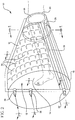
- FIGS 1 and 2 show a topical hyperbaric device 10, which comprises an enclosure 12 including an interior 14 and an exterior 16.
- the enclosure 12 is closed on one end 18 and open on the other end 20 and sized and shaped to define a main chamber which can receive a patient's extremity, for example, a leg 22 as shown in Figure 3 .
- the enclosure 12 shown in Figures 1 and 2 is defined by a collapsible bag including at least two sheets, an outer sheet 24, and an inner sheet 26 defining a space 25 therebetween. It will be understood that the bag defining the enclosure 12 can include two sheets or a greater number of sheets sealed together to define the enclosure 12.
- the bag can be formed by four sheets (not shown) of material, two inner sheets and two outer sheets, stacked and sealed together at the ends 18, 20 and the edges connecting the ends.
- a bag made from four sheets would provide an enclosure with an interior, the interior bounded by the inner sheets of material, the outer sheets of material defining the exterior of the enclosure, and a space between the outer sheets and the inner sheets.
- the sheets 24, 26 are made of fluid impervious material sealed together at both ends 18, 20 of the enclosure so that that gas can be delivered to a space 25 between the sheets 24, 26 to inflate the bag to a rigid state and maintain the bag in the rigid state when oxygen pressure in the interior of the enclosure is cycled between ambient pressure and above ambient pressure.
- the sheets of material are a resinous material such as polyethylene, however, the present invention is not limited to a particular type of material.
- hyperbaric oxygen therapy may involve the pulsed delivery of oxygen in which the pressure of oxygen inside the enclosure is cycled between at least about atmospheric or ambient pressure to a pressure up to 50 mm of mercury above atmospheric or ambient pressure.
- the structure of the collapsible and flexible hyperbaric oxygen device permits the device to be inflated to a rigid state so that the bag does not collapse and contact the wounded portion of the patient's extremity during pulsed oxygen delivery when the pressure of the oxygen inside the enclosure is reduced to atmospheric pressure.
- the device shown in Figures 1 and 3 further comprises a seal proximate the open end 20 of the enclosure adapted to establish contact between the patient's extremity to prevent oxygen from escaping from the enclosure.
- the seal can comprise an inflatable cuff 28 that surrounds the patient's extremity 22 during the oxygen treatment and forms a substantially fluid tight seal around the extremity.
- the cuff 28 is defined by a first seal line 29 in which the sheets of material are sealed together adjacent the open end 18 of the device and the terminal end of the device where the sheets of material are sealed together.
- the cuff is defined by the outer sheet 24, the inner sheet 26 and a cuff space 27 between the sheets 24, 26.
- the cuff space 27 increases as gas is delivered to the space to inflate the cuff 28.
- the inflatable cuff is formed integrally with the enclosure 12 and is disposed between the sheets 24, 26 of material.
- the device may further comprise a plurality of interconnected pockets 30 or miniature chambers formed between the sheets 24, 26.
- the pockets can be formed by securing portions of the sheets of material together at selected, discrete locations.
- the sheets can be secured together at selected portions by any suitable means, such as by adhesively sealing the sheets together, heat sealing, or ultrasonically welding the sheet together at selected, discrete points in an array resembling a waffle pattern.
- the present invention is not limited to a particular pattern for forming the interconnected pockets 30, and other patterns are within the scope of the invention.
- the device further comprises a first fluid port 32 in communication with the cuff.
- the first fluid port 32 may be located adjacent to the closed end 18 of the device and may be in communication with a channel 34 in fluid communication with the cuff space 27.
- the channel 34 may be defined by a space between the inner sheet 26 of material, and the outer sheet of material that defines the enclosure can be eliminated at this area of the bag that defines the channel.
- the channel can be defined by a hose or other suitable structure in fluid communication with the cuff space 27.
- the first fluid port 32 does not necessarily have to be connected to the cuff space 27 in the manner shown.
- the first fluid port 32 may be adjacent the open end 20 and more directly connected to the cuff space 27.
- the device may further comprise a second fluid port 36 in communication with the interconnected pockets 30.
- gas can be introduced into the second fluid port 36 and the gas will inflate the space between the inner sheet 26 and outer sheet 24 and fill the interconnected pockets 30. Gas is introduced until the pockets 30 are all filled and the device is inflated to the point that the device is in a substantially rigid state, similar to an air mattress.
- inflating the pockets so that the device is in the substantially rigid condition provides an enclosure sized and shaped to hold a patient's extremity, for example, a leg 22.
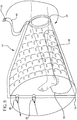
- the device may further comprise a third fluid port 38 (shown in Figures 2 and 3 ) in communication with the interior of the enclosure 12.
- a third fluid port 38 shown in Figures 2 and 3
- the each of the fluid ports 32, 36, and 38 can be connected to a gas supply 40, which is connected to a controller 42 for regulating the delivery of gas to the fluid ports.
- the controller 42 is operable to control the pressure and rate of delivery of the gas to each of the ports.
- oxygen is delivered to all three fluid ports.
- air or another gas may be delivered to fluid ports 32 and 36 for inflating the cuff 28 and the interconnected pockets.
- the device 10 may further include an inflatable pillow 50 contained within the interior 14 of the enclosure 12.
- the pillow may be formed integrally in the interior of the chamber, and a separate fluid port (not shown) or fluid port 32 can be routed to the pillow so that the pillow 50 can be inflated.
- FIG. 9 shows still another embodiment of a hyperbaric chamber 10, again in which like reference numerals depict elements that are similar to the previously described embodiments.
- the seal on the open end 20 of the device 10 is defined by a strap 60, which can be integrally formed with the plastic sheets that make up the enclosure that can be secured to the device 10.
- the strap 60 is an appropriate length to wrap around the patient's extremity 22 at least once, and in certain embodiments the strap is sized to wrap around the patient's extremity 22 at least two times.
- the strap 60 may include an adhesive portion 62, which includes an adhesive or other suitable material for securing the strap 60 to the device 10 to provide a substantially gas tight seal.
- the first fluid port 32 for inflating a cuff can be eliminated as shown in Figure 9 , or alternatively, the first fluid port 32 can be routed and placed in fluid communication with the pillow 50.
- the method comprises placing a collapsible bag of the type shown in the Figures having an open end and a closed end in a rigid state defining a chamber adapted to receive a patients extremity, inserting a patient's extremity through the open end of the chamber; sealing the chamber around the patient's extremity to prevent gas delivered to the interior of the chamber from escaping, and delivering oxygen to the interior of the chamber.
- the method may further comprise cycling the pressure in the interior the chamber between ambient pressure and above ambient pressure, wherein the bag remains in a rigid state during the entire cycle. It is preferred that the interior of the chamber does not contact the patient's leg during delivery of the oxygen to the extremity.
- the pressure may be cycled up to a pressure of about 50 mm of mercury above at least atmospheric pressure, as is known in the art of hyperbaric oxygen treatment.
- All dressings and ointments should be removed from the patient's extremity prior to the hyperbaric oxygen treatment.
- the patient's extremity may be placed on a foam carrier.
- the pillow will be inflated, and the main chamber of the device will be inflated until the device is in a rigid state.
- the device assumes a round, tubular configuration, but the present invention is not limited to any particularly shaped device.
- the patient's extremity is introduced into the chamber by either sliding the foam lined carrier into the chamber, or inserting the patient's leg through the open end of the chamber and resting it on the inflatable pillow.
- a seal is then formed at the open end of the device.
- the seal may be achieved by inflation of the cuff or wrapping the strap around the patient's leg, or an alternative sealing means may be used ensure a good seal between the leg and the flexible chamber.
- Oxygen is then introduced into the chamber up to a maximum pressure of 50 mm of mercury above atmospheric pressure. It is desirable to now pulsate the flow of oxygen to that it builds to a maximum pressure, less than or equal to 0.067 bar, i.e., 50 mm of mercury and then dropping to a low of at least about ambient or atmospheric pressure, for example, five inches of mercury above ambient, with a cycle time of less than about one minute. This cycle is then repeated during the course of therapy that is typically one to two hours in duration.
- inflation of the device keeps the chamber wall off the sensitive wound. This makes the use of the device more comfortable for the patient and reduces the chance of biological contamination. Previous flexible designs do not employ this feature, and employment of pulsating therapy in previous flexible designs would result in collapse of the device around the patient's extremity due to lack of rigid walls. According to one or more embodiments of the present invention, the device can be easily stowed away or disposed of after use. Another advantage over the previous rigid hyperbaric chambers is that it is possible to bend this device to fit legs that could not have been previously placed in a rigid chamber.
- Fabrication of the flexible chamber can include using known methods of heat bonding or radio frequency welding to make the seams or joints.
- Various combinations of polyethylene have been found to be suitable in the construction of the device. Obviously, many other modifications and alterations of this invention will occur to those with ordinary skill.
Landscapes
- Health & Medical Sciences (AREA)
- Public Health (AREA)
- Veterinary Medicine (AREA)
- Life Sciences & Earth Sciences (AREA)
- Animal Behavior & Ethology (AREA)
- General Health & Medical Sciences (AREA)
- Engineering & Computer Science (AREA)
- Emergency Medicine (AREA)
- Pulmonology (AREA)
- Anesthesiology (AREA)
- Biomedical Technology (AREA)
- Heart & Thoracic Surgery (AREA)
- Hematology (AREA)
- Accommodation For Nursing Or Treatment Tables (AREA)
- Oxygen, Ozone, And Oxides In General (AREA)
Description
- This invention relates to hyperbaric oxygen delivery devices and methods.
- The use of oxygen for treatment of open wounds and sores has long been understood to have practical medical application as a supplement or replacement to conventional antibiotic therapy. Oxygen is believed to be bactericidal to the anaerobic bacteria that tend to grow in both open and closed wounds. Application of oxygen to wounds under pressure is known in the art as hyperbaric treatment. It has been shown that varying the pressure of such oxygen treatment, increases blood circulation in the treated area. This has the added advantage of pumping the patient's blood to the extremity such that the patient's own white blood cells are better able to assist in treatment of the microbes present in the wound or sore.
- There are generally two broad general categories of devices for administering hyperbaric oxygen to a patient. The first category includes larger devices designed to enclose a patient's entire body or large portion of a patient's body, for example, both of the lower extremities of a patient. A second category of devices includes smaller, portable devices, which are known in the art as topical hyperbaric chambers and enclose a local region of the patient's body such as a single leg or a single arm.
- There are several different devices used to apply topical oxygen to a patient's open wounds or sores. Certain existing hyperbaric oxygen devices include a rigid plastic enclosure that proves a pure oxygen atmosphere around the wound. Another characteristic of certain existing devices is that the oxygen is applied at a pressure greater than ambient pressure up to a maximum allowable level of fifty millimeters of mercury above ambient pressure. In one type of device, oxygen is applied to an entire extremity, for example, a leg having a wound or sore on a portion of the leg.
- Various topical hyperbaric devices utilize a flexible bag designed to cover an entire leg or other extremity. Typically, these disposable hyperbaric oxygen chambers include a polyethylene bag which is substantially the length of the patient's leg, and tape is used at the top of the bag to seal the chamber around the upper thigh. Some hyperbaric oxygen chambers are in the form of an inflatable single layer bag, in which the pressure of oxygen is pulsated between minimum and maximum values, however, a disadvantage associated with a single layer bag is that during pulsated delivery of oxygen, the bag has a tendency to collapse when the pressure is reduced in the bag. Collapse of the bag poses the risk of the bag contacting the wound on the treated extremity. It would be desirable to provide a hyperbaric oxygen chamber that could be used to treat a single extremity and does not collapse when the pressure of the oxygen in the bag is reduced during pulsated delivery therein.
-
US 5,810,795 discloses a topical hyperbaric device comprising a gas treatment zone formed within the two sheets of a first and a second bag. The two sheets are not sealed together at both ends and no plurality of inflatable pockets is formed between the two sheets. As a result, the construction necessarily collapses when the pressure in the treatment zone is reduced to atmospheric pressure or below. - According to the invention, a topical hyperbaric device is provided, which comprises an enclosure including an interior and an exterior, the enclosure closed on one end and open on the other end and sized and shaped to receive a patient's extremity, the enclosure defined by a collapsible bag including two sheets of fluid impervious material sealed together at both ends, a first side of one sheet defining the exterior of the enclosure, a first side of the other sheet defining the interior of the enclosure, a plurality of pockets (30) formed the two sheets, such that gas can be delivered between the sheets to inflate the plurality of pockets and maintain the enclosure in the substantially rigid condition when oxygen pressure in the interior of the enclosure is cycled between first and second pressures, e.g., at least about ambient pressure and above ambient pressure.
- In some embodiments, the device further comprises seal proximate the open end of the enclosure adapted to establish contact between the patient's extremity to prevent oxygen from escaping from the enclosure. In certain embodiments, the seal may include an inflatable cuff. In other embodiments, the seal comprises a strap wrapped around the patient's extremity.
- Another aspect not claimed pertains to a method of treating an extremity of a patient with hyperbaric oxygen comprising placing a collapsible bag having an open end and a closed end in a substantially rigid state defining a chamber adapted to receive a patients extremity; inserting a patient's extremity through the open end of the chamber; sealing the chamber around the patient's extremity to prevent gas delivered to the interior of the chamber from escaping; and delivering oxygen to the interior of the chamber. In certain embodiments, the method further comprises cycling the pressure in the interior of the chamber between ambient pressure and above ambient pressure, wherein the bag remains in a rigid state during the entire cycle. In other embodiments, sealing the chamber around the patient's extremity includes inflating an inflatable cuff located proximate the open end of the bag.
- A more complete appreciation of the subject matter of the present invention and the various advantages thereof can be realized by reference to the following detailed description in which reference is made to the accompanying drawings in which:
-
Figure 1 is a perspective view of a hyperbaric oxygen device in a deflated condition according to one embodiment of the present invention; -
Figure 2 is a perspective view of the device shown inFigure 1 in an inflated condition; -
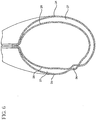
Figure 3 is a cross-sectional view taken along line 3-3 ofFigure 2 ; -
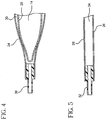
Figure 4 is a cross-sectional view taken along line 4-4 ofFigure 2 ; -
Figure 5 is a cross-sectional view taken along line 5-5 ofFigure 2 ; -
Figure 6 is a partial cross-sectional view taken along line 6-6 ofFigure 2 ; -
Figure 7 is a perspective view of a hyperbaric oxygen device in an inflated condition according to another embodiment of the invention; -
Figure 8 is a top view of the device shown inFigure 1 together with a system for delivering oxygen to the device ofFigure 1 ; and -
Figure 9 is a perspective view of a hyperbaric oxygen device in an inflated condition according to another embodiment of the invention. - Before describing several exemplary embodiments of the invention, it is to be understood that the invention is not limited to the details of construction or process steps set forth in the following description. The invention is capable of other embodiments and of being practiced or carried out in various ways.
- The present invention pertains to hyperbaric oxygen delivery devices and methods. According to one or more embodiments, although the oxygen therapy device may be used to treat various body parts, including, but not limited to arms, hands, feet, and legs, according to certain embodiments, the devices are particularly suitable for treatment of a patient's leg. The various features and advantages of the oxygen delivery device will become more apparent from the following detailed description taken in conjunction with the accompanying drawings.
- Referring now to the Figures, and in particular,
Figures 1-6 , an oxygen delivery device is shown according to an embodiment of the invention.Figures 1 and2 show a topicalhyperbaric device 10, which comprises anenclosure 12 including aninterior 14 and anexterior 16. Theenclosure 12 is closed on oneend 18 and open on theother end 20 and sized and shaped to define a main chamber which can receive a patient's extremity, for example, aleg 22 as shown inFigure 3 . Theenclosure 12 shown inFigures 1 and2 is defined by a collapsible bag including at least two sheets, anouter sheet 24, and aninner sheet 26 defining aspace 25 therebetween. It will be understood that the bag defining theenclosure 12 can include two sheets or a greater number of sheets sealed together to define theenclosure 12. For example, the bag can be formed by four sheets (not shown) of material, two inner sheets and two outer sheets, stacked and sealed together at theends - The
sheets ends space 25 between thesheets - The device shown in
Figures 1 and3 further comprises a seal proximate theopen end 20 of the enclosure adapted to establish contact between the patient's extremity to prevent oxygen from escaping from the enclosure. As best shown inFigures 2 and6 , the seal can comprise aninflatable cuff 28 that surrounds the patient'sextremity 22 during the oxygen treatment and forms a substantially fluid tight seal around the extremity. As shown in the Figure, thecuff 28 is defined by afirst seal line 29 in which the sheets of material are sealed together adjacent theopen end 18 of the device and the terminal end of the device where the sheets of material are sealed together. As will be described in more detail below, the cuff is defined by theouter sheet 24, theinner sheet 26 and acuff space 27 between thesheets cuff space 27 increases as gas is delivered to the space to inflate thecuff 28. In the embodiment shown, the inflatable cuff is formed integrally with theenclosure 12 and is disposed between thesheets - The device may further comprise a plurality of
interconnected pockets 30 or miniature chambers formed between thesheets interconnected pockets 30, and other patterns are within the scope of the invention. - In the embodiment shown in
Figures 1-6 in which the seal includes aninflatable cuff 28, the device further comprises a firstfluid port 32 in communication with the cuff. The firstfluid port 32 may be located adjacent to theclosed end 18 of the device and may be in communication with achannel 34 in fluid communication with thecuff space 27. Thechannel 34 may be defined by a space between theinner sheet 26 of material, and the outer sheet of material that defines the enclosure can be eliminated at this area of the bag that defines the channel. Alternatively, the channel can be defined by a hose or other suitable structure in fluid communication with thecuff space 27. It will be understood that the firstfluid port 32 does not necessarily have to be connected to thecuff space 27 in the manner shown. In alternative embodiments, the firstfluid port 32 may be adjacent theopen end 20 and more directly connected to thecuff space 27. - Referring now to
Figures 2 and4 , the device may further comprise a secondfluid port 36 in communication with the interconnected pockets 30. As shown inFigures 2 and4 , gas can be introduced into thesecond fluid port 36 and the gas will inflate the space between theinner sheet 26 andouter sheet 24 and fill the interconnected pockets 30. Gas is introduced until thepockets 30 are all filled and the device is inflated to the point that the device is in a substantially rigid state, similar to an air mattress. In addition, inflating the pockets so that the device is in the substantially rigid condition provides an enclosure sized and shaped to hold a patient's extremity, for example, aleg 22. - The device may further comprise a third fluid port 38 (shown in
Figures 2 and3 ) in communication with the interior of theenclosure 12. Referring now toFigure 8 , the each of thefluid ports gas supply 40, which is connected to acontroller 42 for regulating the delivery of gas to the fluid ports. Thecontroller 42 is operable to control the pressure and rate of delivery of the gas to each of the ports. In certain embodiments, oxygen is delivered to all three fluid ports. In other embodiments, air or another gas may be delivered tofluid ports cuff 28 and the interconnected pockets. - Referring now to
Figure 7 , another embodiment of the invention relates to a hyperbaric chamber having essentially all of the same components shown and described inFigures 1-6 and in which like reference numerals are used for similar elements. Thedevice 10 may further include aninflatable pillow 50 contained within theinterior 14 of theenclosure 12. The pillow may be formed integrally in the interior of the chamber, and a separate fluid port (not shown) orfluid port 32 can be routed to the pillow so that thepillow 50 can be inflated. -
Figure 9 shows still another embodiment of ahyperbaric chamber 10, again in which like reference numerals depict elements that are similar to the previously described embodiments. In the embodiment shown inFigure 9 , the seal on theopen end 20 of thedevice 10 is defined by astrap 60, which can be integrally formed with the plastic sheets that make up the enclosure that can be secured to thedevice 10. Thestrap 60 is an appropriate length to wrap around the patient'sextremity 22 at least once, and in certain embodiments the strap is sized to wrap around the patient'sextremity 22 at least two times. Thestrap 60 may include anadhesive portion 62, which includes an adhesive or other suitable material for securing thestrap 60 to thedevice 10 to provide a substantially gas tight seal. It will be appreciated that in this embodiment, the firstfluid port 32 for inflating a cuff can be eliminated as shown inFigure 9 , or alternatively, the firstfluid port 32 can be routed and placed in fluid communication with thepillow 50. - Another aspect not claimed pertains to a method of treating an extremity of a patient with hyperbaric oxygen. The method comprises placing a collapsible bag of the type shown in the Figures having an open end and a closed end in a rigid state defining a chamber adapted to receive a patients extremity, inserting a patient's extremity through the open end of the chamber; sealing the chamber around the patient's extremity to prevent gas delivered to the interior of the chamber from escaping, and delivering oxygen to the interior of the chamber. The method may further comprise cycling the pressure in the interior the chamber between ambient pressure and above ambient pressure, wherein the bag remains in a rigid state during the entire cycle. It is preferred that the interior of the chamber does not contact the patient's leg during delivery of the oxygen to the extremity. The pressure may be cycled up to a pressure of about 50 mm of mercury above at least atmospheric pressure, as is known in the art of hyperbaric oxygen treatment.
- All dressings and ointments should be removed from the patient's extremity prior to the hyperbaric oxygen treatment. The patient's extremity may be placed on a foam carrier. Alternatively, in embodiments in which the device includes an inflatable pillow, the pillow will be inflated, and the main chamber of the device will be inflated until the device is in a rigid state. In preferred embodiments, the device assumes a round, tubular configuration, but the present invention is not limited to any particularly shaped device. After the device has been inflated to a rigid state, the patient's extremity is introduced into the chamber by either sliding the foam lined carrier into the chamber, or inserting the patient's leg through the open end of the chamber and resting it on the inflatable pillow.
- A seal is then formed at the open end of the device. The seal may be achieved by inflation of the cuff or wrapping the strap around the patient's leg, or an alternative sealing means may be used ensure a good seal between the leg and the flexible chamber. Oxygen is then introduced into the chamber up to a maximum pressure of 50 mm of mercury above atmospheric pressure. It is desirable to now pulsate the flow of oxygen to that it builds to a maximum pressure, less than or equal to 0.067 bar, i.e., 50 mm of mercury and then dropping to a low of at least about ambient or atmospheric pressure, for example, five inches of mercury above ambient, with a cycle time of less than about one minute. This cycle is then repeated during the course of therapy that is typically one to two hours in duration.
- According to one or more embodiments of the present invention, inflation of the device keeps the chamber wall off the sensitive wound. This makes the use of the device more comfortable for the patient and reduces the chance of biological contamination. Previous flexible designs do not employ this feature, and employment of pulsating therapy in previous flexible designs would result in collapse of the device around the patient's extremity due to lack of rigid walls. According to one or more embodiments of the present invention, the device can be easily stowed away or disposed of after use. Another advantage over the previous rigid hyperbaric chambers is that it is possible to bend this device to fit legs that could not have been previously placed in a rigid chamber.
- Fabrication of the flexible chamber can include using known methods of heat bonding or radio frequency welding to make the seams or joints. Various combinations of polyethylene have been found to be suitable in the construction of the device. Obviously, many other modifications and alterations of this invention will occur to those with ordinary skill.
- Although the invention herein has been described with reference to particular embodiments, it is to be understood that these embodiments are merely illustrative of the principles and applications of the present invention. It is therefore to be understood that numerous modifications may be made to the illustrative embodiments and that other arrangements may be devised without departing from the scope of the present invention as defined by the appended claims.
Claims (18)
- A topical hyperbaric device (10) for delivering oxygen to an extremity of a patient comprising:an enclosure (12) including an interior (14) and an exterior (16), the enclosure closed on one end (18) and open on the other end (20) and sized and shaped to receive the patient's extremity, the enclosure defined by collapsible bag including at least two sheets (24, 26) of fluid impervious material sealed together at both ends, a first side of one sheet (24) defining the exterior of the enclosure, a first side of the other sheet (26) defining the interior of the enclosure, a plurality of pockets (30) formed between the two sheets, such that gas can be delivered between the sheets to inflate the plurality of pockets and maintain the enclosure in a substantially rigid condition when oxygen pressure in the interior of the enclosure is cycled between first and second pressures.
- The hyperbaric device of claim 1, further comprising a seal (28) proximate the open end (20) of the enclosure (12) adapted to establish contact between the patient's extremity to prevent oxygen from escaping from the enclosure.
- The hyperbaric device of claim 2, wherein the seal comprises an inflatable cuff (28).
- The hyperbaric device of claim 3, wherein the inflatable cuff (28) is formed integrally with the enclosure (12).
- The hyperbaric device of claim 4, wherein the inflatable cuff (28) is defined by at least two sheets (24, 26) of material.
- The hyperbaric device of claim 1, wherein the seal (28) comprises a strap (60).
- The hyperbaric device of claim 6, wherein the strap (60) includes an adhesive portion (62).
- The hyperbaric device of claim 1, wherein the pockets (30) are interconnected.
- The hyperbaric device of claim 8, wherein the pockets (30) are formed by securing portions of the sheets (24, 26) of material together.
- The hyperbaric device of claim 1, further comprising an inflatable pillow (50) contained with the interior (14) of the enclosure (12).
- The hyperbaric device of claim 10, wherein the pillow (50) is formed integrally with one of the sheets (24, 26) of material.
- The hyperbaric device of claim 1, wherein the sheets (24, 26) of material are a resinous material.
- The hyperbaric device of claim 12, wherein the resinous material includes polyethylene.
- The hyperbaric device of claim 5, further comprising a first fluid port (32) in communication with the cuff (28).
- The hyperbaric device of claim 14, further comprising a second fluid port (36) in communication with the interconnected pockets (30).
- The hyperbaric device of claim 15, further comprising a third fluid port (38) in communication with the interior (14) of the enclosure (12).
- The hyperbaric device of claim 16, wherein the fluid ports are connected to a gas supply (40).
- The hyperbaric device of claim 17, wherein the fluid ports (32, 36, 38) are connected to a controller (42) for regulating the pressure of gas.
Applications Claiming Priority (2)
| Application Number | Priority Date | Filing Date | Title |
|---|---|---|---|
| US11/064,581 US7540283B2 (en) | 2005-02-24 | 2005-02-24 | Hyperbaric oxygen devices and delivery methods |
| PCT/US2005/037026 WO2006091243A2 (en) | 2005-02-24 | 2005-10-14 | Hyperbaric oxygen devices and delivery methods |
Publications (3)
| Publication Number | Publication Date |
|---|---|
| EP1850823A2 EP1850823A2 (en) | 2007-11-07 |
| EP1850823A4 EP1850823A4 (en) | 2014-05-21 |
| EP1850823B1 true EP1850823B1 (en) | 2017-01-11 |
Family
ID=36911328
Family Applications (1)
| Application Number | Title | Priority Date | Filing Date |
|---|---|---|---|
| EP05811886.0A Expired - Lifetime EP1850823B1 (en) | 2005-02-24 | 2005-10-14 | Hyperbaric oxygen devices and delivery methods |
Country Status (6)
| Country | Link |
|---|---|
| US (1) | US7540283B2 (en) |
| EP (1) | EP1850823B1 (en) |
| JP (1) | JP5180592B2 (en) |
| CA (1) | CA2598887C (en) |
| ES (1) | ES2621537T3 (en) |
| WO (1) | WO2006091243A2 (en) |
Families Citing this family (42)
| Publication number | Priority date | Publication date | Assignee | Title |
|---|---|---|---|---|
| US7540283B2 (en) | 2005-02-24 | 2009-06-02 | Aoti, Inc. | Hyperbaric oxygen devices and delivery methods |
| CN101257877B (en) * | 2005-06-29 | 2013-07-17 | 应用纸巾技术有限公司 | wound dressing |
| US7801502B2 (en) * | 2006-12-18 | 2010-09-21 | Aai Corporation | Method for implementing continuous radio frequency (RF) alignment in advanced electronic warfare (EW) signal stimulation systems |
| US20100291042A1 (en) | 2007-05-03 | 2010-11-18 | The Brigham And Women's Hospital, Inc. | Multipotent stem cells and uses thereof |
| CA2688831C (en) * | 2007-05-31 | 2013-08-06 | Aoti, Inc. | Controller for an extremity hyperbaric device |
| JP4253025B2 (en) * | 2007-07-09 | 2009-04-08 | 正一 中村 | Carbon dioxide pressure bath device |
| US8048044B2 (en) | 2007-08-14 | 2011-11-01 | Stryker Corporation | Drug delivery system |
| US9174034B2 (en) * | 2007-11-06 | 2015-11-03 | Aoti, Inc. | Adaptable topical hyperbaric device |
| EP2217317B1 (en) * | 2007-11-06 | 2015-03-04 | AOTI Limited | Hyperbaric wound treatment device |
| US8704034B2 (en) * | 2007-11-07 | 2014-04-22 | Aoti, Inc. | Triple modality wound treatment device |
| WO2009157539A1 (en) * | 2008-06-27 | 2009-12-30 | 日本エー・シー・ピー株式会社 | Pressurized gas mist bathing system |
| DE202009011521U1 (en) | 2009-08-25 | 2010-12-30 | INP Greifswald Leibniz-Institut für Plasmaforschung und Technologie e. V. | Plasma cuff |
| US8409628B2 (en) | 2010-02-04 | 2013-04-02 | Penguin IP Holdings, Inc. | Methods and compositions for oxygenation of skin to treat skin disorders |
| US8900601B2 (en) | 2010-03-31 | 2014-12-02 | Jennifer Bartels | Permeable mixtures, methods and compositions for the skin |
| US8499764B2 (en) * | 2010-05-26 | 2013-08-06 | The Invention Science Fund I, Llc | Portable apparatus for establishing an isolation field |
| DE102012019693A1 (en) | 2011-10-04 | 2013-04-04 | Iskia Gmbh & Co.Kg | Arrangement for hyperbaric pressure treatment of wounds at e.g. calf region of leg of patient with oxygen, has seal, sealing and locking strip and resilient sealing tape sealing casing against body part of patient |
| DE202011106830U1 (en) | 2011-10-14 | 2011-11-18 | Norbert Neubauer | Device for hyperbaric pressure treatment of wounds with a therapeutic gas |
| DE202012001331U1 (en) | 2012-02-09 | 2012-03-06 | Norbert Neubauer | Device for hyperbaric pressure treatment of wounds with a therapeutic gas |
| DE202013000711U1 (en) | 2013-01-24 | 2013-03-05 | Norbert Neubauer | Arrangement for hyperbaric pressure treatment and vacuum treatment of wounds and body parts |
| AU2014277973B2 (en) * | 2013-06-13 | 2019-03-21 | The Board Of Trustees Of The University Of Illinois | Helmet for anesthesia |
| WO2015034968A1 (en) | 2013-09-04 | 2015-03-12 | Microbaric Oxygen Systems, Llc | Hyperoxic therapy with oxygen dose-response model |
| US10058471B2 (en) | 2014-02-21 | 2018-08-28 | William M. Vaughan | System and method of using hyperbaric oxygen therapy for treating concussive symptoms and musculoskeletal injuries and for pre-treatment to prevent damage from injuries |
| DE202014008053U1 (en) | 2014-10-04 | 2014-11-19 | Norbert Neubauer | Gasdrain for body oils, wounds and skin |
| US10179062B2 (en) | 2015-03-30 | 2019-01-15 | J. Michael Putman | Medical devices and methods for protecting a limb of a patient during a medical procedure |
| ITUB20153093A1 (en) * | 2015-08-05 | 2015-11-05 | Simone Santostasi | Universal disposable district normobaric chamber |
| CN106726398B (en) * | 2016-11-29 | 2018-02-06 | 保定百恩杰生物科技有限公司 | Topical hyperbaric oxygen therapeutic equipment |
| US11559622B2 (en) | 2017-07-29 | 2023-01-24 | Edward D. Lin | Deformation resistant wound therapy apparatus and related methods of use |
| US12036353B2 (en) | 2017-07-29 | 2024-07-16 | Edward D. Lin | Apparatus and methods for pressure management within a wound chamber |
| US10729826B2 (en) | 2017-07-29 | 2020-08-04 | Edward D. Lin | Wound cover apparatus and related methods of use |
| US10780201B2 (en) | 2017-07-29 | 2020-09-22 | Edward D. Lin | Control apparatus and related methods for wound therapy delivery |
| US11712373B2 (en) | 2017-07-29 | 2023-08-01 | Edward D. Lin | Wound therapy apparatus with scar modulation properties and related methods |
| CN107647995B (en) * | 2017-10-31 | 2018-08-10 | 保定百恩杰生物科技有限公司 | Portable gas treatment bag |
| US10646233B1 (en) * | 2018-11-28 | 2020-05-12 | Jay Dean Everett | Device, system and method for intermittent displacement of blood to mitigate peripheral nerve neuropathy |
| US12186265B2 (en) | 2020-06-15 | 2025-01-07 | Numotech, Inc. | Isolation system |
| US20240180774A1 (en) * | 2020-12-16 | 2024-06-06 | Syncardon Llc | Apparatus and method for pulse cycle pressure modulation and negative pressure therapy |
| KR102551265B1 (en) * | 2021-06-16 | 2023-07-04 | 주식회사 에이치비오티메디칼 | Local type oxygen chamber |
| KR102516428B1 (en) * | 2021-06-16 | 2023-04-03 | 주식회사 에이치비오티메디칼 | Local type oxygen chamber |
| US12036163B2 (en) | 2022-05-17 | 2024-07-16 | Briizzz LLC | Positive pressure support device |
| KR102787855B1 (en) * | 2023-07-05 | 2025-03-28 | (주)인터오션 | Hyperbaric oxygen treating system with pressure control by using earcap for reducing ear pain |
| KR102785774B1 (en) * | 2024-06-13 | 2025-03-26 | 지에이치씨 주식회사 | Hyperbaric oxygen therapy chamber |
| KR102785767B1 (en) * | 2024-06-13 | 2025-03-26 | 지에이치씨 주식회사 | Topical Oxygen Wound Therapy Device |
| CN118924616B (en) * | 2024-10-14 | 2024-12-13 | 北京思瑞德医疗器械有限公司 | Oxygen therapy instrument for lower limb wound |
Family Cites Families (49)
| Publication number | Priority date | Publication date | Assignee | Title |
|---|---|---|---|---|
| US871760A (en) | 1906-07-27 | 1907-11-19 | John C Newby | Pneumatic knee-pad. |
| US1117168A (en) | 1914-04-21 | 1914-11-17 | Timothy J Crowley | Knee-protector. |
| US3478738A (en) | 1966-07-15 | 1969-11-18 | Max S Altman | Bathing boot with means to massage foot |
| US3602221A (en) | 1969-09-25 | 1971-08-31 | Eric V Bleicken | Portable recompression chamber |
| US3669096A (en) | 1970-04-07 | 1972-06-13 | Mathew Hurwitz | Self-donning sphygmomanometer cuff |
| US3712298A (en) | 1970-08-25 | 1973-01-23 | Nat Res Dev | Medical treatment apparatus |
| US3701349A (en) | 1971-05-13 | 1972-10-31 | Leighton W Larson | Bi-valved cast |
| US3744491A (en) | 1972-01-20 | 1973-07-10 | B Fischer | Low pressure localized hyperbaric oxygen chamber |
| US3785374A (en) | 1972-07-13 | 1974-01-15 | H Lipson | Sealable container for liquid flotation of cast-bound limbs |
| FR2252839A1 (en) * | 1973-12-03 | 1975-06-27 | Mattos Bernard De | Wound treatment by gaseous oxygen - by immersion in continuously oxygenated liq. |
| US3955565A (en) | 1973-12-05 | 1976-05-11 | Johnson Jr Glenn W | Orthopedic apparatus |
| US3920006A (en) | 1974-01-02 | 1975-11-18 | Roy Lapidus Inc | Inflatable device for healing of tissue |
| US4346699A (en) | 1974-12-09 | 1982-08-31 | Little John D | Water proof cast protector |
| US4003371A (en) | 1975-02-13 | 1977-01-18 | Fischer Boguslav | Low pressure hyperbaric chamber |
| US4280489A (en) | 1978-04-06 | 1981-07-28 | Johnson Jr Glenn W | Ankle brace |
| US4378009A (en) | 1978-08-18 | 1983-03-29 | Donald Rowley | Brace for injured parts of the body |
| US4211223A (en) | 1979-04-18 | 1980-07-08 | Lopiano Rocco W | Pulsed oxygen chamber |
| US4236513A (en) | 1979-04-18 | 1980-12-02 | Lopiano Rocco W | Pulsed oxygen chamber |
| US4328799A (en) | 1980-06-13 | 1982-05-11 | Lopiano Rocco W | Sacral topical hyperbaric oxygen chambers |
| US4331133A (en) | 1980-06-30 | 1982-05-25 | The Kendall Company | Pressure measurement apparatus |
| US4363317A (en) | 1981-04-16 | 1982-12-14 | Broucek Daniel M | Watertight cast cover |
| SE445967B (en) | 1983-10-25 | 1986-08-04 | Romanowski Richard | DEVICE FOR ASTAD COMBINING AND MAINTENANCE OF LIQUID AND GAS SAFETY AREAS IN BODY PARTS AND / OR FOR ASTAD COMMUNICATION OF BODIES AND / OR FOR MECHANICAL FIXING OF BODY PARTS |
| US4635635A (en) | 1984-11-29 | 1987-01-13 | Aspen Laboratories, Inc. | Tourniquet cuff |
| US4628945A (en) | 1985-01-25 | 1986-12-16 | Johnson Jr Glenn W | Inflatable ankle brace with porous compressible filler |
| ZA869406B (en) | 1985-12-16 | 1987-11-25 | Glenn W Johnson Jr | Pneumatic braces |
| US4801291A (en) | 1987-11-18 | 1989-01-31 | Loori Phillip E | Portable topical hyperbaric apparatus |
| US5060644A (en) | 1988-08-08 | 1991-10-29 | Ventnor Corporation | Hyperbaric chamber apparatus |
| US5029579A (en) | 1989-01-13 | 1991-07-09 | Ballard Medical Products | Hyperbaric oxygenation apparatus and methods |
| US5234459A (en) | 1989-11-20 | 1993-08-10 | Hans Lee | Method of controlling the flow of blood through a limb |
| US5154697A (en) | 1991-04-02 | 1992-10-13 | Topox, Inc. | Collapsible topical hyperbaric apparatus |
| US5312431A (en) | 1991-09-30 | 1994-05-17 | Abatis Medical Technologies Limited | Occlusive cuff |
| US5312385A (en) | 1991-10-09 | 1994-05-17 | University Of Pittsburgh | Device for protected pulse irrigation |
| US5376067A (en) | 1992-10-28 | 1994-12-27 | Daneshvar; Yousef | Pressure bandages and dressings |
| US5437602A (en) | 1993-08-13 | 1995-08-01 | Atm Wound Management, Inc. | Isolator bag for therapeutic treatments of human limbs |
| US5660182A (en) | 1993-09-20 | 1997-08-26 | Colin Corporation | Inflatable cuff used for blood pressure measurement and automatic blood pressure measuring apparatus including inflatable cuff |
| DE4408435A1 (en) | 1994-03-12 | 1995-09-14 | Cassella Ag | Hydrophilic, highly swellable hydrogels |
| US5478310A (en) | 1994-03-23 | 1995-12-26 | Dyson-Cantwell; Evelyna | Disposable hyperbaric oxygen chamber |
| US5620001A (en) | 1994-04-26 | 1997-04-15 | Byrd; Timothy N. | Universal blood-pressure cuff cover |
| US5458562A (en) | 1994-06-13 | 1995-10-17 | The United States Of America As Represented By The Secretary Of The Navy | Circulation enhancing apparatus |
| IT1275924B1 (en) | 1995-03-16 | 1997-10-24 | Gse Giunio Santi Engineering S | FLEXIBLE HULL LIFE-HYBRIC CHAMBER |
| US5678543A (en) | 1995-11-16 | 1997-10-21 | Portable Hyperbarics, Inc. | Hyperbaric chamber |
| US5669390A (en) | 1995-11-30 | 1997-09-23 | Mccormick; David A. | Single use protective barrier medical accessory for isolating a sphygmomanometer cuff from a patient |
| US5605534A (en) | 1995-12-26 | 1997-02-25 | Hutchison; Jeffrey W. | Shower guard for IV site |
| US5810795A (en) * | 1996-05-13 | 1998-09-22 | Westwood; Joseph R. | Hyperbaric device with secondary pressure zone |
| US5865722A (en) | 1997-04-04 | 1999-02-02 | Numotech, Incorporated | Shape-adaptable topical hyperbaric oxygen chamber |
| US6321746B1 (en) | 2000-05-17 | 2001-11-27 | The United States Of America As Represented By The Administrator Of The National Aeronautics And Space Adminstration | Portable hyperbaric chamber |
| US6622326B2 (en) * | 2001-07-23 | 2003-09-23 | Kevin Richardson | Inflatable pillow with pump |
| DE20207389U1 (en) * | 2002-04-30 | 2002-08-14 | Geiger, Ottmar W., 10179 Berlin | Device for the therapeutic treatment of human body parts with gas |
| US7540283B2 (en) | 2005-02-24 | 2009-06-02 | Aoti, Inc. | Hyperbaric oxygen devices and delivery methods |
-
2005
- 2005-02-24 US US11/064,581 patent/US7540283B2/en active Active
- 2005-10-14 JP JP2007557011A patent/JP5180592B2/en not_active Expired - Lifetime
- 2005-10-14 CA CA2598887A patent/CA2598887C/en not_active Expired - Lifetime
- 2005-10-14 ES ES05811886.0T patent/ES2621537T3/en not_active Expired - Lifetime
- 2005-10-14 EP EP05811886.0A patent/EP1850823B1/en not_active Expired - Lifetime
- 2005-10-14 WO PCT/US2005/037026 patent/WO2006091243A2/en not_active Ceased
Non-Patent Citations (1)
| Title |
|---|
| None * |
Also Published As
| Publication number | Publication date |
|---|---|
| CA2598887A1 (en) | 2006-08-31 |
| EP1850823A4 (en) | 2014-05-21 |
| JP2008531113A (en) | 2008-08-14 |
| ES2621537T3 (en) | 2017-07-04 |
| JP5180592B2 (en) | 2013-04-10 |
| WO2006091243A2 (en) | 2006-08-31 |
| US7540283B2 (en) | 2009-06-02 |
| EP1850823A2 (en) | 2007-11-07 |
| US20060185670A1 (en) | 2006-08-24 |
| CA2598887C (en) | 2012-02-21 |
| WO2006091243A3 (en) | 2007-10-04 |
Similar Documents
| Publication | Publication Date | Title |
|---|---|---|
| CA2598887C (en) | Hyperbaric oxygen devices and delivery methods | |
| US20260124100A1 (en) | Controller For An Extremity Hyperbaric Device | |
| ES2607028T3 (en) | Devices for wound treatment and procedure for manufacturing them | |
| US5865722A (en) | Shape-adaptable topical hyperbaric oxygen chamber | |
| US7935066B2 (en) | Inflatable compression dressing | |
| CN101094641B (en) | Automatic massage therapy equipment for biomechanical restorative massage | |
| WO1992017238A1 (en) | Collapsible topical hyperbaric apparatus | |
| US5179943A (en) | Medical apparatus using ozone gas | |
| CA2497341A1 (en) | Surgical drape having a fluid collection pouch with an inflatable rim | |
| WO2022229821A1 (en) | Systems, apparatus and methods for applying gas and pressure therapies | |
| CA2332813C (en) | Shape-adaptable topical hyperbaric oxygen chamber | |
| US20240058203A1 (en) | Systems and apparatus for applying gas and pressure therapies | |
| US20060015060A1 (en) | Device for treatment of wounds in body tissue via exposure to gases | |
| GB2623944A (en) | Systems and apparatus for applying gas and pressure therapies | |
| CN117396246A (en) | Systems, devices and methods for applying gas and pressure therapy |
Legal Events
| Date | Code | Title | Description |
|---|---|---|---|
| PUAI | Public reference made under article 153(3) epc to a published international application that has entered the european phase |
Free format text: ORIGINAL CODE: 0009012 |
|
| 17P | Request for examination filed |
Effective date: 20070823 |
|
| AK | Designated contracting states |
Kind code of ref document: A2 Designated state(s): AT BE BG CH CY CZ DE DK EE ES FI FR GB GR HU IE IS IT LI LT LU LV MC NL PL PT RO SE SI SK TR |
|
| AX | Request for extension of the european patent |
Extension state: AL BA HR MK YU |
|
| R17D | Deferred search report published (corrected) |
Effective date: 20071004 |
|
| RAP1 | Party data changed (applicant data changed or rights of an application transferred) |
Owner name: AOTI, INC. |
|
| RIN1 | Information on inventor provided before grant (corrected) |
Inventor name: HOVORKA, GEORGE Inventor name: LOORI, PHILIP |
|
| RIN1 | Information on inventor provided before grant (corrected) |
Inventor name: HOVORKA, GEORGEC/O ADVANCED OXYGEN THERAPY INC. Inventor name: LOORI, PHILIP |
|
| DAX | Request for extension of the european patent (deleted) | ||
| A4 | Supplementary search report drawn up and despatched |
Effective date: 20140423 |
|
| RIC1 | Information provided on ipc code assigned before grant |
Ipc: A62B 31/00 20060101ALI20140415BHEP Ipc: A61G 10/00 20060101AFI20140415BHEP |
|
| RAP1 | Party data changed (applicant data changed or rights of an application transferred) |
Owner name: AOTI LIMITED |
|
| GRAP | Despatch of communication of intention to grant a patent |
Free format text: ORIGINAL CODE: EPIDOSNIGR1 |
|
| INTG | Intention to grant announced |
Effective date: 20160804 |
|
| GRAS | Grant fee paid |
Free format text: ORIGINAL CODE: EPIDOSNIGR3 |
|
| GRAA | (expected) grant |
Free format text: ORIGINAL CODE: 0009210 |
|
| AK | Designated contracting states |
Kind code of ref document: B1 Designated state(s): AT BE BG CH CY CZ DE DK EE ES FI FR GB GR HU IE IS IT LI LT LU LV MC NL PL PT RO SE SI SK TR |
|
| REG | Reference to a national code |
Ref country code: GB Ref legal event code: FG4D |
|
| REG | Reference to a national code |
Ref country code: CH Ref legal event code: EP |
|
| REG | Reference to a national code |
Ref country code: AT Ref legal event code: REF Ref document number: 860591 Country of ref document: AT Kind code of ref document: T Effective date: 20170115 |
|
| REG | Reference to a national code |
Ref country code: IE Ref legal event code: FG4D |
|
| REG | Reference to a national code |
Ref country code: DE Ref legal event code: R096 Ref document number: 602005051152 Country of ref document: DE |
|
| REG | Reference to a national code |
Ref country code: LT Ref legal event code: MG4D |
|
| REG | Reference to a national code |
Ref country code: NL Ref legal event code: MP Effective date: 20170111 |
|
| REG | Reference to a national code |
Ref country code: AT Ref legal event code: MK05 Ref document number: 860591 Country of ref document: AT Kind code of ref document: T Effective date: 20170111 |
|
| PG25 | Lapsed in a contracting state [announced via postgrant information from national office to epo] |
Ref country code: NL Free format text: LAPSE BECAUSE OF FAILURE TO SUBMIT A TRANSLATION OF THE DESCRIPTION OR TO PAY THE FEE WITHIN THE PRESCRIBED TIME-LIMIT Effective date: 20170111 |
|
| REG | Reference to a national code |
Ref country code: ES Ref legal event code: FG2A Ref document number: 2621537 Country of ref document: ES Kind code of ref document: T3 Effective date: 20170704 |
|
| PG25 | Lapsed in a contracting state [announced via postgrant information from national office to epo] |
Ref country code: FI Free format text: LAPSE BECAUSE OF FAILURE TO SUBMIT A TRANSLATION OF THE DESCRIPTION OR TO PAY THE FEE WITHIN THE PRESCRIBED TIME-LIMIT Effective date: 20170111 Ref country code: IS Free format text: LAPSE BECAUSE OF FAILURE TO SUBMIT A TRANSLATION OF THE DESCRIPTION OR TO PAY THE FEE WITHIN THE PRESCRIBED TIME-LIMIT Effective date: 20170511 Ref country code: LT Free format text: LAPSE BECAUSE OF FAILURE TO SUBMIT A TRANSLATION OF THE DESCRIPTION OR TO PAY THE FEE WITHIN THE PRESCRIBED TIME-LIMIT Effective date: 20170111 Ref country code: GR Free format text: LAPSE BECAUSE OF FAILURE TO SUBMIT A TRANSLATION OF THE DESCRIPTION OR TO PAY THE FEE WITHIN THE PRESCRIBED TIME-LIMIT Effective date: 20170412 |
|
| PG25 | Lapsed in a contracting state [announced via postgrant information from national office to epo] |
Ref country code: BG Free format text: LAPSE BECAUSE OF FAILURE TO SUBMIT A TRANSLATION OF THE DESCRIPTION OR TO PAY THE FEE WITHIN THE PRESCRIBED TIME-LIMIT Effective date: 20170411 Ref country code: AT Free format text: LAPSE BECAUSE OF FAILURE TO SUBMIT A TRANSLATION OF THE DESCRIPTION OR TO PAY THE FEE WITHIN THE PRESCRIBED TIME-LIMIT Effective date: 20170111 Ref country code: SE Free format text: LAPSE BECAUSE OF FAILURE TO SUBMIT A TRANSLATION OF THE DESCRIPTION OR TO PAY THE FEE WITHIN THE PRESCRIBED TIME-LIMIT Effective date: 20170111 Ref country code: LV Free format text: LAPSE BECAUSE OF FAILURE TO SUBMIT A TRANSLATION OF THE DESCRIPTION OR TO PAY THE FEE WITHIN THE PRESCRIBED TIME-LIMIT Effective date: 20170111 Ref country code: PT Free format text: LAPSE BECAUSE OF FAILURE TO SUBMIT A TRANSLATION OF THE DESCRIPTION OR TO PAY THE FEE WITHIN THE PRESCRIBED TIME-LIMIT Effective date: 20170511 Ref country code: PL Free format text: LAPSE BECAUSE OF FAILURE TO SUBMIT A TRANSLATION OF THE DESCRIPTION OR TO PAY THE FEE WITHIN THE PRESCRIBED TIME-LIMIT Effective date: 20170111 |
|
| REG | Reference to a national code |
Ref country code: FR Ref legal event code: PLFP Year of fee payment: 13 |
|
| REG | Reference to a national code |
Ref country code: DE Ref legal event code: R097 Ref document number: 602005051152 Country of ref document: DE |
|
| PG25 | Lapsed in a contracting state [announced via postgrant information from national office to epo] |
Ref country code: RO Free format text: LAPSE BECAUSE OF FAILURE TO SUBMIT A TRANSLATION OF THE DESCRIPTION OR TO PAY THE FEE WITHIN THE PRESCRIBED TIME-LIMIT Effective date: 20170111 Ref country code: CZ Free format text: LAPSE BECAUSE OF FAILURE TO SUBMIT A TRANSLATION OF THE DESCRIPTION OR TO PAY THE FEE WITHIN THE PRESCRIBED TIME-LIMIT Effective date: 20170111 Ref country code: EE Free format text: LAPSE BECAUSE OF FAILURE TO SUBMIT A TRANSLATION OF THE DESCRIPTION OR TO PAY THE FEE WITHIN THE PRESCRIBED TIME-LIMIT Effective date: 20170111 Ref country code: SK Free format text: LAPSE BECAUSE OF FAILURE TO SUBMIT A TRANSLATION OF THE DESCRIPTION OR TO PAY THE FEE WITHIN THE PRESCRIBED TIME-LIMIT Effective date: 20170111 |
|
| PLBE | No opposition filed within time limit |
Free format text: ORIGINAL CODE: 0009261 |
|
| STAA | Information on the status of an ep patent application or granted ep patent |
Free format text: STATUS: NO OPPOSITION FILED WITHIN TIME LIMIT |
|
| PG25 | Lapsed in a contracting state [announced via postgrant information from national office to epo] |
Ref country code: DK Free format text: LAPSE BECAUSE OF FAILURE TO SUBMIT A TRANSLATION OF THE DESCRIPTION OR TO PAY THE FEE WITHIN THE PRESCRIBED TIME-LIMIT Effective date: 20170111 |
|
| 26N | No opposition filed |
Effective date: 20171012 |
|
| PG25 | Lapsed in a contracting state [announced via postgrant information from national office to epo] |
Ref country code: SI Free format text: LAPSE BECAUSE OF FAILURE TO SUBMIT A TRANSLATION OF THE DESCRIPTION OR TO PAY THE FEE WITHIN THE PRESCRIBED TIME-LIMIT Effective date: 20170111 |
|
| PG25 | Lapsed in a contracting state [announced via postgrant information from national office to epo] |
Ref country code: MC Free format text: LAPSE BECAUSE OF FAILURE TO SUBMIT A TRANSLATION OF THE DESCRIPTION OR TO PAY THE FEE WITHIN THE PRESCRIBED TIME-LIMIT Effective date: 20170111 |
|
| REG | Reference to a national code |
Ref country code: CH Ref legal event code: PL |
|
| REG | Reference to a national code |
Ref country code: IE Ref legal event code: MM4A |
|
| PG25 | Lapsed in a contracting state [announced via postgrant information from national office to epo] |
Ref country code: CH Free format text: LAPSE BECAUSE OF NON-PAYMENT OF DUE FEES Effective date: 20171031 Ref country code: LU Free format text: LAPSE BECAUSE OF NON-PAYMENT OF DUE FEES Effective date: 20171014 Ref country code: LI Free format text: LAPSE BECAUSE OF NON-PAYMENT OF DUE FEES Effective date: 20171031 |
|
| REG | Reference to a national code |
Ref country code: BE Ref legal event code: MM Effective date: 20171031 |
|
| PG25 | Lapsed in a contracting state [announced via postgrant information from national office to epo] |
Ref country code: BE Free format text: LAPSE BECAUSE OF NON-PAYMENT OF DUE FEES Effective date: 20171031 |
|
| REG | Reference to a national code |
Ref country code: FR Ref legal event code: PLFP Year of fee payment: 14 |
|
| PG25 | Lapsed in a contracting state [announced via postgrant information from national office to epo] |
Ref country code: IE Free format text: LAPSE BECAUSE OF NON-PAYMENT OF DUE FEES Effective date: 20171014 |
|
| PG25 | Lapsed in a contracting state [announced via postgrant information from national office to epo] |
Ref country code: HU Free format text: LAPSE BECAUSE OF FAILURE TO SUBMIT A TRANSLATION OF THE DESCRIPTION OR TO PAY THE FEE WITHIN THE PRESCRIBED TIME-LIMIT; INVALID AB INITIO Effective date: 20051014 |
|
| PG25 | Lapsed in a contracting state [announced via postgrant information from national office to epo] |
Ref country code: CY Free format text: LAPSE BECAUSE OF NON-PAYMENT OF DUE FEES Effective date: 20170111 |
|
| PG25 | Lapsed in a contracting state [announced via postgrant information from national office to epo] |
Ref country code: TR Free format text: LAPSE BECAUSE OF FAILURE TO SUBMIT A TRANSLATION OF THE DESCRIPTION OR TO PAY THE FEE WITHIN THE PRESCRIBED TIME-LIMIT Effective date: 20170111 |
|
| REG | Reference to a national code |
Ref country code: DE Ref legal event code: R082 Ref document number: 602005051152 Country of ref document: DE Representative=s name: ZACCO LEGAL RECHTSANWALTSGESELLSCHAFT MBH, DE |
|
| PGFP | Annual fee paid to national office [announced via postgrant information from national office to epo] |
Ref country code: GB Payment date: 20240917 Year of fee payment: 20 |
|
| PGFP | Annual fee paid to national office [announced via postgrant information from national office to epo] |
Ref country code: FR Payment date: 20240926 Year of fee payment: 20 |
|
| PGFP | Annual fee paid to national office [announced via postgrant information from national office to epo] |
Ref country code: IT Payment date: 20240911 Year of fee payment: 20 |
|
| PGFP | Annual fee paid to national office [announced via postgrant information from national office to epo] |
Ref country code: DE Payment date: 20240924 Year of fee payment: 20 |
|
| PGFP | Annual fee paid to national office [announced via postgrant information from national office to epo] |
Ref country code: ES Payment date: 20241105 Year of fee payment: 20 |
|
| REG | Reference to a national code |
Ref country code: DE Ref legal event code: R082 Ref document number: 602005051152 Country of ref document: DE |
|
| REG | Reference to a national code |
Ref country code: DE Ref legal event code: R071 Ref document number: 602005051152 Country of ref document: DE |
|
| REG | Reference to a national code |
Ref country code: ES Ref legal event code: FD2A Effective date: 20251028 |
|
| REG | Reference to a national code |
Ref country code: GB Ref legal event code: PE20 Expiry date: 20251013 |
|
| PG25 | Lapsed in a contracting state [announced via postgrant information from national office to epo] |
Ref country code: ES Free format text: LAPSE BECAUSE OF EXPIRATION OF PROTECTION Effective date: 20251015 |