EP1844778A1 - Agent for prevention/therapy of disease caused by keratinocyte growth - Google Patents
Agent for prevention/therapy of disease caused by keratinocyte growth Download PDFInfo
- Publication number
- EP1844778A1 EP1844778A1 EP06712779A EP06712779A EP1844778A1 EP 1844778 A1 EP1844778 A1 EP 1844778A1 EP 06712779 A EP06712779 A EP 06712779A EP 06712779 A EP06712779 A EP 06712779A EP 1844778 A1 EP1844778 A1 EP 1844778A1
- Authority
- EP
- European Patent Office
- Prior art keywords
- group
- salt
- compound
- psoriasis
- prevention
- Prior art date
- Legal status (The legal status is an assumption and is not a legal conclusion. Google has not performed a legal analysis and makes no representation as to the accuracy of the status listed.)
- Withdrawn
Links
- 0 CC(CC(CN(CC1)CCC1*(*)Cc1ccnc(-c(cc2OC)cc(OC)c2OC)c1)=C1)N=C1c(cc1OC)cc(OC)c1OC Chemical compound CC(CC(CN(CC1)CCC1*(*)Cc1ccnc(-c(cc2OC)cc(OC)c2OC)c1)=C1)N=C1c(cc1OC)cc(OC)c1OC 0.000 description 2
- YPCKOKQFCSOOSX-UHFFFAOYSA-N COc1cc(-c2cc(CN3CCN(Cc4cc(-c(cc5OC)cc(OC)c5OC)ncc4)CC3)ccc2)cc(OC)c1OC Chemical compound COc1cc(-c2cc(CN3CCN(Cc4cc(-c(cc5OC)cc(OC)c5OC)ncc4)CC3)ccc2)cc(OC)c1OC YPCKOKQFCSOOSX-UHFFFAOYSA-N 0.000 description 1
- RJGZQSYXWBGETE-UHFFFAOYSA-N COc1cc(-c2cc(CN3CCN(Cc4ccnc(-c(cc5OC)cc(OC)c5OC)c4)CCC3)ccc2)cc(OC)c1OC Chemical compound COc1cc(-c2cc(CN3CCN(Cc4ccnc(-c(cc5OC)cc(OC)c5OC)c4)CCC3)ccc2)cc(OC)c1OC RJGZQSYXWBGETE-UHFFFAOYSA-N 0.000 description 1
Images
Classifications
-
- C—CHEMISTRY; METALLURGY
- C07—ORGANIC CHEMISTRY
- C07D—HETEROCYCLIC COMPOUNDS
- C07D213/00—Heterocyclic compounds containing six-membered rings, not condensed with other rings, with one nitrogen atom as the only ring hetero atom and three or more double bonds between ring members or between ring members and non-ring members
- C07D213/02—Heterocyclic compounds containing six-membered rings, not condensed with other rings, with one nitrogen atom as the only ring hetero atom and three or more double bonds between ring members or between ring members and non-ring members having three double bonds between ring members or between ring members and non-ring members
- C07D213/04—Heterocyclic compounds containing six-membered rings, not condensed with other rings, with one nitrogen atom as the only ring hetero atom and three or more double bonds between ring members or between ring members and non-ring members having three double bonds between ring members or between ring members and non-ring members having no bond between the ring nitrogen atom and a non-ring member or having only hydrogen or carbon atoms directly attached to the ring nitrogen atom
- C07D213/24—Heterocyclic compounds containing six-membered rings, not condensed with other rings, with one nitrogen atom as the only ring hetero atom and three or more double bonds between ring members or between ring members and non-ring members having three double bonds between ring members or between ring members and non-ring members having no bond between the ring nitrogen atom and a non-ring member or having only hydrogen or carbon atoms directly attached to the ring nitrogen atom with substituted hydrocarbon radicals attached to ring carbon atoms
- C07D213/36—Radicals substituted by singly-bound nitrogen atoms
- C07D213/38—Radicals substituted by singly-bound nitrogen atoms having only hydrogen or hydrocarbon radicals attached to the substituent nitrogen atom
-
- A—HUMAN NECESSITIES
- A61—MEDICAL OR VETERINARY SCIENCE; HYGIENE
- A61K—PREPARATIONS FOR MEDICAL, DENTAL OR TOILETRY PURPOSES
- A61K31/00—Medicinal preparations containing organic active ingredients
- A61K31/33—Heterocyclic compounds
- A61K31/395—Heterocyclic compounds having nitrogen as a ring hetero atom, e.g. guanethidine or rifamycins
- A61K31/435—Heterocyclic compounds having nitrogen as a ring hetero atom, e.g. guanethidine or rifamycins having six-membered rings with one nitrogen as the only ring hetero atom
- A61K31/44—Non condensed pyridines; Hydrogenated derivatives thereof
- A61K31/445—Non condensed piperidines, e.g. piperocaine
- A61K31/4523—Non condensed piperidines, e.g. piperocaine containing further heterocyclic ring systems
- A61K31/4545—Non condensed piperidines, e.g. piperocaine containing further heterocyclic ring systems containing a six-membered ring with nitrogen as a ring hetero atom, e.g. pipamperone, anabasine
-
- A—HUMAN NECESSITIES
- A61—MEDICAL OR VETERINARY SCIENCE; HYGIENE
- A61K—PREPARATIONS FOR MEDICAL, DENTAL OR TOILETRY PURPOSES
- A61K31/00—Medicinal preparations containing organic active ingredients
- A61K31/33—Heterocyclic compounds
- A61K31/395—Heterocyclic compounds having nitrogen as a ring hetero atom, e.g. guanethidine or rifamycins
- A61K31/495—Heterocyclic compounds having nitrogen as a ring hetero atom, e.g. guanethidine or rifamycins having six-membered rings with two or more nitrogen atoms as the only ring heteroatoms, e.g. piperazine or tetrazines
- A61K31/496—Non-condensed piperazines containing further heterocyclic rings, e.g. rifampin, thiothixene or sparfloxacin
-
- A—HUMAN NECESSITIES
- A61—MEDICAL OR VETERINARY SCIENCE; HYGIENE
- A61P—SPECIFIC THERAPEUTIC ACTIVITY OF CHEMICAL COMPOUNDS OR MEDICINAL PREPARATIONS
- A61P17/00—Drugs for dermatological disorders
-
- A—HUMAN NECESSITIES
- A61—MEDICAL OR VETERINARY SCIENCE; HYGIENE
- A61P—SPECIFIC THERAPEUTIC ACTIVITY OF CHEMICAL COMPOUNDS OR MEDICINAL PREPARATIONS
- A61P17/00—Drugs for dermatological disorders
- A61P17/06—Antipsoriatics
-
- A—HUMAN NECESSITIES
- A61—MEDICAL OR VETERINARY SCIENCE; HYGIENE
- A61P—SPECIFIC THERAPEUTIC ACTIVITY OF CHEMICAL COMPOUNDS OR MEDICINAL PREPARATIONS
- A61P43/00—Drugs for specific purposes, not provided for in groups A61P1/00-A61P41/00
-
- C—CHEMISTRY; METALLURGY
- C07—ORGANIC CHEMISTRY
- C07D—HETEROCYCLIC COMPOUNDS
- C07D401/00—Heterocyclic compounds containing two or more hetero rings, having nitrogen atoms as the only ring hetero atoms, at least one ring being a six-membered ring with only one nitrogen atom
- C07D401/02—Heterocyclic compounds containing two or more hetero rings, having nitrogen atoms as the only ring hetero atoms, at least one ring being a six-membered ring with only one nitrogen atom containing two hetero rings
- C07D401/06—Heterocyclic compounds containing two or more hetero rings, having nitrogen atoms as the only ring hetero atoms, at least one ring being a six-membered ring with only one nitrogen atom containing two hetero rings linked by a carbon chain containing only aliphatic carbon atoms
-
- C—CHEMISTRY; METALLURGY
- C07—ORGANIC CHEMISTRY
- C07D—HETEROCYCLIC COMPOUNDS
- C07D401/00—Heterocyclic compounds containing two or more hetero rings, having nitrogen atoms as the only ring hetero atoms, at least one ring being a six-membered ring with only one nitrogen atom
- C07D401/14—Heterocyclic compounds containing two or more hetero rings, having nitrogen atoms as the only ring hetero atoms, at least one ring being a six-membered ring with only one nitrogen atom containing three or more hetero rings
Definitions
- the present invention relates to an agent for the prevention/therapy and method for the prevention/therapy of a disease caused by keratinocyte growth such as psoriasis.
- Psoriasis is a skin disease which belongs to a class of inflammatorykeratoses, and is a non-infectious disease in which silvery white dry dandruff-like scales are adhered to a red raised rash (erythema), and the scales eventually flake off.
- Psoriasis appears when corneous keratinocytes excessively outgrow, inflammatory cells accumulate, and excessive neoangiogenesis occurs in the stratum corneum.
- Psoriasis is clinically classified into psoriasis vulgaris, psoriatic erythrodermia, arthropathic psoriasis, guttate psoriasis, and pustular psoriasis.
- Psoriasis is considered to be a disease that is affected by multiple factors such as genetic factors and environmental factors. No fundamental treatment for the disease has been developed, and thus the purpose of its treatment focuses on prolonging the period in which the symptoms are alleviated.
- Non-patent documents 1 to 3 For the therapeutic agents currently used in the clinical field, steroid drugs, etretinate, vitamin preparations such as retinoids, Bonalfa (registered trademark), immunosuppressants such as methotrexate, cyclosporine, may be mentioned.
- these therapeutic agents show unsatisfactory effects or have problems of side effects, and thus none of them is sufficiently satisfactory (Non-patent documents 1 to 3).
- steroid drugs exhibit some effects, they are known to cause side effects such as atrophy of skin and capillary dilation.
- Retinoids (vitamin A) also have side effects such as teratogenesis, mucocutaneous toxicity, arthralgia or myalgia, and hepatic damage (Non-patent document 4).
- activated vitamin D3 preparations are associated with hypercalcemia or local irritating sensations as side effects (Non-patent document 1 and 3). Cyclosporine exhibit side effects such as a transient increase in blood pressure and renal function impairment (Non-patent document 5).
- biological preparations such as antibodies suppressing the activation of T-cells, fusion proteins, recombinant interleukins have been developed as therapeutic agents for psoriasis, but economic efficiency is an important problem with these preparations (Non-patent documents 6 and 7). Therefore, it is desired to develop a therapeutic agent for psoriasis, which is more useful from the viewpoints of effect, safety and economic efficiency.
- an agent for the prevention/therapy of a disease caused by keratinocyte growth comprising, as an active ingredient, a compound represented by General Formula (1):
- A represents a group selected from a group of the following formulas:
- R 4 represents a group selected from C 1 -C 6 straight-chained or branched alkyl groups and a group of the following formula:
- R 5 each independently represent a C 1 -C 6 straight-chained or branched alkoxy group or a C 1 -C 6 straight-chained or branched alkylthio group; m represents an integer from 1 to 3; n represents an integer of 1 or 2; and o represents an integer of 1 or 2, or a salt thereof, or a solvate of the compound or the salt.
- a method for the prevention/therapy of a disease caused by keratinocyte growth comprising administering an effective amount of the compound represented by General Formula (1), a salt thereof, or a solvate of the compound or the salt.
- an agent for the prevention/therapy of a disease caused by keratinocyte growth for example, psoriasis
- a method for the prevention/therapy of the disease can be provided.
- the C 1 -C 6 straight-chained or branched alkoxy group of R 1 may be exemplified by a methoxy group, an ethoxy group, an n-propoxy group, an isopropoxy group, an n-butoxy group, an isobutoxy group, a sec-butoxy group, a t-butoxy group, a pentyloxy group, or a hexyloxy group.
- a methoxy group is preferred.
- the C 1 -C 6 straight-chained or branched alkyl, group of R 2 and R 3 may be exemplified by a methyl group, an ethyl group, an n-propyl group, an isopropyl group, an n-butyl group, an isobutyl group, a sec-butyl group, a t-butyl group, a pentyl group, or a hexyl group.
- a methyl group and an isopropyl group are preferred.
- the C 1 -C 6 straight-chained or branched alkyl group of R 4 may be exemplified by the same substituents as those described above. Among them, a methyl group is preferred.
- the C 1 -C 6 straight-chained or branched alkoxy group of R 5 maybe exemplified by the same substituents as those described above. Among them, a methoxy group is preferred.
- the C 1 -C 6 straight-chained or branched alkylthio group of R 5 may be exemplified by a methylthio group, an ethylthio group, an n-propylthio group, an isopropylthio group, an n-butylthio group, an isobutylthio group, a sec-butylthio group, a t-butylthio group, a pentylthio group, or a hexylthio group.
- a methylthio group is preferred.
- n represents an integer of 1 or 2
- 1 is particularly preferred
- o represents an integer of 1 or 2.
- (R 1 ) m - is substituted with methoxy groups on the 3-, 4- and 5-positions on the benzene ring.
- Formula (A1) is particularly preferred.
- X is preferably CH
- Y is preferably CH 2
- n is preferably 1.
- the ring containing X and Y is a piperidine ring.
- R 4 has the same meaning as defined above.
- R 4 is particularly preferablyamethyl group, amethylthiophenyl group, a methoxyphenyl group, or a dimethoxyphenyl group.
- the acid addition salt of the above-described compound is not particularly limited as long as the salt is pharmaceutically acceptable, but examples thereof include acid addition salts of mineral acids such as hydrochloride salt, hydrobromide salt, hydroiodide salt, sulfate, phosphate and nitrate; and acid addition salts of organic acids such as benzoate, methanesulfonate, ethanesulfonate, benzenesulfonate, p-toluenesulfonate, oxalate, maleate, fumarate, tartrate, citrate and acetate.
- the compound of General Formula (1) may exist in the form of a solvate, which is typified by a hydrate, and the solvates are also included in the present invention.
- the compound of General Formula (1) can be prepared by a method described in the pamphlet of WO 03/002532 , WO 03/002536 , WO 03/002540 , WO 03/002554 or WO 03/020703 , or a similar method.
- the compoundof General Formula (1) strongly inhibits keratinocyte growth, as will be described later in Examples, the compound is useful as a drug for the prevention/therapy of a disease caused by keratinocyte growth, for example, psoriasis.
- Psoriasis may be exemplified by psoriasis vulgaris, psoriatic erythrodermia, arthropathic psoriasis, guttate psoriasis, pustular psoriasis, or the like.
- the inventors evaluated the correlation between the keratinocyte growth inhibitory action and a cell adhesion molecule induction inhibitory action (VCAM-1 expression inhibitory activity), but there was no correlation therebetween. Accordingly, it is conceived that the keratinocyte growth inhibitory action of the compound of the present invention is irrelevant to the cell adhesion molecule induction inhibitory action.
- the agent for the prevention/therapy of the present invention contains, as an active ingredient, the compound of General Formula (1), a salt thereof, or a solvate of the compound or the salt, and is prepared in the formof a general pharmaceutical preparation.
- a general pharmaceutical preparation is prepared using a conventionally used diluent or excipient such as a filler, a bulking agent, a binding agent, a moisturizing agent, a disintegrant, a surfactant, a gliding agent or the like.
- various dosage forms can be selected in accordance with the purpose of therapy, and representative forms include tablet, pill, powder, solution, suspension, emulsion, granule, capsule, suppository, injection (solution, suspension, etc.), spray preparations such as inhalant, external aerosol, and external preparations such as liquid coating preparation, lotion, liniment, ointment, cream, PAP preparation, while an external preparation is preferred.
- a wide range of materials that are conventionally known in the pertinent art as carrier can be used, and examples thereof include excipients suchas lactose, sucrose, sodium chloride, glucose, urea, starch, calcium carbonate, kaolin, crystalline cellulose, silicic acid; binding agents such as water, ethanol, propanol, simple syrup, glucose solution, starch solution, gelatin solution, carboxymethylcellulose, ceramics, methylcellulose, potassium phosphate, polyvinylpyrrolidone; disintegrants such as dry starch, sodium alginate, powdered agar, powdered laminaran, sodium hydrogen carbonate, calcium carbonate, polyoxylethylene sorbitan fatty acid esters, sodium lauryl sulfate, stearic acid monoglyceride, starch, lactose; disintegration suppressants such as sucrose, stearin, cacao butter, hydrogenated oils; absorption promoters such as quaternary ammonium
- the tablet may be prepared into a tablet provided with a conventional coating such as, for example, a sugar coated tablet, a gelatin coated tablet, an enteric coated tablet, a film coated tablet, a dual tablet, or a multilayered tablet.
- a conventional coating such as, for example, a sugar coated tablet, a gelatin coated tablet, an enteric coated tablet, a film coated tablet, a dual tablet, or a multilayered tablet.
- a wide range of materials that are conventionally known in the pertinent art as carrier can be used, and examples thereof include excipients such as glucose, lactose, starch, cacao butter, hydrogenated plant oils, kaolin, talc; binding agents such as powdered gum arabic, powdered tragacanth, gelatin, ethanol; disintegrants such as laminaran, agar; and the like.
- excipients such as glucose, lactose, starch, cacao butter, hydrogenated plant oils, kaolin, talc
- binding agents such as powdered gum arabic, powdered tragacanth, gelatin, ethanol
- disintegrants such as laminaran, agar
- a wide range of materials that are conventionally known in the pertinent art as carrier can be used, and examples thereof include polyethylene glycol, cacao butter, higher alcohols, esters of higher alcohols, gelatin, semisynthetic glycerides and the like.
- the preparation is prepared into a form of a solution, an emulsion or a suspension, and then usually sterilized as well as made isotonic with the blood.
- a diluent all of those conventionally used in the pertinent art as a diluent can be used, and examples thereof include water, ethyl alcohol, propylene glycol, ethoxylated isostearyl alcohol, polyoxylated isostearyl alcohol, polyoxyethylene sorbitan fatty acid esters and the like.
- a conventional dissolution aid a buffering agent, a soothing agent, and further, if necessary, a colorant, a preservative, a perfume, a flavoring agent, a sweetening agent or another drug may also be added to the agent for therapy.
- dispersant and propellant examples include lecithins such as soybean lecithin, egg yolk lecithin; fatty acids such as oleic acid, linolic acid, linolenic acid; sorbitans such as sorbitan trioleate, sorbitan monooleate; and the like.
- the propellant include conventional non-flammable liquefied gases such as Freon 11, Freon 12, Freon 114.
- the preparation is prepared using lipophilic base materials
- the lipophilic base materials include the following, namely, hydrocarbons such as liquid paraffin, mineral oil, white petrolatum, yellow petrolatum, petrolatum jelly, paraffin (hard paraffin, paraffin waxes), microcrystalline waxes, polyethylene, squalane, squalene; silicones such as dimethylpolysiloxane, polydimethylsiloxane; higher alcohols such as myristyl alcohol, lauryl alcohol, cetyl alcohol, stearyl alcohol, cetostearyl alcohol, oleyl alcohol, anethole, citronellol, eugenol; sterols or sterol esters such as lanolin, liquid lanolin, lanolin wax, isopropyl lanolin, acetylated lanolin, lanolin alcohol, cholesterol; higher fatty acids such as lauric acid, myristic acid, palmitic acid
- the therapeutic agent for psoriasis of the present invention maybe appropriately mixed, if necessary, with generally used additives such as a metal soap, an animal or plant extract, a medicinal preparation such as a vitamin preparation, a hormone preparation, an amino acid or the like, a surfactant, a colorant, a dye, a pigment, a fragrance, an ultraviolet absorbent, a moisturizing agent, a thickening agent, an antioxidant, a preservative, an absorption promoter, a sequestering agent, a pH adjusting agent.
- additives such as a metal soap, an animal or plant extract, a medicinal preparation such as a vitamin preparation, a hormone preparation, an amino acid or the like, a surfactant, a colorant, a dye, a pigment, a fragrance, an ultraviolet absorbent, a moisturizing agent, a thickening agent, an antioxidant, a preservative, an absorption promoter, a sequestering agent, a pH adjusting agent.
- the amount of the compound of General Formula (1), a salt thereof or a solvate of the compound or the salt, which should be contained in the agent for prevention/therapy of the present invention is not particularly limited and may be selected from a wide range.
- the amount in the case of an oral preparation, an injectable preparation, a spray preparation or the like, the amount is usually 0.01 to 70% by weight, and preferably 1 to 50% by weight, of the total composition, and in the case of using as an external preparation, the amount is usually 0.001 to 10% by weight, and preferably 0.1 to 5% by weight, of the total composition.
- the method of administering the agent for prevention/therapy of the present invention is not particularly limited, and the preparation is administered by a method selected in accordance with various preparation forms, the age, gender and other conditions, severity of the disease of the patient.
- the preparation is orally administered.
- the preparation is intravenously administered individually or as a mixture with a conventional replacement fluid such as glucose, amino acid or the like, or alternatively, is individually administeredintramuscularly,intradermally,subcutaneously or intraperitoneally as necessary.
- the preparation is administered intrarectally.
- a spray preparation is administered by spraying intraorally or intranasally.
- the pharmaceutically acceptable carrier for the medicine of the present invention may be exemplified by an excipient, a diluent, a bulking agent, a disintegrant, a stabilizer, a preservative, a buffering agent, an emulsifier, a fragrance, a colorant, a sweetening agent, a thickening agent, a flavoring agent, a dissolution aid, or other additives, or the like.
- the dose may be appropriately selected in accordance with the weight, age, gender, symptoms of the patient, but in the case of an adult, the amount to be administered is usually 1 to 3000 mg, and preferably 2 to 300 mg per day. In addition, the dosage may be administered once a day, or in two or more divided portions a day.
- an amount to cover the entire affected site can be applied once or several times a day, by coating on the affected site, or the like.
- Normal human keratinocytes (purchased from Kurabo Industries, Ltd.) were inoculated on a 48-well plate (Coster Corp.) at a concentration of 4 ⁇ 10 4 cells/well/500 ⁇ L, and were cultured overnight at 37°C in the presence of 5% CO 2 .
- a compound of the present invention or activated vitamin D3 (Calcitriol; Wako Pure Chemical Industries, Ltd.) was added to a final concentration of 0.01 to 10 ⁇ M, and the cells were cultured for 22 hours.
- H 3 -thymidine (Amersham plc.) was added, and the cells were incubated for another 2 hours.
- the cells were recovered after washing, and in a liquid scintillation counter (Packard Instrument Company, Inc.), the radioactivity taken up by the cells was measured.
- the results are presented in Table 1.
- the results are presented as a ratio of the radioactivity taken up by the cells upon drug addition, with respect to the radioactivity of the case with no drug addition (Control), which was taken as 100%.
- the IC 50 value which is the concentration of the drug for inhibiting the uptake of radioactivity to 50% with respect to the control, was lower in the case of anyof the Compounds 1 to 8 than in the case of Calcitriol.
- the IC 50 values in the case of compound 4 and in the case of Calcitriol are respectively 0.247 and 1.9 ⁇ M, and the compound 4 exhibited about 8 times as much efficacy as that of Calcitriol.
- psoriasis abnormally increased growth of epidermal cells is most characteristic, and potent inhibition of the growth of epidermal cells is useful for the therapy of psoriasis.
- TPA 12-O-tetradecanoylphorbol-13-acetate
- the thickness of the skin on the dorsal side was measured using a dial thickness gauge (Peacock G-1A, Ozaki MFG. Co., Ltd.), and the difference between the measured skin thickness and the skin thickness measured before TPA application was determined.
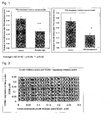
- the results are presented in Fig. 1.
- the thickening of the skin thickness was suppressed by the application of the activated vitamin D3 preparation (Bonalfa (registered trademark) High). Also, the thickening of the skin thickness was suppressed by the application of the Compound 4.
- Human umbilical vein endothelial cells (HUVEC) (Sanko Junyaku Co. , Ltd.) were suspended in EGM-2 medium (Sanko Junyaku Co., Ltd.) at a concentration of 5 ⁇ 10 4 cells/mL, and were inoculated on a 96-well plate (Corning Corp.) at a concentration of 1 ⁇ 10 4 cells/well. The cells were cultured at 37°C in the presence of 5% CO 2 for 4 days, then 100 ⁇ L of the medium was removed, and 25 ⁇ L each of the substance under test and TNF ⁇ (final concentration 10 ng/mL, PeproTech, Inc.) were added.
- HBSS/BSA Hank's Balanced Salt Solution containing 0.5% bovine serum albumin and 0.02% sodium azide
- HBSS/BSA After washing once with 100 ⁇ L of HBSS/BSA, 1 ⁇ g/mL of anti-human VCAM-1 antibody (Genzyme-Techne, Inc.) was added to each well in an amount of 30 ⁇ L, and the plate was incubated on the ice for 1 hour. After washing three times with HBSS/BSA (200 ⁇ L), peroxidase-labeled goat anti-mouse IgG antibody (Pierce Biotechnology, Inc.) diluted 2000-folds with HBSS/BSA was added in an amount of 30 ⁇ L/well, and was allowed to react for 1 hour.
- TMB substrate Moss Inc.
- 1 mol/L sulfuric acid was added in an amount of 25 ⁇ L/well to stop the reaction.
- the absorbance at 492 nm was measured using a reference wavelength of 620 nm and using a96-wellplatespectrophotometer,Multiscan MS-UV (Labsystems, Inc.).
- the inhibitory rate was determined by taking the absorbance for the case of TNF ⁇ stimulation without drug addition, as 100%. In addition, the measurement was performed three times for each group. The results are presented in Table 2.
Landscapes
- Chemical & Material Sciences (AREA)
- Organic Chemistry (AREA)
- Health & Medical Sciences (AREA)
- Animal Behavior & Ethology (AREA)
- Veterinary Medicine (AREA)
- Public Health (AREA)
- Medicinal Chemistry (AREA)
- General Health & Medical Sciences (AREA)
- Pharmacology & Pharmacy (AREA)
- Life Sciences & Earth Sciences (AREA)
- Epidemiology (AREA)
- General Chemical & Material Sciences (AREA)
- Nuclear Medicine, Radiotherapy & Molecular Imaging (AREA)
- Engineering & Computer Science (AREA)
- Chemical Kinetics & Catalysis (AREA)
- Bioinformatics & Cheminformatics (AREA)
- Dermatology (AREA)
- Pharmaceuticals Containing Other Organic And Inorganic Compounds (AREA)
- Pyridine Compounds (AREA)
- Plural Heterocyclic Compounds (AREA)
- Acyclic And Carbocyclic Compounds In Medicinal Compositions (AREA)
Abstract
The present invention relates to an agent for the prevention/therapy of a disease caused by keratinocyte growth, which comprises, as an active ingredient, a compound represented by General Formula (1):

wherein A represents a group selected from groups of the following formulas:

X represents CH or N;
Y represents CH2 or C=O;
Z represents CH or N;
R1 represents an alkoxy group;
R2 and R3 each independently represent an alkyl group;
R4 represents an alkyl group, and a group of the following formula: 
R5 each independently represent an alkoxy group or an alkylthio group;
m represents an integer from 1 to 3;
n represents an integer of 1 or 2; and
o represents an integer of 1 or 2,
or a salt thereof, or a solvate of the compound or the salt.
Y represents CH2 or C=O;
Z represents CH or N;
R1 represents an alkoxy group;
R2 and R3 each independently represent an alkyl group;
R4 represents an alkyl group, and a group of the following formula:
m represents an integer from 1 to 3;
n represents an integer of 1 or 2; and
o represents an integer of 1 or 2,
or a salt thereof, or a solvate of the compound or the salt.
Description
- The present invention relates to an agent for the prevention/therapy and method for the prevention/therapy of a disease caused by keratinocyte growth such as psoriasis.
- Psoriasis is a skin disease which belongs to a class of inflammatorykeratoses, and is a non-infectious disease in which silvery white dry dandruff-like scales are adhered to a red raised rash (erythema), and the scales eventually flake off. Psoriasis appears when corneous keratinocytes excessively outgrow, inflammatory cells accumulate, and excessive neoangiogenesis occurs in the stratum corneum. Psoriasis is clinically classified into psoriasis vulgaris, psoriatic erythrodermia, arthropathic psoriasis, guttate psoriasis, and pustular psoriasis. The cause of onset is still unclear, but it is believed that a change in the keratinocyte's metabolism is the most critical factor for the induction of the disease. Psoriasis is considered to be a disease that is affected by multiple factors such as genetic factors and environmental factors. No fundamental treatment for the disease has been developed, and thus the purpose of its treatment focuses on prolonging the period in which the symptoms are alleviated.
- For the therapeutic agents currently used in the clinical field, steroid drugs, etretinate, vitamin preparations such as retinoids, Bonalfa (registered trademark), immunosuppressants such as methotrexate, cyclosporine, may be mentioned. However, these therapeutic agents show unsatisfactory effects or have problems of side effects, and thus none of them is sufficiently satisfactory (Non-patent
documents 1 to 3). For example, while steroid drugs exhibit some effects, they are known to cause side effects such as atrophy of skin and capillary dilation. Retinoids (vitamin A) also have side effects such as teratogenesis, mucocutaneous toxicity, arthralgia or myalgia, and hepatic damage (Non-patent document 4). Furthermore, activated vitamin D3 preparations are associated with hypercalcemia or local irritating sensations as side effects (Non-patentdocument 1 and 3). Cyclosporine exhibit side effects such as a transient increase in blood pressure and renal function impairment (Non-patent document 5).
Recently, biological preparations such as antibodies suppressing the activation of T-cells, fusion proteins, recombinant interleukins have been developed as therapeutic agents for psoriasis, but economic efficiency is an important problem with these preparations (Non-patent documents 6 and 7). Therefore, it is desired to develop a therapeutic agent for psoriasis, which is more useful from the viewpoints of effect, safety and economic efficiency. - Patent document 1 :
WO 03/002536 - Patent document 2 :
WO 03/002554 - Patent document 3 :
WO 03/020703 - Non-patent document 1 : Expert Opin. Investig. Drugs (2000) 9, 79-93
- Non-patent document 2 : Expert Opin. Investig. Drugs (2003) 12, 1111-1121
- Non-patent document 3 : Lancet (2003) 361, 1197-1204
- Non-patent document 4 : Dermatol. Clin. (2004) 22, 467-476
- Non-patent document 5 : Br. J. Dermatol. (2004) 150, 1-10
- Non-patent document 6 : Expert Opin. Pharmacother. (2003) 4, 1525-1533
- Non-patent document 7 : Expert Opin. Pharmacother. (2003) 4, 1887
- Accordingly, it is an object of the present invention to provide a more useful agent for the prevention/therapy of a disease caused by keratinocyte growth, which is typified by psoriasis, and a method for the prevention/therapy of the disease.
- The inventors of the present invention previously have synthesized a variety of active compounds during a course of research on inhibitory agents for cell adhesion induction, and filed patent applications on such compounds (
Patent documents 1 to 3). Surprisingly, they found that a compound represented by the following General Formula (1), which is one of the compounds described above, has an inhibitory effect on keratinocyte growth, and completed the present invention. - Thus, according to an aspect of the present invention, there is provided an agent for the prevention/therapy of a disease caused by keratinocyte growth, the agent comprising, as an active ingredient, a compound represented by General Formula (1):
-


- X represents CH or N;
Y represents CH2 or C=O;
Z represents CH or N;
R1 represents a C1-C6 straight-chained or branched alkoxy group;
R2 and R3 each independently represent a C1-C6 straight-chained or branched alkyl group; - R4 represents a group selected from C1-C6 straight-chained or branched alkyl groups and a group of the following formula:

- R5 each independently represent a C1-C6 straight-chained or branched alkoxy group or a C1-C6 straight-chained or branched alkylthio group;
m represents an integer from 1 to 3;
n represents an integer of 1 or 2; and
o represents an integer of 1 or 2,
or a salt thereof, or a solvate of the compound or the salt. - According to another aspect of the invention, there is provided a method for the prevention/therapy of a disease caused by keratinocyte growth, the method comprising administering an effective amount of the compound represented by General Formula (1), a salt thereof, or a solvate of the compound or the salt.
- According to another aspect of the invention, there is provided use of the compound represented by General Formula (1), a salt thereof, or a solvate of the compound or the salt, for the manufacture of an agent for the prevention/therapy of a disease caused by keratinocyte growth.
- According to embodiments of the present invention, an agent for the prevention/therapy of a disease caused by keratinocyte growth, for example, psoriasis, and a method for the prevention/therapy of the disease can be provided.
-
- Fig. 1 is a graph showing the inhibitory effect of a compound according to an embodiment of the present invention on the skin thickening in TPA-stimulated hairless mouse; and
- Fig. 2 is a graph showing a comparison of the inhibitory effect on the growth of cultured human epidermal keratinocyte and the VCAM-1 expression inhibitory action of a compound according to an embodiment of the present invention.
- With regard to General Formula (1), the C1-C6 straight-chained or branched alkoxy group of R1 may be exemplified by a methoxy group, an ethoxy group, an n-propoxy group, an isopropoxy group, an n-butoxy group, an isobutoxy group, a sec-butoxy group, a t-butoxy group, a pentyloxy group, or a hexyloxy group. Among these, a methoxy group is preferred.
- The C1-C6 straight-chained or branched alkyl, group of R2 and R3 may be exemplified by a methyl group, an ethyl group, an n-propyl group, an isopropyl group, an n-butyl group, an isobutyl group, a sec-butyl group, a t-butyl group, a pentyl group, or a hexyl group. Among these, a methyl group and an isopropyl group are preferred.
- The C1-C6 straight-chained or branched alkyl group of R4 may be exemplified by the same substituents as those described above. Among them, a methyl group is preferred.
The C1-C6 straight-chained or branched alkoxy group of R5 maybe exemplified by the same substituents as those described above. Among them, a methoxy group is preferred.
The C1-C6 straight-chained or branched alkylthio group of R5 may be exemplified by a methylthio group, an ethylthio group, an n-propylthio group, an isopropylthio group, an n-butylthio group, an isobutylthio group, a sec-butylthio group, a t-butylthio group, a pentylthio group, or a hexylthio group. Among these, a methylthio group is preferred. - m represents an integer from 1 to 3, and 3 is particularly preferred.
n represents an integer of 1 or 2, and 1 is particularly preferred.
o represents an integer of 1 or 2. - It is preferable that in the General Formula (1), (R1)m- is substituted with methoxy groups on the 3-, 4- and 5-positions on the benzene ring. Also, between the Formulas (A1) and (A2), Formula (A1) is particularly preferred. In the General Formula (1), X is preferably CH, Y is preferably CH2, and n is preferably 1. In this case, the ring containing X and Y is a piperidine ring.
- With regard to the General Formula (1), a compound represented by the following Formula (1a) is more preferred:
-

- wherein R4 has the same meaning as defined above. Here, R4 is particularlypreferablyamethyl group, amethylthiophenyl group, a methoxyphenyl group, or a dimethoxyphenyl group.
- With regard to the General Formula (1), a compound selected from compounds of the following formulas:
-


Compounds 1 to 4 are particularly preferred. - The acid addition salt of the above-described compound is not particularly limited as long as the salt is pharmaceutically acceptable, but examples thereof include acid addition salts of mineral acids such as hydrochloride salt, hydrobromide salt, hydroiodide salt, sulfate, phosphate and nitrate; and acid addition salts of organic acids such as benzoate, methanesulfonate, ethanesulfonate, benzenesulfonate, p-toluenesulfonate, oxalate, maleate, fumarate, tartrate, citrate and acetate.
The compound of General Formula (1) may exist in the form of a solvate, which is typified by a hydrate, and the solvates are also included in the present invention. - The compound of General Formula (1) can be prepared by a method described in the pamphlet of
WO 03/002532 WO 03/002536 WO 03/002540 WO 03/002554 WO 03/020703 - Since the compoundof General Formula (1) strongly inhibits keratinocyte growth, as will be described later in Examples, the compound is useful as a drug for the prevention/therapy of a disease caused by keratinocyte growth, for example, psoriasis. Psoriasis may be exemplified by psoriasis vulgaris, psoriatic erythrodermia, arthropathic psoriasis, guttate psoriasis, pustular psoriasis, or the like.
Furthermore, the inventors evaluated the correlation between the keratinocyte growth inhibitory action and a cell adhesion molecule induction inhibitory action (VCAM-1 expression inhibitory activity), but there was no correlation therebetween. Accordingly, it is conceived that the keratinocyte growth inhibitory action of the compound of the present invention is irrelevant to the cell adhesion molecule induction inhibitory action. - The agent for the prevention/therapy of the present invention contains, as an active ingredient, the compound of General Formula (1), a salt thereof, or a solvate of the compound or the salt, and is prepared in the formof a general pharmaceutical preparation. Such preparation is prepared using a conventionally used diluent or excipient such as a filler, a bulking agent, a binding agent, a moisturizing agent, a disintegrant, a surfactant, a gliding agent or the like. For this pharmaceutical preparation, various dosage forms can be selected in accordance with the purpose of therapy, and representative forms include tablet, pill, powder, solution, suspension, emulsion, granule, capsule, suppository, injection (solution, suspension, etc.), spray preparations such as inhalant, external aerosol, and external preparations such as liquid coating preparation, lotion, liniment, ointment, cream, PAP preparation, while an external preparation is preferred.
- When forming into a form of a tablet, a wide range of materials that are conventionally known in the pertinent art as carrier can be used, and examples thereof include excipients suchas lactose, sucrose, sodium chloride, glucose, urea, starch, calcium carbonate, kaolin, crystalline cellulose, silicic acid; binding agents such as water, ethanol, propanol, simple syrup, glucose solution, starch solution, gelatin solution, carboxymethylcellulose, ceramics, methylcellulose, potassium phosphate, polyvinylpyrrolidone; disintegrants such as dry starch, sodium alginate, powdered agar, powdered laminaran, sodium hydrogen carbonate, calcium carbonate, polyoxylethylene sorbitan fatty acid esters, sodium lauryl sulfate, stearic acid monoglyceride, starch, lactose; disintegration suppressants such as sucrose, stearin, cacao butter, hydrogenated oils; absorption promoters such as quaternary ammonium bases, sodium lauryl sulfate; moisturizers such as glycerin, starch; adsorbents such as starch, lactose, kaolin, bentonite, colloidal silicic acid; gliding agents such as purified talc, stearic acid salts, powdered boric acid, polyethylene glycol. Furthermore, if necessary, the tablet may be prepared into a tablet provided with a conventional coating such as, for example, a sugar coated tablet, a gelatin coated tablet, an enteric coated tablet, a film coated tablet, a dual tablet, or a multilayered tablet.
- When molding into a form of a pill, a wide range of materials that are conventionally known in the pertinent art as carrier can be used, and examples thereof include excipients such as glucose, lactose, starch, cacao butter, hydrogenated plant oils, kaolin, talc; binding agents such as powdered gum arabic, powdered tragacanth, gelatin, ethanol; disintegrants such as laminaran, agar; and the like. When forming into a form of a suppository, a wide range of materials that are conventionally known in the pertinent art as carrier can be used, and examples thereof include polyethylene glycol, cacao butter, higher alcohols, esters of higher alcohols, gelatin, semisynthetic glycerides and the like.
- In the case of preparing into an injectable preparation, it is preferable that the preparation is prepared into a form of a solution, an emulsion or a suspension, and then usually sterilized as well as made isotonic with the blood. When forming into a form of these solution, emulsion and suspension, all of those conventionally used in the pertinent art as a diluent can be used, and examples thereof include water, ethyl alcohol, propylene glycol, ethoxylated isostearyl alcohol, polyoxylated isostearyl alcohol, polyoxyethylene sorbitan fatty acid esters and the like. In addition, to make the preparation isotonic with the blood, common salt, glucose or glycerin is added in an amount sufficient for preparing an isotonic solution. Furthermore, a conventional dissolution aid, a buffering agent, a soothing agent, and further, if necessary, a colorant, a preservative, a perfume, a flavoring agent, a sweetening agent or another drug may also be added to the agent for therapy.
- In the case of forming into a form of a spray preparation, a wide range of materials that are conventionally known in the pertinent art as dispersant and propellant can be used, and examples of the dispersant include lecithins such as soybean lecithin, egg yolk lecithin; fatty acids such as oleic acid, linolic acid, linolenic acid; sorbitans such as sorbitan trioleate, sorbitan monooleate; and the like. Examples of the propellant include conventional non-flammable liquefied gases such as Freon 11, Freon 12, Freon 114.
- In the case of using the preparation as an ointment, the preparation is prepared using lipophilic base materials, and the lipophilic base materials include the following, namely, hydrocarbons such as liquid paraffin, mineral oil, white petrolatum, yellow petrolatum, petrolatum jelly, paraffin (hard paraffin, paraffin waxes), microcrystalline waxes, polyethylene, squalane, squalene; silicones such as dimethylpolysiloxane, polydimethylsiloxane; higher alcohols such as myristyl alcohol, lauryl alcohol, cetyl alcohol, stearyl alcohol, cetostearyl alcohol, oleyl alcohol, anethole, citronellol, eugenol; sterols or sterol esters such as lanolin, liquid lanolin, lanolin wax, isopropyl lanolin, acetylated lanolin, lanolin alcohol, cholesterol; higher fatty acids such as lauric acid, myristic acid, palmitic acid, stearic acid, oleic acid; esters such as carnauba wax, beeswax, whale wax, polyethylene glycol esters, ethylene glycol esters, glycerin monoesters, sorbitol esters, sorbitan esters, isopropyl myristate, isopropyl palmitate, isopropyl adipate; plant oils such as almond oil, corn oil, cotton seed oil, olive oil, soybean oil, peanut oil, palm oil, fractionated palm oil, sesame oil; and the like. These base materials may be used individually, or may be used as a mixture of two or more species. The therapeutic agent for psoriasis of the present inventionmaybe appropriately mixed, if necessary, with generally used additives such as a metal soap, an animal or plant extract, a medicinal preparation such as a vitamin preparation, a hormone preparation, an amino acid or the like, a surfactant, a colorant, a dye, a pigment, a fragrance, an ultraviolet absorbent, a moisturizing agent, a thickening agent, an antioxidant, a preservative, an absorption promoter, a sequestering agent, a pH adjusting agent.
- The amount of the compound of General Formula (1), a salt thereof or a solvate of the compound or the salt, which should be contained in the agent for prevention/therapy of the present invention, is not particularly limited and may be selected from a wide range. However, in the case of an oral preparation, an injectable preparation, a spray preparation or the like, the amount is usually 0.01 to 70% by weight, and preferably 1 to 50% by weight, of the total composition, and in the case of using as an external preparation, the amount is usually 0.001 to 10% by weight, and preferably 0.1 to 5% by weight, of the total composition. The method of administering the agent for prevention/therapy of the present invention is not particularly limited, and the preparation is administered by a method selected in accordance with various preparation forms, the age, gender and other conditions, severity of the disease of the patient. For example, in the case of a tablet, a pill, a solution, a suspension, an emulsion, a granule and a capsule, the preparation is orally administered. In the case of an injection, the preparation is intravenously administered individually or as a mixture with a conventional replacement fluid such as glucose, amino acid or the like, or alternatively, is individually administeredintramuscularly,intradermally,subcutaneously or intraperitoneally as necessary. In the case of a suppository, the preparation is administered intrarectally. A spray preparation is administered by spraying intraorally or intranasally.
- The pharmaceutically acceptable carrier for the medicine of the present invention may be exemplified by an excipient, a diluent, a bulking agent, a disintegrant, a stabilizer, a preservative, a buffering agent, an emulsifier, a fragrance, a colorant, a sweetening agent, a thickening agent, a flavoring agent, a dissolution aid, or other additives, or the like. By using one or more of such carriers, a pharmaceutical composition in the form of a tablet, a pill, a powder, a granule, an injection, a solution, a capsule, a troche, an elixir, a suspension, an emulsion, a syrup, an inhalant, an external aerosol, an external preparation such as a liquid coating preparation, a lotion, a liniment, an ointment, a cream, a PAP preparation or the like can be prepared, but an external preparation is preferred.
- In the case of using the compound of the present invention in an oral preparation, the dose may be appropriately selected in accordance with the weight, age, gender, symptoms of the patient, but in the case of an adult, the amount to be administered is usually 1 to 3000 mg, and preferably 2 to 300 mg per day. In addition, the dosage may be administered once a day, or in two or more divided portions a day.
- In the case of using the compound of the present invention in an external preparation, an amount to cover the entire affected site can be applied once or several times a day, by coating on the affected site, or the like.
- Hereinafter, the present invention will be described in detail with reference to Examples, but the invention is not intended to be limited thereto.
- Normal human keratinocytes (purchased from Kurabo Industries, Ltd.) were inoculated on a 48-well plate (Coster Corp.) at a concentration of 4×10⁴ cells/well/500 µL, and were cultured overnight at 37°C in the presence of 5% CO2. A compound of the present invention or activated vitamin D3 (Calcitriol; Wako Pure Chemical Industries, Ltd.) was added to a final concentration of 0.01 to 10 µM, and the cells were cultured for 22 hours. H3-thymidine (Amersham plc.) was added, and the cells were incubated for another 2 hours. Subsequently, the cells were recovered after washing, and in a liquid scintillation counter (Packard Instrument Company, Inc.), the radioactivity taken up by the cells was measured. The results are presented in Table 1. The results are presented as a ratio of the radioactivity taken up by the cells upon drug addition, with respect to the radioactivity of the case with no drug addition (Control), which was taken as 100%. The IC50 value, which is the concentration of the drug for inhibiting the uptake of radioactivity to 50% with respect to the control, was lower in the case of anyof the
Compounds 1 to 8 than in the case of Calcitriol. For example, the IC50 values in the case ofcompound 4 and in the case of Calcitriol are respectively 0.247 and 1.9 µM, and thecompound 4 exhibited about 8 times as much efficacy as that of Calcitriol. In psoriasis, abnormally increased growth of epidermal cells is most characteristic, and potent inhibition of the growth of epidermal cells is useful for the therapy of psoriasis. -
[Table 1] Human keratinocyte growth inhibition IC50 (µM) Compound 10.066 Compound 2 0.044 Compound 3 0.049 Compound 40.247 Compound 50.18 Compound 6 0.177 Compound 7 >0.3 Compound 8 1.0 Calcitriol 1.9 - As an animal model for psoriasis, hairless mice stimulated with 12-O-tetradecanoylphorbol-13-acetate (hereinafter, referred to as TPA) were used (Sato, et al., Dermatology (1996) 192, 233-238). That is, on the dorsal side of a 7 to 8 weeks old female SKH1-hrBR-Hairless mouse (Charles River Laboratories Japan, Inc.), 10 nmol of TPA dissolved in acetone was applied, and then 50 µL of either the drug dissolved in acetone or Bonalfa (registered trademark) High (Teij in Pharma, Ltd.) was applied. After 24 hours, the thickness of the skin on the dorsal side was measured using a dial thickness gauge (Peacock G-1A, Ozaki MFG. Co., Ltd.), and the difference between the measured skin thickness and the skin thickness measured before TPA application was determined. The results are presented in Fig. 1. The thickening of the skin thickness was suppressed by the application of the activated vitamin D3 preparation (Bonalfa (registered trademark) High). Also, the thickening of the skin thickness was suppressed by the application of the
Compound 4. - Human umbilical vein endothelial cells (HUVEC) (Sanko Junyaku Co. , Ltd.) were suspended in EGM-2 medium (Sanko Junyaku Co., Ltd.) at a concentration of 5×10⁴ cells/mL, and were inoculated on a 96-well plate (Corning Corp.) at a concentration of 1×10⁴ cells/well. The cells were cultured at 37°C in the presence of 5% CO2 for 4 days, then 100 µL of the medium was removed, and 25 µL each of the substance under test and TNFα (final concentration 10 ng/mL, PeproTech, Inc.) were added. After incubating the cells for 4.5 hours at 37°C, the medium was removed, and each well was washed once with 100 µL of Hank's Balanced Salt Solution containing 0.5% bovine serum albumin and 0.02% sodium azide (HBSS/BSA). Subsequently, 30 µL of ablocking solution (1% whole goat serum (ICN Biomedicals, Inc.) /HBSS/BSA) was added, and the plate was left to stand for 30 minutes on the ice. After washing once with 100 µL of HBSS/BSA, 1 µg/mL of anti-human VCAM-1 antibody (Genzyme-Techne, Inc.) was added to each well in an amount of 30 µL, and the plate was incubated on the ice for 1 hour. After washing three times with HBSS/BSA (200 µL), peroxidase-labeled goat anti-mouse IgG antibody (Pierce Biotechnology, Inc.) diluted 2000-folds with HBSS/BSA was added in an amount of 30 µL/well, and was allowed to react for 1 hour. After washing 5 times with HBSS/BSA as described above, 100 µL/well of TMB substrate (Moss Inc.) was added, an enzymatic reaction was allowed to proceed for 15 to 30 minutes at 25°C, and then 1 mol/L sulfuric acid was added in an amount of 25 µL/well to stop the reaction. The absorbance at 492 nm was measured using a reference wavelength of 620 nm and using a96-wellplatespectrophotometer,Multiscan MS-UV (Labsystems, Inc.). The inhibitory rate was determined by taking the absorbance for the case of TNFα stimulation without drug addition, as 100%. In addition, the measurement was performed three times for each group. The results are presented in Table 2.
-
[Table 2] VCAM-1 expression inhibitory action IC50 (µM) Compound 10.08 Compound 2 0.005 Compound 40.02 Compound 50.2 Compound 6 0.1 Compound 7 0.2 Compound 8 0.1 - The results of comparing the inhibitory effect on the growth of cultured human epidermal cells and the VCAM-1 expression inhibitory action are presented in Fig. 2. There was no correlation between the inhibitory effect on the growth of cultured human epidermal cells and the VCAM-1 expression inhibitory action.
Claims (18)
- An agent for the prevention/therapy of a disease caused by keratinocyte growth, the agent comprising, as an active ingredient, a compound represented by General Formula (1):


Y represents CH2 or C=O;
Z represents CH or N;
R1 represents a C1-C6 straight-chained or branched alkoxy group;
R2 and R3 each independently represent a C1-C6 straight-chained or branched alkyl group;
R4 represents a group selected from the group consisting of C1-C6 straight-chained or branched alkyl groups, and a group of the following formula:
m represents an integer from 1 to 3;
n represents an integer of 1 or 2; and
o represents an integer of 1 or 2,
or a salt thereof, or a solvate of the compound or the salt. - The agent for prevention/therapy according to claim 1,
wherein the active ingredient is a compound represented by Formula (1a):
or a salt thereof, or a solvate of the compound or the salt. - The agent for prevention/therapy according to claim 1,
wherein the active ingredient is a compound selected from the group consisting of the compounds represented by the following formulas: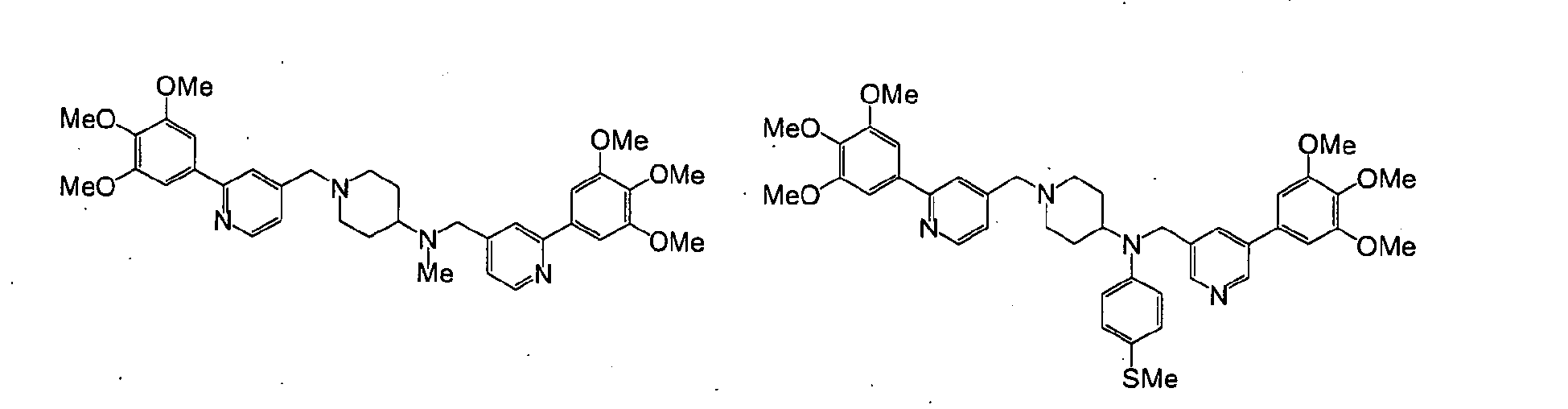


- The agent for prevention/therapy according to claim 1,
wherein the active ingredient is a compound selected from the group consisting of the compounds represented by the following formulas:

- The agent for prevention/therapy according to any one of claims 1 to 4,
wherein the disease is psoriasis. - The agent for prevention/therapy according to claim 5,
wherein the psoriasis is psoriasis vulgaris, psoriatic erythrodermia, arthropathic psoriasis, guttate psoriasis, or pustular psoriasis. - A method for the prevention/therapy of a disease caused by keratinocyte growth, the method comprising administering an effective amount of a compound represented by General Formula (1) :


Y represents CH2 or C=O;
Z represents CH or N;
R1 represents a C1-C6 straight-chained or branched alkoxy group;
R2 and R3 each independently represent a C1-C6
straight-chained or branched alkyl group;
R4 represents a group selected from the groups consisting of C1-C6 straight-chained or branched alkyl groups, and a group of the following formula:
m represents an integer from 1 to 3;
n represents an integer of 1 or 2; and
o represents an integer of 1 or 2,
or a salt thereof, or a solvate of the compound or the salt. - The method for prevention/therapy according to claim 7,
wherein an effective amount of a compound represented by Formula (1a) :
or a salt thereof, or a solvate of the compound or the salt is administered. - The method for prevention/therapy according to claim 7,
wherein an effective amount of a compound selected from the group consisting of the compounds represented by the following formulas:
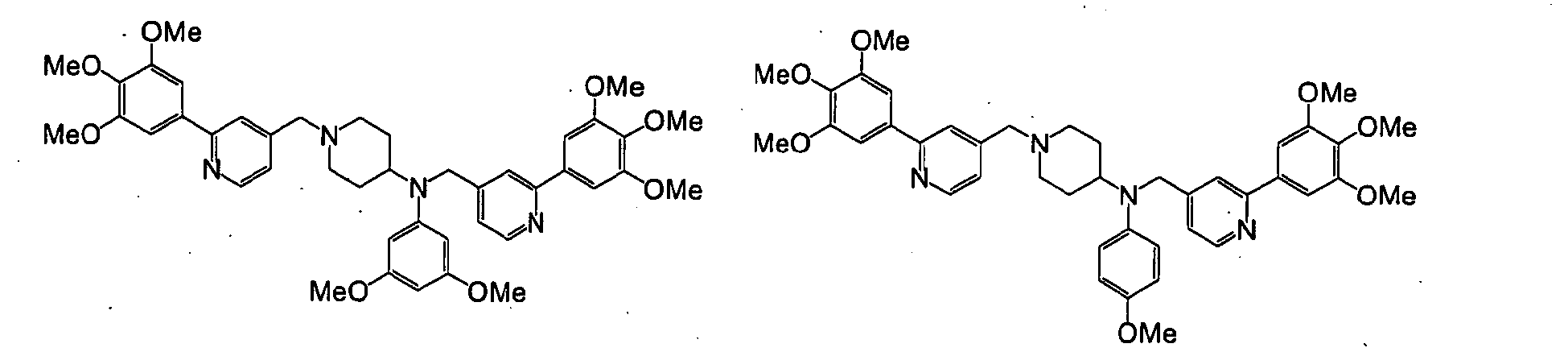


- The method for prevention/therapy according to claim 7,
wherein an effective amount of a compound selected from the group consisting of the compounds represented by the following formulas:

- The method for prevention/therapy according to any one of claims 7 to 10,
wherein the disease is psoriasis. - The method for prevention/therapy according to claim 11,
wherein the psoriasis is psoriasis vulgaris, psoriatic erythrodermia, arthropathic psoriasis, guttate psoriasis, or pustular psoriasis. - Use of a compound represented by General Formula (1):


Y represents CH2 or C=O;
Z represents CH or N;
R1 represents a C1-C6 straight-chained or branched alkoxy group;
R2 and R3 each independently represent a C1-C6
straight-chained or branched alkyl group;
R4 represents a group selected from the group consisting of C1-C6 straight-chained or branched alkyl groups, and a group of the following formula:
m represents an integer from 1 to 3;
n represents an integer of 1 or 2; and
o represents an integer of 1 or 2,
or a salt thereof, or a solvate of the compound or the salt, for the manufacture of an agent for the prevention/therapy of a disease caused by keratinocyte growth. - The use according to claim 13,
wherein the compound represented by General Formula (1), a salt thereof, or a solvate of the compound or the salt is a compound represented by Formula (1a):
- The use according to claim 13,
wherein the compound represented by General Formula (1), a salt thereof, or a solvate of the compound or the salt is a compound selected from the group consisting of the compounds represented by the following formulas:


- The use according to claim 13,
wherein the compound represented by General Formula (1), a salt thereof, or a solvate of the compound or the salt is a compound selected from the group consisting of the compounds represented by the following formulas:

- The use according to any one of claims 13 to 16,
wherein the disease is psoriasis. - The use according to claim 17,
wherein the psoriasis is psoriasis vulgaris, psoriatic erythrodermia, arthropathic psoriasis, guttate psoriasis, or pustular psoriasis.
Applications Claiming Priority (2)
| Application Number | Priority Date | Filing Date | Title |
|---|---|---|---|
| JP2005026178 | 2005-02-02 | ||
| PCT/JP2006/301636 WO2006082834A1 (en) | 2005-02-02 | 2006-02-01 | Agent for prevention/therapy of disease caused by keratinocyte growth |
Publications (2)
| Publication Number | Publication Date |
|---|---|
| EP1844778A1 true EP1844778A1 (en) | 2007-10-17 |
| EP1844778A4 EP1844778A4 (en) | 2010-11-03 |
Family
ID=36777218
Family Applications (1)
| Application Number | Title | Priority Date | Filing Date |
|---|---|---|---|
| EP06712779A Withdrawn EP1844778A4 (en) | 2005-02-02 | 2006-02-01 | AGENT FOR THE PREVENTION / THERAPY OF A DISEASE CAUSED BY THE DEVELOPMENT OF KERATINOCYTES |
Country Status (4)
| Country | Link |
|---|---|
| US (1) | US20090042901A1 (en) |
| EP (1) | EP1844778A4 (en) |
| JP (1) | JPWO2006082834A1 (en) |
| WO (1) | WO2006082834A1 (en) |
Family Cites Families (14)
| Publication number | Priority date | Publication date | Assignee | Title |
|---|---|---|---|---|
| IL99368A (en) * | 1991-09-02 | 1996-01-19 | Teva Pharma | Compositions for topical treatment of psoriasis and atopic dermatitis comprising a xanthine derivative |
| TW314467B (en) * | 1993-03-31 | 1997-09-01 | Hoechst Ag | |
| WO2000021935A1 (en) * | 1998-10-09 | 2000-04-20 | Nihon Nohyaku Co., Ltd. | Pyridazinone derivatives |
| IL152961A0 (en) * | 2000-05-31 | 2003-06-24 | Tanabe Seiyaku Co | Inhibitors of alpha beta 2 mediated cell adhesion |
| JP3346408B2 (en) * | 2000-11-24 | 2002-11-18 | 井関農機株式会社 | Threshing machine waste transfer equipment |
| US6552188B2 (en) * | 2001-06-29 | 2003-04-22 | Kowa Co., Ltd. | Unsymmetrical cyclic diamine compound |
| US6432957B1 (en) * | 2001-06-29 | 2002-08-13 | Kowa Co., Ltd. | Piperazine derivative |
| US6395753B1 (en) * | 2001-08-30 | 2002-05-28 | Kowa Co., Ltd. | Cyclic amine compounds and pharmaceutical composition containing the same |
| US6867221B2 (en) * | 2001-08-30 | 2005-03-15 | Kowa Co., Ltd. | Cyclic amine compounds and pharmaceutical composition containing the same |
| MXPA04008797A (en) * | 2002-03-13 | 2004-11-26 | Janssen Pharmaceutica Nv | Inhibitors of histone deacetylase. |
| NZ536116A (en) * | 2002-04-03 | 2007-01-26 | Topotarget Uk Ltd | Carbamic acid compounds comprising a piperazine linkage as HDAC inhibitors |
| MY134200A (en) * | 2002-04-12 | 2007-11-30 | Kowa Co | Method for treating cancer |
| WO2004052859A1 (en) * | 2002-12-06 | 2004-06-24 | Kowa Co., Ltd. | Erythropoietin production accelerator |
| JP4634303B2 (en) * | 2003-10-10 | 2011-02-16 | 興和株式会社 | Angiogenesis inhibitor |
-
2006
- 2006-02-01 WO PCT/JP2006/301636 patent/WO2006082834A1/en not_active Ceased
- 2006-02-01 EP EP06712779A patent/EP1844778A4/en not_active Withdrawn
- 2006-02-01 US US11/815,376 patent/US20090042901A1/en not_active Abandoned
- 2006-02-01 JP JP2007501584A patent/JPWO2006082834A1/en active Pending
Also Published As
| Publication number | Publication date |
|---|---|
| EP1844778A4 (en) | 2010-11-03 |
| WO2006082834A1 (en) | 2006-08-10 |
| US20090042901A1 (en) | 2009-02-12 |
| JPWO2006082834A1 (en) | 2008-06-26 |
Similar Documents
| Publication | Publication Date | Title |
|---|---|---|
| KR101935068B1 (en) | Ester derivatives of bimatoprost compositions and methods | |
| EP3458448B1 (en) | Fasn inhibitors for use in treating non-alcoholic steatohepatitis | |
| US20100113601A1 (en) | Method for decreasing sebum production | |
| BRPI0609630A2 (en) | compositions and methods for treating hyperproliferative epidermal diseases | |
| EP0209158A2 (en) | Terpene amino alcohols and medicinal uses thereof | |
| EP0779074A1 (en) | Protective agent for organ or tissue | |
| JP2008538362A (en) | Identification of methods for treating diseases through blocking protein maturation, compounds that inhibit the function of molecular chaperones such as protein disulfide isomerase or interfere with glycosylation, pharmaceutical compositions containing them, and therapeutic agents Screening method | |
| EP4520752A1 (en) | Carebastine salt and use thereof | |
| EP1435353A1 (en) | Novel heterocyclic compound and anti-inflammatory agent | |
| EP1844778A1 (en) | Agent for prevention/therapy of disease caused by keratinocyte growth | |
| US20030171379A1 (en) | Methods of treating, preventing, or inhibiting inflammation with Mactanamide compounds | |
| EP0664127B1 (en) | Pharmaceutical compositions containing isoquinoline derivatives | |
| CN116033943A (en) | Composition for preventing, improving or treating inflammatory diseases comprising iocanin or its salt as an active ingredient | |
| US11958869B2 (en) | Ruthenium arene Schiff-base complexes and uses thereof | |
| ES2453640T3 (en) | Methods for the treatment of dermatological disorders | |
| KR20000075769A (en) | Anticancer Composition Comprising a Diaminotrifluoromethylpyridine Derivative | |
| EP3833354B1 (en) | Tissue transglutaminase modulators for medicinal use | |
| KR101246682B1 (en) | Composition for whitening of the skin comprising arylthiourea derivatives | |
| CN107007608A (en) | The treatment of I types and type ii diabetes | |
| BR112020018138A2 (en) | COMPOSITIONS AND METHODS FOR TREATING SKIN FIBROSIS | |
| JPWO2006041120A1 (en) | Pharmaceutical composition | |
| CA2519026A1 (en) | Therapeutic and/or preventive agent for chronic skin disease | |
| EP2599480A1 (en) | Compounds for the treatment of influenza | |
| US5284836A (en) | Heterocyclic phospholipids useful in treating multiple sclerosis | |
| JP2009509926A (en) | Lysophylline analogs and methods of use |
Legal Events
| Date | Code | Title | Description |
|---|---|---|---|
| PUAI | Public reference made under article 153(3) epc to a published international application that has entered the european phase |
Free format text: ORIGINAL CODE: 0009012 |
|
| 17P | Request for examination filed |
Effective date: 20070725 |
|
| AK | Designated contracting states |
Kind code of ref document: A1 Designated state(s): AT BE BG CH CY CZ DE DK EE ES FI FR GB GR HU IE IS IT LI LT LU LV MC NL PL PT RO SE SI SK TR |
|
| DAX | Request for extension of the european patent (deleted) | ||
| A4 | Supplementary search report drawn up and despatched |
Effective date: 20101005 |
|
| STAA | Information on the status of an ep patent application or granted ep patent |
Free format text: STATUS: THE APPLICATION HAS BEEN WITHDRAWN |
|
| 18W | Application withdrawn |
Effective date: 20110204 |