EP1832580A1 - Crystal and salt of 1-cyclopropylmethyl-4-ý2-(3,3,5,5)-tetramethylcyclohexyl)phenyl¨piperazine - Google Patents
Crystal and salt of 1-cyclopropylmethyl-4-ý2-(3,3,5,5)-tetramethylcyclohexyl)phenyl¨piperazine Download PDFInfo
- Publication number
- EP1832580A1 EP1832580A1 EP05816616A EP05816616A EP1832580A1 EP 1832580 A1 EP1832580 A1 EP 1832580A1 EP 05816616 A EP05816616 A EP 05816616A EP 05816616 A EP05816616 A EP 05816616A EP 1832580 A1 EP1832580 A1 EP 1832580A1
- Authority
- EP
- European Patent Office
- Prior art keywords
- tetramethylcyclohexyl
- phenyl
- cyclopropylmethyl
- piperazine
- added
- Prior art date
- Legal status (The legal status is an assumption and is not a legal conclusion. Google has not performed a legal analysis and makes no representation as to the accuracy of the status listed.)
- Withdrawn
Links
- 239000013078 crystal Substances 0.000 title claims abstract description 127
- 150000003839 salts Chemical class 0.000 title claims abstract description 31
- 125000001997 phenyl group Chemical group [H]C1=C([H])C([H])=C(*)C([H])=C1[H] 0.000 title description 6
- PGWIKFFLIJECAM-UHFFFAOYSA-N 1-(cyclopropylmethyl)-4-[2-(3,3,5,5-tetramethylcyclohexyl)phenyl]piperazine Chemical compound C1C(C)(C)CC(C)(C)CC1C1=CC=CC=C1N1CCN(CC2CC2)CC1 PGWIKFFLIJECAM-UHFFFAOYSA-N 0.000 claims abstract description 38
- 238000000634 powder X-ray diffraction Methods 0.000 claims description 24
- AFVFQIVMOAPDHO-UHFFFAOYSA-N Methanesulfonic acid Chemical compound CS(O)(=O)=O AFVFQIVMOAPDHO-UHFFFAOYSA-N 0.000 claims description 23
- AEHZBEGUMKAEQG-UHFFFAOYSA-N 1-(cyclopropylmethyl)-4-[2-(3,3,5,5-tetramethylcyclohexyl)phenyl]piperazine;methanesulfonic acid Chemical compound CS(O)(=O)=O.C1C(C)(C)CC(C)(C)CC1C1=CC=CC=C1N1CCN(CC2CC2)CC1 AEHZBEGUMKAEQG-UHFFFAOYSA-N 0.000 claims description 21
- 239000000126 substance Substances 0.000 claims description 19
- HVXXDLJIWWZDBP-UHFFFAOYSA-N 1-(cyclopropylmethyl)-4-[2-(3,3,5,5-tetramethylcyclohexyl)phenyl]piperazine;hydrochloride Chemical compound Cl.C1C(C)(C)CC(C)(C)CC1C1=CC=CC=C1N1CCN(CC2CC2)CC1 HVXXDLJIWWZDBP-UHFFFAOYSA-N 0.000 claims description 15
- VEXZGXHMUGYJMC-UHFFFAOYSA-N Hydrochloric acid Chemical compound Cl VEXZGXHMUGYJMC-UHFFFAOYSA-N 0.000 claims description 15
- 239000002253 acid Substances 0.000 claims description 12
- QAOWNCQODCNURD-UHFFFAOYSA-N Sulfuric acid Chemical compound OS(O)(=O)=O QAOWNCQODCNURD-UHFFFAOYSA-N 0.000 claims description 10
- 229940098779 methanesulfonic acid Drugs 0.000 claims description 9
- AVRVZRUEXIEGMP-UHFFFAOYSA-N piperazine;hexahydrate Chemical compound O.O.O.O.O.O.C1CNCCN1 AVRVZRUEXIEGMP-UHFFFAOYSA-N 0.000 claims description 6
- JOXIMZWYDAKGHI-UHFFFAOYSA-N toluene-4-sulfonic acid Chemical compound CC1=CC=C(S(O)(=O)=O)C=C1 JOXIMZWYDAKGHI-UHFFFAOYSA-N 0.000 claims description 6
- UWNZQFNNOXHTDR-UHFFFAOYSA-N 1-(cyclopropylmethyl)-4-[2-(3,3,5,5-tetramethylcyclohexyl)phenyl]piperazine;sulfuric acid Chemical compound OS(O)(=O)=O.C1C(C)(C)CC(C)(C)CC1C1=CC=CC=C1N1CCN(CC2CC2)CC1 UWNZQFNNOXHTDR-UHFFFAOYSA-N 0.000 claims description 5
- SRSXLGNVWSONIS-UHFFFAOYSA-N benzenesulfonic acid Chemical compound OS(=O)(=O)C1=CC=CC=C1 SRSXLGNVWSONIS-UHFFFAOYSA-N 0.000 claims description 5
- NNCHPDDTBYYESE-UHFFFAOYSA-N 1-(cyclopropylmethyl)-4-[2-(3,3,5,5-tetramethylcyclohexyl)phenyl]piperazine;4-methylbenzenesulfonic acid Chemical compound CC1=CC=C(S(O)(=O)=O)C=C1.C1C(C)(C)CC(C)(C)CC1C1=CC=CC=C1N1CCN(CC2CC2)CC1 NNCHPDDTBYYESE-UHFFFAOYSA-N 0.000 claims description 4
- MNYDWLVBVWFZIU-UHFFFAOYSA-N 1-(cyclopropylmethyl)-4-[2-(3,3,5,5-tetramethylcyclohexyl)phenyl]piperazine;ethanesulfonic acid Chemical compound CCS(O)(=O)=O.C1C(C)(C)CC(C)(C)CC1C1=CC=CC=C1N1CCN(CC2CC2)CC1 MNYDWLVBVWFZIU-UHFFFAOYSA-N 0.000 claims description 4
- NZSMOFQIVRAEBN-UHFFFAOYSA-N 1-(cyclopropylmethyl)-4-[2-(3,3,5,5-tetramethylcyclohexyl)phenyl]piperazine;hydrobromide Chemical compound Br.C1C(C)(C)CC(C)(C)CC1C1=CC=CC=C1N1CCN(CC2CC2)CC1 NZSMOFQIVRAEBN-UHFFFAOYSA-N 0.000 claims description 4
- BMYNFMYTOJXKLE-UHFFFAOYSA-N 3-azaniumyl-2-hydroxypropanoate Chemical compound NCC(O)C(O)=O BMYNFMYTOJXKLE-UHFFFAOYSA-N 0.000 claims description 4
- 229940092714 benzenesulfonic acid Drugs 0.000 claims description 4
- CCIVGXIOQKPBKL-UHFFFAOYSA-M ethanesulfonate Chemical compound CCS([O-])(=O)=O CCIVGXIOQKPBKL-UHFFFAOYSA-M 0.000 claims description 4
- 238000000279 solid-state nuclear magnetic resonance spectrum Methods 0.000 claims description 4
- BJPMQKMQMMXNKC-UHFFFAOYSA-N benzenesulfonic acid;1-(cyclopropylmethyl)-4-[2-(3,3,5,5-tetramethylcyclohexyl)phenyl]piperazine Chemical compound OS(=O)(=O)C1=CC=CC=C1.C1C(C)(C)CC(C)(C)CC1C1=CC=CC=C1N1CCN(CC2CC2)CC1 BJPMQKMQMMXNKC-UHFFFAOYSA-N 0.000 claims description 3
- 229960003641 piperazine hydrate Drugs 0.000 claims description 2
- 230000008595 infiltration Effects 0.000 abstract description 25
- 238000001764 infiltration Methods 0.000 abstract description 25
- 210000004027 cell Anatomy 0.000 abstract description 24
- 230000000069 prophylactic effect Effects 0.000 abstract description 20
- 230000001225 therapeutic effect Effects 0.000 abstract description 20
- 230000002401 inhibitory effect Effects 0.000 abstract description 16
- 230000021164 cell adhesion Effects 0.000 abstract description 13
- 210000000265 leukocyte Anatomy 0.000 abstract description 12
- 206010009900 Colitis ulcerative Diseases 0.000 abstract description 10
- 208000011231 Crohn disease Diseases 0.000 abstract description 10
- 201000004681 Psoriasis Diseases 0.000 abstract description 10
- 201000006704 Ulcerative Colitis Diseases 0.000 abstract description 10
- 208000006673 asthma Diseases 0.000 abstract description 10
- 206010039073 rheumatoid arthritis Diseases 0.000 abstract description 10
- 208000022559 Inflammatory bowel disease Diseases 0.000 abstract description 9
- 208000002551 irritable bowel syndrome Diseases 0.000 abstract description 9
- 201000006417 multiple sclerosis Diseases 0.000 abstract description 9
- 208000023275 Autoimmune disease Diseases 0.000 abstract description 8
- 206010012438 Dermatitis atopic Diseases 0.000 abstract description 8
- 201000008937 atopic dermatitis Diseases 0.000 abstract description 8
- 208000027866 inflammatory disease Diseases 0.000 abstract description 8
- XEKOWRVHYACXOJ-UHFFFAOYSA-N Ethyl acetate Chemical compound CCOC(C)=O XEKOWRVHYACXOJ-UHFFFAOYSA-N 0.000 description 117
- 239000000203 mixture Substances 0.000 description 78
- 150000001875 compounds Chemical class 0.000 description 66
- 238000003756 stirring Methods 0.000 description 51
- RTZKZFJDLAIYFH-UHFFFAOYSA-N Diethyl ether Chemical compound CCOCC RTZKZFJDLAIYFH-UHFFFAOYSA-N 0.000 description 35
- IMNFDUFMRHMDMM-UHFFFAOYSA-N N-Heptane Chemical compound CCCCCCC IMNFDUFMRHMDMM-UHFFFAOYSA-N 0.000 description 34
- XLYOFNOQVPJJNP-UHFFFAOYSA-N water Substances O XLYOFNOQVPJJNP-UHFFFAOYSA-N 0.000 description 34
- 239000011541 reaction mixture Substances 0.000 description 32
- LFQSCWFLJHTTHZ-UHFFFAOYSA-N Ethanol Chemical compound CCO LFQSCWFLJHTTHZ-UHFFFAOYSA-N 0.000 description 28
- WYURNTSHIVDZCO-UHFFFAOYSA-N Tetrahydrofuran Chemical compound C1CCOC1 WYURNTSHIVDZCO-UHFFFAOYSA-N 0.000 description 28
- VLKZOEOYAKHREP-UHFFFAOYSA-N n-Hexane Chemical compound CCCCCC VLKZOEOYAKHREP-UHFFFAOYSA-N 0.000 description 27
- 239000003795 chemical substances by application Substances 0.000 description 26
- 239000000243 solution Substances 0.000 description 26
- 238000001914 filtration Methods 0.000 description 25
- HEDRZPFGACZZDS-MICDWDOJSA-N Trichloro(2H)methane Chemical compound [2H]C(Cl)(Cl)Cl HEDRZPFGACZZDS-MICDWDOJSA-N 0.000 description 24
- 238000001035 drying Methods 0.000 description 24
- 239000012044 organic layer Substances 0.000 description 20
- 239000007787 solid Substances 0.000 description 20
- 238000010438 heat treatment Methods 0.000 description 18
- 239000000725 suspension Substances 0.000 description 17
- 239000002953 phosphate buffered saline Substances 0.000 description 16
- 239000002904 solvent Substances 0.000 description 16
- OKKJLVBELUTLKV-UHFFFAOYSA-N Methanol Chemical compound OC OKKJLVBELUTLKV-UHFFFAOYSA-N 0.000 description 15
- HEMHJVSKTPXQMS-UHFFFAOYSA-M Sodium hydroxide Chemical compound [OH-].[Na+] HEMHJVSKTPXQMS-UHFFFAOYSA-M 0.000 description 15
- YXFVVABEGXRONW-UHFFFAOYSA-N Toluene Chemical compound CC1=CC=CC=C1 YXFVVABEGXRONW-UHFFFAOYSA-N 0.000 description 15
- 239000003921 oil Substances 0.000 description 15
- 235000019198 oils Nutrition 0.000 description 15
- SJHPCNCNNSSLPL-CSKARUKUSA-N (4e)-4-(ethoxymethylidene)-2-phenyl-1,3-oxazol-5-one Chemical compound O1C(=O)C(=C/OCC)\N=C1C1=CC=CC=C1 SJHPCNCNNSSLPL-CSKARUKUSA-N 0.000 description 14
- YLQBMQCUIZJEEH-UHFFFAOYSA-N tetrahydrofuran Natural products C=1C=COC=1 YLQBMQCUIZJEEH-UHFFFAOYSA-N 0.000 description 14
- 238000005160 1H NMR spectroscopy Methods 0.000 description 13
- 239000007864 aqueous solution Substances 0.000 description 13
- 239000006228 supernatant Substances 0.000 description 13
- ZWEHNKRNPOVVGH-UHFFFAOYSA-N 2-Butanone Chemical compound CCC(C)=O ZWEHNKRNPOVVGH-UHFFFAOYSA-N 0.000 description 12
- QTBSBXVTEAMEQO-UHFFFAOYSA-N Acetic acid Chemical compound CC(O)=O QTBSBXVTEAMEQO-UHFFFAOYSA-N 0.000 description 12
- 238000006243 chemical reaction Methods 0.000 description 12
- 235000019441 ethanol Nutrition 0.000 description 12
- 239000002244 precipitate Substances 0.000 description 12
- 238000002360 preparation method Methods 0.000 description 12
- IJGRMHOSHXDMSA-UHFFFAOYSA-N Atomic nitrogen Chemical group N#N IJGRMHOSHXDMSA-UHFFFAOYSA-N 0.000 description 11
- 238000000034 method Methods 0.000 description 11
- FAPWRFPIFSIZLT-UHFFFAOYSA-M Sodium chloride Chemical compound [Na+].[Cl-] FAPWRFPIFSIZLT-UHFFFAOYSA-M 0.000 description 10
- -1 dissolving aids Substances 0.000 description 10
- 239000012046 mixed solvent Substances 0.000 description 10
- 210000000440 neutrophil Anatomy 0.000 description 10
- 239000003814 drug Substances 0.000 description 9
- 239000000706 filtrate Substances 0.000 description 9
- SECXISVLQFMRJM-UHFFFAOYSA-N N-Methylpyrrolidone Chemical compound CN1CCCC1=O SECXISVLQFMRJM-UHFFFAOYSA-N 0.000 description 8
- 239000012980 RPMI-1640 medium Substances 0.000 description 8
- 239000001257 hydrogen Substances 0.000 description 8
- 229910052739 hydrogen Inorganic materials 0.000 description 8
- 239000003112 inhibitor Substances 0.000 description 8
- XKTFCKUDDZWUSW-UHFFFAOYSA-N 2-(3,3,5,5-tetramethylcyclohexyl)aniline Chemical compound C1C(C)(C)CC(C)(C)CC1C1=CC=CC=C1N XKTFCKUDDZWUSW-UHFFFAOYSA-N 0.000 description 7
- UFHFLCQGNIYNRP-UHFFFAOYSA-N Hydrogen Chemical compound [H][H] UFHFLCQGNIYNRP-UHFFFAOYSA-N 0.000 description 7
- BZLVMXJERCGZMT-UHFFFAOYSA-N Methyl tert-butyl ether Chemical compound COC(C)(C)C BZLVMXJERCGZMT-UHFFFAOYSA-N 0.000 description 7
- VYPSYNLAJGMNEJ-UHFFFAOYSA-N Silicium dioxide Chemical compound O=[Si]=O VYPSYNLAJGMNEJ-UHFFFAOYSA-N 0.000 description 7
- 238000001228 spectrum Methods 0.000 description 7
- 238000004922 13C solid-state nuclear magnetic resonance spectroscopy Methods 0.000 description 6
- GLUUGHFHXGJENI-UHFFFAOYSA-N Piperazine Chemical compound C1CNCCN1 GLUUGHFHXGJENI-UHFFFAOYSA-N 0.000 description 6
- UIIMBOGNXHQVGW-UHFFFAOYSA-M Sodium bicarbonate Chemical compound [Na+].OC([O-])=O UIIMBOGNXHQVGW-UHFFFAOYSA-M 0.000 description 6
- 239000002274 desiccant Substances 0.000 description 6
- 239000007924 injection Substances 0.000 description 6
- 238000002347 injection Methods 0.000 description 6
- 238000004519 manufacturing process Methods 0.000 description 6
- 238000005259 measurement Methods 0.000 description 6
- 238000010898 silica gel chromatography Methods 0.000 description 6
- 238000000527 sonication Methods 0.000 description 6
- 238000005481 NMR spectroscopy Methods 0.000 description 5
- 239000000839 emulsion Substances 0.000 description 5
- 238000011156 evaluation Methods 0.000 description 5
- 239000011521 glass Substances 0.000 description 5
- 239000012299 nitrogen atmosphere Substances 0.000 description 5
- 239000011780 sodium chloride Substances 0.000 description 5
- 239000004094 surface-active agent Substances 0.000 description 5
- 238000012360 testing method Methods 0.000 description 5
- TVZRAEYQIKYCPH-UHFFFAOYSA-N 3-(trimethylsilyl)propane-1-sulfonic acid Chemical compound C[Si](C)(C)CCCS(O)(=O)=O TVZRAEYQIKYCPH-UHFFFAOYSA-N 0.000 description 4
- DHMQDGOQFOQNFH-UHFFFAOYSA-N Glycine Chemical compound NCC(O)=O DHMQDGOQFOQNFH-UHFFFAOYSA-N 0.000 description 4
- CSNNHWWHGAXBCP-UHFFFAOYSA-L Magnesium sulfate Chemical compound [Mg+2].[O-][S+2]([O-])([O-])[O-] CSNNHWWHGAXBCP-UHFFFAOYSA-L 0.000 description 4
- 241000699670 Mus sp. Species 0.000 description 4
- MUBZPKHOEPUJKR-UHFFFAOYSA-N Oxalic acid Chemical compound OC(=O)C(O)=O MUBZPKHOEPUJKR-UHFFFAOYSA-N 0.000 description 4
- KDLHZDBZIXYQEI-UHFFFAOYSA-N Palladium Chemical compound [Pd] KDLHZDBZIXYQEI-UHFFFAOYSA-N 0.000 description 4
- CDBYLPFSWZWCQE-UHFFFAOYSA-L Sodium Carbonate Chemical compound [Na+].[Na+].[O-]C([O-])=O CDBYLPFSWZWCQE-UHFFFAOYSA-L 0.000 description 4
- PMZURENOXWZQFD-UHFFFAOYSA-L Sodium Sulfate Chemical compound [Na+].[Na+].[O-]S([O-])(=O)=O PMZURENOXWZQFD-UHFFFAOYSA-L 0.000 description 4
- 229920002472 Starch Polymers 0.000 description 4
- 238000010521 absorption reaction Methods 0.000 description 4
- 239000003963 antioxidant agent Substances 0.000 description 4
- 235000006708 antioxidants Nutrition 0.000 description 4
- 239000012267 brine Substances 0.000 description 4
- 238000005119 centrifugation Methods 0.000 description 4
- 210000001072 colon Anatomy 0.000 description 4
- JMYVMOUINOAAPA-UHFFFAOYSA-N cyclopropanecarbaldehyde Chemical compound O=CC1CC1 JMYVMOUINOAAPA-UHFFFAOYSA-N 0.000 description 4
- 201000010099 disease Diseases 0.000 description 4
- 208000037265 diseases, disorders, signs and symptoms Diseases 0.000 description 4
- 239000003995 emulsifying agent Substances 0.000 description 4
- 239000003623 enhancer Substances 0.000 description 4
- 229920000609 methyl cellulose Polymers 0.000 description 4
- 235000010981 methylcellulose Nutrition 0.000 description 4
- 239000001923 methylcellulose Substances 0.000 description 4
- 229910052757 nitrogen Inorganic materials 0.000 description 4
- HFPZCAJZSCWRBC-UHFFFAOYSA-N p-cymene Chemical compound CC(C)C1=CC=C(C)C=C1 HFPZCAJZSCWRBC-UHFFFAOYSA-N 0.000 description 4
- BWHMMNNQKKPAPP-UHFFFAOYSA-L potassium carbonate Chemical compound [K+].[K+].[O-]C([O-])=O BWHMMNNQKKPAPP-UHFFFAOYSA-L 0.000 description 4
- 239000003755 preservative agent Substances 0.000 description 4
- HPALAKNZSZLMCH-UHFFFAOYSA-M sodium;chloride;hydrate Chemical compound O.[Na+].[Cl-] HPALAKNZSZLMCH-UHFFFAOYSA-M 0.000 description 4
- 239000003381 stabilizer Substances 0.000 description 4
- 239000008107 starch Substances 0.000 description 4
- 235000019698 starch Nutrition 0.000 description 4
- 239000000375 suspending agent Substances 0.000 description 4
- UOWYGHLQKCPXDU-UHFFFAOYSA-N (3,3,5,5-tetramethylcyclohexen-1-yl) trifluoromethanesulfonate Chemical compound CC1(C)CC(OS(=O)(=O)C(F)(F)F)=CC(C)(C)C1 UOWYGHLQKCPXDU-UHFFFAOYSA-N 0.000 description 3
- RFFLAFLAYFXFSW-UHFFFAOYSA-N 1,2-dichlorobenzene Chemical compound ClC1=CC=CC=C1Cl RFFLAFLAYFXFSW-UHFFFAOYSA-N 0.000 description 3
- ZVCYHCPYXKUUQB-UHFFFAOYSA-N 1-[2-(3,3,5,5-tetramethylcyclohexyl)phenyl]piperazine Chemical compound C1C(C)(C)CC(C)(C)CC1C1=CC=CC=C1N1CCNCC1 ZVCYHCPYXKUUQB-UHFFFAOYSA-N 0.000 description 3
- IJSQQCNQGHAAIT-UHFFFAOYSA-N 1-nitro-2-(3,3,5,5-tetramethylcyclohexen-1-yl)benzene Chemical compound CC1(C)CC(C)(C)CC(C=2C(=CC=CC=2)[N+]([O-])=O)=C1 IJSQQCNQGHAAIT-UHFFFAOYSA-N 0.000 description 3
- WFDIJRYMOXRFFG-UHFFFAOYSA-N Acetic anhydride Chemical compound CC(=O)OC(C)=O WFDIJRYMOXRFFG-UHFFFAOYSA-N 0.000 description 3
- CSCPPACGZOOCGX-UHFFFAOYSA-N Acetone Chemical compound CC(C)=O CSCPPACGZOOCGX-UHFFFAOYSA-N 0.000 description 3
- YMWUJEATGCHHMB-UHFFFAOYSA-N Dichloromethane Chemical compound ClCCl YMWUJEATGCHHMB-UHFFFAOYSA-N 0.000 description 3
- ZMXDDKWLCZADIW-UHFFFAOYSA-N N,N-Dimethylformamide Chemical compound CN(C)C=O ZMXDDKWLCZADIW-UHFFFAOYSA-N 0.000 description 3
- KWYUFKZDYYNOTN-UHFFFAOYSA-M Potassium hydroxide Chemical compound [OH-].[K+] KWYUFKZDYYNOTN-UHFFFAOYSA-M 0.000 description 3
- DNIAPMSPPWPWGF-UHFFFAOYSA-N Propylene glycol Chemical compound CC(O)CO DNIAPMSPPWPWGF-UHFFFAOYSA-N 0.000 description 3
- 238000002835 absorbance Methods 0.000 description 3
- 238000003556 assay Methods 0.000 description 3
- 239000012298 atmosphere Substances 0.000 description 3
- 239000011230 binding agent Substances 0.000 description 3
- 229910001873 dinitrogen Inorganic materials 0.000 description 3
- 229940125700 inflammatory bowel disease agent Drugs 0.000 description 3
- 239000010410 layer Substances 0.000 description 3
- 210000004698 lymphocyte Anatomy 0.000 description 3
- CSTSXWDTQGFGRU-UHFFFAOYSA-N methanesulfonic acid;1-[2-(3,3,5,5-tetramethylcyclohexyl)phenyl]piperazine Chemical compound CS(O)(=O)=O.C1C(C)(C)CC(C)(C)CC1C1=CC=CC=C1N1CCNCC1 CSTSXWDTQGFGRU-UHFFFAOYSA-N 0.000 description 3
- 210000005259 peripheral blood Anatomy 0.000 description 3
- 239000011886 peripheral blood Substances 0.000 description 3
- 239000000546 pharmaceutical excipient Substances 0.000 description 3
- PHEDXBVPIONUQT-RGYGYFBISA-N phorbol 13-acetate 12-myristate Chemical compound C([C@]1(O)C(=O)C(C)=C[C@H]1[C@@]1(O)[C@H](C)[C@H]2OC(=O)CCCCCCCCCCCCC)C(CO)=C[C@H]1[C@H]1[C@]2(OC(C)=O)C1(C)C PHEDXBVPIONUQT-RGYGYFBISA-N 0.000 description 3
- 229960005141 piperazine Drugs 0.000 description 3
- 229920003023 plastic Polymers 0.000 description 3
- 239000004033 plastic Substances 0.000 description 3
- 239000000843 powder Substances 0.000 description 3
- 239000008213 purified water Substances 0.000 description 3
- 239000000741 silica gel Substances 0.000 description 3
- 229910002027 silica gel Inorganic materials 0.000 description 3
- 229910000030 sodium bicarbonate Inorganic materials 0.000 description 3
- 235000017557 sodium bicarbonate Nutrition 0.000 description 3
- 239000012321 sodium triacetoxyborohydride Substances 0.000 description 3
- 210000003556 vascular endothelial cell Anatomy 0.000 description 3
- IQIFTWXRTGJWRF-UHFFFAOYSA-N 2-(3,3,5,5-tetramethylcyclohexen-1-yl)aniline Chemical compound CC1(C)CC(C)(C)CC(C=2C(=CC=CC=2)N)=C1 IQIFTWXRTGJWRF-UHFFFAOYSA-N 0.000 description 2
- YMDZDFSUDFLGMX-UHFFFAOYSA-N 2-chloro-n-(2-chloroethyl)ethanamine;hydron;chloride Chemical compound [Cl-].ClCC[NH2+]CCCl YMDZDFSUDFLGMX-UHFFFAOYSA-N 0.000 description 2
- WRMNZCZEMHIOCP-UHFFFAOYSA-N 2-phenylethanol Chemical compound OCCC1=CC=CC=C1 WRMNZCZEMHIOCP-UHFFFAOYSA-N 0.000 description 2
- OQJMHUOCLRCSED-UHFFFAOYSA-N 3,3,5,5-tetramethylcyclohexan-1-one Chemical compound CC1(C)CC(=O)CC(C)(C)C1 OQJMHUOCLRCSED-UHFFFAOYSA-N 0.000 description 2
- 108091003079 Bovine Serum Albumin Proteins 0.000 description 2
- VTYYLEPIZMXCLO-UHFFFAOYSA-L Calcium carbonate Chemical compound [Ca+2].[O-]C([O-])=O VTYYLEPIZMXCLO-UHFFFAOYSA-L 0.000 description 2
- 108090000695 Cytokines Proteins 0.000 description 2
- 102000004127 Cytokines Human genes 0.000 description 2
- FBPFZTCFMRRESA-FSIIMWSLSA-N D-Glucitol Natural products OC[C@H](O)[C@H](O)[C@@H](O)[C@H](O)CO FBPFZTCFMRRESA-FSIIMWSLSA-N 0.000 description 2
- FBPFZTCFMRRESA-KVTDHHQDSA-N D-Mannitol Chemical compound OC[C@@H](O)[C@@H](O)[C@H](O)[C@H](O)CO FBPFZTCFMRRESA-KVTDHHQDSA-N 0.000 description 2
- FBPFZTCFMRRESA-JGWLITMVSA-N D-glucitol Chemical compound OC[C@H](O)[C@@H](O)[C@H](O)[C@H](O)CO FBPFZTCFMRRESA-JGWLITMVSA-N 0.000 description 2
- 229920001353 Dextrin Polymers 0.000 description 2
- 239000004375 Dextrin Substances 0.000 description 2
- XTHFKEDIFFGKHM-UHFFFAOYSA-N Dimethoxyethane Chemical compound COCCOC XTHFKEDIFFGKHM-UHFFFAOYSA-N 0.000 description 2
- IAZDPXIOMUYVGZ-WFGJKAKNSA-N Dimethyl sulfoxide Chemical compound [2H]C([2H])([2H])S(=O)C([2H])([2H])[2H] IAZDPXIOMUYVGZ-WFGJKAKNSA-N 0.000 description 2
- IAZDPXIOMUYVGZ-UHFFFAOYSA-N Dimethylsulphoxide Chemical compound CS(C)=O IAZDPXIOMUYVGZ-UHFFFAOYSA-N 0.000 description 2
- ZHNUHDYFZUAESO-UHFFFAOYSA-N Formamide Chemical compound NC=O ZHNUHDYFZUAESO-UHFFFAOYSA-N 0.000 description 2
- 108010010803 Gelatin Proteins 0.000 description 2
- WQZGKKKJIJFFOK-GASJEMHNSA-N Glucose Natural products OC[C@H]1OC(O)[C@H](O)[C@@H](O)[C@@H]1O WQZGKKKJIJFFOK-GASJEMHNSA-N 0.000 description 2
- 239000004471 Glycine Substances 0.000 description 2
- 101001027128 Homo sapiens Fibronectin Proteins 0.000 description 2
- MHAJPDPJQMAIIY-UHFFFAOYSA-N Hydrogen peroxide Chemical compound OO MHAJPDPJQMAIIY-UHFFFAOYSA-N 0.000 description 2
- 229920002153 Hydroxypropyl cellulose Polymers 0.000 description 2
- 206010061218 Inflammation Diseases 0.000 description 2
- 229930195725 Mannitol Natural products 0.000 description 2
- NTIZESTWPVYFNL-UHFFFAOYSA-N Methyl isobutyl ketone Chemical compound CC(C)CC(C)=O NTIZESTWPVYFNL-UHFFFAOYSA-N 0.000 description 2
- UIHCLUNTQKBZGK-UHFFFAOYSA-N Methyl isobutyl ketone Natural products CCC(C)C(C)=O UIHCLUNTQKBZGK-UHFFFAOYSA-N 0.000 description 2
- 229920001410 Microfiber Polymers 0.000 description 2
- 102000003896 Myeloperoxidases Human genes 0.000 description 2
- 108090000235 Myeloperoxidases Proteins 0.000 description 2
- MZRVEZGGRBJDDB-UHFFFAOYSA-N N-Butyllithium Chemical compound [Li]CCCC MZRVEZGGRBJDDB-UHFFFAOYSA-N 0.000 description 2
- 239000002202 Polyethylene glycol Substances 0.000 description 2
- 239000004372 Polyvinyl alcohol Substances 0.000 description 2
- 206010070834 Sensitisation Diseases 0.000 description 2
- 235000010724 Wisteria floribunda Nutrition 0.000 description 2
- 210000001015 abdomen Anatomy 0.000 description 2
- DPXJVFZANSGRMM-UHFFFAOYSA-N acetic acid;2,3,4,5,6-pentahydroxyhexanal;sodium Chemical compound [Na].CC(O)=O.OCC(O)C(O)C(O)C(O)C=O DPXJVFZANSGRMM-UHFFFAOYSA-N 0.000 description 2
- NTECHUXHORNEGZ-UHFFFAOYSA-N acetyloxymethyl 3',6'-bis(acetyloxymethoxy)-2',7'-bis[3-(acetyloxymethoxy)-3-oxopropyl]-3-oxospiro[2-benzofuran-1,9'-xanthene]-5-carboxylate Chemical compound O1C(=O)C2=CC(C(=O)OCOC(C)=O)=CC=C2C21C1=CC(CCC(=O)OCOC(C)=O)=C(OCOC(C)=O)C=C1OC1=C2C=C(CCC(=O)OCOC(=O)C)C(OCOC(C)=O)=C1 NTECHUXHORNEGZ-UHFFFAOYSA-N 0.000 description 2
- 238000005273 aeration Methods 0.000 description 2
- 230000003110 anti-inflammatory effect Effects 0.000 description 2
- SESFRYSPDFLNCH-UHFFFAOYSA-N benzyl benzoate Chemical compound C=1C=CC=CC=1C(=O)OCC1=CC=CC=C1 SESFRYSPDFLNCH-UHFFFAOYSA-N 0.000 description 2
- 210000004369 blood Anatomy 0.000 description 2
- 239000008280 blood Substances 0.000 description 2
- 239000000872 buffer Substances 0.000 description 2
- 239000006172 buffering agent Substances 0.000 description 2
- 125000002057 carboxymethyl group Chemical group [H]OC(=O)C([H])([H])[*] 0.000 description 2
- 229920002678 cellulose Polymers 0.000 description 2
- 239000001913 cellulose Substances 0.000 description 2
- 235000010980 cellulose Nutrition 0.000 description 2
- 230000008859 change Effects 0.000 description 2
- OSASVXMJTNOKOY-UHFFFAOYSA-N chlorobutanol Chemical compound CC(C)(O)C(Cl)(Cl)Cl OSASVXMJTNOKOY-UHFFFAOYSA-N 0.000 description 2
- HVYWMOMLDIMFJA-DPAQBDIFSA-N cholesterol Chemical compound C1C=C2C[C@@H](O)CC[C@]2(C)[C@@H]2[C@@H]1[C@@H]1CC[C@H]([C@H](C)CCCC(C)C)[C@@]1(C)CC2 HVYWMOMLDIMFJA-DPAQBDIFSA-N 0.000 description 2
- 206010009887 colitis Diseases 0.000 description 2
- 239000003086 colorant Substances 0.000 description 2
- 238000001816 cooling Methods 0.000 description 2
- 125000000113 cyclohexyl group Chemical group [H]C1([H])C([H])([H])C([H])([H])C([H])(*)C([H])([H])C1([H])[H] 0.000 description 2
- 235000019425 dextrin Nutrition 0.000 description 2
- 235000014113 dietary fatty acids Nutrition 0.000 description 2
- 239000012153 distilled water Substances 0.000 description 2
- 230000000694 effects Effects 0.000 description 2
- 210000002889 endothelial cell Anatomy 0.000 description 2
- 239000000194 fatty acid Substances 0.000 description 2
- 229930195729 fatty acid Natural products 0.000 description 2
- 239000008273 gelatin Substances 0.000 description 2
- 229920000159 gelatin Polymers 0.000 description 2
- 229940014259 gelatin Drugs 0.000 description 2
- 235000019322 gelatine Nutrition 0.000 description 2
- 235000011852 gelatine desserts Nutrition 0.000 description 2
- 239000008103 glucose Substances 0.000 description 2
- IXCSERBJSXMMFS-UHFFFAOYSA-N hydrogen chloride Substances Cl.Cl IXCSERBJSXMMFS-UHFFFAOYSA-N 0.000 description 2
- 229910000041 hydrogen chloride Inorganic materials 0.000 description 2
- 235000010977 hydroxypropyl cellulose Nutrition 0.000 description 2
- 239000001863 hydroxypropyl cellulose Substances 0.000 description 2
- 150000007975 iminium salts Chemical class 0.000 description 2
- 238000011534 incubation Methods 0.000 description 2
- 230000004054 inflammatory process Effects 0.000 description 2
- 239000004615 ingredient Substances 0.000 description 2
- 230000005764 inhibitory process Effects 0.000 description 2
- 239000002198 insoluble material Substances 0.000 description 2
- JEIPFZHSYJVQDO-UHFFFAOYSA-N iron(III) oxide Inorganic materials O=[Fe]O[Fe]=O JEIPFZHSYJVQDO-UHFFFAOYSA-N 0.000 description 2
- YOBAEOGBNPPUQV-UHFFFAOYSA-N iron;trihydrate Chemical compound O.O.O.[Fe].[Fe] YOBAEOGBNPPUQV-UHFFFAOYSA-N 0.000 description 2
- 238000011031 large-scale manufacturing process Methods 0.000 description 2
- 230000023404 leukocyte cell-cell adhesion Effects 0.000 description 2
- 239000007788 liquid Substances 0.000 description 2
- 239000000314 lubricant Substances 0.000 description 2
- HQKMJHAJHXVSDF-UHFFFAOYSA-L magnesium stearate Chemical compound [Mg+2].CCCCCCCCCCCCCCCCCC([O-])=O.CCCCCCCCCCCCCCCCCC([O-])=O HQKMJHAJHXVSDF-UHFFFAOYSA-L 0.000 description 2
- 239000000594 mannitol Substances 0.000 description 2
- 235000010355 mannitol Nutrition 0.000 description 2
- BDAGIHXWWSANSR-UHFFFAOYSA-N methanoic acid Natural products OC=O BDAGIHXWWSANSR-UHFFFAOYSA-N 0.000 description 2
- LXCFILQKKLGQFO-UHFFFAOYSA-N methylparaben Chemical compound COC(=O)C1=CC=C(O)C=C1 LXCFILQKKLGQFO-UHFFFAOYSA-N 0.000 description 2
- 239000003658 microfiber Substances 0.000 description 2
- OHWIHFWQMRBQMV-UHFFFAOYSA-N n-(2-bromophenyl)formamide Chemical compound BrC1=CC=CC=C1NC=O OHWIHFWQMRBQMV-UHFFFAOYSA-N 0.000 description 2
- KJIFKLIQANRMOU-UHFFFAOYSA-N oxidanium;4-methylbenzenesulfonate Chemical compound O.CC1=CC=C(S(O)(=O)=O)C=C1 KJIFKLIQANRMOU-UHFFFAOYSA-N 0.000 description 2
- NFHFRUOZVGFOOS-UHFFFAOYSA-N palladium;triphenylphosphane Chemical compound [Pd].C1=CC=CC=C1P(C=1C=CC=CC=1)C1=CC=CC=C1.C1=CC=CC=C1P(C=1C=CC=CC=1)C1=CC=CC=C1.C1=CC=CC=C1P(C=1C=CC=CC=1)C1=CC=CC=C1.C1=CC=CC=C1P(C=1C=CC=CC=1)C1=CC=CC=C1 NFHFRUOZVGFOOS-UHFFFAOYSA-N 0.000 description 2
- 239000000825 pharmaceutical preparation Substances 0.000 description 2
- 229940127557 pharmaceutical product Drugs 0.000 description 2
- 239000002504 physiological saline solution Substances 0.000 description 2
- 229920001223 polyethylene glycol Polymers 0.000 description 2
- 229920002451 polyvinyl alcohol Polymers 0.000 description 2
- 235000019422 polyvinyl alcohol Nutrition 0.000 description 2
- 239000001267 polyvinylpyrrolidone Substances 0.000 description 2
- 229920000036 polyvinylpyrrolidone Polymers 0.000 description 2
- 235000013855 polyvinylpyrrolidone Nutrition 0.000 description 2
- 229910000027 potassium carbonate Inorganic materials 0.000 description 2
- 238000001144 powder X-ray diffraction data Methods 0.000 description 2
- 238000001556 precipitation Methods 0.000 description 2
- 239000000047 product Substances 0.000 description 2
- WGYKZJWCGVVSQN-UHFFFAOYSA-N propylamine Chemical compound CCCN WGYKZJWCGVVSQN-UHFFFAOYSA-N 0.000 description 2
- QELSKZZBTMNZEB-UHFFFAOYSA-N propylparaben Chemical compound CCCOC(=O)C1=CC=C(O)C=C1 QELSKZZBTMNZEB-UHFFFAOYSA-N 0.000 description 2
- 230000009467 reduction Effects 0.000 description 2
- 239000013557 residual solvent Substances 0.000 description 2
- 229920006395 saturated elastomer Polymers 0.000 description 2
- 230000008313 sensitization Effects 0.000 description 2
- 229910000029 sodium carbonate Inorganic materials 0.000 description 2
- 235000017550 sodium carbonate Nutrition 0.000 description 2
- 239000012265 solid product Substances 0.000 description 2
- 239000000600 sorbitol Substances 0.000 description 2
- 235000010356 sorbitol Nutrition 0.000 description 2
- 238000000967 suction filtration Methods 0.000 description 2
- 239000000454 talc Substances 0.000 description 2
- 229910052623 talc Inorganic materials 0.000 description 2
- 229940033134 talc Drugs 0.000 description 2
- 238000005406 washing Methods 0.000 description 2
- NOOLISFMXDJSKH-UTLUCORTSA-N (+)-Neomenthol Chemical compound CC(C)[C@@H]1CC[C@@H](C)C[C@@H]1O NOOLISFMXDJSKH-UTLUCORTSA-N 0.000 description 1
- DTGKSKDOIYIVQL-WEDXCCLWSA-N (+)-borneol Chemical compound C1C[C@@]2(C)[C@@H](O)C[C@@H]1C2(C)C DTGKSKDOIYIVQL-WEDXCCLWSA-N 0.000 description 1
- REPVLJRCJUVQFA-UHFFFAOYSA-N (-)-isopinocampheol Natural products C1C(O)C(C)C2C(C)(C)C1C2 REPVLJRCJUVQFA-UHFFFAOYSA-N 0.000 description 1
- SFUIGUOONHIVLG-UHFFFAOYSA-N (2-nitrophenyl)boronic acid Chemical compound OB(O)C1=CC=CC=C1[N+]([O-])=O SFUIGUOONHIVLG-UHFFFAOYSA-N 0.000 description 1
- LNAZSHAWQACDHT-XIYTZBAFSA-N (2r,3r,4s,5r,6s)-4,5-dimethoxy-2-(methoxymethyl)-3-[(2s,3r,4s,5r,6r)-3,4,5-trimethoxy-6-(methoxymethyl)oxan-2-yl]oxy-6-[(2r,3r,4s,5r,6r)-4,5,6-trimethoxy-2-(methoxymethyl)oxan-3-yl]oxyoxane Chemical compound CO[C@@H]1[C@@H](OC)[C@H](OC)[C@@H](COC)O[C@H]1O[C@H]1[C@H](OC)[C@@H](OC)[C@H](O[C@H]2[C@@H]([C@@H](OC)[C@H](OC)O[C@@H]2COC)OC)O[C@@H]1COC LNAZSHAWQACDHT-XIYTZBAFSA-N 0.000 description 1
- GVJHHUAWPYXKBD-IEOSBIPESA-N (R)-alpha-Tocopherol Natural products OC1=C(C)C(C)=C2O[C@@](CCC[C@H](C)CCC[C@H](C)CCCC(C)C)(C)CCC2=C1C GVJHHUAWPYXKBD-IEOSBIPESA-N 0.000 description 1
- DIOHEXPTUTVCNX-UHFFFAOYSA-N 1,1,1-trifluoro-n-phenyl-n-(trifluoromethylsulfonyl)methanesulfonamide Chemical compound FC(F)(F)S(=O)(=O)N(S(=O)(=O)C(F)(F)F)C1=CC=CC=C1 DIOHEXPTUTVCNX-UHFFFAOYSA-N 0.000 description 1
- RYHBNJHYFVUHQT-UHFFFAOYSA-N 1,4-Dioxane Chemical compound C1COCCO1 RYHBNJHYFVUHQT-UHFFFAOYSA-N 0.000 description 1
- VBICKXHEKHSIBG-UHFFFAOYSA-N 1-monostearoylglycerol Chemical compound CCCCCCCCCCCCCCCCCC(=O)OCC(O)CO VBICKXHEKHSIBG-UHFFFAOYSA-N 0.000 description 1
- IIZPXYDJLKNOIY-JXPKJXOSSA-N 1-palmitoyl-2-arachidonoyl-sn-glycero-3-phosphocholine Chemical compound CCCCCCCCCCCCCCCC(=O)OC[C@H](COP([O-])(=O)OCC[N+](C)(C)C)OC(=O)CCC\C=C/C\C=C/C\C=C/C\C=C/CCCCC IIZPXYDJLKNOIY-JXPKJXOSSA-N 0.000 description 1
- MMACDGZXXKLCEH-UHFFFAOYSA-N 2-(4-pyridin-2-ylpiperazin-1-ylmethyl)-1h-benzimidazole Chemical compound N=1C2=CC=C[CH]C2=NC=1CN(CC1)CCN1C1=CC=CC=N1 MMACDGZXXKLCEH-UHFFFAOYSA-N 0.000 description 1
- FRPJGTNLZNXQEX-UHFFFAOYSA-N 2-[[4-(2-pyridinyl)-1-piperazinyl]methyl]-1H-benzimidazole Chemical compound N=1C2=CC=CC=C2NC=1CN(CC1)CCN1C1=CC=CC=N1 FRPJGTNLZNXQEX-UHFFFAOYSA-N 0.000 description 1
- YGZFYDFBHIDIBH-UHFFFAOYSA-N 2-[bis(2-hydroxyethyl)amino]icosan-1-ol Chemical compound CCCCCCCCCCCCCCCCCCC(CO)N(CCO)CCO YGZFYDFBHIDIBH-UHFFFAOYSA-N 0.000 description 1
- AOPBDRUWRLBSDB-UHFFFAOYSA-N 2-bromoaniline Chemical compound NC1=CC=CC=C1Br AOPBDRUWRLBSDB-UHFFFAOYSA-N 0.000 description 1
- JRBJSXQPQWSCCF-UHFFFAOYSA-N 3,3'-Dimethoxybenzidine Chemical compound C1=C(N)C(OC)=CC(C=2C=C(OC)C(N)=CC=2)=C1 JRBJSXQPQWSCCF-UHFFFAOYSA-N 0.000 description 1
- MIDXCONKKJTLDX-UHFFFAOYSA-N 3,5-dimethylcyclopentane-1,2-dione Chemical compound CC1CC(C)C(=O)C1=O MIDXCONKKJTLDX-UHFFFAOYSA-N 0.000 description 1
- AEDQNOLIADXSBB-UHFFFAOYSA-N 3-(dodecylazaniumyl)propanoate Chemical compound CCCCCCCCCCCCNCCC(O)=O AEDQNOLIADXSBB-UHFFFAOYSA-N 0.000 description 1
- OSWFIVFLDKOXQC-UHFFFAOYSA-N 4-(3-methoxyphenyl)aniline Chemical compound COC1=CC=CC(C=2C=CC(N)=CC=2)=C1 OSWFIVFLDKOXQC-UHFFFAOYSA-N 0.000 description 1
- 244000215068 Acacia senegal Species 0.000 description 1
- QTBSBXVTEAMEQO-UHFFFAOYSA-M Acetate Chemical compound CC([O-])=O QTBSBXVTEAMEQO-UHFFFAOYSA-M 0.000 description 1
- 229920001817 Agar Polymers 0.000 description 1
- PNEYBMLMFCGWSK-UHFFFAOYSA-N Alumina Chemical compound [O-2].[O-2].[O-2].[Al+3].[Al+3] PNEYBMLMFCGWSK-UHFFFAOYSA-N 0.000 description 1
- 206010002091 Anaesthesia Diseases 0.000 description 1
- CIWBSHSKHKDKBQ-JLAZNSOCSA-N Ascorbic acid Natural products OC[C@H](O)[C@H]1OC(=O)C(O)=C1O CIWBSHSKHKDKBQ-JLAZNSOCSA-N 0.000 description 1
- 241000416162 Astragalus gummifer Species 0.000 description 1
- 208000031648 Body Weight Changes Diseases 0.000 description 1
- LPBGUAFZOBNPGK-UHFFFAOYSA-N C(c1nc(cccc2)c2[nH]1)N(CC1)CCN1c1c(C2CCCCC2)cccc1 Chemical compound C(c1nc(cccc2)c2[nH]1)N(CC1)CCN1c1c(C2CCCCC2)cccc1 LPBGUAFZOBNPGK-UHFFFAOYSA-N 0.000 description 1
- 244000080208 Canella winterana Species 0.000 description 1
- 235000008499 Canella winterana Nutrition 0.000 description 1
- BVKZGUZCCUSVTD-UHFFFAOYSA-L Carbonate Chemical compound [O-]C([O-])=O BVKZGUZCCUSVTD-UHFFFAOYSA-L 0.000 description 1
- 229920002134 Carboxymethyl cellulose Polymers 0.000 description 1
- LZZYPRNAOMGNLH-UHFFFAOYSA-M Cetrimonium bromide Chemical compound [Br-].CCCCCCCCCCCCCCCC[N+](C)(C)C LZZYPRNAOMGNLH-UHFFFAOYSA-M 0.000 description 1
- 102000019034 Chemokines Human genes 0.000 description 1
- 108010012236 Chemokines Proteins 0.000 description 1
- 241000195649 Chlorella <Chlorellales> Species 0.000 description 1
- KRKNYBCHXYNGOX-UHFFFAOYSA-K Citrate Chemical compound [O-]C(=O)CC(O)(CC([O-])=O)C([O-])=O KRKNYBCHXYNGOX-UHFFFAOYSA-K 0.000 description 1
- 102000012422 Collagen Type I Human genes 0.000 description 1
- 108010022452 Collagen Type I Proteins 0.000 description 1
- 229920002261 Corn starch Polymers 0.000 description 1
- 229920002785 Croscarmellose sodium Polymers 0.000 description 1
- NOOLISFMXDJSKH-UHFFFAOYSA-N DL-menthol Natural products CC(C)C1CCC(C)CC1O NOOLISFMXDJSKH-UHFFFAOYSA-N 0.000 description 1
- 239000004287 Dehydroacetic acid Substances 0.000 description 1
- 229920002307 Dextran Polymers 0.000 description 1
- KCXVZYZYPLLWCC-UHFFFAOYSA-N EDTA Chemical compound OC(=O)CN(CC(O)=O)CCN(CC(O)=O)CC(O)=O KCXVZYZYPLLWCC-UHFFFAOYSA-N 0.000 description 1
- 208000010228 Erectile Dysfunction Diseases 0.000 description 1
- 239000001856 Ethyl cellulose Substances 0.000 description 1
- ZZSNKZQZMQGXPY-UHFFFAOYSA-N Ethyl cellulose Chemical compound CCOCC1OC(OC)C(OCC)C(OCC)C1OC1C(O)C(O)C(OC)C(CO)O1 ZZSNKZQZMQGXPY-UHFFFAOYSA-N 0.000 description 1
- LYCAIKOWRPUZTN-UHFFFAOYSA-N Ethylene glycol Chemical compound OCCO LYCAIKOWRPUZTN-UHFFFAOYSA-N 0.000 description 1
- SXRSQZLOMIGNAQ-UHFFFAOYSA-N Glutaraldehyde Chemical compound O=CCCCC=O SXRSQZLOMIGNAQ-UHFFFAOYSA-N 0.000 description 1
- PEDCQBHIVMGVHV-UHFFFAOYSA-N Glycerol Natural products OCC(O)CO PEDCQBHIVMGVHV-UHFFFAOYSA-N 0.000 description 1
- 229920000084 Gum arabic Polymers 0.000 description 1
- 239000004354 Hydroxyethyl cellulose Substances 0.000 description 1
- 229920000663 Hydroxyethyl cellulose Polymers 0.000 description 1
- 206010020751 Hypersensitivity Diseases 0.000 description 1
- DGAQECJNVWCQMB-PUAWFVPOSA-M Ilexoside XXIX Chemical compound C[C@@H]1CC[C@@]2(CC[C@@]3(C(=CC[C@H]4[C@]3(CC[C@@H]5[C@@]4(CC[C@@H](C5(C)C)OS(=O)(=O)[O-])C)C)[C@@H]2[C@]1(C)O)C)C(=O)O[C@H]6[C@@H]([C@H]([C@@H]([C@H](O6)CO)O)O)O.[Na+] DGAQECJNVWCQMB-PUAWFVPOSA-M 0.000 description 1
- 108010002352 Interleukin-1 Proteins 0.000 description 1
- GUBGYTABKSRVRQ-QKKXKWKRSA-N Lactose Natural products OC[C@H]1O[C@@H](O[C@H]2[C@H](O)[C@@H](O)C(O)O[C@@H]2CO)[C@H](O)[C@@H](O)[C@H]1O GUBGYTABKSRVRQ-QKKXKWKRSA-N 0.000 description 1
- 102000004378 Melanocortin Receptors Human genes 0.000 description 1
- 108090000950 Melanocortin Receptors Proteins 0.000 description 1
- 235000014435 Mentha Nutrition 0.000 description 1
- 241001072983 Mentha Species 0.000 description 1
- 241000699666 Mus <mouse, genus> Species 0.000 description 1
- 229910019142 PO4 Inorganic materials 0.000 description 1
- 235000019483 Peanut oil Nutrition 0.000 description 1
- XBDQKXXYIPTUBI-UHFFFAOYSA-M Propionate Chemical compound CCC([O-])=O XBDQKXXYIPTUBI-UHFFFAOYSA-M 0.000 description 1
- 229920001800 Shellac Polymers 0.000 description 1
- KEAYESYHFKHZAL-UHFFFAOYSA-N Sodium Chemical compound [Na] KEAYESYHFKHZAL-UHFFFAOYSA-N 0.000 description 1
- DBMJMQXJHONAFJ-UHFFFAOYSA-M Sodium laurylsulphate Chemical compound [Na+].CCCCCCCCCCCCOS([O-])(=O)=O DBMJMQXJHONAFJ-UHFFFAOYSA-M 0.000 description 1
- 229930006000 Sucrose Natural products 0.000 description 1
- LSNNMFCWUKXFEE-UHFFFAOYSA-N Sulfurous acid Chemical compound OS(O)=O LSNNMFCWUKXFEE-UHFFFAOYSA-N 0.000 description 1
- 210000001744 T-lymphocyte Anatomy 0.000 description 1
- 244000299461 Theobroma cacao Species 0.000 description 1
- 235000009470 Theobroma cacao Nutrition 0.000 description 1
- GWEVSGVZZGPLCZ-UHFFFAOYSA-N Titan oxide Chemical compound O=[Ti]=O GWEVSGVZZGPLCZ-UHFFFAOYSA-N 0.000 description 1
- 229920001615 Tragacanth Polymers 0.000 description 1
- GSEJCLTVZPLZKY-UHFFFAOYSA-N Triethanolamine Chemical compound OCCN(CCO)CCO GSEJCLTVZPLZKY-UHFFFAOYSA-N 0.000 description 1
- 239000013504 Triton X-100 Substances 0.000 description 1
- 229920004890 Triton X-100 Polymers 0.000 description 1
- 108060008682 Tumor Necrosis Factor Proteins 0.000 description 1
- 102000000852 Tumor Necrosis Factor-alpha Human genes 0.000 description 1
- DFPAKSUCGFBDDF-ZQBYOMGUSA-N [14c]-nicotinamide Chemical compound N[14C](=O)C1=CC=CN=C1 DFPAKSUCGFBDDF-ZQBYOMGUSA-N 0.000 description 1
- YKTSYUJCYHOUJP-UHFFFAOYSA-N [O--].[Al+3].[Al+3].[O-][Si]([O-])([O-])[O-] Chemical compound [O--].[Al+3].[Al+3].[O-][Si]([O-])([O-])[O-] YKTSYUJCYHOUJP-UHFFFAOYSA-N 0.000 description 1
- 235000010489 acacia gum Nutrition 0.000 description 1
- 239000000205 acacia gum Substances 0.000 description 1
- 238000009825 accumulation Methods 0.000 description 1
- KXKVLQRXCPHEJC-UHFFFAOYSA-N acetic acid trimethyl ester Natural products COC(C)=O KXKVLQRXCPHEJC-UHFFFAOYSA-N 0.000 description 1
- 150000007513 acids Chemical class 0.000 description 1
- 230000009471 action Effects 0.000 description 1
- 230000004913 activation Effects 0.000 description 1
- 239000008186 active pharmaceutical agent Substances 0.000 description 1
- 239000000654 additive Substances 0.000 description 1
- 239000008272 agar Substances 0.000 description 1
- 235000010419 agar Nutrition 0.000 description 1
- 229940124384 agent for atopic dermatitis Drugs 0.000 description 1
- 229940124415 agent for irritable bowel syndrome Drugs 0.000 description 1
- 229940124364 agent for multiple sclerosis Drugs 0.000 description 1
- 230000001270 agonistic effect Effects 0.000 description 1
- 150000001298 alcohols Chemical class 0.000 description 1
- OENHQHLEOONYIE-UKMVMLAPSA-N all-trans beta-carotene Natural products CC=1CCCC(C)(C)C=1/C=C/C(/C)=C/C=C/C(/C)=C/C=C/C=C(C)C=CC=C(C)C=CC1=C(C)CCCC1(C)C OENHQHLEOONYIE-UKMVMLAPSA-N 0.000 description 1
- 208000026935 allergic disease Diseases 0.000 description 1
- 230000007815 allergy Effects 0.000 description 1
- 229940087168 alpha tocopherol Drugs 0.000 description 1
- 230000037005 anaesthesia Effects 0.000 description 1
- 238000004458 analytical method Methods 0.000 description 1
- 229940121363 anti-inflammatory agent Drugs 0.000 description 1
- 239000002260 anti-inflammatory agent Substances 0.000 description 1
- 239000000883 anti-obesity agent Substances 0.000 description 1
- 229940125710 antiobesity agent Drugs 0.000 description 1
- 210000000436 anus Anatomy 0.000 description 1
- 238000002617 apheresis Methods 0.000 description 1
- 125000003118 aryl group Chemical group 0.000 description 1
- 235000010323 ascorbic acid Nutrition 0.000 description 1
- 239000011668 ascorbic acid Substances 0.000 description 1
- 229960005070 ascorbic acid Drugs 0.000 description 1
- 229940077388 benzenesulfonate Drugs 0.000 description 1
- SRSXLGNVWSONIS-UHFFFAOYSA-M benzenesulfonate Chemical compound [O-]S(=O)(=O)C1=CC=CC=C1 SRSXLGNVWSONIS-UHFFFAOYSA-M 0.000 description 1
- BLFLLBZGZJTVJG-UHFFFAOYSA-N benzocaine Chemical compound CCOC(=O)C1=CC=C(N)C=C1 BLFLLBZGZJTVJG-UHFFFAOYSA-N 0.000 description 1
- 229960002903 benzyl benzoate Drugs 0.000 description 1
- WQZGKKKJIJFFOK-VFUOTHLCSA-N beta-D-glucose Chemical compound OC[C@H]1O[C@@H](O)[C@H](O)[C@@H](O)[C@@H]1O WQZGKKKJIJFFOK-VFUOTHLCSA-N 0.000 description 1
- 235000013734 beta-carotene Nutrition 0.000 description 1
- 239000011648 beta-carotene Substances 0.000 description 1
- TUPZEYHYWIEDIH-WAIFQNFQSA-N beta-carotene Natural products CC(=C/C=C/C=C(C)/C=C/C=C(C)/C=C/C1=C(C)CCCC1(C)C)C=CC=C(/C)C=CC2=CCCCC2(C)C TUPZEYHYWIEDIH-WAIFQNFQSA-N 0.000 description 1
- 229960002747 betacarotene Drugs 0.000 description 1
- 230000015572 biosynthetic process Effects 0.000 description 1
- 230000004579 body weight change Effects 0.000 description 1
- 229940116229 borneol Drugs 0.000 description 1
- CKDOCTFBFTVPSN-UHFFFAOYSA-N borneol Natural products C1CC2(C)C(C)CC1C2(C)C CKDOCTFBFTVPSN-UHFFFAOYSA-N 0.000 description 1
- 229940098773 bovine serum albumin Drugs 0.000 description 1
- 229910000019 calcium carbonate Inorganic materials 0.000 description 1
- 235000010216 calcium carbonate Nutrition 0.000 description 1
- FNAQSUUGMSOBHW-UHFFFAOYSA-H calcium citrate Chemical compound [Ca+2].[Ca+2].[Ca+2].[O-]C(=O)CC(O)(CC([O-])=O)C([O-])=O.[O-]C(=O)CC(O)(CC([O-])=O)C([O-])=O FNAQSUUGMSOBHW-UHFFFAOYSA-H 0.000 description 1
- 239000001354 calcium citrate Substances 0.000 description 1
- FUFJGUQYACFECW-UHFFFAOYSA-L calcium hydrogenphosphate Chemical compound [Ca+2].OP([O-])([O-])=O FUFJGUQYACFECW-UHFFFAOYSA-L 0.000 description 1
- 239000000378 calcium silicate Substances 0.000 description 1
- 229910052918 calcium silicate Inorganic materials 0.000 description 1
- CJZGTCYPCWQAJB-UHFFFAOYSA-L calcium stearate Chemical compound [Ca+2].CCCCCCCCCCCCCCCCCC([O-])=O.CCCCCCCCCCCCCCCCCC([O-])=O CJZGTCYPCWQAJB-UHFFFAOYSA-L 0.000 description 1
- 239000008116 calcium stearate Substances 0.000 description 1
- 235000013539 calcium stearate Nutrition 0.000 description 1
- OYACROKNLOSFPA-UHFFFAOYSA-N calcium;dioxido(oxo)silane Chemical compound [Ca+2].[O-][Si]([O-])=O OYACROKNLOSFPA-UHFFFAOYSA-N 0.000 description 1
- 239000002775 capsule Substances 0.000 description 1
- 235000013736 caramel Nutrition 0.000 description 1
- 229910052799 carbon Inorganic materials 0.000 description 1
- 235000010948 carboxy methyl cellulose Nutrition 0.000 description 1
- 239000001768 carboxy methyl cellulose Substances 0.000 description 1
- 229920003123 carboxymethyl cellulose sodium Polymers 0.000 description 1
- 239000008112 carboxymethyl-cellulose Substances 0.000 description 1
- 229940105329 carboxymethylcellulose Drugs 0.000 description 1
- 229940084030 carboxymethylcellulose calcium Drugs 0.000 description 1
- 229940063834 carboxymethylcellulose sodium Drugs 0.000 description 1
- 235000012730 carminic acid Nutrition 0.000 description 1
- 230000010261 cell growth Effects 0.000 description 1
- 239000003153 chemical reaction reagent Substances 0.000 description 1
- 229960004926 chlorobutanol Drugs 0.000 description 1
- 235000012000 cholesterol Nutrition 0.000 description 1
- 229940017545 cinnamon bark Drugs 0.000 description 1
- 239000007979 citrate buffer Substances 0.000 description 1
- 239000008119 colloidal silica Substances 0.000 description 1
- 230000000295 complement effect Effects 0.000 description 1
- 239000013256 coordination polymer Substances 0.000 description 1
- 239000008120 corn starch Substances 0.000 description 1
- 229960001681 croscarmellose sodium Drugs 0.000 description 1
- 238000005384 cross polarization magic-angle spinning Methods 0.000 description 1
- 235000010947 crosslinked sodium carboxy methyl cellulose Nutrition 0.000 description 1
- 235000019258 dehydroacetic acid Nutrition 0.000 description 1
- 229940061632 dehydroacetic acid Drugs 0.000 description 1
- JEQRBTDTEKWZBW-UHFFFAOYSA-N dehydroacetic acid Chemical compound CC(=O)C1=C(O)OC(C)=CC1=O JEQRBTDTEKWZBW-UHFFFAOYSA-N 0.000 description 1
- PGRHXDWITVMQBC-UHFFFAOYSA-N dehydroacetic acid Natural products CC(=O)C1C(=O)OC(C)=CC1=O PGRHXDWITVMQBC-UHFFFAOYSA-N 0.000 description 1
- 229960002086 dextran Drugs 0.000 description 1
- 206010012601 diabetes mellitus Diseases 0.000 description 1
- JAUGGEIKQIHSMF-UHFFFAOYSA-N dialuminum;dimagnesium;dioxido(oxo)silane;oxygen(2-);hydrate Chemical compound O.[O-2].[O-2].[Mg+2].[Mg+2].[Al+3].[Al+3].[O-][Si]([O-])=O.[O-][Si]([O-])=O.[O-][Si]([O-])=O JAUGGEIKQIHSMF-UHFFFAOYSA-N 0.000 description 1
- 235000019700 dicalcium phosphate Nutrition 0.000 description 1
- VILAVOFMIJHSJA-UHFFFAOYSA-N dicarbon monoxide Chemical compound [C]=C=O VILAVOFMIJHSJA-UHFFFAOYSA-N 0.000 description 1
- IJKVHSBPTUYDLN-UHFFFAOYSA-N dihydroxy(oxo)silane Chemical compound O[Si](O)=O IJKVHSBPTUYDLN-UHFFFAOYSA-N 0.000 description 1
- LOKCTEFSRHRXRJ-UHFFFAOYSA-I dipotassium trisodium dihydrogen phosphate hydrogen phosphate dichloride Chemical compound P(=O)(O)(O)[O-].[K+].P(=O)(O)([O-])[O-].[Na+].[Na+].[Cl-].[K+].[Cl-].[Na+] LOKCTEFSRHRXRJ-UHFFFAOYSA-I 0.000 description 1
- 230000009266 disease activity Effects 0.000 description 1
- DTGKSKDOIYIVQL-UHFFFAOYSA-N dl-isoborneol Natural products C1CC2(C)C(O)CC1C2(C)C DTGKSKDOIYIVQL-UHFFFAOYSA-N 0.000 description 1
- 239000003136 dopamine receptor stimulating agent Substances 0.000 description 1
- 229940005501 dopaminergic agent Drugs 0.000 description 1
- 229940088679 drug related substance Drugs 0.000 description 1
- 239000003221 ear drop Substances 0.000 description 1
- 229940047652 ear drops Drugs 0.000 description 1
- 210000003743 erythrocyte Anatomy 0.000 description 1
- 150000002148 esters Chemical class 0.000 description 1
- BEFDCLMNVWHSGT-UHFFFAOYSA-N ethenylcyclopentane Chemical compound C=CC1CCCC1 BEFDCLMNVWHSGT-UHFFFAOYSA-N 0.000 description 1
- 150000002170 ethers Chemical class 0.000 description 1
- MVPICKVDHDWCJQ-UHFFFAOYSA-N ethyl 3-pyrrolidin-1-ylpropanoate Chemical compound CCOC(=O)CCN1CCCC1 MVPICKVDHDWCJQ-UHFFFAOYSA-N 0.000 description 1
- 235000019325 ethyl cellulose Nutrition 0.000 description 1
- 229920001249 ethyl cellulose Polymers 0.000 description 1
- 238000002474 experimental method Methods 0.000 description 1
- 238000000605 extraction Methods 0.000 description 1
- 239000003885 eye ointment Substances 0.000 description 1
- 230000002550 fecal effect Effects 0.000 description 1
- 210000003608 fece Anatomy 0.000 description 1
- 239000012894 fetal calf serum Substances 0.000 description 1
- 239000012997 ficoll-paque Substances 0.000 description 1
- FVTCRASFADXXNN-SCRDCRAPSA-N flavin mononucleotide Chemical compound OP(=O)(O)OC[C@@H](O)[C@@H](O)[C@@H](O)CN1C=2C=C(C)C(C)=CC=2N=C2C1=NC(=O)NC2=O FVTCRASFADXXNN-SCRDCRAPSA-N 0.000 description 1
- 239000007850 fluorescent dye Substances 0.000 description 1
- 238000001215 fluorescent labelling Methods 0.000 description 1
- 235000019253 formic acid Nutrition 0.000 description 1
- 239000007789 gas Substances 0.000 description 1
- 210000001035 gastrointestinal tract Anatomy 0.000 description 1
- 235000011187 glycerol Nutrition 0.000 description 1
- 239000008187 granular material Substances 0.000 description 1
- 210000003714 granulocyte Anatomy 0.000 description 1
- ZFGMDIBRIDKWMY-PASTXAENSA-N heparin Chemical group CC(O)=N[C@@H]1[C@@H](O)[C@H](O)[C@@H](COS(O)(=O)=O)O[C@@H]1O[C@@H]1[C@@H](C(O)=O)O[C@@H](O[C@H]2[C@@H]([C@@H](OS(O)(=O)=O)[C@@H](O[C@@H]3[C@@H](OC(O)[C@H](OS(O)(=O)=O)[C@H]3O)C(O)=O)O[C@@H]2O)CS(O)(=O)=O)[C@H](O)[C@H]1O ZFGMDIBRIDKWMY-PASTXAENSA-N 0.000 description 1
- 229920000669 heparin Polymers 0.000 description 1
- 229960001008 heparin sodium Drugs 0.000 description 1
- 229930195733 hydrocarbon Natural products 0.000 description 1
- 150000002430 hydrocarbons Chemical class 0.000 description 1
- 150000002431 hydrogen Chemical group 0.000 description 1
- 229920001477 hydrophilic polymer Polymers 0.000 description 1
- 235000019447 hydroxyethyl cellulose Nutrition 0.000 description 1
- 229920003063 hydroxymethyl cellulose Polymers 0.000 description 1
- 229940031574 hydroxymethyl cellulose Drugs 0.000 description 1
- 235000010979 hydroxypropyl methyl cellulose Nutrition 0.000 description 1
- 239000001866 hydroxypropyl methyl cellulose Substances 0.000 description 1
- 229920003088 hydroxypropyl methyl cellulose Polymers 0.000 description 1
- UFVKGYZPFZQRLF-UHFFFAOYSA-N hydroxypropyl methyl cellulose Chemical compound OC1C(O)C(OC)OC(CO)C1OC1C(O)C(O)C(OC2C(C(O)C(OC3C(C(O)C(O)C(CO)O3)O)C(CO)O2)O)C(CO)O1 UFVKGYZPFZQRLF-UHFFFAOYSA-N 0.000 description 1
- 239000005457 ice water Substances 0.000 description 1
- 201000001881 impotence Diseases 0.000 description 1
- 230000006872 improvement Effects 0.000 description 1
- 239000012535 impurity Substances 0.000 description 1
- 230000006698 induction Effects 0.000 description 1
- 230000002757 inflammatory effect Effects 0.000 description 1
- 230000000977 initiatory effect Effects 0.000 description 1
- 150000002576 ketones Chemical class 0.000 description 1
- TYQCGQRIZGCHNB-JLAZNSOCSA-N l-ascorbic acid Chemical compound OC[C@H](O)[C@H]1OC(O)=C(O)C1=O TYQCGQRIZGCHNB-JLAZNSOCSA-N 0.000 description 1
- 239000008101 lactose Substances 0.000 description 1
- 235000010445 lecithin Nutrition 0.000 description 1
- 239000000787 lecithin Substances 0.000 description 1
- 229940067606 lecithin Drugs 0.000 description 1
- 150000002632 lipids Chemical class 0.000 description 1
- YNESATAKKCNGOF-UHFFFAOYSA-N lithium bis(trimethylsilyl)amide Chemical compound [Li+].C[Si](C)(C)[N-][Si](C)(C)C YNESATAKKCNGOF-UHFFFAOYSA-N 0.000 description 1
- 239000006210 lotion Substances 0.000 description 1
- 229940031703 low substituted hydroxypropyl cellulose Drugs 0.000 description 1
- 229960003511 macrogol Drugs 0.000 description 1
- 235000019359 magnesium stearate Nutrition 0.000 description 1
- 239000002609 medium Substances 0.000 description 1
- 229940041616 menthol Drugs 0.000 description 1
- 239000004292 methyl p-hydroxybenzoate Substances 0.000 description 1
- 235000010270 methyl p-hydroxybenzoate Nutrition 0.000 description 1
- 229960002216 methylparaben Drugs 0.000 description 1
- 238000013508 migration Methods 0.000 description 1
- 230000005012 migration Effects 0.000 description 1
- 239000011259 mixed solution Substances 0.000 description 1
- 238000002156 mixing Methods 0.000 description 1
- 239000004570 mortar (masonry) Substances 0.000 description 1
- RSPAEILSBCXRAK-UHFFFAOYSA-N n-[2-(1-hydroxy-3,3,5,5-tetramethylcyclohexyl)phenyl]formamide Chemical compound C1C(C)(C)CC(C)(C)CC1(O)C1=CC=CC=C1NC=O RSPAEILSBCXRAK-UHFFFAOYSA-N 0.000 description 1
- 239000007923 nasal drop Substances 0.000 description 1
- 229940100662 nasal drops Drugs 0.000 description 1
- 229960005027 natalizumab Drugs 0.000 description 1
- 239000002674 ointment Substances 0.000 description 1
- 239000002997 ophthalmic solution Substances 0.000 description 1
- 235000006408 oxalic acid Nutrition 0.000 description 1
- NVDPXGIZIFLQEC-UHFFFAOYSA-N oxalic acid;2-(3,3,5,5-tetramethylcyclohexyl)aniline Chemical compound OC(=O)C(O)=O.C1C(C)(C)CC(C)(C)CC1C1=CC=CC=C1N NVDPXGIZIFLQEC-UHFFFAOYSA-N 0.000 description 1
- 230000008506 pathogenesis Effects 0.000 description 1
- 239000000312 peanut oil Substances 0.000 description 1
- 235000010987 pectin Nutrition 0.000 description 1
- 239000001814 pectin Substances 0.000 description 1
- 229920001277 pectin Polymers 0.000 description 1
- 229960000292 pectin Drugs 0.000 description 1
- WVDDGKGOMKODPV-ZQBYOMGUSA-N phenyl(114C)methanol Chemical compound O[14CH2]C1=CC=CC=C1 WVDDGKGOMKODPV-ZQBYOMGUSA-N 0.000 description 1
- NBIIXXVUZAFLBC-UHFFFAOYSA-K phosphate Chemical compound [O-]P([O-])([O-])=O NBIIXXVUZAFLBC-UHFFFAOYSA-K 0.000 description 1
- 239000010452 phosphate Substances 0.000 description 1
- 229960001893 piperazine sulfate Drugs 0.000 description 1
- NDPBYMFTBWPSNB-UHFFFAOYSA-N piperazine;sulfuric acid;hydrate Chemical compound O.OS(O)(=O)=O.C1CNCCN1 NDPBYMFTBWPSNB-UHFFFAOYSA-N 0.000 description 1
- 235000010482 polyoxyethylene sorbitan monooleate Nutrition 0.000 description 1
- 239000000244 polyoxyethylene sorbitan monooleate Substances 0.000 description 1
- 229940068968 polysorbate 80 Drugs 0.000 description 1
- 229920000053 polysorbate 80 Polymers 0.000 description 1
- 239000008057 potassium phosphate buffer Substances 0.000 description 1
- 235000010232 propyl p-hydroxybenzoate Nutrition 0.000 description 1
- 239000004405 propyl p-hydroxybenzoate Substances 0.000 description 1
- 229960003415 propylparaben Drugs 0.000 description 1
- 238000000746 purification Methods 0.000 description 1
- ZDYVRSLAEXCVBX-UHFFFAOYSA-N pyridinium p-toluenesulfonate Chemical compound C1=CC=[NH+]C=C1.CC1=CC=C(S([O-])(=O)=O)C=C1 ZDYVRSLAEXCVBX-UHFFFAOYSA-N 0.000 description 1
- 230000007115 recruitment Effects 0.000 description 1
- 238000011160 research Methods 0.000 description 1
- 229950001574 riboflavin phosphate Drugs 0.000 description 1
- 238000005096 rolling process Methods 0.000 description 1
- 239000000523 sample Substances 0.000 description 1
- 238000004062 sedimentation Methods 0.000 description 1
- 239000004208 shellac Substances 0.000 description 1
- 229940113147 shellac Drugs 0.000 description 1
- 235000013874 shellac Nutrition 0.000 description 1
- ZLGIYFNHBLSMPS-ATJNOEHPSA-N shellac Chemical compound OCCCCCC(O)C(O)CCCCCCCC(O)=O.C1C23[C@H](C(O)=O)CCC2[C@](C)(CO)[C@@H]1C(C(O)=O)=C[C@@H]3O ZLGIYFNHBLSMPS-ATJNOEHPSA-N 0.000 description 1
- 239000011734 sodium Substances 0.000 description 1
- 229910052708 sodium Inorganic materials 0.000 description 1
- 239000012279 sodium borohydride Substances 0.000 description 1
- 229910000033 sodium borohydride Inorganic materials 0.000 description 1
- 239000001509 sodium citrate Substances 0.000 description 1
- NLJMYIDDQXHKNR-UHFFFAOYSA-K sodium citrate Chemical compound O.O.[Na+].[Na+].[Na+].[O-]C(=O)CC(O)(CC([O-])=O)C([O-])=O NLJMYIDDQXHKNR-UHFFFAOYSA-K 0.000 description 1
- 235000011083 sodium citrates Nutrition 0.000 description 1
- 239000012312 sodium hydride Substances 0.000 description 1
- 229910000104 sodium hydride Inorganic materials 0.000 description 1
- 235000019333 sodium laurylsulphate Nutrition 0.000 description 1
- 229940045902 sodium stearyl fumarate Drugs 0.000 description 1
- 238000007711 solidification Methods 0.000 description 1
- 230000008023 solidification Effects 0.000 description 1
- 235000010199 sorbic acid Nutrition 0.000 description 1
- 239000004334 sorbic acid Substances 0.000 description 1
- 229940075582 sorbic acid Drugs 0.000 description 1
- 238000001179 sorption measurement Methods 0.000 description 1
- 239000007858 starting material Substances 0.000 description 1
- 239000005720 sucrose Substances 0.000 description 1
- 239000013589 supplement Substances 0.000 description 1
- 239000000829 suppository Substances 0.000 description 1
- 208000024891 symptom Diseases 0.000 description 1
- 238000003786 synthesis reaction Methods 0.000 description 1
- 239000006188 syrup Substances 0.000 description 1
- 235000020357 syrup Nutrition 0.000 description 1
- 239000003826 tablet Substances 0.000 description 1
- 238000002560 therapeutic procedure Methods 0.000 description 1
- 229960005196 titanium dioxide Drugs 0.000 description 1
- OGIDPMRJRNCKJF-UHFFFAOYSA-N titanium oxide Inorganic materials [Ti]=O OGIDPMRJRNCKJF-UHFFFAOYSA-N 0.000 description 1
- AOBORMOPSGHCAX-DGHZZKTQSA-N tocofersolan Chemical compound OCCOC(=O)CCC(=O)OC1=C(C)C(C)=C2O[C@](CCC[C@H](C)CCC[C@H](C)CCCC(C)C)(C)CCC2=C1C AOBORMOPSGHCAX-DGHZZKTQSA-N 0.000 description 1
- 229960000984 tocofersolan Drugs 0.000 description 1
- 238000004481 total suppression of sideband Methods 0.000 description 1
- 235000010487 tragacanth Nutrition 0.000 description 1
- 239000000196 tragacanth Substances 0.000 description 1
- 229940116362 tragacanth Drugs 0.000 description 1
- 235000013337 tricalcium citrate Nutrition 0.000 description 1
- 210000003606 umbilical vein Anatomy 0.000 description 1
- 239000008215 water for injection Substances 0.000 description 1
- 239000002076 α-tocopherol Substances 0.000 description 1
- 235000004835 α-tocopherol Nutrition 0.000 description 1
- OENHQHLEOONYIE-JLTXGRSLSA-N β-Carotene Chemical compound CC=1CCCC(C)(C)C=1\C=C\C(\C)=C\C=C\C(\C)=C\C=C\C=C(/C)\C=C\C=C(/C)\C=C\C1=C(C)CCCC1(C)C OENHQHLEOONYIE-JLTXGRSLSA-N 0.000 description 1
Images






Classifications
-
- C—CHEMISTRY; METALLURGY
- C07—ORGANIC CHEMISTRY
- C07D—HETEROCYCLIC COMPOUNDS
- C07D295/00—Heterocyclic compounds containing polymethylene-imine rings with at least five ring members, 3-azabicyclo [3.2.2] nonane, piperazine, morpholine or thiomorpholine rings, having only hydrogen atoms directly attached to the ring carbon atoms
- C07D295/04—Heterocyclic compounds containing polymethylene-imine rings with at least five ring members, 3-azabicyclo [3.2.2] nonane, piperazine, morpholine or thiomorpholine rings, having only hydrogen atoms directly attached to the ring carbon atoms with substituted hydrocarbon radicals attached to ring nitrogen atoms
-
- C—CHEMISTRY; METALLURGY
- C07—ORGANIC CHEMISTRY
- C07D—HETEROCYCLIC COMPOUNDS
- C07D295/00—Heterocyclic compounds containing polymethylene-imine rings with at least five ring members, 3-azabicyclo [3.2.2] nonane, piperazine, morpholine or thiomorpholine rings, having only hydrogen atoms directly attached to the ring carbon atoms
- C07D295/02—Heterocyclic compounds containing polymethylene-imine rings with at least five ring members, 3-azabicyclo [3.2.2] nonane, piperazine, morpholine or thiomorpholine rings, having only hydrogen atoms directly attached to the ring carbon atoms containing only hydrogen and carbon atoms in addition to the ring hetero elements
- C07D295/027—Heterocyclic compounds containing polymethylene-imine rings with at least five ring members, 3-azabicyclo [3.2.2] nonane, piperazine, morpholine or thiomorpholine rings, having only hydrogen atoms directly attached to the ring carbon atoms containing only hydrogen and carbon atoms in addition to the ring hetero elements containing only one hetero ring
- C07D295/033—Heterocyclic compounds containing polymethylene-imine rings with at least five ring members, 3-azabicyclo [3.2.2] nonane, piperazine, morpholine or thiomorpholine rings, having only hydrogen atoms directly attached to the ring carbon atoms containing only hydrogen and carbon atoms in addition to the ring hetero elements containing only one hetero ring with the ring nitrogen atoms directly attached to carbocyclic rings
-
- A—HUMAN NECESSITIES
- A61—MEDICAL OR VETERINARY SCIENCE; HYGIENE
- A61K—PREPARATIONS FOR MEDICAL, DENTAL OR TOILETRY PURPOSES
- A61K31/00—Medicinal preparations containing organic active ingredients
- A61K31/33—Heterocyclic compounds
- A61K31/395—Heterocyclic compounds having nitrogen as a ring hetero atom, e.g. guanethidine or rifamycins
- A61K31/495—Heterocyclic compounds having nitrogen as a ring hetero atom, e.g. guanethidine or rifamycins having six-membered rings with two or more nitrogen atoms as the only ring heteroatoms, e.g. piperazine or tetrazines
-
- A—HUMAN NECESSITIES
- A61—MEDICAL OR VETERINARY SCIENCE; HYGIENE
- A61P—SPECIFIC THERAPEUTIC ACTIVITY OF CHEMICAL COMPOUNDS OR MEDICINAL PREPARATIONS
- A61P1/00—Drugs for disorders of the alimentary tract or the digestive system
-
- A—HUMAN NECESSITIES
- A61—MEDICAL OR VETERINARY SCIENCE; HYGIENE
- A61P—SPECIFIC THERAPEUTIC ACTIVITY OF CHEMICAL COMPOUNDS OR MEDICINAL PREPARATIONS
- A61P1/00—Drugs for disorders of the alimentary tract or the digestive system
- A61P1/04—Drugs for disorders of the alimentary tract or the digestive system for ulcers, gastritis or reflux esophagitis, e.g. antacids, inhibitors of acid secretion, mucosal protectants
-
- A—HUMAN NECESSITIES
- A61—MEDICAL OR VETERINARY SCIENCE; HYGIENE
- A61P—SPECIFIC THERAPEUTIC ACTIVITY OF CHEMICAL COMPOUNDS OR MEDICINAL PREPARATIONS
- A61P1/00—Drugs for disorders of the alimentary tract or the digestive system
- A61P1/06—Anti-spasmodics, e.g. drugs for colics, esophagic dyskinesia
-
- A—HUMAN NECESSITIES
- A61—MEDICAL OR VETERINARY SCIENCE; HYGIENE
- A61P—SPECIFIC THERAPEUTIC ACTIVITY OF CHEMICAL COMPOUNDS OR MEDICINAL PREPARATIONS
- A61P11/00—Drugs for disorders of the respiratory system
- A61P11/06—Antiasthmatics
-
- A—HUMAN NECESSITIES
- A61—MEDICAL OR VETERINARY SCIENCE; HYGIENE
- A61P—SPECIFIC THERAPEUTIC ACTIVITY OF CHEMICAL COMPOUNDS OR MEDICINAL PREPARATIONS
- A61P17/00—Drugs for dermatological disorders
-
- A—HUMAN NECESSITIES
- A61—MEDICAL OR VETERINARY SCIENCE; HYGIENE
- A61P—SPECIFIC THERAPEUTIC ACTIVITY OF CHEMICAL COMPOUNDS OR MEDICINAL PREPARATIONS
- A61P17/00—Drugs for dermatological disorders
- A61P17/06—Antipsoriatics
-
- A—HUMAN NECESSITIES
- A61—MEDICAL OR VETERINARY SCIENCE; HYGIENE
- A61P—SPECIFIC THERAPEUTIC ACTIVITY OF CHEMICAL COMPOUNDS OR MEDICINAL PREPARATIONS
- A61P19/00—Drugs for skeletal disorders
- A61P19/02—Drugs for skeletal disorders for joint disorders, e.g. arthritis, arthrosis
-
- A—HUMAN NECESSITIES
- A61—MEDICAL OR VETERINARY SCIENCE; HYGIENE
- A61P—SPECIFIC THERAPEUTIC ACTIVITY OF CHEMICAL COMPOUNDS OR MEDICINAL PREPARATIONS
- A61P25/00—Drugs for disorders of the nervous system
-
- A—HUMAN NECESSITIES
- A61—MEDICAL OR VETERINARY SCIENCE; HYGIENE
- A61P—SPECIFIC THERAPEUTIC ACTIVITY OF CHEMICAL COMPOUNDS OR MEDICINAL PREPARATIONS
- A61P25/00—Drugs for disorders of the nervous system
- A61P25/28—Drugs for disorders of the nervous system for treating neurodegenerative disorders of the central nervous system, e.g. nootropic agents, cognition enhancers, drugs for treating Alzheimer's disease or other forms of dementia
-
- A—HUMAN NECESSITIES
- A61—MEDICAL OR VETERINARY SCIENCE; HYGIENE
- A61P—SPECIFIC THERAPEUTIC ACTIVITY OF CHEMICAL COMPOUNDS OR MEDICINAL PREPARATIONS
- A61P29/00—Non-central analgesic, antipyretic or antiinflammatory agents, e.g. antirheumatic agents; Non-steroidal antiinflammatory drugs [NSAID]
-
- A—HUMAN NECESSITIES
- A61—MEDICAL OR VETERINARY SCIENCE; HYGIENE
- A61P—SPECIFIC THERAPEUTIC ACTIVITY OF CHEMICAL COMPOUNDS OR MEDICINAL PREPARATIONS
- A61P37/00—Drugs for immunological or allergic disorders
- A61P37/02—Immunomodulators
- A61P37/06—Immunosuppressants, e.g. drugs for graft rejection
-
- A—HUMAN NECESSITIES
- A61—MEDICAL OR VETERINARY SCIENCE; HYGIENE
- A61P—SPECIFIC THERAPEUTIC ACTIVITY OF CHEMICAL COMPOUNDS OR MEDICINAL PREPARATIONS
- A61P37/00—Drugs for immunological or allergic disorders
- A61P37/08—Antiallergic agents
Definitions
- the present invention relates to salts and crystals of 1-cyclopropylmethyl-4-[2-(3,3,5,5-tetramethylcyclohexyl)phenyl]piperazine which are useful as cell adhesion inhibitors or cell infiltration inhibitors.
- Theses compounds are particularly useful as therapeutic or prophylactic agents for various diseases associated with adhesion and infiltration of leukocyte, such as inflammatory bowel disease (particularly ulcerative colitis or Crohn's disease), irritable bowel syndrome, rheumatoid arthritis, psoriasis, multiple sclerosis, asthma and atopic dermatitis.
- Inflammatory reaction is accompanied by infiltration of leukocytes, typically neutrophils and lymphocytes, into inflammatory sites.
- Infiltration of leukocytes is defined as migration of leukocytes such as neutrophils and lymphocytes out of vessels and into the surrounding tissues as a consequence of initiation and activation by cytokines, chemokines, lipids and complement to interact called “rolling” or “tethering” with vascular endothelial cells activated by cytokines such as IL-1 or TNF ⁇ , followed by adhesion to the vascular endothelial cells.
- substances which inhibit cell adhesion or cell infiltration are expected to be useful as therapeutic or prophylactic agents for various inflammatory diseases and autoimmune diseases associated with adhesion and infiltration of leukocytes, such as inflammatory bowel disease (particularly ulcerative colitis or Crohn's disease), irritable bowel syndrome, rheumatoid arthritis, psoriasis, multiple sclerosis, asthma and atopic dermatitis.
- inflammatory diseases and autoimmune diseases associated with adhesion and infiltration of leukocytes such as inflammatory bowel disease (particularly ulcerative colitis or Crohn's disease), irritable bowel syndrome, rheumatoid arthritis, psoriasis, multiple sclerosis, asthma and atopic dermatitis.
- Compounds which have anti-inflammatory action based on inhibition of adhesion of leukocyte and vascular endothelial cell, or anti-inflammatory action based on inhibition of leukocyte infiltration (these will hereinafter be referred to as cell adhesion inhibitors and cell infiltration inhibitors, respectively), such as the following compound (see Patent document 1).
- 1-cyclopropylmethyl-4-[2-(3,3,5,5-tetramethylcyclohexyl)phenyl]piperazine according to the present invention is characterized by including a partial chemical structure having piperazine at the ortho position of a benzene ring bonded to cyclohexyl group, therefore differ in their structures from the aforementioned cell adhesion inhibitors or cell infiltration inhibitors.
- the known compound comprising a partial chemical structure having piperazine at the ortho position of a benzene ring bonded to cyclohexyl group, as a chemical structural feature of the compounds according to the present invention, is the compound represented by the following formula (see Patent document 2).
- the patent application discloses only its use as an anti-obesity agent and diabetes treatment based on the melanocortin receptor agonistic activity of the compound, while it neither discloses nor suggests its use as an anti-inflammatory agent based on inhibitory action of leukocyte adhesion or infiltration.
- inflammatory diseases and autoimmune diseases associated with adhesion and infiltration of leukocytes such as inflammatory bowel disease (particularly ulcerative colitis or Crohn's disease), rheumatoid arthritis, irritable bowel syndrome, psoriasis, multiple sclerosis, asthma and atopic dermatitis.
- salts and crystals of 1-cyclopropylmethyl-4-[2-(3,3,5,5-tetramethylcyclohexyl)phenyl]piperazine having novel chemical structure have excellent cell adhesion inhibitory action and cell infiltration inhibitory action, and are useful as therapeutic or prophylactic agents for various inflammatory diseases and autoimmune diseases associated with adhesion and infiltration of leukocytes, such as inflammatory bowel disease (particularly ulcerative colitis or Crohn's disease), irritable bowel syndrome, rheumatoid arthritis, psoriasis, multiple sclerosis, asthma and atopic dermatitis, and the present invention was completed on the basis of this discovery.
- inflammatory diseases and autoimmune diseases associated with adhesion and infiltration of leukocytes such as inflammatory bowel disease (particularly ulcerative colitis or Crohn's disease), irritable bowel syndrome, rheumatoid arthritis, psoriasis, multiple sclerosis, asthma and atopic dermatitis, and the present invention
- the invention provides the [1] to [18] below.
- Salts and crystals of the invention have excellent cell adhesion inhibitory action and cell infiltration inhibitory action, and therefore are useful as therapeutic or prophylactic agents for inflammatory diseases and autoimmune diseases, inter alia various diseases associated with adhesion and infiltration of leukocytes, such as inflammatory bowel disease (particularly ulcerative colitis or Crohn's disease), irritable bowel syndrome, rheumatoid arthritis, psoriasis, multiple sclerosis, asthma or atopic dermatitis.
- inflammatory diseases and autoimmune diseases inter alia various diseases associated with adhesion and infiltration of leukocytes, such as inflammatory bowel disease (particularly ulcerative colitis or Crohn's disease), irritable bowel syndrome, rheumatoid arthritis, psoriasis, multiple sclerosis, asthma or atopic dermatitis.
- the salt of the invention is an acid salt of 1-cyclopropylmethyl-4-[2-(3,3,5,5-tetramethylcyclohexyl)phenyl]piperazine, wherein the acid is selected from the group consisting of methanesulfonic acid, hydrochloric acid, ethanesulfonic acid, benzenesulfonic acid, p-toluenesulfonic acid, hydrobromic acid and sulfuric acid.
- the hydrate thereof is within the scope of the invention.
- These salt have cell adhesion inhibitory action and cell infiltration inhibitory action, and are useful as therapeutic or prophylactic agents for diseases such as inflammatory bowel disease.
- the salt of the invention can be prepared by the following method.
- 1-Cyclopropylmethyl-4-[2-(3,3,5,5-tetramethylcyclohexyl)phenyl]piperazine and each acids are dissolve in an appropriate solvent, and the salt is precipitated.
- the precipitated salt is separated by usual filtration procedure, washed with an appropriate solvent (usually the same solvent as that used for precipitation) if necessary, and dried.
- an appropriate solvent usually the same solvent as that used for precipitation
- an appropriate solvent usually the same solvent as that used for precipitation
- 1-Cyclopropylmethyl-4-[2-(3,3,5,5-tetramethylcyclohexyl)phenyl]piperazine used for preparation of salt can be any form, i.e. can be hydrate, anhydrous, amorphous and crystalline forms (including plural crystal polymorphs) and may even be a mixture thereof.
- the solvent to be used typically includes, but not limited to, ketones such as methyl ethyl ketone and acetone, alcohols such as methanol and ethanol, esters such as ethyl acetate and methyl acetate, hydrocarbons such as hexane and heptane, ethers such as tetrahydrofuran, diethyl ether and dioxane, dimethylsulfoxide, dimethylformamide or water, or mixed solvent thereof.
- ketones such as methyl ethyl ketone and acetone
- alcohols such as methanol and ethanol
- esters such as ethyl acetate and methyl acetate
- hydrocarbons such as hexane and heptane
- ethers such as tetrahydrofuran, diethyl ether and dioxane, dimethylsulfoxide, dimethylformamide or water, or mixed solvent thereof.
- the amount of the solvent used may appropriately be selected between the lower limit and the upper limit, the lower limit being an amount to dissolve 1-cyclopropylmethyl-4-[2-(3,3,5,5-tetramethylcyclohexyl)phenyl]piperazine and each acid by heating and the upper limit being an amount so as not to significantly reduce the yield of the salt.
- the temperature at which 1-cyclopropylmethyl-4-[2-(3,3,5,5-tetramethylcyclohexyl)phenyl]piperazine and each acid are dissolved by heating may appropriately be selected depending on the solvent.
- the final cooled temperature may also appropriately be selected in consideration of the yield and the quality of the salt, or the like; and it is preferably from room temperature to 0°C.
- the salt of the invention may be precipitated by adding a poor solvent, i.e. a solvent having lower solubility of 1-cyclopropylmethyl-4-[2-(3,3,5,5-tetramethylcyclohexyl)phenyl]piperazine and each acid, to a solution of 1-cyclopropylmethyl-4-[2-(3,3,5,5-tetramethylcyclohexyl)phenyl]piperazine and each acid.
- a poor solvent i.e. a solvent having lower solubility of 1-cyclopropylmethyl-4-[2-(3,3,5,5-tetramethylcyclohexyl)phenyl]piperazine and each acid
- the salt separated by the filtration can be dried by allowing it to stand in the atmosphere, but it is not effective for large scale production, therefore drying by heating is preferable. Drying temperature may appropriately be selected depending on the production quantity. Drying time may appropriately be selected as the time during which the residual solvent is removed below the prescribed amount depending on the production quantity, drying apparatus, drying temperature or the like. Drying can be performed either under aeration or under reduced pressure, and drying under reduced pressure is preferable. The level of pressure reduction may appropriately be selected, depending on the production quantity, drying apparatus, drying temperature or the like.
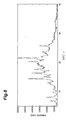
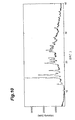
- the crystal of the invention is a uniform crystal of 1-cyclopropylmethyl-4-[2-(3,3,5,5-tetramethylcyclohexyl)phenyl]piperazine methanesulfonate, and characterized in having a diffraction peak at a diffraction angle (2 ⁇ ⁇ 0.2°) of 7.0° in a powder X-ray diffraction, further characterized in having a diffraction peak at 18.3°, and further characterized in having diffraction peaks at 13.1° and 15.4°.
- a diffraction angle (2 ⁇ ) in the powder X-ray diffraction analysis errors in the diffraction angle, generally, may occur within the range of ⁇ 0.2°. It is, therefore, to be understood that the values of the diffraction angles may include numerals on the order of ⁇ 0.2°. Accordingly, the invention encompasses not only crystal having completely matching diffraction angles of the peaks in powder X-ray diffraction, but also crystal having matching diffraction angles of the peaks within the errors of about ⁇ 0.2°.
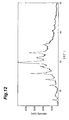
- the crystal of the invention is characterized in having peaks at chemical shifts of around 4.3 ppm and around 149.3 ppm in a 13 C Solid State NMR spectrum, and further characterized in having peaks at chemical shifts of around 121.5 ppm and around 143.8 ppm.
- the crystal of the invention can be prepared by the following method.
- 1-Cyclopropylmethyl-4-[2-(3,3,5,5-tetramethylcyclohexyl)phenyl]piperazine and methanesulfonic acid are added in an appropriate solvent such as methyl ethyl ketone, and the mixture is heated to form a thoroughly dissolves state, and the mixture is slowly cooled to precipitate the methanesulfonate.
- the precipitated crystals of the salt can be collected by filtration and dried to give the compound of interest, but the following procedure may be continued.
- the obtained suspension is concentrated under reduced pressure and dried under reduced pressure to give the methanesulfonate as a solid.
- an appropriate solvent such as a mixed solvent of ethyl acetate and heptane
- the mixture is heated, the suspension containing the solid is slowly cooled to precipitate crystals.
- the precipitated crystals is separated by usual filtration procedure, washed with an appropriate solvent such as a mixed solvent of ethyl acetate and heptane if necessary, and dried.
- the crystals separated by the filtration can be dried by allowing them to stand in the atmosphere, but it is not effective for large scale production, therefore drying by heating is preferable.
- Drying temperature may appropriately be selected depending on the production quantity.
- Drying time may appropriately be selected as the time during which the residual solvent is removed below the prescribed amount depending on the production quantity, drying apparatus, drying temperature or the like. Drying can be performed either under aeration or under reduced pressure, and drying under reduced pressure is preferable. The level of pressure reduction may appropriately be selected, depending on the production quantity, drying apparatus, drying temperature or the like.
- the salt or crystal of the invention When the salt or crystal of the invention is to be used as a medicament, it is normally compounded with suitable pharmaceutical ingredients to prepare pharmaceutical products for use. Notwithstanding, the use of a drug substance form of the salt or crystal of the invention as a medicament should not be negated.
- the pharmaceutical ingredients may include excipients, binders, lubricants, disintegrating agents, coloring agents, taste correctives, emulsifiers, surfactants, dissolving aids, suspending agents, isotonizing agents, buffering agents, preservatives, antioxidants, stabilizers, absorption enhancers, and the like, all of which are generally used in medicaments. If desired, these agents may be combined for use.
- the excipients may include, for example, lactose, white soft sugar, glucose, corn starch, mannitol, sorbitol, starch, alpha starch, dextrin, crystalline cellulose, light silicic anhydride, aluminum silicate, calcium silicate, magnesium aluminometasilicate, calcium hydrogenphosphate, and the like.
- the binders may include, for example, polyvinyl alcohol, methylcellulose, ethylcellulose, gum Arabic, tragacanth, gelatin, shellac, hydroxypropylmethylcellulose, hydroxypropylcellulose, carboxymethylcellulose sodium, polyvinylpyrrolidone, macrogol, and the like.
- the lubricants may include, for example, magnesium stearate, calcium stearate, sodium stearyl fumarate, talc, polyethylene glycol, colloidal silica, and the like.
- the disintegrating agents may include, for example, crystalline cellulose, agar, gelatin, calcium carbonate, sodium hydrogencarbonate, calcium citrate, dextrin, pectin, low-substituted hydroxypropylcellulose, carboxymethylcellulose, carboxymethylcellulose calcium, croscarmellose sodium, carboxymethyl starch, carboxymethyl starch sodium, and the like.
- the coloring agents may include iron sesquioxide, yellow iron sesquioxide, carmine, caramel, beta-carotene, titanium oxide, talc, riboflavin sodium phosphate, yellow aluminum lake, and the like, which have been approved as additives for medicaments.
- the taste correctives agents may include cocoa powder, menthol, aromatic powder, mentha oil, borneol, powdered cinnamon bark, and the like
- the emulsifiers or the surfactants may include stearyl triethanolamine, sodium lauryl sulfate, lauryl aminopropionic acid, lecithin, glycerin monostearate, sucrose fatty acid ester, glycerin fatty acid ester, and the like.
- the dissolving aids may include polyethylene glycol, propylene glycol, benzyl benzoate, ethanol, cholesterol, triethanolamine, sodium carbonate, sodium citrate, Polysorbate 80, nicotinamide, and the like.
- the suspending agents may include, in addition to the surfactants, hydrophilic polymers such as polyvinyl alcohol, polyvinylpyrrolidone, methylcellulose, hydroxymethylcellulose, hydroxyethylcellulose, and hydroxypropylcellulose.
- hydrophilic polymers such as polyvinyl alcohol, polyvinylpyrrolidone, methylcellulose, hydroxymethylcellulose, hydroxyethylcellulose, and hydroxypropylcellulose.
- the isotonizing agents may include glucose, sodium chloride, mannitol, sorbitol and the like.
- the buffering agents may include the buffers of phosphate, acetate, carbonate, citrate and the like.
- the preservatives may include methylparaben, propylparaben, chlorobutanol, benzyl alcohol, phenethyl alcohol, dehydroacetic acid, sorbic acid and the like.
- the antioxidants may include sulfite, ascorbic acid, alpha-tocopherol and the like.
- the stabilizers may include those generally used in medicaments.
- the absorption enhancers may include those generally used in medicaments.
- the pharmaceutical products may include: oral agents such as tablets, powders, granules, capsules, syrups, troches, and inhalations; external preparations such as suppositories, ointments, ophthalmic ointments, tapes, ophthalmic solutions, nasal drops, ear drops, poultices, and lotions; and injections.
- oral agents such as tablets, powders, granules, capsules, syrups, troches, and inhalations
- external preparations such as suppositories, ointments, ophthalmic ointments, tapes, ophthalmic solutions, nasal drops, ear drops, poultices, and lotions
- injections such as injections.
- the oral agents may appropriately be combined with the auxiliaries described above to form preparations.
- the surfaces of the agents may be coated if necessary.
- the external preparations may appropriately be combined with the auxiliaries described above, in particular, excipients, binders, taste correctives, emulsifiers, surfactants, dissolving aids, suspending agents, isotonizing agents, preservatives, antioxidants, stabilizers or absorption enhancers to form the preparations.
- the injections may appropriately be combined with the auxiliaries described above, in particular, emulsifiers, surfactants, dissolving aids, suspending agents, isotonizing agents, preservatives, antioxidants, stabilizers, or absorption enhancers to form the preparations.
- the salt and the crystal of the invention When the salt and the crystal of the invention is to be used as a medicament, its dosage level may differ depending on the symptoms, ages or others, but it is normally given in a single administration or in divided administrations 2 to 6 times daily at the following doses: from 0.15 to 5000 mg (preferably from 0.5 to 1500 mg) in the case of an oral agent; from 0.5 to 1500 mg (preferably from 1.5 to 500 mg) in the case of an external preparation; and 0.3 to 5000 mg (preferably from 1 to 500 mg) in the case of an injection.
- the actual amounts to be administered are indicated with respect to the oral agent and the injection, while the amount to be absorbed by the body is indicated with respect to the external preparation.
- Silica gel used in the following Examples are silica gel 60 (Merck & Co., Inc) or BW300 (Fuji Silysia Chemical Ltd.) unless otherwise mentioned, and NH silica gel used are Chromatorex-NH silica gel (Fuji Silysia Chemical Ltd.), propylamine-coated one.
- Example 1-A Trifluoromethanesulfonic acid 3,3,5,5-tetramethylcyclohex-1-enyl ester
- 3,3,5,5-Tetramethylcyclohexanone (100.0 g, 648.3 mmol) was dissolved in anhydrous tetrahydrofuran (750 mL) under a nitrogen atmosphere, and the mixture was cooled and stirred at an external temperature of below -70°C. To the mixture was added dropwise bis(trimethylsilyl)amide lithium (1 M solution in tetrahydrofuran, 778 mL, 778 mmol) over a period of 30 minutes under the same conditions, followed by stirring for 70 minutes under the same conditions.
- Example 1-B 1-Nitro-2-(3,3,5,5-tetramethylcyclohex-1-enyl)benzene [0066]
- the combined reaction mixture was filtered, and the filtrate was concentrated under reduced pressure.
- the obtained residue was diluted with ethyl acetate (700 mL) and hexane (200 mL), and then dried over anhydrous sodium sulfate (200 g) for 20 minutes while stirring.
- the desiccant was removed using a glass microfibre filter, and then the filtrate was concentrated and dried under reduced pressure to give 345.76 g of the title compound as a light brown oil.
- Example 1-F 1-Cyclopropylmethyl-4-[2-(3,3,5,5-tetramethylcyclohexyl)phenyl]piperazine
- the reaction mixture was diluted with hexane (2 L) and water (1 L). This mixture was then added to a mixture of potassium carbonate (667 g) and water (3.5 L) while stirring. After stirring for a while and allowing the mixture to stand, the separated organic layer was washed sequentially with water (2 L) and brine (1.5 L). The organic layer was then dried over anhydrous sodium sulfate (1.5 kg), the desiccant was removed by filtration, and the obtained filtrate was concentrated under reduced pressure. The obtained residue was purified by NH silica gel column chromatography (ethyl acetate/hexane) and then concentrated under reduced pressure to give an oil.
- Example 1-G 1-Cyclopropylmethyl-4-[2-(3,3,5,5-tetramethylcyclohexyl)phenyl]piperazine methanesulfonate
- the reaction suspension containing the produced precipitate was transferred to another flask using methyl ethyl ketone (100 mL).
- the suspension was then concentrated under reduced pressure over a period of 1 hour and 20 minutes at an external temperature of 21°C. It was then dried under reduced pressure for 30 minutes at an external temperature of 40°C for solidification of the flask contents, to give a crude solid product of the title compound.
- the suspension was then further stirred while gradually lowering the external temperature, and after the external temperature reached 45°C, stirring was continued for 14 hours at an external temperature of room temperature.
- the obtained suspension was filtered and the precipitated solid was collected.
- the solid was washed with a mixed solvent of ethyl acetate (330 mL) and heptane (220 mL) and aircured by aspiration for 4 hours at room temperature.
- the obtained crystals were dried for 6 hours at 70°C in a warm-air drier to give 335.9 g of the title compound as colorless (white) powdery crystals (crystal ⁇ ).
- Precipitate was collected by filtration, and aircured by aspiration for 1 hour and 30 minutes with nitrogen gas. The precipitate was dried under reduced pressure using a vacuum pump at room temperature for 4 hours, and hot-air dried at 50°C for 4 hours to give 1.10 g of the title compound as colorless crystals (crystal B).
- the mixture was stirred at room temperature for 30 minutes, then at an external temperature of 5°C for 1 hour.
- Precipitated crystals were collected by suction filtration, and aircured by aspiration over 20 minutes with nitrogen gas.
- the crystals were dried under reduced pressure using a vacuum pump at room temperature for 4 hours, and hot-air dried at 50°C for 4 hours and at 60°C for 10 hours to give 1.64 g of the title compound as colorless crystals.
- Example 2 1-Cyclopropylmethyl-4-[2-(3,3,5,5-tetramethylcyclohexyl)phenyl]piperazine (147 mg, 0.415 mmol) obtained in Example 2 was dissolve in dichloromethane (3 mL), and a 4N solution of hydrogen chloride in ethyl acetate (0.11 mL, 0.456 mmol) was added to the mixture under a nitrogen atmosphere. This was stirred at room temperature for 15 minutes, the solvent was removed under reduced pressure. To the obtained reside was added ethyl acetate (13 mL), followed by stirring at an external temperature of 100°C for 1 hour to form a thoroughly dissolved state. Then this solution was allowed to cool down to room temperature, followed by stirring for 19 hours 45 minutes. Precipitated hydrochloride was collected by filtration to give 134 mg of the title compound as colorless crystals.
- the reaction mixture was stirred at room temperature, 10 kgf/cm 2 of hydrogen pressure for 7.5 hours, and the reaction mixture was stirred at room temperature. The pressure was brought to atmospheric pressure, and the reaction mixture was filtered through Celite, and concentrated to give 3.90 g of the title compound as a brown oil.
- Example 15-E 2-(3,3,5,5-Tetramethylcyclohexyl)pheylamine oxalate
- the crude crystals of the title compound (500 mg, content 90.2%, 1.14 mmol) was suspended in toluene (4.5 mL), followed by heating and stirring at 100°C to completely dissolve the crystals.
- To the mixture was added heptane (2.3 mL), and heating was stopped and stirring was carried out. After crystals were precipitated, the mixture was stirred at room temperature for 5.5 hours.
- Produced precipitate was collected by filtration under reduced pressure, washed with a mixed solvent of toluene (2.25 mL) and heptane (2.25 mL), and dried at 40°C under reduced pressure to give 413 mg of the title compound as a light brown solid.
- NMP N-methyl-2-pyrrolidinone
- Example 16-B 1-Cyclopropylmethyl-4-[2-(3,3,5,5-tetramethylcyclohexyl)phenyl]piperazine methanesulfonate
- Precipitated crystals were collected by filtration using a filter paper, and the crystals were washed with a mixed solvent of ethyl acetate (160 mL) and heptane (320 mL). The crystals were dried under reduced pressure using a evaporator (at 40°C) for 3 hours to give 1-cyclopropylmethyl-4-[2-(3,3,5,5-tetramethylcyclohexyl)phenyl]piperazine methanesulfonate (209.5 g) as white crystals (crystal ⁇ ).
- Rigaku X-ray DTA system RINT-2000 manufactured by Rigaku Corporation
- Table 1 shows the peaks and their intensities at diffraction angles (2 ⁇ ) for the crystals of methanesulfonate obtained in Example 1-G.
- Table 2 shows the major peaks at diffraction angles (2 ⁇ ) for the crystals obtained in Examples 9 and 11 to 14.
- Example 9 11 12 13 14 Major Peaks (2 ⁇ ) 6.8 12.6 5.6 13.9 8.7 13.0 14.7 10.1 16.0 14.3 15.3 15.7 11.2 19.6 17.4 17.5 17.1 13.7 23.1 19.1 19.3 14.6 20.5 15.7 16.1 17.1 17.8
- Fig. 14 shows a 13 C Solid State NMR spectrum of the crystals of methanesulfonate obtained in Example 1-G, and the chemical shifts are summarized in Table 3.
- Example 10 1-Cyclopropylmethyl-4-[2-(3,3,5,5-tetramethylcyclohexyl)phenyl]piperazine hydrochloride obtained in Example 10 or by the method similar to Example 10 (hereinafter refereed to as the hydrochloride of Example 10) was evaluated according to the Test Example 1 to 4 below.
- Human fibronectin (Becton Dickinson Biosciences) was diluted with phosphate-buffered saline (hereinafter abbreviated as PBS; Sigma) to 0.1-0.01 ⁇ g/mL, and the diluted solution was added to a 96-well plate (Becton Dickinson) at 50 ⁇ L/well, and allowed to stand overnight at 4°C. On the following day, the supernatant was removed from the plate, and then PBS containing 1% bovine serum albumin (hereinafter abbreviated as BSA; Sigma) was added thereto at 100 ⁇ L/well and incubation was performed at 37°C for 2 hours in a CO 2 incubator (Hirasawa).
- PBS phosphate-buffered saline
- BSA bovine serum albumin
- RPMI-1640 (Sigma) containing 1 mg/mL BSA were added at 80 ⁇ L/well for 2.5 x 10 5 cells/well.
- PMA phorbol myristate acetate
- the obtained hematocyte fraction was suspended in 4 mL of PBS, and the suspension was superposed on 4 mL of Ficoll-Paque TM PLUS (Amersham Biosciences).
- the resultant bilayer liquid was centrifuged at 2000 rpm for 30 minutes at room temperature, after which the supernatant was removed and the precipitate was suspended in 10 mL of PBS and centrifuged at 1200 rpm for 7 minutes, and the supernatant was removed.
- the resulting precipitate was suspended in 0.5 mL of PBS again, and then 10 mL of distilled water (Otsuka Pharmaceutical) was added, 0.5 mL of an aqueous solution containing 3 M NaCl was immediately added to restore isotonicity, the mixture was centrifuged at 1200 rpm for 7 minutes, and the obtained precipitate was suspended in PBS containing 1 mg/mL BSA again and stored in ice until being used for the experiment.
- the obtained neutrophils were suspended in PBS containing 1 mg/mL BSA at 2 x 10 7 cells/mL.
- BCECF-AM Dojin
- HUVEC Human umbilical vein endothelial cells
- MCDB131 medium Chlorella Industries
- endothelial cell growth supplement Becton Dickinson Bioscience
- the supernatant was discarded, the plate was rinsed twice with PBS, and then PBS containing 0.1 % glutaraldehyde (Kanto Kagaku) was added at 100 ⁇ L/well and the HUVECs were immobilized for 5 minutes. The supernatant was discarded and the plate was washed twice with PBS, and then PBS was added at 100 ⁇ L/well and the mixture was stored at 4°C until use.
- RPMI-1640 medium (Sigma) containing 1 mg/mL of BSA were added 0.5 mL of a suspension of BCECF-AM labeled neutrophils at 5 x 10 7 /mL stored in ice, which was mixed, and the mixture was added at 80 ⁇ L/well to a HUVEC immobilized plate.
- To this plate were immediately added 10 ⁇ L/well of a solution of the compound diluted at different concentrations with RPMI-1640 containing 1 mg/mL BSA, and 10 ⁇ L/well of 100 nM PMA in RPMI-1640 containing 1 mg/mL BSA, and the mixture was incubated in a CO 2 incubator at 37°C for 45 minutes.
- the supernatant was removed from the plate, which was then washed several times with RPMI-1640 at 100 ⁇ L/well, and then PBS containing 0.1% NP-40 (Calbiochem) was added thereto at 100 ⁇ L/well and the fluorescent intensity was measured with an ARVO TM SX 1420 multi label counter (Wallac) to determine the number of adhered cells.
- mice Five- to six-week-old male Balb/c mice (Charles River Japan) were shaven at the abdomen to an approximately 2 cm square area. A 100% ethanol solution containing 3% 4-ethoxymethylene-2-phenyl-2-oxazolin-5-one (hereinafter referred to as "oxazolone"; Sigma) was applied at 150 ⁇ l onto the abdomen of each mouse.
- oxazolone 4-ethoxymethylene-2-phenyl-2-oxazolin-5-one
- Distilled water (Otsuka Pharmaceutical) was added in an equivalent volume to 100% peanut oil (Kanto Kagaku) containing 1% oxazolone, and the components were vigorously mixed with a glass syringe (Top Co.), to prepare an emulsion containing 0.5% oxazolone.
- mice were fasted on the 3rd day after oxazolone sensitization, and were injected with 100 ⁇ l of the emulsion containing 0.5% oxazolone prepared in the way described above intrarectally at a site approximately 3 cm from the anus under ether anesthesia on the 4th day.
- mice were sacrificed by cervical dislocation, and colons were extirpated, dissected in the longitudinal direction, washed with physiological saline, and transferred to ice-cooled plastic centrifugation tubes.
- Wako 0.5% methyl cellulose
- KPB potassium phosphate buffer
- PHYSCOTRON Microtec Nition Co., Ltd.
- DSS dextran sulfate sodium
- ICN dextran sulfate sodium
- DAI Disease Activity Index
- Each compound was suspended or dissolved in an aqueous solution containing 0.5% methyl cellulose (Wako), and orally administered at 30 mg/kg once a day, for 5-7 successive days.
- Hydrochloride of Example 10 administered group exhibited particularly good improvement in comparison with the DSS control group, i.e. the DSS water-loaded/compound-free group.
- the compounds of the invention have excellent cell adhesion inhibitory action and cell infiltration inhibitory action, and therefore may be medicaments useful as therapeutic or prophylactic agents for various inflammatory diseases and autoimmune diseases associated with adhesion and infiltration of leukocytes, such as inflammatory bowel disease (particularly ulcerative colitis or Crohn's disease), irritable bowel syndrome, rheumatoid arthritis, psoriasis, multiple sclerosis, asthma or atopic dermatitis.
- inflammatory diseases and autoimmune diseases associated with adhesion and infiltration of leukocytes such as inflammatory bowel disease (particularly ulcerative colitis or Crohn's disease), irritable bowel syndrome, rheumatoid arthritis, psoriasis, multiple sclerosis, asthma or atopic dermatitis.
Landscapes
- Health & Medical Sciences (AREA)
- Chemical & Material Sciences (AREA)
- Organic Chemistry (AREA)
- Life Sciences & Earth Sciences (AREA)
- Engineering & Computer Science (AREA)
- Bioinformatics & Cheminformatics (AREA)
- Veterinary Medicine (AREA)
- Public Health (AREA)
- General Health & Medical Sciences (AREA)
- Medicinal Chemistry (AREA)
- Animal Behavior & Ethology (AREA)
- Pharmacology & Pharmacy (AREA)
- General Chemical & Material Sciences (AREA)
- Chemical Kinetics & Catalysis (AREA)
- Nuclear Medicine, Radiotherapy & Molecular Imaging (AREA)
- Immunology (AREA)
- Neurology (AREA)
- Neurosurgery (AREA)
- Biomedical Technology (AREA)
- Pulmonology (AREA)
- Dermatology (AREA)
- Rheumatology (AREA)
- Hospice & Palliative Care (AREA)
- Transplantation (AREA)
- Psychiatry (AREA)
- Pain & Pain Management (AREA)
- Orthopedic Medicine & Surgery (AREA)
- Physical Education & Sports Medicine (AREA)
- Epidemiology (AREA)
- Pharmaceuticals Containing Other Organic And Inorganic Compounds (AREA)
Abstract
Description
- The present invention relates to salts and crystals of 1-cyclopropylmethyl-4-[2-(3,3,5,5-tetramethylcyclohexyl)phenyl]piperazine which are useful as cell adhesion inhibitors or cell infiltration inhibitors. Theses compounds are particularly useful as therapeutic or prophylactic agents for various diseases associated with adhesion and infiltration of leukocyte, such as inflammatory bowel disease (particularly ulcerative colitis or Crohn's disease), irritable bowel syndrome, rheumatoid arthritis, psoriasis, multiple sclerosis, asthma and atopic dermatitis.
- Inflammatory reaction is accompanied by infiltration of leukocytes, typically neutrophils and lymphocytes, into inflammatory sites. Infiltration of leukocytes is defined as migration of leukocytes such as neutrophils and lymphocytes out of vessels and into the surrounding tissues as a consequence of initiation and activation by cytokines, chemokines, lipids and complement to interact called "rolling" or "tethering" with vascular endothelial cells activated by cytokines such as IL-1 or TNFα, followed by adhesion to the vascular endothelial cells.
- As explained below, relationship between leukocyte adhesion or infiltration and various inflammatory diseases and autoimmune diseases was reported. Such reports have raised the possibility that compounds having cell adhesion inhibitory action or cell infiltration inhibitory action may serve as therapeutic or prophylactic agents for such diseases.
- (1) Therapeutic or prophylactic agents for inflammatory bowel disease (ulcerative colitis, Crohn's disease and the like) (see Non-patent documents 1, 2 and 3)
- (2) Therapeutic or prophylactic agents for rheumatoid arthritis (see Non-patent document 4)
- (3) Therapeutic or prophylactic agents for psoriasis (see Non-patent document 5)
- (4) Therapeutic or prophylactic agents for multiple sclerosis (see Non-patent document 6)
- (5) Therapeutic or prophylactic agents for asthma (see Non-patent document 7)
- (6) Therapeutic or prophylactic agents for atopic dermatitis (see Non-patent document 8)
- (7) Therapeutic or prophylactic agents for irritable bowel syndrome (see Non-patent document 9)
- Thus, substances which inhibit cell adhesion or cell infiltration are expected to be useful as therapeutic or prophylactic agents for various inflammatory diseases and autoimmune diseases associated with adhesion and infiltration of leukocytes, such as inflammatory bowel disease (particularly ulcerative colitis or Crohn's disease), irritable bowel syndrome, rheumatoid arthritis, psoriasis, multiple sclerosis, asthma and atopic dermatitis.
- Compounds are also known which have anti-inflammatory action based on inhibition of adhesion of leukocyte and vascular endothelial cell, or anti-inflammatory action based on inhibition of leukocyte infiltration (these will hereinafter be referred to as cell adhesion inhibitors and cell infiltration inhibitors, respectively), such as the following compound (see Patent document 1).
-

- However, 1-cyclopropylmethyl-4-[2-(3,3,5,5-tetramethylcyclohexyl)phenyl]piperazine according to the present invention (the chemical formula is represented by the following formula (I)) is characterized by including a partial chemical structure having piperazine at the ortho position of a benzene ring bonded to cyclohexyl group, therefore differ in their structures from the aforementioned cell adhesion inhibitors or cell infiltration inhibitors.
-


- The known compound comprising a partial chemical structure having piperazine at the ortho position of a benzene ring bonded to cyclohexyl group, as a chemical structural feature of the compounds according to the present invention, is the compound represented by the following formula (see Patent document 2).
-

- However, the patent application discloses only its use as an anti-obesity agent and diabetes treatment based on the melanocortin receptor agonistic activity of the compound, while it neither discloses nor suggests its use as an anti-inflammatory agent based on inhibitory action of leukocyte adhesion or infiltration.
- Other than the above compounds, the compound represented by the following formula is known (see Non-patent
document 10, compound number 45). -


-
- [Patent document 1]
WO 2002/018320 - [Patent document 2]
WO 2002/059108 - [Non-patent document 1] Inflammatory Bowel Disease (N. Engl. J. Med., 347:417-429(2002))
- [Non-patent document 2] Natalizumab for active Crohn's disease (N. Engl. J. Med., 348:24-32(2003))
- [Non-patent document 3] Granulocyte adsorption therapy in active period of ulcerative colitis (Japanese Journal of Apheresis 18:117-131(1999))
- [Non-patent document 4] Rheumatoid arthritis (Int. J. Biochem. Cell Biol., 36:372-378(2004))
- [Non-patent document 5] Psoriasis (Lancet, 361:1197-1204(2003))
- [Non-patent document 6] New and emerging treatment options for multiple sclerosis (Lancet Neurology, 2:563-566(2003))
- [Non-patent document 7] The role of T lymphocytes in the pathogenesis of asthma (J. Allergy Clin. Immunol., 111:450-463(2003))
- [Non-patent document 8] The molecular basis of lymphocyte recruitment to the skin (J. Invest. Dermatol., 121:951-962(2003))
- [Non-patent document 9] A role for inflammation in irritable bowel syndrome (Gut., 51 : i41-i44 (2002))
- [Non-patent document 10] Discovery of 2-(4-pyridin-2-ylpiperazin-1-ylmethyl)-1H-benzimidazole (ABT-724), a dopaminergic agent with a novel mode of action for the potential treatment of erectile dysfunction (J. Med. Chem., 47: 3853-3864 (2004))
- It is an object of the present invention to provide novel compounds having excellent cell adhesion inhibitory action and cell infiltration inhibitory action, which are useful as therapeutic or prophylactic agents for various inflammatory diseases and autoimmune diseases associated with adhesion and infiltration of leukocytes, such as inflammatory bowel disease (particularly ulcerative colitis or Crohn's disease), rheumatoid arthritis, irritable bowel syndrome, psoriasis, multiple sclerosis, asthma and atopic dermatitis.
- As a result of intensive research, the present inventors have discovered that salts and crystals of 1-cyclopropylmethyl-4-[2-(3,3,5,5-tetramethylcyclohexyl)phenyl]piperazine having novel chemical structure have excellent cell adhesion inhibitory action and cell infiltration inhibitory action, and are useful as therapeutic or prophylactic agents for various inflammatory diseases and autoimmune diseases associated with adhesion and infiltration of leukocytes, such as inflammatory bowel disease (particularly ulcerative colitis or Crohn's disease), irritable bowel syndrome, rheumatoid arthritis, psoriasis, multiple sclerosis, asthma and atopic dermatitis, and the present invention was completed on the basis of this discovery.
- Specifically, the invention provides the [1] to [18] below.
- [1] an acid salt of 1-cyclopropylmethyl-4-[2-(3,3,5,5-tetramethylcyclohexyl)phenyl]piperazine or hydrate thereof, wherein the acid is selected from the group consisting of methanesulfonic acid, hydrochloric acid, ethanesulfonic acid, benzenesulfonic acid, p-toluenesulfonic acid, hydrobromic acid and sulfuric acid.
- [2] 1-cyclopropylmethyl-4-[2-(3,3,5,5-tetramethylcyclohexyl)phenyl]piperazine methanesulfonate or hydrate thereof.
- [3] 1-cyclopropylmethyl-4- [2-(3,3,5,5-tetramethylcyclohexyl)phenyl]piperazine hydrochloride or hydrate thereof.
- [4] 1-cyclopropylmethyl-4-[2-(3,3,5,5-tetramethylcyclohexyl)phenyl]piperazine ethanesulfonate or hydrate thereof.
- [5] 1-cyclopropylinethyl-4-[2-(3,3,5,5-tetramethylcyclohexyl)phenyl]piperazine benzenesulfonate or hydrate thereof.
- [6] 1-cyclopropylmethyl-4-[2-(3,3,5,5-tetramethylcyclohexyl)phenyl]piperazine p-toluenesulfonate or hydrate thereof.
- [7] 1-cyclopropylmethyl-4-[2-(3,3,5,5-tetramethylcyclohexyl)phenyl]piperazine hydrobromide or hydrate thereof.
- [8] 1-cyclopropylmethyl-4-[2-(3,3,5,5-tetramethylcyclohexyl)phenyl]piperazine sulfate or hydrate thereof.
- [9] a crystal of 1-cyclopropylmethyl-4-[2-(3,3,5,5-tetramethylcyclohexyl)phenyl]piperazine methanesulfonate having a diffraction peak at a diffraction angle (2θ ± 0.2°) of 7.0° in a powder X-ray diffraction.
- [10] the crystal according to [9] further having a diffraction peak at a diffraction angle (2θ ± 0.2°) of 18.3° in a powder X-ray diffraction.
- [11] the crystal according to [10] further having diffraction peaks at diffraction angles (2θ ± 0.2°) of 13.1° and 15.4° in a powder X-ray diffraction.
- [12] a crystal of 1-cyclopropylmethyl-4-[2-(3,3,5,5-tetramethylcyclohexyl)phenyl]piperazine methanesulfonate having peaks at chemical shifts of around 4.3 ppm and around 149.3 ppm in a 13C Solid State Nuclear Magnetic Resonance spectrum.
- [13] the crystal according to [12] further having peaks at chemical shifts of around 121.5 ppm and around 143.8 ppm in a 13C Solid State Nuclear Magnetic Resonance spectrum.
- [13-1] the crystal according to any one of [9] to [13], wherein the rate of 1-cyclopropylmethyl-4-[2-(3,3,5,5-tetramethylcyclohexyl)phenyl]piperazine to methanesulfonic acid is about 1:1.
- [13-2] the crystal according to any one of [9] to [13] and [13-1], which is anhydrous crystal.
- [14] a medicament comprising the salt of the compound or hydrate thereof according to any one of [1] to [13], [13-1] and [13-2].
- [15] a cell adhesion inhibitor or cell infiltration inhibitor, comprising the salt of the compound or hydrate thereof according to any one of [1] to [13], [13-1] and [13-2].
- [15-1] a therapeutic or prophylactic agent for inflammatory diseases and autoimmune diseases, comprising the salt of the compound or hydrate thereof according to any one of [1] to [13], [13-1] and [13-2].
- [16] a therapeutic or prophylactic agent for inflammatory bowel disease, rheumatoid arthritis, psoriasis, multiple sclerosis, irritable bowel syndrome, asthma or atopic dermatitis, comprising the salt of the compound or hydrate thereof according to any one of [1] to [13], [13-1] and [13-2].
- [17] a therapeutic or prophylactic agent for inflammatory bowel disease, comprising the salt of the compound or hydrate thereof according to any one of [1] to [13], [13-1] and [13-2].
- [18] a therapeutic or prophylactic agent for ulcerative colitis or Crohn's disease, comprising the salt of the compound or hydrate thereof according to any one of [1] to [13], [13-1] and [13-2].
- Salts and crystals of the invention have excellent cell adhesion inhibitory action and cell infiltration inhibitory action, and therefore are useful as therapeutic or prophylactic agents for inflammatory diseases and autoimmune diseases, inter alia various diseases associated with adhesion and infiltration of leukocytes, such as inflammatory bowel disease (particularly ulcerative colitis or Crohn's disease), irritable bowel syndrome, rheumatoid arthritis, psoriasis, multiple sclerosis, asthma or atopic dermatitis.
-
- Figure 1 shows a powder X-ray diffraction pattern of the crystal of 1-cyclopropylmethyl-4-[2-(3,3,5,5-tetramethylcyclohexyl)phenyl]piperazine methanesulfonate (crystal α) obtained in Example 1-G.
- Figure 2 shows a powder X-ray diffraction pattern of the crystal of 1-cyclopropylmethyl-4-[2-(3,3,5,5-tetramethylcyclohexyl)phenyl]piperazine (crystal A) obtained in Example 2.
- Figure 3 shows a powder X-ray diffraction pattern of the crystal of 1-cyclopropylmethyl-4-[2-(3,3,5,5-tetramethylcyclohexyl)phenyl]piperazine (crystal B) obtained in Example 3.
- Figure 4 shows a powder X-ray diffraction pattern of the crystal of 1-cyclopropylmethyl-4-[2-(3,3,5,5-tetramethylcyclohexyl)phenyl]piperazine benzenesulfonate obtained in Example 4.
- Figure 5 shows a powder X-ray diffraction pattern of the crystal of 1-cyclopropylmethyl-4-[2-(3,3,5,5-tetramethylcyclohexyl)phenyl]piperazine p-toluenesulfonate obtained in Example 5.
- Figure 6 shows a powder X-ray diffraction pattern of the crystal of 1-cyclopropylmethyl-4-[2-(3,3,5,5-tetramethylcyclohexyl)phenyl]piperazine hydrobromide obtained in Example 6.
- Figure 7 shows a powder X-ray diffraction pattern of the crystal of 1-cyclopropylmethyl-4-[2-(3,3,5,5-tetramethylcyclohexyl)phenyl]piperazine sulfate (crystal a) obtained in Example 7.
- Figure 8 shows a powder X-ray diffraction pattern of the crystal of 1-cyclopropylmethyl-4-[2-(3,3,5,5-tetramethylcyclohexyl)phenyl]piperazine sulfate (crystal b) obtained in Example 8.
- Figure 9 shows a powder X-ray diffraction pattern of the crystal of 1-cyclopropylmethyl-4-[2-(3,3,5,5-tetramethylcyclohexyl)phenyl]piperazine ethanesulfonate obtained in Example 9.
- Figure 10 shows a powder X-ray diffraction pattern of the crystal of 1-cyclopropylmethyl-4-[2-(3,3,5,5-tetramethylcyclohexyl)phenyl]piperazine hydrochloride (crystal II) obtained in Example 11.
- Figure 11 shows a powder X-ray diffraction pattern of the crystal of 1-cyclopropylmethyl-4-[2-(3,3,5,5-tetramethylcyclohexyl)phenyl]piperazine hydrochloride (crystal I) obtained in Example 12.
- Figure 12 shows a powder X-ray diffraction pattern of the crystal of 1-cyclopropylmethyl-4-[2-(3,3,5,5-tetramethylcyclohexyl)phenyl]piperazine methanesulfonate (crystal β) obtained in Example 13.
- Figure 13 shows a powder X-ray diffraction pattern of the crystal of 1-cyclopropylmethyl-4-[2-(3,3,5,5-tetramethylcyclohexyl)phenyl]piperazine hydrochloride (crystal III) obtained in Example 14.
- Figure 14 shows a 13C Solid State Nuclear Magnetic Resonance (NMR) spectrum of the crystal of 1-cyclopropylmethyl-4-[2-(3,3,5,5-tetramethylcyclohexyl)phenyl]piperazine methanesulfonate (crystal α) obtained in Example 1-G.
- The salt of the invention is an acid salt of 1-cyclopropylmethyl-4-[2-(3,3,5,5-tetramethylcyclohexyl)phenyl]piperazine, wherein the acid is selected from the group consisting of methanesulfonic acid, hydrochloric acid, ethanesulfonic acid, benzenesulfonic acid, p-toluenesulfonic acid, hydrobromic acid and sulfuric acid. The hydrate thereof is within the scope of the invention. These salt have cell adhesion inhibitory action and cell infiltration inhibitory action, and are useful as therapeutic or prophylactic agents for diseases such as inflammatory bowel disease.
- The salt of the invention can be prepared by the following method. 1-Cyclopropylmethyl-4-[2-(3,3,5,5-tetramethylcyclohexyl)phenyl]piperazine and each acids are dissolve in an appropriate solvent, and the salt is precipitated. The precipitated salt is separated by usual filtration procedure, washed with an appropriate solvent (usually the same solvent as that used for precipitation) if necessary, and dried. To precipitate the salt, preferably an solvent is added to 1-cyclopropylmethyl-4-[2-(3,3,5,5 -tetramethylcyclohexyl)phenyl]piperazine and each acid, the mixture is heated to form an dissolved state, then cooled.
- 1-Cyclopropylmethyl-4-[2-(3,3,5,5-tetramethylcyclohexyl)phenyl]piperazine used for preparation of salt can be any form, i.e. can be hydrate, anhydrous, amorphous and crystalline forms (including plural crystal polymorphs) and may even be a mixture thereof.
- The solvent to be used typically includes, but not limited to, ketones such as methyl ethyl ketone and acetone, alcohols such as methanol and ethanol, esters such as ethyl acetate and methyl acetate, hydrocarbons such as hexane and heptane, ethers such as tetrahydrofuran, diethyl ether and dioxane, dimethylsulfoxide, dimethylformamide or water, or mixed solvent thereof. The amount of the solvent used may appropriately be selected between the lower limit and the upper limit, the lower limit being an amount to dissolve 1-cyclopropylmethyl-4-[2-(3,3,5,5-tetramethylcyclohexyl)phenyl]piperazine and each acid by heating and the upper limit being an amount so as not to significantly reduce the yield of the salt. The temperature at which 1-cyclopropylmethyl-4-[2-(3,3,5,5-tetramethylcyclohexyl)phenyl]piperazine and each acid are dissolved by heating may appropriately be selected depending on the solvent. The final cooled temperature may also appropriately be selected in consideration of the yield and the quality of the salt, or the like; and it is preferably from room temperature to 0°C.
- The salt of the invention may be precipitated by adding a poor solvent, i.e. a solvent having lower solubility of 1-cyclopropylmethyl-4-[2-(3,3,5,5-tetramethylcyclohexyl)phenyl]piperazine and each acid, to a solution of 1-cyclopropylmethyl-4-[2-(3,3,5,5-tetramethylcyclohexyl)phenyl]piperazine and each acid.
- The salt separated by the filtration can be dried by allowing it to stand in the atmosphere, but it is not effective for large scale production, therefore drying by heating is preferable. Drying temperature may appropriately be selected depending on the production quantity. Drying time may appropriately be selected as the time during which the residual solvent is removed below the prescribed amount depending on the production quantity, drying apparatus, drying temperature or the like. Drying can be performed either under aeration or under reduced pressure, and drying under reduced pressure is preferable. The level of pressure reduction may appropriately be selected, depending on the production quantity, drying apparatus, drying temperature or the like.
- The crystal of the invention is a uniform crystal of 1-cyclopropylmethyl-4-[2-(3,3,5,5-tetramethylcyclohexyl)phenyl]piperazine methanesulfonate, and characterized in having a diffraction peak at a diffraction angle (2θ ± 0.2°) of 7.0° in a powder X-ray diffraction, further characterized in having a diffraction peak at 18.3°, and further characterized in having diffraction peaks at 13.1° and 15.4°.
- As for a diffraction angle (2θ) in the powder X-ray diffraction analysis, errors in the diffraction angle, generally, may occur within the range of ±0.2°. It is, therefore, to be understood that the values of the diffraction angles may include numerals on the order of ± 0.2°. Accordingly, the invention encompasses not only crystal having completely matching diffraction angles of the peaks in powder X-ray diffraction, but also crystal having matching diffraction angles of the peaks within the errors of about ± 0.2°.
- The crystal of the invention is characterized in having peaks at chemical shifts of around 4.3 ppm and around 149.3 ppm in a 13C Solid State NMR spectrum, and further characterized in having peaks at chemical shifts of around 121.5 ppm and around 143.8 ppm.
- In this Specification, "having peaks at chemical shifts of around 4.3 ppm and around 149.3 ppm" means "having peaks substantially equivalent to 4.3 ppm and 149.3 ppm when a 13C Solid State NMR spectrum is measured under normal conditions or under the conditions substantially the same as those described in this Specification".
- In this Specification, "having peaks at chemical shifts of around 121.5 ppm and around 143.8 ppm" means "having peaks substantially equivalent to 121.5 ppm and 143.8 ppm when a 13C Solid State NMR spectrum is measured under normal conditions or under the conditions substantially the same as those described in this Specification".
- The crystal of the invention can be prepared by the following method. 1-Cyclopropylmethyl-4-[2-(3,3,5,5-tetramethylcyclohexyl)phenyl]piperazine and methanesulfonic acid are added in an appropriate solvent such as methyl ethyl ketone, and the mixture is heated to form a thoroughly dissolves state, and the mixture is slowly cooled to precipitate the methanesulfonate. At this point, the precipitated crystals of the salt can be collected by filtration and dried to give the compound of interest, but the following procedure may be continued. The obtained suspension is concentrated under reduced pressure and dried under reduced pressure to give the methanesulfonate as a solid. To the solid is added an appropriate solvent such as a mixed solvent of ethyl acetate and heptane, and the mixture is heated, the suspension containing the solid is slowly cooled to precipitate crystals. The precipitated crystals is separated by usual filtration procedure, washed with an appropriate solvent such as a mixed solvent of ethyl acetate and heptane if necessary, and dried.
- The crystals separated by the filtration can be dried by allowing them to stand in the atmosphere, but it is not effective for large scale production, therefore drying by heating is preferable. Drying temperature may appropriately be selected depending on the production quantity. Drying time may appropriately be selected as the time during which the residual solvent is removed below the prescribed amount depending on the production quantity, drying apparatus, drying temperature or the like. Drying can be performed either under aeration or under reduced pressure, and drying under reduced pressure is preferable. The level of pressure reduction may appropriately be selected, depending on the production quantity, drying apparatus, drying temperature or the like.
- 1-Cyclopropylmethyl-4-[2-(3,3,5,5-tetramethylcyclohexyl)phenyl]piperazine used for preparation of the salt or crystal of the invention may be synthesized according to the following reaction scheme.
For detailed reaction conditions, see Example 1-A to Example 1-F. -

- When the salt or crystal of the invention is to be used as a medicament, it is normally compounded with suitable pharmaceutical ingredients to prepare pharmaceutical products for use. Notwithstanding, the use of a drug substance form of the salt or crystal of the invention as a medicament should not be negated.
- The pharmaceutical ingredients may include excipients, binders, lubricants, disintegrating agents, coloring agents, taste correctives, emulsifiers, surfactants, dissolving aids, suspending agents, isotonizing agents, buffering agents, preservatives, antioxidants, stabilizers, absorption enhancers, and the like, all of which are generally used in medicaments. If desired, these agents may be combined for use.
- The excipients may include, for example, lactose, white soft sugar, glucose, corn starch, mannitol, sorbitol, starch, alpha starch, dextrin, crystalline cellulose, light silicic anhydride, aluminum silicate, calcium silicate, magnesium aluminometasilicate, calcium hydrogenphosphate, and the like.
- The binders may include, for example, polyvinyl alcohol, methylcellulose, ethylcellulose, gum Arabic, tragacanth, gelatin, shellac, hydroxypropylmethylcellulose, hydroxypropylcellulose, carboxymethylcellulose sodium, polyvinylpyrrolidone, macrogol, and the like.
- The lubricants may include, for example, magnesium stearate, calcium stearate, sodium stearyl fumarate, talc, polyethylene glycol, colloidal silica, and the like.
- The disintegrating agents may include, for example, crystalline cellulose, agar, gelatin, calcium carbonate, sodium hydrogencarbonate, calcium citrate, dextrin, pectin, low-substituted hydroxypropylcellulose, carboxymethylcellulose, carboxymethylcellulose calcium, croscarmellose sodium, carboxymethyl starch, carboxymethyl starch sodium, and the like.
- The coloring agents may include iron sesquioxide, yellow iron sesquioxide, carmine, caramel, beta-carotene, titanium oxide, talc, riboflavin sodium phosphate, yellow aluminum lake, and the like, which have been approved as additives for medicaments.
- The taste correctives agents may include cocoa powder, menthol, aromatic powder, mentha oil, borneol, powdered cinnamon bark, and the like
- The emulsifiers or the surfactants may include stearyl triethanolamine, sodium lauryl sulfate, lauryl aminopropionic acid, lecithin, glycerin monostearate, sucrose fatty acid ester, glycerin fatty acid ester, and the like.
- The dissolving aids may include polyethylene glycol, propylene glycol, benzyl benzoate, ethanol, cholesterol, triethanolamine, sodium carbonate, sodium citrate,
Polysorbate 80, nicotinamide, and the like. - The suspending agents may include, in addition to the surfactants, hydrophilic polymers such as polyvinyl alcohol, polyvinylpyrrolidone, methylcellulose, hydroxymethylcellulose, hydroxyethylcellulose, and hydroxypropylcellulose.
- The isotonizing agents may include glucose, sodium chloride, mannitol, sorbitol and the like.
- The buffering agents may include the buffers of phosphate, acetate, carbonate, citrate and the like.
- The preservatives may include methylparaben, propylparaben, chlorobutanol, benzyl alcohol, phenethyl alcohol, dehydroacetic acid, sorbic acid and the like.
- The antioxidants may include sulfite, ascorbic acid, alpha-tocopherol and the like.
- The stabilizers may include those generally used in medicaments.
- The absorption enhancers may include those generally used in medicaments.
- The pharmaceutical products may include: oral agents such as tablets, powders, granules, capsules, syrups, troches, and inhalations; external preparations such as suppositories, ointments, ophthalmic ointments, tapes, ophthalmic solutions, nasal drops, ear drops, poultices, and lotions; and injections.
- The oral agents may appropriately be combined with the auxiliaries described above to form preparations. In addition, the surfaces of the agents may be coated if necessary.
- The external preparations may appropriately be combined with the auxiliaries described above, in particular, excipients, binders, taste correctives, emulsifiers, surfactants, dissolving aids, suspending agents, isotonizing agents, preservatives, antioxidants, stabilizers or absorption enhancers to form the preparations.
- The injections may appropriately be combined with the auxiliaries described above, in particular, emulsifiers, surfactants, dissolving aids, suspending agents, isotonizing agents, preservatives, antioxidants, stabilizers, or absorption enhancers to form the preparations.
- When the salt and the crystal of the invention is to be used as a medicament, its dosage level may differ depending on the symptoms, ages or others, but it is normally given in a single administration or in divided administrations 2 to 6 times daily at the following doses: from 0.15 to 5000 mg (preferably from 0.5 to 1500 mg) in the case of an oral agent; from 0.5 to 1500 mg (preferably from 1.5 to 500 mg) in the case of an external preparation; and 0.3 to 5000 mg (preferably from 1 to 500 mg) in the case of an injection. Here, the actual amounts to be administered are indicated with respect to the oral agent and the injection, while the amount to be absorbed by the body is indicated with respect to the external preparation.
- Silica gel used in the following Examples are silica gel 60 (Merck & Co., Inc) or BW300 (Fuji Silysia Chemical Ltd.) unless otherwise mentioned, and NH silica gel used are Chromatorex-NH silica gel (Fuji Silysia Chemical Ltd.), propylamine-coated one.
-

-

- 3,3,5,5-Tetramethylcyclohexanone (100.0 g, 648.3 mmol) was dissolved in anhydrous tetrahydrofuran (750 mL) under a nitrogen atmosphere, and the mixture was cooled and stirred at an external temperature of below -70°C. To the mixture was added dropwise bis(trimethylsilyl)amide lithium (1 M solution in tetrahydrofuran, 778 mL, 778 mmol) over a period of 30 minutes under the same conditions, followed by stirring for 70 minutes under the same conditions. Then, a solution of N-phenylbis(trifluoromethanesulfonimide) (254.8 g, 713 mmol) in anhydrous tetrahydrofuran (1 L) was added dropwise to the reaction mixture over a period of 35 minutes. After stirring the mixture for 20 minutes under the same conditions, the mixture was stirred for 15 hours while gradually warmed to an external temperature of room temperature. Reaction was repeated twice more on the same scale as above, by the same procedure under the same reaction conditions. The three reaction mixtures were combined and subjected to the following treatment.
- Ethyl acetate (1.5 L) was added to the combined reaction mixture, and then a solution of concentrated hydrochloric acid (450 mL) in ice water (5 L) was added while stirring. After stirring for a while, the separated organic layer was washed with brine (1.5 L), a saturated aqueous solution of sodium hydrogencarbonate (1.5 L) and brine (1.5 L). The obtained organic layer was dried over anhydrous magnesium sulfate (1.5 kg) for 30 minutes while stirring. The desiccant was removed by filtration and the filtrate was concentrated under reduced pressure. The resultant residue was purified by silica gel column chromatography (hexane) and then dried under reduced pressure to give 520.94 g of the title compound as a light yellow oil.
- 1H-NMR (400MHz, CDCl3)
δ : 1.05 (s, 6H), 1.10 (s, 6H), 1.35 (s, 2H), 2.09 (d, J= 1.2Hz, 2H), 5.51 (t, J= 1.2Hz, 1H). -

- To a mixture of trifluoromethanesulfonic acid 3,3,5,5-tetramethylcyclohex-1-enyl ester (160.0 g, 558.8 mmol), 2-nitrophenylboronic acid (97.9 g, 586.8 mmol) and 1,2-dimethoxyethane (920 mL) were added sodium carbonate (118.5 g, 1.12 mol) and purified water (230 mL) while stirring at room temperature. Then, tetrakis(triphenylphosphine)palladium(0) (29.1 g, 25.1 mmol) was added to the mixture at room temperature (in an oil bath at room temperature), and the inside of the flask was replaced with nitrogen gas. The mixture was then stirred for 4 hours and 30 minutes at an external temperature of room temperature (in an oil bath at room temperature).
- The same reaction was then repeated twice more by the same procedure under the same reaction conditions as above, but with an amount of 170.0 g (593.7 mmol) of trifluoromethanesulfonic acid 3,3,5,5-tetramethylcyclohex-1-enyl ester, a starting material, and the amounts of the other reagents changed to corresponding equivalents. The three reaction mixtures were combined and subjected to the following treatment.
- Ethyl acetate (1.5 L) and water (4 L) were added to the combined reaction mixture, which was then stirred for 5 minutes. The mixture was filtered through Celite to remove insoluble materials. After stirring the obtained filtrate for a while, the organic layer was separated and the aqueous layer was extracted with ethyl acetate (1L). The organic layers were combined and then dried over anhydrous magnesium sulfate (1 kg) for 20 minutes while stirring. The desiccant was removed by filtration and the filtrate was concentrated under reduced pressure. The resultant residue was purified by silica gel column chromatography (ethyl acetate/hexane) and then dried under reduced pressure to give 407.30 g of the title compound as a yellow solid.
- 1H-NMR (400MHz, CDCl3)
δ : 1.046 (s, 6H), 1.053 (s, 6H), 1.41 (s, 2H), 2.02 (d, J= 1.6Hz, 2H), 5.37 (t, J= 1.6Hz, 1H), 7.26 (dd, J= 7.6, 1.6Hz, 1H), 7.33 (ddd, J= 8.0, 7.6, 1.6Hz, 1H), 7.49 (ddd, J= 7.6, 7.6, 1.2Hz, 1H), 7.74 (dd, J= 8.0, 1.2Hz, 1H). -

- A mixture of 1-nitro-2-(3,3,5,5-tetramethylcyclohex-1-enyl)benzene (130.0 g, 501.3 mmol), 10% palladium on carbon (13.0 g, wet) and ethyl alcohol (1820 mL) was placed in a flask, then the inside of the flask was replaced with hydrogen, and the mixture was stirred for 78 hours at room temperature under a hydrogen atmosphere at atmospheric pressure. Reaction was repeated two more times on the same scale as above, by the same procedure under the same reaction conditions. The three reaction mixtures were combined and subjected to the following treatment.
- The combined reaction mixture was filtered, and the filtrate was concentrated under reduced pressure. The obtained residue was diluted with ethyl acetate (700 mL) and hexane (200 mL), and then dried over anhydrous sodium sulfate (200 g) for 20 minutes while stirring. The desiccant was removed using a glass microfibre filter, and then the filtrate was concentrated and dried under reduced pressure to give 345.76 g of the title compound as a light brown oil.
- 1H-NMR (400MHz, CDCl3)
δ 0.95 (s, 6H), 1.13 (s, 6H), 1.08-1.36 (m, 4H), 1.59-1.62 (m, 2H), 2.86 (tt, J= 12.4, 2.8Hz, 1H), 3.63 (brs, 2H), 6.70 (dd, J= 7.6, 1.2Hz, 1H), 6.78 (ddd, J= 7.6, 7.6, 1.2Hz, 1H), 7.02 (ddd, J= 7.6, 7.6, 1.2Hz, 1H), 7.12 (dd, J= 7.6, 1.2Hz, 1 H). -

- To a mixture of 2-(3,3,5,5-tetramethylcyclohexyl)phenylamine (168.0 g, 726.1 mmol) and 1,2-dichlorobenzene (1200 mL) was added bis(2-chloroethyl)amine hydrochloride (155.5 g, 871.3 mmol). The mixture was stirred for 7 hours at an external temperature of 190°C under a nitrogen atmosphere. During the reaction, a nitrogen stream was passed through the reactor several times to remove the generated hydrogen chloride gas. Reaction was repeated once more on the same scale as above, by the same procedure under the same reaction conditions. The two reaction mixtures were combined and subjected to the following treatment.
- After cooling to room temperature, the combined reaction mixture was diluted with ethyl acetate (6 L) and water (1 L). The mixture was then added to a mixture of potassium carbonate (1.3 kg) and water (5 L) while stirring. The mixture was stirred and allowed to stand, and the organic layer was separated. The aqueous layer was again extracted with ethyl acetate (2 L). The combined organic layers were washed with brine (3 L) and then dried over anhydrous sodium sulfate (3.5 kg). The desiccant was removed by filtration and the filtrate was concentrated under reduced pressure. The resultant residue was purified by NH silica gel column chromatography (ethyl acetate/hexane) and then dried under reduced pressure to give 241.67 g of the title compound as a light pink solid.
- In addition to this, the above NH silica gel column chromatography purification also yielded 126.2 g of an oil as a mixture of the target compound and impurities. Hexane (150 mL) was added to the oil, and the mixture was stirred for 2 hours at 0°C. The produced precipitate was collected by suction filtration and then dried under reduced pressure to give 42.74 g of the title compound as a light pink solid. A total of 284.41 g of the title compound was obtained as a light pink solid.
- 1H-NMR (400MHz, CDCl3)
δ : 0.93 (s, 6H), 1.13 (s, 6H), 1.17-1.35 (m, 4H), 1.42-1.46 (m, 2H), 2.84-2.87 (m, 4H), 3.02-3.04 (m, 4H), 3.60 (tt, J= 12.8, 2.8Hz, 1H), 7.06-7.18(m, 3H), 7.23 (dd, J= 7.6,1.6Hz, 1H). The 1H ofNH could not be identified. -

- To a mixture of 1-[2-(3,3,5,5-tetramethylcyclohexyl)phenyl]piperazine (241.67 g, 804.3 mmol), acetic acid (46.0 mL, 804.3 mmol) and tetrahydrofuran (3300 mL) was added a mixed solution of cyclopropanecarbaldehyde (64.8 g, 924.9 mmol) and tetrahydrofuran (200 mL) while stirring at an external temperature of room temperature. After stirring for 10 minutes, sodium triacetoxyborohydride (238.6 g, 1126 mmol) was added portionwise to the reaction mixture over a period of 8 minutes. The mixture was then stirred for 3 hours at an external temperature of room temperature.
- The reaction mixture was diluted with hexane (2 L) and water (1 L). This mixture was then added to a mixture of potassium carbonate (667 g) and water (3.5 L) while stirring. After stirring for a while and allowing the mixture to stand, the separated organic layer was washed sequentially with water (2 L) and brine (1.5 L). The organic layer was then dried over anhydrous sodium sulfate (1.5 kg), the desiccant was removed by filtration, and the obtained filtrate was concentrated under reduced pressure. The obtained residue was purified by NH silica gel column chromatography (ethyl acetate/hexane) and then concentrated under reduced pressure to give an oil. The oil was dissolved again in ethyl acetate (1L), and the mixture was filtered through a glass microfibre filter to remove insoluble materials. The obtained filtrate was concentrated under reduced pressure, and then a vacuum pump was used for drying under reduced pressure for 2 hours at an external temperature of 50°C, to give 280.7 g of the title compound as crystals.
- 1H-NMR (400MHz, CDCl3)
δ : 0.12-0.16 (m, 2H), 0.52-0.56 (m, 2H), 0.88-0.96(m, 1H), 0.92 (s, 6H), 1.12 (s, 6H), 1.13-1.34 (m, 4H), 1.41-1.47 (m, 2H), 2.32 (d, J= 6.4Hz, 2H), 2.40-2.98 (br, 4H), 2.94-2.96 (m, 4H), 3.58 (tt, J = 12.6, 2.8Hz, 1H), 7.05-7.18 (m, 3H), 7.22-7.24 (m, 1H). -

- A mixture of 1-cyclopropylmethyl-4-[2-(3,3,5,5-tetramethylcyclohexyl)phenyl]piperazine (277.0 g, 781.2 mmol) and methyl ethyl ketone (2493 mL) was stirred while heating at an external temperature of 81°C. Methanesulfonic acid (76.58 g, 796.8 mmol) was then added dropwise thereto over a period of 3 minutes, to form a thoroughly dissolved state. After heating and stirring for 7 minutes at an external temperature of 81°C, the external temperature was gradually lowered and stirring was continued until the internal temperature reached 37°C. The reaction suspension containing the produced precipitate was transferred to another flask using methyl ethyl ketone (100 mL). The suspension was then concentrated under reduced pressure over a period of 1 hour and 20 minutes at an external temperature of 21°C. It was then dried under reduced pressure for 30 minutes at an external temperature of 40°C for solidification of the flask contents, to give a crude solid product of the title compound. After adding a mixed solvent of ethyl acetate (1662 mL) and heptane (1108 mL) to this crude solid product, the resulting suspension was stirred for 1 hour at an external temperature of 65°C. The suspension was then further stirred while gradually lowering the external temperature, and after the external temperature reached 45°C, stirring was continued for 14 hours at an external temperature of room temperature. The obtained suspension was filtered and the precipitated solid was collected. The solid was washed with a mixed solvent of ethyl acetate (330 mL) and heptane (220 mL) and aircured by aspiration for 4 hours at room temperature. The obtained crystals were dried for 6 hours at 70°C in a warm-air drier to give 335.9 g of the title compound as colorless (white) powdery crystals (crystal α).
- 1H-NMR (400MHz, CDCl3)
δ: 0.47-0.51 (m, 2H), 0.81-0.85 (m, 2H), 0.94 (s, 6H), 1.10 (s, 6H), 1.15-1.43 (m, 7H), 2.85 (s, 3H), 2.95-3.11 (m, 6H), 3.43 (tt, J= 12.6, 3.0Hz, 1H), 3.52-3.61 (m, 2H), 3.80 (br d, J= 11.2Hz, 2H), 7.13-7.26 (m, 4H), 11.11 (br s, 1H). -
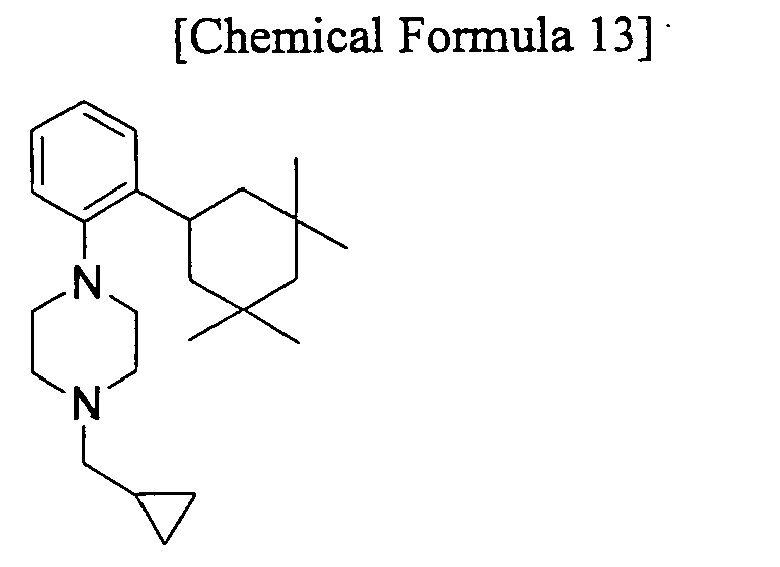
- To a solution of 1-[2-(3,3,5,5-tetramethylcyclohexyl)phenyl]piperazine (200 mg, 0.666 mmol) in tetrahydrofuran (4 mL) was added cyclopropanecarbaldehyde (70 mg, 0.999 mmol), and the mixture was stirred at room temperature for 5 minutes. Sodium triacetoxyborohydride (282 mg, 1.33 mmol) was added to the reaction mixture, and after stirring for 5 minutes, acetic acid (0.038 mL, 0.666 mmol) was added and the mixture was stirred at room temperature for 2 hours.
- Saturated aqueous sodium hydrogencarbonate was added to the reaction mixture and the mixture was extracted with ethyl acetate. The organic layer was dried over anhydrous sodium sulfate. The desiccant was removed by filtration and the filtrate was concentrated under reduced pressure. The resultant residue was purified by NH silica gel column chromatography (ethyl acetate/heptane) to give 182 mg of the title compound as colorless crystals (crystal A).
- 1H-NMR (400 MHz, CDCl3)
δ: 0.12-0.16 (m, 2H), 0.52-0.56 (m, 2H), 0.88-0.96(m, 1H), 0.92 (s, 6H), 1.12 (s, 6H), 1.13-1.45 (m, 6H), 2.32 (d, J = 6.4Hz, 2H), 2.70 (brs, 4H), 2.95 (t, J = 4.4Hz, 4H), 3.60 (tt, J = 12.4, 2.8Hz, 1H), 7.04-7.08 (m, 1H), 7.11-7.14 (m, 2H), 7.20-7.22 (m, 1H). -

- To 1-cyclopropylmethyl-4-[2-(3,3,5,5-tetramethylcyclohexyl)phenyl]piperazine (5.72 g, 16.1 mmol) was added heptane (50 mL) to form a thoroughly dissolved state, the mixture was concentrated to dryness at external temperature of 40°C over 1 hour while adjusting reduced pressure to give 5.72 g of a colorless solid. Among the obtained colorless solid, 1.116 g (3.147 mmol) was added and suspended in a mixed solvent of ethyl alcohol (5 mL) and purified water (5 mL). The solid was triturated by sonication of the suspension for 5 minutes. Then, the mixture was allowed to stand at room temperature for 1 hour. Precipitate was collected by filtration, and aircured by aspiration for 1 hour and 30 minutes with nitrogen gas. The precipitate was dried under reduced pressure using a vacuum pump at room temperature for 4 hours, and hot-air dried at 50°C for 4 hours to give 1.10 g of the title compound as colorless crystals (crystal B).
-

- To 1-cyclopropylmethyl-4-[2-(3,3,5,5-tetramethylcyclohexyl)phenyl]piperazine (300 mg, 0.846 mmol) were added methyl alcohol (2.5 mL) and benzenesulfonic acid (136 mg, 0.863 mmol) to form a thoroughly dissolved state, followed by concentration under reduced pressure. To the obtained residual oil was added ethyl acetate to dissolve, and the mixture was allowed to stand. The suspension containing precipitated crystals was concentrated to dryness under reduced pressure. Diethyl ether was added thereto, and the solid was triturated by sonication. Precipitated crystals were collected by filtration, washed with diethyl ether, and aircured by aspiration. Drying under reduced pressure using a vacuum pump at room temperature gave 425 mg of the title compound as colorless crystals.
-

- To 1-cyclopropylmethyl-4-[2-(3,3,5,5-tetramethylcyclohexyl)phenyl]piperazine (304 mg, 0.857 mmol) were added methyl alcohol (2.5 mL) and p-toluenesulfonic acid monohydrate (166 mg, 0.874 mmol) to form a thoroughly dissolved sate, and the mixture was concentrated under reduced pressure. To the obtained residual oil was added ethyl acetate to form a thoroughly dissolved state, and the mixture was allowed to stand at room temperature overnight. The suspension containing precipitated crystals was concentrated to dryness under reduced pressure. Diethyl ether was added thereto, and the solid was triturated by sonication. Precipitated crystals were collected by filtration, washed with diethyl ether, and aircured by aspiration. Drying under reduced pressure using a vacuum pump at room temperature gave 447 mg of the title compound as colorless crystals.
-

- To 1-cyclopropylmethyl-4-[2-(3,3,5,5-tetramethylcyclohexyl)phenyl]piperazine (306 mg, 0.863 mmol) were added methyl alcohol (3 mL) and 47% hydrobromic acid (152 mg, 0.888 mmol) to form a thoroughly dissolved sate. Ethyl acetate was slowly added thereto at room temperature to precipitate crystals, then the suspension was concentrated to dryness under reduced pressure. A mixed solvent of diethyl ether and ethyl acetate was added thereto, and the solid was triturated by sonication. Precipitated crystals were collected by filtration, washed with diethyl ether, and aircured by aspiration. Drying under reduced pressure using a vacuum pump at room temperature gave 375 mg of the title compound as colorless crystals.
-


- To 1-cyclopropylmethyl-4-[2-(3,3,5,5-tetramethylcyclohexyl)phenyl]piperazine (300 mg, 0.846 mmol) were added ethyl alcohol (2.5 mL), 97% sulfuric acid (85.5 mg, 0.846 mmol) and ethyl acetate to form a thoroughly dissolved sate, and the mixture was slowly concentrated to dryness while adjusting reduced pressure. Diethyl ether was added thereto, and the solid was triturated by sonication. Precipitated crystals were collected by filtration, washed with diethyl ether, and aircured by aspiration. Drying under reduced pressure using a vacuum pump at room temperature gave 368 mg of the title compound as colorless crystals (crystal a).
-
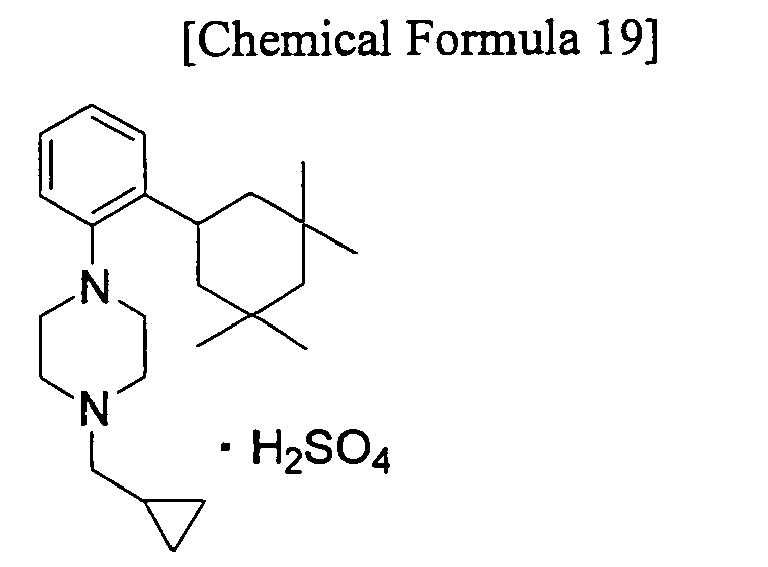
- To 1-cyclopropylmethyl-4-[2-(3,3,5,5-tetramethylcyclohexyl)phenyl]piperazine (310 mg, 0.874 mmol) were added ethyl alcohol (2.5 mL), 97% sulfuric acid (44.2 mg, 0.437 mmol) and ethyl acetate to form a thoroughly dissolved sate, followed by concentration under reduced pressure. To the obtained residual oil was added ethyl acetate to dissolve again, and the mixture was allowed to stand. The suspension containing precipitated crystals was concentrated to dryness under reduced pressure. A mixed solvent of diethyl ether and ethyl acetate was added to the suspension, and the solid was triturated by sonication. Precipitated crystals were collected by filtration, washed with diethyl ether, and aircured by aspiration. Drying under reduced pressure using a vacuum pump at room temperature gave 209 mg of the title compound as colorless crystals (crystal b).
-

- To 1-cyclopropylmethyl-4-[2-(3,3,5,5-tetramethylcyclohexyl)phenyl]piperazine (1.30 g, 3.67 mmol) were added ethyl alcohol (1.3 mL) and ethanesulfonic acid (412 mg, 3.74 mmol), followed by heating and stirring at an external temperature of 78°C to form a thoroughly dissolved sate. To the mixture was slowly added heptane (7 mL) over 40 minutes, then was slowly added heptane (14 mL) over 35 minutes, and the external temperature was maintained at 78°C for 20 minutes. The suspension containing precipitated crystals was stirred for 3 hours while slowly cooling the external temperature to 35°C. The mixture was stirred at room temperature for 30 minutes, then at an external temperature of 5°C for 1 hour. Precipitated crystals were collected by suction filtration, and aircured by aspiration over 20 minutes with nitrogen gas. The crystals were dried under reduced pressure using a vacuum pump at room temperature for 4 hours, and hot-air dried at 50°C for 4 hours and at 60°C for 10 hours to give 1.64 g of the title compound as colorless crystals.
-


- 1-Cyclopropylmethyl-4-[2-(3,3,5,5-tetramethylcyclohexyl)phenyl]piperazine (147 mg, 0.415 mmol) obtained in Example 2 was dissolve in dichloromethane (3 mL), and a 4N solution of hydrogen chloride in ethyl acetate (0.11 mL, 0.456 mmol) was added to the mixture under a nitrogen atmosphere. This was stirred at room temperature for 15 minutes, the solvent was removed under reduced pressure. To the obtained reside was added ethyl acetate (13 mL), followed by stirring at an external temperature of 100°C for 1 hour to form a thoroughly dissolved state. Then this solution was allowed to cool down to room temperature, followed by stirring for 19 hours 45 minutes. Precipitated hydrochloride was collected by filtration to give 134 mg of the title compound as colorless crystals.
-

- To 1-cyclopropylmethyl-4-[2-(3,3,5,5-tetramethylcyclohexyl)phenyl]piperazine hydrochloride (99.5 mg) was added water (2.5 mL), followed by heating at 100°C to form a dissolved state. The mixture was allowed to cool down to room temperature, and crystals were collected by filtration. The crystals were washed with heptane (0.2 mL), and dried at 60°C for 14 hours to give 66.38 mg of the title compound as crystals (crystal II).
-

- To 1-cyclopropylmethyl-4-[2-(3,3,5,5-tetramethylcyclohexyl)phenyl]piperazine hydrochloride (100.6 mg) was added toluene (4.5 mL), followed by heating at 110°C to form a dissolved state. The mixture was allowed to cool down to room temperature, and crystals were collected by filtration and washed with cold toluene (0.2 mL). The crystals were dried at 60°C for 13 hours to give 90.66 mg of the title compound as crystals (crystal I).
-

- 1-Cyclopropylmethyl-4-[2-(3,3,5,5-tetramethylcyclohexyl)phenyl]piperazine methanesulfonate (99.93 mg) was dissolved in water (10 mL), and freeze-dried to give the title compound as crystals (crystal β).
-


- 1-Cyclopropylmethyl-4-[2-(3,3,5,5-tetramethylcyclohexyl)phenyl]piperazine hydrochloride (99.78 mg) was dissolved in water (40 mL), and freeze-dried to give the title compound as crystals (crystal III).
-

-

- To acetic anhydride (74.2 g, 727 mmol) was added formic acid (32.9 mL, 872 mmol) under a nitrogen atmosphere while stirring at room temperature, followed by stirring at 70°C for 3 hours. The reaction mixture was allowed to cool down to room temperature, and tetrahydrofuran (50 mL) was added. To the solution was added a solution of 2-bromoaniline (50.0 g, 291 mmol) in tetrahydrofuran (50 mL) at room temperature, followed by stirring at the same temperature for 1 hour, and concentration was carried out. To the resultant crude crystals was added ethanol (200 mL), followed by heating and stirring at 60°C. After the crystals dissolved, the mixture was allowed to cool down to room temperature, then water (400 mL) was added, followed by stirring for 3 hours. The precipitated crystals were collected by filtration to give 48.8 g of the title compound as white crystals.
- 1H NMR (400 MHz, CDCl3) δ: 7.01 (1H, m), 7.22-37 (1.7H, m), 7.50-7.60 (0.6H, m), 7.60 (0.3H, d, J= 8 Hz, NH), 7.64 (0.7H, brs, NH), 8.39 (0.7H, dd, J = 1 Hz, 8 Hz), 8.49 (0.7H, s), 8.70 (0.3H, d, J= 11 Hz).
-

- To a solution of sodium hydride (
content 60%, 360 mg, 9.00 mmol) in tetrahydrofuran (5 mL) was added dropwise a solution of N-(2-bromophenyl)formamide (1.50 g, 7.50 mmol) in tetrahydrofuran (5 mL) while stirring at room temperature under a nitrogen atmosphere, followed by stirring at the same temperature for 30 minutes. The reaction mixture was cooled to -78°C, n-butyllithium (2.67 M solution in hexane, 3.37 mL, 9.00 mmol) was added dropwise thereto, followed by stirring at the same temperature for 30 minutes. To the reaction mixture was further added dropwise a solution of 3,3,5,5-tetramethylcyclohexanone (771 mg, 5.00 mmol) in tetrahydrofuran (1 mL) at the same temperature, followed by stirring at the same temperature for 1 hour and at room temperature for 1 hour. To the reaction mixture were added water (10 mL), thereafter extraction with ethyl acetate was carried out. The organic layer was washed with water and a 5% aqueous solution of sodium chloride, dried over anhydrous magnesium sulfate, filtrated, and concentrated. To the obtained crude crystals was added ethanol (7,7 mL), followed by heating and stirring at 60°C, and after the crystals were dissolved, the mixture was allowed to cool down to room temperature. Upon confirming the precipitation of crystals, water (6 mL) was added to the mixture, followed by stirring for 2 hours. The crystals were collected by filtration and dried to give 947 mg of the title compound as yellow crystals. - 1H NMR (400 MHz, CDCl3) δ: 0.95 (6H, s), 1.17 (1H, m), 1.26 (1H, s), 1.32 (6H, s), 1.50 (1H, m), 1.60 (2H, m), 2.00 (2H, m), 7.00-7.33 (3.4H, m), 8.30 (0.6H, d, J = 8 Hz), 8.44 (0.6H, s), 8.63 (0.4H, d, J = 12 Hz), 9.72 (0.4H, brd, J = 9 Hz, NH), 10.10 (0.6H, brs, NH).
-

- To a solution of N-[2-(1-hydroxy-3,3,5,5-tetramethyleyclohexyl)phenyl]formamide (4.00 g, 14.5 mmol) in toluene (40 mL) was added pyridinium p-toluenesulfonate (365 mg, 1.45 mmol), followed by stirring at 110°C for 1 hour. Then, the reaction mixture was cooled down to 50°C, methanol (40 mL) and a 5N aqueous solution of sodium hydroxide (14.5 mL) were added thereto, and the reaction mixture was stirred at 80°C for 14 hours. The reaction mixture was allowed to cool down to room temperature, the aqueous layer was removed. The organic layer was washed with water and a 5% aqueous solution of sodium chloride, dried over anhydrous magnesium sulfate, filtered, and concentrated to give 3.33 g of the title compound as a brown oil.
- 1H NMR (400 MHz, CDCl3) δ: 1.05 (6H, s), 1.09 (6H, s), 1.42 (2H, s), 2.01 (2H, s), 3.74 (2H, brs, NH2), 5.51 (1H, s), 6.68 (1H, dd, J = 1 Hz, 8 Hz), 6.73 (1H, dt, J = 1 Hz, 8 Hz), 6.95 (1H, dd, J = 1 Hz, 8 Hz), 7.03 (1H, dt, J = 1 Hz, 8 Hz).
-

- In a 100 mL autoclave, 10% palladium on carbon (
water content 50%, 1.2 g) was added to a solution of 2-(3,3,5,5-tetramethylcyclohex-1-enyl)phenylamine (4.00 g, 17.4 mmol) in ethanol (40 mL), followed by stirring at room temperature, 5 kgf/cm2 of hydrogen pressure for 5.5 hours. Then the reaction mixture was stirred at room temperature, 10 kgf/cm2 of hydrogen pressure for 3 hours, introduction of hydrogen was stopped, and the reaction mixture was stirred at room temperature for 15 hours. The reaction mixture was stirred at room temperature, 10 kgf/cm2 of hydrogen pressure for 9.5 hours, introduction of hydrogen was stopped, and the reaction mixture was stirred at room temperature for 13 hours. The reaction mixture was stirred at room temperature, 10 kgf/cm2 of hydrogen pressure for 7.5 hours, and the reaction mixture was stirred at room temperature. The pressure was brought to atmospheric pressure, and the reaction mixture was filtered through Celite, and concentrated to give 3.90 g of the title compound as a brown oil. - 1H NMR (400 MHz, CDCl3) δ: 0.95 (6H, s), 1.13 (6H, s), 1.14-1.38 (4H, m), 1.60 (2H, m), 2.86 (1H, m), 3.62 (2H, brs, NH2), 6.68 (1H, dd, J = 1 Hz, 8 Hz), 6.78 (1H, dt, J = 1 Hz, 8 Hz), 7.02 (1H, dd, J = 1 Hz, 8 Hz), 7.12 (1H, dt, J = 1 Hz, 8 Hz).
-

- To a solution of 2-(3,3,5,5-tetramethylcyclohexyl)phenylamine (3.90 g, 16.9 mmol) in heptane (19.5 mL) was added dropwise to a solution of oxalic acid (1.82 g, 20.2 mmol) in ethyl acetate (39 mL) while stirring at room temperature, followed by stirring at the same temperature for 66 hours. Precipitated crystals were collected by glass filter, and dried to give 4.13 g of the title compound as white crystals.
- 1H NMR (400 MHz, DMSO-d6) δ: 0.89 (6H, s), 1.10 (6H, s), 1.11 (3H, m), 1.26 (1H, m), 1.46 (2H, m), 2.87 (1H, m), 3.30 (2H, brs, NH2), 6.55 (1H, t, J= 8 Hz), 6.65 (1H, d, J= 8 Hz), 6.87 (1H, t, J= 8 Hz), 6.96 (1H, d, J= 8 Hz).
-


- 2-(3,3,5,5-Tetramethylcyclohexyl)phenylamine oxalate (4.52 g, 14.1 mmol) was suspended in t-butyl methyl ether (45 mL), and a 1N aqueous solution of potassium hydroxide (16.9 mL) was added, followed by stirring at room temperature for 50 minutes. To the reaction mixture were added t-butyl methyl ether (15 mL) and water (25 mL), and the reaction mixture was stirred at room temperature, and the organic layer was separated. The organic layer was washed with water (23 mL) four times, the solvent was removed under reduced pressure to give 3.18 g of 2-(3,3,5,5-tetramethylcyclohexyl)phenylamine as a red oil.
- To a solution of 2-(3,3,5,5-tetramethylcyclohexyl)phenylamine (2.35 g, 10.2 mmol) in p-cymene (24 mL) was added bis(2-chloroethyl)amine hydrochloride (2.19 g, 12.3 mmol), followed by stirring at an external temperature of 180°C for 8.5 hours. The reaction mixture was allowed to cool down to room temperature, diluted with addition of p-cymene (4 mL), and divided into three portions. To one portion of the reaction mixture was added a 1N aqueous solution of sodium hydroxide (7.8 mL), and the mixture was stirred at room temperature, and the organic layer was separated. The organic layer was washed with water (8 mL) and a 5% aqueous solution of sodium chloride in this order, and diluted with addition of ethyl acetate (9 mL). To the mixture was added methanesulfonic acid (0.19 mL, 2.93 mmol), followed by stirring at room temperature for 1 hour. Produced precipitate was collected by filtration under reduced pressure, washed with ethyl acetate (8 mL), dried at 40°C under reduced pressure for 1 hour to give 974 mg of crude crystals of the title compound as a light brown solid.
- The crude crystals of the title compound (500 mg, content 90.2%, 1.14 mmol) was suspended in toluene (4.5 mL), followed by heating and stirring at 100°C to completely dissolve the crystals. To the mixture was added heptane (2.3 mL), and heating was stopped and stirring was carried out. After crystals were precipitated, the mixture was stirred at room temperature for 5.5 hours. Produced precipitate was collected by filtration under reduced pressure, washed with a mixed solvent of toluene (2.25 mL) and heptane (2.25 mL), and dried at 40°C under reduced pressure to give 413 mg of the title compound as a light brown solid.
- 1H-NMR (400MHz, CDCl3) δ: 0.93 (s, 6H), 1.11 (s, 6H), 1.14-1.42 (m, 6H), 2.85 (s, 3H), 3.17 (brs, 4H), 3.39 (brs, 4H), 3.47 (tt, J=13, 3Hz, 1H), 7.12-7.18 (m, 3H), 7.25-7.26 (m, 1H).
-

- 1-[2-(3,3,5,5-Tetramethylcyclohexyl)phenyl]piperazine methanesulfonate (820 mg, 2.07 mmol) was suspended in t-butyl methyl ether (8.2 mL), and a 1N aqueous solution of sodium hydroxide (2.5 mL) was added thereto, followed by stirring at room temperature for 40 minutes. The organic layer was separated and washed twice with water (8 mL), and the solvent was removed under reduced pressure. To the resultant residue were added tetrahydrofuran (6.1 mL), acetic acid (0.116 mL) and cyclopropanecarbaldehyde (0.182 mL) in this order, followed by stirring at room temperature for 20 minutes. To the mixture was added sodium triacetoxyborohydride (606 mg, 2.86 mmol), followed by stirring at room temperature for 1.5 hours. To the reaction mixture were added a 1N aqueous solution of sodium hydroxide (8.1 mL) and t-butyl methyl ether (6.1 mL), followed by stirring at room temperature, and the organic layer was separated. The organic layer was washed twice with water (6 mL), and the solvent was removed under reduced pressure. To the resultant residue was added 4-methyl-2-pentanone (6 mL), followed by heating and stirring at an external temperature of 100°C. Methanesulfonic acid (0.121 mL, 1.86 mmol) was added thereto and dissolved. The mixture was further stirred at an external temperature of 100°C for 2 minutes, heptane (3 mL) was added, and heating was stopped and stirring was carried out. The mixture was stirred at room temperature for 14 hours and the produced precipitate was collected by filtration under reduced pressure. The precipitate was washed with a mixture of 4-methyl-2-pentanone (3 mL) and heptane (3 mL), and dried under reduced pressure at 40°C for 2 hour to give 670 mg of the title compound as white crystals (crystal α).
- NMR data and Powder X-ray diffraction data for the product corresponded with that for the compound obtained in Example 1-G (Fig. 1 and Table 1).
- To N-methyl-2-pyrrolidinone (NMP) (1800 mL) was added 1-[2-(3,3,5,5-tetramethylcyclohexyl)phenyl]piperazine methanesulfonate (217.1 g) while stirring under nitrogen stream. At the same time washing with N-methyl-2-pyrrolidinone (20 mL) was carried out. The mixture was stirred at 42°C (external temperature) for 1
hour 40 minutes, and cyclopropanecarbaldehyde (42.4 g) was added to prepare a solution of iminium salt. - On the other hand, a mixture of NaBH4 (28.7 g) and tetrahydrofuran (1000 mL) was stirred at 7°C (external temperature) under nitrogen stream. To the mixture was added dropwise acetic acid (156.8 g) at 15°C or below (internal temperature) over 30 minutes, followed by stirring at the same temperature for 1 hour. To the mixture was added dropwise the solution of iminium salt above over 35 minutes, and washing with N-methyl-2-pyrrolidinone (180 mL) was carried out.
- Upon completion of the dropwise addition, the mixture was stirred at 15°C or below (internal temperature) for 1 hour 54 minutes, and water (100 mL) was added dropwise over 8 minutes. To the mixture was added methyl t-butyl ether (MTBE) (100 mL) over 1 minute, and a 5N aqueous solution of sodium hydroxide (500 mL) was added dropwise over 3 minutes.
- To the mixture was added methyl t-butyl ether (50 mL), and the organic layer was washed twice with water (1000 mL) and once with water for injection (1000 mL). The organic layer was concentrated under reduced pressure using an evaporator to approximately 400 mL. To the mixture was added ethyl acetate (400 mL), followed by concentration under reduced pressure (at 50°C) to approximately 400 mL, and ethyl acetate (400 mL) was added again, followed by concentration under reduced pressure (at 50°C) to approximately 400 mL.
- To the mixture was added ethyl acetate (400 mL), followed by stirring at room temperature for 14 minutes and heating at 50°C (external temperature). The mixture was concentrated under reduced pressure (at 50°C) to 400 mL, and ethyl acetate (200 mL) was added, followed by heating at 50°C (external temperature) to give an ethyl acetate solution (608.7 g) containing 1-cyclopropylmethyl-4-[2-(3,3,5,5-tetramethylcyclohexyl)phenyl]piperazine.
-

- The ethyl acetate solution (608.7 g) containing 1-cyclopropylmethyl-4-[2-(3,3,5,5-tetramethylcyclohexyl)phenyl]piperazine synthesized in Example 16-A above was filtered through a filter paper under slightly reduced pressure. To the mixture was added ethyl acetate (150 mL) through the filter paper, followed by heating and stirring at 40°C (external temperature). To the mixture was added dropwise methanesulfonic acid (32.4 mL) over 6 minutes. To the mixture was added heptane (1290 mL) over 3 minutes, and the mixture was stirred at 40°C (external temperature) for 1 hour and 10 minutes, then at 30°C (external temperature) for 27 minutes. The mixture was stirred at 20°C (external temperature) for 37 minutes, then at 7°C (external temperature) overnight (22 hours).
- Precipitated crystals were collected by filtration using a filter paper, and the crystals were washed with a mixed solvent of ethyl acetate (160 mL) and heptane (320 mL). The crystals were dried under reduced pressure using a evaporator (at 40°C) for 3 hours to give 1-cyclopropylmethyl-4-[2-(3,3,5,5-tetramethylcyclohexyl)phenyl]piperazine methanesulfonate (209.5 g) as white crystals (crystal α).
- NMR data and Powder X-ray diffraction data for the product corresponded with that for the compound obtained in Example 1-G (Fig. 1 and Table 1).
- The powder X-ray diffraction patterns for the respective Examples were measured using the apparatus below and under conditions below. The measured patterns were shown in Figures 1 to 13.
- Rigaku X-ray DTA system: RINT-2000 manufactured by Rigaku Corporation
- Samples were ground in a mortar and then sampled on a 5 or 10-mm diameter glass plate. Measurement was carried out under the conditions below.
- X-ray in use: CuKα ray
Tube voltage: 40 kV
Tube current: 200 mA
Divergent slit: 1/2 deg
Receiving slit: 0.3 mm
Scattering slit: 1/2 deg
Scanning speed: 2° or 5°/min
Scanning step: 0.02°
Scanning range (2θ): 5 to 40° - Table 1 shows the peaks and their intensities at diffraction angles (2θ) for the crystals of methanesulfonate obtained in Example 1-G.
-
[Table 1] Peak # 2θ Half width d-value intensity Relative intensity Peak # 2θ Half width d-value Intensity Relative intensity 1 7.000 0.141 12.6175 62218 100 31 31.920 0.212 2.8014 1672 3 2 11.960 0.165 7.3937 2245 4 32 32.620 0.212 2.7428 1158 2 3 12.620 0.165 7.0084 1495 2 33 35.280 0.188 2.5419 1115 2 4 13.100 0.188 6.7527 9357 15 34 35.700 0.212 2.5129 1322 2 5 15.380 0.165 5.7564 12360 20 35 36.900 0.165 2.4339 1328 2 6 16.420 0.118 5.3941 897 1 36 37.380 0.282 2.4038 1035 2 7 16.800 0.165 5.2729 2342 4 8 17.060 0.165 5.1931 2827 5 9 17.640 0.188 5.0237 3468 6 10 18.340 0.188 4.8335 28213 45 11 18.880 0.165 4.6964 3208 5 12 19.460 0.188 4.5577 9917 16 13 19.940 0.212 4.4491 6580 11 14 20.680 0.188 4.2915 9282 15 15 21.100 0.188 4.2070 2795 4 16 22.000 0.212 4.0369 4805 8 17 23.060 0.212 3.8537 5908 9 18 23.240 0.118 3.8243 4340 7 19 23.860 0.212 3.7263 3563 6 20 24.360 0.188 3.6509 1502 2 21 25.020 0.141 3.5561 2570 4 22 25.380 0.188 3.5064 1507 2 23 25.780 0.141 3.4529 1103 2 24 26.660 0.188 3.3409 4223 7 25 26.860 0.141 3.3165 3382 5 26 27.600 0.188 3.2292 1635 3 27 28.420 0.259 3.1379 2073 3 28 29.320 0.141 3.0436 1660 3 29 29.900 0.188 2.9859 2565 4 30 30.740 0.212 2.9062 1637 3 - Table 2 shows the major peaks at diffraction angles (2θ) for the crystals obtained in Examples 9 and 11 to 14.
-
[Table 2] Example 9 11 12 13 14 Major Peaks (2θ) 6.8 12.6 5.6 13.9 8.7 13.0 14.7 10.1 16.0 14.3 15.3 15.7 11.2 19.6 17.4 17.5 17.1 13.7 23.1 19.1 19.3 14.6 20.5 15.7 16.1 17.1 17.8 - 13C Solid State NMR spectrum was measured for the crystals of methanesulfonate obtained in Example 1-G under the conditions below.
Apparatus: AVANCE 400 MHz (Bruker, Switzerland)
Probe: 7mm-CP/MAS (Bruker)
NMR cell diameter: 7mm
Measurement temperature: room temperature (~22 °C)
Measurement nucleus: 13C (100.6248425 MHz)
Pulse mode: CP/TOSS measurement
Frequency: 6000 Hz
Accumulation: 512
Waiting time: 10 sec
Contact time: 5000 µsec
External standard: chemical shift of carbonyl carbon of glycine was set as 176.03 ppm. - Fig. 14 shows a 13C Solid State NMR spectrum of the crystals of methanesulfonate obtained in Example 1-G, and the chemical shifts are summarized in Table 3.
-
[Table 3] Chemical Shift(ppm) 4.3 27.1 28.9 32.5 36.4 41.6 52.0 58.4 121.5 127.0 128.3 143.8 149.3 - 1-Cyclopropylmethyl-4-[2-(3,3,5,5-tetramethylcyclohexyl)phenyl]piperazine hydrochloride obtained in Example 10 or by the method similar to Example 10 (hereinafter refereed to as the hydrochloride of Example 10) was evaluated according to the Test Example 1 to 4 below.
- Human fibronectin (Becton Dickinson Biosciences) was diluted with phosphate-buffered saline (hereinafter abbreviated as PBS; Sigma) to 0.1-0.01µg/mL, and the diluted solution was added to a 96-well plate (Becton Dickinson) at 50 µL/well, and allowed to stand overnight at 4°C. On the following day, the supernatant was removed from the plate, and then PBS containing 1% bovine serum albumin (hereinafter abbreviated as BSA; Sigma) was added thereto at 100 µL/well and incubation was performed at 37°C for 2 hours in a CO2 incubator (Hirasawa).
- The supernatant was removed from each plate and Jurkat cells suspended in RPMI-1640 (Sigma) containing 1 mg/mL BSA were added at 80 µL/well for 2.5 x 10⁵ cells/well. The compound diluted to different concentrations with RPMI-1640 containing 1 mg/mL BSA was immediately added at 10 µL/well, and then 100 nM phorbol myristate acetate (hereinafter abbreviated as PMA; Sigma) in RPMI-1640 containing 1 mg/mL BSA was added at 10 µL/well and the plate was incubated in a CO2 incubator at 37°C for 45-60 minutes. The supernatant was removed from the plate and each well was washed several times with 100 µL/well of RPMI-1640, after which 50 mM citrate buffer (pH 5.0) containing 3.75 mM p-nitrophenol-N-acetyl-β-D-glucosaminide (Sigma) and 0.25% Triton X-100 (Sigma) were added at 60 µL/well, and the mixture was placed in a CO2 incubator and incubated at 37°C for 45 minutes. After incubation, 50 mM glycine buffer (pH 10.4) containing 5 mM EDTA was added at 90 µL/well, and the absorbance at 405 nm was measured with an EL340 Automated Microplate Reader (BIO-TEK) to determine the adhered cell count. With regard to IC50 (concentration which inhibited the increase in the number of adhered cells by the PMA-stimulation by 50%), that for 1-cyclopropylmethyl-4-[2-(3,3,5,5-tetramethylcyclohexyl)phenyl]piperazine hydrochloride (hydrochloride of Example 10) is 3.1 µM, and that for 1-cyclopropylmethyl-4-[2-(3,3,5,5-tetramethylcyclohexyl)phenyl]piperazine methanesulfonate (crystal α) is 4.7 µM.
- To a plastic centrifugation tube containing 100 units of heparin sodium (Shimizu Pharmaceutical) was added 25 mL of fresh blood sampled from a healthy human. After adding and mixing therewith 8 mL of physiological saline (Otsuka Pharmaceutical) containing 6% Dextran (Nacalai), the mixture was allowed to stand at room temperature for 45 minutes for sedimentation of the erythrocytes. The resultant supernatant was transferred to another plastic centrifugation tube and combined with an equivalent volume of PBS, and then centrifuged at 1600 rpm for 7 minutes at room temperature. The obtained hematocyte fraction was suspended in 4 mL of PBS, and the suspension was superposed on 4 mL of Ficoll-Paque™ PLUS (Amersham Biosciences). The resultant bilayer liquid was centrifuged at 2000 rpm for 30 minutes at room temperature, after which the supernatant was removed and the precipitate was suspended in 10 mL of PBS and centrifuged at 1200 rpm for 7 minutes, and the supernatant was removed. The resulting precipitate was suspended in 0.5 mL of PBS again, and then 10 mL of distilled water (Otsuka Pharmaceutical) was added, 0.5 mL of an aqueous solution containing 3 M NaCl was immediately added to restore isotonicity, the mixture was centrifuged at 1200 rpm for 7 minutes, and the obtained precipitate was suspended in PBS containing 1 mg/mL BSA again and stored in ice until being used for the experiment.
- The obtained neutrophils were suspended in PBS containing 1 mg/mL BSA at 2 x 10⁷ cells/mL. BCECF-AM (Dojin) was added to a final concentration of 5 µM, and the mixture was incubated at 37°C for 45 minutes. It was then rinsed twice with PBS containing 1 mg/mL BSA by centrifugation, suspended again in PBS containing 1 mg/mL BSA at 5 × 10⁷ cells/mL, and stored in ice until use.
- Human umbilical vein endothelial cells (hereinafter abbreviated as HUVEC) were suspended in MCDB131 medium (Chlorella Industries) containing 10% fetal calf serum and 30 µg/mL endothelial cell growth supplement (Becton Dickinson Bioscience). The suspension was added at 7.5 x 10³ cells/well to a 96-well plate (Iwaki) immobilized with type I collagen, and cultured for 3 days in a CO2 incubator (Hirasawa). Upon confirming confluency of the cells, the supernatant was discarded, the plate was rinsed twice with PBS, and then PBS containing 0.1 % glutaraldehyde (Kanto Kagaku) was added at 100 µL/well and the HUVECs were immobilized for 5 minutes. The supernatant was discarded and the plate was washed twice with PBS, and then PBS was added at 100 µL/well and the mixture was stored at 4°C until use.
- To 6.5 mL of RPMI-1640 medium (Sigma) containing 1 mg/mL of BSA were added 0.5 mL of a suspension of BCECF-AM labeled neutrophils at 5 x 10⁷/mL stored in ice, which was mixed, and the mixture was added at 80 µL/well to a HUVEC immobilized plate. To this plate were immediately added 10 µL/well of a solution of the compound diluted at different concentrations with RPMI-1640 containing 1 mg/mL BSA, and 10 µL/well of 100 nM PMA in RPMI-1640 containing 1 mg/mL BSA, and the mixture was incubated in a CO2 incubator at 37°C for 45 minutes. The supernatant was removed from the plate, which was then washed several times with RPMI-1640 at 100 µL/well, and then PBS containing 0.1% NP-40 (Calbiochem) was added thereto at 100 µL/well and the fluorescent intensity was measured with an ARVO™SX 1420 multi label counter (Wallac) to determine the number of adhered cells. With regard to IC50 (concentration which inhibited the increase in the number of adhered cells by the PMA-stimulation by 50%), that for 1-cyclopropylmethyl-4-[2-(3,3,5,5-tetramethylcyclohexyl)phenyl]piperazine hydrochloride (hydrochloride of Example 10) is 6.7 µM, and that for 1-cyclopropylmethyl-4-[2-(3,3,5,5-tetramethylcyclohexyl)phenyl]piperazine methanesulfonate (crystal α) is 7.1 µM.
- Five- to six-week-old male Balb/c mice (Charles River Japan) were shaven at the abdomen to an approximately 2 cm square area. A 100% ethanol solution containing 3% 4-ethoxymethylene-2-phenyl-2-oxazolin-5-one (hereinafter referred to as "oxazolone"; Sigma) was applied at 150 µl onto the abdomen of each mouse.
- Distilled water (Otsuka Pharmaceutical) was added in an equivalent volume to 100% peanut oil (Kanto Kagaku) containing 1% oxazolone, and the components were vigorously mixed with a glass syringe (Top Co.), to prepare an emulsion containing 0.5% oxazolone.
- The mice were fasted on the 3rd day after oxazolone sensitization, and were injected with 100 µl of the emulsion containing 0.5% oxazolone prepared in the way described above intrarectally at a site approximately 3 cm from the anus under ether anesthesia on the 4th day.
- Each compound was suspended or dissolved in an aqueous solution containing 0.5% methyl cellulose (Wako), and orally administered at 30 mg/
kg 30 minutes prior to the intrarectal injection of oxazolone emulsion. Four hours after the intrarectal injection of oxazolone, mice were sacrificed by cervical dislocation, and colons were extirpated, dissected in the longitudinal direction, washed with physiological saline, and transferred to ice-cooled plastic centrifugation tubes. After adding 1 mL of 50 mM potassium phosphate buffer (hereinafter abbreviated as KPB) (pH 6.0) to the tube, and the tissue were homogenized with PHYSCOTRON (Microtec Nition Co., Ltd.), 2 mL of 50 mM KPB (pH 6.0) was added and the mixture was centrifuged at 3000 rpm, 4°C for 10 minutes and the supernatant was removed. To the resultant precipitate was added 1 mL of 50 mM KPB (pH 6.0) containing 0.5% hexadecyltrimethyl-ammonium bromide (Sigma), and freeze-thawed 3 to 5 times using liquid nitrogen and hot water, centrifuged at 3000 rpm, 4°C for 10 minutes to yield a supernatant. The myeloperoxidase enzyme activity in the supernatant was assayed in the following manner. Specifically, to 10 µL of the obtained supernatant was added 200 µL of 50 mM KPB (pH6.0) containing 0.017% o-dianisidine (Sigma) and 0.0005% hydrogen peroxide (Wako), incubated at 37°C, and the change in absorbance at 450 nm (the rate of change in absorbance per minute (mO.D./min.)) was continuously measured for 1 minute using an EL340 Automated Microplate Reader (BIO-TEK) in kinetic mode. Myeloperoxidase enzyme inhibitory rate (%) in each compound administered group with respect to the oxazolone control group (the oxazolone emulsion intrarectally injected/compound-free group), was35%. - A 1-3% solution of dextran sulfate sodium (hereinafter abbreviated as DSS; ICN) in purified water was fed freely to 6- to 7-week-old male Balb/c mice for 5-7 days to induce colitis. Disease Activity Index (hereinafter abbreviated as DAI) scored based on fecal hardness, blood content in feces and body weight change, the number of neutrophils infiltrating the colon and the length of the colon were used as indexes to evaluate compounds. Each compound was suspended or dissolved in an aqueous solution containing 0.5% methyl cellulose (Wako), and orally administered at 30 mg/kg once a day, for 5-7 successive days. Hydrochloride of Example 10 administered group exhibited particularly good improvement in comparison with the DSS control group, i.e. the DSS water-loaded/compound-free group.
- The compounds of the invention have excellent cell adhesion inhibitory action and cell infiltration inhibitory action, and therefore may be medicaments useful as therapeutic or prophylactic agents for various inflammatory diseases and autoimmune diseases associated with adhesion and infiltration of leukocytes, such as inflammatory bowel disease (particularly ulcerative colitis or Crohn's disease), irritable bowel syndrome, rheumatoid arthritis, psoriasis, multiple sclerosis, asthma or atopic dermatitis.
Claims (13)
- An acid salt of 1-cyclopropylmethyl-4-[2-(3,3,5,5-tetramethylcyclohexyl)phenyl]piperazine or hydrate thereof, wherein the acid is selected from the group consisting of methanesulfonic acid, hydrochloric acid, ethanesulfonic acid, benzenesulfonic acid, p-toluenesulfonic acid, hydrobromic acid and sulfuric acid.
- 1-Cyclopropylmethyl-4-[2-(3,3,5,5-tetramethylcyclohexyl)phenyl]piperazine methanesulfonate or hydrate thereof.
- 1-Cyclopropylmethyl-4-[2-(3,3,5,5-tetramethylcyclohexyl)phenyl]piperazine hydrochloride or hydrate thereof.
- 1 -Cyclopropylmethyl-4-[2-(3,3,5,5-tetramethylcyclohexyl)phenyl]piperazine ethanesulfonate or hydrate thereof.
- 1-Cyclopropylmethyl-4-[2-(3,3,5,5-tetramethylcyclohexyl)phenyl]piperazine benzenesulfonate or hydrate thereof.
- 1 -Cyclopropylmethyl-4-[2-(3,3,5,5-tetramethylcyclohexyl)phenyl]piperazine p-toluenesulfonate or hydrate thereof.
- 1-Cyclopropylmethyl-4-[2-(3,3,5,5-tetramethylcyclohexyl)phenyl]piperazine hydrobromide or hydrate thereof.
- 1-Cyclopropylmethyl-4-[2-(3,3,5,5-tetramethylcyclohexyl)phenyl]piperazine sulfate or hydrate thereof.
- A crystal of 1-cyclopropylmethyl-4-[2-(3,3,5,5-tetramethylcyclohexyl)phenyl]piperazine methanesulfonate having a diffraction peak at a diffraction angle (2θ ± 0.2°) of 7.0° in a powder X-ray diffraction.
- The crystal according to claim 9 further having a diffraction peak at a diffraction angle (2θ ± 0.2°) of 18.3° in a powder X-ray diffraction.
- The crystal according to claim 10 further having diffraction peaks at diffraction angles (2θ ± 0.2°) of 13.1 ° and 15.4° in a powder X-ray diffraction.
- A crystal of 1-cyclopropylmethyl-4-[2-(3,3,5,5-tetramethylcyclohexyl)phenyl]piperazine methanesulfonate having peaks at chemical shifts of around 4.3 ppm and around 149.3 ppm in a 13C Solid State Nuclear Magnetic Resonance spectrum.
- The crystal according to claim 12 further having peaks at chemical shifts of around 121.5 ppm and around 143.8 ppm in a 13C Solid State Nuclear Magnetic Resonance spectrum.
Applications Claiming Priority (3)
| Application Number | Priority Date | Filing Date | Title |
|---|---|---|---|
| JP2004368315 | 2004-12-20 | ||
| JP2005151697 | 2005-05-25 | ||
| PCT/JP2005/023166 WO2006068058A1 (en) | 2004-12-20 | 2005-12-16 | Crystal and salt of 1-cyclopropylmethyl-4-[2-(3,3,5,5)-tetramethylcyclohexyl)phenyl]piperazine |
Publications (2)
| Publication Number | Publication Date |
|---|---|
| EP1832580A1 true EP1832580A1 (en) | 2007-09-12 |
| EP1832580A4 EP1832580A4 (en) | 2009-03-11 |
Family
ID=36601658
Family Applications (1)
| Application Number | Title | Priority Date | Filing Date |
|---|---|---|---|
| EP05816616A Withdrawn EP1832580A4 (en) | 2004-12-20 | 2005-12-16 | Crystal and salt of 1-cyclopropylmethyl-4-ý2-(3,3,5,5)-tetramethylcyclohexyl)phenyl¨piperazine |
Country Status (9)
| Country | Link |
|---|---|
| US (1) | US7910734B2 (en) |
| EP (1) | EP1832580A4 (en) |
| JP (1) | JP4966017B2 (en) |
| KR (1) | KR101274879B1 (en) |
| CN (1) | CN101068798B (en) |
| AU (1) | AU2005320217B2 (en) |
| CA (1) | CA2591757C (en) |
| IL (1) | IL184059A (en) |
| WO (1) | WO2006068058A1 (en) |
Cited By (3)
| Publication number | Priority date | Publication date | Assignee | Title |
|---|---|---|---|---|
| EP1698620A4 (en) * | 2003-12-26 | 2008-11-05 | Eisai R&D Man Co Ltd | Benzene compounds disubstituted with cyclic groups at the 1- and 2-positions |
| EP1889827A4 (en) * | 2005-05-25 | 2009-04-22 | Eisai R&D Man Co Ltd | Intermediate in production of [2-(3,3,5,5-tetramethylcyclohexyl)phenyl]piperazine compound |
| US7910734B2 (en) | 2004-12-20 | 2011-03-22 | Eisai R&D Management Co., Ltd. | Crystal and salt of 1-cyclopropylmethyl-4-[2-(3,3,5,5-tetramethylcyclohexyl)phenyl]piperazine |
Families Citing this family (10)
| Publication number | Priority date | Publication date | Assignee | Title |
|---|---|---|---|---|
| US7410971B2 (en) | 2003-12-26 | 2008-08-12 | Eisai R&D Management Co., Ltd. | 1,2-di(cyclic)substituted benzene compounds |
| ATE478854T1 (en) * | 2005-05-25 | 2010-09-15 | Eisai R&D Man Co Ltd | METHOD FOR PRODUCING A2-(3,3,5,5-TETRAMETHYLCYCLOHEXYL)PHENYLUPIPERAZINE |
| US20140107505A1 (en) | 2012-10-11 | 2014-04-17 | Alon Marmor | Determination of ventricular pressure and related values |
| JP6456023B2 (en) * | 2012-12-28 | 2019-01-23 | 国立大学法人三重大学 | Phenylpiperazine derivatives as tubulin polymerization inhibitors |
| JP6399874B2 (en) * | 2013-09-20 | 2018-10-03 | エーザイ・アール・アンド・ディー・マネジメント株式会社 | Methods for predicting anti-inflammatory or immunosuppressive effects of compounds |
| DK3873884T3 (en) | 2018-10-30 | 2025-02-17 | Gilead Sciences Inc | 3-(QUINOLIN-8-YL)-1,4-DIHYDROPYRIDO[3,4-D]PYRIMIDINE-2,4-DIONE DERIVATIVES AS ALPHA4BETA7 INTEGRIN INHIBITORS FOR THE TREATMENT OF INFLAMMATORY DISEASES |
| WO2020092401A1 (en) | 2018-10-30 | 2020-05-07 | Gilead Sciences, Inc. | COMPOUNDS FOR INHIBITION OF ALPHA 4β7 INTEGRIN |
| ES2987796T3 (en) | 2018-10-30 | 2024-11-18 | Gilead Sciences Inc | N-benzoyl-phenylalanine derivatives as alpha4beta7 integrin inhibitors for the treatment of inflammatory diseases |
| WO2020092394A1 (en) | 2018-10-30 | 2020-05-07 | Gilead Sciences, Inc. | Imidazopyridine derivatives as alpha4beta7 integrin inhibitors |
| AU2020329207B2 (en) | 2019-08-14 | 2024-02-29 | Gilead Sciences, Inc. | Compounds for inhibition of alpha 4 beta 7 integrin |
Family Cites Families (12)
| Publication number | Priority date | Publication date | Assignee | Title |
|---|---|---|---|---|
| FR2678271B1 (en) | 1991-06-27 | 1995-01-13 | Synthelabo | PYRIMIDINE-4-CARBOXAMIDE DERIVATIVES, THEIR PREPARATION AND THEIR THERAPEUTIC APPLICATION. |
| US5223526A (en) | 1991-12-06 | 1993-06-29 | Monsanto Company | Pyrazole carboxanilide fungicides and use |
| ES2157366T3 (en) | 1995-06-09 | 2001-08-16 | Hoffmann La Roche | DERIVATIVES OF PYRIMIDINDIONA, PIRIMIDINTRIONA, TRIACINDIONA AS ANTAGONISTS OF ALFA-1-ADRENERGIC RECEPTORS. |
| US6509346B2 (en) | 1998-01-21 | 2003-01-21 | Millennium Pharmaceuticals, Inc. | Chemokine receptor antagonists and methods of use therefor |
| MY129000A (en) | 2000-08-31 | 2007-03-30 | Tanabe Seiyaku Co | INHIBITORS OF a4 MEDIATED CELL ADHESION |
| JP2004523530A (en) | 2001-01-23 | 2004-08-05 | イーライ・リリー・アンド・カンパニー | Piperazine and piperidine derivatives as melanocortin receptor agonists |
| FR2831166B1 (en) | 2001-10-18 | 2004-02-27 | Sanofi Synthelabo | ARALKYL-TETRAHYDRO-PYRIDINES, THEIR PREPARATION AND PHARMACEUTICAL COMPOSITIONS CONTAINING THEM |
| JP2003192673A (en) | 2001-12-27 | 2003-07-09 | Bayer Ag | Piperazinecarboxamide derivative |
| JPWO2003089410A1 (en) | 2002-04-19 | 2005-08-25 | 協和醗酵工業株式会社 | Phenylalanine derivative |
| WO2005005382A2 (en) | 2003-07-02 | 2005-01-20 | Cytokinetics, Inc. | Compounds, compositions and methods |
| MY140489A (en) | 2003-12-26 | 2009-12-31 | Eisai R&D Man Co Ltd | 1,2-di (cyclic) substituted benzene compounds |
| US7910734B2 (en) | 2004-12-20 | 2011-03-22 | Eisai R&D Management Co., Ltd. | Crystal and salt of 1-cyclopropylmethyl-4-[2-(3,3,5,5-tetramethylcyclohexyl)phenyl]piperazine |
-
2005
- 2005-12-16 US US11/793,374 patent/US7910734B2/en not_active Expired - Fee Related
- 2005-12-16 AU AU2005320217A patent/AU2005320217B2/en not_active Ceased
- 2005-12-16 JP JP2006548941A patent/JP4966017B2/en not_active Expired - Lifetime
- 2005-12-16 CN CN2005800414720A patent/CN101068798B/en not_active Expired - Fee Related
- 2005-12-16 EP EP05816616A patent/EP1832580A4/en not_active Withdrawn
- 2005-12-16 WO PCT/JP2005/023166 patent/WO2006068058A1/en not_active Ceased
- 2005-12-16 CA CA2591757A patent/CA2591757C/en not_active Expired - Fee Related
- 2005-12-16 KR KR1020077009050A patent/KR101274879B1/en not_active Expired - Fee Related
-
2007
- 2007-06-19 IL IL184059A patent/IL184059A/en not_active IP Right Cessation
Cited By (3)
| Publication number | Priority date | Publication date | Assignee | Title |
|---|---|---|---|---|
| EP1698620A4 (en) * | 2003-12-26 | 2008-11-05 | Eisai R&D Man Co Ltd | Benzene compounds disubstituted with cyclic groups at the 1- and 2-positions |
| US7910734B2 (en) | 2004-12-20 | 2011-03-22 | Eisai R&D Management Co., Ltd. | Crystal and salt of 1-cyclopropylmethyl-4-[2-(3,3,5,5-tetramethylcyclohexyl)phenyl]piperazine |
| EP1889827A4 (en) * | 2005-05-25 | 2009-04-22 | Eisai R&D Man Co Ltd | Intermediate in production of [2-(3,3,5,5-tetramethylcyclohexyl)phenyl]piperazine compound |
Also Published As
| Publication number | Publication date |
|---|---|
| CN101068798A (en) | 2007-11-07 |
| AU2005320217B2 (en) | 2011-11-10 |
| WO2006068058A1 (en) | 2006-06-29 |
| US7910734B2 (en) | 2011-03-22 |
| CA2591757A1 (en) | 2006-06-29 |
| KR20070087550A (en) | 2007-08-28 |
| KR101274879B1 (en) | 2013-06-14 |
| IL184059A (en) | 2012-10-31 |
| IL184059A0 (en) | 2007-10-31 |
| US20080161566A1 (en) | 2008-07-03 |
| JP4966017B2 (en) | 2012-07-04 |
| EP1832580A4 (en) | 2009-03-11 |
| CA2591757C (en) | 2014-03-25 |
| AU2005320217A1 (en) | 2006-06-29 |
| CN101068798B (en) | 2010-05-12 |
| JPWO2006068058A1 (en) | 2008-06-12 |
Similar Documents
| Publication | Publication Date | Title |
|---|---|---|
| IL184059A (en) | Crystal and salt of 1-cyclopropylmethyl-4-[2-(3,3,5,5)-tetramethylcyclohexylphenyl]piperazine | |
| AU6571200A (en) | Sulfonyl carboxamide derivatives, method for their production and their use as medicaments | |
| KR900001511B1 (en) | Catechol derivatives and preventive and remedial preparation for regressive disorders | |
| EP0994100B1 (en) | 3-anilino-2-cycloalkenone derivates | |
| JPH0688957B2 (en) | Anti-hyperlipidemic and anti-atherosclerotic compounds and compositions | |
| JPH11512396A (en) | Compounds and methods | |
| EP1792899A1 (en) | Process for production of optically active amine derivatives | |
| EP3029024A1 (en) | 2-(2-aminophenoxy)-3-chloronaphthalene-1,4-dione compounds having orexin 2 receptor agonist activity | |
| EP1259484A1 (en) | Carboxamides useful as inhibitors of microsomal triglyceride transfer protein and of apolipoprotein b secretion | |
| KR101288376B1 (en) | Biphenyl and naphtyl-phenyl hydroxamic acid derivatives | |
| JP2509286B2 (en) | Substituted biphenyl derivative | |
| WO2009086429A1 (en) | Soluble epoxide hydrolase inhibitors | |
| CN111825608A (en) | Tetrahydroquinoline and tetrahydroisoquinoline compounds and their uses | |
| JP3041834B2 (en) | N-aminoalkyl-2-anthraquinone carboxamides; new ligands specific for dopamine receptor subtype | |
| US6235763B1 (en) | Polycyclic 2-aminodihydrothiazole systems, processes for their preparation and their use as pharmaceuticals | |
| JPH11147876A (en) | Tetrahydroisoquinoline derivative and drug containing the same as active ingredient | |
| JP2008506722A (en) | Cis-1,2-substituted stilbene derivatives and their use in the manufacture of a medicament for the treatment and / or prevention of diabetes | |
| EP0418065B1 (en) | Dihydrocaffeic acid derivatives, use thereof for medical treatments and pharmaceutical preparations containing same | |
| EP0372410B1 (en) | Use of heterocyclic amides to inhibit tumor metastasis | |
| JPH11302174A (en) | Cell adhesion inhibitor | |
| JPH05286922A (en) | Guanidinophenol derivative | |
| CN120717951A (en) | A novel aromatic sulfonamide compound for inhibiting URAT1 and its preparation method and application | |
| JPS6115A (en) | Preventive and remedy for disease caused by lipoxigenase metabolic product | |
| TW202342414A (en) | Crystal form of cyclohexenone compound | |
| CN107281180A (en) | Application of the 8- alkyl berberine salts in prevention and treatment lung-cancer medicament is prepared |
Legal Events
| Date | Code | Title | Description |
|---|---|---|---|
| PUAI | Public reference made under article 153(3) epc to a published international application that has entered the european phase |
Free format text: ORIGINAL CODE: 0009012 |
|
| 17P | Request for examination filed |
Effective date: 20070706 |
|
| AK | Designated contracting states |
Kind code of ref document: A1 Designated state(s): AT BE BG CH CY CZ DE DK EE ES FI FR GB GR HU IE IS IT LI LT LU LV MC NL PL PT RO SE SI SK TR |
|
| AX | Request for extension of the european patent |
Extension state: AL BA HR MK YU |
|
| A4 | Supplementary search report drawn up and despatched |
Effective date: 20090206 |
|
| 17Q | First examination report despatched |
Effective date: 20090612 |
|
| STAA | Information on the status of an ep patent application or granted ep patent |
Free format text: STATUS: THE APPLICATION IS DEEMED TO BE WITHDRAWN |
|
| 18D | Application deemed to be withdrawn |
Effective date: 20140501 |