EP1818340A1 - Glycopeptide antibiotic monomer derivatives - Google Patents
Glycopeptide antibiotic monomer derivatives Download PDFInfo
- Publication number
- EP1818340A1 EP1818340A1 EP05809139A EP05809139A EP1818340A1 EP 1818340 A1 EP1818340 A1 EP 1818340A1 EP 05809139 A EP05809139 A EP 05809139A EP 05809139 A EP05809139 A EP 05809139A EP 1818340 A1 EP1818340 A1 EP 1818340A1
- Authority
- EP
- European Patent Office
- Prior art keywords
- optionally substituted
- bond
- alkyl
- hydrogen
- group
- Prior art date
- Legal status (The legal status is an assumption and is not a legal conclusion. Google has not performed a legal analysis and makes no representation as to the accuracy of the status listed.)
- Withdrawn
Links
- 0 CN(*)C(N(C)*)=O Chemical compound CN(*)C(N(C)*)=O 0.000 description 69
- SADHVOSOZBAAGL-UHFFFAOYSA-N Nc1cc(OC(F)(F)F)ccc1 Chemical compound Nc1cc(OC(F)(F)F)ccc1 SADHVOSOZBAAGL-UHFFFAOYSA-N 0.000 description 3
- WRNXOOXIPSTAGJ-UHFFFAOYSA-N Cc1cc(OC(F)(F)F)ccc1 Chemical compound Cc1cc(OC(F)(F)F)ccc1 WRNXOOXIPSTAGJ-UHFFFAOYSA-N 0.000 description 2
- WVAOXGODIUPWDP-UHFFFAOYSA-N CC(C)(C)c1cc(OC(F)(F)F)ccc1 Chemical compound CC(C)(C)c1cc(OC(F)(F)F)ccc1 WVAOXGODIUPWDP-UHFFFAOYSA-N 0.000 description 1
- TYZMHPHLUQFYSE-UHFFFAOYSA-N CC(C1)C1NCC[N+]1(CC2)CC[N+]2(CCN)CC1 Chemical compound CC(C1)C1NCC[N+]1(CC2)CC[N+]2(CCN)CC1 TYZMHPHLUQFYSE-UHFFFAOYSA-N 0.000 description 1
- ADFLQMJDNRYVOY-JFJLFPJWSA-N CC/N=C/C(CC1O)[C@H](O)OC(CN=O)[C@H]1O Chemical compound CC/N=C/C(CC1O)[C@H](O)OC(CN=O)[C@H]1O ADFLQMJDNRYVOY-JFJLFPJWSA-N 0.000 description 1
- MYWCNCHMIMOHHO-UHFFFAOYSA-N CCCNCC[N+](C)(C)CCCN(C)C Chemical compound CCCNCC[N+](C)(C)CCCN(C)C MYWCNCHMIMOHHO-UHFFFAOYSA-N 0.000 description 1
- RFCAYMHHIAVRNT-UHFFFAOYSA-N CC[O](Cc1ccccc1)c1c(C)ccc(C(C)N=C)c1 Chemical compound CC[O](Cc1ccccc1)c1c(C)ccc(C(C)N=C)c1 RFCAYMHHIAVRNT-UHFFFAOYSA-N 0.000 description 1
- CDQDCHVJLUPXEF-UHFFFAOYSA-N CCc1cc(OC)cc(OC)c1 Chemical compound CCc1cc(OC)cc(OC)c1 CDQDCHVJLUPXEF-UHFFFAOYSA-N 0.000 description 1
- RXYPXQSKLGGKOL-UHFFFAOYSA-N CN1CCN(C)CC1 Chemical compound CN1CCN(C)CC1 RXYPXQSKLGGKOL-UHFFFAOYSA-N 0.000 description 1
- PQNASZJZHFPQLE-LURJTMIESA-N CNCCCC[C@@H](C(O)=O)N Chemical compound CNCCCC[C@@H](C(O)=O)N PQNASZJZHFPQLE-LURJTMIESA-N 0.000 description 1
- JHXVLXWWEBSQMJ-UHFFFAOYSA-O CNCC[N+](C)(C)CC[NH2+]C Chemical compound CNCC[N+](C)(C)CC[NH2+]C JHXVLXWWEBSQMJ-UHFFFAOYSA-O 0.000 description 1
- LNSMPSPTFDIWRQ-VKHMYHEASA-N CN[C@@H](CC(N)=O)C(O)=O Chemical compound CN[C@@H](CC(N)=O)C(O)=O LNSMPSPTFDIWRQ-VKHMYHEASA-N 0.000 description 1
- JXUGESQUGREBTQ-UHFFFAOYSA-N COc(c(F)c1N=C)ccc1F Chemical compound COc(c(F)c1N=C)ccc1F JXUGESQUGREBTQ-UHFFFAOYSA-N 0.000 description 1
- MVBXGGHFJZBKFJ-UHFFFAOYSA-N COc1cccc(OC)c1[N+]([O-])=O Chemical compound COc1cccc(OC)c1[N+]([O-])=O MVBXGGHFJZBKFJ-UHFFFAOYSA-N 0.000 description 1
- AQGIQGNHZWVORD-VKHMYHEASA-N C[IH]N[C@@H](CC(O)=O)C(O)=O Chemical compound C[IH]N[C@@H](CC(O)=O)C(O)=O AQGIQGNHZWVORD-VKHMYHEASA-N 0.000 description 1
- YSSBFGADXISDGQ-UHFFFAOYSA-N C[IH]c1cccc(OC(F)(F)F)c1 Chemical compound C[IH]c1cccc(OC(F)(F)F)c1 YSSBFGADXISDGQ-UHFFFAOYSA-N 0.000 description 1
- STJJKCGYSBTOHX-UHFFFAOYSA-N C[N](C)(C)c1cc(OCc2ccccc2)n[o]1 Chemical compound C[N](C)(C)c1cc(OCc2ccccc2)n[o]1 STJJKCGYSBTOHX-UHFFFAOYSA-N 0.000 description 1
- YMOHIOIJLADLNE-UHFFFAOYSA-N Cc(cc1)cc(OCc2ccccc2)c1C#N Chemical compound Cc(cc1)cc(OCc2ccccc2)c1C#N YMOHIOIJLADLNE-UHFFFAOYSA-N 0.000 description 1
- JUXFXYQUXNXVAA-UHFFFAOYSA-N Cc(cc1)ccc1OC(F)(F)F Chemical compound Cc(cc1)ccc1OC(F)(F)F JUXFXYQUXNXVAA-UHFFFAOYSA-N 0.000 description 1
- VEFUHPYTOQPJJR-UHFFFAOYSA-N Cc1c2N(C)C(O)Oc2ccc1 Chemical compound Cc1c2N(C)C(O)Oc2ccc1 VEFUHPYTOQPJJR-UHFFFAOYSA-N 0.000 description 1
- VIGIBQJFOYFDSH-UHFFFAOYSA-N Cc1cc([N+]([O-])=O)cc(I)c1 Chemical compound Cc1cc([N+]([O-])=O)cc(I)c1 VIGIBQJFOYFDSH-UHFFFAOYSA-N 0.000 description 1
- DYSJQUQJVBYIOT-UHFFFAOYSA-N Cc1ccc(C)c(F)c1F Chemical compound Cc1ccc(C)c(F)c1F DYSJQUQJVBYIOT-UHFFFAOYSA-N 0.000 description 1
- JZBQQTBWDLNFGW-UHFFFAOYSA-N Cc1ccc(C)c(OCC2=CCOCC2)c1[N+]([O-])=O Chemical compound Cc1ccc(C)c(OCC2=CCOCC2)c1[N+]([O-])=O JZBQQTBWDLNFGW-UHFFFAOYSA-N 0.000 description 1
- NSPGHSLSDISDBM-UHFFFAOYSA-N NC(N1CCC(CNCS)CC1)=N Chemical compound NC(N1CCC(CNCS)CC1)=N NSPGHSLSDISDBM-UHFFFAOYSA-N 0.000 description 1
Classifications
-
- A—HUMAN NECESSITIES
- A61—MEDICAL OR VETERINARY SCIENCE; HYGIENE
- A61K—PREPARATIONS FOR MEDICAL, DENTAL OR TOILETRY PURPOSES
- A61K38/00—Medicinal preparations containing peptides
- A61K38/04—Peptides having up to 20 amino acids in a fully defined sequence; Derivatives thereof
- A61K38/14—Peptides containing saccharide radicals; Derivatives thereof, e.g. bleomycin, phleomycin, muramylpeptides or vancomycin
-
- C—CHEMISTRY; METALLURGY
- C07—ORGANIC CHEMISTRY
- C07K—PEPTIDES
- C07K9/00—Peptides having up to 20 amino acids, containing saccharide radicals and having a fully defined sequence; Derivatives thereof
- C07K9/006—Peptides having up to 20 amino acids, containing saccharide radicals and having a fully defined sequence; Derivatives thereof the peptide sequence being part of a ring structure
- C07K9/008—Peptides having up to 20 amino acids, containing saccharide radicals and having a fully defined sequence; Derivatives thereof the peptide sequence being part of a ring structure directly attached to a hetero atom of the saccharide radical, e.g. actaplanin, avoparcin, ristomycin, vancomycin
-
- A—HUMAN NECESSITIES
- A61—MEDICAL OR VETERINARY SCIENCE; HYGIENE
- A61K—PREPARATIONS FOR MEDICAL, DENTAL OR TOILETRY PURPOSES
- A61K38/00—Medicinal preparations containing peptides
-
- A—HUMAN NECESSITIES
- A61—MEDICAL OR VETERINARY SCIENCE; HYGIENE
- A61K—PREPARATIONS FOR MEDICAL, DENTAL OR TOILETRY PURPOSES
- A61K38/00—Medicinal preparations containing peptides
- A61K38/04—Peptides having up to 20 amino acids in a fully defined sequence; Derivatives thereof
-
- A—HUMAN NECESSITIES
- A61—MEDICAL OR VETERINARY SCIENCE; HYGIENE
- A61P—SPECIFIC THERAPEUTIC ACTIVITY OF CHEMICAL COMPOUNDS OR MEDICINAL PREPARATIONS
- A61P31/00—Antiinfectives, i.e. antibiotics, antiseptics, chemotherapeutics
- A61P31/04—Antibacterial agents
-
- C—CHEMISTRY; METALLURGY
- C07—ORGANIC CHEMISTRY
- C07K—PEPTIDES
- C07K7/00—Peptides having 5 to 20 amino acids in a fully defined sequence; Derivatives thereof
- C07K7/64—Cyclic peptides containing only normal peptide links
Definitions
- the invention relates to a glycopeptide antibiotic derivative and a pharmaceutical formulation comprising such derivative.
- Glycopeptide antibiotics which have a complex polycyclic peptide structure, are produced in various microorganism and effective to most gram-positive bacteria as an antimicrobial.
- drug-resistant strains such as penicillin-resistant, cephalosporin-resistant, and serious problems of infections with multidrug resistant and methicillin-resistant Staphylococcus aureus (MRSA) has been raised in clinical practice.
- Glycopeptide antibiotics, such as vancomycin are effective typically to these resistant strains, and vancomycin has been a drug as an ultimate tool for infections with MRSA and other resistant strains.
- VRE vancomycin-resistant enterococci
- the invention relates to a novel glycopeptide antibiotic derivative that has an increased and improved property compared with that of conventional glycopeptide antibiotics.
- Certain glycopeptide derivatives of the invention, particularly vancomycin derivatives, show an increased antimicrobial activity compared with vancomycin itself.
- the invention provides:
- the formula or more preferably, the formula: wherein,
- the glycopeptide antibiotic derivative of the invention shows an antimicrobial activity against various microorganisms such as staphylococcus including MRSA, streptococcus, pneumococcus and enterococcus.
- the compound is also effective against vancomycin-resistant strains thereof, particularly vancomycin-resistant enterococcus (VRE) and vancomycin-resistant staphylococcus aureus (VRSA).
- VRE vancomycin-resistant enterococcus
- VRSA vancomycin-resistant staphylococcus aureus
- the compound is useful in the treatment or prevention of various bacterial infectious diseases such as meningitis, sepsis, pneumonia, arthritis, peritonitis, bronchitis, empyema and the like.
- the more preferred compound of the invention is highly water-soluble and shows good pharmacokinetics and/or is safe with respect to toxicity.
- glycopeptide antibiotic derivative aglycone part refers to a moiety remaining after removal of a sugar moiety as described bellow, from a known glycopeptide antibiotic derivative characterized by polycyclic peptide core optionally substituted with a sugar group. One or more, preferably one "sugar moiety" may be removed.
- the aglycone part is that remaining after the sugar chain (disaccharide) moiety containing an amino sugar (i.e. ⁇ -L-vancosaminyl- ⁇ -D-glucopyranose).
- vancomycin derivatives having a modification at the N-terminal of the peptide chain such as that having removal of the N-methyl-D-leucine and its acylated form, was known ( Expert Opin. Ther.Patents (2004)14, 141-173 ).
- the aglycone part includes such part of these vancomycin derivatives, from which "sugar moiety" has been removed as described above.
- Known glycopeptide antibiotic derivatives can be found in: Japanese Patent Publication 61-251699 , Japanese Patent Publication 7-258289 ; WO96/30401 ; WO00/39156 ; Japanese Patent Publication 2000-302687 ; W02004/44222 ; U.S.
- the compound of the invention can be selected from the group consisting of the following compounds.
- glycopeptide antibiotic derivatives are for example, vancomycin, teicoplanin, ristomycin, ristocetin, actaplanin, actinoidin, ardacin, avoparcin, azureomycin, balhimycin, chloroorienticin A, chloroorienticin B, chloropolysporin, decaplanin, N-demethylvancomycin, eremomycin, galacardin, helvecardin, izupeptin, kibdelin, mannopeptin, orienticin, parvodicin, synmonicin, oritavancin, telavancin, dalbavancin, A-40926, etc.
- sugar moiety refers to a monosaccharide or a polysaccharide (e.g., disaccharide) moiety, and includes amino sugar, a sugar chain moiety containing amino sugar, or other sugar or sugar chain moieties.
- Amino sugar moiety or sugar chain (preferably disaccharide) containing amino sugar moiety is preferred, for example, in case of vancomycin, disaccharide attached to the phenol moiety, i.e., ⁇ -L-vancosaminyl- ⁇ -D-glucopyranose moiety.
- the sugar moiety typically includes, for example, D-glucose, D-mannose, D-xylose, D-galactose, vancosamin, 3-desmethylvancosamin, 3-epi-vancosamin, 4-epi-vancosamin, acosamin, actinosamin, daunosamin, 3-epi-daunosamin, ristosamin, N-methyl-D-glucamin, D-glucuronic acid, N-Acetyl-D-glucosamin, N-Acetyl-D-galactosamine, sialic acid, 2-O-( ⁇ -L-vancosaminyl)- ⁇ -D-glucopyranose, 2-O-(3-desmethyl- ⁇ -L-vancosaminyl)- ⁇ -D-glucopyranose, sucrose, lactose, or maltose.
- D-glucose D-mannose, D-xylose, D-
- sugar residue refers to a residual moiety of the above “sugar moiety” from which one OH has been removed.
- amino sugar residue refers to a residual moiety of the "amino sugar” or "a sugar chain moiety containing amino sugar” from which one amino group has been removed.
- Sac-NH moiety refers to an amino sugar moiety or a sugar chain moiety containing amino sugar as known in glycopeptide antibiotic derivatives.
- amino sugar moiety refers to a monosaccharide group having an amino group or a substituted amino group.
- Typical amino sugar moiety includes L-vancosaminyl, 3-desmethyl-vancosaminyl, 3-epi-vancosaminyl, 4-epi-vancosaminyl, 4-keto-vancosaminyl, acosaminyl, actinosaminyl, daunosaminyl, 3-epi-daunosaminyl, ristosaminyl, N-methyl-D-glucaminyl, N-Acetyl-D-glucosamyl, or N-acyl-D-glucosamyl, etc.
- Actinosaminyl, acosaminyl, 4-epi-vancosaminyl, 4-keto-vancosaminyl, ristosaminyl, or vancosaminyl is preferred.
- L-vancosaminyl is preferred.
- a-L-vancosaminyl- ⁇ -D-glucopyranose, 3-desmethyl- ⁇ -L-vancosaminyl- ⁇ -D-glucopyranose can be exemplified for a sugar chain moiety containing amino sugar.
- glycopeptide antibiotic derivatives of the invention is a compound having R A group attached to the amino group of the terminal amino sugar.
- R A is represented by the formula: -X 1 -Ar 1 -X 2 -Y-X 3 -Ar 2 .
- R A group is characterized in that Y moiety comprises an amide bond.
- lower alkyl refers to a saturated straight or branched hydrocarbon mono radical having 1 to 6 carbons, and includes methyl, ethyl, n-propyl, isopropyl, n-butyl, isobutyl, sec-butyl, tert-butyl, n-pentyl, isopentyl, neopentyl, tert-pentyl, N-hexyl, isohexyl.
- alkylene refers to a saturated straight or branched hydrocarbon diradical having 1 to 6 carbons, and includes for example methylene, ethylene, trimethylene, propylene, tetramethylene, ethylethylene, pentamethylene or hexamethylene, etc.
- a saturated straight or branched alkylene having one to four carbon atoms, such as methylene, ethylene, trimethylene or tetramethylene is preferred.
- Preferred is methylene.
- alkenylene refers to an unsaturated straight or branched hydrocarbon diradical of 2 to 6 carbons, having one or more double bond in the above "alkylene”, and includes for example vinylene, propenylene or butenylene.
- optionally substituted alkylene or alkenylene refers to alkylene or alkenylene having 1 to 5 substituents, preferably 1 to 3 substituents, wherein said substituent is selected from the group consisting of: optionally substituted alkyl (e.g., methyl, ethyl, isopropyl, benzyl, carbamoylalkyl (e.g., carbamoylmethyl), mono- or di-alkylcarbamoylalkyl (e.g., dimethylcarbamoylethyl), hydroxyalkyl, heterocyclealkyl (e.g., morpholinoethyl, tetrahydropyranylethyl), alkoxycarbonylalkyl (e.g., ethoxycarbonylmethyl, ethoxycarbonylethyl), mono- or dialkylaminoalkyl (e.g., dimethylamminioethyl) etc), alkoxyalkyl (e
- "interrupted” means the presence of a heteroatomic group between carbon atoms composing such alkylene or alkenylene or between said carbon atom and Ar 1 , Y or Ar 2 .
- X 1 is preferably C 1 -C 3 alkylene.
- X 2 is preferably a single bond, C 1 -C 3 alkylene, O or NH, more preferably, single bond or NH.
- Y is preferably, -NHCO-, -CONH-, -NMeCO-, -CONMe- or a radical as follows: Also, Y is may be a piperazine ring group, and more preferably, -NHCO- or -CONH-.
- X 3 is preferably a single bond, C 1 -C 3 alkylene, O or NH, more preferably a single bond.
- -Y-X 3 - and -X 2 -Y- may form a structure of the formula:
- Ar 1 and Ar 2 are each a carbocycle or a heterocycle that may be substituted or unsaturated.
- the term "optionally unsaturated carbocycle” in the definition for Ar 1 and Ar 2 refers to a cycloalkyl of 3-10 carbon or a cycloalkenyl or aryl of 3-10 carbon.
- the term "cycloalkyl” includes, for example, cyclopropyl, cyclobutyl, cyclopentyl, cyclohexylyl, cycloheptyl, cyclooctyl, etc. Cycloalkyl of 3-6 carbon atoms, such as cyclopentyl, cyclohexylyl, is preferred.
- cycloalkenyl includes, for example, cyclopropenyl (e.g., 1-cyclopropenyl), cyclobutenyl (e.g., 1-cyclobutenyl), cyclopentenyl (e.g., 1-cyclopentene-1-yl, 2-cyclopentene-1-yl, 3-cyclopentene-1-yl), cyclohexenyl (e.g., 1-cyclohexene-1-yl, 2-cyclohexene-1-yl, 3-cyclohexene-1-yl), cycloheptenyl (e.g., 1-cycloheptenyl), cyclooctenyl (e.g., 1-cyclooctenyl).
- cyclopropenyl e.g., 1-cyclopropenyl
- cyclobutenyl e.g., 1-cyclobutenyl
- cyclopentenyl e.g., 1-cyclopenten
- aryl refers to a monocyclic aromatic hydrocarbon group (phenyl) and a polycyclic aromatic hydrocarbon group (e.g., 1-naphythyl, 2-naphythyl, 1-anthryl, 2-anthryl, 9-anthryl, 1-phenanthryl, 2-phenanthryl, 3-phenanthryl, 4-phenanthryl, 9-phenanthryl etc). Phenyl or naphythyl (e.g., 1-naphythyl, 2-naphythyl) is preferred.
- heterocycle refers to a nonaromatic heterocyclic group having at least one N, O or S atom within the ring, the ring being optionally substituted at a substitutable position.
- Examples are 1-pyrrolinyl, 2-pyrrolinyl, 3-pyrrolinyl, 1-pyrrolindinyl, 2-pyrrolindinyl, 3-pyrrolindinyl, 1-imidazolinyl, 2-imidazolinyl, 4-imidazolinyl, 1-imidazolidinyl, 2-imidazolidinyl, 4-imidazolidinyl, 1-pyrazolynyl, 3-pyrazolynyl, 4-pyrazolynyl, 1-pyrazolidinyl, 3-pyrazolidinyl, 4-pyrazolidinyl, piperidino, 2-piperidyl, 3-piperidyl, 4-piperidyl, 1-piperazinyl, 2-piperazinyl, 2-morpholinyl, 3-morpholinyl, morpholino, tetrahydropyranyl etc.
- a nonaromatic heterocyclic group may be saturated or unsaturated so long as it is not aromatic.
- heteroaryl refers to a monocyclic aromatic heterocyclic group and a condensed aromatic heterocyclic group.
- the monocyclic aromatic heterocyclic group is that optionally substituted at a substitutable position and derived from a 5-8 membered aromatic ring that may contain one to four O, S, and/or N atom within the ring.
- the condensed aromatic heterocyclic group is that optionally substituted at a substitutable position and wherein a 5-8 membered aromatic ring containing one to four 0, S, and/or N atom within the ring is condensed with one to four 5-8 membered aromatic carbocycles or another 5-8 membered aromatic hetero ring.
- heteroaryl includes, for example, furyl (e.g., 2-furyl, 3-furyl), thienyl (e.g., 2-thienyl, 3-thienyl), pyrrolyl (e.g., 1-pyrrolyl, 2-pyrrolyl, 3-pyrrolyl), imidazolyl (e.g., 1-imidazolyl, 2-imidazolyl, 4-imidazolyl), pyrazolyl (e.g., 1-pyrazolyl, 3-pyrazolyl, 4-pyrazolyl), triazolyl (e.g., 1,2,4-triazol-1-yl, 1,2,4-triazol-3-yl, 1,2,4-triazol-4-yl), tetrazolyl (e.g., 1-tetrazolyl, 2-tetrazolyl, 5-tetrazolyl), oxazolyl (e.g., 2-oxazolyl, 4-oxazolyl, 5-oxazolyl
- the carbocycle and/or heterocycle in Ar 1 and Ar 2 also include those wherein an aromatic ring is condensed with a nonaromatic ring.
- R A which is a divalent group, a carbon atom or a hetero atom within the carbocycle or heterocycle, described above as a monovalent group in R A , should involve in a linkage to another group.
- Preferred R A is a divalent ring group as follows: Particularly, phenylenes, such as 1,2-, 1,3-, and 1,4-phenylene, are preferred.
- preferred embodiment of the heterocycle group includes a five or six membered ring containing one to two N atom.
- Ar 2 may be selected form the following groups: Ar 2 is preferably an optionally substituted aryl, particularly preferably an optionally substituted phenyl.
- Substituent for "a carbocycle or heterocycle which is optionally substituted and may have an unsaturated bond" in the definition for Ar 1 and Ar 2 include lower alkyl, hydroxy lower alkyl, optionally substituted lower alkoxy (for example: hydroxy, phenyloxy, optionally substituted heterocycle (preferably 5-6 membered ring), lower alkoxy, optionally substituted amino (for example, lower alkyl, lower alkenyl, cyano, phenyl), optionally substituted lower alkoxy lower alkyl (for example: hydroxy, lower alkoxy, optionally substituted heterocycle (preferably 5-6 membered ring)), cycloalkyl, optionally substituted aryloxy, optionally substituted aralkyloxy, optionally substituted aryloxy lower alkyl, optionally substituted aryloxycarbonyl, lower alkoxycarbonyl, nitro, hydroxy, carboxy, lower alkoxycarbonyl, cyano, oxo, carboxy lower alken
- the substituent of the above optionally substituted aryl, aralkyl, heteroaryl, heterocycle includes, lower alkyl, lower alkoxy, lower alkoxy lower alkyl, heterocycle (preferably 5-6 membered ring), cyano, etc.
- the substituent for "carbocycle or heterocycle which may have an unsaturated bond" in the definition for Ar 1 and Ar 2 is, more specifically, methyl, ethyl, n-propyl, isopropyl, n-butyl, isobutyl, t-butyl, vinyl, allyl, propargyl, OH, methoxy, ethoxy, n-propyloxy, isopropyloxy, n-butyloxy, isobutyloxy, t-butyloxy, vinyloxy, allyloxy, propargyloxy, benzyloxy, 2,3,4-picolyloxy, furfuryloxy, thiophenemethyloxy, imidazolylmethyloxy, pyrazolylmethyloxy, triazolylmethyloxy, thiazolylmethyloxy, oxazolylmethyloxy, isoxazolylmethyloxy, phenylethyloxy, 2,3,4-pyridylethyloxy,
- Ar 1 or Ar 2 may contain preferably 1 to 3 of these substituents.
- substituents include 1) lower alkyl, aralkyloxy and nitro, 2) lower alkyl, aralkyloxy and amino, 3) lower alkyl, hydroxy and nitro, and 4) lower alkyl, hydroxy and amino, etc.
- One preferred embodiment of Ar 1 is optionally substituted phenylene.
- Preferred substituent on phenylene include halo, hydroxy, hydroxy lower alkyl, optionally substituted lower alkoxy, optionally substituted amino (substituent: e.g., lower alkyl, heterocycle, heterocycle lower alkyl, lower alkoxy lower alkyl, hydroxy lower alkyl, lower alkylsulfonyl), optionally substituted amino lower alkyl, optionally substituted heterocycle, optionally substituted heterocycle lower alkyl, phenylene optionally substituted with heterocycle lower alkyl optionally substituted, optionally substituted carbamoyl (substituent: e.g., lower alkyl), optionally substituted carbamoyl lower alkenyl.
- Preferred heterocycle is a heterocycle optionally each substituted with lower alkyl such as morpholino, piperidino, piperidino) , pyridyl etc.
- Ar 1 is optionally substituted 5 to 7-membered heterocycle.
- Preferred substituent on the heterocycle includes lower alkyl, oxo, halo, amino lower alkyl, mono- or di-lower alkylamino lower alkyl, lower alkoxy lower alkyl.
- aryl or heterocycle optionally substituted with one or more substituent selected from the group consisting of halo, mono-, di- or tri-halogenated lower alkyl, mono-, di-, tri- or tetra-halogenated lower alkoxy, mono-, di-, tri- or tetra-halogenated lower alkylthio, mono- or di-lower alkylamino, cycloalkylmethyloxy, optionally substituted benzyloxy, lower alkoxycarbonylamino, nitro, heterocycle (e.g., morpholino, piperidino, piperidino, pyrrolidino optionally substituted independently with lower alkyl etc.), optionally substituted acetylamino, optionally substituted lower alkoxy, acyl (e.g., optionally substituted lower alkylcarbonyl), and optionally substituted lower alkyloxycarbonyl, is preferred.
- substituent selected from the group consisting of halo, mono-, di
- aralkyloxy refers to a group wherein O atom is substituted the above “alkyl” substituted with the above “aryl” and, for example, benzyloxy, diphenylmethyloxy, triphenylmethyloxy, phenetyloxy, 1-naphythylmethyloxy, 2-naphythylmethyloxy, etc.
- lower alkoxy refers to a group wherein 0 atom is substituted with the above "lower alkyl”, and for example, methoxy, ethoxy, n-propoxy, isopropoxy, n-butoxy, isobutoxy, tert-butoxy, etc. Particularly, methoxy, ethoxy are preferred.
- aryloxy refers to a group wherein O atom is substituted with the above "aryl”.
- optionally substituted amino is an amino substituted or unsubstituted.
- optionally substituted carbamoyl is a carbamoyl substituted or unsubstituted.
- substituents of "optionally substituted amino” and “optionally substituted carbamoyl” include, optionally substituted alkyl (e.g., methyl, ethyl, isopropyl, benzyl, carbamoylalkyl (e.g., carbamoylmethyl), mono- or di-alkylcarbamoylalkyl (e.g., dimethylcarbamoylethyl), hydroxyalkyl, heterocyclealkyl (e.g., morpholinoethyl, tetrahydropyranylethyl), alkoxycarbonylalkyl (e.g., ethoxycarbonylmethyl, ethoxycarbonylethyl), mono- or dialkylaminoalkyl (e
- amino group of "optionally substituted amino” and “optionally substituted carbamoyl” may be substituted with alkylene such as trimethylene, tetramethylene, pentamethylene, or the N atom of the amino group together to form a ring that may contain O, S atom.
- the two substituents of the amino group taken together with a nitrogen atom to which they are attached form a nitrogen containing heterocycle that may contain S and/or O atom within the ring, preferably 5 to 7 membered and preferably saturated, and said ring may be substituted with oxo, lower alkyl or hydroxy etc.
- the ring may be substituted at S atom with oxo.
- 5 or 6-membered ring such as piperidino, piperidino, morpholino, pyrrolidino, thiazin-2-yl, 2-oxopiperidino, 2-oxopyrrolidino, 1,1-dioxido-1,2-thiazin-2-yl, 4-hydroxymorpholino are preferred.
- Substituent of "optionally substituted aryl” and “optionally substituted heteroaryl” is that as described above for "optionally substituted amino group”.
- Preferred embodiments of the group of the formula: -X 1 -Ar 1 -X 2 -Y-X 3 -Ar 2 for R A are as follows:
- R B , R C , R D include substituents as disclosed in Japanese Patent Publication 2001-163898 . Examples of those substituents are specifically as bellows.
- R B can be selected from the groups as listed in (2-1)-(2-7) :
- R C is selected from the group consisting of the following (3-1)-(3-4):
- R D is selected from the group consisting of the following (4-1)-(4-6) :
- Preferred compounds of the invention are categorized as follows:
- Table 1 provides an illustrative expansion of R B , R C and R D with respect to each of two R A
- Table 2 provides an illustrative expansion of R A with respect to two of R B , R C and R D .
- the compound of the invention includes any combination of the groups listed in Table 1 and Table 2.
- the present invention encompasses the compounds as described above, a pharmaceutically acceptable salt and solvate thereof. Any theoretically available tautomer and geometric isomer of such compound are also within the scope of the present invention.
- compositions of a compound of the present invention include, as basic salts, for example, alkali metal salts such as sodium or potassium salts; alkaline-earth metal salts such as calcium or magnesium salts; ammonium salts; aliphatic amine salts such as trimethylamine, triethylamine, dicyclohexylamine, ethanolamine, diethanolamine, triethanolamine or procaine salts, meglumine salt, diethanolamine salt or ethylenediamine salt; aralkyl amine salts such as N, N-dibenzylethylenediamine salts, benethamine salt; heterocyclic aromatic amine salts such as pyridine salts, picoline salts, quinoline salts or isoquinoline salts; quaternary ammonium salts such as tetramethylammonium salts, tetraethylammonium salts, benzyltrimethyl
- Acid salts include, for example, mineral acid salts such as hydrochloride, sulfates salts, nitrate salts, phosphates salts, carbonates salts, hydrogencarbonates or perchlorate; organic acid salts such as acetates, propionates, lactates, maleates, fumarates, tararic acid salts, malates, citrates salts, or ascorbates; sulfonates such as methanesulfonates, isethionates, benzenesulfonates, or p-toluenesulfonates; and acidic amino acid salts such as aspartates or glutamates.
- various solvates of a compound of the present invention for example, monosolvate, disolvate, monohydrate or dihydrate are also within the scope of the present invention
- the preparation of the compound is not intend to limit to such procedure, and of cause, can be conducted by another procedure.
- the compound of the invention may be synthesized using vancomycin or its known derivative as a starting material, by chemical modification of the amino moiety (R A ) at the amino sugar, or the C terminal (R B ), the resorcinol moiety (R c ), or the methylamino moiety at the N terminal (R D ).
- Such chemical modification can be conducted according to the procedure, for example, as disclosed in Japanese Patent Publication No. 7-258289 , WO00/39156 , Japanese Patent Publication No. 2001-163898 . Specifically, it may be conducted in the following manner.
- vancomycin as a starting material may be reacted, optionally in the presence of a base, with a different aldehyde corresponding to R A moiety of the formula -X 1 -Ar 1 -X 2 -Y-X 3 -Ar2 to form an intermediate Schiff base, followed by reduction to N-alkylate to afford a desired secondary amine.
- the Schiff base formation is conducted specifically in a polar solvent such as dimethylformamide or methanol or mixture thereof, optionally under inert atmosphere such as nitrogen or argon gas and optionally in the presence of a base, at a temperature between about 25°C and about 100°C.
- the reaction is conducted at room temperature to 100°C, preferably about 60°C to about 80°C, for about 30 minute to 2 hours.
- the base used in the reaction is, for example, alkylamine (e.g., diisopropylethylamine, etc).
- the intermediate Schiff base preferably without purification, may be reduced with a hydrogenated metal complex or subjected to a catalytic reduction.
- a metal borohydride such as sodium borohydride or sodium cyanoborohydride, may be used as a hydrogenated metal complex.
- the catalytic reduction may be conducted using hydrogen in the presence of homogeneous or heterogeneous catalysis such as Crabtree catalyst, Wilkinson catalyst, palladium on carbon, platinum on carbon or rhodium on carbon.
- the reduction reaction is conducted at about 25°C to about 100°C for about 1 to 24 hours.
- the reaction is conducted in the above solvent, using an excessive amount (e.g., 3-5 equiv) of sodium cyanoborohydride at about 60°C to about 80°C.
- vancomycin as a starting material may be subjected to alkylation of the resorcinol moiety, according to a conventional procedure.
- vancomycin as a starting material may be subjected to N-alkylation of the methylamine moiety at the N-tarminal, according to a conventional procedure.
- the invention also provides a pharmaceutical formulation comprising a novel glycopeptide derivative of the invention.
- the glycopeptide compound in a form of pharmaceutically acceptable salt may be formulated preferably for oral or parenteral administration for therapeutic and prophylactic treatment of bacterial infection.
- the compounds of the present invention can be used in any form of usual formulations, for example, solid formulations such as tablets, powders, granules, capsules; aqueous formulations; oleaginous suspensions; solutions such as syrup or elixir.
- the compounds of the present invention can be used as an aqueous or oleaginous suspension injection, or nose drops.
- a formulation according to the present invention may be manufactured by combining (for example, admixing) a therapeutically effective amount of a compound of the present invention with a pharmaceutically acceptable carrier or diluent.
- the formulation of the present invention may be manufactured with well-known and easily available ingredients in accordance with a known method.
- an active ingredient is admixed or diluted with a carrier, or they are contained in a carrier in the form of capsule, sacheier, paper, or another container.
- the carrier is a solid, semi-solid, or liquid material which functions as a medium.
- a formulation according to the present invention may be produced in the form of tablet, pill, powder medicine, intraoral medicine, elixir agent, suspending agent, emulsifier, dissolving agent, syrup agent, aerosol agent (solid in liquid medium), and ointment.
- Such a formulation may contain up to 10% of an active compound. It is preferred to formulate a compound of the present invention prior to administration.
- a carrier is in the form of solid, liquid, or a mixture of solid and liquid.
- a compound of the present invention is dissolved into 4% dextrose / 0.5% sodium citrate aqueous solution for intravenous injection.
- Solid formulation includes powder, tablet, and capsule.
- Solid carrier consists of one or more of material(s) for serving also as fragrant, lubricant, dissolving agent, suspension, binder, tablet disintegrator, capsule.
- a tablet for oral administration contains a suitable excipient such as calcium carbonate, sodium carbonate, lactose, calcium phosphate and the like together with a disintegrator such as corn starch, alginic acid and the like and/or a binder such as gelatin, acacia and the like, and a lubricant such as magnesium stearate, stearic acid, talc and the like.
- a carrier is a finely pulverized solid which is blended with finely pulverized active ingredients.
- active ingredients are admixed with a carrier having required binding power in a suitable ratio, and it is solidified in a desired shape and size.
- Powder medicine and tablet contain about 1 to about 99% by weight of the active ingredients being novel compounds according to the present invention.
- suitable solid carriers include magnesium carbonate, magnesium stearate, talc, sugar, lactose, pectin, dextrin, starch, gelatin, tragacanth gum, methyl cellulose, sodium carboxymethylcellulose, low-melting wax, and cocoa butter.
- a liquid formulation includes suspending agent, emulsifier, syrup agent, and elixir agent.
- Active ingredients may be dissolved or suspended into a pharmaceutically acceptable carrier such as sterile water, a sterile organic solvent, a mixture thereof and the like. Active ingredients may be dissolved frequently into a suitable organic solvent such as propylene glycol aqueous solution. When finely pulverized active ingredients are dispersed into aqueous starch, sodium carboxylmethylcellulose solution, or suitable oil, the other compositions can be prepared.
- the daily dosage can be between approximately 0.1-7000 m g, preferably approximately 0.5-2000 m g, for an adult.
- the daily dosage can be administered in divisions.
- the daily dosage for an adult can be between approximately 0.1-1000 m g, preferably approximately 0.5-500 mg.
- Aldehyde 5 was prepared from the carboxylic acid 3, and the aldehyde was then reacted with vancomycin to afford the desired compound.
- Compound 37 was prepared from carboxylic acid 32 according to the following scheme.
- 5-nitro-3-trifluoromethyl benzoic acid 32 (34.2 g, 145.5 mmol) was added to oxalyl chloride (16.5 mL, 189 mmol) suspended in dichloromethane (500 mL) . Obtained suspension is added with dimethylformamide (0.5 mL) and stirred at 45°C for 1 hour. The reaction mixture was concentrated in vacuo and dissolved in THF (300 mL). The solution was added dropwise under nitrogen stream and ice cooling to 3-aminobenzyl alcohol (18.5 g, 150 mmol) and triethylamine (20.3 mL, 182 mmol).
- Triethylamine (47 mL, 334 mmol) in dichloro methane (50 mL) was added dropwise to the reaction mixture, and stirred at -20°C for 30 minutes. The solution was concentrated in vacuo. The residue was added with water, filtered to isolate preciptated crystal, and washed with diisopropylether to yield compound 36 as pale yellow powder. Yield: 36 g (96 %).
- CI: 6.71%, F: 2.90% bond CONH bond CH2 [M+1]- 1904 calcd. for C89H95Cl2F3N14O26 ⁇ 2.5HCl ⁇ 17.0H2O C: 46.43%.
- N: 8.64%, CI: 6.92%, F: 2.72% bond CONH bond CH2 [M+1]- 1854 calcd.
- N 8.19%, Cl: 8.77%, 0: 28.06%, found: C: 49.05%, H: 5.69%.
- N: 7.53%, Cl: 7.24%, F: 2.96% [M+1] + 1741 calcd. for C81H85Cl2F3N10O26 ⁇ 1.5HCl ⁇ 11H2O C:48.76%, H:5.48%.
- O: 29.67% found: C: 48.55%, H: 5.58%.
- MIC minimal inhibitory concentration
- the compounds of the invention showed a strong antimicrobial activity against various bacteria, including vancomycin-resistant strains.
- the compound of the invention showed notability stronger antimicrobial activity against vancomycin-resistant enterococcus (VRE VanA) than existing drugs.
- VRE VanA vancomycin-resistant enterococcus
- Formulations 1 to 8 are mere illustration, but not intended to limit the scope of the invention.
- active ingredient means the compounds of the invention, a tautomer, a prodrug, a pharmaceutically acceptable salt or a solvate thereof.
- Hard gelatin capsules are prepared using of the following ingredients: Dose (mg/capsule) Active ingredient 250 Starch, dried 200 Magnesium stearate 10 Total 460 mg
- a tablet is prepared using of the following ingredients: Dose (mg/tablet) Active ingredient 250 Cellulose, microcrystals 400 Silicon dioxide, fumed 10 Stearic acid 5 Total 665 mg The components are blended and compressed to form tablets each weighing 665 mg.
- An aerosol solution is prepared containing the following components: Weight Active ingredient 0.25 Ethanol 25.75 Propellant 22 (chlorodifluoromethane) 74.00 Total 100.00
- the active compound is mixed with ethanol and the admixture added to a portion of the propellant 22, cooled to -30 °C and transferred to filling device. The required amount is then fed to stainless steel container and diluted with the reminder of the propellant. The valve units are then fitted to the container.
- Tablets each containing 60 mg of active ingredient, are made as follows. Active ingredient 60 mg Starch 45 mg Microcrystals cellulose 35 mg Polyvinylpyrrolidone (as 10% solution in water) 4 mg Sodium carboxymethyl starch 4.5 mg Magnesium stearate 0.5 mg Talc 1 mg Total 150 mg The active ingredient, starch, and cellulose are passed through a No. 45 mesh U.S. sieve, and the mixed thoroughly. The aqueous solution containing polyvinylpyrrolidone is mixed with the resultant powder, and the admixture then is passed through a No. 14 mesh U.S. sieve. The granules so produced are dried at 50°C and passed through a No. 18 mesh U.S. sieve.
- the sodium carboxymethyl starch, magnesium stearate, and talc previously passed through No. 60 mesh U.S. sieve, are then added to the granules which, after mixin g, are compressed on a tablet machine to yield tablets each weighing 150 mg.
- Capsules each containing 80 mg of active ingredient, are made as follows: Active ingredient 80 mg Starch 59 mg Microcrystals cellulose 59 mg Magnesium stearate 2 mg Total 200 mg The active ingredient, cellulose, starch, and magnesium stearate are blended, passed through a No. 45 mesh U.S. sieve, and filled into hard gelatin capsules in 200 mg quantities.
- Suppository each containing 225 mg of active ingredient, are made as follows: Active ingredient 225 mg Saturated fatty acid glycerides 2000 mg Total 2225 mg The active ingredient is passed through a No. 60 mesh U.S. sieve and suspended in the saturated fatty acid glycerides previously melted using the minimum heat necessary. The mixture is then poured into a suppository mold of nominal 2g capacity and allowed to cool.
- Suspensions each containing 50 mg of active ingredient per 5 ml dose, are made as follows: Active ingredient 50 mg Sodium carboxymethyl cellulose 50 mg Syrup 1.25 mL Benzoic acid solution 0.10 mL Flavor q.v. Color q.v. Purified water to total 5 mL The active ingredient is passed through a No. 45 U.S. sieve, and mixed with the sodium carboxymethyl cellulose and syrup to form a smooth paste. The benzoic acid solution, flavor and color are diluted with a portion of the water and added, with stirring. Sufficient water is then added to produce the required volume.
- An intravenous formulation may be prepared as follows: Active ingredient 100 mg Isotonic saline 1000 mL The solution of the above ingredients generally is administered intravenously to a subject at a rate of 1 mL per minute.
- the glycopeptide derivatives of the invention, pharmaceutically acceptable salts and solvates thereof are useful in the medical treatment and show a biological activity, including antimicrobial activity. Accordingly, the present invention provides a method for the treatment of infections diseases, particularly diseases caused by gram-positive microbial in animal, and the compounds of the invention is particularly useful in the treatment of infections with methicillin resistant staphylococcus.
- the compound is also useful for the treatment of infections with enterococcus including vancomycin-resistant enterococcus (VRE).
- VRE vancomycin-resistant enterococcus
- Example of such disease includes severe infections with staphylococcus such as staphylococcal endocarditis and staphylococcal sepsis.
Landscapes
- Health & Medical Sciences (AREA)
- Chemical & Material Sciences (AREA)
- Life Sciences & Earth Sciences (AREA)
- General Health & Medical Sciences (AREA)
- Medicinal Chemistry (AREA)
- Proteomics, Peptides & Aminoacids (AREA)
- Organic Chemistry (AREA)
- Veterinary Medicine (AREA)
- Pharmacology & Pharmacy (AREA)
- Public Health (AREA)
- Animal Behavior & Ethology (AREA)
- Engineering & Computer Science (AREA)
- Epidemiology (AREA)
- Immunology (AREA)
- Bioinformatics & Cheminformatics (AREA)
- Biophysics (AREA)
- Biochemistry (AREA)
- Genetics & Genomics (AREA)
- Molecular Biology (AREA)
- Gastroenterology & Hepatology (AREA)
- Chemical Kinetics & Catalysis (AREA)
- General Chemical & Material Sciences (AREA)
- Nuclear Medicine, Radiotherapy & Molecular Imaging (AREA)
- Oncology (AREA)
- Communicable Diseases (AREA)
- Medicines That Contain Protein Lipid Enzymes And Other Medicines (AREA)
- Peptides Or Proteins (AREA)
- Pharmaceuticals Containing Other Organic And Inorganic Compounds (AREA)
Abstract
Description
- The invention relates to a glycopeptide antibiotic derivative and a pharmaceutical formulation comprising such derivative.
- Glycopeptide antibiotics, which have a complex polycyclic peptide structure, are produced in various microorganism and effective to most gram-positive bacteria as an antimicrobial. In recent years, there are emergences of drug-resistant strains such as penicillin-resistant, cephalosporin-resistant, and serious problems of infections with multidrug resistant and methicillin-resistant Staphylococcus aureus (MRSA) has been raised in clinical practice. Glycopeptide antibiotics, such as vancomycin, are effective typically to these resistant strains, and vancomycin has been a drug as an ultimate tool for infections with MRSA and other resistant strains.
In certain strains, however, there is growing concern of emergence of resistance to vancomycin, such as vancomycin-resistant enterococci (VRE). VRE has a different mechanism and degree of resistance, depending on the gene type of a resistance-related gene such as Van A, B, C, D, E, G. For example, teicoplanin, which is a glycopeptide antibiotic as with vancomycin, is effective to Van B type VRE. On the other hand, effective glycopeptide antibiotic has not been released for Van A type VRE, while clinical measures to fight such resistant strain is especially needed. Furthermore, Staphylococcus aureus that has acquired the resistance of VRE (VRSA) has been discovered recently. Therefore, need for development of glycopeptide derivative having improved activity and/or selectivity exists. Many vancomycins and other glycopeptide derivatives have been known in the art. See, e.g., references as follows. -
- (1)
Japanese Patent Publication 61-251699 - (2)
Japanese Patent Publication 7-258289 - (3)
WO96/30401 - (4)
WO00/39156 - (5)
Japanese Patent Publication 2000-302687 - (6)
W02004/44222 - (7)
W02001/81372 - The invention relates to a novel glycopeptide antibiotic derivative that has an increased and improved property compared with that of conventional glycopeptide antibiotics. Certain glycopeptide derivatives of the invention, particularly vancomycin derivatives, show an increased antimicrobial activity compared with vancomycin itself.
- The invention provides:
- (1) A compound of the formula:
- (aglycon part of glycopeptide antibiotic derivative)-(Sac-NH)-RA or a pharmaceutically acceptable salt or solvate thereof,
- "(aglycon part of glycopeptide antibiotic derivative)" is a part of known glycopeptide antibiotic derivative from which a sugar moiety has been removed:
- "(Sac-NH)" is an amino sugar or an amino sugar-containing sugar chain;
- RA is presented by the formula:
-X1-Ar1-X2 -Y-X3-Ar2
wherein X1, X2 and X3 are independently- 1) single bond;
- 2) a heteroatom-containing group selected from the group consisting of -N=, =N-, -NR1- wherein R1 is hydrogen or lower alkyl, -O-, -S-, -SO- and -SO2-, or a linkage thereof; or
- 3) optionally substituted alkylene or alkenylene optionally interrupted by one or more same or different heteroatomic group;
- Y is -NR2CO-, -CONR2- wherein R2 is hydrogen or lower alkyl, or a group of the formula:

- Ar1 and Ar2 are independently a carbocycle or heterocycle which is optionally substituted and may have an unsaturated bond.
- Preferably, the formula:


- RA is as defined above;
- RB is -OH, -NR5R5' wherein R5 and R5' are independently hydrogen, optionally substituted alkyl, -NH-R, -NH-COR, - NH-CONHR, -O-R wherein each R is independently hydrogen or optionally substituted alkyl or amino sugar residue, or - OR6 wherein R6 is optionally substituted alkyl that may comprise a heteroatomic group;
- Rc is hydrogen or optionally substituted alkyl that may comprise a heteroatomic group, preferably -NH-; and
- RD is hydrogen or lower alkyl,
- R is optionally substituted alkyl, with the proviso that (aglycon part of glycopeptide antibiotic derivative)-(Sac-NH) moiety is not represented by the formula:
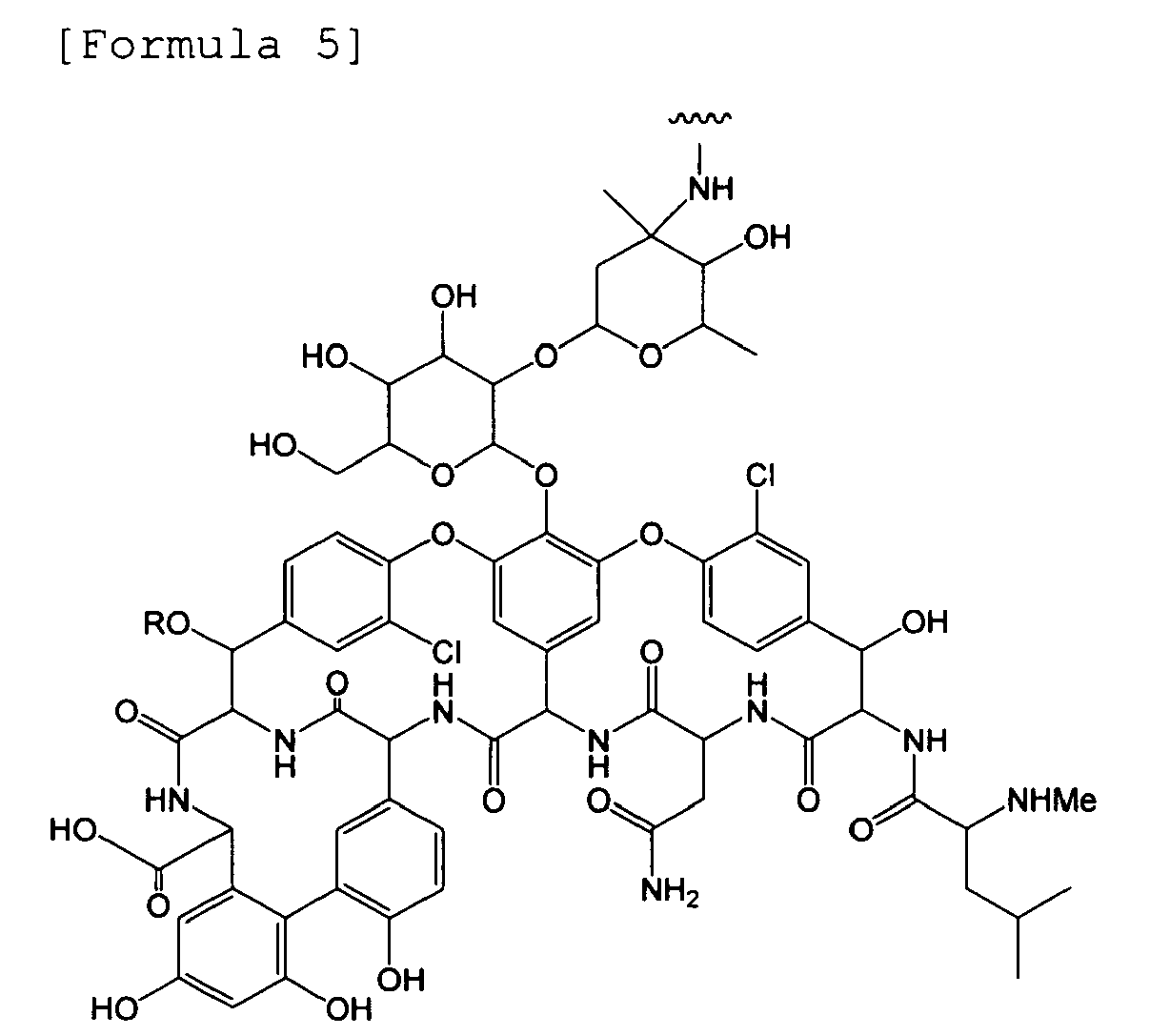
-
- (2) A pharmaceutical formulation, preferably an antimicrobial formulation, comprising the compound, pharmaceutically acceptable salt or solvate thereof of the present invention as described above.
The invention is also relates to a compound, a pharmaceutically acceptable salt or solvate thereof as described above in (1) and a pharmaceutical composition as described above in (2), excluding that RA is 4-(monofluorobenzoylamino)benzyl.
The invention is also relates to a compound, a pharmaceutically acceptable salt or solvate thereof as described above in (1) and a pharmaceutical composition as described above in (2), excluding that Ar1 is phenylene, Y is -NR2CO-, and Ar2 is monofluorophenyl.
The invention is also relates to a compound, a pharmaceutically acceptable salt or solvate thereof as described above in (1) and a pharmaceutical composition as described above in (2), excluding that Ar2 is monofluorophenyl.
The invention is also relates to a compound, a pharmaceutically acceptable salt or solvate thereof, and a pharmaceutical formulation, preferably antimicrobial formulation comprising the same, as described in the following (3) to (18). - (3) The compound according to (1) wherein Y is - NR2CO- or -CONR2- wherein R2 is hydrogen or lower alkyl;
- (4) The compound according to (1) wherein Ar1 and Ar2 are optionally substituted aryl, or optionally substituted heteroaryl, optionally substituted heterocycle, or optionally substituted cycloalkyl;
- (5) The compound according to (1) wherein Ar1 and Ar2 are optionally substituted aryl, optionally substituted heteroaryl, optionally substituted heterocycle, or optionally substituted cycloalkyl, and Y is -NHCO- or - CONH-;
- (6) The compound according to (1) wherein X1 is lower alkylene;
- (7) The compound according to (1) wherein X2 is a single bond, lower alkylene or a heteroatomic group as described above;
- (8) The compound according to (1) wherein X3 is a single bond, lower alkylene or a heteroatomic group as described above.
- (9) The compound according to (1) wherein X1 is lower alkylene; X2 is a single bond, lower alkylene or a heteroatomic group as described above; X3 is a single bond, lower alkylene or a heteroatomic group as described above; Y is -NHCO- or -CONH-; Ar1 is optionally substituted phenyl, optionally substituted heteroaryl, optionally substituted heterocycle, or optionally substituted cycloalkyl; and Ar2 is optionally substituted phenyl, optionally substituted heterocycle or optionally substituted cycloalkyl.
- (10) The compound according to (1) wherein X1 is lower alkylene; X2 and X3 are independently a single bond, lower alkylene or a heteroatomic group as described above; Y is a group of the formula:

Ar1 is optionally substituted phenyl, optionally
substituted heteroaryl, optionally substituted heterocycle, or optionally substituted cycloalkyl; and Ar2 is optionally substituted aryl, optionally substituted heterocycle or optionally substituted cycloalkyl; - (11) The compound of any one of (1) to (10) wherein Ar2 is any one of aryl, heterocycle or fused rings of the formula:

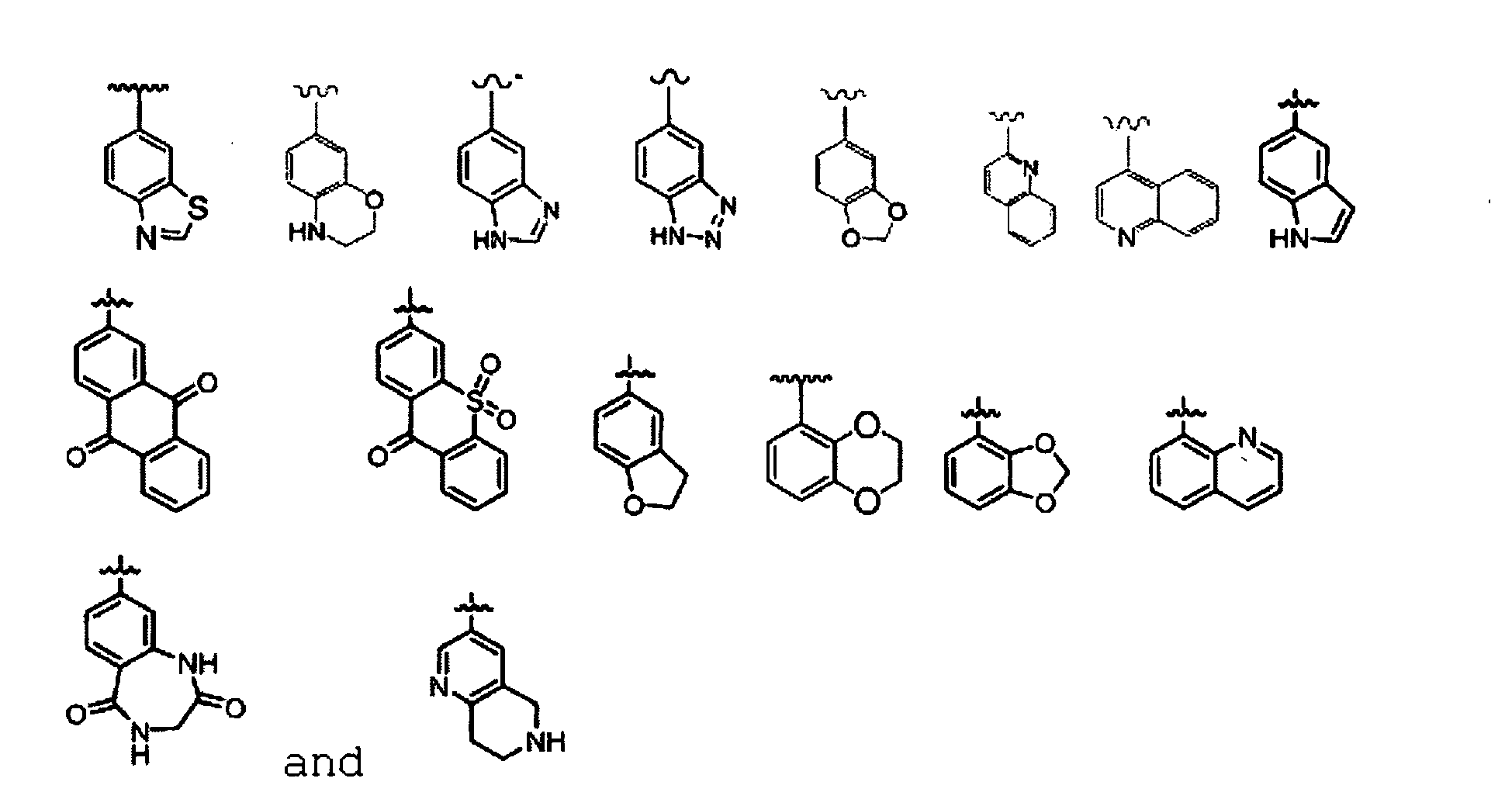
- (12) The compound of any one of (1) to (10) wherein Ar2 is aryl that is optionally substituted with one or more of the substituent selected from the group consisting of halo, mono-, di- or tri-halogenated lower alkyl, mono-, di- or tri-halogenated lower alkoxy, mono-, di- or tri-halogenated lower alkylthio, mono- or di-lower alkylamino, cycloalkylmethyloxy, benzyloxy, lower alkoxycarbonylamino, nitro;
- (13) The compound of any one of (1) to (12) wherein Ar1 is phenyl optionally substituted with an optionally substituted amino;
- (14) The compound of any one of (1) to (12) wherein Ar1 is optionally substituted heteroaryl;
- (15) The compound of any one of (1) to (12) wherein X1 is lower alkylene; X2 is a single bond, lower alkylene or a heteroatomic group as described above; X3 is a single bond, lower alkylene or heteroatomic group; Y is -NHCO- or -CONH-; Ar1 is optionally substituted heteroaryl; and Ar2 is optionally substituted phenyl, optionally substituted heterocycle or optionally substituted cycloalkyl;
- (16) The compound as described preferably in (1) or of any one of (3) to (15) wherein RB is -OH; RC is hydrogen; and RD is hydrogen;
- (17) The compound as described preferably in (1) or of any one of (3) to (15) wherein RB is -NR5R5' wherein R5 and R5' are independently hydrogen, optionally substituted alkyl, -NH-R, -NH-COR, -NH-CONHR, -O-R wherein each R is independently hydrogen or optionally substituted alkyl, or amino sugar residue, Rc is hydrogen; and RD is hydrogen;
- (18) The compound as described preferably in (1) or any one of (3) to (15) wherein RB is -NR5R5, wherein R5 is hydrogen, R5, is alkyl-NH-R, -NH-COR, -NH-CONHR, -O-R wherein each R is independently hydrogen or optionally substituted alkyl, or amino sugar residue, which are substituted with a hydrophilic substituent, Rc is hydrogen; and RD is hydrogen.
- RA is the formula -X1 -Ar1-X2 -Y-X3 -Ar2
- 1) single bond;
- 2) heteroatom or heteroatomic group, selected from the group consisting of -N=, =N-, -NR1-, -O-, -S-, -SO- and -SO2- wherein R1 is hydrogen or lower alkyl; or
- 3) optionally substituted alkylene or alkenylene optionally interrupted by one or more same or different heteroatomic group;
- Y is -NR2CO-, -CONR2- wherein R2 is hydrogen or lower alkyl, or a group represented by the formula:

- Ar1 and Ar2 are independently a carbocycle or heterocycle which is optionally substituted and may have an unsaturated bond;
- RB is -OH or -NR5R5' wherein R5 and R5' are independently hydrogen or optionally substituted alkyl;
- Rc is hydrogen or optionally substituted alkyl that may comprise a heteroatomic group; and
- RD is hydrogen or lower alkyl.
- The glycopeptide antibiotic derivative of the invention, a pharmaceutically acceptable salt, or solvate thereof shows an antimicrobial activity against various microorganisms such as staphylococcus including MRSA, streptococcus, pneumococcus and enterococcus. The compound is also effective against vancomycin-resistant strains thereof, particularly vancomycin-resistant enterococcus (VRE) and vancomycin-resistant staphylococcus aureus (VRSA). Thus, the compound is useful in the treatment or prevention of various bacterial infectious diseases such as meningitis, sepsis, pneumonia, arthritis, peritonitis, bronchitis, empyema and the like. The more preferred compound of the invention is highly water-soluble and shows good pharmacokinetics and/or is safe with respect to toxicity.
- In order to describe the compound of the invention, the terms as used herein have the following meaning solely or in combination with other terms as used herein.
The term "Glycopeptide antibiotic derivative aglycone part" refers to a moiety remaining after removal of a sugar moiety as described bellow, from a known glycopeptide antibiotic derivative characterized by polycyclic peptide core optionally substituted with a sugar group. One or more, preferably one "sugar moiety" may be removed. For example, in case that glycopeptide antibiotic derivative is vancomycin, the aglycone part is that remaining after the sugar chain (disaccharide) moiety containing an amino sugar (i.e. α-L-vancosaminyl-β-D-glucopyranose). Also, vancomycin derivatives having a modification at the N-terminal of the peptide chain, such as that having removal of the N-methyl-D-leucine and its acylated form, was known (Expert Opin. Ther.Patents (2004)14, 141-173). Thus, the aglycone part includes such part of these vancomycin derivatives, from which "sugar moiety" has been removed as described above. Known glycopeptide antibiotic derivatives can be found in:Japanese Patent Publication 61-251699 7-258289 WO96/30401 WO00/39156 Japanese Patent Publication 2000-302687 W02004/44222 U.S. Patents 4,639,433 ;4,643,987 ;4,497,802 ;4,698,327 ;5,591,714 ;5,840,684 ; and5,843,889 ;EP0802199 ;EP0801075 ;EP0667353 ;WO97/28812 WO97/38702 WO98/52589 WO98/52592 - Specifically, the compound of the invention can be selected from the group consisting of the following compounds.
The compound of the formula:
- R and R1 is independently hydrogen or methyl;
- R2 and R3 is independently hydrogen or, a group of the formula R6R7CH-, wherein R6 and R7 is independently R5, R5-(C1-C5)-alkyl or R5-(C2-C5-alkenyl), wherein R5 is hydrogen, C1-C10-alkyl, C2-C10-alkenyl, C1-C4-alkoxy, C3-C10-cycloalkyl, C5-C12-cycloalkenyl, phenyl, naphthyl, indenyl, tetralinyl, decalinyl, adamantyl, a monocyclic heteroring containing 3-8 heteroatoms or bicyclic heteroring containing 6-11 heteroatoms, with the proviso that at least one of these atoms is carbon, at least one of these heteroatoms is selected form O, N and S, and R5 is optionally substituted with one or more selected from hydroxy, nitro, C1-C10-alkoxy, C1-C10-alkyl, phenyl, C1-C6-alkylthio, nitrile, halo, C2-C4-acylamino, amino, C1-C4-dialkylamino;
- R4 is hydrogen, or R1 and R2, and/or R3 and R4 together represent a group of the formula:

- N is 1 or 2,
with the proviso that: (i) at least one of R2 and R3 is not hydrogen, (ii) when n is 2, then R is hydrogen, (iii) when R is methyl and R3 is hydrogen, then R2 is not methyl, (iv) when R and R1 are both hydrogen, then R2 is hydrogen or methyl and n is 1
(Japanese Patent Publication 61-251699 - The compound of the formula:

- X and Y is independently hydrogen or chloro;
- R is hydrogen, 4-epi-vancosaminyl, actinosaminyl or ristosaminyl;
- R1 is hydrogen or mannose;
- R2 is -NH2, -NHCH3 or -N (CH3) 2;
- R3 is -CH2CH (CH3)2, [p-OH, m-Cl]phenyl, p-rhamnose-phenyl, [p-rhamnose-galactose]phenyl, [p-galactose-galactose]phenyl or [p-CH3O-rhamnose]phenyl;
- R4 is -CH2 (CO)NH2, benzyl, [p-OH]phenyl or [p-OH, m-Cl]phenyl;
- R5 is hydrogen or mannose;
- R6 is 4-epi-vancosaminyl, L-acosaminyl, L-ristosaminyl or L-actinosaminyl;
- R7 is (C2-C16)alkenyl, (C2-C12)alkynyl, (C1-C12)alkyl-R8, (C1-C12-alkyl) -halo, (C2-C6-alkenyl) -R8, (C2-C6-alkynyl)-R8, (C1-C12-alkyl)-O-R8 and R7 connects to the amino group of R6;
- R8 is
- a) polycyclic aryl unsubstituted or substituted with one or more independently selected from the group consisting of (i) hydroxy, (ii) halo, (iii) nitro, (iv) (C1-C6) -alkyl, (v) (C1-C6) -alkenyl, (vi) (C1-C6) -alkynyl, (vii) (C1-C6) -alkyl, (C1-C6) -alkoxy, (viii) halo- (C1-C6) - alkyl, (ix) halo- (C1-C6) -alkoxy, (x) carbo-(C1-C6)-alkoxy, (xi) carbobenzyloxy, (xii) (C1-C6) -alkyl, (C1-C6) - carbobenzyloxy substituted with alkoxy, halo or nitro, (xiii) a group of the formula: -S(O)n'R9 wherein n' is 0-2, R9 is (C1-C6) -alkyl, phenyl or phenyl substituted with (C1-C6)-alkyl, (C1-C6)-alkoxy, halo or nitro, and (xiv) a group of the formula: -C(O)N(R10)2 wherein R10 are independently hydrogen, (C1-C6) -alkyl, (C1-C6) -alkoxy, phenyl, or phenyl substituted with (C1-C6)-alkyl, (C1-C6)-alkoxy, halo or nitro;
- b) heteroaryl unsubstituted or substituted with one or more selected independently from the group consisting of (i) halo, (ii) (C1-C6)-alkyl, (iii) (C1-C6)-alkoxy, (iv) halo-(C1-C6)-alkyl, (v) halo-(C1-C6)-alkoxy, (vi) phenyl, (vii) thiophenyl, (viii) phenyl substituted with halo, (C1-C6)-alkyl, (C1-C6)-alkenyl, (C1-C6)-alkynyl, (C1-C6)-alkoxy or nitro, (ix) carbo-(C1-C6)alkoxy, (x) carbobenzyloxy, (xi) carbobenzyloxy substituted with (C1-C6)-alkyl, (C1-C6) - alkoxy halo or nitro, (xii) a group of the formula: - S(O)n'R9 as defined above, (xiii) a group of the formula: - C(O)N(R10)2 as defined above and (xiv) thienyl;
- c) a group of the formula:

- A1 is -OC(A2)2-C(A2)2-O-, -O-C(A2)2-O-, -C(A2)2-O- or - C(A2)2-C(A2)2-C(A2)2-C(A2)2-, wherein each A2 is independently selected from hydrogen, (C1-C6) -alkyl, (C1-C6)alkoxy and (C4-C10)-cycloalkyl;
- d) a group of the formula:

- p is 1 to 5, R11 is selected independently form the group consisting of (i) hydrogen, (ii) nitro, (iii) hydroxy, (iv) halo, (v) (C1-C8)-alkyl, (vi) (C1-C6)-alkoxy, (vii) (C9-C12)-alkyl, (viii) (C2-C9)-alkynyl, (ix) (C9-C12)-alkoxy, (x) (C1-C3)-alkoxy, substituted with (C1-C3)-alkoxy, hydroxy, halo-(C1-C3)-alkoxy or (C1-C4)alkylthio, (xi) (C2-C5)-alkenyloxy, (xii) (C1-C13)-alkynyloxy, (xiii) halo-(C1-C6)-alkyl, (xiv) halo-(C1-C6)-alkoxy, (xv) (C2-C6)-alkylthio, (xvi) (C2-C10)-alkanoyloxy, (xvii) carboxy-(C2-C4)-alkenyl, (xviii) (C1-C3)-alkylsulfonyloxy, (xix) carboxy-(C1-C3)-alkyl, (xx) N-[di (C1-C3) alkyl] amino- (C1-C3)alkoxy, (xxi) cyano-(C1-C6)-alkoxy and (xxii) diphenyl-(C1-C6)-alkyl, with the proviso that: when R11 is (C1-C8)-alkyl, (C1-C8)-alkoxy or halo, then P is 2 or more, and when R7 is (C1-C3-alkyl)-R8, then R11 is not hydrogen, (C1-C8)-alkyl, (C1-C8)-alkoxy or halo;
- e) a group of the formula:

- q is 0 to 4,
- R12 is selected independently from the group consisting of (i) halo, (ii) nitro, (iii) (C1-C6)-alkyl, (iv) (C1-C6) -alkoxy, (v) halo- (C1-C6) -alkyl, (vi) halo- (C1-C6)-alkoxy and (vii) hydroxy and (vii) (C1-C6)-thioalkyl, r is 1 to 5, with the proviso that q+r is not more than 5, Z is selected independently from the group consisting of (i) single bond, (ii) divalent (C1-C6)-alkyl, unsubstituted or substituted with hydroxy, (C1-C6)-alkyl or (C1-C6)-alkoxy, (iii) divalent (C2-C6)-alkenyl, (iv) divalent (C2-C6)-alkynyl, or (v) a group of the formula: -(C(R14)2)S-R15- or -R15-(C(R14)2)S-
wherein, S is 0-6, R14 are independently selected from hydrogen, (C1-C6)-alkyl or (C4-C10)-cycloalkyl, R15 is a group selected from -0-, -S-, -SO-, -SO2-, -SO2-O-, -C(O)-, -OC(O)-, -C(O)O-, -NH-, -N (C1-C6-alkyl)- and -C(O)NH-,-NHC(O)-, -N=N-, - R13 is selected independently from the group consisting of (i) (C4-C10)-heterocyclyl, (ii) heteroaryl, (iii) (C4-C10)-cycloalkyl unsubstituted or substituted with (C1-C6)-alkyl or (iv) phenyl unsubstituted or substituted with 1-5 substituents selected independently from the group consisting of halo, hydroxy, nitro, (C1-C10)-alkyl, (C1-C10)-alkoxy, halo- (C1-C3) -alkoxy, halo- (C1-C3) -alkyl, (C1-C3)-alkoxyphenyl, phenyl, phenyl-(C1-C3)-alkyl, (C1-C6) - alkoxyphenyl, phenyl- (C1-C3)-alkynyl and (C1-C6)-alkylphenyl;
- f) (C4-C10)-cycloalkyl unsubstituted or substituted with one or more selected independently from the group consisting of (i) (C1-C6)-alkyl, (ii) (C1-C6)-alkoxy, (iii) (C1-C6) -alkenyl, (iv) (C1-C6) -alkynyl, (v) (C4-C10)-cycloalkyl, (vi) phenyl, (vii) phenylthio, (viii) phenyl substituted with nitro, halo, (C1-C6)-alkanoyloxy or carbocycloalkoxy, and (ix) a group of the formula: -Z-R13 wherein Z and R13 is as defined above;
- g) a group of the formula:

- A3 and A4 are (i) a bond, (ii) -O-, (iii) -S(O)t-wherein t is 0 to 2, (iv) -C(R17)2- wherein R17 is independently selected from hydrogen, (C1-C6)-alkyl, hydroxy, (C1-C6) -alkyl, (C1-C6)-alkoxy, or both R17s together represent O, (v) -N(R18)2- wherein R18 is independently selected from hydrogen, (C1-C6)-alkyl, (C1-C6)-alkenyl, (C1-C6)-alkynyl, (C4-C10)-cycloalkyl, phenyl, or phenyl substituted with nitro, halo or (C1-C6)-alkanoyloxy, or both R18s together represent (C4-C10)-cycloalkyl, R16 is R12 or R13 as defined above, and
- u is 0-4.
- The compound of the formulae (1) and (2):


- n is an integer from 0 to 10,
- n' is an integer from 1 to 12, and
- m is an integer from 2 to 60
- The compound of the formula I:

wherein, - R1 is selected from the group consisting of hydrogen, alkyl, substituted alkyl, alkenyl, substituted alkenyl, alkynyl, substituted alkynyl, cycloalkyl, substituted cycloalkyl, cycloalkenyl, substituted cycloalkenyl, aryl, heteroaryl, heterocyclic ring and -Ra-Y-Rb-(Z)x; or a saccharide group optionally substituted with -Ra-Y-Rb-(Z)x;
- R2 is hydrogen, or a saccharide group optionally substituted with -Ra-Y-Rb-(Z)x;
- R3 is -ORc or -NRcRc;
- R4 is selected from the group consisting of hydrogen, alkyl, substituted alkyl, alkenyl, substituted alkenyl, alkynyl, substituted alkynyl, -Ra-Y-Rb- (Z)x, -C(O) Rd and a saccharide group optionally substituted with -Ra-Y-Rb-(Z)x;
- R5 is selected from the group consisting of hydrogen, halo, -CH (Rc)-NRcRc, -CH (Rc) -NRcRe and -CH (Rc) -NRc-Ra-Y-Rb-(Z)x:
- R6 is selected from the group consisting of hydrogen, alkyl, substituted alkyl, alkenyl, substituted alkenyl, alkynyl, substituted alkynyl, -Ra-Y-Rb- ( Z ) x, -C (O) Rd and a saccharide group optionally substituted with -NRc-Ra-Y-Rb-(Z)x, or R5 and R6 together with the atom to which they are attached to form a heterocyclic ring optionally substituted with -NRc-Ra-Y-Rb-(Z)x ;
- R7 is selected from the group consisting of hydrogen, alkyl, substituted alkyl, alkenyl, substituted alkenyl, alkynyl, substituted alkynyl, -Ra-Y-Rb-(Z)x and -C(O)Rd;
- R8 is selected from the group consisting of hydrogen, alkyl, substituted alkyl, alkenyl, substituted alkenyl, alkynyl, substituted alkynyl, cycloalkyl, substituted cycloalkyl, cycloalkenyl, substituted cycloalkenyl, aryl, heteroaryl and heterocyclic ring;
- R9 is selected from the group consisting of hydrogen, alkyl, substituted alkyl, alkenyl, substituted alkenyl, alkynyl, substituted alkynyl, cycloalkyl, substituted cycloalkyl, cycloalkenyl, substituted cycloalkenyl, aryl, heteroaryl and heterocyclic ring;
- R10 is selected from the group consisting of alkyl and substituted alkyl;
- R11 is selected from the group consisting of hydrogen, alkyl, substituted alkyl, alkenyl, substituted alkenyl, alkynyl, substituted alkynyl, cycloalkyl, substituted cycloalkyl, cycloalkenyl, substituted cycloalkenyl, aryl, heteroaryl and heterocyclic ring, or R10 and R11 together with the carbon and nitrogen atoms to which they are attached to form a heterocyclic ring;
- R12 is selected from the group consisting of hydrogen, alkyl, substituted alkyl and -C(O)ORd ;
- R13 is selected from the group consisting of hydrogen or -OR14 ;
- R14 is selected from the group consisting of hydrogen, -C(O)Rd and a saccharide group;
- Ra is independently selected from the group consisting of alkylene, substituted alkylene, alkenylene, substituted alkenylene, alkynylene and substituted alkynylene;
- Rb is independently selected from the group consisting of alkylene, substituted alkylene, alkenylene, substituted alkenylene, alkynylene and substituted alkynylene;
- Rc is independently selected from the group consisting of hydrogen, alkyl, substituted alkyl, alkenyl, substituted alkenyl, alkynyl, substituted alkynyl, cycloalkyl, substituted cycloalkyl, cycloalkenyl, substituted cycloalkenyl, aryl, heteroaryl, heterocyclic ring and - C(O)Rd ;
- Rd is independently selected from the group consisting of alkyl, substituted alkyl, alkenyl, substituted alkenyl, alkynyl, substituted alkynyl, cycloalkyl, substituted cycloalkyl, cycloalkenyl, substituted cycloalkenyl, aryl, heteroaryl and heterocyclic ring;
- Re is a saccharide group;
- X1, X2 and X3 are selected from the group consisting of hydrogen or chloro;
- Y is selected independently from the group consisting of oxygen, sulphur, -S-S-, -NRc-, -S(O)-, -SO2-, -NRcC(O)-, -OSO2-, -OC(O)-, -NRcSO2, -C(O)NRc-, -C(O)O-, -SO2NRc-, - SO2O-, -P(O) (ORc)O-, -P(O) (ORc)NRc-, -OP(O) (ORc)O-, - OP(O) (ORc)NRc-, -OC(O)O-, -NRcC(O)O-, -NRcC(O)NRc-, - OC(O)NRc- and -NRcSO2NRc-;
- Z is selected independently from the group consisting of hydrogen, aryl, cycloalkyl, cycloalkenyl, heteroaryl and heterocyclic ring;
- n is, 0, 1 or 2; and
- X is 1 or 2, with the proviso that at least one of R1, R2, R4, R5, R6 or R7 is a group of the formula -Ra-Y-Rb-(Z)x; and further that
- (i) when Y is -NRc-, Rc is 1 to 4 carbon alkyl, Z is hydrogen, and Rb is alkylene, then Rb contains at least five carbon atoms;
- (ii) when Y is -C(O)NRc-, Z is hydrogen, and Rb is alkylene, then Rb is at least five carbon atoms;
- (iii) when Y is sulphur, Z is hydrogen, and Rb is alkylene, then Rb is at least seven carbon atoms; and
- (iv) when Y is oxygen, Z is hydrogen, and Rb is alkylene, then Rb is at least eleven carbon atoms
(Japanese Patent Publication 2002-533472
- The compound of the formula I:

wherein, - R1 is selected from the group consisting of hydrogen, alkyl, substituted alkyl, alkenyl, substituted alkenyl, alkynyl, substituted alkynyl, cycloalkyl, substituted cycloalkyl, cycloalkenyl, substituted cycloalkenyl, aryl, heteroaryl, heterocyclic ring and -Ra-Y-Rb-(Z)x, or R1 is a saccharide group optionally substituted with -Ra-Y-Rb-(Z)x, Rf, -C(O)Rf or -C(O)-Ra-Y-Rb-(Z)x;
- R2 is hydrogen, or a saccharide group optionally substituted with -Ra-Y-Rb-(Z)x, Rf, -C(O)Rf or -C(O)-Ra-Y-Rb-(Z)x;
- R3 is -ORc, -NRcRc, -O-Ra-Y-Rb-(Z)x, -NRc-Ra-Y-Rb-(Z)x, - NRcRe, or -O-Re, or R3 is a N-, O- or S-linked group containing one or more phosphono moiety;
- R4 is selected from the group consisting of hydrogen, alkyl, substituted alkyl, alkenyl, substituted alkenyl, alkynyl, substituted alkynyl, -Ra-Y-Rb-(Z)x, -C (O) Rd and - Ra-Y-Rb-(Z)x, Rf, -C(O)Rf or a saccharide group optionally substituted with -C(O)-Ra-Y-Rb-(Z)x:
- R5 is selected from the group consisting of hydrogen, halo, -CH (Rc) -NRcRc, -CH (Rc) -NRcRe, -CH(Rc)-NRc-Ra-Y-Rb-(Z)x, -CH (Rc) -Rx, -CH (Rc) -NRc-Ra-C(=O)-Rx and a group containing one or more phosphono moiety;
- R6 is selected from the group consisting of hydrogen, alkyl, substituted alkyl, alkenyl, substituted alkenyl, alkynyl, substituted alkynyl, -Ra-Y-Rb- (Z)x, -C(O)Rd and a saccharide group optionally substituted with -NRc-Ra-Y-Rb-(Z)x, or R5 and R6 together with the atom to which they are attached to form a heterocyclic ring optionally substituted with -NRc-Ra-Y-Rb- (Z)x;
- R7 is selected from the group consisting of hydrogen, alkyl, substituted alkyl, alkenyl, substituted alkenyl, alkynyl, substituted alkynyl, -Ra-Y-Rb_(Z)x and -C(O)Rd; R8 is selected from the group consisting of hydrogen, alkyl, substituted alkyl, alkenyl, substituted alkenyl, alkynyl, substituted alkynyl, cycloalkyl, substituted cycloalkyl, cycloalkenyl, substituted cycloalkenyl, aryl, heteroaryl and heterocyclic ring;
- R9 is selected from the group consisting of hydrogen, alkyl, substituted alkyl, alkenyl, substituted alkenyl, alkynyl, substituted alkynyl, cycloalkyl, substituted cycloalkyl, cycloalkenyl, substituted cycloalkenyl, aryl, heteroaryl and heterocyclic ring;
- R10 is selected from the group consisting of hydrogen, alkyl, substituted alkyl, alkenyl, substituted alkenyl, alkynyl, substituted alkynyl, cycloalkyl, substituted cycloalkyl, cycloalkenyl, substituted cycloalkenyl, aryl, heteroaryl and heterocyclic ring; or R8 and R10 together form -Ar1-O-Ar2- wherein, Ar1 and Ar2 are independently arylene or heteroarylene;
- R11 is selected from the group consisting of hydrogen, alkyl, substituted alkyl, alkenyl, substituted alkenyl, alkynyl, substituted alkynyl, cycloalkyl, substituted cycloalkyl, cycloalkenyl, substituted cycloalkenyl, aryl, heteroaryl and heterocyclic ring, or R10 and R11 together with the carbon atom and nitrogen atom to which they are attached to form a heterocyclic ring;
- R12 is selected from the group consisting of hydrogen, alkyl, substituted alkyl, alkenyl, substituted alkenyl, alkynyl, substituted alkynyl, cycloalkyl, substituted cycloalkyl, cycloalkenyl, substituted cycloalkenyl, aryl, heteroaryl, heterocyclic ring, -C (O) Rd, -C(NH)Rd, -C(O)NRcRc, -C(O)ORd, -C(NH)NRcRc and -Ra-Y-Rb-(Z)x, or R11 and R12 together with the nitrogen atom to which they are attached to form a heterocyclic ring;
- R13 is selected from the group consisting of hydrogen or -OR14;
- R14 is selected from the group consisting of hydrogen, -C(O)Rd and a saccharide group;
- Ra is selected independently from the group consisting of alkylene, substituted alkylene, alkenylene, substituted alkenylene, alkynylene and substituted alkynylene;
- Rb is selected independently from the group consisting of a covalent bond, alkylene, substituted alkylene, alkenylene, substituted alkenylene, alkynylene and substituted alkynylene, with the proviso that: Rb is not covalent bond when Z is hydrogen;
- Rc is selected independently from the group consisting of hydrogen, alkyl, substituted alkyl, alkenyl, substituted alkenyl, alkynyl, substituted alkynyl, cycloalkyl, substituted cycloalkyl, cycloalkenyl, substituted cycloalkenyl, aryl, heteroaryl, heterocyclic ring and - C (O) Rd;
- Rd is selected independently from the group consisting of alkyl, substituted alkyl, alkenyl, substituted alkenyl, alkynyl, substituted alkynyl, cycloalkyl, substituted cycloalkyl, cycloalkenyl, substituted cycloalkenyl, aryl, heteroaryl and heterocyclic ring;
- Re is a saccharide group;
- Rf is independently alkyl, substituted alkyl, alkenyl, substituted alkenyl, alkynyl, substituted alkynyl, cycloalkyl, substituted cycloalkyl, cycloalkenyl, substituted cycloalkenyl, aryl, heteroaryl or heterocyclic ring;
- Rx is N-linked aminosaccharide or N-linked heterocyclic ring, and X1, X2 and X3 are selected independently from hydrogen or chlorine;
- Y is selected independently from the group consisting of oxygen, sulphur, -S-S-, -NRc-, -S(O)-, -SO2-, -NRcC(O)-, -OSO2-, -OC (O) -, -NRcSO2-, -C(O)NRc-, -C(O)O-, -SO2NRc-, - SO2O-, -P(O) (ORc)O-, -P(O) (ORc)NRc-, -OP(O) (ORc)O-, -OP(O)(ORc)NRc-, -OC(O)O-, -NRcC(O)O-, NRcC(O)NRc-, -OC(O)NRc-, -C(=O)- and -NRcSO2NRc-;
- Z is selected independently from hydrogen, aryl, cycloalkyl, cycloalkenyl, heteroaryl and heterocyclic ring;
- n is 0, 1 or 2; and
- x is 1 or 2
- The glycopeptide of the formula:
A1-A2-A3-A4-A5-A6-A7
and a pharmaceutically acceptable salts thereof,
wherein, - each dash represents a covalent bond;
- the group A1 comprises a modified or unmodified alpha-amino acid residue, alkyl, aryl, aralkyl, alkanoyl, aroyl, aralkanoyl, heterocycle, heterocyclic-carbonyl, heterocyclic-alkyl, heterocyclic-alkyl-carbonyl, alkylsulfonyl, arylsulfonyl, guanidinyl, carbamoyl, or xanthyl;
- each of the groups A2 to A7 comprises a modified or unmodified alpha-amino acid residue, whereby (i) the group A1 is linked to an amino group on the group A2, (ii) each of the groups A2, A4 and A6 bears an aromatic side chain, which aromatic side chains are cross-linked together by two or more covalent bonds, and (iii) the group A7 bears a terminal carboxyl, ester, amide, or N-substituted amide group; and
- one or more of the groups A1 to A7 is linked via a glycosidic bond to one or more glycosidic groups each having one or more sugar residues; wherein at least one of said sugar residues is a disaccharide modified to bear one or more substituents of the formula: YXR, N+ (R1)=CR2R3, N=PR1R2R3, N+R1R2R3 or P+R1RZR3 in which the group Y is a single bond, O, NR1 or S; the group X is O, NR1, S, SO2, C(O)O, C(O)S, C(S)O, C(S)S, C(NR1)O, C(O)NR1, or halo (in which case Y and R are absent); and R, R1, R2, and R3 are independently hydrogen, alkyl, aryl, aralkyl, alkanoyl, aroyl, aralkanoyl, heterocyclic, heterocyclic-carbonyl, heterocyclic-alkyl, heterocyclic-alkyl-carbonyl, alkylsulfonyl or arylsulfonyl;
with the proviso that at least one of the substituents of the formula YXR is not hydroxyl; X and Y are not both O; X and Y are not S and O, or O and S, respectively; and if two or more of said substituents are present, they can be the same or different; and with the proviso that when A4 is linked to a disaccharide having a glucose residue that bears an N-substituted aminohexose residue, then said glucose residue is modified to bear at least one of said substituents YXR, N+ (R1)=CR2R3, N=PR1R2R3, N+R1R2R3 or P+R1R2R3 (Japanese Patent Publication 2002-520422 - The compound of the formula:

wherein: - X is hydrogen or chloro;
- R is 4-epi-vancosaminyl or a group of the formula -Ra-R7a, wherein Ra is 4-epi-vancosaminyl and R7a, defined below, is attached to the amino group of Ra;
- R2 is -NHCH3 or -N (CH3) R7b, wherein R7b is defined below;
- R6 is 4-epi-vancosaminyl;
- R7 is as defined below, is attached to the amino group ofR6; and
- R7, R7a and R7b are each independently selected from the group consisting of hydrogen, C2-16alkenyl, C2-12alkynyl, (C1-12alkyl)-R8, (C1-12alkyl)-halo, (C2-6alkenyl)-R8,(C2-6alkynyl)-R8 and (C1-12alkyl)-O-R8, with the proviso that R7, R7a and R7b are not all hydrogen, and R8 is selected from the group consisting of
- a) multicyclic aryl unsubstituted or substituted with one or more substituents independently selected from the group consisting of:
- (i) hydroxy,
- (ii) halo,
- (iii) nitro,
- (iv) C1-6alkyl,
- (v) C1-6alkenyl,
- (vi) C1-6alkynyl,
- (vii) C1-6alkoxy,
- (viii) halo-(C1-6alkyl),
- (ix) halo-(C1-6alkoxy),
- (x) carbo- (C1-6alkoxy),
- (xi) carbobenzyloxy,
- (xii) carbobenzyloxy substituted with C1-6alkyl, C1-6alkoxy, halo or nitro,
- (xiii) a group of the formula -S(O)n'-R9 wherein n' is 0-2 and R9 is C1-6alkyl, phenyl or phenyl substituted withC1-6alkyl, C1-6alkoxy, halo, or nitro and
- (xiv) a group of the formula -C(O)N(R10)2 wherein each R10 substituent is independently hydrogen, C1-6alkyl, C1-6alkoxy, phenyl, or phenyl substituted with C1-6 alkyl, C1-6alkoxy, halo, or nitro;
- b) heteroaryl unsubstituted or substituted with one or more substituents independently selected from the group consisting of:
- (i) halo,
- (ii) C1-6alkyl,
- (iii) C1-6alkoxy,
- (iv) halo-(C1-6alkyl),
- (v) halo- (C1-6alkoxy),
- (vi) phenyl,
- (vii) thiophenyl,
- (viii) phenyl substituted with halo, C1-6alkyl, C1-6alkenyl, C1-6alkynyl, C1-6alkoxy, or nitro,
- (ix) carbo-(C1-6alkoxy),
- (x) carbobenzyloxy,
- (xi) carbobenzyloxy substituted with C1-6alkyl, C1-6alkoxy, halo or nitro,
- (xii) a group of the formula -S(O)n'-R9 as defined above,
- (xiii) a group of the formula -C(O)N(R10)2 as defined above, and
- (xiv) thienyl;
- c) a group of the formula:
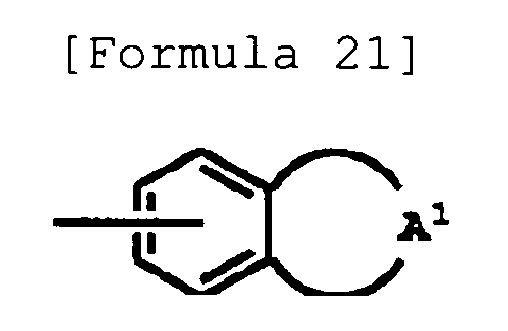
- d) a group of the formula:
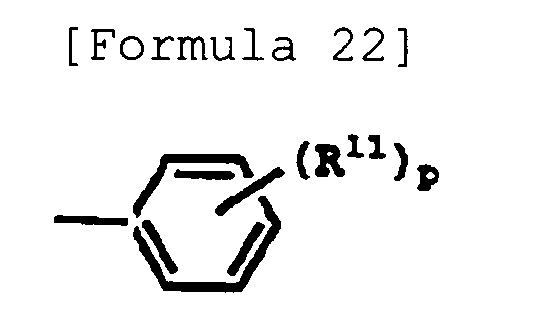
- p is from 1 to 5; and
- R11 is independently selected from the group consisting of:
- (i) hydrogen,
- (ii) nitro,
- (iii) hydroxy,
- (iv) halo
- (v) C1-8alkyl,
- (vi) C1-8alkoxy,
- (vii) C9-12alkyl,
- (viii) C2-9alkynyl,
- (ix) C9-12alkoxy,
- (x) C1-3alkoxy substituted with C1-3alkoxy, hydroxy, halo-C1-3alkoxy or C1-4alkylthio,
- (xi) C2-5alkenyloxy,
- (xii) C1-13alkynyloxy,
- (xiii) halo-C1-6alkyl,
- (xiv) halo-C1-6alkoxy,
- (xv) C2-6alkylthio,
- (xvi) C2-10alkanoyloxy,
- (xvii) carboxy-(C2-4alkenyl),
- (xviii) C1-3alkylsulfonyloxy,
- (xix) carboxy-(C1-3alkyl),
- (xx) N- [di (C1-3alkyl] amino- (C1-3alkoxy)
- (xxi) cyano-(C1-6alkoxy) and
- (xxii) diphenyl- (C1-6alkyl) ,
- e) a group of the formula:

- q is O to 4;
- R12 is independently selected from the group consisting of:
- (i) halo,
- (ii) nitro,
- (iii) C1-6alkyl,
- (iv) C1-6alkoxy,
- (v) halo- (C1-6alkyl) ,
- (vi) halo- (C1-6alkoxy) ,
- (vii) hydroxy and
- (viii) C1-6thioalkyl,
r is 1 to 5; with the proviso that the sum of q and r is no greater than 5;
- (i) single bond,
- (ii) divalentC1-6alkyl unsubstituted or substituted with hydroxy, C1-6alkyl, or C1-6alkoxy,
- (iii) divalent C2-6alkenyl,
- (iv) divalent C2-6alkynyl, or
- (v) a group of the formula -(C(R14)2)sR15- or -R15 (C(R19)2)s-, wherein s is 0-6, wherein each R14 substituent is independently selected from hydrogen, C1-6alkyl or C4-10cycloalkyl, and R15 is selected from -O-, -S-, -SO-, -SO2-, -SO20-, -C(O)-, -OC(O)-, -C(O)O-, -NH-, -N (C1-6alkyl)-, - C(O)NH-, -NHC(O)- and -N=N-;
- R13 is independently selected from the group consisting of:
- (i) C4-10heterocycle,
- (ii) heteroaryl,
- (iii) C4-10cycloalkyl unsubstituted or substituted with C1_ 6alkyl or
- (iv) phenyl unsubstituted or substituted with 1 to 5 substituents independently selected from: halo, hydroxy, nitro, C1-10alkyl, C1-10alkoxy, halo-C1-3alkoxy, halo-C1-3alkyl, C1-3alkoxyphenyl, phenyl, phenyl-(C1-3alkyl), C1-6alkoxyphenyl, phenyl-(C1-3alkynyl) and C1-6alkylphenyl;
- f) C4-10cycloalkyl unsubstituted or substituted with one or more substituents independently selected from the group consisting of:
- (i) C1-6alkyl,
- (ii) C1-6alkoxy,
- (iii) C1-6alkenyl,
- (iv) C1-6alkynyl,
- (v) C4-10cycloalkyl,
- (vi) phenyl,
- (vii) phenylthio,
- (viii) phenyl substituted with nitro, halo, C1-6alkanoyloxy or carbocycloalkoxy and
- (ix) a group represented by the formula -ZR13 wherein Z and R13 is as defined above; and
- g) a group of the formula:


- A3 and A4 are each independently selected from
- (i) a bond,
- (ii) -O-,
- (iii) -S(O)t-, wherein t is 0 to 2,
- (iv) -C(R17)2-, wherein each R17 substituent is independently selected from hydrogen, C1-6alkyl, hydroxy and C1-6alkoxy, or both R17 substituents taken together are O,
- (v) -N(R18)2-, wherein each R18 substituent is independently selected from hydrogen, C1-6alkyl, C1-6alkenyl, C1-6alkynyl, C4-10cycloalkyl, phenyl, phenyl substituted with nitro, halo, C1-6alkanoyloxy or both R18 substituents taken together are C4-10cycloalkyl;
- R16 is R12 or R13 as defined above: and
- u is 0-4,
excluding compounds wherein R is 4-epi-vancosaminyl and R2 is -NH (CH3)
(Japanese Patent Publication1 1-502534
- a) multicyclic aryl unsubstituted or substituted with one or more substituents independently selected from the group consisting of:
- Examples of the glycopeptide antibiotic derivatives are for example, vancomycin, teicoplanin, ristomycin, ristocetin, actaplanin, actinoidin, ardacin, avoparcin, azureomycin, balhimycin, chloroorienticin A, chloroorienticin B, chloropolysporin, decaplanin, N-demethylvancomycin, eremomycin, galacardin, helvecardin, izupeptin, kibdelin, mannopeptin, orienticin, parvodicin, synmonicin, oritavancin, telavancin, dalbavancin, A-40926, etc.
- The term "sugar moiety" refers to a monosaccharide or a polysaccharide (e.g., disaccharide) moiety, and includes amino sugar, a sugar chain moiety containing amino sugar, or other sugar or sugar chain moieties. Amino sugar moiety or sugar chain (preferably disaccharide) containing amino sugar moiety is preferred, for example, in case of vancomycin, disaccharide attached to the phenol moiety, i.e., α-L-vancosaminyl-β-D-glucopyranose moiety. The sugar moiety typically includes, for example, D-glucose, D-mannose, D-xylose, D-galactose, vancosamin, 3-desmethylvancosamin, 3-epi-vancosamin, 4-epi-vancosamin, acosamin, actinosamin, daunosamin, 3-epi-daunosamin, ristosamin, N-methyl-D-glucamin, D-glucuronic acid, N-Acetyl-D-glucosamin, N-Acetyl-D-galactosamine, sialic acid, 2-O-(α-L-vancosaminyl)-β-D-glucopyranose, 2-O-(3-desmethyl-α-L-vancosaminyl)-β-D-glucopyranose, sucrose, lactose, or maltose.
The term "sugar residue" refers to a residual moiety of the above "sugar moiety" from which one OH has been removed.
The term "amino sugar residue" refers to a residual moiety of the "amino sugar" or "a sugar chain moiety containing amino sugar" from which one amino group has been removed.
The term "Sac-NH" moiety refers to an amino sugar moiety or a sugar chain moiety containing amino sugar as known in glycopeptide antibiotic derivatives. The term "amino sugar moiety" refers to a monosaccharide group having an amino group or a substituted amino group. Typical amino sugar moiety includes L-vancosaminyl, 3-desmethyl-vancosaminyl, 3-epi-vancosaminyl, 4-epi-vancosaminyl, 4-keto-vancosaminyl, acosaminyl, actinosaminyl, daunosaminyl, 3-epi-daunosaminyl, ristosaminyl, N-methyl-D-glucaminyl, N-Acetyl-D-glucosamyl, or N-acyl-D-glucosamyl, etc. Actinosaminyl, acosaminyl, 4-epi-vancosaminyl, 4-keto-vancosaminyl, ristosaminyl, or vancosaminyl is preferred. Particularly, L-vancosaminyl is preferred. Also, a-L-vancosaminyl-β-D-glucopyranose, 3-desmethyl-α-L-vancosaminyl-β-D-glucopyranose can be exemplified for a sugar chain moiety containing amino sugar. - As described above, "(aglycon part of glycopeptide antibiotic derivative)-(Sac-NH)" is a glycopeptide antibiotic derivative having a terminal amino sugar moiety.
Thus, glycopeptide antibiotic derivatives of the invention is a compound having RA group attached to the amino group of the terminal amino sugar.
RA is represented by the formula: -X1 -Ar1-X2 -Y-X3 -Ar2. RA group is characterized in that Y moiety comprises an amide bond. - The term "lower alkyl" refers to a saturated straight or branched hydrocarbon mono radical having 1 to 6 carbons, and includes methyl, ethyl, n-propyl, isopropyl, n-butyl, isobutyl, sec-butyl, tert-butyl, n-pentyl, isopentyl, neopentyl, tert-pentyl, N-hexyl, isohexyl.
- The term "linking group" in the definition for X1, X2 and X3 refers to a linking group that comprises a hetero atom selected from the group consisting of -N=, =N-, -NR1-(wherein R1 is hydrogen or lower alkyl), -O-, -S-, -SO- and -SO2- selected from the group, and includes for example -S-S-, -NR1CO-, -NR1O-, -NR1S-, -OSO2-, -OCO-, -SO2NR1-, etc.
- The term "alkylene" refers to a saturated straight or branched hydrocarbon diradical having 1 to 6 carbons, and includes for example methylene, ethylene, trimethylene, propylene, tetramethylene, ethylethylene, pentamethylene or hexamethylene, etc. A saturated straight or branched alkylene having one to four carbon atoms, such as methylene, ethylene, trimethylene or tetramethylene is preferred. Preferred is methylene.
The term "alkenylene" refers to an unsaturated straight or branched hydrocarbon diradical of 2 to 6 carbons, having one or more double bond in the above "alkylene", and includes for example vinylene, propenylene or butenylene. A straight chain alkenylene of 2 or 3 carbons, such as vinylene or propenylene, is preferred. - The term "optionally substituted alkylene or alkenylene" refers to alkylene or alkenylene having 1 to 5 substituents, preferably 1 to 3 substituents, wherein said substituent is selected from the group consisting of: optionally substituted alkyl (e.g., methyl, ethyl, isopropyl, benzyl, carbamoylalkyl (e.g., carbamoylmethyl), mono- or di-alkylcarbamoylalkyl (e.g., dimethylcarbamoylethyl), hydroxyalkyl, heterocyclealkyl (e.g., morpholinoethyl, tetrahydropyranylethyl), alkoxycarbonylalkyl (e.g., ethoxycarbonylmethyl, ethoxycarbonylethyl), mono- or dialkylaminoalkyl (e.g., dimethylamminioethyl) etc), alkoxyalkyl (e.g., methoxyethyl, ethoxymethyl, ethoxyethyl, i-propoxyethyl etc), acyl (e.g., formyl, optionally substituted alkylcarbonyl (e.g., acetyl, Propionyl, butyryl, isobutyryl, valeryl, isovaleryl, pivaloyl, hexanoyl, octanoyl, methoxyethylcarbonyl, 2,2,2-trifluoroethylcarbonyl, ethoxycarbonylmethylcarbonyl, alkoxyalkylcarbonyl (e.g., methoxyethylcarbonyl), alkylcarbamoylalkylcarbonyl (e.g., methylcarbamoylethylcarbonyl), alkoxycarbonylacetyl etc), optionally substituted arylcarbonyl (e.g., benzoyl, toluoyl etc)), optionally substituted aralkyl (e.g., benzyl, 4-F-benzyl etc), hydroxy, optionally substituted alkylsulfonyl (e.g., methanesulfonyl, ethanesulphonyl, isopropylsulphonyl, 2,2,2-trifluoroethanesulphonyl, benzylsulphonyl, methoxyethylsulphonyl etc), arylsulfonyl optionally substituted with alkyl or halo (e.g., benzenesulfonyl, toluenesulfonyl, 4-fluorobenzenesulfonyl), cycloalkyl (e.g., cyclopropyl etc), aryl optionally substituted with alkyl (e.g., 4-methylphenyl etc), alkylaminosulphonyl (e.g., methylaminosulphonyl, dimethylamminiosulphonyl etc), alkylaminocarbonyl (e.g., dimethylaminocarbonyl etc), alkoxycarbonyl (e.g., ethoxycarbonyl etc), cycloalkylcarbonyl (e.g., cyclopropylcarbonyl, cyclohexylcarbonyl etc), optionally substituted sulfamoyl (e.g., sulfamoyl, methylsulfamoyl, dimethylsulfamoyl etc), alkylcarbonylamino (e.g., methylcarbonylamino), heterocycle (e.g., morpholino, tetrahydropyranyl), optionally substituted amino (e.g., mono- or di-alkylamino (such as dimethylamminio), formylamino).
- Thus, "optionally substituted alkylene or alkenylene optionally interrupted by one or more same or different heteroatomic group" refers to alkylene or alkenylene optionally substituted and optionally interrupted by one or more same or different of a heteroatomic group selected from the group consisting of -N=, =N-, -NR1- wherein R1 is hydrogen or lower alkyl, -O-, -S-, -SO- and -SO2-. In this regard, "interrupted" means the presence of a heteroatomic group between carbon atoms composing such alkylene or alkenylene or between said carbon atom and Ar1, Y or Ar2. For example, -O-CH2-, -CH2-O-, -CH2-O-CH2-, CH2-NH-CH2-, -O-CH2-O-, -CH2-O-CH2-NH-CH2-, CH2-N=CH-, -CH2-O-CH=N-CH2-, and -O-CH=CH-, -CH=CH-O-, -CH=CH-O-CH2-, CH2-NH-CH=CH-, -O-CH=CH-O-, or -(CH2-O)-Ar1-(O-CH2-O)-Y-(O-CH2)-Ar2, etc. are exemplified. Also, in the case that alkylene is substituted with oxo,-CO- is preferably exemplified.
X1 is preferably C1-C3 alkylene.
X2 is preferably a single bond, C1-C3 alkylene, O or NH, more preferably, single bond or NH.
Y is preferably, -NHCO-, -CONH-, -NMeCO-, -CONMe- or a radical as follows:
X3 is preferably a single bond, C1-C3 alkylene, O or NH, more preferably a single bond.
Also, -Y-X3- and -X2 -Y- may form a structure of the formula:

- Ar1 and Ar2 are each a carbocycle or a heterocycle that may be substituted or unsaturated.
The term "optionally unsaturated carbocycle" in the definition for Ar1 and Ar2 refers to a cycloalkyl of 3-10 carbon or a cycloalkenyl or aryl of 3-10 carbon.
The term "cycloalkyl" includes, for example, cyclopropyl, cyclobutyl, cyclopentyl, cyclohexylyl, cycloheptyl, cyclooctyl, etc. Cycloalkyl of 3-6 carbon atoms, such as cyclopentyl, cyclohexylyl, is preferred.
The term "cycloalkenyl" includes, for example, cyclopropenyl (e.g., 1-cyclopropenyl), cyclobutenyl (e.g., 1-cyclobutenyl), cyclopentenyl (e.g., 1-cyclopentene-1-yl, 2-cyclopentene-1-yl, 3-cyclopentene-1-yl), cyclohexenyl (e.g., 1-cyclohexene-1-yl, 2-cyclohexene-1-yl, 3-cyclohexene-1-yl), cycloheptenyl (e.g., 1-cycloheptenyl), cyclooctenyl (e.g., 1-cyclooctenyl). Particularly, 1-cyclohexene-1-yl, 2-cyclohexene-1-yl, 3-cyclohexene-1-ylare are preferred.
The term "aryl" refers to a monocyclic aromatic hydrocarbon group (phenyl) and a polycyclic aromatic hydrocarbon group (e.g., 1-naphythyl, 2-naphythyl, 1-anthryl, 2-anthryl, 9-anthryl, 1-phenanthryl, 2-phenanthryl, 3-phenanthryl, 4-phenanthryl, 9-phenanthryl etc). Phenyl or naphythyl (e.g., 1-naphythyl, 2-naphythyl) is preferred. - The term "optionally unsaturated heterocycle" in the definition for Ar1 and Ar2 means a heterocycle or a heteroaryl.
The term "heterocycle" refers to a nonaromatic heterocyclic group having at least one N, O or S atom within the ring, the ring being optionally substituted at a substitutable position. Examples are 1-pyrrolinyl, 2-pyrrolinyl, 3-pyrrolinyl, 1-pyrrolindinyl, 2-pyrrolindinyl, 3-pyrrolindinyl, 1-imidazolinyl, 2-imidazolinyl, 4-imidazolinyl, 1-imidazolidinyl, 2-imidazolidinyl, 4-imidazolidinyl, 1-pyrazolynyl, 3-pyrazolynyl, 4-pyrazolynyl, 1-pyrazolidinyl, 3-pyrazolidinyl, 4-pyrazolidinyl, piperidino, 2-piperidyl, 3-piperidyl, 4-piperidyl, 1-piperazinyl, 2-piperazinyl, 2-morpholinyl, 3-morpholinyl, morpholino, tetrahydropyranyl etc. The "a nonaromatic heterocyclic group "may be saturated or unsaturated so long as it is not aromatic.
The term "heteroaryl" refers to a monocyclic aromatic heterocyclic group and a condensed aromatic heterocyclic group. The monocyclic aromatic heterocyclic group is that optionally substituted at a substitutable position and derived from a 5-8 membered aromatic ring that may contain one to four O, S, and/or N atom within the ring. The condensed aromatic heterocyclic group is that optionally substituted at a substitutable position and wherein a 5-8 membered aromatic ring containing one to four 0, S, and/or N atom within the ring is condensed with one to four 5-8 membered aromatic carbocycles or another 5-8 membered aromatic hetero ring.
The "heteroaryl" includes, for example, furyl (e.g., 2-furyl, 3-furyl), thienyl (e.g., 2-thienyl, 3-thienyl), pyrrolyl (e.g., 1-pyrrolyl, 2-pyrrolyl, 3-pyrrolyl), imidazolyl (e.g., 1-imidazolyl, 2-imidazolyl, 4-imidazolyl), pyrazolyl (e.g., 1-pyrazolyl, 3-pyrazolyl, 4-pyrazolyl), triazolyl (e.g., 1,2,4-triazol-1-yl, 1,2,4-triazol-3-yl, 1,2,4-triazol-4-yl), tetrazolyl (e.g., 1-tetrazolyl, 2-tetrazolyl, 5-tetrazolyl), oxazolyl (e.g., 2-oxazolyl, 4-oxazolyl, 5-oxazolyl), isoxazolyl (e.g., 3-isoxazolyl, 4-isoxazolyl, 5-isoxazolyl), thiazolyl (e.g., 2-thiazolyl, 4-thiazolyl, 5-thiazolyl), thiadiazolyl, isothiazolyl (e.g., 3-isothiazolyl, 4-isothiazolyl, 5-isothiazolyl), pyridyl (e.g., 2-pyridyl, 3-pyridyl, 4-pyridyl), pyridazinyl (e.g., 3-pyridazinyl, 4-pyridazinyl), pyrimidinyl (e.g., 2-pyrimidinyl, 4-pyrimidinyl, 5-pyrimidinyl), furazanyl (e.g., 3-furazanyl), pyrazinyl (e.g., 2-pyrazinyl), oxadiazolyl (e.g., 1, 3, 4-oxadiazole-2-yl), benzofuryl (e.g., 2-benzo[b]furyl, 3-benzo[b]furyl, 4-benzo[b]furyl, 5-benzo[b]furyl, 6-benzo[b]furyl, 7-benzo[b]furyl), benzthienyl (e.g., 2-benzo[b]thienyl, 3-benzo[b]thienyl, 4-benzo[b]thienyl, 5-benzo[b]thienyl, 6-benzo[b]thienyl, 7-benzo[b]thienyl), benzimidazolyl (e.g., 1-benzoimidazolyl, 2-benzoimidazolyl, 4-benzoimidazolyl, 5-benzoimidazolyl), dibenzofuryl, benzoxazolyl, quinoxalyl (e.g., 2-quinoxalinyl, 5-quinoxalinyl, 6-quinoxalinyl), cinnolinyl (e.g., 3-cinnolinyl, 4-cinnolinyl, 5-cinnolinyl , 6-cinnolinyl, 7-cinnolinyl, 8-cinnolinyl), quinazolyl (e.g., 2-quinazolinyl, 4-quinazolinyl, 5-quinazolinyl, 6-quinazolinyl, 7-quinazolinyl, 8-quinazolinyl), quinolyl (e.g., 2-quinolyl, 3-quinolyl, 4-quinolyl, 5-quinolyl, 6-quinolyl, 7-quinolyl, 8-quinolyl), phthalazinyl (e.g., 1-phthalazinyl, 5-phthalazinyl, 6-phthalazinyl), isoquinolyl (e.g., 1-isoquinolyl, 3-isoquinolyl, 4-isoquinolyl, 5-isoquinolyl, 6-isoquinolyl, 7-isoquinolyl, 8-isoquinolyl), puryl, pteridinyl (e.g., 2-pteridinyl, 4-pteridinyl, 6-pteridinyl, 7-pteridinyl), carbazolyl, phenanthridinyl, acridinyl (e.g., 1-acridinyl, 2-acridinyl, 3-acridinyl, 4-acridinyl, 9-acridinyl), indolyl (e.g., 1-indolyl, 2-indolyl, 3-indolyl, 4-indolyl, 5-indolyl, 6-indolyl, 7-indolyl), isoindolyl, phenazinyl (e.g., 1-phenazinyl, 2-phenazinyl) or phenanthridinyl (e.g., 1-phenanthridinyl, 2-phenanthridinyl, 3-phenanthridinyl, 4-phenanthridinyl), etc. - The carbocycle and/or heterocycle in Ar1 and Ar2 also include those wherein an aromatic ring is condensed with a nonaromatic ring.
As obvious from the definition of RA, which is a divalent group, a carbon atom or a hetero atom within the carbocycle or heterocycle, described above as a monovalent group in RA, should involve in a linkage to another group.
Preferred RA is a divalent ring group as follows:
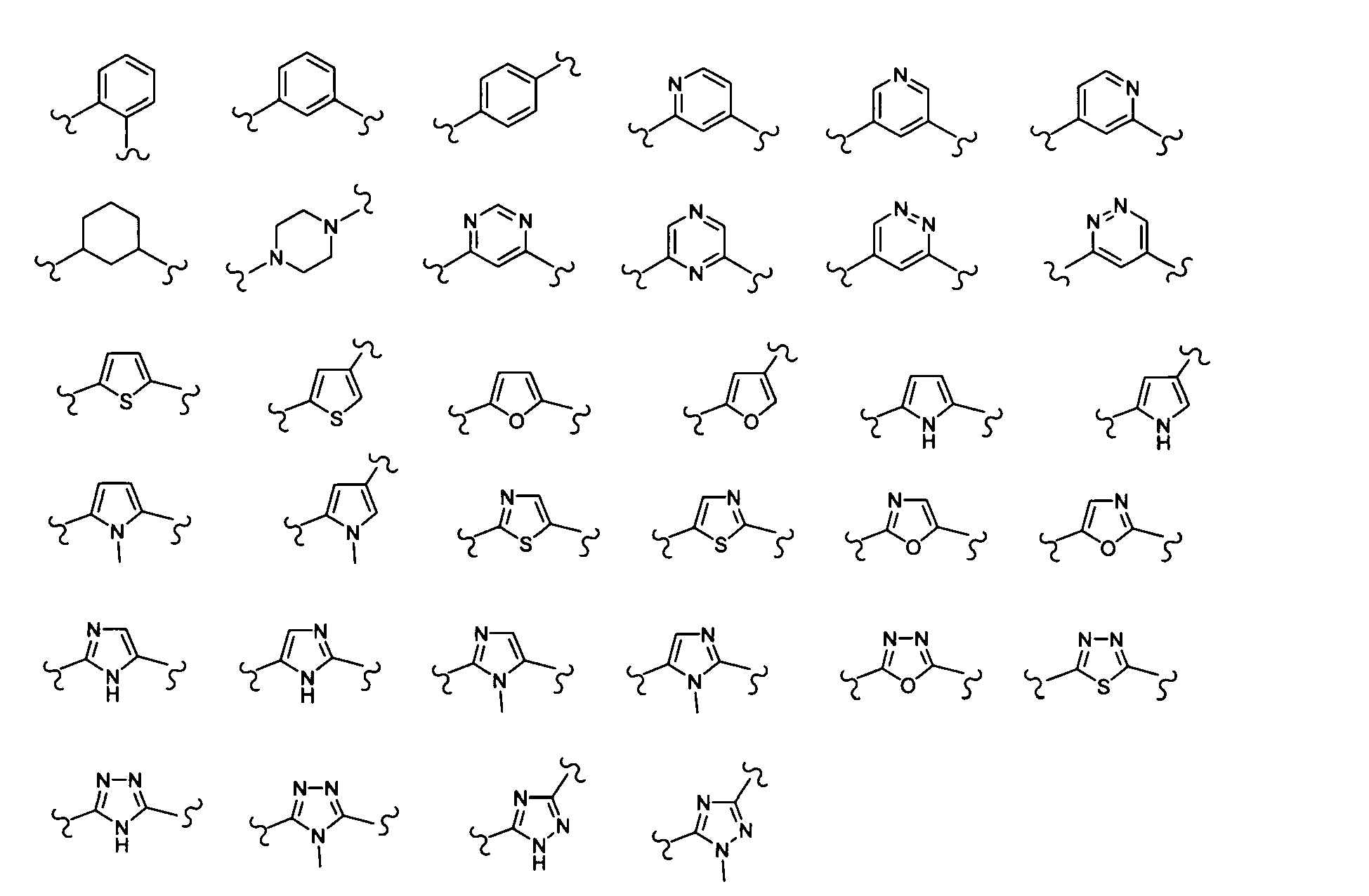

Ar2 may be selected form the following groups:

- Substituent for "a carbocycle or heterocycle which is optionally substituted and may have an unsaturated bond" in the definition for Ar1 and Ar2 include lower alkyl, hydroxy lower alkyl, optionally substituted lower alkoxy (for example: hydroxy, phenyloxy, optionally substituted heterocycle (preferably 5-6 membered ring), lower alkoxy, optionally substituted amino (for example, lower alkyl, lower alkenyl, cyano, phenyl), optionally substituted lower alkoxy lower alkyl (for example: hydroxy, lower alkoxy, optionally substituted heterocycle (preferably 5-6 membered ring)), cycloalkyl, optionally substituted aryloxy, optionally substituted aralkyloxy, optionally substituted aryloxy lower alkyl, optionally substituted aryloxycarbonyl, lower alkoxycarbonyl, nitro, hydroxy, carboxy, lower alkoxycarbonyl, cyano, oxo, carboxy lower alkenyl, SO2-cyclic amino (preferably 5-6 membered ring), lower alkylsulfonylamino, optionally substituted amino (for example: lower alkyl, lower alkoxy, acyl (e.g., lower alkylcarbonyl, amino lower alkylcarbonyl, lower alkylamino lower alkylcarbonyl), heterocycle (preferably 5-6 membered ring)), optionally substituted amino lower alkyl, optionally substituted carbamoyl (for example: lower alkyl, CN, OH), optionally substituted carbamoyloxy, halo, lower alkyl halide, lower alkoxy halide, lower alkylthio halide, lower alkylcarbonyl halide, heterocyclo lower alkyl, heterocyclo lower alkoxy, cycloalkyl lower alkoxy, optionally substituted aralkyloxy, optionally substituted heteroaryl (preferably 5-6 membered ring), optionally substituted heteroaryl-lower alkyl, optionally substituted heteroaryl-lower alkyloxy, optionally substituted heterocycle, optionally substituted heterocycle lower alkyl, optionally substituted heterocycle lower alkyloxy, optionally substituted heterocyclecarbonyl lower alkenyl, optionally substituted heterocycleamino, optionally substituted aryl, and optionally substituted heterocyclecarbonyl lower alkenyl, SCO2R, OC(=S)OR, OC (=O) SR, C(=S)OR, SC (=O) SR, SC(=S)SR, OC(=S)NH2, SC (=O) NH2, SC (=S) NH2, OC (=S) NHR, SC (=O) NHR, SC (=S) NHR, OSO2NHR, OSO2NHPh, OC (=S) NR2, SC(=O)NR2, SC (=S) NR2, C (=S) NH2, C(=S)NHR, C(=S)NR2 (R is lower alkyl), CONHCN, CONHOH, etc.
The optionally substituted amino as described above is for example amino, mono- or di-lower alkylamino, phenylamino, N-alkyl-n-phenylamino, mono- or di-lower alkoxy lower alkylamino, mono- or di-hydroxy lower alkylamino lower alkoxycarbonylamino, lower alkylcarbamoylamino, lower alkylcarbonylamino, NHC(=O)SR, NHC(=S)OR, NHC(=S)SR, NHC (=S) R, NH (CH2)2OH, N[(CH2)2OH] 2 (R is lower alkyl) , optionally substituted heterocycleamino (substituent: lower alkyl), optionally substituted acetylamino (for example: optionally substituted heterocycle (substituent: e.g., lower alkyl), amino, alkylamino), etc. The substituent of the above optionally substituted aryl, aralkyl, heteroaryl, heterocycle includes, lower alkyl, lower alkoxy, lower alkoxy lower alkyl, heterocycle (preferably 5-6 membered ring), cyano, etc.
The substituent for "carbocycle or heterocycle which may have an unsaturated bond" in the definition for Ar1 and Ar2 is, more specifically, methyl, ethyl, n-propyl, isopropyl, n-butyl, isobutyl, t-butyl, vinyl, allyl, propargyl, OH, methoxy, ethoxy, n-propyloxy, isopropyloxy, n-butyloxy, isobutyloxy, t-butyloxy, vinyloxy, allyloxy, propargyloxy, benzyloxy, 2,3,4-picolyloxy, furfuryloxy, thiophenemethyloxy, imidazolylmethyloxy, pyrazolylmethyloxy, triazolylmethyloxy, thiazolylmethyloxy, oxazolylmethyloxy, isoxazolylmethyloxy, phenylethyloxy, 2,3,4-pyridylethyloxy, furylethyloxy, thiopheneethyloxy, imidazolylethyloxy, pyrazolylethyloxy, triazolylethyloxy, thiazolylethyloxy, oxazolylethyloxy, isoxazolylethyloxy, cyclopropylmethyloxy, cyclopentylmethyloxy, cyclohexylmethyloxy, tetrahydropyran-4-ylmethyloxy, [1,3]dioxolan-2-ylmethyloxy, OCO2Me, NHCO2Me, OCONHMe, NHCONHMe, NHCOMe, CONH2, CONHMe, CONMe2, OCONHPh, SCO2Me, OC(=S)OMe, OC (=O) SMe, C(=S)OMe, SC (=O) SMe, SC(=S)SMe, NHC (=O) SMe, NHC(=S)OMe, NHC(=S)SMe, OC (=S) NH2, SO2NH2, SO2Me, SC(=O)NH2, SC(=S)NH2, OC(=S)NHMe, SC (=O) NHMe, SC(=S)NHMe, OSO2NHMe, OSO2NHPh, OC (=S) NMe2, SC(=O)NMe2, SC(=S)NMe2, NHC(=S)Me, C (=S) NH2, C (=S) NHMe, C(-S)NMe2, NO2, NH2, NHMe, NMe2, NHEt, NEt2, NH (CH2)2OH), N[(CH2)2OH]2, piperazinyl, 4-alkylpiperidino (e.g., 4-methylpiperidino), piperidinyl, morpholino, F, Cl, Br, CF3, OCF3, OCH2CF3, CN, oxo, etc. Ar1 or Ar2 may contain preferably 1 to 3 of these substituents.
For example, more preferred combinations of the substituents include 1) lower alkyl, aralkyloxy and nitro, 2) lower alkyl, aralkyloxy and amino, 3) lower alkyl, hydroxy and nitro, and 4) lower alkyl, hydroxy and amino, etc.
One preferred embodiment of Ar1 is optionally substituted phenylene. Preferred substituent on phenylene include halo, hydroxy, hydroxy lower alkyl, optionally substituted lower alkoxy, optionally substituted amino (substituent: e.g., lower alkyl, heterocycle, heterocycle lower alkyl, lower alkoxy lower alkyl, hydroxy lower alkyl, lower alkylsulfonyl), optionally substituted amino lower alkyl, optionally substituted heterocycle, optionally substituted heterocycle lower alkyl, phenylene optionally substituted with heterocycle lower alkyl optionally substituted, optionally substituted carbamoyl (substituent: e.g., lower alkyl), optionally substituted carbamoyl lower alkenyl. Preferred heterocycle is a heterocycle optionally each substituted with lower alkyl such as morpholino, piperidino, piperidino) , pyridyl etc.
One preferred embodiment of Ar1 is optionally substituted 5 to 7-membered heterocycle. Preferred substituent on the heterocycle includes lower alkyl, oxo, halo, amino lower alkyl, mono- or di-lower alkylamino lower alkyl, lower alkoxy lower alkyl. For Ar2, aryl or heterocycle, optionally substituted with one or more substituent selected from the group consisting of halo, mono-, di- or tri-halogenated lower alkyl, mono-, di-, tri- or tetra-halogenated lower alkoxy, mono-, di-, tri- or tetra-halogenated lower alkylthio, mono- or di-lower alkylamino, cycloalkylmethyloxy, optionally substituted benzyloxy, lower alkoxycarbonylamino, nitro, heterocycle (e.g., morpholino, piperidino, piperidino, pyrrolidino optionally substituted independently with lower alkyl etc.), optionally substituted acetylamino, optionally substituted lower alkoxy, acyl (e.g., optionally substituted lower alkylcarbonyl), and optionally substituted lower alkyloxycarbonyl, is preferred.
The term "aralkyloxy" refers to a group wherein O atom is substituted the above "alkyl" substituted with the above "aryl" and, for example, benzyloxy, diphenylmethyloxy, triphenylmethyloxy, phenetyloxy, 1-naphythylmethyloxy, 2-naphythylmethyloxy, etc.
The term "lower alkoxy" refers to a group wherein 0 atom is substituted with the above "lower alkyl", and for example, methoxy, ethoxy, n-propoxy, isopropoxy, n-butoxy, isobutoxy, tert-butoxy, etc. Particularly, methoxy, ethoxy are preferred.
The term "aryloxy" refers to a group wherein O atom is substituted with the above "aryl". - The term "optionally substituted amino" is an amino substituted or unsubstituted.
The term "optionally substituted carbamoyl" is a carbamoyl substituted or unsubstituted.
For substituents of "optionally substituted amino" and "optionally substituted carbamoyl" include, optionally substituted alkyl (e.g., methyl, ethyl, isopropyl, benzyl, carbamoylalkyl (e.g., carbamoylmethyl), mono- or di-alkylcarbamoylalkyl (e.g., dimethylcarbamoylethyl), hydroxyalkyl, heterocyclealkyl (e.g., morpholinoethyl, tetrahydropyranylethyl), alkoxycarbonylalkyl (e.g., ethoxycarbonylmethyl, ethoxycarbonylethyl), mono- or dialkylaminoalkyl (e.g., dimethylamminioethyl) etc), alkoxyalkyl (e.g., methoxyethyl, ethoxymethyl, ethoxyethyl, i-propoxyethyl etc), acyl (e.g., formyl, optionally substituted alkylcarbonyl (e.g., acetyl, Propionyl, butyryl, isobutyryl, valeryl, isovaleryl, pivaloyl, hexanoyl, octanoyl, methoxyethylcarbonyl, 2,2,2-trifluoroethylcarbonyl, ethoxycarbonylmethylcarbonyl, alkoxyalkylcarbonyl (e.g., methoxyethylcarbonyl), alkylcarbamoylalkylcarbonyl (e.g., methylcarbamoylethylcarbonyl), alkoxycarbonylacetyl etc), optionally substituted arylcarbonyl (e.g., benzoyl, toluoyl etc)), optionally substituted aralkyl (e.g., benzyl, 4-F-benzyl etc), hydroxy, optionally substituted alkylsulfonyl (e.g., methanesulfonyl, ethanesulphonyl, isopropylsulphonyl, 2,2,2-trifluoroethanesulphonyl, benzylsulphonyl, methoxyethylsulphonyl etc), arylsulfonyl optionally substituted with alkyl or halo (e.g., benzenesulfonyl, toluenesulfonyl, 4-fluorobenzenesulfonyl), cycloalkyl (e.g., cyclopropyl etc), aryl optionally substituted with alkyl (e.g., 4-methylphenyl etc), alkylaminosulphonyl (e.g., methylaminosulphonyl, dimethylamminiosulphonyl etc), alkylaminocarbonyl (e.g., dimethylaminocarbonyl etc), alkoxycarbonyl (e.g., ethoxycarbonyl etc), cycloalkylcarbonyl (e.g., cyclopropylcarbonyl, cyclohexylcarbonyl etc), optionally substituted sulfamoyl (e.g., sulfamoyl, methylsulfamoyl, dimethylsulfamoyl etc), alkylcarbonylamino (e.g., methylcarbonylamino), heterocycle (e.g., morpholino, tetrahydropyranyl), optionally substituted amino (e.g., mono- or di-alkylamino (e.g., dimethylamminio), formylamino), etc. It may be mono- or di-substituted with the above substituent.
The amino group of "optionally substituted amino" and "optionally substituted carbamoyl" may be substituted with alkylene such as trimethylene, tetramethylene, pentamethylene, or the N atom of the amino group together to form a ring that may contain O, S atom.
For the amino group of "optionally substituted amino" and "optionally substituted carbamoyl", the two substituents of the amino group taken together with a nitrogen atom to which they are attached form a nitrogen containing heterocycle that may contain S and/or O atom within the ring, preferably 5 to 7 membered and preferably saturated, and said ring may be substituted with oxo, lower alkyl or hydroxy etc. The ring may be substituted at S atom with oxo.
For example, 5 or 6-membered ring such as piperidino, piperidino, morpholino, pyrrolidino, thiazin-2-yl, 2-oxopiperidino, 2-oxopyrrolidino, 1,1-dioxido-1,2-thiazin-2-yl, 4-hydroxymorpholino are preferred.
Substituent of "optionally substituted aryl" and "optionally substituted heteroaryl" is that as described above for "optionally substituted amino group". - Preferred embodiments of the group of the formula: -X1-Ar1-X2-Y-X3-Ar2 for RA are as follows:
- (1)-CH2-(Substituted)Ph-CONR-(Substituted Ph)
- (2)-CH2-(Substituted)Ph-NRCO-(Substituted Ph)
- (3)-CH2-(Substituted)Ph-CH2-CONR-(Substituted Ph)
- (4)-CH2-(Substituted)Ph-CHZ-NRCO-(Substituted Ph)
- (5)-CH2-(Substituted)Ph-X-CONR-(Substituted Ph)
- (6)-CH2-(Substituted)Ph-X-NRCO-(Substituted Ph)
- (7)-CH2-(Substituted)Ph-Q-(Substituted Ph)
- (8)-CH2-(Substituted)Het-CONR-(Substituted Ph)
- (9)-CH2-(Substituted)Het-NRCO-(Substituted Ph)
- (10)-CH2-(Substituted)Ph-CONR-CH2-(Substituted Ph)
- (11)-CH2-(Substituted)Ph-NRCO-CH2-(Substituted Ph)
- (12) -CH2- (Substituted) Ph-CH2-CONR-CH2- (Substituted Ph)
- (13)-CH2-(Substituted)Ph-CH2-NRCO-CH2-(Substituted Ph)
- (14)-CH2-(Substituted) Ph-X-CONR-CH2-(Substituted Ph)
- (15)-CH2- (Substituted) Ph-X-NRCO-CH2- (Substituted Ph)
- (16)-CH2-(Substituted)Ph-Q-CH2-(Substituted Ph)
- (17)-CH2-(Substituted)Het-CONR-CH2-(Substituted Ph)
- (18)-CH2-(Substituted)Het-NRCO-CH2-(Substituted Ph)
- (19)-(CH2) m- (Substituted) Ph-CONR- (Substituted Ph)
- (20)-(CH2)m-(Substituted) Ph-NRCO- (Substituted Ph)
- (21)-(CH2)m-(Substituted)Ph-CH2-CONR-(Substituted Ph) (22)-(CH2)m-(Substituted)Ph-CH2-NRCO-(Substituted Ph)
- (23)-(CH2)m-(Substituted)Ph-X-CONR-(Substituted Ph) (24)-(CH2)m-(Substituted)Ph-X-NRCO-(Substituted Ph)
- (25)-(CH2)m-(Substituted)Ph-Q-(Substituted Ph) (26)-(CH2)m-(Substituted)Het-CONR-(Substituted Ph)
- (27)-(CH2)m-(Substituted)Het-NRCO-(Substituted Ph)
- Chemically modified groups RB, RC, RD include substituents as disclosed in
Japanese Patent Publication 2001-163898
RB can be selected from the groups as listed in (2-1)-(2-7) : - (2-1) hydroxy:
- (2-2) optionally substituted mono- or di-alkylamino (with the exception of the groups as described in (2-4)), wherein two alkyl moieties together form a ring, and wherein said substituent is amino, monoalkylamino, dialkylamino, trialkylammonium, hydroxy, guanidino, carboxy, alkyloxycarbonyl, carbamoyl optionally substituted with cyano, mono- or di-alkylcarbamoyl, mono- or di-arylcarbamoyl, aryl, alkylamido or arylamido, alkylurea or arylurea, -(C=O)N--N+ (Rx)3, -N+ (Rx)2 (CH2)mCOORY, -N+ (Rx)2 (CH2)m N+ (Rx)3, -SO2-ORY or -P=O (ORY)2 in which m is 1 to 3, RX is C1-C3 alkyl, and RY is hydrogen or C1-C3 alkyl, or combination of these substituents, and wherein alkyl in said substituent may further be substituted with alkyloxycarbonyl or aryloxycarbonyl and aryl ring in said substituent may further be substituted with alkyl optionally substituted with halo, nitro, amino, hydroxy, carboxy, alkyloxycarbonyl, or amino, hydroxyalkyl or thioalkyl optionally acylated, or combination thereof;
- (2-3)cycloalkylamino optionally substituted with amino or hydroxy;
- (2-4) di-substituted methylamino -NHCHR6R7, wherein R6 is selected from carboxy, optionally substituted alkyloxycarbonyl, carbamoyl, or optionally substituted monoalkylcarbamoyl, or optionally substituted cycloalkylcarbamoyl, wherein said substituent is amino, monoalkylamino, dialkylamino, trialkylammonium, carboxy, hydroxy, -(C=O)N--N+ (Rx)3, aryl optionally substituted with -(CH2)mCOORx in which m is 1 to 3 and Rx is C1-C3 alkyl, -N+ (Rx) 2 (CH2)mCOORY, in which Ry is hydrogen or C1-C3 alkyl, or -N+ (Rx)2 (CH2)mN+ (Rx)3, or combination thereof, and wherein R7 is indole, thioindole or imidazolyl wherein the nitrogen atom is optionally substituted with C1-C3 alkyl;
- (2-5) tripeptide R-A1-A2-A3-: wherein A1, A2 and A3 are independently any amino acid unit, R is hydroxy, amino or optionally substituted mono- or di-alkylamino at the carboxy terminal of said tripeptide, and wherein said substituent is amino, monoalkylamino, dialkylamino, trialkylammonium, guanidino or aryl;
- (2-6) hydrazino or hydroxamic acid which may be substituted with alkyl or arylalkyl optionally substituted further with alkyl; and
- (2-7) alkoxy which may be substituted with arylcarbonyl optionally substituted with nitro, hydroxamic acid or alkyl; with the proviso that any aryl ring present in the groups in (2-2)-(2-7) may contain a heteroatom, and any carbon-carbon single bond may be interrupted with a heteroatom or a heterogroup selected from -O(P=O) (ORF) O- (RF is hydrogen, alkyloxycarbonyl or aryloxycarbonyl), and imino.
RB is preferably -OH, -NHR5, or -NHR5R5 wherein R5 and R5 is hydrogen, optionally substituted alkyl, -NH-R, -NH-COR, -NH-CONHR, -O-R (each R is independently hydrogen or optionally substituted alkyl), or amino sugar residue. Preferably, either of R5 and R5' is hydrogen. - RC is selected from the group consisting of the following (3-1)-(3-4):
- (3-1) hydrogen;
- (3-2) aminomethyl optionally substituted with alkyl, cycloalkyl or alkylene, wherein said alkyl, cycloalkyl and alkylene may by substituted with amino optionally substituted with alkyloxycarbonyl or aryloxycarbonyl, monoalkylamino, dialkylamino, trialkylammonium, aryl optionally substituted with cycloalkyl, hydroxy, guanidino, -O- (P=O) (OH) 2, carboxy, -N+ (Rx) 2 (CH2) mN+ (RX) 3, or - (C=O) -N- -N+ (Rx) 3, in which m is 1 to 3, Rx is C1-C3 alkyl, or combination thereof, and wherein alkyl of said monoalkylamino or dialkylamino is further optionally substituted with amino;
- (3-3) alkynyl that may have a substituent wherein said substituent is amino optionally substituted with alkyloxycarbonyl or aryloxycarbonyl, or aryl;
- (3-4) halo;
with the proviso that any aryl ring present in the groups in (3-2) and (3-3) may contain a heteroatom, and any carbon-carbon single bond may be interrupted with a heteroatom or a heterogroup selected from -O(P=O)(ORF)O-(RF is hydrogen, alkyloxycarbonyl or aryloxycarbonyl), amido or imino.
Rc is preferably hydrogen or optionally substituted alkyl. Substituent for such optionally substituted alkyl is preferably -NHR5 described above or those described above for optionally substituted alkyl in R5.
Preferred combination of RB and Rc includes instance such as RB is hydrogen, -NHR5 (R5 is mono- or di-lower alkylamino lower alkyl, tri-lower alkylammonium lower alkyl, or amino sugar residue), -NR5R5' (R5 and R5' is together hydroxy lower alkyl), or -NHCH2CON-N+ (Me)3; and
Rc is hydrogen, mono- or di-substituted amino lower alkyl (Example for substituent: lower alkyl, mono- or di-lower alkylamino lower alkyl, tri-lower alkylammonium lower alkyl, hydroxy lower alkyl, hydroxy lower alkoxy lower alkyl, - CH2CON-N+ (Me) 3, lower alkyl substituted with 1 to 6 hydroxy, and carboxy, hydroxy, oxo, optionally substituted carbamoyl, guanidido, sulfonate group, phosphate group, lower alkyl substituted withNHSO2NH2 and/or amino, optionally substituted heterocycle lower alkyl
(substituent: amino lower alkyl), optionally substituted quaternary ammonium lower alkyl (substituent: carboxy, hydroxy, quaternary ammonium group) ). Specific combinations are provided in the following Tables 1-6 to 1-8. Also, other preferred embodiments are presented in the following Tables 47 to 53, 99 to 108. - RD is selected from the group consisting of the following (4-1)-(4-6) :
- (4-1) hydrogen;
- (4-2) alkyl that may have a substituent, wherein said substituent is alkyloxycarbonyl, amino, optionally alkylated aryl, arylcarbonyl, carbamoyl, mono- or di-alkylcarbamoyl or mono- or di-arylalkylcarbamoyl, or combination thereof, and wherein alkyl or aryl in said substituent further may be substituted with amino or hydroxy optionally substituted with alkyloxycarbonyl or aryloxycarbonyl;
- (4-3) alkyloxycarbonyl that may be substituted with optionally alkylated aryl;
- (4-4) arylamido or arylthioamido;
- (4-5) amino or amidino optionally alkylated; and
- (4-6) nitroso;
with the proviso that any aryl ring present in the groups in (4-2) to (4-5) may contain a heteroatom, and any carbon-carbon single bond may be interrupted with a heteroatom.
RD is preferably hydrogen or optionally substituted alkyl. Also, the N-terminal moiety may be converted to -NH2 by removing the leucine residue, and further optionally acylated, according to a procedure as described in literatures such as Expert Opin. Ther. Patents (2004)14, 141-173 (e.g., Table 110). - Preferred compounds of the invention are categorized as follows:
- 1) A compound or pharmaceutically acceptable salt or solvate thereof wherein RA is represented by the formula: - x1 -Ar1-X2 -Y-X3 -Ar2
in which each variable is as defined above; - 2) A compound, a pharmaceutically acceptable salt, or solvate thereof wherein Ar1 and Ar2 are optionally substituted aryl or optionally substituted heteroaryl or optionally substituted cycloalkyl;
- 3) A compound, a pharmaceutically acceptable salt, or solvate thereof wherein Ar1 and Ar2 are optionally substituted benzene ring, and Y is -NHCO- or -CONH-;
- 4) A compound, a pharmaceutically acceptable salt, or solvate thereof wherein X1 is lower alkylene;
- 5) A compound, a pharmaceutically acceptable salt, or solvate thereof wherein X2 is a single bond, lower alkylene or a heteroatomic group as described above;
- 6) A compound, a pharmaceutically acceptable salt, or solvate thereof wherein X3 is a single bond, lower alkylene or a heteroatomic group as described above;
- 7) A compound, a pharmaceutically acceptable salt, or solvate thereof wherein RA is represented by the formula: - X1 -Ar1-X2 -Y-X3 -Ar2
in which X1 is lower alkylene; X2 is a single bond, lower alkylene or a heteroatomic group as described above; X3 is a single bond, lower alkylene or a heteroatomic group as described above; Y is -NHCO- or -CONH-; Ar1 is optionally substituted benzene ring; and Ar2 is optionally substituted benzene ring, optionally substituted heterocycle or optionally substituted cycloalkyl; - 8) A compound, a pharmaceutically acceptable salt, or solvate thereof wherein RA is represented by the formula: -X1 -Ar1-X2 -Q-Ar2 or -X1 -Ar1-Q-X3 -Ar2
in which X1 is lower alkylene; X2 and X3 are a single bond, lower alkylene or a heteroatomic group as described above; Ar1 is optionally substituted benzene ring; and Ar2 is optionally substituted benzene ring, optionally substituted heterocycle or optionally substituted cycloalkyl; - 9) A compound, a pharmaceutically acceptable salt, or solvate thereof wherein RA is a benzene ring or a heterocycle optionally substituted with one or more substituent selected from the group consisting of lower alkyl, nitro, aralkyloxy, optionally substituted amino, hydroxy, halo, oxo, lower alkoxy, aryloxy, carbamoyl, optionally substituted carbamoyloxy, and heterocycle group; another preferred embodiment of Ar2 is aryl optionally substituted with one or more substituent selected from the group consisting of halo, mono-, di- or tri-halogenated lower alkyl, mono-, di- or tri-halogenated lower alkoxy, mono-, di- or tri-halogenated lower alkylthio, mono- or di-lower alkylamino, cycloalkylmethyloxy, benzyloxy, lower alkoxycarbonylamino, and nitro; and
- 10) A compound, a pharmaceutically acceptable salt, or solvate thereof wherein amino sugar moiety is L-vancosaminyl, 3-desmethyl-vancosaminyl, 3-epi-vancosaminyl, 4-epi-vancosaminyl, 4-keto-vancosaminyl, acosaminyl, actinosaminyl, daunosaminyl, 3-epi-daunosaminyl, ristosaminyl, N-methyl-D-glucaminyl, N-Acetyl-D-glucosamyl, or N-acyl-D-glucosamyl, more preferably L-vancosaminyl.
The compound may be constituted with any combination of two or more of the above categories 1) to 10). - 11) More preferred compound of the invention is that
wherein RA is a group represented by the formula:
-X1 -Ar1-X2 -Y-X3-Ar2
in which X1 is lower alkylene; X2 is a single bond; X3 is a single bond; Y is -NHCO- or -CONH-; Ar1 is optionally substituted benzene ring; and Ar2 is optionally substituted benzene ring, optionally substituted heterocycle or optionally substituted cycloalkyl, preferably optionally substituted benzene ring. Substituent for Ar1 includes optionally substituted amino and/or substituent for Ar2 is preferably one or more selected from the group consisting of halo, mono-, di- or tri-halogenated lower alkyl, mono-, di- or tri-halogenated lower alkoxy, mono-, di- or tri-halogenated lower alkylthio, mono- or di-lower alkylamino, cycloalkylmethyloxy, benzyloxy, lower alkoxycarbonylamino, and nitro; RB is -NR5R5' ; Rc is a group other than hydrogen (preferably optionally substituted alkyl); and/or RD is a group other than hydrogen (e.g., optionally substituted alkyl).
Preferred chemical modifications for RB and RC are as described above.
Another preferred embodiment of the compound is as follows. - 12) Ar1 is optionally substituted heteroaryl;
- 13) X1 is lower alkylene; X2 is a single bond, lower alkylene or a heteroatomic group as described above; X3 is a single bond, lower alkylene or heteroatomic group; Y is - NHCO- or -CONH-; Ar1 is optionally substituted heteroaryl; and Ar2 is optionally substituted phenyl, optionally substituted heterocycle or optionally substituted cycloalkyl;
- 14) RB is -OH; RC is hydrogen; and RD is hydrogen;
- 15) RB is -NR5R5 wherein R5 and R5' are independently hydrogen, optionally substituted alkyl, or amino sugar residue; RC is hydrogen; and RD is hydrogen;
- 16) RB is -NR5R5' wherein R5 is hydrogen; R5' is alkyl or, amino sugar residue substituted with a hydrophilic substituent; Rc is hydrogen; and RD is hydrogen;
- 17) RB is -OH; RC is optionally substituted alkyl in which alkyl moiety may be interrupted with a heteroatomic group; and RD is hydrogen;
- 18) RB is -OH; RC is alkyl substituted with a hydrophilic substituent in which alkyl moiety may be interrupted with a heteroatomic group; and RD is hydrogen;
- 19) X1 is lower alkylene; X2 is a single bond, lower alkylene or a heteroatomic group; X3 is a single bond, lower alkylene or a heteroatomic group; Y is -NHCO- or - CONH-; Ar1 is optionally substituted phenyl or optionally substituted heteroaryl; Ar2 is optionally substituted phenyl, optionally substituted heterocycle or optionally substituted cycloalkyl; and the compound meets at least one of the requirements 1)-3) for RB, Rc and RD:
- 1) RB is -NR5R5' wherein R5 and R5' are independently hydrogen, optionally substituted alkyl, or amino sugar residue;
- 2) Rc is optionally substituted alkyl in which alkyl moiety may be interrupted with a heteroatomic group;
- 3) RD is lower alkyl;
- 20) X1 is lower alkylene, preferably C1-C3 alkylene; X2 is a single bond, lower alkylene or a heteroatomic group as described above (e.g., NH), preferably a single bond; X3 is a single bond, lower alkylene or heteroatomic group (e.g., NH), preferably a single bond; Y is -NHCO- or -CONH-; Ar1 is optionally substituted heteroaryl or optionally substituted heterocycle (preferably 5-6 membered ring); and Ar2 is optionally substituted phenyl, optionally substituted heterocycle (preferably 5-6 membered ring) or optionally substituted cycloalkyl (preferably 3-7 membered ring). One of such embodiment includes compounds that further meet at least one of the requirements 1)-4) for RB, RC and RD:
- 1) RB is -OH, -NR5R5' wherein R5 and R5' are independently hydrogen, optionally substituted alkyl, -NH-R, -NH-COR, -NH-CONHR, -O-R (each R is independently hydrogen or optionally substituted alkyl) or amino sugar residue, or -OR6 (R6 is optionally substituted alkyl in which alkyl moiety may be interrupted with a heteroatomic group such as, preferably one to two NH, O etc.);
- 2) Rc is optionally substituted alkyl in which alkyl moiety may be interrupted with a heteroatomic group;
- 3) RD is lower alkyl;
- 4) leucine residue has been removed at the N-terminal
- More specifically, the compounds of the invention are listed bellow.
-
[Table 1-1] RA RB RC RD 
OH or NH-R CH2-NH-R H 
OH or NH-R CH2-NH-R H RB RC RD -NH(CH2)2NMe2 H H -NH(CH2)2N+Me3 H H -NHCCH2)3NMe2 H H -NH(CH2)3N+Me3 H H -NH(CH2)2NH(CH2)2NH2 H H -
[Table 1-2] -NH(CH2)2NH(CH2)2OH H H -N[(CH2)2OH]2 H H -NHCH2CO2H H H -NH(CH2)2CO2H H H -NH(CH2)2SO3H H H -NH(CH2)2PO3H2 H H 
H H 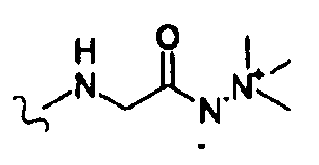
H H 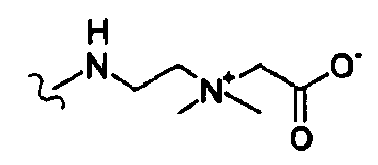
H H 
H H 
H H -
[Table 1-3] 
H H 
H H 
H H 
H H 
H H 
H H 
H H 
H H 
H H H -CH2NHMe H H -CH2NH(CH2)2NH2 H -
[Table 1-4] H -CH2NH(CH2)2NMe2 H H -CH2NH(CH2)2N+Me3 H H -CH2N[(CH2)2OH]2 H -CH2NHCH2CO2H H H -CH2NH(CH2)2CO2H H H -CH2NH(CH2)2SO3H H H -CH2NHCH2PO3H2 H H 
H H 
H H 
H H 
H -
[Table 1-5] H 
H H 
H H 
H H 
H H 
H H 
H H 
H H 
H H 
H H 
H H 
H -
[Table 1-6] -NH(CH2)3NMe2 -CH2NH(CH2)2N+Me3 H -NH(CH2)3NMe2 -CH2N[(CH2)2OH]2 H -NH(CH2)3NMe2 
H -NH(CH2)3NMe2 
H -NH(CH2)3NMe2 
H -NH(CH2)2N+Me3 -CH2NH(OH2)2N+Me3 H -NH(CH2)2N+Me3 -CH2N[(CH2)2OH]2 H -NH(CH2)2N+Me3 
H -NH(CH2)2N+Me3 
H -NH(CH2)2N+Me3 
H -N[(CH2)2OH]2 -CH2NH(CH2)2N+Me3 H -
[Table 1-7] -N[(CH2)2OH]2 -CH2N[(CH2)2OH]2 H -N[(CH2)2OH]2 
H -N[(CH2)2OH]2 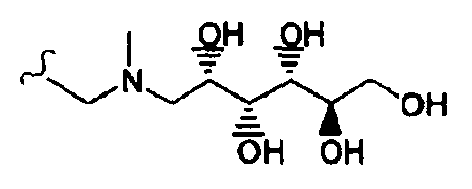
H -N[(CH2)2OH]2 
H -NH(CH2)2CO2H -CH2NH(CH2)2N+Me3 H -NH(CH2)2CO2H -CH2N[(CH2)2OH]2 H -NH(CH2)2CO2H 
H -NH(CH2)2CO2H 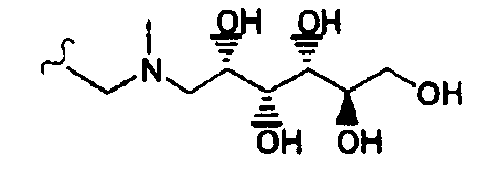
H -NH(CH2)2CO2H 
H 
-CH2NH(CH2)2N+Me3 H 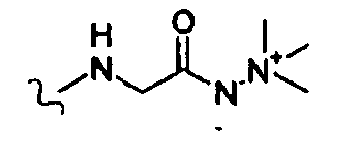
-CH2N[(CH2)2OH]2 H -
[Table 1-8] 

H 

H 

H 
-CH2NH(CH2)2N+Me3 H 
-CH2N[(CH2)2OH]2 H 

H 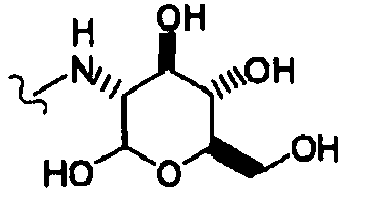

H 

H -
[Table 2-1] RA RB RC RD 
OH or NH-R CH2- NH-R H or Me RA Ar2 R11 R12 R13 R14 R15 X3 Y X2 Ar1 X1 NO2 OH Me H H bond CONH bond 
CH2 NO2 OMe Me H H bond CONH bond 
CH2 NO2 OiPr Me H H bond CONH bond 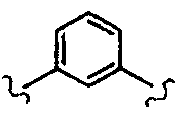
CH2 NO2 OnBu Me H H bond CONH bond 
CH2 NO2 OBn H H H bond CONH bond 
CH2 NO2 OBn Me H H bond CONH bond 
CH2 NO2 O-Picolyl Me H H bond CONH bond 
CH2 -
[Table 2-2] NO2 O-Furfuryl Me H H bond CONH bond 
CH2 NO2 O-Thiophene methyl Me H H bond CONH bond 
CH2 NO2 O-Cyclohexyl methyl Me H H bond CONH bond 
CH2 NO2 O-Tetrahydro pyran-4-yl Me H H bond CONH bond 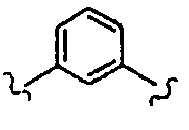
CH2 NO2 O-[1,3]diaxola n-2-ylmethyl Me H H bond CONH bond 
CH2 NH2 OH Me H H bond CONH bond 
CH2 NH2 OMe Me H H bond CONH bond 
CH2 NH2 OiPr Me H H bond CONH bond 
CH2 NH2 OnBu Me H H bond CONH bond 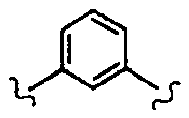
CH2 NH2 OBn H H H bond CONH bond 
CH2 NH2 OBn Me H H bond CONH bond 
CH2 -
[Table 2-3] NMe2 OH Me H H bond CONH bond 
CH2 NMe2 OMe Me H H bond CONH bond 
CH2 NMe2 OiPr Me H H bond CONH bond 
CH2 NMe2 OnBu Me H H bond CONH bond 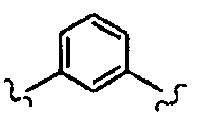
CH2 NMe2 OBn H H H bond CONH bond 
CH2 NMe2 OBn Me H H bond CONH bond 
CH2 NH(CH2)2OH OH H H H bond CONH bond 
CH2 NH(CH2)2OH OMe H H H bond CONH bond 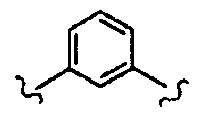
CH2 NH(CH2)2OH OiPr H H H bond CONH bond 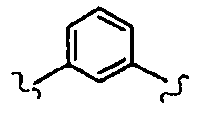
CH2 NH(CH2)2OH OnBu H H H bond CONH bond 
CH2 NH(CH2)2OH OBn H H H bond CONH bond 
CH2 -
[Table 2-4] NH(CH2)2O H O-Picolyl H H H bond CONH bond 
CH2 Pyperizin-N-yl OMe H H H bond CONH bond 
CH2 Pyperazin-N-yl OMe H H H bond CONH bond 
CH2 NHAc OH H H H bond CONH bond 
CH2 NHAc OMe H H H bond CONH bond 
CH2 NHAc OiPr H H H bond CONH bond 
CH2 NHAc OnBu H H H bond CONH bond 
CH2 NHAc OBn H H H bond CONH bond 
CH2 NHAc O-Picolyl H H H bond CONH bond 
CH2 NHCO2Me OBn H H H bond CONH bond 
CH2 NHCONHMe OBn H H H bond CONH bond 
CH2 -
[Table 2-5] NC(=S)NH2 OBn H H H bond CONH bond 
CH2 OCONH2 OBn H H H bond CONH bond 
CH2 CONHMe OBn H H H bond CONH bond 
CH2 CN OH H H H bond CONH bond 
CH2 CN OMe H H H bond CONH bond 
CH2 CN OiPr H H H bond CONH bond 
CH2 CN OnBu H H H bond CONH bond 
CH2 CN OBn H H H bond CONH bond 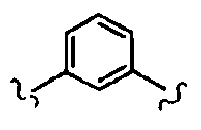
CH2 CN O-Picolyl H H H bond CONH bond 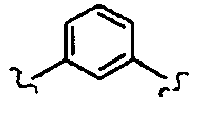
CH2 OBn NO2 H H H bond CONH bond 
CH2 OMe NO2 H H H bond CONH bond 
CH2 -
[Table 2-6] OBn NHMe H H H bond CONH bond 
CH2 OBn NHAc H H H bond CONH bond 
CH2 OBn H NO2 H H bond CONH bond 
CH2 OBn H H NO2 H bond CONH bond 
CH2 OBn H H H NO2 bond CONH bond 
CH2 NO2 H OBn H H bond CONH bond 
CH2 NO2 H H OBn H bond CONH bond 
CH2 NO2 H H H OBn bond CONH bond 
CH2 NO2 H OMe H H bond CONH bond 
CH2 NO2 H H OMe H bond CONH bond 
CH2 N02 H H H OMe bond CONH bond 
CH2 -
[Table 2-7] NO2 Me OBn H H bond CONH bond 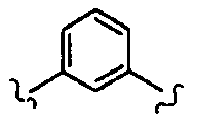
CH2 NHAc H OBn H H bond CONH bond 
CH2 NHAc H H OBn H bond CONH bond 
CH2 NHAc H H H OBn bond CONH bond 
CH2 NHAc H OMe H H bond CONH bond 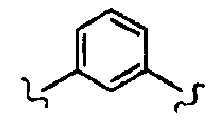
CH2 NHAc H H OMe H bond CONH bond 
CH2 NHAc H H H OMe bond CONH bond 
CH2 F OH Me H H bond CONH bond 
CH2 F OMe Me H H bond CONH bond 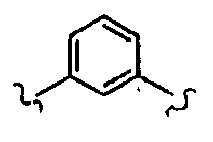
CH2 F OiPr Me H H bond CONH bond 
CH2 F OnBu Me H H bond CONH bond 
CH2 -
[Table 2-8] F OBn H H H bond CONH bond 
CH2 F OBn Me H H bond CONH bond 
CH2 F O-Picolyl Me H H bond CONH bond 
CH2 Cl OH Me H H bond CONH bond 
CH2 Cl OMe Me H H bond CONH bond 
CH2 Cl OiPr Me H H bond CONH bond 
CH2 Cl OnBu Me H H bond CONH bond 
CH2 Cl OBn H H H bond CONH bond 
CH2 Cl OBn Me H H bond CONH bond 
CH2 Cl O-Picolyl Me H H bond CONH bond 
CH2 Br OBn Me H H bond CONH bond 
CH2 -
[Table 2-9] OCF3 OBn Me H H bond CONH bond 
CH2 NO2 F H H H bond CONH bond 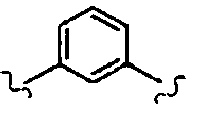
CH2 NO2 Cl H H H bond CONH bond 
CH2 NO2 Br H H H bond CONH bond 
CH2 NO2 OCF3 H H H bond CONH bond 
CH2 NHAc F Me H H bond CONH bond 
CH2 NHAc Cl Me H H bond CONH bond 
CH2 NHAc Br Me H H bond CONH bond 
CH2 NHAc OCF3 Me H H bond CONH bond 
CH2 NO2 OCONHPh H H H bond CONH bond 
CH2 NO2 OCONHMe H H H bond CONH bond 
CH2 -
[Table 2-10] CN OCONHPh H H H bond CONH bond 
CH2 CN OCONHMe H H H bond CONH bond 
CH2 H SO2NHPh H H H bond CONH bond 
CH2 NO2 SO2NHMe H H H bond CONH bond 
CH2 NO2 OH H H H bond CONMe bond 
CH2 NO2 OMe H. H H bond CONMe bond 
CH2 NO2 OiPr H H H bond CONMe bond 
CH2 NO2 OnBu H H H bond CONMe bond 
CH2 NO2 OBn H H H bond CONMe bond 
CH2 NO2 OBn Me H H bond CONMe bond 
CH2 NO2 O-Picolyl H H H bond CONMe bond 
CH2 -
[Table 2-11] NO2 OBn H H H CH2 CONH bond 
CH2 NO2 OMe H H H CH2 CONH bond 
CH2 NHMe OMe H H H CH2 CONH bond 
CH2 NO2 OBn H H H O CONH bond 
CH2 NO2 OMe H H H O CONH bond 
CH2 NHMe OMe H H H O CONH bond 
CH2 NO2 OBn H H H NH CONH bond 
CH2 NO2 OMe H H H NH CONH bond 
CH2 NHMe OMe H H H NH CONH bond 
CH2 NO2 OBn H H H bond CONH CH2 
CH2 NO2 OMe H H H bond CONH CH2 
CH2 -
[Table 2-12] NHMe OMe H H H bond CONH CH2 
CH2 NO2 OBn H H H bond NHCO O 
CH2 NO2 OMe H H H bond NHCO O 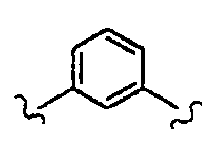
CH2 NHMe OMe H H H bond NHCO O 
CH2 NO2 OBn H H H bond NHCO NH 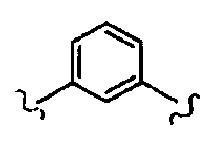
CH2 NO2 OMe H H H bond NHCO NH 
CH2 NHMe OMe H H H bond NHCO NH 
CH2 NHMe OBn H H H bond NMeCO O 
CH2 NHMe OBn H H H bond NMeCO NH 
CH2 NHMe OBn H H H 

CH2 NHMe OBn H H H 

CH2 -
[Table 2-13] NO2 OBn Me H H bond CONH bond 
CH2 NHMe OBn H H H bond CONH bond 
CH2 NO2 OBn Me H H bond CONH bond 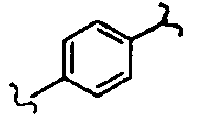
CH2 NHMe OBn H H H bond CONH bond 
CH2 NO2 OBn Me H H bond CONH bond 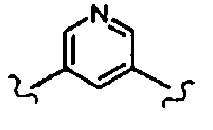
CH2 NHMe OBn H H H bond CONH bond 
CH2 NO2 OBn Me H H bond CONH bond 
CH2 NHMe OBn H H H bond CONH bond 
CH2 NO2 OBn Me H H bond CONH bond 
CH2 NO2 OBn Me H H bond CONH bond 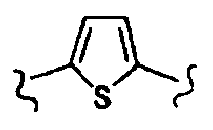
CH2 NHMe OBn H H H bond CONH bond 
CH2 -
[Table 2-14] NHMe OBn H H H bond CONH bond 
CH2 NO2 OBn Me H H bond CONH bond 
CH2 NHMe OBn H H H bond CONH bond 
CH2 NO2 OBn Me H H bond CONH bond 
CH2 NHMe OBn H H H bond CONH bond 
CH2 NO2 OBn Me H H bond CONH bond 
CH2 NHMe OBn H H H bond CONH bond 
CH2 NO2 OBn Me H H bond CONH bond 
CH2 NO2 OBn Me H H bond CONH bond 
CH2 NHMe OBn H H H bond CONH bond 
CH2 NHMe OBn H H H bond CONH bond 
CH2 -
[Table 2-15] NO2 OBn Me H H bond CONH bond 
(CH2)2 NO2 OBn Me H H bond CONH bond 
(CH2)2 NO2 OBn Me H H bond CONH bond 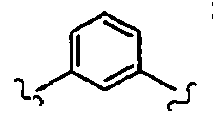
(CH2)2 NHMe OBn H H H bond CONH bond 
(CH2)2 NHMe OBn H H H bond CONH bond 
(CH2)2 NHMe OBn H H H bond CONH bond 
(CH2)2 NO2 OBn Me H H bond CONH bond 
(CH2)3 NHMe OBn H H H bond CONH bond 
(CH2)3 
bond CONH bond 
CH2 
bond CONH bond 
CH2 
bond CONH bond 
CH2 -
[Table 2-16] 
bond CONH bond 
CH2 
bond CONH bond 
CH2 
bond CONH bond 
CH2 
bond CONH bond 
CH2 
bond CONH bond 
CH2 
bond CONH bond 
CH2 
bond CONH bond 
CH2 - Table 1 provides an illustrative expansion of RB, RC and RD with respect to each of two RA, and Table 2 provides an illustrative expansion of RA with respect to two of RB, RC and RD. The compound of the invention includes any combination of the groups listed in Table 1 and Table 2.
- The present invention encompasses the compounds as described above, a pharmaceutically acceptable salt and solvate thereof. Any theoretically available tautomer and geometric isomer of such compound are also within the scope of the present invention.
- The term "pharmaceutically acceptable" means harmless with respect to the prevention and the treatment. Pharmaceutically acceptable salts of a compound of the present invention include, as basic salts, for example, alkali metal salts such as sodium or potassium salts; alkaline-earth metal salts such as calcium or magnesium salts; ammonium salts; aliphatic amine salts such as trimethylamine, triethylamine, dicyclohexylamine, ethanolamine, diethanolamine, triethanolamine or procaine salts, meglumine salt, diethanolamine salt or ethylenediamine salt; aralkyl amine salts such as N, N-dibenzylethylenediamine salts, benethamine salt; heterocyclic aromatic amine salts such as pyridine salts, picoline salts, quinoline salts or isoquinoline salts; quaternary ammonium salts such as tetramethylammonium salts, tetraethylammonium salts, benzyltrimethylammonium salts, benzyltriethylammonium salts, benzyltributylammonium salts, methyltrioctylammonium salts or tetrabutylammonium salts; and basic amino acid salts such as arginine salts or lysine salts. Acid salts include, for example, mineral acid salts such as hydrochloride, sulfates salts, nitrate salts, phosphates salts, carbonates salts, hydrogencarbonates or perchlorate; organic acid salts such as acetates, propionates, lactates, maleates, fumarates, tararic acid salts, malates, citrates salts, or ascorbates; sulfonates such as methanesulfonates, isethionates, benzenesulfonates, or p-toluenesulfonates; and acidic amino acid salts such as aspartates or glutamates.
Furthermore, various solvates of a compound of the present invention, for example, monosolvate, disolvate, monohydrate or dihydrate are also within the scope of the present invention - Below is described a representative procedure for the production of a compound of the invention. The preparation of the compound is not intend to limit to such procedure, and of cause, can be conducted by another procedure. The compound of the invention may be synthesized using vancomycin or its known derivative as a starting material, by chemical modification of the amino moiety (RA) at the amino sugar, or the C terminal (RB), the resorcinol moiety (Rc), or the methylamino moiety at the N terminal (RD). Such chemical modification can be conducted according to the procedure, for example, as disclosed in
Japanese Patent Publication No. 7-258289 WO00/39156 Japanese Patent Publication No. 2001-163898 - Typically, vancomycin as a starting material may be reacted, optionally in the presence of a base, with a different aldehyde corresponding to RA moiety of the formula -X1 -Ar1-X2 -Y-X3 -Ar2 to form an intermediate Schiff base, followed by reduction to N-alkylate to afford a desired secondary amine.
The Schiff base formation is conducted specifically in a polar solvent such as dimethylformamide or methanol or mixture thereof, optionally under inert atmosphere such as nitrogen or argon gas and optionally in the presence of a base, at a temperature between about 25°C and about 100°C. Preferably, the reaction is conducted at room temperature to 100°C, preferably about 60°C to about 80°C, for about 30 minute to 2 hours. The base used in the reaction is, for example, alkylamine (e.g., diisopropylethylamine, etc).
The intermediate Schiff base, preferably without purification, may be reduced with a hydrogenated metal complex or subjected to a catalytic reduction. A metal borohydride, such as sodium borohydride or sodium cyanoborohydride, may be used as a hydrogenated metal complex. The catalytic reduction may be conducted using hydrogen in the presence of homogeneous or heterogeneous catalysis such as Crabtree catalyst, Wilkinson catalyst, palladium on carbon, platinum on carbon or rhodium on carbon. The reduction reaction is conducted at about 25°C to about 100°C for about 1 to 24 hours. Preferably, the reaction is conducted in the above solvent, using an excessive amount (e.g., 3-5 equiv) of sodium cyanoborohydride at about 60°C to about 80°C. - Typically, vancomycin as a starting material may be subjected to amidation of the carboxylic acid moiety at the C terminal to provide a different amido derivative wherein RB=-NR5R5', according to a conventional procedure.
- Typically, vancomycin as a starting material may be subjected to alkylation of the resorcinol moiety, according to a conventional procedure.
- Typically, vancomycin as a starting material may be subjected to N-alkylation of the methylamine moiety at the N-tarminal, according to a conventional procedure.
- The invention also provides a pharmaceutical formulation comprising a novel glycopeptide derivative of the invention. Thus, the glycopeptide compound in a form of pharmaceutically acceptable salt may be formulated preferably for oral or parenteral administration for therapeutic and prophylactic treatment of bacterial infection.
For oral administration, the compounds of the present invention can be used in any form of usual formulations, for example, solid formulations such as tablets, powders, granules, capsules; aqueous formulations; oleaginous suspensions; solutions such as syrup or elixir. For parenteral administration, the compounds of the present invention can be used as an aqueous or oleaginous suspension injection, or nose drops. In the preparation of such formulations, conventional excipients, binding agents, lubricants, aqueous solvents, oleaginous solvents, emulsifying agents, suspending agents, preservatives, stabilizers, and the like can be optionally used. Preferred is an oral agent or an intravenous injection as an antimicrobial agent.
A formulation according to the present invention may be manufactured by combining (for example, admixing) a therapeutically effective amount of a compound of the present invention with a pharmaceutically acceptable carrier or diluent. The formulation of the present invention may be manufactured with well-known and easily available ingredients in accordance with a known method.
In the case of manufacturing a pharmaceutical composition according to the present invention, an active ingredient is admixed or diluted with a carrier, or they are contained in a carrier in the form of capsule, sacheier, paper, or another container. In the case of functioning a carrier as a diluent, the carrier is a solid, semi-solid, or liquid material which functions as a medium. Accordingly, a formulation according to the present invention may be produced in the form of tablet, pill, powder medicine, intraoral medicine, elixir agent, suspending agent, emulsifier, dissolving agent, syrup agent, aerosol agent (solid in liquid medium), and ointment. Such a formulation may contain up to 10% of an active compound. It is preferred to formulate a compound of the present invention prior to administration. - Any suitable carrier well known to those skilled in the art may be used for the formulation. In such formulation, a carrier is in the form of solid, liquid, or a mixture of solid and liquid. For instance, a compound of the present invention is dissolved into 4% dextrose / 0.5% sodium citrate aqueous solution for intravenous injection. Solid formulation includes powder, tablet, and capsule. Solid carrier consists of one or more of material(s) for serving also as fragrant, lubricant, dissolving agent, suspension, binder, tablet disintegrator, capsule. A tablet for oral administration contains a suitable excipient such as calcium carbonate, sodium carbonate, lactose, calcium phosphate and the like together with a disintegrator such as corn starch, alginic acid and the like and/or a binder such as gelatin, acacia and the like, and a lubricant such as magnesium stearate, stearic acid, talc and the like.
In a powder medicine, a carrier is a finely pulverized solid which is blended with finely pulverized active ingredients. In a tablet, active ingredients are admixed with a carrier having required binding power in a suitable ratio, and it is solidified in a desired shape and size. Powder medicine and tablet contain about 1 to about 99% by weight of the active ingredients being novel compounds according to the present invention. Example of suitable solid carriers include magnesium carbonate, magnesium stearate, talc, sugar, lactose, pectin, dextrin, starch, gelatin, tragacanth gum, methyl cellulose, sodium carboxymethylcellulose, low-melting wax, and cocoa butter. - A liquid formulation includes suspending agent, emulsifier, syrup agent, and elixir agent. Active ingredients may be dissolved or suspended into a pharmaceutically acceptable carrier such as sterile water, a sterile organic solvent, a mixture thereof and the like. Active ingredients may be dissolved frequently into a suitable organic solvent such as propylene glycol aqueous solution. When finely pulverized active ingredients are dispersed into aqueous starch, sodium carboxylmethylcellulose solution, or suitable oil, the other compositions can be prepared.
Although an appropriate dosage of the compound of the present invention varies depending on the administration route, age, body weight, conditions of the patient, and kind of disease, in the case of oral administration, the daily dosage can be between approximately 0.1-7000 m g, preferably approximately 0.5-2000 m g, for an adult. The daily dosage can be administered in divisions. In the case of parenteral administration, the daily dosage for an adult can be between approximately 0.1-1000 m g, preferably approximately 0.5-500 mg. - The present invention is further explained by the following Examples, which are not intended to limit the scope of the present invention in any way.
MS data in the following Preparations and Examples are expressed as a calculated average molar weight (C = 12.0107, H = 1.0079, O = 15.9994, N = 14.0067, Cl = 35.4527, P = 30.9738, Na = 22.9898).
Preparation 1
Preparation of carboxylic acid 3
To a solution of 3.943 g (20.0 mmol) of 4-methyl-3-hydroxy-2-nitrobenzoic acid 1 (Aldrich) in 40 mL of dry DMF was added 4.98 mL (42 mmol) of benzyl bromide and finely powdered K2CO3 5.8 g (42 mmol). This mixture was stirred at 65 °C under argon for 40 h. The reaction was worked up by pouring the solution into water and EtOAc. The product was extracted with EtOAc (3x40 mL). The ethyl acetate layers were combined, washed with water and brine, and dried over MgSO4. Filtration and evaporation in vacuo gave a viscous yellow oil 2. R f = 0.87 (EtOAc:EtOH = 4:1). 1H NMR (CDCl3) : 7.76 (d, J = 8.00, 1H), 7.42 (m, 11H), 5.33 (s, 2H), 4.96 (s, 2H), 2.40 (s, 3H). - Hydrolysis of crude ester 2 was carried out with 5.6 g (100 mmol) KOH, 20 mL of THF, 20 mL of water, and 30 mL CH3OH. The reaction was stirred until TLC analysis showed complete consumption of starting material (about 16 h). The reaction was acidified and extracted with chloroform (3×30 mL). The chloroform layers were combined and washed with water and dried over MgSO4. Filtration and evaporation of the solvent in vacuo left a pale yellow powder. The product was recrystallized from EtOAc/hexane to give 4.984 g (86 %) of white crystals. Rf = 0.60 (EtOAc:EtOH = 4:1). 1 H NMR (CDCl3) : 7.82 (d, 1H, J = 8.04 Hz), 7.38-7.43 (m, 6 H), 4.98 (s, 2H), 2.43 (s, 3H) .
-


- A mixture of 0.574 g (2 mmol) of the acid 3, 0.226 mL (2.6 mmol, 1.3 equiv) of oxalyl chloride, 20 mL of dichloromethane, and 2 drops of DMF was heated to reflux for 40 min. The dichloromethane and excess oxalyl chloride was distilled until a viscous, yellow oil was obtained. The residue was dissolved in THF and quickly transferred to a 100 mL round-bottom flask containing 0.246 g (2 mmol) 4-aminobenzyl alcohol (Wako), 0.348 mL (2.5 mmol) of triethylamine, and 10 mL THF all cooled to 0 °C in an ice bath. After addition of the acid chloride, the solution was stirred at 0 °C for 30 min. The reaction was worked up by pouring the solution into a flask containing EtOAc and aqueous NaHCO3. The product was extracted with ethyl acetate (3×30 mL). The ethyl acetate extracts were combined and washed with water and brine and dried over MgSO4. Filtration and evaporation of solvent in vacuo afforded the product as a pale yellow solid. The product was recrystallized from EtOAc/hexane to give 0.588 g (75%) of white crystals. 1H NMR (CDCl3) : 7.74 (s, 1H,), 7.55 (d, 2H, J = 7.60 Hz), 7.34 (d, 2H, J = 7.60 Hz), 7.36-7.45 (m, 7 H), 5.02 (s, 2H), 4.67 (s, 2H), 2.40 (s, 3H).
- A mixture of 0.588 g of compound 4, 3 g of MnO2 and 20 mL of dichloromethane was stirred at room temperature for 3 h until TLC analysis showed complete consumption of starting material. Evaporation of solvent in vacuo give 0.46 g (77%) of pale yellow solid. 1H NMR(CDCl3): 9.95 (s, 1H,), 7.89 (d, 2H, J = 8.32 Hz), 7.76 (d, 2H, J = 8.32 Hz), 7.39-7.45 (m, 7 H), 5.03 (s, 2H), 2.43 (s, 3H).
- 0.114 mL (2 eq.) of diisopropylethylamine (DIEA) was added to a solution of 0.495 g (0.333 mmol, 1 eq.) vancomycin in DMF/MeOH (1:1, 20 mL) and the 0.13 g (0.333 mmol, 1 eq.) aldehyde 5. The solution was heated at 70°C for 2 h and then allowed to cool to room temperature. After 0.0836 g (1.332 mmol, 4 eq. ) NaBH3CN was added, the reaction mixture was stirred at 70°C for an additional 24 h, and allowed to cool to ambient temperature overnight. Then poured into 400 mL of Et2O. The white precipitate was isolated by centrifugation. Purification of precipitate by reverse-phase column chromatography yielded 0.376 g (62%) of compound 6 as a white solid: Rf = 0.45 (CH3CN:H2O:TFA = 1:1:0.01), MS (MALDI-TOF, CHCA) calcd for C88H93Cl2 N11NaO28 [M+Na]+ 1846.63, found 1846.15.
-


- A mixture of 0.574 g (2 mmol) of the acid 3, 0.226 mL (2.6 mmol, 1.3 equiv) of oxalyl chloride, 20 mL of dichloromethane, and 2 drops of DMF was heated to reflux for 40 min. The dichloromethane and excess oxalyl chloride was distilled until a viscous, yellow oil was obtained. The residue was dissolved in THF and quickly transferred to a 100 mL round-bottom flask containing 0.246 g (2 mmol) 3-aminobenzyl alcohol (Wako), 0.348 mL (2.5 mmol) of triethylamine, and 10 mL THF all cooled to 0 °C in an ice bath. After addition of the acid chloride, the solution was stirred at 0 °C for 30 min. The reaction was worked up by pouring the solution into a flask containing EtOAc and aqueous NaHCO3. The product was extracted with ethyl acetate (3×30 mL). The ethyl acetate extracts were combined and washed with water and brine and dried over MgSO4. Filtration and evaporation of solvent in vacuo afforded the product as a pale yellow solid. The product was purified by column chromatography (EtOAc) yielded 0.678 g (86%) compound 8. R f = 0.62 (EtOAc), H NMR (CDCl3): 7.78 (s, 1H,), 7.63 (s, 1H), 7.36-7.45 (m, 9H), 7.19 (d, 1 H, J = 7.60 Hz), 5.03 (s, 2H), 4.72 (s, 2H), 2.42 (s, 3H).
- A mixture of 0.678 g of compound 8, 3.07 g of MnO2 and 20 mL of dichloromethane was stirred at room temperature for 2 h until TLC analysis showed complete consumption of starting material. Evaporation of solvent in vacuo give 0.554 g crude product, and purified by column chromatography (EtOAc) yielded 0.491 g (73%) compound 9. 1 H NMR(CDCl3) : 10.01 (s, 1H,), 7.92 (d, 1H, J = 7.60 Hz), 7.85 (s, 1H), 7.71 (d, 1H, J = 8.00 Hz), 7.54 (t, 1H, J = 8.00 Hz), 7.37-7.45 (m, 7 H), 5.03 (s, 2H), 2.42 (s, 3H).
- 0.114 mL (2 eq.) DIEA was added to a solution of 0.495 g (0.333 mmol, 1 eq.) vancomycin in DMF/MeOH (1:1, 20 mL) and the 0.13 g (0.333 mmol, 1 eq.) aldehyde 9. The solution was heated at 70°C for 2 h and then allowed to cool to room temperature. After 0.0836 g (1.332 mmol, 4 eq.) NaBH3CN was added, the reaction mixture was stirred at 70°C for an additional 24 h, and allowed to cool to ambient temperature overnight. Then poured into 400 mL of Et2O. The white precipitate was isolated by centrifugation. Purification of precipitate by reverse-phase column chromatography yielded 0.565 g (93%) of compound 10 as a white solid: R f = 0.51 (CH3CN:H2O:TFA= 1:1:0.01), MS (MALDI-TOF, CHCA) calcd for C88H93C12 N11NaO28 [M+Na]+ 1846.63, found 1846.37.
-

- A solution of compound 10 obtained in Example 2 (51.8 m g, 0.028 mmol) in methanol (3 mL) was reduced with hydrogen in the presence of 10% Pd-C catalyst (50 mg) (about 3 h) to give the corresponding aminophenol 11. MS (MALDI-TOF, CHCA) calcd for C81H89Cl2N11NaO26 [M+Na]+ 1726.53, found 1726.67.
-


- A mixture of 2.87 g (10.0 mmol) of the acid 3 (as prepared in Preparation 1), 1.13 mL (1.3 equiv) of oxalyl chloride, 80 mL of dichloromethane, and 2 drops of DMF was heat to reflux for 40 min. The dichloromethane and excess oxalyl chloride was distilled until a viscous, yellow oil was obtained. The residue was dissolved in THF and quickly transferred to a 250 mL round-bottom flask containing 0.92 mL (12 mmol, 1.2 equiv) of 3-amino-1-propanol, 3.48 mL (25 mmol, 2.5 equiv) of triethylamine, and 80 mL of THF all cooled to 0°C in an ice bath. After addition of the acid chloride, the solution was stirred at 0°C for 30 min. The reaction was worked up by pouring the solution into a flask containing EtOAc and aqueous NaHCO3. The product was extracted with ethyl acetate (3x40 mL). The ethyl acetate extracted were combined and washed with water and brine and dried over MgSO4. Filtration and evaporation of solvent in vacuo afforded the product as a viscous pale yellow oil. This crude material was subjected to the next reaction without further purification. R f = 0.65 (EtOAC:EtOH = 4:1), 1H NMR 7.28-7.42 (m, 7H,), 4.98 (s, 2 H), 3.73 (t, 2H, J = 5. 60 Hz), 3.55 (q, 2 H, J = 5. 60 Hz), 2.36 (s, 3H), 1.77 (m, 2H).
- To a stirred solution of thionyl chloride (2.04 mL, 28 mmol) in DMF (10 mL) at 0°C under argon were added KI (24.5 g, 0.15 mol in 70 mL of DMF) and the alcohol 13 (10 mmol in 30 mL of DMF) through syringe. The reaction mixture was stirred at 50°C for the 3 h and then quenched with water and extracted with ether (3×100 mL). The combined ether extracts were washed successively with aqueous sodium thiosulfate solution and water. The organic solution was dried over anhydrous MgSO4. Filtration and evaporation of solvent in vacuo afforded the product as a pale yellow solid. The product was recrystallized from EtOAc/hexane to give 2.41 g (53.1%, two steps) of pale yellow crystals. 1H NMR 7.36-7.43 (m, 6H,), 7.28 (d, 1H, J = 8.40 Hz), 4.99 (s, 2 H), 3.51 (q, 2H, J = 6.40 Hz), 3.24 (t, 2 H, J = 6.40 Hz), 2.38 (s, 3H), 2.12 (m, 2H).
- To a solution of 4-hydroxybenzaldehyde (0.336 g, 2.75 mmol) in 10 mL of acetone were added anhydrous potassium carbonate (0.345 g, 2.5 mmol) and compound 14 (1.135 g, 2.5 mmol). The reaction was heat to reflux for 20 h. The mixture was cooled to room temperature, and then poured into 200 mL of water. Filtration afforded the product as a white solid, and purified by column chromatography (5% MeOH/CHCl3) yielded 0.504 g (45%) of compound 15. R f = 0.50 (CHCl3:MeOH = 95:5), 1 H NMR(CDCl3) : 9.89 (s, 1H, ) , 7.84 (d, 2H, J = 8.40 Hz), 7.27-7.41 (m, 7H), 7.27 (s, 1H), 7.01 (d, 2H, J = 8.40 Hz), 4.99 (s, 2 H), 4.17 (t, 2H, J = 6.00 Hz), 3.64 (t, 2 H, J = 6.00 Hz), 2.38 (s, 3H), 2.15 (m, 3H).
- 0.114 mL (2 eq.) DIEA was added to a solution of 0.495 g (0.333 mmol, 1 eq.) vancomycin in DMF/MeOH (1:1, 20 mL) and the 0.149 g (0.333 mmol, 1 eq.) aldehyde 15. The solution was heated at 70°C for 2 h and then allowed to cool to room temperature. After 0.0836 g (1.332 mmol, 4 eq.) NaBH3CN was added, the reaction mixture was stirred at 70°C for an additional 24 h, and allowed to cool to ambient temperature overnight. Then poured into 400 mL of Et2O. The white precipitate was isolated by centrifugation. Purification of precipitate by reverse-phase column chromatography yielded 0.396 g (63%) of compound 16 as a white solid: Rf = 0.34 (CH3CN:H2O:TFA = 1:1:0.01), MS (MALDI, CHCA) calcd for C91H99Cl2 N11NaO29 [M+Na]+ 1904.71, found 1905.04.
-

- Compound 10 (as prepared in Example 2, 364.2 m g, 0.2 mmol) was dissolved in 4 mL of dry dimethyl sulfoxide (DMSO). To this was added 4 mL of dry dimethylformamide (DMF) and 50.4 µL (0.4 mmol, 2 equiv) of 3-(dimethylamino)propylamine (Nacalai). The mixture was cooled to 0°C, and 113.6 mg (0.3 mmol, 1.5 equiv) of HBTU (TCI) and 40.5 mg (0.3 mmol, 1.5 equiv) of HOBT (Wako) in 0.5 mL of DMF was added, followed by 171µL (1 mmol, 5.0 equiv) of diisopropylethylamine (DIEA). The reaction was then allowed to warm to room temperature and was stirred overnight (about 12 h). The reaction mixture was poured into 200 mL of CH2Cl2. The resulting precipitate was filtered, washed with CH2Cl2, and dried under vacuum. Purification of precipitate by reverse-phase HPLC(Develosil ODS-HG-5, Φ 20 mm × 250 mm, CH3CN:H2O:TFA = 1:2:0.1%, flow rate 2 mL/min, UV: 215 nm, t R = 18.63 min) yielded 45.5 mg (45%) of compound 24 as a pale solid: MS (MALDI-TOF, CHCA) calcd for C93H105Cl2N13NaO27 [M+Na]+ 1930.80, found 1931.59.
-

- (Aminomethyl)phosphonic acid (Aldrich) (155.4 m g, 1.4 mmol) and DIEA (0.24 mL, 1.4 mmol) were combined in water (1.5 mL) and stirred until homogenous. Acetonitrile (5 mL) and formaldehyde (37% solution in water, 16.5µL, 0.22 mmol) were then added, followed by compound 10 (364.2 m g, 0.2 mmol) and DIEA (0.24 mL, 1.4 mmol). The mixture was stirred at room temperature for 20 h, then the solution was neutralized with 20% aqueous TFA. The acetonitrile was removed under reduced pressure, and the resulting suspension was lyophilized. The recovered solid was purified by reverse-phase HPLC(Develosil ODS-HG-5, Φ 20 mmx250 mm, CH3CN:H2O:TFA = 1:1:0.1%, flow rate 3 mL/min, UV: 215 nm, t R = 13.58 min) yielded 66.1 mg (17%) of compound 26: MS (MALDI-TOF, CHCA) calcd for C90H99Cl2N12NaO31P [M+Na]+ 1969.68, found 1967.77.
-

MS (MALDI-TOF, CHCA) Calculated for C80H86Cl2N10NaO27 [M+Na]+ 1713.49, Found 1713.94. -

MS (MALDI, CHCA) Calculated for C91H99Cl2 N11NaO29 [M+Na]+:1904.71, Found 1904.95. -

Found: 1846.64. - Compound 37 was prepared from carboxylic acid 32 according to the following scheme.

- 5-nitro-3-trifluoromethyl benzoic acid 32 (34.2 g, 145.5 mmol) was added to oxalyl chloride (16.5 mL, 189 mmol) suspended in dichloromethane (500 mL) . Obtained suspension is added with dimethylformamide (0.5 mL) and stirred at 45°C for 1 hour. The reaction mixture was concentrated in vacuo and dissolved in THF (300 mL). The solution was added dropwise under nitrogen stream and ice cooling to 3-aminobenzyl alcohol (18.5 g, 150 mmol) and triethylamine (20.3 mL, 182 mmol).
The mixture was stirred at room temperature for 2 h, and the solution was concentrated in vacuo after filtration to isolate precipitated insoluble material. The obtained residue was added with water and diisopropylether, followed by filtrated to isolate the preciptated crystal to afford compound 33 as a pale yellow powder. Yield: 49.9 g (100 %). 1H-NMR (DMSO-d6) δ: 10.72 (1H, s), 9.06 (1H, s), 8.76 (1H, s), 8.69 (1H, s), 7.75 (1H, s), 7.70 (1H, d, J = 8.1 Hz), 7.34 (1H, t, J = 7.8 Hz), 7.11 (1H, d, J = 7.6 Hz), 5.27 (1H, t, J = 5.8 Hz), 4.54 (2H, d, J = 6.1 Hz). - An aqueous solution of ammonium chloride (15M, 30 mL) was added to a suspension of compound 33 (49.9 g, 145.5 mmol) in ethanol (600 mL) and stirred at 90°C to dissolve. The reaction mixture was added with iron (73 g, 1310 mmol) over 1 hour, stirred at 90°C for 20 h. The reaction mixture was filtered though celite, and the solution was concentrated in vacuo. The residue was added with water, precipitated crystal was filtrated to isolate, and washed with diisopropylether to yield compound 34 as a pale yellow powder. Yield: 39.9 g (88 %).
1H-NMR (DMSO-d6) δ: 10.26 (1H, s), 7.75 (1H, s), 7.66 (1H, d, J = 8.1 Hz), 7.38 (2H, d, J = 5.6 Hz), 7.30 (1H, t, J = 7.8 Hz), 7.06 (2H, d, J = 9.1 Hz), 5.84 (2H, s), 5.22 (1H, t, J = 5.6 Hz), 4.52 (2H, d, J = 5.6 Hz). - Compound 34 (39.9 g, 128.6 mmol) in acetonitrile (280 mL) was added with 37 % formalin (46.2 mL, 643 mmol) with stirring under ice-cooling, and then sodium cyanoborohydride (40.3 g, 643 mmol) was added. After acetic acid (40 mL) was dropped to the obtained mixture under ice-cooling, the mixture was stirred under ice-cooling for 30 min. 37 % formalin (28 mL, 386 mmol) was added and stirred under ice-cooling for 60 min, and the obtained solution was concentrated in vacuo. The residue was added with 2N sodium hydroxide, pH was adjusted to 8-9 to cause precipitation. The precipitate was filtered to isolate, washed with water and diisopropylether to yield compound 35 as a pale yellow powder. Yield: 42.7 g (98 %). 1H-NMR (DMSO-d6) δ: 10.32 (1H, s), 7.73 (1H, s), 7.68 (1H, d, J = 8.1 Hz), 7.50 (2H, d, J = 12.6 Hz), 7.31 (1H, t, J = 7.7 Hz), 7.08-7.06 (2H, m), 5.24 (1H, br s), 4.53 (2H, d, J = 11.4 Hz), 3.05 (6H, s).
- Oxalyl chloride (16.5 mL, 189 mmol) in dichloro methane (100 mL) was dropped to dimethylsulphoxide (26 mL, 267 mmol) in dichloromethane (100 mL) at -78°C. After the mixture was stirred at -78°C for 15 minutes, a mixture of compound 35 (37.6 g, 111.2 mmol) in dichloromethane (300 mL) and dimethylsulphoxide (30mL) was dropped at -78°C, and stirred at -30°C for 1 hour. Triethylamine (47 mL, 334 mmol) in dichloro methane (50 mL) was added dropwise to the reaction mixture, and stirred at -20°C for 30 minutes. The solution was concentrated in vacuo. The residue was added with water, filtered to isolate preciptated crystal, and washed with diisopropylether to yield compound 36 as pale yellow powder. Yield: 36 g (96 %).
1H-NMR (DMSO-d6) δ: 10.60 (1H, s), 10.03 (1H, s), 8.36 (1H, s), 8.10 (1H, d, J = 10.6 Hz), 7.70 (1H, t, J = 6.2 Hz), 7.62 (1H, t, J = 9.1 Hz), 7.53 (2H, d, J = 13.6 Hz), 7.10 (1H, s), 3.06 (6H, s). - A mixture of vancomycin hydrochloride (44.6 g, 30 mmol) and compound 36 (10.6 g, 31.5 mmol) in methanol (300 mL) and dimethylformamide (300mL) was added with diisopropylethylamine (10.5 mL, 60 mmol) and stirred at 70°C for 2 h. The reaction mixture was added with sodium cyanoborohydride (7.5 g, 120 mmol) and stirred at 70°C for 12 h. The reaction mixture was poured into ether (1500 mL), and the precipitate was filtered to isolate and purified by reverse-phase column chromatography, and lyophilized to yield compound 37 as white powder.
Yield: 17.1 g (28 %).
Elemental analysis: C83H90C12F3N11O25·2.5HCl.10H2O calcd. C: 56.34 %, H: 5.13 %. N: 8.71 %, Cl: 4.01 %, F: 3.22 %
Found: C: 48.75 %, H: 5.36 %. N: 7.77 %, Cl: 7.68 %, F: 2.73 %
MS (ESI): 1770[M+3]+, 1768[M+1]- - The following compounds were prepared in a similar manner as described above.
-
[Table 1] RA RB RC RD 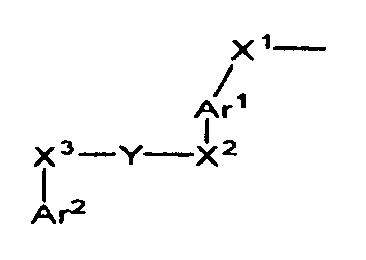
OH H H RA Ar2 X3 Y X2 Ar1 X1 Mass Elemetal Analysis 
bond NHCO bond 
CH2 [M+1]- = 1822 Calcd. for C88H93Cl2N11O28·3.8HCl·14.7H2O
C: 47.46%. H: 5.71%. N: 6.92%, Cl: 9.23%
Found: C: 47.40%. H: 5.57%. N: 7.14%. Cl: 9.15%
bond CONMe bond 
CH2 [M+1]- = 1837 Calcd. for C89H95Cl2N11O28·2.0HCl·12.0H2O
C: 50.26%, H: 5.73%. N: 7.24%, Cl: 6.67%
Found: C: 50.21%, H: 5.16%. N: 7.13%. Cl: 6.59%
bond CONMe bond 
CH2 [M+1]- = 1746 Calcd. for C82H89Cl2N11O28·1.8HCl·10.0H2O
C: 49.41%. H: 5.60%. N: 7.73%. Cl: 6.76%
Found: C: 49.40%, H: 5.38%. N: 7.66%. Cl: 6.70%
bond CONH bond 
CH2 [M+1]- = 1692 Calcd. for C80H85Cl3N10O25·1.9HCl·11.3H2O
C: 48.88%. H: 5.61%. N: 7.13%. Cl: 8.84% Found: C: 48.88%, H: 5.48%. N: 7.29%, Cl: 8.81%
bond CONH bond 
CH2 [M+3]+ = 1678
[M+1]- = 1675Calcd. for C80H85Cl2FN10O25·1.1HCl·8.7H2O
C: 51.29%, H: 5.57%. N: 8.48%, Cl: 5.87%. F: 1.01%
Found: C: 51.14%, H: 5.86%. N: 8.73%, Cl: 5.83%, F: 0.63% -
[Table 4] 
bond CONH bond 
CH2 [M+3] = 1727
[M+1]- = 1725Calcd. for C81H85Cl2F3N10O25·1.6HCl·8.5H2O
C: 50.20%. H: 5.39%. N: 7.23%. Cl: 6.59%. F: 2.94%
Found: C: 50.18%, H: 5.37%. N: 7.32%, Cl: 6.60%, F: 2.87%
bond CONH bond 
CH2 [M+1]-= 1675 Calcd. for C80H85Cl2FN 10025 -1.6HCl·9.1H2O
C: 50,60%, H: 5.56%. N: 7.38%. Cl: 6.72%, F: 1.00%
Found: C: 50.56%, H: 5.47%. N: 7.66%. Cl: 6.81%, F: 1.03%
bond CONH bond 
CH2 [M+1]- = 1675 Calcd. for C80H85Cl2FN 10O25·1.1 HCl·10.4H2O
C: 50.47%. H: 5.66%. N: 8.36%. Cl: 5.77%, F: 1.00%
Found: C: 50.30%, H: 5.81%. N: 8.55%, Cl: 5.85%, F: 0.66%
bond CONH bond 
CH2 [M+1]- = 1707 Calcd. for C84H88Cl2N10O25·1.7HCl·10.3H2O
C: 51.58%. H: 5.68%. N: 7.16%. Cl: 6.71%
Found: C: 51.52%, H: 5.57%. N: 7.35%, Cl: 6.76%
bond CONH bond 
CH2 [M+1]- = 1687 Calcd. for C81 H88Cl2N 10026 ·1.8HCl ·10.2H2O
C: 50.20%. H: 5.73%. N: 7.23%. Cl: 6.95%
Found: C: 50.21%, H: 5.56%. N: 7.47%, Cl: 6.90%
bond CONH bond 
CH2 [M+3]+= 1703
[M+1]- = 1701Calcd. for C82H90Cl2N10O26·2.1HCl·9.6H2O
C: 50.45%, H: 5.75%. N: 7.18%, Cl: 7.45%
Found: C: 50.39%, H: 5.53%. N: 7.48%, Cl: 7.44%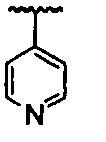
bond CONH bond 
CH2 [M+1]- = 1658 Calcd. for C79H85Cl2N1 1025·3.0HCl·10.4H2O C: 48.50%. H: 5.61%. N: 7.88%, Cl: 9.06% Found: C: 48.41%, H: 5.46%. N: 8.10%. Cl: 9.12% 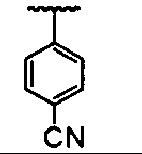
bond CONH bond 
CH2 [M+1]-= 1682 Calcd. for C81H85Cl2N 11025·1.5HCl 10.4H2O
C: 50.52%, H: 5.62%. N: 8.00%. Cl: 6.44%
Found: C: 50.49%. H: 5.54%. N: 8.13%, Cl: 6.39%
bond CONH bond 
CH2 [M+1]-= 1759 Calcd. for C87H88Cl2N 110261.9HCl·10.2H2O
C: 51.89%. H: 5.52%. N: 6.96%, Cl: 6.87%
Found: C: 51.81%, H: 5.39%. N: 7.10%, Cl: 6.87% -
[Table 5] 
bond CONH bond 
CH2 [M+1]-= 1685 Calcd. for C82H90Cl2N10O25·1.3HCl·9.7H2O
C: 51.60%, H: 5.85%. N: 7.34%, CI: 6.13%
Found: C: 51.57%, H: 5.79%. N: 7.39%, CI: 6.16%
bond CONH bond 
CH2 [M+1]- = 1726 Calcd. for C80H84Cl4N10O25·1.9HCl·10.4H2O
C: 48.43%, H: 5.42%. N: 7.06%. Cl: 10.54%
Found: C: 48.43%. H: 5.03%. N: 7.18%, Cl: 10.47%
bond NHCO NH 
CH2 [M+1]- = 1792 Calcd. for C88H95Cl2N11O26 ·1.9HCl· 8.4H20
C: 52.47%, H: 5.69%. N: 7.65%, Cl: 6.86%
Found: C: 52.48%, H: 5.71%. N: 7.70%, CI: 6.80%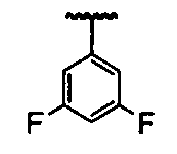
bond CONH bond 
CH2 [M+1]- =1693 Calcd. for C80H84Cl2F2N 10025 -1.5HCl· 8.2H20
C: 50.65%, H: 5.41%. N: 7.38%. Cl: 6.54%, F: 2.00%
Found: C: 50.56%, H: 5.09%. N: 7.57%, Cl: 6.56%. F: 1.93%
bond CONH bond 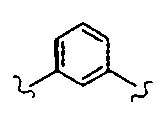
CH2 [M+3]+ = 1745
[M+1]- =1743Calcd. for C81H84Cl2F4N10025·1.9HCl·8.9H2O
C: 49.28%, H: 5.29%. N: 7.10%, Cl: 7.00%, F: 3.85%
Found: C: 49.21%, H: 5.03%. N: 7.20%, Cl: 6.94%, F: 3.76%
bond CONH bond 
CH2 [M+3]+ =1713
[M+1]-=1711Calcd. for C8OH83Cl2F3N 10025 ·1.9HCl. 9.3H2O
C: 49.29%, H: 5.35%. N: 7.19%, Cl: 7.09%, F:2.92%
Found: C: 49.29%, H: 5.11%. N: 7.27%, Cl: 7.14%, F: 2.77%
bond CONH bond 
CH2 [M+1]- = 1757 Calcd. for C81H85Cl2F3N10025S·2.2HCl·8.9H2O
C: 48.66%, H: 5.29%. N: 7.01%. Cl: 7.45%, F: 2.85%. S: 1.60%
Found: C: 48.64%, H: 5.24%. N: 7.01%, Cl: 7.42%, F: 2.75%. S: 1.61%
bond CONH bond 
CH2 [M+3]+ = 1719
[M+ 1]- = 1717Calcd. for C82H90Cl2N10O27·1.4HCl·10.7H20
C: 50.19%, H: 5.79%. N: 7.14%. Cl: 6.14%
Found: C: 50.15%, H: 5.70%. N: 7.29%, Cl: 6.08%
bond CONH bond 
CH2 [M+1]-= 1737 Calcd. for C79H84BrCl2N11O25·1.6HCl·10.4H20
C: 47.82%, H: 5.41%. N: 7.77%, Cl: 6.43%, Br 4.03%
Found: C: 47.80%. H: 5.33%. N: 7.81%, Cl: 6.39%, Br. 4.12% -
[Table 6] 
bond CONH bond 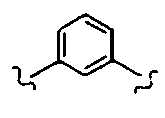
CH2 [M+3]+ = 1741
[M+1]- = 1739Calcd. for C81H86Cl2F2N10O25S·2.1HCl·9.0H2O
C: 49.15%, H: 5.40%. N: 7.08%, Cl: 7.34%, F: 1.92%, S: 1.62%
Found: C: 49.18%, H: 5.26%. N: 7.12%, Cl: 7.26%, F: 1.81%, S: 1.63%
bond CONH bond 
CH2 [M+1]-= 1693 Calcd. for C79H84Cl3N11O25·1.8HCl·11.2H2O
C: 48.38%. H: 5.56%. N: 7.86%. Cl: 8.68%
Found: C: 48.34%, H: 5.45%. N: 7.78%. Cl: 8.72%
bond CONH bond 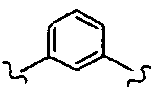
CH2 [M+1]+ = 1768
[M+1]- = 1766Calcd. for C81H87BrCl2N10O26·1.4HCl·10.6H2O
C: 48.42%, H: 5.50%. N: 6.97%, Cl: 6.00%, Br. 3.98%
Found: C: 48.34%, H: 5.42%. N: 7.09%, Cl: 5.96%, Br: 4.36%
bond CONH bond 
CH2 [M+1]- = 1731 Calcd. for C83H92Cl2N10O27·1.8HCl·9.7H2O
C: 50.53%, H: 5.78%. N: 7.10%. Cl: 6.83%
Found: C: 50.53%, H: 5.56%. N: 7.11%, Cl: 6.78%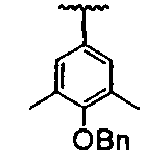
bond CONH bond 
CH2 [M+1]- = 1791 Calcd. for C89H96Cl2N10O26·1.5HCl·10.0H2O
C: 52.72%, H: 5.84%. N: 6.91%, Cl: 6.12%
Found: C: 52.73%, H: 5.81%. N: 6.91%, Cl: 6.12%
bond CONH bond 
CH2 [M+1]- = 1700 Calcd. for C81H84Cl2FN 11O25·1.9HCl·9.4H2O
C: 50.14%, H: 5.44%. N: 7.94%, Cl: 7.13%, F: 0.98%
Found: C: 49.88%, H: 5.37%. N: 8.24%, Cl: 7.09%. F: 0.93%
bond CONH bond 
CH2 [M+3]+= 1728
[M+1]-= = 1726Calcd. for C80H84Cl4N10O25·1.3HCl.9.8H2O
C: 49.24%. H: 5.42%. N: 7.18%, Cl: 9.63%
Found: C: 49.21%, H: 5.25%. N: 7.38%, Cl: 9.64%
bond CONH bond 
CH2 [M+1]- = 1736 Calcd. for C80H84Cl3N11O27·1.2HCl·10.1H2O
C: 48.93%, H: 5.41%. N: 7.85%, Cl: 7.58%
Found: C: 48.92%, H: 5.32%. N: 7.93%, Cl: 7.60%
bond CONH bond 
CH2 [M+11]- = 1805 Calcd. for C80H85Cl4N11O27S·1.7HCl· 10.6H2O
C: 46.66%. H: 5.28%. N: 7.48%, Cl: 9.81%, S: 1.56%
Found: C: 46.56%, H: 5.09%. N: 7.75%, Cl: 9.87%, S: 1.64% -
[Table 7] 
bond CONH bond 
CH2 [M+1]- =1758 Calcd. for C83H87Cl3N12O25·1.1HCl·11.1H2O
C: 49.87%, H: 5.56%. N: 8.41%. Cl: 7.27%
Found: C: 49.86%, H: 5.45%. N: 8.43%, Cl: 7.25%
bond CONH bond 
CH2 CH2 [M+3]+ = 1691
[M+1]- = 1689169, Calcd. for C81H87CI2FN10O25·1.8HCl·9.4H2O
C: 50.53%. H: 5.63%. N: 7.27%, Cl: 7.00%, F: 0.99%
Found: C: 50.52%, H: 5.47%. N: 7.34%, Cl: 7.03%, F: 0.95%
bond CONH bond 
CH2 [M+3]+ = 1769
[M+1]- = 1767Calcd. for C86H90Cl2FN11O25·1.6HCl·8.8H2O
C: 52.05%, H: 5.55%. N: 7.76%, Cl: 6.43%, F: 0.96%
Found: C: 52.03%, H: 5.57%. N: 7.73%. Cl: 6.44%, F: 0.90%
bond CONH bond 
CH2 [M+1]- = 1715 Calcd. for C82H88Cl2N10O27· 1.4HCl·9.6H2O
C: 50.75%. H: 5.64%. N: 7.22%, Cl: 6.21%
Found: C: 50.71%, H: 5.50%. N: 7.29%, Cl: 6.13%
bond CONH bond 
CH2 [M+3]+ = 1727
[M+1]- = 1725Calcd. for C81 H86Cl2F2N 10026 ·1.9HCl· 8.4H2O
C: 49.96%, H: 5.52%, N: 7.19%, Cl: 7.10%, F: 1.95%
Found: C: 49.90%, H: 5.25%, N: 7.49%, Cl: 7.10%, F: 1.88%
bond CONH bond 
CH2 [M+1]- = 1716 Calcd. for C82H88Cl2N10O27·1.3HCl ·11.3H2O
C: 50.06%, H: 5.73%, N: 7.12%, Cl: 5.95%
Found: C: 50.05%, H: 5.58%. N: 7.20%, Cl: 5.99%
bond CONH bond 
CH2 [M+3]+ = 1729
[M+1]-= 1727Calcd. for C83H91Cl2N11O26·2.2HCl·11.6H2O
C: 49.38%, H: 5.81%, N: 7.63%, Cl: 7.38%
Found: C: 49.40%, H: 5.57%. N: 7.65%, Cl: 7.33%
bond CONH bond 
CH2 [M+3]+ = 1674
[M+1]- = 1672Calcd. for C80H87Cl2N11O25·1.8HCl·10.8H2O
C: 49.69%, H: 5.75%. N: 7.97%. Cl: 6.97%
Found: C: 49.67%, H: 5.59%. N: 8.15%, Cl: 6.89%
bond CONH bond 
CH2 [M+3]+=1724
[M+1]- = 1722Calcd. for C84H89Cl2N11O25·2.0HCl·10.4H20
C: 50.86%, H: 5.68%. N: 7.77%. Cl: 7.15%
Found: C: 50.82%, H: 5.50%. N: 7.96%, Cl: 7.09% -
[Table 8] 
bond CONH bond 
CH2 [M+g]+=1716
[M+1]- = 1714Calcd. for C81H85Cl2N 11O25S·2.2HCl·10.8H2O
C: 48.88%, H: 5.51%. N: 7.74%, Cl: 7.48%, S: 1.61%
Found: C: 48.85%, H: 5.50%. N: 7.92%, Cl: 7.40%, S: 1.50%
bond NHCO bond 
CH2 [M+1]- = 1775 Calcd. for C88H94Cl2N10O26·1.7HCl·8.9H2O
C: 52.82%. H: 5.72%. N: 7.00%, Cl: 6.56%
Found: C: 52.79%, H: 5.70%. N: 7.10%, Cl: 6.49%
CH2 NHCO bond 
CH2 [M+3]+ = 1793
[M+1]- = 1791Calcd. for C89H96Cl2N10O26·1.8HCl·8.4H2O
C: 53.19%, H: 5.75%. N: 6.97%, Cl: 6.70%
Found: C: 53.12%, H: 5.72%. N: 7.23%, Cl: 6.77%
bond NHCO CH2 
CH2 [M+3]+ = 1793
[M+1]- = 1791Calcd. for C89H96Cl2N10O26·1.8HCl·9.1 H20
C: 52.86%, H: 5.78%. N: 6.93%, Cl: 6.66%
Found: C: 52.87%, H: 5.66%. N: 6.83%, Cl: 6.63% -
[Table 9] RA RB RC RD 
OH H H RA Ar2 X3 Y X2 Ar1 X1 Mass Elemetal Analysis 
bond CONH bond 
CH2 [M+3]+ = 1659
[M+1]-= 1657Calcd. for C80H86Cl2N10O25·2HCl·13H2O
C: 48.88%, H: 5.85%. N: 7.13%, Cl: 7.21%
Found: C: 49.00%, H: 5.73%. N: 7.35%, Cl: 6.83%
bond CONH bond 
CH2 [M+1]- = 1673 Calcd. for C81H88Cl2N10O25·2HCl·15H2O
C: 48.27%, H: 6.00%. N: 6.95%, Cl: 7.04%
Found: C: 48.14%, H: 6.05%- N: 7.25%, CI: 6.86%
bond CONH bond 
CH2 [M+1]- = 1704 Calcd. for C80H85Cl2N11O27·2HCl·11H2O
C: 48.66%, H: 5.56%. N: 7.80%, Cl: 7.18%
Found: C: 48.80%, H: 5.97%. N: 7.90%, Cl: 6.79%
bond CONH bond 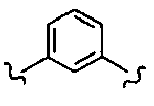
CH2 [M+1]- = 1687 Calcd. for C81H88Cl2N10O26·2HCl·12H2O
C: 49.19%. H: 5.81%. N: 7.08%, Cl: 7.17%
Found: C: 49.10%. H: 5.98%. N: 7.57%, Cl: 6.20%
bond CONH bond 
CH2 [M+1]- = 1703 Calcd. for C82H90Cl2N10O26·2HCl·14H2O
C: 48.57%, H: 5.97%. N: 6.91%, Cl: 6.99%
Found: C: 48.77%, H: 5.88%. N: 7.10%, Cl: 6.60%
bond CONH bond 
CH2 [M+1] = 1763 Calcd. for C87H92Cl2NI0O26-2HCl-9H2O
C: 52.25%, H: 5.65%. N: 7.00%. Cl: 7.09%
Found: C: 51.97%. H: 5.56%. N: 7.08%, Cl: 7.31%
bond CONH bond 
CH2 [M+1]-=1777
[M+1]-=1777Calcd. for C88H94Cl2N10O26·3HCl·10H2O
C: 51.10%, H: 5.70%. N: 6.77%, Cl: 8.57%
Found: C: 51.30%, H: 5.68%. N: 6.94%, Cl: 7.97% -
[Table 10] 
bond CONH bond 
CH2 [M+1]-= 1810 Calcd. for C87H91Cl2N11O28·1HCl·12H2O
C: 50.67%, H: 5.67%. N: 7.47%, Cl: 5.16%
Found: C: 50.54%. H: 5.50%. N: 7.47%, Cl: 5.55%
bond CONH bond 
CH2 [M+1]- = 1671 Calcd. for C81H88Cl2N10O25·2HCl·9H2O
C: 51.00%, H: 5.71%. N: 7.34%, Cl: 7.43%
Found: C: 51.04%, H: 5.72%. N: 7.63%, Cl: 6.81%
bond CONH bond 
CH2 [M+3]+ = 1663
[M+1]- = 1661Calcd. for C81H88Cl2N10O25·2HCl·13H2O
C: 49.14%, H: 5.91%. N: 7.08%, Cl: 7.16%
Found: C: 48.78%, H: 5.72%. N: 7.24%, Cl: 8.05%
bond CONH bond 
CH2 [M+1]- = 1732
[M+1]- = 1732Calcd. for C81H87Cl2N11O28·2HCl·12H2O
C: 48.10%, H: 5.63%. N: 7.62%, Cl: 7.01%
Found: C: 48.25%, H: 5.66%. N: 7.86%. Cl: 6.75%
bond CONH bond 
CH2 [M+1]- = 1702 Calcd. for C80H85Cl2N11O27-2HCl·12H2O
C: 48.22%, H: 5.61%. N: 7.73%, Cl: 7.12%
Found: C: 48.17%. H: 5.61%. N: 7.83%, Cl: 6.66%
bond CONH bond 
CH2 [M+1]- = 1702 Calcd. for C80H85Cl2N11O27·2HCl·12H2O
C: 48.22%, H: 5.61%. N: 7.73%, Cl: 7.12%
Found: C: 48.30%, H: 5.54%. N: 8.05%, Cl: 6.66%
bond CONH bond 
CH2 [M+1]- = 1763 Calcd. for C87H92Cl2N10O28·1HCl·13H2O
C: 51.34%, H: 5.89%. N: 6.88%, Cl: 5.23%
Found: C: 51.04%, H: 5.94%. N: 7.09%, Cl: 5.94%
bond CONH bond 
CH2 CH2 [M+1]- = 1763
[M+1]- = 1763Calcd. for C87H92Cl2N10O26·2HCl·14H2O
C: 50.00%, H: 5.88%. N: 6.70%, Cl: 6.79%
Found: C: 49.98%, H: 5.86%. N: 6.98%. Cl: 6.44%
bond CONH bond 
CH2 CH2 [M+1]+ = 1713
[M+1]- = 1713Calcd. for C84H94Cl2N10O25·1.5HCl·9H2O
C: 51.28%, H: 6.02%. N: 7.12%, Cl: 6.31%
Found: C: 51.21%, H: 5.96%. N: 7.36%, Cl: 6.20%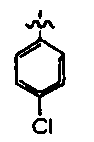
bond CONH bond 
CH2 [M+1]- = 1691 Calcd. for C80H85Cl3N10O25·0.2HCl·11H2O
C: 50.61%, H: 5.69%. N: 7.38%, Cl: 5.98%
Found: C: 50.88%, H: 6.08%. N: 7.40%, Cl: 6.15% -
[Table 11] 
bond CONH bond 
CH2 [M+1]- = 1659 Calcd. for C78H84Cl2N12O25·1.2HCl·9H2O
C: 50.20%, H: 5.57%. N: 9.01%, Cl: 6.08%
Found: C: 50.39%, H: 5.73%. N: 9.02%, Cl: 6.27%
bond CONH bond 
CH2 [M+3]+ = 1727
[M+1]- = 1725Calcd. for C81H85Cl2F3N10O25·1.3HCl·10H2O
C: 49.79%, H: 5.48%. N: 7.17%, Cl: 5.99%, F: 2.92%
Found: C: 49.86%, H: 5.44%. N: 7.36%, Cl: 6.13%, F: 2.81%
bond CONH bond 
CH2 [M+3]+ = 1703
[M+1]-= 1701Calcd. for C81H86Cl2N10O27·2HCl·9H2O
C: 50.21%, H: 5.51%. N: 7.23%, Cl: 7.32%
Found: C: 50.03%, H: 5.52%. N: 7.31%, Cl: 7.38%
bond CONH bond 
CH2 [M+1]- = 1800 Calcd. for C87H99Cl2N11O27·2HCl·7H2O
C: 52.23%, H: 5.79%, N: 7.70%, Cl: 7.09%
Found: C: 52.28%, H: 6.24%, N: 7.96%, Cl: 7.04%
bond CONH bond 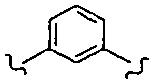
CH2 [M+3]+ = 1665
[M+1]+ = 1663Calcd. for C78H84Cl2N10O25S1·2HCl·10H2O
C: 48.85%, H: 5.57%. N: 7.30%, Cl: 7.40%
Found: C: 49.00%, H: 5.12%. N: 7.37%, Cl: 6.98%
bond CONH bond 
CH2 [M+1]- = 1790 Calcd. for C89H97Cl2N11O25·1.6HCl·10.3H2O
C: 52.51%, H: 5.90%. N: 7.57%, Cl: 6.27%
Found: C: 52.45%, H: 5.56%. N: 7.88%, Cl: 6.16%
bond CONH bond 
CH2 [M+1]- = 1764 Calcd. for C86H91Cl2N11O26·2HCl·9.1H2O
C: 52.34%, H: 5.64%. N: 7.81%, Cl: 5.75%
Found: C: 52.34%, H: 5.54%. N: 7.84%, CI: 5.72%
bond CONH bond 
CH2 [M+3]+ = 1660
[M+1]-= 1658Calcd. for C79H85Cl2N11O25·2.SHCl·10.5H2O
C: 48.91%, H: 5.64%. N: 7.94%, Cl: 8.22%
Found: C: 48.89%, H: 5.49%. N: 8.05%, Cl: 8.17%
bond CONH bond 
CH2 [M+3]+ = 1717
[M+1]- = 1715Calcd. for C82H88Cl2Nl0O27·2.5HCl·12.4H2O
C: 48.49%, H: 5.72%. N: 6.90%, Cl: 7.85%
Found: C: 48.39%, H: 5.50%. N: 7.02%, Cl: 7.91%
bond CONH bond 
CH2 [M+3]+ = 1689
[M+1]-=1687Calcd. for C81H88Cl2N10O26·2.5HCl·10.2H2O
C: 49.55%, H: 5.69%. N: 7.13%, Cl: 8.13%
Found: C: 49.47%, H: 5.32%. N: 7.44%, Cl: 8.09% -
[Table 12] 
bond CONH bond 
CH2 [M+3]+ = 1792
[M+1]- = 1790Calcd. for C88H93Cl2N11O26·1.3HCl·8.7H2O
C: 52.96%, H: 5.64%. N: 7.72%, Cl: 5.86%
Found: C: 52.95%, H: 5.56%. N: 7.90%. Cl: 5.80%
bond CONH bond 
CH2 [M+3]+ = 1780
[M+1]- = 1778Calcd. for C86H91Cl2N11O26·2.1HCl·9.4H2O
C: 51.35%, H: 5.61%. N: 7.66%, Cl: 7.23%
Found: C: 51.37%, H: 5.57%. N: 7.58%. Cl: 7.31%
bond CONH bond 
CH2 [M+1]- = 1783 Calcd. for C88H100Cl2N10O26·1.7HCl·8.9H2O
C: 52.66%, H: 6.00%. N: 6.98%, Cl: 6.54%
Found: C: 52.61%, H: 5.84%. N: 7.04%, Cl: 6.44%
bond CONH bond 
CH2 [M+1]-=1734 Calcd. for C85H89Cl2N11O25·2.4HCl·10.4H2O
C: 50.78%, H: 5.63%. N: 7.66%. Cl: 7.76%
Found: C: 50.76%, H: 5.62%. N: 7.76%, Cl: 7.80%
bond CONH bond 
CH2 [M+3]+= 1778
[M+1]- = 1776Calcd. for C88H95Cl2N11O25·1.3HCl·8.8H2O
C: 53.28%, H: 5.79%. N: 7.77%, Cl: 5.90%
Found: C: 53.23%, H: 5.59%. N: 7.96%, Cl: 5.85%
bond CONH bond 
CH2 [M+1]-=1869 Calcd. for C94H98Cl2N10O27·1.7HCl·9.7H2O
C: 00%, H: 00%. N: 00%, Cl: 00%
Found: C: 00%, H: 00%. N: 00%, Cl: 00%
bond CONH bond 
CH2 [M+3]+ = 1781
[M+1]- = 1779Calcd. for C87H92Cl2N10O27·2HCl·9H2O
C: 51.84%, H: 5.60%. N: 6.95%, Cl: 7.04%
Found: C: 51.89%, H: 5.64%. N: 6.93%, CI: 6.55%
bond CONH bond 
CH2 [M+1]-= 1892 Calcd. for C93H103Cl2N11O28·11.8HCl·2.3H2O
C: 51.08%, H: 5.92%. N: 7.05%, CI: 6.97%
Found: C: 51.00%, H: 5.71%. N: 7.21%, CI: 6.87%
bond CONH bond 
CH2 [M+1]-=1748 Calcd. for C86H91Cl2N11O25·1.9HCl·10.6H2O
C: 51.39%, H: 5.72%. N: 7.67%, Cl: 6.88%
Found: C: 51.36%, H: 5.48%. N: 7.72%, CI: 6.80%
bond CONH bond 
CH2 [M+1]- = 1754 Calcd. for C84H89Cl2N 11O27·1.4HCl·11.4H2O
C: 50.14%, H: 5.67%. N: 7.66%, CI: 5.99%
Found: C: 50.14%, H: 5.53%. N: 7.79%, CI: 6.04% -
[Table 13] 
bond CONH bond 
CH2 CH2 [M+1]- = 1754
[M+1]- = 1754Calcd. for C86H97Cl2N11O25·2.2HCl·12.2H2O
C: 50.25%, H: 6.06%. N: 7.50%, CI: 7.24%
Found: C: 50.24%, H: 5.88%. N: 7.59%, Cl: 7.29%
bond CONH bond 
CH2 [M+1]-= 1737 Calcd. for C84H90Cl2N12O25·1.6HCl·11.3H2O
C: 50.43%, H: 5.75%. N: 8.40%, Cl: 6.38%
Found: C: 50.40%, H: 5.66%. N: 8.60%, Cl: 6.37%
bond CONH bond 
CH2 [M+1]- = 1856 Calcd. for C88H93Br1Cl2N10O26·1.5HCl·10.8H2O
C: 50.17%, H: 5.55%. N: 6.65%, Cl: 5.89%, Br: 3.79%
Found: C: 50.18%, H: 5.40%. N: 6.73%, Cl: 5.82%, Br 3.84%
bond CONH bond 
CH2 [M+3]+ = 1862
[M+1]- = 1860Calcd. for C93H103Cl2N11O26·1.7HCl·10.1H2O
C: 53.05%, H: 5.98%. N: 7.32%, Cl: 6.23%
Found: C: 53.02%, H: 5.82%. N: 7.55%, Cl: 6-26%
bond CONH bond 
CH2 [M+3]+ = 1781 [M+1]- = 1779 Calcd. for C86H92Cl2N12O26·2HCl·11.1H2O
C: 50.30%, H: 5.70%. N: 8.19%, Cl: 6.91%
Found: C: 50.21%, H: 5.60%. N: 8.44%, Cl: 6.88%
bond CONH bond 
CH2 [M+1]-=1821 Calcd. for C89H94Cl2N10O28·1.8HCl·10.8H2O
C: 51.32%, H: 5.68%. N: 6.72%, Cl: 6.47%
Found: C: 51.34%, H: 5.45%. N: 6.38%, CI: 6.36%
bond CONH bond 
CH2 CH2 [M+3]+ = 1739
[M+1]- = 1737Calcd. for C84H90ClN12O25·1.9HCl·10.6H2O
C: 50.47%, H: 5.70%. N: 8.41%, Cl: 6.92%
Found: C: 50.38%, H: 5.34%. N: 8.44%, Cl: 6.93%
bond CONH bond 
CH2 CH2 [M+1]-= 1675
[M+1]-=1675Calcd. for C80H85Cl2F1N10O25·1.8HCl·10H2O
C: 49.99%, H: 5.60%. N: 7.29%, Cl: 7.01%, F: 0.99%
Found: C: 49.96%, H: 5.43%. N: 7.48%, Cl: 7.03%, F: 0.95%
bond CONH bond 
CH2 [M+3]+ = 1742
[M+1]- = 1740Calcd. for C81H86Cl2F3N11O25·2.7HCl·13.4H2O
C: 46.74%, H: 5.59%. N: 7.40%, Cl: 8.01%, F: 2.74%
Found: C: 46.72%, H: 5.31%. N: 7.54%, Cl: 7.91%, F: 2.51%
bond CONH bond 
CH2 [M+1]- = 1768 Calcd. for C83H90Cl2F3N11O25·2.8HCl·10.5H2O
C: 48.37%, H: 5.57%. N:7.48%, Cl: 8.26%, F: 2.77%
Found: C: 48.20%, H: 5.47%. N: 7.78%, Cl: 8.22%, F: 2.59% -
[Table 14] 
bond CONH bond 
CH2 [M+1]- = 1691 Calcd. for C80H85Cl3N10O25·1.6HCl· 11.9H2O
C: 48.88%, H: 5.66%. N: 7.13%, Cl: 8.30%
Found: C: 48.82%, H: 5.39%, N: 7.22%, Cl: 8.22%
bond CONH bond 
CH2 [M+3]+ = 1743
[M+1]- = 1741Calcd. for C81H85Cl2F3N10O26·2.6HCl·8.5H2O
C: 48.88%, H: 5.30%. N: 7.04%, Cl: 8.19%, F: 2.86%
Found: C: 49.89%, H: 5.28%. N: 7.44%. Cl: 6.78%, F: 2.73%
bond CONH bond 
CH2 [M+1]- = 1741 Calcd. for C81H85Cl2F3N10O26·2.1HCl·10H2O
C: 48.66%, H: 5.40%. N: 7.01%, Cl: 7.27%, F: 2.85%
Found: C: 48.66%, H: 5.27%. N: 7.27%, Cl: 7.20%, F: 2.72%
bond CONH bond 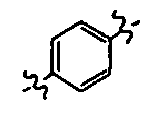
CH2 [M+3]+ = 1693
[M+1]- =1691Calcd. for C80H85Cl3N10O25·1.2HCl·11.3H2O
C: 49.52%, H: 5.65%. N: 7.22%. Cl: 7.67%
Found: C: 49.49%, H: 5.53%. N: 7.41%, Cl: 7.72%
bond CONH bond 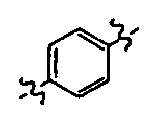
CH2 [M+1]-= 1736
[M+1]- = 1736Calcd. for C80H85Cl2Br1N10O25-1.6HCl-11.6H2O
C: 47.93%, H: 5.52%. N: 6.99%, Cl: 6.37%, Br. 3.99%
Found: C: 47.93%, H: 5.37%. N: 7.22%, CI: 6.38%, Br 3.89%
bond CONH bond 
CH2 [M+3]+ = 1738
[M+1]- = 1736Calcd. for C80H84Cl3N11027·2.7HCl.8.7H2O
C: 48.21%, H: 5.26%. N: 7.73%, Cl: 10.14%
Found: C: 48.15%, H: 5.21%. N: 7.97%, Cl: 10.14%
bond CONH bond 
CH2 [M+1]- = 1725 Calcd. for C80H84Cl4N10O25·1.9HCl·9H2O
C: 49.05%, H: 5.35%. N: 7.15%, Cl: 10.68%
Found: C: 49.02%, H: 5.26%, N: 7.30%, Cl: 10.68%
bond CONH bond 
CH2 [M+3]+ = 1745
[M+1]- = 1743Calcd. for C81H84Cl2F4N10O25·2.1HCl·10.2H2O
C: 48.53%, H: 5.35%, N: 6.99%, Cl: 7.25%, F: 3.79%
Found: C: 48.54%, H: 5.38%, N: 7.12%, Cl: 7.18%, F: 3.57%
bond CONH bond 
CH2 [M+11]- = 1757 Calcd. for C81H85Cl2F3N10O25S1·1.9HCl·11.9H2O
C: 47.64%, H: 5.46%, N: 6.86%, Cl: 6.77%, F: 2.79%, S: 1.57%
Found: C: 47.62%, H: 5.41%. N: 6.96%, Cl: 6.73%, F: 2.62%, S: 1.41%
bond CONH bond 
CH2 [M+3]+= 1757
[M+1]- =1755Calcd. for C82H87Cl2F3N10O26·1.9HCl·11.1H2O
C: 48.62%, H: 5.53%, N: 6.91%, Cl: 6.83%, F: 2.81%
Found: C: 48.63%, H: 5.40%, N: 6.96%, Cl: 6.88%, F: 2.67% -
[Table 15] RA RB RC RD 
OH H H RA Ar2 X3 Y X2 Ar1 X1 Mass Elemetal Analysis 
bond CONH bond 
CH2 [M+1]- = 1700 Calcd. for C82H91Cl2N11O25·3HCl·15H2O
C: 57.88%, H: 5.39%. N: 7.06%, Cl: 4.17%
Found: C: 47.31%, H: 5.71%. N: 7.47%, Cl: 8.80%
bond CONH bond 
CH2 [M+1]- = 1746 Calcd. for C82H91Cl2N11O25·3HCl·12H2O
C: 56.36%. H: 5.13%. N: 8.82%, Cl: 4.06%
Found: C: 45.39%, H: 5.77%. N: 7.16%, Cl: 7.89%
bond CONH bond 
CH2 [M+1]- = 1834 Calcd. for C90H97Cl2N11O27·2HCl·14H2O
C: 58.89%. H: 5.33%. N: 8.39%, Cl: 3.86%
Found: C: 49.9%, H: 5.69%. N: 6.63%, Cl: 6.75%
bond CONH bond 
CH2 [M+3]+ = 1822 Calcd. for C90H99Cl2N11O26·3HCl·12H2O
C: 59.34%, H: 5.48%, N: 8.46%, Cl: 3.89%
Found: C: 50.64%, H: 5.67%, N: 7.23%, Cl: 7.91% -
[Table 16] 
bond CONH bond 
CH2 [M+1]-= 1792 Calcd. for C88H95Cl2N11O26·3HCl·11H2O
C: 58.93%, H: 5.34%. N: 8.59%, Cl: 3.95%
Found: C: 50.51 %. H: 5.54%. N: 7.34%, Cl: 8.07%
bond CONH bond 
CH2 [M+1]- =1716 Calcd. for C82H91Cl2N11O26·3HCl-11H2O
C: 57.34%. H: 5.34%. N: 8.97%. Cl: 4.13%
Found: C: 48.66%, H: 5.77%. N: 7.70%, Cl: 8.35%
bond CONH bond 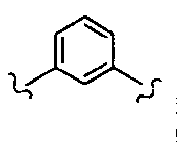
CH2 [M+1]-= 1860 Calcd. for C93H103Cl2N11O26-2.5HCl-110H2O
C: 60.00%, H: 5.58%. N: 8.28%, Cl: 3.81%
Found: C: 52.46%, H: 5.75%. N: 7.44%, Cl: 7.19%
bond CONH bond 
CH2 [M+1]- = 1794 Calcd. for C88H95Cl2N11O26·2.5HCl·9.5H2O
C: 58.93%, H: 5.34%. N: 8.59%, Cl: 3.95%
Found: C: 51.24%. H: 5.57%. N: 7.65%, CI: 8.10%
bond CONH bond 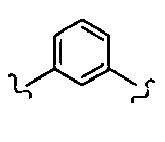
CH2 CH2 [M+3]+ = 1780
[M+1]- = 1778Calcd. for C87H93Cl2N11O26-1.5HCl-9H2O
C: 58.72%, H: 5.27%. N: 8.66%, CI: 3.98%
Found: C: 52.14%, H: 5.48%. N: 7.9%, Cl: 6.55%
bond CONH bond 
CH2 [M+1]- = 1728 Calcd. for C83H91 CI2N 11026 ·1.5HCl·10H2O
C: 57.64%. H: 5.30%. N: 8.91 %, CI: 4.10%
Found: C: 50.71 %, H: 5.65%. N: 8.00%, CI: 6.62%
bond CONH bond 
CH2 [M+1]- = 1820 Calcd. for C89H95Cl2N11O26·2HCl·10H2O
C: 58.68%, H: 5.26%. N: 8.46%. CI: 3.89%
Found: C: 51.56%, H: 5.53%. N: 7.64%, Cl: 6.76% -
[Table 17] 
bond CONH bond 
CH2 [M+3]+ = 1808
[M+1]- = 1806Calcd. for C89H97Cl2N11O26·2HCl·10H2O
C: 59.13%, H: 5.41%. N: 8.52%, Cl: 3.92%
Found: C: 51.96%, H: 5.64%. N: 7.56%, Cl: 7.00%
bond CONH bond 
CH2 [M+1]- = 1792 Calcd. for C88H95Cl2N11O26 ·1.5HCl·10H2O
C: 58.93%. H: 5.34%. N: 8.59%. Cl: 3.95%
Found: C: 52.01%, H: 5.60%. N: 7.68%, Cl: 6.41%
bond CONH bond 
CH2 [M+1]- = 1754 Calcd. for C86H97Cl2N11O25·3HCl·10H2O
C: 58.83%, H: 5.57%. N: 8.78%, Cl: 4.04%
Found: C: 50.64%, H: 5.74%. N: 7.91%, Cl: 8.27%
bond CONH bond 
CH2 [M+3]+ = 1770
[M+1]- = 1768Calcd. for C83H90Cl2F3N11O25.2·5HCl·10H2O
C: 56.34%, H: 5.13%. N: 8.71%, Cl: 4.01%, F: 3.22%
Found: C: 48.75%, H: 5.36%. N: 7.77%, Cl: 7.68%, F: 2.73%
bond CONH bond 
CH2 [M+1]- = 1806 Calcd. for C89H97Cl2N11O26·2HCl·9.5H2O
C: 59.13%, H: 5.41%, N: 8.52%, Cl: 3.92%
Found: C: 51.92%, H: 5.79%, N: 7.60%, Cl: 7.31%
bond CONH bond 
CH2 [M+3]+ = 1742
[M+1]- = 1740Calcd. for C81 H86Cl2F3N11O25·1.5HCl·9.5H2O
C: 55.86%, H: 4.98%. N: 8.85%, Cl: 4.07%, F: 3.27%
Found: C: 49.44%, H: 5.43%. N: 7.87%, Cl: 6.01%, F: 2.66%
bond CONH bond 
CH2 [M+1]- = 1737 Calcd. for C84H90Cl2N12O25·3HCl·11H2O
C: 58.03%, H: 5.22%. N: 9.67%, Cl: 4.08%
Found: C: 49.26%, H: 5.65%. N: 8.33%, Cl: 8.46% -
[Table 18] 
bond CONH bond 
CH2 [M+1]-= 1808 Calcd. for C86H94Cl2F3N11O25·2.5HCl·11.5H2O
C: 57.08%, H: 5.24%. N: 8.51%. Cl: 3.92%, F: 3.15%
Found: C: 48.83%, H: 5.54%. N: 7.33%, Cl: 7.86%. F: 2.73%
bond CONH bond 
CH2 [M+3]+ = 1780 Calcd. for C87H93Cl2N 11O26·1.5HCl·10H2O
C: 58.72%, H: 5.27%. N: 8.66%, Cl: 3.98%
Found: C: 51.85%, H: 5.60%. N: 8.07%, Cl: 5.80% -
[Table 19] RA RB Rc RD 
OH H H RA Ar2 X3 Y X2 Ar1 X1 Mass Elemetal Analysis 
bond CONH bond 
CH2 [M+1]-=1712 Calcd. for C82H87Cl2N11O26·1.3HCl·8.7H2O
C: 51.36%, H: 5.56%. N: 8.03%. Cl: 6.10%
Found: C: 51.34%, H: 5.62%. N: 8.19%, Cl: 6.03%
bond CONH bond 
CH2 [M+1]-=1728 Calcd. for C88H91 Cl2N11O26·1.8HCl·8.9H2O
C: 52.44%, H: 5.53%. N: 7.64%, Cl: 6.68%
Found: C: 52.41%, H: 5.49%. N: 7.66%, Cl: 6.75%
bond CONH bond 
CH2 [M+1]-=1789 Calcd. for C88H91Cl2N11O26·2.0HCl·9.5H2O
C: 51.97%, H: 5.55%. N: 7.58%, Cl: 6.97%
Found: C: 51.97%. H: 5.44%. N: 7.65%, Cl: 7.07% -
[Table 20] 
bond CONH bond 
CH2 [M+3]+= Calcd. for C81H84Cl2N10O25·1.5HCl·9.2H2O
C: 49.51%. H: 5.33%. N: 7.13%, Cl: 6.32%, F: 3.87%
Found: C: 49.50%, H: 5.28%. N: 7.39%, CI: 6.37%, F: 3.93%
bond CONH bond 
CH2 [M+3]+ = 1694
[M+1]- = 1692Calcd. for C80H85Cl2N10O26 ·1.3HCl ·11.2H2O
C: 49.49%, H: 5.64%. N: 7.21%, Cl: 6.03%, F: 0.98%
Found: C: 49.48%, H: 5.43%. N: 7.27%, Cl: 5.90%, F: 0.91 %
bond CONH bond 
CH2 [M+1]- = 1727 Calcd. for C80H84Cl2F3N11O25·1.5HCl·10.2H2O
C: 48.88%, H: 5.43%. N: 7.84%, Cl: 6.31%, F: 2.90
Found: C: 48.90%, H: 5.42%. N: 7.94%, Cl: 6.18 %, F: 2.76
bond CONH bond 
CH2 [M+1]- = 1754 Calcd. for C80H84BrCl2FN 10025 1.8HCl· 9.4H2O
C: 48.28%, H: 5.30%. N: 7.04%, Br. 4.01, Cl:
Found: C: 48.26%, H: 5.29%. N: 7.07%, Br. 3.63, Cl: 6.75%, F: 0.90
bond CONH bond 
CH2 [M+3]+ = 1716
[M+1]-= 1714Calcd. for C83H93CI2N11O25·2.OHCl·9.5H2O
C: 50.87%, H: 5.86%. N: 7.86%, Cl: 7.24%
Found: C: 50.86%, H: 5.73%. N: 8.02%, Cl: 7.28% -
[Table 21] 
bond CONH bond 
CH2 [M+1]- = 1720 Calcd. for C80H84Cl2FN1 1027·1.6HCl·10.2H2O
C: 48.93%, H: 5.44%. N: 7.85%, Cl: 6.50%, F: 0.97
Found: C: 48.90%, H: 5.28%, N: 8.11%, Cl: 6.46%, F: 0.86
bond CONH bond 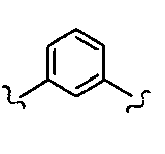
CH2 [M+1]- = 1786 Calcd, for C83H89Cl2F3N10O27·2.0HCl·9.0H2O
C: 49.31 %, H: 5.43%, N: 6.93%, Cl: 7.01%, F: 2.82
Found: C: 49.30%, H: 5.31%, N: 7.05%, CI: 7.04%, F: 2.73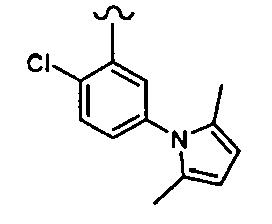
bond CONH bond 
CH2 [M+1]-=1785 Calcd. for C86H92Cl3N11O25·1.9HCl·10.0H2O
C: 50.75%, H: 5.64%, N: 7.57%, Cl: 8.53%
Found: C: 50.70%, H: 5.43%, N: 7.82%, Cl: 8.50%
bond CONH bond 
CH2 [M+31]+ = 1718 Calcd. for C82H91 Cl2N11O26 ·1.4HCl· 10.6H2O
C: 5026%. H: 5.84%. N: 7.86%, Cl: 6.15%
Found: C: 50.27%, H: 5.61%. N: 7.89%, Cl: 6.20%
bond CONH bond 
CH2 [M+3]+ = 1687
[M+1]-=1685Calcd. for C82H90Cl2N10025·1.5HCl·10.9H2O
C: 50.83%, H: 5.89%. N: 7.23%, Cl: 6.40%
Found: C: 50.77%, H: 5.69%. N: 7.46%, Cl: 6.33% -
[Table 22] 
bond CONH bond 
CH2 [M+1]- = 1711 Calcd. for C80H83Cl2F3N10O25·1.6HCl· 10.2H2O
C: 49.16%. H: 5.41%. N: 7.17%, CI: 6.53%, F: 2.92
Found: C: 49.18%, H: 5.36%. N: 7.27%. Cl: 6.48%, F: 2.82
bond CONH bond 
CH2 [M+3]+ = 1687
[M+1]- = 1685Calcd. for C82H90Cl2N10025·1.5HCl·10.2H2O
C: 51.16%, H: 5.86%. N: 7.28%, CI: 6.45%
Found: C: 51.17%, H: 5.80%. N: 7.71 %, Cl: 6.37%
bond CONH bond 
CH2 [M+3]+ = 1772
[M+1]-= 1770Calcd. for C80H84BrCl3N10025·1.6HCl·10.3H2O
C: 47.67%, H: 5.31%. N: 6.95%, CI: 8.09%, Br: 3.96%
Found: C: 47.59%, H: 5.24%. N: 7.20%. CI: 8.15%, Br: 3.84%
bond CONH bond 
CH2 [M+3]+ = 1742
[M+1]- = 1740Calcd. for C83H91Cl2N13O25·1.2HCl·11.3H2O
C: 50.12%, H: 5.82%. N: 9.16%, Cl: 5.70%
Found: C: 50.07%, H: 5.67%. N: 9.29%, Cl: 5.70%
bond CONH bond 
CH2 [M+1]- =1754 Calcd. for C80H86Cl2FN 11O27S·2.0HCl· 10.6H20
C: 47.58%, H: 5.45%. N: 7.63%, Cl: 7.02%, F: 0.94%, S: 1.59%
Found: C: 47.53%, H: 5.30%. N: 7.73%, Cl: 6.99%, F: 0.91%, S: 1.62% -
[Table 23] 
bond CONH bond 
CH2 [M+3]+ = 1742
[M+1]-=1740Calcd. for C84H92Cl2N12O25 ·1.7HCl· 10.9H2O
C: 50.47%, H: 5.82%. N: 8.41%, Cl: 6.56%
Found: C: 50.30%, H: 5.63%. N: 9.22%, Cl: 6.61%
bond CONH bond 
CH2 [M+3]+ 1695
[M+1]-=1693Calcd. for C80H84Cl2F2N10O25· 1.7HCl· 10.7H2O
C: 49.29%. H: 5.54%. N: 7.19%, Cl: 6.73%, F: 1.95%
Found: C: 49.30%. H: 5.42%. N: 7.33%, Cl: 6.67%. F: 1.92%
bond CONH bond 
CH2 [M+3]+ = 1709
[M+1]- = 1707Calcd. for C81H86Cl2F2N10O25·2.OHCl·8.9H2O
C: 50.10%, H: 5.49%. N: 7.21 %, Cl: 7.30%, F: 1.96%
Found: C: 50.10%, H: 5.53%. N: 7.29%. Cl: 7.21 %, F: 1.86%
bond CONH bond 
CH2 [M+1]-= 1784 Calcd. for C84H89Cl2N13O27·2.2HCl-8.3H2O
C: 50.11%, H: 5.40%. N: 9.04%, Cl: 7.40%
Found: C: 50.09%, H: 5.36%. N: 9.22%, Cl: 7.43%
bond CONH bond 
CH2 [M+3]+=1660 Calcd. for C79H85Cl2N11025·2.1HCl-10.0H2O
C: 49.52%, H: 5.63%. N: 8.04%, Cl: 7.59%
Found: C: 49.48%, H: 5.43%. N: 8.10%, Cl: 7.58% -
[Table 24] RA RB RC RD 
OH H H RA Ar2 X3 Y X2 Ar1 X1 Mass Elemetal Analysis 
bond CONH bond 
CH2CH2 [M+3]+ =1794
[M+1]- = 1792Calcd. for C89H96Cl2N10026·2.5HCl·10.0H2O
C: 51.79%, H: 5.79%. N: 6.79%, Cl: 7.73%
Found: C: 51.74%, H: 5.73%. N: 6.91%, Cl: 7.76%
bond CONH bond 
CH2CH2 CH2 [M+3]+= 1808
[M+1]-= 1806Calcd. for C90H98Cl2N10O26·2.3HCl·9.3H2O
C: 52.52%, H: 5.82%. N: 6.81%, Cl: 7.41% %
Found: C: 52.49%, H: 5.64%. N: 6.84%. Cl: 7.34%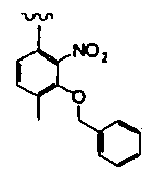
bond CONH bond 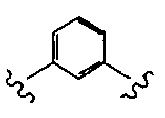
CH2CH2 CH2 [M+3]+ = 1853
[M+1]-= 1851Calcd. for C90H97Cl2N11028·1.9HCl·9.6H2O
C: 51.62%. H: 5.68%. N: 7.36%, Cl: 6.60%
Found: C: 51.59%, H: 5.47%. N: 7.43%, Cl: 6.52%
bond CONH bond 
CH2 [M+3]+ =1727
[M+1]-= 1725Calcd. for C81H85Cl2F3N10025·1.7HCl·10.4H2O
C: 49.24%, H: 5.48%. N: 7.09%, Cl: 6.64%, F: 2.88%
Found: C: 49.21%, H: 5.34%. N: 7.22%, Cl: 6.55%, F:2.88% -
[Table 25] 
bond CONH bond 
CH2 [M+3]+= 1693
[M+1]- = 1691Calcd. for C80H85Cl3N10O25·1.9HCl·9.3H20
C: 49.79%, H: 5.51%. N: 7.26%, Cl: 9.00%
Found: C: 49.77%. H: 5.35%. N: 7.21%, Cl: 9.00%
bond CONH bond 
CH2 [M+3]+ = 1743
[M+1]- = 1741Calcd. for C81H85Cl2F3N10O26·1.8HCl·9.8H2O
C: 49.02%, H: 5.40%. N: 7.06%, Cl: 6.79%, F: 2.87%
Found: C: 49.03%, H: 5.33%. N: 7.24%, Cl: 6.87%, F: 2.79%
bond CONH bond 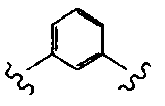
CH2 [M+3]+ = 1743
[M+1]- = 1741Calcd. for C81H85Cl2F3N10O26·1.7HCl·10.0H2O
C: 49.02%, H: 5.42%. N: 7.06%, Cl: 6.61%, F: 2.87%
Found: C: 48.98%, H: 5.18%. N: 7.21%, Cl: 6.61%, F: 2.78%
bond CONH bond 
CH2 [M+3]+ = 1761
[M+1]- = 1759Calcd. for 81H84Cl3F3N10O25·1.3HCl·9.7H2O
C: 49.06%, H: 5.32%. N: 7.06%, Cl: 7.69%, F: 2.87%
Found: C: 48.99%, H: 5.13%. N: 7.32%, Cl: 7.72%, F: 2.77%
bond CONH bond 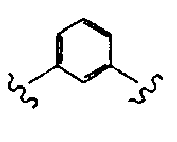
CH2 [M+1]- = 1735 Calcd. for C80H85BrCl2N10025·1.8HCl·10.4H2O
C: 48.27%, H: 5.45%. N: 7.04%, Br. 4.01%, Cl: 6.77%
Found: C: 48.56%, H: 5.22%. N: 7.16%, Br. 3.71%, Cl: 6.83%
bond CONH bond 
CH2 [M+1]- = 1725 Calcd. for C80H84Cl4N10O25·1.7HCl·9.7H2O
C: 48.92%, H: 5.39%. N: 7.13%, Cl: 10.29%
Found: C: 48.92%, H: 5.23%. N: 7.18%, Cl: 10.30%
bond CONH bond 
CH2 [M+11]- = 1736 Calcd. for C80H85BrCl2N10O25·1.9HCl·9.4H2O
C: 48.63%, H: 5.39%, N: 7.09%, Br. 4.04%, Cl: 7.00%
Found: C: 48.58%, H: 5.24%. N: 7.18%, Br 3.91%, Cl: 7.01 %
bond CONH bond 
CH2 [M+1]- = 1702 Calcd. for C81H86Cl2N10O27·1.2HCl·9.9H2O
C: 50.55%, H: 5.60%. N: 7.28%, Cl: 5.89%
Found: C: 50.55%, H: 5.49%. N: 7.42%, Cl: 5.94% -
[Table 26] 
bond CONH bond 
CH2 [M+3]+ = 1689
[M+1]- = 1687Calcd. for C81H88Cl2N10O26 ·1.2HCl·10.4H2O
C: 50.68%. H: 5.78%, N: 7.30%, Cl: 5.91%
Found: C: 50.67%, H: 5.63%, N: 7.32%, Cl: 5.84%
bond CONH bond 
CH2 [M+3]+ = 1703
[M+1]- = 1701Calcd. for C82H90Cl2N10O26·1.7HCl·8.1H2O
C: 51.55%, H: 5.69%. N: 7.33%. Cl: 6.87%
Found: C: 51.55%, H: 5.71%. N: 7.42%, Cl: 6.92%
bond CONH bond 
CH2 [M+1]- = 1742 Calcd.for C81H85Cl2F3N10O26·2.0HCl·10.8H2O
C: 48.40%, H: 5.45%, N: 6.97%, Cl: 7.06%, F: 2.84%
Found: C: 48.38%, H: 5.28%, N: 7.17%, Cl: 7.05%, F: 2.70%
bond CONH bond 
CH2 [M+3]+ 1691
[M+1]- = 1689Calcd. for C81 H87Cl2FN10O25·1.2HCl·10.5H2O
C: 50.58%, H: 5.72%. N: 7.28%, Cl: 5.90%, F: 0.99%
Found: C: 50.54%, H: 5.58%. N: 7.37%, Cl: 5.89%. F: 0.95%
bond CONH bond 
CH2 [M+1]- = 1736 Calcd. for C80H85BrCl2N10025·1.9HCl·10.2H2O
C: 48.27%, H: 5.43%. N: 7.04%, Br. 4.01%, Cl: 6.95%
Found: C: 48.27%, H: 5.25%. N: 7.07%, Br: 3.85%, Cl: 6.98%
bond CONH bond 
CH2 [M+1]- = 1694 Calcd. for C80H84Cl2F2N10O25·1.6HCl·10.1H2O
C: 49.66%, H: 5.51%. N: 7.24%, Cl: 6.60%, F: 1.96%
Found: C: 49.59%, H: 5.50%, N: 7.37%, Cl: 6.65%, F: 1.88%
bond CONH bond 
CH2 [M+3]+ 1687
[M+1]- = 1685Calcd. for C82H9OCl2N10O25 ·1.2HCl·11.1H2O
C: 51.02%, H: 5.92%, N: 7.26%, Cl: 5.88%
Found: C: 50.99%, H: 5.74%. N: 7.53%, Cl: 5.95%
bond CONH bond 
CH2 [M+1]-=1707 Calcd. for C80H86Cl3N11O25·1.8HCl·10.6H2O
C: 48.91%, H: 5.59%. N: 7.84%, Cl: 8.66%
Found: C: 48.87%. H: 5.40%. N: 7.95%, Cl: 8.62% -
[Table 27] 
bond CONH bond 
CH2 [M+3]+ = 1745
[M+1]- = 1743Calcd. for C81 H84Cl2F4N10O25 1.7HCl· 9.3H20
C: 49.28%, H: 5.33%. N: 7.10%, Cl: 6.65%. F: 3.85%
Found: C: 49.24%, H: 5.24%. N: 7.31%, Cl: 6.66%, F: 3.63%
bond CONH bond 
CH2 [M+1]- = 1709 Calcd. for C80H84C13FN10O25·1.9HCl·8.3H2O
C: 49.79%. H: 5.35%. N: 7.26%, Cl: 9.00%, F: 0.98%
Found: C: 49.78%, H: 5.27%. N: 7.22%, Cl: 8.93%, F: 0.89%
bond CONH bond 
CH2 [M+1]-= 1709 Calcd. for C80H84Cl3FN10O25· -1.2HCl· 8.9H2O
C: 50.17%, H: 5.42%. N: 7.31%, Cl: 7.78%, F: 0.99%
Found: C: 50.14%, H: 5.31 %. N: 7.49%, Cl: 7.81 %, F: 0.87%
bond CONH bond 
CH2 [M+3]+ = 1724
[M+1]- = 1722Calcd. for C80H86Cl3N11O26 -1.2HCl· 9.1 H2O
C: 49.74%, H: 5.50%. N: 7.98%, Cl: 7.71 %
Found: C: 49.72%, H: 5.49%. N: 8.04%, Cl: 7.69%
bond CONH bond 
CH2 [M+1]- = 1763 Calcd. for C82H89Cl2N11029·1.8HCl·3.3H2O
C: 52.15%, H: 5.20%. N: 8.16%, Cl: 7.13%
Found: C: 52.14%, H: 5.84%. N: 8.29%, Cl: 7.12%
bond CONH bond 
CH2 [M+1]- = 1788 Calcd. for C80H85Cl3FN11027S·1.6HCl-10.9H2O
C: 46.99%, H: 5.34%. N: 7.54%, Cl: 7.98%, F: 0.93%. S: 1.57%
Found: C: 46.99%, H: 5.22%. N: 7.64%. Cl: 8.00%, F: 0.81%, S: 1.41%
bond CONH bond 
CH2 [M+1]- = 1743 Calcd. for C81H84Cl2F4N10O25·1.6HCl·7.7H2O
C: 50.11%, H: 5.24%. N: 7.21%, Cl: 6.57%, F: 3.91 %
Found: C: 50.11%, H: 5.27%. N: 7.30%, Cl: 6.62%, F: 3.79%
bond CONH bond 
CH2 [M+3]+=1711
[M+1]- = 1709Calcd. for C80H84Cl3FN10O25·1.3HCl·9.4H2O
C: 49.85%, H: 5.44%. N: 7.27%, Cl: 7.91%, F: 0.99%
Found: C: 49.74%, H: 5.15%. N: 7.50%, Cl: 7.79%, F: 1.03% -
[Table 28] 
bond CONH bond 
CH2 [M+3]+ = 1722
[M+1]- = 1720Calcd. for C80H84Cl2FN11O27 ·1.4HCl·11.0H2O
C: 48.76%, H: 5.49%. N: 7.82%. Cl: 6.12%, F: 0.96%
Found: C: 48.63%. H: 4.82%. N: 7.99%, Cl: 6.14%, F: 0.90%
bond CONH bond 
CH2 [M+1]- = 1761 Calcd. for C82H88Cl3N13O25·1.2HCl·9.0H2O
C: 50.05%, H: 5.49%. N: 9.25%, Cl: 7.57%
Found: C: 50.14%, H: 5.52%. N: 8.72%, Cl: 7.60%
bond CONH bond 
CH2 [M+1]- = 1769 Calcd. for C80H84BrCl3N10O25·1.3HCl·10.3H2O
C: 47.93%, H: 5.32%. N: 6.99%, Br: 3.99%. Cl: 7.60%
Found: C: 47.84%, H: 5.13%. N: 7.10%. Br: 4.06%, Cl: 7.50%
bond CONH bond 
CH2 [M+1]- = 1775 Calcd. for C81H84Cl3F3N10O26·2.OHCl·8.7H2O
C: 48.48%, H: 5.19%. N: 6.98%, Cl: 8.83%, F: 2.84%
Found: C: 48.49%, H: 5.03%. N: 6.94%, Cl: 8.74%, F: 2.69%
bond CONH bond 
CH2 [M+1]- = 1770 Calcd. for C81H87CI3N10027S·2.1HCl·11.8H2O
C: 47.22%, H: 5.51%. N: 6.80%, Cl: 8.78%, S: 1.56%
Found: C: 47.23%, H: 5.29%. N: 6.89%, Cl: 8.75%, S: 1.49%
bond CONH bond 
CH2 [M+3]+ = 1694
[M+1]- = 1692Calcd. for C80H85C12FN10O26·1.7HCl·9.1 H2O
C: 50.09%, H: 5.51%. N: 7.30%, Cl: 6.84%, F: 0.99%
Found: C: 50.07%, H: 5.27%. N: 7.31%, Cl: 6.89%, F: 1.05%
bond CONH bond 
CH2 [M+3]+ = 1694
[M+1]- = 1692Calcd. for 079H84Cl3N11O25·1.6HCl·11.0H2O
C: 48.65%, H: 5.56%. N: 7.90%, Cl: 8.36%
Found: C: 48.61 %, H: 5.53%. N: 8.07%, Cl: 8.39%
bond CONH bond 
CH2 [M+1]- = 1717 Calcd. for C81H87Cl2N11O27·1.1HCl·11.2H2O
C: 49.65%, H: 5.68%. N: 7.86%. Cl: 5.61%
Found: C: 49.64%, H: 5.50%. N: 7.98%, Cl: 5.66% -
[Table 29] 
bond CONH bond 
CH2 [M+1]- = 1719 Calcd. for C81H89Cl2N11O27·1.3HCl·10.6H2O
C: 49.69%, H: 5.74%. N: 7.87%, CI: 5.98%
Found: C: 49.62%. H: 5.50%. N: 8.10%. CI: 5.89%
bond CONH bond 
CH2 [M+3]+ = 1740
[M+1]-= 1738Calcd. for C84H89Cl2N11O26·2.3HCl·10.5H2O
C: 50.13%, H: 5.62%. N: 7.66%, CI: 7.57%
Found: C: 50.13%, H: 5.49%. N: 7.70%. Cl: 7.57%
bond CONH bond 
CH2 [M+1]- = 1760 Calcd, for C82H88Cl2N12O28·1.4HCl.11·1H2O
C: 48.96%, H: 5.59%. N: 8.36%. CI: 5.99%
Found: C: 48.91%, H: 5.46%. N: 8.48%, CI: 6.02%
bond CONH bond 
CH2 [M+1]- = 1754 Calcd. for C82H85Cl2F3N1O26·1.3HCl·10.8H2O
C: 49.33%, H: 5.45%. N: 7.02%. Cl: 5.86%, F: 2.85%
Found: C: 49.27%, H: 5.50%. N: 7.20%, Cl: 5.94%, F: 2.71%
bond CONH bond 
CH2 [M+3]+ = 1787
[M+1]- = 1785Calcd. for C85H91Cl2N11O26S·1.8HCl·9.3H2O
C: 50.57%, H: 5.56%. N: 7.63%. Cl: 6.67%. S: 1.59%
Found: C: 50.65%, H: 5.51%. N: 7.29%, Cl: 6.65%, S: 1.61%
bond CONH bond 
CH2 [M+1]- = 1702 Calcd. for C82H90Cl2N10O26·1.5HCl·9.9H2O
C: 50.88%, H: 5.80%. N: 7.24%, Cl: 6.41%
Found: C: 50.86%, H: 5.80%. N: 7.46%, Cl: 6.48%
bond CONH bond 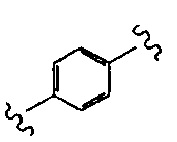
CH2 [M+3]+ = 1687
[M+1]- = 1685Calcd. for C82H90Cl2N10025·1.9HCl·10.5H20
C: 50.64%, H: 5.85%. N: 7.20%, Cl: 7.11%
Found: C: 50.61%, H: 5.85%. N: 7.40%. Cl: 7.11%
bond CONH bond 
CH2 [M+1]- = 1725
[M+1]- = 1725Calcd. for C80H84Cl4N10O25·1.8HCl·10.2H2O
C: 48.61%, H: 5.42%. N: 7.09%, Cl: 10.40%
Found: C: 48.61%, H: 5.31%. N: 7.19%, Cl: 10.32% -
[Table 30] 
bond CONH bond 
CH2 [M+1]- = 1686 [M+1]- = 1686 Calcd. for C82H90Cl2N10O25·2.OHCl·11.1H2O
C: 50.26%, H: 5.87%. N: 7.15%, Cl: 7.24%
Found: C: 50.20%, H: 5.67%. N: 7.33%, Cl: 7.18%
bond CONH bond 
CH2 [M+1]- = 1699 Calcd. for C83H92Cl2N10025·1.9HCl·10.7H2O
C: 50.79%, H: 5.92%. N: 7.14%, Cl: 7.05%
Found: C: 50.74%, H: 5.72%. N: 7.36%, Cl: 6.97%
bond CONH bond 
CH2 [M+1]- = 1689 Calcd. for C81H87Cl2FN10O25·1.8HCl·9.6H2O
C: 50.43%, H: 5.64%. N: 7.26%, Cl: 6.98%, F: 0.98%
Found: C: 50.37%, H: 5.47%. N: 7.47%, Cl: 7.01%. F: 0.97%
bond CONH bond 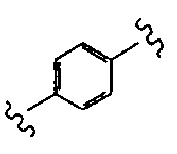
CH2 [M+1]- = 1735 Calcd. for C80H85BrCl2N10O25·1.8HCl·17.2H2O
C: 45.48%, H: 5.78%. N: 6.63%, Br, 3.78%, Cl: 6.38%
Found: C: 45.45%, H: 5.59%. N: 6.77%, Br, 3.90%, Cl: 6.37%
bond CONH bond 
CH2 [M+1]- = 1707 [M+1]- = 1707 Calcd. for C84H88Cl2N10O25·1.5HCl·10.1H2O
C: 51.87%, H: 5.68%. N: 7,20%, Cl: 6.38%
Found: C: 51.84%, H: 5.41%. N: 7.30%, Cl: 6.44%
bond CONH bond 
CH2 [M+1]- = 1726 Calcd. for C81H85Cl2F3N10O25·1.9HCl·12.1H2O
C: 48.31%, H: 5.56%. N: 6.96%. Cl: 6.87%, F: 2.83%
Found: C: 48.22%. H: 5.30%. N: 7.25%, Cl: 6.81 %, F: 2.71 %
bond CONH bond 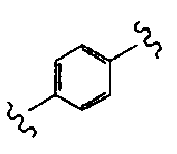
CH2 [M+1]-= 1675 Calcd. for C80H85Cl2FN10O25·1.7HCl·10.9H2O
C: 49.66%, H: 5.65%. N: 7.24%, Cl: 6.78%, F: 0.98%
Found: C: 49.72%. H: 5.57%. N: 6.97%, Cl: 6.77%, F: 0.83%
bond CONH bond 
CH2 [M+1]- = 1750
[M+1]- = 1750Calcd. for C85H89Cl2N11O26·1.7HCl·10.7H2O
C: 50.88%, H: 5.63%. N: 7.68%, Cl: 6.54%
Found: C: 50.80%, H: 5.48%. N: 7.82%, Cl: 6.55% -
[Table 31] 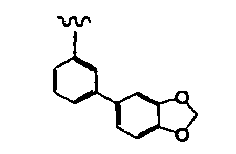
bond CONH bond 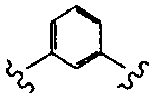
CH2 [M+1]- = 1778 Calcd. for C87H90Cl2N10O27·1.7HCl·10.7H2O
C: 51.39%, H: 5.61%, N: 6.89%, Cl: 6.45%
Found: C: 51.40%, H: 5.54%. N: 6.81%, Cl: 6.38%
bond CONH bond 
CH2 [M+3]+ = 1767
[M+1]- = 1765Calcd. for C81 H87BrCl2N 10026 ·1.7HCl· 10.8H2O
C: 48.07%, H: 5.49%. N: 6.92%, Br, 3.95%, Cl: 6.48%
Found: C: 48.02%, H: 5.34%, N: 7.15%, Br; 4.17%, Cl: 6.46%
bond CONH bond 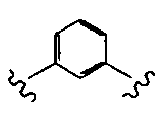
CH2 [M+1]- = 1748 Calcd. for C83H92Cl2N10028·1.8HCl·102H2O
C: 49.90%, H: 5.76%, N: 7.01%, Cl: 6.74%
Found: C: 49.87%, H: 5.67%. N: 7.15%, Cl: 6.79%
bond CONH bond 
CH2 [M+3]+ = 1794
[M+1]- = 1792Calcd. for C89H96Cl2N10O26·1.4HCl·11.2H2O
C: 52.26%, H: 5.90%. N: 6.85%, Cl: 5.89%
Found: C: 52.24%, H: 5.83%. N: 7.01%, Cl: 5.80%
bond CONH bond 
CH2 [M+1]- = 1748 Calcd. for C83H92Cl2N10O28·2.0HCl·9.2H2O
C: 50.16%, H: 5.70%. N: 7.05%. Cl: 7.14%
Found: C: 50.14%. H: 5.67%. N: 7.23%, Cl: 7.13%
bond CONH bond 
CH2 [M+1]- = 1746 Calcd. for C84H94Cl2N10O27·1.9HCl·10.3H2O
C: 50.41%, H: 5.87%. N: 7.00%, Cl: 6.91%
Found: C: 50.39%, H: 5.84%. N: 7.10%, Cl: 6.90%
bond CONH bond 
CH2 [M+1]- = 1749 Calcd. for C86H91Cl2N11O25-2.2HCl-12.6H2O
C: 50.22%, H: 5.80%. N: 7.49%, Cl: 7.24%
Found: C: 50.20%, H: 5.69%, N: 7.60%, Cl: 7.26%
bond CONH bond 
CH2 [M+1]- = 1750 Calcd. for C86H90Cl2N10O26·1.7HCl·10.1H2O
C: 51.79%, H: 5.65%, N: 7.02%, Cl: 6.58%
Found: C: 51.80%, H: 5.52%. N: 6.81%, Cl: 6.65% -
[Table 32] 
bond CONH bond 
CH2 [M+1]- = 1716 Calcd. for C83H92Cl2N10026·1.8HCl·11.1H2O
C: 50.29%. H: 5.90%. N: 7.07%, Cl: 6.80%
Found: C: 50.27%. H: 5.82%. N: 7.22%, Cl: 6.81% %
bond CONH bond 
CH2 [M+1]- = 1772 Calcd. for C84H89Cl3N12O25·1.2HCl·11.4H2O
C: 49.89%, H: 5.63%. N: 8.31%, Cl: 7.36%
Found: C: 49.85%, H: 5.64%. N: 8.39%, Cl: 7.29%
bond CONH bond 
CH2 [M+1]- = 1744 Calcd. for C81H84Cl2F4N10O25·1.9HCl·10.2H2O
C: 48.70%. H: 5.36%. N: 7.01%. Cl: 6.92%, F: 3.80%
Found: C: 48.72%, H: 5.34%. N: 7.18%, Cl: 6.90%, F: 3.52%
bond CONH bond 
CH2 [M+3]+ = 1691
[M+1]- = 1689Calcd. for C81 H87Cl2FN10O25·1.5HCl·9.1H2O
C: 50.96%, H: 5.63%, N: 7.34%, Cl: 6.50%, F: 1.00%
Found: C: 50.96%, H: 5.55%, N: 7.69%, Cl: 6.47%, F: 0.95%
bond CONH bond 
CH2 [M+1]- = 1739 Calcd. for C81H86Cl2F2N10O25S·1.7HCl·9.9H2O
C: 49.11%, H: 5.47%, N: 7.07%, Cl: 6.62%, F: 1.92%, S; 1.62%
Found: C: 49.11%, H: 5.35%, N: 6.87%, Cl: 6.69%, F: 1.75%, S; 1.64%
bond CONH bond 
CH2 [M+1]- = 1724 Calcd. for C81H86Cl2F2N10O26·1.8HCl·9.4H2O
C: 49.65%, H: 5.48%, N: 7.15%, Cl: 6.88%, F: 1.94%
Found: C: 49.66%, H: 5.54%, N: 7.01%, Cl: 6.91%, F: 1.80% -
[Table 33] RA RB RC RD 
OH H H RA Ar2 X3 Y X2 Ar1 X1 Mass Elemetal Analysis 
bond CONH bond 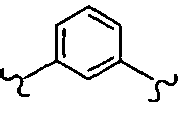
CH2 [M+3]+= 1738
[M+1]- = 1736Calcd. for C80H84Cl3N 11027·1.1 HCl · 10.1H20
C: 49.02%. H: 5.42%. Cl: 7.42%. N: 7.86%
Found: C: 48.94%, H: 5.40%. Cl: 7.54%, N: 8.03%
bond CONH bond 
CH2 [M+1]- = 1733 Calcd. for C81H87Cl2N11028·1.6HCl·9.9H2O
C: 49.38%, H: 5.55%.Cl: 6.48%, N: 7.82%
Found: C: 49.31 %, H: 5.55%.Cl: 6.41%. N: 8.11%
bond CONH bond 
CH2 [M+3]+ = 1755
[M+1]- = 1753Calcd. for C80H84BrCl2FN10025·2.0HCl·9.1H2O
C: 48.23%, H: 5.27%, Br: 4.01%, Cl: 7.12%. F: 0.95%, N: 7.03%
Found: C: 48.19%, H: 5.04%, Br. 3.82%. Cl: 7.09%, F: 1.10%, N: 7.05% -
[Table 34] 
bond CONH bond 
CH2 [M+3]+ = 1753
[M+1]- = 1751Calcd. for C82H89Cl3N 10027 -1.2HCl· 9.2H20
C: 50.19%, H: 5.58%. Cl: 7.59%. N: 7.14%
Found: C: 50.18%, H: 5.48%. Cl: 7.60%, N: 7.19%
bond CONH bond 
CH2 [M+3]+ = 1737
[M+1]- = 1735Calcd. for C82H89Cl3N10O26·1.2HCl·8.9H2O
C: 50.74%, H: 5.61%, Cl: 7.67%, N: 7.22%
Found: C: 50.74%, H: 5.58%, Cl: 7.73%, N: 7.46%
bond CONH bond 
CH2 [M+3]+ = 1757
[M+1]- = 1755Calcd. for C81 H86Cl4N10O26· 1.1 HCl· 8.5H2O C: 49.87%, H: 5.38%,
Cl: 9.27%, N: 7.18%
Found: C: 49.65%, H: 5.43%, Cl: 9.48%, N: 7.48%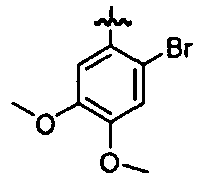
bond CONH bond 
CH2 [M+3]+ = 1797
[M+1]- = 1795Calcd. for C82H89BrCl2N 10O27·1.1HCl·8.2H2O C: 49.61%, H: 5.41%. Br. 4.02%,
Cl: 5.54%, N: 7.06%
Found: C: 49.58%, H: 5.33%, Br. 3.72%, Cl: 5.61%, N: 7.30%
bond CONH bond 
CH2 [M+3]+ = 1707
[M+1]- = 1705Calcd. for C81H87Cl3N10025·1.1HCl·9.8H2O
C: 50.57%, H: 5.64%, Cl: 7.56%, N: 7.28%
Found: C: 50.55%, H: 5.55%, Cl: 7.62%, N: 7.48% -
[Table 35] 
bond CONH bond 
CH2 [M+3]+ = 1726
[M+1]- = 1724Calcd. for C83H88Cl2N12025·2.2HCl·10.8H2O
C: 49.86%, H: 5.64%, Cl: 7.45%, N: 8.41%
Found: C: 49.82%, H: 5.48%, Cl: 7.50%, N: 8.58%
bond CONH bond 
CH2 [M+3]+ = 1689
[M+1]-= 1687Calcd. for C81H88Cl2N 10026·1.3HCl·10.5H2O
C: 50.54%, H: 5.78%, Cl: 6.08%. N: 7.28%
Found: C: 50.47%. H: 5.73%, Cl: 6.14%. N: 7.57%
bond CONH bond 
CH2 [M+3]+ = 1675
[M+1]- = 1673Calcd. for C80H86Cl2N10026·1.1HCl·9.9H2O
C: 50.76%, H: 5.69%, Cl: 5.81%, N: 7.40%
Found: C: 50.82%, H: 5.60%, Cl: 5.81%, N: 7.18%
bond CONH bond 
CH2 [M+3]+ = 1698
[M+1]- = 1696Calcd. for C82H87Cl2N11O25·1.4HCl·10.3H2O
C: 50.92%, H: 5.68%, Cl: 6.23%, N: 7.97%
Found: C: 50.92%, H: 5.53%, Cl: 6.22%, N: 8.31%
bond CONH bond 
CH2 [M+3]+ = 1775
[M+1]- = 1773Calcd. for C85H95Cl2N11O27·1.3HCl·11.8H2O
C: 50.20%, H: 5.94%, Cl: 5.75%, N: 7.58%
Found: C: 50.21%, H: 5.79%. Cl: 5.69%, N: 7.63% -
[Table 36] 
bond CONH bond 
CH2 [M+3]+ = 1761
[M+1]-= 1759Calcd. for C81 H85Cl3N 14025 ·1.5HCl· 9,6H2O
C: 48.92%, H: 5.36%, Cl: 8.02%. N: 9.86%
Found: C: 48.88%. H: 5.25%, Cl: 7.93%. N: 9.98%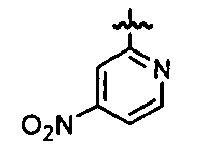
bond CONH bond 
CH2 [M+3]+ = 1705
[M+1]-= = 1703Calcd. for C79H84Cl2N 12027 ·1.8HCl·10.3H2O
C: 48.52%, H: 5.48%, Cl: 6.89%. N: 8.59%
Found: C: 48.52%. H: 5.33%, Cl: 6.83%, N: 8.46%
bond CONH bond 
CH2 [M+3]+ = 1725
[M+1]- = 1723Calcd. for C81H86Cl2F2N10O26·1.7HCl.10.4H2O
C: 49.29%, H: 5.54%, Cl: 6.65%, F: 1.93%, N: 7.10%
Found: C: 49.26%, H: 5.41%, Cl: 6.71%, F: 1.82%, N: 7.25%
bond CONH bond 
CH2 [M+3] = 1735
[M+1]- = 1732Calcd. for C81H87Cl2N11O28 ·1.0HCl·9.3H2O
C: 50.21%, H: 5.55%, Cl: 5.49%, N: 7.95%
Found: C: 50.17%, H: 5.44%, Cl: 5.49%, N: 8.05%
bond CONH bond 
CH2 [M+3]+ = 1786 [M+1]
- = 1787Calcd. for C85H96Cl2N12O27·2.1HCl·11.1H2O
C: 49.43%, H: 5.87%, Cl: 7.04%. N: 8.14%
Found: C: 49.43%. H: 5.66%, Cl: 6.90%, N: 7.98% -
[Table 37] 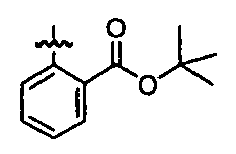
bond CONH bond 
CH2 [M+3]+ = 1759
[M+1]- = 1757Calcd. for C85H94Cl2N10O27·1.8HCl·1.3H2O
C: 50.35%, H: 5.89%, Cl: 6.64%, N: 6.91%
Found: C: 50.33%, H: 5.76%. Cl: 6.58%, N: 7.00%
bond CONH bond 
CH2 [M+3]+ = 1764
[M+1]- = 1762Calcd. for C82H89Cl2N11O29·1.9HCl·10.8H2O
C: 48.58%, H: 5.59%, Cl: 6.82%. N: 7.60%
Found: C: 48.50%, H: 5.49%, Cl: 6.90%, N: 7.75%
bond CONH bond 
CH2 [M+3]+ = 1738
[M+1]- = 1736Calcd. for C80H84Cl3N11O27·1.6HCl·11.1H2O
C: 48.13%, H: 5.44%, Cl: 8.17%, N: 7.72%
Found: C: 48.12%. H: 5.40%. Cl: 8.21%. N: 7.66%
bond CONH bond 
CH2 [M+1]- = 1693 Calcd. for C79H84Cl3N11O25·1.6HCl·10.7H2O
C: 48.78%, H: 5.54%, Cl: 8.38%, N: 7.92%
Found: C: 48.71%, H: 5.41%, Cl: 8.54%, N: 8.08%
bond CONH bond 
CH2 [M+3]+ = 1789 Calcd. for C88H88Cl2N10O27·1.6HCl ·11.8H2O
C: 51.32%, H: 5.54%, Cl: 6.20%. N: 6.80%
Found: C: 51.27%, H: 5.40%, Cl: 6.33%, N: 6.95% -
[Table 38] 
bond CONH bond 
CH2 [M+1]- = 1714 Calcd. for C82H89Cl2N·1O26·1.8HCl·10.7H2O
C: 49.89%, H: 5.73%, CI: 6.82%, N: 7.81 %
Found: C: 49.87%. H: 5.61%, Cl: 6.83%, N: 7.95%
bond CONH bond 
CH2 [M+3]+ = 1707
[M+1]- = 1705Calcd. for C81H87Cl2FN10026·1.2HCl·9.9H2O
C: 50.44%, H: 5.64%, CI: 5.88%, F: 0.99%, N: 7.26%
Found: C: 50.44%. H: 5,56%, CI: 5.95%, F: 0.98%, N: 7.30%
bond CONH bond 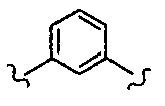
CH2 [M+1]- = 1672 Calcd. for C80H87Cl2N11O25·1.3HCl·10.6H2O
C: 5026%, H: 5.77%. CI: 6.12%, N: 8.06%
Found: C: 50.17%, H: 5.76%, Cl: 6.24%, N: 8.24%
bond CONH bond 
CH2 [M+1]- = 1823 Calcd. for C87H88Cl2N10O28S ·1.7HCl· 9.9H2O
C: 50.60%, H: 5.34%. CI: 6.35%. N: 6.78%, S: 1.55%
Found: C: 50.67%, H: 5.26%, Cl: 6.19%, N: 6.59%, S: 1.55%
bond CONH bond 
CH2 [M+3]+ = 1742 Calcd. for C81H86Cl2F3N11O25·1.7HCl·10.0H2O
C: 49.04%. H: 5.47%, CI: 6.61%, F: 2.87%. N: 7.77%
Found: C: 48.99%, H: 5.34%, CI: 6.51%, F: 2.78%. N: 7.89% -
[Table 39] 
bond CONH bond 
CH2 [M+3]+ = 1701
[M+1]- = 1699Calcd. for C82H88Cl2N10O26 ·1.5HCl· 10.2H2O
C: 50.79%, H: 5.71 %, Cl: 6.40%, N: 7.22%
Found: C: 50.73%, H: 5.61%. Cl: 6.45%, N: 7.49%
bond CONH bond 
CH2 [M+3]+ = 1729
[M+1]- = 1727Calcd. for C80H83Cl3F2N 10O25 ·1.5HCl · 9.5H2O
C: 49.15%, H: 5.34%, Cl: 8.16%. F: 1.94%, N: 7.17%
Found: C: 49.05%, H: 5.27%, Cl: 8.28%, F: 1.81%, N: 7.36%
bond CONH bond 
CH2 [M+1]-= 1777 Caled. for C81H83Cl3F4N10O25·1.7HCl·10.6H2O
C: 47.88%, H: 5.25%, Cl: 8.20%, F: 3.74%, N: 6.89%
Found: C: 47.92%, H: 5.17%, Cl: 8.13%, F: 3.35%. N: 6.86%
bond CONH bond 
CH2 [M+3]+= = 1757 Calcd. for C82H87Cl2F3N10O26·1.7HCl·8.4H2O
C: 50.00%. H: 5.40%. Cl: 6.66%, F: 2.89%, N: 7.11%
Found: C: 49.91%, H: 5.34%, Cl: 6.84%. F: 2.75%. N: 7.36%
bond CONH bond 
CH2 [M+1]-= 1710 Calcd. for C80H84Cl3FN10O25·1.4HCl·9.9H2O
C: 49.52%, H: 5.46%, Cl: 8.04%. F: 0.98%. N: 7.22%
Found: C: 49.34%, H: 5.38%, Cl: 8.04%, F: 0.96%, N: 7.52% -
[Table 40] 
bond CONH bond 
CH2 [M+3]+ = 1701
[M+1]- = 1699Calcd. for C83H92Cl2N10O25·1.8HCl·9.8H2O
C: 51.31%, H: 5.88%, Cl: 6.93%, N: 7.21 %
Found: C: 51.24%. H: 5.77%, Cl: 6.88%, N: 7.39%
bond CONH bond 
CH2 [M+3]+ = 1719
[M+1]- = 1717Calcd. for C82H90Cl2N10027·1.6HCl·10.0H2O
C: 50.32%, H: 5.75%, Cl: 6.52%, N: 7.16%
Found: C: 50.32%, H: 5.73%, Cl: 6.52%, N: 7.20%
bond CONH bond 
CH2 [M+3]+ = 1691 Calcd. for C81H87Cl2FN 10O25·1.9HCl·9.9H2O
C: 50.20%, H: 5.65%, Cl: 7.13%, F: 0.98%, N: 7.23%
Found: C: 50.17%, H: 5.55%, Cl: 7.13%, F: 0.90%, N: 7.48%
bond CONH bond 
CH2 [M+3]+ = 1739
[M+1]- = 1737Calcd. for C81H84Cl2F2N10027·1.6HCl·9.5H2O
C: 49.44%. H: 5.36%. Cl: 6.49%, F: 1.93%. N: 7.12%
Found: C: 49.37%, H: 5.33%, Cl: 6.53%, F: 1.88%, N: 7.32%
bond CONH bond 
CH2 [M+3]+ = 1719
[M+1]- = 1717Calcd. for C82H90Cl2N10O27·1.6HCl·9.5H2O
C: 50.56%, H: 5.72%, Cl: 6.55%, N: 7.19%
Found: C: 50.52%, H: 5.60%, Cl: 6.59%, N: 7.27% -
[Table 41] 
bond CONH bond 
CH2 [M+1]-= 1813 Calcd. for C86H91Cl2N11O27S·1.8HCl·9.0H2O
C: 50.60%, H: 5.47%. Cl: 6.60%, N: 7.55%, S: 1.57%
Found: C: 50.57%, H: 5.33%. Cl: 6.63%, N: 7.51%. S: 1.40%
bond CONH bond 
CH2 [M+3]+ = 1735
[M+1]-= 1733Calcd. for C86H90Cl2N10O25·1.9HCl·8.3H2O
C: 52.88%. H: 5.60%. Cl: 7.08%, N: 7.17%
Found: C: 52.83%, H: 5.47%, Cl: 7.11%, N: 7.39%
bond CONH bond 
CH2 [M+1]- = 1716 Calcd. for C83H92Cl2N10O26·1.8HCl·9.1H2O
C: 51.22%. H: 5.80%. Cl: 6.92%, N: 7.20%
Found: C: 51.18%, H: 5.72%. Cl: 6.83%, N: 7.47%
bond CONH bond 
CH2 [M+3]+ = 1649
[M+1]- = 1647Calcd. for C77H84Cl2N12O25·1.8HCl·9.6H2O
C: 49.01%. H: 5.61 %, Cl: 7.14%. N: 8.91 %
Found: C: 49.00%, H: 5.52%. Cl: 7.13%, N: 9.00%
bond CONH bond 
CH2 [M+3]+ = 1778
[M+1]- = 1776Calcd. for C83H85Cl4N11O25·2.1HCl·10.2H2O
C: 48.90%, H: 5.31%, Cl: 10.61%, N: 7.56%
Found: C: 48.92%, H: 5.26%, Cl: 10.60%, N: 7.68% -
[Table 42] 
bond CONH bond 
CH2 [M+1]- = 1674 Calcd. for C79H85Cl2N11O26·2.5HCl 10.0H2O
C: 48.74%, H: 5.57%, Cl: 8.19%, N: 7.91 %
Found: C: 48.73%, H: 5.55%, Cl: 8.16%, N: 8.04%
bond CONH bond 
CH2 [M+1]- = 1755 Calcd. for C83H88Cl2N12O27·2.0HCl·10.3H2O
C: 49.47%, H: 5.53%, Cl: 7.04%, N: 8.34%
Found: C: 49.40%. H: 5.50%, Cl: 7.02%. N: 8.61%
bond CONH bond 
CH2 [M+1]-= 1774 Calcd. for C87H89Cl2N11O26·2.6HCl.10·4H2O
C: 50.78%. H: 5.51%. Cl: 7.93%. N: 7.49%
Found: C: 50.76%. H: 5.59%, Cl: 7.87%, N: 7.70%
bond CONH bond 
CH2 [M+1]-= 1750 Calcd. for C81H89Cl2N11O27S·2.0HCl·9.4H2O
C: 48.79%. H: 5.55%, Cl: 7.11%, N: 7.73%, S: 1.16%
Found: C: 48.72%, H: 5.50%, Cl: 7.22%, N: 7.95%. S: 1.77%
bond CONH bond 
CH2 [M+1]- = 1822 C:49.20%.H:5.64% Cl:6.66%,F:0.92%, N: 7.43%, S: 1.55%
Found: C: 49.16%. H: 5.57%, Cl: 6.58%. F: 0.84%, N: 7.59%. S: 1.62% -
[Table 43] 
bond CONH bond 
CH2 [M+3]+ = 1758
[M+1]- = 1756Calcd. for C85H95Cl2N11026·7.7HCl·8.7H2O
C: 51.66%, H: 5.82%, Cl: 6.64%, N: 7.80%
Found: C: 51.64%, H: 5.83%, Cl: 6.63%, N: 7.88%
bond CONH bond 
CH2 [M+1]- = 1819 Calcd. for C86H97Cl2N11O27S·2.0HCl·8.5H20
C: 50.49%, H: 5.72%, Cl: 6.93%, N: 7.53%, S: 1.57%
Found: C: 50.45%, H: 5.69%, Cl: 6.91%, N: 7.75%, S: 1.56%
bond CONH bond 
CH2 [M+1]- = 1781 Calcd. for C83H89Cl2F3N12O25·2.4HCl·10.3H2O
C: 48.50%, H: 5.49%, Cl: 7.59%, F: 2.77%, N: 8.18%
Found: C: 48.48%, H: 5.36%, Cl: 7.53%, F: 2.51%, N: 8.37% -
[Table 44] RA RB RC RD 
OH H H RA Ar2 X3 Y X2 Ar1 X1 Mass Elemetal Analysis 
bond CONH bond 
CH2 1823 [M+H]+ Calcd. for C87H92Cl2N12O28 3.2(HCl) 14(H2O)
C : 47.64% H : 5.66% Cl : 8.40% N : 7.66% O : 30.63%
Found : H(%) 5.23 C(%) 47.59 N(%) 7.74 Cl(%) 8.40
bond CONH bond 
CH2 1823 [M+H]+ Calcd. For C87H92Cl2N12O28 2.9(HCl) 8(H2O)
C : 50.37% H : 5.39% Cl : 8.37% N : 8.10% 0 : 27.76%
Found: H(%) 5.24 C(%) 50.23 N(%) 8.22 Cl(%) 8.12
bond CONH bond 
CH2 1830 [M+H]+ Calcd. For C87H97Cl2N11O29 2(HCl) 11(H2O)
C : 49.69% H : 5.80% Cl : 6.74% N : 7.33% O : 30.44%
Found: Cl(%) 6.85 H(%) 5.62 C(%) 49.57 N(%) 7.34 -
[Table 45] 
bond CONH bond 
CH2 1818 [M+H]+ Calcd. For C85H93Cl2N11O30 2(HCl) 10(H2O)
C: 49.26% H: 5.59% Cl : 6.84% N: 7.43% 0: 30.88%
Found: Cl(%) 6.81 H(%) 5.1 4 C(%) 49.06 N(%) 7.57
bond CONH bond 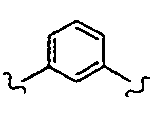
CH2 1786 [M+H]+ Calcd. For C85H93Cl2N11O28 2(HCl) 11(H2O)
C : 49.59% H : 5.73% Cl : 6.89% N : 7.48% O : 30.31%
Found: Cl(%) 7.06 H(%) 5.26 C(%) 49.60 N(%) 7.68
bond CONH bond 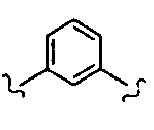
CH2 1828 [M+H]+ Calcd. For C88H99Cl2N11O28 2(HCl) 11(H2O)
C: 50.31% H : 5.90% Cl : 6.75% N : 7.33% O : 29.70%
Found: Cl(%) 6.67 H(%) 5.67 C(%) 50.13 N(%) 7.24
bond CONH bond 
CH2 1732 [M+H]+ Calcd. For C81H87Cl2N11O28 2(HCl) 11(H2O)
C : 48.53% H : 5.58% Cl : 7.07% N : 7.69% O : 31.13%
Found: Cl(%) 7.28 H(%) 5.31 C(%) 48.31 N(%) 7.72
bond CONH bond 
CH2 1808 [M+H]+ Calcd. For C87H91Cl2N11O28 2(HCl) 15(H2O)
C: 48.54% H : 5.76% Cl : 6.59% N : 7.16% O : 31.96%
Found: Cl(%) 6.63 H(%) 5.08 C(%) 48.62 N(%) 7.28
bond CONH bond 
CH2 1822 [M+H]+ Calcd. For C88H93Cl2N11O28 2(HCl) 15(H2O)
C : 48.78% H : 5.81% Cl : 6.54% N : 7.11% O : 31.75%
Found: Cl(%) 6.49 H(%) 5.38 C(%) 48.22 N(%) 7.84 -
[Table 46] 
bond CONH bond 
CH2 1814 [M+H]+ Calcd. For C87H97Cl2N11O28 1.2(HCl) 12(H2O)
C : 50.34% H : 5.93% Cl : 5.47% N : 7.42% O : 30.83%
Found: Cl(%) 5.76 H(%) 5.71 C(%) 50.43 N(%) 7.57 -
[Table 47] I RA RB RC RD 
OH or NRR' H or CH2-NRR' H RB RC R° Mass Elemetal Analysis 
H H [M+1]-=1810 Calcd. for C85H96Cl4Nl2O24·3.0HCl·12.4H2O
C: 47.61 %, H: 5.82%. N: 7.84%. Cl: 11.57%
Found: C: 47.58%, H: 5.62%. N: 7.97%, Cl: 11.5%
H H [M+3]+ = 1784
[M+1]- = 1782Calcd. for C82H87Cl4N11026 ·2.0HCl·10.8H2O
C: 48.00%. H: 5.43%. N: 7.51%, Cl: 10.37%
Found: C: 48.00%. H: 5.24%. N: 7.47%. Cl: 10.30%
H H [M+3]+ = 1797
[M+1]- = 1799Calcd. for C83H89Cl4N11O26·2.0HCl·10.2H2O
C: 48.51%, H: 5.46%. N: 7.50%. CI: 10.35%
Found: C: 48.47%. H: 5.33%. N: 7.44%, Cl: 10.41%
H H [M+1]- = 1888 Calcd. for C86H95Cl4N11O29·1.8HCl·12.3H2O
C: 47.47%. H: 5.62%. N: 7.08%, Cl: 9.45%
Found: C: 47.46%, H: 5.44%. N: 7.06%, Cl: 9.52% -
[Table 48] 
H H [M+1]- = 1903 Calcd. for C87H99Cl4N11029·2.1HCl·10.2H2O
C: 48.27%. H: 5.66%. N: 7.12%. CI: 9.99%
Found: C: 48.26%. H: 5.63%. N: 7.25%. CI: 9.99%
H H [M+3]+ = 1809
[M+1]- = 1807Calcd. for C83H87Cl4N13O25·2.7HCl·12.5H2O
C: 46.76%. H: 5.42%. N: 8.54%, CI: 11.14%
Found: C: 46.78%, H: 5.19%. N: B.56%. Cl: 11.10%OH 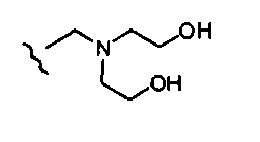
H [M+1]- = 1842 Calcd. for C85H95Cl4N11027·2.6HCl·11.2H2O
C: 47.68%. H: 5.65%. N: 7.20%, CI: 10.93%
Found: C: 47.64%. H: 5.45%. N: 7.41%. Cl: 10.97%OH 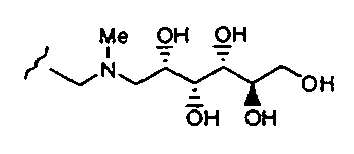
H [M+1]- = 1933 Calcd. for C88Hl01Cl4N11O30·2.8HCl·10.9H2O
C: 47.33%. H: 5.67%. N: 6.90%, Cl: 10.80%
Found: C: 47.29%. H: 5.53%. N: 7.00%, Cl: 10.83%OH 
H [M+1]- = 1869 Calcd. for C86H97Cl4N13O26·3.7HCl·11.2H2O
C: 46.80%. H: 5.62%. N: 8.25%, Cl: 12.37%
Found: C: 46.75%, H: 5.61%. N: 8.42%. Cl: 12.38%OH 
H [M+1]- = 1849 Calcd. for C82H90Cl4N11O28P·2.OHCl·11.0H2O
C: 46.42%. H: 5.42%. N: 7.26%. Cl: 10.03%. P: 1.46%
Found: C: 46.42%, H: 5.42%. N: 7.21%. Cl: 10.03%. P: 1.82%OH 
H [M+3]+ = 1872
[M+1]- = 1870Calcd. for C85H92Cl4N12028·2.8HCl·11.2H2O
C: 46.93%, H: 5.43%. N: 7.73%, Cl: 11.08%
Found: C: 46.89%. H: 5.39%. N: 7.77%. Cl: 11.15%OH 
H [M+3]+ = 1919
[M+1]- = 1917Calcd. for C87H97Cl4N11O30·3.2HCl·12.1H2O
C: 46.37%, H: 5.56%. N: 6.84%, Cl: 11.33%
Found: C: 46.36%, H: 5.34%. N: 7.00%. Cl: 11.29% -
[Table 49] OH 
H [M+1]- = 1849 Calcd. for C86H93Cl4N13O25·3.7HCl·12.2H2O
C: 46.84%. H: 5.54%. N: 8.26%, Cl: 12.38%
Found: C: 46.83%, H: 5.52%. N: 8.34%. Cl: 12.41%OH 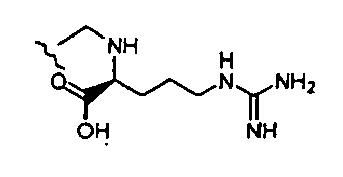
H [M+1]-= 1912 Calcd. for C87H98Cl4N14O27·2.8HCl·12.4H2O
C: 46.67%. H: 5.65%. N: 8.76%. Cl: 10.77%
Found: C: 46.69%. H: 5.60%. N: 8.75%. Cl: 10.72%OH 
H [M+1]- = 1893 Calcd. for C87H93C14N13027.3.6HCl.12.5H2O
C: 46.42%. H: 5.44%. N: 8.09%. Cl: 11.97%
Found: C: 46.39%. H: 5.27%. N: 8.11%, Cl: 11.95%OH 
H [M+1]- = 1798 Calcd. for C83H92Cl4N12O25·3.4HCl·13.2H2O
C: 46.13%, H: 5.68%. N: 7.78%. Cl: 12.14%
Found: C: 46.11%. H: 5.50%. N: 7.94%, Cl: 12.17%
H H [M+3]+ = 1814
[M+1]- = 1812Calcd. for C84H93Cl4N11026·1.6HCl·9.4H2O
C: 49.40%. H: 5.60%. Cl: 9.72%. N: 7.54%
Found: C: 49.41%. H: 5.76%. Cl: 9.78%. N: 7.30%
H H [M+3]+ = 1812
[M+1]- = 1810Calcd. for C85H97Cl5N12024·1.2HCl·10.4H2O
C: 49.10%. H: 5.77%. Cl: 10.57%. N: 8.08%
Found: C: 49.18%. H: 5.76%. Cl: 10.62%. N: 7.53%
H H [M+3]+ = 1841
[M+1]- = 1839Calcd. for C85H95Cl4N13O25·2.3HCl.9.6H2O
C: 48.68%. H: 5.60%. Cl: 10.65%. N: 8.68%
Found: C: 48.83%. H: 5.63%. Cl: 10.60%, N: 8.23%OH 
H [M+3]+ = 1829
[M+1]=1827Calcd. for C84H91C14N11O27·1.4HCl·8.7H2O C: 49.55%, H: 5.44%. Cl: 9.40%. N: 7.57%
Found: C: 49.60%. H: 5.51%. Cl: 9.34%. N: 7.57% -
[Table 50] OH 
H [M+3]+ = 1864
[M+1]- = 1862Calcd. for C83H91Cl4N11028S·1.5HCl·11.2H2O
C: 47.00%, H: 5.46%. Cl: 9.19%, N: 7.26%. S: 1.51%
Found: C: 47.10%, H: 5.30%. Cl: 9.11%. N: 6.99%, S: 1.42%OH 
H [M+3]+ = 1896
[M+1]- = 1894Calcd. for C88H1OOCl4N14O25-2.9HCl- 10.2H2O
C: 48.37%. H: 5.69%. Cl: 11.20%. N: 8.97%
Found: C: 48.39%. H: 5.72%. Cl: 11.15%, N: 8.95%
H H [M+3]+ = 1842
[M+1]- = 1840Calcd. for C84H89Cl4N11O28-1.1HCl-7.6H2O
C: 49.96%. H: 5.26%. Cl: B.95%. N: 7.63%
Found: C: 50.09%, H: 5.25%. Cl: 8.90%, N: 6.89%
H H [M+3]+ = 1834
[M+1]- = 1832Calcd. for C82H89Cl4N11O27S·0.6HCl·5.7H2O
C: 50.27%. H: 5.20%. Cl: 8.32%. N: 7.86%. S: 1.64%
Found: C: 50.46%. H: 5.36%. CI: 8.25%, N: 6.91%, S: 1.47%
H H [M+3]+ = 1866
[M+1]- = 1864Calcd.for C87H98Cl4N14O24·2.1HCl·8.6H2O
C: 49.83%. H: 5.64%. CI: 10.31%. N: 9.35%
Found: C: 50.09%. H: 5.64%. Cl: 10.24%. N: 8.33%
H H [M+3]+ = 1883
[M+1]- 1881Calcd. for C86H96Cl4Nl4O26·2.5HCl·9.2H2O
C: 48.26%, H: 5.50%. Cl: 10.77%, N: 9.16%
Found: C: 48.41%. H: 5.46%. Cl: 10.68%. N: 8.60%
H H [M+3]+ = 1812
[M+1]- =1810Calcd. for C84H95Cl4N13O24·3.2HCl·9.7H2O
C: 47.95%. H: 5.63%. Cl: 12.13%, N: 8.65%
Found: C: 48.03%, H: 5.56%. Cl: 11.91%. N: 8.39%
H H [M+3]+ = 1813
[M+1]-= 1811Calcd. for C84H94Cl4N12O25·2.6HCl·9.5H2O
C: 48.52%. H: 5.60%. Cl: 11.25%. N: 8.08%
Found: C: 48.48%. H: 5.52%. Cl: 11.27%, N: 8.00% -
[Table 51] OH 
H [M+3]+ = 1842
[M+1]- = 1840Calcd. for CB6H99Cl4N12O25·4HCl·10H2O
C: 56.06%, H: 5.42%. N: 9.12%, Cl: 7.70%
Found: C: 46.85%. H: 5.58%. N: 7.84%. Cl: 12.74%OH 
H [M+3]+= 1885
[M+1]- = 1883Calcd. for C87H98Cl4N12O27·4HCl·10H2O
C: 55.42%, H: 5.24%. N: 8.91%. Cl: 7.52%
Found: C: 47.10%, H: 5.51%. N: 7.75%. Cl: 12.81%OH 
H [M+3]+ = 1814
[M+1]-= 1812Calcd.for C83H88Cl4N11O27·3HCl·12H2O
C: 54.94%. H: 4.94%. N: 8.49%, Cl: 7.82%
Found: C: 46.74%. H: 5.30%. N: 7.42%. Cl: 11.41% -
[Table 52] I RA RB RC RD 
OH or NRR' H or OH2-NRR' H RB RC RD Mass Elemetal Analysis -N[(CH2)2OH]2 H H [M+3]+=1858
(M+1]-= = 1856Calcd. for C87H99Cl2F3N12O26·3.7HCl·11.4H2O
C: 47.56%, H: 5.76%. N: 7.65%, Cl: 9.20%, F: 2.59%
Found: C: 47.72%, H: 5.59%. N: 7.88%, Cl: 9.25%. F: 2.29%-NH(CH2)3NMe2 H H [M+3]+ = 1855
[M+1]-= 1853Calcd. for C88H102Cl2F3N13O24·3.6HCl·10.5H2O
C: 48.61%, H: 5.87%. N: 8.38%, Cl: 9.13%. F: 2.62%
Found: C: 48.55%. H: 5.75%. N: 8.52%, Cl: 9.16%, F: 2.47%-NH(CH2)2N+Me3 H [M+3]+ = 1855
[M+1]- = 1853Calcd. for C88H103Cl3F3N13O24·2.7HCl·12.3H2O
C: 47.82%. H: 5.94%. N: 8.24%. Cl: 9.14%, F: 2.58%
Found: C: 47.82%, H: 5.85%. N: 8.34%, Cl: 9.11 %, F: 2.47%-NHCH2CO2H H H [M+1]- = 1825 Calcd. for C85H93Cl2F3N12O26· 2.6HCl ·11.7H2O
C: 47.88%, H: 5.63%. N: 7.88%, Cl: 7.65%. F: 2.67%
Found: C: 47.91%, H: 5.64%. N: 7.97%, CI: 7.69%, F: 2.52%-NH(CH2)2CO2H -NH(CH2)2CO2H H H H H [M+3]+= 1842
[M+1]-= 1840Calcd. for C86H95Cl2F3N12O26·2.0HCl·8.9H2O
C: 49.81%, H: 5.58%. N: 8.10%, CI: 6.84%. F: 2.75%
Found: C: 49.78%, H: 5.58%. N: 8.29%, CI: 6.90%, F: 2.57% -
[Table 53] 
H H [M+3]+ = 1884
[M+1]- = 1882Calcd. for C88H101Cl2F3N14O25·3.6HCl·11.1H2O
C: 47.74%, H: 5.77%. N: 8.86%, Cl: 8.97%, F: 2.57%
Found: C: 47.70%, H: 5.73%. N: 8.99%, Cl: 8.93%, F: 2.45%
H H [M+1]- = 1929 Calcd. for C89H101Cl2F3N12029·2.5HCl·10.7H2O
C: 48.27%, H: 5.68%. N: 7.59%, Cl: 7.20%, F: 2.57%
Found: C: 48.21%, H: 5.63%. N: 7.74%, Cl: 7.21%, F: 2.46%
H H [M+1]- = 1945 Calcd. for C90H105Cl2F3N12O29·2.9HCl· 10.9H2O
C: 48.14%, H: 5.80%. N: 7.49%, Cl: 7.74%, F: 2.54%
Found: C: 48.03%, H: 5.79%. N: 7.83%. Cl: 7.68%, F: 2.32%
H H [M+1]- = 1884 Calcd. for C87H95Cl2F3N12O28·2.8HCl·10.8H2O
C: 47.90%, H: 5.52%. N: 7.71 %, Cl: 7.80%, F: 2.61%
Found: C: 47.87%, H: 5.39%. N: 7.77%, Cl: 7.82%, F: 2.50%
H H [M+3]+ = 1899
[M+1]- = 1897Calcd. for C89H102Cl2F3N13O26·3.5HCl·12.1H2O
C: 47.65%, H: 5.83%. N: 8.12%, Cl: 8.69%, F: 2.54%
Found: C: 47.62%, H: 5.67%. N: 8.24%, Cl: 8.61%, F: 2.34%OH 
H [M+3]+ = 1871
[M+1]- = 1869Calcd. for C87H97Cl2F3N12O27·3.5HCl·12.5H2O
C: 55.86%, H: 5.23%. N: 8.99%, Cl: 3.79%, F: 3.05%
Found: C: 46.95%, H: 5.53%. N: 7.70%, Cl: 8.71%, F: 2.34%OH 
H [M+1]- =1885 Calcd. for C88H101Cl2F3N12O27·3HCl·13H2O
C: 56.02%. H: 5.40%. N: 8,91%, Cl: 3.76%, F: 3.02%
Found: C: 47.50%. H: 5.72%. N: 7.74%. Cl: 8.10%. F: 2.38%OH 
H [M+3]+ = 1907
[M+1]-= 1905Calcd. for C86H97Cl2F3N12O28S·2HCl·11H2O
C: 54.17% H: 5.13%. N: 8.82%, Cl: 3.72%, F: 2.99%, S: 1.69%
Found: C: 47.61%. H: 5.52%. N: 7.82%, Cl: 6.47%, F: 2.52%. S: 1.26%OH 
H [M+3]+ = 1893
[M+1]-= 1891Calcd. for C85H96Cl2F3N12O28P·2.5HCl·11H2O
C: 53.94%, H: 5.11%. N: 8.88%, Cl: 3.75%, F: 3.01% %
Found: C: 46.84%. H: 5.54%. N: 7.73%, Cl: 7.24%, F: 2.48% -
[Table 54] OH 
H [M+3]+ = 1913
[M+1]- = 1911Calcd. for C89H103Cl2F3N14O26·3HCl·12H2O
C: 55.89%, H: 5.43%. N: 10.25%, Cl: 3.71%, F: 2.98%
Found: C: 47.52%, H: 5.81%. N: 9.21%, Cl: 8.16%. F: 2.29%OH 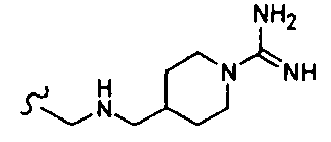
H [M+3]+ = 1938
[M+1]- = 1936Calcd. for C91H106Cl2F3N15025·3.5HCl·11H2O
C: 56.40%, H: 5.51%. N: 10.84%, Cl: 3.66%, F: 2.94%
Found: C: 48.07%, H: 5.93%. N: 9.67%, CI: 8.48%, F: 2.27%OH 
H [M+3]+ = 1977
[M+1]- = 1975Calcd. for C91H107Cl2F3N12030·3HCl·12H2O
C: 55.29%, H: 5.46%. N: 8.50%. Cl: 3.59%, F: 2.88%
Found: C: 47.42%. H: 5.89%. N: 7.42%, Cl: 7.42%. F: 2.36%OH 
H [M+3]+ = 1914
[M+1]- = 1912Calcd. for C88H98Cl2F3N13O28·3HCl·13H2O
C: 55.23%, H: 5.16%. N: 9.51 %. Cl: 3.71 %. F: 2.98%
Found: C: 46.77%, H: 5.47%. N: 8.16%, Cl: 7.95%, F: 2.43%
H H [M+3]+ = 1877
[M+1]-=1875Calcd. for C85H95Cl2F3N12O27S·2HCl·10H2O
C: 54.40%. H: 5.10%. N: 8.96%. Cl: 3.78%, F: 3.04%, S: 1.71% %
Found: C: 48.06%, H: 5.37%. N: 8.11 %, Cl: 6.77%, F: 2.58%, S: 1.35% - The following compounds were prepared in a similar manner as described above.
[Table 55] RA RB RC RD 
OH H H RA Ar2 X3 Y X2 Ar1 X1 Mass Elemental Analysis 
bond CONH bond 
CH2 [M+3]+ = 1820
[M+1]-= 1818calcd.for C88H93Cl2NI3O26·1.8HCl.10.6H2O
C: 50.91%, H: 5.63%, N: 8.77%, Cl: 6.49% [M+1]- = 1818
found: C: 50.91%. H: 5.55%. N: 8.77%, Cl: 6.50%
bond CONH bond 
CH2 [M+1]- = 1797 calcd. for C87H94Cl2N10O26S·1.7HCl·9.8H2O
C: 5129%. H: 5.70%, N: 6.88%. Cl: 6.44%. S: 1.57%
found: C: 51.26%. H: 5.67%. N: 6.93%, Cl: 6.39%. S: 1.38%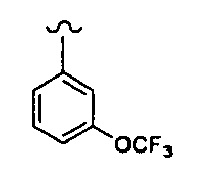
bond CONH bond 
CH2CH2 [M+3]+ = 1750 calcd. for C80H90Cl2F3N11O26 1.9HCl·11.2H2O
C: 47.55%. H: 5.70%, N: 7.63%. Cl: 6.84%, F: 2.82
found: C: 47.46%, H: 5.60%. N: 7.80%, Cl: 6.84%. F: 2.45 -
[Table 56] 
bond CONH bond 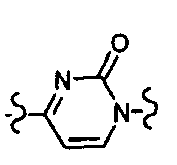
CH2CH2 [M+1]- = 1773 calcd.for C80H85Cl2F3N12027·2.1HCl·13.5H2O
C: 45.88%, H: 5.49%, N: 8.03%, Cl: 6.94%, F: 2.72
found: C: 45.85%, H: 5.30%. N: 8.03%, Cl: 6.92%, F: 2.96
bond CONH bond 
CH2CH2 [M+1]- = 1773 calcd. for C80H85Cl2F3N12O27·2.1 HCl·14.3H2O
C: 45.57%, H: 5.53%, N: 7.97%. Cl: 6.89%. F: 2.70
found: C: 45.52%. H: 5.28%. N: 7.98%, Cl: 6.85%, F: 2.56
bond CONH bond 
CH2CH2 [M+1]- = 1759 calcd. for C79H84Cl4N12O26·2.1 HCl·14.2H2O
C: 45.36%, H: 5.52%, N: 8.04%, Cl: 10.34%
found: C: 45.23%, H: 5.46%. N: 8.34%, Cl: 10.29%
bond CONH bond 
CH2CH2 [M+3]+ = 1803 calcd. for C82H90Cl2F3N 13O26·3.0HCl·12.0H2O
C: 46.30%, H: 5.54%, N: 8.56%, Cl: 8.33%. F: 2.68
found: C: 46.25%, H: 5.54%. N: 8.71%, Cl: 8.25%, F: 2.89
bond CONH bond 
CH2CH2 [M+3]+ = 1792 calcd.for C80H85Cl2F3N12026S·1.4HCl·12.6H2O
C: 46.45%, H: 5.44%, N: 8.13%, Cl: 5.83%, S: 1.55%, F: 2.76%
found: C: 46.44%, H: 5.36%. N: 8.16%, Cl: 5.81%, S: 1.58%, F: 2.88%
bond CONH bond 
CH2CH2 [M+3]+ = 1764 calcd. for C83H94Cl2N12O27 ·1.2HCl·11.8H2O
C: 49.38%, H: 5.93%, N: 8.33%, Cl: 5.62%
found: C: 49.35%, H: 5.85%. N: 8.47%, Cl: 5.58% -
[Table 57] 
bond CONH bond 
CH2CH2 [M+3]+ = 1808 calcd. for C81H86Cl2F4N12027·1.7HCl·11.2H2O
C: 46.99, H: 5.36%, N: 8.12%, Cl: 6.34%, F: 3.67
found: C: 46.97%, H: 5.30%. N: 8.23%, Cl: 6.36%, F: 3.70
bond CONH bond 
CH2CH2 [M+3]+ = 1720 calcd. for C81 H90Cl2N12026 ·1.1 HCl·11.0H2O
C: 49.72, H: 5.83%, N: 8.59%. Cl: 5.62%
found: C: 49.69%, H: 5.72%. N: 8.65%. Cl: 5.61%
bond CONH bond 
CH2CH2 [M+1]- 1793 calcd.for CS0H84Cl2F4N12027·2.0HCl·13.8H2O
C: 45.45, H: 5.42%. N: 7.95%, Cl: 6.71%, F: 3.59
found: C: 45.46%, H: 5.39%. N: 8.10%, Cl: 6.75%, F: 3.06
bond CONH bond 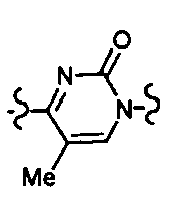
CH2CH2 [M+3]+ = 1790 calcd. for C81H87Cl2F3N12027·2.1 HCl·11.0H2O
C: 47.15, H: 5.43%, N: 8.15%, Cl: 7.05%, F: 2.76
found: C: 47.14%. H: 5.44%. N: 8.27%, Cl: 7.09%. F: 2.75
bond CONH bond 
CH2CH2 CH2 [M+3]+ = 1794 calcd. for C81H91Cl2F3N12O27·1.8HCl·14.3H2O
C: 45.98, H: 5.78%, N: 7.94%, Cl: 6.37%, F: 2.69
found: C: 45.97%, H: 5.88%. N: 7.81%, Cl: 6.45%, F: 2.35
bond CONH bond 
CH2CH2 CH2 [M+3]+ = 1790 calcd. for C81H87Cl2F3N12O27·2.2HCl·13.4H2O
C: 46.10, H: 5.54%, N: 7.97%, Cl: 7.06%, F: 2.70
found: C: 46.07%, H: 5.50%. N: 7.99%, Cl: 7.13%, F: 2.54 -
[Table 58] 
CH2 CONH bond 
CH2CH2 [M+3]+ = 1774 calcd. for C80H86Cl4N12O26·1.5HCl·11.7H2O
C: 47.13, H: 5.48%, N: 8.24%. Cl: 9.56%
found: C: 47.12%, H: 5.39%. N: 8.39%, Cl: 9.51%
CH2 CONH bond 
CH2CH2 [M+3]+ = 1790 calcd. for C81H87Cl2F3N12O27·1.8HCl·11.0H2O
C: 47.40, H: 5.44%, N: 8.19%. Cl: 6.56%, F: 2.78
found: C: 47.32%. H: 5.34%. N: 8.40%. Cl: 6.54%. F: 2.79 -
[Table 59] RA RB RC RD 
OH H H RA Ar2 X3 Y X2 Ar1 X1 Mass Elemental Analysis 
bond CONH bond 
CH2 [M+3]+ = 1789
[M+1]- = 1787calcd. for C87H100Cl2N10027·1.7HCl·13.2H2O
C: 50.03%, H: 6.18%. N: 6.71%, Cl: 6.28%
found: C: 49.98%, H: 6.06%. N: 6.80%, Cl: 6.21%
bond CONH bond 
CH2 [M+1]- = 1802 calcd. for C89H93Cl2N 11026 ·1.9HCl·13.0H2O
C: 50.73%, H: 5.78%. N: 7.31%, Cl: 6.56%
found: C: 50.67%, H: 5.55%. N: 7.38%, Cl: 6.52% -
[Table 60] 
bond NHCO NH 
CH2 [M+1]- = 1784 calcd. for C83H91 Cl2F3N 2O25·2.3HCl·16.4H2O
C: 46.07%, H: 5.87%. N: 7.77%, Cl: 7.05%, F: 2.63%
found: C: 46.02%, H: 5.73%. N: 7.79%, Cl: 7.13%, F: 2.60%
bond NHCO NH 
CH2 [M+1]- = 1757 calcd. for C81 H86Cl2F3N11O26·1.8HCl·11.5H2O
C: 47.92%, H: 5.50%, N: 7.59%, Cl: 6.64%, F: 2.81 %
found: C: 47.92%, H: 5.58%. N: 7.64%, Cl: 6.57%, F: 2.80%
bond NHCO NH 
CH2 [M+1]- = 1757 calcd. for C81 H86Cl2F3N11O26·2.0HCl·3.5H2O
C: 46.92%, H: 5.59%, N: 7.43%, Cl: 6.84%, F: 2.75%
found: C: 46.94%, H: 5.64%. N: 7.43%, Cl: 6.87%, F: 2.76%
bond CONH bond 
CH2CH2 [M+1]- = 1777 calcd. for C80H89Cl2F3N12O27·1.4HCl·11.9H2O
C: 47.01%, H: 5.63%. N: 8.22%, Cl: 5.90%, F: 2.79%
found: C: 47.17%, H: 5.59%. N: 7.64%, Cl: 5.93%, F: 2.66% -
[Table 61] 
bond CONH bond 
CH2CH2 [M+1]- = 1747 calcd. for C82H92Cl2N12O27·1.9HCl·15.0H2O
C: 47.17%. H: 5.98%. N: 8.05%. Cl: 6.62%
found: C: 47.18%, H: 5.82%. N: 8.16%, Cl: 6.54%
bond CONH bond 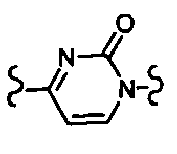
CH2CH2 [M+1]- = 1776 calcd. for C80H84Cl2F4N12O26·13HCl·14.6H2O
C: 46.04%, H: 5.53%, N: 8.05%, Cl: 5.61%, F: 3.64%
found: C: 45.98%, H: 5.33%, N: 8.04%, Cl: 5.62%, F: 3.53%
bond CONH bond 
CH2CH2 [M+1]- = 1742 calcd. for C79H84Cl3FN12O26·1.5HCl·13.9H2O
C: 46.33%, H: 5.58%, N: 8.21%, Cl: 7.79%, F: 0.93%
found: C: 46.32%, H: 5.54%, N: 8.27%, Cl: 7.75%, F: 0.95%
bond CONH bond 
CH2CH2 [M+1]- = 1742 calcd. for C79H84Cl3FN12O26·1.2HCl·14.7H2O
C: 46.25%, H: 5.63%. N: 8.19%. Cl: 7.26%. F: 0.93%
found: C: 46.21%. H: 5.49%. N: 8.28%. Cl: 7.26%, F: 1.03% -
[Table 62] 
bond CONH bond 
CH2CH2 [M+1]- = 1722 calcd.for C80H87Cl2FN12O26·1.9HCl·13.8H2O
C: 47.09%, H: 5.75%. N: 8.24%, Cl: 6.78%, F: 0.93%
found: C: 47.07%, H: 5.65%. N: 8.38%, Cl: 6.79%, F: 1.11% %
bond CONH bond 
CH2CH2 [M+1]-=1757 calcd. for C79H84Cl4N12O26·1.8HCl·13.0H2O
C: 46.08%, H: 5.47%. N: 8.16%, Cl: 9.99%
found: C: 46.03%, H: 5.31%. N: 8.27%, Cl: 9.94%
bond CONH bond 
CH2CH2 [M+1]-=1787 calcd. for C81 H87Cl2F3N12O27 ·1.7HCl·13.9H2O
C: 46.31%, H: 5.59%. N: 8.00%, Cl: 6.24%, F: 2.71%
found: C: 46.26%, H: 5.57%. N: 8.15%, Cl: 6.27%, F: 2.78%
bond CONH bond 
CH2CH2 [M+1]-= 1775 calcd. for C80H84Cl2F4N 12O26· 1.9HCl· 12.2H2O
C: 46.52%. H: 5.38%. N: 8.14%, Cl: 6.69%. F: 3.68%
found: C: 46.54%. H: 5.29%. N: 8.30%, Cl: 6.68%. F: 3.61% -
[Table 63] 
bond CONH bond 
CH2CH2 [M+1]-= 1760 calcd. for C83H95Cl2N 13026 1.8HCl·12.2H2O
C: 48.70%, H: 5.97%. N: 8.90%, Cl: 6.58%
found: C: 48.68%, H: 5.89%. N: 9.05%. Cl: 6.49% -
[Table 64] RA RB RC RD 
OH H H RA Ar2 X3 Y X2 Ar1 X1 Mass Elemental Analysis 
bond CONH bond 
CH2 [M+3]+ = 1718 calcd.for C83H92Cl2N10O26·1.0HCl·12.4H2O
C: 50.25%, H: 5.96%. N: 7.06%. Cl: 6.08%
found: C: 50.26%, H: 5.86%. N: 7.17%, Cl: 6.15%
bond CONH bond 
CH2 [M+1]- = 1756 calcd. for C85H96Cl2N)2O25-2.4HCl·13.2H2O
C: 49.04%, H: 6.04%. N: 8.07%. Cl: 7.49%
found: C: 49.02%. H: 5.86%. N: 8.10%. Cl: 7.50%
bond CONH bond 
CH2 [M+1]- = 1867 calcd. for C88H100Cl2F3N13O25·3.1HCl·11.8H2O
C: 48.19%. H: 5.82%. N: 8.30%. Cl: 8.24%, F: 2.60%
found: C: 48.20%, H: 5.78%. N: 8.30%, Cl: 8.29%. F: 2.46% -
[Table 65] 
bond CONH bond 
CH2 [M+1]- = 1692 calcd.for C79H87Cl2N11O27·1.9HCl·11.2H2O
C: 48.30%. H: 5.71%. N: 7.84%. Cl: 7.04%
found: C: 48.29%, H: 5.58%. N: 7.81%, Cl: 6.96%
bond CONH bond 
CH2 [M+1]- =174g calcd. for C79H84Cl2F3N11O27·1.6HCl·9.9H2O
C: 47.82%. H: 5.35%. N: 7.77%. Cl: 6.43%. F: 287%
found: C: 47.79%. H: 5.18%. N: 7.79%, Cl: 6.51%, F: 2.76%
bond CONH bond 
CH2 CH [M+3]+ = 1774
[M+1]- = 1772calcd.for C81H90Cl2F3N13O25·2.7HCl·10.7H2O
C: 47.12%, H: 5.57%. N: 8.82%, Cl: 8.07%. F: 2.76%
found: C: 47.13%. H: 5.40%. N: 8.83%, Cl: 8.02%. F: 2.65%
bond CONH bond 
CH2 [M+1]- = 1808 calcd. for C89H96Cl2N10027·1.5HCl·11H2O
C: 51.85%, H: 5.84%. N: 6.79%. Cl: 6.02%
found: C: 51.89%, H: 5.59%. N: 6.77%, Cl: 5.99%
bond CONH bond 
CH2 [M+1]- = 1797 calcd. for C87H95Cl2N11027·1.7HCl·11.2H2O
C: 50.69%. H: 5.82%. N: 7.47%. Cl: 6.36%
found: C: 50.72%, H: 5.78%. N: 7.46%. Cl: 6.33% -
[Table 66] 
bond CONH bond 
CH2 [M+1]- = 1759 calcd. for C82H87Cl2F3N10026·1.9HCl·11.1H2O
C: 51.07%, H: 5.94%. N: 7.01%, Cl: 6.21%
found: C: 51.07%, H: 5.75%, N: 7.12%, Cl: 6.17%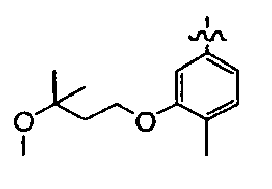
bond CONH bond 
CH2 [M+1]- = 1787 calcd. for C87H100Cl2N10O27·2HCl·10.2H2O
C: 51.09%, H: 6.03%, N: 6.85%, Cl: 6.93%
found: C: 51.06%, H: 5.98%. N: 6.95%. Cl: 6.87%
bond CONH bond 
CH2 [M+1]- = 1771 calcd. for C87H100Cl2N10C26·1.6HCl·9.7H2O
C: 52.10%, H: 6.08%. N: 6.98%. Cl: 6.36%
found: C: 52.09%. H: 6.07%. N: 7.11%, Cl: 6.33%
bond CONH bond 
CH2 [M+1]- = 1835 calcd. for C91H101Cl2N11O26·2.8HCl·10.6H2O
C: 51.34%. H: 5.92%. N: 7.24%. Cl: 7.99%
found: C: 51.28%. H: 5.84%. N: 7.47%. Cl: 7.91%
bond CONH bond 
CH2 [M+3]+ = 1658
[M+1]- = 1660calcd. for C82H87Cl2F3N10O26·1.9HCl·11.1H2O
C: 48.83%. H: 5.73%. N: 7.93%. Cl: 7.30% 1660
found: C: 48.85%. H: 5.66%. N: 7.85%, Cl: 7.31 % -
[Table 67] 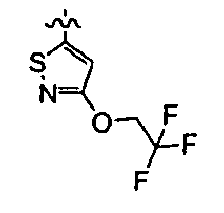
bond CONH bond 
CH2 [M+1]-= 1762 calcd. for C79H84Cl2F3N11O26S·1.4HCl·11.1H2O
C: 47.10%, H: 5.38%. N: 7.65%, Cl: 5.98%, F: 2.83%. S: 1.59%
found: C: 47.09%. H: 5.37%. N: 7.60%, Cl: 5.92%. F: 2.74%. S: 1.50%
bond CONH bond 
CH2 [M+1]- = 1755 calcd. for C82H87Cl2F3N10O26·1.9HCl·11.1H2O
C: 48.36%. H: 5.62%. N: 6.88%. Cl: 6.09%. F: 2.80%
found: C: 48.32%. H: 5.53%. N: 6.96%, Cl: 6.06%. F: 2.78%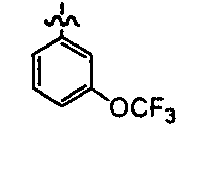
bond CONH bond 
CH2 [M+1]-= 1743 calcd. for C82H87Cl2F3N10O28·1.9HCl·11.1H2O
C: 48.22%. H: 5.46%. N: 7.73%, Cl: 5.69%, F: 2.86%
found: C: 48.19%, H: 5.36%. N: 7.78%. Cl: 5.76%, F: 2.74%
bond NHCO bond 
CH2 [M+1]- = 1748 calcd. for C82H87Cl2F3N10O26·1.9HCl·11.1H2O
C: 46.08%. H: 5.45%. N: 6.80%, Cl: 6.89%. F: 2.77%. S: 1.56
found: C: 46.04%. H: 5.35%. N: 6.96%. Cl: 6.94%. F: 2.65%, S: 1.30
bond NHCO bond 
CH2 [M+1]- = 1732 calcd. for C79H83Cl2F3N10O27·1.9HCl·125H2O
C:46.81% H: 5.47% N: 6.91% Cl: 6.82%. F: 2.81%
found: C: 46.77%, H: 5.39%. N: 7.01%, Cl: 6.75%, F: 2.67% -
[Table 68] 
bond CONH bond 
CH2 [M+1]- = 1742 calcd. for C80H84Cl2F3N11026·1.9HCl·12.5H2O
C: 47.15%. H: 5.48%. N: 7.56%. Cl: 6.78%. F: 2.80%
found: C: 47.14%, H: 5.43%. N: 7.67%, Cl: 6.78%, F: 2.70%
bond CONH bond 
CH2 [M+1]- = 1820 calcd. for C81H84Cl2F3BrN10O26·2HCl·14.3H2O
C: 45.21%, H: 5.37%. N: 6.51%. Cl: 6.59%. F: 2.65%. Br : 3.71%
found: C: 45.18%. H: 5.14%. N: 6.71%, Cl: 6.64%. F: 2.57%. Br: 3.49%
bond CONH bond 
CH2 [M+1]- = 1819 calcd. for C86H88Cl2F3N11O26·1.5HCl·15.4H2O
C: 48.00%. H: 5.64%. N: 7.16%, Cl: 5.77%, F: 2.65%
found: C: 47.96%, H: 5.64%. N: 7.24%. Cl: 5.78%, F: 2.60%
bond CONH bond 
CH2 [M+1]- = 1772 calcd. for C82H87Cl2F3N10O27·1.3HCl·13.5H2O
C: 47.65%, H: 5.61%. N: 6.78%. Cl: 6.00% F: 2.76%
found: C: 47.65%, H: 5.59%. N: 6.91%. Cl: 5.99%. F: 2.73%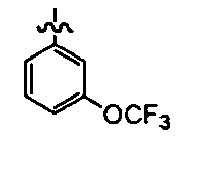
bond CONH bond 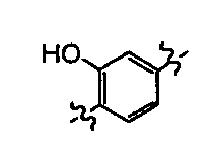
CH2 [M+1]- = 1758 calcd for C81H85Cl2F3N10O27-1.7HCl-13.2H2O
C: 47.27%, H: 5.54%. N: 6.81%, Cl: 6.37%, F: 2.77%
found: C: 47.25%, H: 5.35%. N: 6.95%. Cl: 6.30%. F: 2.72% -
[Table 69] 
bond CONH bond 
CH2 [M+1]- = 1878 calcd. for C89H93Cl2F3N10O28·1.8HCl·13.5H2O
C: 48.87%. H: 5.61%. N: 6.40%, Cl: 6.16%, F: 2.6%
found: C: 48.85%, H: 5.42%. N: 647.%, Cl: 6.07%, F: 258%
bond CONH bond 
CH2 (M+1]- = 1771 calcd. for C87H96Cl2F3N11O28·2.5HCl·4.6H2O
C: 46.95%. H: 5.78%. N: 6.92%. Cl: 7.17%. F: 2.56%
found: C: 46.92%, H: 5.70%. N: 6.99%. Cl: 7.17%, F: 2.51%
bond CONH bond 
CH2 [M+1]- = 1799 calcd. for C84H92Cl2F3N1O26·2.2HCl·6.4H2O
C: 48.61%, H: 5.76%. N: 7.12%, Cl: 8.02%, F: 2.63%
found: C: 48.60%. H: 5.67%. N: 7.28%. Cl: 7.97%. F: 2.53%
bond CONH bond 
CH2 [M+1]- = 1758 calcd. for C81H85Cl2F3N10O27·2.0HCl·12.0H2O
C: 46.87%, H: 5.79%. N: 6.91%, Cl: 7.16%. F: 2.56%
found: C: 46.85%, H: 5.65%. N: 6.96%, Cl: 7.21%, F: 2.53%
bond CONH bond 
CH2 [M+11]- = 1841 calcd. for C86H94Cl2F3N11O27·2.4HCl·15.5H2O
C: 46.77%, H: 5.81%. N: 6.98%. Cl: 7.06%, F: 2.58%
found: C: 46.76%, H: 5.63%. N: 7.10%, Cl: 7.06%, F: 2.68% -
[Table 70] 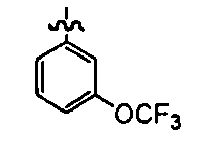
bond CONH bond 
CH2 [M+3]+ = 1872 calcd.for C87H98Cl2F3N11028·2.5HCl·14.8H2O
C: 48.62%, H: 5.53%. N: 6.91%, Cl: 6.83%, F: 2.81%
found: C: 48.63%. H: 5.40%. N: 6.96%. Cl: 6.88%. F: 2.67%
bond CONH bond 
CH2 [M+1]- = 1786 calcd. for C82H85Cl2F3N10O28·2.1HCl·14.4H2O
C: 46.40%, H: 5.50%. N: 6.60%, Cl: 6.85%, F: 2.69%
found: C: 46.39%. H: 5.43%. N: 6.78%. Cl: 6.64%, F: 2.62%
bond CONH bond 
CH2 [M+1]- = 1812 calcd. for C84H87Cl2F3N10028·2.OHCl·13.3H2O
C: 47.48%. H: 5.48%. N: 6.59%. Cl: 6.67%, F: 2.68%
found: C: 47.45%, H: 5.37%, N: 6.71%, Cl: 6.73%. F: 2.79%
bond CONH bond 
CH2 [M+1]- = 1881 calcd. for C88H94Cl2F3N11O28·2.0HCl·13.OH2O
C: 48.29%. H: 5.62%. N: 7.04%, Cl: 6.48%, F: 2.60%
found: C: 48.46%. H: 5.55%, N: 7.12%. Cl: 6.55%. F: 2.73%
bond NHCO bond 
CH2 [M+1]- = 1748 calcd. for C78H82Cl2F3N11O26S1·2.0HCl·13.0H2O
C: 45.55%, H: 5.39%. N: 7.49%, Cl: 6.90%. F: 2.77%, S: 1.56%
found: C: 45.55%. H: 5.40%. N: 7.49%, Cl: 6.82%. F: 2.93%, S: 1.75% -
[Table 71] 
bond CONH bond 
CH2 [M+1]- = 1807 calcd.for C85H87Cl2F3N70O27·2.0HCl·12.8H2O
C: 48.34%, H: 5.47%. N: 6.63%, Cl: 6.71%, F: 2.70%
found: C: 48.32%. H: 5.50%. N: 6.68%. Cl: 6.72%. F: 2.85%
bond NHCO bond 
CH2 [M+1]- = 1743 calcd. for C80H84Cl2F3N11O28·1.3HCl·14.5H2O
C: 46.82%. H: 5.61%. N: 7.51%. Cl: 5.70%. F: 2.78%
found: C: 46.77%. H: 5.38%. N: 7.57%, Cl: 5.76%. F: 2.75%
bond CONH bond 
CH2 [M+1]- =1799 calcd. for C83H88Cl2F3N11O27·1.9HCl·15.9H2O
C: 46.25%. H: 5.69%. N: 7.15%. Cl: 6.42%. F: 2.64%
found: C: 46.26%. H: 5.67%. N: 7.24%. Cl: 6.48%, F: 2.59%
bond CONH bond 
CH2 [M+1]- = 1835 calcd. for C82H88Cl2F3N11O28S1·1.9HCl·13.9H2O
C: 45.70%, H: 5.50%, N: 7.15%, Cl: 6.42%, F: 2.64%, S: 1.49%
found: C: 45.69%, H: 5.43%. N: 7.18%, Cl: 6.45%, F: 2.56%, S: 1.37%
bond CONH bond 
CH2 [M+1]- = 1787 calcd. for C81H84Cl2F3N11O28·1.9HCl·14.0H2O
C: 46.13%, H: 5.44%, N: 7.31%, Cl: 6.56%, F: 2.70%
found: C: 46.11%, H: 5.37%, N: 7.31%, Cl: 6.53%, F: 2.63% -
[Table 72] 
bond CONH bond 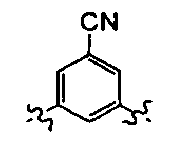
CH2 [M-H]- = 1767 calcd. for C82H84Cl2F3N11O26·2.0HCl·13.8H2O
C: 47.15%, H: 5.48%, N: 7.38%, Cl: 6.79%, F: 2.73%
found: C: 47.12%, H: 5.43%. N: 7.47%, Cl: 6.80%, F: 2.72%
bond CONH bond 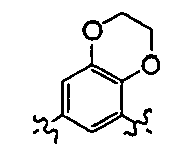
CH2 [M+1]- = 1799 calcd. for C83H87Cl2F3N10O28·1.7HCl·13.6H2O
C: 47.30%, H: 5.54%, N: 6.65%, Cl: 6.22%, F: 2.70%
found: C: 47.28%, H: 5.48%, N: 6.71%, Cl: 6.18%, F: 2.69%
bond CONH bond 
CH2 [M+1]- = 1799 calcd. for C84H92Cl2F3N11O26·2.9HCl·14.9H2O
C: 48.41%, H: 5.78%, N: 7.09%, Cl: 7.99%, F: 2.62%
found: C: 46.36%, H: 5.71%, N: 7.28%, Cl: 8.02%, F: 2.49%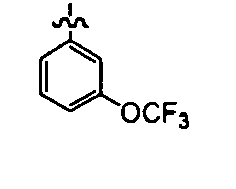
bond CONH bond 
CH2 [M+1]-= = 1825 calcd. for C86H94Cl2F3N11O26·2.8HCl·13.5H2O
C: 47.58%, H: 5.75%, N: 7.10%, Cl: 7.84%, F: 2.63%
found: C: 47.53%, H: 5.65%. N: 7.29%, Cl: 7.88%, F: 2.63%
bond CONH bond 
CH2 [M+1]-= 1813 calcd. for C85H94Cl2F3N11O26·2.8HCl·13.1H2O
C: 47.45%, H: 5.76%, N: 7.16%, Cl: 7.91%, F: 2.65%
found: C: 47.40%, H: 5.68%. N: 7.35%, Cl: 7.98%, F: 2.66% -
[Table 73] 
bond CONH bond 
CH2 [M+1]- = 1822 calcd. for C85H89Cl2F3N12O26·2.8HCl·13.7H2O
C: 47.01%, H: 5.53%. N: 7.74%, Cl: 7.84%, F: 2.62%
found: C: 46.98%. H: 5.50%. N: 7.90%, Cl: 7.90%, F: 2.58%
bond CONH bond 
CH2 [M+1]- = 1840 calcd. for C86H95Cl2F3N12026·2.5HCl·15.3H2O
C: 46.79%. H: 5.85%. N: 7.61%, Cl: 7.23%. F: 2.58%
found: C: 46.78%. H: 5.90%. N: 7.74%. Cl: 7.21%. F: 2.49%
bond CONH bond 
CH2 [M+1]- = 1743 calcd. for C80H84Cl2F3N11O26·1.6HCl·13.4H2O
C: 47.03%, H: 5.54%. N: 7.54%, Cl: 6.25%. F: 2.79%
found: C: 46.99%. H: 5.36%. N: 7.65%. Cl: 6.22%. F: 2.85%
bond NHCO bond 
CH2 [M+1]-= 1733 calcd. for C78H82Cl2F3N11O25S1·1.5HCl·12.3H2O
C: 46.61%, H: 5.42%. N: 7.67%, Cl: 6.17%, F: 2.84%. S: 1.60%
found: C: 46.58%. H: 5.35%. N: 7.68%, Cl: 6.22%. F: 2.92%. S: 1.72%
bond CONH bond 
CH2 [M+1]- = 1721 calcd. for C81H91CI2N10O2551·1.7HCl·12.0H2O
C: 48.65%, H: 5.88%. N: 7.70%. Cl: 6.56%, S: 1.60%
found: C: 48.63%, H: 5.86%. N: 7.75%. Cl: 6.63%. S: 1.65% -
[Table 74] 
bond CONH bond 
CH2 [M+1]- = 1692 calcd. for C79H87Cl2N11O25S7·1.9HCl·11.1H2O
C: 47.26%, H: 5.83%. N: 7.67%. Cl: 6.89%. S: 1.60%
found: C: 47.26%, H: 5.83%. N: 7.67%, Cl: 6.84%. S: 1.54%
bond CONH bond 
CH2 [M+1]- = 1693 calcd for C79H87Cl2N11O25S1 1.7HCl·13.2H2O
C: 47.60%, H: 5.82%. N: 7.73%. Cl: 6.58%. S: 1.61%
found: C: 47.54%, H: 5.62%. N: 7.86%, Cl: 6.64%. S: 1.53%
bond CONH bond 
CH2 [M+1]- = 1727 calcd. for C79H83Cl4N11O25·1.3HCl·13.4H2O
C: 47.04%. H: 5.55%. N: 7.64%. Cl: 9.32%
found: C: 47.02%. H: 5.53%. N: 7.72%, Cl: 9.27%
bond CONH bond 
CH2 [M+1]- = 1770 calcd. for C82H89Cl2F3N12O25·3.5HCl·14.1H2O
C: 45.76%. H: 5.65%. N: 7.81%, Cl: 9.06%, F: 2.65%
found: C: 45.71%, H: 5.30%. N: 7.89%. Cl: 9.00%, F: 2.71%
bond NHCO NH 
CH2 [M+1]- = 1758 calcd. for C80H85Cl2F3N12O26·1.5HCl·13.3H2O
C: 46.81%, H: 5.55%. N: 8.19%. Cl: 6.04%, F: 2.78%
found: C: 46.72%, H: 5.40%. N: 8.35%. Cl: 6.02%, F: 2.86% -
[Table 75] 
bond CONH bond 
CH2 [M+1]- = 1824 calcd. for C85H94Cl4N12O25·2.4HCl·14.5H2O
C: 46.95%, H: 5.81%. N: 7.73%, Cl: 10.44%
found: C: 46.92%, H: 5.69%, N: 7.80%, Cl: 10.46%
bond CONH bond 
CH2 [M+1]- = 1786 calcd. for C82H89Cl2F3N12O26·2.2HCl·14.1H2O
C: 46.44%. H: 5.67%, N: 7.93%, Cl: 7.02%, F: 2.69%
found: C: 46.37%, H: 5.49%. N: 8.01%, Cl: 7.05%, F: 2.67%
bond CONH bond 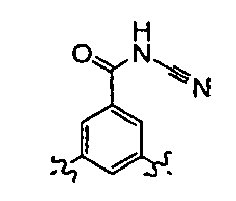
CH2 [M+1]- = 1810 calcd. for C83H85Cl2F3N12O27·2.3HCl·11.0H2O
C: 47.64%, H: 5.26%, N: 8.03%, Cl: 7.29%, F: 2.72%
found: C: 47.75%, H: 5.36%, N: 8.05%, Cl: 7.33%, F: 1.02%
bond CONH bond 
CH2 [M+1]- = 1801 calcd. for C82H86Cl2F3N11O28·1.6HCl·13.8H2O
C: 46.71%, H: 5.51%, N: 7.31%, Cl: 6.05%, F: 2.70%
found: C: 46.65%, H: 5.49%, N: 7.47%, Cl: 6.08%, F: 2.61%
bond 
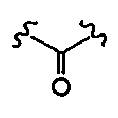

CH2 [M+1]- = 1810 calcd. for C85H92Cl2F3N11O26·2.2HCl·20.6H2O
C: 45.11%, H: 6.03%, N: 6.81%, Cl: 6.58%, F: 2.52%
found: C: 45.10%, H: 5.98%, N: 6.87%, Cl: 6.58%, F: 2.46% -
[Table 76] 


bond 
CH2 [M+1]- = 1810 calcd.for C85H92Cl2F3N11O26·2.OHCl·13.1H2O
C: 48.14%, H: 5.71%. N: 7.27%. Cl: 6.69%, F: 2.69%
found: C: 48.15%, H: 5.62%. N: 7.34%, Cl: 6.64%, F: 2.88% -
[Table 77] RA RB RC RD 
OH H H RA Ar2 X3 Y X2 Ar1 x1 Mass Elemental Analysis 
bond CONH bond 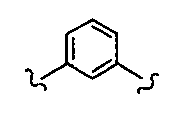
CH2 [M+1]- = 1783 calcd. for C87H100Cl2N12O25·3HCl·13H2O
C: 58.55%, H: 5.65%, N: 9.42%, Cl: 3.97%
found: C: 49.28%, H: 6.01%, N: 8.06%, Cl: 7.96%
bond CONH bond 
CH2 [M+3]+ = 1799
[M+1]- = 1797calcd. for C87H98Cl2N12O26·2HCl·11.5H2O
C: 58.09%, H: 5.49%, N: 9.34%, Cl: 3.94%
found: C: 50.06%, H: 5.92%, N: 8.13%, Cl: 7.12% -
[Table 78] 
bond CONH bond 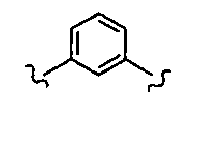
CH2 [M+3]+ = 1867 [M+1]- = 1865 calcd. for C88H97Cl2F3N12O26·3HCl·14H2O
C: 56.62%. H: 5.24%. N: 9.00%. Cl: 3.8%. F: 3.05%
found: C: 47.63%, H: 5.62%. N: 7.63%, Cl: 7.63%, F: 2.43%
bond CONH bond 
CH2 [M+1]- = 1809 calcd. for C82H84Cl2F6N10O26·2HCl·10H2O
C: 54.4%, H: 4.68%. N: 7.44%, Cl: 3.92%, F: 6.3%
found: C: 47.89%, H: 5.07%, N: 7.02%, Cl: 6.68%, F: 5.40%
bond CONH bond 
CH2 [M+1]- = 1880 calcd. for C88H98Cl2F3N13O26·3HCl·17H2O
C: 56.17%, H: 5.25%. N: 9.68%. Cl: 3.77%, F: 3.03%
found: C: 46.04%. H: 5.69%. N: 7.99%, Cl: 7.98%. F: 2.38%
bond CONH bond 
CH2 [M+1]- = 1839 calcd.for C86H95Cl2F3N12O26·3HCl·13H2O
C: 56.12%. H: 5.2%. N: 9.13%, Cl: 3.85%. F: 3.10%
found: C: 47.39%. H: 5.43%. N: 7.75%, Cl: 7.91%, F: 2.56% -
[Table 79] 
bond CONH bond 
CH2 [M+1]- = 1825 calcd.for C85H93Cl2F3N12O26·2.5HCl·13.5H2O
C: 55.89%, H: 5.13%. N: 9.20%. Cl: 3.88%, F: 3.12%
found: C: 47.03%, H: 5.52%. N: 7.74%, Cl: 7.67%. F: 2.55%
bond CONH bond 
CH2 [M+3]+ = 1842
[M+1]- = 1840calcd.for C86H94Cl2F3N11O27·2.5HCl·14.5H2O
C: 56.09%, H: 5.14%. N: 8.37%, Cl: 3.85%, F: 3.09%
found: C: 46.96%, H: 5.673%. N: 7.15%, Cl: 7.65%. F: 2.60%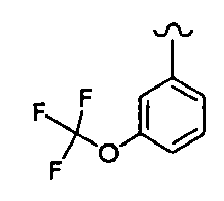
bond CONH bond 
CH2 [M+3]+ = 1801
[M+1]- = 1799calcd. for C83H87Cl2F3N10028·2HCl·11H2O
C: 55.37%, H: 4.87%. N: 7.78%, Cl: 3.94%. F: 3.17%
found: C: 48.01%, H: 5.42%. N: 6.82%, Cl: 6.77%, F: 2.75%
bond CONH bond 
CH2 [M+3]+ = 1869
[M+1]-= 1867calcd. for C87H95Cl2F3N12O27·2.5HCl·15.5H2O
C: 55.92%, H: 5.12%, N: 8.99%, Cl: 3.79%, F: 3.05%
found: C: 46.48%, H: 5.95%. N: 7.53%, Cl: 7.33%, F: 2.50% -
[Table 80] 
bond CONH bond 
CH2 [M+1]- = 1854 calcd.for C86H92Cl2F3N11O28·2.5HCl·13.5H2O
C: 55.66%, H: 5.00%, N: 8.30%, Cl: 3.82%, F: 3.07%
found: C: 47.73%, H: 5.78%, N: 6.82%, Cl: 6.21%, F: 2.65%
bond CONH bond 
CH2 [M+1]- = 1784 calcd. for C82H86Cl2F3N11O27·2HCl·14H2O
C: 55.16%. H: 4.85%. N: 8.63%. Cl: 3.97%, F: 3.19%
found: C: 46.7%, H: 5.53%. N: 7.45%. Cl: 6.64%, F: 2.67%
bond CONH bond 
CH2 [M+3]+ = 1855 calcd. for C87H97Cl2F3N12O26·2.5HCl·5H2O
C: 56.34%. H: 5.27%. N: 9.06%. Cl: 3.82%, F: 3.07%
found: C: 47.13%, H: 5.72%. N: 7.65%, Cl: 7.33%, F: 2.55%
bond CONH bond 
CH2 [M+1]- = 1785 calcd. for C86H98Cl2N12O26·2HCl·14H2O
C: 57.81%, H: 5.53%. N: 9.41%. Cl: 3.97%
found: C: 48.77, H: 5.98%. N: 7.97%. Cl: 6.86% -
[Table 81] 
bond CONH bond 
CH2 [M+1]- = 1743 calcd.for C84H96Cl2N12O25·2.5HCl·15H2O
C: 57.83%, H: 5.55%, N: 9.63%, Cl: 4.06%
found: C: 47.92, H: 6.13%, N: 7.95%, Cl: 7.59%
bond NHCO bond 
CH2 [M+1]-=1810 calcd. for C85H92Cl2F3N11O26·2HCl·13H2O
C: 56.35%, H: 5.12%. N: 8.50%, Cl: 3.91%, F: 3.15
found: C: 48.20, H: 5.63%, N: 7.19%, Cl: 6.76%, F: 2.73
bond NHCO bond 
CH2 [M+1]-= 1768 calcd.for C83H90Cl2F3N11O25·2HCl·16H2O
C: 56.35%. H: 5.12%. N: 8.50%, Cl: 3.91%, F: 3.22%
found: C: 48.20, H: 5.63%. N: 7.19%. Cl: 6.76%, F: 2.83%
bond NHCO bond 
CH2 [M+1]-= 1823 calcd. for C86H95Cl2F3N12O25·3HCl·15H2O
C: 56.61 %, H: 5.25%. N: 9.21%, Cl: 3.89%, F: 3.12%
found: C: 46.94, H: 5.80%. N: 7.86%. Cl: 7.79%. F: 2.66% -
[Table 82] 
bond CONH bond 
CH2 [M+1]-= 1810 calcd.for C84H91Cl4N11O26·2HCl·11H2O
C: 55.66%, H: 5.06%. N: 8.50%. Cl: 7.82%
found: C: 48.25%, H: 5.64%. N: 7.45%, Cl: 10.13%
bond CONH bond 
CH2 [M+1]- = 1768 calcd. for C82H89Cl4N11O25·1.5HCl·13H2O
C: 55.63%, H: 5.07%. N: 8.7%, Cl: 8.01%
found: C: 47.73%, H: 5.48%. N: 7.67%, Cl: 9.7%
bond CONH bond 
CH2 [M+1]-=1825 calcd. for C84H92Cl4N12026·1.5HCl· 13.5H2O
C: 55.21%. H: 5.07%. N: 9.20%. Cl: 7.76%
found: C:47.75%,H:5.58%. N:8.10%,Cl:8.87% -
[Table 83] RA RB RC RD 
OH H H RA Ar2 X3 Y X2 Ar1 x1 Mass Elemental Analysis 
bond CONH bond 
CH2 [M+1]- = 1742 calcd. for C85H94Cl2N10O26·2.0HCl·15.8H2O
C: 48.61%, H: 6.12%, N: 6.67%, Cl: 6.75%
found: C: 48.55%, H: 6.05%, N: 6.76%, Cl: 6.80%
bond CONH bond 
CH2 [M+1]- = 1732 calcd. for C83H92Cl2N10O27·1.5HCl·12.4H2O
C: 49.58%. H: 5.93%. N: 6.97%. Cl: 6.17%
found: C: 49.56%. H: 5.86%. N: 6.96%, Cl: 6.18%
bond CONH bond 
CH2 [M+1]- = 1755 calcd. for C85H93Cl2N11026·1.5HCl·11.3H2O
C: 50.69%, H: 5.86%. N: 7.65%, Cl: 6.16%
found: C: 50.67%, H: 5.79%, N: 7.72%, Cl: 6.24%
bond CONH bond 
CH2 [M+1]-= 1748 calcd. for C78H82Cl2F3N11O26S·1.8HCl·11.8H2O
C: 46.20%, H: 5.34%. N: 7.60%, Cl: 6.64%, F: 2.81%, S: 1.58%
found: C: 46.19%, H: 5.37%. N: 7.71%, Cl: 6.59%, F: 2.86%, S: 1.69% -
[Table 84] 
bond CONH bond 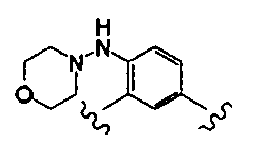
CH2 [M+3]+ = 1844
[M+1]- = 1842calcd. for C85H93Cl2F3N12O27·1.7HCl·15.2H2O
C: 46.86%. H: 5.79%. N: 7.72%. Cl: 6.02%
found: C: 46.86%, H: 5.75%. N: 7.77%, Cl: 5.98%
bond CONH bond 
CH2 [M+1]- = 1873 calcd. for C87H98Cl2F3N11O28·2.2HCl·13.4H2O
C: 47.60%, H: 5.83%. N: 7.02%, CI: 6.78%, F: 2.60%
found: C: 47.36%, H: 5.89%. N: 7.00%. CI: 6.71%, F: 2.90%
bond CONH bond 
CH2 [M+1]-= 1904 calcd. for C89H95Cl2F3N14O26·2.5HCl·17.0H2O
C: 46.43%. H: 5.76%. N: 8.52%, CI: 6.93%. F: 2.48%
found: C: 46.38%, H: 5.67%. N: 8.64%, CI: 6.92%, F: 2.72%
bond CONH bond 
CH2 [M+1]-= 1854 calcd. for C87H97Cl2F3N12O26·2.7HCl·14.4H2O
C: 47.23%, H: 5.85%. N: 7.60%, Cl: 7.53%, F: 2.58%
found: C: 47.25%, H: 5.79%. N: 7.69%, Cl: 7.53%, F: 2.57%
bond CONH bond 
CH2 [M+1]-=1894 calcd. for C90H101Cl2F3N12O26·2.6HCl·15.H2O
C: 47.80%, H: 5.96%, N: 7.43%, Cl: 7.21%. F: 2.52%
found: C: 47.80%, H: 5.89%, N: 7.44%, Cl: 7.24%, F: 2.62%
bond CONH bond 
CH2 [M+3]+ = 1857
[M+1]- = 1855calcd. for C86H96Cl2F3N13O26·13.6H2O
C: 46.74%, H: 5.76%. N: 8.24%, Cl: 8.02%, F: 2.58%
found: C: 46.76%, H: 5.76%, N: 8.28%, Cl: 7.96%, F: 2.60% -
[Table 85] 
bond CONH bond 
CH2 [M+1]- = 1827 calcd. for C85H92Cl2F3N11027·1. 7HCl·13.5H2O
C: 47.87%. H: 5.70%. N: 7.22%, Cl: 6.15%, F: 2.67%
found: C: 47.85%. H: 5.68%. N: 7.28%, Cl: 6.17%, F: 2.82%
bond CONH bond 
CH2 [M+1]- = 1827 calcd. for C85H92Cl2F3N11027·1.9HCl·1.1H2O
C: 48.69%, H: 5.58%. N: 7.35%, Cl: 6.59%, F: 2.72%
found: C: 48.68%. H: 5.54%. N: 7.43%, Cl: 6.67%, F: 2.66%
bond CONH bond 
CH2 [M+1]- = 1845 calcd. for C85H94Cl2F3N 1028·2.2HCl·11.5H2O
C: 47.86%. H: 5.63%. N: 7.22%. Cl: 6.98%. F: 2.67%
found: C: 47.84%. H: 5.68%. N: 7.29%, Cl: 7.06%, F: 2.56%
bond CONH bond 
CH2 [M+1]-=1854 calcd. for C86H96Cl4N12026·3.2HCl·11.7H2O
C: 47.32%, H: 5.66%. N: 7.70%, Cl: 11.69%
found: C: 47.31%, H: 5.74%. N: 7.78%, Cl: 11.65%
bond CONH bond 
CH2 [M+1]- = 1882 calcd.for C88H100Cl4N12026·2.8HCl·12.1H2O
C: 47.96%, H: 5.81%. N: 7.63%, Cl: 10.94%
found: C: 47.94%, H: 5.77%. N: 7.83%, Cl: 11.00%
bond CONH bond 
CH2 [M+1]- = 1838 calcd. for C86H96Cl4N12O25·3.0HCl·13.8H2O
C: 47.00%, H: 5.81%. N: 7.65%, Cl: 11.29%
found: C: 46.99%. H: 5.64%. N: 7.79%. Cl: 11.21% -
[Table 86] 
bond NHCO NH 
CH2 [M+3]+ = 1859
[M+1]- = 1857calcd. for C85H94Cl2F3N13O27·2.4HCl·12.7H2O
C: 46.96%, H: 5.65%. N: 8.38%. CI: 7.18%. F: 2.62%
found: C: 46.89%, H: 5.57%. N: 8.55%, CI: 7.21%, F: 2.59%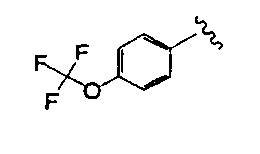
bond CONH bond 
CH2 [M+1]- = 1842 calcd. for C85H93Cl2F3N12O27·1.5HCl·13.9H2O
C: 47.53%, H: 5.74%. N: 7.83%, CI: 5.78%, F: 2.65%
found: C: 47.50%, H: 5.54%. N: 7.84%, Cl: 5.80%, F: 2.64%
bond NHCO NH 
CH2 [M+1]- = 1857 calcd. for C85H94Cl2F3N13O27·1.8HCl·1.6H2O
C: 47.88%, H: 5.63%. N: 8.54%, Cl: 6.32%, F: 2.67%
found: C: 47.88%, H: 5.56%. N: 8.51%. CI: 6.36%, F: 2.61%
bond CONH bond 
CH2 [M+1]- = 1842 calcd. for C85H93Cl3F3N12O27 ·1.3HCl·13.8H2O
C: 47.74%, H: 5.75%. N: 7.86%, Cl: 5.47%, F: 2.67%
found: C: 47.72%, H: 5.67%, N: 7.94%, Cl: 5.42%, F: 2.64%
bond CONH bond 
CH2 [M+3]+ = 1802
[M+1]- = 1800calcd. for C83H91Cl2F3N12O26·1.6HCl·13.7H2O
C: 47.34%, H: 5.74%. N: 7.98%, Cl: 6.06%, F: 2.71%
found: C: 47.29%, H: 5.73%, N: 8.10%, Cl: 6.12%. F: 2.84%
bond CONH bond 
CH2 [M+3]+ = 1832
[M+1]- = 1830calcd. for C88H102Cl2N12O27·1.6HCl·11.4H2O
C: 50.46%, H: 6.08%, N: 8.03%, Cl: 6.09%
found: C: 50.46%, H: 5.95%, N: 8.11 %, Cl: 6.06% -
[Table 87] 
bond CONH bond 
CH2 [M+3]+ = 1844
[M+1]-= 1842calcd. for C85H93Cl2F3N12O27·1.9HCl·11.6H2O
C: 48.14%, H: 5.61%. N: 7.93%, Cl: 6.52%, F: 2.69%
found: C: 48.11%, H: 5.60%. N: 8.03%, Cl: 6.44%, F: 2.84%
bond CONH bond 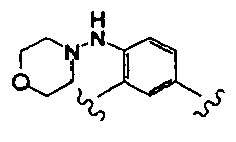
CH2 [M+3]+= 1842
[M+1]- = 1840calcd. for C85H94Cl2F2N12O26S·2.0HCl.9.8H2O
C: 48.84%, H: 5.57%, N: 8.04%, Cl: 6.78%, F: 1.82%, S: 1.53%
found: C: 48.83%, H: 5.47%, N: 8.10%, Cl: 6.79%, F: 1.96%, S: 1.53%
bond NHCO NH 
CH2 [M+3]+ = 1816
[M+1]- = 1814calcd. for C83H92Cl2F3N13O26·1.9HCl·10.8H2O
C: 47.94%, H: 5.60%, N: 8.76%, Cl: 6.65%, F: 2.74%
found: C: 47.93%, H: 5.61%. N: 8.80%, Cl: 6.72%, F: 2.53% -
[Table 88] RA RB Rc RD 
OH H H RA Ar2 X3 Y X2 Ar1 X1 Mass Elemental Analysis 
bond CONH bond 
CH2 [M+1]- = 1739 calcd. for C81H88Cl2F2N10O25S·1.3HCl·8.3H2O
C: 50.21%. H: 5.41%. N: 7.23%. Cl: 6.04%. F: 1.96%. S: 1.65%
found: C: 50.35%. H: 5.50%. N: 6.75%. Cl: 6.05%, F: 1.72%. S: 1.39%
bond CONH bond 
CH2 [M+3]+ = 1841
[M+1]- = 1839calcd. for C86H95Cl2F3N12O26·2.4HCl·10.3H2O
C: 48.87%, H: 5.63%. N: 7.95%, Cl: 7.38%, F: 2.70%
found: C: 48.99%. H: 5.67%. N: 7.45%, Cl: 7.43%, F: 2.18%
bond CONH bond 
CH2 [M+3]+ = 1828
[M+1]- = 1826calcd.for C85H92Cl2F3N11O27·1.9HCl·11.8H2O
C: 48.40%, H: 5.61 %. N: 7.30%. Cl: 6.55%, F: 2.70%
found: C: 48.38%, H: 5.54%. N: 7.41%, Cl: 6.56%, F: 2.55%
bond CONH bond 
CH2 [M+1]- = 1841 calcd. for C86H97Cl2F3N12O26·0.8HCl·16.2H2O
C: 47.74%, H: 6.07%. N: 7.77%, Cl: 4.59%, F: 2.63%
found: C: 47.78%, H: 5.78%. N: 7.98%. Cl: 4.76%. F: 1.73% -
[Table 89] 
bond CONH bond 
CH2 [M+3]+ = 1855
[M+1]- = 1853calcd. for C87H97Cl2F3N12O26·2.7HCl·12.7H2O
C: 47.89%. H: 5.78%. N: 7.70%. CI: 7.64%. F: 261%
found: C: 48.82%, H: 5.81%. N: 6.72%. CI: 7.78%. F: 2.07%
bond CONH bond 
CH2 [M+1]- = 1857 calcd.for C87H100Cl3F3N12O26·1.1HCl·10.6H2O
C: 49.19%, H: 5.80%. N: 7.91%, Cl: 6.84%, F: 2.68%
found: C: 49.39%, H: 5.84%. N: 7.37%, Cl: 6.82%. F: 2.45%
bond CONH bond 
CH2 [M+1]- = 1938 calcd. for C91H104Cl2F3N13O27·3.7HCl·14.8H2O
C: 46.68%, H: 5.91%. N: 7.78%, Cl: 8.63%. F: 2.43%
found: C: 46.75%. H: 5.91%, N: 7.64%, Cl: 8.59%. F: 2.19% -
[Table 90] RA RB RC R° 
OH H H RA Ar2 X3 Y X2 Ar1 X1 Mass Elemental Analysis 
bond CONH bond 
CH2 [M+1]+ = 1745 calcd. for C79H85Cl2F3N12O26·1.9HCl·12.5H2O
C: 46.49%, H: 5.53%. Cl: 6.77, F: 2.79, N: 8.24%
found: C: 46.46%, H: 5.47%, Cl: 6.75, F: 2.69, N: 8.33%
bond CONH bond 
CH2 [M+1]+ = 1773 calcd.for C81H89Cl2F3N12O26·2.0HCl·14.9H2O
C: 45.98%, H: 5.75%. Cl: 6.70, F: 2.69, N: 7.94%
found: C: 45.95%, H: 5.73%. Cl: 6.90, F: 2.66, N: 7.97%
bond CONH bond 
CH2 [M+1]+ = 1802 calcd. for C82H92Cl2F3N13026·2.8HCl·16.0H2O
C: 44.89%, H: 5.83%. Cl: 7.76, F: 2.60, N: 8.30%
found: C: 44.93%. H: 5.81%. Cl: 7.76, F: 2.67, N: 8.26% -
[Table 91] 
bond CONH bond 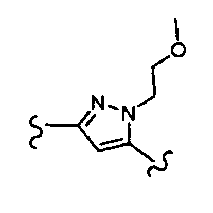
CH2 [M+1]+ = 1789 calcd. for C81H89Cl2F3N12O27·1.8HCl·14.5H2O
C: 45.95%, H: 5.70%. Cl: 6.36. F: 2.69, N: 7.94%
found: C: 45.89%. H: 5.54%. Cl: 6.45, F: 2.88, N: 7.91%
bond NHCO bond 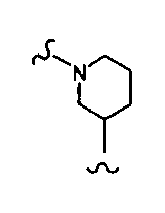
CH2CH2 [M+1]+ = 1762 calcd. for C81 H92Cl2F3N11O26·1.2HCl·16.9H2O
C: 46.07%, H: 6.06%, Cl: 5.37. F: 2.70, N: 7.30%
found: C: 46.08%, H: 5.91%, Cl: 5.29, F: 2.24, N: 7.34%
bond CONH bond 
CH2 [M+1]+ = 1729 calcd. for C78H84Cl4N12O25·1.7HCl·13.0H2O
C: 46.20%, H: 5.55%. CI: 9.97, N: 8.29%
found: C: 46.06%, H: 5.29%. CI: 9.98, N: 8.21%
bond CONH bond 
CH2 [M+1]+ = 1786 calcd. for C81H91Cl4N13O25·2.4HCl·12.5H2O
C: 46.30%, H: 5.68%. Cl: 10.80, N: 8.67%
found: C: 4621%, H: 5.63%. Cl: 10.85. N: 8.69%
bond CONH bond 
CH2CH2 [M+1]+ = 1747 calcd. for C79H90Cl4N12O25·2.4HCl·15.0H2O
C: 45.03%, H: 5.85%. Cl: 10.77, N: 7.98%
found: C: 45.14%, H: 5.73%. Cl: 10.75, N: 7.81% -
[Table 92] 
bond NHCO NH 
CH2CH2 [M+1]+= 1762 calcd.for C79H91Cl4N13025·2.0HCl·14.0H2O
C: 45.41%, H: 5.84%. Cl: 10.18, N: 8.71 %
found: C: 45.46%. H: 5.80%. Cl: 10.01, N: 8.12%
bond CONH bond 
CH2 [M+1]+ = 1719 calcd. for C81 H92Cl2N12O26 ·1.8HCl·16.5H2O
C: 46.69%, H: 6.13%. Cl: 6.47, N: 8.07%
found: C: 46.84%, H: 5.98%. Cl: 6.52, N: 8.09%
bond CONH bond 
CH2 [M+1]+= 1733 calcd. for C82H94Cl2N12O26·1.7HCl·13.5H2O
C: 48.28%. H: 6.06%. Cl: 6.43, N: 8.24%
found: C: 48.25%, H: 5.90%. Cl: 6.52, N: 8.08%
bond NHCO bond 
CH2CH2 [M+1]+ = 1762 calcd. for C81 H92Cl2F3N11O26·1.7HCl·13.0H2O
C: 47.23%, H: 5.86%. Cl: 6.37, F: 2.77, N: 7.48%
found: C: 47.06%, H: 5.79%. Cl: 6.38, F: 2.78, N: 7.39%
bond NHCO NH 
CH2CH2 [M+1]+ = 1777 calcd.for C81H93Cl2F3N12O26·2.5HCl·12.5H2O
C: 46.44%, H: 5.80%. Cl: 7.62, F: 2.72, N: 8.02%
found: C: 46.30%, H: 5.82%. Cl: 7.63, F: 2.64, N: 7.81% -
[Table 93] RA RB RC RD 
OH H H RA Ar2 X3 Y X2 Ar1 X1 Mass Elemental Analysis 
bond CONH bond 
CH2CH2 [M+H]+ = 1763 calcd.for C80H91Cl2F3N12O26·2.4HCl·13.6H2O
C: 45.82%, H: 5.80%. N: 8.02%, Cl: 7.44% F: 2.72%
found: C: 45.47%, H: 5.68%. N: 8.42%. Cl: 7.51% F: 3.87%
bond NHCO bond 
CH2CH2 [M+H]+ = 1763 calcd. for C80H91Cl2F3N12O26·2.7HCl·14.1H2O
C: 45.39%, H: 5.80%. N: 7.94%. Cl: 7.87% F: 2.69%
found: C: 45.11%. H: 5.82%. N: 8.00%, Cl: 7.88% F: 2.44%
bond NHCO NH 
CH2CH2 [M+H]+ = 1778 calcd.for C80H92Cl2F3N13O26·2.5HCl·15.3H2O
C: 44.77%, H: 5.87%. N: 8.48%, Cl: 7.43% F: 2.66%
found: C: 44.56%, H: 5.82%. N: 8.43%, Cl: 7.46% F: 2.75% -
[Table 94] 
bond NHCO bond 
CH2 [M+1]- = 1743 calcd. for C80H84Cl2F3N11O26 ·1.8HCl·13.5H2O
C: 46.82%, H: 5.54%. N: 7.51%, Cl: 6.56% F: 2.78%
found: C: 46.80%, H: 5.39%. N: 7.63%, Cl: 6.58% F: 2.71%
bond CONH bond 
CH2 [M+1]- = 1742
[M+Cl]- = 1780calcd. for C80H8402F3N11026·2.6Ha·14.5H2O
C: 45.77%, H: 5.55%. N: 7.34%. Cl: 7.77% F: 2.71%
found: C: 45.77%, H: 5.61%. N: 7.37%, Cl: 7.86% F: 2.84%
bond NHCO NH 
CH2CH2 [M+H]+ = 1778 calcd. for C80H92Cl2F3N13026·0.4HCl·18.3H2O
C: 45.24%, H: 6.12%. N: 8.57%, Cl: 4.01% F: 2.68%
found: C: 44.88%, H: 5.74%. N: 8.38%, Cl: 3.98% F: 2.72%
bond NHCO NH 
CH2CH2 [M+H]+ =1752 calcd. for C82H99Cl2N13026·2.7HCl·13H2O
C: 47.21%, H: 6.17%. N: 8.73%, Cl: 7.99%
found: C: 47.09%, H: 6.12%. N: 8.53%, Cl: 8.01%
bond NHCO NH 
CH2CH2 [M+H]+ = 1766 calcd. for C83H101Cl2N13026·2.6HCl-13.5H2O
C: 47.34%, H: 6.25%. N: 8.65%, Cl: 7.74%
found: C: 47.32%. H: 6.11%. N: 8.67%, Cl: 7.69% -
[Table 95] 
bond CONH bond 
CH2CH2 [M+H]+ = 1737 calcd. for C82H98Cl2N12O26·2.4HCl·16H2O
C: 46.58%, H: 6.31%. N: 7.95%. Cl: 7.38%
found: C: 46.69%, H: 6.04%. N: 7.90%. Cl: 7.53%
bond CONH bond 
CH2CH2 [M+H]+ = 1751 calcd.for C83H100Cl2N12O26·2.4HCl·17H2O
C: 46.44%. H: 6.41%. N: 7.83%. Cl: 7.27%
found: C: 46.38%, H: 6.12%. N: 7.85%, Cl: 7.33%
bond CONH bond 
CH2 [M+1]- = 1729 calcd.for C84H94Cl2N10O26·1.9HCl·10.8H2O
C: 50.59%, H: 5.94%. N: 7.02%. Cl: 6.93%
found: C: 50.43%, H: 5.64%. N: 7.15%, Cl: 6.97% -
[Table 96] RA RB RC RD 
OH H H RA Ar2 X3 Y X2 Ar1 X1 Mass Elemental Analysis 
bond CONH bond 
CH2 [M+1]+ = 1745 calcd. for C79H85Cl2F3N12O26·2.0HCl·13.0H2O
C: 46.20%, H: 5.55%. Cl: 6.91, F: 2.78, N: 8.18%
found: C: 46.25%, H: 5.50%, Cl: 6.46, F: 2.77, N: 8.24%
bond CONH bond 
CH2 [M+1]+ = 1749 calcd. for C77H81Cl2F3N12026S·2.0HCl·14.0H2O
C: 44.60%, H: 5.40%. CI: 6.84, F: 2.75, N: 8.10, S: 1.55%
found: C: 44.51%, H: 5.24%. CI: 7.02. F: 2.42, N: 8.06, S: 1.55% -
[Table 97] RA RB Rc RD 
OH H H RA Ar2 X3 Y X2 Ar1 X1 Mass Elemental Analysis 
bond CONH bond 
CH2 [M+3]+ = 1775
[M+1]-= 1773calcd. for C82H86Cl2N10O26·2HCl·11H2O
C: 48.14%, H: 5.32%. N: 6.84%, Cl: 6.89%
found: C: 47.97%, H: 5.09%. N: 6.78%, Cl: 6.68%
bond CONH bond 
CH2 [M+3]+=1738
[M+1]- = 1736calcd. for C81H84Cl2F2N10O27·2HCl·12H2O
C: 47.97%, H: 5.36%. N: 6.93%, Cl: 6.99%
found: C: 47.87%, H: 4.68%. N: 6.87%, Cl: 6.81%
bond CONH bond 
CH2 [M+3]+ = 1786
[M+1]- = 1784calcd. for C83H90Cl2F3N11O26·2HCl·12H2O
C: 48.06%,H: 5.54%, N: 7.42%, Cl:6.83%
found: C: 47.98%, H: 5.24%. N: 7.44%, Cl: 7.46%
bond CONH bond 
CH2 [M+3]+ = 1759
[M+1]- = 1757calcd. for C81H85Cl2F3N10O25·2HCl·11H2O
C: 4792%, H: 5.32%. N: 6.90%, Cl: 6.98%
found: C: 47.93%, H: 5.17%. N: 6.90%. Cl: 6.86% -
[Table 98] 
bond CONH bond 
CH2 [M+3]+ = 1718 [M+1]- = 1716 calcd. for C83H92Cl2N10O26·2HCl·12H2O
C: 49.70%, H: 5.82%. N: 6.98%, Cl: 7.07%
found: C: 49.37%, H: 5.47%. N: 7.00%, Cl: 6.57%
bond CONH bond 
CH2 [M+3]+ = 1731 [M+1]- = 1729 calcd.for C84H94Cl2N10O26·2HCl·14H2O
C: 49.07%, H: 5.98%. N: 6.81%, Cl: 6.89%
found: C: 49.24%, H: 5.91%. N: 6.89%, Cl: 6.59%
bond CONH bond 
CH2 [M+3]+ = 1731 [M+1]-= 1729 calcd. for C84H94Cl2N100O6·2HCl·10H2O
C: 50.85%, H: 5.79%. N: 7.06, Cl: 7.14%
found: C: 50.97%, H: 5.86%. N: 7.07%, Cl: 6.79%
bond CONH bond 
CH2 [M+3]+= 1749 [M+1]-=1747 calcd. for C83H92Cl2N10028·2HCl·14H2O
C: 48.05%, H: 5.79%. N: 6.75%, Cl: 6.83%
found: C: 47.70%, H: 5.73%. N: 6.79%, Cl: 6.95%
bond CONH bond 
CH2 [M+3]+ = 1761 [M+1]-= 1759 calcd. for C85H9602N10027·2HCl·12H2O
C: 49.80%, H: 5.90%. N: 6.83%, Cl: 6.91%
found: C: 49.82%, H: 5.31%. N: 6.90%, Cl: 7.24%
bond CONH bond 
CH2 [M+3]+ = 1731 [M+1]-= 1729 calcd. for C84H94Cl2N10026·2HCl·11H2O
C: 50.39%. H: 5.84%. N: 6.99, Cl: 7.08%
found: C: 50.28%, H: 5.96%. N: 7.17%, Cl: 6.97%
bond CONH bond 
CH2 [M+3]+ = 1747 [M+1]- = 1745 calcd. for C84H94Cl2N10O27·2HCl·16H2O
C: 48.60%. H: 6.12%. N: 6.74%, Cl: 6.83%
found: C: 48.57%, H: 5.82%. N: 7.05%, Cl: 7.05% -
[Table 99] RA RB RC RD 
OH or NH-R H or CH2-NH-R H RB RC RD Mass Elemental Analysis 
H H [M+1]-= 1907 calcd.for C90H106Cl6N14O24·1.2HCl·9.6H2O
C: 49.20%, H: 5.80%. N: 8.92%, Cl: 11.62%
found: C: 49.43%, H: 5.75%. N: 7.39%, Cl: 11.62%OH 
H [M+1]- = 1768 calcd. for C82H89Cl4N11O25·2.1HCl·8.5H2O
C: 49.24%. H: 5.45%. N: 7.70%, Cl: 10.81%
found: C: 49.31%, H: 5.54%. N: 7.01%, Cl: 10.77%OH 
H [M+1]- = 1933 calcd. for C87H97Cl4N11O31·2.2HCl·10.1H2O
C: 47.57%, H: 5.48%. N: 7.01 %, Cl: 10.01 %
found: C: 47.65%. H: 5.50%. N: 6.38%, Cl: 10.07%OH 
H [M+11]- = 1937 calcd.for C91H108Cl6N14025·2.7HCl·14.8H2O
C: 46.01%, H: 5.95%. N: 8.25%, Cl: 12.98%
found: C: 46.10%, H: 5.87%. N: 7.98%, Cl: 12.90% -
[Table 100] OH 
H [M+1]- = 1850 calcd. for C84H91Cl4N15O25·2.0HCl·11.0H2O C: 47.51%, H: 5.46%. N: 9.89%, Cl: 10.02% found: C: 47.59%, H: 5.43%. N: 9.27%, Cl: 10.09% 
H H [M+1]- = 1853 calcd. for C86H96Cl4N12O26 · 2.7HCl · 7.4H2O C: 48.17%. H: 5.34%. N: 7.84%, Cl: 11.08% found: C: 48.14%, H: 5.55%. N: 7.88%, Cl: 11.11 % 
H H [M+1]- = 1854 calcd. for C85H91 Cl4N 11O28 ·2.0HCl· 8.9H2O
C: 48.85%, H: 5.34%. N: 7.37%. Cl: 10.18%
found: C: 48.91%, H: 5.24%. N: 7.00%, Cl: 10.25%OH 
H [M+1]- = 1884 calcd. for C86H93Cl4N11O29 ·1.7HCl·10.6H2O
C: 48.28%, H: 5.46%. N: 7.20%. Cl: 9.45%
found: C: 48.28%, H: 5.40%. N: 7.16%, Cl: 9.41% %OH 
H [M+1]- = 1976
[M+1]-= 1976calcd.for C89H101Cl4N11O32·2.9HCl·11.8H2O
C: 46.54%, H: 5.59%. N: 6.71%, Cl: 10.65%
found: C: 46.47%, H: 5.17%. N: 6.76%, Cl: 10.59%
H H [M+3]++ = 948 calcd. for C89H107Cl6N13O24·2.OHCl·12.7H2O
C: 47.36%, H: 6.00%. N: 8.07%. Cl: 12.56%
found: C: 47.25%, H: 5.63%. N: 8.24%, Cl: 12.51%OH 
H [M+3]++ = 958 calcd.for C90H109Cl6N13O25·2.8HCl·14.8H2O
C: 45.91%, H: 5.95%. N: 7.73%, Cl: 13.25%
found: C: 45.79%, H: 5.52%. N: 8.01%, Cl: 13.20% -
[Table 101] OH 
H [M+3]+ = 1872 [M+1]-= 1870 calcd. for C85H91Cl4N11029·2.5HCl·12H2O
C: 54.52%, H: 4.9%. N: 8.23%, Cl: 7.57%
found: C: 46.85%, H: 5.32%. N: 7.08%, Cl: 10.85%
H H [M+1]- = 1868 calcd.for C87H99Cl4N12O26·3HCl·11H2O
C: 55.86%, H: 5.33%. N: 8.99%, Cl: 7.58%
found: C: 48.11%, H: 5.62%. N: 7.88%, Cl: 11.09%
H H [M+3]+ = 1856 calcd. for C85H91Cl4N11O29·3HCl·13H2O
C: 55.64%, H: 5.27%. N: 9.05%, Cl: 7.64%
found: C: 47.21 %, H: 5.54%. N: 7.71 %, Cl: 11.02%
H H [M+1]- = 1821 calcd.for C85H91Cl4N11O29·2HCl·14H2O
C: 55.33%, H: 4.86%. N: 9.22%, Cl: 7.78%
found: C: 47.17%, H: 5.41%. N: 7.91 %, Cl: 9.64%OH 
H [M+3]+ = 1827 calcd. for C85H96Cl4N12025·4.5HCl·14.7H2O
C: 45.24%, H: 5.80%, N: 7.45%, Cl: 13.36%
found: C: 45.15%, H: 5.79%. N: 7.81 %, Cl: 13.41%OH 
H [M+3]+ = 1870
[M+1]- = 1868calcd. for C87H98Cl4N12O26·3.4HCl·14.4H2O
C: 46.38%, H: 5.82%. N: 7.46%, Cl: 11.64%
found: C: 46.31%, H: 5.56%. N: 7.54%, Cl: 11.68%
H H [M+3]+ = 1839 calcd. for C86H96Cl4N12O25·2.9HCl·14.1H2O
C: 46.97%, H: 5.82%, N: 7.64%, Cl: 11.12%
found: C: 46.94%, H: 5.70%. N: 7.62%, Cl: 11.10% -
[Table 102] 
H H [M+1]- = 1795 calcd.for C84H94Cl4N12O24·2.7HCl·13.4H2O
C: 47.20%, H: 5.82%. N: 7.86%, Cl: 11.11%
found: C: 46.17%, H: 5.66%. N: 7.91%, Cl: 11.07%
H H [M+1]-= 1823 calcd.for C86H99Cl4N12O24·2.6HCl·13.1H2O
C: 47.88%, H: 5.97%. N: 7.79%, Cl: 10.85%
found: C: 46.87%, H: 5.84%. N: 7.60%, Cl: 10.86% -
[Table 103] RA RB RC RD 
OH or NH-R H or CH2-NH- R H RB RC RD Mass Elemental Analysis -NH(CH2)2SO3H H H [M+3]+ = 1850
[M+1]- = 1848calcd. for C83H90Cl2F3N11O28S·1.2HCl·10.7H2O
C: 47.79%. H: 5.44%, N: 7.39%. Cl: 5.44%. F: 273%. S: 1.54%
found: C: 47.78% H: 5.23%. N: 7.32%, Cl: 5.37%, F: 2.88%, S: 1.25%
H H [M+1]- = 1857 calcd. for C85H90Cl2F3N11O29·1.8HCl·12.1H2O
C: 47.68%. H: 5.46%, N: 7.20%. Cl: 6.29%, F: 2.66%
found: C: 47.67%. H: 5.43%. N: 7.31%, Cl: 6.29%. F: 2.66%-NH(CH2)2NHSO2NH2 H H [M+1]- = 1863 calcd. for C83H92Cl2F3N13O27S·2.0HCl·11.0H2O
C: 46.70%, H: 5.48%, N: 8.53%. Cl: 6.64%, F: 2.67%. S: 1.50%
found: C: 46.76%. H: 5.46%. N: 8.42%. Cl: 6.57%. F: 2.61%, S: 1.33%-NH(CH2)2O(CH2)2OH H H H [M+3]+ = 1831
[M+1]- = 1829calcd. for C85H94Cl2F3N11O27·1.9HCl·10.9H2O
C: 48.72%, H: 5.66%, N: 7.35%, Cl: 6.60%, F: 2.72%
found: C: 48.66%, H: 5.43%, N: 7.41%, Cl: 6.56%, F: 2.66% -
[Table 104] 
H H [M+1]- = 1855 calcd.for C85H91Cl2F3N12O28·2.0HCl·12.3H2O
C: 47.46%. H: 5.51%. N: 7.81%, Cl: 6.59%. F: 2.65%
found: C: 47.44%, H: 5.29%. N: 7.75%, Cl: 6.51%, F: 2.62%
H H [M+1]-= 1869 calcd. for C87H98Cl2F3N13O26·2.9HCl·13.OH2O
C: 47.68%, H: 5.74%. N: 8.31%. Cl: 7.93%. F: 2.60%
found: C: 47.57%. H: 5.53%. N: 8.57%. Cl: 7.94%. F: 2.54%OH 
H [M+1]- = 1885 calcd.for C86H93Cl2F3N12O29·1.7HCl·11.5H2O
C: 47.91%, H: 5.50%. N: 7.80%. Cl: 6.08%. F: 2.64%
found: C: 47.96%. H: 5.36%. N: 7.83%. Cl: 6.00%. F: 2.55%OH 
H [M+3]+ = 1844
[M+1]-= 1842calcd. for C85H92Cl2F3N11O28·2·1HCl·11.1H2O
C: 48.15%, H: 5.53%, N: 7.27%, Cl: 6.86%. F: 2.69%
found: C:48.10%, H:5.36%, N:7.42%, Cl:6.86%, F:2.57%OH 
H [M+1]- = 1878 calcd. for C84H92Cl2F3N11O29S·1.2HCl·12.0H2O
C: 47.15%, H: 5.52%. N: 7.20%. Cl: 5.30%, F: 2.66%, S: 1.50%
found: C: 47.14%. H: 5.29%. N: 7.24%. Cl: 5.42%. F: 2.60%. S: 1.37%OH 
H [M+1]- = 1865 calcd. for C83H91Cl2F3N11O29P·1.6HCl·12.4H2O
C: 46.43%. H: 5.51%. N: 7.18%. Cl: 5.94%, F: 2.65%. P: 1.44%
found: C: 46.42%, H: 5.34%. N: 7.16%. Cl: 6.00%. F: 2.58%. P: 1.60% -
[Table 105] OH 
H [M+1]- = 1892 calcd. for C84H94Cl2F3NI3028S·2.0HCl·12.6H2O
C: 45.99%. H: 5.57%. N: 8.30%. Cl: 6.46%. F: 2.60%. S: 1.46%
found: C: 45.75%, H: 5.49%, N: 8.60%. Cl: 6.53%. F: 2.57%, S: 1.68%OH 
H [M+3]+ = 2030 calcd. for C94H111Cl2F3N14O29·3.OHCl·12.9H2O
0.2CF3COOH C: 47.37%. H: 5.90%. N: 8.19%. Cl: 7.41%. F: 2.86%
found: C: 47.40%, H: 5.91%. N: 8.15%, Cl: 7.50%. F: 2.96%OH 
H [M+3]+ = 2058 calcd. for C94H111Cl2F3N16O29·2.7HCl·12.8H2O
0.7CF3COOH C: 46.47%, H: 5.72%, N: 9.09%. Cl: 6.76%. F: 3.93%
found: C: 46.49%. H: 5.71 %. N: 9.06%. Cl: 6.75%, F: 3.95%OH 
H [M+1]-= 1858 calcd. for C86H96Cl2F3Nt11O28·2.3HCl·1.9H2O
C: 47.87%. H: 5.70%, N: 7.14%, Cl: 7.06%. F: 2.64%
found: C: 47.82%. H: 5.80%. N: 7.21%, Cl: 7.03%, F: 2.55%
H H [M+1]- = 1813 calcd. for C84H90Cl2F3N11O27·1.8HCl·10.4H2O
C: 48.82%, H: 5.49%. N: 7.46%. Cl: 6.52%, F: 2.76%
found: C: 48.77%. H: 4.53%. N: 7.14%. Cl: 6.59%. F: 261%
H H [M+3]+=1827
[M+1]+ =1827calcd.for C86H97Cl2F3N12O25·2.9HCl·12.4H2O
C: 47.91%, H: 5.83%. N: 7.80%, Cl: 8.06%, F: 2.64% 1825
found: C: 47.89%, H: 5.60%. N: 8.01%, Cl: 8.01%, F: 2.72% -
[Table 106] 
H H H H [M+3]+ = 1827
[M+1]- = 1825calcd. for C86H98Cl3F3N12O25·1.9HCl·13.3H2O
C: 47.56%, H: 5.87%. N: 7.74%, Cl: 8.00%. F: 2.62%
found: C: 47.54%, H: 5.69%. N: 7.87%, Cl: 8.06%. F: 2.55%
H H [M+1]- = 1892 calcd. for C88H94Cl2F3N13027·3.0HCl·14.1H2O
C: 46.83% H: 5.59%. N: 8.07%, Cl: 7.85%, F: 2.53%
found: C: 46.78%. H: 5.51%. N: 8.13%. Cl: 7.78%, F: 2.51%
H H [M+1]- = 1955 calcd. for C89H103Cl2F3N16O25S·1.9HCl·14.5H2O
C: 46.02%, H: 5.81%. N: 9.65%. Cl: 7.48%. F: 2.45%. S: 1.38%
found: C: 45.97%. H: 5.66%. N: 9.77%. Cl: 7.49%. F: 2.48%, S: 1.35%
H H [M+1]- = 1828 calcd. for C85H94Cl2F3N11O27·2.1HCl·11.9H2O
C: 48.14%. H: 5.70%, N: 7.27%, Cl: 6.85%, F: 2.69%
found: C: 47.13%, H: 5.66%, N: 7.25%, Cl: 6.81%, F: 272%
H H [M+1]- = 1878 calcd. for C87H92Cl2F3N13O27·2.8HCl·14.4H2O
C: 46.62%, H: 5.56%, N: 8.12%, Cl: 7.59%, F: 2.54%
found: C: 46.65%, H: 5.48%, N: 7.96%, Cl: 7.58%, F: 2.49%
H H [M+1]- = 1853 calcd. for C87H97Cl2F3N12O26·2.8HCl·15.0H2O
C: 46.92%, H: 5.87%, N: 7.55%, Cl: 7.64%, F: 2.56%
found: C: 46.89%, H: 5.65%, N: 7.55%, Cl: 7.64%, F: 2.46% -
[Table 107] 
H H [M+3]+ = 1830
[M+1]- = 1828calcd. for C85H94Cl2F3N11O27·2.9HCl·11.8H2O
C: 47.53%, H: 5.65%. N: 7.17%. Cl: 8.09%, F: 2.65% [M+1]- = 1828
found: C: 47.46%. H: 5.49%. N: 7.21%, Cl: 8.13%. F: 2.64% -
[Table 108] RA RB RC RD 
OH or NH-R H or CH2-NH-R H RB RC RD Mass Elemental Analysis -NH(CH2)2O(CH2)2OH H H [M+3]+ = 1847 calcd. for C83H93Cl4N132O27 ·2.3HCl·13.5H2O
C: 45.86%. H: 5.67%. N: 8.38%, Cl: 10.28%
found: C: 45.80%. H: 5.45%. N: 8.50%. Cl: 10.26%-NH(CH2)2NHSO2NH2 H H [M+3]+ = 1881 calcd. for C81H91Cl4N15O27S·2.1HCl·11.1H2O
C: 45.10%, H: 5.39%, N: 9.74%, Cl: 10.03%, S: 1.49%
ound: C: 45.16%, H: 5.36%. N: 9.54%, Cl: 9.98%, S: 1.28%-NHCH2CONHCN H H [M+3]+ = 1841 calcd. for C82H87Cl4N15O26·2.5HCl·12.9H2O
C: 45.51%, H: 5.37%, N: 9.71%, Cl: 10.65%
found: C: 45.50%, H: 5.36%, N: 9.73%, Cl: 10.67%-NH(CH2)2OMe H . H [M+3]+=1817 calcd. for C82H91 Cl4N13O26 ·1.8HCl·11.8H2O
C: 47.02%, H: 5.60%, N: 8.69%, Cl: 9.82%
found: C: 47.04%, H: 5.54%. N: 8.64%, Cl: 9.85%-NHCH2CONH2 H H [M+3]+=1816 calcd.for C81H88Cl4N14026·2.0HCl·11.9H2O
C: 46.27%, H: 5.45%. N: 9.33%, Cl: 10.12%
found: C: 46.27%, H: 5.34%. N: 9.38%, Cl: 10.16% -
[Table 109] RA RB RC RD 
OH or NH-R H or CH2-NH-R H RB RC RD Mass Elemental Analysis 
H H [M+1]-= 1864 calcd. for C82H91Cl2F3N14O27S·2.2HCl·14.3H2O
C: 44.72%, H: 5.57%. N: 8.90%, Cl: 6.76%, F: 2.59%, S: 1.46%
found: C: 44.67, H: 5.38%. N: 8.99%, Cl: 6.79%, F: 2.70%, S: 1.51% -
[Table 110] RA RB RC N-terminal 
OH or NH-R H or CH2-NH-R 
RB RC N-terminal Mass Elemental Analysis OH H 
[M+3]+ = 1687
[M+1]- = 1685calcd. for C77H77Cl2F3N10O26·1.8HCl·13.6H2O
C: 46.31%, H: 5.33%. N: 7.01 %, Cl: 6.75%, F: 2.85%
found: C: 46.34%, H: 5.42%. N: 6.95%, Cl: 6.79%, F: 2.66%OH H 
[M+1]- = 1711 calcd. for C79H79Cl2F3N10O26·1.4HCl·14.4H2O
C: 46.91%, H: 5.44%. N: 6.92%, Cl: 5.96%, F: 2.82%
found: C: 46.86%, H: 5.32%. N: 6.84%, Cl: 5.99%, F: 2.93% -
[Table 111] OH H 
[M+1]- = 1743 calcd. for C80H84Cl2F3N11O26·2.6HCl·15.2H2O
C: 45.49%, H: 5.58%. N: 7.29%, Cl: 7.72%, F: 2.70%
found: C: 45.53%, H: 5.52%. N: 7.07%. Cl: 7.77%. F: 2.56%OH H 
[M+1]- = 1751 calcd. for C80H79Cl2F3N12O26·2.7HCl·15.7H2O
C: 45.03%, H: 5.34%. N: 7.88%, Cl: 7.81%, F: 2.67%
found: C: 44.99%, H: 5.17%. N: 7.99%. Cl: 7.77%, F: 2.66% - he following compounds were prepared in a similar manner as described above.
[Table 112] Structure Mass Elemental Analysis 
[M+H]+= 1695 calcd for C81H80Cl2N10O27 2.9(HCl) 15(H2O)
C : 46.94%, H : 5.49%, Cl : 8.38%, N : 6.76%, 0 : 32.42%
found: C: 47.04%, H: 4.92%, Cl: 8.25%, N: 6.95%
[M+1]+ 1878 1878 calcd. for C91 H101Cl2N 13O27· = 3.5HCl·12H2O
C: 49.15%, H: 5.82%. N: 8.19%, Cl: 8.77%, 0: 28.06%,
found: C: 49.05%, H: 5.69%. N: 8.30%, Cl: 8.61%
[M+1]+ 1811 calcd. for C85H95CI2F3N12025· 3.5HCl·16H2O
C: 45.81%, H: 5.90%. N: 7.54%, Cl: 8.75%, F: 2.56%, 029.44%,
found: C: 45.64%, H: 5.64%. N: 7.51%, Cl:8.72%, F:2.04% -
[Table 113] Structure Mass Elemental Analysis 
[M+1]+ 1800 calcd. for C83H90Cl2F3N11027 · 19HC·13H2O
C: 47.36%, H: 5.65%. N: 7.32%, Cl: 6.57%. F: 2.71 %, O: 30.40%,
found: C: 47.48%, H: 5.55%. N: 7.44%. Cl: 6.49%, F: 2.74%
[M+1]+ 1768 calcd. for C83H90Cl2F3N11O25 · 2.1HCl·13H2O =
C: 47.92%, H: 5.72%. N: 7.41%, Cl: 6.99%, F2.74%, O29.23%,
found: C: 47.82%, H: 5.74%. N: 7.53%, Cl: 7.24%, F: 2.96%
[M+1]+ = 1741 calcd. for C81H85Cl2F3N10O26· 1.5HCl·11H2O
C:48.76%, H:5.48%. N: 7.02%, Cl: 6.22%, F: 2.86%. O: 29.67%,
found: C: 48.55%, H: 5.58%. N: 7.03%, Cl: 6.20%, F: 2.91%
[M+1]+= = 1695 calcd. for C81 H80Cl2N10O27·2HCl· 12H2O
C: 49.0%, H: 5.38%. N: 7.05%, Cl: 7.14%, O: 31.43%,
found: C: 49.16%, H: 5.24%. N: 7.18%, CI: 7.0% - The following compounds were prepared in a similar manner as described above.
[Table 114] Structure Mass Elemental Analysis 
[M+1]+= 1921 calcd. for C90H95Cl2F3N12O28·3.3HCl·13.8H2O
C: 47.21 %, H: 5.54%, N: 7.34%, Cl: 8.21 %, F: 2.49%
found: C: 47.17%, H: 5.40%. N: 7.53%, Cl: 8.18%, F: 2.65%
[M+1]+ = 1723 calcd. for C80H90Cl2N12O2551·1.6HCl·13.2H2O
C: 47.60%, H: 5.89%. N: 8.33%, Cl: 6.32%. S: 1.59%
found: C: 47.62%. H: 5.80%. N: 8.27%. Cl: 6.29%, S: 1.64%
[M+1]+ = 1732 calcd. for C83H93Cl2N11O26·1.0HCl·13.8H2O
C: 49.43%, H: 6.08%. N: 7.64%, Cl: 5.27%
found: C: 49.47%. H: 6.01%. N: 7.65%, Cl: 4.98% -
[Table 115] 
[M+1]+ = 1729 calcd. for C79H83Cl4N11O25·1.4HCl·11.4H2O
C: 47.81%, H: 5.44%. N: 7.76%, Cl: 9.65%
found: C: 47.78%, H: 5.33%. N: 7.75%, Cl: 9.67%
[M+1]+ = 1758 calcd. for C81H86Cl2F3N11O26·1.9HCl·12.4H2O
C: 47.45%, H: 5.54%. N: 7.52%, Cl: 6.74%, F: 2.78
found: C: 47.43%, H: 5.46%. N: 7.56%, Cl: 6.75%, F: 2.83
[M+1]+=1785 calcd.for C87H100Cl2N12O25·2.8HCl·11.5H2O
C: 49.90%, H: 6.06%. N: 8.03%, Cl: 8.13%
found: C: 49.87%, H: 6.00%. N: 8.15%, Cl: 8.14% -
[Table 116] 
[M+1]+ = 1823 calcd. for C86H95Cl2F3N12O25·1.6HCl·11.3H2O
C: 49.50%, H: 5.76%, N: 8.06%, Cl: 6.12%, F:2.73%
found: C: 49.47%, H: 5.74%. N: 8.13%, Cl: 6.16%, F:2.66%
[M+1]+ = 1756 calcd. for C81H86Cl2F3N11O26·2.6HCl·9.9H2O
C: 47.91 %, H: 5.38%. N: 7.59%, Cl: 8.03%, F: 2.81 %
found: C: 47.87%, H: 5.32%. N: 7.67%, Cl: 7.96%, F: 2.86%
[M+1]+ = 1788 calcd. for C80H86Cl2F3N13O27·2.2HCl·9.8H2O
C: 46.96%, H: 5.31%, N: 8.90%, Cl: 7.28, F: 2.79%
found: C: 46.93%, H: 5.30%, N: 9.02%, Cl: 7.33, F: 2.79% -
[Table 117] 
[M+1]+ = 1799 calcd. for C82H87Cl2F3N12O27·1.4HCl·9.4H2O
C: 48.73%, H: 5.35%, N: 8.32%, Cl: 5.96, F: 2.82%
found: C: 46.69%, H: 5.31 %, N: 8.48%, Cl: 6.01, F: 2.76%
[M+1]+=1749 calcd. for C81H87Cl3N12O26·1.2HCl·11.2H2O
C: 48.73%, H: 5.58%, N: 8.42%, Cl: 7.46%
found: C: 48.68%, H: 5.49%. N: 8.50%, Cl: 7.403%
[M+1]+ = 1760 calcd. for C83H95Cl2N13O26·1.2HCl·11.7H2O
C: 49.45%, H: 5.98%, N: 9.03%, Cl: 5.63%
found: C: 49.44%, H: 5.86%, N: 9.04%, Cl: 5.64% -
[Table 118] 
[M+1]+ = 1805 calcd. for C81H86Cl2F4N12O27·1.7HCl·10.4H2O
C: 47.32%, H: 5.32%, N: 8.18%, Cl: 6.38%, F: 3.70%
found: C: 47.33%, H: 5.36%, N: 8.30%, Cl: 6.35%, F: 3.70%
[M+1]+ = 1789 calcd. for C80H85Cl2F3N12O26S·1.7HCl·10.3H2O
C: 47.14%, H: 5.31%, N: 8.25%. Cl: 6.44%, F: 2.80%, S: 1.57%
found: C: 47.10%, H: 5.26%, N: 8.32%, Cl: 6.48%, F: 2.88%, S: 1.53%
[M+1]+ = 1762 calcd. for C81H89Cl2N13O28·1.4HCl·13.4H2O
C: 47.32%, H: 5.75%, N: 8.86%, Cl: 5.86%
found: C: 47.30%, H: 5.70%. N: 9.03%, Cl: 5.88% -
[Table 119] 
[M+1]+ = 1741 calcd. for C79H84Cl3FN12O26·1.4HCl·13.1H2O 0.94%
C: 46.74%, H: 5.54%, N: 8.28%, CI: 7.68%, F: 0.94%
found: C: 46.72%, H: 5.26%, N: 8.34%, Cl: 7.70%, F: 1.04%
[M+1]+ = 1771 calcd. for C80H86Cl2F2N12O26S·1.5HCl·10.9H2O
C: 47.48%, H: 5.44%, N: 8.31 %, Cl: 6.13%, F: 1.88%, S: 1.58%
found: C: 47.48%, H: 5.31%, N: 8.35%, Cl: 6.19%, F: 1.96%, S: 1.59%
[M+1]+ = 1710 calcd. for C80H94Cl2N12O26·1.5HCl·13.0H2O
C: 48.94%, H: 6.03%, N: 8.56%, Cl: 6.32%
found: C: 48.89%, H: 5.91%, N: 8.63%, Cl: 6.33% -
[Table 120] 
[M+1]+ = 1751 calcd. for C83H100Cl2N12O26·1.5HCl·12.4H2O
C: 49.09%, H: 6.27%, N: 8.28%. Cl: 6.11%
found: C: 49.04%, H: 6.21 %, N: 8.44%, Cl: 6.06%
[M+1]+ = 1775 calcd. for C84H96Cl2N12O27·1.5HCl·11.8H2O
C: 49.36%, H: 5.97%, N: 8.22%, Cl: 6.07%
found: C: 49.31%, H: 5.77%, N: 8.34%, Cl: 6.02%
[M+1]+ = 1787 calcd. for C81H87Cl2F3N12O27·1.6HCl·10.2H2O
C: 47.91%, H: 5.41%, N: 8.28%, Cl: 6.29%, F: 2.81 %
found: C: 47.87%, H: 5.33%, N: 8.35%, Cl: 6.27%, F: 2.90% -
[Table 121] 
[M+1]+ = 1760 calcd. for C79H86Cl2F3N13026 2.0HCl·12.0H2O
C: 46.27%, H: 5.51%. N: 8.88%, Cl: 6.92%, F: 2.78%
found: C: 46.41%, H: 5.51%. N: 8.43%, Cl: 6.85%. F: 2.96%
[M+1]+ = 1760 calcd. for C81H90Cl2F3N11026·2.0HCl·10.0H2O
C: 48.29%, H: 5.60%. N: 7.65%, Cl: 7.04%, F: 2.83%
found: C: 48.33%, H: 5.63%. N: 7.51 %, Cl: 7.00%, F: 3.08%
[M+1]+ = 1778 calcd. for C81H92Cl2F3N11027·1.9HCl·10.5H2O
C: 47.74%, H: 5.68%. N: 7.56%. Cl: 6.78%, F: 2.80%
found: C: 47.73%, H: 5.58%. N: 7.63%, Cl: 6.71%, F: 2.74% -
[Table 122] 
[M+1]+=1777 calcd. for C81H93Cl2F3N12O26·2.8HCl·11.5H2O
C: 46.60%, H: 5.74%. N: 8.05%, Cl: 8.15%, F: 2.73%
found: C: 46.61%, H: 5.59%. N: 7.80%, Cl: 8.09%, F: 2.44%
[M+H]+= 1750 calcd. for C79H88Cl2F3N 11027 1.8HCl·12.2H2O
C: 46.58%, H: 5.65%. N: 7.56%. Cl: 6.61%, F: 2.80%
found: C: 46.41%. H: 5.48%. N: 7.71%, Cl: 6.65%, F: 2.77%
[M+H]+ = 1807 calcd. for C82H95Cl2F3N12O27·3.1HCl·11.2H2O
C: 46.38%, H: 5.72%. N: 7.92%. Cl: 8.52%, F: 2.68%
found: C: 46.24%, H: 5.66%. N: 7.95%, Cl: 8.62%, F: 2.82% -
[Table 123] 
[M+H]+ = 1765 
[M+1]-= 1855 calcd. for C86H95Cl2F3N12027·1.5HCl·9.2H2O 2.74%
C: 49.73%, H: 5.58%. N: 8.09%, Cl: 5.97%, F: 2.74%
found: C: 49.71%, H: 5.58%. N: 8.18%, Cl: 5.95%, F: 2.80%
[M+1]- = 1839 calcd. for C85H94Cl4N12O26·1.8HCl·11.2H2O
C: 48.41%, H: 5.65%. N:7.97%, Cl: 9.75%
found: C: 48.41%, H: 5.66%. N: 8.07%. Cl: 9.71% -
[Table 124] Structure Mass Elemental Analysis 
[M+1]+ = 1784 calcd. for C82H90Cl2F3N13O25·2.4HCl·1.0H2O
C: 47.97%, H: 5.52%. N: 8.87%, Cl: 7.60%, F: 2.78%
found: C: 47.98%, H: 5.39%. N: 8.98%, Cl: 7.61%, F:2.82%
[M+1]+ = 1809 calcd. for C83H89Cl2F3N14O25·2.3HCl·10.7H2O
C: 47.76%, H: 5.44%. N: 9.40%, Cl: 7.30%, F: 2.73%
found: C: 47.75%, H: 5.24%. N: 9.41%, Cl: 7.29%, F: 2.77%
[M+1]+ = 1784 calcd. for C82H90Cl2F3N13O25·2.3HCl·10.7H2O
C: 47.84%, H: 5.53%. N: 8.85%, CI: 7.58%, F: 2.77%
found: C: 47.80%, H: 5.45%. N: 8.92%, Cl: 7.53%, F: 2.87% -
[Table 125] 
[M+1]+=1800 calcd. for C82H90Cl2F3N13O26 · 2.3HCl · 10.5H2O
C: 47.47%, H: 5.50%. N: 8.78%, Cl: 7.35%, F: 2.75%
found: C: 47.46%, H: 5.40%. N: 8.88%, Cl: 7.37%, F: 2.68%
[M+1]+= 1830 calcd. for C82H91Cl4N13027-1.9HCl·10.3H2O
C: 47.18%, H: 5.48%, N: 8.72%, Cl: 10.02%
found: C: 47.14%, H: 5.38%, N: 8.82%, Cl: 10.06%
[M+1]+= 1844 calcd. for C82H90Cl2F3N15O27·2.2HCl·7.2H2O
C: 47.91%, H: 5.23%, N: 10.22%, Cl: 7.24, F: 2.77%
found: C: 47.94%, H: 5.25%, N: 10.05%, Cl: 7.28. F: 2.65% -
[Table 126] 
[M+1]+ = 1843 calcd. for C83H91Cl2F3N14O27·2.2HCl·10.0H2O
C: 47.36%, H: 5.42%, N: 9.32%, Cl: 7.07, F: 2.71%
found: C: 47.32%, H: 5.36%, N: 9.34%, Cl: 7.11, F: 2.78%
[M+1]+=1885 calcd. for C85H96Cl4N14027·2.7HCl·9.9H2O
C: 47.17%, H: 5.52%, N: 9.06%, Cl: 10.97%
found: C: 47.16%, H: 5.43%, N: 9.10%, Cl: 10.96%
[M+1]+ = 1844 calcd. for C83H93Cl4N13027·1.7HCl·9.9H2O
C: 47.77%, H: 5.53%, N: 8.73%, Cl: 9.68%
found: C: 47.75%, H: 5.35%, N: 8.74%, Cl: 9.74% -
[Table 127] Structure Mass Elemental Analysis 
[M+1]+ = 1891 calcd. for C87H94Cl4N14O26·4.2HCl·11.6H2O
C: 46.32%, H: 5.42%, N: 8.69%, Cl: 12.89%
found: C: 46.32%, H: 5.28%, N: 8.81%, Cl: 12.83% - The following compounds were prepared in a similar manner as described above.
[Table 128] Structure Mass Elemental Analysis 
[M+1]+ = 1562 calcd. for C73H73Cl2N9O26·2HCl·10H2O
C: 48.27%, H: 5.27%. N: 6.94%. Cl: 7.81%, 0: 31.71%
found: C: 48.02%, H: 5.05%, N: 7.01%, Cl: 7.81%
[M+1]+ = 1821 calcd. for C88H94Cl2N12O27·2HCl·14H2O
C: 49.21%, H: 5.82%. N: 7.83%, Cl: 6.60%. 0: 30.54%,
found: C: 49.21%, H: 6.03%. N: 7.90%. Cl: 6.75% - For several compounds of the invention, minimal inhibitory concentration (MIC) was determined by the microdilution method using cation adjusted Mueller-Hinton broth well known in the art.
- The compounds of the invention showed a strong antimicrobial activity against various bacteria, including vancomycin-resistant strains. In particular, as shown in the following table, the compound of the invention showed notability stronger antimicrobial activity against vancomycin-resistant enterococcus (VRE VanA) than existing drugs.
-
[Table 129] Strain No. Compound 6 (Example 1) Compound 10 (Example 2) Compound 16 (Example 4) VCM TEIC E. faecalis SR7914 (VRE: Van A) 4 2 4 >64 >64 E. faecium SR7917 (VRE: Van A) 4 2 4 >64 >64 VCM and TEIC mean vancomycin and teicoplanin, respectively. - It is to be noted that the following Formulations 1 to 8 are mere illustration, but not intended to limit the scope of the invention. The term "active ingredient" means the compounds of the invention, a tautomer, a prodrug, a pharmaceutically acceptable salt or a solvate thereof.
- Hard gelatin capsules are prepared using of the following ingredients:
Dose (mg/capsule) Active ingredient 250 Starch, dried 200 Magnesium stearate 10 Total 460 mg - A tablet is prepared using of the following ingredients:
Dose (mg/tablet) Active ingredient 250 Cellulose, microcrystals 400 Silicon dioxide, fumed 10 Stearic acid 5 Total 665 mg - An aerosol solution is prepared containing the following components:
Weight Active ingredient 0.25 Ethanol 25.75 Propellant 22 (chlorodifluoromethane) 74.00 Total 100.00 - Tablets, each containing 60 mg of active ingredient, are made as follows.
Active ingredient 60 mg Starch 45 mg Microcrystals cellulose 35 mg Polyvinylpyrrolidone (as 10% solution in water) 4 mg Sodium carboxymethyl starch 4.5 mg Magnesium stearate 0.5 mg Talc 1 mg Total 150 mg - Capsules, each containing 80 mg of active ingredient, are made as follows:
Active ingredient 80 mg Starch 59 mg Microcrystals cellulose 59 mg Magnesium stearate 2 mg Total 200 mg - Suppository, each containing 225 mg of active ingredient, are made as follows:
Active ingredient 225 mg Saturated fatty acid glycerides 2000 mg Total 2225 mg - Suspensions, each containing 50 mg of active ingredient per 5 ml dose, are made as follows:
Active ingredient 50 mg Sodium carboxymethyl cellulose 50 mg Syrup 1.25 mL Benzoic acid solution 0.10 mL Flavor q.v. Color q.v. Purified water to total 5 mL - An intravenous formulation may be prepared as follows:
Active ingredient 100 mg Isotonic saline 1000 mL - The glycopeptide derivatives of the invention, pharmaceutically acceptable salts and solvates thereof are useful in the medical treatment and show a biological activity, including antimicrobial activity. Accordingly, the present invention provides a method for the treatment of infections diseases, particularly diseases caused by gram-positive microbial in animal, and the compounds of the invention is particularly useful in the treatment of infections with methicillin resistant staphylococcus. The compound is also useful for the treatment of infections with enterococcus including vancomycin-resistant enterococcus (VRE). Example of such disease includes severe infections with staphylococcus such as staphylococcal endocarditis and staphylococcal sepsis.

wherein,
Claims (33)
- A compound of the formula:(aglycon part of glycopeptide antibiotic derivative)-(Sac-NH)-RA , or a pharmaceutically acceptable salt or solvate thereof, wherein,(aglycon part of glycopeptide antibiotic derivative) is a part of known glycopeptide antibiotic derivative from which a sugar moiety have been removed:(Sac-NH) is an amino sugar or an amino sugar-containing sugar chain;RA is presented by the formula:wherein X1, X2 and X3 are independently
-X1-Ar1-X2 -Y-X3-Ar2
1) single bond;2) a heteroatom-containing group selected from the group consisting of -N=, =N-, -NR1- wherein R1 is hydrogen or lower alkyl, -O-, -S-, -SO- and -SO2-, or a linkage thereof; or3) optionally substituted alkylene or alkenylene optionally interrupted by one or more same or different heteroatomic group;Y is -NR2CO-, -CONR2- wherein R2 is hydrogen or lower alkyl, or a group of the formula:wherein R3 is alkylene; and
 Ar1 and Ar2 are independently a carbocycle or heterocycle which is optionally substituted and may have an unsaturated bond,
with the proviso that (aglycon part of glycopeptide antibiotic derivative)-(Sac-NH) moiety is not a group of the formula:
- The compound according to claim 1, or a pharmaceutically acceptable salt or solvate thereof,
wherein (Sac-NH) moiety is L-vancosaminyl, 3-desmethyl-vancosaminyl, 3-epi-vancosaminyl, 4-keto-vancosaminyl, acosaminyl, actinosaminyl, daunosaminyl, 3-epi-daunosaminyl, ristosaminyl, N-methyl-D-glucaminyl, N-Acetyl-D-glucosamyl, or N-acyl-D-glucosamyl. - The compound according to claim 1, or a pharmaceutically acceptable salt or solvate thereof,
wherein (Sac-NH) moiety is L-vancosaminyl. - The compound according to any one of claims 1 to 3, or a pharmaceutically acceptable salt or solvate thereof, excluding that RA is 4-(monofluorobenzoylamino)benzyl.
- The compound according to any one of claims 1 to 3, or a pharmaceutically acceptable salt or solvate thereof, excluding that Ar1 is phenylene; Y is -NR2CO-; and Ar2 is monofluorophenyl.
- The compound according to any one of claims 1 to 3, or a pharmaceutically acceptable salt or solvate thereof, excluding that Ar2 is, monofluorophenyl.
- The compound according to claim 1 represented by the formula:

wherein,
RA is formula:
-X1 -Ar1-X2 -Y-X3 -Ar2
wherein, X1, X2 and X3 are independently,1) single bond,2) -N=, =N-, -NR1- (wherein R1 is hydrogen or lower alkyl), -O-, -S-, -SO- and -SO2- selected from the group consisting of heteroatomic group, or a linkage thereof, or3) optionally substituted alkylene or alkenylene optionally interrupted by one or more same or different heteroatomic group;Y is -NR2CO-, -CONR2- wherein R2 is hydrogen or lower alkyl, or a group of the formula: Ar1 and Ar2 is independently, a carbocycle or heterocycle which is optionally substituted and may have an unsaturated bond;RB is -OH, -NR5R5 ' wherein R5 and R5 ' are independently hydrogen, optionally substituted alkyl, -NH-R, -NH-COR, - NH-CONHR, -O-R wherein each R is independently hydrogen or optionally substituted alkyl or amino sugar residue, or - OR6 wherein R6 is optionally substituted alkyl that may comprise a heteroatomic group;Rc is hydrogen or optionally substituted alkyl that may comprise a heteroatomic group; andR is optionally substituted alkyl.
 - The compound according to claim 1 represented by the formula:

wherein,RA is presented by the formula: -X1-Ar1-X2 -Y-X3-Ar2 wherein X1, X2 and X3 are independently1) single bond;2) a heteroatom-containing group selected from the group consisting of -N=, =N-, -NR1- wherein R1 is hydrogen or lower alkyl, -O-, -S-, -SO- and -SO2-, or a linkage thereof; or3) optionally substituted alkylene or alkenylene optionally interrupted by one or more same or different heteroatomic group;Y is -NR2CO-, -CONR2- wherein R2 is hydrogen or lower alkyl, or a group of the formula:wherein R3 is alkylene; and Ar1 and Ar2 are independently a carbocycle or heterocycle which is optionally substituted and may have an unsaturated bond,RB is -OH, -NR5R5' wherein R5 and R5' are independently hydrogen, optionally substituted alkyl, -NH-R, -NH-COR, - NH-CONHR, -O-R wherein each R is independently hydrogen or optionally substituted alkyl or amino sugar residue, or - OR6 wherein R6 is optionally substituted alkyl that may comprise a heteroatomic group;Rc is hydrogen or optionally substituted alkyl that may comprise a heteroatomic group, preferably -NH-; andRD is hydrogen or lower alkyl.
 - The compound according to claim 8 represented by the formula:


- The compound according to any one of claims 7 to 9, or a pharmaceutically acceptable salt or solvate thereof, excluding that RA is 4-(monofluorobenzoylamino)benzyl.
- The compound according to any one of claims 7 to 9, or a pharmaceutically acceptable salt or solvate thereof, excluding that Ar1 is phenylene; Y is -NR2CO-; and Ar2 is monofluorophenyl.
- The compound according to any one of claims 7 to 9, or a pharmaceutically acceptable salt or solvate thereof, excluding that Ar2 is monofluorophenyl.
- The compound according to any one of claims 1 to 12, or a pharmaceutically acceptable salt or solvate thereof, wherein Y is -NR2CO- or -CONR2- and R2 is hydrogen or lower alkyl.
- The compound according to any one of claims 1 to 12, or a pharmaceutically acceptable salt or solvate thereof, wherein Ar1 and Ar2 are optionally substituted aryl or optionally substituted heteroaryl or optionally substituted cycloalkyl.
- The compound according to any one of claims 1 to 12, or a pharmaceutically acceptable salt or solvate thereof, wherein Ar1 and Ar2 are optionally substituted aryl, and Y is -NHCO- or -CONH-.
- The compound according to any one of claims 1 to 12, or a pharmaceutically acceptable salt or solvate thereof, wherein X1 is lower alkylene.
- The compound according to any one of claims 1 to 12, or a pharmaceutically acceptable salt or solvate thereof, wherein X2 is a single bond, lower alkylene or the heteroatomic group mentioned above.
- The compound according to any one of claims 1 to 12, or a pharmaceutically acceptable salt or solvate thereof, wherein X3 is a single bond, lower alkylene or the heteroatomic group mentioned above.
- The compound according to any one of claims 1 to 12, or a pharmaceutically acceptable salt or solvate thereof, wherein X1 is lower alkylene; X2 is a single bond, lower alkylene or the heteroatomic group mentioned above; X3 is a single bond, lower alkylene or the heteroatomic group mentioned above; Y is -NHCO- or -CONH-; Ar1 is optionally substituted phenyl; and Ar2 is optionally substituted phenyl, optionally substituted heterocycle or optionally substituted cycloalkyl.
- The compound according to any one of claims 1 to 12, or a pharmaceutically acceptable salt or solvate thereof, wherein X1 is lower alkylene; X2 and X3 are independently a single bond, lower alkylene or the heteroatomic group mentioned above; Y is a group of the formula:

 Ar1 is optionally substituted phenyl; and Ar2 is optionally substituted aryl, optionally substituted heterocycle or optionally substituted cycloalkyl.
 - The compound according to any one of claims 1 to 14 and 16 to 18, or a pharmaceutically acceptable salt or solvate thereof, wherein Ar2 is any of aryl, heterocycle or fused rings of the formula:

- The compound according to any one of claims 1 to 18 and 20, or a pharmaceutically acceptable salt or solvate thereof, wherein Ar2 is aryl optionally substituted with one or more substituent selected from the group consisting of halo, mono-, di- or tri-halogenated lower alkyl, mono-, di- or tri-halogenated lower alkoxy, mono-, di- or tri-halogenated lower alkylthio, mono- or di-lower alkylamino, cycloalkylmethyloxy, benzyloxy, lower alkoxycarbonylamino, nitro.
- The compound according to any one of claims 1 to 20, or a pharmaceutically acceptable salt or solvate thereof, wherein Ar1 is phenyl optionally substituted with optionally substituted amino.
- The compound according to any one of claims 1 to 13, or a pharmaceutically acceptable salt or solvate thereof, wherein Ar1 is optionally substituted heteroaryl.
- The compound according to any one of claims 1 to 12, or a pharmaceutically acceptable salt or solvate thereof, wherein X1 is lower alkylene; X2 is a single bond, lower alkylene or the heteroatomic group mentioned above; X3 is a single bond, lower alkylene or heteroatomic group; Y is -NHCO- or -CONH-; Ar1 is optionally substituted heteroaryl or optionally substituted heterocycle; and Ar2 is optionally substituted phenyl, optionally substituted heterocycle or optionally substituted cycloalkyl.
- The compound according to any one of claims 8 to 25, or a pharmaceutically acceptable salt or solvate thereof, wherein RB is -OH; RC is hydrogen; and RD is hydrogen.
- The compound according to any one of claims 8 to 25, or a pharmaceutically acceptable salt or solvate thereof, wherein RB is -NR5R5' ; R5 and R5' are independently hydrogen, optionally substituted alkyl, -NH-R, -NH-COR, - NH-CONHR, -O-R or amino sugar residue; and R is independently hydrogen or optionally substituted alkyl; Rc is hydrogen; and RD is hydrogen.
- The compound according to any one of claims 8 to 25, or a pharmaceutically acceptable salt or solvate thereof, wherein RB is -NR5R5'; R5 is hydrogen; R5, is alkyl, -NH-R, -NH-COR, -NH-CONHR, -O-R or amino sugar residue that is substituted with a hydrophilic substituent; R is independently hydrogen or optionally substituted alkyl; Rc is hydrogen; and RD is hydrogen.
- The compound according to any one of claims 8 to 25, or a pharmaceutically acceptable salt or solvate thereof, wherein RB is -OH; Rc is optionally substituted alkyl that may comprise a heteroatomic group in said alkyl moiety; and RD is hydrogen.
- The compound according to any one of claims 8 to 25, or a pharmaceutically acceptable salt or solvate thereof, wherein RB is -OH, RC is alkyl that is substituted with a hydrophilic substituent and may comprise a heteroatomic group in said alkyl moiety; and RD is hydrogen.
- The compound according to any one of claims 7 to 12, or a pharmaceutically acceptable salt or solvate thereof, wherein X1 is lower alkylene; X2 is a single bond, lower alkylene or heteroatomic group; X3 is a single bond, lower alkylene or heteroatomic group; Y is -NHCO- or -CONH-; Ar1 is optionally substituted phenyl, optionally substituted heteroaryl or optionally substituted heterocycle; Ar2 is optionally substituted phenyl, optionally substituted heterocycle or optionally substituted cycloalkyl; and wherein the compound meets at least one of the requirements 1) -3) for RB, RC and RD:1) RB is -NR5R5' wherein R5 and R5' are independently hydrogen, optionally substituted alkyl, -NH-R, -NH-COR, - NH-CONHR, -O-R or amino sugar residue; and R is independently hydrogen or optionally substituted alkyl;2) Rc is optionally substituted alkyl in which alkyl moiety may be interrupted with a heteroatomic group;3) RD is lower alkyl.
- The compound according to claim 1 represented by of the formula:


wherein,
RA is the formula
-X1 -Ar1-X2 -Y-X3 -Ar2
wherein, X1, X2 and X3 are independently1) single bond;2) a heteroatom or heteroatomic group, selected from the group consisting of -N=, =N-, -NR1-, -O-, -S-, -SO- and -SO2- wherein R1 is hydrogen or lower alkyl; or3) optionally substituted alkylene or alkenylene optionally interrupted by one or more same or different heteroatomic group;Y is -NR2CO-, -CONR2- wherein R2 is hydrogen or lower alkyl, or a group represented by the formula:
 Ar1 and Ar2 are independently a carbocycle or heterocycle which is optionally substituted and may have an unsaturated bond,RB is -OH or -NR5R5 wherein R5 and R5, are independently hydrogen or optionally substituted alkyl;Rc is hydrogen or optionally substituted alkyl that may comprise a heteroatomic group; andRD is hydrogen or lower alkyl.
 - The compound according to claim 32, or a pharmaceutically acceptable salt or solvate thereof, wherein X1 is lower alkylene; X2 is a single bond or lower alkylene that may comprise a heteroatomic group; X3 is a single bond; Y is -NHCO- or -CONH-; Ar1 is optionally substituted phenyl; Ar2 is optionally substituted phenyl; RB is OH; and Rc and RD are hydrogen.
Priority Applications (1)
| Application Number | Priority Date | Filing Date | Title |
|---|---|---|---|
| EP11000761A EP2314599A1 (en) | 2004-11-29 | 2005-11-24 | Glycopeptide antibiotic monomer derivatives |
Applications Claiming Priority (3)
| Application Number | Priority Date | Filing Date | Title |
|---|---|---|---|
| JP2004344231 | 2004-11-29 | ||
| JP2005212471 | 2005-07-22 | ||
| PCT/JP2005/021587 WO2006057303A1 (en) | 2004-11-29 | 2005-11-24 | Glycopeptide antibiotic monomer derivatives |
Publications (2)
| Publication Number | Publication Date |
|---|---|
| EP1818340A1 true EP1818340A1 (en) | 2007-08-15 |
| EP1818340A4 EP1818340A4 (en) | 2009-02-25 |
Family
ID=36498039
Family Applications (2)
| Application Number | Title | Priority Date | Filing Date |
|---|---|---|---|
| EP11000761A Withdrawn EP2314599A1 (en) | 2004-11-29 | 2005-11-24 | Glycopeptide antibiotic monomer derivatives |
| EP05809139A Withdrawn EP1818340A4 (en) | 2004-11-29 | 2005-11-24 | MONOMERIC ANTIBIOTIC DERIVATIVES OF GLYCOPEPTIDES |
Family Applications Before (1)
| Application Number | Title | Priority Date | Filing Date |
|---|---|---|---|
| EP11000761A Withdrawn EP2314599A1 (en) | 2004-11-29 | 2005-11-24 | Glycopeptide antibiotic monomer derivatives |
Country Status (11)
| Country | Link |
|---|---|
| US (1) | US8778874B2 (en) |
| EP (2) | EP2314599A1 (en) |
| JP (2) | JP4330169B2 (en) |
| KR (1) | KR20070092719A (en) |
| AU (1) | AU2005308160A1 (en) |
| BR (1) | BRPI0516657A (en) |
| CA (1) | CA2588285A1 (en) |
| MX (1) | MX2007006319A (en) |
| RU (1) | RU2424248C2 (en) |
| TW (1) | TW200626616A (en) |
| WO (1) | WO2006057303A1 (en) |
Cited By (6)
| Publication number | Priority date | Publication date | Assignee | Title |
|---|---|---|---|---|
| EP2030982A4 (en) * | 2006-05-26 | 2012-01-25 | Shionogi & Co | Glycopeptide antibiotic derivative |
| WO2013072838A1 (en) * | 2011-11-14 | 2013-05-23 | Jawaharlal Nehru Centre For Advanced Scientific Research | Cationic antibacterial composition |
| US8481696B2 (en) | 2007-12-26 | 2013-07-09 | Shionogi & Co., Ltd. | Glycosylated glycopeptide antibiotic derivatives |
| JP2016528262A (en) * | 2013-08-19 | 2016-09-15 | 南京▲愛▼斯▲薬▼▲業▼有限公司Acesys Pharma Inc. | Vancomycin derivatives, production methods and applications thereof |
| WO2018170109A1 (en) * | 2017-03-15 | 2018-09-20 | Lunella Biotech, Inc. | Mitoriboscins: mitochondrial-based therapeutics targeting cancer cells, bacteria, and pathogenic yeast |
| EP3450450A4 (en) * | 2016-04-29 | 2019-04-17 | Shanghai Institute of Materia Medica, Chinese Academy of Sciences | Vancomycin derivative, preparation method, pharmaceutical composition and use thereof |
Families Citing this family (7)
| Publication number | Priority date | Publication date | Assignee | Title |
|---|---|---|---|---|
| GB2449156B8 (en) * | 2007-05-08 | 2010-06-02 | Lead Therapeutics Inc | Semi-synthetic glycopeptides with antibacterial activity. |
| JP5160827B2 (en) * | 2007-07-25 | 2013-03-13 | 塩野義製薬株式会社 | Glycopeptide antibiotic derivatives |
| WO2010048340A2 (en) * | 2008-10-24 | 2010-04-29 | Lead Therapeutics, Inc. | Novel semi-synthetic glycopeptides as antibacterial agents |
| GB2465863A (en) * | 2008-12-05 | 2010-06-09 | Lead Therapeutics Inc | Semi-synthetic heptapeptidic glycopeptides for the treatment of bacterial infections |
| WO2011153359A1 (en) | 2010-06-04 | 2011-12-08 | Albany Molecular Research, Inc. | Glycine transporter-1 inhibitors, methods of making them, and uses thereof |
| CA3042039C (en) | 2016-10-31 | 2023-09-26 | The Scripps Research Institute | Peripheral modifications on pocket-redesigned vancomycin analogs synergistically improve antimicrobial potency and durability |
| RU2708628C1 (en) * | 2019-01-23 | 2019-12-10 | Федеральное государственное бюджетное научное учреждение "Научно-исследовательский институт по изысканию новых антибиотиков имени Г.Ф. Гаузе" | Novel derivatives of eremomycin and use thereof for treating bacterial infections |
Family Cites Families (40)
| Publication number | Priority date | Publication date | Assignee | Title |
|---|---|---|---|---|
| US4497802A (en) * | 1983-10-21 | 1985-02-05 | Eli Lilly And Company | N-Acyl glycopeptide derivatives |
| IL78597A0 (en) * | 1985-04-25 | 1986-08-31 | Lilly Co Eli | Novel glycopeptide derivatives |
| US4698327A (en) * | 1985-04-25 | 1987-10-06 | Eli Lilly And Company | Novel glycopeptide derivatives |
| US4643987A (en) | 1985-08-14 | 1987-02-17 | Eli Lilly And Company | Modified glycopeptides |
| US4639433A (en) * | 1985-08-14 | 1987-01-27 | Eli Lilly And Company | Glycopeptide derivatives |
| EP0273727A3 (en) | 1986-12-30 | 1990-01-17 | Smithkline Beecham Corporation | Glycosylated glycopeptides |
| US4743842A (en) | 1987-03-11 | 1988-05-10 | Grumman Aerospace Corporation | Tri-state circuit tester |
| JPH01240196A (en) | 1987-04-16 | 1989-09-25 | Shionogi & Co Ltd | Novel glycopeptide-based antibiotic pa-45052 |
| US4882313A (en) | 1987-07-31 | 1989-11-21 | Smithkline Beckman Corporation | Carboxamide derivatives of glycopeptides |
| ZA909847B (en) * | 1989-12-13 | 1992-08-26 | Lilly Co Eli | Glycopeptide derivatives |
| DK0596929T3 (en) | 1991-07-29 | 1995-09-11 | Lepetit Spa | Amide derivatives of antibiotic A 40926 |
| US5840684A (en) * | 1994-01-28 | 1998-11-24 | Eli Lilly And Company | Glycopeptide antibiotic derivatives |
| NZ270387A (en) * | 1994-01-28 | 1996-11-26 | Lilly Co Eli | Glycopeptide antibiotic, its production and compositions thereof |
| IT1282586B1 (en) | 1996-02-08 | 1998-03-31 | Chemical And Biolog Ind | PHARMACEUTICAL COMPOSITIONS FOR THE BIOLOGICAL TREATMENT OF INFECTIONS DUE TO STRAINS OF ENTEROCOCCUS FAECIUM RESISTANT TO |
| WO1997038702A1 (en) | 1996-04-12 | 1997-10-23 | Eli Lilly And Company | Covalently-linked glycopeptide dimers |
| WO1997038706A1 (en) | 1996-04-12 | 1997-10-23 | Eli Lilly And Company | Glycopeptide compounds |
| US5919771A (en) | 1997-05-20 | 1999-07-06 | Eli Lilly And Company | Urea and thiourea derivatives of glycopeptides |
| US5977063A (en) | 1997-05-20 | 1999-11-02 | Eli Lilly And Company | Alkylated hexapeptides |
| EP1095058A4 (en) | 1998-07-14 | 2003-07-16 | Univ Princeton | GLYCOPEPTIDE ANTIBIOTICS, COMBINATORIAL LIBRARIES OF GLYCOPEPTIDE ANTIBIOTICS, AND METHODS OF MAKING SAME |
| US6392012B1 (en) | 1998-12-23 | 2002-05-21 | Advanced Medicine, Inc. | Glycopeptide derivatives and pharmaceutical compositions containing the same |
| AU2606700A (en) | 1999-01-12 | 2000-08-01 | Princeton University | Saccharides linked to compounds that bind cell-surface peptides or proteins |
| US6699836B2 (en) | 1999-04-02 | 2004-03-02 | The Trustees Of Princeton University | Vancomycin analogs |
| AU4054900A (en) | 1999-04-02 | 2000-10-23 | Advanced Medicine East, Inc. | Desleucyl glycopeptide antibiotics and methods of making same |
| JP2000302687A (en) | 1999-04-22 | 2000-10-31 | Sagami Chem Res Center | Antibacterial oligomer and antibacterial agent |
| WO2000069893A1 (en) | 1999-05-19 | 2000-11-23 | Merck & Co., Inc. | Glycopeptide antibacterial compounds, compositions containing same and methods of using same |
| JP4381531B2 (en) | 1999-12-08 | 2009-12-09 | 塩野義製薬株式会社 | Glycopeptide derivative |
| WO2001081373A2 (en) | 2000-04-25 | 2001-11-01 | Merck & Co., Inc. | Glycopeptide antibacterial compounds and methods of using same |
| DE60136926D1 (en) | 2000-05-02 | 2009-01-22 | Theravance Inc | COMPOSITION CONTAINING A CYCLODEXTRIN AND A GLYCOPEPTIDE ANTIBIOTIC |
| US6884604B2 (en) * | 2001-03-30 | 2005-04-26 | Sloan-Kettering Institute For Cancer Research | Glycorandomization and the production of novel erythronolide and coumarin analogs |
| US7259141B2 (en) * | 2001-03-30 | 2007-08-21 | Wisconsin Alumni Research Foundation | Vancomycin analogs and methods thereof |
| US7348309B2 (en) * | 2001-03-30 | 2008-03-25 | Wisconsin Alumni Research Foundation | Glycorandomization and production of novel vancomycin analogs |
| JP2003026725A (en) | 2001-07-13 | 2003-01-29 | Toyobo Co Ltd | Novel maltose-bonded protein ligand and its application |
| TWI233932B (en) | 2001-08-24 | 2005-06-11 | Theravance Inc | Process for purifying glycopeptide phosphonate derivatives |
| WO2004019970A2 (en) | 2002-08-30 | 2004-03-11 | K.U. Leuven Research And Development | Glycopeptide antibiotic and semisynthetic derivatives thereof and their use as antiviral agents |
| AU2003287605A1 (en) | 2002-11-12 | 2004-06-03 | Enzon Pharmaceuticals, Inc. | Polymeric prodrugs of vancomycin |
| EP1654036B1 (en) | 2003-07-22 | 2007-12-26 | Theravance, Inc. | Use of an echinocandin antifungal agent in combination with a glycopeptide antibacterial agent |
| WO2006003456A2 (en) | 2004-07-07 | 2006-01-12 | Isis Innovation Limited | Glycosylation of antibiotics |
| TW200630382A (en) * | 2004-11-29 | 2006-09-01 | Univ Nagoya Nat Univ Corp | Dimer derivatives of glycopeptide antibiotics |
| US7368422B2 (en) | 2005-02-28 | 2008-05-06 | Novartis Vaccines And Diagnostics Inc. | Semi-synthetic rearranged vancomycin/desmethyl-vancomycin-based glycopeptides with antibiotic activity |
| US20070185015A1 (en) | 2005-02-28 | 2007-08-09 | Chiron Corporation and North China Pharmaceutical Corporation | Semi-synthetic desmethyl-vancomycin-based glycopeptides with antibiotic activity |
-
2005
- 2005-11-24 WO PCT/JP2005/021587 patent/WO2006057303A1/en not_active Ceased
- 2005-11-24 EP EP11000761A patent/EP2314599A1/en not_active Withdrawn
- 2005-11-24 US US11/791,446 patent/US8778874B2/en not_active Expired - Fee Related
- 2005-11-24 RU RU2007124375/04A patent/RU2424248C2/en not_active IP Right Cessation
- 2005-11-24 KR KR1020077014842A patent/KR20070092719A/en not_active Ceased
- 2005-11-24 CA CA002588285A patent/CA2588285A1/en not_active Abandoned
- 2005-11-24 TW TW094141384A patent/TW200626616A/en unknown
- 2005-11-24 AU AU2005308160A patent/AU2005308160A1/en not_active Abandoned
- 2005-11-24 MX MX2007006319A patent/MX2007006319A/en unknown
- 2005-11-24 BR BRPI0516657-8A patent/BRPI0516657A/en not_active IP Right Cessation
- 2005-11-24 JP JP2006547828A patent/JP4330169B2/en not_active Expired - Fee Related
- 2005-11-24 EP EP05809139A patent/EP1818340A4/en not_active Withdrawn
-
2008
- 2008-11-21 JP JP2008298383A patent/JP4377953B2/en not_active Expired - Fee Related
Cited By (14)
| Publication number | Priority date | Publication date | Assignee | Title |
|---|---|---|---|---|
| EP2030982A4 (en) * | 2006-05-26 | 2012-01-25 | Shionogi & Co | Glycopeptide antibiotic derivative |
| US8933012B2 (en) | 2006-05-26 | 2015-01-13 | Shionogi & Co., Ltd. | Glycopeptide antibiotic derivative |
| US8481696B2 (en) | 2007-12-26 | 2013-07-09 | Shionogi & Co., Ltd. | Glycosylated glycopeptide antibiotic derivatives |
| WO2013072838A1 (en) * | 2011-11-14 | 2013-05-23 | Jawaharlal Nehru Centre For Advanced Scientific Research | Cationic antibacterial composition |
| US10081655B2 (en) | 2011-11-14 | 2018-09-25 | Jawaharlal Nehru Centre For Advanced | Cationic antibacterial composition |
| AU2014311148B2 (en) * | 2013-08-19 | 2017-07-13 | Acesys Pharma Inc. | Vancomycin derivative, and preparation method and application thereof |
| EP3037431A4 (en) * | 2013-08-19 | 2017-04-19 | Acesys Pharma Inc. | Vancomycin derivative, and preparation method and application thereof |
| JP2016528262A (en) * | 2013-08-19 | 2016-09-15 | 南京▲愛▼斯▲薬▼▲業▼有限公司Acesys Pharma Inc. | Vancomycin derivatives, production methods and applications thereof |
| EP3450450A4 (en) * | 2016-04-29 | 2019-04-17 | Shanghai Institute of Materia Medica, Chinese Academy of Sciences | Vancomycin derivative, preparation method, pharmaceutical composition and use thereof |
| WO2018170109A1 (en) * | 2017-03-15 | 2018-09-20 | Lunella Biotech, Inc. | Mitoriboscins: mitochondrial-based therapeutics targeting cancer cells, bacteria, and pathogenic yeast |
| US10512618B2 (en) | 2017-03-15 | 2019-12-24 | Lunella Biotech, Inc. | Mitoriboscins: mitochondrial-based therapeutics targeting cancer cells, bacteria, and pathogenic yeast |
| US11311501B2 (en) | 2017-03-15 | 2022-04-26 | Lunella Biotech, Inc. | Mitoriboscins: mitochondrial-based therapeutics targeting cancer cells, bacteria, and pathogenic yeast |
| US11364210B2 (en) | 2017-03-15 | 2022-06-21 | Lunella Biotech, Inc. | Mitoriboscins: mitochondrial-based therapeutics targeting cancer cells, bacteria and pathogenic yeast |
| US11547679B2 (en) | 2017-03-15 | 2023-01-10 | Lunella Biotech, Inc. | Mitoriboscins: mitochondrial-based therapeutics targeting cancer cells, bacteria and pathogenic yeast |
Also Published As
| Publication number | Publication date |
|---|---|
| TW200626616A (en) | 2006-08-01 |
| MX2007006319A (en) | 2007-07-25 |
| JP4377953B2 (en) | 2009-12-02 |
| BRPI0516657A (en) | 2008-09-16 |
| WO2006057303A1 (en) | 2006-06-01 |
| RU2424248C2 (en) | 2011-07-20 |
| JP4330169B2 (en) | 2009-09-16 |
| KR20070092719A (en) | 2007-09-13 |
| CA2588285A1 (en) | 2006-06-01 |
| EP1818340A4 (en) | 2009-02-25 |
| RU2007124375A (en) | 2009-01-10 |
| AU2005308160A1 (en) | 2006-06-01 |
| US20080097078A1 (en) | 2008-04-24 |
| JP2009079067A (en) | 2009-04-16 |
| JPWO2006057303A1 (en) | 2008-06-05 |
| US8778874B2 (en) | 2014-07-15 |
| EP2314599A1 (en) | 2011-04-27 |
Similar Documents
| Publication | Publication Date | Title |
|---|---|---|
| JP4377953B2 (en) | Glycopeptide antibiotic monomer derivatives | |
| US8481696B2 (en) | Glycosylated glycopeptide antibiotic derivatives | |
| TWI233932B (en) | Process for purifying glycopeptide phosphonate derivatives | |
| US8901072B2 (en) | Glycopeptide and lipoglycopeptide antibiotics with improved solubility | |
| KR20010085857A (en) | Glycopeptide derivatives and pharmaceutical compositions containing the same | |
| AU2018271873B2 (en) | Glycopeptide derivative compounds and uses thereof | |
| CZ285703B6 (en) | Amide derivatives of a-40926 antibiotic, process of their preparation and pharmaceutical composition containing thereof | |
| US20090131304A1 (en) | Semi-Synthetic Desmethyl-Vancomycin-Based Glycopeptides With Antibiotic Activity | |
| AU2006218743A1 (en) | Semi-synthetic rearranged vancomycin/desmethyl-vancomycin-based glycopeptides with antibiotic activity | |
| JP4888863B2 (en) | Glycopeptide antibiotic dimer derivative | |
| US8933012B2 (en) | Glycopeptide antibiotic derivative | |
| KR930008098B1 (en) | De-(acetylglucosaminyl)-di(dehydro)-deoxyteicoplanin derivatives | |
| CN101111513A (en) | Glycopeptide antibiotic monomer derivative | |
| JP5261191B2 (en) | Glycopeptide antibiotic derivatives | |
| AU647122B2 (en) | C63-amide derivatives of 34-de(acetylglucosaminyl)-34-deoxy- teicoplanin and their use as medicaments against bacteria resistant to glycopeptide antibiotics | |
| HUT63860A (en) | Process for producing 39-decarboxy-38-(hydroxymethyl) derivatives of teikoplanin antibiotics | |
| CA3243809A1 (en) | Antibiotic compounds, formulations and methods of use |
Legal Events
| Date | Code | Title | Description |
|---|---|---|---|
| PUAI | Public reference made under article 153(3) epc to a published international application that has entered the european phase |
Free format text: ORIGINAL CODE: 0009012 |
|
| 17P | Request for examination filed |
Effective date: 20070529 |
|
| AK | Designated contracting states |
Kind code of ref document: A1 Designated state(s): AT BE BG CH CY CZ DE DK EE ES FI FR GB GR HU IE IS IT LI LT LU LV MC NL PL PT RO SE SI SK TR |
|
| RIN1 | Information on inventor provided before grant (corrected) |
Inventor name: IWAKI, TSUTOMU,C/O SHIONOGI & CO., LTD. Inventor name: YAMANO, YOSHINORI,C/O SHIONOGI & CO., LTD. Inventor name: YOSHIDA, OSAMU,C/O SHIONOGI & CO., LTD. Inventor name: YASUKATA, TATSURO,C/O SHIONOGI & CO., LTD. Inventor name: YOSHIDA, YUTAKA,C/O SHIONOGI & CO., LTD. Inventor name: LU, JUN Inventor name: KATO, ISSEI,C/O SHIONOGI & CO., LTD. Inventor name: YASOSHIMA, KAYO,C/O SHIONOGI & CO., LTD. Inventor name: MORIMOTO, KENJI,C/O SHIONOGI & CO., LTD. Inventor name: ARIMOTO, HIROKAZU |
|
| DAX | Request for extension of the european patent (deleted) | ||
| A4 | Supplementary search report drawn up and despatched |
Effective date: 20090128 |
|
| 17Q | First examination report despatched |
Effective date: 20090408 |
|
| RAP1 | Party data changed (applicant data changed or rights of an application transferred) |
Owner name: NATIONAL UNIVERSITY CORPORATION NAGOYA UNIVERSITY Owner name: SHIONOGI&CO., LTD. |
|
| GRAP | Despatch of communication of intention to grant a patent |
Free format text: ORIGINAL CODE: EPIDOSNIGR1 |
|
| RIC1 | Information provided on ipc code assigned before grant |
Ipc: A61K 38/04 20060101ALI20111102BHEP Ipc: C07K 9/00 20060101AFI20111102BHEP Ipc: A61P 31/04 20060101ALI20111102BHEP |
|
| STAA | Information on the status of an ep patent application or granted ep patent |
Free format text: STATUS: THE APPLICATION IS DEEMED TO BE WITHDRAWN |
|
| 18D | Application deemed to be withdrawn |
Effective date: 20120424 |