EP1818334A1 - Anti-trypanosomiasis agent - Google Patents
Anti-trypanosomiasis agent Download PDFInfo
- Publication number
- EP1818334A1 EP1818334A1 EP05788281A EP05788281A EP1818334A1 EP 1818334 A1 EP1818334 A1 EP 1818334A1 EP 05788281 A EP05788281 A EP 05788281A EP 05788281 A EP05788281 A EP 05788281A EP 1818334 A1 EP1818334 A1 EP 1818334A1
- Authority
- EP
- European Patent Office
- Prior art keywords
- group
- trypanosomiasis
- atom
- general formula
- independently represents
- Prior art date
- Legal status (The legal status is an assumption and is not a legal conclusion. Google has not performed a legal analysis and makes no representation as to the accuracy of the status listed.)
- Granted
Links
Classifications
-
- C—CHEMISTRY; METALLURGY
- C07—ORGANIC CHEMISTRY
- C07D—HETEROCYCLIC COMPOUNDS
- C07D417/00—Heterocyclic compounds containing two or more hetero rings, at least one ring having nitrogen and sulfur atoms as the only ring hetero atoms, not provided for by group C07D415/00
- C07D417/14—Heterocyclic compounds containing two or more hetero rings, at least one ring having nitrogen and sulfur atoms as the only ring hetero atoms, not provided for by group C07D415/00 containing three or more hetero rings
-
- A—HUMAN NECESSITIES
- A61—MEDICAL OR VETERINARY SCIENCE; HYGIENE
- A61K—PREPARATIONS FOR MEDICAL, DENTAL OR TOILETRY PURPOSES
- A61K31/00—Medicinal preparations containing organic active ingredients
- A61K31/33—Heterocyclic compounds
- A61K31/395—Heterocyclic compounds having nitrogen as a ring hetero atom, e.g. guanethidine or rifamycins
- A61K31/41—Heterocyclic compounds having nitrogen as a ring hetero atom, e.g. guanethidine or rifamycins having five-membered rings with two or more ring hetero atoms, at least one of which being nitrogen, e.g. tetrazole
- A61K31/425—Thiazoles
- A61K31/428—Thiazoles condensed with carbocyclic rings
-
- A—HUMAN NECESSITIES
- A61—MEDICAL OR VETERINARY SCIENCE; HYGIENE
- A61K—PREPARATIONS FOR MEDICAL, DENTAL OR TOILETRY PURPOSES
- A61K31/00—Medicinal preparations containing organic active ingredients
- A61K31/33—Heterocyclic compounds
- A61K31/395—Heterocyclic compounds having nitrogen as a ring hetero atom, e.g. guanethidine or rifamycins
- A61K31/435—Heterocyclic compounds having nitrogen as a ring hetero atom, e.g. guanethidine or rifamycins having six-membered rings with one nitrogen as the only ring hetero atom
- A61K31/44—Non condensed pyridines; Hydrogenated derivatives thereof
- A61K31/4427—Non condensed pyridines; Hydrogenated derivatives thereof containing further heterocyclic ring systems
- A61K31/4439—Non condensed pyridines; Hydrogenated derivatives thereof containing further heterocyclic ring systems containing a five-membered ring with nitrogen as a ring hetero atom, e.g. omeprazole
-
- A—HUMAN NECESSITIES
- A61—MEDICAL OR VETERINARY SCIENCE; HYGIENE
- A61K—PREPARATIONS FOR MEDICAL, DENTAL OR TOILETRY PURPOSES
- A61K31/00—Medicinal preparations containing organic active ingredients
- A61K31/33—Heterocyclic compounds
- A61K31/395—Heterocyclic compounds having nitrogen as a ring hetero atom, e.g. guanethidine or rifamycins
- A61K31/435—Heterocyclic compounds having nitrogen as a ring hetero atom, e.g. guanethidine or rifamycins having six-membered rings with one nitrogen as the only ring hetero atom
- A61K31/47—Quinolines; Isoquinolines
- A61K31/4709—Non-condensed quinolines and containing further heterocyclic rings
-
- A—HUMAN NECESSITIES
- A61—MEDICAL OR VETERINARY SCIENCE; HYGIENE
- A61P—SPECIFIC THERAPEUTIC ACTIVITY OF CHEMICAL COMPOUNDS OR MEDICINAL PREPARATIONS
- A61P33/00—Antiparasitic agents
-
- A—HUMAN NECESSITIES
- A61—MEDICAL OR VETERINARY SCIENCE; HYGIENE
- A61P—SPECIFIC THERAPEUTIC ACTIVITY OF CHEMICAL COMPOUNDS OR MEDICINAL PREPARATIONS
- A61P33/00—Antiparasitic agents
- A61P33/02—Antiprotozoals, e.g. for leishmaniasis, trichomoniasis, toxoplasmosis
-
- Y—GENERAL TAGGING OF NEW TECHNOLOGICAL DEVELOPMENTS; GENERAL TAGGING OF CROSS-SECTIONAL TECHNOLOGIES SPANNING OVER SEVERAL SECTIONS OF THE IPC; TECHNICAL SUBJECTS COVERED BY FORMER USPC CROSS-REFERENCE ART COLLECTIONS [XRACs] AND DIGESTS
- Y02—TECHNOLOGIES OR APPLICATIONS FOR MITIGATION OR ADAPTATION AGAINST CLIMATE CHANGE
- Y02A—TECHNOLOGIES FOR ADAPTATION TO CLIMATE CHANGE
- Y02A50/00—TECHNOLOGIES FOR ADAPTATION TO CLIMATE CHANGE in human health protection, e.g. against extreme weather
- Y02A50/30—Against vector-borne diseases, e.g. mosquito-borne, fly-borne, tick-borne or waterborne diseases whose impact is exacerbated by climate change
Definitions
- the present invention relates to a novel method for using rhodacyanine pigments, specifically to an anti-trypanosoma agent useful for preventing and treating effectively trypanosome infection, to which there is no effective treatment so far.
- Trypanosomiasis which is induced by trypanosome protozoa is classified broadly into two groups, depending on the species of desease-causing parasites.
- the first group is African trypanosomiasis (African sleeping sickness) parasite of which is Trypanosoma brucei, which is further subdivided to Trypanosoma brucei gambiense, and Trypanosoma brucei rhodesiense.
- the second group is American trypanosomiasis (Chagas's disease) parasite of which is Trypanosoma cruzi.
- African trypanosomiasis-infected humans are observed throughout African continant, and it is estimated that there are approximately 60 millions of patients. Specifically, Trypanosoma brucei gambiense is observed in West and Central Africa, and Trypanosoma brucei rhodesiense is observed in East and South Africa. African trypanosomiasis is mediated by tsetse flies and is sometimes spread explosively where public hygiene is belated. Protozoa invades from the tsetse fly-bited site into blood flow or lymph nodes, inducing intermittent fever, headaches, ague, and transient edema. Later, when the central nervous system is invaded by protozoa, continuous headaches, somnolence during daylight, ataxio and coma appear, and finally leads the patient to death in several months to several years.
- African trypanosomiasis is not satisfactory, and all of the agents require hospital admission and a long period administration. These agents are expensive, and often have harmful side-effects.
- pentamidine which is used in the primary treatment is required to be administered at high doses by several intravenous or muscular injections within 3 weeks, which causes physical and economic burden.
- melarsoprol which is an agent containing arsenicum, is used.
- side-effects lead by arsenic toxicity is inevitable. African trypanosomiasis is a life-threatening disease when left untreated, and development of a novel chemotherapeutic drug is awaited.
- Reduviidae Human infection of American trypanosomiasis (Shaga's disease) is reported mainly in many states in the United States, and throughout Central and South America. The total number of patients is roughly estimated to be approximately 20 millions. Mediating-insect of American trypanosomiasis is an insect relatively large called Reduviidae. When a person starches an itching site of a Reduviidae-bite, protozoa invade from Reduviidae feces and inoculate into blood flow or lymph nodes. Symptoms include fever, anthema, blepharedema, lymphadenitis, myocarditis, meningoencephalitis, and some cases are led to death within 2 to 4 weeks.
- rhodacyanine pigments which are used in the present invention are known to be effective for treating tumors (for example, see Japanese Laid-Open Patent Application No. 5-117148 ). Further, the present inventors have proposed that rhodacyanine pigments show an anti-malarial activity (for example, see Japanese Laid-Open Patent Application No. 2000-191531 ; Japanese Laid-Open Patent Application No. 2003-034640 ; Japanese Laid-Open Patent Application No. 2003-034641 ; Japanese Laid-Open Patent Application No. 2003-034642 ).
- the object of the present invention is to provide an anti-trypanosomiasis agent having a high selective toxicity and a superior treating or preventing effect against Trypanosomiasis including African trypanosomiasis and American trypanosomiasis.
- the present inventors synthesized a number of compounds, and conducted a number of pharmacological activity test with the growth inhibition effect of Trypanosoma protozoa as an index. They found out that rhodacyanine pigments show a potent growth inhibition activity against trypanosomiasis, and have a significant low toxicity against mammal cells, which is an index of side-effects. Thus, they completed the present invention.
- the present invention relates to ("1") an anti-trypanosomiasis agent comprising a compound shown by the following general formula (1) as an active ingredient
- R 1 and R 2 each independently represents a hydrogen atom, halogen atom, hydroxyl group, oxygen atom, C 1-5 alkyl group, C 1-5 alkoxy group, C 5-8 aryl group, C 5-8 aryloxy group, C 2-6 alkoxycarbonyl group or C 2-6 alkylaminocarbonyl group, and may be bound to each other;
- R 3 , R 4 , and R 5 each independently represents a C 1-5 alkyl group or C 5-8 aryl group;
- R 6 and R 7 each independently represents a hydrogen atom, halogen atom, hydroxyl group, oxygen atom, C 1-8 alkyl group, C 1-5 alkoxy group, C 5-8 aryl group, C 5-8 aryloxy group, or C 2-6 alkoxycarbonyl group, and may be bound to each other;
- Y and Z each independently represents an atom group necessary to form a 5- or 6-membered heterocycle;
- m and n each represents 0 or 1;
- the present invention relates to ("2") the anti-trypanosomiasis agent according to "1", wherein the compound shown by general formula (1) is a compound shown by the following general formula (2)
- R 1' and R 2' each independently represents a hydrogen atom, C 1-5 alkyl group, or C 5-8 aryl group, and may be bound to each other;
- R 6' and R 7' each independently represents an hydrogen atom, halogen atom, hydroxyl group, oxygen atom, C 1-8 alkyl group, C 1-5 alkoxy group, or C 5-8 aryl group, and may be bound to each other;
- X represents a sulfur atom or oxygen atom;
- k' represents 1 or 2, necessary to make the electric charge of the whole molecule 0
- the present invention relates to ("3") the anti-trypanosomiasis agent according to "1", wherein the compound shown by general formula (1) is a compound shown by the following general formula (3)
- R 6' and R 7' each independently represents an hydrogen atom, halogen atom, hydroxyl group, oxygen atom, C 1-8 alkyl group, C 1-5 alkoxy group, or C 5-8 aryl group, and may be bound to each other;
- A represents a 5- or 6-membered heterocycle, or a condensation ring wherein 1 or more 3-to 8-membered ring is condensed thereto;
- k' represents 1 or 2, necessary to make the electric charge of the whole molecule 0); and
- the anti-trypanosomiasis agent according to any one of "1" to "3", wherein Q represents a halogen ion, sulphonate ion, or carboxylate ion.
- An anti-trypanosomiasis agent of the present invention is not particularly limited as long as it is a medicinal composition comprising a compound shown by the following general formula (1) as an active ingredient, and it can contain one or more kind of compound shown by general formula (1) .
- the compound is contained together with a pharmaceutically acceptable carrier or diluent.
- R 1 and R 2 each independently represents a hydrogen atom, halogen atom, hydroxyl group, oxygen atom, C 1-5 alkyl group, C 1-5 alkoxy group, C 5-8 aryl group, C 5-8 aryloxy group, C 2-6 alkoxycarbonyl group or C 2-6 alkylaminocarbonyl group.
- halogen atoms represented by R 1 and R 2 in general formula (1) include chlorine, bromine, fluorine, and iodine.
- a C 1-5 alkyl group represented by R 1 and R 2 in general formula (1) may be in a linear form, branched form or cyclic form.
- the alkyl group may be substituted, and preferred substituents include an alkyl group with 1 to 5 carbons, alkenyl group with 2 to 5 carbons, alkynyl group with 2 to 5 carbons, alkoxy group with 1 to 5 carbons, aryloxy group with 6 to 8 atoms, halogen atoms (chlorine, bromine, fluorine, iodine, etc), aryl group with 6 to 8 carbons, hydroxyl group, amino group, amino group substituted with alkyl group or aryl group, acylamino group, sulphonylamino group, carbamoyl group, sulfamoyl group, carboxyl group, alkoxycarbonyl group with 2 to 5 carbons, acyloxy group with 2 to 5 carbons, 5- or 6-membered heterocycle (pyrrole
- R1 and R2 include a methyl group, ethyl group, hydroxyethyl group, 2-propenyl group, benzyl group, propyl group, and butyl group.
- a C 1-5 alkoxy group represented by R 1 and R 2 in general formula (1) may be in a linear form, or in a branched form. Moreover, it may be substituted, and as substituents, the same as those for the above alkyl group can be exemplified.
- Specific alkoxy group represented by R 1 and R 2 include methoxy group, ethoxy group, hydroxyethoxy group, 2-propenyloxy group, benzyloxy group, propoxy group and butoxy group.
- a C 5-8 aryl group represented by R 1 and R 2 in general formula (1) may be substituted, and as substituents, the same as for the above alkyl group can be exemplified.
- Specific examples of C 5-8 aryl group represented by R 1 and R 2 include phenyl group, tryl group, p-chlorophenyl group.
- a C 5-8 aryloxy group represented by R 1 and R 2 in general formula (1) may be substituted, and as substituents, the same as those for the above alkyl group can be exemplified.
- Specific examples of C 5-8 aryloxy group represented by R 1 and R 2 include phenoxy group, tolyloxy group, p-chlorophenoxy group.
- a C 2-6 alkoxycarbonyl group represented by R 1 and R 2 in general formula (1) may be substituted, and as substituents, the same as those for the above alkyl group can be exemplified.
- Specific examples of C 2-6 alkoxycarbonyl group represented by R1 and R2 include methoxycarbonyl group and ethoxycarbonyl group.
- a C 2-6 alkylaminocarbonyl group represented by R 1 and R 2 in general formula (1) may be substituted, and as substituents, the same as those for the above alkyl group can be exemplified.
- Specific examples of C 2-6 alkylaminocarbonyl group represented by R 1 and R 2 include aminomethylcarbonyl group and aminoethylcarbonyl group.
- R 1 and R 2 may be bound to each other, and can form, for example, 1 or more 3- to 8-membered ring. Specifically, it can form a benzene ring, naphthalene ring, etc.
- R 3 , R 4 , and R 5 each independently represents a C 1-5 alkyl group or C 5-8 aryl group, and are the same as those represented by R 1 and R 2 in general formula (1), respectively.
- R 6 and R 7 each independently represents a hydrogen atom, halogen atom, hydroxyl group, oxygen atom, C 1-8 alkyl group, C 1-5 alkoxy group, C 5-8 aryl group, C 5-8 aryloxy group, or C 2-6 alkoxycarbonyl group, and are the same as those represented by R 1 and R 2 in general formula (1) .
- R 1 and R 2 similarly as R 1 and R 2 , they may be bound to each other, and can form, for example 1 or more 3- to 8-membered ring. Specifically, they can form a benzene ring, naphthalene ring, etc.
- Y and Z each independently represents an atom group necessary to form a 5- or 6-membered heterocycle.
- a 5- or 6-membered heterocycle formed by Y and Z in general formula (1) may be a saturated ring or unsaturated ring.
- hetero atoms included in the heterocyle include a nitrogen atom, oxygen atom, sulfur atom, selenium atom, tellurium atom, silicon atom, and phosphorus atom.
- Y and Z may have 1 or more substituents, and the substituents are the same as for the above alkyl group represented by R 1 and R 2 in general formula (1).
- 5- or 6-membered heterocycle formed by Y and Z include: thiazole ring (for example, thiazole, 4-methylthiazole, 4-phenylthiazole, 4,5-diphenylthiazole, 4,5-dimethylthiazole, etc.), benzothiazole ring (for example, benzothiazole, 5-methylbenzothiazole, 5-phenylbenzothiazole, 5-metoxybenzothiazole, 4-fluorobenzothiazole, 5, 6-dioxymethylenebenzothiazole, 5-nitrobenzothiazole, 5-trifluoromethylbenzothiazole, 5-metoxycarbonylbenzothiazole, 6-hydroxybenzothiazole, 5-cyanobenzothiazole, 5-iodobenzothiazole, etc.), naphtothizaole ring (for example, ⁇ -naphtothiazole, ⁇ -naphtothiazole, ⁇ -naphtothiazole, 5-methoxy-
- Q represents a physiologically acceptable anion.
- physiologically acceptable anion relates to an ion that is nontoxic when a compound shown by general formula (1) is administered to a recipient, and that dissolves the compound shown by general formula (1) to an aqueous system.
- physiologically acceptable anion represented by Q examples include: halogen ions such as chlorine ion, bromine ion, iodine ion; sulfonate ions such as aliphatic and aromatic sulfonate ion including methanesulfonate ion, trifluoromethanesulfonate ion, p-toluenesulfonate ion, naphthalenesulfonate ion, 2-hydroxyethanesulfonate ion; sulfamate ion such as cyclohexanesulfamate ion; sulfate ion such as methylsulfate ion and ethylsulfate ion; hydrogen sulfate ion; borate ion; alkyl and dialkyl phosphate ions such as diethylphosphate ion and methyl hydrogen phosphate ion; pyrophosphate ion
- n and n each represents 0 or 1
- k represents an integer of 0 to 2 necessary to make the electric charge of the whole molecule 0.
- a compound shown by general formula (1) is preferably a compound shown by the following general formula (2) or the following general formula (3).
- R 1' and R 2' each independently represents a hydrogen atom, C 1-5 alkyl group, or C 5-8 aryl group, and are the same as those represented by R 1 and R 2 in general formula (1). Further R 1' and R 2' may be bound to each other, and can form, for example 1 or more 3- to 8-membered ring. Specifically, they can form a benzene ring, naphthalene ring, etc.
- R 6 and R 7 each independently represents a hydrogen atom, halogen atom, hydroxyl group, oxygen atom, C 1-8 alkyl group, C 1-5 alkoxy group, or C 5-8 aryl group, and are the same as those represented by R 6 and R 7 in general formula (1), respectively.
- R 6' and R 7' may be bound to each other, and can form, for example 1 or more 3- to 8-membered ring. Specifically, they can form a benzene ring, naphthalene ring, etc.
- X represents a sulfur atom or oxygen atom.
- k' represents 1 or 2, necessary to make the electric charge of the whole molecule 0.
- R 6' and R 7' each independently represents a hydrogen atom, halogen atom, hydroxyl group, oxygen atom, C 1-8 alkyl group, C 1-5 alkoxy group, or C 5-8 aryl group, and are the same as those represented by R 6 and R 7 in general formula (1), respectively.
- R 6' and R 7' may be bound to each other, and can form, for example 1 or more 3- to 8-membered ring. Specifically, they can form a benzene ring, naphthalene ring, etc.
- A represents a 5- or 6-membered heterocycle, or a condensation ring wherein 1 or more 3- to 8- membered ring is condensed thereto.
- the 5- or 6-membered heterocyle is the same as those represented by Y and Z of general formula (1).
- a 3- to 8-membered ring in the condensation ring to which 1 or more 3- or 8-membered ring is condensed to the above 5- or 6-membered ring may be a saturated ring or unsaturated ring.
- cyclopropane ring examples include cyclopropane ring, cyclopropene ring, cyclobutane ring, cyclobutene ring, cyclopentane ring, cyclopentene ring, cyclohexane ring, cyclohexene ring, cycloheptane ring, cycloheptene ring, cyclooctane ring, cyclooctene ring, benzene ring, naphthalene ring, anthracene ring, phenanthrene ring, thiophene ring, pyridine ring.
- A may have 1 or 2 or more substituents, and as substituents, similar ones as for the alkyl group represented by R 1 and R 2 in general formula (1) can be exemplified.
- k' represents 1 or 2, necessary to make the electric charge of the whole molecule 0.
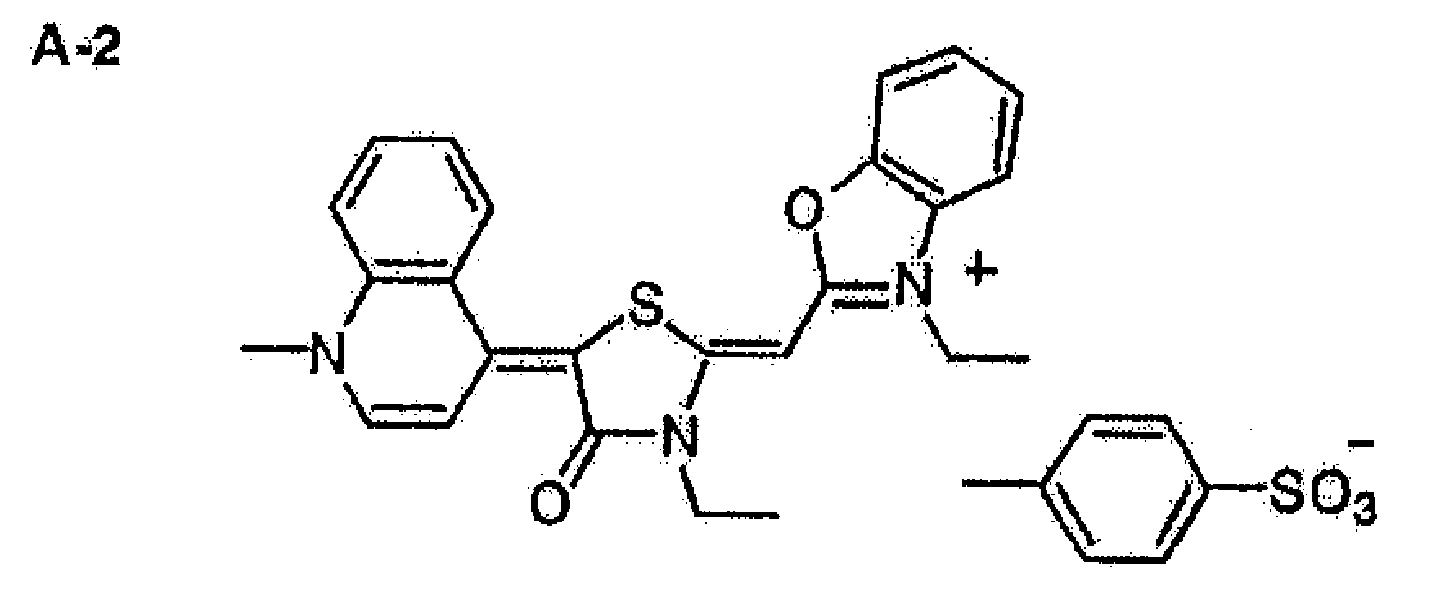
- Typical examples of compounds shown by general formulae (1) to (3) include the following compounds, while it is not limited to these compounds.
- An anti-trypanosomiasis agent of the present invention may be used effectively for preventing or treating trypanosomiasis including African trypanosomiasis and American trypanosomiasis.
- An anti-trypanosomiasis agent of the present invention may contain a conventionally used anti-trypanosomiasis agent, according to need. Suitable examples of such conventionally used anti-trypanosomiasis agent include pentamidine, melarsoprol and benznidazole.
- medicinal carriers or diluents that can be used with the compounds shown by general formulae (1) to (3) of the present invention
- medicinal carriers or diluents that are commonly used conventionally may be used, and examples include the following: glucose; saccharose; lactose; ethyl alcohol; glycerol; mannitol; sorbitol; pentaerythritol; diethylene glycol; propylene glycol, dipropylene glycol, polyethylene glycol 400, other polyethylene glycol; mono-, di- and tri-glyceride of fatty acids including trilaurate glyceryl and distearate glyceryl; pectin; starch; arginine acid; xylose; talc; lycopodium; olive oil; oil and fat including peanut oil, castor oil, corn oil, safflower oil, wheat germ oil, sesame oil, cotton seed oil, sunflower oil and oleum morrhuae; gelatin; le
- pharmaceutically effective dose and administration method or administration means of the compound shown by general formulae (1) to (3) of the present invention depend on types of parasitic protozoa being the cause of the infection, habitats of protozoa, seriousness of diseases, treatment strategies, age, body weight, sex, and general health conditions of the patient, and (genetic) racial background of the patient.
- the dosage of the present invention is 1 to 2000 mg, more generally 50 to 500 mg/day/70 kg of body weight.
- Suitable administration method include, for example, injecting intravenously, intraperitoneally, or subcutaneously as diluted to 5% glucose aqueous solution, or in a form accompanied with the above carrier or diluent; administrating orally; or applying to skin.
- protozoa of Trypanosoma brucei rhodensiense (STIB 900 strain), a trypamastigote living in blood stream, was used.
- the medium used in the experiment was a MEM medium which was sterilized with a filter and supplemented with 25 mM N-2-hydroxyethylpiperazine-2- ethansulfonic acid (HEPES), 1 g/L glucose, 1% MEM non-essential amino acid, 0.2 mM 2-mercaptoethanol, 2 mM sodium pyruvate, 0.1 mM hypoxanthine, and 15% heat-treated horse serum.
- the protozoa was cultured in an atmosphere of CO 2 concentration 5%, at a temperature of 37°C.
- the compounds of the present invention to be used in the present test and the positive target drug (melarsoprol) were dissolved in DMSO to make a test solution of a predetermined concentration.
- a medium containing 8 ⁇ 10 3 protozoa, and a test solution containing a drug of a predetermined concentration or a drug-free DMSO were added to wells of a 96-well culture plate, and subsequently, medium was added so that the amount in each well becomes 100 ⁇ L.
- Test solutions were taken by duplicates. After culturing the culture plate for 72 hours in an incubator, growth inhibition activity was tested. Test was conducted as follows.
- Growth inhibition rate % 1 - b - a / c - a ⁇ 100 a: early infection rate b: infection rate when test solution was added c: infection rate of the control
- Rat derived-L6 cells (rat skeletal myoblast cell) were used.
- As medium RPMI1640 medium was supplemented so that L-glutamin (200mM) is 1%, and fetal bovine serum 10%, and the medium was cultured under CO 2 concentration 5%, at 37°C.
- the compounds of the present invention and the target drugs to be used in the test were dissolved in DMSO, to make a test solution of a predetermined concentration.
- Pre-culture was conducted and medium containing cells which have entered the logarithmic growth phase was taken to wells of a 96-well culture plate. Then, a test solution containing drug of a predetermined concentration or a drug-free DMSO was added. Test solutions were taken by duplicates. Culture plate was cultured for 72 hours in an incubator, to test the growth inhibition activity. Test was conducted as follows.
- Growth inhibition rate % C - A / B - A ⁇ 100
- Chemotherapy index used as an index of selective toxicity against African trypanosome protozoa was calculated with the following formula, to determine drug efficacy.
- Chemotherapy index IC 50 value of a sample against rat L ⁇ 6 cells / ( IC 50 value of a sample against African trypanosome protozoa )
- the compounds of the present invention showed a similar or superior growth inhibiting effect as the existing drug, melarsoprol. Moreover, they did not show weak toxicity against normal cells.
- amastigote and trypomastigote infected with rat L6 cells of protozoa of Trypanosoma cruzi (Tulahuen C2C4 strain) were used.
- medium used in the test RPMI 1640 medium containing L6 cells was supplemented so that L-glutamine (200 0 mM) becomes 1%, fetal bovine serum becomes 10%, which was cultured under CO 2 concentration 5%, at 37°C.
- the compounds of the present invention to be used in the test and the positive target agent (benznidazole) were dissolved in DMSO to make a test solution of a predetermined concentration.
- a medium containing 5 x 10 3 protozoa was added to wells of a 96-well culture plate, and pre-cultured for 48 hours. After replacing the medium, test solution containing drug of a predetermined concentration or a drug-free DMSO was added. Test solutions were taken by duplicates. After culturing the culture plate in an incubator for 96 hours, growth inhibition activity was tested. Test was conducted as follows.
- CPRG/Nonidet 50 ⁇ L of CPRG/Nonidet was added to each well, and allowed to rest for 2 to 6 hours. Next, the culture plate was placed on a fluorescent micro-plate reader, and the absorbance was measured at 540 nm. Growth inhibition rate was calculated with the following formula based on the protozoan infection rate which was obtained by calculating trypanosome infection rate of test solution added group and control group, to obtain a 50% growth inhibition concentration (IC 50 ).
- Growth inhibition rate % 1 - b - a / c - a ⁇ 100 a: early infection rate b: infection rate when test solution was added c: infection rate of the control
- Chemotherapy index used as an index of selective toxicity against American trypanosome protozoa was calculated with the following formula, to determine drug efficacy.
- Chemotherapy index IC 50 value of a sample against rat L ⁇ 6 cells / ( IC 50 value of a sample against African trypanosome protozoa )
- the compounds of the present invention showed a similar or superior growth inhibiting effect as the existing drug, benznidasol. Moreover, they did not show a potent toxicity against normal cells.
- the compounds of the present invention show a growth inhibition effect against African trypanosomiasis protozoa and American trypanosomiasis protozoa even when a low dosage is administered, and that the compounds do not damage mammal cells compared to protozoa does, even when administrated at a high dosage.
- the compounds of the present invention are suitable as drugs preventing or treating trypanosomiasis including African trypanosomiasis and American trypanosomiasis.
- a preventative or therapeutic composition against trypanosomiasis including African trypanosomiasis and American trypanosomiasis can be provided.
Landscapes
- Health & Medical Sciences (AREA)
- Chemical & Material Sciences (AREA)
- Veterinary Medicine (AREA)
- General Health & Medical Sciences (AREA)
- Public Health (AREA)
- Animal Behavior & Ethology (AREA)
- Medicinal Chemistry (AREA)
- Life Sciences & Earth Sciences (AREA)
- Organic Chemistry (AREA)
- Pharmacology & Pharmacy (AREA)
- Epidemiology (AREA)
- Nuclear Medicine, Radiotherapy & Molecular Imaging (AREA)
- General Chemical & Material Sciences (AREA)
- Tropical Medicine & Parasitology (AREA)
- Chemical Kinetics & Catalysis (AREA)
- Pharmaceuticals Containing Other Organic And Inorganic Compounds (AREA)
- Plural Heterocyclic Compounds (AREA)
- Medicines Containing Material From Animals Or Micro-Organisms (AREA)
Abstract

Description
- The present invention relates to a novel method for using rhodacyanine pigments, specifically to an anti-trypanosoma agent useful for preventing and treating effectively trypanosome infection, to which there is no effective treatment so far.
- Trypanosomiasis which is induced by trypanosome protozoa is classified broadly into two groups, depending on the species of desease-causing parasites. The first group is African trypanosomiasis (African sleeping sickness) parasite of which is Trypanosoma brucei, which is further subdivided to Trypanosoma brucei gambiense, and Trypanosoma brucei rhodesiense. The second group is American trypanosomiasis (Chagas's disease) parasite of which is Trypanosoma cruzi. These protozoa infect not only human but various animals including dogs, cats, horses and cows. Therefore, it is concerned that infection of trypanosomiasis would be distributed around the world.
- African trypanosomiasis-infected humans are observed throughout African continant, and it is estimated that there are approximately 60 millions of patients. Specifically, Trypanosoma brucei gambiense is observed in West and Central Africa, and Trypanosoma brucei rhodesiense is observed in East and South Africa. African trypanosomiasis is mediated by tsetse flies and is sometimes spread explosively where public hygiene is belated. Protozoa invades from the tsetse fly-bited site into blood flow or lymph nodes, inducing intermittent fever, headaches, ague, and transient edema. Later, when the central nervous system is invaded by protozoa, continuous headaches, somnolence during daylight, ataxio and coma appear, and finally leads the patient to death in several months to several years.
- Agents for treating African trypanosomiasis are not satisfactory, and all of the agents require hospital admission and a long period administration. These agents are expensive, and often have harmful side-effects. For example, pentamidine which is used in the primary treatment is required to be administered at high doses by several intravenous or muscular injections within 3 weeks, which causes physical and economic burden. For central nervous systems diseases, melarsoprol, which is an agent containing arsenicum, is used. However, as it requires continuous administration for several weeks, side-effects lead by arsenic toxicity is inevitable. African trypanosomiasis is a life-threatening disease when left untreated, and development of a novel chemotherapeutic drug is awaited. Further, livestock including bovines and horses are infected by trypanosomiasis which result in death. Outbreaks often occur in Africa in livestock, which cause significant economic loss (for example, see Hoet, S. et al., Natural Product Reports, 2004, vol.21, pp. 353-364).
- Human infection of American trypanosomiasis (Shaga's disease) is reported mainly in many states in the United States, and throughout Central and South America. The total number of patients is roughly estimated to be approximately 20 millions. Mediating-insect of American trypanosomiasis is an insect relatively large called Reduviidae. When a person starches an itching site of a Reduviidae-bite, protozoa invade from Reduviidae feces and inoculate into blood flow or lymph nodes. Symptoms include fever, anthema, blepharedema, lymphadenitis, myocarditis, meningoencephalitis, and some cases are led to death within 2 to 4 weeks. Adults usually follow a chronic course, while children often exhibit acute symptoms and the fatality is said to be high. Benznidazole is used for treating American trypanosomiasis. However, it is only effective for early stage of infection, and requires to be administered continuously for 1 to 4 months. Further, carcinogenicity effect is reported. Therefore, as there is no effective drugs for American trypanosomiasis, World Health Organization (WHO) alerts that development of chemotherapeutic agents is necessary (for example, see Teixeira, M. M. et al., Trends Parasitology, 2002, vol. 18, pp. 262-268).
- On the other hand, rhodacyanine pigments which are used in the present invention are known to be effective for treating tumors (for example, see
Japanese Laid-Open Patent Application No. 5-117148 Japanese Laid-Open Patent Application No. 2000-191531 Japanese Laid-Open Patent Application No. 2003-034640 Japanese Laid-Open Patent Application No. 2003-034641 Japanese Laid-Open Patent Application No. 2003-034642 -
- Patent document 1:
Japanese Laid-Open Patent Application No. 5-117148 - Patent document 2:
Japanese Laid-Open Patent Application No. 2000-191531 - Patent document 3:
Japanese Laid-Open Patent Application No. 2003-034640 - Patent document 4:
Japanese Laid-Open Patent Application No. 2003-034641 - Patent document 5:
Japanese Laid-Open Patent Application No. 2003-034642 - Non-patent document 1: Hoet, S.et al., Natural Product Reports, 2004, vol.21, pp. 353-364
- Non-patent document 2: Teixeira, M. M. et al., Trends Parasitology, 2002, vol. 18, pp. 262-268
- The object of the present invention is to provide an anti-trypanosomiasis agent having a high selective toxicity and a superior treating or preventing effect against Trypanosomiasis including African trypanosomiasis and American trypanosomiasis.
- In order to solve the above object, the present inventors synthesized a number of compounds, and conducted a number of pharmacological activity test with the growth inhibition effect of Trypanosoma protozoa as an index. They found out that rhodacyanine pigments show a potent growth inhibition activity against trypanosomiasis, and have a significant low toxicity against mammal cells, which is an index of side-effects. Thus, they completed the present invention.
- In other words, the present invention relates to ("1") an anti-trypanosomiasis agent comprising a compound shown by the following general formula (1) as an active ingredient
-

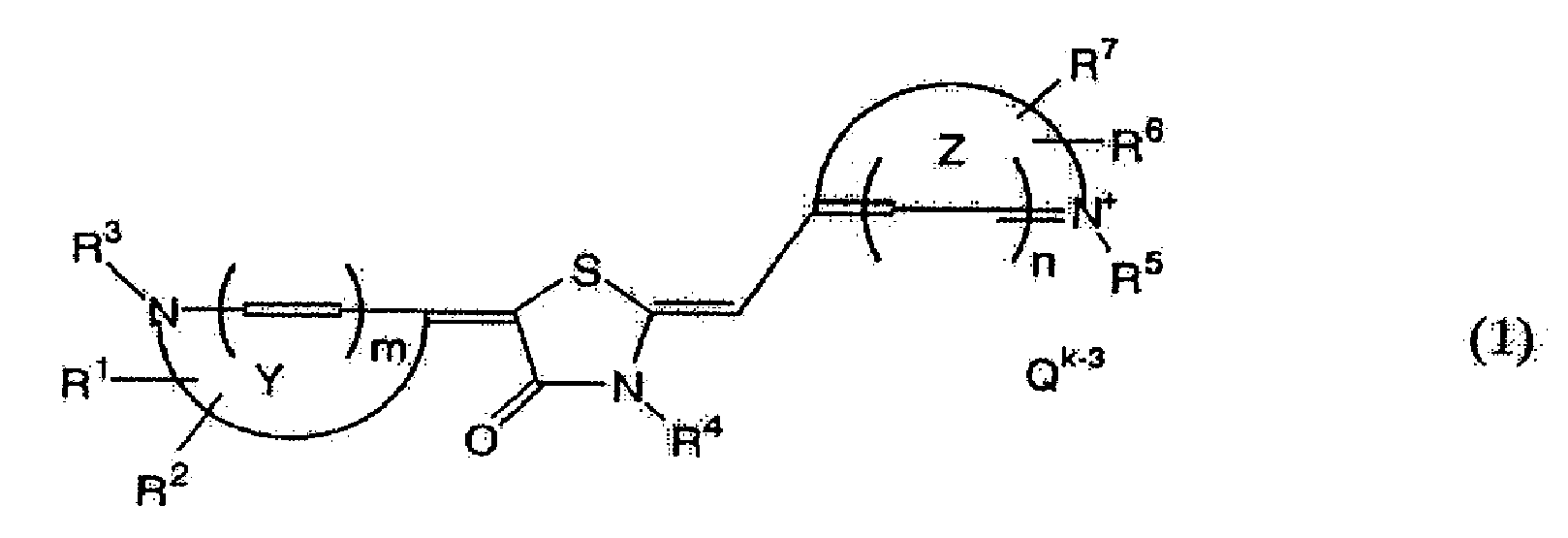
- (wherein R1 and R2 each independently represents a hydrogen atom, halogen atom, hydroxyl group, oxygen atom, C1-5 alkyl group, C1-5 alkoxy group, C5-8 aryl group, C5-8 aryloxy group, C2-6 alkoxycarbonyl group or C2-6 alkylaminocarbonyl group, and may be bound to each other; R3, R4, and R5 each independently represents a C1-5 alkyl group or C5-8 aryl group; R6 and R7 each independently represents a hydrogen atom, halogen atom, hydroxyl group, oxygen atom, C1-8 alkyl group, C1-5 alkoxy group, C5-8 aryl group, C5-8 aryloxy group, or C2-6 alkoxycarbonyl group, and may be bound to each other; Y and Z each independently represents an atom group necessary to form a 5- or 6-membered heterocycle; m and n each represents 0 or 1; Q represents a physiologically acceptable anion; k represents an integer of 0 to 2, necessary to make the electric charge of the whole molecule 0) .
- Moreover, the present invention relates to ("2") the anti-trypanosomiasis agent according to "1", wherein the compound shown by general formula (1) is a compound shown by the following general formula (2)
-

- (wherein R1' and R2' each independently represents a hydrogen atom, C1-5 alkyl group, or C5-8 aryl group, and may be bound to each other; R6' and R7' each independently represents an hydrogen atom, halogen atom, hydroxyl group, oxygen atom, C1-8 alkyl group, C1-5 alkoxy group, or C5-8 aryl group, and may be bound to each other; X represents a sulfur atom or oxygen atom; k' represents 1 or 2, necessary to make the electric charge of the whole molecule 0) .
- Moreover, the present invention relates to ("3") the anti-trypanosomiasis agent according to "1", wherein the compound shown by general formula (1) is a compound shown by the following general formula (3)
-


- (wherein R6' and R7' each independently represents an hydrogen atom, halogen atom, hydroxyl group, oxygen atom, C1-8 alkyl group, C1-5 alkoxy group, or C5-8 aryl group, and may be bound to each other; A represents a 5- or 6-membered heterocycle, or a condensation ring wherein 1 or more 3-to 8-membered ring is condensed thereto; k' represents 1 or 2, necessary to make the electric charge of the whole molecule 0); and ("4") the anti-trypanosomiasis agent according to any one of "1" to "3", wherein Q represents a halogen ion, sulphonate ion, or carboxylate ion.
- An anti-trypanosomiasis agent of the present invention is not particularly limited as long as it is a medicinal composition comprising a compound shown by the following general formula (1) as an active ingredient, and it can contain one or more kind of compound shown by general formula (1) . Usually, the compound is contained together with a pharmaceutically acceptable carrier or diluent.
-


- In general formula (1) , R1 and R2 each independently represents a hydrogen atom, halogen atom, hydroxyl group, oxygen atom, C1-5 alkyl group, C1-5 alkoxy group, C5-8 aryl group, C5-8 aryloxy group, C2-6 alkoxycarbonyl group or C2-6 alkylaminocarbonyl group.
- Examples of halogen atoms represented by R1 and R 2 in general formula (1) include chlorine, bromine, fluorine, and iodine.
- A C1-5 alkyl group represented by R1 and R2 in general formula (1) may be in a linear form, branched form or cyclic form. The alkyl group may be substituted, and preferred substituents include an alkyl group with 1 to 5 carbons, alkenyl group with 2 to 5 carbons, alkynyl group with 2 to 5 carbons, alkoxy group with 1 to 5 carbons, aryloxy group with 6 to 8 atoms, halogen atoms (chlorine, bromine, fluorine, iodine, etc), aryl group with 6 to 8 carbons, hydroxyl group, amino group, amino group substituted with alkyl group or aryl group, acylamino group, sulphonylamino group, carbamoyl group, sulfamoyl group, carboxyl group, alkoxycarbonyl group with 2 to 5 carbons, acyloxy group with 2 to 5 carbons, 5- or 6-membered heterocycle (pyrrole ring, furan ring, piperidine ring, morpholine ring, pyridine ring, etc.), cyano group, and nitro group. These substituents may be further substituted by each other. Specific alkyl group represented by R1 and R2 include a methyl group, ethyl group, hydroxyethyl group, 2-propenyl group, benzyl group, propyl group, and butyl group.
- A C1-5 alkoxy group represented by R1 and R2 in general formula (1) may be in a linear form, or in a branched form. Moreover, it may be substituted, and as substituents, the same as those for the above alkyl group can be exemplified. Specific alkoxy group represented by R1 and R2 include methoxy group, ethoxy group, hydroxyethoxy group, 2-propenyloxy group, benzyloxy group, propoxy group and butoxy group.
- A C5-8 aryl group represented by R1 and R2 in general formula (1) may be substituted, and as substituents, the same as for the above alkyl group can be exemplified. Specific examples of C5-8 aryl group represented by R1 and R2 include phenyl group, tryl group, p-chlorophenyl group.
- A C5-8 aryloxy group represented by R1 and R2 in general formula (1) may be substituted, and as substituents, the same as those for the above alkyl group can be exemplified. Specific examples of C5-8 aryloxy group represented by R1 and R2 include phenoxy group, tolyloxy group, p-chlorophenoxy group.
- A C2-6 alkoxycarbonyl group represented by R1 and R2 in general formula (1) may be substituted, and as substituents, the same as those for the above alkyl group can be exemplified. Specific examples of C2-6 alkoxycarbonyl group represented by R1 and R2 include methoxycarbonyl group and ethoxycarbonyl group.
- A C2-6 alkylaminocarbonyl group represented by R1 and R2 in general formula (1) may be substituted, and as substituents, the same as those for the above alkyl group can be exemplified. Specific examples of C2-6 alkylaminocarbonyl group represented by R1 and R2 include aminomethylcarbonyl group and aminoethylcarbonyl group.
- The above R1 and R2 may be bound to each other, and can form, for example, 1 or more 3- to 8-membered ring. Specifically, it can form a benzene ring, naphthalene ring, etc.
- In general formula (1) , R3, R4, and R5 each independently represents a C1-5 alkyl group or C5-8 aryl group, and are the same as those represented by R1 and R2 in general formula (1), respectively.
- In general formula (1), R6 and R7 each independently represents a hydrogen atom, halogen atom, hydroxyl group, oxygen atom, C1-8 alkyl group, C1-5 alkoxy group, C5-8 aryl group, C5-8 aryloxy group, or C2-6 alkoxycarbonyl group, and are the same as those represented by R1 and R2 in general formula (1) . Further, similarly as R1 and R2, they may be bound to each other, and can form, for example 1 or more 3- to 8-membered ring. Specifically, they can form a benzene ring, naphthalene ring, etc.
- In general formula (1) , Y and Z each independently represents an atom group necessary to form a 5- or 6-membered heterocycle.
- A 5- or 6-membered heterocycle formed by Y and Z in general formula (1) may be a saturated ring or unsaturated ring. Examples of hetero atoms included in the heterocyle include a nitrogen atom, oxygen atom, sulfur atom, selenium atom, tellurium atom, silicon atom, and phosphorus atom. Y and Z may have 1 or more substituents, and the substituents are the same as for the above alkyl group represented by R1 and R2 in general formula (1).
- Specific examples of 5- or 6-membered heterocycle formed by Y and Z include: thiazole ring (for example, thiazole, 4-methylthiazole, 4-phenylthiazole, 4,5-diphenylthiazole, 4,5-dimethylthiazole, etc.), benzothiazole ring (for example, benzothiazole, 5-methylbenzothiazole, 5-phenylbenzothiazole, 5-metoxybenzothiazole, 4-fluorobenzothiazole, 5, 6-dioxymethylenebenzothiazole, 5-nitrobenzothiazole, 5-trifluoromethylbenzothiazole, 5-metoxycarbonylbenzothiazole, 6-hydroxybenzothiazole, 5-cyanobenzothiazole, 5-iodobenzothiazole, etc.), naphtothizaole ring (for example, α-naphtothiazole, β-naphtothiazole, γ-naphtothiazole, 5-methoxy-β-naphtothiazole, 8-methoxy-α-naphtothiazole, 6-methoxy-8-acetoxy-β-naphtothiazole, 8,9-dihydroxy-β-nathtothiazole, etc.), oxazole ring (for example, 4-methyloxazole, 4-phenyloxazole, 4,5-diphenyloxazole, 4-phenoxyoxazole, etc.) , benzoxazole ring (for example, benzoxazole, 5-chlorobenzoxazole, 5,6-dimethylbenzoxazole, 6-hydroxybenzoxazole, 5-phenylbenzoxazole, etc.), naphtoxazole ring (for example, α-naphtoxazole, β-naphtoxazole, γ-naphtoxazole, etc.), selenazole ring (for example, 4-methylselenazole, 4-phenylselenazole, etc.), benzselenazole ring (for example, benzselenazole, 5-chlorobenzselenazole, 5,6-dimethylbenzselenazole, 6-hydroxybenzselenazole, 5-phenylbenzselenazole, etc.), thiazoline ring (for example, thiazoline, 4,4-dimethylthiazoline, etc.), 2-pyridine ring (for example, 2-pyridine, 5-methyl-2-pyridine, 5-methoxy-2-pyridine, 4-chloro-2-pyridine, 5-carbamoyl-2-pyridine, 5-methoxycarbonyl-2-pyridine, 4-acetylamino-2-pyridine, 6-methylthio-2-pyridine, 6-methyl-2-pyridine, etc.), 4-pyridine ring (for example, 4-pyridine, 3-methoxy-4-pyridine, 3,5-dimethyl-4-pyridine, 3-chloro-4-pyridine, 3-methyl-4-pyridine, etc.), 2-quinoline ring (for example, 2-quinoline, 6-methyl-3-quinoline, 6-chloro-2-quinoline, 6-ethoxy-2-quinoline, 6-hydroxy-2-quinoline, 6-nitro-2-quinoline, 6-acetylamino-2-quinoline, 8-fluoro-2-quinoline, etc.), 4-quinoline ring (for example, 4-quinoline, 6-methoxy-4-quinoline, 6-acetylamino-4-quinoline, 8-chloro-4-quinoline, 8-trifluoromethyl-4-quinoline, etc.), 1-isoquinoline ring (for example, 1-isoquinoline, 6-methoxy-1-isoquinoline, 6-acetylamino-1-isoquinoline, 6-chloro-1-isoquinoline, etc.), 3,3-dialkylindolenine ring (for example, 3,3-dimethylindolenine, 3,3,7-trimethylindolenine, 5-chloro-3,3-dimethylindolenine, 5-ethoxycarbonyl-3,3-dimethylindolenine, 5-nitro-3,3-dimethylindolenine, 3,3-dimethyl4,5-phenyleneindolenine, 3,3-dimethyl-6,7-phenyleneindolenine, 5-acetylamino-3,3-diethylindolenine, 5-diethylamino-3,3-dipropylindolenine, 5-benzoylamino-3-ethyl-3-methylindolenine, etc.), imidazole ring (for example, imidazole, 1-methyl-4-phenylimidazole, 1-benzyl-4,5-dimethylimidazole, etc.), benzimidazole ring (for example, benzimidazole, 1-methylbenzimidazole, 1-methyl-5-trifluoromethylbenzimidazole, 1-ethyl-5-chlorobenzimidazole, 1-phenyl-5-methoxycarbonylbenzimidazole, 1-ethyl-5-dimethylaminobenzimidazole, etc.), naphtoimidazole ring (for example, 1-methyl-α-naphtoimidazole, 1-methyl-5-methoxy-β-naphtoimidazole, etc.).
- In general formula (1), Q represents a physiologically acceptable anion. Such physiologically acceptable anion relates to an ion that is nontoxic when a compound shown by general formula (1) is administered to a recipient, and that dissolves the compound shown by general formula (1) to an aqueous system. Examples of physiologically acceptable anion represented by Q include: halogen ions such as chlorine ion, bromine ion, iodine ion; sulfonate ions such as aliphatic and aromatic sulfonate ion including methanesulfonate ion, trifluoromethanesulfonate ion, p-toluenesulfonate ion, naphthalenesulfonate ion, 2-hydroxyethanesulfonate ion; sulfamate ion such as cyclohexanesulfamate ion; sulfate ion such as methylsulfate ion and ethylsulfate ion; hydrogen sulfate ion; borate ion; alkyl and dialkyl phosphate ions such as diethylphosphate ion and methyl hydrogen phosphate ion; pyrophosphate ion such as trimethylpyrophosphate ion; carbonate ion (carbonate ion wherein carboxy group and hydroxyl group are substituted is suitably used); carbonate ion; hydrogencarbonate ion and hydroxide ion; acetate ion; propionate ion; valerate ion; citrate ion; maleate ion; fumarate ion; lactate ion; succinate ion; tartrate ion; benzoate ion. Halogen ion, sulfonate ion or carboxylate ion is preferred.
- In general formula (1), m and n each represents 0 or 1, and k represents an integer of 0 to 2 necessary to make the electric charge of the whole molecule 0.
- Further, a compound shown by general formula (1) is preferably a compound shown by the following general formula (2) or the following general formula (3).
-

- In general formula (2), R1' and R2' each independently represents a hydrogen atom, C1-5 alkyl group, or C5-8 aryl group, and are the same as those represented by R1 and R2 in general formula (1). Further R1' and R2' may be bound to each other, and can form, for example 1 or more 3- to 8-membered ring. Specifically, they can form a benzene ring, naphthalene ring, etc.
- In general formula (2), R6 and R7 each independently represents a hydrogen atom, halogen atom, hydroxyl group, oxygen atom, C1-8 alkyl group, C1-5 alkoxy group, or C5-8 aryl group, and are the same as those represented by R6 and R7 in general formula (1), respectively. Further R6' and R7' may be bound to each other, and can form, for example 1 or more 3- to 8-membered ring. Specifically, they can form a benzene ring, naphthalene ring, etc.
- In general formula (2), X represents a sulfur atom or oxygen atom. In general formula (2), k' represents 1 or 2, necessary to make the electric charge of the whole molecule 0.
-

- In general formula (3), R6' and R7' each independently represents a hydrogen atom, halogen atom, hydroxyl group, oxygen atom, C1-8 alkyl group, C1-5 alkoxy group, or C5-8 aryl group, and are the same as those represented by R6 and R7 in general formula (1), respectively. Further R6' and R7' may be bound to each other, and can form, for example 1 or more 3- to 8-membered ring. Specifically, they can form a benzene ring, naphthalene ring, etc.
- In general formula (3), A represents a 5- or 6-membered heterocycle, or a condensation ring wherein 1 or more 3- to 8- membered ring is condensed thereto. The 5- or 6-membered heterocyle is the same as those represented by Y and Z of general formula (1). Further, a 3- to 8-membered ring in the condensation ring to which 1 or more 3- or 8-membered ring is condensed to the above 5- or 6-membered ring may be a saturated ring or unsaturated ring. Specific examples include cyclopropane ring, cyclopropene ring, cyclobutane ring, cyclobutene ring, cyclopentane ring, cyclopentene ring, cyclohexane ring, cyclohexene ring, cycloheptane ring, cycloheptene ring, cyclooctane ring, cyclooctene ring, benzene ring, naphthalene ring, anthracene ring, phenanthrene ring, thiophene ring, pyridine ring. Among these, a 5- or 6-membered ring is particularly preferred. Further, A may have 1 or 2 or more substituents, and as substituents, similar ones as for the alkyl group represented by R1 and R2 in general formula (1) can be exemplified.
- In general formula (2), k' represents 1 or 2, necessary to make the electric charge of the whole molecule 0.
- Compounds shown by the general formulae (1) to (3) of the present invention can be easily manufactured from known starting materials, according to methods disclosed in
Japanese Laid-Open Patent Application No. 5-117148 Japanese Laid-Open Patent Application No. 2000-191531 Japanese Laid-Open Patent Application No. 2003-034640 Japanese Laid-Open Patent Application No.2003-034641 Japanese Laid-Open Patent Application No.2003-034642 Japanese Laid-Open Patent Application No.2003-128454 - Typical examples of compounds shown by general formulae (1) to (3) include the following compounds, while it is not limited to these compounds.
-

-


-


-


- An anti-trypanosomiasis agent of the present invention may be used effectively for preventing or treating trypanosomiasis including African trypanosomiasis and American trypanosomiasis. An anti-trypanosomiasis agent of the present invention may contain a conventionally used anti-trypanosomiasis agent, according to need. Suitable examples of such conventionally used anti-trypanosomiasis agent include pentamidine, melarsoprol and benznidazole.
- Moreover, as medicinal carriers or diluents that can be used with the compounds shown by general formulae (1) to (3) of the present invention, medicinal carriers or diluents that are commonly used conventionally may be used, and examples include the following: glucose; saccharose; lactose; ethyl alcohol; glycerol; mannitol; sorbitol; pentaerythritol; diethylene glycol; propylene glycol, dipropylene glycol, polyethylene glycol 400, other polyethylene glycol; mono-, di- and tri-glyceride of fatty acids including trilaurate glyceryl and distearate glyceryl; pectin; starch; arginine acid; xylose; talc; lycopodium; olive oil; oil and fat including peanut oil, castor oil, corn oil, safflower oil, wheat germ oil, sesame oil, cotton seed oil, sunflower oil and oleum morrhuae; gelatin; lecithin; silica; cellulose; cellulose derivatives including methylhydroxypropyl cellulose, methyl cellulose and hydroxyethyl cellulose; salts of fatty acids with 12 to 22 carbon atoms including calcium stearate, calcium laurate, magnesium oleate, calcium palminate, calcium behenate and magnesium stearate; cyclodextrins (for example, α-cyclodextrin, β-cyclodextrin, γ-cyclodextrin, hydroxyethyl-β-cyclodextrin, hydroxypropyl-β-cyclodextrin, dihydroxypropyl-β-cyclodextrin, carboxymethylethyl-β-cyclodextrin, cycloawaodorin, and dimethyl-β-cyclodextrin, etc.); emulsifier (for example, ester of saturated and unsaturated fatty acids with 2 to 22, particularly 10 to 18 carbon atoms, with monovalent aliphatic alcohol or polyvalent alcohol with 1 to 20 carbon atoms including glycerol, glycerine, diethylene glycol, pentaerythritol, ethyl alcohol and butyl alcohol, octadecyl alcohol); and silicone such as dimethylpolysiloxane.
- Further, pharmaceutically effective dose and administration method or administration means of the compound shown by general formulae (1) to (3) of the present invention depend on types of parasitic protozoa being the cause of the infection, habitats of protozoa, seriousness of diseases, treatment strategies, age, body weight, sex, and general health conditions of the patient, and (genetic) racial background of the patient. However, generally, the dosage of the present invention is 1 to 2000 mg, more generally 50 to 500 mg/day/70 kg of body weight. Suitable administration method include, for example, injecting intravenously, intraperitoneally, or subcutaneously as diluted to 5% glucose aqueous solution, or in a form accompanied with the above carrier or diluent; administrating orally; or applying to skin.
- In order to clarify the effectivity of the compound shown by general formulae (1) to (3) of the present invention and its medicinal composition, Examples will be shown in the following, while the technical scope of the present invention will not be limited to these exemplifications.
- In the present example, protozoa of Trypanosoma brucei rhodensiense (STIB 900 strain), a trypamastigote living in blood stream, was used. The medium used in the experiment was a MEM medium which was sterilized with a filter and supplemented with 25 mM N-2-hydroxyethylpiperazine-2- ethansulfonic acid (HEPES), 1 g/L glucose, 1% MEM non-essential amino acid, 0.2 mM 2-mercaptoethanol, 2 mM sodium pyruvate, 0.1 mM hypoxanthine, and 15% heat-treated horse serum. The protozoa was cultured in an atmosphere of CO2 concentration 5%, at a temperature of 37°C.
- The compounds of the present invention to be used in the present test and the positive target drug (melarsoprol) were dissolved in DMSO to make a test solution of a predetermined concentration. A medium containing 8 × 10³ protozoa, and a test solution containing a drug of a predetermined concentration or a drug-free DMSO were added to wells of a 96-well culture plate, and subsequently, medium was added so that the amount in each well becomes 100 µL. Test solutions were taken by duplicates. After culturing the culture plate for 72 hours in an incubator, growth inhibition activity was tested. Test was conducted as follows.
- 10 µL of Alamar Blue aqueous solution was added to each well, and the resultant was further cultured for 2 hours. Next, the culture plate was placed on a fluorescent micro-plate reader (Spectramax Gemeni XS; US Molecular Device), radiated at an excited wavelength of 536 nm. Fluorescent intensity was measured at 588nm, to calculate the trypanosome protozoa infected rate of the test solution added-group, and of the control group. From the protozoan infection rate obtained in the above, growth inhibition rate was calculated with the following formula, to obtain a 50% growth inhibition concentration (IC50).
-

a: early infection rate
b: infection rate when test solution was added
c: infection rate of the control - Rat derived-L6 cells (rat skeletal myoblast cell) were used. As medium, RPMI1640 medium was supplemented so that L-glutamin (200mM) is 1%, and fetal bovine serum 10%, and the medium was cultured under CO2 concentration 5%, at 37°C. The compounds of the present invention and the target drugs to be used in the test were dissolved in DMSO, to make a test solution of a predetermined concentration. Pre-culture was conducted and medium containing cells which have entered the logarithmic growth phase was taken to wells of a 96-well culture plate. Then, a test solution containing drug of a predetermined concentration or a drug-free DMSO was added. Test solutions were taken by duplicates. Culture plate was cultured for 72 hours in an incubator, to test the growth inhibition activity. Test was conducted as follows.
- 10 µL of Alamar Blue aqueous solution was added to each well, and the resultant was further cultured for 2 hours. Next, the culture plate was placed on a fluorescent micro-plate reader (Spectramax Gemeni XS; US Molecular Device), radiated at an excited wavelength of 536 nm. Fluorescent intensity was measured at 588nm, and residual rate of L6 cells of the test solution added group, and that of the control was calculated. From the cell residual rate obtained in the above, growth inhibition rate to L6 cells was calculated, to obtain a 50% growth inhibition concentration (IC50).
-

A: primary cell count
B: cell count of control 3 days after
C: cell count of wells added with a sample, 3 days after - Chemotherapy index used as an index of selective toxicity against African trypanosome protozoa was calculated with the following formula, to determine drug efficacy.
-

- IC50 values of samples of the compounds of the present invention and the positive target drug against African trypanosome protozoa and rat L6 cells, as well as selective toxicity index are shown in Table 1.
-
[Table 1] compounds 50% growth inhibiting concentration (µM) Selective toxicity Trypanosoma Cytotoxicity A-1 0.76 134 176 A-2 0.012 6.4 533 B-1 0.095 193 2030 B-2 0.49 115 235 B-3 0.41 105 256 B-4 1.9 180 95 B-5 0.37 125 338 B-6 0.94 61.9 66 B-7 0.041 6.0 146 B-8 0.10 25.2 252 B-9 0.024 14.2 592 B-10 0.035 18.5 529 C-1 0.009 >140 >15600 melarsoprol 0.006 7.8 1300 - The compounds of the present invention showed a similar or superior growth inhibiting effect as the existing drug, melarsoprol. Moreover, they did not show weak toxicity against normal cells.
- In the present example, amastigote and trypomastigote infected with rat L6 cells of protozoa of Trypanosoma cruzi (Tulahuen C2C4 strain) were used. As medium used in the test, RPMI 1640 medium containing L6 cells was supplemented so that L-glutamine (200 0 mM) becomes 1%, fetal bovine serum becomes 10%, which was cultured under CO2 concentration 5%, at 37°C.
- The compounds of the present invention to be used in the test and the positive target agent (benznidazole) were dissolved in DMSO to make a test solution of a predetermined concentration. A medium containing 5 x 10³ protozoa was added to wells of a 96-well culture plate, and pre-cultured for 48 hours. After replacing the medium, test solution containing drug of a predetermined concentration or a drug-free DMSO was added. Test solutions were taken by duplicates. After culturing the culture plate in an incubator for 96 hours, growth inhibition activity was tested. Test was conducted as follows.
- 50 µL of CPRG/Nonidet was added to each well, and allowed to rest for 2 to 6 hours. Next, the culture plate was placed on a fluorescent micro-plate reader, and the absorbance was measured at 540 nm. Growth inhibition rate was calculated with the following formula based on the protozoan infection rate which was obtained by calculating trypanosome infection rate of test solution added group and control group, to obtain a 50% growth inhibition concentration (IC50).
-

a: early infection rate
b: infection rate when test solution was added
c: infection rate of the control - Chemotherapy index used as an index of selective toxicity against American trypanosome protozoa was calculated with the following formula, to determine drug efficacy.
-

- IC50 values of samples of the compounds of the present invention and the positive target drug against American trypanosome protozoa and rat L6 cells, as well as selective toxicity index are shown in Table 2.
-
[Table 2] compounds 50% growth inhibiting concentration (µM) Selective toxicity Trypanosoma cruzi Cytotoxicity L6 A-1 48 134 2.8 A-2 0.53 6.4 10 B-1 40 193 4.8 B-2 6.8 115 17 B-3 4.3 105 24 B-5 29 125 4.3 B-7 0.43 6.0 12 B-8 1.8 25.3 14 B-9 0.22 14.2 65 B-10 0.35 18.5 53 C-1 14 >140 >10 benznidazole 0.87 - - - The compounds of the present invention showed a similar or superior growth inhibiting effect as the existing drug, benznidasol. Moreover, they did not show a potent toxicity against normal cells.
- From the results of Examples 1 and 2, it has been clarified that the compounds of the present invention show a growth inhibition effect against African trypanosomiasis protozoa and American trypanosomiasis protozoa even when a low dosage is administered, and that the compounds do not damage mammal cells compared to protozoa does, even when administrated at a high dosage. In other words, form the above results, it has been clarified that the compounds of the present invention are suitable as drugs preventing or treating trypanosomiasis including African trypanosomiasis and American trypanosomiasis.
- According to the present invention, a preventative or therapeutic composition against trypanosomiasis including African trypanosomiasis and American trypanosomiasis can be provided.
Claims (5)
- An anti-trypanosomiasis agent comprising a compound shown by the following general formula (1) as an active ingredient

- The anti-trypanosomiasis agent according to claim 1, wherein the compound shown by general formula (1) is a compound shown by the following general formula (2)

- The anti-trypanosomiasis agent according to claim 1, wherein the compound shown by general formula (1) is a compound shown by the following general formula (3)


- The anti-trypanosomiasis agent according to any one of claims 1 to 3, wherein Q represents a halogen ion, sulphonate ion, or carboxylate ion.
- The anti-trypanosomiasis agent according to any one of claims 1 to 4, for use in the treatment or prevention of Trypanosomiasis, including African trypanosomiasis and American trypanosomiasis.
Applications Claiming Priority (2)
| Application Number | Priority Date | Filing Date | Title |
|---|---|---|---|
| JP2004291996A JP4553354B2 (en) | 2004-10-04 | 2004-10-04 | Antitrypanosoma agent |
| PCT/JP2005/017927 WO2006038513A1 (en) | 2004-10-04 | 2005-09-29 | Anti-trypanosomiasis agent |
Publications (3)
| Publication Number | Publication Date |
|---|---|
| EP1818334A1 true EP1818334A1 (en) | 2007-08-15 |
| EP1818334A4 EP1818334A4 (en) | 2010-02-24 |
| EP1818334B1 EP1818334B1 (en) | 2011-11-02 |
Family
ID=36142590
Family Applications (1)
| Application Number | Title | Priority Date | Filing Date |
|---|---|---|---|
| EP05788281A Expired - Lifetime EP1818334B1 (en) | 2004-10-04 | 2005-09-29 | Anti-trypanosomiasis agent |
Country Status (6)
| Country | Link |
|---|---|
| US (1) | US7795285B2 (en) |
| EP (1) | EP1818334B1 (en) |
| JP (1) | JP4553354B2 (en) |
| CN (1) | CN101107246B (en) |
| AT (1) | ATE531714T1 (en) |
| WO (1) | WO2006038513A1 (en) |
Families Citing this family (2)
| Publication number | Priority date | Publication date | Assignee | Title |
|---|---|---|---|---|
| WO2006137258A1 (en) * | 2005-06-24 | 2006-12-28 | Japan Science And Technology Agency | Pharmaceutical composition comprising azarhodacyanine compound as active ingredient |
| FR2952382B1 (en) * | 2009-11-10 | 2011-11-25 | Univ Victor Segalen Bordeaux 2 | VACCINES AND DIAGNOSES AGAINST AFRICAN ANIMAL TRYPANOSOMOSES |
Family Cites Families (7)
| Publication number | Priority date | Publication date | Assignee | Title |
|---|---|---|---|---|
| AUPP584298A0 (en) * | 1998-09-14 | 1998-10-08 | Starpharma Limited | Antimicrobial and antiparasitic agents |
| JP4090133B2 (en) * | 1998-12-28 | 2008-05-28 | 富士フイルム株式会社 | Antimalarial |
| WO2002017924A1 (en) * | 2000-09-01 | 2002-03-07 | Smithkline Beecham Corporation | Method of treatment |
| JP2003034642A (en) * | 2001-07-19 | 2003-02-07 | Japan Science & Technology Corp | Antimalarial agent containing rhodacyanine dye compound |
| JP2003034640A (en) * | 2001-07-19 | 2003-02-07 | Japan Science & Technology Corp | Antimalarial agent containing tetracyclic hetero compound |
| JP2003034641A (en) * | 2001-07-19 | 2003-02-07 | Japan Science & Technology Corp | Antimalarial agent containing rhodacyanine dye compound |
| JP2004331545A (en) * | 2003-05-06 | 2004-11-25 | Japan Science & Technology Agency | Anti-leishmania agent |
-
2004
- 2004-10-04 JP JP2004291996A patent/JP4553354B2/en not_active Expired - Lifetime
-
2005
- 2005-09-29 EP EP05788281A patent/EP1818334B1/en not_active Expired - Lifetime
- 2005-09-29 AT AT05788281T patent/ATE531714T1/en active
- 2005-09-29 US US11/576,426 patent/US7795285B2/en not_active Expired - Lifetime
- 2005-09-29 CN CN2005800334552A patent/CN101107246B/en not_active Expired - Lifetime
- 2005-09-29 WO PCT/JP2005/017927 patent/WO2006038513A1/en not_active Ceased
Also Published As
| Publication number | Publication date |
|---|---|
| ATE531714T1 (en) | 2011-11-15 |
| EP1818334B1 (en) | 2011-11-02 |
| US7795285B2 (en) | 2010-09-14 |
| CN101107246B (en) | 2011-04-20 |
| JP4553354B2 (en) | 2010-09-29 |
| WO2006038513A1 (en) | 2006-04-13 |
| EP1818334A4 (en) | 2010-02-24 |
| US20080045574A1 (en) | 2008-02-21 |
| JP2006104115A (en) | 2006-04-20 |
| CN101107246A (en) | 2008-01-16 |
Similar Documents
| Publication | Publication Date | Title |
|---|---|---|
| JP5795714B2 (en) | Antiviral drugs for the treatment of arenavirus infections | |
| ZA200307156B (en) | Treatment of type 2 diabetes with inhibitors of dipeptidyl peptidase IV. | |
| AU2023200727A1 (en) | Methods and compositions for treating psychotic disorders | |
| JP2015511632A (en) | Administration of RAF inhibitors and MEK inhibitors in the treatment of melanoma | |
| JP2567328B2 (en) | Anti-cancer composition | |
| JP6343796B2 (en) | Composition for controlling microspores of seafood and method for controlling microspores of seafood using the same | |
| RU2414904C2 (en) | PROTECTIVE MEDICIATION FOR RETINA NEURON WHICH CONTAINS AS ACTIVE COMPONETS PROSTAGLANDIN F2α DERIVATIVE | |
| US5670530A (en) | Anti-cancer composition comprising rhodacyanine compound and cyclodextrin | |
| EP1818334B1 (en) | Anti-trypanosomiasis agent | |
| TWI472519B (en) | N-butylidenephthalide-containing pharmaceutical composition for treating liver injury and improving liver function | |
| US8193224B2 (en) | Medicinal composition for prevention or treatment of parasitic protozoan infection | |
| JPWO2018079149A1 (en) | Cataract preventive and therapeutic agents, and use of HAT inhibitors to produce them | |
| JP4090133B2 (en) | Antimalarial | |
| WO2023133414A2 (en) | Selective elimination of senescent cells by ferroptosis induction | |
| EP1707201A1 (en) | Oxaprozin or a closely related compound for the treatment of eczema | |
| CN104271140B (en) | Treatment of Type I and Type II Diabetes | |
| JPWO2006137258A1 (en) | Pharmaceutical composition containing an azarodacyanine compound as an active ingredient | |
| JP4468638B2 (en) | Ascofuranone antiprotozoal action-enhancing agent containing alkaloid having indole skeleton and pharmaceutical composition having antiprotozoal action containing them | |
| US20110144102A1 (en) | Calcimimetic compound for use in the treatment of epithelial injury | |
| EP4551214A1 (en) | Use of ebselen or one of the derivatives thereof to treat mitochondrial pathologies or dysfunctions | |
| KR20050036195A (en) | A novel use of riluzole for treating retinopathy | |
| HK1089687A (en) | Oxaprozin or a closely related compound for the treatment of eczema |
Legal Events
| Date | Code | Title | Description |
|---|---|---|---|
| PUAI | Public reference made under article 153(3) epc to a published international application that has entered the european phase |
Free format text: ORIGINAL CODE: 0009012 |
|
| 17P | Request for examination filed |
Effective date: 20070504 |
|
| AK | Designated contracting states |
Kind code of ref document: A1 Designated state(s): AT BE BG CH CY CZ DE DK EE ES FI FR GB GR HU IE IS IT LI LT LU LV MC NL PL PT RO SE SI SK TR |
|
| DAX | Request for extension of the european patent (deleted) | ||
| RAP1 | Party data changed (applicant data changed or rights of an application transferred) |
Owner name: FUJIFILM CORPORATION Owner name: IHARA, MASATAKA |
|
| A4 | Supplementary search report drawn up and despatched |
Effective date: 20100126 |
|
| 17Q | First examination report despatched |
Effective date: 20100512 |
|
| GRAP | Despatch of communication of intention to grant a patent |
Free format text: ORIGINAL CODE: EPIDOSNIGR1 |
|
| GRAS | Grant fee paid |
Free format text: ORIGINAL CODE: EPIDOSNIGR3 |
|
| GRAA | (expected) grant |
Free format text: ORIGINAL CODE: 0009210 |
|
| RBV | Designated contracting states (corrected) |
Designated state(s): AT BE BG CH CY CZ DE DK EE ES FI FR GB GR HU IE IS IT LI LT LU LV MC NL PL PT RO SE SI SK TR |
|
| AK | Designated contracting states |
Kind code of ref document: B1 Designated state(s): AT BE BG CH CY CZ DE DK EE ES FI FR GB GR HU IE IS IT LI LT LU LV MC NL PL PT RO SE SI SK TR |
|
| REG | Reference to a national code |
Ref country code: GB Ref legal event code: FG4D |
|
| REG | Reference to a national code |
Ref country code: CH Ref legal event code: EP |
|
| REG | Reference to a national code |
Ref country code: IE Ref legal event code: FG4D |
|
| REG | Reference to a national code |
Ref country code: DE Ref legal event code: R096 Ref document number: 602005031001 Country of ref document: DE Effective date: 20111229 |
|
| REG | Reference to a national code |
Ref country code: NL Ref legal event code: VDEP Effective date: 20111102 |
|
| LTIE | Lt: invalidation of european patent or patent extension |
Effective date: 20111102 |
|
| PG25 | Lapsed in a contracting state [announced via postgrant information from national office to epo] |
Ref country code: LT Free format text: LAPSE BECAUSE OF FAILURE TO SUBMIT A TRANSLATION OF THE DESCRIPTION OR TO PAY THE FEE WITHIN THE PRESCRIBED TIME-LIMIT Effective date: 20111102 Ref country code: IS Free format text: LAPSE BECAUSE OF FAILURE TO SUBMIT A TRANSLATION OF THE DESCRIPTION OR TO PAY THE FEE WITHIN THE PRESCRIBED TIME-LIMIT Effective date: 20120302 |
|
| PG25 | Lapsed in a contracting state [announced via postgrant information from national office to epo] |
Ref country code: PT Free format text: LAPSE BECAUSE OF FAILURE TO SUBMIT A TRANSLATION OF THE DESCRIPTION OR TO PAY THE FEE WITHIN THE PRESCRIBED TIME-LIMIT Effective date: 20120302 Ref country code: PL Free format text: LAPSE BECAUSE OF FAILURE TO SUBMIT A TRANSLATION OF THE DESCRIPTION OR TO PAY THE FEE WITHIN THE PRESCRIBED TIME-LIMIT Effective date: 20111102 Ref country code: GR Free format text: LAPSE BECAUSE OF FAILURE TO SUBMIT A TRANSLATION OF THE DESCRIPTION OR TO PAY THE FEE WITHIN THE PRESCRIBED TIME-LIMIT Effective date: 20120203 Ref country code: NL Free format text: LAPSE BECAUSE OF FAILURE TO SUBMIT A TRANSLATION OF THE DESCRIPTION OR TO PAY THE FEE WITHIN THE PRESCRIBED TIME-LIMIT Effective date: 20111102 Ref country code: SE Free format text: LAPSE BECAUSE OF FAILURE TO SUBMIT A TRANSLATION OF THE DESCRIPTION OR TO PAY THE FEE WITHIN THE PRESCRIBED TIME-LIMIT Effective date: 20111102 Ref country code: SI Free format text: LAPSE BECAUSE OF FAILURE TO SUBMIT A TRANSLATION OF THE DESCRIPTION OR TO PAY THE FEE WITHIN THE PRESCRIBED TIME-LIMIT Effective date: 20111102 Ref country code: LV Free format text: LAPSE BECAUSE OF FAILURE TO SUBMIT A TRANSLATION OF THE DESCRIPTION OR TO PAY THE FEE WITHIN THE PRESCRIBED TIME-LIMIT Effective date: 20111102 Ref country code: BE Free format text: LAPSE BECAUSE OF FAILURE TO SUBMIT A TRANSLATION OF THE DESCRIPTION OR TO PAY THE FEE WITHIN THE PRESCRIBED TIME-LIMIT Effective date: 20111102 |
|
| PG25 | Lapsed in a contracting state [announced via postgrant information from national office to epo] |
Ref country code: CY Free format text: LAPSE BECAUSE OF FAILURE TO SUBMIT A TRANSLATION OF THE DESCRIPTION OR TO PAY THE FEE WITHIN THE PRESCRIBED TIME-LIMIT Effective date: 20111102 |
|
| PG25 | Lapsed in a contracting state [announced via postgrant information from national office to epo] |
Ref country code: EE Free format text: LAPSE BECAUSE OF FAILURE TO SUBMIT A TRANSLATION OF THE DESCRIPTION OR TO PAY THE FEE WITHIN THE PRESCRIBED TIME-LIMIT Effective date: 20111102 Ref country code: CZ Free format text: LAPSE BECAUSE OF FAILURE TO SUBMIT A TRANSLATION OF THE DESCRIPTION OR TO PAY THE FEE WITHIN THE PRESCRIBED TIME-LIMIT Effective date: 20111102 Ref country code: BG Free format text: LAPSE BECAUSE OF FAILURE TO SUBMIT A TRANSLATION OF THE DESCRIPTION OR TO PAY THE FEE WITHIN THE PRESCRIBED TIME-LIMIT Effective date: 20120202 Ref country code: SK Free format text: LAPSE BECAUSE OF FAILURE TO SUBMIT A TRANSLATION OF THE DESCRIPTION OR TO PAY THE FEE WITHIN THE PRESCRIBED TIME-LIMIT Effective date: 20111102 Ref country code: DK Free format text: LAPSE BECAUSE OF FAILURE TO SUBMIT A TRANSLATION OF THE DESCRIPTION OR TO PAY THE FEE WITHIN THE PRESCRIBED TIME-LIMIT Effective date: 20111102 |
|
| PG25 | Lapsed in a contracting state [announced via postgrant information from national office to epo] |
Ref country code: IT Free format text: LAPSE BECAUSE OF FAILURE TO SUBMIT A TRANSLATION OF THE DESCRIPTION OR TO PAY THE FEE WITHIN THE PRESCRIBED TIME-LIMIT Effective date: 20111102 Ref country code: RO Free format text: LAPSE BECAUSE OF FAILURE TO SUBMIT A TRANSLATION OF THE DESCRIPTION OR TO PAY THE FEE WITHIN THE PRESCRIBED TIME-LIMIT Effective date: 20111102 |
|
| PLBE | No opposition filed within time limit |
Free format text: ORIGINAL CODE: 0009261 |
|
| STAA | Information on the status of an ep patent application or granted ep patent |
Free format text: STATUS: NO OPPOSITION FILED WITHIN TIME LIMIT |
|
| REG | Reference to a national code |
Ref country code: AT Ref legal event code: MK05 Ref document number: 531714 Country of ref document: AT Kind code of ref document: T Effective date: 20111102 |
|
| 26N | No opposition filed |
Effective date: 20120803 |
|
| REG | Reference to a national code |
Ref country code: DE Ref legal event code: R097 Ref document number: 602005031001 Country of ref document: DE Effective date: 20120803 |
|
| PG25 | Lapsed in a contracting state [announced via postgrant information from national office to epo] |
Ref country code: AT Free format text: LAPSE BECAUSE OF FAILURE TO SUBMIT A TRANSLATION OF THE DESCRIPTION OR TO PAY THE FEE WITHIN THE PRESCRIBED TIME-LIMIT Effective date: 20111102 |
|
| PG25 | Lapsed in a contracting state [announced via postgrant information from national office to epo] |
Ref country code: ES Free format text: LAPSE BECAUSE OF FAILURE TO SUBMIT A TRANSLATION OF THE DESCRIPTION OR TO PAY THE FEE WITHIN THE PRESCRIBED TIME-LIMIT Effective date: 20120213 Ref country code: MC Free format text: LAPSE BECAUSE OF NON-PAYMENT OF DUE FEES Effective date: 20120930 |
|
| REG | Reference to a national code |
Ref country code: CH Ref legal event code: PL |
|
| REG | Reference to a national code |
Ref country code: IE Ref legal event code: MM4A |
|
| PG25 | Lapsed in a contracting state [announced via postgrant information from national office to epo] |
Ref country code: FI Free format text: LAPSE BECAUSE OF FAILURE TO SUBMIT A TRANSLATION OF THE DESCRIPTION OR TO PAY THE FEE WITHIN THE PRESCRIBED TIME-LIMIT Effective date: 20111102 |
|
| REG | Reference to a national code |
Ref country code: FR Ref legal event code: ST Effective date: 20130531 |
|
| PG25 | Lapsed in a contracting state [announced via postgrant information from national office to epo] |
Ref country code: CH Free format text: LAPSE BECAUSE OF NON-PAYMENT OF DUE FEES Effective date: 20120930 Ref country code: IE Free format text: LAPSE BECAUSE OF NON-PAYMENT OF DUE FEES Effective date: 20120929 Ref country code: LI Free format text: LAPSE BECAUSE OF NON-PAYMENT OF DUE FEES Effective date: 20120930 |
|
| PG25 | Lapsed in a contracting state [announced via postgrant information from national office to epo] |
Ref country code: FR Free format text: LAPSE BECAUSE OF NON-PAYMENT OF DUE FEES Effective date: 20121001 |
|
| PG25 | Lapsed in a contracting state [announced via postgrant information from national office to epo] |
Ref country code: TR Free format text: LAPSE BECAUSE OF FAILURE TO SUBMIT A TRANSLATION OF THE DESCRIPTION OR TO PAY THE FEE WITHIN THE PRESCRIBED TIME-LIMIT Effective date: 20111102 |
|
| PG25 | Lapsed in a contracting state [announced via postgrant information from national office to epo] |
Ref country code: LU Free format text: LAPSE BECAUSE OF NON-PAYMENT OF DUE FEES Effective date: 20120929 |
|
| PG25 | Lapsed in a contracting state [announced via postgrant information from national office to epo] |
Ref country code: HU Free format text: LAPSE BECAUSE OF FAILURE TO SUBMIT A TRANSLATION OF THE DESCRIPTION OR TO PAY THE FEE WITHIN THE PRESCRIBED TIME-LIMIT Effective date: 20050929 |
|
| PGFP | Annual fee paid to national office [announced via postgrant information from national office to epo] |
Ref country code: DE Payment date: 20240806 Year of fee payment: 20 |
|
| PGFP | Annual fee paid to national office [announced via postgrant information from national office to epo] |
Ref country code: GB Payment date: 20240808 Year of fee payment: 20 |
|
| REG | Reference to a national code |
Ref country code: DE Ref legal event code: R071 Ref document number: 602005031001 Country of ref document: DE |
|
| REG | Reference to a national code |
Ref country code: GB Ref legal event code: PE20 Expiry date: 20250928 |