EP1791861B1 - Protein regulating leaf longevity of plants, the gene thereof and their use - Google Patents
Protein regulating leaf longevity of plants, the gene thereof and their use Download PDFInfo
- Publication number
- EP1791861B1 EP1791861B1 EP05781163A EP05781163A EP1791861B1 EP 1791861 B1 EP1791861 B1 EP 1791861B1 EP 05781163 A EP05781163 A EP 05781163A EP 05781163 A EP05781163 A EP 05781163A EP 1791861 B1 EP1791861 B1 EP 1791861B1
- Authority
- EP
- European Patent Office
- Prior art keywords
- gene
- ore15
- plant
- senescence
- longevity
- Prior art date
- Legal status (The legal status is an assumption and is not a legal conclusion. Google has not performed a legal analysis and makes no representation as to the accuracy of the status listed.)
- Expired - Lifetime
Links
Images


Classifications
-
- C—CHEMISTRY; METALLURGY
- C12—BIOCHEMISTRY; BEER; SPIRITS; WINE; VINEGAR; MICROBIOLOGY; ENZYMOLOGY; MUTATION OR GENETIC ENGINEERING
- C12N—MICROORGANISMS OR ENZYMES; COMPOSITIONS THEREOF; PROPAGATING, PRESERVING, OR MAINTAINING MICROORGANISMS; MUTATION OR GENETIC ENGINEERING; CULTURE MEDIA
- C12N15/00—Mutation or genetic engineering; DNA or RNA concerning genetic engineering, vectors, e.g. plasmids, or their isolation, preparation or purification; Use of hosts therefor
- C12N15/09—Recombinant DNA-technology
- C12N15/63—Introduction of foreign genetic material using vectors; Vectors; Use of hosts therefor; Regulation of expression
- C12N15/79—Vectors or expression systems specially adapted for eukaryotic hosts
- C12N15/82—Vectors or expression systems specially adapted for eukaryotic hosts for plant cells, e.g. plant artificial chromosomes (PACs)
- C12N15/8241—Phenotypically and genetically modified plants via recombinant DNA technology
- C12N15/8261—Phenotypically and genetically modified plants via recombinant DNA technology with agronomic (input) traits, e.g. crop yield
- C12N15/8262—Phenotypically and genetically modified plants via recombinant DNA technology with agronomic (input) traits, e.g. crop yield involving plant development
- C12N15/8266—Abscission; Dehiscence; Senescence
-
- C—CHEMISTRY; METALLURGY
- C07—ORGANIC CHEMISTRY
- C07K—PEPTIDES
- C07K14/00—Peptides having more than 20 amino acids; Gastrins; Somatostatins; Melanotropins; Derivatives thereof
- C07K14/415—Peptides having more than 20 amino acids; Gastrins; Somatostatins; Melanotropins; Derivatives thereof from plants
-
- C—CHEMISTRY; METALLURGY
- C12—BIOCHEMISTRY; BEER; SPIRITS; WINE; VINEGAR; MICROBIOLOGY; ENZYMOLOGY; MUTATION OR GENETIC ENGINEERING
- C12N—MICROORGANISMS OR ENZYMES; COMPOSITIONS THEREOF; PROPAGATING, PRESERVING, OR MAINTAINING MICROORGANISMS; MUTATION OR GENETIC ENGINEERING; CULTURE MEDIA
- C12N15/00—Mutation or genetic engineering; DNA or RNA concerning genetic engineering, vectors, e.g. plasmids, or their isolation, preparation or purification; Use of hosts therefor
- C12N15/09—Recombinant DNA-technology
- C12N15/63—Introduction of foreign genetic material using vectors; Vectors; Use of hosts therefor; Regulation of expression
- C12N15/79—Vectors or expression systems specially adapted for eukaryotic hosts
- C12N15/82—Vectors or expression systems specially adapted for eukaryotic hosts for plant cells, e.g. plant artificial chromosomes (PACs)
- C12N15/8241—Phenotypically and genetically modified plants via recombinant DNA technology
- C12N15/8261—Phenotypically and genetically modified plants via recombinant DNA technology with agronomic (input) traits, e.g. crop yield
-
- Y—GENERAL TAGGING OF NEW TECHNOLOGICAL DEVELOPMENTS; GENERAL TAGGING OF CROSS-SECTIONAL TECHNOLOGIES SPANNING OVER SEVERAL SECTIONS OF THE IPC; TECHNICAL SUBJECTS COVERED BY FORMER USPC CROSS-REFERENCE ART COLLECTIONS [XRACs] AND DIGESTS
- Y02—TECHNOLOGIES OR APPLICATIONS FOR MITIGATION OR ADAPTATION AGAINST CLIMATE CHANGE
- Y02A—TECHNOLOGIES FOR ADAPTATION TO CLIMATE CHANGE
- Y02A40/00—Adaptation technologies in agriculture, forestry, livestock or agroalimentary production
- Y02A40/10—Adaptation technologies in agriculture, forestry, livestock or agroalimentary production in agriculture
- Y02A40/146—Genetically Modified [GMO] plants, e.g. transgenic plants
Definitions
- the present invention relates to a protein responsible for the regulation of plant leaf longevity, a gene coding therefor, and uses thereof. More particularly, the present invention relates to a novel protein ORE15 capable of regulating plant leaf longevity, a novel gene ORE15 encoding the protein, and the use thereof for various purposes.
- Plant senescence is a series of biochemical and physiological phenomena occurring in the last stage of the post-embryonic development of a plant, limiting the longevity of individual plants.
- the initiation of plant senescence is a turning point at which a drastic change occurs within cells, and the plants which are undergoing senescence decline in synthetic ability and have cellular structures and macro molecules degraded so as to lose cellular homeostasis, leading to cell death (Matile P. et al., Elservier, 413-440, 1992; Nooden L.D. et al., Academic press, 1988; Thiman K.V. et al., CRC press, 85-115, 1980; Thomas H. et al., Annu. Rev. Plant Physiol. 123:193-219, 1993 ).
- Plant senescence is not a simple passive degradation process of plant organs, but genetically programmed as a highly elaborated and active process that proceeds in cells, tissues, and organs.
- plant senescence is of industrial importance because it is relevant to the improvement of crop productivity and storability after harvest. Accordingly, genetic, molecular biological, physiological, and biochemical research has been actively conducted on plant senescence. However, most reports were obtained from research on plant hormones, and senescence regulation, such as the use of senescence regulating genes, has yet to be studied sufficiently.
- a protein named ORE15, comprising the amino acid sequence of SEQ ID NO : 2 is found to have the function of regulating plant leaf longevity.
- a gene, named ORE15, encoding the leaf longevity-regulating protein ORE 15 is provided.
- genes associated with plant longevity are screened using Arabidopsis thaliana, which is a model plant for genetic and molecular biological study.
- ORE9 a senescence-associated gene
- mutants of the factors responsible for senescence and novel senescence delay mutants, downstream of ORE9 are found.
- a novel activation tagging method is applied to ore9-1, a senescence delay variant, to select mutants which show senescence delay more than does ore9-1.
- a novel gene was found to be associated with senescence and was named "ORE15".
- life prolongation is substantially the same as senescence delay in plants.
- the gene or protein as disclosed may be, in detail, described as a “life prolongation” or “senescence delay” gene or protein.
- the gene or protein as disclosed may be involved in the regulation of the longevity of other organs of a plant, such as roots, seeds, stems, flowers, and, further, in the regulation of the life span of the plant itself.
- the plant leaf longevity-regulating protein ORE15 is a polypeptide having the amino acid sequence of SEQ ID NO : 2.
- the plant leaf longevity-regulating gene ORE15 includes polynucleotide sequences coding for the ORE15 protein of SEQ ID NO : 2. Most preferably, the ORE15 gene of the present invention includes a base sequence as listed in SEQ ID NO : 1.
- a recombinant vector carrying the ORE15 gene is provided and which is defined in claim 4.
- the vector of the present invention contains (a) a nucleotide sequence encoding the protein ORE15, responsible for plant longevity prolongation, and (b) a promoter operably linked to the nucleotide sequence.
- operably linked means that a regulatory sequence (i.e., promoter, signal sequence or array of transcription factor binding sites) is functionally linked to another nucleotide sequence, thereby regulating the transcription and/or translation of this nucleotide sequence.
- a regulatory sequence i.e., promoter, signal sequence or array of transcription factor binding sites
- the vector system as disclosed herein may be constructed by various methods well known in the art, which are described in detail by Sambrook et al., Molecular Cloning, A Laboratory Manual, Cold Spring Harbor Laboratory Press (2001 ).
- the gene of the present invention is the most applicable to plants. Accordingly, the present invention provides a plant expression vector comprising (i) a nucleotide sequence encoding the plant longevity prolongation protein ORE15; (ii) a promoter operably linked to the nucleotide sequence of (i), enabling a corresponding RNA molecule to be formed in plant cells; and (iii) a 3'-non-translation region causing polyadenylation at the 3'-terminus end of the RNA molecule in plant cells.
- the promoter useful in the present invention may be any one that is usually used in the art for the introduction of genes into plants.
- a ubiquitin promoter obtained from corn a cauliflower mosaic virus (CaMV) 35S promoter, a nopaline synthase (nos) promoter, a figwort mosaic virus 35S promoter, a sugarcane bacilliform virus promoter, a commelina yellow mottle virus promoter, a light-inducible promoter from the small subunit of ribulose-1,5-bis-phosphate carboxylase (ssRUBISCO), a rice cytosolic triosephosphate isomerase (TPI) promoter, an adenine phosphoribosyltransferase (APRT) promoter of Arabidopsis thaliana, and an octopine synthase promoter may be used in the present invention.
- TPI adenine phosphoribosyltransferase
- APRT adenine phosphoribo
- the vector may further carry a gene encoding a reporter molecule (luciferase or ⁇ -glucuronidase).
- a reporter molecule luciferase or ⁇ -glucuronidase
- the vector of the present invention may contain, as a selection mark, an antibiotic (e.g., neomycin, carbenicillin, kanamycin, spectinomycin, hygromycin, etc.)-resistant gene (e.g., neomycin phosphotransferase ( nptII ) , hygromycin phosphotransferase (hpt), etc.).
- the present invention provides a transgenic plant that exhibits prolonged longevity as defined in claim 6.
- the present invention provides a transgenic plant that exhibits growth enhancement as defined in claim 6.
- Plants transformed with the gene of interest exhibit longevity prolongation or an increase in growth/production.
- the transformants carrying the ORE15 gene can be identified through various indicators signifying prolonged longevity (e.g., delayed decrease in chlorophyll content, delayed loss in photosynthetic capacity, expression of senescence-associated genes) or signifying growth increase (e.g., increased increment of leaf weight and size).
- plant(s) must be understood to include not only mature plant(s) but also plant cells, tissues, and seeds to be grown to mature plant(s).
- Example of the plant(s) useful in the present invention include food crops, such as rice, wheat, barley, corn, beans, potato, red beans, oats, millet, etc., vegetable crops, such as arabidopsis, cabbages, melons, pumpkins, green onions, onions, carrots, etc., industrial crops, such as ginseng, tobacco, cotton, sesame, sugarcane, beets, perilla, peanuts, rape, etc., fruit trees, such as apple, pear, jujube, kiwi, grape, tangerine, persimmon, plum, apricot, banana, etc., flowers, such as roses, gladiolas, gerbera, carnations, lilies, tulips, etc., and fodder crops, such as ryegrass, red clover, orchard grass, alfalfa, tall fescue, perennial ryegrass, etc.
- vegetable crops such as arabidopsis, cabbages, melons, pumpkin
- increasing the production amount of plants or “production increase” means an increase in plant biomass, including an increase in the weight and/or size of plant organs, such as leaves, stems, etc.
- an exogenous polynucleotide i.e., the ORE15 gene
- Plants may be transformed with a vector, such as a plasmid or virus, anchoring the exogenous polynucleotide thereto, using a mediator, such as Agrobacterium sp., ( Chilton et al., 1977, Cell 11:263:271 ), or by introducing the exogenous polynucleotide directly into plant cells ( Lorz et al., 1985, Mol. Genet. 199:178-182 ). For instance, electroporation, microparticle bombardment, or polyethylene glycol-mediated uptake may be used for introducing a vector containing no T-DNA regions.
- the creation of the transgenic plant is preferably achieved by inserting the ORE15 gene responsible for senescence delay into an expression vector containing a regulatory sequence to construct a recombinant expression vector and introducing the recombinant vector into a flower plant.
- the transgenic plant is created by inserting an ORE15 gene responsible for senescence delay into an expression vector harboring a regulatory nucleotide sequence to construct a recombinant expression vector, transforming an Agrobacterium sp. with the recombinant expression vector, and transfecting the transformed Agrobacterium sp. into a plant. More particularly, the transformed Agrobacterium sp. is transformed Agrobacterium tumefaciens.
- regulatory nucleotide sequence must be understood to include all sequences that have influence on the expression of a gene of interest. Examples of the regulatory nucleotide sequence include leader sequences, enhancers, promoters, etc., with preference for promoters.
- the selection of transgenic plants can be accomplished by exposing transfected cultures to a selecting agent (e.g., metabolic inhibitor, antibiotic, and herbicide).
- a selecting agent e.g., metabolic inhibitor, antibiotic, and herbicide.
- Transfected plant cells harboring a selectable marker gene can grow and proliferate in the presence of such selecting agents.
- the selectable marker applicable to the present invention include a hygromycin phosphotransferase gene, a glycophosphate resistant gene, and a neomycin phosphotransferase (nptII) system, but are not limited thereto.
- Plant cells transfected with Agrobacterium sp. carrying exogenous genes can be developed or re-differentiated according to a method well known in the art (see: U.S.A. Pat. Nos. 5,004,863 , 5,349,124 and 5,416,011 ).
- a method for screening plant senescence-regulating genes comprising (a) expressing or activating the ORE15 gene in a plant cell; and (b) detecting genes that show a change in expression in the plant cell.
- the ORE15 gene is found to have influence on the expression of senescence-associated genes (see: Example 4). That is, mutant plants in which the ORE15 gene is activated or overexpressed allow senescence-inducing genes to be more actively expressed than in wild type plants.
- senescence-regulating genes can be screened by detecting genes that show a change in expression pattern when expressing or activating the ORE15 gene in plant cells.
- the expression of the ORE15 gene can be quantitatively and qualitatively analyzed in various techniques known in the art. Largely, the analysis can be conducted at a gene and a protein level. For gene level analysis, primers synthesized on the basis of the base sequence of the ORE15 gene, determined as disclosed, may be used in PCR or as probes in hybridization (for this, DNA microarrays are convenient). Alternatively, a Northern blotting technique (see: Peter B. Kaufma et al., Molecular and Cellular Methods in Biology and Medicine, 102-108, CRC press ) is useful for gene level analysis.
- immunoassays e.g., radioimmunoassays, radioimmunoprecipitation assays, enzyme-linked immunosorbent assays (ELISA), dot blot assays, Western blot assays, inhibitory or competitive assays and sandwich assays
- ELISA enzyme-linked immunosorbent assays
- dot blot assays Western blot assays
- inhibitory or competitive assays and sandwich assays e.g., Western blot assays, inhibitory or competitive assays and sandwich assays
- Enzyme Immunoassay E. T. Maggio, ed., CRC Press, Boca Raton, Florida, 1980 ; and Gaastra, W., Enzyme-linked immunosorbent assay (ELISA), in Methods in Molecular Biology, Vol. 1, Walker, J.M. ed., Humana Press, NJ, 1984 ).
- the delayed senescence phenotype of the ore15-D mutant is attributed to the activation of the ORE15 gene. That is, the activation of the ORE15 gene can lead to the delay of plant senescence. Accordingly, the longevity of plants can be regulated by transforming plants with the ORE15 gene responsible for leaf longevity. Further, the ORE15 gene and its ORE15 protein can be useful for the study of the senescence mechanism and research into senescence-associated genes and senescence-regulating materials.
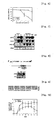
- FIGS. 1 to 3 show the comparison between senescence of the wild type (Col-O) and the longevity-prolonged mutant ore15-D of Arabidopsis thaliana over time (a), change in chlorophyll content (b), and change in photosynthesis activity (c), respectively.
- FIGS. 4 to 7 shows comparisons between senescence of the wild type (Col-O) and the longevity-prolonged mutant ore15-D of Arabidopsis thaliana after dark treatment over time (a), change in chlorophyll content (b), change in photosynthesis activity (c), and expression patterns of senescence-associated genes through Northern blotting analysis (d):
- the Agrobacterium tumefacience strain carrying the pSKI015 vector was transfected into the Arabidopsis thaliana senescence-delay mutant ore9-1 ( Woo H.R. et al. Plant Cell 13:1779-1790, 2001 ) using a floral dip method ( Clough et al., Plant J., 16(6):735-743, 1998 ). Seeds of the transfected Arabidopsis thaliana were selected in the presence of Basta herbicide. In a greenhouse maintained at 23°C, 10,000 plants of T1 line were grown, and the etiolation according to the chlorophyll loss attributed to aging was observed with the naked eyes.
- Chlorophyll content was determined by absorbance at 648nm and 664nm and expressed as percentages with regard to the fresh weight of leaf material ( Vermon et al., Anal. Chem. 32:1142-1150, 1960 ).
Landscapes
- Health & Medical Sciences (AREA)
- Genetics & Genomics (AREA)
- Life Sciences & Earth Sciences (AREA)
- Chemical & Material Sciences (AREA)
- Organic Chemistry (AREA)
- Engineering & Computer Science (AREA)
- Molecular Biology (AREA)
- Biomedical Technology (AREA)
- Wood Science & Technology (AREA)
- Bioinformatics & Cheminformatics (AREA)
- General Engineering & Computer Science (AREA)
- Biotechnology (AREA)
- Zoology (AREA)
- Biochemistry (AREA)
- Biophysics (AREA)
- General Health & Medical Sciences (AREA)
- Physics & Mathematics (AREA)
- Cell Biology (AREA)
- Plant Pathology (AREA)
- Microbiology (AREA)
- Proteomics, Peptides & Aminoacids (AREA)
- Medicinal Chemistry (AREA)
- Gastroenterology & Hepatology (AREA)
- Botany (AREA)
- Breeding Of Plants And Reproduction By Means Of Culturing (AREA)
- Peptides Or Proteins (AREA)
- Micro-Organisms Or Cultivation Processes Thereof (AREA)
- Measuring Or Testing Involving Enzymes Or Micro-Organisms (AREA)
- Preparation Of Compounds By Using Micro-Organisms (AREA)
Abstract
Description
- The present invention relates to a protein responsible for the regulation of plant leaf longevity, a gene coding therefor, and uses thereof. More particularly, the present invention relates to a novel protein ORE15 capable of regulating plant leaf longevity, a novel gene ORE15 encoding the protein, and the use thereof for various purposes.
- Plant senescence is a series of biochemical and physiological phenomena occurring in the last stage of the post-embryonic development of a plant, limiting the longevity of individual plants. The initiation of plant senescence is a turning point at which a drastic change occurs within cells, and the plants which are undergoing senescence decline in synthetic ability and have cellular structures and macro molecules degraded so as to lose cellular homeostasis, leading to cell death (Matile P. et al., Elservier, 413-440, 1992; Nooden L.D. et al., Academic press, 1988; Thiman K.V. et al., CRC press, 85-115, 1980; Thomas H. et al., Annu. Rev. Plant Physiol. 123:193-219, 1993). Plant senescence is not a simple passive degradation process of plant organs, but genetically programmed as a highly elaborated and active process that proceeds in cells, tissues, and organs.
- In addition to biological importance, plant senescence is of industrial importance because it is relevant to the improvement of crop productivity and storability after harvest. Accordingly, genetic, molecular biological, physiological, and biochemical research has been actively conducted on plant senescence. However, most reports were obtained from research on plant hormones, and senescence regulation, such as the use of senescence regulating genes, has yet to be studied sufficiently.
- Through reverse genetic methods, about 100 genes that increase in expression during leaf senescence have been found so far in mouse-ear cress, tomato, corn, rice, tobacco, and potato plants (Buchanan-Wallaston, J. Exp. Bot. 48: 181-199, 1997; Quirini et al., Trends Plant Sci. 5: 278-252, 2000). However, the functions of only a small number of the senescence-associated genes have been studied, with the properties of most remaining unknown. Recently, mutants that delay senescence have been isolated and studied in an attempt to find genes responsible for the regulation of leaf senescence (Woo H.R. et al., Plant Cell 13: 1779-1790, 2001; Woo H.R. et al., Plant J. (in press)). The isolation of an ORE9 gene that regulates leaf longevity in Arabidopsis thaliana and an ore9 mutant gene that delays leaf longevity have been disclosed in
WO 02/50110 A1 - It is an object of the present invention to provide a leaf longevity-regulating protein, named ORE15 as defined in claim 1.
- It is another object of the present invention to provide a plant leaf longevity-regulating gene, named ORE15 as defined in claim 3 and encoding the protein ORE15.
- It is a further object of the present invention to provide a recombinant vector carrying said as ORE15 gene.
- It is still a further object of the present invention to provide a method for regulating plant longevity and/or delayed senescence of a plant as defined in claim 5.
- It is yet another object of the present invention to provide a transgenic plant, exhibiting prolonged longevity as defined in
claim 6. - In accordance with an aspect of the present invention, a protein, named ORE15, comprising the amino acid sequence of SEQ ID NO : 2 is found to have the function of regulating plant leaf longevity.
- In accordance with another aspect of the present invention, a gene, named ORE15, encoding the leaf longevity-regulating protein ORE 15 is provided.
- In the present disclosure genes associated with plant longevity are screened using Arabidopsis thaliana, which is a model plant for genetic and molecular biological study. Previously, the present inventors identified a senescence-associated gene, named ORE9 (Woo H.R. et al., Plant Cell 13:1779-1790, 2001). In the present disclosure, mutants of the factors responsible for senescence and novel senescence delay mutants, downstream of ORE9, are found. In this regard, a novel activation tagging method is applied to ore9-1, a senescence delay variant, to select mutants which show senescence delay more than does ore9-1. As a result, a novel gene was found to be associated with senescence and was named "ORE15".
- The terms "longevity regulation" and "senescence regulation", as used herein, are synonymous with each other and may be interchangeably used without substantial difference. For example, life prolongation is substantially the same as senescence delay in plants. In this regard, the gene or protein as disclosed may be, in detail, described as a "life prolongation" or "senescence delay" gene or protein.
- Also, it must be noted that the term "leaf longevity", as used herein in association with the gene or protein of the present disclosure, is adapted to more definitely express the target of the disclosure.
- Although expressed as a leaf longevity-regulating gene or protein the gene or protein as disclosed may be involved in the regulation of the longevity of other organs of a plant, such as roots, seeds, stems, flowers, and, further, in the regulation of the life span of the plant itself.
- The plant leaf longevity-regulating protein ORE15 according to the present invention is a polypeptide having the amino acid sequence of SEQ ID NO : 2.
- In accordance with the present invention, the plant leaf longevity-regulating gene ORE15 includes polynucleotide sequences coding for the ORE15 protein of SEQ ID NO : 2. Most preferably, the ORE15 gene of the present invention includes a base sequence as listed in SEQ ID NO : 1.
- In accordance with another embodiment of the present invention, a recombinant vector carrying the ORE15 gene is provided and which is defined in
claim 4. - In one example, the vector of the present invention contains (a) a nucleotide sequence encoding the protein ORE15, responsible for plant longevity prolongation, and (b) a promoter operably linked to the nucleotide sequence.
- The term "operably linked", as used herein, means that a regulatory sequence (i.e., promoter, signal sequence or array of transcription factor binding sites) is functionally linked to another nucleotide sequence, thereby regulating the transcription and/or translation of this nucleotide sequence.
- The vector system as disclosed herein may be constructed by various methods well known in the art, which are described in detail by Sambrook et al., Molecular Cloning, A Laboratory Manual, Cold Spring Harbor Laboratory Press (2001).
- Because it is isolated from plants and functions to prolong plant longevity, the gene of the present invention is the most applicable to plants. Accordingly, the present invention provides a plant expression vector comprising (i) a nucleotide sequence encoding the plant longevity prolongation protein ORE15; (ii) a promoter operably linked to the nucleotide sequence of (i), enabling a corresponding RNA molecule to be formed in plant cells; and (iii) a 3'-non-translation region causing polyadenylation at the 3'-terminus end of the RNA molecule in plant cells.
- In a preferred example, the promoter useful in the present invention may be any one that is usually used in the art for the introduction of genes into plants. For example, a ubiquitin promoter obtained from corn, a cauliflower mosaic virus (CaMV) 35S promoter, a nopaline synthase (nos) promoter, a figwort mosaic virus 35S promoter, a sugarcane bacilliform virus promoter, a commelina yellow mottle virus promoter, a light-inducible promoter from the small subunit of ribulose-1,5-bis-phosphate carboxylase (ssRUBISCO), a rice cytosolic triosephosphate isomerase (TPI) promoter, an adenine phosphoribosyltransferase (APRT) promoter of Arabidopsis thaliana, and an octopine synthase promoter may be used in the present invention.
- In a preferred example, the 3'-non-translation region causing the polyadenylation useful in the present invention may include a derivative from the nopaline synthase gene of Acrobacterium tumefaciens (nos 3' end) (Bevan et al., Nucleic Acids Research, 11(2):369-385(1983)), a derivative from the octopine synthase gene of Acrobacterium tumefaciens, a 3'-end of the protease inhibitor I or II gene of tomato or potato, or a CaMV 35S terminator.
- Optionally, the vector may further carry a gene encoding a reporter molecule (luciferase or β-glucuronidase). In addition, the vector of the present invention may contain, as a selection mark, an antibiotic (e.g., neomycin, carbenicillin, kanamycin, spectinomycin, hygromycin, etc.)-resistant gene (e.g., neomycin phosphotransferase (nptII), hygromycin phosphotransferase (hpt), etc.).
- In accordance with a further embodiment, the present invention provides a method for regulating plant longevity and/or delayed senescence of a plant as defined in claim 5.
- In accordance with still a further embodiment, the present invention provides a transgenic plant that exhibits prolonged longevity as defined in
claim 6. - In accordance with still another embodiment, the present invention provides a transgenic plant that exhibits growth enhancement as defined in
claim 6. - Plants transformed with the gene of interest exhibit longevity prolongation or an increase in growth/production. The transformants carrying the ORE15 gene can be identified through various indicators signifying prolonged longevity (e.g., delayed decrease in chlorophyll content, delayed loss in photosynthetic capacity, expression of senescence-associated genes) or signifying growth increase (e.g., increased increment of leaf weight and size).
- As used herein, the term "plant(s)" must be understood to include not only mature plant(s) but also plant cells, tissues, and seeds to be grown to mature plant(s).
- Example of the plant(s) useful in the present invention include food crops, such as rice, wheat, barley, corn, beans, potato, red beans, oats, millet, etc., vegetable crops, such as arabidopsis, cabbages, melons, pumpkins, green onions, onions, carrots, etc., industrial crops, such as ginseng, tobacco, cotton, sesame, sugarcane, beets, perilla, peanuts, rape, etc., fruit trees, such as apple, pear, jujube, kiwi, grape, tangerine, persimmon, plum, apricot, banana, etc., flowers, such as roses, gladiolas, gerbera, carnations, lilies, tulips, etc., and fodder crops, such as ryegrass, red clover, orchard grass, alfalfa, tall fescue, perennial ryegrass, etc.
- It should be noted that the phrase "increasing the production amount of plants" or "production increase" means an increase in plant biomass, including an increase in the weight and/or size of plant organs, such as leaves, stems, etc.
- The introduction of an exogenous polynucleotide, i.e., the ORE15 gene, into plants may be achieved by a method well known in the art ( Methods of Enzymology, Vol. 153, 1987, Wu and Grossman Ed, Academic Press). Plants may be transformed with a vector, such as a plasmid or virus, anchoring the exogenous polynucleotide thereto, using a mediator, such as Agrobacterium sp., (Chilton et al., 1977, Cell 11:263:271), or by introducing the exogenous polynucleotide directly into plant cells (Lorz et al., 1985, Mol. Genet. 199:178-182). For instance, electroporation, microparticle bombardment, or polyethylene glycol-mediated uptake may be used for introducing a vector containing no T-DNA regions.
- Widely used is a plant transformation method in which Agrobacterium tumefaciens harboring an exogenous polynucleotide is transfected into plant cells or seeds (see: U.S.A. Pat. Nos.
5,004,863 ,5,349,124 and5,416,011 ). Those skilled in the art can culture and grow the transfected plant cells or seeds into mature organisms. - The creation of the transgenic plant is preferably achieved by inserting the ORE15 gene responsible for senescence delay into an expression vector containing a regulatory sequence to construct a recombinant expression vector and introducing the recombinant vector into a flower plant.
- The transgenic plant is created by inserting an ORE15 gene responsible for senescence delay into an expression vector harboring a regulatory nucleotide sequence to construct a recombinant expression vector, transforming an Agrobacterium sp. with the recombinant expression vector, and transfecting the transformed Agrobacterium sp. into a plant. More particularly, the transformed Agrobacterium sp. is transformed Agrobacterium tumefaciens.
- The term "regulatory nucleotide sequence" must be understood to include all sequences that have influence on the expression of a gene of interest. Examples of the regulatory nucleotide sequence include leader sequences, enhancers, promoters, etc., with preference for promoters.
- The selection of transgenic plants can be accomplished by exposing transfected cultures to a selecting agent (e.g., metabolic inhibitor, antibiotic, and herbicide). Transfected plant cells harboring a selectable marker gene can grow and proliferate in the presence of such selecting agents. Examples of the selectable marker applicable to the present invention include a hygromycin phosphotransferase gene, a glycophosphate resistant gene, and a neomycin phosphotransferase (nptII) system, but are not limited thereto.
- Development or re-differentiation from plant protoplasm or various explants is well known in the art. Plant cells transfected with Agrobacterium sp. carrying exogenous genes can be developed or re-differentiated according to a method well known in the art (see: U.S.A. Pat. Nos.
5,004,863 ,5,349,124 and5,416,011 ). - Further disclosed is a method for screening plant senescence-regulating genes, comprising (a) expressing or activating the ORE15 gene in a plant cell; and (b) detecting genes that show a change in expression in the plant cell.
- The ORE15 gene is found to have influence on the expression of senescence-associated genes (see: Example 4). That is, mutant plants in which the ORE15 gene is activated or overexpressed allow senescence-inducing genes to be more actively expressed than in wild type plants.
- Based on this finding, senescence-regulating genes can be screened by detecting genes that show a change in expression pattern when expressing or activating the ORE15 gene in plant cells.
- The detection of genes that change their expression patterns is well known in the art. For example, genes changed in expression patterns can be screened by amplifying transcripts in the presence of arbitrary primers (see: U.S.A. Pat. No.
5,599,672 ). In this case, RT-PCR products are compared between the mutant plant, in which the ORE15 gene is activated, and the control plant, in which the ORE15 gene is not activated. - The expression of the ORE15 gene can be quantitatively and qualitatively analyzed in various techniques known in the art. Largely, the analysis can be conducted at a gene and a protein level. For gene level analysis, primers synthesized on the basis of the base sequence of the ORE15 gene, determined as disclosed, may be used in PCR or as probes in hybridization (for this, DNA microarrays are convenient). Alternatively, a Northern blotting technique (see: Peter B. Kaufma et al., Molecular and Cellular Methods in Biology and Medicine, 102-108, CRC press) is useful for gene level analysis. As for analysis at a protein level, it may be quantitatively or qualitatively achieved through immunoassays (e.g., radioimmunoassays, radioimmunoprecipitation assays, enzyme-linked immunosorbent assays (ELISA), dot blot assays, Western blot assays, inhibitory or competitive assays and sandwich assays) using an antibody against the protein encoded by the ORE15 gene (see: Enzyme Immunoassay, E. T. Maggio, ed., CRC Press, Boca Raton, Florida, 1980; and Gaastra, W., Enzyme-linked immunosorbent assay (ELISA), in Methods in Molecular Biology, Vol. 1, Walker, J.M. ed., Humana Press, NJ, 1984).
- As described hereinbefore, the delayed senescence phenotype of the ore15-D mutant is attributed to the activation of the ORE15 gene. That is, the activation of the ORE15 gene can lead to the delay of plant senescence. Accordingly, the longevity of plants can be regulated by transforming plants with the ORE15 gene responsible for leaf longevity. Further, the ORE15 gene and its ORE15 protein can be useful for the study of the senescence mechanism and research into senescence-associated genes and senescence-regulating materials.
-
FIGS. 1 to 3 show the comparison between senescence of the wild type (Col-O) and the longevity-prolonged mutant ore15-D of Arabidopsis thaliana over time (a), change in chlorophyll content (b), and change in photosynthesis activity (c), respectively. - □:Col ■:ore 15-D
- Fv: maximum variable fluorescence
- Fm: maximum yield of fluorescence
-
FIGS. 4 to 7 shows comparisons between senescence of the wild type (Col-O) and the longevity-prolonged mutant ore15-D of Arabidopsis thaliana after dark treatment over time (a), change in chlorophyll content (b), change in photosynthesis activity (c), and expression patterns of senescence-associated genes through Northern blotting analysis (d): - SEN1: Senescence-associated gene 1
- SEN4: Senescence-associated
gene 4 -
FIG. 8 shows the insertion of the activation tagging vector pSKI015 into the genome of the senescence mutant ore15-D in a schematic view, and results of a Northern blotting assay using the wild type (Col-O) and the ore15-D mutant in which the ORE15 gene is expressed. - E: enhancer
- BAR: herbicide-resistant gene
- pBS: loci at which an E. coli replication origin and an ampicillin-resistant gene are located.
-
FIG. 9 is a predicted amino acid sequence of theORE 15 protein. -
FIGS. 10 and11 show changes of the wild type (Col-O) and the ore15-D mutant in fresh leaf weight and leaf area. -
FIG. 12 is a photograph showing difference in leaf size among the wild type (Col-O), the ore 15-D mutant and the knock-out mutant (ore 2-2KO) of Arabidopsis thaliana. -
FIG. 13 is a photograph showing the anatomy of longitudinal cross sections of leaves from the wild type (Col-O), the overexpression mutant ore15-D, and the knock-out mutant (ore12-2KO) of Arabidopsis thaliana (bar size corresponding to 100µm). -
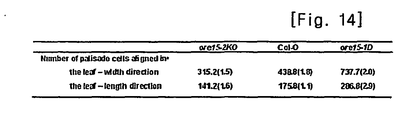
FIG. 14 is a table in which average values of cell counts in a lengthwise direction and a widthwise direction in the first layer of the palisade parenchyma of the wild type (Col-O), the overexpression mutant ore15-D, and the knock-out mutant (ore12-2KO) of Arabidopsis thaliana are summarized (numerals of parentheses are SE). - A better understanding of the present invention may be obtained through the following examples which are set forth to illustrate, but are not to be construed as the limit of the present invention.
- First, mutation was induced in Arabidopsis thaliana. For this, an activation tagging vector pSKI015 (Weigel et al., Plant Physiology 122:1003-1014, 2000) (granted from the Weigel lab, U.S.A.) that contained four CaMV 35S enhancements located near the right border of T-DNA, and a bar gene (phosphinothricin acetyltransferase gene) conferring Basta resistance was introduced into Agrobacterium tumefacience ABI strain (granted from the Amasino lab, U.S.A.) using an eletroporation method, followed by selection in a medium containing kanamycin and carbenicillin. Thereafter, the Agrobacterium tumefacience strain carrying the pSKI015 vector was transfected into the Arabidopsis thaliana senescence-delay mutant ore9-1 (Woo H.R. et al. Plant Cell 13:1779-1790, 2001) using a floral dip method (Clough et al., Plant J., 16(6):735-743, 1998). Seeds of the transfected Arabidopsis thaliana were selected in the presence of Basta herbicide. In a greenhouse maintained at 23°C, 10,000 plants of T1 line were grown, and the etiolation according to the chlorophyll loss attributed to aging was observed with the naked eyes. A mutant line, which showed lower leaf eliolation progress than did ore9-1, was selected and named ore15-D.
FIG. 1 shows time-dependent patterns of leaf senescence in Arabidopsis thaliana Colombia wild-type (Col-O) and the mutant ore15-D. As apparent fromFIG. 1 , the mutant ore15-D of the present invention is found to undergo greatly delayed senescence compared to the wild type. - In order to examine senescence delay characteristics of the ore15-D mutant, the leaf chlorophyll content and photosynthesis activity of the mutant ore15-D and the wild type (Col-O) were compared.
- Leaves from each sample were boiled at 80°C in 95% ethanol to extract chlorophyll. Chlorophyll content was determined by absorbance at 648nm and 664nm and expressed as percentages with regard to the fresh weight of leaf material (Vermon et al., Anal. Chem. 32:1142-1150, 1960).
- In the wild type (Col-O), chlorophyll content was measured to be 50% at 28 DAE (days after emergence), as shown in
FIG. 2 , with chlorosis starting at 24 DAE. In contrast, the chlorophyll content of ore15-D was maintained at 100% to 28 DAE and at about 25% even until 36 DAE. - Photosynthetic activity was measured using Oh's method (Oh S.A. et al., Plant Mol. Biol. 30: 939, 1996). To begin with, leaves at each DAE were placed for 15 min in darkness and measured for chlorophyll fluorescence using a plant efficiency analyzer (Hansatech Instruments, Morfolk, England). Taking advantage of chlorophyll fluorescence, photosynthesis activity was expressed as the photochemical efficiency of PS II (photosystem II), given by the ratio of maximum variable fluorescence (Fv) to maximum value of fluorescence (Fm) (Fv/Fm). The higher the value, the better the photosynthetic efficiency.
- Photosynthesis activity also showed a change pattern similar to that of chlorophyll content. While photosynthesis activity started to drastically decrease after 24 DAE in the wild type (Col-O), ore15-D showed a slow declination of photosynthesis after 28 DAE (see
FIG. 3 ). - Taken together, the data obtained above imply that the ore 15-D mutant type exhibits a delayed senescence phenotype, compared to the wild type, due to the mutation of ORE15, and that the senescence delay results from delayed biochemical declination in chlorophyll content and photosynthetic activity.
- The leaf longevity of the ore 15-D mutant was measured in terms of change in photosynthesis activity and chlorophyll content according to dark treatment, a senescence-accelerating factor.
- Each of 24 leaves (12 DAE) from the wild type (Col-O) and the ore 15-D mutant was floated on 3mM 2-[N-morpholino]-ethanesulfonic acid (pH 5.8) (hereinafter referred to as 'MES buffer'). While being placed at 22°C in a completely dark box, the leaves were individually assayed every other day for photosynthetic activity and chlorophyll content, as in Example 2.
FIG. 4 is a photograph showing senescence progression with time in the leaves of the wild type (Col-O) and mutant type ore15-D of Arabidopsis thaliana after the dark treatment. As shown in the photograph, the variant ore15-D of the present invention was greatly delayed in senescence, compared to the wild type. In addition, five days after the dark treatment, as depicted inFIGS. 5 and6 , the chlorophyll content and the photosynthetic activity were measured to be as much as 99.5% and 99%, respectively, in the mutant ore15-D, while being greatly reduced to 75% and 74%, respectively, in the wild type (Col-O), compared to those before the dark treatment. - To examine the effect of ORE15 on senescence-associated genes (SAGs), the time-dependent expression pattern of each SAG protein during dark treatment was analyzed using Northern blots. Samples were the total RNA isolated at 0, 2, 4, and 6 DAT. 10 µg of the prepared total RNA was loaded on each lane, and SEN1 (GenBank, accession No. NM 119743) and SEN4 (GenBank, accession No. NM 119173) genes were used as probes.
- The Northern blotting results are given in
FIG. 7 . As seen inFIG. 7 , Col-O definitely increased in the expression of the senescence-associated genes SEN1 and SEN4 at 8 DAT with the progress of senescence. During the same time period, however, the expression of the SAGs in the ore15-D mutant did not increase until 12 DAT. This fact indicates that ORE15 mutation influences leaf longevity at a molecular level as well as at a physiological level. - In order to search genes near T-DNA, activated by the enhancer, in the ore 15-D mutant, a plasmid rescue method (Weigel et al., Plant Physiology 122:1003-1014, 2000) was used for gene isolation. In
FIG. 8 , there is a schematic view of a part of the ore 5-D mutant genome with the activation tagging vector pSKI015 inserted thereinto. Genomic DNA was isolated from the ore 15-D mutant (Dellaporta et al., Plant Mol. Biol. Rep. 1:19-21, 1983). Afterwards, 5µg of the genomic DNA was digested with EcoRI, precipitated in ethanol, and dried. The DNA digests were self-ligated and introduced into E. coli DH5α, which was then grown in the presence of ampicillin to select transformants. - The E. coli which was transformed with a plasmid containing an E. coli replication origin, a selection marker, both present within T-DNA, and a 7.0kb plant genomic DNA segment near the right border of T-DNA was grown to form colonies on a selection plate. After preparing plasmids from the colonies, the base sequence near the right border of T-DNA was determined. In this regard, an oligomer was synthesized on the basis of a base sequence downstream of the EcoRI site used for the plasmid rescue method, and was used for the base sequencing. With reference to an Arabidopsis thaliana genome database, the open reading frame nearest the enhancer was found on the basis of the base sequence determined. The protein expressed from the ORE15 gene consisted of 243 amino acids, as seen in SEQ ID NO : 2 and
FIG. 9 . - Northern blotting analysis was conducted, using the ORE15 gene as a probe. Total RNA was isolated from the wild type (Col-O) and the mutant ore15-D, using TRI-reagent (Sigma). 10 µg of the total RNA was loaded in each lane on 1.2% agarose/formaldehyde gel, separated, and transferred onto a nylon membrane. After washing the nylon membrane for 5 min with 2X SSC to remove agarose debris, the RNA was fixed onto the nylon membrane using UV light (254nm, 0.18 J/Sq.cm2). The blots transferred onto the nylon membrane were subjected to pre-hybridization and hybridization according to Park's method (Park et al., Plant Mol. Biol. 26:1725-1735, 1994).
- The results are shown in
FIG. 8 . Whereas no expression of the ORE15 gene was observed in the wild type (Col-O), the gene was found to be over-expressed in the ore15-D mutant. - To examine whether the delayed senescence phenotype of the ore 15-D mutant resulted from the activation of the ORE15 gene, a 2.5kb DNA segment containing the
- ORE15 gene was introduced into the wild type (Col-O) to induce overexpression. To this end, first, full-length ORE15 cDNA was isolated using RT-PCR. A DNA segment containing the ORE15 gene therein was inserted into a pGEM-T Easy vector (Promega Corporation Madison, WI. U.S.A.) and the recombinant vector was named pORE15/GTE. pORE15/GTE was double-digested with BglII and BstEII to excise an ORE15 gene segment which was subsequently inserted into pCAMBIA3301 (Caberra, Australia). With the resulting recombinant vector, named pORE15/3301, Agrobacterium tumefacience AGL1 strain was transformed. According to the floral dip method (Clough et al., Plant J., 16(6):735-743, 1998), the transformed Agrobacterium tumefacience AGL1 strain, named pAT-ORE15, was transfected into the wild type (Col-O). The delayed senescence phenotype of the transgenic Arabidopsis thaliana was the proof that the ORE15 gene is responsible for the regulation of leaf longevity in Arabidopsis thaliana.
- A higher increase in the leaf weight and size of the ore 15-D mutant than in that of the wild type, featuring, along with the prolonged leaf longevity, was examined according to developmental time.
- At four-day intervals starting from the DAE (days after emergence) of leaf blade, weights and sizes of the leaves from the wild type (Col-O) and the ore 15-D mutant were measured. As for leaf size, it was determined from the scanning data of leaves, using software, Scion image (NIH, USA). Results are given in
FIG. 10 . The difference in leaf weight between the wild type and the ore15-D mutant was significant starting at 8 DAE, and increased thereafter. In addition, as shown inFIG. 11 , the ore15-D mutant also surpassed the wild type (Col-O) in leaf size starting at 8 DAE. - These phenotypic differences were confirmed among the wild type (Col-O), the overexpression mutant ore 15-D, and the knock-out mutant ore 15-2KO at 12 DAE. ore 15-D was observed to greatly increase in leaf size compared with the wild type (
FIG. 12 ), and such size increase was found in almost all organs of ore 15-D as well as the leaves. To examine by which factor such a change in organ size is induced, longitudinal cross sections of leaves were anatomically observed (FIG. 13 ) and the third rosette leaf was anatomically analyzed (FIG. 14 ). In palisade parenchyma, the ore 15-D mutant had slightly smaller cell sizes, but a greater cell population than had the wild type. Meanwhile, the knock-out mutant ore 15-2KO showed phenotypes directly opposite to those of the overexpression mutant ore 15-D. Accordingly, the phenotypic characteristics in the leaf organ of ore 15-D are thought attributable to an increase in the cell number of palisade parenchyma rather than in the cell size, suggesting that ORE15 plays an important role in delaying plant senescence by regulating the number of cells. - Although additional experiments are required to examine whether such a phenomenon is a factor having direct influence on or an indirect effect on senescence regulation, an increase in leaf size and weight can be applied to various crops, resulting in a great improvement in productivity.
- <110> GENOMINE INC. POSTECH FOUNDATION
- <120> Protein Regulating Leaf Longevity of Plants, The Gene Thereof and Their use
- <150>
KR/10-2004-0069454 <151> 2004-09-01 - <160> 2
- <170> KopatentIn 1.71
- <210> 1
<211> 732
<212> DNA
<213> Arabidopsis thaliana - <900> 1

- <210> 2
<211> 243
<212> PRT
<213> Arabidopsis thaliana - <400> 2


Claims (6)
- A leaf longevity-regulating protein, named ORE15, which is a polypeptide having the amino acid sequence of SEQ ID NO: 2.
- An isolated plant leaf longevity-regulating gene, named ORE15, encoding the protein ORE15 of claim 1.
- The plant leaf longevity-regulating gene of claim 2, having the nucleotide sequence of SEQ ID NO: 1.
- A recombinant vector carrying the ORE15 gene of claim 2 operably linked to a promoter region.
- A method for regulating plant longevity and/or delayed senescence of a plant, comprising the introduction of the gene of claim 2 into the plant by transforming the plant with the recombinant vector of claim 4.
- A transgenic plant exhibiting prolonged longevity or growth enhancement, having introduced the exogenous gene of claim 2.
Applications Claiming Priority (2)
| Application Number | Priority Date | Filing Date | Title |
|---|---|---|---|
| KR20040069454 | 2004-09-01 | ||
| PCT/KR2005/002879 WO2006025693A1 (en) | 2004-09-01 | 2005-08-31 | Protein regulating leaf longevity of plants, the gene thereof and their use |
Publications (3)
| Publication Number | Publication Date |
|---|---|
| EP1791861A1 EP1791861A1 (en) | 2007-06-06 |
| EP1791861A4 EP1791861A4 (en) | 2008-10-08 |
| EP1791861B1 true EP1791861B1 (en) | 2011-06-22 |
Family
ID=36000301
Family Applications (1)
| Application Number | Title | Priority Date | Filing Date |
|---|---|---|---|
| EP05781163A Expired - Lifetime EP1791861B1 (en) | 2004-09-01 | 2005-08-31 | Protein regulating leaf longevity of plants, the gene thereof and their use |
Country Status (7)
| Country | Link |
|---|---|
| US (1) | US7795501B2 (en) |
| EP (1) | EP1791861B1 (en) |
| JP (1) | JP4722929B2 (en) |
| KR (1) | KR101053036B1 (en) |
| CN (1) | CN101023096B (en) |
| AT (1) | ATE513849T1 (en) |
| WO (1) | WO2006025693A1 (en) |
Families Citing this family (2)
| Publication number | Priority date | Publication date | Assignee | Title |
|---|---|---|---|---|
| KR101053036B1 (en) | 2004-09-01 | 2011-08-01 | 학교법인 포항공과대학교 | Plant leaf life regulation proteins, genes thereof and uses thereof |
| CN106614586B (en) * | 2016-09-30 | 2019-03-26 | 中国农业科学院烟草研究所 | IDL4 mature polypeptide plant senescence promotor, preparation method and application |
Family Cites Families (7)
| Publication number | Priority date | Publication date | Assignee | Title |
|---|---|---|---|---|
| US20040031072A1 (en) * | 1999-05-06 | 2004-02-12 | La Rosa Thomas J. | Soy nucleic acid molecules and other molecules associated with transcription plants and uses thereof for plant improvement |
| KR100350213B1 (en) | 2000-12-20 | 2002-08-28 | (주)제노마인 | Novel gene encoding an F-box protein which regulates leaf longevity in Arabidopsis thaliana and mutant genes thereof |
| KR100510960B1 (en) * | 2001-08-22 | 2005-08-30 | 제노마인(주) | Gene controlling life span of leaves in plants and method for controlling life span of plants using the gene |
| KR100438887B1 (en) | 2001-08-22 | 2004-07-02 | 학교법인 포항공과대학교 | Gene ORE4 which regulates leaf longevity in Arabidopsis thaliana and mutant genes thereof |
| KR20010099064A (en) * | 2001-08-22 | 2001-11-09 | 정명식 | AWI31 gene which regulates vascular strand formation in Arabidopsis thaliana |
| KR100475359B1 (en) * | 2002-09-07 | 2005-03-10 | 제노마인(주) | Method for delaying senescence of plants using the gene regulating leaf longevity in plants |
| KR101053036B1 (en) | 2004-09-01 | 2011-08-01 | 학교법인 포항공과대학교 | Plant leaf life regulation proteins, genes thereof and uses thereof |
-
2005
- 2005-08-30 KR KR1020050079892A patent/KR101053036B1/en not_active Expired - Fee Related
- 2005-08-31 CN CN2005800312055A patent/CN101023096B/en not_active Expired - Fee Related
- 2005-08-31 EP EP05781163A patent/EP1791861B1/en not_active Expired - Lifetime
- 2005-08-31 WO PCT/KR2005/002879 patent/WO2006025693A1/en not_active Ceased
- 2005-08-31 AT AT05781163T patent/ATE513849T1/en not_active IP Right Cessation
- 2005-08-31 JP JP2007529703A patent/JP4722929B2/en not_active Expired - Fee Related
- 2005-08-31 US US11/574,580 patent/US7795501B2/en not_active Expired - Fee Related
Also Published As
| Publication number | Publication date |
|---|---|
| KR101053036B1 (en) | 2011-08-01 |
| JP4722929B2 (en) | 2011-07-13 |
| EP1791861A1 (en) | 2007-06-06 |
| CN101023096B (en) | 2012-04-18 |
| KR20060050807A (en) | 2006-05-19 |
| US7795501B2 (en) | 2010-09-14 |
| US20080134354A1 (en) | 2008-06-05 |
| JP2008511314A (en) | 2008-04-17 |
| EP1791861A4 (en) | 2008-10-08 |
| CN101023096A (en) | 2007-08-22 |
| WO2006025693A1 (en) | 2006-03-09 |
| ATE513849T1 (en) | 2011-07-15 |
Similar Documents
| Publication | Publication Date | Title |
|---|---|---|
| JP2010538670A (en) | Plant having enhanced yield-related trait and method for producing the same | |
| US7060875B2 (en) | Methods for delaying leaf senescence using the ORE7 gene | |
| US20180037903A1 (en) | Methods and means for increasing stress tolerance and biomass in plants | |
| US7208652B2 (en) | Constitutive photomorphogenesis 1 (COP1) nucleic acid sequence from Zea mays and its use thereof | |
| CN113563442A (en) | Drought-resistant related protein IbSPB1 and coding gene and application thereof | |
| KR100350213B1 (en) | Novel gene encoding an F-box protein which regulates leaf longevity in Arabidopsis thaliana and mutant genes thereof | |
| Lin et al. | Structural feature of RrGGP2 promoter and functional analysis of RrNAC56 regulating RrGGP2 expression and ascorbate synthesis via stress-inducible cis-elements in Rosa roxburghii Tratt | |
| CN101679968B (en) | Polypeptide capable of improving tolerance to iron deficiency in plant, and use thereof | |
| US20150353950A1 (en) | Transgenic plants | |
| CN116515789A (en) | Rice grain type related gene and application thereof | |
| KR101850003B1 (en) | ATHG1 Protein Delaying Senescence and Providing Stress Tolerance of Plants, the Gene Encoding the Protein and Those Use | |
| US7795501B2 (en) | Protein regulating leaf longevity of plants, the gene thereof and their use | |
| KR102231138B1 (en) | OsXCP2-5 gene from Oryza sativa for controlling salt stress tolerance of plant and uses thereof | |
| KR101077964B1 (en) | Protein Regulating Leaf Longevity of Plant, Gene Thereof and Use of Thereof | |
| KR100475359B1 (en) | Method for delaying senescence of plants using the gene regulating leaf longevity in plants | |
| CN119464355B (en) | Storage root development related protein and application of coding gene thereof in regulation and control of storage root development | |
| CN121087063B (en) | Cold-adaptation regulatory gene RAF3/RAF6 and application thereof | |
| US7179957B1 (en) | Method for altering nitrogen or oil content of seeds by down regulating AGL11 expression or activity | |
| KR101053039B1 (en) | Plant Life Regulator Proteins, Their Genes, and Their Uses | |
| CN118497213A (en) | Grape anthocyanin regulatory gene VvPUB and application thereof in anthocyanin regulation | |
| WO2004108931A1 (en) | Cytokinin receptor ahk3 involved in senescence regulation of plant and use thereof | |
| KR100444371B1 (en) | Protocols for generation of high yield, super-productive transgenic plants disturbed in Ran/RanBP - mediated cellular process | |
| KR100499272B1 (en) | A protein having a senescence activity of plants and a gene encoding the same | |
| KR20110111023A (en) | UBSD2 protein, genes thereof, and uses thereof, which have a function of extending lifespan and stress resistance of plants |
Legal Events
| Date | Code | Title | Description |
|---|---|---|---|
| PUAI | Public reference made under article 153(3) epc to a published international application that has entered the european phase |
Free format text: ORIGINAL CODE: 0009012 |
|
| 17P | Request for examination filed |
Effective date: 20070326 |
|
| AK | Designated contracting states |
Kind code of ref document: A1 Designated state(s): AT BE BG CH CY CZ DE DK EE ES FI FR GB GR HU IE IS IT LI LT LU LV MC NL PL PT RO SE SI SK TR |
|
| DAX | Request for extension of the european patent (deleted) | ||
| RIC1 | Information provided on ipc code assigned before grant |
Ipc: A01H 5/00 20060101ALI20080827BHEP Ipc: C12N 15/82 20060101ALI20080827BHEP Ipc: C07K 14/415 20060101AFI20060329BHEP |
|
| A4 | Supplementary search report drawn up and despatched |
Effective date: 20080904 |
|
| 17Q | First examination report despatched |
Effective date: 20081204 |
|
| GRAP | Despatch of communication of intention to grant a patent |
Free format text: ORIGINAL CODE: EPIDOSNIGR1 |
|
| GRAS | Grant fee paid |
Free format text: ORIGINAL CODE: EPIDOSNIGR3 |
|
| GRAA | (expected) grant |
Free format text: ORIGINAL CODE: 0009210 |
|
| AK | Designated contracting states |
Kind code of ref document: B1 Designated state(s): AT BE BG CH CY CZ DE DK EE ES FI FR GB GR HU IE IS IT LI LT LU LV MC NL PL PT RO SE SI SK TR |
|
| REG | Reference to a national code |
Ref country code: GB Ref legal event code: FG4D |
|
| REG | Reference to a national code |
Ref country code: CH Ref legal event code: EP |
|
| REG | Reference to a national code |
Ref country code: IE Ref legal event code: FG4D |
|
| REG | Reference to a national code |
Ref country code: DE Ref legal event code: R096 Ref document number: 602005028666 Country of ref document: DE Effective date: 20110818 |
|
| REG | Reference to a national code |
Ref country code: NL Ref legal event code: VDEP Effective date: 20110622 |
|
| PG25 | Lapsed in a contracting state [announced via postgrant information from national office to epo] |
Ref country code: SE Free format text: LAPSE BECAUSE OF FAILURE TO SUBMIT A TRANSLATION OF THE DESCRIPTION OR TO PAY THE FEE WITHIN THE PRESCRIBED TIME-LIMIT Effective date: 20110622 Ref country code: LT Free format text: LAPSE BECAUSE OF FAILURE TO SUBMIT A TRANSLATION OF THE DESCRIPTION OR TO PAY THE FEE WITHIN THE PRESCRIBED TIME-LIMIT Effective date: 20110622 |
|
| PG25 | Lapsed in a contracting state [announced via postgrant information from national office to epo] |
Ref country code: FI Free format text: LAPSE BECAUSE OF FAILURE TO SUBMIT A TRANSLATION OF THE DESCRIPTION OR TO PAY THE FEE WITHIN THE PRESCRIBED TIME-LIMIT Effective date: 20110622 Ref country code: AT Free format text: LAPSE BECAUSE OF FAILURE TO SUBMIT A TRANSLATION OF THE DESCRIPTION OR TO PAY THE FEE WITHIN THE PRESCRIBED TIME-LIMIT Effective date: 20110622 Ref country code: SI Free format text: LAPSE BECAUSE OF FAILURE TO SUBMIT A TRANSLATION OF THE DESCRIPTION OR TO PAY THE FEE WITHIN THE PRESCRIBED TIME-LIMIT Effective date: 20110622 Ref country code: LV Free format text: LAPSE BECAUSE OF FAILURE TO SUBMIT A TRANSLATION OF THE DESCRIPTION OR TO PAY THE FEE WITHIN THE PRESCRIBED TIME-LIMIT Effective date: 20110622 Ref country code: CY Free format text: LAPSE BECAUSE OF FAILURE TO SUBMIT A TRANSLATION OF THE DESCRIPTION OR TO PAY THE FEE WITHIN THE PRESCRIBED TIME-LIMIT Effective date: 20110622 Ref country code: GR Free format text: LAPSE BECAUSE OF FAILURE TO SUBMIT A TRANSLATION OF THE DESCRIPTION OR TO PAY THE FEE WITHIN THE PRESCRIBED TIME-LIMIT Effective date: 20110923 |
|
| PG25 | Lapsed in a contracting state [announced via postgrant information from national office to epo] |
Ref country code: NL Free format text: LAPSE BECAUSE OF FAILURE TO SUBMIT A TRANSLATION OF THE DESCRIPTION OR TO PAY THE FEE WITHIN THE PRESCRIBED TIME-LIMIT Effective date: 20110622 Ref country code: BE Free format text: LAPSE BECAUSE OF FAILURE TO SUBMIT A TRANSLATION OF THE DESCRIPTION OR TO PAY THE FEE WITHIN THE PRESCRIBED TIME-LIMIT Effective date: 20110622 |
|
| PG25 | Lapsed in a contracting state [announced via postgrant information from national office to epo] |
Ref country code: PT Free format text: LAPSE BECAUSE OF FAILURE TO SUBMIT A TRANSLATION OF THE DESCRIPTION OR TO PAY THE FEE WITHIN THE PRESCRIBED TIME-LIMIT Effective date: 20111024 Ref country code: IS Free format text: LAPSE BECAUSE OF FAILURE TO SUBMIT A TRANSLATION OF THE DESCRIPTION OR TO PAY THE FEE WITHIN THE PRESCRIBED TIME-LIMIT Effective date: 20111022 Ref country code: CZ Free format text: LAPSE BECAUSE OF FAILURE TO SUBMIT A TRANSLATION OF THE DESCRIPTION OR TO PAY THE FEE WITHIN THE PRESCRIBED TIME-LIMIT Effective date: 20110622 Ref country code: EE Free format text: LAPSE BECAUSE OF FAILURE TO SUBMIT A TRANSLATION OF THE DESCRIPTION OR TO PAY THE FEE WITHIN THE PRESCRIBED TIME-LIMIT Effective date: 20110622 |
|
| PG25 | Lapsed in a contracting state [announced via postgrant information from national office to epo] |
Ref country code: RO Free format text: LAPSE BECAUSE OF FAILURE TO SUBMIT A TRANSLATION OF THE DESCRIPTION OR TO PAY THE FEE WITHIN THE PRESCRIBED TIME-LIMIT Effective date: 20110622 Ref country code: PL Free format text: LAPSE BECAUSE OF FAILURE TO SUBMIT A TRANSLATION OF THE DESCRIPTION OR TO PAY THE FEE WITHIN THE PRESCRIBED TIME-LIMIT Effective date: 20110622 Ref country code: SK Free format text: LAPSE BECAUSE OF FAILURE TO SUBMIT A TRANSLATION OF THE DESCRIPTION OR TO PAY THE FEE WITHIN THE PRESCRIBED TIME-LIMIT Effective date: 20110622 |
|
| PG25 | Lapsed in a contracting state [announced via postgrant information from national office to epo] |
Ref country code: MC Free format text: LAPSE BECAUSE OF NON-PAYMENT OF DUE FEES Effective date: 20110831 |
|
| REG | Reference to a national code |
Ref country code: CH Ref legal event code: PL |
|
| PLBE | No opposition filed within time limit |
Free format text: ORIGINAL CODE: 0009261 |
|
| STAA | Information on the status of an ep patent application or granted ep patent |
Free format text: STATUS: NO OPPOSITION FILED WITHIN TIME LIMIT |
|
| PG25 | Lapsed in a contracting state [announced via postgrant information from national office to epo] |
Ref country code: LI Free format text: LAPSE BECAUSE OF NON-PAYMENT OF DUE FEES Effective date: 20110831 Ref country code: CH Free format text: LAPSE BECAUSE OF NON-PAYMENT OF DUE FEES Effective date: 20110831 |
|
| REG | Reference to a national code |
Ref country code: IE Ref legal event code: MM4A |
|
| 26N | No opposition filed |
Effective date: 20120323 |
|
| PG25 | Lapsed in a contracting state [announced via postgrant information from national office to epo] |
Ref country code: IT Free format text: LAPSE BECAUSE OF FAILURE TO SUBMIT A TRANSLATION OF THE DESCRIPTION OR TO PAY THE FEE WITHIN THE PRESCRIBED TIME-LIMIT Effective date: 20110622 |
|
| PG25 | Lapsed in a contracting state [announced via postgrant information from national office to epo] |
Ref country code: DK Free format text: LAPSE BECAUSE OF FAILURE TO SUBMIT A TRANSLATION OF THE DESCRIPTION OR TO PAY THE FEE WITHIN THE PRESCRIBED TIME-LIMIT Effective date: 20110622 |
|
| REG | Reference to a national code |
Ref country code: DE Ref legal event code: R097 Ref document number: 602005028666 Country of ref document: DE Effective date: 20120323 |
|
| PG25 | Lapsed in a contracting state [announced via postgrant information from national office to epo] |
Ref country code: IE Free format text: LAPSE BECAUSE OF NON-PAYMENT OF DUE FEES Effective date: 20110831 |
|
| PG25 | Lapsed in a contracting state [announced via postgrant information from national office to epo] |
Ref country code: ES Free format text: LAPSE BECAUSE OF FAILURE TO SUBMIT A TRANSLATION OF THE DESCRIPTION OR TO PAY THE FEE WITHIN THE PRESCRIBED TIME-LIMIT Effective date: 20111003 |
|
| PG25 | Lapsed in a contracting state [announced via postgrant information from national office to epo] |
Ref country code: LU Free format text: LAPSE BECAUSE OF NON-PAYMENT OF DUE FEES Effective date: 20110831 |
|
| PG25 | Lapsed in a contracting state [announced via postgrant information from national office to epo] |
Ref country code: BG Free format text: LAPSE BECAUSE OF FAILURE TO SUBMIT A TRANSLATION OF THE DESCRIPTION OR TO PAY THE FEE WITHIN THE PRESCRIBED TIME-LIMIT Effective date: 20110922 |
|
| PG25 | Lapsed in a contracting state [announced via postgrant information from national office to epo] |
Ref country code: TR Free format text: LAPSE BECAUSE OF FAILURE TO SUBMIT A TRANSLATION OF THE DESCRIPTION OR TO PAY THE FEE WITHIN THE PRESCRIBED TIME-LIMIT Effective date: 20110622 |
|
| PG25 | Lapsed in a contracting state [announced via postgrant information from national office to epo] |
Ref country code: HU Free format text: LAPSE BECAUSE OF FAILURE TO SUBMIT A TRANSLATION OF THE DESCRIPTION OR TO PAY THE FEE WITHIN THE PRESCRIBED TIME-LIMIT Effective date: 20110622 |
|
| PGFP | Annual fee paid to national office [announced via postgrant information from national office to epo] |
Ref country code: FR Payment date: 20140828 Year of fee payment: 10 Ref country code: GB Payment date: 20140828 Year of fee payment: 10 |
|
| PGFP | Annual fee paid to national office [announced via postgrant information from national office to epo] |
Ref country code: DE Payment date: 20141031 Year of fee payment: 10 |
|
| REG | Reference to a national code |
Ref country code: DE Ref legal event code: R119 Ref document number: 602005028666 Country of ref document: DE |
|
| GBPC | Gb: european patent ceased through non-payment of renewal fee |
Effective date: 20150831 |
|
| REG | Reference to a national code |
Ref country code: FR Ref legal event code: ST Effective date: 20160429 |
|
| PG25 | Lapsed in a contracting state [announced via postgrant information from national office to epo] |
Ref country code: GB Free format text: LAPSE BECAUSE OF NON-PAYMENT OF DUE FEES Effective date: 20150831 Ref country code: DE Free format text: LAPSE BECAUSE OF NON-PAYMENT OF DUE FEES Effective date: 20160301 |
|
| PG25 | Lapsed in a contracting state [announced via postgrant information from national office to epo] |
Ref country code: FR Free format text: LAPSE BECAUSE OF NON-PAYMENT OF DUE FEES Effective date: 20150831 |