EP1773997B1 - Methods for identification, and compounds useful for the treatment of degenerative & inflammatory diseases - Google Patents
Methods for identification, and compounds useful for the treatment of degenerative & inflammatory diseases Download PDFInfo
- Publication number
- EP1773997B1 EP1773997B1 EP05774134A EP05774134A EP1773997B1 EP 1773997 B1 EP1773997 B1 EP 1773997B1 EP 05774134 A EP05774134 A EP 05774134A EP 05774134 A EP05774134 A EP 05774134A EP 1773997 B1 EP1773997 B1 EP 1773997B1
- Authority
- EP
- European Patent Office
- Prior art keywords
- seq
- dna
- expression
- cells
- mmp1
- Prior art date
- Legal status (The legal status is an assumption and is not a legal conclusion. Google has not performed a legal analysis and makes no representation as to the accuracy of the status listed.)
- Expired - Lifetime
Links
Images






Classifications
-
- C—CHEMISTRY; METALLURGY
- C12—BIOCHEMISTRY; BEER; SPIRITS; WINE; VINEGAR; MICROBIOLOGY; ENZYMOLOGY; MUTATION OR GENETIC ENGINEERING
- C12Q—MEASURING OR TESTING PROCESSES INVOLVING ENZYMES, NUCLEIC ACIDS OR MICROORGANISMS; COMPOSITIONS OR TEST PAPERS THEREFOR; PROCESSES OF PREPARING SUCH COMPOSITIONS; CONDITION-RESPONSIVE CONTROL IN MICROBIOLOGICAL OR ENZYMOLOGICAL PROCESSES
- C12Q1/00—Measuring or testing processes involving enzymes, nucleic acids or microorganisms; Compositions therefor; Processes of preparing such compositions
- C12Q1/34—Measuring or testing processes involving enzymes, nucleic acids or microorganisms; Compositions therefor; Processes of preparing such compositions involving hydrolase
- C12Q1/37—Measuring or testing processes involving enzymes, nucleic acids or microorganisms; Compositions therefor; Processes of preparing such compositions involving hydrolase involving peptidase or proteinase
-
- A—HUMAN NECESSITIES
- A61—MEDICAL OR VETERINARY SCIENCE; HYGIENE
- A61P—SPECIFIC THERAPEUTIC ACTIVITY OF CHEMICAL COMPOUNDS OR MEDICINAL PREPARATIONS
- A61P19/00—Drugs for skeletal disorders
- A61P19/02—Drugs for skeletal disorders for joint disorders, e.g. arthritis, arthrosis
-
- A—HUMAN NECESSITIES
- A61—MEDICAL OR VETERINARY SCIENCE; HYGIENE
- A61P—SPECIFIC THERAPEUTIC ACTIVITY OF CHEMICAL COMPOUNDS OR MEDICINAL PREPARATIONS
- A61P29/00—Non-central analgesic, antipyretic or antiinflammatory agents, e.g. antirheumatic agents; Non-steroidal antiinflammatory drugs [NSAID]
-
- C—CHEMISTRY; METALLURGY
- C12—BIOCHEMISTRY; BEER; SPIRITS; WINE; VINEGAR; MICROBIOLOGY; ENZYMOLOGY; MUTATION OR GENETIC ENGINEERING
- C12N—MICROORGANISMS OR ENZYMES; COMPOSITIONS THEREOF; PROPAGATING, PRESERVING, OR MAINTAINING MICROORGANISMS; MUTATION OR GENETIC ENGINEERING; CULTURE MEDIA
- C12N15/00—Mutation or genetic engineering; DNA or RNA concerning genetic engineering, vectors, e.g. plasmids, or their isolation, preparation or purification; Use of hosts therefor
- C12N15/09—Recombinant DNA-technology
- C12N15/11—DNA or RNA fragments; Modified forms thereof; Non-coding nucleic acids having a biological activity
- C12N15/111—General methods applicable to biologically active non-coding nucleic acids
-
- C—CHEMISTRY; METALLURGY
- C12—BIOCHEMISTRY; BEER; SPIRITS; WINE; VINEGAR; MICROBIOLOGY; ENZYMOLOGY; MUTATION OR GENETIC ENGINEERING
- C12N—MICROORGANISMS OR ENZYMES; COMPOSITIONS THEREOF; PROPAGATING, PRESERVING, OR MAINTAINING MICROORGANISMS; MUTATION OR GENETIC ENGINEERING; CULTURE MEDIA
- C12N9/00—Enzymes; Proenzymes; Compositions thereof; Processes for preparing, activating, inhibiting, separating or purifying enzymes
- C12N9/14—Hydrolases (3)
- C12N9/48—Hydrolases (3) acting on peptide bonds (3.4)
- C12N9/50—Proteinases, e.g. Endopeptidases (3.4.21-3.4.25)
- C12N9/64—Proteinases, e.g. Endopeptidases (3.4.21-3.4.25) derived from animal tissue
- C12N9/6421—Proteinases, e.g. Endopeptidases (3.4.21-3.4.25) derived from animal tissue from mammals
- C12N9/6489—Metalloendopeptidases (3.4.24)
- C12N9/6491—Matrix metalloproteases [MMP's], e.g. interstitial collagenase (3.4.24.7); Stromelysins (3.4.24.17; 3.2.1.22); Matrilysin (3.4.24.23)
-
- G—PHYSICS
- G01—MEASURING; TESTING
- G01N—INVESTIGATING OR ANALYSING MATERIALS BY DETERMINING THEIR CHEMICAL OR PHYSICAL PROPERTIES
- G01N33/00—Investigating or analysing materials by specific methods not covered by groups G01N1/00 - G01N31/00
- G01N33/48—Biological material, e.g. blood, urine; Haemocytometers
- G01N33/50—Chemical analysis of biological material, e.g. blood, urine; Testing involving biospecific ligand binding methods; Immunological testing
- G01N33/68—Chemical analysis of biological material, e.g. blood, urine; Testing involving biospecific ligand binding methods; Immunological testing involving proteins, peptides or amino acids
- G01N33/6887—Chemical analysis of biological material, e.g. blood, urine; Testing involving biospecific ligand binding methods; Immunological testing involving proteins, peptides or amino acids from muscle, cartilage or connective tissue
-
- C—CHEMISTRY; METALLURGY
- C12—BIOCHEMISTRY; BEER; SPIRITS; WINE; VINEGAR; MICROBIOLOGY; ENZYMOLOGY; MUTATION OR GENETIC ENGINEERING
- C12N—MICROORGANISMS OR ENZYMES; COMPOSITIONS THEREOF; PROPAGATING, PRESERVING, OR MAINTAINING MICROORGANISMS; MUTATION OR GENETIC ENGINEERING; CULTURE MEDIA
- C12N2310/00—Structure or type of the nucleic acid
- C12N2310/10—Type of nucleic acid
- C12N2310/14—Type of nucleic acid interfering nucleic acids [NA]
-
- C—CHEMISTRY; METALLURGY
- C12—BIOCHEMISTRY; BEER; SPIRITS; WINE; VINEGAR; MICROBIOLOGY; ENZYMOLOGY; MUTATION OR GENETIC ENGINEERING
- C12N—MICROORGANISMS OR ENZYMES; COMPOSITIONS THEREOF; PROPAGATING, PRESERVING, OR MAINTAINING MICROORGANISMS; MUTATION OR GENETIC ENGINEERING; CULTURE MEDIA
- C12N2320/00—Applications; Uses
- C12N2320/10—Applications; Uses in screening processes
- C12N2320/12—Applications; Uses in screening processes in functional genomics, i.e. for the determination of gene function
-
- G—PHYSICS
- G01—MEASURING; TESTING
- G01N—INVESTIGATING OR ANALYSING MATERIALS BY DETERMINING THEIR CHEMICAL OR PHYSICAL PROPERTIES
- G01N2333/00—Assays involving biological materials from specific organisms or of a specific nature
- G01N2333/90—Enzymes; Proenzymes
- G01N2333/914—Hydrolases (3)
- G01N2333/948—Hydrolases (3) acting on peptide bonds (3.4)
- G01N2333/95—Proteinases, i.e. endopeptidases (3.4.21-3.4.99)
- G01N2333/964—Proteinases, i.e. endopeptidases (3.4.21-3.4.99) derived from animal tissue
- G01N2333/96425—Proteinases, i.e. endopeptidases (3.4.21-3.4.99) derived from animal tissue from mammals
- G01N2333/96427—Proteinases, i.e. endopeptidases (3.4.21-3.4.99) derived from animal tissue from mammals in general
- G01N2333/9643—Proteinases, i.e. endopeptidases (3.4.21-3.4.99) derived from animal tissue from mammals in general with EC number
- G01N2333/96486—Metalloendopeptidases (3.4.24)
-
- G—PHYSICS
- G01—MEASURING; TESTING
- G01N—INVESTIGATING OR ANALYSING MATERIALS BY DETERMINING THEIR CHEMICAL OR PHYSICAL PROPERTIES
- G01N2500/00—Screening for compounds of potential therapeutic value
- G01N2500/04—Screening involving studying the effect of compounds C directly on molecule A (e.g. C are potential ligands for a receptor A, or potential substrates for an enzyme A)
-
- G—PHYSICS
- G01—MEASURING; TESTING
- G01N—INVESTIGATING OR ANALYSING MATERIALS BY DETERMINING THEIR CHEMICAL OR PHYSICAL PROPERTIES
- G01N2800/00—Detection or diagnosis of diseases
- G01N2800/10—Musculoskeletal or connective tissue disorders
- G01N2800/101—Diffuse connective tissue disease, e.g. Sjögren, Wegener's granulomatosis
- G01N2800/102—Arthritis; Rheumatoid arthritis, i.e. inflammation of peripheral joints
Definitions
- the present invention relates to a methods for identifying compounds, and expression-inhibition agents, capable of inhibiting the expression of proteins involved in the pathway resulting in the degradation of extra-cellular matrix (ECM), which inhibition is useful in the prevention and treatment of joint degeneration and diseases involving such degradation and/or inflammation.
- ECM extra-cellular matrix
- Biological DMARDs are therapeutic proteins that do inactivate cytokines (e.g. TNF- ⁇ ) or cells (e.g. T-cells or B-cells) that have an important role in the RA pathophysiology (Kremer et al., 2003; Edwards et al., 2004).
- cytokines e.g. TNF- ⁇
- cells e.g. T-cells or B-cells
- the TNF- ⁇ blockers do also share the general disadvantages of the biologicals class of therapeutics, which are the unpleasant way of administration (frequent injections accompanied by infusion site reactions) and the high production cost.
- Newer agents in late development phase target T-cell co-stimulatory molecules and B-cells. The efficacy of these agents is expected to be similar to that of the TNF- ⁇ blockers.
- pannus The histological analysis of RA patient joints clearly identifies the pannus, as an aggressive, invasive tissue that represents the main culprit in joint degradation.
- the synovial fibroblasts represent a link between the initiation of the abnormally triggered immune system that lies at the basis of RA pathogenesis, and the ultimate joint erosion.
- the discovery of novel drugs and/or drug targets that inhibit the generation, and/ or the activity, of the pannus would represent an important milestone for the development of novel RA treatments.
- the present invention also relates to the use of expression inhibitory agents comprising a polynucleotide selected from the group of an antisense polynucleotide, a ribozyme, and a small interfering RNA (siRNA), wherein said polynucleotide comprises a nucleic acid sequence complementary to, or engineered from, a naturally occurring polynucleotide sequence encoding a polypeptide comprising an amino acid sequence selected from the group consisting of SEQ ID NO: 105-106 for use in the treatment, or prevention, of rheumatoid arthritis.
- siRNA small interfering RNA
- agonist refers to a ligand that stimulates the receptor the ligand binds to in the broadest sense.
- contact means bringing at least two moieties together, whether in an in vitro system or an in vivo system.
- expression comprises both endogenous expression and overexpression by transduction.
- polypeptide relates to proteins, proteinaceous molecules, fractions of proteins, peptides, oligopeptides, enzymes (such as kinases, proteases, GCPR's etc.).
- a compound having matrix metallo-protease inhibiting properties or a "matrix metallo-protease inhibiting compound” means a compound that provided to a cell in effective amounts is able to cause a biologically meaningful decrease in the production of MMP-1 in such cells.
- NM_016572 16 NP_057656 116 Protease 263-267 323-324 H34-092 FZD4 Homo sapiens frizzled homolog 4 (Drosophila) (FZD4), mRNA NM_012193 17 NP_036325; 117 GPCR 268-272 301-303 GAL_GPCR 0379 18 GAL_GPCR 0379 118 GPCR 268-272 H31-180 TM7SF1 Homo sapiens transmembrane 7 superfamily member 1 (upregulated in kidney) (TM7SF1), mRNA.
- TM7SF1 Homo sapiens transmembrane 7 superfamily member 1 (upregulated in kidney)
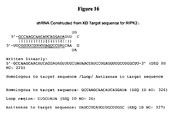
- shRNA compounds comprising the sequences listed in Table 3 (SEQ ID NO: 201-324) and the antisense sequences corresponding thereto inhibit the expression and/or activity of these genes and decrease the ECM-degrading activity of cells, confirming the role of these genes in ECM-degradation.
- Table 3 List of target sequences selected within the coding sequences of the genes identified as modulators of the collagenolytic activity of SFs for use in RNAi-based down-regulation of the expression of these genes .
- kinases and phospatases such as those represented by SEQ ID NO: 101-108.
- Specific methods to determine the activity of a kinase or phosphatase by measuring the phosphorylation of a substrate by the kinase or phosphastase, which measurements are performed in the presence or absence of a compound, are well known in the art, whereas some are described in the examples.
- the trigger can be a mixture of factors generated by contacting cytokine-producing cells relevant in the field of arthritis, such as monocytes, macrophages, T-cells, and B-cells.
- the cytokine-producing cells will respond to the contact by producing a complex and unbiased mixture of factors. If the cytokine-producing cell used is also found in a pannus, and the cytokine applied to this trigger is found in the synovial fluid of rheumatoid arthritis patients, the mixture of factors ultimately produced will contain part of the factors that are present in the joints of arthritis patients.
- the population of cells may be exposed to the compound or the mixture of compounds through different means, for instance by direct incubation in the medium, or by nucleic acid transfer into the cells.
- transfer may be achieved by a wide variety of means, for instance by direct transfection of naked isolated DNA, or RNA, or by means of delivery systems, such as recombinant vectors.
- Other delivery means such as liposomes, or other lipid-based vectors may also be used.
- the nucleic acid compound is delivered by means of a (recombinant) vector such as a recombinant virus.
- Preferred drug candidate compounds are low molecular weight compounds.
- Low molecular weight compounds i.e. with a molecular weight of 500 Dalton or less, are likely to have good absorption and permeation in biological systems and are consequently more likely to be successful drug candidates than compounds with a molecular weight above 500 Dalton (Lipinski et al. (1997)).
- Peptides comprise another preferred class of drug candidate compounds.
- Many GPCRs have a peptide as an agonist or antagonist. Peptides may be excellent drug candidates and there are multiple examples of commercially valuable peptides such as fertility hormones and platelet aggregation inhibitors.
- Natural compounds are another preferred class of drug candidate compound. Such compounds are found in and extracted from natural sources, and which may thereafter be synthesized.
- the lipids are another preferred class of drug candidate compound.
- Many GPCRs have lipids as a ligand.
- Described is a method for inhibiting extra-cellular matrix degradation comprising contacting mammalian cells with an expression inhibitory agent comprising a polyribonucleotide sequence that complements at least about 17 to about 30 contiguous nucleotides of the nucleotide sequence selected from the group consisting of SEQ ID NO: 1-25.
- the expression-inhibiting agent is an antisense RNA, ribozyme, antisense oligodeoxynucleotide, or siRNA, preferably shRNA, comprising a polyribonucleotide sequence that complements at least about 17 to about 25 contiguous nucleotides of a nucleotide sequence selected from the group consisting of SEQ ID NO: 1-25.
- a special embodiment comprises a polyribonucleotide sequence that complements a polynucleotide sequence selected from the group consisting of SEQ ID NO: 201-324.
- the ribozyme acts enzymatically to cut the TARGET mRNA. Cleavage of the mRNA by a ribozyme destroys its ability to direct synthesis of the corresponding polypeptide. Once the ribozyme has cleaved its TARGET sequence, it is released and can repeatedly bind and cleave at other mRNAs.
- Ribozymes may be chemically synthesized by combining an oligodeoxyribonucleotide with a ribozyme catalytic domain (20 nucleotides) flanked by sequences that hybridize to the TARGET mRNA after transcription.
- the oligodeoxyribonucleotide is amplified by using the substrate binding sequences as primers.
- the amplification product is cloned into a eukaryotic expression vector.
- the viral vectors used in the method of the present invention are replication defective.
- Such replication defective vectors will usually pack at least one region that is necessary for the replication of the virus in the infected cell. These regions can either be eliminated (in whole or in part), or be rendered non-functional by any technique known to a person skilled in the art. These techniques include the total removal, substitution, partial deletion or addition of one or more bases to an essential (for replication) region. Such techniques may be performed in vitro (on the isolated DNA) or in situ, using the techniques of genetic manipulation or by treatment with mutagenic agents.
- the replication defective virus retains the sequences of its genome, which are necessary for encapsidating, the viral particles.
- tissue-specific promoters e.g. actin promoter in smooth muscle cells, or Flt and Flk promoters active in endothelial cells
- animal transcriptional control regions which exhibit tissue specificity and have been utilized in transgenic animals: elastase I gene control region which is active in pancreatic acinar cells ( Swift, et al. (1984) Cell 38:639-46 ; Ornitz, et al. (1986) Cold Spring Harbor Symp. Quant. Biol.
- DNA vectors in vivo can be introduced into the desired host cells by methods known in the art, e.g., transfection, electroporation, microinjection, transduction, cell fusion, DEAE dextran, calcium phosphate precipitation, use of a gene gun, or use of a DNA vector transporter (see, e.g., Wilson, et al. (1992) J. Biol. Chem. 267:963-7 ; Wu and Wu, (1988) J. Biol. Chem.
- the composition medium can also be a hydrogel, which is prepared from any biocompatible or non-cytotoxic homo- or hetero-polymer, such as a hydrophilic polyacrylic acid polymer that can act as a drug absorbing sponge. Certain of them, such as, in particular, those obtained from ethylene and/or propylene oxide are commercially available.
- a hydrogel can be deposited directly onto the surface of the tissue to be treated, for example during surgical intervention.
- the active expression-inhibiting agents may also be entrapped in microcapsules prepared, for example, by interfacial polymerization, for example, hydroxymethylcellulose or gelatin microcapsules and poly-(methylmethacylate) microcapsules, respectively, in colloidal drug delivery systems (for example, liposomes, albumin microspheres, microemulsions, nano-particles and nanocapsules) or in macroemulsions.
- colloidal drug delivery systems for example, liposomes, albumin microspheres, microemulsions, nano-particles and nanocapsules
- encapsulated antibodies When encapsulated antibodies remain in the body for a long time, they may denature or aggregate as a result of exposure to moisture at 37°C, resulting in a loss of biological activity and possible changes in immunogenicity. Rational strategies can be devised for stabilization depending on the mechanism involved. For example, if the aggregation mechanism is discovered to be intermolecular S-S bond formation through thio-disulfide interchange, stabilization may be achieved by modifying sulfhydryl residues, lyophilizing from acidic solutions, controlling moisture content, using appropriate additives, and developing specific polymer matrix compositions.
- recombinant viruses may be used to introduce DNA encoding polynucleotide agents useful in the present invention.
- Recombinant viruses according to the invention are generally formulated and administered in the form of doses of between about 10 4 and about 10 14 pfu. In the case of AAVs and adenoviruses, doses of from about 10 6 to about 10 11 pfu are preferably used.
- pfu plaque-forming unit
- plaque-forming unit corresponds to the infective power of a suspension of virions and is determined by infecting an appropriate cell culture and measuring the number of plaques formed. The techniques for determining the pfu titre of a viral solution are well documented in the prior art.
- Described are methods of inhibiting extra-cellular matrix degradation comprising administering, to a subject suffering from a disease condition involving extra-cellular matrix degradation, an extra-cellular matrix degradation inhibiting pharmaceutical composition as described herein, preferably a therapeutically effective amount of an expression-inhibiting agent of the present invention.
- Administering of the expression-inhibiting agent of the present invention to the subject patient includes both self-administration and administration by another person.
- the patient may be in need of treatment for an existing disease or medical condition, or may desire prophylactic treatment to prevent or reduce the risk for diseases and medical conditions affected by a disturbance in bone metabolism.
- the expression-inhibiting agent of the present invention may be delivered to the subject patient orally, transdermally, via inhalation, injection, nasally, rectally or via a sustained release formulation.
- dE1/dE2A adenoviruses are generated from these adapter plasmids by co-transfection of the helper plasmid pWEAd5AfIII-rITR.dE2A in PER.E2A packaging cells, as described in WO99/64582 .
- MMPs Matrix Metallo Proteases
- SFs synovial fibroblasts
- SFs are seeded per well of a 6-well plate in DMEM + 10% FBS and infected with a multiplicity of infection (MOI) of 7500 viral particles per cell (vp/cell).
- MOI multiplicity of infection
- the expression of MMP1 by SFs is first determined at the mRNA level, by means of real-time, quantitative PCR.
- RNA of the cells infected with the control viruses is prepared 48 h post infection using the SV RNA isolation kit (Promega), according to the instructions of the manufacturer.
- cDNA is prepared from this RNA using Multiscribe reverse transcriptase (50 U/ ⁇ l, Applied Biosystems) and random hexamers.
- Amplification of the specific DNA products is monitored on an ABI PRISM ® 7000 Sequence Detection System.
- the subsequent real time PCR reaction contained 5 ⁇ l of the RT reaction product in a total volume of 25 ⁇ l consisting of 1x SYBR Green mix (Applied Biosystems), 300 nM forward primer, and 300 nM reverse primer. Each sample is analyzed in duplicate.
- the PCR reaction is performed using the following program: 10 min at 95°C followed by 40 cycles of (15 sec 95°C, 1 min 60°C). After each PCR reaction the products are analysed by measuring the dissociation curve by incubating for 15 sec 95°C, and 15 sec at 60°C, followed by increasing the temperature to 95°C over a 20 min time period, ending with 15 sec at 95°C.
- Example 2 Screening of 4224 recombinant adenoviruses in an MMP1 assay.
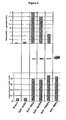
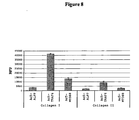
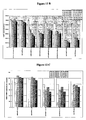
- FIG. 4B A representative example of the performance of the control plate tested with the protocol described above is shown in Figure 4B .
- Synovial fibroblasts are infected with 3 ⁇ l of the viruses contained in the control plate in an arrayed fashion using a TECAN 384 channel pipettor. The medium is refreshed the day after infection and the supernatant is harvested after 72 h production time and subjected to the 384 well format MMP1 ELISA described in previous example. The raw luminescence signal obtained is shown.
- the MMP1 assay on RASFs described above is screened against the adenoviral cDNA libraries (FlexSelect TM collection) developed at Galapagos Genomics.
- the main part of this adenoviral collection contains cDNAs of genes from "drugable” classes like GPCRs, kinases, proteases, phosphodiesterases and nuclear hormone receptors.
- the majority of these cDNAs are obtained by a PCR-based approach briefly described below. Based on the sequences of the selected genes, which are obtained from the RefSeq database, PCR primers are designed for amplification of the complete open reading frame from ATG start codon to the stop codon.
- the total FlexSelect adenoviral cDNA library consisted of 11 x 384 well plates at the time it is screened. 4224 samples represents 1705 genes.
- the MMP1 assay is screened against the FlexSelect adenoviral cDNA library using the optimized protocol described above. Every cDNA library plate is screened in duplicate in a primary screen and in a rescreen. As such, four data points are obtained for each cDNA clone. A representative example of screening results and of the analysis performed to identify hits is shown in Figure 5 .
- Example 3 Development of a screening method for the measurement of the collagenolytic activity of primary synovial fibroblasts (SFs): collagen degradation assay .
- the MMP1 assay is used as a first filter to select hits that mediated an increase in the MMP1 expression in SFs.
- the amount of MMP1 present in the supernatant of SFs might not, however, be sufficient to mediate the degradation of native collagen.
- additional proteases might be expressed by SFs that, alone or in synergy with MMP1, mediate collagen breakdown.
- the present inventors developed a functional assay that determines the extent of degradation of native collagen in the supernatant of SFs.
- the various reagents and buffers used to perform the assay described below are from Chondrex (Redmond, USA), unless mentioned otherwise.
- the assay is developed to be compatible with a cDNA library screening on primary human cells.
- the assay is miniaturized to be compatible with an arrayed, medium throughput assay.
- SFs seeded at a density of 3000 cells/well in a 96 well plate in M199 medium supplemented with 1% FBS
- Ad5-ALPP Ad5-TRAF6
- Ad5-MYD88 Ad5-MYD88
- Non-miniaturized collagen degradation assay protocol 100 ⁇ l of the SF supernatant or 100 ⁇ l of M199 medium + 1% FBS supplemented with the indicated amount of rMMP1 (R&D systems) or chymotrypsin (Sigma) are mixed with 90 ⁇ l of buffer B. These mixes are added to either 10 ⁇ l of trypsin activating solution, or 10 ⁇ l of APMA (4-aminophenyl mercuric acetate, 2mM final, Sigma) activating solution. These activating solutions mediate the removal of the pro-domain of MMPs that keep these proteases in an inactive state.
- SFs are trypsinized and seeded in 96 well plates (Nunc, transparant plates, tissue culture treated). Trypsinized SFs are resuspended in Synoviocyte Growth medium (Cell Applications) at a density of 30,000 cells/ml and 100 ⁇ l of this suspension is dispensed in each well using a multidrop dispenser (Labsystems). Approximately 24 h after seeding of the cells, a duplicate infection of the cells is performed with 6, 12 or 18 ⁇ l of the virus material present in 96 well MMP1 hit propagation plates using a Tecan Freedom 200 pipettor (Tecan).
- Hit selection is performed as follows: For each plate, the average and standard deviation are calculated for the fluorescence measurements obtained for the 8 wells infected with control viruses. The cutoff for hits versus no-hit is defined as the average plus 2 times the standard deviation for these control samples. A virus is considered a hit if it induced a signal above the cutoff value for at least 3 out of 6 data points. 253 hits identified in the MMP1 assay have been retested according to this procedure. Out of these, 61 Ad-cDNAs significantly increased the collagenolytic activity of SFs, representing 55 individual genes when redundancy is taken into account. Besides these 55 hits, two Ad-cDNAs picked up in the screening delivered a proof of principle for the screening. One of these hits encoded MMP1.
- the procedure for sequence analysis is as follows.
- the hit viruses are propagated using PER.E2A producer cells in a 96 well plate.
- PER.E2A cells are seeded in 96 well plates at a density of 40,000 cells/well in 180 ⁇ l medium. Cells are incubated overnight at 39°C in a 10% C0 2 humidified incubator. One day later, cells are infected with 1 ⁇ l of crude cell lysate from FlexSelect stocks containing the hit Ad-cDNA. Cells are incubated further at 34°C, 10% CO 2 until appearance of cytopathic effect (as revealed by the swelling and rounding up of the cells, typically 7 days post infection).
- SFs are trypsinized and resuspended in Synoviocyte Growth medium (Cell Applications) at a density of 30,000 cells/ml. 100 ⁇ l of this cell suspension is dispensed in each well of 96 well plates (Nunc, tissue culture treated) using a 'multidrop' dispenser (Labsystems).
- the medium of the cells is refreshed. Virus and medium are removed with the Vacusafe (Integra) and 60 ⁇ l of flesh M 199 medium + 0.5% FBS is added. 72 h after refreshment of the medium, the cell supernatant is transferred from the 96 well plates containing the infected SFs to a 96 well plate (V-bottom, Greiner) with the TECAN Freedom 200 pipettor. The samples are then subjected to the miniaturized collagen type I degradation assay. In total, 1679 samples are screened in duplicate in this assay, representing 449 genes.
- tissue samples are frozen in DMEM (Invitrogen) containing 15 % (v/v) heat-inactivated FBS, 1X sodium pyruvate (Invitrogen), 1X antibiotics (Invitrogen) and 10% (v/v) DMSO (Sigma) and stored in liquid nitrogen.
- DMEM Invitrogen
- FBS 1X sodium pyruvate
- IX antibiotics Invitrogen
- DMSO 10%
- RNA preparation the primary human synovial fibroblasts are seeded in 10-cm Petri dishes (500,000 cells/dish). After overnight incubation, medium is refreshed to 6 ml of M199 medium supplemented with 1% (v/v) heat-inactivated FBS containing 1X Pen/Strep. 24 h later, total RNA is extracted using the 'SV Total RNA Isolation kit' (Promega). Certain samples are stimulated before harvesting.
- reaction mixture is incubated at 25°C for 10 min, followed by 30 min incubation at 48°C and heat inactivation (5 min 95°C) of the reverse transcriptase in a thermocycler (Dyad, MJ Research). Reactions are immediately chilled to 4°C at the end of the program. To avoid multiple freeze/thaw cycles of the obtained cDNA, the different samples are pooled in 96-well plates, aliquoted and stored at -20°C.
- PCR reactions are performed and monitored using the 'ABI PRISM 7000 Sequence Detection System Instrument' (Applied Biosystems). Primers are designed with 'Primer Express software version 2.0' (Applied Biosystems) and purchased from Sigma-Genosys. The specificity of the primers is confirmed by BLASTN searches.
- the PCR mixture consisted of 1X Sybr Green PCR Master mix (Aplied Biosystems), 7.5 pmol of forward and reverse primers and 2 ⁇ l of the retrotranscription reaction product in a total volume of 25 ⁇ l.
- SFs are seeded in 384 or 96 well plates and infected at various MOI's with the knockdown viruses generated against the targets identified as players modulating SF MMP1 expression in, or SF collagen degradation.
- the SFs are "activated" with a trigger or a mixture of triggers relevant in the field of arthritis. I n uninfected SFs, or SFs infected with control knock down viruses, this trigger or mix of triggers lead to an increase in the expression of MMP1 and the potency of the cells to degrade collagen.
- SFs are triggered, using the same protocol, with the supernatant of THP1 cells (2-fold diluted in M199 + 1% FBS) that are left untreated or are treated with the same cytokines or combinations of cytokines for 48 h in M199 medium + 1% FBS.
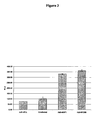
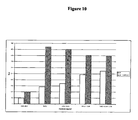
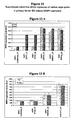
- MMP1 levels for these samples are shown in Figure 10 as grey bars.
- the induction of the MMP1 expression levels by the supernatants of TNF ⁇ -treated THP1 cells is stronger (>4.5 fold induction) as compared to the induction by recombinant TNF ⁇ alone (3-fold induction) and almost equals the 5-fold induction obtained by a mixture of 3 purified cytokines (TNFalpha, ILIb, OSM).
- TNFalpha, ILIb, OSM 3 purified cytokines
- SFs are seeded in 384 well plates at 1500 cells/well and left uninfected or infected with the control knock-down virus Ad5-eGFP_KD or the control knock-in virus Ad5-MMP1.
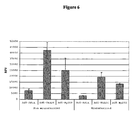
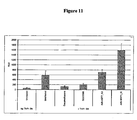
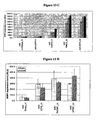
- Results are depicted in Figure 11 : SFs are left uninfected or are infected with a control knock-in virus (Ad5-MMP1_KI) or a control knock-down virus (Ad5-eGFP_KD). Raw luminescence signals, which are proportional to the MMP1 levels, are shown.
- MMP1 levels obtained in the dexamethasone and SB203580 treated samples are 4 and 3 fold lower as the control levels, respectively, indicating that the assay as set up is suitable for the identification of inhibitors of the inflammatory response of SFs.
- Efficient reduction of gene expression in SFs can be obtained by RNAi (RNA interference) using knockdown viruses or transfection of siRNA duplexes.
- RNA samples are stimulated by refreshing the medium with 2 ml of a 2-fold dilution of the 'complex cytokine mixture' in M199 + 1% FBS. 48 h later, total RNA is extracted using the 'SV Total RNA Isolation kit' (Promega). RNA is quantitated and cDNA is prepared as described in Example 5. For each sample, real-time PCR reactions are performed for the sequences and the 18S rRNA genes and ⁇ Ct values are calculated as previously described in Example 5.
- Table 6 shows that after infection with most of the selected Ad5-siRNAs, more than 60% reduction of the mRNA, irrespective of whether the cells are stimulated with the 'complex cytokine mixture'.
- the abbreviation "Rel Expr” means relative expression.
- Example 6C Ad-siRNA Viruses Function to Knock Down Expression of MAPKAPK5.
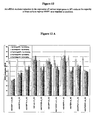
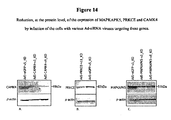
- Figure 14 illustrates the functionality of Ad-siRNAs for reducting expression of TARGET genes (PRKCE, MAPKAPK5 and CAMK4) at the protein level in human cells.
- Recombinant adenoviruses mediating the expression of siRNA's targeting MAPKAPK5, PRKCE and CAMK4 are generated according to the procedure described in WO03/020931
- the target sequences in these genes based on which the siRNAs were designed and that were used to generate the recombinant adenoviruses are listed in Table 3.
- the cells are then collected by a centrifugation step (1000 rpm, 5 min).
- the pellet is lysed in 100 ⁇ l of fresh RIPA buffer (50mM Tris pH7.5, 150mM NaCl, 1% deoxycholate, I % Triton X100, 0.1% SDS).
- the samples are then sonicated for 10sec.
- the protein concentration of the samples is then determined using the BCA kit (Pierce, Cat N° 23227) as described by the provider, using BSA as a standard.
- the proteins on the gel are then transferred onto a PVDF membrane (Invitrogen LC2002) by a wet blotting procedure using a transfer buffer prepared by mixing 100ml Nupage Transfer buffer 20* (NP0006-1), 400ml methanol and 1500ml Milli Q water. Before the transfer, the membrane is first soaked in methanol and in transfer buffer. The transfer is performed at 100V for 90 minutes. The membrane is then blocked by 30 min soaking in blocking buffer (2% blocking blocking powder (Amersham, RPN 2109) prepared in PBST (PBS supplemented with 0,1% Tween 20 (Sigma, P1379)).
- blocking buffer 2% blocking blocking powder (Amersham, RPN 2109) prepared in PBST (PBS supplemented with 0,1% Tween 20 (Sigma, P1379).
- the Western Blotting revealed a lower expression level of MAPKAPK5 in the Ad5-MAPKAPK5-v2_KD and Ad5-MAPKAPK5-v8_KD infected cells compared to the cells infected with the Ad5-eGFP-v5_KD negative control virus. Equal loading of the 30 ⁇ g samples is demonstrated by immunodetection of ⁇ -actin after removal of the MAPKAPK5 antibody by a 'stripping procedure' (5 minutes boiling of the membrane in PBST).
- Immunodetection of ⁇ -actin is performed according to the method described for MAPKAPK5 detection, but using a goat polyclonal antibody against ⁇ -actin (Santa Cruz, Cat N° SC-1615) at a 1000 fold dilution as primary antibody and a rabbit anti goat antibody at a 50000 fold dilution as a secondary antibody. Results of this experiment are shown in Figure 14C .
- the functionality of the PRKCE targeting adenovirus is tested according to the same protocol as the one described above for MAPKAPK5, with the difference that an MOI of 2000 is used for infection of the cells.
- the western blotting procedure is the same as the one described for MAPKAPK5 detection, with the difference that a PRKCE specific antibody is used (BD Biosciences, Cat N° 610085) at a dilution of 250-fold.
- the same secondary antibody is used as for the detection of MAPKAPK5. Results are shown in Figure 14B .
- Example 6D Reduction of the Expression in Primary SFs of various TARGET Genes by Ad-siRNAs Inhibit SF-induced MMP1 Expression
- Ad5-eGFP-v5_KD Ad5-Luciferase-vl3_KD and Ad-M6PR-v1_KD.
- Ad5-MMP1-v10_KD is used as a positive control virus.
- the virus load is corrected by addition of the neutral virus Ad5-Luciferase-v13_KD to bring the final virus volume on the cells to 15 ⁇ l in every well. This correction guarantees that the effects observed do not result from differences in the virus load applied to the cells.
- the cells are then incubated for 5 days before the activation step. This step involves the replacement, in every well, of the growth medium by 75 ⁇ l of M199 medium supplemented with 25 ⁇ l of 'complex trigger'. 48 hrs after the activation step, the supernatant is collected and subjected to the MMP1 ELISA as described above.
- Ad-siRNAs designed per TARGET gene mediated a reduction of the cytokine-induced MMP1 expression by SFs. This was not the case for MKNK1 and CASP10. The effects observed were weaker for USP21 and MST3.
Landscapes
- Health & Medical Sciences (AREA)
- Life Sciences & Earth Sciences (AREA)
- Engineering & Computer Science (AREA)
- Chemical & Material Sciences (AREA)
- Biomedical Technology (AREA)
- Organic Chemistry (AREA)
- Genetics & Genomics (AREA)
- Zoology (AREA)
- Wood Science & Technology (AREA)
- Molecular Biology (AREA)
- Bioinformatics & Cheminformatics (AREA)
- General Health & Medical Sciences (AREA)
- Biotechnology (AREA)
- General Engineering & Computer Science (AREA)
- Biochemistry (AREA)
- Microbiology (AREA)
- Immunology (AREA)
- Medicinal Chemistry (AREA)
- Physics & Mathematics (AREA)
- Proteomics, Peptides & Aminoacids (AREA)
- Hematology (AREA)
- Biophysics (AREA)
- Urology & Nephrology (AREA)
- Analytical Chemistry (AREA)
- Nuclear Medicine, Radiotherapy & Molecular Imaging (AREA)
- Pathology (AREA)
- General Chemical & Material Sciences (AREA)
- Pharmacology & Pharmacy (AREA)
- Plant Pathology (AREA)
- Animal Behavior & Ethology (AREA)
- Chemical Kinetics & Catalysis (AREA)
- Rheumatology (AREA)
- Cell Biology (AREA)
- Veterinary Medicine (AREA)
- Public Health (AREA)
- Food Science & Technology (AREA)
- General Physics & Mathematics (AREA)
- Pain & Pain Management (AREA)
- Orthopedic Medicine & Surgery (AREA)
- Physical Education & Sports Medicine (AREA)
Priority Applications (3)
| Application Number | Priority Date | Filing Date | Title |
|---|---|---|---|
| EP10174539A EP2256197A1 (en) | 2004-06-14 | 2005-06-14 | Methods for identification, and compounds useful for the treatment of degenerative and inflammatory diseases |
| EP10174544A EP2256198A1 (en) | 2004-06-14 | 2005-06-14 | Methods for identification, and compounds useful for the treatment of degenerative and inflammatory diseases |
| EP10174541A EP2270160A1 (en) | 2004-06-14 | 2005-06-14 | Methods for identification, and compounds useful for the treatment of degenerative and inflammatory diseases |
Applications Claiming Priority (2)
| Application Number | Priority Date | Filing Date | Title |
|---|---|---|---|
| US57930704P | 2004-06-14 | 2004-06-14 | |
| PCT/EP2005/052754 WO2005121778A2 (en) | 2004-06-14 | 2005-06-14 | Methods for identification, and compounds useful for the treatment of degenerative & inflammatory diseases |
Related Child Applications (3)
| Application Number | Title | Priority Date | Filing Date |
|---|---|---|---|
| EP10174544.6 Division-Into | 2010-08-30 | ||
| EP10174541.2 Division-Into | 2010-08-30 | ||
| EP10174539.6 Division-Into | 2010-08-30 |
Publications (2)
| Publication Number | Publication Date |
|---|---|
| EP1773997A2 EP1773997A2 (en) | 2007-04-18 |
| EP1773997B1 true EP1773997B1 (en) | 2011-11-23 |
Family
ID=35503767
Family Applications (4)
| Application Number | Title | Priority Date | Filing Date |
|---|---|---|---|
| EP10174541A Withdrawn EP2270160A1 (en) | 2004-06-14 | 2005-06-14 | Methods for identification, and compounds useful for the treatment of degenerative and inflammatory diseases |
| EP05774134A Expired - Lifetime EP1773997B1 (en) | 2004-06-14 | 2005-06-14 | Methods for identification, and compounds useful for the treatment of degenerative & inflammatory diseases |
| EP10174539A Withdrawn EP2256197A1 (en) | 2004-06-14 | 2005-06-14 | Methods for identification, and compounds useful for the treatment of degenerative and inflammatory diseases |
| EP10174544A Withdrawn EP2256198A1 (en) | 2004-06-14 | 2005-06-14 | Methods for identification, and compounds useful for the treatment of degenerative and inflammatory diseases |
Family Applications Before (1)
| Application Number | Title | Priority Date | Filing Date |
|---|---|---|---|
| EP10174541A Withdrawn EP2270160A1 (en) | 2004-06-14 | 2005-06-14 | Methods for identification, and compounds useful for the treatment of degenerative and inflammatory diseases |
Family Applications After (2)
| Application Number | Title | Priority Date | Filing Date |
|---|---|---|---|
| EP10174539A Withdrawn EP2256197A1 (en) | 2004-06-14 | 2005-06-14 | Methods for identification, and compounds useful for the treatment of degenerative and inflammatory diseases |
| EP10174544A Withdrawn EP2256198A1 (en) | 2004-06-14 | 2005-06-14 | Methods for identification, and compounds useful for the treatment of degenerative and inflammatory diseases |
Country Status (7)
| Country | Link |
|---|---|
| US (3) | US7306923B2 (cg-RX-API-DMAC7.html) |
| EP (4) | EP2270160A1 (cg-RX-API-DMAC7.html) |
| JP (1) | JP2008502355A (cg-RX-API-DMAC7.html) |
| AT (1) | ATE534736T1 (cg-RX-API-DMAC7.html) |
| CA (1) | CA2569511A1 (cg-RX-API-DMAC7.html) |
| MX (1) | MXPA06014577A (cg-RX-API-DMAC7.html) |
| WO (1) | WO2005121778A2 (cg-RX-API-DMAC7.html) |
Families Citing this family (15)
| Publication number | Priority date | Publication date | Assignee | Title |
|---|---|---|---|---|
| US7485468B2 (en) * | 2004-10-15 | 2009-02-03 | Galapagos Bv | Molecular targets and compounds, and methods to identify the same, useful in the treatment of joint degenerative and inflammatory diseases |
| JP2009520466A (ja) * | 2005-12-22 | 2009-05-28 | エニス,ジエーン | 凍結臍帯組織由来の生存可能な細胞 |
| JP2010538244A (ja) | 2007-06-20 | 2010-12-09 | ガラパゴス・ナムローゼ・フェンノートシャップ | 骨及び関節の変性疾患の治療に有用な分子標的及び化合物並びにその同定方法 |
| TW200918099A (en) | 2007-09-14 | 2009-05-01 | Nitto Denko Corp | Drug carriers |
| US8450397B2 (en) * | 2007-09-25 | 2013-05-28 | Dunlop Sports Co. Ltd. | Golf ball |
| DE102007059839A1 (de) | 2007-12-11 | 2009-06-25 | Harald Dipl.-Ing. Feuerherm | Schlauchförmiger Vorformling und Herstellung blasgeformter Teile und Verfahren sowie Vorrichtung zur Herstellung des Vorformlings |
| CN102171239B (zh) | 2008-09-24 | 2018-11-13 | 特尔哈肖梅尔医学研究基础设施和服务有限公司 | 用于防止细胞粘附的肽和组合物及其使用方法 |
| AU2015224504B2 (en) * | 2008-12-29 | 2018-02-22 | Tel Hashomer Medical Research, Infrastructure And Services Ltd | Peptides and compositions for prevention of cell adhesion and methods of using same |
| US11174299B2 (en) | 2008-12-29 | 2021-11-16 | Dispersebio Ltd. | Peptides and compositions for prevention of cell adhesion and methods of using same |
| SG172244A1 (en) | 2008-12-29 | 2011-07-28 | Tel Hashomer Medical Res Infrastructure & Services Ltd | Peptides and compositions for prevention of cell adhesion and methods of using same |
| EP3043179B1 (en) * | 2009-04-01 | 2020-05-06 | Galapagos N.V. | Methods and means for treatment of osteoarthritis |
| AU2013216983A1 (en) * | 2012-02-07 | 2014-09-18 | La Jolla Institute For Allergy And Immunology | Epitopes from allergen proteins and methods and uses for immune response modulation |
| US20160138027A1 (en) * | 2013-03-14 | 2016-05-19 | The Board Of Trustees Of The Leland Stanford Junior University | Treatment of diseases and conditions associated with dysregulation of mammalian target of rapamycin complex 1 (mtorc1) |
| EP3682034A1 (en) * | 2017-09-13 | 2020-07-22 | Alexera AB | Methods for identifying therapeutic agents which interact with stk24 |
| EP4090371A4 (en) * | 2020-01-14 | 2024-04-03 | The Trustees of Columbia University in the City of New York | Compositions and methods for targeted protein stabilization by redirecting endogenous deubiquitinases |
Family Cites Families (33)
| Publication number | Priority date | Publication date | Assignee | Title |
|---|---|---|---|---|
| US3773919A (en) | 1969-10-23 | 1973-11-20 | Du Pont | Polylactide-drug mixtures |
| US5354844A (en) | 1989-03-16 | 1994-10-11 | Boehringer Ingelheim International Gmbh | Protein-polycation conjugates |
| US5693622A (en) | 1989-03-21 | 1997-12-02 | Vical Incorporated | Expression of exogenous polynucleotide sequences cardiac muscle of a mammal |
| US5703055A (en) | 1989-03-21 | 1997-12-30 | Wisconsin Alumni Research Foundation | Generation of antibodies through lipid mediated DNA delivery |
| US5264618A (en) | 1990-04-19 | 1993-11-23 | Vical, Inc. | Cationic lipids for intracellular delivery of biologically active molecules |
| AU4769893A (en) | 1992-07-17 | 1994-02-14 | Ribozyme Pharmaceuticals, Inc. | Method and reagent for treatment of animal diseases |
| FR2714830B1 (fr) | 1994-01-10 | 1996-03-22 | Rhone Poulenc Rorer Sa | Composition contenant des acides nucléiques, préparation et utilisations. |
| FR2715847B1 (fr) | 1994-02-08 | 1996-04-12 | Rhone Poulenc Rorer Sa | Composition contenant des acides nucléiques, préparation et utilisations. |
| FR2727679B1 (fr) | 1994-12-05 | 1997-01-03 | Rhone Poulenc Rorer Sa | Nouveaux agents de transfection et leurs applications pharmaceutiques |
| FR2730637B1 (fr) | 1995-02-17 | 1997-03-28 | Rhone Poulenc Rorer Sa | Composition pharmaceutique contenant des acides nucleiques, et ses utilisations |
| EP1051499A2 (en) | 1998-01-29 | 2000-11-15 | The Board of Regents of the University of Oklahoma | Tyrosylprotein sulfotransferase polypeptides and polynucleotides |
| WO2000014250A1 (en) | 1998-09-09 | 2000-03-16 | The Board Of Regents Of The University Of Oklahoma | Tyrosylprotein sulfotransferase polypeptides and polynucleotides |
| CA2319700C (en) * | 1998-02-13 | 2011-09-20 | The Wistar Institute | Methods of identifying genes involved in enhanced wound healing in mice |
| US6413776B1 (en) | 1998-06-12 | 2002-07-02 | Galapagos Geonomics N.V. | High throughput screening of gene function using adenoviral libraries for functional genomics applications |
| US20020151681A1 (en) * | 1999-03-12 | 2002-10-17 | Rosen Craig A. | Nucleic acids, proteins and antibodies |
| US20050112118A1 (en) * | 1999-12-02 | 2005-05-26 | Myriad Genetics, Incorporated | Compositions and methods for treating inflammatory disorders |
| US7332337B2 (en) | 2000-05-16 | 2008-02-19 | Galapagos Nv | Viral vectors having tissue tropism for T-lymphocytes, B- and mast cells |
| US7235233B2 (en) | 2000-09-26 | 2007-06-26 | Crucell Holland B.V. | Serotype 5 adenoviral vectors with chimeric fibers for gene delivery in skeletal muscle cells or myoblasts |
| US20020132823A1 (en) | 2001-01-17 | 2002-09-19 | Jiahuai Han | Assay method |
| AU2002253104A1 (en) | 2001-03-07 | 2002-09-19 | Galapagos Genomics B.V. | Adenoviral library assay for e2f regulatory genes and methods and compositions for screening compounds |
| US6537780B2 (en) | 2001-03-28 | 2003-03-25 | Applera Corporation | Isolated nucleic acid molecules encoding transferase enzymes |
| US6426221B1 (en) * | 2001-08-01 | 2002-07-30 | Isis Pharmaceuticals, Inc. | Antisense modulation of RIP2 expression |
| US20030198627A1 (en) | 2001-09-01 | 2003-10-23 | Gert-Jan Arts | siRNA knockout assay method and constructs |
| JP2005522999A (ja) * | 2002-01-31 | 2005-08-04 | ミレニアム・ファーマシューティカルズ・インコーポレイテッド | 癌を処置するための方法および組成物 |
| WO2004024097A2 (en) * | 2002-09-16 | 2004-03-25 | Genentech, Inc. | Compositions and methods for the treatment of immune related diseases |
| AU2003286711A1 (en) | 2002-10-25 | 2004-05-13 | Vertex Pharmaceuticals Incorporated | Indazolinone compositions useful as kinase inhibitors |
| JP2006515747A (ja) * | 2002-11-01 | 2006-06-08 | ジェネンテック・インコーポレーテッド | 免疫関連疾患の治療のための組成物と方法 |
| CA2513148A1 (en) * | 2003-01-23 | 2004-08-05 | Eirx Therapeutics Limited | Kinases and gpcrs involved in apoptosis |
| EP1618209A2 (en) * | 2003-04-18 | 2006-01-25 | Novartis AG | High throughput functional genomic screening methods for osteoarthritis |
| AU2003224132A1 (en) | 2003-04-24 | 2004-11-19 | Galapagos Genomics N.V. | Effective sirna knock-down constructs |
| DE10328033A1 (de) | 2003-06-19 | 2005-01-05 | Bläß, Stefan, Dr. | Verfahren und ArthritisChip zur Diagnostik, Verlaufskontrolle sowie zur Charakterisierung der rheumatoiden Arthritis und der Osteoarthrose |
| AU2004262369A1 (en) * | 2003-07-29 | 2005-02-10 | Bristol-Myers Squibb Company | Biomarkers of cyclin-dependent kinase modulation |
| US7485468B2 (en) * | 2004-10-15 | 2009-02-03 | Galapagos Bv | Molecular targets and compounds, and methods to identify the same, useful in the treatment of joint degenerative and inflammatory diseases |
-
2005
- 2005-06-14 EP EP10174541A patent/EP2270160A1/en not_active Withdrawn
- 2005-06-14 EP EP05774134A patent/EP1773997B1/en not_active Expired - Lifetime
- 2005-06-14 MX MXPA06014577A patent/MXPA06014577A/es active IP Right Grant
- 2005-06-14 US US11/152,366 patent/US7306923B2/en not_active Expired - Fee Related
- 2005-06-14 CA CA002569511A patent/CA2569511A1/en not_active Abandoned
- 2005-06-14 AT AT05774134T patent/ATE534736T1/de active
- 2005-06-14 EP EP10174539A patent/EP2256197A1/en not_active Withdrawn
- 2005-06-14 EP EP10174544A patent/EP2256198A1/en not_active Withdrawn
- 2005-06-14 JP JP2007526437A patent/JP2008502355A/ja active Pending
- 2005-06-14 WO PCT/EP2005/052754 patent/WO2005121778A2/en not_active Ceased
-
2007
- 2007-09-12 US US11/854,037 patent/US7919259B2/en not_active Expired - Fee Related
-
2011
- 2011-02-01 US US13/019,142 patent/US20110118140A1/en not_active Abandoned
Also Published As
| Publication number | Publication date |
|---|---|
| EP2256197A1 (en) | 2010-12-01 |
| CA2569511A1 (en) | 2005-12-22 |
| US7919259B2 (en) | 2011-04-05 |
| US20110118140A1 (en) | 2011-05-19 |
| US20060014184A1 (en) | 2006-01-19 |
| MXPA06014577A (es) | 2007-03-23 |
| WO2005121778B1 (en) | 2007-02-01 |
| EP2270160A1 (en) | 2011-01-05 |
| ATE534736T1 (de) | 2011-12-15 |
| WO2005121778A3 (en) | 2006-11-23 |
| US7306923B2 (en) | 2007-12-11 |
| EP1773997A2 (en) | 2007-04-18 |
| WO2005121778A2 (en) | 2005-12-22 |
| JP2008502355A (ja) | 2008-01-31 |
| US20090062137A1 (en) | 2009-03-05 |
| EP2256198A1 (en) | 2010-12-01 |
Similar Documents
| Publication | Publication Date | Title |
|---|---|---|
| US7919259B2 (en) | Methods for identification, and compounds useful for the treatment of degenerative and inflammatory diseases | |
| JP4879906B2 (ja) | 関節変性疾患及び炎症性疾患の治療に有用な分子標的及び化合物、並びにそれらの同定方法 | |
| EP2565649B1 (en) | Molecular targets and compounds, and methods to identify the same, useful in the treatment of bone and joint degenerative diseases | |
| EP2214018B1 (en) | Methods, agents, and compound screening assays for inducing differentiation of undifferentiated mammalian cells into osteoblasts | |
| EP2352828B1 (en) | Method for identifying compounds useful for increasing the functional activity and cell surface expression of cf-associated mutant cystic fibrosis transmembrane conductance regulator | |
| US9951337B2 (en) | Methods and means for treatment of osteoarthritis | |
| US8673268B2 (en) | Molecular targets and compounds, and methods to identify the same, useful in the treatment of joint degenerative and inflammatory diseases |
Legal Events
| Date | Code | Title | Description |
|---|---|---|---|
| PUAI | Public reference made under article 153(3) epc to a published international application that has entered the european phase |
Free format text: ORIGINAL CODE: 0009012 |
|
| 17P | Request for examination filed |
Effective date: 20061215 |
|
| AK | Designated contracting states |
Kind code of ref document: A2 Designated state(s): AT BE BG CH CY CZ DE DK EE ES FI FR GB GR HU IE IS IT LI LT LU MC NL PL PT RO SE SI SK TR |
|
| AX | Request for extension of the european patent |
Extension state: AL BA HR LV MK YU |
|
| DAX | Request for extension of the european patent (deleted) | ||
| REG | Reference to a national code |
Ref country code: HK Ref legal event code: DE Ref document number: 1102827 Country of ref document: HK |
|
| 17Q | First examination report despatched |
Effective date: 20071213 |
|
| GRAP | Despatch of communication of intention to grant a patent |
Free format text: ORIGINAL CODE: EPIDOSNIGR1 |
|
| GRAS | Grant fee paid |
Free format text: ORIGINAL CODE: EPIDOSNIGR3 |
|
| GRAA | (expected) grant |
Free format text: ORIGINAL CODE: 0009210 |
|
| AK | Designated contracting states |
Kind code of ref document: B1 Designated state(s): AT BE BG CH CY CZ DE DK EE ES FI FR GB GR HU IE IS IT LI LT LU MC NL PL PT RO SE SI SK TR |
|
| REG | Reference to a national code |
Ref country code: GB Ref legal event code: FG4D |
|
| REG | Reference to a national code |
Ref country code: CH Ref legal event code: EP |
|
| REG | Reference to a national code |
Ref country code: IE Ref legal event code: FG4D |
|
| REG | Reference to a national code |
Ref country code: NL Ref legal event code: T3 |
|
| REG | Reference to a national code |
Ref country code: DE Ref legal event code: R096 Ref document number: 602005031372 Country of ref document: DE Effective date: 20120202 |
|
| LTIE | Lt: invalidation of european patent or patent extension |
Effective date: 20111123 |
|
| PG25 | Lapsed in a contracting state [announced via postgrant information from national office to epo] |
Ref country code: LT Free format text: LAPSE BECAUSE OF FAILURE TO SUBMIT A TRANSLATION OF THE DESCRIPTION OR TO PAY THE FEE WITHIN THE PRESCRIBED TIME-LIMIT Effective date: 20111123 Ref country code: IS Free format text: LAPSE BECAUSE OF FAILURE TO SUBMIT A TRANSLATION OF THE DESCRIPTION OR TO PAY THE FEE WITHIN THE PRESCRIBED TIME-LIMIT Effective date: 20120323 |
|
| PG25 | Lapsed in a contracting state [announced via postgrant information from national office to epo] |
Ref country code: SI Free format text: LAPSE BECAUSE OF FAILURE TO SUBMIT A TRANSLATION OF THE DESCRIPTION OR TO PAY THE FEE WITHIN THE PRESCRIBED TIME-LIMIT Effective date: 20111123 Ref country code: SE Free format text: LAPSE BECAUSE OF FAILURE TO SUBMIT A TRANSLATION OF THE DESCRIPTION OR TO PAY THE FEE WITHIN THE PRESCRIBED TIME-LIMIT Effective date: 20111123 Ref country code: GR Free format text: LAPSE BECAUSE OF FAILURE TO SUBMIT A TRANSLATION OF THE DESCRIPTION OR TO PAY THE FEE WITHIN THE PRESCRIBED TIME-LIMIT Effective date: 20120224 Ref country code: PT Free format text: LAPSE BECAUSE OF FAILURE TO SUBMIT A TRANSLATION OF THE DESCRIPTION OR TO PAY THE FEE WITHIN THE PRESCRIBED TIME-LIMIT Effective date: 20120323 |
|
| PG25 | Lapsed in a contracting state [announced via postgrant information from national office to epo] |
Ref country code: CY Free format text: LAPSE BECAUSE OF FAILURE TO SUBMIT A TRANSLATION OF THE DESCRIPTION OR TO PAY THE FEE WITHIN THE PRESCRIBED TIME-LIMIT Effective date: 20111123 |
|
| PG25 | Lapsed in a contracting state [announced via postgrant information from national office to epo] |
Ref country code: EE Free format text: LAPSE BECAUSE OF FAILURE TO SUBMIT A TRANSLATION OF THE DESCRIPTION OR TO PAY THE FEE WITHIN THE PRESCRIBED TIME-LIMIT Effective date: 20111123 Ref country code: CZ Free format text: LAPSE BECAUSE OF FAILURE TO SUBMIT A TRANSLATION OF THE DESCRIPTION OR TO PAY THE FEE WITHIN THE PRESCRIBED TIME-LIMIT Effective date: 20111123 Ref country code: SK Free format text: LAPSE BECAUSE OF FAILURE TO SUBMIT A TRANSLATION OF THE DESCRIPTION OR TO PAY THE FEE WITHIN THE PRESCRIBED TIME-LIMIT Effective date: 20111123 Ref country code: DK Free format text: LAPSE BECAUSE OF FAILURE TO SUBMIT A TRANSLATION OF THE DESCRIPTION OR TO PAY THE FEE WITHIN THE PRESCRIBED TIME-LIMIT Effective date: 20111123 Ref country code: BG Free format text: LAPSE BECAUSE OF FAILURE TO SUBMIT A TRANSLATION OF THE DESCRIPTION OR TO PAY THE FEE WITHIN THE PRESCRIBED TIME-LIMIT Effective date: 20120223 |
|
| PGFP | Annual fee paid to national office [announced via postgrant information from national office to epo] |
Ref country code: DE Payment date: 20120607 Year of fee payment: 8 Ref country code: NL Payment date: 20120614 Year of fee payment: 8 |
|
| PG25 | Lapsed in a contracting state [announced via postgrant information from national office to epo] |
Ref country code: PL Free format text: LAPSE BECAUSE OF FAILURE TO SUBMIT A TRANSLATION OF THE DESCRIPTION OR TO PAY THE FEE WITHIN THE PRESCRIBED TIME-LIMIT Effective date: 20111123 Ref country code: IT Free format text: LAPSE BECAUSE OF FAILURE TO SUBMIT A TRANSLATION OF THE DESCRIPTION OR TO PAY THE FEE WITHIN THE PRESCRIBED TIME-LIMIT Effective date: 20111123 Ref country code: RO Free format text: LAPSE BECAUSE OF FAILURE TO SUBMIT A TRANSLATION OF THE DESCRIPTION OR TO PAY THE FEE WITHIN THE PRESCRIBED TIME-LIMIT Effective date: 20111123 |
|
| PGFP | Annual fee paid to national office [announced via postgrant information from national office to epo] |
Ref country code: FR Payment date: 20120619 Year of fee payment: 8 Ref country code: GB Payment date: 20120613 Year of fee payment: 8 |
|
| REG | Reference to a national code |
Ref country code: AT Ref legal event code: MK05 Ref document number: 534736 Country of ref document: AT Kind code of ref document: T Effective date: 20111123 |
|
| PLBE | No opposition filed within time limit |
Free format text: ORIGINAL CODE: 0009261 |
|
| STAA | Information on the status of an ep patent application or granted ep patent |
Free format text: STATUS: NO OPPOSITION FILED WITHIN TIME LIMIT |
|
| 26N | No opposition filed |
Effective date: 20120824 |
|
| PGFP | Annual fee paid to national office [announced via postgrant information from national office to epo] |
Ref country code: BE Payment date: 20120620 Year of fee payment: 8 |
|
| REG | Reference to a national code |
Ref country code: DE Ref legal event code: R097 Ref document number: 602005031372 Country of ref document: DE Effective date: 20120824 |
|
| PG25 | Lapsed in a contracting state [announced via postgrant information from national office to epo] |
Ref country code: AT Free format text: LAPSE BECAUSE OF FAILURE TO SUBMIT A TRANSLATION OF THE DESCRIPTION OR TO PAY THE FEE WITHIN THE PRESCRIBED TIME-LIMIT Effective date: 20111123 Ref country code: MC Free format text: LAPSE BECAUSE OF NON-PAYMENT OF DUE FEES Effective date: 20120630 |
|
| REG | Reference to a national code |
Ref country code: CH Ref legal event code: PL |
|
| REG | Reference to a national code |
Ref country code: CH Ref legal event code: PL |
|
| REG | Reference to a national code |
Ref country code: IE Ref legal event code: MM4A |
|
| PG25 | Lapsed in a contracting state [announced via postgrant information from national office to epo] |
Ref country code: IE Free format text: LAPSE BECAUSE OF NON-PAYMENT OF DUE FEES Effective date: 20120614 Ref country code: ES Free format text: LAPSE BECAUSE OF FAILURE TO SUBMIT A TRANSLATION OF THE DESCRIPTION OR TO PAY THE FEE WITHIN THE PRESCRIBED TIME-LIMIT Effective date: 20120305 Ref country code: LI Free format text: LAPSE BECAUSE OF NON-PAYMENT OF DUE FEES Effective date: 20120630 Ref country code: CH Free format text: LAPSE BECAUSE OF NON-PAYMENT OF DUE FEES Effective date: 20120630 |
|
| PG25 | Lapsed in a contracting state [announced via postgrant information from national office to epo] |
Ref country code: FI Free format text: LAPSE BECAUSE OF FAILURE TO SUBMIT A TRANSLATION OF THE DESCRIPTION OR TO PAY THE FEE WITHIN THE PRESCRIBED TIME-LIMIT Effective date: 20111123 |
|
| BERE | Be: lapsed |
Owner name: GALAPAGOS N.V. Effective date: 20130630 |
|
| REG | Reference to a national code |
Ref country code: HK Ref legal event code: WD Ref document number: 1102827 Country of ref document: HK |
|
| REG | Reference to a national code |
Ref country code: NL Ref legal event code: V1 Effective date: 20140101 |
|
| GBPC | Gb: european patent ceased through non-payment of renewal fee |
Effective date: 20130614 |
|
| REG | Reference to a national code |
Ref country code: DE Ref legal event code: R119 Ref document number: 602005031372 Country of ref document: DE Effective date: 20140101 |
|
| REG | Reference to a national code |
Ref country code: FR Ref legal event code: ST Effective date: 20140228 |
|
| PG25 | Lapsed in a contracting state [announced via postgrant information from national office to epo] |
Ref country code: BE Free format text: LAPSE BECAUSE OF NON-PAYMENT OF DUE FEES Effective date: 20130630 |
|
| PG25 | Lapsed in a contracting state [announced via postgrant information from national office to epo] |
Ref country code: NL Free format text: LAPSE BECAUSE OF NON-PAYMENT OF DUE FEES Effective date: 20140101 Ref country code: DE Free format text: LAPSE BECAUSE OF NON-PAYMENT OF DUE FEES Effective date: 20140101 Ref country code: GB Free format text: LAPSE BECAUSE OF NON-PAYMENT OF DUE FEES Effective date: 20130614 Ref country code: TR Free format text: LAPSE BECAUSE OF FAILURE TO SUBMIT A TRANSLATION OF THE DESCRIPTION OR TO PAY THE FEE WITHIN THE PRESCRIBED TIME-LIMIT Effective date: 20111123 |
|
| PG25 | Lapsed in a contracting state [announced via postgrant information from national office to epo] |
Ref country code: FR Free format text: LAPSE BECAUSE OF NON-PAYMENT OF DUE FEES Effective date: 20130701 Ref country code: LU Free format text: LAPSE BECAUSE OF NON-PAYMENT OF DUE FEES Effective date: 20120614 |
|
| PG25 | Lapsed in a contracting state [announced via postgrant information from national office to epo] |
Ref country code: HU Free format text: LAPSE BECAUSE OF FAILURE TO SUBMIT A TRANSLATION OF THE DESCRIPTION OR TO PAY THE FEE WITHIN THE PRESCRIBED TIME-LIMIT Effective date: 20050614 |