EP1771178B1 - Use of k-252a and kinase inhibitors for the prevention or treatment of hmgb1-associated pathologies - Google Patents
Use of k-252a and kinase inhibitors for the prevention or treatment of hmgb1-associated pathologies Download PDFInfo
- Publication number
- EP1771178B1 EP1771178B1 EP05778429A EP05778429A EP1771178B1 EP 1771178 B1 EP1771178 B1 EP 1771178B1 EP 05778429 A EP05778429 A EP 05778429A EP 05778429 A EP05778429 A EP 05778429A EP 1771178 B1 EP1771178 B1 EP 1771178B1
- Authority
- EP
- European Patent Office
- Prior art keywords
- hmgb1
- nucleic acid
- hmg
- molecule
- inhibitor
- Prior art date
- Legal status (The legal status is an assumption and is not a legal conclusion. Google has not performed a legal analysis and makes no representation as to the accuracy of the status listed.)
- Expired - Lifetime
Links
Images


Classifications
-
- A—HUMAN NECESSITIES
- A61—MEDICAL OR VETERINARY SCIENCE; HYGIENE
- A61K—PREPARATIONS FOR MEDICAL, DENTAL OR TOILETRY PURPOSES
- A61K31/00—Medicinal preparations containing organic active ingredients
- A61K31/33—Heterocyclic compounds
- A61K31/395—Heterocyclic compounds having nitrogen as a ring hetero atom, e.g. guanethidine or rifamycins
- A61K31/55—Heterocyclic compounds having nitrogen as a ring hetero atom, e.g. guanethidine or rifamycins having seven-membered rings, e.g. azelastine, pentylenetetrazole
- A61K31/553—Heterocyclic compounds having nitrogen as a ring hetero atom, e.g. guanethidine or rifamycins having seven-membered rings, e.g. azelastine, pentylenetetrazole having at least one nitrogen and one oxygen as ring hetero atoms, e.g. loxapine, staurosporine
-
- A—HUMAN NECESSITIES
- A61—MEDICAL OR VETERINARY SCIENCE; HYGIENE
- A61K—PREPARATIONS FOR MEDICAL, DENTAL OR TOILETRY PURPOSES
- A61K45/00—Medicinal preparations containing active ingredients not provided for in groups A61K31/00 - A61K41/00
- A61K45/06—Mixtures of active ingredients without chemical characterisation, e.g. antiphlogistics and cardiaca
-
- A—HUMAN NECESSITIES
- A61—MEDICAL OR VETERINARY SCIENCE; HYGIENE
- A61P—SPECIFIC THERAPEUTIC ACTIVITY OF CHEMICAL COMPOUNDS OR MEDICINAL PREPARATIONS
- A61P1/00—Drugs for disorders of the alimentary tract or the digestive system
-
- A—HUMAN NECESSITIES
- A61—MEDICAL OR VETERINARY SCIENCE; HYGIENE
- A61P—SPECIFIC THERAPEUTIC ACTIVITY OF CHEMICAL COMPOUNDS OR MEDICINAL PREPARATIONS
- A61P1/00—Drugs for disorders of the alimentary tract or the digestive system
- A61P1/04—Drugs for disorders of the alimentary tract or the digestive system for ulcers, gastritis or reflux esophagitis, e.g. antacids, inhibitors of acid secretion, mucosal protectants
-
- A—HUMAN NECESSITIES
- A61—MEDICAL OR VETERINARY SCIENCE; HYGIENE
- A61P—SPECIFIC THERAPEUTIC ACTIVITY OF CHEMICAL COMPOUNDS OR MEDICINAL PREPARATIONS
- A61P13/00—Drugs for disorders of the urinary system
-
- A—HUMAN NECESSITIES
- A61—MEDICAL OR VETERINARY SCIENCE; HYGIENE
- A61P—SPECIFIC THERAPEUTIC ACTIVITY OF CHEMICAL COMPOUNDS OR MEDICINAL PREPARATIONS
- A61P13/00—Drugs for disorders of the urinary system
- A61P13/12—Drugs for disorders of the urinary system of the kidneys
-
- A—HUMAN NECESSITIES
- A61—MEDICAL OR VETERINARY SCIENCE; HYGIENE
- A61P—SPECIFIC THERAPEUTIC ACTIVITY OF CHEMICAL COMPOUNDS OR MEDICINAL PREPARATIONS
- A61P17/00—Drugs for dermatological disorders
-
- A—HUMAN NECESSITIES
- A61—MEDICAL OR VETERINARY SCIENCE; HYGIENE
- A61P—SPECIFIC THERAPEUTIC ACTIVITY OF CHEMICAL COMPOUNDS OR MEDICINAL PREPARATIONS
- A61P17/00—Drugs for dermatological disorders
- A61P17/06—Antipsoriatics
-
- A—HUMAN NECESSITIES
- A61—MEDICAL OR VETERINARY SCIENCE; HYGIENE
- A61P—SPECIFIC THERAPEUTIC ACTIVITY OF CHEMICAL COMPOUNDS OR MEDICINAL PREPARATIONS
- A61P19/00—Drugs for skeletal disorders
-
- A—HUMAN NECESSITIES
- A61—MEDICAL OR VETERINARY SCIENCE; HYGIENE
- A61P—SPECIFIC THERAPEUTIC ACTIVITY OF CHEMICAL COMPOUNDS OR MEDICINAL PREPARATIONS
- A61P25/00—Drugs for disorders of the nervous system
-
- A—HUMAN NECESSITIES
- A61—MEDICAL OR VETERINARY SCIENCE; HYGIENE
- A61P—SPECIFIC THERAPEUTIC ACTIVITY OF CHEMICAL COMPOUNDS OR MEDICINAL PREPARATIONS
- A61P25/00—Drugs for disorders of the nervous system
- A61P25/28—Drugs for disorders of the nervous system for treating neurodegenerative disorders of the central nervous system, e.g. nootropic agents, cognition enhancers, drugs for treating Alzheimer's disease or other forms of dementia
-
- A—HUMAN NECESSITIES
- A61—MEDICAL OR VETERINARY SCIENCE; HYGIENE
- A61P—SPECIFIC THERAPEUTIC ACTIVITY OF CHEMICAL COMPOUNDS OR MEDICINAL PREPARATIONS
- A61P27/00—Drugs for disorders of the senses
- A61P27/02—Ophthalmic agents
-
- A—HUMAN NECESSITIES
- A61—MEDICAL OR VETERINARY SCIENCE; HYGIENE
- A61P—SPECIFIC THERAPEUTIC ACTIVITY OF CHEMICAL COMPOUNDS OR MEDICINAL PREPARATIONS
- A61P29/00—Non-central analgesic, antipyretic or antiinflammatory agents, e.g. antirheumatic agents; Non-steroidal antiinflammatory drugs [NSAID]
-
- A—HUMAN NECESSITIES
- A61—MEDICAL OR VETERINARY SCIENCE; HYGIENE
- A61P—SPECIFIC THERAPEUTIC ACTIVITY OF CHEMICAL COMPOUNDS OR MEDICINAL PREPARATIONS
- A61P3/00—Drugs for disorders of the metabolism
-
- A—HUMAN NECESSITIES
- A61—MEDICAL OR VETERINARY SCIENCE; HYGIENE
- A61P—SPECIFIC THERAPEUTIC ACTIVITY OF CHEMICAL COMPOUNDS OR MEDICINAL PREPARATIONS
- A61P3/00—Drugs for disorders of the metabolism
- A61P3/04—Anorexiants; Antiobesity agents
-
- A—HUMAN NECESSITIES
- A61—MEDICAL OR VETERINARY SCIENCE; HYGIENE
- A61P—SPECIFIC THERAPEUTIC ACTIVITY OF CHEMICAL COMPOUNDS OR MEDICINAL PREPARATIONS
- A61P31/00—Antiinfectives, i.e. antibiotics, antiseptics, chemotherapeutics
-
- A—HUMAN NECESSITIES
- A61—MEDICAL OR VETERINARY SCIENCE; HYGIENE
- A61P—SPECIFIC THERAPEUTIC ACTIVITY OF CHEMICAL COMPOUNDS OR MEDICINAL PREPARATIONS
- A61P31/00—Antiinfectives, i.e. antibiotics, antiseptics, chemotherapeutics
- A61P31/04—Antibacterial agents
-
- A—HUMAN NECESSITIES
- A61—MEDICAL OR VETERINARY SCIENCE; HYGIENE
- A61P—SPECIFIC THERAPEUTIC ACTIVITY OF CHEMICAL COMPOUNDS OR MEDICINAL PREPARATIONS
- A61P33/00—Antiparasitic agents
-
- A—HUMAN NECESSITIES
- A61—MEDICAL OR VETERINARY SCIENCE; HYGIENE
- A61P—SPECIFIC THERAPEUTIC ACTIVITY OF CHEMICAL COMPOUNDS OR MEDICINAL PREPARATIONS
- A61P35/00—Antineoplastic agents
-
- A—HUMAN NECESSITIES
- A61—MEDICAL OR VETERINARY SCIENCE; HYGIENE
- A61P—SPECIFIC THERAPEUTIC ACTIVITY OF CHEMICAL COMPOUNDS OR MEDICINAL PREPARATIONS
- A61P37/00—Drugs for immunological or allergic disorders
-
- A—HUMAN NECESSITIES
- A61—MEDICAL OR VETERINARY SCIENCE; HYGIENE
- A61P—SPECIFIC THERAPEUTIC ACTIVITY OF CHEMICAL COMPOUNDS OR MEDICINAL PREPARATIONS
- A61P37/00—Drugs for immunological or allergic disorders
- A61P37/02—Immunomodulators
-
- A—HUMAN NECESSITIES
- A61—MEDICAL OR VETERINARY SCIENCE; HYGIENE
- A61P—SPECIFIC THERAPEUTIC ACTIVITY OF CHEMICAL COMPOUNDS OR MEDICINAL PREPARATIONS
- A61P37/00—Drugs for immunological or allergic disorders
- A61P37/02—Immunomodulators
- A61P37/06—Immunosuppressants, e.g. drugs for graft rejection
-
- A—HUMAN NECESSITIES
- A61—MEDICAL OR VETERINARY SCIENCE; HYGIENE
- A61P—SPECIFIC THERAPEUTIC ACTIVITY OF CHEMICAL COMPOUNDS OR MEDICINAL PREPARATIONS
- A61P43/00—Drugs for specific purposes, not provided for in groups A61P1/00-A61P41/00
-
- A—HUMAN NECESSITIES
- A61—MEDICAL OR VETERINARY SCIENCE; HYGIENE
- A61P—SPECIFIC THERAPEUTIC ACTIVITY OF CHEMICAL COMPOUNDS OR MEDICINAL PREPARATIONS
- A61P9/00—Drugs for disorders of the cardiovascular system
-
- A—HUMAN NECESSITIES
- A61—MEDICAL OR VETERINARY SCIENCE; HYGIENE
- A61P—SPECIFIC THERAPEUTIC ACTIVITY OF CHEMICAL COMPOUNDS OR MEDICINAL PREPARATIONS
- A61P9/00—Drugs for disorders of the cardiovascular system
- A61P9/10—Drugs for disorders of the cardiovascular system for treating ischaemic or atherosclerotic diseases, e.g. antianginal drugs, coronary vasodilators, drugs for myocardial infarction, retinopathy, cerebrovascula insufficiency, renal arteriosclerosis
Definitions
- the present invention relates to the use of K-252a, a physiologically active substance produced by microorganisms, or/and a kinase inhibitor and of its salts or synthetic and/or chemically modified derivatives for the prevention or treatment of HMGB1-associated pathologies. More particularly, the present invention relates to the use of K-252a or/and a kinase inhibitor for the prevention or treatment of restenosis.
- the HMGB1 protein belongs to the family of high mobility group (HMG) proteins.
- HMG proteins so called due to their high electrophoretic mobility in polyacrylamide gels, are the most ubiquitous non-histone proteins associated with isolated chromatin in eukaryotic cells. These proteins play a generalized "architectural" role in DNA bending, looping, folding and wrapping since they either distort, bend or modify DNA structures complex with transcription factors or histones.
- the high mobility group 1 (HMGB1) protein is usually a nuclear factor, in particular a transcriptional regulatory molecule causing DNA bending and facilitating the binding of several transcriptional complexes.
- Extracellularly released HMGB1 acts as a potent cytokine and as an extremely potent macrophage-stimulating factor. HMGB1 acts directly by binding to the cell membrane inducing signaling and chemotaxis, having a chemokine-like functions, and further acting indirectly by up-regulating the expression and secretion of pro-inflammatory cytokines. This makes extracellular HMGB1 protein a potent chemotactic and immunoregulatory protein which promotes an effective inflammatory immune response.
- HMGB1 proteins belonging to the family of HMG-proteins and able to bend DNA are released together with HMGB1 in the extracellular medium.
- These proteins are inter alia HMGB2, HMGB3, HMG-1L10, HMG-4L and SP100-HMG. They share with HMGB1 highly homologous amino acid sequences. Like HMGB1, they trigger/sustain inflammatory pathologies interacting with the same receptors and leading to the same downstream pathways of interaction.
- HMGB1 rat smooth muscle cells
- HMGB1 migrates to the cytoplasm both by passive and active transport.
- all cultured cells and resting monocytes contain the vast majority of HMGB1 in the nucleus, indicating that in baseline conditions import is much more effective than export.
- Cells might transport HMGB1 from the nucleus by acetylating lysine residues which are abundant in HMGB1, thereby neutralizing their basic charge and rendering them unable to function as nuclear localization signals.
- HMGB1 hyperacetylation determines the relocation of this protein from the nucleus to the cytoplasm (in the fibroblasts, for example) or its accumulation into secretory endolysosomes (in activated monocytes and macrophages, for example) and subsequent redirection towards release through a non-classical vesicle-mediated secretory pathway.
- HMGB1 secretion by already activated monocytes is then triggered by bioactive lysophosphatidylcholine (LPC), which is generated later in the inflammation site from phosphatidylcholine through the action of the secretory phospholipase sPLA2, produced by monocytes several hours after activation.
- LPC bioactive lysophosphatidylcholine
- HMGB1 secretion of HMGB1 seems to be induced by two signals (Bonaldi et al., 2003) and to take place through three steps: 1) at first, an inflammatory signal promotes HMGB1 acetylation and its relocation from the nucleus to the cytoplasm (step 1) and storage into cytoplasmic secretory vesicles (step 2); then, a secretion signal (extracellular ATP or lysophosphatidylcholine) promotes exocytosis (third step) (Andersson et al., 2002; Scaffidi et al. 2002; Bonaldi et al., 2003; Friedman et al.,2003; Gardella et al., 2002).
- an inflammatory signal promotes HMGB1 acetylation and its relocation from the nucleus to the cytoplasm (step 1) and storage into cytoplasmic secretory vesicles (step 2); then, a secretion signal (extracellular ATP
- HMGB1 has been identified as one of the ligands binding to the RAGE receptor. This receptor is expressed in most cell types, and at a high level mainly in endothelial cells, in vascular smooth muscle cells, in monocytes and monophages and in mononuclear phagocytes. Recognition involves the C-terminal of HMGB1. The interaction of HMGB1 and RAGE triggers a sustained period of cellular activation mediated by RAGE up-regulation and receptor-dependent signaling.
- HMGB1 and RAGE activates several intracellular signal transduction pathways, including mitogen-activated protein kinases (MAPKs), Cdc-42, p21 ras, Rac and the nuclear translocation factor ⁇ B (NF- ⁇ B), the transcription factor classically linked to inflammatory processes (Schmidt et al.,2001).
- MAPKs mitogen-activated protein kinases
- Cdc-42 Cdc-42
- p21 ras p21 ras
- Rac nuclear translocation factor ⁇ B
- NF- ⁇ B nuclear translocation factor ⁇ B
- released HMGB1 may also interact with the receptors belonging to the family of the Toll-like receptors (TLR), e.g. with the subclasses TLR2, TLR4, TLR7, TLR8 or/and TLR9.
- TLR Toll-like receptors
- HMGB1 may also interact with the functional N-terminal lectin-like domain (D1) of thrombomodulin. Due to the ability of the functional D1 domain of thrombomodulin to intercept and bind circulating HMGB1, the interaction of the HMGB1 with the RAGE-receptors and the Toll-like receptors is prevented.
- D1 N-terminal lectin-like domain
- the HMGB1 protein is a ca. 25 kDa protein with a highly conserved sequence among mammals, whereby 2 out of 214 amino acids have conservative substitutions in all mammalian species.
- HMGB1 is ubiquitously present in all vertebrate nuclei and, in particular, can be found in fibroblasts, neurons, hepatocytes, glia and in cells derived from hematopoietic stem cells, including monocytes/macrophages, neutrophils and platelets.
- the HMGB1 molecule has a tripartite structure composed of three distinct domains: two DNA binding domains called HMG Box A and Box B, and an acid carboxyl terminus, making it bipolarly charged.
- box-A and box-B The two basic DNA-binding domains, called box-A and box-B, are able to recognize and bind DNA with high affinity and interact with several transcription factors and nuclear steroid receptors. They play a crucial role not only in transcription processes, but also in apoptosis (programmed cell death) induction (3-5).
- HMGB1 apoptotic cell avidly retain HMGB1 bound to chromatin remnants even after their eventual lysis. It has also been argued that extracellular HMGB1 is primarily a signal of tissue damage and monocytes and macrophages have "learned" to mimic an ancient alarm signal. Besides, very recently HMGB1 was shown to induce migration and proliferation of both adult and embryonic mesoanglioblasts and smooth muscle cells (2 and WO 02/074337 ).
- K-252a (molecular weight 467,5) is a glycosylated indole carbazole isolated for the first time in 1986 (6) from Nocardiopsis sp . ( US 4,555,402 and WO 97/38120 - EP 0 834 574 B1 ). Since it is a lipophilic molecule it is capable of crossing the membranes of living cells.
- K-252a is a non-specific inhibitor of the broad family of serine/threonine protein kinases such as pkA, pkC, pkG, myosin light chain kinase (7), CaM kinase II and is characterized by a nM affinity for NGF receptors (TrkA).
- the chemical structure of K-252a is depicted in Formula (I):
- K-252a has anti-histamine releasing, anti-allergic effects ( US 4,555,402 ) and an anti-proliferative effect on human prostatic carcinoma cell lines (8) and on human psoriatic keratinocytes ( WO 2005/014003 ).
- the latter activity is due to TrkA-phosphorylation blockade and consequent NGF activity inhibition.
- TrkA-phosphorylation blockade and consequent NGF activity inhibition.
- both human and rat smooth muscle cells express NGF and its receptor TrkA (9).
- K-252a has a suppressing or relaxing activity on the contraction of blood vessels and is therefore expected to improve various symptoms which are associated with cerebral blood flow insufficiency, cerebral infarction, cerebral vasospam, stenocardia and coronary spasm.
- K-252a Derivatives of K-252a are also disclosed as being useful in the treatment of a variety of diseases.
- JP 62 155284 an O-methyl ester derivative of K-252 is shown as potentially useful in the prevention and treatment of allergies, tumors or diseases of the cardiovascular system.
- JP 63 295589 discloses a K-252a derivative as antiallergic agent, antithrombotic agent, antiinflammatory agent or antitumor agent.
- WO 97/49406 it is shown that a K-252a derivatives might also be useful in treating peripheral neuropathies, central neuronal degeneration and cytokine overproduction, particulary Alzheimer's disease, Parkinson's disease and autoimmune and allergic conditions.
- EP 1 121 932 relates to therapeutic preparations of K-252a derivatives for eye diseases.
- WO 97/46565 to the use of a K-252a derivative with PKC inhibitory activity for treating neurological disorders is disclosed.
- WO 96/13506 relates to the use of a K-252a derivative for the treatment of neurological disorders.
- K-252a (i) has a potent biological effect on HMGB1-induced smooth muscle cells migration and proliferation in response to the mechanical injury induced by surgical stent application and (ii) acts as an antagonist/inhibitor of the broad spectrum of pathological activities triggered and sustained/amplified by HMGB1 itself in its role of pro-inflammatory chemotactic chemokine and/or by the cascade of inflammatory cytokines induced by its release.
- HMGB1 is secreted by smooth muscle cells in human atherosclerotic plaques (M. Bianchi, unpublished results).
- a first aspect of the present invention relates to the use of K-252a or/and a salt or a derivative thereof for the preparation of a medicament for the prevention or treatment of an HMGB1-associated pathology, which is triggered and/or sustained by HMGB1 and/or HMGB1 homologous proteins selected from restenosis, atherosclerosis or ischemia-reperfusion injury, wherein said derivative is a synthetic and/or chemically modified compound, which is a compound having substituents on the ring system selected from C 1 -C 4 alkyl groups, a compound wherein the methyl ester group has been replaced by another ester group, an amide group or by H or a cation, and/or a compound wherein the N-atom in the cyclic amide group is substituted with a C 1 -C 4 alkyl group, and wherein the HMGB1 homologous proteins are HMGB2, HMGB3, HMG-1L10, HMG-4L or/and SP100-HMG.
- said HMGB1-associated pathologies are preferably pathologies associated with the non-acetylated or/and acetylated form of HMGB1 or/and associated with the non-acetylated or/and acetylated form of HMGB1 homologous proteins. Therefore, in the use of the present invention, said HMGB1-associated pathologies are preferably pathologies associated with the non-acetylated or/and with the acetylated form of HMGB1 or of HMGB1 homologous proteins as defined.
- HMGB1-associated pathologies are preferably pathologies associated with the non-acetylated or/and acetylated form of HMGB1 or of HMGB1 homologous proteins as defined herein.
- HMGB1 includes the non-acetylated form or/and the acetylated form of HMGB1.
- HMGB1 homologous proteins include the non-acetylated form or/and the acetylated form of HMGB1 homologous proteins selected from HMGB2, HMGB3, HMG-1L10, HMG-4L or/and SP100-HMG.
- the K-252a used in the context of the present invention can be obtained either by (i) extraction and purification from microorganism cells containing K-252a and which are obtained by culturing microorganisms capable of producing K-252a or/and by (ii) chemical synthesis ( Wood et al., J. Am. Chem. Soc. 117:10413-10414, 1995 ). Microorganisms which produce K-252a and from which K-252a can be isolated belong preferably to the genus Nocardiopsis sp. and Saccaromyces sp.
- the circular dichroism data of the present invention and fluorescence data indicate that the inhibitory action of K-252a upon the HMGB1 activity does not necessarily depend on a direct interaction between K-252a and HMGB1.
- K-252a inhibits HMGB1 activities has not yet been fully elucidated, it is more than likely that K-252a inhibits the activity of HMGB1 by inhibition of at least one kinase, such as a tyrosine kinase, a phosphokinase or/and a further kinase.
- Extracellular HMGB1 interacts with its membrane receptors, in particular RAGE and TLR receptors, triggering the initiation of a kinase cascade inside the cell.
- This cascade transports the information of the extracellular HMGB1 binding throughout the cytoplasm and in the nucleus, causing the cell to respond to the external stimulus. It is supposed that K-252a can block the cascade triggered by HMGB1 binding at different stages, and thus resulting in an overall inhibition of HMGB1 action on the cell.
- K-252a has been identified as an agent for treating disorders associated with one or several kinases as shown in Table 1 and 2, for which an inhibition of at least 80 percent, preferably of at least 90 percent and more preferably of at least 95 percent has been found.
- a disorder associated with a kinase is preferably a disorder associated with increased kinase activity in a diseased cell or organism compared to a non-diseased cell or organism.
- Kinase activity may be determined on transcript level (e.g. by measuring mRNA) or on protein level (e.g. by measuring amount and/or activity of protein).
- K-252a may be used with at least one further kinase inhibitor, an inhibitor selected from tyrosine kinase inhibitors or/and phosphokinase inhibitors.
- a tyrosine kinase inhibitor is an inhibitor of TrkA, TrkB, TrkC or/and an inhibitor of the subfamily of tyrosine kinase receptors including the Ron receptor, c-Met (receptor of HGF/scatter factor) and Sea receptors.
- a phosphokinase inhibitor is an inhibitor of PKA, PKC, or/and PKG.
- Another kinase inhibitor is an inhibitor of other kinases such as Raf kinase, Ras kinase, CaM kinase, MLC kinase, MAP kinase, MEK, ERK, JUN kinase or/and PI3K ⁇ .
- kinase inhibitors known in the state of the art.
- Suitable known inhibitors of CaM kinase are calmodulin binding domain, Ca 2+ /calmodulin kinase II inhibitor 281-309, hypericin.
- Suitable known inhibitors of TrkA, TrkB or/and TrkC are CP 701, genistein, herbimycin, lavendustin, quercetin, radicicol.
- Suitable known inhibitors of MAP kinase are hymenialdisine, CP-1347, olomoucine, CC-401.
- Suitable known MLC kinase inhibitors are piceatannol, staurosporine, myosin light chain inhibitor peptide 18.
- Suitable known phosphatidylinositol-3 kinase (PI3K ⁇ ) inhibitors are quercetin, wortmannin.
- Suitable known PKA inhibitors are staurosporine, KT-5720.
- Suitable known PKC inhibitors are staurosporine, bisindolylmaleimide I, calphostin C, and chelerytrine.
- Suitable known PKG inhibitors are staurosporine, H-7, H-9, and KT-5823.
- K-252a may be employed in the form of a salt or/and derivative as defined.
- Preferred K-252a salts or/and salts of kinase inhibitors are salts with pharmaceutically acceptable cations, e.g. alkaline or alkaline-earth cations or anions, e.g. inorganic anions or organic anions.
- An HMGB1-associated pathology is a condition in a patient wherein an increased concentration of the HMGB1 protein and/or of HMGB1 homologous proteins in the acetylated or non-acetylated form is present in the biological fluids and tissues, compared to the concentration in normal subjects where these HMGB1 proteins are practically undetectable.
- the HMGB1-associated pathologies and/or the pathologies associated with HMGB1 homologous proteins are pathologies with a strong inflammatory basis or pathologies which result from the stimulation of cytokine such as TNF-alpha, IL-1, IL-6 etc., or pathologies which result from toxic events, such as intoxication, infection, burn, etc.
- HMGB1 protein and homologous proteins have been found and determined in plasma of patients with sepsis, in plasma and synovial fluid of rheumatoid arthritis patients, in brains of Alzheimer's disease patients, in plasma and tissues of melanoma patients, in plasma of systemic lupus erythematosus patients, in atherosclerotic plaques of atherosclerotic patients, etc.
- the determination and evidence of HMGB1 protein and/or homologous proteins in biological fluids and tissues may be detected by common diagnostic tools known by the skilled person in the art, including for example detection by ELISA assays etc.
- HMGB1-associated pathologies are preferably pathological conditions mediated by activation of the inflammatory cytokine cascade induced by the HMGB1-chemokine and by the HMGB1-induced cascade of inflammatory cytokines selected from restenosis, atherosclerosis or ischemia-reperfusion injury, caused by, associated with and/or accompanied by HMGB1 protein release.
- K-252a is used for the prevention or treatment of artherosclerosis and/or restenosis occurring during or after angioplasty. More preferably, the medicament is used for blocking, retarding and/or impairing connective tissue regeneration in restenosis during or after angioplasty.
- SMC smooth muscle cells
- SMCs When the vessel endothelium is damaged, either after mechanical (scraped by stent insertion) or local inflammatory injuries, SMCs switch to a synthetic phenotype and undergo cell division and migration.
- SMCs In the synthetic state, SMCs also produce higher amounts of extracellular proteinases, growth factors, cytokines and secrete a fibrous extracellular matrix.
- HMGB1 and HMGB1 homologous proteins are one of the most relevant
- HMGB1 and HMGB1 homologous proteins are secreted by smooth muscle cells in human atherosclerotic plaques.
- K252a or/and derivatives thereof as defined are suitable therapeutic agents in the prevention and/or treatment of restenosis, e.g. through systemic administration or/and through drug-eluting stents.
- K-252a or/and derivatives thereof as defined may be used either alone or in combination with one or several further agents.
- K-252a or/and derivatives thereof as defined may be used in combination with at least one further agent capable of inhibiting an early mediator of the inflammatory cytokine cascade.
- K-252a derivatives as defined thereof may be administered together with an agent capable of inhibiting early mediators of the inflammatory cytokine cascade, e.g. an antagonist or inhibitor of a cytokine selected from the group consisting of TNF, IL-1 ⁇ , IL-1 ⁇ , IL-R a , IL-8, MIP-1 ⁇ , MIF1 ⁇ , MIP-2. MIF and IL-6.
- the further agent used in combination with K-252a or/and derivatives thereof as defined may also be an inhibitor of RAGE, e.g. an antibody directed to RAGE, a nucleic acid or nucleic acid analogue capable of inhibiting RAGE expression, e.g. an antisense molecule, a ribozyme or a RNA interference molecule, or a small synthetic molecule antagonist of the interaction of HMGB1 with RAGE, preferably of the interaction of the non-acetylated or/and acetylated form of HMGB1 with RAGE, or soluble RAGE (sRAGE).
- RAGE e.g. an antibody directed to RAGE, a nucleic acid or nucleic acid analogue capable of inhibiting RAGE expression, e.g. an antisense molecule, a ribozyme or a RNA interference molecule, or a small synthetic molecule antagonist of the interaction of HMGB1 with RAGE, preferably of the interaction of the non-acetylated or
- the antibody to RAGE is preferably a monoclonal antibody, more preferably a chimeric or humanised antibody or a recombinant antibody, such as a single chain antibody or an antigen-binding fragment of such an antibody.
- the soluble RAGE analog may be optionally present as a fusion protein, e.g. with the Fc domain of a human antibody.
- the small synthetic molecular antagonist of the HMGB1 interaction with RAGE preferably has a molecular weight of less than 1000 Dalton.
- the small synthetic molecular antagonist preferably inhibits the interaction of RAGE with the non-acetylated form or/and with the acetylated form of HMGB1 and with the non-acetylated form or/and with the acetylated form of HMGB1 homologous proteins selected from HMGB2, HMGB3, HMG-1L10, HMG-4L or/and SP100-HMG.
- the further agent may be an HMGB1 antagonist/inhibitor, e.g. an antibody against HMGB1, particularly against the HMGB1 Box-B or a fragment of HMGB1 which has antagonistic activity, e.g. a Box-A fragment.
- HMGB1 antagonists and inhibitors are disclosed in US 6,468,533 , WO 02/074337 and US 2003/144201 .
- the HMGB1 antagonist/inhibitor is preferably an antagonist/inhibitor of the non-acetylated or/and acetylated form of HMGB1.
- the further agent used in combination with K-252a or/and derivatives thereof as defined may also be an inhibitor of the interaction of a Toll-like receptor (TLR), e.g. of TLR2, TLR4, TLR7, TLR8 or/and TLR9, with HMGB1, which inhibitor is preferably a monoclonal or polyclonal antibody, a nucleic acid or nucleic acid analogue capable of inhibiting TLR expression, e.g. an antisense molecule, a ribozyme or a RNA interference molecule, or a synthetic molecule preferably having a size of less than 1000 Dalton.
- TLR Toll-like receptor
- the inhibitor may be a known inhibitor of a Toll-like receptor, in particular of TLR2, TLR4, TLR7, TLR8 or/and TLR9.
- the inhibitor preferably inhibits the interaction of the Toll-like receptor with the non-acetylated form or/and the acetylated form of HMGB1 and with the non-acetylated form or/and with the acetylated form of HMGB1 homologous proteins selected from HMGB2, HMGB3, HMG-1L10, HMG-4L or/and SP100-HMG.
- the further agent used in combination with K-252a or/and derivatives thereof as defined is the functional N-terminal lectin-like domain (D1) of thrombomodulin.
- the D1 domain of thrombomodulin is able to intercept the non-acetylated form and/or the acetylated form of released HMGB1 and of released HMGB1 homologous proteins selected from HMGB2, HMGB3, HMG-1L10, HMG-4L or/and SP100-HMG, preventing thus their interaction with RAGE and Toll-like receptors.
- the D1 domain of thrombomodulin may be native or mutated in order to make it resistant to proteases.
- the further agent may also be a synthetic double-stranded nucleic acid or nucleic acid analogue molecule with a bent shape structure, particularly a double-stranded bent DNA, PNA or DNA/PNA chimera or hybrid or a double-stranded cruciform DNA, PNA or DNA/PNA chimera or hybrid structure, capable of binding to the HMGB1 protein.
- Preferred nucleic acids and nucleic analogue molecules are disclosed in a co-owned and co-pending international patent application no. PCT/EP2005/007198 filed on 4 July 2005 (claiming the priority of US provisional application No. 60/584,678 filed on 2 July 2004 ).
- the synthetic double-stranded nucleic acid or nucleic acid analogue molecule with a bent shape structure is preferably capable of binding to the non-acetylated or/and to the acetylated form of HMGB1 and the non-acetylated or/and the acetylated form of HMGB1 homologous proteins selected from HMGB2, HMGB3, HMG-1L10, HMG4L or/and SP100-HMG.
- the K-252a or/and a derivative thereof as defined is/are usually administered as a pharmaceutical composition, which additionally comprises pharmaceutically acceptable carriers, diluents and/or adjuvants.
- the administration may be carried out by known methods, e.g. by injection, in particular by intravenous, intramuscular, transmucosal, subcutaneous or intraperitoneal injection and/or by oral, topical, nasal, inhalation, aerosol and/or rectal application, etc.
- the administration may be local or systemic.
- the present invention further discloses a pharmaceutical composition
- a pharmaceutical composition comprising an effective amount of K-252a or/and a salt or a derivative thereof as defined as an active ingredient for the treatment of said HMGB1-associated pathologies and pharmaceutically acceptable carriers, diluents and/or adjuvants for the treatment of pathologies associated with the non-acetylated or/and the acetylated form of HMGB1 and/or of HMGB1 homologous proteins as disclosed.
- the exact formulation, route of administration and dosage can be chosen by the individual physician in view of the patient's conditions. Administration may be achieved in a single dose or repeated doses at intervals. Dosage amount and interval may be adjusted individually in order to provide the therapeutical effect which results in amelioration of symptoms or a prolongation of the survival in a patient.
- the actual amount of a composition administered will, of course, be dependent on the subject being treated, on the subject's weight, the severity of the affliction, the manner of administration and the judgement of the prescribing physician.
- a suitable daily dosage will be between 0,001 to 10 mg/kg, particularly 0,1 to 5 mg/kg.
- Such a pharmaceutical composition may be used for diagnostic or for therapeutic applications.
- the compound may be present in a labelled form, e.g. in a form containing an isotope, e.g. a radioactive isotope or an isotope which may be detected by nuclear magnetic resonance.
- an isotope e.g. a radioactive isotope or an isotope which may be detected by nuclear magnetic resonance.
- a preferred therapeutic application is blocking, retarding or reducing connective tissue regeneration.
- K-252a or/and a salt or a derivative thereof as defined may be administered as a free compound and/or reversibly immobilized on the surface of the medical device.
- a medical device may be reversibly loaded with the active ingredient and, optionally, further agents, in particular by binding, embedding and/or absorbing the medicament molecules onto the surface of the medical device or on a coating layer on the surface of the medical device.
- the reversibly immobilised compounds are liberated. Consequently, the coated medical devices act as drug delivery devices eluting the medicament, whereby the drug delivery kinetics can be controlled, providing an immediate release or a controlled, delayed or sustained drug delivery, for example.
- the active agent can be embedded into nano- or microcapsules or a matrix coating, in particular a polymer matrix coating can be applied on a medical device, such as a stent.
- a medical device such as a stent.
- a further aspect of the present invention relates to a medical device reversibly coated or embedded with K-252a or/and a salt or a derivative thereof as disclosed.
- the medical device is selected from surgical instruments, implants, catheters or stents, e.g. stents for angioplasty.
- the medical device according to the invention is a drug-eluting stent (DES).
- DES drug-eluting stent
- Chemotaxis assays were performed using a well known and validated protocol (1). Modified Boyden chambers were used with filters having 5-8 ⁇ m pore size and treated with collagen I (100 ⁇ g/ml in 0.5 M acetic acid) and fibronectin (10 ⁇ g/ml, Roche). BASMC (bovine aorta smooth muscle cells) were cultured in serum-free DMEM and a sample of 20,000-40,000 cells was added to the upper well of a Boyden chamber.
- K-252a was dissolved and diluted in the same serum-free medium and added to the lower well of the chamber.
- HMGB-1 from calf thymus
- concentration was 25 ng/ml, that one of fMLP was 0,1 ⁇ M while K-252a was 3, 10, 30, 100 nM.
- Overnight cell migration was allowed at 37+/-0.5 °C, then cells were scraped off and filters were fixed in methanol and stained in a solution of 10% crystal violet in 20% methanol. All experiments were performed at least twice in triplicate. Results are the mean +/- SD of the number of cells counted in 10 high power fields per filters and expressed as folds over control. Random cell migration, i.e.
- a chemotaxis assay as described above can be similarly performed using BAEC cells. Corresponding results are obtained.
- BASMC cells bovine aorta smooth muscle cells
- HMGB1 bacterially made
- a proliferation assay as described above can be similarly performed using BAEC cells. Corresponding results are obtained.
- K-252a is an inhibitor of tyrosine kinases (TrkA, TrkB, TrkC), of phosphokinases (PKA, PKC, PKG), and of further kinases (Raf kinase, Ras kinase, CaM kinase, MLC kinase, MAP kinase, MEK, ERK, JUN kinase, PI3K ⁇ ). More than likely, K-252a does not inhibit HMGB1 at the receptor (RAGE) level either, but it may interfere with TrkA and/or with one of the kinases downstream of the HMGB1 interaction with RAGE or with Toll receptors.
- mice Thirty-two male 6 to 7-week-old BALB/c mice were purchased from Charles River (Calco, Italy) and allowed to acclimatise for one week before use. On the day of the experiment, all mice were given an LD 70-90 (10.5 mg/kg i.p. in the right inguinal region) of lipopolysaccharide (LPS from Escherichia coli, strain 0111:B4 SIGMA, Lot 034154105), dissolved in 0.9% sterile saline.
- LPS lipopolysaccharide
- mice received K-252a (6,7 mg/kg i.p., 10 ml/kg, in the left inguinal region) dissolved in DMSO: sterile saline (8:92 v/v). The remaining 16 mice received the same volume of the vehicle alone (controls). Mice were observed for 7 consecutive days at least twice a day and deaths were recorded.
- K-252a The very potent inhibitory effects shown by K-252a in in vitro models of cell migration and proliferation makes K-252a a promising drug candidate to be used in the systemic or local therapy of HMGB1-related diseases.
- HMGB1 both released by injured/dead endothelial cells or secreted by activated circulating macrophages and monocytes, is one of the most relevant targets of restenosis after surgical angioplasty and of several severe pathologies in the field of inflammation and immunity.
- the inhibition of its role and activities of a typical chemotactic chemokine mainly in situ exactly where the mechanical traumatic injury is caused and the process leading to restenosis formation begins and develops, seems to indicate preventive/therapeutic activities of a specific HMGB1 antagonist.
- K-252a is a potent in vitro inhibitor of the two activities of HMGB1 mainly involved in restenosis induction and formation as well as in the triggering, sustaining and amplifying of local and systemic inflammatory and immune responses.
- the systemic administration of K-252a should inhibit/block the pathological cascade induced by this chemotactic chemokine, with beneficial effects on the onset and the course of the illness.
- the in vivo data obtained for the treatment with K-252a of mice affected by severe endotoxemia induced by LPS with K-252a further support the results achieved with the above described in vitro data of cell migration and proliferation.
- the administration of 6,7 mg/kg i.p. of K-252a, for 4 times to mice bearing a severe LPS-induced endotoxemia increase significantly (over 60%) the survival of the tested mice compared to the survival of the control mice.
- the control mice in fact do not survive over the fifth day.
- the in vivo results thus show a remarkable decrease in mortality in mice treated with K-252a, confirming that K-252a is a promising drug candidate to be used in the systemic or local treatment of HMGB1-related pathologies.
- kinase inhibitors in particular known kinase inhibitors, e.g. of tyrosine kinase, such as TrkA, TrkB, TrkC, of phosphokinase, such as PKA, PKC, PKG, or/and of a further kinase, such as Raf kinase, Ras kinase, CaM kinase, MLC kinase, MAP kinase, MEK, ERK, JUN kinase, PI3K ⁇ , may also be suitable compounds for inhibiting the activity of HMGB1 in vitro and in vivo. Therefore, such kinase inhibitors may provide a promising therapeutic approach in diseases involving activity of released HMBG1.
- kinase inhibitors e.g. of tyrosine kinase, such as TrkA, TrkB, TrkC, of phosphokinase, such as PKA, PKC, PKG,
Landscapes
- Health & Medical Sciences (AREA)
- Veterinary Medicine (AREA)
- Pharmacology & Pharmacy (AREA)
- Life Sciences & Earth Sciences (AREA)
- Chemical & Material Sciences (AREA)
- Public Health (AREA)
- General Health & Medical Sciences (AREA)
- Medicinal Chemistry (AREA)
- Animal Behavior & Ethology (AREA)
- Organic Chemistry (AREA)
- Nuclear Medicine, Radiotherapy & Molecular Imaging (AREA)
- General Chemical & Material Sciences (AREA)
- Chemical Kinetics & Catalysis (AREA)
- Bioinformatics & Cheminformatics (AREA)
- Engineering & Computer Science (AREA)
- Immunology (AREA)
- Epidemiology (AREA)
- Urology & Nephrology (AREA)
- Neurosurgery (AREA)
- Neurology (AREA)
- Biomedical Technology (AREA)
- Hematology (AREA)
- Communicable Diseases (AREA)
- Obesity (AREA)
- Dermatology (AREA)
- Diabetes (AREA)
- Oncology (AREA)
- Heart & Thoracic Surgery (AREA)
- Cardiology (AREA)
- Tropical Medicine & Parasitology (AREA)
- Transplantation (AREA)
- Hospice & Palliative Care (AREA)
- Child & Adolescent Psychology (AREA)
- Pain & Pain Management (AREA)
- Rheumatology (AREA)
- Ophthalmology & Optometry (AREA)
- Psychiatry (AREA)
- Physical Education & Sports Medicine (AREA)
- Vascular Medicine (AREA)
- Pharmaceuticals Containing Other Organic And Inorganic Compounds (AREA)
Abstract
Description
- The present invention relates to the use of K-252a, a physiologically active substance produced by microorganisms, or/and a kinase inhibitor and of its salts or synthetic and/or chemically modified derivatives for the prevention or treatment of HMGB1-associated pathologies. More particularly, the present invention relates to the use of K-252a or/and a kinase inhibitor for the prevention or treatment of restenosis.
- Recent researches in the field of sepsis and inflammation have led to an improved understanding of the pathogenic mechanisms and events underlying their clinical onset and development. In the early stages of sepsis, for instance, bacterial endotoxins stimulate cells of the innate immune system which release pro-inflammatory cytokines (TNF, IL-1α and IL-6). These early cytokines, in turn, induce the release of a later-acting downstream mediator - identified as the known protein HMGB1 - that triggers the pathological sequelae mediated by the subsequent release of cytokines like TNF, IL-1α, IL-1β, IL-1Ra, IL-6, IL-8, etc., leading to a multisystem pathogenesis or to a lethal systemic inflammation.
- The HMGB1 protein belongs to the family of high mobility group (HMG) proteins. HMG proteins, so called due to their high electrophoretic mobility in polyacrylamide gels, are the most ubiquitous non-histone proteins associated with isolated chromatin in eukaryotic cells. These proteins play a generalized "architectural" role in DNA bending, looping, folding and wrapping since they either distort, bend or modify DNA structures complex with transcription factors or histones. The high mobility group 1 (HMGB1) protein is usually a nuclear factor, in particular a transcriptional regulatory molecule causing DNA bending and facilitating the binding of several transcriptional complexes.
- Extracellularly released HMGB1 acts as a potent cytokine and as an extremely potent macrophage-stimulating factor. HMGB1 acts directly by binding to the cell membrane inducing signaling and chemotaxis, having a chemokine-like functions, and further acting indirectly by up-regulating the expression and secretion of pro-inflammatory cytokines. This makes extracellular HMGB1 protein a potent chemotactic and immunoregulatory protein which promotes an effective inflammatory immune response.
- Furthermore, other proteins belonging to the family of HMG-proteins and able to bend DNA are released together with HMGB1 in the extracellular medium. These proteins are inter alia HMGB2, HMGB3, HMG-1L10, HMG-4L and SP100-HMG. They share with HMGB1 highly homologous amino acid sequences. Like HMGB1, they trigger/sustain inflammatory pathologies interacting with the same receptors and leading to the same downstream pathways of interaction.
- The release of HMGB1 by injured and necrotic cells has been demonstrated to actively mobilize rat smooth muscle cells (RSMC) in vitro (1) and to trigger inflammation in vivo (2).
- In healthy cells, HMGB1 migrates to the cytoplasm both by passive and active transport. However, all cultured cells and resting monocytes contain the vast majority of HMGB1 in the nucleus, indicating that in baseline conditions import is much more effective than export. Cells might transport HMGB1 from the nucleus by acetylating lysine residues which are abundant in HMGB1, thereby neutralizing their basic charge and rendering them unable to function as nuclear localization signals. Nuclear HMGB1 hyperacetylation determines the relocation of this protein from the nucleus to the cytoplasm (in the fibroblasts, for example) or its accumulation into secretory endolysosomes (in activated monocytes and macrophages, for example) and subsequent redirection towards release through a non-classical vesicle-mediated secretory pathway. HMGB1 secretion by already activated monocytes is then triggered by bioactive lysophosphatidylcholine (LPC), which is generated later in the inflammation site from phosphatidylcholine through the action of the secretory phospholipase sPLA2, produced by monocytes several hours after activation. Therefore, secretion of HMGB1 seems to be induced by two signals (Bonaldi et al., 2003) and to take place through three steps: 1) at first, an inflammatory signal promotes HMGB1 acetylation and its relocation from the nucleus to the cytoplasm (step 1) and storage into cytoplasmic secretory vesicles (step 2); then, a secretion signal (extracellular ATP or lysophosphatidylcholine) promotes exocytosis (third step) (Andersson et al., 2002; Scaffidi et al. 2002; Bonaldi et al., 2003; Friedman et al.,2003; Gardella et al., 2002).
- Released HMGB1 has been identified as one of the ligands binding to the RAGE receptor. This receptor is expressed in most cell types, and at a high level mainly in endothelial cells, in vascular smooth muscle cells, in monocytes and monophages and in mononuclear phagocytes. Recognition involves the C-terminal of HMGB1. The interaction of HMGB1 and RAGE triggers a sustained period of cellular activation mediated by RAGE up-regulation and receptor-dependent signaling. In particular, the interaction of HMGB1 and RAGE activates several intracellular signal transduction pathways, including mitogen-activated protein kinases (MAPKs), Cdc-42, p21 ras, Rac and the nuclear translocation factor κB (NF- κB), the transcription factor classically linked to inflammatory processes (Schmidt et al.,2001).
- According to several experimental evidences, released HMGB1 may also interact with the receptors belonging to the family of the Toll-like receptors (TLR), e.g. with the subclasses TLR2, TLR4, TLR7, TLR8 or/and TLR9.
- Furthermore, HMGB1 may also interact with the functional N-terminal lectin-like domain (D1) of thrombomodulin. Due to the ability of the functional D1 domain of thrombomodulin to intercept and bind circulating HMGB1, the interaction of the HMGB1 with the RAGE-receptors and the Toll-like receptors is prevented.
- Structurally, the HMGB1 protein is a ca. 25 kDa protein with a highly conserved sequence among mammals, whereby 2 out of 214 amino acids have conservative substitutions in all mammalian species. HMGB1 is ubiquitously present in all vertebrate nuclei and, in particular, can be found in fibroblasts, neurons, hepatocytes, glia and in cells derived from hematopoietic stem cells, including monocytes/macrophages, neutrophils and platelets. The HMGB1 molecule has a tripartite structure composed of three distinct domains: two DNA binding domains called HMG Box A and Box B, and an acid carboxyl terminus, making it bipolarly charged. The two basic DNA-binding domains, called box-A and box-B, are able to recognize and bind DNA with high affinity and interact with several transcription factors and nuclear steroid receptors. They play a crucial role not only in transcription processes, but also in apoptosis (programmed cell death) induction (3-5).
- Recently, it was shown that, unlike injured or necrotic cells which release HMGB1 by simple diffusion and thereby trigger inflammation, apoptotic cells avidly retain HMGB1 bound to chromatin remnants even after their eventual lysis. It has also been argued that extracellular HMGB1 is primarily a signal of tissue damage and monocytes and macrophages have "learned" to mimic an ancient alarm signal. Besides, very recently HMGB1 was shown to induce migration and proliferation of both adult and embryonic mesoanglioblasts and smooth muscle cells (2 and
WO 02/074337 - K-252a (molecular weight 467,5) is a glycosylated indole carbazole isolated for the first time in 1986 (6) from Nocardiopsis sp. (
US 4,555,402 andWO 97/38120 EP 0 834 574 B1
- K-252a has anti-histamine releasing, anti-allergic effects (
US 4,555,402 ) and an anti-proliferative effect on human prostatic carcinoma cell lines (8) and on human psoriatic keratinocytes (WO 2005/014003 ). The latter activity is due to TrkA-phosphorylation blockade and consequent NGF activity inhibition. Further, it has been shown that both human and rat smooth muscle cells express NGF and its receptor TrkA (9). - In
JP 02 009819 - Derivatives of K-252a are also disclosed as being useful in the treatment of a variety of diseases. In
JP 62 155284 JP 63 295589 WO 97/49406 EP 1 121 932WO 97/46565 WO 96/11933 WO 96/13506 - Surgical procedures during angioplasty frequently induce intima injury causing the damage and necrosis of a variety of cell types, including endothelial cells. This may result in restenosis, a condition characterised by reclosure of arteries - caused by re-proliferation and re-migration of blood vessel cells. Today, restenosis occurs in more than 20% of patients after surgical angioplasty and this condition requires a second surgery. Thus, there is a need for novel medicaments which are suitable for the prevention or treatment of restenosis.
- In the present invention it has been demonstrated that K-252a (i) has a potent biological effect on HMGB1-induced smooth muscle cells migration and proliferation in response to the mechanical injury induced by surgical stent application and (ii) acts as an antagonist/inhibitor of the broad spectrum of pathological activities triggered and sustained/amplified by HMGB1 itself in its role of pro-inflammatory chemotactic chemokine and/or by the cascade of inflammatory cytokines induced by its release.
- Further, it was surprisingly found that HMGB1 is secreted by smooth muscle cells in human atherosclerotic plaques (M. Bianchi, unpublished results).
- Thus, a first aspect of the present invention relates to the use of K-252a or/and a salt or a derivative thereof for the preparation of a medicament for the prevention or treatment of an HMGB1-associated pathology, which is triggered and/or sustained by HMGB1 and/or HMGB1 homologous proteins selected from restenosis, atherosclerosis or ischemia-reperfusion injury, wherein said derivative is a synthetic and/or chemically modified compound, which is a compound having substituents on the ring system selected from C1-C4 alkyl groups, a compound wherein the methyl ester group has been replaced by another ester group, an amide group or by H or a cation, and/or a compound wherein the N-atom in the cyclic amide group is substituted with a C1-C4 alkyl group, and wherein the HMGB1 homologous proteins are HMGB2, HMGB3, HMG-1L10, HMG-4L or/and SP100-HMG. In this aspect, K-252a or/and a salt or a derivative thereof as defined above is administered in a therapeutically effective dose to a subject in need thereof in order to prevent or treat said HMGB1-associated pathologies.
- In the context of the present invention, said HMGB1-associated pathologies are preferably pathologies associated with the non-acetylated or/and acetylated form of HMGB1 or/and associated with the non-acetylated or/and acetylated form of HMGB1 homologous proteins. Therefore, in the use of the present invention, said HMGB1-associated pathologies are preferably pathologies associated with the non-acetylated or/and with the acetylated form of HMGB1 or of HMGB1 homologous proteins as defined. In the method of the present invention for the prevention or treatment of the HMGB1-associated pathologies, HMGB1-associated pathologies are preferably pathologies associated with the non-acetylated or/and acetylated form of HMGB1 or of HMGB1 homologous proteins as defined herein.
- In the context of the present invention, "HMGB1" includes the non-acetylated form or/and the acetylated form of HMGB1. Likewise "HMGB1 homologous proteins" include the non-acetylated form or/and the acetylated form of HMGB1 homologous proteins selected from HMGB2, HMGB3, HMG-1L10, HMG-4L or/and SP100-HMG.
- The K-252a used in the context of the present invention can be obtained either by (i) extraction and purification from microorganism cells containing K-252a and which are obtained by culturing microorganisms capable of producing K-252a or/and by (ii) chemical synthesis (Wood et al., J. Am. Chem. Soc. 117:10413-10414, 1995). Microorganisms which produce K-252a and from which K-252a can be isolated belong preferably to the genus Nocardiopsis sp. and Saccaromyces sp.
- Without wishing to be bound by theory, the circular dichroism data of the present invention and fluorescence data indicate that the inhibitory action of K-252a upon the HMGB1 activity does not necessarily depend on a direct interaction between K-252a and HMGB1. Although the mechanism by which K-252a inhibits HMGB1 activities has not yet been fully elucidated, it is more than likely that K-252a inhibits the activity of HMGB1 by inhibition of at least one kinase, such as a tyrosine kinase, a phosphokinase or/and a further kinase. Extracellular HMGB1 interacts with its membrane receptors, in particular RAGE and TLR receptors, triggering the initiation of a kinase cascade inside the cell. This cascade transports the information of the extracellular HMGB1 binding throughout the cytoplasm and in the nucleus, causing the cell to respond to the external stimulus. It is supposed that K-252a can block the cascade triggered by HMGB1 binding at different stages, and thus resulting in an overall inhibition of HMGB1 action on the cell.
- The inventors of the present invention have tested the inhibition activity of K-252a on 67 human kinases and found that K-252a is capable of inhibiting several of these molecules. Indeed, 17 out of the 67 kinases tested showed an inhibition greater than 90% (cf. Example 5). Thus, K-252a has been identified as an agent for treating disorders associated with one or several kinases as shown in Table 1 and 2, for which an inhibition of at least 80 percent, preferably of at least 90 percent and more preferably of at least 95 percent has been found.
- A disorder associated with a kinase is preferably a disorder associated with increased kinase activity in a diseased cell or organism compared to a non-diseased cell or organism. Kinase activity may be determined on transcript level (e.g. by measuring mRNA) or on protein level (e.g. by measuring amount and/or activity of protein).
- It is further disclosed herein, as indicated above, that K-252a may be used with at least one further kinase inhibitor, an inhibitor selected from tyrosine kinase inhibitors or/and phosphokinase inhibitors. A tyrosine kinase inhibitor is an inhibitor of TrkA, TrkB, TrkC or/and an inhibitor of the subfamily of tyrosine kinase receptors including the Ron receptor, c-Met (receptor of HGF/scatter factor) and Sea receptors. A phosphokinase inhibitor is an inhibitor of PKA, PKC, or/and PKG. Another kinase inhibitor is an inhibitor of other kinases such as Raf kinase, Ras kinase, CaM kinase, MLC kinase, MAP kinase, MEK, ERK, JUN kinase or/and PI3Kγ.
- There are kinase inhibitors known in the state of the art. Suitable known inhibitors of CaM kinase are calmodulin binding domain, Ca2+/calmodulin kinase II inhibitor 281-309, hypericin. Suitable known inhibitors of TrkA, TrkB or/and TrkC are CP 701, genistein, herbimycin, lavendustin, quercetin, radicicol. Suitable known inhibitors of MAP kinase are hymenialdisine, CP-1347, olomoucine, CC-401. Suitable known MLC kinase inhibitors are piceatannol, staurosporine, myosin light chain inhibitor peptide 18. Suitable known phosphatidylinositol-3 kinase (PI3Kγ) inhibitors are quercetin, wortmannin. Suitable known PKA inhibitors are staurosporine, KT-5720. Suitable known PKC inhibitors are staurosporine, bisindolylmaleimide I, calphostin C, and chelerytrine. Suitable known PKG inhibitors are staurosporine, H-7, H-9, and KT-5823.
- In the present invention, K-252a may be employed in the form of a salt or/and derivative as defined.
- Preferred K-252a salts or/and salts of kinase inhibitors are salts with pharmaceutically acceptable cations, e.g. alkaline or alkaline-earth cations or anions, e.g. inorganic anions or organic anions.
- An HMGB1-associated pathology is a condition in a patient wherein an increased concentration of the HMGB1 protein and/or of HMGB1 homologous proteins in the acetylated or non-acetylated form is present in the biological fluids and tissues, compared to the concentration in normal subjects where these HMGB1 proteins are practically undetectable. The HMGB1-associated pathologies and/or the pathologies associated with HMGB1 homologous proteins are pathologies with a strong inflammatory basis or pathologies which result from the stimulation of cytokine such as TNF-alpha, IL-1, IL-6 etc., or pathologies which result from toxic events, such as intoxication, infection, burn, etc. In particular high concentrations of the HMGB1 protein and homologous proteins have been found and determined in plasma of patients with sepsis, in plasma and synovial fluid of rheumatoid arthritis patients, in brains of Alzheimer's disease patients, in plasma and tissues of melanoma patients, in plasma of systemic lupus erythematosus patients, in atherosclerotic plaques of atherosclerotic patients, etc. The determination and evidence of HMGB1 protein and/or homologous proteins in biological fluids and tissues, may be detected by common diagnostic tools known by the skilled person in the art, including for example detection by ELISA assays etc.
- The HMGB1-associated pathologies according to the present invention are preferably pathological conditions mediated by activation of the inflammatory cytokine cascade induced by the HMGB1-chemokine and by the HMGB1-induced cascade of inflammatory cytokines selected from restenosis, atherosclerosis or ischemia-reperfusion injury, caused by, associated with and/or accompanied by HMGB1 protein release.
- In an especially preferred embodiment, K-252a is used for the prevention or treatment of artherosclerosis and/or restenosis occurring during or after angioplasty. More preferably, the medicament is used for blocking, retarding and/or impairing connective tissue regeneration in restenosis during or after angioplasty.
- By inhibiting HMGB1 activity, the migration and proliferation of smooth muscle cells (SMC) that occur during restenosis can be prevented and/or inhibited. SMCs are located in the tunica media where they are embedded in an extracellular matrix. In intact vessels, SMC cells are in contractile state and show a phenotype characterised by absence of cell division and migration which is responsible for vessel wall rigidity, elasticity maintenance and peripheral blood pressure control.
- When the vessel endothelium is damaged, either after mechanical (scraped by stent insertion) or local inflammatory injuries, SMCs switch to a synthetic phenotype and undergo cell division and migration. The migration of SMCs from the tunica media to the tunica intima, resulting in intimal thickening, plays an important role in the pathophysiology of many vascular disorders, such as atherosclerosis and restenosis after coronary angioplasty. In the synthetic state, SMCs also produce higher amounts of extracellular proteinases, growth factors, cytokines and secrete a fibrous extracellular matrix. After vessel wall traumatic injury, the release of several growth factors and/or chemoattractants and cell proliferation inducers (HMGB1 and HMGB1 homologous proteins are one of the most relevant), either by activated circulating monocytes, macrophages and platelets, or by damaged endothelial cells, can induce the switch of SMC cells from the contractile to the synthetic phenotype and direct their migration towards the vessel intima. In the context of the present invention it was surprisingly found that HMGB1 and HMGB1 homologous proteins are secreted by smooth muscle cells in human atherosclerotic plaques. Thus, K252a or/and derivatives thereof as defined are suitable therapeutic agents in the prevention and/or treatment of restenosis, e.g. through systemic administration or/and through drug-eluting stents.
- K-252a or/and derivatives thereof as defined may be used either alone or in combination with one or several further agents. In particular, K-252a or/and derivatives thereof as defined may be used in combination with at least one further agent capable of inhibiting an early mediator of the inflammatory cytokine cascade. For example, K-252a derivatives as defined thereof may be administered together with an agent capable of inhibiting early mediators of the inflammatory cytokine cascade, e.g. an antagonist or inhibitor of a cytokine selected from the group consisting of TNF, IL-1α, IL-1β, IL-Ra, IL-8, MIP-1α, MIF1β, MIP-2. MIF and IL-6.
- The further agent used in combination with K-252a or/and derivatives thereof as defined may also be an inhibitor of RAGE, e.g. an antibody directed to RAGE, a nucleic acid or nucleic acid analogue capable of inhibiting RAGE expression, e.g. an antisense molecule, a ribozyme or a RNA interference molecule, or a small synthetic molecule antagonist of the interaction of HMGB1 with RAGE, preferably of the interaction of the non-acetylated or/and acetylated form of HMGB1 with RAGE, or soluble RAGE (sRAGE). The antibody to RAGE is preferably a monoclonal antibody, more preferably a chimeric or humanised antibody or a recombinant antibody, such as a single chain antibody or an antigen-binding fragment of such an antibody. The soluble RAGE analog may be optionally present as a fusion protein, e.g. with the Fc domain of a human antibody. The small synthetic molecular antagonist of the HMGB1 interaction with RAGE preferably has a molecular weight of less than 1000 Dalton. The small synthetic molecular antagonist preferably inhibits the interaction of RAGE with the non-acetylated form or/and with the acetylated form of HMGB1 and with the non-acetylated form or/and with the acetylated form of HMGB1 homologous proteins selected from HMGB2, HMGB3, HMG-1L10, HMG-4L or/and SP100-HMG.
- Furthermore, the further agent may be an HMGB1 antagonist/inhibitor, e.g. an antibody against HMGB1, particularly against the HMGB1 Box-B or a fragment of HMGB1 which has antagonistic activity, e.g. a Box-A fragment. Suitable HMGB1 antagonists and inhibitors are disclosed in
US 6,468,533 ,WO 02/074337 US 2003/144201 . The HMGB1 antagonist/inhibitor is preferably an antagonist/inhibitor of the non-acetylated or/and acetylated form of HMGB1. - The further agent used in combination with K-252a or/and derivatives thereof as defined may also be an inhibitor of the interaction of a Toll-like receptor (TLR), e.g. of TLR2, TLR4, TLR7, TLR8 or/and TLR9, with HMGB1, which inhibitor is preferably a monoclonal or polyclonal antibody, a nucleic acid or nucleic acid analogue capable of inhibiting TLR expression, e.g. an antisense molecule, a ribozyme or a RNA interference molecule, or a synthetic molecule preferably having a size of less than 1000 Dalton. The inhibitor may be a known inhibitor of a Toll-like receptor, in particular of TLR2, TLR4, TLR7, TLR8 or/and TLR9. The inhibitor preferably inhibits the interaction of the Toll-like receptor with the non-acetylated form or/and the acetylated form of HMGB1 and with the non-acetylated form or/and with the acetylated form of HMGB1 homologous proteins selected from HMGB2, HMGB3, HMG-1L10, HMG-4L or/and SP100-HMG.
- In still another embodiment, the further agent used in combination with K-252a or/and derivatives thereof as defined is the functional N-terminal lectin-like domain (D1) of thrombomodulin. The D1 domain of thrombomodulin is able to intercept the non-acetylated form and/or the acetylated form of released HMGB1 and of released HMGB1 homologous proteins selected from HMGB2, HMGB3, HMG-1L10, HMG-4L or/and SP100-HMG, preventing thus their interaction with RAGE and Toll-like receptors. The D1 domain of thrombomodulin may be native or mutated in order to make it resistant to proteases.
- The further agent may also be a synthetic double-stranded nucleic acid or nucleic acid analogue molecule with a bent shape structure, particularly a double-stranded bent DNA, PNA or DNA/PNA chimera or hybrid or a double-stranded cruciform DNA, PNA or DNA/PNA chimera or hybrid structure, capable of binding to the HMGB1 protein. Preferred nucleic acids and nucleic analogue molecules are disclosed in a co-owned and co-pending international patent application no.
PCT/EP2005/007198 filed on 4 July 2005 US provisional application No. 60/584,678 filed on 2 July 2004 - The K-252a or/and a derivative thereof as defined is/are usually administered as a pharmaceutical composition, which additionally comprises pharmaceutically acceptable carriers, diluents and/or adjuvants.
- The administration may be carried out by known methods, e.g. by injection, in particular by intravenous, intramuscular, transmucosal, subcutaneous or intraperitoneal injection and/or by oral, topical, nasal, inhalation, aerosol and/or rectal application, etc. The administration may be local or systemic.
- Hence, the present invention further discloses a pharmaceutical composition comprising an effective amount of K-252a or/and a salt or a derivative thereof as defined as an active ingredient for the treatment of said HMGB1-associated pathologies and pharmaceutically acceptable carriers, diluents and/or adjuvants for the treatment of pathologies associated with the non-acetylated or/and the acetylated form of HMGB1 and/or of HMGB1 homologous proteins as disclosed.
- The exact formulation, route of administration and dosage can be chosen by the individual physician in view of the patient's conditions. Administration may be achieved in a single dose or repeated doses at intervals. Dosage amount and interval may be adjusted individually in order to provide the therapeutical effect which results in amelioration of symptoms or a prolongation of the survival in a patient. The actual amount of a composition administered will, of course, be dependent on the subject being treated, on the subject's weight, the severity of the affliction, the manner of administration and the judgement of the prescribing physician. A suitable daily dosage will be between 0,001 to 10 mg/kg, particularly 0,1 to 5 mg/kg.
- Such a pharmaceutical composition may be used for diagnostic or for therapeutic applications. For diagnostic applications, the compound may be present in a labelled form, e.g. in a form containing an isotope, e.g. a radioactive isotope or an isotope which may be detected by nuclear magnetic resonance. A preferred therapeutic application is blocking, retarding or reducing connective tissue regeneration.
- K-252a or/and a salt or a derivative thereof as defined may be administered as a free compound and/or reversibly immobilized on the surface of the medical device. For this purpose, a medical device may be reversibly loaded with the active ingredient and, optionally, further agents, in particular by binding, embedding and/or absorbing the medicament molecules onto the surface of the medical device or on a coating layer on the surface of the medical device. After contacting the medical device with body fluid or body tissue, the reversibly immobilised compounds are liberated. Consequently, the coated medical devices act as drug delivery devices eluting the medicament, whereby the drug delivery kinetics can be controlled, providing an immediate release or a controlled, delayed or sustained drug delivery, for example. For a controlled, delayed or sustained release, the active agent can be embedded into nano- or microcapsules or a matrix coating, in particular a polymer matrix coating can be applied on a medical device, such as a stent. Coating technologies of medical devices are well known to the person skilled in the art.
- Therefore, a further aspect of the present invention relates to a medical device reversibly coated or embedded with K-252a or/and a salt or a derivative thereof as disclosed. Preferably, the medical device is selected from surgical instruments, implants, catheters or stents, e.g. stents for angioplasty. Most preferably, the medical device according to the invention is a drug-eluting stent (DES).
- Further, the present invention is explained in more detail in the following Figures and Examples.
-
-
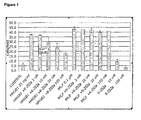
Figure 1 - Activity of K-252a in a chemotaxis assay.
Inhibitory activity of K-252a on bovine aorta smooth muscle cells (BASMC) in a typical migration (chemotaxis) assay performed using modified Boyden chambers and two different chemoattractants: HMGB1 and fMLP (formyl methionine leucine phenylalanine peptide - or fMetLeuPhe - a specific chemoattractant of leucocytes). K-252a actively and concentration-dependently (in a nanomolar range) antagonizes HMGB1-induced BASMC cell migration, while it does not interfere with cell migration induced by fMLP, whatever the concentration tested. -
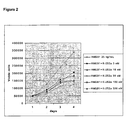
Figure 2 - Activity of K-252a in a proliferation assay.
K-252a inhibitory activity on HMGB1-induced bovine aorta smooth muscle cell (BASMC) proliferation. K-252a antagonizes BASMC cell proliferation at all the concentrations tested in a time-dependent fashion and in a nM range. -
Figure 3 - circular dichroism of HMGB1 in the presence of K-252a. -
Figure 4 - Inhibition by K-252a of mortality by LPS - induced endotoxemia. Treatment with K-252a shows a clear reversal of lethality induced by LPS in mice. - Chemotaxis assays were performed using a well known and validated protocol (1). Modified Boyden chambers were used with filters having 5-8 µm pore size and treated with collagen I (100 µg/ml in 0.5 M acetic acid) and fibronectin (10 µg/ml, Roche). BASMC (bovine aorta smooth muscle cells) were cultured in serum-free DMEM and a sample of 20,000-40,000 cells was added to the upper well of a Boyden chamber.
- K-252a was dissolved and diluted in the same serum-free medium and added to the lower well of the chamber. HMGB-1 (from calf thymus) concentration was 25 ng/ml, that one of fMLP was 0,1 µM while K-252a was 3, 10, 30, 100 nM. Overnight cell migration was allowed at 37+/-0.5 °C, then cells were scraped off and filters were fixed in methanol and stained in a solution of 10% crystal violet in 20% methanol. All experiments were performed at least twice in triplicate. Results are the mean +/- SD of the number of cells counted in 10 high power fields per filters and expressed as folds over control. Random cell migration, i.e. migration in the absence of chemoattractant, was given the arbitrary value of 100%. Statistical analysis was performed using Student's t test for pairwise comparisons of treatment, or an ANOVA model for the evaluation of treatments with increasing concentrations of a reagent. The results are shown in
Fig. 1 . - A chemotaxis assay as described above can be similarly performed using BAEC cells. Corresponding results are obtained.
- Proliferation assays were performed using an already described and validated method (1). BASMC cells (bovine aorta smooth muscle cells) were seeded in 6-well plates (105 cells/well) and grown in RPMI medium supplemented with 20% FCS. After 24 h, the medium was replaced with serum-free RPMI and cell were then starved for 16 hours to synchronize the cell population. Vehicle (negative control or basal proliferation) or 25 ng/ml (1 nM) of HMGB1 (bacterially made) were added in the presence or in the absence of 3, 10, 30, 100 or 300 nM K-252a (dissolved and diluted in serum-free medium). Each experimental point represents the mean +/- SD of triplicate determinations. The experiment was repeated three times. BASMC cell proliferation was determined by detaching the cells from the plate at the indicated times (on
days Fig. 2 . - A proliferation assay as described above can be similarly performed using BAEC cells. Corresponding results are obtained.
- To check for protein binding of K-252a, a CD study was performed. All CD spectra were collected on a Jasco J710 spectropolarimeter equipped with a NesLab RTE111 thermal controller unity, using a quartz cylindrical cuvette with a 1 cm path length (Jasco). A scan speed of 20 nm/min, a bandwidth of 1 nm, and a resolution of 1 nm was always used.
- The addition of K-252a in concentrations of 3,42 µM, 6,84 µM and 10,26 µM to HMGB1 induces a great impact on the CD of HMGB1 in the range of 200 to about 235 nm (see
Figure 3 ), but not in the range of about 235 to 260nm. The effect in the range of 200 to about 235 nm could, however, be attributed to the denaturating action of the solvent of K-252a (dimethylformamide, DMF) or to the interaction between K-252a and bacterial contaminants of HMGB1. The spectra are heavily disturbed more than likely due to DMF. - Assuming that a 1:1 stoichiometry binding takes place between HMGB1 and K-252a, the apparent Kd of the complex should be approximately 2 µM, a value which characterizes an extremely weak interaction. Therefore, direct interaction can not be considered the mechanism by which K-252a inhibits HMGB1-induced cell proliferation and migration. Fluorescence assays seem to confirm the absence of a direct interaction between K-252a and HMGB1.
- K-252a is an inhibitor of tyrosine kinases (TrkA, TrkB, TrkC), of phosphokinases (PKA, PKC, PKG), and of further kinases (Raf kinase, Ras kinase, CaM kinase, MLC kinase, MAP kinase, MEK, ERK, JUN kinase, PI3Kγ). More than likely, K-252a does not inhibit HMGB1 at the receptor (RAGE) level either, but it may interfere with TrkA and/or with one of the kinases downstream of the HMGB1 interaction with RAGE or with Toll receptors.
- Thirty-two male 6 to 7-week-old BALB/c mice were purchased from Charles River (Calco, Italy) and allowed to acclimatise for one week before use. On the day of the experiment, all mice were given an LD70-90 (10.5 mg/kg i.p. in the right inguinal region) of lipopolysaccharide (LPS from Escherichia coli, strain 0111:B4 SIGMA, Lot 034154105), dissolved in 0.9% sterile saline. 15 min before LPS injection and 2, 12 and 24 h after LPS administration, 16 mice received K-252a (6,7 mg/kg i.p., 10 ml/kg, in the left inguinal region) dissolved in DMSO: sterile saline (8:92 v/v). The remaining 16 mice received the same volume of the vehicle alone (controls). Mice were observed for 7 consecutive days at least twice a day and deaths were recorded.
- The results are shown in
Figure 4 . At the end of the observation period (7 days), 10 out of 16 mice (62,5%) treated with K-252a were still alive, while the last control mouse was found dead already in the course of the fifth day. Statistical analysis (Kaplan-Meier Survival Analysis) gives a "P" value of 0.0001. - An analysis has been conducted with the aim of measuring the inhibitory activities of K-252a against 67 protein kinases at a concentration of 200 nM.
In particular, the target kinases were Tyrosine kinases and Serine/Threonine kinases. -
Table 1 - Tyrosine kinases Kinase K-252a (200 nM) % Inhibition Ref. % Inhibition Ref. compound (nM) ABL -14.2 86.2 Staurosporine (1000) ARG 0.1 89.6 Staurosporine (3000) TNK1 94.8 89.2 Staurosporine (3) ALK 69.5 93.8 Staurosporine (30) AXL 51.5 85.1 Staurosporine (3000) MER 80.8 90.7 Staurosporine (100) CSK 43.0 88.8 Staurosporine (300) EGFR 16.4 91.4 Staurosporine (10000) HER2 7.7 65.6 Staurosporine (10000) HER4 39.4 94.1 Staurosporine (10000) EphA2 8.9 93.7 Staurosporine (10000) EphB2 0.4 83.7 Staurosporine (1000) EphB4 13.3 92.7 Staurosporine (10000) FAK 53.5 90.4 Staurosporine (100) FGFR1 57.9 91.4 Staurosporine (100) FGFR2 67.2 96.7 Staurosporine (100) IGF1R 40.6 98.6 Staurosporine (3000) INSR 38.0 93.3 Staurosporine (1000) JAK1 83.1 82.8 Staurosporine (30) JAK2 99.5 96.3 Staurosporine (3) JAK3 100.4 97.8 Staurosporine (3) TYK2 98.1 94.5 Staurosporine (3) MET 83.2 87.0 Staurosporine (300) RON 5.2 81.6 Staurosporine (10000) FLT3 95.8 94.0 Staurosporine (3) CSFR 55.7 89.1 Staurosporine (30) KIT 87.3 96.7 Staurosporine (10) PDGFRα 96.1 93.5 Staurosporine (3) PDGFRβ 98.1 98.7 Staurosporine (0.3) RET 94.2 88.1 Staurosporine (30) BLK 83.5 94.9 Staurosporine (30) BRK 35.8 87.4 Staurosporine (10000) FGR 85.6 88.7 Staurosporine (10) FYN 67.2 98.9 Staurosporine (100) HCK 68.2 96.1 Staurosporine (30) LCK 65.2 97.6 Staurosporine (100) LYNa 58.9 95.2 Staurosporine (100) LYNb 51.2 96.4 Staurosporine (100) SRC 20.6 90.0 Staurosporine (3000) SRM 0.4 74.0 Staurosporine (10000) YES 65.1 94.1 Staurosporine (30) TrkA 97.6 93.4 Staurosporine (3) TrkB 98.2 67.3 Staurosporine (0.3) TrkC 94.4 86.2 Staurosporine (10) FLT1 73.9 94.8 Staurosporine (300) KDR 62.9 87.7 Staurosporine (300) Table 2 - Serine/Threonine kinases Kinase K-252a (200 nM) % Inhibition Ref. % Inhibition Ref. cpd (nM) PKACα 69.4 94.9 Staurosporine (30) PKCα 64.4 97.8 Staurosporine (30) PKCε 60.9 98.8 Staurosporine (3) PKCγ 53.3 94.3 Staurosporine (10) CaMK4 0.0 88.4 Staurosporine (3000) CaMK2α 83.9 92.9 Staurosporine (30) CHK1 92.8 91.1 Staurosporine (10) MAPKAPK2 44.3 90.5 Staurosporine (1000) CHK2 93.9 97.1 Staurosporine (300) CDK/CycA 75.5 95.7 Staurosporine (30) Erk1 32.0 80.2 5-lodotubericidin (10000) Erk2 14.2 62.1 5-lodotubericidin (10000) JNK1 94.3 82.1 JNK Inhibitor II (300) JNK2 91.4 92.8 JNK Inhibitor II (300) p38α -1.5 87.9 SB202190 (300) p38β -0.2 55.7 SB202190 (300) AurA 91.9 84.9 Staurosporine (30) IKKβ 2.7 47.9 Staurosporine (10000) MAP2K3 100.0 84.5 Staurosporine (30) MAP2K7 68.2 85.8 Staurosporine (3000) IRAK4 51.9 95.9 Staurosporine (10000) - The very potent inhibitory effects shown by K-252a in in vitro models of cell migration and proliferation makes K-252a a promising drug candidate to be used in the systemic or local therapy of HMGB1-related diseases.
- Based on these results, it is clear that HMGB1, both released by injured/dead endothelial cells or secreted by activated circulating macrophages and monocytes, is one of the most relevant targets of restenosis after surgical angioplasty and of several severe pathologies in the field of inflammation and immunity. The inhibition of its role and activities of a typical chemotactic chemokine mainly in situ, exactly where the mechanical traumatic injury is caused and the process leading to restenosis formation begins and develops, seems to indicate preventive/therapeutic activities of a specific HMGB1 antagonist.
- For the same reason, the systemic administration of inhibitors of the pathological activities induced by HMGB1 looks like a promising therapeutic approach to cure a wide panel of systemic and local illnesses. It is demonstrated here that K-252a is a potent in vitro inhibitor of the two activities of HMGB1 mainly involved in restenosis induction and formation as well as in the triggering, sustaining and amplifying of local and systemic inflammatory and immune responses.
- In fact, at concentrations which are in the nanomolar range, it inhibited HMGB1-induced cell migration (
Fig. 1 ) and proliferation (Fig. 2 ). This, translated in vivo, means that K-252a as a therapeutic agent alone or released by a stent embedded/coated with K252 itself in the lesioned site should actively antagonize HMGB1 by blocking/inhibiting smooth muscle cell shift from the phenotype characterized by absence of cell division and migration to the synthetic phenotype which leads them to run and proliferate into the injured blood vessel endothelial wall, producing restenosis. Similarly, in the case of therapy of inflammatory and immunological pathologies triggered and sustained by HMGB1, the systemic administration of K-252a should inhibit/block the pathological cascade induced by this chemotactic chemokine, with beneficial effects on the onset and the course of the illness. - Moreover, the in vivo data obtained for the treatment with K-252a of mice affected by severe endotoxemia induced by LPS with K-252a, further support the results achieved with the above described in vitro data of cell migration and proliferation. In fact, the administration of 6,7 mg/kg i.p. of K-252a, for 4 times to mice bearing a severe LPS-induced endotoxemia, increase significantly (over 60%) the survival of the tested mice compared to the survival of the control mice. The control mice in fact do not survive over the fifth day. The in vivo results thus show a remarkable decrease in mortality in mice treated with K-252a, confirming that K-252a is a promising drug candidate to be used in the systemic or local treatment of HMGB1-related pathologies.
- The mechanism by which K-252a inhibits the activity of HMGB1 seems to be kinase inhibition. Therefore, other kinase inhibitors, in particular known kinase inhibitors, e.g. of tyrosine kinase, such as TrkA, TrkB, TrkC, of phosphokinase, such as PKA, PKC, PKG, or/and of a further kinase, such as Raf kinase, Ras kinase, CaM kinase, MLC kinase, MAP kinase, MEK, ERK, JUN kinase, PI3Kγ, may also be suitable compounds for inhibiting the activity of HMGB1 in vitro and in vivo. Therefore, such kinase inhibitors may provide a promising therapeutic approach in diseases involving activity of released HMBG1.
-
- 1. Palumbo R., Sampaolesi M., De Marchis F., Tonlorenzi R., Colombetti S., Mondino A., Cossu G., Bianchi M. E. (2004) Extracellular HMGB1, a signal of tissue damage, induces mesoangioblast migration and proliferation. The Journal of Cell Biology, 164: 441-449.
- 2. Scaffidi P., Misteli T., Bianchi M.E. (2002) Release of chromatin protein HMGB1 by necrotic cells triggers inflammation, Nature. 418: 191-195.
- 3. Andersson, U., Erlandsson-Harris, H., Yang, H. and Tracey, K.J. (2002) HMGB1 as a DNA-binding cytokine. J. Leucocyte Biol., 72: 1084-1091
- 4. Agresti, A. and Bianchi, M.E. (2003) HMGB-proteins and gene expression Current Opin. In Genetics and Develop., 13: 170-178
- 5. Degryse, B., de Virgilio, M. (2003) The nuclear protein HMGB1, a new kind of chemokine ? FEBS Letters, 553: 11-17
- 6. Kase H., Iwahashi K., Matsuda Y. (1986) K-252a, a potent inhibitor of protein kinase C from microbial origin J. Antibiot. (Tokyo). 39: 1059-1065.
- 7. Nakanishi S., Yamada K., Kase H., Nakamura S., Nonomura Y. (1988) K-252a, a novel microbial product, inhibits smooth muscle myosin light chain kinase, J. Biol. Chem. 263: 6215-6219.
- 8. Delsite R. and Djakiew D. (1996) Anti-proliferative effect of the kinase inhibitor K-252a on human prostatic carcinoma cell lines, J. Androl. 17: 481-490.
- 9. Donovan M.J., Miranda R.C., Kraemer R., McCaffrey T.A., Tessarolo L., Mahadeo D., Sharif S., Kaplan D.R., Tsoulfas P., Parada L., et al. (1995) Neurotrophin and neurotrophin receptors in vascular smooth muscle cel/s. Regulation of expression in response to injury, Am. J. of Pathology. 147(2): 309-324.
- 10. Schmidt, A. M., Yan, S. F. and Stern, D. M. (2001) The multigland receptor RAGE as a progression factor amplifying immune and inflammatory responses J. Clin. Invest., 108: 949-955.
- 11.Bonaldi, T., Talamo, F., Scaffidi, P., Ferrera, D., Porto, A., Bachi, A., Rubartelli, A., Agresti, A. and Bianchi M.E. (2003) Monocytic cells hyperacetylate chromatin protein HMGB1 to redirect it towards Secretion The EMBO Journal, 22: 5551-5560
- 12.Friedman, S.G., Czura, C., J. and Tracey, K.J. (2003) The gesture life of high
- 13.Gardella, S., Andrei, C., Ferrera, D., Lotti, L.V., Torrisi, M.R., Bianchi, M.E. And Rubartelli, A. (2002) The nuclear protein HMGB1 is secreted by monocytes via a non-classical, vesicle- mediated secretory pathway. EMBO. Rep., 3: 995-1001
Claims (20)
- Use of K-252a or/and a salt or a derivative thereof for the preparation of a medicament for the prevention or treatment of an HMGB1-associated pathology, which is triggered and/or sustained by HMGB1 and/or HMGB1 homologous proteins selected from restenosis, atherosclerosis or ischemia-reperfusion injury, wherein said derivative is a synthetic and/or chemically modified compound, which is a compound having substituents on the ring system selected from C1-C4 alkyl groups, a compound wherein the methyl ester group has been replaced by another ester group, an amide group or by H or a cation, and/or a compound wherein the N-atom in the cyclic amide group is substituted with a C1-C4 alkyl group and wherein the HMGB1 homologous proteins are HMGB2, HMGB3, HMG-1L10, HMG-4L or/and SP100-HMG.
- Use of claim 1, wherein said HMGB1-associated pathology is associated with the non-acetylated form or/and the acetylated form of HMGB1 and associated with the non-acetylated form or/and the acetylated form of HMGB1 homologous proteins, wherein the HMGB1 homologous proteins are HMGB2, HMGB3, HMG-1L10, HMG-4L or/and SP100-HMG.
- The use of claim 1 or 2, wherein the HMGB1-associated pathology is a pathological condition mediated by activation of the inflammatory cytokine cascade induced by HMGB1 or/and HMGB1 homologous proteins, wherein the HMGB1 homologous proteins are HMGB2, HMGB3, HMG-1L10, HMG-4L or/and SP100-HMG.
- The use of claims 1-3 for blocking, retarding or impairing connective tissue regeneration in restenosis during or after angioplasty.
- The use of any one of claims 1 to 4 in combination with a further agent.
- The use of claim 5, wherein the further agent is capable of inhibiting early mediators of the inflammatory cytokine cascade.
- The use of claim 6, wherein the further agent is an antagonist or inhibitor of a cytokine selected from the group consisting of TNF, IL-1α, IL-1β, IL-Ra, IL-8, MIP-1α, MIF1β, MIP-2. MIF and IL-6.
- The use of claim 5, wherein the further agent is an antibody to RAGE, a nucleic acid or nucleic acid analogue capable of inhibiting RAGE expression, e.g. an antisense molecule, a ribozyme or a RNA interference molecule, or a small synthetic molecule antagonist of the HMGB1 interaction with RAGE or soluble RAGE (sRAGE), wherein said nucleic acid analogue is PNA or a DNA/PNA chimera or hybrid.
- The use of claim 5, wherein the further agent is an antagonist or inhibitor of HMGB1.
- The use of claim 9, wherein the antagonist or inhibitor is an antagonist or inhibitor of the non-acetylated or/and the acetylated form of HMGB1.
- The use of claim 5, wherein the further agent is an inhibitor of the interaction of a Toll-like receptor (TLR), in particular of TLR2, TLR4, TLR7, TLR8 or/and TLR9, with HMGB1 or/and HMBG1 homologous proteins, preferably a monoclonal or polyclonal antibody, a nucleic acid or nucleic acid analogue capable of inhibiting TLR expression, e.g. an antisense molecule, a ribozyme or a RNA interference molecule, or a synthetic molecule having a size of less than 1000 Dalton, wherein said nucleic acid analogue is PNA or a DNA/PNA chimera or hybrid.
- The use of claim 11, wherein the further agent is a known inhibitor of a Toll-like receptor, in particular of TLR2, TLR4, TLR7, TLR8 or/and TLR9, in particular a nucleic acid or nucleic acid analogue capable of inhibiting TLR expression, e.g. an antisense molecule, a ribozyme or a RNA interference molecule, wherein said nucleic acid analogue is PNA or a DNA/PNA chimera or hybrid.
- The use of claim 5, wherein the further agent is the N-terminal lectine-like domain (D1) of thrombomodulin.
- The use of claim 5, wherein the further agent is a synthetic double-stranded nucleic acid or nucleic acid analogue molecule with a bent shape structure, wherein said nucleic acid analogue molecule is PNA or a DNA/PNA chimera or hybrid.
- The use of claim 14, wherein the synthetic double-stranded nucleic acid or nucleic acid analogue molecule is a double-stranded bent or cruciform DNA, PNA or DNA/PNA chimera or hybrid.
- The use according to any one of claims 1 to 15, wherein K-252a or/and a salt or a derivative thereof is reversibly immobilised on the surface of a medical device.
- The use of claim 16, wherein K-252a or/and a salt or a derivative thereof is coated on or embedded in the surface of the medical device.
- The use of claims 16 or 17, wherein the medical device is selected from surgical instruments, implants, catheters or stents.
- A medical device reversibly coated or/and embedded with K-252a or/and a salt or a derivative thereof, wherein said derivative is a synthetic and/or chemically modified compound, which is a compound having substituents on the ring system selected from C1-C4 alkyl groups, a compound wherein the methyl ester group has been replaced by another ester group, an amide group or by H or a cation, and/or a compound wherein the N-atom in the cyclic amide group is substituted with a C1-C4 alkyl group.
- The medical device of claim 19, wherein the medical device is selected from surgical instruments, implants, catheters or stents.
Priority Applications (2)
| Application Number | Priority Date | Filing Date | Title |
|---|---|---|---|
| PL05778429T PL1771178T3 (en) | 2004-07-29 | 2005-07-29 | Use of k-252a and kinase inhibitors for the prevention or treatment of hmgb1-associated pathologies |
| SI200530824T SI1771178T1 (en) | 2004-07-29 | 2005-07-29 | Use of k-252a and kinase inhibitors for the prevention or treatment of hmgb1-associated pathologies |
Applications Claiming Priority (3)
| Application Number | Priority Date | Filing Date | Title |
|---|---|---|---|
| US59188004P | 2004-07-29 | 2004-07-29 | |
| US64700705P | 2005-01-27 | 2005-01-27 | |
| PCT/EP2005/008258 WO2006010628A1 (en) | 2004-07-29 | 2005-07-29 | Use of k-252a and kinase inhibitors for the prevention or treatment of hmgb1-associated pathologies |
Publications (2)
| Publication Number | Publication Date |
|---|---|
| EP1771178A1 EP1771178A1 (en) | 2007-04-11 |
| EP1771178B1 true EP1771178B1 (en) | 2009-08-05 |
Family
ID=35262096
Family Applications (1)
| Application Number | Title | Priority Date | Filing Date |
|---|---|---|---|
| EP05778429A Expired - Lifetime EP1771178B1 (en) | 2004-07-29 | 2005-07-29 | Use of k-252a and kinase inhibitors for the prevention or treatment of hmgb1-associated pathologies |
Country Status (14)
| Country | Link |
|---|---|
| US (1) | US20090191253A2 (en) |
| EP (1) | EP1771178B1 (en) |
| JP (1) | JP2008508220A (en) |
| AT (1) | ATE438404T1 (en) |
| AU (1) | AU2005266447A1 (en) |
| CA (1) | CA2575272A1 (en) |
| DE (1) | DE602005015862D1 (en) |
| DK (1) | DK1771178T3 (en) |
| ES (1) | ES2327659T3 (en) |
| MX (1) | MX2007001155A (en) |
| PL (1) | PL1771178T3 (en) |
| PT (1) | PT1771178E (en) |
| SI (1) | SI1771178T1 (en) |
| WO (1) | WO2006010628A1 (en) |
Families Citing this family (32)
| Publication number | Priority date | Publication date | Assignee | Title |
|---|---|---|---|---|
| JP2006298858A (en) * | 2005-04-22 | 2006-11-02 | Yamaguchi Univ | Apoptosis inducer with novel inhibitory effect on intracellular parasitic microorganisms |
| HRP20140218T4 (en) | 2005-08-25 | 2017-06-16 | Creabilis Therapeutics S.P.A. | POLYMER CONJUGATES K-252A AND THEIR DERIVATIVES |
| NZ565748A (en) * | 2005-09-07 | 2011-04-29 | Serono Lab | PI3K inhibitors for the treatment of endometriosis |
| JP5660889B2 (en) | 2008-04-30 | 2015-01-28 | 株式会社ジェノミックス | Bone marrow-derived pluripotent stem cell mobilization to peripheral circulation |
| KR20110017371A (en) | 2008-04-30 | 2011-02-21 | 가부시키가이샤 제노믹스 | High efficiency sampling of functional cells in vivo |
| WO2010034779A2 (en) * | 2008-09-24 | 2010-04-01 | The Provost, Fellows And Scholars Of The College Of The Holy And Undivided Trinity Of Queen Elizabeth Near Dublin | Composition and method for treatment of preterm labor |
| US20120165244A1 (en) * | 2008-10-30 | 2012-06-28 | Hua-Lin Wu | Methods for binding lewis y antigen |
| JO3101B1 (en) | 2008-12-02 | 2017-09-20 | Takeda Pharmaceuticals Co | Benzothiazole derivatives as anticancer agents |
| US20100267742A1 (en) * | 2009-04-17 | 2010-10-21 | Rush University Medical Center | Combination targeted therapy for lung cancer |
| NZ720946A (en) | 2009-04-29 | 2017-09-29 | Amarin Pharmaceuticals Ie Ltd | Pharmaceutical compositions comprising epa and a cardiovascular agent and methods of using the same |
| JP5467313B2 (en) * | 2009-09-28 | 2014-04-09 | 国立大学法人 岡山大学 | Atherosclerosis inhibitor |
| KR20120135190A (en) | 2009-10-28 | 2012-12-12 | 고꾸리쯔 다이가꾸 호우징 오사까 다이가꾸 | Tussue-regeneration promoter using recruitment of bone marrow mesenchymal stem cells and/or pluripotent stem cells in blood |
| PL2365332T3 (en) * | 2010-03-10 | 2013-10-31 | Pasteur Institut | HMGB1 and anti-HMGB1 antibodies in HIV infected patients especially with neurological disorders |
| KR102113809B1 (en) | 2011-04-26 | 2020-05-21 | 가부시키가이샤 스템림 | Peptide for inducing regeneration of tissue and use thereof |
| FI20115640A0 (en) | 2011-06-22 | 2011-06-22 | Turun Yliopisto | combination therapy |
| WO2013082458A1 (en) | 2011-12-02 | 2013-06-06 | The Regents Of The University Of California | Reperfusion protection solution and uses thereof |
| CN104619845A (en) | 2012-07-13 | 2015-05-13 | 图尔库大学 | Combination therapy iii |
| CA2889275C (en) | 2012-10-25 | 2021-06-15 | Katsuto Tamai | Novel method for treating cardiac infarction using hmgb1 fragment |
| ES2673861T3 (en) | 2012-10-25 | 2018-06-26 | Genomix Co., Ltd. | Novel method to treat spinal cord damage using the hmgb1 fragment |
| JP2014162751A (en) * | 2013-02-25 | 2014-09-08 | Dic Corp | Compound, liquid crystal composition, and display device |
| JP2014162752A (en) * | 2013-02-25 | 2014-09-08 | Dic Corp | Compound, liquid crystal composition, and display device |
| WO2016040246A1 (en) * | 2014-09-12 | 2016-03-17 | The Procter & Gamble Company | Method of making a skin care composition |
| US20200039922A1 (en) * | 2016-10-05 | 2020-02-06 | Afecta Pharmaceuticals, Inc. | High mobility group b1 protein inhibitors |
| PL3556378T3 (en) | 2017-01-27 | 2025-06-09 | StemRIM Inc. | Therapeutic agent for cardiomyopathy, old myocardial infarction and chronic heart failure |
| TWI645083B (en) * | 2017-08-30 | 2018-12-21 | 金立德 | Method for screening anti-inflammatory and vascular protective active substance |
| US11298403B2 (en) | 2017-12-01 | 2022-04-12 | StemRIM Inc. | Therapeutic agent for inflammatory bowel disease |
| CN118460462A (en) | 2017-12-01 | 2024-08-09 | 斯特姆里姆有限公司 | Exo-embryonic interlayer mesenchymal stem cells and method for producing same |
| WO2019156137A1 (en) | 2018-02-08 | 2019-08-15 | 株式会社ステムリム | Therapeutic agent for psoriasis |
| US12304933B2 (en) | 2018-10-05 | 2025-05-20 | StemRIM Inc. | Disease treatment drug based on mesenchymal-stem-cell mobilization |
| US11684653B2 (en) * | 2019-03-06 | 2023-06-27 | The Cleveland Clinic Foundation | Compositions and method for reducing virulence of microorganisms |
| CN112574221B (en) * | 2019-09-30 | 2022-03-04 | 上海纽思克生物科技有限公司 | Tetracyclic pyrimidinone compounds, preparation method, composition and application thereof |
| CN112176066B (en) * | 2020-10-30 | 2022-07-01 | 中国科学院合肥物质科学研究院 | Molecular marker for early screening and diagnosis of cervical lesions and application thereof |
Family Cites Families (44)
| Publication number | Priority date | Publication date | Assignee | Title |
|---|---|---|---|---|
| JPS6041489A (en) * | 1983-08-12 | 1985-03-05 | Kyowa Hakko Kogyo Co Ltd | Novel physiologically active substance k-252 and its preparation |
| JPS62155284A (en) * | 1985-12-27 | 1987-07-10 | Kyowa Hakko Kogyo Co Ltd | Physiologically active substance k-252 derivative |
| JPH0699311B2 (en) * | 1986-11-06 | 1994-12-07 | 旭化成工業株式会社 | Anti-vasoconstrictor and vasorelaxant |
| JPH0826037B2 (en) * | 1987-01-22 | 1996-03-13 | 協和醗酵工業株式会社 | Derivatives of physiologically active substance K-252 |
| US5633235A (en) * | 1991-04-19 | 1997-05-27 | Regents Of The University Of Michigan | Triciribine and analogs as antiviral drugs |
| EP0541486A1 (en) * | 1991-11-07 | 1993-05-12 | Ciba-Geigy Ag | Polycyclic conjugates |
| US5756494A (en) * | 1992-07-24 | 1998-05-26 | Cephalon, Inc. | Protein kinase inhibitors for treatment of neurological disorders |
| US6663881B2 (en) * | 1993-01-28 | 2003-12-16 | Neorx Corporation | Therapeutic inhibitor of vascular smooth muscle cells |
| US5441947A (en) * | 1993-08-25 | 1995-08-15 | Eli Lilly And Company | Methods of inhibiting vascular restenosis |
| US5468872A (en) * | 1993-09-16 | 1995-11-21 | Cephalon, Inc. | K-252a functional derivatives potentiate neurotrophin-3 for the treatment of neurological disorders |
| JPH07223958A (en) * | 1994-02-14 | 1995-08-22 | Asahi Chem Ind Co Ltd | Vascular thickening inhibitor |
| US5705511A (en) * | 1994-10-14 | 1998-01-06 | Cephalon, Inc. | Fused pyrrolocarbazoles |
| EP0711556A1 (en) * | 1994-11-09 | 1996-05-15 | Ciba-Geigy Ag | Intravenous solutions containing staurosporine derivatives |
| EP0733372A3 (en) * | 1995-03-21 | 1998-05-20 | Ciba-Geigy Ag | Pharmaceutical base for the formulation of nanosuspensions |
| US5977184A (en) * | 1995-09-15 | 1999-11-02 | Thorne Research, Inc. | Quercetin chalcone and methods related thereto |
| UA67725C2 (en) * | 1996-06-03 | 2004-07-15 | Cephalon Inc | K-252a derivatives and a method for improvement of functioning and cell survival enhancement |
| BR9710693A (en) * | 1996-06-25 | 2000-01-11 | Cephalon Inc | Use of a k-252a derivative for the treatment of the central or peripheral nerve and overproduction of cytoquinone. |
| WO1998039007A1 (en) * | 1997-03-03 | 1998-09-11 | Board Of Regents, The University Of Texas System | Supression of cyclin kinase 2 activity for prevention and treatment of dna viral infections |
| US6025365A (en) * | 1997-03-25 | 2000-02-15 | Arch Development Corp. | Chelerythrine and radiation combined tumor therapy |
| US5998386A (en) * | 1997-09-19 | 1999-12-07 | Feldman; Arthur M. | Pharmaceutical compositions and method of using same for the treatment of failing myocardial tissue |
| ES2194468T3 (en) * | 1998-05-29 | 2003-11-16 | Centre Nat Rech Scient | USE OF INDIGOID BISINDOL DERIVATIVES FOR THE MANUFACTURE OF A MEDICINAL PRODUCT FOR INHIBITING CYCLINE DEPENDENT KINASES. |
| US6231889B1 (en) * | 1998-09-21 | 2001-05-15 | Chronorx, Llc | Unit dosage forms for the treatment of herpes simplex |
| NZ511084A (en) * | 1998-10-13 | 2004-01-30 | Kyowa Hakko Kogyo Kk | An agent for treating ophthalmopathy |
| CN1172673C (en) * | 1998-11-23 | 2004-10-27 | 诺瓦提斯公司 | Application of staurosporine derivatives in the preparation of medicines for treating eye neovascularization diseases |
| DE19917990A1 (en) * | 1999-04-20 | 2000-11-02 | Florian Lang | Medicament containing inhibitors of cell volume regulated human kinase h-sgk |
| US20040072888A1 (en) * | 1999-08-19 | 2004-04-15 | Bennett Brydon L. | Methods for treating inflammatory conditions or inhibiting JNK |
| AU780306B2 (en) * | 1999-08-19 | 2005-03-17 | Signal Pharmaceuticals, Inc. | Pyrazoloanthrone and derivatives thereof as JNK inhibitors and their compositions |
| US20010025059A1 (en) * | 2000-01-10 | 2001-09-27 | Kastke Floyd A. | Composition and method for treating non-bacterial prostatitis |
| US7419678B2 (en) * | 2000-05-12 | 2008-09-02 | Cordis Corporation | Coated medical devices for the prevention and treatment of vascular disease |
| JP2004517631A (en) * | 2001-01-17 | 2004-06-17 | ヨウン メー パク | Method for inhibiting gene expression of vascular endothelial growth factor and erythropoietin by quercetin |
| WO2002074242A2 (en) * | 2001-03-16 | 2002-09-26 | Tyler Curiel | Inhibition of toxoplasma gondii) replication by pyridinylimidazoles |
| US7754217B2 (en) * | 2001-03-16 | 2010-07-13 | Bio3 Research Srl | HMGB1 protein inhibitors and/or antagonists for the treatment of vascular diseases |
| US6703414B2 (en) * | 2001-09-14 | 2004-03-09 | Arizona Board Of Regents On Behalf Of The University Of Arizona | Device and method for treating restenosis |
| CA2464093A1 (en) * | 2001-10-25 | 2003-05-01 | Wisconsin Alumni Research Foundation | Vascular stent or graft coated or impregnated with protein tyrosine kinase inhibitors and method of using same |
| CA2475206A1 (en) * | 2002-02-15 | 2003-08-15 | The General Hospital Corporation | Map-kinase inhibitors as regulators of tumor-associated antigen expression |
| US20040034084A1 (en) * | 2002-05-24 | 2004-02-19 | Celgene Corporation | Methods for using JNK inhibitors for treating or preventing disease-related wasting |
| JP2005531607A (en) * | 2002-06-05 | 2005-10-20 | ジヤンセン・フアーマシユーチカ・ナームローゼ・フエンノートシヤツプ | Substituted pyrroline as a kinase inhibitor |
| AU2003279795A1 (en) * | 2002-10-04 | 2004-05-04 | Caritas St.Elisabeth's Medical Center Of Boston, Inc. | Inhibition of src for treatment of reperfusion injury related to revascularization |
| EP1413887A1 (en) * | 2002-10-22 | 2004-04-28 | Aventis Pharma S.A. | Inhibitors of Src kinase for use in Alzheimer's disease |
| GB0226251D0 (en) * | 2002-11-11 | 2002-12-18 | San Raffaele Centro Fond | Acetylated protein |
| US20050019366A1 (en) * | 2002-12-31 | 2005-01-27 | Zeldis Jerome B. | Drug-coated stents and methods of use therefor |
| TWI324604B (en) * | 2003-06-18 | 2010-05-11 | Novartis Ag | New use of staurosporine derivatives |
| US20060210553A1 (en) * | 2003-07-23 | 2006-09-21 | Creabilis Therapeutics S.R.L. | Topical use of tyrosine kinase inhibitors of microbial origin to prevent and treat skin disorders characterised by excesssive cell proliferation |
| WO2005074921A1 (en) * | 2004-02-09 | 2005-08-18 | University Of Zurich | Treatment of atherosclerosis |
-
2005
- 2005-03-11 MX MX2007001155A patent/MX2007001155A/en active IP Right Grant
- 2005-07-29 WO PCT/EP2005/008258 patent/WO2006010628A1/en not_active Ceased
- 2005-07-29 DK DK05778429T patent/DK1771178T3/en active
- 2005-07-29 PT PT05778429T patent/PT1771178E/en unknown
- 2005-07-29 AU AU2005266447A patent/AU2005266447A1/en not_active Abandoned
- 2005-07-29 CA CA002575272A patent/CA2575272A1/en not_active Abandoned
- 2005-07-29 DE DE602005015862T patent/DE602005015862D1/en not_active Expired - Fee Related
- 2005-07-29 ES ES05778429T patent/ES2327659T3/en not_active Expired - Lifetime
- 2005-07-29 EP EP05778429A patent/EP1771178B1/en not_active Expired - Lifetime
- 2005-07-29 PL PL05778429T patent/PL1771178T3/en unknown
- 2005-07-29 US US11/658,701 patent/US20090191253A2/en not_active Abandoned
- 2005-07-29 SI SI200530824T patent/SI1771178T1/en unknown
- 2005-07-29 AT AT05778429T patent/ATE438404T1/en not_active IP Right Cessation
- 2005-07-29 JP JP2007523023A patent/JP2008508220A/en active Pending
Non-Patent Citations (5)
| Title |
|---|
| "The nuclear factor HMGB1 mediates hepatic injury after murine liver ischemia-reperfusion", JOURNAL OF EXPERIMENTAL MEDICINE, vol. 201, no. 7, 4 April 2005 (2005-04-04), pages 1135 - 1143 * |
| ANNALISA PORTO ET AL: "Smooth muscle cells in human atherosclerotic plaques secrete and proliferate in response to high mobility group box 1 protein", FASEB JOURNAL, vol. 20, no. 14, 2 December 2006 (2006-12-02), pages E1955 - E1963 * |
| KATSUMI INOUE ET AL: "HMGB1 expression by activated vascular smooth muscle cells in advanced human atherosclerosis plaques", CARDIOVASCULAR PATHOLOGY, vol. 16, 2007, pages 136 - 143 * |
| Retrieved from the Internet <URL:atvb.ahajournals.org> [retrieved on 20080810] * |
| WATANABE TAIJI ET AL: "The role of HMGB-1 on the development of necrosis during hepatic ischemia and hepatic ischemia/reperfusion injury in mice", JOURNAL OF SURGICAL RESEARCH, vol. 124, no. 1, March 2005 (2005-03-01), pages 59 - 66 * |
Also Published As
| Publication number | Publication date |
|---|---|
| DE602005015862D1 (en) | 2009-09-17 |
| US20080317809A1 (en) | 2008-12-25 |
| US20090191253A2 (en) | 2009-07-30 |
| SI1771178T1 (en) | 2010-01-29 |
| PL1771178T3 (en) | 2010-01-29 |
| AU2005266447A1 (en) | 2006-02-02 |
| WO2006010628A1 (en) | 2006-02-02 |
| MX2007001155A (en) | 2007-08-14 |
| JP2008508220A (en) | 2008-03-21 |
| EP1771178A1 (en) | 2007-04-11 |
| ATE438404T1 (en) | 2009-08-15 |
| PT1771178E (en) | 2009-11-12 |
| CA2575272A1 (en) | 2006-02-02 |
| ES2327659T3 (en) | 2009-11-02 |
| DK1771178T3 (en) | 2009-11-02 |
Similar Documents
| Publication | Publication Date | Title |
|---|---|---|
| US20080317809A1 (en) | Use of K -252a and Kinase Inhibitors for the Prevention or Treatment of Hmgb1-Associated Pathologies | |
| Zhang et al. | Mechanisms of NLRP3 inflammasome activation: its role in the treatment of Alzheimer’s disease | |
| Tao et al. | Cannabinoid receptor-2 stimulation suppresses neuroinflammation by regulating microglial M1/M2 polarization through the cAMP/PKA pathway in an experimental GMH rat model | |
| Dolivo et al. | Tryptophan metabolites kynurenine and serotonin regulate fibroblast activation and fibrosis | |
| Li et al. | Microglia in neuroimmunopharmacology and drug addiction | |
| Cui et al. | Designer self-assemble peptides maximize the therapeutic benefits of neural stem cell transplantation for Alzheimer’s disease via enhancing neuron differentiation and paracrine action | |
| CN118785911A (en) | Pharmaceutical composition for treating tumors | |
| KR20100024951A (en) | Methods and compositions for stimulating cells | |
| JP2004532809A (en) | Method for stimulating nervous system regeneration and repair by inhibiting phosphodiesterase type 4 | |
| WO2014199171A1 (en) | New therapeutic uses of enzyme inhibitors | |
| AU2005259381A1 (en) | Nucleic acids for the treatment of HMGB1-related pathologies | |
| Kaichao et al. | Review of the effects and Mechanisms of microglial autophagy in ischemic stroke | |
| CA3149833A1 (en) | Regenerating functions and phenotypes of connective tissue through npas2 suppression | |
| JP2024097004A (en) | Use of lorperidone to treat negative symptoms and disorders, to increase neuroplasticity, and to promote neuroprotection | |
| JP2015502926A (en) | Morpholinyl benzotriazine for use in cancer treatment | |
| Kim et al. | Potential therapeutic role of bone morphogenic protein 7 (BMP7) in the pathogenesis of Graves’ orbitopathy | |
| TW200538181A (en) | Treatment of depressive disorders | |
| Joshi et al. | Transient receptor potential channels as an emerging target for the treatment of Alzheimer's disease: Unravelling the potential of pharmacological interventions | |
| KR101359886B1 (en) | Composition for treating sepsis or septic shock comprising the Peptide originated from the Smad6 | |
| US20120245188A1 (en) | Methods of treating memory loss and enhancing memory performance | |
| KR20210056931A (en) | Pharmaceutical composition for treatment or prevention of immune-related diseases comprising pyrimethamine as an active ingredient | |
| Hopper et al. | Recent developments in targeting neuroinflammation in disease | |
| US20200360366A1 (en) | Prolylhydroxylase/atf4 inhibitors and methods of use for treating neural cell injury or death and conditions resulting therefrom | |
| McPhail | Targeting neuroinflammation in mTORC1 driven brain tumours | |
| Chen et al. | Keratinocyte autophagy in psoriasis: A comprehensive review |
Legal Events
| Date | Code | Title | Description |
|---|---|---|---|
| PUAI | Public reference made under article 153(3) epc to a published international application that has entered the european phase |
Free format text: ORIGINAL CODE: 0009012 |
|
| 17P | Request for examination filed |
Effective date: 20070115 |
|
| AK | Designated contracting states |
Kind code of ref document: A1 Designated state(s): AT BE BG CH CY CZ DE DK EE ES FI FR GB GR HU IE IS IT LI LT LU LV MC NL PL PT RO SE SI SK TR |
|
| DAX | Request for extension of the european patent (deleted) | ||
| 17Q | First examination report despatched |
Effective date: 20070718 |
|
| GRAP | Despatch of communication of intention to grant a patent |
Free format text: ORIGINAL CODE: EPIDOSNIGR1 |
|
| GRAS | Grant fee paid |
Free format text: ORIGINAL CODE: EPIDOSNIGR3 |
|
| GRAA | (expected) grant |
Free format text: ORIGINAL CODE: 0009210 |
|
| AK | Designated contracting states |
Kind code of ref document: B1 Designated state(s): AT BE BG CH CY CZ DE DK EE ES FI FR GB GR HU IE IS IT LI LT LU LV MC NL PL PT RO SE SI SK TR |
|
| REG | Reference to a national code |
Ref country code: GB Ref legal event code: FG4D |
|
| REG | Reference to a national code |
Ref country code: CH Ref legal event code: EP |
|
| REG | Reference to a national code |
Ref country code: CH Ref legal event code: NV Representative=s name: BOHEST AG |
|
| REG | Reference to a national code |
Ref country code: IE Ref legal event code: FG4D |
|
| REF | Corresponds to: |
Ref document number: 602005015862 Country of ref document: DE Date of ref document: 20090917 Kind code of ref document: P |
|
| REG | Reference to a national code |
Ref country code: DK Ref legal event code: T3 Ref country code: ES Ref legal event code: FG2A Ref document number: 2327659 Country of ref document: ES Kind code of ref document: T3 |
|
| REG | Reference to a national code |
Ref country code: RO Ref legal event code: EPE |
|
| REG | Reference to a national code |
Ref country code: PT Ref legal event code: SC4A Free format text: AVAILABILITY OF NATIONAL TRANSLATION Effective date: 20091105 |
|
| REG | Reference to a national code |
Ref country code: CH Ref legal event code: PCOW Free format text: CREABILIS THERAPEUTICS S.P.A.;BIOINDUSTRY PARK, VIA RIBES, 5;10010 COLLERETTO GIACOSA (IT) $ BIO3RESESARCH SRL.;VIA DELLA MOSCOVA, 6/8;20121 MILANO (IT) |
|
| REG | Reference to a national code |
Ref country code: GR Ref legal event code: EP Ref document number: 20090402494 Country of ref document: GR |
|
| REG | Reference to a national code |
Ref country code: SE Ref legal event code: TRGR |
|
| RAP2 | Party data changed (patent owner data changed or rights of a patent transferred) |
Owner name: BIO3RESEARCH SRL. Owner name: CREABILIS THERAPEUTICS S.P.A. |
|
| REG | Reference to a national code |
Ref country code: EE Ref legal event code: FG4A Ref document number: E003583 Country of ref document: EE Effective date: 20091014 |
|
| REG | Reference to a national code |
Ref country code: PL Ref legal event code: T3 |
|
| NLT2 | Nl: modifications (of names), taken from the european patent patent bulletin |
Owner name: CREABILIS THERAPEUTICS S.P.A. EN BIO3RESEARCH SRL. Effective date: 20091202 |
|
| REG | Reference to a national code |
Ref country code: SK Ref legal event code: T3 Ref document number: E 6270 Country of ref document: SK |
|
| REG | Reference to a national code |
Ref country code: HU Ref legal event code: AG4A Ref document number: E006649 Country of ref document: HU |
|
| REG | Reference to a national code |
Ref country code: FR Ref legal event code: CA |
|
| PLBE | No opposition filed within time limit |
Free format text: ORIGINAL CODE: 0009261 |
|
| STAA | Information on the status of an ep patent application or granted ep patent |
Free format text: STATUS: NO OPPOSITION FILED WITHIN TIME LIMIT |
|
| 26N | No opposition filed |
Effective date: 20100507 |
|
| BERE | Be: lapsed |
Owner name: BIO3RESEARCH SRL. Effective date: 20100731 Owner name: CREABILIS THERAPEUTICS S.P.A. Effective date: 20100731 |
|
| REG | Reference to a national code |
Ref country code: NL Ref legal event code: V1 Effective date: 20110201 |
|
| PG25 | Lapsed in a contracting state [announced via postgrant information from national office to epo] |
Ref country code: MC Free format text: LAPSE BECAUSE OF NON-PAYMENT OF DUE FEES Effective date: 20100731 |
|
| REG | Reference to a national code |
Ref country code: CH Ref legal event code: PL |
|
| GBPC | Gb: european patent ceased through non-payment of renewal fee |
Effective date: 20100729 |
|
| LTLA | Lt: lapse of european patent or patent extension |
Effective date: 20100729 |
|
| REG | Reference to a national code |
Ref country code: SK Ref legal event code: MM4A Ref document number: E 6270 Country of ref document: SK Effective date: 20100729 |
|
| REG | Reference to a national code |
Ref country code: EE Ref legal event code: MM4A Ref document number: E003583 Country of ref document: EE Effective date: 20100731 |
|
| REG | Reference to a national code |
Ref country code: FR Ref legal event code: ST Effective date: 20110331 |
|
| PG25 | Lapsed in a contracting state [announced via postgrant information from national office to epo] |
Ref country code: LT Free format text: LAPSE BECAUSE OF NON-PAYMENT OF DUE FEES Effective date: 20100729 Ref country code: HU Free format text: LAPSE BECAUSE OF NON-PAYMENT OF DUE FEES Effective date: 20100730 Ref country code: LI Free format text: LAPSE BECAUSE OF NON-PAYMENT OF DUE FEES Effective date: 20100731 Ref country code: DE Free format text: LAPSE BECAUSE OF NON-PAYMENT OF DUE FEES Effective date: 20110201 Ref country code: CH Free format text: LAPSE BECAUSE OF NON-PAYMENT OF DUE FEES Effective date: 20100731 |
|
| REG | Reference to a national code |
Ref country code: SI Ref legal event code: KO00 Effective date: 20110304 |
|
| REG | Reference to a national code |
Ref country code: PT Ref legal event code: MM4A Free format text: LAPSE DUE TO NON-PAYMENT OF FEES Effective date: 20110429 |
|
| REG | Reference to a national code |
Ref country code: DE Ref legal event code: R119 Ref document number: 602005015862 Country of ref document: DE Effective date: 20110201 |
|
| PG25 | Lapsed in a contracting state [announced via postgrant information from national office to epo] |
Ref country code: IT Free format text: LAPSE BECAUSE OF NON-PAYMENT OF DUE FEES Effective date: 20100729 Ref country code: IS Free format text: LAPSE BECAUSE OF FAILURE TO SUBMIT A TRANSLATION OF THE DESCRIPTION OR TO PAY THE FEE WITHIN THE PRESCRIBED TIME-LIMIT Effective date: 20110201 Ref country code: EE Free format text: LAPSE BECAUSE OF NON-PAYMENT OF DUE FEES Effective date: 20100731 Ref country code: CY Free format text: LAPSE BECAUSE OF NON-PAYMENT OF DUE FEES Effective date: 20100729 Ref country code: LV Free format text: LAPSE BECAUSE OF NON-PAYMENT OF DUE FEES Effective date: 20100729 Ref country code: BG Free format text: LAPSE BECAUSE OF NON-PAYMENT OF DUE FEES Effective date: 20100831 Ref country code: FI Free format text: LAPSE BECAUSE OF NON-PAYMENT OF DUE FEES Effective date: 20100729 Ref country code: NL Free format text: LAPSE BECAUSE OF NON-PAYMENT OF DUE FEES Effective date: 20110201 Ref country code: FR Free format text: LAPSE BECAUSE OF NON-PAYMENT OF DUE FEES Effective date: 20100802 Ref country code: SK Free format text: LAPSE BECAUSE OF NON-PAYMENT OF DUE FEES Effective date: 20100729 Ref country code: RO Free format text: LAPSE BECAUSE OF NON-PAYMENT OF DUE FEES Effective date: 20090805 Ref country code: CZ Free format text: LAPSE BECAUSE OF NON-PAYMENT OF DUE FEES Effective date: 20100729 Ref country code: SI Free format text: LAPSE BECAUSE OF NON-PAYMENT OF DUE FEES Effective date: 20100730 |
|
| PG25 | Lapsed in a contracting state [announced via postgrant information from national office to epo] |
Ref country code: BE Free format text: LAPSE BECAUSE OF NON-PAYMENT OF DUE FEES Effective date: 20100731 Ref country code: GR Free format text: LAPSE BECAUSE OF NON-PAYMENT OF DUE FEES Effective date: 20110202 |
|
| PG25 | Lapsed in a contracting state [announced via postgrant information from national office to epo] |
Ref country code: IE Free format text: LAPSE BECAUSE OF NON-PAYMENT OF DUE FEES Effective date: 20100729 Ref country code: GB Free format text: LAPSE BECAUSE OF NON-PAYMENT OF DUE FEES Effective date: 20100729 Ref country code: PT Free format text: LAPSE BECAUSE OF NON-PAYMENT OF DUE FEES Effective date: 20110429 |
|
| REG | Reference to a national code |
Ref country code: ES Ref legal event code: FD2A Effective date: 20110818 |
|
| REG | Reference to a national code |
Ref country code: DK Ref legal event code: EBP |
|
| PG25 | Lapsed in a contracting state [announced via postgrant information from national office to epo] |
Ref country code: ES Free format text: LAPSE BECAUSE OF NON-PAYMENT OF DUE FEES Effective date: 20100730 Ref country code: AT Free format text: LAPSE BECAUSE OF NON-PAYMENT OF DUE FEES Effective date: 20100729 |
|
| PG25 | Lapsed in a contracting state [announced via postgrant information from national office to epo] |
Ref country code: PL Free format text: LAPSE BECAUSE OF NON-PAYMENT OF DUE FEES Effective date: 20100729 |
|
| REG | Reference to a national code |
Ref country code: PL Ref legal event code: LAPE |
|
| PG25 | Lapsed in a contracting state [announced via postgrant information from national office to epo] |
Ref country code: DK Free format text: LAPSE BECAUSE OF NON-PAYMENT OF DUE FEES Effective date: 20100802 |
|
| PG25 | Lapsed in a contracting state [announced via postgrant information from national office to epo] |
Ref country code: LU Free format text: LAPSE BECAUSE OF NON-PAYMENT OF DUE FEES Effective date: 20100729 Ref country code: SE Free format text: LAPSE BECAUSE OF NON-PAYMENT OF DUE FEES Effective date: 20100730 |
|
| PG25 | Lapsed in a contracting state [announced via postgrant information from national office to epo] |
Ref country code: BG Free format text: LAPSE BECAUSE OF NON-PAYMENT OF DUE FEES Effective date: 20110630 |
|
| PG25 | Lapsed in a contracting state [announced via postgrant information from national office to epo] |
Ref country code: TR Free format text: LAPSE BECAUSE OF FAILURE TO SUBMIT A TRANSLATION OF THE DESCRIPTION OR TO PAY THE FEE WITHIN THE PRESCRIBED TIME-LIMIT Effective date: 20090805 |
|
| REG | Reference to a national code |
Ref country code: GR Ref legal event code: ML Ref document number: 20090402494 Country of ref document: GR Effective date: 20110202 |