EP1755612B1 - Pyrrolobenzodiazepine therapeutic agents useful in the treatment of leukaemias - Google Patents
Pyrrolobenzodiazepine therapeutic agents useful in the treatment of leukaemias Download PDFInfo
- Publication number
- EP1755612B1 EP1755612B1 EP05744802.9A EP05744802A EP1755612B1 EP 1755612 B1 EP1755612 B1 EP 1755612B1 EP 05744802 A EP05744802 A EP 05744802A EP 1755612 B1 EP1755612 B1 EP 1755612B1
- Authority
- EP
- European Patent Office
- Prior art keywords
- cells
- compound
- sjg
- cll
- dna
- Prior art date
- Legal status (The legal status is an assumption and is not a legal conclusion. Google has not performed a legal analysis and makes no representation as to the accuracy of the status listed.)
- Expired - Lifetime
Links
- RWZVMMQNDHPRQD-SFTDATJTSA-N COc(c(OCCCOc(cc(c1c2)N=C[C@H](CC(C3)=C)N3C1=O)c2OC)c1)cc2c1N=C[C@H](CC(C1)=C)N1C2=O Chemical compound COc(c(OCCCOc(cc(c1c2)N=C[C@H](CC(C3)=C)N3C1=O)c2OC)c1)cc2c1N=C[C@H](CC(C1)=C)N1C2=O RWZVMMQNDHPRQD-SFTDATJTSA-N 0.000 description 1
Images




Classifications
-
- A—HUMAN NECESSITIES
- A61—MEDICAL OR VETERINARY SCIENCE; HYGIENE
- A61K—PREPARATIONS FOR MEDICAL, DENTAL OR TOILETRY PURPOSES
- A61K31/00—Medicinal preparations containing organic active ingredients
- A61K31/33—Heterocyclic compounds
- A61K31/395—Heterocyclic compounds having nitrogen as a ring hetero atom, e.g. guanethidine or rifamycins
- A61K31/55—Heterocyclic compounds having nitrogen as a ring hetero atom, e.g. guanethidine or rifamycins having seven-membered rings, e.g. azelastine, pentylenetetrazole
- A61K31/551—Heterocyclic compounds having nitrogen as a ring hetero atom, e.g. guanethidine or rifamycins having seven-membered rings, e.g. azelastine, pentylenetetrazole having two nitrogen atoms, e.g. dilazep
-
- A—HUMAN NECESSITIES
- A61—MEDICAL OR VETERINARY SCIENCE; HYGIENE
- A61K—PREPARATIONS FOR MEDICAL, DENTAL OR TOILETRY PURPOSES
- A61K31/00—Medicinal preparations containing organic active ingredients
- A61K31/33—Heterocyclic compounds
- A61K31/395—Heterocyclic compounds having nitrogen as a ring hetero atom, e.g. guanethidine or rifamycins
- A61K31/55—Heterocyclic compounds having nitrogen as a ring hetero atom, e.g. guanethidine or rifamycins having seven-membered rings, e.g. azelastine, pentylenetetrazole
- A61K31/551—Heterocyclic compounds having nitrogen as a ring hetero atom, e.g. guanethidine or rifamycins having seven-membered rings, e.g. azelastine, pentylenetetrazole having two nitrogen atoms, e.g. dilazep
- A61K31/5513—1,4-Benzodiazepines, e.g. diazepam or clozapine
- A61K31/5517—1,4-Benzodiazepines, e.g. diazepam or clozapine condensed with five-membered rings having nitrogen as a ring hetero atom, e.g. imidazobenzodiazepines, triazolam
-
- A—HUMAN NECESSITIES
- A61—MEDICAL OR VETERINARY SCIENCE; HYGIENE
- A61P—SPECIFIC THERAPEUTIC ACTIVITY OF CHEMICAL COMPOUNDS OR MEDICINAL PREPARATIONS
- A61P35/00—Antineoplastic agents
- A61P35/02—Antineoplastic agents specific for leukemia
Definitions
- the present invention relates to a pyrrolobenzodiazepine (PBD) dimer therapeutic agent useful in the treatment of leukaemias, especially B-cell leukaemias, that exhibit a resistance to other chemotherapeutic drugs.
- PBD pyrrolobenzodiazepine
- Tumour suppression responses are thought to be regulated, at least in part, by the p53 protein. This may act either to initiate DNA repair mechanisms or to activate mechanisms that lead to apoptotic destruction of the cell ( Cancer Lett., 1998, 131(1), 85-99 ). However some tumours are p53 mutant or p53 null hence reducing or even eliminating the p53 mediated pathway as a possible mechanism for control of apoptosis.
- chemotherapeutics also show significant cytotoxicity towards non-malignant cells as well as inducing apoptosis in malignant cells.
- PBDs Pyrrolobenzodiazepines
- EP 1193270 discloses the use of SJG-136 for treating cisplatin-resistant cancer such as leukaemia.
- WO 2005/105113 describes the use of a pyrrolobenzodiazepine derivative combined with fludarabine for the treatment of cancer, especially leukaemia.
- the present invention provides a cytotoxic agent that induces apoptosis preferentially in malignant cells over non-malignant cells in a mixture of malignant and non-malignant cells either in vitro or in vivo from a patient with B-cell chronic lymphocytic leukaemia.
- the compound of the invention is of formula I:
- the compound formula I is known to interact in the minor groove of DNA to form a cross link between bases located on opposite strands of the DNA. It is believed that the molecular structure of the compound of formula I allows hydrogen bonding interactions between the compound and certain molecular features of the DNA bases as shown in fig. 1
- the present invention relates to a compound of formula I or pharmaceutically acceptable salt or solvate thereof for use in a method of treating B-cell ,wherein it is desired to selectively kill malignant B-cells.
- the compound and pharmaceutically acceptable compositions of the present invention show a higher cytotoxicity towards malignant B-CLL cells than towards normal B-cells.
- the ratio of the LD 50 for the compound and pharmaceutically acceptable compositions of the present invention in B-CLL cells and the LD 50 in normal B-cells is at least 2:1, preferably at least 5:1, more preferably at least 10:1.
- the present invention also relates to the use of the PBD dimer of formula I in the manufacture of a medicament for the treatment of B-cell chronic lymphocytic leukaemia wherein it is desired to selectively kill malignant B-cells.
- the compound of formula I is useful in the manufacture of a chemotherapeutic agent for the treatment of B-cell chronic lymphocytic leukaemia wherein it is desired to selectively kill malignant B-cells.
- the present invention relates to a compound of formula I, or a pharmaceutically acceptable salt or solvate thereof for use,in a method of therapy of B-CLL. It is preferred that the compound of formula I is administered in the form of a pharmaceutical composition.
- terapéuticaally effective amount is an amount sufficient to show benefit to a patient. Such benefit may be at least amelioration of at least one symptom.
- the actual amount administered, and rate and time-course of administration, will depend on the nature and severity of what is being treated. Prescription of treatment, e.g. decisions on dosage, is within the responsibility of medical doctors.
- a compound may be administered alone or in combination with other treatments, either simultaneously or sequentially dependent upon the condition to be treated.
- treatments and therapies include, but are not limited to, chemotherapy (the administration of active agents, including, e.g. drugs); surgery; and radiation therapy.
- compositions according to the present invention may comprise, in addition to the active ingredient, i.e. a compound of formula I, a pharmaceutically acceptable excipient, carrier, buffer, stabiliser or other materials well known to those skilled in the art. Such materials should be non-toxic and should not interfere with the efficacy of the active ingredient.
- a pharmaceutically acceptable excipient e.g. cutaneous, subcutaneous, or intravenous.
- compositions for oral administration may be in tablet, capsule, powder or liquid form.
- a tablet may comprise a solid carrier or an adjuvant.
- Liquid pharmaceutical compositions generally comprise a liquid carrier such as water, petroleum, animal or vegetable oils, mineral oil or synthetic oil. Physiological saline solution, dextrose or other saccharide solution or glycols such as ethylene glycol, propylene glycol or polyethylene glycol may be included.
- a capsule may comprise a solid carrier such a gelatin.
- the active ingredient will be in the form of a parenterally acceptable aqueous solution which is pyrogen-free and has suitable pH, isotonicity and stability.
- a parenterally acceptable aqueous solution which is pyrogen-free and has suitable pH, isotonicity and stability.
- isotonic vehicles such as Sodium Chloride Injection, Ringer's Injection, Lactated Ringer's Injection.
- Preservatives, stabilisers, buffers, antioxidants and/or other additives may be included, as required.
- compositions of the present invention which comprise a compound of formula I and a solvent
- the compound of formula I may preferably be present in its carbinolamine or carbinolamine ether form.
- a corresponding salt of the active compound for example, a pharmaceutically-acceptable salt.
- a pharmaceutically-acceptable salt examples are discussed in Berge, et al., J. Pharm. Sci., 66, 1-19 (1977 ).
- a salt may be formed with a suitable cation.
- suitable inorganic cations include, alkali metal ions such as Na + and K + , alkaline earth cations such as Ca 2+ and Mg 2+ , and other cations such as Al +3 .
- suitable organic cations include, ammonium ion (i.e. NH 4 + ) and substituted ammonium ions (e.g. NH 3 R + , NH 2 R 2 + , NHR 3 + , NR 4 + ).
- Examples of some suitable substituted ammonium ions are those derived from: ethylamine, diethylamine, dicyclohexylamine, triethylamine, butylamine, ethylenediamine, ethanolamine, diethanolamine, piperazine, benzylamine, phenylbenzylamine, choline, meglumine, and tromethamine, as well as amino acids, such as lysine and arginine.
- An example of a common quaternary ammonium ion is N(CH 3 ) 4 + .
- a salt may be formed with a suitable anion.
- suitable inorganic anions include, those derived from the following inorganic acids: hydrochloric, hydrobromic, hydroiodic, sulfuric, sulfurous, nitric, nitrous, phosphoric, and phosphorous.
- Suitable organic anions include, those derived from the following organic acids: 2-acetyoxybenzoic, acetic, ascorbic, aspartic, benzoic, camphorsulfonic, cinnamic, citric, edetic, ethanedisulfonic, ethanesulfonic, fumaric, glucoheptonic, gluconic, glutamic, glycolic, hydroxymaleic, hydroxynaphthalene carboxylic, isethionic, lactic, lactobionic, lauric, maleic, malic, methanesulfonic, mucic, oleic, oxalic, palmitic, pamoic, pantothenic, phenylacetic, phenylsulfonic, propionic, pyruvic, salicylic, stearic, succinic, sulfanilic, tartaric, toluenesulfonic, and valeric.
- suitable polymeric organic anions include, those
- solvate is used herein in the conventional sense to refer to a complex of solute (e.g. active compound, salt of active compound) and solvent. If the solvent is water, the solvate may be conveniently referred to as a hydrate, for example, a mono-hydrate, a di-hydrate, a trihydrate, etc.
- Solvates of particular relevance to the present invention are those where the solvent adds across the imine bond of the PBD moiety, which is illustrated below where the solvent is water or an alcohol (R B OH, where R B is an ether substituent as described above e.g. MeOH): wherein * represents the dimer link to the other PBD moiety.
- R B OH where R B is an ether substituent as described above e.g. MeOH
- * represents the dimer link to the other PBD moiety.
- These forms can be called the carbinolamine and carbinolamine ether forms of the PBD.
- the balance of these equilibria depend on the conditions in which the compounds are found, as well as the nature of the moiety itself.
- nucleophilic solvent in general any nucleophilic solvent is capable of forming such solvates as illustrated above for hydoxylic solvents.
- nucleophilic solvents include thiols and amines.
- solvates may be isolated in solid form, for example, by lyophilisation.
- the compound of formula I may be in a solvate form, for example with water or an alcohol, such as methanol, added across the imine bond:
- SJG-136 is a pyrrolobenzodiazepine (PBD) dimer according to formula I that is a sequence-selective DNA interstrand cross-linking agent. It comprises two PBD monomeric units 3,4 joined through their C8-positions via a propyldioxy linker, with each PBD C-ring containing a C2-exo-methylene functionality. 5,6 The molecule has been shown to interact in the minor groove of DNA, spanning a total of six base pairs and alkylating the N2-positions of guanine bases situated on opposite strands of the DNA but separated by two base pairs.
- PBD pyrrolobenzodiazepine
- B-CLL Peripheral blood samples from 34 patients with B-CLL (20 untreated and 14 treated) and 10 age-matched normal controls were obtained with the patients' informed consent.
- B-CLL was defined by clinical criteria as well as cellular morphology and the co-expression of CD19 and CD5 in lymphocytes simultaneously displaying restriction of light-chain rearrangement. Staging was based on the Binet classification system. 14 None of the previously treated patients had received therapy for at least three months prior to this study. V H gene mutational status was determined for all 34 patients using the method described previously. 15 The resulting PCR products were sequenced and were considered unmutated if they showed homology of 98% or higher with the closest germ line sequence. The clinical characteristics of the patient cohort are summarized in Table 1. Table 1 No.
- Freshly isolated peripheral blood lymphocytes (1x10 6 /ml) were cultured in Eagles medium (Invitrogen, Paisley, UK) supplemented with 100 units/ml penicillin, 100 ⁇ g/ml streptomycin and 10% fetal calf serum. Lymphocytes were incubated at 37°C in a humidified 5% carbon dioxide atmosphere in the presence of SJG-136 (10 -10 -10 -7 M). Parallel experiments using chlorambucil (10 -6 -5x10 -5 M) : and fludarabine (10 -7 -10 -5 M) : were also performed in order to assess the comparative intra- and inter-sample in vitro cytotoxicity.
- control cultures were carried out to which no drug was added to normal and leukemic lymphocytes.
- Cells were subsequently harvested by centrifugation and were analyzed by flow cytometry using the methods outlined below. Experiments were performed either in duplicate or triplicate.
- SJG-136 The ability of SJG-136 to induce apoptotic cell death was investigated in the p53 non-expressing/mutant leukemic cell lines, K562 (chronic myelogenous leukemia) and MOLT-4 (T-cell acute lymphoblastic leukemia) containing a G>A mutation at codon 248 of the p53 gene.
- Cells were maintained in RPMI 1640 (Invitrogen) with 10% fetal calf serum, 100 units/ml penicillin, and 100 ⁇ g/ml streptomycin in a humidified atmosphere with 5% CO 2 . Cells were cultured for 48h in the presence or absence of SJG-136, chlorambucil or fludarabine at the concentrations given previously.
- Apoptosis was measured by Annexin V labeling (Dako, Ely, UK) and was quantified using flow cytometry.
- FSC forward light scatter
- SSC side light scatter
- B-CLL cells were incubated at 37°C in a humidified 5% carbon dioxide atmosphere in the presence of SJG-136 (10- 10 -10 -7 M) or fludarabine (10 -7 -10 -5 M) for 12, 24 and 48h. Cells were then harvested by centrifugation and labeled with CD19 RPE-cy5 conjugated antibody. Subsequently the cells were incubated for 1h at 37°C in the presence of the PhiPhiLuxTM G 1 D 2 substrate (Calbiochem, Nottingham, UK). The substrate contains two fluorophores separated by a quenching linker sequence that is cleaved by active caspase-3. Once cleaved the resulting products fluoresce green and can be quantified using flow cytometry.
- caspase-8 inhibitor Z-IETD-FMK
- caspase-9 inhibitor Z-LEHD-FMK
- caspase-9 inhibitor Z-LEHD-FMK
- the activation of caspase-3 was partially abrogated by the addition of the caspase-9 inhibitor, Z-LEHD-FMK, but not by the caspase-8 inhibitor, Z-IETD.FMK, indicating that SJG-136-induced apoptosis is predominantly mediated through the intrinsic apoptotic pathway.
- a flow cytometry-based in vitro apoptosis detection assay was used to determine whether SJG-136 could induce apoptotic cell death in B-CLL cells.
- the characteristic changes in the forward and side light scatter resulting from cellular shrinkage described previously were used to define apoptosis. 19
- Annexin V labeling was also performed in order to verify the light scatter data.
- Apoptosis was induced in all 34 patient samples following exposure to SJG-136 with a mean LD 50 value ( ⁇ SD) of 9.06 nM ( ⁇ 3.2 nM) and a mean LD 90 value ( ⁇ SD) of 43.09 nM ( ⁇ 26.1 nM) ( Fig. 2a and 2b respectively).
- Example 2 Differential cytotoxicity of SJG-136 in B- and T-cells from normal and from B-CLL patients.
- T-lymphocytes from 10 healthy normal control patients were assessed for their sensitivity to SJG-136-induced apoptosis.
- T-lymphocytes from 12 B-CLL patients from the untreated patient group, described in the protocol above, whose T-lymphocyte population was greater than 5% of the total lymphocyte population were also analyzed in order to determine whether SJG-136 had differential cytotoxic effects on the various lymphocyte subpopulations.
- the healthy normal control B-and T-lymphocytes demonstrated higher LD 50 values than the B-CLL cells (P ⁇ 0.0001 and P ⁇ 0.0001 respectively).
- the relative sensitivities of the various lymphocyte populations to SJG-136 are illustrated in Fig. 4 .
- Comparative example 1 Differential cytotoxicity of fludarabine and chloambucil in B- and T-cells from normal and from B-CLL patients.
- the sensitivity of normal B- and T- cells and B- and T- cells from B-CLL patients were assessed for their sensitivity to current chemotherapeutic agents fludarabine and chlorambucil using the same methods as in example 2.
- the LD 50 values for chlorambucil and fludarabine are shown in figs 5a and 5b respectively.
Landscapes
- Health & Medical Sciences (AREA)
- Veterinary Medicine (AREA)
- Chemical & Material Sciences (AREA)
- Medicinal Chemistry (AREA)
- Pharmacology & Pharmacy (AREA)
- Life Sciences & Earth Sciences (AREA)
- Animal Behavior & Ethology (AREA)
- General Health & Medical Sciences (AREA)
- Public Health (AREA)
- Epidemiology (AREA)
- Hematology (AREA)
- Oncology (AREA)
- Chemical Kinetics & Catalysis (AREA)
- General Chemical & Material Sciences (AREA)
- Nuclear Medicine, Radiotherapy & Molecular Imaging (AREA)
- Organic Chemistry (AREA)
- Pharmaceuticals Containing Other Organic And Inorganic Compounds (AREA)
- Nitrogen Condensed Heterocyclic Rings (AREA)
Description
- The present invention relates to a pyrrolobenzodiazepine (PBD) dimer therapeutic agent useful in the treatment of leukaemias, especially B-cell leukaemias, that exhibit a resistance to other chemotherapeutic drugs.
- The development of drug resistance is one of the most important problems encountered in cancer chemotherapy as up to 50% of patients cancers have de novo drug resistance or develop resistance to anticancer drugs.
- Studies indicate that most, if not all, chemotherapeutic agents exert their anticancer activity by inducing apoptosis; therefore resistance to apoptosis may be a major factor limiting the effectiveness of anticancer therapy (Curr. Med. Chem. Anti-Canc. Agents, 2002, 2(3), 387-401). Much research has been conducted into apoptosis as an active mechanism of cell death (Wien. Klin. Wochenschr., 2003, 115(15-16), 563-574) and into the clinical use of DNA damaging agents to activate tumour suppression responses triggered by DNA damage to induce apoptosis in damaged cells (Apoptosis, 2000, 5(6), 491-507).
- Resistance to the cytotoxic effects of chemotherapeutic agents has been observed in a number of different human cancers. Drug resistance has manifested itself in human leukaemias as both single drug resistance (Oncogene, 2003, 22(47), 7389-7395; Curr. Opin. Hematol., 2002, 9(4), 303-307; Leukaemia, 2003, 17(9), 1794-1805) and multidrug resistance (Int. J. Hematol., 2000, 72(3), 290-297). Many different mechanisms have been proposed for how cancers, and especially liquid malignancies, develop drug resistance (Vet. Clin. North Am. Small Anim. Pract., 2003, 33(3), 651-667).
- Tumour suppression responses are thought to be regulated, at least in part, by the p53 protein. This may act either to initiate DNA repair mechanisms or to activate mechanisms that lead to apoptotic destruction of the cell (Cancer Lett., 1998, 131(1), 85-99). However some tumours are p53 mutant or p53 null hence reducing or even eliminating the p53 mediated pathway as a possible mechanism for control of apoptosis.
- It is known that some of the chemotherapeutics used in the treatment of B-cell leukaemias deplete immunological T-cells as well as killing malignant B-cells. This has been shown for fludarabine (Blood, 1998, 91(5), 1742-1748; Br. J. Hematol., 1995, 91(2), 341-344) and for chlorambucil (Cell Cycle, 2003, 2(1), 53-58).
- Many chemotherapeutics also show significant cytotoxicity towards non-malignant cells as well as inducing apoptosis in malignant cells.
- Pyrrolobenzodiazepines (PBDs) are known in the art, some of which have the ability to recognise and bond to specific sequences of DNA. PBDs are of the general structure:

- They differ in the number, type and position of substituents, in both their aromatic A rings and pyrrolo C rings, and in the degree of saturation of the C ring. In the B-ring there is either an imine (N=C), a carbinolamine(NH-CH(OH)), or a carbinolamine methyl ether (NH-CH(OMe)) at the N10-C11 position which is the electrophilic centre responsible for alkylating DNA. All of the known natural products have an (S)-configuration at the chiral C11a position which provides them with a right-handed twist when viewed from the C ring towards the A ring. This gives them the appropriate three-dimensional shape for isohelicity with the minor groove of B-form DNA, leading to a snug fit at the binding site (Kohn, In Antibiotics III. Springer-Verlag, New York, pp. 3-11 (1975); Hurley and Needham-VanDevanter, Acc. Chem. Res., 19, 230-237 (1986)). Their ability to form an adduct in the minor groove, enables them to interfere with DNA processing, hence their use as antitumour agents.
- Gregson et al. in J. Med. Chem. (2001) and J. Med. Chem. (2004)describe pyrrolobenzodiazepine dimers having cytotoxic effect against a number of leukaemic cell lines.
-
EP 1193270 discloses the use of SJG-136 for treating cisplatin-resistant cancer such as leukaemia. -
WO 2005/105113 describes the use of a pyrrolobenzodiazepine derivative combined with fludarabine for the treatment of cancer, especially leukaemia. - The present invention provides a cytotoxic agent that induces apoptosis preferentially in malignant cells over non-malignant cells in a mixture of malignant and non-malignant cells either in vitro or in vivo from a patient with B-cell chronic lymphocytic leukaemia.
- The compound of the invention is of formula I:

- The compound formula I is known to interact in the minor groove of DNA to form a cross link between bases located on opposite strands of the DNA. It is believed that the molecular structure of the compound of formula I allows hydrogen bonding interactions between the compound and certain molecular features of the DNA bases as shown in
fig. 1 - The present invention relates to a compound of formula I or pharmaceutically acceptable salt or solvate thereof for use in a method of treating B-cell ,wherein it is desired to selectively kill malignant B-cells.
- An important aim in terms of drug development for the treatment of cancer is to produce a compound that selectively kills cancer cells without inducing significant cytotoxicity in the surrounding normal tissue. Unfortunately, no differential tumour-selective therapeutic index exists for most of the currently used drugs and substantial normal tissue damage is encountered during cancer therapy. This can be one of the most significant limiting factors in determining the dose and schedule of a new agent. Naturally, individual cell types have different susceptibilities to anticancer drugs and this is dependant on a number of factors including the proliferative index of the cells and their innate tendency to succumb to or resist cell death signals.
- The compound and pharmaceutically acceptable compositions of the present invention show a higher cytotoxicity towards malignant B-CLL cells than towards normal B-cells. Preferably the ratio of the LD50 for the compound and pharmaceutically acceptable compositions of the present invention in B-CLL cells and the LD50 in normal B-cells is at least 2:1, preferably at least 5:1, more preferably at least 10:1.
- The present invention also relates to the use of the PBD dimer of formula I in the manufacture of a medicament for the treatment of B-cell chronic lymphocytic leukaemia wherein it is desired to selectively kill malignant B-cells.
- In other words, the compound of formula I is useful in the manufacture of a chemotherapeutic agent for the treatment of B-cell chronic lymphocytic leukaemia wherein it is desired to selectively kill malignant B-cells.
-
-
Figure 1 illustrates a possible binding mode for the compound of formula I to DNA. -
Figure 2 shows a comparison of the in vitro sensitivity to a compound of formula I (SJG-136) of samples taken from 34 B-CLL patients.Figure 2a shows cytotoxicity compared using LD50 values (± SD).Figure 2b shows LD90 values (± SD) derived from in vitro cultures of B-CLL cells exposed to SJG-136 (10-10-10-7 M) for 48h. Results represent the means (± SD) of three independent experiments. -
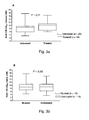
Figure 3 illustrates a comparison of the cytotoxic effect of a compound of formula I (SJG-136) on treated versus untreated and VH gene mutated versus unmutated B-CLL cells.Figure 3a shows the mean LD50 values calculated from the dose-response curves derived from a flow cytometric apoptosis assay indicating drug sensitivity between previously treated and untreated B-CLL cells.Figure 3b shows the cytotoxicity of SJG-136 in B-CLL samples derived from patients with mutated or unmutated immunoglobulin VH genes. -
Figure 4 shows a comparison of the cytotoxicity of the compound of formula I (SJG-136) in B-CLL cells and normal lymphocytes. Cytotoxicity was compared using LD50 values (± SD) derived from in vitro cultures of malignant B-cells and T-cells derived from B-CLL samples and the B- and T-lymphocyte sub-sets from normal age-matched control samples. -
Figures 5a and 5b show comparisons of the cytotoxicity of chlorambucil and fludarabine respectively in B-CLL cells and normal lymphocytes. Cytotoxicity was compared using LD50 values (± SD) derived from in vitro cultures of malignant B-cells and T-cells derived from B-CLL samples and the B- and T-lymphocyte sub-sets from normal age-matched control samples. - As described above, the present invention relates to a compound of formula I, or a pharmaceutically acceptable salt or solvate thereof for use,in a method of therapy of B-CLL. It is preferred that the compound of formula I is administered in the form of a pharmaceutical composition.
- The term "therapeutically effective amount" is an amount sufficient to show benefit to a patient. Such benefit may be at least amelioration of at least one symptom. The actual amount administered, and rate and time-course of administration, will depend on the nature and severity of what is being treated. Prescription of treatment, e.g. decisions on dosage, is within the responsibility of medical doctors.
- A compound may be administered alone or in combination with other treatments, either simultaneously or sequentially dependent upon the condition to be treated. Examples of treatments and therapies include, but are not limited to, chemotherapy (the administration of active agents, including, e.g. drugs); surgery; and radiation therapy.
- Pharmaceutical compositions according to the present invention, and for use in accordance with the present invention, may comprise, in addition to the active ingredient, i.e. a compound of formula I, a pharmaceutically acceptable excipient, carrier, buffer, stabiliser or other materials well known to those skilled in the art. Such materials should be non-toxic and should not interfere with the efficacy of the active ingredient. The precise nature of the carrier or other material will depend on the route of administration, which may be oral, or by injection, e.g. cutaneous, subcutaneous, or intravenous.
- pharmaceutical compositions for oral administration may be in tablet, capsule, powder or liquid form. A tablet may comprise a solid carrier or an adjuvant. Liquid pharmaceutical compositions generally comprise a liquid carrier such as water, petroleum, animal or vegetable oils, mineral oil or synthetic oil. Physiological saline solution, dextrose or other saccharide solution or glycols such as ethylene glycol, propylene glycol or polyethylene glycol may be included. A capsule may comprise a solid carrier such a gelatin.
- For intravenous, cutaneous or subcutaneous injection, or injection at the site of affliction, the active ingredient will be in the form of a parenterally acceptable aqueous solution which is pyrogen-free and has suitable pH, isotonicity and stability. Those of relevant skill in the art are well able to prepare suitable solutions using, for example, isotonic vehicles such as Sodium Chloride Injection, Ringer's Injection, Lactated Ringer's Injection. Preservatives, stabilisers, buffers, antioxidants and/or other additives may be included, as required.
- In pharmaceutical compositions of the present invention which comprise a compound of formula I and a solvent, the compound of formula I may preferably be present in its carbinolamine or carbinolamine ether form.
- It may be convenient or desirable to prepare, purify, and/or handle a corresponding salt of the active compound, for example, a pharmaceutically-acceptable salt. Examples of pharmaceutically acceptable salts are discussed in Berge, et al., J. Pharm. Sci., 66, 1-19 (1977).
- For example, if the compound is anionic, or has a functional group which may be anionic (e.g. -COOH may be -COO-), then a salt may be formed with a suitable cation. Examples of suitable inorganic cations include, alkali metal ions such as Na+ and K+, alkaline earth cations such as Ca2+ and Mg2+, and other cations such as Al+3. Examples of suitable organic cations include, ammonium ion (i.e. NH4 +) and substituted ammonium ions (e.g. NH3R+, NH2R2 +, NHR3 +, NR4 +). Examples of some suitable substituted ammonium ions are those derived from: ethylamine, diethylamine, dicyclohexylamine, triethylamine, butylamine, ethylenediamine, ethanolamine, diethanolamine, piperazine, benzylamine, phenylbenzylamine, choline, meglumine, and tromethamine, as well as amino acids, such as lysine and arginine. An example of a common quaternary ammonium ion is N(CH3)4 +.
- If the compound is cationic, or has a functional group which may be cationic (e.g. -NH2 may be -NH3 +), then a salt may be formed with a suitable anion. Examples of suitable inorganic anions include, those derived from the following inorganic acids: hydrochloric, hydrobromic, hydroiodic, sulfuric, sulfurous, nitric, nitrous, phosphoric, and phosphorous.
- Examples of suitable organic anions include, those derived from the following organic acids: 2-acetyoxybenzoic, acetic, ascorbic, aspartic, benzoic, camphorsulfonic, cinnamic, citric, edetic, ethanedisulfonic, ethanesulfonic, fumaric, glucoheptonic, gluconic, glutamic, glycolic, hydroxymaleic, hydroxynaphthalene carboxylic, isethionic, lactic, lactobionic, lauric, maleic, malic, methanesulfonic, mucic, oleic, oxalic, palmitic, pamoic, pantothenic, phenylacetic, phenylsulfonic, propionic, pyruvic, salicylic, stearic, succinic, sulfanilic, tartaric, toluenesulfonic, and valeric. Examples of suitable polymeric organic anions include, those derived from the following polymeric acids: tannic acid, carboxymethyl cellulose.
- It may be convenient or desirable to prepare, purify, and/or handle a corresponding solvate of the active compound. The term "solvate" is used herein in the conventional sense to refer to a complex of solute (e.g. active compound, salt of active compound) and solvent. If the solvent is water, the solvate may be conveniently referred to as a hydrate, for example, a mono-hydrate, a di-hydrate, a trihydrate, etc.
- Solvates of particular relevance to the present invention are those where the solvent adds across the imine bond of the PBD moiety, which is illustrated below where the solvent is water or an alcohol (RBOH, where RB is an ether substituent as described above e.g. MeOH):

- In general any nucleophilic solvent is capable of forming such solvates as illustrated above for hydoxylic solvents. Other nucleophilic solvents include thiols and amines.
- These solvates may be isolated in solid form, for example, by lyophilisation.
- The compound of formula I may be in a solvate form, for example with water or an alcohol, such as methanol, added across the imine bond:

-

- SJG-136 is a pyrrolobenzodiazepine (PBD) dimer according to formula I that is a sequence-selective DNA interstrand cross-linking agent. It comprises two PBD monomeric units 3,4 joined through their C8-positions via a propyldioxy linker, with each PBD C-ring containing a C2-exo-methylene functionality.5,6 The molecule has been shown to interact in the minor groove of DNA, spanning a total of six base pairs and alkylating the N2-positions of guanine bases situated on opposite strands of the DNA but separated by two base pairs. NMR, molecular modeling and gel electrophoresis-based studies on SJG-136 and related analogues suggest that it prefers to bind to Pu-GATC-Py sequences (Pu = purine; Py = pyrimidine), a feature that can be explained by hydrogen bonding interactions between the drug and certain molecular features of the DNA bases.7-9 The SJG-136 adduct provides a high degree of stabilisation towards melting of the duplex DNA as evidenced by energy calculations and an observed 33.6°C increase in the thermal denaturation of calf thymus DNA after incubation for 18 hours at 37°C with SJG-136.10,11 An NCI COMPARE analysis has shown that, although SJG-136 compares in general terms with DNA-binding agents, it does not fit within any of the clusters of known agents, including anthramycin and bizelesin.12,13
- Two methods of synthesising SJG-136 are described in published
PCT application WO/0012508 - Peripheral blood samples from 34 patients with B-CLL (20 untreated and 14 treated) and 10 age-matched normal controls were obtained with the patients' informed consent. B-CLL was defined by clinical criteria as well as cellular morphology and the co-expression of CD19 and CD5 in lymphocytes simultaneously displaying restriction of light-chain rearrangement. Staging was based on the Binet classification system.14 None of the previously treated patients had received therapy for at least three months prior to this study. VH gene mutational status was determined for all 34 patients using the method described previously.15 The resulting PCR products were sequenced and were considered unmutated if they showed homology of 98% or higher with the closest germ line sequence. The clinical characteristics of the patient cohort are summarized in Table 1.
Table 1 No. of Cases 34 Mean age (years) 67 Sex (Male/Female) 21/13 Binet Stage (A/B/C) 17/4/13 Previous treatment (Untreated/Treated) 20/14 VH mutation (Mutated/Unmutated) 18/16 - Freshly isolated peripheral blood lymphocytes (1x10⁶ /ml) were cultured in Eagles medium (Invitrogen, Paisley, UK) supplemented with 100 units/ml penicillin, 100 µg/ml streptomycin and 10% fetal calf serum. Lymphocytes were incubated at 37°C in a humidified 5% carbon dioxide atmosphere in the presence of SJG-136 (10-10-10-7 M). Parallel experiments using chlorambucil (10-6-5x10⁻⁵ M) :


- The ability of SJG-136 to induce apoptotic cell death was investigated in the p53 non-expressing/mutant leukemic cell lines, K562 (chronic myelogenous leukemia) and MOLT-4 (T-cell acute lymphoblastic leukemia) containing a G>A mutation at codon 248 of the p53 gene. Cells were maintained in RPMI 1640 (Invitrogen) with 10% fetal calf serum, 100 units/ml penicillin, and 100 µg/ml streptomycin in a humidified atmosphere with 5% CO2. Cells were cultured for 48h in the presence or absence of SJG-136, chlorambucil or fludarabine at the concentrations given previously. Apoptosis was measured by Annexin V labeling (Dako, Ely, UK) and was quantified using flow cytometry.
- In this study changes in forward light scatter (FSC) and side light scatter (SSC) characteristics were used to quantify apoptotic and viable cell populations as described previously.16-18 Typically, lymphocytes show a reduction in FSC (a function of cytoplasmic shrinkage) and an increase in SSC (due to increased granularity) when they undergo apoptosis.19 The quantitation of apoptosis using an FSC/SSC gating strategy in conjunction with back gating of R-phycoerythrin cyanine 5 (RPE-cy5) labeled CD19+ (Dako) or R-phycoerythrin labeled CD3+ (Dako) lymphocytes allowed simultaneous acquisition of data in viable and apoptotic B-lymphocyte and T-lymphocyte sub-populations, respectively. All LD50 and LD90 values (the concentration of the relevant chemotheraputic agent required to kill 50% and 90% of cells respectively) were derived from the dose-response curves. Duplicate samples were assessed using fluorescein (FITC)-labeled Annexin V to confirm the presence of apoptotic cells in the cell cultures and to validate the FSC/SSC quantitation method.20
- B-CLL cells were incubated at 37°C in a humidified 5% carbon dioxide atmosphere in the presence of SJG-136 (10-10-10-7 M) or fludarabine (10-7-10-5 M) for 12, 24 and 48h. Cells were then harvested by centrifugation and labeled with CD19 RPE-cy5 conjugated antibody. Subsequently the cells were incubated for 1h at 37°C in the presence of the PhiPhiLux™ G1D2 substrate (Calbiochem, Nottingham, UK). The substrate contains two fluorophores separated by a quenching linker sequence that is cleaved by active caspase-3. Once cleaved the resulting products fluoresce green and can be quantified using flow cytometry. In additional experiments the caspase-8 inhibitor, Z-IETD-FMK, or the caspase-9 inhibitor, Z-LEHD-FMK, (Cambridge Bioscience, Cambridge, UK) were added to SJG-136-treated cell cultures (
final concentration 2 µM) in order to determine whether either of these inhibitors was able to abrogate the apoptotic effects of SJG-136 in B-CLL cells. The activation of caspase-3 was partially abrogated by the addition of the caspase-9 inhibitor, Z-LEHD-FMK, but not by the caspase-8 inhibitor, Z-IETD.FMK, indicating that SJG-136-induced apoptosis is predominantly mediated through the intrinsic apoptotic pathway. - The data obtained in these experiments were evaluated using the equal variance and paired Student's t-test, and correlation coefficients were calculated from least squares linear regression plots. LD50 values were calculated from line of best-fit analysis of the dose response curves. All statistical analyses were performed using Graphpad Prism 3.0 software (Graphpad Software Inc., San Diego, CA).
- A flow cytometry-based in vitro apoptosis detection assay was used to determine whether SJG-136 could induce apoptotic cell death in B-CLL cells. The characteristic changes in the forward and side light scatter resulting from cellular shrinkage described previously were used to define apoptosis.19 In addition, Annexin V labeling was also performed in order to verify the light scatter data. Apoptosis was induced in all 34 patient samples following exposure to SJG-136 with a mean LD50 value (±SD) of 9.06 nM (± 3.2 nM) and a mean LD90 value (±SD) of 43.09 nM (± 26.1 nM) (
Fig. 2a and 2b respectively). There was no significant difference in the LD50 values between the treated and untreated patient groups (Fig. 3a ). Similarly, there was no significant difference in LD50 values when the patient cohort was analyzed according to mutational status (Fig. 3b ). Furthermore, two of the patients in the treated patient group had a known p53 mutation and showed a high degree of in vitro resistance to fludarabine but demonstrated similar sensitivity to SJG-136 when compared with the remaining patient samples. - B- and T-lymphocytes from 10 healthy normal control patients were assessed for their sensitivity to SJG-136-induced apoptosis. In addition, the T-lymphocytes from 12 B-CLL patients from the untreated patient group, described in the protocol above, whose T-lymphocyte population was greater than 5% of the total lymphocyte population were also analyzed in order to determine whether SJG-136 had differential cytotoxic effects on the various lymphocyte subpopulations.
- The T-cells from the B-CLL samples showed consistently higher LD50 values than their corresponding malignant B-cell clones (P = 0.0006; paired t-test). In addition, the healthy normal control B-and T-lymphocytes demonstrated higher LD50 values than the B-CLL cells (P < 0.0001 and P < 0.0001 respectively). The relative sensitivities of the various lymphocyte populations to SJG-136 are illustrated in
Fig. 4 . - Comparative example 1: Differential cytotoxicity of fludarabine and chloambucil in B- and T-cells from normal and from B-CLL patients. The sensitivity of normal B- and T- cells and B- and T- cells from B-CLL patients were assessed for their sensitivity to current chemotherapeutic agents fludarabine and chlorambucil using the same methods as in example 2. The LD50 values for chlorambucil and fludarabine are shown in
figs 5a and 5b respectively. - From
figs 5a and 5b , it is clear that the mean LD50 values for both chlorambucil and fludarabine are lower in normal B- and T- cells than in corresponding B- and T- cells from B-CLL patients i.e. normal cells are killed more easily by these agents than are B-CLL cells. - Comparison of
figs 5a and 5b with fig. 6 clearly shows the differential killing of malignant cells over normal cells by SJG-136. -
- 1. Ries, L.A.G., Miller, B.A., Hankey, B.F., Eisner, M.P., Mariotto, A., Fay, M.P., Feuer, E.J., and Edwards, B.K. SEER cancer statistics review, 1972-1991: tables and graphs., pp 94-2789, National Cancer Institute Publication, NIH Bethesda, MD, 1994.
- 2. Lee, J.S., Dixon, D.O., Kantarjian, H.M., Keating, M.J., and Talpaz, M. Prognosis in chronic lymphocytic leukemia: a multivariate regression analysis of 325 untreated patients. Blood. 69: 929-936, 1987.
- 3. Thurston, D. E. Advances in the Study of Pyrrolo[2,1-c] [1,4]benzodiazepine (PBD) Antitumour Antibiotics. Molecular Aspects of Anticancer Drug-DNA Interactions; pp 54-88, The Macmillan Press Ltd., London, UK: London, 1993.
- 4. Thurston, D. E. Nucleic Acid Targeting: Therapeutic Strategies for the 21st Century. Br J Cancer, 80: 65-85, 1999.
- 5. Gregson, S. J., Howard, P. W., Hartley, J. A., Brooks, N. A., Adams, L. J., Jenkins, T.C., Kelland, L.R., Thurston, D.E. Design, synthesis, and evaluation of a novel pyrrolobenzodiazepine DNA-interactive agent with highly efficient cross-linking ability and potent cytotoxicity. J Med Chem., 44: 737-748, 2001.
- 6. Gregson, S. J., Howard, P. W., Jenkins, T. C., Kelland, L. R., and Thurston, D. E. Synthesis of a novel C2/C2 '-Exo unsaturated pyrrolobenzodiazepine cross-linking agent with remarkable DNA binding affinity and cytotoxicity. J Chem Soc Chem Commun., 797-798, 1999.
- 7. Mountzouris, J. A., Wang, J. J., Thurston, D., and Hurley, L. H. Comparison of a DSB-120 DNA Interstrand Cross-Linked Adduct with the Corresponding Bis-Tomaymycin Adduct - an Example of a Successful Template-Directed Approach to Drug Design Based Upon the Monoalkylating Compound Tomaymycin. J Med Chem., 37: 3132-3140, 1994.
- 8. Jenkins, T. C., Hurley, L. H., Neidle, S., and Thurston, D. E. Structure of a Covalent DNA Minor-Groove Adduct With a Pyrrolobenzodiazepine Dimer - Evidence For Sequence-Specific Interstrand Cross-Linking. J Med Chem., 37: 4529-4537, 1994.
- 9. Smellie, M., Bose, D. S., Thompson, A. S., Jenkins, T. C., Hartley, J. A., and Thurston, D.E. Sequence-Selective Recognition of Duplex DNA Through Covalent Interstrand Cross-Linking: Kinetic and Molecular Modeling Studies With Pyrrolobenzodiazepine Dimers. Biochem., 42: 8232-8239, 2003.
- 10. Adams, L. J.; Jenkins, T. C.; Banting, L.; Thurston, D. E. Molecular Modelling of a Sequence-Specific DNA-Binding Agent Based on the Pyrrolo[2,1-c][1,4]benzodiazepines. Pharmacy & ..
- 11. Gregson, S. J., Howard, P. W., Gullick, D. R., Hamaguchi, A., Corcoran, K. E. et al. Linker Length Modulates DNA Cross-Linking Reactivity and Potency for Ether-Linked C2-Exo-Unsaturated Pyrrolo[2,1-c][1,4]benzodiazepine (PBD) Dimers. J Med Chem., (In Press) 2003.
- 12. Alley, M. C., Hollingshead, M. G., Pacula-Cox, C. M., Waud, W. R., Hartley, J. A., Howard, P.W., Gregson, S.J., Thurston, D.E., and Sausville, E.A. SJG-136 (NSC 694501) A Novel Rationally Designed DNA Minor Groove Interstrand Cross-Linking Agent With Potent and Broad Spectrum Antitumour Activity. Part 2: Efficacy Evaluations. Cancer Res., (In Revision) 2003.
- 13. Hartley, J. A., Spanswick, V. J., Brooks, N., Clingen, P. H., McHugh, P. J., Hochhauser, D., Pedley, R.B., Kelland, L.R., Alley, M.C., Schultz, R., Hollingshead, M.G., Sausville, E.A., Gregson, S.J., Howard, P.W., and Thurston, D.E. SJG-136 (NSC 694501) A Novel Rationally Designed DNA Minor Groove Interstrand Cross-Linking Agent With Potent and Broad Spectrum Antitumour Activity. Part 1: Cellular Pharmacology, In Vitro and Initial In Vivo Antitumor Activity. Cancer Res., (In Revision) 2003.
- 14. Binet, J.L., Auquier, A., Dighiero, G., Chastang, C., Piguet, H., Goasguen, J., Vaugier, G., Potron, G., Colona, P., Oberling, F., Thomas, M., Tchernia, G., Jacquillat, C., and Boivin, P. A new prognostic classification of chronic lymphocytic leukemia derived from a multivariate survival analysis. Cancer, 48: 198-206, 1981.
- 15. Starczynski, J., Pepper, C., Pratt, G., Hooper, L., Thomas, A., Hoy, T., Milligan, D., Bentley, P., and Fegan, C. The P2X7 receptor gene polymorphism 1513A→C has no effect on clinical prognostic markers, in vitro sensitivity to fludarabine, Bcl-2 family protein expression or survival in B-cell chronic lymphocytic leukaemia. Br J Haematol., 122: 66-71, 2003.
- 16. Pepper, C., Thomas, A., Hoy, T., and Bentley, P. Chlorambucil resistance in B-cell chronic lymphocytic leukemia is mediated through failed Bax induction and selection of high Bcl-2-expressing subclones. Br J Haematol., 104: 581-588, 1999.
- 17. Pepper, C., Hooper, K., Thomas, A., Hoy, T., and Bentley, P. Bcl-2 antisense oligonucleotides enhance the cytotoxicity of Chlorambucil in B-cell chronic lymphocytic leukemia cells. Leuk Lymphoma. 42: 491-498, 2001.
- 18. Pepper C, Thomas A, Hoy T. et al. The vitamin D3 analog, EB1089, induces apoptosis via a p53-independent mechanism involving p38 MAP kinase activation and suppression of ERK activity in B-cell chronic lymphocytic leukemia cells in vitro. Blood. 101: 2454-2460, 2003.
- 19. Ferlini, C., Di Cesare, S., Rainaldi, G., Malorni, W., Samoggia, P., Biselli, R., and Fattorossi, A. Flow cytometric analysis of the early phases of apoptosis by cellular and nuclear techniques. Cytometry, 24: 106-115, 1996.
- 20. Vermes, I., Haanen, C., Steffens-Nakken, H., and Reutelingsperger, C. A novel assay for apoptosis: flow cytometric detection of phosphatidylserine expression on early apoptotic cells using fluorescein labeled Annexin V. J Immunol Methods. 184: 39-51, 1995.
Claims (4)
- Use of a compound in the manufacture of a medicament for the treatment of B-cell chronic lymphocytic leukaemia (B-CLL), wherein it is desired to selectively kill malignant B-cells, wherein the compound has the formula I:

- A compound of formula I:

- The use according to claim 1, wherein the compound or pharmaceutically acceptable salt or solvate thereof shows a higher cytotoxicity towards malignant B-cell chronic lymphocytic leukaemia cells than towards normal B-cells.
- A compound for use according to claim 2, wherein the compound or pharmaceutically acceptable salt or solvate thereof shows a higher cytotoxicity towards malignant B-cell chronic lymphocytic leukaemia cells than towards normal B-cells.
Applications Claiming Priority (2)
| Application Number | Priority Date | Filing Date | Title |
|---|---|---|---|
| GBGB0410725.6A GB0410725D0 (en) | 2004-05-13 | 2004-05-13 | Pyrrolobenzodiazepine therapeutic agents |
| PCT/GB2005/001881 WO2005110423A2 (en) | 2004-05-13 | 2005-05-13 | Pyrrolobenzodiazepine therapeutic agents useful in the treatment of leukaemias |
Publications (2)
| Publication Number | Publication Date |
|---|---|
| EP1755612A2 EP1755612A2 (en) | 2007-02-28 |
| EP1755612B1 true EP1755612B1 (en) | 2013-08-21 |
Family
ID=32527005
Family Applications (1)
| Application Number | Title | Priority Date | Filing Date |
|---|---|---|---|
| EP05744802.9A Expired - Lifetime EP1755612B1 (en) | 2004-05-13 | 2005-05-13 | Pyrrolobenzodiazepine therapeutic agents useful in the treatment of leukaemias |
Country Status (4)
| Country | Link |
|---|---|
| US (1) | US20080090812A1 (en) |
| EP (1) | EP1755612B1 (en) |
| GB (1) | GB0410725D0 (en) |
| WO (1) | WO2005110423A2 (en) |
Families Citing this family (75)
| Publication number | Priority date | Publication date | Assignee | Title |
|---|---|---|---|---|
| GB9818730D0 (en) * | 1998-08-27 | 1998-10-21 | Univ Portsmouth | Collections of compounds |
| CA2558195C (en) * | 2004-03-01 | 2012-11-06 | Spirogen Limited | 11-hydroxy-5h-pyrrolo[2,1-c][1,4]benzodiazepin-5-one derivatives as key intermediates for the preparation of c2 substituted pyrrolobenzodiazepines |
| GB0404574D0 (en) * | 2004-03-01 | 2004-04-07 | Spirogen Ltd | Amino acids |
| GB0404577D0 (en) | 2004-03-01 | 2004-04-07 | Spirogen Ltd | Pyrrolobenzodiazepines |
| EP1723152B1 (en) | 2004-03-09 | 2015-02-11 | Spirogen Sàrl | Pyrrolobenzodiazepines |
| US20100173864A1 (en) | 2004-03-29 | 2010-07-08 | Cheng Jin Q | Compositions including triciribine and one or more platinum compounds and methods of use thereof |
| US20100009929A1 (en) | 2004-03-29 | 2010-01-14 | Cheng Jin Q | Compositions including triciribine and bortezomib and derivatives thereof and methods of use thereof |
| EP1879901B1 (en) * | 2005-04-21 | 2009-12-23 | Spirogen Limited | Pyrrolobenzodiazepines |
| ATE427949T1 (en) * | 2005-10-05 | 2009-04-15 | Spirogen Ltd | 4-A4-(5-OXO-2,3,5,11A-TETRAHYDRO-5H-PYRROLO A2, 1-CUA1,4UBENZODIAZEPINE-8-YLOXY)-BUTYRYLAMINOU-1 - PYRROLE-2-CARBONATE ALKYL ESTER DERIVATIVES AND RELATED COMPOUND FOR THE TREATMENT OF A PROLIFERATIVE DISEASE |
| ATE527262T1 (en) * | 2006-01-25 | 2011-10-15 | Sanofi Sa | NEW CYTOTOXIC AGENTS CONTAINING TOMAYMYCIN DERIVATIVES |
| SI2019104T1 (en) * | 2007-07-19 | 2013-12-31 | Sanofi | Cytotoxic agents comprising new tomaymycin derivatives and their therapeutic use |
| GB0813432D0 (en) * | 2008-07-22 | 2008-08-27 | Spirogen Ltd | Pyrrolobenzodiazepines |
| GB0819095D0 (en) | 2008-10-17 | 2008-11-26 | Spirogen Ltd | Pyrrolobenzodiazepines |
| CN102365021B (en) | 2009-02-05 | 2015-07-15 | 伊缪诺金公司 | Novel benzodiazepine derivatives |
| GB201006340D0 (en) | 2010-04-15 | 2010-06-02 | Spirogen Ltd | Synthesis method and intermediates |
| ES2623057T3 (en) * | 2010-04-15 | 2017-07-10 | Medimmune Limited | Pyrrolobenzodiazepines used to treat proliferative diseases |
| JP5870400B2 (en) | 2010-04-15 | 2016-03-01 | シアトル ジェネティクス,インコーポレーテッド | Targeted pyrrolobenzodiazepine conjugates |
| EP3763740A1 (en) | 2011-01-26 | 2021-01-13 | Celldex Therapeutics, Inc. | Anti-kit antibodies and uses thereof |
| KR20140010076A (en) | 2011-02-15 | 2014-01-23 | 이뮤노젠 아이엔씨 | Cytotoxic benzodiazepine derivatives |
| SG11201400770SA (en) * | 2011-09-20 | 2014-04-28 | Spirogen Sarl | Pyrrolobenzodiazepines as unsymmetrical dimeric pbd compounds for inclusion in targeted conjugates |
| SG11201401021TA (en) * | 2011-10-14 | 2014-08-28 | Spirogen Sarl | Pyrrolobenzodiazepines |
| US9102704B2 (en) | 2011-10-14 | 2015-08-11 | Spirogen Sarl | Synthesis method and intermediates useful in the preparation of pyrrolobenzodiazepines |
| MX358757B (en) | 2011-10-14 | 2018-09-03 | Seattle Genetics Inc | Pyrrolobenzodiazepines and targeted conjugates. |
| US9526798B2 (en) | 2011-10-14 | 2016-12-27 | Seattle Genetics, Inc. | Pyrrolobenzodiazepines and targeted conjugates |
| CN103998449A (en) * | 2011-10-14 | 2014-08-20 | 斯皮罗根有限公司 | Pyrrolobenzodiazepines |
| IN2014MN02092A (en) | 2012-04-30 | 2015-09-04 | Spirogen Sarl | |
| EP2855481A1 (en) | 2012-04-30 | 2015-04-08 | UCL Business PLC | Pyrrolobenzodiazepines |
| CN104812775B (en) | 2012-07-25 | 2019-05-03 | 塞尔德克斯医疗公司 | Anti-KIT antibodies and their uses |
| ES2649990T3 (en) | 2012-10-12 | 2018-01-16 | Medimmune Limited | Anti-CD22-pyrrolobenzodiazepine antibody conjugates |
| WO2014057114A1 (en) | 2012-10-12 | 2014-04-17 | Adc Therapeutics Sàrl | Pyrrolobenzodiazepine-anti-psma antibody conjugates |
| US9931414B2 (en) | 2012-10-12 | 2018-04-03 | Medimmune Limited | Pyrrolobenzodiazepine-antibody conjugates |
| EP2906296B1 (en) | 2012-10-12 | 2018-03-21 | ADC Therapeutics SA | Pyrrolobenzodiazepine-antibody conjugates |
| US9745303B2 (en) | 2012-10-12 | 2017-08-29 | Medimmune Limited | Synthesis and intermediates of pyrrolobenzodiazepine derivatives for conjugation |
| NZ707486A (en) | 2012-10-12 | 2018-09-28 | Adc Therapeutics Sa | Pyrrolobenzodiazepine - anti-psma antibody conjugates |
| WO2014057120A1 (en) | 2012-10-12 | 2014-04-17 | Adc Therapeutics Sàrl | Pyrrolobenzodiazepine-antibody conjugates |
| BR112015008251B1 (en) | 2012-10-12 | 2023-09-26 | Medimmune Limited | PYRROLOBENZODIAZEPINES, CONJUGATES THEREOF, COMPOSITION AND PHARMACEUTICAL COMPOSITION COMPRISING THE CONJUGATES, USE OF THE CONJUGATES FOR THE TREATMENT OF A PROLIFERATIVE DISEASE AND METHOD FOR PREPARING THE CONJUGATES |
| ES2738310T3 (en) | 2012-10-12 | 2020-01-21 | Medimmune Ltd | Pyrrolobenzodiazepines and conjugates thereof |
| BR112015014669B1 (en) | 2012-12-21 | 2023-09-26 | Medimmune Limited | PYRROLOBENZODIAZEPINE COMPOUNDS, CONJUGATES COMPRISING THE SAME AND USE THEREOF TO TREAT A PROLIFERATIVE DISEASE |
| HK1216176A1 (en) | 2012-12-21 | 2016-10-21 | Medlmmune Limited | Unsymmetrical pyrrolobenzodiazepines-dimers for use in the treatment of proliferative and autoimmune diseases |
| AU2014244245C1 (en) | 2013-03-13 | 2018-04-19 | Genentech, Inc. | Pyrrolobenzodiazepines and conjugates thereof |
| CN105142674B (en) | 2013-03-13 | 2018-11-13 | 麦迪穆有限责任公司 | Pyrrolobenzodiazepines and their conjugates |
| EP3054983B1 (en) | 2013-10-11 | 2019-03-20 | Medimmune Limited | Pyrrolobenzodiazepine-antibody conjugates |
| EP3054985B1 (en) | 2013-10-11 | 2018-12-26 | Medimmune Limited | Pyrrolobenzodiazepine-antibody conjugates |
| EP3054986B1 (en) | 2013-10-11 | 2019-03-20 | Medimmune Limited | Pyrrolobenzodiazepine-antibody conjugates |
| GB201317982D0 (en) | 2013-10-11 | 2013-11-27 | Spirogen Sarl | Pyrrolobenzodiazepines and conjugates thereof |
| GB201317981D0 (en) | 2013-10-11 | 2013-11-27 | Spirogen Sarl | Pyrrolobenzodiazepines and conjugates thereof |
| SG11201608192SA (en) | 2014-04-11 | 2016-10-28 | Medimmune Llc | Bispecific her2 antibodies |
| GB201409653D0 (en) * | 2014-05-30 | 2014-07-16 | Stell Dr Anneliese | Pyrrolobenzodiazepine therapeutic agents |
| GB201416112D0 (en) | 2014-09-12 | 2014-10-29 | Medimmune Ltd | Pyrrolobenzodiazepines and conjugates thereof |
| US20170304460A1 (en) | 2014-10-01 | 2017-10-26 | Medimmune, Llc | Method of conjugating a polypeptide |
| EP3223854A1 (en) | 2014-11-25 | 2017-10-04 | ADC Therapeutics SA | Pyrrolobenzodiazepine-antibody conjugates |
| US9504694B2 (en) | 2015-03-19 | 2016-11-29 | Cellerant Therapeutics, Inc. | Isoquinolidinobenzodiazepines |
| GB201506402D0 (en) | 2015-04-15 | 2015-05-27 | Berkel Patricius H C Van And Howard Philip W | Site-specific antibody-drug conjugates |
| GB201506411D0 (en) | 2015-04-15 | 2015-05-27 | Bergenbio As | Humanized anti-axl antibodies |
| SMT202000004T1 (en) | 2015-07-21 | 2020-03-13 | Immunogen Inc | Methods of preparing cytotoxic benzodiazepine derivatives |
| GB201601431D0 (en) * | 2016-01-26 | 2016-03-09 | Medimmune Ltd | Pyrrolobenzodiazepines |
| US11414477B2 (en) | 2016-01-27 | 2022-08-16 | Medimmune, Llc | Methods for preparing antibodies with a defined glycosylation pattern |
| GB201602356D0 (en) | 2016-02-10 | 2016-03-23 | Medimmune Ltd | Pyrrolobenzodiazepine Conjugates |
| GB201602359D0 (en) | 2016-02-10 | 2016-03-23 | Medimmune Ltd | Pyrrolobenzodiazepine Conjugates |
| CA3020864A1 (en) | 2016-04-15 | 2017-10-19 | Macrogenics, Inc. | Novel b7-h3-binding molecules, antibody drug conjugates thereof and methods of use thereof |
| GB201607478D0 (en) | 2016-04-29 | 2016-06-15 | Medimmune Ltd | Pyrrolobenzodiazepine Conjugates |
| GB201617466D0 (en) | 2016-10-14 | 2016-11-30 | Medimmune Ltd | Pyrrolobenzodiazepine conjugates |
| US11160872B2 (en) | 2017-02-08 | 2021-11-02 | Adc Therapeutics Sa | Pyrrolobenzodiazepine-antibody conjugates |
| GB201702031D0 (en) | 2017-02-08 | 2017-03-22 | Medlmmune Ltd | Pyrrolobenzodiazepine-antibody conjugates |
| EP3612537B1 (en) | 2017-04-18 | 2022-07-13 | Medimmune Limited | Pyrrolobenzodiazepine conjugates |
| CN110536703B (en) | 2017-04-20 | 2024-07-12 | Adc治疗有限公司 | Combination therapy using anti-AXL antibody-drug conjugates |
| AR111963A1 (en) | 2017-05-26 | 2019-09-04 | Univ California | METHOD AND MOLECULES |
| UA127900C2 (en) | 2017-06-14 | 2024-02-07 | Ейдісі Терапьютікс Са | Dosage regimes for the administration of an anti-cd19 adc |
| RS62928B1 (en) | 2017-08-18 | 2022-03-31 | Medimmune Ltd | Pyrrolobenzodiazepine conjugates |
| SG11202001430SA (en) | 2017-09-29 | 2020-04-29 | Daiichi Sankyo Co Ltd | Antibody-pyrrolobenzodiazepine derivative conjugate |
| GB201803342D0 (en) | 2018-03-01 | 2018-04-18 | Medimmune Ltd | Methods |
| GB201806022D0 (en) | 2018-04-12 | 2018-05-30 | Medimmune Ltd | Pyrrolobenzodiazepines and conjugates thereof |
| ES2967878T3 (en) | 2019-03-15 | 2024-05-06 | Medimmune Ltd | Azetidobenzodiazepine dimers and conjugates comprising them for use in the treatment of cancer |
| US11807685B2 (en) | 2021-08-05 | 2023-11-07 | The Uab Research Foundation | Anti-CD47 antibody and uses thereof |
| AU2023298568A1 (en) | 2022-06-30 | 2025-01-09 | Toray Industries, Inc. | Pharmaceutical composition for cancer treatment and/or prevention |
Citations (1)
| Publication number | Priority date | Publication date | Assignee | Title |
|---|---|---|---|---|
| WO2005105113A2 (en) * | 2004-04-27 | 2005-11-10 | Societe De Conseils De Recherches Et D'applications Scientifiques (S.C.R.A.S.) [S.A.S.] | Therapeutic compositions containing at least one pyrrolobenzodiazepine derivative and fludarabine |
Family Cites Families (16)
| Publication number | Priority date | Publication date | Assignee | Title |
|---|---|---|---|---|
| GB9205051D0 (en) * | 1992-03-09 | 1992-04-22 | Cancer Res Campaign Tech | Pyrrolobenzodiazepine derivatives,their preparation,and compositions containing them |
| GB9818730D0 (en) * | 1998-08-27 | 1998-10-21 | Univ Portsmouth | Collections of compounds |
| PT1109812E (en) * | 1998-08-27 | 2005-09-30 | Spirogen Ltd | PYRROLOBENZODIAZEPINAS |
| GB9818731D0 (en) * | 1998-08-27 | 1998-10-21 | Univ Portsmouth | Compounds |
| GB9818732D0 (en) * | 1998-08-27 | 1998-10-21 | Univ Portsmouth | Collection of compounds |
| US6909006B1 (en) * | 1999-08-27 | 2005-06-21 | Spirogen Limited | Cyclopropylindole derivatives |
| GB0226593D0 (en) * | 2002-11-14 | 2002-12-24 | Consultants Ltd | Compounds |
| GB0321295D0 (en) * | 2003-09-11 | 2003-10-15 | Spirogen Ltd | Synthesis of protected pyrrolobenzodiazepines |
| ATE516288T1 (en) * | 2003-10-22 | 2011-07-15 | Us Gov Health & Human Serv | PYRROLOBENZODIAZEPINE DERIVATIVES, COMPOSITIONS CONTAINING SAME AND RELATED METHODS |
| GB0404577D0 (en) * | 2004-03-01 | 2004-04-07 | Spirogen Ltd | Pyrrolobenzodiazepines |
| GB0404574D0 (en) * | 2004-03-01 | 2004-04-07 | Spirogen Ltd | Amino acids |
| CA2558195C (en) * | 2004-03-01 | 2012-11-06 | Spirogen Limited | 11-hydroxy-5h-pyrrolo[2,1-c][1,4]benzodiazepin-5-one derivatives as key intermediates for the preparation of c2 substituted pyrrolobenzodiazepines |
| GB0404578D0 (en) * | 2004-03-01 | 2004-04-07 | Spirogen Ltd | Pyrrolobenzodiazepines |
| EP1723152B1 (en) * | 2004-03-09 | 2015-02-11 | Spirogen Sàrl | Pyrrolobenzodiazepines |
| EP1879901B1 (en) * | 2005-04-21 | 2009-12-23 | Spirogen Limited | Pyrrolobenzodiazepines |
| ATE427949T1 (en) * | 2005-10-05 | 2009-04-15 | Spirogen Ltd | 4-A4-(5-OXO-2,3,5,11A-TETRAHYDRO-5H-PYRROLO A2, 1-CUA1,4UBENZODIAZEPINE-8-YLOXY)-BUTYRYLAMINOU-1 - PYRROLE-2-CARBONATE ALKYL ESTER DERIVATIVES AND RELATED COMPOUND FOR THE TREATMENT OF A PROLIFERATIVE DISEASE |
-
2004
- 2004-05-13 GB GBGB0410725.6A patent/GB0410725D0/en not_active Ceased
-
2005
- 2005-05-05 US US11/569,007 patent/US20080090812A1/en not_active Abandoned
- 2005-05-13 EP EP05744802.9A patent/EP1755612B1/en not_active Expired - Lifetime
- 2005-05-13 WO PCT/GB2005/001881 patent/WO2005110423A2/en not_active Ceased
Patent Citations (1)
| Publication number | Priority date | Publication date | Assignee | Title |
|---|---|---|---|---|
| WO2005105113A2 (en) * | 2004-04-27 | 2005-11-10 | Societe De Conseils De Recherches Et D'applications Scientifiques (S.C.R.A.S.) [S.A.S.] | Therapeutic compositions containing at least one pyrrolobenzodiazepine derivative and fludarabine |
Also Published As
| Publication number | Publication date |
|---|---|
| GB0410725D0 (en) | 2004-06-16 |
| WO2005110423A2 (en) | 2005-11-24 |
| WO2005110423A3 (en) | 2006-01-19 |
| US20080090812A1 (en) | 2008-04-17 |
| EP1755612A2 (en) | 2007-02-28 |
Similar Documents
| Publication | Publication Date | Title |
|---|---|---|
| US20080090812A1 (en) | Pyrrolobenzodiazepine Therapeutic Agents Useful in the Treatment of Leukemias | |
| ES2863996T3 (en) | Combination therapy for cancer treatment | |
| JP7671327B2 (en) | Combination therapy for the treatment of gastrointestinal stromal tumors | |
| JP5674780B2 (en) | SMAC mimic | |
| EP3229810B1 (en) | Phospholipid ether analogs as cancer-targeting drug vehicles | |
| EP3585389A1 (en) | Treatment of egfr-driven cancer with fewer side effects | |
| EP2512469B1 (en) | 3-(indolyl)-or 3-(azaindolyl)- 4-arylmaleimide derivatives for use in the treatment of colon and gastric adenocarzinoma | |
| JP2014528409A (en) | SMAC mimetic (birinapant) for use in the treatment of proliferative diseases (cancer) | |
| KR20170005125A (en) | Pharmaceutical combination comprising a class iii receptor tyrosine kinase inhibitor and the alkylating histone-deacetylase inhibitor fusion molecule edo-s101 together with its use in the treatment of cancer | |
| US20240325370A1 (en) | Therapeutic regimens of a degrader of brd9 | |
| JP2025138792A (en) | Phospholipid ether conjugates as cancer-targeted drug vehicles | |
| EP0835108B1 (en) | Use of lamellarin-class alkaloids in methods of treatment | |
| TW201922256A (en) | Methods for treating lymphoid malignancies | |
| KR20250067120A (en) | Cyclin-dependent kinase 2 inhibitors for medical treatment | |
| Fan et al. | SHC014748M, a novel selective inhi-bitor of PI3Kδ, demonstrates promising preclinical antitumor activity in B cell lymphomas and chronic lymphocytic leukemia | |
| NZ576849A (en) | Treatment of T-cell lymphoma using 10-propargyl-10-deazaaminopterin salts | |
| US20100226917A1 (en) | Methods for the treatment of hematologic malignancies | |
| EP3999056B1 (en) | Pharmaceutical combination and its use in the prevention and treatment of cancer | |
| US12576075B2 (en) | Combination therapies for treating cancer | |
| KR20140144215A (en) | Methods of treating cancer using aurora kinase inhibitors | |
| MacKenzie et al. | A phase I study of OSI-211 and cisplatin as intravenous infusions given on days 1, 2 and 3 every 3 weeks in patients with solid cancers | |
| US20060079508A1 (en) | Compositions and methods comprising farnesyl dibenzodiazepinones for treating neoplastic cells and conditions | |
| Cheson | New agents in follicular lymphoma | |
| CN104873502A (en) | Therapeutic combinations comprising (+)-1,4-dihydro-7-[(3S,4S)-3-methoxy-4-(methylamino)-1-pyrrolidinyl]-4-oxo-1-(2-thiazolyl)-1,8-naphthyridine-3-carboxylic acid fir treating cancer |
Legal Events
| Date | Code | Title | Description |
|---|---|---|---|
| PUAI | Public reference made under article 153(3) epc to a published international application that has entered the european phase |
Free format text: ORIGINAL CODE: 0009012 |
|
| 17P | Request for examination filed |
Effective date: 20061204 |
|
| AK | Designated contracting states |
Kind code of ref document: A2 Designated state(s): AT BE BG CH CY CZ DE DK EE ES FI FR GB GR HU IE IS IT LI LT LU MC NL PL PT RO SE SI SK TR |
|
| DAX | Request for extension of the european patent (deleted) | ||
| 17Q | First examination report despatched |
Effective date: 20071009 |
|
| RAP1 | Party data changed (applicant data changed or rights of an application transferred) |
Owner name: SPIROGEN SARL |
|
| GRAP | Despatch of communication of intention to grant a patent |
Free format text: ORIGINAL CODE: EPIDOSNIGR1 |
|
| INTG | Intention to grant announced |
Effective date: 20130411 |
|
| RIN1 | Information on inventor provided before grant (corrected) |
Inventor name: THURSTON, DAVID EDWIN Inventor name: PEPPER, CHRISTOPHER JOHN |
|
| GRAS | Grant fee paid |
Free format text: ORIGINAL CODE: EPIDOSNIGR3 |
|
| GRAA | (expected) grant |
Free format text: ORIGINAL CODE: 0009210 |
|
| AK | Designated contracting states |
Kind code of ref document: B1 Designated state(s): AT BE BG CH CY CZ DE DK EE ES FI FR GB GR HU IE IS IT LI LT LU MC NL PL PT RO SE SI SK TR |
|
| REG | Reference to a national code |
Ref country code: GB Ref legal event code: FG4D |
|
| REG | Reference to a national code |
Ref country code: DE Ref legal event code: R081 Ref document number: 602005040961 Country of ref document: DE Owner name: MEDIMMUNE LTD., GB Free format text: FORMER OWNER: SPIROGEN LTD., RYDE, ISLE OF WIGHT, GB |
|
| REG | Reference to a national code |
Ref country code: CH Ref legal event code: EP |
|
| REG | Reference to a national code |
Ref country code: AT Ref legal event code: REF Ref document number: 627641 Country of ref document: AT Kind code of ref document: T Effective date: 20130915 |
|
| REG | Reference to a national code |
Ref country code: IE Ref legal event code: FG4D |
|
| REG | Reference to a national code |
Ref country code: DE Ref legal event code: R096 Ref document number: 602005040961 Country of ref document: DE Effective date: 20131010 |
|
| REG | Reference to a national code |
Ref country code: NL Ref legal event code: T3 |
|
| REG | Reference to a national code |
Ref country code: AT Ref legal event code: MK05 Ref document number: 627641 Country of ref document: AT Kind code of ref document: T Effective date: 20130821 |
|
| REG | Reference to a national code |
Ref country code: LT Ref legal event code: MG4D |
|
| PG25 | Lapsed in a contracting state [announced via postgrant information from national office to epo] |
Ref country code: LT Free format text: LAPSE BECAUSE OF FAILURE TO SUBMIT A TRANSLATION OF THE DESCRIPTION OR TO PAY THE FEE WITHIN THE PRESCRIBED TIME-LIMIT Effective date: 20130821 Ref country code: SE Free format text: LAPSE BECAUSE OF FAILURE TO SUBMIT A TRANSLATION OF THE DESCRIPTION OR TO PAY THE FEE WITHIN THE PRESCRIBED TIME-LIMIT Effective date: 20130821 Ref country code: IS Free format text: LAPSE BECAUSE OF FAILURE TO SUBMIT A TRANSLATION OF THE DESCRIPTION OR TO PAY THE FEE WITHIN THE PRESCRIBED TIME-LIMIT Effective date: 20131221 Ref country code: AT Free format text: LAPSE BECAUSE OF FAILURE TO SUBMIT A TRANSLATION OF THE DESCRIPTION OR TO PAY THE FEE WITHIN THE PRESCRIBED TIME-LIMIT Effective date: 20130821 Ref country code: CY Free format text: LAPSE BECAUSE OF FAILURE TO SUBMIT A TRANSLATION OF THE DESCRIPTION OR TO PAY THE FEE WITHIN THE PRESCRIBED TIME-LIMIT Effective date: 20130717 Ref country code: PT Free format text: LAPSE BECAUSE OF FAILURE TO SUBMIT A TRANSLATION OF THE DESCRIPTION OR TO PAY THE FEE WITHIN THE PRESCRIBED TIME-LIMIT Effective date: 20131223 |
|
| PG25 | Lapsed in a contracting state [announced via postgrant information from national office to epo] |
Ref country code: FI Free format text: LAPSE BECAUSE OF FAILURE TO SUBMIT A TRANSLATION OF THE DESCRIPTION OR TO PAY THE FEE WITHIN THE PRESCRIBED TIME-LIMIT Effective date: 20130821 Ref country code: BE Free format text: LAPSE BECAUSE OF FAILURE TO SUBMIT A TRANSLATION OF THE DESCRIPTION OR TO PAY THE FEE WITHIN THE PRESCRIBED TIME-LIMIT Effective date: 20130821 Ref country code: GR Free format text: LAPSE BECAUSE OF FAILURE TO SUBMIT A TRANSLATION OF THE DESCRIPTION OR TO PAY THE FEE WITHIN THE PRESCRIBED TIME-LIMIT Effective date: 20131122 Ref country code: SI Free format text: LAPSE BECAUSE OF FAILURE TO SUBMIT A TRANSLATION OF THE DESCRIPTION OR TO PAY THE FEE WITHIN THE PRESCRIBED TIME-LIMIT Effective date: 20130821 Ref country code: PL Free format text: LAPSE BECAUSE OF FAILURE TO SUBMIT A TRANSLATION OF THE DESCRIPTION OR TO PAY THE FEE WITHIN THE PRESCRIBED TIME-LIMIT Effective date: 20130821 |
|
| PG25 | Lapsed in a contracting state [announced via postgrant information from national office to epo] |
Ref country code: CY Free format text: LAPSE BECAUSE OF FAILURE TO SUBMIT A TRANSLATION OF THE DESCRIPTION OR TO PAY THE FEE WITHIN THE PRESCRIBED TIME-LIMIT Effective date: 20130821 |
|
| PG25 | Lapsed in a contracting state [announced via postgrant information from national office to epo] |
Ref country code: DK Free format text: LAPSE BECAUSE OF FAILURE TO SUBMIT A TRANSLATION OF THE DESCRIPTION OR TO PAY THE FEE WITHIN THE PRESCRIBED TIME-LIMIT Effective date: 20130821 Ref country code: EE Free format text: LAPSE BECAUSE OF FAILURE TO SUBMIT A TRANSLATION OF THE DESCRIPTION OR TO PAY THE FEE WITHIN THE PRESCRIBED TIME-LIMIT Effective date: 20130821 Ref country code: RO Free format text: LAPSE BECAUSE OF FAILURE TO SUBMIT A TRANSLATION OF THE DESCRIPTION OR TO PAY THE FEE WITHIN THE PRESCRIBED TIME-LIMIT Effective date: 20130821 Ref country code: CZ Free format text: LAPSE BECAUSE OF FAILURE TO SUBMIT A TRANSLATION OF THE DESCRIPTION OR TO PAY THE FEE WITHIN THE PRESCRIBED TIME-LIMIT Effective date: 20130821 Ref country code: SK Free format text: LAPSE BECAUSE OF FAILURE TO SUBMIT A TRANSLATION OF THE DESCRIPTION OR TO PAY THE FEE WITHIN THE PRESCRIBED TIME-LIMIT Effective date: 20130821 |
|
| PG25 | Lapsed in a contracting state [announced via postgrant information from national office to epo] |
Ref country code: ES Free format text: LAPSE BECAUSE OF FAILURE TO SUBMIT A TRANSLATION OF THE DESCRIPTION OR TO PAY THE FEE WITHIN THE PRESCRIBED TIME-LIMIT Effective date: 20130821 |
|
| PLBE | No opposition filed within time limit |
Free format text: ORIGINAL CODE: 0009261 |
|
| STAA | Information on the status of an ep patent application or granted ep patent |
Free format text: STATUS: NO OPPOSITION FILED WITHIN TIME LIMIT |
|
| 26N | No opposition filed |
Effective date: 20140522 |
|
| REG | Reference to a national code |
Ref country code: DE Ref legal event code: R097 Ref document number: 602005040961 Country of ref document: DE Effective date: 20140522 |
|
| PG25 | Lapsed in a contracting state [announced via postgrant information from national office to epo] |
Ref country code: MC Free format text: LAPSE BECAUSE OF FAILURE TO SUBMIT A TRANSLATION OF THE DESCRIPTION OR TO PAY THE FEE WITHIN THE PRESCRIBED TIME-LIMIT Effective date: 20130821 |
|
| REG | Reference to a national code |
Ref country code: FR Ref legal event code: PLFP Year of fee payment: 11 |
|
| REG | Reference to a national code |
Ref country code: GB Ref legal event code: 732E Free format text: REGISTERED BETWEEN 20150827 AND 20150902 |
|
| REG | Reference to a national code |
Ref country code: CH Ref legal event code: PUE Owner name: MEDIMMUNE LIMITED, GB Free format text: FORMER OWNER: SPIROGEN SARL, CH |
|
| REG | Reference to a national code |
Ref country code: DE Ref legal event code: R082 Ref document number: 602005040961 Country of ref document: DE Representative=s name: LEINWEBER & ZIMMERMANN, DE Ref country code: DE Ref legal event code: R081 Ref document number: 602005040961 Country of ref document: DE Owner name: MEDIMMUNE LTD., GB Free format text: FORMER OWNER: SPIROGEN SARL, ST-LEGIER-LA CHIESAZ, CH |
|
| REG | Reference to a national code |
Ref country code: FR Ref legal event code: CA Effective date: 20160114 Ref country code: FR Ref legal event code: TP Owner name: MEDIMMUNE LIMITED, GB Effective date: 20160114 |
|
| REG | Reference to a national code |
Ref country code: NL Ref legal event code: PD Owner name: MEDIMMUNE LLIMITED; GB Free format text: DETAILS ASSIGNMENT: VERANDERING VAN EIGENAAR(S), OVERDRACHT; FORMER OWNER NAME: SPIROGEN SARL Effective date: 20160108 |
|
| REG | Reference to a national code |
Ref country code: FR Ref legal event code: PLFP Year of fee payment: 12 |
|
| PG25 | Lapsed in a contracting state [announced via postgrant information from national office to epo] |
Ref country code: BG Free format text: LAPSE BECAUSE OF FAILURE TO SUBMIT A TRANSLATION OF THE DESCRIPTION OR TO PAY THE FEE WITHIN THE PRESCRIBED TIME-LIMIT Effective date: 20130821 |
|
| PG25 | Lapsed in a contracting state [announced via postgrant information from national office to epo] |
Ref country code: TR Free format text: LAPSE BECAUSE OF FAILURE TO SUBMIT A TRANSLATION OF THE DESCRIPTION OR TO PAY THE FEE WITHIN THE PRESCRIBED TIME-LIMIT Effective date: 20130821 Ref country code: HU Free format text: LAPSE BECAUSE OF FAILURE TO SUBMIT A TRANSLATION OF THE DESCRIPTION OR TO PAY THE FEE WITHIN THE PRESCRIBED TIME-LIMIT; INVALID AB INITIO Effective date: 20050513 |
|
| REG | Reference to a national code |
Ref country code: FR Ref legal event code: PLFP Year of fee payment: 13 |
|
| REG | Reference to a national code |
Ref country code: FR Ref legal event code: PLFP Year of fee payment: 14 |
|
| PGFP | Annual fee paid to national office [announced via postgrant information from national office to epo] |
Ref country code: CH Payment date: 20200531 Year of fee payment: 16 Ref country code: DE Payment date: 20200529 Year of fee payment: 16 Ref country code: FR Payment date: 20200531 Year of fee payment: 16 Ref country code: IE Payment date: 20200601 Year of fee payment: 16 Ref country code: LU Payment date: 20200531 Year of fee payment: 16 |
|
| PGFP | Annual fee paid to national office [announced via postgrant information from national office to epo] |
Ref country code: GB Payment date: 20200520 Year of fee payment: 16 Ref country code: IT Payment date: 20200529 Year of fee payment: 16 Ref country code: NL Payment date: 20200531 Year of fee payment: 16 |
|
| REG | Reference to a national code |
Ref country code: DE Ref legal event code: R119 Ref document number: 602005040961 Country of ref document: DE |
|
| REG | Reference to a national code |
Ref country code: CH Ref legal event code: PL |
|
| REG | Reference to a national code |
Ref country code: NL Ref legal event code: MM Effective date: 20210601 |
|
| GBPC | Gb: european patent ceased through non-payment of renewal fee |
Effective date: 20210513 |
|
| PG25 | Lapsed in a contracting state [announced via postgrant information from national office to epo] |
Ref country code: LI Free format text: LAPSE BECAUSE OF NON-PAYMENT OF DUE FEES Effective date: 20210531 Ref country code: LU Free format text: LAPSE BECAUSE OF NON-PAYMENT OF DUE FEES Effective date: 20210513 Ref country code: CH Free format text: LAPSE BECAUSE OF NON-PAYMENT OF DUE FEES Effective date: 20210531 |
|
| PG25 | Lapsed in a contracting state [announced via postgrant information from national office to epo] |
Ref country code: IE Free format text: LAPSE BECAUSE OF NON-PAYMENT OF DUE FEES Effective date: 20210513 Ref country code: GB Free format text: LAPSE BECAUSE OF NON-PAYMENT OF DUE FEES Effective date: 20210513 Ref country code: DE Free format text: LAPSE BECAUSE OF NON-PAYMENT OF DUE FEES Effective date: 20211201 |
|
| PG25 | Lapsed in a contracting state [announced via postgrant information from national office to epo] |
Ref country code: NL Free format text: LAPSE BECAUSE OF NON-PAYMENT OF DUE FEES Effective date: 20210601 Ref country code: FR Free format text: LAPSE BECAUSE OF NON-PAYMENT OF DUE FEES Effective date: 20210531 |
|
| PG25 | Lapsed in a contracting state [announced via postgrant information from national office to epo] |
Ref country code: IT Free format text: LAPSE BECAUSE OF NON-PAYMENT OF DUE FEES Effective date: 20200513 |
|
| PG25 | Lapsed in a contracting state [announced via postgrant information from national office to epo] |
Ref country code: IT Free format text: LAPSE BECAUSE OF NON-PAYMENT OF DUE FEES Effective date: 20210513 |