EP1745015B1 - Bicyclic aromatic sulfinyl derivatives - Google Patents
Bicyclic aromatic sulfinyl derivatives Download PDFInfo
- Publication number
- EP1745015B1 EP1745015B1 EP05738419.0A EP05738419A EP1745015B1 EP 1745015 B1 EP1745015 B1 EP 1745015B1 EP 05738419 A EP05738419 A EP 05738419A EP 1745015 B1 EP1745015 B1 EP 1745015B1
- Authority
- EP
- European Patent Office
- Prior art keywords
- alkyl
- groups
- compound
- optionally substituted
- independently selected
- Prior art date
- Legal status (The legal status is an assumption and is not a legal conclusion. Google has not performed a legal analysis and makes no representation as to the accuracy of the status listed.)
- Expired - Lifetime
Links
- 150000001875 compounds Chemical class 0.000 claims description 368
- 125000004169 (C1-C6) alkyl group Chemical group 0.000 claims description 90
- -1 t-butoxycarbonyl protecting groups Chemical group 0.000 claims description 76
- 238000000034 method Methods 0.000 claims description 71
- 239000000203 mixture Substances 0.000 claims description 58
- 125000000217 alkyl group Chemical group 0.000 claims description 35
- 125000000592 heterocycloalkyl group Chemical group 0.000 claims description 33
- IJGRMHOSHXDMSA-UHFFFAOYSA-N nitrogen Substances N#N IJGRMHOSHXDMSA-UHFFFAOYSA-N 0.000 claims description 32
- 229910052757 nitrogen Inorganic materials 0.000 claims description 31
- 125000003118 aryl group Chemical group 0.000 claims description 29
- 150000003839 salts Chemical group 0.000 claims description 29
- QJGQUHMNIGDVPM-UHFFFAOYSA-N nitrogen group Chemical group [N] QJGQUHMNIGDVPM-UHFFFAOYSA-N 0.000 claims description 28
- 125000001997 phenyl group Chemical group [H]C1=C([H])C([H])=C(*)C([H])=C1[H] 0.000 claims description 28
- 125000002947 alkylene group Chemical group 0.000 claims description 25
- 125000003710 aryl alkyl group Chemical group 0.000 claims description 24
- 125000004432 carbon atom Chemical group C* 0.000 claims description 24
- 125000000041 C6-C10 aryl group Chemical group 0.000 claims description 23
- 125000001624 naphthyl group Chemical group 0.000 claims description 21
- 238000011282 treatment Methods 0.000 claims description 20
- 208000036864 Attention deficit/hyperactivity disease Diseases 0.000 claims description 17
- 125000002887 hydroxy group Chemical group [H]O* 0.000 claims description 17
- 229910052794 bromium Inorganic materials 0.000 claims description 16
- 125000000753 cycloalkyl group Chemical group 0.000 claims description 16
- 125000000719 pyrrolidinyl group Chemical group 0.000 claims description 16
- 235000008206 alpha-amino acids Nutrition 0.000 claims description 15
- 125000001797 benzyl group Chemical group [H]C1=C([H])C([H])=C(C([H])=C1[H])C([H])([H])* 0.000 claims description 15
- 229910052801 chlorine Inorganic materials 0.000 claims description 15
- 229910052731 fluorine Inorganic materials 0.000 claims description 15
- 229910052740 iodine Inorganic materials 0.000 claims description 15
- RWRDLPDLKQPQOW-UHFFFAOYSA-N tetrahydropyrrole Substances C1CCNC1 RWRDLPDLKQPQOW-UHFFFAOYSA-N 0.000 claims description 15
- 208000006096 Attention Deficit Disorder with Hyperactivity Diseases 0.000 claims description 14
- 125000003178 carboxy group Chemical group [H]OC(*)=O 0.000 claims description 14
- 229910052760 oxygen Inorganic materials 0.000 claims description 14
- 206010041349 Somnolence Diseases 0.000 claims description 13
- 125000002496 methyl group Chemical group [H]C([H])([H])* 0.000 claims description 13
- 125000003386 piperidinyl group Chemical group 0.000 claims description 13
- 125000006570 (C5-C6) heteroaryl group Chemical group 0.000 claims description 12
- 208000032140 Sleepiness Diseases 0.000 claims description 12
- 125000001584 benzyloxycarbonyl group Chemical group C(=O)(OCC1=CC=CC=C1)* 0.000 claims description 12
- 125000001072 heteroaryl group Chemical group 0.000 claims description 12
- 125000004372 methylthioethyl group Chemical group [H]C([H])([H])SC([H])([H])C([H])([H])* 0.000 claims description 12
- UYWQUFXKFGHYNT-UHFFFAOYSA-N phenylmethyl ester of formic acid Natural products O=COCC1=CC=CC=C1 UYWQUFXKFGHYNT-UHFFFAOYSA-N 0.000 claims description 12
- 230000037321 sleepiness Effects 0.000 claims description 12
- 208000015802 attention deficit-hyperactivity disease Diseases 0.000 claims description 11
- 239000003814 drug Substances 0.000 claims description 11
- 125000002252 acyl group Chemical group 0.000 claims description 10
- 125000004193 piperazinyl group Chemical group 0.000 claims description 10
- 125000006239 protecting group Chemical group 0.000 claims description 10
- 208000035231 inattentive type attention deficit hyperactivity disease Diseases 0.000 claims description 8
- 201000003631 narcolepsy Diseases 0.000 claims description 8
- 229910052717 sulfur Inorganic materials 0.000 claims description 8
- 125000000732 arylene group Chemical group 0.000 claims description 7
- 229910052799 carbon Inorganic materials 0.000 claims description 7
- 125000002993 cycloalkylene group Chemical group 0.000 claims description 7
- 125000001495 ethyl group Chemical group [H]C([H])([H])C([H])([H])* 0.000 claims description 7
- 125000006588 heterocycloalkylene group Chemical group 0.000 claims description 7
- 125000000959 isobutyl group Chemical group [H]C([H])([H])C([H])(C([H])([H])[H])C([H])([H])* 0.000 claims description 7
- 125000001449 isopropyl group Chemical group [H]C([H])([H])C([H])(*)C([H])([H])[H] 0.000 claims description 7
- 208000001797 obstructive sleep apnea Diseases 0.000 claims description 7
- 125000002914 sec-butyl group Chemical group [H]C([H])([H])C([H])([H])C([H])(*)C([H])([H])[H] 0.000 claims description 7
- 208000033914 shift work type circadian rhythm sleep disease Diseases 0.000 claims description 7
- 125000004178 (C1-C4) alkyl group Chemical group 0.000 claims description 6
- XXJGBENTLXFVFI-UHFFFAOYSA-N 1-amino-methylene Chemical compound N[CH2] XXJGBENTLXFVFI-UHFFFAOYSA-N 0.000 claims description 6
- 208000024827 Alzheimer disease Diseases 0.000 claims description 6
- 208000018737 Parkinson disease Diseases 0.000 claims description 6
- CBOIHMRHGLHBPB-UHFFFAOYSA-N hydroxymethyl Chemical compound O[CH2] CBOIHMRHGLHBPB-UHFFFAOYSA-N 0.000 claims description 6
- 125000004184 methoxymethyl group Chemical group [H]C([H])([H])OC([H])([H])* 0.000 claims description 6
- 125000002950 monocyclic group Chemical group 0.000 claims description 6
- 125000004108 n-butyl group Chemical group [H]C([H])([H])C([H])([H])C([H])([H])C([H])([H])* 0.000 claims description 6
- 125000004123 n-propyl group Chemical group [H]C([H])([H])C([H])([H])C([H])([H])* 0.000 claims description 6
- 229920006395 saturated elastomer Polymers 0.000 claims description 6
- 125000004055 thiomethyl group Chemical group [H]SC([H])([H])* 0.000 claims description 6
- 125000002306 tributylsilyl group Chemical group C(CCC)[Si](CCCC)(CCCC)* 0.000 claims description 6
- 239000000546 pharmaceutical excipient Substances 0.000 claims description 5
- 125000000843 phenylene group Chemical group C1(=C(C=CC=C1)*)* 0.000 claims description 5
- 125000002023 trifluoromethyl group Chemical group FC(F)(F)* 0.000 claims description 5
- 125000006587 (C5-C10) heteroarylene group Chemical group 0.000 claims description 4
- 150000003951 lactams Chemical class 0.000 claims description 4
- 238000004519 manufacturing process Methods 0.000 claims description 3
- 239000008194 pharmaceutical composition Substances 0.000 claims description 3
- 125000003161 (C1-C6) alkylene group Chemical group 0.000 claims description 2
- 125000000816 ethylene group Chemical group [H]C([H])([*:1])C([H])([H])[*:2] 0.000 claims description 2
- 150000001370 alpha-amino acid derivatives Chemical class 0.000 claims 10
- 125000000882 C2-C6 alkenyl group Chemical group 0.000 claims 6
- 125000003601 C2-C6 alkynyl group Chemical group 0.000 claims 6
- PXBRQCKWGAHEHS-UHFFFAOYSA-N dichlorodifluoromethane Chemical compound FC(F)(Cl)Cl PXBRQCKWGAHEHS-UHFFFAOYSA-N 0.000 claims 3
- 125000005549 heteroarylene group Chemical group 0.000 claims 3
- 125000001181 organosilyl group Chemical group [SiH3]* 0.000 claims 3
- 125000004450 alkenylene group Chemical group 0.000 claims 2
- 125000004419 alkynylene group Chemical group 0.000 claims 2
- OKKJLVBELUTLKV-UHFFFAOYSA-N Methanol Chemical compound OC OKKJLVBELUTLKV-UHFFFAOYSA-N 0.000 description 87
- YMWUJEATGCHHMB-UHFFFAOYSA-N Dichloromethane Chemical compound ClCCl YMWUJEATGCHHMB-UHFFFAOYSA-N 0.000 description 85
- 238000003786 synthesis reaction Methods 0.000 description 80
- 230000015572 biosynthetic process Effects 0.000 description 78
- XEKOWRVHYACXOJ-UHFFFAOYSA-N Ethyl acetate Chemical compound CCOC(C)=O XEKOWRVHYACXOJ-UHFFFAOYSA-N 0.000 description 58
- 238000005160 1H NMR spectroscopy Methods 0.000 description 42
- XLYOFNOQVPJJNP-UHFFFAOYSA-N water Substances O XLYOFNOQVPJJNP-UHFFFAOYSA-N 0.000 description 40
- RTZKZFJDLAIYFH-UHFFFAOYSA-N Diethyl ether Chemical compound CCOCC RTZKZFJDLAIYFH-UHFFFAOYSA-N 0.000 description 34
- CSNNHWWHGAXBCP-UHFFFAOYSA-L Magnesium sulfate Chemical compound [Mg+2].[O-][S+2]([O-])([O-])[O-] CSNNHWWHGAXBCP-UHFFFAOYSA-L 0.000 description 34
- 239000000243 solution Substances 0.000 description 32
- 125000002924 primary amino group Chemical group [H]N([H])* 0.000 description 29
- 125000002147 dimethylamino group Chemical group [H]C([H])([H])N(*)C([H])([H])[H] 0.000 description 27
- 230000000694 effects Effects 0.000 description 23
- HEMHJVSKTPXQMS-UHFFFAOYSA-M Sodium hydroxide Chemical compound [OH-].[Na+] HEMHJVSKTPXQMS-UHFFFAOYSA-M 0.000 description 21
- 239000011541 reaction mixture Substances 0.000 description 21
- 235000019439 ethyl acetate Nutrition 0.000 description 20
- YFGHCGITMMYXAQ-UHFFFAOYSA-N 2-[(diphenylmethyl)sulfinyl]acetamide Chemical compound C=1C=CC=CC=1C(S(=O)CC(=O)N)C1=CC=CC=C1 YFGHCGITMMYXAQ-UHFFFAOYSA-N 0.000 description 19
- 150000001412 amines Chemical class 0.000 description 18
- 229910052943 magnesium sulfate Inorganic materials 0.000 description 17
- 125000001570 methylene group Chemical group [H]C([H])([*:1])[*:2] 0.000 description 17
- QTBSBXVTEAMEQO-UHFFFAOYSA-N Acetic acid Chemical compound CC(O)=O QTBSBXVTEAMEQO-UHFFFAOYSA-N 0.000 description 16
- 235000001014 amino acid Nutrition 0.000 description 15
- 150000001413 amino acids Chemical class 0.000 description 15
- 239000012267 brine Substances 0.000 description 14
- 208000037265 diseases, disorders, signs and symptoms Diseases 0.000 description 14
- 238000000746 purification Methods 0.000 description 14
- HPALAKNZSZLMCH-UHFFFAOYSA-M sodium;chloride;hydrate Chemical compound O.[Na+].[Cl-] HPALAKNZSZLMCH-UHFFFAOYSA-M 0.000 description 14
- 239000007787 solid Substances 0.000 description 14
- UIIMBOGNXHQVGW-UHFFFAOYSA-M Sodium bicarbonate Chemical class [Na+].OC([O-])=O UIIMBOGNXHQVGW-UHFFFAOYSA-M 0.000 description 13
- 239000003981 vehicle Substances 0.000 description 13
- 229960001165 modafinil Drugs 0.000 description 12
- 239000012044 organic layer Substances 0.000 description 12
- 238000012360 testing method Methods 0.000 description 12
- MHAJPDPJQMAIIY-UHFFFAOYSA-N Hydrogen peroxide Chemical compound OO MHAJPDPJQMAIIY-UHFFFAOYSA-N 0.000 description 10
- 238000002360 preparation method Methods 0.000 description 10
- 0 CC(C)CC*C1([C@](C)C2C(C)CCC2)C(CC(C)*)C1 Chemical compound CC(C)CC*C1([C@](C)C2C(C)CCC2)C(CC(C)*)C1 0.000 description 9
- ZMXDDKWLCZADIW-UHFFFAOYSA-N N,N-Dimethylformamide Chemical compound CN(C)C=O ZMXDDKWLCZADIW-UHFFFAOYSA-N 0.000 description 9
- 238000006243 chemical reaction Methods 0.000 description 9
- KRKNYBCHXYNGOX-UHFFFAOYSA-N citric acid Chemical compound OC(=O)CC(O)(C(O)=O)CC(O)=O KRKNYBCHXYNGOX-UHFFFAOYSA-N 0.000 description 9
- 230000006872 improvement Effects 0.000 description 9
- 230000003647 oxidation Effects 0.000 description 9
- 238000007254 oxidation reaction Methods 0.000 description 9
- LVTJOONKWUXEFR-FZRMHRINSA-N protoneodioscin Natural products O(C[C@@H](CC[C@]1(O)[C@H](C)[C@@H]2[C@]3(C)[C@H]([C@H]4[C@@H]([C@]5(C)C(=CC4)C[C@@H](O[C@@H]4[C@H](O[C@H]6[C@@H](O)[C@@H](O)[C@@H](O)[C@H](C)O6)[C@@H](O)[C@H](O[C@H]6[C@@H](O)[C@@H](O)[C@@H](O)[C@H](C)O6)[C@H](CO)O4)CC5)CC3)C[C@@H]2O1)C)[C@H]1[C@H](O)[C@H](O)[C@H](O)[C@@H](CO)O1 LVTJOONKWUXEFR-FZRMHRINSA-N 0.000 description 9
- 241001465754 Metazoa Species 0.000 description 8
- JNGZXGGOCLZBFB-IVCQMTBJSA-N compound E Chemical compound N([C@@H](C)C(=O)N[C@@H]1C(N(C)C2=CC=CC=C2C(C=2C=CC=CC=2)=N1)=O)C(=O)CC1=CC(F)=CC(F)=C1 JNGZXGGOCLZBFB-IVCQMTBJSA-N 0.000 description 8
- 201000010099 disease Diseases 0.000 description 8
- 206010016256 fatigue Diseases 0.000 description 8
- 238000009472 formulation Methods 0.000 description 8
- 230000007958 sleep Effects 0.000 description 8
- 239000002904 solvent Substances 0.000 description 8
- UMGDCJDMYOKAJW-UHFFFAOYSA-N thiourea Chemical compound NC(N)=S UMGDCJDMYOKAJW-UHFFFAOYSA-N 0.000 description 8
- LFQSCWFLJHTTHZ-UHFFFAOYSA-N Ethanol Chemical compound CCO LFQSCWFLJHTTHZ-UHFFFAOYSA-N 0.000 description 7
- 206010062519 Poor quality sleep Diseases 0.000 description 6
- 241000700159 Rattus Species 0.000 description 6
- 229960000583 acetic acid Drugs 0.000 description 6
- 239000013543 active substance Substances 0.000 description 6
- 239000003795 chemical substances by application Substances 0.000 description 6
- 238000001816 cooling Methods 0.000 description 6
- 239000012043 crude product Substances 0.000 description 6
- 125000004122 cyclic group Chemical group 0.000 description 6
- 208000035475 disorder Diseases 0.000 description 6
- 239000005457 ice water Substances 0.000 description 6
- 239000003921 oil Substances 0.000 description 6
- 235000019198 oils Nutrition 0.000 description 6
- 239000000651 prodrug Substances 0.000 description 6
- 229940002612 prodrug Drugs 0.000 description 6
- 229910000030 sodium bicarbonate Inorganic materials 0.000 description 6
- 241000282414 Homo sapiens Species 0.000 description 5
- VEXZGXHMUGYJMC-UHFFFAOYSA-N Hydrochloric acid Chemical compound Cl VEXZGXHMUGYJMC-UHFFFAOYSA-N 0.000 description 5
- SJRJJKPEHAURKC-UHFFFAOYSA-N N-Methylmorpholine Chemical compound CN1CCOCC1 SJRJJKPEHAURKC-UHFFFAOYSA-N 0.000 description 5
- 150000001371 alpha-amino acids Chemical class 0.000 description 5
- 239000002585 base Substances 0.000 description 5
- 239000003153 chemical reaction reagent Substances 0.000 description 5
- 238000002474 experimental method Methods 0.000 description 5
- 239000000843 powder Substances 0.000 description 5
- 239000000047 product Substances 0.000 description 5
- 230000004461 rapid eye movement Effects 0.000 description 5
- 239000007858 starting material Substances 0.000 description 5
- 238000003756 stirring Methods 0.000 description 5
- XDTMQSROBMDMFD-UHFFFAOYSA-N Cyclohexane Chemical compound C1CCCCC1 XDTMQSROBMDMFD-UHFFFAOYSA-N 0.000 description 4
- 208000030814 Eating disease Diseases 0.000 description 4
- 208000019454 Feeding and Eating disease Diseases 0.000 description 4
- 206010028980 Neoplasm Diseases 0.000 description 4
- 208000012902 Nervous system disease Diseases 0.000 description 4
- 208000025966 Neurological disease Diseases 0.000 description 4
- 239000012317 TBTU Substances 0.000 description 4
- XSQUKJJJFZCRTK-UHFFFAOYSA-N Urea Natural products NC(N)=O XSQUKJJJFZCRTK-UHFFFAOYSA-N 0.000 description 4
- CLZISMQKJZCZDN-UHFFFAOYSA-N [benzotriazol-1-yloxy(dimethylamino)methylidene]-dimethylazanium Chemical compound C1=CC=C2N(OC(N(C)C)=[N+](C)C)N=NC2=C1 CLZISMQKJZCZDN-UHFFFAOYSA-N 0.000 description 4
- 201000011510 cancer Diseases 0.000 description 4
- 239000002775 capsule Substances 0.000 description 4
- 125000003917 carbamoyl group Chemical group [H]N([H])C(*)=O 0.000 description 4
- 125000002837 carbocyclic group Chemical group 0.000 description 4
- FOCAUTSVDIKZOP-UHFFFAOYSA-N chloroacetic acid Chemical compound OC(=O)CCl FOCAUTSVDIKZOP-UHFFFAOYSA-N 0.000 description 4
- 229940106681 chloroacetic acid Drugs 0.000 description 4
- 239000006071 cream Substances 0.000 description 4
- 235000014632 disordered eating Nutrition 0.000 description 4
- 125000000623 heterocyclic group Chemical group 0.000 description 4
- 150000002430 hydrocarbons Chemical group 0.000 description 4
- 201000006417 multiple sclerosis Diseases 0.000 description 4
- 230000001737 promoting effect Effects 0.000 description 4
- 125000004076 pyridyl group Chemical group 0.000 description 4
- QZAYGJVTTNCVMB-UHFFFAOYSA-N serotonin Chemical compound C1=C(O)C=C2C(CCN)=CNC2=C1 QZAYGJVTTNCVMB-UHFFFAOYSA-N 0.000 description 4
- 238000010898 silica gel chromatography Methods 0.000 description 4
- 201000002859 sleep apnea Diseases 0.000 description 4
- 239000012453 solvate Substances 0.000 description 4
- 230000002618 waking effect Effects 0.000 description 4
- 230000004584 weight gain Effects 0.000 description 4
- 235000019786 weight gain Nutrition 0.000 description 4
- LMDZBCPBFSXMTL-UHFFFAOYSA-N 1-Ethyl-3-(3-dimethylaminopropyl)carbodiimide Substances CCN=C=NCCCN(C)C LMDZBCPBFSXMTL-UHFFFAOYSA-N 0.000 description 3
- HZAXFHJVJLSVMW-UHFFFAOYSA-N 2-Aminoethan-1-ol Chemical compound NCCO HZAXFHJVJLSVMW-UHFFFAOYSA-N 0.000 description 3
- FPQQSJJWHUJYPU-UHFFFAOYSA-N 3-(dimethylamino)propyliminomethylidene-ethylazanium;chloride Chemical compound Cl.CCN=C=NCCCN(C)C FPQQSJJWHUJYPU-UHFFFAOYSA-N 0.000 description 3
- NHQDETIJWKXCTC-UHFFFAOYSA-N 3-chloroperbenzoic acid Chemical compound OOC(=O)C1=CC=CC(Cl)=C1 NHQDETIJWKXCTC-UHFFFAOYSA-N 0.000 description 3
- QGZKDVFQNNGYKY-UHFFFAOYSA-N Ammonia Chemical compound N QGZKDVFQNNGYKY-UHFFFAOYSA-N 0.000 description 3
- UHOVQNZJYSORNB-UHFFFAOYSA-N Benzene Chemical compound C1=CC=CC=C1 UHOVQNZJYSORNB-UHFFFAOYSA-N 0.000 description 3
- 201000006474 Brain Ischemia Diseases 0.000 description 3
- NJQHZENQKNIRSY-UHFFFAOYSA-N CCc1c[nH]cn1 Chemical compound CCc1c[nH]cn1 NJQHZENQKNIRSY-UHFFFAOYSA-N 0.000 description 3
- 206010008120 Cerebral ischaemia Diseases 0.000 description 3
- 206010008874 Chronic Fatigue Syndrome Diseases 0.000 description 3
- 206010021079 Hypopnoea Diseases 0.000 description 3
- 239000007832 Na2SO4 Substances 0.000 description 3
- PMZURENOXWZQFD-UHFFFAOYSA-L Sodium Sulfate Chemical compound [Na+].[Na+].[O-]S([O-])(=O)=O PMZURENOXWZQFD-UHFFFAOYSA-L 0.000 description 3
- 208000006011 Stroke Diseases 0.000 description 3
- YXFVVABEGXRONW-UHFFFAOYSA-N Toluene Chemical compound CC1=CC=CC=C1 YXFVVABEGXRONW-UHFFFAOYSA-N 0.000 description 3
- 239000002253 acid Substances 0.000 description 3
- 230000002378 acidificating effect Effects 0.000 description 3
- 239000000443 aerosol Substances 0.000 description 3
- 206010008118 cerebral infarction Diseases 0.000 description 3
- 208000010877 cognitive disease Diseases 0.000 description 3
- 229940079593 drug Drugs 0.000 description 3
- 239000000499 gel Substances 0.000 description 3
- 239000012362 glacial acetic acid Substances 0.000 description 3
- 125000005842 heteroatom Chemical group 0.000 description 3
- 239000010410 layer Substances 0.000 description 3
- 239000007788 liquid Substances 0.000 description 3
- 239000000463 material Substances 0.000 description 3
- 150000007522 mineralic acids Chemical class 0.000 description 3
- 125000000896 monocarboxylic acid group Chemical group 0.000 description 3
- 125000002757 morpholinyl group Chemical group 0.000 description 3
- 208000029766 myalgic encephalomeyelitis/chronic fatigue syndrome Diseases 0.000 description 3
- 239000002767 noradrenalin uptake inhibitor Substances 0.000 description 3
- 239000002674 ointment Substances 0.000 description 3
- 239000003960 organic solvent Substances 0.000 description 3
- 239000007800 oxidant agent Substances 0.000 description 3
- HDOWRFHMPULYOA-UHFFFAOYSA-N piperidin-4-ol Chemical compound OC1CCNCC1 HDOWRFHMPULYOA-UHFFFAOYSA-N 0.000 description 3
- 229920001223 polyethylene glycol Polymers 0.000 description 3
- 230000007943 positive regulation of appetite Effects 0.000 description 3
- 238000001953 recrystallisation Methods 0.000 description 3
- 238000010992 reflux Methods 0.000 description 3
- 201000000980 schizophrenia Diseases 0.000 description 3
- 229910052938 sodium sulfate Inorganic materials 0.000 description 3
- 239000000126 substance Substances 0.000 description 3
- 239000003826 tablet Substances 0.000 description 3
- 229940124597 therapeutic agent Drugs 0.000 description 3
- 230000000699 topical effect Effects 0.000 description 3
- 125000001834 xanthenyl group Chemical group C1=CC=CC=2OC3=CC=CC=C3C(C12)* 0.000 description 3
- UWYZHKAOTLEWKK-UHFFFAOYSA-N 1,2,3,4-tetrahydroisoquinoline Chemical compound C1=CC=C2CNCCC2=C1 UWYZHKAOTLEWKK-UHFFFAOYSA-N 0.000 description 2
- YBYIRNPNPLQARY-UHFFFAOYSA-N 1H-indene Chemical compound C1=CC=C2CC=CC2=C1 YBYIRNPNPLQARY-UHFFFAOYSA-N 0.000 description 2
- HBAQYPYDRFILMT-UHFFFAOYSA-N 8-[3-(1-cyclopropylpyrazol-4-yl)-1H-pyrazolo[4,3-d]pyrimidin-5-yl]-3-methyl-3,8-diazabicyclo[3.2.1]octan-2-one Chemical class C1(CC1)N1N=CC(=C1)C1=NNC2=C1N=C(N=C2)N1C2C(N(CC1CC2)C)=O HBAQYPYDRFILMT-UHFFFAOYSA-N 0.000 description 2
- NLXLAEXVIDQMFP-UHFFFAOYSA-N Ammonia chloride Chemical compound [NH4+].[Cl-] NLXLAEXVIDQMFP-UHFFFAOYSA-N 0.000 description 2
- VHUUQVKOLVNVRT-UHFFFAOYSA-N Ammonium hydroxide Chemical compound [NH4+].[OH-] VHUUQVKOLVNVRT-UHFFFAOYSA-N 0.000 description 2
- 239000004215 Carbon black (E152) Substances 0.000 description 2
- HEDRZPFGACZZDS-UHFFFAOYSA-N Chloroform Chemical compound ClC(Cl)Cl HEDRZPFGACZZDS-UHFFFAOYSA-N 0.000 description 2
- ROSDSFDQCJNGOL-UHFFFAOYSA-N Dimethylamine Chemical compound CNC ROSDSFDQCJNGOL-UHFFFAOYSA-N 0.000 description 2
- 208000007590 Disorders of Excessive Somnolence Diseases 0.000 description 2
- DHMQDGOQFOQNFH-UHFFFAOYSA-N Glycine Chemical compound NCC(O)=O DHMQDGOQFOQNFH-UHFFFAOYSA-N 0.000 description 2
- 108010007979 Glycocholic Acid Proteins 0.000 description 2
- 241000282412 Homo Species 0.000 description 2
- 241001374847 Icelus Species 0.000 description 2
- WMFOQBRAJBCJND-UHFFFAOYSA-M Lithium hydroxide Chemical compound [Li+].[OH-] WMFOQBRAJBCJND-UHFFFAOYSA-M 0.000 description 2
- BAVYZALUXZFZLV-UHFFFAOYSA-N Methylamine Chemical compound NC BAVYZALUXZFZLV-UHFFFAOYSA-N 0.000 description 2
- KLBXZNFZADEXAG-UHFFFAOYSA-N NC(CCS(C1Cc2ccccc2C1)=O)=O Chemical compound NC(CCS(C1Cc2ccccc2C1)=O)=O KLBXZNFZADEXAG-UHFFFAOYSA-N 0.000 description 2
- ISWSIDIOOBJBQZ-UHFFFAOYSA-N Phenol Chemical compound OC1=CC=CC=C1 ISWSIDIOOBJBQZ-UHFFFAOYSA-N 0.000 description 2
- NBIIXXVUZAFLBC-UHFFFAOYSA-N Phosphoric acid Chemical compound OP(O)(O)=O NBIIXXVUZAFLBC-UHFFFAOYSA-N 0.000 description 2
- VYPSYNLAJGMNEJ-UHFFFAOYSA-N Silicium dioxide Chemical compound O=[Si]=O VYPSYNLAJGMNEJ-UHFFFAOYSA-N 0.000 description 2
- FAPWRFPIFSIZLT-UHFFFAOYSA-M Sodium chloride Chemical compound [Na+].[Cl-] FAPWRFPIFSIZLT-UHFFFAOYSA-M 0.000 description 2
- WQDUMFSSJAZKTM-UHFFFAOYSA-N Sodium methoxide Chemical compound [Na+].[O-]C WQDUMFSSJAZKTM-UHFFFAOYSA-N 0.000 description 2
- 229920002472 Starch Polymers 0.000 description 2
- 229930006000 Sucrose Natural products 0.000 description 2
- CZMRCDWAGMRECN-UGDNZRGBSA-N Sucrose Chemical compound O[C@H]1[C@H](O)[C@@H](CO)O[C@@]1(CO)O[C@@H]1[C@H](O)[C@@H](O)[C@H](O)[C@@H](CO)O1 CZMRCDWAGMRECN-UGDNZRGBSA-N 0.000 description 2
- HEDRZPFGACZZDS-MICDWDOJSA-N Trichloro(2H)methane Chemical compound [2H]C(Cl)(Cl)Cl HEDRZPFGACZZDS-MICDWDOJSA-N 0.000 description 2
- 108010021119 Trichosanthin Proteins 0.000 description 2
- 229940123445 Tricyclic antidepressant Drugs 0.000 description 2
- 239000003929 acidic solution Substances 0.000 description 2
- 230000006978 adaptation Effects 0.000 description 2
- 150000001298 alcohols Chemical class 0.000 description 2
- 125000003342 alkenyl group Chemical group 0.000 description 2
- 150000001408 amides Chemical group 0.000 description 2
- 238000004458 analytical method Methods 0.000 description 2
- 239000007864 aqueous solution Substances 0.000 description 2
- WPYMKLBDIGXBTP-UHFFFAOYSA-N benzoic acid Chemical compound OC(=O)C1=CC=CC=C1 WPYMKLBDIGXBTP-UHFFFAOYSA-N 0.000 description 2
- UCMIRNVEIXFBKS-UHFFFAOYSA-N beta-alanine Chemical compound NCCC(O)=O UCMIRNVEIXFBKS-UHFFFAOYSA-N 0.000 description 2
- 230000003115 biocidal effect Effects 0.000 description 2
- 230000037396 body weight Effects 0.000 description 2
- 239000011203 carbon fibre reinforced carbon Substances 0.000 description 2
- 239000001913 cellulose Substances 0.000 description 2
- 235000010980 cellulose Nutrition 0.000 description 2
- 229920002678 cellulose Polymers 0.000 description 2
- OSASVXMJTNOKOY-UHFFFAOYSA-N chlorobutanol Chemical compound CC(C)(O)C(Cl)(Cl)Cl OSASVXMJTNOKOY-UHFFFAOYSA-N 0.000 description 2
- 238000007796 conventional method Methods 0.000 description 2
- 229920001577 copolymer Polymers 0.000 description 2
- 238000002425 crystallisation Methods 0.000 description 2
- 230000008025 crystallization Effects 0.000 description 2
- PAFZNILMFXTMIY-UHFFFAOYSA-N cyclohexylamine Chemical compound NC1CCCCC1 PAFZNILMFXTMIY-UHFFFAOYSA-N 0.000 description 2
- 235000014113 dietary fatty acids Nutrition 0.000 description 2
- 238000009792 diffusion process Methods 0.000 description 2
- 239000003085 diluting agent Substances 0.000 description 2
- VYFYYTLLBUKUHU-UHFFFAOYSA-N dopamine Chemical compound NCCC1=CC=C(O)C(O)=C1 VYFYYTLLBUKUHU-UHFFFAOYSA-N 0.000 description 2
- 239000000221 dopamine uptake inhibitor Substances 0.000 description 2
- 239000003995 emulsifying agent Substances 0.000 description 2
- 239000000839 emulsion Substances 0.000 description 2
- 238000011156 evaluation Methods 0.000 description 2
- 239000000194 fatty acid Substances 0.000 description 2
- 229930195729 fatty acid Natural products 0.000 description 2
- 238000003818 flash chromatography Methods 0.000 description 2
- 239000000796 flavoring agent Substances 0.000 description 2
- 235000013355 food flavoring agent Nutrition 0.000 description 2
- 235000003599 food sweetener Nutrition 0.000 description 2
- 125000000524 functional group Chemical group 0.000 description 2
- BTCSSZJGUNDROE-UHFFFAOYSA-N gamma-aminobutyric acid Chemical compound NCCCC(O)=O BTCSSZJGUNDROE-UHFFFAOYSA-N 0.000 description 2
- RFDAIACWWDREDC-FRVQLJSFSA-N glycocholic acid Chemical compound C([C@H]1C[C@H]2O)[C@H](O)CC[C@]1(C)[C@@H]1[C@@H]2[C@@H]2CC[C@H]([C@@H](CCC(=O)NCC(O)=O)C)[C@@]2(C)[C@@H](O)C1 RFDAIACWWDREDC-FRVQLJSFSA-N 0.000 description 2
- 229940093915 gynecological organic acid Drugs 0.000 description 2
- 229930195733 hydrocarbon Natural products 0.000 description 2
- 125000004435 hydrogen atom Chemical group [H]* 0.000 description 2
- 239000007943 implant Substances 0.000 description 2
- PQNFLJBBNBOBRQ-UHFFFAOYSA-N indane Chemical compound C1=CC=C2CCCC2=C1 PQNFLJBBNBOBRQ-UHFFFAOYSA-N 0.000 description 2
- 239000000543 intermediate Substances 0.000 description 2
- JJTUDXZGHPGLLC-UHFFFAOYSA-N lactide Chemical compound CC1OC(=O)C(C)OC1=O JJTUDXZGHPGLLC-UHFFFAOYSA-N 0.000 description 2
- 239000006210 lotion Substances 0.000 description 2
- HQKMJHAJHXVSDF-UHFFFAOYSA-L magnesium stearate Chemical compound [Mg+2].CCCCCCCCCCCCCCCCCC([O-])=O.CCCCCCCCCCCCCCCCCC([O-])=O HQKMJHAJHXVSDF-UHFFFAOYSA-L 0.000 description 2
- 239000011159 matrix material Substances 0.000 description 2
- MKIJJIMOAABWGF-UHFFFAOYSA-N methyl 2-sulfanylacetate Chemical compound COC(=O)CS MKIJJIMOAABWGF-UHFFFAOYSA-N 0.000 description 2
- BQJCRHHNABKAKU-KBQPJGBKSA-N morphine Chemical compound O([C@H]1[C@H](C=C[C@H]23)O)C4=C5[C@@]12CCN(C)[C@@H]3CC5=CC=C4O BQJCRHHNABKAKU-KBQPJGBKSA-N 0.000 description 2
- 239000007923 nasal drop Substances 0.000 description 2
- 229940100662 nasal drops Drugs 0.000 description 2
- 150000005480 nicotinamides Chemical class 0.000 description 2
- NJPPVKZQTLUDBO-UHFFFAOYSA-N novaluron Chemical compound C1=C(Cl)C(OC(F)(F)C(OC(F)(F)F)F)=CC=C1NC(=O)NC(=O)C1=C(F)C=CC=C1F NJPPVKZQTLUDBO-UHFFFAOYSA-N 0.000 description 2
- GLDOVTGHNKAZLK-UHFFFAOYSA-N octadecan-1-ol Chemical compound CCCCCCCCCCCCCCCCCCO GLDOVTGHNKAZLK-UHFFFAOYSA-N 0.000 description 2
- 150000007524 organic acids Chemical class 0.000 description 2
- 235000005985 organic acids Nutrition 0.000 description 2
- 238000010647 peptide synthesis reaction Methods 0.000 description 2
- 239000003208 petroleum Substances 0.000 description 2
- 230000035479 physiological effects, processes and functions Effects 0.000 description 2
- 239000006187 pill Substances 0.000 description 2
- 239000004033 plastic Substances 0.000 description 2
- 229920003023 plastic Polymers 0.000 description 2
- 229940068917 polyethylene glycols Drugs 0.000 description 2
- BWHMMNNQKKPAPP-UHFFFAOYSA-L potassium carbonate Chemical compound [K+].[K+].[O-]C([O-])=O BWHMMNNQKKPAPP-UHFFFAOYSA-L 0.000 description 2
- 230000008569 process Effects 0.000 description 2
- OSFBJERFMQCEQY-UHFFFAOYSA-N propylidene Chemical group [CH]CC OSFBJERFMQCEQY-UHFFFAOYSA-N 0.000 description 2
- 235000018102 proteins Nutrition 0.000 description 2
- 108090000623 proteins and genes Proteins 0.000 description 2
- 102000004169 proteins and genes Human genes 0.000 description 2
- 239000000376 reactant Substances 0.000 description 2
- 230000002829 reductive effect Effects 0.000 description 2
- 229940124834 selective serotonin reuptake inhibitor Drugs 0.000 description 2
- 229940076279 serotonin Drugs 0.000 description 2
- 239000003772 serotonin uptake inhibitor Substances 0.000 description 2
- 239000012265 solid product Substances 0.000 description 2
- 229910001220 stainless steel Inorganic materials 0.000 description 2
- 239000010935 stainless steel Substances 0.000 description 2
- 239000008107 starch Substances 0.000 description 2
- 235000019698 starch Nutrition 0.000 description 2
- 125000001424 substituent group Chemical group 0.000 description 2
- 125000003107 substituted aryl group Chemical group 0.000 description 2
- 239000005720 sucrose Substances 0.000 description 2
- 239000004094 surface-active agent Substances 0.000 description 2
- 238000001356 surgical procedure Methods 0.000 description 2
- 239000000375 suspending agent Substances 0.000 description 2
- 239000000725 suspension Substances 0.000 description 2
- 239000003765 sweetening agent Substances 0.000 description 2
- 208000024891 symptom Diseases 0.000 description 2
- 239000006188 syrup Substances 0.000 description 2
- 235000020357 syrup Nutrition 0.000 description 2
- YUKQRDCYNOVPGJ-UHFFFAOYSA-N thioacetamide Chemical class CC(N)=S YUKQRDCYNOVPGJ-UHFFFAOYSA-N 0.000 description 2
- 150000003573 thiols Chemical class 0.000 description 2
- FYSNRJHAOHDILO-UHFFFAOYSA-N thionyl chloride Chemical compound ClS(Cl)=O FYSNRJHAOHDILO-UHFFFAOYSA-N 0.000 description 2
- 210000001519 tissue Anatomy 0.000 description 2
- RIOQSEWOXXDEQQ-UHFFFAOYSA-N triphenylphosphine Chemical compound C1=CC=CC=C1P(C=1C=CC=CC=1)C1=CC=CC=C1 RIOQSEWOXXDEQQ-UHFFFAOYSA-N 0.000 description 2
- OGNSCSPNOLGXSM-UHFFFAOYSA-N (+/-)-DABA Natural products NCCC(N)C(O)=O OGNSCSPNOLGXSM-UHFFFAOYSA-N 0.000 description 1
- HFVMEOPYDLEHBR-UHFFFAOYSA-N (2-fluorophenyl)-phenylmethanol Chemical compound C=1C=CC=C(F)C=1C(O)C1=CC=CC=C1 HFVMEOPYDLEHBR-UHFFFAOYSA-N 0.000 description 1
- MTCFGRXMJLQNBG-REOHCLBHSA-N (2S)-2-Amino-3-hydroxypropansäure Chemical compound OC[C@H](N)C(O)=O MTCFGRXMJLQNBG-REOHCLBHSA-N 0.000 description 1
- PLIQWXNVJOPJOT-UXMRNZNESA-N (2s)-2-amino-1-(2-diphenoxyphosphorylpyrrolidin-1-yl)-3-phenylpropan-1-one Chemical compound C([C@H](N)C(=O)N1C(CCC1)P(=O)(OC=1C=CC=CC=1)OC=1C=CC=CC=1)C1=CC=CC=C1 PLIQWXNVJOPJOT-UXMRNZNESA-N 0.000 description 1
- QXQAPNSHUJORMC-UHFFFAOYSA-N 1-chloro-4-propylbenzene Chemical compound CCCC1=CC=C(Cl)C=C1 QXQAPNSHUJORMC-UHFFFAOYSA-N 0.000 description 1
- MFJCPDOGFAYSTF-UHFFFAOYSA-N 1H-isochromene Chemical compound C1=CC=C2COC=CC2=C1 MFJCPDOGFAYSTF-UHFFFAOYSA-N 0.000 description 1
- CVQSWZMJOGOPAV-UHFFFAOYSA-N 2,3-dihydrothiochromen-4-one Chemical compound C1=CC=C2C(=O)CCSC2=C1 CVQSWZMJOGOPAV-UHFFFAOYSA-N 0.000 description 1
- GIAFURWZWWWBQT-UHFFFAOYSA-N 2-(2-aminoethoxy)ethanol Chemical compound NCCOCCO GIAFURWZWWWBQT-UHFFFAOYSA-N 0.000 description 1
- NGNBDVOYPDDBFK-UHFFFAOYSA-N 2-[2,4-di(pentan-2-yl)phenoxy]acetyl chloride Chemical compound CCCC(C)C1=CC=C(OCC(Cl)=O)C(C(C)CCC)=C1 NGNBDVOYPDDBFK-UHFFFAOYSA-N 0.000 description 1
- OZDAOHVKBFBBMZ-UHFFFAOYSA-N 2-aminopentanedioic acid;hydrate Chemical compound O.OC(=O)C(N)CCC(O)=O OZDAOHVKBFBBMZ-UHFFFAOYSA-N 0.000 description 1
- APFWWFLTHWSHQP-UHFFFAOYSA-N 2-benzamido-2-phenoxybutanoic acid Chemical class C=1C=CC=CC=1OC(C(O)=O)(CC)NC(=O)C1=CC=CC=C1 APFWWFLTHWSHQP-UHFFFAOYSA-N 0.000 description 1
- MONMFXREYOKQTI-UHFFFAOYSA-N 2-bromopropanoic acid Chemical compound CC(Br)C(O)=O MONMFXREYOKQTI-UHFFFAOYSA-N 0.000 description 1
- YEDUAINPPJYDJZ-UHFFFAOYSA-N 2-hydroxybenzothiazole Chemical compound C1=CC=C2SC(O)=NC2=C1 YEDUAINPPJYDJZ-UHFFFAOYSA-N 0.000 description 1
- 125000000094 2-phenylethyl group Chemical group [H]C1=C([H])C([H])=C(C([H])=C1[H])C([H])([H])C([H])([H])* 0.000 description 1
- BRMWTNUJHUMWMS-UHFFFAOYSA-N 3-Methylhistidine Natural products CN1C=NC(CC(N)C(O)=O)=C1 BRMWTNUJHUMWMS-UHFFFAOYSA-N 0.000 description 1
- BMYNFMYTOJXKLE-UHFFFAOYSA-N 3-azaniumyl-2-hydroxypropanoate Chemical compound NCC(O)C(O)=O BMYNFMYTOJXKLE-UHFFFAOYSA-N 0.000 description 1
- 125000005917 3-methylpentyl group Chemical group 0.000 description 1
- PXRKCOCTEMYUEG-UHFFFAOYSA-N 5-aminoisoindole-1,3-dione Chemical compound NC1=CC=C2C(=O)NC(=O)C2=C1 PXRKCOCTEMYUEG-UHFFFAOYSA-N 0.000 description 1
- 229940117976 5-hydroxylysine Drugs 0.000 description 1
- 102100028661 Amine oxidase [flavin-containing] A Human genes 0.000 description 1
- 101710185917 Amine oxidase [flavin-containing] A Proteins 0.000 description 1
- QGZKDVFQNNGYKY-UHFFFAOYSA-O Ammonium Chemical compound [NH4+] QGZKDVFQNNGYKY-UHFFFAOYSA-O 0.000 description 1
- 208000000044 Amnesia Diseases 0.000 description 1
- 241000416162 Astragalus gummifer Species 0.000 description 1
- 239000005711 Benzoic acid Substances 0.000 description 1
- BVKZGUZCCUSVTD-UHFFFAOYSA-M Bicarbonate Chemical class OC([O-])=O BVKZGUZCCUSVTD-UHFFFAOYSA-M 0.000 description 1
- 241000167854 Bourreria succulenta Species 0.000 description 1
- WKBOTKDWSSQWDR-UHFFFAOYSA-N Bromine atom Chemical compound [Br] WKBOTKDWSSQWDR-UHFFFAOYSA-N 0.000 description 1
- COVZYZSDYWQREU-UHFFFAOYSA-N Busulfan Chemical compound CS(=O)(=O)OCCCCOS(C)(=O)=O COVZYZSDYWQREU-UHFFFAOYSA-N 0.000 description 1
- 125000004648 C2-C8 alkenyl group Chemical group 0.000 description 1
- 125000004649 C2-C8 alkynyl group Chemical group 0.000 description 1
- WXVLIRVPLCFRBJ-UHFFFAOYSA-N CC(C)NC(CS(C1Cc2ccccc2C1)=O)=O Chemical compound CC(C)NC(CS(C1Cc2ccccc2C1)=O)=O WXVLIRVPLCFRBJ-UHFFFAOYSA-N 0.000 description 1
- ZHJIAKYISYXHIQ-UHFFFAOYSA-N CC1(C=CC(S(CC(NC(CC(N)=O)C(N)=O)=O)=O)=C2)C2=CC=CC1 Chemical compound CC1(C=CC(S(CC(NC(CC(N)=O)C(N)=O)=O)=O)=C2)C2=CC=CC1 ZHJIAKYISYXHIQ-UHFFFAOYSA-N 0.000 description 1
- RRQRTRMFTHWSEC-UHFFFAOYSA-N CCC1=CN(C)CN1C Chemical compound CCC1=CN(C)CN1C RRQRTRMFTHWSEC-UHFFFAOYSA-N 0.000 description 1
- DQURSQJZBHNJCO-UHFFFAOYSA-N CN(C)C(CS(C1C2=CC=CCC2SCC1)=O)=O Chemical compound CN(C)C(CS(C1C2=CC=CCC2SCC1)=O)=O DQURSQJZBHNJCO-UHFFFAOYSA-N 0.000 description 1
- USLOOYGDODMZDQ-UHFFFAOYSA-N CN(C)C(CS(C1c2ccccc2CCC1)=O)=O Chemical compound CN(C)C(CS(C1c2ccccc2CCC1)=O)=O USLOOYGDODMZDQ-UHFFFAOYSA-N 0.000 description 1
- OTHIVDAJRKXCAH-UHFFFAOYSA-N CN(C)C(CS(c1cc2ccccc2cc1)=O)=O Chemical compound CN(C)C(CS(c1cc2ccccc2cc1)=O)=O OTHIVDAJRKXCAH-UHFFFAOYSA-N 0.000 description 1
- SJRWFHUHEJAVAA-UHFFFAOYSA-N CS(C1c2ccccc2CC1)=O Chemical compound CS(C1c2ccccc2CC1)=O SJRWFHUHEJAVAA-UHFFFAOYSA-N 0.000 description 1
- FCTCACPONYKGCJ-UHFFFAOYSA-N C[NH+](c1cc2ccccc2cc1)[O-] Chemical compound C[NH+](c1cc2ccccc2cc1)[O-] FCTCACPONYKGCJ-UHFFFAOYSA-N 0.000 description 1
- 229940126062 Compound A Drugs 0.000 description 1
- 206010012289 Dementia Diseases 0.000 description 1
- PIICEJLVQHRZGT-UHFFFAOYSA-N Ethylenediamine Chemical compound NCCN PIICEJLVQHRZGT-UHFFFAOYSA-N 0.000 description 1
- 208000034347 Faecal incontinence Diseases 0.000 description 1
- 108010010803 Gelatin Proteins 0.000 description 1
- 239000004471 Glycine Substances 0.000 description 1
- NLDMNSXOCDLTTB-UHFFFAOYSA-N Heterophylliin A Natural products O1C2COC(=O)C3=CC(O)=C(O)C(O)=C3C3=C(O)C(O)=C(O)C=C3C(=O)OC2C(OC(=O)C=2C=C(O)C(O)=C(O)C=2)C(O)C1OC(=O)C1=CC(O)=C(O)C(O)=C1 NLDMNSXOCDLTTB-UHFFFAOYSA-N 0.000 description 1
- UFHFLCQGNIYNRP-UHFFFAOYSA-N Hydrogen Chemical compound [H][H] UFHFLCQGNIYNRP-UHFFFAOYSA-N 0.000 description 1
- PMMYEEVYMWASQN-DMTCNVIQSA-N Hydroxyproline Chemical compound O[C@H]1CN[C@H](C(O)=O)C1 PMMYEEVYMWASQN-DMTCNVIQSA-N 0.000 description 1
- 229920002153 Hydroxypropyl cellulose Polymers 0.000 description 1
- SIKJAQJRHWYJAI-UHFFFAOYSA-N Indole Chemical compound C1=CC=C2NC=CC2=C1 SIKJAQJRHWYJAI-UHFFFAOYSA-N 0.000 description 1
- AHLPHDHHMVZTML-BYPYZUCNSA-N L-Ornithine Chemical compound NCCC[C@H](N)C(O)=O AHLPHDHHMVZTML-BYPYZUCNSA-N 0.000 description 1
- ONIBWKKTOPOVIA-BYPYZUCNSA-N L-Proline Chemical compound OC(=O)[C@@H]1CCCN1 ONIBWKKTOPOVIA-BYPYZUCNSA-N 0.000 description 1
- FSBIGDSBMBYOPN-VKHMYHEASA-N L-canavanine Chemical compound OC(=O)[C@@H](N)CCONC(N)=N FSBIGDSBMBYOPN-VKHMYHEASA-N 0.000 description 1
- RHGKLRLOHDJJDR-BYPYZUCNSA-N L-citrulline Chemical compound NC(=O)NCCC[C@H]([NH3+])C([O-])=O RHGKLRLOHDJJDR-BYPYZUCNSA-N 0.000 description 1
- ZDXPYRJPNDTMRX-VKHMYHEASA-N L-glutamine Chemical compound OC(=O)[C@@H](N)CCC(N)=O ZDXPYRJPNDTMRX-VKHMYHEASA-N 0.000 description 1
- HNDVDQJCIGZPNO-YFKPBYRVSA-N L-histidine Chemical compound OC(=O)[C@@H](N)CC1=CN=CN1 HNDVDQJCIGZPNO-YFKPBYRVSA-N 0.000 description 1
- FFFHZYDWPBMWHY-VKHMYHEASA-N L-homocysteine Chemical compound OC(=O)[C@@H](N)CCS FFFHZYDWPBMWHY-VKHMYHEASA-N 0.000 description 1
- OUYCCCASQSFEME-QMMMGPOBSA-N L-tyrosine Chemical compound OC(=O)[C@@H](N)CC1=CC=C(O)C=C1 OUYCCCASQSFEME-QMMMGPOBSA-N 0.000 description 1
- 239000004166 Lanolin Substances 0.000 description 1
- 240000007472 Leucaena leucocephala Species 0.000 description 1
- 235000010643 Leucaena leucocephala Nutrition 0.000 description 1
- 241000124008 Mammalia Species 0.000 description 1
- 244000246386 Mentha pulegium Species 0.000 description 1
- 235000016257 Mentha pulegium Nutrition 0.000 description 1
- 235000004357 Mentha x piperita Nutrition 0.000 description 1
- 229920000168 Microcrystalline cellulose Polymers 0.000 description 1
- 229940123685 Monoamine oxidase inhibitor Drugs 0.000 description 1
- XCPONVXEZQLLOU-UHFFFAOYSA-N N#CCNC(CS(C1Cc2ccccc2C1)=O)=O Chemical compound N#CCNC(CS(C1Cc2ccccc2C1)=O)=O XCPONVXEZQLLOU-UHFFFAOYSA-N 0.000 description 1
- JDHILDINMRGULE-LURJTMIESA-N N(pros)-methyl-L-histidine Chemical compound CN1C=NC=C1C[C@H](N)C(O)=O JDHILDINMRGULE-LURJTMIESA-N 0.000 description 1
- CHBCOIJUFZXSFT-UHFFFAOYSA-N NC(CS(C1c2ccccc2CC1)(=O)=O)=O Chemical compound NC(CS(C1c2ccccc2CC1)(=O)=O)=O CHBCOIJUFZXSFT-UHFFFAOYSA-N 0.000 description 1
- YBPVBTJGDRCRTD-UHFFFAOYSA-N NC(CS(C1c2ccccc2CCC1)=O)=O Chemical compound NC(CS(C1c2ccccc2CCC1)=O)=O YBPVBTJGDRCRTD-UHFFFAOYSA-N 0.000 description 1
- KJGIUVFOVDCUGC-UHFFFAOYSA-N NC(CS(c1cc(cccc2)c2cc1)=O)=O Chemical compound NC(CS(c1cc(cccc2)c2cc1)=O)=O KJGIUVFOVDCUGC-UHFFFAOYSA-N 0.000 description 1
- 229920002274 Nalgene Polymers 0.000 description 1
- RHGKLRLOHDJJDR-UHFFFAOYSA-N Ndelta-carbamoyl-DL-ornithine Natural products OC(=O)C(N)CCCNC(N)=O RHGKLRLOHDJJDR-UHFFFAOYSA-N 0.000 description 1
- GRYLNZFGIOXLOG-UHFFFAOYSA-N Nitric acid Chemical compound O[N+]([O-])=O GRYLNZFGIOXLOG-UHFFFAOYSA-N 0.000 description 1
- FSBIGDSBMBYOPN-UHFFFAOYSA-N O-guanidino-DL-homoserine Natural products OC(=O)C(N)CCON=C(N)N FSBIGDSBMBYOPN-UHFFFAOYSA-N 0.000 description 1
- XHSVVVLRLSQQIC-UHFFFAOYSA-N O=C(CCS(C1Cc2ccccc2C1)=O)N1CCCC1 Chemical compound O=C(CCS(C1Cc2ccccc2C1)=O)N1CCCC1 XHSVVVLRLSQQIC-UHFFFAOYSA-N 0.000 description 1
- DBXIRCROGKAUEC-UHFFFAOYSA-N O=C(CS(c1ccc(cccc2)c2c1)=O)N1CCCC1 Chemical compound O=C(CS(c1ccc(cccc2)c2c1)=O)N1CCCC1 DBXIRCROGKAUEC-UHFFFAOYSA-N 0.000 description 1
- YLSVHPUEOYYBOA-UHFFFAOYSA-N OCCNC(CS(C1Cc2ccccc2C1)=O)=O Chemical compound OCCNC(CS(C1Cc2ccccc2C1)=O)=O YLSVHPUEOYYBOA-UHFFFAOYSA-N 0.000 description 1
- AHLPHDHHMVZTML-UHFFFAOYSA-N Orn-delta-NH2 Natural products NCCCC(N)C(O)=O AHLPHDHHMVZTML-UHFFFAOYSA-N 0.000 description 1
- UTJLXEIPEHZYQJ-UHFFFAOYSA-N Ornithine Natural products OC(=O)C(C)CCCN UTJLXEIPEHZYQJ-UHFFFAOYSA-N 0.000 description 1
- MUBZPKHOEPUJKR-UHFFFAOYSA-N Oxalic acid Chemical compound OC(=O)C(O)=O MUBZPKHOEPUJKR-UHFFFAOYSA-N 0.000 description 1
- 239000004264 Petrolatum Substances 0.000 description 1
- LGRFSURHDFAFJT-UHFFFAOYSA-N Phthalic anhydride Natural products C1=CC=C2C(=O)OC(=O)C2=C1 LGRFSURHDFAFJT-UHFFFAOYSA-N 0.000 description 1
- 239000002202 Polyethylene glycol Substances 0.000 description 1
- ONIBWKKTOPOVIA-UHFFFAOYSA-N Proline Natural products OC(=O)C1CCCN1 ONIBWKKTOPOVIA-UHFFFAOYSA-N 0.000 description 1
- 241000700157 Rattus norvegicus Species 0.000 description 1
- 229910020008 S(O) Inorganic materials 0.000 description 1
- MTCFGRXMJLQNBG-UHFFFAOYSA-N Serine Natural products OCC(N)C(O)=O MTCFGRXMJLQNBG-UHFFFAOYSA-N 0.000 description 1
- 229940121991 Serotonin and norepinephrine reuptake inhibitor Drugs 0.000 description 1
- 229920001800 Shellac Polymers 0.000 description 1
- UIIMBOGNXHQVGW-DEQYMQKBSA-M Sodium bicarbonate-14C Chemical compound [Na+].O[14C]([O-])=O UIIMBOGNXHQVGW-DEQYMQKBSA-M 0.000 description 1
- DBMJMQXJHONAFJ-UHFFFAOYSA-M Sodium laurylsulphate Chemical compound [Na+].CCCCCCCCCCCCOS([O-])(=O)=O DBMJMQXJHONAFJ-UHFFFAOYSA-M 0.000 description 1
- KDYFGRWQOYBRFD-UHFFFAOYSA-N Succinic acid Natural products OC(=O)CCC(O)=O KDYFGRWQOYBRFD-UHFFFAOYSA-N 0.000 description 1
- NINIDFKCEFEMDL-UHFFFAOYSA-N Sulfur Chemical group [S] NINIDFKCEFEMDL-UHFFFAOYSA-N 0.000 description 1
- QAOWNCQODCNURD-UHFFFAOYSA-N Sulfuric acid Chemical compound OS(O)(=O)=O QAOWNCQODCNURD-UHFFFAOYSA-N 0.000 description 1
- UCKMPCXJQFINFW-UHFFFAOYSA-N Sulphide Chemical compound [S-2] UCKMPCXJQFINFW-UHFFFAOYSA-N 0.000 description 1
- 229930186949 TCA Natural products 0.000 description 1
- FEWJPZIEWOKRBE-UHFFFAOYSA-N Tartaric Acid Chemical compound [H+].[H+].[O-]C(=O)C(O)C(O)C([O-])=O FEWJPZIEWOKRBE-UHFFFAOYSA-N 0.000 description 1
- 239000004809 Teflon Substances 0.000 description 1
- 229920006362 Teflon® Polymers 0.000 description 1
- 229920001615 Tragacanth Polymers 0.000 description 1
- OKJPEAGHQZHRQV-UHFFFAOYSA-N Triiodomethane Natural products IC(I)I OKJPEAGHQZHRQV-UHFFFAOYSA-N 0.000 description 1
- 206010046543 Urinary incontinence Diseases 0.000 description 1
- 230000001594 aberrant effect Effects 0.000 description 1
- 150000003869 acetamides Chemical class 0.000 description 1
- NIXOWILDQLNWCW-UHFFFAOYSA-N acrylic acid group Chemical group C(C=C)(=O)O NIXOWILDQLNWCW-UHFFFAOYSA-N 0.000 description 1
- 230000009471 action Effects 0.000 description 1
- 239000000654 additive Substances 0.000 description 1
- 239000000362 adenosine triphosphatase inhibitor Substances 0.000 description 1
- 239000000853 adhesive Substances 0.000 description 1
- 230000001070 adhesive effect Effects 0.000 description 1
- 125000003158 alcohol group Chemical group 0.000 description 1
- 230000001476 alcoholic effect Effects 0.000 description 1
- 125000001931 aliphatic group Chemical group 0.000 description 1
- 239000003513 alkali Substances 0.000 description 1
- 229910001854 alkali hydroxide Inorganic materials 0.000 description 1
- 229910001860 alkaline earth metal hydroxide Inorganic materials 0.000 description 1
- 125000003545 alkoxy group Chemical group 0.000 description 1
- 125000004453 alkoxycarbonyl group Chemical group 0.000 description 1
- 125000004457 alkyl amino carbonyl group Chemical group 0.000 description 1
- 125000000304 alkynyl group Chemical group 0.000 description 1
- 208000026935 allergic disease Diseases 0.000 description 1
- HSFWRNGVRCDJHI-UHFFFAOYSA-N alpha-acetylene Natural products C#C HSFWRNGVRCDJHI-UHFFFAOYSA-N 0.000 description 1
- 229910000147 aluminium phosphate Inorganic materials 0.000 description 1
- 125000003277 amino group Chemical group 0.000 description 1
- 235000019270 ammonium chloride Nutrition 0.000 description 1
- 239000000908 ammonium hydroxide Substances 0.000 description 1
- 239000003708 ampul Substances 0.000 description 1
- 229940035676 analgesics Drugs 0.000 description 1
- 239000000730 antalgic agent Substances 0.000 description 1
- 239000003242 anti bacterial agent Substances 0.000 description 1
- 239000000935 antidepressant agent Substances 0.000 description 1
- 229940005513 antidepressants Drugs 0.000 description 1
- 230000036528 appetite Effects 0.000 description 1
- 235000019789 appetite Nutrition 0.000 description 1
- 239000008365 aqueous carrier Substances 0.000 description 1
- 239000007900 aqueous suspension Substances 0.000 description 1
- 150000004982 aromatic amines Chemical class 0.000 description 1
- 230000037007 arousal Effects 0.000 description 1
- 230000006399 behavior Effects 0.000 description 1
- 230000009286 beneficial effect Effects 0.000 description 1
- 230000008901 benefit Effects 0.000 description 1
- 125000004603 benzisoxazolyl group Chemical group O1N=C(C2=C1C=CC=C2)* 0.000 description 1
- 125000000499 benzofuranyl group Chemical group O1C(=CC2=C1C=CC=C2)* 0.000 description 1
- 235000010233 benzoic acid Nutrition 0.000 description 1
- 125000001164 benzothiazolyl group Chemical group S1C(=NC2=C1C=CC=C2)* 0.000 description 1
- 125000004196 benzothienyl group Chemical group S1C(=CC2=C1C=CC=C2)* 0.000 description 1
- 125000004541 benzoxazolyl group Chemical group O1C(=NC2=C1C=CC=C2)* 0.000 description 1
- 229940000635 beta-alanine Drugs 0.000 description 1
- 125000002619 bicyclic group Chemical group 0.000 description 1
- 239000011230 binding agent Substances 0.000 description 1
- 210000004556 brain Anatomy 0.000 description 1
- GDTBXPJZTBHREO-UHFFFAOYSA-N bromine Substances BrBr GDTBXPJZTBHREO-UHFFFAOYSA-N 0.000 description 1
- 125000006278 bromobenzyl group Chemical group 0.000 description 1
- 239000000872 buffer Substances 0.000 description 1
- JHIWVOJDXOSYLW-UHFFFAOYSA-N butyl 2,2-difluorocyclopropane-1-carboxylate Chemical compound CCCCOC(=O)C1CC1(F)F JHIWVOJDXOSYLW-UHFFFAOYSA-N 0.000 description 1
- 125000000484 butyl group Chemical group [H]C([*])([H])C([H])([H])C([H])([H])C([H])([H])[H] 0.000 description 1
- AXCZMVOFGPJBDE-UHFFFAOYSA-L calcium dihydroxide Chemical compound [OH-].[OH-].[Ca+2] AXCZMVOFGPJBDE-UHFFFAOYSA-L 0.000 description 1
- 239000000920 calcium hydroxide Substances 0.000 description 1
- 229910001861 calcium hydroxide Inorganic materials 0.000 description 1
- 125000004452 carbocyclyl group Chemical group 0.000 description 1
- 150000004649 carbonic acid derivatives Chemical class 0.000 description 1
- 125000002915 carbonyl group Chemical group [*:2]C([*:1])=O 0.000 description 1
- 210000003169 central nervous system Anatomy 0.000 description 1
- 230000002490 cerebral effect Effects 0.000 description 1
- 238000012512 characterization method Methods 0.000 description 1
- 235000019693 cherries Nutrition 0.000 description 1
- 229960004926 chlorobutanol Drugs 0.000 description 1
- VZWXIQHBIQLMPN-UHFFFAOYSA-N chromane Chemical compound C1=CC=C2CCCOC2=C1 VZWXIQHBIQLMPN-UHFFFAOYSA-N 0.000 description 1
- QZHPTGXQGDFGEN-UHFFFAOYSA-N chromene Chemical compound C1=CC=C2C=C[CH]OC2=C1 QZHPTGXQGDFGEN-UHFFFAOYSA-N 0.000 description 1
- 230000001684 chronic effect Effects 0.000 description 1
- 125000000259 cinnolinyl group Chemical group N1=NC(=CC2=CC=CC=C12)* 0.000 description 1
- 229960002173 citrulline Drugs 0.000 description 1
- 235000013477 citrulline Nutrition 0.000 description 1
- 238000000576 coating method Methods 0.000 description 1
- 229940110456 cocoa butter Drugs 0.000 description 1
- 235000019868 cocoa butter Nutrition 0.000 description 1
- 229940075614 colloidal silicon dioxide Drugs 0.000 description 1
- 238000004440 column chromatography Methods 0.000 description 1
- 239000000470 constituent Substances 0.000 description 1
- 125000001995 cyclobutyl group Chemical group [H]C1([H])C([H])([H])C([H])(*)C1([H])[H] 0.000 description 1
- 125000000582 cycloheptyl group Chemical group [H]C1([H])C([H])([H])C([H])([H])C([H])([H])C([H])(*)C([H])([H])C1([H])[H] 0.000 description 1
- 125000000640 cyclooctyl group Chemical group [H]C1([H])C([H])([H])C([H])([H])C([H])([H])C([H])(*)C([H])([H])C([H])([H])C1([H])[H] 0.000 description 1
- 125000001511 cyclopentyl group Chemical group [H]C1([H])C([H])([H])C([H])([H])C([H])(*)C1([H])[H] 0.000 description 1
- 125000001559 cyclopropyl group Chemical group [H]C1([H])C([H])([H])C1([H])* 0.000 description 1
- 150000001944 cysteine derivatives Chemical class 0.000 description 1
- 238000007405 data analysis Methods 0.000 description 1
- 230000003111 delayed effect Effects 0.000 description 1
- YSMODUONRAFBET-UHFFFAOYSA-N delta-DL-hydroxylysine Natural products NCC(O)CCC(N)C(O)=O YSMODUONRAFBET-UHFFFAOYSA-N 0.000 description 1
- KXGVEGMKQFWNSR-LLQZFEROSA-M deoxycholate Chemical compound C([C@H]1CC2)[C@H](O)CC[C@]1(C)[C@@H]1[C@@H]2[C@@H]2CC[C@H]([C@@H](CCC([O-])=O)C)[C@@]2(C)[C@@H](O)C1 KXGVEGMKQFWNSR-LLQZFEROSA-M 0.000 description 1
- 229940009976 deoxycholate Drugs 0.000 description 1
- 239000002274 desiccant Substances 0.000 description 1
- 238000013461 design Methods 0.000 description 1
- HPNMFZURTQLUMO-UHFFFAOYSA-N diethylamine Chemical compound CCNCC HPNMFZURTQLUMO-UHFFFAOYSA-N 0.000 description 1
- UGMCXQCYOVCMTB-UHFFFAOYSA-K dihydroxy(stearato)aluminium Chemical compound CCCCCCCCCCCCCCCCCC(=O)O[Al](O)O UGMCXQCYOVCMTB-UHFFFAOYSA-K 0.000 description 1
- XHFGWHUWQXTGAT-UHFFFAOYSA-N dimethylamine hydrochloride Natural products CNC(C)C XHFGWHUWQXTGAT-UHFFFAOYSA-N 0.000 description 1
- IQDGSYLLQPDQDV-UHFFFAOYSA-N dimethylazanium;chloride Chemical compound Cl.CNC IQDGSYLLQPDQDV-UHFFFAOYSA-N 0.000 description 1
- ZZVUWRFHKOJYTH-UHFFFAOYSA-N diphenhydramine Chemical group C=1C=CC=CC=1C(OCCN(C)C)C1=CC=CC=C1 ZZVUWRFHKOJYTH-UHFFFAOYSA-N 0.000 description 1
- 125000005982 diphenylmethyl group Chemical group [H]C1=C([H])C([H])=C(C([H])=C1[H])C([H])(*)C1=C([H])C([H])=C([H])C([H])=C1[H] 0.000 description 1
- 230000008034 disappearance Effects 0.000 description 1
- 208000037765 diseases and disorders Diseases 0.000 description 1
- 239000007884 disintegrant Substances 0.000 description 1
- 238000004090 dissolution Methods 0.000 description 1
- PMMYEEVYMWASQN-UHFFFAOYSA-N dl-hydroxyproline Natural products OC1C[NH2+]C(C([O-])=O)C1 PMMYEEVYMWASQN-UHFFFAOYSA-N 0.000 description 1
- 229960003638 dopamine Drugs 0.000 description 1
- 239000002552 dosage form Substances 0.000 description 1
- 239000006196 drop Substances 0.000 description 1
- 238000001647 drug administration Methods 0.000 description 1
- 239000003937 drug carrier Substances 0.000 description 1
- 239000000975 dye Substances 0.000 description 1
- 239000003792 electrolyte Substances 0.000 description 1
- 238000003821 enantio-separation Methods 0.000 description 1
- 230000002708 enhancing effect Effects 0.000 description 1
- 230000002255 enzymatic effect Effects 0.000 description 1
- YSMODUONRAFBET-UHNVWZDZSA-N erythro-5-hydroxy-L-lysine Chemical compound NC[C@H](O)CC[C@H](N)C(O)=O YSMODUONRAFBET-UHNVWZDZSA-N 0.000 description 1
- UREBWPXBXRYXRJ-UHFFFAOYSA-N ethyl acetate;methanol Chemical compound OC.CCOC(C)=O UREBWPXBXRYXRJ-UHFFFAOYSA-N 0.000 description 1
- 239000005038 ethylene vinyl acetate Substances 0.000 description 1
- 125000002534 ethynyl group Chemical group [H]C#C* 0.000 description 1
- 238000013265 extended release Methods 0.000 description 1
- 150000004665 fatty acids Chemical class 0.000 description 1
- 230000004634 feeding behavior Effects 0.000 description 1
- 239000000945 filler Substances 0.000 description 1
- 239000000706 filtrate Substances 0.000 description 1
- 239000012530 fluid Substances 0.000 description 1
- 235000013305 food Nutrition 0.000 description 1
- 238000010575 fractional recrystallization Methods 0.000 description 1
- 125000003838 furazanyl group Chemical group 0.000 description 1
- 125000002541 furyl group Chemical group 0.000 description 1
- 229960003692 gamma aminobutyric acid Drugs 0.000 description 1
- 239000007789 gas Substances 0.000 description 1
- 229920000159 gelatin Polymers 0.000 description 1
- 235000019322 gelatine Nutrition 0.000 description 1
- 235000011852 gelatine desserts Nutrition 0.000 description 1
- 239000003349 gelling agent Substances 0.000 description 1
- 230000014509 gene expression Effects 0.000 description 1
- ZDXPYRJPNDTMRX-UHFFFAOYSA-N glutamine Natural products OC(=O)C(N)CCC(N)=O ZDXPYRJPNDTMRX-UHFFFAOYSA-N 0.000 description 1
- 150000002334 glycols Chemical class 0.000 description 1
- 229910052736 halogen Inorganic materials 0.000 description 1
- 150000002367 halogens Chemical group 0.000 description 1
- 230000036541 health Effects 0.000 description 1
- 238000010438 heat treatment Methods 0.000 description 1
- 125000004051 hexyl group Chemical group [H]C([H])([H])C([H])([H])C([H])([H])C([H])([H])C([H])([H])C([H])([H])* 0.000 description 1
- 238000004128 high performance liquid chromatography Methods 0.000 description 1
- HNDVDQJCIGZPNO-UHFFFAOYSA-N histidine Natural products OC(=O)C(N)CC1=CN=CN1 HNDVDQJCIGZPNO-UHFFFAOYSA-N 0.000 description 1
- 235000001050 hortel pimenta Nutrition 0.000 description 1
- XMBWDFGMSWQBCA-UHFFFAOYSA-N hydrogen iodide Chemical compound I XMBWDFGMSWQBCA-UHFFFAOYSA-N 0.000 description 1
- NPZTUJOABDZTLV-UHFFFAOYSA-N hydroxybenzotriazole Substances O=C1C=CC=C2NNN=C12 NPZTUJOABDZTLV-UHFFFAOYSA-N 0.000 description 1
- 229960002591 hydroxyproline Drugs 0.000 description 1
- 239000001863 hydroxypropyl cellulose Substances 0.000 description 1
- 235000010977 hydroxypropyl cellulose Nutrition 0.000 description 1
- 206010020765 hypersomnia Diseases 0.000 description 1
- 125000002632 imidazolidinyl group Chemical group 0.000 description 1
- 125000002636 imidazolinyl group Chemical group 0.000 description 1
- 125000002883 imidazolyl group Chemical group 0.000 description 1
- 125000003453 indazolyl group Chemical group N1N=C(C2=C1C=CC=C2)* 0.000 description 1
- 125000001041 indolyl group Chemical group 0.000 description 1
- 230000001939 inductive effect Effects 0.000 description 1
- 208000015181 infectious disease Diseases 0.000 description 1
- 238000001802 infusion Methods 0.000 description 1
- 239000004615 ingredient Substances 0.000 description 1
- 239000003112 inhibitor Substances 0.000 description 1
- 230000002401 inhibitory effect Effects 0.000 description 1
- 150000007529 inorganic bases Chemical class 0.000 description 1
- 238000007918 intramuscular administration Methods 0.000 description 1
- 239000007928 intraperitoneal injection Substances 0.000 description 1
- 238000001990 intravenous administration Methods 0.000 description 1
- INQOMBQAUSQDDS-UHFFFAOYSA-N iodomethane Chemical compound IC INQOMBQAUSQDDS-UHFFFAOYSA-N 0.000 description 1
- 230000007794 irritation Effects 0.000 description 1
- 208000028867 ischemia Diseases 0.000 description 1
- 125000001977 isobenzofuranyl group Chemical group C=1(OC=C2C=CC=CC12)* 0.000 description 1
- HEBMCVBCEDMUOF-UHFFFAOYSA-N isochromane Chemical compound C1=CC=C2COCCC2=C1 HEBMCVBCEDMUOF-UHFFFAOYSA-N 0.000 description 1
- GWVMLCQWXVFZCN-UHFFFAOYSA-N isoindoline Chemical compound C1=CC=C2CNCC2=C1 GWVMLCQWXVFZCN-UHFFFAOYSA-N 0.000 description 1
- 125000000904 isoindolyl group Chemical group C=1(NC=C2C=CC=CC12)* 0.000 description 1
- 238000002955 isolation Methods 0.000 description 1
- 125000001972 isopentyl group Chemical group [H]C([H])([H])C([H])(C([H])([H])[H])C([H])([H])C([H])([H])* 0.000 description 1
- 125000000555 isopropenyl group Chemical group [H]\C([H])=C(\*)C([H])([H])[H] 0.000 description 1
- 125000005956 isoquinolyl group Chemical group 0.000 description 1
- 125000001786 isothiazolyl group Chemical group 0.000 description 1
- 239000007951 isotonicity adjuster Substances 0.000 description 1
- 125000000842 isoxazolyl group Chemical group 0.000 description 1
- 229940039717 lanolin Drugs 0.000 description 1
- 235000019388 lanolin Nutrition 0.000 description 1
- 125000005647 linker group Chemical group 0.000 description 1
- 239000002502 liposome Substances 0.000 description 1
- 239000006193 liquid solution Substances 0.000 description 1
- 239000006194 liquid suspension Substances 0.000 description 1
- 231100000863 loss of memory Toxicity 0.000 description 1
- 239000007937 lozenge Substances 0.000 description 1
- 239000000314 lubricant Substances 0.000 description 1
- 235000019359 magnesium stearate Nutrition 0.000 description 1
- 230000004060 metabolic process Effects 0.000 description 1
- YDCHPLOFQATIDS-UHFFFAOYSA-N methyl 2-bromoacetate Chemical compound COC(=O)CBr YDCHPLOFQATIDS-UHFFFAOYSA-N 0.000 description 1
- LDTLDBDUBGAEDT-UHFFFAOYSA-N methyl 3-sulfanylpropanoate Chemical compound COC(=O)CCS LDTLDBDUBGAEDT-UHFFFAOYSA-N 0.000 description 1
- 229920000609 methyl cellulose Polymers 0.000 description 1
- 239000001923 methylcellulose Substances 0.000 description 1
- 229940016286 microcrystalline cellulose Drugs 0.000 description 1
- 235000019813 microcrystalline cellulose Nutrition 0.000 description 1
- 239000008108 microcrystalline cellulose Substances 0.000 description 1
- 238000012986 modification Methods 0.000 description 1
- 230000004048 modification Effects 0.000 description 1
- 239000002899 monoamine oxidase inhibitor Substances 0.000 description 1
- 229960005181 morphine Drugs 0.000 description 1
- 210000003205 muscle Anatomy 0.000 description 1
- GOQYKNQRPGWPLP-UHFFFAOYSA-N n-heptadecyl alcohol Natural products CCCCCCCCCCCCCCCCCO GOQYKNQRPGWPLP-UHFFFAOYSA-N 0.000 description 1
- 125000004923 naphthylmethyl group Chemical group C1(=CC=CC2=CC=CC=C12)C* 0.000 description 1
- 125000004593 naphthyridinyl group Chemical group N1=C(C=CC2=CC=CN=C12)* 0.000 description 1
- 229940105631 nembutal Drugs 0.000 description 1
- 125000001971 neopentyl group Chemical group [H]C([*])([H])C(C([H])([H])[H])(C([H])([H])[H])C([H])([H])[H] 0.000 description 1
- 235000005152 nicotinamide Nutrition 0.000 description 1
- 229910017604 nitric acid Inorganic materials 0.000 description 1
- 230000008452 non REM sleep Effects 0.000 description 1
- 125000006574 non-aromatic ring group Chemical group 0.000 description 1
- 231100000252 nontoxic Toxicity 0.000 description 1
- 230000003000 nontoxic effect Effects 0.000 description 1
- 235000015097 nutrients Nutrition 0.000 description 1
- 125000002347 octyl group Chemical group [H]C([*])([H])C([H])([H])C([H])([H])C([H])([H])C([H])([H])C([H])([H])C([H])([H])C([H])([H])[H] 0.000 description 1
- 239000006186 oral dosage form Substances 0.000 description 1
- 150000002894 organic compounds Chemical class 0.000 description 1
- 229960003104 ornithine Drugs 0.000 description 1
- 230000003204 osmotic effect Effects 0.000 description 1
- 125000001715 oxadiazolyl group Chemical group 0.000 description 1
- 125000002971 oxazolyl group Chemical group 0.000 description 1
- 239000005022 packaging material Substances 0.000 description 1
- 238000007911 parenteral administration Methods 0.000 description 1
- 239000002245 particle Substances 0.000 description 1
- 239000006072 paste Substances 0.000 description 1
- 235000010603 pastilles Nutrition 0.000 description 1
- 230000001575 pathological effect Effects 0.000 description 1
- 125000003538 pentan-3-yl group Chemical group [H]C([H])([H])C([H])([H])C([H])(*)C([H])([H])C([H])([H])[H] 0.000 description 1
- WEXRUCMBJFQVBZ-UHFFFAOYSA-N pentobarbital Chemical compound CCCC(C)C1(CC)C(=O)NC(=O)NC1=O WEXRUCMBJFQVBZ-UHFFFAOYSA-N 0.000 description 1
- 125000001147 pentyl group Chemical group C(CCCC)* 0.000 description 1
- 229940066842 petrolatum Drugs 0.000 description 1
- 235000019271 petrolatum Nutrition 0.000 description 1
- 230000003285 pharmacodynamic effect Effects 0.000 description 1
- NAYYNDKKHOIIOD-UHFFFAOYSA-N phthalamide Chemical compound NC(=O)C1=CC=CC=C1C(N)=O NAYYNDKKHOIIOD-UHFFFAOYSA-N 0.000 description 1
- 125000004592 phthalazinyl group Chemical group C1(=NN=CC2=CC=CC=C12)* 0.000 description 1
- 125000005936 piperidyl group Chemical group 0.000 description 1
- 229920001200 poly(ethylene-vinyl acetate) Polymers 0.000 description 1
- 229920000642 polymer Polymers 0.000 description 1
- 229920002503 polyoxyethylene-polyoxypropylene Polymers 0.000 description 1
- 239000001267 polyvinylpyrrolidone Substances 0.000 description 1
- 229920000036 polyvinylpyrrolidone Polymers 0.000 description 1
- 235000013855 polyvinylpyrrolidone Nutrition 0.000 description 1
- 229910000027 potassium carbonate Inorganic materials 0.000 description 1
- LPNYRYFBWFDTMA-UHFFFAOYSA-N potassium tert-butoxide Chemical compound [K+].CC(C)(C)[O-] LPNYRYFBWFDTMA-UHFFFAOYSA-N 0.000 description 1
- 239000002244 precipitate Substances 0.000 description 1
- 239000003755 preservative agent Substances 0.000 description 1
- 230000002265 prevention Effects 0.000 description 1
- 125000004368 propenyl group Chemical group C(=CC)* 0.000 description 1
- 125000001436 propyl group Chemical group [H]C([*])([H])C([H])([H])C([H])([H])[H] 0.000 description 1
- 125000002568 propynyl group Chemical group [*]C#CC([H])([H])[H] 0.000 description 1
- 125000000561 purinyl group Chemical group N1=C(N=C2N=CNC2=C1)* 0.000 description 1
- 125000004309 pyranyl group Chemical group O1C(C=CC=C1)* 0.000 description 1
- 125000003373 pyrazinyl group Chemical group 0.000 description 1
- 125000003226 pyrazolyl group Chemical group 0.000 description 1
- 125000002098 pyridazinyl group Chemical group 0.000 description 1
- 125000000714 pyrimidinyl group Chemical group 0.000 description 1
- 125000001422 pyrrolinyl group Chemical group 0.000 description 1
- 125000000168 pyrrolyl group Chemical group 0.000 description 1
- 125000002294 quinazolinyl group Chemical group N1=C(N=CC2=CC=CC=C12)* 0.000 description 1
- IUVKMZGDUIUOCP-BTNSXGMBSA-N quinbolone Chemical compound O([C@H]1CC[C@H]2[C@H]3[C@@H]([C@]4(C=CC(=O)C=C4CC3)C)CC[C@@]21C)C1=CCCC1 IUVKMZGDUIUOCP-BTNSXGMBSA-N 0.000 description 1
- 125000005493 quinolyl group Chemical group 0.000 description 1
- 125000001567 quinoxalinyl group Chemical group N1=C(C=NC2=CC=CC=C12)* 0.000 description 1
- 230000036385 rapid eye movement (rem) sleep Effects 0.000 description 1
- 238000011160 research Methods 0.000 description 1
- 238000004366 reverse phase liquid chromatography Methods 0.000 description 1
- 230000002441 reversible effect Effects 0.000 description 1
- CVHZOJJKTDOEJC-UHFFFAOYSA-N saccharin Chemical compound C1=CC=C2C(=O)NS(=O)(=O)C2=C1 CVHZOJJKTDOEJC-UHFFFAOYSA-N 0.000 description 1
- 229940081974 saccharin Drugs 0.000 description 1
- 235000019204 saccharin Nutrition 0.000 description 1
- 239000000901 saccharin and its Na,K and Ca salt Substances 0.000 description 1
- YGSDEFSMJLZEOE-UHFFFAOYSA-M salicylate Chemical compound OC1=CC=CC=C1C([O-])=O YGSDEFSMJLZEOE-UHFFFAOYSA-M 0.000 description 1
- 229960001860 salicylate Drugs 0.000 description 1
- 239000012896 selective serotonin reuptake inhibitor Substances 0.000 description 1
- 210000002966 serum Anatomy 0.000 description 1
- 239000004208 shellac Substances 0.000 description 1
- 229940113147 shellac Drugs 0.000 description 1
- ZLGIYFNHBLSMPS-ATJNOEHPSA-N shellac Chemical compound OCCCCCC(O)C(O)CCCCCCCC(O)=O.C1C23[C@H](C(O)=O)CCC2[C@](C)(CO)[C@@H]1C(C(O)=O)=C[C@@H]3O ZLGIYFNHBLSMPS-ATJNOEHPSA-N 0.000 description 1
- 235000013874 shellac Nutrition 0.000 description 1
- 239000000741 silica gel Substances 0.000 description 1
- 229910002027 silica gel Inorganic materials 0.000 description 1
- 229960001866 silicon dioxide Drugs 0.000 description 1
- 125000003808 silyl group Chemical group [H][Si]([H])([H])[*] 0.000 description 1
- 210000003625 skull Anatomy 0.000 description 1
- 208000019116 sleep disease Diseases 0.000 description 1
- 230000037322 slow-wave sleep Effects 0.000 description 1
- 239000002002 slurry Substances 0.000 description 1
- 239000011734 sodium Substances 0.000 description 1
- 229910000033 sodium borohydride Inorganic materials 0.000 description 1
- 239000012279 sodium borohydride Substances 0.000 description 1
- 239000011780 sodium chloride Substances 0.000 description 1
- 235000019333 sodium laurylsulphate Nutrition 0.000 description 1
- GEHJYWRUCIMESM-UHFFFAOYSA-L sodium sulfite Chemical compound [Na+].[Na+].[O-]S([O-])=O GEHJYWRUCIMESM-UHFFFAOYSA-L 0.000 description 1
- 238000000935 solvent evaporation Methods 0.000 description 1
- 238000001228 spectrum Methods 0.000 description 1
- 238000010561 standard procedure Methods 0.000 description 1
- 229940012831 stearyl alcohol Drugs 0.000 description 1
- 230000000707 stereoselective effect Effects 0.000 description 1
- 238000007920 subcutaneous administration Methods 0.000 description 1
- 238000006467 substitution reaction Methods 0.000 description 1
- 239000001384 succinic acid Substances 0.000 description 1
- 239000000829 suppository Substances 0.000 description 1
- 238000013268 sustained release Methods 0.000 description 1
- 239000000454 talc Substances 0.000 description 1
- 229910052623 talc Inorganic materials 0.000 description 1
- 125000000999 tert-butyl group Chemical group [H]C([H])([H])C(*)(C([H])([H])[H])C([H])([H])[H] 0.000 description 1
- ILMRJRBKQSSXGY-UHFFFAOYSA-N tert-butyl(dimethyl)silicon Chemical group C[Si](C)C(C)(C)C ILMRJRBKQSSXGY-UHFFFAOYSA-N 0.000 description 1
- 125000001981 tert-butyldimethylsilyl group Chemical group [H]C([H])([H])[Si]([H])(C([H])([H])[H])[*]C(C([H])([H])[H])(C([H])([H])[H])C([H])([H])[H] 0.000 description 1
- 125000003718 tetrahydrofuranyl group Chemical group 0.000 description 1
- CXWXQJXEFPUFDZ-UHFFFAOYSA-N tetralin Chemical compound C1=CC=C2CCCCC2=C1 CXWXQJXEFPUFDZ-UHFFFAOYSA-N 0.000 description 1
- 125000003831 tetrazolyl group Chemical group 0.000 description 1
- 230000001225 therapeutic effect Effects 0.000 description 1
- 238000002560 therapeutic procedure Methods 0.000 description 1
- 125000005306 thianaphthenyl group Chemical group 0.000 description 1
- 125000000335 thiazolyl group Chemical group 0.000 description 1
- 239000002562 thickening agent Substances 0.000 description 1
- 125000001544 thienyl group Chemical group 0.000 description 1
- 125000000101 thioether group Chemical group 0.000 description 1
- 150000003568 thioethers Chemical class 0.000 description 1
- CWERGRDVMFNCDR-UHFFFAOYSA-N thioglycolic acid Chemical class OC(=O)CS CWERGRDVMFNCDR-UHFFFAOYSA-N 0.000 description 1
- 125000004568 thiomorpholinyl group Chemical group 0.000 description 1
- JOXIMZWYDAKGHI-UHFFFAOYSA-N toluene-4-sulfonic acid Chemical compound CC1=CC=C(S(O)(=O)=O)C=C1 JOXIMZWYDAKGHI-UHFFFAOYSA-N 0.000 description 1
- 231100000419 toxicity Toxicity 0.000 description 1
- 230000001988 toxicity Effects 0.000 description 1
- 239000000196 tragacanth Substances 0.000 description 1
- 235000010487 tragacanth Nutrition 0.000 description 1
- 229940116362 tragacanth Drugs 0.000 description 1
- 125000004306 triazinyl group Chemical group 0.000 description 1
- 125000001425 triazolyl group Chemical group 0.000 description 1
- 239000003029 tricyclic antidepressant agent Substances 0.000 description 1
- 238000001665 trituration Methods 0.000 description 1
- 125000002221 trityl group Chemical group [H]C1=C([H])C([H])=C([H])C([H])=C1C([*])(C1=C(C(=C(C(=C1[H])[H])[H])[H])[H])C1=C([H])C([H])=C([H])C([H])=C1[H] 0.000 description 1
- OUYCCCASQSFEME-UHFFFAOYSA-N tyrosine Natural products OC(=O)C(N)CC1=CC=C(O)C=C1 OUYCCCASQSFEME-UHFFFAOYSA-N 0.000 description 1
- 238000011870 unpaired t-test Methods 0.000 description 1
- 230000002485 urinary effect Effects 0.000 description 1
- 235000015112 vegetable and seed oil Nutrition 0.000 description 1
- 239000008158 vegetable oil Substances 0.000 description 1
- 125000000391 vinyl group Chemical group [H]C([*])=C([H])[H] 0.000 description 1
- 230000000007 visual effect Effects 0.000 description 1
- 239000003039 volatile agent Substances 0.000 description 1
Classifications
-
- C—CHEMISTRY; METALLURGY
- C07—ORGANIC CHEMISTRY
- C07C—ACYCLIC OR CARBOCYCLIC COMPOUNDS
- C07C323/00—Thiols, sulfides, hydropolysulfides or polysulfides substituted by halogen, oxygen or nitrogen atoms, or by sulfur atoms not being part of thio groups
- C07C323/50—Thiols, sulfides, hydropolysulfides or polysulfides substituted by halogen, oxygen or nitrogen atoms, or by sulfur atoms not being part of thio groups containing thio groups and carboxyl groups bound to the same carbon skeleton
- C07C323/51—Thiols, sulfides, hydropolysulfides or polysulfides substituted by halogen, oxygen or nitrogen atoms, or by sulfur atoms not being part of thio groups containing thio groups and carboxyl groups bound to the same carbon skeleton having the sulfur atoms of the thio groups bound to acyclic carbon atoms of the carbon skeleton
- C07C323/52—Thiols, sulfides, hydropolysulfides or polysulfides substituted by halogen, oxygen or nitrogen atoms, or by sulfur atoms not being part of thio groups containing thio groups and carboxyl groups bound to the same carbon skeleton having the sulfur atoms of the thio groups bound to acyclic carbon atoms of the carbon skeleton the carbon skeleton being acyclic and saturated
-
- A—HUMAN NECESSITIES
- A61—MEDICAL OR VETERINARY SCIENCE; HYGIENE
- A61P—SPECIFIC THERAPEUTIC ACTIVITY OF CHEMICAL COMPOUNDS OR MEDICINAL PREPARATIONS
- A61P25/00—Drugs for disorders of the nervous system
-
- A—HUMAN NECESSITIES
- A61—MEDICAL OR VETERINARY SCIENCE; HYGIENE
- A61P—SPECIFIC THERAPEUTIC ACTIVITY OF CHEMICAL COMPOUNDS OR MEDICINAL PREPARATIONS
- A61P25/00—Drugs for disorders of the nervous system
- A61P25/20—Hypnotics; Sedatives
-
- A—HUMAN NECESSITIES
- A61—MEDICAL OR VETERINARY SCIENCE; HYGIENE
- A61P—SPECIFIC THERAPEUTIC ACTIVITY OF CHEMICAL COMPOUNDS OR MEDICINAL PREPARATIONS
- A61P25/00—Drugs for disorders of the nervous system
- A61P25/24—Antidepressants
-
- A—HUMAN NECESSITIES
- A61—MEDICAL OR VETERINARY SCIENCE; HYGIENE
- A61P—SPECIFIC THERAPEUTIC ACTIVITY OF CHEMICAL COMPOUNDS OR MEDICINAL PREPARATIONS
- A61P25/00—Drugs for disorders of the nervous system
- A61P25/26—Psychostimulants, e.g. nicotine, cocaine
-
- A—HUMAN NECESSITIES
- A61—MEDICAL OR VETERINARY SCIENCE; HYGIENE
- A61P—SPECIFIC THERAPEUTIC ACTIVITY OF CHEMICAL COMPOUNDS OR MEDICINAL PREPARATIONS
- A61P25/00—Drugs for disorders of the nervous system
- A61P25/28—Drugs for disorders of the nervous system for treating neurodegenerative disorders of the central nervous system, e.g. nootropic agents, cognition enhancers, drugs for treating Alzheimer's disease or other forms of dementia
-
- A—HUMAN NECESSITIES
- A61—MEDICAL OR VETERINARY SCIENCE; HYGIENE
- A61P—SPECIFIC THERAPEUTIC ACTIVITY OF CHEMICAL COMPOUNDS OR MEDICINAL PREPARATIONS
- A61P43/00—Drugs for specific purposes, not provided for in groups A61P1/00-A61P41/00
-
- C—CHEMISTRY; METALLURGY
- C07—ORGANIC CHEMISTRY
- C07C—ACYCLIC OR CARBOCYCLIC COMPOUNDS
- C07C317/00—Sulfones; Sulfoxides
- C07C317/44—Sulfones; Sulfoxides having sulfone or sulfoxide groups and carboxyl groups bound to the same carbon skeleton
-
- C—CHEMISTRY; METALLURGY
- C07—ORGANIC CHEMISTRY
- C07C—ACYCLIC OR CARBOCYCLIC COMPOUNDS
- C07C323/00—Thiols, sulfides, hydropolysulfides or polysulfides substituted by halogen, oxygen or nitrogen atoms, or by sulfur atoms not being part of thio groups
- C07C323/50—Thiols, sulfides, hydropolysulfides or polysulfides substituted by halogen, oxygen or nitrogen atoms, or by sulfur atoms not being part of thio groups containing thio groups and carboxyl groups bound to the same carbon skeleton
- C07C323/51—Thiols, sulfides, hydropolysulfides or polysulfides substituted by halogen, oxygen or nitrogen atoms, or by sulfur atoms not being part of thio groups containing thio groups and carboxyl groups bound to the same carbon skeleton having the sulfur atoms of the thio groups bound to acyclic carbon atoms of the carbon skeleton
- C07C323/60—Thiols, sulfides, hydropolysulfides or polysulfides substituted by halogen, oxygen or nitrogen atoms, or by sulfur atoms not being part of thio groups containing thio groups and carboxyl groups bound to the same carbon skeleton having the sulfur atoms of the thio groups bound to acyclic carbon atoms of the carbon skeleton with the carbon atom of at least one of the carboxyl groups bound to nitrogen atoms
-
- C—CHEMISTRY; METALLURGY
- C07—ORGANIC CHEMISTRY
- C07D—HETEROCYCLIC COMPOUNDS
- C07D295/00—Heterocyclic compounds containing polymethylene-imine rings with at least five ring members, 3-azabicyclo [3.2.2] nonane, piperazine, morpholine or thiomorpholine rings, having only hydrogen atoms directly attached to the ring carbon atoms
- C07D295/16—Heterocyclic compounds containing polymethylene-imine rings with at least five ring members, 3-azabicyclo [3.2.2] nonane, piperazine, morpholine or thiomorpholine rings, having only hydrogen atoms directly attached to the ring carbon atoms acylated on ring nitrogen atoms
- C07D295/18—Heterocyclic compounds containing polymethylene-imine rings with at least five ring members, 3-azabicyclo [3.2.2] nonane, piperazine, morpholine or thiomorpholine rings, having only hydrogen atoms directly attached to the ring carbon atoms acylated on ring nitrogen atoms by radicals derived from carboxylic acids, or sulfur or nitrogen analogues thereof
- C07D295/182—Radicals derived from carboxylic acids
- C07D295/185—Radicals derived from carboxylic acids from aliphatic carboxylic acids
-
- C—CHEMISTRY; METALLURGY
- C07—ORGANIC CHEMISTRY
- C07D—HETEROCYCLIC COMPOUNDS
- C07D335/00—Heterocyclic compounds containing six-membered rings having one sulfur atom as the only ring hetero atom
- C07D335/04—Heterocyclic compounds containing six-membered rings having one sulfur atom as the only ring hetero atom condensed with carbocyclic rings or ring systems
- C07D335/06—Benzothiopyrans; Hydrogenated benzothiopyrans
-
- C—CHEMISTRY; METALLURGY
- C07—ORGANIC CHEMISTRY
- C07C—ACYCLIC OR CARBOCYCLIC COMPOUNDS
- C07C2602/00—Systems containing two condensed rings
- C07C2602/02—Systems containing two condensed rings the rings having only two atoms in common
- C07C2602/04—One of the condensed rings being a six-membered aromatic ring
- C07C2602/08—One of the condensed rings being a six-membered aromatic ring the other ring being five-membered, e.g. indane
-
- C—CHEMISTRY; METALLURGY
- C07—ORGANIC CHEMISTRY
- C07C—ACYCLIC OR CARBOCYCLIC COMPOUNDS
- C07C2602/00—Systems containing two condensed rings
- C07C2602/02—Systems containing two condensed rings the rings having only two atoms in common
- C07C2602/04—One of the condensed rings being a six-membered aromatic ring
- C07C2602/10—One of the condensed rings being a six-membered aromatic ring the other ring being six-membered, e.g. tetraline
Definitions
- the present invention is related to chemical compositions, processes for the preparation thereof and uses of the composition.
- the present invention relates to compositions that include substituted thioacetamides, and their use in the treatment of diseases, such as excessive sleepiness, promotion and/or improvement of wakefulness (preferably improvement of wakefulness in patients with excessive sleepiness associated with narcolepsy, sleep apnea (preferably obstructive sleep apnea/hypopnea) and shift work disorder), treatment of Parkinson's disease, Alzheimer's disease, cerebral ischemia, stroke, eating disorders, attention deficit disorder (“ADD”), attention deficit hyperactivity disorder (“ADHD”), depression, schizophrenia, fatigue (preferably fatigue associated with cancer or neurological diseases, such as multiple sclerosis and chronic fatigue syndrome), stimulation of appetite and weight gain and improvement of cognitive dysfunction.
- diseases such as excessive sleepiness, promotion and/or improvement of wakefulness (preferably improvement of wakefulness in patients with excessive sleepiness associated with narcolepsy, sleep apnea (preferably obstructive sleep ap
- the compounds disclosed herein are related to the biological and chemical analogs of modafinil.
- Modafinil, C 15 H 15 NO 2 S also known as 2-(benzhydrylsulfinyl) acetamide, or 2-[(diphenylmethyl) sulfinyl] acetamide, a synthetic acetamide derivative with wake-promoting activity, has been described in French Patent No. 78 05 510 and in U.S. Patent No. 4,177,290 (“the '290 patent”). It has been approved by the United States Food and Drug Administration for use in the treatment of excessive daytime sleepiness associated with narcolepsy. Methods for preparing modafinil and several derivatives are described in the '290 patent.
- Modafinil has also been described as a useful agent in the treatment of Parkinson's disease ( U.S. Patent No. 5,180,745 ); in the protection of cerebral tissue from ischemia ( U.S. Patent No. 5,391,576 ); in the treatment of urinary and fecal incontinence ( U.S. Patent No. 5,401,776 ); and in the treatment of sleep apneas and disorders of central origin ( U.S. Patent No. 5,612,379 ).
- modafinil may be used in the treatment of eating disorders, and to promote weight gain or stimulate appetite in humans or animals ( U.S. Patent No. 6,455,588 ), and in the treatment of attention deficit hyperactivity disorder ( U.S. Patent No.
- U.S. Pat. Nos. 4,980,372 and 4,935,240 describe benzoylaminophenoxybutanoic acid derivatives.
- sulfide derivatives of modafinil containing a phenyl and substituted phenyl linker between the sulfide and carbonyl, and a substituted aryl in the terminal amide position are disclosed.
- the present invention in one aspect is directed to novel compounds which are useful in the treatment of diseases, such as excessive sleepiness, promotion and/or improvement of wakefulness (preferably improvement of wakefulness in patients with excessive sleepiness associated with narcolepsy, sleep apnea (preferably obstructive sleep apnea/hypopnea) and shift work disorder), treatment of Parkinson's disease, Alzheimer's disease, cerebral ischemia, stroke, eating disorders, attention deficit disorder (“ADD”), attention deficit hyperactivity disorder (“ADHD”), depression, schizophrenia, fatigue (preferably fatigue associated with cancer or neurological diseases, such as multiple sclerosis and chronic fatigue syndrome), stimulation of appetite and weight gain and improvement of cognitive dysfunction.
- diseases such as excessive sleepiness, promotion and/or improvement of wakefulness (preferably improvement of wakefulness in patients with excessive sleepiness associated with narcolepsy, sleep apnea (preferably obstructive sleep apnea/hypopnea) and shift work disorder), treatment of Parkinson's disease, Alzheimer's disease, cerebral ischemia
- the present invention is directed to a pharmaceutical composition which comprises a pharmaceutically acceptable carrier and a therapeutically effective amount of a compound of the present invention.
- the present invention is directed to compounds for use in methods of preventing or treating the diseases or disorders disclosed herein.
- ring B is optionally substituted with one to three groups selected from C 1 -C 4 alkyl, and phenyl;
- Y is (C 1 -C 6 alkylene)-R 1 ; wherein said alkylene group is optionally substituted with one to three R 20 groups;
- ring B is optionally substituted with one to three groups selected from C 1 -C 4 alkyl, and phenyl;
- Y' is C 1 -C 4 alkylene;
- R 12 and R 13 at each occurrence are each independently selected from H and C 1 -C 6 alkyl, or R 12 and R 13 , together with the nitrogen to which they are attached, form a 5-6 membered heterocycloal
- Ar when Ar is naphthyl, then the naphthyl must be unsubstituted.
- ring B is optionally substituted with one to three groups selected from C 1 -C 4 alkyl, and phenyl;
- Y' is C 1 -C 4 alkylene, wherein said alkylene group is optionally substituted with an R 20 group;
- Ar when Ar is naphthyl, then the naphthyl must be unsubstituted.
- the naphthyl must be unsubstituted.
- Y is C 1 -C 6 alkylene-R 1 , or C 1 -C 4 alkylene-Z 1 -C 1 -C 4 alkylene-R 2 . In additional aspects, Y is C 1 -C 6 alkylene-R 1 .
- q have any of the values of the previous embodiments and Ar is selected as follows.
- Other aspects include compounds where Ar is naphthyl.
- the present invention includes compounds wherein q and Ar have any values of their previous embodiments.
- Ar and q can be any moieties of the previous embodiments, and Y is C 1 -C 6 alkylene-R 1 , particularly those where Y is C 1 -C 4 alkylene-R 1 , or Y is CH 2 -R 1 or Y is CH 2 CH 2 -R 1 .
- Y is (C 1 -C 4 alkylene) m -Z 2 -(C 1 -C 4 alkylene) n -R 1 , wherein Z 2 is O, NR 10A , or S(O) y , particularly those where Z 2 is O.
- Y is C 1 -C 4 alkylene-Z 2 -C 1 -C 4 alkylene-R 1 , or Y is C 1 -C 4 alkylene-Z 2 -R 1 .
- Additional aspects of the present invention include compounds of any of the preceding formulas wherein Ar, Y, Z 1 , and Z 2 , and q can be any moieties of the previous embodiments, and R 1 can be a combination of the values selected from the previous enumerated paragraphs.
- the preceding enumerated paragraphs may be combined to further define additional preferred embodiments of compounds of any of the preceding formulas.
- R 12 and R 13 are selected as follows.
- R 12 and R 13 are both H, or are both C 1 -C 6 alkyl.
- one of R 12 and R 13 is H and the other is C 1 -C 6 alkyl.
- R 12 and R 13 together with the nitrogen to which they are attached, form a 3-7 membered heterocycloalkyl ring, particularly a 5-6 membered heterocycloalkyl ring, such as a pyrrolidinyl, piperidinyl, piperazinyl, or morpholinyl ring.
- they form a 5-6 membered heterocycloalkyl ring containing only one nitrogen, such as a pyrrolidinyl, or a piperidinyl ring.
- a range of values in the form "x-y” or “x to y”, or “x through y”, include integers x, y, and the integers therebetween.
- the phrases “1-6", or “1 to 6” or “1 through 6” are intended to include the integers 1, 2, 3, 4, 5, and 6.
- Preferred embodiments include each individual integer in the range, as well as any subcombination of integers.
- preferred integers for "1-6” can include 1, 2, 3, 4, 5, 6, 1-2, 1-3, 1-4, 1-5, 2-3, 2-4, 2-5, 2-6, etc.
- stable compound or “stable structure” refers to a compound that is sufficiently robust to survive isolation to a useful degree of purity from a reaction mixture, and preferably capable of formulation into an efficacious therapeutic agent.
- the present invention is directed only to stable compounds.
- alkyl refers to a straight-chain, or branched alkyl group having 1 to 8 carbon atoms, such as methyl, ethyl, propyl, isopropyl, butyl, isobutyl, sec-butyl, tert-butyl, pentyl, isoamyl, neopentyl, 1-ethylpropyl, 3-methylpentyl, 2,2-dimethylbutyl, 2,3-dimethylbutyl, hexyl, octyl, etc.
- alkyl moiety of alkyl-containing groups such as alkoxy, alkoxycarbonyl, and alkylaminocarbonyl groups, has the same meaning as alkyl defined above.
- Lower alkyl groups which are preferred, are alkyl groups as defined above which contain 1 to 4 carbons.
- a designation such as "C 1 -C 4 alkyl” refers to an alkyl radical containing from 1 to 4 carbon atoms.
- alkenyl refers to a straight chain, or branched hydrocarbon chains of 2 to 8 carbon atoms having at least one carbon-carbon double bond.
- a designation "C 2 -C 8 alkenyl” refers to an alkenyl radical containing from 2 to 8 carbon atoms. Examples of alkenyl groups include ethenyl, propenyl, isopropenyl, 2,4-pentadienyl, etc.
- alkynyl refers to a straight chain, or branched hydrocarbon chains of 2 to 8 carbon atoms having at least one carbon-carbon triple bond.
- a designation "C 2 -C 8 alkynyl” refers to an alkynyl radical containing from 2 to 8 carbon atoms. Examples include ethynyl, propynyl, isopropynyl, 3,5-hexadiynyl, etc.
- alkylene refers to a substituted or unsubstituted, branched or straight chained hydrocarbon of 1 to 8 carbon atoms, which is formed by the removal of two hydrogen atoms.
- phenylene refers to a phenyl group with an additional hydrogen atom removed, i.e. a moiety with the structure of:
- the terms “carbocycle”, “carbocyclic” or “carbocyclyl” refer to a substituted or unsubstituted, stable monocyclic or bicyclic hydrocarbon ring system which is saturated, partially saturated or unsaturated, and contains from 3 to 10 ring carbon atoms. Accordingly the carbocyclic group may be aromatic or non-aromatic, and includes the cycloalkyl and aryl compounds defined herein. The bonds connecting the endocyclic carbon atoms of a carbocyclic group may be single, double, triple, or part of a fused aromatic moiety.
- cycloalkyl refers to a saturated or partially saturated mono- or bicyclic alkyl ring system containing 3 to 10 carbon atoms.
- a designation such as “C 5 -C 7 cycloalkyl” refers to a cycloalkyl radical containing from 5 to 7 ring carbon atoms.
- Preferred cycloalkyl groups include those containing 5 or 6 ring carbon atoms. Examples of cycloalkyl groups include such groups as cyclopropyl, cyclobutyl, cyclopentyl, cyclohexl, cycloheptyl, cyclooctyl, pinenyl, and adamantanyl.
- aryl refers to a substituted or unsubstituted, mono-or bicyclic hydrocarbon aromatic ring system having 6 to 12 ring carbon atoms. Examples include phenyl and naphthyl. Preferred aryl groups include unsubstituted or substituted phenyl and naphthyl groups. Included within the definition of "aryl” are fused ring systems, including, for example, ring systems in which an aromatic ring is fused to a cycloalkyl ring. Examples of such fused ring systems include, for example, indane, indene, and tetrahydronaphthalene.
- heterocycle refers to a substituted or unsubstituted carbocyclic group in which the ring portion includes at least one heteroatom such as O, N, or S.
- the nitrogen and sulfur heteroatoms may be optionally oxidized, and the nitrogen may be optionally substituted in non-aromatic rings.
- Heterocycles are intended to include heteroaryl and heterocycloalkyl groups.
- heterocycloalkyl refers to a cycloalkyl group in which one or more ring carbon atoms are replaced by at least one hetero atom such as -O-, -N-, or -S-.
- heterocycloalkyl groups include pyrrolidinyl, pyrrolinyl, imidazolidinyl, imidazolinyl, pirazolidinyl, pirazolinyl, pyrazalinyl, piperidyl, piperazinyl, morpholinyl, thiomorpholinyl, tetrahydrofuranyl, dithiolyl, oxathiolyl, dioxazolyl, oxathiazolyl, pyranyl, oxazinyl, oxathiazinyl, and oxadiazinyl.
- heteroaryl refers to an aromatic group containing 5 to 10 ring carbon atoms in which one or more ring carbon atoms are replaced by at least one hetero atom such as -O-, -N-, or -S-.
- heteroaryl groups include pyrrolyl, furyl, thienyl, pyrazolyl, imidazolyl, thiazolyl, isothiazolyl, isoxazolyl, oxazolyl, oxathiolyl, oxadiazolyl, triazolyl, oxatriazolyl, furazanyl, tetrazolyl, pyridyl, pyrazinyl, pyrimidinyl, pyridazinyl, triazinyl, picolinyl, indolyl, isoindolyl, indazolyl, benzofuranyl, isobenzofuranyl, purinyl, quinazolinyl, quinolyl, isoquinolyl, benzoimidazolyl, benzothiazolyl, benzothiophenyl, thianaphthenyl, benzoxazolyl, benzisoxazolyl, benz
- fused ring systems including, for example, ring systems in which an aromatic ring is fused to a heterocycloalkyl ring.
- fused ring systems include, for example, phthalamide, phthalic anhydride, indoline, isoindoline, tetrahydroisoquinoline, chroman, isochroman, chromene, and isochromene.
- arylalkyl refers to an alkyl group that is substituted with an aryl group.
- arylalkyl groups include, but are not limited to, benzyl, bromobenzyl, phenethyl, benzhydryl, diphenylmethyl, triphenylmethyl, diphenylethyl, naphthylmethyl, etc.
- amino acid refers to a group containing both an amino group and a carboxyl group.
- amino acids include ⁇ -amino, ⁇ -amino, ⁇ -amino acids.
- the ⁇ -amino acids have a general formula HOOC-CH(side chain)-NH 2 .
- the amino acids can be in their D, L or racemic configurations. Amino acids include naturally-occurring and non-naturally occurring moieties.
- Naturally-occurring amino acids include the standard 20 ⁇ -amino acids found in proteins, such as glycine, serine, tyrosine, proline, histidine, glutamine, etc.
- Naturally-occurring amino acids can also include non- ⁇ -amino acids (such as ⁇ -alanine, ⁇ -aminobutyric acid, homocysteine, etc.), rare amino acids (such as 4-hydroxyproline, 5-hydroxylysine, 3-methylhistidine, etc.) and non-protein amino acids (such as citrulline, ornithine, canavanine, etc.).
- Non-naturally occurring amino acids are well-known in the art, and include analogs of natural amino acids. See Lehninger, A. L.
- Non-naturally occurring amino acids also include ⁇ -amino acids wherein the side chains are replaced with synthetic derivatives. Representative side chains of naturally occurring and non-naturally occurring ⁇ -amino acids are shown below in Table A.
- the term "subject” refers to a warm blooded animal such as a mammal, preferably a human, or a human child, which is afflicted with, or has the potential to be afflicted with one or more diseases and conditions described herein.
- a "therapeutically effective amount” refers to an amount of a compound of the present invention effective to prevent or treat the symptoms of particular disorder.
- disorders include, but are not limited to, those pathological and neurological disorders associated with the aberrant activity described herein, wherein the treatment or prevention comprises inhibiting, inducing, or enhancing the activity thereof by contacting the receptor with a compound of the present invention.
- the term "pharmaceutically acceptable” refers to those compounds, materials, compositions, and/or dosage forms which are, within the scope of sound medical judgment, suitable for contact with the tissues of human beings and animals without excessive toxicity, irritation, allergic response, or other problem complications commensurate with a reasonable benefit/risk ratio.
- unit dose refers to a single dose which is capable of being administered to a patient, and which can be readily handled and packaged, remaining as a physically and chemically stable unit dose comprising either the active compound itself, or as a pharmaceutically acceptable composition, as described hereinafter.
- the present invention is directed to pharmaceutically acceptable salts of the compounds described above.
- pharmaceutically acceptable salts includes salts of compounds of the present invention derived from the combination of such compounds with non-toxic acid or base addition salts.
- Acid addition salts include inorganic acids such as hydrochloric, hydrobromic, hydroiodic, sulfuric, nitric and phosphoric acid, as well as organic acids such as acetic, citric, propionic, tartaric, glutamic, salicylic, oxalic, methanesulfonic, paratoluenesulfonic, succinic, and benzoic acid, and related inorganic and organic acids.
- inorganic acids such as hydrochloric, hydrobromic, hydroiodic, sulfuric, nitric and phosphoric acid
- organic acids such as acetic, citric, propionic, tartaric, glutamic, salicylic, oxalic, methanesulfonic, paratoluenesulfonic, succinic, and benzoic acid, and related inorganic and organic acids.
- Base addition salts include those derived from inorganic bases such as ammonium and alkali and alkaline earth metal hydroxides, carbonates, bicarbonates, and the like, as well as salts derived from basic organic amines such as aliphatic and aromatic amines, aliphatic diamines, hydroxy alkamines, and the like.
- bases useful in preparing the salts of this invention thus include ammonium hydroxide, potassium carbonate, sodium bicarbonate, calcium hydroxide, methylamine, diethylamine, ethylenediamine, cyclohexylamine, ethanolamine and the like.
- salts are included in the invention. They may serve as intermediates in the purification of the compounds, in the preparation of other salts, or in the identification and characterization of the compounds or intermediates.
- the pharmaceutically acceptable salts of compounds of the present invention can also exist as various solvates, such as with water, methanol, ethanol, dimethylformamide, ethyl acetate and the like. Mixtures of such solvates can also be prepared.
- the source of such solvate can be from the solvent of crystallization, inherent in the solvent of preparation or crystallization, or adventitious to such solvent. Such solvates are within the scope of the present invention.
- prodrug is intended to include any compounds which are converted by metabolic processes within the body of a subject to an active agent that has a formula within the scope of the present invention. Since prodrugs are known to enhance numerous desirable qualities of pharmaceuticals (e.g., solubility, bioavailability, manufacturing, etc.) the compounds of the present invention may be delivered in prodrug form. Conventional procedures for the selection and preparation of suitable prodrug derivatives are described, for example, in Prodrugs, Sloane, K. B., Ed.; Marcel Dekker: New York, 1992 .
- compounds of the present invention may exist in various stereoisomeric forms.
- the compounds of the present invention include all stereoisomeric forms, such as the diastereomeric and enantiomeric forms.
- the compounds are normally prepared as racemates and can conveniently be used as such, but individual stereoisomers can be isolated or synthesized by conventional techniques if so desired.
- Such stereoisomeric forms are included in the present invention, including the racemates, individual enantiomers and diastereomers, and mixtures thereof.
- Stereoisomers can be prepared by stereospecific synthesis using enantiomerically pure or enantiomerically enriched starting materials.
- the specific stereoisomers of either starting materials or products can be resolved and recovered by techniques known in the art, such as resolution of racemic forms, normal, reverse-phase, and chiral chromatography, recrystallization, enzymatic resolution, or fractional recrystallization of addition salts formed by reagents used for that purpose.
- functional groups present on the compounds of the present invention may contain the protecting groups defined in the claims.
- the amino acid side chain substituents of the compounds of the present invention can be substituted with benzyloxycarbonyl or t-butoxycarbonyl protecting groups.
- Protecting groups are known per se as chemical functional groups that can be selectively appended to and removed from functionalities, such as hydroxyl groups and carboxyl groups. These groups are present in a chemical compound to render such functionality inert to chemical reaction conditions to which the compound is exposed. Any of a variety of protecting groups as defined in the claims may be employed with the present invention.
- Groups for protecting lactams are silyl groups such as t-butyldimethylsilyl ("TBDMS”), dimethoxybenzhydryl (“DMB”), acyl, benzyl (“Bn”), and methoxybenzyl groups.
- Groups for protecting hydroxy groups are TBS, acyl, benzyl, benzyloxycarbonyl (“CBZ”), t-butyloxycarbonyl (“Boc”), and methoxymethyl.
- the compounds of the present invention may be prepared in a number of methods well known to those skilled in the art, including, but not limited to those described below, or through modifications of these methods by applying standard techniques known to those skilled in the art of organic synthesis.
- the reagents and starting materials are commercially available, or readily synthesized by well-known techniques by one of ordinary skill in the arts. All substituents in the synthetic schemes, unless otherwise indicated, are as previously defined. All processes disclosed in association with the present invention are contemplated to be practiced on any scale, including milligram, gram, multigram, kilogram, multikilogram or commercial industrial scale.
- Illustrative of compounds encompassed by the present invention that are useful in the utilities disclosed herein include those set forth in the following tables. This list is meant to be representative only and is not intended to limit the scope of the invention in any way.
- step 1 the alcohol moiety of compound P is converted to the corresponding thiouronium salt.
- an appropriate amount of thiourea is taken into 48% HBr and water.
- the mixture is warmed (preferably to 60 - 70 °C), followed by addition of compound P.
- the temperature of the reaction mixture is elevated (preferably to 90-95 °C) and the stirring is continued for an additional period of time for completion of the reaction.
- the reaction mixture is cooled to room temperature (in some cases, an ice-bath might be needed) and the precipitated solid is filtered and thoroughly washed with water to generate compound Q.
- step 2a the thiouronium salt Q from previous step is converted to corresponding thiol.
- step 2b the thiol undergoes a substitution reaction with an appropriate reactant to generate compound R.
- compound Q from step 1 is taken into additional water and treated with an aqueous base, preferably a sodium hydroxide solution.
- the mixture is warmed (preferably to 70 - 80 °C, but in some cases a higher temperature might be needed) and to it an appropriate amount of a reactant of generic structure W-Y-R 1 (where W is a suitable leaving group) in water (or in some cases, an alcoholic solvent) is added.
- the reaction mixture is maintained at an elevated temperature (preferably 100 -110 °C) for an appropriate period of time, cooled, taken into water and washed with an organic solvent (preferably ether).
- the basic aqueous layer is acidified with an inorganic acid solution (e.g. aqueous HCl solution).
- the aqueous (acidic) solution is then extracted several times into an organic solvent (e.g. ether or ethyl acetate).
- the combined organic layer is washed with brine, dried (MgSO 4 or Na 2 SO 4 ) and concentrated to give the crude product that may be used directly in the next step.
- purification could be achieved by employing known purification techniques (e.g. recrystallization) to provide pure compound R.
- the method is an adaptation from a procedure previously described in U.S. Pat. No. 4,177,290 .
- Compounds of structure R may optionally be oxidized to generate compounds of structure S.
- compound S is prepared by reacting compound R in an appropriate solvent with an appropriate oxidizing agent.
- An appropriate oxidizing agent is one that oxidizes the sulfide group of compound R.
- the corresponding product is isolated and purified by methods well known in the art. For example, to a cooled (-15 °C to - 25 °C) solution of compound R in an organic solvent (preferably methylene chloride or chloroform), an appropriate oxidizing agent (e.g. m-chloroperoxybenzoic acid [" m- CPBA"], 1 equivalent) in the same solvent is slowly added.
- an appropriate oxidizing agent e.g. m-chloroperoxybenzoic acid [" m- CPBA"]
- reaction mixture is then thoroughly washed with a saturated sodium bicarbonate solution, water and brine, respectively, dried over a drying agent (e.g. MgSO 4 or Na 2 SO 4 ) and concentrated.
- a drying agent e.g. MgSO 4 or Na 2 SO 4
- the desired product is purified, if needed, by employing known purification techniques (preferably by column chromatography and/or recrystallization). In other cases, the oxidation is performed by employing 50% H 2 O 2 in glacial acetic acid solvent.
- This compound was prepared following the same procedure as described in Example 3 using C1 in place of C.
- This compound was prepared following the same procedure as described in Example 5 using the appropriate amine.
- This compound was prepared, following the same procedure as described in Example 10 using compound C and the appropriate amine.
- the present invention encompasses example compounds 10-17, 19, 26-30, 33, 34, 45-50, 64-75 and 80-83 set forth in the following table.
- the invention also encompasses all of the compounds set forth in the following table for use in a method of treatment as recited in claims 18 and 19.
- the invention also encompasses uses of all of the compounds set forth in the following table in the manufacture of a medicament for the treatments recited in claims 21 and 22.
- the list is meant to be representative only and is not intended to limit the scope of the invention in any way: Table 1 Example No. Structure 10 11 12 13 14 15 16 17 19 26 27 28 29 30 33 34 44 45 46 47 48 49 50 64 65 66 67 68 69 70 71 72 73 74 75 80 81 82 83
- the present invention provides compounds for use in a method of treating diseases and conditions in a subject in need thereof comprising administering to said subject a therapeutically effective amount of a compound of the present invention.
- the compounds of the present invention may be useful for the treatment of diseases, such as excessive sleepiness, promotion and/or improvement of wakefulness (preferably improvement of wakefulness in patients with excessive sleepiness associated with narcolepsy, sleep apnea (preferably obstructive sleep apnea/hypopnea) and shift work disorder), treatment of Parkinson's disease, Alzheimer's disease, cerebral ischemia, stroke, eating disorders, attention deficit disorder ("ADD”), attention deficit hyperactivity disorder (“ADHD”), depression, schizophrenia, fatigue (preferably fatigue associated with cancer or neurological diseases, such as multiple sclerosis and chronic fatigue syndrome), stimulation of appetite and weight gain and improvement of cognitive dysfunction.
- diseases such as excessive sleepiness, promotion and/or improvement of wakefulness (preferably improvement of wakefulness in patients with excessive sleepiness associated with narcolepsy, sleep apnea (
- EEG electrosenor
- EMG electrosenor
- the EEG implants were made from commercially available components (Plastics One, Roanoke, VA).
- EEG signals were recorded from stainless steel screw electrodes: 2 frontal (+3.0 mm AP from bregma, ⁇ 2.0 mm ML), and 2 occipital (-4.0 mm AP from bregma, ⁇ 2.0 mm ML).
- Teflon-coated stainless steel wires were positioned under the nuchal trapezoid muscles for EMG recording. All electrode leads were inserted into a connector pedestal and the pedestal affixed to the skull by application dental acrylic. Antibiotic was administered post surgically and antibiotic cream was applied to the wound edges to prevent infection. At least one week elapsed between surgery and recording.
- rats Postsurgically, rats were housed in pairs in an isolated room. Food and water were available ad libitum , ambient temperature was 21°C, and humidity was 55%. At least 24 hrs prior to recording, they were placed in Nalgene containers (31x31x31 cm) with a wire-grid top, and entry to the room was prohibited during the day of recording except for dosing. The containers were placed on a rack with two shelves, 4 containers per shelf. Fluorescent overhead room lights were set to a 24 hr. light/dark cycle (on at 7 AM, off at 7 PM). Light levels inside the containers were 38 and 25 lux for the top and bottom shelves respectively. Background white-noise (68db inside the containers) was present in the room to mask ambient sounds.
- EEG and EMG signals were led via cables to a commutator (Plastics One) and then to pre-amplifiers (model 1700, A-M Systems, Carlsborg, WA). EEG and EMG signals were amplified (10K and 1K respectively) and band pass filtered between 0.3 and 500 Hz for EEG and between 10 and 500 Hz for EMG. These signals were digitized at 128 samples per second using ICELUS sleep research software (M. Opp, U.
- Sleep / wake scoring Sleep and wake activity were determined using a procedure involving manual scoring using the ICELUS software, followed by application of an autoscoring program written in Microsoft Excel (Microsoft, Inc., Redmond, WA)
- the ICELUS program displays the EEG and EMG data in blocks of 6 sec along with the EEG frequency spectrum (FFT) amplitudes.
- FFT EEG frequency spectrum
- Arousal state was scored as awake, rapid eye-movement (REM), or slow-wave or non-REM sleep according to visual analysis of EEG frequency and amplitude characteristics and EMG activity (Opp and Krueger, 1994; Van Gelder, et al., 1991; Edgar, et al., 1991, 1997; Seidel, et al , 1995, incorporated by reference herein in their entirety).
- waking activity consists of relatively low-amplitude EEG activity with relatively lower power in the frequency band from 0.5 - 6 Hz, accompanied by moderate to high level EMG activity.
- EEG power can be relatively focused in the 6-9 Hz (theta) range, but significant EMG activity is always present.
- NREM sleep is characterized by relative high-amplitude EEG activity with relatively greater power in the low frequency band from 0.5 - 6 Hz, accompanied by little or no EMG activity.
- REM sleep is characterized by moderate and constant amplitude EEG focused in the theta (6-9 Hz) range, similar to waking theta, but with no EMG activity.
- the first hour of activity is manually scored into sleep, wake, or REM states.
- Subsequent activity is evaluated using a computer algorithm which takes into account FFT amplitudes, theta-band activity, and EMG activity for each 6 second epoch.
- An iterative procedure is used to adjust 3 different parameter thresholds until the first hour of data scored by the computer algorithm matches as closely as possible with the manual values. These parameter values are then used to score the remaining activity.
- the data are then reduced to "wake" (wake + waking theta activity) or "sleep" (REM + non-REM) for each 6 sec epoch.
- the time spent awake was then calculated for each 5 and 30 min interval relative to the specific time of dosing (approximately 12:00 noon).
- wake activity values were compared against corresponding vehicle values.
- the compounds of the present invention can be administered for therapeutic purposes by any means that results in the contact of the active agent with the agent's site of action in a subject.
- the compounds may be administered by any conventional means available for use in conjunction with pharmaceuticals, either as individual therapeutic agents or in a combination with other therapeutic agents, such as, for example, analgesics, or in combination with antidepressants, including but are not limited to tricyclic antidepressants ("TCAs"), Selective Serotonin Reuptake Inhibitors ("SSRIs”), Serotonin and Noradrenalin Reuptake Inhibitors (“SNRIs”), Dopamine Reuptake Inhibitors ("DRIs”), Noradrenalin Reuptake Inhibitors (“NRUs”), Dopamine, Serotonin and Noradrenalin Reuptake Inhibitors (“DSNRIs”) and Monoamine Oxidase Inhibitors (“MAOIs) including reversible inhibitors of monoamine oxidase type A (RIMAs).
- TCAs tri
- a therapeutically effective amount can be readily determined by the attending diagnostician, as one skilled in the art, by the use of conventional techniques.
- the effective dose will vary depending upon a number of factors, including the pharmacodynamics of the active agent, the type and extent of progression of the disease or disorder, the age, weight and health of the particular patient, the formulation of the active and its mode and frequency of administration, and the desired effect with a minimization of side effects.
- the compounds are administered at lower dosage levels, with a gradual increase until the desired effect is achieved.
- Typical dose ranges are from about 0.01 mg/kg to about 100 mg/kg of body weight per day, with a preferred dose from about 0.01 mg/kg to 10 mg/kg of body weight per day.
- a typical daily dose for adult humans can range from about 1 to about 1000 mg of the active agent, particularly from about 1 to about 400 mg, and including 25, 50, 85, 100, 150, 170, 200, 255, 250, 255, 340, 400, 425, 500, 600, 700, 750, 800, and 900 mg doses, and equivalent doses for a human child.
- the compounds may be administered in one or more unit dose forms, and they may be administered in a single daily dose or in two, three or four doses per day.
- the unit dose ranges from about 1 to about 1000 mg, particularly from about 1 to about 400 mg, and including 25, 50, 85, 100, 150, 170, 200, 255, 250, 255, 340, 400, 425, 500, 600, 700, 750, 800, and 900 mg unit doses, and equivalent unit doses for a human child.
- the unit dosages range from about 1 to about 500 mg administered one to four times a day, preferably from about 10 mg to about 300 mg, two times a day.
- an oral unit dose is one that is necessary to achieve a blood serum level of about 0.05 to 20 ⁇ g/ml in a subject, and preferably about 1 to 20 ⁇ g/ml.
- the compounds of the present invention may be formulated into pharmaceutical compositions by admixture with one or more pharmaceutically acceptable excipients.
- the active agent may be present in about 0.5-95% by weight of the composition.
- the excipients are selected on the basis of the chosen route of administration and standard pharmaceutical practice, as described, for example, in Remington: The Science and Practice of Pharmacy, 20th ed.; Gennaro, A. R., Ed.; Lippincott Williams & Wilkins: Philadelphia, PA, 2000 .
- compositions can be prepared for administration by oral means, including tablets, pills, powders, capsules, troches and the like; parenteral means, including intravenous, intramuscular, and subcutaneous means; topical or transdermal means, including patches, creams, ointments, lotions, pastes, gels, solutions, suspensions, aerosols, and powders and the like; transmucosal means, including nasal, rectal, vaginal, sublingual and buccal means; ophthalmic or inhalation means.
- compositions are prepared for oral administration, particularly in the form of tablets, capsules or syrups; parenteral administration, particularly in the form of liquid solutions, suspensions or emulsions; intranasal administration, particularly in the form of powders, nasal drops, or aerosols; or for topical use, such as patches, creams, ointments, and lotions.
- the tablets, pills, powders, capsules, troches and the like can contain one or more of the following: diluents or fillers such as starch, or cellulose; binders such as microcrystalline cellulose, gelatins, or polyvinylpyrrolidone; disintegrants such as starch or cellulose derivatives; lubricants such as talc or magnesium stearate; glidants such as colloidal silicon dioxide; sweetening agents such as sucrose or saccharin; and flavoring agents such as peppermint or cherry flavoring.
- diluents or fillers such as starch, or cellulose
- binders such as microcrystalline cellulose, gelatins, or polyvinylpyrrolidone
- disintegrants such as starch or cellulose derivatives
- lubricants such as talc or magnesium stearate
- glidants such as colloidal silicon dioxide
- sweetening agents such as sucrose or saccharin
- flavoring agents such as peppermint or cherry flavoring.
- the solid oral dosage forms may have coatings of sugar, shellac, or enteric agents.
- Liquid preparations may be in the form of aqueous or oily suspensions, solutions, emulsions, syrups, elixirs, etc., or may be provided as a dry product for reconstitution with water or other suitable vehicle before use.
- Such liquid preparations may contain conventional additives such as surfactants, suspending agents, emulsifying agents, diluents, sweetening and flavoring agents, dyes and preservatives.
- compositions may also be administered parenterally.
- the pharmaceutical forms acceptable for injectable use include, for example, sterile aqueous solutions, or suspensions.
- Aqueous carriers include mixtures of alcohols and water, buffered media, and the like.
- Nonaqueous solvents include alcohols and glycols, such as ethanol, and polyethylene glycols; oils, such as vegetable oils; fatty acids and fatty acid esters, and the like.
- compositions can be added including surfactants; such as hydroxypropylcellulose; isotonic agents, such as sodium chloride; fluid and nutrient replenishers; electrolyte replenishers; agents which control the release of the active compounds, such as aluminum monostearate, and various co-polymers; antibacterial agents, such as chlorobutanol, or phenol; buffers; suspending agents; thickening agents; and the like.
- surfactants such as hydroxypropylcellulose
- isotonic agents such as sodium chloride
- fluid and nutrient replenishers such as sodium chloride
- electrolyte replenishers agents which control the release of the active compounds, such as aluminum monostearate, and various co-polymers
- antibacterial agents such as chlorobutanol, or phenol
- buffers such as suspending agents
- thickening agents such as sodium chlorobutanol
- the parenteral preparations can be enclosed in ampules, disposable syringes or multiple dose vials.
- formulations for inhalation which include such means as dry powder, aerosol, or drops. They may be aqueous solutions containing, for example, polyoxyethylene-9-lauryl ether, glycocholate and deoxycholate, or oily solutions for administration in the form of nasal drops, or as a gel to be applied intranasally.
- Formulations for topical use are in the form of an ointment, cream, or gel. Typically these forms include a carrier, such as petrolatum, lanolin, stearyl alcohol, polyethylene glycols, or their combinations, and either an emulsifying agent, such as sodium lauryl sulfate, or a gelling agent, such as tragacanth.
- Formulations suitable for transdermal administration can be provided as discrete patches, as in a reservoir or microreservoir system, adhesive diffusion-controlled system or a matrix dispersion-type system.
- Formulations for buccal administration include, for example lozenges or pastilles and may also include a flavored base, such as sucrose or acacia, and other excipients such as glycocholate.
- Formulations suitable for rectal administration are preferably provided as unit-dose suppositories, with a solid based carrier, such as cocoa butter, and may include a salicylate.
- compositions of the present invention may be formulated to control and/or delay the release of the active agent(s).
- Such controlled-, delayed, sustained-, or extended-release compositions are well-known in the art, and may include, for example, reservoir or matrix diffusion products, as well as dissolution systems.
- Some compositions may utilize, for example biocompatible, biodegradable lactide polymer, lactide/glycolide copolymer, or polyoxyethylene-polyoxypropylene copolymers as excipients.
Landscapes
- Organic Chemistry (AREA)
- Chemical & Material Sciences (AREA)
- Health & Medical Sciences (AREA)
- Bioinformatics & Cheminformatics (AREA)
- Engineering & Computer Science (AREA)
- Veterinary Medicine (AREA)
- Biomedical Technology (AREA)
- Nuclear Medicine, Radiotherapy & Molecular Imaging (AREA)
- General Chemical & Material Sciences (AREA)
- Pharmacology & Pharmacy (AREA)
- Life Sciences & Earth Sciences (AREA)
- Animal Behavior & Ethology (AREA)
- General Health & Medical Sciences (AREA)
- Public Health (AREA)
- Chemical Kinetics & Catalysis (AREA)
- Neurosurgery (AREA)
- Medicinal Chemistry (AREA)
- Neurology (AREA)
- Psychiatry (AREA)
- Anesthesiology (AREA)
- Hospice & Palliative Care (AREA)
- Pain & Pain Management (AREA)
- Pharmaceuticals Containing Other Organic And Inorganic Compounds (AREA)
- Acyclic And Carbocyclic Compounds In Medicinal Compositions (AREA)
- Organic Low-Molecular-Weight Compounds And Preparation Thereof (AREA)
- Heterocyclic Compounds Containing Sulfur Atoms (AREA)
- Hydrogenated Pyridines (AREA)
- Pyrane Compounds (AREA)
- Plural Heterocyclic Compounds (AREA)
Description
- The present invention is related to chemical compositions, processes for the preparation thereof and uses of the composition. Particularly, the present invention relates to compositions that include substituted thioacetamides, and their use in the treatment of diseases, such as excessive sleepiness, promotion and/or improvement of wakefulness (preferably improvement of wakefulness in patients with excessive sleepiness associated with narcolepsy, sleep apnea (preferably obstructive sleep apnea/hypopnea) and shift work disorder), treatment of Parkinson's disease, Alzheimer's disease, cerebral ischemia, stroke, eating disorders, attention deficit disorder ("ADD"), attention deficit hyperactivity disorder ("ADHD"), depression, schizophrenia, fatigue (preferably fatigue associated with cancer or neurological diseases, such as multiple sclerosis and chronic fatigue syndrome), stimulation of appetite and weight gain and improvement of cognitive dysfunction.
- The compounds disclosed herein are related to the biological and chemical analogs of modafinil. Modafinil, C15H15NO2S, also known as 2-(benzhydrylsulfinyl) acetamide, or 2-[(diphenylmethyl) sulfinyl] acetamide, a synthetic acetamide derivative with wake-promoting activity, has been described in
French Patent No. 78 05 510 U.S. Patent No. 4,177,290 ("the '290 patent"). It has been approved by the United States Food and Drug Administration for use in the treatment of excessive daytime sleepiness associated with narcolepsy. Methods for preparing modafinil and several derivatives are described in the '290 patent. The levorotatory isomer of modafinil, along with additional modafinil derivatives are described inU.S. Patent No. 4,927,855 , and are reported to be useful for treatment of hypersomnia, depression, Alzheimer's disease and to have activity towards the symptoms of dementia and loss of memory, especially in the elderly. - Modafinil has also been described as a useful agent in the treatment of Parkinson's disease (
U.S. Patent No. 5,180,745 ); in the protection of cerebral tissue from ischemia (U.S. Patent No. 5,391,576 ); in the treatment of urinary and fecal incontinence (U.S. Patent No. 5,401,776 ); and in the treatment of sleep apneas and disorders of central origin (U.S. Patent No. 5,612,379 ). In addition, modafinil may be used in the treatment of eating disorders, and to promote weight gain or stimulate appetite in humans or animals (U.S. Patent No. 6,455,588 ), and in the treatment of attention deficit hyperactivity disorder (U.S. Patent No. 6,346,548 ), and fatigue, especially fatigue associated with multiple sclerosis (US Patent No. 6,488,164 ).U.S. Pat. No. 4,066,686 describes various benzhydrylsulphinyl derivatives as being useful in therapy for treating disturbances of the central nervous system. - Several published patent applications describe derivative forms of modafinil and the use of modafinil derivatives in the treatment of various disorders. For example,
PCT publication WO 99/25329 U.S. Pat No. 5,719,168 andPCT Publication No. 95/01171 PCT Publication No. 02/10125 - Additional publications describing modafinil derivatives include
U.S. Pat. No. 6,492,396 , andPCT Publ. No. WO 02/10125 - Terauchi, H, et al. described nicotinamide derivatives useful as ATP-ase inhibitors (Terauchi, H, et al, J. Med. Chem., 1997, 40, 313-321). In particular, several N-alkyl substituted 2-(Benzhydrylsulfinyl) nicotinamides are described.
-
U.S. Pat. Nos. 4,980,372 and4,935,240 describe benzoylaminophenoxybutanoic acid derivatives. In particular, sulfide derivatives of modafinil containing a phenyl and substituted phenyl linker between the sulfide and carbonyl, and a substituted aryl in the terminal amide position, are disclosed. - Other modafinil derivatives have been disclosed wherein the terminal phenyl groups are constrained by a linking group. For example, in
U.S. Pat. No. 5,563,169 , certain xanthenyl and thiaxanthenyl derivatives having a substituted aryl in the terminal amide position are reported. - Other xanthenyl and thiaxanthenyl derivatives are disclosed in Annis, I; Barany, G. Pept. Proc. Am. Pept. Symp. 15th (Meeting Date 1997) 343-344, 1999 (preparation of a xanthenyl derivative of Ellman's Reagent, useful as a reagent in peptide synthesis); Han, Y.; Barany, G. J. Org. Chem., 1997, 62, 3841-3848 (preparation of S-xanthenyl protected cysteine derivatives, useful as a reagent in peptide synthesis); and El-Sakka, I.A., et al. Arch. Pharm. (Weinheim), 1994, 327, 133-135 (thiaxanthenol derivatives of thioglycolic acid).
- Thus, there is a need for novel classes of compounds that possess the beneficial properties similar to that of modafinil. It has been discovered that a class of compounds, referred to herein as substituted thioacetamides, are useful as agents for treating or preventing various diseases or disorders disclosed herein.
- The present invention in one aspect is directed to novel compounds which are useful in the treatment of diseases, such as excessive sleepiness, promotion and/or improvement of wakefulness (preferably improvement of wakefulness in patients with excessive sleepiness associated with narcolepsy, sleep apnea (preferably obstructive sleep apnea/hypopnea) and shift work disorder), treatment of Parkinson's disease, Alzheimer's disease, cerebral ischemia, stroke, eating disorders, attention deficit disorder ("ADD"), attention deficit hyperactivity disorder ("ADHD"), depression, schizophrenia, fatigue (preferably fatigue associated with cancer or neurological diseases, such as multiple sclerosis and chronic fatigue syndrome), stimulation of appetite and weight gain and improvement of cognitive dysfunction.
- These compounds have the structure:

- In another aspect, the present invention is directed to a pharmaceutical composition which comprises a pharmaceutically acceptable carrier and a therapeutically effective amount of a compound of the present invention.
- In yet another aspect, the present invention is directed to compounds for use in methods of preventing or treating the diseases or disorders disclosed herein.
- In one aspect of the present invention there are provided compounds of formula (A) as defined in claim 18 and 21 for the utilities provided in claims 18 and 21:

- In an additional aspect of the present invention there are provided compounds of formula (I):

and the stereoisomeric forms, mixtures of stereoisomeric forms or pharmaceutically acceptable salts forms thereof. - Also disclosed are compounds of formula (II):

Ar is
rings A, C, and D are optionally substituted with one to three groups selected from F, Cl, Br, I, OR21, OR25, NR23R24, NHOH, NO2, CN, C1-C6 alkyl, and C(=O)R22;
ring B is optionally substituted with one to three groups selected from C1-C4 alkyl, and phenyl;
Y is (C1-C6 alkylene)-R1;
wherein said alkylene group is optionally substituted with one to three R20 groups;
R1 is NR12R13, NR21C(=O)R14, C(=O)R15, COOH, CO2R14, OC(=O)R11, C(=O)NR12R13, C(=O)NR21OR14, C(=N)NR12R13, OC(=O)NR12R13, NR21S(O)2R11, S(O)2NR12R13, NR21C(=O)NR12R13, NR21S(O)2NR12R13, or PO(OR21)2;
R10 is independently selected from H, C1-C6 alkyl, C(=O)R15, and S(O)yR14; wherein said alkyl group is optionally substituted with one to three R20 groups;
R11 at each occurrence is independently selected from H, and C1-C6 alkyl ; wherein said alkyl and aryl groups are optionally substituted with one to three R20 groups;
R12 and R13 at each occurrence are each independently selected from H and C1-C6 alkyl, or R12 and R13, together with the nitrogen to which they are attached, form a 5-6 membered heterocycloalkyl;
wherein said alkyl and heterocycloalkyl groups are optionally substituted with one to three R20 groups;
R14 at each occurrence is independently selected from C1-C6 alkyl, C6-C10 aryl, and arylalkyl; wherein said alkyl, aryl and arylalkyl groups are optionally substituted with one to three R20 groups;
R15 at each occurrence is independently selected from C1-C6 alkyl, C6-C10 aryl, arylalkyl, and heteroaryl; wherein said alkyl, aryl, arylalkyl, and heteroaryl groups are optionally substituted with one to three R20 groups;
R20 at each occurrence is independently selected from F, Cl, Br, I, OR21, OR25, O(C1-C4 alkylene)OR21, NR23R24, NHOH, NO2, CN, CF3, phenyl, benzyl, 5-6 membered heteroaryl, =O, C(=O)R22, CO2R21, OC(=O)R22, C(=O)NR23R24, NR21C(=O)R22, NR21CO2R22, OC(=O)NR23R24, NR21C(=O)R22, NR21C(=S)R22, and S(O)yR22;
R21 at each occurrence is independently selected from H and C1-C6 alkyl;
R22 at each occurrence is independently selected from C1-C6 alkyl, and phenyl;
R23 and R24 at each occurrence are each independently selected from H and C1-C6 alkyl, or R23 and R24, together with the nitrogen to which they are attached, form a 5-6 membered heterocycloalkyl;
R25 at each occurrence is independently the residue of an amino acid after the hydroxyl group of the carboxyl group is removed;
q is 0, 1, or 2;
y is 0, 1, or 2;
with the following proviso's: - 1. when X is CH2 or O, and Y is C1-C6 alkyl-C(=O)NR12R13, then q must be 1 or 2;
- 2. when Ar is naphthyl, and Y is C1-C6 alkyl-C(=O)NR12R13, then R12 and R13 cannot both be H;
- 3. when Ar is naphthyl and Y is C1-C6 alkyl-COOR, wherein R is H or C1-C6 alkyl, then q must be 1 or 2;
- In some compounds of formula (II), when Ar is naphthyl, and Y is C1-C6 alkyl-C(=O)NR12R13, then one of R12 and R13 must be C1-C6 alkyl, or C1-C6 alkyl substituted with at least one OR21 or C(=O)NR23R24 group, or R12 and R13, together with the nitrogen to which they are attached, form a pyrrolidinyl, piperidinyl, or piperazinyl ring substituted with OR21, C(=O)N(R21)2, or C(=O)R21. In some compounds, when Ar is naphthyl and Y is C1-C6 alkyl-C(=O)NR12R13, then the naphthyl must be unsubstituted. In some compounds, when Ar is naphthyl and Y is C1-C6 alkyl-C(=O)NR12R13, then one of R12 and R13 must be C1-C6 alkyl, or C1-C6 alkyl substituted with at least one OR21 or C(=O)NR23R24 group. In some compounds, when Ar is naphthyl, then Y cannot be C1-C6 alkyl-COOR, wherein R is H or C1-C6 alkyl.
- Also disclosed are compounds of formula (III):

Ar is
rings A, C, and D are optionally substituted with one to three groups selected from F, Cl, Br, I, OR21, OR25, NR23R24, NHOH, NO2, CN, C1-C6 alkyl, and C(=O)R22;
ring B is optionally substituted with one to three groups selected from C1-C4 alkyl, and phenyl;
Y' is C1-C4 alkylene;
R10 is independently selected from H, C1-C6 alkyl, C(=O)R15, and S(O)yR14;
R12 and R13 at each occurrence are each independently selected from H and C1-C6 alkyl, or R12 and R13, together with the nitrogen to which they are attached, form a 5-6 membered heterocycloalkyl;
wherein said alkyl and heterocycloalkyl groups are optionally substituted with one to three R20 groups;
R14 at each occurrence is independently C1-C6 alkyl; wherein said alkyl is optionally substituted with one to three R20 groups;
R15 at each occurrence is independently selected from C1-C6 alkyl, phenyl, and benzyl; wherein said alkyl, phenyl and benzyl groups are optionally substituted with one to three R20 groups;
R20 at each occurrence is independently selected from F, Cl, Br, I, OR21, OR25, O(C1-C4 alkylene)OR21, NR23R24 , NHOH, NO2, CN, CF3, phenyl, benzyl, 5-6 membered heteroaryl, =O, C(=O)R22, CO2R21, OC(=O)R22, C(=O)NR23R24, NR21C(=O)R22, NR21CO2R22, OC(=O)NR23R24, NR21C(=O)R22, NR21C(=S)R22, and S(O)yR22;
R21 at each occurrence is independently selected from H and C1-C6 alkyl;
R22 at each occurrence is independently selected from C1-C6 alkyl, and phenyl;
R23 and R24 at each occurrence are each independently selected from H and C1-C6 alkyl, or R23 and R24, together with the nitrogen to which they are attached, form a 5-6 membered heterocycloalkyl;
R25 at each occurrence is independently the residue of an amino acid after the hydroxyl group of the carboxyl group is removed;
q is 0, 1, or 2;
y is 0, 1, or 2;
with the proviso that when Ar is naphthyl, then R12 and R13 cannot both be H;
and the stereoisomeric forms, mixtures of stereoisomeric forms or pharmaceutically acceptable salts forms thereof. - In some compounds of formula (III), when Ar is naphthyl, then one of R12 and R13 must be C1-C6 alkyl, or C1-C6 alkyl substituted with at least one OR21 or C(=O)NR23R24 group, or R12 and R13, together with the nitrogen to which they are attached, form a pyrrolidinyl, piperidinyl, or piperazinyl ring substituted with OR21, C(=O)N(R21)2, or C(=O)R21. In some compounds, when Ar is naphthyl, then the naphthyl must be unsubstituted.
- Also disclosed are compounds of formula (IV):
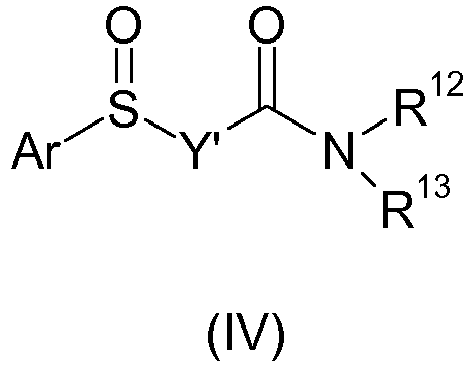
Ar is
rings A, C, and D are optionally substituted with one to three groups selected from F, Cl, Br, I, OR21, OR25, NR23R24, NHOH, NO2, CN, C1-C6 alkyl, and C(=O)R22;
ring B is optionally substituted with one to three groups selected from C1-C4 alkyl, and phenyl;
Y' is C1-C4 alkylene, wherein said alkylene group is optionally substituted with an R20 group;
R12 and R13 at each occurrence are each independently selected from H, C1-C6 alkyl, wherein said alkyl group can optionally be substituted with one or two CN, OR21, O(CH2)1-4OR21, C(=O)N(R21)2, or pyridyl groups, or R12 and R13, together with the nitrogen to which they are attached, form a pyrrolidinyl, piperidinyl, or piperazinyl ring, optionally substituted with OR21, C(=O)N(R21)2, or C(=O)R21;
R20 at each occurrence is independently selected from F, Cl, Br, I, OR21, OR25, NR23R24, NHOH, NO2, CN, or CF3;
R21 at each occurrence is independently selected from H and C1-C6 alkyl;
R22 at each occurrence is independently selected from C1-C6 alkyl, and phenyl;
R23 and R24 at each occurrence are each independently selected from H and C1-C6 alkyl, or R23 and R24, together with the nitrogen to which they are attached, form a 5-6 membered heterocycloalkyl;
R25 at each occurrence is independently the residue of an amino acid after the hydroxyl group of the carboxyl group is removed;
with the proviso that when Ar is naphthyl, then R12 and R13 cannot both be H;
and the stereoisomeric forms, mixtures of stereoisomeric forms or pharmaceutically acceptable salts forms thereof. - In some compounds of formula (IV), when Ar is naphthyl, then one of R12 and R13 must be C1-C6 alkyl, or C1-C6 alkyl substituted with at least one OR21 or C(=O)NR23R24 group, or R12 and R13, together with the nitrogen to which they are attached, form a pyrrolidinyl, piperidinyl, or piperazinyl ring substituted with OR21, C(=O)N(R21)2, or C(=O)R21. In some compounds, when Ar is naphthyl, then the naphthyl must be unsubstituted.
- Disclosed are compounds of formula (IV) wherein X is a bond; q is 1; Y' is (C1-C2 alkylene), or Y' is CH2, or Y' is CH2CH2; R12 and R13 at each occurrence are each independently selected from H, C1-C6 alkyl, optionally substituted with a CN, OR21, O(CH2)1-4OR21 group, or R12 and R13, together with the nitrogen to which they are attached, form a pyrrolidinyl, piperidinyl, or piperazinyl ring, optionally substituted with OR21, C(=O)N(R21)2, or C(=O)R21 group, or they form a pyrrolidinyl ring, optionally substituted with C(=O)N(R21)2; a piperidinyl ring, optionally substituted with OR21; or a piperazinyl ring, optionally substituted with C(=O)R21.
- Disclosed are compounds of formula (IV) wherein X is CH2; q is 1; Y' is CH2; R12 and R13 at each occurrence are each independently selected from H, C1-C6 alkyl, or R12 and R13, together with the nitrogen to which they are attached, form a pyrrolidinyl ring.
- Disclosed are compounds of formula (IV) wherein X is O; q is 1; Y' is CH2; R12 and R13 at each occurrence are each independently selected from H, C1-C6 alkyl, wherein said alkyl group can optionally be substituted with pyridyl, or R12 and R13, together with the nitrogen to which they are attached, form a pyrrolidinyl ring.
- Disclosed are compounds of formula (IV) wherein X is S or S=O; q is 1; Y' is CH2; R12 and R13 at each occurrence are each independently selected from H, C1-C6 alkyl.
- Disclosed are compounds of formula (IV) wherein Ar is naphthyl; q is 1, Y' is CH2; R12 and R13 at each occurrence are each independently selected from C1-C6 alkyl, wherein said alkyl group can optionally be substituted with OR21, or one or two C(=O)N(R21)2 groups, or R12 and R13, together with the nitrogen to which they are attached, form a pyrrolidinyl ring, optionally substituted with C(=O)N(R21)2.
- In a further embodiment of the present invention there are provided compounds of formula (V):

and the stereoisomeric forms, mixtures of stereoisomeric forms or pharmaceutically acceptable salts forms thereof. - In an additional embodiment of the present invention there are provided compounds of formula (VI):

and the stereoisomeric forms, mixtures of stereoisomeric forms or pharmaceutically acceptable salts forms thereof. - In additional embodiments of compounds of formula (VI), one of R12 and R13 must be C1-C6 alkyl, or C1-C6 alkyl substituted with at least one OR21 or C(=O)NR23R24 group. In another aspect, the naphthyl must be unsubstituted.
- In a further aspect, there are provided compounds of formula (VI) having a structure of formula (VII):

- In additional embodiments of compounds of formula (VII), one of R12 and R13 must be C1-C6 alkyl, or C1-C6 alkyl substituted with at least one OR21 or C(=O)NR23R24 group.
- A further aspect of the present invention includes compounds for use of formula (A) wherein Y is C1-C6 alkyl substituted with halogen, CF3, or OR21; C1-C6 alkylene-R1; C1-C4 alkylene-Z1-C1-C4 alkylene-R2; or C1-C4 alkylene-Z2-C1-C4 alkylene-R2A; wherein R2 and R2A are the same as R1 less the H moiety, and wherein said alkylene groups are optionally substituted with one to three C1-C6 alkyl groups; Z1 is CR21=CR21, C=C(R21)2, C=C, or phenyl; Z2 is O, NR10A, or S(O)y; R1 is selected from NR21C(=O)R14, C(=O)R14, CO2R11, OC(=O)R11, and C(=O)NR12R13. In other aspects, Y is C1-C6 alkylene-R1, or C1-C4 alkylene-Z1-C1-C4 alkylene-R2. In additional aspects, Y is C1-C6 alkylene-R1. In other aspects, R1 is selected from NR12R13, wherein R12 and R13 are each independently selected from H and C1-C6 alkyl, or R12 and R13, together with the nitrogen to which they are attached, form a pyrrolidinyl, piperidinyl, or morpholinyl; NR21C(=O)R14; C(=O)NR12R13; C(=N)NR12R13; and NR21C(=O)NR12R13. In additional aspects, R1 is C(=O)NR12R13.
- In additional aspects of the present invention there are included compounds of any of the preceding formulas wherein q is 1 or 2. In certain aspects, q is 0. In other aspects q is 1. In further aspects, q is 2.
- In certain aspects of the present invention, there are included compounds of any of the preceding formulas wherein q have any of the values of the previous embodiments and Ar is selected as follows. In one aspect, Ar is

- Other aspects of the present invention include compounds of any of the preceding formulas wherein Ar and q can be any moieties of the previous embodiments, and Y is C1-C6 alkylene-R1, particularly those where Y is C1-C4 alkylene-R1, or Y is CH2-R1 or Y is CH2CH2-R1.
- Additional aspects of the present invention include compounds of any of the preceding formulas wherein Ar, q, and Y can be any moieties of the previous embodiments, and Y is (C1-C4 alkylene)m-Z1-(C1-C4 alkylene)n-R1, wherein Z1 is CR21=CR21, C=C(R22), C=C, C6-C10 arylene, 5-10 membered heteroarylene, C3-C6 cycloalkylene, or 3-6 membered heterocycloalkylene, particularly those where Y is C1-C4 alkylene-Z1-R1, or Y is Z1-C1-C4 alkylene-R1, or Y is C1-C4 alkylene-Z1-C1-C4 alkylene-R1. In other aspects, Z1 is CR21=CR21, C=C(R22), C=C, or phenylene, or more particularly where Z1 is CR21=CR21 or Z1 is phenylene. Other aspects include compounds where Z1 is CR21=CR21, or C≡C.
- Further aspects of the present invention include compounds of any of the preceding formulas wherein Ar, q, and Y can be any moieties of the previous embodiments, and Y is (C1-C4 alkylene)m-Z2-(C1-C4 alkylene)n-R1, wherein Z2 is O, NR10A, or S(O)y, particularly those where Z2 is O. In certain aspects, Y is C1-C4 alkylene-Z2-C1-C4 alkylene-R1, or Y is C1-C4 alkylene-Z2-R1.
- Further aspects of the present invention include compounds of any of the preceding formulas wherein Ar, Y, Z1, and Z2, and q can be any moieties of the previous embodiments, and R1 can be any moiety selected from the following enumerated paragraphs:
- 1. NR12R13.
- 2. NR21C(=O)R14.
- 3. C(=O)R15.
- 4. COOH or CO2R14.
- 5. OC(=O)R11.
- 6. C(=O)NR12R13.
- 7. C(=O)NR21OR14.
- 8. C(=N)NR12R13.
- 9. OC(=O)NR12R13.
- 10. NR21S(O)2R11.
- 11. S(O)2NR12R13.
- 12. NR21C(=O)NR12R13.
- 13. NR21S(O)2NR12R13.
- 14. PO(OR21)2.
- Other additional aspects of the present invention include compounds of any of the preceding formulas wherein Ar, Y, Z1, and Z2, and q can be any moieties of the previous embodiments, and R1 can be a combination of the values selected from the previous enumerated paragraphs. The preceding enumerated paragraphs may be combined to further define additional preferred embodiments of compounds of any of the preceding formulas. For example, one such combination includes NR12R13, NR21C(=O)R14, C(=O)R15, COOH, CO2R14, OC(=O)R11, C(=O)NR12R13, C(=N)NR12R13, OC(=O)NR12R13, NR21S(O)2R11, S(O)2NR12R13, NR21C(=O)NR12R13, NR21S(O)2NR12R13, or PO(OR21)2. An additional combination includes NR12R13, NR21C(=O)R14, C(=O)NR12R13, C(=N)NR12R13, NR21S(O)2R11, S(O)2NR12R13, NR21S(O)2NR12R13, or PO(OR21)2.
- A third such combination includes NR21C(=O)R14, C(=O)NR12R13, C(=N)NR12R13, or NR21C(=O)NR12R13.
- Further aspects of the present invention include compounds of any of the preceding formulas wherein q, Ar, Y, and R1 can be any moieties of the previous embodiments, and R12 and R13 is selected as follows. In one aspect, R12 and R13 are both H, or are both C1-C6 alkyl. In another aspect, one of R12 and R13 is H and the other is C1-C6 alkyl. In any of the above aspects, the C1-C6 alkyl groups are unsubstituted, or are substituted with one to three R20 groups, or with one R20 group, or with one to two CN, OR21, O(C1-C4 alkylene)OR21, C(=O)NR23R24, or 5-6 membered heteroaryl rings, particularly pyridyl. In other aspects, R12 and R13, together with the nitrogen to which they are attached, form a 3-7 membered heterocycloalkyl ring, particularly a 5-6 membered heterocycloalkyl ring, such as a pyrrolidinyl, piperidinyl, piperazinyl, or morpholinyl ring. In other aspects, they form a 5-6 membered heterocycloalkyl ring containing only one nitrogen, such as a pyrrolidinyl, or a piperidinyl ring. In any of the above aspects, said rings are unsubstituted, or are substituted with one to three R20 groups, or with one R20 group, or with an OR21, C(=O)R21, or C(=O)NR23R24 group.
- The following terms and expressions contained herein are defined as follows:
- As used herein, the term "about" refers to a range of values from ± 10% of a specified value. For example, the phrase "about 50 mg" includes ± 10% of 50, or from 45 to 55 mg.
- As used herein, a range of values in the form "x-y" or "x to y", or "x through y", include integers x, y, and the integers therebetween. For example, the phrases "1-6", or "1 to 6" or "1 through 6" are intended to include the integers 1, 2, 3, 4, 5, and 6. Preferred embodiments include each individual integer in the range, as well as any subcombination of integers. For example, preferred integers for "1-6" can include 1, 2, 3, 4, 5, 6, 1-2, 1-3, 1-4, 1-5, 2-3, 2-4, 2-5, 2-6, etc.
- As used herein "stable compound" or "stable structure" refers to a compound that is sufficiently robust to survive isolation to a useful degree of purity from a reaction mixture, and preferably capable of formulation into an efficacious therapeutic agent. The present invention is directed only to stable compounds.
- As used herein, the term "alkyl" refers to a straight-chain, or branched alkyl group having 1 to 8 carbon atoms, such as methyl, ethyl, propyl, isopropyl, butyl, isobutyl, sec-butyl, tert-butyl, pentyl, isoamyl, neopentyl, 1-ethylpropyl, 3-methylpentyl, 2,2-dimethylbutyl, 2,3-dimethylbutyl, hexyl, octyl, etc. The alkyl moiety of alkyl-containing groups, such as alkoxy, alkoxycarbonyl, and alkylaminocarbonyl groups, has the same meaning as alkyl defined above. Lower alkyl groups, which are preferred, are alkyl groups as defined above which contain 1 to 4 carbons. A designation such as "C1-C4 alkyl" refers to an alkyl radical containing from 1 to 4 carbon atoms.
- As used herein, the term "alkenyl" refers to a straight chain, or branched hydrocarbon chains of 2 to 8 carbon atoms having at least one carbon-carbon double bond. A designation "C2-C8 alkenyl" refers to an alkenyl radical containing from 2 to 8 carbon atoms. Examples of alkenyl groups include ethenyl, propenyl, isopropenyl, 2,4-pentadienyl, etc.
- As used herein, the term "alkynyl" refers to a straight chain, or branched hydrocarbon chains of 2 to 8 carbon atoms having at least one carbon-carbon triple bond. A designation "C2-C8 alkynyl" refers to an alkynyl radical containing from 2 to 8 carbon atoms. Examples include ethynyl, propynyl, isopropynyl, 3,5-hexadiynyl, etc.
- As used herein, the term "alkylene" refers to a substituted or unsubstituted, branched or straight chained hydrocarbon of 1 to 8 carbon atoms, which is formed by the removal of two hydrogen atoms. A designation such as "C1-C4 alkylene" refers to an alkylene radical containing from 1 to 4 carbon atoms. Examples include methylene (-CH2-), propylidene (CH3CH2CH=), 1,2-ethandiyl (-CH2CH2-), etc.
- As used herein, the term "phenylene" refers to a phenyl group with an additional hydrogen atom removed, i.e. a moiety with the structure of:

- As used herein, the terms "carbocycle", "carbocyclic" or "carbocyclyl" refer to a substituted or unsubstituted, stable monocyclic or bicyclic hydrocarbon ring system which is saturated, partially saturated or unsaturated, and contains from 3 to 10 ring carbon atoms. Accordingly the carbocyclic group may be aromatic or non-aromatic, and includes the cycloalkyl and aryl compounds defined herein. The bonds connecting the endocyclic carbon atoms of a carbocyclic group may be single, double, triple, or part of a fused aromatic moiety.
- As used herein, the term "cycloalkyl" refers to a saturated or partially saturated mono- or bicyclic alkyl ring system containing 3 to 10 carbon atoms. A designation such as "C5-C7 cycloalkyl" refers to a cycloalkyl radical containing from 5 to 7 ring carbon atoms. Preferred cycloalkyl groups include those containing 5 or 6 ring carbon atoms. Examples of cycloalkyl groups include such groups as cyclopropyl, cyclobutyl, cyclopentyl, cyclohexl, cycloheptyl, cyclooctyl, pinenyl, and adamantanyl.
- As used herein, the term "aryl" refers to a substituted or unsubstituted, mono-or bicyclic hydrocarbon aromatic ring system having 6 to 12 ring carbon atoms. Examples include phenyl and naphthyl. Preferred aryl groups include unsubstituted or substituted phenyl and naphthyl groups. Included within the definition of "aryl" are fused ring systems, including, for example, ring systems in which an aromatic ring is fused to a cycloalkyl ring. Examples of such fused ring systems include, for example, indane, indene, and tetrahydronaphthalene.
- As used herein, the terms "heterocycle", "heterocyclic" or "heterocyclyl" refer to a substituted or unsubstituted carbocyclic group in which the ring portion includes at least one heteroatom such as O, N, or S. The nitrogen and sulfur heteroatoms may be optionally oxidized, and the nitrogen may be optionally substituted in non-aromatic rings. Heterocycles are intended to include heteroaryl and heterocycloalkyl groups.
- As used herein, the term "heterocycloalkyl" refers to a cycloalkyl group in which one or more ring carbon atoms are replaced by at least one hetero atom such as -O-, -N-, or -S-. Examples of heterocycloalkyl groups include pyrrolidinyl, pyrrolinyl, imidazolidinyl, imidazolinyl, pirazolidinyl, pirazolinyl, pyrazalinyl, piperidyl, piperazinyl, morpholinyl, thiomorpholinyl, tetrahydrofuranyl, dithiolyl, oxathiolyl, dioxazolyl, oxathiazolyl, pyranyl, oxazinyl, oxathiazinyl, and oxadiazinyl.
- As used herein, the term "heteroaryl" refers to an aromatic group containing 5 to 10 ring carbon atoms in which one or more ring carbon atoms are replaced by at least one hetero atom such as -O-, -N-, or -S-. Examples of heteroaryl groups include pyrrolyl, furyl, thienyl, pyrazolyl, imidazolyl, thiazolyl, isothiazolyl, isoxazolyl, oxazolyl, oxathiolyl, oxadiazolyl, triazolyl, oxatriazolyl, furazanyl, tetrazolyl, pyridyl, pyrazinyl, pyrimidinyl, pyridazinyl, triazinyl, picolinyl, indolyl, isoindolyl, indazolyl, benzofuranyl, isobenzofuranyl, purinyl, quinazolinyl, quinolyl, isoquinolyl, benzoimidazolyl, benzothiazolyl, benzothiophenyl, thianaphthenyl, benzoxazolyl, benzisoxazolyl, cinnolinyl, phthalazinyl, naphthyridinyl, and quinoxalinyl. Included within the definition of "heteroaryl" are fused ring systems, including, for example, ring systems in which an aromatic ring is fused to a heterocycloalkyl ring. Examples of such fused ring systems include, for example, phthalamide, phthalic anhydride, indoline, isoindoline, tetrahydroisoquinoline, chroman, isochroman, chromene, and isochromene.
- As used herein, the term "arylalkyl" refers to an alkyl group that is substituted with an aryl group. Examples of arylalkyl groups include, but are not limited to, benzyl, bromobenzyl, phenethyl, benzhydryl, diphenylmethyl, triphenylmethyl, diphenylethyl, naphthylmethyl, etc.
- As used herein, the term "amino acid" refers to a group containing both an amino group and a carboxyl group. Embodiments of amino acids include α-amino, β-amino, γ-amino acids. The α-amino acids have a general formula HOOC-CH(side chain)-NH2. In certain embodiments, substituent groups for the compounds of the present invention include the residue of an amino acid after removal of the hydroxyl moiety of the carboxyl group thereof; i.e., groups of formula -C(=O)CH(NH2)-(side chain). The amino acids can be in their D, L or racemic configurations. Amino acids include naturally-occurring and non-naturally occurring moieties. The naturally-occurring amino acids include the standard 20 α-amino acids found in proteins, such as glycine, serine, tyrosine, proline, histidine, glutamine, etc. Naturally-occurring amino acids can also include non-α-amino acids (such as β-alanine, γ-aminobutyric acid, homocysteine, etc.), rare amino acids (such as 4-hydroxyproline, 5-hydroxylysine, 3-methylhistidine, etc.) and non-protein amino acids (such as citrulline, ornithine, canavanine, etc.). Non-naturally occurring amino acids are well-known in the art, and include analogs of natural amino acids. See Lehninger, A. L. Biochemistry, 2nd ed.; Worth Publishers: New York, 1975; 71-77. Non-naturally occurring amino acids also include α-amino acids wherein the side chains are replaced with synthetic derivatives. Representative side chains of naturally occurring and non-naturally occurring α-amino acids are shown below in Table A.
Table A H CH3 CH(CH3)2 CH2CH(CH3)2 CH(CH3)CH2CH3 CH2OH CH2SH CH(OH)CH3 CH2CH2SCH3 CH2C6H5 (CH2)4NH2 (CH2)3NHC(=NH)NH2 CH2COOH CH2CH2COOH CH2CONH2 CH2CH2CONH2 CH2CH3 CH2CH2CH3 CH2CH2CH2CH3 CH2CH2SH CH2CH2OH CH2CH2SCH3 (CH2)3NH2 (CH2)2CH(OH)CH2NH2 (CH2)3NHC(=O)NH2 (CH2)2ONHC(=NH)NH2 CH2C(=O)NHCH2COOH 


- As used herein, the term "subject" refers to a warm blooded animal such as a mammal, preferably a human, or a human child, which is afflicted with, or has the potential to be afflicted with one or more diseases and conditions described herein.
- As used herein, a "therapeutically effective amount" refers to an amount of a compound of the present invention effective to prevent or treat the symptoms of particular disorder. Such disorders include, but are not limited to, those pathological and neurological disorders associated with the aberrant activity described herein, wherein the treatment or prevention comprises inhibiting, inducing, or enhancing the activity thereof by contacting the receptor with a compound of the present invention.
- As used herein, the term "pharmaceutically acceptable" refers to those compounds, materials, compositions, and/or dosage forms which are, within the scope of sound medical judgment, suitable for contact with the tissues of human beings and animals without excessive toxicity, irritation, allergic response, or other problem complications commensurate with a reasonable benefit/risk ratio.
- As used herein, the term "unit dose" refers to a single dose which is capable of being administered to a patient, and which can be readily handled and packaged, remaining as a physically and chemically stable unit dose comprising either the active compound itself, or as a pharmaceutically acceptable composition, as described hereinafter.
- All other terms used in the description of the present invention have their meanings as is well known in the art.
- In another aspect, the present invention is directed to pharmaceutically acceptable salts of the compounds described above. As used herein, "pharmaceutically acceptable salts" includes salts of compounds of the present invention derived from the combination of such compounds with non-toxic acid or base addition salts.
- Acid addition salts include inorganic acids such as hydrochloric, hydrobromic, hydroiodic, sulfuric, nitric and phosphoric acid, as well as organic acids such as acetic, citric, propionic, tartaric, glutamic, salicylic, oxalic, methanesulfonic, paratoluenesulfonic, succinic, and benzoic acid, and related inorganic and organic acids.
- Base addition salts include those derived from inorganic bases such as ammonium and alkali and alkaline earth metal hydroxides, carbonates, bicarbonates, and the like, as well as salts derived from basic organic amines such as aliphatic and aromatic amines, aliphatic diamines, hydroxy alkamines, and the like. Such bases useful in preparing the salts of this invention thus include ammonium hydroxide, potassium carbonate, sodium bicarbonate, calcium hydroxide, methylamine, diethylamine, ethylenediamine, cyclohexylamine, ethanolamine and the like.
- In addition to pharmaceutically-acceptable salts, other salts are included in the invention. They may serve as intermediates in the purification of the compounds, in the preparation of other salts, or in the identification and characterization of the compounds or intermediates.
- The pharmaceutically acceptable salts of compounds of the present invention can also exist as various solvates, such as with water, methanol, ethanol, dimethylformamide, ethyl acetate and the like. Mixtures of such solvates can also be prepared. The source of such solvate can be from the solvent of crystallization, inherent in the solvent of preparation or crystallization, or adventitious to such solvent. Such solvates are within the scope of the present invention.
- The present disclosure also relates to the pharmaceutically acceptable prodrugs of the compounds disclosed herein. As used herein, "prodrug" is intended to include any compounds which are converted by metabolic processes within the body of a subject to an active agent that has a formula within the scope of the present invention. Since prodrugs are known to enhance numerous desirable qualities of pharmaceuticals (e.g., solubility, bioavailability, manufacturing, etc.) the compounds of the present invention may be delivered in prodrug form. Conventional procedures for the selection and preparation of suitable prodrug derivatives are described, for example, in Prodrugs, Sloane, K. B., Ed.; Marcel Dekker: New York, 1992.
- It is recognized that compounds of the present invention may exist in various stereoisomeric forms. As such, the compounds of the present invention include all stereoisomeric forms, such as the diastereomeric and enantiomeric forms. The compounds are normally prepared as racemates and can conveniently be used as such, but individual stereoisomers can be isolated or synthesized by conventional techniques if so desired. Such stereoisomeric forms are included in the present invention, including the racemates, individual enantiomers and diastereomers, and mixtures thereof.
- It is well known in the art how to prepare and isolate such optically active forms. Specific stereoisomers can be prepared by stereospecific synthesis using enantiomerically pure or enantiomerically enriched starting materials. The specific stereoisomers of either starting materials or products can be resolved and recovered by techniques known in the art, such as resolution of racemic forms, normal, reverse-phase, and chiral chromatography, recrystallization, enzymatic resolution, or fractional recrystallization of addition salts formed by reagents used for that purpose. Useful methods of resolving and recovering specific stereoisomers described in Eliel, E. L.; Wilen, S.H. Stereochemistry of Organic Compounds; Wiley: New York, 1994, and Jacques, J, et al. Enantiomers, Racemates, and Resolutions; Wiley: New York, 1981.
- It is further recognized that functional groups present on the compounds of the present invention may contain the protecting groups defined in the claims. For example, the amino acid side chain substituents of the compounds of the present invention can be substituted with benzyloxycarbonyl or t-butoxycarbonyl protecting groups. Protecting groups are known per se as chemical functional groups that can be selectively appended to and removed from functionalities, such as hydroxyl groups and carboxyl groups. These groups are present in a chemical compound to render such functionality inert to chemical reaction conditions to which the compound is exposed. Any of a variety of protecting groups as defined in the claims may be employed with the present invention. Groups for protecting lactams are silyl groups such as t-butyldimethylsilyl ("TBDMS"), dimethoxybenzhydryl ("DMB"), acyl, benzyl ("Bn"), and methoxybenzyl groups. Groups for protecting hydroxy groups are TBS, acyl, benzyl, benzyloxycarbonyl ("CBZ"), t-butyloxycarbonyl ("Boc"), and methoxymethyl. Many other standard protecting groups employed by one skilled in the art can be found in Greene, T.W. and Wuts, P.G.M., "Protective Groups in Organic Synthesis" 2d. Ed., Wiley & Sons, 1991.
- The compounds of the present invention may be prepared in a number of methods well known to those skilled in the art, including, but not limited to those described below, or through modifications of these methods by applying standard techniques known to those skilled in the art of organic synthesis. The reagents and starting materials are commercially available, or readily synthesized by well-known techniques by one of ordinary skill in the arts. All substituents in the synthetic schemes, unless otherwise indicated, are as previously defined. All processes disclosed in association with the present invention are contemplated to be practiced on any scale, including milligram, gram, multigram, kilogram, multikilogram or commercial industrial scale. Illustrative of compounds encompassed by the present invention that are useful in the utilities disclosed herein include those set forth in the following tables. This list is meant to be representative only and is not intended to limit the scope of the invention in any way.

- In step 1, the alcohol moiety of compound P is converted to the corresponding thiouronium salt. For example, an appropriate amount of thiourea is taken into 48% HBr and water. The mixture is warmed (preferably to 60 - 70 °C), followed by addition of compound P. The temperature of the reaction mixture is elevated (preferably to 90-95 °C) and the stirring is continued for an additional period of time for completion of the reaction. The reaction mixture is cooled to room temperature (in some cases, an ice-bath might be needed) and the precipitated solid is filtered and thoroughly washed with water to generate compound Q.
- In step 2a, the thiouronium salt Q from previous step is converted to corresponding thiol. In step 2b, the thiol undergoes a substitution reaction with an appropriate reactant to generate compound R. Thus, compound Q from step 1 is taken into additional water and treated with an aqueous base, preferably a sodium hydroxide solution. The mixture is warmed (preferably to 70 - 80 °C, but in some cases a higher temperature might be needed) and to it an appropriate amount of a reactant of generic structure W-Y-R1 (where W is a suitable leaving group) in water (or in some cases, an alcoholic solvent) is added. The reaction mixture is maintained at an elevated temperature (preferably 100 -110 °C) for an appropriate period of time, cooled, taken into water and washed with an organic solvent (preferably ether). The basic aqueous layer is acidified with an inorganic acid solution (e.g. aqueous HCl solution). The aqueous (acidic) solution is then extracted several times into an organic solvent (e.g. ether or ethyl acetate). The combined organic layer is washed with brine, dried (MgSO4 or Na2SO4) and concentrated to give the crude product that may be used directly in the next step. However, purification could be achieved by employing known purification techniques (e.g. recrystallization) to provide pure compound R. The method is an adaptation from a procedure previously described in
U.S. Pat. No. 4,177,290 . - Compounds of structure R may optionally be oxidized to generate compounds of structure S. Thus, compound S is prepared by reacting compound R in an appropriate solvent with an appropriate oxidizing agent. An appropriate oxidizing agent is one that oxidizes the sulfide group of compound R. The corresponding product is isolated and purified by methods well known in the art. For example, to a cooled (-15 °C to - 25 °C) solution of compound R in an organic solvent (preferably methylene chloride or chloroform), an appropriate oxidizing agent (e.g. m-chloroperoxybenzoic acid ["m-CPBA"], 1 equivalent) in the same solvent is slowly added. Stirring is continued at low temperature until the disappearance of the starting material, as evidenced by various analytical techniques. The reaction mixture is then thoroughly washed with a saturated sodium bicarbonate solution, water and brine, respectively, dried over a drying agent (e.g. MgSO4 or Na2SO4) and concentrated. The desired product (compound S) is purified, if needed, by employing known purification techniques (preferably by column chromatography and/or recrystallization). In other cases, the oxidation is performed by employing 50% H2O2 in glacial acetic acid solvent.

- To a mixture of thiourea (8.3 g, 109 mmol) and 48% HBr (76 mL, 705 mmol) at 60°C was added compound A (10 g, 75 mmole) in portions. The reaction mixture was then gently heated to reflux for 1 h, cooled and filtered. The residue was washed successively with water and ether, and dried in vacuo to yield compound 10.7 g of compound B (white solid) that was directly used in the next step without any further purification. Thus, to a mixture of compound B (6 g, 22 mmol) and aq. NaOH (12.5%, 17.6 mL) at 70°C was added slowly a solution of chloroacetic acid (2.3 g, 24 mmol) in aq. NaOH (3.3%, 2.3 mL). The reaction mixture was then heated at 110°C for 1 h, cooled, diluted with ice-water, washed with ether and acidified (pH ∼2). The resultant acidic mixture was extracted into ethyl acetate (3 x 100 mL). The combined organic layer was washed with brine (1 x 100 mL), dried over MgSO4, and concentrated to yield compound C (3g, semi-solid, R t : 9.90 min). This compound was directly used in the next step without any further purification.
- This compound was prepared following the same procedure as described in Example 2 using 2-bromopropionic acid in place of chloroacetic acid; R t : 10.81 min.
- To a cooled (ice-bath) mixture of compound C (3 g, 14 mmol), and EDCI (3.3 g, 17 mmol) in DMF (15 mL) was added NH3.HOBt-complex (2.7 g, 18 mmol). The cooling bath was removed and the mixture was stirred at room temperature for 1 h. It was then diluted with ethyl acetate (100 mL), washed successively with water (1 x 50 mL), 2% aq. citric acid (2 x 50 mL), water (1 x 50 mL), 2% aq. NaHCO3 (2 x 50 mL), water (1 x 50 mL), and brine (1 x 50 mL) and dried (MgSO4). On concentration, the solution generated a solid product that was filtered, washed with ether and dried to give 1.76 g of compound D (NR1R2 = NH2); R t : 8.58 min.
- This compound was prepared following the same procedure as described in Example 3 using C1 in place of C.
- To a cooled (ice-bath) mixture of compound C (1.5 g, 7.2 mmol), and 2-(1H-benzotriazol-1-yl)-1,1,3,3-tetramethyluronium tetrafluoroborate (TBTU, 3.5 g, 11 mmol), and pyrrolidine (720 µL, 8.6 mmol) in DMF (15 mL) was added NMM (N-methylmorpholine, 1.2 mL, 11 mmol). The cooling bath was removed and the mixture was stirred at room temperature for 1 h. It was then diluted with ethyl acetate (100 mL), washed successively with water (1 x 50 mL), 2% aq. citric acid (2 x 50 mL), water (1 x 50 mL), 2% aq. NaHCO3 (2 x 50 mL), water (1 x 50 mL), and brine (1 x 50 mL) and dried (MgSO4). Solvent evaporation gave a crude product that was purified by flash chromatography (ethyl acetate) to give 1.11 g of compound D (NR1R2 = N-pyrrolidinyl); R t : 11.13 min.
- These compounds were prepared from compound C following the same procedure as described in Example 5 using the appropriate amine.
- This compound was prepared following the same procedure as described in Example 5 using the appropriate amine.
- To a cooled solution (ice-bath) of compound D (NR1R2 = NH2, 1.76 g, 8.5 mmol) in glacial acetic acid (8 ml) was added 50% aqueous H2O2 (1.3 eqv). The ice-bath was removed and the mixture was stirred until no more starting material was detected (HPLC), concentrated at high vacuum and triturated with ether to give a solid that was dried on a lyophilizer to generate 1.69 g of compound E (NR1R2 = NH2).
Analytical data: 1H-NMR (DMSO-d6) δ 7.69 (d, 1H), 7.46 - 7.18 (m, 5H), 4.43 - 3.66 (m, 1H), 3.65 - 3.44 (m, 2H), 3.04 - 2.86 (m, 2H), 2.60 - 2.19 (m, 2H). - This compound was prepared from compound D1 following the same procedure as described in Example 10 using compound C1 and the appropriate amine.
Analytical Data: 1H-NMR (DMSO-d6) δ 7.50 (s, 1H), 7.45 (m, 1H), 7.25 (m, 3H), 6.95 (s, 1H), 4.40 (m, 1H), 2.95 (m, 3H), 2.90 (m, 1H), 2.50-2.10 (m, 4H). - This compound was prepared, following the same procedure as described in Example 10 using compound C and the appropriate amine.
Analytical data: 1H-NMR (DMSO-d6) δ 7.43 (t, 1H), 7.34 - 7.18 (m, 3H), 4.55 (q, 1H), 3.88 - 3.75 (m, 2H), 3.56 - 3.27 (m, 4H), 3.03 - 2.86 (m, 2H), 2.64 - 2.53 (m, 1H), 2.47 - 2.17 (m, 1H), 1.91 - 1.74 (m, 4H). - This compound was prepared, following the same procedure as described in Example 10 using compound C and the appropriate amine.
- This compound was prepared, following the same procedure as described in Example 10 using compound C and the appropriate amine.
Analytical data: 1H-NMR (DMSO-d6) δ 7.41 (t, 1H), 7.34 - 7.18 (m, 3H), 4.55 - 4.49 (m, 1H), 3.89 (q, 2H), 3.03 (s, 3H), 3.01 - 2.89 (m, 2H), 2.86 (s, 3H), 2.64 - 2.17 (m, 2H). - This compound was prepared, following the same procedure as described in Example 10 using compound C and the appropriate amine.
Analytical data: 1H-NMR (DMSO-d6) δ 7.44 (t, 1H), 7.34 - 7.19 (m, 3H), 4.25 (d, 1H), 4.03 - 3.92 (m, 2H), 3.61 - 3.32 (m, 8H), 3.06 - 2.87 (m, 2H), 2.66 - 2.17 (m, 2H), 2.06 - 1.99 (s, 3H). - This compound was prepared following the same procedure as described in Example 10 using compound C1 and the appropriate amine.
Analytical Data: 1H-NMR (DMSO-d6) δ 7.45 (m, 1H), 7.30 (m, 3H), 4.45 (m, 1H), 3.50 (m, 8H), 3.00 (m, 3H), 3.80 (m, 3H), 2.30 (m, 2H), 2.00 (s, 3H). - A mixture of compound E (NR1R2 = NH2, 0.3 g, 1.46 mmol) and m-chloroperbenzoic acid (77%, 0.5 g, 2.92 mmol) in methylene chloride (10 mL) was stirred at room temperature for 0.5 h. The reaction mixture was diluted with methylene chloride (20 mL) and washed with 2% NaHCO3 (3 x 25 mL), water (1 x 20 mL), and brine (1 x 25 mL), dried (MgSO4), concentrated and triturated with cold ether to generate 0.14 g of compound F.
Analytical data: 1H-NMR (DMSO-d6): δ 7.80 (s, 1H), 7.50 (d, 2H), 7.30 (d, 2H), 7.25 (m, 1H), 5.00 (m, 1H), 4.15 (d, 1H), 4.00 (d, 1H), 3.05 (m, 1H), 2.90 (m, 1H), 2.60 (m, 1H), 2.50 (m, 1H).
- A mixture of compound B (4 g, 15 mmol) and 10 N NaOH (6 ml), and water (37 mL) was heated at 70 °C for 0.5 h, cooled, diluted with ice-water and acidified (pH ∼2). The acidic solution was extracted with ethyl acetate (3 x 100 mL). The combined organic layers were washed with brine (1 x 50 mL), dried (MgSO4), and concentrated to yield 1.59 g of compound G (white solid; R t : 13.67 min) that was directly used in the next step. Thus, a mixture of compound G (1.58 g, 10.5 mmol) in methanol (14 mL) and sodium methoxide in methanol (0.5 M, 21 mL) was heated at 60 °C for 0.5 h, cooled and treated with iodomethane (2 mL, 32 mmol). The reaction was stirred at 60 °C for 7 h, cooled, diluted with ice-water and acidified (pH ∼2). The acidic solution was extracted with ethyl acetate (3 x 100 mL). The combined organic layers were washed with brine (1 x 50 mL), dried (MgSO4), and concentrated to yield compound H (1.3 g, R t : 14.12 min) that was directly used in the next step without any further purification.
- Starting with compound H, this compound was prepared following the same procedure as described in Example 10.
Analytical data: 1H-NMR (CHC13-d) δ 7.44 (q, 1H), 7.32 - 7.20 (m, 3H), 4.34 (dq, 1H), 3.15 - 2.94 (m, 2H), 2.64 - 2.39 (m, 2H), 2.35 (s, 3H).
- To a mixture of thiourea (2.84 g, 37.3 mmol) and 48% HBr (10 mL, 80 mmol) in water (50 mL) at 60°C was added compound a (4 g, 26.6 mmol) in portions. The reaction mixture was then gently heated to reflux for 1 h, cooled and filtered. The residue was washed successively with water and ether, triturated with ethyl acetate and dried in vacuo to yield compound b (10.7g, white solid) that was directly used in the next step without any further purification. Thus, to a mixture of compound b (4.08 g, 14.1 mmol), aq. NaOH (10 N, 5.6 mL), and water (35 mL) at 70 °C was added slowly a solution of chloroacetic acid (1.87 g, 19.7 mmol) in water (6 mL). The reaction mixture was then stirred at 100 °C for 2.5 h, cooled, diluted with ice-water, washed with ether and acidified (pH ∼2). The resultant acidic mixture was extracted into ethyl acetate (3 x 100 mL). The combined organic layer was washed with brine (1 x 100 mL), dried (MgSO4), and concentrated to yield compound c (2.27 g, viscous oil). This compound was directly used in the next step without any further purification.
- To a cooled (ice-bath) mixture of compound c (2.14 g, 7.45 mmol), NMM (1.47 mL, 13.3 mmol) and TBTU (3.37 g, 10.5 mmol) in DMF (30 mL) was added NH3.HOBt-complex (2.9 g, 19 mmol). The cooling bath was removed and the mixture was stirred at room temperature for 4 h. It was then diluted with ethyl acetate (100 mL), washed successively with water (1 x 50 mL), 2% aq. citric acid (2 x 50 mL), water (1 x 50 mL), 2% aq. NaHCO3 (2 x 50 mL), water (1 x 50 mL), and brine (1 x 50 mL) and dried (MgSO4). On concentration, the solution generated a solid product that was filtered, triturated with ether and dried to give 0.84 g of compound d (NR1R2 = NH2).
- These compounds were prepared from compound c, following the same procedure as described in Example 21 using the appropriate amine.
- Synthesis of compound d (NR1R2 = NMe2)
- To a refluxing solution of compound c (1.81 g, 8.1 mol) in benzene (20 mL) was added thionyl chloride (3.18 mL) dropwise. The reaction mixture was refluxed for an additional 1 h, and concentrated to remove the volatiles to generate the corresponding acid-chloride. This material was re-dissolved in methylene chloride (25 mL) and treated with dimethylamine gas. It was then stirred for 6 h at room temperature, washed successively with water (2 x 20 mL), sat. NaHCO3 solution (2 x 25 mL), water (1 x 25 mL), and brine (1 x 25 mL), dried (Na2SO4) and concentrated to generate 2.14 g of compound d (NR1R2 = NMe2) that was directly used in next step.
- This compound was synthesized by oxidation of corresponding compound d as described in Example 10.
Analytical data: 1H-NMR (DMSO-d6) δ 7.73 (s, 1H), 7.36 (d, 1H), 7.22 (m, 2H), 6.93 (dt, 1H), 6.84 (d, 1H), 4.27 - 4.12 (m, 3H), 3.72 (q, 1H), 3.69 (dd, 1H), 2.55 - 2.15 (m, 2H). - This compound was synthesized by oxidation of corresponding compound d as described in Example 10.
Analytical data: 1H-NMR (DMSO-d6) δ 7.43 - 6.83 (m, 4H), 4.33 - 3.87 (m, 5H), 3.58 - 3.44 (m, 2H), 3.41- 3.33 (m, 1H), 2.59 - 2.16 (m, 3H), 1.92 -1.76 (m, 4H). - This compound was synthesized by oxidation of corresponding compound d as described in Example 10.
Analytical data: 1H-NMR (DMSO-d6) δ 7.43 - 6.82 (m, 4H), 4.30 - 3.98 (m, 5H), 3.04 (s, 3H), 2.87 (s, 3H), 2.70 - 2.52 (m, 1H), 2.36 - 2.16 (m, 2H). - This compound was synthesized by oxidation of corresponding compound d as described in Example 10.
Analytical data: 1H-NMR (DMSO-d6): δ11.90 (bs, 1H), 8.90 (s, 1H), 8.50 - 8.45 (m, 2H), 7.75 (d, 1H), 7.30 (t, 1H), 7.25 (m, 1H), 6.80 - 7.00 (m, 2H), 4.40 - 4.01 (m, 6H), 4.00 - 3.70 (m, 2H), 2.40-2.20 (m ,2H), 1.90 (s, 3H). - This compound was synthesized by oxidation of corresponding compound d as described in Example 10.
Analytical data: 1H-NMR (DMSO-d6): δ 8.20 (t, 2H), 7.35 - 7.20 (m, 2H), 7.00-6.80 (m, 3H), 4.30 - 4.10 (m, 6H), 3.90-3.50 (m, 5H), 2.40 - 2.10 (m, 3H).

- To a solution of thiochroman-4-one (9.95 g, 60.6 mmol) in anhydrous ethanol (73 mL) was added sodium borohydride (2.29 g) in small portions. The reaction mixture was stirred at room temperature for 1 h, evaporated to dryness, and treated with ice-water. The aqueous layer was acidified (pH ∼2), and extracted into ethyl acetate (3 x 100 mL). The combined organic layers were washed with water (1 x 50 ml) and brine (1 x 50 mL), dried (MgSO4), and concentrated to give 9.32 g of compound aa; 1H-NMR (DMSO-d6) δ 7.35 - 6.83 (m, 4H), 5.32 (br s, 1H), 4.59 (m, 1H), 3.32 - 3.13 (m, 1H), 2.95 - 2.89 (m, 1H), 2.12 - 2.05 (m, 1H), 1.99-1.92 (m,1H).
- Compound aa was converted to compound cc via compound bb following the same procedure in Example 20.
- This compound was prepared from compound cc, following the same procedure as described in Example 25.
Analytical data: 1H-NMR (DMSO-d6) δ 7.27 - 6.98 (m, 4H), 4.35 (m, 1H), 3.54-3.38 (m,3H), 3.02 (s, 3H), 2.99 - 2.91 (m, 1H), 2.86 (s, 3H), 2.50-2.44 (m, 1H), 2.07 - 1.99 (m, 1H). - To a solution of compound dd (NR1R2 = NMe2)(3.39 g, 12.8 mmol) in glacial acetic acid (40 mL) at room temperature was added aq. H2O2 (50%, 812 µL, 14 mmol). The mixture was stirred for 5.5 h, diluted with water, and extracted into ethyl acetate (3 x 50 mL). The combined organic layers were washed with 2% aq. NaHCO3 (2 x 50 mL). The basic wash layer was re-extracted into ethyl acetate (2 x 50 mL). Combined organic layer was washed with water (1 x 50 mL), brine (1 x 50 mL), dried (MgSO4), and concentrated to give a residue that was purified by silica-gel flash chromatography (9:1:: ethyl acetate - methanol) to provide 0.168 mg of compound ee (NR1R2 = NMe2)(less polar, eluted first) and 0.291 mg of compound ff (NR1R2 = NMe2)(more polar, eluted later), respectively.
Analytical Data: Compound ee (NR1R2 = NMe2): 1H-NMR (DMSO-d6) δ 7.45 (d, 1 H), 7.22 - 7.06 (m, 3H), 4.45 (t, 1H), 4.01 (q, 1H), 3.38 - 3.32 (m, 1H), 3.02 (s, 3H), 3.00 - 2.97 (m, 1H), 2.85 (s, 3H), 2.84 - 2.79 (m, 1H), 2.22 - 2.08 (m, 1H).
Compound ff (NR1R2 = NMe2): 1H-NMR (DMSO-d6) δ 7.69 - 7.45 (m, 4H), 4.54 (t, 1H), 3.61- 3.53 (m, 2H), 3.50 - 3.43 (m, 1H), 3.06 - 3.04 (m, 1H), 3.01 (s, 3H), 2.85 (s, 3H), 2.72 - 2.63 (m, 1H), 2.29 - 2.23 (m, 1H).

- To a stirred slurry of NaH in oil (60%, 3 g, 0.075 mol) in anhydrous THF (50 mL) at 0°C, was slowly added compound aaa (11.3 g, 0.070 mol) in anhydrous THF (50 ml). After the evolution of hydrogen gas ceased, a solution of methyl bromoacetate (11.4 g, 0.075 mol) in anhydrous THF (40 mL) was added dropwise to the reaction mixture. Stirring was continued for another 1 h at room temperature. The reaction mixture was then quenched with ice-water (100 mL) and extracted into diethyl ether (3 x 200 ml). The combined organic layers were washed with water (1 x 50 mL) and brine (1 x 50 mL), dried (MgSO4), and concentrated to generate a crude product that was triturated with petroleum ether followed by diethyl ether to obtain 14.2 g of compound bbb (off-white solid) that was directly used in the next step. Thus, a mixture of compound bbb (11.1 g), methanol (70 mL), and aq. NaOH (1.2 N, 60 ml) was stirred at room temperature for several hours, diluted with water (80 mL), cooled (ice-bath) and acidified (pH ∼ 2). The precipitate was filtered, washed with cold water and dried under high vacuum to generate compound ccc (8.7 g, white solid) that was directly used in the next step without further purification.
- Synthesis of compound ddd (NR1R2 = NH2, NH-(S)-CH(CH3)CONH2, NH(CH2)2OH, N-pyrrolidinyl, NH-(S)-CH(CH2CONH2)CONH2, N-pyrrolidinyl-2-(S)-carboxamide, NMe2, respectively)
- These compounds were prepared from compound ccc following the same procedure as described in Example 3 using the appropriate amine.
- This compound was prepared from compound ddd following the same procedure as described in Example 10.
Analytical data: 1H-NMR (DMSO-d6) δ 8.32 (s, 1H), 8.15-8.05 (m, 3H), 7.62 (d, 1H), 7.55 (m, 2H), 7.5 (s, 1H), 7.25 (s, 1H), 3.85 (q, 2H). - This compound was prepared from compound ddd following the same procedure as described in Example 10.
Analytical data: 1H-NMR (DMSO-d6) δ 8.25 (d, 1H), 7.86 (m, 4H), 7.5 (m, 3H), 7.45 (s, 1H), 7.0 (s, 1H), 4.21 (m, 1H), 3.95 (q, 2H), 1.25 (d, 3H). - This compound was prepared from compound ddd following the same procedure as described in Example 10.
Analytical Data: 1H-NMR (DMSO-d6) δ 8.32 (s, 1H), 8-8.25 (m, 4H), 7.81(d, 2H), 7.7 (m, 1H), 4.82 (t, 1H), 3.95 (q, 2H), 3.26 (m, 2H), 3.15 (m, 2H). - This compound was prepared from compound ddd following the same procedure as described before for the synthesis of compound E (NR1R2 = NH2) from compound D. Analytical Data: 1H-NMR (DMSO-d6) δ 8.32 (s, 1H), 8.25 - 8.00 (m, 4H), 7.81 (d, 1H), 7.70 (m, 2H), 4.01 (s, 2H), 3.55 (m, 1H), 3.26 (m, 2H), 1.74 (m, 4H).
- This compound was prepared from compound ddd following the same procedure as described in Example 10.
Analytical Data: 1H-NMR (DMSO-d6) δ 8.50 (q, 1H), 8.25 (d, 1H), 8.00 (m, 3H), 7.80 (m, 1H), 7.65 (m, 2H), 7.40 - 6.91 (m, 4H), 4.50 (m, 1H), 3.95 (m, 2H), 2.45 (m, 2H). - This compound was prepared from compound ddd, following the same procedure as described in Example 10.
Analytical Data: 1H-NMR (DMSO-d6) δ 8.45 - 6.95 (m, 9H), 4.45 - 4.25 (dd, 1H), 4.10 (m, 2H), 3.50 (m, 2H), 2.20 -1.80 (m, 4H). - This compound was prepared from compound ddd following the same procedure as described in Example 10.


- To a stirred solution of compound aaaa (26.8 g, 200 mmol) and triphenylphosphine (55.2 g, 210 mmol) in dry CH2Cl2 (400 ml) under N2 was slowly added bromine (10.8 mL, 212 mmol) at 0 °C. The cooling bath was removed and the reaction was stirred at room temperature for an additional 2 h. It was then concentrated under reduced pressure with gentle heating (40 °C) and the hot residue was slowly poured into Et2O (400 ml) with vigorous stirring. The solution was cooled at 0 °C for 15 min and filtered. The filtrate was washed with 5% aq. Na2SO3 solution, water, dried (MgSO4) and evaporated to give compound bbbb (38.4 g, Rf = 0.75 in 9:1 cyclohexane/ethyl acetate) as an oil that was directly used in the subsequent step without any further purification. The method was an adaptation from a procedure previously described in J Med Chem. 1994, 37, 1586-1601.
- To a cooled (ice-bath) solution of potassium t-butylate (6.9 g, 61 mmol) in dry methanol (150 ml) under N2 was added methyl 2-sulfanyl acetate (5.5 mL, 62 mmol). The reaction mixture was stirred for an additional 10 min and to it a solution of compound bbbb (10 g, 51 mmol) in dry methanol (20 ml) was slowly added. The ice-bath was removed and the reaction mixture was refluxed for 1 h., concentrated to dryness and quenched with sat. ammonium chloride solution (200 ml). It was then extracted into ethyl acetate (2 X 150 ml). The combined organic layers were dried (MgSO4), concentrated in vacuo to generate a crude product that was purified by silica gel column chromatography (cyclohexane:ethyl acetate :: 9:1) to afford 8.46 g of compound cccc (oil, Rf = 0.32 in 9:1 cyclohexane/ethyl acetate).
- This compound was prepared from compound bbbb following the same procedure as described in Example 51 using methyl 3-sulfanylpropanoate in place of methyl 2-sulfanyl acetate.
Rf = 0.36 (9:1 cyclohexane/ethyl acetate). - To a solution of compound cccc (1 g , 4.5 mmol) in dichloromethane (20 mL) at room temperature was added pyrrolidine (0.45 mL, 5.4 mmol) followed by a solution of trimethylaluminium hydride in toluene (2M, 2.7 mL, 5.4 mmol). The reaction mixture was stirred for 96 h, diluted with dichloromethane (50 mL) and carefully quenched with 1N HCl solution (dropwise; 50 mL). The organic layer was separated and concentrated to give a crude product that was purified by silica gel column chromatography (dichloromethane:methanol:: 98:2) to generate 0.78 g of compound dddd (NR1R2 = N-pyrrolidinyl).
Rf = 0.24 (98:2 dichloromethane/methanol). - A mixture of compound cccc1 (1g ; 4.2 mmol), MeOH (40 mL) and 28% NH4OH (40 mL) was stirred at room temperature overnight, concentrated to dryness, triturated with water and filtered. The residue was washed several times with water and dried in vacuo to generate 0.64 g of compound dddd1 (NR1R2 = NH2) that was directly used in the next step without any further purification.
Analytical Data: 1H-NMR (DMSO-d6) δ : 7.35 (s, 1H), 7.2 (m, 2H), 7.1 (m, 2H), 6.85 (s, 1H), 3.65 (m, 1H), 3.35-3.25 (m, 2H), 2.85-2.7 (m, 4H), 2.35 (t, 2H). - This compound was prepared from compound cccc following the same procedure as described in Example 54.
Rf = 0.41 (95:5 dichloromethane/methanol). - This compound was prepared from compound cccc following the same procedure as described in Example 53 using the appropriate amine.
Rf = 0.27 (98:2 dichloromethane/methanol). - This compound was prepared from compound cccc following the same procedure as described in Example 53 using the appropriate amine.
Rf = 0.35 (98:2 dichloromethane/methanol). - This compound was prepared from compound cccc following the same procedure as described in Example 53 using the appropriate amine.
Rf = 0.33 (94:6 dichloromethane/methanol). - This compound was prepared from compound cccc1 following the same procedure as described in Example 53 using the appropriate amine.
Rf = 0.27 (98:2 dichloromethane/methanol). - This compound was prepared from compound cccc1 following the same procedure as described in Example 53 using the appropriate amine.
Rf = 0.25 (98:2 dichloromethane/methanol). - This compound was prepared from compound cccc1 following the same procedure as described in Example 53 using the appropriate amine.
Rf = 0.27 (98:2 dichloromethane/methanol). - To a cooled (ice-bath) solution of compound cccc (3.4 g, 16 mmol) in MeOH (36 mL) was added LiOH·H2O (1.9 g, 45 mmol) in water (12 mL). The cooling bath was removed and the reaction mixture was stirred for an additional 1 h, diluted with water, acidified (1N HCl), and extracted several times into Et2O. The combined organic layers were dried (MgSO4) and concentrated in vacuo to generate a crude residue that on trituration with petroleum ether produced 2.3 g of compound ffff as a white solid. This material was directly used in the next step without further purification.
Analytical Data: 1H-NMR (DMSO-d6) δ : 7.25-7.18 (m, 2H), 7.15-7.7.1 (m, 2H), 3.75 (m, 1H), 3.35 (s, 2H), 3.25 (dd, 2H), 2.85 (dd, 2H). - To a solution of compound ffff (2.3 g, 11 mmol) in acetic acid (30 mL) at room temperature was added aq. hydrogen peroxide (30%, 1.4 mL, 15 mmol). After stirring for 1 h, the reaction mixture was filtered and the residue was washed successively with acetic acid and ether. The solid was dried in vacuo to give 2.24 g of compound gggg that was directly used in the next step without further purification. Analytical Data: 1H-NMR (DMSO-d6) δ : 7.3-7.2 (m, 2H), 7.15 (broad, 2H), 3.95 (d, 1H), 3.85 (m, 1H), 3.6 (d, 1H), 3.4-3.15 (m, 3H), 3.0 (dd, 1H).
- To a solution of compound dddd1 (NR1R2 = NH2) (0.64 g ; 2.9 mmol) in acetic acid (7 mL) at room temperature was added aq. hydrogen peroxide (30% by wt, 0.38 mL, 3.7 mmol). The reaction mixture was stirred for additional 1 h, concentrated and purified by silica gel column chromatography (dichloromethane:methanol :: 9:1) to give 0.33 g of compound eeee1 (NR1R2 = NH2). Rf = 0.43 (9:1 dichloromethane/methanol).
Analytical Data: 1H-NMR (DMSO-d6) δ :7.5 (s, 1H), 7.25 (m, 2H), 7.2 (m, 2H), 7.0 (s, 1H), 3.7 (m, 1H), 3.3 (m, 1H), 3.2 (m, 2H), 3.0 (m, 2H), 2.75 (m, 1H), 2.5 (t, 2H). - This compound was prepared from compound dddd (NR1R2 = N-pyrrolidinyl) following the same procedure as described in Example 64. Rf = 0.36 in 95:5 dichloromethane/methanol).
Analytical Data: 1H-NMR (DMSO-d6) δ : 7.25 (m, 2H), 7.2 (broad, 2H), 3.85 (m, 3H), 3.5 (m, 2H), 3.45-3.15 (a series of m, 5H), 3.0 (m, 1H), 1.8 (broad m, 4H). - To a cooled (ice-bath) solution of compound gggg (0.3 g ; 1.3 mmol) in CH2Cl2 (25 mL) was successively added 4-piperidinol (0.15 g, 1.5 mmol), EDCI (0.28 g, 1.5 mmol) and HOBT (0.2 g ; 1.5 mmol). The cooling bath was removed and the reaction mixture was stirred for 72 h. It was then successively washed with acid (1N HCl) and water, dried (MgSO4) and concentrated in vacuo to generate a crude product that was purified by silica gel column chromatography (9:1 dichloromethane / methanol) to give 0.2 g of compound eeee.(NR1R2 = N-(4-hydroxy)piperidinyl. Rf = 0.43 (9: 1 dichloromethane/methanol).
Analytical Data: 1H-NMR (CDCl3) δ : 7.2 (broad, 4H), 4.05 (m, 1H), 3.95 (m, 2H), 3.80 (m, 2H), 3.55 (broad d, 1H), 3.3 (m, 4H), 3.15 (m, 1H), 1.95 (broad, 2H), 1.55 (broad, 2H). - This compound was prepared from compound dddd (NR1R2 = NH2) following the same procedure as described in Example 64. Rf= 0.16 (95:5 dichloromethane/methanol).
Analytical Data: 1H-NMR (DMSO-d6) δ : 7.70 (s, 1H), 7.30 (s, 1H), 7.25 (m, 1H), 7.20 (m, 1H), 7.10 (m, 2H), 3.80 (m, 1H), 3.60 (d, 1H), 3.50 (d, 1H), 3.4-3.1 (m, 3H), 3.0 (dd, 1H). - This compound was prepared from compound dddd (NR1R2 = NMe2) following the same procedure as described in Example 64. Rf= 0.28 (95:5 dichloromethane/methanol).
Analytical Data: 1H-NMR (DMSO-d6) δ : 7.30 (m, 1H), 7.20 (m, 1H), 7.1 (broad, 2H), 3.95 (d, 2H), 3.85 (m, 1H), 3.45 (dd, 1H), 3.3-3.1 (m, 2H), 3.05 (s, 3H), 3.0 (m, 1H)2.85 (s, 3H). - This compound was prepared from compound dddd (NR1R2 = NHCHMe2) following the same procedure as described in Example 64.
Analytical Data: 1H-NMR (DMSO-d6) δ : 8.2 (broad d, 1H), 7.3-7.1 (m, 4H), 3.85 (m, 2H), 3.65 (d 1H), 3.5 (d, 1H), 3.4-3.2 (m, 4H), 3.0 (dd, 1H)1.1 (d, 6H). - This compound was prepared from compound dddd (NR1R2 = N-(4-acetyl)-piperazinyl) following the same procedure as described in Example 64.
Analytical Data: 1H-NMR (DMSO-d6) δ : 7.3-7.1 (broad, 4H), 4.1-3.95 (broad, 2H), 3.85 (broad, 1H), 3.6-3.2 (broad m , 11H), 3.0 (dd, 1H), 2.0 (broad s, 3H). - This compound was prepared from compound gggg following the same procedure as described in Example 66 using hydroxyethoxyethylamine in place of 4-piperidinol. Rf = 0.33 (9:1 dichloromethane/methanol).
Analytical Data: 1H-NMR (DMSO-d6) δ : 8.3 (broad s, 1H), 7.3-7.1 (broad, 4H), 4.55 (broad s, 1H), 3.8 (broad, 1H), 3.75 (d, 1H), 3.6 (d, 1H), 3.55-3.1 (broad, 11H), 3.05 (broad dd, 1H). - This compound was prepared from compound dddd1 (NR1R2 = N-pyrrolidinyl) following the same procedure as described in Example 64. Rf = 0.43 (93 :7 dichloromethane/methanol).
Analytical Data: 1H-NMR (DMSO-d6) δ : 7.3-7.1 (m, 4H), 3.75 (m, 1H), 3.45 (t, 2H), 3.4-3.2 (m, 5H), 3.1-2.9 (m, 2H), 2.8 (q, 1H), 2.7 (q, 2H), 1.9 (m, 2H), 1.7 (m, 2H). - This compound was prepared from compound dddd1 (NR1R2 = NHCHMe2) following the same procedure as described in Example 64. Rf = 0.49 (9:1 dichloromethane/methanol).
Analytical Data: 1H-NMR (DMSO-d6) δ : 7.9 (d, 1H), 7.3-7.2 (m, 2H), 7.1 (m, 2H), 3.8 (m, 1H), 3.75 (m, 1H), 3.4-3.1 (m, 3H), 3.05-2.9 (m, 2H), 2.75 (m, 1H), 2.5 (m, 2H), 1.05 (d, 6H). - This compound was prepared from compound dddd1 (NR1R2 = NMe2) following the same procedure as described in Example 64. Rf = 0.24 (95:5 dichloromethane/methanol).
Analytical Data: 1H-NMR (DMSO-d6) δ : 7.3-7.2 (broad, 2H), 7.1 (broad, 2H), 3.75 (m, 1H), 3.4-3.2 (m, 2H), 3.05 (m, 2H), 3.0 (s, 3H), 2.8 (s, 3H), 2.75 (broad, 4H). - This compound was prepared from compound gggg following the same procedure as described in Example 66 using hydroxyethylamine in place of 4-piperidinol.
Rf = 0.35 (9:1 dichloromethane/methanol).
Analytical Data: 1H-NMR (DMSO-d6) δ : 8.3 (m, 1H), 7.3-7.2 (m, 2H), 7.1 (broad, 2H), 4.7 (t, 1H), 3.8 (m, 1H), 3.7 (d, 1H), 3.6 (d, 1H), 3.4 (m, 2H), 3.35-3.1 (m, 4H), 3.05 (dd, 1H). - This compound was prepared from compound cccc following the same procedure as described in Example 53 using the appropriate amine.
Analytical Data: 1H-NMR (DMSO-d6) δ : 9.0 (t, 1H), 7.30 - 7.10 (broad m, 4H), 4.25 (d, 2H), 3.85 (m, 1H), 3.80 (d, 1H), 3.65 (d, 1H), 3.4 - 3.10 (m, 3H), 3.0 (dd, 1H).
MS : 285 (M+Na).

- Starting with compound aaaaa, this compound was prepared following the same procedure as described in Example 1. Thus, the reaction between 10 g of compound aaaaa and 7.4 g of thiourea in the presence of 68 mL of 48% HBr generated 18.6 g of compound bbbbb (white solid; R t : 7.16 min).
- Subsequently, the reaction between 18.5 g of compound bbbbb and 6.6 g of chloroacetic acid in the presence of aq. NaOH produced 12.85 g of compound ccccc as an oil (R t : 10.84 min).
- Starting with compound ccccc, this compound was prepared following the same procedure as described in Example 3. Thus, the reaction between 2 g of compound ccccc and 1.8 g of NH3·HOBt-complex in the presence of EDCI generated 1.4 g of compound ddddd (NR1R2 = NH2, R t : 9.43 min).
- Starting with compound ccccc, this compound was prepared following the same procedure as described in Example 5. Thus, the reaction between 2 g of compound ccccc and 0.77 g of pyrrolidine in the presence of TBTU generated 2 g of compound ddddd (NR1R2 = N-pyrrolidinyl, R t : 12.04 min).
- Starting with compound ccccc, this compound was prepared following the same procedure as described in Example 5. Thus, the reaction between 2 g of compound ccccc and 0.9 g of dimethylamine hydrochloride in the presence of TBTU generated 1.6 g of compound ddddd (NR1R2 = NMe2, R t : 10.85 min).
- Starting with compound ddddd (NR1R2 = NH2), this compound was prepared following the same procedure as described in Example 10. Thus, the oxidation of 1.4 g of compound ddddd (NR1R2 = NH2) with aq. 50% H2O2 generated 1.18 g of compound eeeee (NR1R2 = NH2).
Analytical data: 1H-NMR (DMSO-d6) δ 7.67 (d, 2H), 7.38 - 7.14 (m, 4H), 4.27 (t, 0.5H), 4.19 (t, 0.5H), 3.68 - 3.46 (m, 2H), 2.74 (t, 1H), 2.68 (t, 1H), 2.36 - 2.27 (m, 0.5H), 2.13 -1.96 (m, 2H), 1.92 -1.82 (m, 0.5H), 1.75 -1.61 (m, 1H). - Starting with compound ddddd (NR1R2 = N-pyrrolidinyl), this compound was prepared following the same procedure as described in Example 12. Thus, the oxidation of 2 g of compound ddddd (NR1R2 = N-pyrrolidinyl) with aq. 50% H2O2 generated 0.37 g of compound eeeee (NR1R2 = N-pyrrolidinyl).
Analytical data: 1H-NMR (DMSO-d6) δ 7.44 - 7.42 (m, 1H), 7.24 - 7.12 (m, 3H), 4.34 (t, 0.25H), 4.28 (t, 0.75H), 3.92 - 3.80 (m, 2H), 3.55 - 3.28 (m, 4H), 2.75 (t, 0.5H), 2.69 (t, 1.5H), 2.38 - 2.31 (m, 1H), 2.08 - 1.97 (m, 2H), 1.90 - 1.75 (m, 4H), 1.73 - 1.63 (m, 1H). - Starting with compound ddddd (NR1R2 = NMe2), this compound was prepared following the same procedure as described in Example 14. Thus, the oxidation of 1.6 g of compound ddddd (NR1R2 = NMe2) with aq. 50% H2O2 generated 0.3 g of compound eeeee (NR1R2 = NMe2).
Analytical data: 1H-NMR (DMSO-d6) δ 7.50 - 7.10 (m, 4H), 4.32 (t, 0.67 H), 4.25 (t, 0.33 H), 3.97 (s, 0.67 H), 3.91 (s, 1.33H), 3.02 (s, 1H), 3.02 (s, 2H), 2.86 (s, 2H), 2.85 (s, 1H), 2.75 (t, 1.33H), 2.68 (t, 0.67 H), 2.34 - 1.63 (m, 4H). - The present invention encompasses example compounds 10-17, 19, 26-30, 33, 34, 45-50, 64-75 and 80-83 set forth in the following table. The invention also encompasses all of the compounds set forth in the following table for use in a method of treatment as recited in claims 18 and 19. The invention also encompasses uses of all of the compounds set forth in the following table in the manufacture of a medicament for the treatments recited in claims 21 and 22. The list is meant to be representative only and is not intended to limit the scope of the invention in any way:
Table 1 Example No. Structure 10 
11 
12 
13 
14 
15 
16 
17 
19 
26 
27 
28 
29 
30 
33 
34 
44 
45 
46 
47 
48 
49 
50 
64 
65 
66 
67 
68 
69 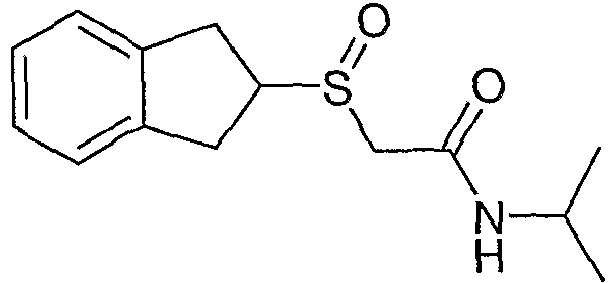
70 
71 
72 
73 
74 
75 
80 
81 
82 
83 
- The present invention provides compounds for use in a method of treating diseases and conditions in a subject in need thereof comprising administering to said subject a therapeutically effective amount of a compound of the present invention. For example, the compounds of the present invention may be useful for the treatment of diseases, such as excessive sleepiness, promotion and/or improvement of wakefulness (preferably improvement of wakefulness in patients with excessive sleepiness associated with narcolepsy, sleep apnea (preferably obstructive sleep apnea/hypopnea) and shift work disorder), treatment of Parkinson's disease, Alzheimer's disease, cerebral ischemia, stroke, eating disorders, attention deficit disorder ("ADD"), attention deficit hyperactivity disorder ("ADHD"), depression, schizophrenia, fatigue (preferably fatigue associated with cancer or neurological diseases, such as multiple sclerosis and chronic fatigue syndrome), stimulation of appetite and weight gain and improvement of cognitive dysfunction.
- The methodology utilized for evaluating wake promoting activity of test compounds is based on that described by Edgar and Seidel, Journal of Pharmacology and Experimental Therapeutics, 283:757-769, 1997.
- Animal Surgery. Adult, male Wistar rats (275-320g from Charles River Laboratories, Wilmington, MA) were anesthetized (Nembutal, 45 mg/kg, ip.) and surgically prepared with implants for recording of chronic EEG (encephalographic) and EMG (electromyographic) recording. The EEG implants were made from commercially available components (Plastics One, Roanoke, VA). EEG signals were recorded from stainless steel screw electrodes: 2 frontal (+3.0 mm AP from bregma, ±2.0 mm ML), and 2 occipital (-4.0 mm AP from bregma, ±2.0 mm ML). Two Teflon-coated stainless steel wires were positioned under the nuchal trapezoid muscles for EMG recording. All electrode leads were inserted into a connector pedestal and the pedestal affixed to the skull by application dental acrylic. Antibiotic was administered post surgically and antibiotic cream was applied to the wound edges to prevent infection. At least one week elapsed between surgery and recording.
- Recording environment. Postsurgically, rats were housed in pairs in an isolated room. Food and water were available ad libitum, ambient temperature was 21°C, and humidity was 55%. At least 24 hrs prior to recording, they were placed in Nalgene containers (31x31x31 cm) with a wire-grid top, and entry to the room was prohibited during the day of recording except for dosing. The containers were placed on a rack with two shelves, 4 containers per shelf. Fluorescent overhead room lights were set to a 24 hr. light/dark cycle (on at 7 AM, off at 7 PM). Light levels inside the containers were 38 and 25 lux for the top and bottom shelves respectively. Background white-noise (68db inside the containers) was present in the room to mask ambient sounds.
- Data acquisition. EEG and EMG signals were led via cables to a commutator (Plastics One) and then to pre-amplifiers (model 1700, A-M Systems, Carlsborg, WA). EEG and EMG signals were amplified (10K and 1K respectively) and band pass filtered between 0.3 and 500 Hz for EEG and between 10 and 500 Hz for EMG. These signals were digitized at 128 samples per second using ICELUS sleep research software (M. Opp, U. Texas; see Opp, Physiology and Behavior 63:67-74, 1998, and Imeri, Mancia, and Opp, Neuroscience 92:745-749, 1999) running under Labview 5.1 software and data acquisition hardware (PCI-MIO-16E-4; National Instruments, Austin, TX). On the day of dosing, data was recorded for 6 to 10 hours beginning at 11 AM.
- Drug administration and study design. Compounds were evaluated on groups of from 4 to 8 rats carried out over one or two separate test sessions. Each animal was tested with a different compound or vehicle for up to 10 weeks with at least 7 days between successive tests. A vehicle group was included in all experiments, and each animal received vehicle every 4th test. Test compounds were suspended in sterile 0.25% methylcellulose (pH=6.2; Upjohn Co., Kalamazoo, MI) at 30 mg/mL. Unless otherwise noted, compounds were administered at a single dose of 100 mg/kg. Dosing was carried out at noon, while the rats were predominantly asleep. Each rat was lifted out of its container, given an intraperitoneal injection in a volume of 5 mL/kg, and replaced. Dosing required approximately 30 sec per rat.
- Sleep / wake scoring. Sleep and wake activity were determined using a procedure involving manual scoring using the ICELUS software, followed by application of an autoscoring program written in Microsoft Excel (Microsoft, Inc., Redmond, WA) The ICELUS program displays the EEG and EMG data in blocks of 6 sec along with the EEG frequency spectrum (FFT) amplitudes. Arousal state was scored as awake, rapid eye-movement (REM), or slow-wave or non-REM sleep according to visual analysis of EEG frequency and amplitude characteristics and EMG activity (Opp and Krueger, 1994; Van Gelder, et al., 1991; Edgar, et al., 1991, 1997; Seidel, et al, 1995, incorporated by reference herein in their entirety). Essentially, waking activity consists of relatively low-amplitude EEG activity with relatively lower power in the frequency band from 0.5 - 6 Hz, accompanied by moderate to high level EMG activity. In a particular waking state ("theta-waking"), EEG power can be relatively focused in the 6-9 Hz (theta) range, but significant EMG activity is always present. NREM sleep is characterized by relative high-amplitude EEG activity with relatively greater power in the low frequency band from 0.5 - 6 Hz, accompanied by little or no EMG activity. REM sleep is characterized by moderate and constant amplitude EEG focused in the theta (6-9 Hz) range, similar to waking theta, but with no EMG activity.
- To convert the raw data to sleep / wake stage scores, normally the first hour of activity (prior to dosing) is manually scored into sleep, wake, or REM states. Subsequent activity is evaluated using a computer algorithm which takes into account FFT amplitudes, theta-band activity, and EMG activity for each 6 second epoch. An iterative procedure is used to adjust 3 different parameter thresholds until the first hour of data scored by the computer algorithm matches as closely as possible with the manual values. These parameter values are then used to score the remaining activity. The data are then reduced to "wake" (wake + waking theta activity) or "sleep" (REM + non-REM) for each 6 sec epoch. The time spent awake was then calculated for each 5 and 30 min interval relative to the specific time of dosing (approximately 12:00 noon).
- Two basic outcome measures were used to ascertain whether a compound exhibited wake-enhancing activity. The first was the percent time spent awake (0 - 100%) for each 30 min period following dosing. The second was the sum in minutes of the time spent awake for the first 6 half-hour periods following dosing (3 hr AUC; maximum 180 min).
- For purposes of ascertaining activity of a test compound, wake activity values were compared against corresponding vehicle values. The vehicle values were of two types. The first type was the corresponding within-experiment vehicle, that is, a value derived from the vehicle group run concurrently with the test compound. A second reference vehicle value was also used for comparison, which consisted of the mean 3 hr AUC value calculated from 234 animals in 59 separate experiments carried out during the same time period as the evaluations of the test compounds (mean ± SD = 69.22 ± 20.12; 95% confidence limits = 66.63 - 71.81). Two-tailed, unpaired t-tests were performed on the wake time values for drug versus vehicle treated animals, and compounds with p ≤ 0.05 were deemed significantly wake-promoting. A test compound was considered active as a wake promoting agent if it met one or more of the following three criteria.
- (i) The 3 hr AUC value for the test compound was significantly greater (p ≤ 0.05) than the mean wake value for the reference vehicle group (N = 234).
- (ii) The 3 hr AUC value for the test compound was significantly greater (p ≤ 0.05) than the corresponding value for the within experiment vehicle group.
- (iii) One or more of the half-hour wake time values from 0.5 to 2 hrs after dosing were significantly greater (p ≤ 0.05) in the test compound group compared to the within-experiment vehicle group.
- Compounds of the invention either have demonstrated or are expected to demonstrate utility for wake promoting activity.
-
- Touret, et al., Neuroscience Letters, 189:43-46, 1995.
- Van Gelder, R.N. et al., Sleep 14:48-55, 1991.
- Edgar, D.M., J. Pharmacol. Exp. Ther. 282:420-429, 1997.
- Edgar and Seidel, J. Pharmacol. Exp. Ther., 283:757-69,1997.
- Hernant et al., Psychopharmacology, 103:28-32, 1991.
- Lin et al., Brain Research, 591:319-326, 1992.
- Opp and Krueger, American Journal of Physiology 266:R688-95, 1994
- Panckeri et al., Sleep, 19(8):626-631, 1996.
- Seidel, W.F., et al., J. Pharmacol. Exp. Ther. 275:263-273, 1995.
- Shelton et al., Sleep 18(10):817-826, 1995.
- Welsh, D.K., et al., Physiol. Behav. 35:533-538, 1985.
- The compounds of the present invention can be administered for therapeutic purposes by any means that results in the contact of the active agent with the agent's site of action in a subject. The compounds may be administered by any conventional means available for use in conjunction with pharmaceuticals, either as individual therapeutic agents or in a combination with other therapeutic agents, such as, for example, analgesics, or in combination with antidepressants, including but are not limited to tricyclic antidepressants ("TCAs"), Selective Serotonin Reuptake Inhibitors ("SSRIs"), Serotonin and Noradrenalin Reuptake Inhibitors ("SNRIs"), Dopamine Reuptake Inhibitors ("DRIs"), Noradrenalin Reuptake Inhibitors ("NRUs"), Dopamine, Serotonin and Noradrenalin Reuptake Inhibitors ("DSNRIs") and Monoamine Oxidase Inhibitors ("MAOIs) including reversible inhibitors of monoamine oxidase type A (RIMAs). The compounds of the present invention are preferably administered in therapeutically effective amounts for the treatment of the diseases and disorders described herein.
- A therapeutically effective amount can be readily determined by the attending diagnostician, as one skilled in the art, by the use of conventional techniques. The effective dose will vary depending upon a number of factors, including the pharmacodynamics of the active agent, the type and extent of progression of the disease or disorder, the age, weight and health of the particular patient, the formulation of the active and its mode and frequency of administration, and the desired effect with a minimization of side effects. Typically, the compounds are administered at lower dosage levels, with a gradual increase until the desired effect is achieved.
- Typical dose ranges are from about 0.01 mg/kg to about 100 mg/kg of body weight per day, with a preferred dose from about 0.01 mg/kg to 10 mg/kg of body weight per day. A typical daily dose for adult humans can range from about 1 to about 1000 mg of the active agent, particularly from about 1 to about 400 mg, and including 25, 50, 85, 100, 150, 170, 200, 255, 250, 255, 340, 400, 425, 500, 600, 700, 750, 800, and 900 mg doses, and equivalent doses for a human child.
- The compounds may be administered in one or more unit dose forms, and they may be administered in a single daily dose or in two, three or four doses per day. The unit dose ranges from about 1 to about 1000 mg, particularly from about 1 to about 400 mg, and including 25, 50, 85, 100, 150, 170, 200, 255, 250, 255, 340, 400, 425, 500, 600, 700, 750, 800, and 900 mg unit doses, and equivalent unit doses for a human child. In particular, the unit dosages range from about 1 to about 500 mg administered one to four times a day, preferably from about 10 mg to about 300 mg, two times a day. In an alternate method of describing an effective dose, an oral unit dose is one that is necessary to achieve a blood serum level of about 0.05 to 20 µg/ml in a subject, and preferably about 1 to 20 µg/ml.
- The compounds of the present invention may be formulated into pharmaceutical compositions by admixture with one or more pharmaceutically acceptable excipients. The active agent may be present in about 0.5-95% by weight of the composition. The excipients are selected on the basis of the chosen route of administration and standard pharmaceutical practice, as described, for example, in Remington: The Science and Practice of Pharmacy, 20th ed.; Gennaro, A. R., Ed.; Lippincott Williams & Wilkins: Philadelphia, PA, 2000.
- The compositions can be prepared for administration by oral means, including tablets, pills, powders, capsules, troches and the like; parenteral means, including intravenous, intramuscular, and subcutaneous means; topical or transdermal means, including patches, creams, ointments, lotions, pastes, gels, solutions, suspensions, aerosols, and powders and the like; transmucosal means, including nasal, rectal, vaginal, sublingual and buccal means; ophthalmic or inhalation means. Preferably the compositions are prepared for oral administration, particularly in the form of tablets, capsules or syrups; parenteral administration, particularly in the form of liquid solutions, suspensions or emulsions; intranasal administration, particularly in the form of powders, nasal drops, or aerosols; or for topical use, such as patches, creams, ointments, and lotions.
- For oral administration, the tablets, pills, powders, capsules, troches and the like can contain one or more of the following: diluents or fillers such as starch, or cellulose; binders such as microcrystalline cellulose, gelatins, or polyvinylpyrrolidone; disintegrants such as starch or cellulose derivatives; lubricants such as talc or magnesium stearate; glidants such as colloidal silicon dioxide; sweetening agents such as sucrose or saccharin; and flavoring agents such as peppermint or cherry flavoring. Capsules may contain any of the above ingredients, and may also contain a semi-solid or liquid carrier, such as a polyethylene glycol. The solid oral dosage forms may have coatings of sugar, shellac, or enteric agents. Liquid preparations may be in the form of aqueous or oily suspensions, solutions, emulsions, syrups, elixirs, etc., or may be provided as a dry product for reconstitution with water or other suitable vehicle before use. Such liquid preparations may contain conventional additives such as surfactants, suspending agents, emulsifying agents, diluents, sweetening and flavoring agents, dyes and preservatives.
- The compositions may also be administered parenterally. The pharmaceutical forms acceptable for injectable use include, for example, sterile aqueous solutions, or suspensions. Aqueous carriers include mixtures of alcohols and water, buffered media, and the like. Nonaqueous solvents include alcohols and glycols, such as ethanol, and polyethylene glycols; oils, such as vegetable oils; fatty acids and fatty acid esters, and the like. Other components can be added including surfactants; such as hydroxypropylcellulose; isotonic agents, such as sodium chloride; fluid and nutrient replenishers; electrolyte replenishers; agents which control the release of the active compounds, such as aluminum monostearate, and various co-polymers; antibacterial agents, such as chlorobutanol, or phenol; buffers; suspending agents; thickening agents; and the like. The parenteral preparations can be enclosed in ampules, disposable syringes or multiple dose vials. Other potentially useful parenteral delivery systems for the active compounds include ethylene-vinyl acetate copolymer particles, osmotic pumps, implantable infusion systems, and liposomes.
- Other possible modes of administration include formulations for inhalation, which include such means as dry powder, aerosol, or drops. They may be aqueous solutions containing, for example, polyoxyethylene-9-lauryl ether, glycocholate and deoxycholate, or oily solutions for administration in the form of nasal drops, or as a gel to be applied intranasally. Formulations for topical use are in the form of an ointment, cream, or gel. Typically these forms include a carrier, such as petrolatum, lanolin, stearyl alcohol, polyethylene glycols, or their combinations, and either an emulsifying agent, such as sodium lauryl sulfate, or a gelling agent, such as tragacanth. Formulations suitable for transdermal administration can be provided as discrete patches, as in a reservoir or microreservoir system, adhesive diffusion-controlled system or a matrix dispersion-type system. Formulations for buccal administration include, for example lozenges or pastilles and may also include a flavored base, such as sucrose or acacia, and other excipients such as glycocholate. Formulations suitable for rectal administration are preferably provided as unit-dose suppositories, with a solid based carrier, such as cocoa butter, and may include a salicylate.
- The compositions of the present invention may be formulated to control and/or delay the release of the active agent(s). Such controlled-, delayed, sustained-, or extended-release compositions are well-known in the art, and may include, for example, reservoir or matrix diffusion products, as well as dissolution systems. Some compositions may utilize, for example biocompatible, biodegradable lactide polymer, lactide/glycolide copolymer, or polyoxyethylene-polyoxypropylene copolymers as excipients.
Claims (22)
- A compound of formula (I):

Ar is
ring A is optionally substituted with one to three groups selected from F, Cl, Br, I, OR21, OR25, NR23R24, NHOH, NO2, CN, CF3, C1-C6 alkyl, C2-C6 alkenyl, C2-C6 alkynyl, C3-C7 cycloalkyl, 3-7 membered heterocycloalkyl, phenyl, 5 or 6 membered heteroaryl, arylalkyl, C(=O)R22, CO2R21, OC(=O)R22, C(=O)NR23R24, NR21C(=O)R22, NR21CO2R22, OC(=O)NR23R24, NR21C(=S)R22, and S(O)yR22;
ring B is optionally substituted with one to three groups selected from C1-C6 alkyl, phenyl, and 5-6 membered heteroaryl;
Y is (C1-C6 alkylene)-R1; or (C1-C4 alkylene)m-Z-(C1-C4 alkylene)n-R1;
wherein said alkylene groups are optionally substituted with one to three R20 groups;
Z is O, NR10A, S(O)y, CR21=CR21, C=C(R21)2, C=C, C6-C10 arylene, 5-10 membered heteroarylene, C3-C6 cycloalkylene, or 3-6 membered heterocycloalkylene; wherein said arylene, heteroarylene, cycloalkylene, and heterocycloalkylene groups are optionally substituted with one to three R20 groups;
R1 is NR12R13, NR21C(=O)R14, C(=O)R15, COOH, CO2R14, OC(=O)R11, C(=O)NR12R13, C(=N)NR12R13, OC(=O)NR12R13, NR21S(O)2R11, S(O)2NR12R13, NR21C(=O)NR12R13, NR21S(O)2NR12R13, or PO(OR21)2;
R10 and R10A are each independently selected from H, C1-C6 alkyl, C6-C10 aryl, C(=O)R15, and S(O)yR14; wherein said alkyl and aryl groups are optionally substituted with one to three R20 groups;
R11 at each occurrence is independently selected from H, C1-C6 alkyl, and C6-C10 aryl; wherein said alkyl and aryl groups are optionally substituted with one to three R20 groups;
R12 and R13 at each occurrence are each independently selected from H, C1-C6 alkyl, and C6-C10 aryl, or R12 and R13, together with the nitrogen to which they are attached, form a 3-7 membered heterocycloalkyl ring;
wherein said alkyl and aryl groups and heterocycloalkyl ring are optionally substituted with one to three R20 groups;
R14 at each occurrence is independently selected from C1-C6 alkyl, C6-C10 aryl, and arylalkyl; wherein said alkyl, aryl and arylalkyl groups are optionally substituted with one to three R20 groups;
R15 at each occurrence is independently selected from C1-C6 alkyl, C6-C10 aryl, arylalkyl, and heteroaryl; wherein said alkyl, aryl, arylalkyl, and heteroaryl groups are optionally substituted with one to three R20 groups;
R20 at each occurrence is independently selected from F, Cl, Br, I, OR21, OR25, O(C1-C4 alkylene)OR21, NR23R24 , NHOH, NO2, CN, CF3, C1-C6 alkyl, C3-C6 spirocycloalkyl, C2-C6 alkenyl, C2-C6 alkynyl, C3-C7 cycloalkyl, 3-7 membered heterocycloalkyl, phenyl, 5 or 6 membered heteroaryl, arylalkyl, =O, C(=O)R22, CO2R21, OC(=O)R22, C(=O)NR23R24, NR21C(=O)R22, NR21CO2R22, OC(=O)NR23R24, NR21C(=O)R22, NR21C(=S)R22, and S(O)yR22;
R21 at each occurrence is independently selected from H and C1-C6 alkyl;
R22 at each occurrence is independently selected from C1-C6 alkyl, and unsubstituted C6-C10 aryl;
R23 and R24 at each occurrence are each independently selected from H, C1-C6 alkyl, and unsubstituted C6-C10 aryl, or R23 and R24, together with the nitrogen to which they are attached, form a 3-7 membered heterocycloalkyl ring;
R25 at each occurrence is independently the residue of an α-amino acid after the hydroxyl group of the carboxyl group is removed, in which the side chain of the α-amino acid is independently selected from:H CH3 CH(CH3)2 CH2CH(CH3)2 CH(CH3)CH2CH3 CH2OH CH2SH CH(OH)CH3 CH2CH2SCH3 CH2C6H5 (CH2)4NH2 (CH2)3NHC(=NH)NH2 CH2COOH CH2CH2COOH CH2CONH2 CH2CH2CONH2 CH2CH3 CH2CH2CH3 CH2CH2CH2CH3 CH2CH2SH CH2CH2OH CH2CH2SCH3 (CH2)3NH2 (CH2)2CH(OH)CH2NH2 (CH2)3NHC(=O)NH2 (CH2)2ONHC(=NH)NH2 CH2C(=O)NHCH2COOH 


m is 1;
n is 0 or 1;
q is 1 or 2;
y is 0, 1, or 2;
wherein any lactams are each, independently, optionally substituted with silyl, dimethoxybenzhydryl, acyl, benzyl, or methoxybenzyl protecting groups;
wherein any hydroxy groups are each, independently, optionally substituted with TBS, acyl, benzyl, benzyloxycarbonyl, t-butyloxycarbonyl, and methoxymethyl protecting groups; wherein the term "cycloalkyl" refers to a saturated or partially saturated mono-or bicyclic alkyl ring system containing, unless otherwise specified, 3 to 10 carbon atoms;
and the stereoisomeric forms, mixtures of stereoisomeric forms or pharmaceutically acceptable salts forms thereof. - The compound of claim 1 wherein q is 1.
- The compound of claim 1 wherein X is a bond.
- The compound of claim 1 wherein X is CH2, O or S(O)y.
- The compound of claim 1 wherein Y is C1-C6 alkylene-R1.
- The compound of claim 5 wherein Y is CH2-R1.
- The compound of claim 1 wherein R1 is selected from NR21C(=O)R14, C(=O)NR12R13, C(=N)NR12R13, and NR21C(=O)NR12R13.
- The compound of claim 7 wherein R1 is C(=O)NR12R13.
- The compound of claim 8 wherein R12 and R13 are each independently selected from H and C1-C6 alkyl.
- The compound of claim 8 wherein R12 and R13 together with the nitrogen to which they are attached, form a 5-6 membered heterocycloalkyl ring, wherein said heterocycloalkyl ring is optionally substituted with one R20 group.
- The compound of claim 1 wherein Y is C1-C4 alkylene-Z-C1-C4 alkylene-R1, wherein Z is CR21=CR21, C=C(R21)2, C=C, or phenylene.
- The compound of claim 1 wherein Y is C1-C4 alkylene-Z-C1-C4 alkylene-R1, wherein Z is O or NR10A.
- A compound having the structure of formula (V):

X is a bond, Y' is CH2, or CH2CH2, and R12 and R13 is H, C1-C4 alkyl, optionally substituted with a CN, OR21, or O(CH2)1-4OR21 group; or R12 and R13, together with the nitrogen to which they are attached, form a pyrrolidinyl, piperidinyl, or piperazinyl ring, optionally substituted with OR21, C(=O)N(R21)2, or C(=O)R21 group;
R21 at each occurrence is independently selected from H and C1-C6 alkyl;
R22 at each occurrence is independently selected from C1-C6 alkyl, and phenyl;
R23 and R24 at each occurrence are each independently selected from H and C1-C6 alkyl, or R23 and R24, together with the nitrogen to which they are attached, form a 5-6 membered heterocycloalkyl;
R25 at each occurrence is independently the residue of an α-amino acid after the hydroxyl group of the carboxyl group is removed, in which the side chain of the α-amino acid is independently selected from:H CH3 CH(CH3)2 CH2CH(CH3)2 CH(CH3)CH2CH3 CH2OH CH2SH CH(OH)CH3 CH2CH2SCH3 CH2C6H5 (CH2)4NH2 (CH2)3NHC(=NH)NH2 CH2COOH CH2CH2COOH CH2CONH2 CH2CH2CONH2 CH2CH3 CH2CH2CH3 CH2CH2CH2CH3 CH2CH2SH CH2CH2OH CH2CH2SCH3 (CH2)3NH2 (CH2)2CH(OH)CH2NH2 (CH2)3NHC(=O)NH2 (CH2)2ONHC(=NH)NH2 CH2C(=O)NHCH2COOH 


wherein any hydroxy groups are each, independently, optionally substituted with TBS, acyl, benzyl, benzyloxycarbonyl, t-butyloxycarbonyl, and methoxymethyl protecting groups;
and the stereoisomeric forms, mixtures of stereoisomeric forms or pharmaceutically acceptable salts forms thereof. - A compound having the structure of formula (VI):

Y' is C1-C4 alkylene, wherein said alkylene group is optionally substituted with an R20 group;
R12 and R13 at each occurrence are each independently selected from H, C1-C6 alkyl, wherein said alkyl group can optionally be substituted with one OR21 or C(=O)N(R21)2 group, or R12 and R13, together with the nitrogen to which they are attached, form a pyrrolidinyl, piperidinyl, or piperazinyl ring substituted with OR21, C(=O)N(R21)2, or C(=O)R21; provided that R12 and R13 cannot both be H;
R20 at each occurrence is independently selected from F, Cl, Br, I, OR21, OR25, NR23R24, NHOH, NO2, CN, or CF3;
R21 at each occurrence is independently selected from H and C1-C6 alkyl;
R22 at each occurrence is independently selected from C1-C6 alkyl, and phenyl;
R23 and R24 at each occurrence are each independently selected from H and C1-C6 alkyl, or R23 and R24, together with the nitrogen to which they are attached, form a 5-6 membered heterocycloalkyl;
R25 at each occurrence is independently the residue of an α-amino acid after the hydroxyl group of the carboxyl group is removed, in which the side chain of the α-amino acid is independently selected from:H CH3 CH(CH3)2 CH2CH(CH3)2 CH(CH3)CH2CH3 CH2OH CH2SH CH(OH)CH3 CH2CH2SCH3 CH2C6H5 (CH2)4NH2 (CH2)3NHC(=NH)NH2 CH2COOH CH2CH2COOH CH2CONH2 CH2CH2CONH2 CH2CH3 CH2CH2CH3 CH2CH2CH2CH3 CH2CH2SH CH2CH2OH CH2CH2SCH3 (CH2)3NH2 (CH2)2CH(OH)CH2NH2 (CH2)3NHC(=O)NH2 (CH2)2ONHC(=NH)NH2 CH2C(=O)NHCH2COOH 
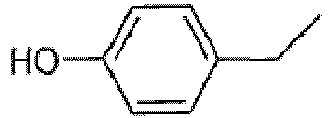


wherein any hydroxy groups are each, independently, optionally substituted with TBS, acyl, benzyl, benzyloxycarbonyl, t-butyloxycarbonyl, and methoxymethyl protecting groups;
and the stereoisomeric forms, mixtures of stereoisomeric forms or pharmaceutically acceptable salts forms thereof. - The compound of claim 14 having the structure of formula (VII):

- The compound of claim 14 wherein Y' is CH2, and R12 and R13 is C1-C4 alkyl, optionally substituted with an OR21 group, or one or two C(=O)N(R21)2 groups; or R12 and R13, together with the nitrogen to which they are attached, form a pyrrolidinyl ring, optionally substituted with a C(=O)N(R21)2 group.
- The compounds of Table 1:
Table 1 Compound No. Structure 10 
11 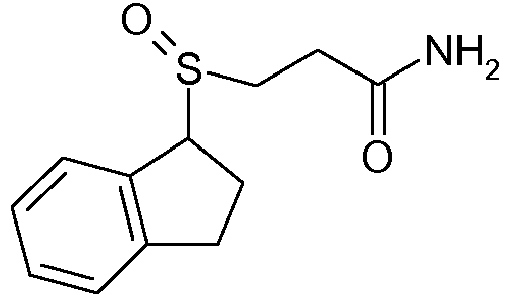
12 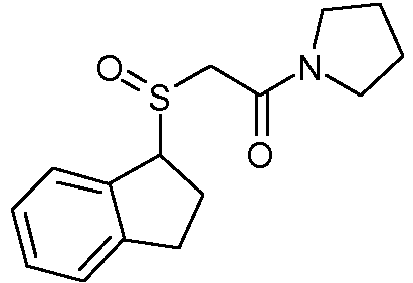
13 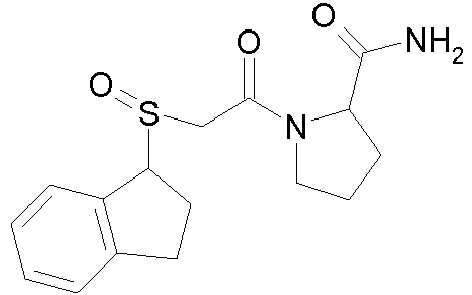
14 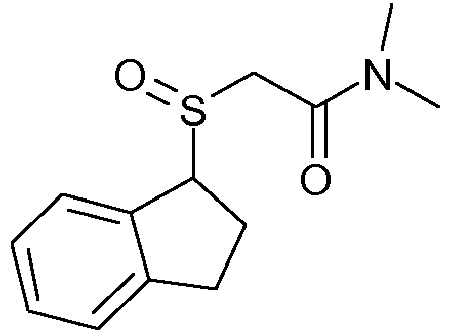
15 
16 
17 
19 
26 
27 
28 
29 
30 
33 
34 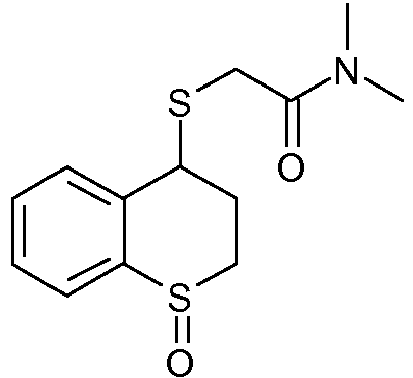
45 
46 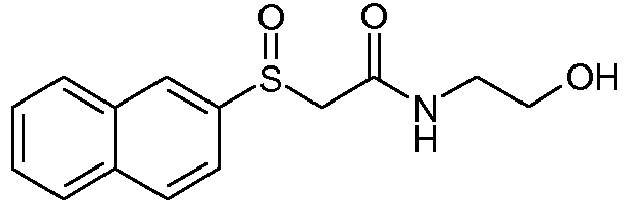
47 
48 
49 
50 
64 
65 
66 
67 
68 
69 
70 
71 
72 
73 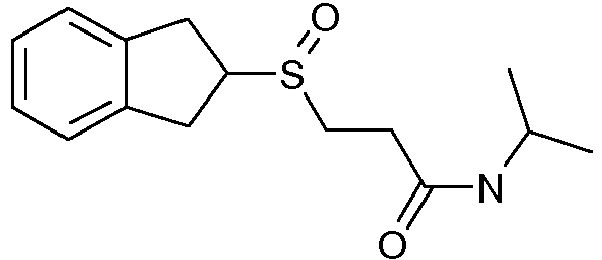
74 
75 
80 
81 
82 
83 
- A compound for use in a method of treating excessive sleepiness associated with narcolepsy, obstructive sleep apnea or shift work disorder; Parkinson's disease; Alzheimer's disease; attention deficit disorder; attention deficit hyperactivity disorder; depression; or fatigue in a subject in need thereof comprising administering to said subject a therapeutically effective amount of the compound, wherein the compound is of formula (A):

Ar is
rings A, C, and D are optionally substituted with one to three groups selected from F, Cl, Br, I, OR21, OR25, NR23R24, NHOH, NO2, CN, CF3, C1-C6 alkyl, C2-C6 alkenyl, C2-C6 alkynyl, C3-C7 cycloalkyl, 3-7 membered heterocycloalkyl, phenyl, 5 or 6 membered heteroaryl, arylalkyl, C(=O)R22, CO2R21, OC(=O)R22, C(=O)NR23R24, NR21C(=O)R22, NR21CO2R22, OC(=O)NR23R24, NR21C(=S)R22, and S(O)yR22;
ring B is optionally substituted with one to three groups selected from C1-C6 alkyl, phenyl, and 5-6 membered heteroaryl;
Y is C1-C9 alkylene-R1, wherein one or two carbon atoms can be replaced by one or two O, NR10, or S(O)y groups, or a carbon atom can be replaced by a C6-C10 arylene, 5-10 membered heteroarylene, C3-C6 cycloalkylene, or 3-6 membered heterocycloalkylene group; C2-C6 alkenylene-R1; or C2-C6 alkynylene-R1; wherein said alkylene, alkenylene, alkynylene, arylene, heteroarylene, cycloalkylene, and heterocycloalkylene groups are optionally substituted with one to three R20 groups;
R1 is H, NR12R13, NR21C(=O)R14, C(=O)R15, COOH, CO2R14, OC(=O)R11, C(=O)NR12R13, C(=O)NR21OR14, C(=N)NR12R13, NR21S(O)2R11, S(O)2NR12R13, NR21S(O)2NR12R13, or PO(OR21)2;
R10 and R10A are each independently selected from H, C1-C6 alkyl, C6-C10 aryl, C(=O)R15, and S(O)yR14; wherein said alkyl and aryl groups are optionally substituted with one to three R20 groups;
R11 at each occurrence is independently selected from H, C1-C6 alkyl, and C6-C10 aryl; wherein said alkyl and aryl groups are optionally substituted with one to three R20 groups;
R12 and R13 at each occurrence are each independently selected from H, C1-C6 alkyl, and C6-C10 aryl, or R12 and R13, together with the nitrogen to which they are attached, form a 3-7 membered heterocycloalkyl ring;
wherein said alkyl and aryl groups and heterocycloalkyl ring are optionally substituted with one to three R20 groups;
R14 at each occurrence is independently selected from C1-C6 alkyl, C6-C10 aryl, and arylalkyl; wherein said alkyl, aryl and arylalkyl groups are optionally substituted with one to three R20 groups;
R15 at each occurrence is independently selected from C1-C6 alkyl, C6-C10 aryl, arylalkyl, and heteroaryl; wherein said alkyl, aryl, arylalkyl, and heteroaryl groups are optionally substituted with one to three R20 groups;
R20 at each occurrence is independently selected from F, Cl, Br, I, OR21, OR25, O(C1-C4 alkylene)OR21, NR23R24, NHOH, NO2, CN, CF3, C1-C6 alkyl, C3-C6 spirocycloalkyl, C2-C6 alkenyl, C2-C6 alkynyl, C3-C7 cycloalkyl, 3-7 membered heterocycloalkyl, phenyl, 5 or 6 membered heteroaryl, arylalkyl, =O, C(=O)R22, CO2R21, OC(=O)R22, C(=O)NR23R24, NR21C(=O)R22, NR21CO2R22, OC(=O)NR23R24, NR21C(=O)R22, NR21C(=S)R22, and S(O)yR22;
R21 at each occurrence is independently selected from H and C1-C6 alkyl;
R22 at each occurrence is independently selected from C1-C6 alkyl, and unsubstituted C6-C10 aryl;
R23 and R24 at each occurrence are each independently selected from H, C1-C6 alkyl, and unsubstituted C6-C10 aryl, or R23 and R24, together with the nitrogen to which they are attached, form a 3-7 membered heterocycloalkyl ring;
R25 at each occurrence is independently the residue of an α-amino acid after the hydroxyl group of the carboxyl group is removed, in which the side chain of the α-amino acid is independently selected from:H CH3 CH(CH3)2 CH2CH(CH3)2 CH(CH3)CH2CH3 CH2OH CH2SH CH(OH)CH3 CH2CH2SCH3 CH2C6H5 (CH2)4NH2 (CH2)3NHC(=NH)NH2 CH2COOH CH2CH2COOH CH2CONH2 CH2CH2CONH2 CH2CH3 CH2CH2CH3 CH2CH2CH2CH3 CH2CH2SH CH2CH2OH CH2CH2SCH3 (CH2)3NH2 (CH2)2CH(OH)CH2NH2 (CH2)3NHC(=O)NH2 (CH2)2ONHC(=NH)NH2 CH2C(=O)NHCH2COOH 


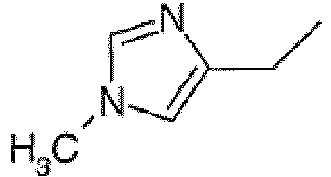


q is 0, 1, or 2;
y is 0, 1, or 2;
wherein any lactams are each, independently, optionally substituted with silyl, dimethoxybenzhydryl, acyl, benzyl, or methoxybenzyl protecting groups;
wherein any hydroxy groups are each, independently, optionally substituted with TBS, acyl, benzyl, benzyloxycarbonyl, t-butyloxycarbonyl, and methoxymethyl protecting groups;
wherein the term "cycloalkyl" refers to a saturated or partially saturated mono- or bicyclic alkyl ring system containing, unless otherwise specified, 3 to 10 carbon atoms;
and the stereoisomeric forms, mixtures of stereoisomeric forms or pharmaceutically acceptable salts forms thereof. - The compound as claimed in claim 18, wherein the compound is administered for the treatment of excessive sleepiness associated with narcolepsy, obstructive sleep apnea or shift work disorder.
- A pharmaceutical composition comprising a compound of claim 1 in admixture with one or more pharmaceutically acceptable excipients.
- The use, in the manufacture of a medicament for treating excessive sleepiness associated with narcolepsy, obstructive sleep apnea or shift work disorder; Parkinson's disease; Alzheimer's disease; attention deficit disorder; attention deficit hyperactivity disorder; depression; or fatigue of a compound of formula (A):

Ar is
rings A, C, and D are optionally substituted with one to three groups selected from F, Cl, Br, I, OR21, OR25, NR23R24, NHOH, NO2, CN, CF3, C1-C6 alkyl, C2-C6 alkenyl, C2-C6 alkynyl, C3-C7 cycloalkyl, 3-7 membered heterocycloalkyl, phenyl, 5 or 6 membered heteroaryl, arylalkyl, C(=O)R22, CO2R21, OC(=O)R22, C(=O)NR23R24, NR21C(=O)R22, NR21CO2R22, OC(=O)NR23R24, NR21C(=S)R22, and S(O)yR22;
ring B is optionally substituted with one to three groups selected from C1-C6 alkyl, phenyl, and 5-6 membered heteroaryl;
Y is C1-C9 alkylene-R1, wherein one or two carbon atoms can be replaced by one or two O, NR10, or S(O)y groups, or a carbon atom can be replaced by a C6-C10 arylene, 5-10 membered heteroarylene, C3-C6 cycloalkylene, or 3-6 membered heterocycloalkylene group; C2-C6 alkenylene-R1; or C2-C6 alkynylene-R1; wherein said alkylene, alkenylene, alkynylene, arylene, heteroarylene, cycloalkylene, and heterocycloalkylene groups are optionally substituted with one to three R20 groups;
R1 is H, NR12R13, NR21C(=O)R14, C(=O)R15, COOH, CO2R14, OC(=O)R11, C(=O)NR12R13, C(=O)NR21OR14, C(=N)NR12R13, NR21S(O)2R11, S(O)2NR12R13, NR21S(O)2NR12R13, or PO(OR21)2;
R10 and R10A are each independently selected from H, C1-C6 alkyl, C6-C10 aryl, C(=O)R15, and S(O)yR14; wherein said alkyl and aryl groups are optionally substituted with one to three R20 groups;
R11 at each occurrence is independently selected from H, C1-C6 alkyl, and C6-C10 aryl; wherein said alkyl and aryl groups are optionally substituted with one to three R20 groups;
R12 and R13 at each occurrence are each independently selected from H, C1-C6 alkyl, and C6-C10 aryl, or R12 and R13, together with the nitrogen to which they are attached, form a 3-7 membered heterocycloalkyl ring;
wherein said alkyl and aryl groups and heterocycloalkyl ring are optionally substituted with one to three R20 groups;
R14 at each occurrence is independently selected from C1-C6 alkyl, C6-C10 aryl, and arylalkyl; wherein said alkyl, aryl and arylalkyl groups are optionally substituted with one to three R20 groups;
R15 at each occurrence is independently selected from C1-C6 alkyl, C6-C10 aryl, arylalkyl, and heteroaryl; wherein said alkyl, aryl, arylalkyl, and heteroaryl groups are optionally substituted with one to three R20 groups;
R20 at each occurrence is independently selected from F, Cl, Br, I, OR21, OR25, O(C1-C4 alkylene)OR21, NR23R24 , NHOH, NO2, CN, CF3, C1-C6 alkyl, C3-C6 spirocycloalkyl, C2-C6 alkenyl, C2-C6 alkynyl, C3-C7 cycloalkyl, 3-7 membered heterocycloalkyl, phenyl, 5 or 6 membered heteroaryl, arylalkyl, =O, C(=O)R22, CO2R21, OC(=O)R22, C(=O)NR23R24, NR21C(=O)R22, NR21CO2R22, OC(=O)NR23R24, NR21C(=O)R22, NR21C(=S)R22, and S(O)yR22;
R21 at each occurrence is independently selected from H and C1-C6 alkyl;
R22 at each occurrence is independently selected from C1-C6 alkyl, and unsubstituted C6-C10 aryl;
R23 and R24 at each occurrence are each independently selected from H, C1-C6 alkyl, and unsubstituted C6-C10 aryl, or R23 and R24, together with the nitrogen to which they are attached, form a 3-7 membered heterocycloalkyl ring;
R25 at each occurrence is independently the residue of an α-amino acid after the hydroxyl group of the carboxyl group is removed, in which the side chain of the α-amino acid is independently selected from:H CH3 CH(CH3)2 CH2CH(CH3)2 CH(CH3)CH2CH3 CH2OH CH2SH CH(OH)CH3 CH2CH2SCH3 CH2C6H5 (CH2)4NH2 (CH2)3NHC(=NH)NH2 CH2COOH CH2CH2COOH CH2CONH2 CH2CH2CONH2 CH2CH3 CH2CH2CH3 CH2CH2CH2CH3 CH2CH2SH CH2CH2OH CH2CH2SCH3 (CH2)3NH2 (CH2)2CH(OH)CH2NH2 (CH2)3NHC(=O)NH2 (CH2)2ONHC(=NH)NH2 CH2C(=O)NHCH2COOH 


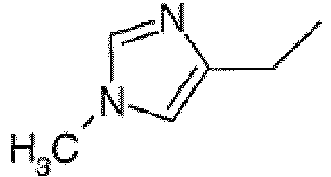


q is 0, 1, or 2;
y is 0, 1, or 2;
wherein any lactams are each, independently, optionally substituted with silyl, dimethoxybenzhydryl, acyl, benzyl, or methoxybenzyl protecting groups;
wherein any hydroxy groups are each, independently, optionally substituted with TBS, acyl, benzyl, benzyloxycarbonyl, t-butyloxycarbonyl, and methoxymethyl protecting groups;
wherein the term "cycloalkyl" refers to a saturated or partially saturated mono- or bicyclic alkyl ring system containing, unless otherwise specified, 3 to 10 carbon atoms;
and the stereoisomeric forms, mixtures of stereoisomeric forms or pharmaceutically acceptable salts forms thereof. - The use of claim 21, wherein the compound is administered for the treatment of excessive sleepiness associated with narcolepsy, obstructive sleep apnea or shift work disorder.
Priority Applications (1)
| Application Number | Priority Date | Filing Date | Title |
|---|---|---|---|
| EP05738419.0A EP1745015B1 (en) | 2004-04-13 | 2005-04-13 | Bicyclic aromatic sulfinyl derivatives |
Applications Claiming Priority (5)
| Application Number | Priority Date | Filing Date | Title |
|---|---|---|---|
| EP04290985A EP1586561A1 (en) | 2004-04-13 | 2004-04-13 | Bicyclic aromatic sulfinyl derivatives |
| US56896504P | 2004-05-07 | 2004-05-07 | |
| US11/104,237 US7423176B2 (en) | 2004-04-13 | 2005-04-12 | Bicyclic aromatic sulfinyl derivatives |
| PCT/US2005/012929 WO2005100311A1 (en) | 2004-04-13 | 2005-04-13 | Bicyclic aromatic sulfinyl derivatives |
| EP05738419.0A EP1745015B1 (en) | 2004-04-13 | 2005-04-13 | Bicyclic aromatic sulfinyl derivatives |
Publications (2)
| Publication Number | Publication Date |
|---|---|
| EP1745015A1 EP1745015A1 (en) | 2007-01-24 |
| EP1745015B1 true EP1745015B1 (en) | 2016-02-17 |
Family
ID=34966797
Family Applications (1)
| Application Number | Title | Priority Date | Filing Date |
|---|---|---|---|
| EP05738419.0A Expired - Lifetime EP1745015B1 (en) | 2004-04-13 | 2005-04-13 | Bicyclic aromatic sulfinyl derivatives |
Country Status (9)
| Country | Link |
|---|---|
| US (2) | US7423176B2 (en) |
| EP (1) | EP1745015B1 (en) |
| JP (1) | JP5116464B2 (en) |
| AU (1) | AU2005233197B2 (en) |
| CA (1) | CA2561555C (en) |
| ES (1) | ES2568470T3 (en) |
| MX (1) | MXPA06011831A (en) |
| NZ (1) | NZ550557A (en) |
| WO (1) | WO2005100311A1 (en) |
Families Citing this family (5)
| Publication number | Priority date | Publication date | Assignee | Title |
|---|---|---|---|---|
| US7314875B2 (en) * | 2004-04-13 | 2008-01-01 | Cephalon, Inc. | Tricyclic aromatic and bis-phenyl sulfinyl derivatives |
| US7297817B2 (en) | 2004-04-13 | 2007-11-20 | Cephalon France | Thio-substituted arylmethanesulfinyl derivatives |
| US7449481B2 (en) * | 2004-04-13 | 2008-11-11 | Cephalon, Inc. | Thio-substituted biaryl-methanesulfinyl derivatives |
| EP1586560A1 (en) * | 2004-04-13 | 2005-10-19 | Cephalon, Inc. | Thio-substituted arylmethanesulfinyl derivatives |
| MX2009000391A (en) * | 2006-07-12 | 2009-06-30 | Elan Pharma Int Ltd | Nanoparticulate formulations of modafinil. |
Citations (1)
| Publication number | Priority date | Publication date | Assignee | Title |
|---|---|---|---|---|
| EP0788796A1 (en) * | 1995-06-30 | 1997-08-13 | Mochida Pharmaceutical Co., Ltd. | Uricosuric agent |
Family Cites Families (60)
| Publication number | Priority date | Publication date | Assignee | Title |
|---|---|---|---|---|
| US2479295A (en) * | 1946-03-08 | 1949-08-16 | Lilly Co Eli | Process and culture media for producing new penicillins |
| US3821277A (en) | 1964-10-30 | 1974-06-28 | Basf Ag | Ypsilon-methoxy-ypsilon-carbanilino-alpha,omega-dicyanopentane |
| DE2217245A1 (en) | 1972-04-11 | 1973-10-18 | Bayer Ag | HALOGENALKANE SULPHONIC ACID AMIDE |
| FI753673A7 (en) | 1975-01-15 | 1976-07-16 | Merck & Co Inc | |
| GB1584462A (en) | 1977-03-31 | 1981-02-11 | Lafon Labor | N-diaryl-malonamide and diarylmethyl-sulphinyl-acetamide derivatives and pharmaceutical compositions containing them |
| AU4091178A (en) | 1977-10-25 | 1980-04-24 | Merck & Co Inc | Substituted mercapto acid amides |
| DE2812542A1 (en) | 1978-03-22 | 1979-10-04 | Thomae Gmbh Dr K | Thioalkyl substd. fluorene and phenanthrene derivs. - useful for lowering cholesterol and tri:glyceride levels |
| JPS5758663A (en) * | 1980-09-24 | 1982-04-08 | Otsuka Pharmaceut Co Ltd | Alkanoic acid derivative |
| DE3100387A1 (en) | 1981-01-09 | 1982-09-02 | Basf Ag, 6700 Ludwigshafen | SUBSTITUTED DIPHENYL ETHER, THIS CONTAINING HERBICIDES AND THEIR USE AS HERBICIDES |
| JPS5816639A (en) * | 1981-04-23 | 1983-01-31 | ザ・プロクタ−・エンド・ギヤンブル・カンパニ− | Fat composition containing salt, lecithin and hydrophilic silica |
| DE3236243A1 (en) | 1982-09-30 | 1984-04-05 | Merck Patent Gmbh, 6100 Darmstadt | SULFURIZED INDOLDER DERIVATIVES |
| FR2582514B1 (en) | 1985-05-30 | 1988-02-19 | Rhone Poulenc Sante | AMIDE DRUGS, NEW AMIDES AND THEIR PREPARATION |
| US4769461A (en) | 1986-09-16 | 1988-09-06 | American Home Products Corporation | Quinolinyl benzene hydroxamic acids as anti-inflammatory/antiallergic agents |
| DE3823318A1 (en) | 1988-07-09 | 1990-02-22 | Bayer Ag | (HETERO) ARYLOXYNAPHTHALINE WITH SUBSTITUTES TIED ABOVE SULFUR |
| DE3907974A1 (en) | 1989-03-11 | 1990-09-13 | Merck Patent Gmbh | INDOLDER DERIVATIVES |
| JP2856548B2 (en) * | 1989-03-30 | 1999-02-10 | 帝人株式会社 | Thionaphthalene derivative, process for producing the same, and antiallergic agent containing the same |
| FR2663225B1 (en) | 1990-06-14 | 1994-11-04 | Lafon Labor | NEW USE OF MODAFINIL. |
| US5561227A (en) | 1991-07-23 | 1996-10-01 | Schering Corporation | Process for the stereospecific synthesis of azetidinones |
| US5149703A (en) | 1991-09-06 | 1992-09-22 | Merck Frosst Canada, Inc. | Quinoline-substituted chromans and related compounds as leukotriene antagonists |
| AU661337B2 (en) | 1991-09-13 | 1995-07-20 | Sankyo Company Limited | 2-(9h-xanthem-9-yl)acetamide and analogues |
| IT1255178B (en) * | 1992-06-26 | 1995-10-20 | Pierrel Spa | N (ETER0) -ARIL-N (ETERO) -TETRALINALCHIL PIPERAZINE HAVING SEROTONINERGIC, DOPAMINERGIC AND ADRENERGIC ACTIVITIES |
| JPH06234732A (en) * | 1992-09-10 | 1994-08-23 | Banyu Pharmaceut Co Ltd | Substituted acetamide derivative |
| GB9220735D0 (en) * | 1992-10-02 | 1992-11-18 | British Tech Group | Heterocyclic amines |
| FR2697162B1 (en) | 1992-10-23 | 1995-01-13 | Lafon Labor | Use of modafinil for the manufacture of a medicament for the treatment of urinary incontinence and urethro vesical sphincter disorders. |
| SK130595A3 (en) | 1993-04-27 | 1996-06-05 | Smithkline Beecham Corp | New indane and indene derivatives, preparing method, pharmaceutical compositions containing them and their use |
| FR2706767B1 (en) | 1993-06-22 | 1995-09-08 | Lafon Labor | |
| FR2707637B1 (en) | 1993-06-30 | 1995-10-06 | Lafon Labor | New acetamide derivatives, their preparation process and their use in therapy. |
| US5576323A (en) * | 1993-12-03 | 1996-11-19 | Eli Lilly And Company | Excitatory amino acid receptor antagonists |
| JPH07242538A (en) * | 1994-03-04 | 1995-09-19 | Teijin Ltd | Disease agent containing naphthalene derivative as an active ingredient |
| JPH11503130A (en) * | 1995-04-07 | 1999-03-23 | ノボ ノルディスク アクティーゼルスカブ | New method |
| HUT76265A (en) | 1995-10-19 | 1997-07-28 | Gyogyszerkutato Intezet | Pyrimidine derivatives, pharmaceutical compositions containing them, process for producing them and their use |
| US5902817A (en) * | 1997-04-09 | 1999-05-11 | Guilford Pharmaceuticals Inc. | Certain sulfoxide and sulfone derivatives |
| US5744339A (en) * | 1996-08-30 | 1998-04-28 | Cephalon, Inc. | Thiomethylene group-containing aldehyde cysteine and serine protease inhibitors |
| DE19648793A1 (en) | 1996-11-26 | 1998-05-28 | Basf Ag | New benzamides and their application |
| US5760246A (en) | 1996-12-17 | 1998-06-02 | Biller; Scott A. | Conformationally restricted aromatic inhibitors of microsomal triglyceride transfer protein and method |
| GEP20022626B (en) | 1997-02-27 | 2002-02-25 | American Cyanamid Company Us | N-Hydroxy-2-(Alkyl, Aryl, or Heteroaryl Sulfanyl, Sulfinil or Sulfonyl)-3-Substituted Alkyl, Aryl or Heteroarylamides as Matrix Metalloproteinase Inhibitors |
| GB9803536D0 (en) * | 1998-02-19 | 1998-04-15 | Black James Foundation | Histamine H,receptor ligands |
| JP2003502277A (en) | 1998-12-22 | 2003-01-21 | アストラゼネカ・アクチエボラーグ | Novel thio-aminotetralin compounds useful for pain management |
| US6498196B1 (en) | 1998-12-22 | 2002-12-24 | Edward Roberts | Compounds useful in pain management |
| JP2002537293A (en) * | 1999-02-20 | 2002-11-05 | アストラゼネカ アクチボラグ | Acetamide acetonitrile derivatives as inhibitors of cathepsin L and / or cathepsin S |
| JP2000290263A (en) * | 1999-04-07 | 2000-10-17 | Sagami Chem Res Center | Triazole derivative, method for producing the same, and pesticide containing the compound |
| IL138983A0 (en) * | 2000-10-12 | 2001-11-25 | Netzer Prec Motion Sensors Ltd | Capacitive displacement encoder |
| US6346548B1 (en) | 1999-08-16 | 2002-02-12 | Cephalon, Inc. | Compositions including modafinil for treatment of attention deficit hyperactivity disorder and multiple sclerosis fatigue |
| US6455588B1 (en) | 1999-08-20 | 2002-09-24 | Cephalon, Inc. | Compositions including modafinil for treatment of eating disorders and for appetite stimulation |
| US6670358B2 (en) | 2000-05-16 | 2003-12-30 | Cephalon, Inc. | Substituted thioacetamides |
| US6492396B2 (en) | 2000-05-16 | 2002-12-10 | Cephalon, Inc. | Substituted thioacetamides |
| GB0012362D0 (en) * | 2000-05-22 | 2000-07-12 | Aventis Pharma Ltd | Chemical compounds |
| AU2001267838B9 (en) * | 2000-06-28 | 2005-07-28 | Katsuragawa Denki Kabushiki Kaisha | Image forming device |
| JP2002201178A (en) * | 2000-07-17 | 2002-07-16 | Takeda Chem Ind Ltd | Sulfone derivative, method for producing the same and application of the same |
| US20020103192A1 (en) * | 2000-10-26 | 2002-08-01 | Curtin Michael L. | Inhibitors of histone deacetylase |
| US7312247B2 (en) | 2001-03-27 | 2007-12-25 | Errant Gene Therapeutics, Llc | Histone deacetylase inhibitors |
| JP4187462B2 (en) * | 2001-05-18 | 2008-11-26 | エーザイ・アール・アンド・ディー・マネジメント株式会社 | Pharmaceutical use of N-carbamoylazole derivatives |
| KR100965201B1 (en) | 2001-06-12 | 2010-06-24 | 웰스테트 테라퓨틱스 코포레이션 | Compounds for the treatment of metabolic diseases |
| ATE449090T1 (en) * | 2001-07-02 | 2009-12-15 | High Point Pharmaceuticals Llc | SUBSTITUTED PIPERAZINE AND DIAZEPANDE DERIVATIVES FOR USE AS HISTAMINE H3 RECEPTOR MODULATORS |
| WO2003004485A1 (en) | 2001-07-05 | 2003-01-16 | Takeda Chemical Industries, Ltd. | Benzo-fused 5-membered hetrocycle compounds, process for preparation of the same, and use thereof |
| EP1279454B1 (en) * | 2001-07-26 | 2006-11-22 | HILTI Aktiengesellschaft | Sabre saw with curved track scotch yoke |
| HRPK20040271B3 (en) | 2001-09-27 | 2006-02-28 | F. Hoffmann - La Roche Ag | Indole derivatives as cox ii inhibitors |
| US7064135B2 (en) | 2001-10-12 | 2006-06-20 | Novo Nordisk Inc. | Substituted piperidines |
| EP2243776A1 (en) * | 2001-10-12 | 2010-10-27 | High Point Pharmaceuticals, LLC | Substituted piperidines and their use for the treatment of diseases related to the histamine H3 receptor |
| US7119214B2 (en) | 2004-04-13 | 2006-10-10 | Cephalon France | Thio-substituted tricyclic and bicyclic aromatic methanesulfinyl derivatives |
-
2005
- 2005-04-12 US US11/104,237 patent/US7423176B2/en not_active Expired - Fee Related
- 2005-04-13 EP EP05738419.0A patent/EP1745015B1/en not_active Expired - Lifetime
- 2005-04-13 ES ES05738419.0T patent/ES2568470T3/en not_active Expired - Lifetime
- 2005-04-13 AU AU2005233197A patent/AU2005233197B2/en not_active Ceased
- 2005-04-13 JP JP2007508586A patent/JP5116464B2/en not_active Expired - Fee Related
- 2005-04-13 WO PCT/US2005/012929 patent/WO2005100311A1/en not_active Ceased
- 2005-04-13 CA CA2561555A patent/CA2561555C/en not_active Expired - Fee Related
- 2005-04-13 MX MXPA06011831A patent/MXPA06011831A/en active IP Right Grant
- 2005-04-13 NZ NZ550557A patent/NZ550557A/en not_active IP Right Cessation
-
2008
- 2008-06-20 US US12/214,567 patent/US8314155B2/en not_active Expired - Fee Related
Patent Citations (1)
| Publication number | Priority date | Publication date | Assignee | Title |
|---|---|---|---|---|
| EP0788796A1 (en) * | 1995-06-30 | 1997-08-13 | Mochida Pharmaceutical Co., Ltd. | Uricosuric agent |
Non-Patent Citations (5)
| Title |
|---|
| G.W. RAIZISS, ET AL.: "N'-Heterocyclic sulfanilamide derivatives", JOURNAL OF THE AMERICAN CHEMICAL SOCIETY, vol. 63, no. 10, October 1941 (1941-10-01), American Chemical Society, Washington, DC, US, pages 2739 - 2740, XP002319874, ISSN: 0002-7863, DOI: 10.1021/ja01855A067 * |
| M. JANCZEWSKI, ET AL.: "Effect of molecular structure on optical properties of sulfoxide systems. Part LII. 2,3-Bromonaphthylsulfinylacetic acids and their derivatives", ROCZNIKI CHEMII, vol. 48, 1974, Nakladem Polskiego Towarzystwa Chemicznego, Warsaw, PL, pages 227 - 241, XP008005154, ISSN: 0035-7677 * |
| M. JANCZEWSKI, ET AL.: "Studia nad wplywem budowy czasteczkowej na wlasnosci optyczne ukladow sulfotlenkowych. XXXIV. Kwasy 7-bromo-1-naftylosulfinylooctowe i niektore ich pochodne", ROCZNIKI CHEMII,, vol. 42, no. 4, 1 January 1968 (1968-01-01), pages 657 - 672, XP008156941, ISSN: 0035-7677 * |
| V.N. LISITSYN, ET AL.: "Oxidation of (2-naphthylthio)glycolic acid and its derivatives", JOURNAL OF ORGANIC CHEMISTRY OF THE USSR, vol. 16, no. 3, 1980, Consultants Bureau, New York, NY, US, pages 549 - 552, XP008099094, ISSN: 0022-3271 * |
| V.N. LISITSYN, ET AL.: "The PMR spectra of some derivatives of (2-naphthylthio)acetic acid and its 1-nitro-and 1-halogen-substitued derivatives", JOURNAL OF ORGANIC CHEMISTRY OF THE USSR, vol. 17, no. 11, 1981, Consultants Bureau, New York, NY, US, pages 2174 - 2178, XP008099095, ISSN: 0022-3271 * |
Also Published As
| Publication number | Publication date |
|---|---|
| ES2568470T3 (en) | 2016-04-29 |
| US20050228040A1 (en) | 2005-10-13 |
| JP5116464B2 (en) | 2013-01-09 |
| US8314155B2 (en) | 2012-11-20 |
| JP2007532678A (en) | 2007-11-15 |
| HK1096380A1 (en) | 2007-06-01 |
| CA2561555A1 (en) | 2005-10-27 |
| MXPA06011831A (en) | 2007-05-07 |
| US7423176B2 (en) | 2008-09-09 |
| CA2561555C (en) | 2013-04-09 |
| NZ550557A (en) | 2011-05-27 |
| US20090042907A1 (en) | 2009-02-12 |
| WO2005100311A1 (en) | 2005-10-27 |
| AU2005233197B2 (en) | 2012-04-26 |
| EP1745015A1 (en) | 2007-01-24 |
| AU2005233197A1 (en) | 2005-10-27 |
Similar Documents
| Publication | Publication Date | Title |
|---|---|---|
| US7772237B2 (en) | Thio-substituted tricyclic and bicyclic aromatic methanesulfinyl derivatives | |
| US8153667B2 (en) | Tricyclic aromatic and bis-phenyl sulfinyl derivatives | |
| EP1740535B1 (en) | Thio-substituted arylmethanesulfinyl derivatives | |
| US8314155B2 (en) | Bicyclic aromatic sulfinyl derivatives | |
| US8071604B2 (en) | Thio-substituted arylmethanesulfinyl derivatives | |
| EP1586561A1 (en) | Bicyclic aromatic sulfinyl derivatives | |
| HK1096380B (en) | Bicyclic aromatic sulfinyl derivatives | |
| EP1589001A1 (en) | Tricyclic aromatic and bis-phenyl sulfinyl derivatives | |
| HK1097821B (en) | Thio-substituted arylmethanesulfinyl derivatives | |
| EP1589016A1 (en) | Thio-substituted tricyclic and bicyclic aromatic methanesulfinyl derivatives |
Legal Events
| Date | Code | Title | Description |
|---|---|---|---|
| PUAI | Public reference made under article 153(3) epc to a published international application that has entered the european phase |
Free format text: ORIGINAL CODE: 0009012 |
|
| 17P | Request for examination filed |
Effective date: 20061113 |
|
| AK | Designated contracting states |
Kind code of ref document: A1 Designated state(s): AT BE BG CH CY CZ DE DK EE ES FI FR GB GR HU IE IS IT LI LT LU MC NL PL PT RO SE SI SK TR |
|
| AX | Request for extension of the european patent |
Extension state: AL BA HR LV MK YU |
|
| 17Q | First examination report despatched |
Effective date: 20070220 |
|
| REG | Reference to a national code |
Ref country code: HK Ref legal event code: DE Ref document number: 1096380 Country of ref document: HK |
|
| RAP1 | Party data changed (applicant data changed or rights of an application transferred) |
Owner name: TEVA SANTE Owner name: CEPHALON, INC. |
|
| GRAP | Despatch of communication of intention to grant a patent |
Free format text: ORIGINAL CODE: EPIDOSNIGR1 |
|
| INTG | Intention to grant announced |
Effective date: 20150715 |
|
| GRAS | Grant fee paid |
Free format text: ORIGINAL CODE: EPIDOSNIGR3 |
|
| RAP1 | Party data changed (applicant data changed or rights of an application transferred) |
Owner name: CEPHALON, INC. Owner name: TEVA SANTE |
|
| GRAA | (expected) grant |
Free format text: ORIGINAL CODE: 0009210 |
|
| INTG | Intention to grant announced |
Effective date: 20151214 |
|
| AK | Designated contracting states |
Kind code of ref document: B1 Designated state(s): AT BE BG CH CY CZ DE DK EE ES FI FR GB GR HU IE IS IT LI LT LU MC NL PL PT RO SE SI SK TR |
|
| AX | Request for extension of the european patent |
Extension state: AL BA HR LV MK YU |
|
| REG | Reference to a national code |
Ref country code: GB Ref legal event code: FG4D Ref country code: NL Ref legal event code: FP |
|
| REG | Reference to a national code |
Ref country code: CH Ref legal event code: EP |
|
| REG | Reference to a national code |
Ref country code: IE Ref legal event code: FG4D |
|
| REG | Reference to a national code |
Ref country code: AT Ref legal event code: REF Ref document number: 775574 Country of ref document: AT Kind code of ref document: T Effective date: 20160315 |
|
| REG | Reference to a national code |
Ref country code: DE Ref legal event code: R096 Ref document number: 602005048462 Country of ref document: DE |
|
| REG | Reference to a national code |
Ref country code: FR Ref legal event code: PLFP Year of fee payment: 12 |
|
| REG | Reference to a national code |
Ref country code: ES Ref legal event code: FG2A Ref document number: 2568470 Country of ref document: ES Kind code of ref document: T3 Effective date: 20160429 |
|
| REG | Reference to a national code |
Ref country code: LT Ref legal event code: MG4D |
|
| REG | Reference to a national code |
Ref country code: AT Ref legal event code: MK05 Ref document number: 775574 Country of ref document: AT Kind code of ref document: T Effective date: 20160217 |
|
| PG25 | Lapsed in a contracting state [announced via postgrant information from national office to epo] |
Ref country code: GR Free format text: LAPSE BECAUSE OF FAILURE TO SUBMIT A TRANSLATION OF THE DESCRIPTION OR TO PAY THE FEE WITHIN THE PRESCRIBED TIME-LIMIT Effective date: 20160518 Ref country code: FI Free format text: LAPSE BECAUSE OF FAILURE TO SUBMIT A TRANSLATION OF THE DESCRIPTION OR TO PAY THE FEE WITHIN THE PRESCRIBED TIME-LIMIT Effective date: 20160217 |
|
| PG25 | Lapsed in a contracting state [announced via postgrant information from national office to epo] |
Ref country code: PL Free format text: LAPSE BECAUSE OF FAILURE TO SUBMIT A TRANSLATION OF THE DESCRIPTION OR TO PAY THE FEE WITHIN THE PRESCRIBED TIME-LIMIT Effective date: 20160217 Ref country code: LT Free format text: LAPSE BECAUSE OF FAILURE TO SUBMIT A TRANSLATION OF THE DESCRIPTION OR TO PAY THE FEE WITHIN THE PRESCRIBED TIME-LIMIT Effective date: 20160217 Ref country code: BE Free format text: LAPSE BECAUSE OF NON-PAYMENT OF DUE FEES Effective date: 20160430 Ref country code: SE Free format text: LAPSE BECAUSE OF FAILURE TO SUBMIT A TRANSLATION OF THE DESCRIPTION OR TO PAY THE FEE WITHIN THE PRESCRIBED TIME-LIMIT Effective date: 20160217 Ref country code: PT Free format text: LAPSE BECAUSE OF FAILURE TO SUBMIT A TRANSLATION OF THE DESCRIPTION OR TO PAY THE FEE WITHIN THE PRESCRIBED TIME-LIMIT Effective date: 20160617 Ref country code: AT Free format text: LAPSE BECAUSE OF FAILURE TO SUBMIT A TRANSLATION OF THE DESCRIPTION OR TO PAY THE FEE WITHIN THE PRESCRIBED TIME-LIMIT Effective date: 20160217 |
|
| REG | Reference to a national code |
Ref country code: HK Ref legal event code: GR Ref document number: 1096380 Country of ref document: HK |
|
| PG25 | Lapsed in a contracting state [announced via postgrant information from national office to epo] |
Ref country code: DK Free format text: LAPSE BECAUSE OF FAILURE TO SUBMIT A TRANSLATION OF THE DESCRIPTION OR TO PAY THE FEE WITHIN THE PRESCRIBED TIME-LIMIT Effective date: 20160217 Ref country code: EE Free format text: LAPSE BECAUSE OF FAILURE TO SUBMIT A TRANSLATION OF THE DESCRIPTION OR TO PAY THE FEE WITHIN THE PRESCRIBED TIME-LIMIT Effective date: 20160217 |
|
| REG | Reference to a national code |
Ref country code: DE Ref legal event code: R097 Ref document number: 602005048462 Country of ref document: DE |
|
| PG25 | Lapsed in a contracting state [announced via postgrant information from national office to epo] |
Ref country code: SK Free format text: LAPSE BECAUSE OF FAILURE TO SUBMIT A TRANSLATION OF THE DESCRIPTION OR TO PAY THE FEE WITHIN THE PRESCRIBED TIME-LIMIT Effective date: 20160217 Ref country code: CZ Free format text: LAPSE BECAUSE OF FAILURE TO SUBMIT A TRANSLATION OF THE DESCRIPTION OR TO PAY THE FEE WITHIN THE PRESCRIBED TIME-LIMIT Effective date: 20160217 Ref country code: RO Free format text: LAPSE BECAUSE OF FAILURE TO SUBMIT A TRANSLATION OF THE DESCRIPTION OR TO PAY THE FEE WITHIN THE PRESCRIBED TIME-LIMIT Effective date: 20160217 |
|
| REG | Reference to a national code |
Ref country code: CH Ref legal event code: PL |
|
| PLBE | No opposition filed within time limit |
Free format text: ORIGINAL CODE: 0009261 |
|
| STAA | Information on the status of an ep patent application or granted ep patent |
Free format text: STATUS: NO OPPOSITION FILED WITHIN TIME LIMIT |
|
| PG25 | Lapsed in a contracting state [announced via postgrant information from national office to epo] |
Ref country code: LU Free format text: LAPSE BECAUSE OF FAILURE TO SUBMIT A TRANSLATION OF THE DESCRIPTION OR TO PAY THE FEE WITHIN THE PRESCRIBED TIME-LIMIT Effective date: 20160413 Ref country code: BE Free format text: LAPSE BECAUSE OF FAILURE TO SUBMIT A TRANSLATION OF THE DESCRIPTION OR TO PAY THE FEE WITHIN THE PRESCRIBED TIME-LIMIT Effective date: 20160217 |
|
| 26N | No opposition filed |
Effective date: 20161118 |
|
| REG | Reference to a national code |
Ref country code: IE Ref legal event code: MM4A |
|
| PG25 | Lapsed in a contracting state [announced via postgrant information from national office to epo] |
Ref country code: CH Free format text: LAPSE BECAUSE OF NON-PAYMENT OF DUE FEES Effective date: 20160430 Ref country code: LI Free format text: LAPSE BECAUSE OF NON-PAYMENT OF DUE FEES Effective date: 20160430 |
|
| PG25 | Lapsed in a contracting state [announced via postgrant information from national office to epo] |
Ref country code: SI Free format text: LAPSE BECAUSE OF FAILURE TO SUBMIT A TRANSLATION OF THE DESCRIPTION OR TO PAY THE FEE WITHIN THE PRESCRIBED TIME-LIMIT Effective date: 20160217 Ref country code: BG Free format text: LAPSE BECAUSE OF FAILURE TO SUBMIT A TRANSLATION OF THE DESCRIPTION OR TO PAY THE FEE WITHIN THE PRESCRIBED TIME-LIMIT Effective date: 20160517 |
|
| REG | Reference to a national code |
Ref country code: FR Ref legal event code: PLFP Year of fee payment: 13 |
|
| PG25 | Lapsed in a contracting state [announced via postgrant information from national office to epo] |
Ref country code: IE Free format text: LAPSE BECAUSE OF NON-PAYMENT OF DUE FEES Effective date: 20160413 |
|
| PGFP | Annual fee paid to national office [announced via postgrant information from national office to epo] |
Ref country code: NL Payment date: 20170419 Year of fee payment: 13 |
|
| PGFP | Annual fee paid to national office [announced via postgrant information from national office to epo] |
Ref country code: FR Payment date: 20170419 Year of fee payment: 13 Ref country code: GB Payment date: 20170419 Year of fee payment: 13 Ref country code: DE Payment date: 20170419 Year of fee payment: 13 |
|
| PGFP | Annual fee paid to national office [announced via postgrant information from national office to epo] |
Ref country code: ES Payment date: 20170510 Year of fee payment: 13 Ref country code: IT Payment date: 20170424 Year of fee payment: 13 |
|
| PG25 | Lapsed in a contracting state [announced via postgrant information from national office to epo] |
Ref country code: HU Free format text: LAPSE BECAUSE OF FAILURE TO SUBMIT A TRANSLATION OF THE DESCRIPTION OR TO PAY THE FEE WITHIN THE PRESCRIBED TIME-LIMIT; INVALID AB INITIO Effective date: 20050413 Ref country code: CY Free format text: LAPSE BECAUSE OF FAILURE TO SUBMIT A TRANSLATION OF THE DESCRIPTION OR TO PAY THE FEE WITHIN THE PRESCRIBED TIME-LIMIT Effective date: 20160217 |
|
| PG25 | Lapsed in a contracting state [announced via postgrant information from national office to epo] |
Ref country code: IS Free format text: LAPSE BECAUSE OF FAILURE TO SUBMIT A TRANSLATION OF THE DESCRIPTION OR TO PAY THE FEE WITHIN THE PRESCRIBED TIME-LIMIT Effective date: 20160217 Ref country code: TR Free format text: LAPSE BECAUSE OF FAILURE TO SUBMIT A TRANSLATION OF THE DESCRIPTION OR TO PAY THE FEE WITHIN THE PRESCRIBED TIME-LIMIT Effective date: 20160217 Ref country code: MC Free format text: LAPSE BECAUSE OF FAILURE TO SUBMIT A TRANSLATION OF THE DESCRIPTION OR TO PAY THE FEE WITHIN THE PRESCRIBED TIME-LIMIT Effective date: 20160217 |
|
| REG | Reference to a national code |
Ref country code: DE Ref legal event code: R119 Ref document number: 602005048462 Country of ref document: DE |
|
| REG | Reference to a national code |
Ref country code: NL Ref legal event code: MM Effective date: 20180501 |
|
| GBPC | Gb: european patent ceased through non-payment of renewal fee |
Effective date: 20180413 |
|
| PG25 | Lapsed in a contracting state [announced via postgrant information from national office to epo] |
Ref country code: DE Free format text: LAPSE BECAUSE OF NON-PAYMENT OF DUE FEES Effective date: 20181101 Ref country code: NL Free format text: LAPSE BECAUSE OF NON-PAYMENT OF DUE FEES Effective date: 20180501 |
|
| PG25 | Lapsed in a contracting state [announced via postgrant information from national office to epo] |
Ref country code: GB Free format text: LAPSE BECAUSE OF NON-PAYMENT OF DUE FEES Effective date: 20180413 |
|
| PG25 | Lapsed in a contracting state [announced via postgrant information from national office to epo] |
Ref country code: IT Free format text: LAPSE BECAUSE OF NON-PAYMENT OF DUE FEES Effective date: 20180413 Ref country code: FR Free format text: LAPSE BECAUSE OF NON-PAYMENT OF DUE FEES Effective date: 20180430 |
|
| REG | Reference to a national code |
Ref country code: ES Ref legal event code: FD2A Effective date: 20190912 |
|
| PG25 | Lapsed in a contracting state [announced via postgrant information from national office to epo] |
Ref country code: ES Free format text: LAPSE BECAUSE OF NON-PAYMENT OF DUE FEES Effective date: 20180414 |