EP1741782A2 - Immunogenic polypeptides encoded by MAGE minigenes and uses thereof - Google Patents
Immunogenic polypeptides encoded by MAGE minigenes and uses thereof Download PDFInfo
- Publication number
- EP1741782A2 EP1741782A2 EP06021369A EP06021369A EP1741782A2 EP 1741782 A2 EP1741782 A2 EP 1741782A2 EP 06021369 A EP06021369 A EP 06021369A EP 06021369 A EP06021369 A EP 06021369A EP 1741782 A2 EP1741782 A2 EP 1741782A2
- Authority
- EP
- European Patent Office
- Prior art keywords
- mage
- polypeptide
- specific antigen
- antigen epitope
- nucleic acid
- Prior art date
- Legal status (The legal status is an assumption and is not a legal conclusion. Google has not performed a legal analysis and makes no representation as to the accuracy of the status listed.)
- Granted
Links
Images


Classifications
-
- C—CHEMISTRY; METALLURGY
- C07—ORGANIC CHEMISTRY
- C07K—PEPTIDES
- C07K14/00—Peptides having more than 20 amino acids; Gastrins; Somatostatins; Melanotropins; Derivatives thereof
- C07K14/435—Peptides having more than 20 amino acids; Gastrins; Somatostatins; Melanotropins; Derivatives thereof from animals; from humans
- C07K14/46—Peptides having more than 20 amino acids; Gastrins; Somatostatins; Melanotropins; Derivatives thereof from animals; from humans from vertebrates
- C07K14/47—Peptides having more than 20 amino acids; Gastrins; Somatostatins; Melanotropins; Derivatives thereof from animals; from humans from vertebrates from mammals
-
- A—HUMAN NECESSITIES
- A61—MEDICAL OR VETERINARY SCIENCE; HYGIENE
- A61P—SPECIFIC THERAPEUTIC ACTIVITY OF CHEMICAL COMPOUNDS OR MEDICINAL PREPARATIONS
- A61P35/00—Antineoplastic agents
-
- A—HUMAN NECESSITIES
- A61—MEDICAL OR VETERINARY SCIENCE; HYGIENE
- A61P—SPECIFIC THERAPEUTIC ACTIVITY OF CHEMICAL COMPOUNDS OR MEDICINAL PREPARATIONS
- A61P37/00—Drugs for immunological or allergic disorders
- A61P37/02—Immunomodulators
- A61P37/04—Immunostimulants
-
- C—CHEMISTRY; METALLURGY
- C07—ORGANIC CHEMISTRY
- C07K—PEPTIDES
- C07K14/00—Peptides having more than 20 amino acids; Gastrins; Somatostatins; Melanotropins; Derivatives thereof
- C07K14/435—Peptides having more than 20 amino acids; Gastrins; Somatostatins; Melanotropins; Derivatives thereof from animals; from humans
- C07K14/46—Peptides having more than 20 amino acids; Gastrins; Somatostatins; Melanotropins; Derivatives thereof from animals; from humans from vertebrates
- C07K14/47—Peptides having more than 20 amino acids; Gastrins; Somatostatins; Melanotropins; Derivatives thereof from animals; from humans from vertebrates from mammals
- C07K14/4701—Peptides having more than 20 amino acids; Gastrins; Somatostatins; Melanotropins; Derivatives thereof from animals; from humans from vertebrates from mammals not used
- C07K14/4748—Tumour specific antigens; Tumour rejection antigen precursors [TRAP], e.g. MAGE
-
- C—CHEMISTRY; METALLURGY
- C12—BIOCHEMISTRY; BEER; SPIRITS; WINE; VINEGAR; MICROBIOLOGY; ENZYMOLOGY; MUTATION OR GENETIC ENGINEERING
- C12N—MICROORGANISMS OR ENZYMES; COMPOSITIONS THEREOF; PROPAGATING, PRESERVING, OR MAINTAINING MICROORGANISMS; MUTATION OR GENETIC ENGINEERING; CULTURE MEDIA
- C12N15/00—Mutation or genetic engineering; DNA or RNA concerning genetic engineering, vectors, e.g. plasmids, or their isolation, preparation or purification; Use of hosts therefor
- C12N15/09—Recombinant DNA-technology
- C12N15/11—DNA or RNA fragments; Modified forms thereof; Non-coding nucleic acids having a biological activity
- C12N15/62—DNA sequences coding for fusion proteins
-
- A—HUMAN NECESSITIES
- A61—MEDICAL OR VETERINARY SCIENCE; HYGIENE
- A61K—PREPARATIONS FOR MEDICAL, DENTAL OR TOILETRY PURPOSES
- A61K39/00—Medicinal preparations containing antigens or antibodies
- A61K2039/51—Medicinal preparations containing antigens or antibodies comprising whole cells, viruses or DNA/RNA
- A61K2039/53—DNA (RNA) vaccination
-
- A—HUMAN NECESSITIES
- A61—MEDICAL OR VETERINARY SCIENCE; HYGIENE
- A61K—PREPARATIONS FOR MEDICAL, DENTAL OR TOILETRY PURPOSES
- A61K39/00—Medicinal preparations containing antigens or antibodies
-
- A—HUMAN NECESSITIES
- A61—MEDICAL OR VETERINARY SCIENCE; HYGIENE
- A61K—PREPARATIONS FOR MEDICAL, DENTAL OR TOILETRY PURPOSES
- A61K48/00—Medicinal preparations containing genetic material which is inserted into cells of the living body to treat genetic diseases; Gene therapy
-
- C—CHEMISTRY; METALLURGY
- C12—BIOCHEMISTRY; BEER; SPIRITS; WINE; VINEGAR; MICROBIOLOGY; ENZYMOLOGY; MUTATION OR GENETIC ENGINEERING
- C12N—MICROORGANISMS OR ENZYMES; COMPOSITIONS THEREOF; PROPAGATING, PRESERVING, OR MAINTAINING MICROORGANISMS; MUTATION OR GENETIC ENGINEERING; CULTURE MEDIA
- C12N2799/00—Uses of viruses
- C12N2799/02—Uses of viruses as vector
- C12N2799/021—Uses of viruses as vector for the expression of a heterologous nucleic acid
- C12N2799/023—Uses of viruses as vector for the expression of a heterologous nucleic acid where the vector is derived from a poxvirus
Definitions
- the present invention relates to immunology, in particular to novel polypeptides comprising several MAGE-specinc antigen epitopes therein selected from different (i.e. discrete) members of the MAGE protein family, nucleic acids coding therefor, recombinant viruses comprising said nucleic acid, cells comprising said nucleic acids, compositions thereof, and their use as immunogenic agents.
- CTLs cytotoxic T lymphocytes
- MHC Major Histocompatibility Complex
- the first such human tumor associated antigen characterized was identified from a melanoma.
- This antigen (originally designated MAGE 1) was identified using CTLs isolated from an HLA A1+ melanoma patient to screen HLA A1 target cells transfected with tumor DNA ( van der Bruggen P. (1991) Science 254:1643 ; said tumor associated antigens are now designated MAGE-A1, MAGE-A2, etc.-for purposes of this application the older designation will be adopted).
- MAGE 1 was found to belong to a family of at least 12 closely related genes located on the X chromosome ( de Plaen, E. et al. (1994) Immunogenetics 40:360 ).
- MAGE-1 and MAGE-3 are expressed in 48% and 76% of metastatic melanomas respectively ( Brasseur, F. et al. (1995) Int. J. Cancer 63:375 ), 35% and 30% of non-small cell lung cancer (" NSCLC"; Weynants, P. et al. (1994) Int. J. Cancer 56:826 ), 27% and 48% of head and neck squamous cell carcinomas ( Eura, M. et al. (1995) Int. J. Cancer 64:304 ), 62% and 57% of esophageal squamous cell carcinomas ( Inoue, H. et al. (1995) Int.
- MAGE-3 directs the expression of a number of antigens recognized by CTLs.
- the nonapeptide EVDPIGHLY (amino acid 168-176 of MAGE 3) is recognized in association with the MHC class 1 molecule HLA-A1 ( Gaugler, B. et al. (1994) J. Exp. Med. 179:921 ); the decapeptide MEVDPIGHLY (amino acids 167-176) in association with the MHC class 1 molecules HLA-B44.02 and HLA-B44.03 ( Herman, J. et al.
- the present invention discloses novel polypeptides comprising several distinct MAGE-specific antigen epitopes selected from different (i.e. discrete) members of the MAGE protein family, nucleic acids coding therefor, recombinant viruses and/or cells comprising said nucleic acids, compositions of the aforementioned agents, and their advantageous use in generating MAGE-specific immune responses.
- the present invention encompasses immunogenic peptides comprising several MAGE-specific antigen epitopes selected from different (i.e. discrete) members of the MAGE protein family, nucleic acids coding therefor, recombinant virus and/or cells comprising said nucleic acids, and compositions of the aforementioned. All of these aforementioned agents and compositions are characterized by their ability to induce or elicit an immune response against said polypeptide, a MAGE-specific antigen epitope of said polypeptide, a MAGE protein or fragment thereof comprising a MAGE-specific antigen epitope of said polypeptide, or cells binding and/or expressing the aforementioned polypeptide, MAGE-specific antigen epitope, MAGE protein polypeptide or fragment thereof.
- a polypeptide wherein the MAGE-specific antigen epitopes are derived from MAGE 1, MAGE 2 and/or MAGE 3. Further aspects of the invention encompass polypeptides wherein said MAGE-specific antigen epitopes are directly adjoined together, or are joined via an amino acid linker sequence.
- the polypeptide comprises a first MAGE-specific antigen epitope derived from MAGE 1 having the amino acid sequence EADPTGHSY and a second MAGE-specific antigen epitope derived from MAGE-3 having the amino acid sequence EVDPIGHLY.
- the polypeptide consists/comprises the amino acid sequence of SEQ ID NO:1 ( Figure 2).
- aspects of the invention encompass nucleic acids coding for the aforementioned polypeptides. Accordingly, aspects of the invention consist/comprise the nucleic acid sequence of SEQ ID NO:2 ( Figure 1).
- the nucleic acid is a DNA selected from the group consisting of viral nucleic acid, plasmid, bacterial DNA, naked/free DNA, and RNA.
- the viral nucleic acid is selected from the group consisting of adenovirus, alpha-virus and poxvirus.
- the poxvirus is selected from the group consisting of ALVAC, NYVAC, TROVAC and MVA.
- Particular aspects of the invention further encompass recombinant viruses into which is inserted a nucleic acid encoding for a polypeptide of the invention, wherein the recombinant virus causes the expression of the polypeptide in an infected cell.
- cells infected with said recombinant viruses are capable of eliciting an immune response directed against:
- viruses selected from the group consisting of adenovirus, alphavirus and poxvirus; particular embodiments encompass ALVAC.
- compositions of the aforementioned polypeptides, nucleic acids, and recombinant viruses may optionally include adjuvants.
- the invention further provides for cells comprising the aforementioned nucleic acid(s), wherein said cells express a polypeptide of the invention.
- the cells bind cleavage fragments of a polypeptide of the invention (these latter fragments optionally produced by a protease).
- the cells expressing the polypeptide also express a MHC HLA class 1 molecule.
- the cells expressing the polypeptide are antigen-presenting cells.
- the invention further provides a method of inducing an immune response in an animal directed against:
- the invention in yet a further aspect provides for a treatment for cancer comprising any one of the aforementioned methods for inducing immune responses.
- the invention in still a further aspect provides for the use of the polypeptides of the invention in the manufacture of a medicament for the treatment of cancer.
- the invention discloses immunogenic polypeptides comprising several MAGE-specific antigen epitopes selected from different (i.e. discrete) members of the MAGE protein family, nucleic acids coding therefor, recombinant viruses and/or cells comprising said nucleic, acids (collectively designated as "agents" of the invention), and compositions of the aforementioned.
- All of the aforementioned agents and compositions of the invention have the ability to induce or elicit an immune response against said polypeptide, a MAGE-specific antigen epitope of said polypeptide, a MAGE protein or fragment thereof comprising a MAGE-specific antigen epitope of said polypeptide, or cells binding and/or expressing the aforementioned polypeptide, MAGE-specific antigen epitope, MAGE protein or fragment thereof.
- An "immune response" is defined as any response of the immune system, for example, of either a cell-mediated (i.e. cytotoxic T-lymphocyte mediated) or humoral (i.e. antibody mediated) nature.
- tumor associated antigen proteins are processed by intracellular proteases into smaller epitope peptides which are subsequently transported to the cell surface tightly bound in a cleft on an MHC HLA class 1 molecule.
- T cells recognize these small epitope peptides only when presented in association with MHC HLA Class I molecules on the surface of appropriate cells.
- humoral immune responses proteins can be processed into smaller epitope peptides which are subsequently presented on cell surfaces (i.e. antigen presenting cells) in association with MHC HLA class II molecules. Said complexes are recognized by appropriate cells of the humoral immune system.
- short peptides i.e. epitopes
- epitopes composed of amino acid sequences of about 9 to 12 amino acids derived from antigens are capable of binding directly within the cleft of an HLA class 1 molecule without intracellular processing.
- epitope peptides derived from MAGE proteins i.e. MAGE-specific antigen epitopes
- MAGE-specific antigen epitopes MAGE-specific antigen epitopes
- the polypeptides of the present invention elicit an improved immune response to appropriate MAGE-expressing target cells by comparison to that observed when only a single MAGE-specific antigen epitope is employed as immunogen.
- the appropriate choice of epitopes will provide the advantage of an immunogenic polypeptide capable of eliciting or inducing an immune response in a population of individuals not restricted to a single MHC HLA subclass.
- the linking of MAGE-specific antigen epitopes in a single polypeptide allows for the administration of a single immunogen to individuals (by contrast to a mixture of distinct individual peptides).
- the polypeptide is appropriately processed to allow the individual MAGE-specific antigen epitopes encompassed therein to be presented in association with the relevant HLA class 1 molecules on relevant cell surfaces.
- the individual MAGE-specific antigen epitopes which comprise the polypeptide of the present invention may each vary in the number of amino acids, typically comprising from about 8 to about 12 amino acids, but preferably of the size of 9 to 10 amino acids. In one embodiment of the invention, the MAGE-specific antigen epitopes each comprise 9 amino acids.
- MAGE-specific antigen epitope derived from any member of the MAGE protein family can be incorporated into the polypeptides of the present invention.
- MAGE 1-specific antigen epitopes are disclosed in U.S. Patent Nos. 5405940 , 5695994 , 5843448 and published PCT application WO 9504542 ;
- MAGE 2-specific antigen epitopes are disclosed in U.S. Patent Nos. 5554724 , 5686068 and published PCT application WO 9525530 ;
- MAGE 3-specific antigen epitopes are disclosed in U.S. Patent Nos.
- the polypeptide comprises a first MAGE-specific antigen epitope selected from MAGE 1 and a second chosen from MAGE 3.
- the MAGE-1 specific antigen epitope comprises the amino acid sequence EADPTGHSY.
- the MAGE-3 specific antigen epitope may comprise the amino acid sequence EVDPIGHLY. It should be noted that the aforementioned epitopes encompassed by the polypeptide embodiments of this invention can be directly adjoined together, or be connected by an amino acid linker sequence. Said amino acid linker sequences for joining the MAGE-specific antigen epitopes may comprise from 1 to about 25 amino acids. In one embodiment, the linker comprises 16 amino acids.
- polypeptide and/or amino acid linker sequence further comprises an amino acid sequence cleavable by proteolytic activity.
- a particular embodiment of the invention consists of the polypeptide whose sequence is denoted by SEQ ID NO:1 ( Figure 2).
- polypeptides of the present invention may also encompass "functionally equivalent variants" or “analogs" of the polypeptides. As such, this would include but not be limited to polypeptides with partial sequence homology, peptides having one or more specific conservative and/or non-conservative amino acid changes and peptide conjugates which do not alter the biological or structural properties of the polypeptide.
- polypeptides of the invention may be prepared using a variety of methods known to one skilled in the art. Accordingly, recombinant DNA methods can be utilized to provide these polypeptides.
- Nucleic acid sequences which encode for the polypeptides of the invention may be incorporated in a known manner into appropriate expression vectors (i.e. recombinant expression vectors).
- Possible expression vectors include (but are not limited to) cosmids, plasmids, or modified viruses (e.g. replication defective retroviruses, adenoviruses and adeno-associated viruses, lentiviruses, poxviruses), so long as the vector is compatible with the host cell used.
- vector is compatible with the host cell
- the expression vector(s) contain a nucleic acid molecule of the invention (hereinafter described) and attendant regulatory sequence(s) selected on the basis of the host cell(s) to be used for expression, said regulatory sequence(s) being operatively linked to the nucleic acid molecule.
- "Operatively linked” is intended to mean that the nucleic acid is linked to regulatory sequence(s) in a manner which allows expression of the nucleic acid. Suitable regulatory sequences may be derived from a variety of sources, including bacterial, fungal, or viral genes.
- regulatory sequence(s) are dependent on the host cell(s) chosen, and may be readily accomplished by one of ordinary skill in the art. Examples of such regulatory sequences include the following: a transcriptional promoter and enhancer, RNA polymerase binding sequence, or a ribosomal binding sequence (including a translation initiation signal). Depending on the host cell chosen and the vector employed, other additional sequences (such as an origin of replication, additional DNA restriction sites, enhancers, and sequences conferring inducibility of transcription) may be incorporated into the expression vector.
- additional sequences such as an origin of replication, additional DNA restriction sites, enhancers, and sequences conferring inducibility of transcription
- the aforementioned expression vectors of the invention may also contain a selectable marker gene which facilitates the selection of host cells transformed or transfected with a recombinant molecule of the invention.
- selectable marker genes are genes encoding a protein such as G418 and hygromycin (which confer resistance to certain drugs), ⁇ -galactosidase, chloramphenicol acetyltransferase, or firefly luciferase.
- selectable marker gene Transcription of the selectable marker gene is monitored by changes in the concentration of the selectable marker protein such as ⁇ -galactosidase, chloramphenicol acetyltransferase, or firefly luciferase.
- Transformant cells can be selected with appropriate selection molecules if the selectable marker gene encodes a protein conferring antibiotic resistance (i.e. G418 in context of neomycin resistance).
- G418 in context of neomycin resistance
- the recombinant expression vectors may also contain genes which encode a fusion moiety which provides increased expression of the polypeptides of the invention; increased solubility of the polypeptides of the invention; and/or aids in the purification of a target recombinant protein by acting as a ligand in affinity purification.
- a proteolytic cleavage site may be added to the target recombinant polypeptide to allow separation of the recombinant polypeptide peptide(s) from the fusion moiety subsequent to purification of the fusion protein.
- polypeptides of the invention may also be prepared by chemical synthesis using techniques well known in the chemistry of proteins such as solid phase synthesis ( Merrifield (1964) J. Am. Chem. Assoc. 85:2149 ) or synthesis in homogenous solution ( Methods of Organic Chemistry, E. Wansch (Ed.) Vol. 15, pts. I and II, Thieme, Stuttgart (1987 )).
- nucleic acids coding for the polypeptides hereinbefore described encompass nucleic acids coding for the polypeptides hereinbefore described.
- nucleic acid(s) encompass (but is not limited to) viral nucleic acid(s), plasmid(s), bacterial DNA, naked/free DNA and RNA.
- the nucleic acids encompass both single and double stranded forms. As such, these nucleic acids comprise the relevant base sequences coding for the aforementioned polypeptides.
- the "relevant base sequences coding for the aforementioned polypeptides” further encompass complementary nucleic acid sequences.
- the nucleic acid has the sequence denoted by SEQ ID NO:2 ( Figure 1). In further embodiments of the invention, the nucleic acids comprise this sequence (i.e. SEQ ID NO:2 ( Figure 1)).
- the present invention also encompasses nucleic acid sequences which are complementary as well as anticomplementary to the sequence denoted by SEQ ID NO:2 and equivalent sequence variants thereof.
- One skilled in the art may determine such complementary or anticomplementary nucleic acid sequences.
- nucleic acid sequences which hybridize to one of the aforementioned nucleic acid molecules under stringent conditions are also as part of the invention.
- Stringent conditions refers to parameters with which the art is familiar and such parameters are discussed for example in Molecular Cloning: A Laboratory Manual, J. Sambrook, et al., eds., Second Edition, Cold Spring Harbor Laboratory Press, Cold Spring Harbor, New York, 1989 or Current Protocols in Molecular Biology, F.M.
- nucleic acid molecules described herein represent a preferred embodiment of the invention.
- the invention also encompasses degenerate nucleic acids that differ from the aforementioned sequences. Due to degeneracy in the genetic code, variations in the DNA sequence will result in translation of equivalent peptides. It is thus understood that numerous choices of nucleotides may be made that will lead to a sequence capable of directing production of the polypeptides or functional analogs thereof of the present invention. As a result, substitutions are included in the scope of the invention.
- the viral nucleic acid of the invention may be derived from a poxvirus or other virus such as adenovirus or alphavirus.
- the viral nucleic acids further comprising a nucleic acid sequence coding for a polypeptide of the invention is designated for discussion hereinafter as a "'viral' vector".
- the viral vector is incapable of integration in recipient animal cells.
- the elements for expression from said vector may include a promoter suitable for expression in recipient animal cells.
- Adenovirus vectors and methods for their construction have been described (e.g. U.S. Patent Nos. 5994132 , 5932210 , 6057158 and Published PCT Applications WO 9817783 , WO 9744475 , WO 9961034 , WO 9950292 , WO 9927101 , WO 9720575 , WO 9640955 , WO 9630534 -all of which are herein incorporated by reference).
- Alphavirus vectors have also been described in the art and can be used in embodiments of this invention (e.g. U.S. Patent Nos.
- Poxvirus vectors that can be used include, for example, vaccinia and canary poxvirus (as described in U.S. Patent Nos.
- Poxvirus vectors comprising a nucleic acid coding for polypeptides of the invention can be obtained by homologous recombination as is known to one skilled in the art. As such, the polynucleotide of the invention is inserted into the viral genome under appropriate conditions for expression in mammalian cells (as described below).
- the poxvirus vector is ALVAC (1) or ALVAC (2) (both of which have been derived from canarypox virus).
- ALVAC (1) (or ALVAC (2)) does not productively replicate in non-avian hosts, a characteristic thought to improve its safety profile.
- ALVAC (1) is an attenuated canarypox virus-based vector that was a plaque-cloned derivative of the licensed canarypox vaccine, Kanapox ( Tartaglia et al. (1992) Virology 188:217 ; U.S. Patent Nos. 5505941 , 5756103 and 5833975 -all of which are incorporated herein by reference).
- ALVAC (1) has some general properties which are the same as some general properties of Kanapox.
- ALVAC-based recombinant viruses expressing extrinsic immunogens have also been demonstrated efficacious as vaccine vectors ( Tartaglia et al, In AIDS Research Reviews (vol. 3) Koff W., Wong-Staol F. and Kenedy R.C. (eds.), Marcel Dekker NY, pp. 361-378 (1993a ); Tartaglia, J. et al. (1993b) J. Virol. 67:2370 ).
- mice immunized with an ALVAC (1) recombinant expressing the rabies virus glycoprotein were protected from lethal challenge with rabies virus (Tartaglia, J. et al., (1992) supra ) demonstrating the potential for ALVAC (1) as a vaccine vector.
- ALVAC-based recombinants have also proven efficacious in dogs challenged with canine distemper virus ( Taylor, J. et al. (1992) Virology 187:321 ) and rabies virus ( Perkus, M.E.
- ALVAC (2) is a second-generation ALVAC vector in which vaccinia transcription elements E3L and K3L have been inserted within the C6 locus ( U.S. Patent No. 5990091 , incorporated herein by reference).
- the E3L encodes a protein capable of specifically binding to dsRNA.
- the K3L ORF has significant homology to E1F-2.
- the E3L gene is under the transcriptional control of its natural promoter, whereas K3L has been placed under the control of the early/late vaccine H6 promoter.
- the E3L and K3L genes act to inhibit PKR activity in cells infected with ALVAC (II), allowing enhancement of the level and persistence of foreign gene expression.
- Fowlpox virus is the prototypic virus of the Avipox genus of the Poxvirus family.
- FPV has been used advantageously as a vector expressing immunogens from poultry pathogens.
- the hemagglutinin protein of a virulent avian influenza virus was expressed in an FPV recombinant. After inoculation of the recombinant into chickens and turkeys, an immune response was induced which was protective against either a homologous or a heterologous virulent influenza virus challenge ( Taylor, J. et al. (1988) Vaccine 6: 504 ).
- FPV recombinants expressing the surface glycoproteins of Newcastle Disease Virus have also been developed ( Taylor, J. et al. (1990) J. Virol. 64:1441 ; Edbauer, C. et al. (1990) Virology 179:901 ); U.S. Patent No. 5766599 -incorporated herein by reference).
- a highly attenuated strain of vaccinia has also been used as a vector for poxvirus-based vaccines.
- MVA has also been used as a vector for poxvirus-based vaccines.
- Use of MVA is described in U.S. Patent No. 5,185,146 .
- Other attenuated poxvirus vectors have been prepared via genetic modification to wild type strains of vaccinia.
- the NYVAC vector for example, is derived by deletion of specific virulence and host-range genes from the Copenhagen strain of vaccinia (Tartaglia, J. et al. (1992), supra; U.S. Patent Nos. 5364773 and 5494807 -incorporated herein by reference) and has proven useful as a recombinant vector in eliciting a protective immune response against expressed foreign antigens.
- Recombinant poxviruses can be constructed by a process known to those skilled in the art (as previously described for vaccinia and avipox viruses; U.S. Patent Nos. 4769330 ; 4722848 ; 4603112 ; 5110587 ; and 5174993 -all of which are incorporated herein by reference).
- one embodiment of the invention encompasses a recombinant virus comprising a virus into which is inserted a nucleic acid encoding for a polypeptide of the invention, said recombinant virus causing the expression of the polypeptide in an infected cell.
- the recombinant virus is selected from the group consisting of adenovirus, alphavirus and poxvirus.
- the recombinant virus is ALVAC.
- the recombinant virus is ALVAC(1) into which is inserted the nucleic acid of Figure 1 (SEQ ID NO:2) coding for the polypeptide of Figure 2 (SEQ ID NO:1).
- the recombinant viral nucleic acid of said recombinant virus in one embodiment of the invention is further characterized in that it is schematically represented in Figure 3.
- Bacterial DNA useful in embodiments of the invention have also been disclosed and are known to those of ordinary skill in the art. These bacteria include, for example, Shigella, Salmonella, Vibrio cholerae, Lactobacillus, Bacille Calmette Guérin (BCG), and Streptococcus.
- live and/or attenuated bacteria per se may be used as vectors for nucleic acids of this invention.
- non-toxicogenic Vibrio cholerae mutant strains may be useful as bacterial vectors in embodiments of this invention; as described in US Patent No.
- 4,882,278 (disclosing a strain in which a substantial amount of the coding sequence of each of the two ctx A alleles has been deleted so that no functional cholera toxin is produced), WO 92/11354 (strain in which the irg A locus is inactivated by mutation; this mutation can be combined in a single strain with ctx A mutations), and WO 94/1533 (deletion mutant lacking functional ctx A and attR S1 DNA sequences). These strains can be genetically engineered to express heterologous antigens, as described in WO 94/19482 .
- An effective immunogen dose of a Vibrio cholerae strain capable of expressing a polypeptides encoded by a DNA molecule of the invention can contain, for example, about 1x10 5 to about 1x10 9 , preferably about 1x10 6 to about 1x10 8 viable bacteria in an appropriate volume for the selected route of administration.
- Attenuated Salmonella typhimurium strains genetically engineered for recombinant expression of heterologous antigens and their use as oral immunogens are described, for example, in WO 92/11361 .
- bacterial strains useful as sources of DNA and/or bacterial vectors in embodiments of this invention include Shigella flexneri, Streptococcus gordonii, and Bacille Calmette Guerin (as described in WO 88/6626 , WO 90/0594 , WO 91/13157 , WO 92/1796 , and WO 92/21376 ; all of which are incorporated herein by reference).
- a nucleic acid of the invention may be inserted into the bacterial genome, can remain in a free state, or be carried on a plasmid.
- Cells comprising the aforementioned nucleic acids coding for polypeptides of this invention encompass further embodiments of the invention. These cells encompass any potential cell into which a nucleic acid of this invention might be introduced and/or transfected.
- the choice of process tor the introduction and/or transfection into cells is dependant upon the intrinsic nature of the nucleic acid (i.e. recombinant virus, plasmid), as will be known to one skilled in the art (for example, as taught in Current Protocols in Molecular Biology, F.M. Ausubel et al. (Eds.), John Wiley and Sons, Inc., N.Y., U.S.A. (1998), Chpt. 9 ; Molecular Cloning: A Laboratory Manual (2nd Ed.), J. Sambrook, E.F. Fritsch amd T. Maniatis (Eds.), Cold Spring Harbor Laboratory Press, N.Y., U.S.A. (1989), Chpts. 1, 2, 3 and 16 ).
- MHC major histocompatibility complex
- class I and class II present peptides/epitopes (derived from intracellular processing of protein antigens) to T lymphocytes (CD8+ and CD4+ T lymphocytes respectively) thus initiating both cellular and humoral immune responses.
- epitopes/peptides derived from alloantigens, tumor antigens or viruses will be presented in association with MHC class I molecules; extracellular antigens/proteins will be presented in association with MHC class II molecules.
- endogenous antigens can also be presented in association with MHC class II molecules.
- embodiments of the invention encompass cells into which has been introduced/transfected a nucleic acid of the invention, wherein said cells express a polypeptide of the invention.
- said cells are capable of binding cleavage fragments (i.e. epitopes/peptides) of the polypeptide.
- cleavage fragments are produced by a protease.
- embodiments of the invention may also encompass cells into which has been introduced/transfected a nucleic acid of the invention wherein said cells also express a MHC HLA molecule (i.e. class I and/or class II).
- these cells are antigen-presenting cells, possibly selected from the group consisting of mononuclear phagocytes, Langerhans-dendritic cells ("dendritic cell(s)”), and B lymphocytes.
- Additional embodiments of this invention further encompass pharmaceutical compositions comprising the aforementioned polypeptides of the invention, nucleic acids coding therefor, and/or recombinant viruses comprising said nucleic acids for administration to subjects in a biologically compatible form suitable for administration in vivo.
- biologically compatible form suitable for administration in vivo is meant a form of the substance to be administered in which any toxic effects are outweighed by the therapeutic effects.
- Administration of a therapeutically active amount of the pharmaceutical compositions of the present invention, or an "effective amount” is defined as an amount effective at dosages and for periods of time, necessary to achieve the desired result of eliciting an immune response in a human.
- a therapeutically effective amount of a substance may vary according to factors such as the disease state/health, age, sex, and weight of the recipient, and the inherent ability of the particular polypeptide, nucleic acid coding therefor, or recombinant virus to elicit a desired immune response. Dosage periods may be adjusted to provide the optimum therapeutic response. For example, several divided doses may be administered daily or on at periodic intervals, and/or the dose may be proportionally reduced as indicated by the exigencies of the therapeutic situation.
- compositions described herein can be prepared by per se known methods for the preparation of pharmaceutically acceptable compositions which can be administered to subjects, such that an effective quantity of the active substance (i.e. composition) is combined in a mixture with a pharmaceutically acceptable vehicle.
- suitable vehicles are described, for example, in " Handbook of Pharmaceutical Additives” (compiled by Michael and Irene Ash, Gower Publishing Limited, Aldershot, England (1995 )).
- the compositions include, albeit not exclusively, solutions of the substances in association with one or more pharmaceutically acceptable vehicles or diluents, and may be contained in buffered solutions with a suitable pH and/or be iso-osmotic with physiological fluids.
- U.S. Patent No. 5,843,456 reference can be made to U.S. Patent No. 5,843,456 .
- a polypeptide of the invention As defined herein, a polypeptide of the invention, a nucleic acid coding therefor, a recombinant virus comprising said nucleic acid, a cell comprising said nucleic acid, and compositions of the aforementioned are collectively referred to as "immunizing agent(s)", “agent(s)”, or “immunogen(s)”.
- an animal may be immunized with a polypeptide of the invention, a nucleic acid coding therefor, a recombinant virus comprising said nucleic acid, or a cell comprising said nucleic acid (or compositions of the aforementioned) by any conventional route.
- This may include, for example, immunization via a mucosal surface (e.g., ocular, intranasal, oral, gastric, pulmonary, intestinal, rectal, vaginal, or urinary tract) or via a parenteral route (e.g., subcutaneous, intradermal, intramuscular, intravenous, or intraperitoneal).
- a mucosal surface e.g., ocular, intranasal, oral, gastric, pulmonary, intestinal, rectal, vaginal, or urinary tract
- a parenteral route e.g., subcutaneous, intradermal, intramuscular, intravenous, or intraperitoneal.
- Preferred routes depend upon the
- polypeptide vs. nucleic acid composition formulation, etc.
- the administration can be achieved in a single dose or repeated at intervals.
- the appropriate dosage is dependant on various parameters understood by the skilled artisans, such as the immunogen itself (i.e. polypeptide vs. nucleic acid (and more specifically type thereof)), the route of administration and the condition of the animal to be vaccinated (weight, age and the like).
- embodiments of this invention encompass methods of eliciting immune responses in animals comprising administering an effective amount of a polypeptide of the invention, nucleic acid coding therefore, recombinant virus comprising said nucleic acid, or cells comprising said nucleic acid (or compositions of the aforementioned).
- nucleic acids in particular plasmids and/or free/naked DNA and/or RNA coding for the polypeptide of the invention
- nucleic acids can be administered to an animal for purposes of inducing/eliciting an immune response (for example, US Patent No. 5589466 ; McDonnell and Askari, NEJM 334:42-45 (1996) ; Kowalczyk and Ertl, Cell Mol. Life Sci. 55:751-770 (1999) ).
- this nucleic acid is a form that is unable to replicate in the target animal's cell and unable to integrate in said animal's genome.
- the DNA/RNA molecule encoding the polypeptide is also typically placed under the control of a promoter suitable for expression in the animal's cell.
- the promoter can function ubiquitously or tissue-specifically.
- non-tissue specific promoters include the early Cytomegalovirus (CMV) promoter (described in U.S. Patent No. 4,168,062 ) and the Rous Sarcoma Virus promoter.
- CMV Cytomegalovirus
- the desmin promoter is tissue-specific and drives expression in muscle cells. More generally, useful vectors have been described (i.e., WO 94/21797 ).
- nucleic acids coding for a polypeptide of the invention can encode a precursor or mature form of the polypeptide.
- the precursor form can be homologous or heterologous.
- a eucaryotic leader sequence can be used, such as the leader sequence of the tissue-type plasminogen factor (tPA).
- Standard techniques of molecular biology for preparing and purifying nucleic acids well known to those skilled in the art can be used in the preparation of aspects of the invention (for example, as taught in Current Protocols in Molecular Biology, F.M. Ausubel et al. (Eds.), John Wiley and Sons, Inc, N.Y., U.S.A. (1998), Chpts. 1, 2 and 4 ; Molecular Cloning: A Laboratory Manual (2nd Ed.), J. Sambrook, E.F. Fritsch amd T. Maniatis (Eds.), Cold Spring Harbor Laboratory Press, N.Y., U.S.A. (1989), Chpts. 1, 2, 3 and 7 ).
- a nucleic acid of the invention can be formulated according to various methods known to a skilled artisan.
- a nucleic acid can be used in a naked/free form, free of any delivery vehicles (such as anionic liposomes, cationic lipids, microparticles, (e.g., gold microparticles), precipitating agents (e.g., calcium phosphate) or any other transfection-facilitating agent.
- the nucleic acid can be simply diluted in a physiologically acceptable solution (such as sterile saline or sterile buffered saline) with or without a carrier.
- the carrier preferably is isotonic, hypotonic, or weakly hypertonic, and has a relatively low ionic strength (such as provided by a sucrose solution (e.g., a solution containing 20% sucrose)).
- a nucleic acid can be associated with agents that assist in cellular uptake. It can be, i.e., (i) complemented with a chemical agent that modifies the cellular permeability (such as bupivacaine; see, for example, WO 94/16737 ), (ii) encapsulated into liposomes, or (iii) associated with cationic lipids or silica, gold, or tungsten microparticles.
- a chemical agent that modifies the cellular permeability such as bupivacaine; see, for example, WO 94/16737
- encapsulated into liposomes or (iii) associated with cationic lipids or silica, gold, or tungsten microparticles.
- Cationic lipids are well known in the art and are commonly used for gene delivery. Such lipids include Lipofectin (also known as DOTMA (N-[1-(2,3-dioleyloxy)propyl]-N,N,N-trimethylammonium chloride), DOTAP (1,2-bis(oleyloxy)-3-(trimethylammonio) propane). DDAB (dimethyldioctadecyl-ammonium bromide), DOGS (dioctadecylamidologlycyl spermine) and cholesterol derivatives such as DC-Chol (3 beta-(N-(N',N-dimethyl aminomethane)-carbamoyl) cholesterol).
- DC-Chol beta-(N-(N',N-dimethyl aminomethane)-carbamoyl) cholesterol
- Cationic lipids for gene delivery are preferably used in association with a neutral lipid such as DOPE (dioleyl phosphatidylethanolamine), as, for example, described in WO 90/11092 .
- DOPE dioleyl phosphatidylethanolamine
- transfection-facilitating compounds can be added to a formulation containing cationic liposomes.
- a number of them are described in, for example, WO 93/18759 , WO 93/19768 , WO 94/25608 , and WO 95/2397 . They include, i.e., spermine derivatives useful for facilitating the transport of DNA through the nuclear membrane (see, for example, WO 93/18759 ) and membrane-permeabilizing compounds such as GALA, Gramicidine S, and cationic bile salts (see, for example, WO 93/19768 ).
- Gold or tungsten microparticles can also be used for gene delivery (as described in WO 91/359 and WO 93/17706 ).
- the microparticle-coated polynucleotides can be injected via intradermal or intraepidermal routes using a needleless injection device ("gene gun"), such as those described, for example, in U.S. Patent No. 4,945,050 , U.S. Patent No. 5,015,580 , and WO 94/24263 .
- Anionic and neutral liposomes are also well-known in the art (see, for example, Liposomes: A Practical Approach, RPC New Ed, IRL Press (1990 ), for a detailed description of methods for making liposomes) and are useful for delivering a large range of products, including polynucleotides.
- an agent to induce/elicit an immune response can be improved if, regardless of administration formulation (i.e. recombinant virus, nucleic acid, polypeptide), said agent is co-administered with an adjuvant.
- adjuvants are described and discussed in " Vaccine Design-the Subunit and Adjuvant Approach” (edited by Powell and Newman, Plenum Press, New York, U.S.A., pp. 61-79 and 141-228 (1995 )).
- Adjuvants typically enhance the immunogenicity of an immunogen but are not necessarily immunogenic in and of themselves.
- Adjuvants may act by retaining the immunogen locally near the site of administration to produce a depot effect facilitating a slow, sustained release of immunizing agent to cells of the immune system. Adjuvants can also attract cells of the immune system to an immunogen depot and stimulate such cells to elicit immune responses. As such, embodiments of this invention encompass compositions further comprising adjuvants.
- adjuvants are toxic and can cause undesirable side effects, thus making them unsuitable for use in humans and many animals.
- some adjuvants may induce granulomas, acute and chronic inflammations (i.e. Freund's complete adjuvant (FCA)), cytolysis (i.e. saponins and pluronic polymers) and pyrogenicity, arthritis and anterior uveitis (i.e. muramyl dipeptide (MDP) and lipopolysaccharide (LPS)).
- FCA Freund's complete adjuvant
- cytolysis i.e. saponins and pluronic polymers
- pyrogenicity i.e. muramyl dipeptide (MDP) and lipopolysaccharide (LPS)
- MDP muramyl dipeptide
- LPS lipopolysaccharide
- alum is ineffective for influenza vaccination and inconsistently elicits a cell mediated immune response with other immunogens.
- the antibodies elicited by alum-adjuvanted antigens are mainly of the IgG1 isotype in the mouse, which may not be optimal for protection in vaccination contexts.
- Adjuvants may be characterized as "intrinsic” or “extrinsic".
- Intrinsic adjuvants such as lipopolysaccharides
- Extrinsic adjuvants are typically nonintegral immunomodulators generally linked to antigens in a noncovalent manner, and are formulated to enhance the host immune response.
- potent extrinsic adjuvants include (but are not limited to) saponins complexed to membrane protein antigens (immune stimulating complexes), pluronic polymers with mineral oil, killed mycobacteria and mineral oil, Freund's complete adjuvant, bacterial products such as muramyl dipeptide (MDP) and lipopolysaccharide (LPS), as well as lipid A, and liposomes.
- QS7 a non-haemolytic fraction of Quil-A which acts as a potent adjuvant for systemic vaccines.
- QS21 is further described in Kensil et al. ((1991) J. Immunol 146:431 ).
- Combinations of QS21 and polysorbate or cyclodextrin are also known ( WO 9910008 ).
- Particulate adjuvant systems comprising fractions of Quil A (such as QS21 and QS7) are described in WO 9633739 and WO 9611711 .
- CpG immunostimulatory oligonucleotide containing unmethylated CpG dinucleotides
- CpG is an abbreviation for cytosine-guanosine dinucleotide motifs present in DNA.
- CpG is known in the art as being an adjuvant when administered by both systemic and mucosal routes ( WO 9602555 ; European Patent EP 468520 ; Davies et al. (1998) J. Immunol. 160:87 ; McCluskie and Davis (1998) J. Immunol. 161:4463 ).
- the immunostimulatory sequence is often: purine, purine, C, G, pyrimidine, pyrimidine, wherein the CG motif is not methylated; however other unmethylated CpG sequences are known to be immunostimulatory and as such may also be used in the present invention.
- N-glycolipid analogs displaying structural similarities to the naturally-occurring glycolipids are also capable of eliciting strong immune responses in both herpes simplex virus vaccine and pseudorabies virus vaccine.
- Adjuvant compounds may also be chosen from the polymers of acrylic or methacrylic acid and the copolymers of maleic anhydride and alkenyl derivative.
- Adjuvant compounds are the polymers of acrylic or methacrylic acid which are cross-linked, especially with polyalkenyl ethers of sugars or polyalcohols. These compounds are known by the term carbomer ( Pharmeuropa Vol. 8, No. 2, June 1996 ).
- carbomer Pharmeuropa Vol. 8, No. 2, June 1996
- a solution of adjuvant according to the invention, especially of carbomer is prepared in distilled water, preferably in the presence of sodium chloride, the solution obtained being at acidic pH.
- This stock solution is diluted by adding it to the desired quantity (for obtaining the desired final concentration), or a substantial part thereof, of water charged with NaCl, preferably physiological saline (NaCL 9 g/l) all at once in several portions with concomitant or subsequent neutralization (pH 7.3 to 7.4), preferably with NaOH.
- NaCl physiological saline
- This solution at physiological pH will be used as it is for mixing with the immunizing agent; said mixture being amenable to storage in the freeze-dried, liquid or frozen form.
- adjuvants useful for parenteral administration of immunizing agent include aluminum compounds (such as aluminum hydroxide, aluminum phosphate, and aluminum hydroxy phosphate; but might also be a salt of calcium, iron or zinc, or may be an insoluble suspension of acylated tyrosine, or acylated sugars, cationically or anionically derivatised polysaccharides, or polyphosphazenes).
- the antigen can be precipitated with, or adsorbed onto, the aluminum compound according to standard protocols well known to those skilled in the art.
- 3D-MPL 3-de-O-acylated monophosphoryl lipid A
- 3D-MPL 3-de-O-acylated monophosphoryl lipid A
- Ribi Immunochem Montana. Chemically it is often supplied as a mixture of 3-de-O-acylated monophosphoryl lipid A with 4, 5, or 6 acylated chains. It can be prepared by the methods taught in GB 2122204B .
- a preferred form of 3D-MPL is in the form of a particulate formulation having a particle size less than 0.2 ⁇ m in diameter (European Patent EP 689454 ).
- Adjuvants for mucosal immunization may include bacterial toxins (e.g., the cholera toxin (CT), the E . coli heat-labile toxin (LT), the Clostridium difficile toxin A and the pertussis toxin (PT), or combinations, subunits, toxoids, or mutants thereof).
- CT cholera toxin
- LT E . coli heat-labile toxin
- PT pertussis toxin
- a purified preparation of native cholera toxin subunit B (CTB) can be of use. Fragments, homologs, derivatives, and fusion to any of these toxins are also suitable, provided that they retain adjuvant activity. A mutant having reduced toxicity may be used.
- Mutants have been described (e.g., in WO 95/17211 (Arg-7-Lys CT mutant), WO 96/6627 (Arg-192-Gly LT mutant), and WO 95/34323 (Arg-9-Lys and Glu-129-Gly PT mutant)). Additional LT mutants include, for example Ser-63-Lys, Ala-69-Gly, Glu-110-Asp, and Glu-112-Asp mutants.
- Other adjuvants such as a bacterial monophosphoryl lipid A (MPLA)
- E . coli Salmonella minnesota
- Salmonella typhimurium e.g., Salmonella typhimurium, or Shigella flexneri
- MPLA bacterial monophosphoryl lipid A
- Adjuvants useful for both mucosal and parenteral immunization include polyphosphazene (for example, WO 95/2415 ), DC-chol (3 b-(N-(N',N-dimethyl aminomethane)-carbamoyl) cholesterol (for example, U.S. Patent No. 5,283,185 and WO 96/14831 ) and QS-21 (for example, WO 88/9336 ).
- Adjuvants/immunostimulants as described herein may be formulated together with carriers, such as for example liposomes, oil in water emulsions, and/or metallic salts including aluminum salts (such as aluminum hydroxide).
- carriers such as for example liposomes, oil in water emulsions, and/or metallic salts including aluminum salts (such as aluminum hydroxide).
- 3D-MPL may be formulated with aluminum hydroxide (as discussed in EP 689454 ) or oil in water emulsions (as discussed in WO 9517210 );
- QS21 may be advantageously formulated with cholesterol containing liposomes (as discussed in WO 9633739 ), in oil water emulsions (as discussed in WO 9517210 ) or alum (as discussed in WO 9815287 ).
- immunostimulatory oligonucleotides i.e. CpGs
- CpGs immunostimulatory oligonucleotides
- free antigen as discussed in WO 9602555 ; McCluskie and Davis (1998) Supra
- covalently conjugated to an antigen as discussed in WO 9816247
- a carrier such as aluminum hydroxide or alum (as discussed in Davies et al. Supra ; Brazolot-Millan et al (1998) Proc. Natl. Acad. Sci. 95:15553 ).
- Combinations of adjuvants/immunostimulants are also within the scope of this invention.
- a combination of a monophosphoryl lipid A and a saponin derivative (as described in WO 9400153 , WO 9517210 , WO 9633739 , WO 9856414 , WO 9912565 , WO 9911214 ) can be used, or more particularly the combination of QS21 and 3D-MPL (as described in WO 9400153 ).
- a combination of an immunostimulatory oligonucleotide and a saponin (such as QS21), or a combination of monophosphoryl lipid A (preferably 3D-MPL) in combination with an aluminum salt also form a potent adjuvant for use in the present invention.
- Example 1 Generation of the ALVAC-MAGE 1 / 3 Minigene Recombinant Construct (vCP1469A)
- a nucleic acid containing a poxvirus-promoted expression cassette for a minigene consisting of MAGE 1 and MAGE 3 epitopes separated by a putative protease cleavage site was subcloned into an ALVAC donor plasmid. This expression cassette was subsequently inserted into the C6 insertion site in the ALVAC(1) genome by in vitro recombination.
- Plasmid pCDSRa (containing a sequence coding for a fragment of MAGE 1 encompassing amino acids 149-181) was used as a template in a PCR reaction with the following primers:
- This latter primer i.e. MAGE02
- MAGE02 comprises a nucleic acid antisense sequence for the MAGE 3-specific antigen epitope, proteolytic cleavage site, and the 6 terminal amino acids at the carboxyl end of the abovenoted fragment of MAGE 1.
- the resulting 180 bp PCR fragment contained the 3' end of an H6 promoter (originating from plasmid pCDSRa) linked to a MAGE 1/3 fusion gene.
- the MAGE 1/3 fusion gene comprises the MAGE-1 specific antigen epitope (located within the MAGE-1 protein fragment consisting of amino acids 149-181), an engineered protease cleavage site and the MAGE-3 specific antigen epitope (amino acids 161-169 of MAGE-3; the sequence of these latter two provided by primer MAGE02 (as described above)).
- This fragment was digested with Eco R5 and Xho I and ligated with EcoR5 / Xho I digested plasmid pC6H6B7 (this latter plasmid contains an irrelevant H6-promoted coding sequence in a C6 donor plasmid).
- the resulting C6 donor plasmid (designated pMAGE1/3-1) contains a regenerated H6 promoter linked to the MAGE 1/3 Minigene.
- DNA sequence analysis revealed a G to C substitution at position 118 of the fragment.
- pMAGE 1/3-1 was used as a template for PCR amplification utilizing primers MAGE03 (5'>ATC GCG ATA TCC GTT AAG TTT G ⁇ 3') and MAGE04 (5'>GGG CTC GAG CTA GTA CAA GTG GCC GAT GGG GTC CAC TTC TTT ACG CTT ATT GCC ⁇ 3').
- the resulting 180 bp fragment containing the (3') H6/MAGE-1/3 Minigene with corrected position 118 was digested with Eco R5 and Xho I and subsequently ligated with Eco R5/ Xho I digested pMAGE 1/3-1 vector.
- the resulting C6 donor plasmid (designated pC6MAGE 1/3 CTL) contained the regenerated H6 promoter linked to the corrected MAGE 1/3 Minigene.
- the resultant recombinant virus (designated vCP1469A) comprises a vaccinia H6 promoted human MAGE 1/3 Minigene sequence in the C6 locus of ALVAC(1).
- Viral genomic DNA was isolated from cells infected with vCP1469A pursuant to methods well known to those skilled in the art (for example, as taught in Current Protocols in Molecular Biology, F.M. Ausubel et al. (Eds.), John Wiley and Sons, Inc., N.Y., U.S.A. (1998 ); Molecular Cloning: A Laboratory Manual (2nd Ed.), J. Sambrook, E.F. Fritsch amd T. Maniatis (Eds.), Cold Spring Harbor Laboratory Press, N.Y., U.S.A. (1989 )). The genomic DNA was digested with restriction endonuclease Xho I.
- the resultant DNA fragments were fractionated by electrophoresis through an agarose gel and visualized by ethidium bromide staining.
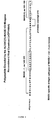
- the insertion of the MAGE 1/3 Minigene expression cassette at the C6 locus was confirmed (see Figure 3 for a schematic representation of the restriction map profile).
- Example 2 Presentation of the individual MAGE-specific antigen epitopes of the MAGE1 / 3 Minigene in suitable target cells
- the capacity of the ALVAC-MAGE 1/3 Minigene recombinant virus (i.e. vCP1469A) to express and appropriately present the MAGE-1 and MAGE-3 specific antigen epitopes in target cells has been analyzed using an in vitro assay system.
- DCs Human dendritic cells
- vCP1469A recombinant virus
- MOI multiplicities of infection
- Infected cells were washed and subsequently tested for their capacity to stimulate IFN-gamma release by either the CTL clone MZ2-CTL 82/30 (MAGE 1 specific, HLA-A1 restricted), or MZ2-CTL 20/38 (MAGE 3 specific, HLA-A1 restricted).
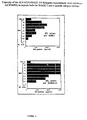
- infected dendritic cells were able to induce significant production of IFN-gamma by both CTL clones, thus establishing that infection with the recombinant virus resulted in the processing and presentation of both the MAGE-1 and MAGE-3 specific antigen epitope. Uninfected dendritic cells did not induce the production of detectable IFN-gamma.
- Example 3 Presentation of the MAG -1 specific antigen epitope derived from the MAGE 1 / 3 Minigene in association with both MHC HLA-A1 and HLA-B35 molecules
- DCs Dendritic cells of an HLA-A1 and B35 donor were infected with three different ALVAC recombinant viruses.
- the first virus contained the MAGE 1/3 Minigene (i.e. vCP1469A); the second contained the coding sequence of MAGE-1 (designated MAGE-Al); the third contained the coding sequence of ⁇ -galactosidase (designated ßgal; negative control).
- DCs were distributed in microwells (10 4 cells per well), infected at various multiplicities of infection (MOI) for 2 hours, and subsequently washed.
- MOI multiplicities of infection
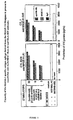
- infected DCs efficiently stimulated both relevant CTLs.
- the recognition of the epitope by CTL 7 was restricted by HLA-B35 molecules; the recognition of the epitope by MZ2-CTL 82/30 was restricted by HLA-A1.
- Example 4 Presentation of the MAGE-3 specific antigen epitope derived from the MAGE 1 / 3 Minigene in association with MHC HLA-B35 molecules
- DCs Dendritic cells of a B35 donor were infected with two different ALVAC recombinant viruses.
- the first virus contained the MAGE 1/3 Minigene (i.e. vCP1469A); the second contained the coding sequence of ⁇ -galactosidase (designated ßgal; negative control).
- DCs were distributed in microwells (10 4 cells per well), infected at various multiplicities of infection (MOI) for 2 hours, and subsequently washed.
- the melanoma cell line MI13443-MEL HLA-Al + , HLA-B35 + , MAGE-1 + ) was utilized as a source of positive control target cells.
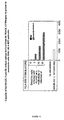
- CTL clone 41 Three thousand cells of CTL clone 41 (directed against the MAGE-3 epitope presented by HLA-B35) was added to the DCs or the positive control target cells. After 20 hours, IFN- ⁇ produced by each CTL (indicative of an interaction between CTLs and target cells) was measured by ELISA.
- Example 5 Generation of a clinical response in a human with melanoma in response to the administration of an ALVAC-MAGE 1 / 3 Minigene recombinant(vCP1469A)
- ALVAC recombinant injections i.e. priming
- 1ml of ALVAC recombinant (10 7.09 CCID 50 ) was divided between 4 injection sites - 0.4ml was injected subcutaneously at sites 1 and 3, and 0.1ml injected intradermally at sites 2 and 4 (into the deltoid region or the anterior aspect of the thighs).
- No injection was given into limbs wherein draining lymph nodes were surgically removed and/or irradiated, or in limbs in which draining lymph nodes were known to contain metastases.
- MAGE-specific antigen epitope peptide injections i.e. boosting
- 0.5ml of each peptide was divided between 2 separate injection sites - 0.4ml was injected subcutaneously at sites 1 and 3, and 0.1ml injected intradermally at sites 2 and 4 (i.e. the boosting regiment with the 2 peptides consisted of 4 injection sites into the deltoid or anterior aspect of the thigh).
- the recipient of the injections was routinely observed for a period of 120 minutes immediately following any injection. During these observation periods, arterial blood pressure (systolic and diastolic), heart rate and body oral temperature were measured every 30 minutes. The recipient was assessed every three weeks (with respect to history, physical examination, and basic biological tests). Color photographs were taken of all cutaneous and/or superficial lesions.
Landscapes
- Health & Medical Sciences (AREA)
- Chemical & Material Sciences (AREA)
- Life Sciences & Earth Sciences (AREA)
- Organic Chemistry (AREA)
- Genetics & Genomics (AREA)
- Engineering & Computer Science (AREA)
- Molecular Biology (AREA)
- General Health & Medical Sciences (AREA)
- Zoology (AREA)
- Biochemistry (AREA)
- Biophysics (AREA)
- Medicinal Chemistry (AREA)
- Biomedical Technology (AREA)
- Bioinformatics & Cheminformatics (AREA)
- Immunology (AREA)
- Gastroenterology & Hepatology (AREA)
- Proteomics, Peptides & Aminoacids (AREA)
- Toxicology (AREA)
- General Engineering & Computer Science (AREA)
- Biotechnology (AREA)
- Wood Science & Technology (AREA)
- Chemical Kinetics & Catalysis (AREA)
- Plant Pathology (AREA)
- Veterinary Medicine (AREA)
- General Chemical & Material Sciences (AREA)
- Physics & Mathematics (AREA)
- Animal Behavior & Ethology (AREA)
- Nuclear Medicine, Radiotherapy & Molecular Imaging (AREA)
- Public Health (AREA)
- Microbiology (AREA)
- Pharmacology & Pharmacy (AREA)
- Medicines Containing Antibodies Or Antigens For Use As Internal Diagnostic Agents (AREA)
- Micro-Organisms Or Cultivation Processes Thereof (AREA)
- Peptides Or Proteins (AREA)
- Medicines Containing Material From Animals Or Micro-Organisms (AREA)
- Medicines That Contain Protein Lipid Enzymes And Other Medicines (AREA)
Abstract
Description
- The present invention relates to immunology, in particular to novel polypeptides comprising several MAGE-specinc antigen epitopes therein selected from different (i.e. discrete) members of the MAGE protein family, nucleic acids coding therefor, recombinant viruses comprising said nucleic acid, cells comprising said nucleic acids, compositions thereof, and their use as immunogenic agents.
- The prospects of cancer immunotherapy rely upon the identification of tumor associated antigens which can be recognized by the immune system. Specifically, target antigens eliciting T cell-mediated responses are of critical interest. This comes from evidence that cytotoxic T lymphocytes (CTLs) can induce tumor regression both in animal models (Kast W. et al (1989) Cell 59:6035; Greendberg P. (1991) Adv. Immunol. 49:281) and in humans (Boon T. et al. (1994) Annu. Rev. Immunol. 12:337). Antigens recognized by CTLs consist of peptides originating from endogenous proteins presented in association with Major Histocompatibility Complex (MHC) molecules.
- The first such human tumor associated antigen characterized was identified from a melanoma. This antigen (originally designated MAGE 1) was identified using CTLs isolated from an HLA A1+ melanoma patient to screen HLA A1 target cells transfected with tumor DNA (van der Bruggen P. (1991) Science 254:1643; said tumor associated antigens are now designated MAGE-A1, MAGE-A2, etc.-for purposes of this application the older designation will be adopted).Interestingly,
MAGE 1 was found to belong to a family of at least 12 closely related genes located on the X chromosome (de Plaen, E. et al. (1994) Immunogenetics 40:360). The nucleic acid sequence of the 11 additional MAGE genes share 65-85% identity with that of MAGE-1 (de Smet, C. et al. (1994) Immunogenetics 39: 121). BothMAGE - MAGE-1 and MAGE-3 are expressed in 48% and 76% of metastatic melanomas respectively (Brasseur, F. et al. (1995) Int. J. Cancer 63:375), 35% and 30% of non-small cell lung cancer ("NSCLC"; Weynants, P. et al. (1994) Int. J. Cancer 56:826), 27% and 48% of head and neck squamous cell carcinomas (Eura, M. et al. (1995) Int. J. Cancer 64:304), 62% and 57% of esophageal squamous cell carcinomas (Inoue, H. et al. (1995) Int. J Cancer 63:523), and 21 % and 35% of bladder transitional cell carcinomas (Patard, J.-J. et al. (1995) Int. J. Cancer 64:60). They are also expressed (albeit less frequently) in tumors of other histological types such as breast tumors, soft tissue sarcomas and prostatic carcinoma (Brasseur, F. et al. (1992) Int. J. Cancer 52:839; Van der Eynde et al. (1995) Curr. Opin. Immunol. 7:674). The
MAGE 3 gene is also expressed in colorectal carcinoma. - A number of immunogenic epitopes/peptides derived from MAGE proteins (in
particular MAGE 1,2 and 3) have been identified and characterized (reviewed in van der Eynde, B.J. and Boon, T. (1997) Int. J Chem. Lab Res. 27:81). CTLs isolated from two melanoma patients were found to recognize MAGE-1 derived peptides presented in association with HLA-A1, B37 or Cw16 (Traversi, C. et al (1992) J. Exp. Med 176:1453; Tanzarella, S. et al. (1999) Cancer Res. 59:2668; van der Bruggen, P. et al. (1994) Eur. J. Immunol. 24:2134). In particular, the nonapeptide EADPTGHSY (amino acids 161-169 of MAGE 1) was demonstrated to be presented to cells of the immune system in association with theMHC class 1 molecule HLA-A1 (Traversi, C. et al. (1992) Supra). Synthetic peptides utilized to stimulate T cells have also facilitated the identification of aMAGE 1 epitope presented by HLA-A24 (Fujie, T et al. (1999) Int. J. Cancer 80:169). - It has also been demonstrated that MAGE-3 directs the expression of a number of antigens recognized by CTLs. For example, the nonapeptide EVDPIGHLY (amino acid 168-176 of MAGE 3) is recognized in association with the
MHC class 1 molecule HLA-A1 (Gaugler, B. et al. (1994) J. Exp. Med. 179:921); the decapeptide MEVDPIGHLY (amino acids 167-176) in association with theMHC class 1 molecules HLA-B44.02 and HLA-B44.03 (Herman, J. et al. (1996) Immunogenetics 43:377); the nonapeptide FLWGPRALV (amino acids 271-279) in association with theMHC class 1 molecule HLA-A2.01 (van der Bruggen, P. et al. (1994) Eur. J. Immunol. 24:3038). Furthermore, van der Bruggen and colleagues have identified six additional MAGE-derived epitopes that are presented to CTL in association with HLA-A3, A28, B7, B53, Cw2 and Cw3 (Chaux, P. et al. (1999) J. Immunol.163:2928; Luiten, R. et al. (2000), Tissue Antigens, 55:in press). Interestingly, it has recently been observed that an epitope ofMAGE 1 previously identified as an epitope recognized by CTL in association with HLA-A1 can also be presented to CTL in association with both HLA-B3501 and B3503 (van der Bruggen, P. et al. (2000), submitted). - The present invention discloses novel polypeptides comprising several distinct MAGE-specific antigen epitopes selected from different (i.e. discrete) members of the MAGE protein family, nucleic acids coding therefor, recombinant viruses and/or cells comprising said nucleic acids, compositions of the aforementioned agents, and their advantageous use in generating MAGE-specific immune responses.
- The present invention encompasses immunogenic peptides comprising several MAGE-specific antigen epitopes selected from different (i.e. discrete) members of the MAGE protein family, nucleic acids coding therefor, recombinant virus and/or cells comprising said nucleic acids, and compositions of the aforementioned. All of these aforementioned agents and compositions are characterized by their ability to induce or elicit an immune response against said polypeptide, a MAGE-specific antigen epitope of said polypeptide, a MAGE protein or fragment thereof comprising a MAGE-specific antigen epitope of said polypeptide, or cells binding and/or expressing the aforementioned polypeptide, MAGE-specific antigen epitope, MAGE protein polypeptide or fragment thereof.
- Accordingly, in one aspect of the invention a polypeptide is provided wherein the MAGE-specific antigen epitopes are derived from
MAGE 1, MAGE 2 and/orMAGE 3. Further aspects of the invention encompass polypeptides wherein said MAGE-specific antigen epitopes are directly adjoined together, or are joined via an amino acid linker sequence. - In a further aspect of the invention, the polypeptide comprises a first MAGE-specific antigen epitope derived from
MAGE 1 having the amino acid sequence EADPTGHSY and a second MAGE-specific antigen epitope derived from MAGE-3 having the amino acid sequence EVDPIGHLY. In yet further aspects, the polypeptide consists/comprises the amino acid sequence of SEQ ID NO:1 (Figure 2). - As previously noted, aspects of the invention encompass nucleic acids coding for the aforementioned polypeptides. Accordingly, aspects of the invention consist/comprise the nucleic acid sequence of SEQ ID NO:2 (Figure 1). In further aspects of the invention, the nucleic acid is a DNA selected from the group consisting of viral nucleic acid, plasmid, bacterial DNA, naked/free DNA, and RNA. In yet further aspects, the viral nucleic acid is selected from the group consisting of adenovirus, alpha-virus and poxvirus. In still yet further embodiments, the poxvirus is selected from the group consisting of ALVAC, NYVAC, TROVAC and MVA.
- Particular aspects of the invention further encompass recombinant viruses into which is inserted a nucleic acid encoding for a polypeptide of the invention, wherein the recombinant virus causes the expression of the polypeptide in an infected cell. In a further aspect of the invention, cells infected with said recombinant viruses are capable of eliciting an immune response directed against:
- (i) the polypeptide; and/or
- (ii) a MAGE-specific antigen epitope of the polypeptide; and/or
- (iii) a MAGE protein or fragment thereof comprising a MAGE-specific antigen epitope of the polypeptide; and/or
- (iv) cells expressing MAGE protein or fragments thereof, the polypeptide, a MAGE-specific antigen epitope of the polypeptide; and/or
- (v) cells binding said MAGE protein or fragments thereof, the polypeptide, a MAGE-specific antigen epitope of the polypeptide.
- Further aspects of the invention encompass recombinant viruses selected from the group consisting of adenovirus, alphavirus and poxvirus; particular embodiments encompass ALVAC.
- Further aspects of the invention encompass compositions of the aforementioned polypeptides, nucleic acids, and recombinant viruses. These compositions may optionally include adjuvants.
- The invention further provides for cells comprising the aforementioned nucleic acid(s), wherein said cells express a polypeptide of the invention. In further aspects of the invention, the cells bind cleavage fragments of a polypeptide of the invention (these latter fragments optionally produced by a protease). In yet further aspects, the cells expressing the polypeptide also express a
MHC HLA class 1 molecule. In still yet further aspects, the cells expressing the polypeptide are antigen-presenting cells. - The invention further provides a method of inducing an immune response in an animal directed against:
- (i) the polypeptide; and/or
- (ii) a MAGE-specific antigen epitope of the polypeptide; and/or
- (iii) a MAGE protein or fragment thereof comprising a MAGE-specific antigen epitope of the polypeptide; and/or
- (iv) cells expressing MAGE protein or fragments thereof, the polypeptide, a MAGE-specific antigen epitope of the polypeptide; and/or
- (v) cells binding said MAGE protein or fragments thereof, the polypeptide, a MAGE-specific antigen epitope of the polypeptide,
- The invention in yet a further aspect provides for a treatment for cancer comprising any one of the aforementioned methods for inducing immune responses.
- The invention in still a further aspect provides for the use of the polypeptides of the invention in the manufacture of a medicament for the treatment of cancer.
- Other features and advantages of the present invention will become apparent from the following detailed description. It should be understood, however, that the detailed description and the specific examples while indicating particular embodiments of the invention are given by way of illustration only, since various changes and modifications within the spirit and scope of the invention will become apparent to those skilled in the art from this detailed description.
- The invention will be better understood with reference to the drawings in which:
- Figure 1 shows a single stranded DNA sequence comprising a
MAGE 1/3 Minigene encoded thereby (SEQ ID NO:2) corresponding to the insert of the ALVAC(1)-MAGE 1/3 Minigene construct designated vCP1469A. - Figure 2 shows the amino acid sequence (SEQ ID NO:1) of the
MAGE 1/3 Minigene encoded by the DNA sequence of Figure 1. - Figure 3 depicts a schematic representation of the Xho I restriction map profile of the ALVAC(1)-
MAGE 1/3 Minigene construct (vCP1469A). - Figure 4 shows data depicting the capacity of the ALVAC(1)-
MAGE 1/3 Minigene construct (vCP1469A) of Figure 3 to express both theMAGE - Figure 5 shows data depicting the capacity of the
MAGE 1 specific antigen epitope derived from the ALVAC(1)-MAGE 1/3 Minigene construct (vCP1469A) of Figure 3 to present itself in association with both MHC HLA-A1 and HLA-B35 molecules. - Figure 6 shows data depicting the capacity of the
MAGE 3 specific antigen epitope derived from the ALVAC(1)-MAGE1/3 Minigene construct (vCP1469A) of Figure 3 to present itself in association with MHC HLA-B35 molecules. - The invention discloses immunogenic polypeptides comprising several MAGE-specific antigen epitopes selected from different (i.e. discrete) members of the MAGE protein family, nucleic acids coding therefor, recombinant viruses and/or cells comprising said nucleic, acids (collectively designated as "agents" of the invention), and compositions of the aforementioned. All of the aforementioned agents and compositions of the invention have the ability to induce or elicit an immune response against said polypeptide, a MAGE-specific antigen epitope of said polypeptide, a MAGE protein or fragment thereof comprising a MAGE-specific antigen epitope of said polypeptide, or cells binding and/or expressing the aforementioned polypeptide, MAGE-specific antigen epitope, MAGE protein or fragment thereof. An "immune response" is defined as any response of the immune system, for example, of either a cell-mediated (i.e. cytotoxic T-lymphocyte mediated) or humoral (i.e. antibody mediated) nature.
- Within the context of cell-mediated immune responses, tumor associated antigen proteins (such as members of the MAGE family) are processed by intracellular proteases into smaller epitope peptides which are subsequently transported to the cell surface tightly bound in a cleft on an
MHC HLA class 1 molecule. T cells recognize these small epitope peptides only when presented in association with MHC HLA Class I molecules on the surface of appropriate cells. Analogously, in the context of humoral immune responses proteins can be processed into smaller epitope peptides which are subsequently presented on cell surfaces (i.e. antigen presenting cells) in association with MHC HLA class II molecules. Said complexes are recognized by appropriate cells of the humoral immune system. - As is well known to those skilled in the art, short peptides (i.e. epitopes) composed of amino acid sequences of about 9 to 12 amino acids derived from antigens are capable of binding directly within the cleft of an
HLA class 1 molecule without intracellular processing. As previously noted, a number of such epitope peptides derived from MAGE proteins (i.e. MAGE-specific antigen epitopes) have been identified. Moreover, some of these MAGE-specific antigen epitopes have demonstrated the capacity to induce/elicit immune responses wherein appropriate MAGE-expressing target cells are lysed. The polypeptides of the present invention elicit an improved immune response to appropriate MAGE-expressing target cells by comparison to that observed when only a single MAGE-specific antigen epitope is employed as immunogen. Moreover, the appropriate choice of epitopes will provide the advantage of an immunogenic polypeptide capable of eliciting or inducing an immune response in a population of individuals not restricted to a single MHC HLA subclass. In addition, the linking of MAGE-specific antigen epitopes in a single polypeptide allows for the administration of a single immunogen to individuals (by contrast to a mixture of distinct individual peptides). As such, the polypeptide is appropriately processed to allow the individual MAGE-specific antigen epitopes encompassed therein to be presented in association with therelevant HLA class 1 molecules on relevant cell surfaces. - The individual MAGE-specific antigen epitopes which comprise the polypeptide of the present invention may each vary in the number of amino acids, typically comprising from about 8 to about 12 amino acids, but preferably of the size of 9 to 10 amino acids. In one embodiment of the invention, the MAGE-specific antigen epitopes each comprise 9 amino acids.
- Any MAGE-specific antigen epitope derived from any member of the MAGE protein family can be incorporated into the polypeptides of the present invention. For example, a number of MAGE 1-specific antigen epitopes are disclosed in
U.S. Patent Nos. 5405940 ,5695994 ,5843448 andpublished PCT application WO 9504542 U.S. Patent Nos. 5554724 ,5686068 andpublished PCT application WO 9525530 U.S. Patent Nos. 5462871 ,6025474 ,5851523 ,5965535 ,5551506 ,5591430 ,5585461 andpublished PCT applications WO 9525739 WO 9626214 WO 9731017 published PCT application WO 9810780 - In one embodiment of the invention, the polypeptide comprises a first MAGE-specific antigen epitope selected from
MAGE 1 and a second chosen fromMAGE 3. In a further embodiment of the invention, the MAGE-1 specific antigen epitope comprises the amino acid sequence EADPTGHSY. The MAGE-3 specific antigen epitope may comprise the amino acid sequence EVDPIGHLY. It should be noted that the aforementioned epitopes encompassed by the polypeptide embodiments of this invention can be directly adjoined together, or be connected by an amino acid linker sequence. Said amino acid linker sequences for joining the MAGE-specific antigen epitopes may comprise from 1 to about 25 amino acids. In one embodiment, the linker comprises 16 amino acids. In further embodiments of the invention, the polypeptide and/or amino acid linker sequence further comprises an amino acid sequence cleavable by proteolytic activity. A particular embodiment of the invention consists of the polypeptide whose sequence is denoted by SEQ ID NO:1 (Figure 2). - The polypeptides of the present invention may also encompass "functionally equivalent variants" or "analogs" of the polypeptides. As such, this would include but not be limited to polypeptides with partial sequence homology, peptides having one or more specific conservative and/or non-conservative amino acid changes and peptide conjugates which do not alter the biological or structural properties of the polypeptide.
- The polypeptides of the invention may be prepared using a variety of methods known to one skilled in the art. Accordingly, recombinant DNA methods can be utilized to provide these polypeptides. Nucleic acid sequences which encode for the polypeptides of the invention may be incorporated in a known manner into appropriate expression vectors (i.e. recombinant expression vectors). Possible expression vectors include (but are not limited to) cosmids, plasmids, or modified viruses (e.g. replication defective retroviruses, adenoviruses and adeno-associated viruses, lentiviruses, poxviruses), so long as the vector is compatible with the host cell used. The expression "vector is compatible with the host cell" is defined as contemplating that the expression vector(s) contain a nucleic acid molecule of the invention (hereinafter described) and attendant regulatory sequence(s) selected on the basis of the host cell(s) to be used for expression, said regulatory sequence(s) being operatively linked to the nucleic acid molecule. "Operatively linked" is intended to mean that the nucleic acid is linked to regulatory sequence(s) in a manner which allows expression of the nucleic acid. Suitable regulatory sequences may be derived from a variety of sources, including bacterial, fungal, or viral genes. (For example, see the regulatory sequences described in Goeddel, Gene Expression Technology: Methods in Enzymology 185, Academic Press, San Diego, CA (1990).) Selection of appropriate regulatory sequence(s) is dependent on the host cell(s) chosen, and may be readily accomplished by one of ordinary skill in the art. Examples of such regulatory sequences include the following: a transcriptional promoter and enhancer, RNA polymerase binding sequence, or a ribosomal binding sequence (including a translation initiation signal). Depending on the host cell chosen and the vector employed, other additional sequences (such as an origin of replication, additional DNA restriction sites, enhancers, and sequences conferring inducibility of transcription) may be incorporated into the expression vector.
- The aforementioned expression vectors of the invention may also contain a selectable marker gene which facilitates the selection of host cells transformed or transfected with a recombinant molecule of the invention. Examples of selectable marker genes are genes encoding a protein such as G418 and hygromycin (which confer resistance to certain drugs), β-galactosidase, chloramphenicol acetyltransferase, or firefly luciferase.
- Transcription of the selectable marker gene is monitored by changes in the concentration of the selectable marker protein such as β-galactosidase, chloramphenicol acetyltransferase, or firefly luciferase. Transformant cells can be selected with appropriate selection molecules if the selectable marker gene encodes a protein conferring antibiotic resistance (i.e. G418 in context of neomycin resistance). As is known to one skilled in the art, cells that have incorporated the selectable marker gene will survive, while cells which do not have any such incorporated detectable marker will die. This makes it possible to visualize and assay for expression from recombinant expression vectors of the invention. It will also be appreciated that selectable markers can be introduced on a separate vector from the nucleic acid of interest.
- The recombinant expression vectors may also contain genes which encode a fusion moiety which provides increased expression of the polypeptides of the invention; increased solubility of the polypeptides of the invention; and/or aids in the purification of a target recombinant protein by acting as a ligand in affinity purification. For example, a proteolytic cleavage site may be added to the target recombinant polypeptide to allow separation of the recombinant polypeptide peptide(s) from the fusion moiety subsequent to purification of the fusion protein.
- The polypeptides of the invention may also be prepared by chemical synthesis using techniques well known in the chemistry of proteins such as solid phase synthesis (Merrifield (1964) J. Am. Chem. Assoc. 85:2149) or synthesis in homogenous solution (Methods of Organic Chemistry, E. Wansch (Ed.) Vol. 15, pts. I and II, Thieme, Stuttgart (1987)).
- Additional embodiments of the invention encompass nucleic acids coding for the polypeptides hereinbefore described. As defined herein, "nucleic acid(s)" encompass (but is not limited to) viral nucleic acid(s), plasmid(s), bacterial DNA, naked/free DNA and RNA. The nucleic acids encompass both single and double stranded forms. As such, these nucleic acids comprise the relevant base sequences coding for the aforementioned polypeptides. For purposes of definitiveness, the "relevant base sequences coding for the aforementioned polypeptides" further encompass complementary nucleic acid sequences.
- In one embodiment of the invention, the nucleic acid has the sequence denoted by SEQ ID NO:2 (Figure 1). In further embodiments of the invention, the nucleic acids comprise this sequence (i.e. SEQ ID NO:2 (Figure 1)).
- As stated above, the present invention the present invention also encompasses nucleic acid sequences which are complementary as well as anticomplementary to the sequence denoted by SEQ ID NO:2 and equivalent sequence variants thereof. One skilled in the art may determine such complementary or anticomplementary nucleic acid sequences. Also as part of the invention are nucleic acid sequences which hybridize to one of the aforementioned nucleic acid molecules under stringent conditions. "Stringent conditions" as used herein refers to parameters with which the art is familiar and such parameters are discussed for example in Molecular Cloning: A Laboratory Manual, J. Sambrook, et al., eds., Second Edition, Cold Spring Harbor Laboratory Press, Cold Spring Harbor, New York, 1989 or Current Protocols in Molecular Biology, F.M. Ausubel, et al., eds., John Wiley & Sons Inc., New York. One skilled in the art would be able to identify homologs of nucleic acids encoding the MAGE polypeptides of the invention as well as screening cells and libraries for expression of such molecules which then are isolated, followed by isolated of the pertinent nucleic acid molecule and sequencing.
- It is noted that the nucleic acid molecules described herein represent a preferred embodiment of the invention. The invention also encompasses degenerate nucleic acids that differ from the aforementioned sequences. Due to degeneracy in the genetic code, variations in the DNA sequence will result in translation of equivalent peptides. It is thus understood that numerous choices of nucleotides may be made that will lead to a sequence capable of directing production of the polypeptides or functional analogs thereof of the present invention. As a result, substitutions are included in the scope of the invention.
- The viral nucleic acid of the invention may be derived from a poxvirus or other virus such as adenovirus or alphavirus. As such, the viral nucleic acids further comprising a nucleic acid sequence coding for a polypeptide of the invention is designated for discussion hereinafter as a "'viral' vector". Preferably the viral vector is incapable of integration in recipient animal cells. The elements for expression from said vector may include a promoter suitable for expression in recipient animal cells.
- Adenovirus vectors and methods for their construction have been described (e.g.
U.S. Patent Nos. 5994132 ,5932210 ,6057158 andPublished PCT Applications WO 9817783 WO 9744475 WO 9961034 WO 9950292 WO 9927101 WO 9720575 WO 9640955 WO 9630534 U.S. Patent Nos. 5792462 ,5739026 ,5843723 ,5789245 , andPublished PCT Applications WO 9210578 WO 9527044 WO 9531565 WO 9815636 U.S. Patent Nos. 6013516 ,5994136 andPublished PCT Applications WO 9817816 WO 9712622 WO 9817815 WO 9839463 WO 9846083 WO 9915641 WO 9919501 WO 9930742 WO 9931251 WO 9851810 WO 0000600 U.S. Patent Nos. 5364773 ,4603112 ,5762938 ,5378457 ,5494807 ,5505941 ,5756103 ,5833975 and5990091 -all of which are herein incorporated by reference). Poxvirus vectors comprising a nucleic acid coding for polypeptides of the invention can be obtained by homologous recombination as is known to one skilled in the art. As such, the polynucleotide of the invention is inserted into the viral genome under appropriate conditions for expression in mammalian cells (as described below). - In one embodiment of the invention the poxvirus vector is ALVAC (1) or ALVAC (2) (both of which have been derived from canarypox virus). ALVAC (1) (or ALVAC (2)) does not productively replicate in non-avian hosts, a characteristic thought to improve its safety profile. ALVAC (1) is an attenuated canarypox virus-based vector that was a plaque-cloned derivative of the licensed canarypox vaccine, Kanapox (Tartaglia et al. (1992) Virology 188:217;
U.S. Patent Nos. 5505941 ,5756103 and5833975 -all of which are incorporated herein by reference). ALVAC (1) has some general properties which are the same as some general properties of Kanapox. ALVAC-based recombinant viruses expressing extrinsic immunogens have also been demonstrated efficacious as vaccine vectors (Tartaglia et al, In AIDS Research Reviews (vol. 3) Koff W., Wong-Staol F. and Kenedy R.C. (eds.), Marcel Dekker NY, pp. 361-378 (1993a); Tartaglia, J. et al. (1993b) J. Virol. 67:2370). For instance, mice immunized with an ALVAC (1) recombinant expressing the rabies virus glycoprotein were protected from lethal challenge with rabies virus (Tartaglia, J. et al., (1992) supra) demonstrating the potential for ALVAC (1) as a vaccine vector. ALVAC-based recombinants have also proven efficacious in dogs challenged with canine distemper virus (Taylor, J. et al. (1992) Virology 187:321) and rabies virus (Perkus, M.E. et al., In Combined Vaccines and Simultaneous Administration: Current Issues and Perspective, Annals of the New York Academy of Sciences (1994)), in cats challenged with feline leukemia virus (Tartaglia, J. et al., (1993b) supra), and in horses challenged with equine influenza virus (Taylor, J. et al., In Proceedings of the Third International Symposium on Avian Influenza, Univ. of Wisconsin-Madison, Madison, Wisconsin, pp. 331-335 (1993)). - ALVAC (2) is a second-generation ALVAC vector in which vaccinia transcription elements E3L and K3L have been inserted within the C6 locus (
U.S. Patent No. 5990091 , incorporated herein by reference). The E3L encodes a protein capable of specifically binding to dsRNA. The K3L ORF has significant homology to E1F-2. Within ALVAC (2) the E3L gene is under the transcriptional control of its natural promoter, whereas K3L has been placed under the control of the early/late vaccine H6 promoter. The E3L and K3L genes act to inhibit PKR activity in cells infected with ALVAC (II), allowing enhancement of the level and persistence of foreign gene expression. - Additional viral vectors encompass natural host-restricted poxviruses. Fowlpox virus (FPV) is the prototypic virus of the Avipox genus of the Poxvirus family.
- Replication of avipox viruses is limited to avian species (Matthews, R.E.F. (1982) Intervirology 17:42) and there are no reports in the literature of avipox virus causing a productive infection in any non-avian species including man. This host restriction provides an inherent safety barrier to transmission of the virus to other species and makes use of avipox virus based vectors in veterinary and human applications an attractive proposition.
- FPV has been used advantageously as a vector expressing immunogens from poultry pathogens. The hemagglutinin protein of a virulent avian influenza virus was expressed in an FPV recombinant. After inoculation of the recombinant into chickens and turkeys, an immune response was induced which was protective against either a homologous or a heterologous virulent influenza virus challenge (Taylor, J. et al. (1988) Vaccine 6: 504). FPV recombinants expressing the surface glycoproteins of Newcastle Disease Virus have also been developed (Taylor, J. et al. (1990) J. Virol. 64:1441; Edbauer, C. et al. (1990) Virology 179:901);
U.S. Patent No. 5766599 -incorporated herein by reference). - A highly attenuated strain of vaccinia, designated MVA, has also been used as a vector for poxvirus-based vaccines. Use of MVA is described in
U.S. Patent No. 5,185,146 . Other attenuated poxvirus vectors have been prepared via genetic modification to wild type strains of vaccinia. The NYVAC vector, for example, is derived by deletion of specific virulence and host-range genes from the Copenhagen strain of vaccinia (Tartaglia, J. et al. (1992), supra;U.S. Patent Nos. 5364773 and5494807 -incorporated herein by reference) and has proven useful as a recombinant vector in eliciting a protective immune response against expressed foreign antigens. - Recombinant poxviruses can be constructed by a process known to those skilled in the art (as previously described for vaccinia and avipox viruses;
U.S. Patent Nos. 4769330 ;4722848 ;4603112 ;5110587 ; and5174993 -all of which are incorporated herein by reference). - As such, one embodiment of the invention encompasses a recombinant virus comprising a virus into which is inserted a nucleic acid encoding for a polypeptide of the invention, said recombinant virus causing the expression of the polypeptide in an infected cell. In further embodiments of the invention the recombinant virus is selected from the group consisting of adenovirus, alphavirus and poxvirus. In still further embodiments, the recombinant virus is ALVAC. In still yet a further embodiment of the invention, the recombinant virus is ALVAC(1) into which is inserted the nucleic acid of Figure 1 (SEQ ID NO:2) coding for the polypeptide of Figure 2 (SEQ ID NO:1). Additionally, the recombinant viral nucleic acid of said recombinant virus in one embodiment of the invention is further characterized in that it is schematically represented in Figure 3.
- Bacterial DNA useful in embodiments of the invention have also been disclosed and are known to those of ordinary skill in the art. These bacteria include, for example, Shigella, Salmonella, Vibrio cholerae, Lactobacillus, Bacille Calmette Guérin (BCG), and Streptococcus.
- In further embodiments, live and/or attenuated bacteria per se may be used as vectors for nucleic acids of this invention. For example, non-toxicogenic Vibrio cholerae mutant strains may be useful as bacterial vectors in embodiments of this invention; as described in
US Patent No. 4,882,278 (disclosing a strain in which a substantial amount of the coding sequence of each of the two ctxA alleles has been deleted so that no functional cholera toxin is produced),WO 92/11354 WO 94/1533 WO 94/19482 - Attenuated Salmonella typhimurium strains, genetically engineered for recombinant expression of heterologous antigens and their use as oral immunogens are described, for example, in
WO 92/11361 - As previously noted, those skilled in the art will readily recognize that other bacterial strains useful as sources of DNA and/or bacterial vectors in embodiments of this invention include Shigella flexneri, Streptococcus gordonii, and Bacille Calmette Guerin (as described in
WO 88/6626 WO 90/0594 WO 91/13157 WO 92/1796 WO 92/21376 - Cells comprising the aforementioned nucleic acids coding for polypeptides of this invention encompass further embodiments of the invention. These cells encompass any potential cell into which a nucleic acid of this invention might be introduced and/or transfected. The choice of process tor the introduction and/or transfection into cells is dependant upon the intrinsic nature of the nucleic acid (i.e. recombinant virus, plasmid), as will be known to one skilled in the art (for example, as taught in Current Protocols in Molecular Biology, F.M. Ausubel et al. (Eds.), John Wiley and Sons, Inc., N.Y., U.S.A. (1998), Chpt. 9; Molecular Cloning: A Laboratory Manual (2nd Ed.), J. Sambrook, E.F. Fritsch amd T. Maniatis (Eds.), Cold Spring Harbor Laboratory Press, N.Y., U.S.A. (1989), Chpts. 1, 2, 3 and 16).
- It is well documented that the class I and class II proteins of the major histocompatibility complex (MHC) perform a central immunological function in focusing T-lymphocytes of the immune system (i.e. CD8+ and CD4+ T lymphocytes). MHC class I proteins are expressed in nearly all nucleated cell types throughout the human body; MHC class II molecules are expressed mainly on antigen-presenting cells (APCs; namely mononuclear phagocytes, Langerhans-dendritic cells, and B lymphocytes). These distinct classes of cell surface molecules (i.e. class I and class II) present peptides/epitopes (derived from intracellular processing of protein antigens) to T lymphocytes (CD8+ and CD4+ T lymphocytes respectively) thus initiating both cellular and humoral immune responses. Generally, epitopes/peptides derived from alloantigens, tumor antigens or viruses will be presented in association with MHC class I molecules; extracellular antigens/proteins will be presented in association with MHC class II molecules. However, in some contexts endogenous antigens can also be presented in association with MHC class II molecules. [These general immunological principles are well described in the art-as, for example, in Encyclopedia of Immunology (2nd Ed.), Peter J. Delves (Ed.-in-Chief), Academic Press, San Diego, U.S.A., pp. 174-8, 191-8, 1108-13, 1690-709 (1998).]
- As such, embodiments of the invention encompass cells into which has been introduced/transfected a nucleic acid of the invention, wherein said cells express a polypeptide of the invention. In further embodiments, said cells are capable of binding cleavage fragments (i.e. epitopes/peptides) of the polypeptide. In still yet further embodiments, these cleavage fragments are produced by a protease.
- As conceived herein, embodiments of the invention may also encompass cells into which has been introduced/transfected a nucleic acid of the invention wherein said cells also express a MHC HLA molecule (i.e. class I and/or class II). In further embodiments, these cells are antigen-presenting cells, possibly selected from the group consisting of mononuclear phagocytes, Langerhans-dendritic cells ("dendritic cell(s)"), and B lymphocytes.
- Additional embodiments of this invention further encompass pharmaceutical compositions comprising the aforementioned polypeptides of the invention, nucleic acids coding therefor, and/or recombinant viruses comprising said nucleic acids for administration to subjects in a biologically compatible form suitable for administration in vivo. By "biologically compatible form suitable for administration in vivo" is meant a form of the substance to be administered in which any toxic effects are outweighed by the therapeutic effects. Administration of a therapeutically active amount of the pharmaceutical compositions of the present invention, or an "effective amount", is defined as an amount effective at dosages and for periods of time, necessary to achieve the desired result of eliciting an immune response in a human. A therapeutically effective amount of a substance may vary according to factors such as the disease state/health, age, sex, and weight of the recipient, and the inherent ability of the particular polypeptide, nucleic acid coding therefor, or recombinant virus to elicit a desired immune response. Dosage regima may be adjusted to provide the optimum therapeutic response. For example, several divided doses may be administered daily or on at periodic intervals, and/or the dose may be proportionally reduced as indicated by the exigencies of the therapeutic situation.
- The compositions described herein can be prepared by per se known methods for the preparation of pharmaceutically acceptable compositions which can be administered to subjects, such that an effective quantity of the active substance (i.e. composition) is combined in a mixture with a pharmaceutically acceptable vehicle. Suitable vehicles are described, for example, in "Handbook of Pharmaceutical Additives" (compiled by Michael and Irene Ash, Gower Publishing Limited, Aldershot, England (1995)). On this basis, the compositions include, albeit not exclusively, solutions of the substances in association with one or more pharmaceutically acceptable vehicles or diluents, and may be contained in buffered solutions with a suitable pH and/or be iso-osmotic with physiological fluids. In this regard, reference can be made to
U.S. Patent No. 5,843,456 . - Methods of inducing or eliciting an immune response in an animal directed against:
- a polypeptide of the invention, or
- a MAGE-specific antigen epitope of said polypeptide, or
- a MAGE protein or fragment thereof comprising a MAGE-specific antigen epitope, or
- cells expressing a MAGE protein or fragment thereof, the polypeptide of the invention, or a MAGE-specific antigen epitope of the polypeptide, or
- cells binding said MAGE protein or fragment thereof, the polypeptide of the invention, or a MAGE-specific antigen epitope of the polypeptide,
- As defined herein, a polypeptide of the invention, a nucleic acid coding therefor, a recombinant virus comprising said nucleic acid, a cell comprising said nucleic acid, and compositions of the aforementioned are collectively referred to as "immunizing agent(s)", "agent(s)", or "immunogen(s)".
- As known to one of ordinary skill in the art, an animal may be immunized with a polypeptide of the invention, a nucleic acid coding therefor, a recombinant virus comprising said nucleic acid, or a cell comprising said nucleic acid (or compositions of the aforementioned) by any conventional route. This may include, for example, immunization via a mucosal surface (e.g., ocular, intranasal, oral, gastric, pulmonary, intestinal, rectal, vaginal, or urinary tract) or via a parenteral route (e.g., subcutaneous, intradermal, intramuscular, intravenous, or intraperitoneal). Preferred routes depend upon the choice of the immunogen (i.e. polypeptide vs. nucleic acid, composition formulation, etc.). The administration can be achieved in a single dose or repeated at intervals. The appropriate dosage is dependant on various parameters understood by the skilled artisans, such as the immunogen itself (i.e. polypeptide vs. nucleic acid (and more specifically type thereof)), the route of administration and the condition of the animal to be vaccinated (weight, age and the like). As such, embodiments of this invention encompass methods of eliciting immune responses in animals comprising administering an effective amount of a polypeptide of the invention, nucleic acid coding therefore, recombinant virus comprising said nucleic acid, or cells comprising said nucleic acid (or compositions of the aforementioned).
- As noted, nucleic acids (in particular plasmids and/or free/naked DNA and/or RNA coding for the polypeptide of the invention) can be administered to an animal for purposes of inducing/eliciting an immune response (for example,
US Patent No. 5589466 ; McDonnell and Askari, NEJM 334:42-45 (1996); Kowalczyk and Ertl, Cell Mol. Life Sci. 55:751-770 (1999)). Typically, this nucleic acid is a form that is unable to replicate in the target animal's cell and unable to integrate in said animal's genome. The DNA/RNA molecule encoding the polypeptide is also typically placed under the control of a promoter suitable for expression in the animal's cell. The promoter can function ubiquitously or tissue-specifically. Examples of non-tissue specific promoters include the early Cytomegalovirus (CMV) promoter (described inU.S. Patent No. 4,168,062 ) and the Rous Sarcoma Virus promoter. The desmin promoter is tissue-specific and drives expression in muscle cells. More generally, useful vectors have been described (i.e.,WO 94/21797 - For administration of nucleic acids coding for a polypeptide of the invention, said nucleic acid can encode a precursor or mature form of the polypeptide. When it encodes a precursor form, the precursor form can be homologous or heterologous. In the latter case, a eucaryotic leader sequence can be used, such as the leader sequence of the tissue-type plasminogen factor (tPA).
- Standard techniques of molecular biology for preparing and purifying nucleic acids well known to those skilled in the art can be used in the preparation of aspects of the invention (for example, as taught in Current Protocols in Molecular Biology, F.M. Ausubel et al. (Eds.), John Wiley and Sons, Inc, N.Y., U.S.A. (1998), Chpts. 1, 2 and 4; Molecular Cloning: A Laboratory Manual (2nd Ed.), J. Sambrook, E.F. Fritsch amd T. Maniatis (Eds.), Cold Spring Harbor Laboratory Press, N.Y., U.S.A. (1989), Chpts. 1, 2, 3 and 7).
- For use as an immunogen, a nucleic acid of the invention can be formulated according to various methods known to a skilled artisan. First, a nucleic acid can be used in a naked/free form, free of any delivery vehicles (such as anionic liposomes, cationic lipids, microparticles, (e.g., gold microparticles), precipitating agents (e.g., calcium phosphate) or any other transfection-facilitating agent. In this case the nucleic acid can be simply diluted in a physiologically acceptable solution (such as sterile saline or sterile buffered saline) with or without a carrier. When present, the carrier preferably is isotonic, hypotonic, or weakly hypertonic, and has a relatively low ionic strength (such as provided by a sucrose solution (e.g., a solution containing 20% sucrose)).
- Alternatively, a nucleic acid can be associated with agents that assist in cellular uptake. It can be, i.e., (i) complemented with a chemical agent that modifies the cellular permeability (such as bupivacaine; see, for example,
WO 94/16737 - Cationic lipids are well known in the art and are commonly used for gene delivery. Such lipids include Lipofectin (also known as DOTMA (N-[1-(2,3-dioleyloxy)propyl]-N,N,N-trimethylammonium chloride), DOTAP (1,2-bis(oleyloxy)-3-(trimethylammonio) propane). DDAB (dimethyldioctadecyl-ammonium bromide), DOGS (dioctadecylamidologlycyl spermine) and cholesterol derivatives such as DC-Chol (3 beta-(N-(N',N-dimethyl aminomethane)-carbamoyl) cholesterol). A description of these cationic lipids can be found in
EP 187,702 WO 90/11092 U.S. Patent No. 5,283,185 ,WO 91/15501 WO 95/26356 U.S. Patent No. 5,527,928 . Cationic lipids for gene delivery are preferably used in association with a neutral lipid such as DOPE (dioleyl phosphatidylethanolamine), as, for example, described inWO 90/11092 - Other transfection-facilitating compounds can be added to a formulation containing cationic liposomes. A number of them are described in, for example,
WO 93/18759 WO 93/19768 WO 94/25608 WO 95/2397 WO 93/18759 WO 93/19768 - Gold or tungsten microparticles can also be used for gene delivery (as described in
WO 91/359 WO 93/17706 U.S. Patent No. 4,945,050 ,U.S. Patent No. 5,015,580 , andWO 94/24263 - Anionic and neutral liposomes are also well-known in the art (see, for example, Liposomes: A Practical Approach, RPC New Ed, IRL Press (1990), for a detailed description of methods for making liposomes) and are useful for delivering a large range of products, including polynucleotides.
- As is well known to those of ordinary skill in the art, the ability of an agent to induce/elicit an immune response can be improved if, regardless of administration formulation (i.e. recombinant virus, nucleic acid, polypeptide), said agent is co-administered with an adjuvant. Adjuvants are described and discussed in "Vaccine Design-the Subunit and Adjuvant Approach" (edited by Powell and Newman, Plenum Press, New York, U.S.A., pp. 61-79 and 141-228 (1995)). Adjuvants typically enhance the immunogenicity of an immunogen but are not necessarily immunogenic in and of themselves. Adjuvants may act by retaining the immunogen locally near the site of administration to produce a depot effect facilitating a slow, sustained release of immunizing agent to cells of the immune system. Adjuvants can also attract cells of the immune system to an immunogen depot and stimulate such cells to elicit immune responses. As such, embodiments of this invention encompass compositions further comprising adjuvants.
- Desirable characteristics of ideal adjuvants include:
- 1) lack of toxicity;
- 2) ability to stimulate a long-lasting immune response;
- 3) simplicity of manufacture and stability in long-term storage;
- 4) ability to elicit both cellular and humoral responses to antigens administered by various routes, if required;
- 5) synergy with other adjuvants;
- 6) capability of selectively interacting with populations of antigen presenting cells (APC);
- 7) ability to specifically elicit
appropriate T H1 or TH2 cell-specific immune responses; and - 8) ability to selectively increase appropriate antibody isotype levels (for example, IgA) against antigens/immunogens.
- However, many adjuvants are toxic and can cause undesirable side effects, thus making them unsuitable for use in humans and many animals. For example, some adjuvants may induce granulomas, acute and chronic inflammations (i.e. Freund's complete adjuvant (FCA)), cytolysis (i.e. saponins and pluronic polymers) and pyrogenicity, arthritis and anterior uveitis (i.e. muramyl dipeptide (MDP) and lipopolysaccharide (LPS)). Indeed, only aluminum hydroxide and aluminum phosphate (collectively commonly referred to as alum) are routinely used as adjuvants in human and veterinary vaccines. The efficacy of alum in increasing antibody responses to diphtheria and tetanus toxoids is well established. Notwithstanding, it does have limitations. For example, alum is ineffective for influenza vaccination and inconsistently elicits a cell mediated immune response with other immunogens. The antibodies elicited by alum-adjuvanted antigens are mainly of the IgG1 isotype in the mouse, which may not be optimal for protection in vaccination contexts.
- Adjuvants may be characterized as "intrinsic" or "extrinsic". Intrinsic adjuvants (such as lipopolysaccharides) are integral and normal components of agents which in themselves are used as vaccines (i.e. killed or attenuated bacteria). Extrinsic adjuvants are typically nonintegral immunomodulators generally linked to antigens in a noncovalent manner, and are formulated to enhance the host immune response.
- A variety of potent extrinsic adjuvants have been described. These include (but are not limited to) saponins complexed to membrane protein antigens (immune stimulating complexes), pluronic polymers with mineral oil, killed mycobacteria and mineral oil, Freund's complete adjuvant, bacterial products such as muramyl dipeptide (MDP) and lipopolysaccharide (LPS), as well as lipid A, and liposomes.
- The use of saponins per se as adjuvants is also well known (Lacaille-Dubois, M. and Wagner, H. (1996) Phytomedicine 2:363). For example, Quil A (derived from the bark of the South American tree Quillaja Saponaria Molina) and fractions thereof has been extensively described (i.e.
U.S. Patent No. 5057540 ; Kensil, C.R. (1996) Crit Rev Ther Drug Carrier Syst. 12:1; and European PatentEP 362279 U.S. Patent No. 5057540 ; European PatentEP 362279 WO 9910008 WO 9633739 WO 9611711 - Another preferred adjuvant/immunostimulant is an immunostimulatory oligonucleotide containing unmethylated CpG dinucleotides ("CpG"). CpG is an abbreviation for cytosine-guanosine dinucleotide motifs present in DNA. CpG is known in the art as being an adjuvant when administered by both systemic and mucosal routes (
WO 9602555 EP 468520 - A variety of other adjuvants are taught in the art, and as such are encompassed by embodiments of this invention.
U.S. Patent No. 4,855,283 granted to Lockhoff et al. (incorporated herein by reference) teaches glycolipid analogues and their use as adjuvants. These include N-glycosylamides, N-glycosylureas and N-glycosylcarbamates, each of which is substituted in the sugar residue by an amino acid, as immuno-modulators or adjuvants. Furthermore, Lockhoff et al. ((1991) Chem. Int. Ed. Engl. 30:1611) have reported that N-glycolipid analogs displaying structural similarities to the naturally-occurring glycolipids (such as glycophospholipids and glycoglycerolipids) are also capable of eliciting strong immune responses in both herpes simplex virus vaccine and pseudorabies virus vaccine. -
U.S. Patent No. 4,258,029 granted to Moloney (incorporated herein by reference) teaches that octadecyl tyrosine hydrochloride (OTH) functions as an adjuvant when complexed with tetanus toxoid and formalin inactivated type I, II and III poliomyelitis virus vaccine. Nixon-George et al. ((1990) J. Immunol. 14:4798) have also reported that octadecyl esters of aromatic amino acids complexed with a recombinant hepatitis B surface antigen enhanced the host immune responses against hepatitis B virus. - Adjuvant compounds may also be chosen from the polymers of acrylic or methacrylic acid and the copolymers of maleic anhydride and alkenyl derivative. Adjuvant compounds are the polymers of acrylic or methacrylic acid which are cross-linked, especially with polyalkenyl ethers of sugars or polyalcohols. These compounds are known by the term carbomer (Pharmeuropa Vol. 8, No. 2, June 1996). Preferably, a solution of adjuvant according to the invention, especially of carbomer, is prepared in distilled water, preferably in the presence of sodium chloride, the solution obtained being at acidic pH. This stock solution is diluted by adding it to the desired quantity (for obtaining the desired final concentration), or a substantial part thereof, of water charged with NaCl, preferably physiological saline (NaCL 9 g/l) all at once in several portions with concomitant or subsequent neutralization (pH 7.3 to 7.4), preferably with NaOH. This solution at physiological pH will be used as it is for mixing with the immunizing agent; said mixture being amenable to storage in the freeze-dried, liquid or frozen form.
- Persons skilled in the art can also refer to
U.S. Patent No. 2,909,462 (incorporated herein by reference) which describes adjuvants encompassing acrylic polymers cross-linked with a polyhydroxylated compound having at least 3 hydroxyl groups (preferably not more than 8), the hydrogen atoms of the at least three hydroxyls being replaced by unsaturated aliphatic radicals having at least 2 carbon atoms. The preferred radicals are those containing from 2 to 4 carbon atoms (e.g. vinyls, allyls and other ethylenically unsaturated groups). The unsaturated radicals may themselves contain other substituents, such as methyl. The products sold under the name Carbopol (BF Goodrich, Ohio, USA) are particularly appropriate. They are cross-linked with allyl sucrose or with allyl pentaerythritol. Among them, there may be mentioned Carbopol (for example, 974P, 934P and 971P). Among the copolymers of maleic anhydride and alkenyl derivative, the copolymers EMA (Monsanto; which are copolymers of maleic anhydride and ethylene, linear or cross-linked, (for example cross-linked with divinyl ether)) are preferred. Reference may be made to J. Fields et al. ((1960) Nature 186: 778) for a further description of these chemicals (incorporated (herein by reference). - In further aspects of this invention, adjuvants useful for parenteral administration of immunizing agent include aluminum compounds (such as aluminum hydroxide, aluminum phosphate, and aluminum hydroxy phosphate; but might also be a salt of calcium, iron or zinc, or may be an insoluble suspension of acylated tyrosine, or acylated sugars, cationically or anionically derivatised polysaccharides, or polyphosphazenes). The antigen can be precipitated with, or adsorbed onto, the aluminum compound according to standard protocols well known to those skilled in the art.
- Other adjuvants encompassed by embodiments of this invention include lipid A (in particular 3-de-O-acylated monophosphoryl lipid A (3D-MPL). 3D-MPL is a well known adjuvant manufactured by Ribi Immunochem, Montana. Chemically it is often supplied as a mixture of 3-de-O-acylated monophosphoryl lipid A with 4, 5, or 6 acylated chains. It can be prepared by the methods taught in
GB 2122204B EP 689454 - Adjuvants for mucosal immunization may include bacterial toxins (e.g., the cholera toxin (CT), the E. coli heat-labile toxin (LT), the Clostridium difficile toxin A and the pertussis toxin (PT), or combinations, subunits, toxoids, or mutants thereof). For example, a purified preparation of native cholera toxin subunit B (CTB) can be of use. Fragments, homologs, derivatives, and fusion to any of these toxins are also suitable, provided that they retain adjuvant activity. A mutant having reduced toxicity may be used. Mutants have been described (e.g., in
WO 95/17211 WO 96/6627 WO 95/34323 - Adjuvants useful for both mucosal and parenteral immunization include polyphosphazene (for example,
WO 95/2415 U.S. Patent No. 5,283,185 andWO 96/14831 WO 88/9336 - Adjuvants/immunostimulants as described herein may be formulated together with carriers, such as for example liposomes, oil in water emulsions, and/or metallic salts including aluminum salts (such as aluminum hydroxide). For example, 3D-MPL may be formulated with aluminum hydroxide (as discussed in
EP 689454 WO 9517210 WO 9633739 WO 9517210 WO 9815287 WO 9602555 WO 9816247 - Combinations of adjuvants/immunostimulants are also within the scope of this invention. For example, a combination of a monophosphoryl lipid A and a saponin derivative (as described in
WO 9400153 WO 9517210 WO 9633739 WO 9856414 WO 9912565 WO 9911214 WO 9400153 - The above disclosure generally describes the present invention. A more complete understanding can be obtained by reference to the following specific Examples. These Examples are described solely for purposes of illustration and are not intended to limit the scope of the invention. Changes in form and substitution of equivalents are contemplated as circumstances may suggest or render expedient. Although specific terms have been employed herein, such terms are intended in a descriptive sense and not for purposes of limitation.
- Methods of molecular genetics, protein biochemistry and immunology used but not explicitly described in this disclosure and these Examples are amply reported in the scientific literature and are well within the ability of those skilled in the art.
- To generate the ALVAC-
MAGE 1/3 Minigene recombinant designated vCP1469A, a nucleic acid containing a poxvirus-promoted expression cassette for a minigene consisting ofMAGE 1 andMAGE 3 epitopes separated by a putative protease cleavage site was subcloned into an ALVAC donor plasmid. This expression cassette was subsequently inserted into the C6 insertion site in the ALVAC(1) genome by in vitro recombination. - No function has yet been ascribed to the C6 encoded polypeptide of ALVAC, nor does the deduced amino acid open reading frame encoded in this region share significant homology to any entry in the existing protein sequence databases. A schematic of the Xho I restriction map profile of the ALVAC(1)-
MAGE 1/3 Minigene recombinant construct designated vCP1469A is shown in Figure 3. - Plasmid pCDSRa (containing a sequence coding for a fragment of
MAGE 1 encompassing amino acids 149-181) was used as a template in a PCR reaction with the following primers: - MAGE01 (5'>CCC TCG CGA TAT CCG TTA AGT TTG TAT CGT AAT GGA GTC CTT GCA GCT GGT C<3'), and
- MAGE02 (5'>GGG CTC GAG CTA GTA CAA GTG GCC GAT GGG GTC CAG TTC TTT ACG CTT ATT GCC ATC ATA GGA GAG ACC TAG<3').
- (This latter primer (i.e. MAGE02) comprises a nucleic acid antisense sequence for the MAGE 3-specific antigen epitope, proteolytic cleavage site, and the 6 terminal amino acids at the carboxyl end of the abovenoted fragment of
MAGE 1.) - The resulting 180 bp PCR fragment contained the 3' end of an H6 promoter (originating from plasmid pCDSRa) linked to a
MAGE 1/3 fusion gene. TheMAGE 1/3 fusion gene comprises the MAGE-1 specific antigen epitope (located within the MAGE-1 protein fragment consisting of amino acids 149-181), an engineered protease cleavage site and the MAGE-3 specific antigen epitope (amino acids 161-169 of MAGE-3; the sequence of these latter two provided by primer MAGE02 (as described above)). This fragment was digested with EcoR5 and Xho I and ligated with EcoR5/Xho I digested plasmid pC6H6B7 (this latter plasmid contains an irrelevant H6-promoted coding sequence in a C6 donor plasmid). The resulting C6 donor plasmid (designated pMAGE1/3-1) contains a regenerated H6 promoter linked to theMAGE 1/3 Minigene. - DNA sequence analysis revealed a G to C substitution at position 118 of the fragment. To correct this nucleotide substitution,
pMAGE 1/3-1 was used as a template for PCR amplification utilizing primers MAGE03 (5'>ATC GCG ATA TCC GTT AAG TTT G<3') and MAGE04 (5'>GGG CTC GAG CTA GTA CAA GTG GCC GAT GGG GTC CAC TTC TTT ACG CTT ATT GCC<3'). The resulting 180 bp fragment containing the (3') H6/MAGE-1/3 Minigene with corrected position 118 was digested with EcoR5 and Xho I and subsequently ligated with EcoR5/Xho I digestedpMAGE 1/3-1 vector. The resulting C6 donor plasmid (designatedpC6MAGE 1/3 CTL) contained the regenerated H6 promoter linked to the correctedMAGE 1/3 Minigene. - Recombination was preformed between
donor plasmid pC6MAGE 1/3 CTL and ALVAC(1) rescuing virus utilizing procedures described in the art and known to skilled artisans (i.e.U.S. Patent Nos. 4769330 ,4722848 ,4603112 ,5174993 ,5110587 - all of which are incorporated herein by reference). The resultant recombinant virus (designated vCP1469A) comprises a vaccinia H6 promotedhuman MAGE 1/3 Minigene sequence in the C6 locus of ALVAC(1). It is characterized in that it comprises the nucleic acid insert whose sequence is depicted in Figure 1 (SEQ ID NO:2) which codes for the polypeptide depicted in Figure 2 (SEQ ID NO:1), and by the Xho I restriction map profile depicted in Figure 3. - Viral genomic DNA was isolated from cells infected with vCP1469A pursuant to methods well known to those skilled in the art (for example, as taught in Current Protocols in Molecular Biology, F.M. Ausubel et al. (Eds.), John Wiley and Sons, Inc., N.Y., U.S.A. (1998); Molecular Cloning: A Laboratory Manual (2nd Ed.), J. Sambrook, E.F. Fritsch amd T. Maniatis (Eds.), Cold Spring Harbor Laboratory Press, N.Y., U.S.A. (1989)). The genomic DNA was digested with restriction endonuclease Xho I. The resultant DNA fragments were fractionated by electrophoresis through an agarose gel and visualized by ethidium bromide staining. The insertion of the
MAGE 1/3 Minigene expression cassette at the C6 locus was confirmed (see Figure 3 for a schematic representation of the restriction map profile). - The capacity of the ALVAC-
MAGE 1/3 Minigene recombinant virus (i.e. vCP1469A) to express and appropriately present the MAGE-1 and MAGE-3 specific antigen epitopes in target cells has been analyzed using an in vitro assay system. - Human dendritic cells (DCs) were isolated from peripheral blood mononuclear cells via the culturing of non-adherent cells for 8 days in the presence of GM-CSF and IL4. Cells were harvested and incubated for 6 hours with recombinant virus (vCP1469A) at various multiplicities of infection (MOI; ranging from 0.9 to 60). Infected cells were washed and subsequently tested for their capacity to stimulate IFN-gamma release by either the CTL clone MZ2-CTL 82/30 (
MAGE 1 specific, HLA-A1 restricted), or MZ2-CTL 20/38 (MAGE 3 specific, HLA-A1 restricted). - As depicted in Figure 4, infected dendritic cells were able to induce significant production of IFN-gamma by both CTL clones, thus establishing that infection with the recombinant virus resulted in the processing and presentation of both the MAGE-1 and MAGE-3 specific antigen epitope. Uninfected dendritic cells did not induce the production of detectable IFN-gamma.
- Dendritic cells (DCs) of an HLA-A1 and B35 donor were infected with three different ALVAC recombinant viruses. The first virus contained the
MAGE 1/3 Minigene (i.e. vCP1469A); the second contained the coding sequence of MAGE-1 (designated MAGE-Al); the third contained the coding sequence of β-galactosidase (designated ßgal; negative control). DCs were distributed in microwells (104 cells per well), infected at various multiplicities of infection (MOI) for 2 hours, and subsequently washed. Melanoma cell lines MZ2-MEL.43 (HLA-Al+, HLA-B35-, MAGE-1+) and MI13443-MEL (HLA-Al+, BIA-B35+, MAGE-1+) were utilized as positive control target cells. Three thousand cells of CTL clone MZ2-CTL 82/30 (directed against the MAGE-1 epitope presented by HLA-A1) or CTL 7 (directed against the MAGE-1 epitope presented by HLA-B35) were added to the DCs or the positive control target cells. After 20 hours, IFN-γ produced by each CTL (indicative of an interaction between CTLs and target cells) was measured by ELISA. - As depicted in Figure 5, infected DCs efficiently stimulated both relevant CTLs. The recognition of the epitope by
CTL 7 was restricted by HLA-B35 molecules; the recognition of the epitope by MZ2-CTL 82/30 was restricted by HLA-A1. These results indicate that the MAGE-1 specific antigen epitope of vCP1469A is presented in association with both HLA-A1 and HLA-B35. - Dendritic cells (DCs) of a B35 donor were infected with two different ALVAC recombinant viruses. The first virus contained the
MAGE 1/3 Minigene (i.e. vCP1469A); the second contained the coding sequence of β-galactosidase (designated ßgal; negative control). DCs were distributed in microwells (104 cells per well), infected at various multiplicities of infection (MOI) for 2 hours, and subsequently washed. The melanoma cell line MI13443-MEL (HLA-Al+, HLA-B35+, MAGE-1+) was utilized as a source of positive control target cells. Three thousand cells of CTL clone 41 (directed against the MAGE-3 epitope presented by HLA-B35) was added to the DCs or the positive control target cells. After 20 hours, IFN-γ produced by each CTL (indicative of an interaction between CTLs and target cells) was measured by ELISA. - As depicted in Figure 6, infected DCs efficiently stimulated
CTL clone 41. These results indicate that the MAGE-3 specific antigen epitope of vCP1469A is presented in association with HLA-B35. - The administration of the ALVAC(1)-
MAGE 1/3 Minigene recombinant (vCP1469A) to a subject with melanoma (i.e. multiple cutaneous in-transit metastases of the right leg) encompassed a "prime-boost" methodology. - "Priming" involved 4 sequential injections of the aforementioned ALVAC recombinant at 3-week intervals; "boosting" involved 3 sequential injections of
MAGE - In respect of ALVAC recombinant injections (i.e. priming), 1ml of ALVAC recombinant (107.09CCID50) was divided between 4 injection sites - 0.4ml was injected subcutaneously at
sites - In respect of the MAGE-specific antigen epitope peptide injections (i.e. boosting), 0.5ml of each peptide was divided between 2 separate injection sites - 0.4ml was injected subcutaneously at
sites - The recipient of the injections was routinely observed for a period of 120 minutes immediately following any injection. During these observation periods, arterial blood pressure (systolic and diastolic), heart rate and body oral temperature were measured every 30 minutes. The recipient was assessed every three weeks (with respect to history, physical examination, and basic biological tests). Color photographs were taken of all cutaneous and/or superficial lesions.
- At the onset of the clinical trial, the recipient of the injections manifested melanoma in the form of multiple cutaneous in-transit metastases of the right leg. After receiving four series of injections with the ALVAC recombinant and 2 series of injections with the MAGE peptides, an objective regression of cutaneous metastases was observed. A minority of modules demonstrated some regression during the initial series of "priming" injections with the ALVAC recombinant. No new lesions have appeared, and bleeding lesions have resorbed. Most lesions decreased in size (mostly in depth); larger lesions became necrotic and gradually shrank. An enlargement of a right inguinal lymph node developed. An examination of said lymph node did not reveal the presence of melanoma cells.
- Having illustrated and described the principles of the invention in a preferred embodiment, it should be appreciated by those skilled in the art that the invention can be modified in arrangement and detail without departure from such principles. We claim all modifications coming within the scope of the following claims. All publications, patents and patent application referred to herein, are herein incorporated by reference in their entirely to the same extent as if each individual publication, patent or patent application was specifically and individually indicated to the incorporated by reference in its entirety.


Claims (40)
- An immunogenic polypeptide comprising a first MAGE-specific antigen epitope of a member selected from the group consisting of MAGE 1, MAGE 2 and MAGE 3, and a second MAGE-specific antigen epitope of a different member selected from said group.
- The polypeptide of claim 1 wherein the first MAGE-specific antigen epitope is from MAGE 1 and the second MAGE-specific antigen epitope is from MAGE 3.
- The polypeptide of claim 2 wherein the epitope from MAGE 1 has the sequence EADPTGHSY and the epitope of MAGE 3 has the sequence EVDPIGHLY.
- The polypeptide of claim 1 wherein the first MAGE-specific antigen epitope and the second MAGE-specific antigen epitope are adjoined together.
- The polypeptide of claim 1 wherein an amino acid linker sequence joins the first and second MAGE-specific antigen epitope.
- The polypeptide of claim 5 wherein the linker amino acid sequence further comprises a protease cleavage site.
- The polypeptide of claim 1 comprising the amino acid sequence of SEQ. ID NO:1.
- The polypeptide of claim 1 having the amino acid sequence of SEQ. ID NO.:1.
- A pharmaceutical composition comprising the polypeptide of any one of claim 1 through 8, and a pharmaceutically acceptable diluent or carrier.
- The composition of claim 9 further comprising an adjuvant.
- A nucleic acid comprising a nucleic acid sequence which encodes the polypeptide of any one of claims 1 through 8.
- The nucleic acid of claim 11 which encodes the polypeptide of claim 7.
- The nucleic acid of claim 11 wherein the sequence which encodes the polypeptide has the sequence of SEQ. ID NO: 2.
- The nucleic acid of any one of claims 11 through 13 wherein the nucleic acid is selected from the group consisting of viral nucleic acid, plasmids, bacterial DNA, naked/free DNA, and RNA.
- The viral nucleic acid of claim 14 wherein the virus is selected from the group consisting of adenovirus, alphavirus, and poxvirus.
- The poxvirus of claim 15 selected from the group consisting of vaccinia, fowlpox, and avipox.
- The poxvirus of claim 15 selected from the group consisting of TROVAC, ALVAC, NYVAC, and MVA.
- The poxvirus of claim 15 wherein the poxvirus is ALVAC.
- A pharmaceutical composition comprising the nucleic acid of any one of claim 11 through 18, and a pharmaceutically acceptable diluent or carrier.
- The pharmaceutical composition of claim 19 further comprising an adjuvant.
- A cell comprising a nucleic acid according to any one of claims 11 through 18 wherein the cell expresses the polypeptide.
- The cell of claim 21 wherein the cell binds cleavage fragments of the polypeptide.
- The cell of claim 22 wherein the cleavage fragments are produced by a protease.
- The cell of claim 21 wherein the cell additionally expresses a MHC HLA class 1 molecule.
- The cell of claim 21 wherein the cell is an antigen-presenting cell.
- The cell of claim 25 wherein the cell is a dendritic cell.
- A recombinant virus comprising a virus into which is inserted a nucleic acid encoding for a polypeptide of any one of claim 1 through 8, the recombinant virus causing the expression of the polypeptide in an infected cell.
- A recombinant virus into which is inserted a nucleic acid coding for a polypeptide according to any one of claims 1 through 8, wherein cells infected with said recombinant virus are capable of eliciting an immune response directed against a member selected from the group consisting of:the polypeptide;a MAGE-specific antigen epitope of the polypeptide;a MAGE protein or fragment thereof comprising a MAGE-specific antigen epitope of the polypeptide;cells expressing MAGE protein or fragments thereof, the polypeptide, a MAGE-specific antigen epitope of the polypeptide; andcells binding said MAGE protein or fragments thereof, the polypeptide, a MAGE-specific antigen epitope of the polypeptide.
- The recombinant virus of claim 28 selected from the group consisting of adenovirus, alphavirus and poxvirus.
- The recombinant virus of either one of claim 27 or 28 wherein the virus is ALVAC.
- A pharmaceutical composition comprising the recombinant virus of any one of claims 27 through 30 and a pharmaceutically acceptable diluent or carrier.
- The composition of claim 31 further comprising an adjuvant.
- A method of inducing an immune response in an animal directed against a member selected from the group consisting of:a polypeptide as claimed in any one of claim 1 through 8,a MAGE- specific antigen epitope of said polypeptide,a MAGE protein or fragment thereof comprising a MAGE-specific antigen epitope of said polypeptide,cells expressing said MAGE protein or fragment thereof, polypeptide, MAGE-specific antigen epitope of the polypeptide, andcells binding said MAGE protein or fragment thereof, polypeptide, MAGE-specific antigen epitope of the polypeptide,comprising administering to said animal a recombinant virus according to any one of claims 27 through 30 in an amount sufficient to induce an immune response.
- A method of inducing an immune response in an animal directed against a member selected from the group consisting of:a polypeptide as claimed in any one of claims 1 through 8,a MAGE- specific antigen epitope of said polypeptide,a MAGE protein or fragment thereof comprising a MAGE-specific antigen epitope of said polypeptide,cells expressing said MAGE protein or fragment thereof, polypeptide, MAGE-specific antigen epitope of the polypeptide, andcells binding said MAGE protein or fragment thereof, polypeptide, MAGE-specific antigen epitope of the polypeptide,
comprising administering to said animal a nucleic acid according to any one of claims 11 through 18 in an amount sufficient to induce an immune response. - A method of inducing an immune response in an animal directed against a member selected from the group consisting of:a polypeptide as claimed in any one of claims 1 through 8,a MAGE- specific antigen epitope of said polypeptide,a MAGE protein or fragment thereof comprising a MAGE-specific antigen epitope of said polypeptide,cells expressing said MAGE protein or fragment thereof, polypeptide, MAGE-specific antigen epitope of the polypeptide, andcells binding said MAGE protein or fragment thereof, polypeptide, MAGE-specific antigen epitope of the polypeptide,comprising administering to said animal a polypeptide according to any one of claims 1 though 8 in an amount sufficient to induce an immune response.
- A method of inducing an immune response in an animal directed against a member selected from the group consisting of:a polypeptide as claimed in any one of claims 1 through 8,a MAGE- specific antigen epitope of said polypeptide,a MAGE protein or fragment thereof comprising a MAGE-specific antigen epitope of said polypeptide,cells expressing said MAGE protein or fragment thereof, polypeptide, MAGE-specific antigen epitope of the polypeptide, andcells binding said MAGE protein or fragment thereof, polypeptide, MAGE-specific antigen epitope of the polypeptide,
comprising administering to said animal a cell according to any one of claims 21 through 26 in an amount sufficient to induce an immune response. - A treatment for cancer comprising any one of the methods of claims 33 through 36.
- The use of an immunogenic polypeptide of claim 1 for the manufacture of a medicament for the treatment of cancer.
- The use of claim 38 wherein said polypeptide comprises the amino acid sequence of SEQ. ID NO:1.
- The use of an isolated, purified or recombinant nucleic acid sequence having the sequence of SEQ. ID NO:2 for the manufacture of a medicament for the treatment of cancer.
Applications Claiming Priority (4)
| Application Number | Priority Date | Filing Date | Title |
|---|---|---|---|
| US20297000P | 2000-05-10 | 2000-05-10 | |
| US20357800P | 2000-05-11 | 2000-05-11 | |
| US24238800P | 2000-10-20 | 2000-10-20 | |
| EP01931269A EP1282702B1 (en) | 2000-05-10 | 2001-05-07 | Immunogenic polypeptides encoded by mage minigenes and uses thereof |
Related Parent Applications (2)
| Application Number | Title | Priority Date | Filing Date |
|---|---|---|---|
| EP01931269.3 Division | 2001-05-07 | ||
| EP01931269A Division EP1282702B1 (en) | 2000-05-10 | 2001-05-07 | Immunogenic polypeptides encoded by mage minigenes and uses thereof |
Publications (5)
| Publication Number | Publication Date |
|---|---|
| EP1741782A2 true EP1741782A2 (en) | 2007-01-10 |
| EP1741782A3 EP1741782A3 (en) | 2007-02-28 |
| EP1741782A8 EP1741782A8 (en) | 2007-03-07 |
| EP1741782A9 EP1741782A9 (en) | 2007-05-23 |
| EP1741782B1 EP1741782B1 (en) | 2011-06-22 |
Family
ID=27394488
Family Applications (2)
| Application Number | Title | Priority Date | Filing Date |
|---|---|---|---|
| EP01931269A Expired - Lifetime EP1282702B1 (en) | 2000-05-10 | 2001-05-07 | Immunogenic polypeptides encoded by mage minigenes and uses thereof |
| EP06021369A Expired - Lifetime EP1741782B1 (en) | 2000-05-10 | 2001-05-07 | Immunogenic polypeptides encoded by MAGE minigenes and uses thereof |
Family Applications Before (1)
| Application Number | Title | Priority Date | Filing Date |
|---|---|---|---|
| EP01931269A Expired - Lifetime EP1282702B1 (en) | 2000-05-10 | 2001-05-07 | Immunogenic polypeptides encoded by mage minigenes and uses thereof |
Country Status (11)
| Country | Link |
|---|---|
| US (3) | US7851212B2 (en) |
| EP (2) | EP1282702B1 (en) |
| AT (2) | ATE346925T1 (en) |
| AU (3) | AU2001258102B2 (en) |
| CA (1) | CA2408328C (en) |
| CY (1) | CY1107570T1 (en) |
| DE (1) | DE60124899T2 (en) |
| DK (1) | DK1282702T3 (en) |
| ES (1) | ES2276788T3 (en) |
| PT (1) | PT1282702E (en) |
| WO (1) | WO2001085932A2 (en) |
Families Citing this family (32)
| Publication number | Priority date | Publication date | Assignee | Title |
|---|---|---|---|---|
| AU3630093A (en) * | 1992-03-02 | 1993-10-05 | Biocine S.P.A. | Helicobacter pylori proteins useful for vaccines and diagnostics |
| US7141244B1 (en) * | 1992-03-02 | 2006-11-28 | Chiron Srl | Helicobacter pylori proteins useful for vaccines and diagnostics |
| JPH10502365A (en) * | 1994-07-01 | 1998-03-03 | リカン・リミテッド | Helicobacter proteins and vaccines |
| US20030157129A1 (en) * | 1995-06-23 | 2003-08-21 | Smithkline Beecham Biologicals S.A. | Vaccine comprising a polysaccharide antigen - carrier protein conjugate and free carrier protein |
| EP0909323B1 (en) * | 1996-01-04 | 2007-02-28 | Novartis Vaccines and Diagnostics, Inc. | Helicobacter pylori bacterioferritin |
| GB0023203D0 (en) * | 2000-09-21 | 2000-11-01 | Isis Innovation | Vaccination method |
| GB9711957D0 (en) | 1997-06-09 | 1997-08-06 | Isis Innovation | Methods and reagents for vaccination |
| US6096323A (en) * | 1997-10-03 | 2000-08-01 | The Regents Of The University Of California | Vaccine against papillomatous digital dermatitis (PDD) |
| US20070026021A1 (en) * | 1998-05-01 | 2007-02-01 | Chiron S.R.I. | Neisseria meningitidis antigens and compositions |
| MX343752B (en) | 1998-05-01 | 2016-11-22 | Novartis Vaccines & Diagnostics Inc | Neisseria meningitidis antigens and compositions. |
| US6610306B2 (en) * | 1998-10-22 | 2003-08-26 | The University Of Montana | OMP85 protein of neisseria meningitidis, compositions containing the same and methods of use thereof |
| GB9928676D0 (en) * | 1999-12-03 | 2000-02-02 | Provalis Uk Ltd | Pseudomonas aeruginosa antigens |
| US20060222656A1 (en) * | 2005-04-01 | 2006-10-05 | University Of Maryland, Baltimore | MAGE-A3/HPV 16 peptide vaccines for head and neck cancer |
| US7842480B2 (en) * | 2001-05-18 | 2010-11-30 | Mayo Foundation For Medical Education And Research | Chimeric antigen-specific t cell-activating polypeptides |
| GB0118532D0 (en) | 2001-07-30 | 2001-09-19 | Isis Innovation | Materials and methods relating to improved vaccination strategies |
| WO2003018054A1 (en) * | 2001-08-31 | 2003-03-06 | Chiron Srl. | Helicobacter pylori vaccination |
| GB2396814B (en) | 2001-11-30 | 2006-07-19 | Isis Innovation | Fowlpox vector |
| US20040156865A1 (en) * | 2002-10-30 | 2004-08-12 | The Board Of Regents For Oklahoma State University | M. haemolytica outer membrane protein P1pE as a vaccine or vaccine component against shipping fever |
| US7794734B2 (en) * | 2002-10-30 | 2010-09-14 | The Board Of Regents For Oklahoma State University | Mannheimia haemolytica chimeric outer membrane protein PlpE and leukotoxin epitopes as a vaccine or vaccine component against shipping fever |
| US20050118186A1 (en) * | 2003-06-17 | 2005-06-02 | Chih-Sheng Chiang | Combinations of tumor-associated antigens in compositions for various types of cancers |
| AU2004273034A1 (en) * | 2003-09-05 | 2005-03-24 | Sanofi Pasteur Limited | Multi-antigen vectors for melanoma |
| US8329192B2 (en) * | 2003-09-19 | 2012-12-11 | Epitopix Llc | Campylobacter polypeptides and methods of use |
| AU2005321898B2 (en) * | 2004-12-29 | 2012-07-19 | Mannkind Corporation | Use of compositions comprising various tumor-associated antigens as anti-cancer vaccines |
| US7973128B2 (en) | 2005-12-23 | 2011-07-05 | Vaxon Biotech | Immunogenic polypeptide composed of tumor antigen-derived optimized cryptic peptides, and uses thereof |
| JP2010538996A (en) * | 2007-09-11 | 2010-12-16 | モンドバイオテック ラボラトリーズ アクチエンゲゼルシャフト | Asn-Asp-Asp-Cys-Glu-Leu-Cys-Val-Asn-Val-Ala-Cys-Thr alone or in combination with peptides of Thr-Thr-Ser-Gln-Val-Arg-Pro-Arg-OH -Use of Gly-Cys-Leu-OH peptides as therapeutic agents |
| KR20100057063A (en) * | 2007-09-11 | 2010-05-28 | 몬도바이오테크 래보래토리즈 아게 | Use of Peptides as Therapeutic Agents |
| ES2401904B1 (en) * | 2011-07-19 | 2014-04-07 | Consejo Superior De Investigaciones Científicas (Csic) | RECOMBINANT VECTORS BASED ON THE MODIFIED VIRUS OF ANKARA (MVA), WITH DELETION IN THE C6L GEN, AS VACCINES AGAINST HIV / AIDS AND OTHER DISEASES. |
| US10188715B2 (en) | 2013-06-28 | 2019-01-29 | Aquilon Cyl Sociedad Limitada | Swine dysentery vaccine |
| US9855322B2 (en) * | 2013-06-28 | 2018-01-02 | Aquilon Cyl Sociedad Limitada | Swine dysentery vaccine |
| CN104232619A (en) * | 2014-09-12 | 2014-12-24 | 吉林大学 | Method for amplifying free DNA |
| GB201812647D0 (en) * | 2018-08-03 | 2018-09-19 | Chancellor Masters And Scholars Of The Univ Of Oxford | Viral vectors and methods for the prevention or treatment of cancer |
| KR20260100669A (en) * | 2023-10-27 | 2026-06-30 | 티스캔 테라퓨틱스, 인크. | MAGEA1 immunogenic peptide, binding protein recognizing MAGEA1 immunogenic peptide, and uses thereof |
Citations (108)
| Publication number | Priority date | Publication date | Assignee | Title |
|---|---|---|---|---|
| US2909462A (en) | 1955-12-08 | 1959-10-20 | Bristol Myers Co | Acrylic acid polymer laxative compositions |
| US4168062A (en) | 1977-12-05 | 1979-09-18 | Mccarthy Gerald F | Automated goalie |
| US4258029A (en) | 1979-04-23 | 1981-03-24 | Connaught Laboratories Limited | Synthetic adjuvants for stimulation of antigenic responses |
| GB2122204B (en) | 1982-05-26 | 1985-12-24 | Ribi Immunochem Research Inc | Refined detoxfied entoxin (lipid a) and anti-tumour compostions thereof |
| EP0187702A1 (en) | 1985-01-07 | 1986-07-16 | Syntex (U.S.A.) Inc. | N-(omega,omega-1-dialkoxy)- and N-(omega,omega-1-dialkenoxy)-alk-1-yl-N,N,N-trisubstituted ammonium surfactants, their preparation and pharmaceutical formulations containing them |
| US4603112A (en) | 1981-12-24 | 1986-07-29 | Health Research, Incorporated | Modified vaccinia virus |
| US4722848A (en) | 1982-12-08 | 1988-02-02 | Health Research, Incorporated | Method for immunizing animals with synthetically modified vaccinia virus |
| US4769330A (en) | 1981-12-24 | 1988-09-06 | Health Research, Incorporated | Modified vaccinia virus and methods for making and using the same |
| WO1988006626A1 (en) | 1987-03-02 | 1988-09-07 | Whitehead Institute For Biomedical Research | Recombinant mycobacterial vaccine |
| WO1988009336A1 (en) | 1987-05-29 | 1988-12-01 | Cambridge Bioscience Corporation | Saponin adjuvant |
| US4855283A (en) | 1985-06-20 | 1989-08-08 | Bayer Aktiengesellschaft | Novel pharmaceutically active N-(2-aminoacylamido-2-deoxy-hexosyl)-amides, -carbamates and -ureas |
| US4882278A (en) | 1983-04-29 | 1989-11-21 | President And Fellows Of Harvard College | Non-toxinogenic vibrio cholerae mutants |
| WO1990000594A2 (en) | 1988-07-07 | 1990-01-25 | Whitehead Institute For Biomedical Research | Recombinant mycobacterial expression vehicles and uses therefor |
| US4945050A (en) | 1984-11-13 | 1990-07-31 | Cornell Research Foundation, Inc. | Method for transporting substances into living cells and tissues and apparatus therefor |
| WO1990011092A1 (en) | 1989-03-21 | 1990-10-04 | Vical, Inc. | Expression of exogenous polynucleotide sequences in a vertebrate |
| WO1991000359A1 (en) | 1989-06-26 | 1991-01-10 | Agracetus, Inc. | Particle-mediated transformation of animal somatic cells |
| US5015580A (en) | 1987-07-29 | 1991-05-14 | Agracetus | Particle-mediated transformation of soybean plants and lines |
| WO1991013157A1 (en) | 1990-02-26 | 1991-09-05 | Commonwealth Scientific And Industrial Research Organisation | Shuttle plasmid for escherichia coli and mycobacteria |
| US5057540A (en) | 1987-05-29 | 1991-10-15 | Cambridge Biotech Corporation | Saponin adjuvant |
| WO1991015501A1 (en) | 1990-04-04 | 1991-10-17 | Yale University | Introducing nucleic acid into animal cells |
| EP0468520A2 (en) | 1990-07-27 | 1992-01-29 | MITSUI TOATSU CHEMICALS, Inc. | Immunostimulatory remedies containing palindromic DNA sequences |
| WO1992001796A1 (en) | 1990-07-19 | 1992-02-06 | Smithkline Beecham Biologicals (S.A.) | Mycobacterial expression vector |
| US5110587A (en) | 1981-12-24 | 1992-05-05 | Health Research, Incorporated | Immunogenic composition comprising synthetically modified vaccinia virus |
| WO1992010578A1 (en) | 1990-12-13 | 1992-06-25 | Bioption Ab | Dna expression systems based on alphaviruses |
| WO1992011361A1 (en) | 1990-12-18 | 1992-07-09 | The General Hospital Corporation | Improved vaccines |
| WO1992011354A1 (en) | 1990-12-18 | 1992-07-09 | The General Hospital Corporation | VIBRIO CHOLERAE STRAINS DEFECTIVE IN irgA EXPRESSION, AND CHOLERA VACCINES DERIVED THEREFROM |
| WO1992021376A1 (en) | 1991-06-06 | 1992-12-10 | Med Immune, Inc. | Induction of ctl responses to foreign antigens expressed in mycobacteria |
| US5174993A (en) | 1981-12-24 | 1992-12-29 | Health Research Inc. | Recombinant avipox virus and immunological use thereof |
| US5185146A (en) | 1988-01-12 | 1993-02-09 | Hoffmann-Laroche Inc. | Recombinant mva vaccinia virus |
| WO1993017706A1 (en) | 1992-03-11 | 1993-09-16 | Agracetus, Inc. | Genetic vaccine for immunodeficiency viruses |
| WO1993018759A1 (en) | 1992-03-20 | 1993-09-30 | Baylor College Of Medicine | A dna transporter system and method of use |
| WO1993019768A1 (en) | 1992-04-03 | 1993-10-14 | The Regents Of The University Of California | Self-assembling polynucleotide delivery system |
| WO1994000153A1 (en) | 1992-06-25 | 1994-01-06 | Smithkline Beecham Biologicals (S.A.) | Vaccine composition containing adjuvants |
| WO1994001533A1 (en) | 1992-07-06 | 1994-01-20 | President And Fellows Of Harvard College | Deletion mutants as vaccines for cholera |
| US5283185A (en) | 1991-08-28 | 1994-02-01 | University Of Tennessee Research Corporation | Method for delivering nucleic acids into cells |
| WO1994016737A1 (en) | 1993-01-26 | 1994-08-04 | Weiner David B | Compositions and methods for delivery of genetic material |
| WO1994019482A1 (en) | 1993-02-22 | 1994-09-01 | The General Hospital Corporation | Heterologous antigens in live cell vaccine strains |
| WO1994021797A1 (en) | 1993-03-18 | 1994-09-29 | Merck & Co., Inc. | Nucleic acid pharmaceuticals |
| WO1994024263A1 (en) | 1993-04-08 | 1994-10-27 | Oxford Biosciences Limited | Needleless syringe using supersonic gas flow for particle delivery |
| WO1994025608A1 (en) | 1993-04-27 | 1994-11-10 | Baylor College Of Medicine | Natural or recombinant dna binding proteins as carriers for gene transfer or gene therapy |
| US5364773A (en) | 1991-03-07 | 1994-11-15 | Virogenetics Corporation | Genetically engineered vaccine strain |
| US5378457A (en) | 1981-12-24 | 1995-01-03 | Virogenetics Corporation | Interferon sensitive recombinant poxvirus vaccine |
| WO1995002415A1 (en) | 1993-07-12 | 1995-01-26 | Virus Research Institute | Phosphazene polyelectrolytes as immunoadjuvants |
| WO1995002397A1 (en) | 1993-07-14 | 1995-01-26 | The Regents Of The University Of California | Self-assembling polynucleotide delivery system comprising dendrimer polycations |
| WO1995004542A1 (en) | 1993-08-06 | 1995-02-16 | Cytel Corporation | Cloning and characterization of the complete mage-1 gene |
| US5405940A (en) | 1992-08-31 | 1995-04-11 | Ludwig Institute For Cancer Research | Isolated nonapeptides derived from MAGE genes and uses thereof |
| WO1995017211A1 (en) | 1993-12-22 | 1995-06-29 | Biocine S.P.A. | Non-toxic mucosal adjuvant |
| WO1995017210A1 (en) | 1993-12-23 | 1995-06-29 | Smithkline Beecham Biologicals (S.A.) | Vaccines |
| WO1995025530A1 (en) | 1994-03-24 | 1995-09-28 | Ludwig Institute For Cancer Research | Isolated tumor rejection antigen precursor mage-2 derived peptides, and uses thereof |
| WO1995025739A1 (en) | 1994-03-24 | 1995-09-28 | Ludwig Institute For Cancer Research | Isolated, mage-3 derived peptides which complex with hla-a2 molecules and uses thereof |
| WO1995026356A1 (en) | 1994-03-29 | 1995-10-05 | Northwestern University | Novel cationic phospholipids for transfection |
| WO1995027044A1 (en) | 1994-03-31 | 1995-10-12 | Bioption Ab | ALPHAVIRUS cDNA VECTORS |
| US5462871A (en) | 1992-08-31 | 1995-10-31 | Ludwig Institute For Cancer Research | Isolated nucleic acid molecules which encode MAGE derived nonapeptides |
| WO1995031565A1 (en) | 1994-05-18 | 1995-11-23 | Bioption Ab | Alphavirus expression vector |
| WO1995034323A2 (en) | 1994-06-10 | 1995-12-21 | Connaught Laboratories Limited | Proteinaceous adjuvants |
| EP0689454A1 (en) | 1993-03-23 | 1996-01-03 | Smithkline Beecham Biolog | Vaccine compositions containing 3-o deacylated monophosphoryl lipid a |
| WO1996002555A1 (en) | 1994-07-15 | 1996-02-01 | The University Of Iowa Research Foundation | Immunomodulatory oligonucleotides |
| US5494807A (en) | 1991-03-07 | 1996-02-27 | Virogenetics Corporation | NYVAC vaccinia virus recombinants comprising heterologous inserts |
| WO1996006627A1 (en) | 1994-08-26 | 1996-03-07 | The Administrators Of The Tulane Educational Fund | Mutant enterotoxin effective as a non-toxic oral adjuvant |
| US5505941A (en) | 1981-12-24 | 1996-04-09 | Health Research, Inc. | Recombinant avipox virus and method to induce an immune response |
| WO1996011711A1 (en) | 1994-10-12 | 1996-04-25 | Iscotec Ab | Saponin preparations and use thereof in iscoms |
| WO1996014831A1 (en) | 1994-11-14 | 1996-05-23 | Pasteur Merieux Serums & Vaccins | Adjuvant for a vaccine composition |
| US5527928A (en) | 1994-09-30 | 1996-06-18 | Nantz; Michael H. | Cationic transport reagents |
| WO1996026214A1 (en) | 1995-02-23 | 1996-08-29 | Ludwig Institute For Cancer Research | Isolated nonapeptides presented by hla molecules, and uses thereof |
| US5551506A (en) | 1993-12-24 | 1996-09-03 | Zexel Corporation | Laminated heat exchanger |
| WO1996030534A1 (en) | 1995-03-24 | 1996-10-03 | Genzyme Corporation | Adenovirus vectors for gene therapy |
| WO1996033739A1 (en) | 1995-04-25 | 1996-10-31 | Smithkline Beecham Biologicals S.A. | Vaccines containing a saponin and a sterol |
| US5585461A (en) | 1994-03-24 | 1996-12-17 | Ludwig Institute For Cancer Research | Isolated, MAGE-3 derived peptides which complex with HLA-A2 molecules and uses thereof |
| WO1996040955A1 (en) | 1995-06-07 | 1996-12-19 | Graham Frank L | Adenovirus vectors for gene therapy |
| US5589466A (en) | 1989-03-21 | 1996-12-31 | Vical Incorporated | Induction of a protective immune response in a mammal by injecting a DNA sequence |
| WO1997012622A1 (en) | 1995-10-06 | 1997-04-10 | The Salk Institute For Biological Studies | Vector and method of use for nucleic acid delivery to non-dividing cells |
| WO1997020575A1 (en) | 1995-12-08 | 1997-06-12 | The University Of Alabama At Birmingham Research Foundation | Targeted adenovirus vectors |
| WO1997031017A1 (en) | 1996-02-20 | 1997-08-28 | Ludwig Institute For Cancer Research | Tumor rejection antigens presented by hla-b44 molecules, and uses thereof |
| US5686068A (en) | 1994-03-24 | 1997-11-11 | Ludwig Institute For Cancer Research | Isolated peptides derived from MAGE-2, cytolytic T cells specific to complexes of peptide and HLA-A2 molecules, and uses thereof |
| WO1997044475A1 (en) | 1996-05-20 | 1997-11-27 | Transgene S.A. | Adenovirus vectors for gene therapy |
| US5695994A (en) | 1992-08-31 | 1997-12-09 | Ludwig Institute For Cancer Research | Isolated cytolytic T cells specific for complexes of MAGE related peptides and HLA molecules |
| WO1998010780A1 (en) | 1996-09-13 | 1998-03-19 | Ludwig Institute For Cancer Research | ISOLATED PEPTIDES WHICH COMPLEX WITH HLA-Cw*16 MOLECULES, AND USES THEREOF |
| WO1998015287A1 (en) | 1996-10-05 | 1998-04-16 | Smithkline Beecham Biologicals S.A. | Vaccines |
| WO1998015636A1 (en) | 1996-10-10 | 1998-04-16 | Henrik Garoff | Alphavirus-retrovirus vectors |
| WO1998016247A1 (en) | 1996-10-11 | 1998-04-23 | The Regents Of The University Of California | Immunostimulatory polynucleotide/immunomodulatory molecule conjugates |
| WO1998017816A1 (en) | 1996-10-17 | 1998-04-30 | Oxford Biomedica (Uk) Limited | Lentiviral vectors |
| WO1998017815A1 (en) | 1996-10-17 | 1998-04-30 | Oxford Biomedica (Uk) Limited | Retroviral vectors |
| WO1998017783A1 (en) | 1996-10-23 | 1998-04-30 | Regents Of The University Of Michigan | Improved adenovirus vectors |
| US5789245A (en) | 1993-09-15 | 1998-08-04 | Chiron Corporation | Alphavirus structural protein expression cassettes |
| US5792462A (en) | 1995-05-23 | 1998-08-11 | University Of North Carolina At Chapel Hill | Alphavirus RNA replicon systems |
| WO1998039463A2 (en) | 1997-03-06 | 1998-09-11 | Ueberla Klaus | Lentivirus based vector and vector system |
| WO1998046083A1 (en) | 1997-04-17 | 1998-10-22 | The Regents Of The University Of California | Use of lentiviral vectors for antigen presentation in dendritic cells |
| US5833975A (en) | 1989-03-08 | 1998-11-10 | Virogenetics Corporation | Canarypox virus expressing cytokine and/or tumor-associated antigen DNA sequence |
| WO1998051810A1 (en) | 1997-05-13 | 1998-11-19 | University Of North Carolina At Chapel Hill | Lentivirus-based gene transfer vectors |
| US5843448A (en) | 1991-05-23 | 1998-12-01 | Ludwig Institute Of Cancer Research | Tumor rejection antigen precursor |
| US5843456A (en) | 1991-03-07 | 1998-12-01 | Virogenetics Corporation | Alvac poxvirus-rabies compositions and combination compositions and uses |
| WO1998056414A1 (en) | 1997-06-11 | 1998-12-17 | Smithkline Beecham Biologicals S.A. | Oil in water vaccine compositions |
| US5851523A (en) | 1994-03-24 | 1998-12-22 | Ludwig Institute For Cancer Research. | Isolated, peptides derived from MAGE tumor rejection antigen precursors which complex with HLA-A2 molecules and uses thereof |
| WO1999010008A1 (en) | 1997-08-29 | 1999-03-04 | Aquila Biopharmaceuticals, Inc. | Compositions comprising the adjuvant qs-21 and polysorbate or cyclodextrin as excipient |
| WO1999011214A1 (en) | 1997-08-29 | 1999-03-11 | Kang Sue May | Method and apparatus for voluntary motor controlled convalescence |
| WO1999012565A1 (en) | 1997-09-05 | 1999-03-18 | Smithkline Beecham Biologicals S.A. | Vaccines |
| WO1999015641A1 (en) | 1997-09-24 | 1999-04-01 | The Regents Of The University Of California | Non-primate lentiviral vectors and packaging systems |
| WO1999019501A1 (en) | 1997-10-14 | 1999-04-22 | Institute For Vaccine Development | Non-integrating dna vector of retroviral origin having high-protein expression, and secreted immunogenic antigens |
| WO1999027101A1 (en) | 1997-11-25 | 1999-06-03 | Princeton University | Method for preparing adenovirus vectors, vectors so prepared, and uses thereof |
| WO1999031251A1 (en) | 1997-12-12 | 1999-06-24 | Cell Genesys, Inc. | Method and means for producing high titer, safe, recombinant lentivirus vectors |
| WO1999030742A1 (en) | 1997-12-12 | 1999-06-24 | Luigi Naldini | Therapeutic use of lentiviral vectors |
| US5932210A (en) | 1993-10-25 | 1999-08-03 | Canji Inc. | Recombinant adenoviral vector and methods of use |
| WO1999050292A1 (en) | 1998-03-27 | 1999-10-07 | The Secretary Of State For Defence | Recombinant virus |
| US5965535A (en) | 1997-09-12 | 1999-10-12 | Ludwig Institute For Cancer Research | Mage-3 peptides presented by HLA class II molecules |
| US5990091A (en) | 1997-03-12 | 1999-11-23 | Virogenetics Corporation | Vectors having enhanced expression, and methods of making and uses thereof |
| WO1999061034A1 (en) | 1998-05-28 | 1999-12-02 | The Regents Of The University Of Michigan | Improved vectors |
| WO2000000600A2 (en) | 1997-09-22 | 2000-01-06 | Chang Lung Ji | Lentiviral vectors, comprising modified major donor splice sites and major packaging signals |
| US6025474A (en) | 1991-05-23 | 2000-02-15 | Ludwig Institute For Cancer Research | Isolated nucleic acid molecules coding for tumor rejection antigen precursor mage-3 and uses thereof |
Family Cites Families (58)
| Publication number | Priority date | Publication date | Assignee | Title |
|---|---|---|---|---|
| US5155020A (en) * | 1989-03-08 | 1992-10-13 | Health Research Inc. | Recombinant poxvirus host range selection system |
| US4923808A (en) * | 1985-03-12 | 1990-05-08 | Genentech, Inc. | Method for identifying mutants secreting high levels of heterologous proteins |
| US5141742A (en) * | 1986-02-07 | 1992-08-25 | Oncogen | Vaccines against melanoma |
| US4956281A (en) * | 1987-06-03 | 1990-09-11 | Biogen, Inc. | DNA sequences, recombinant DNA molecules and processes for producing lymphocyte function associated antigen-3 |
| US6699475B1 (en) * | 1987-09-02 | 2004-03-02 | Therion Biologics Corporation | Recombinant pox virus for immunization against tumor-associated antigens |
| US5093258A (en) * | 1988-08-26 | 1992-03-03 | Therion Biologics Corporation | Recombinant fowlpox virus and recombination vector |
| DE4090351T1 (en) * | 1989-03-08 | 1997-07-24 | Health Research Inc | Recombinant smallpox virus host selection system |
| US5225336A (en) * | 1989-03-08 | 1993-07-06 | Health Research Incorporated | Recombinant poxvirus host range selection system |
| US6780407B1 (en) * | 1989-03-08 | 2004-08-24 | Aventis Pasteur | Pox virus comprising DNA sequences encoding CEA and B7 antigen |
| WO1991011194A1 (en) | 1990-01-24 | 1991-08-08 | Biogen, Inc. | Lfa-3 as a vaccine adjuvant |
| US5204243A (en) * | 1990-02-14 | 1993-04-20 | Health Research Incorporated | Recombinant poxvirus internal cores |
| EP0584266B1 (en) | 1991-05-06 | 2003-09-03 | THE GOVERNMENT OF THE UNITED STATES OF AMERICA as represented by the SECRETARY OF THE DEPARTMENT OF HEALTH AND HUMAN SERVICES | Recombinant virus expressing carcinoembryonic antigen and methods of use thereof |
| US5342774A (en) * | 1991-05-23 | 1994-08-30 | Ludwig Institute For Cancer Research | Nucleotide sequence encoding the tumor rejection antigen precursor, MAGE-1 |
| US6037135A (en) * | 1992-08-07 | 2000-03-14 | Epimmune Inc. | Methods for making HLA binding peptides and their uses |
| US5662907A (en) * | 1992-08-07 | 1997-09-02 | Cytel Corporation | Induction of anti-tumor cytotoxic T lymphocytes in humans using synthetic peptide epitopes |
| US5830877A (en) * | 1993-08-26 | 1998-11-03 | The Regents Of The University Of California | Method, compositions and devices for administration of naked polynucleotides which encode antigens and immunostimulatory |
| US5985847A (en) | 1993-08-26 | 1999-11-16 | The Regents Of The University Of California | Devices for administration of naked polynucleotides which encode biologically active peptides |
| US5679647A (en) * | 1993-08-26 | 1997-10-21 | The Regents Of The University Of California | Methods and devices for immunizing a host against tumor-associated antigens through administration of naked polynucleotides which encode tumor-associated antigenic peptides |
| US5804566A (en) * | 1993-08-26 | 1998-09-08 | The Regents Of The University Of California | Methods and devices for immunizing a host through administration of naked polynucleotides with encode allergenic peptides |
| WO1995029193A2 (en) * | 1994-04-22 | 1995-11-02 | The Government Of The United States Of America Represented By The Secretary, Department Of Health And Human Services | Melanoma antigens |
| US5874560A (en) * | 1994-04-22 | 1999-02-23 | The United States Of America As Represented By The Department Of Health And Human Services | Melanoma antigens and their use in diagnostic and therapeutic methods |
| US5997870A (en) * | 1994-06-03 | 1999-12-07 | Ludwig Institute For Cancer Research | Isolated peptides which bind to HLA-B44 Molecules |
| CA2201592A1 (en) | 1994-10-03 | 1996-04-18 | The Government Of The United States Of America, Represented By The Secre Tary, Department Of Health And Human Services | Enhanced immune response by introduction of cytokine gene and/or costimulatory molecule b7 gene in a recombinant virus expressing system |
| US6045802A (en) * | 1994-10-03 | 2000-04-04 | The United States Of America As Represented By The Secretary Of The Department Of Health And Human Services | Enhanced immune response to an antigen by a composition of a recombinant virus expressing the antigen with a recombinant virus expressing an immunostimulatory molecule |
| ATE197765T1 (en) * | 1994-10-03 | 2000-12-15 | Us Gov Health & Human Serv | COMPOSITION CONTAINING AN ANTIGEN-EXPRESSING RECOMBINANT VIRUS AND AN IMMUNO-STIMULATING MOLECULE-EXPRESSING RECOMBINANT VIRUS |
| US6001349A (en) | 1995-02-22 | 1999-12-14 | Therion Biologics Corporation | Generation of human cytotoxic T-cells specific for carcinoma self-associated antigens and uses thereof |
| US5707618A (en) * | 1995-03-24 | 1998-01-13 | Genzyme Corporation | Adenovirus vectors for gene therapy |
| US6127116A (en) * | 1995-08-29 | 2000-10-03 | Washington University | Functional DNA clone for hepatitis C virus (HCV) and uses thereof |
| US6951917B1 (en) * | 1995-09-26 | 2005-10-04 | The United States Of America As Represented By The Department Of Health And Human Services | MHC-class II restricted melanoma antigens and their use in therapeutic methods |
| EP0857176A1 (en) | 1995-10-25 | 1998-08-12 | Centocor B.V. | HUMAN EPITHELIAL ANTIGEN Ep-CAM DERIVED PEPTIDES AND THEIR USE |
| US5840839A (en) * | 1996-02-09 | 1998-11-24 | The United States Of America As Represented By The Secretary Of The Department Of Health And Human Services | Alternative open reading frame DNA of a normal gene and a novel human cancer antigen encoded therein |
| US6083703A (en) * | 1996-02-09 | 2000-07-04 | The United States Of America As Represented By The Department Of Health And Human Services | Identification of TRP-2 as a human tumor antigen recognized by cytotoxic T lymphocytes |
| FR2746110B1 (en) * | 1996-03-14 | 1998-04-17 | METHOD OF TREATING GENE THERAPY OF HUMAN TUMORS AND CORRESPONDING RECOMBINANT VIRUSES | |
| US20050136066A1 (en) * | 1996-06-12 | 2005-06-23 | Yajun Guo | Cellular vaccines and immunotherapeutics and methods for their preparation |
| US6805869B2 (en) * | 1996-06-12 | 2004-10-19 | Shanghai Cp Guojian Pharmaceutical Co., Ltd. | Cellular vaccines and immunotherapeutics and methods for their preparation |
| US20040156861A1 (en) * | 1996-07-11 | 2004-08-12 | Figdor Carl Gustav | Melanoma associated peptide analogues and vaccines against melanoma |
| JP2000515759A (en) | 1996-07-25 | 2000-11-28 | サリオン・バイオロジクス・コーポレイシヨン | Recombinant poxvirus for immunization against tumor-associated antigens |
| JP2001503260A (en) * | 1996-10-23 | 2001-03-13 | ザ・トラスティーズ・オブ・ザ・ユニバーシティ・オブ・ペンシルバニア | Improved vaccine |
| US7255862B1 (en) * | 1996-11-14 | 2007-08-14 | Connaught Technology Corporation | ALVAC/FIV constructs |
| WO1998029556A1 (en) | 1996-12-31 | 1998-07-09 | The Wistar Institute | Recombinant adenoviral vector expressing antigens associated with colorectal tumors |
| AU735459B2 (en) * | 1997-01-30 | 2001-07-12 | University Of Virginia Patent Foundation | Cysteine-depleted peptides recognized by A3-restricted cytotoxic lymphocytes, and uses therefor |
| AU707186B2 (en) | 1997-07-01 | 1999-07-01 | Transgene S.A. | Compositions useful for transferring therapeutically active substances into a target cell, and their use in gene therapy |
| US6977074B2 (en) * | 1997-07-10 | 2005-12-20 | Mannkind Corporation | Method of inducing a CTL response |
| US6291430B1 (en) * | 1997-09-12 | 2001-09-18 | Ludwig Institute For Cancer Research | Mage-3 peptides presented by HLA class II molecules |
| US6969609B1 (en) * | 1998-12-09 | 2005-11-29 | The United States Of America As Represented By The Department Of Health And Human Serivces | Recombinant vector expressing multiple costimulatory molecules and uses thereof |
| US6756038B1 (en) * | 1997-10-10 | 2004-06-29 | The United States Of America As Represented By The Department Of Health And Human Services | Agonist and antagonist peptides of carcinoembryonic antigen (CEA) |
| WO1999026657A1 (en) * | 1997-11-25 | 1999-06-03 | Musc Foundation For Research Development | Inhibitors of nitric oxide synthase |
| BR9907691B1 (en) | 1998-02-05 | 2011-05-31 | derived from tumor-associated antigen and mage family antigen, nucleic acid sequence, coding for them, their uses in vaccine preparation, process for vaccine and vaccine production. | |
| WO1999043839A1 (en) | 1998-02-27 | 1999-09-02 | The Trustees Of The University Of Pennsylvania | Vaccines, immunotherapeutics and methods for using the same |
| AU758265B2 (en) | 1998-03-20 | 2003-03-20 | Genzyme Corporation | Induction of immunity against tumor self-antigens |
| US20030022854A1 (en) * | 1998-06-25 | 2003-01-30 | Dow Steven W. | Vaccines using nucleic acid-lipid complexes |
| US6693086B1 (en) * | 1998-06-25 | 2004-02-17 | National Jewish Medical And Research Center | Systemic immune activation method using nucleic acid-lipid complexes |
| US6407063B1 (en) * | 1998-10-02 | 2002-06-18 | Ludwig Institute For Cancer Research | Tumor antigens and CTL clones isolated by a novel procedure |
| AU5992999A (en) * | 1998-10-02 | 2000-04-26 | Ludwig Institute For Cancer Research | Tumor antigens and ctl clones isolated by a novel procedure |
| CA2388301C (en) | 1999-10-22 | 2011-01-04 | Aventis Pasteur Limited | Modified gp100 and uses thereof |
| EP1246646A2 (en) * | 2000-01-05 | 2002-10-09 | Aventis Pasteur Limited | Enhancing the immune response to an antigen by presensitizing with an inducing agent prior to immunizing with the inducing agent and the antigen |
| US20030113919A1 (en) * | 2001-08-17 | 2003-06-19 | Aventis Pasteur, Ltd. | Immunogenic targets for melanoma |
| WO2003080800A2 (en) | 2002-03-20 | 2003-10-02 | Aventis Pasteur, Inc. | Prevention and treatment of disease using angiogenesis-and/or tumor antigens |
-
2001
- 2001-05-07 US US10/275,993 patent/US7851212B2/en not_active Expired - Fee Related
- 2001-05-07 AU AU2001258102A patent/AU2001258102B2/en not_active Ceased
- 2001-05-07 EP EP01931269A patent/EP1282702B1/en not_active Expired - Lifetime
- 2001-05-07 EP EP06021369A patent/EP1741782B1/en not_active Expired - Lifetime
- 2001-05-07 CA CA2408328A patent/CA2408328C/en not_active Expired - Fee Related
- 2001-05-07 DE DE60124899T patent/DE60124899T2/en not_active Expired - Lifetime
- 2001-05-07 AT AT01931269T patent/ATE346925T1/en active
- 2001-05-07 DK DK01931269T patent/DK1282702T3/en active
- 2001-05-07 WO PCT/CA2001/000646 patent/WO2001085932A2/en not_active Ceased
- 2001-05-07 AU AU5810201A patent/AU5810201A/en active Pending
- 2001-05-07 PT PT01931269T patent/PT1282702E/en unknown
- 2001-05-07 AT AT06021369T patent/ATE513913T1/en not_active IP Right Cessation
- 2001-05-07 ES ES01931269T patent/ES2276788T3/en not_active Expired - Lifetime
-
2007
- 2007-02-12 AU AU2007200600A patent/AU2007200600B2/en not_active Ceased
- 2007-02-27 CY CY20071100278T patent/CY1107570T1/en unknown
-
2010
- 2010-10-27 US US12/913,271 patent/US8257717B2/en not_active Expired - Fee Related
-
2012
- 2012-08-01 US US13/564,046 patent/US20130216563A1/en not_active Abandoned
Patent Citations (120)
| Publication number | Priority date | Publication date | Assignee | Title |
|---|---|---|---|---|
| US2909462A (en) | 1955-12-08 | 1959-10-20 | Bristol Myers Co | Acrylic acid polymer laxative compositions |
| US4168062A (en) | 1977-12-05 | 1979-09-18 | Mccarthy Gerald F | Automated goalie |
| US4258029A (en) | 1979-04-23 | 1981-03-24 | Connaught Laboratories Limited | Synthetic adjuvants for stimulation of antigenic responses |
| US5378457A (en) | 1981-12-24 | 1995-01-03 | Virogenetics Corporation | Interferon sensitive recombinant poxvirus vaccine |
| US5505941A (en) | 1981-12-24 | 1996-04-09 | Health Research, Inc. | Recombinant avipox virus and method to induce an immune response |
| US4603112A (en) | 1981-12-24 | 1986-07-29 | Health Research, Incorporated | Modified vaccinia virus |
| US4769330A (en) | 1981-12-24 | 1988-09-06 | Health Research, Incorporated | Modified vaccinia virus and methods for making and using the same |
| US5174993A (en) | 1981-12-24 | 1992-12-29 | Health Research Inc. | Recombinant avipox virus and immunological use thereof |
| US5110587A (en) | 1981-12-24 | 1992-05-05 | Health Research, Incorporated | Immunogenic composition comprising synthetically modified vaccinia virus |
| GB2122204B (en) | 1982-05-26 | 1985-12-24 | Ribi Immunochem Research Inc | Refined detoxfied entoxin (lipid a) and anti-tumour compostions thereof |
| US4722848A (en) | 1982-12-08 | 1988-02-02 | Health Research, Incorporated | Method for immunizing animals with synthetically modified vaccinia virus |
| US4882278A (en) | 1983-04-29 | 1989-11-21 | President And Fellows Of Harvard College | Non-toxinogenic vibrio cholerae mutants |
| US4945050A (en) | 1984-11-13 | 1990-07-31 | Cornell Research Foundation, Inc. | Method for transporting substances into living cells and tissues and apparatus therefor |
| EP0187702A1 (en) | 1985-01-07 | 1986-07-16 | Syntex (U.S.A.) Inc. | N-(omega,omega-1-dialkoxy)- and N-(omega,omega-1-dialkenoxy)-alk-1-yl-N,N,N-trisubstituted ammonium surfactants, their preparation and pharmaceutical formulations containing them |
| US4855283A (en) | 1985-06-20 | 1989-08-08 | Bayer Aktiengesellschaft | Novel pharmaceutically active N-(2-aminoacylamido-2-deoxy-hexosyl)-amides, -carbamates and -ureas |
| WO1988006626A1 (en) | 1987-03-02 | 1988-09-07 | Whitehead Institute For Biomedical Research | Recombinant mycobacterial vaccine |
| EP0362279A1 (en) | 1987-05-29 | 1990-04-11 | Cambridge Bioscience Corp | SAPONIN BASED ADJUVANT. |
| US5057540A (en) | 1987-05-29 | 1991-10-15 | Cambridge Biotech Corporation | Saponin adjuvant |
| WO1988009336A1 (en) | 1987-05-29 | 1988-12-01 | Cambridge Bioscience Corporation | Saponin adjuvant |
| US5015580A (en) | 1987-07-29 | 1991-05-14 | Agracetus | Particle-mediated transformation of soybean plants and lines |
| US5185146A (en) | 1988-01-12 | 1993-02-09 | Hoffmann-Laroche Inc. | Recombinant mva vaccinia virus |
| WO1990000594A2 (en) | 1988-07-07 | 1990-01-25 | Whitehead Institute For Biomedical Research | Recombinant mycobacterial expression vehicles and uses therefor |
| US5833975A (en) | 1989-03-08 | 1998-11-10 | Virogenetics Corporation | Canarypox virus expressing cytokine and/or tumor-associated antigen DNA sequence |
| US5589466A (en) | 1989-03-21 | 1996-12-31 | Vical Incorporated | Induction of a protective immune response in a mammal by injecting a DNA sequence |
| WO1990011092A1 (en) | 1989-03-21 | 1990-10-04 | Vical, Inc. | Expression of exogenous polynucleotide sequences in a vertebrate |
| WO1991000359A1 (en) | 1989-06-26 | 1991-01-10 | Agracetus, Inc. | Particle-mediated transformation of animal somatic cells |
| WO1991013157A1 (en) | 1990-02-26 | 1991-09-05 | Commonwealth Scientific And Industrial Research Organisation | Shuttle plasmid for escherichia coli and mycobacteria |
| WO1991015501A1 (en) | 1990-04-04 | 1991-10-17 | Yale University | Introducing nucleic acid into animal cells |
| WO1992001796A1 (en) | 1990-07-19 | 1992-02-06 | Smithkline Beecham Biologicals (S.A.) | Mycobacterial expression vector |
| EP0468520A2 (en) | 1990-07-27 | 1992-01-29 | MITSUI TOATSU CHEMICALS, Inc. | Immunostimulatory remedies containing palindromic DNA sequences |
| WO1992010578A1 (en) | 1990-12-13 | 1992-06-25 | Bioption Ab | Dna expression systems based on alphaviruses |
| US5739026A (en) | 1990-12-13 | 1998-04-14 | Bioption Ab | DNA expression systems based on alphaviruses |
| WO1992011354A1 (en) | 1990-12-18 | 1992-07-09 | The General Hospital Corporation | VIBRIO CHOLERAE STRAINS DEFECTIVE IN irgA EXPRESSION, AND CHOLERA VACCINES DERIVED THEREFROM |
| WO1992011361A1 (en) | 1990-12-18 | 1992-07-09 | The General Hospital Corporation | Improved vaccines |
| US5494807A (en) | 1991-03-07 | 1996-02-27 | Virogenetics Corporation | NYVAC vaccinia virus recombinants comprising heterologous inserts |
| US5762938A (en) | 1991-03-07 | 1998-06-09 | Virogenetics Corporation | Modified recombinant vaccinia virus and expression vectors thereof |
| US5766599A (en) | 1991-03-07 | 1998-06-16 | Virogenetics Corporation | Trova fowl pox virus recombinants comprising heterologous inserts |
| US5756103A (en) | 1991-03-07 | 1998-05-26 | Virogenetics Corporation | Alvac canarypox virus recombinants comprising heterlogous inserts |
| US5364773A (en) | 1991-03-07 | 1994-11-15 | Virogenetics Corporation | Genetically engineered vaccine strain |
| US5843456A (en) | 1991-03-07 | 1998-12-01 | Virogenetics Corporation | Alvac poxvirus-rabies compositions and combination compositions and uses |
| US6025474A (en) | 1991-05-23 | 2000-02-15 | Ludwig Institute For Cancer Research | Isolated nucleic acid molecules coding for tumor rejection antigen precursor mage-3 and uses thereof |
| US5843448A (en) | 1991-05-23 | 1998-12-01 | Ludwig Institute Of Cancer Research | Tumor rejection antigen precursor |
| WO1992021376A1 (en) | 1991-06-06 | 1992-12-10 | Med Immune, Inc. | Induction of ctl responses to foreign antigens expressed in mycobacteria |
| US5283185A (en) | 1991-08-28 | 1994-02-01 | University Of Tennessee Research Corporation | Method for delivering nucleic acids into cells |
| WO1993017706A1 (en) | 1992-03-11 | 1993-09-16 | Agracetus, Inc. | Genetic vaccine for immunodeficiency viruses |
| WO1993018759A1 (en) | 1992-03-20 | 1993-09-30 | Baylor College Of Medicine | A dna transporter system and method of use |
| WO1993019768A1 (en) | 1992-04-03 | 1993-10-14 | The Regents Of The University Of California | Self-assembling polynucleotide delivery system |
| WO1994000153A1 (en) | 1992-06-25 | 1994-01-06 | Smithkline Beecham Biologicals (S.A.) | Vaccine composition containing adjuvants |
| WO1994001533A1 (en) | 1992-07-06 | 1994-01-20 | President And Fellows Of Harvard College | Deletion mutants as vaccines for cholera |
| US5462871A (en) | 1992-08-31 | 1995-10-31 | Ludwig Institute For Cancer Research | Isolated nucleic acid molecules which encode MAGE derived nonapeptides |
| US5695994A (en) | 1992-08-31 | 1997-12-09 | Ludwig Institute For Cancer Research | Isolated cytolytic T cells specific for complexes of MAGE related peptides and HLA molecules |
| US5405940A (en) | 1992-08-31 | 1995-04-11 | Ludwig Institute For Cancer Research | Isolated nonapeptides derived from MAGE genes and uses thereof |
| WO1994016737A1 (en) | 1993-01-26 | 1994-08-04 | Weiner David B | Compositions and methods for delivery of genetic material |
| WO1994019482A1 (en) | 1993-02-22 | 1994-09-01 | The General Hospital Corporation | Heterologous antigens in live cell vaccine strains |
| WO1994021797A1 (en) | 1993-03-18 | 1994-09-29 | Merck & Co., Inc. | Nucleic acid pharmaceuticals |
| EP0689454A1 (en) | 1993-03-23 | 1996-01-03 | Smithkline Beecham Biolog | Vaccine compositions containing 3-o deacylated monophosphoryl lipid a |
| WO1994024263A1 (en) | 1993-04-08 | 1994-10-27 | Oxford Biosciences Limited | Needleless syringe using supersonic gas flow for particle delivery |
| WO1994025608A1 (en) | 1993-04-27 | 1994-11-10 | Baylor College Of Medicine | Natural or recombinant dna binding proteins as carriers for gene transfer or gene therapy |
| WO1995002415A1 (en) | 1993-07-12 | 1995-01-26 | Virus Research Institute | Phosphazene polyelectrolytes as immunoadjuvants |
| WO1995002397A1 (en) | 1993-07-14 | 1995-01-26 | The Regents Of The University Of California | Self-assembling polynucleotide delivery system comprising dendrimer polycations |
| WO1995004542A1 (en) | 1993-08-06 | 1995-02-16 | Cytel Corporation | Cloning and characterization of the complete mage-1 gene |
| US5789245A (en) | 1993-09-15 | 1998-08-04 | Chiron Corporation | Alphavirus structural protein expression cassettes |
| US5843723A (en) | 1993-09-15 | 1998-12-01 | Chiron Corporation | Alphavirus vector constructs |
| US5932210A (en) | 1993-10-25 | 1999-08-03 | Canji Inc. | Recombinant adenoviral vector and methods of use |
| WO1995017211A1 (en) | 1993-12-22 | 1995-06-29 | Biocine S.P.A. | Non-toxic mucosal adjuvant |
| WO1995017210A1 (en) | 1993-12-23 | 1995-06-29 | Smithkline Beecham Biologicals (S.A.) | Vaccines |
| US5551506A (en) | 1993-12-24 | 1996-09-03 | Zexel Corporation | Laminated heat exchanger |
| US5585461A (en) | 1994-03-24 | 1996-12-17 | Ludwig Institute For Cancer Research | Isolated, MAGE-3 derived peptides which complex with HLA-A2 molecules and uses thereof |
| WO1995025739A1 (en) | 1994-03-24 | 1995-09-28 | Ludwig Institute For Cancer Research | Isolated, mage-3 derived peptides which complex with hla-a2 molecules and uses thereof |
| US5851523A (en) | 1994-03-24 | 1998-12-22 | Ludwig Institute For Cancer Research. | Isolated, peptides derived from MAGE tumor rejection antigen precursors which complex with HLA-A2 molecules and uses thereof |
| US5591430A (en) | 1994-03-24 | 1997-01-07 | Ludwig Institute For Cancer Research | Isolated, MAGE-3 derived peptides which complex with HLA-A2 molecules and uses thereof |
| US5554724A (en) | 1994-03-24 | 1996-09-10 | University Of Leiden | Isolated tumor rejection antigen precursor MAGE-2 derived peptides, and uses thereof |
| WO1995025530A1 (en) | 1994-03-24 | 1995-09-28 | Ludwig Institute For Cancer Research | Isolated tumor rejection antigen precursor mage-2 derived peptides, and uses thereof |
| US5686068A (en) | 1994-03-24 | 1997-11-11 | Ludwig Institute For Cancer Research | Isolated peptides derived from MAGE-2, cytolytic T cells specific to complexes of peptide and HLA-A2 molecules, and uses thereof |
| WO1995026356A1 (en) | 1994-03-29 | 1995-10-05 | Northwestern University | Novel cationic phospholipids for transfection |
| WO1995027044A1 (en) | 1994-03-31 | 1995-10-12 | Bioption Ab | ALPHAVIRUS cDNA VECTORS |
| WO1995031565A1 (en) | 1994-05-18 | 1995-11-23 | Bioption Ab | Alphavirus expression vector |
| WO1995034323A2 (en) | 1994-06-10 | 1995-12-21 | Connaught Laboratories Limited | Proteinaceous adjuvants |
| WO1996002555A1 (en) | 1994-07-15 | 1996-02-01 | The University Of Iowa Research Foundation | Immunomodulatory oligonucleotides |
| WO1996006627A1 (en) | 1994-08-26 | 1996-03-07 | The Administrators Of The Tulane Educational Fund | Mutant enterotoxin effective as a non-toxic oral adjuvant |
| US5527928A (en) | 1994-09-30 | 1996-06-18 | Nantz; Michael H. | Cationic transport reagents |
| WO1996011711A1 (en) | 1994-10-12 | 1996-04-25 | Iscotec Ab | Saponin preparations and use thereof in iscoms |
| WO1996014831A1 (en) | 1994-11-14 | 1996-05-23 | Pasteur Merieux Serums & Vaccins | Adjuvant for a vaccine composition |
| WO1996026214A1 (en) | 1995-02-23 | 1996-08-29 | Ludwig Institute For Cancer Research | Isolated nonapeptides presented by hla molecules, and uses thereof |
| WO1996030534A1 (en) | 1995-03-24 | 1996-10-03 | Genzyme Corporation | Adenovirus vectors for gene therapy |
| WO1996033739A1 (en) | 1995-04-25 | 1996-10-31 | Smithkline Beecham Biologicals S.A. | Vaccines containing a saponin and a sterol |
| US5792462A (en) | 1995-05-23 | 1998-08-11 | University Of North Carolina At Chapel Hill | Alphavirus RNA replicon systems |
| WO1996040955A1 (en) | 1995-06-07 | 1996-12-19 | Graham Frank L | Adenovirus vectors for gene therapy |
| US6013516A (en) | 1995-10-06 | 2000-01-11 | The Salk Institute For Biological Studies | Vector and method of use for nucleic acid delivery to non-dividing cells |
| WO1997012622A1 (en) | 1995-10-06 | 1997-04-10 | The Salk Institute For Biological Studies | Vector and method of use for nucleic acid delivery to non-dividing cells |
| WO1997020575A1 (en) | 1995-12-08 | 1997-06-12 | The University Of Alabama At Birmingham Research Foundation | Targeted adenovirus vectors |
| WO1997031017A1 (en) | 1996-02-20 | 1997-08-28 | Ludwig Institute For Cancer Research | Tumor rejection antigens presented by hla-b44 molecules, and uses thereof |
| WO1997044475A1 (en) | 1996-05-20 | 1997-11-27 | Transgene S.A. | Adenovirus vectors for gene therapy |
| WO1998010780A1 (en) | 1996-09-13 | 1998-03-19 | Ludwig Institute For Cancer Research | ISOLATED PEPTIDES WHICH COMPLEX WITH HLA-Cw*16 MOLECULES, AND USES THEREOF |
| WO1998015287A1 (en) | 1996-10-05 | 1998-04-16 | Smithkline Beecham Biologicals S.A. | Vaccines |
| WO1998015636A1 (en) | 1996-10-10 | 1998-04-16 | Henrik Garoff | Alphavirus-retrovirus vectors |
| WO1998016247A1 (en) | 1996-10-11 | 1998-04-23 | The Regents Of The University Of California | Immunostimulatory polynucleotide/immunomodulatory molecule conjugates |
| WO1998017815A1 (en) | 1996-10-17 | 1998-04-30 | Oxford Biomedica (Uk) Limited | Retroviral vectors |
| WO1998017816A1 (en) | 1996-10-17 | 1998-04-30 | Oxford Biomedica (Uk) Limited | Lentiviral vectors |
| US6057158A (en) | 1996-10-23 | 2000-05-02 | Regents Of The University Of Michigan | Adenovirus vectors |
| US5994132A (en) | 1996-10-23 | 1999-11-30 | University Of Michigan | Adenovirus vectors |
| WO1998017783A1 (en) | 1996-10-23 | 1998-04-30 | Regents Of The University Of Michigan | Improved adenovirus vectors |
| WO1998039463A2 (en) | 1997-03-06 | 1998-09-11 | Ueberla Klaus | Lentivirus based vector and vector system |
| US5990091A (en) | 1997-03-12 | 1999-11-23 | Virogenetics Corporation | Vectors having enhanced expression, and methods of making and uses thereof |
| WO1998046083A1 (en) | 1997-04-17 | 1998-10-22 | The Regents Of The University Of California | Use of lentiviral vectors for antigen presentation in dendritic cells |
| WO1998051810A1 (en) | 1997-05-13 | 1998-11-19 | University Of North Carolina At Chapel Hill | Lentivirus-based gene transfer vectors |
| WO1998056414A1 (en) | 1997-06-11 | 1998-12-17 | Smithkline Beecham Biologicals S.A. | Oil in water vaccine compositions |
| WO1999011214A1 (en) | 1997-08-29 | 1999-03-11 | Kang Sue May | Method and apparatus for voluntary motor controlled convalescence |
| WO1999010008A1 (en) | 1997-08-29 | 1999-03-04 | Aquila Biopharmaceuticals, Inc. | Compositions comprising the adjuvant qs-21 and polysorbate or cyclodextrin as excipient |
| WO1999012565A1 (en) | 1997-09-05 | 1999-03-18 | Smithkline Beecham Biologicals S.A. | Vaccines |
| US5965535A (en) | 1997-09-12 | 1999-10-12 | Ludwig Institute For Cancer Research | Mage-3 peptides presented by HLA class II molecules |
| WO2000000600A2 (en) | 1997-09-22 | 2000-01-06 | Chang Lung Ji | Lentiviral vectors, comprising modified major donor splice sites and major packaging signals |
| WO1999015641A1 (en) | 1997-09-24 | 1999-04-01 | The Regents Of The University Of California | Non-primate lentiviral vectors and packaging systems |
| WO1999019501A1 (en) | 1997-10-14 | 1999-04-22 | Institute For Vaccine Development | Non-integrating dna vector of retroviral origin having high-protein expression, and secreted immunogenic antigens |
| WO1999027101A1 (en) | 1997-11-25 | 1999-06-03 | Princeton University | Method for preparing adenovirus vectors, vectors so prepared, and uses thereof |
| US5994136A (en) | 1997-12-12 | 1999-11-30 | Cell Genesys, Inc. | Method and means for producing high titer, safe, recombinant lentivirus vectors |
| WO1999030742A1 (en) | 1997-12-12 | 1999-06-24 | Luigi Naldini | Therapeutic use of lentiviral vectors |
| WO1999031251A1 (en) | 1997-12-12 | 1999-06-24 | Cell Genesys, Inc. | Method and means for producing high titer, safe, recombinant lentivirus vectors |
| WO1999050292A1 (en) | 1998-03-27 | 1999-10-07 | The Secretary Of State For Defence | Recombinant virus |
| WO1999061034A1 (en) | 1998-05-28 | 1999-12-02 | The Regents Of The University Of Michigan | Improved vectors |
Non-Patent Citations (60)
| Title |
|---|
| "CURRENT PROTOCOLS IN MOLECULAR BIOLOGY", 1998, JOHN WILEY AND SONS , INC |
| "CURRENT PROTOCOLS IN MOLECULAR BIOLOGY", 1998, JOHN WILEY AND SONS , INC . |
| "CURRENT PROTOCOLS IN MOLECULAR BIOLOGY", 1998, JOHN WILEY AND SONS , INC. |
| "CURRENT PROTOCOLS IN MOLECULAR BIOLOGY", JOHN WILEY & SONS INC. |
| "ENCYCLOPEDIA OF IMMUNOLOGY", 1998, ACADEMIC PRESS, pages: 174 - 8 |
| "HANDBOOK OF PHARMACEUTICAL ADDITIVES", 1995, GOWER PUBLISHING LIMITED |
| "LIPOSOMES: A PRACTICAL APPROACH", 1990, IRL PRESS |
| "METHODS OF ORGANIC CHEMISTRY", vol. 15, 1987, THIEME |
| "MOLECULAR CLONING: A LABORATORY MANUAL", 1989, COLD SPRING HARBOR LABORATORY PRESS |
| "VACCINE DESIGN-THE SUBUNIT AND ADJUVANT APPROACH", 1995, PLENUM PRESS, pages: 61 - 79 |
| BOON T., ANNU. REV. IMMUNOL., vol. 12, 1994, pages 337 |
| BRASSEUR, F., INT. J. CANCER, vol. 52, 1992, pages 839 |
| BRASSEUR, F., INT. J. CANCER, vol. 63, 1995, pages 375 |
| BRAZOLOT-MILLAN, PROC. NATL. ACAD. SCI., vol. 95, 1998, pages 15553 |
| CHAUX, P., J. IMMUNOL., vol. 163, 1999, pages 2928 |
| CHOMEY, P., IMMUNOGENETICS, vol. 43, 1995 |
| DAVIES, J. IMMUNOL., vol. 160, 1998, pages 87 |
| DE PLAEN, E., IMMUNOGENETICS, vol. 40, 1994, pages 360 |
| DE SMET, C., IMMUNOGENETICS, vol. 39, 1994, pages 121 |
| EDBAUER, C., VIROLOGY, vol. 179, 1990, pages 901 |
| EURA, M., INT. J. CANCER, vol. 64, 1995, pages 304 |
| FUJIE, T, INT. J. CANCER, vol. 80, 1999, pages 169 |
| GAUGLER, B., J. EXP. MED., vol. 179, 1994, pages 921 |
| GOEDDEL: "METHODS IN ENZYMOLOGY", vol. 185, 1990, ACADEMIC PRESS, article "Gene Expression Technology" |
| GREENDBERG P., ADV. IMMUNOL., vol. 49, 1991, pages 281 |
| HERMAN, J., IMMUNOGENETICS, vol. 43, 1996, pages 377 |
| INOUE, H., INT. J CANCER, vol. 63, 1995, pages 523 |
| J. FIELDS, NATURE, vol. 186, 1960, pages 778 |
| KAST W., CELL, vol. 59, 1989, pages 6035 |
| KENSIL, C.R., CRIT REV THER DRUG CARRIER SYST., vol. 12, 1996, pages 1 |
| KENSIL, J. IMMUNOL, vol. 146, 1991, pages 431 |
| KOWALCZYK; ERTL, CELL MOL. LIFE SCI., vol. 55, 1999, pages 751 - 770 |
| KRIEG, NATURE, vol. 374, 1995, pages 546 |
| LACAILLE-DUBOIS, M.; WAGNER, H., PHYTOMEDICINE, vol. 2, 1996, pages 363 |
| LOCKHOFF, CHEM. INT. ED. ENGL., vol. 30, 1991, pages 1611 |
| LUITEN, R., TISSUE ANTIGENS, vol. 55, 2000 |
| MATTHEWS, R.E.F., INTERVIROLOGY, vol. 17, 1982, pages 42 |
| MCCLUSKIE; DAVIS, J. IMMUNOL., vol. 161, 1998, pages 4463 |
| MCDONNELL; ASKARI, NEJM, vol. 334, 1996, pages 42 - 45 |
| MERRIFIELD, J. AM. CHEM. ASSOC., vol. 85, 1964, pages 2149 |
| NIXON-GEORGE, J. IMMUNOL., vol. 14, 1990, pages 4798 |
| PATARD, J.-J., INT. J. CANCER, vol. 64, 1995, pages 60 |
| PERKUS, M.E.: "COMBINED VACCINES AND SIMULTANEOUS ADMINISTRATION: CURRENT ISSUES AND PERSPECTIVE", 1994, ANNALS OF THE NEW YORK ACADEMY OF SCIENCES |
| PHARMEUROPA, vol. 8, no. 2, June 1996 (1996-06-01) |
| TAKAHASHI, K., CANCER RES., vol. 55, 1995, pages 3478 |
| TANZARELLA, S., CANCER RES., vol. 59, 1999, pages 2668 |
| TARTAGLIA, J., J. VIROL., vol. 67, 1993, pages 2370 |
| TARTAGLIA, VIROLOGY, vol. 188, 1992, pages 217 |
| TARTAGLIA: "AIDS RESEARCH REVIEWS", vol. 3, 1993, MARCEL DEKKER, pages: 361 - 378 |
| TAYLOR, J., J. VIROL., vol. 64, 1990, pages 1441 |
| TAYLOR, J., VACCINE, vol. 6, 1988, pages 504 |
| TAYLOR, J., VIROLOGY, vol. 187, 1992, pages 321 |
| TAYLOR, J.: "PROCEEDINGS OF THE THIRD INTERNATIONAL SYMPOSIUM ON AVIAN INFLUENZA", 1993, UNIV. OF WISCONSIN-MADISON, pages: 331 - 335 |
| TRAVERSI, C., J. EXP. MED, vol. 176, 1992, pages 1453 |
| VAN DER BRUGGEN P., SCIENCE, vol. 254, 1991, pages 1643 |
| VAN DER BRUGGEN, P., EUR. J. IMMUNOL., vol. 24, 1994, pages 2134 |
| VAN DER BRUGGEN, P., EUR. J. IMMUNOL., vol. 24, 1994, pages 3038 |
| VAN DER EYNDE, B.J.; BOON, T., INT. J CHEM. LAB RES., vol. 27, 1997, pages 81 |
| VAN DER EYNDE, CURR. OPIN. IMMUNOL., vol. 7, 1995, pages 674 |
| WEYNANTS, P.: "NSCLC", INT. J. CANCER, vol. 56, 1994, pages 826 |
Also Published As
| Publication number | Publication date |
|---|---|
| US20110250234A1 (en) | 2011-10-13 |
| US8257717B2 (en) | 2012-09-04 |
| PT1282702E (en) | 2007-02-28 |
| AU5810201A (en) | 2001-11-20 |
| DK1282702T3 (en) | 2007-04-02 |
| DE60124899T2 (en) | 2007-08-16 |
| WO2001085932A2 (en) | 2001-11-15 |
| ES2276788T3 (en) | 2007-07-01 |
| CY1107570T1 (en) | 2013-03-13 |
| US20130216563A1 (en) | 2013-08-22 |
| EP1741782B1 (en) | 2011-06-22 |
| ATE513913T1 (en) | 2011-07-15 |
| DE60124899D1 (en) | 2007-01-11 |
| US7851212B2 (en) | 2010-12-14 |
| US20040033234A1 (en) | 2004-02-19 |
| EP1282702A2 (en) | 2003-02-12 |
| CA2408328A1 (en) | 2001-11-15 |
| ATE346925T1 (en) | 2006-12-15 |
| EP1741782A9 (en) | 2007-05-23 |
| WO2001085932A3 (en) | 2002-09-06 |
| AU2007200600B2 (en) | 2010-04-01 |
| EP1282702B1 (en) | 2006-11-29 |
| EP1741782A8 (en) | 2007-03-07 |
| CA2408328C (en) | 2012-04-17 |
| AU2007200600A1 (en) | 2007-03-08 |
| EP1741782A3 (en) | 2007-02-28 |
| AU2001258102B2 (en) | 2007-03-01 |
Similar Documents
| Publication | Publication Date | Title |
|---|---|---|
| US8257717B2 (en) | Immunogenic polypeptides encoded by MAGE minigenes and uses thereof | |
| AU2001258102A1 (en) | Immunogenic polypeptides encoded by mage minigenes and uses thereof | |
| EP1227837B1 (en) | Method of inducing and/or enhancing an immune response to tumor antigens | |
| US20040009185A1 (en) | Enhancing the immune response to an antigen by presensitzing with an inducing agent prior to immunizing with the agent and the antigen | |
| EP3703744A1 (en) | Vaccine t cell enhancer | |
| EP1561817A2 (en) | Modified CEA and uses thereof | |
| AU2006201797A9 (en) | Enhancing the immune response to an antigen by presensitizing with an inducing agent prior to immunizing with the inducing agent and the antigen |
Legal Events
| Date | Code | Title | Description |
|---|---|---|---|
| PUAI | Public reference made under article 153(3) epc to a published international application that has entered the european phase |
Free format text: ORIGINAL CODE: 0009012 |
|
| 17P | Request for examination filed |
Effective date: 20061101 |
|
| AC | Divisional application: reference to earlier application |
Ref document number: 1282702 Country of ref document: EP Kind code of ref document: P |
|
| AK | Designated contracting states |
Kind code of ref document: A2 Designated state(s): AT BE CH CY DE DK ES FI FR GB GR IE IT LI LU MC NL PT SE TR |
|
| PUAL | Search report despatched |
Free format text: ORIGINAL CODE: 0009013 |
|
| AK | Designated contracting states |
Kind code of ref document: A3 Designated state(s): AT BE CH CY DE DK ES FI FR GB GR IE IT LI LU MC NL PT SE TR |
|
| RAP1 | Party data changed (applicant data changed or rights of an application transferred) |
Owner name: LUDWIG INSTITUTE FOR CANCER RESEARCH Owner name: SANOFI PASTEUR LIMITED |
|
| RIN1 | Information on inventor provided before grant (corrected) |
Inventor name: VAN DER BRUGGEN, PIERRE, LUDWIG INSTITUTE Inventor name: BOON-FALLEUR, THIERRY, LUDWIG INSTITUTE Inventor name: MOINGEON, PHILIPPE Inventor name: TINE, JOHN A. Inventor name: TARTAGLIA, JIM Inventor name: BERINSTEIN, NEIL |
|
| AKX | Designation fees paid |
Designated state(s): AT BE CH CY DE DK ES FI FR GB GR IE IT LI LU MC NL PT SE TR |
|
| 17Q | First examination report despatched |
Effective date: 20071024 |
|
| APBK | Appeal reference recorded |
Free format text: ORIGINAL CODE: EPIDOSNREFNE |
|
| APBN | Date of receipt of notice of appeal recorded |
Free format text: ORIGINAL CODE: EPIDOSNNOA2E |
|
| APBV | Interlocutory revision of appeal recorded |
Free format text: ORIGINAL CODE: EPIDOSNIRAPE |
|
| APBR | Date of receipt of statement of grounds of appeal recorded |
Free format text: ORIGINAL CODE: EPIDOSNNOA3E |
|
| GRAC | Information related to communication of intention to grant a patent modified |
Free format text: ORIGINAL CODE: EPIDOSCIGR1 |
|
| GRAP | Despatch of communication of intention to grant a patent |
Free format text: ORIGINAL CODE: EPIDOSNIGR1 |
|
| GRAS | Grant fee paid |
Free format text: ORIGINAL CODE: EPIDOSNIGR3 |
|
| GRAA | (expected) grant |
Free format text: ORIGINAL CODE: 0009210 |
|
| AC | Divisional application: reference to earlier application |
Ref document number: 1282702 Country of ref document: EP Kind code of ref document: P |
|
| AK | Designated contracting states |
Kind code of ref document: B1 Designated state(s): AT BE CH CY DE DK ES FI FR GB GR IE IT LI LU MC NL PT SE TR |
|
| REG | Reference to a national code |
Ref country code: GB Ref legal event code: FG4D |
|
| REG | Reference to a national code |
Ref country code: CH Ref legal event code: EP |
|
| REG | Reference to a national code |
Ref country code: IE Ref legal event code: FG4D |
|
| REG | Reference to a national code |
Ref country code: DE Ref legal event code: R096 Ref document number: 60144849 Country of ref document: DE Effective date: 20110804 |
|
| REG | Reference to a national code |
Ref country code: NL Ref legal event code: VDEP Effective date: 20110622 |
|
| REG | Reference to a national code |
Ref country code: CH Ref legal event code: NV Representative=s name: E. BLUM & CO. AG PATENT- UND MARKENANWAELTE VSP |
|
| PG25 | Lapsed in a contracting state [announced via postgrant information from national office to epo] |
Ref country code: SE Free format text: LAPSE BECAUSE OF FAILURE TO SUBMIT A TRANSLATION OF THE DESCRIPTION OR TO PAY THE FEE WITHIN THE PRESCRIBED TIME-LIMIT Effective date: 20110622 |
|
| PG25 | Lapsed in a contracting state [announced via postgrant information from national office to epo] |
Ref country code: CY Free format text: LAPSE BECAUSE OF FAILURE TO SUBMIT A TRANSLATION OF THE DESCRIPTION OR TO PAY THE FEE WITHIN THE PRESCRIBED TIME-LIMIT Effective date: 20110622 Ref country code: FI Free format text: LAPSE BECAUSE OF FAILURE TO SUBMIT A TRANSLATION OF THE DESCRIPTION OR TO PAY THE FEE WITHIN THE PRESCRIBED TIME-LIMIT Effective date: 20110622 Ref country code: AT Free format text: LAPSE BECAUSE OF FAILURE TO SUBMIT A TRANSLATION OF THE DESCRIPTION OR TO PAY THE FEE WITHIN THE PRESCRIBED TIME-LIMIT Effective date: 20110622 Ref country code: GR Free format text: LAPSE BECAUSE OF FAILURE TO SUBMIT A TRANSLATION OF THE DESCRIPTION OR TO PAY THE FEE WITHIN THE PRESCRIBED TIME-LIMIT Effective date: 20110923 |
|
| PG25 | Lapsed in a contracting state [announced via postgrant information from national office to epo] |
Ref country code: NL Free format text: LAPSE BECAUSE OF FAILURE TO SUBMIT A TRANSLATION OF THE DESCRIPTION OR TO PAY THE FEE WITHIN THE PRESCRIBED TIME-LIMIT Effective date: 20110622 Ref country code: BE Free format text: LAPSE BECAUSE OF FAILURE TO SUBMIT A TRANSLATION OF THE DESCRIPTION OR TO PAY THE FEE WITHIN THE PRESCRIBED TIME-LIMIT Effective date: 20110622 |
|
| PG25 | Lapsed in a contracting state [announced via postgrant information from national office to epo] |
Ref country code: PT Free format text: LAPSE BECAUSE OF FAILURE TO SUBMIT A TRANSLATION OF THE DESCRIPTION OR TO PAY THE FEE WITHIN THE PRESCRIBED TIME-LIMIT Effective date: 20111024 |
|
| PLBE | No opposition filed within time limit |
Free format text: ORIGINAL CODE: 0009261 |
|
| STAA | Information on the status of an ep patent application or granted ep patent |
Free format text: STATUS: NO OPPOSITION FILED WITHIN TIME LIMIT |
|
| 26N | No opposition filed |
Effective date: 20120323 |
|
| PG25 | Lapsed in a contracting state [announced via postgrant information from national office to epo] |
Ref country code: IT Free format text: LAPSE BECAUSE OF FAILURE TO SUBMIT A TRANSLATION OF THE DESCRIPTION OR TO PAY THE FEE WITHIN THE PRESCRIBED TIME-LIMIT Effective date: 20110622 |
|
| PG25 | Lapsed in a contracting state [announced via postgrant information from national office to epo] |
Ref country code: DK Free format text: LAPSE BECAUSE OF FAILURE TO SUBMIT A TRANSLATION OF THE DESCRIPTION OR TO PAY THE FEE WITHIN THE PRESCRIBED TIME-LIMIT Effective date: 20110622 |
|
| REG | Reference to a national code |
Ref country code: DE Ref legal event code: R097 Ref document number: 60144849 Country of ref document: DE Effective date: 20120323 |
|
| PG25 | Lapsed in a contracting state [announced via postgrant information from national office to epo] |
Ref country code: MC Free format text: LAPSE BECAUSE OF NON-PAYMENT OF DUE FEES Effective date: 20120531 |
|
| PG25 | Lapsed in a contracting state [announced via postgrant information from national office to epo] |
Ref country code: ES Free format text: LAPSE BECAUSE OF FAILURE TO SUBMIT A TRANSLATION OF THE DESCRIPTION OR TO PAY THE FEE WITHIN THE PRESCRIBED TIME-LIMIT Effective date: 20111003 |
|
| PG25 | Lapsed in a contracting state [announced via postgrant information from national office to epo] |
Ref country code: TR Free format text: LAPSE BECAUSE OF FAILURE TO SUBMIT A TRANSLATION OF THE DESCRIPTION OR TO PAY THE FEE WITHIN THE PRESCRIBED TIME-LIMIT Effective date: 20110622 |
|
| PG25 | Lapsed in a contracting state [announced via postgrant information from national office to epo] |
Ref country code: LU Free format text: LAPSE BECAUSE OF NON-PAYMENT OF DUE FEES Effective date: 20120507 |
|
| PGFP | Annual fee paid to national office [announced via postgrant information from national office to epo] |
Ref country code: CH Payment date: 20160511 Year of fee payment: 16 |
|
| REG | Reference to a national code |
Ref country code: FR Ref legal event code: PLFP Year of fee payment: 16 |
|
| PGFP | Annual fee paid to national office [announced via postgrant information from national office to epo] |
Ref country code: GB Payment date: 20160720 Year of fee payment: 16 Ref country code: IE Payment date: 20160725 Year of fee payment: 16 Ref country code: DE Payment date: 20160726 Year of fee payment: 16 |
|
| PGFP | Annual fee paid to national office [announced via postgrant information from national office to epo] |
Ref country code: FR Payment date: 20160729 Year of fee payment: 16 |
|
| REG | Reference to a national code |
Ref country code: DE Ref legal event code: R119 Ref document number: 60144849 Country of ref document: DE |
|
| REG | Reference to a national code |
Ref country code: CH Ref legal event code: PL |
|
| GBPC | Gb: european patent ceased through non-payment of renewal fee |
Effective date: 20170507 |
|
| REG | Reference to a national code |
Ref country code: IE Ref legal event code: MM4A |
|
| PG25 | Lapsed in a contracting state [announced via postgrant information from national office to epo] |
Ref country code: CH Free format text: LAPSE BECAUSE OF NON-PAYMENT OF DUE FEES Effective date: 20170531 Ref country code: LI Free format text: LAPSE BECAUSE OF NON-PAYMENT OF DUE FEES Effective date: 20170531 |
|
| REG | Reference to a national code |
Ref country code: FR Ref legal event code: ST Effective date: 20180131 |
|
| PG25 | Lapsed in a contracting state [announced via postgrant information from national office to epo] |
Ref country code: DE Free format text: LAPSE BECAUSE OF NON-PAYMENT OF DUE FEES Effective date: 20171201 Ref country code: GB Free format text: LAPSE BECAUSE OF NON-PAYMENT OF DUE FEES Effective date: 20170507 Ref country code: IE Free format text: LAPSE BECAUSE OF NON-PAYMENT OF DUE FEES Effective date: 20170507 |
|
| PG25 | Lapsed in a contracting state [announced via postgrant information from national office to epo] |
Ref country code: FR Free format text: LAPSE BECAUSE OF NON-PAYMENT OF DUE FEES Effective date: 20170531 |