EP1741428A2 - Cell adhesion inhibitors - Google Patents
Cell adhesion inhibitors Download PDFInfo
- Publication number
- EP1741428A2 EP1741428A2 EP06021333A EP06021333A EP1741428A2 EP 1741428 A2 EP1741428 A2 EP 1741428A2 EP 06021333 A EP06021333 A EP 06021333A EP 06021333 A EP06021333 A EP 06021333A EP 1741428 A2 EP1741428 A2 EP 1741428A2
- Authority
- EP
- European Patent Office
- Prior art keywords
- alkyl
- aryl
- alkenyl
- alkynyl
- heteroaryl
- Prior art date
- Legal status (The legal status is an assumption and is not a legal conclusion. Google has not performed a legal analysis and makes no representation as to the accuracy of the status listed.)
- Withdrawn
Links
- 0 CC(*)(*=C)N(*)S(*)(=O)=O Chemical compound CC(*)(*=C)N(*)S(*)(=O)=O 0.000 description 13
- HVXIXLZOMVQEPY-UHFFFAOYSA-N Cc1c[o]c(CCC2)c1C2=O Chemical compound Cc1c[o]c(CCC2)c1C2=O HVXIXLZOMVQEPY-UHFFFAOYSA-N 0.000 description 2
- ORDBDHCYAVNXBL-UHFFFAOYSA-N CC(COCC1)N1S(c1ccccc1)(=O)=O Chemical compound CC(COCC1)N1S(c1ccccc1)(=O)=O ORDBDHCYAVNXBL-UHFFFAOYSA-N 0.000 description 1
- DWCFBWPLRGQFLN-UHFFFAOYSA-N CC(c1ccccc1)(F)F Chemical compound CC(c1ccccc1)(F)F DWCFBWPLRGQFLN-UHFFFAOYSA-N 0.000 description 1
- XSWLQVWIRQXYHW-UHFFFAOYSA-N CC[IH](C(C(C)(c1ccccc1)N)=O)=[IH] Chemical compound CC[IH](C(C(C)(c1ccccc1)N)=O)=[IH] XSWLQVWIRQXYHW-UHFFFAOYSA-N 0.000 description 1
- GTPNCKPQHSYMEL-MRVPVSSYSA-N CC[O]1C(C)(C)C[C@@H](C)C1 Chemical compound CC[O]1C(C)(C)C[C@@H](C)C1 GTPNCKPQHSYMEL-MRVPVSSYSA-N 0.000 description 1
- YVIVRJLWYJGJTJ-SCSAIBSYSA-N C[C@H](CC1)NC1=O Chemical compound C[C@H](CC1)NC1=O YVIVRJLWYJGJTJ-SCSAIBSYSA-N 0.000 description 1
- QRXDMGQDNTUTTO-LLVKDONJSA-N C[C@H](CCC1)N1C(OCc1ccccc1)=O Chemical compound C[C@H](CCC1)N1C(OCc1ccccc1)=O QRXDMGQDNTUTTO-LLVKDONJSA-N 0.000 description 1
- ZJVOZMSBTHISHZ-SNVBAGLBSA-N C[C@H](CCC1)N1[IH]c(cc1)ccc1C(C#N)=O Chemical compound C[C@H](CCC1)N1[IH]c(cc1)ccc1C(C#N)=O ZJVOZMSBTHISHZ-SNVBAGLBSA-N 0.000 description 1
- HHXGOQQPBDYAEL-SNVBAGLBSA-N C[C@H](CCC1)N1[NH+](c1ccccc1)[O-] Chemical compound C[C@H](CCC1)N1[NH+](c1ccccc1)[O-] HHXGOQQPBDYAEL-SNVBAGLBSA-N 0.000 description 1
- GHLWRSHYMAZGJN-UTLUCORTSA-N C[C@H](C[C@H]1[C@@H]2CCCC1)N2SC Chemical compound C[C@H](C[C@H]1[C@@H]2CCCC1)N2SC GHLWRSHYMAZGJN-UTLUCORTSA-N 0.000 description 1
- BLZUGBXABJHGFM-UHFFFAOYSA-N O=C1N(Cc2ccc[s]2)CCC1 Chemical compound O=C1N(Cc2ccc[s]2)CCC1 BLZUGBXABJHGFM-UHFFFAOYSA-N 0.000 description 1
Classifications
-
- C—CHEMISTRY; METALLURGY
- C07—ORGANIC CHEMISTRY
- C07D—HETEROCYCLIC COMPOUNDS
- C07D401/00—Heterocyclic compounds containing two or more hetero rings, having nitrogen atoms as the only ring hetero atoms, at least one ring being a six-membered ring with only one nitrogen atom
- C07D401/02—Heterocyclic compounds containing two or more hetero rings, having nitrogen atoms as the only ring hetero atoms, at least one ring being a six-membered ring with only one nitrogen atom containing two hetero rings
- C07D401/06—Heterocyclic compounds containing two or more hetero rings, having nitrogen atoms as the only ring hetero atoms, at least one ring being a six-membered ring with only one nitrogen atom containing two hetero rings linked by a carbon chain containing only aliphatic carbon atoms
-
- A—HUMAN NECESSITIES
- A61—MEDICAL OR VETERINARY SCIENCE; HYGIENE
- A61P—SPECIFIC THERAPEUTIC ACTIVITY OF CHEMICAL COMPOUNDS OR MEDICINAL PREPARATIONS
- A61P1/00—Drugs for disorders of the alimentary tract or the digestive system
- A61P1/04—Drugs for disorders of the alimentary tract or the digestive system for ulcers, gastritis or reflux esophagitis, e.g. antacids, inhibitors of acid secretion, mucosal protectants
-
- A—HUMAN NECESSITIES
- A61—MEDICAL OR VETERINARY SCIENCE; HYGIENE
- A61P—SPECIFIC THERAPEUTIC ACTIVITY OF CHEMICAL COMPOUNDS OR MEDICINAL PREPARATIONS
- A61P11/00—Drugs for disorders of the respiratory system
-
- A—HUMAN NECESSITIES
- A61—MEDICAL OR VETERINARY SCIENCE; HYGIENE
- A61P—SPECIFIC THERAPEUTIC ACTIVITY OF CHEMICAL COMPOUNDS OR MEDICINAL PREPARATIONS
- A61P11/00—Drugs for disorders of the respiratory system
- A61P11/02—Nasal agents, e.g. decongestants
-
- A—HUMAN NECESSITIES
- A61—MEDICAL OR VETERINARY SCIENCE; HYGIENE
- A61P—SPECIFIC THERAPEUTIC ACTIVITY OF CHEMICAL COMPOUNDS OR MEDICINAL PREPARATIONS
- A61P11/00—Drugs for disorders of the respiratory system
- A61P11/06—Antiasthmatics
-
- A—HUMAN NECESSITIES
- A61—MEDICAL OR VETERINARY SCIENCE; HYGIENE
- A61P—SPECIFIC THERAPEUTIC ACTIVITY OF CHEMICAL COMPOUNDS OR MEDICINAL PREPARATIONS
- A61P17/00—Drugs for dermatological disorders
- A61P17/06—Antipsoriatics
-
- A—HUMAN NECESSITIES
- A61—MEDICAL OR VETERINARY SCIENCE; HYGIENE
- A61P—SPECIFIC THERAPEUTIC ACTIVITY OF CHEMICAL COMPOUNDS OR MEDICINAL PREPARATIONS
- A61P19/00—Drugs for skeletal disorders
- A61P19/02—Drugs for skeletal disorders for joint disorders, e.g. arthritis, arthrosis
-
- A—HUMAN NECESSITIES
- A61—MEDICAL OR VETERINARY SCIENCE; HYGIENE
- A61P—SPECIFIC THERAPEUTIC ACTIVITY OF CHEMICAL COMPOUNDS OR MEDICINAL PREPARATIONS
- A61P25/00—Drugs for disorders of the nervous system
- A61P25/28—Drugs for disorders of the nervous system for treating neurodegenerative disorders of the central nervous system, e.g. nootropic agents, cognition enhancers, drugs for treating Alzheimer's disease or other forms of dementia
-
- A—HUMAN NECESSITIES
- A61—MEDICAL OR VETERINARY SCIENCE; HYGIENE
- A61P—SPECIFIC THERAPEUTIC ACTIVITY OF CHEMICAL COMPOUNDS OR MEDICINAL PREPARATIONS
- A61P27/00—Drugs for disorders of the senses
- A61P27/02—Ophthalmic agents
- A61P27/14—Decongestants or antiallergics
-
- A—HUMAN NECESSITIES
- A61—MEDICAL OR VETERINARY SCIENCE; HYGIENE
- A61P—SPECIFIC THERAPEUTIC ACTIVITY OF CHEMICAL COMPOUNDS OR MEDICINAL PREPARATIONS
- A61P29/00—Non-central analgesic, antipyretic or antiinflammatory agents, e.g. antirheumatic agents; Non-steroidal antiinflammatory drugs [NSAID]
-
- A—HUMAN NECESSITIES
- A61—MEDICAL OR VETERINARY SCIENCE; HYGIENE
- A61P—SPECIFIC THERAPEUTIC ACTIVITY OF CHEMICAL COMPOUNDS OR MEDICINAL PREPARATIONS
- A61P3/00—Drugs for disorders of the metabolism
- A61P3/08—Drugs for disorders of the metabolism for glucose homeostasis
- A61P3/10—Drugs for disorders of the metabolism for glucose homeostasis for hyperglycaemia, e.g. antidiabetics
-
- A—HUMAN NECESSITIES
- A61—MEDICAL OR VETERINARY SCIENCE; HYGIENE
- A61P—SPECIFIC THERAPEUTIC ACTIVITY OF CHEMICAL COMPOUNDS OR MEDICINAL PREPARATIONS
- A61P31/00—Antiinfectives, i.e. antibiotics, antiseptics, chemotherapeutics
- A61P31/04—Antibacterial agents
-
- A—HUMAN NECESSITIES
- A61—MEDICAL OR VETERINARY SCIENCE; HYGIENE
- A61P—SPECIFIC THERAPEUTIC ACTIVITY OF CHEMICAL COMPOUNDS OR MEDICINAL PREPARATIONS
- A61P37/00—Drugs for immunological or allergic disorders
-
- A—HUMAN NECESSITIES
- A61—MEDICAL OR VETERINARY SCIENCE; HYGIENE
- A61P—SPECIFIC THERAPEUTIC ACTIVITY OF CHEMICAL COMPOUNDS OR MEDICINAL PREPARATIONS
- A61P37/00—Drugs for immunological or allergic disorders
- A61P37/02—Immunomodulators
-
- A—HUMAN NECESSITIES
- A61—MEDICAL OR VETERINARY SCIENCE; HYGIENE
- A61P—SPECIFIC THERAPEUTIC ACTIVITY OF CHEMICAL COMPOUNDS OR MEDICINAL PREPARATIONS
- A61P37/00—Drugs for immunological or allergic disorders
- A61P37/08—Antiallergic agents
-
- A—HUMAN NECESSITIES
- A61—MEDICAL OR VETERINARY SCIENCE; HYGIENE
- A61P—SPECIFIC THERAPEUTIC ACTIVITY OF CHEMICAL COMPOUNDS OR MEDICINAL PREPARATIONS
- A61P43/00—Drugs for specific purposes, not provided for in groups A61P1/00-A61P41/00
-
- C—CHEMISTRY; METALLURGY
- C07—ORGANIC CHEMISTRY
- C07D—HETEROCYCLIC COMPOUNDS
- C07D205/00—Heterocyclic compounds containing four-membered rings with one nitrogen atom as the only ring hetero atom
- C07D205/02—Heterocyclic compounds containing four-membered rings with one nitrogen atom as the only ring hetero atom not condensed with other rings
- C07D205/04—Heterocyclic compounds containing four-membered rings with one nitrogen atom as the only ring hetero atom not condensed with other rings having no double bonds between ring members or between ring members and non-ring members
-
- C—CHEMISTRY; METALLURGY
- C07—ORGANIC CHEMISTRY
- C07D—HETEROCYCLIC COMPOUNDS
- C07D207/00—Heterocyclic compounds containing five-membered rings not condensed with other rings, with one nitrogen atom as the only ring hetero atom
- C07D207/02—Heterocyclic compounds containing five-membered rings not condensed with other rings, with one nitrogen atom as the only ring hetero atom with only hydrogen or carbon atoms directly attached to the ring nitrogen atom
- C07D207/04—Heterocyclic compounds containing five-membered rings not condensed with other rings, with one nitrogen atom as the only ring hetero atom with only hydrogen or carbon atoms directly attached to the ring nitrogen atom having no double bonds between ring members or between ring members and non-ring members
- C07D207/10—Heterocyclic compounds containing five-membered rings not condensed with other rings, with one nitrogen atom as the only ring hetero atom with only hydrogen or carbon atoms directly attached to the ring nitrogen atom having no double bonds between ring members or between ring members and non-ring members with hetero atoms or with carbon atoms having three bonds to hetero atoms with at the most one bond to halogen, e.g. ester or nitrile radicals, directly attached to ring carbon atoms
- C07D207/16—Carbon atoms having three bonds to hetero atoms with at the most one bond to halogen, e.g. ester or nitrile radicals
-
- C—CHEMISTRY; METALLURGY
- C07—ORGANIC CHEMISTRY
- C07D—HETEROCYCLIC COMPOUNDS
- C07D207/00—Heterocyclic compounds containing five-membered rings not condensed with other rings, with one nitrogen atom as the only ring hetero atom
- C07D207/46—Heterocyclic compounds containing five-membered rings not condensed with other rings, with one nitrogen atom as the only ring hetero atom with hetero atoms directly attached to the ring nitrogen atom
- C07D207/48—Sulfur atoms
-
- C—CHEMISTRY; METALLURGY
- C07—ORGANIC CHEMISTRY
- C07D—HETEROCYCLIC COMPOUNDS
- C07D209/00—Heterocyclic compounds containing five-membered rings, condensed with other rings, with one nitrogen atom as the only ring hetero atom
- C07D209/02—Heterocyclic compounds containing five-membered rings, condensed with other rings, with one nitrogen atom as the only ring hetero atom condensed with one carbocyclic ring
- C07D209/04—Indoles; Hydrogenated indoles
- C07D209/30—Indoles; Hydrogenated indoles with hetero atoms or with carbon atoms having three bonds to hetero atoms with at the most one bond to halogen, directly attached to carbon atoms of the hetero ring
- C07D209/42—Carbon atoms having three bonds to hetero atoms with at the most one bond to halogen, e.g. ester or nitrile radicals
-
- C—CHEMISTRY; METALLURGY
- C07—ORGANIC CHEMISTRY
- C07D—HETEROCYCLIC COMPOUNDS
- C07D211/00—Heterocyclic compounds containing hydrogenated pyridine rings, not condensed with other rings
- C07D211/04—Heterocyclic compounds containing hydrogenated pyridine rings, not condensed with other rings with only hydrogen or carbon atoms directly attached to the ring nitrogen atom
- C07D211/06—Heterocyclic compounds containing hydrogenated pyridine rings, not condensed with other rings with only hydrogen or carbon atoms directly attached to the ring nitrogen atom having no double bonds between ring members or between ring members and non-ring members
- C07D211/08—Heterocyclic compounds containing hydrogenated pyridine rings, not condensed with other rings with only hydrogen or carbon atoms directly attached to the ring nitrogen atom having no double bonds between ring members or between ring members and non-ring members with hydrocarbon or substituted hydrocarbon radicals directly attached to ring carbon atoms
- C07D211/18—Heterocyclic compounds containing hydrogenated pyridine rings, not condensed with other rings with only hydrogen or carbon atoms directly attached to the ring nitrogen atom having no double bonds between ring members or between ring members and non-ring members with hydrocarbon or substituted hydrocarbon radicals directly attached to ring carbon atoms with substituted hydrocarbon radicals attached to ring carbon atoms
- C07D211/30—Heterocyclic compounds containing hydrogenated pyridine rings, not condensed with other rings with only hydrogen or carbon atoms directly attached to the ring nitrogen atom having no double bonds between ring members or between ring members and non-ring members with hydrocarbon or substituted hydrocarbon radicals directly attached to ring carbon atoms with substituted hydrocarbon radicals attached to ring carbon atoms with hydrocarbon radicals, substituted by doubly bound oxygen or sulfur atoms or by two oxygen or sulfur atoms singly bound to the same carbon atom
- C07D211/32—Heterocyclic compounds containing hydrogenated pyridine rings, not condensed with other rings with only hydrogen or carbon atoms directly attached to the ring nitrogen atom having no double bonds between ring members or between ring members and non-ring members with hydrocarbon or substituted hydrocarbon radicals directly attached to ring carbon atoms with substituted hydrocarbon radicals attached to ring carbon atoms with hydrocarbon radicals, substituted by doubly bound oxygen or sulfur atoms or by two oxygen or sulfur atoms singly bound to the same carbon atom by oxygen atoms
-
- C—CHEMISTRY; METALLURGY
- C07—ORGANIC CHEMISTRY
- C07D—HETEROCYCLIC COMPOUNDS
- C07D265/00—Heterocyclic compounds containing six-membered rings having one nitrogen atom and one oxygen atom as the only ring hetero atoms
- C07D265/28—1,4-Oxazines; Hydrogenated 1,4-oxazines
- C07D265/30—1,4-Oxazines; Hydrogenated 1,4-oxazines not condensed with other rings
-
- C—CHEMISTRY; METALLURGY
- C07—ORGANIC CHEMISTRY
- C07D—HETEROCYCLIC COMPOUNDS
- C07D401/00—Heterocyclic compounds containing two or more hetero rings, having nitrogen atoms as the only ring hetero atoms, at least one ring being a six-membered ring with only one nitrogen atom
- C07D401/02—Heterocyclic compounds containing two or more hetero rings, having nitrogen atoms as the only ring hetero atoms, at least one ring being a six-membered ring with only one nitrogen atom containing two hetero rings
- C07D401/12—Heterocyclic compounds containing two or more hetero rings, having nitrogen atoms as the only ring hetero atoms, at least one ring being a six-membered ring with only one nitrogen atom containing two hetero rings linked by a chain containing hetero atoms as chain links
-
- C—CHEMISTRY; METALLURGY
- C07—ORGANIC CHEMISTRY
- C07D—HETEROCYCLIC COMPOUNDS
- C07D401/00—Heterocyclic compounds containing two or more hetero rings, having nitrogen atoms as the only ring hetero atoms, at least one ring being a six-membered ring with only one nitrogen atom
- C07D401/14—Heterocyclic compounds containing two or more hetero rings, having nitrogen atoms as the only ring hetero atoms, at least one ring being a six-membered ring with only one nitrogen atom containing three or more hetero rings
-
- C—CHEMISTRY; METALLURGY
- C07—ORGANIC CHEMISTRY
- C07D—HETEROCYCLIC COMPOUNDS
- C07D403/00—Heterocyclic compounds containing two or more hetero rings, having nitrogen atoms as the only ring hetero atoms, not provided for by group C07D401/00
- C07D403/02—Heterocyclic compounds containing two or more hetero rings, having nitrogen atoms as the only ring hetero atoms, not provided for by group C07D401/00 containing two hetero rings
- C07D403/12—Heterocyclic compounds containing two or more hetero rings, having nitrogen atoms as the only ring hetero atoms, not provided for by group C07D401/00 containing two hetero rings linked by a chain containing hetero atoms as chain links
-
- C—CHEMISTRY; METALLURGY
- C07—ORGANIC CHEMISTRY
- C07D—HETEROCYCLIC COMPOUNDS
- C07D405/00—Heterocyclic compounds containing both one or more hetero rings having oxygen atoms as the only ring hetero atoms, and one or more rings having nitrogen as the only ring hetero atom
- C07D405/02—Heterocyclic compounds containing both one or more hetero rings having oxygen atoms as the only ring hetero atoms, and one or more rings having nitrogen as the only ring hetero atom containing two hetero rings
- C07D405/12—Heterocyclic compounds containing both one or more hetero rings having oxygen atoms as the only ring hetero atoms, and one or more rings having nitrogen as the only ring hetero atom containing two hetero rings linked by a chain containing hetero atoms as chain links
-
- C—CHEMISTRY; METALLURGY
- C07—ORGANIC CHEMISTRY
- C07D—HETEROCYCLIC COMPOUNDS
- C07D405/00—Heterocyclic compounds containing both one or more hetero rings having oxygen atoms as the only ring hetero atoms, and one or more rings having nitrogen as the only ring hetero atom
- C07D405/14—Heterocyclic compounds containing both one or more hetero rings having oxygen atoms as the only ring hetero atoms, and one or more rings having nitrogen as the only ring hetero atom containing three or more hetero rings
-
- C—CHEMISTRY; METALLURGY
- C07—ORGANIC CHEMISTRY
- C07K—PEPTIDES
- C07K5/00—Peptides containing up to four amino acids in a fully defined sequence; Derivatives thereof
- C07K5/02—Peptides containing up to four amino acids in a fully defined sequence; Derivatives thereof containing at least one abnormal peptide link
- C07K5/0215—Peptides containing up to four amino acids in a fully defined sequence; Derivatives thereof containing at least one abnormal peptide link containing natural amino acids, forming a peptide bond via their side chain functional group, e.g. epsilon-Lys, gamma-Glu
-
- C—CHEMISTRY; METALLURGY
- C07—ORGANIC CHEMISTRY
- C07K—PEPTIDES
- C07K5/00—Peptides containing up to four amino acids in a fully defined sequence; Derivatives thereof
- C07K5/04—Peptides containing up to four amino acids in a fully defined sequence; Derivatives thereof containing only normal peptide links
- C07K5/06—Dipeptides
- C07K5/06139—Dipeptides with the first amino acid being heterocyclic
- C07K5/06165—Dipeptides with the first amino acid being heterocyclic and Pro-amino acid; Derivatives thereof
-
- C—CHEMISTRY; METALLURGY
- C07—ORGANIC CHEMISTRY
- C07K—PEPTIDES
- C07K5/00—Peptides containing up to four amino acids in a fully defined sequence; Derivatives thereof
- C07K5/04—Peptides containing up to four amino acids in a fully defined sequence; Derivatives thereof containing only normal peptide links
- C07K5/06—Dipeptides
- C07K5/06191—Dipeptides containing heteroatoms different from O, S, or N
-
- A—HUMAN NECESSITIES
- A61—MEDICAL OR VETERINARY SCIENCE; HYGIENE
- A61K—PREPARATIONS FOR MEDICAL, DENTAL OR TOILETRY PURPOSES
- A61K38/00—Medicinal preparations containing peptides
Definitions
- Cell adhesion is a process by which cells associate with each other, migrate towards a specific target or localize within the extra-cellular matrix. As such, cell adhesion constitutes one of the fundamental mechanisms underlying numerous biological phenomena. For example, cell adhesion is responsible for the adhesion of hematopoietic cells to endothelial cells and the subsequent migration of those hemopoietic cells out of blood vessels and to the site of injury. As such, cell adhesion plays a role in pathologies such as inflammation and immune reactions in mammals.
- Integrins proteins of the superfamily called "integrins” are key mediators in adhesive interactions between hematopoietic cells and their microenvironment ( M.E. Hemler, "VLA Proteins in the Integrin Family: Structures, Functions, and Their Role on Leukocytes.”, Ann. Rev. Immunol., 8, p. 365 (1990 )). Integrins are non-covalent heterodimeric complexes consisting of two subunits called ⁇ and ⁇ .
- each integrin molecule is categorized into a subfamily.
- VLA-4" very late antigen-4
- CD49d/CD29 is a leukocyte cell surface receptor that participates in a wide variety of both cell-cell and cell-matrix adhesive interactions ( M.E. Hemler, Ann. Rev. Immunol., 8, p. 365 (1990 )). It serves as a receptor for the cytokine-inducible endothelial cell surface protein, vascular cell adhesion molecule-1 ("VCAM-1”), as well as to the extracellular matrix protein fibronectin (“FN”) ( Ruegg et al., J. Cell Biol., 177, p. 179 (1991 ); Wayner et al., J.
- VCAM-1 vascular cell adhesion molecule-1
- FN extracellular matrix protein fibronectin
- Anti-VLA4 monoclonal antibodies have been shown to inhibit VLA4-dependent adhesive interactions both in vitro and in vivo ( Ferguson et al. Proc. Natl. Acad. Sci., 88, p. 8072 (1991 ); Ferguson et al., J. Immunol., 150, p. 1172 (1993 )). Results of in vivo experiments suggest that this inhibition of VLA-4-dependent cell adhesion may prevent or inhibit several inflammatory and autoimmune pathologies ( R. L. Lobb et al., "The Pathophysiologic Role of ⁇ 4 Integrins In Vivo", J. Clin. Invest., 94, pp. 1722-28 (1994) ).
- inhibitors of VLA-4-dependent cell adhesion may be orally administered.
- Such compounds would provide useful agents for treatment, prevention or suppression of various pathologies mediated by cell adhesion and VLA-4 binding.
- the present invention relates to novel non-peptidic compounds that specifically inhibit the binding of ligands to VLA-4. These compounds are useful for inhibition, prevention and suppression of VLA-4-mediated cell adhesion and pathologies associated with that adhesion, such as inflammation and immune reactions.
- the compounds of this invention may be used alone or in combination with other therapeutic or prophylactic agents to inhibit, prevent or suppress cell adhesion.
- This invention also provides pharmaceutical compositions containing the compounds of this invention and methods of using the compounds and compositions of the invention for inhibition of cell adhesion.
- these novel compounds, compositions and methods are advantageously used to treat inflammatory and immune diseases.
- the present invention also provides methods for preparing the compounds of this invention and intermediates therefor.
- An aspect of this invention relates to cell adhesion inhibitors of formula (I): R 3 -L-L'-R 1 (I)
- R 4 and R 6 independently, is alkyl, alkenyl, alkynyl, cycloalkyl, aryl-fused cycloalkyl, cycloalkenyl, aryl, aralkyl, aryl-substituted alkenyl or alkynyl, cycloalkyl-substituted alkyl, cycloalkenyl-substituted cycloalkyl, biaryl, alkenoxy, alkynoxy, aralkoxy, aryl-substituted alkenoxy, aryl-substituted alkynoxy, alkylamino, alkenylamino, alkynylamino, aryl-substituted alkylamino, aryl-substituted alkenylamino, aryl-substituted alkynylamino, aryloxy, arylamino, heterocyclyl, heterocyclyl, hetero
- R 5 is hydrogen, aryl, alkyl, alkenyl, alkynyl, cycloalkyl, cycloalkenyl, or aryl-substituted alkyl. Note that R 5 and R 6 may be taken together with the atoms to which they are attached to form a heterocycle of 5 to 7 members.
- Each of the above-stated Cy represents cycloalkyl, cycloalkenyl, heterocyclyl, aryl, or heteroaryl.
- Each of the above-stated alkyl, alkenyl and alkynyl is optionally substituted with one to four substituents independently selected from R a .
- each of the above-stated cycloalkyl, cycloalkenyl, heterocyclyl, aryl, and heteroaryl is optionally substituted with one to four substituents independently selected from R b .
- R a is selected from the group consisting of: Cy (which is optionally substituted with one to four substituents independently selected from R b ), -OR c , -NO 2 , -halogen, -S(O) m R c , -SR c , -S(O) 2 OR c , -S(O) 2 NR c R d , -NR c R d , -O(CR e R f ) n R c R d , -C(O)R d , -CO 2 R c ,-P(O)(OR c )(OR d ), -P(O)(R c )(OR d ), -S(O) m OR c , -C(O)NR c R j , -CO 2 (CR e R f ) n CONR c R d ,-OC(O)R c , -CN,
- R b is a group selected from R a , C 1-10 alkyl, C 2-10 alkenyl, C 2-10 alkynyl, aryl-C 1-10 alkyl, and heteroaryl-C 1-10 alkyl; wherein each of alkyl, alkenyl, alkynyl, aryl, and heteroaryl is optionally substituted with a group independently selected from R g .
- Each of R c , R d , R e , and R f is selected from H, C 1-10 alkyl, C 2-10 alkenyl, C 2-10 alkynyl, Cy, and Cy-C 1-10 alkyl; wherein each of alkyl, alkenyl, alkynyl and Cy is optionally substituted with one to four substituents independently selected from R g .
- R g is halogen, amino (including -NH 2 , (mono- or di-)alkylamino, (mono- or di-) alkenylamino, (mono- or di-)alkynylamino, (mono- or di-)cycloalkylamino, (mono- or di-) cycloalkenylamino, (mono- or di-)heterocyclylamino, (mono- or di-)arylamino, and (mono- or di-)heteroarylarnino), carboxy, -COO-C 1-4 alkyl, -P(O)(OH) 2 , -P(O)(OH)(O-C 1-4 alkyl), - P(O)(C 1-4 alkyl) 2 , -P(O)(OH)(C 1-4 alkyl), -P(O)(O-C 1-4 alkyl)(C 1-4 alkyl), -SO 2 -
- R m is H, C 1-10 alkyl, C 2-10 alkenyl, C 2-10 alkynyl, Cy, Cy-C 1-10 alkyl, C 1-10 acyl, C 1-10 alkyl-sulfonyl, or C 1-10 alkoxy.
- R j is H, C 1-10 alkyl, C 2-10 alkenyl, C 2-10 alkynyl, cyano, aryl, aryl-C 1-10 alkyl, heteroaryl, heteroaryl-C 1-10 alkyl, or -SO 2 R k (with R k being C 1-10 alkyl, C 2-10 alkenyl, C 2-10 alkynyl, or aryl).
- R c and R d can be taken together with the atoms to which they are attached and optionally form a heterocyclic ring of 5 to 7 members that contains 0-2 additional heteroatoms independently selected from O, N and S.
- R e and R f can be taken together with the atoms to which they are attached optionally form a ring of 5 to 7 members that contains 0-2 additional heteroatoms independently selected from O, S and N.
- n is 0, 1, or 2; and n is an integer from 1 to 10.
- L when L is saturated (e.g., a C 1-4 alkylene chain) and has 1-4 carbon chain atoms, L must contain a heteroatom selected from O, S, and N; or R 3 must contain the moiety o-methylphenyl-ureido-phenyl-CH 2 -; or R 1 must contain only one cyclic group (e.g., cycloalkyl, cycloalkenyl, heterocyclyl, aryl, or heteroaryl).
- cyclic group e.g., cycloalkyl, cycloalkenyl, heterocyclyl, aryl, or heteroaryl.
- the compounds of this invention contain R 1 with the formula: Z 1 -L a -Z 2 -, wherein Z 1 is cycloalkyl, cycloalkyl-C 1-10 alkyl, cycloalkenyl, cycloalkenyl-C 1-10 alkyl, aryl, aryl-C 1-10 alkyl, heterocyclyl, heterocyclyl-C 1-10 alkyl, heteroaryl, or heteroaryl-C 1-10 alkyl; L a is -C(O)-, -O-C(O)-, -C(O)-O-, -C(O)-NR c -, -NR c -C(O)-, -NR c -C(O)-NR d -, - NR c -C(O)-O-, -O-C(O)-NR c -, -S(O) m -, -SO 2 -NR c
- Z 1 is cycloalkyl, cycloalkyl-C 1-10 alkyl, aryl, aryl-C 1-10 alkyl, heterocyclyl, heterocyclyl-C 1-10 alkyl, heteroaryl, or heteroaryl-C 1-10 alkyl;
- L a is -O-C(O)-, -C(O)-O-, -C(O)-NR c -, -NR c -C(O)-, -SO 2 -, -SO 2 -NR c -, -NR c -SO 2 -, -O-, -NR c -, or a bond;
- Z 2 is aryl, aryl-C 1-10 alkyl, heterocyclyl, heterocyclyl-C 1-10 alkyl, or a bond.
- Z 1 is aryl, aryl-C 1-5 alkyl, heterocyclyl, heterocyclyl-C 1-5 alkyl, heteroaryl, or heteroaryl-C 1-5 alkyl;
- L a is -O-C(O)-, -C(O)-O-, -C(O)-NR c -, -NR c -C(O)-, -SO 2 -, or a bond;
- Z 2 is heterocyclyl, heterocyclyl-C 1-5 alkyl, or a bond.
- Z 1 is phenyl optionally substituted with Cy, -CO-R d , halogen, oxo, aryl-substituted alkenyl;
- L a is -O-C(O)-, -C(O)-O-, -C(O)-NR c -, -NR c -C(O)-, or -SO 2 -; and
- Z 2 is heterocyclyl or a bond.
- the compounds of this invention contain R 1 of formula (ii): wherein R 9 is C 1-10 alkyl, C 2-10 alkenyl, C 2-10 alkynyl, Cy, Cy-C 1-10 alkyl, Cy-C 2-10 alkenyl, or Cy-C 2-10 alkynyl; each of R 10 and R 11 , independently, is hydrogen, aryl, alkyl, alkenyl or alkynyl, cycloalkyl, cycloalkenyl, or aryl-substituted alkyl; and R 12 is H, C 1-10 alkyl, C 2-10 alkenyl, C 2-10 alkynyl, aryl, aryl-C 1-10 alkyl, heteroaryl, or heteroaryl-C 1-10 alkyl.
- Cy has the same definition as stated above.
- alkyl, alkenyl and alkynyl is optionally substituted with one to four substituents independently selected from R a
- aryl and heteroaryl are optionally substituted with one to four substituents independently selected from R b , R a and R b have been defined above.
- R 11 , R 12 and the carbon to which they are attached optionally form a 3-7 membered mono- or bicyclic ring containing 0-2 heteroatoms selected from N, 0, and S.
- the compounds of this invention contain R 1 of formula (iii): wherein R 14 is C 1-10 alkyl, C 2-10 alkenyl, C 2-10 alkynyl, Cy, Cy-C 1-10 alkyl, Cy-C 2-10 alkenyl, or Cy-C 2-10 alkynyl; R 15 is H, C 1-10 alkyl, C 2-10 alkenyl, C 2-10 alkynyl, aryl, aryl-C 1-10 alkyl, heteroaryl, or heteroaryl-C 1-10 alkyl; each of R 16 , R 17 , and R 18 , independently, is H, C 1-10 alkyl, C 2-10 alkenyl, C 2-10 alkynyl, Cy, Cy-C 1-10 alkyl, Cy-C 2-10 alkenyl, Cy-C 2-10 alkynyl, or a group selected from R a .
- Cy has the same meaning as stated above (i.e., Cy represents cycloalkyl, heterocyclyl, aryl, or heteroaryl) is optionally substituted with one to four substituents independently selected from R b or one of the following groups: -NR c C(O)NR c SO 2 R d , -NR c S(O) m R d , -OS(O) 2 OR c , or -OP(O)(OR c ) 2 , R b has been defined above.
- R 16 , R 17 , and R 18 when attached to a common ring atom, together with the common ring atom optionally form a 5-7 membered saturated or unsaturated monocyclic ring containing zero to three heteroatoms selected from N, O, or S.
- Two of R 16 , R 17 , and R 18 when attached to two adjacent ring atoms, together with these two ring atoms optionally form a 5-7 membered saturated or unsaturated monocyclic ring containing zero to three heteroatoms selected from N, 0, or S.
- Y 7 is -C(O)-, -C(O)O-, -C(O)NR c -,-S(O) 2 -, -P(O)(OR c ), or -C(O)-C(O)-.
- R c has the same meaning as stated above.
- each of the alkyl, alkenyl and alkynyl is optionally substituted with one to four substituents independently selected from R a
- each Cy is optionally substituted with one to four substituents independently selected from R b .
- R a and R b have been defined above.
- the ring in formula (ii), supra represents azetidine, pyrrole, pyrrolidine, imidazole, pyrazole, triazole, pyridine, piperidine, pyrazine, piperazine, pyrimidine, oxazole, thiazole, or morpholine.
- the just-mentioned ring represents azetidine, pyrrole, pyrrolidine, imidazole, piperidine, or morpholine. In one embodiment, the just-mentioned ring represents pyrrolidine. In one embodiment, R 15 is H or C 1-5 alkyl.
- each of R 16 , R 17 , and R 18 is H, C 1-10 alkyl, Cy, -OR c , -halogen, -S(O) m R c , -NR c R d , -NR c C(O)R d , -NR c C(O)OR d , -NR c C(O)NR d R e , or oxo (each of R c , R d , R e , and m have been defined above).
- Y 7 is -O-C(O)-, - C(O)-O-, or -SO 2 - (e.g., Y 7 is -SO 2 -).
- R 14 is Cy or Cy-C 1-5 alkyl (e.g., R 14 is phenyl).
- the compounds of this invention contain L' having 2-4 (e.g., 2 or 3) carbon chain atoms.
- L' is of formula (iv): wherein Y 1 is -C(O)-, -O-C(O)-, -C(O)-O-, -C(O)-NR c -, -NR c -C(O)-, -NR c -C(O)-NR d -,-NR c -C(O)-O-, -O-C(O)-NR c -, -S(O) m -, -S(O) 2 -NR c -, -NR c -S(O) 2 -, -NR c -C(NR m )-, -O-, or-NR c -(R c , R d , R m , and m have been defined above); R 2 is H, C 1-10 alkyl, C 2-10 alkenyl, C 2-10 alkynyl, Cy, Cy-C 1-10 alkyl, Cy
- Each of said alkyl, alkenyl and alkynyl is optionally substituted with one to four substituents independently selected from R a ; each of aryl and heteroaryl is optionally substituted with one to four substituents independently selected from R b ; and Cy is a cycloalkyl, heterocyclyl, aryl, or heteroaryl.
- R a and R b have been defined above.
- X is-COOH, -COO-C 1-4 alkyl, -P(O)(OH) 2 , -P(O)(OH)(O-C 1-4 alkyl), -P(O)(C 1-4 alkyl) 2 ,-P(O)(OH)(C 1-4 alkyl), -P(O)(O-C 1-4 alkyl)(C 1-4 alkyl), -SO 2 -C 1-4 alkyl, -CO-NH 2 , -CO-NH(C 1-4 alkyl), -CO-N(C 1-4 alkyl) 2 , or -5-tetrazolyl.
- Y 1 is -NR c -C(O)-, -NR c -,-NR c -S(O) 2 -, or -NR c -C(NR m )-.
- Y 1 is -NR c -C(O)- (e.g., -NH-CO- or-N(C 1-4 alkyl)-CO-; with the carbonyl group attaching to R 1 ).
- R 2 is H or C 1-5 alkyl. In one embodiment, R 2 is H.
- Y 2 is a bond or -C(R h )(R i )-, wherein each of R h and R i , independently, is H or C 1-5 alkyl. In one embodiment, Y 2 is a bond or -CH 2 -. In one embodiment, X is -C(O)OR c (e.g., -COOH or -COO-C 1-5 alkyl such as -COO-CH 3 or -COO-CH 2 CH 3 ) or -C(O)NR c R j -.
- Y 1 is -NR c -C(O)- (e.g., -NH-CO-); R 2 is H or C 1-5 alkyl (e.g., H); Y 2 is a bond or -CH 2 - (e.g., a bond); and X is-C(O)OR c where each R c is independently H or C 1-5 alkyl.
- the compounds of this invention contain L having 4-10 (e.g., 4-8 or 4-6) carbon chain atoms.
- L is of formula (v): wherein Y 3 is a bond, C 1-10 alkyl, C 2-10 alkenyl, C 2-10 alkynyl, aryl, aryl-C 1-10 alkyl, heteroaryl, or heteroaryl-C 1-10 alkyl; and Y 4 is a bond, -C(O)-, -O-C(O)-, -C(O)-O-, -C(O)-NR c -, -NR c -C(O)-, -NR c -C(O)-NR d -, -NR c -C(O)-O-, -O-C(O)-NR c -, -S(O) m -, -S(O) 2 -NR c -, -NR c -S(O) 2 -, -NR c -C(NR d )-, -O-, or -NR
- Each of alkyl, alkenyl, and alkynyl is optionally containing (interrupted by or terminally attached to) one to four heteroatoms selected from N, O, S, and -S(O) m -; and each of alkyl, alkenyl and alkynyl is optionally substituted with one to four substituents independently selected from R a .
- Each of aryl and heteroaryl is optionally substituted with one to four substituents independently selected from R b .
- R a , R b , R c , R d , and m have been defined above. Note that each of Y 3 and Y 4 is not a bond simultaneously.
- Y 3 is a bond, C 1-5 alkyl, or C 1-5 alkenyl (e.g., Y 3 is a bond or C 1-5 alkyl); and Y 4 is a bond, -C(O)-NR c -, -C(O)-, -NR c -, or -O-, where R c is H or C 1-5 alkyl (e.g., Y 4 is -C(O)-NH-).
- the compounds of this invention contain R 3 with the formula: Z 3 -L b -Z 4 -, wherein Z 3 is Cy, Cy-C 1-10 alkyl, Cy-C 1-10 alkenyl, or Cy-C 1-10 alkynyl; L b is -C(O)-,-O-C(O)-, -C(O)-O-, -C(O)-NR c -, -NR c -C(O)-, -NR c -C(O)-NR d -, -NR c -C(O)-O-, -O-C(O)-NR c -, -S(O) m -, -SO 2 -NR c -, -NR c -SO 2 -, -O-, -NR c -, or a bond (R c , R d , and m have been defined above); and Z 4 is cycloalkyl,
- R 4 is Z 5 -L c -Z 6 -, wherein Z 5 is Cy, Cy-C 1-10 alkyl, Cy-C 1-10 alkenyl, or Cy-C 1-10 alkynyl; L c is - C(O)-, -O-C(O)-, -C(O)-O-, -C(O)-NR c -, -NR c -C(O)-, -NR c -C(O)-NR d -, -NR c -C(O)-O-, -O-C(O)-NR c -, -S(O) m -, -SO 2 -NR c -, -NR c -SO 2 -, -O-, -NR c -, or a bond; and Z 6 is cycloalkyl, cycloalkyl-C 1-10 alkyl, cycloalkenyl, cycloal
- each of Z 3 and Z 5 independently, is aryl, aryl-C 1-10 alkyl, aryl-C 1-10 alkenyl, aryl-C 1-10 alkynyl, heteroaryl, heteroaryl-C 1-10 alkyl, heteroaryl-C 1-10 alkenyl, or heteroaryl-C 1-10 alkynyl; each of L b and L c , independently, is-C(O)-, -S(O) m -, -O-C(O)-, -C(O)-O-, -C(O)-NR c -, -NR c -C(O)-, -NR c -C(O)-NR d -, -SO 2 -NR c -, -NR c -SO 2 -, -O-, -NR c -, or a bond; and each of
- each of Z 3 and Z 5 is aryl, aryl-C 1-10 alkyl, heteroaryl, or heteroaryl-C 1-10 alkyl; each of L b and L c , independently, is -C(O)-, -SO 2 -, -C(O)-NR c -, -NR c -C(O)-, or -NR c C(O)-NR d -; where each of R c and R d , independently, is H or C 1-5 alkyl; and each of Z 4 and Z 6 , independently, is aryl, aryl-C 1-10 alkyl, heterocyclyl, heterocyclyl-C 1-10 alkyl, heteroaryl, heteroaryl-C 1-10 alkyl, or a bond.
- each of Z 3 and Z 5 is aryl (e.g., phenyl or naphthyl); each of L b and L c , independently, is -NR c -C(O)-NR d - (e.g., -NH-CO-NH-, -N(methyl)-CO-NH-, or -NH-CO-N(methyl)-); and each of Z 4 and Z 6 , independently, is aryl (e.g., phenyl or naphthyl).
- Y 5 is -CO- or -O-CO- (e.g., -CO-).
- R 5 is H or C 1-5 alkyl (e.g., H, methyl, or ethyl).
- R 6 is an amino acid side chain selected from the group consisting of cyclohexylalanine, leucine, isoleucine, allo-isoleucine, tert-leucine, norleucine, phenylalanine, phenylglycine, alanine, norvaline, valine, and 2-aminobutyric acid.
- R 6 is an amino acid side chain selected from the group consisting of leucine, isoleucine, allo-isoleucine, tert-leucine, norleucine, alanine, norvaline, valine, and 2-aminobutyric acid. In one embodiment, R 6 is the side chain of leucine or isoleucine.
- the compounds of formula (I) contain R 1 with the formula Z 1 -L a -Z 2 -, wherein Z 1 is aryl (e.g., phenyl) optionally substituted with Cy, -CO-R d , halogen, oxo, or aryl-substituted alkenyl; L a is -O-C(O)-, -C(O)-O-, -C(O)-NR c -, -NR c -C(O)-, or -SO 2 - (e.g.,-SO 2 -); and Z 2 is a bond, heteroaryl, heterocyclyl (e.g., azetidine, pyrrole, pyrrolidine, imidazole, piperidine, or morpholine); L' with formula (iv), supra, wherein Y 1 is -NR c -C(O)-, -NR c -, -NR c
- R 4 is Z 5 -L c -Z 6 -, wherein Z 5 is aryl, aryl-C 1-10 alkyl, aryl-C 1-10 alkenyl, aryl-C 1-10 alkynyl, heteroaryl, heteroaryl-C 1-10 alkyl, heteroaryl-C 1-10 alkenyl, or heteroaryl-C 1-10 alkynyl; L c is-C(O)-, -S(O) m -, -O-C(O)-, -C(O)-O-, -C(O)-NR c -, -NR c -C(O)-, -NR c -C(O)-NR d -, -SO 2 -NR c -, -NR c -SO 2 -, -O-, -NR c -, or a bond, with R c and R d , independently, being H or
- Z 5 is aryl (e.g., phenyl or naphthyl); L c is -NR c -C(O)-NR d - (e.g., -NH-CO-NH- or -NH-CO-N(methyl)-); and Z 6 is aryl (e.g., phenyl or naphthyl).
- R 4 is o-methylphenyl-ureido-phenyl-CH 2 -.
- Y 5 is -CO- or -O-CO- (e.g., -CO-).
- R 5 is H or C 1-2 alkyl.
- R 6 is an amino acid side chain selected from the group consisting of leucine, isoleucine, allo-isoleucine, tert-leucine, norleucine, alanine, norvaline, valine, and 2-aminobutyric acid (e.g., leucine or isoleucine).
- the compounds of formula (I) contain R 1 with formula (ii), supra, wherein R 9 is C 1-10 alkyl, C 2-10 alkenyl, C 2-10 alkynyl, Cy, Cy-C 1-10 alkyl, Cy-C 2-10 alkenyl, or Cy-C 2-10 alkynyl (e.g., aryl or heteroaryl); each of R 10 and R 11 , independently, is hydrogen, aryl, alkyl, alkenyl or alkynyl, cycloalkyl, cycloalkenyl, or aryl-substituted alkyl (e.g., H, alkyl, cycloalkyl, heterocyclyl, aryl, or heteroaryl); and R 12 is H, C 1-10 alkyl, C 2-10 alkenyl, C 2-10 alkynyl, aryl, aryl-C 1-10 alkyl, heteroaryl, or heteroaryl-C 1-10 alkyl (e.g., R
- Cy has the same definition as stated above.
- Each of alkyl, alkenyl and alkynyl is optionally substituted with one to four substituents independently selected from R a
- aryl and heteroaryl are optionally substituted with one to four substituents independently selected from R b (e.g., halogen).
- R a and R b have been defined above.
- R 11 , R 12 and the carbon to which they are attached optionally form a 3-7 membered mono- or bicyclic ring containing 0-2 heteroatoms selected from N, O, and S.
- the compounds also contain L' with formula (iv), supra, wherein Y 1 is-NR c -C(O)-, -NR c -, -NR c -S(O) 2 -, or -NR c -C(NR d )-; R 2 is H or C 1-5 alkyl; Y 2 is a bond or -C(R h )(R i )-; and X is -C(O)OR c ; where each of R c , R h , and R i , independently, is H or C 1-5 alkyl (e.g., Y 1 is -NH-C(O)-; R 2 is H; Y 2 is a bond; and X is -C(O)OH); and L with formula (v), supra, wherein Y 3 is a bond, C 1-5 alkyl, or C 1-5 alkenyl; and Y 4 is a bond, -C(O)-NR
- R 4 is Z 5 -L c -Z 6 -, wherein Z 5 is aryl, aryl-C 1-10 alkyl, aryl-C 1-10 alkenyl, aryl-C 1-10 alkynyl, heteroaryl, heteroaryl-C 1-10 alkyl, heteroaryl-C 1-10 alkenyl, or heteroaryl-C 1-10 alkynyl; L c is-C(O)-, -S(O) m -, -O-C(O)-, -C(O)-O-, -C(O)-NR c -, -NR c -C(O)-, -NR c -C(O)-NR d -, -SO 2 -NR c -, -NR c -SO 2 -, -O-, -NR c -, or a bond, with R c and R d , independently, being H or
- Z 5 is aryl (e.g., phenyl or naphthyl); L c is -NR c -C(O)-NR d - (e.g., -NH-CO-NH- or -NH-CO-N(methyl)-); and Z 6 is aryl (e.g., phenyl or naphthyl).
- R 4 is o-methylphenyl-ureido-phenyl-CH 2 -.
- Y 5 is -CO- or -O-CO- (e.g., -CO-).
- R 5 is H or C 1-2 alkyl.
- R 6 is an amino acid side chain selected from the group consisting of leucine, isoleucine, allo-isoleucine, tert-leucine, norleucine, alanine, norvaline, valine, and 2-aminobutyric acid (e.g., leucine or isoleucine).
- the compounds of formula (I) contain R 1 with formula (iii), supra, wherein R 14 is Cy or Cy-C 1-5 alkyl (e.g., R 14 is phenyl); R 15 is H or C 1-5 alkyl; each of R 16 , R 17 , and R 18 , independently, is H, C 1-10 alkyl, Cy, -OR c , -halogen, -S(O) m R c , -NR c R d ,-NR c C(O)R d , -NR c C(O)OR d , -NR c C(O)NR d R e , or oxo (two of R 16 , R 17 , and R 18 , when attached to two adjacent ring atoms, together with these two ring atoms optionally form a 5-7 membered cycloalkyl, heterocyclyl, aryl or heteroaryl); the ring represents azetidine, pyr
- the compounds also contain L' with formula (iv), supra, wherein Y 1 is -NR c -C(O)-, -NR c -, -NR c -S(O) 2 -, or -NR c -C(NR d )-; R 2 is H or C 1-5 alkyl; Y 2 is a bond or -C(R h )(R i )-; and X is -C(O)OR c ; where each of R c , R h , and R i , independently, is H or C 1-5 alkyl (e.g., Y 1 is -NH-C(O)-; R 2 is H; Y 2 is a bond; and X is-C(O)OH); and L with formula (v), supra, wherein Y 3 is a bond, C 1-5 alkyl, or C 1-5 alkenyl; and Y 4 is a bond, -C(O)-NR c
- R 4 is Z 5 -L c -Z 6 -, wherein Z 5 is aryl, aryl-C 1-10 alkyl, aryl-C 1-10 alkenyl, aryl-C 1-10 alkynyl, heteroaryl, heteroaryl-C 1-10 alkyl, heteroaryl-C 1-10 alkenyl, or heteroaryl-C 1-10 alkynyl; L c is -C(O)-, -S(O) m -, -O-C(O)-, -C(O)-O-, -C(O)-NR c -, -NR c -C(O)-, -NR c -C(O)-NR d -, -SO 2 -NR c -, -NR c -SO 2 -, -O-, -NR c -, or a bond, with R c and R d , independently, being H
- Z 5 is aryl (e.g., phenyl or naphthyl); L c is -NR c -C(O)-NR d - (e.g., -NH-CO-NH- or -NH-CON(methyl)-); and Z 6 is aryl (e.g., phenyl or naphthyl).
- R 4 is o-methylphenyl-ureido-phenyl-CH 2 -.
- Y 5 is -CO- or -O-CO- (e.g., -CO-).
- R 5 is H or C 1-2 alkyl.
- R 6 is an amino acid side chain selected from the group consisting of leucine, isoleucine, allo-isoleucine, tert-leucine, norleucine, alanine, norvaline, valine, and 2-aminobutyric acid (e.g., leucine or isoleucine).
- the compounds of the invention are of formula (I) wherein R 1 is aryl or heterocyclyl-SO 2 -aryl (e.g., pyrrolidine-SO 2 -phenyl optionally substituted with alkyl or halo such as chloro, bromo, or iodo); L' is of formula (iv), supra, wherein Y 1 is -NH-CO-, -NH-, or -NH-C(NR m )-NH-, R 2 is H, Y 2 is a bond or -CH 2 -, and X is COOH; L is of formula (v), supra, wherein Y 3 is -(CH 2 ) 0-5 -, and Y 4 is -CO-NH-; and R 3 is o-methylphenyl-ureido-phenyl-CH 2 - or of formula (i), supra, wherein R 4 is o-methylphenyl-ureido-phenyl-CH 2 -, Y
- the compounds of the invention contain L' and L as linker moiety, preferably composed of a chain containing C, O, S, or N atoms which link R 1 and R 3 and allow both R 1 and R 3 to interact, preferably bind, the VLA-4 molecule.
- the compounds of the invention have two terminally-located moieties of the formula Z ⁇ -L ⁇ -Z ⁇ -.
- Z ⁇ and Z ⁇ independently, is an optionally substituted Cy
- L ⁇ is a bond, or a linker moiety connecting Z ⁇ and Z ⁇ and can contain-C(O)-, -O-C(O)-, -C(O)-O-, -C(O)-NR c -, -NR c -C(O)-, -NR c -C(O)-NR d -, -NR c -C(O)-O-, -O-C(O)-NR c -, -S(O) m -, -S(O) 2 -NR c -, -NR c -S(O) 2 -, -NR c -C(NR d )-, -O-, or -NR c
- the compounds of the invention have an IC 50 of 5 nM or below, 2 nM or below, 1 nM or below, or 0.5 nM or below. IC 50 values can be determined by binding assays as described below or other known conventional methods.
- the compounds of the invention have a % bound to the Mn activated form of VLA-4 molecules of 50% or higher. 75% or higher, 90% or higher, or 95% or higher.
- the compounds of the invention have a % bound to the Ca/Mg activated form of VLA-4 molecules of 50% or higher, 75% or higher, 90% or higher, or 95% or higher. % bound to the VLA-4 molecules can be determined by biological assays as described below.
- the compounds of this invention are of formula (II): wherein each of R 1 , Y 1 , Y 2 , X, Y 3 , Y 4 , and R 3 have been defined above.
- each of R 21 and R 21 is Cy, -OR c , -NO 2 , -halogen, -S(O) m R c , -SR c , -S(O) 2 OR c , -S(O) 2 NR c R d , -NR c R d , -O(CR e R f ) n NR c R d , -C(O)R c , -CO 2 R c , -CO 2 (CR e R f ) n CONR c R d , -OC(O)R c , -CN, -C(O)NR c R d , -NR c C(O)R d , -OC(O)NR c R d , -NR c C(O)OR d , -R c C(O)NR
- R 23 is H, C 1-10 alkyl, C 2-10 alkenyl, C 2-10 alkynyl, aryl, aryl-C 1-10 alkyl, heteroaryl, or heteroaryl-C 1-10 alkyl; wherein each of alkyl, alkenyl and alkynyl assignable to R 23 is optionally substituted with one to four substituents independently selected from R a , and aryl and heteroaryl are optionally substituted with one to four substituents independently selected from R b .
- R a , R b and R g have been defined above.
- the compounds of this invention are of formula (IV): wherein each of R 1 , Y 1 , R 2 , Y 2 , X, Y 3 , Y 4 , and R 3 have been defined above.
- the compounds of this invention are of formula (V): wherein each of R 1 , Y 1 , Y 2 , X, Y 3 , Y 4 , R 6 , R 5 , Y 5 and R 4 have been defined above.
- the compounds of this invention are of formula (VI): wherein each of R 1 , X, Y 3 , Y 4 , R 6 , R 5 , and R 4 have been defined above.
- the compounds of this invention are of formula (VII): wherein each of R 1 , X, Y 3 , R 6 , R 5 , and R 4 have been defined above.
- N(R 5 )-CH(R 6 ) represents the ⁇ -nitrogen and the ⁇ -carbon atoms of the amino acid as indicated.
- an entry "Leu” indicates that R 5 is H and R 6 is isobutyl.
- Another aspect of this invention relates to the use of one or more of the inhibitors described above or a salt thereof for the manufacture of a medicament for treating the above-mentioned disorders.
- a further aspect of this invention relates to a composition
- a composition comprising a pharmaceutical carrier and an effective amount of a compound of formula (I), supra.
- Still a further aspect of this invention relates to a method of inhibiting VLA-4-dependent cell adhesion, comprising administering to a patient in need thereof an effective amount of a compound of formula (I), supra.
- VLA4 antagonizes the actions of VLA4
- these antagonists will inhibit cell adhesion processes including cell activation, migration, proliferation and differentiation.
- another aspect of the present invention provides methods for the treatment, prevention, alleviation, or suppression of diseases or disorders mediated by the VLA4 pathway.
- diseases and disorders include, for example, asthma, multiple sclerosis, allergic rhinitis, allergic conjunctivitis, inflammatory lung diseases, rheumatoid arthritis, septic arthritis, type I diabetes, organ transplant rejection, inflammatory bowel disease, and others.
- Compounds of the invention contain one or more asymmetric centers and thus can occur as racemates and racemic mixtures, single enantiomers, diastereomeric mixtures and individual diasteromers.
- the present invention is meant to comprehend all such isomeric forms of the compounds of the invention.
- the claimed invention is also intended to encompass pharmaceutically acceptable salts of Formula I.
- pharmaceutically acceptable salts refers to salts prepared from pharmaceutically acceptable non-toxic bases or acids including inorganic or organic bases and inorganic or organic acids. Salts derived from inorganic bases include aluminum, ammonium, calcium, copper, ferric, ferrous, lithium, magnesium, manganic salts, manganous, potassium, sodium, zinc, and the like. Particularly preferred are the ammonium, calcium, magnesium, potassium and sodium salts.
- Salts derived from pharmaceutically acceptable organic non-toxic bases include salts of primary, secondary, and tertiary amines, substituted amines including naturally occurring substituted amines, cyclic amines, and basic ion exchange resins, such as arginine, betaine, caffeine, choline, N,N'-dibenzylethylenediamine, diethylamine.
- salts may be prepared from pharmaceutically acceptable non-toxic acids, including inorganic and organic acids.
- acids include acetic, benzenesulfonic, benzoic, camphorsulfonic, citric, ethanesulfonic, fumaric, gluconic, glutamic, hydrobromic, hydrochloric, isethionic, lactic, maleic, malic, mandelic, methanesulfonic, mucic, nitric, pamoic, pantothenic, phosphoric, succinic, sulfuric, tartaric, p-toluenesulfonic acid, and the like.
- Particularly preferred are citric, hydrobromic, hydrochloric, maleic, phosphoric, sulfuric and tartaric acids.
- alkyl refers to a straight-chain or branched-chain alkyl radical containing from 1 to 10, preferably from 1 to 6 and more preferably from 1 to 4, carbon atoms.
- examples of such radicals include, but are not limited to, methyl, ethyl, n-propyl, isopropyl, n-butyl, isobutyl, sec-butyl, tert-butyl, pentyl, isoamyl, hexyl, decyl and the like.
- alkenyl refers to a straight-chain or branched-chain alkenyl radical containing from 2 to 10, preferably from 2 to 6 and more preferably from 2 to 4, carbon atoms.
- alkenyl radicals include, but are not limited to, ethenyl, E- and Z-propenyl, isopropenyl, E- and Z-butenyl, E- and Z-isobutenyl, E- and Z-pentenyl, decenyl and the like.
- alkynyl refers to a straight-chain or branched-chain alkynyl radical containing from 2 to 10, preferably from 2 to 6 and more preferably from 2 to 4, carbon atoms.
- examples of such radicals include, but are not limited to, ethynyl (acetylenyl), propynyl, propargyl, butynyl, hexynyl, decynyl and the like.
- hydrocarbon linker moiety refers to an alkylene moiety which may contain one or more double or triple bonds.
- L can be 3-methyloctylene (i.e., a straight chain containing 8 carbon chain atoms) interrupted by, or terminally attached to, an amide linkage (-NH-CO-).
- cycloalkyl refers to a cyclic alkyl radical containing from 3 to 8, preferably from 3 to 6, carbon atoms.
- examples of such cycloalkyl radicals include, but are not limited to, cyclopropyl, cyclobutyl, cyclopentyl, cyclohexyl and the like.
- cycloalkenyl refers to a cyclic carbocycle containing from 4 to 8, preferably 5 or 6, carbon atoms and one or more double bonds.
- examples of such cycloalkenyl radicals include, but are not limited to, cyclopentenyl, cyclohexenyl, cyclopentadienyl and the like.
- aryl refers to a carbocyclic aromatic group selected from the group consisting of phenyl, naphthyl, indenyl, indanyl, azulenyl, fluorenyl, and anthracenyl; or a heterocyclic aromatic group selected from the group consisting of furyl, thienyl, pyridyl, pyrrolyl, oxazolyly, thiazolyl, imidazolyl, pyrazolyl, 2-pyrazolinyl, pyrazolidinyl, isoxazolyl, isothiazolyl, 1,2,3-oxadiazolyl, 1,2,3-triazolyl, 1,3,4-thiadiazolyl, pyridazinyl, pyrimidinyl, pyrazinyl, 1,3,5-triazinyl, 1,3,5-trithianyl, indolizinyl, indolyl, isoindolyl, 3H-
- Aryl groups may independently contain one to three substituents which are independently selected from the group consisting of hydrogen, halogen, hydroxyl, amino, nitro, trifluoromethyl, trifluoromethoxy, alkyl, alkenyl, alkynyl, cyano, carboxy, carboalkoxy, Ar'-substituted alkyl, Ar'-substituted alkenyl or alkynyl, 1,2-dioxymethylene, 1,2-dioxyethylene, alkoxy, alkenoxy or alkynoxy, Ar'-substituted alkoxy, Ar'-substituted alkenoxy or alkynoxy, alkylamino, alkenylamino or alkynylamino, Ar'-substituted alkylamino, Ar'-substituted alkenylamino or alkynylamino, Ar'-substituted carbonyloxy, alkylcarbonyloxy, ali
- alkoxy refers to an alkyl ether radical, wherein the term “alkyl” is as defined above.
- suitable alkyl ether radicals include, but are not limited to, methoxy, ethoxy, n-propoxy, iso-propoxy, n-butoxy, iso-butoxy, sec-butoxy, tert-butoxy and the like.
- alkenoxy refers to a radical of formula alkenyl-O-, wherein the term “alkenyl” is as defined above provided that the radical is not an enol ether.
- suitable alkenoxy radicals include, but are not limited to, allyloxy, E- and Z-3-methyl-2-propenoxy and the like.
- alkynyloxy alone or in combination, refers to a radical of formula alkynyl-O-, wherein the term “alkynyl” is as defined above provided that the radical is not an ynol ether.
- suitable alkynoxy radicals include, but are not limited to, propargyloxy, 2-butynyloxy and the like.
- thioalkoxy refers to a thioether radical of formula alkyl-S-, wherein alkyl is as defined above.
- alkylamino refers to a mono- or di-alkylsubstituted amino radical (i.e., a radical of formula alkyl-NH- or (alkyl) 2 -N-), wherein the term “alkyl” is as defined above.
- suitable alkylamino radicals include, but are not limited to, methylamino, ethylamino, propylamino, isopropylamino, t-butylamino, N,N-diethylamino and the like.
- alkenylamino refers to a radical of formula alkenyl-NH- or (alkenyl) 2 N-, wherein the term “alkenyl” is as defined above, provided that the radical is not an enamine.
- alkenylamino radicals is the allylamino radical.
- alkynylamino refers to a radical of formula alkynyl-NH- or (alkynyl) 2 N-, wherein the term “alkynyl” is as defined above, provided that the radical is not an ynamine.
- alkynylamino radicals is the propargyl amino radical.
- aryloxy refers to a radical of formula aryl-O-, wherein aryl is as defined above.
- aryloxy radicals include, but are not limited to, phenoxy, naphthoxy, pyridyloxy and the like.
- arylamino refers to a radical of formula aryl-NH-, wherein aryl is as defined above.
- arylamino radicals include, but are not limited to, phenylamino (anilido), naphthylamino, 2-, 3- and 4-pyridylamino and the like.
- biasing alone or in combination, refers to a radical of formula aryl-aryl-, wherein the term “aryl” is as defined above.
- thioaryl refers to a radical of formula aryl-S-, wherein the term “aryl” is as defined above.
- aryl is as defined above.
- An example of a thioaryl radical is the thiophenyl radical.
- aryl-fused cycloalkyl refers to a cycloalkyl radical which shares two adjacent atoms with an aryl radical, wherein the terms “cycloalkyl” and “aryl” are as defined above.
- An example of an aryl-fused cycloalkyl radical is the benzo-fused cyclobutyl radical.
- aliphatic acyl refers to radicals of formula alkyl-CO-, alkenyl-CO- and alkynyl-CO-derived from an alkane-, alkene- or alkyncarboxylic acid, wherein the terms "alkyl”, “alkenyl” and “alkynyl” are as defined above.
- alkyl alkenyl
- alkynyl alkynyl radicals
- examples of such aliphatic acyl radicals include, but are not limited to, acetyl, propionyl, butyryl, valeryl, 4-methylvaleryl, acryloyl, crotyl, propiolyl, methylpropiolyl and the like.
- aromatic acyl refers to a radical of formula aryl-CO-, wherein the term “aryl” is as defined above.
- suitable aromatic acyl radicals include, but are not limited to, benzoyl, 4-halobenzoyl, 4-carboxybenzoyl, naphthoyl, pyridylcarbonyl and the like.
- morpholinocarbonyl and “thiomorpholinocarbonyl,” alone or in combination with other terms, refer to an N-carbonylated morpholino and an N-carbonylated thiomorpholino radical, respectively.
- alkylcarbonylamino refers to a radical of formula alkyl-CONH, wherein the term “alkyl” is as defined above.
- alkoxycarbonylamino alone or in combination, refers to a radical of formula alkyl-OCONH-, wherein the term “alkyl” is as defined above.
- alkylsulfonylamino refers to a radical of formula alkyl-SO 2 NH-, wherein the term “alkyl” is as defined above.
- arylsulfonylamino refers to a radical of formula aryl-SO 2 NH-, wherein the term “aryl” is as defined above.
- N-alkylurea refers to a radical of formula alkyl-NH-CO-NH-, wherein the term “alkyl” is as defined above.
- N-arylurea refers to a radical of formula aryl-NH-CO-NH-, wherein the term “aryl” is as defined above.
- halogen means fluorine, chlorine, bromine and iodine.
- leaving group generally refers to groups readily displaceable by a nucleophile, such as an amine, and alcohol or a thiol nucleophile.
- a nucleophile such as an amine, and alcohol or a thiol nucleophile.
- Such leaving groups are well known and include carboxylates, N-hydroxysuccinimide, N-hydroxybenzotriazole, halogen (halides), triflates, tosylates, mesylates, alkoxy, thioalkoxy and the like.
- activated derivative of a suitably protected ⁇ -amino acid and "activated substituted-phenylacetic acid derivative” refer to the corresponding acyl halides (e.g. acid fluoride, acid chloride and acid bromide), corresponding activated esters (e.g. nitrophenyl ester, the ester of 1-hydroxybenzotriazole, HOBT, or the ester of hydroxysuccinimide, HOSu), and other conventional derivatives within the skill of the art.
- acyl halides e.g. acid fluoride, acid chloride and acid bromide
- activated esters e.g. nitrophenyl ester, the ester of 1-hydroxybenzotriazole, HOBT, or the ester of hydroxysuccinimide, HOSu
- the term "patient” refers to mammals, including humans.
- the term “cell” refers to mammalian cells, including human cells.
- Compounds of this invention may be synthesized using any conventional technique, several of which are exemplified herein.
- these compounds are chemically synthesized from readily available starting materials, such as ⁇ -amino acids and their functional equivalents. Modular and convergent methods for the synthesis of these compounds are also preferred. In a convergent approach, for example, large sections of the final product are brought together in the last stages of the synthesis, rather than by incremental addition of small pieces to a growing molecular chain.
- R 3 -L-L'-R 1 can be represented as R 3 -Y 4 -Y 3 -CH(X)-Y 1 -R 1 .
- This compound can be viewed as a dipeptide derivative: with R 1 as an amino acid residue or a derivative thereof; Y 1 as an amide linkage, or a derivative thereof, between the two residues; X as a carboxylate or a derivative thereof; C as the ⁇ -carbon atom of the second residue; and R 3 -Y 4 -Y 3 - as the side chain of the second residue.
- the compound R 3 -Y 4 -Y 3 -CH(X)-Y 1 -R 1 is prepared by first coupling a properly protected Y 4' -Y 3 -CH(X)-Y 1' with a properly protected R 3' .
- Y 3 and X have been defined above.
- Y 4' , Y 1' , and R 3' are precursors of Y 4 , Y 1 , and R 3 , respectively.
- Compounds of this invention may be synthesized using any conventional technique, several of which are exemplified herein.
- these compounds are chemically synthesized from readily available starting materials, such as ⁇ -amino acids and their functional equivalents. Modular and convergent methods for the synthesis of these compounds are also preferred. In a convergent approach, for example, large sections of the final product are brought together in the last stages of the synthesis, rather than by incremental addition of small pieces to a growing molecular chain.
- R 3 -L-L'-R 1 can be represented as R 3 -Y 4 -Y 3 -CH(X)-Y 1 -R 1 .
- This compound can be viewed as a dipeptide derivative: with R 1 as an amino acid residue or a derivative thereof; Y 1 as an amide linkage, or a derivative thereof , between the two residues; X as a carboxylate or a derivative thereof; C as the ⁇ -carbon atom of the second residue; and R 3 -Y 4 -Y 3 - as the side chain of the second residue.
- the compound R 3 -Y 4 -Y 3 -CH(X)-Y 1 -R 1 is prepared by first coupling a properly protected Y 4' -Y 3 -CH(X)-Y 1' with a properly protected R 3' .
- Y 3 and X have been defined above.
- Y 4' , Y 1' , and R 3' are precursors of Y 4 , Y 1 , and R 3 , respectively.
- Y 4' -Y 3 -CH(X)-Y 1' are available commercially or can be prepared according to methods known one of ordinary skill in the art. For example, if Y 1' is an amino group; X is a carboxylate; and Y 4' -Y 3 - is NH 2 -(CH 2 ) 3 -, the compound Y 4' -Y 3 -CH(X)-Y 1' is ornithine.
- Y 1' is an amino group
- X is carboxylate and Y 4' -Y 3 - is 4-NH 2 -phenyl-CH 2 -
- the compound Y 4' -Y 3 -CH(X)-Y 1' is 4-aminophenylalanine, available by reduction of commercially available is 4-nitrophenylalanine.
- Further reduction of the phenyl moiety produces a compound wherein Y 1' is an amino group, X is carboxylate and Y 4' -Y 3 - is 4-NH 2 -cyclohexyl-CH 2 -, or 4-aminocyclohexylalanine, available commercially as a mixture of cis and trans isomers.
- Y 1' and X are functionalities that are not involved in the first coupling reaction, and should be protected with common amino protecting groups such as carbamates (e.g., t-butyl carbamate (BOC) and benzyl carbamate (CBZ)) and common carboxyl protecting groups such as substituted esters (e.g., ethyl ester and methoxymethyl ester).
- common amino protecting groups such as carbamates (e.g., t-butyl carbamate (BOC) and benzyl carbamate (CBZ)
- common carboxyl protecting groups such as substituted esters (e.g., ethyl ester and methoxymethyl ester).
- the compound R 3' can be represented by the formula Z 3 -L b -Z 4 -T or R 4 -Y 5 -N(R 5 )-CH(R 6 )-T'.
- Each of T and T' is a functionality which joins with Y 4' to form Y 4 .
- the desired Y 4 is an amide linkage, it can be formed by reacting an amine group (Y 4' ) with a carboxyl group (T or T') in the presence of a common coupling reagent such as benzotriazol-1-yloxytris(dimethylamino)-phosphonium hexafluorophosphate (BOP) or O- benzo-triazol-1-yl-N,N,N',N'-tetramethyluronium hexafluorophosphate (HBTU).
- BOP benzotriazol-1-yloxytris(dimethylamino)-phosphonium hexafluorophosphate
- HBTU O- benzo-triazol-1-yl-N,N,N',N'-tetramethyluronium hexafluorophosphate
- the desired Y 4 is an aryl ether, it can be formed by reacting a phenol with an alcohol in the presence of diethy
- R 3' is of the formula Z 3 -L b -Z 4 -T
- the compound is available commercially or can be prepared according to methods known one of ordinary skill in the art.
- Z 3 is 2-methyl phenyl
- Z 4 is phenylmethyl
- L b is -NH-CO-NH-
- T is -COOH
- R 3' is o-methylphenyl-ureido-phenyl acetic acid and can be obtained by reaction of 4-aminophenylacetic acid with 2-methylphenyl isocyanate.
- R 3 is 3-indolecarboxamidophenyl acetic acid and can be obtained by reaction of 4-aminophenylacetic acid with indole-3-carbonyl chloride.
- R 3' is of the formula R 4 -Y 5 -N(R 5 )-CH(R 6 )-T'
- Y 4' -Y 3 -CH(X)-Y 1' can couple to NH(R 5 )-CH(R 6 )-T' to form the intermediate NH(R 5 )-CH(R 6 )-Y 4 -Y 3 -CH(X)-Y 1' prior to further coupling to R 4 -Y 5' to form R 4 -Y 5 -N(R 5 )-CH(R 6 )-Y 4 -Y 3 -CH(X)-Y 1'
- Y 5' is a functionality which, upon undergoing further coupling reactions, gives rise to the functionality Y 5 .
- the compound NH(R 5 )-CH(R 6 )-T' can be an amino acid derivative which is commercially available and can be prepared using conventional methods by one of ordinary skill in the art.
- T' is carboxyl
- R 6 is isobutyl
- R 5 is methyl
- the compound NH(R 5 )-CH(R 6 )-T' is N-methylleucine.
- R 4 -Y 5' can be coupled to NH(R 5 )-CH(R 6 )-Y 4 -Y 3 -CH(X)-Y 1' by commonly used synthetic methods.
- the resulting Y 5 is an amide linkage and can be prepared using common peptide synthesis reagents as mentioned above.
- Y 5' is an halide or sulfonate the resulting Y 5 is a secondary or tertiary amine resulting from alkylation of the starting amine.
- NH(R 5 )-CH(R 6 )-T' can first couple to R 4 -Y 5' to form the intermediate R 4 -Y 5 -N(R 5 )-CH(R 6 )-T' prior to further coupling to Y 4' -Y 3 -CH(X)-Y 1' .
- Example 1 below provides a detailed procedure wherein R 3 - is of the formula R 4 -Y 5 -N(R 5 )-CH(R 6 )-.
- R 3' is of the formula Z 3 -L b -Z 4 -T
- it can react with Y 4' -Y 3 -CH(X)-Y 1' to form Z 3 -L b -Z 4 -Y 4 -Y 3 -CH(X)-Y 1 .
- R 3' is of the formula Z 3 -L b -Z 4 -T
- the final product R 3 -Y 4 -Y 3 -CH(X)-Y 1 can then be formed by reacting either R 4 -Y 5 -N(R 5 )-CH(R 6 )-Y 4 -Y 3 -CH(X)-Y 1' or Z 3 -L b -Z 4 -Y 4 -Y 3 -CH(X)-Y 1' with R 1' (the precursor of RI).
- R 1' the precursor of RI
- the moiety Y 1 can be formed in a similar manner as Y 4 .
- a cell adhesion inhibitor of the invention can be purified by conventional methods such as chromatography or crystallization.
- the resin was capped by reaction with dichlorobenzoyl chloride and pyridine (2 mL each) for 2 h followed by washing as above.
- the resulting resin contained 0.64 mmol/g Fmoc as determined by piperidine treatment and measurement of A 290 .
- Omega-N-Cbz-beta-N-BOC-beta-homolysine, I was dissolved in N,N-dimethylformamide. To this solution was added sodium bicarbonate (10 equivalents) and then iodomethane (6 equivalents) with stirring. After stirring overnight at room temperature, the reaction mixture was partitioned between water and ethyl acetate. The organic layer was washed with saturated sodium chloride solution, then dried over sodium sulfate. Filtering and evaporation of the solvent was followed by silica gel chromatography (hexane/ethyl acetate) to yield ester II .
- Beta-N-BOC-beta-homolysine Methyl Ester (III) N-Cbz carbamate II was dissolved in methanol. To this was added 10% palladium on carbon. The mixture was flushed with nitrogen, then hydrogen (50 psi) was added. After stirring overnight, the catalyst was removed using a Whatman PTFE filter and the solution was concentrated to yield crude amine III .
- N-omega Acylation Amine III (111 mg), 2-(1H-benzotriazole-1-yl)-1,1,3,3-tetramethyluronium hexafluorophosphate (HBTU, 1.1 equivalents) and R 1 CO 2 H (1.1 equivalents) were dissolved in N,N-dimethylformamide. To this solution was added N,N-diisopropylethylamine (2.5 equivalents). After stirring overnight, the reaction was quenched with 5% aqueous citric acid solution, then extracted with ethyl acetate. The organics were washed with saturated sodium chloride solution, then dried over sodium sulfate. Filtration and removal of the solvent by rotary evaporation yielded crude amide IV , which was used without further purification.
- HBTU 2-(1H-benzotriazole-1-yl)-1,1,3,3-tetramethyluronium hexafluorophosphate
- R 1 CO 2 H 1.1 equivalents
- Methyl ester VI was dissolved in 1:1 tetrahydrofuran and methanol. With stirring was added aqueous lithium hydroxide (2 N). After stirring for one hour, the reaction mixture was concentrated to dryness. The residue was partitioned between 1 N aqueous hydrogen chloride and ethyl acetate, and the organic layer was washed with saturated sodium chloride. Drying over sodium sulfate, filtering and evaporating gave crude acid. Purification by preparative reverse-phase high performance liquid chromatography gave pure acid.
- the resin was capped by reaction with dichlorobenzoyl chloride and pyridine (2 mL each) for 2 h followed by washing as above.
- the resulting resin contained 0.56 mmol/g Fmoc as determined by piperidine treatment and measurement of A 290 .
- oMePUPA-N-methyl-Leucinyl-(N-a-H)-GABA methyl ester Hydrochloride ( V ): In an 85 mL high-pressure vessel was dissolved 400 mg (0.61 mmol) of IV (MW 659) in 10 mL MeOH with stirring to give a colorless solution. The vessel was flushed with nitrogen, and -50mg (catalytic) of 10% palladium on carbon was added. The sides of the vessel were washed with additional MeOH, and the vessel capped with a hydrogenation head. The vessel was charged with 60 psi H 2 and the mixture stirred overnight, after which the vessel was purged to ambient atmosphere.
- the orthogonally N-alpha-Boc / Cbz protected diamine, I was converted to methyl ester II by reaction with methyl iodide (5 eq) and potassium carbonate (5 eq) in acetone at room temperature for 16 h.
- the reaction mixture was diluted with water and extracted with ethyl acetate.
- the organics were washed with water, saturated sodium bicarbonate and brine, dried over sodium sulfate and filtered.
- Product was eluted through silica in ethyl acetate and hexanes.
- N-alpha deprotection and acylation The fully protected diamine, II , was dissolved in 3N Hcl in EtOAc and was stirred I h at room temperature. The solution was concentrated under reduced pressure. The resulting solid was suspended in diethyl ether, isolated by filtration, washed with ether and dried under vacuum. The hydrochloride, III , thus isolated was treated with HATU (1.25 eq), diisopropylethylamine (4 eq) and R 1 CO 2 H (1.25 eq) in dry DMF, and was stirred under nitrogen for 16 h. The reaction mixture was diluted with 5% citric acid and was extracted with EtOAc..
- the compounds of this invention may also be modified by appending appropriate functionalities to enhance selective biological properties.
- modifications are known in the art and include those which increase biological penetration into a given biological system (e.g., blood, lymphatic system, central nervous system), increase oral availability, increase solubility to allow administration by injection, alter metabolism and alter rate of excretion. Examples of these modifications include, but are not limited to esterification with polyethylene glycols, derivatization with pivolates or fatty acid substituents, conversion to carbamates, hydroxylation of aromatic rings, and heteroatom-substitution in aromatic rings.
- non-classical isoteres such as CO 2 H, SO 2 NHR, SO 3 H, PO(OH)NH 2 , PO(OH)OEt, CONHCN,
- the activities and VLA-4 specificities of the compounds according to this invention may be determined using in vitro and in vivo assays.
- the cell adhesion inhibitory activity of these compounds may be measured by determining the concentration of inhibitor required to block the binding of VLA-4-expressing cells to fibronectin- or CS1-coated plates.
- microtiter wells are coated with either fibronectin (containing the CS-1 sequence) or CS-1. If CS-1 is used, it must be conjugated to a carrier protein, such as bovine serum albumin, in order to bind to the wells.
- varying concentrations of the test compound are then added together with appropriately labelled, VLA-4-expressing cells.
- the test compound may be added first and allowed to incubate with the coated wells prior to the addition of the cells.
- the cells are allowed to incubate in the wells for at least 30 minutes. Following incubation, the wells are emptied and washed. Inhibition of binding is measured by quantitating the fluorescence or radioactivity bound to the plate for each of the various concentrations of test compound, as well as for controls containing no test compound.
- VLA-4-expressing cells that may be utilized in this assay include Ramos cells, Jurkat cells, A375 melanoma cells, as well as human peripheral blood lymophocytes (PBLs).
- the cells used in this assay may be fluorescently or radioactively labelled.
- a direct binding assay may also be employed to quantitate the inhibitory activity of the compounds of this invention.
- a VCAM-IgG fusion protein containing the first two immunoglobulin domains of VCAM (D1D2) attached above the hinge region of an IgGl molecule (“VCAM 2D-IgG"), is conjugated to a marker enzyme, such as alkaline phosphatase ("AP").
- AP alkaline phosphatase
- VCAM-IgG enzyme conjugate is then placed in the wells of a multi-well filtration plate, such as that contained in the Millipore Multiscreen Assay System (Millipore Corp., Bedford, MA). Varying concentrations of the test inhibitory compound are then added to the wells followed by addition of VLA-4-expressing cells. The cells, compound and VCAM-IgG enzyme conjugate are mixed together and allowed to incubate at room temperature.
- VCAM-IgG Quantitation of bound VCAM is determined by adding an appropriate colorimetric substrate for the enzyme conjugated to VCAM-IgG and determining the amount of reaction product. Decreased reaction product indicates increased binding inhibitory activity.
- assays for other major groups of integrins i.e., ⁇ 2 and ⁇ 3, as well as other ⁇ 1 integrins, such as VLA-5, VLA-6 and ⁇ 4 ⁇ 7 are performed.
- these assays may be similar to the adhesion inhibition and direct binding assays described above, substituting the appropriate integrin-expressing cell and corresponding ligand.
- polymorphonuclear cells PMNs express ⁇ 2 integrins on their surface and bind to ICAM.
- ⁇ 3 integrins are involved in platelet aggregation and inhibition may be measured in a standard platelet aggregation assay.
- VLA-5 binds specifically to Arg-Gly-Asp sequences, while VLA-6 binds to laminin.
- ⁇ 4 ⁇ 7 is a recently discovered homologue of VLA-4, which also binds fibronectin and VCAM. Specificity with respect to ⁇ 4 ⁇ 7 is determined in a binding assay that utilizes the above-described VCAM-IgG-enzyme marker conjugate and a cell line that expresses ⁇ 4 ⁇ 7, but not VLA-4, such as RPMI-8866 cells.
- VLA-4-specific inhibitors may be further characterized in in vivo assays.
- One such assay tests the inhibition of contact hypersensitivity in an animal, such as described by P.L. Chisholm et al., "Monoclonal Antibodies to the Integrin ⁇ -4 Subunit Inhibit the Murine Contact Hypersensitivity Response", Eur. J. Immunol., 23, pp. 682-688 (1993) and in " Current Protocols in Immunology", J. E. Coligan, et al., Eds., John Wiley & Sons, New York, 1, pp. 4.2.1-4.2.5 (1991 ), the disclosures of which is herein incorporated by reference.
- the skin of the animal is sensitized by exposure to an irritant, such as dinitrofluorobenzene, followed by light physical irritation, such as scratching the skin lightly with a sharp edge. Following a recovery period, the animals are re-sensitized following the same procedure.
- an irritant such as dinitrofluorobenzene
- the animals are re-sensitized following the same procedure.
- one ear of the animal is exposed to the chemical irritant, while the other ear is treated with a non-irritant control solution.
- the animals are given various doses of the VLA-4 inhibitor by subcutaneous injection.
- In vivo inhibition of cell adhesion-associated inflammation is assessed by measuring the ear swelling response of the animal in the treated versus untreated ear. Swelling is measured using calipers or other suitable instrument to measure ear thickness. In this manner, one may identify those inhibitors of this invention which are best suited for inhibiting inflammation.
- sheep asthma assay Another in vivo assay that may be employed to test the inhibitors of this invention is the sheep asthma assay. This assay is performed essentially as described in W. M. Abraham et al., " ⁇ -Integrins Mediate Antigen-induced Late Bronchial Responses and Prolonged Airway Hyperresponsiveness in Sheep", J. Clin. Invest., 93, pp. 776-87 (1994) , the disclosure of which is herein incorporated by reference. This assay measures inhibition of Ascaris antigen-induced late phase airway responses and airway hyperresponsiveness in asthmatic sheep.
- the compounds of the present invention may be used in the form of pharmaceutically acceptable salts derived from inorganic or organic acids and bases. Included among such acid salts are the following: acetate, adipate, alginate, aspartate, benzoate, benzenesulfonate, bisulfate, butyrate, citrate, camphorate, camphorsulfonate, cyclopentanepropionate, digluconate, dodecylsulfate, ethanesulfonate, fumarate, glucoheptanoate, glycerophosphate, hemisulfate, heptanoate, hexanoate, hydrochloride, hydrobromide, hydroiodide, 2-hydroxyethanesulfonate, lactate, maleate, methanesulfonate, 2-naphthalenesulfonate, nicotinate, oxalate, pamoate, pectinate, persulfate
- Base salts include ammonium salts, alkali metal salts, such as sodium and potassium salts, alkaline earth metal salts, such as calcium and magnesium salts, salts with organic bases, such as dicyclohexylamine salts, N-methyl-D-glucamine, and salts with amino acids such as arginine, lysine, and so forth.
- the basic nitrogen-containing groups can be quaternized with such agents as lower alkyl halides, such as methyl, ethyl, propyl, and butyl chloride, bromides and iodides; dialkyl sulfates, such as dimethyl, diethyl, dibutyl and diamyl sulfates, long chain halides such as decyl, lauryl, myristyl and stearyl chlorides, bromides and iodides, aralkyl halides, such as benzyl and phenethyl bromides and others. Water or oil-soluble or dispersible products are thereby obtained.
- lower alkyl halides such as methyl, ethyl, propyl, and butyl chloride, bromides and iodides
- dialkyl sulfates such as dimethyl, diethyl, dibutyl and diamyl sulfates
- long chain halides such
- the compounds of the present invention may be formulated into pharmaceutical compositions that may be administered orally, parenterally, by inhalation spray, topically, rectally, nasally, buccally, vaginally or via an implanted reservoir.
- parenteral as used herein includes subcutaneous, intravenous, intramuscular, intra-articular, intra-synovial, intrasternal, intrathecal, intrahepatic, intralesional and intracranial injection or infusion techniques.
- compositions of this invention comprise any of the compounds of the present invention, or pharmaceutically acceptable derivatives thereof, together with any pharmaceutically acceptable carrier.
- carrier includes acceptable adjuvants and vehicles.
- Pharmaceutically acceptable carriers that may be used in the pharmaceutical compositions of this invention include, but are not limited to, ion exchangers, alumina, aluminum stearate, lecithin, serum proteins, such as human serum albumin, buffer substances such as phosphates, glycine, sorbic acid, potassium sorbate, partial glyceride mixtures of saturated vegetable fatty acids, water, salts or electrolytes, such as protamine sulfate, disodium hydrogen phosphate, potassium hydrogen phosphate, sodium chloride, zinc salts, colloidal silica, magnesium trisilicate, polyvinyl pyrrolidone, cellulose-based substances, polyethylene glycol, sodium carboxymethylcellulose, polyacrylates, waxes, polyethylene-polyoxypropylene-block polymers, polyethylene glycol
- the pharmaceutical compositions may be in the form of a sterile injectable preparation, for example a sterile injectable aqueous or oleaginous suspension.
- This suspension may be formulated according to techniques known in the art using suitable dispersing or wetting agents and suspending agents.
- the sterile injectable preparation may also be a sterile injectable solution or suspension in a non-toxic parenterally-acceptable diluent or solvent, for example as a solution in 1,3-butanediol.
- the acceptable vehicles and solvents that may be employed are water, Ringer's solution and isotonic sodium chloride solution.
- sterile, fixed oils are conventionally employed as a solvent or suspending medium.
- any bland fixed oil may be employed including synthetic mono- or di-glycerides.
- Fatty acids such as oleic acid and its glyceride derivatives are useful in the preparation of injectables, as do natural pharmaceutically-acceptable oils, such as olive oil or castor oil, especially in their polyoxyethylated versions.
- These oil solutions or suspensions may also contain a long-chain alcohol diluent or dispersant, such as Ph. Helv or similar alcohol.
- compositions of this invention may be orally administered in any orally acceptable dosage form including, but not limited to, capsules, tablets, aqueous suspensions or solutions.
- carriers which are commonly used include lactose and corn starch.
- Lubricating agents such as magnesium stearate, are also typically added.
- useful diluents include lactose and dried corn starch.
- aqueous suspensions are required for oral use, the active ingredient is combined with emulsifying and suspending agents. If desired, certain sweetening, flavoring or coloring agents may also be added.
- compositions of this invention may be administered in the form of suppositories for rectal administration.
- suppositories for rectal administration.
- suppositories can be prepared by mixing the agent with a suitable non-irritating excipient which is solid at room temperature but liquid at the rectal temperature and therefore will melt in the rectum to release the drug.
- suitable non-irritating excipient include cocoa butter, beeswax and polyethylene glycols.
- compositions of this invention may also be administered topically, especially when the target of treatment includes areas or organs readily accessible by topical application, including diseases of the eye, the skin, or the lower intestinal tract. Suitable topical formulations are readily prepared for each of these areas or organs.
- Topical application for the lower intestinal tract can be effected in a rectal suppository formulation (see above) or in a suitable enema formulation. Topically-transdermal patches may also be used.
- the pharmaceutical compositions may be formulated in a suitable ointment containing the active component suspended or dissolved in one or more carriers.
- Carriers for topical administration of the compounds of this invention include, but are not limited to, mineral oil, liquid petrolatum, white petrolatum, propylene glycol, polyoxyethylene, polyoxypropylene compound, emulsifying wax and water.
- the pharmaceutical compositions can be formulated in a suitable lotion or cream containing the active components suspended or dissolved in one or more pharmaceutically acceptable carriers.
- Suitable carriers include, but are not limited to, mineral oil, sorbitan monostearate, polysorbate 60, cetyl esters wax, cetearyl alcohol, 2-octyldodecanol, benzyl alcohol and water.
- the pharmaceutical compositions may be formulated as micronized suspensions in isotonic, pH adjusted sterile saline, or, preferably, as solutions in isotonic, pH adjusted sterile saline, either with our without a preservative such as benzylalkonium chloride.
- the pharmaceutical compositions may be formulated in an ointment such as petrolatum.
- compositions of this invention may also be administered by nasal aerosol or inhalation through the use of a nebulizer, a dry powder inhaler or a metered dose inhaler.
- a nebulizer a dry powder inhaler or a metered dose inhaler.
- Such compositions are prepared according to techniques well-known in the art of pharmaceutical formulation and may be prepared as solutions in saline, employing benzyl alcohol or other suitable preservatives, absorption promoters to enhance bioavailability, fluorocarbons, and/or other conventional solubilizing or dispersing agents.
- the amount of active ingredient that may be combined with the carrier materials to produce a single dosage form will vary depending upon the host treated, and the particular mode of administration. It should be understood, however, that a specific dosage and treatment regimen for any particular patient will depend upon a variety of factors, including the activity of the specific compound employed, the age, body weight, general health, sex, diet, time of administration, rate of excretion, drug combination, and the judgment of the treating physician and the severity of the particular disease being treated. The amount of active ingredient may also depend upon the therapeutic or prophylactic agent, if any, with which the ingredient is co-administered.
- an effective amount of a pharmaceutical composition containing an effective amount of a compound of this invention is also within the scope of this invention.
- An effective amount is defined as the amount which is required to confer a therapeutic effect on the treated patient, and will depend on a variety of factors, such as the nature of the inhibitor, the size of the patient, the goal of the treatment, the nature of the pathology to be treated, the specific pharmaceutical composition used, and the judgment of the treating physician. For reference, see Freireich et al., Cancer Chemother. Rep. 1966, 50, 219 and Scientific Tables, Geigy Pharmaceuticals, Ardley, New York, 1970, 537 . Dosage levels of between about 0.001 and about 100 mg/kg body weight per day, preferably between about 0.1 and about 10 mg/kg body weight per day of the active ingredient compound are useful.
- compositions containing a compound of this invention may also comprise an additional agent selected from the group consisting of corticosteroids, bronchodilators, antiasthmatics (mast cell stabilizers), antiinflammatories, antirheumatics, immunosuppressants, antimetabolites, immunonodulators, antipsoriatics and antidiabetics.
- additional agent selected from the group consisting of corticosteroids, bronchodilators, antiasthmatics (mast cell stabilizers), antiinflammatories, antirheumatics, immunosuppressants, antimetabolites, immunonodulators, antipsoriatics and antidiabetics.
- Specific compounds within each of these classes may be selected from any of those listed under the appropriate group headings in " Comprehensive Medicinal Chemistry", Pergamon Press, Oxford, England, pp. 970-986 (1990 ), the disclosure of which is herein incorporated by reference.
- Also included within this group are compounds such as theophylline, sulfasalazine and aminosalicylates (antiinflammatories); cyclosporin, FK-506, and rapamycin (immunosuppressants); cyclophosphamide and methotrexate (antimetabolites); and interferons (immunomodulators).
- the invention provides methods for preventing, inhibiting or suppressing cell adhesion-associated inflammation and cell adhesion-associated immune or autoimmune responses.
- VLA4-associated cell adhesion plays a central role in a variety of inflammation, immune and autoimmune diseases.
- inhibition of cell adhesion by the compounds of this invention may be utilized in methods of treating or preventing inflammatory, immune and autoimmune diseases.
- the diseases to be treated with the methods of this invention are selected from asthma, arthritis, psoriasis, transplantation rejection, multiple sclerosis, diabetes and inflammatory bowel disease.
- These methods may employ the compounds of this invention in a monotherapy or in combination with an anti-inflammatory or immunosuppressive agent.
- combination therapies include administration of the agents in a single dosage form or in multiple dosage forms administered at the same time or at different times.
- oMePUPA-OH 4-(2-methylphenylaminocarbonylamino)phenylacetic Acid
- OMePUPA-Leu-OH (0.78 g) was combined with Leucine methyl ester hydrochloride (0.50 g, 1.0 eq), HATU (1.10 g, 1.05 eq), and diisopropylethylamine (1.9 mL, 4 eq) in 10 mL dry DMF. The reaction was stirred for 16 h at room temperature after which it was diluted with 50 mL EtOAc, which was washed with 5% citric acid, water, saturated sodium bicarbonate and brine. The resulting organic solution was dried over sodium sulfate filtered and concentrated to yield 1.13 g of white solid. This product was dissolved in 10 mL THF.
- N -(3,5-diChlorobenzenesulfonyl)-Proline Methyl Ester To a solution of 24.8 g (0.15 mol) of L-Proline methyl ester hydrochloride in 500mL of CH 2 Cl 2 was added 70 mL (0.5 mol) of triethylamine with stirring to give copious white precipitate. The mixture was filtered, and the filtrate cooled to 0° C (ice bath) with stirring. To the cooled solution was added a solution of 36.8 g (0.15 mol) of 3,5-dichlorobenzenesulfonyl chloride in 70 mL of CH 2 Cl 2 dropwise quickly over five minutes.
- N -(benzenesulfonyl)-Proline Methyl Ester To a solution of 25 g (0.15 mol) of L-Proline methyl ester hydrochloride in 500mL of CH 2 Cl 2 was added 70 mL (0.5 mol) of triethylamine with stirring to give copious white precipitate. The mixture was filtered and the filtrate cooled to 0° C (ice bath) with stirring. To the cooled solution was added a solution of 20 mL (0.15 mol) of benzenesulfonyl chloride in 50 mL of CH 2 Cl 2 dropwise over fifteen minutes.
- N -(benzenesulfonyl)-Proline To a solution of 38.2 g (0.142 mol) of the above methyl ester in 500 mL methanol was added 140 mL (0.28 mol) of freshly-prepared 2M aqueous LiOH with stirring to give a colorless solution. This was stirred overnight, after which HPLC showed no starting material. The solution was reduced by 50% in vacuo and partitioned between 1N HCl and CH 2 Cl 2 ( ⁇ 200 mL each). The phases were separated and the aqueous layer was washed again with CH 2 Cl 2 .
- Methyl ester Hydrochloride I In a 500 mL RB flask was suspended 8.4 g (33.3 mmol) 2-N-CBZ-L-2,4-diaminobutyric acid in 200 mL methanol (MeOH) with stirring. This was cooled to 0 degrees C (ice bath), and then 14.6 mL (200 mmol) SOCl 2 was added dropwise over 15 minutes to give a colorless solution. The solution was allowed to warm to RT and stirred overnight, after which a proton NMR spectrum of an aliquot indicated the reaction was complete.
- tert-Butoxycarbonyl methyl ester II In a 500mL RB flask was dissolved 10.33 g (33.3 mmol) of I in dry dimethylformamide (DMF) with stirring to give a colorless solution. To this was added 17.4 mL (100 mmol) of diisopropylethylamine (DIEA), then 7.96 g (32.5 mmol) of Boc-N-Methyl-Leucine, and finally 14.83 g (39.0 mmol) of O-(7-azabenzotriazol-1-yl)-1,1,3,3-tetramethyluronium hexafluorophosphate (HATU) to give a yellow solution.
- DIEA diisopropylethylamine
- Boc-N-Methyl-Leucine Boc-N-Methyl-Leucine
- HATU O-(7-azabenzotriazol-1-yl)-1,1,3,3-tetramethyluron
- Amino ester III In a 280 mL high-pressure vessel was dissolved 11.38 g (23.08 mmol) of II in 75 mL MeOH with stirring to give an orange solution. The vessel was flushed with nitrogen, and ⁇ 200mg (catalytic) of 10% palladium on carbon (Pd/C) was added. The sides of the vessel were washed with additional MeOH, and the vessel capped with a hydrogenation head. The mixture was placed under 60 psi H 2 with stirring overnight, after which HPLC showed no starting material remained. The mixture was filtered through Celite 545, the filter pad rinsed with additional MeOH, and the filtrate concentrated to a colorless oil, III , massing to 8.29 g ( ⁇ quantitative). Material carried through. MS: m/z 360 (M+H) + .
- Benzyl carbamate methyl ester IV In a 500 mL RB flask was dissolved 8.29 g (23.08 mmol) of III in 100mL CH 2 Cl 2 with stirring to give a colorless solution. To this was added 7.0 mL (50 mmol) of triethylamine (Et 3 N), then 7.96 g (23.0 mmol) of CBZ-proline hydroxysuccinimide ester (CBZ-Pro-Osu) to give a colorless solution. This was stirred overnight, after which HPLC showed no starting material remaining.
- Amine trifluoroacetate salt V In a 500 mL RB flask was dissolved 11.80 g (20.0 mmol) of IV in 120 mL CH 2 Cl 2 with stirring to give a colorless solution. To this was added 20 mL (260 mmol, large excess) of trifluoroacetic acid (TFA), and the resulting solution was stirred for four hours, after which HPLC showed no starting material. The solution was concentrated, redissolved in CH 2 Cl 2 and concentrated (2x), then placed under high vacuum to give 12.1 g ( ⁇ quantitative) of V as a pale yellow oil. Material carried through. MS: m/z 491 (M+H) + .
- Diaryl urea methyl ester VI In a 500 mL RB flask was dissolved 12.1 g (20 mmol) of V in 100 mL DMF with stirring to give a pale yellow solution. To this was added 17.4 mL (100 mmol) of DIEA, then 5.68 g (20.0 mmol) Intermediate 1 (oMePUPA-OH), anal finally 9.12 g (24 mmol) of HATU to give a yellow solution. This was stirred overnight, after which HPLC showed no starting material remaining. The solution was diluted with EtOAc (500 mL) and washed with 1N HCl (2x), 1N NaOH (2x), and brine (1x).
- Amino methyl ester VII In a 280 mL high-pressure vessel was dissolved 8.0 g (10.6 mmol) of VI in 50 mL MeOH with stirring to give a slightly yellow solution. The vessel was flushed with nitrogen, and ⁇ 250 mg (catalytic) of 10% Pd/C added. The sides of the vessel were washed with additional MeOH and the vessel capped with the hydrogenation head. The mixture was placed under 60 psi H 2 with stirring overnight, after which HPLC showed no starting material. The mixture was filtered through Celite 545, the filter pad rinsed with additional MeOH, and the filtrate concentrated to give 6.6 g ( ⁇ quantitative) of VII as a white solid. Material carried through. MS: m/z 623 (M+H) + .
- Carboxvlic acid IX In a 500 mL RB flask was dissolved 6.26 g (7.53 mmol) of VIII in 150 mL MeOH with stirring to give a colorless solution. This was cooled to 0 degrees C (ice bath), and nitrogen was bubbled through the stirring solution for 30 minutes. To this was added 19 mL (38 mmol) of freshly-made 2M LiOH solution dropwise over 10 minutes, after which the solution was stirred at 0 degrees C under nitrogen while the reaction progress was closely monitored by HPLC. After three hours, HPLC showed no starting material remaining. The solution was concentrated with minimal heating (volume reduced ⁇ 50%), and slowly poured, in portions, into ice-cold 1N HCl to give a copious, brilliant-white precipitate.
- Compounds of this invention as shown in the following tables were prepared according to the method described above.
- Compounds prepared according to General Method A include: Compound # R3 R1 ESMS m/z 5450 610.7 (M+H + ) 5451 589.3 (M+H + ) 6668 498.2 (M+H + ) 6669 468.1 (M+H + ) 6670 534.5 (M+H + ) 6671 484.4 (M+H + ) 6697 oMePUPA-Pro 774.3 (M+H + ) 6714 oMePUPA-N-MeLeu 804.4 (M+H + ) 6715 670 (M+H + ) 6716 686.4 (M+H + ) 7171 505.2 (M+H + ) 7172 4752 (M+H + ) 7175 541.3 (M+H + ) 7177 491.6 (M+H + ) 7514 678.3 (M+H + ) 75
Landscapes
- Chemical & Material Sciences (AREA)
- Organic Chemistry (AREA)
- Health & Medical Sciences (AREA)
- Medicinal Chemistry (AREA)
- General Health & Medical Sciences (AREA)
- Life Sciences & Earth Sciences (AREA)
- General Chemical & Material Sciences (AREA)
- Public Health (AREA)
- Chemical Kinetics & Catalysis (AREA)
- Nuclear Medicine, Radiotherapy & Molecular Imaging (AREA)
- Animal Behavior & Ethology (AREA)
- Pharmacology & Pharmacy (AREA)
- Veterinary Medicine (AREA)
- Engineering & Computer Science (AREA)
- Bioinformatics & Cheminformatics (AREA)
- Proteomics, Peptides & Aminoacids (AREA)
- Molecular Biology (AREA)
- Genetics & Genomics (AREA)
- Biophysics (AREA)
- Biochemistry (AREA)
- Immunology (AREA)
- Pulmonology (AREA)
- Diabetes (AREA)
- Neurosurgery (AREA)
- Neurology (AREA)
- Biomedical Technology (AREA)
- Rheumatology (AREA)
- Communicable Diseases (AREA)
- Physical Education & Sports Medicine (AREA)
- Psychiatry (AREA)
- Pain & Pain Management (AREA)
- Hospice & Palliative Care (AREA)
- Otolaryngology (AREA)
- Orthopedic Medicine & Surgery (AREA)
- Obesity (AREA)
- Dermatology (AREA)
- Hematology (AREA)
- Endocrinology (AREA)
- Emergency Medicine (AREA)
- Oncology (AREA)
Abstract
Description
- Cell adhesion is a process by which cells associate with each other, migrate towards a specific target or localize within the extra-cellular matrix. As such, cell adhesion constitutes one of the fundamental mechanisms underlying numerous biological phenomena. For example, cell adhesion is responsible for the adhesion of hematopoietic cells to endothelial cells and the subsequent migration of those hemopoietic cells out of blood vessels and to the site of injury. As such, cell adhesion plays a role in pathologies such as inflammation and immune reactions in mammals.
- Investigations into the molecular basis for cell adhesion have revealed that various cell-surface macromolecules -- collectively known as cell adhesion molecules or receptorsmediate cell-cell and cell-matrix interactions. For example, proteins of the superfamily called "integrins" are key mediators in adhesive interactions between hematopoietic cells and their microenvironment (M.E. Hemler, "VLA Proteins in the Integrin Family: Structures, Functions, and Their Role on Leukocytes.", Ann. Rev. Immunol., 8, p. 365 (1990)). Integrins are non-covalent heterodimeric complexes consisting of two subunits called α and β. There are at least 12 different α subunits (α1-α6, α-L, α-M, α-X, α-IIB, α-V and α-E) and at least 9 different β (β1-β9) subunits. Based on the type of its α and β subunit components, each integrin molecule is categorized into a subfamily.
- α4β1 integrin, also known as very late antigen-4 ("VLA-4"), CD49d/CD29, is a leukocyte cell surface receptor that participates in a wide variety of both cell-cell and cell-matrix adhesive interactions (M.E. Hemler, Ann. Rev. Immunol., 8, p. 365 (1990)). It serves as a receptor for the cytokine-inducible endothelial cell surface protein, vascular cell adhesion molecule-1 ("VCAM-1"), as well as to the extracellular matrix protein fibronectin ("FN") (Ruegg et al., J. Cell Biol., 177, p. 179 (1991); Wayner et al., J. Cell Biol., 105, p. 1873 (1987); Kramer et al., J. Biol. Chem., 264, p. 4684 (1989); Gehlsen et al. Science, 24, p. 1228 (1988)).
- Anti-VLA4 monoclonal antibodies ("mAb's") have been shown to inhibit VLA4-dependent adhesive interactions both in vitro and in vivo (Ferguson et al. Proc. Natl. Acad. Sci., 88, p. 8072 (1991); Ferguson et al., J. Immunol., 150, p. 1172 (1993)). Results of in vivo experiments suggest that this inhibition of VLA-4-dependent cell adhesion may prevent or inhibit several inflammatory and autoimmune pathologies (R. L. Lobb et al., "The Pathophysiologic Role of α4 Integrins In Vivo", J. Clin. Invest., 94, pp. 1722-28 (1994)).
- Despite these advances, there remains a need for small, specific inhibitors of VLA-4-dependent cell adhesion. Ideally, such inhibitors may be orally administered. Such compounds would provide useful agents for treatment, prevention or suppression of various pathologies mediated by cell adhesion and VLA-4 binding.
- The present invention relates to novel non-peptidic compounds that specifically inhibit the binding of ligands to VLA-4. These compounds are useful for inhibition, prevention and suppression of VLA-4-mediated cell adhesion and pathologies associated with that adhesion, such as inflammation and immune reactions. The compounds of this invention may be used alone or in combination with other therapeutic or prophylactic agents to inhibit, prevent or suppress cell adhesion. This invention also provides pharmaceutical compositions containing the compounds of this invention and methods of using the compounds and compositions of the invention for inhibition of cell adhesion.
- According to one embodiment of this invention, these novel compounds, compositions and methods are advantageously used to treat inflammatory and immune diseases. The present invention also provides methods for preparing the compounds of this invention and intermediates therefor.
- An aspect of this invention relates to cell adhesion inhibitors of formula (I):
R3-L-L'-R1 (I)
- R1 is H, C1-10 alkyl, C2-10 alkenyl, C2-10 alkynyl, Cy, Cy-C1-10 alkyl, Cy-C1-10 alkenyl, or Cy-C1-10 alkynyl.
- L' is a hydrocarbon linker moiety having 1-5 carbon chain atoms and is (i) optionally interrupted by, or terminally attached to, one or more (e.g., 1, 2, or 3) of the following groups: -C(O)-, -O-C(O)-, -C(O)-O-, -C(O)-NRc-, -NRc-C(O)-, -NRc-C(O)-NRd-, -NRc-C(O)-O-, -O-C(O)-NRc-, -S(O)m-, -SO2NRc-, -NRc-SO2-, -NRc-C(NRm)-, -O-, -NRc-, and -Cy; or (ii) optionally substituted with one or more substituents independently selected from Rb.
- L is a hydrocarbon linker moiety having 1-14 carbon chain atoms and is (i) optionally interrupted by, or terminally attached to, one or more (e.g., 1-5, 1-4, or 1-3) of the following groups: -C(O)-, -O-C(O)-, -C(O)-O-, -C(O)-NRc-, -NRc-C(O)-, -NRc-C(O)-NRd-, -NRc-C(O)-O-, -O-C(O)-NRc-, -S(O)m-, -SO2-NRc-, -NRc-SO2-, -O-, -NRc-, and Cy; or (ii) optionally substituted with one or more substituents independently selected from Rb.
- R3 is alkyl, alkenyl, alkynyl, cycloalkyl, aryl-fused cycloalkyl, cycloalkenyl, aryl, aralkyl, aryl-substituted alkenyl or alkynyl, cycloalkyl-substituted alkyl, cycloalkenyl-substituted cycloalkyl, biaryl, alkenoxy, alkynoxy, aralkoxy, aryl-substituted alkenoxy, aryl-substituted alkynoxy, alkylamino, alkenylamino, alkynylamino, aryl-substituted alkylamino, aryl-substituted alkenylamino, aryl-substituted alkynylamino, aryloxy, arylamino, heterocyclyl, heterocyclyl-substituted alkyl, heterocyclyl-substituted amino, carboxyalkyl substituted aralkyl, or oxocarbocyclyl-fused aryl; or R3 is a moiety of formula (i):

- Y5 is -CO-, -O-CO-, -SO2- or -PO2-.
- Each of R4 and R6, independently, is alkyl, alkenyl, alkynyl, cycloalkyl, aryl-fused cycloalkyl, cycloalkenyl, aryl, aralkyl, aryl-substituted alkenyl or alkynyl, cycloalkyl-substituted alkyl, cycloalkenyl-substituted cycloalkyl, biaryl, alkenoxy, alkynoxy, aralkoxy, aryl-substituted alkenoxy, aryl-substituted alkynoxy, alkylamino, alkenylamino, alkynylamino, aryl-substituted alkylamino, aryl-substituted alkenylamino, aryl-substituted alkynylamino, aryloxy, arylamino, heterocyclyl, heterocyclyl-substituted alkyl, heterocyclyl-substituted amino, carboxyalkyl substituted aralkyl, oxocarbocyclyl-fused aryl, or an amino acid side chain selected from the group consisting of arginine, asparagine, glutamine, S-methyl cysteine, methionine and corresponding sulfoxide and sulfone derivatives thereof, cyclohexylalanine, leucine, isoleucine, allo-isoleucine, tert-leucine, norleucine, phenylalanine, phenylglycine, tyrosine, tryptophan, proline, alanine, ornithine, histidine, glutamine, norvaline, valine, threonine, serine, beta-cyanoalanine, 2-aminobutyric acid and allothreonine.
- R5 is hydrogen, aryl, alkyl, alkenyl, alkynyl, cycloalkyl, cycloalkenyl, or aryl-substituted alkyl. Note that R5 and R6 may be taken together with the atoms to which they are attached to form a heterocycle of 5 to 7 members.
- Each of the above-stated Cy represents cycloalkyl, cycloalkenyl, heterocyclyl, aryl, or heteroaryl. Each of the above-stated alkyl, alkenyl and alkynyl is optionally substituted with one to four substituents independently selected from Ra. Further, each of the above-stated cycloalkyl, cycloalkenyl, heterocyclyl, aryl, and heteroaryl is optionally substituted with one to four substituents independently selected from Rb.
- Ra is selected from the group consisting of: Cy (which is optionally substituted with one to four substituents independently selected from Rb), -ORc, -NO2, -halogen, -S(O)mRc, -SRc, -S(O)2ORc, -S(O)2NRcRd, -NRcRd, -O(CReRf)nRcRd, -C(O)Rd, -CO2Rc,-P(O)(ORc)(ORd), -P(O)(Rc)(ORd), -S(O)mORc, -C(O)NRcRj, -CO2(CReRf)nCONRcRd,-OC(O)Rc, -CN, -NRcC(O)Rd, -OC(O)NRcRd, -NRcC(O)ORd, -NRcC(O)NRdRe, -CRc(NORd), -CF3, -OCF3, and oxo.
- Rb is a group selected from Ra, C1-10 alkyl, C2-10 alkenyl, C2-10 alkynyl, aryl-C1-10 alkyl, and heteroaryl-C1-10 alkyl; wherein each of alkyl, alkenyl, alkynyl, aryl, and heteroaryl is optionally substituted with a group independently selected from Rg.
- Each of Rc, Rd, Re, and Rf, independently, is selected from H, C1-10 alkyl, C2-10 alkenyl, C2-10 alkynyl, Cy, and Cy-C1-10 alkyl; wherein each of alkyl, alkenyl, alkynyl and Cy is optionally substituted with one to four substituents independently selected from Rg.
- Rg is halogen, amino (including -NH2, (mono- or di-)alkylamino, (mono- or di-) alkenylamino, (mono- or di-)alkynylamino, (mono- or di-)cycloalkylamino, (mono- or di-) cycloalkenylamino, (mono- or di-)heterocyclylamino, (mono- or di-)arylamino, and (mono- or di-)heteroarylarnino), carboxy, -COO-C1-4 alkyl, -P(O)(OH)2, -P(O)(OH)(O-C1-4 alkyl), - P(O)(C1-4 alkyl)2, -P(O)(OH)(C1-4 alkyl), -P(O)(O-C1-4 alkyl)(C1-4 alkyl), -SO2-C1-4 alkyl, CO-NH2, -CO-NH(C1-4 alkyl), -CO-N(C1-4 alkyl)2, -C1-4 alkyl, -C1-4 alkoxy, aryl, aryl-C1-4 alkoxy, hydroxy, CF3, and aryloxy.
- Rm is H, C1-10 alkyl, C2-10 alkenyl, C2-10 alkynyl, Cy, Cy-C1-10 alkyl, C1-10 acyl, C1-10 alkyl-sulfonyl, or C1-10 alkoxy.
- Rj is H, C1-10 alkyl, C2-10 alkenyl, C2-10 alkynyl, cyano, aryl, aryl-C1-10 alkyl, heteroaryl, heteroaryl-C1-10 alkyl, or -SO2Rk (with Rk being C1-10 alkyl, C2-10 alkenyl, C2-10 alkynyl, or aryl).
- Rc and Rd can be taken together with the atoms to which they are attached and optionally form a heterocyclic ring of 5 to 7 members that contains 0-2 additional heteroatoms independently selected from O, N and S. Similarly, Re and Rf can be taken together with the atoms to which they are attached optionally form a ring of 5 to 7 members that contains 0-2 additional heteroatoms independently selected from O, S and N.
- m is 0, 1, or 2; and n is an integer from 1 to 10.
- Note that when L is saturated (e.g., a C1-4 alkylene chain) and has 1-4 carbon chain atoms, L must contain a heteroatom selected from O, S, and N; or R3 must contain the moiety o-methylphenyl-ureido-phenyl-CH2-; or R1 must contain only one cyclic group (e.g., cycloalkyl, cycloalkenyl, heterocyclyl, aryl, or heteroaryl).
- In one embodiment, the compounds of this invention contain R1 with the formula: Z1-La-Z2-, wherein Z1 is cycloalkyl, cycloalkyl-C1-10 alkyl, cycloalkenyl, cycloalkenyl-C1-10 alkyl, aryl, aryl-C1-10 alkyl, heterocyclyl, heterocyclyl-C1-10 alkyl, heteroaryl, or heteroaryl-C1-10 alkyl; La is -C(O)-, -O-C(O)-, -C(O)-O-, -C(O)-NRc-, -NRc-C(O)-, -NRc-C(O)-NRd-, - NRc-C(O)-O-, -O-C(O)-NRc-, -S(O)m-, -SO2-NRc-, -NRc-SO2-, -O-, -NRc-, or a bond (m, Rc and Rd have been defined above); and Z2 is cycloalkyl, cycloalkyl-C1-10 alkyl, cycloalkenyl, cycloalkenyl-C1-10 alkyl, aryl, aryl-C1-10 alkyl, heterocyclyl, heterocyclyl-C1-10 alkyl, heteroaryl, heteroaryl-C1-10 alkyl or a bond. In one embodiment, Z1 is cycloalkyl, cycloalkyl-C1-10 alkyl, aryl, aryl-C1-10 alkyl, heterocyclyl, heterocyclyl-C1-10 alkyl, heteroaryl, or heteroaryl-C1-10 alkyl; La is -O-C(O)-, -C(O)-O-, -C(O)-NRc-, -NRc-C(O)-, -SO2-, -SO2-NRc-, -NRc-SO2-, -O-, -NRc-, or a bond; and Z2 is aryl, aryl-C1-10 alkyl, heterocyclyl, heterocyclyl-C1-10 alkyl, or a bond. In one embodiment, Z1 is aryl, aryl-C1-5 alkyl, heterocyclyl, heterocyclyl-C1-5 alkyl, heteroaryl, or heteroaryl-C1-5 alkyl; La is -O-C(O)-, -C(O)-O-, -C(O)-NRc-, -NRc-C(O)-, -SO2-, or a bond; and Z2 is heterocyclyl, heterocyclyl-C1-5 alkyl, or a bond. In one embodiment, Z1 is phenyl optionally substituted with Cy, -CO-Rd, halogen, oxo, aryl-substituted alkenyl; La is -O-C(O)-, -C(O)-O-, -C(O)-NRc-, -NRc-C(O)-, or -SO2-; and Z2 is heterocyclyl or a bond.
- In one embodiment, the compounds of this invention contain R1 of formula (ii):

- In one embodiment, the compounds of this invention contain R1 of formula (iii):wherein R14 is C1-10 alkyl, C2-10 alkenyl, C2-10 alkynyl, Cy, Cy-C1-10 alkyl, Cy-C2-10 alkenyl, or Cy-C2-10 alkynyl; R15 is H, C1-10 alkyl, C2-10 alkenyl, C2-10 alkynyl, aryl, aryl-C1-10 alkyl, heteroaryl, or heteroaryl-C1-10 alkyl; each of R16, R17, and R18, independently, is H, C1-10 alkyl, C2-10 alkenyl, C2-10 alkynyl, Cy, Cy-C1-10 alkyl, Cy-C2-10 alkenyl, Cy-C2-10 alkynyl, or a group selected from Ra. Cy has the same meaning as stated above (i.e., Cy represents cycloalkyl, heterocyclyl, aryl, or heteroaryl) is optionally substituted with one to four substituents independently selected from Rb or one of the following groups: -NRcC(O)NRcSO2Rd, -NRcS(O)mRd, -OS(O)2ORc, or -OP(O)(ORc)2, Rb has been defined above. Two of R16, R17, and R18, when attached to a common ring atom, together with the common ring atom optionally form a 5-7 membered saturated or unsaturated monocyclic ring containing zero to three heteroatoms selected from N, O, or S. Two of R16, R17, and R18, when attached to two adjacent ring atoms, together with these two ring atoms optionally form a 5-7 membered saturated or unsaturated monocyclic ring containing zero to three heteroatoms selected from N, 0, or S. The ring


- In one embodiment, the compounds of this invention contain L' having 2-4 (e.g., 2 or 3) carbon chain atoms.
- In one embodiment, L' is of formula (iv):

- In one embodiment, the compounds of this invention contain L having 4-10 (e.g., 4-8 or 4-6) carbon chain atoms.
- In one embodiment, L is of formula (v):

- In one embodiment, the compounds of this invention contain R3 with the formula: Z3-Lb-Z4-, wherein Z3 is Cy, Cy-C1-10 alkyl, Cy-C1-10 alkenyl, or Cy-C1-10 alkynyl; Lb is -C(O)-,-O-C(O)-, -C(O)-O-, -C(O)-NRc-, -NRc-C(O)-, -NRc-C(O)-NRd-, -NRc-C(O)-O-, -O-C(O)-NRc-, -S(O)m-, -SO2-NRc-, -NRc-SO2-, -O-, -NRc-, or a bond (Rc, Rd, and m have been defined above); and Z4 is cycloalkyl, cycloalkyl-C1-10 alkyl, cycloalkenyl, cycloalkenyl-C1-10 alkyl, aryl, aryl-C1-10 alkyl, heterocyclyl, heterocyclyl-C1-10 alkyl, heteroaryl, heteroaryl-C1-10 alkyl or a bond; or R3 is a moiety of formula (i):

- In one embodiment, the compounds of formula (I) contain R1 with the formula Z1-La-Z2-, wherein Z1 is aryl (e.g., phenyl) optionally substituted with Cy, -CO-Rd, halogen, oxo, or aryl-substituted alkenyl; La is -O-C(O)-, -C(O)-O-, -C(O)-NRc-, -NRc-C(O)-, or -SO2- (e.g.,-SO2-); and Z2 is a bond, heteroaryl, heterocyclyl (e.g., azetidine, pyrrole, pyrrolidine, imidazole, piperidine, or morpholine); L' with formula (iv), supra, wherein Y1 is -NRc-C(O)-, -NRc-, -NRc-S(O)2-, or -NRc-C(NRd)-; R2 is H or C1-5 alkyl; Y2 is a bond or-C(Rh)(Ri)-; and X is -C(O)ORc; where each of Rc, Rh, and Ri, independently, is H or C1-5 alkyl (e.g., Y1 is -NH-C(O)-; R2 is H; Y2 is a bond; and X is -C(O)OH); L with formula (v), supra, wherein Y3 is a bond, C1-5 alkyl, or C1-5 alkenyl; and Y4 is a bond, -C(O)-NRc-, -C(O)-, -NRc-, or -O-, where Rc is H or C1-5 alkyl (e.g., Y3 is a bond or C1-5 alkyl and Y4 is-C(O)-NH-); and R3 with the formula Z3-Lb-Z4- or formula (i), supra. When R3 is of formula (i), R4 is Z5-Lc-Z6-, wherein Z5 is aryl, aryl-C1-10 alkyl, aryl-C1-10 alkenyl, aryl-C1-10 alkynyl, heteroaryl, heteroaryl-C1-10 alkyl, heteroaryl-C1-10 alkenyl, or heteroaryl-C1-10 alkynyl; Lc is-C(O)-, -S(O)m-, -O-C(O)-, -C(O)-O-, -C(O)-NRc-, -NRc-C(O)-, -NRc-C(O)-NRd-, -SO2-NRc-, -NRc-SO2-, -O-, -NRc-, or a bond, with Rc and Rd, independently, being H or C1-5 alkyl; and Z6 is aryl, aryl-C1-10 alkyl, heterocyclyl, heterocyclyl-C1-10 alkyl, heteroaryl, heteroaryl-C1-10 alkyl, or a bond. In one embodiment, Z5 is aryl (e.g., phenyl or naphthyl); Lc is -NRc-C(O)-NRd- (e.g., -NH-CO-NH- or -NH-CO-N(methyl)-); and Z6 is aryl (e.g., phenyl or naphthyl). In one embodiment, R4 is o-methylphenyl-ureido-phenyl-CH2-. In one embodiment, Y5 is -CO- or -O-CO- (e.g., -CO-). In one embodiment, R5 is H or C1-2 alkyl. In one embodiment, R6 is an amino acid side chain selected from the group consisting of leucine, isoleucine, allo-isoleucine, tert-leucine, norleucine, alanine, norvaline, valine, and 2-aminobutyric acid (e.g., leucine or isoleucine).
- In one embodiment, the compounds of formula (I) contain R1 with formula (ii), supra, wherein R9 is C1-10 alkyl, C2-10 alkenyl, C2-10 alkynyl, Cy, Cy-C1-10 alkyl, Cy-C2-10 alkenyl, or Cy-C2-10 alkynyl (e.g., aryl or heteroaryl); each of R10 and R11, independently, is hydrogen, aryl, alkyl, alkenyl or alkynyl, cycloalkyl, cycloalkenyl, or aryl-substituted alkyl (e.g., H, alkyl, cycloalkyl, heterocyclyl, aryl, or heteroaryl); and R12 is H, C1-10alkyl, C2-10 alkenyl, C2-10 alkynyl, aryl, aryl-C1-10alkyl, heteroaryl, or heteroaryl-C1-10 alkyl (e.g., H, alkyl, alkenyl, alkynyl, heterocyclyl, or aryl). Cy has the same definition as stated above. Each of alkyl, alkenyl and alkynyl is optionally substituted with one to four substituents independently selected from Ra, and aryl and heteroaryl are optionally substituted with one to four substituents independently selected from Rb (e.g., halogen). Ra and Rb have been defined above. Note that R11, R12 and the carbon to which they are attached optionally form a 3-7 membered mono- or bicyclic ring containing 0-2 heteroatoms selected from N, O, and S. In this embodiment, the compounds also contain L' with formula (iv), supra, wherein Y1 is-NRc-C(O)-, -NRc-, -NRc-S(O)2-, or -NRc-C(NRd)-; R2 is H or C1-5 alkyl; Y2 is a bond or -C(Rh)(Ri)-; and X is -C(O)ORc; where each of Rc, Rh, and Ri, independently, is H or C1-5 alkyl (e.g., Y1 is -NH-C(O)-; R2 is H; Y2 is a bond; and X is -C(O)OH); and L with formula (v), supra, wherein Y3 is a bond, C1-5 alkyl, or C1-5 alkenyl; and Y4 is a bond, -C(O)-NRc-, -C(O)-, -NRc-, or -O-, where Rc is H or C1-5 alkyl (e.g., Y3 is a bond or C1-5 alkyl and Y4 is-C(O)-NH-); and R3 with the formula Z3-Lb-Z4- or formula (i), supra. When R3 is of formula (i), R4 is Z5-Lc-Z6-, wherein Z5 is aryl, aryl-C1-10 alkyl, aryl-C1-10 alkenyl, aryl-C1-10 alkynyl, heteroaryl, heteroaryl-C1-10 alkyl, heteroaryl-C1-10 alkenyl, or heteroaryl-C1-10 alkynyl; Lc is-C(O)-, -S(O)m-, -O-C(O)-, -C(O)-O-, -C(O)-NRc-, -NRc-C(O)-, -NRc-C(O)-NRd-, -SO2-NRc-, -NRc-SO2-, -O-, -NRc-, or a bond, with Rc and Rd, independently, being H or C1-5 alkyl; and Z6 is aryl, aryl-C1-10 alkyl, heterocyclyl, heterocyclyl-C1-10 alkyl, heteroaryl, heteroaryl-C1-10 alkyl, or a bond. In one embodiment, Z5 is aryl (e.g., phenyl or naphthyl); Lc is -NRc-C(O)-NRd- (e.g., -NH-CO-NH- or -NH-CO-N(methyl)-); and Z6 is aryl (e.g., phenyl or naphthyl). In one embodiment, R4 is o-methylphenyl-ureido-phenyl-CH2-. In one embodiment, Y5 is -CO- or -O-CO- (e.g., -CO-). In one embodiment, R5 is H or C1-2 alkyl. In one embodiment, R6 is an amino acid side chain selected from the group consisting of leucine, isoleucine, allo-isoleucine, tert-leucine, norleucine, alanine, norvaline, valine, and 2-aminobutyric acid (e.g., leucine or isoleucine).
- In one embodiment, the compounds of formula (I) contain R1 with formula (iii), supra, wherein R14 is Cy or Cy-C1-5 alkyl (e.g., R14 is phenyl); R15 is H or C1-5 alkyl; each of R16, R17, and R18, independently, is H, C1-10alkyl, Cy, -ORc, -halogen, -S(O)mRc, -NRcRd,-NRcC(O)Rd, -NRcC(O)ORd, -NRcC(O)NRdRe, or oxo (two of R16, R17, and R18, when attached to two adjacent ring atoms, together with these two ring atoms optionally form a 5-7 membered cycloalkyl, heterocyclyl, aryl or heteroaryl); the ring

- In one embodiment, the compounds of the invention are of formula (I) wherein R1 is aryl or heterocyclyl-SO2-aryl (e.g., pyrrolidine-SO2-phenyl optionally substituted with alkyl or halo such as chloro, bromo, or iodo); L' is of formula (iv), supra, wherein Y1 is -NH-CO-, -NH-, or -NH-C(NRm)-NH-, R2 is H, Y2 is a bond or -CH2-, and X is COOH; L is of formula (v), supra, wherein Y3 is -(CH2)0-5-, and Y4 is -CO-NH-; and R3 is o-methylphenyl-ureido-phenyl-CH2- or of formula (i), supra, wherein R4 is o-methylphenyl-ureido-phenyl-CH2-, Y5 is -CO- or -O-CO- (e.g., -CO-), R5 is H or methyl, and R6 is the side chain of leucine or isoleucine.
- In one embodiment, the compounds of the invention contain L' and L as linker moiety, preferably composed of a chain containing C, O, S, or N atoms which link R1 and R3 and allow both R1 and R3 to interact, preferably bind, the VLA-4 molecule.
- In one embodiment, the compounds of the invention have two terminally-located moieties of the formula Zα-Lα-Zβ-. Each of Zα and Zβ, independently, is an optionally substituted Cy, and Lα is a bond, or a linker moiety connecting Zα and Zβ and can contain-C(O)-, -O-C(O)-, -C(O)-O-, -C(O)-NRc-, -NRc-C(O)-, -NRc-C(O)-NRd-, -NRc-C(O)-O-, -O-C(O)-NRc-, -S(O)m-, -S(O)2-NRc-, -NRc-S(O)2-, -NRc-C(NRd)-, -O-, or -NRc-. By "terminally-located" is meant that the moiety is monovalently attached to the rest of the molecule.
- In one embodiment, the compounds of the invention have an IC50 of 5 nM or below, 2 nM or below, 1 nM or below, or 0.5 nM or below. IC50 values can be determined by binding assays as described below or other known conventional methods. In one embodiment, the compounds of the invention have a % bound to the Mn activated form of VLA-4 molecules of 50% or higher. 75% or higher, 90% or higher, or 95% or higher. In one embodiment, the compounds of the invention have a % bound to the Ca/Mg activated form of VLA-4 molecules of 50% or higher, 75% or higher, 90% or higher, or 95% or higher. % bound to the VLA-4 molecules can be determined by biological assays as described below.
- In one embodiment, the compounds of this invention are of formula (II):
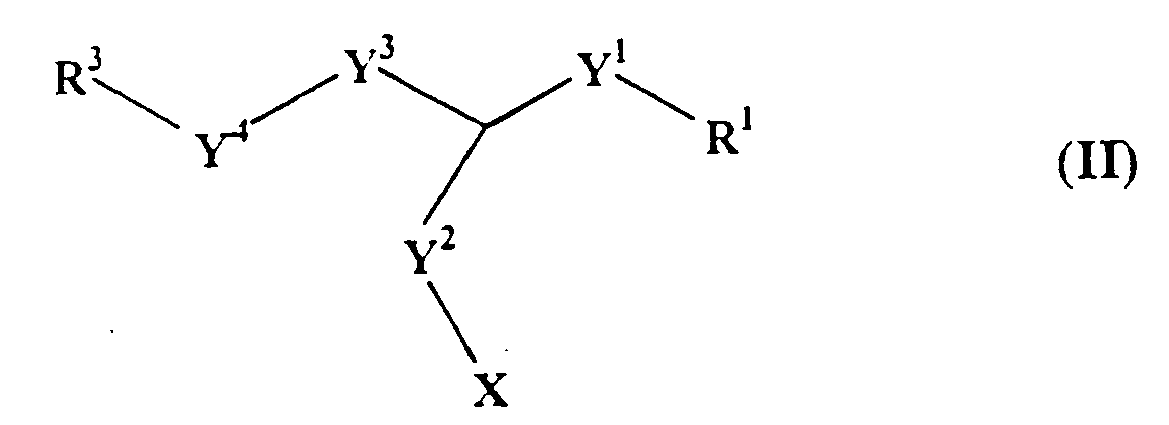
- In one embodiment, the compounds of this invention is of formula (III):

- In one embodiment, the compounds of this invention are of formula (IV):

- In one embodiment, the compounds of this invention are of formula (V):

- In one embodiment, the compounds of this invention are of formula (VI):

- In one embodiment, the compounds of this invention are of formula (VII):

- Set forth below are some examples of a compound of this invention. For convenience, the nitrogen atom and the carbon atom in the column "N(R5)-CH(R6)" represents the α-nitrogen and the α-carbon atoms of the amino acid as indicated. For example, an entry "Leu" indicates that R5 is H and R6 is isobutyl.


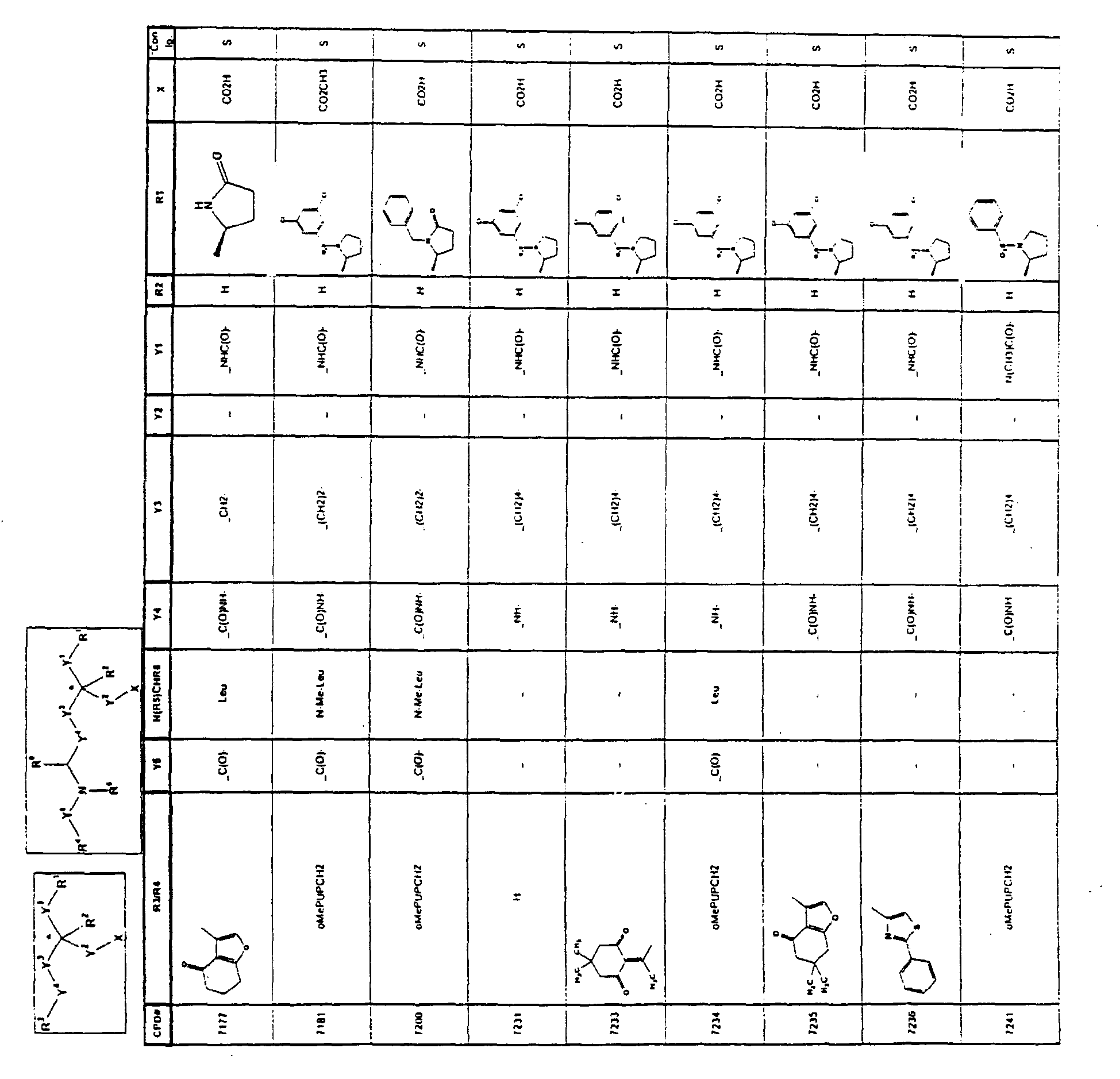


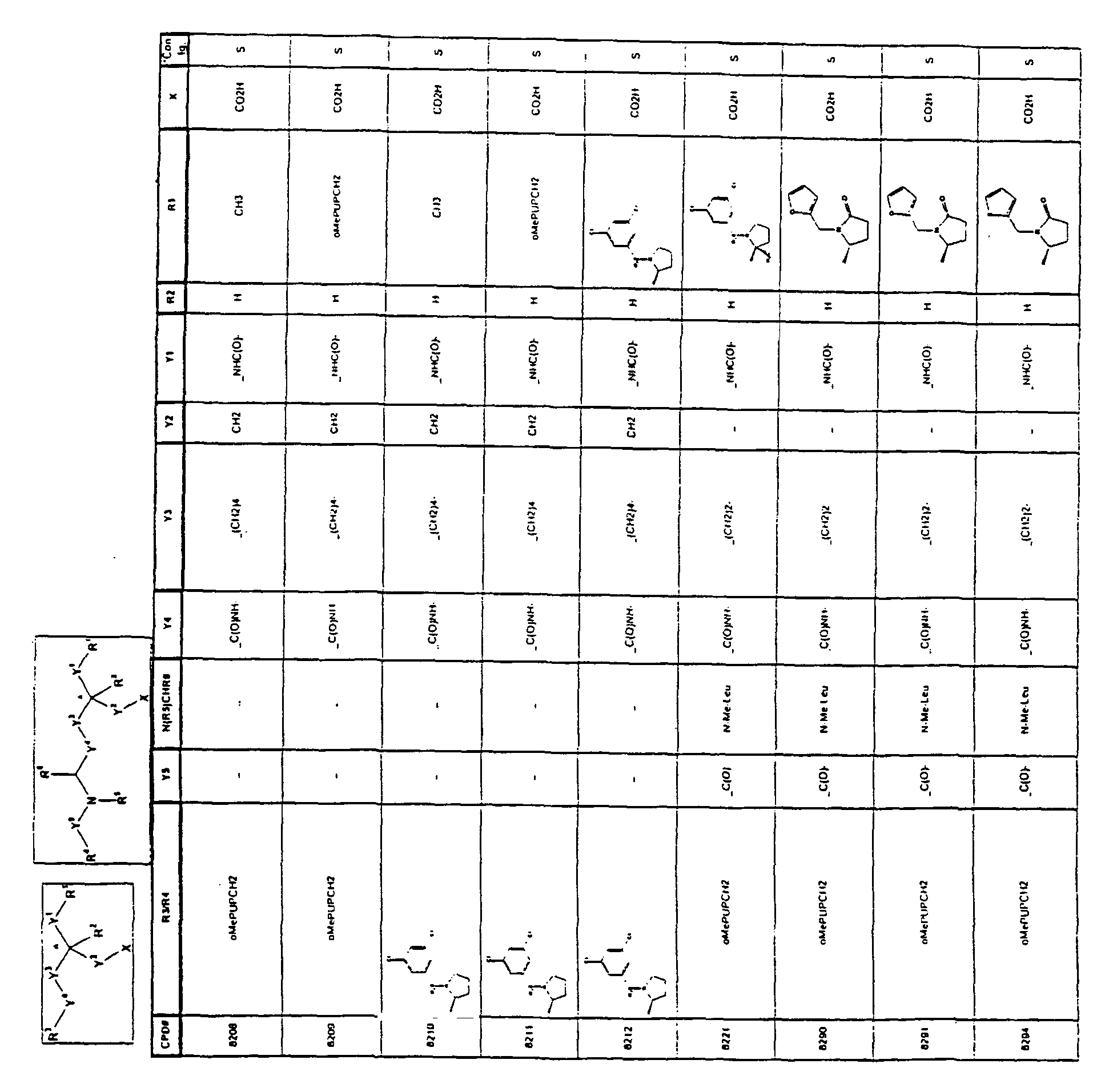


- Another aspect of this invention relates to the use of one or more of the inhibitors described above or a salt thereof for the manufacture of a medicament for treating the above-mentioned disorders.
- A further aspect of this invention relates to a composition comprising a pharmaceutical carrier and an effective amount of a compound of formula (I), supra.
- Still a further aspect of this invention relates to a method of inhibiting VLA-4-dependent cell adhesion, comprising administering to a patient in need thereof an effective amount of a compound of formula (I), supra.
- The ability of the compounds of this invention to antagonize the actions of VLA4 makes them useful for preventing, treating, or reversing the symptoms, disorders or diseases induced by the binding of VLA4 to its ligands. Thus these antagonists will inhibit cell adhesion processes including cell activation, migration, proliferation and differentiation. Accordingly, another aspect of the present invention provides methods for the treatment, prevention, alleviation, or suppression of diseases or disorders mediated by the VLA4 pathway. Such diseases and disorders include, for example, asthma, multiple sclerosis, allergic rhinitis, allergic conjunctivitis, inflammatory lung diseases, rheumatoid arthritis, septic arthritis, type I diabetes, organ transplant rejection, inflammatory bowel disease, and others.
- Compounds of the invention contain one or more asymmetric centers and thus can occur as racemates and racemic mixtures, single enantiomers, diastereomeric mixtures and individual diasteromers. The present invention is meant to comprehend all such isomeric forms of the compounds of the invention.
- The claimed invention is also intended to encompass pharmaceutically acceptable salts of Formula I. The term "pharmaceutically acceptable salts" refers to salts prepared from pharmaceutically acceptable non-toxic bases or acids including inorganic or organic bases and inorganic or organic acids. Salts derived from inorganic bases include aluminum, ammonium, calcium, copper, ferric, ferrous, lithium, magnesium, manganic salts, manganous, potassium, sodium, zinc, and the like. Particularly preferred are the ammonium, calcium, magnesium, potassium and sodium salts.
- Salts derived from pharmaceutically acceptable organic non-toxic bases include salts of primary, secondary, and tertiary amines, substituted amines including naturally occurring substituted amines, cyclic amines, and basic ion exchange resins, such as arginine, betaine, caffeine, choline, N,N'-dibenzylethylenediamine, diethylamine. 2-diethylaminoethanol, 2-dimethylaminoethanol, ethanolamine, ethylenediamine, N-ethyl-morpholine, N-ethylpiperidine, glucamine, glucosamine, histidine, hydrabamine, isopropyulamine, lysine, methylglucamine, morpholine, piperazine, piperidine, polyamine resins, procaine, purines, theobromine, triethylamine, trimethylamine, tripropylamine, tromethamine, and the like.
- When the compound of the present invention is basic, salts may be prepared from pharmaceutically acceptable non-toxic acids, including inorganic and organic acids. Such acids include acetic, benzenesulfonic, benzoic, camphorsulfonic, citric, ethanesulfonic, fumaric, gluconic, glutamic, hydrobromic, hydrochloric, isethionic, lactic, maleic, malic, mandelic, methanesulfonic, mucic, nitric, pamoic, pantothenic, phosphoric, succinic, sulfuric, tartaric, p-toluenesulfonic acid, and the like. Particularly preferred are citric, hydrobromic, hydrochloric, maleic, phosphoric, sulfuric and tartaric acids.
- As used herein, the term "alkyl," alone or in combination, refers to a straight-chain or branched-chain alkyl radical containing from 1 to 10, preferably from 1 to 6 and more preferably from 1 to 4, carbon atoms. Examples of such radicals include, but are not limited to, methyl, ethyl, n-propyl, isopropyl, n-butyl, isobutyl, sec-butyl, tert-butyl, pentyl, isoamyl, hexyl, decyl and the like.
- The term "alkenyl," alone or in combination, refers to a straight-chain or branched-chain alkenyl radical containing from 2 to 10, preferably from 2 to 6 and more preferably from 2 to 4, carbon atoms. Examples of such radicals include, but are not limited to, ethenyl, E- and Z-propenyl, isopropenyl, E- and Z-butenyl, E- and Z-isobutenyl, E- and Z-pentenyl, decenyl and the like.
- The term "alkynyl," alone or in combination, refers to a straight-chain or branched-chain alkynyl radical containing from 2 to 10, preferably from 2 to 6 and more preferably from 2 to 4, carbon atoms. Examples of such radicals include, but are not limited to, ethynyl (acetylenyl), propynyl, propargyl, butynyl, hexynyl, decynyl and the like.
- The term "hydrocarbon linker moiety" refers to an alkylene moiety which may contain one or more double or triple bonds. For example, L can be 3-methyloctylene (i.e., a straight chain containing 8 carbon chain atoms) interrupted by, or terminally attached to, an amide linkage (-NH-CO-).
- The term "cycloalkyl," alone or in combination, refers to a cyclic alkyl radical containing from 3 to 8, preferably from 3 to 6, carbon atoms. Examples of such cycloalkyl radicals include, but are not limited to, cyclopropyl, cyclobutyl, cyclopentyl, cyclohexyl and the like.
- The term "cycloalkenyl," alone or in combination, refers to a cyclic carbocycle containing from 4 to 8, preferably 5 or 6, carbon atoms and one or more double bonds. Examples of such cycloalkenyl radicals include, but are not limited to, cyclopentenyl, cyclohexenyl, cyclopentadienyl and the like.
- The term "aryl" refers to a carbocyclic aromatic group selected from the group consisting of phenyl, naphthyl, indenyl, indanyl, azulenyl, fluorenyl, and anthracenyl; or a heterocyclic aromatic group selected from the group consisting of furyl, thienyl, pyridyl, pyrrolyl, oxazolyly, thiazolyl, imidazolyl, pyrazolyl, 2-pyrazolinyl, pyrazolidinyl, isoxazolyl, isothiazolyl, 1,2,3-oxadiazolyl, 1,2,3-triazolyl, 1,3,4-thiadiazolyl, pyridazinyl, pyrimidinyl, pyrazinyl, 1,3,5-triazinyl, 1,3,5-trithianyl, indolizinyl, indolyl, isoindolyl, 3H-indolyl, indolinyl, benzo[b]furanyl, 2,3-dihydrobenzofuranyl, benzo[b]thiophenyl, 1H-indazolyl, benzimidazolyl, benzthiazolyl, purinyl, 4H-quinolizinyl, quinolinyl, isoquinolinyl, cinnolinyl, phthalazinyl, quinazolinyl, quinoxalinyl, 1.8-naphthyridinyl, pteridinyl, carbazolyl, acridinyl, phenazinyl, phenothiazinyl, and phenoxazinyl.
- "Aryl" groups, as defined in this application may independently contain one to three substituents which are independently selected from the group consisting of hydrogen, halogen, hydroxyl, amino, nitro, trifluoromethyl, trifluoromethoxy, alkyl, alkenyl, alkynyl, cyano, carboxy, carboalkoxy, Ar'-substituted alkyl, Ar'-substituted alkenyl or alkynyl, 1,2-dioxymethylene, 1,2-dioxyethylene, alkoxy, alkenoxy or alkynoxy, Ar'-substituted alkoxy, Ar'-substituted alkenoxy or alkynoxy, alkylamino, alkenylamino or alkynylamino, Ar'-substituted alkylamino, Ar'-substituted alkenylamino or alkynylamino, Ar'-substituted carbonyloxy, alkylcarbonyloxy, aliphatic or aromatic acyl, Ar'-substituted acyl, Ar'-substituted alkylcarbonyloxy, Ar'-substituted carbonylamino, Ar'-substituted amino, Ar'-substituted oxy, Ar'-substituted carbonyl, alkylcarbonylamino, Ar'-substituted alkylcarbonylamino, alkoxy-carbonylamino, Ar'-substituted alkoxycarbonyl-amino, Ar'-oxycarbonylamino, alkylsulfonylamino, mono- or bis-(Ar'-sulfonyl)amino, Ar'-substituted alkyl-sulfonylamino, morpholinocarbonylamino, thiomorpholinocarbonylamino, N-alkyl guanidino, N-Ar' guanidino, N-'N-(Ar',alkyl) guanidino, N,N-(Ar',Ar')guanidino, N,N-dialkyl guanidino, N,N,N-trialkyl guanidino, N-alkyl urea, N,N-dialkyl urea, N-Ar' urea, N,N-(Ar',alkyl) urea and N,N-(Ar')2 urea; wherein "Ar"' is a carbocyclic or heterocyclic aryl group as defined above having one to three substituents selected from the group consisting of hydrogen, halogen, hydroxyl, amino, nitro, trifluoromethyl, trifluoromethoxy, alkyl, alkenyl, alkynyl, 1,2-dioxymethylene, 1,2-dioxyethylene, alkoxy, alkenoxy, alkynoxy, alkylamino, alkenylamino or alkynylamino, alkylcarbonyloxy, aliphatic or aromatic acyl, alkylcarbonylamino, alkoxycarbonylamino, alkylsulfonylamino, N-alkyl or N,N-dialkyl urea.
- The term "alkoxy," alone or in combination, refers to an alkyl ether radical, wherein the term "alkyl" is as defined above. Examples of suitable alkyl ether radicals include, but are not limited to, methoxy, ethoxy, n-propoxy, iso-propoxy, n-butoxy, iso-butoxy, sec-butoxy, tert-butoxy and the like.
- The term "alkenoxy," alone or in combination, refers to a radical of formula alkenyl-O-, wherein the term "alkenyl" is as defined above provided that the radical is not an enol ether. Examples of suitable alkenoxy radicals include, but are not limited to, allyloxy, E- and Z-3-methyl-2-propenoxy and the like. The term "alkynyloxy", alone or in combination, refers to a radical of formula alkynyl-O-, wherein the term "alkynyl" is as defined above provided that the radical is not an ynol ether. Examples of suitable alkynoxy radicals include, but are not limited to, propargyloxy, 2-butynyloxy and the like.
- The term "thioalkoxy" refers to a thioether radical of formula alkyl-S-, wherein alkyl is as defined above.
- The term "alkylamino," alone or in combination, refers to a mono- or di-alkylsubstituted amino radical (i.e., a radical of formula alkyl-NH- or (alkyl)2-N-), wherein the term "alkyl" is as defined above. Examples of suitable alkylamino radicals include, but are not limited to, methylamino, ethylamino, propylamino, isopropylamino, t-butylamino, N,N-diethylamino and the like.
- The term "alkenylamino," alone or in combination, refers to a radical of formula alkenyl-NH- or (alkenyl)2N-, wherein the term "alkenyl" is as defined above, provided that the radical is not an enamine. An example of such alkenylamino radicals is the allylamino radical.
- The term "alkynylamino," alone or in combination, refers to a radical of formula alkynyl-NH- or (alkynyl)2N-, wherein the term "alkynyl" is as defined above, provided that the radical is not an ynamine. An example of such alkynylamino radicals is the propargyl amino radical.
- The term "aryloxy," alone or in combination, refers to a radical of formula aryl-O-, wherein aryl is as defined above. Examples of aryloxy radicals include, but are not limited to, phenoxy, naphthoxy, pyridyloxy and the like.
- The term "arylamino," alone or in combination, refers to a radical of formula aryl-NH-, wherein aryl is as defined above. Examples of arylamino radicals include, but are not limited to, phenylamino (anilido), naphthylamino, 2-, 3- and 4-pyridylamino and the like.
- The term "biaryl," alone or in combination, refers to a radical of formula aryl-aryl-, wherein the term "aryl" is as defined above.
- The term "thioaryl," alone or in combination, refers to a radical of formula aryl-S-, wherein the term "aryl" is as defined above. An example of a thioaryl radical is the thiophenyl radical.
- The term "aryl-fused cycloalkyl," alone or in combination, refers to a cycloalkyl radical which shares two adjacent atoms with an aryl radical, wherein the terms "cycloalkyl" and "aryl" are as defined above. An example of an aryl-fused cycloalkyl radical is the benzo-fused cyclobutyl radical.
- The term "aliphatic acyl," alone or in combination, refers to radicals of formula alkyl-CO-, alkenyl-CO- and alkynyl-CO-derived from an alkane-, alkene- or alkyncarboxylic acid, wherein the terms "alkyl", "alkenyl" and "alkynyl" are as defined above. Examples of such aliphatic acyl radicals include, but are not limited to, acetyl, propionyl, butyryl, valeryl, 4-methylvaleryl, acryloyl, crotyl, propiolyl, methylpropiolyl and the like.
- The term "aromatic acyl," alone or in combination, refers to a radical of formula aryl-CO-, wherein the term "aryl" is as defined above. Examples of suitable aromatic acyl radicals include, but are not limited to, benzoyl, 4-halobenzoyl, 4-carboxybenzoyl, naphthoyl, pyridylcarbonyl and the like.
- The terms "morpholinocarbonyl" and "thiomorpholinocarbonyl," alone or in combination with other terms, refer to an N-carbonylated morpholino and an N-carbonylated thiomorpholino radical, respectively.
- The term "alkylcarbonylamino," alone or in combination, refers to a radical of formula alkyl-CONH, wherein the term "alkyl" is as defined above.
- The term "alkoxycarbonylamino," alone or in combination, refers to a radical of formula alkyl-OCONH-, wherein the term "alkyl" is as defined above.
- The term "alkylsulfonylamino," alone or in combination, refers to a radical of formula alkyl-SO2NH-, wherein the term "alkyl" is as defined above.
- The term "arylsulfonylamino," alone or in combination, refers to a radical of formula aryl-SO2NH-, wherein the term "aryl" is as defined above.
- The term "N-alkylurea," alone or in combination, refers to a radical of formula alkyl-NH-CO-NH-, wherein the term "alkyl" is as defined above.
- The term "N-arylurea," alone or in combination, refers to a radical of formula aryl-NH-CO-NH-, wherein the term "aryl" is as defined above.
- The term "halogen" means fluorine, chlorine, bromine and iodine.
- The term "leaving group" generally refers to groups readily displaceable by a nucleophile, such as an amine, and alcohol or a thiol nucleophile. Such leaving groups are well known and include carboxylates, N-hydroxysuccinimide, N-hydroxybenzotriazole, halogen (halides), triflates, tosylates, mesylates, alkoxy, thioalkoxy and the like.
- The terms "activated derivative of a suitably protected α-amino acid" and "activated substituted-phenylacetic acid derivative" refer to the corresponding acyl halides (e.g. acid fluoride, acid chloride and acid bromide), corresponding activated esters (e.g. nitrophenyl ester, the ester of 1-hydroxybenzotriazole, HOBT, or the ester of hydroxysuccinimide, HOSu), and other conventional derivatives within the skill of the art.
- As used throughout this application, the term "patient" refers to mammals, including humans. And the term "cell" refers to mammalian cells, including human cells.
- In view of the above definitions, other chemical terms used throughout this application can be easily understood by those of skill in the art. Terms may be used alone or in any combination thereof. The preferred and more preferred chain lengths of the radicals apply to all such combinations.
- Other features or advantages of the present invention will be apparent from the following detailed description of several embodiments, and also from the appending claims.
- Compounds of this invention may be synthesized using any conventional technique, several of which are exemplified herein. Preferably, these compounds are chemically synthesized from readily available starting materials, such as α-amino acids and their functional equivalents. Modular and convergent methods for the synthesis of these compounds are also preferred. In a convergent approach, for example, large sections of the final product are brought together in the last stages of the synthesis, rather than by incremental addition of small pieces to a growing molecular chain.
- Compounds of the invention, R3-L-L'-R1, according to one embodiment, can be represented as R3-Y4-Y3-CH(X)-Y1-R1. This compound can be viewed as a dipeptide derivative: with R1 as an amino acid residue or a derivative thereof; Y1 as an amide linkage, or a derivative thereof, between the two residues; X as a carboxylate or a derivative thereof; C as the α-carbon atom of the second residue; and R3-Y4-Y3- as the side chain of the second residue.
- In the general method illustrated below, the compound R3-Y4-Y3-CH(X)-Y1-R1 is prepared by first coupling a properly protected Y4'-Y3-CH(X)-Y1' with a properly protected R3'. Y3 and X have been defined above. Y4', Y1', and R3' are precursors of Y4, Y1, and R3, respectively.
- Compounds of this invention may be synthesized using any conventional technique, several of which are exemplified herein. Preferably, these compounds are chemically synthesized from readily available starting materials, such as α-amino acids and their functional equivalents. Modular and convergent methods for the synthesis of these compounds are also preferred. In a convergent approach, for example, large sections of the final product are brought together in the last stages of the synthesis, rather than by incremental addition of small pieces to a growing molecular chain.
- Compounds of the invention, R3-L-L'-R1, according to one embodiment, can be represented as R3-Y4-Y3-CH(X)-Y1-R1. This compound can be viewed as a dipeptide derivative: with R1 as an amino acid residue or a derivative thereof; Y1 as an amide linkage, or a derivative thereof , between the two residues; X as a carboxylate or a derivative thereof; C as the α-carbon atom of the second residue; and R3-Y4-Y3- as the side chain of the second residue.
- In the general method illustrated below, the compound R3-Y4-Y3-CH(X)-Y1-R1 is prepared by first coupling a properly protected Y4'-Y3-CH(X)-Y1' with a properly protected R3'. Y3 and X have been defined above. Y4', Y1', and R3' are precursors of Y4, Y1, and R3, respectively.
- Compounds of the formula Y4'-Y3-CH(X)-Y1' are available commercially or can be prepared according to methods known one of ordinary skill in the art. For example, if Y1' is an amino group; X is a carboxylate; and Y4'-Y3- is NH2-(CH2)3-, the compound Y4'-Y3-CH(X)-Y1' is ornithine. As another example, if Y1' is an amino group, X is carboxylate and Y4'-Y3- is 4-NH2-phenyl-CH2-, the compound Y4'-Y3-CH(X)-Y1' is 4-aminophenylalanine, available by reduction of commercially available is 4-nitrophenylalanine. Further reduction of the phenyl moiety produces a compound wherein Y1' is an amino group, X is carboxylate and Y4'-Y3- is 4-NH2-cyclohexyl-CH2-, or 4-aminocyclohexylalanine, available commercially as a mixture of cis and trans isomers. As mentioned above, proper protecting groups are required to prevent certain functionalities from undergoing undesired reactions. Using ornithine as an example, Y1' and X are functionalities that are not involved in the first coupling reaction, and should be protected with common amino protecting groups such as carbamates (e.g., t-butyl carbamate (BOC) and benzyl carbamate (CBZ)) and common carboxyl protecting groups such as substituted esters (e.g., ethyl ester and methoxymethyl ester). For more appropriate protecting groups, see T. W. Greene, Protecting Groups in organic Synthesis. John Wiley & Sons, New York, 1981, and references cited therein.
- The compound R3' can be represented by the formula Z3-Lb-Z4-T or R4-Y5-N(R5)-CH(R6)-T'. Each of T and T' is a functionality which joins with Y4' to form Y4. For example, if the desired Y4 is an amide linkage, it can be formed by reacting an amine group (Y4') with a carboxyl group (T or T') in the presence of a common coupling reagent such as benzotriazol-1-yloxytris(dimethylamino)-phosphonium hexafluorophosphate (BOP) or O-benzo-triazol-1-yl-N,N,N',N'-tetramethyluronium hexafluorophosphate (HBTU). As another example, if the desired Y4 is an aryl ether, it can be formed by reacting a phenol with an alcohol in the presence of diethylazodicarboxylate (DEAD) and triphenylphosphine.
- When R3' is of the formula Z3-Lb-Z4-T, the compound is available commercially or can be prepared according to methods known one of ordinary skill in the art. For example, when Z3 is 2-methyl phenyl; Z4 is phenylmethyl; Lb is -NH-CO-NH- and T is -COOH, R3' is o-methylphenyl-ureido-phenyl acetic acid and can be obtained by reaction of 4-aminophenylacetic acid with 2-methylphenyl isocyanate. As another example, when Z3 is 3-indole; Z4 is phenylmethyl; Lb is -CO-NH- and T is -COOH, R3' is 3-indolecarboxamidophenyl acetic acid and can be obtained by reaction of 4-aminophenylacetic acid with indole-3-carbonyl chloride.
- When R3' is of the formula R4-Y5-N(R5)-CH(R6)-T', Y4'-Y3-CH(X)-Y1' can couple to NH(R5)-CH(R6)-T' to form the intermediate NH(R5)-CH(R6)-Y4-Y3-CH(X)-Y1' prior to further coupling to R4-Y5' to form R4-Y5-N(R5)-CH(R6)-Y4-Y3-CH(X)-Y1'. Y5' is a functionality which, upon undergoing further coupling reactions, gives rise to the functionality Y5. Note that the compound NH(R5)-CH(R6)-T' can be an amino acid derivative which is commercially available and can be prepared using conventional methods by one of ordinary skill in the art. For example, when T' is carboxyl; R6 is isobutyl; and R5 is methyl, the compound NH(R5)-CH(R6)-T' is N-methylleucine. R4-Y5' can be coupled to NH(R5)-CH(R6)-Y4-Y3-CH(X)-Y1' by commonly used synthetic methods. For example, if Y5' is carboxyl, the resulting Y5 is an amide linkage and can be prepared using common peptide synthesis reagents as mentioned above. As another example, if Y5' is an halide or sulfonate the resulting Y5 is a secondary or tertiary amine resulting from alkylation of the starting amine. Alternatively, to form the compound R4-Y5-N(R5)-CH(R6)-Y4-Y3-CH(X)-Y1', NH(R5)-CH(R6)-T' can first couple to R4-Y5' to form the intermediate R4-Y5-N(R5)-CH(R6)-T' prior to further coupling to Y4'-Y3-CH(X)-Y1'. Example 1 below provides a detailed procedure wherein R3- is of the formula R4-Y5-N(R5)-CH(R6)-.
- Alternatively, when R3' is of the formula Z3-Lb-Z4-T, it can react with Y4'-Y3-CH(X)-Y1' to form Z3-Lb-Z4-Y4-Y3-CH(X)-Y1. See Example 2.
- The final product R3-Y4-Y3-CH(X)-Y1 can then be formed by reacting either R4-Y5-N(R5)-CH(R6)-Y4-Y3-CH(X)-Y1' or Z3-Lb-Z4-Y4-Y3-CH(X)-Y1' with R1' (the precursor of RI). The moiety Y1 can be formed in a similar manner as Y4.

- A cell adhesion inhibitor of the invention can be purified by conventional methods such as chromatography or crystallization.
- Set forth below are five general methods for preparing a compound of this invention. General Method A - Solid-Phase Preparation of Diaminopropionate Derivatives:

- Orthogonally Fmoc/Dde Protected Wang Resin (II): S-N-α-Fmoc-N-β-Ddediaminopropionic acid, I (4.95 g, 10.1 mmol), was attached to Wang resin (7.88 g, 0.64 mmol/g, 100-200 mesh) by reaction with 2,6-dichlorobenzoyl chloride (1.45 mL, 10.1 mmol) and dry pyridine (1.35 mL) in 40 mL dry DMF. The mixture was shaken for 16 h at room temperature. The resin was isolated by filtration and was washed three times each with DMF and dichloromethane. The resin was capped by reaction with dichlorobenzoyl chloride and pyridine (2 mL each) for 2 h followed by washing as above. The resulting resin contained 0.64 mmol/g Fmoc as determined by piperidine treatment and measurement of A290.
- Deprotection and Acylation of N-α: The diaminopropionate resin. II, was treated with 20% piperidine in DMF for 15 min after which it was filtered and washed with DMF and dichloromethane. The deprotected resin was immediately acylated by treatment with R1CO2H (2 eq), HATU (2 eq) and diisopropylethylamine (4 eq). The reactions were shaken for 2 h, filtered and the acylation was repeated. Completion of acylation was determined by a negative Kaiser test. The resin was filtered and washed with DMF and dichloromethane. If R1CO2H is an Fmoc protected amino acid, the deprotection and acylation are repeated as described above.
- Deprotection and Acylation of N-β: The acylated diaminopropionate resin, III, was treated with 2% hydrazine in DMF for 1 h, after which it was filtered and washed with DMF and dichloromethane. The deprotected resin was immediately acylated by treatment with R3CO2H (2 eq), HATU (2 eq) and diisopropylethylamine (4 eq). The reactions were shaken for 2 h, filtered and the acylation was repeated. The resin was filtered and washed with DMF and dichloromethane.
- Cleavage of Final Product from Resin: The diacyl diaminopropionate resin, IV, was treated with 95% TFA/5% water for 1 h. The solvent was removed by filtration and the resin was washed with two small protions of TFA. The combined TFA solutions were concentrated under vacuum and the resulting residue was purified by revere-phase hplc yielding pure diacyldiaminopropionate derivatives.
-

- Omega-N-Cbz-beta-N-BOC-beta-homolysine Methyl Ester (II): Omega-N-Cbz-beta-N-BOC-beta-homolysine, I, was dissolved in N,N-dimethylformamide. To this solution was added sodium bicarbonate (10 equivalents) and then iodomethane (6 equivalents) with stirring. After stirring overnight at room temperature, the reaction mixture was partitioned between water and ethyl acetate. The organic layer was washed with saturated sodium chloride solution, then dried over sodium sulfate. Filtering and evaporation of the solvent was followed by silica gel chromatography (hexane/ethyl acetate) to yield ester II.
- Beta-N-BOC-beta-homolysine Methyl Ester (III): N-Cbz carbamate II was dissolved in methanol. To this was added 10% palladium on carbon. The mixture was flushed with nitrogen, then hydrogen (50 psi) was added. After stirring overnight, the catalyst was removed using a Whatman PTFE filter and the solution was concentrated to yield crude amine III.
- N-omega Acylation: Amine III (111 mg), 2-(1H-benzotriazole-1-yl)-1,1,3,3-tetramethyluronium hexafluorophosphate (HBTU, 1.1 equivalents) and R1CO2H (1.1 equivalents) were dissolved in N,N-dimethylformamide. To this solution was added N,N-diisopropylethylamine (2.5 equivalents). After stirring overnight, the reaction was quenched with 5% aqueous citric acid solution, then extracted with ethyl acetate. The organics were washed with saturated sodium chloride solution, then dried over sodium sulfate. Filtration and removal of the solvent by rotary evaporation yielded crude amide IV, which was used without further purification.
- N-beta Deprotection and Acylation: Crude N-BOC carbamate IV was treated with saturated hydrogen chloride in ethyl acetate, prepared by bubbling hydrogen chloride gas through cold (zero degree) ethyl acetate solution for 30 minutes. The reaction was stirred for one hour, then concentrated to dryness to yield crude amine V, which was used without further purification. Crude amine V was dissolved in N,N-dimethylformamide along with R3CO2H (1 equivalent) and HBTU (1.1 equivalent). With stirring was added N,N-diisopropylethylamine (7.5 equivalents). After stirring overnight, the reaction was partitioned between 5% aqueous citric acid and ethyl acetate. The organic layer was washed with saturated sodium chloride solution, then dried over sodium sulfate. Filtration of the drying agent and evaporation of the solvent gave crude amide VI, which was used without further purification.
- Final Deprotecton: Methyl ester VI was dissolved in 1:1 tetrahydrofuran and methanol. With stirring was added aqueous lithium hydroxide (2 N). After stirring for one hour, the reaction mixture was concentrated to dryness. The residue was partitioned between 1 N aqueous hydrogen chloride and ethyl acetate, and the organic layer was washed with saturated sodium chloride. Drying over sodium sulfate, filtering and evaporating gave crude acid. Purification by preparative reverse-phase high performance liquid chromatography gave pure acid.
-

- Fmoc/Dde Lysine Wang Resin (II): N-α-Fmoc-N-β-Dde-Lysine, I (5.0 g, 9.39 mmol), was attached to Wang resin (7.34 g, 0.64 mmol/g, 100-200 mesh) by reaction with 2,6-dichlorobenzoyl chloride (1.33 mL, 10.1 mmol) and dry pyridine (1.27 mL) in 50 mL dry DMF. The mixture was shaken for 16 h at room temperature. The resin was isolated by filtration and was washed three times each with DMF and dichloromethane. The resin was capped by reaction with dichlorobenzoyl chloride and pyridine (2 mL each) for 2 h followed by washing as above. The resulting resin contained 0.56 mmol/g Fmoc as determined by piperidine treatment and measurement of A290.
- Deprotection and Acylation of N-α: The diaminopropionate resin, II, was treated with 20% piperidine in DMF for 15 min after which it was filtered and washed with DMF and dichloromethane. The deprotected resin was immediately acylated by treatment with R1CO2H (2 eq), HATU (2 eq) and diisopropylethylamine (4 eq). The reactions were shaken for 2 h, filtered and the acylation was repeated. Completion of acylation was determined by a negative Kaiser test. The resin was filtered and washed with DMF and dichloromethane. If R1CO2H is an Fmoc protected amino acid, the deprotection and acylation are repeated as described above.
- Deprotection and Acylation of N-ε: The acylated lysine resin, III, was treated with 2% hydrazine in DMF for 1 h. after which it was filtered and washed with DMF and dichloromethane. The deprotected resin was immediately acylated by treatment with R3CO2H (2 eq), HATU (2 eq) and diisopropylethylamine (4 eq). The reactions were shaken for 2 h, filtered and the acylation was repeated. The resin was filtered and washed with DMF and dichloromethane.
- Cleavage of Final Product from Resin: The diacyl lysine resin, IV, was treated with 95% TFA/5% water for 1 h. The solvent was removed by filtration and the resin was washed with two small protions of TFA. The combined TFA solutions were concentrated under vacuum and the resulting residue was purified by revere-phase HPLC yielding pure diacyllysine derivatives.
-

- N-α-CBZ-L-2,4-diaminobutyric acid methyl ester hydrochloride (I): In a 500 mL RB flask was suspended 8.4 g (33.3 mmol) N-α-CBZ-L-2,4-diaminobutyric acid in 200 mL methanol with stirring. This was cooled to 0°C (ice bath), and then 14.6 mL (200 mmol) SOCl2 was added dropwise over 15 minutes to give a colorless solution. The solution was allowed to warm to RT and stirred overnight. The solution was concentrated, redissolved in MeOH and concentrated 2x, then dissolved in CH2Cl2, concentrated, and placed under high vacuum for 16 hours to give compound I as a slightly yellow foam, massing to 10.33g (34.2 mmol, 103%). M/z = 267.1 (M+H+).
- BOC-N-methyl-Leucinyl-(N-α-CBZ)-GABA methyl ester (II): In a 500mL RB flask was dissolved 10.33 g (33.3 mmol) of I (MW = 302) in 100 mL dry dimethylformamide (DMF) with stirring to give a colorless solution. To this was added 17.4 mL (100 mmol) of diisopropylethylamine (DIEA), then 7.96 g (32.5 mmol) of Boc-N-Me-Leucine, and finally 14.83 g (39.0 mmol) of O-(7-azabenzotriazol-1-yl)-1,1,3,3-tetramethyluronium hexafluorophosphate (HATU) to give a yellow solution. This was stirred overnight, after which HPLC showed no starting material. The solution was diluted with ethyl acetate (EtOAc, 500mL) and washed with 1N HCl (2x), 1N NaOH (2x), and brine (1x). The organic phase was dried over anhydrous MgSO4, filtered, and concentrated to a red oil. Chromatography with 2:1 hexanes/EtOAc vs. silica gave 12.56 g (25.5 mmol, 78%) of II (Rf = 0.46 with 1:1 Hex/EtOAc vs. silica) as a yellow syrup (HPLC, >99%). M/z = 494.3 (M+H+).
- H-N-methyl-Leucinyl-(N-α -CBZ)-GABA methyl ester trifluoroacetate salt (III): In a 50 mL RB flask was dissolved 0.50 g (1.01 mmol) of II (MW=493) in 10 mL CH2Cl2 with stirring to give a colorless solution. To this was added 2 mL (26 mmol, large excess) of trifluoroacetic acid and the resulting solution was stirred for four hours, after which HPLC showed no starting material. The solution was concentrated, redissolved in CH2Cl2 and concentrated (2x), then placed under high vacuum overnight to give 0.52 g (∼ quantitative) of III as a very pale yellow oil. M/z = 394.4 (M+H+). Material carried through.
- oMePUPA-N-methyl-Leucinyl-(N-α-CBZ)-GABA methyl ester (IV): In a 10 mL vial was dissolved 0.52 g (1.01 mmol) of III (MW=507) in 5 mL DMF with stirring to give a pale yellow solution. To this was added 525 µL (3.0 mmol) of DIEA, then 284 mg (1.0 mmol) of oMePUPA free acid (Ricerca; MW=284), and finally 0.42 g (1.1 mmol) of HATU to give a yellow solution. This was stirred overnight, after which HPLC showed no starting material remaining. The solution was diluted with EtOAc (75 mL) and washed with 1N HCl (3x), 1N NaOH (3x), and brine (1x). The organic phase was dried with MgSO4, filtered, and the filtrate concentrated to a yellow oil/solid mixture. Chromatography with 1:2 acetonitrile/CH2Cl2 vs. silica gave 0.49 g (0.74 mmol, 74%) of VI (Rf = 0.56 with 1:1 acetonitrile/CH2Cl2 vs. silica) as a bright white, foamy solid (HPLC, >99%). M/z = 660.1 (M+H+).
- oMePUPA-N-methyl-Leucinyl-(N-a-H)-GABA methyl ester Hydrochloride (V): In an 85 mL high-pressure vessel was dissolved 400 mg (0.61 mmol) of IV (MW=659) in 10 mL MeOH with stirring to give a colorless solution. The vessel was flushed with nitrogen, and -50mg (catalytic) of 10% palladium on carbon was added. The sides of the vessel were washed with additional MeOH, and the vessel capped with a hydrogenation head. The vessel was charged with 60 psi H2 and the mixture stirred overnight, after which the vessel was purged to ambient atmosphere. The mixture was filtered through Celite 545, the filter pad washed with additional (10 mL) MeOH, and the filtrate concentrated. The residue was dissolved in minimal (2 mL) MeOH and dripped into ice-cold 1.0M HCl in diethyl ether to give a white precipitate. The solid was triturated in the HCl/ether for 20 minutes, then filtered, the solid washed with ether, and air-dried for one hour. The white solid was then crushed into a powder with a spatula, washed with additional ether, and air-dried overnight to give 336 mg (0.60 mmol, 98%) of V as a white powder (HPLC, >99%). ESMS m/z = 526.6 (M+H+).
- Acylation and final hydrolysis: Crude amine V was dissolved in N,N-dimethylformamide along with R3CO2H (1 equivalent) and HBTU (1.1 equivalent). With stirring was added N,N-diisopropylethylamine (4 equivalents). After stirring overnight, the reaction was partitioned between 5% aqueous citric acid and ethyl acetate. The organic layer was washed with saturated sodium chloride solution, then dried over sodium sulfate. Filtration of the drying agent and evaporation of the solvent gave crude amide, which could be purified by reverse-phase hplc. Methyl ester was dissolved in 1:1 tetrahydrofuran and methanol. With stirring was added aqueous lithium hydroxide (2 N). After stirring for one hour, the reaction mixture was concentrated to dryness. The residue was partitioned between 1 N aqueous hydrogen chloride and ethyl acetate, and the organic layer was washed with saturated sodium chloride. Drying over sodium sulfate, filtering and evaporating gave crude acid. Purification by preparative reverse-phase high performance liquid chromatography gave pure product.
-

- The orthogonally N-alpha-Boc / Cbz protected diamine, I, was converted to methyl ester II by reaction with methyl iodide (5 eq) and potassium carbonate (5 eq) in acetone at room temperature for 16 h. The reaction mixture was diluted with water and extracted with ethyl acetate. The organics were washed with water, saturated sodium bicarbonate and brine, dried over sodium sulfate and filtered. Product was eluted through silica in ethyl acetate and hexanes.
- N-alpha deprotection and acylation: The fully protected diamine, II, was dissolved in 3N Hcl in EtOAc and was stirred I h at room temperature. The solution was concentrated under reduced pressure. The resulting solid was suspended in diethyl ether, isolated by filtration, washed with ether and dried under vacuum. The hydrochloride, III, thus isolated was treated with HATU (1.25 eq), diisopropylethylamine (4 eq) and R1CO2H (1.25 eq) in dry DMF, and was stirred under nitrogen for 16 h. The reaction mixture was diluted with 5% citric acid and was extracted with EtOAc.. The organics were washed with water, saturated sodium bicarbonate and brine, dried over sodium sulfate and filtered. The solution was concentrated under reduced pressure and the residue was purified by elution through silica in EtOAc and hexane, providing pure product, IV.
- Distal nitrogen deprotection and acylation: The CBz protected intermediate, IV, was dissolved in methanol and was degassed. 10% Pd on activated carbon was added and the mixture was stirred under 60 psi hydrogen for 3 to 16 h. The reaction was filtered and concentrated. The resulting free amine was immediately acylated by reacting with HATU (1.25 eq), diisopropylethylamine (4 eq) and R3CO2H (1.25 eq) in dry DMF, with stirring under nitrogen for 16 h. The reaction mixture was diluted with 5% citric acid and was extracted with EtOAc. The organics were washed with water, saturated sodium bicarbonate and brine, dried over sodium sulfate and filtered. The product, VI, was purified by elution through silica in ethyl acetate and hexane.
- Hydrolysis to final product: The methyl ester VI was dissolved in 1:1 tetrahydrofuran and methanol. With stirring was added aqueous lithium hydroxide (2 N). After stirring for one hour, the reaction mixture was concentrated to dryness. The residue was partitioned between 1 N aqueous hydrogen chloride and ethyl acetate, and the organic layer was washed with saturated sodium chloride. Drying over sodium sulfate, filtering and evaporating gave crude acid. Purification by preparative reverse-phase high performance liquid chromatography gave pure acid VII.
- The compounds of this invention may also be modified by appending appropriate functionalities to enhance selective biological properties. Such modifications are known in the art and include those which increase biological penetration into a given biological system (e.g., blood, lymphatic system, central nervous system), increase oral availability, increase solubility to allow administration by injection, alter metabolism and alter rate of excretion. Examples of these modifications include, but are not limited to esterification with polyethylene glycols, derivatization with pivolates or fatty acid substituents, conversion to carbamates, hydroxylation of aromatic rings, and heteroatom-substitution in aromatic rings.
- Also included are non-classical isoteres such as CO2H, SO2NHR, SO3H, PO(OH)NH2, PO(OH)OEt, CONHCN,

- Once synthesized, the activities and VLA-4 specificities of the compounds according to this invention may be determined using in vitro and in vivo assays.
- For example, the cell adhesion inhibitory activity of these compounds may be measured by determining the concentration of inhibitor required to block the binding of VLA-4-expressing cells to fibronectin- or CS1-coated plates. In this assay microtiter wells are coated with either fibronectin (containing the CS-1 sequence) or CS-1. If CS-1 is used, it must be conjugated to a carrier protein, such as bovine serum albumin, in order to bind to the wells. Once the wells are coated, varying concentrations of the test compound are then added together with appropriately labelled, VLA-4-expressing cells. Alternatively, the test compound may be added first and allowed to incubate with the coated wells prior to the addition of the cells. The cells are allowed to incubate in the wells for at least 30 minutes. Following incubation, the wells are emptied and washed. Inhibition of binding is measured by quantitating the fluorescence or radioactivity bound to the plate for each of the various concentrations of test compound, as well as for controls containing no test compound.
- VLA-4-expressing cells that may be utilized in this assay include Ramos cells, Jurkat cells, A375 melanoma cells, as well as human peripheral blood lymophocytes (PBLs). The cells used in this assay may be fluorescently or radioactively labelled.
- A direct binding assay may also be employed to quantitate the inhibitory activity of the compounds of this invention. In this assay, a VCAM-IgG fusion protein containing the first two immunoglobulin domains of VCAM (D1D2) attached above the hinge region of an IgGl molecule ("VCAM 2D-IgG"), is conjugated to a marker enzyme, such as alkaline phosphatase ("AP"). The synthesis of this VCAM-IgG fusion is described in
PCT publication WO 90/13300 - The VCAM-IgG enzyme conjugate is then placed in the wells of a multi-well filtration plate, such as that contained in the Millipore Multiscreen Assay System (Millipore Corp., Bedford, MA). Varying concentrations of the test inhibitory compound are then added to the wells followed by addition of VLA-4-expressing cells. The cells, compound and VCAM-IgG enzyme conjugate are mixed together and allowed to incubate at room temperature.
- Following incubation, the wells are vacuum drained, leaving behind the cells and any bound VCAM. Quantitation of bound VCAM is determined by adding an appropriate colorimetric substrate for the enzyme conjugated to VCAM-IgG and determining the amount of reaction product. Decreased reaction product indicates increased binding inhibitory activity.
- In order to assess the VLA-4 inhibitory specificity of the compounds of this invention, assays for other major groups of integrins, i.e., β2 and β3, as well as other β1 integrins, such as VLA-5, VLA-6 and α4β7 are performed. These assays may be similar to the adhesion inhibition and direct binding assays described above, substituting the appropriate integrin-expressing cell and corresponding ligand. For example, polymorphonuclear cells (PMNs) express β2 integrins on their surface and bind to ICAM. β3 integrins are involved in platelet aggregation and inhibition may be measured in a standard platelet aggregation assay. VLA-5 binds specifically to Arg-Gly-Asp sequences, while VLA-6 binds to laminin. α4β7 is a recently discovered homologue of VLA-4, which also binds fibronectin and VCAM. Specificity with respect to α4β7 is determined in a binding assay that utilizes the above-described VCAM-IgG-enzyme marker conjugate and a cell line that expresses α4β7, but not VLA-4, such as RPMI-8866 cells.
- Once VLA-4-specific inhibitors are identified, they may be further characterized in in vivo assays. One such assay tests the inhibition of contact hypersensitivity in an animal, such as described by P.L. Chisholm et al., "Monoclonal Antibodies to the Integrin α-4 Subunit Inhibit the Murine Contact Hypersensitivity Response", Eur. J. Immunol., 23, pp. 682-688 (1993) and in "Current Protocols in Immunology", J. E. Coligan, et al., Eds., John Wiley & Sons, New York, 1, pp. 4.2.1-4.2.5 (1991), the disclosures of which is herein incorporated by reference. In this assay, the skin of the animal is sensitized by exposure to an irritant, such as dinitrofluorobenzene, followed by light physical irritation, such as scratching the skin lightly with a sharp edge. Following a recovery period, the animals are re-sensitized following the same procedure. Several days after sensitization, one ear of the animal is exposed to the chemical irritant, while the other ear is treated with a non-irritant control solution. Shortly after treating the ears, the animals are given various doses of the VLA-4 inhibitor by subcutaneous injection. In vivo inhibition of cell adhesion-associated inflammation is assessed by measuring the ear swelling response of the animal in the treated versus untreated ear. Swelling is measured using calipers or other suitable instrument to measure ear thickness. In this manner, one may identify those inhibitors of this invention which are best suited for inhibiting inflammation.
- Another in vivo assay that may be employed to test the inhibitors of this invention is the sheep asthma assay. This assay is performed essentially as described in W. M. Abraham et al., "α-Integrins Mediate Antigen-induced Late Bronchial Responses and Prolonged Airway Hyperresponsiveness in Sheep", J. Clin. Invest., 93, pp. 776-87 (1994), the disclosure of which is herein incorporated by reference. This assay measures inhibition of Ascaris antigen-induced late phase airway responses and airway hyperresponsiveness in asthmatic sheep.
- The compounds of the present invention may be used in the form of pharmaceutically acceptable salts derived from inorganic or organic acids and bases. Included among such acid salts are the following: acetate, adipate, alginate, aspartate, benzoate, benzenesulfonate, bisulfate, butyrate, citrate, camphorate, camphorsulfonate, cyclopentanepropionate, digluconate, dodecylsulfate, ethanesulfonate, fumarate, glucoheptanoate, glycerophosphate, hemisulfate, heptanoate, hexanoate, hydrochloride, hydrobromide, hydroiodide, 2-hydroxyethanesulfonate, lactate, maleate, methanesulfonate, 2-naphthalenesulfonate, nicotinate, oxalate, pamoate, pectinate, persulfate, 3-phenyl-propionate, picrate, pivalate, propionate, succinate, tartrate, thiocyanate, tosylate and undecanoate. Base salts include ammonium salts, alkali metal salts, such as sodium and potassium salts, alkaline earth metal salts, such as calcium and magnesium salts, salts with organic bases, such as dicyclohexylamine salts, N-methyl-D-glucamine, and salts with amino acids such as arginine, lysine, and so forth. Also, the basic nitrogen-containing groups can be quaternized with such agents as lower alkyl halides, such as methyl, ethyl, propyl, and butyl chloride, bromides and iodides; dialkyl sulfates, such as dimethyl, diethyl, dibutyl and diamyl sulfates, long chain halides such as decyl, lauryl, myristyl and stearyl chlorides, bromides and iodides, aralkyl halides, such as benzyl and phenethyl bromides and others. Water or oil-soluble or dispersible products are thereby obtained.
- The compounds of the present invention may be formulated into pharmaceutical compositions that may be administered orally, parenterally, by inhalation spray, topically, rectally, nasally, buccally, vaginally or via an implanted reservoir. The term "parenteral" as used herein includes subcutaneous, intravenous, intramuscular, intra-articular, intra-synovial, intrasternal, intrathecal, intrahepatic, intralesional and intracranial injection or infusion techniques.
- The pharmaceutical compositions of this invention comprise any of the compounds of the present invention, or pharmaceutically acceptable derivatives thereof, together with any pharmaceutically acceptable carrier. The term "carrier" as used herein includes acceptable adjuvants and vehicles. Pharmaceutically acceptable carriers that may be used in the pharmaceutical compositions of this invention include, but are not limited to, ion exchangers, alumina, aluminum stearate, lecithin, serum proteins, such as human serum albumin, buffer substances such as phosphates, glycine, sorbic acid, potassium sorbate, partial glyceride mixtures of saturated vegetable fatty acids, water, salts or electrolytes, such as protamine sulfate, disodium hydrogen phosphate, potassium hydrogen phosphate, sodium chloride, zinc salts, colloidal silica, magnesium trisilicate, polyvinyl pyrrolidone, cellulose-based substances, polyethylene glycol, sodium carboxymethylcellulose, polyacrylates, waxes, polyethylene-polyoxypropylene-block polymers, polyethylene glycol and wool fat.
- According to this invention, the pharmaceutical compositions may be in the form of a sterile injectable preparation, for example a sterile injectable aqueous or oleaginous suspension. This suspension may be formulated according to techniques known in the art using suitable dispersing or wetting agents and suspending agents. The sterile injectable preparation may also be a sterile injectable solution or suspension in a non-toxic parenterally-acceptable diluent or solvent, for example as a solution in 1,3-butanediol. Among the acceptable vehicles and solvents that may be employed are water, Ringer's solution and isotonic sodium chloride solution. In addition, sterile, fixed oils are conventionally employed as a solvent or suspending medium. For this purpose, any bland fixed oil may be employed including synthetic mono- or di-glycerides. Fatty acids, such as oleic acid and its glyceride derivatives are useful in the preparation of injectables, as do natural pharmaceutically-acceptable oils, such as olive oil or castor oil, especially in their polyoxyethylated versions. These oil solutions or suspensions may also contain a long-chain alcohol diluent or dispersant, such as Ph. Helv or similar alcohol.
- The pharmaceutical compositions of this invention may be orally administered in any orally acceptable dosage form including, but not limited to, capsules, tablets, aqueous suspensions or solutions.
- In the case of tablets for oral use, carriers which are commonly used include lactose and corn starch. Lubricating agents, such as magnesium stearate, are also typically added. For oral administration in a capsule form, useful diluents include lactose and dried corn starch. When aqueous suspensions are required for oral use, the active ingredient is combined with emulsifying and suspending agents. If desired, certain sweetening, flavoring or coloring agents may also be added.
- Alternatively, the pharmaceutical compositions of this invention may be administered in the form of suppositories for rectal administration. These can be prepared by mixing the agent with a suitable non-irritating excipient which is solid at room temperature but liquid at the rectal temperature and therefore will melt in the rectum to release the drug. Such materials include cocoa butter, beeswax and polyethylene glycols.
- The pharmaceutical compositions of this invention may also be administered topically, especially when the target of treatment includes areas or organs readily accessible by topical application, including diseases of the eye, the skin, or the lower intestinal tract. Suitable topical formulations are readily prepared for each of these areas or organs.
- Topical application for the lower intestinal tract can be effected in a rectal suppository formulation (see above) or in a suitable enema formulation. Topically-transdermal patches may also be used.
- For topical applications, the pharmaceutical compositions may be formulated in a suitable ointment containing the active component suspended or dissolved in one or more carriers. Carriers for topical administration of the compounds of this invention include, but are not limited to, mineral oil, liquid petrolatum, white petrolatum, propylene glycol, polyoxyethylene, polyoxypropylene compound, emulsifying wax and water. Alternatively, the pharmaceutical compositions can be formulated in a suitable lotion or cream containing the active components suspended or dissolved in one or more pharmaceutically acceptable carriers. Suitable carriers include, but are not limited to, mineral oil, sorbitan monostearate, polysorbate 60, cetyl esters wax, cetearyl alcohol, 2-octyldodecanol, benzyl alcohol and water.
- For ophthalmic use, the pharmaceutical compositions may be formulated as micronized suspensions in isotonic, pH adjusted sterile saline, or, preferably, as solutions in isotonic, pH adjusted sterile saline, either with our without a preservative such as benzylalkonium chloride. Alternatively, for ophthalmic uses, the pharmaceutical compositions may be formulated in an ointment such as petrolatum.
- The pharmaceutical compositions of this invention may also be administered by nasal aerosol or inhalation through the use of a nebulizer, a dry powder inhaler or a metered dose inhaler. Such compositions are prepared according to techniques well-known in the art of pharmaceutical formulation and may be prepared as solutions in saline, employing benzyl alcohol or other suitable preservatives, absorption promoters to enhance bioavailability, fluorocarbons, and/or other conventional solubilizing or dispersing agents.
- The amount of active ingredient that may be combined with the carrier materials to produce a single dosage form will vary depending upon the host treated, and the particular mode of administration. It should be understood, however, that a specific dosage and treatment regimen for any particular patient will depend upon a variety of factors, including the activity of the specific compound employed, the age, body weight, general health, sex, diet, time of administration, rate of excretion, drug combination, and the judgment of the treating physician and the severity of the particular disease being treated. The amount of active ingredient may also depend upon the therapeutic or prophylactic agent, if any, with which the ingredient is co-administered.
- As stated above, an effective amount of a pharmaceutical composition containing an effective amount of a compound of this invention is also within the scope of this invention. An effective amount is defined as the amount which is required to confer a therapeutic effect on the treated patient, and will depend on a variety of factors, such as the nature of the inhibitor, the size of the patient, the goal of the treatment, the nature of the pathology to be treated, the specific pharmaceutical composition used, and the judgment of the treating physician. For reference, see Freireich et al., Cancer Chemother. Rep. 1966, 50, 219 and Scientific Tables, Geigy Pharmaceuticals, Ardley, New York, 1970, 537. Dosage levels of between about 0.001 and about 100 mg/kg body weight per day, preferably between about 0.1 and about 10 mg/kg body weight per day of the active ingredient compound are useful.
- According to another embodiment compositions containing a compound of this invention may also comprise an additional agent selected from the group consisting of corticosteroids, bronchodilators, antiasthmatics (mast cell stabilizers), antiinflammatories, antirheumatics, immunosuppressants, antimetabolites, immunonodulators, antipsoriatics and antidiabetics. Specific compounds within each of these classes may be selected from any of those listed under the appropriate group headings in "Comprehensive Medicinal Chemistry", Pergamon Press, Oxford, England, pp. 970-986 (1990), the disclosure of which is herein incorporated by reference. Also included within this group are compounds such as theophylline, sulfasalazine and aminosalicylates (antiinflammatories); cyclosporin, FK-506, and rapamycin (immunosuppressants); cyclophosphamide and methotrexate (antimetabolites); and interferons (immunomodulators).
- According to other embodiments, the invention provides methods for preventing, inhibiting or suppressing cell adhesion-associated inflammation and cell adhesion-associated immune or autoimmune responses. VLA4-associated cell adhesion plays a central role in a variety of inflammation, immune and autoimmune diseases. Thus, inhibition of cell adhesion by the compounds of this invention may be utilized in methods of treating or preventing inflammatory, immune and autoimmune diseases. Preferably the diseases to be treated with the methods of this invention are selected from asthma, arthritis, psoriasis, transplantation rejection, multiple sclerosis, diabetes and inflammatory bowel disease.
- These methods may employ the compounds of this invention in a monotherapy or in combination with an anti-inflammatory or immunosuppressive agent. Such combination therapies include administration of the agents in a single dosage form or in multiple dosage forms administered at the same time or at different times.
- In order that this invention may be more fully understood, the following examples are set forth. These examples are for the purpose of illustration only and are not to be construed as limiting the scope of the invention in any way.
- 4-(2-methylphenylaminocarbonylamino)phenylacetic Acid (oMePUPA-OH): To a suspension of p-aminophenylacetic acid (56.8 g, 376 mmol) in DMS (150 mL) was added o-tolyl isocyanate (50 g, 376 mmol) dropwise. The reaction mixture was allowed to stir 1 h, and was poured into EtOAc (1.75 L) with stirring. The precipitate was collected and washed with EtOAc (400 mL)and MeCN (400 mL) to provide oMePUPA (80 g, 75%). ESMS m/z (M+H+) 285.1.
- OMePUPA-Leu-OH: oMePUPA-OH (0.78 g) was combined with Leucine methyl ester hydrochloride (0.50 g, 1.0 eq), HATU (1.10 g, 1.05 eq), and diisopropylethylamine (1.9 mL, 4 eq) in 10 mL dry DMF. The reaction was stirred for 16 h at room temperature after which it was diluted with 50 mL EtOAc, which was washed with 5% citric acid, water, saturated sodium bicarbonate and brine. The resulting organic solution was dried over sodium sulfate filtered and concentrated to yield 1.13 g of white solid. This product was dissolved in 10 mL THF. 5 mL 2N LiOH was added and the reaction was stirred for 16 h. THF was removed under reduced pressure and the solution was diluted with 40 mL water and washed with EtOAc. The aqueous layer was acidified with 1N HCl and was extracted with EtOAc. The organic extracts were washed with dilute HCl and brine, were dried over sodium sulfate, filtered and concentrated under reduced pressure yielding 0.77 g of white solid. ESMS m/z (M+H+) 398.5.
- N-(3,5-diChlorobenzenesulfonyl)-Proline Methyl Ester; To a solution of 24.8 g (0.15 mol) of L-Proline methyl ester hydrochloride in 500mL of CH2Cl2 was added 70 mL (0.5 mol) of triethylamine with stirring to give copious white precipitate. The mixture was filtered, and the filtrate cooled to 0° C (ice bath) with stirring. To the cooled solution was added a solution of 36.8 g (0.15 mol) of 3,5-dichlorobenzenesulfonyl chloride in 70 mL of CH2Cl2 dropwise quickly over five minutes. The addition funnel was rinsed with an additional 30 mL of CH2Cl2, and the cloudy yellow mixture was allowed to warm to room temperature with stirring overnight The mixture was washed 2x with 400mL of 1N HCl, 2x with 400mL of 1N NaOH, then brine, then dried (MgSO4), filtered, and concentrated to a yellow oil which crystallized on standing. The material was recrystallized three times from ethyl acetate/hexanes to give 39.3 g (0.116 mol, 77%) of N-(3,5-dichlorobenzenesulfonyl)-Proline methyl ester (MW = 338) as white needles (TLC on silica vs. 2:1 hexanes/ethyl acetate, Rf= 0.51). M/z = 339.3 (M+H+).
N-(3,5-diChlorobenzenesulfonyl)-Proline; To a solution of 39.3 g (0.116 mol) of the above methyl ester in 250 mL methanol was added 115 mL (0.23 mol) of freshly-prepared 2M aqueous LiOH with stirring to give a colorless solution. This was stirred for three hours, after which HPLC showed no starting material. The solution was reduced by 50% in vacuo and partitioned between 1N HCl and CH2Cl2 (∼200 mL each). The phases were separated and the aqueous layer was washed again with CH2Cl2. The organic phases were combined, dried (MgSO4), and concentrated to a white, foamy solid. This was recrystallized twice from ethyl acetate/hexanes to give 33.8 g (0.104 mol, 90%) of the title compound as colorless, broad, flat needles. M/z= 325.2 (M+H+). - N-(benzenesulfonyl)-Proline Methyl Ester: To a solution of 25 g (0.15 mol) of L-Proline methyl ester hydrochloride in 500mL of CH2Cl2 was added 70 mL (0.5 mol) of triethylamine with stirring to give copious white precipitate. The mixture was filtered and the filtrate cooled to 0° C (ice bath) with stirring. To the cooled solution was added a solution of 20 mL (0.15 mol) of benzenesulfonyl chloride in 50 mL of CH2Cl2 dropwise over fifteen minutes. The addition funnel was rinsed with an additional 25 mL of CH2Cl2, and the cloudy, colorless mixture was allowed to warm to room temperature with stirring overnight. The solution was washed 2x with 400mL of 1N HCl, 2x with 400mL of 1N NaOH, 1x with brine, then dried (MgSO4), filtered, and concentrated to a pale yellow solid. This material was recrystallized three times from ethyl acetate/hexanes to give 38.2 g (0.142 mol, 95%) of N-(benzenesulfonyl)-Proline methyl ester (MW = 269) as broad white needles (TLC vs. 2:1 hexanes/ethyl acetate, Rf = 0.35). M/z = 270.2 (M+H+).
N-(benzenesulfonyl)-Proline: To a solution of 38.2 g (0.142 mol) of the above methyl ester in 500 mL methanol was added 140 mL (0.28 mol) of freshly-prepared 2M aqueous LiOH with stirring to give a colorless solution. This was stirred overnight, after which HPLC showed no starting material. The solution was reduced by 50% in vacuo and partitioned between 1N HCl and CH2Cl2 (~200 mL each). The phases were separated and the aqueous layer was washed again with CH2Cl2. The organic phases were combined, dried (MgSO4), and concentrated to a white solid. This was recrystallized twice from ethyl acetate/hexanes to give 34.7 g (0.136 mol, 96%) of the title compound as fine white needles. M/z = 256.2 (M+H+). -


- Methyl ester Hydrochloride I: In a 500 mL RB flask was suspended 8.4 g (33.3 mmol) 2-N-CBZ-L-2,4-diaminobutyric acid in 200 mL methanol (MeOH) with stirring. This was cooled to 0 degrees C (ice bath), and then 14.6 mL (200 mmol) SOCl2 was added dropwise over 15 minutes to give a colorless solution. The solution was allowed to warm to RT and stirred overnight, after which a proton NMR spectrum of an aliquot indicated the reaction was complete. The solution was concentrated, redissolved in MeOH and concentrated 2x, then dissolved in CH2Cl2, conc., and placed under high vacuum for 16 hours to give compound I as a slightly yellow foam, massing to 10.33g (34.2 mmol, 103%). MS: m/z 267 (M+H)+.
- tert-Butoxycarbonyl methyl ester II: In a 500mL RB flask was dissolved 10.33 g (33.3 mmol) of I in dry dimethylformamide (DMF) with stirring to give a colorless solution. To this was added 17.4 mL (100 mmol) of diisopropylethylamine (DIEA), then 7.96 g (32.5 mmol) of Boc-N-Methyl-Leucine, and finally 14.83 g (39.0 mmol) of O-(7-azabenzotriazol-1-yl)-1,1,3,3-tetramethyluronium hexafluorophosphate (HATU) to give a yellow solution. This was stirred overnight, after which HPLC showed no starting material. The solution was diluted with ethyl acetate (EtOAc, 500mL) and washed with 1N HCl (2x), 1N NaOH (2x), and brine (1x). The organic phase was dried over anhydrous MgSO4, filtered, and concentrated to a red oil. Chromatography with 2:1 hexanes/EtOAc vs. silica gave 12.56 g (25.5 mmol, 78%) of II as a yellow syrup (HPLC, >99%). MS: m/z 393 (M-BOC)+, 494 (M+H)+.
- Amino ester III :In a 280 mL high-pressure vessel was dissolved 11.38 g (23.08 mmol) of II in 75 mL MeOH with stirring to give an orange solution. The vessel was flushed with nitrogen, and ∼200mg (catalytic) of 10% palladium on carbon (Pd/C) was added. The sides of the vessel were washed with additional MeOH, and the vessel capped with a hydrogenation head. The mixture was placed under 60 psi H2 with stirring overnight, after which HPLC showed no starting material remained. The mixture was filtered through Celite 545, the filter pad rinsed with additional MeOH, and the filtrate concentrated to a colorless oil, III, massing to 8.29 g (∼quantitative). Material carried through. MS: m/z 360 (M+H)+.
- Benzyl carbamate methyl ester IV: In a 500 mL RB flask was dissolved 8.29 g (23.08 mmol) of III in 100mL CH2Cl2 with stirring to give a colorless solution. To this was added 7.0 mL (50 mmol) of triethylamine (Et3N), then 7.96 g (23.0 mmol) of CBZ-proline hydroxysuccinimide ester (CBZ-Pro-Osu) to give a colorless solution. This was stirred overnight, after which HPLC showed no starting material remaining. The solution was diluted with additional CH2Cl2, washed with 1N HCl (2x), 1N NaOH (2x), and the organic phase dried over MgSO4, filtered, and the filtrate concentrated to a colorless oil. Chromatography with 3:1 EtOAc/hexanes vs. silica gave 12.22 g (20.7 mmol, 90%) of IV as a foamy, colorless glass (HPLC, >99%). MS: m/z 490 (M-BOC)+, 591 (M+H)+.
- Amine trifluoroacetate salt V: In a 500 mL RB flask was dissolved 11.80 g (20.0 mmol) of IV in 120 mL CH2Cl2 with stirring to give a colorless solution. To this was added 20 mL (260 mmol, large excess) of trifluoroacetic acid (TFA), and the resulting solution was stirred for four hours, after which HPLC showed no starting material. The solution was concentrated, redissolved in CH2Cl2 and concentrated (2x), then placed under high vacuum to give 12.1 g (∼ quantitative) of V as a pale yellow oil. Material carried through. MS: m/z 491 (M+H)+.
- Diaryl urea methyl ester VI: In a 500 mL RB flask was dissolved 12.1 g (20 mmol) of V in 100 mL DMF with stirring to give a pale yellow solution. To this was added 17.4 mL (100 mmol) of DIEA, then 5.68 g (20.0 mmol) Intermediate 1 (oMePUPA-OH), anal finally 9.12 g (24 mmol) of HATU to give a yellow solution. This was stirred overnight, after which HPLC showed no starting material remaining. The solution was diluted with EtOAc (500 mL) and washed with 1N HCl (2x), 1N NaOH (2x), and brine (1x). The organic phase was dried with MgSO4, filtered, and the filtrate concentrated to a yellow oil/solid mixture. Chromatography with 2:1 acetonitrile/CH2Cl2 vs. silica gave 11.35 g (15.0 mmol, 75%) of VI as a slightly yellow, foamy solid (HPLC, >99%). MS: m/z 757 (M+H)+, 779 (M+Na+).
- Amino methyl ester VII: In a 280 mL high-pressure vessel was dissolved 8.0 g (10.6 mmol) of VI in 50 mL MeOH with stirring to give a slightly yellow solution. The vessel was flushed with nitrogen, and ∼250 mg (catalytic) of 10% Pd/C added. The sides of the vessel were washed with additional MeOH and the vessel capped with the hydrogenation head. The mixture was placed under 60 psi H2 with stirring overnight, after which HPLC showed no starting material. The mixture was filtered through Celite 545, the filter pad rinsed with additional MeOH, and the filtrate concentrated to give 6.6 g (∼quantitative) of VII as a white solid. Material carried through. MS: m/z 623 (M+H)+.
- Sulfonamide methyl ester VIII: In a 500 mL RB flask was dissolved 6.6 g (10.6 mmol) of VII in 100 mL dry CH2Cl2 with stirring to give a colorless solution. This was cooled to 0 degrees C (ice bath), and 4.2 mL (30 mmol) of Et3N was added, followed by a solution of 3.68 g (15 mmol) of 3,5-dichlorobenzenesulfonyl chloride in 25 mL dry CH2Cl2 added dropwise over 10 minutes. The resulting solution was allowed to warm to RT and stirred for 2 hours, after which HPLC showed no starting material. The solution was diluted with additional CH2Cl2 and washed with 1N HCl (2x) and 1N NaOH (2x), then dried over MgSO4, filtered, and the filtrate concentrated to a yellow solid. Chromatography with 2:1 CH2Cl2/acetonitrile vs. silica gave 6.68 g (8.0 mmol, 75%) of VIII as a white solid (HPLC, >99%). MS: m/z 832/833 (M+H)+.
- Carboxvlic acid IX: In a 500 mL RB flask was dissolved 6.26 g (7.53 mmol) of VIII in 150 mL MeOH with stirring to give a colorless solution. This was cooled to 0 degrees C (ice bath), and nitrogen was bubbled through the stirring solution for 30 minutes. To this was added 19 mL (38 mmol) of freshly-made 2M LiOH solution dropwise over 10 minutes, after which the solution was stirred at 0 degrees C under nitrogen while the reaction progress was closely monitored by HPLC. After three hours, HPLC showed no starting material remaining. The solution was concentrated with minimal heating (volume reduced ∼ 50%), and slowly poured, in portions, into ice-cold 1N HCl to give a copious, brilliant-white precipitate. The solid was isolated via filtration, washed with cold distilled water, and air-dried overnight. The resulting fine, white solid was transferred to a glass jar and placed under high vacuum for 72 hours. The final mass was 6.02 g (7.36 mmol, 98%) of IX as a white powder (HPLC, >98%). MS: m/z 818/819 (M+H)+, 841 (M+Na+).
-

- Homoserine 4-nitrophenyl Ether Benzyl Ester: To a solution ofN-Boc homoserine benzyl ester I (1.2 g, 3.89 mmol), 4-nitrophenol (485 mg, 4.08 mmol) and triphenylphosphine (1.2 g, 4.66 mmol) in THF (10 mL) diethylazodicarboxylate (DEAD) (0.74 mL, 4.66 mmol) was added dropwise and the reaction was stirred at room temperature 12-24h. Upon completion as judged by LC the solvents were removed to afford a viscous syrup. 4N HCl in dioxane (10 mL) was added rapidly and the solution was stirred at room temperature 3-6 h or until judged complete by LC. The reaction was concentrated to ¼ volume and the product was precipitated out of ehtyl acetate to afford the hydrochloride salt II (96% pure, LC) as a white solid (867 mg, 2.36 mmol, 61 %). ESMS:(M-Cl)=331.
- To a solution of Intermediate 4 (117 mg, 0.46 mmol) in DMF (3 mL) was added DIPEA (0.27 mL, 1.84 mmol) followed sequentially by the hydrochloride salt II (160 mg, 0.48 mmol) and HATU (239 mg, 0.63 mmol). The solution was stirred at room temperature for 2-4 h until judged complete by LC. The reaction was diluted with ethyl acetate (30 mL) and washed with 5% bicarbonate (10 mL), water (10 mL), citric acid (10 mL), brine (2 x 10 mL) and dried over sodium sulfate to afford the crude product III as a tan foam (213 mg, 0.37 mmol, 82%) which was used directly.
- ESMS: (M+H) = 568.
- The above material was dissolved in ethyl acetate (15 mL), 10% Pd/C (200 mg) was added and the reaction was subjected to hydrogenolysis at 50 psi for 4-6 h or until judged complete by LC. Filtration through celite and concentration afforded the crude aniline IV (144 mg, 0.32 mmol, 87%) as a tan foam which was used immediately.
- ESMS: (M+H) = 448.
- The aniline (74 mg, 0.17 mmol) obtained above was dissolved in DMF (3 mL) and oMePUPA (52 mg, 0.18 mmol) was added followed by DIPEA (0.08 mL, 0.43 mmol) and HATU (69 mg, 0.18 mmol) and the reaction was stirred at room temperature 3-4 h until complete by LC. Purification by HPLC afforded Bio-8355 (39 mg, 0.054 mmol, 30%) as a white solid.
- ESMS: (M+H) = 714, (M-H) = 712.
- Compounds of this invention as shown in the following tables were prepared according to the method described above.
Compounds prepared according to General Method A include: Compound # R3 R1 ESMS m/z 5450 

610.7 (M+H+) 5451 

589.3 (M+H+) 6668 

498.2 (M+H+) 6669 

468.1 (M+H+) 6670 

534.5 (M+H+) 6671 

484.4 (M+H+) 6697 oMePUPA-Pro 
774.3 (M+H+) 6714 oMePUPA-N-MeLeu 
804.4 (M+H+) 6715 

670 (M+H+) 6716 

686.4 (M+H+) 7171 

505.2 (M+H+) 7172 

4752 (M+H+) 7175 

541.3 (M+H+) 7177 

491.6 (M+H+) 7514 

678.3 (M+H+) 7515 

662.4 (M+H+) 7516 

692.3 (M+H+) 7517 

676.6 (M+H+) Compounds prepared according to General Method B include: BIO# R3 R1 ESMS m/z 7855 oMePUPCH2 
664.3 (M+H+) 7856 

560.2 (M+H+) 7857 

532.1 (M+H+) 8066 CH3 
440.0 (M+H+) 8067 Bn 
516.0 (M+H+) 8122 oMePUPCH2 
539.5 (M+H+) 8123 

435.4(M+H+) 8147 

419.0 (M+H+) 8208 oMePUPCH2 CH3 469.0 (M+H+) 8209 oMePUPCH2 oMePUPCH2 693.1 (M+H+) 8210 
CH3 507.9 (M+H+) 8211 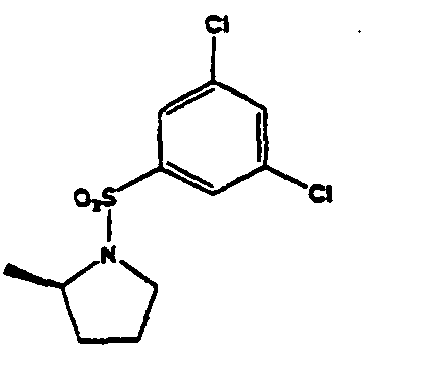
oMePUPCH2 732.3 (M+H+) 8212 

771.1 (M+H+) 8449 oMePUPCH2 
573.0 (M+H+) 8450 Bn 
425.0 (M+H+) 8451 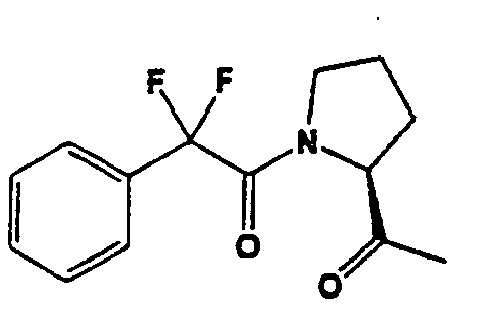

557.9 (M+H+) 8452 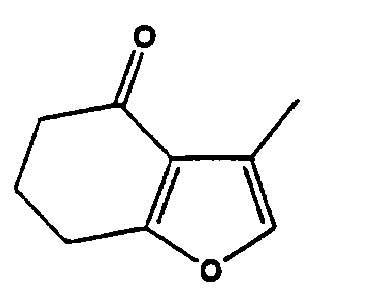

469.0 (M+H+) 8453 oMePUPCH2 
600.0 (M+H+) 8455 

585.0 (M+H+) 8456 

495.9 (M+H+) 8457 

546.0 (M+Na+) 8458 oMePUPCH2 
745.9 (M+H+) 8459 Bn 
597.9 (M+H+) 8460 

730.9 (M+H+) 8461 

641.8 (M+H+). 8462 oMePUPCH2 oMePUPA-Leu 806.1 (M+H+) 8463 Bn oMePUPA-Leu 658.1 (M+H+) 8464 
oMePUPA-Leu 791.0 (M+H+) 8465 
CH3 454.0 (M+H+) 8466 
CH3 365.0 (M+H+) 8519 

633.8 (M+H+) Compounds prepared according to General Method C include: Compound# R3 R1 ESMS m/z 5801 

518.0(M+H+) 5803 oMePUPCH2 
650.0 (M+H+) 6655 
CH3 344.2 (M+H+), 7081 
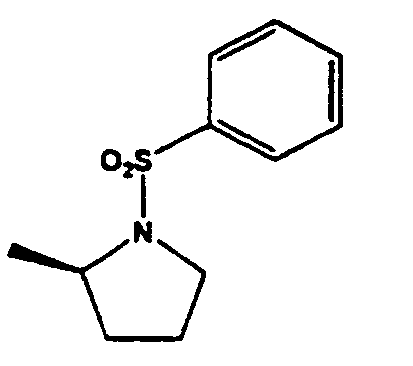
546.0 (M+H+) 7111 

659.7 (M+H+) 7117 
CH3 351.2 (M+H+) 7119 oMePUPCH2 CH3 452.8 (M-H+) 7147 

602.2 (M+H+) 7148 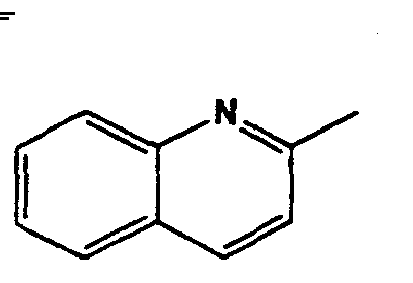

539.1 (M+H+) 7150 2-Cl-Bn 
642.1 (M+H+) 7156 oMePUPCH2 
740.2 (M+H+) 7157 

636.1 (M+H+) 7158 CH3 
516.2 (M+H+) 7231 H 
452.1 (M+H+) 7233 
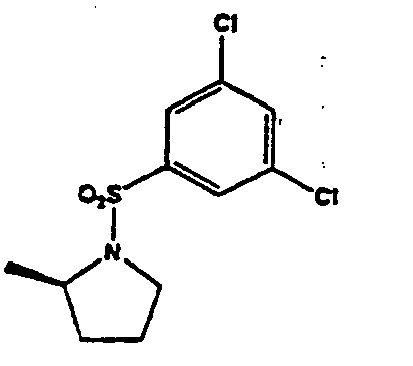
616.1 (M+H+) 7234 oMePUPA-Leu 
831.1 (M+H+) 7235 

642.0 (M+H+) 7236 

639.0 (M+H+) 7241 oMePUPCH2 
664.3 (M+H+) 7255 PhCH2CO-Pro 
667.1 (M+H+) 7256 oMePUPA-Pro 
815.1 (M+H+) 7257 PhCH2CO-Leu 
683.1 (M+H+) Compounds prepared according to General Method D include: Compound # R1 ESMS m/z 5292 
620.8 (M-H+) 7080 
743.9 (M+H+) 7092 
875.8 (M+H+) 7093 
843.8 (M+H+) 7109 
843.8 (M+H+) 7116 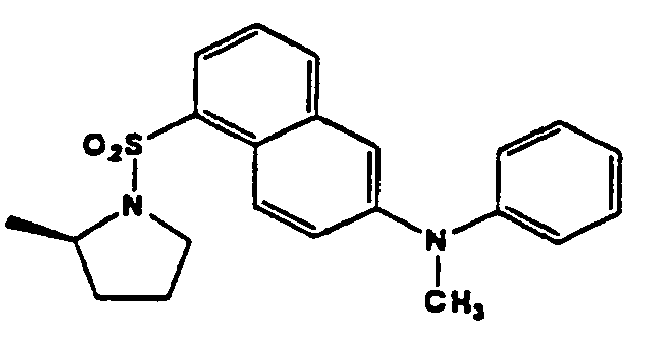
905.7 (M+H+) 7181 
833.1 (M+H+) 7200 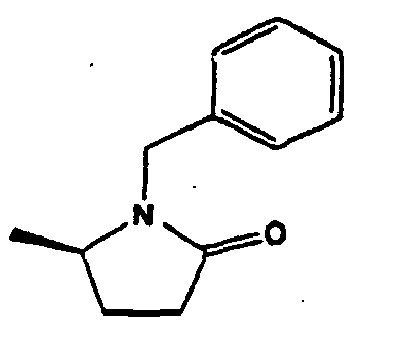
713.4 (M+H+) 7328 
685.0 (M-H+) 7398 
832.1 (M+H+) 7662 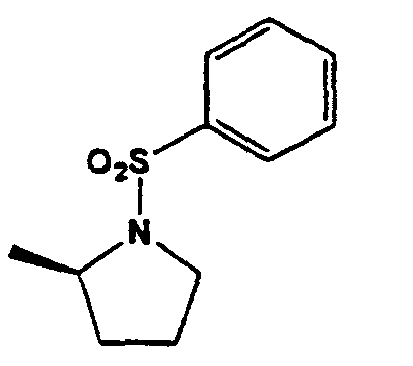
750.1 (M+H+) 8221 
832.9 (M+H+) 8290 
703.1 (M+H+) 8291 
703.1 (M+H+) 8294 
720.1 (M+H+) 8295 
720.1 (M+H+) 8308 
741.1(M+H+) 8309 
803.1 (M+H+) 8341 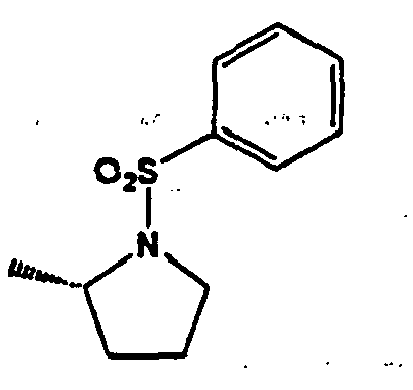
750.0 (M+H+) 8493 
765.9 (M+H+) 8528 
966.1 (M+H+) 8555 
764.0 (M+H+) 8571 
7352 (M+H+) 8582 
826.0 (M+H+) 8583 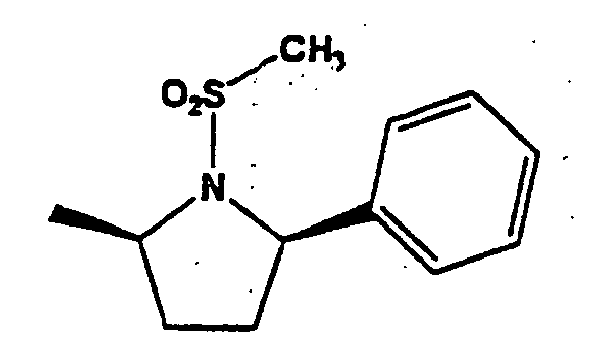
764.1 (M+H+) 8586 
791.1 (M+H+) 8628 
763.2 (M+H+) 8642 
754.0 (M+H+) 8674 
764.1 (M+H+) 8929 
686.2 (M+H+) 9120 
852.2 (M+H+) 9140 -CH3 554.2 (M+H+) 9169 
881.4 (M+H+) 9170 
783.3 (M+H+) 9171 
791.3 (M+H+) 9182 
775.5 (M+H+) 9264 
764.2 (M+H+) 9437 
903.3 (M+H+) Compounds prepared according to General Method E include: Compound # R3 L R1 ESMS m/z 5800 Ac-Leu- 

824.7 (M+H+) 7083 oMePUPCH2 

850.5 (M+H+) 7155 oMePUPCH2 -(CH2)3- 
705.9 (M+H+) 7168 PhCH2CO-N-Me-Leu -(CH2)2- 
565.2(M+H+) 7528 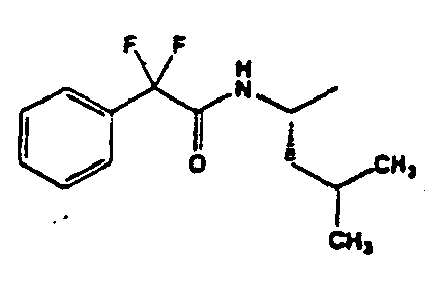
-(CH2)2- 
691.0 (M+H+) 7530 
-(CH2)2- 
675.0 (M+H+) 7552 oMePUPA-α-N-Me-ε-CBz-Lys- -(CH2)2- 
968.1 (M+H+) 7578 oMePUPA-N-Me-Gly -(CH2)2- 
785.0 (M+Na+) 9232 oMePUPCH2 
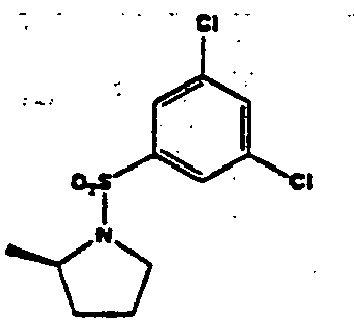
770.2 (M-H+) 9233 oMePUPA-Leu 

883.6 (M-H+) 9234 oMePUPCH2 

625.1 (M+H+) 9235 oMePUPA-Leu 

738.2 (M+H+) 9236 oMePUPCH2 

786.2 (M+H+) 9237 oMePUPA-Leu 

897.4 (M-H+) 9238 oMePUPCH2 

639.1 (M+H+) 9239 oMePUPA-Leu 
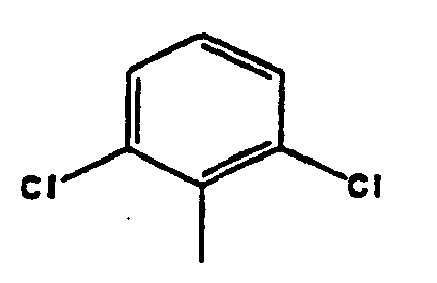
750.1 (M-H+) 9270 oMePUPCH2 

742.1 (M-H+) 9271 oMePUPA-Leu 

855.4 (M-H+) 9273 oMePUPA-Leu 

710.1 (M+H+) 9274 oMePUPCH2 

758.1 (M+H+) 9275 oMePUPA-Leu 

8692 (M+H+) 9276 oMePUPCH2 

611.0 (M+H+) 9277 oMePUPA-Leu 

724.1 (M+H+) - From the above description, one skilled in the art can easily ascertain the essential characteristics of the present invention, and without departing from the spirit and scope thereof, can make various changes and modifications of the invention to adapt it to various usages and conditions. Thus, other embodiments are also within the claims.
Claims (64)
- A compound of the formula:
R3-L-L'-R1
whereinR1 is1) H,2) C1-10alkyl,3) C2-10 alkenyl,4) C2-10 alkynyl,5) Cy,6) Cy-C1-10alkyl,7) Cy-C1-10alkenyl, or8) Cy-C1-10alkynyl;L' is a hydrocarbon linker moiety having 1-5 carbon chain atoms and is(i) optionally interrupted by, or terminally attached to, one or more of the following groups:1) -C(O)-,2) -O-C(O)-,3) -C(O)-O-,4) -C(O)-NRc-,5) -NRc-C(O)-,6) -NRc-C(O)-NRd-,7) -NRc-C(O)-O-,8) -O-C(O)-NRc-,9) -S(O)m-,10) -SO2-NRc-,11) -NRc-SO2-,12) -NRc-C(NRm)-,13) -O-,14) -NRc-, or15) -Cy; or(ii) optionally substituted with one or more substituents independently selected from Rb;L is a hydrocarbon linker moiety having 1-14 carbon chain atoms and is(i) optionally interrupted by, or terminally attached to, one or more of the following groups:1) -C(O)-,2) -C(O)-,3) -C(O)-O-,4) -C(O)-NRc-,5) -NRc-C(O)-,6) -NRc-C(O)-NRd-,7) -NRc-C(O)-O-,8) -O-C(O)-NRc-,9) -S(O)m-,10) -SO2-NRc-,11) -NRc-SO2-,12) -O-,13) -NRc-, or14) Cy; or(ii) optionally substituted with one or more substituents independently selected from Rb;andR3 is alkyl, alkenyl, alkynyl, cycloalkyl, aryl-fused cycloalkyl, cycloalkenyl, aryl, aralkyl, aryl-substituted alkenyl or alkynyl, cycloalkyl-substituted alkyl, cycloalkenyl-substituted cycloalkyl, biaryl, alkenoxy, alkynoxy, aralkoxy, aryl-substituted alkenoxy or alkynoxy, alkylamino, alkenylamino or alkynylamino, aryl-substituted alkylamino, aryl-substituted alkenylamino or alkynylamino, aryloxy, arylamino, heterocyclyl, heterocyclyl-substituted alkyl, heterocyclyl-substituted amino, carboxyalkyl substituted aralkyl, or oxocarbocyclyl-fused aryl; or a moiety of the following formula: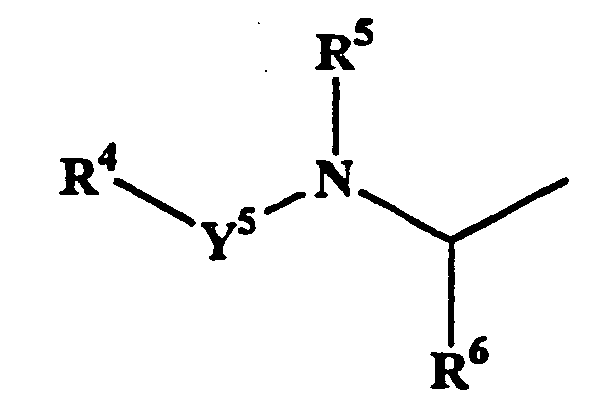 Y5 is selected from the group consisting of -CO-, -O-CO-, -SO2- and -PO2-; each of R4 and R6 , independently, is alkyl, alkenyl, alkynyl, cycloalkyl, aryl-fused cycloalkyl, cycloalkenyl, aryl, aralkyl, aryl-substituted alkenyl or alkynyl, cycloalkyl-substituted alkyl, cycloalkenyl-substituted cycloalkyl, biaryl, alkenoxy, alkynoxy, aralkoxy, aryl-substituted alkenoxy or alkynoxy, alkylamino, alkenylamino or alkynylamino, aryl-substituted alkylamino, aryl-substituted alkenylamino or alkynylamino, aryloxy, arylamino, heterocyclyl, heterocyclyl-substituted alkyl, heterocyclyl-substituted amino, carboxyalkyl substituted aralkyl, oxocarbocyclyl-fused aryl, or an amino acid side chain selected from the group consisting of arginine, asparagine, glutamine, S-methyl cysteine, methionine and corresponding sulfoxide and sulfone derivatives thereof, cyclohexylalanine, leucine, isoleucine, allo-isoleucine, tert-leucine, norleucine, phenylalanine, phenylglycine, tyrosine, tryptophan, proline, alanine, ornithine, histidine, glutamine, norvaline, valine, threonine, serine, beta-cyanoalanine, 2-aminobutyric acid and allothreonine; andR5 is hydrogen, aryl, alkyl, alkenyl, alkynyl, cycloalkyl, cycloalkenyl, or aryl-substituted alkyl, R5 and R6 may be taken together with the atoms to which they are attached to form a heterocycle of 5 to 7 members;
each of said Cy is cycloalkyl, cycloalkenyl, heterocyclyl, aryl, or heteroaryl;
each of said alkyl, alkenyl and alkynyl is optionally substituted with one to four substituents independently selected from Ra; and
each of said cycloalkyl, cycloalkenyl, heterocyclyl, aryl, or heteroaryl is optionally substituted with one to four substituents independently selected from Rb;Ra is1) Cy,2) -ORc,3) -NO2,4) -halogen,5) -S(O)mRc,6) -SRc,7) -S(O)2ORc,8) -S(O)2NRcRd,9) -NRcRd,10) -O(CRcRf)nNRcRd,11) -C(O)Rd,12) -CO2Rc,13) -P(O)(ORc)(ORd),14) -P(O)(Rc)(ORd),15) -S(O)mORc,16) -C(O)NRcRj,17) -CO2(CRcRf)nCONRcRd,18) -OC(O)Rc,19) -CN,20) -NRcC(O)Rd,21) -OC(O)NRcRd,22) -NRcC(O)ORd,23) -NRcC(O)NRdRe,24) -CRc(NORd),25) -CF3,26) -OCF3, or27) oxowherein Cy is optionally substituted with one to four substituents independently selected from Rb,Rb is1) a group selected from Ra,2) C1-10 alkyl,3) C2-10 alkenyl,4) C2-10 alkynyl,5) aryl-C1-10 alkyl, or6) heteroaryl-C1-10 alkyl,wherein each of alkyl, alkenyl, alkynyl, aryl, and heteroaryl is optionally substituted with a group independently selected from Rgeach of Rc,Rd,Rc, and Rf, independently, is1) H,2) C1-10 alkyl,3) C2-10 alkenyl,4) C2-10 alkynyl,5) Cy, or6) Cy-C1-10 alkyl;wherein each of alkyl, alkenyl, alkynyl and Cy is optionally substituted with one to four substituents independently selected from Rg;Rg is1) halogen,2) amino,3) carboxy,4) -COO-C1-4 alkyl,5) -P(O)(OH)2,6) -P(O)(OH)(O-C1-4 alkyl),7) -P(O)(C1-4 alkyl)2,8) -P(O)(OH)(C1-4 alkyl),9) -P(O)(O-C1-4 alkyl)(C1-4 alkyl),10) -SO2-C1-4 alkyl,11) -CO-NH2,12) -CO-NH(C1-4 alkyl),13) -CO-N(C1-4 alkyl)2,14) C1-4 alkyl,15) C1-4 alkoxy,16) aryl,17) aryl-C1-4 alkoxy,18) hydroxy,19) CF3, or20) aryloxy;Rm is1) H,2) C1-10alkyl,3) C2-10alkenyl,4) C2-10alkynyl,5) Cy,6) Cy-C1-10alkyl;7) C1-10acyl,8) cyano,9) C1-10alkyl-sulfonyl, or10) C1-10alkoxy; andRj is1) H,2) C1-10alkyl,3) C2-10 alkenyl,4) C2-10alkynyl,5) cyano,6) aryl,7) aryl-C1-10 alkyl,8) heteroaryl,9) heteroaryl-C1-10 alkyl, or10) -SO2Rk,where Rk is C1-10 alkyl, C2-10 alkenyl, C2-10 alkynyl, and aryl;Rc and Rd taken together with the atoms to which they are attached optionally form a heterocyclic ring of 5 to 7 members, said ring containing 0-2 additional heteroatoms independently selected from O, N and S;Re and Rf taken together with the atoms to which they are attached optionally form a ring of 5 to 7 members, said ring containing 0-2 additional heteroatoms independently selected from O, S and N;m is 0, 1, or 2;n is an integer from 1 to 10;provided that when L is saturated and has 1-4 carbon chain atoms,(i) L must contain a heteroatom selected from 0, S, and N; or(ii) R3 must contain the moiety o-methylphenyl-ureido-phenyl-CH2-; or(iii) R1 must contain only one Cy group;or a pharmaceutically acceptable salt thereof. - The compound of claim 1, wherein R1 is Z1-La-Z2-,
in which
Z1 is cycloalkyl, cycloalkyl-C1-10 alkyl, cycloalkenyl, cycloalkenyl-C1-10 alkyl, aryl, aryl-C1-10 alkyl, heterocyclyl, heterocyclyl-C1-10 alkyl, heteroaryl, or heteroaryl-C1-10 alkyl;
La is -C(O)-, -O-C(O)-, -C(O)-O-, -C(O)-NRc-, -NRc-C(O)-, -NRc-C(O)-NRd-, -NRc-C(O)-O-, -O-C(O)-NRc-, -S(O)m-, -SO2-NRc-, -NRc-SO2-, -O-, -NRc-, or a bond; m, Rc and Rd having been defined in claim 1; and
Z2 is cycloalkyl, cycloalkyl-C1-10 alkyl, cycloalkenyl, cycloalkenyl-C1-10 alkyl, aryl, aryl-C1-10 alkyl, heterocyclyl, heterocyclyl-C1-10 alkyl, heteroaryl, heteroaryl-C1-10 alkyl or a bond. - The compound of claim 2, wherein
Z1 is cycloalkyl, cycloalkyl-C1-10 alkyl, aryl, aryl-C1-10 alkyl, heterocyclyl, heterocyclyl-C1-10 alkyl, heteroaryl, or heteroaryl-C1-10 alkyl;
La is -O-C(O)-, -C(O)-O-, -C(O)-NRc-, -NRc-C(O)-, -SO2-, -SO2-NRc-, -NRc-SO2-, -O-, - NRc-, or a bond; and
Z2 is aryl, aryl-C1-10 alkyl, heterocyclyl, heterocyclyl-C1-10 alkyl, or a bond. - The compound of claim 3, wherein
Z1 is aryl, aryl-C1-5 alkyl, heterocyclyl, heterocyclyl-C1-5 alkyl, heteroaryl, or heteroaryl-C1-5 alkyl;
La is -O-C(O)-, -C(O)-O-, -C(O)-NRc-, -NRc-C(O)-, -SO2-, or a bond; and
Z2 is heterocyclyl, heterocyclyl-C1-5 alkyl, or a bond. - The compound of claim 4, wherein
Z1 is phenyl optionally substituted with Cy, -CO-Rd, halogen, oxo, aryl-substituted alkenyl;
La is -O-C(O)-, -C(O)-O-, -C(O)-NRc-, -NRc-C(O)-, or -SO2-; and
Z2 is heterocyclyl or a bond. - The compound of claim 1, wherein R1 is
 R9 is1) C1-10alkyl,2) = C2-10alkenyl,3) C2-10 alkynyl,4) Cy,5) Cy-C1-10alkyl,6) Cy-C2-10 alkenyl, or7) Cy-C2-10 alkynyl;each of R10 and R11, independently, is selected from the group consisting of hydrogen, aryl, alkyl, alkenyl or alkynyl, cycloalkyl, cycloalkenyl, and aryl-substituted alkyl;R12 is1) H,2) C1-10alkyl,3) C2-10 alkenyl,4) C2-10 alkynyl,5) aryl,6) aryl-C1-10alkyl,7) heteroaryl, or8) heteroaryl-C1-10 alkyl;wherein each of alkyl, alkenyl and alkynyl is optionally substituted with one to four substituents independently selected from Ra, and aryl and heteroaryl are optionally substituted with one to four substituents independently selected from Rb;R11, R12 and the carbon to which they are attached form a 3-7 membered mono- or bicyclic ring containing 0-2 heteroatoms selected from N, O, and S.
 - The compound of claim 1, wherein R1 is
 R14 is8) C1-10alkyl,9) C2-10 alkenyl,10) C2-10 alkynyl,11) Cy,12) Cy-C1-10 alkyl,13) Cy-C2-10 alkenyl, or14) Cy-C2-10 alkynyl,R15 is1) H,2) C1-10alkyl,3) C2-10 alkenyl,4) C2-10 alkynyl,5) aryl,6) aryl-C1-10 alkyl,7) heteroaryl, or8) heteroaryl-C1-10 alkyl,each of R16, R17, and R18, independently, is1) H,2) C1-10alkyl,3) C2-10alkenyl,4) C2-10alkynyl,5) Cy,6) Cy-C1-10 alkyl,7) Cy-C2-10alkenyl,8) Cy-C2-10 alkynyl, or9) a group selected from Rawherein Cy is optionally substituted with one to four substituents independently selected from Rb or one of the following groups:1) -NRcC(O)NRcSO2Rd,2) -NRcS(O)mRd,3) -OS(O)2ORc, or4) -OP(O)(ORc)2;two of R16, R17, and R18, when attached to a common ring atom, together with the common ring atom form a 5-7 membered saturated or unsaturated monocyclic ring containing zero to three heteroatoms selected from N, O, or S; or two of R16, R17, and R18, when attached to two adjacent ring atoms, together with these two ring atoms form a 5-7 membered saturated or unsaturated monocyclic ring containing zero to three heteroatoms selected from N, O, or S;the ring
 each of Z, A, B1 and B2, independently, is1) a bond,2) -C-,3) -C-C-,4) -C=C-,5) a heteroatom selected from the group consisting of N, O, and S, or6) -S(O)m-;m having been defined in claim 1;Y7 iswherein each of said alkyl, alkenyl and alkynyl is optionally substituted with one to four substituents independently selected from Ra, and each said Cy is optionally substituted with one to four substituents independently selected from Rb.1) -C(O)-,2) -C(O)O-,3) -C(O)NRc-,4) -S(O)2-,5) -P(O)(ORc),or6) -C(O)-C(O)-;
 - The compound of claim 7, wherein the ring

- The compound of claim 8, wherein the ring

- The compound of claim 9, wherein the ring

- The compound of claim 7, wherein R15 is H or C1-5 alkyl.
- The compound of claim 7, wherein each of R16, R17, and R18, independently, is selected from the group consisting of H, C1-10 alkyl, Cy, -ORc, -halogen, -S(O)mRc, -NRcRd, -NRcC(O)Rd, -NRcC(O)ORd, -NRcC(O)NRdRe, and oxo; each of Rc, Rd, Re, and m having been defined in claim 1.
- The compound of claim 7, wherein Y7 is -O-C(O)-, -C(O)-O-, or -SO2-.
- The compound of claim 13, wherein Y7 is -SO2-.
- The compound of claim 7, wherein R14 is Cy or Cy-C1-5 alkyl.
- The compound of claim 15, wherein Cy is phenyl.
- The compound of claim 1, wherein L' contains 2-4 carbon chain atoms.
- The compound of claim 1, wherein L' is
 Y1 is15) -C(O)-,16) -O-C(O)-,17) -C(O)-O-,18) -C(O)-NRc-,19) -NRc-C(O)-,20) -NRc-C(O)-NRd-,21) -NRc-C(O)-O-,22) -O-C(O)-NRc-,23) -S(O)m-,24) -S(O)2-NRc-,25) -NRc-S(O)2-,26) -NRc-C(NRm)-,27) -O-, or28) -NRc-;R2 is1) H,2) C1-10 alkyl,3) C2-10 alkenyl,4) C2-10 alkynyl,5) Cy,6) Cy-C1-10 alkyl,7) Cy-C1-10 alkenyl, or8) Cy-C1-10 alkynyl;Y2 is a bond or -C(Rh)(Ri)-; wherein
each of Rh and Ri is independently selected from the group consisting of:1) H,2) C1-10 alkyl,3) C2-10 alkenyl,4) C2-10 alkynyl,5) aryl,6) aryl-C1-10 alkyl,7) heteroaryl, and8) heteroaryl-C1-10 alkyl,Rh and Ri taken together with the carbon to which they are attached may optionally form a 3-7 membered ring containing 0-2 heteroatoms selected from N, O and S;X is1) -C(O)ORc,2) -P(O)(ORc)(ORd),3) -P(O)(Rc)(ORd),4) -S(O)mORc,5) -C(O)NRcRj, or6) -5-tetrazolyl;m having been defined in claim 1;
wherein each of said alkyl, alkenyl and alkynyl is optionally substituted with one to four substituents independently selected from Ra, each of said aryl and heteroaryl is optionally substituted with one to four substituents independently selected from Rb; and Cy is a cycloalkyl, heterocyclyl, aryl, or heteroaryl; and
provided that when Y2 is not a bond, X is -COOH, -COO-C1-4 alkyl, -P(O)(OH)2, -P(O)(OH)(O-C1-4 alkyl), -P(O)(C1-4 alkyl)2, -P(O)(OH)(C1-4 alkyl), -P(O)(O-C1-4 alkyl)(C1-4 alkyl), -SO2-C1-4 alkyl, -CO-NH2, -CO-NH(C1-4alkyl), -CO-N(C1-4 alkyl)2, or -5-tetrazolyl. - The compound of claim 18, wherein Y1 is -NRc-C(O)-, NRc-, -NRc-S(O)2-, or NRc-C(NRm)-.
- The compound of claim 19, wherein Y1 is -NRc-C(O)-.
- The compound of claim 18, wherein R2 is H or C1-5 alkyl.
- The compound of claim 21, wherein R2 is H.
- The compound of claim 18, wherein Y2 is a bond or -C(Rh)(Ri)-, wherein each of Rh and Ri, independently, is H or C1-5 alkyl.
- The compound of claim 23, wherein each of Rh and Ri, independently, is H.
- The compound of claim 23, wherein Y2 is a bond.
- The compound of claim 18, wherein X is -C(O)ORc or -C(O)NRcRj.
- The compound of claim 26, wherein X is -C(O)ORc where Rc is H or C1-5 alkyl.
- The compound of claim 18, wherein Y1 is -NRc-C(O)-; R2 is H or C1-5 alkyl; Y2 is a bond or -CH2-; and X is -C(O)ORc where each Rc is independently H or C1-5 alkyl.
- The compound of claim 1, wherein L contains 4-10 carbon chain atoms.
- The compound of claim 1, wherein L is
 Y3 is9) a bond,10) C1-10 alkyl,11) C2-10 alkenyl,12) C2-10 alkynyl,13) aryl,14) aryl-C1-10 alkyl,15) heteroaryl, or16) heteroaryl-C1-10alkyl; andY4 is1) a bond,2) -C(O)-,3) -O-C(O)-,4) -C(O)-O-,5) -C(O)-NRc-,6) -NRc-C(O)-,7) -NRc-C(O)-NRd-,8) -NRc-C(O)-O-,9) -O-C(O)-NRc-,17) -S(O)m-,18) -S(O)2-NRc-,19) -NRc-S(O)2-,20) -NRc-C(NRd)-,21) -O-, or22) -NRc-;wherein each of alkyl, alkenyl, and alkynyl is optionally containing one to four heteroatoms selected from N, 0, S, and -S(O)m-, and each of alkyl, alkenyl and alkynyl is optionally substituted with one to four substituents independently selected from Ra, and each of aryl and heteroaryl is optionally substituted with one to four substituents independently selected from Rb; each of Ra, Rb, Rc, Rd, and m having been defined in claim 1; and provided that each of Y3 and Y4 is not a bond simultaneously.
 - The compound of claim 30, wherein Y3 is a bond, C1-5 alkyl, or C1-5 alkenyl; and Y4 is a bond, -C(O)-NRc-, -C(O)-, -NRc-, or -O-, where Rc is H or C1-5alkyl.
- The compound of claim 1, wherein
R3 is Z3-Lb-Z4-, in which
Z3 is Cy, Cy-C1-10 alkyl, Cy-C1-10 alkenyl, or Cy-C1-10 alkynyl;
Lb is -C(O)-, -O-C(O)-, -C(O)-O-, -C(O)-NRc-, -NRc-C(O)-, -NRc-C(O)-NRd-, -NRc-C(O)-O-, -O-C(O)-NRc-, -S(O)m-, -SO2-NRc-, -NRc-SO2-, -O-, -NRc-, or a bond; and Z4 is cycloalkyl, cycloalkyl-C1-10 alkyl, cycloalkenyl, cycloalkenyl-C1-10 alkyl, aryl, aryl-C1-10 alkyl, heterocyclyl, heterocyclyl-C1-10 alkyl, heteroaryl, heteroaryl-C1-10 alkyl or a bond; or
R3 is a moiety of the formula: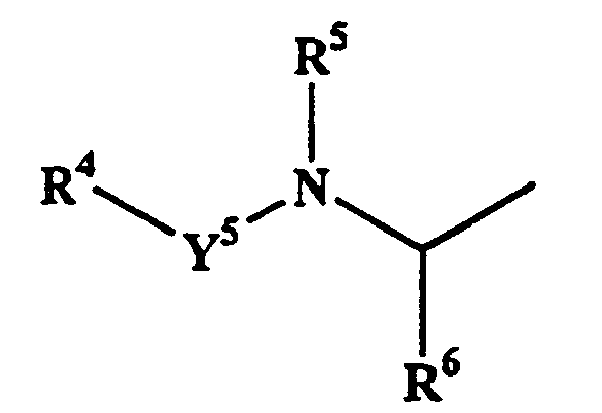
- The compound of claim 32, wherein R4 is Z5-Lc-Z6-,
in which
Z5 is Cy, Cy-C1-10 alkyl, Cy-C1-10 alkenyl, or Cy-C1-10 alkynyl;
Lc is -C(O)-, -O-C(O)-, -C(O)-O-, -C(O)-NRc-, -NRc-C(O)-, -NRc-C(O)-NRd-, -NRc-C(O)-O-, -O-C(O)-NRc-, -S(O)m-, -SO2-NRc-, -NRc-SO2-, -O-, -NRc-, or a bond; and
Z6 is cycloalkyl, cycloalkyl-C1-10 alkyl, cycloalkenyl, cycloalkenyl-C1-10 alkyl, aryl, aryl-C1-10 alkyl, heterocyclyl, heterocyclyl-C1-10 alkyl, heteroaryl, heteroaryl-C1-10 alkyl or a bond;
each of m, Rc, and Rd having been defined in claim 1. - The compound of claim 33, wherein each of Z3 and Z5, independently, is aryl, aryl-C1-10 alkyl, aryl-C1-10 alkenyl, aryl-C1-10 alkynyl, heteroaryl, heteroaryl-C1-10 alkyl, heteroaryl-C1-10 alkenyl, or heteroaryl-C1-10 alkynyl;
each of Lb and Lc, independently, is -C(O)-, -S(O)m-, -O-C(O)-, -C(O)-O-, -C(O)-NRc-, -NRc-C(O)-, -NRc-C(O)-NRd-, -SO2-NRc-, -NRc-SO2-, -O-, -NRc-, or a bond; and
each of Z4 and Z6, independently, is aryl, aryl-C1-10 alkyl, heterocyclyl, heterocyclyl-C1-10 alkyl, heteroaryl, heteroaryl-C1-10 alkyl, or a bond. - The compound of claim 34, wherein
each of Z3 and Z5, independently, is aryl, aryl-C1-10 alkyl, heteroaryl, or heteroaryl-C1-10 alkyl;
each of Lb and Lc, independently, is -C(O)-, -SO2-, -C(O)-NRc-, -NRc-C(O)-, or -NRc-C(O)-NRd-; where each of Rc and Rd, independently, is H or C1-5 alkyl; and
each of Z4 and Z6, independently, is aryl, aryl-C1-10 alkyl, heterocyclyl, heterocyclyl-C1-10 alkyl, heteroaryl, heteroaryl-C1-10 alkyl, or a bond. - The compound of claim 35, wherein
each of Z3 and Z5, independently, is aryl;
each of Lb and Lc, independently, is -NRc-C(O)-NRd-; and
each of Z4 and Z6, independently, is aryl. - The compound of claim 32, wherein Y5 is -CO- or -O-CO-.
- The compound of claim 37, wherein Y5 is -CO-.
- The compound of claim 32, wherein R5 is H or C1-5 alkyl.
- The compound of claim 39, wherein R5 is H or C1-2 alkyl.
- The compound of claim 32, wherein R6 is an amino acid side chain selected from the group consisting of cyclohexylalanine, leucine, isoleucine, allo-isoleucine, tert-leucine, norleucine, phenylalanine, phenylglycine, alanine, norvaline, valine, and 2-aminobutyric acid.
- The compound of claim 41, wherein R6 is an amino acid side chain selected from the group consisting of leucine, isoleucine, allo-isoleucine, tert-leucine, norleucine, alanine, norvaline, valine, and 2-aminobutyric acid.
- The compound of claim 42, wherein R6 is the side chain of leucine or isoleucine.
- The compound of claim 32, wherein R1 is Z1-La-Z2-,
in which
Z1 is aryl optionally substituted with Cy, -CO-Rd, halogen, oxo, or aryl-substituted alkenyl;
La is -O-C(O)-, -C(O)-O-, -C(O)-NRc-, -NRc-C(O)-, or -SO2-; and
Z2 is heteroaryl, heterocyclyl, or a bond. - The compound of claim 44, wherein Z1 is phenyl; La is -SO2-; and Z2 is azetidine, pyrrole, pyrrolidine, imidazole, piperidine, or morpholine.
- The compound of claim 44, wherein L' is

Y1 is -NRc-C(O)-, -NRc-, -NRc-S(O)2-, or -NRc-C(NRd)-; R2 is H or C1-5 alkyl; Y2 is a bond or -C(Rh)(Ri)-; and X is -C(O)ORc; where each of Rc, Rh, and Ri, independently, is H or C1-5 alkyl. - The compound of claim 46, wherein Y1 is -NH-C(O)-; R2 is H; Y2 is a bond; and X is -C(O)OH.
- The compound of claim 46, wherein L is

- The compound of claim 48, wherein Y3 is a bond or C1-5 alkyl; and Y4 is -C(O)-NH-.
- The compound of claim 48, wherein R3 is a moiety of the formula:

Z5 is aryl, aryl-C1-10 alkyl, aryl-C1-10 alkenyl, aryl-C1-10 alkynyl, heteroaryl, heteroaryl-C1-10 alkyl, heteroaryl-C1-10 alkenyl, or heteroaryl-C1-10 alkynyl;
Lc is -C(O)-, -S(O)m-, -O-C(O)-, -C(O)-O-, -C(O)-NRc-, -NRc-C(O)-, -NRc-C(O)-NRd-, -SO2-NRc-, -NRc-SO2-, -O-, -NRc-, or a bond, with Rc and Rd, independently, being H or C1-5 alkyl; and
Z6 is aryl, aryl-C1-10 alkyl, heterocyclyl, heterocyclyl-C1-10 alkyl, heteroaryl, heteroaryl-C1-10 alkyl, or a bond. - The compound of claim 50, wherein Z5 is aryl; Lc is -NRc-C(O)-NRd-; and Z6 is aryl.
- The compound of claim 51, wherein R4 is o-methylphenyl-ureido-phenyl-CH2-.
- The compound of claim 51, wherein Y5 is -CO- or -O-CO-.
- The compound of claim 53, wherein R5 is H or C1-2 alkyl.
- The compound of claim 54, wherein R6 is an amino acid side chain selected from the group consisting of leucine, isoleucine, allo-isoleucine, tert-leucine, norleucine, alanine, norvaline, valine, and 2-aminobutyric acid.
- The compound of claim 55, wherein R6 is the side chain of leucine or isoleucine.
- The compound of claim 1, wherein the chemical structure of said compound is

- The compound of claim 1, wherein the chemical structure of said compound is
 each of R21 and R22, independently, is selected from a group consisting of23) Cy,24) -ORc,25) -NO2,26) -halogen,27) -S(O)mRc,28) -SRc,29) -S(O)2ORc,30) -S(O)2NRcRd,31) -NRcRd,32) -O(CRcRf)nNRcRd,33) -C(O)Rc,34) -CO2Rc,35) -CO2(CRcRf)nCONRcRd,36) -OC(O)Rc,37) -CN,38) -C(O)NRcRd,39) -NRcC(O)Rd,40) -OC(O)NRcRd,41) -NRcC(O)ORd,42) -NRcC(O)NRdRe,43) -CRc(NORd),44) -CF3,45) -OCF3,46) oxo47) C1-10alkyl,48) C2-10 alkenyl,49) C2-10 alkynyl,50) aryl-C1-10 alkyl, and51) heteroaryl-C1-10alkylwherein each of alkyl, alkenyl, alkynyl, aryl, heteroaryl is optionally substituted with a group independently selected from Rg;R23 is selected from the group consisting of1) H,2) C1-10 alkyl,3) C2-10 alkenyl,4) C2-10 alkynyl,5) aryl,6) aryl-C1-10 alkyl,7) heteroaryl, and8) heteroaryl-C1-10 alkyl,wherein alkyl, alkenyl and alkynyl are optionally substituted with one to four substituents independently selected from Ra, and aryl and heteroaryl are optionally substituted with one to four substituents independently selected from Rb.
 - The compound of claim 1, where said compound is compound no. 5192, 5283, 6696, 6697, 6714, 7234, 7256, 7578, 7662, 8221, 8308, 8309, 8341, 8342, 8343, 8367, 8368, 8469, 8491, 8554, 8555, 8571, 8642, 8646, 8685, 8689, 8690, 8698, 8749, 8758, 8796, 8797, 8809, 9120, 9169, 9171, 9182, 9227, 9264, 9271, 9315, 9418, 9621, 7083, 7200, 7328, 7399, 7788, 7855, 8205, 8290, 8291, 8294, 8295, 8304, 8557, 8582, 8583, 8585, 8586, 8606, 8607, 8628, 8674, 8684, 8723, 8746, 8929, 9273, or 9275.
- The compound of claim 1, where said compound is compound nos. 7083, 7200, 7328, 7399, 7788, 7855, 8205, 8290, 8291, 8294, 8295, 8304, 8557, 8582, 8583, 8585, 8586, 8606, 8607, 8628, 8674, 8684, 8723, 8746, 8929, 9273, or 9275.
- A composition comprising a pharmaceutical carrier and an effective amount of a compound of the following formula:
R3-L-L'-R1
whereinR1 is52) H,53) C1-10alkyl,54) C2-10alkenyl,55) C2-10alkynyl,56) Cy,57) Cy-C1-10alkyl,58) Cy-C1-10alkenyl, or59) Cy-C1-10alkynyl;L' is a hydrocarbon linker moiety having 1-5 carbon chain atoms and is(i) optionally interrupted by, or terminally attached to, one or more of the following groups:1) -C(O)-,2) -O-C(O)-,3) -C(O)-O-,4) -C(O)-NRc-,5) -NRc-C(O)-,6) -NRc-C(O)-NRd-,7) -NRc-C(O)-O-,8) -O-C(O)-NRc-;9) -S(O)m-,10) -SO2-NRc-,11) -NRc-SO2-,12)-NRc-C(NRm)-,13)-O-,14)-NRc-, or15) -Cy; or(ii) optionally substituted with one or more substituents independently selected from Rb;L is a hydrocarbon linker moiety having 1-14 carbon chain atoms and is(i) optionally interrupted by, or terminally attached to, one or more of the following groups:1) -C(O)-,2) -O-C(O)-,3) -C(O)-O-,4) -C(O)-NRc-,5) -NRc-C(O)-,6) -NRc-C(O)-NRd-,7) -NRc-C(O)-O-,8) -O-C(O)-NRc-,9) -S(O)m-,10) -SO2-NRc-,11) -NRc-SO2-,12) -O-,13) -NRc-, or14) Cy; or(ii) optionally substituted with one or more substituents independently selected from Rb; andR3 is alkyl, alkenyl, alkynyl, cycloalkyl, aryl-fused cycloalkyl, cycloalkenyl, aryl, aralkyl, aryl-substituted alkenyl or alkynyl, cycloallcyl-substituted alkyl, cycloalkenyl-substituted cycloalkyl, biaryl, alkenoxy, alkynoxy, aralkoxy, aryl-substituted alkenoxy or alkynoxy, alkylamino, alkenylamino or alkynylamino, aryl-substituted alkylamino, aryl-substituted alkenylamino or alkynylamino, aryloxy, arylamino, heterocyclyl, heterocyclyl-substituted alkyl, heterocyclyl-substituted amino, carboxyalkyl substituted aralkyl, or oxocarbocyclyl-fused-aryl; or a moiety of the following formula: Y5 is selected from the group consisting of -CO-, -O-CO-, -SO2- and -PO2-; each of R4 and R6, independently, is alkyl, alkenyl, alkynyl, cycloalkyl, aryl-fused cycloalkyl, cycloalkenyl, aryl, aralkyl, aryl-substituted alkenyl or alkynyl, cycloalkyl-substituted alkyl, cycloalkenyl-substituted cycloalkyl, biaryl, alkenoxy, alkynoxy, aralkoxy, aryl-substituted alkenoxy or alkynoxy, alkylamino, alkenylamino or alkynylamino, aryl-substituted alkylamino, aryl-substituted alkenylamino or alkynylamino, aryloxy, arylamino, heterocyclyl, heterocyclyl-substituted alkyl, heterocyclyl-substituted amino, carboxyalkyl substituted aralkyl, oxocarbocyclyl-fused aryl, or an amino acid side chain selected from the group consisting of arginine, asparagine, glutamine, S-methyl cysteine, methionine and corresponding sulfoxide and sulfone derivatives thereof, cyclohexylalanine, leucine, isoleucine, allo-isoleucine, tert-leucine, norleucine, phenylalanine, phenylglycine, tyrosine, tryptophan, proline, alanine, ornithine, histidine, glutamine, norvaline, valine, threonine, serine, beta-cyanoalanine, 2-aminobutyric acid and allothreonine; andR5 is hydrogen, aryl, alkyl, alkenyl, alkynyl, cycloalkyl, cycloalkenyl, or aryl-substituted alkyl, R5 and R6 may be taken together with the atoms to which they are attached to form a heterocycle of 5 to 7 members;
each of said Cy is cycloalkyl, heterocyclyl, aryl, or heteroaryl;
each of said alkyl, alkenyl and alkynyl is optionally substituted with one to four substituents independently selected from Ra; and
each of said cycloalkyl, cycloalkenyl, heterocyclyl, aryl, or heteroaryl is optionally substituted with one to four substituents independently selected from Rb;Ra iswherein Cy is optionally substituted with one to four substituents independently selected from Rb,1) Cy,2) -ORc,3) -NO2,4) -halogen,5) -S(O)mRc,6) -SRc,7) -S(O)2ORc,8) -S(O)2NRcRd,9) -NRcRd,10) -O(CReRf)nNRcRd,11) -C(O)Rd,12) -CO2Rc,13) -P(O)(ORc)(ORd),14) -P(O)(Rc)(ORd),15) -S(O)mORc,16) -C(O)NRcRj,17) -CO2(CReRf)nCONRcRd,18) -OC(O)Rc,19) -CN,20) -NRcC(O)Rd,21) -OC(O)NRcRd,22) -NRcC(O)ORd,23) -NRcC(O)NRdRe,24) -CRc(NORd),25) -CF3,26) -OCF3, or27) oxoRb is1) a group selected from Ra,2) C1-10 alkyl,3) C2-10 alkenyl,4) C2-10 alkynyl,5) aryl-C1-10alkyl, or6) heteroaryl-C1-10alkyl,wherein each of alkyl, alkenyl, alkynyl, aryl, and heteroaryl is optionally substituted with a group independently selected from Rgeach of Rc, Rd, Re, and Rf, independently, iswherein each of alkyl, alkenyl, alkynyl and Cy is optionally substituted with one to four substituents independently selected from Rg;1) H,2) C1-10 alkyl,3) C2-10 alkenyl,4) C2-10alkynyl,5) Cy, or6) Cy-C1-10alkyl;Rg is1) halogen,2) amino,3) carboxy,4) -COO-C1-4alkyl,5) -P(O)(OH)2,6) -P(O)(OH)(O-C1-4alkyl),7) -P(O)(C1-4alkyl)2,8) -P(O)(OH)(C1-4 alkyl),9) -P(O)(O-C1-4 alkyl)(C1-4 alkyl),10) -SO2-C1-4 alkyl,11) -CO-NH2,12) -CO-NH(C1-4 alkyl),13) -CO-N(C1-4 alkyl)2,14) C1-4 alkyl,15) C1-4 alkoxy,16) aryl,17) aryl-C1-4alkoxy,18) hydroxy,19) CF3, or20) aryloxy;Rm is1) H,2) C1-10 alkyl,3) C2-10 alkenyl,4) C2-10 alkynyl,5) Cy,6) Cy-C1-10 alkyl,7) C1-10acyl,8) C1-10 alkyl-sulfonyl, or9) C1-10 alkoxy; andRj is1) H,2) C1-10alkyl,3) C2-10alkenyl,4) C2-10alkynyl,5) cyano,6) aryl,7) aryl-C1-10 alkyl,8) heteroaryl,9) heteroaryl-C1-10 alkyl, or10) -SO2Rk,where Rk is C1-10 alkyl, C2-10 alkenyl, C2-10 alkynyl, or aryl;Rc and Rd taken together with the atoms to which they are attached optionally form a heterocyclic ring of 5 to 7 members, said ring containing 0-2 additional heteroatoms independently selected from O, N and S;Re and Rf taken together with the atoms to which they are attached optionally form a ring of 5 to 7 members, said ring containing 0-2 additional heteroatoms independently selected from O, S and N;m is 0, 1, or 2;n is an integer from 1 to 10;provided that when L is saturated and has 1-4 carbon chain atoms,(i) L must contain a heteroatom selected from O, S, and N; or(ii) R3 must contain the moiety o-methylphenyl-ureido-phenyl-CH2-; or(iii) R1 must contain only one Cy group;or a pharmaceutically acceptable salt thereof. - The composition of claim 61, wherein said compound is compound nos. 5192, 5283, 6696, 6697, 6714, 7234, 7256, 7578, 7662, 8221, 8308, 8309, 8341, 8342, 8343, 8367, 8368, 8469, 8491, 8554, 8555, 8571, 8642, 8646, 8685, 8689, 8690, 8698, 8749, 8758, 8796, 8797, 8809, 9120,9169, 9171, 9182, 9227, 9264, 9271, 9315, 9418, 9621, 7083, 7200, 7328, 7399, 7788, 7855, 8205, 8290, 8291, 8294, 8295, 8304, 8557, 8582, 8583, 8585, 8586, 8606, 8607, 8628, 8674, 8684, 8723, 8746, 8929, 9273, or 9275
- A method of inhibiting VLA-4-dependent cell adhesion, comprising administering to a patient in need thereof an effective amount of a compound of the following formula:
R3-L-L'-R1
whereinR1 is60) H,61) C1-10 alkyl,62) C2-10 alkenyl,63) C2-10 alkynyl,64) Cy,65) Cy-C1-10alkyl,66) Cy-C1-10alkenyl, or67) Cy-C1-10alkynyl;L' is a hydrocarbon linker moiety having 1-5 carbon chain atoms and is(i) optionally interrupted by, or terminally attached to, one or more of the following groups:1) -C(O)-,2) -O-C(O)-,3) -C(O)-O-,4) -C(O)-NRc-,5) -NRc-C(O)-,6) -NRc-C(O)-NRd-,7) -NRc-C(O)-O-,8) -O-C(O)-NRc-,9) -S(O)m-,10) -SO2-NRc-,11) -NRc-SO2-,12) -NRc-C(NRm)-,13) -O-,14) -NRc-, or15) -Cy; or(ii) optionally substituted with one or more substituents independently selected from Rb;L is a hydrocarbon linker moiety having 1-14 carbon chain atoms and is(i) optionally interrupted by, or terminally attached to, one or more of the following groups:1) -C(O)-,2) -O-C(O)-,3) -C(O)-O-,4) -C(O)-NRc-,5) -NRc-C(O)-,6) -NRc-C(O)-NRd-,7) -NRc-C(O)-O-,8) -O-C(O)-NRc-,9) -S(O)m-,10) -SO2-NRc-,11) -NRc-SO2-,12) -O-,13) -NRc-, or14) Cy; or(ii) optionally substituted with one or more substituents independently selected from Rb; andR3 is alkyl, alkenyl, alkynyl, cycloalkyl, aryl-fused cycloalkyl, cycloalkenyl, aryl, aralkyl, aryl-substituted alkenyl or alkynyl, cycloalkyl-substituted alkyl, cycloalkenyl-substituted cycloalkyl, biaryl, alkenoxy, alkynoxy, aralkoxy, aryl-substituted alkenoxy or alkynoxy, alkylamino, alkenylamino or alkynylamino, aryl-substituted alkylamino, aryl-substituted alkenylamino or alkynylamino, aryloxy, arylamino, heterocyclyl, heterocyclyl-substituted alkyl, heterocyclyl-substituted amino, carboxyalkyl substituted aralkyl, or oxocarbocyclyl-fused aryl; or a moiety of the following formula: Y5 is selected from the group consisting of -CO-, -O-CO-, -SO2- and -PO2-; each of R4 and R6, independently, is alkyl, alkenyl, alkynyl, cycloalkyl, aryl-fused cycloalkyl, cycloalkenyl, aryl, aralkyl, aryl-substituted alkenyl or alkynyl, cycloalkyl-substituted alkyl, cycloalkenyl-substituted cycloalkyl, biaryl, alkenoxy, alkynoxy, aralkoxy, aryl-substituted alkenoxy or alkynoxy, alkylamino, alkenylamino or alkynylamino, aryl-substituted alkylamino, aryl-substituted alkenylamino or alkynylamino, aryloxy, arylamino, heterocyclyl, heterocyclyl-substituted alkyl, heterocyclyl-substituted amino, carboxyalkyl substituted aralkyl, oxocarbocyclyl-fused aryl, or an amino acid side chain selected from the group consisting of arginine, asparagine, glutamine, S-methyl cysteine, methionine and corresponding sulfoxide and sulfone derivatives thereof, cyclohexylalanine, leucine, isoleucine, allo-isoleucine, tert-leucine, norleucine, phenylalanine, phenylglycine, tyrosine, tryptophan, proline, alanine, ornithine, histidine, glutamine, norvaline, valine, threonine, serine, beta-cyanoalanine, 2-aminobutyric acid and allothreonine; andR5 is hydrogen, aryl, alkyl, alkenyl, alkynyl, cycloalkyl, cycloalkenyl, or aryl-substituted alkyl, R5 and R6 may be taken together with the atoms to which they are attached to form a heterocycle of 5 to 7 members;
each of said Cy is cycloalkyl, heterocyclyl, aryl, or heteroaryl;
each of said alkyl, alkenyl and alkynyl is optionally substituted with one to four substituents independently selected from Ra; and
each of said cycloalkyl, cycloalkenyl, heterocyclyl, aryl, or heteroaryl is optionally substituted with one to four substituents independently selected from Rb;Ra is selected from the group consisting ofwherein Cy is optionally substituted with one to four substituents independently selected from Rb,1) Cy,2) -ORc,3) -NO2,4) -halogen,5) -S(O)mRc,6) -SRc,7) -S(O)2ORc,8) -S(O)2NRcRd,9) -NRcRd,10) -O(CRcRf)nNRcRd,11)-C(O)Rd,12) -CO2Rc,13) -P(O)(ORc)(ORd),14) -P(O)(Rc)(ORd),15) -S(O)mORc,16) -C(O)NRcRj,17) -CO2(CRsRf)nCONRcRd,18) -OC(O)Rc,19) -CN,20) -NRcC(O)Rd,21) -OC(O)NRcRd,22) -NRcC(O)ORd,23) -NRcC(O)NRdRe,24) -CRc(NORd),25) -CF3,26) -OCF3, or27) oxoRb is1) a group selected from Ra,2) C1-10alkyl,3) C2-10 alkenyl,4) C2-10 alkynyl,5) aryl-C1-10 alkyl, or6) heteroaryl-C1-10 alkyl,wherein each of alkyl, alkenyl, alkynyl, aryl, and heteroaryl is optionally substituted with a group independently selected from Rgeach of Rc, Rd, Re, and Rf, independently, is1) H,2) C1-10alkyl,3) C2-10 alkenyl,4) C2-10 alkynyl,5) Cy, or6) Cy-C1-10alkyl;wherein each of alkyl, alkenyl, alkynyl and Cy is optionally substituted with one to four substituents independently selected from Rg;Rg is1) halogen,2) amino,3) carboxy,4) -COO-C1-4 alkyl,5) -P(O)(OH)2,6) -P(O)(OH)(O-C1-4 alkyl),7) -P(O)(C1-4 alkyl)2,8) -P(O)(OH)(C1-4 alkyl),9) -P(O)(O-C1-4 alkyl)(C1-4 alkyl),10) -SO2-C1-4 alkyl,11) -CO-NH2,12) -CO-NH(C1-4alkyl),13) -CO-N(C1-4alkyl)2,14) C1-4alkyl,15) C1-4 alkoxy,16) aryl,17) aryl-C1-4alkoxy,18) hydroxy,19) CF3, or20) aryloxy;Rm is1) H,2) C1-10 alkyl,3) C2-10 alkenyl,4) C2-10 alkynyl,5) Cy,6) Cy-C1-10 alkyl,7) C1-10 acyl,8) cyano,9) C1-10 alkyl-sulfonyl, or10) C1-10 alkoxy; andRj is1) H,2) C1-10 alkyl,3) C2-10 alkenyl,4) C2-10 alkynyl,5) cyano,6) aryl,7) aryl-C1-10alkyl,8) heteroaryl,9) heteroaryl-C1-10 alkyl, or10) -SO2Rk,where Rk is C1-10 alkyl, C2-10 alkenyl, C2-10 alkynyl, and aryl;Rc and Rd taken together with the atoms to which they are attached optionally form a heterocyclic ring of 5 to 7 members, said ring containing 0-2 additional heteroatoms independently selected from O, N and S;Rc and Rf taken together with the atoms to which they are attached optionally form a ring of 5 to 7 members, said ring containing 0-2 additional heteroatoms independently selected from 0, S and N;m is 0, 1, or 2;n is an integer from 1 to 10;provided that when L is saturated and has 1-4 carbon chain atoms,(i) L must contain a heteroatom selected from 0, S, and N; or(ii) R3 must contain the moiety o-methylphenyl-ureido-phenyl-CH2-; or(iii) R1 must contain only one Cy group;or a pharmaceutically acceptable salt thereof. - The method of claim 63, wherein said compound is compound nos. 5192, 5283, 6696, 6697, 6714, 7234, 7256, 7578, 7662, 8221, 8308, 8309, 8341, 8342, 8343, 8367, 8368, 8469, 8491, 8554, 8555, 8571, 8642, 8646, 8685, 8689, 8690, 8698, 8749, 8758, 8796, 8797, 8809, 9120, 9169, 9171, 9182, 9227, 9264, 9271, 9315, 9418, 9621, 7083, 7200, 7328, 7399, 7788, 7855, 8205, 8290, 8291, 8294, 8295, 8304, 8557, 8582, 8583, 8585, 8586, 8606, 8607, 9628, 8674, 8684, 8723, 8746, 8929, 9273, or 9275.
Applications Claiming Priority (2)
| Application Number | Priority Date | Filing Date | Title |
|---|---|---|---|
| US14884599P | 1999-08-13 | 1999-08-13 | |
| EP00959232A EP1265606B9 (en) | 1999-08-13 | 2000-08-14 | Cell adhesion inhibitors |
Related Parent Applications (1)
| Application Number | Title | Priority Date | Filing Date |
|---|---|---|---|
| EP00959232A Division EP1265606B9 (en) | 1999-08-13 | 2000-08-14 | Cell adhesion inhibitors |
Publications (2)
| Publication Number | Publication Date |
|---|---|
| EP1741428A2 true EP1741428A2 (en) | 2007-01-10 |
| EP1741428A3 EP1741428A3 (en) | 2007-05-09 |
Family
ID=22527673
Family Applications (2)
| Application Number | Title | Priority Date | Filing Date |
|---|---|---|---|
| EP06021333A Withdrawn EP1741428A3 (en) | 1999-08-13 | 2000-08-14 | Cell adhesion inhibitors |
| EP00959232A Expired - Lifetime EP1265606B9 (en) | 1999-08-13 | 2000-08-14 | Cell adhesion inhibitors |
Family Applications After (1)
| Application Number | Title | Priority Date | Filing Date |
|---|---|---|---|
| EP00959232A Expired - Lifetime EP1265606B9 (en) | 1999-08-13 | 2000-08-14 | Cell adhesion inhibitors |
Country Status (31)
| Country | Link |
|---|---|
| US (3) | US6630503B1 (en) |
| EP (2) | EP1741428A3 (en) |
| JP (1) | JP2003506491A (en) |
| KR (1) | KR100720907B1 (en) |
| CN (1) | CN1377268A (en) |
| AT (1) | ATE343383T1 (en) |
| AU (1) | AU780610B2 (en) |
| BG (1) | BG65755B1 (en) |
| BR (1) | BR0013248A (en) |
| CA (1) | CA2380817A1 (en) |
| CY (1) | CY1105912T1 (en) |
| CZ (1) | CZ2002518A3 (en) |
| DE (1) | DE60031577T2 (en) |
| DK (1) | DK1265606T3 (en) |
| EA (1) | EA005578B1 (en) |
| EE (1) | EE200200070A (en) |
| ES (1) | ES2270868T3 (en) |
| GE (2) | GEP20063956B (en) |
| HU (1) | HUP0202469A3 (en) |
| IL (2) | IL148014A0 (en) |
| IS (1) | IS6257A (en) |
| MX (1) | MXPA02001449A (en) |
| NO (1) | NO324044B1 (en) |
| NZ (1) | NZ517011A (en) |
| PL (1) | PL354063A1 (en) |
| PT (1) | PT1265606E (en) |
| RS (1) | RS50470B (en) |
| SK (1) | SK287075B6 (en) |
| UA (1) | UA75581C2 (en) |
| WO (1) | WO2001012186A1 (en) |
| ZA (1) | ZA200201158B (en) |
Families Citing this family (35)
| Publication number | Priority date | Publication date | Assignee | Title |
|---|---|---|---|---|
| US7618630B2 (en) | 1998-09-14 | 2009-11-17 | Board Of Regents, The University Of Texas System | Methods of treating multiple myeloma and myeloma-induced bone resorption using integrin antagonists |
| CZ2002518A3 (en) * | 1999-08-13 | 2002-05-15 | Biogen, Inc. | Cellular adhesion inhibitors and pharmaceutical preparations in which they are comprised |
| DE10006453A1 (en) * | 2000-02-14 | 2001-08-16 | Bayer Ag | New piperidylcarboxylic acid derivatives, are integrin antagonists useful for treating inflammatory, autoimmune or immunological diseases, e.g. atherosclerosis, asthma, diabetes, rheumatoid arthritis or transplant rejection |
| JP4212358B2 (en) | 2000-12-28 | 2009-01-21 | 第一三共株式会社 | VLA-4 inhibitor |
| JP2002201168A (en) * | 2000-12-28 | 2002-07-16 | Kaken Pharmaceut Co Ltd | Cyclohexane derivative |
| JP2004526733A (en) * | 2001-03-20 | 2004-09-02 | メルク エンド カムパニー インコーポレーテッド | Substituted N-arylsulfonyl-proline derivatives as potent cell adhesion inhibitors |
| US6663489B2 (en) | 2001-08-24 | 2003-12-16 | Igt | Gaming device having an award distributor and an award accumulator bonus game |
| ES2197003B1 (en) * | 2002-04-08 | 2005-03-16 | J. URIACH & CIA S.A. | NEW ANTAGONIST COMPOUNDS OF INTEGRINAS ALFA. |
| CA2528586A1 (en) | 2003-07-24 | 2005-02-03 | Daiichi Pharmaceutical Co., Ltd. | Cyclohexanecarboxylic acid compound |
| CA2554188A1 (en) * | 2004-01-23 | 2005-08-04 | Elan Pharmaceuticals, Inc. | Polyethylene glycol conjugates of heterocycloalkyl carboxamido propanoic acids |
| US7794700B2 (en) * | 2004-07-08 | 2010-09-14 | Elan Pharmaceuticals Inc. | Multimeric VLA-4 antagonists comprising polymer moieties |
| US7196112B2 (en) * | 2004-07-16 | 2007-03-27 | Biogen Idec Ma Inc. | Cell adhesion inhibitors |
| US7915316B2 (en) * | 2005-08-22 | 2011-03-29 | Allergan, Inc | Sulfonamides |
| EP2407459A1 (en) | 2005-09-27 | 2012-01-18 | Shionogi & Co., Ltd. | Synthetic intermediate in the production of a sulfonamide derivative having PGD2 receptor antagonistic activity |
| MY171061A (en) * | 2005-11-09 | 2019-09-24 | Onyx Therapeutics Inc | Compounds for enzyme inhibition |
| US20100003224A1 (en) * | 2006-08-02 | 2010-01-07 | Genzyme Corporation | Combination Therapy |
| TW200817319A (en) | 2006-08-10 | 2008-04-16 | Astellas Pharma Inc | Sulfonamide compound or salt thereof |
| WO2008103378A2 (en) | 2007-02-20 | 2008-08-28 | Merrimack Pharmaceuticals, Inc. | Methods of treating multiple sclerosis by administration of alpha-fetoprotein in combination with an integrin antagonist |
| MX2010011145A (en) | 2008-04-11 | 2011-04-11 | Merrimack Pharmaceuticals Inc | Human serum albumin linkers and conjugates thereof. |
| WO2010059315A1 (en) | 2008-11-18 | 2010-05-27 | Merrimack Pharmaceuticals, Inc. | Human serum albumin linkers and conjugates thereof |
| WO2014036520A1 (en) | 2012-08-30 | 2014-03-06 | Merrimack Pharmaceuticals, Inc. | Combination therapies comprising anti-erbb3 agents |
| EP3140291A4 (en) | 2014-05-05 | 2018-01-10 | Lycera Corporation | Tetrahydroquinoline sulfonamide and related compounds for use as agonists of rory and the treatment of disease |
| JP6523337B2 (en) | 2014-05-05 | 2019-05-29 | リセラ・コーポレイションLycera Corporation | Benzenesulfonamides and related compounds for use as agonists of ROR.gamma. And disease treatment |
| US10421751B2 (en) | 2015-05-05 | 2019-09-24 | Lycera Corporation | Dihydro-2H-benzo[b][1,4]oxazine sulfonamide and related compounds for use as agonists of RORγ and the treatment of disease |
| AU2016276947A1 (en) | 2015-06-11 | 2017-12-14 | Lycera Corporation | Aryl dihydro-2h-benzo[b][1,4]oxazine sulfonamide and related compounds for use as agonists of RORy and the treatment of disease |
| US10836720B2 (en) | 2016-04-01 | 2020-11-17 | The Regents Of The University Of California | Inhibitors of integrin alpha 5 beta 1 and methods of use |
| CN109721605B (en) * | 2017-10-31 | 2022-03-11 | 维眸生物科技(上海)有限公司 | Immune cell migration inhibitor |
| WO2019168874A1 (en) | 2018-02-27 | 2019-09-06 | The Research Foundation For The State University Of New York | Difluoromethoxylation and trifluoromethoxylation compositions and methods for synthesizing same |
| JP7189368B2 (en) | 2018-10-30 | 2022-12-13 | ギリアード サイエンシーズ, インコーポレイテッド | Compounds for inhibition of alpha4beta7 integrin |
| ES3013256T3 (en) | 2018-10-30 | 2025-04-11 | Gilead Sciences Inc | Imidazo[1,2-a]pyridine derivatives as alpha4beta7 integrin inhibitors for the treatment of inflammatory diseases |
| EP3873605B1 (en) | 2018-10-30 | 2024-10-23 | Gilead Sciences, Inc. | Compounds for inhibition of alpha4beta7 integrin |
| FI3873884T3 (en) | 2018-10-30 | 2025-02-24 | Gilead Sciences Inc | 3-(QUINOLIN-8-YL)-1,4-DIHYDROPYRIDO[3,4-D]PYRIMIDINE-2,4-DIONE DERIVATIVES AS ALPHA-4-BETA-7 INTEGRIN INHIBITORS IN THE TREATMENT OF INFLAMMATORY DISEASES |
| WO2021030438A1 (en) | 2019-08-14 | 2021-02-18 | Gilead Sciences, Inc. | Compounds for inhibition of alpha 4 beta 7 integrin |
| AU2022306289A1 (en) | 2021-07-09 | 2024-01-18 | Aligos Therapeutics, Inc. | Anti-viral compounds |
| WO2023043816A1 (en) | 2021-09-17 | 2023-03-23 | Aligos Therapeutics, Inc. | Anti-viral compounds for treating coronavirus, picornavirus, and norovirus infections |
Citations (1)
| Publication number | Priority date | Publication date | Assignee | Title |
|---|---|---|---|---|
| WO1990013300A1 (en) | 1989-04-28 | 1990-11-15 | Biogen, Inc. | ENDOTHELIAL CELL-LEUKOCYTE ADHESION MOLECULES (ELAMs) AND MOLECULES INVOLVED IN LEUKOCYTE ADHESION (MILAs) |
Family Cites Families (70)
| Publication number | Priority date | Publication date | Assignee | Title |
|---|---|---|---|---|
| IT1149971B (en) | 1979-06-11 | 1986-12-10 | Syntex Inc | NONAPEPTIDE AND DECAPEPTIDE DERIVATIVES OF THE HORMONE THAT RELEASES THE LUTEINIZING HORMONE |
| US4725583A (en) | 1985-01-23 | 1988-02-16 | Abbott Laboratories | Functionalized peptidylaminoalcohols |
| US4826815A (en) | 1985-05-17 | 1989-05-02 | Abbott Laboratories | Renin inhibiting compounds |
| DK163689A (en) | 1988-04-08 | 1989-10-30 | Sandoz Ag | PEPTIDE DERIVATIVES |
| DE68901431D1 (en) | 1988-07-21 | 1992-06-11 | Pfizer | METHOD FOR PRODUCING SUBSTITUTED GUANYLTHIOHURANE. |
| US4908360A (en) | 1988-11-14 | 1990-03-13 | Hoechst-Roussel Pharmaceuticals Inc. | 1-aminoalkyl-3-oxysubstituted-4-aryl-1,3,4,5-tetrahydro-2H-1,3-benzodiazepine-2-ones |
| US5196404B1 (en) | 1989-08-18 | 1996-09-10 | Biogen Inc | Inhibitors of thrombin |
| DK0506748T3 (en) | 1989-12-22 | 1996-01-22 | Commw Scient Ind Res Org | Amino acids, peptides or derivatives thereof bound to fats |
| CA2043741C (en) | 1990-06-07 | 2003-04-01 | Kiyofumi Ishikawa | Endothelin antagonistic peptide derivatives |
| US5192746A (en) | 1990-07-09 | 1993-03-09 | Tanabe Seiyaku Co., Ltd. | Cyclic cell adhesion modulation compounds |
| US5260277A (en) | 1990-09-10 | 1993-11-09 | Tanabe Seiyaku Co., Ltd. | Guanidinyl and related cell adhesion modulation compounds |
| WO1992008464A1 (en) | 1990-11-15 | 1992-05-29 | Tanabe Seiyaku Co. Ltd. | Substituted urea and related cell adhesion modulation compounds |
| IL102176A (en) | 1991-06-11 | 2001-09-13 | Blood Res Center | Recombinant nucleic acid molecule capable of encoding intercellular adhesion molecule 3, functional derivatives of icam-3 and pharmaceutical compositions containing icam-3 or functional derivatives thereof |
| DE69226820T2 (en) | 1991-06-21 | 1999-05-12 | Merck & Co., Inc., Rahway, N.J. | Peptidyl derivatives as inhibitors of interleukin-1B converting enzymes |
| US5250679A (en) | 1991-10-18 | 1993-10-05 | Genentech, Inc. | Nonpeptidyl platelet aggregation inhibitors having specificity for the GPIIb III.sub. receptor |
| WO1993008823A1 (en) | 1991-11-06 | 1993-05-13 | Tanabe Seiyaku Co., Ltd. | Guanidinyl and related cell adhesion modulation compounds |
| US5352667A (en) | 1991-11-22 | 1994-10-04 | Ofer Lider | Non-peptidic surrogates of the Arg-Gly-Asp sequence and pharmaceutical compositions comprising them |
| WO1993012809A1 (en) | 1991-12-24 | 1993-07-08 | Fred Hutchinson Cancer Research Center | Competitive inhibition of high-avidity alpha4-beta1 receptor using tripeptide ldv |
| DE4212304A1 (en) | 1992-04-13 | 1993-10-14 | Cassella Ag | Aspartic acid derivatives, their preparation and use |
| IL102646A (en) | 1992-07-26 | 1996-05-14 | Yeda Res & Dev | Non-peptidic surrogates of the ldv sequence and pharmaceutical compositions comprising them |
| CA2153228A1 (en) | 1993-01-08 | 1994-07-21 | Shiu-Lan Ng Chiang | Peptide inhibitors of cell adhesion |
| US5314902A (en) | 1993-01-27 | 1994-05-24 | Monsanto Company | Urea derivatives useful as platelet aggregation inhibitors |
| DE4309867A1 (en) | 1993-03-26 | 1994-09-29 | Cassella Ag | New urea derivatives, their production and use |
| EP0695547B1 (en) | 1993-04-09 | 2001-08-08 | Toyama Chemical Co., Ltd. | Immunomodulator, cell adhesion inhibitor, and agent for treating and preventing autoimmune diseases |
| US5770573A (en) | 1993-12-06 | 1998-06-23 | Cytel Corporation | CS-1 peptidomimetics, compositions and methods of using the same |
| WO1995015973A1 (en) | 1993-12-06 | 1995-06-15 | Cytel Corporation | Cs-1 peptidomimetics, compositions and methods of using the same |
| US5434188A (en) | 1994-03-07 | 1995-07-18 | Warner-Lambert Company | 1-ether and 1-thioether-naphthalene-2-carboxamides as inhibitors of cell adhesion and as inhibitors of the activation of HIV |
| US6306840B1 (en) * | 1995-01-23 | 2001-10-23 | Biogen, Inc. | Cell adhesion inhibitors |
| US6248713B1 (en) | 1995-07-11 | 2001-06-19 | Biogen, Inc. | Cell adhesion inhibitors |
| AU1345697A (en) * | 1995-12-22 | 1997-07-17 | Du Pont Merck Pharmaceutical Company, The | Novel integrin receptor antagonists |
| US5760028A (en) * | 1995-12-22 | 1998-06-02 | The Dupont Merck Pharmaceutical Company | Integrin receptor antagonists |
| AU3640997A (en) * | 1996-06-19 | 1998-01-07 | Du Pont Pharmaceuticals Company | Iontophoretic delivery of integrin inhibitors |
| NZ333904A (en) | 1996-07-25 | 2000-06-23 | Biogen Inc | VLA-4 and IIb/IIIa cell adhesion inhibitors |
| DE19647381A1 (en) | 1996-11-15 | 1998-05-20 | Hoechst Ag | New heterocycles as leukocyte adhesion inhibitors and VLA-4 antagonists |
| DE19647380A1 (en) | 1996-11-15 | 1998-05-20 | Hoechst Ag | 5-ring heterocycles as inhibitors of leukocyte adhesion and VLA-4 antagonists |
| US6214834B1 (en) * | 1997-03-28 | 2001-04-10 | Dupont Pharmaceuticals Company | Integrin inhibitor prodrugs |
| WO1998053818A1 (en) | 1997-05-29 | 1998-12-03 | Merck & Co., Inc. | Sulfonamides as cell adhesion inhibitors |
| EP1001764A4 (en) | 1997-05-29 | 2005-08-24 | Merck & Co Inc | Heterocyclic amides as cell adhesion inhibitors |
| JP2001517245A (en) | 1997-05-29 | 2001-10-02 | メルク エンド カンパニー インコーポレーテッド | Biarylalkanoic acids as cell adhesion inhibitors |
| AU8163398A (en) * | 1997-06-23 | 1999-01-04 | Pharmacia & Upjohn Company | Inhibitors of alpha4beta1mediated cell adhesion |
| KR20010022411A (en) * | 1997-07-31 | 2001-03-15 | 진 엠. 듀발 | Substituted phenylalanine type compounds which inhibit leukocyte adhesion mediated by VLA-4 |
| BR9812118A (en) * | 1997-07-31 | 2000-07-18 | Elan Pharm Inc | 4-Amino-phenylalanine-type compounds that inhibit vla-4-mediated leukocyte adhesion |
| IL133639A0 (en) * | 1997-07-31 | 2001-04-30 | Elan Pharm Inc | Dipeptide and related compounds which inhibit leukocyte adhesion mediated by vla-4 |
| PL338457A1 (en) * | 1997-07-31 | 2000-11-06 | Elan Pharm Inc | Sulphonylated dipeptidic compounds capable to inhibit adhesion of leucocytes through the mediation of vla-4 |
| JP2001512137A (en) * | 1997-07-31 | 2001-08-21 | エラン・ファーマシューティカルズ・インコーポレーテッド | Dipeptide compounds that inhibit leukocyte adhesion mediated by VLA-4 |
| AU8678698A (en) | 1997-07-31 | 1999-02-22 | American Home Products Corporation | Compounds which inhibit leukocyte adhesion mediated by vla-4 |
| CN1276785A (en) * | 1997-08-22 | 2000-12-13 | 霍夫曼-拉罗奇有限公司 | N-aroylphenylalanine derivs. |
| EP1005445B1 (en) * | 1997-08-22 | 2004-05-26 | F. Hoffmann-La Roche Ag | N-alkanoylphenylalanine derivatives |
| DE19741235A1 (en) * | 1997-09-18 | 1999-03-25 | Hoechst Marion Roussel De Gmbh | Novel imidazolidine derivatives, their preparation, their use and pharmaceutical compositions containing them |
| AR013693A1 (en) * | 1997-10-23 | 2001-01-10 | Uriach & Cia Sa J | NEW PIPERIDINES AND PIPERAZINAS AS INHIBITORS OF THE PLAQUETARY AGREGATION |
| PT1027328E (en) * | 1997-10-31 | 2006-11-30 | Aventis Pharma Ltd | Substituted anilides |
| AU1411499A (en) | 1997-11-20 | 1999-06-15 | Merck & Co., Inc. | Para-aminomethylaryl carboxamide derivatives |
| WO1999026922A1 (en) | 1997-11-21 | 1999-06-03 | Merck & Co., Inc. | Substituted pyrrole derivatives as cell adhesion inhibitors |
| US6645939B1 (en) * | 1997-11-24 | 2003-11-11 | Merck & Co., Inc. | Substituted β-alanine derivatives as cell adhesion inhibitors |
| AU751950B2 (en) * | 1997-11-24 | 2002-09-05 | Merck & Co., Inc. | Substituted beta-alanine derivatives as cell adhesion inhibitors |
| CA2309204A1 (en) * | 1997-11-26 | 1999-06-03 | Dupont Pharmaceuticals Company | 1,3,4-thiadiazoles and 1,3,4-oxadiazoles as .alpha.v.beta.3 antagonists |
| US6197794B1 (en) * | 1998-01-08 | 2001-03-06 | Celltech Therapeutics Limited | Phenylalanine derivatives |
| US6329372B1 (en) * | 1998-01-27 | 2001-12-11 | Celltech Therapeutics Limited | Phenylalanine derivatives |
| DE69919334T2 (en) * | 1998-02-26 | 2005-08-04 | Celltech Therapeutics Ltd., Slough | PHENYLALANINE DERIVATIVES AS INHIBITORS OF ALPHA4 INTEGRINEN |
| JP2002509881A (en) * | 1998-03-27 | 2002-04-02 | ジェネンテク・インコーポレイテッド | Antagonists for treating CD11 / CD18 adhesion receptor-mediated diseases |
| NZ509199A (en) | 1998-05-28 | 2003-10-31 | Biogen Inc | A VLA-4 inhibitor: oMePUPA-V |
| TW591026B (en) * | 1998-06-23 | 2004-06-11 | Upjohn Co | Inhibitors of alpha4beta1 mediated cell adhesion |
| US6303625B1 (en) * | 1998-07-27 | 2001-10-16 | Ortho-Mcneil Pharmaceutical, Inc. | Triazolopyridines for the treatment of thrombosis disorders |
| US6331640B1 (en) * | 1998-10-13 | 2001-12-18 | Hoffmann-La Roche Inc. | Diaminopropionic acid derivatives |
| PT1144365E (en) * | 1998-12-22 | 2004-06-30 | Tanabe Seiyaku Co | INHIBITORS OF THE ADHESION OF CELLS MEDIATED BY ALFA4BETA1 |
| EP1028114A1 (en) | 1999-02-13 | 2000-08-16 | Aventis Pharma Deutschland GmbH | Novel guanidine derivatives as inhibitors of cell adhesion |
| ES2218116T3 (en) * | 1999-02-18 | 2004-11-16 | F. Hoffmann-La Roche Ag | DERIVATIVES OF PHENYLALANINOL. |
| CZ2002518A3 (en) * | 1999-08-13 | 2002-05-15 | Biogen, Inc. | Cellular adhesion inhibitors and pharmaceutical preparations in which they are comprised |
| JP2001089448A (en) * | 1999-09-24 | 2001-04-03 | Yamanouchi Pharmaceut Co Ltd | Amide derivative |
| US7196112B2 (en) * | 2004-07-16 | 2007-03-27 | Biogen Idec Ma Inc. | Cell adhesion inhibitors |
-
2000
- 2000-08-14 CZ CZ2002518A patent/CZ2002518A3/en unknown
- 2000-08-14 EE EEP200200070A patent/EE200200070A/en unknown
- 2000-08-14 AU AU70586/00A patent/AU780610B2/en not_active Ceased
- 2000-08-14 UA UA2002032010A patent/UA75581C2/en unknown
- 2000-08-14 EA EA200200253A patent/EA005578B1/en not_active IP Right Cessation
- 2000-08-14 PL PL00354063A patent/PL354063A1/en not_active Application Discontinuation
- 2000-08-14 JP JP2001516532A patent/JP2003506491A/en active Pending
- 2000-08-14 EP EP06021333A patent/EP1741428A3/en not_active Withdrawn
- 2000-08-14 DE DE60031577T patent/DE60031577T2/en not_active Expired - Lifetime
- 2000-08-14 CA CA002380817A patent/CA2380817A1/en not_active Abandoned
- 2000-08-14 HU HU0202469A patent/HUP0202469A3/en unknown
- 2000-08-14 EP EP00959232A patent/EP1265606B9/en not_active Expired - Lifetime
- 2000-08-14 WO PCT/US2000/022285 patent/WO2001012186A1/en not_active Ceased
- 2000-08-14 KR KR1020027001850A patent/KR100720907B1/en not_active Expired - Fee Related
- 2000-08-14 BR BR0013248-9A patent/BR0013248A/en not_active Application Discontinuation
- 2000-08-14 DK DK00959232T patent/DK1265606T3/en active
- 2000-08-14 RS YUP-98/02A patent/RS50470B/en unknown
- 2000-08-14 CN CN00813728A patent/CN1377268A/en active Pending
- 2000-08-14 GE GE5468A patent/GEP20063956B/en unknown
- 2000-08-14 SK SK215-2002A patent/SK287075B6/en not_active IP Right Cessation
- 2000-08-14 GE GE4744A patent/GEP20053477B/en unknown
- 2000-08-14 ES ES00959232T patent/ES2270868T3/en not_active Expired - Lifetime
- 2000-08-14 MX MXPA02001449A patent/MXPA02001449A/en active IP Right Grant
- 2000-08-14 NZ NZ517011A patent/NZ517011A/en unknown
- 2000-08-14 IL IL14801400A patent/IL148014A0/en unknown
- 2000-08-14 PT PT00959232T patent/PT1265606E/en unknown
- 2000-08-14 US US09/638,652 patent/US6630503B1/en not_active Expired - Fee Related
- 2000-08-14 AT AT00959232T patent/ATE343383T1/en not_active IP Right Cessation
-
2002
- 2002-01-31 IS IS6257A patent/IS6257A/en unknown
- 2002-02-05 IL IL148014A patent/IL148014A/en not_active IP Right Cessation
- 2002-02-11 ZA ZA200201158A patent/ZA200201158B/en unknown
- 2002-02-13 NO NO20020725A patent/NO324044B1/en not_active IP Right Cessation
- 2002-03-11 BG BG106510A patent/BG65755B1/en unknown
-
2003
- 2003-10-03 US US10/677,756 patent/US7034043B2/en not_active Expired - Fee Related
-
2006
- 2006-02-27 US US11/362,043 patent/US20060166961A1/en not_active Abandoned
-
2007
- 2007-01-09 CY CY20071100027T patent/CY1105912T1/en unknown
Patent Citations (1)
| Publication number | Priority date | Publication date | Assignee | Title |
|---|---|---|---|---|
| WO1990013300A1 (en) | 1989-04-28 | 1990-11-15 | Biogen, Inc. | ENDOTHELIAL CELL-LEUKOCYTE ADHESION MOLECULES (ELAMs) AND MOLECULES INVOLVED IN LEUKOCYTE ADHESION (MILAs) |
Non-Patent Citations (16)
| Title |
|---|
| "COMPREHENSIVE MEDICINAL CHEMISTRY", 1990, PERGAMON PRESS, pages: 970 - 986 |
| "CURRENT PROTOCOLS IN IMMUNOLOGY", vol. 1, 1991, JOHN WILEY & SONS, pages: 4.2.1 - 4.2.5 |
| "SCIENTIFIC TABLES", 1970, GEIGY PHARMACEUTICALS, pages: 537 |
| FERGUSON, J. IMMUNOL., vol. 150, 1993, pages 1172 |
| FERGUSON, PROC. NATL. ACAD. SCI., vol. 88, 1991, pages 8072 |
| FREIREICH, CANCER CHEMOTHER. REP., vol. 50, 1966, pages 219 |
| GEHLSEN, SCIENCE, vol. 24, 1988, pages 1228 |
| KRAMER, J. BIOL. CHEM., vol. 264, 1989, pages 4684 |
| M.E. HEMLER, ANN. REV. IMMUNOL., vol. 8, 1990, pages 365 |
| M.E. HEMLER: "VLA Proteins in the Integrin Family: Structures, Functions, and Their Role on Leukocytes", ANN. REV. IMMUNOL., vol. 8, 1990, pages 365 |
| P.L. CHISHOLM: "Monoclonal Antibodies to the Integrin a-4 Subunit Inhibit the Murine Contact Hypersensitivity Response", EUR. J. IMMUNOL., vol. 23, 1993, pages 682 - 688 |
| R. L. LOBB: "The Pathophysiologic Role of a4 Integrins In Vivo", J. CLIN. INVEST., vol. 94, 1994, pages 1722 - 28 |
| RUEGG, J. CELL BIOL., vol. 177, 1991, pages 179 |
| T. W. GREENE: "PROTECTING GROUPS IN ORGANIC SYNTHESIS", 1981, JOHN WILEY & SONS |
| W. M. ABRAHAM: "a-Integrins Mediate Antigen-induced Late Bronchial Responses and Prolonged Airway Hyperresponsiveness in Sheep", J. CLIN. INVEST., vol. 93, 1994, pages 776 - 87 |
| WAYNER, J. CELL BIOL., vol. 105, 1987, pages 1873 |
Also Published As
Similar Documents
| Publication | Publication Date | Title |
|---|---|---|
| US6630503B1 (en) | Cell adhesion inhibitors | |
| EP0917462B1 (en) | Cell adhesion inhibitors | |
| US6248713B1 (en) | Cell adhesion inhibitors | |
| US7196112B2 (en) | Cell adhesion inhibitors | |
| US6949534B2 (en) | Cell adhesion inhibitors | |
| US6239108B1 (en) | Cell adhesion inhibitors | |
| HK1099708A (en) | Cell adhesion inhibitors | |
| HK1051500B (en) | Cell adhesion inhibitors | |
| HK1020262B (en) | Cell adhesion inhibitors |
Legal Events
| Date | Code | Title | Description |
|---|---|---|---|
| PUAI | Public reference made under article 153(3) epc to a published international application that has entered the european phase |
Free format text: ORIGINAL CODE: 0009012 |
|
| AC | Divisional application: reference to earlier application |
Ref document number: 1265606 Country of ref document: EP Kind code of ref document: P |
|
| AK | Designated contracting states |
Kind code of ref document: A2 Designated state(s): AT BE CH CY DE DK ES FI FR GB GR IE IT LI LU MC NL PT SE |
|
| RIN1 | Information on inventor provided before grant (corrected) |
Inventor name: CORNEBISE, MARK Inventor name: PETTER, RUSSELL Inventor name: SCOTT, DANIEL Inventor name: LEE, WEN-CHERNG |
|
| PUAL | Search report despatched |
Free format text: ORIGINAL CODE: 0009013 |
|
| AK | Designated contracting states |
Kind code of ref document: A3 Designated state(s): AT BE CH CY DE DK ES FI FR GB GR IE IT LI LU MC NL PT SE |
|
| REG | Reference to a national code |
Ref country code: HK Ref legal event code: DE Ref document number: 1099708 Country of ref document: HK |
|
| RAP1 | Party data changed (applicant data changed or rights of an application transferred) |
Owner name: BIOGEN IDEC MA INC. |
|
| 17P | Request for examination filed |
Effective date: 20071106 |
|
| AKX | Designation fees paid |
Designated state(s): AT BE CH CY DE DK ES FI FR GB GR IE IT LI LU MC NL PT SE |
|
| 17Q | First examination report despatched |
Effective date: 20090722 |
|
| STAA | Information on the status of an ep patent application or granted ep patent |
Free format text: STATUS: THE APPLICATION IS DEEMED TO BE WITHDRAWN |
|
| 18D | Application deemed to be withdrawn |
Effective date: 20100203 |
|
| REG | Reference to a national code |
Ref country code: HK Ref legal event code: WD Ref document number: 1099708 Country of ref document: HK |