EP1740189B1 - Lung surfactant supplements - Google Patents
Lung surfactant supplements Download PDFInfo
- Publication number
- EP1740189B1 EP1740189B1 EP05718468A EP05718468A EP1740189B1 EP 1740189 B1 EP1740189 B1 EP 1740189B1 EP 05718468 A EP05718468 A EP 05718468A EP 05718468 A EP05718468 A EP 05718468A EP 1740189 B1 EP1740189 B1 EP 1740189B1
- Authority
- EP
- European Patent Office
- Prior art keywords
- fluorocarbon
- composition
- dppc
- use according
- emulsion
- Prior art date
- Legal status (The legal status is an assumption and is not a legal conclusion. Google has not performed a legal analysis and makes no representation as to the accuracy of the status listed.)
- Expired - Lifetime
Links
Images


Classifications
-
- A—HUMAN NECESSITIES
- A61—MEDICAL OR VETERINARY SCIENCE; HYGIENE
- A61K—PREPARATIONS FOR MEDICAL, DENTAL OR TOILETRY PURPOSES
- A61K9/00—Medicinal preparations characterised by special physical form
- A61K9/0012—Galenical forms characterised by the site of application
- A61K9/007—Pulmonary tract; Aromatherapy
- A61K9/0082—Lung surfactant, artificial mucus
-
- A—HUMAN NECESSITIES
- A61—MEDICAL OR VETERINARY SCIENCE; HYGIENE
- A61K—PREPARATIONS FOR MEDICAL, DENTAL OR TOILETRY PURPOSES
- A61K31/00—Medicinal preparations containing organic active ingredients
- A61K31/66—Phosphorus compounds
-
- A—HUMAN NECESSITIES
- A61—MEDICAL OR VETERINARY SCIENCE; HYGIENE
- A61K—PREPARATIONS FOR MEDICAL, DENTAL OR TOILETRY PURPOSES
- A61K31/00—Medicinal preparations containing organic active ingredients
- A61K31/66—Phosphorus compounds
- A61K31/683—Diesters of a phosphorus acid with two hydroxy compounds, e.g. phosphatidylinositols
-
- A—HUMAN NECESSITIES
- A61—MEDICAL OR VETERINARY SCIENCE; HYGIENE
- A61K—PREPARATIONS FOR MEDICAL, DENTAL OR TOILETRY PURPOSES
- A61K31/00—Medicinal preparations containing organic active ingredients
- A61K31/66—Phosphorus compounds
- A61K31/683—Diesters of a phosphorus acid with two hydroxy compounds, e.g. phosphatidylinositols
- A61K31/685—Diesters of a phosphorus acid with two hydroxy compounds, e.g. phosphatidylinositols one of the hydroxy compounds having nitrogen atoms, e.g. phosphatidylserine, lecithin
-
- A—HUMAN NECESSITIES
- A61—MEDICAL OR VETERINARY SCIENCE; HYGIENE
- A61P—SPECIFIC THERAPEUTIC ACTIVITY OF CHEMICAL COMPOUNDS OR MEDICINAL PREPARATIONS
- A61P11/00—Drugs for disorders of the respiratory system
-
- A—HUMAN NECESSITIES
- A61—MEDICAL OR VETERINARY SCIENCE; HYGIENE
- A61K—PREPARATIONS FOR MEDICAL, DENTAL OR TOILETRY PURPOSES
- A61K9/00—Medicinal preparations characterised by special physical form
- A61K9/0012—Galenical forms characterised by the site of application
- A61K9/007—Pulmonary tract; Aromatherapy
- A61K9/0073—Sprays or powders for inhalation; Aerolised or nebulised preparations generated by other means than thermal energy
- A61K9/008—Sprays or powders for inhalation; Aerolised or nebulised preparations generated by other means than thermal energy comprising drug dissolved or suspended in liquid propellant for inhalation via a pressurized metered dose inhaler [MDI]
-
- A—HUMAN NECESSITIES
- A61—MEDICAL OR VETERINARY SCIENCE; HYGIENE
- A61K—PREPARATIONS FOR MEDICAL, DENTAL OR TOILETRY PURPOSES
- A61K9/00—Medicinal preparations characterised by special physical form
- A61K9/10—Dispersions; Emulsions
- A61K9/12—Aerosols; Foams
- A61K9/124—Aerosols; Foams characterised by the propellant
Definitions
- the present invention relates generally to lung surfactant compositions and methods for treating pulmonary diseases.
- the invention specifically discloses the use of biocompatible highly fluorinated compounds, including fluorocarbons in the treatment of various pulmonary conditions.
- the native lung surfactant consists of a complex mixture of phospholipids, neutral lipids and proteins.
- the surfactant comprises roughly 90% lipids and 10% proteins with a lipid composition of 55% dipalmitoylphosphatidylcholine (DPPC), 25% phosphatidylcholine (PC), 12% phosphatidylglycerol (PG), 3.5% phosphatidylethanolamine (PE), sphingomyelin and phosphatidylinositol (PI).
- DPPC dipalmitoylphosphatidylcholine
- PC 25% phosphatidylcholine
- PG 12% phosphatidylglycerol
- PE 3.5% phosphatidylethanolamine
- PI sphingomyelin and phosphatidylinositol
- the lung surfactant functions are to reduce the surface tension within the alveoli. It helps to mediate the transfer of oxygen and carbon dioxide, promotes alveolar expansion and covers the surface of the lung alveoli. Reduced surface tension permits the alveoli to be held open under low pressure. In addition, the lung surfactant supports alveolar expansion by varying the surface tension depending on alveolar size.
- Surfactant supplements are presently used therapeutically when the lung surfactant present does not allow efficient respiratory function.
- Surfactant supplementation is commonly used to treat Respiratory Distress Syndrome (RDS), when surfactant deficiencies compromise pulmonary function. While RDS is primarily a disease of newborn infants, an adult form of the disease, Adult Respiratory Distress Syndrome (ARDS), has many characteristics in common with RDS, thus lending itself to similar therapies. More generally, there exist various forms of acute lung injuries that are related to a dysfunction of the pulmonary surfactant.
- RDS Respiratory Distress Syndrome
- ARDS Adult Respiratory Distress Syndrome
- RDS The primary etiology of RDS is attributed to insufficient amounts of pulmonary surfactant. Those at greatest risk are infants born before the 36th week of gestation having premature lung development. Neonates born at less than 28 weeks of gestation have a 60-80% chance of developing RDS. RDS is a life-threatening condition.
- molecules of DPPC are immobilized in the form of crystalline islets and cannot re-spread onto the alveolar surface, which can greatly impair the respiratory cycle.
- Surfactant replacement therapy has recently been used either alone or in combination with ventilation therapy. Early work with surfactant replacements used preparations of human lung surfactant obtained from lung lavage.
- bovine lung surfactant substitutes are purified preparations of bovine and porcine lung surfactant. Like human surfactant, bovine lung surfactant preparation is complex. Sources are few and availability is limited. Further, while the use of bovine lung surfactant in neonates does not present a problem immunologically, bovine surfactant applications in adults could immunologically sensitize patients to other bovine products. Moreover, the absence of risk of transmission of the Creutzfeld-Jakob disease remains to be proven.
- EP 050 793 discloses a combination of hexadecanol and DPPC.
- Ventilation with liquid fluorocarbons has been proposed in U.S patent No. 5,853,003 , and was shown to be safe, improve lung function and recruit lung volume in patients with severe respiratory distress ( Greenspan et al., Biomedical Instrumentation and Technology (1999) 33:253-259 ; Leach et al., New England Journal of Medicine (1996) 335:761-767 ).
- the biocompatibility of fluorocarbons has been discussed ( Riess, Chemical Reviews (2001) 101:2797-2919 ; Riess, Tetrahedron (2002) 58:4113-4131 ).
- a Langmuir DPPC monolayer is accepted as a pulmonary surfactant model.
- a DPPC monolayer undergoes a phase transition from a fluid liquid-expended state to a crystalline liquid-condensed state. Crystalline islets are thus formed due to the high cohesive energy of the DPPC molecules.
- the molecules of DPPC involved in crystalline islets do not respread rapidly enough on the alveoli surface. For that reason, DPPC alone cannot function as an effective lung surfactant.
- the inventors have discovered that highly fluorinated compounds, and in particular fluorocarbons, in a liquid or gaseous form, make it possible to inhibit the liquid-expended to liquid-condensed transition, and therefore prevent the formation of crystalline islets when a Langmuir phospholipid monolayer is compressed.
- the fluorocarbon composition may be in a liquid or gaseous form, and may be administered neat as an aerosol or vaporized.
- a preferred highly fluorinated compound is a fluorocarbon such as perfluorooctylethane (PFOE) or bis(perfluorobutyl)ethene (F-44E).
- PFOE perfluorooctylethane
- F-44E bis(perfluorobutyl)ethene
- a still preferred fluorocarbon is a brominated fluorocarbon, and a still more preferred fluorocarbon is perfluorooctyl bromide (PFOB).
- the fluorocarbon is administered in association with a phospholipid, such as dipalmitoylphosphatidylcholine (DPPC).
- a phospholipid such as dipalmitoylphosphatidylcholine (DPPC).
- the molecular ratio between these two components preferably ranges from 1 to 300.
- the fluorocarbon is administered in liquid or vapor (gaseous) form, and preferably in a quantity corresponding of about 0.005 to about 4 % of fluorocarbon in volume/kg body weight, preferably from about 0.005 % to about 2 % in volume/kg body weight.
- the fluorocarbon may be administered neat or in the form of a water-in-fluorocarbon emulsion, or in the form of an oil-in-fluorocarbon emulsion.
- the fluorocarbon composition may also serve as a drug delivery system. It is then contemplated that a further therapeutic agent can be dispersed in the fluorocarbon preparation.
- the invention further provides a therapeutic composition
- a therapeutic composition comprising a fluorocarbon and a phospholipid, and optionally a therapeutic agent, e.g. prednisone or epinephrine.
- the composition is in the form of an emulsion comprising a continuous phase of fluorocarbon.
- the emulsion with a continuous fluorocarbon phase contains pulmonary pharmacologically active substance such as an antibiotic, a tuberculostatic antimycobacterial agent, an anticancer agent, a pulmonary vasoactive substance, etc.
- fluorocarbons may be straight, branched or cyclic, saturated or unsaturated poly- or perfluorinated hydrocarbons. These compounds may also comprise heteroatoms such as oxygen or nitrogen, or halogen atoms other than fluorine, in particular bromine. Generally, the compound is liquid or gaseous at room temperature (25°C). Preferably, the compound has from 2 to 12 carbon atoms. There is a large number of compounds compatible with the biomedical application described.
- fluorocarbons include brominated perfluorocarbons, such as 1-bromo-heptadecafluorooctane (C 8 F 17 Br, sometimes designated perfluorooctyl bromide or "PFOB"), 1-bromopentadecafluoroheptane (C 7 F 15 Br), and 1-bromotridecafluorohexane (C 6 F 13 Br, sometimes known as perfluorohexyl bromide or "PFHB”).
- PFOB perfluorooctane
- PFHB 1-bromopentadecafluoroheptane
- PFHB 1-bromotridecafluorohexane
- Other brominated fluorocarbons are disclosed in U.S. Pat. No. 3,975,512 .
- fluorocarbons having other nonfluorine substituents such as perfluorooctyl chloride, perfluorohexyl dichloride, perfluorooctyl hydride, and similar compounds having different numbers of carbon atoms.
- Additional fluorocarbons contemplated in accordance with this invention include perfluoroalkylated ethers or polyethers, such as (CF 3 ) 2 CFO(CF 2 CF 2 ) 2 OCF(CF 3 ) 2 ; (CF 3 ) 2 CFO(CF 2 CF 2 ) 3 OCF(CF 3 ) ; (CF 3 )CFO(CF 2 CF 2 )F ; (CF 3 ) 2 CFO(CF 2 CF 2 ) 2 F ; (C 6 F 13 ) 2 O.
- perfluoroalkylated ethers or polyethers such as (CF 3 ) 2 CFO(CF 2 CF 2 ) 2 OCF(CF 3 ) 2 ; (CF 3 ) 2 CFO(CF 2 CF 2 ) 3 OCF(CF 3 ) ; (CF 3 )CFO(CF 2 CF 2 )F ; (C 6 F 13 ) 2 O.
- esters, thioethers, and other variously modified mixed fluorocarbon-hydrocarbon compounds are also encompassed within the broad definition of "fluorocarbon” materials suitable for use in the present invention. Mixtures of fluorocarbons are also contemplated.
- Preferred fluorocarbons are perfluorooctyl bromide (PFOB), bis(perfluorobutyl) ethene (F-44E) and perflu orooctylethane (PFOE).
- PFOB perfluorooctyl bromide
- F-44E bis(perfluorobutyl) ethene
- PFOE perflu orooctylethane
- the fluorocarbon may be neat or may be combined with other materials, such as surfactants (including fluorinated surfactants) and dispersed materials.
- a therapeutic agent may be combined ( e.g . dispersed) with the fluorocarbon.
- Suitable therapeutic agents include, but are not limited to, antibiotics such as gentamicin, erythromycin a nd doxycycline; tuberculostatic antimycobacterials such as pyrazinamide, ethambutol and isoniazid; anticancerous agents such as cis-platinum, cyclophosphamide, 5-fluorouracyl and doxorubicin; pulmonary vasoactive substances and regulators of pulmonary hypertension such as tolazoline; respiratory stimulants such as doxapram; vasoactive bronchodilators or bronchostrictors such as acetylcholine, priscoline, epinephrine and theophylline; mucolytic agents such as acetylcysteine; steroids such as cortisone or prednisone; antiviral agents such as ribavirin.
- antibiotics such as gentamicin, erythromycin a nd doxycycline
- fluorocarbons There exist abundant data that demonstrate the biocompatibility of fluorocarbons. They are amenable to sterilization techniques. For example, they can generally be heat-sterilized (such as by autoclaving) or sterilized by radiation. In addition, sterilization by ultrafiltration is also contemplated.
- the fluorocarbon can be provided as a liquid or in a gaseous form.
- Inhalation or forced (positive pressure) introduction either nasal or oral, of the fluorocarbon composition
- Microparticles can be inhaled from standard aerosol delivery systems that are well known in the art.
- the patient may receive a particulate suspension which is placed into an air stream such as by injection of the dispersed composition into a positive pressure ventilation tube or into an endotracheal tube at the moment of inspiration or when air is forced into the lungs. Metered dosages may be mechanically injected into such devices.
- the fluorocarbon composition may be dispersed in air by using the Venturi effect, where air is moved at right angles across a Venturi tube causing the fluorocarbon composition to be drawn through the tube and dispersed into the air that is inhaled or mechanically introduced into the lungs.
- Pulsatile delivery of the fluorocarbon composition in a volume of gas and inhalation of the aerosolized bolus is also known in the art as described in PCT published application WO 94/07514 , and the delivery techniques described therein can be used in the present invention.
- Liquid compositions of fluorocarbons may be directed to specific regions of the patient's pulmonary air passages by a number of different conventional means, such as a bronchoscope, a catheter, and the like.
- the fluorocarbon introduced into the patient's lung may be in liquid or vapor form.
- the quantity of fluorocarbon composition administered may correspond to about 0.005 to about 4 % of liquid fluorocarbon in volume/kg body weight, preferably from about 0.005 % to about 2 %.
- the method of the invention improves the fluidity of the pulmonary surfactant, mainly by preventing the formation of crystalline islets of phospholipid, such as crystalline islets of DPPC, and/or by respreading the phospholipid islets that might have formed.
- ARDS in adults caused by severe hypovolemic shock, lung contusion, diver's lung, post-traumatic respiratory distress, post-surgical atelectasis, septic shock, multiple organ failure, Mendelssohn's disease, obstructive lung disease, pneumonia, pulmonary oedema or any other condition resulting in lung surfactant deficiency or respiratory distress are all candidates for fluorocarbon supplementation and the method of the invention.
- Treatment of pulmonary fibrosis, emphysema, and chronic bronchitis can all benefit from fluorocarbon therapy as proposed herein.
- the fluorocarbon is administered with a surfactant agent, e.g . a lipid or a phospholi pid.
- the surfactant agent may be an amphiphilic molecule or a mixture of amphiphilic molecules, or may be a preparation of artificial lung surfactant, or may be extracted from human or mammal lung surfactant.
- the su rfactant agent is a phospholipid.
- the phospholipid may be a mixture of phospholipids. It is preferably selected from the group consisting of native pulmonary surfactant phospholipids, i.e.
- the fluorocarbon may also be administered with a mixture of phospholipids and glycoproteins, such as SP-A, SP-B, SP-C and SP-D, which are components of the native pulmonary surfactant composition. Fluorocarbon compounds are generally poorly soluble in water. Therefore, it is possible to prepare emulsions comprising a fluorocarbon compound, a phospholipid and water.
- Such emulsions allow easy administration of both one or more fluorocarbons and one or more phospholipids at controlled dosage.
- the emulsions may be prepared by mixing an aqueous phase and, dissolved or dispersed in the water, the phospholipid, with the fluorocarbon phase, optionally in presence of an additional suitable surfactant.
- One or both phases may further contain one or more therapeutic agents, as described above.
- Appropriate surfactants include in particular fluorinated amphiphilic compounds such as fluorinated dimorpholinophosphate.
- the water phase is added slowly to the fluorinated phase containing an emulsifier, in particular a fluorinated surfactant.
- an emulsifier in particular a fluorinated surfactant.
- the resulting pre-emulsion may then be homogenized, using procedures that are well known as such, in order to yield an emulsion with a narrow droplet size distribution.
- the fluorocarbon/phospholipid molecular ratio between these two components preferably ranges from1 to 300. In a preferred embodiment, the molecular ratio between phospholipid and the fluorocarbon ranges from1 to 50.
- composition useful in the invention is a therapeutic composition comprising an emulsion of water in PFOB that contains DPPC.
- Another example of composition is a therapeutic composition comprising an emulsion of water in PFOE that contains DPPC.
- compositions include these above compositions supplemented with a pulmonary active agent, such as prednisone or epinephrine.
- a pulmonary active agent such as prednisone or epinephrine.
- the invention thus contemplates the use of a fluorocarbon, optionally in combination with a surfactant agent, especially a phospholipid, e.g. a phospholipid of a native pulmonary surfactant, for the manufacture of a medicament intended for improving the spreadability and/or the fluidity of the native pulmonary surfactant in patients in need of such treatment.
- a surfactant agent especially a phospholipid, e.g. a phospholipid of a native pulmonary surfactant, for the manufacture of a medicament intended for improving the spreadability and/or the fluidity of the native pulmonary surfactant in patients in need of such treatment.
- the patients may be a human or a non-human animal, preferably a mammal. It may be a new-born patient, an infant, a child or an adult of any age.
- the monolayer of native pulmonary surfactant was modeled by a Langmuir monolayer of DPPC.
- the DPPC molecules were spread using a spreading solvent onto the surface of water contained in a trough coated with Teflon ® . After evaporation of the solvent, the DPPC molecules were progressively compressed using two mobile Teflon ® barriers. The variation of the surface pressure was measured as a function of the compression by a pressure sensor such as a Wilhelmy blade.
- the DPPC monolayer is totally fluid.
- PFOB sterile PFOB
- vaporiser/pneumatic compressor such as the Omron CX3 aerosol
- a vaporisation kit for Omron CX3 or any other vaporisation system (Hudson TUp-draftll/Pulmo-aide, Airlife Mysty/Pulmo-Aide, Respirgard/Pulmo-aide, etc).
- PFOB was then vaporized according to the recommendations of the manufacturer.
- F8H11DMP 3% w/v perfluorooctyl (undecyl)dimorpholinophosphate
- 95% v/v PFOB 95% v/v PFOB
- F8H11DMP 3 g was dispersed in 95 ml of PFOB using a low energy mixer (Ultra-Turrax® T25 equipped with the S25N25F, Ika-Labortechnik, Stanfen, Germany) at a temperature below 40° C. 5 ml of physiological water were then added dropwise under constant agitation.
- the pre-emulsion thus obtained was homogenized under high pressure using a Microfluidizer ® 110T (Microfluidics, New Jersey, USA) for about 10 minutes at a temperature below 40° C.
- the emulsion thus obtained was opalescent, and the mean size of the water droplets was 60 ⁇ 5 nm (3000 Zeta Sizer, Malvern Instrument).
- This emulsion was sterilized by filtration through a 0.22 ⁇ m membrane before bottling in 10 ml flasks (with 8% hold-up volume).
- the mean size of the water droplets after one-year storage at 25°C was 100 ⁇ 7 nm.
- the pre-emulsion thus obtained was homogenized under high pressure using a Microfluidizer ® 110T (Microfluidics, New Jersey, USA) for about 10 minutes at a temperature below 40°C as described in Example 1.
- the emulsion thus obtained was opalescent, and the mean size of the water droplets was 70 ⁇ 5 nm (3000 Zeta Sizer, Malvern Instrument).
- This emulsion was sterilized, bottled and stored as described in Example 7.
- the mean size of droplets after one-year storage at 25°C was 120 ⁇ 10 nm.
- the emulsion is prepared following the protocol of Example 8, using PFOE instead of PFOB. An opalescent emulsion is obtained.
- the mean size of the water droplets was 65 ⁇ 5 nm (3000 Zeta Sizer, Malvern Instrument). The emulsion was sterilized, bottled and stored as described in Example 7. The mean size of the droplets after one-year storage at 25° C was 110 ⁇ 10 nm.
- An emulsion containing 5 % v/v isotonic buffer (pH 3,0 - 3.5), 0.02 w/v epinephrine, 1 % w/v DPPC, 3 % w/v F8H11DMP (perfluorooctyl)undecyl dimorpholinophosphate) and 95 % v/v PFOB is obtained as follows : 0.75 g F8H11DMP were dispersed in 23.75 ml of PFOB as described in Example 7. Separately, 0.25 g DPPC and 5 mg epinephrine were co-dispersed in 1.25 ml of isotonic buffer.
- This dispersion was added dropwise to the fluorinated phase under constant agitation.
- the pre-emulsion obtained was homogenised under high pressure with an Emulsiflex-B3 ® (Avestin, Ottawa, Canada).
- An opalescent emulsion was obtained, with water droplets of a mean size of 40 ⁇ 3 nm (3000 Zeta Sizer, Malvern Instrument).
- This emulsion was sterilized, bottled and stored as described in Example 7.
- the mean size of the droplets after one-year storage at 25°C was 70 ⁇ 5 nm.
- the emulsion was prepared following the protocol of Example 10, using PFOE instead of PFOB.
- An opalescent emulsion was obtained with droplets of a mean size of 55 ⁇ 5 nm (3000 Zeta Sizer, Malvern Instrument).
- the emulsion was sterilized, bottled and stored as described in Example 7.
- the mean size of the droplets after one year storage at 25°C was 118 ⁇ 10 nm.
- An emulsion containing 4.7 % v/v physiological water, 0.02 w/v prednisone, 20 % v/v perfluorobutyl-1-undecene (F4H8E), 4.7 % v/v perfluorohexyldecane (F6H10), 4.8 w/v perfluorooctyl(undecyl)dimorpholinophosphate (F8H11DMP) and 67 % v/v PFOB is obtained as follows : 2 mg prednisone are dissolved in 2 ml of F4H8E under agitation and moderate heating.
- the emulsion was prepared following the protocol of Example 12, using PFOE instead of PFOB.
- An opalescent emulsion is obtained with droplets of a mean size of 146 ⁇ 15 nm (3000 Zeta Sizer, Malvern Instrument).
- the emulsion was sterilized, bottled and stored as described in Example 12.
- the mean size of the water droplets after six-months storage at 25°C was 210 ⁇ 25 nm.
- Example 7 The emulsion prepared according to Example 7 was vaporised following the protocol described in Example 4.
- Aerosolization of an emulsion of physiological water in PFOB containing DPPC (propellent gas : HFA-227)
- Example 8 The emulsion prepared according to Example 8 was aerosolized following the protocol described in Example 5.
- Aerosolization of an emulsion of physiological water in PFOB containing DPPC and epinephrine (propellent gas : HFA-227)
- Example 10 The emulsion prepared according to Example 10 was aerosolized following the protocol described in Example 5.
- Aerosolization of an emulsion of physiological water in PFOB containing prednisone (propellent gas : HFA-227)
- Example 12 The emulsion prepared according to Example 12 is aerosolized following the protocol described in Example 5.
Landscapes
- Health & Medical Sciences (AREA)
- Veterinary Medicine (AREA)
- Chemical & Material Sciences (AREA)
- Medicinal Chemistry (AREA)
- Pharmacology & Pharmacy (AREA)
- Life Sciences & Earth Sciences (AREA)
- Animal Behavior & Ethology (AREA)
- General Health & Medical Sciences (AREA)
- Public Health (AREA)
- Epidemiology (AREA)
- Pulmonology (AREA)
- Engineering & Computer Science (AREA)
- Bioinformatics & Cheminformatics (AREA)
- Chemical Kinetics & Catalysis (AREA)
- General Chemical & Material Sciences (AREA)
- Nuclear Medicine, Radiotherapy & Molecular Imaging (AREA)
- Organic Chemistry (AREA)
- Medicinal Preparation (AREA)
- Pharmaceuticals Containing Other Organic And Inorganic Compounds (AREA)
Abstract
Description
- The present invention relates generally to lung surfactant compositions and methods for treating pulmonary diseases. The invention specifically discloses the use of biocompatible highly fluorinated compounds, including fluorocarbons in the treatment of various pulmonary conditions.
- The native lung surfactant consists of a complex mixture of phospholipids, neutral lipids and proteins. The surfactant comprises roughly 90% lipids and 10% proteins with a lipid composition of 55% dipalmitoylphosphatidylcholine (DPPC), 25% phosphatidylcholine (PC), 12% phosphatidylglycerol (PG), 3.5% phosphatidylethanolamine (PE), sphingomyelin and phosphatidylinositol (PI).
- The lung surfactant functions are to reduce the surface tension within the alveoli. It helps to mediate the transfer of oxygen and carbon dioxide, promotes alveolar expansion and covers the surface of the lung alveoli. Reduced surface tension permits the alveoli to be held open under low pressure. In addition, the lung surfactant supports alveolar expansion by varying the surface tension depending on alveolar size.
- Surfactant supplements are presently used therapeutically when the lung surfactant present does not allow efficient respiratory function. Surfactant supplementation is commonly used to treat Respiratory Distress Syndrome (RDS), when surfactant deficiencies compromise pulmonary function. While RDS is primarily a disease of newborn infants, an adult form of the disease, Adult Respiratory Distress Syndrome (ARDS), has many characteristics in common with RDS, thus lending itself to similar therapies. More generally, there exist various forms of acute lung injuries that are related to a dysfunction of the pulmonary surfactant.
- The primary etiology of RDS is attributed to insufficient amounts of pulmonary surfactant. Those at greatest risk are infants born before the 36th week of gestation having premature lung development. Neonates born at less than 28 weeks of gestation have a 60-80% chance of developing RDS. RDS is a life-threatening condition.
- Adult respiratory distress occurs as a complication of numerous conditions, including shock-inducing trauma, infection, burn or direct lung damage. The pathology is observed histologically as diffuse damage to the alveolar wall, with hyaline membrane formation and capillary damage. Hyaline membrane formation, whether in ARDS or RDS, creates a barrier to gas exchange. Decreased oxygen delivery produces a loss of lung epithelium, resulting in decreased surfactant production and foci of collapsed alveoli. This can initiate a vicious cycle of hypoxia and lung damage.
- In those pathologies wherein the native lung surfactant is deficient or not functional, molecules of DPPC are immobilized in the form of crystalline islets and cannot re-spread onto the alveolar surface, which can greatly impair the respiratory cycle.
- Surfactant replacement therapy has recently been used either alone or in combination with ventilation therapy. Early work with surfactant replacements used preparations of human lung surfactant obtained from lung lavage.
- The second generation of surfactant substitutes are purified preparations of bovine and porcine lung surfactant. Like human surfactant, bovine lung surfactant preparation is complex. Sources are few and availability is limited. Further, while the use of bovine lung surfactant in neonates does not present a problem immunologically, bovine surfactant applications in adults could immunologically sensitize patients to other bovine products. Moreover, the absence of risk of transmission of the Creutzfeld-Jakob disease remains to be proven.
- Formulations of synthetic surfactants have also been proposed. For instance,
EP 050 793 - Ventilation with liquid fluorocarbons has been proposed in
U.S patent No. 5,853,003 , and was shown to be safe, improve lung function and recruit lung volume in patients with severe respiratory distress (Greenspan et al., Biomedical Instrumentation and Technology (1999) 33:253-259 ; Leach et al., New England Journal of Medicine (1996) 335:761-767). The biocompatibility of fluorocarbons has been discussed (Riess, Chemical Reviews (2001) 101:2797-2919; Riess, Tetrahedron (2002) 58:4113-4131). - A Langmuir DPPC monolayer is accepted as a pulmonary surfactant model. Upon compression, a DPPC monolayer undergoes a phase transition from a fluid liquid-expended state to a crystalline liquid-condensed state. Crystalline islets are thus formed due to the high cohesive energy of the DPPC molecules. During expansion (in the course of a respiration cycle), the molecules of DPPC involved in crystalline islets do not respread rapidly enough on the alveoli surface. For that reason, DPPC alone cannot function as an effective lung surfactant.
- The inventors have discovered that highly fluorinated compounds, and in particular fluorocarbons, in a liquid or gaseous form, make it possible to inhibit the liquid-expended to liquid-condensed transition, and therefore prevent the formation of crystalline islets when a Langmuir phospholipid monolayer is compressed.
- On that basis, it is provided a method for improving the fluidity and/or spreadability of the native lung surfactant in a human or an animal in need of such treatment, wherein the human or animal is administered with a fluorocarbon composition.
- The fluorocarbon composition may be in a liquid or gaseous form, and may be administered neat as an aerosol or vaporized.
- A preferred highly fluorinated compound is a fluorocarbon such as perfluorooctylethane (PFOE) or bis(perfluorobutyl)ethene (F-44E). A still preferred fluorocarbon is a brominated fluorocarbon, and a still more preferred fluorocarbon is perfluorooctyl bromide (PFOB).
- In a preferred embodiment, the fluorocarbon is administered in association with a phospholipid, such as dipalmitoylphosphatidylcholine (DPPC).
- In the case where the fluorocarbon is used in association with a phospholipid, the molecular ratio between these two components preferably ranges from 1 to 300.
- Only a small amount of fluorocarbon is necessary for improving the fluidity of the pulmonary surfactant monolayer.
- The fluorocarbon is administered in liquid or vapor (gaseous) form, and preferably in a quantity corresponding of about 0.005 to about 4 % of fluorocarbon in volume/kg body weight, preferably from about 0.005 % to about 2 % in volume/kg body weight.
- The fluorocarbon may be administered neat or in the form of a water-in-fluorocarbon emulsion, or in the form of an oil-in-fluorocarbon emulsion.
- The fluorocarbon composition may also serve as a drug delivery system. It is then contemplated that a further therapeutic agent can be dispersed in the fluorocarbon preparation.
- The invention further provides a therapeutic composition comprising a fluorocarbon and a phospholipid, and optionally a therapeutic agent, e.g. prednisone or epinephrine.
- In a preferred embodiment, the composition is in the form of an emulsion comprising a continuous phase of fluorocarbon. In a further preferred embodiment, the emulsion with a continuous fluorocarbon phase contains pulmonary pharmacologically active substance such as an antibiotic, a tuberculostatic antimycobacterial agent, an anticancer agent, a pulmonary vasoactive substance, etc.
-
-
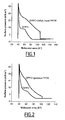
Figure 1 is a graph showing the variation of the surface pressure versus the molecular area, for DPPC alone and for DPPC contacted with 200 µl of liquid PFOB. The graph shows the influence of liquid PFOB on the DPPC monolayer. The plateau reflecting the coexistence of the fluid phase and the crystalline islets, clearly visible on the isotherm of DPPC alone, is no longer seen on the isotherm of DPPC contacted with the liquid fluorocarbon. -
Figure 2 is a graph showing the surface pressure versus the molecular area, for DPPC alone and for DPPC contacted with a nitrogen atmosphere saturated with gaseous PFOB. The graph shows the influence of gaseous PFOB on the DPPC monolayer. The plateau reflecting the coexistence of the fluid phase and the crystalline islets, clearly visible on the isotherm of DPPC alone, is no longer seen on the isotherm of DPPC contacted with the gaseous fluorocarbon. -
Figure 3 is a set of photographs by fluorescence microscopy showing that the crystalline islets, initially present in the DPPC monolayer compressed at 10 mN.m-1 (A) progressively disappear with time when the monolayer is contacted with gaseous PFO B (B, C, D, visualization of the monolayer after 3, 5 and 7 min, respectively). -
Figure 4 is a graph showing the surface pressure versus the molecular area, for DPPC alone and for DPPC contacted with a nitrogen atmosphere saturated with gaseous bis(perfluorobutyl)ethene (F-44E). The graph shows the influence of gaseous F-44E on the DPPC monolayer. The plateau reflecting the coexistence of the fluid phase and the crystalline islets, clearly visible on the isotherm of DPPC alone, is no longer seen on the isotherm of DPPC contacted with the gaseous F-44E. -
Figure 5 shows the analysis by grazing incidence X-ray diffraction of the DPPC monolayer compressed at 40 mN.m-1 before (■) and after (○) the addition of gaseous F-44E. The two diffraction peaks seen in the absence of fluorocarbon are characteristics of the molecular organisation of DPPC in crystalline islets (■). After saturation with gaseous F-44E, one can clearly see that these peaks have disappeared (○), which shows the dissolution of the islets and the fluidization of the DPPC monolayer. - Compounds useful in this invention (hereinafter called "fluorocarbons") may be straight, branched or cyclic, saturated or unsaturated poly- or perfluorinated hydrocarbons. These compounds may also comprise heteroatoms such as oxygen or nitrogen, or halogen atoms other than fluorine, in particular bromine. Generally, the compound is liquid or gaseous at room temperature (25°C). Preferably, the compound has from 2 to 12 carbon atoms. There is a large number of compounds compatible with the biomedical application described.
- One may use for example straight or branched chain fluorocarbons such as perfluoropropane, perfluorobutane, perfluorohexane, perfluorooctane, bis(F-alkyl)ethenes, CnF2n+1CH=CHCn,F2n'-1, such as iC3F9CH=CHC6F13 ("F-i36E"), C4F9CH=CHC4F9 ("F-44E"), C6F13CH=CHC6F13 ("F-66E"), cyclic fluorocarbons, such as C10F18 (F-decalin, perfluorodecalin or "FDC"), F-di- or F-trimethylbicyclo-3,3,1-nonane ("nonane"); perfluorinated amines, such as F-tripropylamine ("FTPA") and F-tributylamine ("FTBA"), F-4-methyloctahydroquinolizine ("FMOQ"), F-n-methyldecahydroisoquinoline ("FMIQ"), F-n-methyldecahydroquinoline ("FHQ"), F-n-cyclohexylpyrrolidine ("FCHP") and F-2-butyltetrahydrofuran ("FC-75" or "RM101"). Any other fluorocarbons contemplated for biomedical uses such as those described by Riess (Chemical Reviews (2001) 101:2797-2919) can be used.
- Other fluorocarbons include brominated perfluorocarbons, such as 1-bromo-heptadecafluorooctane (C8F17Br, sometimes designated perfluorooctyl bromide or "PFOB"), 1-bromopentadecafluoroheptane (C7F15Br), and 1-bromotridecafluorohexane (C6F13Br, sometimes known as perfluorohexyl bromide or "PFHB"). Other brominated fluorocarbons are disclosed in
U.S. Pat. No. 3,975,512 . Also contemplated are fluorocarbons having other nonfluorine substituents, such as perfluorooctyl chloride, perfluorohexyl dichloride, perfluorooctyl hydride, and similar compounds having different numbers of carbon atoms. - Additional fluorocarbons contemplated in accordance with this invention include perfluoroalkylated ethers or polyethers, such as (CF3)2CFO(CF2CF2)2OCF(CF3)2 ; (CF3)2CFO(CF2CF2)3OCF(CF3) ; (CF3)CFO(CF2CF2)F ; (CF3)2CFO(CF2CF2)2F ; (C6F13)2O. Further, fluorocarbon-hydrocarbon compounds, such as, for example compounds having the general formula CnF2n+1Cn'H2n'+1 (also called semifluorinated alkanes or -FnHn', CnF2n+1OCn'H2n'+1; or CnF2n+1CH=CHCn'H2n'+1, where n and n' are the same or different and n ranges from 4 to 10 and n' ranges from 2 to 20. Such compounds include, for example, perfluorooctylethane (C8F17C2H5, "PFOE"), perfluorohexylethane (C6F13C2H5, "PFH E") and perfluorohexyldecane (C6F13C10H21, "F6H10") or perfluorobutyl-1-undecene (C4F9CH=CHC10H21 "F4H8E"). It will be appreciated that esters, thioethers, and other variously modified mixed fluorocarbon-hydrocarbon compounds are also encompassed within the broad definition of "fluorocarbon" materials suitable for use in the present invention. Mixtures of fluorocarbons are also contemplated.
- Preferred fluorocarbons are perfluorooctyl bromide (PFOB), bis(perfluorobutyl) ethene (F-44E) and perflu orooctylethane (PFOE).
- In addition, the fluorocarbon may be neat or may be combined with other materials, such as surfactants (including fluorinated surfactants) and dispersed materials.
- In particular, a therapeutic agent may be combined (e.g. dispersed) with the fluorocarbon.
- Suitable therapeutic agents include, but are not limited to, antibiotics such as gentamicin, erythromycin a nd doxycycline; tuberculostatic antimycobacterials such as pyrazinamide, ethambutol and isoniazid; anticancerous agents such as cis-platinum, cyclophosphamide, 5-fluorouracyl and doxorubicin; pulmonary vasoactive substances and regulators of pulmonary hypertension such as tolazoline; respiratory stimulants such as doxapram; vasoactive bronchodilators or bronchostrictors such as acetylcholine, priscoline, epinephrine and theophylline; mucolytic agents such as acetylcysteine; steroids such as cortisone or prednisone; antiviral agents such as ribavirin.
- There exist abundant data that demonstrate the biocompatibility of fluorocarbons. They are amenable to sterilization techniques. For example, they can generally be heat-sterilized (such as by autoclaving) or sterilized by radiation. In addition, sterilization by ultrafiltration is also contemplated.
- The fluorocarbon can be provided as a liquid or in a gaseous form.
- Inhalation or forced (positive pressure) introduction, either nasal or oral, of the fluorocarbon composition can be achieved by any of a variety of methods known in the art. These include mechanical suspension by agitation of the composition in a closed chamber followed by inhalation, or forced introduction of the suspension from an opening in the chamber. Microparticles can be inhaled from standard aerosol delivery systems that are well known in the art. The patient may receive a particulate suspension which is placed into an air stream such as by injection of the dispersed composition into a positive pressure ventilation tube or into an endotracheal tube at the moment of inspiration or when air is forced into the lungs. Metered dosages may be mechanically injected into such devices. The fluorocarbon composition may be dispersed in air by using the Venturi effect, where air is moved at right angles across a Venturi tube causing the fluorocarbon composition to be drawn through the tube and dispersed into the air that is inhaled or mechanically introduced into the lungs. Pulsatile delivery of the fluorocarbon composition in a volume of gas and inhalation of the aerosolized bolus is also known in the art as described in
PCT published application WO 94/07514 - Liquid compositions of fluorocarbons may be directed to specific regions of the patient's pulmonary air passages by a number of different conventional means, such as a bronchoscope, a catheter, and the like.
- The fluorocarbon introduced into the patient's lung may be in liquid or vapor form. The quantity of fluorocarbon composition administered may correspond to about 0.005 to about 4 % of liquid fluorocarbon in volume/kg body weight, preferably from about 0.005 % to about 2 %.
- The method of the invention improves the fluidity of the pulmonary surfactant, mainly by preventing the formation of crystalline islets of phospholipid, such as crystalline islets of DPPC, and/or by respreading the phospholipid islets that might have formed.
- This is useful in the context of pulmonary surfactant deficiency, as in the diseases listed below.
- In addition to RDS in neonates, ARDS in adults caused by severe hypovolemic shock, lung contusion, diver's lung, post-traumatic respiratory distress, post-surgical atelectasis, septic shock, multiple organ failure, Mendelssohn's disease, obstructive lung disease, pneumonia, pulmonary oedema or any other condition resulting in lung surfactant deficiency or respiratory distress are all candidates for fluorocarbon supplementation and the method of the invention.
- Treatment of pulmonary fibrosis, emphysema, and chronic bronchitis can all benefit from fluorocarbon therapy as proposed herein.
- In a preferred embodiment, the fluorocarbon is administered with a surfactant agent, e.g. a lipid or a phospholi pid. The surfactant agent may be an amphiphilic molecule or a mixture of amphiphilic molecules, or may be a preparation of artificial lung surfactant, or may be extracted from human or mammal lung surfactant. Preferably, the su rfactant agent is a phospholipid. The phospholipid may be a mixture of phospholipids. It is preferably selected from the group consisting of native pulmonary surfactant phospholipids, i.e. dipalmitoylphosphatidylcholine (DPPC), distearoylphosphatidylcholine, phosphatidylcholine (PC), phosphatidylglycerol (PG), dioleophosphatidylethanolamine (PE), dipalmitoylphosphatidylamine, sphingomyelin and phosphatidylinositol (PI), cardiolipids, soja and egg yolk phospholipids. In another embodiment, the fluorocarbon may also be administered with a mixture of phospholipids and glycoproteins, such as SP-A, SP-B, SP-C and SP-D, which are components of the native pulmonary surfactant composition. Fluorocarbon compounds are generally poorly soluble in water. Therefore, it is possible to prepare emulsions comprising a fluorocarbon compound, a phospholipid and water.
- Such emulsions allow easy administration of both one or more fluorocarbons and one or more phospholipids at controlled dosage.
- The emulsions may be prepared by mixing an aqueous phase and, dissolved or dispersed in the water, the phospholipid, with the fluorocarbon phase, optionally in presence of an additional suitable surfactant. One or both phases may further contain one or more therapeutic agents, as described above.
- Appropriate surfactants include in particular fluorinated amphiphilic compounds such as fluorinated dimorpholinophosphate.
- Preferably, the water phase is added slowly to the fluorinated phase containing an emulsifier, in particular a fluorinated surfactant.
- The resulting pre-emulsion may then be homogenized, using procedures that are well known as such, in order to yield an emulsion with a narrow droplet size distribution.
- In the case where the fluorocarbon is used in association with a phospholipid, the fluorocarbon/phospholipid molecular ratio between these two components preferably ranges from1 to 300. In a preferred embodiment, the molecular ratio between phospholipid and the fluorocarbon ranges from1 to 50.
- An example of composition useful in the invention is a therapeutic composition comprising an emulsion of water in PFOB that contains DPPC. Another example of composition is a therapeutic composition comprising an emulsion of water in PFOE that contains DPPC.
- Further examples of compositions include these above compositions supplemented with a pulmonary active agent, such as prednisone or epinephrine.
- The invention thus contemplates the use of a fluorocarbon, optionally in combination with a surfactant agent, especially a phospholipid, e.g. a phospholipid of a native pulmonary surfactant, for the manufacture of a medicament intended for improving the spreadability and/or the fluidity of the native pulmonary surfactant in patients in need of such treatment.
- The patients may be a human or a non-human animal, preferably a mammal. It may be a new-born patient, an infant, a child or an adult of any age.
- The invention will be further illustrated by the following examples.
- The monolayer of native pulmonary surfactant was modeled by a Langmuir monolayer of DPPC. In this model, the DPPC molecules were spread using a spreading solvent onto the surface of water contained in a trough coated with Teflon®. After evaporation of the solvent, the DPPC molecules were progressively compressed using two mobile Teflon® barriers. The variation of the surface pressure was measured as a function of the compression by a pressure sensor such as a Wilhelmy blade.
- Small quantities of perfluorooctyl bromide (PFO B) in liquid form (1-200 µl), contacted with the DPPC monolayer, result in the disappearance of the liquid expanded / liquid condensed phase transition of the phospholipid. Thus, in presence of PFOB, the DPPC molecules did not form crystalline islets and respread easily on the water surface.
Figure 1 compares the compression isotherms of a DPPC monolayer alone and in contact with the fluorocarbon. In absence of fluorocarbon, one notes the presence of a plateau reflecting the coexistence of the expanded liquid state (fluid phase) and the condensed liquid state (crystalline islets). This plateau disappeared totally in presence of fluorocarbon. The DPPC monolayer is totally fluid. - Placing the Langmuir trough in a close space saturated with PFOB vapour, it is possible to study the interactions between the DPPC monolayer and the gaseous PFOB. As shown in
figure 2 , the plateau that reflects the coexistence of the expanded liquid state (fluid phase) and the condensed liquid state (crystalline islets) disappears when the monolayer is contacted with the gaseous PFOB. - The DPPC monolayer is totally fluid.
- Fluorescence microscopy makes it possible to visualize the dissolution of crystalline islets of DPPC molecules when the monolayer is contacted with gaseous PFOB (Figure 3A). After 3 minutes, the size of the islets becomes small (Figure 3B) and after 5 minutes, the phenomenon is becoming accurate: the DPPC monolayer has almost completely re-spread (Figure 3C) and after 7 minutes, the islets have completely disappeared (Figure 3D).
- Similarly, when the DPPC monolayer is contacted with gaseous F-44E, the plateau reflecting the coexistence of the expanded liquid state and the condensed liquid state disappears, as shown in the compression isotherm of DPPC (
Figure 4 ). - A grazing incidence X-ray diffraction study of the effect of gaseous F-44E on the DPPC monolayer clearly evidenced the disappearance of the crystalline islets and efficient re-spreading of the molecules of DPPC in the presence of gaseous F-44E (
Figure 5 ). - 2.50 ml of sterile PFOB were placed in the tank of vaporiser/pneumatic compressor such as the Omron CX3 aerosol, optionally fitted with a vaporisation kit for Omron CX3, or any other vaporisation system (Hudson TUp-draftll/Pulmo-aide, Airlife Mysty/Pulmo-Aide, Respirgard/Pulmo-aide, etc). PFOB was then vaporized according to the recommendations of the manufacturer.
- 6 ml of PFOB were introduced in an aluminium receptacle (Cebal, Clichy, France) (23.6 x 60 x 20 mm ; 20 ml) (ST004, GL001 a nd TD 00033, Lablabo, Annemasse, France) that can contain a volume of 1 ml.
- Using an appropriate filling system (Pamasol P20 16, Switzerland), 4 ml of 1,1,1,2,3,3,3-heptafluoropropane (HFA-227, Solkane® 227 pharma) were introduced into the aluminium receptacle. The receptacle was closed with a jet and a button.
- The protocole of example 5 was followed by replacing HFA-227 by N2 and using an appropriate filling system.
- An emulsion containing 5% v/v physiological water (NaCl solution 0.9 % w/v), 3% w/v perfluorooctyl (undecyl)dimorpholinophosphate (F8H11DMP, used as the emulsifying agent) and 95% v/v PFOB was prepared. F8H11DMP (3 g) was dispersed in 95 ml of PFOB using a low energy mixer (Ultra-Turrax® T25 equipped with the S25N25F, Ika-Labortechnik, Stanfen, Germany) at a temperature below 40° C. 5 ml of physiological water were then added dropwise under constant agitation.
- The pre-emulsion thus obtained was homogenized under high pressure using a Microfluidizer® 110T (Microfluidics, New Jersey, USA) for about 10 minutes at a temperature below 40° C. The emulsion thus obtained was opalescent, and the mean size of the water droplets was 60 ± 5 nm (3000 Zeta Sizer, Malvern Instrument). This emulsion was sterilized by filtration through a 0.22 µm membrane before bottling in 10 ml flasks (with 8% hold-up volume). The mean size of the water droplets after one-year storage at 25°C was 100 ± 7 nm.
- An emulsion containing 5% v/v water, 5% w/v DPPC, 3% w/v perfluorooctyl (undecyl)dimorpholinophosphate and 95% v/v PFOB, was prepared. The perfluorooctyl(undecyl)dimorpholinophosphate was dispersed in the PFOB using a low energy mixer (Ultra-Turrax) at a temperature below 40° C, as described in Example 7. Separately, a dispersion of DPPC (5% w/v) in physiological water was prepared using an Ultra-Turrax mixer. The aqueous phospholipid dispersion (5 ml) was then added dropwise to the fluorinated phase, while maintaining the agitation.
- The pre-emulsion thus obtained was homogenized under high pressure using a Microfluidizer® 110T (Microfluidics, New Jersey, USA) for about 10 minutes at a temperature below 40°C as described in Example 1. The emulsion thus obtained was opalescent, and the mean size of the water droplets was 70 ± 5 nm (3000 Zeta Sizer, Malvern Instrument). This emulsion was sterilized, bottled and stored as described in Example 7. The mean size of droplets after one-year storage at 25°C was 120 ± 10 nm.
- The emulsion is prepared following the protocol of Example 8, using PFOE instead of PFOB. An opalescent emulsion is obtained. The mean size of the water droplets was 65 ± 5 nm (3000 Zeta Sizer, Malvern Instrument). The emulsion was sterilized, bottled and stored as described in Example 7. The mean size of the droplets after one-year storage at 25° C was 110 ± 10 nm.
- An emulsion containing 5 % v/v isotonic buffer (pH 3,0 - 3.5), 0.02 w/v epinephrine, 1 % w/v DPPC, 3 % w/v F8H11DMP (perfluorooctyl)undecyl dimorpholinophosphate) and 95 % v/v PFOB is obtained as follows : 0.75 g F8H11DMP were dispersed in 23.75 ml of PFOB as described in Example 7. Separately, 0.25 g DPPC and 5 mg epinephrine were co-dispersed in 1.25 ml of isotonic buffer. This dispersion was added dropwise to the fluorinated phase under constant agitation. The pre-emulsion obtained was homogenised under high pressure with an Emulsiflex-B3® (Avestin, Ottawa, Canada). An opalescent emulsion was obtained, with water droplets of a mean size of 40 ± 3 nm (3000 Zeta Sizer, Malvern Instrument). This emulsion was sterilized, bottled and stored as described in Example 7. The mean size of the droplets after one-year storage at 25°C was 70 ± 5 nm.
- The emulsion was prepared following the protocol of Example 10, using PFOE instead of PFOB. An opalescent emulsion was obtained with droplets of a mean size of 55 ± 5 nm (3000 Zeta Sizer, Malvern Instrument). The emulsion was sterilized, bottled and stored as described in Example 7. The mean size of the droplets after one year storage at 25°C was 118 ± 10 nm.
- An emulsion containing 4.7 % v/v physiological water, 0.02 w/v prednisone, 20 % v/v perfluorobutyl-1-undecene (F4H8E), 4.7 % v/v perfluorohexyldecane (F6H10), 4.8 w/v perfluorooctyl(undecyl)dimorpholinophosphate (F8H11DMP) and 67 % v/v PFOB is obtained as follows : 2 mg prednisone are dissolved in 2 ml of F4H8E under agitation and moderate heating. 0.5 ml F6H10 and 7 ml PFOB (containing 0.5 g of F8H11DMP) were then subsequently added at room temperature. 0.5 ml of physiological water were then added to the solution under agitation using an Ultra-Turrax® T25. The pre-emulsion is then homogenised under high pressure using an Emulsiflex-B3®. An opalescent emulsion was obtained, with droplets of a mean size of 1 25 ± 12 nm (3000 Zeta Sizer, Malvern Instrument). This emulsion was sterilized by membrane filtration and stored in vessels of 2.5 ml, as described in Example 7. The mean size of the droplets after six-month storage at 25°C was 170 ± 20 nm.
- The emulsion was prepared following the protocol of Example 12, using PFOE instead of PFOB. An opalescent emulsion is obtained with droplets of a mean size of 146 ± 15 nm (3000 Zeta Sizer, Malvern Instrument). The emulsion was sterilized, bottled and stored as described in Example 12. The mean size of the water droplets after six-months storage at 25°C was 210 ± 25 nm.
- The emulsion prepared according to Example 7 was vaporised following the protocol described in Example 4.
- The emulsion prepared according to Example 8 was aerosolized following the protocol described in Example 5.
- The emulsion prepared according to Example 10 was aerosolized following the protocol described in Example 5.
- The emulsion prepared according to Example 12 is aerosolized following the protocol described in Example 5.
Claims (23)
- A fluorocarbon composition for use as a medicament for improving the fluidity and/or the spreadability of the native lung surfactant in a human or animal.
- The fluorocarbon composition for use according to claim 1, wherein the fluorocarbon composition is in the form of an aerosol.
- The fluorocarbon composition for use according to claim 1, wherein the fluorocarbon composition is in a vapor form.
- The fluorocarbon composition for use according to claim 1, wherein the fluorocarbon composition contains, or is associated with a surfactant agent.
- The fluorocarbon composition for use according to claim 4, wherein the surfactant agent is a lipid.
- The fluorocarbon composition for use according to claim 4, wherein the surfactant agent is a phospholipid.
- The fluorocarbon composition for use according to claim 6, wherein the phospholipid is dipalmitoylphosphatidylcholine (DPPC).
- The fluorocarbon composition for use according to claim 1, wherein the fluorocarbon composition is suitable to be administered in a liquid or vapor form in a quantity corresponding to about 0.005 to about 4 % of liquid fluorocarbon in volume per kg body weight.
- The fluorocarbon composition for use according to claim 1, wherein the fluorocarbon composition is suitable to be administered in the form of a water-in-fluorocarbon emulsion.
- The fluorocarbon composition for use according to claim 1, wherein the fluorocarbon is suitable to be administered in the form of an oil-in-fluorocarbon emulsion.
- The fluorocarbon composition for use according to claim 1, wherein a further therapeutic agent is dispersed in the fluorocarbon composition.
- The fluorocarbon composition for use according to claim 1, wherein the fluorocarbon is perfluorooctyl bromide (PFOB).
- The fluorocarbon composition for use according to claim 1, wherein the fluorocarbon is bis(perfluobutyl)ethene (F-44E).
- The fluorocarbon composition for use according to claim 1, wherein the fluorocarbon is a semifluorinated alkane of formula CnF2n+1Cn'H2n+1, with n ranging from 4 to 10 and n' ranging from 2 to 20.
- The fluorocarbon composition for use according to claim 1, wherein the fluorocarbon is perfluorooctylethane (PFOE).
- A therapeutic composition comprising a fluorocarbon and a phospholipid that is in a form of an emulsion comprising a continuous phase of fluorocarbon.
- The composition of claim 16, wherein the fluorocarbon is perfluorooctyl bromide (PFOB).
- The composition of claim 16, wherein the fluorocarbon is bis(perfluorobutyl)ethene (F-44E).
- The composition of claim 16, wherein the fluorocarbon is a semifluorinated alkane of formula CnF2n+1Cn'H2n'+1, with n ranging from 4 to 10 and n' ranging from 2 to 20.
- The composition of claim 16, wherein the fluorocarbon is perfluorooctylethane (PFOE).
- The composition of claim 16, wherein the phospholipid is dipalmitoylphosphatidylcholine (DPPC).
- The composition of claim 16, further comprising a therapeutic agent.
- The composition of claim 16, comprising a water-in-PFOB emulsion, that contains DPPC and prednisone or epinephrine.
Applications Claiming Priority (2)
| Application Number | Priority Date | Filing Date | Title |
|---|---|---|---|
| US56369004P | 2004-04-19 | 2004-04-19 | |
| PCT/IB2005/001020 WO2005099718A1 (en) | 2004-04-19 | 2005-04-18 | Lung surfactant supplements |
Publications (2)
| Publication Number | Publication Date |
|---|---|
| EP1740189A1 EP1740189A1 (en) | 2007-01-10 |
| EP1740189B1 true EP1740189B1 (en) | 2012-06-13 |
Family
ID=34965537
Family Applications (1)
| Application Number | Title | Priority Date | Filing Date |
|---|---|---|---|
| EP05718468A Expired - Lifetime EP1740189B1 (en) | 2004-04-19 | 2005-04-18 | Lung surfactant supplements |
Country Status (5)
| Country | Link |
|---|---|
| US (1) | US20080019926A1 (en) |
| EP (1) | EP1740189B1 (en) |
| CA (1) | CA2563544A1 (en) |
| ES (1) | ES2387619T3 (en) |
| WO (1) | WO2005099718A1 (en) |
Families Citing this family (40)
| Publication number | Priority date | Publication date | Assignee | Title |
|---|---|---|---|---|
| US20070098646A1 (en) * | 2005-11-01 | 2007-05-03 | Nappa Mario J | Aerosol propellants comprising unsaturated fluorocarbons |
| MY145459A (en) | 2005-11-01 | 2012-02-15 | Du Pont | Solvent compositions comprising unsaturated fluorinated hydrocarbons |
| WO2008057248A2 (en) | 2006-10-26 | 2008-05-15 | Next Breath Llc | Phospholipid-based inhalation system |
| KR102171637B1 (en) | 2007-04-27 | 2020-10-29 | 더 케무어스 컴퍼니 에프씨, 엘엘씨 | Azeotropic and azeotrope-like compositions of z-1,1,1,4,4,4-hexafluoro-2-butene |
| CA2684290C (en) | 2007-06-12 | 2016-09-06 | E. I. Du Pont De Nemours And Company | Azeotropic and azeotrope-like compositions of e-1,1,1,4,4,4-hexafluoro-2-butene |
| MX2010002471A (en) | 2007-09-06 | 2010-03-26 | Du Pont | Azeotropic and azeotrope-like compositions of e-1,1,1,4,4,5,5,5-octafluoro-2-pentene. |
| CN101878253B (en) | 2007-11-29 | 2013-05-29 | 纳幕尔杜邦公司 | Compositions and use of cis-1,1,1,4,4,4-hexafluoro-2-butene foam-forming composition in the preparation of polyisocyanate-based foams |
| CA2708274C (en) | 2007-12-19 | 2016-10-18 | E. I. Du Pont De Nemours And Company | Foam-forming compositions containing azeotropic or azeotrope-like mixtures containing z-1,1,1,4,4,4-hexafluoro-2-butene and their uses in the preparation of polyisocyanate-based foams |
| PL2110126T3 (en) * | 2008-04-18 | 2012-04-30 | Novaliq Gmbh | Inhalative and instillative use of semi-fluorised alkanes as active ingredient carriers in the intrapulmonary area |
| FR2948024B1 (en) * | 2009-07-17 | 2020-01-10 | Centre National De La Recherche Scientifique - Cnrs - | ULTRASOUND ACTIVABLE EMULSION AND MANUFACTURING METHOD THEREOF. |
| EP2335735A1 (en) | 2009-12-14 | 2011-06-22 | Novaliq GmbH | Pharmaceutical composition for treatment of dry eye syndrome |
| ES2564502T3 (en) | 2010-03-17 | 2016-03-23 | Novaliq Gmbh | Pharmaceutical composition for the treatment of increased intraocular pressure |
| US8821749B2 (en) | 2010-04-26 | 2014-09-02 | E I Du Pont De Nemours And Company | Azeotrope-like compositions of E-1,1,1,4,4,4-hexafluoro-2-butene and 1-chloro-3,3,3-trifluoropropene |
| EP2587917A4 (en) * | 2010-07-01 | 2015-05-06 | Mtm Res Llc | THERAPIES USING ANTIFIBROBLASTIC FLUOROCHEMICAL EMULSIONS |
| EP2444063A1 (en) * | 2010-10-20 | 2012-04-25 | Novaliq GmbH | Liquid pharmaceutical compositions for the delivery of active ingredients |
| EP2462921A1 (en) | 2010-11-11 | 2012-06-13 | Novaliq GmbH | Liquid pharmaceutical compositions for the treatment of a posterior eye disease |
| JP6039145B2 (en) | 2011-05-25 | 2016-12-07 | ノバリック ゲーエムベーハー | Topical pharmaceutical compositions based on semi-fluorinated alkanes |
| CN103561724B (en) | 2011-05-25 | 2016-06-29 | 诺瓦利克有限责任公司 | It is administered to the pharmaceutical composition of first |
| PT2806886T (en) | 2012-01-23 | 2017-03-24 | Novaliq Gmbh | Stabilised protein compositions based on semifluorinated alkanes |
| EP2895144B1 (en) | 2012-09-12 | 2017-01-11 | Novaliq GmbH | Semifluorinated alkane compositions |
| MX363182B (en) | 2012-09-12 | 2019-03-13 | Novaliq Gmbh | Compositions comprising mixtures of semifluorinated alkanes. |
| DK3024484T3 (en) | 2013-07-23 | 2018-10-08 | Novaliq Gmbh | STABILIZED ANTIBODY COMPOSITIONS |
| EP3722274B1 (en) | 2015-09-30 | 2023-06-07 | Novaliq GmbH | 2-perfluorobutyl pentane for ophthalmic administration |
| US20170087100A1 (en) | 2015-09-30 | 2017-03-30 | Novaliq Gmbh | Semifluorinated compounds and their compositions |
| DK3442480T3 (en) | 2016-06-23 | 2020-01-13 | Novaliq Gmbh | PROCEDURE FOR TOPICAL SUBMISSION |
| KR102614858B1 (en) | 2016-09-22 | 2023-12-18 | 노바리크 게엠베하 | Pharmaceutical compositions used in the treatment of blepharitis |
| AU2017329983B2 (en) | 2016-09-23 | 2022-05-05 | Novaliq Gmbh | Ophthalmic compositions comprising ciclosporin |
| MX381639B (en) | 2016-12-23 | 2025-03-13 | Novaliq Gmbh | OPHTHALMIC COMPOSITION FOR THE TREATMENT OF DRY EYE DISEASE. |
| PL3612228T3 (en) | 2017-04-21 | 2024-04-08 | Dermaliq Therapeutics, Inc. | Iodine compositions |
| US11278503B2 (en) | 2017-05-12 | 2022-03-22 | Novaliq Gmbh | Pharmaceutical compositions comprising semifluorinated alkanes for the treatment of contact lense-related conditions |
| JP7814839B2 (en) | 2017-09-27 | 2026-02-17 | ノバリック ゲーエムベーハー | Ophthalmic compositions containing latanoprost for use in treating eye diseases |
| CN111182893A (en) | 2017-10-04 | 2020-05-19 | 诺瓦利克有限责任公司 | Ophthalmic composition comprising F6H8 |
| US11576893B2 (en) | 2018-03-02 | 2023-02-14 | Novaliq Gmbh | Pharmaceutical compositions comprising nebivolol |
| AU2019246035B2 (en) | 2018-03-28 | 2024-07-18 | Novaliq Gmbh | Pharmaceutical composition comprising timolol |
| JP7855312B2 (en) | 2018-04-27 | 2026-05-08 | ノバリック ゲーエムベーハー | Ophthalmic composition containing tafluprost for the treatment of glaucoma |
| WO2020064549A1 (en) | 2018-09-27 | 2020-04-02 | Novaliq Gmbh | Lipid barrier repair |
| US11510855B2 (en) | 2018-09-27 | 2022-11-29 | Dermaliq Therapeutics, Inc. | Topical sunscreen formulation |
| CA3112031A1 (en) | 2018-10-12 | 2020-04-16 | Novaliq Gmbh | Ophthalmic composition for treatment of dry eye disease |
| EP3923907B1 (en) | 2019-02-13 | 2024-09-25 | Novaliq GmbH | Compositions and methods for the treatment of ocular neovascularization |
| JP2026081208A (en) * | 2024-10-31 | 2026-05-18 | ダイキン工業株式会社 | Pharmaceutical emulsified composition |
Family Cites Families (13)
| Publication number | Priority date | Publication date | Assignee | Title |
|---|---|---|---|---|
| EP0583358B1 (en) * | 1991-05-03 | 1998-12-02 | Alliance Pharmaceutical Corporation | Partial liquid breathing of fluorocarbons |
| FR2679150A1 (en) * | 1991-07-17 | 1993-01-22 | Atta | PREPARATIONS CONSISTING OF A FLUOROCARBIDE OR HIGHLY FLUORINE COMPOUND AND A LIPOPHILIC-FLUOROPHILIC ORGANIC COMPOUND, AND THEIR USES. |
| US5576016A (en) * | 1993-05-18 | 1996-11-19 | Pharmos Corporation | Solid fat nanoemulsions as drug delivery vehicles |
| US5733526A (en) * | 1995-12-14 | 1998-03-31 | Alliance Pharmaceutical Corp. | Hydrocarbon oil/fluorochemical preparations and methods of use |
| US20020159951A1 (en) * | 1997-05-06 | 2002-10-31 | Unger Evan C. | Novel targeted compositions for diagnostic and therapeutic use |
| US6309623B1 (en) * | 1997-09-29 | 2001-10-30 | Inhale Therapeutic Systems, Inc. | Stabilized preparations for use in metered dose inhalers |
| ATE229799T1 (en) * | 1997-12-03 | 2003-01-15 | Britannia Pharmaceuticals Ltd | USE OF PHOSPHOLIPIDES IN THE PRODUCTION OF A MEDICINAL PRODUCT FOR THE TREATMENT OF ASTHMA |
| US6630169B1 (en) * | 1999-03-31 | 2003-10-07 | Nektar Therapeutics | Particulate delivery systems and methods of use |
| PT1280520E (en) * | 2000-05-10 | 2014-12-16 | Novartis Ag | Phospholipid-based powders for drug delivery |
| CN1279893C (en) * | 2001-08-03 | 2006-10-18 | 葛兰素集团有限公司 | Surfactant compounds and uses thereof |
| EP1599184A4 (en) * | 2003-02-04 | 2009-06-24 | Chrysalis Tech Inc | Perfluorocarbon and hydrofluorocarbon formulations and methods of making and using same |
| DE20304418U1 (en) * | 2003-03-19 | 2003-06-18 | Peek, Ian, 72488 Sigmaringen | Golf Putting |
| WO2005044226A2 (en) * | 2003-11-04 | 2005-05-19 | Nectar Therapeutics | Lipid formulations for spontaneous drug encapsulation |
-
2005
- 2005-04-18 US US11/578,673 patent/US20080019926A1/en not_active Abandoned
- 2005-04-18 WO PCT/IB2005/001020 patent/WO2005099718A1/en not_active Ceased
- 2005-04-18 ES ES05718468T patent/ES2387619T3/en not_active Expired - Lifetime
- 2005-04-18 CA CA002563544A patent/CA2563544A1/en not_active Abandoned
- 2005-04-18 EP EP05718468A patent/EP1740189B1/en not_active Expired - Lifetime
Also Published As
| Publication number | Publication date |
|---|---|
| EP1740189A1 (en) | 2007-01-10 |
| CA2563544A1 (en) | 2005-10-27 |
| WO2005099718A1 (en) | 2005-10-27 |
| US20080019926A1 (en) | 2008-01-24 |
| ES2387619T3 (en) | 2012-09-27 |
Similar Documents
| Publication | Publication Date | Title |
|---|---|---|
| US20080019926A1 (en) | Lung Surfactant Supplements | |
| EP0583358B1 (en) | Partial liquid breathing of fluorocarbons | |
| CN101559229B (en) | Inhalative and instillative use of semi-fluorised alkanes as active ingredient carriers in the intrapulmonary area | |
| AU721759B2 (en) | Continuous fluorochemical microdispersions for the delivery of pharmaceutical agents | |
| US5980936A (en) | Multiple emulsions comprising a hydrophobic continuous phase | |
| US5770585A (en) | Homogeneous water-in-perfluorochemical stable liquid dispersion for administration of a drug to the lung of an animal | |
| Riess et al. | Advanced fluorocarbon-based systems for oxygen and drug delivery, and diagnosis | |
| JPH10500976A (en) | Stable fluorocarbon inverse and multiple emulsions | |
| PT96639B (en) | PROCESS FOR PREPARING A PROPULSIVE COMPOSITION CONTAINING HYDRO-FLUORO-CARBONETES | |
| CZ292767B6 (en) | Medicinal preparation containing a lipophilic inert gas | |
| WO1993001798A1 (en) | Preparations comprising a fluorocarbon and a lipophilic/fluorophilic organic compound, and their uses | |
| Weers | A physicochemical evaluation of perfluorochemicals for oxygen transport applications | |
| US10124015B2 (en) | Surfactant composition | |
| EP0689422B1 (en) | Fluorocarbon emulsions with reduced pulmonary gas-trapping properties | |
| JPH11509843A (en) | Reverse gel consisting of continuous fluorinated phase | |
| AU710142B2 (en) | Fluorocarbon emulsions with reduced pulmonary gas-trapping properties | |
| CA2156922C (en) | Fluorocarbon emulsions with reduced pulmonary gas-trapping properties | |
| AU704024B2 (en) | Perfluorocarbon associated gas exchange and partial liquid breathing of fluorocarbons | |
| HK1135043B (en) | Inhalative and instillative use of semifluorinated alkanes as an active substance carrier in the intrapulmonary area | |
| HK1014149B (en) | Partial liquid breathing of fluorocarbons | |
| AU6651100A (en) | Continuous fluorochemical microdispersions for the delivery of pharmaceutical agents |
Legal Events
| Date | Code | Title | Description |
|---|---|---|---|
| PUAI | Public reference made under article 153(3) epc to a published international application that has entered the european phase |
Free format text: ORIGINAL CODE: 0009012 |
|
| 17P | Request for examination filed |
Effective date: 20061011 |
|
| AK | Designated contracting states |
Kind code of ref document: A1 Designated state(s): AT BE BG CH CY CZ DE DK EE ES FI FR GB GR HU IE IS IT LI LT LU MC NL PL PT RO SE SI SK TR |
|
| DAX | Request for extension of the european patent (deleted) | ||
| 17Q | First examination report despatched |
Effective date: 20090306 |
|
| REG | Reference to a national code |
Ref country code: DE Ref legal event code: R079 Ref document number: 602005034670 Country of ref document: DE Free format text: PREVIOUS MAIN CLASS: A61K0031660000 Ipc: A61K0009120000 |
|
| RIC1 | Information provided on ipc code assigned before grant |
Ipc: A61K 9/12 20060101AFI20111007BHEP Ipc: A61K 31/66 20060101ALI20111007BHEP Ipc: A61K 31/683 20060101ALI20111007BHEP Ipc: A61K 9/00 20060101ALI20111007BHEP Ipc: A61K 31/685 20060101ALI20111007BHEP |
|
| GRAP | Despatch of communication of intention to grant a patent |
Free format text: ORIGINAL CODE: EPIDOSNIGR1 |
|
| GRAS | Grant fee paid |
Free format text: ORIGINAL CODE: EPIDOSNIGR3 |
|
| GRAA | (expected) grant |
Free format text: ORIGINAL CODE: 0009210 |
|
| AK | Designated contracting states |
Kind code of ref document: B1 Designated state(s): AT BE BG CH CY CZ DE DK EE ES FI FR GB GR HU IE IS IT LI LT LU MC NL PL PT RO SE SI SK TR |
|
| REG | Reference to a national code |
Ref country code: GB Ref legal event code: FG4D |
|
| REG | Reference to a national code |
Ref country code: CH Ref legal event code: EP Ref country code: AT Ref legal event code: REF Ref document number: 561654 Country of ref document: AT Kind code of ref document: T Effective date: 20120615 |
|
| REG | Reference to a national code |
Ref country code: IE Ref legal event code: FG4D |
|
| REG | Reference to a national code |
Ref country code: DE Ref legal event code: R096 Ref document number: 602005034670 Country of ref document: DE Effective date: 20120809 |
|
| REG | Reference to a national code |
Ref country code: CH Ref legal event code: NV Representative=s name: KIRKER & CIE S.A. |
|
| REG | Reference to a national code |
Ref country code: ES Ref legal event code: FG2A Ref document number: 2387619 Country of ref document: ES Kind code of ref document: T3 Effective date: 20120927 |
|
| REG | Reference to a national code |
Ref country code: NL Ref legal event code: VDEP Effective date: 20120613 |
|
| PG25 | Lapsed in a contracting state [announced via postgrant information from national office to epo] |
Ref country code: LT Free format text: LAPSE BECAUSE OF FAILURE TO SUBMIT A TRANSLATION OF THE DESCRIPTION OR TO PAY THE FEE WITHIN THE PRESCRIBED TIME-LIMIT Effective date: 20120613 Ref country code: SE Free format text: LAPSE BECAUSE OF FAILURE TO SUBMIT A TRANSLATION OF THE DESCRIPTION OR TO PAY THE FEE WITHIN THE PRESCRIBED TIME-LIMIT Effective date: 20120613 Ref country code: CY Free format text: LAPSE BECAUSE OF FAILURE TO SUBMIT A TRANSLATION OF THE DESCRIPTION OR TO PAY THE FEE WITHIN THE PRESCRIBED TIME-LIMIT Effective date: 20120613 Ref country code: FI Free format text: LAPSE BECAUSE OF FAILURE TO SUBMIT A TRANSLATION OF THE DESCRIPTION OR TO PAY THE FEE WITHIN THE PRESCRIBED TIME-LIMIT Effective date: 20120613 |
|
| REG | Reference to a national code |
Ref country code: AT Ref legal event code: MK05 Ref document number: 561654 Country of ref document: AT Kind code of ref document: T Effective date: 20120613 |
|
| REG | Reference to a national code |
Ref country code: LT Ref legal event code: MG4D Effective date: 20120613 |
|
| PG25 | Lapsed in a contracting state [announced via postgrant information from national office to epo] |
Ref country code: SI Free format text: LAPSE BECAUSE OF FAILURE TO SUBMIT A TRANSLATION OF THE DESCRIPTION OR TO PAY THE FEE WITHIN THE PRESCRIBED TIME-LIMIT Effective date: 20120613 Ref country code: GR Free format text: LAPSE BECAUSE OF FAILURE TO SUBMIT A TRANSLATION OF THE DESCRIPTION OR TO PAY THE FEE WITHIN THE PRESCRIBED TIME-LIMIT Effective date: 20120914 |
|
| PG25 | Lapsed in a contracting state [announced via postgrant information from national office to epo] |
Ref country code: AT Free format text: LAPSE BECAUSE OF FAILURE TO SUBMIT A TRANSLATION OF THE DESCRIPTION OR TO PAY THE FEE WITHIN THE PRESCRIBED TIME-LIMIT Effective date: 20120613 Ref country code: BE Free format text: LAPSE BECAUSE OF FAILURE TO SUBMIT A TRANSLATION OF THE DESCRIPTION OR TO PAY THE FEE WITHIN THE PRESCRIBED TIME-LIMIT Effective date: 20120613 Ref country code: RO Free format text: LAPSE BECAUSE OF FAILURE TO SUBMIT A TRANSLATION OF THE DESCRIPTION OR TO PAY THE FEE WITHIN THE PRESCRIBED TIME-LIMIT Effective date: 20120613 Ref country code: EE Free format text: LAPSE BECAUSE OF FAILURE TO SUBMIT A TRANSLATION OF THE DESCRIPTION OR TO PAY THE FEE WITHIN THE PRESCRIBED TIME-LIMIT Effective date: 20120613 Ref country code: CZ Free format text: LAPSE BECAUSE OF FAILURE TO SUBMIT A TRANSLATION OF THE DESCRIPTION OR TO PAY THE FEE WITHIN THE PRESCRIBED TIME-LIMIT Effective date: 20120613 Ref country code: SK Free format text: LAPSE BECAUSE OF FAILURE TO SUBMIT A TRANSLATION OF THE DESCRIPTION OR TO PAY THE FEE WITHIN THE PRESCRIBED TIME-LIMIT Effective date: 20120613 Ref country code: IS Free format text: LAPSE BECAUSE OF FAILURE TO SUBMIT A TRANSLATION OF THE DESCRIPTION OR TO PAY THE FEE WITHIN THE PRESCRIBED TIME-LIMIT Effective date: 20121013 |
|
| PG25 | Lapsed in a contracting state [announced via postgrant information from national office to epo] |
Ref country code: PT Free format text: LAPSE BECAUSE OF FAILURE TO SUBMIT A TRANSLATION OF THE DESCRIPTION OR TO PAY THE FEE WITHIN THE PRESCRIBED TIME-LIMIT Effective date: 20121015 Ref country code: PL Free format text: LAPSE BECAUSE OF FAILURE TO SUBMIT A TRANSLATION OF THE DESCRIPTION OR TO PAY THE FEE WITHIN THE PRESCRIBED TIME-LIMIT Effective date: 20120613 |
|
| PG25 | Lapsed in a contracting state [announced via postgrant information from national office to epo] |
Ref country code: NL Free format text: LAPSE BECAUSE OF FAILURE TO SUBMIT A TRANSLATION OF THE DESCRIPTION OR TO PAY THE FEE WITHIN THE PRESCRIBED TIME-LIMIT Effective date: 20120613 |
|
| PLBE | No opposition filed within time limit |
Free format text: ORIGINAL CODE: 0009261 |
|
| STAA | Information on the status of an ep patent application or granted ep patent |
Free format text: STATUS: NO OPPOSITION FILED WITHIN TIME LIMIT |
|
| PG25 | Lapsed in a contracting state [announced via postgrant information from national office to epo] |
Ref country code: DK Free format text: LAPSE BECAUSE OF FAILURE TO SUBMIT A TRANSLATION OF THE DESCRIPTION OR TO PAY THE FEE WITHIN THE PRESCRIBED TIME-LIMIT Effective date: 20120613 |
|
| 26N | No opposition filed |
Effective date: 20130314 |
|
| REG | Reference to a national code |
Ref country code: DE Ref legal event code: R097 Ref document number: 602005034670 Country of ref document: DE Effective date: 20130314 |
|
| PG25 | Lapsed in a contracting state [announced via postgrant information from national office to epo] |
Ref country code: BG Free format text: LAPSE BECAUSE OF FAILURE TO SUBMIT A TRANSLATION OF THE DESCRIPTION OR TO PAY THE FEE WITHIN THE PRESCRIBED TIME-LIMIT Effective date: 20120913 |
|
| PG25 | Lapsed in a contracting state [announced via postgrant information from national office to epo] |
Ref country code: MC Free format text: LAPSE BECAUSE OF FAILURE TO SUBMIT A TRANSLATION OF THE DESCRIPTION OR TO PAY THE FEE WITHIN THE PRESCRIBED TIME-LIMIT Effective date: 20120613 |
|
| REG | Reference to a national code |
Ref country code: IE Ref legal event code: MM4A |
|
| PG25 | Lapsed in a contracting state [announced via postgrant information from national office to epo] |
Ref country code: IE Free format text: LAPSE BECAUSE OF NON-PAYMENT OF DUE FEES Effective date: 20130418 |
|
| PG25 | Lapsed in a contracting state [announced via postgrant information from national office to epo] |
Ref country code: TR Free format text: LAPSE BECAUSE OF FAILURE TO SUBMIT A TRANSLATION OF THE DESCRIPTION OR TO PAY THE FEE WITHIN THE PRESCRIBED TIME-LIMIT Effective date: 20120613 |
|
| PG25 | Lapsed in a contracting state [announced via postgrant information from national office to epo] |
Ref country code: HU Free format text: LAPSE BECAUSE OF FAILURE TO SUBMIT A TRANSLATION OF THE DESCRIPTION OR TO PAY THE FEE WITHIN THE PRESCRIBED TIME-LIMIT; INVALID AB INITIO Effective date: 20050418 Ref country code: LU Free format text: LAPSE BECAUSE OF NON-PAYMENT OF DUE FEES Effective date: 20130418 |
|
| REG | Reference to a national code |
Ref country code: FR Ref legal event code: PLFP Year of fee payment: 12 |
|
| REG | Reference to a national code |
Ref country code: FR Ref legal event code: PLFP Year of fee payment: 13 |
|
| REG | Reference to a national code |
Ref country code: DE Ref legal event code: R082 Ref document number: 602005034670 Country of ref document: DE Representative=s name: LAVOIX MUNICH, DE |
|
| REG | Reference to a national code |
Ref country code: FR Ref legal event code: PLFP Year of fee payment: 14 |
|
| PGFP | Annual fee paid to national office [announced via postgrant information from national office to epo] |
Ref country code: IT Payment date: 20220408 Year of fee payment: 18 Ref country code: GB Payment date: 20220421 Year of fee payment: 18 Ref country code: FR Payment date: 20220428 Year of fee payment: 18 Ref country code: ES Payment date: 20220503 Year of fee payment: 18 Ref country code: DE Payment date: 20220406 Year of fee payment: 18 |
|
| PGFP | Annual fee paid to national office [announced via postgrant information from national office to epo] |
Ref country code: CH Payment date: 20220421 Year of fee payment: 18 |
|
| REG | Reference to a national code |
Ref country code: DE Ref legal event code: R119 Ref document number: 602005034670 Country of ref document: DE |
|
| REG | Reference to a national code |
Ref country code: CH Ref legal event code: PL |
|
| GBPC | Gb: european patent ceased through non-payment of renewal fee |
Effective date: 20230418 |
|
| PG25 | Lapsed in a contracting state [announced via postgrant information from national office to epo] |
Ref country code: GB Free format text: LAPSE BECAUSE OF NON-PAYMENT OF DUE FEES Effective date: 20230418 |
|
| PG25 | Lapsed in a contracting state [announced via postgrant information from national office to epo] |
Ref country code: LI Free format text: LAPSE BECAUSE OF NON-PAYMENT OF DUE FEES Effective date: 20230430 Ref country code: GB Free format text: LAPSE BECAUSE OF NON-PAYMENT OF DUE FEES Effective date: 20230418 Ref country code: FR Free format text: LAPSE BECAUSE OF NON-PAYMENT OF DUE FEES Effective date: 20230430 Ref country code: DE Free format text: LAPSE BECAUSE OF NON-PAYMENT OF DUE FEES Effective date: 20231103 Ref country code: CH Free format text: LAPSE BECAUSE OF NON-PAYMENT OF DUE FEES Effective date: 20230430 |
|
| PG25 | Lapsed in a contracting state [announced via postgrant information from national office to epo] |
Ref country code: IT Free format text: LAPSE BECAUSE OF NON-PAYMENT OF DUE FEES Effective date: 20230418 |
|
| REG | Reference to a national code |
Ref country code: ES Ref legal event code: FD2A Effective date: 20240530 |
|
| PG25 | Lapsed in a contracting state [announced via postgrant information from national office to epo] |
Ref country code: ES Free format text: LAPSE BECAUSE OF NON-PAYMENT OF DUE FEES Effective date: 20230419 |
|
| PG25 | Lapsed in a contracting state [announced via postgrant information from national office to epo] |
Ref country code: ES Free format text: LAPSE BECAUSE OF NON-PAYMENT OF DUE FEES Effective date: 20230419 |