EP1723955A1 - Medicine for prevention and/or treatment of ischemic circulatory disease - Google Patents
Medicine for prevention and/or treatment of ischemic circulatory disease Download PDFInfo
- Publication number
- EP1723955A1 EP1723955A1 EP05719994A EP05719994A EP1723955A1 EP 1723955 A1 EP1723955 A1 EP 1723955A1 EP 05719994 A EP05719994 A EP 05719994A EP 05719994 A EP05719994 A EP 05719994A EP 1723955 A1 EP1723955 A1 EP 1723955A1
- Authority
- EP
- European Patent Office
- Prior art keywords
- group
- piperazinyl
- benzenesulfonic acid
- propyl
- active ingredient
- Prior art date
- Legal status (The legal status is an assumption and is not a legal conclusion. Google has not performed a legal analysis and makes no representation as to the accuracy of the status listed.)
- Withdrawn
Links
- 0 *C1CCCCC1 Chemical compound *C1CCCCC1 0.000 description 3
Classifications
-
- A—HUMAN NECESSITIES
- A61—MEDICAL OR VETERINARY SCIENCE; HYGIENE
- A61K—PREPARATIONS FOR MEDICAL, DENTAL OR TOILETRY PURPOSES
- A61K31/00—Medicinal preparations containing organic active ingredients
- A61K31/33—Heterocyclic compounds
- A61K31/395—Heterocyclic compounds having nitrogen as a ring hetero atom, e.g. guanethidine or rifamycins
- A61K31/41—Heterocyclic compounds having nitrogen as a ring hetero atom, e.g. guanethidine or rifamycins having five-membered rings with two or more ring hetero atoms, at least one of which being nitrogen, e.g. tetrazole
- A61K31/4164—1,3-Diazoles
-
- A—HUMAN NECESSITIES
- A61—MEDICAL OR VETERINARY SCIENCE; HYGIENE
- A61K—PREPARATIONS FOR MEDICAL, DENTAL OR TOILETRY PURPOSES
- A61K31/00—Medicinal preparations containing organic active ingredients
- A61K31/33—Heterocyclic compounds
- A61K31/395—Heterocyclic compounds having nitrogen as a ring hetero atom, e.g. guanethidine or rifamycins
- A61K31/495—Heterocyclic compounds having nitrogen as a ring hetero atom, e.g. guanethidine or rifamycins having six-membered rings with two or more nitrogen atoms as the only ring heteroatoms, e.g. piperazine or tetrazines
-
- A—HUMAN NECESSITIES
- A61—MEDICAL OR VETERINARY SCIENCE; HYGIENE
- A61K—PREPARATIONS FOR MEDICAL, DENTAL OR TOILETRY PURPOSES
- A61K31/00—Medicinal preparations containing organic active ingredients
- A61K31/33—Heterocyclic compounds
- A61K31/395—Heterocyclic compounds having nitrogen as a ring hetero atom, e.g. guanethidine or rifamycins
- A61K31/55—Heterocyclic compounds having nitrogen as a ring hetero atom, e.g. guanethidine or rifamycins having seven-membered rings, e.g. azelastine, pentylenetetrazole
- A61K31/551—Heterocyclic compounds having nitrogen as a ring hetero atom, e.g. guanethidine or rifamycins having seven-membered rings, e.g. azelastine, pentylenetetrazole having two nitrogen atoms, e.g. dilazep
-
- A—HUMAN NECESSITIES
- A61—MEDICAL OR VETERINARY SCIENCE; HYGIENE
- A61P—SPECIFIC THERAPEUTIC ACTIVITY OF CHEMICAL COMPOUNDS OR MEDICINAL PREPARATIONS
- A61P41/00—Drugs used in surgical methods, e.g. surgery adjuvants for preventing adhesion or for vitreum substitution
-
- A—HUMAN NECESSITIES
- A61—MEDICAL OR VETERINARY SCIENCE; HYGIENE
- A61P—SPECIFIC THERAPEUTIC ACTIVITY OF CHEMICAL COMPOUNDS OR MEDICINAL PREPARATIONS
- A61P9/00—Drugs for disorders of the cardiovascular system
- A61P9/10—Drugs for disorders of the cardiovascular system for treating ischaemic or atherosclerotic diseases, e.g. antianginal drugs, coronary vasodilators, drugs for myocardial infarction, retinopathy, cerebrovascula insufficiency, renal arteriosclerosis
Definitions
- the present invention relates to a medicament for preventing and/or treating an ischemic cardiovascular disease characterized in that it is administered to a patient undergoing percutaneous coronary intervention.
- Patent Document 2 JP-A-4-139127
- Patent Document 3 JP-A-10-298077
- Patent Document 4 WO 99/40919 , European Patent Application No.
- Patent Document 5 WO 01/45739
- Patent Document 6 WO 02/72097
- Patent Document 7 WO 03/9897
- An object of the present invention is to provide a medicament for preventing and/or treating an ischemic cardiovascular disease characterized in that it is administered to a patient undergoing percutaneous coronary intervention.
- the present inventors have conducted extensive studies to achieve the above-mentioned object, and as a result, they found that the administration of a specific aminobenzenesulfonic acid derivative or a salt thereof, or a hydrate or solvate thereof to a patient undergoing percutaneous coronary intervention can prevent myocardial injury and preserve myocardial function, and thus the present invention has been completed.
- the gists of the present invention are as follows.
- an ischemic cardiovascular disease is a cardiovascular disease, which arises from the vessel occlusion due to any cause such as thrombus formation, and specifically, myocardial infarction or angina pectoris can be exemplified.
- myocardial infarction ST-segment elevation myocardial infarction (STEMI) can be exemplified, and as a more preferred embodiment, anterior ST-segment elevation myocardial infarction can be exemplified.
- PCI percutaneous coronary intervention
- PTCA percutaneous transluminal coronary angioplasty
- an aminobenzenesulfonic acid derivative represented by the above-mentioned general formula (I) or a salt thereof, or a hydrate or solvate thereof can be exemplified.
- the C 1 -C 6 alkyl group defined for R 1 in the above-mentioned general formula (I) include a methyl group, an ethyl group, a propyl group, an isopropyl group, a butyl group, an isobutyl group, a sec-butyl group, a tert-butyl group, a pentyl group, an isopentyl group, a neopentyl group, a tert-pentyl group, a hexyl group, an isohexyl group and the like.
- Examples of the C 3 -C 7 cycloalkyl group include a cyclopropyl group, a cyclobutyl group, a cyclopentyl group, a cyclohexyl group, a cycloheptyl group and the like.
- Examples of the halogenated C 1 -C 4 alkyl group include a trifluoromethyl group, a trifluoroethyl group, a pentafluoroethyl group and the like.
- Examples of the halogen atom include a fluorine atom, a chlorine atom, a bromine atom and the like.
- Examples of the C 6 -C 12 aryl group include a phenyl group, a naphthyl group and the like.
- R 1 examples include a hydrogen atom, a C 1 -C 6 alkyl group, a C 5 -C 6 cycloalkyl group, a trifluoromethyl group, a halogen atom and a phenyl group, and more preferred examples of R 1 include a C 1 -C 3 alkyl group, a cyclohexyl group, a trifluoromethyl group, a chlorine atom, a bromine atom and a phenyl group.
- R 1 is particularly preferably a methyl group or a propyl group.
- C 1 -C 6 alkyl group defined for R 2 for example, an alkyl group such as those defined for R 1 described above.
- Examples of the C 7 -C 12 aralkyl group include a benzyl group, a phenethyl group, a naphthylmethyl group and the like.
- the aralkyl group may have one or more substituents selected from the group consisting of a cyano group; a nitro group; a C 1 -C 6 alkoxy group such as a methoxy group, an ethoxy group, a propoxy group, an isopropoxy group, a butoxy group, an isobutoxy group, a tert-butoxy group, a pentyloxy group, an isopentyloxy group, a tert-pentyloxy group or a hexyloxy group; a halogen atom such as those defined for R 1 described above; an alkyl group such as those defined for R 1 described above; and an amino group.
- substituents selected from the group consisting of a cyano group; a nitro group; a C 1 -C 6 alkoxy group such as a methoxy group, an ethoxy group, a propoxy group, an isopropoxy group, a butoxy group, an isobutoxy
- R 2 include a hydrogen atom, a C 1 -C 3 alkyl group, and a C 7 -C 12 aralkyl group which may have one or more substituents selected from a C 1 -C 3 alkyl group, a C 1 -C 3 alkoxy group and a halogen atom, and more preferred examples of R 2 include a hydrogen atom and a C 7 -C 12 aralkyl group which may have one or more substituents selected from a C 1 -C 3 alkoxy group.
- R 2 is particularly preferably a hydrogen atom.
- n is preferably 2.
- preferred specific examples in the present invention include compounds shown in the following Table 1 and Table 2.
- particularly preferable examples include 5-methyl-2- (1-piperazinyl)benzenesulfonic acid and 5-n-propyl-2- (1-piperazinyl)benzenesulfonic acid.
- salts of the above-mentioned compounds are also included in the scope of the present invention.
- the salts of the above-mentioned compounds include alkali metal salts and alkaline earth metal salts such as sodium salts, potassium salts, magnesium salts, calcium salts and aluminum salts; amine salts (ammonium salts; lower alkylamine salts such as triethylamine salts; hydroxy-lower alkylamine salts such as 2-hydroxyethylamine salts, bis-(2-hydroxyethyl) amine salts, tris(hydroxymethyl)aminomethane salts, and N-methyl-D-glucamine salts; cycloalkylamine salts such as dicyclohexylamine salts; benzylamine salts such as N,N-dibenzylethylenediamine salts; dibenzylamine salts and the like); inorganic acid salts such as hydrochloric acid salts, hydrobromic acid salts, sulfuric
- any hydrates or solvates thereof can also be used as an active ingredient of the medicament of the present invention.
- a solvent which can form the solvates of the above-mentioned compound include methanol, ethanol, isopropyl alcohol, acetone, ethyl acetate, methylene chloride and the like.
- 5-methyl-2-(1-piperazinyl)benzenesulfonic acid monohydrate can be exemplified as the most preferred one.
- the aminobenzenesulfonic acid derivative represented by the above-mentioned general formula (I) is a known compound, and can be readily synthesized according to the methods described in JP-A-3-7263 and JP-A-9-221479 , European Unexamined Patent Publication Nos. 390654 and 779283 , US Patent Nos. 5053409 and 5990113 and the like, and is a compound that can be readily obtained by those skilled in the art.
- the medicament of the present invention can be applied orally or parenterally according to a standard method.
- the dosage form for oral administration include granules, fine granules, powders, tablets, hard capsules, soft capsules, syrups, emulsions, suspensions, solutions and the like.
- Examples of the dosage form for parenteral administration include injections, suppositories, transdermal preparations and the like.
- the active ingredient of the present invention is contained together with a solid or liquid pharmaceutical carrier or a pharmaceutical additive which is used commonly such as an excipient, a stabilizer, a lubricant, a sweetener, a preservative or a suspending agent in the above-mentioned dosage form, and the content ratio of the preventive and/or therapeutic active ingredient to the carrier component is preferably in the range from 1% by weight to 90% by weight.
- a pharmaceutical carrier or a pharmaceutical additive which is used commonly such as an excipient, a stabilizer, a lubricant, a sweetener, a preservative or a suspending agent in the above-mentioned dosage form, and the content ratio of the preventive and/or therapeutic active ingredient to the carrier component is preferably in the range from 1% by weight to 90% by weight.
- Examples of the solid component to be used include lactose, kaolin, sucrose, crystalline cellulose, cornstarch, talc, agar, pectin, acacia, stearic acid, magnesium stearate, lecithin, sodium chloride and the like.
- Examples of the liquid carrier include syrup, glycerol, peanut oil, polyvinylpyrrolidone, olive oil, ethanol, benzyl alcohol, propylene glycol, water and the like.
- the dose of a substance to be used as the active ingredient can be suitably determined depending on, for example, the purpose of prevention or treatment, the kind of disease to be prevented or treated, the symptoms, body weight, age, and sexuality of a patient for each active ingredient.
- a dose of about 0.001 mg to 100 mg per day can be administered parenterally to an adult, and a dose of about 0.01 mg to 1000 mg per day can be administered orally to an adult. It is preferred that the above-mentioned dose is administered once a day or several times a day as divided portions.
- TIMI flow grade refers to a grade classified according to the Thrombolysis in Myocardial Infraction trial ( N Engl J Med 33:523, 1984 ), and a state where a contrast agent is not distally perfused beyond a culprit lesion is defined as TIMI flow grade 0, and a state where a small amount of a contrast agent is perfused beyond a culprit lesion, however it does not reach a distal vasculature is defined as TIMI flow grade 1.
- prevention refers to administration of a medicament to a healthy subject who does not have any disease such as administration of a medicament for the purpose of preventing the occurrence of any disease.
- treatment refers to administration of a medicament to a patient diagnosed with a disease by a physician such as administration of a medicament for the purpose of alleviating the disease or the symptoms, or restoring the health.
- the purpose of the administration is to prevent the deterioration of the disease or the symptoms or to prevent an attack, in the case where the person to whom a medicament is administered is a patient who has been once diagnosed with some disease, it is categorized as treatment.
- an intervention of administering a medicament for the purpose of alleviating the disease or the symptoms is categorized as treatment, however, an intervention of administering a medicament for the purpose of preventing the occurrence of another disease that has not occurred yet is categorized as prevention.
- Example the present invention will be described in more detail with reference to Example, however, the present invention is not limited to the following Example as long as it is not beyond the gists of the present invention.
- a compound of the present invention referred to in the following Example is 5-methyl-2-(1-piperazinyl) benzenesulfonic acid monohydrate (hereinafter sometimes referred to as "caldaret”), and a compound prepared according to the method described in Example 1 in JP-A-9-221479 was used.
- caldaret 5-methyl-2-(1-piperazinyl) benzenesulfonic acid monohydrate
- a caldaret non-administration group Three hundred and eighty-seven patients with ⁇ ST elevation of 10 mm or more undergoing PCI were divided into 3 groups: a caldaret non-administration group; a 61.5 mg caldaret administration group (57.5 mg in terms of 5-methyl-2-(1-piperazinyl)benzenesulfonic acid) (low-dose group); and a 184.6 mg caldaret administration group (172.5 mg in terms of 5-methyl-2-(1-piperazinyl)benzenesulfonic acid) (high-dose group).
- administration of placebo the caldaret non-administration group
- caldaret the low-dose group and the high-dose group
- Placebo or caldaret was continuously administered intravenously for 48 hours.
- the infarct size, the left ventricular end-systolic volume (ESV), the left ventricular end-diastolic volume (EDV) and the left ventricular ejection fraction (LVEF) were measured by SPECT and the cardiac serum markers were measured.
- ESV left ventricular end-systolic volume
- EDV left ventricular end-diastolic volume
- LVEF left ventricular ejection fraction
- the measurement results in 359 patients diagnosed with anterior ST-segment elevation myocardial infarction also show regardless of the TIMI flow grade that the caldaret administration groups (the low-dose group and the high-dose group) showed an improving tendency in all the measurement parameters compared with the non-administration group in the same manner as above.
- aminobenzenesulfonic acid derivative or a salt thereof, or a hydrate or solvate thereof of the present invention can alleviate myocardial injury and preserve myocardial function of a patient with anterior ST-segment elevation myocardial infarction undergoing percutaneous coronary intervention. Therefore, the above-mentioned aminobenzenesulfonic acid derivative or a salt thereof, or a hydrate or solvate thereof is useful as a medicament for preventing and/or treating an ischemic cardiovascular disease characterized in that it is administered to a patient undergoing percutaneous coronary intervention.
Landscapes
- Health & Medical Sciences (AREA)
- Animal Behavior & Ethology (AREA)
- Public Health (AREA)
- Veterinary Medicine (AREA)
- Pharmacology & Pharmacy (AREA)
- General Health & Medical Sciences (AREA)
- Life Sciences & Earth Sciences (AREA)
- Chemical & Material Sciences (AREA)
- Medicinal Chemistry (AREA)
- Epidemiology (AREA)
- Bioinformatics & Cheminformatics (AREA)
- Engineering & Computer Science (AREA)
- General Chemical & Material Sciences (AREA)
- Chemical Kinetics & Catalysis (AREA)
- Organic Chemistry (AREA)
- Nuclear Medicine, Radiotherapy & Molecular Imaging (AREA)
- Surgery (AREA)
- Vascular Medicine (AREA)
- Urology & Nephrology (AREA)
- Heart & Thoracic Surgery (AREA)
- Cardiology (AREA)
- Pharmaceuticals Containing Other Organic And Inorganic Compounds (AREA)
Abstract
Description
- The present invention relates to a medicament for preventing and/or treating an ischemic cardiovascular disease characterized in that it is administered to a patient undergoing percutaneous coronary intervention.
- It is known that an aminobenzenesulfonic acid derivative represented by the following general formula (I):

JP-A-3-7263 European Patent Application No. 390654 JP-A-4-139127 JP-A-10-298077 WO 99/40919 European Patent Application No. 1062948 ), to be effective in preventing or treating a nervous system disorder (Patent Document 5:WO 01/45739 WO 02/72097 WO 03/9897 - However, it was not clear whether or not such a compound is effective in preventing and/or treating a patient with ischemic cardiovascular disease undergoing percutaneous coronary intervention in the present situation.
- Patent Document 1:
JP-A-3-7263 European Patent Application No. 390654 - Patent Document 2:
JP-A-4-139127 - Patent Document 3:
JP-A-10-298077 - Patent Document 4:
WO 99/40919 European Patent Application No. 1062948 - Patent Document 5:
WO 01/45739 European Patent Application No. 1249245 - Patent Document 6:
WO 02/72097 European Patent Application No. 1374868 - Patent Document 7:
WO 03/9897 - An object of the present invention is to provide a medicament for preventing and/or treating an ischemic cardiovascular disease characterized in that it is administered to a patient undergoing percutaneous coronary intervention.
- The present inventors have conducted extensive studies to achieve the above-mentioned object, and as a result, they found that the administration of a specific aminobenzenesulfonic acid derivative or a salt thereof, or a hydrate or solvate thereof to a patient undergoing percutaneous coronary intervention can prevent myocardial injury and preserve myocardial function, and thus the present invention has been completed.
- That is, the gists of the present invention are as follows.
- 1. A medicament for preventing and/or treating an ischemic cardiovascular disease, which comprises as an active ingredient a compound of an aminobenzenesulfonic acid derivative represented by the following general formula (I):

- 2. The medicament according to 1, wherein the ischemic cardiovascular disease is myocardial infarction or angina pectoris.
- 3. The medicament according to 2, wherein the myocardial infarction is ST-segment elevation myocardial infarction.
- 4. The medicament according to 3, wherein the ST-segment elevation myocardial infarction is anterior ST-segment elevation myocardial infarction.
- 5. The medicament according to any one of 1 to 4, wherein the substitution position of R1 is the 5-position.
- 6. The medicament according to any one of 1 to 5, wherein n is 2.
- 7. The medicament according to any one of 1 to 6, wherein R2 is a hydrogen atom, a C1-C3 alkyl group or a C7-C12 aralkyl group which may have one or more substituents selected from a C1-C3 alkyl group, a C1-C3 alkoxy group and a halogen atom.
- 8. The medicament according to any one of 1 to 7, wherein R2 is a C7-C12 aralkyl group which may have one or more substituents selected from a hydrogen atom and a C1-C3 alkoxy group.
- 9. The medicament according to any one of 1 to 8, wherein R2 is a hydrogen atom.
- 10. The medicament according to any one of 1 to 9, wherein R1 is a hydrogen atom, a C1-C6 alkyl group, a C5-C6 cycloalkyl group, a trifluoromethyl group, a halogen atom or a phenyl group.
- 11. The medicament according to any one of 1 to 10, wherein R1 is a C1-C3 alkyl group, a cyclohexyl group, a trifluoromethyl group, a chlorine atom, a bromine atom or a phenyl group.
- 12. The medicament according to any one of 1 to 11, wherein R1 is a methyl group or a propyl group.
- 13. The medicament according to any one of 1 to 4, wherein the active ingredient is selected from the following compounds:
- 5-methyl-2-(1-piperazinyl)benzenesulfonic acid;
- 5-trifluoromethyl-2-(1-piperazinyl)benzenesulfonic acid;
- 5-n-propyl-2-(1-piperazinyl)benzenesulfonic acid;
- 5-phenyl-2-(1-piperazinyl)benzenesulfonic acid;
- 5-chloro-2-(1-piperazinyl)benzenesulfonic acid;
- 5-bromo-2-(1-piperazinyl)benzenesulfonic acid;
- 5-iso-propyl-2-(1-piperazinyl)benzenesulfonic acid;
- 5-cyclohexyl-2-(1-piperazinyl)benzenesulfonic acid;
- 5-n-propyl-2-(1-homopiperazinyl)benzenesulfonic acid;
- 5-n-propyl-2-[4-(2,3,4-trimethoxybenzyl)-1-piperazinyl]benzenesulfonic acid; and
- 5-n-propyl-2-[4-(3,4-dimethoxybenzyl)-1-piperazinyl]benzenesulfonic acid.
- 14. The medicament according to Claim 13, wherein the active ingredient is selected from the following compounds:
- 5-methyl-2-(1-piperazinyl)benzenesulfonic acid; and
- 5-n-propyl-2-(1-piperazinyl)benzenesulfonic acid.
- 15. The medicament according to any one of 1 to 14, wherein the active ingredient is 5-methyl-2-(1-piperazinyl)benzenesulfonic acid monohydrate.
- 16. A medicament for preventing and/or treating anterior ST-segment elevation myocardial infarction, which comprises as an active ingredient 5-methyl-2-(1-piperazinyl)benzenesulfonic acid monohydrate, characterized in that it is administered to a patient undergoing percutaneous coronary intervention.
- 17. The medicament according to any one of 1 to 16, characterized in that the patient undergoing percutaneous coronary intervention has TIMI flow grade 0 or 1.
- 18. The medicament according to any one of 1 to 17, characterized in that administration of the active ingredient is initiated before percutaneous coronary intervention is performed.
- 19. The medicament according to any one of 1 to 18, characterized in that the active ingredient is continuously administered intravenously for 48 hours.
- 20. A method for preventing and/or treating an ischemic cardiovascular disease characterized by administering a medicament comprising as an active ingredient a compound of an aminobenzenesulfonic acid derivative represented by the following general formula (I) :

- 21. The method according to 20, wherein the ischemic cardiovascular disease is myocardial infarction or angina pectoris.
- 22. The method according to 21, wherein the myocardial infarction is ST-segment elevation myocardial infarction.
- 23. The method according to 22, wherein the ST-segment elevation myocardial infarction is anterior ST-segment elevation myocardial infarction.
- 24. The method according to any one of 20 to 23, wherein the substitution position of R1 is the 5-position.
- 25. The method according to any one of 20 to 24, wherein n is 2.
- 26. The method according to any one of 20 to 25, wherein R2 is a hydrogen atom, a C1-C3 alkyl group or a C7-C12 aralkyl group which may have one or more substituents selected from a C1-C3 alkyl group, a C1-C3 alkoxy group and a halogen atom.
- 27. The method according to any one of 20 to 26, wherein R2 is a C7-C12 aralkyl group which may have one or more substituents selected from a hydrogen atom and a C1-C3 alkoxy group.
- 28. The method according to any one of 20 to 27, wherein R2 is a hydrogen atom.
- 29. The method according to any one of 20 to 28, wherein R1 is a hydrogen atom, a C1-C6 alkyl group, a C5-C6 cycloalkyl group, a trifluoromethyl group, a halogen atom or a phenyl group.
- 30. The method according to any one of 20 to 29, wherein R1 is a C1-C3 alkyl group, a cyclohexyl group, a trifluoromethyl group, a chlorine atom, a bromine atom or a phenyl group.
- 31. The method according to any one of 20 to 30, wherein R1 is a methyl group or a propyl group.
- 32. The method according to any one of 20 to 23, wherein the active ingredient is selected from the following compounds:
- 5-methyl-2-(1-piperazinyl)benzenesulfonic acid;
- 5-trifluoromethyl-2-(1-piperazinyl)benzenesulfonic acid;
- 5-n-propyl-2-(1-piperazinyl)benzenesulfonic acid;
- 5-phenyl-2-(1-piperazinyl)benzenesulfonic acid;
- 5-chloro-2-(1-piperazinyl)benzenesulfonic acid;
- 5-bromo-2-(1-piperazinyl)benzenesulfonic acid;
- 5-iso-propyl-2-(1-piperazinyl)benzenesulfonic acid;
- 5-cyclohexyl-2-(1-piperazinyl)benzenesulfonic acid;
- 5-n-propyl-2-(1-homopiperazinyl)benzenesulfonic acid;
- 5-n-propyl-2-[4-(2,3,4-trimethoxybenzyl)-1-piperazinyl]benzenesulfonic acid; and
- 5-n-propyl-2-[4-(3,4-dimethoxybenzyl)-1-piperazinyl]benzenesulfonic acid.
- 33. The method according to 32, wherein the active ingredient is selected from the following compounds:
- 5-methyl-2-(1-piperazinyl)benzenesulfonic acid; and
- 5-n-propyl-2-(1-piperazinyl)benzenesulfonic acid.
- 34. The method according to any one of 20 to 33, wherein the active ingredient is 5-methyl-2-(1-piperazinyl)benzenesulfonic acid monohydrate.
- 35. A method for preventing and/or treating anterior ST-segment elevation myocardial infarction characterized by administering a medicament comprising as an active ingredient 5-methyl-2-(1-piperazinyl)benzenesulfonic acid monohydrate to a patient undergoing percutaneous coronary intervention.
- 36. The method according to any one of 20 to 35, wherein the patient undergoing percutaneous coronary intervention has TIMI flow grade 0 or 1.
- 37. The method according to any one of 20 to 36, characterized in that administration of the active ingredient is initiated before percutaneous coronary intervention is performed.
- 38. The medicament according to any one of 20 to 37, characterized in that the active ingredient is continuously administered intravenously for 48 hours.
- In the present invention, an ischemic cardiovascular disease is a cardiovascular disease, which arises from the vessel occlusion due to any cause such as thrombus formation, and specifically, myocardial infarction or angina pectoris can be exemplified. In the present invention, as a preferred embodiment of the myocardial infarction, ST-segment elevation myocardial infarction (STEMI) can be exemplified, and as a more preferred embodiment, anterior ST-segment elevation myocardial infarction can be exemplified.
- As a specific example of percutaneous coronary intervention (PCI), percutaneous transluminal coronary angioplasty (PTCA) and the like can be exemplified.
- As the active ingredient of the medicament of the present invention, an aminobenzenesulfonic acid derivative represented by the above-mentioned general formula (I) or a salt thereof, or a hydrate or solvate thereof can be exemplified. Examples of the C1-C6 alkyl group defined for R1 in the above-mentioned general formula (I) include a methyl group, an ethyl group, a propyl group, an isopropyl group, a butyl group, an isobutyl group, a sec-butyl group, a tert-butyl group, a pentyl group, an isopentyl group, a neopentyl group, a tert-pentyl group, a hexyl group, an isohexyl group and the like. Examples of the C3-C7 cycloalkyl group include a cyclopropyl group, a cyclobutyl group, a cyclopentyl group, a cyclohexyl group, a cycloheptyl group and the like. Examples of the halogenated C1-C4 alkyl group include a trifluoromethyl group, a trifluoroethyl group, a pentafluoroethyl group and the like. Examples of the halogen atom include a fluorine atom, a chlorine atom, a bromine atom and the like. Examples of the C6-C12 aryl group include a phenyl group, a naphthyl group and the like.
- Preferred examples of R1 include a hydrogen atom, a C1-C6 alkyl group, a C5-C6 cycloalkyl group, a trifluoromethyl group, a halogen atom and a phenyl group, and more preferred examples of R1 include a C1-C3 alkyl group, a cyclohexyl group, a trifluoromethyl group, a chlorine atom, a bromine atom and a phenyl group. R1 is particularly preferably a methyl group or a propyl group.
- As the C1-C6 alkyl group defined for R2, for example, an alkyl group such as those defined for R1 described above. Examples of the C7-C12 aralkyl group include a benzyl group, a phenethyl group, a naphthylmethyl group and the like. The aralkyl group may have one or more substituents selected from the group consisting of a cyano group; a nitro group; a C1-C6 alkoxy group such as a methoxy group, an ethoxy group, a propoxy group, an isopropoxy group, a butoxy group, an isobutoxy group, a tert-butoxy group, a pentyloxy group, an isopentyloxy group, a tert-pentyloxy group or a hexyloxy group; a halogen atom such as those defined for R1 described above; an alkyl group such as those defined for R1 described above; and an amino group.
- Preferred examples of R2 include a hydrogen atom, a C1-C3 alkyl group, and a C7-C12 aralkyl group which may have one or more substituents selected from a C1-C3 alkyl group, a C1-C3 alkoxy group and a halogen atom, and more preferred examples of R2 include a hydrogen atom and a C7-C12 aralkyl group which may have one or more substituents selected from a C1-C3 alkoxy group. R2 is particularly preferably a hydrogen atom.
- Further, in the above-mentioned general formula (I), n is preferably 2.
- Incidentally, preferred specific examples in the present invention include compounds shown in the following Table 1 and Table 2.
-
Table 1 
Compound No. Substitution position of R1 R1 n R2 1 - H 2 H 2 - 3 -CH3 2 H 3 3 -CH2CH3 2 H 4 3 -CH2CH2CH3 2 H 5 3 -CH(CH3)2 2 H 6 3 -(CH2)3CH3 2 H 7 4 -CH3 2 H 8 4 -CH2CH3 2 H 9 4 -(CH2)2CH3 2 H 10 4 -CH(CH3)2 2 H 11 4 -(CH2)3CH3 2 H 12 5 -CH3 2 H 13 5 -CH2CH3 2 H 14 5 -(CH2)2CH3 2 H 15 5 -CH(CH3)2 2 H 16 5 -(CH2)3CH3 2 H 17 5 -(CH2)4CH3 2 H 18 5 -(CH2)5CH3 2 H 19 6 -CH3 2 H 20 6 -CH2CH3 2 H 21 6 -(CH2)2CH3 2 H 22 - H 2 -CH3 23 3 -CH2CH3 2 -CH3 24 3 -(CH2)2CH3 2 -CH3 25 3 -CH(CH3)2 2 -CH3 26 3 -(CH2)3CH3 2 -CH3 27 4 -CH3 2 -CH3 28 4 -CH2CH3 2 -CH3 29 4 -(CH2)2CH3 2 -CH3 36 5 -CH3 2 -CH3 31 5 -CH2CH3 2 -CH3 32 5 -(CH2)2CH3 2 -CH3 33 5 -CH(CH3)2 2 -CH3 34 5 -(CH2)3CH3 2 -CH3 35 5 -(CH2)4CH3 2 -CH3 36 5 -(CH2)5CH3 2 -CH3 37 6 -CH3 2 -CH3 38 6 -CH2CH3 2 -CH3 39 6 -(CH2)2CH3 2 -CH3 40 6 -CH(CH3)2 2 -CH3 41 6 -(CH2)3CH3 2 -CH3 42 3 -(CH2)2CH3 2 -(CH2)2CH3 43 4 -(CH2)2CH3 2 -(CH2)2CH3 44 5 -CH3 2 -(CH2)2CH3 45 5 -CH2CH3 2 -(CH2)2CH3 46 5 -(CH2)2CH3 2 -(CH2)2CH3 47 5 -CH(CH3)2 2 -(CH2)2CH3 48 5 -(CH2)3CH3 2 -(CH2)2CH3 49 5 -(CH2)5CH3 2 -(CH2)2CH3 50 - H 2 -(CH2)2CH3 51 - H 2 
52 3 -CH3 2 
53 3 -(CH2)2CH3 2 
54 4 -CH3 2 
55 4 -(CH2)2CH3 2 
56 5 -CH3 2 
57 5 -CH2CH3 2 
58 5 -(CH2)2CH3 2 
59 5 -CH(CH3)2 2 
60 5 -(CH2)3CH3 2 
61 5 -(CH2)4CH3 2 
62 5 -(CH2)2CH3 2 
63 5 -CH(CH3)2 2 
64 5 -CH(CH3)2 2 65 4 -(CH2)2CH3 2 66 5 -(CH2)2CH3 2 
67 5 -CH(CH3)2 2 
68 6 -(CH2)2CH3 2 
69 5 -(CH2)2CH3 2 
70 6 -(CH2)2CH3 2 
71 3 -(CH2)2CH3 2 
72 4 -(CH2)2CH3 2 
73 5 -CCH4)2CH3 2 
74 6 -CH(CH3)2 2 
75 3 -(CH2)2CH3 2 
76 4 -(CH2)2CH3 2 
77 5 -(CH2)2CH3 2 
78 6 -(CH2)2CH3 2 
79 3 -(CH2)2CH3 2 
80 4 -(CH2)2CH3 2 
81 5 -(CH2)2CH3 2 
82 6 -(CH2)2CH3 2 
83 - H 3 H 84 5 -CH3 3 H 85 5 -CH2CH3 3 H 86 5 -(CH2)2CH3 3 H 87 5 -CH(CH3)2 3 H 88 5 -(CH2)2CH3 3 H 89 5 -(CH2)2CH3 3 -CH3 90 5 -(CH2)2CH3 3 
91 5 
2 H 92 5 -F 2 H 93 5 -Cl 2 H 94 5 -Br 2 H 95 5 -CF3 2 H 96 5 
2 H 97 5 
2 H 98 5 
2 -CH3 99 5 -CI 2 -CH3 100 5 -Br 2 -CH3 101 5 -CF3 2 -CH3 102 5 
2 -CH3 103 5 
2 -CH3 104 5 
2 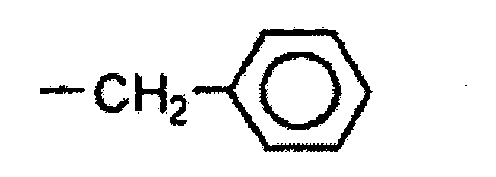
105 5 -Cl 2 
106 5 -Br 2 
107 5 -CF3 2 
108 5 
2 
109 5 
2 
Table 2 
Compound No. Substitution position of R1 R1 n R 2 110 5 -CH2CH2CH3 2 H 111 5 -CH(CH3)2 2 H 112 5 
2 H 113 5 
2 H 114 5 -Cl 2 H 115 5 -Br 2 H 116 5 -CF3 2 H - In Table 1 and Table 2 described above, a compound in which the substitution position of R1 is the 5-position is preferred, and as a more preferred compound, the following compounds can be exemplified:
- 5-methyl-2-(1-piperazinyl)benzenesulfonic acid;
- 5-trifluoromethyl-2-(1-piperazinyl)benzenesulfonic acid;
- 5-n-propyl-2-(1-piperazinyl)benzenesulfonic acid;
- 5-phenyl-2-(1-piperazinyl)benzenesulfonic acid;
- 5-chloro-2-(1-piperazinyl)benzenesulfonic acid;
- 5-bromo-2-(1-piperazinyl)benzenesulfonic acid;
- 5-iso-propyl-2-(1-piperazinyl)benzenesulfonic acid;
- 5-cyclohexyl-2-(1-piperazinyl)benzenesulfonic acid;
- 5-n-propyl-2-(1-homopiperazinyl)benzenesulfonic acid;
- 5-n-propyl-2-[4-(2,3,4-trimethoxybenzyl)-1-piperazinyl]benzenesulfonic acid; and
- 5-n-propyl-2-[4-(3,4-dimethoxybenzyl)-1-piperazinyl]benzenesulfonic acid.
- Incidentally, among the above-mentioned compounds, particularly preferable examples include 5-methyl-2- (1-piperazinyl)benzenesulfonic acid and 5-n-propyl-2- (1-piperazinyl)benzenesulfonic acid.
- Further, pharmaceutically acceptable salts of the above-mentioned compounds are also included in the scope of the present invention. Examples of the salts of the above-mentioned compounds include alkali metal salts and alkaline earth metal salts such as sodium salts, potassium salts, magnesium salts, calcium salts and aluminum salts; amine salts (ammonium salts; lower alkylamine salts such as triethylamine salts; hydroxy-lower alkylamine salts such as 2-hydroxyethylamine salts, bis-(2-hydroxyethyl) amine salts, tris(hydroxymethyl)aminomethane salts, and N-methyl-D-glucamine salts; cycloalkylamine salts such as dicyclohexylamine salts; benzylamine salts such as N,N-dibenzylethylenediamine salts; dibenzylamine salts and the like); inorganic acid salts such as hydrochloric acid salts, hydrobromic acid salts, sulfuric acid salts, and phosphoric acid salts; organic acid salts such as fumaric acid salts, succinic acid salts, oxalic acid salts, and lactic acid salts and the like.
- In addition to the compounds in free form or in the form of salts, any hydrates or solvates thereof can also be used as an active ingredient of the medicament of the present invention. Examples of a solvent which can form the solvates of the above-mentioned compound include methanol, ethanol, isopropyl alcohol, acetone, ethyl acetate, methylene chloride and the like.
- As the active ingredient of the present invention, 5-methyl-2-(1-piperazinyl)benzenesulfonic acid monohydrate can be exemplified as the most preferred one.
- The aminobenzenesulfonic acid derivative represented by the above-mentioned general formula (I) is a known compound, and can be readily synthesized according to the methods described in
JP-A-3-7263 JP-A-9-221479 European Unexamined Patent Publication Nos. 390654 779283 US Patent Nos. 5053409 and5990113 and the like, and is a compound that can be readily obtained by those skilled in the art. - The medicament of the present invention can be applied orally or parenterally according to a standard method. Examples of the dosage form for oral administration include granules, fine granules, powders, tablets, hard capsules, soft capsules, syrups, emulsions, suspensions, solutions and the like. Examples of the dosage form for parenteral administration include injections, suppositories, transdermal preparations and the like.
- The active ingredient of the present invention is contained together with a solid or liquid pharmaceutical carrier or a pharmaceutical additive which is used commonly such as an excipient, a stabilizer, a lubricant, a sweetener, a preservative or a suspending agent in the above-mentioned dosage form, and the content ratio of the preventive and/or therapeutic active ingredient to the carrier component is preferably in the range from 1% by weight to 90% by weight.
- Examples of the solid component to be used include lactose, kaolin, sucrose, crystalline cellulose, cornstarch, talc, agar, pectin, acacia, stearic acid, magnesium stearate, lecithin, sodium chloride and the like. Examples of the liquid carrier include syrup, glycerol, peanut oil, polyvinylpyrrolidone, olive oil, ethanol, benzyl alcohol, propylene glycol, water and the like.
- The dose of a substance to be used as the active ingredient can be suitably determined depending on, for example, the purpose of prevention or treatment, the kind of disease to be prevented or treated, the symptoms, body weight, age, and sexuality of a patient for each active ingredient. In general, a dose of about 0.001 mg to 100 mg per day can be administered parenterally to an adult, and a dose of about 0.01 mg to 1000 mg per day can be administered orally to an adult. It is preferred that the above-mentioned dose is administered once a day or several times a day as divided portions.
- As a preferred administration method and administration period in the case of using 5-methyl-2-(1-piperazinyl)benzenesulfonic acid, continuous intravenous administration for 48 hours (2 days) is preferred.
- In the present invention, TIMI flow grade refers to a grade classified according to the Thrombolysis in Myocardial Infraction trial (N Engl J Med 33:523, 1984), and a state where a contrast agent is not distally perfused beyond a culprit lesion is defined as TIMI flow grade 0, and a state where a small amount of a contrast agent is perfused beyond a culprit lesion, however it does not reach a distal vasculature is defined as TIMI flow grade 1.
- In the present invention, the term "prevention" refers to administration of a medicament to a healthy subject who does not have any disease such as administration of a medicament for the purpose of preventing the occurrence of any disease. The term "treatment" refers to administration of a medicament to a patient diagnosed with a disease by a physician such as administration of a medicament for the purpose of alleviating the disease or the symptoms, or restoring the health. In addition, even if the purpose of the administration is to prevent the deterioration of the disease or the symptoms or to prevent an attack, in the case where the person to whom a medicament is administered is a patient who has been once diagnosed with some disease, it is categorized as treatment. Here, to a patient diagnosed with a disease, an intervention of administering a medicament for the purpose of alleviating the disease or the symptoms is categorized as treatment, however, an intervention of administering a medicament for the purpose of preventing the occurrence of another disease that has not occurred yet is categorized as prevention.
- Hereinafter, the present invention will be described in more detail with reference to Example, however, the present invention is not limited to the following Example as long as it is not beyond the gists of the present invention.
- A compound of the present invention referred to in the following Example is 5-methyl-2-(1-piperazinyl) benzenesulfonic acid monohydrate (hereinafter sometimes referred to as "caldaret"), and a compound prepared according to the method described in Example 1 in
JP-A-9-221479 - Three hundred and eighty-seven patients with ΣST elevation of 10 mm or more undergoing PCI were divided into 3 groups: a caldaret non-administration group; a 61.5 mg caldaret administration group (57.5 mg in terms of 5-methyl-2-(1-piperazinyl)benzenesulfonic acid) (low-dose group); and a 184.6 mg caldaret administration group (172.5 mg in terms of 5-methyl-2-(1-piperazinyl)benzenesulfonic acid) (high-dose group). To these patients, administration of placebo (the caldaret non-administration group) or caldaret (the low-dose group and the high-dose group) was initiated about 30 minutes before PCI was performed. Placebo or caldaret was continuously administered intravenously for 48 hours. At day 7 after administration (the initiation day of administration = day 0 after administration, and hereinafter the same), the infarct size, the left ventricular end-systolic volume (ESV), the left ventricular end-diastolic volume (EDV) and the left ventricular ejection fraction (LVEF) were measured by SPECT and the cardiac serum markers were measured. Incidentally, as for the serum markers, AUC of TnT at days 0 to 5 after administration and AUC of CK at days 0 to 3 after administration were measured.
- Hereinafter, the measurement results in 247 patients with TIMI flow grade 0 or 1 diagnosed with anterior ST-segment elevation myocardial infarction (88 patients in the low-dose group, 70 patients in the high-dose group and 89 patients in the caldaret non-administration group) are shown.
Infarct size (% of the left ventricle) ESV (ml) EDV (ml) LVEF (%) Serum marker TnT (mg/l) CK (IU/I) Low-dose administration group 24.4 (a) 80.7 (*) 138.4 (*) 36.6 5 1144 (*) High-dose administration group 25.7 (b) 78.0 (*) 134.1 (*) 38.1 (*) 4.3 (*) 1157 (*) Non-administration group 30 106.1 166.9 31.6 5.7 1603 (*): p < 0.005, (a): p = 0.052, (b): p = 0.144 vs. non-administration group - Further, the measurement results in 359 patients diagnosed with anterior ST-segment elevation myocardial infarction also show regardless of the TIMI flow grade that the caldaret administration groups (the low-dose group and the high-dose group) showed an improving tendency in all the measurement parameters compared with the non-administration group in the same manner as above.
- From the above results, it was shown that caldaret can alleviate myocardial injury and preserve myocardial function of a patient with anterior ST-segment elevation myocardial infarction undergoing percutaneous coronary intervention.
- It was found that the aminobenzenesulfonic acid derivative or a salt thereof, or a hydrate or solvate thereof of the present invention can alleviate myocardial injury and preserve myocardial function of a patient with anterior ST-segment elevation myocardial infarction undergoing percutaneous coronary intervention. Therefore, the above-mentioned aminobenzenesulfonic acid derivative or a salt thereof, or a hydrate or solvate thereof is useful as a medicament for preventing and/or treating an ischemic cardiovascular disease characterized in that it is administered to a patient undergoing percutaneous coronary intervention.
- The present application is based on
Japanese Patent Application No. 2004-63167 filed on March 5,2004
Claims (38)
- A medicament for preventing and/or treating an ischemic cardiovascular disease, which comprises as an active ingredient a compound of an aminobenzenesulfonic acid derivative represented by the following general formula (I):

- The medicament according to Claim 1, wherein the ischemic cardiovascular disease is myocardial infarction or angina pectoris.
- The medicament according to Claim 2, wherein the myocardial infarction is ST-segment elevation myocardial infarction.
- The medicament according to Claim 3, wherein the ST-segment elevation myocardial infarction is anterior ST-segment elevation myocardial infarction.
- The medicament according to any one of Claims 1 to 4, wherein the substitution position of R1 is the 5-position.
- The medicament according to any one of Claims 1 to 5, wherein n is 2.
- The medicament according to any one of Claims 1 to 6, wherein R2 is a hydrogen atom, a C1-C3 alkyl group or a C7-C12 aralkyl group which may have one or more substituents selected from a C1-C3 alkyl group, a C1-C3 alkoxy group and a halogen atom.
- The medicament according to any one of Claims 1 to 7, wherein R2 is a C7-C12 aralkyl group which may have one or more substituents selected from a hydrogen atom and a C1-C3 alkoxy group.
- The medicament according to any one of Claims 1 to 8, wherein R2 is a hydrogen atom.
- The medicament according to any one of Claims 1 to 9, wherein R1 is a hydrogen atom, a C1-C6 alkyl group, a C5-C6 cycloalkyl group, a trifluoromethyl group, a halogen atom or a phenyl group.
- The medicament according to any one of Claims 1 to 10, wherein R1 is a C1-C3 alkyl group, a cyclohexyl group, a trifluoromethyl group, a chlorine atom, a bromine atom or a phenyl group.
- The medicament according to any one of Claims 1 to 11, wherein R1 is a methyl group or a propyl group.
- The medicament according to any one of Claims 1 to 4, wherein the active ingredient is selected from the following compounds:5-methyl-2-(1-piperazinyl)benzenesulfonic acid;5-trifluoromethyl-2-(1-piperazinyl)benzenesulfonic acid;5-n-propyl-2-(1-piperazinyl)benzenesulfonic acid;5-phenyl-2-(1-piperazinyl)benzenesulfonic acid;5-chloro-2-(1-piperazinyl)benzenesulfonic acid;5-bromo-2-(1-piperazinyl)benzenesulfonic acid;5-iso-propyl-2-(1-piperazinyl)benzenesulfonic acid;5-cyclohexyl-2-(1-piperazinyl)benzenesulfonic acid;5-n-propyl-2-(1-homopiperazinyl)benzenesulfonic acid;5-n-propyl-2-[4-(2,3,4-trimethoxybenzyl)-1-piperazinyl]benzenesulfonic acid; and5-n-propyl-2-[4-(3,4-dimethoxybenzyl)-1-piperazinyl]benzenesulfonic acid.
- The medicament according to Claim 13, wherein the active ingredient is selected from the following compounds:5-methyl-2-(1-piperazinyl)benzenesulfonic acid; and5-n-propyl-2-(1-piperazinyl)benzenesulfonic acid.
- The medicament according to any one of Claims 1 to 14, wherein the active ingredient is 5-methyl-2-(1-piperazinyl)benzenesulfonic acid monohydrate.
- A medicament for preventing and/or treating anterior ST-segment elevation myocardial infarction, which comprises as an active ingredient 5-methyl-2-(1-piperazinyl)benzenesulfonic acid monohydrate, characterized in that it is administered to a patient undergoing percutaneous coronary intervention.
- The medicament according to any one of Claims 1 to 16, characterized in that the patient undergoing percutaneous coronary intervention has TIMI flow grade 0 or 1.
- The medicament according to any one of Claims 1 to 17, characterized in that administration of the active ingredient is initiated before percutaneous coronary intervention is performed.
- The medicament according to any one of Claims 1 to 18, characterized in that the active ingredient is continuously administered intravenously for 48 hours.
- A method for preventing and/or treating an ischemic cardiovascular disease characterized by administering a medicament comprising as an active ingredient a compound of an aminobenzenesulfonic acid derivative represented by the following general formula (I):

- The method according to Claim 20, wherein the ischemic cardiovascular disease is myocardial infarction or angina pectoris.
- The method according to Claim 21, wherein the myocardial infarction is ST-segment elevation myocardial infarction.
- The method according to Claim 22, wherein the ST-segment elevation myocardial infarction is anterior ST-segment elevation myocardial infarction.
- The method according to any one of Claims 20 to 23, wherein the substitution position of R1 is the 5-position.
- The method according to any one of Claims 20 to 24, wherein n is 2.
- The method according to any one of Claims 20 to 25, wherein R2 is a hydrogen atom, a C1-C3 alkyl group or a C7-C12 aralkyl group which may have one or more substituents selected from a C1-C3 alkyl group, a C1-C3 alkoxy group and a halogen atom.
- The method according to any one of Claims 20 to 26, wherein R2 is a C7-C12 aralkyl group which may have one or more substituents selected from a hydrogen atom and a C1-C3 alkoxy group.
- The method according to any one of Claims 20 to 27, wherein R2 is a hydrogen atom.
- The method according to any one of Claims 20 to 28, wherein R1 is a hydrogen atom, a C1-C6 alkyl group, a C5-C6 cycloalkyl group, a trifluoromethyl group, a halogen atom or a phenyl group.
- The method according to any one of Claims 20 to 29, wherein R1 is a C1-C3 alkyl group, a cyclohexyl group, a trifluoromethyl group, a chlorine atom, a bromine atom or a phenyl group.
- The method according to any one of Claims 20 to 30, wherein R1 is a methyl group or a propyl group.
- The method according to any one of Claims 20 to 23, wherein the active ingredient is selected from the following compounds:5-methyl-2-(1-piperazinyl)benzenesulfonic acid;5-trifluoromethyl-2-(1-piperazinyl)benzenesulfonic acid;5-n-propyl-2-(1-piperazinyl)benzenesulfonic acid;5-phenyl-2-(1-piperazinyl)benzenesulfonic acid;5-chloro-2-(1-piperazinyl)benzenesulfonic acid;5-bromo-2-(1-piperazinyl)benzenesulfonic acid;5-iso-propyl-2-(1-piperazinyl)benzenesulfonic acid;5-cyclohexyl-2-(1-piperazinyl)benzenesulfonic acid;5-n-propyl-2-(1-homopiperazinyl)benzenesulfonic acid;5-n-propyl-2-[4-(2,3,4-trimethoxybenzyl)-1-piperazinyl]benzenesulfonic acid; and5-n-propyl-2-[4-(3,4-dimethoxybenzyl)-1-piperazinyl]benzenesulfonic acid.
- The method according to Claim 32, wherein the active ingredient is selected from the following compounds:5-methyl-2-(1-piperazinyl)benzenesulfonic acid; and5-n-propyl-2-(1-piperazinyl)benzenesulfonic acid.
- The method according to any one of Claims 20 to 33, wherein the active ingredient is 5-methyl-2-(1-piperazinyl)benzenesulfonic acid monohydrate.
- A method for preventing and/or treating anterior ST-segment elevation myocardial infarction characterized by administering a medicament comprising as an active ingredient 5-methyl-2-(1-piperazinyl)benzenesulfonic acid monohydrate to a patient undergoing percutaneous coronary intervention.
- The method according to any one of Claims 20 to 35, characterized in that the patient undergoing percutaneous coronary intervention has TIMI flow grade 0 or 1.
- The method according to any one of Claims 20 to 36, characterized in that administration of the active ingredient is initiated before percutaneous coronary intervention is performed.
- The medicament according to any one of Claims 20 to 37, characterized in that the active ingredient is continuously administered intravenously for 48 hours.
Applications Claiming Priority (2)
| Application Number | Priority Date | Filing Date | Title |
|---|---|---|---|
| JP2004063167 | 2004-03-05 | ||
| PCT/JP2005/003722 WO2005084668A1 (en) | 2004-03-05 | 2005-03-04 | Medicine for prevention and/or treatment of ischemic circulatory disease |
Publications (2)
| Publication Number | Publication Date |
|---|---|
| EP1723955A1 true EP1723955A1 (en) | 2006-11-22 |
| EP1723955A4 EP1723955A4 (en) | 2009-12-23 |
Family
ID=34918144
Family Applications (1)
| Application Number | Title | Priority Date | Filing Date |
|---|---|---|---|
| EP05719994A Withdrawn EP1723955A4 (en) | 2004-03-05 | 2005-03-04 | MEDICAMENT FOR THE PREVENTION AND / OR TREATMENT OF ISCHEMIC CIRCULATORY DISEASES |
Country Status (7)
| Country | Link |
|---|---|
| US (1) | US20070270409A1 (en) |
| EP (1) | EP1723955A4 (en) |
| JP (1) | JPWO2005084668A1 (en) |
| KR (1) | KR20070026443A (en) |
| CN (1) | CN1946396A (en) |
| CA (1) | CA2557262A1 (en) |
| WO (1) | WO2005084668A1 (en) |
Family Cites Families (7)
| Publication number | Priority date | Publication date | Assignee | Title |
|---|---|---|---|---|
| JPH0686438B2 (en) * | 1989-03-27 | 1994-11-02 | 三菱化成株式会社 | Aminobenzenesulfonic acid derivative |
| JP3083544B2 (en) * | 1990-09-27 | 2000-09-04 | 三菱化学株式会社 | Drugs to prevent or treat heart disease |
| JPH06157311A (en) * | 1992-11-16 | 1994-06-03 | Eisai Co Ltd | Medicine for improvement of vessel anomaly |
| CA2192731C (en) * | 1995-12-15 | 2005-09-27 | Chika Yamazaki | Monohydrates of aminobenzenesulfonic acid derivatives and method for preparing thereof |
| JP3215338B2 (en) * | 1995-12-15 | 2001-10-02 | 三菱化学株式会社 | Aminobenzenesulfonic acid derivative monohydrate and method for producing the same |
| US20050124632A1 (en) * | 2001-03-13 | 2005-06-09 | Yoshimi Kitada | Remedies and/or preventives for diabetic ischemic heart diseases |
| WO2003011296A1 (en) * | 2001-07-30 | 2003-02-13 | Mitsubishi Pharma Corporation | Pharmaceutical preparations containing aminobenzene- sulfonic acid derivatives as the active ingredient |
-
2005
- 2005-03-04 CA CA002557262A patent/CA2557262A1/en not_active Abandoned
- 2005-03-04 US US10/591,602 patent/US20070270409A1/en not_active Abandoned
- 2005-03-04 JP JP2006510730A patent/JPWO2005084668A1/en not_active Withdrawn
- 2005-03-04 KR KR1020067020852A patent/KR20070026443A/en not_active Ceased
- 2005-03-04 WO PCT/JP2005/003722 patent/WO2005084668A1/en not_active Ceased
- 2005-03-04 CN CNA2005800070003A patent/CN1946396A/en active Pending
- 2005-03-04 EP EP05719994A patent/EP1723955A4/en not_active Withdrawn
Also Published As
| Publication number | Publication date |
|---|---|
| US20070270409A1 (en) | 2007-11-22 |
| EP1723955A4 (en) | 2009-12-23 |
| CA2557262A1 (en) | 2005-09-15 |
| WO2005084668A1 (en) | 2005-09-15 |
| CN1946396A (en) | 2007-04-11 |
| JPWO2005084668A1 (en) | 2007-11-29 |
| KR20070026443A (en) | 2007-03-08 |
Similar Documents
| Publication | Publication Date | Title |
|---|---|---|
| US20200360324A1 (en) | Compounds and Dosage Regimen for Use in the Prevention or Treatment of Chronic Inflammatory and/or Autoimmune Diseases | |
| US20100298375A1 (en) | medicament comprising a carbostyril derivative and donepezil for treating alzheimer's disease | |
| CN102223882B (en) | Be used for the treatment of III type phosphodiesterase (PPE III) inhibitor or the Ca of hypertrophic cardiomyopathy 2+sensitizer | |
| JPH0656668A (en) | Heart-protecting agent | |
| KR20230159375A (en) | 4-Chloro-N-[2-[(4-chlorophenyl)methyl]-3-oxo-1,2,4-thiadiazol-5-yl]benzamide for use in medicine | |
| JP4246997B2 (en) | Therapeutic and / or preventive agent for diabetes-derived ischemic heart disease | |
| EP3782648B1 (en) | Prostaglandin d2 production inhibitors as preventative and therapeutic agents for sarcopenia | |
| US6258834B1 (en) | Method for prophylaxis and treatment of diabetic complications with 4[α-hydroxy-2-methyl-5-(1-imidazolyl)benzyl]-3,5-dimethylbenzoic acid and derivatives | |
| US7652017B2 (en) | Remedies and/or preventives for nervous system disorders | |
| US20070270409A1 (en) | Medicament for Preventing and/or Treating Ischemic Cardiovascular Disease | |
| US20040259861A1 (en) | Medicament inhibiting sodium/calcium exchange system | |
| US20080114000A1 (en) | Suppressor of excess accumulation of intracellular sodium ions | |
| EP0591937B1 (en) | Use of isoquinolinone derivatives for treating hyperlipoproteinemia | |
| JP2835547B2 (en) | Diabetes treatment | |
| JP5559696B2 (en) | Treatment for diabetic nephropathy | |
| JPWO2007123126A1 (en) | Reducing agent for exercise tolerance in chronic heart failure | |
| JP2021028335A (en) | Agent for treating or preventing diabetic nephropathy | |
| JPH07121864B2 (en) | Pharmaceutical composition having inhibitory effect on brain damage | |
| JPH10101564A (en) | Rhinitis preventive and / or therapeutic agent | |
| JPH06211657A (en) | Uric acid excretion agent | |
| JPH07215873A (en) | Cardiotonic |
Legal Events
| Date | Code | Title | Description |
|---|---|---|---|
| PUAI | Public reference made under article 153(3) epc to a published international application that has entered the european phase |
Free format text: ORIGINAL CODE: 0009012 |
|
| 17P | Request for examination filed |
Effective date: 20060914 |
|
| AK | Designated contracting states |
Kind code of ref document: A1 Designated state(s): AT BE BG CH CY CZ DE DK EE ES FI FR GB GR HU IE IS IT LI LT LU MC NL PL PT RO SE SI SK TR |
|
| DAX | Request for extension of the european patent (deleted) | ||
| RAP1 | Party data changed (applicant data changed or rights of an application transferred) |
Owner name: MITSUBISHI TANABE PHARMA CORPORATION |
|
| RIC1 | Information provided on ipc code assigned before grant |
Ipc: A61K 31/4164 20060101AFI20050921BHEP Ipc: A61K 31/495 20060101ALI20091112BHEP Ipc: A61P 9/10 20060101ALI20091112BHEP Ipc: C07D 295/08 20060101ALI20091112BHEP Ipc: C07D 243/08 20060101ALI20091112BHEP Ipc: A61K 31/551 20060101ALI20091112BHEP |
|
| A4 | Supplementary search report drawn up and despatched |
Effective date: 20091123 |
|
| 17Q | First examination report despatched |
Effective date: 20100415 |
|
| STAA | Information on the status of an ep patent application or granted ep patent |
Free format text: STATUS: THE APPLICATION IS DEEMED TO BE WITHDRAWN |
|
| 18D | Application deemed to be withdrawn |
Effective date: 20111001 |