EP1717244A1 - Akt activity specifically inhibiting polypeptide - Google Patents
Akt activity specifically inhibiting polypeptide Download PDFInfo
- Publication number
- EP1717244A1 EP1717244A1 EP04807007A EP04807007A EP1717244A1 EP 1717244 A1 EP1717244 A1 EP 1717244A1 EP 04807007 A EP04807007 A EP 04807007A EP 04807007 A EP04807007 A EP 04807007A EP 1717244 A1 EP1717244 A1 EP 1717244A1
- Authority
- EP
- European Patent Office
- Prior art keywords
- amino acid
- akt
- polypeptide
- akt activity
- tcl1
- Prior art date
- Legal status (The legal status is an assumption and is not a legal conclusion. Google has not performed a legal analysis and makes no representation as to the accuracy of the status listed.)
- Granted
Links
Images



Classifications
-
- C—CHEMISTRY; METALLURGY
- C07—ORGANIC CHEMISTRY
- C07K—PEPTIDES
- C07K14/00—Peptides having more than 20 amino acids; Gastrins; Somatostatins; Melanotropins; Derivatives thereof
- C07K14/435—Peptides having more than 20 amino acids; Gastrins; Somatostatins; Melanotropins; Derivatives thereof from animals; from humans
- C07K14/46—Peptides having more than 20 amino acids; Gastrins; Somatostatins; Melanotropins; Derivatives thereof from animals; from humans from vertebrates
- C07K14/47—Peptides having more than 20 amino acids; Gastrins; Somatostatins; Melanotropins; Derivatives thereof from animals; from humans from vertebrates from mammals
- C07K14/4701—Peptides having more than 20 amino acids; Gastrins; Somatostatins; Melanotropins; Derivatives thereof from animals; from humans from vertebrates from mammals not used
- C07K14/4702—Regulators; Modulating activity
- C07K14/4703—Inhibitors; Suppressors
-
- A—HUMAN NECESSITIES
- A61—MEDICAL OR VETERINARY SCIENCE; HYGIENE
- A61P—SPECIFIC THERAPEUTIC ACTIVITY OF CHEMICAL COMPOUNDS OR MEDICINAL PREPARATIONS
- A61P35/00—Antineoplastic agents
-
- A—HUMAN NECESSITIES
- A61—MEDICAL OR VETERINARY SCIENCE; HYGIENE
- A61P—SPECIFIC THERAPEUTIC ACTIVITY OF CHEMICAL COMPOUNDS OR MEDICINAL PREPARATIONS
- A61P35/00—Antineoplastic agents
- A61P35/02—Antineoplastic agents specific for leukemia
-
- A—HUMAN NECESSITIES
- A61—MEDICAL OR VETERINARY SCIENCE; HYGIENE
- A61P—SPECIFIC THERAPEUTIC ACTIVITY OF CHEMICAL COMPOUNDS OR MEDICINAL PREPARATIONS
- A61P43/00—Drugs for specific purposes, not provided for in groups A61P1/00-A61P41/00
-
- C—CHEMISTRY; METALLURGY
- C07—ORGANIC CHEMISTRY
- C07K—PEPTIDES
- C07K14/00—Peptides having more than 20 amino acids; Gastrins; Somatostatins; Melanotropins; Derivatives thereof
- C07K14/435—Peptides having more than 20 amino acids; Gastrins; Somatostatins; Melanotropins; Derivatives thereof from animals; from humans
- C07K14/46—Peptides having more than 20 amino acids; Gastrins; Somatostatins; Melanotropins; Derivatives thereof from animals; from humans from vertebrates
- C07K14/47—Peptides having more than 20 amino acids; Gastrins; Somatostatins; Melanotropins; Derivatives thereof from animals; from humans from vertebrates from mammals
-
- C—CHEMISTRY; METALLURGY
- C07—ORGANIC CHEMISTRY
- C07K—PEPTIDES
- C07K16/00—Immunoglobulins [IG], e.g. monoclonal or polyclonal antibodies
- C07K16/40—Immunoglobulins [IG], e.g. monoclonal or polyclonal antibodies against enzymes
-
- C—CHEMISTRY; METALLURGY
- C07—ORGANIC CHEMISTRY
- C07K—PEPTIDES
- C07K7/00—Peptides having 5 to 20 amino acids in a fully defined sequence; Derivatives thereof
- C07K7/04—Linear peptides containing only normal peptide links
- C07K7/08—Linear peptides containing only normal peptide links having 12 to 20 amino acids
-
- A—HUMAN NECESSITIES
- A61—MEDICAL OR VETERINARY SCIENCE; HYGIENE
- A61K—PREPARATIONS FOR MEDICAL, DENTAL OR TOILETRY PURPOSES
- A61K38/00—Medicinal preparations containing peptides
Definitions
- the present invention relates to a polypeptide specifically inhibiting the activity of serine threonine kinase Akt (Protein Kinase B) ; a DNA encoding the peptide; a specific inhibitor of Akt activity or an antitumor agent, which contains the polypeptide as an active ingredient; and the like.
- Akt Protein threonine kinase B
- Akt kinase Protein Kinase B hereinafter referred to as Akt
- Akt Protein Kinase B
- Akt is a serine threonine phosphorylation enzyme that was found in the beginning of the 1990s one after the other by following the homology between virus v-Akt.
- Akt Protein Kinase B
- This Akt has an approximate molecular weight of 57 kD, is selectively bound to inositol phosphate in the pleckstrin homology domain (PH domain) ; and has a function at the N-terminal, which mainly plays a role to define the localization to cell membranes. It also has a phosphorylation kinase domain at the c-terminal. It has been speculated that the binding of PIP3 and the like to PH domain by a signal from Phosphatidylinositol 3-kinase (PI3K) to translocate AKT molecules onto the membrane, and to alter the tertiary structure of Akt are involved in the activation.
- PI3K Phosphatidylinositol 3-kinase
- Thr308 is phosphorylated by phosphoinositide dependent kinase (PDK1)
- PDK1 phosphoinositide dependent kinase
- the phosphorylation process of Ser473 has not been fully elucidated; it has been only speculated the possibility that some of uncertain molecules such as integrin linked kinase (ILK) or PDK2 are involved in the phosphorylation process. Further, recently the possibility of autophosphorylation for Ser473 phosphorylation has been reported.
- ILK integrin linked kinase
- Akt activated Akt promotes the phosphorylation of the molecules involved in the apoptosis inhibition.
- the molecule such as BAD.Caspace 9.FKHRI (forkhead transcription factor) has the above amino acid sequence, and has been known as a substrate of Akt under physiological conditions.
- Inactive BAD is phosphorylated by Akt; binds to 14-3-3 protein in a phosphorylation-dependent manner; and liberates proteins such as active, Bcl-2 or Bcl-XL, which have apoptosis inhibitory action. It is thought that Akt plays a central role for apoptosis inhibitory control through these known functions and unexplained various targets ( Cell, 96:857-868, 1999 ).
- serine/threonine kinase Akt has a function to phosphorylate serine or threonine residue of intracellular protein specifically, and plays a role to mediate signal transduction to multi-organelle by the phosphorylation function.
- the phosphorylation function of the Akt regulates a variety of intracellular mechanisms, and involved in the regulation of the various intracellular mechanisms such as, mitosis, cell growth, cell differentiation, control of lipid mentabolisn, immune response, inflammatory response, control of glycogen metabolism.
- this means that the phosphorylation function of the Akt is involved in a wide range of various diseases and disorders such as cancer, obesity, autoimmune injury, inflammation and diabetes (type 2).
- Akt activation is involved in breast cancer, lung cancer, prostate cancer, ovarian cancer, or hematological malignancies such as leukemia and lymphoid tumor ( Annu. Rev. Biochem. 68, 965, 1999 ). As Akt activity is raised in these malignancies, Akt activon is considered to be a cause of these malignancies. In recent days, these serine/threonine kinase activities are modulated by using short peptides that are derivatives of the HJ loop of a serine/threonine kinase, with which treatments for diseases and disorders as deacribed above have been attempted (published Japanese translation of PCT international publication No: 2002-500649).
- TCL1 has been known as a protooncogene.
- TCL1 was noted that the activity is raised in human T cell prolymphocytic leukemia (T-PLL), and has been known to date that there are three similar subtypes (TCL1, MTCP1, TCL1b) ( Oncogene, 8:2475-2483,1993 ; Proc. Natl. Acad. Sci. USA, 91:12530-12534, 1994 ). It has been known that the expression was activated by translocation of these loci: 14q, 32, ⁇ 28 to T cell receptor loci to develop human leukemia (T-PLL). However, it is a small protein of 13-16kD, and does not have the specific function structure that has been known to date, whose function has so far not been elucidated.
- TLC1 expression is limited to the lymphoid cells of T cells in an early differentiation (CD3-/CD4-/CD8-), and various B cells before the plasma cell differentiation. Further, although the details in the expression of MTCP1 under physiological conditions are unknown, it was identified from the recent analysis results of gene expression that the expression are induced in activated T cells.
- TCL1b is a recently cloned molecule and exists in the immediate vicinity of TCL locus. It is thought that there are five subtypes in mouse and is only one subtype in human. It has been reported that this gene expression has distinctly high expression in germinal cells in an early differentiation.
- TCL1 functions of TCL1 have been unknown at all to date.
- the present inventors found that protooncogene TCL1 binds to Akt, from the search result of the protein molecules binding to Akt with the use of a library derived from human B cell by two-hybrid screen using a yeast to elucidate the process of Akt activation. That is, the present inventors indicated that TCL1 is bound to Akt, multimerized, and Akt of the multimer is activated; and found that TCL1 is the Akt co-activator promoting the Akt activation ( Mol.Cell, 6:395-407, 2000 ).
- TCL1 facilitated the Akt-mediated cell division, inhibition of apoptosis and the like, and is a predisposing factor for leukemia, tumor of human lymphatic system and the like.
- TCL1 facilitated the polymerization among heterogeneous Akt molecules and phosphorylation of serine472/473 residues of Akt among heterogeneous Akt molecules; and elucidated the molecular mechanism that TCL1 activates the Akt ( J. Biological Chemistry, 277[5], 3743-3751,2002 ).
- the present inventors prepared an amino acid random library of TCL1 oncogene by applying PCR method and identified the amino acid sites required for the bindig of Akt to TCL1 and the polymerization of TCL1, and moreover identified the mutated form of TCL1 which lacks dimerization or binding potency to Akt of TCL1.
- the mutated form of TCL1 lacks Akt activation potency (both in vitro and in vivo), and loses various types of functions in TCL1 such as stabilization of mitochondrial outer membrane, inhibitionof apoptosis, and nuclear translocation of Akt ( Molecular and Cellular Biology, 22[5], 1513-1525,2002 ).
- protooncogene TCL1 whose function was unknown so far, is a co-activator of Akt, and is essential for the binding to Akt and the polymerization of TCL1-to-TCL1 when Akt activates.
- Patent document 1 Publishued Japanese translation of PCT international publication No. 2002-500649
- Patent document 2 Specification of U.S. Patent No. 5,985,598
- Nonpatent document 1 Genes & Dev., 13: 2905-2927, 1999
- Nonpatent document 1 Annu. Rev.Biochem, 67: 481-507, 1998
- Nonpatent document 1 Biochem.J, 335: 1-13, 1998
- Nonpatent document 1 Proc. Natl. Acad. Sci.
- Nonpatent document 1 Mol.Cell, 6:395-407, 2000
- Nonpatent document 1 J.Biological Chemistry, 277[5], 3743-3751, 2002
- Nonpatent document 1 Molecular and Cellular Biology, 22[5], 1513-1525, 2002
- An object of the present invention is to provide a polypeptide specifically inhibiting the activity of serine threonine kinase Akt (Protein Kinase B); a DNA encoding the polypeptide; an antibody specifically binding to the polypeptide; a specific inhibitor of Akt activity or an antitumor agent, which contains the polypeptide as an active ingredient; and the like.
- Akt Protein threonine kinase B
- TCL1 protooncogene TCL1 whose function had been unknown at all, directly binds to Akt that is involved in human malignancy and the like, promotes the activation of Akt, that is, is the co-activator of Akt, moreover, it is responsible for leukemia, tumor of human lymphatic system and the like. It was indicated that the mutated form of TCL1, which does not bind to Akt, lacks the Akt activation potency and loses various types of functions in TCL1 such as stabilization of mitochondrial outer membrane, inhibitionof apoptosis, and nuclear translocation of Akt.
- the present invention comprises a polypeptide consisting of an amino acid sequence (SEQ ID NO: 1 of the sequence listing) corresponding to the position of an amino acid residue10-24 in amino acid sequence of TCL1 (human), an amino acid sequence (SEQ ID NO: 3 of the sequence listing) corresponding to the position of an amino acid residue8-22 in amino acid sequence of TCL1B (human), an amino acid sequence (SEQ ID NO: 5 of the sequence listing) corresponding to the position of an amino acid residue5-19 in amino acid sequence of MTCP1 (human), an amino acid sequence (SEQ ID NO: 7 of the sequence listing) of the position of an amino acid residue9-24 in amino acid sequence of TCL1 (mouse), and an amino acid sequence (SEQ ID NO: 9 of the sequence listing) of the position of an amino acid residue9-24 in amino acid sequence of TCL1 (rat),and specifically inhibiting Akt activity, and DNA (SEQ ID NO: 2, 4, 6, 8 or 10 of the sequence listing) encoding the polypeptide.
- the present invention comprises a polypeptide derivative consisting of an amino acid sequence wherein one or several amino acids are deleated, substituted or added in an amino acid sequence of the polypeptides, and specifically inhibiting Akt activity; and a DNA encoding the sequences, or DNA that hybridizes with DNA in the sequences under stringent conditions and specifically inhibits Akt activity.
- the present invention includes a method for producing a polypeptide of the present invention by incorporating the DNA into an expression vector, constructing a recombinant expression vector, and introducing the recombinant vector into a host cell to be expressed.
- the present invention includes an antibody that specifically binds to the polypeptide specifically inhibiting the Akt activity of the present invention; moreover, includes utilization of specific inhibitor of Akt activity that contains a polypeptide of the present invention as an active ingredient, and of antitumor agent that contains the polypeptides as an active ingredient for prevention and treatment of malignancy and the like. Furthermore, the present invention includes a method for specifically inhibiting Akt activity by introducing the DNA encoding a polypeptide of the present invention into living cells to express the polypeptide.
- the present invention relates to (1) a polypeptide specifically inhibiting Akt activity, which consists of an amino acid sequence indicated in SEQ ID NO: 1, 3, 5, 7 or 9 of the sequence listing; and (2) a polypeptide consisting of an amino acid sequence wherein one or several amino acids are deleated, substituted or added in the amino acid sequence indicated in SEQ ID NO: 1, 3, 5, 7 or 9 of the sequence listing, and specifically inhibiting Akt activity.
- the present invention also relates to (3) a gene DNA encording a following protein (a) or (b): (a) a polypeptide consisting of an amino acid sequence indicated in SEQ ID NO: 1, 3, 5, 7 or 9; (b) a polypeptide consisting of an amino acid sequence wherein one or several amino acids are deleated, substituted or added in the amino acid sequence indicated in SEQ ID NO: 1, 3, 5, 7 or 9, and specifically inhibiting Akt activity; (4) a DNA consisting of a base sequence indicated in SEQ ID NO: 2, 4, 6, 8, or 10; or part or whole of these sequences, and encoding a polypeptide that specifically inhibits Akt activity; and (5) a DNA hybridizing with the DNA according to "4" under stringent conditions, and encoding a polypeptide that specifically inhibits Akt activity.
- the present invention further relates to (6) a recombinant expression vector, which is constructed by integrating a DNA encoding the polypeptide that specifically inhibits Akt activity according to any one of "3"-"5" into a gene expression vector; (7) a method for producing a polypeptide that specifically inhibits Akt activity wherein the recombinant expression vector according to "6" is introduced into a host cell and expressed; (8) an antibody which is induced by using a polypeptide indicated in SEQ ID NO: 1, 3, 5, 7 or 9 of the sequence listing and specifically binds to the polypeptide; (9) the antibody according to "8” wherein the antibody is a monoclonal antibody; and (10) the antibody according to "8” wherein the antibody is a polyclonal antibody.
- the present invention still further relates to (11) a specific inhibitor of Akt activity, wherein the polypeptide according to "1" or “2" is an active ingredient; (12) the specific inhibitor of Akt activity according to "11", wherein the polypeptid is a sequence of an amino acid residue 10-24 of an amino acid sequence for human TCL1 protein; (13) the specific inhibitor of Akt activity according to "11”, wherein the polypeptid is a sequence of an amino acid residue8-22 of an amino acid sequence for human TCL1B protein; (14) the specific inhibitor of Akt activity according to "11”, wherein the polypeptid is a sequence of an amino acid residue5-19 of an amino acid sequence for human MTP1 protein; (15) the specific inhibitor of Akt activity according to "11”, wherein the polypeptid is a sequence of an amino acid residue9-24 of an amino acid sequence for mouse TCL1 protein; (16) the specific inhibitor of Akt activity according to "11”, wherein the polypeptid is a sequence of an amino acid residue9-24 of an amino acid sequence for rat MTP1 protein; and (17)
- the present invention relates to (18) an antitumor agent wherein the polypeptide according to "1" or “2" is an active ingredient; (19) the antitumor agent according to "18", wherein the antitumor agent is an agent for prevention or treatment of malignancy; (20) the antitumor agent according to "19", wherein treatment of malignancy is prevention or treatment of breast cancer, lung cancer, leukemia or lymphoid tumor; and (21) a method for specifically inhibiting Akt activity by introducing a DNA encoding the polypeptide that specifically inhibits Akt activity according to any one of "3"-"5" into living cells to express the polypeptide.
- Oncogene TCL1 is a co-activator of Akt (serine threonine phosphorylation enzyme: Protein Kinase B), and the TCL1 directly binds to Akt to promote the activation of Akt.
- polypeptides in the present invention enable its utilization as a specific inhibitor of Akt activity, by finding that the position binding to Akt in the amino acid sequence of the TCL1 is specified, and the polypeptides consisting of an amino acid sequence of the positions of the TCL1, TCL1B and MTCP1 that bind to Akt specifically inhibits the Akt activity.
- a specific peptide inhibitor of Akt has been unknown, therefore, a polypeptide of the present invention can be expected the utilization thereof as an entirely new Akt activity inhibitor.
- Akt is an intracellular signaling molecule that plays a central role for inhibiting apoptosis. Akt is activated in many cancer cells, and apoptosis is impaired. As a result, apoptosis is decreased; cells are abnormally proliferated, and cancer is developed. Akt has been known to be a central molecule regulating apoptosis, and is an important subject of study; however, agents specifically inhibiting a central molecule Akt in apoptosis inhibitory mechanism have not been developed yet.
- Specific inhibitor of Akt activity in the present invention is involved in mechanism that contributes to cancer development such as apoptosis regulation, and leads to development of agents for prevention or treatment of malignancy in a background of AKT activation by overexpression of TCL1 gene or abnormality of cancer suppressor gene PTEN.
- Akt activity involved in malignancies such as breast cancer, lung cancer, prostate cancer, ovarian cancer, and hematological malignancy such as leukemia or lymphoid tumor
- specific inhibitors of Akt activity in the present invention can be used as an antitumor agent (anticancer agent) for prevention or treatment of various human malignancies caused by activation of the Akt kinases.
- the present invention comprises polypeptides: an amino acid sequence of amino acid residue10-24 in human TCL1 oncogene, an amino acid sequence of amino acid residue8-22 in human TCL1B, an amino acid sequence of amino acid residue5-19 in human MTCP1, an amino acid sequence of amino acid residue9-24 in mouse TCL1, and an amino acid sequence of amino acid residue9-24 in rat TCL1, which are specifically inhibits Akt activity; and the amino acid sequences are indicated in SEQ ID NO: 1, SEQ ID NO: 3, SEQ ID NO: 5, SEQ ID NO: 7 and SEQ ID NO: 9 of the sequence listing.
- the present invention comprises polypeptide derivatives consisting of an amino acid sequences wherein one or several amino acids are deleated, substituted or added in the amino acid sequences of the polypeptides, and specifically inhibiting Akt activity.
- DNA sequences encoding a polypeptide that consists of an amino acid sequence of amino acid residue 10-24 in Human TCL1 oncogene, an amino acid sequence of amino acid residue8-22 in human TCL1B, or an amino acid sequence of amino acid residue5-19 in human MTCP1; an amino acid sequence of amino acid residue9-24 in mouse TCL1; or an amino acid sequence of amino acid residue9-24 in rat TCL1; are indicated in SEQ ID NO: 2, SEQ ID NO: 4, SEQ ID NO: 6, SEQ ID NO: 8, and SEQ ID NO: 10 of the sequence listing.
- the present invention includes a DNA encoding a polypeptide that hybridizes with DNA of the sequences under stringent conditions and specifically inhibits Akt activity.
- the polypeptide in the present invention can be synthesized by known method for polypeptide synthesis based on the structure of the polypeptide that consists of amino acid sequences indicated in SEQ ID NO: 1, SEQ ID NO: 3, SEQ ID NO: 5, SEQ ID NO: 7 or SEQ ID NO: 9 of the sequence listing; and further, can be produced by genetic manipulation with the use of a DNA sequence encoding the polypeptide.
- a DNA sequence of the entire gene in Human TCL1 oncogene and an amino acid sequence of a protein encoded by the gene are disclosed in US Patent No: 5,985,598 , and the sequences of the gene and protein can be accessed from a database of GenBank by accession number: X82240 and CAA57708.
- a vector incorporated a full-length gene (cDNA and genome DNA) of TCL1 is respectively deposited at acceptance number: 75923 and 75924 as a deposit of microorganism according to Budapest Treaty on the International Recognition of the Deposit of Microorganisms for the Purposes of Patent Procedure at a depository institution in USA, American Type Culture Collection (ATCC).
- ATCC American Type Culture Collection
- a DNA sequence of mouse TCL1 gene and an amino acid sequence of a protein encoded by the gene a DNA sequence of rat TCL1 gene and an amino acid sequence of a protein encoded by the genes, can be accessed from a database of NCIB by accession numbers NP_033363 and XP_345720 respectively.
- a DNA sequence of the entire gene in TCL1B and an amino acid sequence of a protein encoded by the gene are disclosed in a reference ( Proc. Natl. Acad. Sci. U.S.A., 96(6), 2949-2951, 1999 ), and can be accessed from a database of NCBI by accession number: AF_110465. Further, a DNA sequence of the entire gene in MTCP1 and an amino acid sequence of a protein encoded by the gene are disclosed a in reference ( Oncogene 8(9), 2475-2483, 1993 ), can be accessed from a database of NCBI by accession number: BC_002600.
- a polypeptide in the present invention can be obtained by genetic manipulation performing the following step: producing DNA from an information as the above DNA sequences using synthesis method, or slicing out the DNA of the present invention from a source of TCL1 genes such as the above by using restriction enzyme; incorporating the gene into an appropriate expression vector; and introducing the recombinant vector into host cells to express the polypeptide.
- a variety of polypeptide derivatives in the present invention can be produced by the following steps: producing DNA of a base sequence encoding the polypeptide; constructing an expression vector by using the DNA; and introducing the expression vector into appropriate known host cells to express the polypeptide. Mutation of DNA sequence encoding a variety of polypeptide derivatives can be conducted by known genetic engineering gene mutation procedure.
- a polypeptide in the present invention by genetic manipulation, incorporating a DNA encoding the polypeptide into a known expression vector, constructing a recombinant expression vector, and introducing the vector into host cells to express the polypeptide can be performed.
- Introduction of the recombinant expression vectors into host cells can be performed with the use of appropriate known methods.
- E coli E coli, Bacillus subtilis and Pseudomonas strains
- a vector when using the prokaryote as host cells a vector of E coli strains or the like such as pUC19, pBR322 and pBR327 can be used; as for a promoter, tryptophan promoter, PL promoter, lac promoter or tac promoter can be exemplified; as for a marker gene, ampicillin-resistant gene, tetracycline-resistant gene or the like can be used.
- yeast is widely used in general; as for a vector, for example, YRp7 and the like may be used.
- COS cell When using cultured cells of higher animals as host cells, COS cell, CHO cell (Chinese hamster ovary cell) and the like can be used.
- a promoter for example, adenovirus-2 major late promoter, SV40 early promoter, SV40 late promoter, and a promoter from cytomegalovirus or Rous sarcoma virus; as for a marker gene, for example, neomycin-resistant gene, methotrexate-resistant dihydrofolate reductase (DHR) gene and the like; can be used.
- Futhermore as for host cells, an insect cell such as BmN4 cell, Sf9 cell and Sf21 cell can be used.
- a polypeptide of the present invention such as a polypeptide consisting of an amino acid sequence of amino acid residue10-24 in human TCL1
- Phosphoinositide Phosphatidylinositol
- Akt protein Kinase B activity, cell growth, and anti-tumor effects
- administration as a recombinant protein, and a method of administration using a virus vector or a mammalian expression vector can be considered.
- Induction method for peptide by fusion method with TAT peptide part of HIV virus protein
- Peptide modification in the sense of peptide stabilization, PEG (polyethylene Glycol), FCR (FC Receptor), and production of fusion peptide with other peptide, can be used.
- the present invention includes DNA encoding a polypeptide that hybridizes with a DNA sequence encoding a polypeptide consisting of an amino acid sequence of amino acid residue 10-24 in human TCL1 (a base sequence indicated in SEQ ID NO: 2 of the sequence listing), a DNA sequence encoding a polypeptide consisting of an amino acid sequence of amino acid residue8-22 in human TCL1B (a base sequence indicated in SEQ ID NO: 4 of the sequence listing), a DNA sequence encoding a polypeptide consisting of an amino acid sequence of amino acid residue5-19 in human MTCP1 (a base sequence indicated in SEQ ID NO: 6 of the sequence listing), a DNA sequence encoding a polypeptide consisting of an amino acid sequence of amino acid residue9-24 in mouse TCL1 (a base sequence indicated in SEQ ID NO: 8 of the sequence listing), a DNA sequence encoding a polypeptide consisting of an amino acid sequence of amino acid residue9-24 in rat TCL1 (a base sequence indicated in SEQ ID NO: 10 of the sequence
- hybridizes ......... under stringent conditions for example, hybridization at 42°C and washing treatment at 42°C with a buffer containing 1 ⁇ SSC, 0.1% SDS, and preferably hybridization at 65°C and washing treatment at 65°C with a buffer containing 0.1 ⁇ SSC, 0.1% SDS can be exemplified.
- factors affecting the stringency of hybridization there are a variety of factors other than the above temperature conditions; therefore, those in the art can conduct a stringency equivalent to the above exemplified stringency of hybridization using a variety of factors in combination.
- the present invention includes an antibody specifically bound to a polypeptide that specifically inhibits the Akt activity of the present invention.
- a polypeptide that specifically inhibits the Akt activity of the present invention As for the antibody, monoclonal antibody and polyclonal antibody can be exemplified.
- the antibody can be produced by ordinary method with the use of a polypeptide of the present invention as an antigen. It can be considered that the antibody of the present invention specifically inhibits the binding of TCL1, TCL1B or MTCP1 to Akt by specifically binding to TCL1, TCL1B or MTCP1 at the Akt-binding site.
- the antibody of the present invention can be used to detect the diseases involved in TCL1, TCL1B or MTCP1 gene in tissue cells, serum and the like, by using antigen-antibody reaction with TCL1, TCL1B or MTCP1 polypeptide .
- immunological measurement by using the antibody of the present invention for example, known immunological measurement such as RIA assay, ELISA assay and fluorescent antibody method can be used.
- a specific inhibitor of Akt activity uses a polypeptide of the present invention as an active ingredient
- an antitumor agent uses the polypeptide as an active ingredient for prevention and treatment of malignancy and the like.
- the polypeptide can be used alone or by adding various mixture ingredients: pharmaceutically acceptable ordinary carriers, binding agent, stabilizing agent, excipient, diluent, pH buffer agent, disintegrating agent, solubilizer, solubilizing agent, isotonic agent and the like for formulation.
- Akt activity and the prevention or treatment agent for malignancy and the like can be administered orally or parenterally. That is, ordinary administration formulations to use, for example, powder, granule, capsule, syrup, suspension and the like can be administered orally, or, for example, solution, emulsion, suspension and the like can be administered parenterally by injection, and moreover, spray formulation can be administered into nostril.
- a polypeptide specifically inhibiting Akt activity can be directly inoculated into cancer cells by using a reagent without cytotoxicities such as Chariot (Active Motif), which forms noncovalent complexes with macromolecules such as proteins, peptides or antibodies, alters structures of polypeptide, and can deliver polypeptide molecules into cells.
- cytotoxicities such as Chariot (Active Motif)
- the doses can be appropriately selected by depending on disease type, body weight of patient, administration method, and the like.
- prevention or treatment for various diseases caused by Akt activation can be exemplified, especially prevention or treatment for malignancies such as breast cancer, lung cancer, prostate cancer, ovarian cancer, and hematological malignancy such as leukemia or lymphoid tumor can be exemplified.
- the Akt activity can be specifically inhibited.
- an expression vector in animal cells for introducing the DNA encoding a polypeptide that specifically inhibits Akt activity, into living cells any vector can be used as long as the DNA encoding the above polypeptide of the present invention is integrated into a vector for animal cells, as for the vector for animal cells, the expression system is not especially limited as long as the DNA encoding the above polypeptide of the present invention can be expressed in host cells.
- expression systems derived from chromosome, episome and virus for example, vectors derived from bacterial plasmid, yeast plasmid, papovavirus such as sv40, vaccinia virus, adenovirus, fowlpox virus, pseudorabies virus, lentivirus and retrovirus: vectors derived from bacteriophage, transposon and the combination of those; for example, vectors derived from genetic components of plasmid and bacteriophage such as cosmid and phagemid, can be exemplified.
- an expression vector for animal cells of the present invention liposomes are also included.
- an adenovirus vector is especially preferable in terms of safety and utility.
- administering directly at lesion sites (in situ) is preferable, for example, when using an adenovirus expression vector, the vector suspension can be directly inoculated into the lesion site such as cancer tissues.
- the liposome suspension can be directly inoculated into the lesion site such as cancer tissues.
- TCL1 amino acid library A full length of human TCL1 in pGAD424 (Clontech) was amplified by PCR with the use of a primer comprising 5'-CCACCAAACCCAAAAAAAGAGATCGAATTCATG and 5'-ATTCATAGATCTCTGCAGGTCGACGGATCCTCA, and a random TCL1 amino acid library was produced.
- TCL1 An amino acid-substituted mutant form of TCL1 (D16G, K30M, Q46R, 174V, M106V, 36-38A, or 36A/38 ⁇ ) was produced by PCR with the use of the following primer, and native and mutated forms were subcloned into the vector expressing pGAD424 (Clontech), pME18SHA ( Mol. Cell 6:395-407 ), or pCMV Flag (Kodak).
- Primers used are as follows (mutated codons are shown in lower-case letters) : 5'-ATG GCC GAG TGC CCG ACA CTC GGG GAG GCA GTC ACC GAC CAC CCG ggc CGC CTG TGG GCC for D16G; 5'-GTG TAT TTG GAC GAG atg CAG CAC GCC TGG CTG for K30M; 5'-G ATA AAG GAT AGG TTA cgg TTA CGG GTG CTC TTG for Q46R; 5'-CCA AGC CTG CTG CCT gtc ATG TGG CAG CTC TAC for 174V; 5'-ATC ATC GGA TCC TCA GTC ATC TGG CAG CAG CTC GAG AAG cac GTC CTC C for M106V; 5'-CAG CAC GCC TGG CTG gcc gcg gcc ATC GAG ATA AAG GAT and a reverse complementary sequence for 36-38A; and
- Screening was performed by yeast two-hybrid system for detection of protein interaction to detect interaction of TCL1 with Akt protein.
- Y190 cells (Clontech), by using lithium acetate method; and human Akt2 (Akt2/PAS2-1) and TCL1 random library, in accordance with the previous report ( Mol. Cell 6:395-407 . Proc. Natl. Acad. Sci. USA 94:11534-11539 ); were expressed in yeast.
- Akt2/PAS2-1 human Akt2
- TCL1 random library TCL1 random library
- Yeast clones were classified into clone categories: 3h-positive [++], 8h-positive [+], and 24h-negative [-] by the intensity of ⁇ -Gal. Ten clones were selected from the each category for sequencing of the nucleotide.
- Y190 cells (Clontech) were expressed in yeast together with TCL1 of wild-type, D16G, K30M, Q46R, 174V, or M106V by using Akt2/PAS2-1, with the use of pGAD424 (Clontech) vector.
- TCL1 mutant was produced by using PCR-based site-directed mutagenesis and/or Quikchange kit (Stratagene). Liquid ⁇ -Gal assay was performed for quantitative determination of binding intensity by using ONPG (O-nitrophenyl- ⁇ -D-galactoppyranoside; Sigma) ( Mol. Cell 6:395-407 ). The indicated values were determined by western blotting analysis (GAL4 activation domain antibody [Ab]: Clontech), and normalized by expressing transformant in each yeast.
- Random TCL1 library was produced by PCR-mediated random mutation to determine the amino acid residues required for Akt-TCL1 binding.
- Each occurrence of the substituted DNA nucleotide was 1.4% for dATP, 3.8% for dTTP, 4.0% for dGTP, and 1.4% for dCTP.
- the total frequency of nucleotide substitution in this library was 2.7%, and the insertion-deletion frequency was 0.09%.
- the library size was around 2.5 ⁇ 10 4 .
- the substituted positions were dispersed over 90% or more of the total TCL1 molecules in the sequenced 25 sample clones.
- a yeast two-hybrid screening was performed to examine the interaction of each clone with Akt2.
- Yeast clones were classified into three categories based on the blue-color intensity expressed in ⁇ -Gal lifting assay ( ⁇ -Gal positive [++] at 3h, ⁇ -Gal positive [+] at 8h, and negative [-]). Nucleotide sequences of the 10 clones in each category were determined.
- a ++clone included wild-type TCL1, or the mutants at P5, P15, D43, L45, P61, M75 and D88 positions; did not affect ⁇ -Gal activity, and its residue did not react to Akt interaction.
- the observed 10 clones of amino acid substitution indicating low interaction (8h positive [+]) with Akt, and amino acid sequence of TCL1 were displayed side-by-side (Fig. 1).
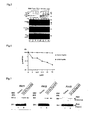
- Wild-type TCL1 showed an increase in Akt kinase activity in an in vitro kinase assay. This was predominantly correlated with Akt Ser-473 phosphorylation levels. However, D16G TCL1 did not affect the Akt kinase activity even though in a dose escalation experiment (Fig. 4). D16G TCL1 did not affect both GSK-3 ⁇ phosphorylation and Akt Ser-473 phosphorylation. D16G TCL1 was evaluated by Akt kinase activity.
- TCL1 that binds to Akt but not form homodimer (in an in vitro kinase assay, determined by phosphorylated GSK-3 ⁇ and Ser-473 Akt) was not able to enhance the Akt kinase activity (Fig. 5). These indicated that the mutated form of TCL1, which does not bind to Akt, lacks Akt activation potency (both in vitro and in vivo).
- peptides which are a peptide in the vicinity of binding site of the TCL1 and AKT, i.e., a peptide in the vicinity of amino acid residue 10-24 (displays as "10/24") of TCL1, and a control peptide; were produced (Table 2).
- Peptide were produced by an ordinary peptide synthesizer, and purified by gel filtration or HPLC. Peptides produced by Hokkai BioSystem, and an American company were used.
- 10/24 peptide was pre-treated at 0-50 ⁇ M concentration in cell growth test by using T4 cell lines without stimulation, 48 hours later the growth potency was measured by using WST-8 reagent assay, the absorbance at 450 nm was measured by ELISA using a microplate reader (Model 550; BioRad, Tokyo, Japan).
- 10/24 peptide specifically binds to Akt kinase (Fig. 7).
- AKT kinase was overexpressed in human 293 cells, and the harvested cell lysates was incubated with 10/24 peptide (NH2- - AVTDHPDRLWAWEKF -COOH) for around 2 hours. Further, the treated cell lysates were added agarose beads bound to the specific antibody against an epitope that was fused with Akt, and co-incubated for 2-3 hours. Then, molecules adhered in the cell lysates were immunoprecipitated with agarose beads bound to this antibody, and examined the binding to Akt kinase by using western blotting with specific antibody.
- Lipid-protein pull down assay was performed for 10/24 peptide of TCL1.
- T4 human T cell leukemia cells
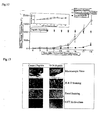
- mice tumors of example 8 were harvested on the day 9, and histlogically examined by macroscopic appearance, hematoxylin-eosin (H&E) staining (an observing method for conditions of cell nucleus and the like), TUNEL (Tdt-mediated dUTP nick end labeling, #MK500, Takara) immunostaining (a histlogically identifying method for the way of the atypical death of carcinoma i.e., apoptosis), and phospho Akt (Ser473) monoclonal antibody (a method for determining 587F11, Cell Signaling, phosphorylation of AKT kinase, and observing the activation). The results are shown in figure 13.
Landscapes
- Chemical & Material Sciences (AREA)
- Health & Medical Sciences (AREA)
- Organic Chemistry (AREA)
- Life Sciences & Earth Sciences (AREA)
- Medicinal Chemistry (AREA)
- General Health & Medical Sciences (AREA)
- Proteomics, Peptides & Aminoacids (AREA)
- Biochemistry (AREA)
- Molecular Biology (AREA)
- Genetics & Genomics (AREA)
- Biophysics (AREA)
- Toxicology (AREA)
- Zoology (AREA)
- Gastroenterology & Hepatology (AREA)
- Nuclear Medicine, Radiotherapy & Molecular Imaging (AREA)
- Public Health (AREA)
- Animal Behavior & Ethology (AREA)
- Pharmacology & Pharmacy (AREA)
- General Chemical & Material Sciences (AREA)
- Chemical Kinetics & Catalysis (AREA)
- Veterinary Medicine (AREA)
- Immunology (AREA)
- Oncology (AREA)
- Engineering & Computer Science (AREA)
- Bioinformatics & Cheminformatics (AREA)
- Hematology (AREA)
- Medicines That Contain Protein Lipid Enzymes And Other Medicines (AREA)
- Peptides Or Proteins (AREA)
- Preparation Of Compounds By Using Micro-Organisms (AREA)
- Pharmaceuticals Containing Other Organic And Inorganic Compounds (AREA)
Abstract
Description
- The present invention relates to a polypeptide specifically inhibiting the activity of serine threonine kinase Akt (Protein Kinase B) ; a DNA encoding the peptide; a specific inhibitor of Akt activity or an antitumor agent, which contains the polypeptide as an active ingredient; and the like.
- Akt kinase (Protein Kinase B hereinafter referred to as Akt) is a serine threonine phosphorylation enzyme that was found in the beginning of the 1990s one after the other by following the homology between virus v-Akt. To date, it has been identified that there are three subtypes of the Akt. These molecules have around 80% homology, and have attracted attention from the beginning in relation to oncogenic transformation. In particular, it has been found and attracted attention that they play a central role to inhibit apoptosis in intracellular cytokine signaling (Genes & Dev., 13:2905-2927, 1999; Annu. Rev. Biochem, 67:481-507, 1998; Biochem.J, 335: 1-13, 1998).
- This Akt has an approximate molecular weight of 57 kD, is selectively bound to inositol phosphate in the pleckstrin homology domain (PH domain) ; and has a function at the N-terminal, which mainly plays a role to define the localization to cell membranes. It also has a phosphorylation kinase domain at the c-terminal. It has been speculated that the binding of PIP3 and the like to PH domain by a signal from Phosphatidylinositol 3-kinase (PI3K) to translocate AKT molecules onto the membrane, and to alter the tertiary structure of Akt are involved in the activation.
- Phosphorylations of the both two amino acids, threonine 308 (Thr308) and serine473 (Ser473) have been considered to be essential for Akt activation. Wnile it has been known that Thr308 is phosphorylated by phosphoinositide dependent kinase (PDK1), the phosphorylation process of Ser473 has not been fully elucidated; it has been only speculated the possibility that some of uncertain molecules such as integrin linked kinase (ILK) or PDK2 are involved in the phosphorylation process. Further, recently the possibility of autophosphorylation for Ser473 phosphorylation has been reported.
- It has known that the activated Akt promotes the phosphorylation of the molecules involved in the apoptosis inhibition. An amino acid sequence in the vicinity of serine/threonine, which is phosphorylated by this Akt, has been known as RXRXXS/T (J. Biol. Chem., 275: 36108-36115). The molecule such as BAD.Caspace 9.FKHRI (forkhead transcription factor) has the above amino acid sequence, and has been known as a substrate of Akt under physiological conditions. Inactive BAD is phosphorylated by Akt; binds to 14-3-3 protein in a phosphorylation-dependent manner; and liberates proteins such as active, Bcl-2 or Bcl-XL, which have apoptosis inhibitory action. It is thought that Akt plays a central role for apoptosis inhibitory control through these known functions and unexplained various targets (Cell, 96:857-868, 1999).
- . As described above, serine/threonine kinase Akt has a function to phosphorylate serine or threonine residue of intracellular protein specifically, and plays a role to mediate signal transduction to multi-organelle by the phosphorylation function. Further, the phosphorylation function of the Akt regulates a variety of intracellular mechanisms, and involved in the regulation of the various intracellular mechanisms such as, mitosis, cell growth, cell differentiation, control of lipid mentabolisn, immune response, inflammatory response, control of glycogen metabolism. At the same time, this means that the phosphorylation function of the Akt is involved in a wide range of various diseases and disorders such as cancer, obesity, autoimmune injury, inflammation and diabetes (type 2).
- Recentry, it has been reported that Akt activation is involved in breast cancer, lung cancer, prostate cancer, ovarian cancer, or hematological malignancies such as leukemia and lymphoid tumor (Annu. Rev. Biochem. 68, 965, 1999). As Akt activity is raised in these malignancies, Akt activitation is considered to be a cause of these malignancies. In recent days, these serine/threonine kinase activities are modulated by using short peptides that are derivatives of the HJ loop of a serine/threonine kinase, with which treatments for diseases and disorders as deacribed above have been attempted (published Japanese translation of PCT international publication No: 2002-500649).
- On the one hand, TCL1 has been known as a protooncogene. TCL1 was noted that the activity is raised in human T cell prolymphocytic leukemia (T-PLL), and has been known to date that there are three similar subtypes (TCL1, MTCP1, TCL1b) (Oncogene, 8:2475-2483,1993;Proc. Natl. Acad. Sci. USA, 91:12530-12534, 1994). It has been known that the expression was activated by translocation of these loci: 14q, 32, χ28 to T cell receptor loci to develop human leukemia (T-PLL). However, it is a small protein of 13-16kD, and does not have the specific function structure that has been known to date, whose function has so far not been elucidated.
- The expression of these molecules is comparatively limited under physiological conditions. TLC1 expression is limited to the lymphoid cells of T cells in an early differentiation (CD3-/CD4-/CD8-), and various B cells before the plasma cell differentiation. Further, although the details in the expression of MTCP1 under physiological conditions are unknown, it was identified from the recent analysis results of gene expression that the expression are induced in activated T cells. TCL1b is a recently cloned molecule and exists in the immediate vicinity of TCL locus. It is thought that there are five subtypes in mouse and is only one subtype in human. It has been reported that this gene expression has distinctly high expression in germinal cells in an early differentiation.
- Genes of TCL1 are cloned, and a base sequence of 342 and an amino acid sequence of 113 are elucidated (
US Patent No: 5, 985, 598 ). - However, functions of TCL1 have been unknown at all to date. The present inventors found that protooncogene TCL1 binds to Akt, from the search result of the protein molecules binding to Akt with the use of a library derived from human B cell by two-hybrid screen using a yeast to elucidate the process of Akt activation. That is, the present inventors indicated that TCL1 is bound to Akt, multimerized, and Akt of the multimer is activated; and found that TCL1 is the Akt co-activator promoting the Akt activation (Mol.Cell, 6:395-407, 2000). Further, the present inventors elucidated that TCL1 facilitated the Akt-mediated cell division, inhibition of apoptosis and the like, and is a predisposing factor for leukemia, tumor of human lymphatic system and the like. In subsequent studies, by coimmunoprecipitation assay using recombinant proteins in and out of cells, the present inventors indicated that TCL1 facilitated the polymerization among heterogeneous Akt molecules and phosphorylation of serine472/473 residues of Akt among heterogeneous Akt molecules; and elucidated the molecular mechanism that TCL1 activates the Akt (J. Biological Chemistry, 277[5], 3743-3751,2002).
- Further, the present inventors prepared an amino acid random library of TCL1 oncogene by applying PCR method and identified the amino acid sites required for the bindig of Akt to TCL1 and the polymerization of TCL1, and moreover identified the mutated form of TCL1 which lacks dimerization or binding potency to Akt of TCL1. In addition, it was identified that the mutated form of TCL1 lacks Akt activation potency (both in vitro and in vivo), and loses various types of functions in TCL1 such as stabilization of mitochondrial outer membrane, inhibitionof apoptosis, and nuclear translocation of Akt (Molecular and Cellular Biology, 22[5], 1513-1525,2002). In other words, the present inventors found that protooncogene TCL1, whose function was unknown so far, is a co-activator of Akt, and is essential for the binding to Akt and the polymerization of TCL1-to-TCL1 when Akt activates.
- Patent document 1: Publishued
Japanese translation of PCT international publication No. 2002-500649
Patent document 2: Specification ofU.S. Patent No. 5,985,598 Nonpatent document 1: Genes & Dev., 13: 2905-2927, 1999
Nonpatent document 1: Annu. Rev.Biochem, 67: 481-507, 1998
Nonpatent document 1: Biochem.J, 335: 1-13, 1998
Nonpatent document 1: J. Biol. Chem., 275: 36108-36115
Nonpatent document 1: Cell, 96: 857-868, 1999
Nonpatent document 1: Oncogene, 8:2475-2483,1993
Nonpatent document 1: Proc. Natl. Acad. Sci. USA, 91: 12530-12534, 1994
Nonpatent document 1: Mol.Cell, 6:395-407, 2000
Nonpatent document 1: J.Biological Chemistry, 277[5], 3743-3751, 2002
Nonpatent document 1: Molecular and Cellular Biology, 22[5], 1513-1525, 2002 - An object of the present invention is to provide a polypeptide specifically inhibiting the activity of serine threonine kinase Akt (Protein Kinase B); a DNA encoding the polypeptide; an antibody specifically binding to the polypeptide; a specific inhibitor of Akt activity or an antitumor agent, which contains the polypeptide as an active ingredient; and the like.
- The present inventors elucidated that protooncogene TCL1, whose function had been unknown at all, directly binds to Akt that is involved in human malignancy and the like, promotes the activation of Akt, that is, is the co-activator of Akt, moreover, it is responsible for leukemia, tumor of human lymphatic system and the like. It was indicated that the mutated form of TCL1, which does not bind to Akt, lacks the Akt activation potency and loses various types of functions in TCL1 such as stabilization of mitochondrial outer membrane, inhibitionof apoptosis, and nuclear translocation of Akt. From these serial studies; it was found that the position of an amino acid residue10-24 in the amino acid sequence of TCL1 (human) is the binding site to Akt, and cell growth associated with Akt activation and the like are specifically inhibited by using a polypeptide sequence of the amino acid residue; and the present invention was led to complete.
- Further, it was also identified that similar functions exist in the TCL1B and MTCP1 (human) having the similar functions to those of TCL1, and found that the cell growth associated with Akt activation inhibits at the positions of an amino acid residue8-22 in amino acid sequence of TCL1B (human) and of an amino acid residue5-19 in amino acid sequence of MTCP1 (human) ; and then the present invention was completed. Furthermore, in the present invention, it was also identified that the cell growth associated with Akt activation was inhibited at the positions of an amino acid residue9-24 in amino acid sequence of mouse TCL1 and of an amino acid residue9-24 in amino acid sequence of rat TCL1. Polypeptide in the present invention competitively inhibits the binding of phsphoinositide (phosphatidylinositol) to Akt.
- In other words, the present invention comprises a polypeptide consisting of an amino acid sequence (SEQ ID NO: 1 of the sequence listing) corresponding to the position of an amino acid residue10-24 in amino acid sequence of TCL1 (human), an amino acid sequence (SEQ ID NO: 3 of the sequence listing) corresponding to the position of an amino acid residue8-22 in amino acid sequence of TCL1B (human), an amino acid sequence (SEQ ID NO: 5 of the sequence listing) corresponding to the position of an amino acid residue5-19 in amino acid sequence of MTCP1 (human), an amino acid sequence (SEQ ID NO: 7 of the sequence listing) of the position of an amino acid residue9-24 in amino acid sequence of TCL1 (mouse), and an amino acid sequence (SEQ ID NO: 9 of the sequence listing) of the position of an amino acid residue9-24 in amino acid sequence of TCL1 (rat),and specifically inhibiting Akt activity, and DNA (SEQ ID NO: 2, 4, 6, 8 or 10 of the sequence listing) encoding the polypeptide.
- Further, the present invention comprises a polypeptide derivative consisting of an amino acid sequence wherein one or several amino acids are deleated, substituted or added in an amino acid sequence of the polypeptides, and specifically inhibiting Akt activity; and a DNA encoding the sequences, or DNA that hybridizes with DNA in the sequences under stringent conditions and specifically inhibits Akt activity. Furthermore, the present invention includes a method for producing a polypeptide of the present invention by incorporating the DNA into an expression vector, constructing a recombinant expression vector, and introducing the recombinant vector into a host cell to be expressed.
- Further, the present invention includes an antibody that specifically binds to the polypeptide specifically inhibiting the Akt activity of the present invention; moreover, includes utilization of specific inhibitor of Akt activity that contains a polypeptide of the present invention as an active ingredient, and of antitumor agent that contains the polypeptides as an active ingredient for prevention and treatment of malignancy and the like. Furthermore, the present invention includes a method for specifically inhibiting Akt activity by introducing the DNA encoding a polypeptide of the present invention into living cells to express the polypeptide.
- That is, specifically, the present invention relates to (1) a polypeptide specifically inhibiting Akt activity, which consists of an amino acid sequence indicated in SEQ ID NO: 1, 3, 5, 7 or 9 of the sequence listing; and (2) a polypeptide consisting of an amino acid sequence wherein one or several amino acids are deleated, substituted or added in the amino acid sequence indicated in SEQ ID NO: 1, 3, 5, 7 or 9 of the sequence listing, and specifically inhibiting Akt activity.
- The present invention also relates to (3) a gene DNA encording a following protein (a) or (b): (a) a polypeptide consisting of an amino acid sequence indicated in SEQ ID NO: 1, 3, 5, 7 or 9; (b) a polypeptide consisting of an amino acid sequence wherein one or several amino acids are deleated, substituted or added in the amino acid sequence indicated in SEQ ID NO: 1, 3, 5, 7 or 9, and specifically inhibiting Akt activity; (4) a DNA consisting of a base sequence indicated in SEQ ID NO: 2, 4, 6, 8, or 10; or part or whole of these sequences, and encoding a polypeptide that specifically inhibits Akt activity; and (5) a DNA hybridizing with the DNA according to "4" under stringent conditions, and encoding a polypeptide that specifically inhibits Akt activity.
- The present invention further relates to (6) a recombinant expression vector, which is constructed by integrating a DNA encoding the polypeptide that specifically inhibits Akt activity according to any one of "3"-"5" into a gene expression vector; (7) a method for producing a polypeptide that specifically inhibits Akt activity wherein the recombinant expression vector according to "6" is introduced into a host cell and expressed; (8) an antibody which is induced by using a polypeptide indicated in SEQ ID NO: 1, 3, 5, 7 or 9 of the sequence listing and specifically binds to the polypeptide; (9) the antibody according to "8" wherein the antibody is a monoclonal antibody; and (10) the antibody according to "8" wherein the antibody is a polyclonal antibody.
- The present invention still further relates to (11) a specific inhibitor of Akt activity, wherein the polypeptide according to "1" or "2" is an active ingredient; (12) the specific inhibitor of Akt activity according to "11", wherein the polypeptid is a sequence of an amino acid residue 10-24 of an amino acid sequence for human TCL1 protein; (13) the specific inhibitor of Akt activity according to "11", wherein the polypeptid is a sequence of an amino acid residue8-22 of an amino acid sequence for human TCL1B protein; (14) the specific inhibitor of Akt activity according to "11", wherein the polypeptid is a sequence of an amino acid residue5-19 of an amino acid sequence for human MTP1 protein; (15) the specific inhibitor of Akt activity according to "11", wherein the polypeptid is a sequence of an amino acid residue9-24 of an amino acid sequence for mouse TCL1 protein; (16) the specific inhibitor of Akt activity according to "11", wherein the polypeptid is a sequence of an amino acid residue9-24 of an amino acid sequence for rat MTP1 protein; and (17) the specific inhibitor of Akt activity according to any one of "11"-"16", wherein specific inhibition of Akt activity is the inhibition of binding of phsphoinositide to Akt.
- Furthermore, the present invention relates to (18) an antitumor agent wherein the polypeptide according to "1" or "2" is an active ingredient; (19) the antitumor agent according to "18", wherein the antitumor agent is an agent for prevention or treatment of malignancy; (20) the antitumor agent according to "19", wherein treatment of malignancy is prevention or treatment of breast cancer, lung cancer, leukemia or lymphoid tumor; and (21) a method for specifically inhibiting Akt activity by introducing a DNA encoding the polypeptide that specifically inhibits Akt activity according to any one of "3"-"5" into living cells to express the polypeptide.
- Oncogene TCL1 is a co-activator of Akt (serine threonine phosphorylation enzyme: Protein Kinase B), and the TCL1 directly binds to Akt to promote the activation of Akt. In the present invention, polypeptides in the present invention enable its utilization as a specific inhibitor of Akt activity, by finding that the position binding to Akt in the amino acid sequence of the TCL1 is specified, and the polypeptides consisting of an amino acid sequence of the positions of the TCL1, TCL1B and MTCP1 that bind to Akt specifically inhibits the Akt activity. To date, a specific peptide inhibitor of Akt has been unknown, therefore, a polypeptide of the present invention can be expected the utilization thereof as an entirely new Akt activity inhibitor.
- Further, Akt is an intracellular signaling molecule that plays a central role for inhibiting apoptosis. Akt is activated in many cancer cells, and apoptosis is impaired. As a result, apoptosis is decreased; cells are abnormally proliferated, and cancer is developed. Akt has been known to be a central molecule regulating apoptosis, and is an important subject of study; however, agents specifically inhibiting a central molecule Akt in apoptosis inhibitory mechanism have not been developed yet. Specific inhibitor of Akt activity in the present invention is involved in mechanism that contributes to cancer development such as apoptosis regulation, and leads to development of agents for prevention or treatment of malignancy in a background of AKT activation by overexpression of TCL1 gene or abnormality of cancer suppressor gene PTEN. As the Akt activity involved in malignancies such as breast cancer, lung cancer, prostate cancer, ovarian cancer, and hematological malignancy such as leukemia or lymphoid tumor; specific inhibitors of Akt activity in the present invention can be used as an antitumor agent (anticancer agent) for prevention or treatment of various human malignancies caused by activation of the Akt kinases.
-
- [Figure 1]
Figure 1 is a set of pictures showing 10 clones of amino acid substitution indicating low interaction (8h positive [+]) with Akt that was constructed and observed in experiments of the examples of the present invention, displaying amino acid sequence of TCL1 side-by-side. - [Figure 2]
Figure 2 is a set of pictures showing the results of β-Gal lifting assay with the use of TCL1 mutants (D16G, K30M, Q46R, I74V, or M106V) induced by site-directed mutagenesis and wild-type TCL1, in experiments of the examples of the present invention. - [Figure 3]
Figure 3 is a set of pictures showing the results of quantitative liqid β-Gal assay with the use of TCL1 mutants (D16G, K30M, Q46R, I74V, or M106V) induced by site-directedmutagenesis and wild-type TCL1, in experiments of the examples of the present invention. - [Figure 4]
Figure 4 is a set of pictures showing the results of in vitro kinase assay for wild-type TCL1 to examine the association of Akt with TCL1 homodimer, which is required for TCL1-induced Akt activation, in experiments of the examples of the present invention. - [Figure 5]
Figure 5 is a set of pictures showing the results of in vitro kinase assay for TCL1 mutants (36-38A TCL1) to examine the association of Akt with TCL1 homodimer, which is required for TCL1-induced Akt activation, in experiments of the examples of the present invention. - [Figure 6]
Figure 6 is a picture showing the results of MTT assay with the use of the peptide consisting of the sequence of 10-24 amino acid residues of TLC1 oncogene to identify that the cell growth associated with AKT activation is specifically inhibited, in experiments of the examples of the present invention. - [Figure 7]
Figure 7 is a set of pictures showing the results of western blotting after the binding test for 10/24 peptide with Akt subtypes, Akt1, Akt2 and Akt3 molecules, by using co-immunoprecipitation assays, in experiments of the examples of the present invention. - [Figure 8]
Figure 8 is a set of pictures showing the results of western blotting after the inhibition tests for Akt activation with 10/24 peptide, by Akt kinase assays with the use of GSK (Glycogen Synthesis Kinase 3) as substrates, in experiments of the examples of the present invention. - [Figure 9]
Figure 9 is a set of pictures showing the results of western blotting with the use of various antibodies for the inhibition effects on the AKT activation of 10/24 peptide in mouse QrSP-11 fibrosarcoma cells and control peptide for phosphorylation (serine 473 residue, threonine 308 residue), in experiments of the examples of the present invention. - [Figure 10]
Figure 10 is a set of pictures observed under the microscope showing the results of examination for the inhibition effects on the membrane translocation and AKT activation of 10/24 peptide with the use of 293 cells (ATCC), in experiments of the example of the present invention. - [Figure 11]
Figure 11 is a picture showing the results of examination for the effects on apoptosis of 10/24 peptide with the use of human T cell leukemia cells (T4), in experiments of the examples of the present invention. - [Figure 12]
Figure 12 is a picture showing the results of examination for in vivo anti-tumor effect by 10/24 peptide with the use of transplanted tumor cells, in experiments of the examples of the present invention. - [Figure 13]
Figure 13 is a set of pictures showing the results of observations in macroscopic appearance, H&E staining, TUNEL staining, and Akt activitation; of the experimental mouse tumors examined in vivo anti-tumor effect by 10/24 peptide that was collected on the day 9, with the use of transplanted tumor cells, in experiments of the examples of the present invention. - The present invention comprises polypeptides: an amino acid sequence of amino acid residue10-24 in human TCL1 oncogene, an amino acid sequence of amino acid residue8-22 in human TCL1B, an amino acid sequence of amino acid residue5-19 in human MTCP1, an amino acid sequence of amino acid residue9-24 in mouse TCL1, and an amino acid sequence of amino acid residue9-24 in rat TCL1, which are specifically inhibits Akt activity; and the amino acid sequences are indicated in SEQ ID NO: 1, SEQ ID NO: 3, SEQ ID NO: 5, SEQ ID NO: 7 and SEQ ID NO: 9 of the sequence listing. Further, the present invention comprises polypeptide derivatives consisting of an amino acid sequences wherein one or several amino acids are deleated, substituted or added in the amino acid sequences of the polypeptides, and specifically inhibiting Akt activity. DNA sequences encoding a polypeptide that consists of an amino acid sequence of amino acid residue 10-24 in Human TCL1 oncogene, an amino acid sequence of amino acid residue8-22 in human TCL1B, or an amino acid sequence of amino acid residue5-19 in human MTCP1; an amino acid sequence of amino acid residue9-24 in mouse TCL1; or an amino acid sequence of amino acid residue9-24 in rat TCL1; are indicated in SEQ ID NO: 2, SEQ ID NO: 4, SEQ ID NO: 6, SEQ ID NO: 8, and SEQ ID NO: 10 of the sequence listing. The present invention includes a DNA encoding a polypeptide that hybridizes with DNA of the sequences under stringent conditions and specifically inhibits Akt activity.
- The polypeptide in the present invention can be synthesized by known method for polypeptide synthesis based on the structure of the polypeptide that consists of amino acid sequences indicated in SEQ ID NO: 1, SEQ ID NO: 3, SEQ ID NO: 5, SEQ ID NO: 7 or SEQ ID NO: 9 of the sequence listing; and further, can be produced by genetic manipulation with the use of a DNA sequence encoding the polypeptide. A DNA sequence of the entire gene in Human TCL1 oncogene and an amino acid sequence of a protein encoded by the gene are disclosed in
US Patent No: 5,985,598 , and the sequences of the gene and protein can be accessed from a database of GenBank by accession number: X82240 and CAA57708. In addition, a vector incorporated a full-length gene (cDNA and genome DNA) of TCL1 is respectively deposited at acceptance number: 75923 and 75924 as a deposit of microorganism according to Budapest Treaty on the International Recognition of the Deposit of Microorganisms for the Purposes of Patent Procedure at a depository institution in USA, American Type Culture Collection (ATCC). Further, a DNA sequence of mouse TCL1 gene and an amino acid sequence of a protein encoded by the gene, a DNA sequence of rat TCL1 gene and an amino acid sequence of a protein encoded by the genes, can be accessed from a database of NCIB by accession numbers NP_033363 and XP_345720 respectively. - A DNA sequence of the entire gene in TCL1B and an amino acid sequence of a protein encoded by the gene are disclosed in a reference (Proc. Natl. Acad. Sci. U.S.A., 96(6), 2949-2951, 1999), and can be accessed from a database of NCBI by accession number: AF_110465. Further, a DNA sequence of the entire gene in MTCP1 and an amino acid sequence of a protein encoded by the gene are disclosed a in reference (Oncogene 8(9), 2475-2483, 1993), can be accessed from a database of NCBI by accession number: BC_002600.
- A polypeptide in the present invention can be obtained by genetic manipulation performing the following step: producing DNA from an information as the above DNA sequences using synthesis method, or slicing out the DNA of the present invention from a source of TCL1 genes such as the above by using restriction enzyme; incorporating the gene into an appropriate expression vector; and introducing the recombinant vector into host cells to express the polypeptide. A variety of polypeptide derivatives in the present invention can be produced by the following steps: producing DNA of a base sequence encoding the polypeptide; constructing an expression vector by using the DNA; and introducing the expression vector into appropriate known host cells to express the polypeptide. Mutation of DNA sequence encoding a variety of polypeptide derivatives can be conducted by known genetic engineering gene mutation procedure.
- To produce a polypeptide in the present invention by genetic manipulation, incorporating a DNA encoding the polypeptide into a known expression vector, constructing a recombinant expression vector, and introducing the vector into host cells to express the polypeptide can be performed. Introduction of the recombinant expression vectors into host cells can be performed with the use of appropriate known methods. For example, as for a host cell of prokaryote, E coli, Bacillus subtilis and Pseudomonas strains can be exemplified; as for a vector when using the prokaryote as host cells, a vector of E coli strains or the like such as pUC19, pBR322 and pBR327 can be used; as for a promoter, tryptophan promoter, PL promoter, lac promoter or tac promoter can be exemplified; as for a marker gene, ampicillin-resistant gene, tetracycline-resistant gene or the like can be used.
- As for host cells of eukaryotic microorganism, yeast is widely used in general; as for a vector, for example, YRp7 and the like may be used. When using cultured cells of higher animals as host cells, COS cell, CHO cell (Chinese hamster ovary cell) and the like can be used. As for a promoter, for example, adenovirus-2 major late promoter, SV40 early promoter, SV40 late promoter, and a promoter from cytomegalovirus or Rous sarcoma virus; as for a marker gene, for example, neomycin-resistant gene, methotrexate-resistant dihydrofolate reductase (DHR) gene and the like; can be used. Futhermore, as for host cells, an insect cell such as BmN4 cell, Sf9 cell and Sf21 cell can be used.
- In the present invention, by using a polypeptide of the present invention such as a polypeptide consisting of an amino acid sequence of amino acid residue10-24 in human TCL1, the binding of Phosphoinositide (Phosphatidylinositol) are inhibited, and as a consequence, Akt (protein Kinase B) activity, cell growth, and anti-tumor effects can be obtained. For this peptide, administration as a recombinant protein, and a method of administration using a virus vector or a mammalian expression vector, can be considered. Induction method for peptide by fusion method with TAT peptide (part of HIV virus protein) can be also used. Moreover, electroporation, and intracellular induction methods that are pharmacologically possible, can be used. Peptide modification in the sense of peptide stabilization, PEG (polyethylene Glycol), FCR (FC Receptor), and production of fusion peptide with other peptide, can be used.
- The present invention includes DNA encoding a polypeptide that hybridizes with a DNA sequence encoding a polypeptide consisting of an amino acid sequence of amino acid residue 10-24 in human TCL1 (a base sequence indicated in SEQ ID NO: 2 of the sequence listing), a DNA sequence encoding a polypeptide consisting of an amino acid sequence of amino acid residue8-22 in human TCL1B (a base sequence indicated in SEQ ID NO: 4 of the sequence listing), a DNA sequence encoding a polypeptide consisting of an amino acid sequence of amino acid residue5-19 in human MTCP1 (a base sequence indicated in SEQ ID NO: 6 of the sequence listing), a DNA sequence encoding a polypeptide consisting of an amino acid sequence of amino acid residue9-24 in mouse TCL1 (a base sequence indicated in SEQ ID NO: 8 of the sequence listing), a DNA sequence encoding a polypeptide consisting of an amino acid sequence of amino acid residue9-24 in rat TCL1 (a base sequence indicated in SEQ ID NO: 10 of the sequence listing), under stringent conditions and specifically inhibits Akt activity.
- As for the conditions in the following phrase, "hybridizes ......... under stringent conditions", for example, hybridization at 42°C and washing treatment at 42°C with a buffer containing 1×SSC, 0.1% SDS, and preferably hybridization at 65°C and washing treatment at 65°C with a buffer containing 0.1×SSC, 0.1% SDS can be exemplified. Further, as for factors affecting the stringency of hybridization, there are a variety of factors other than the above temperature conditions; therefore, those in the art can conduct a stringency equivalent to the above exemplified stringency of hybridization using a variety of factors in combination.
- The present invention includes an antibody specifically bound to a polypeptide that specifically inhibits the Akt activity of the present invention. As for the antibody, monoclonal antibody and polyclonal antibody can be exemplified. The antibody can be produced by ordinary method with the use of a polypeptide of the present invention as an antigen. It can be considered that the antibody of the present invention specifically inhibits the binding of TCL1, TCL1B or MTCP1 to Akt by specifically binding to TCL1, TCL1B or MTCP1 at the Akt-binding site. Further, the antibody of the present invention can be used to detect the diseases involved in TCL1, TCL1B or MTCP1 gene in tissue cells, serum and the like, by using antigen-antibody reaction with TCL1, TCL1B or MTCP1 polypeptide . In immunological measurement by using the antibody of the present invention, for example, known immunological measurement such as RIA assay, ELISA assay and fluorescent antibody method can be used.
- In the present invention, a specific inhibitor of Akt activity uses a polypeptide of the present invention as an active ingredient, and an antitumor agent uses the polypeptide as an active ingredient for prevention and treatment of malignancy and the like. To use a polypeptide of the present invention as an active ingredient for specific inhibitor of Akt activity, and for an antitumor agent of prevention and treatment for malignancy and the like, the polypeptide can be used alone or by adding various mixture ingredients: pharmaceutically acceptable ordinary carriers, binding agent, stabilizing agent, excipient, diluent, pH buffer agent, disintegrating agent, solubilizer, solubilizing agent, isotonic agent and the like for formulation. These specific inhibitors of Akt activity and the prevention or treatment agent for malignancy and the like can be administered orally or parenterally. That is, ordinary administration formulations to use, for example, powder, granule, capsule, syrup, suspension and the like can be administered orally, or, for example, solution, emulsion, suspension and the like can be administered parenterally by injection, and moreover, spray formulation can be administered into nostril.
- When a polypeptide of the present invention specifically inhibiting Akt activity is used for prevention/treatment of cancer and the like, a polypeptide specifically inhibiting Akt activity can be directly inoculated into cancer cells by using a reagent without cytotoxicities such as Chariot (Active Motif), which forms noncovalent complexes with macromolecules such as proteins, peptides or antibodies, alters structures of polypeptide, and can deliver polypeptide molecules into cells. In addition, the doses can be appropriately selected by depending on disease type, body weight of patient, administration method, and the like. As for a subject of the administration of a specific inhibitor for Akt activity or of an antitumor agent in the present invention, prevention or treatment for various diseases caused by Akt activation can be exemplified, especially prevention or treatment for malignancies such as breast cancer, lung cancer, prostate cancer, ovarian cancer, and hematological malignancy such as leukemia or lymphoid tumor can be exemplified.
- In the present invention, by introducing the DNA encoding a polypeptide that specifically inhibits Akt activity of the present invention, into living cells to express the polypeptide, the Akt activity can be specifically inhibited. As for an expression vector in animal cells for introducing the DNA encoding a polypeptide that specifically inhibits Akt activity, into living cells, any vector can be used as long as the DNA encoding the above polypeptide of the present invention is integrated into a vector for animal cells, as for the vector for animal cells, the expression system is not especially limited as long as the DNA encoding the above polypeptide of the present invention can be expressed in host cells. For example, expression systems derived from chromosome, episome and virus; for example, vectors derived from bacterial plasmid, yeast plasmid, papovavirus such as sv40, vaccinia virus, adenovirus, fowlpox virus, pseudorabies virus, lentivirus and retrovirus: vectors derived from bacteriophage, transposon and the combination of those; for example, vectors derived from genetic components of plasmid and bacteriophage such as cosmid and phagemid, can be exemplified.
- These expression systems not only cause the expression but also may contain regulatory sequences regulating the expressions. Further, in an expression vector for animal cells of the present invention, liposomes are also included. In these vectors for animal cells, an adenovirus vector is especially preferable in terms of safety and utility. In prevention and treatment for cancer and the like, administering directly at lesion sites (in situ) is preferable, for example, when using an adenovirus expression vector, the vector suspension can be directly inoculated into the lesion site such as cancer tissues. Further, when using a liposome holding the DNA encoding a polypeptide that specifically inhibits the Akt activity of the present invention, the liposome suspension can be directly inoculated into the lesion site such as cancer tissues.
- The present invention will be explained in detail in the following by referring to the examples, but the technical scope of the present invention will not be limited to these.
- The interaction of an amino acid partial mutation TCL1 clone with Akt was examined by using yeast two-hybrid screening and semiquantitative β-Gal assay (MOLECULAR AND CELLULAR BIOLOGY, Mar. 2002, P.1513-1525).
- A full length of human TCL1 in pGAD424 (Clontech) was amplified by PCR with the use of a primer comprising 5'-CCACCAAACCCAAAAAAAGAGATCGAATTCATG and 5'-ATTCATAGATCTCTGCAGGTCGACGGATCCTCA, and a random TCL1 amino acid library was produced.
- An amino acid-substituted mutant form of TCL1 (D16G, K30M, Q46R, 174V, M106V, 36-38A, or 36A/38Δ) was produced by PCR with the use of the following primer, and native and mutated forms were subcloned into the vector expressing pGAD424 (Clontech), pME18SHA (Mol. Cell 6:395-407), or pCMV Flag (Kodak).
- Primers used are as follows (mutated codons are shown in lower-case letters) : 5'-ATG GCC GAG TGC CCG ACA CTC GGG GAG GCA GTC ACC GAC CAC CCG ggc CGC CTG TGG GCC for D16G; 5'-GTG TAT TTG GAC GAG atg CAG CAC GCC TGG CTG for K30M; 5'-G ATA AAG GAT AGG TTA cgg TTA CGG GTG CTC TTG for Q46R; 5'-CCA AGC CTG CTG CCT gtc ATG TGG CAG CTC TAC for 174V; 5'-ATC ATC GGA TCC TCA GTC ATC TGG CAG CAG CTC GAG AAG cac GTC CTC C for M106V; 5'-CAG CAC GCC TGG CTG gcc gcg gcc ATC GAG ATA AAG GAT and a reverse complementary sequence for 36-38A; and 5'-GCC TGG CTG gcc TTA ATC GAG ATA and a reverse complementary sequence for 36A/38Δ. Mutated positions of an amino acid-substituted mutant form of TCL1 (D16G, K30M, Q46R, 174V, M106V, 36-38A, or 36A/38Δ) are shown in figure 1.
- Screening was performed by yeast two-hybrid system for detection of protein interaction to detect interaction of TCL1 with Akt protein.
- Y190 cells (Clontech), by using lithium acetate method; and human Akt2 (Akt2/PAS2-1) and TCL1 random library, in accordance with the previous report (Mol. Cell 6:395-407.Proc. Natl. Acad. Sci. USA 94:11534-11539); were expressed in yeast. In the presence of 3-amino-1,2,4-triazole (SIGMA), around 104 clones from cDNA library were screened. β-galactosidase (β-Gal) activity in His+ colony was measured by using filter-lift assay. Yeast clones were classified into clone categories: 3h-positive [++], 8h-positive [+], and 24h-negative [-] by the intensity of β-Gal. Ten clones were selected from the each category for sequencing of the nucleotide.
- Y190 cells (Clontech) were expressed in yeast together with TCL1 of wild-type, D16G, K30M, Q46R, 174V, or M106V by using Akt2/PAS2-1, with the use of pGAD424 (Clontech) vector. TCL1 mutant was produced by using PCR-based site-directed mutagenesis and/or Quikchange kit (Stratagene). Liquid β-Gal assay was performed for quantitative determination of binding intensity by using ONPG (O-nitrophenyl-β-D-galactoppyranoside; Sigma) (Mol. Cell 6:395-407). The indicated values were determined by western blotting analysis (GAL4 activation domain antibody [Ab]: Clontech), and normalized by expressing transformant in each yeast.
- Random TCL1 library was produced by PCR-mediated random mutation to determine the amino acid residues required for Akt-TCL1 binding. Each occurrence of the substituted DNA nucleotide was 1.4% for dATP, 3.8% for dTTP, 4.0% for dGTP, and 1.4% for dCTP. The total frequency of nucleotide substitution in this library was 2.7%, and the insertion-deletion frequency was 0.09%. The library size was around 2.5 × 10⁴. The substituted positions were dispersed over 90% or more of the total TCL1 molecules in the sequenced 25 sample clones.
- Next, a yeast two-hybrid screening was performed to examine the interaction of each clone with Akt2. Yeast clones were classified into three categories based on the blue-color intensity expressed in β-Gal lifting assay (β-Gal positive [++] at 3h, β-Gal positive [+] at 8h, and negative [-]). Nucleotide sequences of the 10 clones in each category were determined. A ++clone included wild-type TCL1, or the mutants at P5, P15, D43, L45, P61, M75 and D88 positions; did not affect β-Gal activity, and its residue did not react to Akt interaction. The observed 10 clones of amino acid substitution indicating low interaction (8h positive [+]) with Akt, and amino acid sequence of TCL1 were displayed side-by-side (Fig. 1).
- Deposition of substitution was evidently found in specific residues of these clones. The substitution was found in at least one of amino acids in D16, K30, Q46, 174 and M106, in 9 clones out of 10 clones. Negative clone [-] was not involved in nucleotide insertion, insertion associated with large deletions, structural shift, and/or a large amount of mutants. Therefore, futher analysis was eliminated. The present inventors hypothesized that clones showed Akt low interaction must contain an amino acid residue required for Akt-TCL1 interaction. Therefore, each mutant (D16G, K30M, Q46R, I74V or M106V) was produced in TCL1 by using a site-directed mutagenesis method. In D16G and I74V mutants, the bindings to the Akt mutant were resulted in dramatic decrease in D16G and 174V, as shown in β-Gal lifting assay (Fig. 2) and quantitative liqid β-Gal assay (Fig. 3).
- Wild-type TCL1 showed an increase in Akt kinase activity in an in vitro kinase assay. This was predominantly correlated with Akt Ser-473 phosphorylation levels. However, D16G TCL1 did not affect the Akt kinase activity even though in a dose escalation experiment (Fig. 4). D16G TCL1 did not affect both GSK-3α phosphorylation and Akt Ser-473 phosphorylation. D16G TCL1 was evaluated by Akt kinase activity. Similarly, 36-38A TCL1 that binds to Akt but not form homodimer (in an in vitro kinase assay, determined by phosphorylated GSK-3α and Ser-473 Akt) was not able to enhance the Akt kinase activity (Fig. 5). These indicated that the mutated form of TCL1, which does not bind to Akt, lacks Akt activation potency (both in vitro and in vivo).
- From the result of previous analysis in TCL1 crystal structure (Molecular and Cellular Biology, Mar.2002, p.1513-1525), it was thought that D16 exists at initial position of the first β sheet, and Akt kinase binds on a surface made by the first β sheet and the forth β sheet. Based on these series of studies, it was thought that amino acid binding to Akt in TCL1 protein molecules, amino acid residue sequence 10-24 (Table 1) of TCL1 oncogene in the vicinity of the 16 residue (Asparadic Acid), binds to Akt and can be an inhibitor of Akt activation.
-

- Based on the above hypothesis, two peptides, which are a peptide in the vicinity of binding site of the TCL1 and AKT, i.e., a peptide in the vicinity of amino acid residue 10-24 (displays as "10/24") of TCL1, and a control peptide; were produced (Table 2). Peptide were produced by an ordinary peptide synthesizer, and purified by gel filtration or HPLC. Peptides produced by Hokkai BioSystem, and an American company were used.
-

- Cell growth test was performed by using MTT assay. That is, in experiments of cell growth by using WST-8 reagent [2-(2-methoxy-4-nitrophenyl)-3-(4-nitrophenyl)-5-(2,4-disul fophenyl-)-2H-tetrazolium, monosodium salt] (347-07621, Doj in, Kumamoto, Japan) assay, it was identified that amino acid residue sequence 10-24 peptide (NH2- - AVTDHPDRLWAWEKF -COOH) of this TLC1 oncogene specifically inhibits cell growth associated with AKT activation (Fig. 6).
- In this method, 10/24 peptide was pre-treated at 0-50 µM concentration in cell growth test by using T4 cell lines without stimulation, 48 hours later the growth potency was measured by using WST-8 reagent assay, the absorbance at 450 nm was measured by ELISA using a microplate reader (Model 550; BioRad, Tokyo, Japan).
- To examine the cause of inhibition of the specific cell growth of 10/24 peptide, by using co-immunoprecipitation assay, it was identified that 10/24 peptide specifically binds to Akt kinase (Fig. 7). In this method, AKT kinase was overexpressed in human 293 cells, and the harvested cell lysates was incubated with 10/24 peptide (NH2- - AVTDHPDRLWAWEKF -COOH) for around 2 hours. Further, the treated cell lysates were added agarose beads bound to the specific antibody against an epitope that was fused with Akt, and co-incubated for 2-3 hours. Then, molecules adhered in the cell lysates were immunoprecipitated with agarose beads bound to this antibody, and examined the binding to Akt kinase by using western blotting with specific antibody.
- Lipid-protein pull down assay was performed for 10/24 peptide of TCL1.
Method: - Lipid-protein pull down assay was performed by using PIP Beads (PI (3,4,5) P3 Echelon Bioscience Incorporated). 10/24 NH2-AVTDHPDRLWAWEKF -COOH, and βC NH2- EKQHAWLPLTIE -COOH as a control, were used. After treatment for 2 hours at 4°C by using 50ng of AKT kinase (unactivated, Upstate Biotechnology, #14-279), 25 µl of PIP Beads (PI (3,4,5) P3 Echelon Bioscience Incorporated) was added, then washed with fluid containing (10 mM Hepes, pH7.4, 0.25% NP-40.140mM NaCl), and western blotting was performed by using Akt antibody (Cell Signaling) (Fig. 8). In three lanes from the left in the figure, the bindings to AKT were inhibited in a dose-dependent manner at 1-400 µM, while control peptides in right lanes in the figure did not inhibit at all. From these results, it was identified that the peptide (NH2- - AVTDHPDRLWAWEKF -COOH) competitively inhibits the bindings of Phosphoinositide (PI (3,4,5) P3) to Akt kinase. Thus, this is considered to be the inhibition mechanism for Akt activation.
- Binding test between 10/24 peptide and Akt subtype molecule: Akt1, Akt2, or Akt3, was performed by using co-immunoprecipitation assay.
Method: - The cell lysate overexpressed Akt kinase in 293 cells (ATCC) i.e., Akt1, Akt2 or Akt3 in pCMV6 was expressed in 293 cells (ATCC) by using calcium phosphate method, and the overexpressed cells were harvested, lysed, and pre-treated with Protein G/A agarose mixture (50% v/v, ProG/A, Pharmacia). Akt or a control peptide (βC) was added to the cell lysate at 400 µM, inoculated with ProG/A for 3 hours at 4°C, and was added anti Flag M2 antibody (Sigma). The resultant immune precipitant was washed, and then were identified the binding to Akt kinase by western blotting (anti-HA antibody, 3F10, Boehringer Mannheim). The results are shown in figure 7. As shown in the figure, the 10/24 peptide bound to any of the three subtypes of molecules, Akt1, Akt2, and Akt3.
- It has been known that Akt promotes phosphorylation of GSK (Glycogen Synthesis Kinase 3).
With the use of the GSK as substrate Akt kinase assay was performed, and inhibition test for Akt activation with 10/24 peptide was performed.
Method: - In vitro Akt kinase assay was performed by using kit (Cell Signaling, #9840). Recombinant Akt protein extracted from mammalian cells was mixed with 200 µM concentrations of peptide, and reacted for 2 hours. Phosphorylation was performed for 4 minites at 30°C. After analyzing the reaction mixture on SDS gels, GSK phosphorylation was determined by western blotting. The results are shown in figure 8. As shown in the figure 8, the 10/24 peptide was effectively inhibited the phosphorylation potency for GSK peptide of Akt (three lanes from the left in the figure show the inhibition of GSK phosphorylation diluting the black bands). The similar inhibition effect on Akt kinase activity was also identified by using peptide (NH2-VTDHPDRLWAWEK -RRR- VTDHPDRLWAWEK -COOH) having repetitive sequence of 11-23 from 10-24(AVTDHPDRLWAWEKF).
- Inhibition effect on Akt activation of AKT phosphorylation (
serine 473 residue, threonine 308 residue) of 10/24 peptide and control peptide in mouse QrSP-11 fibrosarcoma cells were examined.
Method: - QrSP-11 cells were mixed with 50 mM concentrations of peptide for 16 hours. Then the mixture was stimulated with PDGF (PDGF-AB, Sigma, 3226). The cells were lysed in the presence of phosphatase inhibitor, analyzed on SDS gels, and western blotting was performed by ECL (Amersham) with the use of various antibodies (Cell Signaling; anti-Akt #9272, anti-pThr308 #9275L, and anti-pSer473 #9271L). The results are shown in figure 9. As shown in the figure, in the 10/24 peptide treated cells, phosphorylations of both serine473 and threonine 308 were inhibited as shown at the right in the figure. That is, phosphorylation inhibition caused by 10/24 peptide was indicated by diluting the black bands at the right compared to the second and forth rows from the left in the figure.
- Inhibition effect for the activation and membrane translocation of AKT of 10/24 peptide were tested with the use of 293 cells (ATCC).
Method: - One mg of AKT was overexpressed in 293 cells (ATCC) with the use of FuGENE6 (Roche Diagnostics). Sixteen hours later the serum was eliminated, and the cells were stimulated with PDGF-AB (Sigma, #3226) for 10 minutes. The cells were fixed with 4% paraformaldehyde, stained with FITC-conjugated anti-HA antibody (12CA5, MBL) orphospho-
Ser 473 antibody (587-F11, Cell Signaling), and observed under the confocal microscope (Nikon). - The results are shown in figure 10. As shown in the figure 10, in the 10/24 treated cells (g-i), the inhibition of the membrane translocation and activation of AKT was identified compared with the control peptides (a-f) (around the cells glowed green or yellow as shown in d or f, while this effect was inhibited in the 10/24 peptide as shown in j or i. See the figure). That is, from the results of the experiment, it was identified that the 10/24 peptide inhibits the activation at the same time as the translocating of AKT to the membrane in cells. AKT essentially translocates to the cell surface where it is activated, but in the 10/24 peptide treated cells, it was identified that the translocation to membrane and activation of AKT was inhibited.
- The effect on apoptosis of 10/24 peptide was examined with the use of human T cell leukemia cells (T4).
Method: - 10/24 peptide (NH2- - AVTDHPDRLWAWEKF -COOH) was pre-treated at 0-30 µM concentrations with the use of T4 cell lines without stimulation, 48 hours later stained with propidium iodide, and the apoptosis was determined by FACS(Beckton Dickinson). Further, to identify the AKT dependency of the anti-tumor effect, myr-AKT (constitutively activated AKT) was overexpressed. The results are shown in figure 11. As shown in the figure, 10/24 peptide was identified to enhance apoptosis, compared with control peptide. Similar tendency to enhance the apoptosis was also identified during the induction of apoptosis by dexamethasone. As a result of myr-AKT overexpression, apoptosis was inhibited (Δ in Fig. 11), and it was identified that 10/24 peptide achieves the effect in AKT dependent manner.
- In vivo anti-tumor effect by 10/24 peptide with the use of the transplanted tumor cells was examined.
Method: - Mouse QrSP-11 fibrosarcoma cells was transplanted to abdominal wall of C57BL/6 mouse, and examined the inhibition effect on tumor growth by peptide. 10/24 peptide or control peptide was injected directly into tumor cells (2 µM was administered 3 times a week for each mouse, shown by arrows in the figure), the tumor diameters were measured and the volumes were calculated. The results are shown in figure 12. As shown in the figure, it was identified that tumor growth was effectively inhibited in 10/24 peptide.
- Experimental mouse tumors of example 8 were harvested on the day 9, and histlogically examined by macroscopic appearance, hematoxylin-eosin (H&E) staining (an observing method for conditions of cell nucleus and the like), TUNEL (Tdt-mediated dUTP nick end labeling, #MK500, Takara) immunostaining (a histlogically identifying method for the way of the atypical death of carcinoma i.e., apoptosis), and phospho Akt (Ser473) monoclonal antibody (a method for determining 587F11, Cell Signaling, phosphorylation of AKT kinase, and observing the activation). The results are shown in figure 13.
- As shown in pictures in the figure, by macroscopic appearance, reduction in tumor size was clearly observed in the 10/24 peptide treated compared to the control; by H&E staining, increased apoptosis was observed in the 10/24 peptide treated; by TUNEL staining, increased cell apoptosis was observed in the 10/24 peptide treated; and by Akt activation, inhibition of Akt activation was observed in the 10/24 peptide treated. That is, by histological examination of the 10/24 peptide treated mouse tumor, it was identified that the 10/24 peptide suppressed tumor growth, increased apoptosis (H&E, TUNEL), and inhibited AKT activity (p473 staining).
Claims (21)
- A polypeptide specifically inhibiting Akt activity, which consists of an amino acid sequence indicated in SEQ ID NO: 1, 3, 5, 7 or 9 of the sequence listing.
- A polypeptide consisting of an amino acid sequence wherein one or several amino acids are deleated, substituted or added in the amino acid sequence indicated in SEQ ID NO: 1, 3, 5, 7 or 9 of the sequence listing, and specifically inhibiting Akt activity.
- A gene DNA encording a following protein (a) or (b):(a) a polypeptide consisting of an amino acid sequence indicated in SEQ ID NO: 1, 3, 5, 7 or 9;(b) A polypeptide consisting of an amino acid sequence wherein one or several amino acids are deleated, substituted or added in the amino acid sequence indicated in SEQ ID NO: 1, 3, 5, 7 or 9, and specifically inhibiting Akt activity.
- A DNA consisting of a base sequence indicated in SEQ ID NO: 2, 4, 6, 8, or 10; or part or whole of these sequences, and encoding a polypeptide that specifically inhibits Akt activity.
- A DNA hybridizing with the DNA according to claim 4 under stringent conditions, and encoding a polypeptide that specifically inhibits Akt activity.
- A recombinant expression vector, which is constructed by integrating a DNA encoding the polypeptide that specifically inhibits Akt activity according to any one of claims 3-5 into a gene expression vector.
- A method for producing a polypeptide that specifically inhibits Akt activity wherein the recombinant expression vector according to claim 6 is introduced into a host cell and expressed.
- An antibody which is induced by using a polypeptide indicated in SEQ ID NO: 1, 3, 5, 7 or 9 of the sequence listing and specifically binds to the polypeptide.
- The antibody according to claim 8 wherein the antibody is a monoclonal antibody.
- The antibody according to claim 8 wherein the antibody is a polyclonal antibody.
- A specific inhibitor of Akt activity, wherein the polypeptide according to claim 1 or 2 is an active ingredient.
- The specific inhibitor of Akt activity according to claim 11, wherein the polypeptid is a sequence of an amino acid residue10-24 of an amino acid sequence for human TCL1 protein.
- The specific inhibitor of Akt activity according to claim 11, wherein the polypeptid is a sequence of an amino acid residue8-22 of an amino acid sequence for human TCL1B protein.
- The specific inhibitor of Akt activity according to claim 11, wherein the polypeptid is a sequence of an amino acid residue5-19 of an amino acid sequence for human MTP1 protein.
- The specific inhibitor of Akt activity according to claim 11, wherein the polypeptid is a sequence of an amino acid residue9-24 of an amino acid sequence for mouse TCL1 protein.
- The specific inhibitor of Akt activity according to claim 11, wherein the polypeptid is a sequence of an amino acid residue9-24 of an amino acid sequence for rat MTP1 protein.
- The specific inhibitor of Akt activity according to any one of claims 11-16, wherein specific inhibition of Akt activity is the inhibition of binding of phsphoinositide to Akt.
- An antitumor agent wherein the polypeptide according to claim 1 or 2 is an active ingredient.
- The antitumor agent according to claim 18, wherein the antitumor agent is an agent for prevention or treatment of malignancy.
- The antitumor agent according to claim 19, wherein treatment of malignancy is prevention or treatment of breast cancer, lung cancer, leukemia or lymphoid tumor.
- A method for specifically inhibiting Akt activity by introducing a DNA encoding the polypeptide that specifically inhibits Akt activity according to any one of claims 3-5 into living cells to express the polypeptide.
Applications Claiming Priority (3)
| Application Number | Priority Date | Filing Date | Title |
|---|---|---|---|
| JP2003416556 | 2003-12-15 | ||
| JP2004134583A JP4819321B2 (en) | 2003-12-15 | 2004-04-28 | Akt activity specific inhibitory polypeptide |
| PCT/JP2004/018646 WO2005056594A1 (en) | 2003-12-15 | 2004-12-14 | Akt ACTIVITY SPECIFICALLY INHIBITING POLYPEPTIDE |
Publications (3)
| Publication Number | Publication Date |
|---|---|
| EP1717244A1 true EP1717244A1 (en) | 2006-11-02 |
| EP1717244A4 EP1717244A4 (en) | 2008-01-02 |
| EP1717244B1 EP1717244B1 (en) | 2014-06-04 |
Family
ID=34680651
Family Applications (1)
| Application Number | Title | Priority Date | Filing Date |
|---|---|---|---|
| EP04807007.2A Expired - Lifetime EP1717244B1 (en) | 2003-12-15 | 2004-12-14 | Akt activity specifically inhibiting polypeptide |
Country Status (5)
| Country | Link |
|---|---|
| US (2) | US8440630B2 (en) |
| EP (1) | EP1717244B1 (en) |
| JP (1) | JP4819321B2 (en) |
| CN (1) | CN1894278B (en) |
| WO (1) | WO2005056594A1 (en) |
Families Citing this family (8)
| Publication number | Priority date | Publication date | Assignee | Title |
|---|---|---|---|---|
| JPWO2008015841A1 (en) * | 2006-08-02 | 2009-12-17 | 梅澤 喜夫 | Kinase inhibitory fusion proteins and pharmaceutical compositions |
| CA2684321A1 (en) * | 2007-03-21 | 2008-09-25 | Effat Emamian | Compositions comprising pkac fragments and uses thereof for inhibiting akt1, p70s6k or abl activity |
| KR101419999B1 (en) * | 2011-03-31 | 2014-08-12 | 건국대학교 산학협력단 | Use of Hades as a negative regulator of Akt |
| US9239332B2 (en) | 2011-07-11 | 2016-01-19 | Indi Molecular, Inc. | Akt-specific capture agents, compositions, and methods of using and making |
| CN108795945B (en) * | 2018-05-25 | 2022-03-25 | 南京医科大学 | Self-assembled nucleic acid aptamer DNA nanotrain and its preparation method and application |
| JP2022535086A (en) | 2019-06-05 | 2022-08-04 | アドバンスド テクノロジーズ フォー ノベル セラピューティクス,エルエルシー | Modified peptides and related uses |
| CN117320699A (en) * | 2021-03-10 | 2023-12-29 | 埃克索丘尔瑞典公司 | Vesicles and their applications |
| CN114470152B (en) * | 2022-02-21 | 2022-09-02 | 黑龙江中医药大学 | An inhibitor of breast cancer proliferation and migration based on SREBP-1/PI3K/AKT signaling pathway and its application |
Family Cites Families (4)
| Publication number | Priority date | Publication date | Assignee | Title |
|---|---|---|---|---|
| JPH05649A (en) * | 1991-06-24 | 1993-01-08 | Oki Systec:Kk | Navigation system with theft alarm function |
| US5985598A (en) | 1994-10-27 | 1999-11-16 | Thomas Jefferson University | TCL-1 gene and protein and related methods and compositions |
| US6174993B1 (en) * | 1997-05-21 | 2001-01-16 | The Children's Medical Center Corp. | Short peptides which selectively modulate the activity of serine/threonine kinases |
| EP1165586A4 (en) | 1999-03-15 | 2003-05-28 | Univ Jefferson | TCL-1b GENE AND PROTEIN, METHODS AND COMPOSITIONS RELATING thereto |
-
2004
- 2004-04-28 JP JP2004134583A patent/JP4819321B2/en not_active Expired - Lifetime
- 2004-12-14 WO PCT/JP2004/018646 patent/WO2005056594A1/en not_active Ceased
- 2004-12-14 US US10/583,058 patent/US8440630B2/en not_active Expired - Fee Related
- 2004-12-14 CN CN2004800373656A patent/CN1894278B/en not_active Expired - Lifetime
- 2004-12-14 EP EP04807007.2A patent/EP1717244B1/en not_active Expired - Lifetime
-
2013
- 2013-02-05 US US13/759,594 patent/US9212210B2/en not_active Expired - Lifetime
Also Published As
| Publication number | Publication date |
|---|---|
| US20120034651A1 (en) | 2012-02-09 |
| US8440630B2 (en) | 2013-05-14 |
| US20130137758A1 (en) | 2013-05-30 |
| JP2005198643A (en) | 2005-07-28 |
| EP1717244A4 (en) | 2008-01-02 |
| JP4819321B2 (en) | 2011-11-24 |
| WO2005056594A1 (en) | 2005-06-23 |
| CN1894278B (en) | 2011-09-21 |
| CN1894278A (en) | 2007-01-10 |
| EP1717244B1 (en) | 2014-06-04 |
| US9212210B2 (en) | 2015-12-15 |
Similar Documents
| Publication | Publication Date | Title |
|---|---|---|
| US9212210B2 (en) | Akt activity specifically inhibiting polypeptide | |
| Callow et al. | PAK4 mediates morphological changes through the regulation of GEF-H1 | |
| WO1995013292A9 (en) | Bcl-2-associated proteins | |
| EP0742793A1 (en) | Bcl-2-associated proteins | |
| US6077686A (en) | Shc proteins | |
| US7396920B2 (en) | Tumour suppressor and uses thereof | |
| EP2480568B1 (en) | Polypeptides and nucleic acids for treating erbb2-dependent cancers | |
| AU2001263952A1 (en) | Tumour suppressor and uses thereof | |
| US7223733B2 (en) | Modulation of TRIP-Br function and method of treating proliferative disorders | |
| CN102134275B (en) | Epidermal growth factor receptor variant | |
| CN102443056B (en) | Exon deleted variant of epidermal growth factor receptor | |
| US5958697A (en) | Isolated nucleic acids encoding CYP7 promoter-binding factors | |
| US5721113A (en) | NERF genes | |
| US6770467B2 (en) | Screening method for ligands with class II P13 kinase modulating activity | |
| US6051221A (en) | BRK protein tyrosine kinase and encoding nucleic acid | |
| JP2003501079A (en) | Gene encoding NADE (P75NTR-related cell death executive substance) and use thereof | |
| AU5043599A (en) | Myotilin, an actin-organizing protein | |
| US6335169B1 (en) | Nucleic acids encoding hBub1, a cell cycle checkpoint gene | |
| US5840536A (en) | Growth factor receptor-binding insulin receptor | |
| US10201610B2 (en) | Interference peptides and use thereof | |
| CN100365021C (en) | The nuclear protein "Shoca" - a component of the Wnt signaling pathway | |
| Bai | The functional and structural interactions between v-mos proteins and cell cycle control elements | |
| Neill | Protein interactions mediated by the product of the tumour suppressor gene N eurofibromatosis type II | |
| NO315895B1 (en) | Pharmaceutical Preparation for Control of Cell Cycle Development, Preparation of This for Regulating Cell Cycle Development in a Cell Summer Angels a Functional Retinoblastoma Tumor Suppressor Protein, and Method of Controlling Cell Cycle Development | |
| IE991020A1 (en) | IGF-1 receptor interacting proteins (IIPs), genes coding thereof and uses thereof |
Legal Events
| Date | Code | Title | Description |
|---|---|---|---|
| PUAI | Public reference made under article 153(3) epc to a published international application that has entered the european phase |
Free format text: ORIGINAL CODE: 0009012 |
|
| 17P | Request for examination filed |
Effective date: 20060704 |
|
| AK | Designated contracting states |
Kind code of ref document: A1 Designated state(s): DE FR GB IT |
|
| DAX | Request for extension of the european patent (deleted) | ||
| RBV | Designated contracting states (corrected) |
Designated state(s): DE FR GB IT |
|
| A4 | Supplementary search report drawn up and despatched |
Effective date: 20071130 |
|
| 17Q | First examination report despatched |
Effective date: 20081120 |
|
| REG | Reference to a national code |
Ref country code: DE Ref legal event code: R079 Ref document number: 602004045230 Country of ref document: DE Free format text: PREVIOUS MAIN CLASS: C07K0014470000 Ipc: C07K0007080000 |
|
| RIC1 | Information provided on ipc code assigned before grant |
Ipc: A61K 38/10 20060101ALI20130425BHEP Ipc: C07K 16/18 20060101ALI20130425BHEP Ipc: C07K 16/40 20060101ALI20130425BHEP Ipc: A61K 38/17 20060101ALI20130425BHEP Ipc: A61P 35/02 20060101ALI20130425BHEP Ipc: C07K 7/08 20060101AFI20130425BHEP |
|
| GRAP | Despatch of communication of intention to grant a patent |
Free format text: ORIGINAL CODE: EPIDOSNIGR1 |
|
| INTG | Intention to grant announced |
Effective date: 20130628 |
|
| GRAP | Despatch of communication of intention to grant a patent |
Free format text: ORIGINAL CODE: EPIDOSNIGR1 |
|
| INTG | Intention to grant announced |
Effective date: 20140103 |
|
| RIN1 | Information on inventor provided before grant (corrected) |
Inventor name: HIROMURA, MAKOTO Inventor name: NOGUCHI, MASAYUKI Inventor name: OKADA, FUTOSHI |
|
| GRAS | Grant fee paid |
Free format text: ORIGINAL CODE: EPIDOSNIGR3 |
|
| GRAA | (expected) grant |
Free format text: ORIGINAL CODE: 0009210 |
|
| AK | Designated contracting states |
Kind code of ref document: B1 Designated state(s): DE FR GB IT |
|
| REG | Reference to a national code |
Ref country code: GB Ref legal event code: FG4D |
|
| REG | Reference to a national code |
Ref country code: DE Ref legal event code: R096 Ref document number: 602004045230 Country of ref document: DE Effective date: 20140710 |
|
| REG | Reference to a national code |
Ref country code: DE Ref legal event code: R097 Ref document number: 602004045230 Country of ref document: DE |
|
| PLBE | No opposition filed within time limit |
Free format text: ORIGINAL CODE: 0009261 |
|
| STAA | Information on the status of an ep patent application or granted ep patent |
Free format text: STATUS: NO OPPOSITION FILED WITHIN TIME LIMIT |
|
| 26N | No opposition filed |
Effective date: 20150305 |
|
| REG | Reference to a national code |
Ref country code: DE Ref legal event code: R097 Ref document number: 602004045230 Country of ref document: DE Effective date: 20150305 |
|
| REG | Reference to a national code |
Ref country code: FR Ref legal event code: PLFP Year of fee payment: 12 |
|
| REG | Reference to a national code |
Ref country code: FR Ref legal event code: PLFP Year of fee payment: 13 |
|
| REG | Reference to a national code |
Ref country code: FR Ref legal event code: PLFP Year of fee payment: 14 |
|
| REG | Reference to a national code |
Ref country code: DE Ref legal event code: R082 Ref document number: 602004045230 Country of ref document: DE Representative=s name: D YOUNG & CO LLP, DE |
|
| PGFP | Annual fee paid to national office [announced via postgrant information from national office to epo] |
Ref country code: GB Payment date: 20231106 Year of fee payment: 20 |
|
| PGFP | Annual fee paid to national office [announced via postgrant information from national office to epo] |
Ref country code: IT Payment date: 20231107 Year of fee payment: 20 Ref country code: FR Payment date: 20231107 Year of fee payment: 20 Ref country code: DE Payment date: 20231106 Year of fee payment: 20 |
|
| REG | Reference to a national code |
Ref country code: DE Ref legal event code: R071 Ref document number: 602004045230 Country of ref document: DE |
|
| REG | Reference to a national code |
Ref country code: GB Ref legal event code: PE20 Expiry date: 20241213 |
|
| PG25 | Lapsed in a contracting state [announced via postgrant information from national office to epo] |
Ref country code: GB Free format text: LAPSE BECAUSE OF EXPIRATION OF PROTECTION Effective date: 20241213 |
|
| PG25 | Lapsed in a contracting state [announced via postgrant information from national office to epo] |
Ref country code: GB Free format text: LAPSE BECAUSE OF EXPIRATION OF PROTECTION Effective date: 20241213 |