EP1701953B1 - Process for the production of a crystalline polymorph of a bisulfate salt of a thrombin receptor antagonist - Google Patents
Process for the production of a crystalline polymorph of a bisulfate salt of a thrombin receptor antagonist Download PDFInfo
- Publication number
- EP1701953B1 EP1701953B1 EP05705212.8A EP05705212A EP1701953B1 EP 1701953 B1 EP1701953 B1 EP 1701953B1 EP 05705212 A EP05705212 A EP 05705212A EP 1701953 B1 EP1701953 B1 EP 1701953B1
- Authority
- EP
- European Patent Office
- Prior art keywords
- compound
- crystalline
- thrombin
- thrombin receptor
- receptor antagonist
- Prior art date
- Legal status (The legal status is an assumption and is not a legal conclusion. Google has not performed a legal analysis and makes no representation as to the accuracy of the status listed.)
- Expired - Lifetime
Links
- 0 C[C@](*1CCCCC1)C=CC(C=C1)=C(C2)C2C=C1c1cc(F)ccc1 Chemical compound C[C@](*1CCCCC1)C=CC(C=C1)=C(C2)C2C=C1c1cc(F)ccc1 0.000 description 1
Images
Classifications
-
- C—CHEMISTRY; METALLURGY
- C07—ORGANIC CHEMISTRY
- C07D—HETEROCYCLIC COMPOUNDS
- C07D417/00—Heterocyclic compounds containing two or more hetero rings, at least one ring having nitrogen and sulfur atoms as the only ring hetero atoms, not provided for by group C07D415/00
- C07D417/14—Heterocyclic compounds containing two or more hetero rings, at least one ring having nitrogen and sulfur atoms as the only ring hetero atoms, not provided for by group C07D415/00 containing three or more hetero rings
-
- A—HUMAN NECESSITIES
- A61—MEDICAL OR VETERINARY SCIENCE; HYGIENE
- A61P—SPECIFIC THERAPEUTIC ACTIVITY OF CHEMICAL COMPOUNDS OR MEDICINAL PREPARATIONS
- A61P13/00—Drugs for disorders of the urinary system
- A61P13/12—Drugs for disorders of the urinary system of the kidneys
-
- A—HUMAN NECESSITIES
- A61—MEDICAL OR VETERINARY SCIENCE; HYGIENE
- A61P—SPECIFIC THERAPEUTIC ACTIVITY OF CHEMICAL COMPOUNDS OR MEDICINAL PREPARATIONS
- A61P25/00—Drugs for disorders of the nervous system
- A61P25/28—Drugs for disorders of the nervous system for treating neurodegenerative disorders of the central nervous system, e.g. nootropic agents, cognition enhancers, drugs for treating Alzheimer's disease or other forms of dementia
-
- A—HUMAN NECESSITIES
- A61—MEDICAL OR VETERINARY SCIENCE; HYGIENE
- A61P—SPECIFIC THERAPEUTIC ACTIVITY OF CHEMICAL COMPOUNDS OR MEDICINAL PREPARATIONS
- A61P29/00—Non-central analgesic, antipyretic or antiinflammatory agents, e.g. antirheumatic agents; Non-steroidal antiinflammatory drugs [NSAID]
-
- A—HUMAN NECESSITIES
- A61—MEDICAL OR VETERINARY SCIENCE; HYGIENE
- A61P—SPECIFIC THERAPEUTIC ACTIVITY OF CHEMICAL COMPOUNDS OR MEDICINAL PREPARATIONS
- A61P31/00—Antiinfectives, i.e. antibiotics, antiseptics, chemotherapeutics
- A61P31/04—Antibacterial agents
-
- A—HUMAN NECESSITIES
- A61—MEDICAL OR VETERINARY SCIENCE; HYGIENE
- A61P—SPECIFIC THERAPEUTIC ACTIVITY OF CHEMICAL COMPOUNDS OR MEDICINAL PREPARATIONS
- A61P31/00—Antiinfectives, i.e. antibiotics, antiseptics, chemotherapeutics
- A61P31/10—Antimycotics
-
- A—HUMAN NECESSITIES
- A61—MEDICAL OR VETERINARY SCIENCE; HYGIENE
- A61P—SPECIFIC THERAPEUTIC ACTIVITY OF CHEMICAL COMPOUNDS OR MEDICINAL PREPARATIONS
- A61P35/00—Antineoplastic agents
-
- A—HUMAN NECESSITIES
- A61—MEDICAL OR VETERINARY SCIENCE; HYGIENE
- A61P—SPECIFIC THERAPEUTIC ACTIVITY OF CHEMICAL COMPOUNDS OR MEDICINAL PREPARATIONS
- A61P43/00—Drugs for specific purposes, not provided for in groups A61P1/00-A61P41/00
-
- A—HUMAN NECESSITIES
- A61—MEDICAL OR VETERINARY SCIENCE; HYGIENE
- A61P—SPECIFIC THERAPEUTIC ACTIVITY OF CHEMICAL COMPOUNDS OR MEDICINAL PREPARATIONS
- A61P7/00—Drugs for disorders of the blood or the extracellular fluid
-
- A—HUMAN NECESSITIES
- A61—MEDICAL OR VETERINARY SCIENCE; HYGIENE
- A61P—SPECIFIC THERAPEUTIC ACTIVITY OF CHEMICAL COMPOUNDS OR MEDICINAL PREPARATIONS
- A61P7/00—Drugs for disorders of the blood or the extracellular fluid
- A61P7/02—Antithrombotic agents; Anticoagulants; Platelet aggregation inhibitors
-
- A—HUMAN NECESSITIES
- A61—MEDICAL OR VETERINARY SCIENCE; HYGIENE
- A61P—SPECIFIC THERAPEUTIC ACTIVITY OF CHEMICAL COMPOUNDS OR MEDICINAL PREPARATIONS
- A61P7/00—Drugs for disorders of the blood or the extracellular fluid
- A61P7/10—Antioedematous agents; Diuretics
-
- A—HUMAN NECESSITIES
- A61—MEDICAL OR VETERINARY SCIENCE; HYGIENE
- A61P—SPECIFIC THERAPEUTIC ACTIVITY OF CHEMICAL COMPOUNDS OR MEDICINAL PREPARATIONS
- A61P9/00—Drugs for disorders of the cardiovascular system
-
- A—HUMAN NECESSITIES
- A61—MEDICAL OR VETERINARY SCIENCE; HYGIENE
- A61P—SPECIFIC THERAPEUTIC ACTIVITY OF CHEMICAL COMPOUNDS OR MEDICINAL PREPARATIONS
- A61P9/00—Drugs for disorders of the cardiovascular system
- A61P9/04—Inotropic agents, i.e. stimulants of cardiac contraction; Drugs for heart failure
-
- A—HUMAN NECESSITIES
- A61—MEDICAL OR VETERINARY SCIENCE; HYGIENE
- A61P—SPECIFIC THERAPEUTIC ACTIVITY OF CHEMICAL COMPOUNDS OR MEDICINAL PREPARATIONS
- A61P9/00—Drugs for disorders of the cardiovascular system
- A61P9/06—Antiarrhythmics
-
- A—HUMAN NECESSITIES
- A61—MEDICAL OR VETERINARY SCIENCE; HYGIENE
- A61P—SPECIFIC THERAPEUTIC ACTIVITY OF CHEMICAL COMPOUNDS OR MEDICINAL PREPARATIONS
- A61P9/00—Drugs for disorders of the cardiovascular system
- A61P9/08—Vasodilators for multiple indications
-
- A—HUMAN NECESSITIES
- A61—MEDICAL OR VETERINARY SCIENCE; HYGIENE
- A61P—SPECIFIC THERAPEUTIC ACTIVITY OF CHEMICAL COMPOUNDS OR MEDICINAL PREPARATIONS
- A61P9/00—Drugs for disorders of the cardiovascular system
- A61P9/10—Drugs for disorders of the cardiovascular system for treating ischaemic or atherosclerotic diseases, e.g. antianginal drugs, coronary vasodilators, drugs for myocardial infarction, retinopathy, cerebrovascula insufficiency, renal arteriosclerosis
-
- A—HUMAN NECESSITIES
- A61—MEDICAL OR VETERINARY SCIENCE; HYGIENE
- A61P—SPECIFIC THERAPEUTIC ACTIVITY OF CHEMICAL COMPOUNDS OR MEDICINAL PREPARATIONS
- A61P9/00—Drugs for disorders of the cardiovascular system
- A61P9/12—Antihypertensives
-
- C—CHEMISTRY; METALLURGY
- C07—ORGANIC CHEMISTRY
- C07D—HETEROCYCLIC COMPOUNDS
- C07D231/00—Heterocyclic compounds containing 1,2-diazole or hydrogenated 1,2-diazole rings
- C07D231/02—Heterocyclic compounds containing 1,2-diazole or hydrogenated 1,2-diazole rings not condensed with other rings
- C07D231/10—Heterocyclic compounds containing 1,2-diazole or hydrogenated 1,2-diazole rings not condensed with other rings having two or three double bonds between ring members or between ring members and non-ring members
- C07D231/12—Heterocyclic compounds containing 1,2-diazole or hydrogenated 1,2-diazole rings not condensed with other rings having two or three double bonds between ring members or between ring members and non-ring members with only hydrogen atoms, hydrocarbon or substituted hydrocarbon radicals, directly attached to ring carbon atoms
-
- C—CHEMISTRY; METALLURGY
- C07—ORGANIC CHEMISTRY
- C07D—HETEROCYCLIC COMPOUNDS
- C07D233/00—Heterocyclic compounds containing 1,3-diazole or hydrogenated 1,3-diazole rings, not condensed with other rings
- C07D233/54—Heterocyclic compounds containing 1,3-diazole or hydrogenated 1,3-diazole rings, not condensed with other rings having two double bonds between ring members or between ring members and non-ring members
- C07D233/56—Heterocyclic compounds containing 1,3-diazole or hydrogenated 1,3-diazole rings, not condensed with other rings having two double bonds between ring members or between ring members and non-ring members with only hydrogen atoms or radicals containing only hydrogen and carbon atoms, attached to ring carbon atoms
-
- C—CHEMISTRY; METALLURGY
- C07—ORGANIC CHEMISTRY
- C07D—HETEROCYCLIC COMPOUNDS
- C07D249/00—Heterocyclic compounds containing five-membered rings having three nitrogen atoms as the only ring hetero atoms
- C07D249/02—Heterocyclic compounds containing five-membered rings having three nitrogen atoms as the only ring hetero atoms not condensed with other rings
- C07D249/08—1,2,4-Triazoles; Hydrogenated 1,2,4-triazoles
-
- C—CHEMISTRY; METALLURGY
- C07—ORGANIC CHEMISTRY
- C07D—HETEROCYCLIC COMPOUNDS
- C07D405/00—Heterocyclic compounds containing both one or more hetero rings having oxygen atoms as the only ring hetero atoms, and one or more rings having nitrogen as the only ring hetero atom
- C07D405/02—Heterocyclic compounds containing both one or more hetero rings having oxygen atoms as the only ring hetero atoms, and one or more rings having nitrogen as the only ring hetero atom containing two hetero rings
- C07D405/06—Heterocyclic compounds containing both one or more hetero rings having oxygen atoms as the only ring hetero atoms, and one or more rings having nitrogen as the only ring hetero atom containing two hetero rings linked by a carbon chain containing only aliphatic carbon atoms
-
- C—CHEMISTRY; METALLURGY
- C07—ORGANIC CHEMISTRY
- C07D—HETEROCYCLIC COMPOUNDS
- C07D405/00—Heterocyclic compounds containing both one or more hetero rings having oxygen atoms as the only ring hetero atoms, and one or more rings having nitrogen as the only ring hetero atom
- C07D405/14—Heterocyclic compounds containing both one or more hetero rings having oxygen atoms as the only ring hetero atoms, and one or more rings having nitrogen as the only ring hetero atom containing three or more hetero rings
-
- C—CHEMISTRY; METALLURGY
- C07—ORGANIC CHEMISTRY
- C07D—HETEROCYCLIC COMPOUNDS
- C07D413/00—Heterocyclic compounds containing two or more hetero rings, at least one ring having nitrogen and oxygen atoms as the only ring hetero atoms
- C07D413/14—Heterocyclic compounds containing two or more hetero rings, at least one ring having nitrogen and oxygen atoms as the only ring hetero atoms containing three or more hetero rings
Definitions
- the invention relates to processes for synthesizing a crystalline polymorph of a bisulfate salt of a thrombin receptor antagonist.
- thrombin receptor antagonists also known as protease activated receptor (PAR) antagonists will be useful in the treatment of thrombotic, inflammatory, atherosclerotic and fibroproliferative disorders, as well as other disorders in which thrombin and its receptor play a pathological role.
- PAR protease activated receptor
- Thrombin receptor antagonist peptides have been identified based on structure-activity studies involving substitutions of amino acids on thrombin receptors. In Bernatowicz et al, J. Med. Chem., vol. 39, pp. 4879-4887 (1996 ), tetra- and pentapeptides are disclosed as being potent thrombin receptor antagonists, for example N-trans-cinnamoyl-p-fluoroPhe-p-guanidinoPhe-Leu-Arg-NH 2 and N-trans-cinnamoyl-p-fluoroPhe-p-guanidinoPhe-Leu-Arg-Arg-NH 2 . Peptide thrombin receptor antagonists are also disclosed in WO 94/03479, published February 17, 1994 .
- Thrombin receptor antagonists have been suggested in the literature as being potentially useful in treating a variety of diseases or conditions including, for example, thrombosis, vascular restenosis, deep venous thrombosis, lung embolism, cerebral infarction, heart disease, disseminated intravascular coagulation syndrome, hypertension, inflammation, rheumatism, asthma, glomerulonephritis, osteoporosis, neuropathy and/or malignant tumors ( Suzuki, Shuichi, PCT Int. Appls.
- WO 0288092 (2002 ), WO 0285850 (2002 ) and WO 0285855 (2002 )
- arrhythmia inflammation, angina, stroke, atherosclerosis, ischemic conditions, angiogenesis related disorders, cancer, and neurodegenerative disorders
- disorders of the liver, kidney and lung Chambers, R.C., "Coagulation cascade proteases and tissue fibrosis," Biochemical Society Transactions, 2002, 30(2), pp.
- inflammation Meli, Rosaria, “Thrombin and PAR-1 activating peptide increase iNOS expression in cytokine-stimulated C6 glioma cells," Journal of Neurochemistry, 2001, 79(3), pp. 556-563 ), chronic airways disease ( Roche Nicolas, "Effect of acute and chronic inflammatory stimuli on expression of protease-activated receptors 1 and 2 alveolar macrophages,” Journal of Allergy and Clinical Immunology, 2003, 111 (2), pp.
- bladder inflammation D'Andrea, Michael R., "Expression of protease-activated receptor-1,-2, -3 and -4 in control and experimentally inflamed mouse bladder," American Journal of Pathology, 2003, 162(3), pp. 907-923
- neurodegenerative and/or neurotoxic diseases, conditions, and injuries Traynelis, Stephen Francis, “Treatment of neurodegenerative diseases and conditions using PAR-1 antagonists," PCT Int. Appl.
- Thrombin receptor antagonists have also been suggested as potential antiangiogenics ( Chan, Barden, "Antiangiogenic property of human thrombin," Microvascular Research, 2003, 66(1), pp. 1-14 ), resistance factors for tumor cells towards chemotherapy ( Schiller, H., "Thrombin as a survival factor for cancer cells: thrombin activation in malignant effusions in vivo and inhibition of idarubicin-induced cell death in vitro," Int'l. J. of Clinical Pharmacology and Therapeutics, 2002, 40(8), pp.
- platelet aggregation inhibitors and proliferation inhibitors of smooth muscle cells, endothelial cells, fibroblasts, kidney cells, osteosarcoma cells, muscle cells, cancer cells and/or glial cells (Suzuki, supra).
- Substituted thrombin receptor antagonists are disclosed in US 6,063,847 , US 6,326,380 and U.S. Serial No. 10/271,715 .
- U.S. Application No. 10/412,982 teaches a class of thrombin receptor antagonist compounds having the formula (I) as follows: and pharmaceuticaily acceptable salts and solvates thereof, wherein the substituents and structural features are as defined therein.
- a general process is also disclosed therein for preparing such thrombin receptor antagonist compounds.
- Compound 1 exhibits good thrombin receptor antagonist activity (potency) and selectivity, and is useful for treating thrombosis, other cardiovascular and non-cardiovascular conditions.
- the co-pending U.S. Patent Application No. 10/705,282 discloses a variety of indications and combination formulations for thrombin receptor antagonists.
- thermodynamic properties of Compound 1 It would be beneficial to improve the thermodynamic properties of Compound 1. It would further be beneficial to produce a stable crystalline form of a compound related to Compound 1, which has consistent physical properties.
- the invention seeks to provide these and other benefits, which will become apparent as the description progresses.
- the invention provides a process for preparing Compound 2 from Compound 1 according to the reaction: comprising:
- the invention provides the crystalline polymorph Form 1 of Compound 2 that is the product of the above process.
- the organic solvent is selected from the group consisting of alcohol, nitrile, ester, ketone, ether and mixtures thereof. Even more preferably, the organic solvent is acetonitrile.
- the sulfuric acid is in a mixture with acetonitrile.
- the temperature is 50 oC.
- Compound 1 is a potent thrombin receptor antagonist.
- Form 1 Two distinct crystalline polymorphs of Compound 2 were found to exist. These two forms are herein referred to as Form 1 and Form 2. Form 2 was found to be unstable, and to revert to the crystalline structure of Form 1 over time. The two crystalline forms of the bisulfate salt can be referred to as polymorphs.
- Polymorphism can be characterized as the ability of a compound to crystallize into different crystal forms, while maintaining the same chemical formula.
- a crystalline polymorph of a given drug substance is chemically identical to any other crystalline polymorph of that drug substance in containing the same atoms bonded to one another in the same way, but differs in its crystal forms, which can affect one or more physical properties, such as stability, solubility, melting point, bulk density, flow properties, bioavailability, etc.
- Compound 2 has at least one bond with restricted rotation. All tautomers and rotational isomers are contemplated as being part of the invention.
- Compound 2 can exist in unsolvated as well as solvated forms, including hydrated forms.
- solvated forms with pharmaceutically-acceptable solvents, such as water, ethanol, and the like, are equivalent to the unsolvated forms for purposes of this invention.
- Form 1 of Compound 2 was analyzed as a dry powder for powder x-ray diffraction ("PXRD") and modulated Differential Scanning Calorimetry (“DSC”) analyses.
- PXRD powder x-ray diffraction
- DSC modulated Differential Scanning Calorimetry
- a micronizer was used to grind and classify the material. Filtered nitrogen was introduced through jets spaced at regular intervals around the periphery of the grinding chamber. During operation, a high-speed vortex is generated, and the material was injected into the vortex near the peripheral wall. Strong velocity gradients near the jets cause the suspended particles to collide and reduce one another by impact. Heavier oversized particles are held in the grinding area by centrifugal force. The rate of feed and the grinding gas pressure are the main factors that control the output particle size.
- the grinding gas exits through an outlet at the top center of the chamber and draws the micronized product with it into the collection bag.
- the batch was micronized at a feed rate of 150 grams per minute ("g/min") and a mill pressure of 50 psig on a 4 inch micronizer.
- the ground material was collected in drums lined with double-polyethylene bags and stored in a refrigerated area.
- the PXRD analysis was performed using the Rigaku MiniFlex ® diffractometer (manufactured in 1999).
- the instrument uses a variable divergence slit with a ⁇ /2 ⁇ scan axis configuration and a radiation source of copper (K ⁇ ).
- K ⁇ radiation source of copper
- the polymorph sample was supplied in powder form and subsequently placed onto a face of a Si-coated low background scatter aluminum plate using a hand held dowel with a minimum of force.
- a crystalline silicon standard was used to check peak position accuracy.
- the sample was exposed to ambient conditions while being rotated at 54 revolutions per minute ("rpm") to reduce preferred orientations of the crystals.
- the data were evaluated using JADE ® pattern processing software version 5.0 from Materials Data Inc. ("MDI").
- the software automatically does a final filtering, fits a background, and measures the area and height of each peak.
- the x-ray pattern was filtered with a nine-point Savitzky-Golay parabolic filter, but otherwise it is essentially a raw pattern without a background correction or a K- ⁇ 2 peak removal.
- Form 1 of Compound 2 was subjected to PXRD analysis.
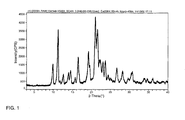
- a PXRD pattern was generated and is displayed in FIG. 1 .
- the intensity of the peaks (y-axis is in counts per second) is plotted versus the 2 ⁇ angle (x-axis is in degrees 2 ⁇ ).
- the data were plotted with detector counts normalized for the collection time per step versus the 2 ⁇ angle. Peak locations (on the 2 ⁇ X-axis) consistent with these profiles are displayed in Table 1. The locations of these PXRD peaks are characteristic of crystalline polymorph Form 1 of Compound 2.
- the crystalline structure of Form 1 of Compound 2 may be identified by the Peak Location Group No. 1, consisting of 4 characteristic PXRD peak locations. More preferably, the crystalline structure of Form 1 of Compound 2 may be identified by the Peak Location Group No. 2, consisting of the 4 characteristic PXRD peak locations of Group No. 1 and an additional 4 peak locations. Still more preferably, the Form 1 crystalline structure of Compound 2 may be identified by the Peak Location Group No. 3, consisting of the 8 characteristic PXRD peak locations of Group No.
- Peak Location for Form 1 of Compound 2 Peak Location Group No. Peak Location (degrees 2 ⁇ ) 1 11.2 16.4 19.2 21.0 2 9.9 11.2 16.4 19.2 21.0 22.1 23.7 26.7 3 9.9 11.2 12.6 14.5 16.4 19.2 21.0 22.1 23.7 26.7 28.2 30.8
- Form 2 of Compound 2 was also subject to PXRD analysis.
- the Form 2 crystals were synthesized from a slurry of the bisulfate salt in acetone at room temperature.
- the Form 2 crystals were not micronized.
- the crystal sample preparation, analytical equipment and analytical techniques used to analyze the crystalline structure of Form 2 were otherwise similar to those applied to Form 1 , as described above.
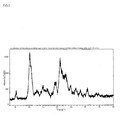
- the PXRD profile of the Form 2 material is displayed in FIG. 2 .
- the PXRD peak locations of the Form 2 crystalline structure of Compound 2 are displayed in Table 3.
- a comparison of the PXRD peak locations displayed in Tables 1 and 3 supports the conclusion that Forms 1 and 2 are distinct crystalline polymorphs of the bisulfate salt of Compound 2.
- the DSC instrument used to test the polymorph sample was a TAInstruments ® model 2920 (manufactured in 2001), which came equipped with a refrigerated cooling system.
- the DSC cell / sample chamber was purged with 40 mi/min of ultra-high purity nitrogen gas.
- the instrument was calibrated with high purity indium. The accuracy of the measured sample temperature with this method is within +/- 1°C, and the heat of fusion can be measured within a relative error of +/- 5%.
- the sample was placed into a standard aluminum DSC pan with a lid containing two pin holes to allow for pressure release. 2 mg of sample powder was placed into the bottom of the pan and lightly tapped down to make contact with the pan.
- the weight of the sample was measured accurately and recorded to a hundredth of a milligram.
- the instrument used an empty reference pan.
- the instrument was programmed to equilibrate the sample at 0 °C for 1 minute before starting a 2 °C/min dynamic heating ramp to 250 °C, with a modulation rate of +/- 1 °C every 40 seconds.
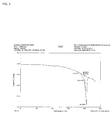
- the heat flow which was normalized by a sample weight, was plotted versus the measured sample temperature. The data were reported in units of watts/gram ("W/g"). The plot was made with the endothermic peaks pointing down. The endothermic melt peak was evaluated for extrapolated onset and end (outset) temperatures, peak temperature, and heat of fusion in this analysis.
- FIG. 3 A DSC profile for Form 1 of Compound 2 is displayed in Figure 3.
- Figure 3 shows that the onset of melt occurs at 200.6 °C and the melting endotherm is 206.4 °C.
- the Heat of Fusion is 52.3 joules/gram ("J/g"). The combination of melt temperature and the Heat of Fusion can be used to distinguish this form from others.
- the preparation of Compound 2 is accomplished in an organic solvent se!ected from the group consisting of alcohol (e.g., methanol, ethanol, isopropyl alcohol), nitrile (e.g., acetonitrile), ester ( e.g., ethyl acetate), ketone ( e.g., acetone), ether ( e.g, tetrahydrofuran) and mixtures thereof.
- alcohol e.g., methanol, ethanol, isopropyl alcohol
- nitrile e.g., acetonitrile
- ester e.g., ethyl acetate
- ketone e.g., acetone
- ether e.g, tetrahydrofuran
- Compound 1 is put in a solvent or solvents mixture and heat (If necessary) is applied thereto until Compound 1 dissolves into solution.
- the heat applied can vary (e.g., heat sufficient to raise the solvent temparature to 40-80 °C) depending on the concentration of Compound 1 in the solvent. After the solution forms, the application of heat is continued to maintain the temperature.
- a solution of sulfuric acid in the same solvent is added slowly. The crystals could come out of solution during the addition of the solution of sulfuric acid.
- Compound 1 can be contacted with solvents in a suspension or other mixture, without dissolution.
- a typical synthesis procedure is as follows. 5 g of Compond 1 was dissolved in 25 ml of acetonitrile. The solution was agitated for 10 minutes and then heated to 50°C. 6 ml of 2M sulfuric acid in acetonitrile was added to the heated reaction mixture. Compound 2 precipitated out during the addition of sulfuric acid in acetonitrile. After addition of sulfuric acid solution, the reaction mixture was agitated for 1 hour before cooling to room temperature, The precipitated solid was filtered and washed with about 30 ml of acetonitrile. The wet solid was dried under vacuum at room temperature for 1 hour, and then at 80°C for 12 hours to provide 5 g crystal form of Compound 2. The yield was 85%. The product was then subjected to PXRD and DSC analyses that resulted in the plots shown in FIGS. 1 and 3 , respectively, reflecting the fact that it was the Form 1 polymorph.
- the invention comprises a method for making Compound 2.
- Compound 2 shows activity as a thrombin receptor antagonist, which can be useful in the treatment of diseases associated with thrombosis, atherosclerosis, restenosis, hypertension, angina pectoris, arrhythmia, heart failure, cerebral ischemia, stroke, neurodegenerative diseases and cancer.
- thromboin receptor antagonists are also known as protease activated receptor (PAR) antagonists.
- the class of compounds of which Compound 2 is a member also typically bind to cannabinoid (CB 2 ) receptors and mry be useful in the treatment of rheumatoid arthritis, systemic lupus erythematosus, multiple sclerosis, diabetes, osteoporosis, renal ischemia, cerebral stroke, cerebral ischemia, nephritis, inflammatory disorders of the lungs and gastrointestinal tract, and respiratory tract disorders such as reversible airway obstruction, chronic asthma and bronchitis.
- CBD 2 cannabinoid
- the crystalline polymorph Form 1 of Compound 2 is substantially free of chemical impurities (e.g., by-products generated during the preparation of Compound 2) and of other polymorphic crystalline forms.
- “Substantially free" of chemical impurities for the purposes of this invention means less than or equal to 5% w/w of chemical impurities, preferably, less than or equal to 3% w/w of chemical impurities, more preferably, less than or equal to 2% w/w of chemical impurities, and even more preferably, less than or equal to 1% w/w of chemical impurities.
- purified or in purified form for a compound refers to the physical state of said compound after being obtained from a purification process or processes described herein or well known to the skilled artisan, in sufficient purity to be characterizable by standard analytical techniques described herein or well known to the skilled artisan.
- Purified forms of the crystalline polymorph Form 1 of Compound 2 are substantially free of chemical impurities.
Landscapes
- Chemical & Material Sciences (AREA)
- Organic Chemistry (AREA)
- Health & Medical Sciences (AREA)
- Veterinary Medicine (AREA)
- Animal Behavior & Ethology (AREA)
- Public Health (AREA)
- Chemical Kinetics & Catalysis (AREA)
- General Chemical & Material Sciences (AREA)
- Medicinal Chemistry (AREA)
- Nuclear Medicine, Radiotherapy & Molecular Imaging (AREA)
- General Health & Medical Sciences (AREA)
- Pharmacology & Pharmacy (AREA)
- Life Sciences & Earth Sciences (AREA)
- Bioinformatics & Cheminformatics (AREA)
- Engineering & Computer Science (AREA)
- Cardiology (AREA)
- Heart & Thoracic Surgery (AREA)
- Hematology (AREA)
- Diabetes (AREA)
- Hospice & Palliative Care (AREA)
- Biomedical Technology (AREA)
- Communicable Diseases (AREA)
- Urology & Nephrology (AREA)
- Oncology (AREA)
- Neurosurgery (AREA)
- Neurology (AREA)
- Vascular Medicine (AREA)
- Rheumatology (AREA)
- Pain & Pain Management (AREA)
- Psychiatry (AREA)
- Pharmaceuticals Containing Other Organic And Inorganic Compounds (AREA)
- Medicines That Contain Protein Lipid Enzymes And Other Medicines (AREA)
- Plural Heterocyclic Compounds (AREA)
- Acyclic And Carbocyclic Compounds In Medicinal Compositions (AREA)
- Pyridine Compounds (AREA)
Description
- The invention relates to processes for synthesizing a crystalline polymorph of a bisulfate salt of a thrombin receptor antagonist.
- Thrombin is known to have a variety of activities in different cell types and thrombin receptors are known to be present in such cell types as human platelets, vascular smooth muscle cells, endothelial cells and fibroblasts. It is therefore possible that thrombin receptor antagonists, also known as protease activated receptor (PAR) antagonists will be useful in the treatment of thrombotic, inflammatory, atherosclerotic and fibroproliferative disorders, as well as other disorders in which thrombin and its receptor play a pathological role.
- Thrombin receptor antagonist peptides have been identified based on structure-activity studies involving substitutions of amino acids on thrombin receptors. In Bernatowicz et al, J. Med. Chem., vol. 39, pp. 4879-4887 (1996), tetra- and pentapeptides are disclosed as being potent thrombin receptor antagonists, for example N-trans-cinnamoyl-p-fluoroPhe-p-guanidinoPhe-Leu-Arg-NH2 and N-trans-cinnamoyl-p-fluoroPhe-p-guanidinoPhe-Leu-Arg-Arg-NH2. Peptide thrombin receptor antagonists are also disclosed in
WO 94/03479, published February 17, 1994 - Thrombin receptor antagonists have been suggested in the literature as being potentially useful in treating a variety of diseases or conditions including, for example, thrombosis, vascular restenosis, deep venous thrombosis, lung embolism, cerebral infarction, heart disease, disseminated intravascular coagulation syndrome, hypertension, inflammation, rheumatism, asthma, glomerulonephritis, osteoporosis, neuropathy and/or malignant tumors (
Suzuki, Shuichi, PCT Int. Appls. WO 0288092 (2002 WO 0285850 (2002 WO 0285855 (2002 Zhang, Han-cheng, PCT Int. Appl. WO 0100659 (2001 WO 0100657(2001 WO 0100656 (2001 Int. Appl. WO 0271847 (2002 - Thrombin receptor antagonists have also been suggested as potential antiangiogenics (Chan, Barden, "Antiangiogenic property of human thrombin," Microvascular Research, 2003, 66(1), pp. 1-14), resistance factors for tumor cells towards chemotherapy (Schiller, H., "Thrombin as a survival factor for cancer cells: thrombin activation in malignant effusions in vivo and inhibition of idarubicin-induced cell death in vitro," Int'l. J. of Clinical Pharmacology and Therapeutics, 2002, 40(8), pp. 329-335.), platelet aggregation inhibitors and proliferation inhibitors of smooth muscle cells, endothelial cells, fibroblasts, kidney cells, osteosarcoma cells, muscle cells, cancer cells and/or glial cells (Suzuki, supra).
- Substituted thrombin receptor antagonists are disclosed in
US 6,063,847 ,US 6,326,380 andU.S. Serial No. 10/271,715 -
U.S. Application No. 10/412,982 , teaches a class of thrombin receptor antagonist compounds having the formula (I) as follows:
-
U.S. Application No. 10/412,982 further discloses a specific thrombin receptor antagonist compound identified as Example 11, in Table 1, herein identified as Compound 1. Compound 1 has the following structure:
- Compound 1 exhibits good thrombin receptor antagonist activity (potency) and selectivity, and is useful for treating thrombosis, other cardiovascular and non-cardiovascular conditions. The co-pending
U.S. Patent Application No. 10/705,282 , discloses a variety of indications and combination formulations for thrombin receptor antagonists. - It would be beneficial to improve the thermodynamic properties of Compound 1. It would further be beneficial to produce a stable crystalline form of a compound related to Compound 1, which has consistent physical properties. The invention seeks to provide these and other benefits, which will become apparent as the description progresses.
- The invention provides a process for preparing Compound 2 from Compound 1 according to the reaction:

- a) mixing Compound 1 in an organic solvent to form a mixture;
- b) heating the mixture to a temperature of 40-80ºC; and
- c) adding sulfuric acid to the heated mixture.
- In yet further embodiments, the invention provides the crystalline polymorph Form 1 of Compound 2 that is the product of the above process.
- Preferably, the organic solvent is selected from the group consisting of alcohol, nitrile, ester, ketone, ether and mixtures thereof. Even more preferably, the organic solvent is acetonitrile. Preferably, the sulfuric acid is in a mixture with acetonitrile. Preferably, the temperature is 50 ºC.
- A further understanding of the invention will be had from the following drawings, description and claims.
-
-
FIG. 1 is a graph of a powder x-ray diffraction (PXRD) pattern of Form 1 of Compound 2 crystallized from acetonitrile, generated using a Rigaku MiniFlex diffractometer. The graph plots the intensity of the peaks as defined by counts per second versus the diffraction angle 2 θ in degrees. -
FIG. 2 is a graph of a powder x-ray diffraction (PXRD) pattern of Form 2 of Compound 2 synthesized from a slurry of the bisulfate salt in acetone at room temperature. The graph was generated using a Rigaku MiniFlex diffractometer. The graph plots the intensity of the peaks as defined by counts per second versus the diffraction angle 2 θ in degrees. -
FIG. 3 is a graph of a modulated Differential Scanning Calorimetry (DSC) thermogram of Form 1 of Compound 2 crystallized from acetonitrile. The graph plots the normalized heat flow in units of Watts/gram ("W/g") versus the measured sample temperature in degrees C. - As discussed in
U.S. Application Serial No. 10/412,982 , Compound 1 is a potent thrombin receptor antagonist.
- However, the freebase form of Compound 1 was found to suffer from inferior crystalline stability. A bisulfate salt of Compound 1 was found to exhibit superior stability characteristics and substantially similar activity. As used herein, "bisulfate" means -HSO4. Compound 2 has the following structure:

- Two distinct crystalline polymorphs of Compound 2 were found to exist. These two forms are herein referred to as Form 1 and Form 2. Form 2 was found to be unstable, and to revert to the crystalline structure of Form 1 over time. The two crystalline forms of the bisulfate salt can be referred to as polymorphs.
- Polymorphism can be characterized as the ability of a compound to crystallize into different crystal forms, while maintaining the same chemical formula. A crystalline polymorph of a given drug substance is chemically identical to any other crystalline polymorph of that drug substance in containing the same atoms bonded to one another in the same way, but differs in its crystal forms, which can affect one or more physical properties, such as stability, solubility, melting point, bulk density, flow properties, bioavailability, etc.
- Compound 2 has at least one bond with restricted rotation. All tautomers and rotational isomers are contemplated as being part of the invention.
- Compound 2 can exist in unsolvated as well as solvated forms, including hydrated forms. In general, the solvated forms, with pharmaceutically-acceptable solvents, such as water, ethanol, and the like, are equivalent to the unsolvated forms for purposes of this invention.
- As used throughout the specification, the following terms, unless otherwise indicated, shall be understood to have the following meanings:
- "Patient" includes both human and other animals.
- "Mammal" includes humans and other mammalian animals.
- "Polymorph" means a crystalline form of a substance that is distinct from another crystalline form but that shares the same chemical formula.
- "Alcohol" means an organic compound containing a hydroxyl group (-OH).
- "Nitrile" means an organic compound containing a -C≡N group.
- "Ester" means an organic compound of formula RC(O)OR, wherein the two R groups are independently alkyl or aryl and the parentheses indicate that the enclosed O is doublebonded to the C.
- "Ketone" means an organic compound containing a carbonyl group (C=O) attached to two alkyl groups.
- "Excipient" means an essentially inert substance used as a diluent or to give form or consistency to a formulation.
- "Effective" or "therapeutically effective" is meant to describe a compound or a composition of the present invention effective in antagonism of thrombin receptors and thus producing the desired therapeutic, ameliorative, inhibitory or preventative effect. "Effective amount" or "therapeutically effective amount" is meant to describe an amount of compound or a composition of the present invention effective in antagonism of thrombin receptors and thus producing the desired therapeutic, ameliorative, inhibitory or preventative effect.
- Form 1 of Compound 2 was analyzed as a dry powder for powder x-ray diffraction ("PXRD") and modulated Differential Scanning Calorimetry ("DSC") analyses. Prior to analysis, a micronizer was used to grind and classify the material. Filtered nitrogen was introduced through jets spaced at regular intervals around the periphery of the grinding chamber. During operation, a high-speed vortex is generated, and the material was injected into the vortex near the peripheral wall. Strong velocity gradients near the jets cause the suspended particles to collide and reduce one another by impact. Heavier oversized particles are held in the grinding area by centrifugal force. The rate of feed and the grinding gas pressure are the main factors that control the output particle size. The grinding gas exits through an outlet at the top center of the chamber and draws the micronized product with it into the collection bag. The batch was micronized at a feed rate of 150 grams per minute ("g/min") and a mill pressure of 50 psig on a 4 inch micronizer. The ground material was collected in drums lined with double-polyethylene bags and stored in a refrigerated area.
- Following micronization, samples were analyzed with minimal preparation to prevent any form changes. The samples were lightly rubbed to insure that particles were not clumped together. No solvents, drying or other preparation steps were used for these analyses. The PXRD and DSC data can each uniquely identify the single form.
- The PXRD analysis was performed using the Rigaku MiniFlex® diffractometer (manufactured in 1999). The instrument uses a variable divergence slit with a θ/2 θ scan axis configuration and a radiation source of copper (Kα). The polymorph sample was supplied in powder form and subsequently placed onto a face of a Si-coated low background scatter aluminum plate using a hand held dowel with a minimum of force. A crystalline silicon standard was used to check peak position accuracy. The sample was exposed to ambient conditions while being rotated at 54 revolutions per minute ("rpm") to reduce preferred orientations of the crystals. The data were evaluated using JADE® pattern processing software version 5.0 from Materials Data Inc. ("MDI"). The software automatically does a final filtering, fits a background, and measures the area and height of each peak. The x-ray pattern was filtered with a nine-point Savitzky-Golay parabolic filter, but otherwise it is essentially a raw pattern without a background correction or a K-α2 peak removal.
- Using the methods and equipment described above, Form 1 of Compound 2 was subjected to PXRD analysis. A PXRD pattern was generated and is displayed in
FIG. 1 . The intensity of the peaks (y-axis is in counts per second) is plotted versus the 2θ angle (x-axis is in degrees 2θ). In addition, the data were plotted with detector counts normalized for the collection time per step versus the 2θ angle. Peak locations (on the 2θ X-axis) consistent with these profiles are displayed in Table 1. The locations of these PXRD peaks are characteristic of crystalline polymorph Form 1 of Compound 2.TABLE 1 PXRD Peak Positions for Form 1 of Compound 2 2θ (°) 9.90 11.24 11.77 12.64 13.96 14.48 15.68 16.44 17.97 19.22 19.52 21.04 21.58 22.38 23.06 23.70 24.36 25.06 25.89 26.68 28.20 29.74 30.78 32.16 34.06 34.66 36.12 37.30 - Starting with the PXRD peak locations of the Form 1 crystalline structure of Compound 2 as displayed in Table 1, the most characteristic peak locations can be selected and grouped by relative intensity to conveniently distinguish this crystalline structure from others. Such a selection of unique peaks is displayed in Table 2. Thus, the crystalline structure of Form 1 of Compound 2 may be identified by the Peak Location Group No. 1, consisting of 4 characteristic PXRD peak locations. More preferably, the crystalline structure of Form 1 of Compound 2 may be identified by the Peak Location Group No. 2, consisting of the 4 characteristic PXRD peak locations of Group No. 1 and an additional 4 peak locations. Still more preferably, the Form 1 crystalline structure of Compound 2 may be identified by the Peak Location Group No. 3, consisting of the 8 characteristic PXRD peak locations of Group No. 2 and an additional 4 peak locations.
TABLE 2 Characteristic PXRD Peak Locations for Form 1 of Compound 2 Peak Location Group No. Peak Location (degrees 2θ) 1 11.2 16.4 19.2 21.0 2 9.9 11.2 16.4 19.2 21.0 22.1 23.7 26.7 3 9.9 11.2 12.6 14.5 16.4 19.2 21.0 22.1 23.7 26.7 28.2 30.8 - Form 2 of Compound 2 was also subject to PXRD analysis. The Form 2 crystals were synthesized from a slurry of the bisulfate salt in acetone at room temperature. The Form 2 crystals were not micronized. The crystal sample preparation, analytical equipment and analytical techniques used to analyze the crystalline structure of Form 2 were otherwise similar to those applied to Form 1, as described above. The PXRD profile of the Form 2 material is displayed in
FIG. 2 . The PXRD peak locations of the Form 2 crystalline structure of Compound 2 are displayed in Table 3. A comparison of the PXRD peak locations displayed in Tables 1 and 3 supports the conclusion that Forms 1 and 2 are distinct crystalline polymorphs of the bisulfate salt of Compound 2.TABLE 3 PXRD Peak Positions for Form 2 of Compound 2 2θ Angle (°) 5.36 10.22 10.72 12.92 13.38 15.02 16.67 19.16 19.72 21.14 21.79 23.06 24.89 26.60 27.02 28.24 29.67 30.70 33.92 34.71 - Those skilled in the art will recognize that the measurements of the PXRD peak locations for a given crystalline form of the same compound will vary within a margin of error. In
U.S. Application No. 10/449,650 , the maximum sample-to-sample 2-sigma value among all peak locations using consistent sample preparation techniques and a limited number of analytic instruments was found to be 0.4. The calibration techniques applied to the instruments to collect these data were within industry standards, but not necessarily as rigorous as the state of the art. Given the facts that sample preparation techniques may vary and other analytic instruments may be used to measure peak locations, a margin of error of +/-0.5 degrees 2θ may be applied to the data. A standardized sample preparation technique, the use of the same analytic instrument and highly precise calibration of that instrument may increase the repeatability to +/-0.3 degrees 2θ or less. - The DSC instrument used to test the polymorph sample was a TAInstruments® model 2920 (manufactured in 2001), which came equipped with a refrigerated cooling system. The DSC cell / sample chamber was purged with 40 mi/min of ultra-high purity nitrogen gas. The instrument was calibrated with high purity indium. The accuracy of the measured sample temperature with this method is within +/- 1°C, and the heat of fusion can be measured within a relative error of +/- 5%. The sample was placed into a standard aluminum DSC pan with a lid containing two pin holes to allow for pressure release. 2 mg of sample powder was placed into the bottom of the pan and lightly tapped down to make contact with the pan. The weight of the sample was measured accurately and recorded to a hundredth of a milligram. The instrument used an empty reference pan. The instrument was programmed to equilibrate the sample at 0 °C for 1 minute before starting a 2 °C/min dynamic heating ramp to 250 °C, with a modulation rate of +/- 1 °C every 40 seconds.
- The heat flow, which was normalized by a sample weight, was plotted versus the measured sample temperature. The data were reported in units of watts/gram ("W/g"). The plot was made with the endothermic peaks pointing down. The endothermic melt peak was evaluated for extrapolated onset and end (outset) temperatures, peak temperature, and heat of fusion in this analysis.
- A DSC profile for Form 1 of Compound 2 is displayed in
Figure 3. Figure 3 shows that the onset of melt occurs at 200.6 °C and the melting endotherm is 206.4 °C. The Heat of Fusion is 52.3 joules/gram ("J/g"). The combination of melt temperature and the Heat of Fusion can be used to distinguish this form from others. - The preparation of the bisulfate salt, Compound 2 below, is depicted in Scheme I, which employs the following abbreviations: Me is methyl; Et is ethyl; F is fluoro.

- The preparation of Compound 2 is accomplished in an organic solvent se!ected from the group consisting of alcohol (e.g., methanol, ethanol, isopropyl alcohol), nitrile (e.g., acetonitrile), ester (e.g., ethyl acetate), ketone (e.g., acetone), ether (e.g, tetrahydrofuran) and mixtures thereof.
- Generally, Compound 1 is put in a solvent or solvents mixture and heat (If necessary) is applied thereto until Compound 1 dissolves into solution. The heat applied can vary (e.g., heat sufficient to raise the solvent temparature to 40-80 °C) depending on the concentration of Compound 1 in the solvent. After the solution forms, the application of heat is continued to maintain the temperature. A solution of sulfuric acid in the same solvent is added slowly. The crystals could come out of solution during the addition of the solution of sulfuric acid. Alternatively, Compound 1 can be contacted with solvents in a suspension or other mixture, without dissolution.
- The uses of isopropyl alcohol, acetone, acetonitrile, ethyl acetate, isopropyl acetate and tetrahydrofuran as solvents in the above described process were each found to produce the Form 1 crystalline polymorph.
- It is also preferred to seed a saturated solution of Compound 2 in reaction solvent to control the crystallization and minimize and/or prevent encrustation of product on the walls. Encrustation of product will result in yield loss and solvent entrapment in the isolated crystallized product substance. The trapped solvent often cannot be lowered to a preferred level even after prolonged drying. It is preferred that the Compound 2 solution is seeded with a small amount of crystalline Compound 2 (e.g., 0.1 % w/w to 0.2% w/w) to avoid the potential of product encrustation.
- A typical synthesis procedure is as follows. 5 g of Compond 1 was dissolved in 25 ml of acetonitrile. The solution was agitated for 10 minutes and then heated to 50°C. 6 ml of 2M sulfuric acid in acetonitrile was added to the heated reaction mixture. Compound 2 precipitated out during the addition of sulfuric acid in acetonitrile. After addition of sulfuric acid solution, the reaction mixture was agitated for 1 hour before cooling to room temperature, The precipitated solid was filtered and washed with about 30 ml of acetonitrile. The wet solid was dried under vacuum at room temperature for 1 hour, and then at 80°C for 12 hours to provide 5 g crystal form of Compound 2. The yield was 85%. The product was then subjected to PXRD and DSC analyses that resulted in the plots shown in
FIGS. 1 and3 , respectively, reflecting the fact that it was the Form 1 polymorph. - The invention comprises a method for making Compound 2. Compound 2 shows activity as a thrombin receptor antagonist, which can be useful in the treatment of diseases associated with thrombosis, atherosclerosis, restenosis, hypertension, angina pectoris, arrhythmia, heart failure, cerebral ischemia, stroke, neurodegenerative diseases and cancer. Thrombin receptor antagonists are also known as protease activated receptor (PAR) antagonists. The class of compounds of which Compound 2 is a member also typically bind to cannabinoid (CB2) receptors and mry be useful in the treatment of rheumatoid arthritis, systemic lupus erythematosus, multiple sclerosis, diabetes, osteoporosis, renal ischemia, cerebral stroke, cerebral ischemia, nephritis, inflammatory disorders of the lungs and gastrointestinal tract, and respiratory tract disorders such as reversible airway obstruction, chronic asthma and bronchitis.
- Preferably, the crystalline polymorph Form 1 of Compound 2 is substantially free of chemical impurities (e.g., by-products generated during the preparation of Compound 2) and of other polymorphic crystalline forms. "Substantially free" of chemical impurities for the purposes of this invention means less than or equal to 5% w/w of chemical impurities, preferably, less than or equal to 3% w/w of chemical impurities, more preferably, less than or equal to 2% w/w of chemical impurities, and even more preferably, less than or equal to 1% w/w of chemical impurities. The term "purified" or "in purified form" for a compound refers to the physical state of said compound after being obtained from a purification process or processes described herein or well known to the skilled artisan, in sufficient purity to be characterizable by standard analytical techniques described herein or well known to the skilled artisan. Purified forms of the crystalline polymorph Form 1 of Compound 2 are substantially free of chemical impurities.
- The above description is not intended to detail all modifications and variations of the invention. It will be appreciated by those skilled in the art that changes can be made to the embodiments described above without departing from the inventive concept. It is understood, therefore, that the invention is not limited to the particular embodiments described above, but is intended to cover modifications that are within the spirit and scope of the invention, as defined by the language of the following claims.
Claims (8)
- A process for preparing Compound 2 from Compound 1 according to the reaction:
 a) mixing Compound 1 in an organic solvent to form a mixture;b) heating the mixture to a temperature of 40-80°C; andc) adding sulfuric acid to the heated mixture.
 - The process of Claim 1, wherein the organic solvent is selected from the group consisting of alcohols, nitriles, esters, ketones, ethers and mixtures thereof.
- The process of Claim 2, wherein the organic solvent is acetonitrile.
- The process of Claim 1, wherein the sulfuric acid is in a mixture with acetonitrile.
- The process of Claim 1, wherein the temperature is 50°C.
- The process of Claim 1, further comprising crystallizing Compound 2 as the crystalline, polymorph Form 1 of Compound 2 that exhibits a powder x-ray diffraction pattern having characteristic peak locations of 11.2, 16.4, 19.2 and 21.0 degrees 2θ.
- The process of Claim 1, further comprising crystallizing Compound 2 as the crystalline, polymorph Form 1 of Compound 2 that exhibits a powder x- ray diffraction pattern having characteristic peak locations of 9.9, 11.2, 16.4, 19.2, 21:0, 22.1, 23.7 and 26.7 degrees 2θ.
- The process of Claim 1, further comprising crystallizing Compound 2 as the crystalline, polymorph Form 1 of Compound 2 that exhibits a powder x-ray diffraction pattern having characteristic peak locations of 9.9, 11.2, 12.6, 14.5, 16.4, 19.2, 21.0, 22.1, 23.7, 26.7, 28.2 and 30.8 degrees 2θ.
Priority Applications (1)
| Application Number | Priority Date | Filing Date | Title |
|---|---|---|---|
| EP10183540.3A EP2277879B1 (en) | 2004-01-09 | 2005-01-07 | Crystalline polymorph of a bisulfate salt of a thrombin receptor antagonist |
Applications Claiming Priority (2)
| Application Number | Priority Date | Filing Date | Title |
|---|---|---|---|
| US10/755,066 US7235567B2 (en) | 2000-06-15 | 2004-01-09 | Crystalline polymorph of a bisulfate salt of a thrombin receptor antagonist |
| PCT/US2005/000447 WO2005070923A1 (en) | 2004-01-09 | 2005-01-07 | Crystalline polymorph of a bisulfate salt of a thrombin receptor antagonist |
Related Child Applications (2)
| Application Number | Title | Priority Date | Filing Date |
|---|---|---|---|
| EP10183540.3A Division EP2277879B1 (en) | 2004-01-09 | 2005-01-07 | Crystalline polymorph of a bisulfate salt of a thrombin receptor antagonist |
| EP10183540.3A Division-Into EP2277879B1 (en) | 2004-01-09 | 2005-01-07 | Crystalline polymorph of a bisulfate salt of a thrombin receptor antagonist |
Publications (2)
| Publication Number | Publication Date |
|---|---|
| EP1701953A1 EP1701953A1 (en) | 2006-09-20 |
| EP1701953B1 true EP1701953B1 (en) | 2014-11-19 |
Family
ID=34807453
Family Applications (2)
| Application Number | Title | Priority Date | Filing Date |
|---|---|---|---|
| EP10183540.3A Expired - Lifetime EP2277879B1 (en) | 2004-01-09 | 2005-01-07 | Crystalline polymorph of a bisulfate salt of a thrombin receptor antagonist |
| EP05705212.8A Expired - Lifetime EP1701953B1 (en) | 2004-01-09 | 2005-01-07 | Process for the production of a crystalline polymorph of a bisulfate salt of a thrombin receptor antagonist |
Family Applications Before (1)
| Application Number | Title | Priority Date | Filing Date |
|---|---|---|---|
| EP10183540.3A Expired - Lifetime EP2277879B1 (en) | 2004-01-09 | 2005-01-07 | Crystalline polymorph of a bisulfate salt of a thrombin receptor antagonist |
Country Status (22)
| Country | Link |
|---|---|
| US (2) | US7235567B2 (en) |
| EP (2) | EP2277879B1 (en) |
| JP (2) | JP4652342B2 (en) |
| KR (3) | KR20060113758A (en) |
| CN (2) | CN1910176B (en) |
| AR (2) | AR047088A1 (en) |
| AU (1) | AU2005206489B2 (en) |
| BR (1) | BRPI0506761A (en) |
| CA (1) | CA2552786C (en) |
| CL (1) | CL2010000436A1 (en) |
| EC (1) | ECSP066688A (en) |
| ES (1) | ES2622953T3 (en) |
| IL (1) | IL176726A (en) |
| MX (1) | MXPA06007830A (en) |
| MY (1) | MY139399A (en) |
| NO (1) | NO20063583L (en) |
| NZ (1) | NZ548156A (en) |
| PE (1) | PE20050761A1 (en) |
| RU (1) | RU2355689C9 (en) |
| TW (1) | TWI295291B (en) |
| WO (1) | WO2005070923A1 (en) |
| ZA (1) | ZA200605550B (en) |
Families Citing this family (51)
| Publication number | Priority date | Publication date | Assignee | Title |
|---|---|---|---|---|
| US6346510B1 (en) | 1995-10-23 | 2002-02-12 | The Children's Medical Center Corporation | Therapeutic antiangiogenic endostatin compositions |
| US7488742B2 (en) * | 2000-06-15 | 2009-02-10 | Schering Corporation | Thrombin receptor antagonists |
| US20020164322A1 (en) * | 2001-01-25 | 2002-11-07 | Alfred Schaufler | Suspension comprising fibrinogen, thrombin and alcohol, a method for preparing such a suspension, a method for coating a carrier with such a suspension, a method of drying a coating of a carrier, and a coated collagen sponge |
| JP2008510726A (en) * | 2004-08-20 | 2008-04-10 | エントレメッド インコーポレイテッド | Compositions and methods comprising proteinase activated receptor antagonists |
| EP2206697B1 (en) | 2005-01-14 | 2011-10-26 | Schering Corporation | Exo- and diastereo-selective syntheses of himbacine analogs |
| WO2006076565A2 (en) * | 2005-01-14 | 2006-07-20 | Schering Corporation | Preparation of chiral propargylic alcohol and ester intermediates of himbacine analogs |
| US7541471B2 (en) * | 2005-01-14 | 2009-06-02 | Schering Corporation | Synthesis of himbacine analogs |
| CN101137636A (en) * | 2005-01-14 | 2008-03-05 | 先灵公司 | Exo-selective synthesis of Himbacine analogues |
| AR052870A1 (en) * | 2005-01-14 | 2007-04-11 | Schering Corp | SYNTHESIS OF ANALOGS OF HIMBACINA |
| US8101799B2 (en) * | 2005-07-21 | 2012-01-24 | Ardea Biosciences | Derivatives of N-(arylamino) sulfonamides as inhibitors of MEK |
| WO2007075808A2 (en) * | 2005-12-20 | 2007-07-05 | Schering Corporation | Methods for preventing and/or treating a cell proliferative disorder |
| BRPI0620641A2 (en) * | 2005-12-22 | 2011-11-16 | Schering Corp | Uses of Thrombin Receptor Antagonist Compounds in Prophylaxis of Cardiopulmonary Surgery Complications |
| PE20080183A1 (en) * | 2006-04-06 | 2008-03-10 | Schering Corp | TRA COMBINATION THERAPIES |
| AR061727A1 (en) * | 2006-06-30 | 2008-09-17 | Schering Corp | DIETILE SYNTHESIS [[5- (3-FLUOROPHENYL) -PIRIDIN -2IL] METHYL] PHOSPHONATE |
| TWI367112B (en) * | 2006-06-30 | 2012-07-01 | Schering Corp | Immediate-release tablet formulations of a thrombin receptor antagonist |
| WO2008005352A2 (en) * | 2006-06-30 | 2008-01-10 | Schering Corporation | Solid dose formulations of a thrombin receptor antagonist |
| TWI343262B (en) * | 2006-09-26 | 2011-06-11 | Schering Corp | Rapidly disintegrating lyophilized oral formulations of a thrombin receptor antagonist |
| EP2120879A2 (en) * | 2006-12-22 | 2009-11-25 | Schering Corporation | Disintegration promoters in solid dose wet granulation formulations |
| BRPI0809095A2 (en) * | 2007-03-23 | 2014-09-09 | Schering Corp | ADVERSE EVENT REDUCTION AFTER PERCUTANEOUS INTERVENTION THROUGH USE OF A THROMBINE RECEIVER ANTAGONIST |
| US8227412B2 (en) * | 2007-03-29 | 2012-07-24 | Tsopanoglou Nikos E | Bioactive parstatin peptides and methods of use |
| CN101743001B (en) | 2007-04-13 | 2013-02-06 | 千年药品公司 | Combination anticoagulant therapy with compounds acting as factor XA inhibitors |
| WO2008128038A2 (en) * | 2007-04-13 | 2008-10-23 | The Scripps Research Institute | Methods and compositions for treating cardiac dysfunctions |
| NZ599556A (en) | 2007-05-02 | 2013-10-25 | Portola Pharm Inc | Combination therapy with a compound acting as a platelet adp receptor inhibitor |
| KR20140098185A (en) * | 2007-07-30 | 2014-08-07 | 아디아 바이오사이언스즈 인크. | Derivatives of n-(arylamino) sulfonamides including polymorphs as inhibitors of mek as well as compositions, methods of use and methods for preparing the same |
| CA2924418A1 (en) * | 2007-07-30 | 2009-02-05 | Jean-Michel Vernier | Derivatives of n-(arylamino) sulfonamides including polymorphs as inhibitors of mek as well as compositions, methods of use and methods for preparing the same |
| CN103549986B (en) | 2008-02-22 | 2015-12-09 | 泰科保健集团有限合伙公司 | The thrombosis device agglomerate of removable combination |
| US8044240B2 (en) | 2008-03-06 | 2011-10-25 | Ardea Biosciences Inc. | Polymorphic form of N-(S)-(3,4-difluoro-2-(2-fluoro-4-iodophenylamino)-6-methoxyphenyl)-1-(2,3-dihydroxypropyl)cyclopropane-1-sulfonamide and uses thereof |
| CN102099340A (en) | 2008-05-19 | 2011-06-15 | 先灵公司 | Heterocyclic compounds as factor IXA inhibitors |
| HRP20131049T1 (en) | 2009-06-04 | 2013-12-06 | Merck Sharp & Dohme Corp. | Active metabolite of a thrombin receptor antagonist |
| AU2010259003A1 (en) | 2009-06-08 | 2011-11-10 | Merck Sharp & Dohme Corp. | A thrombin receptor antagonist and clopidogrel fixed dose tablet |
| WO2011017296A1 (en) | 2009-08-04 | 2011-02-10 | Schering Corporation | 4, 5, 6-trisubstituted pyrimidine derivatives as factor ixa inhibitors |
| WO2011128421A1 (en) | 2010-04-16 | 2011-10-20 | Sanofi | Tricyclic pyridyl-vinyl pyrroles as par1 inhibitors |
| WO2011128420A1 (en) | 2010-04-16 | 2011-10-20 | Sanofi | Pyridyl-vinyl pyrazoloquinolines as par1 inhibitors |
| WO2013134012A1 (en) | 2012-03-06 | 2013-09-12 | Merck Sharp & Dohme Corp. | Preparation and use of bicyclic himbacine derivatives as par-receptor antagonists |
| WO2015013083A1 (en) | 2013-07-22 | 2015-01-29 | Merck Sharp & Dohme Corp. | Co-crystal of the par-1 receptor antagonist vorapaxar and aspirin |
| US9701669B2 (en) | 2013-08-22 | 2017-07-11 | Merck Sharp & Dohme Corp. | Preparation and use of 7a-amide substituted- 6,6-difluoro bicyclic himbacine derivatives as PAR-1 receptor antagonists |
| US20160200715A1 (en) | 2013-08-22 | 2016-07-14 | Merck Sharp & Dohme Corp. | Preparation and use of 7a-heterocycle substituted- 6,6-difluoro bicyclic himbacine derivatives as par-1 receptor antagonists |
| US9808473B2 (en) | 2013-08-22 | 2017-11-07 | Merck Sharp & Dohme Corp. | Preparation and use of 3-pyridyl substituted-6,6-difluoro bicyclic himbacine derivatives as par-1 receptor antagonists |
| WO2015160636A1 (en) | 2014-04-16 | 2015-10-22 | Merck Sharp & Dohme Corp. | Factor ixa inhibitors |
| CN106478608A (en) * | 2015-09-01 | 2017-03-08 | 博瑞生物医药(苏州)股份有限公司 | The crystalline polymorph of the husky sulfate of Walla handkerchief |
| TR201601548A2 (en) | 2016-02-05 | 2018-03-21 | Sanovel Ilac Sanayi Ve Ticaret Anonim Sirketi | A PHARMACEUTICAL COMPOSITION OF VORAPAKSAR AND METOPROLOL |
| WO2017134200A1 (en) | 2016-02-05 | 2017-08-10 | Sanovel Ilac Sanayi Ve Ticaret A.S. | A novel pharmaceutical composition of vorapaxar and metoprolol |
| CN110407819B (en) * | 2019-08-02 | 2020-06-26 | 牡丹江医学院 | A Thrombin Receptor Antagonist as Prevention of Surgical Complications |
| CN110530924A (en) * | 2019-08-08 | 2019-12-03 | 西安交通大学 | A DSC Electrode System That Can Apply Electric Field |
| ES3048448T3 (en) | 2020-07-22 | 2025-12-10 | Janssen Pharmaceutica Nv | Compounds useful as factor xia inhibitors |
| US11814364B2 (en) | 2021-03-18 | 2023-11-14 | Janssen Pharmaceutica Nv | Pyridine N-oxide derivatives useful as factor XIa inhibitors |
| US11845748B2 (en) | 2021-03-18 | 2023-12-19 | Janssen Pharmaceutica Nv | Bicyclic pyridine N-oxide derivatives useful as a factor XIa inhibitors |
| US11919881B2 (en) | 2021-03-18 | 2024-03-05 | Janssen Pharmaceutica Nv | Substituted pyridine N-oxide derivatives useful as a factor XIa inhibitors |
| US11897880B2 (en) | 2021-04-30 | 2024-02-13 | Janssen Pharmaceutica Nv | 7,8-dihydrobenzo[e]pyrido[3,4-c]azocine-2,5(3H,6H)-dione derivatives useful as a factor XIa inhibitors |
| US12286429B2 (en) | 2021-07-22 | 2025-04-29 | Janssen Pharmaceutica Nv | 5-oxo-1,2,3,5,8,8a-hexahydroindolizine-3-carboxamide derivatives useful as a factor XIa inhibitors |
| US11958856B2 (en) | 2021-07-22 | 2024-04-16 | Janssen Pharmaceutica Nv | Substituted 1,2,3,8,9,9a-hexahydro-5H-pyrrolo[1,2-a]azepin-5-ones as factor XIa inhibitors |
Family Cites Families (88)
| Publication number | Priority date | Publication date | Assignee | Title |
|---|---|---|---|---|
| US2691974A (en) * | 1952-05-20 | 1954-10-19 | Erlo C Nelson | Automatic arrow holder |
| US2743716A (en) * | 1953-01-19 | 1956-05-01 | Peter M Wendt | Archery arrow retaining device |
| US2777435A (en) * | 1953-09-28 | 1957-01-15 | Wendell R Brooks | Bow with automatic arrow holder |
| US2975780A (en) * | 1958-11-17 | 1961-03-21 | Joseph C Fisher | Archer's bow |
| US3158145A (en) * | 1962-03-06 | 1964-11-24 | Raymond L Handy | Bow arrow holder |
| US3342173A (en) * | 1965-01-04 | 1967-09-19 | Eugene L Ferguson | Bow with magnetic retractable arrow rest |
| US3618586A (en) * | 1969-11-03 | 1971-11-09 | George C Current | Arrow sight and bowstring tension control |
| JPS4812480Y1 (en) * | 1970-09-14 | 1973-04-04 | ||
| US3760788A (en) * | 1971-09-03 | 1973-09-25 | Remington Arms Co Inc | Archery bow arrow rest |
| US3867920A (en) * | 1971-11-22 | 1975-02-25 | Kenneth M Westphal | Bow drawing indicator |
| US3769956A (en) * | 1972-01-13 | 1973-11-06 | M Simo | Arrow rest for archery bow |
| US4075674A (en) * | 1972-12-18 | 1978-02-21 | Texas Instruments Incorporated | Expandable electronic protection system |
| US3788299A (en) * | 1973-02-16 | 1974-01-29 | Honeywell Inc | Automatically releasable arrow holding device for a crossbow |
| US3890951A (en) * | 1973-11-12 | 1975-06-24 | Jennings Compound Bow Inc | Adjustable arrow rest |
| US3865096A (en) * | 1973-12-28 | 1975-02-11 | Jr Fernando Troncoso | Archery bow arrow rest |
| US4061107A (en) * | 1976-11-11 | 1977-12-06 | Smith Wilbur J | Clicker for indicating position of arrow |
| US4071014A (en) * | 1977-03-07 | 1978-01-31 | Trotter George H | Arrow positioning device |
| US4183346A (en) * | 1977-11-03 | 1980-01-15 | Troncoso Fernando V Jr | Archery bow in combination with an adjustable draw check |
| US4236497A (en) * | 1979-01-11 | 1980-12-02 | Troncoso Jr Fernando V | Archery bow with arrow rest |
| US4343286A (en) * | 1979-04-06 | 1982-08-10 | Thacker Bobby J | Archery bow |
| US4318390A (en) * | 1980-05-15 | 1982-03-09 | Trotter George H | Arrow retainer |
| US4287868A (en) * | 1980-06-16 | 1981-09-08 | Schiff Charles M | Retracting arrow rest |
| US4454858A (en) * | 1981-11-06 | 1984-06-19 | Henry Thomas J | Draw length indicator for hunting bow |
| US4407261A (en) * | 1981-12-24 | 1983-10-04 | Elliott Kenneth L | Arrow lock |
| US4453528A (en) * | 1982-09-27 | 1984-06-12 | William Eckert | Arrow rest |
| US4881515A (en) * | 1983-04-05 | 1989-11-21 | Simo Miroslav A | Laterally adjustable replaceable arrow rest |
| US4898145A (en) * | 1983-08-01 | 1990-02-06 | Simo Miroslav A | Arrow rest and holder |
| US4579101A (en) * | 1984-03-16 | 1986-04-01 | Bateman Iii Earle W | Swinging arm arrow rest |
| US4577612A (en) * | 1984-06-18 | 1986-03-25 | John T. Zell | Arrow holder |
| US4542732A (en) * | 1984-07-02 | 1985-09-24 | Troncoso Vincent F | Compound archery bow assembly |
| US4632087A (en) * | 1984-09-17 | 1986-12-30 | Cline Darrell W | Archery arrow support device |
| US4676220A (en) * | 1985-02-19 | 1987-06-30 | Pietraszek Mitchell E | Arrow rest |
| US4685439A (en) * | 1985-08-19 | 1987-08-11 | Cosentino Jr Victor A | Automatically-released arrow holder |
| US4693228A (en) * | 1986-02-13 | 1987-09-15 | Kidde Recreation Products, Inc. | Crossbow trigger mechanism |
| US4741320A (en) * | 1986-03-14 | 1988-05-03 | Wiard Arthur R | Archery training aid |
| US4703745A (en) * | 1986-10-03 | 1987-11-03 | Hammond David R | Arrow retention attachment for bow |
| US4862867A (en) * | 1987-02-02 | 1989-09-05 | Schmidt John M | Arrow retainer for archery |
| US4796598A (en) * | 1987-03-06 | 1989-01-10 | Jones Robert L | Retractable arrow launch ramp with compound crossbow |
| US4823762A (en) * | 1987-07-23 | 1989-04-25 | Pugh Gregory E | Arrow holding and loading device for archery bows |
| US5107819A (en) * | 1987-07-23 | 1992-04-28 | Pugh Gregory E | Arrow holding and loading device for archery bows |
| US4865008A (en) * | 1988-04-29 | 1989-09-12 | Golden Key-Futura, Inc. | Disappearing archery arrow guide |
| US5025773A (en) * | 1988-09-26 | 1991-06-25 | Kurt Hintze | Archery arrow support |
| US5161515A (en) * | 1989-01-31 | 1992-11-10 | Hammonds David R | Reversible archery arrow holder and arrow rest device |
| US4865007A (en) * | 1989-03-03 | 1989-09-12 | Saunders Archery Co. | Fall-away arrow rest assembly |
| US5146908A (en) * | 1990-03-21 | 1992-09-15 | Browning | Hold-back system for bowstring |
| US5009215A (en) * | 1990-07-02 | 1991-04-23 | Ludwig James E | Arrow rest and holder apparatus |
| CA2043564A1 (en) * | 1990-07-06 | 1992-01-07 | Alfons G. M. De Knaep | 3-[(5-methyl-2-furanyl)methyl]-n-(4-piperidinyl)-3h-imidazo [4,5-b]-pyridin-2-amine 2-hydroxy-1,2,3-propanetricarboxylate |
| US5156138A (en) * | 1990-09-19 | 1992-10-20 | Roger Grover | Apparatus for drawing, holding and releasing bowstring |
| US5161514A (en) * | 1990-11-01 | 1992-11-10 | Cary John W | Arrow rest |
| US5243959A (en) * | 1991-05-24 | 1993-09-14 | Savage Systems, Inc. | Archery apparatus and method |
| US5243957A (en) * | 1991-11-20 | 1993-09-14 | Savage Systems, Inc. | Archery apparatus |
| IL106197A (en) | 1992-07-30 | 1999-11-30 | Cor Therapeutics Inc | Thrombin receptor antagonists and pharmaceutical compositions comprising them |
| US5341789A (en) * | 1993-04-30 | 1994-08-30 | John Paglia | Arrow rest with integrated arrow holder |
| US5415154A (en) * | 1993-10-12 | 1995-05-16 | A Design, Inc. | Dropaway arrow rest and overdraw assembly |
| US5394858A (en) * | 1993-11-18 | 1995-03-07 | David R. Laliberte | Arrow safety positioning apparatus |
| US5413084A (en) * | 1993-12-01 | 1995-05-09 | Haggard; Alan | Combined archery sight and arrow rest |
| US5462041A (en) * | 1993-12-20 | 1995-10-31 | Solecki; Dennis | Adjustable arrow guide |
| US5490492A (en) * | 1994-01-27 | 1996-02-13 | Savage Systems, Inc. | Retracting arrow rest for archery bow |
| US5503136A (en) * | 1994-04-29 | 1996-04-02 | Cavalier Equipment Company, Inc. | Arrow rest with retracting arm |
| US5632263A (en) * | 1994-05-03 | 1997-05-27 | Sartain; John K. | Automatic arrow positioning device |
| US5555875A (en) * | 1994-10-13 | 1996-09-17 | Martin Archery Inc. | Handle riser for an archery bow |
| US5606961A (en) * | 1994-10-20 | 1997-03-04 | Basik; Ronald | Arrow rest assembly |
| US5553597A (en) * | 1994-12-29 | 1996-09-10 | Sparks; Rodney L. | Overdraw for a compound bow |
| US5603309A (en) * | 1995-09-18 | 1997-02-18 | Sheliga; Douglas J. | Manually operated arrow holder and replacer |
| US5669146A (en) * | 1996-02-27 | 1997-09-23 | Kenneth Robertson | Changeable insert peep sight |
| US5676121A (en) * | 1996-08-08 | 1997-10-14 | Bizier; Wayne T. | Fork tamer |
| ZA979781B (en) * | 1996-11-14 | 1998-06-08 | Akzo Nobel Nv | Piperidine derivatives. |
| US5671723A (en) * | 1997-01-03 | 1997-09-30 | Jerry A. Goff | Archery drawlock |
| US5722381A (en) * | 1997-02-27 | 1998-03-03 | New Archery Products Corp. | Apparatus for adjustably mounting a pivotal arrow rest |
| TWI236476B (en) | 1997-11-25 | 2005-07-21 | Schering Corp | Thrombin receptor antagonists |
| US6063847A (en) | 1997-11-25 | 2000-05-16 | Schering Corporation | Thrombin receptor antagonists |
| US6044832A (en) * | 1998-08-10 | 2000-04-04 | Piersons, Jr.; Donald W. | Fall away arrow rest assembly |
| US6021769A (en) * | 1998-11-30 | 2000-02-08 | Troncoso; Freddie | Archery bow arrow rest |
| US6202635B1 (en) * | 1999-05-17 | 2001-03-20 | Daniel L. Evans | Arrow launcher apparatus |
| US6035842A (en) * | 1999-06-10 | 2000-03-14 | Bradley; Michael M. | Arrow stabilizing mechanism for bow and arrow |
| US6858577B1 (en) | 1999-06-29 | 2005-02-22 | Ortho-Mcneil Pharmaceutical, Inc. | Indole peptidomimetics as thrombin receptor antagonists |
| US6630451B1 (en) | 1999-06-29 | 2003-10-07 | Orthomcneil Pharmaceutical, Inc. | Benzimidazolone peptidometics as thrombin receptor antagonist |
| WO2001000656A2 (en) | 1999-06-29 | 2001-01-04 | Ortho-Mcneil Pharmaceutical, Inc. | Novel indazole peptidomimetics as thrombin receptor antagonists |
| US6082348A (en) * | 1999-07-22 | 2000-07-04 | Savage; Huey P. | Arrow west |
| US20040192753A1 (en) * | 2000-06-15 | 2004-09-30 | Samuel Chackalamannil | Methods of use of thrombin receptor antagonists |
| AU6690001A (en) | 2000-06-15 | 2001-12-24 | Schering Corp | Thrombin receptor antagonists |
| WO2002071847A1 (en) | 2001-03-08 | 2002-09-19 | Emory University | Treatment of neurodegenerative diseases and conditions using pari antagonists |
| US7476688B2 (en) | 2001-04-19 | 2009-01-13 | Eisai R&D Management Co., Ltd. | Cyclic amidine derivatives |
| KR100960170B1 (en) * | 2001-10-18 | 2010-05-26 | 쉐링 코포레이션 | Himbacin homologues as thrombin receptor antagonists |
| US6595195B1 (en) * | 2002-01-18 | 2003-07-22 | Montana Black Gold | Arrow rest device |
| US6681753B2 (en) * | 2002-04-11 | 2004-01-27 | Abbas Ben Afshari | Shaft clamping arrow rest |
| JP4558331B2 (en) * | 2002-04-16 | 2010-10-06 | シェーリング コーポレイション | Tricyclic thrombin receptor antagonist |
| US6782881B2 (en) * | 2003-01-16 | 2004-08-31 | New Archery Products Corp. | Move-away arrow rest |
-
2004
- 2004-01-09 US US10/755,066 patent/US7235567B2/en not_active Expired - Lifetime
-
2005
- 2005-01-05 PE PE2005000038A patent/PE20050761A1/en not_active Application Discontinuation
- 2005-01-05 TW TW094100212A patent/TWI295291B/en not_active IP Right Cessation
- 2005-01-05 MY MYPI20050034A patent/MY139399A/en unknown
- 2005-01-06 AR ARP050100037A patent/AR047088A1/en not_active Application Discontinuation
- 2005-01-07 CN CN2005800021030A patent/CN1910176B/en not_active Expired - Fee Related
- 2005-01-07 KR KR1020067013671A patent/KR20060113758A/en not_active Ceased
- 2005-01-07 KR KR1020117007875A patent/KR20110039402A/en not_active Ceased
- 2005-01-07 CN CN2010101686123A patent/CN101899039B/en not_active Expired - Fee Related
- 2005-01-07 ES ES10183540.3T patent/ES2622953T3/en not_active Expired - Lifetime
- 2005-01-07 WO PCT/US2005/000447 patent/WO2005070923A1/en not_active Ceased
- 2005-01-07 RU RU2006128779/04A patent/RU2355689C9/en active
- 2005-01-07 JP JP2006547629A patent/JP4652342B2/en not_active Expired - Fee Related
- 2005-01-07 NZ NZ548156A patent/NZ548156A/en not_active IP Right Cessation
- 2005-01-07 CA CA002552786A patent/CA2552786C/en not_active Expired - Fee Related
- 2005-01-07 EP EP10183540.3A patent/EP2277879B1/en not_active Expired - Lifetime
- 2005-01-07 AU AU2005206489A patent/AU2005206489B2/en not_active Ceased
- 2005-01-07 EP EP05705212.8A patent/EP1701953B1/en not_active Expired - Lifetime
- 2005-01-07 BR BRPI0506761-8A patent/BRPI0506761A/en not_active IP Right Cessation
- 2005-01-07 KR KR1020087026473A patent/KR101039973B1/en not_active Expired - Fee Related
- 2005-01-07 MX MXPA06007830A patent/MXPA06007830A/en active IP Right Grant
-
2006
- 2006-07-03 EC EC20060066882006006688A patent/ECSP066688A/en unknown
- 2006-07-05 ZA ZA200605550A patent/ZA200605550B/en unknown
- 2006-07-06 IL IL176726A patent/IL176726A/en not_active IP Right Cessation
- 2006-08-08 NO NO20063583A patent/NO20063583L/en not_active Application Discontinuation
-
2007
- 2007-05-02 US US11/743,347 patent/US20070203193A1/en not_active Abandoned
-
2010
- 2010-04-23 JP JP2010100422A patent/JP2010189425A/en not_active Withdrawn
- 2010-04-30 CL CL2010000436A patent/CL2010000436A1/en unknown
-
2014
- 2014-11-03 AR ARP140104095A patent/AR098260A2/en unknown
Also Published As
Similar Documents
| Publication | Publication Date | Title |
|---|---|---|
| EP2277879B1 (en) | Crystalline polymorph of a bisulfate salt of a thrombin receptor antagonist | |
| JP4493503B2 (en) | Heterocyclic compounds and antitumor agents containing the same as active ingredients | |
| KR101706885B1 (en) | Cycloalkyl-substituted imidazole derivative | |
| EA027645B1 (en) | Substituted pyridine-2-carboxamide compounds as apoptosis signal-regulating kinase inhibitors | |
| JP2001514227A (en) | Pyrazinone thrombin inhibitors | |
| EP3271361B1 (en) | Tricyclic heterocyclic compounds useful as inhibitors of tnf | |
| EA032092B1 (en) | CRYSTAL FORMS OF THE XIA FACTOR INHIBITOR | |
| EP1682140A2 (en) | Methods of use of thrombin receptor antagonists | |
| JP2026048873A (en) | (9R,13S)-13-{4-[5-chloro-2-(4-chloro-1H-1,2,3-triazole-1-yl)phenyl]-6-oxo-1,6-dihydropyrimidine-1-yl}-3-(difluoromethyl)-9-methyl-3,4,7,15-tetraazatricyclo[12.3.1.02,6]octadeca-1(18),2(6),4,14,16-pentaen-8-one crystals | |
| KR20110118626A (en) | Salts of tetrahydrotriazolopyridine derivatives and their crystals | |
| RU2731618C2 (en) | Nonsteroidal modulators of glucocorticoid receptors for local drug delivery | |
| HK1151285B (en) | Crystalline polymorph of a bisulfate salt of a thrombin receptor antagonist | |
| CN116583278B (en) | Crystal form of pyrazolo [3,4-c ] pyridine compound, and preparation method and application thereof | |
| JP3897473B2 (en) | 1,4-dihydropyridine derivative | |
| JPH0559904B2 (en) | ||
| EP1666479A1 (en) | Crystal of heterocyclic compound | |
| EP3088404A1 (en) | CRYSTAL (1) OF PYRAZINO[2,1-c][1,2,4]TRIAZINE COMPOUND | |
| KR20060073939A (en) | Of bifefranoxmesylate (7- [4-([1,1'-biphenyl] -3-ylmethyl) -1-piperazinyl] -2 (3H) -benzoxazolone monomethanesulfonate) Stable crystalline form | |
| HK1091206B (en) | Stable polymorph of bifeprunox mesilate |
Legal Events
| Date | Code | Title | Description |
|---|---|---|---|
| PUAI | Public reference made under article 153(3) epc to a published international application that has entered the european phase |
Free format text: ORIGINAL CODE: 0009012 |
|
| 17P | Request for examination filed |
Effective date: 20060704 |
|
| AK | Designated contracting states |
Kind code of ref document: A1 Designated state(s): AT BE BG CH CY CZ DE DK EE ES FI FR GB GR HU IE IS IT LI LT LU MC NL PL PT RO SE SI SK TR |
|
| AX | Request for extension of the european patent |
Extension state: AL BA HR LV MK YU |
|
| REG | Reference to a national code |
Ref country code: HK Ref legal event code: DE Ref document number: 1095824 Country of ref document: HK |
|
| 17Q | First examination report despatched |
Effective date: 20080523 |
|
| RAP1 | Party data changed (applicant data changed or rights of an application transferred) |
Owner name: MERCK SHARP & DOHME CORP. |
|
| REG | Reference to a national code |
Ref country code: HK Ref legal event code: WD Ref document number: 1095824 Country of ref document: HK |
|
| GRAP | Despatch of communication of intention to grant a patent |
Free format text: ORIGINAL CODE: EPIDOSNIGR1 |
|
| INTG | Intention to grant announced |
Effective date: 20140602 |
|
| GRAS | Grant fee paid |
Free format text: ORIGINAL CODE: EPIDOSNIGR3 |
|
| GRAA | (expected) grant |
Free format text: ORIGINAL CODE: 0009210 |
|
| AK | Designated contracting states |
Kind code of ref document: B1 Designated state(s): AT BE BG CH CY CZ DE DK EE ES FI FR GB GR HU IE IS IT LI LT LU MC NL PL PT RO SE SI SK TR |
|
| AX | Request for extension of the european patent |
Extension state: AL BA HR LV MK YU |
|
| REG | Reference to a national code |
Ref country code: GB Ref legal event code: FG4D |
|
| REG | Reference to a national code |
Ref country code: CH Ref legal event code: EP |
|
| REG | Reference to a national code |
Ref country code: AT Ref legal event code: REF Ref document number: 696945 Country of ref document: AT Kind code of ref document: T Effective date: 20141215 |
|
| REG | Reference to a national code |
Ref country code: IE Ref legal event code: FG4D |
|
| REG | Reference to a national code |
Ref country code: DE Ref legal event code: R096 Ref document number: 602005045198 Country of ref document: DE Effective date: 20141231 |
|
| REG | Reference to a national code |
Ref country code: NL Ref legal event code: VDEP Effective date: 20141119 |
|
| REG | Reference to a national code |
Ref country code: AT Ref legal event code: MK05 Ref document number: 696945 Country of ref document: AT Kind code of ref document: T Effective date: 20141119 |
|
| REG | Reference to a national code |
Ref country code: LT Ref legal event code: MG4D |
|
| PG25 | Lapsed in a contracting state [announced via postgrant information from national office to epo] |
Ref country code: FI Free format text: LAPSE BECAUSE OF FAILURE TO SUBMIT A TRANSLATION OF THE DESCRIPTION OR TO PAY THE FEE WITHIN THE PRESCRIBED TIME-LIMIT Effective date: 20141119 Ref country code: PT Free format text: LAPSE BECAUSE OF FAILURE TO SUBMIT A TRANSLATION OF THE DESCRIPTION OR TO PAY THE FEE WITHIN THE PRESCRIBED TIME-LIMIT Effective date: 20150319 Ref country code: IS Free format text: LAPSE BECAUSE OF FAILURE TO SUBMIT A TRANSLATION OF THE DESCRIPTION OR TO PAY THE FEE WITHIN THE PRESCRIBED TIME-LIMIT Effective date: 20150319 Ref country code: LT Free format text: LAPSE BECAUSE OF FAILURE TO SUBMIT A TRANSLATION OF THE DESCRIPTION OR TO PAY THE FEE WITHIN THE PRESCRIBED TIME-LIMIT Effective date: 20141119 Ref country code: NL Free format text: LAPSE BECAUSE OF FAILURE TO SUBMIT A TRANSLATION OF THE DESCRIPTION OR TO PAY THE FEE WITHIN THE PRESCRIBED TIME-LIMIT Effective date: 20141119 Ref country code: ES Free format text: LAPSE BECAUSE OF FAILURE TO SUBMIT A TRANSLATION OF THE DESCRIPTION OR TO PAY THE FEE WITHIN THE PRESCRIBED TIME-LIMIT Effective date: 20141119 |
|
| PG25 | Lapsed in a contracting state [announced via postgrant information from national office to epo] |
Ref country code: CY Free format text: LAPSE BECAUSE OF FAILURE TO SUBMIT A TRANSLATION OF THE DESCRIPTION OR TO PAY THE FEE WITHIN THE PRESCRIBED TIME-LIMIT Effective date: 20141119 Ref country code: PL Free format text: LAPSE BECAUSE OF FAILURE TO SUBMIT A TRANSLATION OF THE DESCRIPTION OR TO PAY THE FEE WITHIN THE PRESCRIBED TIME-LIMIT Effective date: 20141119 Ref country code: GR Free format text: LAPSE BECAUSE OF FAILURE TO SUBMIT A TRANSLATION OF THE DESCRIPTION OR TO PAY THE FEE WITHIN THE PRESCRIBED TIME-LIMIT Effective date: 20150220 Ref country code: AT Free format text: LAPSE BECAUSE OF FAILURE TO SUBMIT A TRANSLATION OF THE DESCRIPTION OR TO PAY THE FEE WITHIN THE PRESCRIBED TIME-LIMIT Effective date: 20141119 Ref country code: SE Free format text: LAPSE BECAUSE OF FAILURE TO SUBMIT A TRANSLATION OF THE DESCRIPTION OR TO PAY THE FEE WITHIN THE PRESCRIBED TIME-LIMIT Effective date: 20141119 |
|
| PG25 | Lapsed in a contracting state [announced via postgrant information from national office to epo] |
Ref country code: DK Free format text: LAPSE BECAUSE OF FAILURE TO SUBMIT A TRANSLATION OF THE DESCRIPTION OR TO PAY THE FEE WITHIN THE PRESCRIBED TIME-LIMIT Effective date: 20141119 Ref country code: RO Free format text: LAPSE BECAUSE OF FAILURE TO SUBMIT A TRANSLATION OF THE DESCRIPTION OR TO PAY THE FEE WITHIN THE PRESCRIBED TIME-LIMIT Effective date: 20141119 Ref country code: CZ Free format text: LAPSE BECAUSE OF FAILURE TO SUBMIT A TRANSLATION OF THE DESCRIPTION OR TO PAY THE FEE WITHIN THE PRESCRIBED TIME-LIMIT Effective date: 20141119 Ref country code: SK Free format text: LAPSE BECAUSE OF FAILURE TO SUBMIT A TRANSLATION OF THE DESCRIPTION OR TO PAY THE FEE WITHIN THE PRESCRIBED TIME-LIMIT Effective date: 20141119 Ref country code: EE Free format text: LAPSE BECAUSE OF FAILURE TO SUBMIT A TRANSLATION OF THE DESCRIPTION OR TO PAY THE FEE WITHIN THE PRESCRIBED TIME-LIMIT Effective date: 20141119 |
|
| REG | Reference to a national code |
Ref country code: DE Ref legal event code: R097 Ref document number: 602005045198 Country of ref document: DE |
|
| REG | Reference to a national code |
Ref country code: CH Ref legal event code: PL |
|
| PG25 | Lapsed in a contracting state [announced via postgrant information from national office to epo] |
Ref country code: LU Free format text: LAPSE BECAUSE OF FAILURE TO SUBMIT A TRANSLATION OF THE DESCRIPTION OR TO PAY THE FEE WITHIN THE PRESCRIBED TIME-LIMIT Effective date: 20150107 |
|
| PLBE | No opposition filed within time limit |
Free format text: ORIGINAL CODE: 0009261 |
|
| STAA | Information on the status of an ep patent application or granted ep patent |
Free format text: STATUS: NO OPPOSITION FILED WITHIN TIME LIMIT |
|
| PG25 | Lapsed in a contracting state [announced via postgrant information from national office to epo] |
Ref country code: MC Free format text: LAPSE BECAUSE OF FAILURE TO SUBMIT A TRANSLATION OF THE DESCRIPTION OR TO PAY THE FEE WITHIN THE PRESCRIBED TIME-LIMIT Effective date: 20141119 |
|
| 26N | No opposition filed |
Effective date: 20150820 |
|
| PG25 | Lapsed in a contracting state [announced via postgrant information from national office to epo] |
Ref country code: CH Free format text: LAPSE BECAUSE OF NON-PAYMENT OF DUE FEES Effective date: 20150131 Ref country code: LI Free format text: LAPSE BECAUSE OF NON-PAYMENT OF DUE FEES Effective date: 20150131 |
|
| REG | Reference to a national code |
Ref country code: IE Ref legal event code: MM4A |
|
| REG | Reference to a national code |
Ref country code: FR Ref legal event code: PLFP Year of fee payment: 12 |
|
| PG25 | Lapsed in a contracting state [announced via postgrant information from national office to epo] |
Ref country code: IT Free format text: LAPSE BECAUSE OF FAILURE TO SUBMIT A TRANSLATION OF THE DESCRIPTION OR TO PAY THE FEE WITHIN THE PRESCRIBED TIME-LIMIT Effective date: 20141119 |
|
| PG25 | Lapsed in a contracting state [announced via postgrant information from national office to epo] |
Ref country code: IE Free format text: LAPSE BECAUSE OF NON-PAYMENT OF DUE FEES Effective date: 20150107 |
|
| PG25 | Lapsed in a contracting state [announced via postgrant information from national office to epo] |
Ref country code: SI Free format text: LAPSE BECAUSE OF FAILURE TO SUBMIT A TRANSLATION OF THE DESCRIPTION OR TO PAY THE FEE WITHIN THE PRESCRIBED TIME-LIMIT Effective date: 20141119 |
|
| REG | Reference to a national code |
Ref country code: FR Ref legal event code: PLFP Year of fee payment: 13 |
|
| PG25 | Lapsed in a contracting state [announced via postgrant information from national office to epo] |
Ref country code: BG Free format text: LAPSE BECAUSE OF FAILURE TO SUBMIT A TRANSLATION OF THE DESCRIPTION OR TO PAY THE FEE WITHIN THE PRESCRIBED TIME-LIMIT Effective date: 20141119 Ref country code: HU Free format text: LAPSE BECAUSE OF FAILURE TO SUBMIT A TRANSLATION OF THE DESCRIPTION OR TO PAY THE FEE WITHIN THE PRESCRIBED TIME-LIMIT; INVALID AB INITIO Effective date: 20050107 |
|
| PG25 | Lapsed in a contracting state [announced via postgrant information from national office to epo] |
Ref country code: BE Free format text: LAPSE BECAUSE OF NON-PAYMENT OF DUE FEES Effective date: 20150131 |
|
| PG25 | Lapsed in a contracting state [announced via postgrant information from national office to epo] |
Ref country code: TR Free format text: LAPSE BECAUSE OF FAILURE TO SUBMIT A TRANSLATION OF THE DESCRIPTION OR TO PAY THE FEE WITHIN THE PRESCRIBED TIME-LIMIT Effective date: 20141119 |
|
| REG | Reference to a national code |
Ref country code: FR Ref legal event code: PLFP Year of fee payment: 14 |
|
| REG | Reference to a national code |
Ref country code: DE Ref legal event code: R081 Ref document number: 602005045198 Country of ref document: DE Owner name: MERCK SHARP & DOHME LLC, RAHWAY, US Free format text: FORMER OWNER: MERCK SHARP & DOHME CORP., RAHWAY, N.J., US |
|
| REG | Reference to a national code |
Ref country code: GB Ref legal event code: 732E Free format text: REGISTERED BETWEEN 20220908 AND 20220914 |
|
| PGFP | Annual fee paid to national office [announced via postgrant information from national office to epo] |
Ref country code: GB Payment date: 20231218 Year of fee payment: 20 |
|
| PGFP | Annual fee paid to national office [announced via postgrant information from national office to epo] |
Ref country code: FR Payment date: 20231214 Year of fee payment: 20 |
|
| PGFP | Annual fee paid to national office [announced via postgrant information from national office to epo] |
Ref country code: DE Payment date: 20231215 Year of fee payment: 20 |
|
| REG | Reference to a national code |
Ref country code: DE Ref legal event code: R071 Ref document number: 602005045198 Country of ref document: DE |
|
| REG | Reference to a national code |
Ref country code: GB Ref legal event code: PE20 Expiry date: 20250106 |
|
| PG25 | Lapsed in a contracting state [announced via postgrant information from national office to epo] |
Ref country code: GB Free format text: LAPSE BECAUSE OF EXPIRATION OF PROTECTION Effective date: 20250106 |