EP1673664B1 - Method for preparing oxytitanium phthalocyanine charge generating material - Google Patents
Method for preparing oxytitanium phthalocyanine charge generating material Download PDFInfo
- Publication number
- EP1673664B1 EP1673664B1 EP04793438A EP04793438A EP1673664B1 EP 1673664 B1 EP1673664 B1 EP 1673664B1 EP 04793438 A EP04793438 A EP 04793438A EP 04793438 A EP04793438 A EP 04793438A EP 1673664 B1 EP1673664 B1 EP 1673664B1
- Authority
- EP
- European Patent Office
- Prior art keywords
- oxytitanium phthalocyanine
- charge generating
- microwave
- ray diffraction
- microwaves
- Prior art date
- Legal status (The legal status is an assumption and is not a legal conclusion. Google has not performed a legal analysis and makes no representation as to the accuracy of the status listed.)
- Expired - Lifetime
Links
Images





Classifications
-
- G—PHYSICS
- G03—PHOTOGRAPHY; CINEMATOGRAPHY; ANALOGOUS TECHNIQUES USING WAVES OTHER THAN OPTICAL WAVES; ELECTROGRAPHY; HOLOGRAPHY
- G03G—ELECTROGRAPHY; ELECTROPHOTOGRAPHY; MAGNETOGRAPHY
- G03G5/00—Recording-members for original recording by exposure, e.g. to light, to heat or to electrons; Manufacture thereof; Selection of materials therefor
- G03G5/02—Charge-receiving layers
- G03G5/04—Photoconductive layers; Charge-generation layers or charge-transporting layers; Additives therefor; Binders therefor
-
- C—CHEMISTRY; METALLURGY
- C09—DYES; PAINTS; POLISHES; NATURAL RESINS; ADHESIVES; COMPOSITIONS NOT OTHERWISE PROVIDED FOR; APPLICATIONS OF MATERIALS NOT OTHERWISE PROVIDED FOR
- C09B—ORGANIC DYES OR CLOSELY-RELATED COMPOUNDS FOR PRODUCING DYES, e.g. PIGMENTS; MORDANTS; LAKES
- C09B67/00—Influencing the physical, e.g. the dyeing or printing properties of dyestuffs without chemical reactions, e.g. by treating with solvents grinding or grinding assistants, coating of pigments or dyes; Process features in the making of dyestuff preparations; Dyestuff preparations of a special physical nature, e.g. tablets, films
- C09B67/0025—Crystal modifications; Special X-ray patterns
- C09B67/0026—Crystal modifications; Special X-ray patterns of phthalocyanine pigments
-
- C—CHEMISTRY; METALLURGY
- C07—ORGANIC CHEMISTRY
- C07D—HETEROCYCLIC COMPOUNDS
- C07D487/00—Heterocyclic compounds containing nitrogen atoms as the only ring hetero atoms in the condensed system, not provided for by groups C07D451/00 - C07D477/00
- C07D487/22—Heterocyclic compounds containing nitrogen atoms as the only ring hetero atoms in the condensed system, not provided for by groups C07D451/00 - C07D477/00 in which the condensed system contains four or more hetero rings
-
- G—PHYSICS
- G03—PHOTOGRAPHY; CINEMATOGRAPHY; ANALOGOUS TECHNIQUES USING WAVES OTHER THAN OPTICAL WAVES; ELECTROGRAPHY; HOLOGRAPHY
- G03G—ELECTROGRAPHY; ELECTROPHOTOGRAPHY; MAGNETOGRAPHY
- G03G5/00—Recording-members for original recording by exposure, e.g. to light, to heat or to electrons; Manufacture thereof; Selection of materials therefor
- G03G5/02—Charge-receiving layers
- G03G5/04—Photoconductive layers; Charge-generation layers or charge-transporting layers; Additives therefor; Binders therefor
- G03G5/05—Organic bonding materials; Methods for coating a substrate with a photoconductive layer; Inert supplements for use in photoconductive layers
- G03G5/0503—Inert supplements
- G03G5/051—Organic non-macromolecular compounds
-
- G—PHYSICS
- G03—PHOTOGRAPHY; CINEMATOGRAPHY; ANALOGOUS TECHNIQUES USING WAVES OTHER THAN OPTICAL WAVES; ELECTROGRAPHY; HOLOGRAPHY
- G03G—ELECTROGRAPHY; ELECTROPHOTOGRAPHY; MAGNETOGRAPHY
- G03G5/00—Recording-members for original recording by exposure, e.g. to light, to heat or to electrons; Manufacture thereof; Selection of materials therefor
- G03G5/02—Charge-receiving layers
- G03G5/04—Photoconductive layers; Charge-generation layers or charge-transporting layers; Additives therefor; Binders therefor
- G03G5/05—Organic bonding materials; Methods for coating a substrate with a photoconductive layer; Inert supplements for use in photoconductive layers
- G03G5/0525—Coating methods
-
- G—PHYSICS
- G03—PHOTOGRAPHY; CINEMATOGRAPHY; ANALOGOUS TECHNIQUES USING WAVES OTHER THAN OPTICAL WAVES; ELECTROGRAPHY; HOLOGRAPHY
- G03G—ELECTROGRAPHY; ELECTROPHOTOGRAPHY; MAGNETOGRAPHY
- G03G5/00—Recording-members for original recording by exposure, e.g. to light, to heat or to electrons; Manufacture thereof; Selection of materials therefor
- G03G5/02—Charge-receiving layers
- G03G5/04—Photoconductive layers; Charge-generation layers or charge-transporting layers; Additives therefor; Binders therefor
- G03G5/06—Photoconductive layers; Charge-generation layers or charge-transporting layers; Additives therefor; Binders therefor characterised by the photoconductive material being organic
- G03G5/0664—Dyes
- G03G5/0696—Phthalocyanines
-
- H—ELECTRICITY
- H05—ELECTRIC TECHNIQUES NOT OTHERWISE PROVIDED FOR
- H05B—ELECTRIC HEATING; ELECTRIC LIGHT SOURCES NOT OTHERWISE PROVIDED FOR; CIRCUIT ARRANGEMENTS FOR ELECTRIC LIGHT SOURCES, IN GENERAL
- H05B6/00—Heating by electric, magnetic or electromagnetic fields
- H05B6/64—Heating using microwaves
- H05B6/74—Mode transformers or mode stirrers
Definitions
- the present invention relates to a method and an apparatus for preparing oxytitanium phthalocyanine suitable as a charge generating material. More particularly, the present invention relates to a method for preparing oxytitanium phthalocyanine as a charge generating material having superior crystal stability by using both ultrasonic waves and microwaves, and an apparatus for implementing the method.
- Photoconductors are highly photosensitive in the visible region, and are widely used in various devices, such as copying machines, printers, etc. Most of the currently used photoconductors are produced by applying a photosensitive layer including an inorganic charge generating material selected from selenium, zinc oxide, cadmium sulfide and others as a main component to a conductive substrate. However, these inorganic charge generating materials are still unsatisfactory in photosensitivity, thermal stability, water resistance, durability and other physical properties required in copying machines and printers. For example, photoconductors using cadmium sulfide suffer from poor water resistance and durability, and photoconductors using zinc oxide have a problem in terms of low durability. Further, photoconductors using selenium and cadmium sulfide are limited in their production and handling.
- Oxytitanium phthalocyanine is known to exist in various crystal forms. Representative crystal forms are alpha-form (B- or II-form), beta-form (A- or I-form), meta-form (C- or III-form), gamma-form (D- or IV-form), and the like. Of these, since the gamma-form oxytitanium phthalocyanine has better electrophotographic characteristics than the other forms, it is widely used as a charge generating material. Since oxytitanium phthalocyanine exhibits different electrophotographic characteristics depending on its X-ray diffraction patterns, oxytitanium phthalocyanine characterized by its X-ray diffraction patterns is protected by patents assigned to a number of manufacturing companies.
- U.S. Patent No. 5,132,197 discloses oxytitanium phthalocyanine showing X-ray diffraction characteristic peaks at Bragg angles of 9.0°, 14.2°, 23.9°, and 27.1 °.
- U.S. Patent No. 5,194,354 discloses oxytitanium phthalocyanine showing X-ray diffraction peaks at Bragg angles of: 7.2°, 14.2°, 24.0° and 27.2°; 7.4°, 10.9° and 17.9°; 7.6°, 9.7°, 12.7°, 16.2° and 26.4°; or 8.5° and 10.2°.
- 5,298,353 discloses oxytitanium phthalocyanine showing X-ray diffraction peaks at Bragg angles of: 9.0°, 14.2°, 23.9° and 27.1 °; or 7.4°, 9.2°, 10.4°, 11.6°, 13.0°, 14.3°, 15.0°, 15.5°, 23.4°, 24.1°, 26.2° and 27.2°.
- U.S. Patent No. 5,593,805 discloses oxytitanium phthalocyanine showing X-ray diffraction peaks at Bragg angles of 7.4°, 10.2°, 12.5°, 15.0°, 16.3°, 18.3°, 22.4°, 24.2°, 25.2°, and 28.5°.
- 4,728,592 discloses oxytitanium phthalocyanine showing X-ray diffraction peaks at Bragg angles of 7.6°, 10.2°, 12.6°, 13.2°, 15.1°, 16.2°, 17.2°, 18.3°, 22.5°, 24.2°, 25.3°, 28.6°, 29.3°, and 31.5°.
- U.S. Patent No. 5,252,417 discloses oxytitanium phthalocyanine showing X-ray diffraction peaks at Bragg angles of 9.5°, 14.3°, 18.0°, 24.0°, and 27.2°.
- 5,567,559 discloses oxytitanium phthalocyanine showing X-ray diffraction peaks at Bragg angles of: 7.5°, 9.3°, 13.6°, 14.3°, 17.9°, 24.0°, 27.2° and 29.1 °; or 7.4°, 9.5°, 11.6°, 13.6°, 14.3°, 17.9°, 24.0°, 27.2° and 29.1 °.
- U.S. Patent No. 6,284,420 discloses oxytitanium phthalocyanine showing X-ray diffraction peaks at Bragg angles of 7.3°, 9.4°, 14.0°, 24.1°, 25.7°, 27.2°, and 28.5°.
- 4,898,799 discloses oxytitanium phthalocyanine showing X-ray diffraction peaks at Bragg angles of 9.5°, 11.7°, 15.0°, 23.5°, 24.1°, and 27.3°.
- U.S. Patent No. 4,994,339 discloses oxytitanium phthalocyanine showing X-ray diffraction peaks at Bragg angles of 9.6°, 11.7°, 24.1°, and 25.2°.
- U.S. Patent No. 5,039,586 discloses oxytitanium phthalocyanine showing X-ray diffraction peaks at Bragg angles of 6.8°, 9.5°, 11.5°, 13.4°, 18.0°, 24.1°, and 27.3°.
- Patent No. 4,664,997 discloses oxytitanium phthalocyanine showing X-ray diffraction peaks at Bragg angles of 9.3°, 10.6°, 13.2°, 15.1°, 15.7°, 16.1°, 20.8°, 23.3°, 26.3°, and 27.1°.
- U.S. Patent No. 5,213,929 discloses oxytitanium phthalocyanine showing X-ray diffraction peaks at Bragg angles of 7.4°, 22.3°, 24.1 °, 25.3°, 27.3°, and 28.5°.
- 5,972,551 discloses oxytitanium phthalocyanine showing X-ray diffraction peaks at Bragg angles of 7.4°, 9.4°, 9.7°, and 27.3°.
- U.S. Patent No. 6,447,965 discloses oxytitanium phthalocyanine showing X-ray diffraction peaks at Bragg angles of 7.3°, 9.4°, 9.6°, 11.6°, 13.3°, 17.9°, 24.1 °, and 27.2°.
- 5,350,844 discloses oxytitanium phthalocyanine showing X-ray diffraction peaks at Bragg angles of 6.8°, 9.2° 10.4°, 12.3°, 13.1°, 15.0°, 15.6°, 16.0°, 20.6°, 23.2°, 25.3°, 26.2°, 26.5°, and 27.1°.
- the oxytitanium phthalocyanine charge generating material prepared by the method of the present invention is characterized in that it shows X-ray diffraction characteristic peaks at Bragg angles of 7.2°, 9.6°, 11.7°; 12.7°, 13.4°, 14.1 °, 14.8°, 18.0°, 18.4°, 22.3°, 24.1°, and 27.2°, the strongest peak at a Bragg angle of 27.2°, the second strongest peak at a Bragg angle of 9.6°, single peaks having no splitting at Bragg angles of 9.6° and 24.1°, and no diffraction peak at a Bragg angle of 26° ⁇ 28°.
- the Bragg angle used herein is a 2theta value and has an error range of ⁇ 0.2°.
- Oxytitanium phthalocyanine is commonly synthesized by reacting 1,2-dicyanobenzene or 1,3-diiminoisoindoline as a main material with titanium tetrachloride or tetraalkoxy titanium as a titanium source in N-methylpyrrolidone, 1-chloronaphthalene or quinoline as a solvent at 160 ⁇ 200°C for 6-12 hours, and purifying the obtained reaction product.
- the final product is strictly defined as "oxytitanium phthalocyanine in a crude state (hereinafter, referred to as an "oxytitanium phthalocyanine crude”)".
- 62-256865 describes a method for preparing oxytitanium phthalocyanine by using 1,2-dicyanobenzene and titanium tetrachloride
- U.S. Patent No. 4,971,877 describes a method for preparing oxytitanium phthalocyanine by using 1,3-diiminoisoindoline and tetraalkoxy titanium
- Bull. Chem. Soc. Jpn., 68, 1001-1005, 1995 reports a method for preparing oxytitanium phthalocyanine by using 1,2-dicyanobenzene and tetrabutoxytitanium. Since the oxytitanium phthalocyanine crudes cannot be directly used as charge generating materials due to their large particle size and poor electrophotographic characteristics, they must undergo an appropriate post treatment process in order to be used as highly photosensitive charge generating materials.
- WO2004/101574 discloses the preparation of metal or nonmetal phthalocyanine from anhydrous phthalic acid, phthalimide, 1,3-diiminoisoindoline, 1,2-dicyanobenzene, an halogen derivative thereof, an alkyl derivative thereof or an alkoxy derivative thereof and from a metal chloride or an alkoxy metal, by using microwave and ultrasonic wave energy.
- a representative post-treatment process of an oxytitanium phthalocyanine crude is one wherein the oxytitanium phthalocyanine crude is dissolved in concentrated sulfuric acid or hyperchlorinated carboxylic acid, recrystallized from various organic solvents, such as water, and treated with a halogenated aromatic solvent, such as a halobenzene or halonaphthalene, to prepare an oxytitanium phthalocyanine charge generating material.
- U.S. Patent No. 5,164,493 describes a method for preparing oxytitanium phthalocyanine by using concentrated sulfuric acid and chlorobenzene.
- U.S. Patent No. 5,786,121 describes a method for preparing oxytitanium phthalocyanine by using pentafluoropropionic acid and chlorobenzene.
- U.S. Patent No. 6,521,387 describes a method for preparing oxytitanium phthalocyanine by using concentrated sulfuric acid and 1,2-dichloroethane.
- U.S. Patent No. 5,773,184 describes a method for preparing oxytitanium phthalocyanine by using difluoroacetic acid or dichloroacetic acid.
- Another representative post-treatment process of an oxytitanium phthalocyanine crude is one wherein the oxytitanium phthalocyanine crude is dry-ground using a grinder, such as a ball mill, vibration mill or attritor, and is then treated with organic solvents.
- a grinder such as a ball mill, vibration mill or attritor
- U.S. Patent No. 5,567,559 describes a method for preparing oxytitanium phthalocyanine by using a ball mill and n-butyl ether
- U.S. Patent No. 5,059,355 describes a method for preparing oxytitanium phthalocyanine by using a paint shaker and 1,2-dichlorobenzene.
- the oxytitanium phthalocyanine charge generating materials are advantageous in terms of their superior electrophotographic characteristics, but have a disadvantage of poor crystal instability in organic solvents, e.g., tetrahydrofuran. Due to this disadvantage, when the oxytitanium phthalocyanine is used to prepare a coating solution for a charge generating layer, the storage stability is extremely deteriorated, leading to a shortened shelf life. In addition, when the oxytitanium phthalocyanine is dissolved in an acid or ground, followed by the treatment with an organic solvent, it is highly sensitive to temperature and thus a considerable care must be taken to control the temperature in the treatment with the organic solvent.
- the present invention has been made in view of the above problems, such as complex processes arising from poor crystal stability and temperature sensitivity, and it is an object of the present invention to provide a method for preparing oxytitanium phthalocyanine as a high-quality charge generating material by preparing a novel crystal-form oxytitanium phthalocyanine crude showing one X-ray diffraction peak at a Bragg angle of 27.2 ⁇ 0.2° by means of both microwaves and ultrasonic waves, and subjecting the oxytitanium phthalocyanine crude to post-treatment.
- an apparatus for preparing oxytitanium phthalocyanine as a charge generating material comprising a magnetron 1 capable of generating a frequency of 0.1 ⁇ 100GHz and a power of 100 ⁇ 3.000W; a mode stirrer 3 for making the wavelength of microwaves uniform in a microwave container 2; a PID type temperature controller 8 for accurately measuring and controlling the temperature of reactants; a K-type thermocouple 4 shielded from microwaves; a condenser 5; an agitator 6, the thermocouple 4, the condenser 5 and the agitator 6 being inserted into three openings formed at the top of the microwave container 2; an ultrasonic tip 7 inserted into an opening formed at the bottom of the microwave container 2; a Pyrex container 9 into which the ractants are introduced; and a solvent tank 10.
- a method for preparing oxytitanium phthalocyanine as a charge generating material comprising the steps of: homogeneously mixing an oxytitanium phthalocyanine crude with an organic solvent while microwave energy having a frequency of 0.1 ⁇ 100 GHz and a power of 10 ⁇ 3.000W and ultrasonic wave energy having a frequency of 1 ⁇ 1,000 kHz and a power of 10 ⁇ 5,000W are applied thereto; and reacting the mixture at 30 ⁇ 100°C for 0.5 ⁇ 5 hours.
- an apparatus for preparing oxytitanium phthalocyanine as a charge generating material comprising: a magnetron 1 capable of generating a frequency of 0.1 ⁇ 100GHz and a power of 100 ⁇ 3,000W; a mode stirrer 3 for making the wavelength of microwaves uniform in a microwave container 2; a PID type temperature controller 8 for accurately measuring and controlling the temperature of reactants; a K-type thermocouple 4 shielded from microwaves; a condenser 5; an agitator 6, the thermocouple 4, the condenser 5 and the agitator 6 being inserted into three openings formed at the top of the microwave container 2; an ultrasonic tip 7 inserted into an opening formed at the bottom of the microwave container 2; a Pyrex container 9 into which the reactants are introduced; and a solvent tank 10, wherein an oxytitanium phthalocyanine crude is homogeneously mixed with an organic solvent within the Pyrex container 9 while microwave energy having a frequency of 0.1 ⁇ 100 GHz and a power
- the present invention provides a method for preparing oxytitanium phthalocyanine as a charge generating material by using both microwaves and ultrasonic waves.
- an oxytitanium phthalocyanine crude is homogeneously mixed with an organic solvent while microwaves are applied thereto, and then the mixture is reacted by heating.
- the oxytitanium phthalocyanine crude used herein may be obtained by various processes commonly known in the art.
- U.S. Patent No. 4,971,877 describes a method for preparing an oxytitanium phthalocyanine crude by using 1,3-diiminoisoindoline and tetraalkoxy titanium, and Bull. Chem. Soc. Jpn., 68, 1001-1005, 1995 reports a method for preparing an oxytitanium phthalocyanine crude by using 1,2-dicyanobenzene and tetrabutoxy titanium.
- the former method uses a general synthesis apparatus, whereas the latter method uses a synthesis apparatus using both microwaves and ultrasonic waves (see, Korean Patent Application No.
- the oxytitanium titanium crude can be synthesized by reacting 1,2-dicyanobenzene or 1,3-diiminoisoindoline as a main material with titanium tetrachloride or tetraalkoxy titanium as a titanium source in N-methylpyrrolidone, 1-chloronaphthalene or quinoline as a solvent at 160 ⁇ 200°C for 0.1 ⁇ 12 hours, and purifying the obtained reaction product.
- the reaction can be carried out using a conventional or microwave synthesis apparatus.
- the oxytitanium phthalocyanine crude is preferably dissolved in an acid at room temperature or more and recrystallized, or dry- or wet-ground before use.
- the acid is preferably sulfuric acid, phosphoric acid or a halogenated carboxylic acid.
- preferred solvents used for the recrystallization include water, aliphatic and aromatic alcohols, ketones, ethers, esters and mixed solutions thereof.
- preferred aliphatic alcohols there may be mentioned methanol, ethanol, propanol, isopropanol, butanol, and isobutanol.
- preferred aromatic alcohols include benzyl alcohol and the like.
- Examples of preferred ketones include acetone, methyl ethyl ketone, N-methylpyrrolidone, and tetrahydrofuran.
- Examples of preferred ethers include, ethyl ether, and n-butyl ether.
- Examples of preferred esters include methyl acetate and ethyl acetate.
- halogenated benzenes As preferred organic solvents, there can be used halogenated benzenes, halogenated naphthalenes, and aqueous solutions thereof.
- An aqueous solution of the halogenated benzene and the halogenated naphthalene is more preferred.
- the mixing ratio of water to the halogenated benzene or naphthalene is in the range between 1:1 and 10:1.
- halogenated benzene or naphthalene refers to benzene or naphthalene substituted with at least one halogen atom, such as chlorine, fluorine, bromine, or iodine.
- the number of the substituents is preferably 1 to 4.
- the mixing ratio between the organic solvent and the oxytitanium phthalocyanine crude is not particularly limited, but is preferably in the range between 1:1 and 10:1.
- the microwaves are preferably applied at a frequency of 0.1 ⁇ 100 GHz and a power of 10 ⁇ 3,000W. When the microwaves are out of these ranges, accurate temperature control is difficult, and uniform heating and volume heating, which are characteristics of microwaves, cannot be appropriately utilized.
- the reaction temperature is within the range of 30 to 100°C. When the reaction temperature is out of this range, the crystal form of the oxytitanium phthalocyanine is not completely transformed into gamma-form and a quantity of beta- or alpha-form crystal remains, which causes the problem that the previously formed gamma-form crystal in the organic solvent at a high temperature is easily transformed into the more stable beta- or alpha-form crystal.
- the reaction is preferably carried out at a temperature of 50 ⁇ 70°C for 0.5-5 hours.
- the reaction time is less than 0.5 hours, the crystal transformation into the gamma-form is insufficient.
- the reaction time exceeds 5 hours, the previously formed gamma-form crystal may be again transformed into the more stable beta- or alpha-form crystal.
- the reaction time is in the range of from 10 minutes to 5 hours.
- an oxytitanium phthalocyanine charge generating material is prepared by the following procedure.
- the oxytitanium phthalocyanine crude is dissolved in concentrated sulfuric acid and stirred for 2 hours. Thereafter, the sulfuric acid solution is recrystallized from ice-water. The recrystallized oxytitanium phthalocyanine crude is separated by filtration, and washed with water until the filtrate is neutralized. The obtained oxytitanium phthalocyanine cake is dispersed in a mixed solution of water and chlorobenzene, and is then treated in a microwave-generating apparatus at 60°C for one hour.
- the microwave-generating apparatus used in the present invention is shown in Fig. 3 .
- the microwave-generating apparatus comprises: a magnetron 1 capable of generating a frequency of 2.45 GHz and a power of 3,000W; a mode stirrer 3 for making the wavelength of microwaves uniform in a microwave container 2; a K-type thermocouple 4 shielded from microwaves and a PID type temperature controller 8 made of stainless steel for accurately measuring and controlling the temperature of reactants; a separation-type three-neck Pyrex container 9 disposed in the center of the microwave container 2 and insulated with glass fiber for better heat efficiency of the reactants; a condenser 5; an agitator 6, the thermocouple 4, the condenser 5 and the agitator 6 being inserted into three openings (diameter: about 1cm) formed at the top of the microwave container 2; an ultrasonic tip 7 inserted into an opening (diameter: about 1cm) formed at the bottom of the microwave container 2; and a solvent tank 10 filled with deca
- the oxytitanium phthalocyanine crude is homogeneously mixed with the organic solvent in the Pyrex container 9 while microwaves having a frequency of 0.1 ⁇ 100 GHz and a power of 10 ⁇ 3,000 W and ultrasonic waves having a frequency of 1 ⁇ 1,000 GHz and a power of 10 ⁇ 5,000W are applied thereto, and then the resulting mixture is reacted at 30 ⁇ 100°C for 0.5 ⁇ 5 hours while the temperature is accurately controlled using the K-type thermocouple 4 shielded from microwaves and the PID type temperature controller 8, to prepare an oxytitanium phthalocyanine charge generating material. After the treatment with microwaves, the mixture is filtered, washed with methanol, and dried in a drier.
- the dispersion time can be shortened and thus the productivity of the oxytitanium phthalocyanine charge generating materials is enhanced (see Figs. 14 and 15 ).
- the oxytitanium phthalocyanine charge generating materials prepared by the method of the present invention have X-ray diffraction characteristic peaks at Bragg angles of 7.2 ⁇ 0.2°, 9.6 ⁇ 0.2°, 11.7 ⁇ 0.2°, 12.7 ⁇ 0.2°, 13.4 ⁇ 0.2°, 14.1 ⁇ 0.2°, 14.8 ⁇ 0.2°, 18.0 ⁇ 0.2°, 18.4 ⁇ 0.2°, 22.3 ⁇ 0.2°, 23.4 ⁇ 0.2°, 24.1 ⁇ 0.2°, 24.5 ⁇ 0.2°, and 27.2 ⁇ 0.2°.
- the oxytitanium phthalocyanine charge generating materials can be effectively used in the production of photoconductors, particularly organic photoconductors.
- the resulting oxytitanium phthalocyanine cake was added to a mixed solution of chlorobenzene (100ml) and water (100ml, including water contained in the cake), and was put into a microwave-generating apparatus.
- the reactants were heated to 50°C using the PID type temperature controller for 30 minutes, stirred at 50°C for one hour, and allowed to cool to room temperature.
- the cooled reactants were filtered to separate oxytitanium phthalocyanine, and washed with methanol.
- the oxytitanium phthalocyanine was dried in a drier to yield 9.8g of an oxytitanium phthalocyanine charge generating material.
- the X-ray diffraction pattern of the oxytitanium phthalocyanine charge generating material was obtained under the following conditions:
- the X-ray diffraction pattern of the oxytitanium phthalocyanine charge generating material is shown in Fig. 4 .
- the scanning electron micrograph (30,000x) of the oxytitanium phthalocyanine charge generating material is shown in Fig. 14 .
- the oxytitanium phthalocyanine crude prepared using the apparatus of the present invention has a different crystal form from that prepared using a conventional synthesis apparatus. Since the oxytitanium phthalocyanine crude prepared using the apparatus of the present invention shows one X-ray pattern peak at a Bragg angle of 27.2 ⁇ 0.2°, which is a characteristic peak of gamma-form crystal, and no diffraction peak inherent to beta-form crystal after the treatment, it has superior crystal stability.
- the circle shows an inherent characteristic peak of beta-form).
- This result indicates that the crystals have both gamma- and beta-forms.
- the oxytitanium phthalocyanine charge generating materials prepared using a conventional heat source are highly sensitive to temperature.
- the characteristic peak of beta-form was observed even at a temperature as low as 50°C.
- the oxytitanium phthalocyanine charge generating materials prepared using microwaves are gamma-form showing no characteristic peak of beta-form, and are less sensitive to temperature.
- the oxytitanium phthalocyanine charge generating materials prepared using microwaves had a larger peak intensity than the oxytitanium phthalocyanine charge generating materials prepared using a conventional heat source. Furthermore, since the oxytitanium phthalocyanine charge generating materials prepared using microwaves are gamma-form showing no characteristic peak of beta-form, they exhibit superior crystal stability against organic solvents. However, since the oxytitanium phthalocyanine charge generating materials prepared using a conventional heat source still have beta-form crystals, they have poor crystal stability against organic solvents and temperature and thus their gamma-form crystals are easily transformed into the more stable beta-form crystals.
- Example 2 2.0g of the oxytitanium phthalocyanine prepared in Example 2, 1.0g of polyvinylbutyral, 40g of tetrahydrofuran, and 110 g of glass beads (diameter: 1 mm) were dispersed in a paint shaker for 5 hours, and then 150g of tetrahydrofuran was added thereto. The mixture was further dispersed for 10 minutes to prepare a coating solution for a charge generating layer. The coating solution was coated on the surface of an oxide film-coated aluminum drum to a thickness of 0.2 ⁇ m, and dried in a drier at 120°C for 5 minutes.
- the coating solution for a charge-transport layer was coated on the charge generating layer-coated aluminum drum, and dried in a drier at 120°C for 30 minutes to form a 20 ⁇ m thick charge transport layer, thereby producing a photoconductor drum.
- the electrophotographic characteristics of the photoconductor drum were determined using an analyzer PDP-2000 (Quality Engineering Associates Inc., USA) in accordance with the following procedures.
- the intensity of the monochromatic light required to reduce the surface potential of the drum to half of the initial surface potential of the drum was determined.
- Test Example 1 The procedures of Test Example 1 were repeated, except that the oxytitanium phthalocyanine charge generating materials prepared in Examples 3 to 7 were used. The results are summarized in Table 1.
- the present invention provides a method for preparing oxytitanium phthalocyanine as a charge generating material by synthesizing an oxytitanium phthalocyanine crude having a novel crystal form, and applying both microwaves and ultrasonic waves to the oxytitanium phthalocyanine crude.
- the method of the present invention is characterized in that the oxytitanium phthalocyanine crude shows one X-ray diffraction peak at a Bragg angle of 27.2 ⁇ 0.2°, and the oxytitanium phthalocyanine is completely gamma-form.
- the method of the present invention can solve the conventional disadvantage of shortened shelf life caused after preparation of a coating solution for a charge generating layer. Furthermore, according to the method of the present invention, since small and uniform particles can be obtained, the time required for the preparation of a coating solution for a charge generating layer can be reduced, thus greatly improving the productivity.
Landscapes
- Physics & Mathematics (AREA)
- Chemical & Material Sciences (AREA)
- Organic Chemistry (AREA)
- General Physics & Mathematics (AREA)
- Engineering & Computer Science (AREA)
- Power Engineering (AREA)
- Electromagnetism (AREA)
- Chemical Kinetics & Catalysis (AREA)
- Spectroscopy & Molecular Physics (AREA)
- Photoreceptors In Electrophotography (AREA)
- Nitrogen Condensed Heterocyclic Rings (AREA)
Abstract
Description
- The present invention relates to a method and an apparatus for preparing oxytitanium phthalocyanine suitable as a charge generating material. More particularly, the present invention relates to a method for preparing oxytitanium phthalocyanine as a charge generating material having superior crystal stability by using both ultrasonic waves and microwaves, and an apparatus for implementing the method.
- Photoconductors are highly photosensitive in the visible region, and are widely used in various devices, such as copying machines, printers, etc. Most of the currently used photoconductors are produced by applying a photosensitive layer including an inorganic charge generating material selected from selenium, zinc oxide, cadmium sulfide and others as a main component to a conductive substrate. However, these inorganic charge generating materials are still unsatisfactory in photosensitivity, thermal stability, water resistance, durability and other physical properties required in copying machines and printers. For example, photoconductors using cadmium sulfide suffer from poor water resistance and durability, and photoconductors using zinc oxide have a problem in terms of low durability. Further, photoconductors using selenium and cadmium sulfide are limited in their production and handling.
- In an effort to solve the problems of the inorganic charge generating materials, a great deal of research has been conducted on organic charge generating materials. Of these, oxytitanium phthalocyanine is widely used due to its superior photosensitivity, durability, thermal stability, etc.
- Oxytitanium phthalocyanine is known to exist in various crystal forms. Representative crystal forms are alpha-form (B- or II-form), beta-form (A- or I-form), meta-form (C- or III-form), gamma-form (D- or IV-form), and the like. Of these, since the gamma-form oxytitanium phthalocyanine has better electrophotographic characteristics than the other forms, it is widely used as a charge generating material. Since oxytitanium phthalocyanine exhibits different electrophotographic characteristics depending on its X-ray diffraction patterns, oxytitanium phthalocyanine characterized by its X-ray diffraction patterns is protected by patents assigned to a number of manufacturing companies.
U.S. Patent No. 5,132,197 discloses oxytitanium phthalocyanine showing X-ray diffraction characteristic peaks at Bragg angles of 9.0°, 14.2°, 23.9°, and 27.1 °.U.S. Patent No. 5,194,354 discloses oxytitanium phthalocyanine showing X-ray diffraction peaks at Bragg angles of: 7.2°, 14.2°, 24.0° and 27.2°; 7.4°, 10.9° and 17.9°; 7.6°, 9.7°, 12.7°, 16.2° and 26.4°; or 8.5° and 10.2°.U.S. Patent No. 5,298,353 discloses oxytitanium phthalocyanine showing X-ray diffraction peaks at Bragg angles of: 9.0°, 14.2°, 23.9° and 27.1 °; or 7.4°, 9.2°, 10.4°, 11.6°, 13.0°, 14.3°, 15.0°, 15.5°, 23.4°, 24.1°, 26.2° and 27.2°.U.S. Patent No. 5,593,805 discloses oxytitanium phthalocyanine showing X-ray diffraction peaks at Bragg angles of 7.4°, 10.2°, 12.5°, 15.0°, 16.3°, 18.3°, 22.4°, 24.2°, 25.2°, and 28.5°.U.S. Patent No. 4,728,592 discloses oxytitanium phthalocyanine showing X-ray diffraction peaks at Bragg angles of 7.6°, 10.2°, 12.6°, 13.2°, 15.1°, 16.2°, 17.2°, 18.3°, 22.5°, 24.2°, 25.3°, 28.6°, 29.3°, and 31.5°.U.S. Patent No. 5,252,417 discloses oxytitanium phthalocyanine showing X-ray diffraction peaks at Bragg angles of 9.5°, 14.3°, 18.0°, 24.0°, and 27.2°.U.S. Patent No. 5,567,559 discloses oxytitanium phthalocyanine showing X-ray diffraction peaks at Bragg angles of: 7.5°, 9.3°, 13.6°, 14.3°, 17.9°, 24.0°, 27.2° and 29.1 °; or 7.4°, 9.5°, 11.6°, 13.6°, 14.3°, 17.9°, 24.0°, 27.2° and 29.1 °.U.S. Patent No. 6,284,420 discloses oxytitanium phthalocyanine showing X-ray diffraction peaks at Bragg angles of 7.3°, 9.4°, 14.0°, 24.1°, 25.7°, 27.2°, and 28.5°.U.S. Patent No. 4,898,799 discloses oxytitanium phthalocyanine showing X-ray diffraction peaks at Bragg angles of 9.5°, 11.7°, 15.0°, 23.5°, 24.1°, and 27.3°.U.S. Patent No. 4,994,339 discloses oxytitanium phthalocyanine showing X-ray diffraction peaks at Bragg angles of 9.6°, 11.7°, 24.1°, and 25.2°.U.S. Patent No. 5,039,586 discloses oxytitanium phthalocyanine showing X-ray diffraction peaks at Bragg angles of 6.8°, 9.5°, 11.5°, 13.4°, 18.0°, 24.1°, and 27.3°.U.S. Patent No. 4,664,997 discloses oxytitanium phthalocyanine showing X-ray diffraction peaks at Bragg angles of 9.3°, 10.6°, 13.2°, 15.1°, 15.7°, 16.1°, 20.8°, 23.3°, 26.3°, and 27.1°.U.S. Patent No. 5,213,929 discloses oxytitanium phthalocyanine showing X-ray diffraction peaks at Bragg angles of 7.4°, 22.3°, 24.1 °, 25.3°, 27.3°, and 28.5°.U.S. Patent No. 5,972,551 discloses oxytitanium phthalocyanine showing X-ray diffraction peaks at Bragg angles of 7.4°, 9.4°, 9.7°, and 27.3°.U.S. Patent No. 6,447,965 discloses oxytitanium phthalocyanine showing X-ray diffraction peaks at Bragg angles of 7.3°, 9.4°, 9.6°, 11.6°, 13.3°, 17.9°, 24.1 °, and 27.2°.U.S. Patent No. 5,350,844 discloses oxytitanium phthalocyanine showing X-ray diffraction peaks at Bragg angles of 6.8°, 9.2° 10.4°, 12.3°, 13.1°, 15.0°, 15.6°, 16.0°, 20.6°, 23.2°, 25.3°, 26.2°, 26.5°, and 27.1°. The oxytitanium phthalocyanine charge generating material prepared by the method of the present invention is characterized in that it shows X-ray diffraction characteristic peaks at Bragg angles of 7.2°, 9.6°, 11.7°; 12.7°, 13.4°, 14.1 °, 14.8°, 18.0°, 18.4°, 22.3°, 24.1°, and 27.2°, the strongest peak at a Bragg angle of 27.2°, the second strongest peak at a Bragg angle of 9.6°, single peaks having no splitting at Bragg angles of 9.6° and 24.1°, and no diffraction peak at a Bragg angle of 26°~28°. The Bragg angle used herein is a 2theta value and has an error range of ± 0.2°. - Oxytitanium phthalocyanine is commonly synthesized by reacting 1,2-dicyanobenzene or 1,3-diiminoisoindoline as a main material with titanium tetrachloride or tetraalkoxy titanium as a titanium source in N-methylpyrrolidone, 1-chloronaphthalene or quinoline as a solvent at 160~200°C for 6-12 hours, and purifying the obtained reaction product. The final product is strictly defined as "oxytitanium phthalocyanine in a crude state (hereinafter, referred to as an "oxytitanium phthalocyanine crude")". Japanese Patent No.
62-256865 U.S. Patent No. 4,971,877 describes a method for preparing oxytitanium phthalocyanine by using 1,3-diiminoisoindoline and tetraalkoxy titanium, and Bull. Chem. Soc. Jpn., 68, 1001-1005, 1995 reports a method for preparing oxytitanium phthalocyanine by using 1,2-dicyanobenzene and tetrabutoxytitanium. Since the oxytitanium phthalocyanine crudes cannot be directly used as charge generating materials due to their large particle size and poor electrophotographic characteristics, they must undergo an appropriate post treatment process in order to be used as highly photosensitive charge generating materials. - It is also known from
GB 2214922 - The preparation of copper phthalocyanine from phthalic anhydride, urea and copper (I) chloride using a microwave process was described by K.S. Jung et al. in Journal of Materials Science Letters 20, 2203-2205 (2001).
-
WO2004/101574 discloses the preparation of metal or nonmetal phthalocyanine from anhydrous phthalic acid, phthalimide, 1,3-diiminoisoindoline, 1,2-dicyanobenzene, an halogen derivative thereof, an alkyl derivative thereof or an alkoxy derivative thereof and from a metal chloride or an alkoxy metal, by using microwave and ultrasonic wave energy. - The structural formula of oxytitanium phthalocyanine is represented by the following Formula 1:

- A representative post-treatment process of an oxytitanium phthalocyanine crude is one wherein the oxytitanium phthalocyanine crude is dissolved in concentrated sulfuric acid or hyperchlorinated carboxylic acid, recrystallized from various organic solvents, such as water, and treated with a halogenated aromatic solvent, such as a halobenzene or halonaphthalene, to prepare an oxytitanium phthalocyanine charge generating material.
U.S. Patent No. 5,164,493 describes a method for preparing oxytitanium phthalocyanine by using concentrated sulfuric acid and chlorobenzene.U.S. Patent No. 5,252,417 describes a method for preparing oxytitanium phthalocyanine by using trifluoroacetic acid and chlorobenzene.U.S. Patent No. 5,786,121 describes a method for preparing oxytitanium phthalocyanine by using pentafluoropropionic acid and chlorobenzene.U.S. Patent No. 6,521,387 describes a method for preparing oxytitanium phthalocyanine by using concentrated sulfuric acid and 1,2-dichloroethane.U.S. Patent No. 5,773,184 describes a method for preparing oxytitanium phthalocyanine by using difluoroacetic acid or dichloroacetic acid. - Another representative post-treatment process of an oxytitanium phthalocyanine crude is one wherein the oxytitanium phthalocyanine crude is dry-ground using a grinder, such as a ball mill, vibration mill or attritor, and is then treated with organic solvents.
U.S. Patent No. 5,567,559 describes a method for preparing oxytitanium phthalocyanine by using a ball mill and n-butyl ether, andU.S. Patent No. 5,059,355 describes a method for preparing oxytitanium phthalocyanine by using a paint shaker and 1,2-dichlorobenzene. - The oxytitanium phthalocyanine charge generating materials are advantageous in terms of their superior electrophotographic characteristics, but have a disadvantage of poor crystal instability in organic solvents, e.g., tetrahydrofuran. Due to this disadvantage, when the oxytitanium phthalocyanine is used to prepare a coating solution for a charge generating layer, the storage stability is extremely deteriorated, leading to a shortened shelf life. In addition, when the oxytitanium phthalocyanine is dissolved in an acid or ground, followed by the treatment with an organic solvent, it is highly sensitive to temperature and thus a considerable care must be taken to control the temperature in the treatment with the organic solvent. It appears that because the crystal form of the oxytitanium phthalocyanine is not completely transformed into gamma-form and a small quantity of beta- or alpha-form crystal remains, the previously formed gamma-form crystal is easily transformed into the more stable beta- or alpha-form crystal.
- Therefore, the present invention has been made in view of the above problems, such as complex processes arising from poor crystal stability and temperature sensitivity, and it is an object of the present invention to provide a method for preparing oxytitanium phthalocyanine as a high-quality charge generating material by preparing a novel crystal-form oxytitanium phthalocyanine crude showing one X-ray diffraction peak at a Bragg angle of 27.2 ± 0.2° by means of both microwaves and ultrasonic waves, and subjecting the oxytitanium phthalocyanine crude to post-treatment.
- There is disclosed an apparatus for preparing oxytitanium phthalocyanine as a charge generating material: comprising a
magnetron 1 capable of generating a frequency of 0.1~100GHz and a power of 100~3.000W; a mode stirrer 3 for making the wavelength of microwaves uniform in a microwave container 2; a PIDtype temperature controller 8 for accurately measuring and controlling the temperature of reactants; a K-type thermocouple 4 shielded from microwaves; acondenser 5; anagitator 6, thethermocouple 4, thecondenser 5 and theagitator 6 being inserted into three openings formed at the top of the microwave container 2; anultrasonic tip 7 inserted into an opening formed at the bottom of the microwave container 2; a Pyrex container 9 into which the ractants are introduced; and asolvent tank 10. - In accordance with one aspect of the present invention, there is provided a method for preparing oxytitanium phthalocyanine as a charge generating material, comprising the steps of: homogeneously mixing an oxytitanium phthalocyanine crude with an organic solvent while microwave energy having a frequency of 0.1~100 GHz and a power of 10~3.000W and ultrasonic wave energy having a frequency of 1~1,000 kHz and a power of 10~5,000W are applied thereto; and reacting the mixture at 30~100°C for 0.5~5 hours.
- There is provided an apparatus for preparing oxytitanium phthalocyanine as a charge generating material, comprising: a
magnetron 1 capable of generating a frequency of 0.1~100GHz and a power of 100~3,000W; a mode stirrer 3 for making the wavelength of microwaves uniform in a microwave container 2; a PIDtype temperature controller 8 for accurately measuring and controlling the temperature of reactants; a K-type thermocouple 4 shielded from microwaves; acondenser 5; anagitator 6, thethermocouple 4, thecondenser 5 and theagitator 6 being inserted into three openings formed at the top of the microwave container 2; anultrasonic tip 7 inserted into an opening formed at the bottom of the microwave container 2; a Pyrex container 9 into which the reactants are introduced; and asolvent tank 10, wherein an oxytitanium phthalocyanine crude is homogeneously mixed with an organic solvent within the Pyrex container 9 while microwave energy having a frequency of 0.1~100 GHz and a power of 10~3,000W and ultrasonic wave energy having a frequency of 1~1,000 kHz and a power of 10~5,000W are applied thereto, and the reactants are reacted with each other at a temperature of 30~100°C for 0.5~5 hours while the temperature of the reactants is accurately controlled by the K-type thermocouple 4 and the PIDtype temperature controller 8. - The above and other objects, features and other advantages of the present invention will be more clearly understood from the following detailed description taken in conjunction with the accompanying drawings, in which:
-
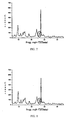
Fig. 1 is a graph showing the X-ray diffraction pattern of an oxytitanium phthalocyanine crude prepared in Example 1 (Synthesis 1) of the present invention; -
Fig. 2 is a graph showing the X-ray diffraction pattern of an oxytitanium phthalocyanine crude prepared in Example 1 (Synthesis 2) of the present invention; -
Fig. 3 is a view schematically showing the structure of a microwave-generating apparatus used in the present invention; -
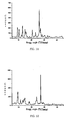
Fig. 4 is a graph showing the X-ray diffraction pattern of oxytitanium phthalocyanine prepared in Example 2 of the present invention; -
Fig. 5 is a graph showing the X-ray diffraction pattern of oxytitanium phthalocyanine prepared in Example 3 of the present invention; -
Fig. 6 is a graph showing the X-ray diffraction pattern of oxytitanium phthalocyanine prepared in Example 4 of the present invention; -
Fig. 7 is a graph showing the X-ray diffraction pattern of oxytitanium phthalocyanine prepared in Comparative Example 1 of the present invention (the circle shows a characteristic peak of beta-form oxytitanium phthalocyanine); -
Fig. 8 is a graph showing the X-ray diffraction pattern of oxytitanium phthalocyanine prepared in Comparative Example 2 of the present invention (the circle shows a characteristic peak of beta-form oxytitanium phthalocyanine); -
Fig. 9 is a graph showing the X-ray diffraction pattern of oxytitanium phthalocyanine prepared in Comparative Example 3 of the present invention (the circle shows a characteristic peak of beta-form oxytitanium phthalocyanine); -
Fig. 10 is a graph showing the X-ray diffraction pattern of oxytitanium phthalocyanine prepared in Example 5 of the present invention; -
Fig. 11 is a graph showing the X-ray diffraction pattern of oxytitanium phthalocyanine prepared in Comparative Example 4 of the present invention; -
Fig. 12 is a graph showing the X-ray diffraction pattern of oxytitanium phthalocyanine prepared in Example 6 of the present invention; -
Fig. 13 is a graph showing the X-ray diffraction pattern of oxytitanium phthalocyanine prepared in Example 7 of the present invention; -
Fig. 14 is a scanning electron micrograph (SEM, 30,000x) of oxytitanium phthalocyanine prepared in Example 2 of the present invention; -
Fig. 15 is a scanning electron micrograph (SEM, 30,000x) of oxytitanium phthalocyanine prepared in Comparative Example 2 of the present invention; and -
Fig. 16 is a cross-sectional view of a photoconductor drum used for the measurement of the electrical properties of oxytitanium phthalocyanine in the present invention. - Hereinafter, the present invention will be explained in more detail.
- The present invention provides a method for preparing oxytitanium phthalocyanine as a charge generating material by using both microwaves and ultrasonic waves.
- Specifically, an oxytitanium phthalocyanine crude is homogeneously mixed with an organic solvent while microwaves are applied thereto, and then the mixture is reacted by heating.
- The oxytitanium phthalocyanine crude used herein may be obtained by various processes commonly known in the art.
U.S. Patent No. 4,971,877 describes a method for preparing an oxytitanium phthalocyanine crude by using 1,3-diiminoisoindoline and tetraalkoxy titanium, and Bull. Chem. Soc. Jpn., 68, 1001-1005, 1995 reports a method for preparing an oxytitanium phthalocyanine crude by using 1,2-dicyanobenzene and tetrabutoxy titanium. The former method uses a general synthesis apparatus, whereas the latter method uses a synthesis apparatus using both microwaves and ultrasonic waves (see, Korean Patent Application No.10-2003-0030726 - The oxytitanium phthalocyanine crude is preferably dissolved in an acid at room temperature or more and recrystallized, or dry- or wet-ground before use. At this time, the acid is preferably sulfuric acid, phosphoric acid or a halogenated carboxylic acid. Examples of preferred solvents used for the recrystallization include water, aliphatic and aromatic alcohols, ketones, ethers, esters and mixed solutions thereof. As preferred aliphatic alcohols, there may be mentioned methanol, ethanol, propanol, isopropanol, butanol, and isobutanol. Examples of preferred aromatic alcohols include benzyl alcohol and the like. Examples of preferred ketones include acetone, methyl ethyl ketone, N-methylpyrrolidone, and tetrahydrofuran. Examples of preferred ethers include, ethyl ether, and n-butyl ether. Examples of preferred esters include methyl acetate and ethyl acetate.
- As preferred organic solvents, there can be used halogenated benzenes, halogenated naphthalenes, and aqueous solutions thereof. An aqueous solution of the halogenated benzene and the halogenated naphthalene is more preferred. At this time, the mixing ratio of water to the halogenated benzene or naphthalene is in the range between 1:1 and 10:1. The term "halogenated benzene or naphthalene" refers to benzene or naphthalene substituted with at least one halogen atom, such as chlorine, fluorine, bromine, or iodine. The number of the substituents is preferably 1 to 4.
- The mixing ratio between the organic solvent and the oxytitanium phthalocyanine crude is not particularly limited, but is preferably in the range between 1:1 and 10:1.
- The microwaves are preferably applied at a frequency of 0.1~100 GHz and a power of 10~3,000W. When the microwaves are out of these ranges, accurate temperature control is difficult, and uniform heating and volume heating, which are characteristics of microwaves, cannot be appropriately utilized. The reaction temperature is within the range of 30 to 100°C. When the reaction temperature is out of this range, the crystal form of the oxytitanium phthalocyanine is not completely transformed into gamma-form and a quantity of beta- or alpha-form crystal remains, which causes the problem that the previously formed gamma-form crystal in the organic solvent at a high temperature is easily transformed into the more stable beta- or alpha-form crystal. Accordingly, the reaction is preferably carried out at a temperature of 50~70°C for 0.5-5 hours. When the reaction time is less than 0.5 hours, the crystal transformation into the gamma-form is insufficient. Meanwhile, when the reaction time exceeds 5 hours, the previously formed gamma-form crystal may be again transformed into the more stable beta- or alpha-form crystal. Preferably, the reaction time is in the range of from 10 minutes to 5 hours.
- According to the method of the present invention, an oxytitanium phthalocyanine charge generating material is prepared by the following procedure.
- First, the oxytitanium phthalocyanine crude is dissolved in concentrated sulfuric acid and stirred for 2 hours. Thereafter, the sulfuric acid solution is recrystallized from ice-water. The recrystallized oxytitanium phthalocyanine crude is separated by filtration, and washed with water until the filtrate is neutralized. The obtained oxytitanium phthalocyanine cake is dispersed in a mixed solution of water and chlorobenzene, and is then treated in a microwave-generating apparatus at 60°C for one hour.
- The microwave-generating apparatus used in the present invention is shown in
Fig. 3 . The microwave-generating apparatus comprises: amagnetron 1 capable of generating a frequency of 2.45 GHz and a power of 3,000W; amode stirrer 3 for making the wavelength of microwaves uniform in a microwave container 2; a K-type thermocouple 4 shielded from microwaves and a PIDtype temperature controller 8 made of stainless steel for accurately measuring and controlling the temperature of reactants; a separation-type three-neck Pyrex container 9 disposed in the center of the microwave container 2 and insulated with glass fiber for better heat efficiency of the reactants; acondenser 5; anagitator 6, thethermocouple 4, thecondenser 5 and theagitator 6 being inserted into three openings (diameter: about 1cm) formed at the top of the microwave container 2; anultrasonic tip 7 inserted into an opening (diameter: about 1cm) formed at the bottom of the microwave container 2; and asolvent tank 10 filled with decahydronaphthalene (decalin) capable of transferring ultrasonic wave energy to the reactants without any reaction with microwaves. - Using the synthesis apparatus of the present invention, the oxytitanium phthalocyanine crude is homogeneously mixed with the organic solvent in the Pyrex container 9 while microwaves having a frequency of 0.1~100 GHz and a power of 10~3,000 W and ultrasonic waves having a frequency of 1~1,000 GHz and a power of 10~5,000W are applied thereto, and then the resulting mixture is reacted at 30~100°C for 0.5~5 hours while the temperature is accurately controlled using the K-
type thermocouple 4 shielded from microwaves and the PIDtype temperature controller 8, to prepare an oxytitanium phthalocyanine charge generating material. After the treatment with microwaves, the mixture is filtered, washed with methanol, and dried in a drier. - As can be seen from the X-ray diffraction patterns of the oxytitanium phthalocyanine charge generating materials prepared using both microwaves and ultrasonic waves, no diffraction peak is observed at a Bragg angle of 26.1 ± 0.2° (see
Figs. 4~6 and12 ). This observation indicates that the crystal is completely transformed into gamma-form. The scanning electron micrographs show that the particle size is considerably small and uniform when microwaves and ultrasonic waves are used. Accordingly, when the oxytitanium phthalocyanine charge generating materials are used to prepare a coating solution for a charge generating layer, the dispersion time can be shortened and thus the productivity of the oxytitanium phthalocyanine charge generating materials is enhanced (seeFigs. 14 and15 ). - The oxytitanium phthalocyanine charge generating materials prepared by the method of the present invention have X-ray diffraction characteristic peaks at Bragg angles of 7.2 ± 0.2°, 9.6 ± 0.2°, 11.7 ± 0.2°, 12.7 ± 0.2°, 13.4 ± 0.2°, 14.1 ± 0.2°, 14.8 ± 0.2°, 18.0 ± 0.2°, 18.4 ± 0.2°, 22.3 ± 0.2°, 23.4 ± 0.2°, 24.1 ± 0.2°, 24.5 ± 0.2°, and 27.2 ± 0.2°.
- The oxytitanium phthalocyanine charge generating materials can be effectively used in the production of photoconductors, particularly organic photoconductors.
- The present invention will now be described in more detail with reference to the following examples and comparative examples. However, these examples are not to be construed as limiting the scope of the invention.
- 51.26g of 1,2-dicyanobenzene, 12.14g of urea, 34.38g of tetrabutoxybenzene, and 100g of nonanol were charged into a Pyrex container 9 in the synthesis apparatus of the present invention shown in
Fig. 3 . Thereafter, the reactants were homogeneously stirred at 160~170°C for 0.1~6 hours while microwaves and ultrasonic wave energy at 28 kHz and 250W was applied thereto, to prepare an oxytitanium phthalocyanine crude. During the reaction, the temperature of the reactants was accurately controlled using a PIDtype temperature controller 8 within an error range of ± 1°C. At this time, the microwave power was controlled to the range of 10~3.000W. The microwaves and the ultrasonic wave energy were simultaneously used from the initial stage of the reaction. The X-ray diffraction pattern of the oxytitanium phthalocyanine crude is shown inFig. 1 . - 12.5g of 1,3-diiminoisoindoline, 29.31g of tetrabutoxybenzene, and 100g of quinoline were charged into a Pyrex container in a conventional synthesis apparatus, and then the reactants were homogeneously stirred at 170~180°C for 0.1~6 hours to prepare an oxytitanium phthalocyanine crude. The X-ray diffraction pattern of the oxytitanium phthalocyanine crude is shown in
Fig. 1 . - 300g of 97% sulfuric acid was placed in a beaker, and stirred. While the temperature of the sulfuric acid was maintained at 10°C or less, 10g of the oxytitanium phthalocyanine crude prepared in Synthesis 2 of Example 1 was slowly dissolved and stirred for 2 hours. After the sulfuric acid solution was slowly poured on ice-water to recrystallize the oxytitanium phthalocyanine crude, the oxytitanium phthalocyanine crude was separated by filtration and washed with water until the pH of the filtrate was 7.0. The resulting oxytitanium phthalocyanine cake was added to a mixed solution of chlorobenzene (100ml) and water (100ml, including water contained in the cake), and was put into a microwave-generating apparatus. The reactants were heated to 50°C using the PID type temperature controller for 30 minutes, stirred at 50°C for one hour, and allowed to cool to room temperature. The cooled reactants were filtered to separate oxytitanium phthalocyanine, and washed with methanol. The oxytitanium phthalocyanine was dried in a drier to yield 9.8g of an oxytitanium phthalocyanine charge generating material. The X-ray diffraction pattern of the oxytitanium phthalocyanine charge generating material was obtained under the following conditions:
- X-ray bulb: Cu
- Cu K-alpha wavelength (A): 1.54056
- Voltage (kV): 40.0
- Current (mA): 100.0
- Starting angle (° 2 Theta): 5.00
- Stopping angle (°2 Theta): 45.00
- Stepping angle (°2 Theta): 0.020
- The X-ray diffraction pattern of the oxytitanium phthalocyanine charge generating material is shown in
Fig. 4 . - The scanning electron micrograph (30,000x) of the oxytitanium phthalocyanine charge generating material is shown in
Fig. 14 . - 9.8g of an oxytitanium phthalocyanine charge generating material was prepared in the same manner as in Example 2, except that the microwave treatment was carried out at 60°C. The X-ray diffraction pattern of the oxytitanium phthalocyanine charge generating material is shown in
Fig. 5 . - 9.8g of an oxytitanium phthalocyanine charge generating material was prepared in the same manner as in Example 2, except that the microwave treatment was carried out at 70°C. The X-ray diffraction pattern of the oxytitanium phthalocyanine charge generating material is shown in
Fig. 6 . - 9.8g of an oxytitanium phthalocyanine charge generating material was prepared in the same manner as in Example 2, except that a magnetic heating stirrer was used as a conventional heat source instead of the microwave treatment. The X-ray diffraction pattern of the oxytitanium phthalocyanine charge generating material is shown in
Fig. 7 . The scanning electron micrograph (30,000x) of the oxytitanium phthalocyanine charge generating material is shown inFig. 15 . - 9.8g of an oxytitanium phthalocyanine charge generating material was prepared in the same manner as in Example 3, except that a magnetic heating stirrer was used as a conventional heat source instead of the microwave treatment. The X-ray diffraction pattern of the oxytitanium phthalocyanine charge generating material is shown in
Fig. 8 . - 9.8g of an oxytitanium phthalocyanine charge generating material was prepared in the same manner as in Example 4, except that a magnetic heating stirrer was used as a conventional heat source instead of the microwave treatment. The X-ray diffraction pattern of the oxytitanium phthalocyanine charge generating material is shown in
Fig. 9 . - 5g of the oxytitanium phthalocyanine prepared in Example 3 was dispersed in 20g of tetrahydrofuran, left to stand for 5 days, filtered, and dried. The X-ray diffraction pattern of the dried oxytitanium phthalocyanine is shown in
Fig. 10 . This pattern shows that the gamma-form crystal of the oxytitanium phthalocyanine was maintained. - 5g of the oxytitanium phthalocyanine prepared in Comparative Example 2 was dispersed in 20g of tetrahydrofuran, left to stand for 5 days, filtered, and dried. The X-ray diffraction pattern of the dried oxytitanium phthalocyanine is shown in
Fig. 11 . This pattern shows that the gamma-form crystal was completely transformed into beta-form. - 9.8g of an oxytitanium phthalocyanine charge generating material was prepared in the same manner as in Example 2, except that the oxytitanium phthalocyanine crude prepared in
Synthesis 1 of Example 1 was used instead of that prepared in Synthesis 2 of Example 1. The X-ray diffraction pattern of the oxytitanium phthalocyanine charge generating material is shown inFig. 12 . - 5g of the oxytitanium phthalocyanine prepared in Example 6 was dispersed in 20g of tetrahydrofuran, left to stand for 5 days, filtered, and dried. The X-ray diffraction pattern of the dried oxytitanium phthalocyanine is shown in
Fig. 13 . This pattern shows that the gamma-form crystal was maintained. - As is evident from the X-ray diffraction pattern of the oxytitanium phthalocyanine crude prepared in
Synthesis 1 of Example 1 using the apparatus of the present invention, one X-ray pattern peak was observed at a Bragg angle (2Theta) of 27.2 ± 0.2° (seeFig. 1 ). This observation indicates that the crude has a novel crystal form. In contrast, as is clear from the X-ray diffraction pattern of the oxytitanium phthalocyanine crude prepared in Synthesis 2 of Example 1 using a conventional synthesis apparatus, typical peaks corresponding to beta-form were observed (seeFig. 2 ). These results reveal that the oxytitanium phthalocyanine crude prepared using the apparatus of the present invention has a different crystal form from that prepared using a conventional synthesis apparatus. Since the oxytitanium phthalocyanine crude prepared using the apparatus of the present invention shows one X-ray pattern peak at a Bragg angle of 27.2 ± 0.2°, which is a characteristic peak of gamma-form crystal, and no diffraction peak inherent to beta-form crystal after the treatment, it has superior crystal stability. As can be seen from the X-ray diffraction patterns of the oxytitanium phthalocyanine charge generating materials prepared using the apparatus of the present invention, no diffraction peak was observed at a Bragg angle of 26.1 ± 0.2° (Figs. 4 to 6 and12 ). Observation of the X-ray diffraction patterns indicates that all crystals were completely transformed into gamma-form crystals. In contrast, as is apparent from the X-ray diffraction patterns of the oxytitanium phthalocyanine charge generating materials prepared using a conventional apparatus, a distinct diffraction peak was observed at a Bragg angle of 26.1 ± 0.2° (Figs. 7 to 9 , the circle shows an inherent characteristic peak of beta-form). This result indicates that the crystals have both gamma- and beta-forms. The higher the temperature, the more intense the beta-form peak. It is thus apparent that the oxytitanium phthalocyanine charge generating materials prepared using a conventional heat source are highly sensitive to temperature. Further, the characteristic peak of beta-form was observed even at a temperature as low as 50°C. In contrast, the oxytitanium phthalocyanine charge generating materials prepared using microwaves are gamma-form showing no characteristic peak of beta-form, and are less sensitive to temperature. In addition, the oxytitanium phthalocyanine charge generating materials prepared using microwaves had a larger peak intensity than the oxytitanium phthalocyanine charge generating materials prepared using a conventional heat source. Furthermore, since the oxytitanium phthalocyanine charge generating materials prepared using microwaves are gamma-form showing no characteristic peak of beta-form, they exhibit superior crystal stability against organic solvents. However, since the oxytitanium phthalocyanine charge generating materials prepared using a conventional heat source still have beta-form crystals, they have poor crystal stability against organic solvents and temperature and thus their gamma-form crystals are easily transformed into the more stable beta-form crystals. - 2.0g of the oxytitanium phthalocyanine prepared in Example 2, 1.0g of polyvinylbutyral, 40g of tetrahydrofuran, and 110 g of glass beads (diameter: 1 mm) were dispersed in a paint shaker for 5 hours, and then 150g of tetrahydrofuran was added thereto. The mixture was further dispersed for 10 minutes to prepare a coating solution for a charge generating layer. The coating solution was coated on the surface of an oxide film-coated aluminum drum to a thickness of 0.2µm, and dried in a drier at 120°C for 5 minutes.
- Separately, 25g of N,N'-bis(3-methylphenyl)-N,N'-diphenylbenzidine (Formula 2) and 25g of poly(4,4-cyclohexylidene diphenylene carbonate) (Formula 3) were dissolved in 200g of monochlorobenzene to prepare a coating solution for a charge transport layer.


- The coating solution for a charge-transport layer was coated on the charge generating layer-coated aluminum drum, and dried in a drier at 120°C for 30 minutes to form a 20µm thick charge transport layer, thereby producing a photoconductor drum.
- The electrophotographic characteristics of the photoconductor drum were determined using an analyzer PDP-2000 (Quality Engineering Associates Inc., USA) in accordance with the following procedures.
- When the photoconductor drum was charged by corona discharge at -60 kV, a potential generated on the surface of the photoconductor drum was measured.
- 3 seconds after the surface of the photoconductor drum was charged with a voltage of -700V, change in the potential of the drum surface was measured. The dark decay (DD5) was expressed in percent relative to the initial surface potential

- After the surface of the photoconductor drum was charged with a voltage of - 700V and was then exposed to monochromatic light of a wavelength of 750nm, the intensity of the monochromatic light required to reduce the surface potential of the drum to half of the initial surface potential of the drum was determined.
- After the surface of the drum was charged with a voltage of -700V and was exposed to monochromatic light of a wavelength of 780nm and an intensity of 13 J/cm2, the surface potential was measured.
- The obtained results are summarized in Table 1.
- The procedures of Test Example 1 were repeated, except that the oxytitanium phthalocyanine charge generating materials prepared in Examples 3 to 7 were used. The results are summarized in Table 1.
- The procedures of Test Example 1 were repeated, except that the oxytitanium phthalocyanine charge generating materials prepared in Comparative Examples 1 to 4 were used. The results are summarized in Table 1.
Table 1 Measurement results of electrophotographic characteristics Test Example No. Charge generating materials VDDP (V) DD5 (%) E50% (J/cm2) VF (V) 1 Example 2 -713 95.4 0.100 -48 2 Example 3 -718 95.6 0.102 -49 3 Example 4 -713 95.7 0.100 -44 4 Example 5 -691 92.3 0.102 -50 5 Example 6 -750 96.8 0.086 -32 6 Example 7 -721 95.1 0.095 -45 7 Comparative
Example 1-689 91.5 0.130 -56 8 Comparative
Example 2-691 91.5 0.125 -51 9 Comparative
Example 3-687 91.4 0.129 -68 10 Comparative
Example 4-531 70.5 0.398 -53 - As apparent from the foregoing, the present invention provides a method for preparing oxytitanium phthalocyanine as a charge generating material by synthesizing an oxytitanium phthalocyanine crude having a novel crystal form, and applying both microwaves and ultrasonic waves to the oxytitanium phthalocyanine crude. The method of the present invention is characterized in that the oxytitanium phthalocyanine crude shows one X-ray diffraction peak at a Bragg angle of 27.2 ± 0.2°, and the oxytitanium phthalocyanine is completely gamma-form. In addition, since the oxytitanium phthalocyanine charge generating material has improved crystal stability against organic solvents and temperature, the method of the present invention can solve the conventional disadvantage of shortened shelf life caused after preparation of a coating solution for a charge generating layer. Furthermore, according to the method of the present invention, since small and uniform particles can be obtained, the time required for the preparation of a coating solution for a charge generating layer can be reduced, thus greatly improving the productivity.
Claims (10)
- A method for preparing oxytitanium phthalocyanine as a charge generating material, comprising the steps of
homogeneously mixing an oxytitanium phthalocyanine crude with an organic solvent while microwave energy having a frequency of 0.1~100 GHz and a power of 10~3,000W and ultrasonic wave energy having a frequency of 1~1,000 kHz and a power of 10~5,000W are applied thereto; and
reacting the mixture at 30~100°C for 0.5~5 hours. - The method according to claim 1, wherein the oxytitanium phthalocyanine crude is dissolved in an acid at room temperature or more and recrystallized, or dry- or wet-ground before use.
- The method according to claim 2, wherein the acid is sulfuric acid, phosphoric acid, or a halogenated carboxylic acid.
- The method according to claim 2, wherein the solvent for the recrystallization is water, an aliphatic or aromatic alcohol, a ketone, an ether, an ester, or a mixed solution thereof
- The method according to claim 1, wherein the organic solvent is a halogenated benzene, a halogenated naphthalene, or an aqueous solution thereof
- The method according to claim 5, wherein the halogenated benzene or halogenated naphthalene is benzene or naphthalene substituted with 1 to 4 halogen atoms selected from chlorine, fluorine, bromine, and iodine.
- The method according to claim 1, wherein the reaction is carried out at a temperature of 50~70°C.
- The method according to claim 1, wherein the reaction time is in the range of from 10 minutes to 5 hours.
- The method according to claim 1, wherein the oxytitanium phthalocyanine crude shows one X-ray diffraction peak at a Bragg angle of 27.2 ± 0.2°.
- The method according to claim 1, using an apparatus comprising: a magnetron capable of generating a frequency of 0.1~100GHz and a power of 100~3,000W; a mode stirrer for making the wavelength of microwaves uniform in a microwave container; a PID type temperature controller for accurately measuring and controlling the temperature of reactants; a K-type thermocouple shielded from microwaves; a condenser; an agitator, the thermocouple, the condenser and the agitator being inserted into three openings formed at a top of the microwave container; an ultrasonic tip inserted into an opening formed at a bottom of the microwave container; a Pyrex container into which the reactants are introduced; and a solvent tank.
Applications Claiming Priority (2)
| Application Number | Priority Date | Filing Date | Title |
|---|---|---|---|
| KR10-2003-0070060A KR100528735B1 (en) | 2003-10-08 | 2003-10-08 | Method for Preparing Oxytitanium Phthalocyanine Charge Generating Material and Apparatus for Preparing the same |
| PCT/KR2004/002561 WO2005033803A2 (en) | 2003-10-08 | 2004-10-07 | Method for preparing oxytitanium phthalocyanine chartge generating material and apparatus for preparing the same |
Publications (3)
| Publication Number | Publication Date |
|---|---|
| EP1673664A2 EP1673664A2 (en) | 2006-06-28 |
| EP1673664A4 EP1673664A4 (en) | 2008-10-29 |
| EP1673664B1 true EP1673664B1 (en) | 2011-06-29 |
Family
ID=39776714
Family Applications (1)
| Application Number | Title | Priority Date | Filing Date |
|---|---|---|---|
| EP04793438A Expired - Lifetime EP1673664B1 (en) | 2003-10-08 | 2004-10-07 | Method for preparing oxytitanium phthalocyanine charge generating material |
Country Status (7)
| Country | Link |
|---|---|
| US (1) | US7812154B2 (en) |
| EP (1) | EP1673664B1 (en) |
| JP (1) | JP4680914B2 (en) |
| KR (1) | KR100528735B1 (en) |
| CN (1) | CN1864106B (en) |
| AT (1) | ATE514974T1 (en) |
| WO (1) | WO2005033803A2 (en) |
Families Citing this family (10)
| Publication number | Priority date | Publication date | Assignee | Title |
|---|---|---|---|---|
| KR100528735B1 (en) | 2003-10-08 | 2005-12-27 | (주)프탈로스 | Method for Preparing Oxytitanium Phthalocyanine Charge Generating Material and Apparatus for Preparing the same |
| KR100528734B1 (en) | 2003-10-08 | 2006-01-10 | (주)프탈로스 | Method for preparing oxytitanium phthalocyanine charge generating material and new crystalline oxytitanium phthalocyanine charge generating material prepared therefrom |
| WO2009139973A1 (en) * | 2008-04-01 | 2009-11-19 | New Jersey Institute Of Technology | Microwave-assisted synthesis of perfluorophthalocyanine molecules |
| WO2011028994A1 (en) | 2009-09-03 | 2011-03-10 | Duncan Linden L | Enhanced flash chamber |
| KR101005183B1 (en) * | 2010-06-15 | 2011-01-04 | 김삼중 | Rubber metering control device and rubber metering cutter including the same |
| JP5047343B2 (en) * | 2010-08-30 | 2012-10-10 | シャープ株式会社 | Electrophotographic photoreceptor, image forming apparatus using the same, and coating liquid for electrophotographic photoreceptor undercoat layer |
| US20140001176A1 (en) * | 2012-06-29 | 2014-01-02 | Nissan North America, Inc. | Apparatus for rapid synthesis of fuel cell catalyst using controlled microwave heating |
| JP6566548B2 (en) * | 2015-03-31 | 2019-08-28 | Dic株式会社 | Method for producing organic pigment having desired crystal form |
| JP7430112B2 (en) * | 2020-05-22 | 2024-02-09 | シャープ株式会社 | Electrophotographic photoreceptor and image forming apparatus equipped with the same |
| CN112213340B (en) * | 2020-10-16 | 2023-07-21 | 郑州大学 | Sample stage for online determination of crystal structure and its determination method |
Family Cites Families (39)
| Publication number | Priority date | Publication date | Assignee | Title |
|---|---|---|---|---|
| JPS61171771A (en) | 1985-01-25 | 1986-08-02 | Mitsubishi Chem Ind Ltd | Purification of metal phthalocyanine |
| JPH075846B2 (en) | 1986-04-30 | 1995-01-25 | 三菱化学株式会社 | Method for producing A-type oxytitanium phthalocyanine |
| US4728592A (en) | 1986-07-17 | 1988-03-01 | Dainippon Ink And Chemicals, Inc. | Electrophotoconductor with light-sensitive layer containing alpha-type titanyl phthalocyanine |
| US4898799A (en) | 1987-07-10 | 1990-02-06 | Konica Corporation | Photoreceptor |
| KR930010867B1 (en) | 1987-10-26 | 1993-11-15 | 미타 고오교 가부시끼가이샤 | Alpha-type titanyl phthalocyanine composition, method for production thereof and electrophotogrphic sensitive material using the same |
| GB8802484D0 (en) | 1988-02-04 | 1988-03-02 | Ici Plc | Process |
| JP2512081B2 (en) * | 1988-05-26 | 1996-07-03 | 東洋インキ製造株式会社 | R-type titanium phthalocyanine compound, method for producing the same, and electrophotographic photoreceptor using the same |
| JP2657836B2 (en) | 1988-11-11 | 1997-09-30 | コニカ株式会社 | Electrophotographic photoreceptor |
| JP2714838B2 (en) | 1989-01-09 | 1998-02-16 | コニカ株式会社 | Electrophotographic photoreceptor |
| US5059355A (en) * | 1989-02-23 | 1991-10-22 | Mitsubishi Kasei Corporation | Process for preparation of crystalline oxytitanium phthalocyanine |
| JP2864622B2 (en) * | 1989-02-23 | 1999-03-03 | 三菱化学株式会社 | Method for producing oxytitanium phthalocyanine crystal |
| JP2754739B2 (en) | 1989-06-06 | 1998-05-20 | 日本電気株式会社 | Phthalocyanine crystal, method for producing the same, and electrophotographic photoreceptor using the same |
| EP0409737B1 (en) * | 1989-07-21 | 1994-03-02 | Canon Kabushiki Kaisha | Oxytitanium phthalocyanine, process for producing same and electrophotosensitive member using same |
| JPH0715067B2 (en) | 1989-07-21 | 1995-02-22 | キヤノン株式会社 | Oxytitanium phthalocyanine, method for producing the same, and electrophotographic photoreceptor using the same |
| DE69025727T2 (en) | 1989-12-13 | 1996-07-25 | Canon Kk | Electrophotographic photosensitive member |
| JP2584682B2 (en) | 1990-03-20 | 1997-02-26 | 富士ゼロックス株式会社 | Electrophotographic photoreceptor using titanyl phthalocyanine crystal |
| JPH04189873A (en) * | 1990-11-22 | 1992-07-08 | Fuji Xerox Co Ltd | Oxytitanium phthalocyanine hydrate crystal and electronic photograph photosensitizer using the same |
| US5164493A (en) | 1991-02-28 | 1992-11-17 | Xerox Corporation | Processes for the preparation of titanyl phthalocyanines type I with phthalonitrile |
| JP2801426B2 (en) | 1991-04-24 | 1998-09-21 | キヤノン株式会社 | Oxytitanium phthalocyanine, method for producing the same, and electrophotographic photoreceptor using the same |
| US5350844A (en) | 1993-03-01 | 1994-09-27 | Xerox Corporation | Processes for the preparation of titanyl phthalocyanines |
| JPH08209023A (en) * | 1994-11-24 | 1996-08-13 | Fuji Electric Co Ltd | Titanyloxyphthalocyanine crystal, its production method and electrophotographic photoreceptor |
| DE19505784A1 (en) | 1995-02-08 | 1996-08-14 | Syntec Ges Fuer Chemie Und Tec | Process for the preparation of electrophotographically active titanyl phthalocyanine |
| US5567559A (en) | 1995-04-11 | 1996-10-22 | Sinonar Corp. | Electrophotographic photoreceptors containing titanyl phthalocyanine processed through ammoniated complex, and method for production thereof |
| JPH10147728A (en) | 1996-09-25 | 1998-06-02 | Lexmark Internatl Inc | Type I polymorphs of phthalocyanine titanyl with high photoconductivity |
| JP3569422B2 (en) | 1996-12-26 | 2004-09-22 | シャープ株式会社 | Crystalline oxotitanyl phthalocyanine, electrophotographic photoreceptor using the same, and image forming method |
| US6225015B1 (en) * | 1998-06-04 | 2001-05-01 | Mitsubishi Paper Mills Ltd. | Oxytitanium phthalocyanine process for the production thereof and electrophotographic photoreceptor to which the oxytitanium phthalocyanine is applied |
| US6485658B1 (en) * | 1999-04-28 | 2002-11-26 | Mitsubishi Paper Mills, Limited | Phthalocyanine, process for producing the same and electrophotographic photoreceptor using the same |
| JP4132571B2 (en) * | 1999-05-06 | 2008-08-13 | 株式会社リコー | Electrophotographic photosensitive member, electrophotographic method, electrophotographic apparatus, and process cartridge for electrophotographic apparatus |
| JP3453330B2 (en) | 1999-09-01 | 2003-10-06 | シャープ株式会社 | Electrophotographic photoreceptor |
| US6284420B1 (en) | 2000-01-26 | 2001-09-04 | Industrial Technology Research Institute | Titanyl phthalocyanine, method for production thereof and electrophotographic photoreceptor containing the same |
| JP4212784B2 (en) | 2000-05-09 | 2009-01-21 | 株式会社リコー | Electrophotographic photosensitive member, method for producing the same, electrophotographic method, electrophotographic apparatus, and process cartridge for electrophotographic apparatus |
| JP2003048892A (en) * | 2001-07-13 | 2003-02-21 | Shinrikibi Kagi Kofun Yugenkoshi | Microwave-based phthalocyanine synthesis method |
| KR20030022179A (en) | 2003-01-27 | 2003-03-15 | 권종호 | Synthesis method of metal and metal-free phthalocyanine using microwave energy |
| KR20030022831A (en) | 2003-02-03 | 2003-03-17 | 권종호 | Solvent-free synthetic method of metal and metal-free phthalocyanine using microwave energy |
| US20070181416A1 (en) | 2003-05-14 | 2007-08-09 | Daehan Specialty Chemicals Co. Ltd. | Process and apparatus for preparing metal or nonmetal phthalocyanine |
| KR100544390B1 (en) | 2003-05-14 | 2006-01-23 | (주)프탈로스 | Solvent-free synthesis method of phthalocyanine for pigments and apparatus for same |
| KR100525803B1 (en) * | 2003-05-14 | 2005-12-27 | (주)프탈로스 | Method for preparing phthalocyanine and apparatus for preparing the same |
| KR100528734B1 (en) | 2003-10-08 | 2006-01-10 | (주)프탈로스 | Method for preparing oxytitanium phthalocyanine charge generating material and new crystalline oxytitanium phthalocyanine charge generating material prepared therefrom |
| KR100528735B1 (en) | 2003-10-08 | 2005-12-27 | (주)프탈로스 | Method for Preparing Oxytitanium Phthalocyanine Charge Generating Material and Apparatus for Preparing the same |
-
2003
- 2003-10-08 KR KR10-2003-0070060A patent/KR100528735B1/en not_active Expired - Fee Related
-
2004
- 2004-10-07 WO PCT/KR2004/002561 patent/WO2005033803A2/en not_active Ceased
- 2004-10-07 CN CN2004800294118A patent/CN1864106B/en not_active Expired - Fee Related
- 2004-10-07 US US10/574,797 patent/US7812154B2/en not_active Expired - Fee Related
- 2004-10-07 EP EP04793438A patent/EP1673664B1/en not_active Expired - Lifetime
- 2004-10-07 AT AT04793438T patent/ATE514974T1/en not_active IP Right Cessation
- 2004-10-07 JP JP2006532095A patent/JP4680914B2/en not_active Expired - Fee Related
Also Published As
| Publication number | Publication date |
|---|---|
| JP4680914B2 (en) | 2011-05-11 |
| CN1864106B (en) | 2011-12-07 |
| KR100528735B1 (en) | 2005-12-27 |
| JP2007508409A (en) | 2007-04-05 |
| WO2005033803A3 (en) | 2005-07-28 |
| US20070122725A1 (en) | 2007-05-31 |
| EP1673664A2 (en) | 2006-06-28 |
| ATE514974T1 (en) | 2011-07-15 |
| KR20030086509A (en) | 2003-11-10 |
| CN1864106A (en) | 2006-11-15 |
| US7812154B2 (en) | 2010-10-12 |
| EP1673664A4 (en) | 2008-10-29 |
| WO2005033803A2 (en) | 2005-04-14 |
Similar Documents
| Publication | Publication Date | Title |
|---|---|---|
| US5189156A (en) | Processes for the preparation of titanium-phthalocyanine Type X | |
| EP0460565B1 (en) | Titanium phthalocyanines and processes for the preparation thereof | |
| US5563261A (en) | Hydroxygallium phthalocyanine photoconductive imaging members | |
| EP0679695A2 (en) | Processes for the preparation of hydroxygallium phthalocyanine | |
| EP0093331A2 (en) | Electrophotographic recording medium | |
| DE60033220T2 (en) | Titanyl phthalocyanine in crystal form, process for its preparation and electrophotographic material | |
| US7812154B2 (en) | Method for preparing oxytitanium phthalocyanine charge generating material and apparatus for preparing the same | |
| EP0516433B1 (en) | Process for the preparation of titanyl phthalocyanines | |
| US5164493A (en) | Processes for the preparation of titanyl phthalocyanines type I with phthalonitrile | |
| JPH0350555A (en) | Electrophotographic sensitive body | |
| EP0584753B1 (en) | Process for preparing chlorogallium phthalocyanine crystals | |
| US7998650B2 (en) | Method for preparing oxytitanium phthalocyanine charge generating material and the new-type oxytitanium phthalocyanine charge generating material therefrom | |
| KR100946448B1 (en) | μ-oxo crosslinked dissimilar metal phthalocyanine compounds and selective preparation thereof | |
| US5371213A (en) | Titanium phthalocyanine imaging member | |
| JPH04301648A (en) | Photoconductive material and electrophotographic sensitive body | |
| JP2932932B2 (en) | Method for producing gallium phthalocyanine compound | |
| JPH07207171A (en) | Production of chlorogallium-ohthalocyanine | |
| JP5052217B2 (en) | Dispersion and method for producing electrophotographic photosensitive member | |
| JPH08176458A (en) | Phthalocyanine composition and electrophotographic photoreceptor | |
| US20040161692A1 (en) | Self-dispersing titanyl phthalocyanine pigment compositions and electrophotographic charge generation layers containing same | |
| EP1426417A1 (en) | Self-dispersing titanyl phthalocyanine pigment compositions and electrophotographic charge generation layers containing same | |
| JPH0350553A (en) | Electrophotographic sensitive body | |
| JPH0598182A (en) | Preparation of titanyl phthalocyanine | |
| JPH07157683A (en) | Metal-free phthalocyanine and electrophotographic photoreceptor |
Legal Events
| Date | Code | Title | Description |
|---|---|---|---|
| PUAI | Public reference made under article 153(3) epc to a published international application that has entered the european phase |
Free format text: ORIGINAL CODE: 0009012 |
|
| 17P | Request for examination filed |
Effective date: 20060508 |
|
| AK | Designated contracting states |
Kind code of ref document: A2 Designated state(s): AT BE BG CH CY CZ DE DK EE ES FI FR GB GR HU IE IT LI LU MC NL PL PT RO SE SI SK TR |
|
| DAX | Request for extension of the european patent (deleted) | ||
| A4 | Supplementary search report drawn up and despatched |
Effective date: 20080926 |
|
| RIC1 | Information provided on ipc code assigned before grant |
Ipc: G03G 5/04 20060101AFI20050808BHEP Ipc: C09B 67/50 20060101ALI20080922BHEP |
|
| 17Q | First examination report despatched |
Effective date: 20100302 |
|
| GRAP | Despatch of communication of intention to grant a patent |
Free format text: ORIGINAL CODE: EPIDOSNIGR1 |
|
| RTI1 | Title (correction) |
Free format text: METHOD FOR PREPARING OXYTITANIUM PHTHALOCYANINE CHARGE GENERATING MATERIAL |
|
| GRAS | Grant fee paid |
Free format text: ORIGINAL CODE: EPIDOSNIGR3 |
|
| GRAA | (expected) grant |
Free format text: ORIGINAL CODE: 0009210 |
|
| AK | Designated contracting states |
Kind code of ref document: B1 Designated state(s): AT BE BG CH CY CZ DE DK EE ES FI FR GB GR HU IE IT LI LU MC NL PL PT RO SE SI SK TR |
|
| REG | Reference to a national code |
Ref country code: GB Ref legal event code: FG4D |
|
| REG | Reference to a national code |
Ref country code: CH Ref legal event code: EP |
|
| REG | Reference to a national code |
Ref country code: IE Ref legal event code: FG4D |
|
| REG | Reference to a national code |
Ref country code: DE Ref legal event code: R096 Ref document number: 602004033308 Country of ref document: DE Effective date: 20110825 |
|
| REG | Reference to a national code |
Ref country code: NL Ref legal event code: VDEP Effective date: 20110629 |
|
| PG25 | Lapsed in a contracting state [announced via postgrant information from national office to epo] |
Ref country code: SE Free format text: LAPSE BECAUSE OF FAILURE TO SUBMIT A TRANSLATION OF THE DESCRIPTION OR TO PAY THE FEE WITHIN THE PRESCRIBED TIME-LIMIT Effective date: 20110629 |
|
| PG25 | Lapsed in a contracting state [announced via postgrant information from national office to epo] |
Ref country code: GR Free format text: LAPSE BECAUSE OF FAILURE TO SUBMIT A TRANSLATION OF THE DESCRIPTION OR TO PAY THE FEE WITHIN THE PRESCRIBED TIME-LIMIT Effective date: 20110930 Ref country code: AT Free format text: LAPSE BECAUSE OF FAILURE TO SUBMIT A TRANSLATION OF THE DESCRIPTION OR TO PAY THE FEE WITHIN THE PRESCRIBED TIME-LIMIT Effective date: 20110629 Ref country code: FI Free format text: LAPSE BECAUSE OF FAILURE TO SUBMIT A TRANSLATION OF THE DESCRIPTION OR TO PAY THE FEE WITHIN THE PRESCRIBED TIME-LIMIT Effective date: 20110629 Ref country code: SI Free format text: LAPSE BECAUSE OF FAILURE TO SUBMIT A TRANSLATION OF THE DESCRIPTION OR TO PAY THE FEE WITHIN THE PRESCRIBED TIME-LIMIT Effective date: 20110629 |
|
| PG25 | Lapsed in a contracting state [announced via postgrant information from national office to epo] |
Ref country code: EE Free format text: LAPSE BECAUSE OF FAILURE TO SUBMIT A TRANSLATION OF THE DESCRIPTION OR TO PAY THE FEE WITHIN THE PRESCRIBED TIME-LIMIT Effective date: 20110629 Ref country code: CZ Free format text: LAPSE BECAUSE OF FAILURE TO SUBMIT A TRANSLATION OF THE DESCRIPTION OR TO PAY THE FEE WITHIN THE PRESCRIBED TIME-LIMIT Effective date: 20110629 Ref country code: NL Free format text: LAPSE BECAUSE OF FAILURE TO SUBMIT A TRANSLATION OF THE DESCRIPTION OR TO PAY THE FEE WITHIN THE PRESCRIBED TIME-LIMIT Effective date: 20110629 Ref country code: PT Free format text: LAPSE BECAUSE OF FAILURE TO SUBMIT A TRANSLATION OF THE DESCRIPTION OR TO PAY THE FEE WITHIN THE PRESCRIBED TIME-LIMIT Effective date: 20111031 |
|
| PG25 | Lapsed in a contracting state [announced via postgrant information from national office to epo] |
Ref country code: SK Free format text: LAPSE BECAUSE OF FAILURE TO SUBMIT A TRANSLATION OF THE DESCRIPTION OR TO PAY THE FEE WITHIN THE PRESCRIBED TIME-LIMIT Effective date: 20110629 Ref country code: PL Free format text: LAPSE BECAUSE OF FAILURE TO SUBMIT A TRANSLATION OF THE DESCRIPTION OR TO PAY THE FEE WITHIN THE PRESCRIBED TIME-LIMIT Effective date: 20110629 Ref country code: CY Free format text: LAPSE BECAUSE OF FAILURE TO SUBMIT A TRANSLATION OF THE DESCRIPTION OR TO PAY THE FEE WITHIN THE PRESCRIBED TIME-LIMIT Effective date: 20110629 Ref country code: RO Free format text: LAPSE BECAUSE OF FAILURE TO SUBMIT A TRANSLATION OF THE DESCRIPTION OR TO PAY THE FEE WITHIN THE PRESCRIBED TIME-LIMIT Effective date: 20110629 |
|
| PLBE | No opposition filed within time limit |
Free format text: ORIGINAL CODE: 0009261 |
|
| STAA | Information on the status of an ep patent application or granted ep patent |
Free format text: STATUS: NO OPPOSITION FILED WITHIN TIME LIMIT |
|
| PG25 | Lapsed in a contracting state [announced via postgrant information from national office to epo] |
Ref country code: MC Free format text: LAPSE BECAUSE OF NON-PAYMENT OF DUE FEES Effective date: 20111031 |
|
| REG | Reference to a national code |
Ref country code: CH Ref legal event code: PL |
|
| 26N | No opposition filed |
Effective date: 20120330 |
|
| PG25 | Lapsed in a contracting state [announced via postgrant information from national office to epo] |
Ref country code: DK Free format text: LAPSE BECAUSE OF FAILURE TO SUBMIT A TRANSLATION OF THE DESCRIPTION OR TO PAY THE FEE WITHIN THE PRESCRIBED TIME-LIMIT Effective date: 20110629 |
|
| PG25 | Lapsed in a contracting state [announced via postgrant information from national office to epo] |
Ref country code: LI Free format text: LAPSE BECAUSE OF NON-PAYMENT OF DUE FEES Effective date: 20111031 Ref country code: CH Free format text: LAPSE BECAUSE OF NON-PAYMENT OF DUE FEES Effective date: 20111031 |
|
| REG | Reference to a national code |
Ref country code: IE Ref legal event code: MM4A |
|
| REG | Reference to a national code |
Ref country code: DE Ref legal event code: R097 Ref document number: 602004033308 Country of ref document: DE Effective date: 20120330 |
|
| PG25 | Lapsed in a contracting state [announced via postgrant information from national office to epo] |
Ref country code: IE Free format text: LAPSE BECAUSE OF NON-PAYMENT OF DUE FEES Effective date: 20111007 |
|
| PGFP | Annual fee paid to national office [announced via postgrant information from national office to epo] |
Ref country code: IT Payment date: 20120920 Year of fee payment: 9 |
|
| PGFP | Annual fee paid to national office [announced via postgrant information from national office to epo] |
Ref country code: FR Payment date: 20121018 Year of fee payment: 9 Ref country code: BE Payment date: 20121018 Year of fee payment: 9 Ref country code: DE Payment date: 20121003 Year of fee payment: 9 |
|
| PGFP | Annual fee paid to national office [announced via postgrant information from national office to epo] |
Ref country code: GB Payment date: 20121003 Year of fee payment: 9 |
|
| PG25 | Lapsed in a contracting state [announced via postgrant information from national office to epo] |
Ref country code: ES Free format text: LAPSE BECAUSE OF FAILURE TO SUBMIT A TRANSLATION OF THE DESCRIPTION OR TO PAY THE FEE WITHIN THE PRESCRIBED TIME-LIMIT Effective date: 20111010 |
|
| PG25 | Lapsed in a contracting state [announced via postgrant information from national office to epo] |
Ref country code: LU Free format text: LAPSE BECAUSE OF NON-PAYMENT OF DUE FEES Effective date: 20111007 |
|
| PG25 | Lapsed in a contracting state [announced via postgrant information from national office to epo] |
Ref country code: BG Free format text: LAPSE BECAUSE OF FAILURE TO SUBMIT A TRANSLATION OF THE DESCRIPTION OR TO PAY THE FEE WITHIN THE PRESCRIBED TIME-LIMIT Effective date: 20110929 |
|
| PG25 | Lapsed in a contracting state [announced via postgrant information from national office to epo] |
Ref country code: TR Free format text: LAPSE BECAUSE OF FAILURE TO SUBMIT A TRANSLATION OF THE DESCRIPTION OR TO PAY THE FEE WITHIN THE PRESCRIBED TIME-LIMIT Effective date: 20110629 |
|
| PG25 | Lapsed in a contracting state [announced via postgrant information from national office to epo] |
Ref country code: HU Free format text: LAPSE BECAUSE OF FAILURE TO SUBMIT A TRANSLATION OF THE DESCRIPTION OR TO PAY THE FEE WITHIN THE PRESCRIBED TIME-LIMIT Effective date: 20110629 |
|
| BERE | Be: lapsed |
Owner name: PHTHALOS CO., LTD. Effective date: 20131031 |
|
| GBPC | Gb: european patent ceased through non-payment of renewal fee |
Effective date: 20131007 |
|
| REG | Reference to a national code |
Ref country code: DE Ref legal event code: R119 Ref document number: 602004033308 Country of ref document: DE Effective date: 20140501 |
|
| PG25 | Lapsed in a contracting state [announced via postgrant information from national office to epo] |
Ref country code: GB Free format text: LAPSE BECAUSE OF NON-PAYMENT OF DUE FEES Effective date: 20131007 |
|
| REG | Reference to a national code |
Ref country code: FR Ref legal event code: ST Effective date: 20140630 |
|
| PG25 | Lapsed in a contracting state [announced via postgrant information from national office to epo] |
Ref country code: FR Free format text: LAPSE BECAUSE OF NON-PAYMENT OF DUE FEES Effective date: 20131031 Ref country code: IT Free format text: LAPSE BECAUSE OF NON-PAYMENT OF DUE FEES Effective date: 20131007 Ref country code: DE Free format text: LAPSE BECAUSE OF NON-PAYMENT OF DUE FEES Effective date: 20140501 |
|
| PG25 | Lapsed in a contracting state [announced via postgrant information from national office to epo] |
Ref country code: BE Free format text: LAPSE BECAUSE OF NON-PAYMENT OF DUE FEES Effective date: 20131031 |