EP1663994B1 - Tetrahydroquinazoline compounds as inhibitors of voltage-gated ion channels - Google Patents
Tetrahydroquinazoline compounds as inhibitors of voltage-gated ion channels Download PDFInfo
- Publication number
- EP1663994B1 EP1663994B1 EP04780401A EP04780401A EP1663994B1 EP 1663994 B1 EP1663994 B1 EP 1663994B1 EP 04780401 A EP04780401 A EP 04780401A EP 04780401 A EP04780401 A EP 04780401A EP 1663994 B1 EP1663994 B1 EP 1663994B1
- Authority
- EP
- European Patent Office
- Prior art keywords
- pain
- methyl
- ethyl
- piperidinyl
- compounds
- Prior art date
- Legal status (The legal status is an assumption and is not a legal conclusion. Google has not performed a legal analysis and makes no representation as to the accuracy of the status listed.)
- Expired - Lifetime
Links
- 239000003112 inhibitor Substances 0.000 title abstract description 16
- 102000004310 Ion Channels Human genes 0.000 title description 4
- PKORYTIUMAOPED-UHFFFAOYSA-N 1,2,3,4-tetrahydroquinazoline Chemical class C1=CC=C2NCNCC2=C1 PKORYTIUMAOPED-UHFFFAOYSA-N 0.000 title 1
- 150000001875 compounds Chemical class 0.000 claims abstract description 154
- 238000000034 method Methods 0.000 claims abstract description 47
- 102000016913 Voltage-Gated Sodium Channels Human genes 0.000 claims abstract description 14
- 108010053752 Voltage-Gated Sodium Channels Proteins 0.000 claims abstract description 14
- -1 dimethylaminoethyl Chemical group 0.000 claims description 179
- 208000002193 Pain Diseases 0.000 claims description 63
- 208000037265 diseases, disorders, signs and symptoms Diseases 0.000 claims description 41
- 208000004296 neuralgia Diseases 0.000 claims description 39
- 208000021722 neuropathic pain Diseases 0.000 claims description 30
- 230000036407 pain Effects 0.000 claims description 29
- 206010015037 epilepsy Diseases 0.000 claims description 23
- 125000002496 methyl group Chemical group [H]C([H])([H])* 0.000 claims description 23
- 230000000694 effects Effects 0.000 claims description 22
- 150000003839 salts Chemical class 0.000 claims description 22
- 208000035475 disorder Diseases 0.000 claims description 21
- 201000010099 disease Diseases 0.000 claims description 20
- 239000003814 drug Substances 0.000 claims description 20
- 208000005298 acute pain Diseases 0.000 claims description 15
- 229910052739 hydrogen Inorganic materials 0.000 claims description 15
- 239000001257 hydrogen Substances 0.000 claims description 15
- 208000000094 Chronic Pain Diseases 0.000 claims description 14
- 125000001495 ethyl group Chemical group [H]C([H])([H])C([H])([H])* 0.000 claims description 14
- 206010065390 Inflammatory pain Diseases 0.000 claims description 13
- 230000001154 acute effect Effects 0.000 claims description 13
- 206010003119 arrhythmia Diseases 0.000 claims description 11
- 230000001684 chronic effect Effects 0.000 claims description 11
- 230000002981 neuropathic effect Effects 0.000 claims description 11
- 230000004913 activation Effects 0.000 claims description 10
- FJNCXZZQNBKEJT-UHFFFAOYSA-N 8beta-hydroxymarrubiin Natural products O1C(=O)C2(C)CCCC3(C)C2C1CC(C)(O)C3(O)CCC=1C=COC=1 FJNCXZZQNBKEJT-UHFFFAOYSA-N 0.000 claims description 9
- 208000016285 Movement disease Diseases 0.000 claims description 9
- 206010061533 Myotonia Diseases 0.000 claims description 9
- 208000019901 Anxiety disease Diseases 0.000 claims description 8
- 229910019142 PO4 Inorganic materials 0.000 claims description 8
- 230000036506 anxiety Effects 0.000 claims description 8
- 125000004573 morpholin-4-yl group Chemical group N1(CCOCC1)* 0.000 claims description 8
- 201000006417 multiple sclerosis Diseases 0.000 claims description 8
- 125000004105 2-pyridyl group Chemical group N1=C([*])C([H])=C([H])C([H])=C1[H] 0.000 claims description 7
- 206010003591 Ataxia Diseases 0.000 claims description 7
- 125000001797 benzyl group Chemical group [H]C1=C([H])C([H])=C(C([H])=C1[H])C([H])([H])* 0.000 claims description 7
- 208000002551 irritable bowel syndrome Diseases 0.000 claims description 7
- 208000015706 neuroendocrine disease Diseases 0.000 claims description 7
- 239000010452 phosphate Substances 0.000 claims description 7
- 125000004198 2-fluorophenyl group Chemical group [H]C1=C([H])C(F)=C(*)C([H])=C1[H] 0.000 claims description 6
- 206010021639 Incontinence Diseases 0.000 claims description 6
- 239000012472 biological sample Substances 0.000 claims description 6
- 208000015122 neurodegenerative disease Diseases 0.000 claims description 6
- KZMHCQUAMFYNRF-UHFFFAOYSA-N phenyl n-ethylcarbamate Chemical compound CCNC(=O)OC1=CC=CC=C1 KZMHCQUAMFYNRF-UHFFFAOYSA-N 0.000 claims description 6
- 125000000587 piperidin-1-yl group Chemical group [H]C1([H])N(*)C([H])([H])C([H])([H])C([H])([H])C1([H])[H] 0.000 claims description 6
- 208000020016 psychiatric disease Diseases 0.000 claims description 6
- 125000001462 1-pyrrolyl group Chemical group [*]N1C([H])=C([H])C([H])=C1[H] 0.000 claims description 5
- 125000004204 2-methoxyphenyl group Chemical group [H]C1=C([H])C(*)=C(OC([H])([H])[H])C([H])=C1[H] 0.000 claims description 5
- 208000006561 Cluster Headache Diseases 0.000 claims description 5
- 208000013403 hyperactivity Diseases 0.000 claims description 5
- 206010044652 trigeminal neuralgia Diseases 0.000 claims description 5
- 108091023044 voltage-gated calcium channel activity Proteins 0.000 claims description 5
- 208000004404 Intractable Pain Diseases 0.000 claims description 4
- 206010003246 arthritis Diseases 0.000 claims description 4
- 125000004435 hydrogen atom Chemical group [H]* 0.000 claims description 4
- 208000009935 visceral pain Diseases 0.000 claims description 4
- 102000038650 voltage-gated calcium channel activity Human genes 0.000 claims description 4
- 206010058019 Cancer Pain Diseases 0.000 claims description 3
- 208000032131 Diabetic Neuropathies Diseases 0.000 claims description 3
- 206010019233 Headaches Diseases 0.000 claims description 3
- 230000001037 epileptic effect Effects 0.000 claims description 3
- 238000000338 in vitro Methods 0.000 claims description 3
- 238000004519 manufacturing process Methods 0.000 claims description 3
- 230000002401 inhibitory effect Effects 0.000 claims description 2
- 208000008035 Back Pain Diseases 0.000 claims 3
- 206010028836 Neck pain Diseases 0.000 claims 2
- 208000004550 Postoperative Pain Diseases 0.000 claims 2
- 206010059604 Radicular pain Diseases 0.000 claims 2
- 208000008765 Sciatica Diseases 0.000 claims 2
- 208000000003 Breakthrough pain Diseases 0.000 claims 1
- 208000019695 Migraine disease Diseases 0.000 claims 1
- 208000001294 Nociceptive Pain Diseases 0.000 claims 1
- 206010036376 Postherpetic Neuralgia Diseases 0.000 claims 1
- 230000006793 arrhythmia Effects 0.000 claims 1
- 206010027599 migraine Diseases 0.000 claims 1
- 201000008482 osteoarthritis Diseases 0.000 claims 1
- 239000000203 mixture Substances 0.000 abstract description 65
- 238000011282 treatment Methods 0.000 abstract description 18
- YMWUJEATGCHHMB-UHFFFAOYSA-N Dichloromethane Chemical compound ClCCl YMWUJEATGCHHMB-UHFFFAOYSA-N 0.000 description 89
- 210000004027 cell Anatomy 0.000 description 56
- UHOVQNZJYSORNB-UHFFFAOYSA-N Benzene Chemical compound C1=CC=CC=C1 UHOVQNZJYSORNB-UHFFFAOYSA-N 0.000 description 54
- LFQSCWFLJHTTHZ-UHFFFAOYSA-N Ethanol Chemical compound CCO LFQSCWFLJHTTHZ-UHFFFAOYSA-N 0.000 description 52
- XHXFXVLFKHQFAL-UHFFFAOYSA-N phosphoryl trichloride Chemical compound ClP(Cl)(Cl)=O XHXFXVLFKHQFAL-UHFFFAOYSA-N 0.000 description 52
- 239000000243 solution Substances 0.000 description 52
- 125000001931 aliphatic group Chemical group 0.000 description 43
- 108091006146 Channels Proteins 0.000 description 40
- IAZDPXIOMUYVGZ-UHFFFAOYSA-N Dimethylsulphoxide Chemical compound CS(C)=O IAZDPXIOMUYVGZ-UHFFFAOYSA-N 0.000 description 39
- JLTDJTHDQAWBAV-UHFFFAOYSA-N N,N-dimethylaniline Chemical compound CN(C)C1=CC=CC=C1 JLTDJTHDQAWBAV-UHFFFAOYSA-N 0.000 description 38
- 238000010992 reflux Methods 0.000 description 34
- XLYOFNOQVPJJNP-UHFFFAOYSA-N water Chemical compound O XLYOFNOQVPJJNP-UHFFFAOYSA-N 0.000 description 34
- 229910001868 water Inorganic materials 0.000 description 33
- 239000011575 calcium Substances 0.000 description 31
- 235000002639 sodium chloride Nutrition 0.000 description 30
- 0 Cc1ccc(*)c(*)c1 Chemical compound Cc1ccc(*)c(*)c1 0.000 description 29
- 102000018674 Sodium Channels Human genes 0.000 description 29
- 108010052164 Sodium Channels Proteins 0.000 description 29
- IJGRMHOSHXDMSA-UHFFFAOYSA-N Atomic nitrogen Chemical compound N#N IJGRMHOSHXDMSA-UHFFFAOYSA-N 0.000 description 28
- ZMANZCXQSJIPKH-UHFFFAOYSA-N Triethylamine Chemical compound CCN(CC)CC ZMANZCXQSJIPKH-UHFFFAOYSA-N 0.000 description 25
- 229910019213 POCl3 Inorganic materials 0.000 description 22
- FAPWRFPIFSIZLT-UHFFFAOYSA-M Sodium chloride Chemical compound [Na+].[Cl-] FAPWRFPIFSIZLT-UHFFFAOYSA-M 0.000 description 22
- 230000004044 response Effects 0.000 description 22
- 239000005557 antagonist Substances 0.000 description 21
- 210000002569 neuron Anatomy 0.000 description 21
- 229910052757 nitrogen Inorganic materials 0.000 description 21
- 229910052760 oxygen Inorganic materials 0.000 description 21
- 238000003556 assay Methods 0.000 description 20
- 125000000623 heterocyclic group Chemical group 0.000 description 20
- 238000002360 preparation method Methods 0.000 description 20
- 239000011734 sodium Substances 0.000 description 20
- 125000003118 aryl group Chemical group 0.000 description 19
- 238000004895 liquid chromatography mass spectrometry Methods 0.000 description 19
- 125000001424 substituent group Chemical group 0.000 description 19
- TWRXJAOTZQYOKJ-UHFFFAOYSA-L Magnesium chloride Chemical compound [Mg+2].[Cl-].[Cl-] TWRXJAOTZQYOKJ-UHFFFAOYSA-L 0.000 description 18
- 229910052717 sulfur Inorganic materials 0.000 description 17
- 238000012360 testing method Methods 0.000 description 17
- WEVYAHXRMPXWCK-UHFFFAOYSA-N Acetonitrile Chemical compound CC#N WEVYAHXRMPXWCK-UHFFFAOYSA-N 0.000 description 16
- NINIDFKCEFEMDL-UHFFFAOYSA-N Sulfur Chemical compound [S] NINIDFKCEFEMDL-UHFFFAOYSA-N 0.000 description 16
- QVGXLLKOCUKJST-UHFFFAOYSA-N atomic oxygen Chemical compound [O] QVGXLLKOCUKJST-UHFFFAOYSA-N 0.000 description 16
- 239000001301 oxygen Substances 0.000 description 16
- QDRKDTQENPPHOJ-UHFFFAOYSA-N sodium ethoxide Chemical compound [Na+].CC[O-] QDRKDTQENPPHOJ-UHFFFAOYSA-N 0.000 description 16
- 239000011593 sulfur Substances 0.000 description 16
- QTBSBXVTEAMEQO-UHFFFAOYSA-N Acetic acid Chemical compound CC(O)=O QTBSBXVTEAMEQO-UHFFFAOYSA-N 0.000 description 15
- XEKOWRVHYACXOJ-UHFFFAOYSA-N Ethyl acetate Chemical compound CCOC(C)=O XEKOWRVHYACXOJ-UHFFFAOYSA-N 0.000 description 15
- HEMHJVSKTPXQMS-UHFFFAOYSA-M Sodium hydroxide Chemical compound [OH-].[Na+] HEMHJVSKTPXQMS-UHFFFAOYSA-M 0.000 description 15
- 125000005842 heteroatom Chemical group 0.000 description 15
- JKMHFZQWWAIEOD-UHFFFAOYSA-N 2-[4-(2-hydroxyethyl)piperazin-1-yl]ethanesulfonic acid Chemical compound OCC[NH+]1CCN(CCS([O-])(=O)=O)CC1 JKMHFZQWWAIEOD-UHFFFAOYSA-N 0.000 description 14
- 125000001072 heteroaryl group Chemical group 0.000 description 14
- 239000007787 solid Substances 0.000 description 14
- 210000003594 spinal ganglia Anatomy 0.000 description 14
- 230000000638 stimulation Effects 0.000 description 14
- 125000004429 atom Chemical group 0.000 description 13
- VLKZOEOYAKHREP-UHFFFAOYSA-N n-Hexane Chemical compound CCCCCC VLKZOEOYAKHREP-UHFFFAOYSA-N 0.000 description 13
- 239000007995 HEPES buffer Substances 0.000 description 12
- 239000003795 chemical substances by application Substances 0.000 description 12
- 238000000576 coating method Methods 0.000 description 12
- ZYGHJZDHTFUPRJ-UHFFFAOYSA-N coumarin Chemical compound C1=CC=C2OC(=O)C=CC2=C1 ZYGHJZDHTFUPRJ-UHFFFAOYSA-N 0.000 description 12
- 230000003287 optical effect Effects 0.000 description 12
- 241000282414 Homo sapiens Species 0.000 description 11
- 230000014509 gene expression Effects 0.000 description 11
- QJGQUHMNIGDVPM-UHFFFAOYSA-N nitrogen group Chemical group [N] QJGQUHMNIGDVPM-UHFFFAOYSA-N 0.000 description 11
- 239000002904 solvent Substances 0.000 description 11
- UIIMBOGNXHQVGW-UHFFFAOYSA-M Sodium bicarbonate Chemical compound [Na+].OC([O-])=O UIIMBOGNXHQVGW-UHFFFAOYSA-M 0.000 description 10
- 229920006395 saturated elastomer Polymers 0.000 description 10
- 239000011780 sodium chloride Substances 0.000 description 10
- VJYNRXFXHKIGLT-UHFFFAOYSA-N 5-[3-(1,3-diethyl-4,6-dioxo-2-sulfanylidene-1,3-diazinan-5-yl)prop-2-enylidene]-1,3-diethyl-2-sulfanylidene-1,3-diazinane-4,6-dione Chemical compound O=C1N(CC)C(=S)N(CC)C(=O)C1C=CC=C1C(=O)N(CC)C(=S)N(CC)C1=O VJYNRXFXHKIGLT-UHFFFAOYSA-N 0.000 description 9
- GUBGYTABKSRVRQ-QKKXKWKRSA-N Lactose Natural products OC[C@H]1O[C@@H](O[C@H]2[C@H](O)[C@@H](O)C(O)O[C@@H]2CO)[C@H](O)[C@@H](O)[C@H]1O GUBGYTABKSRVRQ-QKKXKWKRSA-N 0.000 description 9
- 229940079593 drug Drugs 0.000 description 9
- 230000005764 inhibitory process Effects 0.000 description 9
- 229910001629 magnesium chloride Inorganic materials 0.000 description 9
- 239000012528 membrane Substances 0.000 description 9
- 210000001044 sensory neuron Anatomy 0.000 description 9
- CFMYXEVWODSLAX-QOZOJKKESA-N tetrodotoxin Chemical compound O([C@@]([C@H]1O)(O)O[C@H]2[C@@]3(O)CO)[C@H]3[C@@H](O)[C@]11[C@H]2[C@@H](O)N=C(N)N1 CFMYXEVWODSLAX-QOZOJKKESA-N 0.000 description 9
- 229950010357 tetrodotoxin Drugs 0.000 description 9
- CFMYXEVWODSLAX-UHFFFAOYSA-N tetrodotoxin Natural products C12C(O)NC(=N)NC2(C2O)C(O)C3C(CO)(O)C1OC2(O)O3 CFMYXEVWODSLAX-UHFFFAOYSA-N 0.000 description 9
- DTQVDTLACAAQTR-UHFFFAOYSA-N trifluoroacetic acid Substances OC(=O)C(F)(F)F DTQVDTLACAAQTR-UHFFFAOYSA-N 0.000 description 9
- CSNNHWWHGAXBCP-UHFFFAOYSA-L Magnesium sulfate Chemical compound [Mg+2].[O-][S+2]([O-])([O-])[O-] CSNNHWWHGAXBCP-UHFFFAOYSA-L 0.000 description 8
- KDLHZDBZIXYQEI-UHFFFAOYSA-N Palladium Chemical compound [Pd] KDLHZDBZIXYQEI-UHFFFAOYSA-N 0.000 description 8
- 239000001961 anticonvulsive agent Substances 0.000 description 8
- ILAHWRKJUDSMFH-UHFFFAOYSA-N boron tribromide Chemical compound BrB(Br)Br ILAHWRKJUDSMFH-UHFFFAOYSA-N 0.000 description 8
- 210000003169 central nervous system Anatomy 0.000 description 8
- 238000006243 chemical reaction Methods 0.000 description 8
- 125000000753 cycloalkyl group Chemical group 0.000 description 8
- 239000000975 dye Substances 0.000 description 8
- 210000005036 nerve Anatomy 0.000 description 8
- 108090000623 proteins and genes Proteins 0.000 description 8
- 230000002829 reductive effect Effects 0.000 description 8
- 239000000126 substance Substances 0.000 description 8
- WQZGKKKJIJFFOK-GASJEMHNSA-N Glucose Natural products OC[C@H]1OC(O)[C@H](O)[C@@H](O)[C@@H]1O WQZGKKKJIJFFOK-GASJEMHNSA-N 0.000 description 7
- 241000282412 Homo Species 0.000 description 7
- DGAQECJNVWCQMB-PUAWFVPOSA-M Ilexoside XXIX Chemical compound C[C@@H]1CC[C@@]2(CC[C@@]3(C(=CC[C@H]4[C@]3(CC[C@@H]5[C@@]4(CC[C@@H](C5(C)C)OS(=O)(=O)[O-])C)C)[C@@H]2[C@]1(C)O)C)C(=O)O[C@H]6[C@@H]([C@H]([C@@H]([C@H](O6)CO)O)O)O.[Na+] DGAQECJNVWCQMB-PUAWFVPOSA-M 0.000 description 7
- 125000000217 alkyl group Chemical group 0.000 description 7
- 210000003050 axon Anatomy 0.000 description 7
- 210000004556 brain Anatomy 0.000 description 7
- 238000002474 experimental method Methods 0.000 description 7
- 239000008103 glucose Substances 0.000 description 7
- 230000014759 maintenance of location Effects 0.000 description 7
- 230000035772 mutation Effects 0.000 description 7
- 229920001983 poloxamer Polymers 0.000 description 7
- 229920001223 polyethylene glycol Polymers 0.000 description 7
- 239000000523 sample Substances 0.000 description 7
- 229910052708 sodium Inorganic materials 0.000 description 7
- 125000004178 (C1-C4) alkyl group Chemical group 0.000 description 6
- UXVMQQNJUSDDNG-UHFFFAOYSA-L Calcium chloride Chemical compound [Cl-].[Cl-].[Ca+2] UXVMQQNJUSDDNG-UHFFFAOYSA-L 0.000 description 6
- PEDCQBHIVMGVHV-UHFFFAOYSA-N Glycerine Chemical compound OCC(O)CO PEDCQBHIVMGVHV-UHFFFAOYSA-N 0.000 description 6
- 101000654356 Homo sapiens Sodium channel protein type 10 subunit alpha Proteins 0.000 description 6
- 241001465754 Metazoa Species 0.000 description 6
- OKKJLVBELUTLKV-UHFFFAOYSA-N Methanol Chemical compound OC OKKJLVBELUTLKV-UHFFFAOYSA-N 0.000 description 6
- DNIAPMSPPWPWGF-UHFFFAOYSA-N Propylene glycol Chemical compound CC(O)CO DNIAPMSPPWPWGF-UHFFFAOYSA-N 0.000 description 6
- CDBYLPFSWZWCQE-UHFFFAOYSA-L Sodium Carbonate Chemical compound [Na+].[Na+].[O-]C([O-])=O CDBYLPFSWZWCQE-UHFFFAOYSA-L 0.000 description 6
- 102100031374 Sodium channel protein type 10 subunit alpha Human genes 0.000 description 6
- YXFVVABEGXRONW-UHFFFAOYSA-N Toluene Chemical compound CC1=CC=CC=C1 YXFVVABEGXRONW-UHFFFAOYSA-N 0.000 description 6
- 239000001110 calcium chloride Substances 0.000 description 6
- 229910001628 calcium chloride Inorganic materials 0.000 description 6
- 235000001671 coumarin Nutrition 0.000 description 6
- 229960000956 coumarin Drugs 0.000 description 6
- 239000002552 dosage form Substances 0.000 description 6
- 235000019441 ethanol Nutrition 0.000 description 6
- 235000019439 ethyl acetate Nutrition 0.000 description 6
- 238000002866 fluorescence resonance energy transfer Methods 0.000 description 6
- 125000005843 halogen group Chemical group 0.000 description 6
- 150000002431 hydrogen Chemical group 0.000 description 6
- 230000002757 inflammatory effect Effects 0.000 description 6
- HQKMJHAJHXVSDF-UHFFFAOYSA-L magnesium stearate Chemical compound [Mg+2].CCCCCCCCCCCCCCCCCC([O-])=O.CCCCCCCCCCCCCCCCCC([O-])=O HQKMJHAJHXVSDF-UHFFFAOYSA-L 0.000 description 6
- 239000000546 pharmaceutical excipient Substances 0.000 description 6
- 238000003756 stirring Methods 0.000 description 6
- 229940124597 therapeutic agent Drugs 0.000 description 6
- 210000001519 tissue Anatomy 0.000 description 6
- GUBGYTABKSRVRQ-XLOQQCSPSA-N Alpha-Lactose Chemical compound O[C@@H]1[C@@H](O)[C@@H](O)[C@@H](CO)O[C@H]1O[C@@H]1[C@@H](CO)O[C@H](O)[C@H](O)[C@H]1O GUBGYTABKSRVRQ-XLOQQCSPSA-N 0.000 description 5
- 102000003922 Calcium Channels Human genes 0.000 description 5
- 208000004454 Hyperalgesia Diseases 0.000 description 5
- 108010029485 Protein Isoforms Proteins 0.000 description 5
- 102000001708 Protein Isoforms Human genes 0.000 description 5
- VYPSYNLAJGMNEJ-UHFFFAOYSA-N Silicium dioxide Chemical compound O=[Si]=O VYPSYNLAJGMNEJ-UHFFFAOYSA-N 0.000 description 5
- 230000000692 anti-sense effect Effects 0.000 description 5
- 229940125681 anticonvulsant agent Drugs 0.000 description 5
- 239000005441 aurora Substances 0.000 description 5
- 125000002619 bicyclic group Chemical group 0.000 description 5
- 239000002775 capsule Substances 0.000 description 5
- 125000001309 chloro group Chemical group Cl* 0.000 description 5
- 239000011248 coating agent Substances 0.000 description 5
- 239000003937 drug carrier Substances 0.000 description 5
- 230000007831 electrophysiology Effects 0.000 description 5
- 238000002001 electrophysiology Methods 0.000 description 5
- 230000006870 function Effects 0.000 description 5
- 229910052736 halogen Inorganic materials 0.000 description 5
- 150000002367 halogens Chemical class 0.000 description 5
- 238000011534 incubation Methods 0.000 description 5
- 239000008101 lactose Substances 0.000 description 5
- 239000007788 liquid Substances 0.000 description 5
- 239000002609 medium Substances 0.000 description 5
- 230000028161 membrane depolarization Effects 0.000 description 5
- 238000002779 membrane potential assay Methods 0.000 description 5
- 125000000325 methylidene group Chemical group [H]C([H])=* 0.000 description 5
- 125000002950 monocyclic group Chemical group 0.000 description 5
- 230000003040 nociceptive effect Effects 0.000 description 5
- 231100000252 nontoxic Toxicity 0.000 description 5
- 230000003000 nontoxic effect Effects 0.000 description 5
- 230000000144 pharmacologic effect Effects 0.000 description 5
- 125000001997 phenyl group Chemical group [H]C1=C([H])C([H])=C(*)C([H])=C1[H] 0.000 description 5
- 229910052698 phosphorus Inorganic materials 0.000 description 5
- 239000006187 pill Substances 0.000 description 5
- 229920000642 polymer Polymers 0.000 description 5
- 229910000030 sodium bicarbonate Inorganic materials 0.000 description 5
- 239000007909 solid dosage form Substances 0.000 description 5
- 239000003826 tablet Substances 0.000 description 5
- 230000001225 therapeutic effect Effects 0.000 description 5
- 238000002560 therapeutic procedure Methods 0.000 description 5
- 239000003981 vehicle Substances 0.000 description 5
- 239000001993 wax Substances 0.000 description 5
- PUPZLCDOIYMWBV-UHFFFAOYSA-N (+/-)-1,3-Butanediol Chemical compound CC(O)CCO PUPZLCDOIYMWBV-UHFFFAOYSA-N 0.000 description 4
- 108090000312 Calcium Channels Proteins 0.000 description 4
- OKTJSMMVPCPJKN-UHFFFAOYSA-N Carbon Chemical group [C] OKTJSMMVPCPJKN-UHFFFAOYSA-N 0.000 description 4
- 239000004215 Carbon black (E152) Substances 0.000 description 4
- ROSDSFDQCJNGOL-UHFFFAOYSA-N Dimethylamine Chemical compound CNC ROSDSFDQCJNGOL-UHFFFAOYSA-N 0.000 description 4
- 208000002091 Febrile Seizures Diseases 0.000 description 4
- 239000012981 Hank's balanced salt solution Substances 0.000 description 4
- VEXZGXHMUGYJMC-UHFFFAOYSA-N Hydrochloric acid Chemical compound Cl VEXZGXHMUGYJMC-UHFFFAOYSA-N 0.000 description 4
- UFHFLCQGNIYNRP-UHFFFAOYSA-N Hydrogen Chemical compound [H][H] UFHFLCQGNIYNRP-UHFFFAOYSA-N 0.000 description 4
- 208000035154 Hyperesthesia Diseases 0.000 description 4
- 208000028389 Nerve injury Diseases 0.000 description 4
- MUBZPKHOEPUJKR-UHFFFAOYSA-N Oxalic acid Chemical compound OC(=O)C(O)=O MUBZPKHOEPUJKR-UHFFFAOYSA-N 0.000 description 4
- OAICVXFJPJFONN-UHFFFAOYSA-N Phosphorus Chemical compound [P] OAICVXFJPJFONN-UHFFFAOYSA-N 0.000 description 4
- 239000002202 Polyethylene glycol Substances 0.000 description 4
- JUJWROOIHBZHMG-UHFFFAOYSA-N Pyridine Chemical compound C1=CC=NC=C1 JUJWROOIHBZHMG-UHFFFAOYSA-N 0.000 description 4
- FKNQFGJONOIPTF-UHFFFAOYSA-N Sodium cation Chemical compound [Na+] FKNQFGJONOIPTF-UHFFFAOYSA-N 0.000 description 4
- 229920002472 Starch Polymers 0.000 description 4
- 229930006000 Sucrose Natural products 0.000 description 4
- CZMRCDWAGMRECN-UGDNZRGBSA-N Sucrose Chemical compound O[C@H]1[C@H](O)[C@@H](CO)O[C@@]1(CO)O[C@@H]1[C@H](O)[C@@H](O)[C@H](O)[C@@H](CO)O1 CZMRCDWAGMRECN-UGDNZRGBSA-N 0.000 description 4
- 238000010521 absorption reaction Methods 0.000 description 4
- 230000036982 action potential Effects 0.000 description 4
- 235000010443 alginic acid Nutrition 0.000 description 4
- 229920000615 alginic acid Polymers 0.000 description 4
- 238000010171 animal model Methods 0.000 description 4
- WDIHJSXYQDMJHN-UHFFFAOYSA-L barium chloride Chemical compound [Cl-].[Cl-].[Ba+2] WDIHJSXYQDMJHN-UHFFFAOYSA-L 0.000 description 4
- 229910001626 barium chloride Inorganic materials 0.000 description 4
- 230000015572 biosynthetic process Effects 0.000 description 4
- 230000003185 calcium uptake Effects 0.000 description 4
- YKPUWZUDDOIDPM-SOFGYWHQSA-N capsaicin Chemical compound COC1=CC(CNC(=O)CCCC\C=C\C(C)C)=CC=C1O YKPUWZUDDOIDPM-SOFGYWHQSA-N 0.000 description 4
- 125000003178 carboxy group Chemical group [H]OC(*)=O 0.000 description 4
- 125000004122 cyclic group Chemical group 0.000 description 4
- 238000007405 data analysis Methods 0.000 description 4
- 230000001419 dependent effect Effects 0.000 description 4
- 238000001514 detection method Methods 0.000 description 4
- 150000002148 esters Chemical class 0.000 description 4
- 238000010304 firing Methods 0.000 description 4
- 229930195733 hydrocarbon Natural products 0.000 description 4
- 230000002779 inactivation Effects 0.000 description 4
- 239000003701 inert diluent Substances 0.000 description 4
- 239000007924 injection Substances 0.000 description 4
- 238000002347 injection Methods 0.000 description 4
- 230000003834 intracellular effect Effects 0.000 description 4
- 239000000314 lubricant Substances 0.000 description 4
- 229910052943 magnesium sulfate Inorganic materials 0.000 description 4
- 239000000463 material Substances 0.000 description 4
- 230000008764 nerve damage Effects 0.000 description 4
- 125000004433 nitrogen atom Chemical group N* 0.000 description 4
- 239000003921 oil Substances 0.000 description 4
- 235000019198 oils Nutrition 0.000 description 4
- 239000011574 phosphorus Substances 0.000 description 4
- 239000013641 positive control Substances 0.000 description 4
- 239000003195 sodium channel blocking agent Substances 0.000 description 4
- 229910001415 sodium ion Inorganic materials 0.000 description 4
- 235000019698 starch Nutrition 0.000 description 4
- 239000005720 sucrose Substances 0.000 description 4
- 239000000725 suspension Substances 0.000 description 4
- 230000008685 targeting Effects 0.000 description 4
- 206010001497 Agitation Diseases 0.000 description 3
- OYPRJOBELJOOCE-UHFFFAOYSA-N Calcium Chemical compound [Ca] OYPRJOBELJOOCE-UHFFFAOYSA-N 0.000 description 3
- 101000684820 Homo sapiens Sodium channel protein type 3 subunit alpha Proteins 0.000 description 3
- 206010061218 Inflammation Diseases 0.000 description 3
- 108090000862 Ion Channels Proteins 0.000 description 3
- KFZMGEQAYNKOFK-UHFFFAOYSA-N Isopropanol Chemical compound CC(C)O KFZMGEQAYNKOFK-UHFFFAOYSA-N 0.000 description 3
- NNJVILVZKWQKPM-UHFFFAOYSA-N Lidocaine Chemical compound CCN(CC)CC(=O)NC1=C(C)C=CC=C1C NNJVILVZKWQKPM-UHFFFAOYSA-N 0.000 description 3
- ZMXDDKWLCZADIW-UHFFFAOYSA-N N,N-Dimethylformamide Chemical compound CN(C)C=O ZMXDDKWLCZADIW-UHFFFAOYSA-N 0.000 description 3
- 239000007832 Na2SO4 Substances 0.000 description 3
- OFOBLEOULBTSOW-UHFFFAOYSA-N Propanedioic acid Natural products OC(=O)CC(O)=O OFOBLEOULBTSOW-UHFFFAOYSA-N 0.000 description 3
- XUIMIQQOPSSXEZ-UHFFFAOYSA-N Silicon Chemical compound [Si] XUIMIQQOPSSXEZ-UHFFFAOYSA-N 0.000 description 3
- PMZURENOXWZQFD-UHFFFAOYSA-L Sodium Sulfate Chemical compound [Na+].[Na+].[O-]S([O-])(=O)=O PMZURENOXWZQFD-UHFFFAOYSA-L 0.000 description 3
- 102100033974 Sodium channel protein type 11 subunit alpha Human genes 0.000 description 3
- QAOWNCQODCNURD-UHFFFAOYSA-N Sulfuric acid Chemical compound OS(O)(=O)=O QAOWNCQODCNURD-UHFFFAOYSA-N 0.000 description 3
- 239000002671 adjuvant Substances 0.000 description 3
- 229910052784 alkaline earth metal Inorganic materials 0.000 description 3
- 125000003342 alkenyl group Chemical group 0.000 description 3
- 125000003545 alkoxy group Chemical group 0.000 description 3
- VREFGVBLTWBCJP-UHFFFAOYSA-N alprazolam Chemical compound C12=CC(Cl)=CC=C2N2C(C)=NN=C2CN=C1C1=CC=CC=C1 VREFGVBLTWBCJP-UHFFFAOYSA-N 0.000 description 3
- 238000004458 analytical method Methods 0.000 description 3
- 125000006615 aromatic heterocyclic group Chemical group 0.000 description 3
- 230000008901 benefit Effects 0.000 description 3
- 230000005540 biological transmission Effects 0.000 description 3
- 230000000903 blocking effect Effects 0.000 description 3
- 239000006172 buffering agent Substances 0.000 description 3
- 229910052791 calcium Inorganic materials 0.000 description 3
- 150000001721 carbon Chemical group 0.000 description 3
- 229910052799 carbon Inorganic materials 0.000 description 3
- 125000004432 carbon atom Chemical group C* 0.000 description 3
- 239000003153 chemical reaction reagent Substances 0.000 description 3
- KRKNYBCHXYNGOX-UHFFFAOYSA-N citric acid Chemical compound OC(=O)CC(O)(C(O)=O)CC(O)=O KRKNYBCHXYNGOX-UHFFFAOYSA-N 0.000 description 3
- 230000003247 decreasing effect Effects 0.000 description 3
- 230000003111 delayed effect Effects 0.000 description 3
- 235000014113 dietary fatty acids Nutrition 0.000 description 3
- 238000009826 distribution Methods 0.000 description 3
- 239000003995 emulsifying agent Substances 0.000 description 3
- DEFVIWRASFVYLL-UHFFFAOYSA-N ethylene glycol bis(2-aminoethyl)tetraacetic acid Chemical compound OC(=O)CN(CC(O)=O)CCOCCOCCN(CC(O)=O)CC(O)=O DEFVIWRASFVYLL-UHFFFAOYSA-N 0.000 description 3
- 238000000105 evaporative light scattering detection Methods 0.000 description 3
- 239000000284 extract Substances 0.000 description 3
- 239000000194 fatty acid Substances 0.000 description 3
- 229930195729 fatty acid Natural products 0.000 description 3
- 239000000945 filler Substances 0.000 description 3
- 238000003818 flash chromatography Methods 0.000 description 3
- 210000001035 gastrointestinal tract Anatomy 0.000 description 3
- 239000008187 granular material Substances 0.000 description 3
- 238000004128 high performance liquid chromatography Methods 0.000 description 3
- 230000004054 inflammatory process Effects 0.000 description 3
- 238000007913 intrathecal administration Methods 0.000 description 3
- 150000002500 ions Chemical class 0.000 description 3
- 229960001848 lamotrigine Drugs 0.000 description 3
- PYZRQGJRPPTADH-UHFFFAOYSA-N lamotrigine Chemical compound NC1=NC(N)=NN=C1C1=CC=CC(Cl)=C1Cl PYZRQGJRPPTADH-UHFFFAOYSA-N 0.000 description 3
- 229960004194 lidocaine Drugs 0.000 description 3
- 238000011068 loading method Methods 0.000 description 3
- 235000019359 magnesium stearate Nutrition 0.000 description 3
- 230000001404 mediated effect Effects 0.000 description 3
- 239000002207 metabolite Substances 0.000 description 3
- 239000013642 negative control Substances 0.000 description 3
- 230000001537 neural effect Effects 0.000 description 3
- 230000001575 pathological effect Effects 0.000 description 3
- 230000002093 peripheral effect Effects 0.000 description 3
- 239000002831 pharmacologic agent Substances 0.000 description 3
- 235000021317 phosphate Nutrition 0.000 description 3
- 239000000843 powder Substances 0.000 description 3
- 239000003755 preservative agent Substances 0.000 description 3
- 230000003518 presynaptic effect Effects 0.000 description 3
- 108090000765 processed proteins & peptides Proteins 0.000 description 3
- 102000004169 proteins and genes Human genes 0.000 description 3
- 150000003230 pyrimidines Chemical class 0.000 description 3
- 230000035945 sensitivity Effects 0.000 description 3
- 238000010898 silica gel chromatography Methods 0.000 description 3
- 229910052710 silicon Inorganic materials 0.000 description 3
- 239000010703 silicon Substances 0.000 description 3
- 229910000029 sodium carbonate Inorganic materials 0.000 description 3
- 229910052938 sodium sulfate Inorganic materials 0.000 description 3
- 239000008247 solid mixture Substances 0.000 description 3
- 241000894007 species Species 0.000 description 3
- 210000000278 spinal cord Anatomy 0.000 description 3
- 239000000829 suppository Substances 0.000 description 3
- 229960002372 tetracaine Drugs 0.000 description 3
- GKCBAIGFKIBETG-UHFFFAOYSA-N tetracaine Chemical compound CCCCNC1=CC=C(C(=O)OCCN(C)C)C=C1 GKCBAIGFKIBETG-UHFFFAOYSA-N 0.000 description 3
- VZCYOOQTPOCHFL-UHFFFAOYSA-N trans-butenedioic acid Natural products OC(=O)C=CC(O)=O VZCYOOQTPOCHFL-UHFFFAOYSA-N 0.000 description 3
- 210000000427 trigeminal ganglion Anatomy 0.000 description 3
- 239000000080 wetting agent Substances 0.000 description 3
- BPKIMPVREBSLAJ-QTBYCLKRSA-N ziconotide Chemical compound C([C@H]1C(=O)N[C@@H](CC(O)=O)C(=O)N[C@@H]2C(=O)N[C@@H]3C(=O)N[C@H](C(=O)NCC(=O)N[C@@H](CO)C(=O)N[C@H](C(N[C@@H](CCCNC(N)=N)C(=O)N[C@@H](CO)C(=O)NCC(=O)N[C@@H](CCCCN)C(=O)N[C@@H](CSSC2)C(N)=O)=O)CSSC[C@H](NC(=O)[C@H](CCCCN)NC(=O)[C@H](C)NC(=O)CNC(=O)[C@H](CCCCN)NC(=O)CNC(=O)[C@H](CCCCN)NC(=O)[C@@H](N)CSSC3)C(=O)N[C@@H](CO)C(=O)N[C@@H](CCCNC(N)=N)C(=O)N[C@@H](CC(C)C)C(=O)N[C@H](C(N1)=O)CCSC)[C@@H](C)O)C1=CC=C(O)C=C1 BPKIMPVREBSLAJ-QTBYCLKRSA-N 0.000 description 3
- 229960002811 ziconotide Drugs 0.000 description 3
- 125000006570 (C5-C6) heteroaryl group Chemical group 0.000 description 2
- VBICKXHEKHSIBG-UHFFFAOYSA-N 1-monostearoylglycerol Chemical compound CCCCCCCCCCCCCCCCCC(=O)OCC(O)CO VBICKXHEKHSIBG-UHFFFAOYSA-N 0.000 description 2
- SZKBLRSZGQAWBA-UHFFFAOYSA-N 2-methoxybenzenecarboximidamide Chemical compound COC1=CC=CC=C1C(N)=N SZKBLRSZGQAWBA-UHFFFAOYSA-N 0.000 description 2
- NHQDETIJWKXCTC-UHFFFAOYSA-N 3-chloroperbenzoic acid Chemical compound OOC(=O)C1=CC=CC(Cl)=C1 NHQDETIJWKXCTC-UHFFFAOYSA-N 0.000 description 2
- 229920001817 Agar Polymers 0.000 description 2
- QGZKDVFQNNGYKY-UHFFFAOYSA-O Ammonium Chemical compound [NH4+] QGZKDVFQNNGYKY-UHFFFAOYSA-O 0.000 description 2
- CIWBSHSKHKDKBQ-JLAZNSOCSA-N Ascorbic acid Chemical compound OC[C@H](O)[C@H]1OC(=O)C(O)=C1O CIWBSHSKHKDKBQ-JLAZNSOCSA-N 0.000 description 2
- VTYYLEPIZMXCLO-UHFFFAOYSA-L Calcium carbonate Chemical compound [Ca+2].[O-]C([O-])=O VTYYLEPIZMXCLO-UHFFFAOYSA-L 0.000 description 2
- 229940127291 Calcium channel antagonist Drugs 0.000 description 2
- 102000034573 Channels Human genes 0.000 description 2
- 206010010904 Convulsion Diseases 0.000 description 2
- FEWJPZIEWOKRBE-JCYAYHJZSA-N Dextrotartaric acid Chemical compound OC(=O)[C@H](O)[C@@H](O)C(O)=O FEWJPZIEWOKRBE-JCYAYHJZSA-N 0.000 description 2
- 239000006144 Dulbecco’s modified Eagle's medium Substances 0.000 description 2
- UGJMXCAKCUNAIE-UHFFFAOYSA-N Gabapentin Chemical compound OC(=O)CC1(CN)CCCCC1 UGJMXCAKCUNAIE-UHFFFAOYSA-N 0.000 description 2
- 108010010803 Gelatin Proteins 0.000 description 2
- DHMQDGOQFOQNFH-UHFFFAOYSA-N Glycine Chemical compound NCC(O)=O DHMQDGOQFOQNFH-UHFFFAOYSA-N 0.000 description 2
- 206010019280 Heart failures Diseases 0.000 description 2
- 101000935123 Homo sapiens Voltage-dependent N-type calcium channel subunit alpha-1B Proteins 0.000 description 2
- 239000007836 KH2PO4 Substances 0.000 description 2
- 241000124008 Mammalia Species 0.000 description 2
- 241000699670 Mus sp. Species 0.000 description 2
- 102000004129 N-Type Calcium Channels Human genes 0.000 description 2
- 108090000699 N-Type Calcium Channels Proteins 0.000 description 2
- OMZXKATYRBUUSQ-UHFFFAOYSA-N NC(C1=CC=CCC=C1)=N Chemical compound NC(C1=CC=CCC=C1)=N OMZXKATYRBUUSQ-UHFFFAOYSA-N 0.000 description 2
- 229910002651 NO3 Inorganic materials 0.000 description 2
- 208000005890 Neuroma Diseases 0.000 description 2
- NHNBFGGVMKEFGY-UHFFFAOYSA-N Nitrate Chemical compound [O-][N+]([O-])=O NHNBFGGVMKEFGY-UHFFFAOYSA-N 0.000 description 2
- NBIIXXVUZAFLBC-UHFFFAOYSA-N Phosphoric acid Chemical compound OP(O)(O)=O NBIIXXVUZAFLBC-UHFFFAOYSA-N 0.000 description 2
- 206010039897 Sedation Diseases 0.000 description 2
- 101710134422 Sodium channel protein type 10 subunit alpha Proteins 0.000 description 2
- 101710102203 Sodium channel protein type 11 subunit alpha Proteins 0.000 description 2
- 102100023720 Sodium channel protein type 3 subunit alpha Human genes 0.000 description 2
- DBMJMQXJHONAFJ-UHFFFAOYSA-M Sodium laurylsulphate Chemical compound [Na+].CCCCCCCCCCCCOS([O-])(=O)=O DBMJMQXJHONAFJ-UHFFFAOYSA-M 0.000 description 2
- 208000006011 Stroke Diseases 0.000 description 2
- QAOWNCQODCNURD-UHFFFAOYSA-L Sulfate Chemical compound [O-]S([O-])(=O)=O QAOWNCQODCNURD-UHFFFAOYSA-L 0.000 description 2
- 229910021627 Tin(IV) chloride Inorganic materials 0.000 description 2
- 102100025342 Voltage-dependent N-type calcium channel subunit alpha-1B Human genes 0.000 description 2
- 208000027418 Wounds and injury Diseases 0.000 description 2
- 239000002253 acid Substances 0.000 description 2
- 239000004480 active ingredient Substances 0.000 description 2
- 239000013543 active substance Substances 0.000 description 2
- 210000003766 afferent neuron Anatomy 0.000 description 2
- 235000010419 agar Nutrition 0.000 description 2
- 239000000783 alginic acid Substances 0.000 description 2
- 229960001126 alginic acid Drugs 0.000 description 2
- 150000004781 alginic acids Chemical class 0.000 description 2
- 125000001118 alkylidene group Chemical group 0.000 description 2
- 150000001409 amidines Chemical class 0.000 description 2
- 150000001412 amines Chemical class 0.000 description 2
- 125000003710 aryl alkyl group Chemical group 0.000 description 2
- 125000005160 aryl oxy alkyl group Chemical group 0.000 description 2
- 239000012298 atmosphere Substances 0.000 description 2
- 239000002585 base Substances 0.000 description 2
- SESFRYSPDFLNCH-UHFFFAOYSA-N benzyl benzoate Chemical compound C=1C=CC=CC=1C(=O)OCC1=CC=CC=C1 SESFRYSPDFLNCH-UHFFFAOYSA-N 0.000 description 2
- WQZGKKKJIJFFOK-VFUOTHLCSA-N beta-D-glucose Chemical compound OC[C@H]1O[C@@H](O)[C@H](O)[C@@H](O)[C@@H]1O WQZGKKKJIJFFOK-VFUOTHLCSA-N 0.000 description 2
- 239000011230 binding agent Substances 0.000 description 2
- 229920002988 biodegradable polymer Polymers 0.000 description 2
- 239000004621 biodegradable polymer Substances 0.000 description 2
- 230000037396 body weight Effects 0.000 description 2
- 239000005388 borosilicate glass Substances 0.000 description 2
- 239000000872 buffer Substances 0.000 description 2
- 235000019437 butane-1,3-diol Nutrition 0.000 description 2
- YKYOUMDCQGMQQO-UHFFFAOYSA-L cadmium dichloride Chemical compound Cl[Cd]Cl YKYOUMDCQGMQQO-UHFFFAOYSA-L 0.000 description 2
- 239000000480 calcium channel blocker Substances 0.000 description 2
- 229960002504 capsaicin Drugs 0.000 description 2
- 235000017663 capsaicin Nutrition 0.000 description 2
- 239000001768 carboxy methyl cellulose Substances 0.000 description 2
- 239000000969 carrier Substances 0.000 description 2
- 238000000423 cell based assay Methods 0.000 description 2
- 210000005056 cell body Anatomy 0.000 description 2
- 238000004113 cell culture Methods 0.000 description 2
- 210000000170 cell membrane Anatomy 0.000 description 2
- 230000008859 change Effects 0.000 description 2
- 238000012512 characterization method Methods 0.000 description 2
- 210000004978 chinese hamster ovary cell Anatomy 0.000 description 2
- WRJWRGBVPUUDLA-UHFFFAOYSA-N chlorosulfonyl isocyanate Chemical compound ClS(=O)(=O)N=C=O WRJWRGBVPUUDLA-UHFFFAOYSA-N 0.000 description 2
- 229940110456 cocoa butter Drugs 0.000 description 2
- 235000019868 cocoa butter Nutrition 0.000 description 2
- 238000001816 cooling Methods 0.000 description 2
- 235000012343 cottonseed oil Nutrition 0.000 description 2
- 230000006378 damage Effects 0.000 description 2
- 230000006735 deficit Effects 0.000 description 2
- 230000002999 depolarising effect Effects 0.000 description 2
- 239000003085 diluting agent Substances 0.000 description 2
- BNIILDVGGAEEIG-UHFFFAOYSA-L disodium hydrogen phosphate Chemical compound [Na+].[Na+].OP([O-])([O-])=O BNIILDVGGAEEIG-UHFFFAOYSA-L 0.000 description 2
- FTZLWXQKVFFWLY-UHFFFAOYSA-L disodium;2,5-dichloro-4-[3-methyl-5-oxo-4-[(4-sulfonatophenyl)diazenyl]-4h-pyrazol-1-yl]benzenesulfonate Chemical compound [Na+].[Na+].CC1=NN(C=2C(=CC(=C(Cl)C=2)S([O-])(=O)=O)Cl)C(=O)C1N=NC1=CC=C(S([O-])(=O)=O)C=C1 FTZLWXQKVFFWLY-UHFFFAOYSA-L 0.000 description 2
- MOTZDAYCYVMXPC-UHFFFAOYSA-N dodecyl hydrogen sulfate Chemical compound CCCCCCCCCCCCOS(O)(=O)=O MOTZDAYCYVMXPC-UHFFFAOYSA-N 0.000 description 2
- 229940043264 dodecyl sulfate Drugs 0.000 description 2
- 231100000673 dose–response relationship Toxicity 0.000 description 2
- 239000008298 dragée Substances 0.000 description 2
- 230000004064 dysfunction Effects 0.000 description 2
- 239000000839 emulsion Substances 0.000 description 2
- 239000002702 enteric coating Substances 0.000 description 2
- 238000009505 enteric coating Methods 0.000 description 2
- MMXKVMNBHPAILY-UHFFFAOYSA-N ethyl laurate Chemical compound CCCCCCCCCCCC(=O)OCC MMXKVMNBHPAILY-UHFFFAOYSA-N 0.000 description 2
- 150000004665 fatty acids Chemical class 0.000 description 2
- 239000012091 fetal bovine serum Substances 0.000 description 2
- 239000000796 flavoring agent Substances 0.000 description 2
- 239000007850 fluorescent dye Substances 0.000 description 2
- 238000009472 formulation Methods 0.000 description 2
- 239000000499 gel Substances 0.000 description 2
- 239000008273 gelatin Substances 0.000 description 2
- 229920000159 gelatin Polymers 0.000 description 2
- 239000007903 gelatin capsule Substances 0.000 description 2
- 235000019322 gelatine Nutrition 0.000 description 2
- 235000011852 gelatine desserts Nutrition 0.000 description 2
- 239000011521 glass Substances 0.000 description 2
- 229940050410 gluconate Drugs 0.000 description 2
- 150000002334 glycols Chemical class 0.000 description 2
- 230000005484 gravity Effects 0.000 description 2
- 125000004475 heteroaralkyl group Chemical group 0.000 description 2
- 125000005114 heteroarylalkoxy group Chemical group 0.000 description 2
- 150000002430 hydrocarbons Chemical group 0.000 description 2
- 239000005457 ice water Substances 0.000 description 2
- 230000002055 immunohistochemical effect Effects 0.000 description 2
- 208000015181 infectious disease Diseases 0.000 description 2
- 238000001802 infusion Methods 0.000 description 2
- 239000007972 injectable composition Substances 0.000 description 2
- 208000014674 injury Diseases 0.000 description 2
- 238000002780 ion channel assay Methods 0.000 description 2
- 230000002045 lasting effect Effects 0.000 description 2
- 239000008297 liquid dosage form Substances 0.000 description 2
- 229960005015 local anesthetics Drugs 0.000 description 2
- VZCYOOQTPOCHFL-UPHRSURJSA-N maleic acid Chemical compound OC(=O)\C=C/C(O)=O VZCYOOQTPOCHFL-UPHRSURJSA-N 0.000 description 2
- 238000007726 management method Methods 0.000 description 2
- 239000004530 micro-emulsion Substances 0.000 description 2
- 150000007522 mineralic acids Chemical class 0.000 description 2
- 238000002156 mixing Methods 0.000 description 2
- 229910000402 monopotassium phosphate Inorganic materials 0.000 description 2
- BQJCRHHNABKAKU-KBQPJGBKSA-N morphine Chemical compound O([C@H]1[C@H](C=C[C@H]23)O)C4=C5[C@@]12CCN(C)[C@@H]3CC5=CC=C4O BQJCRHHNABKAKU-KBQPJGBKSA-N 0.000 description 2
- 230000004770 neurodegeneration Effects 0.000 description 2
- 230000000955 neuroendocrine Effects 0.000 description 2
- 210000004412 neuroendocrine cell Anatomy 0.000 description 2
- 230000003957 neurotransmitter release Effects 0.000 description 2
- 210000000929 nociceptor Anatomy 0.000 description 2
- 239000000346 nonvolatile oil Substances 0.000 description 2
- 239000002674 ointment Substances 0.000 description 2
- ZQPPMHVWECSIRJ-KTKRTIGZSA-N oleic acid Chemical compound CCCCCCCC\C=C/CCCCCCCC(O)=O ZQPPMHVWECSIRJ-KTKRTIGZSA-N 0.000 description 2
- 239000004006 olive oil Substances 0.000 description 2
- 229940005483 opioid analgesics Drugs 0.000 description 2
- 150000007524 organic acids Chemical class 0.000 description 2
- 235000005985 organic acids Nutrition 0.000 description 2
- 238000012402 patch clamp technique Methods 0.000 description 2
- VLTRZXGMWDSKGL-UHFFFAOYSA-N perchloric acid Chemical compound OCl(=O)(=O)=O VLTRZXGMWDSKGL-UHFFFAOYSA-N 0.000 description 2
- 239000002304 perfume Substances 0.000 description 2
- 230000010412 perfusion Effects 0.000 description 2
- 210000001428 peripheral nervous system Anatomy 0.000 description 2
- NBIIXXVUZAFLBC-UHFFFAOYSA-K phosphate Chemical compound [O-]P([O-])([O-])=O NBIIXXVUZAFLBC-UHFFFAOYSA-K 0.000 description 2
- 125000003386 piperidinyl group Chemical group 0.000 description 2
- 231100000614 poison Toxicity 0.000 description 2
- 229920001992 poloxamer 407 Polymers 0.000 description 2
- GNSKLFRGEWLPPA-UHFFFAOYSA-M potassium dihydrogen phosphate Chemical compound [K+].OP(O)([O-])=O GNSKLFRGEWLPPA-UHFFFAOYSA-M 0.000 description 2
- 239000000047 product Substances 0.000 description 2
- 229960004063 propylene glycol Drugs 0.000 description 2
- 238000000746 purification Methods 0.000 description 2
- UMJSCPRVCHMLSP-UHFFFAOYSA-N pyridine Natural products COC1=CC=CN=C1 UMJSCPRVCHMLSP-UHFFFAOYSA-N 0.000 description 2
- 238000005956 quaternization reaction Methods 0.000 description 2
- 238000011552 rat model Methods 0.000 description 2
- 239000011541 reaction mixture Substances 0.000 description 2
- 238000011160 research Methods 0.000 description 2
- 230000000284 resting effect Effects 0.000 description 2
- 230000036390 resting membrane potential Effects 0.000 description 2
- 125000006413 ring segment Chemical group 0.000 description 2
- 238000012216 screening Methods 0.000 description 2
- 230000036280 sedation Effects 0.000 description 2
- 230000020341 sensory perception of pain Effects 0.000 description 2
- 239000008159 sesame oil Substances 0.000 description 2
- 235000011803 sesame oil Nutrition 0.000 description 2
- 239000000741 silica gel Substances 0.000 description 2
- 229910002027 silica gel Inorganic materials 0.000 description 2
- 210000002027 skeletal muscle Anatomy 0.000 description 2
- 235000019333 sodium laurylsulphate Nutrition 0.000 description 2
- 239000012453 solvate Substances 0.000 description 2
- 238000010186 staining Methods 0.000 description 2
- 239000008107 starch Substances 0.000 description 2
- 239000011550 stock solution Substances 0.000 description 2
- KDYFGRWQOYBRFD-UHFFFAOYSA-N succinic acid Chemical compound OC(=O)CCC(O)=O KDYFGRWQOYBRFD-UHFFFAOYSA-N 0.000 description 2
- 239000000375 suspending agent Substances 0.000 description 2
- 230000002459 sustained effect Effects 0.000 description 2
- 239000003765 sweetening agent Substances 0.000 description 2
- 238000003786 synthesis reaction Methods 0.000 description 2
- 239000000454 talc Substances 0.000 description 2
- 229910052623 talc Inorganic materials 0.000 description 2
- 235000012222 talc Nutrition 0.000 description 2
- 239000012085 test solution Substances 0.000 description 2
- 125000004001 thioalkyl group Chemical group 0.000 description 2
- HPGGPRDJHPYFRM-UHFFFAOYSA-J tin(iv) chloride Chemical compound Cl[Sn](Cl)(Cl)Cl HPGGPRDJHPYFRM-UHFFFAOYSA-J 0.000 description 2
- 230000000451 tissue damage Effects 0.000 description 2
- 231100000827 tissue damage Toxicity 0.000 description 2
- JOXIMZWYDAKGHI-UHFFFAOYSA-N toluene-4-sulfonic acid Chemical compound CC1=CC=C(S(O)(=O)=O)C=C1 JOXIMZWYDAKGHI-UHFFFAOYSA-N 0.000 description 2
- 210000001170 unmyelinated nerve fiber Anatomy 0.000 description 2
- 238000003260 vortexing Methods 0.000 description 2
- 239000003643 water by type Substances 0.000 description 2
- LSPHULWDVZXLIL-UHFFFAOYSA-N (+/-)-Camphoric acid Chemical compound CC1(C)C(C(O)=O)CCC1(C)C(O)=O LSPHULWDVZXLIL-UHFFFAOYSA-N 0.000 description 1
- JNYAEWCLZODPBN-JGWLITMVSA-N (2r,3r,4s)-2-[(1r)-1,2-dihydroxyethyl]oxolane-3,4-diol Chemical compound OC[C@@H](O)[C@H]1OC[C@H](O)[C@H]1O JNYAEWCLZODPBN-JGWLITMVSA-N 0.000 description 1
- WRIDQFICGBMAFQ-UHFFFAOYSA-N (E)-8-Octadecenoic acid Natural products CCCCCCCCCC=CCCCCCCC(O)=O WRIDQFICGBMAFQ-UHFFFAOYSA-N 0.000 description 1
- 229940058015 1,3-butylene glycol Drugs 0.000 description 1
- MRBFGEHILMYPTF-UHFFFAOYSA-N 1-(2-Pyrimidyl)piperazine Chemical class C1CNCCN1C1=NC=CC=N1 MRBFGEHILMYPTF-UHFFFAOYSA-N 0.000 description 1
- LEBVLXFERQHONN-UHFFFAOYSA-N 1-butyl-N-(2,6-dimethylphenyl)piperidine-2-carboxamide Chemical compound CCCCN1CCCCC1C(=O)NC1=C(C)C=CC=C1C LEBVLXFERQHONN-UHFFFAOYSA-N 0.000 description 1
- IIZPXYDJLKNOIY-JXPKJXOSSA-N 1-palmitoyl-2-arachidonoyl-sn-glycero-3-phosphocholine Chemical compound CCCCCCCCCCCCCCCC(=O)OC[C@H](COP([O-])(=O)OCC[N+](C)(C)C)OC(=O)CCC\C=C/C\C=C/C\C=C/C\C=C/CCCCC IIZPXYDJLKNOIY-JXPKJXOSSA-N 0.000 description 1
- 238000005160 1H NMR spectroscopy Methods 0.000 description 1
- CHHHXKFHOYLYRE-UHFFFAOYSA-M 2,4-Hexadienoic acid, potassium salt (1:1), (2E,4E)- Chemical compound [K+].CC=CC=CC([O-])=O CHHHXKFHOYLYRE-UHFFFAOYSA-M 0.000 description 1
- KBAOMDUKPQLRDM-UHFFFAOYSA-N 2-(2-methoxyphenyl)-5,7-dihydro-1h-thieno[3,4-d]pyrimidin-4-one Chemical compound COC1=CC=CC=C1C(NC1=O)=NC2=C1CSC2 KBAOMDUKPQLRDM-UHFFFAOYSA-N 0.000 description 1
- BCLWMAONXHYCFQ-UHFFFAOYSA-N 2-(2-methoxyphenyl)-7-methyl-5,6,7,8-tetrahydro-1h-quinazolin-4-one Chemical compound COC1=CC=CC=C1C(NC1=O)=NC2=C1CCC(C)C2 BCLWMAONXHYCFQ-UHFFFAOYSA-N 0.000 description 1
- TZBNNXIRLGEWBA-UHFFFAOYSA-N 2-(4-chloro-7-methyl-5,6,7,8-tetrahydroquinazolin-2-yl)phenol Chemical compound N1=C2CC(C)CCC2=C(Cl)N=C1C1=CC=CC=C1O TZBNNXIRLGEWBA-UHFFFAOYSA-N 0.000 description 1
- 125000004200 2-methoxyethyl group Chemical group [H]C([H])([H])OC([H])([H])C([H])([H])* 0.000 description 1
- 229940080296 2-naphthalenesulfonate Drugs 0.000 description 1
- LQJBNNIYVWPHFW-UHFFFAOYSA-N 20:1omega9c fatty acid Natural products CCCCCCCCCCC=CCCCCCCCC(O)=O LQJBNNIYVWPHFW-UHFFFAOYSA-N 0.000 description 1
- GOLORTLGFDVFDW-UHFFFAOYSA-N 3-(1h-benzimidazol-2-yl)-7-(diethylamino)chromen-2-one Chemical compound C1=CC=C2NC(C3=CC4=CC=C(C=C4OC3=O)N(CC)CC)=NC2=C1 GOLORTLGFDVFDW-UHFFFAOYSA-N 0.000 description 1
- BMYNFMYTOJXKLE-UHFFFAOYSA-N 3-azaniumyl-2-hydroxypropanoate Chemical compound NCC(O)C(O)=O BMYNFMYTOJXKLE-UHFFFAOYSA-N 0.000 description 1
- ZRPLANDPDWYOMZ-UHFFFAOYSA-N 3-cyclopentylpropionic acid Chemical compound OC(=O)CCC1CCCC1 ZRPLANDPDWYOMZ-UHFFFAOYSA-N 0.000 description 1
- XMIIGOLPHOKFCH-UHFFFAOYSA-M 3-phenylpropionate Chemical compound [O-]C(=O)CCC1=CC=CC=C1 XMIIGOLPHOKFCH-UHFFFAOYSA-M 0.000 description 1
- PWKPPMYCLFCRMU-UHFFFAOYSA-N 4-amino-2-phenyl-7,8-dihydro-6h-quinazolin-5-one Chemical compound N=1C=2CCCC(=O)C=2C(N)=NC=1C1=CC=CC=C1 PWKPPMYCLFCRMU-UHFFFAOYSA-N 0.000 description 1
- GVRRXASZZAKBMN-UHFFFAOYSA-N 4-chloroquinazoline Chemical compound C1=CC=C2C(Cl)=NC=NC2=C1 GVRRXASZZAKBMN-UHFFFAOYSA-N 0.000 description 1
- JVGPRASOJVWZHF-UHFFFAOYSA-N 5,6,7,8-tetrahydropyrido[4,3-d]pyrimidin-4-amine Chemical group C1CNCC2=C1N=CN=C2N JVGPRASOJVWZHF-UHFFFAOYSA-N 0.000 description 1
- FHVDTGUDJYJELY-UHFFFAOYSA-N 6-{[2-carboxy-4,5-dihydroxy-6-(phosphanyloxy)oxan-3-yl]oxy}-4,5-dihydroxy-3-phosphanyloxane-2-carboxylic acid Chemical compound O1C(C(O)=O)C(P)C(O)C(O)C1OC1C(C(O)=O)OC(OP)C(O)C1O FHVDTGUDJYJELY-UHFFFAOYSA-N 0.000 description 1
- QSBYPNXLFMSGKH-UHFFFAOYSA-N 9-Heptadecensaeure Natural products CCCCCCCC=CCCCCCCCC(O)=O QSBYPNXLFMSGKH-UHFFFAOYSA-N 0.000 description 1
- 239000005995 Aluminium silicate Substances 0.000 description 1
- 208000024827 Alzheimer disease Diseases 0.000 description 1
- QGZKDVFQNNGYKY-UHFFFAOYSA-N Ammonia Chemical compound N QGZKDVFQNNGYKY-UHFFFAOYSA-N 0.000 description 1
- 208000000044 Amnesia Diseases 0.000 description 1
- 208000031091 Amnestic disease Diseases 0.000 description 1
- 206010002383 Angina Pectoris Diseases 0.000 description 1
- 235000003276 Apios tuberosa Nutrition 0.000 description 1
- 244000105624 Arachis hypogaea Species 0.000 description 1
- 235000010777 Arachis hypogaea Nutrition 0.000 description 1
- 235000010744 Arachis villosulicarpa Nutrition 0.000 description 1
- 241000416162 Astragalus gummifer Species 0.000 description 1
- 208000032116 Autoimmune Experimental Encephalomyelitis Diseases 0.000 description 1
- 108010017384 Blood Proteins Proteins 0.000 description 1
- 102000004506 Blood Proteins Human genes 0.000 description 1
- BTBUEUYNUDRHOZ-UHFFFAOYSA-N Borate Chemical compound [O-]B([O-])[O-] BTBUEUYNUDRHOZ-UHFFFAOYSA-N 0.000 description 1
- 108091003079 Bovine Serum Albumin Proteins 0.000 description 1
- 102400000967 Bradykinin Human genes 0.000 description 1
- 101800004538 Bradykinin Proteins 0.000 description 1
- FERIUCNNQQJTOY-UHFFFAOYSA-M Butyrate Chemical compound CCCC([O-])=O FERIUCNNQQJTOY-UHFFFAOYSA-M 0.000 description 1
- FERIUCNNQQJTOY-UHFFFAOYSA-N Butyric acid Natural products CCCC(O)=O FERIUCNNQQJTOY-UHFFFAOYSA-N 0.000 description 1
- 125000000041 C6-C10 aryl group Chemical group 0.000 description 1
- CSWGHJHPIAAXQN-UHFFFAOYSA-O CC(C)C1=CC=CCC1OCCC[OH2+] Chemical compound CC(C)C1=CC=CCC1OCCC[OH2+] CSWGHJHPIAAXQN-UHFFFAOYSA-O 0.000 description 1
- LIANKYSDJWYCIK-UHFFFAOYSA-N CC(CC1)Cc2c1c(N(C)Cc1ccc[o]1)nc(-c1ccccc1O)n2 Chemical compound CC(CC1)Cc2c1c(N(C)Cc1ccc[o]1)nc(-c1ccccc1O)n2 LIANKYSDJWYCIK-UHFFFAOYSA-N 0.000 description 1
- DWEIAGPXHDHIJG-UHFFFAOYSA-N CCC(CC1)CC(C)=C1C(CCCO)=C Chemical compound CCC(CC1)CC(C)=C1C(CCCO)=C DWEIAGPXHDHIJG-UHFFFAOYSA-N 0.000 description 1
- FVPSPRCVLGMUDP-UHFFFAOYSA-N COc(cccc1)c1C(N1)=NC(CN(Cc2ccccc2)CC2)=C2C1=O Chemical compound COc(cccc1)c1C(N1)=NC(CN(Cc2ccccc2)CC2)=C2C1=O FVPSPRCVLGMUDP-UHFFFAOYSA-N 0.000 description 1
- HEVYOKTZAQUQNS-WGQSQFNESA-N C[C@@H](/C(/C)=C/C)C(CC1)=C(C)CC1N Chemical compound C[C@@H](/C(/C)=C/C)C(CC1)=C(C)CC1N HEVYOKTZAQUQNS-WGQSQFNESA-N 0.000 description 1
- ZJSUOZLRMNQHCZ-IURRXHLWSA-N C[C@H](CC(C1)F)C2=C1C(CC1CCCC1)=N[C](c(cccc1)c1OC)O2 Chemical compound C[C@H](CC(C1)F)C2=C1C(CC1CCCC1)=N[C](c(cccc1)c1OC)O2 ZJSUOZLRMNQHCZ-IURRXHLWSA-N 0.000 description 1
- 108090000932 Calcitonin Gene-Related Peptide Proteins 0.000 description 1
- 229920002134 Carboxymethyl cellulose Polymers 0.000 description 1
- 206010007559 Cardiac failure congestive Diseases 0.000 description 1
- 208000024172 Cardiovascular disease Diseases 0.000 description 1
- AYTGARGOCPEHGL-UHFFFAOYSA-N Cc1ccc2OCCOc2c1 Chemical compound Cc1ccc2OCCOc2c1 AYTGARGOCPEHGL-UHFFFAOYSA-N 0.000 description 1
- 206010008120 Cerebral ischaemia Diseases 0.000 description 1
- 208000031976 Channelopathies Diseases 0.000 description 1
- VEXZGXHMUGYJMC-UHFFFAOYSA-M Chloride anion Chemical compound [Cl-] VEXZGXHMUGYJMC-UHFFFAOYSA-M 0.000 description 1
- KRKNYBCHXYNGOX-UHFFFAOYSA-K Citrate Chemical compound [O-]C(=O)CC(O)(CC([O-])=O)C([O-])=O KRKNYBCHXYNGOX-UHFFFAOYSA-K 0.000 description 1
- 206010010744 Conjunctivitis allergic Diseases 0.000 description 1
- 229920002261 Corn starch Polymers 0.000 description 1
- 229920000858 Cyclodextrin Polymers 0.000 description 1
- 102000004127 Cytokines Human genes 0.000 description 1
- 108090000695 Cytokines Proteins 0.000 description 1
- FBPFZTCFMRRESA-KVTDHHQDSA-N D-Mannitol Chemical compound OC[C@@H](O)[C@@H](O)[C@H](O)[C@H](O)CO FBPFZTCFMRRESA-KVTDHHQDSA-N 0.000 description 1
- RGHNJXZEOKUKBD-SQOUGZDYSA-M D-gluconate Chemical compound OC[C@@H](O)[C@@H](O)[C@H](O)[C@@H](O)C([O-])=O RGHNJXZEOKUKBD-SQOUGZDYSA-M 0.000 description 1
- 206010012289 Dementia Diseases 0.000 description 1
- YZCKVEUIGOORGS-OUBTZVSYSA-N Deuterium Chemical compound [2H] YZCKVEUIGOORGS-OUBTZVSYSA-N 0.000 description 1
- IEPRKVQEAMIZSS-UHFFFAOYSA-N Di-Et ester-Fumaric acid Natural products CCOC(=O)C=CC(=O)OCC IEPRKVQEAMIZSS-UHFFFAOYSA-N 0.000 description 1
- 235000019739 Dicalciumphosphate Nutrition 0.000 description 1
- 238000005698 Diels-Alder reaction Methods 0.000 description 1
- IEPRKVQEAMIZSS-WAYWQWQTSA-N Diethyl maleate Chemical compound CCOC(=O)\C=C/C(=O)OCC IEPRKVQEAMIZSS-WAYWQWQTSA-N 0.000 description 1
- BWGNESOTFCXPMA-UHFFFAOYSA-N Dihydrogen disulfide Chemical compound SS BWGNESOTFCXPMA-UHFFFAOYSA-N 0.000 description 1
- LVGKNOAMLMIIKO-UHFFFAOYSA-N Elaidinsaeure-aethylester Natural products CCCCCCCCC=CCCCCCCCC(=O)OCC LVGKNOAMLMIIKO-UHFFFAOYSA-N 0.000 description 1
- 239000001856 Ethyl cellulose Substances 0.000 description 1
- ZZSNKZQZMQGXPY-UHFFFAOYSA-N Ethyl cellulose Chemical compound CCOCC1OC(OC)C(OCC)C(OCC)C1OC1C(O)C(O)C(OC)C(CO)O1 ZZSNKZQZMQGXPY-UHFFFAOYSA-N 0.000 description 1
- 239000001116 FEMA 4028 Substances 0.000 description 1
- 101000941893 Felis catus Leucine-rich repeat and calponin homology domain-containing protein 1 Proteins 0.000 description 1
- 239000004606 Fillers/Extenders Substances 0.000 description 1
- WSFSSNUMVMOOMR-UHFFFAOYSA-N Formaldehyde Chemical compound O=C WSFSSNUMVMOOMR-UHFFFAOYSA-N 0.000 description 1
- BDAGIHXWWSANSR-UHFFFAOYSA-M Formate Chemical compound [O-]C=O BDAGIHXWWSANSR-UHFFFAOYSA-M 0.000 description 1
- VZCYOOQTPOCHFL-OWOJBTEDSA-N Fumaric acid Chemical compound OC(=O)\C=C\C(O)=O VZCYOOQTPOCHFL-OWOJBTEDSA-N 0.000 description 1
- 241000206672 Gelidium Species 0.000 description 1
- 239000004471 Glycine Substances 0.000 description 1
- 102000002254 Glycogen Synthase Kinase 3 Human genes 0.000 description 1
- 108010014905 Glycogen Synthase Kinase 3 Proteins 0.000 description 1
- AEMRFAOFKBGASW-UHFFFAOYSA-N Glycolic acid Polymers OCC(O)=O AEMRFAOFKBGASW-UHFFFAOYSA-N 0.000 description 1
- QXZGBUJJYSLZLT-UHFFFAOYSA-N H-Arg-Pro-Pro-Gly-Phe-Ser-Pro-Phe-Arg-OH Natural products NC(N)=NCCCC(N)C(=O)N1CCCC1C(=O)N1C(C(=O)NCC(=O)NC(CC=2C=CC=CC=2)C(=O)NC(CO)C(=O)N2C(CCC2)C(=O)NC(CC=2C=CC=CC=2)C(=O)NC(CCCN=C(N)N)C(O)=O)CCC1 QXZGBUJJYSLZLT-UHFFFAOYSA-N 0.000 description 1
- 239000004705 High-molecular-weight polyethylene Substances 0.000 description 1
- 101000631760 Homo sapiens Sodium channel protein type 1 subunit alpha Proteins 0.000 description 1
- 101000640020 Homo sapiens Sodium channel protein type 11 subunit alpha Proteins 0.000 description 1
- 108091006905 Human Serum Albumin Proteins 0.000 description 1
- 102000008100 Human Serum Albumin Human genes 0.000 description 1
- 206010020751 Hypersensitivity Diseases 0.000 description 1
- 206010020772 Hypertension Diseases 0.000 description 1
- 206010061216 Infarction Diseases 0.000 description 1
- CKLJMWTZIZZHCS-REOHCLBHSA-N L-aspartic acid Chemical compound OC(=O)[C@@H](N)CC(O)=O CKLJMWTZIZZHCS-REOHCLBHSA-N 0.000 description 1
- WHUUTDBJXJRKMK-VKHMYHEASA-N L-glutamic acid Chemical compound OC(=O)[C@@H](N)CCC(O)=O WHUUTDBJXJRKMK-VKHMYHEASA-N 0.000 description 1
- JVTAAEKCZFNVCJ-UHFFFAOYSA-M Lactate Chemical compound CC(O)C([O-])=O JVTAAEKCZFNVCJ-UHFFFAOYSA-M 0.000 description 1
- 240000007472 Leucaena leucocephala Species 0.000 description 1
- 235000010643 Leucaena leucocephala Nutrition 0.000 description 1
- WHXSMMKQMYFTQS-UHFFFAOYSA-N Lithium Chemical compound [Li] WHXSMMKQMYFTQS-UHFFFAOYSA-N 0.000 description 1
- FYYHWMGAXLPEAU-UHFFFAOYSA-N Magnesium Chemical compound [Mg] FYYHWMGAXLPEAU-UHFFFAOYSA-N 0.000 description 1
- OFOBLEOULBTSOW-UHFFFAOYSA-L Malonate Chemical compound [O-]C(=O)CC([O-])=O OFOBLEOULBTSOW-UHFFFAOYSA-L 0.000 description 1
- 240000003183 Manihot esculenta Species 0.000 description 1
- 235000016735 Manihot esculenta subsp esculenta Nutrition 0.000 description 1
- 229930195725 Mannitol Natural products 0.000 description 1
- AFVFQIVMOAPDHO-UHFFFAOYSA-N Methanesulfonic acid Chemical compound CS(O)(=O)=O AFVFQIVMOAPDHO-UHFFFAOYSA-N 0.000 description 1
- HBNPJJILLOYFJU-VMPREFPWSA-N Mibefradil Chemical compound C1CC2=CC(F)=CC=C2[C@H](C(C)C)[C@@]1(OC(=O)COC)CCN(C)CCCC1=NC2=CC=CC=C2N1 HBNPJJILLOYFJU-VMPREFPWSA-N 0.000 description 1
- 229920000168 Microcrystalline cellulose Polymers 0.000 description 1
- 208000019022 Mood disease Diseases 0.000 description 1
- 208000005314 Multi-Infarct Dementia Diseases 0.000 description 1
- 208000012905 Myotonic disease Diseases 0.000 description 1
- GXCLVBGFBYZDAG-UHFFFAOYSA-N N-[2-(1H-indol-3-yl)ethyl]-N-methylprop-2-en-1-amine Chemical compound CN(CCC1=CNC2=C1C=CC=C2)CC=C GXCLVBGFBYZDAG-UHFFFAOYSA-N 0.000 description 1
- 108010056565 NAV1.8 Voltage-Gated Sodium Channel Proteins 0.000 description 1
- 102000004194 NAV1.8 Voltage-Gated Sodium Channel Human genes 0.000 description 1
- 108091007369 NEUR proteins Proteins 0.000 description 1
- 206010028813 Nausea Diseases 0.000 description 1
- PVNIIMVLHYAWGP-UHFFFAOYSA-N Niacin Chemical compound OC(=O)C1=CC=CN=C1 PVNIIMVLHYAWGP-UHFFFAOYSA-N 0.000 description 1
- 229910021586 Nickel(II) chloride Inorganic materials 0.000 description 1
- RPFBPVUPBJHALB-UHFFFAOYSA-N O=Nc(cccc1)c1-c1nc(CCC(C2)C=[IH])c2c(N2CCCCC2)n1 Chemical compound O=Nc(cccc1)c1-c1nc(CCC(C2)C=[IH])c2c(N2CCCCC2)n1 RPFBPVUPBJHALB-UHFFFAOYSA-N 0.000 description 1
- 240000007817 Olea europaea Species 0.000 description 1
- 239000005642 Oleic acid Substances 0.000 description 1
- ZQPPMHVWECSIRJ-UHFFFAOYSA-N Oleic acid Natural products CCCCCCCCC=CCCCCCCCC(O)=O ZQPPMHVWECSIRJ-UHFFFAOYSA-N 0.000 description 1
- 101000870363 Oryctolagus cuniculus Glutathione S-transferase Yc Proteins 0.000 description 1
- 206010061334 Partial seizures Diseases 0.000 description 1
- 235000019483 Peanut oil Nutrition 0.000 description 1
- CXOFVDLJLONNDW-UHFFFAOYSA-N Phenytoin Chemical compound N1C(=O)NC(=O)C1(C=1C=CC=CC=1)C1=CC=CC=C1 CXOFVDLJLONNDW-UHFFFAOYSA-N 0.000 description 1
- 229920002732 Polyanhydride Polymers 0.000 description 1
- 229920000954 Polyglycolide Polymers 0.000 description 1
- 108010039918 Polylysine Proteins 0.000 description 1
- 229920001710 Polyorthoester Polymers 0.000 description 1
- ZLMJMSJWJFRBEC-UHFFFAOYSA-N Potassium Chemical compound [K] ZLMJMSJWJFRBEC-UHFFFAOYSA-N 0.000 description 1
- XBDQKXXYIPTUBI-UHFFFAOYSA-M Propionate Chemical compound CCC([O-])=O XBDQKXXYIPTUBI-UHFFFAOYSA-M 0.000 description 1
- 102000007327 Protamines Human genes 0.000 description 1
- 108010007568 Protamines Proteins 0.000 description 1
- 102100029812 Protein S100-A12 Human genes 0.000 description 1
- CZPWVGJYEJSRLH-UHFFFAOYSA-N Pyrimidine Chemical compound C1=CN=CN=C1 CZPWVGJYEJSRLH-UHFFFAOYSA-N 0.000 description 1
- 206010039085 Rhinitis allergic Diseases 0.000 description 1
- 235000004443 Ricinus communis Nutrition 0.000 description 1
- 229910005948 SO2Cl Inorganic materials 0.000 description 1
- 235000019485 Safflower oil Nutrition 0.000 description 1
- UIIMBOGNXHQVGW-DEQYMQKBSA-M Sodium bicarbonate-14C Chemical compound [Na+].O[14C]([O-])=O UIIMBOGNXHQVGW-DEQYMQKBSA-M 0.000 description 1
- 102100028910 Sodium channel protein type 1 subunit alpha Human genes 0.000 description 1
- 235000002595 Solanum tuberosum Nutrition 0.000 description 1
- 244000061456 Solanum tuberosum Species 0.000 description 1
- SSZBUIDZHHWXNJ-UHFFFAOYSA-N Stearinsaeure-hexadecylester Natural products CCCCCCCCCCCCCCCCCC(=O)OCCCCCCCCCCCCCCCC SSZBUIDZHHWXNJ-UHFFFAOYSA-N 0.000 description 1
- 206010042674 Swelling Diseases 0.000 description 1
- FEWJPZIEWOKRBE-UHFFFAOYSA-N Tartaric acid Natural products [H+].[H+].[O-]C(=O)C(O)C(O)C([O-])=O FEWJPZIEWOKRBE-UHFFFAOYSA-N 0.000 description 1
- ZMZDMBWJUHKJPS-UHFFFAOYSA-M Thiocyanate anion Chemical compound [S-]C#N ZMZDMBWJUHKJPS-UHFFFAOYSA-M 0.000 description 1
- 229920001615 Tragacanth Polymers 0.000 description 1
- 208000030886 Traumatic Brain injury Diseases 0.000 description 1
- 229940123445 Tricyclic antidepressant Drugs 0.000 description 1
- YZCKVEUIGOORGS-NJFSPNSNSA-N Tritium Chemical compound [3H] YZCKVEUIGOORGS-NJFSPNSNSA-N 0.000 description 1
- 206010046543 Urinary incontinence Diseases 0.000 description 1
- 208000024780 Urticaria Diseases 0.000 description 1
- 201000004810 Vascular dementia Diseases 0.000 description 1
- FVECELJHCSPHKY-UHFFFAOYSA-N Veratridine Natural products C1=C(OC)C(OC)=CC=C1C(=O)OC1C2(O)OC34CC5(O)C(CN6C(CCC(C)C6)C6(C)O)C6(O)C(O)CC5(O)C4CCC2C3(C)CC1 FVECELJHCSPHKY-UHFFFAOYSA-N 0.000 description 1
- 208000036142 Viral infection Diseases 0.000 description 1
- 206010047513 Vision blurred Diseases 0.000 description 1
- 240000008042 Zea mays Species 0.000 description 1
- 235000005824 Zea mays ssp. parviglumis Nutrition 0.000 description 1
- 235000002017 Zea mays subsp mays Nutrition 0.000 description 1
- 239000001089 [(2R)-oxolan-2-yl]methanol Substances 0.000 description 1
- 230000001594 aberrant effect Effects 0.000 description 1
- 239000002250 absorbent Substances 0.000 description 1
- 230000002745 absorbent Effects 0.000 description 1
- 239000003655 absorption accelerator Substances 0.000 description 1
- 238000009825 accumulation Methods 0.000 description 1
- 150000003869 acetamides Chemical class 0.000 description 1
- DPXJVFZANSGRMM-UHFFFAOYSA-N acetic acid;2,3,4,5,6-pentahydroxyhexanal;sodium Chemical compound [Na].CC(O)=O.OCC(O)C(O)C(O)C(O)C=O DPXJVFZANSGRMM-UHFFFAOYSA-N 0.000 description 1
- WETWJCDKMRHUPV-UHFFFAOYSA-N acetyl chloride Chemical compound CC(Cl)=O WETWJCDKMRHUPV-UHFFFAOYSA-N 0.000 description 1
- 239000012346 acetyl chloride Substances 0.000 description 1
- 125000002015 acyclic group Chemical group 0.000 description 1
- 230000003044 adaptive effect Effects 0.000 description 1
- WNLRTRBMVRJNCN-UHFFFAOYSA-L adipate(2-) Chemical compound [O-]C(=O)CCCCC([O-])=O WNLRTRBMVRJNCN-UHFFFAOYSA-L 0.000 description 1
- 230000002411 adverse Effects 0.000 description 1
- 208000026802 afebrile Diseases 0.000 description 1
- 239000008272 agar Substances 0.000 description 1
- 229940072056 alginate Drugs 0.000 description 1
- 239000003513 alkali Substances 0.000 description 1
- 229910052783 alkali metal Inorganic materials 0.000 description 1
- 150000001340 alkali metals Chemical class 0.000 description 1
- 150000001342 alkaline earth metals Chemical class 0.000 description 1
- 125000000304 alkynyl group Chemical group 0.000 description 1
- 208000002205 allergic conjunctivitis Diseases 0.000 description 1
- 208000026935 allergic disease Diseases 0.000 description 1
- 230000000172 allergic effect Effects 0.000 description 1
- 201000010105 allergic rhinitis Diseases 0.000 description 1
- 206010053552 allodynia Diseases 0.000 description 1
- AWUCVROLDVIAJX-UHFFFAOYSA-N alpha-glycerophosphate Natural products OCC(O)COP(O)(O)=O AWUCVROLDVIAJX-UHFFFAOYSA-N 0.000 description 1
- WNROFYMDJYEPJX-UHFFFAOYSA-K aluminium hydroxide Chemical compound [OH-].[OH-].[OH-].[Al+3] WNROFYMDJYEPJX-UHFFFAOYSA-K 0.000 description 1
- PNEYBMLMFCGWSK-UHFFFAOYSA-N aluminium oxide Inorganic materials [O-2].[O-2].[O-2].[Al+3].[Al+3] PNEYBMLMFCGWSK-UHFFFAOYSA-N 0.000 description 1
- 229910000147 aluminium phosphate Inorganic materials 0.000 description 1
- 235000012211 aluminium silicate Nutrition 0.000 description 1
- CEGOLXSVJUTHNZ-UHFFFAOYSA-K aluminium tristearate Chemical compound [Al+3].CCCCCCCCCCCCCCCCCC([O-])=O.CCCCCCCCCCCCCCCCCC([O-])=O.CCCCCCCCCCCCCCCCCC([O-])=O CEGOLXSVJUTHNZ-UHFFFAOYSA-K 0.000 description 1
- 229940063655 aluminum stearate Drugs 0.000 description 1
- 125000003277 amino group Chemical group 0.000 description 1
- 230000006986 amnesia Effects 0.000 description 1
- 206010002026 amyotrophic lateral sclerosis Diseases 0.000 description 1
- 230000036592 analgesia Effects 0.000 description 1
- 230000000202 analgesic effect Effects 0.000 description 1
- 229940035674 anesthetics Drugs 0.000 description 1
- 239000003242 anti bacterial agent Substances 0.000 description 1
- 239000000043 antiallergic agent Substances 0.000 description 1
- 229940088710 antibiotic agent Drugs 0.000 description 1
- 239000003963 antioxidant agent Substances 0.000 description 1
- 235000006708 antioxidants Nutrition 0.000 description 1
- 125000005228 aryl sulfonate group Chemical group 0.000 description 1
- 229940072107 ascorbate Drugs 0.000 description 1
- 235000010323 ascorbic acid Nutrition 0.000 description 1
- 239000011668 ascorbic acid Substances 0.000 description 1
- 229940009098 aspartate Drugs 0.000 description 1
- 239000012131 assay buffer Substances 0.000 description 1
- 208000006673 asthma Diseases 0.000 description 1
- 208000024998 atopic conjunctivitis Diseases 0.000 description 1
- 208000010668 atopic eczema Diseases 0.000 description 1
- 230000006472 autoimmune response Effects 0.000 description 1
- 239000000440 bentonite Substances 0.000 description 1
- 229910000278 bentonite Inorganic materials 0.000 description 1
- SVPXDRXYRYOSEX-UHFFFAOYSA-N bentoquatam Chemical compound O.O=[Si]=O.O=[Al]O[Al]=O SVPXDRXYRYOSEX-UHFFFAOYSA-N 0.000 description 1
- 229940077388 benzenesulfonate Drugs 0.000 description 1
- SRSXLGNVWSONIS-UHFFFAOYSA-M benzenesulfonate Chemical compound [O-]S(=O)(=O)C1=CC=CC=C1 SRSXLGNVWSONIS-UHFFFAOYSA-M 0.000 description 1
- 229940050390 benzoate Drugs 0.000 description 1
- WPYMKLBDIGXBTP-UHFFFAOYSA-N benzoic acid Chemical compound OC(=O)C1=CC=CC=C1 WPYMKLBDIGXBTP-UHFFFAOYSA-N 0.000 description 1
- 229960002903 benzyl benzoate Drugs 0.000 description 1
- WHGYBXFWUBPSRW-FOUAGVGXSA-N beta-cyclodextrin Chemical compound OC[C@H]([C@H]([C@@H]([C@H]1O)O)O[C@H]2O[C@@H]([C@@H](O[C@H]3O[C@H](CO)[C@H]([C@@H]([C@H]3O)O)O[C@H]3O[C@H](CO)[C@H]([C@@H]([C@H]3O)O)O[C@H]3O[C@H](CO)[C@H]([C@@H]([C@H]3O)O)O[C@H]3O[C@H](CO)[C@H]([C@@H]([C@H]3O)O)O3)[C@H](O)[C@H]2O)CO)O[C@@H]1O[C@H]1[C@H](O)[C@@H](O)[C@@H]3O[C@@H]1CO WHGYBXFWUBPSRW-FOUAGVGXSA-N 0.000 description 1
- 235000011175 beta-cyclodextrine Nutrition 0.000 description 1
- XMIIGOLPHOKFCH-UHFFFAOYSA-N beta-phenylpropanoic acid Natural products OC(=O)CCC1=CC=CC=C1 XMIIGOLPHOKFCH-UHFFFAOYSA-N 0.000 description 1
- 229960004853 betadex Drugs 0.000 description 1
- 238000004166 bioassay Methods 0.000 description 1
- 230000004071 biological effect Effects 0.000 description 1
- 210000004369 blood Anatomy 0.000 description 1
- 239000008280 blood Substances 0.000 description 1
- 210000001124 body fluid Anatomy 0.000 description 1
- 239000010839 body fluid Substances 0.000 description 1
- 230000036760 body temperature Effects 0.000 description 1
- 229910000149 boron phosphate Inorganic materials 0.000 description 1
- QXZGBUJJYSLZLT-FDISYFBBSA-N bradykinin Chemical compound NC(=N)NCCC[C@H](N)C(=O)N1CCC[C@H]1C(=O)N1[C@H](C(=O)NCC(=O)N[C@@H](CC=2C=CC=CC=2)C(=O)N[C@@H](CO)C(=O)N2[C@@H](CCC2)C(=O)N[C@@H](CC=2C=CC=CC=2)C(=O)N[C@@H](CCCNC(N)=N)C(O)=O)CCC1 QXZGBUJJYSLZLT-FDISYFBBSA-N 0.000 description 1
- 229910052794 bromium Inorganic materials 0.000 description 1
- 229960003150 bupivacaine Drugs 0.000 description 1
- DQXBYHZEEUGOBF-UHFFFAOYSA-N but-3-enoic acid;ethene Chemical compound C=C.OC(=O)CC=C DQXBYHZEEUGOBF-UHFFFAOYSA-N 0.000 description 1
- 229910000019 calcium carbonate Inorganic materials 0.000 description 1
- 235000010216 calcium carbonate Nutrition 0.000 description 1
- FATUQANACHZLRT-KMRXSBRUSA-L calcium glucoheptonate Chemical compound [Ca+2].OC[C@@H](O)[C@@H](O)[C@H](O)[C@@H](O)C(O)C([O-])=O.OC[C@@H](O)[C@@H](O)[C@H](O)[C@@H](O)C(O)C([O-])=O FATUQANACHZLRT-KMRXSBRUSA-L 0.000 description 1
- 230000009460 calcium influx Effects 0.000 description 1
- 239000001506 calcium phosphate Substances 0.000 description 1
- CJZGTCYPCWQAJB-UHFFFAOYSA-L calcium stearate Chemical compound [Ca+2].CCCCCCCCCCCCCCCCCC([O-])=O.CCCCCCCCCCCCCCCCCC([O-])=O CJZGTCYPCWQAJB-UHFFFAOYSA-L 0.000 description 1
- 239000008116 calcium stearate Substances 0.000 description 1
- 235000013539 calcium stearate Nutrition 0.000 description 1
- MIOPJNTWMNEORI-UHFFFAOYSA-N camphorsulfonic acid Chemical compound C1CC2(CS(O)(=O)=O)C(=O)CC1C2(C)C MIOPJNTWMNEORI-UHFFFAOYSA-N 0.000 description 1
- 229960000623 carbamazepine Drugs 0.000 description 1
- FFGPTBGBLSHEPO-UHFFFAOYSA-N carbamazepine Chemical compound C1=CC2=CC=CC=C2N(C(=O)N)C2=CC=CC=C21 FFGPTBGBLSHEPO-UHFFFAOYSA-N 0.000 description 1
- 125000003917 carbamoyl group Chemical group [H]N([H])C(*)=O 0.000 description 1
- 229910002091 carbon monoxide Inorganic materials 0.000 description 1
- 235000010948 carboxy methyl cellulose Nutrition 0.000 description 1
- 150000007942 carboxylates Chemical class 0.000 description 1
- 239000008112 carboxymethyl-cellulose Substances 0.000 description 1
- 235000010418 carrageenan Nutrition 0.000 description 1
- 239000000679 carrageenan Substances 0.000 description 1
- 229920001525 carrageenan Polymers 0.000 description 1
- 229940113118 carrageenan Drugs 0.000 description 1
- 239000004359 castor oil Substances 0.000 description 1
- 239000001913 cellulose Substances 0.000 description 1
- 235000010980 cellulose Nutrition 0.000 description 1
- 229920002678 cellulose Polymers 0.000 description 1
- 229920002301 cellulose acetate Polymers 0.000 description 1
- 208000015114 central nervous system disease Diseases 0.000 description 1
- 230000002490 cerebral effect Effects 0.000 description 1
- 229960000541 cetyl alcohol Drugs 0.000 description 1
- 229910052729 chemical element Inorganic materials 0.000 description 1
- 229910052801 chlorine Inorganic materials 0.000 description 1
- 239000004927 clay Substances 0.000 description 1
- 238000010367 cloning Methods 0.000 description 1
- 208000018912 cluster headache syndrome Diseases 0.000 description 1
- 239000008119 colloidal silica Substances 0.000 description 1
- 210000001072 colon Anatomy 0.000 description 1
- 239000003086 colorant Substances 0.000 description 1
- 238000002648 combination therapy Methods 0.000 description 1
- 238000010835 comparative analysis Methods 0.000 description 1
- 238000013270 controlled release Methods 0.000 description 1
- 239000012050 conventional carrier Substances 0.000 description 1
- 235000005822 corn Nutrition 0.000 description 1
- 239000002285 corn oil Substances 0.000 description 1
- 235000005687 corn oil Nutrition 0.000 description 1
- 239000008120 corn starch Substances 0.000 description 1
- 239000002385 cottonseed oil Substances 0.000 description 1
- 229940111134 coxibs Drugs 0.000 description 1
- 239000006071 cream Substances 0.000 description 1
- 239000012043 crude product Substances 0.000 description 1
- 239000013078 crystal Substances 0.000 description 1
- 125000000392 cycloalkenyl group Chemical group 0.000 description 1
- 125000001995 cyclobutyl group Chemical group [H]C1([H])C([H])([H])C([H])(*)C1([H])[H] 0.000 description 1
- 239000003255 cyclooxygenase 2 inhibitor Substances 0.000 description 1
- 125000001559 cyclopropyl group Chemical group [H]C1([H])C([H])([H])C1([H])* 0.000 description 1
- 230000001086 cytosolic effect Effects 0.000 description 1
- 238000006264 debenzylation reaction Methods 0.000 description 1
- 230000007547 defect Effects 0.000 description 1
- 230000002939 deleterious effect Effects 0.000 description 1
- 229910052805 deuterium Inorganic materials 0.000 description 1
- NEFBYIFKOOEVPA-UHFFFAOYSA-K dicalcium phosphate Chemical compound [Ca+2].[Ca+2].[O-]P([O-])([O-])=O NEFBYIFKOOEVPA-UHFFFAOYSA-K 0.000 description 1
- 229940038472 dicalcium phosphate Drugs 0.000 description 1
- 229910000390 dicalcium phosphate Inorganic materials 0.000 description 1
- 235000005911 diet Nutrition 0.000 description 1
- 230000037213 diet Effects 0.000 description 1
- GXGAKHNRMVGRPK-UHFFFAOYSA-N dimagnesium;dioxido-bis[[oxido(oxo)silyl]oxy]silane Chemical compound [Mg+2].[Mg+2].[O-][Si](=O)O[Si]([O-])([O-])O[Si]([O-])=O GXGAKHNRMVGRPK-UHFFFAOYSA-N 0.000 description 1
- XEYBRNLFEZDVAW-ARSRFYASSA-N dinoprostone Chemical compound CCCCC[C@H](O)\C=C\[C@H]1[C@H](O)CC(=O)[C@@H]1C\C=C/CCCC(O)=O XEYBRNLFEZDVAW-ARSRFYASSA-N 0.000 description 1
- ZPWVASYFFYYZEW-UHFFFAOYSA-L dipotassium hydrogen phosphate Chemical compound [K+].[K+].OP([O-])([O-])=O ZPWVASYFFYYZEW-UHFFFAOYSA-L 0.000 description 1
- 229910000396 dipotassium phosphate Inorganic materials 0.000 description 1
- 235000019797 dipotassium phosphate Nutrition 0.000 description 1
- 229910000397 disodium phosphate Inorganic materials 0.000 description 1
- TYJOJLOWRIQYQM-UHFFFAOYSA-L disodium;phenyl phosphate Chemical compound [Na+].[Na+].[O-]P([O-])(=O)OC1=CC=CC=C1 TYJOJLOWRIQYQM-UHFFFAOYSA-L 0.000 description 1
- VDQVEACBQKUUSU-UHFFFAOYSA-M disodium;sulfanide Chemical compound [Na+].[Na+].[SH-] VDQVEACBQKUUSU-UHFFFAOYSA-M 0.000 description 1
- 239000002270 dispersing agent Substances 0.000 description 1
- 239000006185 dispersion Substances 0.000 description 1
- 238000004090 dissolution Methods 0.000 description 1
- 208000002173 dizziness Diseases 0.000 description 1
- POULHZVOKOAJMA-UHFFFAOYSA-M dodecanoate Chemical compound CCCCCCCCCCCC([O-])=O POULHZVOKOAJMA-UHFFFAOYSA-M 0.000 description 1
- 239000006196 drop Substances 0.000 description 1
- 239000003221 ear drop Substances 0.000 description 1
- 229940047652 ear drops Drugs 0.000 description 1
- 229920001971 elastomer Polymers 0.000 description 1
- 239000003792 electrolyte Substances 0.000 description 1
- 230000001804 emulsifying effect Effects 0.000 description 1
- 230000008519 endogenous mechanism Effects 0.000 description 1
- 239000003623 enhancer Substances 0.000 description 1
- CCIVGXIOQKPBKL-UHFFFAOYSA-M ethanesulfonate Chemical compound CCS([O-])(=O)=O CCIVGXIOQKPBKL-UHFFFAOYSA-M 0.000 description 1
- BEFDCLMNVWHSGT-UHFFFAOYSA-N ethenylcyclopentane Chemical compound C=CC1CCCC1 BEFDCLMNVWHSGT-UHFFFAOYSA-N 0.000 description 1
- FFVHHWOJYFCNJP-UHFFFAOYSA-N ethyl 4-methyl-2-oxocyclohexane-1-carboxylate Chemical compound CCOC(=O)C1CCC(C)CC1=O FFVHHWOJYFCNJP-UHFFFAOYSA-N 0.000 description 1
- 229940093499 ethyl acetate Drugs 0.000 description 1
- 235000019325 ethyl cellulose Nutrition 0.000 description 1
- 229920001249 ethyl cellulose Polymers 0.000 description 1
- LVGKNOAMLMIIKO-QXMHVHEDSA-N ethyl oleate Chemical compound CCCCCCCC\C=C/CCCCCCCC(=O)OCC LVGKNOAMLMIIKO-QXMHVHEDSA-N 0.000 description 1
- 229940093471 ethyl oleate Drugs 0.000 description 1
- 239000005038 ethylene vinyl acetate Substances 0.000 description 1
- 230000029142 excretion Effects 0.000 description 1
- 230000001747 exhibiting effect Effects 0.000 description 1
- 239000003889 eye drop Substances 0.000 description 1
- 229940012356 eye drops Drugs 0.000 description 1
- 235000019197 fats Nutrition 0.000 description 1
- 210000003608 fece Anatomy 0.000 description 1
- 239000000706 filtrate Substances 0.000 description 1
- 238000001914 filtration Methods 0.000 description 1
- 229910052731 fluorine Inorganic materials 0.000 description 1
- 125000001207 fluorophenyl group Chemical group 0.000 description 1
- 230000004907 flux Effects 0.000 description 1
- 238000010230 functional analysis Methods 0.000 description 1
- 238000007306 functionalization reaction Methods 0.000 description 1
- 229960002870 gabapentin Drugs 0.000 description 1
- 238000003209 gene knockout Methods 0.000 description 1
- 239000003193 general anesthetic agent Substances 0.000 description 1
- 235000001727 glucose Nutrition 0.000 description 1
- 229930195712 glutamate Natural products 0.000 description 1
- ZDXPYRJPNDTMRX-UHFFFAOYSA-N glutamine Natural products OC(=O)C(N)CCC(N)=O ZDXPYRJPNDTMRX-UHFFFAOYSA-N 0.000 description 1
- 125000005456 glyceride group Chemical group 0.000 description 1
- YQEMORVAKMFKLG-UHFFFAOYSA-N glycerine monostearate Natural products CCCCCCCCCCCCCCCCCC(=O)OC(CO)CO YQEMORVAKMFKLG-UHFFFAOYSA-N 0.000 description 1
- SVUQHVRAGMNPLW-UHFFFAOYSA-N glycerol monostearate Natural products CCCCCCCCCCCCCCCCC(=O)OCC(O)CO SVUQHVRAGMNPLW-UHFFFAOYSA-N 0.000 description 1
- 229960002449 glycine Drugs 0.000 description 1
- 230000036433 growing body Effects 0.000 description 1
- 239000001963 growth medium Substances 0.000 description 1
- 150000004820 halides Chemical class 0.000 description 1
- 125000000262 haloalkenyl group Chemical group 0.000 description 1
- 125000004438 haloalkoxy group Chemical group 0.000 description 1
- 125000001188 haloalkyl group Chemical group 0.000 description 1
- 231100000869 headache Toxicity 0.000 description 1
- 230000036541 health Effects 0.000 description 1
- MNWFXJYAOYHMED-UHFFFAOYSA-N heptanoic acid Chemical compound CCCCCCC(O)=O MNWFXJYAOYHMED-UHFFFAOYSA-N 0.000 description 1
- BXWNKGSJHAJOGX-UHFFFAOYSA-N hexadecan-1-ol Chemical compound CCCCCCCCCCCCCCCCO BXWNKGSJHAJOGX-UHFFFAOYSA-N 0.000 description 1
- IPCSVZSSVZVIGE-UHFFFAOYSA-M hexadecanoate Chemical compound CCCCCCCCCCCCCCCC([O-])=O IPCSVZSSVZVIGE-UHFFFAOYSA-M 0.000 description 1
- FUZZWVXGSFPDMH-UHFFFAOYSA-N hexanoic acid Chemical compound CCCCCC(O)=O FUZZWVXGSFPDMH-UHFFFAOYSA-N 0.000 description 1
- 230000000971 hippocampal effect Effects 0.000 description 1
- 210000001320 hippocampus Anatomy 0.000 description 1
- 239000003906 humectant Substances 0.000 description 1
- 239000000017 hydrogel Substances 0.000 description 1
- XMBWDFGMSWQBCA-UHFFFAOYSA-N hydrogen iodide Chemical compound I XMBWDFGMSWQBCA-UHFFFAOYSA-N 0.000 description 1
- ZMZDMBWJUHKJPS-UHFFFAOYSA-N hydrogen thiocyanate Natural products SC#N ZMZDMBWJUHKJPS-UHFFFAOYSA-N 0.000 description 1
- QAOWNCQODCNURD-UHFFFAOYSA-M hydrogensulfate Chemical compound OS([O-])(=O)=O QAOWNCQODCNURD-UHFFFAOYSA-M 0.000 description 1
- XLYOFNOQVPJJNP-UHFFFAOYSA-M hydroxide Chemical compound [OH-] XLYOFNOQVPJJNP-UHFFFAOYSA-M 0.000 description 1
- 125000002887 hydroxy group Chemical group [H]O* 0.000 description 1
- 125000004464 hydroxyphenyl group Chemical group 0.000 description 1
- 230000002218 hypoglycaemic effect Effects 0.000 description 1
- 238000003365 immunocytochemistry Methods 0.000 description 1
- 238000007901 in situ hybridization Methods 0.000 description 1
- 230000007574 infarction Effects 0.000 description 1
- 208000030603 inherited susceptibility to asthma Diseases 0.000 description 1
- 230000000977 initiatory effect Effects 0.000 description 1
- 229940102223 injectable solution Drugs 0.000 description 1
- 229940102213 injectable suspension Drugs 0.000 description 1
- 210000001153 interneuron Anatomy 0.000 description 1
- 238000010255 intramuscular injection Methods 0.000 description 1
- 239000007927 intramuscular injection Substances 0.000 description 1
- 230000009545 invasion Effects 0.000 description 1
- 229940126181 ion channel inhibitor Drugs 0.000 description 1
- 238000005342 ion exchange Methods 0.000 description 1
- 230000007794 irritation Effects 0.000 description 1
- 208000028867 ischemia Diseases 0.000 description 1
- SUMDYPCJJOFFON-UHFFFAOYSA-N isethionic acid Chemical compound OCCS(O)(=O)=O SUMDYPCJJOFFON-UHFFFAOYSA-N 0.000 description 1
- QXJSBBXBKPUZAA-UHFFFAOYSA-N isooleic acid Natural products CCCCCCCC=CCCCCCCCCC(O)=O QXJSBBXBKPUZAA-UHFFFAOYSA-N 0.000 description 1
- 239000007951 isotonicity adjuster Substances 0.000 description 1
- NLYAJNPCOHFWQQ-UHFFFAOYSA-N kaolin Chemical compound O.O.O=[Al]O[Si](=O)O[Si](=O)O[Al]=O NLYAJNPCOHFWQQ-UHFFFAOYSA-N 0.000 description 1
- 238000011813 knockout mouse model Methods 0.000 description 1
- 229940001447 lactate Drugs 0.000 description 1
- 229940099584 lactobionate Drugs 0.000 description 1
- JYTUSYBCFIZPBE-AMTLMPIISA-N lactobionic acid Chemical compound OC(=O)[C@H](O)[C@@H](O)[C@@H]([C@H](O)CO)O[C@@H]1O[C@H](CO)[C@H](O)[C@H](O)[C@H]1O JYTUSYBCFIZPBE-AMTLMPIISA-N 0.000 description 1
- 229940070765 laurate Drugs 0.000 description 1
- 239000000787 lecithin Substances 0.000 description 1
- 235000010445 lecithin Nutrition 0.000 description 1
- 229940067606 lecithin Drugs 0.000 description 1
- 230000000670 limiting effect Effects 0.000 description 1
- 239000002502 liposome Substances 0.000 description 1
- 239000006194 liquid suspension Substances 0.000 description 1
- 229910052744 lithium Inorganic materials 0.000 description 1
- YNESATAKKCNGOF-UHFFFAOYSA-N lithium bis(trimethylsilyl)amide Chemical compound [Li+].C[Si](C)(C)[N-][Si](C)(C)C YNESATAKKCNGOF-UHFFFAOYSA-N 0.000 description 1
- 239000003589 local anesthetic agent Substances 0.000 description 1
- 230000004807 localization Effects 0.000 description 1
- 239000006210 lotion Substances 0.000 description 1
- 229910052749 magnesium Inorganic materials 0.000 description 1
- 239000011777 magnesium Substances 0.000 description 1
- VTHJTEIRLNZDEV-UHFFFAOYSA-L magnesium dihydroxide Chemical compound [OH-].[OH-].[Mg+2] VTHJTEIRLNZDEV-UHFFFAOYSA-L 0.000 description 1
- 239000000347 magnesium hydroxide Substances 0.000 description 1
- 229910001862 magnesium hydroxide Inorganic materials 0.000 description 1
- 239000000391 magnesium silicate Substances 0.000 description 1
- 229910000386 magnesium trisilicate Inorganic materials 0.000 description 1
- 235000019793 magnesium trisilicate Nutrition 0.000 description 1
- 229940099273 magnesium trisilicate Drugs 0.000 description 1
- 229940049920 malate Drugs 0.000 description 1
- 239000011976 maleic acid Substances 0.000 description 1
- BJEPYKJPYRNKOW-UHFFFAOYSA-N malic acid Chemical compound OC(=O)C(O)CC(O)=O BJEPYKJPYRNKOW-UHFFFAOYSA-N 0.000 description 1
- 210000004962 mammalian cell Anatomy 0.000 description 1
- 239000000594 mannitol Substances 0.000 description 1
- 235000010355 mannitol Nutrition 0.000 description 1
- 239000011159 matrix material Substances 0.000 description 1
- 230000025350 membrane depolarization involved in regulation of action potential Effects 0.000 description 1
- 108020004999 messenger RNA Proteins 0.000 description 1
- 125000000956 methoxy group Chemical group [H]C([H])([H])O* 0.000 description 1
- CWWARWOPSKGELM-SARDKLJWSA-N methyl (2s)-2-[[(2s)-2-[[2-[[(2s)-2-[[(2s)-2-[[(2s)-5-amino-2-[[(2s)-5-amino-2-[[(2s)-1-[(2s)-6-amino-2-[[(2s)-1-[(2s)-2-amino-5-(diaminomethylideneamino)pentanoyl]pyrrolidine-2-carbonyl]amino]hexanoyl]pyrrolidine-2-carbonyl]amino]-5-oxopentanoyl]amino]-5 Chemical compound C([C@@H](C(=O)NCC(=O)N[C@@H](CC(C)C)C(=O)N[C@@H](CCSC)C(=O)OC)NC(=O)[C@H](CC=1C=CC=CC=1)NC(=O)[C@H](CCC(N)=O)NC(=O)[C@H](CCC(N)=O)NC(=O)[C@H]1N(CCC1)C(=O)[C@H](CCCCN)NC(=O)[C@H]1N(CCC1)C(=O)[C@@H](N)CCCN=C(N)N)C1=CC=CC=C1 CWWARWOPSKGELM-SARDKLJWSA-N 0.000 description 1
- VLPIATFUUWWMKC-UHFFFAOYSA-N mexiletine Chemical compound CC(N)COC1=C(C)C=CC=C1C VLPIATFUUWWMKC-UHFFFAOYSA-N 0.000 description 1
- 229960004438 mibefradil Drugs 0.000 description 1
- 235000019813 microcrystalline cellulose Nutrition 0.000 description 1
- 239000008108 microcrystalline cellulose Substances 0.000 description 1
- 229940016286 microcrystalline cellulose Drugs 0.000 description 1
- 230000004784 molecular pathogenesis Effects 0.000 description 1
- CQDGTJPVBWZJAZ-UHFFFAOYSA-N monoethyl carbonate Chemical compound CCOC(O)=O CQDGTJPVBWZJAZ-UHFFFAOYSA-N 0.000 description 1
- 229960005181 morphine Drugs 0.000 description 1
- 125000002757 morpholinyl group Chemical group 0.000 description 1
- 210000003205 muscle Anatomy 0.000 description 1
- 230000000869 mutational effect Effects 0.000 description 1
- 208000010125 myocardial infarction Diseases 0.000 description 1
- 210000000107 myocyte Anatomy 0.000 description 1
- 208000029264 myotonic syndrome Diseases 0.000 description 1
- 125000004108 n-butyl group Chemical group [H]C([H])([H])C([H])([H])C([H])([H])C([H])([H])* 0.000 description 1
- 125000004123 n-propyl group Chemical group [H]C([H])([H])C([H])([H])C([H])([H])* 0.000 description 1
- KVBGVZZKJNLNJU-UHFFFAOYSA-M naphthalene-2-sulfonate Chemical compound C1=CC=CC2=CC(S(=O)(=O)[O-])=CC=C21 KVBGVZZKJNLNJU-UHFFFAOYSA-M 0.000 description 1
- 229940097496 nasal spray Drugs 0.000 description 1
- 239000007922 nasal spray Substances 0.000 description 1
- 230000008693 nausea Effects 0.000 description 1
- 210000001640 nerve ending Anatomy 0.000 description 1
- 210000000653 nervous system Anatomy 0.000 description 1
- 230000008587 neuronal excitability Effects 0.000 description 1
- 230000003961 neuronal insult Effects 0.000 description 1
- 230000004112 neuroprotection Effects 0.000 description 1
- 239000004090 neuroprotective agent Substances 0.000 description 1
- 239000002858 neurotransmitter agent Substances 0.000 description 1
- QMMRZOWCJAIUJA-UHFFFAOYSA-L nickel dichloride Chemical compound Cl[Ni]Cl QMMRZOWCJAIUJA-UHFFFAOYSA-L 0.000 description 1
- 235000001968 nicotinic acid Nutrition 0.000 description 1
- 239000011664 nicotinic acid Substances 0.000 description 1
- 108091008700 nociceptors Proteins 0.000 description 1
- 231100000344 non-irritating Toxicity 0.000 description 1
- 229940021182 non-steroidal anti-inflammatory drug Drugs 0.000 description 1
- QIQXTHQIDYTFRH-UHFFFAOYSA-N octadecanoic acid Chemical compound CCCCCCCCCCCCCCCCCC(O)=O QIQXTHQIDYTFRH-UHFFFAOYSA-N 0.000 description 1
- 229940049964 oleate Drugs 0.000 description 1
- 229940046166 oligodeoxynucleotide Drugs 0.000 description 1
- 235000008390 olive oil Nutrition 0.000 description 1
- FDQZTPPHJRQRQQ-NZPQQUJLSA-N omega-conotoxin GVIA Chemical compound C([C@H]1C(=O)N[C@H](C(=O)N[C@@H](CCCCN)C(=O)N[C@@H](CCCNC(N)=N)C(=O)N[C@@H](CSSC[C@H]2C(=O)N[C@@H]3C(=O)N[C@@H](CCCNC(N)=N)C(=O)N[C@@H](CO)C(=O)N[C@H](C(N[C@@H](CC(N)=O)C(=O)N4C[C@H](O)C[C@H]4C(=O)N1)=O)CSSC[C@H](NC(=O)[C@H](CO)NC(=O)[C@H](CO)NC(=O)CNC(=O)[C@@H]1C[C@@H](O)CN1C(=O)[C@H](CO)NC(=O)[C@H](CCCCN)NC(=O)[C@@H](N)CSSC3)C(=O)N[C@@H](CO)C(=O)N1C[C@H](O)C[C@H]1C(=O)N[C@H](C(N[C@@H](CO)C(=O)N[C@@H](CC=1C=CC(O)=CC=1)C(=O)N[C@@H](CC(N)=O)C(=O)N2)=O)[C@H](O)C)C(=O)N[C@@H](CC=1C=CC(O)=CC=1)C(N)=O)[C@@H](C)O)C1=CC=C(O)C=C1 FDQZTPPHJRQRQQ-NZPQQUJLSA-N 0.000 description 1
- 229940041678 oral spray Drugs 0.000 description 1
- 239000000668 oral spray Substances 0.000 description 1
- 239000012044 organic layer Substances 0.000 description 1
- 230000002018 overexpression Effects 0.000 description 1
- 235000006408 oxalic acid Nutrition 0.000 description 1
- 125000004043 oxo group Chemical group O=* 0.000 description 1
- 125000004430 oxygen atom Chemical group O* 0.000 description 1
- 230000008052 pain pathway Effects 0.000 description 1
- 230000008058 pain sensation Effects 0.000 description 1
- 208000005877 painful neuropathy Diseases 0.000 description 1
- 239000012188 paraffin wax Substances 0.000 description 1
- 230000036961 partial effect Effects 0.000 description 1
- 239000006072 paste Substances 0.000 description 1
- 244000052769 pathogen Species 0.000 description 1
- 230000001717 pathogenic effect Effects 0.000 description 1
- 230000007170 pathology Effects 0.000 description 1
- 230000004963 pathophysiological condition Effects 0.000 description 1
- 230000001991 pathophysiological effect Effects 0.000 description 1
- 230000037361 pathway Effects 0.000 description 1
- 239000000312 peanut oil Substances 0.000 description 1
- 230000000737 periodic effect Effects 0.000 description 1
- JRKICGRDRMAZLK-UHFFFAOYSA-L peroxydisulfate Chemical compound [O-]S(=O)(=O)OOS([O-])(=O)=O JRKICGRDRMAZLK-UHFFFAOYSA-L 0.000 description 1
- 230000002085 persistent effect Effects 0.000 description 1
- 238000001050 pharmacotherapy Methods 0.000 description 1
- WVDDGKGOMKODPV-ZQBYOMGUSA-N phenyl(114C)methanol Chemical compound O[14CH2]C1=CC=CC=C1 WVDDGKGOMKODPV-ZQBYOMGUSA-N 0.000 description 1
- 229960002036 phenytoin Drugs 0.000 description 1
- 239000008363 phosphate buffer Substances 0.000 description 1
- 150000003904 phospholipids Chemical class 0.000 description 1
- 150000003013 phosphoric acid derivatives Chemical class 0.000 description 1
- 229940075930 picrate Drugs 0.000 description 1
- OXNIZHLAWKMVMX-UHFFFAOYSA-M picrate anion Chemical compound [O-]C1=C([N+]([O-])=O)C=C([N+]([O-])=O)C=C1[N+]([O-])=O OXNIZHLAWKMVMX-UHFFFAOYSA-M 0.000 description 1
- 125000004194 piperazin-1-yl group Chemical group [H]N1C([H])([H])C([H])([H])N(*)C([H])([H])C1([H])[H] 0.000 description 1
- 125000004482 piperidin-4-yl group Chemical group N1CCC(CC1)* 0.000 description 1
- 229950010765 pivalate Drugs 0.000 description 1
- IUGYQRQAERSCNH-UHFFFAOYSA-N pivalic acid Chemical compound CC(C)(C)C(O)=O IUGYQRQAERSCNH-UHFFFAOYSA-N 0.000 description 1
- 239000002574 poison Substances 0.000 description 1
- 229920001200 poly(ethylene-vinyl acetate) Polymers 0.000 description 1
- 229920000747 poly(lactic acid) Polymers 0.000 description 1
- 229920000058 polyacrylate Polymers 0.000 description 1
- 239000004632 polycaprolactone Substances 0.000 description 1
- 229920001610 polycaprolactone Polymers 0.000 description 1
- 239000004626 polylactic acid Substances 0.000 description 1
- 229920000656 polylysine Polymers 0.000 description 1
- 229920001282 polysaccharide Polymers 0.000 description 1
- 239000001267 polyvinylpyrrolidone Substances 0.000 description 1
- 229920000036 polyvinylpyrrolidone Polymers 0.000 description 1
- 235000013855 polyvinylpyrrolidone Nutrition 0.000 description 1
- 239000011148 porous material Substances 0.000 description 1
- 229910052700 potassium Inorganic materials 0.000 description 1
- 239000011591 potassium Substances 0.000 description 1
- 239000004302 potassium sorbate Substances 0.000 description 1
- 235000010241 potassium sorbate Nutrition 0.000 description 1
- 229940069338 potassium sorbate Drugs 0.000 description 1
- 229920001592 potato starch Polymers 0.000 description 1
- 210000000063 presynaptic terminal Anatomy 0.000 description 1
- BPKIMPVREBSLAJ-UHFFFAOYSA-N prialt Chemical compound N1C(=O)C(CCSC)NC(=O)C(CC(C)C)NC(=O)C(CCCNC(N)=N)NC(=O)C(CO)NC(=O)C(NC(=O)C(CCCCN)NC(=O)C(C)NC(=O)CNC(=O)C(CCCCN)NC(=O)CNC(=O)C(CCCCN)NC(=O)C(N)CSSC2)CSSCC(C(NC(CCCNC(N)=N)C(=O)NC(CO)C(=O)NCC(=O)NC(CCCCN)C(=O)NC(CSSC3)C(N)=O)=O)NC(=O)C(CO)NC(=O)CNC(=O)C(C(C)O)NC(=O)C2NC(=O)C3NC(=O)C(CC(O)=O)NC(=O)C1CC1=CC=C(O)C=C1 BPKIMPVREBSLAJ-UHFFFAOYSA-N 0.000 description 1
- 230000008569 process Effects 0.000 description 1
- 102000004196 processed proteins & peptides Human genes 0.000 description 1
- 210000001176 projection neuron Anatomy 0.000 description 1
- 125000004368 propenyl group Chemical group C(=CC)* 0.000 description 1
- 238000011321 prophylaxis Methods 0.000 description 1
- 150000003180 prostaglandins Chemical class 0.000 description 1
- 229950008679 protamine sulfate Drugs 0.000 description 1
- 230000009993 protective function Effects 0.000 description 1
- 210000000449 purkinje cell Anatomy 0.000 description 1
- 125000004076 pyridyl group Chemical group 0.000 description 1
- JOZPEVMCAKXSEY-UHFFFAOYSA-N pyrimido[5,4-d]pyrimidine Chemical class N1=CN=CC2=NC=NC=C21 JOZPEVMCAKXSEY-UHFFFAOYSA-N 0.000 description 1
- 125000000719 pyrrolidinyl group Chemical group 0.000 description 1
- 125000000168 pyrrolyl group Chemical group 0.000 description 1
- 150000003856 quaternary ammonium compounds Chemical class 0.000 description 1
- 125000001453 quaternary ammonium group Chemical group 0.000 description 1
- 239000003087 receptor blocking agent Substances 0.000 description 1
- 238000011084 recovery Methods 0.000 description 1
- 210000000664 rectum Anatomy 0.000 description 1
- 230000009467 reduction Effects 0.000 description 1
- 238000007634 remodeling Methods 0.000 description 1
- 230000008521 reorganization Effects 0.000 description 1
- 239000003340 retarding agent Substances 0.000 description 1
- 238000012552 review Methods 0.000 description 1
- 239000003813 safflower oil Substances 0.000 description 1
- 235000005713 safflower oil Nutrition 0.000 description 1
- 210000003296 saliva Anatomy 0.000 description 1
- RPQXVSUAYFXFJA-HGRQIUPRSA-N saxitoxin Chemical compound NC(=O)OC[C@@H]1N=C(N)N2CCC(O)(O)[C@@]22N=C(N)N[C@@H]12 RPQXVSUAYFXFJA-HGRQIUPRSA-N 0.000 description 1
- RPQXVSUAYFXFJA-UHFFFAOYSA-N saxitoxin hydrate Natural products NC(=O)OCC1N=C(N)N2CCC(O)(O)C22NC(N)=NC12 RPQXVSUAYFXFJA-UHFFFAOYSA-N 0.000 description 1
- 125000002914 sec-butyl group Chemical group [H]C([H])([H])C([H])([H])C([H])(*)C([H])([H])[H] 0.000 description 1
- 210000000582 semen Anatomy 0.000 description 1
- 230000009528 severe injury Effects 0.000 description 1
- 150000004760 silicates Chemical class 0.000 description 1
- RMAQACBXLXPBSY-UHFFFAOYSA-N silicic acid Chemical compound O[Si](O)(O)O RMAQACBXLXPBSY-UHFFFAOYSA-N 0.000 description 1
- 239000000377 silicon dioxide Substances 0.000 description 1
- 235000012239 silicon dioxide Nutrition 0.000 description 1
- 238000009097 single-agent therapy Methods 0.000 description 1
- 208000017520 skin disease Diseases 0.000 description 1
- 210000002460 smooth muscle Anatomy 0.000 description 1
- AWUCVROLDVIAJX-GSVOUGTGSA-N sn-glycerol 3-phosphate Chemical compound OC[C@@H](O)COP(O)(O)=O AWUCVROLDVIAJX-GSVOUGTGSA-N 0.000 description 1
- 150000003385 sodium Chemical class 0.000 description 1
- 239000012279 sodium borohydride Substances 0.000 description 1
- 229910000033 sodium borohydride Inorganic materials 0.000 description 1
- 235000019812 sodium carboxymethyl cellulose Nutrition 0.000 description 1
- 229920001027 sodium carboxymethylcellulose Polymers 0.000 description 1
- 239000001509 sodium citrate Substances 0.000 description 1
- NLJMYIDDQXHKNR-UHFFFAOYSA-K sodium citrate Chemical compound O.O.[Na+].[Na+].[Na+].[O-]C(=O)CC(O)(CC([O-])=O)C([O-])=O NLJMYIDDQXHKNR-UHFFFAOYSA-K 0.000 description 1
- 229910052979 sodium sulfide Inorganic materials 0.000 description 1
- AKHNMLFCWUSKQB-UHFFFAOYSA-L sodium thiosulfate Chemical compound [Na+].[Na+].[O-]S([O-])(=O)=S AKHNMLFCWUSKQB-UHFFFAOYSA-L 0.000 description 1
- 235000019345 sodium thiosulphate Nutrition 0.000 description 1
- 235000010199 sorbic acid Nutrition 0.000 description 1
- 239000004334 sorbic acid Substances 0.000 description 1
- 229940075582 sorbic acid Drugs 0.000 description 1
- 239000003549 soybean oil Substances 0.000 description 1
- 235000012424 soybean oil Nutrition 0.000 description 1
- 210000001032 spinal nerve Anatomy 0.000 description 1
- 239000007921 spray Substances 0.000 description 1
- 239000007858 starting material Substances 0.000 description 1
- 239000008223 sterile water Substances 0.000 description 1
- 239000003206 sterilizing agent Substances 0.000 description 1
- 229960005322 streptomycin Drugs 0.000 description 1
- 238000010254 subcutaneous injection Methods 0.000 description 1
- 239000007929 subcutaneous injection Substances 0.000 description 1
- 238000006467 substitution reaction Methods 0.000 description 1
- KDYFGRWQOYBRFD-UHFFFAOYSA-L succinate(2-) Chemical compound [O-]C(=O)CCC([O-])=O KDYFGRWQOYBRFD-UHFFFAOYSA-L 0.000 description 1
- 239000001384 succinic acid Substances 0.000 description 1
- 235000000346 sugar Nutrition 0.000 description 1
- 150000008163 sugars Chemical class 0.000 description 1
- BDHFUVZGWQCTTF-UHFFFAOYSA-M sulfonate Chemical compound [O-]S(=O)=O BDHFUVZGWQCTTF-UHFFFAOYSA-M 0.000 description 1
- 239000004094 surface-active agent Substances 0.000 description 1
- 230000008961 swelling Effects 0.000 description 1
- 210000002820 sympathetic nervous system Anatomy 0.000 description 1
- 230000005062 synaptic transmission Effects 0.000 description 1
- 239000006188 syrup Substances 0.000 description 1
- 235000020357 syrup Nutrition 0.000 description 1
- 230000009885 systemic effect Effects 0.000 description 1
- 239000011975 tartaric acid Substances 0.000 description 1
- 235000002906 tartaric acid Nutrition 0.000 description 1
- 229940095064 tartrate Drugs 0.000 description 1
- 210000001138 tear Anatomy 0.000 description 1
- 125000000999 tert-butyl group Chemical group [H]C([H])([H])C(*)(C([H])([H])[H])C([H])([H])[H] 0.000 description 1
- FPGGTKZVZWFYPV-UHFFFAOYSA-M tetrabutylammonium fluoride Chemical compound [F-].CCCC[N+](CCCC)(CCCC)CCCC FPGGTKZVZWFYPV-UHFFFAOYSA-M 0.000 description 1
- BSYVTEYKTMYBMK-UHFFFAOYSA-N tetrahydrofurfuryl alcohol Chemical compound OCC1CCCO1 BSYVTEYKTMYBMK-UHFFFAOYSA-N 0.000 description 1
- 230000010989 thermoception Effects 0.000 description 1
- 230000008719 thickening Effects 0.000 description 1
- 239000002562 thickening agent Substances 0.000 description 1
- 125000004568 thiomorpholinyl group Chemical group 0.000 description 1
- 208000037816 tissue injury Diseases 0.000 description 1
- 230000000699 topical effect Effects 0.000 description 1
- 239000003440 toxic substance Substances 0.000 description 1
- 231100000419 toxicity Toxicity 0.000 description 1
- 230000001988 toxicity Effects 0.000 description 1
- 239000003053 toxin Substances 0.000 description 1
- 231100000765 toxin Toxicity 0.000 description 1
- 108700012359 toxins Proteins 0.000 description 1
- 235000010487 tragacanth Nutrition 0.000 description 1
- 239000000196 tragacanth Substances 0.000 description 1
- 229940116362 tragacanth Drugs 0.000 description 1
- 238000013518 transcription Methods 0.000 description 1
- 230000035897 transcription Effects 0.000 description 1
- 108091005703 transmembrane proteins Proteins 0.000 description 1
- 102000035160 transmembrane proteins Human genes 0.000 description 1
- 230000009529 traumatic brain injury Effects 0.000 description 1
- 239000003029 tricyclic antidepressant agent Substances 0.000 description 1
- 125000002023 trifluoromethyl group Chemical group FC(F)(F)* 0.000 description 1
- RIOQSEWOXXDEQQ-UHFFFAOYSA-N triphenylphosphine Chemical compound C1=CC=CC=C1P(C=1C=CC=CC=1)C1=CC=CC=C1 RIOQSEWOXXDEQQ-UHFFFAOYSA-N 0.000 description 1
- 229910052722 tritium Inorganic materials 0.000 description 1
- ZDPHROOEEOARMN-UHFFFAOYSA-N undecanoic acid Chemical compound CCCCCCCCCCC(O)=O ZDPHROOEEOARMN-UHFFFAOYSA-N 0.000 description 1
- 230000003827 upregulation Effects 0.000 description 1
- 210000002700 urine Anatomy 0.000 description 1
- NQPDZGIKBAWPEJ-UHFFFAOYSA-N valeric acid Chemical class CCCCC(O)=O NQPDZGIKBAWPEJ-UHFFFAOYSA-N 0.000 description 1
- 238000010200 validation analysis Methods 0.000 description 1
- 230000002792 vascular Effects 0.000 description 1
- 235000013311 vegetables Nutrition 0.000 description 1
- FVECELJHCSPHKY-JLSHOZRYSA-N veratridine Chemical compound C1=C(OC)C(OC)=CC=C1C(=O)O[C@@H]1[C@@]2(O)O[C@]34C[C@@]5(O)[C@H](CN6[C@@H](CC[C@H](C)C6)[C@@]6(C)O)[C@]6(O)[C@@H](O)C[C@@]5(O)[C@@H]4CC[C@H]2[C@]3(C)CC1 FVECELJHCSPHKY-JLSHOZRYSA-N 0.000 description 1
- 230000009385 viral infection Effects 0.000 description 1
- 102000008538 voltage-gated sodium channel activity proteins Human genes 0.000 description 1
- 108040002416 voltage-gated sodium channel activity proteins Proteins 0.000 description 1
- 239000002023 wood Substances 0.000 description 1
- 210000002268 wool Anatomy 0.000 description 1
- 150000003751 zinc Chemical class 0.000 description 1
- UHVMMEOXYDMDKI-JKYCWFKZSA-L zinc;1-(5-cyanopyridin-2-yl)-3-[(1s,2s)-2-(6-fluoro-2-hydroxy-3-propanoylphenyl)cyclopropyl]urea;diacetate Chemical compound [Zn+2].CC([O-])=O.CC([O-])=O.CCC(=O)C1=CC=C(F)C([C@H]2[C@H](C2)NC(=O)NC=2N=CC(=CC=2)C#N)=C1O UHVMMEOXYDMDKI-JKYCWFKZSA-L 0.000 description 1
- 108091058553 ω-conotoxin GVIA Proteins 0.000 description 1
- 108091058538 ω-conotoxin MVIIA Proteins 0.000 description 1
- 108091058537 ω-conotoxin MVIIC Proteins 0.000 description 1
Classifications
-
- C—CHEMISTRY; METALLURGY
- C07—ORGANIC CHEMISTRY
- C07D—HETEROCYCLIC COMPOUNDS
- C07D401/00—Heterocyclic compounds containing two or more hetero rings, having nitrogen atoms as the only ring hetero atoms, at least one ring being a six-membered ring with only one nitrogen atom
- C07D401/02—Heterocyclic compounds containing two or more hetero rings, having nitrogen atoms as the only ring hetero atoms, at least one ring being a six-membered ring with only one nitrogen atom containing two hetero rings
- C07D401/04—Heterocyclic compounds containing two or more hetero rings, having nitrogen atoms as the only ring hetero atoms, at least one ring being a six-membered ring with only one nitrogen atom containing two hetero rings directly linked by a ring-member-to-ring-member bond
-
- A—HUMAN NECESSITIES
- A61—MEDICAL OR VETERINARY SCIENCE; HYGIENE
- A61K—PREPARATIONS FOR MEDICAL, DENTAL OR TOILETRY PURPOSES
- A61K31/00—Medicinal preparations containing organic active ingredients
- A61K31/33—Heterocyclic compounds
- A61K31/395—Heterocyclic compounds having nitrogen as a ring hetero atom, e.g. guanethidine or rifamycins
- A61K31/495—Heterocyclic compounds having nitrogen as a ring hetero atom, e.g. guanethidine or rifamycins having six-membered rings with two or more nitrogen atoms as the only ring heteroatoms, e.g. piperazine or tetrazines
- A61K31/505—Pyrimidines; Hydrogenated pyrimidines, e.g. trimethoprim
- A61K31/517—Pyrimidines; Hydrogenated pyrimidines, e.g. trimethoprim ortho- or peri-condensed with carbocyclic ring systems, e.g. quinazoline, perimidine
-
- A—HUMAN NECESSITIES
- A61—MEDICAL OR VETERINARY SCIENCE; HYGIENE
- A61P—SPECIFIC THERAPEUTIC ACTIVITY OF CHEMICAL COMPOUNDS OR MEDICINAL PREPARATIONS
- A61P1/00—Drugs for disorders of the alimentary tract or the digestive system
-
- A—HUMAN NECESSITIES
- A61—MEDICAL OR VETERINARY SCIENCE; HYGIENE
- A61P—SPECIFIC THERAPEUTIC ACTIVITY OF CHEMICAL COMPOUNDS OR MEDICINAL PREPARATIONS
- A61P1/00—Drugs for disorders of the alimentary tract or the digestive system
- A61P1/04—Drugs for disorders of the alimentary tract or the digestive system for ulcers, gastritis or reflux esophagitis, e.g. antacids, inhibitors of acid secretion, mucosal protectants
-
- A—HUMAN NECESSITIES
- A61—MEDICAL OR VETERINARY SCIENCE; HYGIENE
- A61P—SPECIFIC THERAPEUTIC ACTIVITY OF CHEMICAL COMPOUNDS OR MEDICINAL PREPARATIONS
- A61P13/00—Drugs for disorders of the urinary system
- A61P13/10—Drugs for disorders of the urinary system of the bladder
-
- A—HUMAN NECESSITIES
- A61—MEDICAL OR VETERINARY SCIENCE; HYGIENE
- A61P—SPECIFIC THERAPEUTIC ACTIVITY OF CHEMICAL COMPOUNDS OR MEDICINAL PREPARATIONS
- A61P15/00—Drugs for genital or sexual disorders; Contraceptives
-
- A—HUMAN NECESSITIES
- A61—MEDICAL OR VETERINARY SCIENCE; HYGIENE
- A61P—SPECIFIC THERAPEUTIC ACTIVITY OF CHEMICAL COMPOUNDS OR MEDICINAL PREPARATIONS
- A61P19/00—Drugs for skeletal disorders
- A61P19/02—Drugs for skeletal disorders for joint disorders, e.g. arthritis, arthrosis
-
- A—HUMAN NECESSITIES
- A61—MEDICAL OR VETERINARY SCIENCE; HYGIENE
- A61P—SPECIFIC THERAPEUTIC ACTIVITY OF CHEMICAL COMPOUNDS OR MEDICINAL PREPARATIONS
- A61P21/00—Drugs for disorders of the muscular or neuromuscular system
-
- A—HUMAN NECESSITIES
- A61—MEDICAL OR VETERINARY SCIENCE; HYGIENE
- A61P—SPECIFIC THERAPEUTIC ACTIVITY OF CHEMICAL COMPOUNDS OR MEDICINAL PREPARATIONS
- A61P21/00—Drugs for disorders of the muscular or neuromuscular system
- A61P21/02—Muscle relaxants, e.g. for tetanus or cramps
-
- A—HUMAN NECESSITIES
- A61—MEDICAL OR VETERINARY SCIENCE; HYGIENE
- A61P—SPECIFIC THERAPEUTIC ACTIVITY OF CHEMICAL COMPOUNDS OR MEDICINAL PREPARATIONS
- A61P25/00—Drugs for disorders of the nervous system
-
- A—HUMAN NECESSITIES
- A61—MEDICAL OR VETERINARY SCIENCE; HYGIENE
- A61P—SPECIFIC THERAPEUTIC ACTIVITY OF CHEMICAL COMPOUNDS OR MEDICINAL PREPARATIONS
- A61P25/00—Drugs for disorders of the nervous system
- A61P25/02—Drugs for disorders of the nervous system for peripheral neuropathies
-
- A—HUMAN NECESSITIES
- A61—MEDICAL OR VETERINARY SCIENCE; HYGIENE
- A61P—SPECIFIC THERAPEUTIC ACTIVITY OF CHEMICAL COMPOUNDS OR MEDICINAL PREPARATIONS
- A61P25/00—Drugs for disorders of the nervous system
- A61P25/04—Centrally acting analgesics, e.g. opioids
-
- A—HUMAN NECESSITIES
- A61—MEDICAL OR VETERINARY SCIENCE; HYGIENE
- A61P—SPECIFIC THERAPEUTIC ACTIVITY OF CHEMICAL COMPOUNDS OR MEDICINAL PREPARATIONS
- A61P25/00—Drugs for disorders of the nervous system
- A61P25/06—Antimigraine agents
-
- A—HUMAN NECESSITIES
- A61—MEDICAL OR VETERINARY SCIENCE; HYGIENE
- A61P—SPECIFIC THERAPEUTIC ACTIVITY OF CHEMICAL COMPOUNDS OR MEDICINAL PREPARATIONS
- A61P25/00—Drugs for disorders of the nervous system
- A61P25/08—Antiepileptics; Anticonvulsants
-
- A—HUMAN NECESSITIES
- A61—MEDICAL OR VETERINARY SCIENCE; HYGIENE
- A61P—SPECIFIC THERAPEUTIC ACTIVITY OF CHEMICAL COMPOUNDS OR MEDICINAL PREPARATIONS
- A61P25/00—Drugs for disorders of the nervous system
- A61P25/14—Drugs for disorders of the nervous system for treating abnormal movements, e.g. chorea, dyskinesia
-
- A—HUMAN NECESSITIES
- A61—MEDICAL OR VETERINARY SCIENCE; HYGIENE
- A61P—SPECIFIC THERAPEUTIC ACTIVITY OF CHEMICAL COMPOUNDS OR MEDICINAL PREPARATIONS
- A61P25/00—Drugs for disorders of the nervous system
- A61P25/22—Anxiolytics
-
- A—HUMAN NECESSITIES
- A61—MEDICAL OR VETERINARY SCIENCE; HYGIENE
- A61P—SPECIFIC THERAPEUTIC ACTIVITY OF CHEMICAL COMPOUNDS OR MEDICINAL PREPARATIONS
- A61P25/00—Drugs for disorders of the nervous system
- A61P25/24—Antidepressants
-
- A—HUMAN NECESSITIES
- A61—MEDICAL OR VETERINARY SCIENCE; HYGIENE
- A61P—SPECIFIC THERAPEUTIC ACTIVITY OF CHEMICAL COMPOUNDS OR MEDICINAL PREPARATIONS
- A61P25/00—Drugs for disorders of the nervous system
- A61P25/28—Drugs for disorders of the nervous system for treating neurodegenerative disorders of the central nervous system, e.g. nootropic agents, cognition enhancers, drugs for treating Alzheimer's disease or other forms of dementia
-
- A—HUMAN NECESSITIES
- A61—MEDICAL OR VETERINARY SCIENCE; HYGIENE
- A61P—SPECIFIC THERAPEUTIC ACTIVITY OF CHEMICAL COMPOUNDS OR MEDICINAL PREPARATIONS
- A61P29/00—Non-central analgesic, antipyretic or antiinflammatory agents, e.g. antirheumatic agents; Non-steroidal antiinflammatory drugs [NSAID]
-
- A—HUMAN NECESSITIES
- A61—MEDICAL OR VETERINARY SCIENCE; HYGIENE
- A61P—SPECIFIC THERAPEUTIC ACTIVITY OF CHEMICAL COMPOUNDS OR MEDICINAL PREPARATIONS
- A61P3/00—Drugs for disorders of the metabolism
- A61P3/08—Drugs for disorders of the metabolism for glucose homeostasis
- A61P3/10—Drugs for disorders of the metabolism for glucose homeostasis for hyperglycaemia, e.g. antidiabetics
-
- A—HUMAN NECESSITIES
- A61—MEDICAL OR VETERINARY SCIENCE; HYGIENE
- A61P—SPECIFIC THERAPEUTIC ACTIVITY OF CHEMICAL COMPOUNDS OR MEDICINAL PREPARATIONS
- A61P3/00—Drugs for disorders of the metabolism
- A61P3/12—Drugs for disorders of the metabolism for electrolyte homeostasis
-
- A—HUMAN NECESSITIES
- A61—MEDICAL OR VETERINARY SCIENCE; HYGIENE
- A61P—SPECIFIC THERAPEUTIC ACTIVITY OF CHEMICAL COMPOUNDS OR MEDICINAL PREPARATIONS
- A61P3/00—Drugs for disorders of the metabolism
- A61P3/12—Drugs for disorders of the metabolism for electrolyte homeostasis
- A61P3/14—Drugs for disorders of the metabolism for electrolyte homeostasis for calcium homeostasis
-
- A—HUMAN NECESSITIES
- A61—MEDICAL OR VETERINARY SCIENCE; HYGIENE
- A61P—SPECIFIC THERAPEUTIC ACTIVITY OF CHEMICAL COMPOUNDS OR MEDICINAL PREPARATIONS
- A61P43/00—Drugs for specific purposes, not provided for in groups A61P1/00-A61P41/00
-
- A—HUMAN NECESSITIES
- A61—MEDICAL OR VETERINARY SCIENCE; HYGIENE
- A61P—SPECIFIC THERAPEUTIC ACTIVITY OF CHEMICAL COMPOUNDS OR MEDICINAL PREPARATIONS
- A61P5/00—Drugs for disorders of the endocrine system
-
- A—HUMAN NECESSITIES
- A61—MEDICAL OR VETERINARY SCIENCE; HYGIENE
- A61P—SPECIFIC THERAPEUTIC ACTIVITY OF CHEMICAL COMPOUNDS OR MEDICINAL PREPARATIONS
- A61P9/00—Drugs for disorders of the cardiovascular system
- A61P9/06—Antiarrhythmics
-
- A—HUMAN NECESSITIES
- A61—MEDICAL OR VETERINARY SCIENCE; HYGIENE
- A61P—SPECIFIC THERAPEUTIC ACTIVITY OF CHEMICAL COMPOUNDS OR MEDICINAL PREPARATIONS
- A61P9/00—Drugs for disorders of the cardiovascular system
- A61P9/10—Drugs for disorders of the cardiovascular system for treating ischaemic or atherosclerotic diseases, e.g. antianginal drugs, coronary vasodilators, drugs for myocardial infarction, retinopathy, cerebrovascula insufficiency, renal arteriosclerosis
-
- C—CHEMISTRY; METALLURGY
- C07—ORGANIC CHEMISTRY
- C07D—HETEROCYCLIC COMPOUNDS
- C07D239/00—Heterocyclic compounds containing 1,3-diazine or hydrogenated 1,3-diazine rings
- C07D239/70—Heterocyclic compounds containing 1,3-diazine or hydrogenated 1,3-diazine rings condensed with carbocyclic rings or ring systems
-
- C—CHEMISTRY; METALLURGY
- C07—ORGANIC CHEMISTRY
- C07D—HETEROCYCLIC COMPOUNDS
- C07D239/00—Heterocyclic compounds containing 1,3-diazine or hydrogenated 1,3-diazine rings
- C07D239/70—Heterocyclic compounds containing 1,3-diazine or hydrogenated 1,3-diazine rings condensed with carbocyclic rings or ring systems
- C07D239/72—Quinazolines; Hydrogenated quinazolines
- C07D239/86—Quinazolines; Hydrogenated quinazolines with hetero atoms directly attached in position 4
- C07D239/88—Oxygen atoms
- C07D239/91—Oxygen atoms with aryl or aralkyl radicals attached in position 2 or 3
-
- C—CHEMISTRY; METALLURGY
- C07—ORGANIC CHEMISTRY
- C07D—HETEROCYCLIC COMPOUNDS
- C07D239/00—Heterocyclic compounds containing 1,3-diazine or hydrogenated 1,3-diazine rings
- C07D239/70—Heterocyclic compounds containing 1,3-diazine or hydrogenated 1,3-diazine rings condensed with carbocyclic rings or ring systems
- C07D239/72—Quinazolines; Hydrogenated quinazolines
- C07D239/86—Quinazolines; Hydrogenated quinazolines with hetero atoms directly attached in position 4
- C07D239/94—Nitrogen atoms
-
- C—CHEMISTRY; METALLURGY
- C07—ORGANIC CHEMISTRY
- C07D—HETEROCYCLIC COMPOUNDS
- C07D401/00—Heterocyclic compounds containing two or more hetero rings, having nitrogen atoms as the only ring hetero atoms, at least one ring being a six-membered ring with only one nitrogen atom
- C07D401/14—Heterocyclic compounds containing two or more hetero rings, having nitrogen atoms as the only ring hetero atoms, at least one ring being a six-membered ring with only one nitrogen atom containing three or more hetero rings
-
- C—CHEMISTRY; METALLURGY
- C07—ORGANIC CHEMISTRY
- C07D—HETEROCYCLIC COMPOUNDS
- C07D403/00—Heterocyclic compounds containing two or more hetero rings, having nitrogen atoms as the only ring hetero atoms, not provided for by group C07D401/00
- C07D403/02—Heterocyclic compounds containing two or more hetero rings, having nitrogen atoms as the only ring hetero atoms, not provided for by group C07D401/00 containing two hetero rings
- C07D403/04—Heterocyclic compounds containing two or more hetero rings, having nitrogen atoms as the only ring hetero atoms, not provided for by group C07D401/00 containing two hetero rings directly linked by a ring-member-to-ring-member bond
-
- C—CHEMISTRY; METALLURGY
- C07—ORGANIC CHEMISTRY
- C07D—HETEROCYCLIC COMPOUNDS
- C07D403/00—Heterocyclic compounds containing two or more hetero rings, having nitrogen atoms as the only ring hetero atoms, not provided for by group C07D401/00
- C07D403/02—Heterocyclic compounds containing two or more hetero rings, having nitrogen atoms as the only ring hetero atoms, not provided for by group C07D401/00 containing two hetero rings
- C07D403/12—Heterocyclic compounds containing two or more hetero rings, having nitrogen atoms as the only ring hetero atoms, not provided for by group C07D401/00 containing two hetero rings linked by a chain containing hetero atoms as chain links
-
- C—CHEMISTRY; METALLURGY
- C07—ORGANIC CHEMISTRY
- C07D—HETEROCYCLIC COMPOUNDS
- C07D405/00—Heterocyclic compounds containing both one or more hetero rings having oxygen atoms as the only ring hetero atoms, and one or more rings having nitrogen as the only ring hetero atom
- C07D405/02—Heterocyclic compounds containing both one or more hetero rings having oxygen atoms as the only ring hetero atoms, and one or more rings having nitrogen as the only ring hetero atom containing two hetero rings
- C07D405/12—Heterocyclic compounds containing both one or more hetero rings having oxygen atoms as the only ring hetero atoms, and one or more rings having nitrogen as the only ring hetero atom containing two hetero rings linked by a chain containing hetero atoms as chain links
-
- C—CHEMISTRY; METALLURGY
- C07—ORGANIC CHEMISTRY
- C07D—HETEROCYCLIC COMPOUNDS
- C07D471/00—Heterocyclic compounds containing nitrogen atoms as the only ring hetero atoms in the condensed system, at least one ring being a six-membered ring with one nitrogen atom, not provided for by groups C07D451/00 - C07D463/00
- C07D471/02—Heterocyclic compounds containing nitrogen atoms as the only ring hetero atoms in the condensed system, at least one ring being a six-membered ring with one nitrogen atom, not provided for by groups C07D451/00 - C07D463/00 in which the condensed system contains two hetero rings
- C07D471/04—Ortho-condensed systems
-
- C—CHEMISTRY; METALLURGY
- C07—ORGANIC CHEMISTRY
- C07D—HETEROCYCLIC COMPOUNDS
- C07D495/00—Heterocyclic compounds containing in the condensed system at least one hetero ring having sulfur atoms as the only ring hetero atoms
- C07D495/02—Heterocyclic compounds containing in the condensed system at least one hetero ring having sulfur atoms as the only ring hetero atoms in which the condensed system contains two hetero rings
- C07D495/04—Ortho-condensed systems
Definitions
- the present invention relates to compounds useful as inhibitors of voltage-gated sodium channels and calcium channels.
- the invention also provides pharmaceutically acceptable compositions comprising the compounds of the invention and the use of the compositions in the treatment of various disorders.
- Na channels are central to the generation of action potentials in all excitable cells such as neurons and myocytes. They play key roles in excitable tissue including brain, smooth muscles of the gastrointestinal tract, skeletal muscle, the peripheral nervous system, spinal cord and airway. As such they play key roles in a variety of disease states such as epilepsy ( See. Moulard, B. and D. Bertrand (2002) “Epilepsy and sodium channel blockers” Expert Opin. Ther, Patents 12(1): 85-91 )), pain (See, Waxman, S. G., S. Dib-Hajj, et al. (1999) "Sodium channels and pain” Proc Natl Acad Sci U S A 96(14): 7635-9 and Waxman, S.
- Voltage gated Na channels comprise a gene family consisting of 9 different subtypes (NaV1.1-NaV1.9). As shown in Table 1, these subtypes show tissue specific localization and functional differences ( See , Goldin, A. L. (2001) "Resurgence of sodium channel research” Annu Rev Physiol 63: 871-94 ). Three members of the gene family (NaV1.8, 1.9, 1.5) are resistant to block by the well-known Na channel blocker TTX, demonstrating subtype specificity within this gene family. Mutational analysis has identified glutamate 387 as a critical residue for TTX binding ( See , Noda, M., H. Suzuki, et al. (1989) "A single point mutation confers tetrodotoxin and saxitoxin insensitivity on the sodium channel II" FEBS Lett 259(1): 213-6 ).
- CNS central nervous system
- PNS peripheral nervous sytem
- DRG dorsal root ganglion
- TG Trigeminal ganglion
- NaVs voltage-gated sodium channels
- Antagonists of NaV channels can attenuate these pain signals and are useful for treating a variety of pain conditions, including but not limited to acute, chronic, inflammatory, and neuropathic pain.
- Known NaV antagonists such as TTX, lidocaine ( See , Mao, J. and L. L. Chen (2000) "Systemic lidocaine for neuropathic pain relief” Pain 87(1): 7-17 .) bupivacaine, phenytoin ( See , Jensen, T. S.
- Hyperalgesia extreme sensitivity to something painful
- Voltage sensitive sodium channels activation is critical for the generation and propagation of neuronal action potentials.
- modulation of NaV currents is an endogenous mechanism used to control neuronal excitability ( See , Goldin, A. L. (2001) "Resurgence of sodium channel research” Annu Rev Physiol 63: 871-94 .).
- DRG dorsal root ganglion
- TTX-resistant current is insensitive to micromolar concentrations of tetrodotoxin, and displays slow activation and inactivation kinetics and a more depolarized activation threshold when compared to other voltage-gated sodium channels.
- TTX-resistant sodium currents are primarily restricted to a subpopulation of sensory neurons likely to be involved in nociception. Specifically, TTX-resistant sodium currents are expressed almost exclusively in neurons that have a small cell-body diameter; and give rise to small-diameter slow-conducting axons and that are responsive to capsaicin.
- a large body of experimental evidence demonstrates that TTX-resistant sodium channels are expressed on C-fibers and are important in the transmission of nociceptive information to the spinal cord.
- Intrathecal administration of antisense oligo-deoxynucleotides targeting a unique region of the TTX-resistant sodium channel (NaV1.8) resulted in a significant reduction in PGE 2 -induced hyperalgesia ( See , Khasar, S. G., M. S. Gold, et al. (1998) "A tetrodotoxin-resistant sodium current mediates inflammatory pain in the rat" Neurosci Lett 256(1): 17-20 ). More recently, a knockout mouse line was generated by Wood and colleagues, which lacks functional NaV1.8. The mutation has an analgesic effect in tests assessing the animal's response to the inflammatory agent carrageenan (See, Akopian, A. N., V.
- NaV1.8 protein is upregulated along uninjured C-fibers adjacent to the nerve injury.
- Antisense treatment prevents the redistribution of NaV1.8 along the nerve and reverses neuropathic pain.
- expression of NaV1.8 and NaV1.9 are greatly reduced whereas expression of the TTX sensitive subunit NaV1.3 is significantly upregulated in animal models of neuropathic pain.
- NaV1.3 channel proteins are expressed in the central and peripheral systems of man. (See, Chen, Y.H., Dale, T.J., et al. (2000) "cloning, distribution and functional analysis of the type III sodium channel from human brain.” Eur. J. Neurosci. 12: 4281-89 ). Furthermore, in the periphery, NaV1.3 channel proteins are detectable in injured but not uninjured human nerves indicating that NaV1.3 plays important physiological roles under pathophysiological conditions in humans as well.
- NaV1.3 overexpression may also be associated with increased epipleptic neuronal activity as it is significantly upregulated in hippocampal pyramidal neurons of epileptic humans (See, Whitaker, W.R.J., Faull, M., et al. (2001) "Changes in the mRNAs encoding voltage-gated sodium channel types II and III in human epileptic hippocampus.” Neurosci. 106(2): 275-285 .); inhibitors with some selectivity against Nav1.3 could also be particularly attractive anticonvulsants and neuroprotectants.
- NaV1.9 is similar to NaV1.8 as it is selectively localized to small sensory neurons of the dorsal root ganglion and trigeminal ganglion ( See , Fang, X., L. Djouhri, et al. (2002). "The presence and role of the tetrodotoxin-resistant sodium channel Na(v)1.9 (NaN) in nociceptive primary afferent neurons.” J Neurosci 22(17): 7425-33 .). It has a slow rate of inactivation and left-shifted voltage dependence for activation ( See , Dib-Hajj, S., J. A. Black, et al.
- NaV1.9 a sodium channel with unique properties
- Trends Neurosci 25(5): 253-9 . These two biophysical properties allow NaV1.9 to play a role in establishing the resting membrane potential of nociceptive neurons.
- the resting membrane potential of NaV1.9 expressing cells is in the -55 to -50mV range compared to -65mV for most other peripheral and central neurons.
- This persistent depolarization is in large part due to the sustained low-level activation of NaV1.9 channels. This depolarization allows the neurons to more easily reach the threshold for firing action potentials in response to nociceptive stimuli.
- Compounds that block the NaV1.9 channel may play an important role in establishing the set point for detection of painful stimuli.
- NaV1.8 and NaV1.7 are also expressed in dorsal root ganglion neurons and contribute to the small TTX sensitive component seen in these cells.
- NaV1.7 in particular my therefore be a potential pain target in addition to it's role in neuroendocrine excitability ( See , Klugbauer, N., L. Lacinova, et al. (1995) "Structure and functional expression of a new member of the tetrodotoxin- sensitive voltage-activated sodium channel family from human neuroendocrine cells” Embo J 14(6): 1084-90 ).
- NaV1.1 See , Sugawara, T., E. Mazaki-Miyazaki, et al. (2001) "Nav1.1 mutations cause febrile seizures associated with afebrile partial seizures.” Neurology 57(4): 703-5 .) and NaV1.2 ( See, Sugawara, T., Y. Tsurubuchi, et al. (2001) "A missense mutation of the Na+ channel alpha II subunit gene Na(v)1.2 in a patient with febrile and afebrile seizures causes channel dysfunction" Proc Natl Acad Sci U S A 98(11): 6384-9 ) have been linked to epilepsy conditions including febrile seizures.
- Antagonists for NaV1.5 have been developed and used to treat cardiac arrhythmias.
- a gene defect in NaV1.5 that produces a larger noninactivating component to the current has been linked to long QT in man and the orally available local anesthetic mexilitine has been used to treat this condition ( See , Wang, D. W., K. Yazawa, et al. (1997) "Pharmacological targeting of long QT mutant sodium channels.” J Clin Invest 99(7): 1714-20 ).
- Narasimhan (1997) “Sodium channels and therapy of central nervous system diseases” Adv Pharmacol 39: 47-98 ) and as anesthetics ( See , Strichartz, G. R., Z. Zhou, et al. (2002) "Therapeutic concentrations of local anaesthetics unveil the potential role of sodium channels in neuropathic pain.” Novartis Found Symp 241: 189-201 ).
- Voltage-gated calcium channels are membrane-spanning, multi-subunit proteins that open in response to membrane depolarization, allowing Ca entry from the extracellular milieu.
- Calcium channels were initially classified based on the time and voltage-dependence of channel opening and on the sensitivity to pharmacological block. The categories were low-voltage activated (primarily T-type) and high-voltage activated (L,N,P,Q or R-type). This classification scheme was replaced by a nomenclature based upon the molecular subunit composition, as summarized in Table I ( Hockerman, G. H., et. al. (1997) Annu. Rev. Pharmacol. Toxicol. 37: 361-96 ; Striessnig, J. (1999) Cell. Physiol. Biochem.
- the ⁇ 1 subunit is the primary determinant of the pharmacological properties and contains the channel pore and voltage sensor ( Hockerman, G. H., et. al. (1997) Annu. Rev. Pharmacol. Toxicol. 37: 361-96 ; Striessnig, J. (1999) Cell. Physiol. Biochem.
- Ten isoforms of the ⁇ 1 subunit are known, as indicated in Table I.
- the ⁇ 2 ⁇ subunit consists of two disulfide linked subunits, ⁇ 2 , which is primarily extracellular and a transmembrane ⁇ subunit.
- Four isoforms of ⁇ 2 ⁇ are known, ⁇ 2 ⁇ -1, ⁇ 2 ⁇ -2, ⁇ 2 ⁇ -3 and ⁇ 2 ⁇ -4.
- the ⁇ subunit is a non-glycosylated cytoplasmic protein that binds to the ⁇ 1 subunit.
- Four isoforms are known, termed ⁇ 1 to ⁇ 4 .
- the ⁇ subunit is a transmembrane protein that has been biochemically isolated as a component of Ca v 1 and Ca v 2 channels. At least 8 isoforms are known ( ⁇ 1 to ⁇ 8 ) ( Kang, M.G. and K. P. Campbell (2003) J. Biol. Chem. 278: 21315-8 ). The nomenclature for voltage-gated calcium channels is based upon the content of the ⁇ 1 subunit, as indicated in Table I. Each type of ⁇ 1 subunit can associate with a variety of ⁇ , ⁇ 2 ⁇ or ⁇ subunits, so that each Ca v type corresponds to many different combinations of subunits.
- Ca v 2 currents are found almost exclusively in the central and peripheral nervous system and in neuroendocrine cells and constitute the predominant forms of presynaptic voltage-gated calcium current. Presynaptic action potentials cause channel opening and neurotransmitter release is steeply dependent upon the subsequent calcium entry. Thus, Ca v 2 channels play a central role in mediating neurotransmitter release.
- Ca v 2.1 and Ca v 2.2 contain high affinity binding sites for the peptide toxins ⁇ -conotoxin-MVIIC and ⁇ -conotoxin-GVIA, respectively, and these peptides have been used to determine the distribution and function of each channel type.
- Ca v 2.2 is highly expressed at the presynaptic nerve terminals of neurons from the dorsal root ganglion and neurons of lamina I and II of the dorsal horn ( Westenbroek, R E., et al. (1998) J. Neurosci. 18: 6319-30 ; Cizkova, D, et al. (2002) Exp. Brain Res. 147: 456-63 ).
- Ca v 2.2 channels are also found in presynaptic terminals between second and third order interneurons in the spinal cord. Both sites of neurotransmission are very important in relaying pain information to the brain.
- Acute pain serves an important protective function in keeping the organism safe from stimuli that may produce tissue damage. Severe thermal, mechanical, or chemical inputs have the potential to cause severe damage to the organism if unheeded.
- Acute pain serves to quickly remove the individual from the damaging environment. Acute pain by its very nature generally is short lasting and intense. Inflammatory pain, on the other hand, may last for much longer periods of time and its intensity is more graded. Inflammation may occur for many reasons including tissue damage, autoimmune response, and pathogen invasion.
- Inflammatory pain is mediated by a variety of agents that are released during inflammation, including substance P, histamines, acid, prostaglandin, bradykinin, CGRP, cytokines, ATP, and other agents ( Julius, D. and A. I. Basbaum (2001) Nature 413 (6852): 203-10 ).
- the third class of pain is neuropathic and involves nerve damage arising from nerve injury or viral infection and results in reorganization of neuronal proteins and circuits yielding a pathologic "sensitized" state that can produce chronic pain lasting for years. This type of pain provides no adaptive benefit and is particularly difficult to treat with existing therapies.
- Pain, particularly neuropathic and intractable pain is a large unmet medical need. Millions of individuals suffer from severe pain that is not well controlled by current therapeutics.
- the current drugs used to treat pain include NSAIDS, COX-2 inhibitors, opioids, tricyclic antidepressants, and anticonvulsants.
- Neuropathic pain has been particularly difficult to treat as it does not respond well to opioids until high doses are reached.
- Gabapentin is currently the most widely used therapeutic for the treatment of neuropathic pain, although it works in only 60% of patients and has modest efficacy. The drug is generally safe, although sedation is an issue at higher doses.
- Cav2.2 as a target for the treatment of neuropathic pain is provided by studies with ziconotide (also known as ⁇ -conotoxin-MVIIA), a selective peptide blocker of this channel ( Bowersox, S.S., et al. (1996) J. Pharmacol. Exp. Ther. 279: 1243-9 ; Jain, K.K. (2000) Exp. Opin. Invest. Drugs 9: 2403-10 ; Vanegas, H. and H. Schaible (2000) Pain 85: 9-18 ).
- intrathecal infusion of Ziconotide is effective for the treatment of intractable pain, cancer pain, opioid resistant pain, and neuropathic pain.
- the toxin has an 85% success rate for the treatment of pain in humans with a greater potency than morphine.
- An orally available antagonist of Ca v 2.2 should have similar efficacy without the need for intrathecal infusion.
- Ca v 2.1 and Ca v 2.3 are also in neurons of nociceptive pathways and antagonists of these channels could be used to treat pain.
- Antagonists of Ca v 2.1, Ca v 2.2 or Ca v 2.3 should also be useful for treating other pathologies of the central nervous system that apparently involve excessive calcium entry. Cerebral ischaemia and stroke are associated with excessive calcium entry due to depolarization of neurons.
- the Cav2.2 antagonist ziconotide is effective in reducing infarct size in a focal ischemia model using laboratory animals, suggesting that Ca v 2.2 antagonists could be used for the treatment of stroke.
- reducing excessive calcium influx into neurons may be useful for the treatment of epilepsy, traumatic brain injury, Alzheimer's disease, multi-infarct dementia and other classes of dementia, amyotrophic lateral sclerosis, amnesia, or neuronal damage caused by poison or other toxic substances.
- Ca v 2.2 also mediates release of neurotransmitters from neurons of the sympathetic nervous system and antagonists could be used to treat cardiovascular diseases such as hypertension, cardiac arrhythmia, angina pectoris, myocardial infarction, and congestive heart failure.
- JP 07 228573 A describes compounds of formula JP 04 224580 A describes compounds of formula EP 0 276 057 A describes piperazinylpyrimidines as B-adrenergic receptor blocking agents.
- US 4 886 807 A describes pyrimidopyrimidine derivatives useful as anti-allergic agents, for example, for the treatment of bronchial asthma, urticaria, allergic rhinitis, allergic dermatoses of allergic conjunctivitis.
- US 3 346 452 A describes 5,6-lower alkylene-pyrimidines.
- FR 1 455 810 A describes a process for the manufacture of 4-H-m-dithiino[5,4-d]pyrimidines.
- US 3 316 257 A describes 5H-dihydrothiopyrano[4,3-d]pyrimidines.
- GB 1 048 986 A describes dihydrothienopyrimidines.
- US 3 248 395 A describes 4-amino-5,6,7,8-tetrahydro-pyrido-[4,3-D]-pyrimidine substitution products.
- FR 2 450 M describes pyrimidines of formula Chemical and Pharmaceutical Bulletin, Pharmaceutical Society of Japan, vol. 34, no. 10, 1 October 1986 (1986-10-01), pages 4150-4165 , describes the synthesis and hypoglycemic activity of 7,8-dihydro-6H-thiopyrano[3,2]-dpyrimidine derivatives and related compounds.
- Beilstein Institute for Organic Chemistry, Frankfurt-Main, DE; P002305901, Database accession no. 76781-45-8 (CAS-RN) and EUR. J. MED. CHEM. CHEM. THER., vol. 15, no. 4, 1980, pages 317-322 describes 2-piperazinl-yl-6,7,8,9-tetrahydro-5H-cycloheptapyrimidin-4-ylamine.
- These compounds, and pharmaceutically acceptable compositions thereof, are useful for treating or lessening the severity of a variety of diseases, disorders, or conditions, including, but not limited to, acute, chronic, neuropathic, or inflammatory pain, arthritis, migrane, cluster headaches, trigeminal neuralgia, herpetic neuralgia, general neuralgias, epilepsy or epilepsy conditions, neurodegenerative disorders, psychiatric disorders such as anxiety and depression, myotonia, arrythmia, movement disorders, neuroendocrine disorders, ataxia, multiple sclerosis, irritable bowel syndrome, and incontinence.
- diseases, disorders, or conditions including, but not limited to, acute, chronic, neuropathic, or inflammatory pain, arthritis, migrane, cluster headaches, trigeminal neuralgia, herpetic neuralgia, general neuralgias, epilepsy or epilepsy conditions, neurodegenerative disorders, psychiatric disorders such as anxiety and depression, myotonia, arryth
- the present invention relates to compound of formula I useful as inhibitor of voltage-gated sodium channels: or a pharmaceutically acceptable salt thereof, wherein R 1 is hydrogen, methyl, ethyl, or benzyl, and R 2 is methyl, ethyl, dimethylaminoethyl, 2-(2'-tetrahydrofuranyl)methyl, 2-hydroxy-1-methyl-ethyl, methylaminoethyl, imidazol-5-yl-ethyl, or R 1 and R 2 taken together form 4-methoxypiperidinyl, N-pyrrolidinyl, 3-trifluoromethyl-1-pyrrolidinyl, 4-butylsulfonyl-piperazinyl, 1-piridinyl, 1-piperazinyl, 4-methylpiperidinyl, 4-hydroxypiperidinyl, 4-morpholinyl, 4-methylsulfonylpiperazinyl, 4-ethylsulfonylpiperazinyl, 4-
- compounds of the invention may optionally be substituted with one or more substituents, such as are illustrated generally above, or as exemplified by particular classes, subclasses, and species of the invention.
- substituents such as are illustrated generally above, or as exemplified by particular classes, subclasses, and species of the invention.
- phrase “optionally substituted” is used interchangeably with the phrase “substituted or unsubstituted.”
- substituted refers to the replacement of hydrogen radicals in a given structure with the radical of a specified substituent.
- an optionally substituted group may have a substituent at each substitutable position of the group, and when more than one position in any given structure may be substituted with more than one substituent selected from a specified group, the substituent may be either the same or different at every position.
- Combinations of substituents envisioned by this invention are preferably those that result in the formation of stable or chemically feasible compounds.
- stable refers to compounds that are not substantially altered when subjected to conditions to allow for their production, detection, and preferably their recovery, purification, and use for one or more of the purposes disclosed herein.
- a stable compound or chemically feasible compound is one that is not substantially altered when kept at a temperature of 40°C or less, in the absence of moisture or other chemically reactive conditions, for at least a week.
- aliphatic or "aliphatic group”, as used herein, means a straight-chain (i.e., unbranched) or branched, substituted or unsubstituted hydrocarbon chain that is completely saturated or that contains one or more units of unsaturation, or a monocyclic hydrocarbon or bicyclic hydrocarbon that is completely saturated or that contains one or more units of unsaturation, but which is not aromatic (also referred to herein as “carbocycle” "cycloaliphatic” or “cycloalkyl”), that has a single point of attachment to the rest of the molecule.
- aliphatic groups contain 1-20 aliphatic carbon atoms.
- aliphatic groups contain 1-10 aliphatic carbon atoms. In other embodiments, aliphatic groups contain 1-8 aliphatic carbon atoms. In still other embodiments, aliphatic groups contain 1-6 aliphatic carbon atoms, and in yet other embodiments aliphatic groups contain 1-4 aliphatic carbon atoms.
- cycloaliphatic refers to a monocyclic C 3 -C 8 hydrocarbon or bicyclic C 8 -C 12 hydrocarbon that is completely saturated or that contains one or more units of unsaturation, but which is not aromatic, that has a single point of attachment to the rest of the molecule wherein any individual ring in said bicyclic ring system has 3-7 members.
- Suitable aliphatic groups include, but are not limited to, linear or branched, substituted or unsubstituted alkyl, alkenyl, alkynyl groups and hybrids thereof such as (cycloalkyl)alkyl, (cycloalkenyl)alkyl or (cycloalkyl)alkenyl.
- heteroaliphatic means aliphatic groups wherein one or two carbon atoms are independently replaced by one or more of oxygen, sulfur, nitrogen, phosphorus, or silicon. Heteroaliphatic groups may be substituted or unsubstituted, branched or unbranched, cyclic or acyclic, and include "heterocycle”, “heterocyclyl”, “heterocycloaliphatic”, or “heterocyclic” groups.
- heterocycle means non-aromatic, monocyclic, bicyclic, or tricyclic ring systems in which one or more ring members is an independently selected heteroatom.
- the "heterocycle”, “heterocyclyl”, “heterocycloaliphatic”, or “heterocyclic” group has three to fourteen ring members in which one or more ring members is a heteroatom independently selected from oxygen, sulfur, nitrogen, or phosphorus, and each ring in the system contains 3 to 7 ring members.
- heteroatom means one or more of oxygen, sulfur, nitrogen, phosphorus, or silicon (including, any oxidized form of nitrogen, sulfur, phosphorus, or silicon; the quaternized form of any basic nitrogen or; a substitutable nitrogen of a heterocyclic ring, for example N (as in 3,4-dihydro- 2H -pyrrolyl), NH (as in pyrrolidinyl) or NR + (as in N-substituted pyrrolidinyl)).
- unsaturated means that a moiety has one or more units of unsaturation.
- alkoxy refers to an alkyl group, as previously defined, attached to the principal carbon chain through an oxygen (“alkoxy”) or sulfur (“thioalkyl”) atom.
- haloalkyl means alkyl, alkenyl or alkoxy, as the case may be, substituted with one or more halogen atoms.
- halogen means F, Cl, Br, or I.
- aryl used alone or as part of a larger moiety as in “aralkyl”, “aralkoxy”, or “aryloxyalkyl”, refers to monocyclic, bicyclic, and tricyclic ring systems having a total of five to fourteen ring members, wherein at least one ring in the system is aromatic and wherein each ring in the system contains 3 to 7 ring members.
- aryl may be used interchangeably with the term “aryl ring”.
- aryl also refers to heteroaryl ring systems as defined hereinbelow.
- heteroaryl used alone or as part of a larger moiety as in “heteroaralkyl” or “heteroarylalkoxy”, refers to monocyclic, bicyclic, and tricyclic ring systems having a total of five to fourteen ring members, wherein at least one ring in the system is aromatic, at least one ring in the system contains one or more heteroatoms, and wherein each ring in the system contains 3 to 7 ring members.
- heteroaryl may be used interchangeably with the term “heteroaryl ring” or the term “heteroaromatic”.
- Optional substituents on the aliphatic group of R° are selected from NH 2 , NH(C 1-4 aliphatic), N(C 1-4 aliphatic) 2 , halogen, C 1-4 aliphatic, OH, O(C 1-4 aliphatic), NO 2 , CN, CO 2 H, CO 2 (C 1-4 aliphatic), O(haloC 1-4 aliphatic), or haloC 1-4 aliphatic, wherein each of the foregoing C 1-4 aliphatic groups of R° is unsubstituted.
- Optional substituents on the aliphatic group of R* are selected from NH 2 , NH(C 1-4 aliphatic), N(C 1-4 aliphatic) 2 , halogen, C 1-4 aliphatic, OH, O(C 1-4 aliphatic), NO 2 , CN, CO 2 H, C0 2 (C 1-4 aliphatic), O(halo C 1-4 aliphatic), or halo(C 1-4 aliphatic), wherein each of the foregoing C 1-4 aliphatic groups of R* is unsubstituted.
- Optional substituents on the aliphatic group or the phenyl ring of R + are selected from NH 2 , NH(C 1-4 aliphatic), N(C 1-4 aliphatic) 2 , halogen, C 14 aliphatic, OH, O(C 1-4 aliphatic), NO 2 , CN, CO 2 H, CO 2 (C 1-4 aliphatic), O(halo C 1-4 aliphatic), or halo(C 1-4 aliphatic), wherein each of the foregoing C 1-4 aliphatic groups of R + is unsubstituted.
- alkylidene chain refers to a straight or branched carbon chain that may be fully saturated or have one or more units of unsaturation and has two points of attachment to the rest of the molecule.
- two independent occurrences of R° are taken together together with the atom(s) to which each variable is bound to form a 3-8-membered cycloalkyl, heterocyclyl, aryl, or heteroaryl ring having 0-3 heteroatoms independently selected from nitrogen, oxygen, or sulfur.
- Exemplary rings that are formed when two independent occurrences of R° (or R + , or any other variable similarly defined herein) are taken together with the atom(s) to which each variable is bound include, but are not limited to the following: a) two independent occurrences of R° (or R + , or any other variable similarly defined herein) that are bound to the same atom and are taken together with that atom to form a ring, for example, N(R°) 2 , where both occurrences of R° are taken together with the nitrogen atom to form a piperidin-1-yl, piperazin-1-yl, or morpholin-4-yl group; and b) two independent occurrences of R° (or R + , or any other variable similarly defined herein) that are bound to different atoms and are taken together with both of those atoms to form a ring, for example where a phenyl group is substituted with two occurrences of OR° these two occurrences of R° are taken together with the oxygen atoms to
- structures depicted herein are also meant to include all isomeric (e.g., enantiomeric, diastereomeric, and geometric (or conformational)) forms of the structure; for example, the R and S configurations for each asymmetric center, (Z) and (E) double bond isomers, and (Z) and (E) conformational isomers. Therefore, single stereochemical isomers as well as enantiomeric, diastereomeric, and geometric (or conformational) mixtures of the present compounds are within the scope of the invention. Unless otherwise stated, all tautomeric forms of the compounds of the invention are within the scope of the invention.
- structures depicted herein are also meant to include compounds that differ only in the presence of one or more isotopically enriched atoms.
- compounds having the present structures except for the replacement of hydrogen by deuterium or tritium, or the replacement of a carbon by a 13 C- or 14 C-enriched carbon are within the scope of this invention.
- Such compounds are useful, for example, as analytical tools or probes in biological assays.
- the present invention relates to compounds of formula :
- ring A is 2-pyridyl, 2-fluorophenyl, 2-hydroxyphenyl, 2-acyloxyphenyl, 2-hydroxy-6-fluorophenyl, 2-methoxyphenyl, or 4-methylpiperidyl
- x is 1 and R 4 is 6-methyl, 7-methyl, or 8-hydroxy
- R 1 is methyl, ethyl, or benzyl
- R 2 is methyl, ethyl, dimethylaminoethyl, or 2-(2'-tetrahydrofuranyl)methyl, or R 1 and R 2 taken together form 4-methoxypiperidinyl, N-pyrrolidinyl, 4-butylsulfonyl-piperazinyl, piperidinyl, 4-methylpiperidinyl, 4-hydroxypiperidinyl, 4-morpholinyl, 4-methylsulfonylpiperazinyl, 4-ethylsulfonylpiperazinyl, N-piperid
- ring A is 2-pyridyl, 2-hydroxyphenyl, 2-acyloxyphenyl, 2-hydroxy-6-fluorophenyl, or 4-methylpiperidyl
- x is 1 and R 4 is 7-methyl
- R 1 is methyl and R 2 is methyl or 2-(2'-tetrahydrcfuranyl)methyl
- R 1 and R 2 taken together form 4-butylsulfonyl-piperazinyl, piperidinyl, 4-methylpiperidinyl, 4-morpholinyl, 4-methylsulfonylpiperazinyl, 4-ethylsulfonylpiperazinyl, 4-piperidinyl, or 4-carboxyethyl-piperazinyl.
- ring A is 2-hydroxyphenyl, R 1 and R 2 , taken together, form a 1-piperidinyl ring, x is 1, and R 4 is 7-methyl.
- both R 1 and R 2 are each independently an optionally substituted C 1-4 aliphatic group, wherein one or more methylene units in the C 1-4 aliphatic group are optionally and independently replaced with NR, O, (CO)O, O(CO), NR(CO), (CO)NR, SO 2 (NR), or (NR)SO 2 .
- R 1 and R 2 are each independently an optionally substituted C 1-4 aliphatic group, wherein one or more methylene units in the C 1-4 aliphatic group are optionally and independently replaced with NR, O, (CO)O, O(CO), NR(CO), (CO)NR, SO 2 (NR), or (NR)SO 2
- preferred R 1 and R 2 groups are each independently optionally substituted methyl, ethyl, cyclopropyl, n-propyl, propenyl, cyclobutyl, (CO)OCH 2 CH 3 , (CH 2 ) 2 OCH 3 , CH 2 (CO)OCH 2 CH 3 , CH 2 (CO)OCH 3 , CH(CH 3 )CH 2 CH 3 , or t-butyl, or n-butyl.
- Most preferred R 1 and R 2 groups of formula I-B include those shown below in Table 2.
- each R 4 is independently 6-methyl, 7-methyl, 8-hydroxy or 2-t-butycarbonyloxy
- each R 4 is independently 6-methyl, 7-methyl, 8-hydroxy or 2-t-butycarbonyloxy
- R 4 groups of formula I-B include those shown below in Table 2.
- the compounds of this invention may be prepared in general by methods known to those skilled in the art for analogous compounds, as illustrated by the general scheme below, and the preparative examples that follow.
- reaction of a desired heterocyclohexanone-1-carboxylate and an amidine in ethanol with NaOEt at 0°C, and subsequent reaction with phosphorus oxychloride, boron tribromide and a desired amine, followed by debenzylation and reaction with an appropriate chloride generates compounds of general formula I ' or a pharmaceutically acceptable salt thereof, wherein:
- reaction of a desired cyclohexanone-1-carboxylate and an amidine in ethanol with NaOEt at 0°C, and subsequent reaction with phosphorus oxychloride, boron tribromide, and a desired amine generates compounds of general formula I'.
- Ring A represents an N-linked heteroaryl or heterocyclyl group (as depicted below in Scheme R, where two occurrences of R' are taken together below to form an optionally substituted 5-8-membered cycloalkyl, heterocyclyl, aryl, or heteoaryl ring having 0-3 heteroatoms independently selected from nitrogen, oxygen, or sulfur).
- compounds of the invention are prepared via Diels-Alder reactions to provide substituted tetrohydroquinazoline moieties as depicted in Scheme S below:
- compositions are provided.
- the present invention provides compounds that are inhibitors of voltage-gated sodium ion channels, and thus the present compounds are useful for the treatment of diseases, disorders, and conditions including, but not limited to acute, chronic, neuropathic, or inflammatory pain, arthritis, migrane, cluster headaches, trigeminal neuralgia, herpetic neuralgia, general neuralgias, epilepsy or epilepsy conditions, neurodegenerative disorders, psychiatric disorders such as anxiety and depression, myotonia, arrythmia, movement disorders, neuroendocrine disorders, ataxia, multiple sclerosis, irritable bowel syndrome, and incontinence.
- diseases, disorders, and conditions including, but not limited to acute, chronic, neuropathic, or inflammatory pain, arthritis, migrane, cluster headaches, trigeminal neuralgia, herpetic neuralgia, general neuralgias, epilepsy or epilepsy conditions, neurodegenerative disorders, psychiatric disorders such as anxiety and depression, myotonia, ar
- compositions comprising any of the compounds as described herein, and optionally comprise a pharmaceutically acceptable carrier, adjuvant or vehicle.
- these compositions optionally further comprise one or more additional therapeutic agents.
- a pharmaceutically acceptable derivative includes, but is not limited to, pharmaceutically acceptable salts, esters or salts of such esters.
- the term “pharmaceutically acceptable salt” refers to those salts which are, within the scope of sound medical judgement, suitable for use in contact with the tissues of humans and lower animals without undue toxicity, irritation, allergic response and the like, and are commensurate with a reasonable benefit/risk ratio.
- a “pharmaceutically acceptable salt” means any non-toxic salt or salt of an ester of a compound of this invention that, upon administration to a recipient, is capable of providing, either directly or indirectly, a compound of this invention or an inhibitorily active metabolite or residue thereof.
- the term “inhibitorily active metabolite or residue thereof” means that a metabolite or residue thereof is also an inhibitor of a voltage-gated sodium ion channel.
- Pharmaceutically acceptable salts are well known in the art. For example, S. M. Berge, et al. describe pharmaceutically acceptable salts in detail in J. Pharmaceutical Sciences, 1977, 66, 1-19 .
- Pharmaceutically acceptable salts of the compounds of this invention include those derived from suitable inorganic and organic acids and bases.
- Examples of pharmaceutically acceptable, nontoxic acid addition salts are salts of an amino group formed with inorganic acids such as hydrochloric acid, hydrobromic acid, phosphoric acid, sulfuric acid and perchloric acid or with organic acids such as acetic acid, oxalic acid, maleic acid, tartaric acid, citric acid, succinic acid or malonic acid or by using other methods used in the art such as ion exchange.
- salts include adipate, alginate, ascorbate, aspartate, benzenesulfonate, benzoate, bisulfate, borate, butyrate, camphorate, camphorsulfonate, citrate, cyclopentanepropionate, digluconate, dodecylsulfate, ethanesulfonate, formate, fumarate, glucoheptonate, glycerophosphate, gluconate, hemisulfate, heptanoate, hexanoate, hydroiodide, 2-hydroxy ethanesulfonate, lactobionate, lactate, laurate, lauryl sulfate, malate, maleate, malonate, methanesulfonate, 2-naphthalenesulfonate, nicotinate, nitrate, oleate, oxalate, palmitate, pamoate, pectinate,
- Salts derived from appropriate bases include alkali metal, alkaline earth metal, ammonium and N + (C 1-4 alkyl) 4 salts.
- This invention also envisions the quaternization of any basic nitrogen-containing groups of the compounds disclosed herein. Water or oil-soluble or dispersable products may be obtained by such quaternization.
- Representative alkali or alkaline earth metal salts include sodium, lithium, potassium, calcium, magnesium, and the like.
- Further pharmaceutically acceptable salts include, when appropriate, nontoxic ammonium, quaternary ammonium, and amine cations formed using counterions such as halide, hydroxide, carboxylate, sulfate, phosphate, nitrate, loweralkyl sulfonate and aryl sulfonate.
- the pharmaceutically acceptable compositions of the present invention additionally comprise a pharmaceutically acceptable carrier, adjuvant, or vehicle, which, as used herein, includes any and all solvents, diluents, or other liquid vehicle, dispersion or suspension aids, surface active agents, isotonic agents, thickening or emulsifying agents, preservatives, solid binders, lubricants and the like, as suited to the particular dosage form desired.
- a pharmaceutically acceptable carrier, adjuvant, or vehicle which, as used herein, includes any and all solvents, diluents, or other liquid vehicle, dispersion or suspension aids, surface active agents, isotonic agents, thickening or emulsifying agents, preservatives, solid binders, lubricants and the like, as suited to the particular dosage form desired.
- Remington's Pharmaceutical Sciences, Sixteenth Edition, E. W. Martin (Mack publishing Co., Easton, Pa., 1980 ) discloses various carriers used in formulating pharmaceutically acceptable composition
- any conventional carrier medium is incompatible with the compounds of the invention, such as by producing any undesirable biological effect or otherwise interacting in a deleterious manner with any other component(s) of the pharmaceutically acceptable composition, its use is contemplated to be within the scope of this invention.
- materials which can serve as pharmaceutically acceptable carriers include, but are not limited to, ion exchangers, alumina, aluminum stearate, lecithin, serum proteins, such as human serum albumin, buffer substances such as phosphates, glycine, sorbic acid, or potassium sorbate, partial glyceride mixtures of saturated vegetable fatty acids, water, salts or electrolytes, such as protamine sulfate, disodium hydrogen phosphate, potassium hydrogen phosphate, sodium chloride, zinc salts, colloidal silica, magnesium trisilicate, polyvinyl pyrrolidone, polyacrylates, waxes, polyethylene-polyoxypropylene-block polymers, wool fat, sugars such as lactose, glucose and sucrose; starches such as corn starch and potato starch; cellulose and its derivatives such as sodium carboxymethyl cellulose, ethyl cellulose and cellulose acetate; powdered tragacanth; malt; gelatin; talc
- An another aspect, of the invention are the compounds of the invention for use in a method for the treatment or lessening the severity of acute, chronic, neuropathic, or inflammatory pain, arthritis, migrane, cluster headaches, trigeminal neuralgia, herpetic neuralgia, general neuralgias, epilepsy or epilepsy conditions, neurodegenerative disorders, psychiatric disorders such as anxiety and depression, myotonia, arrythmia, movement disorders, neuroendocrine disorders, ataxia, multiple sclerosis, irritable bowel syndrome, or incontinence .
- it concerns the treatment or lessening the severity of acute, chronic, neuropathic, or inflammatory pain.
- “effective amount” of the compound or pharmaceutically acceptable composition is that amount effective for treating or lessening the severity of one or more of acute, chronic, neuropathic, or inflammatory pain, epilepsy or epilepsy conditions, neurodegenerative disorders, psychiatric disorders such as anxiety and depression, myotonia, arrythmia, movement disorders, neuroendocrine disorders, ataxia, multiple sclerosis, irritable bowel syndrome, or incontinence.
- the compounds and compositions may be administered using any amount and any route of administration effective for treating or lessening the severity of one or more of acute, chronic, neuropathic, or inflammatory pain, epilepsy or epilepsy conditions, neurodegenerative disorders, psychiatric disorders such as anxiety and depression, myotonia, arrythmia, movement disorders, neuroendocrine disorders, ataxia, multiple sclerosis, irritable bowel syndrome, or incontinence.
- the exact amount required will vary from subject to subject, depending on the species, age, and general condition of the subject, the severity of the infection, the particular agent, its mode of administration, and the like.
- the compounds of the invention are preferably formulated in dosage unit form for ease of administration and uniformity of dosage.
- dose unit form refers to a physically discrete unit of agent appropriate for the patient to be treated. It will be understood, however, that the total daily usage of the compounds and compositions of the present invention will be decided by the attending physician within the scope of sound medical judgment.
- the specific effective dose level for any particular patient or organism will depend upon a variety of factors including the disorder being treated and the severity of the disorder; the activity of the specific compound employed; the specific composition employed; the age, body weight, general health, sex and diet of the patient; the time of administration, route of administration, and rate of excretion of the specific compound employed; the duration of the treatment; drugs used in combination or coincidental with the specific compound employed, and like factors well known in the medical arts.
- patient means an animal, preferably a mammal, and most preferably a human.
- compositions of this invention can be administered to humans and other animals orally, rectally, parenterally, intracisternally, intravaginally, intraperitoneally, topically (as by powders, ointments, or drops), bucally, as an oral or nasal spray, or the like, depending on the severity of the infection being treated.
- the compounds of the invention may be administered orally or parenterally at dosage levels of about 0.01 mg/kg to about 50 mg/kg and preferably from about 1 mg/kg to about 25 mg/kg, of subject body weight per day, one or more times a day, to obtain the desired therapeutic effect.
- Liquid dosage forms for oral administration include, but are not limited to, pharmaceutically acceptable emulsions, microemulsions, solutions, suspensions, syrups and elixirs.
- the liquid dosage forms may contain inert diluents commonly used in the art such as, for example, water or other solvents, solubilizing agents and emulsifiers such as ethyl alcohol, isopropyl alcohol, ethyl carbonate, ethyl acetate, benzyl alcohol, benzyl benzoate, propylene glycol, 1,3-butylene glycol, dimethylformamide, oils (in particular, cottonseed, groundnut, corn, germ, olive, castor, and sesame oils), glycerol, tetrahydrofurfuryl alcohol, polyethylene glycols and fatty acid esters of sorbitan, and mixtures thereof.
- the oral compositions can also include adjuvants such as, for example, water or other solvents, solubil
- sterile injectable aqueous or oleaginous suspensions may be formulated according to the known art using suitable dispersing or wetting agents and suspending agents.
- the sterile injectable preparation may also be a sterile injectable solution, suspension or emulsion in a nontoxic parenterally acceptable diluent or solvent, for example, as a solution in 1,3-butanediol.
- acceptable vehicles and solvents that may be employed are water, Ringer's solution, U.S.P. and isotonic sodium chloride solution.
- sterile, fixed oils are conventionally employed as a solvent or suspending medium.
- any bland fixed oil can be employed including synthetic mono- or diglycerides.
- fatty acids such as oleic acid are used in the preparation of injectables.
- the injectable formulations can be sterilized, for example, by filtration through a bacterial-retaining filter, or by incorporating sterilizing agents in the form of sterile solid compositions which can be dissolved or dispersed in sterile water or other sterile injectable medium prior to use.
- the rate of compound release can be controlled.
- biodegradable polymers include poly(orthoesters) and poly(anhydrides).
- Depot injectable formulations are also prepared by entrapping the compound in liposomes or microemulsions that are compatible with body tissues.
- compositions for rectal or vaginal administration are preferably suppositories which can be prepared by mixing the compounds of this invention with suitable non-irritating excipients or carriers such as cocoa butter, polyethylene glycol or a suppository wax which are solid at ambient temperature but liquid at body temperature and therefore melt in the rectum or vaginal cavity and release the active compound.
- suitable non-irritating excipients or carriers such as cocoa butter, polyethylene glycol or a suppository wax which are solid at ambient temperature but liquid at body temperature and therefore melt in the rectum or vaginal cavity and release the active compound.
- Solid dosage forms for oral administration include capsules, tablets, pills, powders, and granules.
- the active compound is mixed with at least one inert, pharmaceutically acceptable excipient or carrier such as sodium citrate or dicalcium phosphate and/or a) fillers or extenders such as starches, lactose, sucrose, glucose, mannitol, and silicic acid, b) binders such as, for example, carboxymethylcellulose, alginates, gelatin, polyvinylpyrrolidinone, sucrose, and acacia, c) humectants such as glycerol, d) disintegrating agents such as agar--agar, calcium carbonate, potato or tapioca starch, alginic acid, certain silicates, and sodium carbonate, e) solution retarding agents such as paraffin, f) absorption accelerators such as quaternary ammonium compounds, g) wetting agents such as, for example, cetyl alcohol and g
- Solid compositions of a similar type may also be employed as fillers in soft and hard-filled gelatin capsules using such excipients as lactose or milk sugar as well as high molecular weight polyethylene glycols and the like.
- the solid dosage forms of tablets, dragees, capsules, pills, and granules can be prepared with coatings and shells such as enteric coatings and other coatings well known in the pharmaceutical formulating art. They may optionally contain opacifying agents and can also be of a composition that they release the active ingredient(s) only, or preferentially, in a certain part of the intestinal tract, optionally, in a delayed manner. Examples of embedding compositions that can be used include polymeric substances and waxes. Solid compositions of a similar type may also be employed as fillers in soft and hard-filled gelatin capsules using such excipients as lactose or milk sugar as well as high molecular weight polethylene glycols and the like.
- the active compounds can also be in microencapsulated form with one or more excipients as noted above.
- the solid dosage forms of tablets, dragees, capsules, pills, and granules can be prepared with coatings and shells such as enteric coatings, release controlling coatings and other coatings well known in the pharmaceutical formulating art.
- the active compound may be admixed with at least one inert diluent such as sucrose, lactose or starch.
- Such dosage forms may also comprise, as is normal practice, additional substances other than inert diluents, e.g., tableting lubricants and other tableting aids such a magnesium stearate and microcrystalline cellulose.
- the dosage forms may also comprise buffering agents. They may optionally contain opacifying agents and can also be of a composition that they release the active ingredient(s) only, or preferentially, in a certain part of the intestinal tract, optionally, in a delayed manner.
- buffering agents include polymeric substances and waxes.
- Dosage forms for topical or transdermal administration of a compound of this invention include ointments, pastes, creams, lotions, gels, powders, solutions, sprays, inhalants or patches.
- the active component is admixed under sterile conditions with a pharmaceutically acceptable carrier and any needed preservatives or buffers as may be required.
- Ophthalmic formulation, eardrops, and eye drops are also contemplated as being within the scope of this invention.
- the present invention contemplates the use of transdermal patches, which have the added advantage of providing controlled delivery of a compound to the body.
- Such dosage forms are prepared by dissolving or dispensing the compound in the proper medium.
- Absorption enhancers can also be used to increase the flux of the compound across the skin. The rate can be controlled by either providing a rate controlling membrane or by dispersing the compound in a polymer matrix or gel.
- the compounds of the invention are useful as inhibitors of voltage-gated sodium ion channels or calcium channels, preferably N-type calcium channels.
- the compounds and compositions of the invention are inhibitors of one or more of NaV1.1, NaV1.2, NaV1.3, NaV1.4, NaV1.5, NaV1.6, NaV1.7, NaV1.8, NaV1.9, or CaV2.2, and thus, without wishing to be bound by any particular theory, the compounds and compositions are particularly useful for treating or lessening the severity of a disease, condition, or disorder where activation or hyperactivity of one or more of NaV1.1, NaV1.2, NaV1.3, NaV1.4, NaV1.5, NaV1.6, NaV1.7, NaV1.8, NaV1.9, or CaV2.2 is implicated in the disease, condition, or disorder.
- NaV1.1, NaV1.2, NaV1.3, NaV1.4, NaV1.5, NaV1.6, NaV1.7, NaV1.8, NaV1.9, or CaV2.2 When activation or hyperactivity of NaV1.1, NaV1.2, NaV1.3, NaV1.4, NaV1.5, NaV1.6, NaV1.7, NaV1.8, NaV1.9, or CaV2.2, is implicated in a particular disease, condition, or disorder, the disease, condition, or disorder may also be referred to as a "NaV1.1, NaV1.2, NaV1.3, NaV1.4, NaV1.5, NaV1.6, NaV1.7, NaV1.8 or NaV1.9-mediated disease, condition or disorder” or a "CaV2.2-mediated condition or disorder”.
- the compounds ma be used in a method for treating or lessening the severity of a disease, condition, or disorder where activation or hyperactivity of one or more of NaV1.1, NaV1.2, NaV1.3, NaV1.4, NaV1.5, NaV1.6, NaV1.7, NaV1.8, NaV1.9, or CaV2.2 is implicated in the disease state.
- the activity of a compound utilized in this invention as an inhibitor of NaV1.1, NaV1.2, NaV1.3, NaV1.4, NaV1.5, NaV1.6, NaV1.7, NaV1.8, NaV1.9, or CaV2.2 may be assayed according to methods described generally in the Examples herein, or according to methods available to one of ordinary skill in the art.
- compounds of the invention are useful as inhibitors of NaV1.8. In other embodiments, compounds of the invention are useful as inhibitors of NaV1.8 and CaV2.2. In still other embodiments, compounds of the invention are useful as inhibitors of CaV2.2.
- the compounds and pharmaceutically acceptable compositions of the present invention can be employed in combination therapies, that is, the compounds and pharmaceutically acceptable compositions can be administered concurrently with, prior to, or subsequent to, one or more other desired therapeutics or medical procedures.
- the particular combination of therapies (therapeutics or procedures) to employ in a combination regimen will take into account compatibility of the desired therapeutics and/or procedures and the desired therapeutic effect to be achieved.
- the therapies employed may achieve a desired effect for the same disorder (for example, an inventive compound may be administered concurrently with another agent used to treat the same disorder), or they may achieve different effects (e.g., control of any adverse effects).
- additional therapeutic agents that are normally administered to treat or prevent a particular disease, or condition are known as "appropriate for the disease, or condition, being treated".
- the amount of additional therapeutic agent present in the compositions of this invention will be no more than the amount that would normally be administered in a composition comprising that therapeutic agent as the only active agent.
- the amount of additional therapeutic agent in the presently disclosed compositions will range from about 50% to 100% of the amount normally present in a composition comprising that agent as the only therapeutically active agent.
- the present invention in another aspect, includes a composition for coating an implantable device comprising a compound of the present invention as described generally above, and in classes and subclasses herein, and a carrier suitable for coating said implantable device.
- the present invention includes an implantable device coated with a composition comprising a compound of the present invention as described generally above, and in classes and subclasses herein, and a carrier suitable for coating said implantable device.
- Suitable coatings and the general preparation of coated implantable devices are described in US Patents 6,099,562 ; 5,886,026 ; and 5,304,121 .
- the coatings are typically biocompatible polymeric materials such as a hydrogel polymer, polymethyldisiloxane, polycaprolactone, polyethylene glycol, polylactic acid, ethylene vinyl acetate, and mixtures thereof.
- the coatings may optionally be further covered by a suitable topcoat of fluorosilicone, polysaccarides, polyethylene glycol, phospholipids or combinations thereof to impart controlled release characteristics in the composition.
- Another aspect of the invention relates to inhibiting NaV1.1, NaV1.2, NaV1.3, NaV1.4, NaV1.5, NaV1.6, NaV1.7, NaV1.8, NaV1.9, or CaV2.2 activity in a biological sample in vitro, which method comprises contacting said biological sample with a compound of the present invention or a composition comprising said compound.
- biological sample includes, without limitation, cell cultures or extracts thereof; biopsied material obtained from a mammal or extracts thereof; and blood, saliva, urine, feces, semen, tears, or other body fluids or extracts thereof.
- Inhibition of NaV1.1, NaV1.2, NaV1.3, NaV1.4, NaV1.5, NaV1.6, NaV1.7, NaV1.8, NaV1.9, or CaV2.2 activity in a biological sample is useful for a variety of purposes that are known to one of skill in the art. Examples of such purposes include, but are not limited to, the study of sodium ion channels in biological and pathological phenomena; and the comparative evaluation of new sodium ion channel inhibitors.
- Compounds of the invention are useful as antagonists of voltage-gated sodium ion channels. Antagonist properties of test compounds were assessed as follows. Cells expressing the NaV of interest were placed into microtiter plates. After an incubation period, the cells were stained with fluorescent dyes sensitive to the transmembrane potential. The test compounds were added to the microtiter plate. The cells were stimulated with either a chemical or electrical means to evoke a NaV dependent membrane potential change from unblocked channels, which was detected and measured with trans-membrane potential-sensitive dyes. Antagonists were detected as a decreased membrane potential response to the stimulus.
- the optical membrane potential assay utilized voltage-sensitive FRET sensors described by Gonzalez and Tsien ( See, Gonzalez, J. E. and R. Y.
- CHO cells endogenously expressing a NaV1.2 type voltage-gated NaV are seeded in 96-well poly-lysine coated plates at 60,000 cells per well.
- Other subtypes are performed in an analogous mode in a cell line expressing the NaV of interest.
- the data is further reduced by calculating the initial (R i ) and final (R f ) ratios. These are the average ratio values during part or all of the pre-stimulation period, and during sample points during the stimulation period.
- the response to the stimulus R R f /R i is then calculated.
- baseline 2-7 sec and final response is sampled at 15-24 sec.
- Control responses are obtained by performing assays in the presence of a compound with the desired properties (positive control), such as tetracaine, and in the absence of pharmacological agents (negative control). Responses to the negative ( N ) and positive ( P ) controls are calculated as above.
- Bath Solution #1 NaCl 160, KCl 4.5, CaCl 2 2, MgCl 2 1, HEPES 10, pH 7.4 with NaOH
- Bath Solution #2 TMA-Cl 160, CaCl 2 0.1, MgCl 2 1, HEPES 10, pH 7.4 with KOH (final K concentration - 5 mM)
- CC2-DMPE prepared as a 5 mM stock solution in DMSO and stored at -20°C DiSBAC 2 (3): prepared as a 12 mM stock in DMSO and stored at -20°C ABSC1: prepared as a 200 mM stock in distilled H 2 O and stored at room temperature
- CHO cells are grown in DMEM (Dulbecco's Modified Eagle Medium; GibcoBRL #10569-010) supplemented with 10% FBS (Fetal Bovine Serum, qualified; GibcoBRL #16140-071) and 1% Pen-Strep (Penicillin-Streptomycin; GibcoBRL #15140-122).
- Cells are grown in vented cap flasks, in 90% humidity and 10% CO 2 , to 100% confluence. They are usually split by trypsinization 1:10 or 1:20, depending on scheduling needs, and grown for 2-3 days before the next split.
- HEK293 cells stably expressing NaV1.3 are plated into 96-well microtiter plates. After an appropriate incubation period, the cells are stained with the voltage sensitive dyes CC2-DMPE/DiSBAC2(3) as follows.
- 2X CC2-DMPE 20 ⁇ M CC2-DMPE: 10 mM CC2-DMPE is vortexed with an equivalent volume of 10% pluronic, followed by vortexing in required amount of HBSS containing 10 mM HEPES. Each cell plate will require 5 mL of 2X CC2-DMPE. 50 ⁇ L of 2X CC2-DMPE is to wells containing washed cells, resulting in a 10 ⁇ M final staining concentration. The cells are stained for 30 minutes in the dark at RT.
- ABSC1 6 ⁇ M DISBAC 2 (3) and 1 mM ABSC1: The required amount of 10 mM DISBAC 2 (3) is added to a 50 ml conical tube and mixed with 1 ⁇ L 10% pluronic for each mL of solution to be made and vortexed together. Then HBSS/HEPES is added to make up 2X solution. Finally, the ABSC1 is added.
- the 2X DiSBAC 2 (3) solution can be used to solvate compound plates. Note that compound plates are made at 2X drug concentration. Wash stained plate again, leaving residual volume of 50 ⁇ L. Add 50 uL/well of the 2X DiSBAC 2 (3) w/ ABSC1. Stain for 30 minutes in the dark at RT.
- the electrical stimulation instrument and methods of use are described in ION Channel Assay Methods PCT/US01/21652 , herein incorporated by reference.
- the instrument comprises a microtiter plate handler, an optical system for exciting the coumarin dye while simultaneously recording the coumarin and oxonol emissions, a waveform generator, a current-or voltage-controlled amplifier, and a device for inserting electrodes in well. Under integrated computer control, this instrument passes user-programmed electrical stimulus protocols to cells within the wells of the microtiter plate.
- the data is further reduced by calculating the initial (R i ) and final (R f ) ratios. These are the average ratio values during part or all of the pre-stimulation period, and during sample points during the stimulation period.
- the response to the stimulus R R f /R ⁇ is then calculated.
- Control responses are obtained by performing assays in the presence of a compound with the desired properties (positive control), such as tetracaine, and in the absence of pharmacological agents (negative control). Responses to the negative ( N ) and positive ( P ) controls are calculated as above.
- Patch clamp electrophysiology was used to assess the efficacy and selectivity of sodium channel blockers in dorsal root ganglion neurons.
- Rat neurons were isolated from the dorsal root ganglions and maintained in culture for 2 to 10 days in the presence of NGF (50 ng/ml) (culture media consisted of NeurobasalA supplemented with B27, glutamine and antibiotics). Small diameter neurons (nociceptors, 8-12 ⁇ m in diameter) have been visually identified and probed with fine tip glass electrodes connected to an amplifier (Axon Instruments).
- the "voltage clamp” mode has been used to assess the compound's IC50 holding the cells at - 60 mV.
- the "current clamp” mode has been employed to test the efficacy of the compounds in blocking action potential generation in response to current injections. The results of these experiments have contributed to the definition of the efficacy profile of the compounds.
- TTX-resistant sodium currents were recorded from DRG somata using the whole-cell variation of the patch clamp technique. Recordings were made at room temperature ( ⁇ 22°C) with thick walled borosilicate glass electrodes (WPI; resistance 3-4 M ⁇ ) using an Axopatch 200B amplifier (Axon Instruments). After establishing the whole-cell configuration, approximately 15 minutes were allowed for the pipette solution to equilibrate within the cell before beginning recording. Currents were lowpass filtered between 2-5 kHz and digitally sampled at 10 kHz. Series resistance was compensated 60-70% and was monitored continuously throughout the experiment. The liquid junction potential (-7 mV) between the intracellular pipette solution and the external recording solution was not accounted for in the data analysis. Test solutions were applied to the cells with a gravity driven fast perfusion system (SF-77; Warner Instruments).
- SF-77 gravity driven fast perfusion system
- Dose-response relationships were determined in voltage clamp mode by repeatedly depolarizing the cell from the experiment specific holding potential to a test potential of +10mV once every 60 seconds. Blocking effects were allowed to plateau before proceeding to the next test concentration.
- Extracellular solution (in mM): NaCl (138), CaCl 2 (1.26), KCl (5.33), KH 2 PO 4 (0.44), MgCl 2 (0.5), MgSO 4 (0.41), NaHCO 3 (4), Na 2 HPO 4 (0.3), glucose (5.6), HEPES (10), CdCl2 (0.4), NiCl2 (0.1), TTX (0.25 x 10 -3 ).
- Compounds of the invention are useful as antagonists of voltage-gated calcium ion channels. Antagonist properties of test compounds were assessed as follows. Cells expressing the CaV of interest were placed into microtiter plates. After an incubation period, the cells were stained with fluorescent dyes sensitive to the transmembrane potential. The test compounds were added to the microtiter plate. The cells were stimulated with electrical means to evoke a CaV dependent membrane potential change from unblocked channels, which was detected and measured with trans-membrane potential-sensitive dyes. Antagonists were detected as a decreased membrane potential response to the stimulus.
- the optical membrane potential assay utilized voltage-sensitive FRET sensors described by Gonzalez and Tsien ( See , Gonzalez, J. E. and R. Y.
- VIPR optical membrane potential assay method with electrical stimulation
- HEK293 cells stably expressing CaV2.2 are plated into 96-well microtiter plates. After an appropriate incubation period, the cells are stained with the voltage sensitive dyes CC2-DMPE/DiSBAC2(3) as follows.
- 2X CC2-DMPE 20 ⁇ M CC2-DMPE: 10 mM CC2-DMPE is vortexed with an equivalent volume of 10% pluronic, followed by vortexing in required amount of HBSS containing 10 mM HEPES. Each cell plate will require 5 mL of 2X CC2-DMPE. 50 ⁇ L of 2X CC2-DMPE is added to wells containing washed cells, resulting in a 10 ⁇ M final staining concentration. The cells are stained for 30 minutes in the dark at RT.
- 2X CC2DMPE & DISBAC 6 (3) 8 ⁇ M CC2DMPE & 2. 5 ⁇ M DISBAC 6 (3): Vortex together both dyes with an equivalent volume of 10% pluronic (in DMSO). Vortex in required amount of Bath X with beta-cyclodextrin. Each 96well cell plate will require 5 ml of 2XCC2DMPE. Wash plate with ELx405 with Bath X, leaving a residual volume of 50 ⁇ L/well. Add 50 ⁇ L of 2XCC2DMPE & DISBAC 6 (3) to each well. Stain for 30 minutes in the dark at RT.
- 5X AY17 750 ⁇ M AY17 with 15mM BaCl 2 : Add Acid Yellow 17 to vessel containing Bath X. Mix well. Allow solution to sit for 10 minutes. Slowly mix in 370mM BaCl 2 . This solution can be used to solvate compound plates. Note that compound plates are made at 1.5X drug concentration and not the usual 2X. Wash CC2 stained plate, again, leaving residual volume of 50 ⁇ L. Add 100 uL/well of the AY17 solution. Stain for15 minutes in the dark at RT. Run plate on the optical reader.
- the electrical stimulation instrument and methods of use are described in ION Channel Assay Methods PCT/US01/21652 , herein incorporated by reference.
- the instrument comprises a microtiter plate handler, an optical system for exciting the coumarin dye while simultaneously recording the coumarin and oxonol emissions, a waveform generator, a current-or voltage-controlled amplifier, and a device for inserting electrodes in well. Under integrated computer control, this instrument passes user-programmed electrical stimulus protocols to cells within the wells of the microtiter plate.
- the data is further reduced by calculating the initial (R ⁇ ) and final (R f ) ratios. These are the average ratio values during part or all of the pre-stimulation period, and during sample points during the stimulation period.
- the response to the stimulus R R f /R i is then calculated.
- Control responses are obtained by performing assays in the presence of a compound with the desired properties (positive control), such as mibefradil, and in the absence of pharmacological agents (negative control). Responses to the negative ( N ) and positive ( P ) controls are calculated as above.
- HEK293 cells expressing CaV2.2 have been visually identified and probed with fine tip glass electrodes connected to an amplifier (Axon Instruments).
- the "voltage clamp" mode has been used to assess the compound's IC50 holding the cells at -100 mV. The results of these experiments have contributed to the definition of the efficacy profile of the compounds.
- CaV2.2 calcium currents were recorded from HEK293 cells using the whole-cell variation of the patch clamp technique. Recordings were made at room temperature ( ⁇ 22°C) with thick walled borosilicate glass electrodes (WPI; resistance 3-4 M ⁇ ) using an Axopatch 200B , amplifier ((Axon Instruments). After establishing the whole-cell configuration, approximately 15 minutes were allowed for the pipette solution to equilibrate within the cell before beginning recording. Currents were lowpass filtered between 2-5 kHz and digitally sampled at 10 kHz. Series resistance was compensated 60-70% and was monitored continuously throughout the experiment. The liquid junction potential (-7 mV) between the intracellular pipette solution and the external recording solution was not accounted for in the data analysis. Test solutions were applied to the cells with a gravity driven fast perfusion system (SF-77; Warner Instruments).
- SF-77 gravity driven fast perfusion system
- Dose-response relationships were determined in voltage clamp mode by repeatedly depolarizing the cell from the experiment specific holding potential to a test potential of +20mV for 50ms at frequencies of 0.1, 1, 5, 10, 15, and 20 Hz. Blocking effects were allowed to plateau before proceeding to the next test concentration.
- Extracellular solution (in mM): NaCl (138), BaCl 2 (10), KCl (5.33), KH 2 PO 4 (0.44), MgCl 2 (0.5), MgSO 4 (0.41), NaHCO 3 (4), Na 2 BPO 4 (0.3), glucose (5.6), HEPES (10).
Landscapes
- Chemical & Material Sciences (AREA)
- Organic Chemistry (AREA)
- Health & Medical Sciences (AREA)
- General Health & Medical Sciences (AREA)
- Pharmacology & Pharmacy (AREA)
- Engineering & Computer Science (AREA)
- Veterinary Medicine (AREA)
- Public Health (AREA)
- Medicinal Chemistry (AREA)
- Life Sciences & Earth Sciences (AREA)
- Bioinformatics & Cheminformatics (AREA)
- Animal Behavior & Ethology (AREA)
- Nuclear Medicine, Radiotherapy & Molecular Imaging (AREA)
- General Chemical & Material Sciences (AREA)
- Chemical Kinetics & Catalysis (AREA)
- Neurology (AREA)
- Biomedical Technology (AREA)
- Neurosurgery (AREA)
- Diabetes (AREA)
- Pain & Pain Management (AREA)
- Endocrinology (AREA)
- Rheumatology (AREA)
- Obesity (AREA)
- Physical Education & Sports Medicine (AREA)
- Orthopedic Medicine & Surgery (AREA)
- Hematology (AREA)
- Cardiology (AREA)
- Urology & Nephrology (AREA)
- Psychiatry (AREA)
- Heart & Thoracic Surgery (AREA)
- Vascular Medicine (AREA)
- Psychology (AREA)
- Hospice & Palliative Care (AREA)
- Emergency Medicine (AREA)
- Reproductive Health (AREA)
- Immunology (AREA)
- Epidemiology (AREA)
- Pharmaceuticals Containing Other Organic And Inorganic Compounds (AREA)
- Plural Heterocyclic Compounds (AREA)
- Nitrogen Condensed Heterocyclic Rings (AREA)
Abstract
Description
- The present invention relates to compounds useful as inhibitors of voltage-gated sodium channels and calcium channels. The invention also provides pharmaceutically acceptable compositions comprising the compounds of the invention and the use of the compositions in the treatment of various disorders.
- Na channels are central to the generation of action potentials in all excitable cells such as neurons and myocytes. They play key roles in excitable tissue including brain, smooth muscles of the gastrointestinal tract, skeletal muscle, the peripheral nervous system, spinal cord and airway. As such they play key roles in a variety of disease states such as epilepsy (See. Moulard, B. and D. Bertrand (2002) "Epilepsy and sodium channel blockers" Expert Opin. Ther, Patents 12(1): 85-91)), pain (See, Waxman, S. G., S. Dib-Hajj, et al. (1999) "Sodium channels and pain" Proc Natl Acad Sci U S A 96(14): 7635-9 and Waxman, S. G., T. R. Cummins, et al. (2000) "Voltage-gated sodium channels and the molecular pathogenesis of pain: a review" J Rehabil Res Dev 37(5): 517-28), myotonia See, Meola, G. and V. Sansone (2000) "Therapy in myotonic disorders and in muscle channelopathies" Neurol Sci 21(5): S953-61 and Mankodi, A. and C. A. Thornton (2002) "Myotonic syndromes" Curr Opin Neurol 15(5): 545-52), ataxia (See, Meisler, M. H., J. A. Kearney, et al. (2002) "Mutations of voltage-gated sodium channels in movement disorders and epilepsy" Novartis Found Symp 241: 72-81), multiple sclerosis (See, Black, J. A., S. Dib-Hajj, et al. (2000) "Sensory neuron-specific sodium channel SNS is abnormally expressed in the brains of mice with experimental allergic encephalomyelitis and humans with multiple sclerosis" Proc Natl Acad Sci U S A 97(21): 11598-602, and Renganathan, M., M. Gelderblom, et al. (2003) "Expression of Na(v)1.8 sodium channels perturbs the firing patterns of cerebellar purkinje cells" Brain Res 959(2): 235-42), irritable bowel (See, Su, X., R. E. Wachtel, et al. (1999) "Capsaicin sensitivity and voltage-gated sodium currents in colon sensory neurons from rat dorsal root ganglia" Am J Physiol 277(6 Pt 1): G1180-8, and Laird, J. M., V. Souslova, et al. (2002) "Deficits in visceral pain and referred hyperalgesia in Nav1.8 (SNS/PN3)- null mice" J Neurosci 22(19): 8352-6), urinary incontinence and visceral pain (See, Yoshimura, N., S. Seki, et al. (2001) "The involvement of the tetrodotoxin-resistant sodium channel Na(v)1.8 (PN3/SNS) in a rat model of visceral pain" J Neurosci 21(21): 8690-6), as well as an array of psychiatry dysfunctions such as anxiety and depression (See, Hurley, S. C. (2002) "Lamotrigine update and its use in mood disorders" Ann Pharmacother 36(5): 860-73).
- Voltage gated Na channels comprise a gene family consisting of 9 different subtypes (NaV1.1-NaV1.9). As shown in Table 1, these subtypes show tissue specific localization and functional differences (See, Goldin, A. L. (2001) "Resurgence of sodium channel research" Annu Rev Physiol 63: 871-94). Three members of the gene family (NaV1.8, 1.9, 1.5) are resistant to block by the well-known Na channel blocker TTX, demonstrating subtype specificity within this gene family. Mutational analysis has identified glutamate 387 as a critical residue for TTX binding (See, Noda, M., H. Suzuki, et al. (1989) "A single point mutation confers tetrodotoxin and saxitoxin insensitivity on the sodium channel II" FEBS Lett 259(1): 213-6).
- Table 1 (Abbreviations: CNS = central nervous system, PNS = peripheral nervous sytem, DRG = dorsal root ganglion, TG = Trigeminal ganglion):
Na Isoform Tissue TTX IC50 Indications NaV1.1 CNS, PNS soma of neurons 10nM Pain, Epilepsy, neurodegeneration NaV1.2 CNS, high in axons 10nM Neurodegeneration Epilepsy NaV1.3 CNS, embryonic, injured nerves 15nM Pain, Epilepsy NaV1.4 Skeletal muscle 25nM Myotonia NaV1.5 Heart 2µM Arrythmia, long QT NaV1.6 CNS widespread, most abuntant 6nM Pain, movement disorders NaV1.7 PNS, DRG, terminals neuroendocrine 25nM Pain, Neuroendocrine disorders NaV1.8 PNS, small neurons in DRG & TG >50µM Pain NaV1.9 PNS, small neurons in DRG & TG 1µM Pain - In general, voltage-gated sodium channels (NaVs) are responsible for initiating the rapid upstroke of action potentials in excitable tissue in nervous system, which transmit the electrical signals that compose and encode normal and aberrant pain sensations. Antagonists of NaV channels can attenuate these pain signals and are useful for treating a variety of pain conditions, including but not limited to acute, chronic, inflammatory, and neuropathic pain. Known NaV antagonists, such as TTX, lidocaine (See, Mao, J. and L. L. Chen (2000) "Systemic lidocaine for neuropathic pain relief" Pain 87(1): 7-17.) bupivacaine, phenytoin (See, Jensen, T. S. (2002) "Anticonvulsants in neuropathic pain: rationale and clinical evidence" Eur J Pain 6 (Suppl A): 61-8), lamotrigine (See, Rozen, T. D. (2001) "Antiepileptic drugs in the management of cluster headache and trigeminal neuralgia" Headache 41 Suppl 1: S25-32 and Jensen, T. S. (2002) "Anticonvulsants in neuropathic pain: rationale and clinical evidence" Eur J Pain- 6 (Suppl A): 61-8.), and carbamazepine (See, Backonja, M. M. (2002) "Use of anticonvulsants for treatment of neuropathic pain" Neurology 59(5 Suppl 2): S14-7), have been shown to be useful attenuating pain in humans and animal models.
- Hyperalgesia (extreme sensitivity to something painful) that develops in the presence of tissue injury or inflammation reflects, at least in part, an increase in the excitability of high-threshold primary afferent neurons innervating the site of injury. Voltage sensitive sodium channels activation is critical for the generation and propagation of neuronal action potentials. There is a growing body of evidence indicating that modulation of NaV currents is an endogenous mechanism used to control neuronal excitability (See, Goldin, A. L. (2001) "Resurgence of sodium channel research" Annu Rev Physiol 63: 871-94.). Several kinetically and pharmacologically distinct voltage-gated sodium channels are found in dorsal root ganglion (DRG) neurons. The TTX-resistant current is insensitive to micromolar concentrations of tetrodotoxin, and displays slow activation and inactivation kinetics and a more depolarized activation threshold when compared to other voltage-gated sodium channels. TTX-resistant sodium currents are primarily restricted to a subpopulation of sensory neurons likely to be involved in nociception. Specifically, TTX-resistant sodium currents are expressed almost exclusively in neurons that have a small cell-body diameter; and give rise to small-diameter slow-conducting axons and that are responsive to capsaicin. A large body of experimental evidence demonstrates that TTX-resistant sodium channels are expressed on C-fibers and are important in the transmission of nociceptive information to the spinal cord.
- Intrathecal administration of antisense oligo-deoxynucleotides targeting a unique region of the TTX-resistant sodium channel (NaV1.8) resulted in a significant reduction in PGE2-induced hyperalgesia (See, Khasar, S. G., M. S. Gold, et al. (1998) "A tetrodotoxin-resistant sodium current mediates inflammatory pain in the rat" Neurosci Lett 256(1): 17-20). More recently, a knockout mouse line was generated by Wood and colleagues, which lacks functional NaV1.8. The mutation has an analgesic effect in tests assessing the animal's response to the inflammatory agent carrageenan (See, Akopian, A. N., V. Souslova, et al. (1999) "The tetrodotoxin-resistant sodium channel SNS has a specialized function in pain pathways" Nat Neurosci 2(6): 541-8.). In addition, deficit in both mechano- and thermoreception were observed in these animals. The analgesia shown by the Nav1.8 knockout mutants is consistent with observations about the role of TTX-resistant currents in nociception.
- Immunohistochemical, in-situ hybridization and in-vitro electrophysiology experiments have all shown that the sodium channel NaV1.8 is selectively localized to the small sensory neurons of the dorsal root ganglion and trigeminal ganglion (See, Akopian, A. N., L. Sivilotti, et al. (1996) "A tetrodotoxin-resistant voltage-gated sodium channel expressed by sensory neurons" Nature 379(6562): 257-62.). The primary role of these neurons is the detection and transmission of nociceptive stimuli. Antisense and immunohistochemical evidence also supports a role for NaV1.8 in neuropathic pain (See, Lai, J., M. S. Gold, et al. (2002) "Inhibition of neuropathic pain by decreased expression of the tetrodotoxin-resistant sodium channel, NaV1.8" Pain 95(1-2): 143-52, and Lai, J., J. C. Hunter, et al. (2000) "Blockade of neuropathic pain by antisense targeting of tetrodotoxin- resistant sodium channels in sensory neurons" Methods Enzymol 314: 201-13.). NaV1.8 protein is upregulated along uninjured C-fibers adjacent to the nerve injury. Antisense treatment prevents the redistribution of NaV1.8 along the nerve and reverses neuropathic pain. Taken together the gene-knockout and antisense data support a role for NaV1.8 in the detection and transmission of inflammatory and neuropathic pain.
- In neuropathic pain states there is a remodeling of Na channel distribution and subtype. In the injured nerve, expression of NaV1.8 and NaV1.9 are greatly reduced whereas expression of the TTX sensitive subunit NaV1.3 is significantly upregulated in animal models of neuropathic pain (See, Dib-Hajj, S. D., J. Fjell, et al. (1999) "Plasticity of sodium channel expression in DRG neurons in the chronic constriction injury model of neuropathic pain." Pain 83(3): 591-600 and Kim, C.H., Youngsuk, O., et al. (2001) "The changes in expression of three subtypes of TTX sensitive sodium channels in sensory neurons after spinal nerve ligation". Mol. Brain Res. 95:153-61.) The timecourse of the increase in NaV1.3 parallels the appearance of allodynia in animal models subsequent to nerve injury. Up-regulation of Nav1.3 transcription is also observed in a rat model of diabetic neuropathy. (See, Craner, M.J., Klein, J.P. et al. (2002) "Changes of sodium channel expression in experimental painful diabetic neuropathy." Ann Neurol. 52(6): 786-92. The biophysics of the NaV1.3 channel is distinctive in that it shows very fast repriming after inactivation following an action potential. This allows for sustained rates of high firing as is often seen in the pathophysiological activity accompanying neuropathic pain (See, Cummins, T. R., F. Aglieco, et al. (2001) "Nav1.3 sodium channels: rapid repriming and slow closed-state inactivation display quantitative differences after expression in a mammalian cell line and in spinal sensory neurons" J Neurosci 21(16): 5952-61.). Human NaV1.3 channel proteins are expressed in the central and peripheral systems of man. (See, Chen, Y.H., Dale, T.J., et al. (2000) "cloning, distribution and functional analysis of the type III sodium channel from human brain." Eur. J. Neurosci. 12: 4281-89). Furthermore, in the periphery, NaV1.3 channel proteins are detectable in injured but not uninjured human nerves indicating that NaV1.3 plays important physiological roles under pathophysiological conditions in humans as well. Given the strong correlation between increased NaV1.3 channel expression and neuronal hyperexcitability, inhibitors of NaV1.3 channels, and in particular selective ones, might therefore provide efficacious therapeutic agents with less-severe side effects than nonselective NaV_+ channel inhibitors in the treatment of painful neuropathies. Similarly, NaV1.3 overexpression may also be associated with increased epipleptic neuronal activity as it is significantly upregulated in hippocampal pyramidal neurons of epileptic humans (See, Whitaker, W.R.J., Faull, M., et al. (2001) "Changes in the mRNAs encoding voltage-gated sodium channel types II and III in human epileptic hippocampus." Neurosci. 106(2): 275-285.); inhibitors with some selectivity against Nav1.3 could also be particularly attractive anticonvulsants and neuroprotectants.
- NaV1.9 is similar to NaV1.8 as it is selectively localized to small sensory neurons of the dorsal root ganglion and trigeminal ganglion (See, Fang, X., L. Djouhri, et al. (2002). "The presence and role of the tetrodotoxin-resistant sodium channel Na(v)1.9 (NaN) in nociceptive primary afferent neurons." J Neurosci 22(17): 7425-33.). It has a slow rate of inactivation and left-shifted voltage dependence for activation (See, Dib-Hajj, S., J. A. Black, et al. (2002) "NaN/Nav1.9: a sodium channel with unique properties" Trends Neurosci 25(5): 253-9.). These two biophysical properties allow NaV1.9 to play a role in establishing the resting membrane potential of nociceptive neurons. The resting membrane potential of NaV1.9 expressing cells is in the -55 to -50mV range compared to -65mV for most other peripheral and central neurons. This persistent depolarization is in large part due to the sustained low-level activation of NaV1.9 channels. This depolarization allows the neurons to more easily reach the threshold for firing action potentials in response to nociceptive stimuli. Compounds that block the NaV1.9 channel may play an important role in establishing the set point for detection of painful stimuli.
- In chronic pain states, nerve and nerve ending can become swollen and hypersensitive exhibiting high frequency action potential firing with mild or even no stimulation. These pathologic nerve swellings are termed neuromas and the primary Na channels expressed in them are NaV1.8 and NaV1.7 (See, Kretschmer, T., L. T. Happel, et al. (2002) "Accumulation of PN1 and PN3 sodium channels in painful human neuroma- evidence from immunocytochemistry" Acta Neurochir (Wien) 144(8): 803-10; discussion 810.). NaV1.6 and NaV1.7 are also expressed in dorsal root ganglion neurons and contribute to the small TTX sensitive component seen in these cells. NaV1.7 in particular my therefore be a potential pain target in addition to it's role in neuroendocrine excitability (See, Klugbauer, N., L. Lacinova, et al. (1995) "Structure and functional expression of a new member of the tetrodotoxin- sensitive voltage-activated sodium channel family from human neuroendocrine cells" Embo J 14(6): 1084-90).
- NaV1.1 (See, Sugawara, T., E. Mazaki-Miyazaki, et al. (2001) "Nav1.1 mutations cause febrile seizures associated with afebrile partial seizures." Neurology 57(4): 703-5.) and NaV1.2 (See, Sugawara, T., Y. Tsurubuchi, et al. (2001) "A missense mutation of the Na+ channel alpha II subunit gene Na(v)1.2 in a patient with febrile and afebrile seizures causes channel dysfunction" Proc Natl Acad Sci U S A 98(11): 6384-9) have been linked to epilepsy conditions including febrile seizures. There are over 9 genetic mutations in NaV1.1 associated with febrile seizures (See, Meisler, M. H., J. A. Kearney, et al. (2002) "Mutations of voltage-gated sodium channels in movement disorders and epilepsy" Novartis Found Symp 241: 72-81)
- Antagonists for NaV1.5 have been developed and used to treat cardiac arrhythmias. A gene defect in NaV1.5 that produces a larger noninactivating component to the current has been linked to long QT in man and the orally available local anesthetic mexilitine has been used to treat this condition (See, Wang, D. W., K. Yazawa, et al. (1997) "Pharmacological targeting of long QT mutant sodium channels." J Clin Invest 99(7): 1714-20).
- Several Na channel blockers are currently used or being tested in the clinic to treat epilepsy (See, Moulard, B. and D. Bertrand (2002) "Epilepsy and sodium channel blockers" Expert Opin. Ther. Patents 12(1): 85-91.); acute (See, Wiffen, P., S. Collins, et al. (2000) "Anticonvulsant drugs for acute and chronic pain" Cochrane Database Syst Rev 3), chronic (See, Wiffen, P., S. Collins, et al. (2000) "Anticonvulsant drugs for acute and chronic pain" Cochrane Database Syst Rev 3, and Guay, D. R. (2001) "Adjunctive agents in the management of chronic pain" Pharmacotherapy 21(9): 1070-81), inflammatory (See, Gold, M. S. (1999) "Tetrodotoxin-resistant Na+ currents and inflammatory hyperalgesia." Proc Natl Acad Sci U S A 96(14): 7645-9), and neuropathic pain (See, Strichartz, G. R., Z. Zhou, et al. (2002) "Therapeutic concentrations of local anaesthetics unveil the potential role of sodium channels in neuropathic pain" Novartis Found Symp 241: 189-201, and Sandner-Kiesling, A., G. Rumpold Seitlinger, et al. (2002) "Lamotrigine monotherapy for control of neuralgia after nerve section" Acta Anaesthesiol Scand 46(10): 1261-4); cardiac arrhythmias (See, An, R. H., R. Bangalore, et al. (1996) "Lidocaine block of LQT-3 mutant human Na+ channels" Circ Res 79(1): 103-8, and Wang, D. W., K. Yazawa, et al. (1997) "Pharmacological targeting of long QT mutant sodium channels" J Clin Invest 99(7): 1714-20); neuroprotection (See, Taylor, C. P. and L. S. Narasimhan (1997) "Sodium channels and therapy of central nervous system diseases" Adv Pharmacol 39: 47-98) and as anesthetics (See, Strichartz, G. R., Z. Zhou, et al. (2002) "Therapeutic concentrations of local anaesthetics unveil the potential role of sodium channels in neuropathic pain." Novartis Found Symp 241: 189-201).
- Voltage-gated calcium channels are membrane-spanning, multi-subunit proteins that open in response to membrane depolarization, allowing Ca entry from the extracellular milieu. Calcium channels were initially classified based on the time and voltage-dependence of channel opening and on the sensitivity to pharmacological block. The categories were low-voltage activated (primarily T-type) and high-voltage activated (L,N,P,Q or R-type). This classification scheme was replaced by a nomenclature based upon the molecular subunit composition, as summarized in Table I (Hockerman, G. H., et. al. (1997) Annu. Rev. Pharmacol. Toxicol. 37: 361-96; Striessnig, J. (1999) Cell. Physiol. Biochem. 9: 242-69). There are four primary subunit types that make up calcium channels - α1, α2δ, β and γ (See, e.g., De Waard et al. Structural and functional diversity of voltage-activated calcium channels. In Ion Channels, (ed. T. Narahashi) 41-87, (Plenum Press, New York, 1996)). The α1 subunit is the primary determinant of the pharmacological properties and contains the channel pore and voltage sensor (Hockerman, G. H., et. al. (1997) Annu. Rev. Pharmacol. Toxicol. 37: 361-96; Striessnig, J. (1999) Cell. Physiol. Biochem. 9: 242-69). Ten isoforms of the α1 subunit are known, as indicated in Table I. The α2δ subunit consists of two disulfide linked subunits, δ2, which is primarily extracellular and a transmembrane δ subunit. Four isoforms of α2δ are known, α2δ-1, α2δ-2, α2δ-3 and α2δ-4. The β subunit is a non-glycosylated cytoplasmic protein that binds to the α1 subunit. Four isoforms are known, termed β1 to β4. The γ subunit is a transmembrane protein that has been biochemically isolated as a component of Cav1 and Cav2 channels. At least 8 isoforms are known (γ1 to γ8) (Kang, M.G. and K. P. Campbell (2003) J. Biol. Chem. 278: 21315-8). The nomenclature for voltage-gated calcium channels is based upon the content of the α1 subunit, as indicated in Table I. Each type of α1 subunit can associate with a variety of β, α2δ or γ subunits, so that each Cav type corresponds to many different combinations of subunits.
Cav Nomenclature α1 subunit Pharmacological name Cav1.1 α1S L-type Cav1.2 α1C L-type Cav1.3 α1D L-type Cav1.4 α1F Cav2.1 α1A P- or Q-type Cav2.2 α1B N-type Cav2.3 α1E R-type Cav3.1 α1G T-type Cav3.2 α1H T-type Cav3.3 α1I T-type - Cav2 currents are found almost exclusively in the central and peripheral nervous system and in neuroendocrine cells and constitute the predominant forms of presynaptic voltage-gated calcium current. Presynaptic action potentials cause channel opening and neurotransmitter release is steeply dependent upon the subsequent calcium entry. Thus, Cav2 channels play a central role in mediating neurotransmitter release.
- Cav2.1 and Cav2.2 contain high affinity binding sites for the peptide toxins ω-conotoxin-MVIIC and ω-conotoxin-GVIA, respectively, and these peptides have been used to determine the distribution and function of each channel type. Cav2.2 is highly expressed at the presynaptic nerve terminals of neurons from the dorsal root ganglion and neurons of lamina I and II of the dorsal horn (Westenbroek, R E., et al. (1998) J. Neurosci. 18: 6319-30; Cizkova, D, et al. (2002) Exp. Brain Res. 147: 456-63). Cav2.2 channels are also found in presynaptic terminals between second and third order interneurons in the spinal cord. Both sites of neurotransmission are very important in relaying pain information to the brain.
- Pain can be roughly divided into three different types: acute, inflammatory, and neuropathic. Acute pain serves an important protective function in keeping the organism safe from stimuli that may produce tissue damage. Severe thermal, mechanical, or chemical inputs have the potential to cause severe damage to the organism if unheeded. Acute pain serves to quickly remove the individual from the damaging environment. Acute pain by its very nature generally is short lasting and intense. Inflammatory pain, on the other hand, may last for much longer periods of time and its intensity is more graded. Inflammation may occur for many reasons including tissue damage, autoimmune response, and pathogen invasion. Inflammatory pain is mediated by a variety of agents that are released during inflammation, including substance P, histamines, acid, prostaglandin, bradykinin, CGRP, cytokines, ATP, and other agents (Julius, D. and A. I. Basbaum (2001) Nature 413 (6852): 203-10). The third class of pain is neuropathic and involves nerve damage arising from nerve injury or viral infection and results in reorganization of neuronal proteins and circuits yielding a pathologic "sensitized" state that can produce chronic pain lasting for years. This type of pain provides no adaptive benefit and is particularly difficult to treat with existing therapies.
- Pain, particularly neuropathic and intractable pain is a large unmet medical need. Millions of individuals suffer from severe pain that is not well controlled by current therapeutics. The current drugs used to treat pain include NSAIDS, COX-2 inhibitors, opioids, tricyclic antidepressants, and anticonvulsants. Neuropathic pain has been particularly difficult to treat as it does not respond well to opioids until high doses are reached. Gabapentin is currently the most widely used therapeutic for the treatment of neuropathic pain, although it works in only 60% of patients and has modest efficacy. The drug is generally safe, although sedation is an issue at higher doses.
- Validation of Cav2.2 as a target for the treatment of neuropathic pain is provided by studies with ziconotide (also known as ω-conotoxin-MVIIA), a selective peptide blocker of this channel (Bowersox, S.S., et al. (1996) J. Pharmacol. Exp. Ther. 279: 1243-9; Jain, K.K. (2000) Exp. Opin. Invest. Drugs 9: 2403-10; Vanegas, H. and H. Schaible (2000) Pain 85: 9-18). In man, intrathecal infusion of Ziconotide is effective for the treatment of intractable pain, cancer pain, opioid resistant pain, and neuropathic pain. The toxin has an 85% success rate for the treatment of pain in humans with a greater potency than morphine. An orally available antagonist of Cav2.2 should have similar efficacy without the need for intrathecal infusion. Cav2.1 and Cav2.3 are also in neurons of nociceptive pathways and antagonists of these channels could be used to treat pain.
- Antagonists of Cav2.1, Cav2.2 or Cav2.3 should also be useful for treating other pathologies of the central nervous system that apparently involve excessive calcium entry. Cerebral ischaemia and stroke are associated with excessive calcium entry due to depolarization of neurons. The Cav2.2 antagonist ziconotide is effective in reducing infarct size in a focal ischemia model using laboratory animals, suggesting that Cav2.2 antagonists could be used for the treatment of stroke. Likewise, reducing excessive calcium influx into neurons may be useful for the treatment of epilepsy, traumatic brain injury, Alzheimer's disease, multi-infarct dementia and other classes of dementia, amyotrophic lateral sclerosis, amnesia, or neuronal damage caused by poison or other toxic substances.
- Cav2.2 also mediates release of neurotransmitters from neurons of the sympathetic nervous system and antagonists could be used to treat cardiovascular diseases such as hypertension, cardiac arrhythmia, angina pectoris, myocardial infarction, and congestive heart failure.
- Unfortunately, as described above, the efficacy of currently used sodium channel blockers and calcium channel blockers for the disease states described above has been to a large extent limited by a number of side effects. These side effects include various CNS disturbances such as blurred vision, dizziness, nausea, and sedation as well more potentially life threatening cardiac arrhythmias and cardiac failure. Accordingly, there remains a need to develop additional Na channel antagonists, and Ca channel antagonists preferably those with higher potency and fewer side effects.
WO 03/049739 A1 US 5 972 946 A describes acetamide derivatives useful in the prophylaxis or treatment of central nervous disorders such as anxiety-related diseases, depression, epilepsy, etc.JP 07 228573 A 
JP 04 224580 A 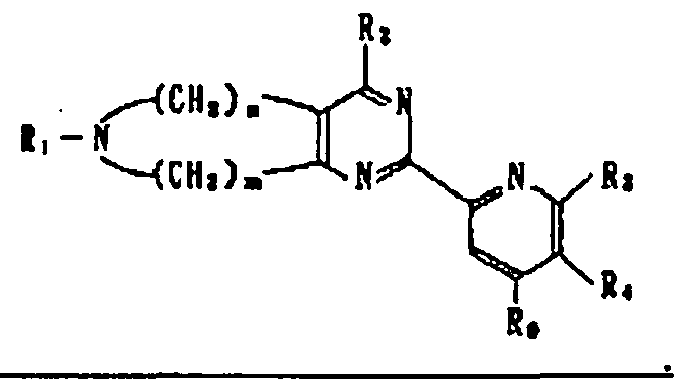
EP 0 276 057 A describes piperazinylpyrimidines as B-adrenergic receptor blocking agents.US 4 886 807 A describes pyrimidopyrimidine derivatives useful as anti-allergic agents, for example, for the treatment of bronchial asthma, urticaria, allergic rhinitis, allergic dermatoses of allergic conjunctivitis.US 3 346 452 A describes 5,6-lower alkylene-pyrimidines.FR 1 455 810 A US 3 316 257 A describes 5H-dihydrothiopyrano[4,3-d]pyrimidines.GB 1 048 986 A US 3 248 395 A describes 4-amino-5,6,7,8-tetrahydro-pyrido-[4,3-D]-pyrimidine substitution products. FR 2 450 M describes pyrimidines of formula
- It has now been found that compounds of this invention, and pharmaceutically acceptable compositions thereof, are useful as inhibitors of voltage-gated sodium channels. These compounds have the general formula I-BI:

- These compounds, and pharmaceutically acceptable compositions thereof, are useful for treating or lessening the severity of a variety of diseases, disorders, or conditions, including, but not limited to, acute, chronic, neuropathic, or inflammatory pain, arthritis, migrane, cluster headaches, trigeminal neuralgia, herpetic neuralgia, general neuralgias, epilepsy or epilepsy conditions, neurodegenerative disorders, psychiatric disorders such as anxiety and depression, myotonia, arrythmia, movement disorders, neuroendocrine disorders, ataxia, multiple sclerosis, irritable bowel syndrome, and incontinence.
- I. General Description of Compounds of the Invention:
- The present invention relates to compound of formula I useful as inhibitor of voltage-gated sodium channels:

R1 is hydrogen, methyl, ethyl, or benzyl, and R2 is methyl, ethyl, dimethylaminoethyl, 2-(2'-tetrahydrofuranyl)methyl, 2-hydroxy-1-methyl-ethyl, methylaminoethyl, imidazol-5-yl-ethyl,
or R1 and R2 taken together form 4-methoxypiperidinyl, N-pyrrolidinyl, 3-trifluoromethyl-1-pyrrolidinyl, 4-butylsulfonyl-piperazinyl, 1-piridinyl, 1-piperazinyl, 4-methylpiperidinyl, 4-hydroxypiperidinyl, 4-morpholinyl, 4-methylsulfonylpiperazinyl, 4-ethylsulfonylpiperazinyl, 4-isopropylsulfonylpiperazinyl, N-piperadinyl, 3-diethylaminocarbonyl-1-piperidinyl, 4-oxo-piperidinyl, 3-aminocarbonyl-piperidinyl, 4-methylpiperazinyl, or 4-carboxyethyl-piperazinyl;
ring A is 1-pyrrolyl, 2-pyridyl, 2-fluorophenyl, 2-hydroxyphenyl, 2-acyloxyphenyl, 2-hydroxy-6-fluorophenyl, 2-methoxyphenenyl, phenyl-2-phosphate disodium salt, or 4-methylpiperidyl, 2-ethyl-carbamic acid phenyl ester;
x is 1 and
R4 is 6-methyl, 7-methl, 8-hydroxy, or 2-t-butylcarbonyloxy. - 2. Compounds and Definitions:
- Compounds of this invention include those described generally above, and are further illustrated by the classes, subclasses, and species disclosed herein. As used herein, the following definitions shall apply unless otherwise indicated. For purposes of this invention, the chemical elements are identified in accordance with the Periodic Table of the Elements, CAS version, Handbook of Chemistry and Physics, 75th Ed. Additionally, general principles of organic chemistry are described in "Organic Chemistry", Thomas Sorrell, University Science Books, Sausalito: 1999, and "March's Advanced Organic Chemistry", 5th Ed., Ed.: Smith, M.B. and March, J., John Wiley & Sons, New York: 2001.
- As described herein, compounds of the invention may optionally be substituted with one or more substituents, such as are illustrated generally above, or as exemplified by particular classes, subclasses, and species of the invention. It will be appreciated that the phrase "optionally substituted" is used interchangeably with the phrase "substituted or unsubstituted." In general, the term "substituted", whether preceded by the term "optionally" or not, refers to the replacement of hydrogen radicals in a given structure with the radical of a specified substituent. Unless otherwise indicated, an optionally substituted group may have a substituent at each substitutable position of the group, and when more than one position in any given structure may be substituted with more than one substituent selected from a specified group, the substituent may be either the same or different at every position. Combinations of substituents envisioned by this invention are preferably those that result in the formation of stable or chemically feasible compounds. The term "stable", as used herein, refers to compounds that are not substantially altered when subjected to conditions to allow for their production, detection, and preferably their recovery, purification, and use for one or more of the purposes disclosed herein. In some embodiments, a stable compound or chemically feasible compound is one that is not substantially altered when kept at a temperature of 40°C or less, in the absence of moisture or other chemically reactive conditions, for at least a week.
- The term "aliphatic" or "aliphatic group", as used herein, means a straight-chain (i.e., unbranched) or branched, substituted or unsubstituted hydrocarbon chain that is completely saturated or that contains one or more units of unsaturation, or a monocyclic hydrocarbon or bicyclic hydrocarbon that is completely saturated or that contains one or more units of unsaturation, but which is not aromatic (also referred to herein as "carbocycle" "cycloaliphatic" or "cycloalkyl"), that has a single point of attachment to the rest of the molecule. Unless otherwise specified, aliphatic groups contain 1-20 aliphatic carbon atoms. In some embodiments, aliphatic groups contain 1-10 aliphatic carbon atoms. In other embodiments, aliphatic groups contain 1-8 aliphatic carbon atoms. In still other embodiments, aliphatic groups contain 1-6 aliphatic carbon atoms, and in yet other embodiments aliphatic groups contain 1-4 aliphatic carbon atoms. In some embodiments, "cycloaliphatic" (or "carbocycle" or "cycloakyl") refers to a monocyclic C3-C8 hydrocarbon or bicyclic C8-C12 hydrocarbon that is completely saturated or that contains one or more units of unsaturation, but which is not aromatic, that has a single point of attachment to the rest of the molecule wherein any individual ring in said bicyclic ring system has 3-7 members. Suitable aliphatic groups include, but are not limited to, linear or branched, substituted or unsubstituted alkyl, alkenyl, alkynyl groups and hybrids thereof such as (cycloalkyl)alkyl, (cycloalkenyl)alkyl or (cycloalkyl)alkenyl.
- The term "heteroaliphatic", as used herein, means aliphatic groups wherein one or two carbon atoms are independently replaced by one or more of oxygen, sulfur, nitrogen, phosphorus, or silicon. Heteroaliphatic groups may be substituted or unsubstituted, branched or unbranched, cyclic or acyclic, and include "heterocycle", "heterocyclyl", "heterocycloaliphatic", or "heterocyclic" groups.
- The term "heterocycle", "heterocyclyl", "heterocycloaliphatic", or "heterocyclic" as used herein means non-aromatic, monocyclic, bicyclic, or tricyclic ring systems in which one or more ring members is an independently selected heteroatom. In some embodiments, the "heterocycle", "heterocyclyl", "heterocycloaliphatic", or "heterocyclic" group has three to fourteen ring members in which one or more ring members is a heteroatom independently selected from oxygen, sulfur, nitrogen, or phosphorus, and each ring in the system contains 3 to 7 ring members.
- The term "heteroatom" means one or more of oxygen, sulfur, nitrogen, phosphorus, or silicon (including, any oxidized form of nitrogen, sulfur, phosphorus, or silicon; the quaternized form of any basic nitrogen or; a substitutable nitrogen of a heterocyclic ring, for example N (as in 3,4-dihydro-2H-pyrrolyl), NH (as in pyrrolidinyl) or NR+ (as in N-substituted pyrrolidinyl)).
- The term "unsaturated", as used herein, means that a moiety has one or more units of unsaturation.
- The term "alkoxy", or "thioalkyl", as used herein, refers to an alkyl group, as previously defined, attached to the principal carbon chain through an oxygen ("alkoxy") or sulfur ("thioalkyl") atom.
- The terms "haloalkyl", "haloalkenyl" and "haloalkoxy" means alkyl, alkenyl or alkoxy, as the case may be, substituted with one or more halogen atoms. The term "halogen" means F, Cl, Br, or I.
- The term "aryl" used alone or as part of a larger moiety as in "aralkyl", "aralkoxy", or "aryloxyalkyl", refers to monocyclic, bicyclic, and tricyclic ring systems having a total of five to fourteen ring members, wherein at least one ring in the system is aromatic and wherein each ring in the system contains 3 to 7 ring members. The term "aryl" may be used interchangeably with the term "aryl ring". The term "aryl" also refers to heteroaryl ring systems as defined hereinbelow.
- The term "heteroaryl", used alone or as part of a larger moiety as in "heteroaralkyl" or "heteroarylalkoxy", refers to monocyclic, bicyclic, and tricyclic ring systems having a total of five to fourteen ring members, wherein at least one ring in the system is aromatic, at least one ring in the system contains one or more heteroatoms, and wherein each ring in the system contains 3 to 7 ring members. The term "heteroaryl" may be used interchangeably with the term "heteroaryl ring" or the term "heteroaromatic".
- An aryl (including aralkyl, aralkoxy, aryloxyalkyl and the like) or heteroaryl (including heteroaralkyl and heteroarylalkoxy and the like) group may contain one or more substituents. Suitable substituents on the unsaturated carbon atom of an aryl or heteroaryl group are selected from halogen; -R°; -OR°; -SR°; 1,2-methylene-dioxy; 1,2-ethylenedioxy; phenyl (Ph) optionally, substituted with R°; -O(Ph) optionally substituted with R°; -(CH2)1-2(Ph), optionally substituted with R°; -CH=CH(Ph), optionally substituted with R°; -NO2; -CN; -N(R°)2; -NR°C(O)R°; -NR°C(O)N(R°)2; -NR°CO2R°; -NR°NR°C(O)R°; -NR°NR°C(O)N(R°)2; -NR°NR°CO2R°; -C(O)C(O)R°; -C(O)CH2C(O)R°; -CO2R°; -C(O)R°; -C(O)N(R°)2; -OC(O)N(R°)2; -S(O)2R°; -SO2N(R)2; -S(O)R°; -NR°SO2N(R°)2; -NR°SO2R°; -C(=S)N(R°)2; -C(=NH)-N(R°)2; or-(CH2)0-2NHC(O)R° wherein each independent occurrence of R° is selected from hydrogen, optionally substituted C1-6 aliphatic, an unsubstituted 5-6 membered heteroaryl or heterocyclic ring, phenyl, -O(Ph), or -CH2(Ph), or, notwithstanding the definition above, two independent occurrences of R°, on the same substituent or different substituents, taken together with the atom(s) to which each R° group is bound, form a 3-8-membered cycloalkyl, heterocyclyl, aryl, or heteroaryl ring having 0-3 heteroatoms independently selected from nitrogen, oxygen, or sulfur. Optional substituents on the aliphatic group of R° are selected from NH2, NH(C1-4aliphatic), N(C1-4aliphatic)2, halogen, C1-4aliphatic, OH, O(C1-4aliphatic), NO2, CN, CO2H, CO2(C1-4aliphatic), O(haloC1-4 aliphatic), or haloC1-4aliphatic, wherein each of the foregoing C1-4 aliphatic groups of R° is unsubstituted.
- An aliphatic or heteroaliphatic group, or a non-aromatic heterocyclic ring may contain one or more substituents. Suitable substituents on the saturated carbon of an aliphatic or heteroaliphatic group, or of a non-aromatic heterocyclic ring are selected from those listed above for the unsaturated carbon of an aryl or heteroaryl group and additionally include the following: =O =S, =NNHR*, =NN(R*)2, =NNHC(O)R*, NNHCO2(alkyl), =NNHSO2(alkyl), or NR*, where each R* is independently selected from hydrogen or an optionally substituted C1-6 aliphatic. Optional substituents on the aliphatic group of R* are selected from NH2, NH(C1-4 aliphatic), N(C1-4 aliphatic)2, halogen, C1-4 aliphatic, OH, O(C1-4 aliphatic), NO2, CN, CO2H, C02(C1-4 aliphatic), O(halo C1-4 aliphatic), or halo(C1-4 aliphatic), wherein each of the foregoing C1-4 aliphatic groups of R* is unsubstituted.
- Optional substituents on the nitrogen of a non-aromatic heterocyclic ring are selected from R+, -N(R+)2, -C(O)R+, -CO2R+, -C(O)C(O)R+, -C(O)CH2C(O)R+, -SO2R+, -SO2N(R+)2, -C(=S)N(R+)2, -C(=NH)-N(R+)2, or -NR+SO2R+; wherein R+ is hydrogen, an optionally substituted C1-6 aliphatic, optionally substituted phenyl, optionally substituted -O(Ph), optionally substituted -CH2(Ph), optionally substituted -(CH2)1-2(Ph); optionally substituted -CH=CH(Ph); or an unsubstituted 5-6 membered heteroaryl or heterocyclic ring having one to four heteroatoms independently selected from oxygen, nitrogen, or sulfur, or, notwithstanding the definition above, two independent occurrences of R+, on the same substituent or different substituents, taken together with the atom(s) to which each R+ group is bound, form a 3-8-membered cycloalkyl, heterocyclyl, aryl, or heteroaryl ring having 0-3 heteroatoms independently selected from nitrogen, oxygen, or sulfur. Optional substituents on the aliphatic group or the phenyl ring of R+ are selected from NH2, NH(C1-4 aliphatic), N(C1-4 aliphatic)2, halogen, C14 aliphatic, OH, O(C1-4 aliphatic), NO2, CN, CO2H, CO2(C1-4 aliphatic), O(halo C1-4 aliphatic), or halo(C1-4 aliphatic), wherein each of the foregoing C1-4 aliphatic groups of R+ is unsubstituted.
- The term "alkylidene chain" refers to a straight or branched carbon chain that may be fully saturated or have one or more units of unsaturation and has two points of attachment to the rest of the molecule.
- As detailed above, in some embodiments, two independent occurrences of R° (or R+, or any other variable similarly defined herein), are taken together together with the atom(s) to which each variable is bound to form a 3-8-membered cycloalkyl, heterocyclyl, aryl, or heteroaryl ring having 0-3 heteroatoms independently selected from nitrogen, oxygen, or sulfur. Exemplary rings that are formed when two independent occurrences of R° (or R+, or any other variable similarly defined herein) are taken together with the atom(s) to which each variable is bound include, but are not limited to the following: a) two independent occurrences of R° (or R+, or any other variable similarly defined herein) that are bound to the same atom and are taken together with that atom to form a ring, for example, N(R°)2, where both occurrences of R° are taken together with the nitrogen atom to form a piperidin-1-yl, piperazin-1-yl, or morpholin-4-yl group; and b) two independent occurrences of R° (or R+, or any other variable similarly defined herein) that are bound to different atoms and are taken together with both of those atoms to form a ring, for example where a phenyl group is substituted with two occurrences of OR°
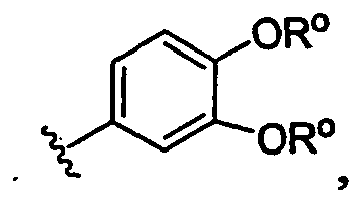

- Unless otherwise stated, structures depicted herein are also meant to include all isomeric (e.g., enantiomeric, diastereomeric, and geometric (or conformational)) forms of the structure; for example, the R and S configurations for each asymmetric center, (Z) and (E) double bond isomers, and (Z) and (E) conformational isomers. Therefore, single stereochemical isomers as well as enantiomeric, diastereomeric, and geometric (or conformational) mixtures of the present compounds are within the scope of the invention. Unless otherwise stated, all tautomeric forms of the compounds of the invention are within the scope of the invention. Additionally, unless otherwise stated, structures depicted herein are also meant to include compounds that differ only in the presence of one or more isotopically enriched atoms. For example, compounds having the present structures except for the replacement of hydrogen by deuterium or tritium, or the replacement of a carbon by a 13C- or 14C-enriched carbon are within the scope of this invention. Such compounds are useful, for example, as analytical tools or probes in biological assays.
- The present invention relates to compounds of formula :

- In one embodiment of formula I-B:
- (i) ring A is pyrrolyl, pyridyl, fluorophenyl, hydroxyphenyl, acyloxyphenyl, hydroxy-fluorophenyl, methoxyphenyl, phenyl-phosphate disodium salt, methylpiperidyl, ethyl-carbamic acid phenyl ester;
- (ii) x is 1, and R4 is 6-methyl, 7-methyl, 8-hydroxy or 2-t-butycarbonyloxy
- (iii) R1 is hydrogen, C1-4 alkyl, or benzyl, and R2 is C1-4 alkyl, di(C1-4 alkyl)amino-C1-4 alkyl, 2-(2'-tetrahydrofuranyl)methyl, 2-hydroxy-1-methyl-ethyl, or imidazol-5-yl-ethyl, or
- (iii) R1 and R2 taken together form a ring selected from N-pyrrolidinyl, N-piperidinyl, N-piperazinyl, morpholinyl, thiomorpholinyl, (C1-4 alkyl)sulfonylpiperazinyl, wherein said ring is optionally substituted with up to 3 substituents selected from halo, oxo, hydroxy, trifluoromethyl, -O- C1-4 alkyl, C1-4 alkyl optionally substituted with hydroxy, amino, aminocarbonyl, di(C1-4alkyl)aminocarbonyl, or carboxy.
- In one embodiment of formula I-B:
- (i) ring A is 1-pyrrolyl, 2-pyridyl, 2-fluorophenyl, 2-hydroxyphenyl, 2-acyloxyphenyl, 2-hydroxy-6-fluorophenyl, 2-methoxyphenyl, phenyl-2-phosphate disodium salt, or 4-methylpiperidyl, 2- ethyl-carbamic acid phenyl ester
- (ii) x is 1 and R4 is 6-methyl, 7-methyl, 8-hydroxy, or 2-t-butylcarbonyloxy
- (iii) R1 is hydrogen, methyl, ethyl, or benzyl, and R2 is methyl, ethyl, dimethylaminoethyl, 2-(2'-tetrahydrofuranyl)methyl, 2-hydroxy-1-methyl-ethyl, methylaminoethyl, imidazol-5-yl-ethyl, or
- (iii) R1 and R2 taken together form 4-methoxypiperidinyl, N-pyrrolidinyl, 3-trifluoromethyl-1-pyrrolidinyl, 4-butylsulfonyl-piperazinyl, 1-piperidinyl, 1-piperazinyl, 4-methylpiperidinyl, 4-hydroxypiperidinyl, 4-morpholinyl, 4-methylsulfonylpiperazinyl, 4-ethylsulfonylpiperazinyl, 4-isopropylsulfonylpiperazinyl, N-piperidinyl, 3-diethylaminocarbonyl-1-piperidinyl, 4-oxo-piperidinyl, 3-aminocarbonyl-piperidinyl, 4-methylpiperazinyl, or 4-carboxyethyl-piperazinyl.
- In one embodiment of formula I-B, ring A is 2-pyridyl, 2-fluorophenyl, 2-hydroxyphenyl, 2-acyloxyphenyl, 2-hydroxy-6-fluorophenyl, 2-methoxyphenyl, or 4-methylpiperidyl, x is 1 and R4 is 6-methyl, 7-methyl, or 8-hydroxy, R1 is methyl, ethyl, or benzyl, and R2 is methyl, ethyl, dimethylaminoethyl, or 2-(2'-tetrahydrofuranyl)methyl, or R1 and R2 taken together form 4-methoxypiperidinyl, N-pyrrolidinyl, 4-butylsulfonyl-piperazinyl, piperidinyl, 4-methylpiperidinyl, 4-hydroxypiperidinyl, 4-morpholinyl, 4-methylsulfonylpiperazinyl, 4-ethylsulfonylpiperazinyl, N-piperidinyl, 3-diethylaminocarbonyl-1-piperidinyl, or 4-carboxyethyl-piperazinyl
- In one embodiment of formula I-B, ring A is 2-pyridyl, 2-hydroxyphenyl, 2-acyloxyphenyl, 2-hydroxy-6-fluorophenyl, or 4-methylpiperidyl, x is 1 and R4 is 7-methyl, R1 is methyl and R2 is methyl or 2-(2'-tetrahydrcfuranyl)methyl, or R1 and R2 taken together form 4-butylsulfonyl-piperazinyl, piperidinyl, 4-methylpiperidinyl, 4-morpholinyl, 4-methylsulfonylpiperazinyl, 4-ethylsulfonylpiperazinyl, 4-piperidinyl, or 4-carboxyethyl-piperazinyl.
- In one embodiment of formula I-B, ring A is 2-hydroxyphenyl, R1 and R2, taken together, form a 1-piperidinyl ring, x is 1, and R4 is 7-methyl.
- In more preferred embodiments of I-B, both R1 and R2 are each independently an optionally substituted C1-4 aliphatic group, wherein one or more methylene units in the C1-4 aliphatic group are optionally and independently replaced with NR, O, (CO)O, O(CO), NR(CO), (CO)NR, SO2(NR), or (NR)SO2. In yet other referred embodiments of when R1 and R2 are each independently an optionally substituted C1-4 aliphatic group, wherein one or more methylene units in the C1-4 aliphatic group are optionally and independently replaced with NR, O, (CO)O, O(CO), NR(CO), (CO)NR, SO2(NR), or (NR)SO2, preferred R1 and R2 groups are each independently optionally substituted methyl, ethyl, cyclopropyl, n-propyl, propenyl, cyclobutyl, (CO)OCH2CH3, (CH2)2OCH3, CH2(CO)OCH2CH3, CH2(CO)OCH3, CH(CH3)CH2CH3, or t-butyl, or n-butyl. Most preferred R1 and R2 groups of formula I-B include those shown below in Table 2.
- In preferred embodiments of I-B x is and each R4 is independently 6-methyl, 7-methyl, 8-hydroxy or 2-t-butycarbonyloxy In more preferred embodiments of formula I-B each R4 is independently 6-methyl, 7-methyl, 8-hydroxy or 2-t-butycarbonyloxy
- Other preferred R4 groups of formula I-B include those shown below in Table 2.
- Representative examples of compounds as described above and herein are set forth below.

I-4 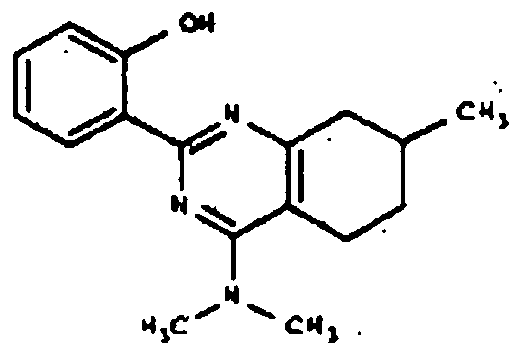

36 37 
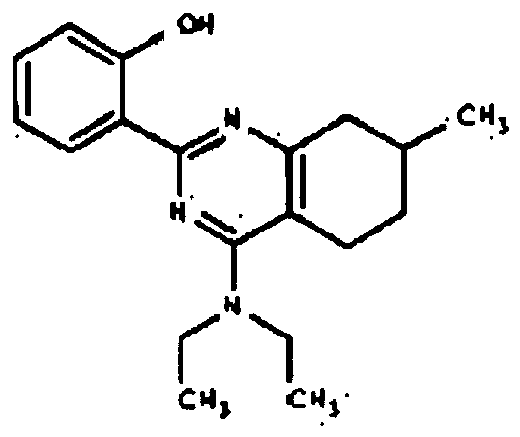
38 39 
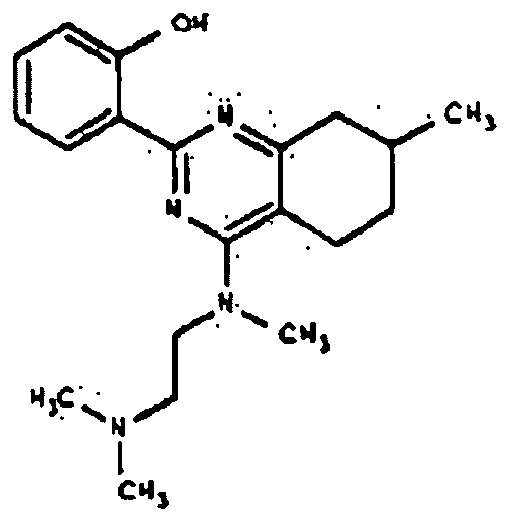
40 42 

43 44 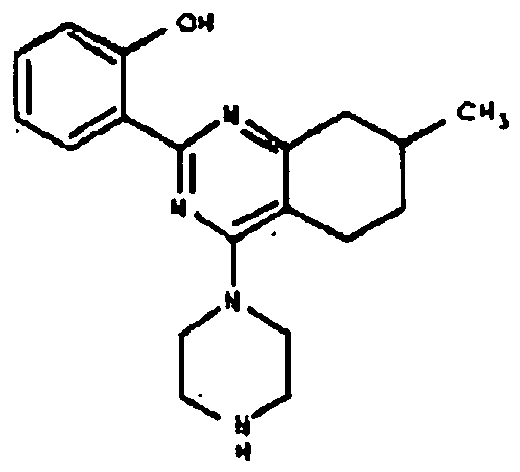

45 46 

48 49 
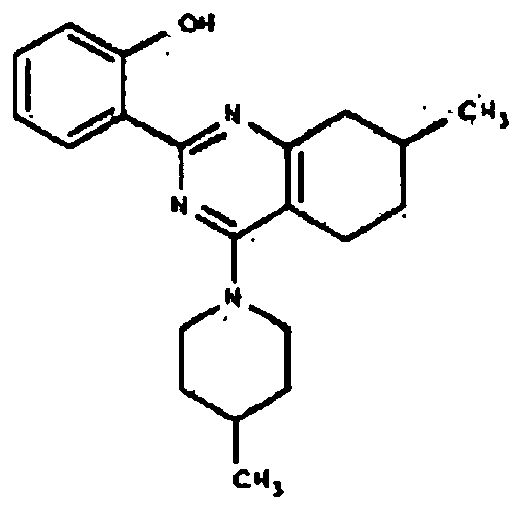
50 51 

54 55 

56 57 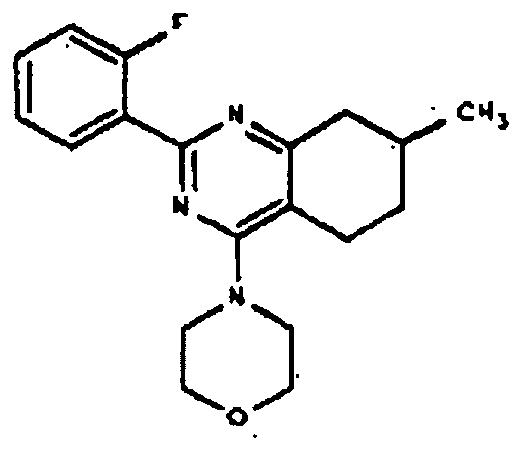

58 59 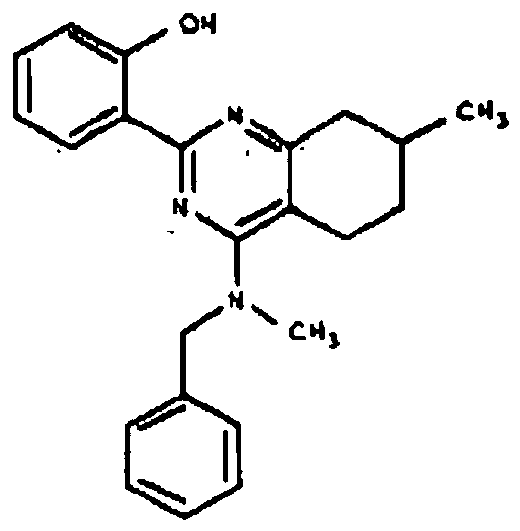

60 61 
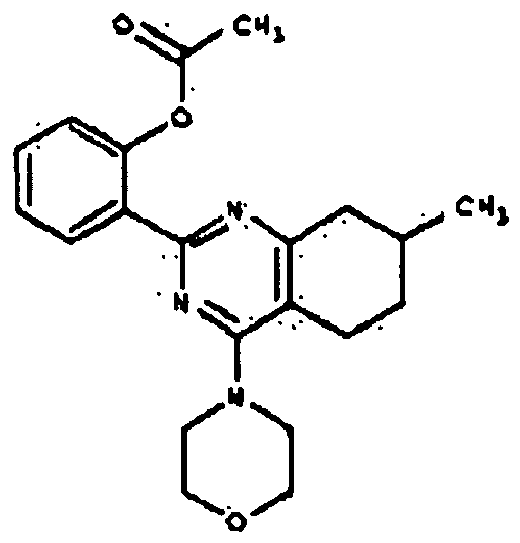
97 98 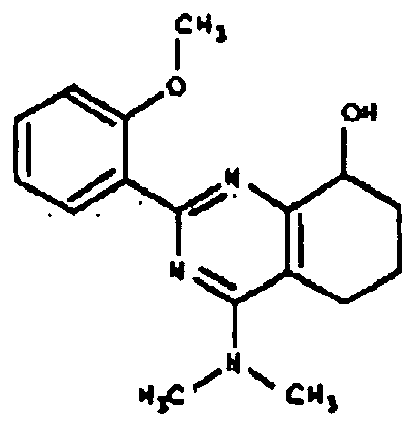

112 115 
116 

117 118 
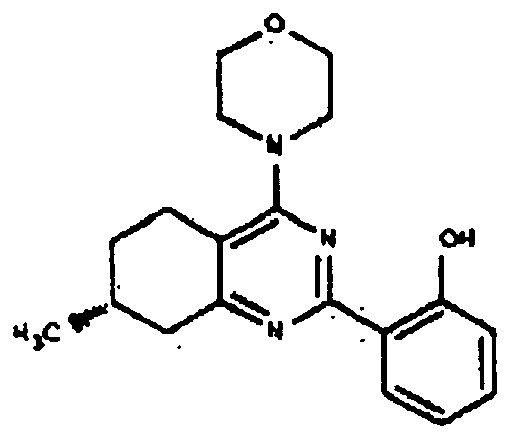
119 120 
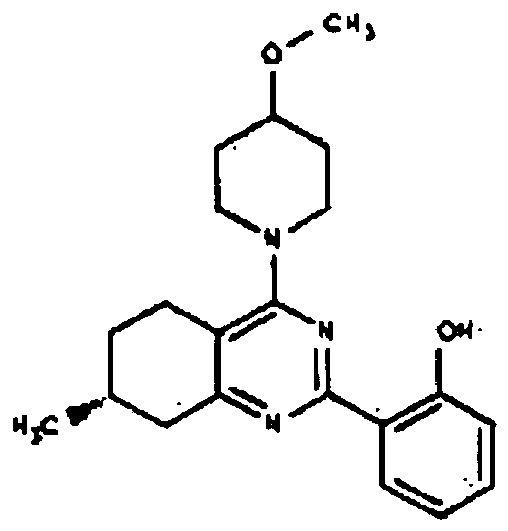
121 122 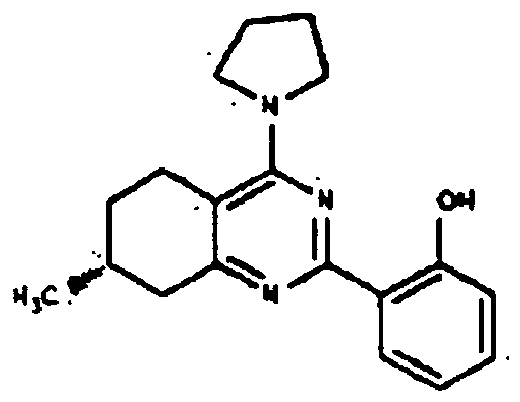
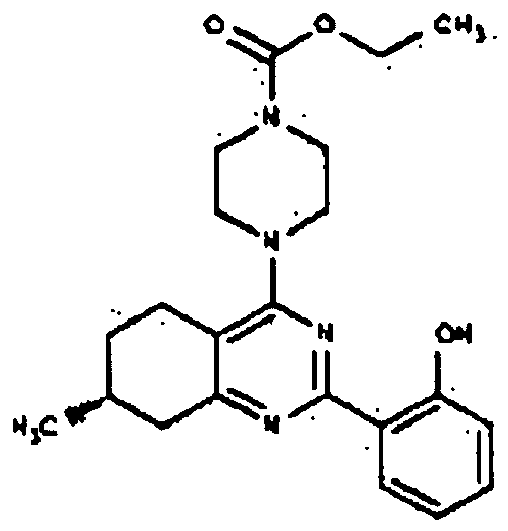
123 124 

125 126 

127 128 

129 130 

131 134 

139 140 

141 144 
145 - 4. General Synthetic Methodology:
- The compounds of this invention may be prepared in general by methods known to those skilled in the art for analogous compounds, as illustrated by the general scheme below, and the preparative examples that follow.
- As described in more detail in the Examples herein, and as shown generally in Scheme A below, reaction of a desired heterocyclohexanone-1-carboxylate and an amidine in ethanol with NaOEt at 0°C, and subsequent reaction with phosphorus oxychloride, boron tribromide and a desired amine, followed by debenzylation and reaction with an appropriate chloride generates compounds of general formula I'

- R1 and R2 are each independently hydrogen, or an optionally substituted group selected from C1-6 aliphatic, a 5-6 membered aryl ring having 0-5 heteroatoms independently selected from nitrogen, oxygen, or sulfur, or a 3-7-membered saturated or partially unsaturated ring having 0-3 heteroatoms independently selected from nitrogen, oxygen, or sulfur; or R1 and R2. taken together with the nitrogen atom to which they are bound, form an optionally substituted 3-8 membered heterocyclyl or heteroaryl ring having 1-3 heteroatoms independently selected from nitrogen, oxygen, or sulfur, wherein R1, R2, or any ring formed by R1 and R2 taken together, are each independently optionally substituted at one or more carbon atoms with 0-4 occurrences of -R5, and at one or more substitutable nitrogen atoms with -R6;
- Ring A is a 5-6 membered monocyclic or 8-10 membered bicyclic aryl ring having 0-5 heteroatoms independently selected from nitrogen, oxygen, or sulfur, or a 3-7-membered saturated or partially unsaturated ring having 0-3 heteroatoms independently selected from nitrogen, oxygen, or sulfur, optionally substituted at one or more carbon atoms with 0-5 occurrences of -R7, and at one or more substitutable nitrogen atoms with -R8;
- x is 0-6;
- p is 0, 1, or 2; and
- each occurrence of R4, R5, and R7 is independently Q-RX; wherein Q is a bond or is a C1-C6 alkylidene chain wherein up to two non-adjacent methylene units of Q are optionally and independently replaced by CO, CO2, COCO, CONR, OCONR, NRNR, NRNRCO, NRCO, NRCO2, NRCONR, SO, SO2, NRSO2, SO2NR. NRSO2NR, O, S. or NR;
- each occurrence of R is independently selected from hydrogen or an optionally substituted C1-6 aliphatic group;
- each occurrence of R' is independently selected from hydrogen or an optionally substituted group selected from C1-8 aliphatic, C6-10 aryl, a heteroaryl ring having 5-10 ring atoms, or a heterocyclyl ring having 3-10 ring atoms, or wherein R and R' taken together with the atom(s) to which they are bound, or two occurrences of R' taken together with the atom(s) to which they are bound, form a 5-8 membered cycloalkyl, heterocyclyl, aryl, or heteroaryl ring having 0-3 heteroatoms independently selected from nitrogen, oxygen, or sulfur, and
- each occurrence of R6 or R8 is independently R', -COR', -CO2(C1-6 aliphatic), -CON(R')2, or -SO2R'.

- Conditions: a) i. SnCl4, CH2Cl2; ii. Et3N, CH2Cl2; b) i. 1, NaOEt, EtOH; ii. POCl3, N,N-dimethylaniline, benzene, reflux; iii. R1R2NH, THF/CH2Cl2, RT; c) Pd/C, H2, AcOH, 90 °C; d) R3-Cl, Et3N, CH2Cl2.
- It will be appreciated that this method can be utilized to prepare a variety of compounds.
- Scheme B below depicts the preparation of C7_Aza_6 compounds and elaboration:

- Conditions: a) i. SnCl4, CH2Cl2; ii. Et3N, CH2Cl2; b) i. 1, NaOEt, EtOH; ii. POCl3, N,N-dimethylaniline, benzene, reflux; iii. R1R2NH, THF/CH2Cl2, RT; c) Pd/C, H2, AcOH, 90 °C; d) R3-Cl, Et3N, CH2Cl2.
- Scheme C below depicts the preparation of C5-Aza-6 compounds:

- Conditions: a) i. Et3N, CH2Cl2; ii. NaOH, H2O, reflux b) i. POCl3, N,N-dimethylaniline, benzene, reflux; ii. R1R2NH, THF/CH2Cl2, RT; c) H2, Pt2O2, TFA, EtOH; d) R3-Cl, Et3N, CH2Cl2.
- Scheme D below depicts the preparation of C8_Aza_6 compounds and elaborations:

- Conditions: a) i. Et3N, CH2Cl2; ii. NaOH, H2O, reflux b) i. POCl3, N,N-dimethylaniline, benzene, reflux; ii. R1R2NH, THF/CH2Cl2, RT; c) H2, Pt2O2, TFA, EtOH; d) R3-Cl, Et3N, CH2Cl2.
- Scheme E below depicts the preparation of C5_Oxa_6 compounds:

- Conditions: a) i. 1, NaOEt, EtOH, reflux; ii. POCl3, N,N-dimethylaniline, benzene, reflux; ii. R1R2NH, THF/CH2Cl2, RT.
- Scheme F below depicts the preparation of C6_Oxa_6 compounds:

- Conditions: a) i. 1, NaOEt, EtOH, reflux; ii. POCl3, N,N-dimethylaniline, benzene, reflux; ii. R1R2NH, THF/CH2Cl2, RT.
- Scheme G below depicts the preparation of C7_Oxa_6 compounds:
-

- Conditions: a) i. 1, NaOEt, EtOH, reflux; ii. POCl3, N,N-dimethylaniline, benzene, reflux; ii. R1R2NH, THF/CH2Cl2, RT.
- Scheme H below depicts the preparation of C8_Oxa_6 compounds:

- Conditions: a) i. ClSO2NCO, CH2Cl2; ii. KOH, H2O; b) i. POCl3, N,N-dimethylaniline, benzene, reflux; ii. R1R2NH, THF/CH2Cl2, RT; c) Pd(Ph3)4, Na2CO3, CH3CN, H2O, reflux
- Scheme I below depicts the preparation of C5_thia_6 compounds:
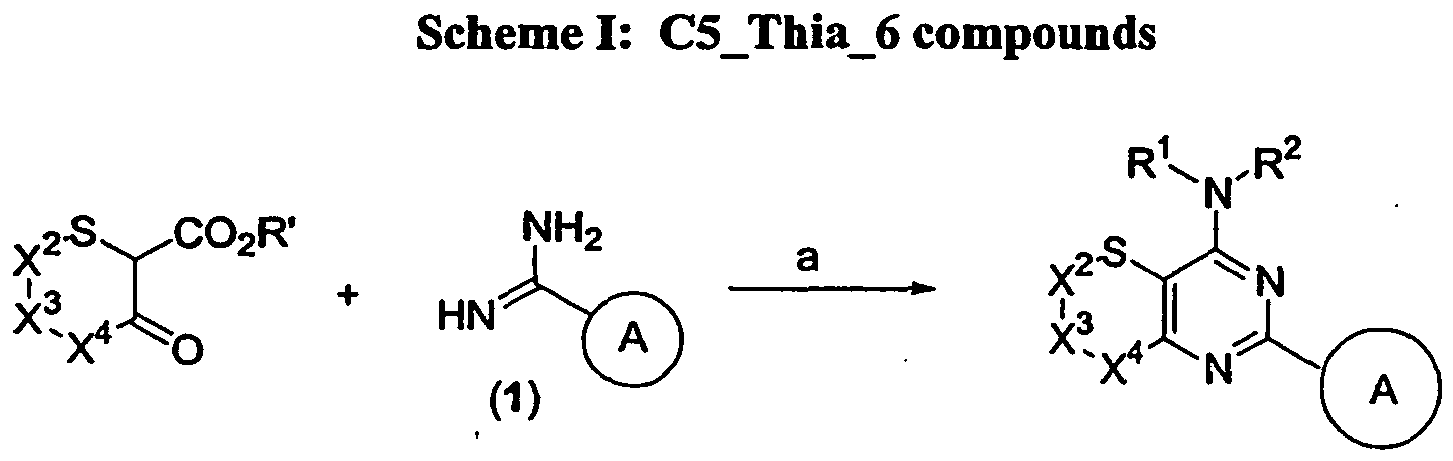
- Conditions: a) i. 1, NaOEt, EtOH, reflux; ii. POCl3, N,N-dimethylaniline, benzene, reflux; ii. R1R2NH, THF/CH2Cl2, RT.
- Scheme J below depicts the preparation of C6_Thia_6 compounds:

- Scheme K below depicts the preparation of C7_Thia_6 compounds:

- Conditions: a) i. 1, NaOEt, EtOH, reflux; ii. POCl3, N,N-dimethylaniline, benzene, reflux; ii. R1R2NH, THF/CH2Cl2, RT.
- Scheme L below depicts the preparation of C8_Thia_6 compounds:

- Conditions: a) i. ClSO2NCO, CH2Cl2; ii. KOH, H2O; b) i. POCl3, N,N-dimethylaniline, benzene, reflux; ii. R1R2NH, THF/CH2Cl2, RT; c) Pd(Ph3)4, Na2CO3, CH3CN, H2O, reflux
- Scheme M below depicts the preparation of C6_thia_5 compounds:

- Conditions: a) i. 1, NaOEt, EtOH, reflux; ii POCl3, N,N-dimethylaniline, benzene, reflux; ii. R1R2NH, THF/CH2Cl2, RT.
- Scheme N below depicts the preparation of C6_oxa_5 compounds:
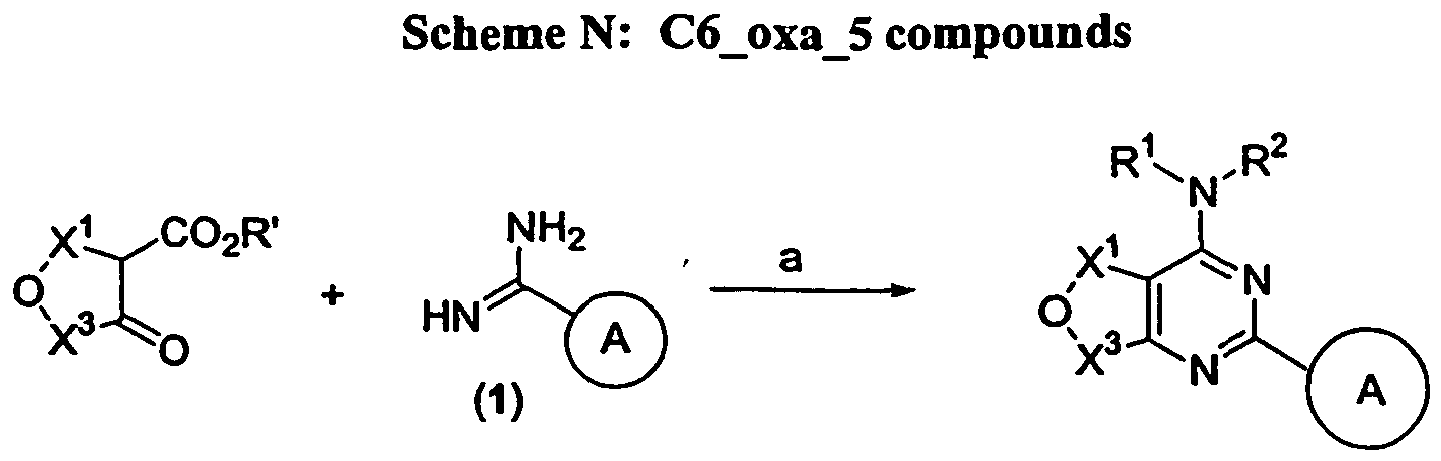
- Conditions: a) i. 1, NaOEt, EtOH, reflux; ii POCl3, N,N-dimethylaniline, benzene, reflux; ii. R1R2NH, THF/CH2Cl2, RT.
- As described in more detail in the Examples herein, and as shown generally in Scheme O below, reaction of a desired cyclohexanone-1-carboxylate and an amidine in ethanol with NaOEt at 0°C, and subsequent reaction with phosphorus oxychloride, boron tribromide, and a desired amine generates compounds of general formula I'.

- Conditions: a) LDA, R'OC(O)CN, THF; b) NaOR', R'OH, 48h, rt; c) NaOR', R'OH; d) i. 1, NaOEt, EtOH; ii. POCl3, N,N-dimethylaniline, benzene, reflux; iii. R1R2NH, THF/CH2Cl2, RT.
- It will be appreciated that this method can be utilized to prepare a variety of compounds.
- Scheme P below depicts the preparation ofbicyclic β-ketoesters:
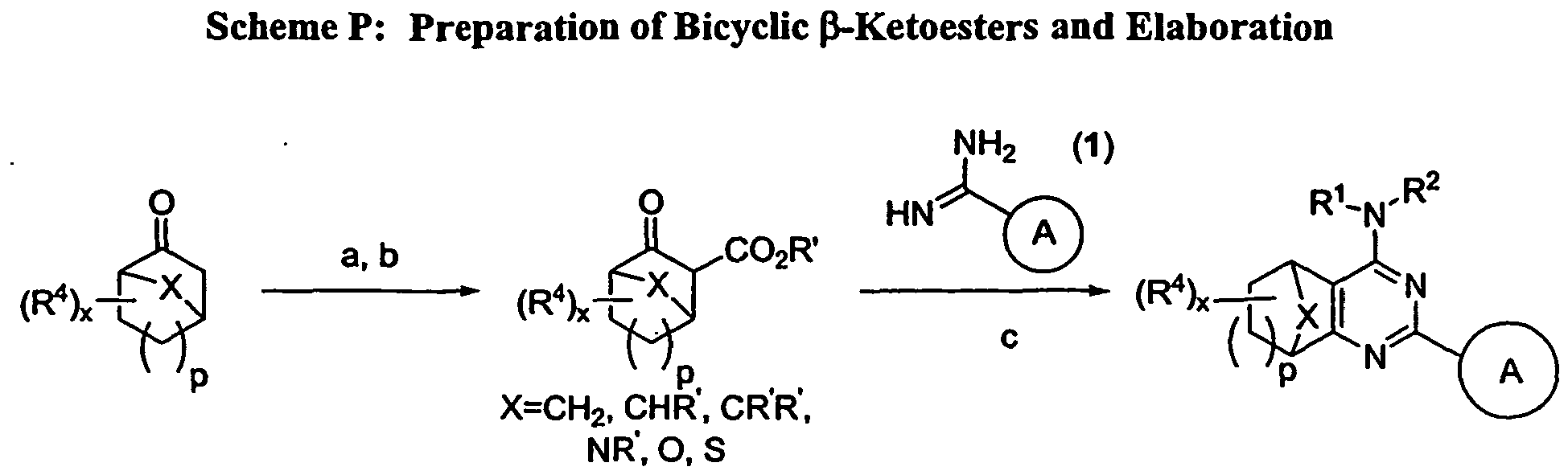
- Conditions: a) i. LDA, R'OC(O)CN, THF; ii. b) NaOR', R'OH, 48h, rt; c) i. NaOEt, EtOH; ii. POCl3, N,N-dimethylaniline, benzene, reflux; iii. R1R2NH, THF/CH2Cl2, RT.
- Additional conditions for the preparation of compounds of formula I' and subsets thereof is presetned below in Scheme Q.

- Conditions: a) i. LiHMDS; ii. HCl or i. HCl, MeOH; ii. NH3; b) NaOEt, EtOH; c) i. POCl3, N,N-dimethylaniline, benzene, reflux; ii. R1R2NH, THF/CH2Cl2, RT.
- In certain other embodiments, Ring A represents an N-linked heteroaryl or heterocyclyl group (as depicted below in Scheme R, where two occurrences of R' are taken together below to form an optionally substituted 5-8-membered cycloalkyl, heterocyclyl, aryl, or heteoaryl ring having 0-3 heteroatoms independently selected from nitrogen, oxygen, or sulfur).

- Conditions: a) H2O; b) NaOEt, EtOH; c) i. POCl3, N,N-dimethylaniline, benzene, reflux; ii. R1R2NH, THF/CH2Cl2, RT.
- In still other embodiments, compounds of the invention are prepared via Diels-Alder reactions to provide substituted tetrohydroquinazoline moieties as depicted in Scheme S below:

- Conditions: a) i. 1, EtOH; ii. m-CPBA; b) 2, toluene, reflux, 18 h; c) i. POCl3, N,N-dimethylaniline, benzene, reflux; ii. R1R2NH, THF/CH2Cl2, RT.
- Further functionalization of inventive compounds can be achieved via exemplary reactions as depicted below in Schemes T and U:

- Conditions: a) i. 1; ii. LDA, HCHO; iii. POCl3; iv. R1R2NH; b) i. 2; ii. TBAF; iii. POCl3; iv. R1R2NH; c) i. 3; ii. Na2S; iii. POCl3; iv. R1R2NH; d) i. 4; ii. DBU; iii. POCl3; iv. R1R2NH.

- Conditions: a) 25% H2SO4; b) NaBH(OAc)3, AcOH, R'R'NH, DCE, rt; c) i. NaBH4, MeOH; ii. NaH, R'X; d) i. R'MgBr; ii. R'X; e) R'R'C=P(Ph)3; f) LDA, R4X; g) i. R'NH2, NaBH(OAc)3, AcOH; ii. pyridine, R'C(O)Cl; h) i. R'NH2, NaBH(OAc)3, AcOH; ii. pyridine, R'SO2Cl; i) NH2OR', TsOH.
- Although certain exemplary embodiments are depicted and described above and herein, it will be appreciated that a compounds of the invention can be prepared according to the methods described generally above using appropriate starting materials by methods generally available to one of ordinary skill in the art.
- 5. Uses, Formulation and Administration
- Pharmaceutically acceptable compositions
- As discussed above, the present invention provides compounds that are inhibitors of voltage-gated sodium ion channels, and thus the present compounds are useful for the treatment of diseases, disorders, and conditions including, but not limited to acute, chronic, neuropathic, or inflammatory pain, arthritis, migrane, cluster headaches, trigeminal neuralgia, herpetic neuralgia, general neuralgias, epilepsy or epilepsy conditions, neurodegenerative disorders, psychiatric disorders such as anxiety and depression, myotonia, arrythmia, movement disorders, neuroendocrine disorders, ataxia, multiple sclerosis, irritable bowel syndrome, and incontinence. Accordingly, in another aspect of the present invention, pharmaceutically acceptable compositions are provided, wherein these compositions comprise any of the compounds as described herein, and optionally comprise a pharmaceutically acceptable carrier, adjuvant or vehicle. In certain embodiments, these compositions optionally further comprise one or more additional therapeutic agents.
- It will also be appreciated that certain of the compounds of present invention can exist in free form for treatment, or where appropriate, as a pharmaceutically acceptable derivative thereof. According to the present invention, a pharmaceutically acceptable derivative includes, but is not limited to, pharmaceutically acceptable salts, esters or salts of such esters.
- As used herein, the term "pharmaceutically acceptable salt" refers to those salts which are, within the scope of sound medical judgement, suitable for use in contact with the tissues of humans and lower animals without undue toxicity, irritation, allergic response and the like, and are commensurate with a reasonable benefit/risk ratio. A "pharmaceutically acceptable salt" means any non-toxic salt or salt of an ester of a compound of this invention that, upon administration to a recipient, is capable of providing, either directly or indirectly, a compound of this invention or an inhibitorily active metabolite or residue thereof. As used herein, the term "inhibitorily active metabolite or residue thereof" means that a metabolite or residue thereof is also an inhibitor of a voltage-gated sodium ion channel.
- Pharmaceutically acceptable salts are well known in the art. For example, S. M. Berge, et al. describe pharmaceutically acceptable salts in detail in J. Pharmaceutical Sciences, 1977, 66, 1-19. Pharmaceutically acceptable salts of the compounds of this invention include those derived from suitable inorganic and organic acids and bases. Examples of pharmaceutically acceptable, nontoxic acid addition salts are salts of an amino group formed with inorganic acids such as hydrochloric acid, hydrobromic acid, phosphoric acid, sulfuric acid and perchloric acid or with organic acids such as acetic acid, oxalic acid, maleic acid, tartaric acid, citric acid, succinic acid or malonic acid or by using other methods used in the art such as ion exchange. Other pharmaceutically acceptable salts include adipate, alginate, ascorbate, aspartate, benzenesulfonate, benzoate, bisulfate, borate, butyrate, camphorate, camphorsulfonate, citrate, cyclopentanepropionate, digluconate, dodecylsulfate, ethanesulfonate, formate, fumarate, glucoheptonate, glycerophosphate, gluconate, hemisulfate, heptanoate, hexanoate, hydroiodide, 2-hydroxy ethanesulfonate, lactobionate, lactate, laurate, lauryl sulfate, malate, maleate, malonate, methanesulfonate, 2-naphthalenesulfonate, nicotinate, nitrate, oleate, oxalate, palmitate, pamoate, pectinate, persulfate, 3-phenylpropionate, phosphate, picrate, pivalate, propionate, stearate, succinate, sulfate, tartrate, thiocyanate, p-toluenesulfonate, undecanoate, valerate salts, and the like. Salts derived from appropriate bases include alkali metal, alkaline earth metal, ammonium and N+(C1-4alkyl)4 salts. This invention also envisions the quaternization of any basic nitrogen-containing groups of the compounds disclosed herein. Water or oil-soluble or dispersable products may be obtained by such quaternization. Representative alkali or alkaline earth metal salts include sodium, lithium, potassium, calcium, magnesium, and the like. Further pharmaceutically acceptable salts include, when appropriate, nontoxic ammonium, quaternary ammonium, and amine cations formed using counterions such as halide, hydroxide, carboxylate, sulfate, phosphate, nitrate, loweralkyl sulfonate and aryl sulfonate.
- As described above, the pharmaceutically acceptable compositions of the present invention additionally comprise a pharmaceutically acceptable carrier, adjuvant, or vehicle, which, as used herein, includes any and all solvents, diluents, or other liquid vehicle, dispersion or suspension aids, surface active agents, isotonic agents, thickening or emulsifying agents, preservatives, solid binders, lubricants and the like, as suited to the particular dosage form desired. Remington's Pharmaceutical Sciences, Sixteenth Edition, E. W. Martin (Mack publishing Co., Easton, Pa., 1980) discloses various carriers used in formulating pharmaceutically acceptable compositions and known techniques for the preparation thereof. Except insofar as any conventional carrier medium is incompatible with the compounds of the invention, such as by producing any undesirable biological effect or otherwise interacting in a deleterious manner with any other component(s) of the pharmaceutically acceptable composition, its use is contemplated to be within the scope of this invention. Some examples of materials which can serve as pharmaceutically acceptable carriers include, but are not limited to, ion exchangers, alumina, aluminum stearate, lecithin, serum proteins, such as human serum albumin, buffer substances such as phosphates, glycine, sorbic acid, or potassium sorbate, partial glyceride mixtures of saturated vegetable fatty acids, water, salts or electrolytes, such as protamine sulfate, disodium hydrogen phosphate, potassium hydrogen phosphate, sodium chloride, zinc salts, colloidal silica, magnesium trisilicate, polyvinyl pyrrolidone, polyacrylates, waxes, polyethylene-polyoxypropylene-block polymers, wool fat, sugars such as lactose, glucose and sucrose; starches such as corn starch and potato starch; cellulose and its derivatives such as sodium carboxymethyl cellulose, ethyl cellulose and cellulose acetate; powdered tragacanth; malt; gelatin; talc; excipients such as cocoa butter and suppository waxes; oils such as peanut oil, cottonseed oil; safflower oil; sesame oil; olive oil; corn oil and soybean oil; glycols; such a propylene glycol or polyethylene glycol; esters such as ethyl oleate and ethyl laurate; agar; buffering agents such as magnesium hydroxide and aluminum hydroxide; alginic acid; pyrogen-free water; isotonic saline; Ringer's solution; ethyl alcohol, and phosphate buffer solutions, as well as other non-toxic compatible lubricants such as sodium lauryl sulfate and magnesium stearate, as well as coloring agents, releasing agents, coating agents, sweetening, flavoring and perfuming agents, preservatives and antioxidants can also be present in the composition, according to the judgment of the formulator.
- Uses of Compounds and Pharmaceutically Acceptable Compositions
- An another aspect, of the invention are the compounds of the invention for use in a method for the treatment or lessening the severity of acute, chronic, neuropathic, or inflammatory pain, arthritis, migrane, cluster headaches, trigeminal neuralgia, herpetic neuralgia, general neuralgias, epilepsy or epilepsy conditions, neurodegenerative disorders, psychiatric disorders such as anxiety and depression, myotonia, arrythmia, movement disorders, neuroendocrine disorders, ataxia, multiple sclerosis, irritable bowel syndrome, or incontinence . In certain preferred embodiments, it concerns the treatment or lessening the severity of acute, chronic, neuropathic, or inflammatory pain.
"effective amount" of the compound or pharmaceutically acceptable composition is that amount effective for treating or lessening the severity of one or more of acute, chronic, neuropathic, or inflammatory pain, epilepsy or epilepsy conditions, neurodegenerative disorders, psychiatric disorders such as anxiety and depression, myotonia, arrythmia, movement disorders, neuroendocrine disorders, ataxia, multiple sclerosis, irritable bowel syndrome, or incontinence. - The compounds and compositions may be administered using any amount and any route of administration effective for treating or lessening the severity of one or more of acute, chronic, neuropathic, or inflammatory pain, epilepsy or epilepsy conditions, neurodegenerative disorders, psychiatric disorders such as anxiety and depression, myotonia, arrythmia, movement disorders, neuroendocrine disorders, ataxia, multiple sclerosis, irritable bowel syndrome, or incontinence. The exact amount required will vary from subject to subject, depending on the species, age, and general condition of the subject, the severity of the infection, the particular agent, its mode of administration, and the like. The compounds of the invention are preferably formulated in dosage unit form for ease of administration and uniformity of dosage. The expression "dosage unit form" as used herein refers to a physically discrete unit of agent appropriate for the patient to be treated. It will be understood, however, that the total daily usage of the compounds and compositions of the present invention will be decided by the attending physician within the scope of sound medical judgment. The specific effective dose level for any particular patient or organism will depend upon a variety of factors including the disorder being treated and the severity of the disorder; the activity of the specific compound employed; the specific composition employed; the age, body weight, general health, sex and diet of the patient; the time of administration, route of administration, and rate of excretion of the specific compound employed; the duration of the treatment; drugs used in combination or coincidental with the specific compound employed, and like factors well known in the medical arts. The term "patient", as used herein, means an animal, preferably a mammal, and most preferably a human.
- The pharmaceutically acceptable compositions of this invention can be administered to humans and other animals orally, rectally, parenterally, intracisternally, intravaginally, intraperitoneally, topically (as by powders, ointments, or drops), bucally, as an oral or nasal spray, or the like, depending on the severity of the infection being treated. In certain embodiments, the compounds of the invention may be administered orally or parenterally at dosage levels of about 0.01 mg/kg to about 50 mg/kg and preferably from about 1 mg/kg to about 25 mg/kg, of subject body weight per day, one or more times a day, to obtain the desired therapeutic effect.
- Liquid dosage forms for oral administration include, but are not limited to, pharmaceutically acceptable emulsions, microemulsions, solutions, suspensions, syrups and elixirs. In addition to the active compounds, the liquid dosage forms may contain inert diluents commonly used in the art such as, for example, water or other solvents, solubilizing agents and emulsifiers such as ethyl alcohol, isopropyl alcohol, ethyl carbonate, ethyl acetate, benzyl alcohol, benzyl benzoate, propylene glycol, 1,3-butylene glycol, dimethylformamide, oils (in particular, cottonseed, groundnut, corn, germ, olive, castor, and sesame oils), glycerol, tetrahydrofurfuryl alcohol, polyethylene glycols and fatty acid esters of sorbitan, and mixtures thereof. Besides inert diluents, the oral compositions can also include adjuvants such as wetting agents, emulsifying and suspending agents, sweetening, flavoring, and perfuming agents.
- Injectable preparations, for example, sterile injectable aqueous or oleaginous suspensions may be formulated according to the known art using suitable dispersing or wetting agents and suspending agents. The sterile injectable preparation may also be a sterile injectable solution, suspension or emulsion in a nontoxic parenterally acceptable diluent or solvent, for example, as a solution in 1,3-butanediol. Among the acceptable vehicles and solvents that may be employed are water, Ringer's solution, U.S.P. and isotonic sodium chloride solution. In addition, sterile, fixed oils are conventionally employed as a solvent or suspending medium. For this purpose any bland fixed oil can be employed including synthetic mono- or diglycerides. In addition, fatty acids such as oleic acid are used in the preparation of injectables.
- The injectable formulations can be sterilized, for example, by filtration through a bacterial-retaining filter, or by incorporating sterilizing agents in the form of sterile solid compositions which can be dissolved or dispersed in sterile water or other sterile injectable medium prior to use.
- In order to prolong the effect of a compound of the present invention, it is often desirable to slow the absorption of the compound from subcutaneous or intramuscular injection. This may be accomplished by the use of a liquid suspension of crystalline or amorphous material with poor water solubility. The rate of absorption of the compound then depends upon its rate of dissolution that, in turn, may depend upon crystal size and crystalline form. Alternatively, delayed absorption of a parenterally administered compound form is accomplished by dissolving or suspending the compound in an oil vehicle. Injectable depot forms are made by forming microencapsule matrices of the compound in biodegradable polymers such as polylactide-polyglycolide. Depending upon the ratio of compound to polymer and the nature of the particular polymer employed, the rate of compound release can be controlled. Examples of other biodegradable polymers include poly(orthoesters) and poly(anhydrides). Depot injectable formulations are also prepared by entrapping the compound in liposomes or microemulsions that are compatible with body tissues.
- Compositions for rectal or vaginal administration are preferably suppositories which can be prepared by mixing the compounds of this invention with suitable non-irritating excipients or carriers such as cocoa butter, polyethylene glycol or a suppository wax which are solid at ambient temperature but liquid at body temperature and therefore melt in the rectum or vaginal cavity and release the active compound.
- Solid dosage forms for oral administration include capsules, tablets, pills, powders, and granules. In such solid dosage forms, the active compound is mixed with at least one inert, pharmaceutically acceptable excipient or carrier such as sodium citrate or dicalcium phosphate and/or a) fillers or extenders such as starches, lactose, sucrose, glucose, mannitol, and silicic acid, b) binders such as, for example, carboxymethylcellulose, alginates, gelatin, polyvinylpyrrolidinone, sucrose, and acacia, c) humectants such as glycerol, d) disintegrating agents such as agar--agar, calcium carbonate, potato or tapioca starch, alginic acid, certain silicates, and sodium carbonate, e) solution retarding agents such as paraffin, f) absorption accelerators such as quaternary ammonium compounds, g) wetting agents such as, for example, cetyl alcohol and glycerol monostearate, h) absorbents such as kaolin and bentonite clay, and i) lubricants such as talc, calcium stearate, magnesium stearate, solid polyethylene glycols, sodium lauryl sulfate, and mixtures thereof. In the case of capsules, tablets and pills, the dosage form may also comprise buffering agents.
- Solid compositions of a similar type may also be employed as fillers in soft and hard-filled gelatin capsules using such excipients as lactose or milk sugar as well as high molecular weight polyethylene glycols and the like. The solid dosage forms of tablets, dragees, capsules, pills, and granules can be prepared with coatings and shells such as enteric coatings and other coatings well known in the pharmaceutical formulating art. They may optionally contain opacifying agents and can also be of a composition that they release the active ingredient(s) only, or preferentially, in a certain part of the intestinal tract, optionally, in a delayed manner. Examples of embedding compositions that can be used include polymeric substances and waxes. Solid compositions of a similar type may also be employed as fillers in soft and hard-filled gelatin capsules using such excipients as lactose or milk sugar as well as high molecular weight polethylene glycols and the like.
- The active compounds can also be in microencapsulated form with one or more excipients as noted above. The solid dosage forms of tablets, dragees, capsules, pills, and granules can be prepared with coatings and shells such as enteric coatings, release controlling coatings and other coatings well known in the pharmaceutical formulating art. In such solid dosage forms the active compound may be admixed with at least one inert diluent such as sucrose, lactose or starch. Such dosage forms may also comprise, as is normal practice, additional substances other than inert diluents, e.g., tableting lubricants and other tableting aids such a magnesium stearate and microcrystalline cellulose. In the case of capsules, tablets and pills, the dosage forms may also comprise buffering agents. They may optionally contain opacifying agents and can also be of a composition that they release the active ingredient(s) only, or preferentially, in a certain part of the intestinal tract, optionally, in a delayed manner. Examples of embedding compositions that can be used include polymeric substances and waxes.
- Dosage forms for topical or transdermal administration of a compound of this invention include ointments, pastes, creams, lotions, gels, powders, solutions, sprays, inhalants or patches. The active component is admixed under sterile conditions with a pharmaceutically acceptable carrier and any needed preservatives or buffers as may be required. Ophthalmic formulation, eardrops, and eye drops are also contemplated as being within the scope of this invention. Additionally, the present invention contemplates the use of transdermal patches, which have the added advantage of providing controlled delivery of a compound to the body. Such dosage forms are prepared by dissolving or dispensing the compound in the proper medium. Absorption enhancers can also be used to increase the flux of the compound across the skin. The rate can be controlled by either providing a rate controlling membrane or by dispersing the compound in a polymer matrix or gel.
- As described generally above, the compounds of the invention are useful as inhibitors of voltage-gated sodium ion channels or calcium channels, preferably N-type calcium channels. In one embodiment, the compounds and compositions of the invention are inhibitors of one or more of NaV1.1, NaV1.2, NaV1.3, NaV1.4, NaV1.5, NaV1.6, NaV1.7, NaV1.8, NaV1.9, or CaV2.2, and thus, without wishing to be bound by any particular theory, the compounds and compositions are particularly useful for treating or lessening the severity of a disease, condition, or disorder where activation or hyperactivity of one or more of NaV1.1, NaV1.2, NaV1.3, NaV1.4, NaV1.5, NaV1.6, NaV1.7, NaV1.8, NaV1.9, or CaV2.2 is implicated in the disease, condition, or disorder. When activation or hyperactivity of NaV1.1, NaV1.2, NaV1.3, NaV1.4, NaV1.5, NaV1.6, NaV1.7, NaV1.8, NaV1.9, or CaV2.2, is implicated in a particular disease, condition, or disorder, the disease, condition, or disorder may also be referred to as a "NaV1.1, NaV1.2, NaV1.3, NaV1.4, NaV1.5, NaV1.6, NaV1.7, NaV1.8 or NaV1.9-mediated disease, condition or disorder" or a "CaV2.2-mediated condition or disorder". Accordingly, in another aspect, the compounds ma be used in a method for treating or lessening the severity of a disease, condition, or disorder where activation or hyperactivity of one or more of NaV1.1, NaV1.2, NaV1.3, NaV1.4, NaV1.5, NaV1.6, NaV1.7, NaV1.8, NaV1.9, or CaV2.2 is implicated in the disease state.
- The activity of a compound utilized in this invention as an inhibitor of NaV1.1, NaV1.2, NaV1.3, NaV1.4, NaV1.5, NaV1.6, NaV1.7, NaV1.8, NaV1.9, or CaV2.2 may be assayed according to methods described generally in the Examples herein, or according to methods available to one of ordinary skill in the art.
- In certain exemplary embodiments, compounds of the invention are useful as inhibitors of NaV1.8. In other embodiments, compounds of the invention are useful as inhibitors of NaV1.8 and CaV2.2. In still other embodiments, compounds of the invention are useful as inhibitors of CaV2.2.
- It will also be appreciated that the compounds and pharmaceutically acceptable compositions of the present invention can be employed in combination therapies, that is, the compounds and pharmaceutically acceptable compositions can be administered concurrently with, prior to, or subsequent to, one or more other desired therapeutics or medical procedures. The particular combination of therapies (therapeutics or procedures) to employ in a combination regimen will take into account compatibility of the desired therapeutics and/or procedures and the desired therapeutic effect to be achieved. It will also be appreciated that the therapies employed may achieve a desired effect for the same disorder (for example, an inventive compound may be administered concurrently with another agent used to treat the same disorder), or they may achieve different effects (e.g., control of any adverse effects). As used herein, additional therapeutic agents that are normally administered to treat or prevent a particular disease, or condition, are known as "appropriate for the disease, or condition, being treated".
- The amount of additional therapeutic agent present in the compositions of this invention will be no more than the amount that would normally be administered in a composition comprising that therapeutic agent as the only active agent. Preferably the amount of additional therapeutic agent in the presently disclosed compositions will range from about 50% to 100% of the amount normally present in a composition comprising that agent as the only therapeutically active agent.
- The compounds of this invention or pharmaceutically acceptable compositions thereof may also be incorporated into compositions for coating an implantable medical device, such as prostheses, artificial valves, vascular grafts, stents and catheters. Accordingly, the present invention, in another aspect, includes a composition for coating an implantable device comprising a compound of the present invention as described generally above, and in classes and subclasses herein, and a carrier suitable for coating said implantable device. In still another aspect, the present invention includes an implantable device coated with a composition comprising a compound of the present invention as described generally above, and in classes and subclasses herein, and a carrier suitable for coating said implantable device. Suitable coatings and the general preparation of coated implantable devices are described in
US Patents 6,099,562 ;5,886,026 ; and5,304,121 . The coatings are typically biocompatible polymeric materials such as a hydrogel polymer, polymethyldisiloxane, polycaprolactone, polyethylene glycol, polylactic acid, ethylene vinyl acetate, and mixtures thereof. The coatings may optionally be further covered by a suitable topcoat of fluorosilicone, polysaccarides, polyethylene glycol, phospholipids or combinations thereof to impart controlled release characteristics in the composition. - Another aspect of the invention relates to inhibiting NaV1.1, NaV1.2, NaV1.3, NaV1.4, NaV1.5, NaV1.6, NaV1.7, NaV1.8, NaV1.9, or CaV2.2 activity in a biological sample in vitro, which method comprises contacting said biological sample with a compound of the present invention or a composition comprising said compound. The term "biological sample", as used herein, includes, without limitation, cell cultures or extracts thereof; biopsied material obtained from a mammal or extracts thereof; and blood, saliva, urine, feces, semen, tears, or other body fluids or extracts thereof.
- Inhibition of NaV1.1, NaV1.2, NaV1.3, NaV1.4, NaV1.5, NaV1.6, NaV1.7, NaV1.8, NaV1.9, or CaV2.2 activity in a biological sample is useful for a variety of purposes that are known to one of skill in the art. Examples of such purposes include, but are not limited to, the study of sodium ion channels in biological and pathological phenomena; and the comparative evaluation of new sodium ion channel inhibitors.
- In order that the invention described herein may be more fully understood, the following examples are set forth. It should be understood that these examples are for illustrative purposes.
- SYNTHESIS OF EXEMPLARY COMPOUNDS OF THE INVENTION
- Methods:
- (A) Micromass MUX LCT 4 channel LC/MS, Waters 60F pump, Gilson 215 4 probe autosampler, Gilson 849 injection module, 1.5 mL/min/column flow rate, 10-99% CH3CN (0.035 % TFA) / H2O (0.05 % TFA) gradient, Phenomenex Luna 5u C18 columns (50 x 4.60 mm), Waters MUX UV-2488 UV detector, Cedex 75 ELSD detectors.
- (B) PESciex API-150-EX LC/MS, Shimadzu LC-8A pumps, Gilson 215 autosampler, Gilson 819 injection module, 3.0 mL/min flow rate, 10-99% CH3CN (0.035 % TFA) / H2O (0.05 % TFA) gradient, Phenomenex Luna 5u C18 column (50 x 4.60 mm), Shimadzu SPD-10A UV/Vis detector, Cedex 75 ELSD detector.
- (C) PESciex API-150-EX LC/MS, Shimadzu LC-8A pumps, Gilson 215 autosampler, Gilson 819 injection module, 3.0 mL/min flow rate, 40-99% CH3CN (0.035 % TFA) / H2O (0.05 % TFA) gradient, Phenomenex Luna 5u C18 column (50 x 4.60 mm), Shimadzu SPD-10A UV/Vis detector, Cedex 75 ELSD detector.

- To a solution of ethyl 4-methyl-2-cyclohexanone-1-carboxylate 1 (4.7 g, 26.4 mmol) and 2-methoxy-benzamidine (5.7 g, 26.4 mmol) in ethanol (100 mL) was added NaOEt (21% in EtOH, 39.4 mL, 105.6 mmol) at 0°C. The reaction mixture was allowed to warm to room temperature and was then heated to 90°C for 12 hours. After cooling to room temperature, the solvent was removed, and the residue was taken up in ice water, extracted with DCM (50 mL x 2), dried (Na2SO4) and concentrated to give a crude yellow solid. The crude mixture was purified by silica gel chromatography (65% EtOAc/35% hexane) to afford 2 (2.7 g, 9.9 mmol, 38 % yield) as a white solid. LC/MS (Method C: 10-99% CH3CN / H2O) M+1 (obs) = 272.0 retention time 2.77 min.
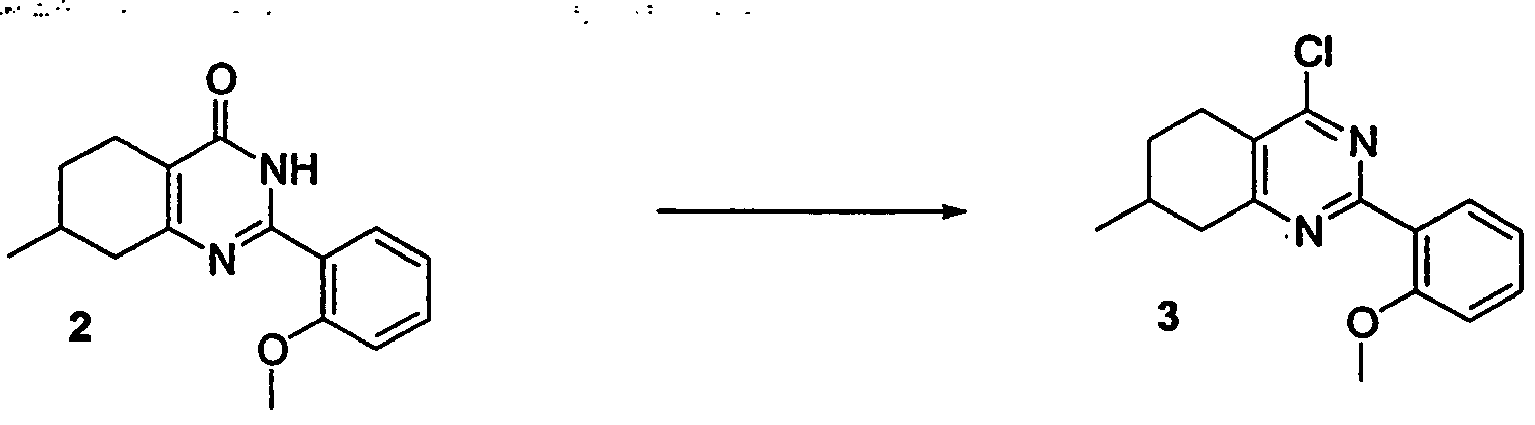
- 2-(2-Methoxy-phenyl)-7-methyl-5,6,7,8-tetrahydro-3H-quinazolin-4-one 2 (2.2 g, 8.15 mmol) was dissolved in phosphorus oxychloride (50 mL) and heated to 90°C for 3 hours. The solution was cooled to room temperature and solvent removed in vacuo. The residue was taken up in ice water, neuralized with sat aqueous NaHCO3, extracted with dichloromethane (150 mL) (PH = 10), and concentrated to afford 3 (2.2 g, 7.61 mmol, 93% yield) as light yellow solid. LC/MS (Method C: 10-99% CH3CN / H2O) M+1 (obs) = 290.0 retention time 3.73 min.

- To a solution of 4-chloroquinazoline 3 (2.2 g, 7.86 mmol) in dichloromethane (100 mL) in a round-bottomed flask equipped with rubber septum, stirring bar and nitrogen balloon was added boron tribromide (1M in DCM, 39.3 mmol) dropwise at -78°C. The reaction was warmed to room temperature and allowed to stir for 3 hours at room temperature. Then the reaction mixture was cooled to -78°C and quenched with saturated aqueous NaHCO3 (50 mL). After stirring for 1 hour at room temperature, the mixture was extracted with dichloromethane (2 x 100 mL), dried over Na2SO4 and concentrated to afford 4 (2.1 g, 7.76 mmol, 97 %yield) as a light pink solid. LC/MS, (Method C: 10-99% CH3CN / H2O) M+1 (obs) = 275.0 retention time 4.60 min.

- : To a solution of 2-(4-chloro-7-methyl-5,6,7,8-tetrahydroquinazolin-2-yl)-phenol 4 (50 mg, 0.18 mmol) in THF (2 mL) was added triethylamine (0.072 mL, 0.54 mmol) and dimethylamine (1M in THF, 0.9 mL, 0.9 mmol). After stirring at room temperature overnight, the solvent was removed in vacuo. The crude mixture was purified by using Gilson HPLC to afford the TFA salt of I-2 (47 mg, 0.12 mmol, 67% yield) as a white solid. LC/MS (Method C: 10-99% CH3CN/ H2O) M+1 (obs) = 284.0 retention time 3.17 min.

- A solution of ethyl 4-oxo-tetranhydrothiophene-3-carboxylic acid ethyl ester 6 (1.0 g, 26.4 mmol) and 2-methoxy-benzamidine (5.7 g, 26.4 mmol) in ethanol (100 mL) was stirred at ambient temperature overnight, then heated at reflux for 4 hours. After cooling to ambient temperature, the solvent was removed in vacuo. The crude mixture was purified by flash chromatography on silica (65% EtOAc/ 35% hexane) to afford 7 (2.7 g, 10.4 mmol, 39% yield) as a white solid. LC/MS (Method C: 10-99% CH3CN / H2O) M+1 (obs) = 261.0, retention time 2.89 min.

- To a solution of 2-(2-methoxy-phenyl)-5,7-dihydro-3H-thieno[3,4-d]pyrimidine-4-one 7 (1.0 g, 3.94 mmol) in dichloromethane (100 mL) was added MCPBA (1.8 g, 7.9 mmol) in portions at ambient temperature. After stirring for 3 hours at ambient temperature, the reaction was quenched with saturated aqueous sodium thiosulfate, washed with aqueous sodium bicarbonate, water, and then extracted twice with 50 mL portions of dichloromethane. The combined organic layer was dried (Na2SO4) and concentrated in vacuo to give the crude product as a yellow solid. Purification by flash chromatography on silica gel (65% EtOAc/35% hexane) gave 8 (1.1 g, 3.8 mmol, 97% yield) as a white solid. LC/MS (Method C: 10-99% CH3CN / H2O) M+1 (obs) = 293.0, retention time 2.39 min.

- A solution of 2-(2-methoxy-phenyl)-6,6-dioxo-3,5,6,7-tetrahydro-6-thieno[3,4-d]pyrimidine-4-one 8 (1.0 g, 3.4 mmol) and diethyl maleate (4.3 mL, 34 mmol) in toluene ( 100 mL), was refluxed for 18 hours in a 150 mL round-bottomed flask equipped with a Dean-Stark trap. The solvent was removed in vacuo and the crude mixture purified by flash chromatography on silica gel to afford 9 (1.0 g, 2.7 mmol, 79% yield) as a white solid. LC/MS (Method C: 10-99% CH3CN / H2O) M+1 (obs) = 372.8, retention time 2.70 min.

- A 250 mL roundbottom flask, equipped with a reflux condenser, was charged with a mixture of 11 (2.0 g, 5.8 mmol), N,N-dimethylaniline (0.70 g, 5.8 mmol), and phosphoryl chloride (8.9g, 57.7 mmol). The mixture was heated, with stirring, at 95 °C for 10 minutes. The clear solution was concentrated under reduced pressure and the residue was poured onto ice (250 g) followed by the addition of CH2Cl2 (500 mL). The mixture was made strongly basic by the dropwise addition of 50% aqueous NaOH solution. The organic portion was dried (MgSO4) and evaporated under reduced pressure. The residue was purified by silica gel chromatography using (70% hexanes, 30% ethyl acetate) to obtain 11 (1.6 g, 4.3 mmol, 75% yield) as a light yellow oil. LC/MS (Method C: 10-99% CH3CN / H2O) M+1 (obs) = 375.3; Rt = 1.90.
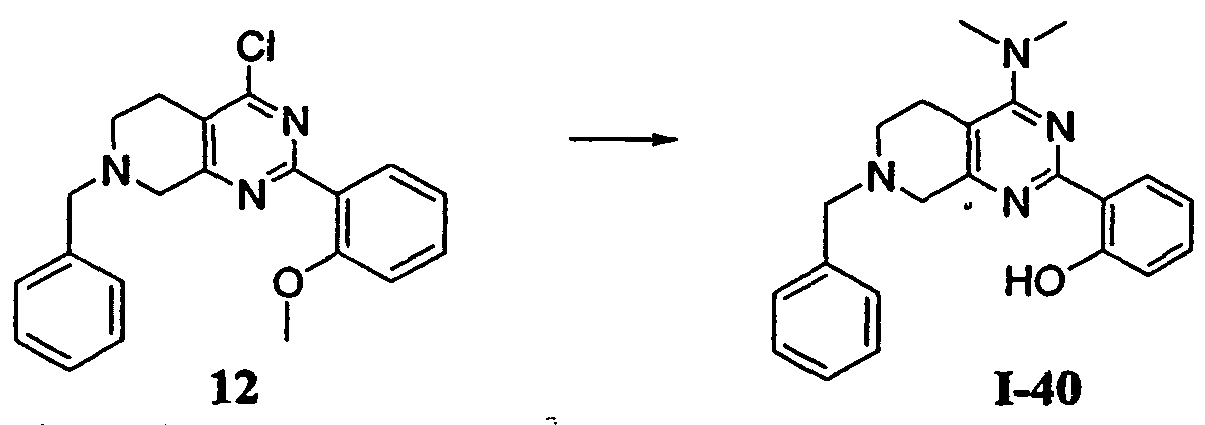
- A 250 mL roundbottom flask was charged with a solution of 12 (3.5 g, 9.6 mmol), and CH2Cl2 (120 mL). To this solution was added boron tribromide (28.8 mL, 28.8 mmol, 1.0M in CH2Cl2) dropwise over a period of 5 minutes. The solution was stirred at 25 °C for 30 minutes. The mixture was poured into saturated aqueuous NaHCO3 solution (500 mL) followed by the addition of CH2Cl2 (300 mL). The organic portion was dried (MgSO4) and treated with triethylamine (1.4 mL, 10.0 mmol) followed by the addition of dimethylamine (14.4 mL, 28.8 mmol, 2.0 M in THF). The mixture was stirred at ambient temperature for 1 hour. The mixture was evaporated to dryness under reduced pressure. The residue was purified by silica gel chromatography using (70% hexanes, 30% ethyl acetate) to obtain I-40 (1.3 g, 3.6 mmol, 39% yield) as a white solid. LC/MS (Method C: 10-99% CH3CN / H2O) M+1 (obs) = 361.2; Rt = 2.42.

- A 250 mL roundbottom flask, equipped with a reflux condenser, was charged with a solution of I-40 (1.3 g, 3.6 mmol), AcOH (50 mL), and 10% palladium on carbon (200 mg), under an atmosphere of N2. A hydrogen balloon was introduced to the top of the reflux condenser via a needle pierced septa. The mixture was stirred and heated at 90 °C for 6 hours. The mixture was purged with N2, cooled, filtered, and the filtrate evaporated to dryness under reduced pressure to obtain compound I-48 (1.0 g, 3.6 mmol, 100% yield) as a white solid. LC/MS (Method C: 10-99% CH3CN / H2O) M+1 (obs) = 271.2; Rt = 2.00.

- A 2 mL vial was charged with a solution of 4 (25 mg, 0.09 mmol), triethylamine (19 mg, 18 mmol), and CH2Cl2 (0.5 mL), under an atmosphere of N2. To this solution was added acetyl chloride (7.0 mg, 0.09 mmol). The mixture was stirred at 25 °C for 20 minutes. The mixture was purified by HPLC to obtain compound I-49 (32 mg, 0.07 mmol, 80% yield) as a trifluoroacetic acid salt. LC/MS (Method C: 10-99% CH3CN / H2O) M+1 (obs) = 313.2; Rt = 2.18.
- Other compounds of formula I have been prepared by methods substantially similar to those described above. The characterization data for these compounds is summarized in Table 3 below and includes HPLC, LC/MS (observed) and 1H NMR data. Compound numbers correspond to the compound numbers listed in Table 2.
- Table 3. Characterization Data for Selected Compounds of Formula I
Cmd LC-MS M+1 (obs) LC-MS Rt Cmd LC-MS M+1 (obs) LC-MS Rt 30 284.0 3.23 81 327.2 2.41 31 326.0 3.51 82 285.2 2.04 32 310.2 3.27 83 299.2 2.43 33 270.0 3.04 84 290.0 2.49 34 312.0 3.21 85 274.0 2.75 35 296.2 3.16 86 405.4 2.30 36 284.0 3.17 87 419.2 2.52 37 326.2 3.42 88 391.2 2.52 38 310.4 3.28 89 445.2 2.84 39 312.0 2.59 90 429.4 2.79 40 314.0 1.98 91 375.2 2.86 41 314.0 2.01 92 428.2 3.43 42 341.4 1.73 93 412.4 3.06 43 327.2 1.70 94 386.0 2.91 44 372.2 2.43 95 342.0 2.89 45 325.2 1.96 96 383.8 2.79 46 367.0 2.19 97 406.4 1.93 47 350.0 2.84 98 368.2 2.16 48 350.2 1.64 99 254.8 2.20 49 324.0 2.87 100 281.0 2.43 50 339.0 2.01 101 297.0 2.15 51 338.0 3.10 102 295.0 2.57 52 338.0 3.07 103 312.8 2.41 53 353.2 1.76 104 309.0 2.76 54 338.0 2.50 105 255.0 1.88 55 340.0 2.19 106 281.0 2.10 56 286.0 2.18 107 297.2 2.12 57 312.0 2.39 108 295.2 2.41 58 328.0 2.10 109 313.0 2.44 59 341.2 1.55 110 325.2 2.17 60 359.8 2.93 111 309.4 2.63 61 423.0 2.69 112 300.4 2.08 62 276.0 5.53 113 298.3 2.07 63 258.0 5.57 114 243.0 2.47 64 375.3 1.90 115 410.0 2.76 65 375.4 1.81 116 397.2 2.32 66 255.8 2.39 117 324.0 2.93 67 281.8 2.53 118 324.0 2.93 68 297.8 2.52 119 338.0 3.51 69 297.2 2.83 120 326.0 3.02 70 361.2 2.42 121 283.9 2.68 71 361.4 2.23 122 353.9 2.91 72 271.2 2.00 123 309.9 2.73 73 271.2 1.72 124 397.1 3.07 74 349.3 2.61 125 378.1 3.16 75 363.2 2.76 126 283.8 2.65 76 313.2 2.18 127 310.0 2.79 77 327.3 2.37 128 323.9 3.22 78 349.1 2.52 129 326.1 2.97 79 363.2 2.30 130 337.9 3.41 80 313.2 1.93 131 339.1 2.64 132 397.1 3.26 139 417.1 3.11 133 445.0 3.68 140 403.1 2.99 134 378.2 3.20 141 431.1 3.23 135 338.5 3.31 142 345.9 3.11 136 352.0 3.31 143 359.9 3.46 137 366.2 3.52 144 339.9 2.91 138 425.2 3.39 145 356.1 3.04 - ASSAYS FOR DETECTING AND MEASURING NaV INHIBITION PROPERTIES OF COMPOUNDS
- A) Optical methods for assaying NaV inhibition properties of compounds:
- Compounds of the invention are useful as antagonists of voltage-gated sodium ion channels. Antagonist properties of test compounds were assessed as follows. Cells expressing the NaV of interest were placed into microtiter plates. After an incubation period, the cells were stained with fluorescent dyes sensitive to the transmembrane potential. The test compounds were added to the microtiter plate. The cells were stimulated with either a chemical or electrical means to evoke a NaV dependent membrane potential change from unblocked channels, which was detected and measured with trans-membrane potential-sensitive dyes. Antagonists were detected as a decreased membrane potential response to the stimulus. The optical membrane potential assay utilized voltage-sensitive FRET sensors described by Gonzalez and Tsien (See, Gonzalez, J. E. and R. Y. Tsien (1995) "Voltage sensing by fluorescence resonance energy transfer in single cells" Biophys J 69(4): 1272-80, and Gonzalez, J. E. and R. Y. Tsien (1997) "Improved indicators of cell membrane potential that use fluorescence resonance energy transfer" Chem Biol 4(4): 269-77) in combination with instrumentation for measuring fluorescence changes such as the Voltage/Ion Probe Reader (VIPR®) (See Gonzalez, J. E., K. Oades, et al. (1999) "Cell-based assays and instrumentation for screening ion-channel targets" Drug Discov Today 4(9): 431-439).
- B) VIPR ® optical membrane potential assay method with chemical stimulation
- Cell Handling and Dye Loading
- 24 hours before the assay on VIPR, CHO cells endogenously expressing a NaV1.2 type voltage-gated NaV are seeded in 96-well poly-lysine coated plates at 60,000 cells per well. Other subtypes are performed in an analogous mode in a cell line expressing the NaV of interest.
- 1) On the day of the assay, medium is aspirated and cells are washed twice with 225 µL of Bath Solution #2 (BS#2).
- 2) A 15 uM CC2-DMPE solution is prepared by mixing 5 mM coumarin stock solution with 10% Pluronic 127 1:1 and then dissolving the mix in the appropriate volume of BS#2.
- 3) After bath solution is removed from the 96-well plates, the cells are loaded with 80 µL of the CC2-DMPE solution. Plates are incubated in the dark for 30 minutes at room temperature.
- 4) While the cells are being stained with coumarin, a 15 µL oxonol solution in BS#2 is prepared. In addition to DiSBAC2(3), this solution should contain 0.75 mM ABSC1 and 30 µL veratridine (prepared from 10 mM EtOH stock, Sigma #V-5754).
- 5) After 30 minutes, CC2-DMPE is removed and the cells are washed twice with 225 µl of BS#2. As before, the residual volume should be 40 µL.
- 6) Upon removing the bath, the cells are loaded with 80 µl of the DiSBAC2(3) solution, after which test compound, dissolved in DMSO, is added to achieve the desired test concentration to each well from the drug addition plate and mixed thoroughly. The volume in the well should be roughly 121 µL. The cells are then incubated for 20-30 minutes.
- 7) Once the incubation is complete, the cells are ready to be assayed on VIPR® with a sodium addback protocol. 120 µL of Bath solution #1 is added to stimulate the NaV dependent depolarization. 200 µL tetracaine was used as an antagonist positive control for block of the NaV channel.
- Analysis of VIPR ® Data:
- Data are analyzed and reported as normalized ratios of background-subtracted emission intensities measured in the 460 nm and 580 nm channels. Background intensities are then subtracted from each assay channel. Background intensities are obtained by measuring the emission intensities during the same time periods from identically treated assay wells in which there are no cells. The response as a function of time is then reported as the ratios obtained using the following formula:

- The data is further reduced by calculating the initial (Ri) and final (Rf) ratios. These are the average ratio values during part or all of the pre-stimulation period, and during sample points during the stimulation period. The response to the stimulus R = Rf/Ri is then calculated. For the Na+ addback analysis time windows, baseline is 2-7 sec and final response is sampled at 15-24 sec.
- Control responses are obtained by performing assays in the presence of a compound with the desired properties (positive control), such as tetracaine, and in the absence of pharmacological agents (negative control). Responses to the negative (N) and positive (P) controls are calculated as above. The compound antagonist activity A is defined as:

-
Bath Solution #1: NaCl 160, KCl 4.5, CaCl2 2, MgCl2 1, HEPES 10, pH 7.4 with NaOH Bath Solution #2 TMA-Cl 160, CaCl2 0.1, MgCl2 1, HEPES 10, pH 7.4 with KOH (final K concentration - 5 mM) CC2-DMPE: prepared as a 5 mM stock solution in DMSO and stored at -20°C DiSBAC2(3): prepared as a 12 mM stock in DMSO and stored at -20°C ABSC1: prepared as a 200 mM stock in distilled H2O and stored at room temperature - Cell Culture
- CHO cells are grown in DMEM (Dulbecco's Modified Eagle Medium; GibcoBRL #10569-010) supplemented with 10% FBS (Fetal Bovine Serum, qualified; GibcoBRL #16140-071) and 1% Pen-Strep (Penicillin-Streptomycin; GibcoBRL #15140-122). Cells are grown in vented cap flasks, in 90% humidity and 10% CO2, to 100% confluence. They are usually split by trypsinization 1:10 or 1:20, depending on scheduling needs, and grown for 2-3 days before the next split.
- C) VIPR ® optical membrane potential assay method with electrical stimulation
- The following is an example of how NaV1.3 inhibition activity is measured using the optical membrane potential method#2. Other subtypes are performed in an analogous mode in a cell line expressing the NaV of interest.
- HEK293 cells stably expressing NaV1.3 are plated into 96-well microtiter plates. After an appropriate incubation period, the cells are stained with the voltage sensitive dyes CC2-DMPE/DiSBAC2(3) as follows.
- Reagents:
- 100 mg/mL Pluronic F-127 (Sigma #P2443), in dry DMSO
- 10 mM DiSBAC2(3) (Aurora #00-100-010) in dry DMSO
- 10 mM CC2-DMPE (Aurora #00-100-008) in dry DMSO
- 200 mM ABSC1 in H20
- Hank's Balanced Salt Solution (Hyclone #SH30268.02) supplemented with 10 mM HEPES Gibco #15630-080
- Loading protocol:
- 2X CC2-DMPE = 20 µM CC2-DMPE: 10 mM CC2-DMPE is vortexed with an equivalent volume of 10% pluronic, followed by vortexing in required amount of HBSS containing 10 mM HEPES. Each cell plate will require 5 mL of 2X CC2-DMPE. 50 µL of 2X CC2-DMPE is to wells containing washed cells, resulting in a 10 µM final staining concentration. The cells are stained for 30 minutes in the dark at RT.
- 2X DISBAC2(3) with ABSC1 = 6µM DISBAC2(3) and 1 mM ABSC1: The required amount of 10 mM DISBAC2(3) is added to a 50 ml conical tube and mixed with 1 µL 10% pluronic for each mL of solution to be made and vortexed together. Then HBSS/HEPES is added to make up 2X solution. Finally, the ABSC1 is added.
- The 2X DiSBAC2(3) solution can be used to solvate compound plates. Note that compound plates are made at 2X drug concentration. Wash stained plate again, leaving residual volume of 50 µL. Add 50 uL/well of the 2X DiSBAC2(3) w/ ABSC1. Stain for 30 minutes in the dark at RT.
- The electrical stimulation instrument and methods of use are described in ION Channel Assay Methods
PCT/US01/21652 , herein incorporated by reference. The instrument comprises a microtiter plate handler, an optical system for exciting the coumarin dye while simultaneously recording the coumarin and oxonol emissions, a waveform generator, a current-or voltage-controlled amplifier, and a device for inserting electrodes in well. Under integrated computer control, this instrument passes user-programmed electrical stimulus protocols to cells within the wells of the microtiter plate. - Reagents
- Assay buffer #1
- 140 mM NaCl, 4.5 mM KCl, 2 mM CaCl2, 1 mM MgCl2, 10 mM HEPES, 10 mM glucose, pH 7.40, 330 mOsm
- Pluronic stock (1000X): 100 mg/mL pluronic 127 in dry DMSO
- Oxonol stock (3333X): 10 mM DiSBAC2(3) in dry DMSO
- Coumarin stock (1000X):. 10 mM CC2-DMPE in dry DMSO
- ABSC1 stock (400X): 200 mM ABSC1 in water
- Assay Protocol
- 1. Insert or use electrodes into each well to be assayed.
- 2. Use the current-controlled amplifier to deliver stimulation wave pulses for 3 s. Two seconds of pre-stimulus recording are performed to obtain the un-stimulated intensities. Five seconds of post-stimulation recording are performed to examine the relaxation to the resting state.
- Data Analysis
- Data are analyzed and reported as normalized ratios of background-subtracted emission intensities measured in the 460 nm and 580 nm channels. Background intensities are then subtracted from each assay channel. Background intensities are obtained by measuring the emission intensities during the same time periods from identically treated assay wells in which there are no cells. The response as a function of time is then reported as the ratios obtained using the following formula:

- The data is further reduced by calculating the initial (Ri) and final (Rf) ratios. These are the average ratio values during part or all of the pre-stimulation period, and during sample points during the stimulation period. The response to the stimulus R = Rf/R¡ is then calculated.
- Control responses are obtained by performing assays in the presence of a compound with the desired properties (positive control), such as tetracaine, and in the absence of pharmacological agents (negative control). Responses to the negative (N) and positive (P) controls are calculated as above. The compound antagonist activity A is defined as:

- ELECTROPHYSIOLOGY ASSAYS FOR NaV ACTIVITY AND INHBITION OF TEST COMPOUNDS
- Patch clamp electrophysiology was used to assess the efficacy and selectivity of sodium channel blockers in dorsal root ganglion neurons. Rat neurons were isolated from the dorsal root ganglions and maintained in culture for 2 to 10 days in the presence of NGF (50 ng/ml) (culture media consisted of NeurobasalA supplemented with B27, glutamine and antibiotics). Small diameter neurons (nociceptors, 8-12 µm in diameter) have been visually identified and probed with fine tip glass electrodes connected to an amplifier (Axon Instruments). The "voltage clamp" mode has been used to assess the compound's IC50 holding the cells at - 60 mV. In addition, the "current clamp" mode has been employed to test the efficacy of the compounds in blocking action potential generation in response to current injections. The results of these experiments have contributed to the definition of the efficacy profile of the compounds.
- VOLTAGE-CLAMP assay in DRG neurons
- TTX-resistant sodium currents were recorded from DRG somata using the whole-cell variation of the patch clamp technique. Recordings were made at room temperature (∼22°C) with thick walled borosilicate glass electrodes (WPI; resistance 3-4 MΩ) using an Axopatch 200B amplifier (Axon Instruments). After establishing the whole-cell configuration, approximately 15 minutes were allowed for the pipette solution to equilibrate within the cell before beginning recording. Currents were lowpass filtered between 2-5 kHz and digitally sampled at 10 kHz. Series resistance was compensated 60-70% and was monitored continuously throughout the experiment. The liquid junction potential (-7 mV) between the intracellular pipette solution and the external recording solution was not accounted for in the data analysis. Test solutions were applied to the cells with a gravity driven fast perfusion system (SF-77; Warner Instruments).
- Dose-response relationships were determined in voltage clamp mode by repeatedly depolarizing the cell from the experiment specific holding potential to a test potential of +10mV once every 60 seconds. Blocking effects were allowed to plateau before proceeding to the next test concentration.
- Solutions
- Intracellular solution (in mM): Cs-F (130), NaCl (10), MgCl2 (1), EGTA (1.5), CaCl2 (0.1), HEPES (10), glucose (2), pH = 7.42, 290 mOsm.
- Extracellular solution (in mM): NaCl (138), CaCl2 (1.26), KCl (5.33), KH2PO4 (0.44), MgCl2 (0.5), MgSO4 (0.41), NaHCO3 (4), Na2HPO4 (0.3), glucose (5.6), HEPES (10), CdCl2 (0.4), NiCl2 (0.1), TTX (0.25 x 10⁻³).
- CURRENT-CLAMP assay for NaV channel inhibition activity of compounds
- Cells were current-clamped in whole-cell configuration with a Multiplamp 700A amplifier (Axon Inst). Borosilicate pipettes (4-5 MOhm) were filled with (in mM):150K-gluconate, 10 NaCl, 0.1 EGTA, 10 Hepes, 2 MgCl2, (buffered to pH 7.34 with KOH). Cells were bathed in (in mM): 140 NaCl, 3 KCl, 1 MgCl , 1 CaCl, and 10 Hepes). Pipette potential was zeroed before seal formation; liquid junction potentials were not corrected during acquisition. Recordings were made at room temperature.
- Compounds of the invention as depicted generally herein and on pages 59a-59i were found to inhibit voltage-gated sodium channels at 25.0 µM or less.
- ASSAYS FOR DETECTING AND MEASURING CaV INHIBITION PROPERTIES OF COMPOUNDS
- A) Optical methods for assaying CaV inhibition properties of compounds:
- Compounds of the invention are useful as antagonists of voltage-gated calcium ion channels. Antagonist properties of test compounds were assessed as follows. Cells expressing the CaV of interest were placed into microtiter plates. After an incubation period, the cells were stained with fluorescent dyes sensitive to the transmembrane potential. The test compounds were added to the microtiter plate. The cells were stimulated with electrical means to evoke a CaV dependent membrane potential change from unblocked channels, which was detected and measured with trans-membrane potential-sensitive dyes. Antagonists were detected as a decreased membrane potential response to the stimulus. The optical membrane potential assay utilized voltage-sensitive FRET sensors described by Gonzalez and Tsien (See, Gonzalez, J. E. and R. Y. Tsien (1995) "Voltage sensing by fluorescence resonance energy transfer in single cells" Biophys J 69(4): 1272-80, and Gonzalez, J. E. and R. Y. Tsien (1997) "Improved indicators of cell membrane potential that use fluorescence resonance energy transfer" Chem Biol 4(4): 269-77) in combination with instrumentation for measuring fluorescence changes such as the Voltage/Ion Probe Reader (VIPR®) (See, Gonzalez, J. E., K. Oades, et al. (1999) "Cell-based assays and instrumentation for screening ion-channel targets" Drug Discov Today 4(9): 431-439).
- VIPR® optical membrane potential assay method with electrical stimulation
- The following is an example of how CaV2.2 inhibition activity is measured using the optical membrane potential method. Other subtypes are performed in an analogous mode in a cell line expressing the CaV of interest.
- HEK293 cells stably expressing CaV2.2 are plated into 96-well microtiter plates. After an appropriate incubation period, the cells are stained with the voltage sensitive dyes CC2-DMPE/DiSBAC2(3) as follows.
-
- 100 mg/mL Pluronic F-127 (Sigma #P2443), in dry DMSO
- 10 mM DiSBAC6(3) (Aurora #00-100-010) in dry DMSO
- 10 mM CC2-DMPE (Aurora #00-100-008) in dry DMSO
- 200 mM Acid Yellow 17 (Aurora #VABSC) in H2O
- 370mM Barium Chloride (Sigma Cat# B6394) in H2O
-
- 160mM NaCl (Sigma Cat# S-9888)
- 4.5mM KCl (Sigma Cat# P-5405)
- 1mM MgCl2 (Fluka Cat# 63064)
- 10mM HEPES (Sigma Cat# H-4034)
- pH 7.4 using NaOH
- Loading rotocol:
- 2X CC2-DMPE = 20 µM CC2-DMPE: 10 mM CC2-DMPE is vortexed with an equivalent volume of 10% pluronic, followed by vortexing in required amount of HBSS containing 10 mM HEPES. Each cell plate will require 5 mL of 2X CC2-DMPE. 50 µL of 2X CC2-DMPE is added to wells containing washed cells, resulting in a 10 µM final staining concentration. The cells are stained for 30 minutes in the dark at RT.
- 2X CC2DMPE & DISBAC6(3) = 8 µM CC2DMPE & 2. 5 µM DISBAC6(3): Vortex together both dyes with an equivalent volume of 10% pluronic (in DMSO). Vortex in required amount of Bath X with beta-cyclodextrin. Each 96well cell plate will require 5 ml of 2XCC2DMPE. Wash plate with ELx405 with Bath X, leaving a residual volume of 50 µL/well. Add 50 µL of 2XCC2DMPE & DISBAC6(3) to each well. Stain for 30 minutes in the dark at RT.
- 1. 5X AY17 = 750 µM AY17 with 15mM BaCl2: Add Acid Yellow 17 to vessel containing Bath X. Mix well. Allow solution to sit for 10 minutes. Slowly mix in 370mM BaCl2. This solution can be used to solvate compound plates. Note that compound plates are made at 1.5X drug concentration and not the usual 2X. Wash CC2 stained plate, again, leaving residual volume of 50 µL. Add 100 uL/well of the AY17 solution. Stain for15 minutes in the dark at RT. Run plate on the optical reader.
- The electrical stimulation instrument and methods of use are described in ION Channel Assay Methods
PCT/US01/21652 , herein incorporated by reference. The instrument comprises a microtiter plate handler, an optical system for exciting the coumarin dye while simultaneously recording the coumarin and oxonol emissions, a waveform generator, a current-or voltage-controlled amplifier, and a device for inserting electrodes in well. Under integrated computer control, this instrument passes user-programmed electrical stimulus protocols to cells within the wells of the microtiter plate. - Assay Protocol
- Insert or use electrodes into each well to be assayed.
- Use the current-controlled amplifier to deliver stimulation wave pulses for 3-5 s. Two seconds of pre-stimulus recording are performed to obtain the un-stimulated intensities. Five seconds of post-stimulation recording are performed to examine the relaxation to the resting state.
- Data Analysis
- Data are analyzed and reported as normalized ratios of background-subtracted emission intensities measured in the 460 nm and 580 nm channels. Background intensities are then subtracted from each assay channel. Background intensities are obtained by measuring the emission intensities during the same time periods from identically treated assay wells in which there are no cells. The response as a function of time is then reported as the ratios obtained using the following formula:

- The data is further reduced by calculating the initial (R¡) and final (Rf) ratios. These are the average ratio values during part or all of the pre-stimulation period, and during sample points during the stimulation period. The response to the stimulus R = Rf/Ri is then calculated.
- Control responses are obtained by performing assays in the presence of a compound with the desired properties (positive control), such as mibefradil, and in the absence of pharmacological agents (negative control). Responses to the negative (N) and positive (P) controls are calculated as above. The compound antagonist activity A is defined as:

- ELECTROPHYSIOLOGY ASSAYS FOR CaV ACTIVITY AND INHBITION OF TEST COMPOUNDS
- Patch clamp electrophysiology was used to assess the efficacy of calcium channel blockers expressed in HEK293 cells. HEK293 cells expressing CaV2.2 have been visually identified and probed with fine tip glass electrodes connected to an amplifier (Axon Instruments). The "voltage clamp" mode has been used to assess the compound's IC50 holding the cells at -100 mV. The results of these experiments have contributed to the definition of the efficacy profile of the compounds.
- VOLTAGE-CLAMP assay in HEK293 cells expressing CaV2.2
- CaV2.2 calcium currents were recorded from HEK293 cells using the whole-cell variation of the patch clamp technique. Recordings were made at room temperature (∼22°C) with thick walled borosilicate glass electrodes (WPI; resistance 3-4 MΩ) using an Axopatch 200B , amplifier ((Axon Instruments). After establishing the whole-cell configuration, approximately 15 minutes were allowed for the pipette solution to equilibrate within the cell before beginning recording. Currents were lowpass filtered between 2-5 kHz and digitally sampled at 10 kHz. Series resistance was compensated 60-70% and was monitored continuously throughout the experiment. The liquid junction potential (-7 mV) between the intracellular pipette solution and the external recording solution was not accounted for in the data analysis. Test solutions were applied to the cells with a gravity driven fast perfusion system (SF-77; Warner Instruments).
- Dose-response relationships were determined in voltage clamp mode by repeatedly depolarizing the cell from the experiment specific holding potential to a test potential of +20mV for 50ms at frequencies of 0.1, 1, 5, 10, 15, and 20 Hz. Blocking effects were allowed to plateau before proceeding to the next test concentration.
- Solutions
- Intracellular solution (in mM): Cs-F (130), NaCl (10), MgCl2 (1), EGTA (1.5), CaCl2 (0.1), HEPES (10), glucose (2), pH = 7.42, 290 mOsm.
- Extracellular solution (in mM): NaCl (138), BaCl2 (10), KCl (5.33), KH2PO4 (0.44), MgCl2 (0.5), MgSO4 (0.41), NaHCO3 (4), Na2BPO4 (0.3), glucose (5.6), HEPES (10).
- Following these procedures, representative compounds of the present invention were found to possess desired N-type calcium channel modulation activity and selectivity.
Claims (11)
- A compound of formula I-B:
 R1 is hydrogen, methyl, ethyl, or benzyl, and R2 is methyl, ethyl, dimethylaminoethyl, 2-(2'-tetrahydrofuranyl)methyl, 2-hydroxy-1-methyl-ethyl, methylaminoethyl, imidazol-5-yl-ethyl,or R1 and R2 taken together form 4-methoxypiperidinyl, N-pyrrolidinyl, 3-trifluoromethyl-1-pyrrolidinyl, 4-butylsulfonyl-piperazinyl, 1-piperidinyl, 1-piperazinyl, 4-methylpiperidinyl, 4-hydroxypiperidinyl, 4-morpholinyl, 4-methylsulfonylpiperazinyl, 4-ethylsulfonylpiperazinyl, 4-isopropylsulfonylpiperazinyl, N-piperidinyl, 3-diethylaminocarbonyl-1-piperidinyl, 4-oxo-piperidinyl, 3-aminocarbonyl-piperidinyl, 4-methylpiperazinyl, or 4-carboxyethyl-piperazinyl;ring A is 1-pyrrolyl, 2-pyridyl, 2-fluorophenyl, 2-hydroxyphenyl, 2-acyloxyphenyl, 2-hydroxy-6-fluorophenyl, 2-methoxyphenyl, phenyl-2-phosphate disodium salt, or 4-methylpiperidyl, 2- ethyl-carbamic acid phenyl ester;x is 1 andR4 is 6-methyl, 7-methyl, 8-hydroxy, or 2-t-butylcarbonyloxy.
 - Use of a compound of formula I-B:
 R1 is hydrogen, methyl, ethyl, or benzyl, and R2 is methyl, ethyl, dimethylaminoethyl, 2-(2'-tetrahydrofuranyl)methyl, 2-hydroxy-1-methyl-ethyl, methylaminoethyl, imidazol-5-yl-ethyl,or R1 and R2 taken together form 4-methoxypiperidinyl, N-pyrrolidinyl, 3-trifluoromethyl-1-pyrrolidinyl, 4-butylsulfonyl-piperazinyl, 1-piperidinyl, 1-piperazinyl, 4-methylpiperidinyl, 4-hydroxypiperidinyl, 4-morpholinyl, 4-methylsulfonylpiperazinyl, 4-ethylsulfonylpiperazinyl, 4-isopropylsulfonylpiperazinyl, N-piperidinyl, 3-diethylaminocarbonyl-1-piperidinyl, 4-oxo-piperidinyl, 3-aminocarbonyl-piperidinyl, 4-methylpiperazinyl, or 4-carboxyethyl-piperazinyl;ring A is 1-pyrrolyl, 2-pyridyl, 2-fluorophenyl, 2-hydroxyphenyl, 2-acyloxyphenyl, 2-hydroxy-6-fluorophenyl, 2-methoxyphenyl, phenyl-2-phosphate disodium salt, or 4-methylpiperidyl, 2- ethyl-carbamic acid phenyl ester;x is 1 andR4 is 6-methyl, 7-methyl, 8-hydroxy, or 2-t-butylcarbonyloxy for the manufacture of a medicament for treating or lessening the severity of a disease, disorder, or condition selected from acute, chronic, neuropathic, or inflammatory pain, arthritis, migraine, cluster headaches, trigeminal neuralgia, herpetic neuralgia, general neuralgias, epilepsy or epileptic conditions, neurodegenerative disorders, psychiatric disorders such as anxiety and depression, myotonia, arrhythmia, movement disorders, neuroendocrine disorders, ataxia, multiple sclerosis, irritable bowel syndrome, incontinence, visceral pain, osteoarthritis pain, postherpetic neuralgia, diabetic neuropathy, radicular pain, sciatica, back pain, head or neck pain, severe or intractable pain, nociceptive pain, breakthrough pain, postsurgical pain, or cancer pain.
 - The use according to claim 2, wherein the disease, condition, or disorder is implicated in the activation or hyperactivity of voltage-gated sodium channels.
- The use according to claim 2, wherein the disease, condition, or disorder is implicated in the activation or hyperactivity of voltage-gated calcium channels.
- The use according to claim 4, wherein the disease, condition, or disorder is acute, chronic, neuropathic, or inflammatory pain.
- The use according to claim 2, wherein the disease, condition, or disorder is radicular pain, sciatica, back pain, head pain, or neck pain.
- The use according to claim 2, wherein the disease, condition, or disorder is severe or intractable pain, acute pain, post-surgical pain, back pain, or cancer pain.
- The use according to claim 2, wherein said compound is selected from:

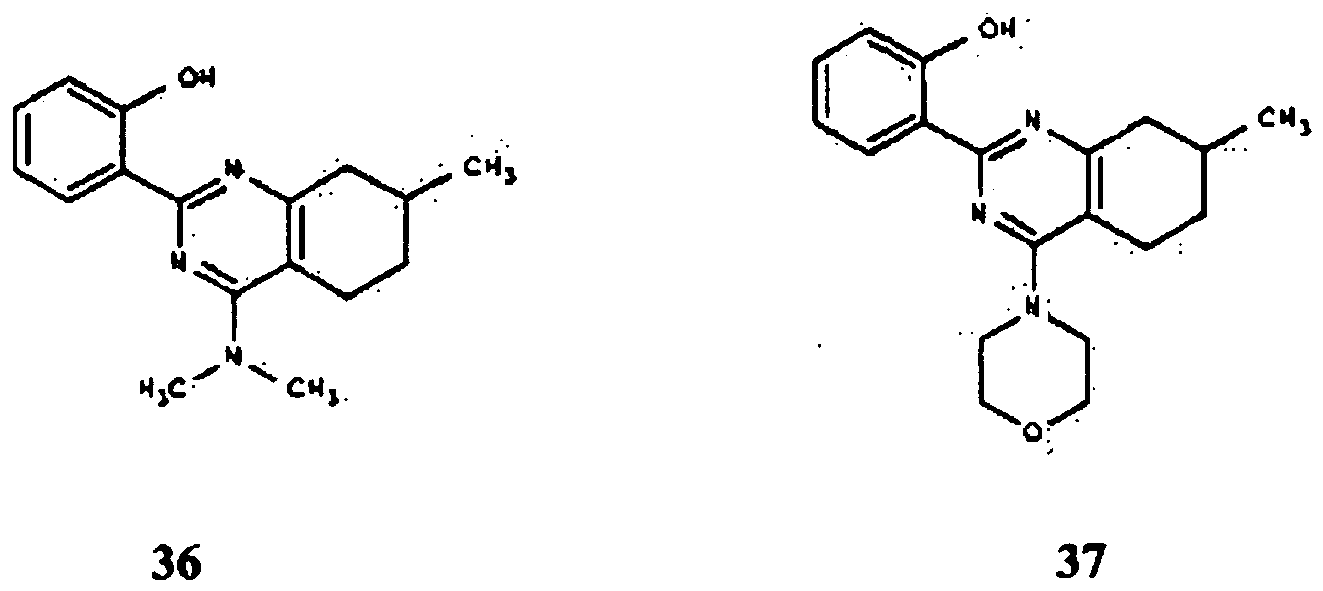


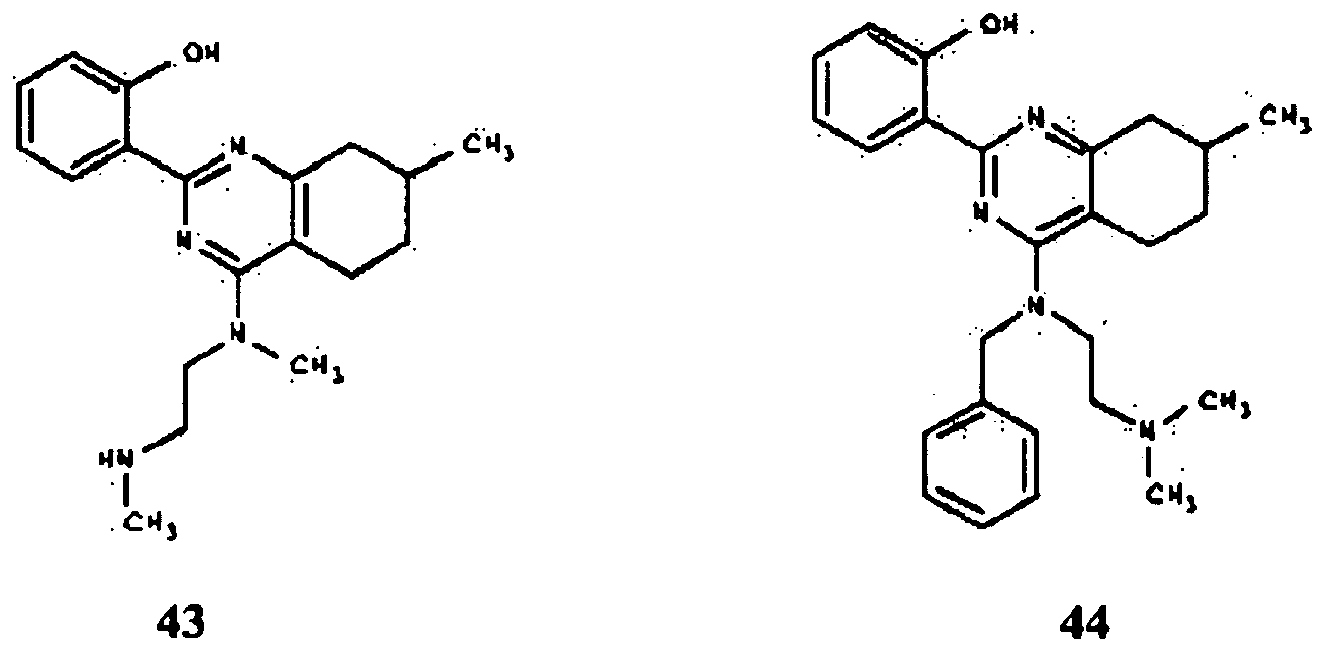


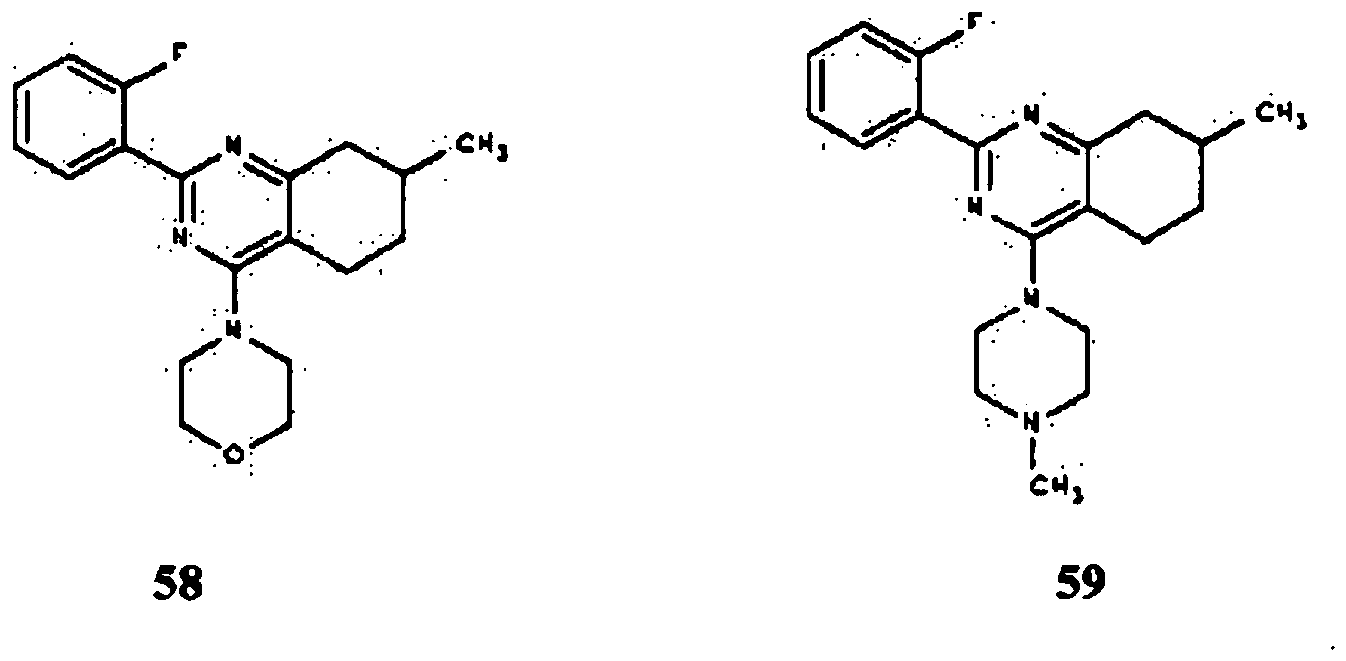

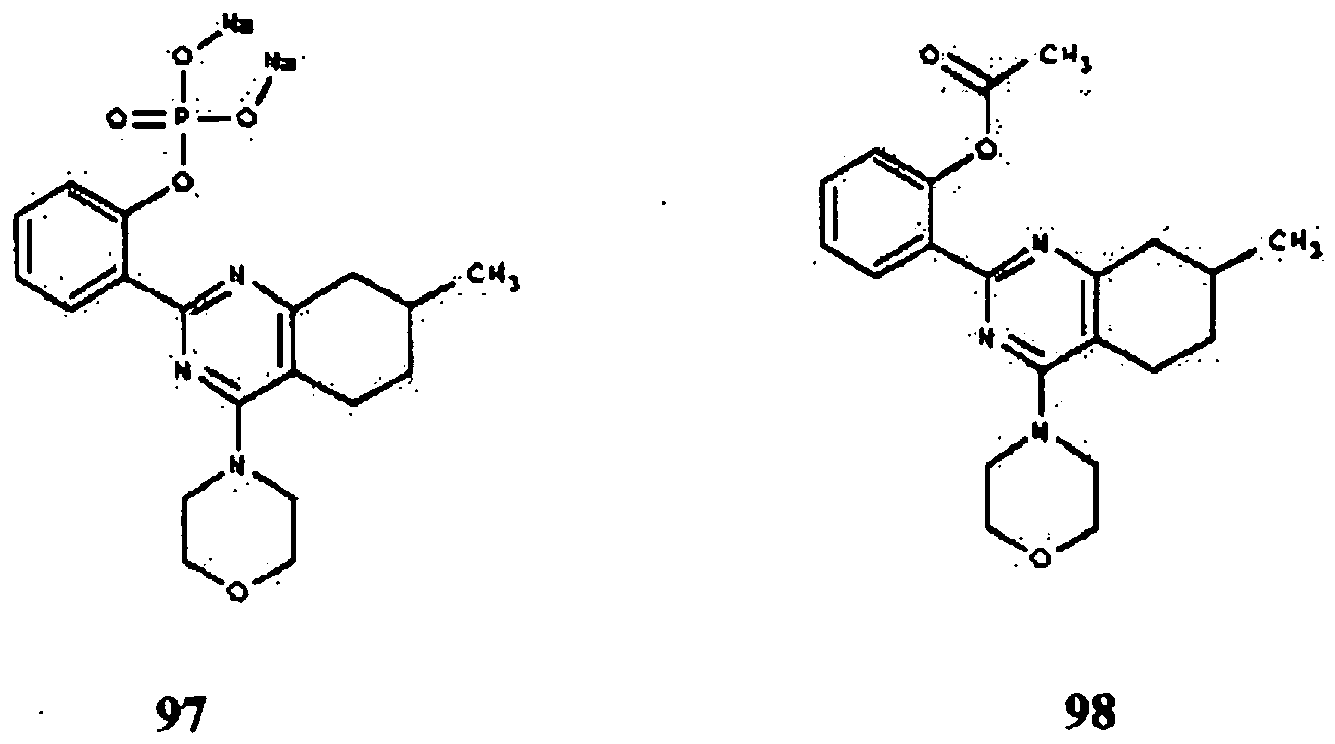


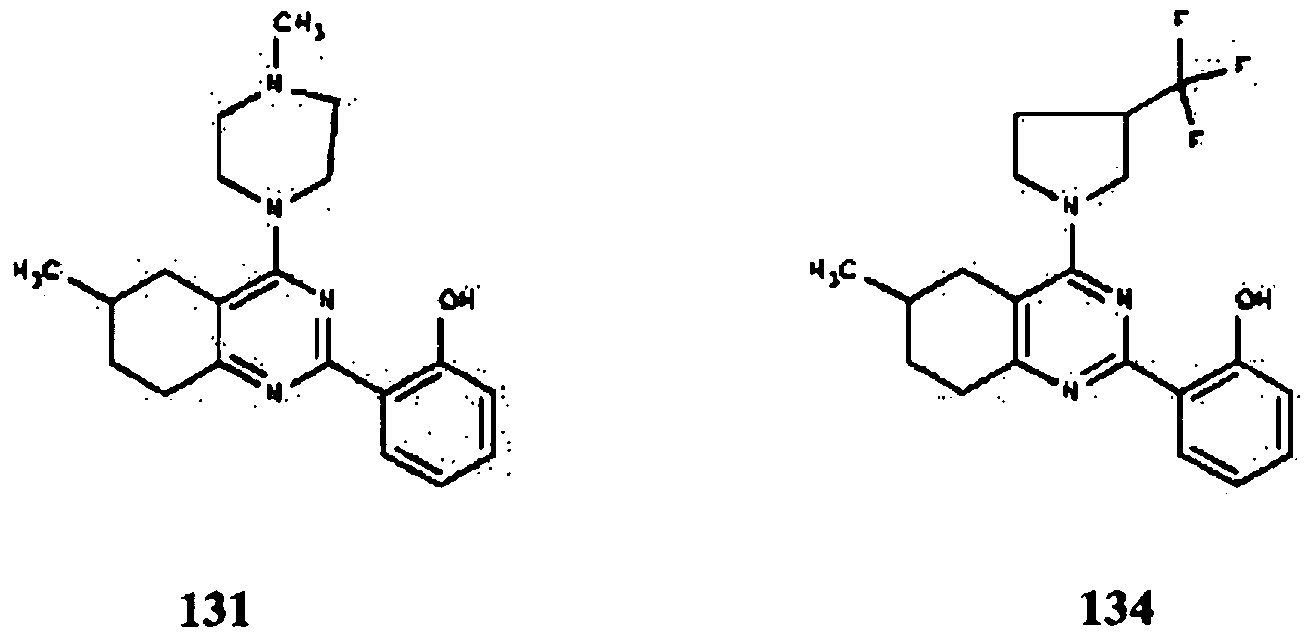


- A method of inhibiting one or more of NaV1.1, NaV1.2, NaV1.3, NaV1.4, NaV1.5, NaV1.6, NaV1.7, NaV1.8, NaV1.9, or CaV2.2 activity in vitro in a biological sample; which method comprising contacting said biological sample with a compound of formula I-B:
 R1 is hydrogen, methyl, ethyl, or benzyl, and R2 is methyl, ethyl, dimethylaminoethyl, 2-(2'-tetrahydrofuranyl)methyl, 2-hydroxy-1-methyl-ethyl, methylaminoethyl, imidazol-5-yl-ethyl,or R' and R2 taken together form 4-methoxypiperidinyl, N-pyrrolidinyl, 3-trifluoromethyl-1-pyrrolidinyl, 4-butylsulfonyl-piperazinyl, 1-piperidinyl, 1-piperazinyl, 4-methylpiperidinyl, 4-hydroxypiperidinyl, 4-morpholinyl, 4-methylsulfonylpiperazinyl, 4-ethylsulfonylpiperazinyl, 4-isopropylsulfonylpiperazinyl, N-piperidinyl, 3-diethylaminocarbonyl-1-piperidinyl, 4-oxo-piperidinyl, 3-aminocarbonyl-piperidinyl, 4-methylpiperazinyl, or 4-carboxyethyl-piperazinyl;ring A is 1-pyrrolyl, 2-pyridyl, 2-fluorophenyl, 2-hydroxyphenyl, 2-acyloxyphenyl, 2-hydroxy-6-fluorophenyl, 2-methoxyphenyl, phenyl-2-phosphate disodium salt, or 4-methylpiperidyl, 2-ethyl-carbamic acid phenyl ester;x is 1 andR4 is 6-methyl, 7-methyl, 8-hydroxy, or 2-t-butylcarbonyloxy.
 - The method according to claim 9, wherein said compound is selected from:


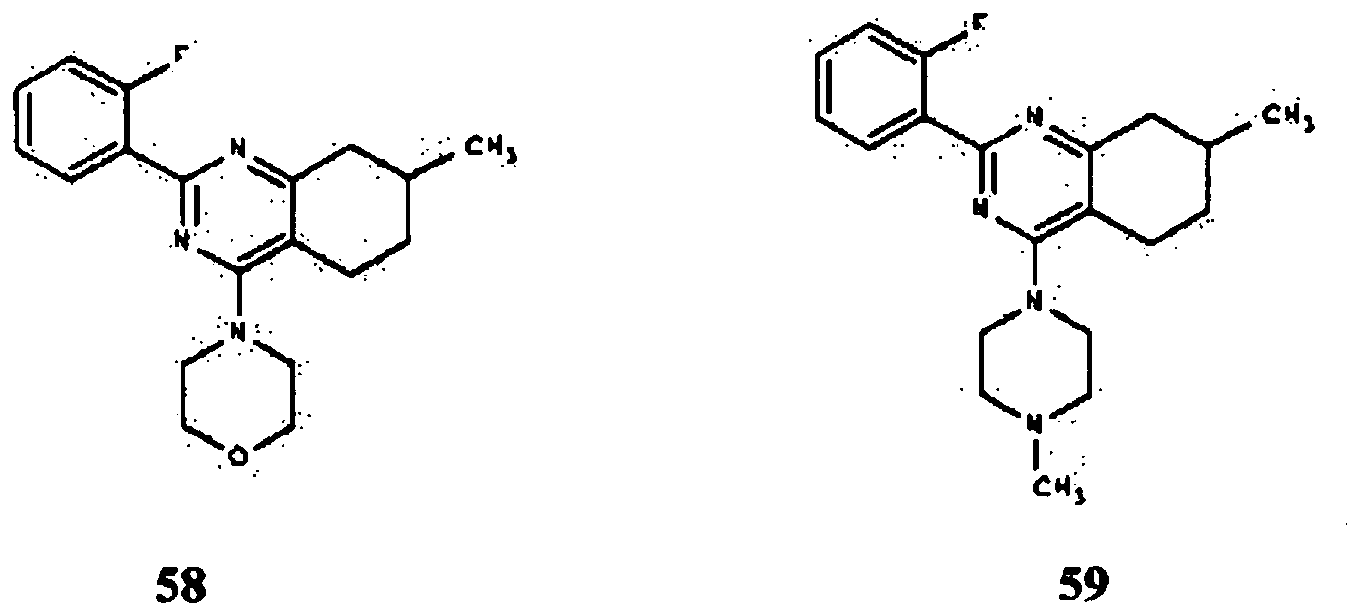


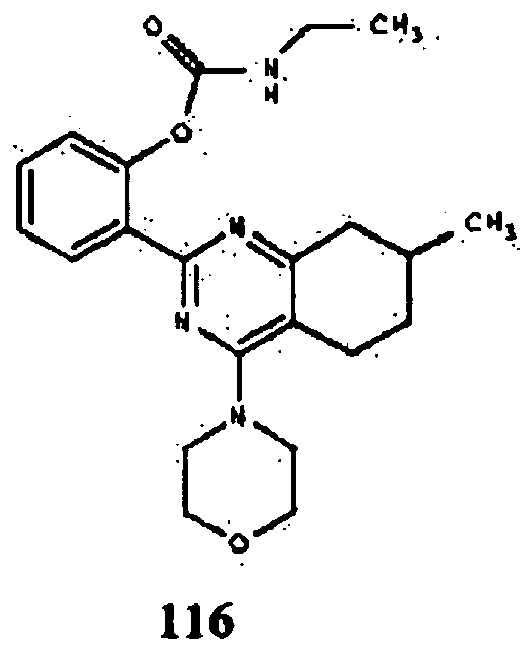


- A compound according to claim 1 selected from:


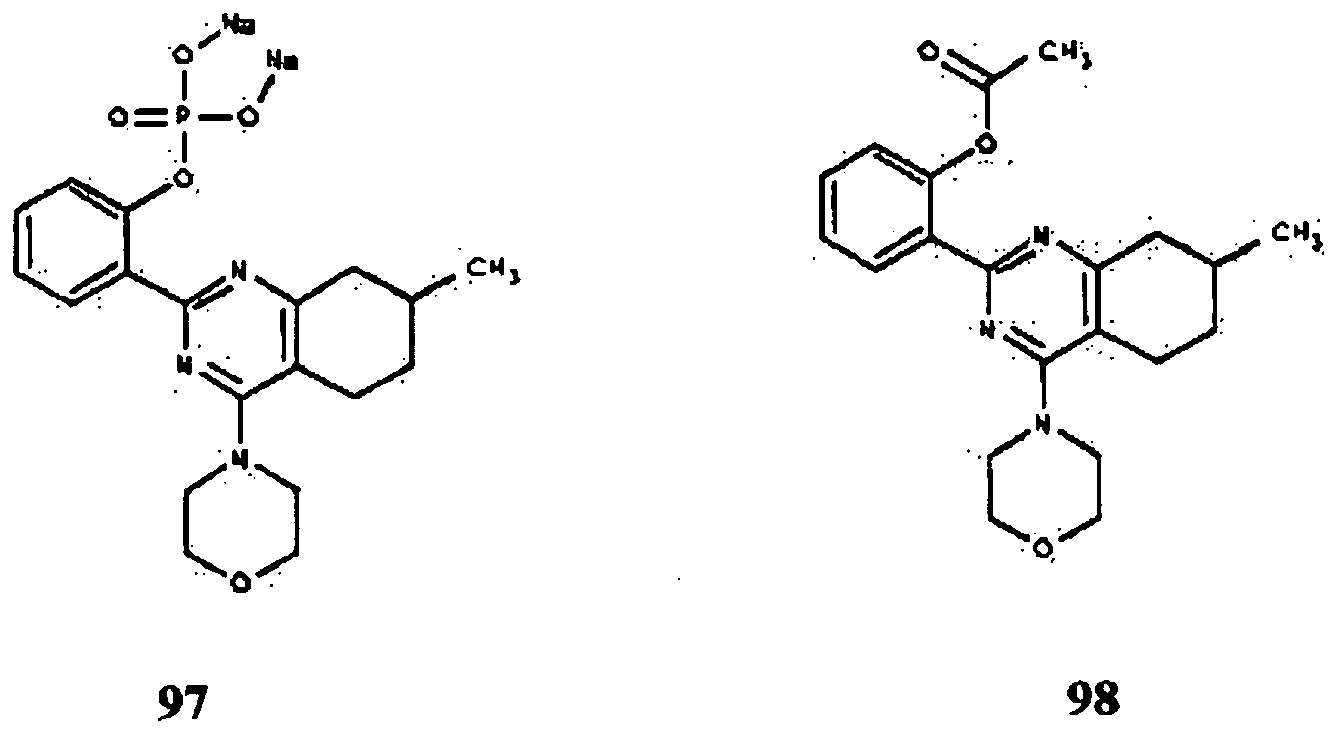


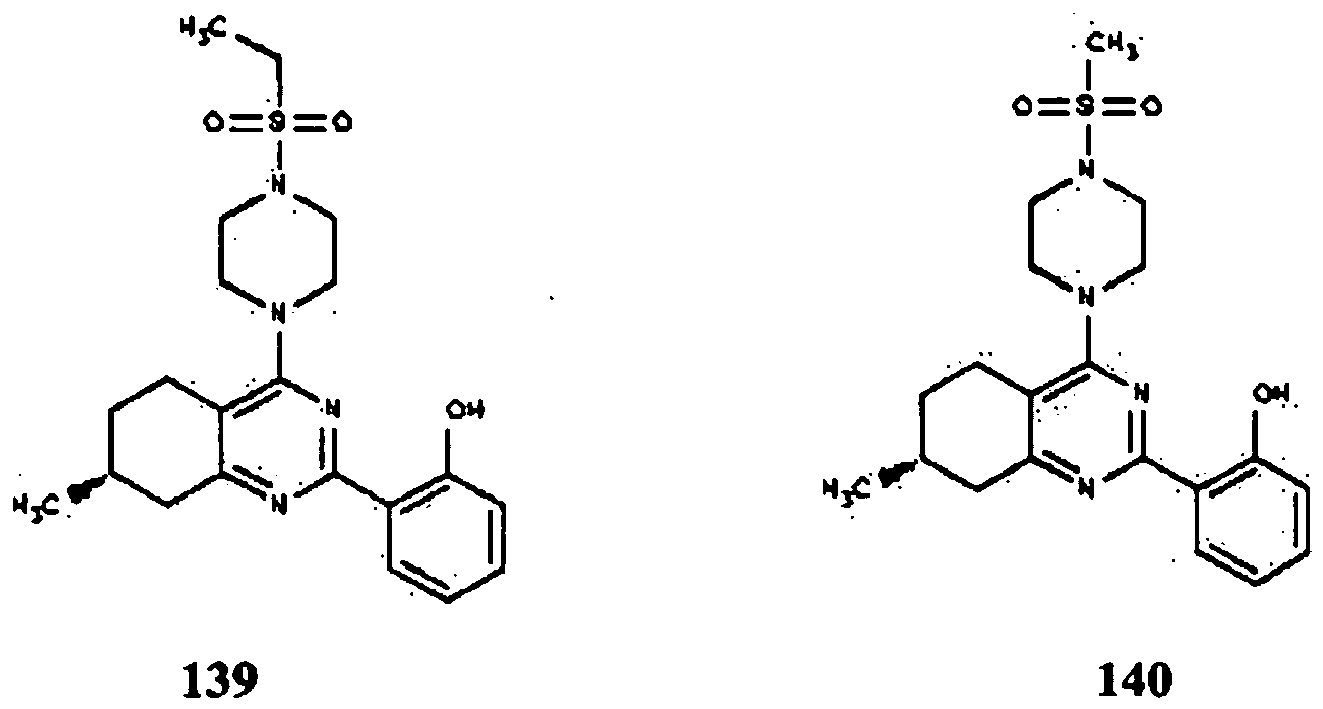
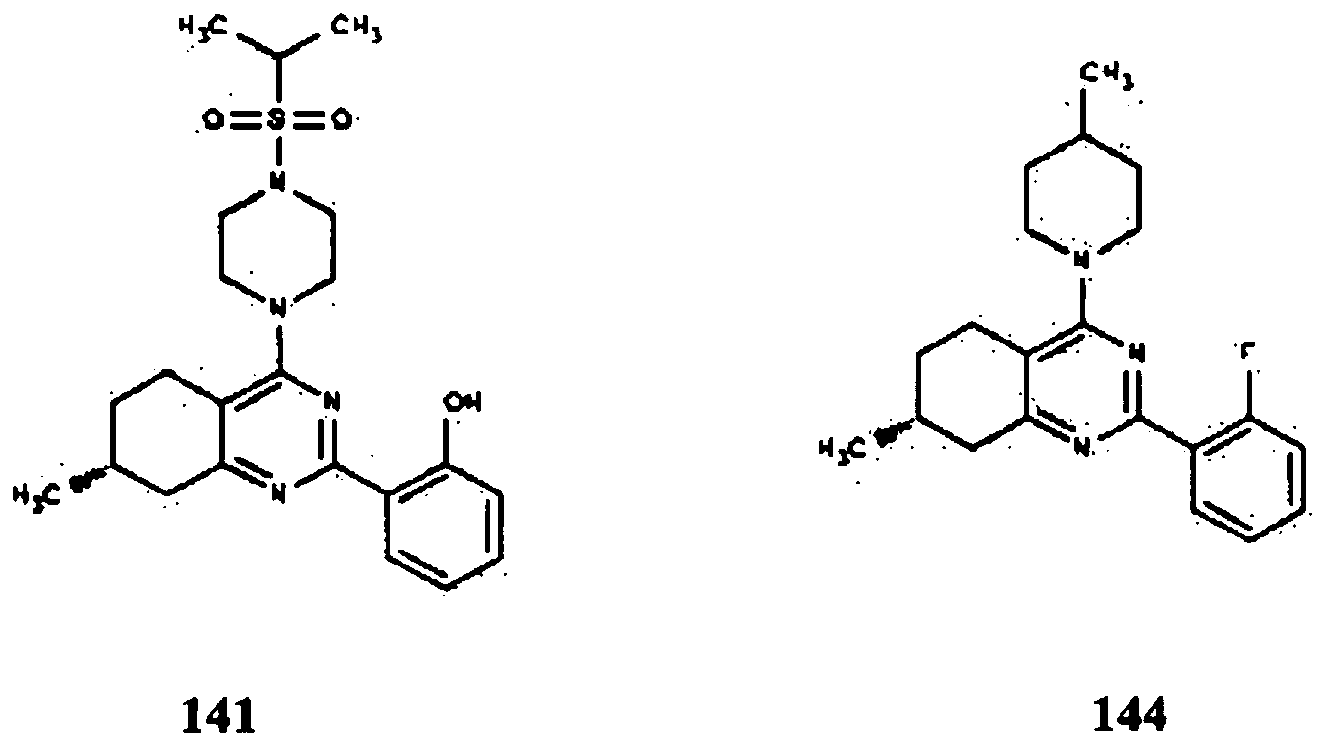

Applications Claiming Priority (2)
| Application Number | Priority Date | Filing Date | Title |
|---|---|---|---|
| US49303603P | 2003-08-05 | 2003-08-05 | |
| PCT/US2004/025559 WO2005014558A1 (en) | 2003-08-05 | 2004-08-05 | Condensed pyramidine compounds as inhibitors of voltage-gated ion channels |
Publications (2)
| Publication Number | Publication Date |
|---|---|
| EP1663994A1 EP1663994A1 (en) | 2006-06-07 |
| EP1663994B1 true EP1663994B1 (en) | 2012-03-07 |
Family
ID=34135197
Family Applications (1)
| Application Number | Title | Priority Date | Filing Date |
|---|---|---|---|
| EP04780401A Expired - Lifetime EP1663994B1 (en) | 2003-08-05 | 2004-08-05 | Tetrahydroquinazoline compounds as inhibitors of voltage-gated ion channels |
Country Status (18)
| Country | Link |
|---|---|
| US (2) | US7968545B2 (en) |
| EP (1) | EP1663994B1 (en) |
| JP (2) | JP4808156B2 (en) |
| KR (1) | KR20060118398A (en) |
| CN (1) | CN1894222A (en) |
| AR (1) | AR045445A1 (en) |
| AT (1) | ATE548358T1 (en) |
| AU (1) | AU2004263515A1 (en) |
| CA (1) | CA2554566A1 (en) |
| IL (1) | IL173528A0 (en) |
| MX (1) | MXPA06001494A (en) |
| NO (1) | NO20061080L (en) |
| NZ (1) | NZ545717A (en) |
| PE (1) | PE20050355A1 (en) |
| RU (1) | RU2006106710A (en) |
| TW (1) | TW200521119A (en) |
| WO (1) | WO2005014558A1 (en) |
| ZA (1) | ZA200601859B (en) |
Families Citing this family (71)
| Publication number | Priority date | Publication date | Assignee | Title |
|---|---|---|---|---|
| DE69636466T2 (en) * | 1996-09-04 | 2007-08-09 | Intertrust Technologies Corp., Sunnyvale | TRUST INFRASTRUCTURE SUPPORT SYSTEMS, METHODS AND TECHNIQUES FOR SAFE ELECTRONIC TRADE, ELECTRONIC TRANSACTIONS, CONTROL AND AUTOMATION OF TRADING PROCEDURES, DISTRIBUTING DATA PROCESSING AND MANAGING RIGHTS |
| US7235551B2 (en) * | 2000-03-02 | 2007-06-26 | Smithkline Beecham Corporation | 1,5-disubstituted-3,4-dihydro-1h-pyrimido[4,5-d]pyrimidin-2-one compounds and their use in treating csbp/p38 kinase mediated diseases |
| EP2404603A1 (en) | 2000-10-23 | 2012-01-11 | Glaxosmithkline LLC | Novel trisubstituted-8H-pyrido[2,3-d]pyrimidin-7-one compounds for the treatment of CSBP/p38 kinase mediated diseases |
| MXPA04010267A (en) * | 2002-04-19 | 2005-02-03 | Smithkline Beecham Corp | Novel compounds. |
| NZ545717A (en) * | 2003-08-05 | 2009-12-24 | Vertex Pharma | Hydrogenated quinazoline derivatives as inhibitors of voltage-gated ion channels |
| WO2006028904A1 (en) * | 2004-09-02 | 2006-03-16 | Vertex Pharmaceuticals Incorporated | Quinazolines useful as modulators of ion channels |
| CA2583259C (en) * | 2004-10-08 | 2011-08-02 | Astellas Pharma Inc. | Aromatic ring fused pyrimidine derivative |
| TW200621257A (en) * | 2004-10-20 | 2006-07-01 | Astellas Pharma Inc | Pyrimidine derivative fused with nonaromatic ring |
| US20060128710A1 (en) * | 2004-12-09 | 2006-06-15 | Chih-Hung Lee | Antagonists to the vanilloid receptor subtype 1 (VR1) and uses thereof |
| US8268845B2 (en) * | 2005-03-11 | 2012-09-18 | Merck Patent Gmbh | Tetrahydro- and dihydroquinazolinones |
| US7297700B2 (en) | 2005-03-24 | 2007-11-20 | Renovis, Inc. | Bicycloheteroaryl compounds as P2X7 modulators and uses thereof |
| PE20061351A1 (en) | 2005-03-25 | 2007-01-14 | Glaxo Group Ltd | 8H-PYRID [2,3-d] PYRIMIDIN-7-ONA 2,4,8-TRISUSTITUTED COMPOUNDS AS CSBP / RK / p38 KINASE INHIBITORS |
| US20090137550A1 (en) * | 2005-03-25 | 2009-05-28 | Glaxo Group Limited | Novel Compounds |
| TW200724142A (en) | 2005-03-25 | 2007-07-01 | Glaxo Group Ltd | Novel compounds |
| EP1865959A2 (en) * | 2005-03-25 | 2007-12-19 | Glaxo Group Limited | Process for preparing pyridoý2,3-d¨pyrimidin-7-one and 3,4-dihydropyrimidoý4,5-d¨pyrimidin-2(1h)-one derivatives |
| WO2006119504A2 (en) * | 2005-05-04 | 2006-11-09 | Renovis, Inc. | Fused heterocyclic compounds, and compositions and uses thereof |
| WO2006130493A2 (en) * | 2005-05-31 | 2006-12-07 | Vertex Pharmaceuticals Incorporated | Heterocycles useful as modulators of ion channels |
| KR20080070749A (en) | 2005-11-23 | 2008-07-30 | 페인셉터 파마 코포레이션 | Compositions and Methods for Controlling Gated Ion Channels |
| PE20080145A1 (en) * | 2006-03-21 | 2008-02-11 | Janssen Pharmaceutica Nv | TETRAHYDRO-PYRIMIDOAZEPINE AS MODULATORS OF TRPV1 |
| WO2007117465A2 (en) | 2006-03-31 | 2007-10-18 | Abbott Laboratories | Indazole compounds |
| US20080004282A1 (en) * | 2006-04-10 | 2008-01-03 | Painceptor Pharma Corporation | Compositions and methods for modulating gated ion channels |
| GB0608820D0 (en) * | 2006-05-04 | 2006-06-14 | Piramed Ltd | Pharmaceutical compounds |
| KR20090021218A (en) * | 2006-06-12 | 2009-02-27 | 버텍스 파마슈티칼스 인코포레이티드 | Thienopyrimidine useful as a modulator of ion channels |
| US20080004253A1 (en) * | 2006-06-30 | 2008-01-03 | Bryan James Branstetter | Thiazolopyrimidine modulators of TRPV1 |
| CN101511842B (en) | 2006-07-06 | 2012-10-31 | 阵列生物制药公司 | Dihydrofuro pyrimidines as AKT protein kinase inhibitors |
| WO2008006032A1 (en) | 2006-07-06 | 2008-01-10 | Array Biopharma Inc. | Cyclopenta [d] pyrimidines as akt protein kinase inhibitors |
| US8063050B2 (en) | 2006-07-06 | 2011-11-22 | Array Biopharma Inc. | Hydroxylated and methoxylated pyrimidyl cyclopentanes as AKT protein kinase inhibitors |
| ATE532789T1 (en) | 2006-07-06 | 2011-11-15 | Array Biopharma Inc | DIHYDROTHIENOPYRIMIDINES AS ACT PROTEIN KINASE INHIBITORS |
| NZ581309A (en) * | 2007-05-25 | 2012-02-24 | Vertex Pharma | Ion channel modulators and methods of use |
| SI2173723T1 (en) | 2007-07-05 | 2011-12-30 | Array Biopharma Inc | Pyrimidyl cyclopentanes as akt protein kinase inhibitors |
| US8618097B2 (en) | 2007-07-05 | 2013-12-31 | Array Biopharma, Inc. | Pyrimidyl cyclopentanes as AKT protein kinase inhibitors |
| US8846683B2 (en) | 2007-07-05 | 2014-09-30 | Array Biopharma, Inc. | Pyrimidyl cyclopentanes as Akt protein kinase inhibitors |
| US9409886B2 (en) | 2007-07-05 | 2016-08-09 | Array Biopharma Inc. | Pyrimidyl cyclopentanes as AKT protein kinase inhibitors |
| WO2009078999A1 (en) | 2007-12-17 | 2009-06-25 | Janssen Pharmaceutica N.V. | Imidazolo-, oxazolo-, and thiazolopyrimidine modulators of trpv1 |
| CN101959887B (en) | 2008-01-08 | 2013-07-31 | 阵列生物制药公司 | Pyrrolopyridines as kinase inhibitors |
| EP2242757B1 (en) | 2008-01-09 | 2012-08-01 | Array Biopharma, Inc. | Pyrazolopyridines as kinase inhibitors |
| JP5346345B2 (en) | 2008-01-09 | 2013-11-20 | アレイ バイオファーマ、インコーポレイテッド | Hydroxylated pyrimidylcyclopentanes as AKT protein kinase inhibitors |
| EP2240455B1 (en) | 2008-01-09 | 2012-12-26 | Array Biopharma, Inc. | Hydroxylated pyrimidyl cyclopentane as akt protein kinase inhibitor |
| GB0813144D0 (en) | 2008-07-17 | 2008-08-27 | Glaxo Group Ltd | Novel compounds |
| EP2318377B1 (en) * | 2008-07-31 | 2013-08-21 | Genentech, Inc. | Pyrimidine compounds, compositions and methods of use |
| US20100331305A1 (en) * | 2009-06-24 | 2010-12-30 | Genentech, Inc. | Oxo-heterocycle fused pyrimidine compounds, compositions and methods of use |
| PT2464645T (en) | 2009-07-27 | 2017-10-11 | Gilead Sciences Inc | HETEROCYCLIC COMPOUNDS FUSIONED AS ION CHANNEL MODULATORS |
| CN102712642B (en) * | 2009-11-12 | 2015-08-12 | 霍夫曼-拉罗奇有限公司 | The purine that N-7 replaces and Pyrazolopyrimidine compound, composition and using method |
| CN102711766B (en) * | 2009-11-12 | 2014-06-04 | 霍夫曼-拉罗奇有限公司 | N-9-substituted purine compounds, compositions and methods of use |
| WO2012003392A1 (en) | 2010-07-02 | 2012-01-05 | Gilead Sciences, Inc. | Fused heterocyclic compounds as ion channel modulators |
| AU2011343712B2 (en) | 2010-12-16 | 2015-09-17 | Genentech, Inc. | Tricyclic PI3k inhibitor compounds and methods of use |
| JP2014507136A (en) | 2011-01-18 | 2014-03-27 | アムジエン・インコーポレーテツド | NaV1.7 knockout mice and their use |
| WO2012099581A1 (en) | 2011-01-19 | 2012-07-26 | Takeda Pharmaceutical Company Limited | Dihydrofuropyrimidine compounds |
| US9340590B2 (en) | 2011-03-16 | 2016-05-17 | Amgen Inc. | Potent and selective inhibitors of NaV1.3 and NaV1.7 |
| ES2620644T3 (en) | 2011-04-01 | 2017-06-29 | Genentech, Inc. | Combinations of AKT inhibitor compounds and chemotherapeutic agents, and methods of use |
| KR20140022053A (en) | 2011-04-01 | 2014-02-21 | 제넨테크, 인크. | Combinations of akt and mek inhibitor compounds, and methods of use |
| AU2012253653A1 (en) | 2011-05-10 | 2013-05-02 | Gilead Sciences, Inc. | Fused heterocyclic compounds as sodium channel modulators |
| NO3175985T3 (en) | 2011-07-01 | 2018-04-28 | ||
| TWI622583B (en) | 2011-07-01 | 2018-05-01 | 基利科學股份有限公司 | Fused heterocyclic compound as ion channel regulator |
| US8846656B2 (en) | 2011-07-22 | 2014-09-30 | Novartis Ag | Tetrahydropyrido-pyridine and tetrahydropyrido-pyrimidine compounds and use thereof as C5a receptor modulators |
| MX362417B (en) * | 2012-10-31 | 2019-01-16 | Raqualia Pharma Inc | Pyrazolopyridine derivatives as ttx-s blockers. |
| WO2014165277A2 (en) | 2013-03-12 | 2014-10-09 | Amgen Inc. | POTENT AND SELECTIVE INHIBITORS OF Nav1.7 |
| US9636418B2 (en) | 2013-03-12 | 2017-05-02 | Amgen Inc. | Potent and selective inhibitors of NAV1.7 |
| TW201512189A (en) | 2013-04-16 | 2015-04-01 | Gruenenthal Chemie | Novel substituted condensed pyrimidine compounds |
| AU2014287471C1 (en) * | 2013-07-10 | 2019-11-28 | Vertex Pharmaceuticals Incorporated | Fused piperidine amides as modulators of ion channels |
| AU2015206292B2 (en) * | 2014-01-20 | 2018-02-15 | Cleave Biosciences, Inc. | Fused pyrimidines as inhibitors of p97 complex |
| JP6532474B2 (en) | 2014-02-06 | 2019-06-19 | アッヴィ・インコーポレイテッド | 6-heteroaryloxy- and 6-aryloxy-quinoline-2-carboxamides and their use |
| SG11201707000UA (en) * | 2015-03-02 | 2017-09-28 | Amgen Inc | Bicyclic ketone sulfonamide compounds |
| US10435645B2 (en) * | 2016-12-20 | 2019-10-08 | International Flavors & Fragrances Inc. | Organoleptic compounds |
| BR112021003529A2 (en) * | 2018-08-24 | 2021-05-18 | Jaguahr Therapeutics Pte Ltd | tetrahydropyridopyrimidine derivatives as ahr modulators |
| KR20220153595A (en) * | 2020-02-26 | 2022-11-18 | 재규어 테라퓨틱스 피티이 리미티드 | Pyridopyrimidine derivatives useful for modulating AhR signaling |
| PE20230845A1 (en) * | 2020-04-28 | 2023-05-23 | Global Blood Therapeutics Inc | CYCLOALKYLATED PYRIMIDINES AS INHIBITORS OF FERROPORTIN |
| US20240101632A1 (en) * | 2021-01-27 | 2024-03-28 | Sri International | Genetically engineered electrically-stimulated effector cells for in situ synthesis of proteins |
| CN115626922A (en) * | 2021-04-29 | 2023-01-20 | 苏州恩华生物医药科技有限公司 | 5,6,7,8-tetrahydropyrido [4,3-d ] pyrimidin-4-ol derivatives and uses thereof |
| CN113880859B (en) * | 2021-11-16 | 2022-06-21 | 江西科技师范大学 | 2-Aryl-4-arylmethylaminopyrimidine compounds and their applications |
| WO2025129076A1 (en) * | 2023-12-15 | 2025-06-19 | Eikon Therapeutics, Inc. | Pyridopyrimidine and quinazoline derivatives as usp1 inhibitors, compositions comprising them and methods of using the same |
Family Cites Families (34)
| Publication number | Priority date | Publication date | Assignee | Title |
|---|---|---|---|---|
| FR2450E (en) * | 1903-02-09 | 1904-04-07 | Sulzer Freres Soc | Bearing for pumps and other similar machines |
| DE1197466B (en) * | 1962-03-22 | 1965-07-29 | Thomae Gmbh Dr K | Process for the preparation of new 5, 6, 7, 8-tetrahydropyrido- [4, 3-d] pyrimidines |
| DE1470336A1 (en) | 1962-07-04 | 1969-03-20 | Thomae Gmbh Dr K | Novel dihydrothieno- [3,4-d] pyrimidines and processes for their preparation |
| DE1251765B (en) | 1963-07-23 | 1967-10-12 | Dr Karl Thomae Gesellschaft mit beschrankter Haftung Biberach/Riß | Process for the preparation of new 5H - dihydrothiopyrano [4 3 d] pynmidines |
| US3346452A (en) | 1963-08-19 | 1967-10-10 | Ciba Geigy Corp | 5, 6-lower alkylene-pyrimidines |
| DE1470354A1 (en) * | 1963-12-16 | 1969-10-09 | Thomae Gmbh Dr K | New 4H-m-Dithiino [5,4-d] -pyrimidines and process for their preparation |
| FR1455810A (en) | 1963-12-16 | 1966-05-20 | Thomae Gmbh Dr K | Process for making new 4-h-m-dithiino [5, 4-d] pyrimidines |
| GB1152883A (en) * | 1967-01-25 | 1969-05-21 | Ucb Sa | 4,5-Polymethylene-Pyrimidine Derivatives |
| FR2190818B1 (en) * | 1972-06-28 | 1975-03-07 | Roussel Uclaf | |
| JPS562968A (en) * | 1979-06-21 | 1981-01-13 | Mitsubishi Yuka Yakuhin Kk | Novel pyrimidine derivative |
| EP0022481A1 (en) * | 1979-06-21 | 1981-01-21 | Mitsubishi Yuka Pharmaceutical Co., Ltd. | 5,6-Alkylenepyrimidine derivatives, processes for preparing the same and pharmaceutical compositions |
| JPS60226882A (en) * | 1984-04-24 | 1985-11-12 | Nippon Zoki Pharmaceut Co Ltd | Novel pyrimidopyrimidine derivative |
| DE3609596A1 (en) * | 1986-03-21 | 1987-10-01 | Hoechst Ag | 2-AZOLYLMETHYL-2-ARYL-1,3-DIOXOLANE AND THE SALTS THEREOF, METHOD FOR THE PRODUCTION THEREOF, MEANS CONTAINING IT AND THEIR USE |
| DE3888215T2 (en) | 1987-01-21 | 1994-09-08 | Merck & Co Inc | Piperazinylpyrimidines as beta-adrenergic receptor blocking agents. |
| DE3922735A1 (en) * | 1989-07-11 | 1991-01-24 | Hoechst Ag | AMINOPYRIMIDINE DERIVATIVES, METHOD FOR THE PRODUCTION THEREOF, THE AGENTS CONTAINING THEY AND THEIR USE AS FUNGICIDES |
| DE4029654A1 (en) * | 1990-09-19 | 1992-04-02 | Hoechst Ag | 2-PHENYL-PYRIMIDINE, METHOD FOR THE PRODUCTION THEREOF, AGENTS CONTAINING IT AND THEIR USE AS FUNGICIDES |
| JPH04224580A (en) | 1990-12-25 | 1992-08-13 | Nippon Soda Co Ltd | Pyrimidine derivative, production thereof and agricultural and horticultural fungicide |
| US5536725A (en) * | 1993-08-25 | 1996-07-16 | Fmc Corporation | Insecticidal substituted-2,4-diamino-5,6,7,8-tetrahydroquinazolines |
| JPH07228573A (en) | 1994-02-16 | 1995-08-29 | Dainippon Pharmaceut Co Ltd | 2-phenylcycloalkanopyrimidine derivative |
| IL117659A (en) * | 1995-04-13 | 2000-12-06 | Dainippon Pharmaceutical Co | Substituted 2-phenyl pyrimidino amino acetamide derivative process for preparing the same and a pharmaceutical composition containing same |
| AU2980797A (en) * | 1996-06-11 | 1998-01-07 | Yoshitomi Pharmaceutical Industries, Ltd. | Fused heterocyclic compounds and medicinal uses thereof |
| JPH10130150A (en) * | 1996-09-05 | 1998-05-19 | Dainippon Pharmaceut Co Ltd | Pharmaceuticals consisting of acetic acid amide derivatives |
| ZA9810490B (en) * | 1997-12-03 | 1999-05-20 | Dainippon Pharmaceutical Co | 2-Aryl-8-oxodihydropurine derivative process for the preparation thereof pharmaceutical composition containing the same and intermediate therefor |
| JPH11171865A (en) * | 1997-12-04 | 1999-06-29 | Yoshitomi Pharmaceut Ind Ltd | Fused heterocyclic compound |
| DE19853278A1 (en) * | 1998-11-19 | 2000-05-25 | Aventis Pharma Gmbh | New 4-amino-2-aryl-cyclopentapyrimidine derivatives are activators of soluble guanylate cyclase, useful for treating or preventing e.g. thrombosis and restenosis |
| DE19904710A1 (en) * | 1999-02-05 | 2000-08-10 | Aventis Pharma Gmbh | Substituted 4-amino-2-aryl-tetrahydroquinazolines, their preparation, their use and pharmaceutical compositions containing them |
| ES2266258T3 (en) * | 2000-09-15 | 2007-03-01 | Vertex Pharmaceuticals Incorporated | PIRAZOL COMPOUNDS USED AS PROTEIN KINASES INHIBITORS. |
| US6833371B2 (en) * | 2001-11-01 | 2004-12-21 | Icagen, Inc. | Pyrazolopyrimidines |
| CA2469316A1 (en) | 2001-12-07 | 2003-06-19 | Vertex Pharmaceuticals, Inc. | Pyrimidine-based compounds useful as gsk-3 inhibitors |
| EP1485380B1 (en) * | 2002-03-15 | 2010-05-19 | Vertex Pharmaceuticals Incorporated | Azolylaminoazines as inhibitors of protein kinases |
| EP1485100B1 (en) * | 2002-03-15 | 2010-05-05 | Vertex Pharmaceuticals Incorporated | Azinylaminoazoles as inhibitors of protein kinases |
| EP1485381B8 (en) * | 2002-03-15 | 2010-05-12 | Vertex Pharmaceuticals Incorporated | Azolylaminoazine as inhibitors of protein kinases |
| CA2520465A1 (en) * | 2003-03-28 | 2004-10-14 | Scios Inc. | Bi-cyclic pyrimidine inhibitors of tgf.beta. |
| NZ545717A (en) * | 2003-08-05 | 2009-12-24 | Vertex Pharma | Hydrogenated quinazoline derivatives as inhibitors of voltage-gated ion channels |
-
2004
- 2004-08-05 NZ NZ545717A patent/NZ545717A/en not_active IP Right Cessation
- 2004-08-05 AT AT04780401T patent/ATE548358T1/en active
- 2004-08-05 WO PCT/US2004/025559 patent/WO2005014558A1/en not_active Ceased
- 2004-08-05 ZA ZA200601859A patent/ZA200601859B/en unknown
- 2004-08-05 KR KR1020067002458A patent/KR20060118398A/en not_active Ceased
- 2004-08-05 US US10/912,912 patent/US7968545B2/en not_active Expired - Fee Related
- 2004-08-05 TW TW093123513A patent/TW200521119A/en unknown
- 2004-08-05 RU RU2006106710/04A patent/RU2006106710A/en not_active Application Discontinuation
- 2004-08-05 MX MXPA06001494A patent/MXPA06001494A/en active IP Right Grant
- 2004-08-05 AU AU2004263515A patent/AU2004263515A1/en not_active Abandoned
- 2004-08-05 CN CNA2004800290973A patent/CN1894222A/en active Pending
- 2004-08-05 CA CA002554566A patent/CA2554566A1/en not_active Abandoned
- 2004-08-05 EP EP04780401A patent/EP1663994B1/en not_active Expired - Lifetime
- 2004-08-05 AR ARP040102793A patent/AR045445A1/en not_active Application Discontinuation
- 2004-08-05 JP JP2006522773A patent/JP4808156B2/en not_active Expired - Fee Related
- 2004-08-05 PE PE2004000761A patent/PE20050355A1/en not_active Application Discontinuation
-
2006
- 2006-02-05 IL IL173528A patent/IL173528A0/en unknown
- 2006-03-06 NO NO20061080A patent/NO20061080L/en not_active Application Discontinuation
-
2011
- 2011-05-18 US US13/110,173 patent/US20120040935A1/en not_active Abandoned
- 2011-07-22 JP JP2011161337A patent/JP2011207914A/en not_active Withdrawn
Also Published As
| Publication number | Publication date |
|---|---|
| ZA200601859B (en) | 2008-03-26 |
| NO20061080L (en) | 2006-04-19 |
| RU2006106710A (en) | 2007-09-20 |
| CN1894222A (en) | 2007-01-10 |
| JP2007501258A (en) | 2007-01-25 |
| US20120040935A1 (en) | 2012-02-16 |
| KR20060118398A (en) | 2006-11-23 |
| CA2554566A1 (en) | 2005-02-17 |
| WO2005014558A1 (en) | 2005-02-17 |
| MXPA06001494A (en) | 2007-05-11 |
| ATE548358T1 (en) | 2012-03-15 |
| JP2011207914A (en) | 2011-10-20 |
| NZ545717A (en) | 2009-12-24 |
| AR045445A1 (en) | 2005-10-26 |
| AU2004263515A1 (en) | 2005-02-17 |
| PE20050355A1 (en) | 2005-05-16 |
| US7968545B2 (en) | 2011-06-28 |
| US20050187217A1 (en) | 2005-08-25 |
| JP4808156B2 (en) | 2011-11-02 |
| IL173528A0 (en) | 2006-07-05 |
| TW200521119A (en) | 2005-07-01 |
| EP1663994A1 (en) | 2006-06-07 |
Similar Documents
| Publication | Publication Date | Title |
|---|---|---|
| US7968545B2 (en) | Compositions useful as inhibitors of voltage-gated ion channels | |
| EP1608632B1 (en) | Quinazolines useful as modulators of ion channels | |
| US8324220B2 (en) | Pyrimidines useful as modulators of voltage-gated ion channels | |
| US8153642B2 (en) | Quinazolines useful as modulators of ion channels | |
| EP2327701A1 (en) | Heteroarylaminosulfonylphenyl derivatives for use as sodium or calcium channel blockers in the treatment of pain | |
| EP1888558B1 (en) | Bicyclic derivatives as modulators of ion channels | |
| US20100249100A1 (en) | Quinazolines useful as modulators of ion channels | |
| AU2006315675B2 (en) | Quinazolines useful as modulators of voltage gated ion channels | |
| US7858786B2 (en) | Pyrimidines and pyrazines useful as modulators of ion channels | |
| CN1784391B (en) | Quinazolines useful as ion channel modulators | |
| EP1877381A1 (en) | Pyridines useful as modulators of ion channels | |
| AU2011250764A1 (en) | Condensed Pyrimidine Compounds As Inhibitors Of Voltage-Gated Ion Channels |
Legal Events
| Date | Code | Title | Description |
|---|---|---|---|
| PUAI | Public reference made under article 153(3) epc to a published international application that has entered the european phase |
Free format text: ORIGINAL CODE: 0009012 |
|
| 17P | Request for examination filed |
Effective date: 20060303 |
|
| AK | Designated contracting states |
Kind code of ref document: A1 Designated state(s): AT BE BG CH CY CZ DE DK EE ES FI FR GB GR HU IE IT LI LU MC NL PL PT RO SE SI SK TR |
|
| AX | Request for extension of the european patent |
Extension state: AL HR LT LV MK |
|
| 17Q | First examination report despatched |
Effective date: 20060816 |
|
| REG | Reference to a national code |
Ref country code: HK Ref legal event code: DE Ref document number: 1094695 Country of ref document: HK |
|
| 17Q | First examination report despatched |
Effective date: 20060816 |
|
| RAP1 | Party data changed (applicant data changed or rights of an application transferred) |
Owner name: VERTEX PHARMACEUTICALS INCORPORATED |
|
| RIN1 | Information on inventor provided before grant (corrected) |
Inventor name: NEUBERT, TIMOTHY, D. Inventor name: TERMIN, ANDREAS, P. Inventor name: ESTHER MARTINBOROUGH Inventor name: JIAN WANG Inventor name: NICOLE ZIMMERMANN Inventor name: JESUS E. GONZALES III Inventor name: WILSON, DEAN, M. Inventor name: YULIAN ZHANG |
|
| RIN1 | Information on inventor provided before grant (corrected) |
Inventor name: TERMIN, ANDREAS, P. Inventor name: YULIAN ZHANG Inventor name: NEUBERT, TIMOTHY, D. Inventor name: WILSON, DEAN, M. Inventor name: JIAN WANG Inventor name: ESTHER MARTINBOROUGH Inventor name: NICOLE ZIMMERMANN Inventor name: JESUS E. GONZALES III |
|
| RIN1 | Information on inventor provided before grant (corrected) |
Inventor name: NEUBERT, TIMOTHY, D. Inventor name: JESUS E. GONZALEZ III Inventor name: JIAN WANG Inventor name: NICOLE ZIMMERMANN Inventor name: ESTHER MARTINBOROUGH Inventor name: YULIAN ZHANG Inventor name: TERMIN, ANDREAS, P. Inventor name: WILSON, DEAN, M. |
|
| RTI1 | Title (correction) |
Free format text: TETRAHYDROQUINAZOLINE COMPOUNDS AS INHIBITORS OF VOLTAGE-GATED ION CHANNELS |
|
| GRAP | Despatch of communication of intention to grant a patent |
Free format text: ORIGINAL CODE: EPIDOSNIGR1 |
|
| GRAS | Grant fee paid |
Free format text: ORIGINAL CODE: EPIDOSNIGR3 |
|
| GRAA | (expected) grant |
Free format text: ORIGINAL CODE: 0009210 |
|
| AK | Designated contracting states |
Kind code of ref document: B1 Designated state(s): AT BE BG CH CY CZ DE DK EE ES FI FR GB GR HU IE IT LI LU MC NL PL PT RO SE SI SK TR |
|
| AX | Request for extension of the european patent |
Extension state: AL HR LT LV MK |
|
| REG | Reference to a national code |
Ref country code: GB Ref legal event code: FG4D |
|
| REG | Reference to a national code |
Ref country code: CH Ref legal event code: EP Ref country code: AT Ref legal event code: REF Ref document number: 548358 Country of ref document: AT Kind code of ref document: T Effective date: 20120315 |
|
| REG | Reference to a national code |
Ref country code: IE Ref legal event code: FG4D |
|
| REG | Reference to a national code |
Ref country code: DE Ref legal event code: R096 Ref document number: 602004036833 Country of ref document: DE Effective date: 20120503 |
|
| REG | Reference to a national code |
Ref country code: CH Ref legal event code: NV Representative=s name: SCHMAUDER & PARTNER AG PATENT- UND MARKENANWAELTE |
|
| REG | Reference to a national code |
Ref country code: NL Ref legal event code: VDEP Effective date: 20120307 |
|
| PG25 | Lapsed in a contracting state [announced via postgrant information from national office to epo] |
Ref country code: NL Free format text: LAPSE BECAUSE OF FAILURE TO SUBMIT A TRANSLATION OF THE DESCRIPTION OR TO PAY THE FEE WITHIN THE PRESCRIBED TIME-LIMIT Effective date: 20120307 |
|
| LTLA | Lt: lapse of european patent or patent extension | ||
| PG25 | Lapsed in a contracting state [announced via postgrant information from national office to epo] |
Ref country code: GR Free format text: LAPSE BECAUSE OF FAILURE TO SUBMIT A TRANSLATION OF THE DESCRIPTION OR TO PAY THE FEE WITHIN THE PRESCRIBED TIME-LIMIT Effective date: 20120608 Ref country code: FI Free format text: LAPSE BECAUSE OF FAILURE TO SUBMIT A TRANSLATION OF THE DESCRIPTION OR TO PAY THE FEE WITHIN THE PRESCRIBED TIME-LIMIT Effective date: 20120307 |
|
| REG | Reference to a national code |
Ref country code: AT Ref legal event code: MK05 Ref document number: 548358 Country of ref document: AT Kind code of ref document: T Effective date: 20120307 |
|
| PG25 | Lapsed in a contracting state [announced via postgrant information from national office to epo] |
Ref country code: CY Free format text: LAPSE BECAUSE OF FAILURE TO SUBMIT A TRANSLATION OF THE DESCRIPTION OR TO PAY THE FEE WITHIN THE PRESCRIBED TIME-LIMIT Effective date: 20120307 |
|
| PG25 | Lapsed in a contracting state [announced via postgrant information from national office to epo] |
Ref country code: BE Free format text: LAPSE BECAUSE OF FAILURE TO SUBMIT A TRANSLATION OF THE DESCRIPTION OR TO PAY THE FEE WITHIN THE PRESCRIBED TIME-LIMIT Effective date: 20120307 Ref country code: SE Free format text: LAPSE BECAUSE OF FAILURE TO SUBMIT A TRANSLATION OF THE DESCRIPTION OR TO PAY THE FEE WITHIN THE PRESCRIBED TIME-LIMIT Effective date: 20120307 Ref country code: RO Free format text: LAPSE BECAUSE OF FAILURE TO SUBMIT A TRANSLATION OF THE DESCRIPTION OR TO PAY THE FEE WITHIN THE PRESCRIBED TIME-LIMIT Effective date: 20120307 Ref country code: EE Free format text: LAPSE BECAUSE OF FAILURE TO SUBMIT A TRANSLATION OF THE DESCRIPTION OR TO PAY THE FEE WITHIN THE PRESCRIBED TIME-LIMIT Effective date: 20120307 Ref country code: CZ Free format text: LAPSE BECAUSE OF FAILURE TO SUBMIT A TRANSLATION OF THE DESCRIPTION OR TO PAY THE FEE WITHIN THE PRESCRIBED TIME-LIMIT Effective date: 20120307 Ref country code: PL Free format text: LAPSE BECAUSE OF FAILURE TO SUBMIT A TRANSLATION OF THE DESCRIPTION OR TO PAY THE FEE WITHIN THE PRESCRIBED TIME-LIMIT Effective date: 20120307 Ref country code: SI Free format text: LAPSE BECAUSE OF FAILURE TO SUBMIT A TRANSLATION OF THE DESCRIPTION OR TO PAY THE FEE WITHIN THE PRESCRIBED TIME-LIMIT Effective date: 20120307 |
|
| PGFP | Annual fee paid to national office [announced via postgrant information from national office to epo] |
Ref country code: GB Payment date: 20120828 Year of fee payment: 9 |
|
| PG25 | Lapsed in a contracting state [announced via postgrant information from national office to epo] |
Ref country code: PT Free format text: LAPSE BECAUSE OF FAILURE TO SUBMIT A TRANSLATION OF THE DESCRIPTION OR TO PAY THE FEE WITHIN THE PRESCRIBED TIME-LIMIT Effective date: 20120709 Ref country code: SK Free format text: LAPSE BECAUSE OF FAILURE TO SUBMIT A TRANSLATION OF THE DESCRIPTION OR TO PAY THE FEE WITHIN THE PRESCRIBED TIME-LIMIT Effective date: 20120307 |
|
| PGFP | Annual fee paid to national office [announced via postgrant information from national office to epo] |
Ref country code: FR Payment date: 20120830 Year of fee payment: 9 Ref country code: DE Payment date: 20120829 Year of fee payment: 9 |
|
| PLBE | No opposition filed within time limit |
Free format text: ORIGINAL CODE: 0009261 |
|
| STAA | Information on the status of an ep patent application or granted ep patent |
Free format text: STATUS: NO OPPOSITION FILED WITHIN TIME LIMIT |
|
| PG25 | Lapsed in a contracting state [announced via postgrant information from national office to epo] |
Ref country code: AT Free format text: LAPSE BECAUSE OF FAILURE TO SUBMIT A TRANSLATION OF THE DESCRIPTION OR TO PAY THE FEE WITHIN THE PRESCRIBED TIME-LIMIT Effective date: 20120307 Ref country code: DK Free format text: LAPSE BECAUSE OF FAILURE TO SUBMIT A TRANSLATION OF THE DESCRIPTION OR TO PAY THE FEE WITHIN THE PRESCRIBED TIME-LIMIT Effective date: 20120307 |
|
| 26N | No opposition filed |
Effective date: 20121210 |
|
| PG25 | Lapsed in a contracting state [announced via postgrant information from national office to epo] |
Ref country code: IT Free format text: LAPSE BECAUSE OF FAILURE TO SUBMIT A TRANSLATION OF THE DESCRIPTION OR TO PAY THE FEE WITHIN THE PRESCRIBED TIME-LIMIT Effective date: 20120307 |
|
| REG | Reference to a national code |
Ref country code: HK Ref legal event code: WD Ref document number: 1094695 Country of ref document: HK |
|
| PG25 | Lapsed in a contracting state [announced via postgrant information from national office to epo] |
Ref country code: MC Free format text: LAPSE BECAUSE OF NON-PAYMENT OF DUE FEES Effective date: 20120831 |
|
| REG | Reference to a national code |
Ref country code: DE Ref legal event code: R097 Ref document number: 602004036833 Country of ref document: DE Effective date: 20121210 |
|
| PG25 | Lapsed in a contracting state [announced via postgrant information from national office to epo] |
Ref country code: ES Free format text: LAPSE BECAUSE OF FAILURE TO SUBMIT A TRANSLATION OF THE DESCRIPTION OR TO PAY THE FEE WITHIN THE PRESCRIBED TIME-LIMIT Effective date: 20120618 |
|
| REG | Reference to a national code |
Ref country code: IE Ref legal event code: MM4A |
|
| PG25 | Lapsed in a contracting state [announced via postgrant information from national office to epo] |
Ref country code: BG Free format text: LAPSE BECAUSE OF FAILURE TO SUBMIT A TRANSLATION OF THE DESCRIPTION OR TO PAY THE FEE WITHIN THE PRESCRIBED TIME-LIMIT Effective date: 20120607 Ref country code: IE Free format text: LAPSE BECAUSE OF NON-PAYMENT OF DUE FEES Effective date: 20120805 |
|
| REG | Reference to a national code |
Ref country code: CH Ref legal event code: PL |
|
| GBPC | Gb: european patent ceased through non-payment of renewal fee |
Effective date: 20130805 |
|
| PG25 | Lapsed in a contracting state [announced via postgrant information from national office to epo] |
Ref country code: CH Free format text: LAPSE BECAUSE OF NON-PAYMENT OF DUE FEES Effective date: 20130831 Ref country code: DE Free format text: LAPSE BECAUSE OF NON-PAYMENT OF DUE FEES Effective date: 20140301 Ref country code: TR Free format text: LAPSE BECAUSE OF FAILURE TO SUBMIT A TRANSLATION OF THE DESCRIPTION OR TO PAY THE FEE WITHIN THE PRESCRIBED TIME-LIMIT Effective date: 20120307 Ref country code: LI Free format text: LAPSE BECAUSE OF NON-PAYMENT OF DUE FEES Effective date: 20130831 |
|
| REG | Reference to a national code |
Ref country code: DE Ref legal event code: R119 Ref document number: 602004036833 Country of ref document: DE Effective date: 20140301 |
|
| REG | Reference to a national code |
Ref country code: FR Ref legal event code: ST Effective date: 20140430 |
|
| PG25 | Lapsed in a contracting state [announced via postgrant information from national office to epo] |
Ref country code: LU Free format text: LAPSE BECAUSE OF NON-PAYMENT OF DUE FEES Effective date: 20120805 |
|
| PG25 | Lapsed in a contracting state [announced via postgrant information from national office to epo] |
Ref country code: GB Free format text: LAPSE BECAUSE OF NON-PAYMENT OF DUE FEES Effective date: 20130805 Ref country code: HU Free format text: LAPSE BECAUSE OF FAILURE TO SUBMIT A TRANSLATION OF THE DESCRIPTION OR TO PAY THE FEE WITHIN THE PRESCRIBED TIME-LIMIT Effective date: 20040805 |
|
| PG25 | Lapsed in a contracting state [announced via postgrant information from national office to epo] |
Ref country code: FR Free format text: LAPSE BECAUSE OF NON-PAYMENT OF DUE FEES Effective date: 20130902 |