EP1662696B1 - Methode und System zur Delegation der Berechtigung mit beschränkten Zugriffsrechten in einer Umgebung zur Online Zusammenarbeit - Google Patents
Methode und System zur Delegation der Berechtigung mit beschränkten Zugriffsrechten in einer Umgebung zur Online Zusammenarbeit Download PDFInfo
- Publication number
- EP1662696B1 EP1662696B1 EP05023556A EP05023556A EP1662696B1 EP 1662696 B1 EP1662696 B1 EP 1662696B1 EP 05023556 A EP05023556 A EP 05023556A EP 05023556 A EP05023556 A EP 05023556A EP 1662696 B1 EP1662696 B1 EP 1662696B1
- Authority
- EP
- European Patent Office
- Prior art keywords
- authorization
- certificate
- authority
- authorization certificate
- determining
- Prior art date
- Legal status (The legal status is an assumption and is not a legal conclusion. Google has not performed a legal analysis and makes no representation as to the accuracy of the status listed.)
- Expired - Lifetime
Links
Images




Classifications
-
- H—ELECTRICITY
- H04—ELECTRIC COMMUNICATION TECHNIQUE
- H04L—TRANSMISSION OF DIGITAL INFORMATION, e.g. TELEGRAPHIC COMMUNICATION
- H04L63/00—Network architectures or network communication protocols for network security
- H04L63/08—Network architectures or network communication protocols for network security for authentication of entities
- H04L63/0823—Network architectures or network communication protocols for network security for authentication of entities using certificates
-
- H—ELECTRICITY
- H04—ELECTRIC COMMUNICATION TECHNIQUE
- H04L—TRANSMISSION OF DIGITAL INFORMATION, e.g. TELEGRAPHIC COMMUNICATION
- H04L9/00—Cryptographic mechanisms or cryptographic arrangements for secret or secure communications; Network security protocols
- H04L9/32—Cryptographic mechanisms or cryptographic arrangements for secret or secure communications; Network security protocols including means for verifying the identity or authority of a user of the system or for message authentication, e.g. authorization, entity authentication, data integrity or data verification, non-repudiation, key authentication or verification of credentials
- H04L9/3263—Cryptographic mechanisms or cryptographic arrangements for secret or secure communications; Network security protocols including means for verifying the identity or authority of a user of the system or for message authentication, e.g. authorization, entity authentication, data integrity or data verification, non-repudiation, key authentication or verification of credentials involving certificates, e.g. public key certificate [PKC] or attribute certificate [AC]; Public key infrastructure [PKI] arrangements
- H04L9/3265—Cryptographic mechanisms or cryptographic arrangements for secret or secure communications; Network security protocols including means for verifying the identity or authority of a user of the system or for message authentication, e.g. authorization, entity authentication, data integrity or data verification, non-repudiation, key authentication or verification of credentials involving certificates, e.g. public key certificate [PKC] or attribute certificate [AC]; Public key infrastructure [PKI] arrangements using certificate chains, trees or paths; Hierarchical trust model
Definitions
- An embodiment relates generally to the field of online collaboration. More particularly, an embodiment relates to a method and a system for establishing authority to access resources in electronic environments, e.g., online meeting-places, virtual organizations and electronic communities.
- the Internet and the World Wide Web (“Web”) have changed the landscape of information delivery and affected numerous aspects of life.
- One benefit of this technological development is the ability to conduct business transactions globally via the Internet.
- Collection of business units or organizations are working together to pool resources and expertise in order to achieve a common business objective.
- Organizations are sharing services and resources across enterprise boundaries in order to undertake collaborative projects that they could not undertake individually, or to offer composed services that could not be provided by individual organizations.
- PKI Public Key Infrastructure
- CA Certification Authority
- US 2003/0115342 discloses a method for assembling authorization certificate chains among an authorizer, a client, and a third party.
- the method allows the client to retain control over third party access.
- the authorizer delivers the client a first certificate.
- the client stores the first certificate and a URI that is associated with the third party in a database.
- the client delivers a second certificate and the URI to the third party.
- the third party requests access to a protected resource, it passes the second certificate and the URI to the authorizer.
- the authorizer accesses the URI, the client provides the first certificate to the authorizer.
- GB 2 357 228 discloses a method for discovering a trust chain that imparts a required attribute to a subject and is grounded in a trusted principle that is the issued of a known trusted attribute delegation.
- a chain of access authorisation is established by delegating an authorisation from one party to another party using SPKI-like certificates.
- An access request to a resource can be established by an appropriate challenge-response transaction and by establishing a trusted chain of delegations of the authorisation from itself to the requester.
- a method to delegate an authority to a recipient for accessing protected resources includes building an authorization certificate with restricted access right; establishing a chain of authorization certificates with each re-delegation; and verifying an access request for the protected resources.
- a method to verify the chain of authorization certificates includes comparing a first and a second certificate, the first and the second certificate being a first and a second authorization certificate of the chain of authorization certificates respectively.
- the comparing the first and the second certificate further includes determining a sequence of issuer-holder; determining a re-delegation authority of the second certificate is not permitted when the re-delegation authority of the first certificate is not permitted; determining a type of operation performed of the second certificate is a set or a subset of the first certificate; and determining a valid period of the second certificate is a set or a subset of the first certificate.
- the authorization certificate includes a self-usage authority which restricts the recipient from accessing the protected resources.
- Figure 1 is a network diagram depicting a system for delegating authority to a participant for accessing collaborative resources in accordance with one exemplary embodiment of the present invention
- Figure 2 is a network diagram depicting a collaborative platform for a participant to access collaborative resources in accordance with another exemplary embodiment of the present invention
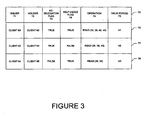
- Figure 3 is a block diagram of an exemplary embodiment of a authorization certificate of a participant
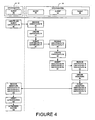
- Figure 4 is an interactive flow chart illustrating a method, according to one exemplary embodiment of the present invention, to delegate authority for accessing collaborative resources;
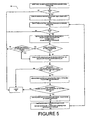
- Figure 5 is a flow chart illustrating one approach of establishing the delegation authority of a participant in accordance with an exemplary embodiment of the present invention
- Figure 6 is a block diagram of an exemplary embodiment of a verification certificate derived from a chain of authorization certificates.
- Figure 7 is a diagrammatic representation of a machine within which a set of instructions, for causing the machine to perform any one of methods described herein, may be executed.
- FIG. 1 is a network diagram depicting a system 10, according to one exemplary embodiment of the present invention, having a client-server architecture.
- a collaborative platform 30 provides collaborative resources 31, 33 via a network 16 (e.g., the Internet) to one or more clients in a first organization 12 and a second organization 14.
- a network 16 e.g., the Internet
- the collaborative platform 30 contains digital resource servers 32 and 34 belonging to the first organization 12 and the second organization 14 respectively.
- the digital resource servers 32 and 34 contain collaborative 31, 33 which are shared between the first organization 12 and the second organization 14.
- the digital resource server 32 of the first organization 12 contains a folder 36, a sub-folder 38 and documents 40, 42 and 46.
- the documents 40 and 42 are further classified in to sub-folder 38.
- the digital resource server 34 hosts a folder 44 which contains a document 48.
- the folder 36 is configured as the parent of folder 44 though folders 36 and 44 are located at different location, such as in digital resource servers 32 and 34 respectively.
- the folder 44 of the second organization 14 is the virtual parent of document 46 of the first organization 12. Therefore, when a client has access to folder 44, the client is able to view documents 46 and 48 in the folder 44.
- the digital resource servers 32 and 34 are coupled to a security server 51.
- the security server 51 provides the function of verifying a client who requests access to the collaborative resources.
- the security server 51 authenticates the identity of the client and verifies the client's right to perform certain operations on the collaborative resources.
- Figure 1 further illustrates that the clients 18, 22 and 26 of organizations 12 and 14 contact the collaborative platform 30 via the network 16 (e.g., Internet).
- the clients 18, 22 and 26 use an authorization certificate provided by security servers 50 and 52 respectively.
- the authorization certificate expresses a permission to access the collaborative resources.
- the collaborative resources 31 and 33 shown in Figure 1 are centrally located in the digital resource server 32 and 34.
- the present invention is not limited to such architecture and the collaborative resources 31 and 33 could be located in a distributed architecture system (e.g., at the client).
- Figure 1 shows the collaborative platform 30 being managed jointly by the first organization 12 and the second organization 14, the collaborative platform 30 may be provided by a third party entity such as an online collaborative provider.
- Figure 2 is a network diagram depicting a collaborative platform 30 for a client to access collaborative resources 31, 33 in accordance with another exemplary embodiment of the present invention.
- a client 60 of the first organization 12 is the owner of the digital resource server 32.
- the client 60 has the authority to permit another client, such as clients 62, 64, 66 of the second organization 14, to access the folders 36, 38 and documents 40, 42, 46.
- the client 62 of the second organization 14 is the administrator of the digital resource server 34.
- the client 60 provides the client 62 with the permission to re-delegate the authority to access the collaborative resources 31 to another entity, e.g., clients 62, 66, 64.
- entity e.g., clients 62, 66, 64.
- the advantage of the present embodiment is that the client 60, owner of the collaborative resources 31, need not know to whom the client 62 has re-delegated the authority.
- the client 60 only authenticates the chain of re-delegation when receiving a request to access the collaborative resources 31.
- the client 62 re-delegates to client 66 the authority to access the collaborative resources 31.
- the client 62 permits client 66 to also re-delegate the access authority to another client such as client 64.
- the client 60 When the client 64 submits a request to access the digital resource 32, the client 60 requires client 64 to prove that the re-delegation authority originates from client 60 and has propagated through a chain of authorized entities. In addition, the client 60 verifies the type of operation that client 64 is allowed to perform. For example, if the client 64 requests to perform a write operation, client 60 verifies that client 64 has inherited from client 66 who has in turn received the write permission from client 62.
- Figure 3 illustrates an exemplary embodiment of the authorization certificate 70 for delegating right to access the collaborative resources 31, 33 as presented in Figure 2 .
- the authorization certificate 70 includes six data fields - an issuer 71, a holder 72, a re-delegation flag 73, a self-usage flag 79, an operation 74 and a valid period 75.
- the authorization certificate 70 enables an entity to re-delegate the authority to access the collaborative resources 31, 33.
- the authorization certificate 70 can restrict the entity from accessing the collaborative resources 31, 33.
- the issuer 71 is an entity granting the authority to access the collaborative resources 31, 33 while the holder 72 is the entity receiving the authority.
- the holder 72 re-delegates the authority, the holder 72 becomes the issuer 71 in a subsequent copy of the authorization certificate 70.
- the re-delegation flag 73 registers whether the holder 72 has been given the right to re-delegate the authority to access the collaborative resources 31, 33.
- the issuer 71 may set the re-delegation flag 73 false to disable the holder 72 from re-delegating the authority. It will be noted that when an authorization certificate 70 contains a re-delegation flag 73 that is set to false, the subsequent entity is unable to re-delegate the authority.
- the self-usage flag 79 provides restricted access to the collaborative resources 31, 33.
- the self-usage flag 79 is set to true, the entity is not permitted to access the collaborative resources 31, 33.
- the self-usage flag 79 is set to false, the entity is able to re-delegate a set of access permission determines by the operation field 74.
- the operation field 74 contains a data field which represents the set of access permissions such as read file only, write file only, read and write file.
- the valid period field 75 indicates the time period during which the authorization certificate 70 is valid. In other words, the authorization certificate 70 expires after a period of time and becomes unusable.
- the authorization certificates 70, 76, 77 and 78 are illustrated with the example in Figure 2 .
- the issuer 71 is client 60 who partly owns the collaborative resources 31.
- the collaborative resources 31 managed by client 60 include folders 36, 38 and documents 40, 42, 46.
- the holder 72 is client 62 whom the client 60 has given permission to re-delegate or access the collaborative resources 31 .
- the self-usage flag 79 is set to true, and the client 62 is allowed to access the collaborative resources 31.
- the client 62 is given read-only access to folders 36, 38 and documents 40, 42.
- the document 46 is not present in the authorization certificate 76 and therefore, the document 46 is invisible to the client 62.
- the authorization certificate 76 is valid for a time period of "V1", after which the authorization certificate 76 expires automatically.
- the client 62 As the re-delegation flag is set to true in the authorization certificate 76, the client 62 is able to re-delegate to another entity the permission it holds for accessing the resources. This is further illustrated in the authorization certificate 77.
- the client 62 who is the holder 72 in the authorization certificate 76 becomes the issuer 71 in the authorization certificate 77.
- the holder 72 is client 64 whom the client 62 has re-delegated.
- the self-usage flag 79 is set to false and consequently, client 64 is not permitted to access the collaborative resources 31.
- client 64 is has the permission to re-delegate to another entity the authority to access the collaborative resources 31.
- client 64 is able to re-delegate to another entity with the authority to perform the operation of reading folders 36, 38 and document 40.
- the client 62 is able to restrict the authority of client 64 without the need to inform the owner, i.e., client 60.
- client 64 issues the authorization certificate 78 to client 66.
- the client 66 is not permitted to re-delegate to another entity the authority to access the collaborative resources as the re-delegation field is set to false.
- the client 66 is limited to performing read operations on folders 36 and 38. Accordingly, the client 66 is only aware that folder 36 is the parent of folder 38, which contains documents 40 and 42. The client 66 is unable to access the documents 40 and 42.
- the authorization certificates 76, 77 and 78 illustrate a chain of authorization certificates created by authorized entities, clients 60, 62, 64. It will be noted that the issuer 71 and holder 72 of each of the authorization certificates, 76, 77 and 78, establish a sequence of the entities re-delegating the authority. For example, client 62, the holder 72 of the authorization certificate 76 becomes the issuer 71 of authorization certificate 77. Client 64 who is the holder 72 of authorization certificate 77 becomes the issuer 71 of authorization certificate 78. In one embodiment of the present invention, the sequence of issuer 71 and holder 72 identifies that a proper re-delegation channel has been established.
- Figure 4 is an interaction flow diagram illustrating a method, according to an exemplary embodiment of the present invention, to delegate authority using the authorization certificate 70 described in Figure 3 .
- the delegation protocol consists of two phases - one for delegating authority to access the collaborative resources 31, 33 and another for requesting an access to the collaborative resources 31, 33.
- the client 60 of the first organization 12 creates an authorization certificate 76 which is submitted to the client 62 of the second organization 14.
- the authorization certificate 76 allows the client 62 to access the collaborative resources 31 managed by the client 60.
- the authorization certificate 76 permits the client 62 to re-delegate the authority to another entity.
- the client 62 receives the authorization certificate 76 at block 84 and decides to re-delegate to client 64.
- the client 62 creates an authorization certificate 77 at block 82.
- the authorization certificate 77 contains the data (client 62, client 64, true, false, read(36,38,40), v3).
- client 64 can in turn re-delegate to another entity.
- the client 62 submits to the client 64 the authorization certificates 76 he receives from client 60 and the authorization certificate 77 created by him.
- the client 64 receives the authorization certificates 76 and 77 at block 88.
- the client 64 has been authorized to re-delegate the right to access the collaborative resources 31.
- the third client 64 creates an authorization certificate 78 at block 90 with client 66 as the holder.
- the certificates 76, 77 and 78 are then submitted to the fourth client 66 at block 92.
- the protocol as described above consists of the delegation phase whereby the authority to access collaborative resources is propagated from the client 60, who manages the collaborative resources 31 in the digital resource server 32, to the client 66.
- the next phase of the protocol, which handles the requesting of the collaborative resources 31, is described below.
- the requesting phase of the protocol provides a mechanism to verify the identity of the requestor and another mechanism to authenticate the authority that the requestor is delegated with.
- the present invention uses a PKI digital signature to confirm the identity of the requestor.
- the requestor uses a private key to digitally sign a message. Unlike the handwritten signature, this digital signature is different every time it is made.
- a unique mathematical value (first hash value) determined by the content of the message is calculated using a "hashing" or “message authentication” algorithm, and then this value is encrypted with the private key, thereby, creating the digital signature for this specific message.
- the encrypted value is either attached to the end of the message or is sent as a separate file together with the message.
- the Public Key corresponding to this private key may also be sent with the message, either on its own or as part of a certificate.
- the receiver of the digitally signed message then uses the correct Public Key to verify the signature.
- the encrypted value is decrypted to obtain the first hash value.
- the message is recalculated to obtain a second hash value. If the second hash value matches the first hash value, it can be concluded that the entity controlling the private key corresponding to the public key sent the information. In addition, the information has not been altered since it was signed.
- the client 66 creates a PKI encrypted signature.
- the client 66 uses the operation field 74, "READ(36, 38)", from the authorization certificate 78 as the message to be encrypted.
- the encrypted signature is submitted to the first client 60 at block 100.
- a chain of authorization certificates, 76, 77, 78, are submitted.
- the client 60 receives the encrypted signature and the chain of authorization certificates, 76, 77, 78. These are further verified at block 105.
- the signature is decrypted to confirm the identity of the client 66.
- the process to verify the authority of the client 66 is further discussed in the section below.
- the client 66 is allowed to perform the necessary operation at block 106.
- the client 66 is permitted to perform read-only operations on folders 36 and 38.
- FIG. 5 is a flowchart diagram illustrating the verification process 105 for authenticating the authority of the requestor to access the collaboration resources 31, in accordance to one exemplary embodiment of the present invention.
- the verification process 105 includes deriving a verification certificate from a chain of authorization certificates.
- the verification certificate contains the same data structure as the authorization certificate 70.
- the verification process 105 starts at block 110 wherein the self-usage flag 79 of the last authorization certificate of the chain of authorization certificate is determined. If the self-usage flag 79 is set to false, the requestor is not permitted to access the collaboration resources 313. Otherwise, a verification certificate is created at block 112 with the self-usage flag 79 set to true.
- a first certificate is compared with a second certificate to further derive the values for the verification certificate.
- the first and the second certificate being a first and a second authorization certificate of a chain of authorization certificates.
- the first certificate is the verification certificate created from the previous verification process 105 and the second certificate is a third authorization certificate.
- the first certificate is compared with the second certificate to establish a sequence of issuer-holder.
- the holder 72 of the first authorization certificate is also the issuer 71 of the second authorization certificate. Any deviation from the issuer-holder sequence is an indication that the authority of the requestor has been improperly delegated.
- the verification certificate is created with the issuer 71 and the holder 72 set to the issuer 71 of the first certificate and the holder 72 of the second authorization certificate respectively.
- the verification process 105 examines the re-delegation field of the first authorization certificate. It is noted that in a chain of authorization certificates 70, if the first authorization certificate does not have the re-delegation authority, the subsequent authorization certificate will not have such re-delegation authority. Therefore, if the re-delegation field of the first certificate is false, the re-delegation field of the second authorization certificate is further verified at block 120. In the case where the re-delegation field of the second authorization certificate is true, the second authorization certificate is invalid. Otherwise, the re-delegation field of the verification certificate is assigned the value of the re-delegation field of the second authorization certificate at block 122.
- the operation field 74 is verified. As established earlier, an entity cannot perform an operation beyond the scope of what the parent entity is entitled to. For example, if the parent entity is given read-only authority, the parent entity cannot assign a read-and-write or write-only authority to another entity.
- the operation field 74 of the second certificate is examined to determine whether the operation field 74 is a set or subset of the first certificate.
- the operation field of the verification certificate is assigned the value of the operation field of the second certificate.
- the valid period 75 of the second certificate is verified at block 128. Similarly, an entity cannot be delegated with a valid period 75 exceeding the parent entity. At block 128, the valid period 75 of the second certificate is analyzed to determine whether the valid period 75 is a set or subset of the first certificate. In addition, the verification certification takes the valid period 75 of the second certificate at block 130.
- the process 105 is repeated for the chain of authorization certificate with the verification certificate as the first certificate and the next authorization certificate as the second certificate at block 134.
- Figure 6 illustrates some exemplary verification certificates created based on the verification process 105 described in Figure 5 .
- the verification process 105 begins with authorization certificate 78 of the requestor, which is part of a chain of authorization certificates, 76, 77, 78.
- the self-usage flag 79 is verified. In this case, the self-usage flag 79 is set to true and therefore the requestor can request access to the collaborative resources.
- the authorization certificates 76, 77 are examined.
- the holder 72 of the authorization certificate 76 is determined whether the holder 72 matches the issuer 71 of the authorization certificate 77.
- client 62 is the holder 72 and the issuer 71 of the authorization certificates 76 and 77 respectively. Therefore, the verification certificate 140 has client 60 as the issuer 71 and client 64 as the holder 72.
- the next phase verifies the re-delegation flag 73.
- the authorization certificate 77 contains a permission to re-delegate the authority to another entity.
- the authorization certificate 76 which is the parent of the authorization certificate 77, must also contain the same permission.
- the authorization certificate 76 has re-delegation flag 73 set to true. Therefore, the authorization certificate 77 contains a valid re-delegation flag 73.
- the verification certificate 140 is then assigned the re-delegation flag 73 of the authorization certificate 73.
- the authorization certificate 77 contains the operation of READ(36, 38, 40) which is a subset of the authorization certificate 76, READ(36, 38, 40, 42).
- the authorization certificate 77 contains a valid operation and the verification certificate 140 is assigned with the operation 74 of the authorization certificate 77.
- the valid period 75 of the authorization certificates 76, 77 are compared.
- the authorization certificate 77 has a valid period 75 of (2003-2006) which is a subset of that of the authorization certificate 76, (2002-2006). Therefore, the valid period of authorization 77 is correct and the verification certificate 140 is assigned the valid period 75 of the authorization certificate 77.
- the verification process 105 is repeated to compare the verification certificate 140 with the authorization certificate 78 to derive the authorization certificate 142. It will be noted that the issuer 71 of the verification certificate 140 captures the original entity, client 60, who first re-delegated the authority to other entities.
- Figure 7 shows a diagrammatic representation of a machine in the exemplary form of a computer system 702 within which a set of instructions for causing the machine to perform any one or more of the above methodologies may be executed.
- the machine operates as a standalone device or may be connected (e.g., networked) to other machines.
- the machine may operate in the capacity of a server or a client machine in server-client network environment, or as a peer machine in a peer-to-peer (or distributed) network environment.
- the machine may be a server computer, a client computer, a personal computer (PC), a tablet PC, a set-top box (STB), a Personal Digital Assistant (PDA), a cellular telephone, a web appliance, a network router, switch or bridge, or any machine capable of executing a set of instructions (sequential or otherwise) that specify actions to be taken by that machine.
- PC personal computer
- PDA Personal Digital Assistant
- STB set-top box
- a cellular telephone a web appliance
- network router switch or bridge
- the exemplary computer system 702 includes a processor 704 (e.g., a central processing unit (CPU) a graphics processing unit (GPU) or both), a main memory 706 and a static memory 708, which communicate with each other via a bus 728.
- the computer system 702 may further include a video display unit 712 (e.g., a liquid crystal display (LCD) or a cathode ray tube (CRT)).
- the computer system 702 also includes an alphanumeric input device 714 (e.g., a keyboard), a cursor control device 716 (e.g., a mouse), a disk drive unit 718, a signal generation device 720 (e.g., a speaker) and a network interface device 710
- the disk drive unit 718 includes a machine-readable medium 724 on which is stored one or more sets of instructions (e.g., software 722) embodying any one or more of the methodologies or functions described herein.
- the software 722 may also reside, completely or at least partially, within the main memory 706 and/or within the processor 704 during execution thereof by the computer system 702, the main memory 706 and the processor 704 also constituting machine-readable media.
- the software 722 may further be transmitted or received over a network 01 via the network interface device 710.
- machine-readable medium 724 is shown in an exemplary embodiment to be a single medium, the term “machine-readable medium” should be taken to include a single medium or multiple media (e.g., a centralized or distributed database, and/or associated caches and servers) that store the one or more sets of instructions.
- the term “machine-readable medium” shall also be taken to include any medium that is capable of storing, encoding or carrying a set of instructions for execution by the machine and that cause the machine to perform any one or more of the methodologies of the present invention.
- the term “machine-readable medium” shall accordingly be taken to include, but not be limited to, solid-state memories, optical and magnetic media, and carrier wave signals.
Landscapes
- Engineering & Computer Science (AREA)
- Computer Security & Cryptography (AREA)
- Computer Networks & Wireless Communication (AREA)
- Signal Processing (AREA)
- Computer Hardware Design (AREA)
- Computing Systems (AREA)
- General Engineering & Computer Science (AREA)
- Storage Device Security (AREA)
- Information Transfer Between Computers (AREA)
Claims (23)
- Verfahren zum Delegieren bzw. Übertragen einer Zugriffsberechtigung um auf geschützte Ressourcen zuzugreifen, wobei das Verfahren umfasst:Bilden eines Berechtigungszertifikats (70) mit beschränktem Zugriffsrecht;Ausgeben des Berechtigungszertifikats an einen Empfänger (62, 64, 66), um die Zugriffsberechtigung neu zu delegieren bzw. weiter zu übertragen;Bilden einer Kette von Berechtigungszertifikaten bei jeder Neudelegation bzw. Weiterübertragung;Empfangen einer Zugriffsanfrage für die geschützten Ressourcen (102); undPrüfen bzw. Verifizieren der Zugriffsanfrage für die geschützten Ressourcen (104),wobei das Bilden eines Berechtigungszertifikats ein Bestimmen einer Selbst-Nutzungs-Instanz (79) umfasst, welche das beschränkte Zugriffsrecht zu den geschützten Ressourcen bereitstellt;dadurch gekennzeichnet, dass das Verifizieren der Zugriffsanfrage für die geschützten Ressourcen umfasst:Authentifizieren des Empfängers, welcher die Zugriffsanfrage bereitstellt;Empfangen der Kette von Berechtigungszertifikaten von dem Empfänger; undPrüfen bzw. Verifizieren der Kette von Berechtigungszertifikaten;wobei das Authentifizieren des Empfängers ein Entschlüsseln einer digitalen Signatur umfasst, welche den Operationstyp umfasst, welcher an bzw. in den geschützten Ressourcen ausgeführt wird.
- Verfahren nach Anspruch 1, wobei das Bilden des Berechtigungszertifikats (70) ferner umfasst:Bestimmen eines Ausgebers (71), welcher die Zugriffsberechtigung überträgt;Bestimmen des Empfängers (72), welcher die Zugriffsberechtigung empfängt;Bestimmen einer Neu-Übertragungs-Instanz (73), welche dem Empfänger gestattet, die Zugriffsberechtigung an einen anderen Teilnehmer zu übertragen;Bestimmen eines Operationstyps (74), welcher an den geschützten Ressourcen ausgeführt wird; undBestimmen einer Gültigkeitsdauer (75) für das Berechtigungszertifikat.
- Verfahren nach Anspruch 2, wobei der Operationstyp, welcher an den geschützten Ressourcen ausgeführt wird, zumindest einer aus einer Schreib-und-Lese-Operation, einer schreibgeschützten Operation und einer Nur-Schreib-Operation umfasst.
- Verfahren nach einem der Ansprüche 1 bis 3, wobei das Bilden der Kette von Berechtigungszertifikaten bei jeder Neudelegation bzw. Weiterübertragung umfasst:Kommunizieren eines ersten Berechtigungszertifikats (76) zwischen einem ersten und einem zweiten Teilnehmer, wobei der erste Teilnehmer die Zugriffsberechtigung an den zweiten Teilnehmer überträgt;Bestimmen der Neu-Übertragungs-Instanz des zweiten Teilnehmers;Erzeugen eines zweiten Berechtigungszertifikats (77) als Antwort auf ein Gestatten der Neu-Übertragungs-Instanz des zweiten Teilnehmers; undKommunizieren des ersten und zweiten Berechtigungszertifikats zwischen dem zweiten und einem dritten Teilnehmer, wobei der zweite Teilnehmer die Zugriffsberechtigung an den dritten Teilnehmer überträgt.
- Verfahren nach Anspruch 1, ferner umfassend ein Prüfen bzw. Verifizieren der Selbst-Nutzungs-Instanz (79) des Berechtigungszertifikats des Empfängers.
- Verfahren nach einem der Ansprüche 1 bis 5, wobei das Prüfen der Kette von Berechtigungszertifikaten ein Vergleichen des ersten und zweiten Berechtigungszertifikats der Kette von Berechtigungszertifikaten in entsprechender Weise umfasst.
- Verfahren nach Anspruch 6, wobei das Vergleichen des ersten und zweiten Berechtigungszertifikats ferner umfasst:Bestimmen einer Folge von Ausgeber-Empfänger von dem ersten und zweiten Berechtigungszertifikat;wobei das Bestimmen der Neu-Übertragungs-Instanz des zweiten Berechtigungszertifikats nicht gestattet ist, wenn das erste Berechtigungszertifikat nicht gestattet ist;wobei das Bestimmen des Operationstyps, welcher von dem zweiten Berechtigungszertifikat durchgeführt wird, eine Menge oder eine Teilmenge des ersten Berechtigungszertifikats ist; undwobei das Bestimmen der Gültigkeitsdauer des zweiten Berechtigungszertifikats eine Menge oder eine Teilmenge des ersten Berechtigungszertifikats ist.
- Verfahren nach Anspruch 7, wobei das Bestimmen der Folge von Ausgeber-Empfänger ein Bestimmen umfasst, ob der Empfänger des ersten Berechtigungszertifikats der Ausgeber des zweiten Berechtigungszertifikats ist.
- Verfahren nach Anspruch 7 oder 8, ferner umfassend ein Erzeugen eines Prüfzertifikats (140) von dem ersten und zweiten Berechtigungszertifikat (76 und 77).
- Verfahren nach Anspruch 9, ferner umfassend ein dem Prüfzertifikat (140) Zuweisen des Empfängers, der Neu-Übertragungs-Instanz und der Gültigkeitsdauer des zweiten Berechtigungszertifikats und des Ausgebers des ersten Berechtigungszertifikats.
- Verfahren nach Anspruch 9 oder 10, wobei das erste und zweite Berechtigungszertifikat in entsprechender Weise das Prüfzertifikat (140) und ein drittes Berechtigungszertifikat (78) der Kette von Berechtigungszertifikaten sind.
- Netzwerksystem zum Übertragen einer Zugriffsberechtigung um auf geschützte Ressourcen zuzugreifen, wobei das System umfasst:Mittel zum Bilden eines Berechtigungszertifikats (70) mit beschränktem Zugriffsrecht;Mittel zum Ausgeben des Berechtigungszertifikats an einen Empfänger (62, 64, 66), um die Zugriffsberechtigung neu zu delegieren bzw. weiter zu übertragen;Mittel zum Bilden einer Kette von Berechtigungszertifikaten bei jeder Neudelegation bzw. Weiterübertragung;Mittel zum Empfangen einer Zugriffsanfrage für die geschützten Ressourcen; undMittel zum Prüfen bzw. Verifizieren der Zugriffsanfrage für die geschützten Ressourcen;wobei das Mittel zum Bilden eines Berechtigungszertifikats ein Mittel zum Bestimmen einer Selbst-Nutzungs-Instanz (79) umfasst, welche das eingeschränkte Zugriffsrecht zu den geschützten Ressourcen bereitstellt;dadurch gekennzeichnet, dass das Mittel zum Verifizieren der Zugriffsanfrage für die geschützten Ressourcen umfasst:Mittel zum Authentifizieren des Empfängers, welcher die Zugriffsanfrage bereitstellt;Mittel zum Empfangen der Kette von Berechtigungszertifikaten von dem Empfänger; undMittel zum Prüfen bzw. Verifizieren der Kette von Berechtigungszertifikaten;wobei das Mittel zum Authentifizieren des Empfängers ein Mittel zum Entschlüsseln einer digitalen Signatur umfasst, welche den Operationstyp umfasst, welcher an den geschützten Ressourcen ausgeführt wird.
- System nach Anspruch 12, wobei das Mittel zum Bilden des Berechtigungszertifikats ferner umfasst:Mittel zum Bestimmen eines Ausgebers (71), welcher die Zugriffsberechtigung überträgt;Mittel zum Bestimmen des Empfängers (72), welcher die Zugriffsberechtigung empfängt;Mittel zum Bestimmen einer Neu-Übertragungs-Instanz (73), welche dem Empfänger gestattet, die Zugriffsberechtigung an einen anderen Teilnehmer zu übertragen;Mittel zum Bestimmen eines Operationstyps (74), welcher an den geschützten Ressourcen ausgeführt wird; undMittel zum Bestimmen einer Gültigkeitsdauer (75) für das Berechtigungszertifikat.
- System nach Anspruch 13, wobei der Operationstyp, welcher an den geschützten Ressoucen ausgeführt wird, zumindest einen aus einer Schreib-und-Lese-Operation, einer schreibgeschützten Operation und einer Nur-Schreib-Operation umfasst.
- System nach einem der Ansprüche 12 bis 14, wobei das Mittel zum Bilden der Kette von Berechtigungszertifikaten bei jeder Weiterübertragung umfasst:Mittel zum Kommunizieren eines ersten Berechtigungszertifikats (76) zwischen einem ersten und einem zweiten Teilnehmer, wobei der erste Teilnehmer die Zugriffsberechtigung an den zweiten Teilnehmer überträgt;Mittel zum Bestimmen der Neu-Übertragungs-Instanz des zweiten Teilnehmers;Mittel zum Erzeugen eines zweiten Berechtigungszertifikats (77) als Antwort auf ein Gestatten der Neu-Übertragungs-Instanz des zweiten Teilnehmers; undMittel zum Kommunizieren des ersten und zweiten Berechtigungszertifikats zwischen dem zweiten und einem dritten Teilnehmer, wobei der zweite Teilnehmer die Zugriffsberechtigung an den dritten Teilnehmer überträgt.
- System nach Anspruch 12, ferner umfassend ein Mittel zum Prüfen bzw. Verifizieren der Selbst-Nutzungs-Instanz (79) des Berechtigungszertifikats des Empfängers.
- System nach einem der Ansprüche 12 bis 16, wobei das Mittel zum Verifizieren der Kette von Berechtigungszertifikaten ein Mittel zum Vergleichen des ersten und zweiten Berechtigungszertifikats der Kette von Berechtigungszertifikaten in entsprechender Weise umfasst.
- System nach Anspruch 17, wobei das Mittel zum Vergleichen des ersten und zweiten Berechtigungszertifikats ferner umfasst:Mittel zum Bestimmen einer Folge von Ausgeber-Empfänger von dem ersten und zweiten Berechtigungszertifikat;wobei das Mittel zum Bestimmen der Neu-Übertragungs-Instanz des zweiten Berechtigungszertifikats nicht gestattet ist, wenn das ersten Berechtigungszertifikat nicht gestattet ist;wobei das Mittel zum Bestimmen des Operationstyps, welcher von dem zweiten Berechtigungszertifikat ausgeführt wird, eine Menge oder eine Teilmenge des ersten Berechtigungszertifikats ist; undwobei das Mittel zum Bestimmen der Gültigkeitsdauer des zweiten Berechtigungszertifikats eine Menge oder eine Teilmenge des ersten Berechtigungszertifikats ist.
- System nach Anspruch 18, wobei das Mittel zum Bestimmen der Folge von Ausgeber-Empfänger ein Mittel zum Bestimmen umfasst, ob der Empfänger des ersten Berechtigungszertifikats der Ausgeber des zweiten Berechtigungszertifikats ist.
- System nach Anspruch 18 oder 19, ferner umfassend Mittel zum Erzeugen eine Prüfzertifikats (140) von dem ersten und zweiten Berechtigungszertifikats (76 und 77).
- System nach Anspruch 20, ferner umfassend ein Mittel um dem Prüfzertifikat (140) den Empfänger, die Neu-Übertragungs-Instanz und die Gültigkeitsdauer des zweiten Berechtigungszertifikats und den Ausgeber des ersten Berechtigungszertifikats zuzuweisen.
- System nach Anspruch 20 oder 21, wobei das erste und zweite Berechtigungszertifikat in entsprechender Weise das Prüfzertifikat (140) und ein drittes Berechtigungszertifikat der Kette von Berechtigungszertifikaten ist.
- Maschinenlesbares Medium umfassend Weisungsmittel, welches, wenn die Weisungsmittel von einer Maschine ausgeführt werden, dazu geeignet sind, alle Schritte des Verfahrens nach den Ansprüchen 1 to 11 auszuführen.
Applications Claiming Priority (1)
| Application Number | Priority Date | Filing Date | Title |
|---|---|---|---|
| US11/000,816 US8312526B2 (en) | 2004-11-30 | 2004-11-30 | Method and system for delegating authority with restricted access right in an online collaborative environment |
Publications (2)
| Publication Number | Publication Date |
|---|---|
| EP1662696A1 EP1662696A1 (de) | 2006-05-31 |
| EP1662696B1 true EP1662696B1 (de) | 2010-09-15 |
Family
ID=35911103
Family Applications (1)
| Application Number | Title | Priority Date | Filing Date |
|---|---|---|---|
| EP05023556A Expired - Lifetime EP1662696B1 (de) | 2004-11-30 | 2005-10-27 | Methode und System zur Delegation der Berechtigung mit beschränkten Zugriffsrechten in einer Umgebung zur Online Zusammenarbeit |
Country Status (4)
| Country | Link |
|---|---|
| US (1) | US8312526B2 (de) |
| EP (1) | EP1662696B1 (de) |
| AT (1) | ATE481789T1 (de) |
| DE (1) | DE602005023572D1 (de) |
Families Citing this family (18)
| Publication number | Priority date | Publication date | Assignee | Title |
|---|---|---|---|---|
| US9003295B2 (en) * | 2003-03-17 | 2015-04-07 | Leo Martin Baschy | User interface driven access control system and method |
| US9176934B2 (en) * | 2005-05-06 | 2015-11-03 | Leo Baschy | User interface for nonuniform access control system and methods |
| US9129088B1 (en) | 2005-06-04 | 2015-09-08 | Leo Martin Baschy | User interface driven access control system and methods for multiple users as one audience |
| US8700523B2 (en) * | 2005-06-10 | 2014-04-15 | American Express Travel Related Services Company, Inc. | System and method for delegating management of a financial transaction account to a designated assistant |
| US9202068B2 (en) * | 2006-03-29 | 2015-12-01 | Leo M. Baschy | User interface for variable access control system |
| US20080133551A1 (en) * | 2006-11-30 | 2008-06-05 | Ava Mobile, Inc. | System, method, and computer program product for managing rights of media in collaborative environments |
| US8935528B2 (en) * | 2008-06-26 | 2015-01-13 | Microsoft Corporation | Techniques for ensuring authentication and integrity of communications |
| US9449195B2 (en) * | 2009-01-23 | 2016-09-20 | Avow Networks Incorporated | Method and apparatus to perform online credential reporting |
| US20120173874A1 (en) * | 2011-01-04 | 2012-07-05 | Qualcomm Incorporated | Method And Apparatus For Protecting Against A Rogue Certificate |
| US9584558B2 (en) | 2011-09-08 | 2017-02-28 | Avaya Inc. | Methods, apparatuses, and computer-readable media for initiating an application for participants of a conference |
| US9929869B2 (en) * | 2011-10-26 | 2018-03-27 | Avaya Inc. | Methods, apparatuses, and computer-readable media for providing a collaboration license to an application for participant user device(s) participating in an on-line collaboration |
| US11334884B2 (en) * | 2012-05-04 | 2022-05-17 | Institutional Cash Distributors Technology, Llc | Encapsulated security tokens for electronic transactions |
| US9514323B2 (en) * | 2012-08-30 | 2016-12-06 | Intelleflex Corporation | RFID system with segmented RFID data ownership |
| US9344424B2 (en) * | 2013-05-23 | 2016-05-17 | Adobe Systems Incorporated | Authorizing access by a third party to a service from a service provider |
| US9350556B1 (en) * | 2015-04-20 | 2016-05-24 | Google Inc. | Security model for identification and authentication in encrypted communications using delegate certificate chain bound to third party key |
| US10977353B2 (en) * | 2018-09-18 | 2021-04-13 | International Business Machines Corporation | Validating authorized activities approved by a guardian |
| US11411746B2 (en) * | 2019-05-24 | 2022-08-09 | Centrality Investments Limited | Systems, methods, and storage media for permissioned delegation in a computing environment |
| EP4174691B1 (de) * | 2021-10-29 | 2024-08-07 | Siemens Aktiengesellschaft | Leitsystem für eine technische anlage und verfahren zum entfernen eines oder mehrerer zertifikate |
Family Cites Families (26)
| Publication number | Priority date | Publication date | Assignee | Title |
|---|---|---|---|---|
| US20020156737A1 (en) * | 1993-10-22 | 2002-10-24 | Corporation For National Research Initiatives, A Virginia Corporation | Identifying, managing, accessing, and tracking digital objects and associated rights and payments |
| US7353396B2 (en) * | 1995-10-02 | 2008-04-01 | Corestreet, Ltd. | Physical access control |
| US5933503A (en) * | 1996-03-15 | 1999-08-03 | Novell, Inc | Controlled modular cryptography apparatus and method |
| US6105131A (en) * | 1997-06-13 | 2000-08-15 | International Business Machines Corporation | Secure server and method of operation for a distributed information system |
| US6233577B1 (en) * | 1998-02-17 | 2001-05-15 | Phone.Com, Inc. | Centralized certificate management system for two-way interactive communication devices in data networks |
| US6751735B1 (en) * | 1998-03-23 | 2004-06-15 | Novell, Inc. | Apparatus for control of cryptography implementations in third party applications |
| US7039805B1 (en) * | 1998-05-20 | 2006-05-02 | Messing John H | Electronic signature method |
| US6138235A (en) * | 1998-06-29 | 2000-10-24 | Sun Microsystems, Inc. | Controlling access to services between modular applications |
| US6324645B1 (en) * | 1998-08-11 | 2001-11-27 | Verisign, Inc. | Risk management for public key management infrastructure using digital certificates |
| US6643774B1 (en) * | 1999-04-08 | 2003-11-04 | International Business Machines Corporation | Authentication method to enable servers using public key authentication to obtain user-delegated tickets |
| US7213262B1 (en) * | 1999-05-10 | 2007-05-01 | Sun Microsystems, Inc. | Method and system for proving membership in a nested group using chains of credentials |
| GB2357228B (en) * | 1999-12-08 | 2003-07-09 | Hewlett Packard Co | Method and apparatus for discovering a trust chain imparting a required attribute to a subject |
| US6754829B1 (en) * | 1999-12-14 | 2004-06-22 | Intel Corporation | Certificate-based authentication system for heterogeneous environments |
| US7058798B1 (en) * | 2000-04-11 | 2006-06-06 | Sun Microsystems, Inc. | Method ans system for pro-active credential refreshing |
| US7313692B2 (en) * | 2000-05-19 | 2007-12-25 | Intertrust Technologies Corp. | Trust management systems and methods |
| US6807577B1 (en) * | 2000-09-14 | 2004-10-19 | International Business Machines Corporation | System and method for network log-on by associating legacy profiles with user certificates |
| US7356690B2 (en) * | 2000-12-11 | 2008-04-08 | International Business Machines Corporation | Method and system for managing a distributed trust path locator for public key certificates relating to the trust path of an X.509 attribute certificate |
| US7415607B2 (en) * | 2000-12-22 | 2008-08-19 | Oracle International Corporation | Obtaining and maintaining real time certificate status |
| US7085834B2 (en) * | 2000-12-22 | 2006-08-01 | Oracle International Corporation | Determining a user's groups |
| US6952428B1 (en) * | 2001-01-26 | 2005-10-04 | 3Com Corporation | System and method for a specialized dynamic host configuration protocol proxy in a data-over-cable network |
| US20020144108A1 (en) * | 2001-03-29 | 2002-10-03 | International Business Machines Corporation | Method and system for public-key-based secure authentication to distributed legacy applications |
| US20030163686A1 (en) * | 2001-08-06 | 2003-08-28 | Ward Jean Renard | System and method for ad hoc management of credentials, trust relationships and trust history in computing environments |
| US7571314B2 (en) | 2001-12-13 | 2009-08-04 | Intel Corporation | Method of assembling authorization certificate chains |
| US7770212B2 (en) * | 2002-08-15 | 2010-08-03 | Activcard | System and method for privilege delegation and control |
| US7318155B2 (en) * | 2002-12-06 | 2008-01-08 | International Business Machines Corporation | Method and system for configuring highly available online certificate status protocol responders |
| US7444509B2 (en) * | 2004-05-27 | 2008-10-28 | International Business Machines Corporation | Method and system for certification path processing |
-
2004
- 2004-11-30 US US11/000,816 patent/US8312526B2/en active Active
-
2005
- 2005-10-27 AT AT05023556T patent/ATE481789T1/de not_active IP Right Cessation
- 2005-10-27 DE DE602005023572T patent/DE602005023572D1/de not_active Expired - Lifetime
- 2005-10-27 EP EP05023556A patent/EP1662696B1/de not_active Expired - Lifetime
Also Published As
| Publication number | Publication date |
|---|---|
| US8312526B2 (en) | 2012-11-13 |
| ATE481789T1 (de) | 2010-10-15 |
| EP1662696A1 (de) | 2006-05-31 |
| DE602005023572D1 (de) | 2010-10-28 |
| US20060117382A1 (en) | 2006-06-01 |
Similar Documents
| Publication | Publication Date | Title |
|---|---|---|
| US12164662B2 (en) | Integration of a block chain, managing group authority and access in an enterprise environment | |
| US12095747B2 (en) | Cryptographic proxy service | |
| Lopez et al. | Authentication and authorization infrastructures (AAIs): a comparative survey | |
| US7904720B2 (en) | System and method for providing secure resource management | |
| Zissis et al. | Addressing cloud computing security issues | |
| US8312526B2 (en) | Method and system for delegating authority with restricted access right in an online collaborative environment | |
| KR101150108B1 (ko) | 피어-투-피어 인증 및 허가 | |
| US11121876B2 (en) | Distributed access control | |
| JP6527179B2 (ja) | パラメータベースのキー導出 | |
| CN113056741A (zh) | 基于分布式账本的简档验证 | |
| EP1662698B1 (de) | Methode und System zur Delegation der Berechtigung in einer Umgebung zur Online Zusammenarbeit | |
| US20040199774A1 (en) | Secure method for roaming keys and certificates | |
| MXPA03003709A (es) | Contexto de autorizacion persistente basado en autentificacon externa. | |
| EP1421464A1 (de) | System und verfahren für vertrauen in computerumgebungen | |
| CN114666168A (zh) | 去中心化身份凭证验证方法、装置,以及,电子设备 | |
| US7013388B2 (en) | Vault controller context manager and methods of operation for securely maintaining state information between successive browser connections in an electronic business system | |
| Lynch | The changing role in a networked information environment | |
| Yeh et al. | Applying lightweight directory access protocol service on session certification authority | |
| Fleming | Decentralized Identity Management for a Maritime Digital Infrastructure: With focus on usability and data integrity | |
| Nielsen et al. | Lotus Notes and Domino R5. 0 security infrastructure revealed | |
| Bhatia et al. | Geon/telescience security infrastructure | |
| Vemulapalli et al. | Security in distributed digital libraries: Issues and challenges | |
| Gasser et al. | 2. Security policy and reference monitors | |
| Shu | A PKI-based authentication and capability authorization model for grid computing | |
| Lopez et al. | Infrastructures (AAIs) for Identity Management: Comparative Analysis |
Legal Events
| Date | Code | Title | Description |
|---|---|---|---|
| PUAI | Public reference made under article 153(3) epc to a published international application that has entered the european phase |
Free format text: ORIGINAL CODE: 0009012 |
|
| AK | Designated contracting states |
Kind code of ref document: A1 Designated state(s): AT BE BG CH CY CZ DE DK EE ES FI FR GB GR HU IE IS IT LI LT LU LV MC NL PL PT RO SE SI SK TR |
|
| AX | Request for extension of the european patent |
Extension state: AL BA HR MK YU |
|
| 17P | Request for examination filed |
Effective date: 20060614 |
|
| 17Q | First examination report despatched |
Effective date: 20060719 |
|
| AKX | Designation fees paid |
Designated state(s): AT BE BG CH CY CZ DE DK EE ES FI FR GB GR HU IE IS IT LI LT LU LV MC NL PL PT RO SE SI SK TR |
|
| GRAP | Despatch of communication of intention to grant a patent |
Free format text: ORIGINAL CODE: EPIDOSNIGR1 |
|
| GRAS | Grant fee paid |
Free format text: ORIGINAL CODE: EPIDOSNIGR3 |
|
| GRAA | (expected) grant |
Free format text: ORIGINAL CODE: 0009210 |
|
| AK | Designated contracting states |
Kind code of ref document: B1 Designated state(s): AT BE BG CH CY CZ DE DK EE ES FI FR GB GR HU IE IS IT LI LT LU LV MC NL PL PT RO SE SI SK TR |
|
| REG | Reference to a national code |
Ref country code: CH Ref legal event code: EP Ref country code: GB Ref legal event code: FG4D |
|
| REG | Reference to a national code |
Ref country code: IE Ref legal event code: FG4D |
|
| REF | Corresponds to: |
Ref document number: 602005023572 Country of ref document: DE Date of ref document: 20101028 Kind code of ref document: P |
|
| REG | Reference to a national code |
Ref country code: NL Ref legal event code: VDEP Effective date: 20100915 |
|
| PG25 | Lapsed in a contracting state [announced via postgrant information from national office to epo] |
Ref country code: LT Free format text: LAPSE BECAUSE OF FAILURE TO SUBMIT A TRANSLATION OF THE DESCRIPTION OR TO PAY THE FEE WITHIN THE PRESCRIBED TIME-LIMIT Effective date: 20100915 Ref country code: FI Free format text: LAPSE BECAUSE OF FAILURE TO SUBMIT A TRANSLATION OF THE DESCRIPTION OR TO PAY THE FEE WITHIN THE PRESCRIBED TIME-LIMIT Effective date: 20100915 Ref country code: AT Free format text: LAPSE BECAUSE OF FAILURE TO SUBMIT A TRANSLATION OF THE DESCRIPTION OR TO PAY THE FEE WITHIN THE PRESCRIBED TIME-LIMIT Effective date: 20100915 |
|
| LTIE | Lt: invalidation of european patent or patent extension |
Effective date: 20100915 |
|
| PG25 | Lapsed in a contracting state [announced via postgrant information from national office to epo] |
Ref country code: CY Free format text: LAPSE BECAUSE OF FAILURE TO SUBMIT A TRANSLATION OF THE DESCRIPTION OR TO PAY THE FEE WITHIN THE PRESCRIBED TIME-LIMIT Effective date: 20100915 Ref country code: PL Free format text: LAPSE BECAUSE OF FAILURE TO SUBMIT A TRANSLATION OF THE DESCRIPTION OR TO PAY THE FEE WITHIN THE PRESCRIBED TIME-LIMIT Effective date: 20100915 Ref country code: SI Free format text: LAPSE BECAUSE OF FAILURE TO SUBMIT A TRANSLATION OF THE DESCRIPTION OR TO PAY THE FEE WITHIN THE PRESCRIBED TIME-LIMIT Effective date: 20100915 |
|
| PG25 | Lapsed in a contracting state [announced via postgrant information from national office to epo] |
Ref country code: LV Free format text: LAPSE BECAUSE OF FAILURE TO SUBMIT A TRANSLATION OF THE DESCRIPTION OR TO PAY THE FEE WITHIN THE PRESCRIBED TIME-LIMIT Effective date: 20100915 Ref country code: GR Free format text: LAPSE BECAUSE OF FAILURE TO SUBMIT A TRANSLATION OF THE DESCRIPTION OR TO PAY THE FEE WITHIN THE PRESCRIBED TIME-LIMIT Effective date: 20101216 Ref country code: SE Free format text: LAPSE BECAUSE OF FAILURE TO SUBMIT A TRANSLATION OF THE DESCRIPTION OR TO PAY THE FEE WITHIN THE PRESCRIBED TIME-LIMIT Effective date: 20100915 |
|
| PG25 | Lapsed in a contracting state [announced via postgrant information from national office to epo] |
Ref country code: PT Free format text: LAPSE BECAUSE OF FAILURE TO SUBMIT A TRANSLATION OF THE DESCRIPTION OR TO PAY THE FEE WITHIN THE PRESCRIBED TIME-LIMIT Effective date: 20110117 Ref country code: IS Free format text: LAPSE BECAUSE OF FAILURE TO SUBMIT A TRANSLATION OF THE DESCRIPTION OR TO PAY THE FEE WITHIN THE PRESCRIBED TIME-LIMIT Effective date: 20110115 Ref country code: SK Free format text: LAPSE BECAUSE OF FAILURE TO SUBMIT A TRANSLATION OF THE DESCRIPTION OR TO PAY THE FEE WITHIN THE PRESCRIBED TIME-LIMIT Effective date: 20100915 Ref country code: NL Free format text: LAPSE BECAUSE OF FAILURE TO SUBMIT A TRANSLATION OF THE DESCRIPTION OR TO PAY THE FEE WITHIN THE PRESCRIBED TIME-LIMIT Effective date: 20100915 Ref country code: MC Free format text: LAPSE BECAUSE OF NON-PAYMENT OF DUE FEES Effective date: 20101031 Ref country code: IT Free format text: LAPSE BECAUSE OF FAILURE TO SUBMIT A TRANSLATION OF THE DESCRIPTION OR TO PAY THE FEE WITHIN THE PRESCRIBED TIME-LIMIT Effective date: 20100915 Ref country code: CZ Free format text: LAPSE BECAUSE OF FAILURE TO SUBMIT A TRANSLATION OF THE DESCRIPTION OR TO PAY THE FEE WITHIN THE PRESCRIBED TIME-LIMIT Effective date: 20100915 Ref country code: RO Free format text: LAPSE BECAUSE OF FAILURE TO SUBMIT A TRANSLATION OF THE DESCRIPTION OR TO PAY THE FEE WITHIN THE PRESCRIBED TIME-LIMIT Effective date: 20100915 Ref country code: EE Free format text: LAPSE BECAUSE OF FAILURE TO SUBMIT A TRANSLATION OF THE DESCRIPTION OR TO PAY THE FEE WITHIN THE PRESCRIBED TIME-LIMIT Effective date: 20100915 |
|
| REG | Reference to a national code |
Ref country code: CH Ref legal event code: PL |
|
| PG25 | Lapsed in a contracting state [announced via postgrant information from national office to epo] |
Ref country code: BE Free format text: LAPSE BECAUSE OF FAILURE TO SUBMIT A TRANSLATION OF THE DESCRIPTION OR TO PAY THE FEE WITHIN THE PRESCRIBED TIME-LIMIT Effective date: 20100915 Ref country code: ES Free format text: LAPSE BECAUSE OF FAILURE TO SUBMIT A TRANSLATION OF THE DESCRIPTION OR TO PAY THE FEE WITHIN THE PRESCRIBED TIME-LIMIT Effective date: 20101226 |
|
| PLBE | No opposition filed within time limit |
Free format text: ORIGINAL CODE: 0009261 |
|
| STAA | Information on the status of an ep patent application or granted ep patent |
Free format text: STATUS: NO OPPOSITION FILED WITHIN TIME LIMIT |
|
| PG25 | Lapsed in a contracting state [announced via postgrant information from national office to epo] |
Ref country code: CH Free format text: LAPSE BECAUSE OF NON-PAYMENT OF DUE FEES Effective date: 20101031 Ref country code: LI Free format text: LAPSE BECAUSE OF NON-PAYMENT OF DUE FEES Effective date: 20101031 |
|
| 26N | No opposition filed |
Effective date: 20110616 |
|
| PG25 | Lapsed in a contracting state [announced via postgrant information from national office to epo] |
Ref country code: DK Free format text: LAPSE BECAUSE OF FAILURE TO SUBMIT A TRANSLATION OF THE DESCRIPTION OR TO PAY THE FEE WITHIN THE PRESCRIBED TIME-LIMIT Effective date: 20100915 |
|
| REG | Reference to a national code |
Ref country code: DE Ref legal event code: R097 Ref document number: 602005023572 Country of ref document: DE Effective date: 20110616 |
|
| PG25 | Lapsed in a contracting state [announced via postgrant information from national office to epo] |
Ref country code: IE Free format text: LAPSE BECAUSE OF NON-PAYMENT OF DUE FEES Effective date: 20101027 |
|
| PG25 | Lapsed in a contracting state [announced via postgrant information from national office to epo] |
Ref country code: HU Free format text: LAPSE BECAUSE OF FAILURE TO SUBMIT A TRANSLATION OF THE DESCRIPTION OR TO PAY THE FEE WITHIN THE PRESCRIBED TIME-LIMIT Effective date: 20110316 Ref country code: BG Free format text: LAPSE BECAUSE OF FAILURE TO SUBMIT A TRANSLATION OF THE DESCRIPTION OR TO PAY THE FEE WITHIN THE PRESCRIBED TIME-LIMIT Effective date: 20100915 Ref country code: LU Free format text: LAPSE BECAUSE OF NON-PAYMENT OF DUE FEES Effective date: 20101027 |
|
| PG25 | Lapsed in a contracting state [announced via postgrant information from national office to epo] |
Ref country code: TR Free format text: LAPSE BECAUSE OF FAILURE TO SUBMIT A TRANSLATION OF THE DESCRIPTION OR TO PAY THE FEE WITHIN THE PRESCRIBED TIME-LIMIT Effective date: 20100915 |
|
| PG25 | Lapsed in a contracting state [announced via postgrant information from national office to epo] |
Ref country code: BG Free format text: LAPSE BECAUSE OF FAILURE TO SUBMIT A TRANSLATION OF THE DESCRIPTION OR TO PAY THE FEE WITHIN THE PRESCRIBED TIME-LIMIT Effective date: 20101215 |
|
| REG | Reference to a national code |
Ref country code: DE Ref legal event code: R082 Ref document number: 602005023572 Country of ref document: DE Representative=s name: MUELLER-BORE & PARTNER PATENTANWAELTE PARTG MB, DE |
|
| REG | Reference to a national code |
Ref country code: DE Ref legal event code: R081 Ref document number: 602005023572 Country of ref document: DE Owner name: SAP SE, DE Free format text: FORMER OWNER: SAP AG, 69190 WALLDORF, DE Effective date: 20141210 Ref country code: DE Ref legal event code: R082 Ref document number: 602005023572 Country of ref document: DE Representative=s name: MUELLER-BORE & PARTNER PATENTANWAELTE PARTG MB, DE Effective date: 20141210 |
|
| REG | Reference to a national code |
Ref country code: FR Ref legal event code: PLFP Year of fee payment: 12 |
|
| REG | Reference to a national code |
Ref country code: FR Ref legal event code: PLFP Year of fee payment: 13 |
|
| REG | Reference to a national code |
Ref country code: FR Ref legal event code: PLFP Year of fee payment: 14 |
|
| PGFP | Annual fee paid to national office [announced via postgrant information from national office to epo] |
Ref country code: DE Payment date: 20241021 Year of fee payment: 20 |
|
| PGFP | Annual fee paid to national office [announced via postgrant information from national office to epo] |
Ref country code: GB Payment date: 20241022 Year of fee payment: 20 |
|
| PGFP | Annual fee paid to national office [announced via postgrant information from national office to epo] |
Ref country code: FR Payment date: 20241021 Year of fee payment: 20 |
|
| REG | Reference to a national code |
Ref country code: DE Ref legal event code: R071 Ref document number: 602005023572 Country of ref document: DE |
|
| REG | Reference to a national code |
Ref country code: GB Ref legal event code: PE20 Expiry date: 20251026 |