EP1660458B1 - 2, 4-pyrimidinediamines useful in the treatment of neoplastic diseases, inflammatory and immune system disorders - Google Patents
2, 4-pyrimidinediamines useful in the treatment of neoplastic diseases, inflammatory and immune system disorders Download PDFInfo
- Publication number
- EP1660458B1 EP1660458B1 EP04764093A EP04764093A EP1660458B1 EP 1660458 B1 EP1660458 B1 EP 1660458B1 EP 04764093 A EP04764093 A EP 04764093A EP 04764093 A EP04764093 A EP 04764093A EP 1660458 B1 EP1660458 B1 EP 1660458B1
- Authority
- EP
- European Patent Office
- Prior art keywords
- cdcl
- methyl
- nmr
- acoet
- 400mhz
- Prior art date
- Legal status (The legal status is an assumption and is not a legal conclusion. Google has not performed a legal analysis and makes no representation as to the accuracy of the status listed.)
- Expired - Lifetime
Links
- 0 Cc1ccc(C)c(*)c1 Chemical compound Cc1ccc(C)c(*)c1 0.000 description 18
- KAUYJLLBKNEBDW-UHFFFAOYSA-N Cc(c(OC)c1)ccc1N1CCOCC1 Chemical compound Cc(c(OC)c1)ccc1N1CCOCC1 KAUYJLLBKNEBDW-UHFFFAOYSA-N 0.000 description 4
- YQUYKPJJPYACJR-UHFFFAOYSA-N Cc(c(OC)c1)ccc1N(CC1)CC1NC Chemical compound Cc(c(OC)c1)ccc1N(CC1)CC1NC YQUYKPJJPYACJR-UHFFFAOYSA-N 0.000 description 2
- FMPNUMXHDIPFNE-UHFFFAOYSA-N Cc(c(OC)c1)ccc1N(CCC1)CC1C(N)=O Chemical compound Cc(c(OC)c1)ccc1N(CCC1)CC1C(N)=O FMPNUMXHDIPFNE-UHFFFAOYSA-N 0.000 description 2
- GQJHUPMAMPQYCZ-UHFFFAOYSA-N Cc(cc(cc1)N2CCOCC2)c1OC Chemical compound Cc(cc(cc1)N2CCOCC2)c1OC GQJHUPMAMPQYCZ-UHFFFAOYSA-N 0.000 description 2
- ULRFKESPSHQPER-UHFFFAOYSA-N Bc1c(Nc(cccc2)c2S(N(C)C)(=O)=O)nc(Nc(cc(cc2)OC)c2OC)nc1 Chemical compound Bc1c(Nc(cccc2)c2S(N(C)C)(=O)=O)nc(Nc(cc(cc2)OC)c2OC)nc1 ULRFKESPSHQPER-UHFFFAOYSA-N 0.000 description 1
- JCZJWFXEMNITJJ-UHFFFAOYSA-N CC(C(CC1)OC)C=C1N1CCN(C)CC1 Chemical compound CC(C(CC1)OC)C=C1N1CCN(C)CC1 JCZJWFXEMNITJJ-UHFFFAOYSA-N 0.000 description 1
- HJULVGRSYIMFRZ-UHFFFAOYSA-N CC(C)CCS(c1ccccc1C)(=O)=O Chemical compound CC(C)CCS(c1ccccc1C)(=O)=O HJULVGRSYIMFRZ-UHFFFAOYSA-N 0.000 description 1
- WSXNRMJFCZFMDC-UHFFFAOYSA-N CC(C)NS(c1ccccc1Nc(nc(nc1)Cl)c1Cl)(=O)=O Chemical compound CC(C)NS(c1ccccc1Nc(nc(nc1)Cl)c1Cl)(=O)=O WSXNRMJFCZFMDC-UHFFFAOYSA-N 0.000 description 1
- BWHAQALMKOEXQN-UHFFFAOYSA-N CC(C)Oc(cc(cc1)N(CC2)CCC2C(N)=O)c1Nc(nc1Nc2ccccc2S(NC)(=O)=O)ncc1N Chemical compound CC(C)Oc(cc(cc1)N(CC2)CCC2C(N)=O)c1Nc(nc1Nc2ccccc2S(NC)(=O)=O)ncc1N BWHAQALMKOEXQN-UHFFFAOYSA-N 0.000 description 1
- DUYIVXNKQYNFOF-UHFFFAOYSA-N CC(C)Oc1cc(N(CC2)CC=C2N2CCCCC2)ccc1NC1N=CC(O)=C(Nc2ccccc2S(N(C)C)(=O)=O)N1 Chemical compound CC(C)Oc1cc(N(CC2)CC=C2N2CCCCC2)ccc1NC1N=CC(O)=C(Nc2ccccc2S(N(C)C)(=O)=O)N1 DUYIVXNKQYNFOF-UHFFFAOYSA-N 0.000 description 1
- RCOPBJOQDVYTFN-UHFFFAOYSA-N CC(C)S(c(cccc1)c1Nc(nc(Nc1ccc(N2CCOCC2)nc1C)nc1)c1Cl)(=O)=O Chemical compound CC(C)S(c(cccc1)c1Nc(nc(Nc1ccc(N2CCOCC2)nc1C)nc1)c1Cl)(=O)=O RCOPBJOQDVYTFN-UHFFFAOYSA-N 0.000 description 1
- CVXCDXZIKZUASA-UHFFFAOYSA-N CC(CN(CC1C)c(cc2OC)ccc2N)N1C(C)=O Chemical compound CC(CN(CC1C)c(cc2OC)ccc2N)N1C(C)=O CVXCDXZIKZUASA-UHFFFAOYSA-N 0.000 description 1
- QJKKHVDHXKQPBD-UHFFFAOYSA-N CC(N(CC1)CCN1c(cc1)cc(C)c1OC)=O Chemical compound CC(N(CC1)CCN1c(cc1)cc(C)c1OC)=O QJKKHVDHXKQPBD-UHFFFAOYSA-N 0.000 description 1
- MAACBJMQAURITE-UHFFFAOYSA-N CC(N(CC1)CCN1c1cc(OC)c(C)cc1)=O Chemical compound CC(N(CC1)CCN1c1cc(OC)c(C)cc1)=O MAACBJMQAURITE-UHFFFAOYSA-N 0.000 description 1
- AIGPKEFTANRHKA-UHFFFAOYSA-N CC1C=CC(N(CC2)CCC2N2CCNCC2)=CC1(C)OC Chemical compound CC1C=CC(N(CC2)CCC2N2CCNCC2)=CC1(C)OC AIGPKEFTANRHKA-UHFFFAOYSA-N 0.000 description 1
- YOYCVJKZYMLVQC-OAQYLSRUSA-N CCC(CC)NS(c(cccc1)c1Nc1nc(Nc(c(OCC)c2)ccc2O[C@H]2CN(C)CC2)ncc1Cl)(=O)=O Chemical compound CCC(CC)NS(c(cccc1)c1Nc1nc(Nc(c(OCC)c2)ccc2O[C@H]2CN(C)CC2)ncc1Cl)(=O)=O YOYCVJKZYMLVQC-OAQYLSRUSA-N 0.000 description 1
- NWXABQFMKNJPSA-UHFFFAOYSA-N CCC(CC)NS(c(cccc1)c1Nc1nc(Nc(cc(cc2)OCCN3CCCC3)c2OC)ncc1Cl)(=O)=O Chemical compound CCC(CC)NS(c(cccc1)c1Nc1nc(Nc(cc(cc2)OCCN3CCCC3)c2OC)ncc1Cl)(=O)=O NWXABQFMKNJPSA-UHFFFAOYSA-N 0.000 description 1
- JYPIUWXAGRIYNF-UHFFFAOYSA-N CCC(N(CC1)CCN1c(cc1OC)ccc1NC)=O Chemical compound CCC(N(CC1)CCN1c(cc1OC)ccc1NC)=O JYPIUWXAGRIYNF-UHFFFAOYSA-N 0.000 description 1
- FHSHNBGDCKWYIJ-UHFFFAOYSA-N CCC(N(CC1)CCN1c(cc1OC)ccc1[N+](O)=O)=O Chemical compound CCC(N(CC1)CCN1c(cc1OC)ccc1[N+](O)=O)=O FHSHNBGDCKWYIJ-UHFFFAOYSA-N 0.000 description 1
- LDLOLYKOSJVDHR-UHFFFAOYSA-N CCCS(c(cccc1)c1Nc(nc(Nc1cc(OCCN2CCOCC2)ccc1OC)nc1)c1Cl)(=O)=O Chemical compound CCCS(c(cccc1)c1Nc(nc(Nc1cc(OCCN2CCOCC2)ccc1OC)nc1)c1Cl)(=O)=O LDLOLYKOSJVDHR-UHFFFAOYSA-N 0.000 description 1
- WLGBXGJEBRKUKG-UHFFFAOYSA-N CCCS(c(cccc1)c1Nc1nc(Nc(ccc(C(N2CCOCC2)=O)c2)c2OC)ncc1Cl)(=O)=O Chemical compound CCCS(c(cccc1)c1Nc1nc(Nc(ccc(C(N2CCOCC2)=O)c2)c2OC)ncc1Cl)(=O)=O WLGBXGJEBRKUKG-UHFFFAOYSA-N 0.000 description 1
- RECFPCZNHGHKAU-UHFFFAOYSA-N CCN(C)C(CC1)CCN1C(c(cc1OCC)ccc1Nc(nc1Nc(cccc2)c2S(C2CCCCC2)(=O)=O)ncc1Cl)=O Chemical compound CCN(C)C(CC1)CCN1C(c(cc1OCC)ccc1Nc(nc1Nc(cccc2)c2S(C2CCCCC2)(=O)=O)ncc1Cl)=O RECFPCZNHGHKAU-UHFFFAOYSA-N 0.000 description 1
- SRGVRVXMPWIBJY-UHFFFAOYSA-N CCN(CC)CCOc(cc1)cc(Nc(nc2Nc(cccc3)c3S(NC3CCCC3)(=O)=O)ncc2Cl)c1OC Chemical compound CCN(CC)CCOc(cc1)cc(Nc(nc2Nc(cccc3)c3S(NC3CCCC3)(=O)=O)ncc2Cl)c1OC SRGVRVXMPWIBJY-UHFFFAOYSA-N 0.000 description 1
- OKDHHDBEUVQRRC-UHFFFAOYSA-N CCN(CC1)CC1Oc(cc1)cc(OCC)c1Nc(nc1)nc(Nc(cccc2)c2S(C2CCCCC2)(=O)=O)c1Cl Chemical compound CCN(CC1)CC1Oc(cc1)cc(OCC)c1Nc(nc1)nc(Nc(cccc2)c2S(C2CCCCC2)(=O)=O)c1Cl OKDHHDBEUVQRRC-UHFFFAOYSA-N 0.000 description 1
- MJCURBDNIPWYLL-UHFFFAOYSA-N CCN(CC1)CC1Oc1cc(OCC)c(C)cc1 Chemical compound CCN(CC1)CC1Oc1cc(OCC)c(C)cc1 MJCURBDNIPWYLL-UHFFFAOYSA-N 0.000 description 1
- TZTBDDXLEXKVET-UHFFFAOYSA-N CCN(CC1)CCN1c(cc1OC)ccc1[N+]([O-])=O Chemical compound CCN(CC1)CCN1c(cc1OC)ccc1[N+]([O-])=O TZTBDDXLEXKVET-UHFFFAOYSA-N 0.000 description 1
- DWVWHNKTIXYFAT-UHFFFAOYSA-N CCNC(CC1)CN1c(cc1)cc(OCC)c1Nc(nc1)nc(Nc(cccc2)c2S(NC)(=O)=O)c1Cl Chemical compound CCNC(CC1)CN1c(cc1)cc(OCC)c1Nc(nc1)nc(Nc(cccc2)c2S(NC)(=O)=O)c1Cl DWVWHNKTIXYFAT-UHFFFAOYSA-N 0.000 description 1
- WZFDEKIIBLKISI-UHFFFAOYSA-N CCNC(CC1)CN1c(cc1)cc(OCC)c1Nc1nc(Nc(cccc2)c2S(=O)=O)c(C)cn1 Chemical compound CCNC(CC1)CN1c(cc1)cc(OCC)c1Nc1nc(Nc(cccc2)c2S(=O)=O)c(C)cn1 WZFDEKIIBLKISI-UHFFFAOYSA-N 0.000 description 1
- ZJWMFDQAKISTGR-UHFFFAOYSA-N CCNC(c(cccc1)c1Nc(nc(Nc(c(C(NC)=O)c1)ccc1N(CC1)CCC1N1CCCCC1)nc1)c1Cl)=O Chemical compound CCNC(c(cccc1)c1Nc(nc(Nc(c(C(NC)=O)c1)ccc1N(CC1)CCC1N1CCCCC1)nc1)c1Cl)=O ZJWMFDQAKISTGR-UHFFFAOYSA-N 0.000 description 1
- LEMOJBKIECNQJX-UHFFFAOYSA-N CCNS(c(cccc1)c1Nc(nc(Nc(ccc(N1CCOCC1)c1)c1OCC)nc1)c1Br)(=O)=O Chemical compound CCNS(c(cccc1)c1Nc(nc(Nc(ccc(N1CCOCC1)c1)c1OCC)nc1)c1Br)(=O)=O LEMOJBKIECNQJX-UHFFFAOYSA-N 0.000 description 1
- FJPMVTDPAKPRMY-UHFFFAOYSA-N CCOc(c(Nc1ncc(C)c(Nc(cccc2)c2S(NC)(=O)=O)n1)c1)cc(N2CCOCC2)c1OCC Chemical compound CCOc(c(Nc1ncc(C)c(Nc(cccc2)c2S(NC)(=O)=O)n1)c1)cc(N2CCOCC2)c1OCC FJPMVTDPAKPRMY-UHFFFAOYSA-N 0.000 description 1
- MBVAOZPTLUZYJC-UHFFFAOYSA-N CCOc(cc(cc1)N(CC2)CC2N(C)C)c1Nc(nc1)nc(Nc(cccc2)c2S(=O)=O)c1Cl Chemical compound CCOc(cc(cc1)N(CC2)CC2N(C)C)c1Nc(nc1)nc(Nc(cccc2)c2S(=O)=O)c1Cl MBVAOZPTLUZYJC-UHFFFAOYSA-N 0.000 description 1
- HURSSUNYMXLDBK-UHFFFAOYSA-N CCOc(cc(cc1)N(CC2)CCC2N2CCCCC2)c1Nc(nc1)nc(Nc(cccc2)c2S(=O)=O)c1Br Chemical compound CCOc(cc(cc1)N(CC2)CCC2N2CCCCC2)c1Nc(nc1)nc(Nc(cccc2)c2S(=O)=O)c1Br HURSSUNYMXLDBK-UHFFFAOYSA-N 0.000 description 1
- VZFUUSJJARBARH-UHFFFAOYSA-N CCOc(cc(cc1)N2CC(CN(C)C)CC2)c1Nc(nc1)nc(Nc(cccc2)c2S(=O)=O)c1Cl Chemical compound CCOc(cc(cc1)N2CC(CN(C)C)CC2)c1Nc(nc1)nc(Nc(cccc2)c2S(=O)=O)c1Cl VZFUUSJJARBARH-UHFFFAOYSA-N 0.000 description 1
- WWOWSFBBNUERAF-UHFFFAOYSA-N CCOc(cc(cc1)NCCCN(C)C)c1Nc(nc1)nc(Nc(cccc2)c2[N+](C)(C2CCCCC2)[O-])c1Cl Chemical compound CCOc(cc(cc1)NCCCN(C)C)c1Nc(nc1)nc(Nc(cccc2)c2[N+](C)(C2CCCCC2)[O-])c1Cl WWOWSFBBNUERAF-UHFFFAOYSA-N 0.000 description 1
- UBIVFKMWFAFOPU-UHFFFAOYSA-N CCOc(cc(cc1)OC2CCN(C)CC2)c1Nc(nc1)nc(Nc(cccc2)c2S(=O)=O)c1Cl Chemical compound CCOc(cc(cc1)OC2CCN(C)CC2)c1Nc(nc1)nc(Nc(cccc2)c2S(=O)=O)c1Cl UBIVFKMWFAFOPU-UHFFFAOYSA-N 0.000 description 1
- CNZKVHGQMZOVJP-UHFFFAOYSA-N CCOc(cc(cc1)OC2CN(C)CC2)c1Nc(nc1)nc(Nc(cccc2)c2S(=O)=O)c1Cl Chemical compound CCOc(cc(cc1)OC2CN(C)CC2)c1Nc(nc1)nc(Nc(cccc2)c2S(=O)=O)c1Cl CNZKVHGQMZOVJP-UHFFFAOYSA-N 0.000 description 1
- UBMAQSNTAJDCBF-UHFFFAOYSA-N CCOc(ncc(C(N1CCOCC1)=O)c1)c1Nc(nc1)nc(Nc2ccccc2S(N(C)C)(=O)=O)c1Cl Chemical compound CCOc(ncc(C(N1CCOCC1)=O)c1)c1Nc(nc1)nc(Nc2ccccc2S(N(C)C)(=O)=O)c1Cl UBMAQSNTAJDCBF-UHFFFAOYSA-N 0.000 description 1
- UCEYELFZFSJVFD-UHFFFAOYSA-N CCOc1cc(C(N2CCOCC2)=O)ccc1Nc(nc1Nc(cccc2)c2S(NC)(=O)=O)ncc1Br Chemical compound CCOc1cc(C(N2CCOCC2)=O)ccc1Nc(nc1Nc(cccc2)c2S(NC)(=O)=O)ncc1Br UCEYELFZFSJVFD-UHFFFAOYSA-N 0.000 description 1
- HUZXXXGCIFRYFW-QFIPXVFZSA-N CCOc1cc(N(CC2)C[C@H]2N(C)C)ccc1Nc(nc1)nc(Nc(cccc2)c2S(NC2CCCC2)(=O)=O)c1Cl Chemical compound CCOc1cc(N(CC2)C[C@H]2N(C)C)ccc1Nc(nc1)nc(Nc(cccc2)c2S(NC2CCCC2)(=O)=O)c1Cl HUZXXXGCIFRYFW-QFIPXVFZSA-N 0.000 description 1
- IGPPFSKNHNXHHA-UHFFFAOYSA-N CCOc1cc(N2CCOCC2)ccc1Nc(nc1)nc(Nc(cccc2)c2S(NC)(O)=O)c1Cl Chemical compound CCOc1cc(N2CCOCC2)ccc1Nc(nc1)nc(Nc(cccc2)c2S(NC)(O)=O)c1Cl IGPPFSKNHNXHHA-UHFFFAOYSA-N 0.000 description 1
- SFZZTFBAMOSYLV-UHFFFAOYSA-N CCOc1cc(NCC(C)(C)CN(C)C)ccc1Nc(nc1Nc(cccc2)c2S(NC)(=O)=O)ncc1Cl Chemical compound CCOc1cc(NCC(C)(C)CN(C)C)ccc1Nc(nc1Nc(cccc2)c2S(NC)(=O)=O)ncc1Cl SFZZTFBAMOSYLV-UHFFFAOYSA-N 0.000 description 1
- NXBYXSBRRYPRCB-UHFFFAOYSA-N CNC(CC1)CN1c(cc1OC)ccc1N Chemical compound CNC(CC1)CN1c(cc1OC)ccc1N NXBYXSBRRYPRCB-UHFFFAOYSA-N 0.000 description 1
- JKORNSZKWXJSPS-UHFFFAOYSA-N CNC(CC1)CN1c(cc1OC)ccc1[N+]([O-])=O Chemical compound CNC(CC1)CN1c(cc1OC)ccc1[N+]([O-])=O JKORNSZKWXJSPS-UHFFFAOYSA-N 0.000 description 1
- ZFDPCOAAZFBTRF-UHFFFAOYSA-N CNS(c(cccc1)c1Nc1nc(Nc(c(OC)c2)ccc2C(N2CCN(C)CC2)=O)ncc1Cl)(=O)=O Chemical compound CNS(c(cccc1)c1Nc1nc(Nc(c(OC)c2)ccc2C(N2CCN(C)CC2)=O)ncc1Cl)(=O)=O ZFDPCOAAZFBTRF-UHFFFAOYSA-N 0.000 description 1
- FEIPSOXWZDCKPW-UHFFFAOYSA-N COc(c([NH+]([O-])[O-])c1)ccc1O Chemical compound COc(c([NH+]([O-])[O-])c1)ccc1O FEIPSOXWZDCKPW-UHFFFAOYSA-N 0.000 description 1
- PMTKYXVWRACXDG-UHFFFAOYSA-N COc(ccc(OCCN1CCOCC1)c1)c1[NH+]([O-])[O-] Chemical compound COc(ccc(OCCN1CCOCC1)c1)c1[NH+]([O-])[O-] PMTKYXVWRACXDG-UHFFFAOYSA-N 0.000 description 1
- KJEDBCRHXGHTHF-UHFFFAOYSA-N COc1cc(N(CCC2)CC2C(N)=O)ccc1N Chemical compound COc1cc(N(CCC2)CC2C(N)=O)ccc1N KJEDBCRHXGHTHF-UHFFFAOYSA-N 0.000 description 1
- CXTIUQIZWCABPV-UHFFFAOYSA-N Cc(c(OC)c1)ccc1F Chemical compound Cc(c(OC)c1)ccc1F CXTIUQIZWCABPV-UHFFFAOYSA-N 0.000 description 1
- AKUSOKZVYAWHOH-UHFFFAOYSA-N Cc(c(OC)c1)ccc1N(CC1)CCC1OCCOC Chemical compound Cc(c(OC)c1)ccc1N(CC1)CCC1OCCOC AKUSOKZVYAWHOH-UHFFFAOYSA-N 0.000 description 1
- XWNUCZHCWPCFRC-UHFFFAOYSA-N Cc(c(OC)c1)ccc1N(CC1)CCS1(=O)=O Chemical compound Cc(c(OC)c1)ccc1N(CC1)CCS1(=O)=O XWNUCZHCWPCFRC-UHFFFAOYSA-N 0.000 description 1
- WSHJCQJGPHTLHR-UHFFFAOYSA-N Cc(c(OC)c1)ccc1N1CCC(CO)CC1 Chemical compound Cc(c(OC)c1)ccc1N1CCC(CO)CC1 WSHJCQJGPHTLHR-UHFFFAOYSA-N 0.000 description 1
- IGQDYHCAFLITPL-UHFFFAOYSA-N Cc(c(OC)c1)ccc1N1CCC(COC)CC1 Chemical compound Cc(c(OC)c1)ccc1N1CCC(COC)CC1 IGQDYHCAFLITPL-UHFFFAOYSA-N 0.000 description 1
- DSMLGLOTXAJZGR-UHFFFAOYSA-N Cc(c(OC)c1)ccc1N1CCN(C)CC1 Chemical compound Cc(c(OC)c1)ccc1N1CCN(C)CC1 DSMLGLOTXAJZGR-UHFFFAOYSA-N 0.000 description 1
- XKWBILZDOQVJBC-UHFFFAOYSA-N Cc(c(OC)c1)ccc1OCCN1CCN(C)CC1 Chemical compound Cc(c(OC)c1)ccc1OCCN1CCN(C)CC1 XKWBILZDOQVJBC-UHFFFAOYSA-N 0.000 description 1
- USJNNFPVGWDRND-UHFFFAOYSA-N Cc(c(OC)c1)ccc1OCCN1CCOCC1 Chemical compound Cc(c(OC)c1)ccc1OCCN1CCOCC1 USJNNFPVGWDRND-UHFFFAOYSA-N 0.000 description 1
- AFZNYMBOKBQAKA-UHFFFAOYSA-N Cc(cc(cc1)N2CCN(C)CC2)c1OC Chemical compound Cc(cc(cc1)N2CCN(C)CC2)c1OC AFZNYMBOKBQAKA-UHFFFAOYSA-N 0.000 description 1
- ZAQZURDXIQYTML-UHFFFAOYSA-N Cc(cc(cc1)OCCN2CCOCC2)c1OC Chemical compound Cc(cc(cc1)OCCN2CCOCC2)c1OC ZAQZURDXIQYTML-UHFFFAOYSA-N 0.000 description 1
- OVCWNAYMRLLIKD-UHFFFAOYSA-N Cc(cc1)c(C)cc1-c(cc1)ccc1OC Chemical compound Cc(cc1)c(C)cc1-c(cc1)ccc1OC OVCWNAYMRLLIKD-UHFFFAOYSA-N 0.000 description 1
- UDOMUJXTUBZNNM-UHFFFAOYSA-N Cc(cc1)cc(Nc(nc2Nc(cccc3)c3S(NC)(=O)=O)ncc2Cl)c1OC Chemical compound Cc(cc1)cc(Nc(nc2Nc(cccc3)c3S(NC)(=O)=O)ncc2Cl)c1OC UDOMUJXTUBZNNM-UHFFFAOYSA-N 0.000 description 1
- KDORZHCDYBEDTG-UHFFFAOYSA-N Cc(ccc(N(CC1)CC2N1CCOC2)c1)c1OC Chemical compound Cc(ccc(N(CC1)CC2N1CCOC2)c1)c1OC KDORZHCDYBEDTG-UHFFFAOYSA-N 0.000 description 1
- HMWUXWBIDIFRQQ-UHFFFAOYSA-N Cc(ccc(N(CC1)CCC1N1CCN(C)CC1)c1)c1OC Chemical compound Cc(ccc(N(CC1)CCC1N1CCN(C)CC1)c1)c1OC HMWUXWBIDIFRQQ-UHFFFAOYSA-N 0.000 description 1
- YQDRMSMOVHLZDG-UHFFFAOYSA-N Cc(cccc1)c1S(N1CCOCC1)(=O)=O Chemical compound Cc(cccc1)c1S(N1CCOCC1)(=O)=O YQDRMSMOVHLZDG-UHFFFAOYSA-N 0.000 description 1
- WXTGMHZNBXLJLW-UHFFFAOYSA-N Cc1c(Nc(cccc2)c2S(NC2CCCC2)(=O)=O)nc(Nc(ccc(N(CC2)CCC2N2CCCCC2)c2)c2OC)nc1 Chemical compound Cc1c(Nc(cccc2)c2S(NC2CCCC2)(=O)=O)nc(Nc(ccc(N(CC2)CCC2N2CCCCC2)c2)c2OC)nc1 WXTGMHZNBXLJLW-UHFFFAOYSA-N 0.000 description 1
- RLAZPAQEVQDPHR-UHFFFAOYSA-N Cc1c2[nH]ncc2ccc1 Chemical compound Cc1c2[nH]ncc2ccc1 RLAZPAQEVQDPHR-UHFFFAOYSA-N 0.000 description 1
- JXXVFEWKGGSEHP-UHFFFAOYSA-N Cc1cc(N(CC2)CC2NC)ccc1OC Chemical compound Cc1cc(N(CC2)CC2NC)ccc1OC JXXVFEWKGGSEHP-UHFFFAOYSA-N 0.000 description 1
- AJDZCWUSACTDFL-UHFFFAOYSA-N Cc1cc(N(CC2)CCC2N2CCN(C)CC2)ccc1OC Chemical compound Cc1cc(N(CC2)CCC2N2CCN(C)CC2)ccc1OC AJDZCWUSACTDFL-UHFFFAOYSA-N 0.000 description 1
Classifications
-
- C—CHEMISTRY; METALLURGY
- C07—ORGANIC CHEMISTRY
- C07D—HETEROCYCLIC COMPOUNDS
- C07D239/00—Heterocyclic compounds containing 1,3-diazine or hydrogenated 1,3-diazine rings
- C07D239/02—Heterocyclic compounds containing 1,3-diazine or hydrogenated 1,3-diazine rings not condensed with other rings
- C07D239/24—Heterocyclic compounds containing 1,3-diazine or hydrogenated 1,3-diazine rings not condensed with other rings having three or more double bonds between ring members or between ring members and non-ring members
- C07D239/28—Heterocyclic compounds containing 1,3-diazine or hydrogenated 1,3-diazine rings not condensed with other rings having three or more double bonds between ring members or between ring members and non-ring members with hetero atoms or with carbon atoms having three bonds to hetero atoms with at the most one bond to halogen, directly attached to ring carbon atoms
- C07D239/46—Two or more oxygen, sulphur or nitrogen atoms
- C07D239/48—Two nitrogen atoms
-
- A—HUMAN NECESSITIES
- A61—MEDICAL OR VETERINARY SCIENCE; HYGIENE
- A61K—PREPARATIONS FOR MEDICAL, DENTAL OR TOILETRY PURPOSES
- A61K31/00—Medicinal preparations containing organic active ingredients
- A61K31/33—Heterocyclic compounds
- A61K31/395—Heterocyclic compounds having nitrogen as a ring hetero atom, e.g. guanethidine or rifamycins
- A61K31/495—Heterocyclic compounds having nitrogen as a ring hetero atom, e.g. guanethidine or rifamycins having six-membered rings with two or more nitrogen atoms as the only ring heteroatoms, e.g. piperazine or tetrazines
- A61K31/505—Pyrimidines; Hydrogenated pyrimidines, e.g. trimethoprim
- A61K31/506—Pyrimidines; Hydrogenated pyrimidines, e.g. trimethoprim not condensed and containing further heterocyclic rings
-
- A—HUMAN NECESSITIES
- A61—MEDICAL OR VETERINARY SCIENCE; HYGIENE
- A61P—SPECIFIC THERAPEUTIC ACTIVITY OF CHEMICAL COMPOUNDS OR MEDICINAL PREPARATIONS
- A61P1/00—Drugs for disorders of the alimentary tract or the digestive system
- A61P1/04—Drugs for disorders of the alimentary tract or the digestive system for ulcers, gastritis or reflux esophagitis, e.g. antacids, inhibitors of acid secretion, mucosal protectants
-
- A—HUMAN NECESSITIES
- A61—MEDICAL OR VETERINARY SCIENCE; HYGIENE
- A61P—SPECIFIC THERAPEUTIC ACTIVITY OF CHEMICAL COMPOUNDS OR MEDICINAL PREPARATIONS
- A61P1/00—Drugs for disorders of the alimentary tract or the digestive system
- A61P1/16—Drugs for disorders of the alimentary tract or the digestive system for liver or gallbladder disorders, e.g. hepatoprotective agents, cholagogues, litholytics
-
- A—HUMAN NECESSITIES
- A61—MEDICAL OR VETERINARY SCIENCE; HYGIENE
- A61P—SPECIFIC THERAPEUTIC ACTIVITY OF CHEMICAL COMPOUNDS OR MEDICINAL PREPARATIONS
- A61P11/00—Drugs for disorders of the respiratory system
-
- A—HUMAN NECESSITIES
- A61—MEDICAL OR VETERINARY SCIENCE; HYGIENE
- A61P—SPECIFIC THERAPEUTIC ACTIVITY OF CHEMICAL COMPOUNDS OR MEDICINAL PREPARATIONS
- A61P11/00—Drugs for disorders of the respiratory system
- A61P11/06—Antiasthmatics
-
- A—HUMAN NECESSITIES
- A61—MEDICAL OR VETERINARY SCIENCE; HYGIENE
- A61P—SPECIFIC THERAPEUTIC ACTIVITY OF CHEMICAL COMPOUNDS OR MEDICINAL PREPARATIONS
- A61P17/00—Drugs for dermatological disorders
-
- A—HUMAN NECESSITIES
- A61—MEDICAL OR VETERINARY SCIENCE; HYGIENE
- A61P—SPECIFIC THERAPEUTIC ACTIVITY OF CHEMICAL COMPOUNDS OR MEDICINAL PREPARATIONS
- A61P17/00—Drugs for dermatological disorders
- A61P17/04—Antipruritics
-
- A—HUMAN NECESSITIES
- A61—MEDICAL OR VETERINARY SCIENCE; HYGIENE
- A61P—SPECIFIC THERAPEUTIC ACTIVITY OF CHEMICAL COMPOUNDS OR MEDICINAL PREPARATIONS
- A61P17/00—Drugs for dermatological disorders
- A61P17/06—Antipsoriatics
-
- A—HUMAN NECESSITIES
- A61—MEDICAL OR VETERINARY SCIENCE; HYGIENE
- A61P—SPECIFIC THERAPEUTIC ACTIVITY OF CHEMICAL COMPOUNDS OR MEDICINAL PREPARATIONS
- A61P19/00—Drugs for skeletal disorders
-
- A—HUMAN NECESSITIES
- A61—MEDICAL OR VETERINARY SCIENCE; HYGIENE
- A61P—SPECIFIC THERAPEUTIC ACTIVITY OF CHEMICAL COMPOUNDS OR MEDICINAL PREPARATIONS
- A61P19/00—Drugs for skeletal disorders
- A61P19/02—Drugs for skeletal disorders for joint disorders, e.g. arthritis, arthrosis
-
- A—HUMAN NECESSITIES
- A61—MEDICAL OR VETERINARY SCIENCE; HYGIENE
- A61P—SPECIFIC THERAPEUTIC ACTIVITY OF CHEMICAL COMPOUNDS OR MEDICINAL PREPARATIONS
- A61P21/00—Drugs for disorders of the muscular or neuromuscular system
-
- A—HUMAN NECESSITIES
- A61—MEDICAL OR VETERINARY SCIENCE; HYGIENE
- A61P—SPECIFIC THERAPEUTIC ACTIVITY OF CHEMICAL COMPOUNDS OR MEDICINAL PREPARATIONS
- A61P21/00—Drugs for disorders of the muscular or neuromuscular system
- A61P21/04—Drugs for disorders of the muscular or neuromuscular system for myasthenia gravis
-
- A—HUMAN NECESSITIES
- A61—MEDICAL OR VETERINARY SCIENCE; HYGIENE
- A61P—SPECIFIC THERAPEUTIC ACTIVITY OF CHEMICAL COMPOUNDS OR MEDICINAL PREPARATIONS
- A61P25/00—Drugs for disorders of the nervous system
-
- A—HUMAN NECESSITIES
- A61—MEDICAL OR VETERINARY SCIENCE; HYGIENE
- A61P—SPECIFIC THERAPEUTIC ACTIVITY OF CHEMICAL COMPOUNDS OR MEDICINAL PREPARATIONS
- A61P25/00—Drugs for disorders of the nervous system
- A61P25/28—Drugs for disorders of the nervous system for treating neurodegenerative disorders of the central nervous system, e.g. nootropic agents, cognition enhancers, drugs for treating Alzheimer's disease or other forms of dementia
-
- A—HUMAN NECESSITIES
- A61—MEDICAL OR VETERINARY SCIENCE; HYGIENE
- A61P—SPECIFIC THERAPEUTIC ACTIVITY OF CHEMICAL COMPOUNDS OR MEDICINAL PREPARATIONS
- A61P27/00—Drugs for disorders of the senses
- A61P27/02—Ophthalmic agents
-
- A—HUMAN NECESSITIES
- A61—MEDICAL OR VETERINARY SCIENCE; HYGIENE
- A61P—SPECIFIC THERAPEUTIC ACTIVITY OF CHEMICAL COMPOUNDS OR MEDICINAL PREPARATIONS
- A61P29/00—Non-central analgesic, antipyretic or antiinflammatory agents, e.g. antirheumatic agents; Non-steroidal antiinflammatory drugs [NSAID]
-
- A—HUMAN NECESSITIES
- A61—MEDICAL OR VETERINARY SCIENCE; HYGIENE
- A61P—SPECIFIC THERAPEUTIC ACTIVITY OF CHEMICAL COMPOUNDS OR MEDICINAL PREPARATIONS
- A61P3/00—Drugs for disorders of the metabolism
- A61P3/08—Drugs for disorders of the metabolism for glucose homeostasis
- A61P3/10—Drugs for disorders of the metabolism for glucose homeostasis for hyperglycaemia, e.g. antidiabetics
-
- A—HUMAN NECESSITIES
- A61—MEDICAL OR VETERINARY SCIENCE; HYGIENE
- A61P—SPECIFIC THERAPEUTIC ACTIVITY OF CHEMICAL COMPOUNDS OR MEDICINAL PREPARATIONS
- A61P31/00—Antiinfectives, i.e. antibiotics, antiseptics, chemotherapeutics
-
- A—HUMAN NECESSITIES
- A61—MEDICAL OR VETERINARY SCIENCE; HYGIENE
- A61P—SPECIFIC THERAPEUTIC ACTIVITY OF CHEMICAL COMPOUNDS OR MEDICINAL PREPARATIONS
- A61P31/00—Antiinfectives, i.e. antibiotics, antiseptics, chemotherapeutics
- A61P31/04—Antibacterial agents
-
- A—HUMAN NECESSITIES
- A61—MEDICAL OR VETERINARY SCIENCE; HYGIENE
- A61P—SPECIFIC THERAPEUTIC ACTIVITY OF CHEMICAL COMPOUNDS OR MEDICINAL PREPARATIONS
- A61P31/00—Antiinfectives, i.e. antibiotics, antiseptics, chemotherapeutics
- A61P31/12—Antivirals
- A61P31/14—Antivirals for RNA viruses
- A61P31/18—Antivirals for RNA viruses for HIV
-
- A—HUMAN NECESSITIES
- A61—MEDICAL OR VETERINARY SCIENCE; HYGIENE
- A61P—SPECIFIC THERAPEUTIC ACTIVITY OF CHEMICAL COMPOUNDS OR MEDICINAL PREPARATIONS
- A61P35/00—Antineoplastic agents
-
- A—HUMAN NECESSITIES
- A61—MEDICAL OR VETERINARY SCIENCE; HYGIENE
- A61P—SPECIFIC THERAPEUTIC ACTIVITY OF CHEMICAL COMPOUNDS OR MEDICINAL PREPARATIONS
- A61P37/00—Drugs for immunological or allergic disorders
-
- A—HUMAN NECESSITIES
- A61—MEDICAL OR VETERINARY SCIENCE; HYGIENE
- A61P—SPECIFIC THERAPEUTIC ACTIVITY OF CHEMICAL COMPOUNDS OR MEDICINAL PREPARATIONS
- A61P37/00—Drugs for immunological or allergic disorders
- A61P37/02—Immunomodulators
-
- A—HUMAN NECESSITIES
- A61—MEDICAL OR VETERINARY SCIENCE; HYGIENE
- A61P—SPECIFIC THERAPEUTIC ACTIVITY OF CHEMICAL COMPOUNDS OR MEDICINAL PREPARATIONS
- A61P37/00—Drugs for immunological or allergic disorders
- A61P37/02—Immunomodulators
- A61P37/06—Immunosuppressants, e.g. drugs for graft rejection
-
- A—HUMAN NECESSITIES
- A61—MEDICAL OR VETERINARY SCIENCE; HYGIENE
- A61P—SPECIFIC THERAPEUTIC ACTIVITY OF CHEMICAL COMPOUNDS OR MEDICINAL PREPARATIONS
- A61P37/00—Drugs for immunological or allergic disorders
- A61P37/08—Antiallergic agents
-
- A—HUMAN NECESSITIES
- A61—MEDICAL OR VETERINARY SCIENCE; HYGIENE
- A61P—SPECIFIC THERAPEUTIC ACTIVITY OF CHEMICAL COMPOUNDS OR MEDICINAL PREPARATIONS
- A61P43/00—Drugs for specific purposes, not provided for in groups A61P1/00-A61P41/00
-
- A—HUMAN NECESSITIES
- A61—MEDICAL OR VETERINARY SCIENCE; HYGIENE
- A61P—SPECIFIC THERAPEUTIC ACTIVITY OF CHEMICAL COMPOUNDS OR MEDICINAL PREPARATIONS
- A61P5/00—Drugs for disorders of the endocrine system
- A61P5/14—Drugs for disorders of the endocrine system of the thyroid hormones, e.g. T3, T4
-
- A—HUMAN NECESSITIES
- A61—MEDICAL OR VETERINARY SCIENCE; HYGIENE
- A61P—SPECIFIC THERAPEUTIC ACTIVITY OF CHEMICAL COMPOUNDS OR MEDICINAL PREPARATIONS
- A61P9/00—Drugs for disorders of the cardiovascular system
-
- A—HUMAN NECESSITIES
- A61—MEDICAL OR VETERINARY SCIENCE; HYGIENE
- A61P—SPECIFIC THERAPEUTIC ACTIVITY OF CHEMICAL COMPOUNDS OR MEDICINAL PREPARATIONS
- A61P9/00—Drugs for disorders of the cardiovascular system
- A61P9/10—Drugs for disorders of the cardiovascular system for treating ischaemic or atherosclerotic diseases, e.g. antianginal drugs, coronary vasodilators, drugs for myocardial infarction, retinopathy, cerebrovascula insufficiency, renal arteriosclerosis
-
- A—HUMAN NECESSITIES
- A61—MEDICAL OR VETERINARY SCIENCE; HYGIENE
- A61P—SPECIFIC THERAPEUTIC ACTIVITY OF CHEMICAL COMPOUNDS OR MEDICINAL PREPARATIONS
- A61P9/00—Drugs for disorders of the cardiovascular system
- A61P9/12—Antihypertensives
-
- C—CHEMISTRY; METALLURGY
- C04—CEMENTS; CONCRETE; ARTIFICIAL STONE; CERAMICS; REFRACTORIES
- C04B—LIME, MAGNESIA; SLAG; CEMENTS; COMPOSITIONS THEREOF, e.g. MORTARS, CONCRETE OR LIKE BUILDING MATERIALS; ARTIFICIAL STONE; CERAMICS; REFRACTORIES; TREATMENT OF NATURAL STONE
- C04B35/00—Shaped ceramic products characterised by their composition; Ceramics compositions; Processing powders of inorganic compounds preparatory to the manufacturing of ceramic products
- C04B35/622—Forming processes; Processing powders of inorganic compounds preparatory to the manufacturing of ceramic products
- C04B35/626—Preparing or treating the powders individually or as batches ; preparing or treating macroscopic reinforcing agents for ceramic products, e.g. fibres; mechanical aspects section B
- C04B35/63—Preparing or treating the powders individually or as batches ; preparing or treating macroscopic reinforcing agents for ceramic products, e.g. fibres; mechanical aspects section B using additives specially adapted for forming the products, e.g.. binder binders
- C04B35/632—Organic additives
-
- C—CHEMISTRY; METALLURGY
- C07—ORGANIC CHEMISTRY
- C07D—HETEROCYCLIC COMPOUNDS
- C07D401/00—Heterocyclic compounds containing two or more hetero rings, having nitrogen atoms as the only ring hetero atoms, at least one ring being a six-membered ring with only one nitrogen atom
- C07D401/02—Heterocyclic compounds containing two or more hetero rings, having nitrogen atoms as the only ring hetero atoms, at least one ring being a six-membered ring with only one nitrogen atom containing two hetero rings
- C07D401/12—Heterocyclic compounds containing two or more hetero rings, having nitrogen atoms as the only ring hetero atoms, at least one ring being a six-membered ring with only one nitrogen atom containing two hetero rings linked by a chain containing hetero atoms as chain links
-
- C—CHEMISTRY; METALLURGY
- C07—ORGANIC CHEMISTRY
- C07D—HETEROCYCLIC COMPOUNDS
- C07D401/00—Heterocyclic compounds containing two or more hetero rings, having nitrogen atoms as the only ring hetero atoms, at least one ring being a six-membered ring with only one nitrogen atom
- C07D401/14—Heterocyclic compounds containing two or more hetero rings, having nitrogen atoms as the only ring hetero atoms, at least one ring being a six-membered ring with only one nitrogen atom containing three or more hetero rings
-
- C—CHEMISTRY; METALLURGY
- C07—ORGANIC CHEMISTRY
- C07D—HETEROCYCLIC COMPOUNDS
- C07D403/00—Heterocyclic compounds containing two or more hetero rings, having nitrogen atoms as the only ring hetero atoms, not provided for by group C07D401/00
- C07D403/02—Heterocyclic compounds containing two or more hetero rings, having nitrogen atoms as the only ring hetero atoms, not provided for by group C07D401/00 containing two hetero rings
- C07D403/12—Heterocyclic compounds containing two or more hetero rings, having nitrogen atoms as the only ring hetero atoms, not provided for by group C07D401/00 containing two hetero rings linked by a chain containing hetero atoms as chain links
-
- C—CHEMISTRY; METALLURGY
- C07—ORGANIC CHEMISTRY
- C07D—HETEROCYCLIC COMPOUNDS
- C07D405/00—Heterocyclic compounds containing both one or more hetero rings having oxygen atoms as the only ring hetero atoms, and one or more rings having nitrogen as the only ring hetero atom
- C07D405/02—Heterocyclic compounds containing both one or more hetero rings having oxygen atoms as the only ring hetero atoms, and one or more rings having nitrogen as the only ring hetero atom containing two hetero rings
- C07D405/12—Heterocyclic compounds containing both one or more hetero rings having oxygen atoms as the only ring hetero atoms, and one or more rings having nitrogen as the only ring hetero atom containing two hetero rings linked by a chain containing hetero atoms as chain links
-
- C—CHEMISTRY; METALLURGY
- C07—ORGANIC CHEMISTRY
- C07D—HETEROCYCLIC COMPOUNDS
- C07D405/00—Heterocyclic compounds containing both one or more hetero rings having oxygen atoms as the only ring hetero atoms, and one or more rings having nitrogen as the only ring hetero atom
- C07D405/14—Heterocyclic compounds containing both one or more hetero rings having oxygen atoms as the only ring hetero atoms, and one or more rings having nitrogen as the only ring hetero atom containing three or more hetero rings
Definitions
- the present invention relates to the use novel pyrimidine derivatives, the certian novel pyrimidine derivatives, to processes for their production, their use as pharmaceuticals and to pharmaceutical compositions comprising them.
- pyrimidine compounds are known.
- WO 01/60816 discloses substituted pyrimidine derivative compounds used as kinase activity inhibitors.
- WO 00/39101 discloses substituted 2,4-diaminopyrimidine derivative compounds theirs uses as cell-cycle activity inhibitors.
- WO 97/19065 discloses substituted 2-anilinopyrimidines as protein kinase inhibitors.
- WO 01/64656 discloses substituted pyrimidine derivatives and their use as cyclin-dependent serine/threonine kinase (CDK) and focal adhesion kinase (FAK) inhibitors.
- WO 00/12485 discloses substituted 2,4-aminopyrimidine derivative compounds their uses as anti-cancer agents.
- R is selected from C 6-10 aryl, C 5-10 heteroaryl, C 3-12 cycloalkyl and C 3-10 heterocycloalkyl; each of R 0 , R 1 , R 2 , and R 3 independently, is hydrogen, C 1 -C 8 alkyl, C 2 -C 8 alkenyl, C 2 -C 8 alkinyl, C 3 -C 8 cycloalkyl, C 3 -C 8 cycloalkylC 1 -C 8 alkyl, C 5 -C 10 arylC 1 -C 8 alkyl, hydroxyC 1 -C 8 alkyl, C 1 -C 8 alkoxyC 1 -C 8 alkyl, aminoC 1 -C 8 alkyl, haloC 1 -C 8 alkyl, unsubstituted or substituted C 5 -C 10 aryl, unsubstituted or substituted 5 or 6 membered heterocyclyl comprising 1,
- Any asymmetric carbon atoms may be present in the (R)-, (S)- or (R,S)-configuration, preferably in the (R)- or (S)-configuration.
- the compounds may thus be present as mixtures of isomers or as pure isomers, preferably as enantiomer-pure diastereomers.
- the invention relates also to possible tautomers of the compounds of formula I.
- C 1 -C 8 alkyl denotes a an alkyl radical having from 1 up to 8, especially up to 4 carbon atoms, the radicals in question being either linear or branched with single or multiple branching; preferably, C 1 -C 8 alkyl is butyl, such as n-butyl, sec-butyl, isobutyl, tert-butyl, propyl, such as n-propyl or isopropyl, ethyl or methyl; especially methyl, propyl or tert-butyl.
- C 2 -C 8 alkenyl denotes a an alkenyl radical having from 2 up to 8, especially up to 5 carbon atoms, the radicals in question being either linear or branched with single or multiple branching; preferably, C 2 -C 8 alkenyl is pentenyl, such as 3-methyl-2-buten-2-yl, butenyl, such as 1- or 2-butenyl or 2-buten-2-yl, propenyl, such as 1-propenyl or allyl, or vinyl.
- C 2 -C 8 alkinyl denotes a an alkinyl radical having from 2 up to 8, especially up to 5 carbon atoms, the radicals in question being either linear or branched; preferably, C 2 -C 8 alkinyl is propinyl, such as 1-propinyl or propargyl, or acetylenyl.
- C 3 -C 8 cycloalkyl denotes a cycloalkyl radical having from 3 up to 8 carbon atoms, such as cyclopropyl, cyclobutyl, cyclopentyl, cyclohexyl, cycloheptyl or cyclooctyl, preferably cyclopropyl, cyclopentyl or cyclohexyl.
- C 1 -C 8 alkoxy is especially methoxy, ethoxy, isopropyloxy, or tert-butoxy.
- HydroxyC 1 -C 8 alkyl is especially hydroxymethyl, 2-hydroxyethyl or 2-hydroxy-2-propyl.
- HydroxyC 1 -C 8 alkoxy is especially 2-hydroxyethoxy or 3-hydroxypropoxy.
- C 1 -C 8 alkoxyC 1 -C 8 alkoxy is especially 2-methoxyethoxy.
- C 1 -C 8 alkoxyC 1 -C 8 alkyl is especially methoxymethyl, 2-methoxyethyl or 2-ethoxyethyl.
- Halogen is preferably fluorine, chlorine, bromine, or iodine, especially fluorine, chlorine, or bromine.
- HaloC 1 -C 8 alkyl is preferably chloroC 1 -C 8 alkyl or fluoroC 1 -C 8 alkyl, especially trifluoromethyl or pentafluoroethyl.
- HaloC 1 -C 8 alkoxy is preferably chloroC 1 -C 8 alkoxy or fluoroC 1 -C 8 alkoxy, especially trifluoromethoxy.
- C 1 -C 8 alkoxycarbonyl is especially tert-butoxycarbonyl, iso-propoxycarbonyl, methoxycarbonyl or ethoxycarbonyl.
- Unsubstitued or substituted carbamoyl is carbamoyl substituted by one or two substituents selected from hydrogen, C 1 -C 8 alkyl, C 2 -C 8 alkenyl, C 2 -C 8 alkinyl, C 3 -C 8 cycloalkyl, C 3 -C 8 cycloalkylC 1 -C 8 alkyl, C 5 -C 10 arylC 1 -C 8 alkyl, hydroxyC 1 -C 8 alkyl, C 1 -C 8 alkoxyC 1 -C 8 alkyl, haloc,-C 8 alkyl, unsubstitued or substituted C 5 -C 10 aryl, or aminoC 1 -C 8 alkyl, or carbamoyl wherein the substituents and the nitrogen atom of the carbamoyl group represent a 5 or 6 membered heterocyclyl further comprising 0, 1 or 2 hetero atoms selected from N, O and S; and is preferably
- Unsubstitued or substituted sulfamoyl is sulfamoyl substituted by one or two substituents selected from hydrogen, C 1 -C 8 alkyl, C 2 -C 8 alkenyl, C 2 -C 8 alkinyl, C 3 -C 8 cycloalkyl, C 3 -C 8 cycloalkylC 1 -C 8 alkyl, C 5 -C 10 arylC 1 -C 8 alkyl, hydroxyC 1 -C 8 alkyl, C 1 -C 8 alkoxyC 1 -C 8 alkyl, haloC 1 -C 8 alkyl, unsubstitued or substituted C 5 -C 10 aryl, or aminoC 1 -C 8 alkyl, or sulfamoyl wherein the substituents and the nitrogen atom of the sulfamoyl group represent a 5 or 6 membered heterocyclyl further comprising 0, 1 or 2 hetero
- Unsubstitued or substituted amino is amino substituted by one or two substituents selected from hydrogen, C 1 -C 8 alkyl, C 2 -C 8 alkenyl, C 2 -C 8 alkinyl, C 3 -C 8 cycloalkyl, C 3 -C 8 cycloalkylC 1 -C 8 alkyl, C 5 -C 10 arylC 1 -C 5 alkyl, hydroxyC 1 -C 8 alkyl, C 1 -C 8 alkoxyC 1 -C 8 alkyl, haloC 1 -C 8 alkyl, unsubstitued or substituted C 5 -C 10 aryl, aminoC 1 -C 8 alkyl, acyl, e.g.
- aminosulfonyl formyl, C 1 -C 8 alkylcarbonyl, C 5 -C 10 arylcarbonyl, C 1 -C 8 alkylsulfonyl or C 5 -C 10 arylsulfonyl, and is preferably amino, methylamino, dimethylamino, propylamino, benzylamino, hydroxyethyl-methyl-amino, di(hydroxyethyl)amino, dimethylaminoethylamino, acetylamino, acetyl-methyl-amino, benzoylamino, methylsulfonylamino or phenylsulfonylamino, especially amino or dimethylamino.
- AminoC 1 -C 8 alkyl is especially aminoethyl, methylaminoethyl, dimethylaminoethyl or dimethylaminopropyl.
- Unsubstitued or substituted C 5 -C 10 aryl is, for example, phenyl, indenyl, indanyl, naphthyl, or 1,2,3,4-tetrahydronaphthalenyl, optionally substituted by C 1 -C 8 alkyl, C 1 -C 8 alkoxyC 1 -C 8 alkyl, haloC 1 -C 8 alkyl, hydroxy, C 1 -C 8 alkoxy, methylenedioxy, amino, substituted amino, halogen, carboxy, C 1 -C 8 alkoxycarbonyl, carbamoyl, sulfamoyl, cyano or nitro; preferably phenyl, tolyl, trifluoromethylphenyl, methoxyphenyl, dimethoxyphenyl, methylenedioxyphenyl, chlorophenyl or bromophenyl, whereby the substituents may be in ortho, meta or para position, preferably meta or para
- C 5 -C 10 aryloxy is especially phenoxy or methoxyphenoxy, e.g. p-methoxyphenoxy.
- C 5 -C 10 arylC 1 -C 8 alkyl is especially benzyl or 2-phenylethyl.
- C 5 -C 10 arylC 1 -C 8 alkoxy is especially benzyloxy or 2-phenylethoxy.
- Unsubstitued or substituted 5 or 6 membered heterocyclyl comprising 1, 2 or 3 hetero atoms selected from N, O and S may be unsaturated, partially unsaturated or saturated, and further condensed to a benzo group or a 5 or 6 membered heterocyclyl group, and may be bound through a hetero or a carbon atom, and is, for example, pyrrolyl, indolyl, pyrrolidinyl, imidazolyl, benzimidazolyl, pyrazolyl, triazolyl, benzotriazolyl, tetrazolyl, pyridyl, quinolinyl, isoquinolinyl, 1,2,3,4-tetrahydroquinolinyl, piperidyl, pyrimidinyl, pyrazinyl, plperazinyl, purinyl, tetrazinyl, oxazolyl, isoxalyl, morpholinyl,
- Substituents considered are C 1 -C 8 alkyl, hydroxyC 1 -C 8 alkyl, C 1 -C 8 alkoxyC 1 -C 8 alkyl, C 1 -C 8 alkoxyC 1 -C 8 alkoxy, haloC 1 -C 8 alkyl, hydroxy, amino, substituted amino, C 1 -C 8 alkoxy, halogen, carboxy, C 1 -C 8 alkylcarbonyl, C 1 -C 8 alkoxycarbonyl, carbamoyl, C 1 -C 8 alkylcarbamoyl, cyano, oxo, or unsubstitued or substituted 5 or 6 membered heterocyclyl as defined in this paragraph.
- 5 or 6 membered heterocyclyl preferably comprises 1 or 2 hetero atoms selected from N, O and S, and is especially indolyl, pyrrolidinyl, pyrrolidonyl, imidazolyl, N-methylimidazolyl, benzimidazolyl, S,S-dioxoisothiazolidinyl, piperidyl, 4-acetylaminopiperidyl, 4-methylcarbamoylpiperidyl, 4-piperidinopiperidyl, 4-cyanopiperidyl, piperazinyl, N-methylpiperazinyl, N-(2-hydroxyethyl)piperazinyl, morpholinyl, 1-aza-2,2-dioxo-2-thiacyclohexyl, or sulfolanyl.
- heterocyclyl In unsubstituted or substituted heterocyclyloxy, heterocyclyl has the meaning as defined above, and is especially N-methyl-4-piperidyloxy. In unsubstituted or substituted heterocyclylC 1 -C 8 alkoxy, heterocyclyl has the meaning as defined above, and is especially 2-pyrrolidinoethoxy, 2-morpholinoethoxy, 3-morpholinopropoxy, 1-methyl-piperidin-3-ylmethoxy, 3-(N-methylpiperazino)propoxy or 2-(1-imidazolyl)ethoxy.
- the ring may be further substituted, e.g. by C 1 -C 8 alkyl, C 1 -C 8 alkoxy, haloC 1 -C 8 alkyl, hydroxy, amino, substituted amino, C 1 -C 8 alkoxy, halogen, carboxy, C 1 -C 8 alkoxycarbonyl, carbamoyl, cyano, or oxo.
- the two adjacent substituents forming such a ring are preferably propylene, butylene, 1-aza-2-propylidene, 3-aza-1-propylidene, 1,2-diaza-2-propylidene, 2,3-diaza-1-propylldene, 1-oxapropylene, 1-oxapropylidene, methylenedioxy, difluoromethylenedioxy, 2-aza-1-oxopropylene, 2-aza-2-methyl-1-oxopropylene, 1-aza-2-oxopropylene, 2-aza-1,1-dioxo-1-thiapropylene or the corresponding butylene derivatives forming a 6 membered ring.
- Salts are especially the pharmaceutically acceptable salts of compounds of formula I'.
- Such salts are formed, for example, as acid addition salts, preferably with organic or inorganic acids, from compounds of formula I with a basic nitrogen atom, especially the pharmaceutically acceptable salts.
- Suitable inorganic acids are, for example, halogen acids, such as hydrochloric acid, sulfuric acid, or phosphoric acid.
- Suitable organic acids are, for example, carboxylic, phosphonic, sulfonic or sulfamic acids, for example acetic acid, propionic acid, octanoic acid, decanoic acid, dodecanoic acid, glycolic acid, lactic acid, fumaric acid, succinic acid, adipic acid, pimelic acid, suberic acid, azelaic acid, malic acid, tartaric acid, citric acid, amino acids, such as glutamic acid or aspartic acid, maleic acid, hydroxymaleic acid, methylmaleic acid, cyclohexanecarboxylic acid, adamantanecarboxylic acid, benzoic acid, salicylic acid, 4-aminosalicylic acid, phthalic acid, phenylacetic acid, mandelic acid, cinnamic acid, methane- or ethane-sulfonic acid, 2-hydroxyethanesulfonic arid, ethane-1,2-
- salts for isolation or purification purposes it is also possible to use pharmaceutically unacceptable salts, for example picrates or perchlorates.
- pharmaceutically acceptable salts or free compounds are employed (where applicable in the form of pharmaceutical preparations), and these are therefore preferred.
- any reference to the free compounds hereinbefore and hereinafter is to be understood as referring also to the corresponding salts, as appropriate and expedient.
- the compounds of formula I have valuable pharmacological properties, as described hereinbefore and hereinafter.
- R is C 6-10 aryl, C 5-10 heteroaryl, C 3-12 cycloalkyl or C 3-10 heterocycloalkyl, preferably R is wherein R 7 , R 8 , R 9 , R 10 , or R' 10 are as defined above;
- A, D or E is C or N but A, D and E may not all be N, preferably A, D or E is C:
- the invention provides a compound of formula I' n' is selected from 1 and 2; R' 2 is selected from hydrogen and halo; R' 3 is selected from halo, -S(O) 0-2 NR' 5 R' 6 , -S(O) 0-2 R' 6 , -NR' 5 S(O) 0-2 R' 6 , - C(O)NR' 5 R' 6 and -C(O)OR' 6 ; wherein R' 6 is selected from hydrogen and C 1-6 alkyl; and R' 6 is selected from hydrogen, C 1-6 alkyl and C 3-12 cycloalkyl; and R' 1 is selected from phenyl, pyridinyl, pyrazolyl and pyrimidinyl; wherein any of R' 1 is substituted by 3 radicals independently selected from ethoxy, ethyl, propyl, methyl, t-butyl, trifluoromethyl, nitrile, cyclobutyloxy, 2,2,2-
- R' 2 is selected from hydrogen and halo; and R' 3 is selected from halo, dimethyl-sulfamoyl, isobutyl-sulfamoyl, methyl-sulfamoyl, ethyl-sulfamoyl, propyl-sulfonyl, ethyl-amino-carbonyl, 1-ethyl-propyl-sulfamoyl, cyclopentyl-sulfamoyl, isopropyl-sulfamoyl, cyclohexyl-sulfonyl, cyclopropyl-methyl-sulfamoyl, cyclobutyl-sulfamoyl, isopropyl-sulfonyl,
- the compounds of Formula I' may be prepared using a process for the production of a compound of formula I, comprising reacting a compound of formula II wherein R 0 , R 1 , R 2 , R 3 , R 4 , R 5 , and R 6 are as defined above, and Y is a leaving group, preferably halogen such as bromide, iodine, or in particular chloride; with a compound of formula III wherein R 7 , R 8 , R 9 and R 10 are as defined above; and, if desired, converting a compound of formula I, wherein the substituents have the meaning as defined above, into another compound of formula I as defined; and recovering the resulting compound of formula I in free from or as a salt, and, when required, converting the compound of formula I obtained in free form into the desired saft, or an obtained salt into the free form.
- the reaction can be carried out in a manner known per se, the reaction conditions being dependent especially on the reactivity of the leaving group Y and the reactivity of the amino group in the aniline of formula III, usually in the presence of a suitable solvent or diluent or of a mixture thereof and, if necessary, in the presence of an acid or a base, with cooling or, preferably, with heating, for example in a temperature range from approximately -30°C to approximately +150°C, especially approximately from 0°C to +100°C, preferably from room temperature (approx. +20 °C) to +80 °C, in an open or closed reaction vessel and/or in the atmosphere of an inert gas, for example nitrogen.
- an inert gas for example nitrogen.
- reaction can proceed in the presence of a suitable catalyst (for example, palladium di-benzyl-acetone), in the presence of a base (for example, caesium carbonate) and in the presence of a suitable reaction facilitator (for example, xanthphos).
- a suitable catalyst for example, palladium di-benzyl-acetone
- a base for example, caesium carbonate
- a suitable reaction facilitator for example, xanthphos
- one or more other functional groups for example carboxy, hydroxy or amino, are or need to be protected in a compound of formula II or III, because they should not take part in the reaction, these are such groups as are usually used in the synthesis of peptide compounds, cephalosporins and penicillins, as well as nucleic acid derivatives and sugars.
- the protecting groups may already be present in precursors and should protect the functional groups concerned against unwanted secondary reactions, such as substitution reaction or solvolysis. It is a characteristic of protecting groups that they lend themselves readily, i.e. without undesired secondary reactions, to removal, typically by solvolysis, reduction, photolysis or also by enzyme activity, for example under conditions analogous to physiological conditions, and that they are not present in the end-products.
- the specialist knows, or can easily establish, which protecting groups are suitable with the reactions mentioned hereinabove.
- Salts of a compound of formula I with a salt-forming group may be prepared in a manner known per se. Acid addition salts of compounds of formula I may thus be obtained by treatment with an acid or with a suitable anion exchange reagent.
- Salts can usually be converted to compounds in free form, e.g. by treating with suitable basic agents, for example with alkali metal carbonates, alkali metal hydrogencarbonates, or alkali metal hydroxides, typically potassium carbonate or sodium hydroxide.
- suitable basic agents for example with alkali metal carbonates, alkali metal hydrogencarbonates, or alkali metal hydroxides, typically potassium carbonate or sodium hydroxide.
- Stereoisomeric mixtures e.g. mixtures of diastereomers
- Diastereomeric mixtures for example may be separated into their individual diastereomers by means of fractionated crystallization, chromatography, solvent distribution, and similar procedures. This separation may take place either at the level of a starting compound or in a compound of formula I itself.
- Enantiomers may be separated through the formation of diastereomeric salts, for example by salt formation with an enantiomer-pure chiral acid, or by means of chromatography, for example by HPLC, using chromatographic substrates with chiral ligands.
- the compounds of formula I are also obtainable in the form of hydrates, or their crystals can include for example the solvent used for crystallization (present as solvates).
- the compound of formula II used as starting materials may be obtained by reacting a compound of formula IV with a compound of formula V wherein R 1 , R 2 , R 3 , R 4 , R 5 and R 6 are as defined above, and Y 1 and Y 2 are Identical or different leaving groups as defined above for Y.
- the reaction conditions are those mentioned above for the reaction of a compound of formula II with a compound of formula III.
- the compounds of formula I and their pharmaceutically acceptable salts exhibit valuable pharmacological properties when tested in vitro In cell-free kinase assays and in cellular assays, and are therefore useful as pharmaceuticals.
- the compounds of the invention are inhibitors of Focal Adhesion Kinase, and are useful as pharmaceuticals to treat conditions caused by a malfunction of signal cascades connected with Focal Adhesion Kinase, In particular tumors as described hereinbelow.
- Focal Adhesion Kinase is a key enzyme In the integrin-mediated outside-in signal cascade ( D. Schlaepfer et al., Prog Blophys Mol Biol 1999, 71, 435-478 ). Interaction between cells and extracellular matrix (ECM) proteins is transduced as intracellular signals important for growth, survival and migration through cell surface receptors, integrins. FAK plays an essential role In these integrin-mediated outside-in signal cascades.
- the trigger in the signal transduction cascade is the autophosphorylation of Y397. Phosphorylated Y397 is a SH2 docking site for Src family tyrosine kinases.
- the bound c-Src kinase phosphorylates other tyrosine residues In FAK.
- phsophorylated Y925 becomes a binding site for the SH2 site of Grb2 small adaptor protein. This direct binding of Grb2 to FAK is one of the key steps for the activation of down stream targets such as the Ras-ERK2/MAP kinase cascade.
- the compounds of the invention are thus indicated, for example, to prevent and/or treat a vertebrate and more particularly a mammal, affected by a neoplastic disease, in particular breast tumor, cancer of the bowel (colon and rectum), stomach cancer and cancer of the ovary and prostate, non-small cell lung cancer, small cell lung cancer, cancer of liver, melanoma, bladder tumor and cancer of head and neck.
- a neoplastic disease in particular breast tumor, cancer of the bowel (colon and rectum), stomach cancer and cancer of the ovary and prostate
- non-small cell lung cancer small cell lung cancer
- cancer of liver melanoma
- bladder tumor cancer of head and neck.
- the compounds of the invention are, for example, useful to prevent and/or treat a vertebrate and more particularly a mammal, affected by immune system disorders, diseases or disorders mediated by T lymphocytes, B lymphocytes, mast cells and/or eosinophils e.g.
- vascular occlusion due to vascular injury such as angioplasty, restenosis, hypertension, heart failure, chronic obstructive pulmonary disease, CNS disease such as Alzheimer disease or amyotrophic lateral sclerosis, cancer, infectious disease such as AIDS, septic shock or adult respiratory distress syndrome, ischemia/reperfusion injury e.g. myocardial infarction, stroke, gut ischemia, renal failure or hemorrhage shock, or traumatic shock.
- infectious disease such as AIDS, septic shock or adult respiratory distress syndrome, ischemia/reperfusion injury e.g. myocardial infarction, stroke, gut ischemia, renal failure or hemorrhage shock, or traumatic shock.
- the agent of the invention are also useful in the treatment and/or prevention of acute or chronic inflammatory diseases or disorders or autoimmune diseases e.g.
- rheumatoid arthritis osteoarthritis, systemic lupus erythematosus, Hashimoto's thyroiditis, multiple sclerosis, myasthenia gravis, diabetes (type I and II) and the disorders associated with therewith, respiratory diseases such as asthma or inflammatory liver injury, inflammatory glomerular injury, cutaneous manifestations of immunologically-mediated disorders or illnesses, inflammatory and hyperproliferative skin diseases (such as psoriasis, atopic dermatitis, allergic contact dermatitis, irritant contact dermatitis and further eczematous dermatitises, seborrhoeic dermatitis), inflammatory eye diseases, e.g. Sjoegren's syndrome, keratoconjunctivitis or uveitis, inflammatory bowel disease, Crohn's disease or ulcerative colitis.
- respiratory diseases such as asthma or inflammatory liver injury, inflammatory glomerular injury, cutaneous manifestations of immunologically-mediated disorders or illnesses, inflammatory
- Compounds of the invention are active in a FAK assay system as described in the Examples, and show an inhibition IC 50 In the range of 1 nM to 100 nM. Particularly active are the compounds Example No. 3-12 and No. 3-17 described hereinbelow showing IC 50 vales in the range of 1 to 5 nM.
- ZAP-70 zeta chain-associated protein of 70 kD protein tyrosine kinase inhibiting activity.
- ZAP-70 protein tyrosine kinase Interaction of the agents of the Invention may be demonstrated by their ability to prevent phosphorylation of e.g. LAT-11 (linker for activation of T cell) by human ZAP-70 protein tyrosine kinase In aqueous solution, as described in the Examples.
- the compounds of the invention are thus also indicated for the prevention or treatment of disorders or diseases where ZAP-70 inhibition inhibition play a role.
- Compounds of the invention are active In a ZAP-70 assay system as described in the Examples, and show an inhibition IC 50 in the range of 1 ⁇ M to 10 ⁇ M, as do the compounds Example No. 2 and No. 3-2 described hereinbelow.
- Compounds of the present invention are also good inhibitors of the IGF-IR (Insulin like growth factor receptor 1) and are therefore useful in the treatment of IGF-1 R mediated diseases for example such diseases include proliferative diseases, such as tumours, like for example breast, renal, prostate, colorectal, thyroid, ovarian, pancreas, neuronal, lung, uterine and gastro-intestinal tumours as well as osteosarcomas and melanomas.
- the efficacy of the compounds of the invention as inhibitors of IGF-IR tyrosine kinase activity can be demonstrated using a cellular "Capture ELISA". In this assay the activity of the compounds of the invention against Insulin-like growth factor I (IGF-I) induced autophosphorylation of the IGF-IR is determined.
- the compounds of formula I'and their pharmaceutically acceptable salts exhibit valuable pharmacological properties when tested in vitro In cell-free kinase assays and In cellular assays, and are therefore useful as pharmaceuticals.
- the compounds of the invention are inhibitors of Anaplastic Lymphoma Kinase (ALK), and are useful as pharmaceuticals to treat conditions caused by a malfunction of signal cascades connected with Anaplastic Lymphoma Kinase, in particular tumors as described hereinbelow.
- ALK Anaplastic Lymphoma Kinase
- ALK-mediated signaling could play a role in the development and/or progression of a number of common solid tumors ( Pulford, K., et al., J. Cell. Physiol. 2004 Jun;199(3):330-58 ).
- the compounds of the present invention also exhibit powerful inhibition of the tyrosine kinase activity of anaplastic lymphoma kinase (ALK) and its fusion proteins, particularly the fusion protein of NPM-ALK .
- This protein tyrosine kinase results from a gene fusion of nucleophosmin (NPM) and the anaplastic lymphoma kinase (ALK), rendering the protein tyrosine kinase activity of ALK ligand-independent.
- NPM nucleophosmin
- ALK anaplastic lymphoma kinase
- NPM-ALK plays a key role in signal transmission in a number of hematopoetic and other human cells leading to hematological and neoplastic diseases, for example in anaplastic large-cell lymphoma (ALCL) and non-Hodgkin's lymphomas (NHL), specifically in ALK+ NHL or Alkomas, in inflammatory myofibroblastic tumors (IMT) and neuroblastomas.
- ACL anaplastic large-cell lymphoma
- NHL non-Hodgkin's lymphomas
- IMT myofibroblastic tumors
- NPM-ALK has been shown to be a potent oncogene in vitro, being able to transform various cell lines and primary hematopoetic cells.
- NPM-ALK transduced bone marrow cells are able to induce a lymphoma-like disease after transplantation into irradiated recipient mice.
- Signaling pathways activated by NPM-ALK include ras, PLC and PI3K pathways and, in addition, STAT5 has been shown to be phosphorylated by NPM-ALK.
- other gene fusions have been identified in human hematological and neoplastic diseases; mainly TPM3-ALK (a fusion of nonmuscle tropomyosin 3 with ALK).
- ALK fusion protein CLTC-ALK is associated with diseases that include classical T cell or null ALCL, ALK + DLBCL and inflammatory myofibroblastic tumors.
- CLTCL-ALK is also thought to play a role in the pathogenesis of large B-cell lymphomas.
- ALK fusion protein CLTC-ALK is associated with diseases that include classical T cell or null ALCL, ALK + DLBCL and inflammatory myofibroblastic tumors.
- CLTCL-ALK is also thought to play a role in the pathogenesis of large B-cell lymphomas.
- ALK-mediated signaling could play a role in the development and/or progression of a number of common solid tumors ( Pulford, K., et al., J. Cell. Physiol. 2004 Jun;199(3):330-58 ).
- ALK tyrosine kinase activity can be demonstrated using known methods, for example using the recombinant kinase domain of the ALK in analogy to the VEGF-R kinase assay described in J. Wood et al. Cancer Res. 60 , 2178-2189 (2000).
- Reactions are terminated by adding 50 ⁇ l of 125 mM EDTA, and the reaction mixture is transferred onto a MAIP Multlscreen plate (Millipore, Bedford, MA, USA), previously wet with methanol, and rehydrated for 5 min with H 2 O. Following washing (0.5 % H 3 PO 4 ), plates are counted in a liquid scintillation counter. IC 50 values are calculated by linear regression analysis of the percentage inhibition. Compared with the control without inhibitor, the compounds of formula I inhibit the enzyme activity by 50 % (IC 50 ), for example in a concentration of from 0.001 to 0.5 ⁇ M, especially from 0.01 to 0.1 ⁇ M.
- the compounds of formula I'potently inhibit the growth of human NPM-ALK overexpressing murine BaF3 cells DSMZ Deutsche Sammlung von Mikroorganismen und Zolikulturen GmbH, Braunschweig, Germany.
- the expression of NPM-ALK is achieved by transfecting the BaF3 cell line with an expression vector pCIneoTM (Promega Corp., Madison WI, USA) coding for NPM-ALK and subsequent selection of G418 resistant cells.
- Non-transfected BaF3 cells depend on IL-3 for cell survival.
- NPM-ALK expressing BaF3 cells (named BaF3-NPM-ALK hereinafter) can proliferate in the absence of IL-3 because they obtain proliferative signal through NPM-ALK kinase.
- Putative inhibitors of the NPM-ALK kinase therefore abolish the growth signal and result In antiproliferative activity.
- the antiproliferative activity of putative inhibitors of the NPM-ALK kinase can however be overcome by addition of IL-3 which provides growth signals through an NPM-ALK independent mechanism.
- IL-3 which provides growth signals through an NPM-ALK independent mechanism.
- test compounds dissolved in dimethyl sulfoxide (DMSO)
- DMSO dimethyl sulfoxide
- concentration series concentrations in such a manner that the final concentration of DMSO is not greater than 1 % (v/v).
- the plates are incubated for two days during which the control cultures without test compound are able to undergo two cell-division cycles.
- the growth of the BaF3-NPM-ALK cells is measured by means of YoproTM staining [T Idziorek et al. J. Immunol.
- the IC 50 value In those experiments is given as that concentration of the test compound in question that results in a cell count that is 50 % lower than that obtained using the control without inhibitor.
- the antiproliferative action of the compounds of formula I' can also be determined in the human KARPAS-299 lymphoma cell line (DSMZ Deutsche Sammlung von Mikroorganismen und Zellkulturen GmbH, Braunschweig, Germany) [described in WG Dirks et al. Int. J. Cancer 100, 49-56 (2002 )] using the same methodology described above for the BaF3-NPM-ALK cell line,
- the compounds of formula I exhibit inhibitory activity with an IC 50 In the range from approximately 0.01 to 1 ⁇ M.
- the action of the compounds of formula I' on autophosphorylation of the ALK can be determined in the human KARPAS-299 lymphoma cell line by means of an immunoblot as described In WG Dirks et al. Int J. Cancer 100, 49-56 (2002 ). In that test the compounds of formula I exhibit an IC 50 of approximately from 0.001 to 1 ⁇ M.
- 2-[5-chloro-2-(2-methoxy-4-morpholin-4-yl-phenylamino)-pyrimidin-4-ylamino]-N-methyl-benzamide is an especially potent ALK inhibitor, In that this compound inhibits the growth of the BaF3-NPM-ALK cells with an IC 50 of 97 nM.
- ALK anaplastic lymphoma kinase
- the required dosage will of course vary depending on the mode of administration, the particular condition to be treated and the effect desired. In general, satisfactory results are indicated to be obtained systemically at daily dosages of from about 0.1 to about 100 mg/kg body weight.
- An indicated daily dosage in the larger mammal, e.g. humans, is in the range from about 0.5 mg to about 2000 mg, conveniently administered, for example, in divided doses up to four times a day or in retard form.
- the compounds of the invention may be administered by any conventional route, in particular parenterally, for example in the form of injectable solutions or suspensions, enterally, preferably orally, for example in the form of tablets or capsules, topically, e.g. in the form of lotions, gels, ointments or creams, or in a nasal or a suppository form.
- Pharmaceutical compositions comprising a compound of the invention in association with at least one pharmaceutical acceptable carrier or diluent may be manufactured in conventional manner by mixing with a pharmaceutically acceptable carrier or diluent.
- Unit dosage forms for oral administration contain, for example, from about 0.1 mg to about 500 mg of active substance.
- Topical administration is e.g. to the skin.
- a further form of topical administration is to the eye.
- compositions of the present invention are prepared in a manner known per se, for example by means of conventional mixing, granulating, coating, dissolving or lyophilizing processes.
- compositions of the active ingredient Preference is given to the use of solutions of the active ingredient, and also suspensions or dispersions, especially isotonic aqueous solutions, dispersions or suspensions which, for example in the case of lyophilized compositions comprising the active ingredient alone or together with a carrier, for example mannitol, can be made up before use.
- the pharmaceutical compositions may be sterilized and/or may comprise excipients, for example preservatives, stabilizers, wetting agents and/or emulsifiers, solubilizers, salts for regulating osmotic pressure and/or buffers and are prepared in a manner known per se, for example by means of conventional dissolving and lyophilizing processes.
- the said solutions or suspensions may comprise viscosity-increasing agents, typically sodium carboxymethylcellulose, carboxymethylcellulose, dextran, polyvinylpyrrolidone, or gelatins, or also solubilizers, e.g. Tween 80 ® (polyoxyethylene(20)sorbitan mono-oleate).
- viscosity-increasing agents typically sodium carboxymethylcellulose, carboxymethylcellulose, dextran, polyvinylpyrrolidone, or gelatins, or also solubilizers, e.g. Tween 80 ® (polyoxyethylene(20)sorbitan mono-oleate).
- Suspensions in oil comprise as the oil component the vegetable, synthetic, or semi-synthetic oils customary for injection purposes.
- liquid fatty acid esters that contain as the acid component a long-chained fatty acid having from 8 to 22, especially from 12 to 22, carbon atoms, for example lauric acid, tridecylic acid, myristic acid, pentadecylic acid, palmitic acid, margaric acid, stearic acid, arachidic acid, behenic acid or corresponding unsaturated acids, for example oleic acid, elaidic acid, erucic acid, brassidic acid or linoleic acid, if desired with the addition of antioxidants, for example vitamin E, ⁇ -carotene or 3,5-di-tert-butyl-4-hydroxytoluene.
- the alcohol component of these fatty acid esters has a maximum of 6 carbon atoms and is a monovalent or polyvalent, for example a mono-, di- or trivalent, alcohol, for example methanol, ethanol, propanol, butanol or pentanol or the isomers thereof, but especially glycol and glycerol.
- fatty acid esters therefore, the following are mentioned: ethyl oleate, isopropyl myristate, isopropyl palmitate, "Labrafil M 2375” (polyoxyethylene glycerol), “Labrafil M 1944 CS” (unsaturated polyglycolized glycerides prepared by alcoholysis of apricot kernel oil and consisting of glycerides and polyethylene glycol ester), “Labrasol” (saturated polyglycolized glycerides prepared by alcoholysis of TCM and consisting of glycerides and polyethylene glycol ester; all available from Gattefossé, France), and/or "Miglyol 812” (triglyceride of saturated fatty acids of chain length C 8 to C 12 from Hüls AG, Germany), but especially vegetable oils such as cottonseed oil, almond oil, olive oil, castor oil, sesame oil, soybean oil and more especially groundnut oil.
- vegetable oils such as cottonseed oil
- injectable preparations are usually carried out under sterile conditions, as is the filling, for example, into ampoules or vials, and the sealing of the containers.
- compositions for oral administration can be obtained, for example, by combining the active ingredient with one or more solid carriers, if desired granulating a resulting mixture, and processing the mixture or granules, if desired or necessary, by the inclusion of additional excipients, to form tablets or tablet cores.
- Suitable carriers are especially fillers, such as sugars, for example lactose, saccharose, mannitol or sorbitol, cellulose preparations, and/or calcium phosphates, for example tricalcium phosphate or calcium hydrogen phosphate, and also binders, such as starches, for example corn, wheat, rice or potato starch, methylcellulose, hydroxypropyl methylcellulose, sodium carboxymethylcellulose, and/or polyvinylpyrrolidone, and/or, if desired, disintegrators, such as the above-mentioned starches, also carboxymethyl starch, crosslinked polyvinylpyrrolidone, alginic acid or a salt thereof, such as sodium alginate.
- Additional excipients are especially flow conditioners and lubricants, for example silicic acid, talc, stearic acid or salts thereof, such as magnesium or calcium stearate, and/or polyethylene glycol, or derivatives thereof.
- Tablet cores can be provided with suitable, optionally enteric, coatings through the use of, inter alia, concentrated sugar solutions which may comprise gum arabic, talc, polyvinylpyrrolidone, polyethylene glycol and/or titanium dioxide, or coating solutions in suitable organic solvents or solvent mixtures, or, for the preparation of enteric coatings, solutions of suitable cellulose preparations, such as acetylcellulose phthalate or hydroxypropylmethylcellulose phthalate. Dyes or pigments may be added to the tablets or tablet coatings, for example for identification purposes or to indicate different doses of active ingredient.
- concentrated sugar solutions which may comprise gum arabic, talc, polyvinylpyrrolidone, polyethylene glycol and/or titanium dioxide
- suitable organic solvents or solvent mixtures or, for the preparation of enteric coatings, solutions of suitable cellulose preparations, such as acetylcellulose phthalate or hydroxypropylmethylcellulose phthalate.
- Dyes or pigments may be added to the tablets or tablet coatings, for example for identification
- compositions for oral administration also include hard capsules consisting of gelatin, and also soft, sealed capsules consisting of gelatin and a plasticizer, such as glycerol or sorbitol.
- the hard capsules may contain the active ingredient in the form of granules, for example in admixture with fillers, such as corn starch, binders, and/or glidants, such as talc or magnesium stearate, and optionally stabilizers.
- the active ingredient is preferably dissolved or suspended in suitable liquid excipients, such as fatty oils, paraffin oil or liquid polyethylene glycols or fatty acid esters of ethylene or propylene glycol, to which stabilizers and detergents, for example of the polyoxyethylene sorbitan fatty acid ester type, may also be added.
- suitable liquid excipients such as fatty oils, paraffin oil or liquid polyethylene glycols or fatty acid esters of ethylene or propylene glycol, to which stabilizers and detergents, for example of the polyoxyethylene sorbitan fatty acid ester type, may also be added.
- compositions suitable for rectal administration are, for example, suppositories that consist of a combination of the active ingredient and a suppository base.
- Suitable suppository bases are, for example, natural or synthetic triglycerides, paraffin hydrocarbons, polyethylene glycols or higher alkanols.
- aqueous solutions of an active ingredient in water-soluble form for example of a water-soluble salt, or aqueous injection suspensions that contain viscosity-increasing substances, for example sodium carboxymethylcellulose, sorbitol and/or dextran, and, if desired, stabilizers, are especially suitable.
- the active ingredient optionally together with excipients, can also be in the form of a lyophilizate and can be made into a solution before parenteral administration by the addition of suitable solvents.
- Solutions such as are used, for example, for parenteral administration can also be employed as infusion solutions.
- Preferred preservatives are, for example, antioxidants, such as ascorbic acid, or microbicides, such as sorbic acid or benzoic acid.
- the compounds of the invention may be administered as the sole active ingredient or together with other drugs useful against neoplastic diseases or useful in Immunomodulating regimens.
- the agents of the invention may be used in accordance with the invention in combination with pharmaceutical compositions effective in various diseases as described above, e.g.
- cyclophosphamide 5-fluorouracil, fludarabine, gamcitabine, cisplatinum, carboplatin, vincristine, vinblastine, etoposide, irinotecan, paclitaxel, docetaxel, rituxan, doxorubicine, gefitinib, or imatinib; or also with cyclosporins, rapamycins, ascomycins or their immunosuppressive analogs, e.g. cyclosporin A, cyclosporin G, FK-506, sirolimus or everolimus, corticosteroide, e.g.
- prednisone cyclophosphamide, azathioprene, methotrexate, gold salts, sulfasalazine, antimalarials, brequinar, leflunomide, mizoribine, mycophenolic acid, mycophenolate, mofetil, 15-deoxyspergualine, immuno-suppressive monoclonal antibodies, e.g. monoclonal antibodies to leukocyte receptors, e.g.
- the present invention also provides:
- Additional specifically preferred compounds according to the present invention that are useful either as FAK inhibitor, as ALK inhibitor or for inhibition of both and which may be prepared essentially according to the methods described hereinbefore are the following:
- the disclosure also provides a compound of formula 2- ⁇ 5-Chloro-2-[4-(3-methylamlno-pyrrolidin-1-yl)-phenylamino]-pyrimidin-4-ylamino ⁇ -N-isopropyl-benzenesulfonamide
- the disclosure also provides a compound of formula 5-Chloro-N*2*- ⁇ 2-methoxy-4-[4-(4-methyl-piperazin-1-yl)-piperldin-1-yl]-pheny4-N*4*-[2-(propane-2-sulfonyl)-phenyl]-pyrimidine-2,4-diamine
- AcOH acetic acid
- ALK anaplastic lymphoma kinase
- ATP adenosine 5'-triphosphate
- brine saturated sodium chloride solution
- BSA bovine serum albumin
- DIAD dilsopropyl azodicarboxylate
- DIPCDI N,N'-diisopropylcarbodiimid
- DMAP 4-dimethylamlnopyridine
- DMF N,N-dimethylformamide
- DTT 1,4-dithio-D,L-threitol
- EDTA ethylene diamine tetraacetic acid
- Et ethyl
- EtOAc ethyl acetate
- EtOH ethanol
- Eu-PT66 LANCE TM europium-W1024-labelled anti-phosphotyrosine antibody (Perkin Elmer)
- FAK Focal Adhesion Kinase
- FRET fluorescence resonance energy transfer
- HEPES N-2-hydroxye
- Example 7B 2-[5-Chloro-2-(2-methoxy-4-morpholin-4-yl-phenylamino)-pyrimidin-N-ylaminol-N-methyl-benzamide (alternative synthesis to Examples 7A)
- the title compound is obtained by reduction with hydrogen over 10% palladium on charcoal in methanol solution.
- the title compound is obtained by reduction with hydrogen over 10% palladium on charcoal in methanol solution.
- the water layer is basified with 2N sodium hydroxide and extracted three times with dichloromethane.
- the organic layer is washed with brine, dried over sodium sulfate, and evaporated in vacuo to give the title compound as yellow solids (6.04g) in 91% yield.
- 46-51 1 H-NMR (400MHz, CDCl 3 ) :2.63 (s, 3H), 7.49-7.45 (m, 1H), 7.74-7.62 (m, 2H), 7.76 (dd, 1H), 8.24(d, 1H), 8.77-8.64 (m, 2H).
- 46-52 1 H-NMR (400MHz, CDCl 3 ) :3.84 (s, 3H), 3.88 (s, 3H), 6.78(d, 1H), 6.83 (d, 1H), 7.00-6.89 (m, 3H), 7.45 (d, 1H).
- the title compound is obtained by reduction with hydrogen over 10% palladium on charcoal in methanol solution.
- the title compound is obtained by reduction with hydrogen over 10% palladium on charcoal in methanol solution.
- Example 50 Sulfonamide moieties are prepared as follows:
- This substituted sulfonyl chloride is reacted with a suitable amine. On reaction e.g. with methylamine, 2-amino-5-chloro-4,N-dimethylbenzenesulfonamide is formed.
- MS m/z 560.4 (M + 1). MS m / z 561.4 (M+1). 11 12 MS m / z 591.3/593.3 (M + 1). 13 MS m / z 547.4 (M + 1). 14 MS m / z 559.4 (M + 1). 15 MS m / z 564.5 (M + 1). 16 MS m / z 575.4 (M + 1). 17 MS m / z 605.3/607.3 (M + 1). 18 MS m / z 561.4 (M+1). 19 MS m / z 532.4 (M + 1).
- MS m / z 672.4/674.4 (M + 1).
- 23 MS m / z 600.4 (M + 1).
- 24 MS m / z 586.4 (M + 1).
- 25 MS m / z 642.5 (M + 1).
- 26 MS m / z 640.5 (M + 1).
- 27 MS m / z 630.3/632.3 (M + 1).
- 30 MS m / z 601.4 (M + 1).
- MS m / z 600.4 (M + 1). 69 MS m / z 600.4 (M + 1). 70 MS m / z 588.4 (M + 1). 71 MS mlz 560.4 (M + 1). 72 MS m / z 604.3/606.3 (M + 1). 73 MS m / z 573.4 (M + 1). 74 MS m / z 538.4 (M + 1). 75 MS m / z 573.4 (M + 1). 76 MS m / z 578.5 (M + 1). 77 MS m / z 613.5 (M + 1). 78 MS m / z 511.4 (M + 1).
- the ZAP-70 kinase assay is based on time-resolved fluorescence resonance energy transfer (FRET).
- 80 nM ZAP-70 are incubated with 80 nM Lck (lymphoid T-cell protein tyrosine kinase) and 4 ⁇ M ATP in ZAP-70 kinase buffer (20 mM Tris, pH 7.5, 10 ⁇ M Na 3 VO 4 , 1 mM DTT, 1 mM MnCl 2 , 0.01 % BSA, 0.05 % Tween-20) for 1 hour at room temperature in a siliconized polypropylene tube.
- FRET fluorescence resonance energy transfer
- the selective Lck inhibitor PP2 (1-tert-butyl-3-(4-chloro-phenyl)-1H-pyrazolo[3,4-d]pyrimidin-4-ylamine; Alexis Biochemicals) is added (final concentration 1.2 ⁇ M) and incubated for further 10 min. 10 ⁇ L of this solution is mixed with the 10 ⁇ L biotinylated peptide LAT-11 (1 ⁇ M) as substrate and 20 ⁇ L of serial dilutions of inhibitors and incubated for 4 hours at room temperature.
- the kinase reaction is terminated with 10 ⁇ L of a 10 mM EDTA solution in detection buffer (20 mM Tris, pH 7.5, 0.01 % BSA, 0.05 % Tween-20). 50 ⁇ L europium-labelled anti-phosphotyrosine antibody (Eu-PT66; final concentration 0.125 nM); and 50 ⁇ L streptavidin-allophycocyanine (SA-APC; final concentration 40 nM) in detection buffer are added. After 1 hour incubation at room temperature fluorescence is measured on the Victor2 Multilabel Counter (Wallac) at 665 nm. Background values (low control) are obtained in the absence of test samples and ATP and are subtracted from all values.
- Eu-PT66 europium-labelled anti-phosphotyrosine antibody
- SA-APC streptavidin-allophycocyanine
- the agents of the invention have IC 50 values in the range of 10 nM to 2 ⁇ M, preferably from 10 nM to 100 nM.
- Recombinant ZAP-70 kinase is obtained as follows: A nucleic acid encoding full-length human ZAP-70 (GenBank #L05148) is amplified from a Jurkat cDNA library by RT-PCR and cloned into the pBluescript KS vector (Stratagene, California, USA). The authenticity of the ZAP-70 cDNA insert is validated by complete sequence analysis. This donor plasmid is then used to construct a recombinant baculovirus transfer vector based on the plasmid pVL1392 (Pharmingen, California, USA) featuring in addition an N-terminal hexahistidine tag.
- Recombinant His-tagged ZAP-70 is also available from PanVera LLC, Madison, Wisconsin, USA.
- LAT-11 linker for activation of T cell:
- the biotinylated peptide LAT-11 Biotin-EEGAPDYENLQELN used as a substrate in the ZAP-70 kinase assay is prepared in analogy to known methods of peptide synthesis.
- the peptide is cleaved from the resin support and all side-chain protecting groups are simultaneously removed by using a reagent consisting of 5% dodecylmethylsulfide and 5% water in TFA for two hours at RT. Resin particles are filtered off, washed with TFA and the product is precipitated from the combined filtrates by the addition of 10 to 20 volumes of diethyl ether, washed with ether and dried. The product is purified by chromatography on a C-18 wide-pore silica column using a gradient of acetonitrile in 2% aqueous phosphoric acid. Fractions containing the pure compound are collected, filtered through an anion-exchange resin (Biorad, AG4-X4 acetate form) and lyophilized to give the title compound. MS: 1958.0 (M-H) -1
- Mouse mammary carcinoma 4T1 cells (5 x 10 3 ) are plated in 96-well Ultra low Attachment plates (#3474, Coming Inc.) in 100 ⁇ L of Dulbecco's modified eagle medium containing 10% FBS. Cells are cultured for 2 h and inhibitors are added at various concentrations in a final concentration of 0.1 % DMSO. After 48 h, cell growth is assayed with the cell counting kit-8 (Wako Pure Chemical), which uses a water soluble tetrazolium salt WST8. Twenty ⁇ L of the reagent is added into each well and cells are further cultured for 2 h. The optical density is measured at 450 nm. The concentration of compound causing 50 % inhibition of growth is determined.
- tumour cells human epithelial cell line MIA PaCa-2; European Collection of Cell Cultures (ECACC), Salisbury, Wiltshire, UK, Catalogue Number 85062806; cell line from a 65 year old Caucasian male; undifferentiated human pancreatic carcinoma cell line
- ECACC European Collection of Cell Cultures
- Forene ® anaesthesia Abbott Japan Co., Ltd., Tokyo, Japan
- Tumour growth is measured two times per week and 1 day after the last treatment by determining the length of two perpendicular axis.
- the tumour volumes are calculated in accordance with published methods (see Evans et al., Brit. J. Cancer 45, 466-8, 1982 ).
- the anti-tumour efficacy is determined as the mean increase in tumour volume of the treated animals divided by the mean increase in tumour volume of the untreated animals (controls) and, after multiplication by 100, is expressed as delta T/C [%].
- Tumour regression is reported as the mean changes of tumor volume of the treated animals divided by the mean tumor volume at start of treatment and, after multiplication by 100, is expressed as regression [%].
- the test compound is orally administered daily with or without drug holidays.
- another cell line may also be used in the same manner, for example:
- a compound of formula I according to the invention shows therapeutic efficacy especially against proliferative diseases responsive to an inhibition of a tyrosine kinase.
- Tablets comprising 50 mg of active ingredient, for example one of the compounds of formula I described in Examples 1 to 131, and having the following composition are prepared in customary manner
- active ingredient 50 mg wheat starch 150 mg lactose 125 mg colloidal silicic acid 12.5 mg talc 22.5 mg magnesium stearate 2.5 mg Total: 362.5 mg
- Preparation The active ingredient is mixed with a portion of the wheat starch, with the lactose and the colloidal silicic acid and the mixture is forced through a sieve. A further portion of the wheat starch is made into a paste, on a water bath, with five times the amount of water and the powder mixture is kneaded with the paste until a slightly plastic mass is obtained.
- the plastic mass is pressed through a sieve of about 3 mm mesh size and dried, and the resulting dry granules are again forced through a sieve. Then the remainder of the wheat starch, the talc and the magnesium stearate are mixed in and the mixture is compressed to form tablets weighing 145 mg and having a breaking notch.
- the pulverized active ingredient is suspended in Lauroglykol® (propylene glycol laurate, Gattefossé S.A., Saint Priest, France) and ground in a wet pulverizer to a particle size of approx. 1 to 3 ⁇ m. 0.419 g portions of the mixture are then dispensed into soft gelatin capsules using a capsule-filling machine.
- Lauroglykol® propylene glycol laurate, Gattefossé S.A., Saint Priest, France
Landscapes
- Health & Medical Sciences (AREA)
- Chemical & Material Sciences (AREA)
- Organic Chemistry (AREA)
- Engineering & Computer Science (AREA)
- Life Sciences & Earth Sciences (AREA)
- Public Health (AREA)
- Veterinary Medicine (AREA)
- Medicinal Chemistry (AREA)
- Pharmacology & Pharmacy (AREA)
- Animal Behavior & Ethology (AREA)
- General Health & Medical Sciences (AREA)
- General Chemical & Material Sciences (AREA)
- Nuclear Medicine, Radiotherapy & Molecular Imaging (AREA)
- Chemical Kinetics & Catalysis (AREA)
- Bioinformatics & Cheminformatics (AREA)
- Immunology (AREA)
- Neurology (AREA)
- Diabetes (AREA)
- Manufacturing & Machinery (AREA)
- Physical Education & Sports Medicine (AREA)
- Ceramic Engineering (AREA)
- Pulmonology (AREA)
- Orthopedic Medicine & Surgery (AREA)
- Dermatology (AREA)
- Neurosurgery (AREA)
- Communicable Diseases (AREA)
- Oncology (AREA)
- Heart & Thoracic Surgery (AREA)
- Cardiology (AREA)
- Biomedical Technology (AREA)
- Endocrinology (AREA)
- Inorganic Chemistry (AREA)
- Virology (AREA)
- Rheumatology (AREA)
- Materials Engineering (AREA)
- Structural Engineering (AREA)
- Hospice & Palliative Care (AREA)
- Tropical Medicine & Parasitology (AREA)
- Obesity (AREA)
- Vascular Medicine (AREA)
Abstract
Description
- The present invention relates to the use novel pyrimidine derivatives, the certian novel pyrimidine derivatives, to processes for their production, their use as pharmaceuticals and to pharmaceutical compositions comprising them.
- Certain pyrimidine compounds are known.
WO 01/60816 WO 00/39101 WO 97/19065 -
WO 01/64656 WO 00/12485 - The present inventions generally disclose compounds of formula I

R is selected from C6-10aryl, C5-10heteroaryl, C3-12cycloalkyl and C3-10heterocycloalkyl;
each of R0, R1, R2, and R3 independently, is hydrogen, C1-C8alkyl, C2-C8alkenyl, C2-C8alkinyl, C3-C8cycloalkyl, C3-C8cycloalkylC1-C8alkyl, C5-C10arylC1-C8alkyl, hydroxyC1-C8alkyl, C1-C8alkoxyC1-C8alkyl, aminoC1-C8alkyl, haloC1-C8alkyl, unsubstituted or substituted C5-C10aryl, unsubstituted or substituted 5 or 6 membered heterocyclyl comprising 1, 2 or 3 hetero atoms selected from N, O and S, hydroxy, C1-C8alkoxy, hydroxyC1-C8alkoxy, C1-C8alkoxyC1-C8alkoxy, haloC1-C8alkoxy, unsubstituted or substituted C5-C10arylC1-C8alkoxy, unsubstituted or substituted heterocyclyloxy, or unsubstituted or substituted heterocyclylC1-C8alkoxy, unsubstitued or substituted amino, C1-C8alkylthio, C1-C8alkylsulfinyl, C1-C8alkylsulfonyl, C5-C10arylsulfonyl, halogen, carboxy, C1-C8alkoxycarbonyl, unsubstitued or substituted carbamoyl, unsubstitued or substituted sulfamoyl, cyano, nitro, -S(O)0-2NR12R13, -S(O)0-2R13, -NR12S(O)0-2R13, -C(O)NR12R13, -C(O)R13 and -C(O)OR13; wherein R12 is selected from hydrogen and C1-8alkyl; and R13 is selected from hydrogen, C1-8alkyl and C3-12cycloalkyl;
or R0 and R1, R1 and R2, and/or R2 and R3 form, together with the carbon atoms to which they are attached, a 5 or 6 membered carbocyclic or heterocyclic ring comprising 0, 1, 2 or 3 heteroatoms selected from N, O and S;
R4 is hydrogen or C1-C8alkyl;
each of R5 and R6 independently is hydrogen, C1-C8alkyl, C1-C8alkoxyC1-C8alkyl, haloC1-C8alkyl, C1-C8alkoxy, halogen, carboxy, C1-C8alkoxycarbonyl, unsubstitued or substituted carbamoyl, cyano, or nitro;
R is unsubstituted or substituted by R7, R8, R9, R10, and R'10;
R7, R8, R9, R10, or R'10 is a substituent independently selected from hydrogen, C1-C8alkyl, C2-C8alkenyl, C2-C8alkinyl, C3-C8cycloalkyl, C3-C8cycloalkylC1-C8alkyl, C5-C10arylC1-C8alkyl, hydroxyC1-C8alkyl, C1-C8alkoxyC1-C8alkyl, aminoC1-C8alkyl, haloC1-C8alkyl, unsubstituted or substituted C5-C10aryl, unsubstituted or substituted 5 or 6 membered heterocyclyl comprising 1, 2 or 3 hetero atoms selected from N, O and S, hydroxy, C1-C8alkoxy, hydroxyC1-C8alkoxy, C1-C8alkoxyC1-C8alkoxy, haloC1-C8alkoxy, unsubstituted or substituted aminoC1-C8alkoxy, unsubstituted or substituted C5-C10arylC1-C8alkoxy, unsubstituted or substituted heterocyclyloxy, or unsubstituted or substituted heterocyclylC1-C8alkyl, unsubstituted or substituted heterocyclylC1-C8alkoxy, unsubstitued or substituted amino; C1-C8alkylthio, C1-C8alkylsulfinyl, C1-C8alkylsulfonyl, C5-C10arylsulfonyl, heterocyclosulfonyl, halogen, carboxy, C1-C8alkylcarbonyl, C1-C8alkoxycarbonyl, unsubstitued or substituted carbamoyl, unsubstitued or substituted sulfamoyl, cyano, nitro, -S(O)0-2NR12R13, -S(O)0-2R12, -C(O)R11, -OXR11, -NR12XR11, -NR12XNR12R13, -OXNR12R13, -OXOR12 and -XR11;
or two adjacent substituents on R may form together with the carbon atoms to which they are attached, a unsubstitued or substituted 5 or 6 membered carbocyclic or heterocyclic ring comprising 0, 1, 2 or 3 heteroatoms selected from N, O and S;
X is a bond or C1-6alkylene; and
R11 is independently selected from C6-10aryl, C5-10heteroaryl, C3-12cycloalkyl and C3-10heterocycloalkyl;
and any aryl, heteroaryl, cycloalkyl or heterocycloalkyl of R11 is optionally substituted by 1 to 3 radicals independently selected from C1-6alkyl, C3-10heterocycloalkyl-C0-4alkyl optionally substituted with C1-6alkyl, - C(O)R12, -C(O)NR12R13, -XNR12R13, -NR12XNR12R13 and - NR12C(O)R13; wherein X is a bond or C1-6alkylene; R12 and R13 are independently selected from hydrogen and C1-6alkyl;
and salts thereof in the treatment of of a disease associated to tyrosine kinase activity of anaplastic lymphoma kinase (ALK) or for the manufacture of pharmaceutical compositions for use in the treatment of said diseases, as well as use in the treatment of said diseases, to methods of use of such pyrimidine derivatives in the treatment of said diseases, and to pharmaceutical compositions comprising such pyrimidine derivatives for the treatment of said diseases. - The general terms used hereinbefore and hereinafter preferably have within the context of this disclosure the following meanings, unless otherwise indicated:
- Where the plural form is used for compounds, salts, and the like, this is taken to mean also a single compound, salt, or the like.
- Any asymmetric carbon atoms may be present in the (R)-, (S)- or (R,S)-configuration, preferably in the (R)- or (S)-configuration. The compounds may thus be present as mixtures of isomers or as pure isomers, preferably as enantiomer-pure diastereomers.
- The invention relates also to possible tautomers of the compounds of formula I.
- C1-C8alkyl denotes a an alkyl radical having from 1 up to 8, especially up to 4 carbon atoms, the radicals in question being either linear or branched with single or multiple branching; preferably, C1-C8alkyl is butyl, such as n-butyl, sec-butyl, isobutyl, tert-butyl, propyl, such as n-propyl or isopropyl, ethyl or methyl; especially methyl, propyl or tert-butyl.
- C2-C8alkenyl denotes a an alkenyl radical having from 2 up to 8, especially up to 5 carbon atoms, the radicals in question being either linear or branched with single or multiple branching; preferably, C2-C8alkenyl is pentenyl, such as 3-methyl-2-buten-2-yl, butenyl, such as 1- or 2-butenyl or 2-buten-2-yl, propenyl, such as 1-propenyl or allyl, or vinyl.
- C2-C8alkinyl denotes a an alkinyl radical having from 2 up to 8, especially up to 5 carbon atoms, the radicals in question being either linear or branched; preferably, C2-C8alkinyl is propinyl, such as 1-propinyl or propargyl, or acetylenyl.
- C3-C8cycloalkyl denotes a cycloalkyl radical having from 3 up to 8 carbon atoms, such as cyclopropyl, cyclobutyl, cyclopentyl, cyclohexyl, cycloheptyl or cyclooctyl, preferably cyclopropyl, cyclopentyl or cyclohexyl.
- C1-C8alkoxy is especially methoxy, ethoxy, isopropyloxy, or tert-butoxy.
- HydroxyC1-C8alkyl is especially hydroxymethyl, 2-hydroxyethyl or 2-hydroxy-2-propyl.
- HydroxyC1-C8alkoxy is especially 2-hydroxyethoxy or 3-hydroxypropoxy.
- C1-C8alkoxyC1-C8alkoxy is especially 2-methoxyethoxy.
- C1-C8alkoxyC1-C8alkyl is especially methoxymethyl, 2-methoxyethyl or 2-ethoxyethyl.
- Halogen is preferably fluorine, chlorine, bromine, or iodine, especially fluorine, chlorine, or bromine.
- HaloC1-C8alkyl is preferably chloroC1-C8alkyl or fluoroC1-C8alkyl, especially trifluoromethyl or pentafluoroethyl.
- HaloC1-C8alkoxy is preferably chloroC1-C8alkoxy or fluoroC1-C8alkoxy, especially trifluoromethoxy.
- C1-C8alkoxycarbonyl is especially tert-butoxycarbonyl, iso-propoxycarbonyl, methoxycarbonyl or ethoxycarbonyl.
- Unsubstitued or substituted carbamoyl is carbamoyl substituted by one or two substituents selected from hydrogen, C1-C8alkyl, C2-C8alkenyl, C2-C8alkinyl, C3-C8cycloalkyl, C3-C8cycloalkylC1-C8alkyl, C5-C10arylC1-C8alkyl, hydroxyC1-C8alkyl, C1-C8alkoxyC1-C8alkyl, haloc,-C8alkyl, unsubstitued or substituted C5-C10aryl, or aminoC1-C8alkyl, or carbamoyl wherein the substituents and the nitrogen atom of the carbamoyl group represent a 5 or 6 membered heterocyclyl further comprising 0, 1 or 2 hetero atoms selected from N, O and S; and is preferably carbamoyl, methylcarbamoyl, dimethylcarbamoyl, propylcarbamoyl, hydroxyethyl-methyl-carbamoyl, di(hydroxyethyl)carbamoyl, dimethylaminoethylcarbamoyl, or pyrrolidinocarbonyl, piperidinocarbonyl, N-methylpiperazinocarbonyl or morpholinocarbonyl, especially carbamoyl or dimethylcarbamoyl.
- Unsubstitued or substituted sulfamoyl is sulfamoyl substituted by one or two substituents selected from hydrogen, C1-C8alkyl, C2-C8alkenyl, C2-C8alkinyl, C3-C8cycloalkyl, C3-C8cycloalkylC1-C8alkyl, C5-C10arylC1-C8alkyl, hydroxyC1-C8alkyl, C1-C8alkoxyC1-C8alkyl, haloC1-C8alkyl, unsubstitued or substituted C5-C10aryl, or aminoC1-C8alkyl, or sulfamoyl wherein the substituents and the nitrogen atom of the sulfamoyl group represent a 5 or 6 membered heterocyclyl further comprising 0, 1 or 2 hetero atoms selected from N, O and S; and is preferably sulfamoyl, methylsulfamoyl, propylsulfamoyl, cyclopropylmethyl-sulfamoyl, 2,2,2-tritluoroethylsulfamoyl, dimethylaminoethylsulfamoyl, dimethylsulfamoyl, hydroxyethyl-methylsulfamoyl, di(hydroxyethyl)sulfamoyl, or pyrrolidinosulfonyl, piperidinosulfonyl, N-methylpiperazinosulfonyl or morpholinosulfonyl, especially sulfamoyl or methylsulfamoyl. Unsubstitued or substituted amino is amino substituted by one or two substituents selected from hydrogen, C1-C8alkyl, C2-C8alkenyl, C2-C8alkinyl, C3-C8cycloalkyl, C3-C8cycloalkylC1-C8alkyl, C5-C10arylC1-C5alkyl, hydroxyC1-C8alkyl, C1-C8alkoxyC1-C8alkyl, haloC1-C8alkyl, unsubstitued or substituted C5-C10aryl, aminoC1-C8alkyl, acyl, e.g. formyl, C1-C8alkylcarbonyl, C5-C10arylcarbonyl, C1-C8alkylsulfonyl or C5-C10arylsulfonyl, and is preferably amino, methylamino, dimethylamino, propylamino, benzylamino, hydroxyethyl-methyl-amino, di(hydroxyethyl)amino, dimethylaminoethylamino, acetylamino, acetyl-methyl-amino, benzoylamino, methylsulfonylamino or phenylsulfonylamino, especially amino or dimethylamino. AminoC1-C8alkyl is especially aminoethyl, methylaminoethyl, dimethylaminoethyl or dimethylaminopropyl.
- Unsubstitued or substituted C5-C10aryl is, for example, phenyl, indenyl, indanyl, naphthyl, or 1,2,3,4-tetrahydronaphthalenyl, optionally substituted by C1-C8alkyl, C1-C8alkoxyC1-C8alkyl, haloC1-C8alkyl, hydroxy, C1-C8alkoxy, methylenedioxy, amino, substituted amino, halogen, carboxy, C1-C8alkoxycarbonyl, carbamoyl, sulfamoyl, cyano or nitro; preferably phenyl, tolyl, trifluoromethylphenyl, methoxyphenyl, dimethoxyphenyl, methylenedioxyphenyl, chlorophenyl or bromophenyl, whereby the substituents may be in ortho, meta or para position, preferably meta or para.
- C5-C10aryloxy is especially phenoxy or methoxyphenoxy, e.g. p-methoxyphenoxy.
- C5-C10arylC1-C8alkyl is especially benzyl or 2-phenylethyl.
- C5-C10arylC1-C8alkoxy is especially benzyloxy or 2-phenylethoxy.
- Unsubstitued or substituted 5 or 6 membered heterocyclyl comprising 1, 2 or 3 hetero atoms selected from N, O and S may be unsaturated, partially unsaturated or saturated, and further condensed to a benzo group or a 5 or 6 membered heterocyclyl group, and may be bound through a hetero or a carbon atom, and is, for example, pyrrolyl, indolyl, pyrrolidinyl, imidazolyl, benzimidazolyl, pyrazolyl, triazolyl, benzotriazolyl, tetrazolyl, pyridyl, quinolinyl, isoquinolinyl, 1,2,3,4-tetrahydroquinolinyl, piperidyl, pyrimidinyl, pyrazinyl, plperazinyl, purinyl, tetrazinyl, oxazolyl, isoxalyl, morpholinyl, thiazolyl, benzothiazolyl, oxadiazolyl, and benzoxadiazolyl. Substituents considered are C1-C8alkyl, hydroxyC1-C8alkyl, C1-C8alkoxyC1-C8alkyl, C1-C8alkoxyC1-C8alkoxy, haloC1-C8alkyl, hydroxy, amino, substituted amino, C1-C8alkoxy, halogen, carboxy, C1-C8alkylcarbonyl, C1-C8alkoxycarbonyl, carbamoyl, C1-C8alkylcarbamoyl, cyano, oxo, or unsubstitued or substituted 5 or 6 membered heterocyclyl as defined in this paragraph. 5 or 6 membered heterocyclyl preferably comprises 1 or 2 hetero atoms selected from N, O and S, and is especially indolyl, pyrrolidinyl, pyrrolidonyl, imidazolyl, N-methylimidazolyl, benzimidazolyl, S,S-dioxoisothiazolidinyl, piperidyl, 4-acetylaminopiperidyl, 4-methylcarbamoylpiperidyl, 4-piperidinopiperidyl, 4-cyanopiperidyl, piperazinyl, N-methylpiperazinyl, N-(2-hydroxyethyl)piperazinyl, morpholinyl, 1-aza-2,2-dioxo-2-thiacyclohexyl, or sulfolanyl.
- In unsubstituted or substituted heterocyclyloxy, heterocyclyl has the meaning as defined above, and is especially N-methyl-4-piperidyloxy. In unsubstituted or substituted heterocyclylC1-C8alkoxy, heterocyclyl has the meaning as defined above, and is especially 2-pyrrolidinoethoxy, 2-morpholinoethoxy, 3-morpholinopropoxy, 1-methyl-piperidin-3-ylmethoxy, 3-(N-methylpiperazino)propoxy or 2-(1-imidazolyl)ethoxy.
- In a 5 or 6 membered carbocyclic or heterocyclic ring comprising 0, 1, 2 or 3 heteroatoms selected from N, O and S, and formed by two adjacent substituents together with the benzene ring, the ring may be further substituted, e.g. by C1-C8alkyl, C1-C8alkoxy, haloC1-C8alkyl, hydroxy, amino, substituted amino, C1-C8alkoxy, halogen, carboxy, C1-C8alkoxycarbonyl, carbamoyl, cyano, or oxo. The two adjacent substituents forming such a ring are preferably propylene, butylene, 1-aza-2-propylidene, 3-aza-1-propylidene, 1,2-diaza-2-propylidene, 2,3-diaza-1-propylldene, 1-oxapropylene, 1-oxapropylidene, methylenedioxy, difluoromethylenedioxy, 2-aza-1-oxopropylene, 2-aza-2-methyl-1-oxopropylene, 1-aza-2-oxopropylene, 2-aza-1,1-dioxo-1-thiapropylene or the corresponding butylene derivatives forming a 6 membered ring.
- Salts are especially the pharmaceutically acceptable salts of compounds of formula I'.
- Such salts are formed, for example, as acid addition salts, preferably with organic or inorganic acids, from compounds of formula I with a basic nitrogen atom, especially the pharmaceutically acceptable salts. Suitable inorganic acids are, for example, halogen acids, such as hydrochloric acid, sulfuric acid, or phosphoric acid. Suitable organic acids are, for example, carboxylic, phosphonic, sulfonic or sulfamic acids, for example acetic acid, propionic acid, octanoic acid, decanoic acid, dodecanoic acid, glycolic acid, lactic acid, fumaric acid, succinic acid, adipic acid, pimelic acid, suberic acid, azelaic acid, malic acid, tartaric acid, citric acid, amino acids, such as glutamic acid or aspartic acid, maleic acid, hydroxymaleic acid, methylmaleic acid, cyclohexanecarboxylic acid, adamantanecarboxylic acid, benzoic acid, salicylic acid, 4-aminosalicylic acid, phthalic acid, phenylacetic acid, mandelic acid, cinnamic acid, methane- or ethane-sulfonic acid, 2-hydroxyethanesulfonic arid, ethane-1,2-disulfonic acid, benzenesulfonic acid, 2-naphthalenesulfonic acid, 1,5-naphthalene-disulfonic acid, 2-, 3- or 4-methylbenzenesulfonic acid, methylsulfuric acid, ethylsulfuric acid, dodecylsulfuric acid, N-cyclohexylsulfamic acid, N-methyl-, N-ethyl- or N-propyl-sulfamic acid, or other organic protonic acids, such as ascorbic acid.
- For isolation or purification purposes it is also possible to use pharmaceutically unacceptable salts, for example picrates or perchlorates. For therapeutic use, only pharmaceutically acceptable salts or free compounds are employed (where applicable in the form of pharmaceutical preparations), and these are therefore preferred.
- In view of the close relationship between the novel compounds in free form and those in the form of their salts, including those salts that can be used as intermediates, for example in the purification or identification of the novel compounds, any reference to the free compounds hereinbefore and hereinafter is to be understood as referring also to the corresponding salts, as appropriate and expedient.
- The compounds of formula I have valuable pharmacological properties, as described hereinbefore and hereinafter.
- In formula I the following significances are preferred independently, collectively or in any combination or sub-combination. R is C6-10aryl, C5-10heteroaryl, C3-12cycloalkyl or C3-10heterocycloalkyl, preferably R is

- In each of the following significances A, D or E is C or N but A, D and E may not all be N, preferably A, D or E is C:
- (a) each of R0 or R2 independently is hydrogen, C1-C8alkyl, e.g. methyl, ethyl or isopropyl, hydroxyC1-C8alkyl, e.g. hydroxyethyl or hydroxybutyl, haloC1-C8alkyl, e.g. trifluoromethyl, unsubstituted or substituted C5-C10aryl, e.g. phenyl or methoxyphenyl, unsubstituted or substituted 5 or 6 membered heterocyclyl comprising 1 or 2 hetero atoms selected from N, O and S, e.g. morpholino, piperidino, piperazino or N-methylpiperazino, C1-C8alkoxy, e.g. methoxy, ethoxy or isopropoxy, haloC1-C8alkoxy, e.g. trifluoromethoxy, C5-C10aryloxy, e.g. phenoxy, unsubstituted or substituted heterocyclyloxy, e.g. 1-methyl-4-piperidyloxy, unsubstituted or substituted heterocyclylC1-C8alkoxy, e.g. 2-(1-imidazolyl)ethoxy, 3-morpholinopropoxy or 2-morpholinoethoxy, unsubstituted or substituted amino, e.g. methylamino, dimethylamino or acetylamino, C1-C8alkylsulfonyl, e.g. methylsulfonyl, halogen, e.g. fluoro or chloro, unsubstituted or substituted carbamoyl, e.g. cyclohexylcarbamoyl, piperidinocarbonyl, piperazinocarbonyl, N-methylpiperazinocarbonyl or morpholinocarbonyl, unsubstituted or substituted sulfamoyl, e.g. sulfamoyl, methylsulfamoyl or dimethylsulfamoyl; preferably hydrogen, piperazino, N-methylpiperazino or 1-methyl-4-piperidyloxy, -S(O)0-2NR12R13, -S(O)0-2R13, -NR12S(O)0-2R13, -C(O)NR12R13, and -C(O)OR13 in particular hydrogen;
- (b) R1 is hydrogen, C1-C8alkyl, e.g. methyl, ethyl or isopropyl, hydroxyC1-C8alkyl, e.g. hydroxyethyl or hydroxybutyl, haloC1-C8alkyl, e.g. trifluoromethyl, unsubstituted or substituted C5-C10aryl, e.g. phenyl or methoxyphenyl, unsubstituted or substituted 5 or 6 membered heterocyclyl comprising 1 or 2 hetero atoms selected from N, O and S, e.g. morpholino, piperidino, piperazino or N-methylpiperazino, C1-C8alkoxy, e.g. methoxy, ethoxy or isopropoxy, haloC1-C8alkoxy, e.g. trifluoromethoxy, C5-C10aryloxy, e.g. phenoxy, unsubstituted or substituted heterocyclyloxy, e.g. 1-methyl-4-piperidyloxy, unsubstituted or substituted heterocyclylC1-C8alkoxy, e.g. 2-(1-imidazolyl)ethoxy, 3-morpholinopropoxy or 2-morpholinoethoxy, unsubstituted or substituted amino, e.g. methylamino, dimethylamino or acetylamino, C1-C8alkylsulfonyl, e.g. methylsulfonyl, halogen, e.g. fluoro or chloro, unsubstituted or substituted carbamoyl, e.g. cyclohexylcarbamoyl, piperidinocarbonyl, piperazinocarbonyl, N-methylpiperazinocarbonyl or morpholinocarbonyl, unsubstituted or substituted sulfamoyl, e.g. sulfamoyl, methylsulfamoyl or dimethylsulfamoyl; preferably hydrogen, piperazino, N-methylpiperazino, morpholino, 1-methyl-4-piperidinyloxy, 3-morpholinopropoxy or 2-morpholinoethoxy, in particular hydrogen;
- (c) R3 is hydrogen, C1-C8alkyl, e.g. methyl or ethyl, hydroxyC1-C8alkyl, e.g. hydroxyethyl or hydroxybutyl, haloC1-C8alkyl, e.g. trifluoromethyl, unsubstituted or substituted 5 or 6 membered heterocyclyl comprising 1 or 2 heteroatoms selected from N, O and S, e.g. 2-pyrrolidonyl or S,S-dioxoisothiazolidinyl, C1-C8alkoxy, e.g. methoxy, substituted amino, e.g. acetylamino, acetyl-methyl-amino, benzoylamino, methylsulfonylamino or phenylsulfonylamino, C1-C8alkylsulfonyl, e.g. methylsulfonyl, propyl-sulfonyl, cyclohexyl-sulfonyl, isopropyl-sulfonyl, C5-C10arylsulfonyl, e.g. phenylsulfonyl, halogen, e.g. fluoro or chloro, carboxy, substituted or unsubstituted carbamoyl, e.g. carbamoyl, methylcarbamoyl, ethyl-amino-carbonyl or dimethylcarbamoyl, unsubstituted or substituted sulfamoyl, e.g. sulfamoyl, methylsulfamoyl, propylsulfamoyl, isopropylsulfamoyl, isobutylsulfamoyl, cyclopropylmethyl-sulfamoyl, 2,2,2-trifluoroethylsulfamoyl, dimethylsulfamoyl or morpholinosulfonyl dimethyl-sulfamoyl, ethylsulfamoyl, 1-ethyl-propyl-sulfamoyl, cyclopentyl-sulfamoyl, cyclobutyl-sulfamoyl; preferably sulfamoyl, methylsulfamoyl or propylsulfamoyl;
- (d) each pair of adjacent substituents R0 and R1, or R1 and R2, or R2 and R3 are -CH2-NH-CO-, - CH2-CH2-NH-CO-, -CH2-CO-NH-, -CH2-CH2-CO-NH-, -CH2-NH-SO2-, -CH2-CH2-NH-SO2-, - CH2-SO2-NH-, -CH2-CH2-SO2-NH-, -CH2-CH2-SO2-, -CH2-CH2-CH2-SO2-, -O-CH2-O-, or -O-CF2-O-, and such pairs wherein hydrogen in NH is replaced by C1-C8alkyl; preferably the pair of adjacent substituents R0 and R1, or R1 and R2 being -O-CH2-O-, and the pair of adjacent substituents R2 and R3 being -CH2-NH-CO- or -CH2-NH-SO2-.
- (e) R4 is hydrogen or C1-C8alkyl, e.g. methyl; preferably hydrogen;
- (f) R5 is hydrogen; C1-C8alkyl, e.g. methyl or ethyl, halogen, e.g. chloro or bromo, haloC1-C8alkyl, e.g. trifluoromethyl, cyano or nitro; preferably hydrogen, methyl, ethyl, chloro, bromo, trifluoromethyl or nitro; in particular chloro or bromo;
- (g) R6 is hydrogen;
- (h) each of R7 and R9 independently is hydrogen, C1-C8alkyl, e.g. methyl, ethyl or isopropyl, hydroxyC1-C8alkyl, e.g. hydroxyethyl or hydroxybutyl, C1-C8alkylcarbonyl, e.g methyl carbonyl, aminoalkoxy, e.g diethylaminoethoxy, haloC1-C8alkyl, e.g. trifluoromethyl, unsubstituted or substituted C5-C10aryl, e.g. phenyl or methoxyphenyl, unsubstituted or substituted 5 or 6 membered heterocyclyl comprising 1 or 2 hetero atoms selected from N, O and S, e.g. morpholino, piperidino, piperazino or N-methylpiperazino, C1-C8alkoxy, e.g. methoxy, ethoxy or isopropoxy, haloC1-C8alkoxy, e.g. trifluoromethoxy, C5-C10aryloxy, e.g. phenoxy, unsubstituted or substituted heterocyclyloxy, e.g. 1-methyl-4-piperidyloxy, unsubstituted or substituted heterocyclylC1-C8alkoxy, e.g. 2-(1-imidazolyl)ethoxy, 3-morpholinopropoxy or 2-morpholinoethoxy, unsubstituted or substituted amino, e.g. methylamino, dimethylamino or acetylamino, C1-C8alkylsulfonyl, e.g. methylsulfonyl, heterocyclosulfonyl, e.g piperazinylsulfonyl, heterocyclocarbonyl, e.g. methylpirerazinylcarbonyl, cyano, halogen, e.g. fluoro or chloro, unsubstituted or substituted carbamoyl, e.g. cyclohexylcarbamoyl, piperidinocarbonyl, piperazinocarbonyl, N-methylpiperazinocarbonyl or morpholinocarbonyl, unsubstituted or substituted sulfamoyl, e.g. sulfamoyl, methylsulfamoyl or dimethylsulfamoyl; preferably hydrogen, methyl, isopropyl, trifluoromethyl, phenyl, methoxyphenyl, piperidino, piperazino, N-methylpiperazino, morpholino, methoxy, ethoxy, isopropoxy, phenoxy, 3-morpholinopropoxy, 2-morpholinoethoxy, 2-(1-imidazolyl)ethoxy, dimethylamino, fluoro, morpholinocarbonyl, piperidinocarbonyl, piperazinocarbonyl or cyclohexylcarbamoyl;
- (i) R8 is hydrogen, C1-C8alkyl, e.g. methyl, ethyl or isopropyl, hydroxyC1-C8alkyl, e.g. hydroxyethyl or hydroxybutyl, haloC1-C8alkyl, e.g. trifluoromethyl, C5-C10aryl, e.g. phenyl or methoxyphenyl, unsubstituted or substituted 5 or 6 membered heterocyclyl comprising 1 or 2 hetero atoms selected from N, O and S, e.g. morpholino, piperidino, piperazino or N-methylpiperazino, heterocyclylalkyl, e.g. methylpiperazinoethyl, heterocyclylcarbonyl, e.g. piperazinocarbonyl, heterocyclyl C1-C8alkylamino, e.g. pyridylethyl(methyl)amino, C1-C8alkoxy, e.g. methoxy, ethoxy or isopropoxy, haloC1-C8alkoxy, e.g. trifluoromethoxy, C5-C10aryloxy, e.g. phenoxy, unsubstituted or substituted heterocyclyloxy, e.g. 1-methyl-4-piperidyloxy, unsubstituted or substituted heterocyclylC1-C8alkoxy, e.g. 2-(1-imidazolyl)ethoxy, 3-morpholinopropoxy or 2-morpholinoethoxy, unsubstituted or substituted amino, e.g. methylamino or dimethylamino, C1-C8alkylamino-C1-C8alkylamino, e.g. dimethylamino-propylamino, C1-C8alkylsulfonyl, e.g. methylsulfonyl, halogen, e.g. fluoro or chloro, unsubstituted or substituted carbamoyl, e.g. cyclohexylcarbamoyl, piperidinocarbonyl, piperazinocarbonyl, N-methylpiperazinocarbonyl or morpholinocarbonyl, unsubstituted or substituted sulfamoyl, e.g. sulfamoyl, methylsulfamoyl or dimethylsulfamoyl, cyano, or nitro; preferably hydrogen, methyl, piperidino, piperazino, N-methylpiperazino, morpholino, methoxy, ethoxy, trifluoromethoxy, phenoxy, 1-methyl-4.-piperidyloxy, 3-morpholinopropoxy, 2-morpholinoethoxy, 3-(N-methylpiperazino)-propoxy, methylamino, fluoro, chloro, sulfamoyl or nitro;
- (j) R10 is hydrogen, C1-C8alkyl, e.g. methyl, ethyl or butyl, hydroxy, cyano, hydroxyC1-C8alkyl, e.g. hydroxyethyl or hydroxybutyl, haloC1-C8alkyl, e.g. trifluoromethyl, C1-C8alkoxy, e.g. methoxy or ethoxy, cycloalkylalkoxy, aryloxy, haloC1-C8alkoxy, unsubstituted or substituted heterocyclylC1-C8alkoxy, e.g. 2-(1-imidazolyl)ethoxy, unsubstituted or substituted amino, e.g. methylamino or dimethylamino, halogen, e.g. fluoro or chloro; carboxy, carbamoyl, or unsubstituted or substituted sulfamoyl, e.g. sulfamoyl, methylsulfamoyl or dimethylsulfamoyl; preferably methyl, butyl, methoxy, ethoxy, 2-(1-imidazolyl)ethoxy, methylamino, dimethylamino or fluoro; and
- (k) each pair of adjacent substituents R7 and R8, or R8 and R9 or R9 and R10, are -NH-CH=CH-, -CH=CH-NH-, -NH-N=CH-, -CH=N-NH-, -CH2-CH2-CH2-, -CH2-CH2-CH2-CH2-, -CH2-CH2-O-, -CH2C(CH3)2O-, -CH=C(CH3)O-, -OCH2CH2O-, -(Morpholinopropyl)N-CH=CH-, - CH=CH-O-, -O-CH2-O-, or -O-CF2-O-; preferably the pair of adjacent substituents R7 and R8 or R8 and R9 being -O-CH2-O- or the pair of adjacent substituents R9 and R10 being -NH-CH=CH-, -CH=N-NH-, -CH2-CH2-CH2-, -CH2-CH2-CH2-CH2- or -O-CF2-O-.
- (l) or R7, R8, R9, R10 and R'10 are ethoxy, ethyl, propyl, methyl, t-butyl, trifluoromethyl, nitrile, cyclobutyloxy, 2,2,2-trifluoroethoxy, methoxy, isobutyloxy, t-butyloxy, isopropyloxy, methyl-amino-carbonyl, cyclopropyl-methoxy, dimethylamino-propyl-amino, methoxy-ethoxy, -XR11, -C(O)R11 and -OXR11; wherein X is a bond, methylene or ethylene; R11 is selected from piperazinyl, piperidinyl, pyrrolidinyl, morpholino, azepanyl and 1,4-dioxa-8-azaspiro[4.5]dec-8-yl; wherein R11 is optionally substituted by 1 to 3 radicals independently selected from methyl, isopropyl, acetyl, acetyl-methyl-amino, 3-dimethylamino-2,2-dimethyl-propylamino, ethyl-methyl-amino-ethoxy, diethyl-amino-ethoxy, amino-carbonyl, ethyl, 2-oxo-pyrrolidin-1-yl, pyrrolidinyl, pyrrolidinyl-methyl, piperidinyl optionally substituted with methyl or ethyl, morpholino, dimethylamino, dimethylamino-propyl-amino, methyl-amino and ethyl-amino.
- More preferred are the following meanings, independently, collectively or in any combination or sub-combination:
- (a') each of R0 or R2 independently is hydrogen, C1-C8alkyl, e.g. methyl, ethyl or isopropyl, haloC1-C8alkyl, e.g. trifluoromethyl, unsubstituted or substituted 5 or 6 membered heterocyclyl comprising 1 or 2 hetero atoms selected from N, O and S, e.g. morpholino, piperidino, piperazino or N-methylpiperazino, C1-C8alkoxy, e.g. methoxy, ethoxy or isopropoxy, unsubstituted or substituted heterocyclyloxy, e.g. 1-methyl-4-piperidyloxy, unsubstituted or substituted heterocyclylC1-C8alkoxy, e.g. 2-(1-imidazolyl)ethoxy, 3-morpholinopropoxy or 2-morpholinoethoxy, unsubstituted or substituted amino, e.g. methylamino, dimethylamino or acetylamino, halogen, e.g. fluoro or chloro; preferably hydrogen, piperazino, N-methylpiperazino or 1-methyl-4-piperidyloxy, in particular hydrogen;
- (b') R1 is hydrogen, C1-C8alkyl, e.g. methyl, ethyl or isopropyl, haloC1-C8alkyl, e.g. trifluoromethyl, unsubstituted or substituted 5 or 6 membered heterocyclyl comprising 1 or 2 hetero atoms selected from N, O and S, e.g. morpholino, piperidino, piperazino or N-methylpiperazino, C1-C8alkoxy, e.g. methoxy, ethoxy or isopropoxy, unsubstituted or substituted heterocyclyloxy, e.g. 1-methyl-4-piperidyloxy, unsubstituted or substituted heterocyclylC1-C8alkoxy, e.g. 2-(1-imidazolyl)ethoxy, 3-morpholinopropoxy or 2-morpholinoethoxy, unsubstituted or substituted amino, e.g. methylamino, dimethylamino or acetylamino, halogen, e.g. fluoro or chloro; preferably hydrogen, piperazino, N-methylpiperazino, morpholino, 1-methyl-4-piperidinyloxy, 3-morpholinopropoxy or 2-morpholinoethoxy, in particular hydrogen;
- (c') R3 is hydrogen, C1-C8alkyl, e.g. methyl or ethyl, haloC1-C8alkyl, e.g. trifluoromethyl, unsubstituted or substituted 5 or 6 membered heterocyclyl comprising 1 or 2 heteroatoms selected from N, O and S, e.g. 2-pyrrolidonyl or S,S-dioxoisothiazolidinyl, C1-C8alkoxy, e.g. methoxy, substituted amino, e.g. acetylamino, acetyl-methyl-amino, benzoylamino, methylsulfonylamino or phenylsulfonylamino, C1-C8alkylsulfonyl, e.g. methylsulfonyl, C5-C10arylsulfonyl, e.g. phenylsulfonyl, halogen, e.g. fluoro or chloro, carboxy, substituted or unsubstituted carbamoyl, e.g. carbamoyl, methylcarbamoyl or dimethylcarbamoyl, unsubstituted or substituted sulfamoyl, e.g. sulfamoyl, methylsulfamoyl, propylsulfamoyl, isopropylsulfamoyl, isobutylsulfamoyl, cyclopropylmethyl-sulfamoyl, 2,2,2-trifluoroethylsulfamoyl, dimethylsulfamoyl or morpholinosulfonyl; preferably sulfamoyl, methylsulfamoyl or propylsulfamoyl;
- (d') each pair of adjacent substituents R0 and R1, or R1 and R2, or R2 and R3 are -CH2-NH-CO-, - CH2-NH-SO2-, -CH2-CH2-SO2-, -O-CH2-O-, or -O-CF2-O-, and such pairs wherein hydrogen in NH is replaced by C1-C8alkyl; preferably the pair of adjacent substituents R0 and R1, or R1 and R2 being -O-CH2-O-, and the pair of adjacent substituents R2 and R3 being -CH2-NH-CO- or -CH2-NH-SO2-.
- (e') R4 is hydrogen;
- (f') R5 is hydrogen, halogen, e.g. chloro or bromo, haloC1-C8alkyl, e.g. trifluoromethyl, or nitro; preferably hydrogen, chloro, bromo, trifluoromethyl or nitro; in particular chloro or bromo;
- (g') R6 is hydrogen;
- (h') each of R7 and R9 independently is hydrogen, C1-C8alkyl, e.g. methyl, ethyl or isopropyl, haloC1-C8alkyl, e.g. trifluoromethyl, unsubstituted or substituted C5-C10aryl, e.g. phenyl or methoxyphenyl, unsubstituted or substituted 5 or 6 membered heterocyclyl comprising 1 or 2 hetero atoms selected from N, O and S, e.g. morpholino, piperidino, piperazino or N-methylpiperazino, C1-C8alkoxy, e.g. methoxy, ethoxy or isopropoxy, unsubstituted or substituted heterocyclyloxy, e.g. 1-methyl-4-piperidyloxy, unsubstituted or substituted heterocyclylC1-C8alkoxy, e.g. 2-(1-imidazolyl)ethoxy, 3-morpholinopropoxy or 2-morpholinoethoxy, unsubstituted or substituted amino, e.g. methylamino, dimethylamino or acetylamino, halogen, e.g. fluoro or chloro, unsubstituted or substituted carbamoyl, e.g. cyclohexylcarbamoyl, piperidinocarbonyl, piperazinocarbonyl, N-methylpiperazinocarbonyl or morpholinocarbonyl, unsubstituted or substituted sulfamoyl, e.g. sulfamoyl, methylsulfamoyl or dimethylsulfamoyl; preferably hydrogen, methyl, isopropyl, trifluoromethyl, phenyl, o-, m- or p-methoxyphenyl, piperidino, piperazino, N-methylpiperazino, morpholino, methoxy, ethoxy, isopropoxy, phenoxy, 3-morpholinopropoxy, 2-morpholinoethoxy, 2-(1-imidazolyl)ethoxy, dimethylamino, fluoro, morpholinocarbonyl, piperidinocarbonyl, piperazinocarbonyl or cyclohexylcarbamoyl;
- (i') R8 is hydrogen, C1-C8alkyl, e.g. methyl, ethyl or isopropyl, haloC1-C8alkyl, e.g. trifluoromethyl, C5-C10aryl, e.g. phenyl or methoxyphenyl, unsubstituted or substituted 5 or 6 membered heterocyclyl comprising 1 or 2 hetero atoms selected from N, O and S, e.g. morpholino, piperidino, piperazino or N-methylpiperazino, C1-C8alkoxy, e.g. methoxy, ethoxy or isopropoxy, haloC1-C8alkoxy, e.g. trifluoromethoxy, C5-C10aryloxy, e.g. phenoxy, unsubstituted or substituted heterocyclyloxy, e.g. 1-methyl-4-piperidyloxy, unsubstituted or substituted heterocyclylC1-C8alkoxy, e.g. 2-(1-imidazolyl)ethoxy, 3-morpholinopropoxy or 2-morpholinoethoxy, unsubstituted or substituted amino, e.g. methylamino or dimethylamino, halogen, e.g. fluoro or chloro, unsubstituted or substituted sulfamoyl, e.g. sulfamoyl, methylsulfamoyl or dimethylsulfamoyl, or nitro; preferably hydrogen, methyl, piperidino, piperazino, N-methylpiperazino, morpholino, methoxy, ethoxy, trifluoromethoxy, phenoxy, 1-methyl-4-piperidyloxy, 3-morpholinopropoxy, 2-morpholinoethoxy, 3-(N-methylpiperazino)-propoxy, methylamino, fluoro, chloro, sulfamoyl or nitro;
- (j') R10 is C1-C8alkyl, e.g. methyl, ethyl or butyl, haloC1-C8alkyl, e.g. trifluoromethyl, C1-C8alkoxy, e.g. methoxy or ethoxy, unsubstituted or substituted heterocyclylC1-C8alkoxy, e.g. 2-(1-imidazolyl)ethoxy, unsubstituted or substituted amino, e.g. methylamino or dimethylamino, halogen, e.g. fluoro or chloro; preferably methyl, butyl, methoxy, ethoxy, 2-(1-imidazolyl)ethoxy, methylamino, dimethylamino or fluoro; and
- (k') each pair of adjacent substituents R7 and R8, or R8 and R9 or R9 and R10, are -NH-CH=CH-, -CH=CH-NH-, -NH-N=CH-, -CH=N-NH-, -CH2-CH2-CH2-, -CH2-CH2-CH2-CH2-, -O-CH2-O-, or -O-CF2-O-; preferably the pair of adjacent substituents R7 and R8 or R8 and R9 being -O-CH2-O- or the pair of adjacent substituents R9 and R10 being -NH-CH=CH-, -CH=N-NH-, - CH2-CH2-CH2-, -CH2-CH2-CH2-CH2- or -O-CF2-O-.
- Most preferred as compounds of the formula I are those wherein the substituents have the meaning given In the Examples.
- The invention provides a compound of formula I'

R'2 is selected from hydrogen and halo;
R'3 is selected from halo, -S(O)0-2NR'5R'6, -S(O)0-2R'6, -NR'5S(O)0-2R'6, - C(O)NR'5R'6 and -C(O)OR'6; wherein R'6 is selected from hydrogen and C1-6alkyl; and R'6 is selected from hydrogen, C1-6alkyl and C3-12cycloalkyl; and
R'1 is selected from phenyl, pyridinyl, pyrazolyl and pyrimidinyl; wherein any of R'1 is substituted by 3 radicals independently selected from ethoxy, ethyl, propyl, methyl, t-butyl, trifluoromethyl, nitrile, cyclobutyloxy, 2,2,2-trifluoroethoxy, methoxy, isobutyloxy, t-butyloxy, isopropyloxy, methylamlno-carbonyl, cyclopropyl-methoxy, dimethylamino-propyl-amino, methoxy-ethoxy, -X'R'4,-C(O)R'4 and -OX'R'4; wherein X' is a bond, methylene or ethylene; R'4 is selected from piparazinyl, piperidinyl, pyrrolidinyl, morpholino, azepanyl and 1,4-dioxa-8-aza-spiro[4.5]dec-8-yl; wherein R'4 is optionally substituted by 1 to 3 radicals Independently selected from methyl, isopropyl, acetyl, acetyl-methyl-amino, 3-dimethylamino-2,2-dimethyl-propylamlno, ethyl-methyl-amlno-ethoxy, diethyl-amino-ethoxy, amino-carbonyl, ethyl, 2-oxo-pyrrolidin-1-yl, pyrrolidinyl, pyrrolidinyl-methyl, piperidinyl optionally substituted with methyl or ethyl, morpholino, dimethylamino, dimethylamino-propyl-amino, methyl-amino and ethyl-amino. - Even more preferably a compound of of formula I' In which R'2 is selected from hydrogen and halo; and R'3 is selected from halo, dimethyl-sulfamoyl, isobutyl-sulfamoyl, methyl-sulfamoyl, ethyl-sulfamoyl, propyl-sulfonyl, ethyl-amino-carbonyl, 1-ethyl-propyl-sulfamoyl, cyclopentyl-sulfamoyl, isopropyl-sulfamoyl, cyclohexyl-sulfonyl, cyclopropyl-methyl-sulfamoyl, cyclobutyl-sulfamoyl, isopropyl-sulfonyl,
- Most preferably a compound of example 53, compound number 344, 348, 351, 355, 359, 366, 371 or 377.
- The compounds of Formula I' may be prepared using a process for the production of a compound of formula I, comprising reacting a compound of formula II

with a compound of formula III
and, if desired, converting a compound of formula I, wherein the substituents have the meaning as defined above, into another compound of formula I as defined;
and recovering the resulting compound of formula I in free from or as a salt, and, when required, converting the compound of formula I obtained in free form into the desired saft, or an obtained salt into the free form. - The reaction can be carried out in a manner known per se, the reaction conditions being dependent especially on the reactivity of the leaving group Y and the reactivity of the amino group in the aniline of formula III, usually in the presence of a suitable solvent or diluent or of a mixture thereof and, if necessary, in the presence of an acid or a base, with cooling or, preferably, with heating, for example in a temperature range from approximately -30°C to approximately +150°C, especially approximately from 0°C to +100°C, preferably from room temperature (approx. +20 °C) to +80 °C, in an open or closed reaction vessel and/or in the atmosphere of an inert gas, for example nitrogen. Alternatively, the reaction can proceed in the presence of a suitable catalyst (for example, palladium di-benzyl-acetone), in the presence of a base (for example, caesium carbonate) and in the presence of a suitable reaction facilitator (for example, xanthphos).
- If one or more other functional groups, for example carboxy, hydroxy or amino, are or need to be protected in a compound of formula II or III, because they should not take part in the reaction, these are such groups as are usually used in the synthesis of peptide compounds, cephalosporins and penicillins, as well as nucleic acid derivatives and sugars.
- The protecting groups may already be present in precursors and should protect the functional groups concerned against unwanted secondary reactions, such as substitution reaction or solvolysis. It is a characteristic of protecting groups that they lend themselves readily, i.e. without undesired secondary reactions, to removal, typically by solvolysis, reduction, photolysis or also by enzyme activity, for example under conditions analogous to physiological conditions, and that they are not present in the end-products. The specialist knows, or can easily establish, which protecting groups are suitable with the reactions mentioned hereinabove.
- Salts of a compound of formula I with a salt-forming group may be prepared in a manner known per se. Acid addition salts of compounds of formula I may thus be obtained by treatment with an acid or with a suitable anion exchange reagent.
- Salts can usually be converted to compounds in free form, e.g. by treating with suitable basic agents, for example with alkali metal carbonates, alkali metal hydrogencarbonates, or alkali metal hydroxides, typically potassium carbonate or sodium hydroxide.
- Stereoisomeric mixtures, e.g. mixtures of diastereomers, can be separated into their corresponding isomers in a manner known per se by means of suitable separation methods. Diastereomeric mixtures for example may be separated into their individual diastereomers by means of fractionated crystallization, chromatography, solvent distribution, and similar procedures. This separation may take place either at the level of a starting compound or in a compound of formula I itself. Enantiomers may be separated through the formation of diastereomeric salts, for example by salt formation with an enantiomer-pure chiral acid, or by means of chromatography, for example by HPLC, using chromatographic substrates with chiral ligands.
- It should be emphasized that reactions analogous to the conversions mentioned in this chapter may also take place at the level of appropriate intermediates.
- The compounds of formula I, including their salts, are also obtainable in the form of hydrates, or their crystals can include for example the solvent used for crystallization (present as solvates).
- The compound of formula II used as starting materials may be obtained by reacting a compound of formula IV


- The compounds of formula IV and V are known or may be produced in accordance with known procedures.
- The compounds of formula I and their pharmaceutically acceptable salts exhibit valuable pharmacological properties when tested in vitro In cell-free kinase assays and in cellular assays, and are therefore useful as pharmaceuticals. In particular, the compounds of the invention are inhibitors of Focal Adhesion Kinase, and are useful as pharmaceuticals to treat conditions caused by a malfunction of signal cascades connected with Focal Adhesion Kinase, In particular tumors as described hereinbelow.
- Focal Adhesion Kinase (FAK) is a key enzyme In the integrin-mediated outside-in signal cascade (D. Schlaepfer et al., Prog Blophys Mol Biol 1999, 71, 435-478). Interaction between cells and extracellular matrix (ECM) proteins is transduced as intracellular signals important for growth, survival and migration through cell surface receptors, integrins. FAK plays an essential role In these integrin-mediated outside-in signal cascades. The trigger in the signal transduction cascade is the autophosphorylation of Y397. Phosphorylated Y397 is a SH2 docking site for Src family tyrosine kinases. The bound c-Src kinase phosphorylates other tyrosine residues In FAK. Among them, phsophorylated Y925 becomes a binding site for the SH2 site of Grb2 small adaptor protein. This direct binding of Grb2 to FAK is one of the key steps for the activation of down stream targets such as the Ras-ERK2/MAP kinase cascade.
- The inhibition of endogenous FAK signalling results in reduced motility and in some cases induces cell death. On the other hand, enhancing FAK signalling by exogenous expression increases cell motility and transmitting a cell survival signal from ECM. In addition FAK is overexpressed in invasive and metastatic epithelial, mesenchymal, thyroid and prostate cancers. Consequently, an inhibitor of FAK is likely to be a drug for anti-tumor growth and metastasis. The compounds of the invention are thus indicated, for example, to prevent and/or treat a vertebrate and more particularly a mammal, affected by a neoplastic disease, in particular breast tumor, cancer of the bowel (colon and rectum), stomach cancer and cancer of the ovary and prostate, non-small cell lung cancer, small cell lung cancer, cancer of liver, melanoma, bladder tumor and cancer of head and neck.
- The relation between FAK inhibition and immuno-system is described e.g. in G.A. van Seventer et al., Eur. J. Immunol. 2001, 31, 1417-1427. Therefore, the compounds of the invention are, for example, useful to prevent and/or treat a vertebrate and more particularly a mammal, affected by immune system disorders, diseases or disorders mediated by T lymphocytes, B lymphocytes, mast cells and/or eosinophils e.g. acute or chronic rejection of organ or tissue allo- or xenografts, atherosclerosis, vascular occlusion due to vascular injury such as angioplasty, restenosis, hypertension, heart failure, chronic obstructive pulmonary disease, CNS disease such as Alzheimer disease or amyotrophic lateral sclerosis, cancer, infectious disease such as AIDS, septic shock or adult respiratory distress syndrome, ischemia/reperfusion injury e.g. myocardial infarction, stroke, gut ischemia, renal failure or hemorrhage shock, or traumatic shock. The agent of the invention are also useful in the treatment and/or prevention of acute or chronic inflammatory diseases or disorders or autoimmune diseases e.g. rheumatoid arthritis, osteoarthritis, systemic lupus erythematosus, Hashimoto's thyroiditis, multiple sclerosis, myasthenia gravis, diabetes (type I and II) and the disorders associated with therewith, respiratory diseases such as asthma or inflammatory liver injury, inflammatory glomerular injury, cutaneous manifestations of immunologically-mediated disorders or illnesses, inflammatory and hyperproliferative skin diseases (such as psoriasis, atopic dermatitis, allergic contact dermatitis, irritant contact dermatitis and further eczematous dermatitises, seborrhoeic dermatitis), inflammatory eye diseases, e.g. Sjoegren's syndrome, keratoconjunctivitis or uveitis, inflammatory bowel disease, Crohn's disease or ulcerative colitis.
- Compounds of the invention are active in a FAK assay system as described in the Examples, and show an inhibition IC50 In the range of 1 nM to 100 nM. Particularly active are the compounds Example No. 3-12 and No. 3-17 described hereinbelow showing IC50 vales in the range of 1 to 5 nM.
- Some of the compounds of the invention exhibit also ZAP-70 (zeta chain-associated protein of 70 kD) protein tyrosine kinase inhibiting activity. ZAP-70 protein tyrosine kinase Interaction of the agents of the Invention may be demonstrated by their ability to prevent phosphorylation of e.g. LAT-11 (linker for activation of T cell) by human ZAP-70 protein tyrosine kinase In aqueous solution, as described in the Examples. The compounds of the invention are thus also indicated for the prevention or treatment of disorders or diseases where ZAP-70 inhibition inhibition play a role.
- Compounds of the invention are active In a ZAP-70 assay system as described in the Examples, and show an inhibition IC50 in the range of 1 µM to 10µM, as do the compounds Example No. 2 and No. 3-2 described hereinbelow.
- Compounds of the present invention are also good inhibitors of the IGF-IR (Insulin like growth factor receptor 1) and are therefore useful in the treatment of IGF-1 R mediated diseases for example such diseases include proliferative diseases, such as tumours, like for example breast, renal, prostate, colorectal, thyroid, ovarian, pancreas, neuronal, lung, uterine and gastro-intestinal tumours as well as osteosarcomas and melanomas. The efficacy of the compounds of the invention as inhibitors of IGF-IR tyrosine kinase activity can be demonstrated using a cellular "Capture ELISA". In this assay the activity of the compounds of the invention against Insulin-like growth factor I (IGF-I) induced autophosphorylation of the IGF-IR is determined.
- The compounds of formula I'and their pharmaceutically acceptable salts exhibit valuable pharmacological properties when tested in vitro In cell-free kinase assays and In cellular assays, and are therefore useful as pharmaceuticals. In particular, the compounds of the invention are inhibitors of Anaplastic Lymphoma Kinase (ALK), and are useful as pharmaceuticals to treat conditions caused by a malfunction of signal cascades connected with Anaplastic Lymphoma Kinase, in particular tumors as described hereinbelow.
- ALK-mediated signaling could play a role in the development and/or progression of a number of common solid tumors (Pulford, K., et al., J. Cell. Physiol. 2004 Jun;199(3):330-58). The compounds of the present invention also exhibit powerful inhibition of the tyrosine kinase activity of anaplastic lymphoma kinase (ALK) and its fusion proteins, particularly the fusion protein of NPM-ALK . This protein tyrosine kinase results from a gene fusion of nucleophosmin (NPM) and the anaplastic lymphoma kinase (ALK), rendering the protein tyrosine kinase activity of ALK ligand-independent. NPM-ALK plays a key role in signal transmission in a number of hematopoetic and other human cells leading to hematological and neoplastic diseases, for example in anaplastic large-cell lymphoma (ALCL) and non-Hodgkin's lymphomas (NHL), specifically in ALK+ NHL or Alkomas, in inflammatory myofibroblastic tumors (IMT) and neuroblastomas. (Duyster J et al. 2001 Oncogene 20, 5623-5637). NPM-ALK has been shown to be a potent oncogene in vitro, being able to transform various cell lines and primary hematopoetic cells. Furthermore, NPM-ALK transduced bone marrow cells are able to induce a lymphoma-like disease after transplantation into irradiated recipient mice. Signaling pathways activated by NPM-ALK include ras, PLC and PI3K pathways and, in addition, STAT5 has been shown to be phosphorylated by NPM-ALK. in addition to NPM-ALK, other gene fusions have been identified in human hematological and neoplastic diseases; mainly TPM3-ALK (a fusion of nonmuscle tropomyosin 3 with ALK). Further, the ALK fusion protein CLTC-ALK, is associated with diseases that include classical T cell or null ALCL, ALK+ DLBCL and inflammatory myofibroblastic tumors. CLTCL-ALK is also thought to play a role in the pathogenesis of large B-cell lymphomas.
- Further, the ALK fusion protein CLTC-ALK is associated with diseases that include classical T cell or null ALCL, ALK+ DLBCL and inflammatory myofibroblastic tumors. CLTCL-ALK is also thought to play a role in the pathogenesis of large B-cell lymphomas.
- Aberrant activity of ALK is involved in the development of brain tumors and overexpression of ALK has been reported in neuroblastomas and several cell lines derived from neural tissue. ALK-mediated signaling could play a role in the development and/or progression of a number of common solid tumors (Pulford, K., et al., J. Cell. Physiol. 2004 Jun;199(3):330-58).
- The inhibition of ALK tyrosine kinase activity can be demonstrated using known methods, for example using the recombinant kinase domain of the ALK in analogy to the VEGF-R kinase assay described in J. Wood et al. Cancer Res. 60, 2178-2189 (2000). In vitro enzyme assays using GST-ALK protein tyrosine kinase are performed in 96-well plates as a filter binding assay in 20 mM Tris·HCl, pH = 7.5, 3 mM MgCl2, 10 mM MnCl2, 1 mM DTT, 0.1 µCl/assay (=30 µl) [γ-33P]-ATP, 2 µM ATP, 3 µg/ml poly (Glu, Tyr 4:1) Poly-EY (Sigma P-0275), 1 % DMSO, 25 ng ALK enzyme. Assays are Incubated for 10 min at ambient temperature. Reactions are terminated by adding 50 µl of 125 mM EDTA, and the reaction mixture is transferred onto a MAIP Multlscreen plate (Millipore, Bedford, MA, USA), previously wet with methanol, and rehydrated for 5 min with H2O. Following washing (0.5 % H3PO4), plates are counted in a liquid scintillation counter. IC50 values are calculated by linear regression analysis of the percentage inhibition. Compared with the control without inhibitor, the compounds of formula I inhibit the enzyme activity by 50 % (IC50), for example in a concentration of from 0.001 to 0.5 µM, especially from 0.01 to 0.1 µM.
- The compounds of formula I'potently inhibit the growth of human NPM-ALK overexpressing murine BaF3 cells (DSMZ Deutsche Sammlung von Mikroorganismen und Zolikulturen GmbH, Braunschweig, Germany). The expression of NPM-ALK is achieved by transfecting the BaF3 cell line with an expression vector pCIneo™ (Promega Corp., Madison WI, USA) coding for NPM-ALK and subsequent selection of G418 resistant cells. Non-transfected BaF3 cells depend on IL-3 for cell survival. In contrast NPM-ALK expressing BaF3 cells (named BaF3-NPM-ALK hereinafter) can proliferate in the absence of IL-3 because they obtain proliferative signal through NPM-ALK kinase. Putative inhibitors of the NPM-ALK kinase therefore abolish the growth signal and result In antiproliferative activity. The antiproliferative activity of putative inhibitors of the NPM-ALK kinase can however be overcome by addition of IL-3 which provides growth signals through an NPM-ALK independent mechanism. [For an analogous cell system using FLT3 kinase see E Weisberg et al. Cancer Cell; 1, 433-443 (2002)]. The inhibitory activity of the compounds of formula I is determined, briefly, as follows: BaF3-NPM-ALK cells (15,000/microtitre plate well) are transferred to 96-well microtitre plates. The test compounds [dissolved in dimethyl sulfoxide (DMSO)] are added In a series of concentrations (dilution series) in such a manner that the final concentration of DMSO is not greater than 1 % (v/v). After the addition, the plates are incubated for two days during which the control cultures without test compound are able to undergo two cell-division cycles. The growth of the BaF3-NPM-ALK cells is measured by means of Yopro™ staining [T Idziorek et al. J. Immunol. Methods; 185: 249-258 (1995)]: 25 µl of lysis buffer consisting of 20 mM sodium citrate, pH 4.0, 26.8 mM sodium chloride, 0.4 % NP40, 20 mM EDTA and 20 mM is added to each well. Cell lysis is completed within 60 min at room temperature and total amount of Yopro bound to DNA is determined by measurement using the Cytofluor II 98-well reader (PerSeptive Blosystems) with the following settings: Excitation (nm) 485/20 and Emission (nm) 530/25.
- IC50 values are determined by a computer-aided system using the formula:

- The IC50 value In those experiments is given as that concentration of the test compound in question that results in a cell count that is 50 % lower than that obtained using the control without inhibitor. The compounds of formula l'exhibit inhibitory activity with an IC50 in the range from approximately 0.01 to 1 µM.
- The antiproliferative action of the compounds of formula I' can also be determined in the human KARPAS-299 lymphoma cell line (DSMZ Deutsche Sammlung von Mikroorganismen und Zellkulturen GmbH, Braunschweig, Germany) [described in WG Dirks et al. Int. J. Cancer 100, 49-56 (2002)] using the same methodology described above for the BaF3-NPM-ALK cell line, The compounds of formula I exhibit inhibitory activity with an IC50 In the range from approximately 0.01 to 1 µM.
- The action of the compounds of formula I' on autophosphorylation of the ALK can be determined in the human KARPAS-299 lymphoma cell line by means of an immunoblot as described In WG Dirks et al. Int J. Cancer 100, 49-56 (2002). In that test the compounds of formula I exhibit an IC50 of approximately from 0.001 to 1 µM.
- Among the compounds of formula I, 2-[5-chloro-2-(2-methoxy-4-morpholin-4-yl-phenylamino)-pyrimidin-4-ylamino]-N-methyl-benzamide is an especially potent ALK inhibitor, In that this compound inhibits the growth of the BaF3-NPM-ALK cells with an IC50 of 97 nM. Further specifically preferred compounds that Inhibit the tyrosine kinase activity of anaplastic lymphoma kinase (ALK) are the compounds described hereinafter in the examples 7A and 7B, as well as 7-2, 7-15, 19-5, 21-1, 26-3 and 28-5, respectively, all of which are having an IC50 within the range from <0.5 to 200 nM.
- For the above uses in the treatment of neoplastic diseases and immune system disorders the required dosage will of course vary depending on the mode of administration, the particular condition to be treated and the effect desired. In general, satisfactory results are indicated to be obtained systemically at daily dosages of from about 0.1 to about 100 mg/kg body weight. An indicated daily dosage in the larger mammal, e.g. humans, is in the range from about 0.5 mg to about 2000 mg, conveniently administered, for example, in divided doses up to four times a day or in retard form.
- The compounds of the invention may be administered by any conventional route, in particular parenterally, for example in the form of injectable solutions or suspensions, enterally, preferably orally, for example in the form of tablets or capsules, topically, e.g. in the form of lotions, gels, ointments or creams, or in a nasal or a suppository form. Pharmaceutical compositions comprising a compound of the invention in association with at least one pharmaceutical acceptable carrier or diluent may be manufactured in conventional manner by mixing with a pharmaceutically acceptable carrier or diluent. Unit dosage forms for oral administration contain, for example, from about 0.1 mg to about 500 mg of active substance. Topical administration is e.g. to the skin. A further form of topical administration is to the eye.
- The pharmaceutical compositions of the present invention are prepared in a manner known per se, for example by means of conventional mixing, granulating, coating, dissolving or lyophilizing processes.
- Preference is given to the use of solutions of the active ingredient, and also suspensions or dispersions, especially isotonic aqueous solutions, dispersions or suspensions which, for example in the case of lyophilized compositions comprising the active ingredient alone or together with a carrier, for example mannitol, can be made up before use. The pharmaceutical compositions may be sterilized and/or may comprise excipients, for example preservatives, stabilizers, wetting agents and/or emulsifiers, solubilizers, salts for regulating osmotic pressure and/or buffers and are prepared in a manner known per se, for example by means of conventional dissolving and lyophilizing processes. The said solutions or suspensions may comprise viscosity-increasing agents, typically sodium carboxymethylcellulose, carboxymethylcellulose, dextran, polyvinylpyrrolidone, or gelatins, or also solubilizers, e.g. Tween 80® (polyoxyethylene(20)sorbitan mono-oleate).
- Suspensions in oil comprise as the oil component the vegetable, synthetic, or semi-synthetic oils customary for injection purposes. In respect of such, special mention may be made of liquid fatty acid esters that contain as the acid component a long-chained fatty acid having from 8 to 22, especially from 12 to 22, carbon atoms, for example lauric acid, tridecylic acid, myristic acid, pentadecylic acid, palmitic acid, margaric acid, stearic acid, arachidic acid, behenic acid or corresponding unsaturated acids, for example oleic acid, elaidic acid, erucic acid, brassidic acid or linoleic acid, if desired with the addition of antioxidants, for example vitamin E, β-carotene or 3,5-di-tert-butyl-4-hydroxytoluene. The alcohol component of these fatty acid esters has a maximum of 6 carbon atoms and is a monovalent or polyvalent, for example a mono-, di- or trivalent, alcohol, for example methanol, ethanol, propanol, butanol or pentanol or the isomers thereof, but especially glycol and glycerol. As fatty acid esters, therefore, the following are mentioned: ethyl oleate, isopropyl myristate, isopropyl palmitate, "Labrafil M 2375" (polyoxyethylene glycerol), "Labrafil M 1944 CS" (unsaturated polyglycolized glycerides prepared by alcoholysis of apricot kernel oil and consisting of glycerides and polyethylene glycol ester), "Labrasol" (saturated polyglycolized glycerides prepared by alcoholysis of TCM and consisting of glycerides and polyethylene glycol ester; all available from Gattefossé, France), and/or "Miglyol 812" (triglyceride of saturated fatty acids of chain length C8 to C12 from Hüls AG, Germany), but especially vegetable oils such as cottonseed oil, almond oil, olive oil, castor oil, sesame oil, soybean oil and more especially groundnut oil.
- The manufacture of injectable preparations is usually carried out under sterile conditions, as is the filling, for example, into ampoules or vials, and the sealing of the containers.
- Pharmaceutical compositions for oral administration can be obtained, for example, by combining the active ingredient with one or more solid carriers, if desired granulating a resulting mixture, and processing the mixture or granules, if desired or necessary, by the inclusion of additional excipients, to form tablets or tablet cores.
- Suitable carriers are especially fillers, such as sugars, for example lactose, saccharose, mannitol or sorbitol, cellulose preparations, and/or calcium phosphates, for example tricalcium phosphate or calcium hydrogen phosphate, and also binders, such as starches, for example corn, wheat, rice or potato starch, methylcellulose, hydroxypropyl methylcellulose, sodium carboxymethylcellulose, and/or polyvinylpyrrolidone, and/or, if desired, disintegrators, such as the above-mentioned starches, also carboxymethyl starch, crosslinked polyvinylpyrrolidone, alginic acid or a salt thereof, such as sodium alginate. Additional excipients are especially flow conditioners and lubricants, for example silicic acid, talc, stearic acid or salts thereof, such as magnesium or calcium stearate, and/or polyethylene glycol, or derivatives thereof.
- Tablet cores can be provided with suitable, optionally enteric, coatings through the use of, inter alia, concentrated sugar solutions which may comprise gum arabic, talc, polyvinylpyrrolidone, polyethylene glycol and/or titanium dioxide, or coating solutions in suitable organic solvents or solvent mixtures, or, for the preparation of enteric coatings, solutions of suitable cellulose preparations, such as acetylcellulose phthalate or hydroxypropylmethylcellulose phthalate. Dyes or pigments may be added to the tablets or tablet coatings, for example for identification purposes or to indicate different doses of active ingredient.
- Pharmaceutical compositions for oral administration also include hard capsules consisting of gelatin, and also soft, sealed capsules consisting of gelatin and a plasticizer, such as glycerol or sorbitol. The hard capsules may contain the active ingredient in the form of granules, for example in admixture with fillers, such as corn starch, binders, and/or glidants, such as talc or magnesium stearate, and optionally stabilizers. In soft capsules, the active ingredient is preferably dissolved or suspended in suitable liquid excipients, such as fatty oils, paraffin oil or liquid polyethylene glycols or fatty acid esters of ethylene or propylene glycol, to which stabilizers and detergents, for example of the polyoxyethylene sorbitan fatty acid ester type, may also be added.
- Pharmaceutical compositions suitable for rectal administration are, for example, suppositories that consist of a combination of the active ingredient and a suppository base. Suitable suppository bases are, for example, natural or synthetic triglycerides, paraffin hydrocarbons, polyethylene glycols or higher alkanols.
- For parenteral administration, aqueous solutions of an active ingredient in water-soluble form, for example of a water-soluble salt, or aqueous injection suspensions that contain viscosity-increasing substances, for example sodium carboxymethylcellulose, sorbitol and/or dextran, and, if desired, stabilizers, are especially suitable. The active ingredient, optionally together with excipients, can also be in the form of a lyophilizate and can be made into a solution before parenteral administration by the addition of suitable solvents.
- Solutions such as are used, for example, for parenteral administration can also be employed as infusion solutions.
- Preferred preservatives are, for example, antioxidants, such as ascorbic acid, or microbicides, such as sorbic acid or benzoic acid.
- The compounds of the invention may be administered as the sole active ingredient or together with other drugs useful against neoplastic diseases or useful in Immunomodulating regimens. For example, the agents of the invention may be used in accordance with the invention in combination with pharmaceutical compositions effective in various diseases as described above, e.g. with cyclophosphamide, 5-fluorouracil, fludarabine, gamcitabine, cisplatinum, carboplatin, vincristine, vinblastine, etoposide, irinotecan, paclitaxel, docetaxel, rituxan, doxorubicine, gefitinib, or imatinib; or also with cyclosporins, rapamycins, ascomycins or their immunosuppressive analogs, e.g. cyclosporin A, cyclosporin G, FK-506, sirolimus or everolimus, corticosteroide, e.g. prednisone, cyclophosphamide, azathioprene, methotrexate, gold salts, sulfasalazine, antimalarials, brequinar, leflunomide, mizoribine, mycophenolic acid, mycophenolate, mofetil, 15-deoxyspergualine, immuno-suppressive monoclonal antibodies, e.g. monoclonal antibodies to leukocyte receptors, e.g. MHC, CD2, CD3, CD4, CD7, CD25, CD28, CD40, CD45, CD58, CD80, CD86, CD152, CD137, CD154, ICOS, LFA-1, VLA-4 or their ligands, or other immunomodulatory compounds, e.g. CTLA4Ig.
- In accordance with the foregoing, the present invention also provides:
- (1) A compound of the invention for use as a pharmaceutical;
- (2) a pharmaceutical composition, e.g. for use in any of the indications herein before set forth, comprising a compound of the invention as active ingredient together with one or more pharmaceutically acceptable diluents or carriers;
- (3) a compound of the invention or a pharmaceutical composition thereof for use in a method for the treatment of any particular Indication set forth hereinbefore in a subject in need thereof.
- (4) the use of a compound of the invention for the manufacture of a medicament for the treatment or prevention of a disease or condition in which FAK and/or ALK and/or ZAP-70 and/or IGF-I activation plays a role or is implicated, preferably ALK;
- (5) the method as defined above under (3) comprising co-administration, e.g. concomitantly or in sequence, of a therapeutically effective amount of a compound of the invention and one or more further drug substances, said further drug substance being useful In any of the particular Indications set forth hereinbefore;
- (6) a combination comprising a therapeutically effective amount of a compound of the invention and one or more further drug substances, said further drug substance being useful in any of the particular indications set forth hereinbefore;
- (7) use of a compound of the invention for the manufacture of a medicament for the treatment or prevention of a disease which responds to inhibition of the anaplastic lymphoma kinase;
- (8) the use according to (8), wherein the disease to be treated is selected from lymphoma, anaplastic large-cell lymphoma, non-Hodgkin's lymphomas, inflammatory myofibroblastic tumors and neuroblastomas;
- (9) the use according to (8) or (7), wherein the compound is a pharmaceutically acceptable salt thereof, or any of the the compounds described hereinafter in the examples or a pharmaceutically acceptable salt of any one of these;
- (10) compound of the invention or a pharmaceutically acceptable salt mereof. for use in a method for the treatment of a disease which responds to inhibition of the anaplastic lymphoma kinase, especially a disease selected from anaplastic large-cell lymphoma, non-Hodgkin's lymphomas, inflammatory myofibrobiastic tumors and neuroblastomas,
- Additionally preferred a compound according to the present invention that is useful as herein before described is a compound specifically mentioned in the examples.
- Additional specifically preferred compounds according to the present invention that are useful either as FAK inhibitor, as ALK inhibitor or for inhibition of both and which may be prepared essentially according to the methods described hereinbefore are the following:
- 2-[5-chloro-2-(2-methoxy-4-morpholin-4-yl-phenylamino)-pyrimidin-4-ylamino]-N-methyl-benzamlde,
- N2-(4-[1,4']Bipiperidinyl-1'-yl-2-methoxy-phenyl)-5-chloro-N4-[2-(propane-1-sulfonyl)-phenyl]-pyrimidine-2,4-diamine,
- 2-{5-Chloro-2-[2-methoxy-4-(4-methy)-piperazin-1-yl)-phenylamino]-pyrimidin-4-ylamino}-N-isopropyl-benzenesulfonamide,
- 2-[5-Bromo-2-(2-mothoxy-5-morpholin-4-yl-phanylamino)-pyrimidin-4-ylamino]-N-methyl-benzenesulfonamide
- 2-{2-[5-(1-Acetyl-piperidin-4-yloxy)-2-methoxy-phenylamino]-5-bromo-pyrimidin-4-ylamino}-N-methyl-benzenesulfonamide,
- N-[5-Bromo-2-(2,5-dimethoxy-phenylamino)-pyrimidin-4-yl]-N-(4-morpholin-4-yl-phenyl)-methanesulfonamide,
- 5-Bromo-N-4-(4-fluoro-phenyl)-N*2*-(2-methoxy-4-morpholin-4-yl-phenyl)-pyrimidine-2,4-diamine,
- 2-[5-Chloro-2-(2-methoxy-4-piperazin-1-yl-phenylamino)-pyrimidin-4-ylaminol-N-methyl-benzenesulfonamide,
- 2-[5-Bromo-2-(5-fluoro-2-methoxy-phenylamino)-pyrimidin-4-ylamino]-N-methyl-benzenesulfonamide,
- 2-[5-chloro-2-(5-fluoro-2-methoxy-phenylamino)-pyrimidin-4-ylamino]-N-isobutyl-benzenesulfonamide, and
- 2-{5-Chloro-2-[2-methoxy-5-(4-methyl-piperazin-1-ylmethyl)-phenylamino]-pyrimidin-4-ylamino}-N-methyl-benzenesulfonamide,
- 5-Chloro-N*2*-{2-methoxy-4-[4-(4-methyl-piperazin-1-yl)-piperidin-1-yl]-phenyl}-N*4*-[2-(propane-2-sulfonyl)-phenyl]-pyrimidine-2,4-diamine.
- The disclosure also provides a compound of formula 2-{5-Chloro-2-[4-(3-methylamlno-pyrrolidin-1-yl)-phenylamino]-pyrimidin-4-ylamino}-N-isopropyl-benzenesulfonamide The disclosure also provides a compound of formula 5-Chloro-N*2*-{2-methoxy-4-[4-(4-methyl-piperazin-1-yl)-piperldin-1-yl]-pheny4-N*4*-[2-(propane-2-sulfonyl)-phenyl]-pyrimidine-2,4-diamine
- The following Examples serve to illustrate the intention.
- AcOH = acetic acid, ALK = anaplastic lymphoma kinase, ATP = adenosine 5'-triphosphate, brine = saturated sodium chloride solution, BSA = bovine serum albumin, DIAD = dilsopropyl azodicarboxylate, DIPCDI = N,N'-diisopropylcarbodiimid, DMAP = 4-dimethylamlnopyridine, DMF = N,N-dimethylformamide, DTT = 1,4-dithio-D,L-threitol, EDTA = ethylene diamine tetraacetic acid, Et = ethyl, EtOAc = ethyl acetate, EtOH = ethanol, Eu-PT66 = LANCE™ europium-W1024-labelled anti-phosphotyrosine antibody (Perkin Elmer), FAK = Focal Adhesion Kinase, FRET = fluorescence resonance energy transfer, HEPES = N-2-hydroxyethylpiperazine-N'-2-ethanesulfonic acid, HOAt = 1-hydroxy-7-azabenzotriazole, Me = methyl, RT-PCR = reverse transcription polymerase chain reaction, SA-(SL)APC = Streptavidin conjugated to SuperLight™ allophycocyanin (Perkin Elmer), subst. = substituted, TBTU = O-(benzotriazol-1-yl)-N,N,N',N'-tetramethylammonium tetrafluoroborate, THF = tetrahydrofuran.
-
Compound Number Structure Physical Data
1H NMR 400 MHz (DMSO-d6 ) and/or MS (m/z)344 
MS m/z 621.20 / 623.20 (M +1) 348 
MS m/z 635.20 / 637.20 (M + 1) 351 
MS m/z 585.20 / 587.20 (M + 1) 355 
1H NMR 400 MHz (DMSO-de) δ 9.54 (s, br, 1H), 8.76 (s, br, 1H), 8.31 (s, 1), 8.28 (d, J = 8.14Hz, 1H), 7.95 (t, J = 5.64 Hz, 7.85 (dd, J = 7.95, 1.48 Hz. 1H), 7.51 (t, J = 7.53 Hz, 1H), 7.33 (m, 2H), 6.73 (s, 1H), 4.05 (q, J = 6.92, 2H), 3.98 (m, 4H), 3.71 (m, 2H), 3.12 (m, 4H), 2.82 (D, J = 5.77 MS m/z 563.20 / 565.20 (M + 1) 359 
MS m/z 541.20 / 543.20 (M + 1) 366 
MS m/z 649.20 / 651.20 (M + 1) 371 
MS m/z 577.20 / 579.20 (M + 1) 377 
MS m/z 605.30 / 607.20 (M + 1) 302 
MS m/z. 607.1 (M + 1) 337 
MS m/z 563.2 (M + 1) 339 
NMR 400 MHz (CD3OD) δ 8.17 (d. 1H, J=8.0 Hz), 8.00 (d, 1H, J=4.4 Hz), 7.86 (dd, 1H, J=1.6, 8.0Hz), 7.53 (m, 1H), 7.43 (s, 1H), 7.32 (m, 1H), 6.79 (s, 1H), 4.00 (q, 2H, J=6.8Hz), 3.83 9m. 4H), 3.76 (m, 2H), 2.44 (s. 3H), 1.29 (t. 3H, J=7.2 Hz). 1.24 (t, 3H, J=7.2 Hz); MS m/z.547.2 (M + 1) - The following examples provide a disclosure of compounds of Formula I that do not fall within the scope of claim 1.
-

- To a solution of 2-(2-chloro-5-nitro-pyrimidin-4-ylamino)-N-methyl-benzenesulfonamide (100 mg, 0.29 mmol) in EtOH (3 mL), 2,5-dimethoxyaniline (49 mg, 0.32 mmol) is added at room temperature. The mixture is heated at 78°C for 5 h. The solvent is evaporated, and the mixture is purified by reverse phase HPLC to give the title product in. Rf = 0.47 (n-hexane : ethyl acetate = 1:1). 1H-NMR (400 MHz, CDCl3), δ (ppm): 2.36 (d, 3H), 3.57 (s, 3H), 3.73 (s, 3H), 6.72 (d, 1H), 6.99 (d, 1H), 7.17 (s, 1H), 7.35 (t, 1H), 7.4-7.6 (m, 1H), 7.63 (d, 1H), 7.81 (d, 1H), 8.0-8.2 (m, 1H), 9.13 (s, 1H), 9.41 (br.s, 1H), 11.0 (s, 1H).
- 2,4-Dichloro-5-nitro-pyrimidine (1.94 g, 10 mmol) and 2-amino-N-methyl-benzenesulfonamide (1.86 g, 10 mmol) are dissolved in CHCl3 (30 mL). The reaction mixture is heated at 61 °C for 2 h. The solvent is evaporated and the residue is washed with ether to give the title product.
Rf = 0.5 (n-hexane : ethyl acetate = 1:1). 1H-NMR (400MHz, CDCl3), δ (ppm): 2.67 (d, 3H), 4.6-4.7 (m, 2H), 7.41 (dd, 1H), 7.7 (dd, 1H), 8.04 (d, 1H), 8.15 (d, 1H), 9.21 (s, 1H), 11.2 (s, 1H). -

- To a solution of 2-(5-bromo-2-chloro-pyrimidin-4-ylamino)-N-methyl-benzenesulfonamide (300 mg, 0.79 mmol), 2,4-dimethoxyaniline (181.5 mg, 1.18 mmol) in ethanol (3 mL), 1 N hydrochloric acid (0.03 mL) is added and stirred under reflux condition for 5 hours. The reaction mixture is cooled to room temperature, poured into water and extracted twice with ethyl acetate. The organic layer is successively washed with water and brine, dried over magnesium sulfate, and evaporated in vacuo. The residue is purified with silica gel column chromatography (n-hexane : ethyl acetate = 5:1 to 1:1) to afford the title compound.
1H-NMR (CDCl3), δ (ppm): 8.95 (s, 1H), 8.44 (d, 1H), 8.20 (s, 1H), 7.98 (dd, 1H), 7.58 (ddd, 1H), 7.22-7.32 (m, 1H), 6.51 (d, 1H), 6.40 (d, 1H), 4.56-4.48 (m, 1H), 3.86 (s, 3H), 3.81 (s, 3H), 2.64 (d, 3H). Rf (n-hexane : ethyl acetate = 1:1): 0.31. - A solution of 5-bromo-2,4-dichloropyrimidine (684 mg, 3.0 mmol) and 2-amino-N-methyl-benzenesulfonamide (559 mg, 3.0 mmol) in N,N-dimethylformamide (10 mL) containing potassium carbonate (830 mg, 6.0 mmol) is stirred at room temperature for 23 hours. Saturated aqueous ammonium chloride is added and the mixture is poured into water and extracted twice with ethyl acetate. The organic layer is washed with brine, dried over sodium sulfate, and evaporated in vacuo. The residue is purified with silica gel column chromatography (n-hexane - ethyl acetate gradient) to afford the title compound as a slightly yellow solid.
1H-NMR (CDCl3), δ (ppm): 2.67 (d, 3H), 4.79 (q, 1H), 7.26 (s, 1H), 7.29 (ddd, 1H), 7.66 (ddd, 1H), 7.95 (dd, 1H), 8.37 (s, 1H), 8.48 (d, 1H), 9.52 (s, 1H). Rf (n-hexane : ethyl acetate = 10:3): 0.33. - The following 2-[5-bromo-2-(subst. phenylamino)-pyrimidin-4-ylamino]-N-methyl-benzene-sulfonamides are prepared from 2-(5-bromo-2-chloro-pyrimidin-4-ylamino)-N-methyl-benzenesulfonamide and the corresponding aniline following the procedure of Example 2:

ExplNo. Rx Rf (solvent) or MS 1H-NMR (400MHz), δ (ppm) 3-1 
0.48 (n-hexane: AcOEt=1:1) CDCl3: 2.64(d, 3H), 4.48-4.40(m, 1H), 6.78(d,1H), 6.87(bs, 1H), 6.99(dd, 1H), 6.82(s, 1H),7.54(ddd, 1H), 7.79(d, 1H), 7.97(dd, 1H), 8.28(s, 1H), 8.32(dd, 1H), 9.07(s, 1H) 3-2 
0.58 (n-hexane: AcOEt=1:1) CDCl3: 2.25(s, 3H), 2.33(s, 3H), 2.63(d, 3H), 4.53-4.45(m, 1H), 6.61 (bs, 1H), 6.99(dd, 1H), 7.04(s, 1H), 7.18(ddd, 1H), 7.43(ddd, 1H), 7.56(d, 1H), 7.92(dd, 1H), 8.19(s, 1H), 8.41 (dd, 1H), 9.08(s, 1H) 3-3 
0.36 (n-hexane: AcOEt=1:1) CDCl3: 2.23(s, 3H), 2.62(d, 3H), 3.69(s, 3H), 4.53-4.44(m, 1H), 6.62(dd, 1H), 6.69(bs, 1H), 7.10(d, 1H), 7.19(dd, 1H), 7.48(d, 1H), 7.51 (dd, 1H), 7.93(dd, 1H), 8.22(s, 1H), 8.44(dd, 1H), 9.09(s1, 1H) 3-4 
0.41 (n-hexane: AcOEt=1:1) CDCl3: 2.32(s, 3H), 2.63(d, 3H), 4.45-4.44(m, 1H), 6.85(d, 1H), 6.91 (d, 1H), 7.00(bs, 1H), 7.28-7.24(m, 1H), 7.57(dd, 1H), 7.99(dd, 1H), 8.25 (s, 1H), 8.39(d, 1H), 9.00(bs, 1H) 3-5 
0.39 (n-hexane: AcOEt=1:1) CDCl3: 2.33(s, 3H), 2.63(d, 3H), 3.87(s, 3H), 4.46-4.44(m, 1H), 6.66(d, 1H), 6.71 (s, 1H), 7.48(bs, 1H), 7.63-7.59(m, 1H), 7.97(dd, 1H), 8.05(d, 1H), 8.23 (s, 1H), 8.44(d, 1H), 8.92(bs, 1H) 3-6 
0.27 (n-hexane: AcOEt=3:1) CDCl3: 2.63(d, 3H), 3.90(s, 3H), 4.45-4.40(m, 1H), 6.90-6.86(m, 2H), 7.00-6.96(m, 1H), 7.23-7.17 (m, 3H), 7.45(dd, 1H), 7.50-7.60(m, 2H), 7.97(dd, 1H), 8.22(d, 1H), 8.26 (s, 1H), 8.43(d, 1H), 8.94(bs, 1H) 3-7 
0.34 (n-hexane: AcOEt=3:1) CDCl3: 2.30(s, 3H), 2.63(d, 3H), 4.44-4.43(m, 1H), 6.68 (bs, 1H), 7.00-6.68(m, 1H), 7.23-7.17(m, 2H), 7.46-7.43(m, 1H), 7.76(d, 1H), 7.93(dd, 1H), 8.22 (s, 1H), 8.40(d, 1H), 9.01 (bs, 1H) 3-8 
0.12 (n-hexane: AcOEt=3:1) CDCl3: 2.62(d, 3H), 2.81 (s, 3H), 4.07-3.98(m, 1H), 4.52-4.45(m, 1H), 6.37(bs, 1H), 6.77-6.73 (m, 2H), 7.12(dd, 1H), 7.24-7.20(m, 1H), 7.30-7.27(m, 1H), 7.35(dd, 1H), 7.88(dd, 1H), 8.18 (s, 1H), 8.41 (d, 1H), 9.19(bs, 1H) 3-9 
0.28 (n-hexane: AcOEt=3:1) CDCl3: 2.62(d, 3H), 3.94(s, 3H), 4.49-4.43(m, 1H), 6.99-6.90 (m, 3H), 7.18-7.23(m, 1H), 7.31-7.24(m, 3H), 7.63(bs, 1H), 7.93-7.86(m, 1H), 8.28-8.23(m, 1H), 8.28 (s, 1H), 8.45(bs, 1H), 8.89(bs, 1H) 3-10 
0.23 (n-hexane: AcOEt=3:1) CDCl3: 0.91 (t, 3H), 1.37 (dd, 2H), 1.64-1.55 (m, 2H), 2.64-2.60 (m, 2H), 4.45-4.40 (m, 1H), 6.69 (bs, 1H), 7.23-7.10(m, 1H), 7.46-7.38 (m, 1H), 7.73 (d 1H), 7.92 (d, 1H), 8.21 (s, 1H), 8.38-8.46 (m, 1H), 9.09 (bs, 1H) 3-11 
0.12 (n-hexane: AcOEt=3:1) CDCl3: 2.63 (d, 3H), 4.15-4.10 (m, 1H), 6.58 (bs, 1H), 7.31-7.10(m, 4H), 7.53-7.49 (m, 1H), 7.71(d 1H), 7.95 (d, 1H), 8.30-8.23 (m, 1H), 8.26 (s, 1H), 8.45 (d, 1H), 9.03 (bs, 1H) 3-12 
0.4 (n-hexane: AcOEt=3:1) CDCl3: 2.09 (dd, 2H), 2.63 (d, 3H), 2.85(t, 2H), 2.96 (t, 2H), 4.46-4.43 (m, 2H), 6.73 (bs, 1H), 6.99 (d, 1H), 7.09 (dd, 1H), 7.25-7.20(m, 1H), 7.52 (dd, 1H), 7.74 (d 1H), 7.92 (dd, 1H), 8.22 (s, 1H), 8.42 (d, 1H), 9.02 (bs, 1H) 3-13 
0.33 (AcOEt) CDCl3: 2.63 (d, 3H), 4.63-4.64 (m, 1H), 7.11 (d, 2H), 7.18(dd, 1H), 7.42-7.34(m, 1H), 7.58-7.55(m, 1H), 7.96(d, 1H), 8.07(s, 1H), 8.19-8.10(m, 1H), 8.24(s, 1H), 9.15(s, 1H), 11.6-11.4(m, 1H) 3-14 
0.28 (n-hexane: AcOEt=3:1) CDCl3: 2.63(d, 3H), 3.88(s, 3H), 3.89(s, 3H), 4.47-4.41 (m, 1H), 6.60(d,1H), 6.92 (dd,1H), 7.64 (dd, 1H),7.66-7.61 (m,1H), 7.89(d, 1H), 7.98(dd, 1H), 8.26(s, 1H), 8.43(d, 1H), 8.95(s, 1H) 3-15 
0.30 (n-hexane: AcOEt=3:1) CDCl3: 2.63(d, 3H), 3.66(s, 3H), 3.85(s, 3H), 4.45-4.44(m, 1H), 6.48(dd,1H), 6.79(d,1H), 7.64(dd, 1H), 7.97(dd, 2H), 8.26(s, 1H), 8.44(d, 1H), 8.96(s, 1H) 3-16 
0.22 (n-hexane: AcOEt=3:1) CDCl3: 2.17(s, 3H), 2.22(s, 3H), 2.64(s, 3H), 2.63(d, 3H), 4.46-4.44(m, 1H), 6.57(bs, 1H), 7.00(s,1H), 7.17(dd,1H), 7.44-7.40(m,1H), 7.44(s, 1H), 7.93(dd, 1H), 8.19(s, 1H), 8.43(d, 1H), 9.06(s, 1H) 3-17 
0.46 (AcOEt) CDCl3: 2.22(s,3H), 2.63(d, 3H), 3.68(s, 3H), 3.89(s, 3H), 4.52-4.47(m, 1H), 6.51(s, 1H), 6.74(s,1H), 7.12(s,1H), 7.16-7.12(m, 1H), 7.40(dd, 1H), 7.91(dd, 1H), 8.19(s, 1H), 8.42(d, 1H), 9.12(s, 1H) 3-18 
0.35 (n-hexane: AcOEt=3:1) CDCl3: 1.16(d, 6H), 2.25 (s, 3H), 2.62(d, 3H), 2.77(t, 1H), 4.49-4.48(m, 1H), 7.00(s,1H), 7.15(d,1H), 7.41-7.37(m,1H), 7.49(d,2H), 7.54(dd, 1H), 7.92(dd, 1H), 8.21 (s, 1H), 8.32(d, 1H), 9.02(s, 1H) 3-19 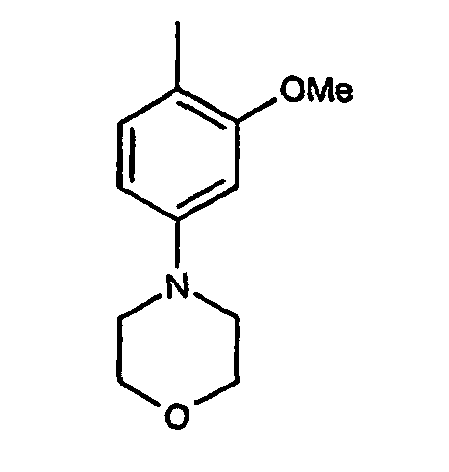
0.23 (n-hexane: AcOEt=1:1) CDCl3: 2.63(d, 3H), 3.13-3.10 (m, 4H), 3.87(s, 3H), 3.89-3.86(m, 4H), 4.97-4.93(m, 1H), 6.41 (dd,1H), 6.52(d,1H), 7.24-7.22(m,1H), 7.32(s,1H), 7.57(dd,1H), 7.96(dd, 1H), 8.01(d, 1H), 8.14(s, 1H), 8.44(d, 1H), 8.98 (s, 1H) 3-20 
0.36 (n-hexane: AcOEt=1:1) CDCl3: 2.22(s, 3H), 2.64(d, 3H), 3.00-3.2.97 (m, 4H), 3.76-3.74(m, 4H), 4.54-4.50(m, 1H), 6.64(d,1H), 6.66(dd, 1H), 7.11 (d,1H), 7.18(dd,1H), 7.37(d, 1H), 7.46(dd, 1H), 7.93(dd, 1H), 8.22(s, 1H), 8.42(d, 1H), 9.09 (s, 1H) 3-21 
3-22 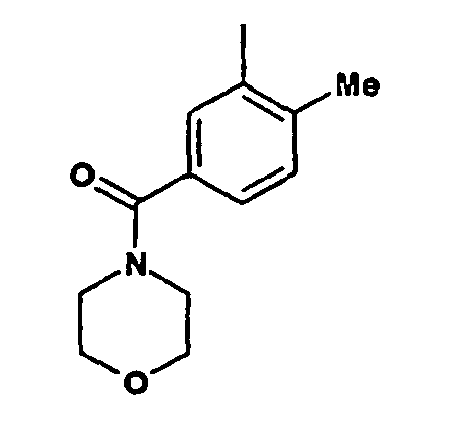
0.27 (AcOEt) CDCl3: 2.33(s, 3H), 2.65(d, 3H), 3.60-3.45(m, 8H), 4.53-4.49(m, 1H), 6.74(s, 1H), 7.11 (d, 1H), 7.22-7.18(m, 1H), 7.58-7.54(m 1H), 7.94(dd, 1H), 8.00(d, 1H), 8.22(s, 1H), 8.37(d, 1H), 9.13(s, 1H) 3-23 
0.38 (AcOEt) CDCl3: 1.24-1.08(m, 2H), 1.46-1.32(m, 2H),1.76-1.67(m, 2H), 1.98-1.90(m, 2H), 2.33(s, 3H), 2.64(d, 3H), 3.95-3.90(m, 1H), 4.49-4.47(m, 1H), 5.89-5.80(m, 1H), 6.66(s, 1H), 7.15(dd, 1H), 7.48-7.31 (m, 2H), 7.91 (dd, 1H), 8.12(s, 1H), 8.23(s, 1H), 8.41 (d, 1H), 9.18(s, 1H) 3-24 
0.11 (AcOEt) CDCl3: 2.35(s, 3H), 2.71 (s, 3H), 3.07-2.73(m, 2H), 3.86-3.31 (m, 6H), 6.85(s, 1H), 7.10(d, 1H), 7.24-7.19(m, 1H), 7.52-7.48(m, 1H), 7.66-7.59(m, 2H), 7.93(d, 1H), 8.06(s, 1H), 8.27-8.21 (m, 1H), 8.23(s, 1H), 9.11(s, 1H) 3-25 
0.5 (n-hexane: AcOEt=1:1) CDCl3: 2.52(d, 3H), 2.62(s, 3H), 4.36-4.32(m, 1H), 6.74(s, 1H), 6.87(d, 2H), 7.00-6.91 (m, 2H), 7.00-6.97(m, 2H), 7.38(dd, 2H), 7.86(dd, 1H), 7.98(s, 1H), 8.23(s, 1H), 8.28(d, 1H), 9.04(s, 1H) 3-26 
0.45 (n-hexane: AcOEt=1:1) CDCl3: 1.62-1.34(m, 6H), 2.13(s, 3H), 2.56(d, 3H), 3.01-2.87(m, 4H), 4.54-4.38(m, 1H), 6.59(s, 1H), 6.69-6.59(m, 1H), 7.02(d, 1H), 7.10-7.07(m, 1H), 7.37(dd, 1H), 7.84(dd, 1H), 8.15(s, 1H), 8.34(d, 1H), 9.01(s, 1H) 3-27 
0.45 (n-hexane: AcOEt=1:1) CDCl3: 2.32(s, 3H), 2.58(d, 3H), 3.75(s, 3H), 4.37-4.44(m, 1H), 6.77-6.73(m, 1H), 6.89-6.82(m 1H), 6.97-6.91(m, 2H), 6.96(d, 1H), 7.20(dd, 1H), 7.25-7.24(m, 1H), 7.33-7.29(m, 1H) 3-28 
0.35 (n-hexane: AcOEt=1:1) CDCl3: 2.34(s, 3H), 2.64(d, 3H), 3.81(s, 3H), 4.57-4.50(m, 1H), 6.76(bs, 1H), 6.91-6.84(m, 41H), 7.04(d, 1H), 7.83(dd, 1H), 8.06(d, 1H), 8.19(dd, 1H), 8.23(s, 1H), 9.00(s, 1H) 3-29 
0.45 (n-hexane: AcOEt=1:1) CDCl3: 1.50(t, 3H), 2.62 (d, 3H), 4.17(dd, 2H), 4.51-4.44(m, 1H), 6.95-6.89 (m, 2H), 6.94(d, 1H), 7.16 (dd, 1H), 7.31-7.23(m, 5H), 7.67(s, 1H), 7.11 (dd, 1H), 7.23(d, 2H), 7.65(s, 1H), 7.88(dd, 1H), 8.28-8.23(m, 1H), 8.28(s, 1H), 8.43(s, 1H), 8.89(s, 1H) 3-30 
0.45 (n-hexane: AcOEt= CDCl3: 1.49(t 3H), 2.63(d, 3H), 3.85(s, 3H), 4.16(dd, 2H), 4.55-4.48(m, 1H), 6.81 (dd, 1H), 6.95-6.91 (m, 3H), 7.11 (dd, 1H), 7.23(d, 2H), 7.65(s, 1H), 7.90-7.88(m, 1H), 8.28-8.26(m, 1H), 8.27(s, 1H), 8.39(s, 1H), 8.90(s, 1H) 3-31 
0.29 (n-hexane: AcOEt=1:1) 1H-NMR : (CDCl3) 1.83-1.72 (4H, m), 2.63 (3H, d), 2.66-2.62 (2H, m), 2.80 (2H, t), 4.41-4.44 (1H, m), 6.64 (1H, br.s), 6.92 (1H, d), 7.09 (1H, dd), 7.18 (1H, dd), 7.45 (1H, dd), 7.59 (1H, dd), 7.92 (1H, d), 8.20 (1H, s), 8.42 (1H, d), 9.08 (1H, br.s). 3-32 
0.3 (n-hexane: AcOEt=1:1) DMSO-d6: 2.43(s, 3H), 2.80-2.82(m, 4H), 3.61-3.64 (m, 4H), 3.75(s,3H), 6.62(dd, 1H), 6.93(d, 1H), 7.46(d, 1H), 7.54(dd, 1H), 7.77(dd, 2H), 8.14(bs, 1H), 8.32(s, 1H), 8.38-8.30(m, 1H), 9.14(bs, 1H) 3-33 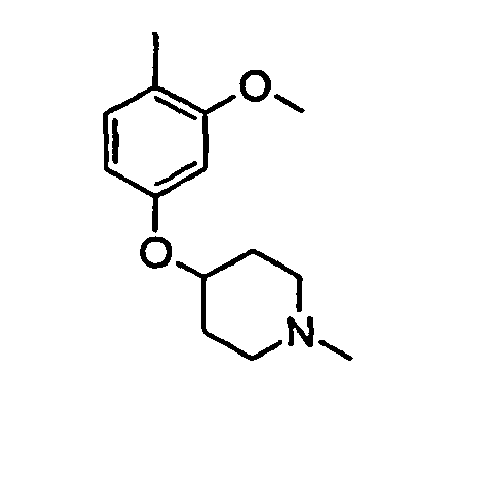
0.61 (MeOH: CH2Cl2=1: 1) DMSO-d6: 1.59-1.68(m, 2H), 1.88-1.98(m, 2H), 2.13-2.25(m,2H), 2.19(s, 3H), 2.43(s, 3H), 2.60-2.70(m, 2H), 3.75(s, 3H), 4.32-4.40(m, 1H), 6.51 (dd, 1H), 6.64(d, 1H), 7.20(dd, 1H), 7.39(d, 1H), 7.75(dd, 1H), 7.70-7.78(s, 1H), 8.22(s, 1H), 8.26(s, 1H), 8.38-8.41 (m, 1H), 9.22(s, 1H) 3-34 
0.17 (AcOEt) CDCl3: 2.11(s, 3H), 2.68(d, 3H), 2.76-2.83(m, 2H), 2.89-2.97(m, 2H), 3.47-3.55(m, 2H), 3.58-3.66(m, 2H), 3.86(s, 3H), 4.70-4.78(m, 1H), 6.53(dd, 1H), 6.81 (d, 1H), 7.23(dd, 1H), 7.54-7.62(m, 2H), 7.97(dd, 1H), 8.02-8.03(m, 1H), 8.29(s, 1H), 8.40(d, 1H), 8.99(bs, 1H) 3-35 
0.22 (AcOEt only) DMSO-d6: 2.40-2.48(m, 7H), 2.63(t, 2H), 3.50-3.58(m, 4H), 3.77(s, 3H), 3.91(t, 2H), 6.60(dd, 1H), 6.93(d, 1H), 7.28(dd, 1H), 7.56(d, 1H), 7.60(dd, 1H), 7.75-7.80(m, 1H), 7.80(dd, 1H), 8.10(s, 1H), 8.35(s, 1H), 8.40(d, 1H), 9.21 (s, 1H) 3-36 
0.4 (n-hexane: AcOEt=1:1) DMSO-d6: 2.43(s, 3H), 7.03-7.08(m, 1H), 7.21-7.23(m, 1H), 7.25-7.36(m, 1H), 7.47-7.57(m, 2H), 7.74-7.77(m, 2H), 8.28(s, 1H), 8.35(d, 1H), 9.09(s, 1H), 9.24(s, 1H) 3-37 
0.4 (n-hexane: AcOEt=1:1) CDCl3: 2.64(d, 3H), 4.53-4.54(m, 1H), 6.88-6.93(m, 1H), 7.14-7.28(m, 3H), 7.54-7.58(m, 1H), 7.95-7.98(m, 1H), 8.16-8.21(m, 1H), 8.24(s, 1H), 8.33-8.36(m, 1H), 9.05(s, 1H) 3-38 
0.42 (n-hexane: AcOEt=1:1) CDCl3: 2.64(d, 3H), 4.46-4.47(m, 1H), 6.63-6.68(m, 1H), 7.30-7.32(m, 2H), 7.55(s, 1H), 7.64-7.68(m, 1H), 7.97-7.99(m, 1H), 8.20-8.39(m, 3H), 9.03(s, 1H) 3-39 
562, 564 [M+1]+ CDCl3: 2.37(s, 3H), 2.58-2.64(m, 7H), 3.15-3.18(m,4H), 3.87(s, 3H), 4.60-4.65(m,1H), 6.43(dd,1H), 6.44-6.54(m, 1H), 7.22(d, 1H), 7.30(s, 1H), 7.57(dd, 1H), 7.94-7.99(m, 2H), 8.18(s, 1H), 8.45(d, 1H), 8.95(s, 1H) 3-40 
572, 574 [M+1]+ DMSO-d6: 1.79-1.88(m,2H), 1.98-2.02(m, 2H), 2.43(s, 3H), 3.02-3.08(m, 3H), 3.28-3.39(m, 2H), 3.76(s, 3H), 6.47(dd, 1H), 6.65(d, 1H), 7.22(dd, 1H), 7.39(d, 1H), 7.45-7.50(m, 1H), 7.74-7.77(m, 2H), 8.18(s, 1H), 8.22(s, 1H), 8.41-8.44(m, 1H), 9.21 (bs, 1H) 3-41 
565,567 [M+1]+ DMSO-d6: 2.44(d, 3H), 2.69-2.71(m, 4H), 3.49-3.52(m, 4H), 3.76(s, 3H), 6.45(dd, 1H), 6.62(d, 1H), 7.23(ddd, 1H), 7.38(d, 1H), 7.46-7.50(m, 1H), 7.72-7.77(m, 2H), 8.19(s, 1H), 8.22(s, 1H), 8.42-8.45(m, 1H), 9.22(s, 1H) 3-42 
595, 597 [M+1]+ DMSO-d6: 2.44(s, 3H), 3.31 (s, 6H), 3.48-3.53(m, 8H), 3.72(s, 3H), 6.24(dd, 1H), 6.37(d, 1H), 7.18-7.21(m, 2H), 7.40-7.55(m, 1H), 7.72-7.76(m, 2H), 8.17-8.19(m, 2H), 8.40-8.50(m, 1H), 9.23(s, 1H) 3-43 
590, 592 [M+1]+ DMSO-d6: 1.64-1.71(m, 2H), 1.75-1.82(m, 2H), 2.21-2.28(m,1H), 2.43(d, 3H), 2.62-2.67(m,2H), 3.68-3.74(m, 2H), 3.76(s, 3H), 6.45(dd,1H), 6.63(d, 1H), 6.75-6.81(m, 1H), 7.20(ddd, 1H), 7.25-7.30(m, 1H), 7.35(d, 1H), 7.45-7.52(m, 1H), 7.70-7.77(m, 2H), 8.18(s, 1H), 8.21 (s, 1H), 8.40-8.47(m, 1H), 9.22(s, 1H) 3-44 
597, 599 [M+1]+ DMSO-d6: 2.44(s, 3H), 3.12-3.17(m, 4H), 3.68-3.85(m, 4H), 3.79(s, 3H), 6.55(dd, 1H), 6.71(d, 1H), 7.19-7.25(m, 1H), 7.43(d, 1H), 7.46-7.53(m, 1H), 7.73-7.78(m, 2H), 8.19-8.22(m, 1H), 8.22(s, 1H), 8.38-8.45(m, 1H), 9.20(bs, 1H) 3-45 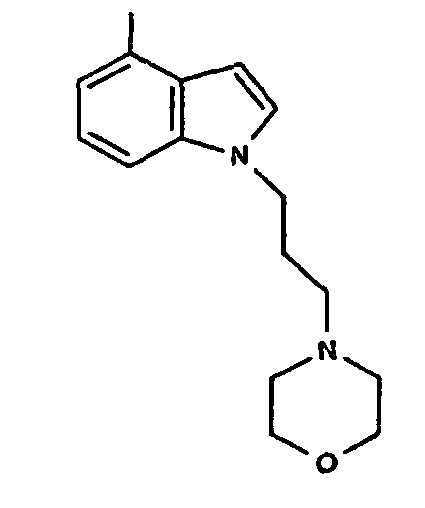
600, 602 [M+1]+ DMSO-d6: 1.85-1.95(m, 2H), 2.19(t, 2H), 2.25-2.35(m, 4H), 2.43(s, 3H), 3.52-3.64(m, 4H), 4.19(t, 2H), 6.65(d, 1H), 7.05(dd, 1H), 7.20(d, 1H), 7.23(ddd, 1H), 7.27(d, 1H), 7.40-7.46(m, 1H), 7.42(d, 1H), 7.70-7.75(m, 1H), 7.76(dd, 1H), 8.32(s, 1H), 8.45(d, 1H), 9.22(s, 1H), 9.23(s, 1H) 3-46 
590, 592 [M+1]+ DMSO-d6: 2.05(s, 3H), 2.44(s, 3H), 3.08-3.17(m, 4H), 3.55-3.63(m, 4H), 3.77(s, 3H), 6.48(dd,1H), 6.67(d, 1H), 7.23(dd, 1H), 7.41 (d, 1H), 7.45-7.52(m, 1H), 7.76(dd, 1H), 7.72-7.78(m, 1H), 8.19(s, 1H), 8.22(s, 1H), 8.40-8.47(m, 1H), 9.22(bs, 1H) 3-47 
548, 550 [M+1]+ DMSO-d6: 2.43(s, 3H), 2.82-2.87(m, 4H), 2.99-3.15(m, 4H), 3.76(s, 3H), 6.43(dd,1H), 6.61 (d, 1H), 7.22(dd, 1H), 7.36(d, 1H), 7.43-7.51 (m, 1H), 7.75(dd, 1H), 8.17(s, 1H), 8.21 (s, 1H), 8.38-8.45(m, 1H), 9.12-9.28(m, 1H) 3-48 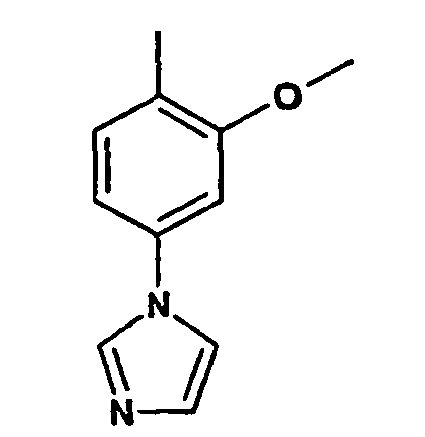
MS 530, 532 CDCl3: 2.65 (d, 3H), 3.96 (s, 3H), 4.40-4.48 (m, 1H), 6.85-6.88 (m, 2H), 7.22 (d, 1H), 7.25-7.31 (m, 1H), 7.56-7.65 (m, 3H), 7.79 (s, 1H), 8.00 (dd, 1H), 8.29 (s, 1H), 8.39 (dd, 1H), 9.00 (s, 1H). 3-49 
Rf (AcOEt: MeOH=9:1) 0.20 CDCl3: 2.18-2.50 (m, 4H), 2.28 (s, 3H), 2.65 (d, 3H), 3.10-3.75 (m, 4H), 3.93 (s, 3H), 4.50-4.61 (m, 1H), 6.89 (d, 1H), 7.06 (dd, 1H), 7.59-7.67 (m, 2H), 7.93-7.97 (m, 1H), 8.26 (s, 1H), 8.37-8.43 (m, 2H), 9.02 (s, 1H). 3-50 
Rf 0.4 (Hexane/Ac OEt=1/1) CDCl3: 2.63 (d, 3H), 3.90 (s, 3H), 4.00 (s, 3H), 4.39-4.47 (m, 1H), 6.23 (d, 1H), 7.00 (s, 1H), 7.22-7.25 (m, 1H), 7.57 (dd, 1H), 7.96 (dd, 1H), 8.22 (s, 1H), 8.25 (d, 1H), 8.37 (d, 1H), 8.96 (s, 1H) 3-51 
MS 535,537 CDCl3: 1.17 (t, 3H), 1.71-1.79 (m, 1H), 2.28 (s, 3H), 2.62 (d, 3H), 3.41 (q, 2H), 3.46 (t, 2H), 3.79 (q, 2H), 4.41-4.48 (m, 1H), 6.43 (s, 1H), 6.10-6.18 (m, 2H), 7.15 (dd, 1H), 7.33 (d, 1H), 7.35-7.42 (m, 1H), 7.90 (dd, 1H), 8.16 (s, 1H), 8.45 (d, 1H), 9.07 (s, 1H). 3-52 
Rf CDCl3: 2.66 (d, 3H), 3.91 (s, 3H), 4.41-4.47 (m, 1H), 6.80 (d, 1H), 6.92 (dd, 1H), 7.26-7.35 (m, 1H), 7.54 (s, 1H), 7.76 (dd, 1H), 8.00 (dd, 1H), 8.27-8.32 (m, 2H), 8.38 (dd, 1H), 8.97 (s, 1H). 3-53 
MS 491, 493 CDCl3: 2.26 (s, 3H), 2.62 (d, 3H), 2.68 (s, 6H), 4.72 (q, 1H), 6.78 (s, 1H), 6.89 (d, 1H), 7.12 (d, 1H), 7.15 (d, 1H), 7.40-7.47 (m, 2H), 7.91 (dd, 1H), 8.40 (s, 1H), 8.41 (dd, 1H), 9.11 (s, 1H). 3-54 
MS 525, 527 CDCl3: 2.04 (s, 3H), 2.65 (d, 3H), 4.42-4.48 (m, 1H), 6.79 (s, 1H), 6.96-7.00 (m, 2H), 7.28-7.34 (m, 4H), 7.87-7.91 (m, 1H), 8.18 (s, 1H), 8.23-8.26 (m, 2H), 8.53 (d, 2H), 9.07 (s, 1H). 3-55 
Rf (Hexane: AcOEt=3:1) 0.19 CDCl3:1.34 (t, 3H), 1.44 (t, 3H), 2.63 (d, 3H), 3.81 (q, 2H), 4.06 (q, 2H), 4.46 (q, 1H), 6.43 (dd, 1H), 6.76 (d, 1H), 7.63-7.69 (m, 2H), 7.94 (d, 1H), 7.98 (dd, 1H), 8.42 (d, 1H), 8.93 (s, 1H). 3-56 
MS 570, 572 CDCl3: 2.63 (d, 3H), 3.85 (s, 3H), 3.93 (s, 3H), 4.52 (q, 1H), 6.78-6.83 (m, 2H), 6.93 (d, 2H), 6390-7.02 (m, 1H), 7.11-7.15 (m, 1H), 7.21-7.27 (m, 1H), 7.61 (s, 1H), 7.87-7.92 (m, 1H), 8.26 (s, 1H), 8.20-8.30 (m, 1H), 8.38-8.41 (m, 1H), 8.92 (s, 1H). 3-57 
Rf (Hexane:Ac Over-3:1) 0.16 CDCl3: 1.44 (t, 3H), 2.65 (d, 3H),2.79-2.89 (m, 4H), 3.65-3.74 (m, 4H), 4.07 (q, 2H), 4.52 (q, 4H), 6.48 (dd, 1H), 6.80 (d, 1H), 7.20-7.25 (m, 1H), 7.55-7.67 (m, 2H), 7.92-7.98 (m, 2H), 8.29 (s, 1H), 8.43 (d, 1H), 8.95 (s, 1H). 3-58 
Rf 0.17 (Hexane/Ac OEt=1/1) CDCl3: 1.46 (t, 3H), 2.63 (d, 3H), 3.08-3.13 (m, 4H), 3.83-3.90 (m, 4H), 4.09 (q, 2H), 4.46 (q, 1H), 6.39 (dd, 1H), 6.51 (d, 1H), 7.21-7.28 (m, 1H), 7.37 (s, 1H), 7.58 (dd, 1H), 7.97 (dd, 1H), 8.03 (d, 1H), 8.21 (s, 1H), 8.46 (d, 1H), 8.94 (s, 1H). 3-59 
MS 538,540 CDCl3: 2.63 (d, 3H), 3.44 (s, 3H), 3.65 (s, 3H), 3.69-3.73 (m, 2H), 4.10-4.15 (m, 2H), 4.40 (q, 1H), 6.45 (dd, 1H), 6.85 (d, 1H), 7.19-7.25 (m, 1H), 7.61 (dd, 1H), 7.88 (s, 1H), 7.93-7.97 (m, 2H), 8.27 (s, 1H), 8.46 (d, 1H), 8.95 (s, 1H). 3-60 
Rf (AcOEt) 0.54 CDCl3: 2.63 (d, 3H), 3.67 (s, 3H), 4.18 (t, 2H), 4.38-4.49 (m, 3H), 6.46 (dd, 1H), 6.81 (d, 1H), 7.60-7.69 (m, 2H), 7.92-7.99 (m, 2H), 8.27 (s, 1H), 8.49 (d, 1H), 9.00 (s, 1H). 3-61 
Rf (Hexane: AcOEt=2:1) 0.46 CDCl3: 1.44 (t, 3H), 2.63 (d, 3H), 3.64 (s, 3H), 4.07 (q, 2H), 4.47 (q, 1H), 6.45 (dd, 1H), 6.78 (d, 1H), 7.21-7.28 (m, 1H), 7.40-7.48 (m, 2H), 7.93-7.99 (m, 2H), 8.26 (s, 1H), 8.44 (d, 1H), 8.96 (s, 1H). 3-62 
Rf (Hexane:Ac OEt=3:1) 0.31 CDCl3: 1.36 (d, 6H), 2.63 (d, 3H), 3.63 (s, 3H), 4.41-4.52 (m, 2H), 6.45 (dd, 1H), 6.81 (d, 1H), 7.21-7.26 (m, 1H), 7.59-7.68 (m, 2H), 7.91-7.98 (m, 2H), 8.26 (s, 1H), 8.45 (d, 1H), 8.96 (s, 1H). 3-63 
Rf (Hexane: AcOEt=3:1) 0.40 CDCl3: 1.07 (t, 3H), 1.84 (m, 2H), 6.63 (d, 3H), 3.64 (s, 3H), 3.96 (t, 2H), 4.40-4.49 (m, 1H), 6.46 (dd, 1H), 6.79 (d, 1H), 7.20-7.27 (m, 1H), 7.58-7.66 (m, 2H), 7.94-7.97 (m, 2H), 8.26 (s, 1H), 8.45 (d, 1H), 8.97 (s, 1H). 3-64 
Rf (Hexane:Ac OEt=3:1) 0.19 CDCl3: 2.62 (d, 3H), 6.68 (s, 6H), 3.84 (s, 3H), 4.41-4.48 (m, 1H), 6.36 (dd, 1H), 6.80 (d, 1H), 7.17-7.24 (m, 1H), 7.51-7.62 (m, 2H), 7.83 (s, 1H), 7.95 (dd, 1H), 8.27 (s, 1H), 8.3*9-8.45 (m, 1H), 8.91 (s, 1H). 3-65 
Rf (Hexane:Ac OEt=1:1) 0.12 CDCl3: 2.66 (d, 3H), 3.97 (s, 3H), 4.47-4.55 (m, 1H), 6.96-7.10 (m, 3H), 7.21-7.24 (m, 1H), 7.66 (s, 1H), 7.93 (dd, 1H), 8.25 (d, 1H), 8.31 (s, 1H), 8.47 (d, 2H), 8.59 (s, 1H), 8.96 (s, 1H). 3-66 
MS 541,543 CDCl3: 2.65 (d, 3H), 3.96 (s, 3H), 4.61-4.71 (m, 1H), 6.89-7.05 (m, 3H), 7.16 (dd, 1H), 7.15-7.23 (m, 1H), 7.60 (d, 1H), 7.65 (s, 1H), 7.89 (d, 1H), 8.21 (d, 1H), 8.28 (d, 1H), 8.51 (br, s, 2H), 8.57 (s, 1H), 8.93 (s, 1H). 3-67 
MS 541, 543 CDCl3: 2.65 (d, 3H), 3.96 (s, 3H), 4.51 (q, 1H), 6.90-7.06 (m, 3H), 7.11-7.16 (m, 1H), 7.38 (d, 1H), 7.50-7.61 (m, 2H), 7.62-7.67 (m, 1H), 7.89 (dd, 1H), 8.29 (s, 1H), 8.34 (d, 1H), 8.53 (d, 1H), 8.79 (br.s, 1H), 8.94 (s, 1H). 3-68 
LC-MS 590 CDCl3: 1.45-1.59 (m, 2H), 1.70-1.78 (m, 1H), 1.82-1.90 (m, 1H), 2.38-2.50 (m, 1H), 2.43 (s, 3H), 2.62-2.77 (m, 2H), 3.56-3.70 (m, 2H), 3.76 (s, 3H), 6.46 (dd, 1H), 6.63 (d, 1H), 6.82-6.88 (br, 1H), 7.22 (dd, 1H), 7.31-7.40 (m, 2H), 7.43-7.51 (m, 1H), 7.50-7.80 (m, 2H), 8.14-8.20 (br, 1H), 8.21 (s, 1H), 8.39-8.48 (m, 1H), 9.16-9.26 (br, 1H) 3-69 
0.34 (CH2Cl2:M eOH=9:1) CDCl3: 1.58-1.82 (br, 7H), 1.88-2.03 (br, 3H), 2.44-2.45 (m,5H), 3.42-3.52 (m, 3H), 3.75 (s, 3H), 6.66 (dd, 1H), 6.92 (d, 1H), 7.28 (dd, 1H), 7.44 (br, 1H), 7.51 (dd, 1H), 7.79-7.81 (m, 2H), 8.18 (s, 1H), 8.32 (s, 1H), 8.35-8.37 (m, 1H), 9.17 (s, 1H) 3-70 
Ms:607, 609 DMSO-d6: 1.84-1.92(m, 2H), 2.34-2.41 (m, 4H), 2.41-2.45(m, 3H), 2.44(t, 2H), 3.58(t, 4H), 3.75(s, 3H), 4.02(t, 2H), 6.48(dd, 1H), 6.63(d, 1H), 7.21 (dd, 1H), 7.41(d, 1H), 7.46(dd, 1H), 7.72-7.78(m, 1H), 7.76(dd, 1H), 8.22(s, 1H), 8.25(s, 1H), 8.40(d, 1H), 9.22(s, 1H) 3-71 
Ms:591, 593 DMSO-d6: 1.84-1.92(m, 2H), 2.14(s, 3H), 2.35-2.4 (m, 4H), 2.43(t, 2H), 2.44(d, 3H), 3.58(t, 4H), 4.01 (t, 2H), 6.77(dd, 1H), 6.82(d, 1H), 7.17(dd, 1H), 7.20(d, 1H), 7.3-7.39(m, 1H, 7.71-7.77(m, 2H), 8.2(s, 1H), 8.35-8.44(m, 1H), 8.71 (s, 1H), 9.27(s, 1H) 3-72 
Ms:620, 622 DMSO-d6: 1.82-1.9 (m, 2H), 2.13-2.17 (m, 3H), 2.25-2.47(m, 13H), 3.75 (s, 3H), 4.01 (t, 2H), 6.47 (dd, 1H), 6.63(d, 1H), 7.19-7.24 (m, 1H), 7.41 (d, 1H), 7.43-7.5(m, 1H), 7.70-7.79(m, 2H), 8.22(s, 1H), 8.25(brs, 1H), 8.37-8.44(m, 1H), 9.22(s, 1H) 3-73 
Ms:607, 609 DMSO-d6: 1.78 (t, 2H), 2.32-2.36 (m, 4H9, 2.35-2.38 (m, 3H), 3.54-3.59 (m, 4H), 3.74 (t, 3H), 3.78 (s, 3H), 6.38-6.42 (m, 1H), 6.85 (d, 1H), 6.86-6.95 (m, 1H), 7.33-7.43(m, 2H), 7.63-7.68 (m, 1H), 7.85-8.15 (m, 3H), 8.64-8.8 (m, 1H). 3-74 
Ms:605, 607 DMSO-d6: 1.47-1.67(m, 2H), 1.84-2.01 (m, 2H), 2.03 (s, 3H), 2.41-2.46 (m, 3H), 3.23-3.39 (m, 2H), 3.65-3.73 (m, 1H), 3.81 (s, 3H), 3.8-3.88 (m, 1H), 4.58-4.65 (m, 1H), 6.55 (dd, 1H), 6.68 (d, 1H), 7.2-7.26(m, 1H), 7.43(d, 1H), 7.42-7.51 (m, 1H), 7.7-7.8(m, 2H), 8.23 (s, 1H), 8.26 (brs, 1H), 8.37-8.44(m, 1H), 9.22(brs, 1H) 3-75 
Ms:605, 607 DMSO-d6: 1.38-1.6(m, 2H), 1.74-1.9(m, 2H), 2.0 (s, 3H), 2.42-2.47 (m, 3H), 3.12-3.3 (m, 2H), 3.55-3.65 (m, 1H), 3.7-3.8 (m, 1H), 3.78 (s, 3H), 4.27-4.34 (m, 1H), 6.65 (dd, 1H), 6.94 (d, 1H), 7.24-7.3 (m, 1H), 7.53-7.63(m, 2H), 7.74-7.83 (m, 2H), 8.09 (brs, 1H), 8.35 (s, 1H), 8.38(d, 1H), 9.19(brs, 1H) 3-76 
Ms:577, 579 DMSO-d6: 1.51-1.61 (m, 2H), 1.79-1.87 (m, 2H), 2.03-2.11 (m, 2H), 2.14 (s, 3H), 2.42-2.47 (m, 3H), 2.52-2.6 (m, 2H), 3.77 (s, 3H), 4.02-4.09 (m, 1H), 6.6 (dd, 1H), 6.92 (d, 1H), 7.24-7.3 (m, 1H), 7.52-7.6(m, 2H), 7.74-7.82 (m, 2H), 8.08 (brs, 1H), 8.34 (s, 1H), 8.4 (d, 1H), 9.2 (brs, 1H) 3-77 
Rf : 0.4 (n-hexane: AcOEt=7:3) DMSO-d6: 2.41-2.45 (m, 3H), 6.89-6.96 (m, 1H), 6.69(bs, 1H), 7.24-7.33 (m, 2H), 7.51-7.57 (m, 1H), 7.63-7.7 (m, 1H), 7.73-7.78 (m, 1H), 7.79 (dd, 1H), 8.37(s, 1H), 8.41 (d, 1H), 9.21 (brs, 1H), 9.24 (brs, 1H) 3-78 
Ms:563, 565 DMSO-d6: 1.33-1.43 (m, 2H), 1.79-1.86 (m, 2H), 2.43-2.46 (m, 3H), 2.46-2.53 (m, 2H), 2.87-2.94 (m, 2H), 3.77 (s, 3H), 4.07-4.14 (m, 1H), 6.59 (dd, 1H), 6.91 (d, 1H), 7.23-7.28 (m, 1H), 7.53-7.59 (m, 2H), 7.79 (dd, 1H), 8.03 (brs, 1H), 8.32 (s, 1H), 8.38 (d, 1H), 8.7-9.5 (brs, 1H) 3-79 
Ms:563, 565 DMSO-d6: 1.41-1.51 (m, 2H), 1.88-1.95 (m, 2H), 2.41-2.45 (m, 3H), 2.54-2.63 (m, 2H), 2.92-3.0 (m, 2H), 3.75 (s, 3H), 4.35-4.43 (m, 1H), 6.50 (dd, 1H), 6.63 (d, 1H), 7.18-7.23 (m, 1H), 7.40 (d, 1H), 7.42-7.48 (m, 1H), 7.75 (dd, 1H), 8.21 (s, 1H), 8.22-8.25 (m, 1H), 8.37-8.42 (m, 1H), 8.9-9.5 (brs, 1H) 3-80 
Ms:482, 484 DMSO-d6: 2.4-2.46 (m, 3H), 3.79 (s, 3H), 6.72 (ddd, 1H), 6.99 (dd, 1H), 7.21-7.26 (m, 1H), 7.47-7.53 (m, 1H), 7.59-7.64 (m, 1H), 7.76 (dd, 1H), 8.25 (s, 1H), 8.29-8.37 (m, 2H), 8.8-9.6 (m, 1H) 3-81 
Ms:482, 484 DMSO-d6: 2.41-2.49 (m, 3H), 3.82 (s, 3H), 6.80 (ddd, 1H), 7.01 (dd, 1H), 7.3-7.35 (m, 1H), 7.56-7.63 (m, 1H), 7.7-7.8 (m, 1H), 7.82 (dd, 1H), 7.85 (dd, 1H), 8.16 (s, 1H), 8.35 (dd, 1H), 9.18 (brs, 1H) 3-82 
Ms:563, 565 DMSO-d6: 1.73-1.82 (m, 1H), 2.23-2.34 (m, 4H), 2.34-2.42(m, 3H), 2.42-2.46 (m, 3H), 2.59 (dd, 1H), 2.62-2.68 (m, 1H), 2.80 (dd, 1H), 3.75 (s, 1H), 4.85-4.91 (m, 1H), 6.42 (dd, 1H), 6.57(d, 1H), 7.19-7.24(m, 1H), 7.41 (d, 1H), 7.43-7.51 (m, 1H), 7.68-7.79 (m, 2H), 8.22(s, 1H), 8.23(s, 1H), 8.37-8.43 (m, 1H), 9.21 (brs, 1H). 3-83 
MS 544, 546 2.36 (s, 3H), 2.65 (d, 3H), 3.93 (s, 3H), 4.46-4.51 (m, 1H), 6.75-6.80 (m, 2H), 6.97-7.04 (m, 2h), 7.25-7.30 (m, 1H), 7.56-7.66 (m, 2H), 7.98 (dd, 1H), 8.29 (s, 1H), 8.36-8.44 (m, 2H), 9.01 (s, 1H). 3-84 
MS 562, 564 CDCl3: 2.32 (s, 3H), 2.39-2.47 (m, 4H), 2.64 (d, 3H), 2.89-2.97 (m, 4H), 3.85 (s, 3H), 4.54-4.52 (m, 1H), 6.52 (dd, 1H), 6.79 (d, 1H), 7.22 (m, 1H), 7.52-7.64 (m, 2H), 7.94-7.99 (m, 2H), 8.28 (s, 1H), 8.42 (d, 1H), 8.93 (s, 1H). - These compounds are prepared in analogy to Example 2 using 2-(5-bromo-2-chloro-pyrimidin-4-ylamino)-N-propyl-benzenesulfonamide and the corresponding aniline to give compounds No. 4-1 to 4-31 having the substituent Rx as listed under Example 3 for compounds No. 3-1 to 3-31.
- To a solution of 5-bromo-2,4-dichloropyrimidine (90 µL, 0.70 mmol) and 2-amino-N-propylbenzenesulfonamide (100 mg, 0.47 mmol), sodium hydride (54.2 mg, 0.56 mmol) in DMSO (1.0 mL) is added and the resulting solution is stirred at 80°C for 3.0 h. The mixture is poured into water and extracted with ethyl acetate three times. The organic layer is washed with water and then brine, dried over sodium sulfate, and evaporated in vacuo. The residue is purified with silica gel column chromatography (n-hexane : ethyl acetate = 5 : 1) to afford the title compound as a slightly yellow solid.
1H-NMR (δ, ppm) : 0.89 (t, 3H), 1.41 (q, 2H), 3.56 (t, 2H), 4.92 (br.s, 2H), 6.71 (dd, 1H), 6.77 (dd, 1H), 7.33 (dd, 1H), 7.54 (dd, 1H), 8.79 (s, 1H)
Rf (hexane : ethyl acetate = 1:1): 0.64. - These compounds are prepared in analogy to Example 2 using 2-(2-chloro-5-trifluoromethylpyrimidin-4-ylamino)-N-methyl-benzenesulfonamide and the corresponding aniline to give compounds No. 5-1 to 5-31 having the substituent Rx as listed under Example 3 for compounds No. 3-1 to 3-31.
- To a solution of 2,4-dichloro-5-trifluoromethyl-pyrimidine (386 mg, 1.79 mmol) in acetonitrile (10 mL), 2-amino-N-methyl-benzenesulfonamide (333 mg, 1.79 mmol) and 1,8-diaza[5.4.0]-bicyclo-7-undecene (280 µL, 1.88 mmol) are added successively at ambient temperature. After stirring for 15 h at room temperature, dichloromethane (30 mL) is added to the mixture, and the solution is washed with saturated aqueous sodium hydrogen carbonate and saturated aqueous sodium chloride, dried over magnesium sulfate, and evaporated in vacuo. The resulting solid is purified by flash chromatography.
1H NMR (CDCl3) δ: 3.73(s, 3H), 6.67-6.69(m, 1H), 6.72-6.73(m, 1H), 7.27-7.31 (m, 1H), 7.78 (dd, 1H), 8.60(s, 1H). Rf (hexane : ethyl acetate = 1:1): 0.28. -

- This compound is obtained as a side product formed by N-demethylation on reaction of 2-(5-bromo-2-chloropyrimidin-4-ylamino)-N-methyl-benzenesulfonamide with 2,3-(difluoromethylenedioxy)aniline following the procedure of Example 2. It may also be prepared by reaction of 2-(5-bromo-2-chloropyrimidin-4-ylamino)benzenesulfonamide with 2,3-(difluoromethylenedioxy)-aniline.
Rf (n-hexane: ethyl acetate = 1:1): 0.46.
1H-NMR : (CDCl3) 4.83 (bs, 2H), 6.77 (dd, 1H), 6.86 (s, 1H), 6.97 (dd, 1H), 7.31-7.24 (m, 1H), 7.57 (dd, 1H), 7.81 (d, 1H), 8.02 (dd, 1H), 8.28 (d, 1H), 8.29 (s, 1H), 8.88 (s, 1H). - Preparation of 2-(5-bromo-2-chloropyrimidin-4-ylamino)benzenesulfonamide: To a solution of 5-bromo-2,4-dichloropyrimidine (300 mg, 1.32mmol) and 2-amino-benzenesulfonamide (340 mg, 1.97 mmol) in 2-propanol (3 mL), concentrated hydrochloric acid (0.06 mL) is added and the mixture is stirred at 90°C for 4.5 hours. The mixture is poured into aqueous sodium hydrogen carbonate and extracted with ethyl acetate three times. The organic layer is washed with water, dried over sodium sulfate, and evaporated in vacuo. The residue is purified by column chromatography (hexane : ethyl acetate = 2:1) to afford the title compound.
Rf (hexane : ethyl acetate = 1:1): 0.55. 1H-NMR (400MHz, CDCl3) δ : 4.78 (br.s, 2H), 7.22 (dd, 1H), 7.61 (ddd, 1H), 7.95 (dd, 1H), 8.35 (s, 1H), 8.35 (d, 1H), 9.18 (s, 1H). -

- To a suspension of 2-(2,5-dichloro-pyrimidin-4-yl-amino)-N-methyl-benzamide (5.05 g, 17.0 mmol) in 90 mL of 2-methoxyethanol are added 2-methoxy-4-morpholinoaniline dihydrochloride (4.56 g, 16.2 mmol) and 17.0 mL of 1 N ethanolic solution of hydrogen chloride (17.0 mmol). After the reaction mixture is stirred at 110°C for 4 hours and cooled to room temperature, the mixture is neutralized with 1N aqueous NaOH solution and extracted with EtOAc (100 mL×3). The organic layer is washed with brine, dried over Na2SO4 and concentrated under reduced pressure. The resulting black solid is washed with EtOH (90 mL), then purified with silica gel column chromatography (CH2Cl2 to CH2Cl2: AcOEt=1:2) to give 2-[5-chloro-2-(2-methoxy-4-morpholin-4-yl-phenylamino)-pyrimidin-4-ylamino]-N-methyl-benzamide as a pale yellow solid. 1H-NMR (400MHz, DMSO-d6, δ): 2.80 (d, 3H, J = 4.52 Hz), 3.10-3.20 (m, 4H), 3.78 (s, 3H), 3.70-3.80 (m, 4H), 6.49 (dd, 1H, J = 8.56, 2.52 Hz), 6.66 (d, 1H, J = 2.52 Hz), 7.08 (dd, 1H, J = 8.04, 8.04 Hz), 7.44 (d, 1H, J = 8.56 Hz), 7.71 (dd, 1H, J = 8.04, 1.48 Hz), 8.10 (s, 1H), 8.13 (s, 1H), 8.59 (d, 1H, J = 8.04 Hz) 8.68-8.75 (m, 1H), 11.59 (S, 1H). MS m/z 469, 471 (M+1)+.
- The following 2-[5-Chloro-2-(substituted phenylamino)-pyrimidin-4-ylamino]-N-methyl-benzamide are prepared from 2-(2,5-Dichloro-pyrimidin-4-ylamino)-N-methyl-benzamide and the corresponding aniline following the procedure of Example 7A.

Expl No. Rx Rf (solvent) or MS NMR (400MHz), δ (ppm) 7-1 
MS: m/z 550, 552 (M+1) DMSO-d6: 1.44-1.33 (m, 2H), 1.64-1.45 (m, 6H), 1.73-1.89 (m, 2H), 2.34-2.44 (m, 1H), 2.43-2.55 (m, 4H), 2.65 (t, 2H), 2.80 (d, 3H), 3.75 (s, 3H), 3.72-3.75 (m, 2H), 6.48 (dd, 1H), 6.62 (d, 1H), 7.06 (dd, 1H), 7.32 (dd, 1H), 7.39 (d, 1H), 7.71 (dd, 1H), 8.09(s, 1H), 8.60 (d, 1H), 8.70 (d, 1H), 11.58 (s, 1H) 7-2 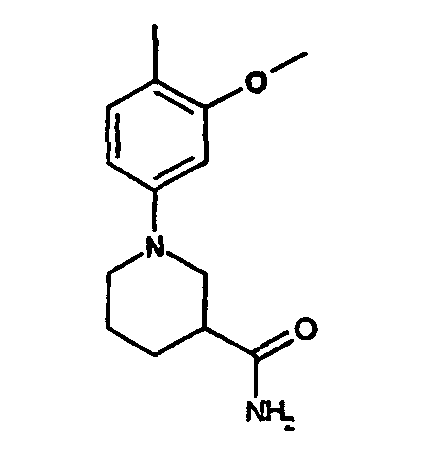
0.3 (MeOH: AcOEt =5:95) CDCl3: 1.70-1.97(m, 4H) ,2.62-2.79(m, 1H), 3.04(d, 3H), 3.02-3.18(m, 2H), 3.23-3.33( m, 2H), 3.88 (s, 3H), 5.39-5.47(m, 1H), 6.15-6.24(m, 1H), 6.55-6.62(m, 2H), 6.74-6.82(m, 1H), 7.09 (dd, 1H),7.23-7.32 (m, 1H), 7.46-7.52(m, 2H), 8.09(s, 1H), 8.15(d, 1H), 8.68(d, 1H) 11.0(bs, 1H) 7-3 
MS (ESI) mlz 482, 484 (M+1)+ DMSO-d6: 2.24 (s, 3H), 2.45-2.55 (m, 4H), 2.80 (d, 3H, J = 4.52 Hz), 3.12-3.17 (m, 4H), 3.76 (s, 3H), 6.48 (dd, 1H, J = 8.56, 2.52 Hz), 6.63 (d, 1H, J = 2.52 Hz), 7.05-7.10 (m, 1H), 7.27-7.35 (m, 1H), 7.40 (d, 1H, J = 8.56 Hz), 7.69-7.72 (m, 1H), 8.09 (s, 1H), 8.12 (s, 1H), 8.55-8.65 (m, 1H), 8.67-8.75 (m, 1H), 11.59 (s, 1H) 7-4 
0.46 (MeOH: CH2Cl2=1:4) DMSO-d6: 2.48-2.55(m, 4H), 2.71(t, 2H), 2.80(d, 3H), 3.58-3.61(m, 4H), 3.76(s, 3H), 4.11(t, 2H), 6.52(dd, 1H), 6.66(d, 1H), 7.06(dd, 1H), 7.32(dd, 1H), 7.46(d, 1H), 7.71 (dd, 1H), 8.11 (s, 1H), 8.19 (s, 1H), 8.54-8.60(m, 1H), 8.60-8.75(m, 1H), 11.6(s, 1H) 7-5 
m/z 497, 499 (M+1)+ DMSO-d6: 1.60-1.70 (m, 2H), 1.90-1.98 (m, 2H), 2.13-2.25 (m, 2H), 2.19 (s, 3H), 2.60-2.67 (m, 2H), 2.80 (d, 3H, J = 4.52 Hz), 3.75 (s, 3H), 4.30-4.40 (m, 1H), 6.54 (dd, 1H, J = 8.56, 2.0 Hz), 6.65 (d, 1H, J = 2.0 Hz), 7.04-7.09 (m, 1H), 7.25-7.35 (m, 1H), 7.43 (d, 1H, J = 8.56 Hz), 7.68-7.73 (m, 1H), 8.10 (s, 1H), 8.18 (s, 1H) 8.52-8.59 (m, 1H), 8.68-8.75 (m, 1H), 11.57 (s, 1H) 7-6 
0.25 (n-hexane: AcOEt=1:2) CDCl3 : 2.95 (m, 4H), 3.03 (d, 3H), 3.75 (m, 4H), 3.86 (s, 3H), 6.21-6.19 (br, 1H), 6.49 (dd, 1H), 6.80 (d, 1H), 7.09-7.05 (m, 1H), 7.50 (dd, 1H), 8.08 (d, 1H), 8.13 (s, 1H), 8.68 (d, 1H), 11.07 (s, 1H) 7-7 
MS m/z 510, 512 (M+1) DMSO-d6: 2.06 (s, 3H), 2.80 (d, 3H), 3.11 (t, 2H), 3.16 (t, 2H), 3.60 (dd, 4H), 3.77 (s, 3H), 6.51 (dd, 1H), 6.68 (d, 1H), 7.08 (dd, 1H), 7.33 (dd, 1H), 7.46 (d, 1H), 7.71 (d, 1H), 8.10(s, 1H), 8.12(s, 1H), 8.59-8.61 (m, 1H), 8.70-8.71 (m, 1H), 11.59 (s, 1H) 7-8 
0.48 (MeOH: AcOEt =5:95) CDCl3: 1.46(d, 1H), 1.68-1.82(m, 2H), 2.02-2.09(m, 2H), 2.83-2.96 (m, 2H), 3.03(d, 3H),3.44-3.53(m, 2H), 3.82-3.92(m, 1H),3.87(s, 3H), 6.15-6.23(m, 1H), 6.51 (d, 1H), 6.56(bs, 1H), 7.07(dd, 1H), 7.48(d, 2H), 8.08(s, 1H), 8.08-8.10(m, 1H), 8.69(d, 1H), 11.0(bs, 1H) 7-9 
0.4 (n-hexane: AcOEt=1:1) CDCl3: 1.22 (t, 3H), 1.73-1.85 (m, 2H), 2.00-2.09 (m, 2H), 2.81-2.90 (m, 2H), 3.03 (d, 3H), 3.41-3.56 (m, 3H), 3.56 (dd, 2H), 3.58-3.62 (m, 2H), 3.64-3.68 (m, 2H), 3.86 (s, 3H), 6.15-6.24 (m, 1H), 6.50 (dd, 1H), 6.56 (d, 1H), 7.07(dd, 1H), 7.24-7.30 (m, 1H), 7.45-7.52(m, 2H), 8.08(s, 1H), 8.06-8.08 (m, 1H), 8.69 (d, 1H), 11.0 (bs, 1H) 7-10 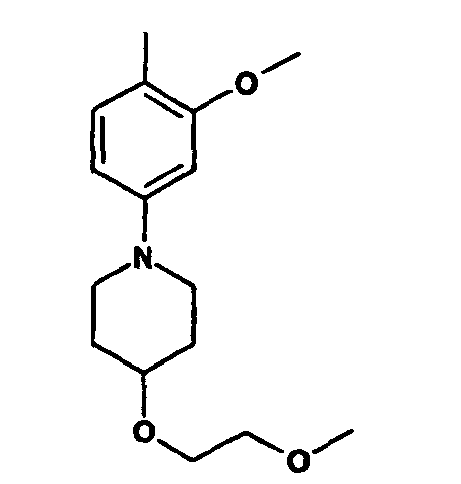
0.4 (n-hexane: AcOEt=1:1) CDCl3: 1.73-1.85(m, 2H), 2.01-2.10(m, 2H), 2.82-2.90(m, 2H), 3.03(d, 3H), 3.41 (s, 3H), 3.45-3.51 (m, 2H), 3.56-3.58(m, 2H), 3.65-3.68(m, 2H), 3.86(s, 3H), 6.14-6.22(m, 1H), 6.50 (dd, 1H), 6.56 (d, 1H), 7.07(dd, 1H), 7.23-7.30(m, 1H), 7.44-7.52(m, 2H), 8.08(s, 1H), 8.06-8.08(m, 1H), 8.69(d, 1H), 11.0(bs, 1H) 7-11 
0.54 (MeOH: CH2Cl2=1:4) DMSO-d6: 1.78-1.89(m, 1H), 2.13-2.22(m, 1H), 2.22(s, 6H), 2.77-2.87(m, 1H), 2.79(d, 3H), 3.04-3.10(m, 1H), 3.23-3.50(m, 3H), 3.75(s, 3H), 6.11 (dd, 1H), 6.22(d, 1H), 7.05(dd1H), 7.21-7.32(m, 1H), 7.26(d, 1H), 7.70(d, 1H), 8.06(s, 1H), 8.08(s, 1H), 8.57-8.66(m, 1H), 8.66-8.73 (m, 1H), 11.6(s, 1H) 7-12 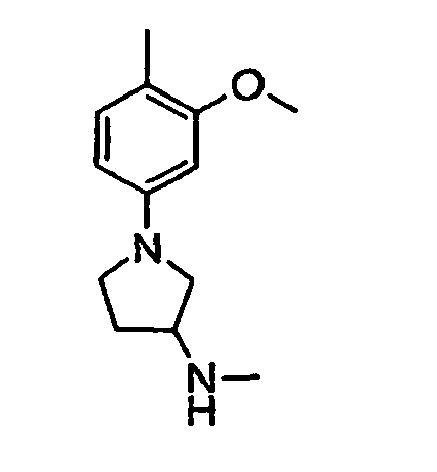
0.27 (MeOH: CH2Cl2=1:1) DMSO-d6: 1.77-1.87(m, 1H), 2.09-2.18(m, 1H), 2.35(s, 3H), 2.79(d, 1H), 3.02-3.07(m, 1H), 3.23-3.50(m, 4H), 3.74(s, 3H), 6.09(dd, 1H), 6.20(d, 1H), 7.04(dd, H), 7.22-7.32(m, 1H), 7.26(d, 1H), 7.70(d, 1H), 8.05(s, 1H), 8.08(s, 1H), 8.57-8.67(m, 1H), 8.67-8.73 (m, 1H), 11.6(s, 1H) 7-13 
0.23 (MeOH: AcOEt =5:95) CDCl3: 1.62-1.74(m, 3H), 1.76-1.85(m, 2H), 2.00-2.09(m, 2H), 2.20-2.31 (m, 1H), 2.64-2.69 (m, 2H), 2.79 (d, 3H), 3.56-4.04(m, 2H), 4.04(s, 3H), 6.49(dd, 1H), 6.63(d, 1H), 6.78(bs, 1H), 7.07 (dd, 1H), 7.28-7.38 (m, 1H), 7.39(d, 1H), 7.71 (d, 1H), 8.09-8.11 (m, 2H), 8.09(s, 1H), 8.60(d, 1H), 8.71 (d, 1H),11.6(bs, 1H) 7-14 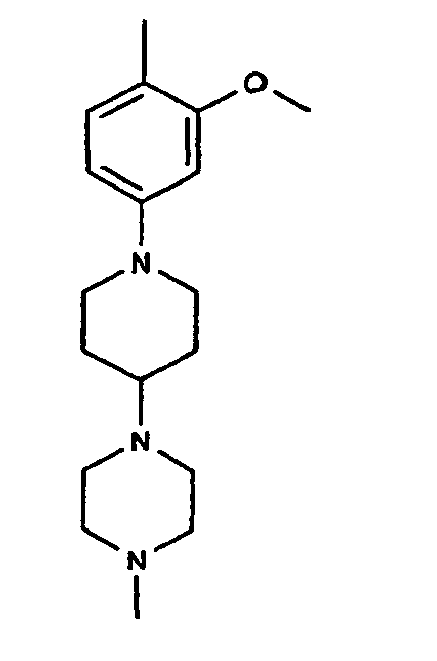
0.30 (MeOH: CH2Cl2=4:1) DMSO-d6: 1.61-1.46(m, 2H), 1.92-1.82 (m, 2H), 2.14 (s, 3H), 2.41-2.23 (m, 5H, 2.60-2.45 (m, 4H), 2.67 (t, 2H), 2.79 (d, 3H), 3.75 (s, 3H), 3.71-3.75 (m, 2H), 6.48 (dd, 1H), 6.63 (d, 1H), 7.10-7.03 (m, 1H), 7.34-7.27 (m, 1H), 7.43-7.35 (m, 1H), 7.71 (dd, 1H), 8.09 (s, 1H), 8.11 (bs, 1H), 8.65-8.56 (m, 1H), 8.75-8.67 (m, 1H), 11.6 (s, 1H) 7-15 
MS (ESI) m/z 524, 526 (M+1)+ DMSO-d6: 2.19-2.37 (m, 4H), 2.65-2.85 (m, 3H), 2.80 (d, 3H, J = 4.5 Hz), 3.15-3.21 (m, 1H), 3.48-3.59 (m, 2H), 3.61-3.67 (m, 1H), 3.72-3.81 (m, 1H), 3.76 (s, 3H), 6.47 (dd, 1H, J = 8.6, 2.5 Hz), 6.65 (d, 1H, J = 2.5 Hz), 7.04-7.10 (m, 1H), 7.28-7.35 (m, 1H), 7.42 (d, 1H, J = 8.6 Hz), 7.69-7.74 (m, 1H), 8.09 (s, 1H), 8.12 (s, 1H), 8.55-8.63 (m, 1H), 8.68-8.73 (m, 1H), 11.60 (s, 1H) 7-16 
MS (ESI) m/z 524, 526 (M+1)+ DMSO-d6: 2.19-2.37 (m, 4H), 2.65-2.85 (m, 3H), 2.80 (d, 3H, J = 4.5 Hz), 3.15-3.21 (m, 1H), 3.48-3.59 (m, 2H), 3.61-3.67 (m, 1H), 3.72-3.81 (m, 1H), 3.76 (s, 3H), 6.47 (dd, 1H, J = 8.6, 2.5 Hz), 6.65 (d, 1H, J = 2.5 Hz), 7.04-7.10 (m, 1H), 7.28-7.35 (m, 1H), 7.42 (d, 1H, J = 8.6 Hz), 7.69-7.74 (m, 1H), 8.09 (s, 1H), 8.12 (s, 1H), 8.55-8.63 (m, 1H), 8.68-8.73 (m, 1H), 11.60 (s, 1H) 7-17 
MS 510 DMSO-d6: 0.98 (t, 3H), 1.81-1.71 (m, 3H), 1.95-1.84 (m, 3H), 2.68-2.63(m, 1H), 2.80 (d, 3H), 3.12-3.08 (m, 4H), 3.28(d, 2H), 3.76(s,3H), 6.50 (dd, 1H), 6.64 (d, 1H), 6.86(bs, 1H), 7.07(dd, 1H), 7.46-7.19 (m, 3H), 7.71 (d, 1H), 8.09(s, 1H), 8.15-8.10 (m, 1H), 8.66-8.58(m, 1H), 8.77-8.70(m, 1H), 11.6(s, 1H) 7-18 
MS 510 DMSO-d6: 0.98 (t, 3H), 1.81-1.71 (m, 3H), 1.95-1.84 (m, 3H), 2.68-2.63(m, 1H), 2.80 (d, 3H), 3.12-3.08 (m, 4H), 3.28(d, 2H), 3.76(s,3H), 6.50 (dd, 1H), 6.64 (d, 1H), 6.86(bs, 1H), 7.07(dd, 1H), 7.46-7.19 (m, 3H), 7.71 (d, 1H), 8.09(s, 1H), 8.15-8.10 (m, 1H), 8.66-8.58(m, 1H), 8.77-8.70(m, 1H), 11.6(s, 1H) 7-19 
0.16 (CH2Cl2:M eOH=9:1) 1.40-1.53 (m, 2H), 1.72-1.80 (m, 2H), 2.18 (s, 3H), 2.19-2.44 (m, 5H), 2.80 (d, 3H), 3.46 (m, 2H), 3.74 (s, 3H), 6.65 (dd, 1H), 6.91 (d, 1H), 7.07-7.10 (m, 1H), 7.36-7.40 (m, 1H), 7.45-7.49 (m, 1H), 7.73 (dd, 1H), 8.12 (s, 1H), 8.18 (s, 1H), 8.61 (d, 1H), 8.72-8.77 (m, 1H), 11.68 (s, 1H) 7-20 
Ms : 511 1.25-1.37 (m, 2H), 1.62-1.79 (m, 3H), 1.81-1.9 (m, 2H), 2.16 (s, 3H), 2.75-2.85 (m, 5H), 3.76 (s, 3H), 3.8-3.88 (m, 2H), 6.45-6.55 (m, 1H), 6.6-6.67 (m, 1H), 7.02-7.12 (m, 1H), 7.25-7.35 (m, 1H), 7.4-7.5 (m, 1H), 7.67-7.78 (m, 1H), 8.1 (s, 1H), 8.19 (brs, 1H) 8.5-8.62 (m, 1H), 8.66-8.8 (m, 1H), 11.6 (s, 1H) 7-21 
Ms : 526 2.17 (s, 3H), 2.29-2.39 (m, 3H), 2.45-2.56 (m, 4H), 2.7 (t, 2H), 3.76 (s, 3H), 4.09 (t, 2H), 6.52 (dd, 1H), 6.66 (d, 1H), 7.06 (dd, 1H), 7.31 (dd, 1H), 7.45 (d, 1H), 7.71 (dd, 1H), 8.1 (s, 1H), 8.19 (s, 1H), 8.5-8.6 (m, 1H), 8.67-8.75 (m, 1H), 11.6 (s, 1H) 7-22 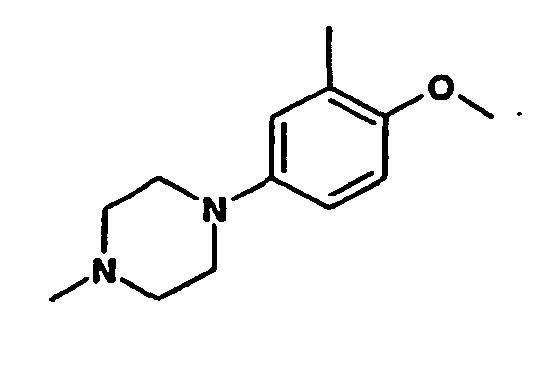
Ms : 482 2.24 (s, 3H), 2.42-2.5 (m, 4H), 2.8 (d, 3H), 2.94-3.0 (m, 4H), 3.74 (s, 3H), 6.65 (dd, 1H), 6.93 (d, 1H), 7.07-7.14 (m, 1H), 7.34-7.4 (m, 1H), 7.45 (d, 1H), 7.73 (dd, 1H), 8.14 (s, 1H), 8.18 (s, 1H), 8.61 (dd, 1H), 8.7-8.77 (m, 1H), 11.7 (s, 1H) 7-23 
Ms : 482 1.67-1.76 (m, 1H), 2.0-2.1 (m, 1H), 2.25-2.31 (m, 3H), 2.8 (d, 3H), 2.85-2.91 (m, 1H), 3.04-3.12 (m, 1H), 3.14-3.3 (m, 3H), 3.7 (s, 3H), 6.26 (dd, 1H), 6.91 (d, 1H), 7.01-7.04 (m, 1H), 7.07 (dd, 1H), 7.32 (dd, 1H), 7.72 (d, 1H), 8.14 (s, 1H), 8.17 (s, 1H), 8.63 (d, 1H), 8.7-8.78 (m, 1H), 11.6 (s, 1H) 7-24 
Ms : 550 1.35-1.57 (m, 8H), 1.7-1.78 (m, 2H), 2.81 (d, 3H), 3.46-3.52 (m, 2H), 3.74 (s, 3H), 6.65 (dd, 1H), 6.91 (d, 1H), 7.05-7.12 (m, 1H), 7.34-7.42 (m, 1H), 7.46 (d, 1H), 7.73 (dd, 1H), 8.11 (s, 1H), 8.18 (s, 1H), 8.62 (dd, 1H),8.71-8.78 (m, 1H), 11.7 (s, 1H) 7-25 
536 [M+1]+ DMSO-d6: 1.48-1.58(m, 2H), 1.65-1.72(m, 4H), 1.90-1.97(m, 2H), 2.07-2.14(m, 1H), 2.49-2.55(m, 4H), 2.70-2.77(m, 2H), 2.79(d, 3H), 3.60-3.65(m, 2H), 3.75(s, 3H), 6.48(dd, 1H), 6.63(d, 1H), 7.03-7.09(m, 1H), 7.28-7.34(m, 1H), 7.39(d, 1H), 7.71 (dd, 1H), 8.09(s, 1H), 8.11(s, 1H), 8.55-8.65(m, 1H), 8.69-8.73(m, 1H), 11.59(s, 1H) 7-26 
468 [M+1]+ DMSO-d6: 2.80(d, 3H), 2.84-2.89(m, 4H), 3.04-3.08(m, 4H), 3.76(s, 3H), 6.47(dd,1H), 6.62(dd, 1H), 7.04-7.10(m, 1H), 7.28-7.35(m, 1H), 7.40(d, 1H), 7.69 -7.73(m, 1H), 8.09(s, 1H), 8.12(s, 1H), 8.55-8.63(m, 1H), 8.68-8.73(m, 1H), 11.59(s, 1H) (an aliphatic NH is hidden) 7-27 
393 [M+1]+ DMSO-d6: 2.80(d, 3H), 6.64-6.67(m, 1H), 7.01-7.08(m, 2H), 7.15(d, 1H), 7.24-7.29(m, 2H), 7.44(d, 1H), 7.69-7.73(m, 1H), 8.20(s, 1H), 8.65-8.73(m, 2H), 9.15(s, 1H), 11.06(s, 1H), 11.63(s, 1H) 7-28 
407 [M+1]+ DMSO-d6: 2.81(d, 3H), 3.79(s, 3H), 6.67(d, 1H), 7.05-7.10(m, 1H), 7.12(d, 1H), 7.17(d, 1H), 7.23(d, 1H), 7.25-7.30(m, 1H), 7.50(d, 1H), 7.70-7.73(m, 1H), 8.20(s, 1H), 8.67(d, 1H), 8.70-8.75(m, 1H), 9.17(s, 1H), 11.64(s, 1H) 7-29 
492 [M+1]+ DMSO-d6: 2.80(d, 3H), 2.91-2.99(m, 4H), 3.65-3.81 (m, 2H), 3.82-3.95(m, 2H), 4.12(s, 3H), 6.58(d, 1H), 6.90(d, 1H), 7.05-7.09(m, 1H), 7.14(d, 1H), 7.22-7.28(m, 1H), 7.30(d, 1H), 7.70(dd, 1H), 8.16(s, 1H), 8.63-8.67(m, 1H), 8.6.8-8.72(m, 1H), 9.06(s, 1H), 11.64(s, 1H) 7-30 
MS m/z 510 DMSO-d6: 2.02 (s, 3H), 2.80 (d, 3H), 2.82-2.92 (m, 2H), 2.92-3.01 (m, 2H), 3.44-3.53 (m, 4H), 3.76 (s, 3H), 6.68 (dd, 1H), 6.95 (d, 1H), 7.09 (dd, 1H), 7.35-7.40 (m, 1H), 7.50 (brs, 1H), 7.73 (d, 1H), 8.15 (s, 1H), 8.19 (s, 1H), 8.59 (d, 1H), 8.69-8.76 (m, 1H), 11.66 (s, 1H). - The following 2-[5-Bromo-2-(substituted phenylamino)-pyrimidin-4-ylamino]-N-ethyl-benzamide are prepared from 2-(5-bromo-2-chloro-pyrimidin-4-ylamino)-N-ethyl-benzamide and the corresponding aniline following the procedure of Example 7A

Expl No. Rx Rf (solvent) or MS NMR 8-1 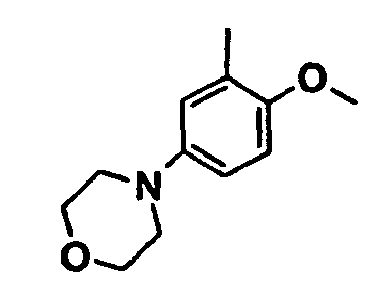
0.27 (n-hexane: AcOEt=1:2) DMSO-d6: 2.80(d, 3H), 2.88(t, 4H), 3.65 (m, 4H), 3.75 (s, 3H), 6.64 (dd, 1H), 6.94 (d, 1H), 7.11-7.08 (m, 1H), 7.38-7.34 (m, 1H), 7.47-7.46 (m, 1H), 7.70 (dd, 1H), 8.11 (s, 1H), 8.26 (s, 1H), 8.51-8.49 (m, 1H), 8.72-8.71 (m, 1H), 11.41 (s, 1H) 8-2 
m/z 513, 515 (M+1) DMSO-d6: 2.79 (d, 3H, J = 4.04 Hz), 3.10-3.20 (m, 4H), 3.77 (s, 3H); 3.70-3.80 (m, 4H), 6.45-6.55 (m, 1H), 6.63-6.69 (m, 1H), 7.05-7.10 (m, 1H), 7.28-7.34 (m, 1H), 7.40-7.45 (m, 1H), 7.65-7.70 (m, 1H), 8.13 (s, 1H), 8.16 (s, 1H), 8.50-8.56 (m, 1H) 8.65-8.72 (m, 1H), 11.40 (s, 1H) 8-3 
0.48 (n-Hexane: AcOEt=4:1) DMSO-d6: 2.80(d, 3H), 3.83(s, 3H), 4.11(t, 2H), 6.82(ddd, 1H), 7.03(dd, 1H), 7.15(dd, 1H), 7.44(dd, 1H), 7.73(d, 1H), 7.93(dd, 1H), 8.13(s, 1H), 8.33 (s, 1H), 8.50(d, 1H), 8.70-8.77(m, 1H), 11.3(s, 1H). 8-4 
MS 446,448 2.79 (d, 3H), 3.79 (s, 3H), 6.75 (ddd, 1H), 7.0 (dd, 1H), 7.05-7.12 (m, 1H), 7.3-7.36 (m, 1H), 7.62 (dd, 1H), 7.69 (dd, 1H), 8.2 (s, 1H), 8.29 (s, 1H), 8.45 (d, 1H), 8.66-8.73 (m, 1H), 11.4 (brs, 1H). - The following 2-[5-Chloro-2-(substituted phenylamino)-pyrimidin-4-ylamino]-N-ethyl-benzamide are prepared from 2-(2,5-Dichloro-pyrimidin-4-ylamino)-N-ethyl-benzamide and the corresponding aniline following the procedure of Example 7A

Expl No. Rx Rf (solvent) or MS NMR (400MHz) , δ (ppm) 9-1 
0.35 (n-hexane: AcOEt=1:2) CDCl3: 1.27 (t, 3H), 3.10-3.15 (m, 4H), 3.47-3.58 (m, 2H), 3.85-3.93 (m, 4H), 3.89 (s, 3H), 6.08-6.17 (m, 1H), 6.48 (dd, 1H), 6.53 (d, 1H), 7.05-7.11 (m, 1H), 7.42-7.53 (m, 2H), 8.08 (s, 1H), 8.12 (d, 1H), 8.67 (d, 1H), 10.94 (brs, 1H). 9-2 
MS (ESI) m/z 497, 499 (M+1)+ CDCl3: 1.26 (t, 3H, J = 7.56Hz), 2.37 (s, 3H), 2.57-2.62 (m, 4H), 3.15-3.20 (m, 4H), 3.49 (dq, 2H, J = 7.56, 1.52 Hz), 3.87 (s, 3H), 6.11-6.16 (m, 1H), 6.49 (dd, 1H, J = 8.56, 2.52 Hz), 6.55 (d, 1H, J = 2.52 Hz), 7.05-7.10 (m, 1H), 7.23 (s, 1H), 7.41-7.50 (m, 2H), 8.07 (s, 1H), 8.08 (d, 1H, J = 8.56Hz), 8.65-8.69 (m, 1H), 10.93 (s, 1H) 9-3 
m/z 564, 566 (M+1)+ DMSO-d6: 1.26 (t, 3H, J = 7.56Hz), 1.40-1.50 (m, 2H), 1.56-1.64 (m, 4H), 1.67-1.82 (m, 2H), 1.88-1.97 (m, 2H), 2.33-2.44 (m, 1H), 2.52-2.57 (m, 4H), 2.63-2.73 (m, 2H), 3.51 (dq, 2H, J = 7.56, 1.52 Hz), 3.62-3.69 (m, 2H), 3.86 (s, 3H), 6.10-6.15 (m, 1H), 6.49 (dd, 1H, J = 8.56, 2.52 Hz), 6.55 (d, 1H, J = 2.52 Hz), 7.05-7.10 (m, 1H), 7.23 (s, 1H), 7.43-7.50 (m, 2H) 8.05-8.11 (m, 1H), 8.07 (s, 1H), 8.65-8.69 (m, 1H), 10.91 (s, 1H) 9-4 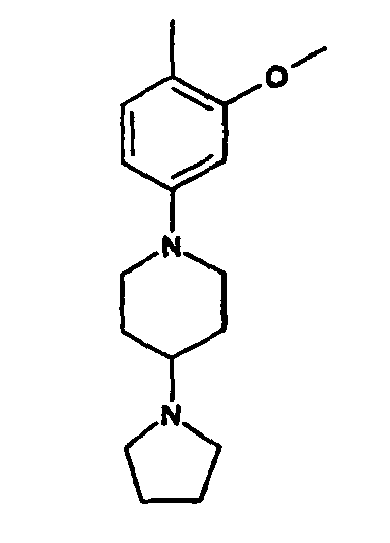
0.39 (MeOH: CH2Cl2=1:4) DMSO-d6: 1.19 (t, 3H), 1.52-1.68 (m, 2H), 1.71-1.79 (m, 4H), 1.92-2.05 (m, 2H), 2.12-2.23 (m, 1H), 2.76-2.85 (m, 2H), 3.65-3.73 (m, 2H), 3.82 (s, 3H), 6.54 (dd, 1H), 6.69 (d, 1H), 7.13 (m, 1H), 7.45 (d, 1H), 7.79 (dd, 1H), 8.15 (s, 1H), 8.15-8.18 (m, 1H), 8.60-8.68 (m, 1H), 8.74-8.83 (m, 1H). 9-5 
Rf (Hexane: AcOEt = 1:2): 0.30 CDCl3: 1.27 (t, 3H), 3.08-3.14 (m, 4H), 3.52 (q,2H), 3.71-3.90 (m, 7H), 6.05-6.18 (m, 1H), 6.47 (dd, 1H), 6.53 (dd, 1H), 7.08 (dd, 1H), 7.41-7.53 (m, 2H), 8.08 (s, 1H), 8.12 (d, 1H), 8.67 (d, 1H), 10.94 (s, 1H). 9-6 
Rf (AcOEt:Me OH= 4:1) 0.050 DMSO: 1.11 (t, 3H), 1.60-1.69 (m, 1H), 1.88-1.96 (m, 2H), 2.19 (s, 3H), 2.55-2.68 (m, 2H), 3.30-3.45 (m, 2H), 3.75 (s, 3H), 4.33-4.43 (m, 1H), 6.54 (dd, 1H), 6.65 (d, 1H), 7.07 (dd, 1H), 7.30 (dd, 1H), 7.43 (d, 1H), 7.71 (dd, 1H), 8.11 (s, 1H), 8.20 (s, 1H), 8.54 (br.d, 1H), 8.75 (dd, 1H), 11.49 (s, 1H). 9-7 
0.44 (CH2Cl2:M eOH=8:2) CDCl3: 1.34 (t, 3H), 1.62-1.68 (m, 2H), 1.93-2.18 (m, 8H), 2.37-2.40 (br, 2H), 2.74-2.86 (br, 3H), 3.20-3.23 (m, 2H), 3.34 (br, 2H), 3.53 (q, 2H), 3.85 (s, 3H), 6.47 (dd, 1H), 6.76 (d, 1H), 7.04-7.08 (m, 1H), 7.30 (dd, 1H), 7.53 (s, 1H), 8.00 (d, 1H), 8.13-8.17 (m, 1H), 8.22 (d, 1H), 8.42-8.53 (br, 1H), 10.91 (s, 1H), 11.59-11.75 (br, 1H) - The following 2-[5-Chloro-2-(substituted phenylamino)-pyrimidin-4-ylamino]-6,N-dimethylbenzamide are prepared from 2-(2,5-Dichloro-pyrimidin-4-ylamino)-6,N-dimethyl-benzamide and the corresponding aniline following the procedure of Example 7A

Expl No. Rx Identification 10-1 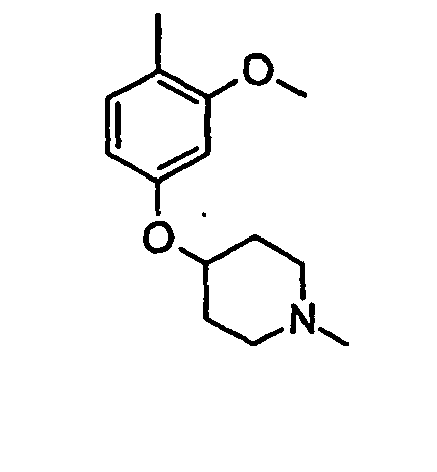
NMR (400MHz, DMSO-d6, δ): 1.58-1.68(m, 2H), 1.87-1.96(m, 2H), 2.13-2.22(m, 2H), 2.18(s, 3H), 2.18(s, 3H), 2.29(s, 3H), 2.57-2.65(m, 2H), 2.76(d, 3H), 3.75(s, 3H), 4.29-4.37(m, 1H), 6.45(dd, 1H), 6.61(d, 1H), 6.98(d, 1H), 7.18(dd, 1H), 7.47(d, 1H), 7.89(d, 1H), 8.02(s, 1H), 8.07 (s, 1H), 8.37-8.43(m, 1H), 8.49(s, 1H). Rf: 0.39 (MeOH: CH2Cl2=1:4). 10-2 
NMR (400MHz, DMSO-d6, δ): 1.35-1.42 (m, 2H), 1.45-1.60 (m, 6H), 1.75-1.85 (m, 2H), 2.29 (s, 3H), 2.30-2.35 (m, 1H), 2.43-2.50 (m, 4H), 2.57-2.66 (m, 2H), 2.76 (d, 3H, J = 5.0Hz), 3.65-3.74 (m, 2H), 3.76 (s, 3H), 6.40 (dd, 1H, J = 9.0, 2.0 Hz), 6.59 (d, 1H, J = 2.0 Hz), 6.98 (d, 1H, J = 7.6 Hz), 7.20 (dd, 1H, J = 7.6, 7.6 Hz), 7.43 (d, 1H, J = 9.0 Hz), 7.91-7.94 (m, 1H), 7.93 (s, 1H), 8.06 (s, 1H), 8.36-8.42 (m, 1H) 8.47 (s, 1H). MS (ESI) m/z 564, 566 (M+1)+ 10-3 
DMSO-d6: 2.29(s, 3H), 2.77(d, 3H), 3.07-3.11(m, 4H), 3.73-3.76(m, 4H), 3.77(s, 3H), 6.41 (dd, 1H), 6.63(d, 1H), 7.00(d, 1H), 7.21(dd, 1H), 7.49(d, 1H), 7.93(d, 1H), 7.96(s, 1H), 8.07(s, 1H), 8.37-8.42(m, 1H), 8.49(s, 1H). MS m/z 483 [M+1]+ - The following 2-[5-Chloro-2-(substituted phenylamino)-pyrimidin-4-ylamino]-5-fluoro-N-methyl-benzamide are prepared from 2-(2,5-Dichloro-pyrimidin-4-ylamino)-5-fluoro-N-methyl-benzamide and the corresponding aniline following the procedure of Example 7A

Expl No. Rx Identification 11-1 
NMR(400MHz, DMSO-d6, δ): 2.79(d, 3H), 3.10-3.15(m, 4H), 3.74-3.78(m, 7H), 6.50(dd, 1H), 6.66(d, 1H), 7.13-7.20 (m, 1H), 7.41(d, 1H), 7.57(dd, 1H), 8.09(s, 1H), 8.14(s, 1H), 8.55-8.65(m, 1H), 8.75-8.82(m, 1H), 11.39(s, 1H). MS (ESI): m/z 487, 489 (M+1). 11-2 
NMR(400MHz, DMSO-d6, δ): 1.68-1.33(m, 8H), 1.93-1.73 (m, 2H), 2.35-2.60 (m, 1H), 2.62-2.74(m, 2H), 2.67(t, 2H), 2.74(d, 3H), 3.25-3.38(m, 4H), 3.76 (s, 3H), 3.83-3.71(m, 2H), 6.48(dd, 1H), 6.49(dd, 1H), 6.63 (d, 1H), 7.15 (dd, 1H), 7.36 (d, 1H), 7.57 (dd, 1H), 8.09(s, 1H), 8.12(s, 1H), 8.65-8.55 (m, 1H), 8.78(d, 1H), 11.39 (s, 1H) MS (ESI): m/z 568, 570 (M+1) 11-3 
DMSO-d6: 2.80(d, 3H), 3.79(s, 3H), 6.64(d,1H), 7.05-7.20(m, 3H), 7.23(d, 1H), 7.42-7.49(d, 1H), 7.57(dd, 1H), 8.20(s, 1H), 8.62-8.69(m, 1H), 8.75-8.82(m, 1H), 9.17(s, 1H), 11.43(s, 1H). MS m/z 425 [M+1]+ 11-4 
DMSO-d6: 2.06(s, 3H), 2.79(d, 3H), 3.10-3.14(m, 2H), 3.15-3.19(m, 2H), 3.55-3.62(m, 4H), 3.77(s, 3H), 6.52(dd, 1H), 6.69(d, 1H), 7.15-7.23(m, 1H), 7.43(d, 1H), 7.58(dd, 1H), 8.10(s, 1H), 8.14(s, 1H), 8.56-8.65(m, 1H), 8.75-8.81 (m, 1H), 11.39(s, 1H). MS m/z 528 [M+1]+ - N-Methyl-7-nirto-2,3-dihydroisoindole-1-one. At room temperature, a solution of methyl 2-bromomethyl-6-nitrobenzoate (1.26 g, 4.63 mmol) in THF (13 mL) is treated with 2M soln. of methylamine in THF (14 mL), stirred for 5 h, diluted with EtOAc (100 mL), washed with sat. aqueous solution of NaHCO3 (15 mL) and brine (15 mL), dried (MgSO4), and evaporated. A flash chromatography (30 g of silica gel; CH2Cl2/EtOAc 1:1) gives N-Methyl-7-nirto-2,3-dihydroisoindole-1-one (0.561 g, 2.92 mmol) in 63%. Yellow solid. Rf (CH2Cl2/EtOAc 1:1) 0.46. 1 H-NMR (400 MHz, CDCl3) 3.21 (s), 4.44 (s), 7.63 - 7.69 (m, 2 H), 7.70 - 7.75 (m, 1H).
- 7-Amino-N-methyl-2,3-dihydroisoindole-1-one. At room temperature, a solution of N-Methyl-7-nirto-2,3-dihydroisoindole-1-one (561.0 mg, 2.92 mmol) in EtOAc (8.4 mL) is treated with SnCl2•2H2O (2.68 g), stirred at 80°C under reflux for 5 h, and treated with 30 mL of 5N NaOH at 0°C. After the both layers are separated, the aqueous layer is extracted with EtOAc (2 x 8 mL), the combined extracts are washed with brine (5 mL), dried (MgSO4), and evaporated to give 7-Amino-N-methyl-2,3-dihydroisoindole-1-one (455.9 g, 2.81 mmol) in 96%. Yellow solid. Rf (CH2Cl2/EtOAc 1:1) 0.53. 1H-NMR (400 MHz, CDCl3) 3.12 (s), 4.28 (s), 5.20 (br. s), 6.56 (d, J = 8.0), 6.68 (d, J = 8.0), 7.21 (dd, J = 8.0, 8.0).
- 7-(4-Amino-2,5-dichloropyrimidin-4-yl)amino-N-methyl-2,3-dihydroisoindole-1-one. At 0°C, a solution of 7-Amino-N-methyl-2,3-dihydroisoindole-1-one (232.6 mg, 1.43 mmol) in DMF (2.0 mL) is treated with 60% NaH (89.8 mg), stirred at the same temperature for 1.5 h, treated with a solution of 2,4,5-trichlropyrimidine (0.557 g) in DMF (3.5 mL), stirred for 1 h, and warmed to room temperature. After furthermore stirring for 13 h, the mixture is treated with sat. aqueous NH4Cl (6 mL), and the resulting brown precipitates are collected by a filtration, followed by washing with H2O, hexane, and CH3CN to give 7-(4-Amino-2,5-dichloropyrimidin-4-yl)amino-N-methyl-2,3-dihydroisoindole-1-one (130.2 g, 0.416 mmol) in 26%. Brown solid. Rf (CH2Cl2/EtOAc 1:1) 0.50. 1H-NMR (400 MHz, CDCl3): 3.22 (s), 4.43 (s), 7.15 (d, J = 8.0), 7.59 (dd, J = 8.0, 8.0), 8.24 (s), 8.71 (d, J = 8.0), 11.05 (br. s).

- The following 7-(5-Chloro-2-(substituted phenylamino)-pyrimidin-4-ylamino]-2-methyl-2,3-dihydro-isoindol-1-one are prepared from 7-(2,5-Dichloro-pyrimidin-4-ylamino)-2-methyl-2,3-dihydro-isoindol-1-one and the corresponding aniline following the procedure of Example 7A.
-

- 1H-NMR (400MHz, DMSO-d6, δ): 3.07 (s, 3H), 3.13-3.17 (m, 4H), 3.75 (s, 3H), 3.34-3.78 (m, 4H), 4.46 (s, 2H), 6.54 (dd, 1H, J = 8.6, 2.5 Hz), 6.67 (d, 1H, J = 2.5 Hz), 7.15 (d, 1H, J = 7.6 Hz), 7.25-7.34 (m, 1H) 7.36 (d, 1H, J = 8.6 Hz), 8.13 (s, 1H), 8.36 (s, 1H), 8.37-8.50 (m, 1H) 10.57 (s, 1H). MS (ESI) m/z 481. 483 (M+1)+
- The following7-(5-Chloro-2-(subst.phenylamino)-pyrimidin-4-ylamino)-2-methyl-2,3- dihydro-isoindol-1-ones are prepared from 7-(2,5-Dichloro-pyrimidin-4-ylamino)- 2-methyl-2,3-dihydro-isoindol-1-one and the corresponding aniline following the procedure of Example 2:

Expl No. Rx Mass(m/z) NMR (400MHz) δ (ppm) 12-2 
494 [M+1]+ DMSO-d6: 2.24(s, 3H), 2.45-2.50(m,4H), 3.07(s, 3H), 3.15-3.19(m, 4H), 3.74(s, 3H), 4.46(s, 2H), 6.52(dd, 1H), 6.66(d, 1H), 7.15 (d, 1H), 7.25-7.36(m, 2H), 8.12(s, 1H), 8.35(s, 1H), 8.35-8.45(m, 1H), 10.57(s, 1H) 12-3 
495 [M+1]+ DMSO-d6: 1.48-1.57(m, 2H), 1.83-1.88(m, 2H), 2.83-2.90(m, 2H), 3.07(s, 3H), 3.51-3.60(m, 2H), 3.61-3.70(m, 2H), 3.73(s, 3H), 4.46(s, 2H), 4.69(d, 1H), 6.52(dd, 1H), 6.64(d, 1H), 7.14 (d, 1H), 7.25-7.35(m, 2H), 8.12(s, 1H), 8.33(s, 1H), 8.35-8.45(m, 1H), 10.57(s, 1H) 12-4 
577 [M+1]+ DMSO-d6:1.48-1.59(m, 2H), 1.83-1.88(m, 2H), 2.14(s, 3H), 2.25-2.39(m, 4H), 2.42-2.60(m, 5H), 2.66-2.73(m, 2H),3.07(s, 3H), 3.73-3.77(m, 2H), 3.74(s, 3H), 4.46(s, 2H), 6.52(dd, 1H), 6.64(d, 1H), 7.14 (d, 1H), 7.25-7.34(m, 2H), 8.12(s, 1H), 8.34(s, 1H), 8.35-8.45(m, 1H), 10.57(s, 1H) 12-5 
562 [M+1]+ DMSO-d6: 1.35-1.65(m, 8H), 1.73-1.85(m, 2H), 2.40-2.59(m, 7H), 3.08(s, 3H), 3.52-3.61 (m,2H), 3.73(s, 3H), 4.47(s, 2H), 6.72(dd, 1H), 6.94(d, 1H), 7.17(d, 1H), 7.34-7.39(m, 2H), 8.21 (s, 1H), 8.87(s, 1H), 8.45-8.53(m, 1H), 10.64(s, 1H) 12-6 
MS m/z 536 DMSO-d6: 2.19-2.42 (m, 4H), 2.65-2.89 (m, 3H), 3.07 (s, 3H), 3.11-3.30 (m, 1H), 3.48-3.61 (m, 2H), 3.62-3.71 (m, 1H), 3.75 (s, 3H), 3.75-3.83 (m, 2H), 4.47 (s, 2H), 6.48-6.52 (m, 1H), 6.66 (d, 1H), 7.15 (d, 1H), 7.26-7.37 (m, 2H), 8.13 (s, 1H), 8.35 (s, 1H), 8.42 (brs, 1H), 10.57 (s, 1H). - The following 7-(5-Chloro-2-(subst.phenylamino) -pyrimidin-4-ylamino)-2-ethyl-2,3-dihydroisoindol-1-ones are prepared from 7-(2,5-Dichloro-pyrimidin-4-ylamino)-2- ethyl-2,3-dihydro-isoindol-1-one and the corresponding aniline following the procedure of Example 2:

Expl No. Rx Mass(m/z) NMR (400MHz) δ (ppm) 13-1 
508 [M+1]+ DMSO-d6: 1.19(t, 3H), 2.24(s, 3H), 2.47-2.51 (m, 4H), 3.15-3.21 (m, 4H), 3.54(q, 2H), 3.74(s, 3H), 4.48(s, 2H), 6.54(dd, 1H), 6.65(d, 1H), 7.15 (d, 1H), 7.26-7.36(m, 2H), 8.12(s, 1H), 8.34(s, 1H), 8.37-8.48(m, 1H), 10.58(s, 1H) - To a suspension of 2-[5-chloro-2-(2-methoxy-4-morpholin-4-yl-phenylamino)-pyrimidin-4-ylamino]-benzoic acid (5.5 g, 12.1 mmol) in 100 mL of THF are added Et3N (2.06 mL, 14.8 mmol) and isobutyl chloroformate (1.7 mL, 12.8 mmol) at -5°C. After stirring at the same temperature for 30 min, the reaction mixture is further stirred at room temperature for 1 hour and then H2O is added to the reaction mixture. The resulting precipitate is collected by filtration, washed with H2O, and dried under reduced pressure to give an intermediate (4.80 g) (10.96 mmol, 91%) as yellow solid.
NMR (400MHz, DMSO-d6, δ): 3.10-3.20 (m, 4H), 3.70-3.80 (m, 4H), 3.93 (s, 3H), 6.53 (dd, 1H, J = 9.08, 2.0 Hz), 6.70 (d, 1H, J = 2.0 Hz), 7.49-7.54 (m, 1H), 7.67 (d, 1H, J = 8.56 Hz), 7.89 (s, 1H), 7.85-7.95 (m, 1H), 8.23 (d, 1H, J = 9.08 Hz), 8.26 (d, 1H, J = 8.56Hz), 12.60 (s, 1H). - To a 1 M solution of methylamine in THF (560 µl, 0.56 mmol) is added 82 mg of the obtained intermediate (0.187 mmol) followed by 1M solution of NaHMDS in THF (560 µl, 0.56 mmol) dropwise. After the reaction mixture is stirred for 10 minutes, 5 mL of H2O is added and extraction is performed with AcOEt. The organic layer is washed with brine, dried over Na2SO4, concentrated under reduced pressure, and purified by silica gel column chromatography (Hexane: AcOEt=1:1 to AcOEt) to give the title compound as a pale yellow solid. Data are given in Example 7A.
- By repeating the procedures described above using appropriate starting materials and conditions the following compounds are obtained as identified below.

Expl No. Ry Rf (solvent) or MS NMR (400MHz) , δ (ppm) 14-1 
0.10 (n-hexane: AcOEt=1:1) CDCl3: 3.02-3.19 (m, 10H), 3.83-3.91 (m, 4H), 3.87 (s, 3H), 6.45 (dd, 1H), 6.52 (d. 1H), 7.09-7.14 (m, 1H), 7.29 (m, 1H), 7.31 (dd, 1H), 7.38-7.45 (m, 1H), 8.06 (s, 1H), 8.14 (d, 1H), 8.39 (d, 1H), 8.97 (s, 1H). 14-2 
0.36 (n-hexane: AcOEt=1:2) CDCl3: 1.27 (d, 6H), 3.09.3.16 (m, 4H), 3.81-3.92 (m, 4H), 3.89 (s, 3H), 4.26-4.37 (m, 1H), 5.93-5.98 (m, 1H), 6.48 (dd, 1H), 6.53 (d, 1H), 7.05-7.11 (m, 1H), 7.42-7.49 (m, 2H), 8.08 (s, 1H), 8.12 (d, 1H), 8.65 (d, 1H), 10.88 (br.s, 1H). 14-3 
505 [M+1]+ DMSO-d6: 2.79(d, 3H), 3.09-3.14(m, 4H), 3.74-3.77(m, 4H), 3.75(s, 3H), 6.49(dd, 1H), 6.65(d, 1H), 7.30 (d, 1H), 7.84(dd, 1H), 8.12(s, 1H), 8.40(s, 1H), 8.65-8.79(m, 2H), 11.39(s, 1H) 14-4 
466 [M+1]+ DMSO-d6: 2.70-2.75(m, 2H), 3.04-3.09(m, 2H), 3.12-3.18(m, 4H), 3.74-3.80(m, 4H), 3.75(s, 3H), 6.54(dd, 1H), 6.67(d, 1H), 7.14 (d, 1H), 7.34(d, 1H), 7.37-7.44(m, 1H), 8.17(s, 1H), 8.35-8.50(m, 1H), 8.44(s, 1H), 10.59(s, 1H) 14-5 
Rf (Hexane AcOEt=1:2) : 0.31 DMSO: 1.18 (t, 3H), 3.11-3.21 (4, 4H), 3.30-3.60 (m, 2H), 3.71-3.85 (m, 7H), 6.50-6.58 (m, 1H), 6.71 (d, 1H), 7.17-7.26 (m, 1H), 7.46 (d, 1H), 7.64 (dd, 1H), 8.14 (s, 1H), 8.19 (s, 1H), 8.57-8.68 (m, 1H), 8.80-8.87 (m, 1H), 11.36 (s, 1H). 14-6 
Rf (Hexane AcOEt=1:1) : 0.051 DMSO: 1.71-1.92 (m, 2H), 1.92-2.06 (m, 2H), 3.08-3.14 (m, 4H), 3.48-3.57 (m, 2H), 3.63-3.75 (m, 2H), 3.84-3.90 (m, 7H), 6.47 (dd, 1H), 6.53 (d, 1H), 7.09 (ddd, 1H), 7.25-7.29 (m, 1H), 7.38-7.44 (m, 1H), 8.06 (s, 1H), 8.15 (d, 1H), 8.45 (dd, 1H), 9.60 (s, 1H). 14-7 
(d, 1H-NMR (400MHz, δ ppm, CDCl3): 3.04-3.10 (m, 4H), 3.10-3.16 (m, 4H), 3.63-3.68 (m, 4H), 3.85-3.90 (m, 7H), 6.46 (dd, 1H), 6.53 (d, 1H), 7.20-7.25 (m, 1H), 7.33 (brs, 1H), 7.56-7.62 (m, 1H), 7.85 (dd, 1H), 8.03 (d, 1H), 8.12 (s, 1H), 8.57-8.61 (m, 1H), 9.30 (s, 1H). - The following 2-(5-Chloro-2-(subst. phenylamino)-pyrirnidin-4-ylamino)-N-methyl-5- pyrrolidin-1-yl-benzamides are prepared from 2-(5-Chloro-2-methyl-pyrimidin-4- ylamino)-N-methyl-5-pyrrolidin-1-yl-benzamide and the corresponding aniline following the procedure of Example 2:

Expl No. Rx Mass(m/z) NMR (400MHz) δ (ppm) 15-1 
551 [M+1]+ DMSO-d6: 1.94-1.99(m, 4H), 2.23(s, 3H), 2.43-2.48(m, 4H), 2.78(d, 3H), 3.11-3.17(m, 4H), 3.22-3.29(m, 4H), 3.76(s, 3H), 6.46(dd, 1H), 6.48-6.53(m, 1H), 6.63(d, 1H), 6.79(d, 1H), 7.44(d, 1H), 7.89(s, 1H), 7.99(s, 1H), 8.24(d, 1H), 8.60(d, 1H), 10.88(s, 1H) 15-2 
566 [M+1]+, DMSO-d6: 1.60-1.70(m, 2H), 1.90-2.00(m, 6H), 2.12-2.20(m, 2H), 2.18(s, 3H), 2.60-2.65(m, 2H), 2.78(d, 3H), 3.22-3.28(m, 4H), 3.75(s, 3H), 4.25-4.37(m, 1H), 6.49-6.55(m, 2H), 6.62(d, 1H), 6.80(d, 1H), 7.53(d, 1H), 7.90(s, 1H), 8.00(s, 1H), 8.24(d, 1H), 8.58-8.63(m, 1H), 10.88(s, 1H) 15-3 
538 [M+1]+ DMSO-d6: 1.94-1.99(m, 4H), 2.78(d, 3H), 3.09-3.15(m, 4H), 3.22-3.27(m, 4H), 3.73-3.77(m, 4H), 3.76(s, 3H), 6.47(dd, 1H), 6.47-6.53(m, 1H), 6.65(d, 1H), 6.79(d, 1H), 7.47(d, 1H), 7.90(s, 1H), 7.99(s, 1H), 8.24(d, 1H), 8.60(d, 1H), 10.88(s, 1H) - The following 2-[5-Chloro-2-( 4-fluoro-2-methoxy-phenylamino)-pyrimidin-4- ylamino]-5-subst.-N-methyl-benzamide are prepared from the corresponding aniline following the procedure of Example 2:

Expl No. Ry Mass(m/z) NMR (400MHz) δ (ppm) 16-1 
487 [M+1]+ DMSO-d6: 2.79(d, 3H), 3.11-3.15(m, 4H), 3.74-3.81(m, 4H), 3.81 (s, 3H), 6.76(ddd, 1H), 6.95-7.05(m, 2H), 7.21(d, 1H), 7.72(dd, 1H), 8.08(s, 1H), 8.09(s, 1H), 8.33(d, 1H), 8.63-8.73(m, 1H), 11.17(s, 1H) 16-2 
500 [M+1]+ DMSO-d6: 2.24(s, 3H), 2.45-2.52(m, 4H),2.79(d, 3H), 3.13-3.18(m, 4H), 3.81(s, 3H), 6.75(ddd, 1H), 6.94-7.02(m, 2H), 7.20(d, 1H), 7.73(dd, 1H), 8.03-8.11(m, 2H), 8.30(d, 1H), 8.60-8.70(m, 1H), 11.14(s, 1H) 16-3 
432 [M+1]+ DMSO-d6: 2.79(d, 3H), 3.80-3.81 (m, 6H), 6.75(ddd, 1H), 6.90-7.02(m, 2H), 7.27(d, 1H), 7.67(dd, 1H), 8.10(s, 1H), 8.16(s, 1H), 8.39(d, 1H), 8.70-8.76(m, 1H), 11.20(s, 1H) 16-4 
568 [M+1]+ DMSO-d6: 1.35-1.62(m, 8H), 1.78-1.85(m, 2H), 2.30-2.40(m, 1H), 2.41-2.52(m, 4H), 2.60-2.70(m, 2H), 2.78(d, 3H), 3.70-3.80(m, 2H), 3.81(s, 3H), 6.75(ddd, 1H), 6.95-7.02(m, 2H), 7.20(d, 1H), 7.72(dd, 1H), 8.05-8.08(m, 2H), 8.28(d, 1H), 8.63-8.69(m, 1H), 11.12(s, 1H) -

- CDCl3: 3.01-3.10 (m, 4H), 3.63-3.68 (m, 4H), 3.89 (s, 3H), 6.59 (ddd, 1H), 6.66 (dd, 1H), 7.20-7.26 (m, 1H), 7.36 (s, 1H), 7.57-7.63 (m, 1H), 7.84 (dd, 1H), 8.09-8.14 (m, 1H), 8.14 (s, 1H), 8.53 (d, 1H), 9.30 (s, 1H).
-
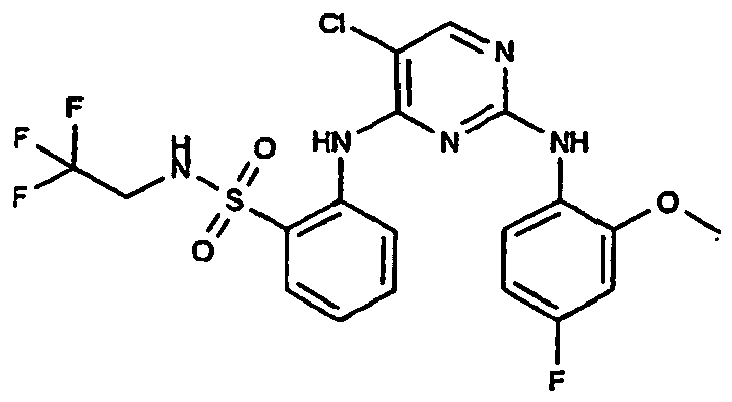
- CDCl3: 3.56-3.65 (m, 2H), 3.88 (s, 3H), 5.11-5.19 (m, 1H), 6.50-6.56 (m, 1H), 6.61-6.66 (m, 1H), 7.25-7.29 (m, 1H), 7.38 (brs, 1H), 7.58-7.62 (m, 1H), 7.97 (dd, 1H), 8.02-8.10 (m, 1H), 8.15 (s, 1H), 8.41 (dd, 1H), 8.81 (s, 1H).
- The following 2-(5-Chloro-2-(subst.phenylamino)-pyrimidin-4-ylamino)-5-fluoro-N-methyl-benzamide are prepared from 2-(2,5-Dichloro-pyrimidin-4-ylamino)-5-fluoro-N-methyl-benzamideand the corresponding aniline following the procedure of Example 2:

Expl No. Rx Mass(m/z) NMR (400MHz) δ (ppm) 18-1 
595 [M+1]+ DMSO-d6: 2.06 (s, 3H), 2.78 (d, 3H), 3.05-3.18 (m, 8H), 3.53-3.64 (m, 4H), 3.68-3.77 (m, 4H), 3.77 (s, 3H), 6.51 (dd, 1H), 6.69 (d, 1H), 6.88 (br.d, 1H), 7.20 (d, 1H), 7.43 (d, 1H), 7.99-8.03 (m, 2H), 8.34 (br. d, 1H), 8.63-8.71 (m, 1H), 11.15 (s, 1H). - The following 2-[5-chloro-2-(subst.phenylamino)-pyrimidin-4-ylamino]-N-isopropyl-benzenesulfonamides are prepared from 2-(5-chloro-2-chloro-pyrimidin-4-ylamino)-N-isopropyl-benzenesulfonamide and the corresponding aniline following the procedure of Example 7A

ExplNo. Rx Rf (solvent) Or MS NMR (400MHz), δ (ppm) 19-1 
0.39 (MeOH: CH2Cl2=1:4) DMSO-d6: 0.94(d, 6H), 1.75-1.84(m, 1H), 2.07-2.16(m, 1H), 2.33(s, 3H), 2.98-3.04(m, 1H), 3.22-3.36(m, 5H), 3.42-3.47(m, 1H), 3.74(s, 3H), 6.05(dd, 1H), 6.18(d, 1H), 7.18(dd, 1H), 7.25(d, 1H), 7.35-7.45(m, 1H), 7.77-7.82(m, 1H), 7.70-8.10(m, 1H), 8.09-8.17 (m, 2H), 8.45-8.63(m, 1H), 9.34(s, 1H) 19-2 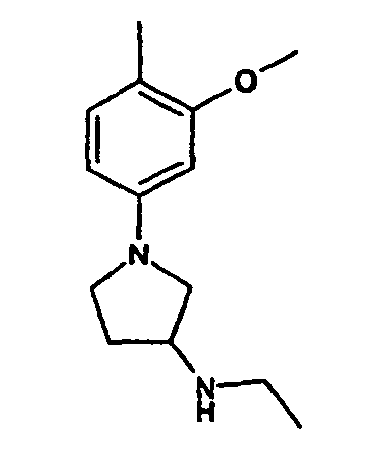
0.40 (n-hexane: AcOEt=1:1) CDCl3: 1.00(d, 6H), 1.13(t, 3H), 1.83-1.92(m, 1H), 2.23-2.30(m, 1H), 2.70-2.78(m, 2H), 3.08-3.13(m, 1H), 3.27-3.54 (m, 5H), 3.85(s, 3H), 4.33(d, 1H), 6.05(d, 1H), 6.13(s, 1H), 7.13(bs, 1H), 7.18-7.22(m, 1H), 7.52-7.56(m, 1H), 7.83-7.86(m, 1H), 7.95-7.98(m, 1H), 8.09(s, 1H), 8.47-8.49(m, 1H), 8.89(s, 1H) 19-3 
0.30 (n-hexane: AcOEt=1:1) CDCl3: 0.93 (d, 6H), 1.05-1.09(m, 1H), 1.48-1.99(m, 6H), 2.16(s,3H), 2.61-2.67(m, 1H), 2.80-2.83(m, 1H), 3.75(s, 3H), 3.80-3.89(m, 2H), 6.44-6.47(m, 1H), 6.62-6.63(m, 1H), 7.18-7.22(m, 1H), 7.42-7.46(m, 1H), 7.80-7.89(m, 2H), 8.17(s, 1H), 8.23(s, 1H), 8.42-8.44(m, 1H), 8.89(s, 1H) 19-4 
0.69 (MeOH: CH2Cl2=1:3) DMSO-d6 : 0.94(d, 6H), 1.45-1.57(m, 2H), 1.80-1.88(m, 2H), 2.14(s, 3H), 2.25-2.35(m, 4H), 2.45-2.55(m, 4H), 2.62-2.70(m, 2H), 3.28-3.37(m, 1H), 3.68-3.74(m, 2H), 3.75(s, 3H), 6.44(dd, 1H, J=8.82, 2.0Hz), 6.61(d, 1H, J=2.0Hz), 7.21(dd, 1H), 7.37(d, 1H), 7.45(dd, 1H), 7.81 (dd, 1H, J=1.82, 1.52Hz), 7.84-7.92(m, 1H), 8.12-8.20(m, 1H), 8.16(s, 1H), 8.43-8.51 (m, 1H), 9.31(s, 1H) 19-5 
0.35 (n-hexane: AcOEt=1:1) CDCl3: 0.93(d, 6H), 2.23(s, 3H), 2.45-2.48(m, 4H), 3.12-3.15(m,4H), 3.75(s, 3H), 6.42-6.45(m, 1H), 6.63 (s, 1H), 7.19-7.23(m, 1H), 7.38-7.47(m, 2H), 7.80-7.89(m, 2H), 8.16(s, 1H), 8.46-8.48(m, 1H), 9.34(s, 1H) 19-6 
0.45 (n-hexane: AcOEt=1:1) CDCl3: 0.99(d, 6H), 3.40-3.49(m, 1H), 3.88(s, 3H), 4.29-4.31 (d, 1H), 6.51-6.56(m, 1H), 6.62-6.65 (m, 1H), 7.24-7.28(m, 1H), 7.37(s, 1H), 7.56-7.60(m, 1H), 7.98-8.15(m, 3H), 8.34-8.37(m, 1H), 8.89(s, 1H) 19-7 
0.28 (n-hexane: AcOEt=1:1) DMSO-d6 : 0.93(d, 6H), 1.59-1.67(m, 2H), 1.90-1.93(m, 2H), 2.10-2.24(m, 5H), 2.60-2.67(m, 2H), 3.74(s, 3H), 4.33-4.37(m, 1H), 6.47-6.50(m, 1H), 6.63(d, 1H), 7.18-7.22(m, 1H), 7.41-7.45(m, 2H), 7.79-7.87(m, 2H), 8.16(s, 1H), 8.21(s, 1H), 8.41-8.43(m, 1H), 9.29(s, 1H) 19-8 
0.25 (n-hexane: AcOEt=1:1) DMSO-d6 : 0.93(d, 6H), 3.09-3.12(m, 4H), 3.74-3.76(m, 7H), 6.43-6.46(m, 1H), 6.64(s, 1H), 7.19-7.23(m, 1H), 7.41-7.48(m, 2H), 7.80(d, 1H), 7.82(d, 1H), 8.17(s, 1H), 8.46-8.48(m, 1H), 9.31 (s, 1H) 19-9 
0.56 (MeOH: CH2Cl2=1:4) DMSO-d6 : 0.93(d, 6H), 1.89-1.90(m, 1H), 2.30(bs, 6H), 3.13-3.50(m, 6H), 3.74(s, 3H), 6.10(d, 1H), 6.22(s, 1H), 7.16-7.20(m, 1H), 7.25-7.27(m, 1H), 7.40(bs, 1H), 7.79-7.81 (m, 1H), 7.86-7.88(m, 1H), 8.12(s, 1H), 8.15(s, 1H), 8.51 (s, 1H), 9.34(s, 1H) 19-10 
0.45 (MeOH: CH2Cl2=1:4) CDCl3: 0.99(d, 12H), 2.27(s, 2H), 2.31 (s, 6H), 2.96(s, 2H), 3.39-3.48(m, 1H), 3.83(s, 3H), 4.30(d, 1H), 6.09-6.12(m, 1H), 6.19(d, 1H), 7.11 (s, 1H), 7.19-7.23(m, 1H), 7.51-7.57(m, 1H), 7.76-7.79(m, 1H), 7.95(d, 1H), 8.09(s, 1H), 8.46-8.49(m, 1H), 8.88(s, 1H) 19-11 
0.30 (n-hexane: AcOEt=1:1) DMSO-d6 : 0.93(d, 6H), 2.96-2.99(m, 4H), 3.74-3.76(m, 7H), 6.67-6.72(m, 1H), 7.21-7.25(m, 1H), 7.31-7.34(m, 1H), 7.44-7.48(m, 1H), 7.80-7.83(m, 1H), 7.88(d, 1H), 8.21 (s, 1H), 8.42(d, 1H), 8.58(s, 1H), 9.30 (s, 1H) 19-12 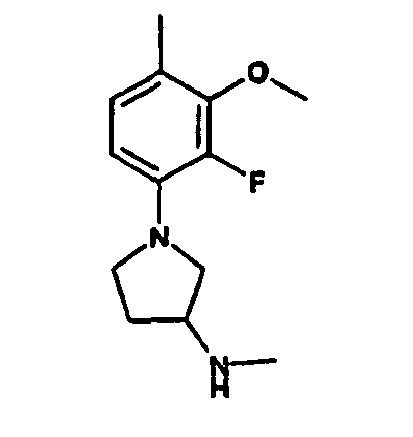
0.42 (MeOH: CH2Cl2=1:4) DMSO-d6: 0.94(d, 6H), 1.68-1.76(m, 1H), 1.99-2.07(m, 1H), 2.29(s, 3H), 3.05-3.49(m, 6H), 3.75(s, 3H), 6.36-6.40(m, 1H), 7.10-7.37(m, 3H), 7.70-7.80(m, 1H), 8.08-8.39(m, 3H), 9.24(s. 1H) 19-13 
0.50 (MeOH: CH2Cl2=1:4) CDCl3: 1.01(d, 6H), 1.94-1.96(m, 1H), 2.01 (s, 3H), 2.29-2.37(m, 1H), 3.19-3.58(m, 5H), 3.86(s, 3H), 4.42(d, 1H), 4.59-4.63(m, 1H), 5.70(d, 1H), 6.05-6.08(m, 1H), 6.15-6.16(m, 1H), 7.17-7.24(m, 2H), 7.53-7.57(m, 1H), 7.90(d, 1H), 7.91-7.98(m, 1H), 8.09(s, 1H), 8.47(d, 1H), 8.91 (s, 1H) 19-14 
0.53 (MeOH: CH2Cl2=1:4) CDCl3: 1.00(d, 6H), 2.04(s, 3H), 2.05-2.29(m, 2H), 2.96(s, 3H), 3.19-3.54(m, 5H), 3.86(s, 3H), 4.57-4.63(m, 1H), 5.39-5.46(m, 1H), 6.07-6.09(m, 1H), 6.16(d, 1H), 7.18-7.26(m, 2H), 7.53-7.57(m, 1H), 7.89-7.98(m, 2H), 8.08(s, 1H), 8.47(d, 1H), 8.94(d, 1H) 19-15 
0.56 (MeOH: CH2Cl2=1:4) DMSO-d6 : 0.93(d, 6H), 1.48-1.56(m, 2H), 1.65-1.75(m, 4H), 1.90-1.93(m, 2H), 2.05-2.15(m, 1H), 2.45-2.55(m, 5H), 2.69-2.75(m, 2H), 3.61 (d, 2H), 3.74(s, 1H), 6.42-6.51 (m, 1H), 6.61 (d, 1H), 7.18-7.22(m, 1H), 7.37(d, 1H), 7.43-7.47(m, 1H), 7.80(d, 1H), 7.81-7.89(m, 1H), 8.16(d, 1H), 8.46-8.48(m, 1H), 9.31(s, 1H) 19-16 
0.56 (MeOH: CH2Cl2=1:4) DMSO-d6 : 0.92(d, 6H), 1.65-1.75(m, 4H), 1.88-2.00(m, 4H), 2.39-2.43(m, 2H), 2.60-2.65(m, 2H), 3.03-3.07(m, 1H), 3.03-3.40(m, 2H), 3.70(s, 3H), 3.77-3.78(m, 1H), 6.09(d, 1H), 6.23(s, 1H), 7.13-7.17(m, 1H), 7.23-7.25(m, 1H), 7.30-7.42(m, 1H), 7.78(d, 1H), 7.86(d, 1H), 8.10(s, 1H), 8.13(s, 1H), 8.40-8.50(m, 1H), 9.31 (s, 1H) 19-17 
0.23 (n-hexane: AcOEt=1:1) DMSO-d6 : 0.93(d, 6H), 1.24-1.57(m, 4H), 1.69-1.78(m, 2H), 1.98-2.04(m, 1H), 2.15-2.33(m, 5H), 2.70-2.80(m, 1H), 3.74(s, 3H), 3.91-3.94(m, 1H), 4.05-4.09(m, 1H), 6.46-6.49(m, 1H), 6.63(d, 1H), 7.18-7.22(m, 1H), 7.42-7.46(m, 2H), 7.80(d, 1H), 7.89(d, 1H), 8.17(s, 1H), 8.25(s, 1H), 8.42 -8.44(m, 1H), 9.31 (s, 1H) 19-18 
0.48 (n-hexane: AcOEt=1:1) DMSO-d6 : 0.93(d, 6H), 1.03(t, 3H), 1.13(t. 3H), 1.42-1.81(m, 4H), 2.57-2.83(m, 4H), 3.17-3.41 (m, 4H), 3.65-3.75(m, 1H), 3.80(s, 3H), 4.21 (bs, 1H), 6.42-6.47(m, 2H), 6.51 (d, 1H), 6.63(d, 1H), 7.18-7.22(m, 1H), 7.38-7.47(m, 2H), 7.80-7.82(m, 1H), 7.89(d, 1H), 8.16(s, 1H), 8.47 -8.49(m, 1H), 9.31 (s, 1H) 19-19 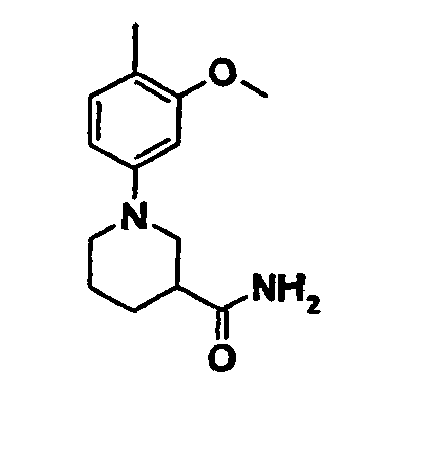
0.44 (CH2Cl2:M eOH=9:1) CDCl3: 1.45-1.62 (m, 2H), 1.72-1.78 (m, 1H), 1.82-1.90 (m, 1H), 2.40-2.46 (m, 1H), 2.61-2.75 (m, 2H), 3.75-3.70 (m, 2H), 3.76 (s, 3H), 6.45 (dd, 1H), 6.62 (d, 1H), 6.85 (s, 1H), 7.19-7.23 (m, 1H), 7.36-7.48 (m, 3H), 7.80-7.82 (m, 1H), 7.85-7.93 (br, 1H), 8.16 (s, 2H), 8.43-8.52 (m, 1H), 9.31 (s, 1H) 19-20 
Ms : 547 DMSO-d6 : 0.94 (d, 6H), 1.73-1.82 (m, 1H), 2.23-2.33 (m, 4H), 2.34-2.41 (m, 1H), 2.54-2.62 (m, 1H), 2.62-2.69 (m, 1H), 2.77-2.82 (m, 1H), 3.25-3.35 (m, 1H), 3.74 (s, 3H), 4.85-4.92 (m, 1H), 6.4 (dd, 1H), 6.57 (d, 1H), 7.16-7.24 (m, 1H), 7.38-7.51 (m, 1H), 7.81 (d, 1H), 7.82-7.94 (m, 1H), 8.16 (s, 1H), 8.22 (brs, 1H), 8.38-8.48 (m, 1H), 9.3 (brs, 1H) 19-21 
Ms : 579 DMSO-d6 : 0.92 (d, 6H), 1.61-1.71 (m, 2H), 1.86-1.96 (m, 2H), 2.12-2.22 (m, 5H), 2.57-2.64 (m, 2H), 3.2-3.4 (m, 1H), 3.77 (s, 3H), 4.27-4.35(m, 1H), 6.86 (dd, 1H), 7.19-7.27 (m, 1H), 7.39-7.46 (m, 1H), 7.81 (dd, 1H), 7.84-7.92 (m, 1H), 8.21 (s, 1H), 8.36-8.42 (m, 1H), 8.62 (s, 1H), 9.28 (s, 1H) 19-22 
Ms : 549 DMSO-d6 : 0.90 (s, 6H), 0.94 (d, 6H), 2.9 (d, 2H), 3.24 (d, 2H), 3.25-3.35(m, 1H), 3.27-3.36 (m, 1H), 3.68 (s, 3H), 4.58 (t, 1H), 5.3 (t, 1H), 6.16 (dd, 1H), 6.39 (d, 1H), 7.13 (d, 1H), 7.15-7.21 (m, 1H), 7.35-7.45 (m, 1H), 7.8 (dd, 1H), 7.83-7.92 (m, 1H), 8.09 (s, 1H), 8.11 (s, 1H), 8.45-8.57 (m, 1H), 9.33 (s, 1H) 19-23 
Rf : 0.51 (n-hexane : AcOEt=1:1) DMSO-d6 : 0.94 (d, 6H), 1.22 (s, 6H), 3.25-3.35 (m, 1H), 3.36 (d, 2H), 3.68 (s, 3H), 4.73-4.79 (brs, 1H), 4.81 (t, 1H), 6.29 (dd, 1H), 6.44 (d, 1H), 7.14-7.22 (m, 2H), 7.38-7.46 (m, 1H), 7.8 (dd, 1H), 7.85-7.9 (m, 1H), 8.1 (s, 1H), 8.13 (s, 1H), 8.45-8.55 (m, 1H), 9.32 (s, 1H) 19-24 
Ms : 577 DMSO-d6 : 0.93 (d, 6H), 0.96 (s, 6H), 2.22 (s, 6H), 3.25-3.35 (m, 1H), 3.7 (s, 3H), 3.75 (s, 3H), 6.46 (dd, 1H), 6.62 (d, 1H), 7.16-7.23 (m, 1H), 7.38-7.47 (m, 1H), 7.81 (dd, 1H), 7.85-7.9 (m, 1H), 8.17 (s, 1H), 8.23 (s, 1H), 8.38-8.48 (m, 1H), 9.31 (s, 1H) 19-25 
Ms : 521 DMSO-d6 : 0.94 (d, 6H), 3.12 (t, 4H), 3.25-3.35 (m, 1H), 3.75 (t, 4H), 6.73 (dd, 1H), 6.85 (dd, 1H), 7.16-7.24 (m, 1H), 7.25-7.32 (m, 1H), 7.38-7.47 (m, 1H), 7.8 (dd, 1H), 7.88 (d, 1H), 8.18 (s, 1H), 8.42-8.52 (m, 1H), 8.86 (s, 1H), 9.36 (s, 1H) 19-26 
Ms : 565 DMSO-d6 : 0.93 (d, 6H), 2.4-2.56 (m, 4H), 2.69 (t, 2H), 3.25-3.38 (m, 1H), 3.59 (t, 4H), 4.11 (t, 1H), 6.75 (dd, 1H), 6.93 (dd, 1H), 7.16-7.23 (m, 1H), 7.3-7.4 (m, 1H), 7.4-7.38 (m, 1H), 7.8 (dd, 1H), 7.88 (d, 1H), 8.19 (s, 1H), 8.36-8.5 (m, 1H), 8.92 (s, 1H), 9.34 (s, 1H) 19-27 
Ms : 614 DMSO-d6 : 0.93 (d, 6H), 1.3-1.62 (m, 8H), 1.75-1.85 (m, sH), 2.26-2.4 (m, 1H), 2.4-2.58 (m, 4H), 3.28-3.38 (m, 1H), 3.68-3.78 (m, 5H), 6.42 (dd, 1H), 6.64 (d, 1H), 7.18-7.24 (m, 1H), 7.42-7.5 (m, 2H), 7.77 (d, 1H), 7.82 (dd, 1H), 8.13 (s, 1H), 8.17 (s, 1H), 8.4-8.5 (m, 1H), 9.36 (s, 1H) 19-28 
Rf : 0.5 (MeOH: CH2Cl2=3: 7) DMSO-d6 : 0.93 (d, 6H), 1.6-1.7 (m, 2H), 1.88-1.98 (m, 2H), 2.17-2.35 (m, 5H), 2.6-2.73 (m, 2H), 3.25-3.4 (m, 1H), 4.34-4.44 (m, 1H), 6.75 (dd, 1H), 6.93 (dd, 1H), 7.16-7.23 (m, 1H), 7.29-7.36 (m, 1H), 7.37-7.47 (m, 1H), 7.8 (dd, 1H), 7.89 (d, 1H), 8.19 (s, 1H), 8.36-8.46 (m, 1H), 8.92 (s, 1H), 9.31 (s, 1H) 19-29 
Ms : 577 DMSO-d6 : 0.93 (d, 6H), 2.45-2.55 (m, 4H), 2.7 (t, 2H), 3.25-3.35 (m, 1H), 3.59 (t, 3H), 3.76 (s, 3H), 4.1 (t, 1H), 6.48 (dd, 1H), 6.65 (d, 1H), 7.18-7.24 (m, 1H), 7.4-7.5 (m, 2H), 7.82 (dd, 1H), 7.88 (d, 1H), 8.17 (s, 1H), 8.24 (s, 1H), 8.4-8.48 (m, 1H), 9.31 (s, 1H) 19-30 
Ms : 590 DMSO-d6 : 0.93 (d, 6H), 2.15 (s, 3H), 2.2-2.4 (m, 4H), 2.4-2.6 (m, 4H), 2.69 (t, 2H), 3.25-3.35 (m, 1H), 3.75 (s, 3H), 4.08 (t, 2H), 6.47 (dd, 1H), 6.64 (d, 1H), 7.18-7.24 (m, 1H), 7.41-7.49 (m, 2H), 7.81 (dd, 1H), 7.86-7.91 (m, 1H), 8.17 (s, 1H), 8.24 (s, 1H), 8.39-8.46 (m, 1H), 9.31 (s, 1H) 19-31 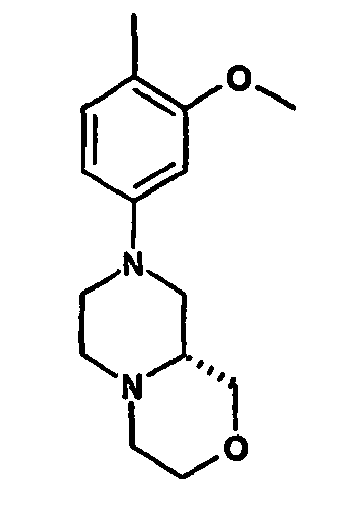
Ms : 588 DMSO-d6 : 0.94 (d, 6H), 2.19-2.36 (m, 4H), 2.66-2.85 (m, 3H), 3.15-3.21 (m, 1H), 3.73-3.8 (m, 5H), 6.43 (dd, 1H), 6.63 (d, 1H), 7.18-7.25 (m, 1H), 7.4 (d, 1H), 7.43-7.5 (m, 1H), 7.81 (dd, 1H), 7.89 (d, 1H), 8.16 (s, 1H), 8.17 (s, 1H), 8.42-8.52 (m, 1H), 9.32 (s, 1H) 19-32 
Ms: 560 CDCl3: 1.01 (s, 6H), 1.45-1.56 (m, 2H), 2.03-2.11 (m, 2H), 2.11-2.2 (m, 2H), 2.31 (s, 3H), 2.78-2.87 (m, 2H), 3.22-3.31 (m, 1H), 3.39-3.5 (m, 1H), 3.82 (s, 3H), 4.5-4.6 (m, 1H), 6.13 (dd, 1H), 6.21 (d, 1H), 7.16 (s, 1H), 7.18-7.24 (m, 1H), 7.5-7.57 (m, 1H), 7.82 (d, 1H), 7.97 (dd, 1H), 8.16 (s, 1H), 8.08 (s, 1H), 8.46 (d, 1H), 8.92 (s, 1H) - The following 2[5-chloro-2-(subst.phenylamino)-pyrimidin-4-ylamino]-N-methyl-benzenesulfonamides are prepared from 2-(5-chloro-2-chloro-pyrimidin-4-ylamino)-N-methyl-benzenesulfonamide and the corresponding aniline following the procedure of Example A

ExpINo. Rx Rf (solvent) or MS NMR (400MHz), δ (ppm) 20-1 
0.50 (AcOEt) CDCl3: 2.63(d, 3H), 3.14(t, 4H), 3.87-3.90(m,7H), 4.64(m, 1H), 6.45(dd. 1H), 6.55(d, 1H), 7.23-7.26(m, 1H), 7.51-7.55(m, 1H), 7.91 (d, 1H), 7.95(dd, 1H), 8.06(s, 1H), 8.47(d, 1H), 9.26(s, 1H) 20-2 
m/z 546, 548 (M+1) DMSO-d6: 2.06 (s, 3H), 2.43 (s, 3H), 3.10 (m, 2H), 3.16 (m, 2H), 3.59-3.62 (m, 4H), 3.77 (s, 3H), 6.49 (dd, 1H), 6.68 (d, 1H), 7.21-7.25 (m. 1H), 7.42 (d, 1H), 7.49 (dd, 1H), 7.75-7.77 (m, 1H), 7.78(s, 1H), 8.16(s, 1H), 8.21 (s, 1H), 8.50(d, 1H), 9.35 (s, 1H) 20-3 
0.27 (n-hexane: AcOEt=3:1) CDCl3: 2.65(d, 3H), 4.45-4.49(m, 1H), 6.99-7.04(m, 1H), 7.17-7.28(m, 4H), 7.56-7.60(m, 1H), 7.96-7.98(m, 1H), 8.18(s, 1H), 8.31-8.34(m, 1H), 8.41-8.44(m, 1H), 9.14(s, 1H) 20-4 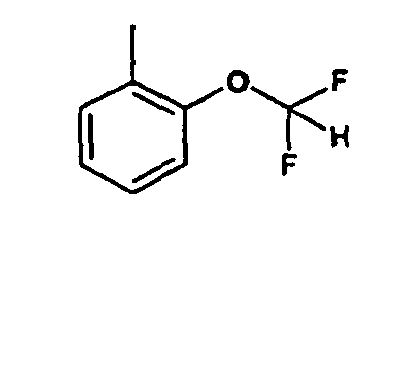
0.27 (n-hexane: AcOEt=3:1) CDCl3: 2.65(d, 3H), 4.54-4.58(m, 1H), 6.53(dd, 1H), 6.98-7.02(m, 1H), 7.11-7.15(m, 2H), 7.24-7.28(m, 1H), 7.35(bs, 1H), 7.57-7.61 (m, 1H), 7.95-7.98(m, 1H), 8.16(s, 1H), 8.29-8.32(m, 1H), 8.42-8.46(m, 1H), 9.14(s, 1H) 20-5 
0.46 (MeOH: CH2Cl2=1:4) CDCl3: 1.95-2.00(m, 5H), 2.29-2.37(m, 1H), 2.62(d, 3H), 3.20-3.78(m, 4H), 3.86(s, 3H), 4.60-4.64(m, 2H), 5.68-5.69(m, 1H), 6.09-6.16(m, 2H), 7.15(bs, 1H), 7.19-7.23(m, 1H), 7.54-7.58(m, 1H), 7.88-7.95(m, 2H), 8.06(s, 1H), 8.55-8.57(m, 1H), 9.08(s, 1H) 20-6 
518 [M+1]+ DMSO-d6: 2.23(s, 3H), 2.43(s, 3H), 2.45-2.50(m, 4H), 3.12-3.17(m, 4H), 3.76(s, 3H), 6.45(dd, 1H), 6.63(d, 1H), 7.22(dd, 1H), 7.37(d, 1H), 7.45-7.50(m, 1H), 7.74-7.78(m, 1H), 7.76(d, 1H), 8.15(s, 1H), 8.19(s, 1H), 8.46-8.53(m, 1H), 9.35(bs, 1H) 20-7 
504 [M+1]+ DMSO-d6: 2.43(s, 3H), 2.80-2.89(m, 4H), 2.99-3.07(m, 4H), 3.76(s, 3H), 6.44(dd, 1H), 6.61(d, 1H), 7.18-7.24(m, 1H), 7.37(d, 1H), 7.44-7.50(m, 1H), 7.76(dd, 1H), 8.15(s, 1H), 8.18(s, 1H), 8.45-8.55(m, 1H), 9.20-9.45(m, 1H) 20-8 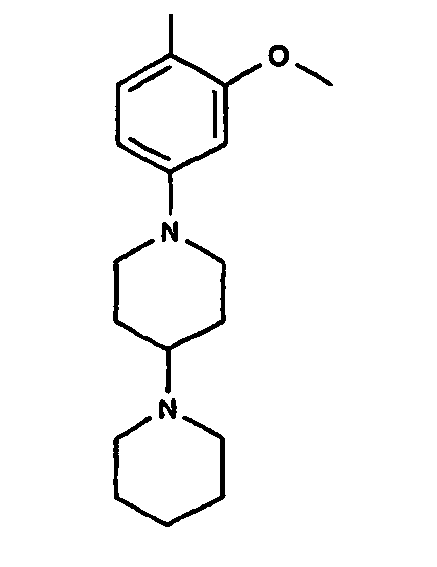
586 [M+1]+ DMSO-d6: 1.35-1.43(m, 2H), 1.45-1.61 (m, 6H), 1.75-1.85(m, 2H), 2.30-2.40(m, 1H), 2.43(d, 3H), 2.42-2.55(m, 4H), 2.60-2.70(m, 2H), 3.68-3.77(m, 2H), 3.75(s, 3H), 6.45(dd, 1H), 6.62(d, 1H), 7.21 (dd, 1H), 7.36(d, 1H), 7.43-7.51(m, 1H), 7.73-7.81(m, 1H), 7.75(dd, 1H), 8.15(s, 1H), 8.17(s, 1H), 8.45-8.52(m, 1H), 9.34(bs, 1H) 20-9 
569 [M+1]+ DMSO-d6: 1.85-1.95(m, 2H), 2.15(s, 3H), 2.18(t, 2H), 2.22-2.40(m, 8H), 2.43(s, 3H), 4.17(t, 2H), 6.65(d, 1H), 7.06(dd, 1H), 7.20(d, 1H), 7.22(ddd, 1H), 7.25(d, 1H), 7.39-7.47(m, 2H), 7.72-7.82(m, 1H), 7.77(dd, 1H), 8.26(s, 1H), 8.52(d, 1H), 9.22(s, 1H), 9.36(s, 1H) 20-10 
556 [M+1]+ DMSO-d6: 1.85-1.95(m, 2H), 2.19(t, 2H), 2.25-2.35(m, 4H), 2.43(s, 3H), 3.55-3.60(m, 4H), 4.19(t, 2H), 6.66(d, 1H), 7.06(dd, 1H), 7.17-7.24(m, 1H), 7.21(d, 1H), 7.27(d, 1H), 7.39-7.45(m, 1H), 7.44(d, 1H), 7.70-7.80(m, 1H), 7.76(dd, 1H), 8.26(s, 1H), 8.52(d, 1H), 9.21 (s, 1H), 9.36(s, 1H) 20-11 
Rf (Hexane: AcOEt=1:1) 0.29 DMSO-d6: 2.64 (d, 3H), 2.87-2.96 (m, 4H), 3.65-3.74 (m, 4H), 3.86 (s, 3H), 4.41-4.51 (m, 1H), 6.50 (dd, 1H), 6.81 (d, 1H), 7.55-7.64 (m, 2H), 7.96 (d, 1H), 8.01 (s, 1H), 8.19 (s, 1H), 8.49 (d, 1H), 9.07 (s, 1H). 20-12 
MS 535 DMSO-d6: 2.64 (d, 3H), 3.05 (bs, 4H), 3.59 (bs, 3H), 3.87(bs, 3H), 3.89 (bs, 4H), 4.52-4.48 (m, 1H), 6.57(bs, 1H), 7.25-7.20(m, 1H), 7.44-7.32 (m, 1H), 7.63-7.52 (m, 1H), 7.94(bs, 1H), 8.06 (d, 1H), 8.25(s, 1H), 8.48(d, 1H), 9.06(bs, 1H) 20-13 
MS 548 DMSO-d6: 2.17 (bs, 3H), 2.63 (d, 3H), 2.68 (bs, 4H), 3.10(bs, 4H), 3.57 (s, 3H), 4.54-4.46 (m, 1H), 6.59(bs, 1H), 7.27-7.18(m, 1H), 7.37 (bs, 1H), 7.62-7.55 (m, 1H), 7.94(bs, 1H), 7.95 (d, 1H), 8.16(s, 1H), 8.48(d, 1H), 9.04(bs, 1H) 20-14 
MS 546 DMSO-d6: 1.06 (t, 3H), 1.86 (dd, 2H), 2.37 (s, 3H), 2.62-2.59 (m, 4H), 2.64(d, 3H), 4.00-3.97 (m, 4H), 4.62-4.54 (m, 1H), 6.44 (dd, 1H), 6.54(d, 1H), 7.27-7.22(m, 1H), 7.34(bs, 1H), 7.58-7.54(m, 1H), 7.95(dd, 1H), 8.02(d, 1H), 8.11 (s, 1H), 8.53(d, 1H), 9.07(bs, 1H) 20-15 
LC-MS 545 DMSO-d6: 1.46-1.62 (m, 2H), 1.72-1.79 (m, 1H), 1.82-1.90 (m, 1H), 2.38-2.46 (m, 1H), 2.43 (s, 3H), 2.62-2.76 (m, 2H), 3.59-3.69 (m, 2H), 3.43 (s, 3H), 6.47 (dd, 1H), 6.63 (d, 1H), 6.82-6.89 (br, 1H), 7.21 (dd, 1H), 7.32-7.41 (m, 2H), 7.44-7.52 (m, 1H), 7.71-7.82 (m, 2H), 8.15 (s, 1H), 8.15-8.20 (br, 1H), 8.44-8.53 (m, 1H), 9.28-9.38 (m, 1H) 20-16 
0.24 (CH2Cl2:M eOH=8:2) DMSO-d6: 1.47-1.55 (m, 2H), 1.80-1.91 (m, 2H), 2.16 (s, 3H), 2.25-2.41 (m, 5H), 2.42-2.48 (m, 3H), 2.61-2.73 (m, 2H), 3.68-3.79 (m, 5H), 6.45 (dd, 1H), 6.62 (d, 1H), 7.21 (dd, 1H), 7.34 (d, 1H), 7.45-7.49 (m, 1H), 7.73-7.80 (m, 2H), 8.15 (s, 1H), 8.20 (s, 1H), 8.45-8.54 (m, 1H), 9.34 (s, 1H) 20-17 
LC-MS 518 DMSO-d6: 1.76-1.84 (m, 1H), 2.08-2.16 (m, 1H), 2.33 (s, 3H), 2.42 (s, 3H), 3.00-3.03 (m, 1H), 3.23-3.27 (m, 3H), 3.42-3.46 (m, 1H), 3.74 (s, 3H), 6.06 (dd, 1H), 6.18- 6.20 (m, 1H), 7.17-7.23 (m, 1H), 7.38-7.48 (br, 1H), 7.72-7.77 (m, 1H), 8.12 (s, 1H), 8.17-8.21 (br, 1H), 8.46-8.58 (br, 1H), 9.30-9.40 (br, 1H) 20-18 
LC-MS 601 DMSO-d6: 1.36-1.49 (m, 2H), 1.69-1.76 (m, 2H), 2.13 (s, 3H), 2.15-2.23 (m, 1H), 2.24-2.36 (br, 4H), 2.39-2.48 (m, 5H), 2.43 (s, 3H), 3.27-3.40 (m, 2H), 3.74 (s, 3H), 6.62 (dd, 1H), 6.90 (d, 1H), 7.22-7.26 (m, 1H), 7.41-7.46 (m, 1H), 7.49-7.53 (m, 1H), 7.55-7.86 (br, 1H), 7.77 (dd, 1H), 8.16 (s, 1H), 8.25 (s, 1H), 8.42 (d, 1H), 9.28 (s, 1H) 20-19 
LC-MS 519 DMSO-d6: 1.37-1.46 (m, 2H), 1.69-1.75 (m, 2H), 2.43 (s, 3H), 2.53-2.61 (m, 2H), 3.18-3.26 (m, 2H), 3.40-3.74 (m, 2H), 4.62 (d, 1H), 6.62 (dd, 1H), 6.90 (d, 1H), 7.22-7.26 (m, 1H), 7.42-7.46 (br, 1H), 7.48-7.55 (m, 1H), 7.77-7.80 (m, 2H), 8.13-8.18 (br, 1H), 8.25 (s, 1H), 8.40-8.45 (m, 1H), 9.25-9:30 (m, 1H) 20-20 
LC-MS 532 DMSO-d6: 1.66-1.76 (m, 1H), 2.00-2.07 (m, 1H), 2.14 (s, 6H), 2.43 (s, 3H), 2.68-2.76 (m, 1H), 2.87-2.91 (m, 1H), 2.99-3.10 (m, 2H), 3.24-3.28 (m, 1H), 3.71 (s, 3H), 6.25 (dd, 1H), 6.90 (d, 1H), 7.00-7.03 (m, 1H), 7.21-7.24 (m, 1H), 7.40-7.45 (m, 1H), 7.78-7.83 (m, 2H), 8.19 (s, 1H), 8.24 (s, 1H), 8.46 (d, 1H), 9.27-9.36 (br, 1H) 20-21 
Ms : 549 DMSO-d6: 2.37-2.47 (m, 4H), 2.48-2.53 (m, 3H), 2.64 (t, 2H), 3.57 (t, 3H), 3.77 (s, 3H), 3.92 (t, 2H), 6.61(dd, 1H), 6.93 (d, 1H), 7.28 (dd, 1H), 7.56-7.63 (m, 2H), 7.75-7.85 (m, 2H), 7.74-7.84 (m, 2H), 8.14 (s, 1H), 8.29 (s, 1H) 8.46 (d, 1H), 9.33(s, 1H) 20-22 
Ms:562 DMSO-d6: 2.20 (s, 3H), 2.3-2.5 (m, 11H), 2.64 (t, 2H), 3.77 (s, 3H), 3.91 (t, 2H), 6.61(dd, 1H), 6.94 (d, 1H), 7.25-7.31 (m, 1H), 7.57 (d, 1H), 7.58-7.64 (m, 1H), 7.74-7.84 (m, 2H), 8.12 (brs, 1H), 8.28 (s, 1H) 8.46 (d, 1H), 9.33(brs, 1H) 20-23 
Ms:438 DMSO-d6: 2.42-2.45 (m, 3H), 3.83 (s, 2H), 6.8 (ddd, 1H), 7.02 (dd, 1H), 7.3-7.36 (m, 1H), 7.58-7.64 (m, 1H), 7.74-7.8 (m, 1H), 7.82 (dd, 1H), 7.85 (dd, 1H), 8.18 (brs, 1H), 8.31 (s, 1H), 8.41 (d, 1H), 9.3 (brs, 1H) 20-24 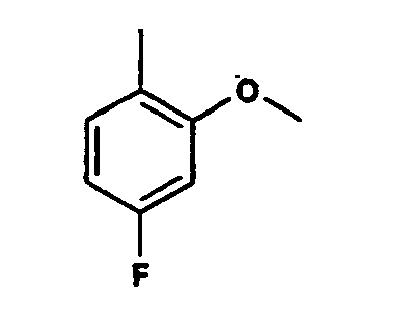
Ms:438 DMSO-d6: 2.41-2.45 (m, 3H), 3.79 (s, 2H), 6.74 (ddd, 1H), 7.0 (dd, 1H), 7.22-7.28 (m, 1H), 7.49-7.55 (m, 1H), 7.6 (dd, 1H), 7.75-7.8 (m, 2H), 8.21 (s, 1H), 8.37 (brs, 1H), 8.39-8.45 (m, 1H), 9.34 (brs, 1H) 20-25 
Ms:547 DMSO-d6: 1.24-1.38 (m, 2H), 1.64-1.8 (m, 3H), 1.83-1.92 (m, 2H), 2.16 (s, 3H), 2.41-2.45(m, 3H), 2.76-2.83 (m, 2H), 3.75 (s, 3H), 3.84 (d, 2H), 6.48 (dd, 1H), 6.64 (d, 1H), 7.2-7.25 (m, 1H), 7.41 (d, 1H), 7.43-7.5 (m, 1H), 7.74-7.8 (m, 2H), 8.16 (s, 1H), 8.26 (brs, 1H) 8.44-8.5 (m, 1H), 9.34 (brs, 1H) 20-26 
Ms:547 DMSO-d6: 1.18-1.3 (m, 2H), 1.56-1.7 (m, 3H), 1.8-1.88 (m, 2H), 2.15 (s, 3H), 2.41-2.45(m, 3H), 2.73-2.8 (m, 2H), 3.75 (s, 3H), 3.65 (d, 2H), 3.77 (s, 3H), 6.57 (dd, 1H), 6.93 (d, 1H), 7.25 (dd, 1H), 7.51-7.6 (m, 2H), 7.7-7.9 (m, 2H), 8.09 (brs, 1H), 8.28 (s, 1H), 8.45 (d, 1H), 9.31 (brs, 1H) 20-27 
Ms:533 DMSO-d6: 1.62-1.72 (m, 2H), 1.9-1.99 (m, 2H), 2.3-2.35 (m, 5H), 2.41-2.45(m, 3H), 2.64-2.74 (m, 2H), 3.75 (s, 3H), 4.35-4.43 (m, 1H), 6.52 (dd, 1H), 6.65 (d, 1H), 7.19-7.25 (m, 1H), 7.41 (d, 1H), 7.43-7.49 (m, 1H), 7.74-7.8 (m, 2H), 8.16 (s, 1H), 8.27 (brs, 1H), 8.42-8.5 (m, 1H), 9.34 (brs, 1H) 20-28 
Ms:547 DMSO-d6: 0.96-1.2 (m, 2H), 1.75-1.9 (m, 1H), 2.2-2.3 (m, 1H), 2.35-2.45 (m, 1H), 2.41-2.45(m, 2H), 2.43(d, 3H), 2.6-3.0 (m, 3H), 3.76 (s, 3H), 4.85-5.0 (m, 1H), 6.43-6.49 (m, 1H), 6.57-6.64 (m, 1H), 7.18-7.25 (m, 1H), 7.39-7.52 (m, 2H), 7.73-7.83 (m, 2H), 8.17 (s, 1H), 8.27 (brs, 1H), 8.44-8.51 (m, 1H), 9.35 (brs, 1H) 20-29 
Ms:519 DMSO-d6: 1.74-1.83 (m, 1H), 2.23-2.31 (m, 1H), 2.28 (s, 3H), 2.35-2.4 (m, 1H), 2.41-2.45(m, 3H), 2.58-2.63 (m, 1H), 2.63-2.7 (m, 1H), 2.78-2.83 (m, 1H), 3.75 (s, 3H), 4.86-4.92 (m, 1H), 6.43 (dd, 1H), 6.58 (d, 1H), 7.19-7.25 (m, 1H), 7.41 (d, 1H), 7.44-7.51 (m, 1H), 7.73-7.83 (m, 2H), 8.16 (s, 1H), 8.26 (brs, 1H), 8.43-8.52 (m, 1H), 9.34 (brs, 1H) 20-30 
Ms : 533 DMSO-d6: 1.04 (t, 3H), 1.74-1.82 (m, 1H), 2.23-2.33 (m, 1H), 2.47-2.5(m, 6H), 2.62-2.72 (m, 2H), 2.8-2.87 (m, 1H), 3.75 (s, 3H), 4.86-4.92 (m, 1H), 6.44 (dd, 1H), 6.59 (d, 1H), 7.19-7.25 (m, 1H), 7.41 (d, 1H), 7.44-7.51 (m, 1H), 7.73-7.8 (m, 2H), 8.16 (s, 1H), 8.26 (brs, 1H), 8.44-8.51 (m, 1H), 9.34 (brs, 1H) 20-31 
Ms : 518 DMSO-d6: 2.23(s, 3H), 2.38-2.47 (m, 7H), 2.87-2.93 (m, 4H), 3.75 (s, 3H), 6.63 (dd, 1H), 6.93 (d, 1H), 7.22-7.28 (m, 1H), 7.42 (d, 1H), 7.48-7.54 (m, 1H), 7.76-7.84 (m, 1H), 8.2 (s, 1H), 8.25(s, 1H), 8.43 (dd, 1H) 9.29 (s, 1H) 20-32 
Ms : 586 DMSO-d6: 1.35-1.55 (m, 8H), 1.66-1.75 (m, 2H), 2.23(s, 3H), 2.41-2.45 (m, 3H), 3.74 (s, 3H), 6.63 (dd, 1H), 6.91 (d, 1H), 7.21-7.28 (m, 1H), 7.44 (d, 1H), 7.48-7.54 (m, 1H), 7.76-7.87 (m, 1H), 8.16 (s, 1H), 8.25 (s, 1H), 8.43 (dd, 1H) 9.29 (s, 1H) 20-33 
Ms : 518 DMSO-d6: 1.62-1.71 (m, 1H), 1.95-2.04 (m, 1H), 2.23-2.27 (m, 3H), 2.39-2.43 (m, 3H), 2.93-3.1 (m, 2H), 3.13-3.26 (m, 2H), 3.71 (s, 3H), 6.19 (dd, 1H), 6.88 (d, 1H), 7.07-7.13 (m, 1H), 7.13-7.2 (m, 1H), 7.4-7.48 (m, 1H), 7.75 (dd, 1H), 8.06 (brs. 1H), 8.18 (s, 1H), 8.4 (d, 1H) 20-34 
Ms : 546 DMSO-d6: 2.02 (m, 1H), 2.42-2.46 (m, 3H), 2.71-2.91 (m, 4H), 3.44-3.51 (m, 4H), 3.76 (s, 3H), 6.66 (dd, 1H), 6.94 (d, 1H), 7.21-7.27 (m, 1H), 7.75-7.85 (m, 2H), 8.19 (s, 1H), 8.26 (s, 1H), 8.41 (d, 1H), 9.28 (brs, 1H). 20-35 
MS (ESI) 464 (M+H) HPLC Retention time (min) 2.68 - The following 2-[5-chloro-2-(subst.phenylamino)-pyrimidin-4-ylamino]-N-sec-butyl-benzenesulfonamides are prepared from 2-(5-chloro-2-chloro-pyrimidin-4-ylamino)-N-sec-butylbenzenesulfonamide and the corresponding aniline following the procedure of Example 7A

ExplNo. Rx Rf (solvent) or MS NMR (400MHz), δ (ppm) 21-1 
0.35 (n-hexane: AcOEt=1:1) CDCl3: 0.62(t, 3H), 0.88(d, 3H), 1.22-1.29(m, 2H), 2.23(s,3H), 2.45-2.47(m, 4H), 3.05-3.14(m, 5H), 3.75 (s, 3H), 6.40-6.43(m, 1H), 6.62(s, 1H), 7.18-7.22(m, 1H), 7.39-7.47(m, 2H), 7.80-7.82(m, 1H), 8.15-8.16(m, 2H), 8.44-8.46(m, 1H), 9.32(s, 1H) 21-2 
0.30 (n-hexane: AcOEt=3:1) DMSO-d6 : 0.62(t, 3H), 0.87(d, 3H), 1.17-1.26(m, 2H), 3.03-3.10(m, 1H), 3.79(s, 3H), 6.66-6.71 (m, 1H), 6.96-7.00(m, 1H), 7.21-7.25(m, 1H), 7.47-7.51 (m, 1H), 7.60-7.64(m, 1H), 7.79-7.83(m, 2H), 8.21 (s, 1H), 8.31 (s, 1H), 8.35-8.37(m, 1H), 9.29(s, 1H) 21-3 
0.30 (n-hexane: AcOEt=1:1) DMSO-d6 : 0.61 (t, 3H), 0.87(d, 3H), 1.21-1.29(m, 2H), 1.58-1.67(m, 2H), 1.86-1.93(m, 2H), 2.14-2.20(m, 5H), 2.59-2.67(m, 2H), 3.06-3.08(m, 1H), 3.74(s, 3H), 4.32-4.36(m, 1H), 6.46-6.48(m, 1H), 6.63(d, 1H), 7.17-7.21 (m, 1H), 7.40-7.50(m, 2H), 7.79-7.81 (m, 2H), 8.16(s, 1H), 8.21 (bs, 1H), 8.35-8.42(m, 1H), 9.29(s, 1H) 21-4 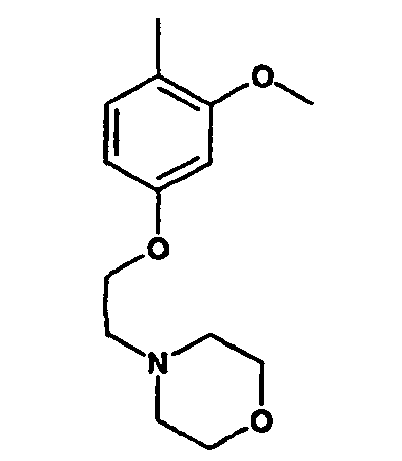
0.30 (n-hexane: AcOEt=1:1) DMSO-d6 : 0.61(t, 3H), 0.87(d, 3H), 1.22-1.29(m, 2H), 2.43-2.47(m, 2H), 2.61-2.63(m, 1H), 2.68-2.70(m, 2H), 3.04-3.11 (m, 1H), 3.56-3.60(m, 5H), 3.75(s, 3H), 3.93-3.96(m, 1H), 4.08-4.11 (m, 2H), 6.45-6.47(m, 1H), 6.64(d, 1H), 7.18-7.22(m, 1H), 7.43-7.46(m, 2H), 7.80-7.82(m, 2H), 8.17(s, H), 8.21 (s, 1H), 8.42-8.44(m, 1H), 9.31 (s, 1H) - The following 2-[5-chloro-2-(subst.phenylamino)-pyrimidin-4-ylamino]-N-iso-butyl-benzenesulfonamides are prepared from 2-(5-chloro-2-chloro-pyrimidin-4-ylamino)-N-sec-butylbenzenesulfonamide and the corresponding aniline following the procedure of Example 7A

ExpINo. Rx Rf (solvent) or MS NMR (400MHz), δ (ppm) 22-1 
0.30 (n-hexane: AcOEt=3:1) DMSO-d6 : 0.69(d, 6H), 1.52-1.59(m, 1H), 2.57-2.58(m, 2H), 3.82(s, 3H), 6.75-6.80(m, 1H), 6.99-7.02(m, 1H), 7.29-7.33(m, 1H), 7.56-7.60(m, 1H), 7.82-7.93(m, 3H), 8.14(bs, 1H), 8.31(s, 1H), 8.33(s, 1H), 9.23(s, 1H) 22-2 
0.30 (n-hexane: AcOEt=3:1) CDCl3: 0.74(d, 6H), 1.57-1.64(m, 1H), 2.72-2.76(m,2H), 3.88(s, 3H), 4.55-4.56(m, 1H), 6.52-6.57 (m, 1H), 6.62-6.65(m, 1H), 7.24-7.28(m, 2H), 7.36(bs, 1H), 7.56-7.60(m, 1H), 7.95-8.08(m, 1H), 8.10-8.14(m, 2H), 8.36-8.39(m, 1H), 8.98(bs, 1H) 22-3 
0.54 (AcOEt) DMSO-d6 : 0.73(d, 6H), 1.55-1.62(m, 1H), 2.56-2.59(m, 2H), 3.10-3.12(m, 4H), 3.74-3.76(m, 7H), 6.43-6.46(m, 1H), 6.65(d, 1H), 7.20-7.24(m, 1H), 7.40-7.48(m, 2H), 7.76-7.78(m, 1H), 7.90-7.95(m, 1H), 8.16(s, 1H), 8.17(s, 1H), 8.43-8.45(m, 1H), 9.32(s, 1H) - The following 2-[5-chloro-2-(subst.phenylamino)-pyrimidin-4-ylamino]-N-(1-ethyl-propyl)-benzenesulfonamides are prepared from 2-(5-chloro-2-chloro-pyrimidin-4-ylamino)-N-(1-ethyl-propyl)-benzenesulfonamide and the corresponding aniline following the procedure of Example 7A

ExplNo. Rx Rf (solvent) or MS NMR (400MHz), δ (ppm) 23-1 
0.46 (MeOH: CH2Cl2=3:7) DMSO-d6: 0.58(t, 6H), 1.14-1.34(m, 4H), 1.58-1.68(m, 2H), 1.87-1.96(m, 2H), 2.12-2.22(m, 2H), 2.18(s, 3H), 2.57-2.65(m, 2H), 2.86-2.96(m, 1H), 3.75(s, 3H), 4.30-4.39(m, 1H), 6.46(dd, 1H), 6.63(d, 1H), 7.19(dd, 1H), 7.39-7.48(m, 2H), 7.75-7.84(m, 2H), 8.18(s, 1H), 8.20 (s, 1H), 8.39(m, 1H), 9.33(bs, 1H) 23-2 
0.35 (n-hexane: AcOEt=1:1) CDCl3: 0.59(t, 6H), 1.14-1.34(m, 4H), 2.23(s,3H), 2.45-2.47(m, 4H), 2.90-2.95(m, 1H), 3.11-3.14(m, 4H), 3.76 (s, 3H), 6.39-6.42(m, 1H), 6.62(s, 1H), 7.18-7.22(m, 1H), 7.41-7.46(m, 2H), 7.76-7.82(m, 2H), 8.12(s, 1H), 8.16(s, 1H), 8.43-8.44(m, 1H), 9.35(s, 1H) 23-3 
0.41 (MeOH: CH2Cl2=1:4) DMSO-d6: 0.59(t, 6H), 1.16-1.35(m, 4H), 1.75-1.89(m, 1H), 2.08-2.15(m, 1H), 2.32(s, 3H), 2.90-3.02(m, 2H), 3.21-3.45(m, 4H), 3.73(s, 3H), 6.02(dd, 1H), 6.18(d, 1H), 7.16(dd, 1H), 7.27(d, 1H), 7.35-7.45(m, 1H), 7.77-7.82(m, 2H), 8.10 (s, 1H) 8.12 (s, 1H), 8.45-8.55(m, 1H), 9.38(s, 1H) 23-4 
0.41 (MeOH: CH2Cl2=1:4) DMSO-d6: 0.60(t, 6H), 1.04(t, 3H), 1.17-1.35(m, 4H), 1.76-1.83(m, 1H), 2.10-2.15(m, 1H), 2.56-2.64(m, 2H), 2.91-3.01 (m, 2H), 3.21-3.47(m, 4H), 3.74(s, 3H), 6.02(dd, 1H), 6.18(d, 1H), 7.14-7.17(m, 1H), 7.28(d, 1H), 7.35-7.45(m, 1H), 7.77-7.82(m, 2H), 8.11 (s, 1H) 8.12 (s, 1H), 8.45-8.55(m, 1H), 9.38(s, 1H) 23-5 
0.25 (n-hexane: AcOEt=1:1) DMSO-d6 : 0.58(t, 6H), 1.06-2.16(m, 11H), 2.16(s, 3H), 2.62-2.67(m, 1H), 2.81-2.94(m, 2H), 3.75(s, 3H), 3.80-3.89(m, 2H), 6.41-6.44(m, 1H), 6.62(d, 1H), 7.17-7.21 (m, 1H), 7.42-7.47(m, 2H), 7.77-7.82(m, 2H), 8.18(s, 1H), 8.19(s, 1H), 8.35 -8.42(m, 1H), 9.35(s, 1H) 23-6 
Ms : 561 DMSO-d6 : 0.59 (t, 6H), 1.14-1.38 (m, 4H), 2.87-2.98 (m, 1H), 3.1 (t, 4H), 3.72-3.79 (m, 7H), 6.42 (dd, 1H), 6.64 (d, 1H), 7.18-7.24 (m, 1H), 7.42-7.5 (m, 2H), 7.77 (d, 1H), 7.81 (dd, 1H), 8.13 (s, 1H), 8.17 (s, 1H), 8.4-8.5 (m, 1H), 9.36 (s, 1H) 23-7 
Ms: 575 DMSO-d6 : 0.58 (t, 6H), 1.13-1.37 (m, 4H), 1.72-1.82 (m, 1H), 2.21-2.31 (m, 4H), 2.32-2.4 (m, 1H), 2.54-2.61 (m, 1H), 2.62-2.68 (m, 1H), 2.75-2.82 (m, 1H), 2.87-2.97 (m, 1H), 3.75 (s, 3H), 4.84-4.91 (m, 1H), 6.37 (dd, 1H), 6.56 (d, 1H), 7.14-7.24 (m, 1H), 7.38-7.52 (m, 2H), 7.72-7.86 (m, 1H), 8.12-8.25 (m, 2H), 8.34-8.45 (m, 1H), 9.33 (brs, 1H) 23-8 
Ms : 605 DMSO-d6 : 0.58 (t, 6H), 1.14-1.36 (m, 4H), 2.43-2.53 (m, 4H), 2.69 (t, 2H), 2.89-2.95 (m, 1H), 3.59 (t, 4H), 3.76 (s, 3H), 4.09 (t, 1H), 6.45 (dd, 1H), 6.64 (d, 1H), 7.17-7.23 (m, 1H), 7.41-7.52 (m, 2H), 7.78 (d, 1H), 7.81 (dd, 1H), 8.18 (s, 1H), 8.19 (s, 1H), 8.36-8.46 (m, 1H), 9.35 (s, 1H) 23-9 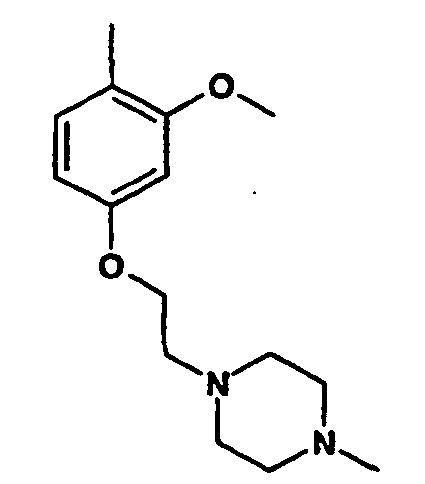
Ms : 618 DMSO-d6 : 0.58 (t, 6H), 1.14-1.37 (m, 4H), 2.15 (s, 1H), 2.25-2.4 (m, 4H), 2.45-2.55 (m, 4H), 2.68 (t, 2H), 2.88-2.97 (m, 1H), 3.76 (s, 3H), 4.07 (t, 1H), 6.44 (dd, 1H), 6.64 (d, 1H), 7.15-7.23 (m, 1H), 7.41-7.51 (m, 2H), 7.7-7.84 (m, 2H), 8.12-8.22 (m, 1H), 8.34-8.44 (m, 1H), 9.34 (s, 1H) - The following 2-[5-chloro-2-(subst.phenylamino)-pyrimidin-4-ylamino]-N-iso-butyl-benzenesulfonamides are prepared from 2-(5-chloro-2-chloro-pyrimidin-4-ylamino)-N-cyclobutylbenzenesulfonamide and the corresponding aniline following the procedure of Example 7A

ExplNo. Rx Rf (solvent) or MS NMR (400MHz), δ (ppm) 24-1 
0.35 (n-hexane: AcOEt=1:1) DMSO-d6 : 1.37-1.48(m, 2H), 1.69-1.91 (m, 4H), 3.09-3.12(m, 4H), 3.63-3.74(m, 1H), 3.76(s, 3H), 6.43-6.45(m, 1H), 6.63(d, 1H), 7.18-7.22(m, 1H), 7.41-7.47(m, 2H), 7.76-7.78(m, 1H), 8.17-8.24(m, 3H), 8.46(d, 1H), 9.33(s, 1H) 24-2 
0.46 (MeOH: CH2Cl2=3:7) DMSO-d6:1.37-1.93(m, 10H), 2.18(s, 3H), 2.59-2.62(m, 1H), 3.60-3.74(m, 1H), 3.77(s, 3H), 4.32-4.36(m, 1H), 6.46-6.49(m, 1H), 6.62(d, 1H), 7.16-7.20(m, 1H), 7.41-7.44(m, 2H), 7.75-7.77(m, 1H), 8.16(s, 1H), 8.22 (bs, 1H), 8.40-8.42(m, 1H), 9.30(bs, 1H) 24-3 
0.46 (MeOH: CH2Cl2=1:4) CDCl3: 1.45-1.75(m, 5H), 1.94-2.06(m, 6H), 2.29-2.37(m, 1H), 3.21-3.56(m, 4H), 3.72-3.81 (m, 1H), 3.86(s, 3H), 4.55-4.65(m, 1H), 4.90(d, 1H), 5.72(d, 1H), 6.07(bs, 1H), 6.15(bs, 1H), 7.18-7.22(m, 2H), 7.52-7.56(m, 1H), 7.89-7.94(m, 2H), 8.08(s, 1H), 8.50(d, 1H), 9.00(s, 1H) 
Expl No. Rx Ms NMR (400MHz), δ (ppm) 25-1 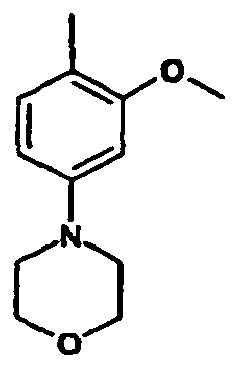
Ms : 559 DMSO-d6 : 1.2-1.38 (m, 4H), 1.4-1.65 (m, 4H), 3.11 (t, 4H), 3.42-3.5 (m, 1H), 3.7-3.8 (m, 7H), 6.44 (dd, 1H), 6.64 (d, 1H), 7.18-7.26 (m, 1H), 7.38-7.5 (m, 2H), 7.81 (d, 1H), 7.88-7.96 (m, 1H), 8.16 (s, 1H), 8.17 (s, 1H), 8.4-8.5 (m, 1H), 9.34 (s, 1H) 25-2 
Ms : 587 DMSO-d6 : 1.2-1.38 (m, 4H), 1.42-1.6 (m, 6H), 1.88-1.98 (m, 2H), 2.1-2.25 (m, 5H), 2.55-2.65 (m, 2H), 3.4-3.5 (m, 1H), 3.74 (s, 3H), 4.3-4.4 (m, 1H), 6.48 (dd, 1H), 6.63 (d, 1H), 7.18-7.24 (m, 1H), 7.38-7.47 (m, 1H), 7.77-7.82 (m, 1H), 7.88-7.96 (m, 1H), 8.17 (s, 1H), 8.22 (s, 1H), 8.36-8.46 (m, 1H), 9.31 (s, 1H) - The following 5-Chloro-N2-(substituted phenyl)-N4-[2-(propane-1-sulfonyl)-phenyl]-pyrimidine-2,4-diamine are prepared from (2,5-Dichloro-pyrimidin-yl)-[2-(propane-1-sulfonyl)-phenyl]-amine and the corresponding aniline following the procedure of Example 7A

ExplNo. Rx Rf (solvent) , MS or Mp NMR (400MHz), δ (ppm) 26-1 
0.58 (AcOEt) CDCl3: 0.97(t,3H), 1.72-1.82(m, 2H), 3.08-3.14(m, 6H), 3.87-3.89(m, 7H), 6.46(dd, 1H), 6.53(d,1H), 7.24-7.28(m,1H), 7.30(s, 1H), 7.60-7.64(m, 1H), 7.94(dd, 1H), 8.05(d, 1H), 8.15(s, 1H), 8.59(d, 1H), 9.40(s, 1H) 26-2 
0.57 (MeOH: AcOEt=1:4) CDCl3: 0.98(t, 3H), 1.85-1.68(m, 2H), 2.15(s, 3H), 3.16-3.07(m, 6H), 3.67-3.62(m, 2H), 3.81-3.78(m, 2H), 3.89(s, 3H), 6.47(d, 1H), 6.55(d, 1H), 7.36-7.33(m, 1H), 7.62 (dd, 1H), 7.95(dd, 1H), 8.08(d, 1H), 8.15(s, 1H),8.58(d, 1H), 9.41 (s, 1H) 26-3 
0.13 (MeOH: AcOEt=1:4) CDCl3: 0.97(t, 3H), 1.43-1.52(m, 2H), 1.52-1.67 (m, 4H), 1.69-1.72(m, 4H), 1.90-1.98(m, 2H), 2.34-2.46(m, 1H), 2.51-2.59(m, 4H), 2.64-2.74(m, 2H), 3.11 (dd, 2H), 3.64-3.73(m, 2H), 3.87(s, 3H), 6.47(dd, 1H), 6.56 (d, 1H), 7.24-7.33(m, 1H), 7.62(dd, 1H), 7.94(dd, 1H), 8.00(d, 1H), 8.14(s, 1H), 8.59(d, 1H), 9.39(bs, 1H). 26-4 
0.22 (AcOEt) CDCl3: 0.97(t, 3H), 1.45(d, 1H), 1.68-1.82(m, 4H), 2.0-2.1 (m, 2H), 2.91 (ddd, 2H),3.10(ddd, 2H), 3.46-3.51 (m, 2H), 3.84-3.92(m, 1H), 3.88 (s, 1H), 6.48(dd, 1H), 6.57(d, 1H), 7.23-7.32 (m, 1H), 7.62(dd, 1H), 7.94(dd,1H), 8.02 (dd, 1H), 8.14(s, 1H), 8.59(d, 1H), 9.39(bs, 1H) 26-5 
0.1 (AcOEt) CDCl3: 0.97(t, 3H), 1.71-1.82(m, 2H), 1.86-1.98(m, 2H), 2.01-2.08(m, 2H), 2.25-2.37(m, 1H), 2.75 (ddd, 2H), 3.10(ddd, 2H), 3.63-3.66(m, 2H), 3.88(s, 3H), 5.25-5.40(m, 1H), 5.40-5.58 (m, 1H), 6.48(dd, 1H), 6.57(d, 1H), 7.22-7.34 (m, 1H), 7.62(ddd, 1H), 7.93 (d, 1H), 7.94 (dd, 1H), 8.02 (d, 1H), 8.14(s, 1H), 8.59(d, 1H), 9.40(m, 1H) 26-6 
MS 587 CDCl3: 0.97 (t, 3H), 1.77 (ddd, 2H), 2.00-1.85 (m, 4H), 2.27-2.18(m, 1H), 2.72(ddd, 2H) 3.12-3.08 (m, 2H), 3.69-3.61 (m, 2H), 3.58-3.46(m, 1H), 3.64 (t, 2H), 3.80(t, 2H), 3.88(s,3H), 5.56-5.46 (m, 1H), 6.47(dd, 1H), 6.55(d, 1H), 7.32-7.23 (m, 1H), 7.30(bs, 1H), 7.64-7.60(m, 1H), 7.94(dd, 1H), 8.02(d, 1H), 8.14(s, 1H), 8.59(d, 1H), 9.40(s, 1H) 26-7 
MS 587 CDCl3: 0.98 (t, 3H), 1.46(bs, 6H) 1.82-1.73 (m, 2H), 2.17(s, 3H), 3.58-3.46(m, 1H), 2.95-2.84 (m, 2H), 3.12-3.08 (m, 2H), 3.90(s,3H), 6.48(dd, 1H), 6.52(d, 1H), 7.30-7.22 (m, 1H), 7.31 (bs, 1H), 7.66-7.60(m, 1H), 7.95(dd, 1H), 8.06(d, 1H), 8.15(s, 1H), 8.59(d, 1H), 9.43(s, 1H) 26-8 
MS 573 CDCl3: 0.97 (t, 3H), 1.19(t, 3H), 1.77 (ddd, 2H), 2.41 (m, 2H), 3.18-3.09(m, 6H), 3.68-3.64 (m, 2H), 3.85-3.78 (m, 2H), 3.89(s,3H), 6.47(dd, 1H), 6.55(d, 1H), 7.29-7.25 (m, 1H), 7.34(bs, 1H), 7.64-7.60(m, 1H), 7.95(dd, 1H), 8.07(d, 1H), 8.15(s, 1H), 8.58(d, 1H), 9.41 (s, 1H) 26-9 
MS 587 CDCl3: 0.97 (t, 3H), 1.17(d, 3H) 1.76 (ddd, 2H), 2.88-2.81 (m, 2H), 3.18-3.05(m, 6H), 3.74-3.67 (m, 2H), 3.86-3.78 (m, 2H), 3.89(s,3H), 6.47(dd, 1H), 6.55(d, 1H), 7.29-7.20(m, 1H), 7.34(bs, 1H), 7.64-7.60(m, 1H), 7.95(dd, 1H), 8.07(d, 1H), 8.15(s, 1H), 8.58(d, 1H), 9.41(s, 1H) 26-10 
MS 517 CDCl3: 0.97 (t, 3H), 1.76 (ddd, 2H), 2.86(d, 3H), 3.14-3.08(m, 2H), 3.13(t, 4H), 3.55 (t, 4H), 3.89(s,3H), 4.48-4.39 (m, 1H), 6.46(dd, 1H), 6.55(d, 1H), 7.29-7.21 (m, 1H), 7.34(bs, 1H), 7.64-7.60(m, 1H), 7.95(dd, 1H), 8.06(d, 1H), 8.15(s,1H), 8.58(d, 1H), 9.41 (s, 1H) 26-11 
MS 587 CDCl3: 0.98 (t, 3H), 1.51 (s, 6H), 1.82-1.72 (m, 1H), 2.13 (s, 3H), 3.12-3.08 (m, 2H), 3.26(s, 2H), 3.44 (t, 2H), 3.74(t, 2H), 3.88(s,3H), 5.56-5.46 (m, 1H), 6.45(dd, 1H), 6.51 (d, 1H), 7.00(bs, 1H), 7.62-7.58 (m, 1H), 7.64-7.60(m, 1H), 7.93(d, 1H), 7.96(dd, 1H), 8.13(s, 1H), 8.62(d, 1H), 9.42(s, 1H) 26-12 
MS 559 CDCl3: 0.98 (t, 3H), 1.81-1.71 (m, 3H), 1.95-1.84 (m, 3H), 2.68-2.63(m, 1H), 3.12-3.08 (m, 4H), 3.28(d, 2H), 3.89(s,3H), 5.45-5.38 (m, 1H), 6.53(dd, 1H), 6.59(d, 1H), 6.71-6.62 (m, 1H), 7.28-7.21 (m, 1H), 7.35(bs, 1H), 7.65-7.61 (m, 1H), 7.95(dd, 1H), 8.08(d, 1H), 8.15(s, 1H), 8.58(d, 1H), 9.41 (s, 1H) 26-13 
MS 559 CDCl3: 0.98 (t, 3H), 1.81-1.71 (m, 3H), 1.95-1.84 (m, 3H), 2.68-2.63(m, 1H), 3.12-3.08 (m, 4H), 3.28(d, 2H), 3.89(s,3H), 5.45-5.38 (m, 1H), 6.53(dd, 1H), 6.59(d, 1H), 6.71-6.62 (m, 1H), 7.28-7.21 (m, 1H), 7.35(bs, 1H), 7.65-7.61 (m, 1H), 7.95(dd, 1H), 8.08(d, 1H), 8.15(s, 1H), 8.58(d, 1H), 9.41 (s, 1H) 26-14 
MS 559 CDCl3: 0.98 (t, 3H), 1.85-1.74 (m, 3H), 2.00-1.86 (m, 3H), 2.70-2.51 (m, 1H), 3.13-3.08 (m, 4H), 3.29-3.27 (m, 2H), 3.89(s,3H), 5.46-5.37 (m, 1H), 6.53(dd, 1H), 6.59(d, 1H), 6.69-6.56 (m, 1H), 7.29-7.19 (m, 1H), 7.34(bs, 1H), 7.65-7.61 (m, 1H), 7.95(dd, 1H), 8.08(d, 1H), 8.15(s, 1H), 8.58(d, 1H), 9.41 (s, 1H) 26-15 
MS 559 CDCl3: 0.99(t, 3H), 1.79-1.72 (m, 2H), 2.92 (t, 2H), 2.98(t, 2H), 3.16-3.12 (m, 2H), 3.53(t, 2H), 3.67(t, 2H), 3.87(s,3H), 6.54(dd, 1H), 6.82 (d, 1H), 7.29-7.19 (m, 1H), 7.56(bs, 1H), 7.67-7.62(m, 1H), 7.96(dd, 1H), 8.07(d, 1H), 8.21 (s, 1H), 8.59(dd, 1H), 9.46(s, 1H) 26-16 
MS 561 CDCl3: 0.98 (t, 3H), 1.81-1.72 (m, 2H), 2.49 (t, 4H), 2.66 (t, 2H), 3.12-3.08(m, 2H), 3.18 (t, 2H), 3.74(t, 4H), 3.86(s,3H), 6.53(dd, 1H), 6.20(dd, 1H), 6.26 (d, 1H), 7.13(bs, 1H), 7.25-7.21 (m, 1H), 7.62-7.57(m, 1H), 7.87(dd, 1H), 7.93(dd, 1H), 8.12(s, 1H), 8.62(d, 1H), 9.40(s, 1H) 26-17 
MS 518 CDCl3: 0.98 (t, 3H), 1.78-1.73 (m, 2H), 2.49 (t, 4H), 2.66 (t, 2H), 2.94-2.92 (m, 4H), 3.15-3.11(m, 2H), 3.76-3.73(m, 4H), 3.88(s,3H), 6.52(dd, 1H), 6.82(d, 1H), 7.28-7.24 (m, 1H), 7.57(bs, 1H), 7.25-7.21 (m, 1H), 7.68-7.63(m, 1H), 7.95(dd, 1H), 8.02(d, 1H), 8.20(s, 1H), 8.56(d, 1H), 9.41 (s, 1H) 26-18 
MS 559 CDCl3: 0.97 (t, 3H), 1.81-1.72 (m, 2H), 2.08-2.00 (m, 2H), 2.49 (t, 4H), 2.66 (t, 2H), 2.40 (t, 2H), 3.59 (t, 2H), 3.69(t, 2H), 3.87(s,3H), 6.41 (dd, 1H), 6.51 (d, 1H), 7.29-7.25 (m, 2H), 7.65-7.60(m, 1H), 7.95(dd, 1H), 8.05(d, 1H), 8.15(s, 1H), 8.56(d, 1H), 9.41 (s, 1H) 26-19 
MS 587 CDCl3: 0.98 (t, 3H), 1.82-1.73 (m, 2H), 2.14 (s, 3H), 3.12-3.08 (m, 2H), 3.55-3.45(m, 2H), 3.66-3.56 (m, 4H), 3.79-3.68 (m, 2H), 3.95(s,3H), 6.95(dd, 1H), 7.03 (d, 1H), 7.32-7.28(m, 1H), 7.69-7.64 (m, 1H), 7.71 (s, 1H), 7.97(dd, 1H), 8.22 (s, 1H), 8.39(d, 1H), 8.52(d, 1H), 9.46(s, 1H) 26-20 
MS 546 CDCl3: 0.97 (t, 3H), 1.82-1.73 (m, 2H), 3.12-3.08 (m, 2H), 3.80-3.58(m, 8H), 3.94(s,3H), 6.94(dd, 1H), 7.02 (d, 1H), 7.32-7.28(m, 1H), 7.69-7.64 (m, 1H), 7.32-7.28(m, 1H), 7.97(dd, 1H), 8.21 (s, 1H), 8.34(d, 1H), 8.52(d, 1H), 9.45(s, 1H) 26-21 
MS 615 CDCl3: 0.97 (t, 3H), 1.82-1.72 (m, 2H), 2.71 (t, 3H), 3.05 (s, 2H), 3.10 (m, 2H), 3.18 (t, 4H), 3.88(s,3H), 4.17-4.08 (m, 1H), 6.47 (dd, 1H), 6.54 (d, 1H), 6.99-6.89(m, 1H), 7.28-7.24 (m, 1H), 7.31 (bs, 1H), 7.65-7.60 (m, 1H), 7.32-7.28(m, 1H), 7.95(dd, 1H), 8.05 (d, 1H), 8.15(s, 1H), 8.59(d, 1H), 9.41 (s, 1H) 26-22 
MS 530 CDCl3: 0.98 (t, 3H), 1.80-1.74 (m, 2H), 3.12-3.08 (m, 2H), 3.45-3.42 (m, 2H), 3.55-3.53 (m, 2H), 3.87 (s, 2H), 3.89(s,3H), 5.98-5.89 (m, 1H), 6.44 (dd, 1H), 6.50(d, 1H), 7.35-7.19 (m, 2H), 7.62-7.58(m, 1H), 7.95(dd, 1H), 8.09 (d, 1H), 8.15(s, 1H), 8.57(d, 1H), 9.43(s, 1H) 26-23 
MS 558 CDCl3: 0.97 (t, 3H), 1.10 (s, 3H), 1.12 (s, 3H), 1.80-1.74(m, 2H), 2.80-2.63 (m, 5H), 3.12-3.08 (m, 2H), 3.19-3.17 (m, 4H), 3.87(s,3H), 6.48 (dd, 1H), 6.56(d, 1H), 7.30-7.23 (m, 2H), 7.62-7.58(m, 1H), 7.94(dd, 1H), 8.00 (d, 1H), 8.14(s, 1H), 8.59(d, 1H), 9.40(s, 1H) 26-24 
MS 544 CDCl3: 0.98 (t, 3H), 1.81-1.72 (m, 2H), 2.03-1.91 (m, 1H), 2.28-2.19 (m, 1H), 2.33 (s, 6H), 2.92-2.84 (m, 1H), 3.12-3.08 (m, 2H), 3.17(t, 1H), 3.35(ddd, 1H), 3.51-3.42 (m, 2H), 3.87 (s, 3H), 6.11 (dd, 1H), 6.14 (d,1H), 7.09 (s, 1H), 7.26-7.20(m, 1H), 7.60-7.56 (m, 1H), 7.85(d, 1H), 7.92(dd, 1H), 8.11 (s, 1H), 8.38(d, 1H), 9.41 (s, 1H) 26-25 
MS 530 CDCl3: 0.98 (t, 3H), 1.82-1.71 (m, 2H), 1.96-1.86 (m, 1H), 2.33-2.20 (m, 1H), 2.51 (s, 1H), 3.17-3.08 (m, 3H), 3.35-3.30 (m, 1H), 3.54-3.30 (m, 3H), 3.87 (s, 3H), 6.12 (dd, 1H), 6.16 (d, 1H), 7.09 (s, 1H), 7.32-7.21 (m, 1H), 7.58 (dd, 1H), 7.85(d, 1H), 7.92(dd, 1H), 8.11 (s, 1H), 8.64(d, 1H), 9.40(s, 1H) 26-26 
MS 546 CDCl3: 0.98 (t, 3H), 1.83-1.71 (m, 2H), 1.98-1.81 (m, 2H), 2.16-2.02(m, 2H), 2.53-2.28 (m, 5H), 2.87-2.72 (m, 2H), 3.12-3.08 (m, 2H), 3.88 (s, 3H), 4.32 (bs, 3H), 6.44 (dd, 1H), 6.53(d, 1H), 7.32-7.25 (m, 2H), 7.63-7.59 (m, 2H), 7.94(dd, 1H), 8.04 (d, 1H), 8.15(s, 1H), 8.57(d, 1H), 9.42(s, 1H) 26-27 
MS 545 CDCl3: 0.97 (t, 3H), 1.38-1.30 (m, 1H), 1.49-1.40 (m, 2H), 1.70-1.62 (m, 1H), 1.83-1.72 (m, 2H), 1.89 (d, 2H), 2.74-2.10 (m, 2H), 3.12-3.08 (m, 2H), 3.57 (d, 2H), 3.63 (d, 2H), 3.90 (s,3H), 6.50 (d, 1H), 6.58 (s, 1H), 7.34-7.24 (m, 2H), 7.64-7.60(m, 1H), 7.94(dd, 1H), 8.02 (d, 1H), 8.14(s, 1H), 8.60(dd, 1H), 9.40(s, 1H) 26-28 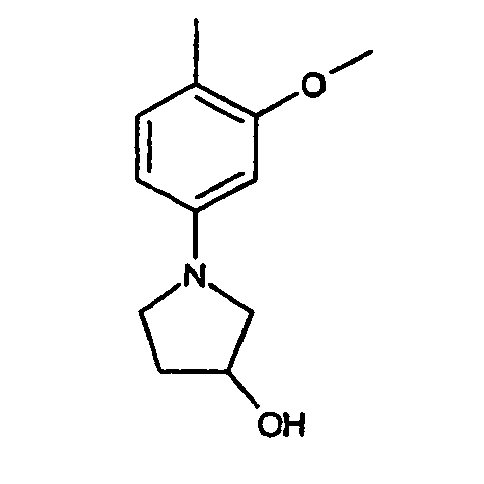
MS 517 CDCl3: 0.97 (t, 3H), 1.88-1.65 (m, 3H), 2.05-1.97 (m, 2H), 2.21-2.08 (m, 1H), 2.67-2.55 (m, 4H), 2.78-2.71 (m, 2H), 3.12-3.08 (m, 2H), 3.61 (d, 2H), 3.87 (s,3H), 6.47 (dd, 1H), 6.56 (d, 1H), 7.28-7.23 (m, 2H), 7.64-7.60(m, 1H), 7.94(dd, 1H), 7.99 (d, 1H), 8.13(s, 1H), 8.60(dd, 1H), 9.39(s, 1H) 26-29 
MS 585 CDCl3: 0.97 (t, 3H), 1.89-1.65 (m, 8H), 2.03 (d, 2H), 2.20-2.10 (m, 1H), 2.68-2.58 (m, 4H), 2.78-2.72 (m, 2H), 3.12-3.08 (m, 2H), 3.61 (d, 2H), 3.87(s,3H), 6.47 (dd, 1H), 6.56(d, 1H), 7.30-7.23 (m, 2H), 7.64-7.60(m, 1H), 7.94(dd, 1H), 7.99 (dd, 1H), 8.13(s, 1H), 8.60(dd, 1H), 9.39 (s, 1H) 26-30 
MS 451,453 0.97 (t, 3H), 1.71-1.82 (m, 2H), 3.06-3.14 (m, 2H), 3.89 (s, 1H), 6.60 (ddd, 1H), 6.66 (dd, 1H), 7.25-7.30 (m, 1H), 7.35 (br.s, 1H), 7.63 (dd, 1H), 7.95 (dd, 1H), 8.09-8.18 (m, 1H), 8.17 (s, 1H), 8.52 (dd, 1H), 9.42 (s, 1H). 26-31 
MS 647,649 0.98 (t, 3H), 1.71-1.83 (m, 2H), 2.18 (s, 3H), 2.47-2.64 (m, 4H), 2.72-2.84 (m, 2H), 3.08-3.15 (m, 2H), 3.42-3.54 (m, 2H), 3.58-3.69 (m, 2H), 3.84 (s, 3H), 3.94-4.03 (m, 2H), 6.45-6.51 (m, 1H), 6.78 (d, 1H), 7.22-7.27 (m, 1H), 7.60 (s, 1H), 7.67-7.74 (m, 1H), 7.93-7.97 (m, 1H), 7.73 (d, 1H), 8.02 (s, 1H), 8.54 (d, 1H), 9.33 (s, 1H). 26-32 
m.p. 139,4 400MHz, CDCl3, δ (ppm): 0.98 (t; 3H), 1.55-1.90 (m; 6H), 2.38 (s; 3H), 2.45-2.80 (m; 6H), 3.13 (m; 2H), 3.47 (m; 2H), 3.84 (s; 3H), 6.54 (dd; 1H), 6.79 (d; 1H), 7.23 (dd; 1H); 7.51 (s; 1H), 7.64 (dd: 1H), 7.92 (d; 1H), 8.00 (s; 1H), 8.19 (s; 1H), 8.57 (d; 1H), 9.41 (s; 1H). 26-33 
m.p. 163,4 400MHz, CDCl3, δ (ppm): 0.98 (t; 3H), 1.50-1.90 (m; 6H), 2.24 (bs; 1H), 2.45-2.65 (m; 6H), 3.12 (m; 2H), 3.45 (m; 2H), 3.77 (m; 4H9, 3.85 (s; 3H), 6.55 (dd; 1H); 6.79 (d; 1H), 7.24 (dd; 1H). 7.52 (s; 1H), 7.64 (dd; 1H), 7.93 (d; 1H), 8.01 (s; 1H), 8.20 (s; 1H9, 9.42 (s; 1H). 26-34 
m.p. 232,9 400MHz, CDCl3, δ (ppm): 1.00 (s; 3H), 1.78 (m; 2H), 2.83 (s; 3H), 3.03 (m; 2H), 3.12 (m; 2H), 3.38-3.60 (m; 8H), 3.88 (s; 3H), 6.56 (m; 1H), 6.82 (d; 1H), 7.29 (m; 1H), 7.60 (s; 1H), 7.64 (m; 1H), 7.95 (d; 1H), 8.12 (s; 1H), 8.20 (s; 1H), 8.59 (d; 1H), 9.50 (s; 1H). 26-35 
m.p. 197,3 400MHz, CDCl3, δ (ppm): 0.99 (t; 3H), 1.43 (m; 1H), 1.63 (m; 2H), 1.77 (m; 2H), 1.90 (m; 2H), 2.70 (m; 2H), 3.13 (m; 2H), 3.28 (m; 2H), 3.75 (s; 1H), 3.84 (s; 3H), 6.55 (m; 1H), 6.80 (d; 1H), 7.24 (m; 1H), 7.53 (s; 1H), 7.64 (s; 1H), 7.93 (d; 1H), 8.02 (s; 1H), 8.20 (s; 1H), 8.58 (d; 1H), 9.41 (s; 1H). 26-36 
m.p. 147,6 400MHz, CDCl3, δ (ppm): 1.00 (t; 3H), 1.78 (m; 2H), 3.12 (m; 2H), 3.56 (m; 1H), 3.87 (s; 3H), 6.53 (dd; 1H), 6.80 (d; 1H), 7.30 (dd; 1H), 7.52 (s; 1H), 7.64 (m; 1H), 7.95 (dd; 1H), 8.08 (s; 1H), 8.20 (s; 1H), 8.60 (d; 1H), 9.48 (s; 1H). 26-37 
m.p. 143.2 500MHz, CDCl3, δ (ppm): 0.96 (t; 3H), 1.70 (m; 2H), 2.11 (m; 1H), 2.39 (m; 1H), 2.75 (s; 3H), 3.02 (m; 1H), 3.22 (m; 2H), 3.43 (d; 2H), 3.82 (s; 3H), 3.86 (m; 1H), 6.40 (dd; 1H), 6.94 (d; 1H), 7.34 (ddd; 1H), 7.47 (s; 1H), 7.63 (ddd; 1H), 7.93 (dd; 1H), 8.18 (s; 1H), 8.51 (d; 1H). 26-38 
m.p. 133.5 400MHz, CDCl3, δ (ppm): 1.00 (t; 3H), 1.70-1.95 (m; 6H), 2.63 (s; 1H), 2,92 (s; 1H), 3.00-3.25 (m; 5H), 3.89 (s; 3H), 5.42 (s; 1H), 6.70 (s; 1H), 6.83 (m; 2H), 7.25 (m; 1H), 7.55 (s; 1H), 7.63 (m; 1H9, 8.95 (m; 1H), 8.15 (s; 1H), 8.23 (s; 1H), 8.54 (d; 1H), 9.45 (s; 1H). 26-39 
m.p. 188.8 400MHz, CDCl3, δ (ppm): 0.99 (t; 3H), 1.70-1.90 (m; 3H), 2.08 (m; 1H), 2.28 (s; 6H9, 2.83 (s; 1H), 3.00-3.23 (m; 4H9, 3.37 (m; 1H), 3.83 (s; 3H), 6.19 (dd; 1H), 6.83 (d; 1H), 7.23 (dd; 1H), 7.50 (s; 1H), 7.59 (m; 2H), 7.93 (d; 1H), 8.19 (s; 1H), 8.60 (d; 1H), 9.42 (s; 1H). - The following 5-Chloro-N2-(substituted phenyl)-N4-[2-ethanesulfonyl-phenyl]-pyrimidine-2,4-diamine are prepared from (2,5-Dichloro-pyrimidin-4-yl)-[2-ethanesulfonyl-phenyl]-amine and the corresponding aniline following the procedure of Example 7A

Expl No. Rx Rf (solvent) or MS NMR (400MHz), δ (ppm) or Retention time min. (HPLC) 27-1 
0.53 (AcOEt) CDCl3: 1.28(t,3H), 3.12-3.19(m, 6H), 3.87-3.89(m, 7H), 6.45(dd, 1H), 6.53(d,1H), 7.24-7.28(m, 1H), 7.31 (s, 1H), 7.60-7.64(m, 1H), 7.95(dd, 1H), 8.04(d, 1H), 8.14(s, 1H), 8.58(d, 1H), 9.39(s, 1H) 27-2 
585 (M+H) 2.38 27-3 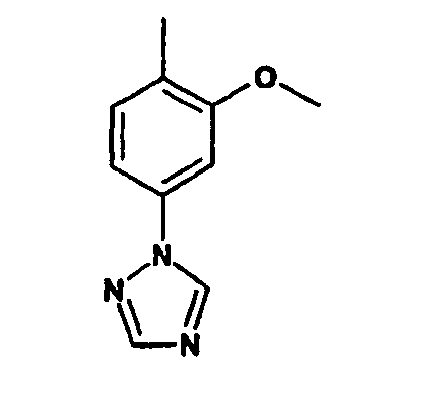
486 (M+H) 3.07 27-4 
587 (M+H) 2.29 27-5 
545 (M+H) 2.59 27-6 
545 (M+H) 2.45 27-7 
531 (M+H) 2.25 27-8 
545 (M+H) 2.45 27-9 
600 (M+H) 2.17 HPLC condition
Column: YMC CombiScreen ODS-A (5um, 12nm), 50 x 4.6 mm I.D.
Flow rate: 2.0 ml/min
Eluent: A) TFA/water (0.1/100), B) TFA/acetonitrile (0.1/100)
Gradient: 5-100%B (0-5min)
Detection: UV at 215nm - The following 5-Chloro-N2-(substituted phenyl)-N4-[2-(propane-2-sulfonyl)-phenyl)-pyrimidine-2,4-diamine are prepared from (2,5-Dichloro-pyrimidin-4-yl)-[2-(propane-2-sulfonyl)-phenyl]-amine and the corresponding aniline following the procedure of Example 7A
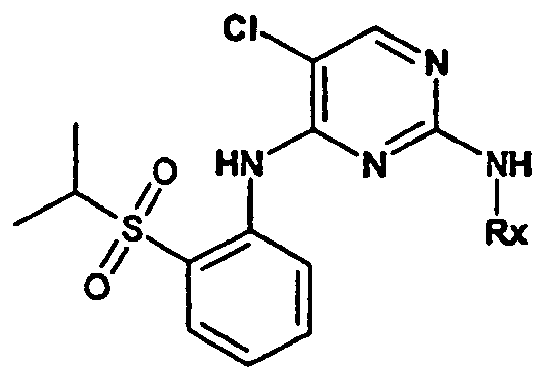
ExplN o. Rx Rf (solvent) or MS NMR (400MHz), δ (ppm) or Retention time min. (HPLC) 28-1 
0.2 (AcOEt) CDCl3: 1.31 (d, 6H), 1.85-1.73 (m, 1H), 1.86-1.98 (m, 3H), 2.62-2.70 (m, 1H), 3.11-3.13 (m, 2H), 3.21-8.28 (m, 1H), 3.28 (m, 2H), 3.88 8s, 3H), 5.41 (brs, 1H), 6.53 (d, 1H), 6.59 (d, 1H), 6.64 (brs, 1H), 7.28-7.34 (m, 1H), 7.34 (s, 1H), 7.60-7.67 (m, 1H), 7.91 (dd, 1H), 8.08 (d, 1H), 8.13 (s, 1H), 8.60 (d, 1H), 9.55 (s, 1H). 28-2 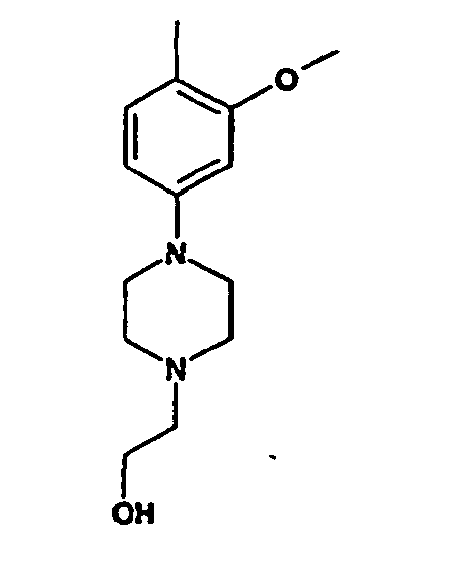
MS m/z 561, 563 (M+1). CDCl3: 1.31 (d, 6H), 2.64 (t, 2H), 2.68-2.77 (m, 4H), 3.19(t, 4H), 3.17-3.28(m, 1H), 3.68(t, 2H), 3.88(s, 3H), 6.48(dd, 1H), 6.55 (d, 1H), 7.23-7.32(m, 1H), 7.62(ddd, 1H), 7.91 (dd, 1H), 8.04(dd, 1H), 8.12(s, 1H), 8.60(d, 1H), 9.54(bs, 1H) 28-3 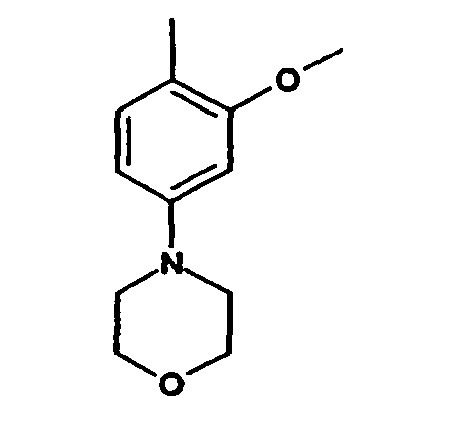
0.55 (AcOEt) CDCl3: 1.31(d, 6H), 3.12-3.14(m, 4H), 3.21-3.27(m, 1H), 3.87-3.89(m, 7H), 6.46(dd, 1H), 6.53(d,1H), 7.23-7.27(m, 1H), 7.30(s, 1H), 7.59-7.64(m, 1H), 7.91 (dd, 1H), 8.05(d, 1H), 8.14(s, 1H), 8.60(d, 1H), 9.55(s, 1H) 28-4 
0.37 (AcOEt) CDCl3: 1.32(d, 6H), 3.21-3.27(m, 1H), 4.00(s, 1H), 7.11 (dd, 1H), 7.26-7.27(m, 1H), 7.29-7.33(m, 1H), 7.64(s, 1H), 7.66-7.71 (m, 1H), 7.95(dd, 1H), 8.10(s, 1H), 8.21 (s, 1H), 8.46(d, 1H), 8.50(s, 1H), 8.54(d, 1H), 9.59(s, 1H) 28-5 
0.03 (AcOEt) CDCl3: 1.31(d, 6H), 1.67-1.77(m, 2H), 1.95-2.05 (m, 2H), 2.39-2.48 (m, 1H), 2.48-2.61(m, 2H), 2.63-2.78(m, 8H), 3.24 (sept, 1H), 3.71-3.63 (m, 2H), 3.87(s, 3H), 6.47(dd, 1H), 6.55 (d, 1H), 7.21-7.28(m, 1H), 7.61(ddd, 1H), 7.91(dd, 1H), 8.00(dd, 1H), 8.12(s, 1H), 8.60(d, 1H), 9.53(bs, 1H) 28-6 
502 (M+H) 2.84 28-7 
478 (M+H) 4.53 28-8 
MS 599 CDCl3: 1.31(d, 6H),1.51-1.42(m, 2H), 1.67-1.53(m, 4H), 1.81-1.68(m, 2H), 1.96-1.89(m, 2H), 2.47-2.36(m, 1H), 2.57-2.54(m, 4H), 2.69(dd, 2H)3.24(sept, 1H), 3.67(d,1H), 3.87(s, 1H), 6.48 (dd, 1H), 6.56 (d, 1H), 7.31-7.21 (m, 1H), 7.63-7.59 (m, 1H), 8.00(d, 1H), 8.12(s, 1H), 8.60(d, 1H), 9.55(s, 1H) 28-9 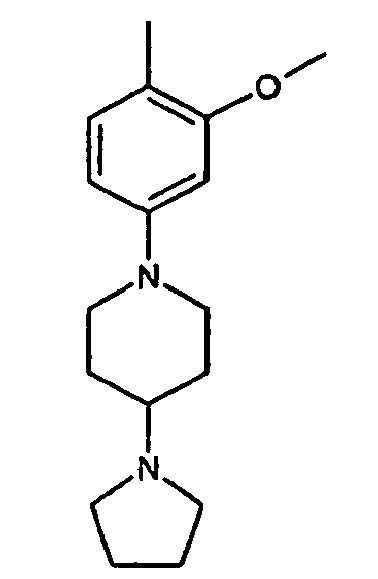
MS 585 CDCl3: 1.26 (t, 3H), 1.31(d, 6H),1.74-1.68(m, 2H), 1.85-1.76(m, 4H), 2.08-1.98(m, 2H), 2.19-2.10(m, 2H), 2.67-2.58(m, 4H), 2.79-2.72(m, 2H), 3.24(sept, 1H) 3.61 (d, 2H), 3.87(s,3H), 6.48(dd, 1H), 6.56 (d, 1H), 7.29-7.22 (m, 1H), 7.62(dd, 1H), 7.90(dd, 1H), 7.99(d, 1H), 8.12(s, 1H), 8.60(d, 1H), 9.53(s, 1H) 28-10 
MS 559 CDCl3: 1.31 (d, 6H), 1 .59-1.37(m, 2H), 1.81-1.69(m, 1H), 1.87(d, 2H), 2.73-2.67(m, 2H), 3.28-3.21 (m, 1H), 3.37(s, 3H),3.61 (d, 1H),3.87(s, 3H),6.49(dd, 1H), 6.57(s, 1H), 7.31-7.21 (m, 1H),7.64-7.60 (m, 1H), 7.91 (dd, 1H), 8.00(d, 1H), 8.60(d, 1H) 9.53(s, 1H) 28-11 
MS 558 CDCl3: 1.31 (d, 6H), 2.15(s, 3H), 3.12(ddd, 4H), 3.24(sept, 1H), 3.64 (t, 2H), 3.80(t, 2H), 3.89(s, 3H),6.47(dd, 1H),6.55(d, 1H),7.29-7.24(m, 1H),7.33(bs, 1H), 7.62(m, 1H),7.92(dd, 1H), 8.08(d, 1H), 8.14(s, 1H), 8.60(d, 1H) 9.55(s, 1H) 28-12 
MS 544 CDCl3: 1.16, (t, 3H), 1.31 (d, 6H), 2.56-2.44(b, 2H), 2.71-2.60 (m, 4H), 3.28-3.17(m, 5H), 3.88(s, 3H), 6.48(dd, 1H),6.58(d, 1H),7.30-7.22(m, 1H), 7.63-7.58(m, 1H),7.90(dd, 1H), 8.01 (d, 1H), 8.12(s, 1H), 8.60(d, 1H) 9.54(s, 1H) 28-13 
MS 601 CDCl3: 1.31(d, 6H, J=6.55),1.75-1.63(m, 2H),2.00-1.91 (m, 2H),2.37-2.27(m, 1H),2.60 (t, 4H, J=4.79), 2.74-2.59(m, 2H), 3.24(sept, 1H), 3.66 (d, 2H, J=12.1), 3.75(t, 4H, J=4.53), 3.88(s, 3H), 6.48(dd, 1H, J=2.52, 8.56),6.56(d, 1H, J=2.52),7.33-7.22(m, 1H), 7.64-7.59 (m, 1H),7.91 (dd, 1H, J=8.05, 1.51), 8.01 (d, 1H, J=8.56), 8.12(s, 1H), 8.61 (d, 1H, J=7.55) 9.54(s, 1H) 28-14 
MS 559 CDCl3: 1.11 (d, 6H, J=6.55), 1.31 (d, 6H, J=7.05), 2.82-2.68(m, 5H), 3.20-3.17(m, 4H), 3.28-3.17(m, 1H), 3.87(s, 3H), 6.48(dd, 1H, J=2.52, 8.56),6.56(d, 1H, J=2.52),7.33-7.24(m, 1H), 7.62-7.58(m, 1H),7.90(dd, 1H, J=), 8.01 (d, 1H, J=8.56), 8.12(s, 1H), 8.60(d, 1H, J=8.56) 9.54(s, 1H) 28-15 
MS 559 CDCl3: 1.31 (d, 6H, J=7.05), 1.97-1.85(m, 2H), 2.17-1.98(m, 2H), 2.35-2.25(m, 1H), 2.75(m, 2H), 3.24(sept, 1H), 3.65(d, 2H), 3.88(s, 3H), 5.30 (bs, 1H), 5.48(bs, 1H), 6.48(dd, 1H, J=2.51, 8.56), 6.56(d, 1H, J=2.52), 7.33-7.21 (m, 1H), 7.62 (m, 1H), 7.91 (dd, 1H, J=1.51, 8.06), 8.03(dd, 1H, J=3.02, 8.56), 8.13(s, 1H), 8.60(d, 1H, J=8.57), 9.54(s, 1H) 28-16 
MS 532 CDCl3: 1.31 (d, 6H, J=7.06), 1.46-1.43(m, 1H), 1.79-1.68(m, 2H), 2.08-1.99(m, 2H),2.99-2.88(m, 2H), 3.24(sept, 1H), 3.51-3.45(m, 2H), 3.91-3.80(m, 1H), 3.88(s, 3H), 6.49(dd, 1H, J=2.52, 8.56),6.57(d, 1H, J=2.52),7.34-7.23(m, 1H), 7.64-7.60(m, 1H),7.91 (dd, 1H, J=1.51, 8.06), 8.02(dd, 1H, J=3.02, 9.06), 8.13(s, 1H), 8.60(d, 1H, J=8.06) 9.53 (s, 1H) 28-17 
MS 532 CDCl3: 1.31 (d, 6H, J=6.96), 2.18-2.12(m, 2H), 3.24(sept, 1H),3.37-3.32(m, 2H), 3.39(s, 3H), 3.43(d, 1H, J=8.56), 3.51 (dd, 1H, J=5.04, 10.6), 3.87(s, 3H), 4.17-4.09 (m,1H) 6.13 (dd, 1H, J=2.51, 8.56),6.16(d, 1H, J=2.52),7.09(bs, 1H),7.31-7.21 (m, 1H), 7.60-7.56 (m, 1H),7.85(d, 1H, J=8.56), 7.89(dd, 1H, J=1.51, 8.06), 8.10(s, 1H), 8.65(d, 1H, J=9.06) 9.54 (s, 1H) 28-18 
MS 546 CDCl3: 1.31 (d, 6H, J=7.05), 1.82-1.70(m, 2H), 2.08-1.99(m, 2H),2.96-2.87(m, 2H), 3.24(sept, 1H), 3.41-3.33(m, 1H), 3.40(s, 3H),3.51-3.42(m, 2H), 3.87(s, 3H), 6.49(dd, 1H, J=2.52, 9.07),6.57(d, 1H, J=2.52),7.32-7.22(m, 1H), 7.64-7.60 (m, 1H),7.91 (dd, 1H,), 8.00(dd, 1H, J=3.02, 9.06), 8.12(s, 1H), 8.60(d, 1H, J=8.56) 9.53 (s, 1H) 28-19 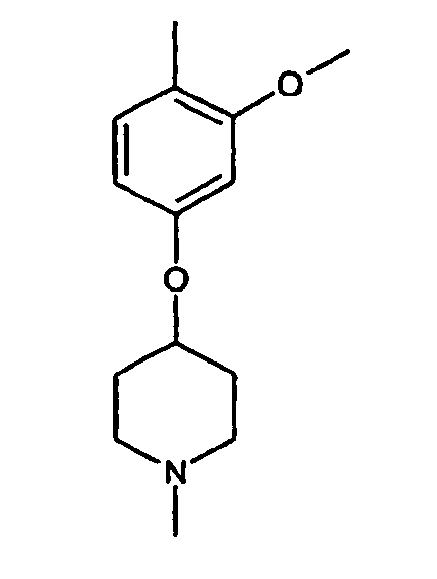
0.33 (AcOEt) CDCl3: 1.31 (d, 6H, J=7.05), 1.82-1.70(m, 2H), 2.08-1.99(m, 2H),2.96-2.87(m, 2H), 3.24(sept, 1H), 3.41-3.33(m, 1H), 3.40(s, 3H),3.51-3.42(m, 2H), 3.87(s, 3H), 6.49(dd, 1H, J=2.52, 9.07),6.57(d, 1H, J=2.52),7.32-7.22(m, 1H), 7.62(m, 1H),7.91 (dd, 1H,), 8.00(dd, 1H, J=3.02, 9.06), 8.12(s, 1H), 8.60(d, 1H, J=8.56) 9.53 (s, 1H) 28-20 
MS 544 CDCl3: 1.31 (d, 6H), 1.66-1.53(m, 2H), 2.10-2.01(m, 2H),2.51 (s, 3H), 2.70-2.13(m, 1H),2.83-2.74(m, 2H), 3.24(Sept, 1H), 3.63-3.55(m, 2H), 3.87(s, 3H), 4.34-4.25(m, 1H), 6.48(dd, 1H),6.56(d, 1H),7.34-7.24(m, 1H), 7.64-7.60(m, 1H),7.90(dd. 1H), 8.00(d, 1H), 8.12(s, 1H), 8.60(dd, 1H), 9.53(s, 1H) 28-21 
MS 531 CDCl3: 1.30 (s, 3H),1.32 (s, 3H), 2.33-2.22(m, 1H), 2.54(s, 3H), 3.37-3.20(m, 3H),3.57-3.44(m, 3H), 3.86(s, 3H), 6.12(dd, 1H),6.16(d, 1H),7.14-7.08(m, 1H), 7.30-7.20(m, 1H),7.65-7.58(m, 1H), 7.93-7.87(m, 1H,), 8.10(s, 1H), 8.64(d, 1H) 9.54 (s, 1H) 28-22 
MS 545 CDCl3: 1.30 (s, 3H), 1.32 (s, 3H), 2.03-1.89(m, 1H),2.30-2.18(m, 1H), 2.34(s, 6H),2.96-2.83(m, 1H), 3.29-3.16(m, 2H), 3.40-3.34(m, 1H),3.53-3.43(m, 2H), 3.87(s, 3H), 6.11(dd, 1H,) 6.13(dd, 1H),7.08(bs, 1H),7.31-7.21 (m, 1H), 7.60-7.56(m, 1H),7.85(d, 1H), 7.89(dd, 1H), 8.10(s, 1H), 8.66(d, 1H) 9.54(s, 1H) 28-23 
MS 545 CDCl3: 1.31 (s, 3H), 1.32 (s, 3H),3.05(s, 3H), 3.24(sept, 1H), 3.50-3.43(m, 4H),3.85(s, 2H), 3.89(s, 3H), 6.11 (dd, 1H,) 6.43(dd, 1H),6.50(d, 1H),7.31-7.28(m, 1H), 7.64-7.60(m, 1H),7.92(dd, 1H), 8.09(d, 1H), 8.13(s, 1H), 8.58(d, 1H) 9.55(s, 1H) 28-24 
0.05 (AcOEt/Me OH=4/1) CDCl3: 1.30 (s, 3H), 1.32 (s, 3H), 1.92-1.83(m, 1H),2.17-1.95(m, 1H), 2.43-2.27(m, 2H),2.79-2.71 (m, 4H), 3.15-2.97(m, 4H), 3.23-3.16(m, 4H),3.24(sept, 1H), 3.87(s, 3H), 6.11 (dd, 1H,) 6.47(dd, 1H),6.55(d, 1H),7.33-7.23(m, 1H), 7.63-7.59(m, 1H),7.95(dd, 1H), 8.01 (dd, 1H), 8.12(s, 1H), 8.60(d, 1H) 9.54(s, 1H) 28-25 
MS 600 CDCl3: 1.30 (s, 3H), 1.32 (s, 3H), 1.80-1.70(m, 2H),2.01-1.93(m, 2H), 2.49-2.28(m, 12H),2.76-2.62(m, 4H), 3.04-2.96(m, 4H), 3.16-3.05(m, 2H),3.24(sept, 1H), 3.72-3.63(m, 2H), 3.87(s, 3H),6.48(dd, 1H),6.55(d, 1H),7.31-7.23(m, 1H), 7.66-7.589(m, 1H),7.91(dd, 1H), 8.01 (d, 1H), 8.12(s, 1H), 8.60(d, 1H) 9.53(s, 1H) 28-26 
MS 573 CDCl3: 1.30 (s, 3H), 1.32 (s, 3H), 2.59-2.43 (m, 4H),2.78-2.73(m, 1H), 3.00-2.86(m, 2H),3.38-3.20(m, 3H), 3.54-2.45(m, 1H), 3.73(dd, 1H),3.84-3.77(m, 1H), 3.94-3.87(m, 1H), 3.88(s, 3H),6.46(dd, 1H),6.53(d, 1H),7.32-7.23(m, 1H), 7.31 (bs, 1H), 7.63-7.52(m, 1H),7.91 (dd, 1H), 8.04(d, 1H), 8.13(s, 1H), 8.60(d, 1H) 9.54(s, 1H) 28-27 
MS 559 CDCl3: 1.30(s, 3H), 1.32 (s, 3H), 1.82-1.73 (m, 1H), 1.97-1.84(m, 3H), 2.73-2.51 (m, 1H), 3.12(t, 2H), 3.31-3.20 (m, 3H), 3.90(s,3H), 5.46-5.37(m, 1H), 6.53(dd, 1H), 6.59(d, 1H), 6.68-6.62 (m, 1H), 7.28-7.21 (m, 1H), 7.33(bs, 1H), 7.65-7.61 (m, 1H), 7.92(dd, 1H), 8.08(d, 1H), 8.14(s, 1H), 8.60(d, 1H), 9.55(s, 1H) 28-28 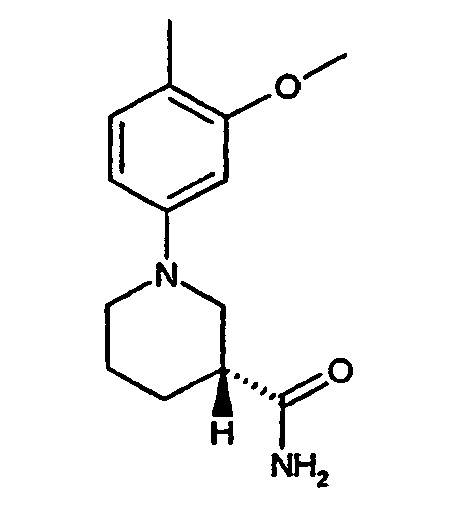
MS 559 CDCl3: 1.30(s, 3H), 1.32 (s, 3H), 1.82-1.73 (m, 1H), 1.97-1.84(m, 3H), 2.73-2.51 (m, 1H), 3.12(t, 2H), 3.31-3.20 (m, 3H), 3.90(s,3H), 5.46-5.37(m, 1H), 6.53(dd, 1H), 6.59(d, 1H), 6.68-6.62 (m, 1H), 7.28-7.21 (m, 1H), 7.33(bs, 1H), 7.65-7.61 (m, 1H), 7.92(dd, 1H), 8.08(d, 1H), 8.14(s, 1H), 8.60(d, 1H), 9.55(s, 1H) 28-29 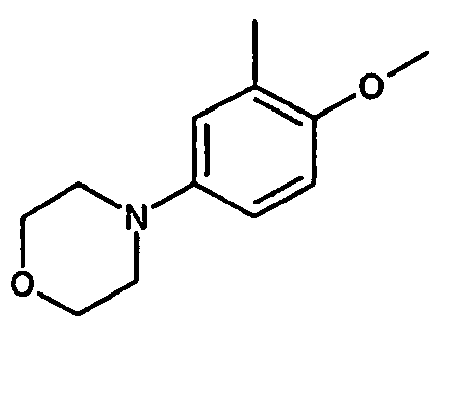
MS 413 CDCl3: 1.31 (s, 3H), 1.33(s, 3H),2.92(t, 4H), 3.28(sept, 1H) 3.73(t, 4H), 3.87(s,3H), 6.51 (dd, 1H), 6.82(d, 1H), 7.32-7.23 (m, 1H), 7.57(bs, 1H), 7.70-7.64(m, 1H), 7.92(dd, 1H), 8.01 (bs, 1H), 8.12(s, 1H), 8.60(d, 1H), 9.53(s, 1H) 28-30 
MS 493 CDCl3: 1.30 (s, 3H), 1.33(s, 3H), 3.25(sept, 1H) 3.60 (bs,3H), 3.89(s, 3H), 6.59(s, 1H), 7.27-7.18 (m, 1H),7.61 (dd, 1H), 7.83(bs, 1H), 7.90(dd, 1H), 8.15 ( s , 1H), 8.55(d, 1H), 9.55(s, 1H) 28-31 
MS 445 CDCl3: 1.31(d, 6H),1.59-1.37(m, 2H), 1.81-1.69(m, 1H), 1.87(d, 2H), 2.73-2.67(m, 2H), 3.28-3.21 (m, 1H), 3.37(s, 3H),3.61 (d, 1H),3.87(s, 3H),6.49(dd, 1H),7.025(bs, 1H), 7.28-7.23(m, 1H),7.64-7.59(m, 1H), 7.93-7.89(m, 2H), 8.15(s, 1H), 8.57(dd, 1H) 9.56(s, 1H) - 
Expl No. Rx HPLC Retention time (min) Mass (ESI) m/z 29-1 
3.30 546 (M+H) 29-2 
2.82 627 (M+H) 29-3 
3.07 587 (M+H) 
Expl No. Rx HPLC Retention time (min) Mass (ESI) m/z 30-1 
2.82 516 (M+H) 30-2 
2.65 557 (M+H) 30-3 
2.50 557 (M+H) 30-4 
3.10 498 (M+H) 30-5 
2.30 543 (M+H) 30-6 
2.52 557 (M+H) 30-7 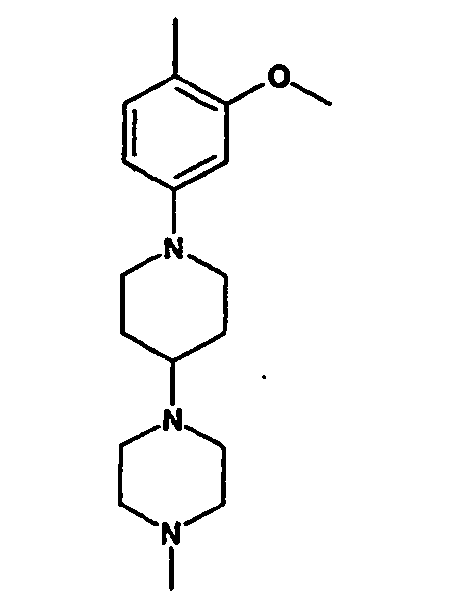
2.23 612 (M+H) 
Expl No. Rx HPLC Retention time (min) Mass (ESI) m/z 31-1 
3.15 423 (M+H) 31-2 
2.62 490 (M+H) 
Expl No. Rx MS NMR (400MHz) in CDCl3, δ (ppm) 32-1 
585.3 1.03 (s, 3H), 1.04(s, 3H),2.15(s, 3H), 2.32(sept, 1H) 3.00(d, 2H) 3.10(t, 2H), 3.13(t, 2H), 3.64(t, 2H),3.79(t, 2H), 3.89(s,3H), 6.45(dd, 1H), 6.55(d, 1H), 7.34-7.26 (m, 1H), 7.52(bs, 1H), 7.64-7.60(m, 1H), 7.97(dd, 1H), 8.07(d, 1H), 8.15(s, 1H), 8.54(d, 1H), 9.32(s, 1H) 32-2 
532 (M+H) 3.17 
Expl No. Rx MS NMR (400MHz) in CDCl3, δ (ppm) 33-1 
585.3 1.66-1.52 (m, 2H), 1.92-1.73 (m, 4H), 2.12-2.03 (m, 2H), 2.15(s, 3H), 3.00(d, 2H) 3.11 (t, 2H), 3.14(t, 2H), 3.58-3.46(m, 1H), 3.64 (t, 2H),3.80(t, 2H), 3.89(s,3H), 6.48(dd, 1H), 6.55(d, 1H), 7.30-7.24 (m, 1H), 7.52(bs, 1H), 7.63-7.58(m, 1H), 7.94(dd, 1H), 8.08(d, 1H), 8.14(s, 1H), 8.60(d, 1H), 9.54(s, 1H) 33-2 
544 (M+H) 3.15 
Expl No. Rx HPLC Retention time (min) Mass (ESI) m/z 34-1 
3.15 532 (M+H) 34-2 
3.34 558 (M+H) 34-3 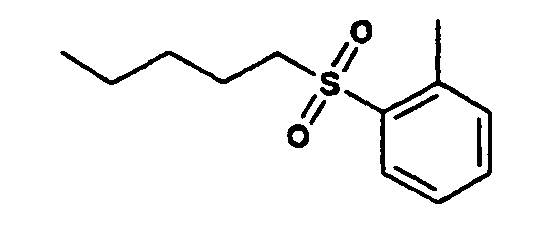
3.35 546 (M+H) 34-4 
3.32 546 (M+H) 34-5 
3.09 566 (M+H) 34-6 
2.87 552 (M+H) Ex No MS NMR (400MHz), CDCl3, δ ppm 34-7 
MS 435, 436 1.05 (t, 3H), 1.69-1.78 (m, 2H), 2.86-2.95 (m, 1H), 3.16-3.25 (m,1H), 6.57-6.68 (m, 2H), 7.17 (dd, 1H), 7.35-7.39 (m, 1H), 7.50 (dd, 1H), 8.13 (s, 1H), 8.16-8.21 (m, 1H), 8.48 (d, 1H), 10.14 (s, 1H) 34-8 
MS 549, 551 0.94 (t, 3H), 1.69-1.80 (m, 2H), 2.38 (s, 3H), 2.55-2.64 (m, 4H), 3.02-3.08 (m, 2H), 3.22-3.29 (m, 4H), 3.88 (s, 3H), 6.55 (ddd, 1H), 6.60-6.66 (m, 1H), 7.13-7.18 (m, 1H), 7.34 (br.s, 1H), 7.44 (d, 1H), 8.10 (s, 1H), 8.10-8.23 (m, 2H), 8.88 (s, 1H). 
35-1 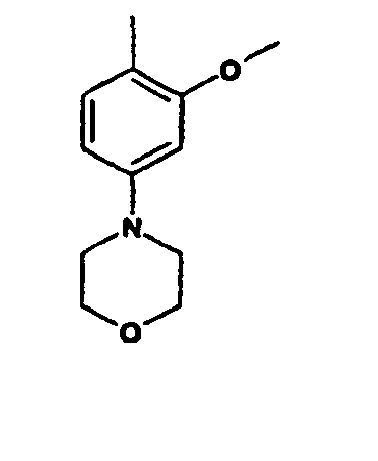
567 [M+1]+ DMSO-d6: 2.24 (s, 3H), 2.45-2.50 (m, 4H), 2.78 (d, 3H), 3.10-3.17 (m, 8H), 3.74-3.79 (m, 7H), 6.49 (dd, 1H), 6.66 (d, 1H), 6.85-6.89 (m, 1H), 7.18 (d, 1H), 7.40 (d, 1H), 7.98-8.02 (m, 2H), 8.29 (br.d, 1H), 8.60-8.66 (m, 1H), 11.17 (s, 1H). 35-2 
505 [M+1]+ DMSO-d6: 2.24(s, 3H), 2.46-2.50(m, 4H), 2.79(d, 3H), 3.13-3.17(m, 4H), 3.78(s, 3H), 6.69(d, 1H), 6.87(dd, 1H), 7.07-7.17(m, 2H), 7.19-7.23(m, 2H), 7.54(d, 1H), 8.13(s, 1H), 8.45(s, 1H), 8.65-8.75(m, 1H), 9.04(s, 1H), 11.19(s, 1H) -

- To a suspension of 16.3 g (100 mmol) of isatoic anhydride in 100mL of H2O is added portionwise 100mL of 2N methylamine - tetrahydrofuran solution (200 mmol) at room temperature. The reaction mixture is stirred for 1 hour and then extracted with AcOEt. The organic layer is washed with H2O and brine, dried over Na2SO4, and concentrated under reduced pressure to give 13.79 g of desired product, 2-amino-N-methyl-benzamide (92 mmol, 92%) as colorless solid.
- NMR (400MHz, CDCl3, δ): 2.97 (d, 3H, J = 4.52 Hz), 5.49 (bs, 1H), 6.07 (bs, 1H), 6.64 (ddd, 1H, J = 8.04, 7.56, 1.0 Hz), 6.68 (dd, 1H, J = 8.32, 1.0 Hz), 7.20 (ddd, 1H, J = 8.32, 7.56, 1.52 Hz), 7.29 (dd, 1H, J = 8.04, 1.52 Hz).
-

- To a solution of 15.0 g (99.8 mmol) of 2-amino-N-methyl-benzamide in DMF (300mL) are added 2, 4, 5-trichloropyrimidine (23.8 g, 130 mmol) and potassium carbonate (17.9 g, 130 mmol). The reaction mixture is stirred at 75°C for 5 hours, cooled to room temperature, and then poured into H2O (600mL). The resulting precipitate is collected by a filtration followed by washing with 50% aqueous CH3CN (200mL) and dried under reduced pressure (40°C, 10 hours) to give desired 2-(2,5-dichloro-pyrimidin-4-yl-amino)-N-methyl-benzamide as ivory solid (26.4 g, 88.9 mmol, 89%).
NMR (400MHz, DMSO-d6, δ): 2.81 (d, 3H, J = 4.52 Hz), 7.22 (dd, 1H, J = 8.56, 8.04 Hz), 7.60 (ddd, 1H, J = 8.56, 8.56, 1.0 Hz), 7.81 (dd, 1H, J = 8.04, 1.0 Hz), 8.48 (s, 1H), 8.52 (d, 1H, J = 8.56 Hz) 8.80-8.90 (m, 1H), 12.18 (s, 1H). - According the manner described above, the following compounds are prepared.
-

-

- NMR (400MHz, CDCl3, δ): 1.28 (t, d=7.04, 3H), 3.48-3.57 (m, 2H), 6.22 (br. s, 1H), 7.11-7.17 (m, 1H), 7.51 (dd, J=1.0, 8.04, 1H), 7.53-7.61 (m, 1H), 8.22 (s, 1H), 8.69-8.74 (m, 1H), 11.66 (br. s, 1H). Rf: 0.60 (Hexane :AcOEt=1 :1).
-

- A suspension of 5-bromo-2,4-dichloropyrimidine (684 mg, 3.0 mmol) and 2-amino-N-methyl-benzenesulfonamide (559 mg, 3.0 mmol) in N,N-dimethylformamide (10 mL) containing potassium carbonate (830 mg, 6.0 mmol) is stirred at room temperature for 23 hours. Saturated aqueous ammonium chloride is added and the mixture is poured into water and extracted twice with ethyl acetate. The organic layer is washed with brine, dried over sodium sulfate, and evaporated in vacuo. The residue is purified by silica gel column chromatography (n-hexane - ethyl acetate gradient) to afford the title compound as a slightly yellow solid.
1H-NMR (CDCl3), δ (ppm): 2.67 (d, 3H), 4.79 (q, 1H), 7.26 (s, 1H), 7.29 (ddd, 1H), 7.66 (ddd, 1H), 7.95 (dd, 1H), 8.37 (s, 1H), 8.48 (d, 1H), 9.52 (s, 1H). Rf (n-hexane : ethyl acetate = 10:3): 0.33. - According to the manner described above, the following compound is prepared.
-

- 1H-NMR (400MHz, CDCl3, δ);2.67(d, 3H),4.97-5.04(m, 1H), 7.29(ddd, 1H, J=7.54, 7.54, 1.0Hz), 7.66(ddd, 1H, J=7.93, 8.08, 1.48Hz),7.94(dd, 1H, J=8.04, 1.52Hz), 8.24(s, 1H), 8.51 (dd, 1H J=8.06, 1.0Hz), 9.64(brs, 1H). Rf: 0.45 (n-Hexane: AcOEt=4:1).
-

- To a solution of 2-amino-N-isopropyl-benzenesulfonamide (16.1g, 75.1mmol) in DMI (150mL) is added sodium hydride (6.6g, 165.3mmol) portionwise at 0°C. After the mixture is stirred at room temperature for one hour, 2, 4, 5-trichloropyrimidine (20.7g, 112.7mmol) is added at 0°C. After further stirring at room temperature for 5 hrs, water is added and the mixture is extracted with AcOEt three times. Organic layer is washed with brine, dried over sodium sulfate and evaporated under reduced pressure. The residue is purified by silica gel column chromatography (Hexane to Hexane:AcOEt=4:1) to afford the title compound as pale brown solid (10.2g, 38%).
1H-NMR (400MHz, CDCl3, δ);1.06(d, 6H), 3.43-3.53(m, 1H), 4.38(d,1H), 7.29(dd, 1H), 7.66(dd, 1H), 7.98(d, 1H), 8.29(s, 1H), 8.51 (d, 1H), 9.51 (brs, 1H). Rf: 0.45 (n-Hexane:AcOEt=4:1) - The following compounds are prepared in the same manner described above.

Expl No. Rz Rf (solvent) or MS NMR (400MHz) , δ (ppm) 36-8 
0.45 (n-Hexane: AcOEt=4:1) DMSO-d6; 0.63(t, 6H), 0.86(d, 3H), 1.21-1.31 (m, 2H), 3.02-3.12(m, 1H), 7.37(dd,1H), 7.71 (dd, 1H), 7.85(d, 1H), 7.89(d, 1H), 8.20(d, 1H), 8.56(s, 1H), 9.51 (brs, 1H) 36-9 
0.46 (n-Hexane: AcOEt=7:3) CDCl3; 0.70(t, 6H),1.23-1.45(m, 4H), 3.03-3.13(m, 1), 4.27(d,1H), 7.27(dd, 1H), 7.65(dd, 1H), 7.98(d, 1H), 8.29(s, 1H), 8.52(d, 1H), 9.59(brs, 1H) -

- 2,4-Dichloro-5-nitro-pyrimidine (1.94 g, 10 mmol) and 2-amino-N-methyl-benzenesulfonamide (1.86 g, 10 mmol) are dissolved in CHCl3 (30 mL). The reaction mixture is heated at 61 °C for 2 h. The solvent is evaporated and the residue is washed with ether to give the title product.
Rf = 0.5 (n-hexane : ethyl acetate =1:1). 1H-NMR (400MHz, CDCl3), δ (ppm): 2.67 (d, 3H), 4.6-4.7 (m, 2H), 7.41 (t, 1H), 7.7 (t, 1H), 8.04 (d, 1H), 8.15 (d, 1H), 9.21 (s, 1H), 11.2 (s, 1H). -

- To a solution of 2-(Propane-1-sulfonyl)-phenylamine (3.69g, 18.5 mmol) of N,N-dimethylformamide (40mL), sodium hydride (1.48g, 37 mmol) is added portionwise at 0°C. After stirring, 2,4,5-trichloropyrimidine (2.1 mL, 18.5 mmol) is added. The mixture is stirred at 0°C for 30 minutes and is further stirred at room temperature for 7hrs. After adding saturated aqueous ammonium chloride, the mixture is poured into water and extracted twice with ethyl acetate. The organic layer is washed with brine, dried over sodium sulfate, and evaporated in vacuo. The residue is purified by silica gel column chromatography (n-hexane - ethyl acetate gradient) to afford the title compound as colorless solids.
1H-NMR (CDCl3), δ (ppm): 0.99 (t, 3H), 1.77 (d, 2H), 3.07-3.11 (m, 2H), 7.26 (s, 1H), 7.32 (ddd, 1H), 7.73 (ddd, 1H), 7.95 (dd, 1H), 8.31 (s, 1H), 8.61 (dd, 1H), 9.94 (bs, 1H). Rf (n-hexane : ethyl acetate = 3:1): 0.63 - According to the manner described above, the following compounds are prepared.

ExplNo. Rx Identification 36-12 
1H-NMR (CDCl3), δ (ppm): 1.35(d, 6H), 3.18-3.24(m, 1H), 7.30-7.34(m, 1H), 7.70-7.75(m, 1H), 7.92(dd, 1H), 8.30(s, 1H), 8.63(d, 1H), 10.06(s, 1H). Rf 0.70: (AcOEt) 36-13 
NMR (400MHz) in CDCl3, δ (ppm): 1.29(t, 3H), 3.15(q, 1H), 7.31-7.35(m, 1H), 7.71-7.75(m, 1H), 7.96(dd, 1H), 8.31(s, 1H), 8.60(d, 1H), 9.92(s, 1H). Rf: 0.67 (AcOEt). 36-14 
1.01-1.06(m, 2H), 1.32-1.37(m, 2H), 2.49-2.55(m,1H), 7.29-7.33(m, 1H), 7.69-7.73(m, 1H), 7.91 (dd, 1H), 8.31 (s, 1H), 8.58(d, 1H), 9.90(s, 1H). Rf 0.69 (AcOEt) 36-15 
0.99(t, 6H), 1.72-1.90(m, 4H), 2.76-2.82(m, 1H), 7.26-7.34(m, 1H), 7.69-7.74(m, 1H), 7.92(dd, 1H), 8.30(s, 1H), 8.62(d, 1H), 10.02(s, 1H). Rf: 0.73 (AcOEt) - To a solution of 4-methoxyphenyl-boronic acid (500 mg, 3.29 mmol) in toluene (5.2 mL) and ethanol (1.3 mL), potassium carbonate (910 mg, 6.58 mmol), tetrakis(triphenylphosphine)-palladium (228.1 mg, 0.099 mmol) and 4-bromo-1-methyl-2-nitrobenzene (711 mg, 3.29 mmol) are added and stirred at 100°C for 7 hours. The mixture is poured into water and extracted with ethyl acetate two times. The organic layer is washed with water and then brine, dried over magnesium sulfate, and evaporated in vacuo. The residue is purified with silica gel column chromatography (n-hexane : ethyl acetate = 5 : 1) to afford the 4'-methoxy-4-methyl-3-nitrobiphenyl as a yellow solid.
1H-NMR (δ, ppm) : 2.62 (s, 3H), 3.86 (s, 3H), 7.02-6.98 (m, 2H), 7.37 (d, 1H), 7.54 (dd, 2H), 7.68 (dd, 1H), 8.18 (d, 1H). Rf (hexane : ethyl acetate =3:1): 0.40. - A suspension of 4'-methoxy-4-methyl-3-nitrobiphenyl (630 mg, 2.95 mmol) and 10% palladium on charcoal (63 mg, 0.059 mmol) in methanol (6 mL) is stirred under hydrogen atmosphere for 12 hours. Palladium catalyst is removed by filtration and the resulting solution is evaporated in vacuo to afford the title compound.
1H-NMR (δ, ppm) : 2.20 (s, 3H), 3.84 (s, 3H), 6.87 (d, 1H), 6.89 (dd, 1H), 6.95 (d, 2H), 7.09 (d, 1H), 7.48 (d, 2H). Rf (n-hexane : ethyl acetate =1:1): 0.50. - To a solution of 4-methyl-3-nitro-benzoic acid (300 mg, 2.76 mmol), N-butoxycarbonylpiperazine (340 mg, 1.83 mmol) in DMF (3.0 mL), triethylamine (300 µL, 3.59 mmol), TBTU (800 mg, 2.49 mmol) and HOAt (270.5 mg,1.99 mmol) are added and stirred at room temperature for 24 hours. The mixture is poured into water and extracted twice with ethyl acetate. The organic layer is washed with water and then brine, dried over magnesium sulfate, and evaporated in vacuo. The residue is purified with silica gel column chromatography (n-hexane : ethyl acetate = 5 : 1) to afford 4-(4-methyl-3-nitrobenzoyl)-piperazine-1-carboxylic acid tert-butyl ester as a colorless solid.
1H-NMR (δ, ppm): 1.47 (s, 9H), 2.64 (s, 3H), 3.28-3.88 (m, 8H), 7.42 (d, 1H), 7.56 (dd, 1H), 8.03 (d, 1H). Rf (hexane : ethyl acetate =10:1): 0.13. - The title compound is obtained by reduction with hydrogen over 10% palladium on charcoal in methanol solution.
- To a solution of 4-bromo-1-methyl-2-nitrobenzene (225 mg, 1.04 mmol), morpholine (125 µ L, 1.25 mmol), and cesium carbonate (474.4 mg, 1.46 mmol) in toluene, palladium diacetate (31.2 mg, 0.139 mmol) and 2-(di-t-butylphosphino)biphenyl (125 mg, 0.403 mmol) are added and stirred at 100°C for 5 hours. After cooling, the mixture is filtered to remove insoluble material. The filtrate is poured into water and extracted with ethyl acetate twice. The organic layer is washed with water and then brine, dried over magnesium sulfate, and evaporated in vacuo. The residue is purified with silica gel column chromatography (n-hexane : ethyl acetate = 5 : 1) to afford 4-(4-methyl-3-nitrophenyl)-morpholine as a yellow solid.
1H-NMR (δ, ppm) : 2.50 (s, 3H), 3.17-3.19 (m, 4H), 3.86-3.88(m, 4H), 7.04 (dd, 1H), 7.21 (d, 1H), 7.47 (d, 1H). Rf (hexane : ethyl acetate = 5:1): 0.20. - The title compound is obtained by reduction with hydrogen over 10% palladium on charcoal in methanol solution.
-

- To a suspension of piperidin-4-ol (2.79g, 28 mmol) and potassium carbonate (3.88 g, 28 mmol) in N,N-dimethylformamide (40 mL), 4-Fluoro-2-methoxy-1-nitro-benzene (4.0g, 23 mmol) is added and stirred at room temperature for 24 hours. The mixture is poured into water and the precipitate is collected by a filtration. The resulting solid is dried in vacuo at 50°C to afford 1-(3-methoxy-4-nitro-phenyl)-piperidin-4-ol (5.23g) as yellow solids in 89% yield.
1H-NMR (400MHz, CDCl3, δ, ppm) :1.54(d, 1H), 1.62-1.71 (m, 2H), 1.98-2.04(m, 2H), 3.22(ddd, 4H), 3.73-3.80(m, 2H), 3.95(s, 3H), 3.98-4.02(m, 1H), 6.33(d, 1H), 6.43(dd, 1H), 8.00(d, 1H). - By repeating the procedures described above using appropriate starting materials and conditions the following compounds are obtained.
Ex-No Rx Identification 37-2 
1H-NMR (400MHz, CDCl3, δ, ppm) :1.53-1.72(m, 2H), 1.80-1.83(m, 4H), 1.99-2.04(m, 2H), 2.24-2.31 (m, 1H), 2.54-2.67(m, 4H), 3.03(dt, 2H), 3.84-3.89 (m, 2H), 3.95(s, 3H), 6.31 (d, 1H), 6.42(dd, 1H), 8.01 (d, 1H). Rf 0.54 (AcOEt) 37-3 
1H-NMR (400MHz, CDCl3, δ, ppm) : 1.81-1.91(m, 2H), 1.99-2.04(m, 2H), 2.38-2.48(m, 1H), 3.03(ddd, 2H), 3.91-3.96(m, 2H), 3.95(s, 3H), 5.22-5.41 (m, 1H), 5.40-5.53(m, 1H), 6.36(d, 1H), 6.43(dd, 1H), 8.00(d, 1H). Rf 0.15 (AcOEt) 37-4 
1H-NMR (400MHz, CDCl3, δ, ppm) : 1.15(t, 3H),1.88-1.96(m, 1H), 2.22-2.30(m,1H), 2.68-2.77(m, 2H),3.15-3-18(m, 1H), 3.38-3.44(m, 1H), 3.52-3.62(m, 2H), 3.93(s, 3H), 5.92(d, 1H), 6.07-6.10(m, 1H), 8.00-8.02(m, 1H). Rf 0.65 (n-hexane: AcOEt=1:1). 37-5 
1H-NMR (400MHz, CDCl3, δ, ppm) : 2.36(s, 3H), 2.52-2.57(m, 4H), 3.40-3.43(m, 4H), 3.95(s, 3H), 6.32(d, 1H, J=2.52Hz), 6.43(dd, 1H, J=9.56, 2.52Hz), 7.99(d, 1H, J=9.08Hz). Rf 0.60 (MeOH : CH2Cl2=4:1). 37-6 
1H-NMR (400MHz, CDCl3, δ, ppm) : 1.10-1.19(m, 1H), 1.59-2.18(m, 6H), 2.28(s,3H), 2.71-2.74(m, 1H), 2.88-2.91 (m, 1H), 3.86-3.95 (m, 5H), 6.47-6.52(m, 2H), 7.97-8.00(m, 1H). Rf 0.65 (n-hexane: AcOEt=1:1) 37-7 
1H-NMR (400MHz, CDCl3, δ, ppm) : 4.08(s,3H), 7.30(dd,1H), 7.58(d, 1H), 8.05(d, 1H), 8.15(s, 1H), 8.67(s, 1H). Rf: 0.42 (AcOEt) 37-8 
1H-NMR (400MHz, CDCl3, δ, ppm): 1.40 - 1.50 (m, 2H), 1.55 - 1.69 (m, 6H), 1.90 - 1.96 (m, 2H), 2.45 - 2.53 (m, 5H), 2.90 - 2.99 (m, 2H), 3.90 - 4.00 (m, 2H), 3.94 (s, 3H), 6.30 (d, 1H, J =, 2.5 Hz), 6.41 (dd, 1H, J = 9.0, 2.5 Hz), 7.99 (d, 1H, J = 9.0 Hz) 37-9 
1H-NMR (400MHz, DMSO-d6, δ, ppm) : 1.95-1.82(m, 2H), 2.15-2.06 (m, 1H), 2.30 (s, 3H), 3.17 (dd, 1H), 3.32-3.23 (m, 1H), 3.56-3.34 (m, 3H), 3.96 (s, 1H), 6.09 (d, 1H), 6.21 (dd, 1H), 7.91 (d, 1H) 37-10 
1H-NMR (400MHz, CDCl3, δ, ppm): 2.30 - 2.48 (m, 3H), 2.59 - 2.66 (m, 1H), 2.70 - 2.76 (m, 1H), 2.85 - 2.92 (m, 1H), 3.09 - 3.17 (m, 1H), 3.30 - 3.34 (m, 1H), 3.52 - 3.58 (m, 1H), 3.68 - 3.84 (m, 3H), 3.87 - 3.91 (m, 1H), 3.96 (s, 3H), 6.32 (d, 1H, J = 2.5 Hz ), 6.42 (dd, 1H, J = 9.6, 2.5 Hz ), 8.00 (d, 1H, J = 9.6 Hz) 37-11 
1H-NMR (400MHz, DMSO-d6, CDCl3, δ, ppm) : 1.90-1.79(m, 1H), 2.25-2.15 (m, 1H), 2.21 (s, 3H), 2.87-2.77 (m, 1H), 3.16 (dd, 1H), 3.42-3.32 (m, 1H), 3.59-3.52 (m, 1H), 3.67-3.61 (m, 1H), 3.91 (s, 3H), 6.13 (d, 1H), 6.24 (dd, 1H) ), 7.91 (dd, 1H) 37-12 
1H-NMR (400MHz, CDCl3): 1.43-1.00(m, 2H),1.95-1.81 (m, 2H),2.94-2.17(m, 2H),2.96(s, 3H),3.27 (d, 2H), 3.35(s, 3H),3.97-3.90 (m, 2H), 3.95(s, 3H), 6.30(d, 1H), 6.42(dd, 1H) 8.00(d, 1H). Rf: 0.25 (AcOEt) 37-13 
1H-NMR (400MHz, CDCl3): 1.14(t, 3H),2.48(dd, 2H), 2.59(t, 4H),3.42 (t, 4H), 3.95(s,3H), 6.32(d, 1H), 6.43(dd, 1H) 8.01 (d, 1H). Rf 0.15 (AcOEt) 37-14 
1H-NMR (400MHz, CDCl3): 1.02-0.89 (m, 2H), 2.01-1.94 (m, 2H), 2.52-2.38 (m, 1H), 2.65-2.53 (m, 4H),3.04-2.94(m, 2H), 3.79-3.69(m, 4H),3.97-3.88 (m, 2H), 3.95(s,3H), 6.32(d, 1H), 6.42(dd, 1H) 8.00(d, 1H).. Rf 0.10 (AcOEt) 37-15 
1H-NMR (400MHz, CDCl3): 1.08 (s, 3H),1.09(s, 3H), 2.66(t, 4H),2.74 (sept, 1H), 3.41 (t, 4H), 3.95(s,3H), 6.32(d, 1H), 6.42(dd, 1H) 8.00(d, 1H). Rf 0.15 (AcOEt) 37-16 
1H-NMR (400MHz, CDCl3): 1.91-1.81 (m, 2H), 2.06-1.97(m, 2H),2.48-2.40(m, 1H), 3.07-2.98(m, 2H),3.97-3.93(m, 2H), 3.93(s,3H), 5.37-5.30(m, 1H),5.55-5.43 (m, 1H), 6.33(d, 1H), 6.43(dd, 1H) 8.00(d, 1H). Rf 0.10 (AcOEt) 37-17 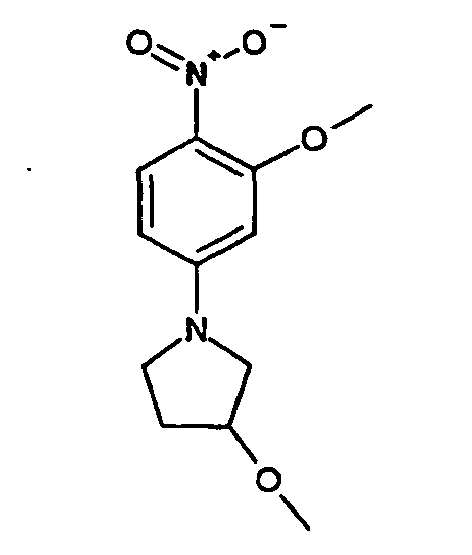
1H-NMR (400MHz, CDCl3): 2.18-2.07 (m, 1H), 2.30-2.22 (m, 1H), 3.38(s, 3H), 3.56-3.44(m, 4H),3.95 (s, 3H), 4.13 (ddd,1H), 5.96(d, 1H), 6.12(dd, 1H) 8.03(d, 1H). Rf 0.30 (AcOEt) 37-18 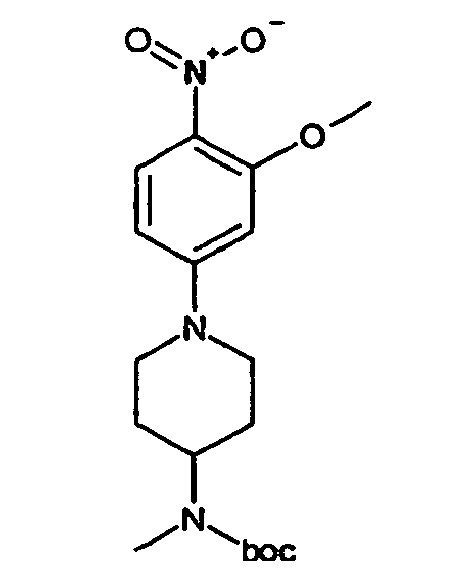
1H-NMR (400MHz, CDCl3): 1.46(s, 9H),1.81-1.68(m, 4H), 2.73(bs, 3H),3.07-2.97(m, 2H), 3.95(s,3H), 4.03-3.94 (m, 2H), 6.32(d, 1H), 6.43(dd, 1H) 8.00(d, 1H). Rf 0.55 (Hexane:AcOEt) 37-19 
1H-NMR (400MHz, CDCl3): 3.60-3.57(m, 2H),3.68-3.65(m, 2H), 3.97(s, 3H),4.07(s, 2H), 6.17(bs, 1H), 6.26(d, 1H), 6.39(dd, 1H) 8.04(d, 1H). Rf 0.85 (AcOEt) 37-20 
1H-NMR (400MHz, CDCl3): 3.08(s, 3H), 3.54(dd, 2H),3.67(dd, 2H), 3.96 (s, 3H), 4.05(s, 2H), 6.25(d, 1H), 6.38(dd, 1H) 8.03(d, 1H) . Rf 0.30 (AcOEt) 37-21 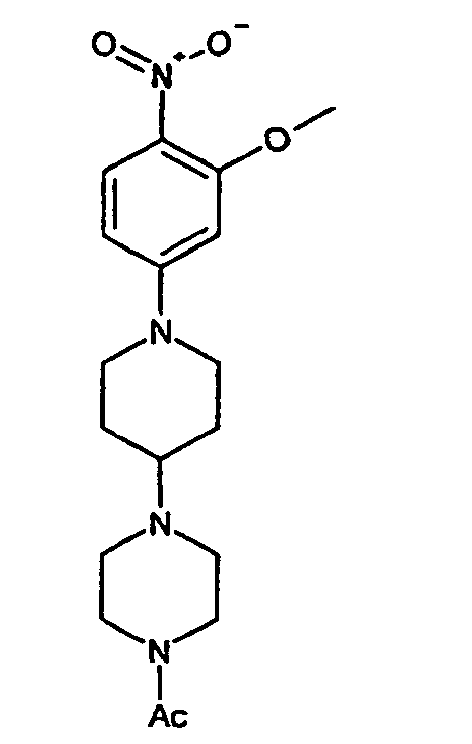
1H-NMR (400MHz, CDCl3): 1.73-1.55 (m, 2H), 1.99-1.91 (m, 2H), 2.09(s, 3H),2.61-2.49 (m, 5H), 3.47(t, 2H),3.63(t, 2H), 3.99-3.89 (m, 3H), 3.95 (s, 3H), 6.32(d, 1H), 6.42(dd, 1H) 8.01 (d, 1H). Rf 0.10 (AcOEt:MeOH=4:1) 37-22 
1H-NMR (400MHz, CDCl3): 3.90(s, 3H), 3.98(s, 3H), 3.98 (s, 3H), 6.56(s, 1H), 7.59(s, 1H). Rf 0.605 (AcOEt) 37-23 
1H-NMR (400MHz, CDCl3): 3.25-3.22 (m, 4H), 3.90-3.87 (m, 4H), 3.95(s, 3H), 6.48(s, 1H), 7.57(s, 1H). Rf 0.060 (Hexane:AcOEt=5:1) 37-24 
1H-NMR (400MHz, CDCl3): 2.37 (s, 3H), 2.61 (bs, 4H),3.27 (bs, 4H), 3.88 (s, 3H), 3.95(s, 3H), 6.48(s, 1H), 7.56(s, 1H) . Rf 0.10 (AcOEt:MeOH=5:1) 37-25 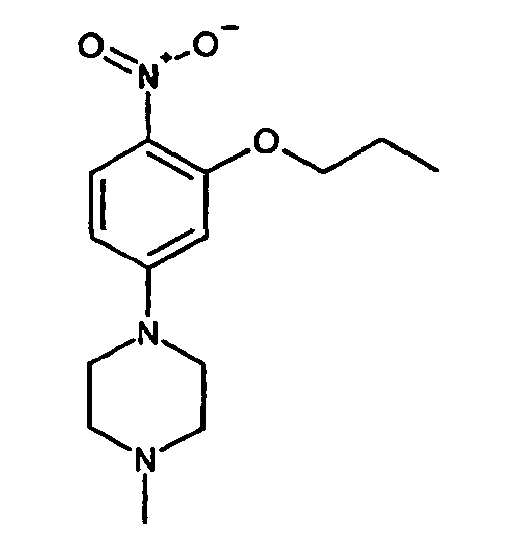
1H-NMR (400MHz, CDCl3): 1.09(t, 3H), 1.89(dd, 2H), 2.36(s, 3H), 2.55(t, 4H), 3.39(t, 4H), 4.03(t, 2H), 6.32(d, 1H), 6.42(dd, 1H), 7.98(d, 1H). Rf 0.12 (AcOEt:MeOH=9:1) 37-26 
1H-NMR (400MHz, CDCl3): 1.36(s, 3H), 1.38 (s, 3H), 2.10 (s, 2H), 2.17(s, 3H), 3.27-2.96 (m, 2H), 3.71 (d, 2H), 3.96 (s, 3H), 6.33(d, 1H), 6.43(dd, 1H), 8.02(d, 1H). Rf 0.10 (AcOEt) 37-27 
1H-NMR (400MHz, CDCl3): 1.16(s, 3H), 1.18 (s, 3H), 2.50(dd, 2H), 3.02-2.47 (m, 2H), 3.69 (dd, 2H), 3.96 (s, 3H), 6.31 (d, 1H), 6.43(dd, 1H), 8.00(d, 1H). Rf 0.070(AcOEt) 37-28 
1H-NMR (400MHz, CDCl3): 1.16(d, 3H), 2.57(dd, 1H), 3.00-2.89 (m, 4H), 3.18-3.11 (m, 1H), 3.75-3.68 (m, 2H),3.96 (s, 3H), 6.31 (d, 1H), 6.43(dd, 1H), 8.01 (d, 1H). Rf 0.070 (AcOEt) 37-29 
1H-NMR (400MHz, CDCl3): 1.18(t, 3H), 2.40(dd, 2H), 3.47-3.38(m, 4H), 3.71-3.63(m, 2H), 3.85-3.79(m, 2H), 3.96(s, 3H), 6.32(d, 1H), 6.42(dd, 1H), 8.01 (d, 1H). Rf 0.20 (AcOEt) 37-30 
1H-NMR (400MHz, CDCl3): 1.16(s, 3H), 1.18(s, 3H), 2.82(sept, 1H), 3.50-3.37(m, 4H), 3.77-3.65(m, 2H), 3.86-3.78(m, 2H), 3.96(s, 3H), 6.33(d, 1H), 6.43(dd, 1H), 8.01 (d, 1H). Rf 0.48 (AcOEt) 37-31 
1H-NMR (400MHz, CDCl3): 2.86(d, 3H), 3.48-3.45(m, 4H), 3.61-3.58(m, 4H), 3.96(s, 3H), 4.48-4.37 (m, 1H), 6.29(d, 1H), 6.40(dd, 1H), 8.01 (d, 1H). Rf 0.20 (AcOEt) 37-32 
1H-NMR (400MHz, CDCl3): 1.72-1.60(m, 2H), 2.06-1.97(m, 2H), 3.25-3.17 (d, 3H), 3.78-3.70(m, 2H), 3.95(s, 3H), 4.04-3.99(m, 1H), 6.33(d, 1H), 6.43(dd, 1H), 8.00(d, 1H). Rf 0.20 (AcOEt) 37-33 
1H-NMR (400MHz, CDCl3): 1.53 (s, 6H), 2.14(s, 3H), 3.50(s. 2H), 3.61-3.58(m, 2H), 3.97-3.81 (m, 2H), 3.97 (s, 3H), 6.10 (d, 1H), 6.26(dd, 1H), 8.05(d, 1H). Rf 0.030 (AcOEt) 37-34 
1H-NMR (400MHz, CDCl3): 2.54-2.23 (m, 4H), 2.67 (t, 2H), 3.29-3.23(m, 2H), 3.74(t, 4H), 3.94(s, 3H), 6.07(d, 1H), 6.16 (dd, 1H), 8.00(d, 1H). Rf 0.15 (AcOEt) 37-35 
1H-NMR (400MHz, CDCl3): 2.10-2.02 (m, 2H), 2.41(t, 2H), 3.56(dd, 2H), 3.71 (t, 2H), 3.95(s, 3H), 4.19(t, 2H), 6.49(dd, 1H), 6.55(d, 1H), 7.99(d, 1H) . Rf 0.10 (AcOEt) 37-36 
1H-NMR (400MHz, CDCl3): 2.14(s, 3H), 3.87-3.34(m, 8H), 3.99 (s, 3H), 7.01 (dd, 1H), 7.16(d, 1H), 7.88(d, 1H) . Rf 0.25 (AcOEt) 37-37 
1H-NMR (400MHz, CDCl3): 3.49-3.37(m, 2H), 3.88-3.55(m, 6H), 3.99 (s, 3H), 7.00(dd, 1H), 7.16(d, 1H), 7.87(d, 1H). Rf 0.50 (AcOEt) 37-38 
1H-NMR (400MHz, CDCl3): 1.17 (s, 3H), 1.19(s, 3H), 2.69 (t, 4H), 3.06(s, 2H), 3.42 (t, 4H), 3.96(s, 3H),4.13(sept, 1H), 6.34 (d, 1H), 6.44(dd, 1H), 6.90-6.79(m, 1H), 8.00(d 1H). Rf 0.20 (AcOEt) 37-39 
1H-NMR (400MHz, CDCl3): 1.44-1.34 (m, 2H),1.84-1.77 (m, 1H), 1.94-1.85 (m, 2H), 3.04-2.94 (m, 2H), 3.55 (t, 2H), 3.96-3.57(m, 2H), 3.95(s, 3H), 6.31 (d, 1H), 6.42(dd, 1H), 8.00(d, 1H) . Rf 0.30 (AcOEt) 37-40 
1H-NMR (400MHz, CDCl3): 1.44-1.34 (m, 2H),1.84-1.77 (m, 1H), 1.94-1.85 (m, 2H), 3.04-2.94 (m, 2H), 3.55 (t, 2H), 3.96-3.57(m, 2H), 3.95(s, 3H), 6.31 (d, 1H), 6.42(dd, 1H), 8.04(d, 1H) . Rf 0.45 (AcOEt) 37-41 
1H-NMR (400MHz, CDCl3): 4.05 (s, 3H), 7.07 (d, 1H), 7.08 (d, 1H), 7.27-7.26 (m, 1H), 7.33 (t, 1H), 7.92 (s, 1H), 8.04 (d, 1H). Rf: 0.20 (AcOEt) 37-42 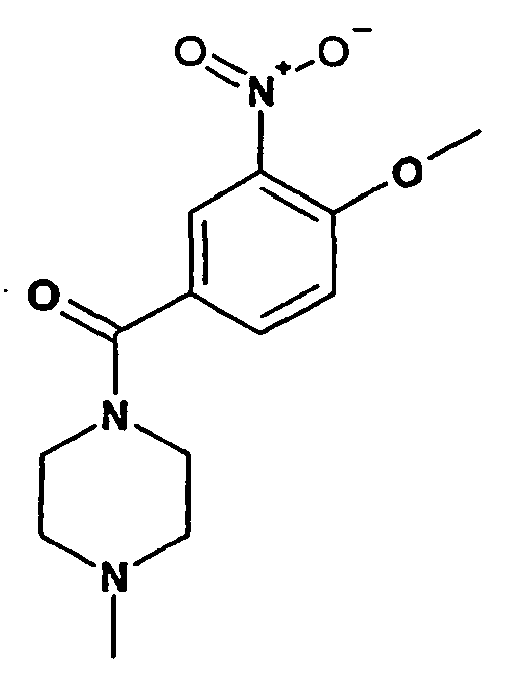
1H-NMR (400MHz, CDCl3) :2.34 (s, 3H), 2.55-2.37 (m, 4H), 3.86-3.38 (m, 4H), 4.00 (s, 3H), 7.13 (d, 1H). 7.66 (dd, 1H).7.93 (d, 1H). Rf: 0.30 (AcOEt:MeOH=4:1) 37-43 
1H-NMR (400MHz, CDCl3) : 2.43 (s, 3H), 2.74 (s, 6H), 7.91 (dd, 1H), 7.23 (d, 1H), 7.24 (d, 1H), 7.46 (dd, 1H). Rf: 0.70 (Hexane:AcOEt=5:1) 37-44 
1H-NMR (400MHz, CDCl3) :2.15 (s, 3H), 3.80-3.48 (m, 2H), 6.87 (dd, 1H), 6.92(dd, 1H), 7.09 (d, 1H), 7.40 (dd, 2H), 8.54 (dd, 2H). 37-45 
1H-NMR (400MHz, CDCl3) :3.86 (s, 3H), 4.00 (s, 3H), 6.78 (d, 1H), 6.99 (dd, 2H), 7.14(d, 1H), 7.48 (dd, 2H), 7.71 (dd, 1H), 8.03 (d, 1H). Rf: 0.30 (Hexane:AcOEt=3:1) 37-46 
1H-NMR (400MHz, CDCl3) :1.44 (t, 3H), 3.10 (t, 4H), 3.86 (t, 4H), 4.13 (q, 2H), 7.01 (dd, 1H), 7.08 (dd, 1H), 7.35 (d, 1H). Rf: 0.25 (Hexane:AcOEt=3:1) 37-47 
1H-NMR (400MHz, CDCl3) :1.26 (t, 3H), 3.32 (t, 4H), 3.85 (t, 4H), 4.15 (q, 2H), 6.34(d, 1H), 6.42 (dd, 1H), 7.98 (d, 1H). Rf: 0.45 (Hexane:AcOEt=5:1) 37-48 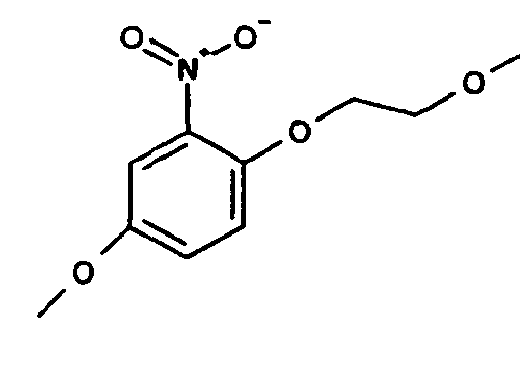
1H-NMR (400MHz, CDCl3) :3.45 (s, 3H), 3.77 (dd, 2H), 3.81 (s, 3H), 4.06 (t, 2H), 7.08-7.08(m, 2H), 7.37 (t, 1H). Rf: 0.45 (Hexane:AcOEt=3:1) 37-49 
1H-NMR (400MHz, CDCl3) :2.44 (t, 1H), 3.83 (s, 3H), 3.96 (ddd, 2H), 4.20 (t, 2H), 7.06 (d, 1H), 7.12(dd, 1H), 7.40 (d, 1H). Rf: 0.10 (Hexane:AcOEt=3:1) 37-50 
1H-NMR (400MHz, CDCl3) :1.45 (t, 3H), 3.81 (s, 3H), 4.13 (q, 2H), 7.01 (d, 1H), 7.08 (dd, 1H), 7.36 (d, 1H). Rf: 0.20 (Hexane:AcOEt=3:1) 37-51 
1H-NMR (400MHz, CDCl3) :1.35 (s, 3H), 1.36(s, 3H), 3.81(s, 3H), 4.52 (sept, 1H), 7.08-7.01 (m, 2H), 7.31 (d, 1H). Rf: 0.30 (Hexane:AcOEt=3:1) 37-52 
1H-NMR (400MHz, CDCl3) :1.05 (t, 3H), 1.83 (ddd, 2H), 3.81(s, 3H), 4.01(t, 2H), 7.01 (d, 1H), 7.08 (dd, 1H), 7.36 (d, 1H). Rf: 0.35 (Hexane:AcOEt=3:1) 37-53 
1H-NMR (400MHz, CDCl3) :3.86 (s, 6H), 3.79 (s, 3H), 6.91 (dd, 1H), 7.00 (d, 1H), 7.18 (d, 1H). Rf: 0.5 (Hexane:AcOEt=9:1) 37-54 
1H-NMR (400MHz, CDCl3) :4.04(s, 3H), 7.22 (d, 1H), 7.48(dd, 2H), 7.83 (dd, 1H), 8.16 (d, 1H), 8.69 (dd, 2H). Rf: 0.12 (Hexane:AcOEt=1:1) 37-55 
1H-NMR (400MHz, CDCl3) :4.02 (s, 3H), 7.22 (d, 1H), 7.39 (ddd, 1H), 7.77(dd, 1H), 7.85(ddd, 1H), 8.08 (d, 1H), 8.63(dd, 1H), 8.83 (d, 1H). Rf: 0.55 (Hexane:AcOEt=2:1) 37-56 
1H-NMR (400MHz, CDCl3) :4.03 (s, 3H), 7.19 (d, 1H), 7.28-7.24 (m, 1H), 7.72(dd, 1H), 7.80-7.76(m, 1H), 8.25 (dd, 1H), 8.52 (d, 1H), 8.69 (ddd, 1H). Rf: 0.55 (Hexane:AcOEt=2:1) 37-57 
mp 90.7 °C; 1H-NMR (400MHz, CDCl3) δ (ppm): 1.68 (m; 2H), 2.00 (m; 2H), 2.36 (s; 1H), 2.62 (bs; 4H), 2.72 (m; 2H), 3.62 (m; 2H), 3.78 (bs; 4H), 3.90 (s; 3H), 6.99 (d; 1H); 7.13 (dd; 1H), 7.26 (s; 1H); 7.40 (s; 1H). -

- To a solution of 5-bromo-1-methoxy-2-nitrobenzene (300 mg, 1.29 mmol) in dioxane, 1-acetyl piperazine (400mg, 3.12 mmol), cesium carbonate (1.0g, 3.07 mmol), palladium diacetate (29.0 mg, 0.129 mmol) and 2-(di-t-butylphosphino)biphenyl (77 mg, 0.258 mmol) are added and stirred at 100°C for 8 hours. After cooling, the mixture is filtered to remove insoluble material. The filtrate is poured into water and extracted with ethyl acetate twice. The organic layer is washed with water and then brine, dried over magnesium sulfate, and evaporated in vacuo. The residue is purified by silica gel column chromatography (n-hexane : ethyl acetate gradient) to afford 1-[4-(4-Methoxy- 3-nitro-phenyl)-piperazin-1-yl]-ethanone (319mg, 44%) as yellow solids. 1H-NMR (400MHz, CDCl3, δ, ppm) : 2.14 (s, 3H), 3.63 (ddd, 4H), 3.63 (t, 2H), 3.78 (t, 2H), 3.92 (s, 3H), 7.03 (d, 1H), 7.12 (d, 1H), 7.41 (d, 1H). Rf (ethyl acetate): 0.18
-

- To a solution of 4-piperidone hydrochloride monohydrate (10.0 g, 0.065mol) in DMF (80 mL) are added 4-Fluoro-2-methoxy-1-nitro-benzene (10.0 g, 0.058 mol) and potassium carbonate (20.2 g), and the mixture is stirred at 70°C for 20 h. After a filtration, the filtrate is poured into H2O (ca. 300 mL), and the resulting precipitates are collected by a filtration followed by washing with H2O for several times to give title compound (8.98 g) in 61% yield. Orange solid. 1H-NMR (400 MHz, CDCl3, δ): 2.65-2.62 (4H, m), 3.81-3.78 (4H, m), 3.98 (3H, s), 6.34 (1H, d), 6.45 (1H, dd), 8.05 (1H, d).
-

- To a solution of 1-(3-Methoxy-4-nitro-phenyl)-piperidin-4-one (4.96g, 0.020mol) in dichloroethane (50 ml) is added N-methylpiperazine (2.7ml, 0.024 mol) at 0°C and the mixture is stirred at room temperature. After 4 h, sodium triacetoxy-borohydride (5.04g, 0.024mol) is added and the mixture is further stirred at room temperature for 24 h. After addition of 1N sodium hydroxide at 0°C, the mixture is poured into water and extracted three times with dichloromethane. The organic layer is combined and extracted three times with 1N hydrochloride. The water layer is basified with 2N sodium hydroxide and extracted three times with dichloromethane. The organic layer is washed with brine, dried over sodium sulfate, and evaporated in vacuo to give the title compound as yellow solids (6.04g) in 91% yield.
1H-NMR (400 MHz, CDCl3, δ): 1.70-1.57 (2H, m), 2.03-1.93 (2H, m), 2.29 (3H, s), 2.55-2.38 (5H, m), 2.70-2.56 (4H, m), 2.97 (2H, ddd), 3.97-3.92 (2H, m), 3.95 (3H, s), 6.31 (1H, d,), 6.42 (1H, dd), 8.00 (1H, d). -

- To a solution of 4-methoxyphenyl-boronic acid (500 mg, 3.29 mmol) in toluene (5.2 mL) and ethanol (1.3 mL), potassium carbonate (910 mg, 6.58 mmol), tetrakis(triphenylphosphine)-palladium (228.1 mg, 0.099 mmol) and 4-bromo-1-methyl- 2-nitrobenzene (711 mg, 3.29 mmol) are added and stirred at 100°C for 7 hours. The mixture is poured into water and extracted with ethyl acetate two times. The organic layer is washed with water and then brine, dried over magnesium sulfate, and evaporated in vacuo. The residue is purified with silica gel column chromatography (n-hexane : ethyl acetate = 5 : 1) to afford the 4'-methoxy-4-methyl-3-nitro-biphenyl (630mg, 79%) as a yellow solid.
1H-NMR (400MHz, CDCl3, δ, ppm) : 2.62 (s, 3H), 3.86 (s, 3H), 7.02-6.98 (m,2H), 7.37 (d, 1H), 7.54 (dd, 2H), 7.68 (dd, 1H), 8.18 (d, 1H). Rf (hexane : ethyl acetate = 3:1): 0.40. -

- To a solution of 1-(3-Methoxy-4-nitro-phenyl)-piperidin-4-ol (300mg, 1.2 mmol) in N,N-dimethylformamide (3.0 mL), sodium hydride (1.52g, 3.8 mmol) is added. After stirring, 2-bromoethyl methyl ether (150µl, 1.6 mmol) is added and the mixture is further stirred at 70°C for 15 hours. After addition of saturated aqueous ammonium chloride, the mixture is poured into water and extracted twice with ethyl acetate. The organic layer is washed with brine, dried over sodium sulfate, and evaporated in vacuo. The residue is purified by silica gel column chromatography (n-hexane - ethyl acetate gradient) to afford 4-(2-Methoxy-ethoxy)-1-(3-methoxy-4-nitro-phenyl)-piperidine (111 mg, 29%) as a yellow oil.
1H-NMR (400MHz, CDCl3, δ, ppm) : 1.52(t, 3H), 1.95-2.00(m, 2H), 1.70-1.79(m, 2H), 3.23(ddd, 2H), 3.58-3.64(m, 2H), 3.65-3.68(m, 2H), 3.64-3.72(m, 2H), 3.95(s, 3H), 6.31(d, 1H), 6.42(dd, 1H), 8.00(d, 1H). Rf 0.53 (n-hexane: AcOEt=1:1). - According the procedure described above using appropriate alkyl halides, the following compounds are prepared.
Ex-No. Rx Identification 42-1 
1H-NMR (400MHz, CDCl3, δ, ppm): 2.04-2.21 (m, 1H), 2.63(t, 2H), 2.68(t, 2H), 3.42(t, 4H), 3.87(t, 4H), 3.96(s, 3H), 6.33(d, 1H), 6.44(dd, 1H), 8.02(d, 1H). Rf 0.09 (AcOEt). 42-2 
1H-NMR (400MHz, CDCl3, δ, ppm) : 1.71-1.79(m, 2H), 1.95-2.02(m, 2H), 3.22(ddd, 2H), 3.40(s, 3H), 3.55-3.57(m, 2H), 3.59-3.73(m, 3H), 3.65-3.67(m, 2H), 3.95(s, 3H), 6.31 (d, 1H), 6.42(dd, 1H), 8.00(d, 1H). Rf 0.35 (n-hexane: AcOEt=1:1) -

- To a solution of 4-Fluoro-2-methoxy-1-nitro-benzene (10.3g, 60 mmol) in toluene (50 mL) and 25% KOH aq.(50mL), 4-hydroxy-1-methylpiperidine (13.8g, 120 mmol) and tetra-n-butyl ammonium bromide (3.87g, 12mmol) are added at room temperature. The mixture is heated at 60°C for 1 day. The reaction mixture is cooled to room temperature, poured into ice water and extracted twice with ethyl acetate. The organic layer is successively washed with dil.HCl and brine, dried over sodium sulfate, and evaporated in vacuo to afford the crude compound in quantitative yield (13.4g).
Rf = 0.22 (methanol : dichloromethane = 1:4). 1H-NMR (400 MHz, CDCl3, δ, ppm): 1.84-1.92(m, 2H), 2.0-2.1(m, 2H), 2.3-2.4 (m, 2H), 2.33 (s, 3H), 2.65-2.75(m, 2H), 3.94(s, 3H), 4.39-4.46(m, 1H), 6.49 (dd, 1H), 6.99 (d, 1H), 6.54 (d, 1H), 7.99 (d, 1H). -

- To a solution of 3-Fluoro-4-nitro-phenol (15.7g, 100 mmol) in THF (300 mL) , 30% KOMe in Methanol(49mL, 210mmol) is added at 0°C. The mixture is heated to gentle reflux for 18 hours.
-

- To a solution of 3-Methoxy-4-nitro-phenol (1.69g, 10 mmol) in DMF (25 mL) , 4-(2-Chloroethyl)morpholine hydrochloride(2.05g, 11mmol), K2CO3(1.52g, 11mmol). KI(332mg, 2mmol) are added at room temperature. The mixture is heated to gentle reflux for 4 hours. The reaction mixture is cooled to room temperature and quenched with water. The resulting mixture is extracted twice with ethyl acetate and then the organic layer is successively washed with water and brine, dried over sodium sulfate, filtered and evaporated in vacuo to afford the crude compound in 90% yield (2.55g).
Rf = 0.11 (AcOEt only). 1H-NMR (400 MHz, CDCl3), δ (ppm): 2.56-2.61 (m, 4H), 2.83(t, The reaction mixture is cooled to room temperature and quenched slowly with 1NHCl aq at 0°C. The resulting mixture is extracted twice with ethyl acetate and then the organic layer is successively washed with brine, dried over sodium sulfate, filtered and evaporated in vacuo to afford the crude compound in 94% yield(15.9g).
Rf = 0.22 (methanol : dichloromethane = 1:4). 1H-NMR (400 MHz, CDCl3), δ (ppm): 3.95(s, 3H), 5.49(s, 1H), 6.44 (dd, 1H, J=8.8, 2.52Hz), 6.54 (d, 1H, J=2.52Hz), 7.96 (d, 1H J=8.6Hz). 3.72-3.76(m, 4H), 3.94(s, 3H), 4.18(t, 2H), 6.51 (dd, 1H, J=9.08, 2.52Hz), 6.56 (d, 1H, J=2.48Hz), 8.00 (d, 1H J=9.08Hz). 2H), -

- To a solution of 4-Methoxyphenol (12.4g, 100 mmol) in AcOH (50 mL), Ac2O (50mL) is added at room temperature. The mixture is heated to gentle reflux for 1.5 hour. The reaction mixture is cooled to room temperature and c.HNO3 (d=1.38, 10mL) is added slowly at 0 °C. The mixture is heated to 55°C for 1.5h. The reaction mixture is cooled to room temperature and quenched with water at OoC. The resulting solid is filtered on Buchner funnel to afford the crude compound in 76% yield (16.0g).
Rf = 0.59 (AcOEt : n-Hexane = 3:7). 1H-NMR (400 MHz, CDCl3), δ (ppm): 2.31 (s, 3H), 3.96(s, 3H), 7.08 (d, 1H, J=9.04Hz), 7.31 (dd, 1H, J=9.04, 3.04Hz), 7.96 (d, 1H J=3.04 Hz). -

- To a solution of Acetic acid 4-methoxy-3-nitro-phenyl ester (1.06g, 5 mmol) in EtOH (20 mL) , 1 N NaOH aq (5.5mL) is added at 0°C. The mixture is stirred at room temperature for 2 hours. The reaction mixture is quenched with AcOH and extracted twice with ethyl acetate. The organic layer is successively washed with water and brine, dried over sodium sulfate, filtered and evaporated in vacuo to afford the crude compound in quantitative yield (840mg).
Rf = 0.59 (AcOEt : n-Hexane = 3:7). 1H-NMR (400 MHz, CDCl3), δ (ppm): 3.91 (s, 3H), 6.99 (d, 1H, J=9.04Hz), 7.17 (dd, 1H, J=9.04, 3.00Hz), 7.38 (d, 1H J=3.04 Hz). -

- To a solution of 4-Methoxy-3-nitro-phenol (1.01g, 6 mmol) in DMF (15 mL) , 4-(2-Chloroethyl)morpholine hydrochloride (1.34g, 7.2mmol), K2CO3 (2.49g, 18mmol), KI(2.99g, 18mmol) are added at room temperature. The mixture is heated to 80°C for 4 hours. The reaction mixture is cooled to room temperature and quenched with saturated NH4CI solution in water. The resulting mixture is extracted twice with ethyl acetate and then the organic layer is successively washed with water and brine, dried over sodium sulfate, filtered and evaporated in vacuo to afford the crude compound in quantitative yield (1.70g). Rf = 0.14 (AcOEt only). 1H-NMR (400MHz, DMSO, δ, ppm) : 2.36-2.51 (m, 4H), 2.67 (t, J=5.5, 2H), 3.52-3.60 (m, 4H), 3.86 (s, 3H), 4.11 (t, J=6.0, 2H), 7.25-7.29 (m, 2H), 7.46-7.49 (m, 1H).
-

- To a solution of 4-(3-Methoxy-4-nitro-phenoxy)-1-methyl-piperidine (3.0g, 11.3 mmol) in ethanol (50 mL), 5% palladium on carbon(300mg) is added under a nitrogen atmosphere. The reaction vessel is fitted with a balloon adapter and charged with hydrogen and evacuated three times until the reaction is under a hydrogen atmosphere. The reaction is allowed to stir overnight. The reaction mixture is filtered through a pad of Celite and washed with methanol. The filtrate is concentrated in vacuo to afford 2-Methoxy-4-(1-methyl-piperidin-4-yloxy)-phenylamine in quantitative yield (2.7g).
Rf = 0.41 (methanol : dichloromethane = 1:1). 1H-NMR (400 MHz, CDCl3), δ (ppm): 1.75-1.86(m, 2H), 1.92-2.05(m, 2H), 2.2-2.32 (m, 2H), 2.30 (s, 3H), 3.4-3.7(brs, 2H), 3.82(s, 3H), 4.1-4.2(m, 1H), 6.37(dd, 1H), 6.46 (d, 1H), 6.61 (d, 1H). - By repeating the procedures described above using appropriate starting materials and conditions the following compounds are obtained.
Ex-No. Rx Identification 46-1 
1H-NMR (400MHz, CDCl3, δ, ppm) : 3.92(s,3H), 3.97(br,2H), 6.75(d,1H), 7.00(dd, 1H), 7.12(d, 1H), 8.06(s, 1H), 8.41(s, 1H). Rf 0.32 (AcOEt) 46-2 
1H-NMR (400MHz, CDCl3, δ, ppm) : 1.13(t, 3H), 1.77-1.86(m, 1H), 2.19-2.27(m,1H), 2.67-2.75(m, 2H), 3.01-3.06(m, 1H), 3.20-3.26(m, 1H), 3.33-3.38(m, 1H), 3.42-3.49(m, 2H), 3.84(s, 3H), 6.04-6.07(m, 1H), 6.14-6.15(m, 1H), 6.64-6.66(m, 1H). Rf 0.2 (AcOEt only) 46-3 
1H-NMR (400MHz, CDCl3, δ, ppm) : 2.44(s, 3H), 2.70-2.73(m, 4H), 3.13-3.17(m, 4H), 3.48(brs, 2H), 3.84(s, 3H), 6.41 (dd, 1H, J=8.5, 2.52Hz), 6.51 (d, 1H, J=2.52Hz), 6.64(d, 1H, J=8.5Hz). Rf 0.2 (AcOEt only). 46-4 
1H-NMR (400MHz, CDCl3, δ, ppm) : 1.01-1.12(m, 1H), 1.57-2.13(m, 6H), 2.26(s,3H), 2.74-2.77(m, 1H), 2.93-2.96(m, 1H), 3.47 (bs, 2H), 3.70-3.80(m, 2H), 3.82(s, 3H), 6.31-6.34(m, 1H), 6.44-6.45(m, 1H), 6.60-6.62(m, 1H), Rf 0.2 (AcOEt only) 46-5 
1H-NMR (400 MHz, CDCl3) 1.80-1.67 (2H, m), 1.99-1.90 (2H, m), 2.42-2.27 (1H, m), 2.56-2.43 (4H, m), 2.68-2.58 (2H, m), 2.76-2.58 (4H, m), 3.57-3.48 (2H, m), 3.83 (3H. s), 6.41 (1H, dd), 6.52 (1H, d), 6.63 (1H, d). Rf (hexanelacetone 1:1) 0.44. 46-6 
1H-NMR (400MHz, CDCl3, δ, ppm) : 1.83-1.95 (m, 2H), 1.97-2.08 (m, 2H), 2.20-2.31 (m, 1H), 2.60-2.72 (m, 2H), 3.46-3.53 (m, 2H), 3.84 (s, 3H), 5.42-5.60 (m, 1H), 6.43 (dd, 1H), 6.53 (d, 1H), 6.64 (d, 1H). 46-7 
1H-NMR (400MHz, CDCl3, δ, ppm) : 2.13 (s, 3H), 3.01-3.05 (m, 4H), 3.59 (t, 2H), 3.75 (t, 2H), 3.81 (s, 3H), 6.30 (dd, 1H), 6.39 (bs, 1H), 6.71 (d, 1H). 46-8 
1H-NMR (400MHz, CDCl3, δ, ppm) : 1.84-1.97 (m, 2H), 1.98-2.07 (m, 2H), 2.20-2.32 (m, 1H), 2.61-2.72 (m, 2H), 3.47-3.55 (m, 2H), 3.95 (s, 3H), 5.20-5.38 (m, 1H), 5.40-5.56 (m, 2H), 6.43 (d, 1H), 6.53 (bs, 1H), 6.64 (d, 1H). 46-9 
1H-NMR (400MHz, CDCl3, δ, ppm): 2.59-2.67 (m, 2H), 2.77-2.68 (m, 4H), 3.08-3.15 (m, 4H), 3.49-3.56 (m, 1H), 3.67-3.77 (m, 2H), 3.98 (s, 3H), 6.41-6.43 (m, 1H), 6.52 (bs, 1H), 6.65 (d, 1H). 46-10 
1H-NMR (400MHz, CDCl3, δ, ppm) : 1.72-1.96 (m, 2H), 1.98-2.10 (m, 2H), 2.63 (s, 3H), 2.73-2.84 (m, 2H), 3.40 (s, 3H), 3.34-3.42 (m, 2H), 3.44-3.49 (m, 1H), 3.55-3.57 (m, 2H), 3.64-3.66 (m, 2H), 3.83 (s, 3H), 6.41-6.43 (m, 1H), 6.53 (bs, 1H), 6.63 (d, 1H). 46-11 
1H-NMR (400MHz, CDCl3, δ, ppm) : 1.22(t, 3H), 1.72-1.84 (m, 2H), 2.00-2.10 (m, 2H), 2.72-2.82 (m, 2H), 3.33-3.38 (m, 2H), 3.43-3.49 (m, 1H), 3.55 (q, 2H), 3.58-3.61 (m, 2H), 3.64-3.66 (m, 2H), 3.83 (s, 3H), 6.41-6.43 (m, 1H), 6.53 (bs, 1H), 6.63 (d, 1H). 46-12 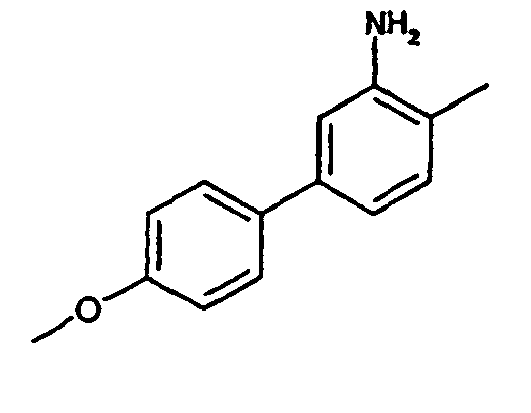
1H-NMR (400MHz, CDCl3, δ, ppm) : 2.20 (s, 3H), 3.84 (s, 3H), 6.87 (d, 1H), 6.89 (dd, 1H), 6.95 (d, 2H), 7.09 (d, 1H), 7.48 (d, 2H). Rf (n-hexane : ethyl acetate = 1:1): 0.50. 46-13 
1H- NMR (400MHz, CDCl3, δ, ppm): 1.49 - 1.59 (m, 3H), 1.70 - 1.95 (m, 6H), 2.00 - 2.20 (m, 2H), 2.60 - 2.90 (m, 7H), 3.50 - 3.60 (m, 3H), 3.83 (s, 3H), 3.85 - 3.91 (m, 1H), 6.41 (dd, 1H, J = 8.0, 2.5 Hz), 6.50 (d, 1H, J = 2.5 Hz), 6.63 (d, 1H, J = 8.0 Hz) 46-14 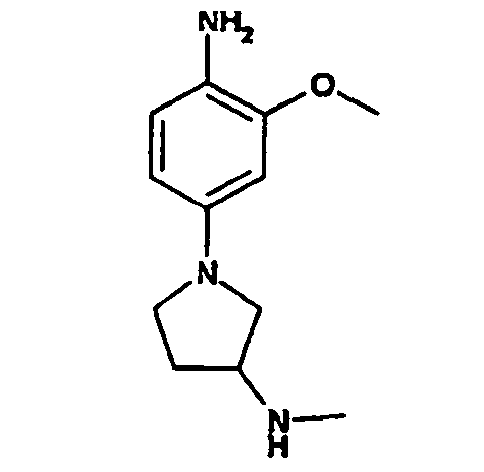
1H-NMR (400MHz, DMSO-d6, δ, ppm) : 1.87-1.79(m, 1H), 2.22 (ddd, 1H), 2.48 (s, 3H), 3.05 (dd, 1H), 3.28-3.21 (m, 1H), 3.40-3.32 (m, 2H), 3.45 (dd, 1H), 3.84 (s, 3H), 6.06 (dd, 1H), 6.15 (d, 1H)), 6.66 (d, 1H) 46-15 
1H-NMR (400MHz, CDCl3, δ, ppm): 2.35 - 2.73 (m, 4H), 2.68 - 2.75 (m, 1H), 2.82 - 2.93 (m, 2H), 3.14 - 3.19 (m, 1H), 3.29 - 3.40 (m, 2H), 3.50 - 3.60 (bs, 2H), 3.69- 3.78 (m, 2H), 3.84 (s, 3H), 3.85 - 3.91 (m, 1H), 6.40 (dd, 1H, J = 8.0, 2.5 Hz), 6.50 (d, 1H, J = 2.5 Hz), 6.64 (d, 1H, J = 8.0 Hz) 46-16 
1H-NMR (400MHz, DMSO-d6, δ, ppm) : 1.95-1.85(m, 1H), 2.22-2.14 (m, 1H), 2.31 (s, 3H), 2.89-2.79 (m, 1H), 3.10 (t, 1H), 3.39-3.25 (m, 3H), 3.42 (t, 1H), 3.85 (s, 3H), 6.05 (dd, 1H), 6.14 (d, 1H), 6.67 (d, 1H) 46-17 
1H-NMR (400MHz, CDCl3, δ, ppm) : 1.68-1.81 (m, 2H), 1.97-2.09 (m, 2H), 2.74-2.87 (m, 2H), 3.31-3.41 (m, 2H), 3.77-3.88 (m, 1H), 3.84 (s, 3H), 6.40-6.48 (m, 1H), 6.65 (bs, 1H), 6.64 (d, 1H). 46-18 
1H-NMR (400 MHz, CDCl3), δ (ppm): 2.55-2.61(m, 4H), 2.80(t, 2H), 3.72-3.77(m, 4H), 3.81 (s, 3H), 4.05(t, 2H), 6.24 (dd, 1H, J=8.56, 2.52Hz), 6.34 (d, 1H, J=2.52Hz), 6.68 (d, 1H J=8.56Hz). Rf = 0.31 (methanol : dichloromethane = 1:9). 46-19 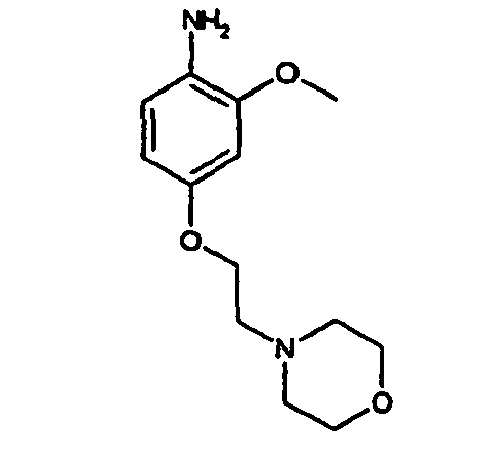
1H-NMR (400 MHz, CDCl3), δ (ppm): 2.55-2.61(m, 4H), 2.78(t, 2H), 3.72-3.77(m, 4H), 3.82(s, 3H), 4.05(t, 2H), 6.35 (dd, 1H, J=8.56, 2.52Hz), 6.47 (d, 1H, J=2.52Hz), 6.63 (d, 1H J=8.56Hz). Rf = 0.61 (methanol : dichloromethane = 1:4). 46-20 
1H-NMR (DMSO), δ (ppm): 3.84 (s, 3H), 6.95-7.00 (m, 1H), 7.08-7.12 (m, 2H). 46-21 
1H-NMR (400MHz, CDCl3): 1.47-1.34(m, 2H), 1.75-1.63 (m, 1H), 1.86-1.79(m, 2H), 2.64-2.58 (m, 2H), 3.28(d, 2H),3.61(d, 3H),3.87(s, 3H), 3.36(s, 1H),3.49-3.45 (m, 2H), 3.84(s,3H), 6.43(dd, 1H), 6.53(d, 1H) 6.64(d, 1H) 46-22 
1H-NMR (400MHz, CDCl3): 1.13(t, 3H),2.49(dd, 2H), 2.68-2.59 (m, 4H),3.10 (t, 4H), 3.84(s,3H), 6.43(dd, 1H), 6.53(d, 1H) 6.65(d, 1H) 46-23 
1H-NMR (400MHz, CDCl3): 1.78-1.68 (m, 2H), 1.99-1.89 (m, 2H), 2.36-2.20(m, 1H),2.67-2.50(m, 6H), 3.56-3.48(m, 2H),3.79-3.69(m, 4H), 3.84(s,3H), 6.42(dd, 1H), 6.52(d, 1H) 6.64(d, 1H) 46-24 
1H-NMR (400MHz, CDCl3): 1.08 (s, 3H),1.10 (s, 3H), 2.69(t, 4H),2.72-2.68 (m, 1H), 3.08 (t, 4H), 3.83(s,3H), 6.42(dd, 1H), 6.53(d, 1H) 6.64(d, 1H) 46-25 
1H-NMR (400MHz, CDCl3): 1.96-1.84 (m, 2H), 2.07-1.99 (m, 2H), 2.32-2.28(m, 1H), 2.70-2.60(m, 2H), 3.54-3.47(m, 2H), 3.84(s, 3H), 5.35-5.24(m,1H), 5.50-5.45 (m, 1H), 6.42(dd, 1H), 6.52(d, 1H) 6.64(d, 1H) 46-26 
1H-NMR (400MHz, CDCl3): 2.18-2.03 (m, 2H), 3.28-3.19 (m, 2H), 3.39-3.31 (m, 1H), 3.36(s. 3H), 3.49-3.42 (m, 1H), 3.85 (s,3H), 6.07(dd, 1H), 6.16(d, 1H), 6.66(d, 1H) 46-27 
1H-NMR (400MHz, CDCl3): 1.48(s, 9H), 1.88-1.71 (m, 2H), 1.97-1.82 (m, 2H), 2.78 (s, 3H), 2.84-2.64(m, 2H), 3.55-3.48(m, 2H), 3.95(s,3H), 3.84 (s, 3H), 6.43(d, 1H), 6.52(bs, 1H), 6.64(d, 1H) 46-28 
1H-NMR (400MHz, CDCl3): 3.02(s, 3H), 3.33(dd, 2H), 3.44(t, 2H), 3.74 (s, 2H), 3.83(s, 3H), 6.38(dd, 1H), 6.47(d 1H), 6.66(d, 1H) 46-29 
1H-NMR (400MHz, CDCl3): 1.78-1.38 (m, 2H), 1.96-1.89 (m, 2H), 2.30(s, 3H),2.39-2.31(m, 1H), 2.55-2.42(m, 4H),2.71-2.56(m, 6H), 3.35-3.49 (m,2H), 3.83 (s, 3H), 6.41 (dd, 1H), 6.52(d, 1H) 6.63(d, 1H) 46-30 
1H-NMR (400MHz, CDCl3): 3.80(s, 3H), 3.82(s, 3H), 3.82 (s, 3H), 6.40(s, 1H), 6.54(s, 1H) 46-31 
1H-NMR (400MHz, CDCl3): 3.20(t, 2H), 4.57(t, 2H), 6.55(dd, 1H), 6.70-6.65(m, 1H), 6.68 (d, 1H). Rf 040 (AcOEt) 46-32 
1H-NMR (400MHz, CDCl3): 2.98 (t, 4H), 3.62 (bs, 2H), 3.79 (s, 3H), 3.81 (s, 3H), 3.87(t, 4H), 6.36(s, 1H), 6.53(s, 1H) 46-33 
1H-NMR (400MHz, CDCl3): 2.37 (s, 3H), 2.61 (t, 4H), 3.27 (t, 4H), 3.88 (s, 3H), 3.95(s, 3H), 6.48(s, 1H), 7.56(s, 1H) 46-34 
1H-NMR (400MHz, CDCl3): 1.05(t, 3H), 1.83 (ddd, 2H), 2.35(s, 3H), 2.58(t, 4H), 3.07(t, 4H), 3.94(t, 2H), 6.41 (dd, 1H), 6.51(d, 1H), 6.65(d, 1H) 46-35 
1H-NMR (400MHz, CDCl3): 1.28(s, 3H), 1.30 (s, 3H), 2.04 (s, 2H), 2.17(s, 3H), 2.84-2.72 (m, 2H), 3.20 (d, 2H), 3.86 (s, 3H), 6.41 (d, 1H), 6.46(dd, 1H), 6.66(d, 1H), 46-36 
1H-NMR (400MHz, CDCl3): 1.18(t, 3H), 2.39(dd, 2H), 3.07-2.98(m, 4H), 3.61 (t, 2H), 3.78(t, 2H), 3.88(s, 3H), 6.41 (dd, 1H), 6.51 (d, 1H), 6.65(d, 1H) 46-37 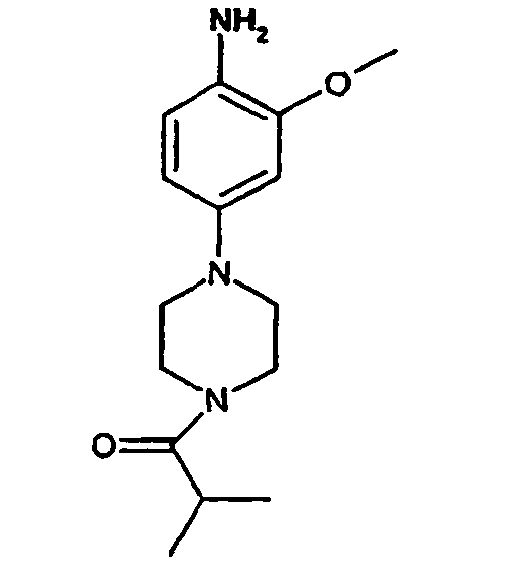
1H-NMR (400MHz, CDCl3): 1.15(s, 3H), 1.16(s, 3H), 2.83(sept, 1H), 3.07-2.98(m, 4H), 3.73-3.64(m, 2H), 3.83-3.76(m, 2H), 3.84(s, 3H), 6.41 (dd, 1H), 6.51 (d, 1H), 6.65(d, 1H) 46-38 
1H-NMR (400MHz, CDCl3): 2.84(d, 3H), 3.02(t, 4H), 3.51(t, 4H), 3.84(s, 3H), 4.48-4.38(m, 1H), 6.41 (dd, 1H), 6.51 (d, 1H), 6.65(d, 1H) 46-39 
1H-NMR (400MHz, CDCl3): 1.99-1.81 (m, 2H), 2.23-2.12(m, 2H), 2.69-2.58(m, 2H), 2.84 (d, 3H), 3.54-3.45(m, 2H), 3.84(s, 3H), 5.55-5.45(m, 1H), 6.42(dd, 1H), 6.52(d, 1H), 6.64(d, 1H) 46-40 
1H-NMR (400MHz, CDCl3): 1.53 (s, 6H), 2.11(s, 3H), 3.05(s, 2H), 3.28(t, 2H), 3.64(t, 2H), 3.86 (s, 3H), 6.26 (dd, 1H), 6.33(d, 1H), 6.67(d, 1H) 46-41 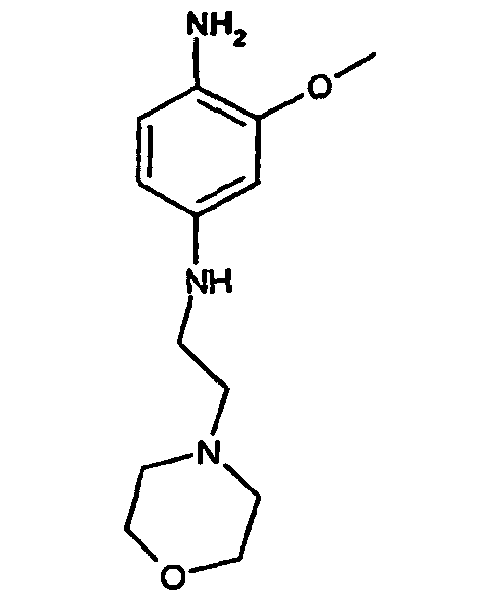
1H-NMR (400MHz, CDCl3): 2.55-2.41 (m, 4H), 2.63 (t, 2H), 3.13(t, 2H), 3.77-3.68(m, 4H), 3.83(s, 3H), 6.15(dd, 1H), 6.25 (d, 1H), 6.62(d, 1H) 46-42 
1H-NMR (400MHz, CDCl3): 2.05-2.00 (m, 2H), 2.39(t, 2H), 3.57(t, 2H), 3.64 (t, 2H), 3.83(s, 3H), 4.04(t, 2H), 6.32 (dd, 1H), 6.44(d, 1H), 6.63(d, 1H) 46-43 
1H-NMR (400MHz, CDCl3): 2.13 (s, 3H), 3.53-3.46 (m, 2H), 3.65-3.55(m, 4H), 3.71-3.66(m, 2H), 3.88 (s, 3H), 6.67(d, 1H), 6.87(dd, 1H), 6.95(d, 1H) 46-44 
1H-NMR (400MHz, CDCl3): 3.73-3.61(m,8H), 3.87(s, 3H), 6.65(d, 1H), 6.86(dd, 1H), 6.95(d, 1H) 46-46 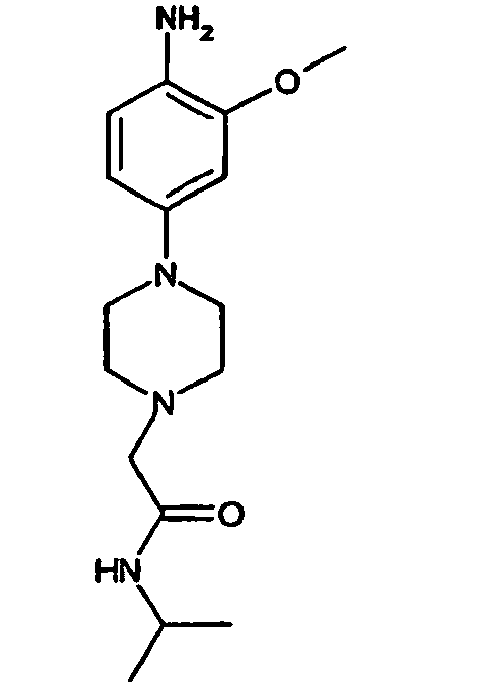
1H-NMR (400MHz, CDCl3): 1.17 (s, 3H), 1.19(s, 3H), 2.69(t, 4H), 3.04 (s, 2H), 3.08(t, 4H),4.15-4.07(m, 1H), 6.41 (dd, 1H), 6.51 (d, 1H), 6.65(d, 1H), 7.01-6.94(m 1H) 46-47 
1H-NMR (400MHz, CDCl3): 3.35-3.28 (m, 2H), 3.53-3.46(m, 2H), , 3.76 (s, 2H), 3.84(s, 3H), 5.92-5.83 (m, 1H), 6.40(dd, 1H), 6.48(d, 1H), 6.67 (d,1H) 46-48 
1H-NMR (400MHz, CDCl3): 2.09-2.00 (m, 2H), 2.25-2.15 (m, 2H), 3.29-3.20 (m, 2H), 3.51-3.40(m, 4H), 3.85(s, 3H), 4.62-4.55(m, 1H), 6.08(d, 1H), 6.18(d, 1H), 6.67(d, 1H) 46-49 
1H-NMR (400MHz, CDCl3): 1.52-1.40 (m, 2H), 1.90-1.84 (m, 2H), 2.68-2.59 (m, 2H), 3.51-3.45(m, 2H), 3.84(s, 3H), 6.44(dd, 1H), 6.54(d, 1H), 6.64(d, 1H) 46-50 
1H-NMR (400MHz, CDCl3) : 2.14 (s, 3H), 2.66 (s, 6H), 6.44 (d, 1H), 6.54 (d, 1H), 6.98 (t, 1H). 46-51 
1H-NMR (400MHz, CDCl3) :2.63 (s, 3H), 7.49-7.45 (m, 1H), 7.74-7.62 (m, 2H), 7.76 (dd, 1H), 8.24(d, 1H), 8.77-8.64 (m, 2H). 46-52 
1H-NMR (400MHz, CDCl3) :3.84 (s, 3H), 3.88 (s, 3H), 6.78(d, 1H), 6.83 (d, 1H), 7.00-6.89 (m, 3H), 7.45 (d, 1H). 46-53 
1H-NMR (400MHz, CDCl3) :1.40 (t, 3H), 3.03 (t, 4H), 3.84 (t, 4H), 4.00 (q, 2H), 6.27 (dd, 1H), 6.38 (d, 1H), 6.71 (dd, 1H), 46-54 
1H-NMR (400MHz, CDCl3) :1.26 (t, 3H), 3.02 (t, 4H), 3.85 (t, 4H), 4.05 (q, 2H), 6.40(dd, 1H), 6.49 (d, 1H), 6.66 (d, 1H), 46-55 
1H-NMR (400MHz, CDCl3) :3.44 (s, 3H), 3.73 (s, 3H), 3.74-3.68 (m, 2H), 3.95-3.85 (m, 2H), 4.10-4.05 (m, 2H), 6.21 (dd, 1H), 6.32(d, 1H), 6.75 (d, 1H). 46-56 
1H-NMR (400MHz, CDCl3) :2.35-2.26 (m, 1H), 3.74 (s, 3H), 3.93-3.86 (m, 2H), 4.09-4.07 (m, 2H), 6.25 (dd, 1H), 6.34(d, 1H), 6.76 (d, 1H). 46-57 
1H-NMR (400MHz, CDCl3) :1.40 (t, 3H), 3.71 (s, 3H), 4.00 (q, 2H), 6.22(dd, 1H), 6.33 (d, 1H), 6.69 (d, 1H). 46-58 
1H-NMR (400MHz, CDCl3) :1.32(d, 6H), 3.73(s, 3H), 3.85-3.71 (m, 2H), 4.37 (sept, 1H), 6.22 (dd, 1H), 6.32 (d, 1H), 6.72 (d, 1H). 46-59 
1H-NMR (400MHz, CDCl3) :1.04 (t, 3H), 1.80 (ddd, 2H), 3.72 (s, 3H), 3.85-3.75 (m, 2H), 3.90 (t, 2H), 6.22 (dd, 1H), 6.33 (d, 1H), 6.69 (d, 1H). 46-60 
1H-NMR (400MHz, CDCl3) :2.94 (s, 6H), 3.89 (s, 3H), 6.16 (dd, 1H), 6.25 (d, 1H), 6.72 (d, 1H). 46-61 
1H-NMR (400MHz, CDCl3) :3.91 (s, 3H), 6.87 (d, 1H), 7.02 (dd, 1H), 7.05 (d, 1H), 7.44 (dd, 2H), 8.59 (dd, 2H). 46-62 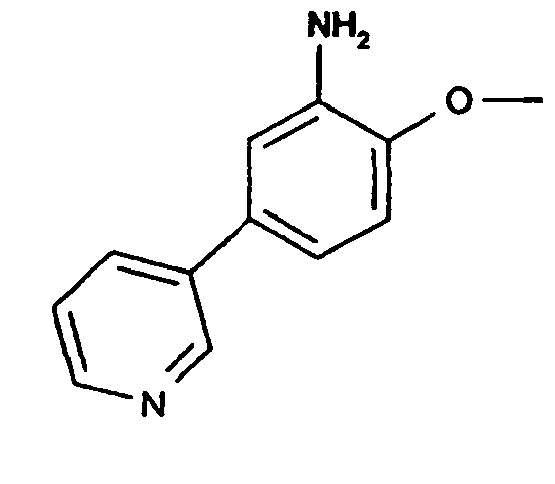
1H-NMR (400MHz, CDCl3) :3.91 (s, 3H), 6.88 (d, 1H), 6.96-6.93(m, 1H), 7.31 (ddd, 1H), 7.83-7.80 (m, 1H), 8.51 (dd, 1H), 8.78(dd, 1H). 46-63 
1H-NMR (400MHz, CDCl3) :3.91 (s, 3H), 6.87 (dd, 1H), 7.16(ddd, 1H), 7.34(dd, 1H), 7.43 (d, 1H), 7.72-7.64 (m, 2H), 8.63-8.61 (m, 1H). 46-64 
mp 148.6°C; 1H-NMR (500MHz, CDCl3) δ (ppm): 1.63 (m; 2H), 1.99 (m; 2H), 2.27 (m; 1H), 2.60 (m; 6H), 3.52 (m; 2H), 3.71 (m; 4H), 3.78 (s; 3H), 6.36 (dd; 1H); 6.52 (d; 1H), 6.73 (d; 1H). 46-65 -

- To a solution of 4-methyl-3-nitro-benzoic acid (300 mg, 2.76 mmol), N-butoxycarbonylpiperazine (340 mg, 1.83 mmol) in DMF (3.0 mL), triethylamine (300 µL, 3.59 mmol), TBTU (800 mg, 2.49 mmol) and HOAt (270.5 mg,1.99 mmol) are added and stirred at room temperature for 24 hours. The mixture is poured into water and extracted twice with ethyl acetate. The organic layer is washed with water and then brine, dried over magnesium sulfate, and evaporated in vacuo. The residue is purified with silica gel column chromatography (n-hexane : ethyl acetate = 5 : 1) to afford 4-(4-methyl-3- nitrobenzoyl)-piperazine-1-carboxylic acid tert-butyl ester as a colorless solid.
1H-NMR (δ, ppm) : 1.47 (s,9H), 2.64 (s, 3H), 3.88-3.28 (m, 8H), 7.42 (d, 1H), 7.56 (dd, 1H), 8.03 (d, 1H). Rf (hexane : ethyl acetate = 10:1): 0.13. - The title compound is obtained by reduction with hydrogen over 10% palladium on charcoal in methanol solution.
-

- To a suspension of 4-bromo-1-methyl-2-nitrobenzene (225 mg, 1.04 mmol), morpholine (125 µ L, 1.25 mmol), and cesium carbonate (474.4 mg, 1.46 mmol) in toluene, palladium diacetate (31.2 mg, 0.139 mmol) and 2-(di-t-butylphosphino)biphenyl (125 mg, 0.403 mmol) are added and stirred at 100°C for 5 hours. After cooling, the mixture is filtered to remove insoluble material. The filtrate is poured into water and extracted with ethyl acetate twice. The organic layer is washed with water and then brine, dried over magnesium sulfate, and evaporated in vacuo. The residue is purified with silica gel column chromatography (n-hexane : ethyl acetate = 5: 1) to afford 4-(4-methyl-3-nitrophenyl)-morpholine as a yellow solid.
1H-NMR (δ, ppm) : 2.50 (s, 3H), 3.19-3.17 (m, 4H), 3.88-3.86 (m, 4H), 7.04 (dd, 1H), 7.21 (d, 1H), 7.47 (d, 1H). Rf (hexane : ethyl acetate = 5:1): 0.20. - The title compound is obtained by reduction with hydrogen over 10% palladium on charcoal in methanol solution.
-

- To a solution of 1.0 g (3.37 mmol) of 2-(2,5-dichloro-pyrimidin-4-ylamino)-N-methyl-benzamide in 15 mL of acetic acid are added 2-methoxy-4-morpholinoaniline dihydrochloride (1.9 g, 6.73 mmol) and 6.0 mL) of 1 N ethanolic solution of hydrogen chloride (6.0 mmol). After the reaction mixture is stirred at 120°C for 16 hours and cooled to room temperature, aqueous NaHCO3 solution is added to adjust the acidity between pH 5 and pH 6. The resulting precipitate is collected by a filtration and dried under reduced pressure to give 2-[5-chloro-2-(2-methoxy-4-morpholin-4-yl-phenyl-amino)-pyrimidin-4-ylamino]-benzoic acid (970 mg, 2.12 mmol, 63%) as ivory solid.
NMR (400MHz, DMSO-d6, δ): 3.10-3.20 (m, 4H), 3.78 (s, 3H), 3.70-3.80 (m, 4H), 6.52 (dd, 1H, J = 8.56, 2.52 Hz), 6.67 (d, 1H, J = 2.52 Hz), 7.08 (dd, 1H, J = 8.04, 8.04 Hz), 7.39 (d, 1H, J = 8.56 Hz), 7.35-7.45 (m, 1H), 7.99 (dd, 1H, J = 8.04, 1.52Hz), 8.14 (s, 1H), 8.28 (s, 1H) 8.70-8.80 (m, 1H). - To a solution of 2-amino-5-chloro-4-methyl-benzenesulfonic acid (3.0 g, 1.35 mmol) in dichloroethane (10 mL) is added sulfuryl chloride (4.4 mL, 3.83 mmol) and stirred at 60°C. After one hour, thionyl chloride (1.3 mL) is added and the mixture is further stirred at 100°C for 7.0 hours. The mixture is poured into iced water and extracted with ether three times. The organic layer is washed with water and then brine, dried over sodium sulfate, and evaporated in vacuo. 1H-NMR (δ, ppm) : 2.35 (s, 3H), 6.68 (s, 1H), 7.75 (s, 1H).
- This substituted sulfonyl chloride is reacted with a suitable amine. On reaction e.g. with methylamine, 2-amino-5-chloro-4,N-dimethylbenzenesulfonamide is formed.
-

- To a solution of 2-[5-Bromo-2-(2-methoxy-4-morpholin-4-yl-phenylamino)-pyrimidin-4-ylamino]-N-methyl-benzenesulfonamide (Ex3-19) (1.0g, 1.82mmol) in DMF (10mL), potassium carbonate (300mg, 2.17mmol) and iodomethane (116µl, 1.86mmol) are added. The resulting suspension is stirred at 50°C for 1 h. To the reaction mixture, water is added and extracted with ethyl acetate three times. The organic layer is washed with water, dried over sodium sulfate, and concentrated in vacuo. The residue is purified by aluminum oxide column chromatography (AcOEt) to afford the title compound (728mg, 71% yield).
NMR (400MHz, CDCl3, δ): 2.74 ((s, 6H), 3.05-3.18 (m, 4H), 3.84-3.93 (m, 4H), 3.88 (s, 3H), 6.43 (dd, 1H), 6.53 (d, 1H), 7.24 (m, 1H), 7.31 (s, 1H), 7.56 (m, 1H), 7.87 (dd, 1H), 8.05 (d, 1H), 8.21 (s, 1H), 8.49 (d, 1H), 8.49 (d, 1H), 9.27 (s, 1H). Rf: 0.23 (AcOEt:Hexane=1:1). -

- To a solution of chlorosulfonylisocyanate (1.2mL, 13.5mmol) in nitroethane (10mL), 4-fluoroaniline (1.0g, 8.97mmol) is added dropwise at 0°C and the reaction mixture is stirred for 30min. To the solution, aluminum chloride (1.3g, 9.87mmol) is added at 0°C and the mixture is stirred at 100°C for 1 hour. After cooling to room temperature, water is added and the mixture is extracted with ethyl acetate twice. The organic layer is washed with brine, dried over sodium sulfate, and concentrated under reduced pressure. The resulting solids are collected by a filtration and wahed with ether to give slightly gray solids (803.9mg, 41%).
NMR (400MHz, DMSO-d6, δ): 7.22-7.28 (m, 1H), 7.45-7.57 (m, 1H), 7.60 (m, 1H), 11.15-11.30 (m, 1H). Rf: 0.43 (MeOH:AcOEt=1:5). - To a solution of 7-Fluoro-1,1-dioxo-1,4-dihydro-2H-1-λ6-benzo[1,2,4]thiadiazin-3-one (5.19g, 24.0mmol) in DMF (50mL), sodium hydride (1.04g, 26.0mmol) and iodomethane (1.5mL, 24.0mmol) are added successively and the mixture is stirred for 1 hour at 70°C. After cooling to room temperature, the mixture is poured into water and the precipitate is collected by a filtration and washed with water and hexane, successively, to give slightly gray solids (5.38g, 94%).
NMR (400MHz, DMSO-d6, δ): 3.32 (s, 3H), 7.44 (dd, 1H), 7.75 (ddd, 1H), 7.94 (dd, 1H).
Rf (MeOH:AcOEt = 1:5): 0.21. Rf: 0.39 (Hexane:AcOEt=1:1). - 6.79g of 7-Fluoro-2-methyl-1,1-dioxo-1,4-dihydro-2H-1λ6-benzo[1,2,4]thiadiazin-3-one (29.5mmol) is dissolved in 20% aq. sodium hydroxide and the resulting solution is stirred at 100°C for 13.5 hours. The mixture is cooled to room temperature and poured into water. 78mL of 5M HCl aq. is added and the precipitate is collected by a filtration and washed with water to afford slightly purple solids (3.96g, 65%).
NMR (400MHz, CDCl3, δ): 2.60 (d, 3H), 4.55-4.82 (m, 3H), 6.74 (dd, 1H), 7.05-7.12 (m, 1H), 7.45 (dd, 1H). Rf: 0.41 (Hexane:AcOEt=1:1). - The reaction of pyrimidine with 2-Amino-5-fluoro-N-methyl-benzenesulfonamide is performed in the same manner described in example B.
NMR (400MHz, CDCl3, δ): 2.67 (d, 3H), 4.56 (m, 1H), 7.36-7.45 (m, 1H), 7.68 (dd, 1H), 8.39 (s, 1H), 8.42 (dd, 1H), 9.26 (s, 1H). Rf 0.59 (Hexane:AcOEt = 1:1). - The introduction of substituted aniline is performed according to the manner described in Example A.
NMR (400MHz, CDCl3, δ): 2.65 (d, 3H), 3.09-3.16 (m, 4H), 3.87 (s, 3H), 4.50 (q, 1H), 6.41 (dd, 1H), 6.52 (d, 1H), 7.25-7.33 (m, 2H), 7.69 (dd, 1H), 7.95 (d, 1H), 8.20 (s, 1H), 8.37 (dd, 1H), 8.70 (s, 1H). Rf 0.30 (Hexane:AcOEt = 1:1) -
Compound Number Structure Physical Data
1H NMR 400 MHz (DMSO-d6) and/or MS (m/z)5 
1H NMR 400 MHz (CDCl3) δ 12.5 (s, br, 1H), 10.3 (s, 1H), 8.39 (d, 1H, J = 8.38 Hz), 7.97 (s, 1H), 7.87 (dd, 1H, J = 1.63, 7.55 Hz), 7.49 (d, 1H, J = 8.69 Hz), 6.54 (d, 1H, J = 2.49 Hz), 6.43 (dd, 1H, J = 2.51, 8.73 Hz), 4.70 (s, 1H), 4.04 (q, 2H, J = 6.98 Hz), 3.51 (m, 2H), 3.29 (d, 1H, J = 19.2 Hz), 3.18 (m, 2H), 2.89 (d, 3H, J = 3.26 Hz), 2.77 (s, 6H), 2.39 (m, 2H), 2.22 (m, 2H), 1.40 (t, 3H, J = 6.97 Hz). MS m/z 561.4(M+1) 6 
MS m/2 589.4 (M+1) 7 
MS m/z 633.4/635.4 (M + 1). 8 
MS m/z 591.3/593.3 (M + 1). 9 
MS m/z 547.4 (M + 1). 10 
1H NMR 400 MHz (acetone-d6 ) δ 9.45 (br, 1H), 8.88 (br, 1H), 8.23 (m, 1H), 8.07 (s, 1H), 7.83 (m, 1H), 7.72 (dd, 1H, J = 1.25, 7.96 Hz), 7.45 (m, 1H), 7.14 (m, 2H), 6.86 (m, 1H), 6.79 (br, 1H), 6.62 (m, 1H), 6.13 (m, 1H), 3.97 (t, 2H, J = 6.98 Hz), 3.63 (m, 2H), 3.21 (m, 2H), 2.44 (m, 1H), 2.34 (s, 3H), 1.99 (m, 4H), 1.17 (t, 3H, J = 6.98 Hz). MS m/z 560.4 (M + 1). MS m/z 561.4 (M+1). 11 
12 
MS m/z 591.3/593.3 (M + 1). 13 
MS m/z 547.4 (M + 1). 14 
MS m/z 559.4 (M + 1). 15 
MS m/z 564.5 (M + 1). 16 
MS m/z 575.4 (M + 1). 17 
MS m/z 605.3/607.3 (M + 1). 18 
MS m/z 561.4 (M+1). 19 
MS m/z 532.4 (M + 1). 20 
1H NMR 400 MHz (acetone-d6) δ 8.60 (d, 1H, J = 8.27 Hz), 8.40 (s, 1H), 8.00 (dd, J = 1.55, 7.95 Hz), 7.76 (m, 2H), 7.49 (m, 1H), 7.08 (d, J = 8.94 Hz, 1H), 6.84 (dd, J = 3.00, 8.91Hz, 1H), 4.50 (t, J = 4.99 Hz, 2H), 4.08 (m, 2H), 4.00 (m, 2H), 3.90 (s, 3H), 3.78 (m, 4H), 3.37 (m, 4H), 1.76 (m, 2H), 0.99 (t, J = 7.44 Hz, 3H). MS m/z 562.4 (M + 1). 21 
MS m/z 560.4 (M + 1). 22 
1H NMR 600 MHz (acetone-d6) δ 11.20 (br, 1H), 9.75 (d, J = 15.25 Hz, 1H), 8.46 (m, 2H), 8.04 (dd, J = 1.12, 7.93 Hz, 1H), 7.71 (m, 1H), 7.69 (m, 1H), 7.47 (t, J = 7.63 Hz, 1H), 7.06 (m, 1H), 7.02 (m, 1H), 4.07 (m, 2H), 3.99 (s, 3H), 3.77 (m, 2H), 3.67 (m, 1H), 3.27 (m, 2H), 3.13 (t, J = 12.2 Hz, 2H), 2.85 (m, 2H), 2.46 (m, 2H), 2.26 (m, 3H), 2.08 (m, 3H), 1.95 (m, 1H), 1.75 (m, 1H), 1.66 (m, 1H), 0.89 (d, J = 6.65 Hz, 6H). MS m/z 672.4/674.4 (M + 1). 23 
MS m/z 600.4 (M + 1). 24 
MS m/z 586.4 (M + 1). 25 
MS m/z 642.5 (M + 1). 26 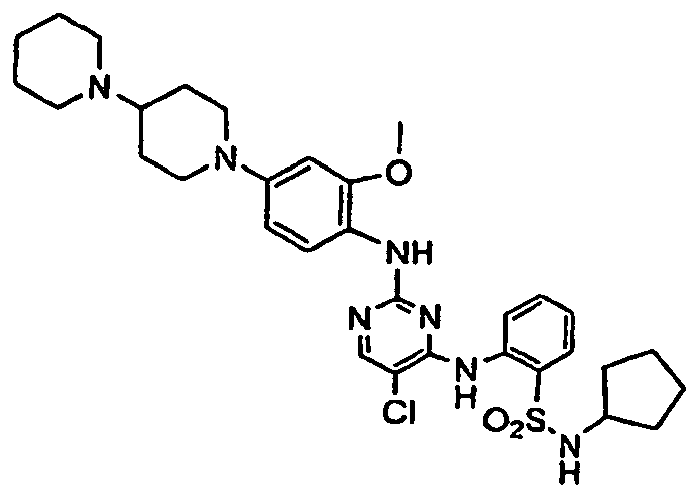
MS m/z 640.5 (M + 1). 27 
MS m/z 630.3/632.3 (M + 1). 28 
MS m/z 633.4/635.3 (M + 1). 29 
MS m/z 603.4 (M + 1). 30 
MS m/z 601.4 (M + 1). 31 
MS m/z 603.4 (M + 1). 32 
MS m/z 601.4 (M + 1). 33 
MS m/z 575.4 (M + 1). 34 
MS m/z 561.4 (M + 1). 35 
1H NMR 600 MHz (acetone-d6 ) δ 8.47(d, J = 7.13, 1H), 8.43 (s, 1H), 8.09 (d, J = 7.85 Hz, 1H), 7.83 (m, 1H), 7.73 (t, J = 7.67 Hz, 1H), 7.50 (m, 1H), 6.87 (m, 1H), 6.71 (m, 1H), 5.46 (d, J = 31.2 Hz, 1H), 4.22 (m, 3H), 3.55 (m, 5H), 2.51 (m, 1H), 2.49 (m, 1H), 2.21 (m, 1H), 1.50 (m, 6H), 1.10 (d, J = 6.56 Hz, 6H) .MS m/z 575.4 (M + 1). 36 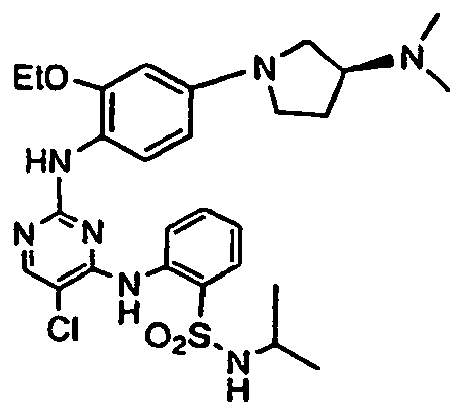
MS m/z 574.4 (M + 1). 37 
MS m/z 562.4 (M + 1). 38 
MS m/z 560.4 (M + 1). 39 
MS m/z 546.4 (M + 1). 40 
MS m/z 560.4 (M + 1). 41 
MS m/z 559.4 (M + 1). 42 
MS m/z 547.4 (M + 1). 43 
MS m/z 559.4 (M + 1). 44 
MS m/z 600.4 (M + 1). 45 
MS m/z 586.4 (M + 1). 46 
MS m/z 600.4 (M + 1). 47 
MS m/z 599.4 (M+1). 48 
MS m/z 587.4 (M + 1). 49 
1H NMR 600 MHz (acetone-d6 ) δ 10.35 (m, 1H), 8.72 (s, br, 1H), 8.42 (s, 1H), 8.00 (d, J = 7.93 Hz, 1H), 7.73 (m, 1H), 7.64 (m, 1H), 7.50 (t, J = 7.77 Hz, 1H), 6.55 (s, 1H), 6.43 (d, J = 8.5 Hz, 1H), 4.31 (m, 1H), 4.22 (q, J = 6.93 Hz, 2H), 3.97 (m, 2H), 3.80 (t, J = 8.45 Hz, 1H), 3.58 (q, J = 8.38 Hz, 1H), 3.36 (m, 1H), 3.17 (s, 1H), 2.78 (m, 1H), 2.66 (m, 1H), 2.15 (m, 2H), 1.73 (d, J = 12.9 Hz, 2H), 1.59 (d, J = 12.9 Hz, 1H), 1.55 (m, 2H), 1.43 (m, 3H), 1.35 (m, 2H), 1.25 (m, 1H). MS m/z 599.4 (M + 1). 50 
MS m/z 562.4 (M + 1). 51 
MS m/z 614.5 (M + 1). 52 
MS m/z 640.5 (M + 1). 53 
MS m/z 640.5 (M + 1). 54 
MS m/z 628.5 (M + 1). 55 
MS m/z 600.4 (M + 1). 56 
MS m/z 644.4/646.4 (M + 1). 57 
MS m/z 613.5 (M + 1). 58 
MS m/z 578.5 (M + 1). 59 
MS m/z 560.4 (M + 1). 60 
MS m/z 586.4 (M + 1). 61 
MS m/z 586.4 (M + 1). 62 
MS m/z 574.4 (M + 1). 63 
MS m/z 546.4 (M + 1). 64 
MS m/z 590.4/592.4 (M + 1). 65 
MS m/z 559.4 (M + 1). 66 
1H NMR 600 MHz (CD3OD) δ 8.65 (br, 1H), 8.03 (br, 1H), 7.78 (d, J = 7.76 Hz, 1H), 7.49 (br, 1H), 7.30 (s, 1H), 6.38 (m, 1H), 6.33 (dd, J = 1.69, 8.64 Hz, 1H), 4.12 (q, J = 6.96 Hz, 2H), 4.06 (m, 1H), 3.71 (dd, J = 6.68, 10.74 Hz, 1H), 3.66 (m, 1H), 3.56 (dd, J = 4.71, 10.76 Hz, 1H), 3.42 (m, 3H), 3.22 (q, J = 7.28 Hz, 2H), 2.57 (m, 1H), 2.26 (m, 1H), 1.39 (t, J = 7.28 Hz, 3H), 1.34 (t, J = 6.96 Hz, 3H). MS m/z 524.4 (M + 1). 67 
MS m/z 574.4 (M + 1). 68 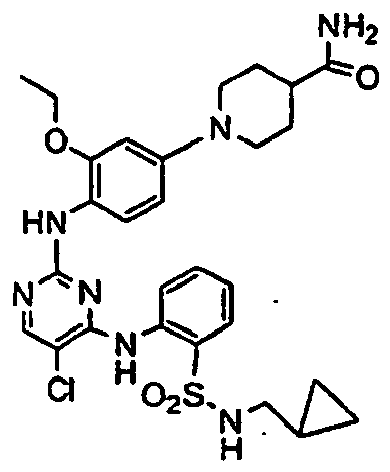
1H NMR 600 MHz (CD3OD) δ 8.23 (s, 1H), 8.18 (d, J = 8.16 Hz, 1H), 7.98 (d, J = 8.44 Hz, 2H), 7.68 (m, 1H), 7.43 (m, 1H), 7.22 (d, J = 2.29 Hz, 1H), 6.97 (dd, J = 2.30, 8.81 Hz, 1H), 4.20 (q, J = 6.99 Hz, 2H), 3.77 (m, 2H), 3.58 (m, 2H), 2.75 (d, J = 7.03 Hz, 2H), 2.72 (m, 1H), 2.18 (m, 4H), 1.47 (t, J = 6.97 Hz, 3H), 0.75 (m, 1H), 0.30 (m, 2H), 0.00 (m, 2H). MS m/z 600.4 (M + 1). 69 
MS m/z 600.4 (M + 1). 70 
MS m/z 588.4 (M + 1). 71 
MS mlz 560.4 (M + 1). 72 
MS m/z 604.3/606.3 (M + 1). 73 
MS m/z 573.4 (M + 1). 74 
MS m/z 538.4 (M + 1). 75 
MS m/z 573.4 (M + 1). 76 
MS m/z 578.5 (M + 1). 77 
MS m/z 613.5 (M + 1). 78 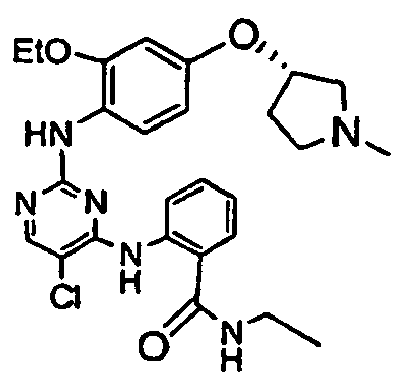
MS m/z 511.4 (M + 1). 79 
MS m/z 525.5 (M + 1). 80 
MS m/z 524.5 (M + 1). 81 
MS m/z 510.5 (M + 1). 82 
MS m/z 525.4 (M + 1). 83 
MS m/z 627.5 (M + 1). 84 
1H NMR 600 MHz (CD3OD) δ 9.18 (m, 2H), 8.05 (d, J = 7.93 Hz, 1H), 7.93 (t, J = 7.64 Hz, 1H), 7.78 (m, 1H), 7.68 (m, 2H), 7.58 (t, J = 7.54 Hz, 1H), 4.72 (s, 2H), 4.07 (d, J = 12.4 Hz, 2H), 3.34 (br, 4H), 2.96 (t, J = 12.3 Hz, 2H), 2.87 (s, 6H), m, 2H), 2.28 (s, 1H), 2.00 (br, 7H), 1.81 (br, 2H). MS m/z 627.5 (M + 1). 85 
MS m/z 591.5 (M + 1). 86 
MS m/z 601.5 (M + 1). 87 
MS m/z 602.4 (M + 1). 88 
MS m/z 566.5 (M + 1). 89 
MS m/z 656.5 (M + 1). 90 
1H NMR 600 MHz (CD3OD) δ 8.16 (d, J = 8.16 Hz, 1H), 8.23 (s, 1H), 7.94 (dd, J = 1.42, 7.98 Hz, 1H), 7.79 (d, J = 9.24 Hz, 1H), 7.72 (m, 1H), 7.48 (m, 1H), 7.15 (d, J = 2.53 Hz, 1H), 7.03 (dd, J = 2.58, 8.91 Hz, 1H), 4.00 (s, 1H), 3.82 (d, J = 12.63 Hz, 2H), 3.50 (s, br, 4H), 3.29 (m, 5H), 3.19 (m, 1H), 2.96 (s, 3H), 2.73 (s, 6H), 2.25 (d, J = 12.40 Hz, 2H), 2.03 (m, 2H), 1.40 (s, 9H). MS m/z 657.5 (M + 1). 91 
MS m/z 621.6 (M + 1). 92 
1H NMR 600 MHz (CD3OD) δ 8.31 (d, J = 7.65 Hz, 1H), 8.19 (s, 1H), 7.94 (dd, J = 1.33, 7.96 Hz, 1H), 7.67 (t, J = 7.70 Hz, 1H), 7.49 (t, J = 7.68 Hz, 1H), 7.44 (d, J = 8.56 Hz, 1H), 6.83 (d, J = 1.37 Hz, 1H), 6.65 (d, J = 8.66 Hz, 1H), 4.69 (m, 1H), 4.11 (br, 2H), 3.91 (d, J = 12.68 Hz, 2H), 3.83 (br, 2H), 3.58 (br, 2H), 3.46 (m, 1H), 3.23 (br, 2H), 3.00 (t, J = 12.19 Hz, 2H), 2.73 (s, 6H), 2.33 (d, J = 12.14 Hz, 2H), 1.97 (m, 2H), 1.30 (d, J = 6.04 Hz, 6H). MS m/z 630.5 (M + 1). 93 
MS m/z 629.5 (M + 1). 94 
MS m/z 594.5 (M + 1). 95 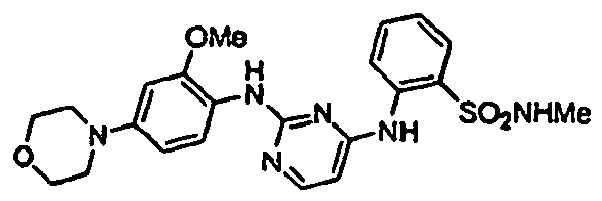
MS m/z 471.1 (M + 1). 96 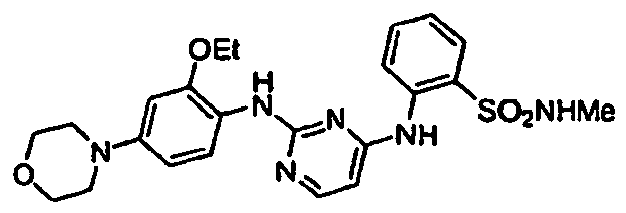
1H NMR 600 MHz (DMSO-d6 ) δ 11.7 (bs, 1H), 11.14 (bs, 1H), 9.50 (b, 2H), 7.89 (d, 1H, J = 9.1 Hz), 7.72 (m, 2H), 7.55 (m, 2H), 7.18 (m, 1H), 6.62 (s, 1H), 6.46 (m, 1H), 4.06 (q, 2H, J = 6.6 Hz), 3.73 (t, 4H, J = 4 .8 Hz), 3.11 (m, 4H), 2.40 (m, 3H), 1.24 (m, 3H); MS m/z 485.1 (M + 1). 97 
MS m/z 577.1 (M + 1). 98 
1H NMR 600 MHz (DMSO-d6 ) δ 9.97 (bs, 1H), 9.34 (s, 1H), 8.48 (bs, 1H), 8.34 (bs, 1H), 8.28 (s, 1H), 7.80 (q, 1H, J = 4.8 Hz), 7.77 (d, 1H, J = 7.8 Hz), 7.48 (m, 1H), 7.39 (d, 1H, J = 8.4 Hz,), 7.25 (t, 1H, J = 7.2 Hz), 6.71 (s, 1H), 6.49 (d, 1H, J = 8.4 Hz), 3.93 (t, 2H, J = 6.0 Hz), 3.85 (d, 2H, J = 12 Hz), 3.54 (d, 2H, J = 12 Hz), 3.18 (q, 2H, J = 9.0 Hz), 2.94 (t, 2H, J = 11 Hz), 2.88 (s, 3H), 2.42 (d, 3H, J = 4.8 Hz), 1.64 (m, 2H), 0.85 (t, 3H, J = 7.2 Hz); MS m/z 590.1 (M + 1). 99 
MS m/z 578.1 (M + 1). 100 
MS m/z 593.1 (M + 1). 101 
1H NMR 600 MHz (DMSO-d6 ) δ 10.0 (bs, 1H), 9.34 (s, 1H), 8.47 (bs, 1H), 8.33 (bs, 1H), 8.30 (s, 1H), 7.79 (s, 1H), 7.78 (d, 1H, J = 7.2 Hz), 7.50 (m, 2H), 7.27 (t, 1H, J = 7.8 Hz,), 6.75 (s, 1H), 6.53 (d, 1H, J = 7.8 Hz), 4.12 (t, 2H, J = 4.8 Hz), 3.84 (d, 2H, J = 12 Hz), 3.59 (t, 2H, J = 4.8 Hz), 3.53 (d, 2H, J = 12 Hz), 3.23 (s, 3H), 3.17 (q, 2H, J = 9.0 Hz), 2.94 (t, 2H, J = 11 Hz), 2.88 (s, 3H), 2.43 (d, 3H, J = 4.8 Hz); MS m/z 606.1 (M + 1). 102 
MS m/z 594.1 (M + 1). 103 
MS m/z 547.1 (M + 1). 104 
MS m/z 533.1 (M + 1). 105 
MS m/z 496.4 (M + 1). 106 
1H NMR 400 MHz (DMSO-d6 ) δ 9.35 (s, 1H), 9.02 (s, 1H), 8.52 (s, 1H), 8.17 (bs, 1H), 7.80 (m, 2H), 7.45 (bs, 1H), 7.29 (m, 2H), 6.66 (s, 1H), 6.47 (d, 1H, J = 8.0 Hz), 4.02 (q, 2H, J = 7.2 Hz), 3.76 (t, 4H, J = 4.8 Hz), 3.14 (t, 4H, J = 4.8 Hz), 2.41 (d, 3H, J = 4.0 Hz), 1.23 (t, 3H, J = 7.2 Hz); MS m/z 510.4 (M + 1). 107 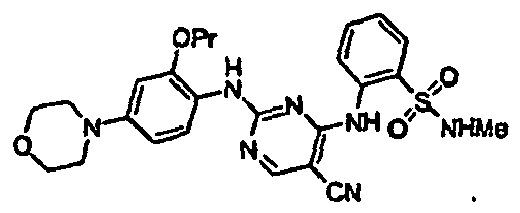
MS m/z 524.5 (M + 1). 108 
1H NMR 600 MHz (DMSO-d6 ) δ 9.61 (s, 1H), 9.10 (bs, 1H), 8.35 (bs, 1H), 8.18 (s, 1H), 7.77 (m, 2H), 7.41 (bs, 1H), 7.26 (t, 1H, J = 7.2 Hz), 7.15 (d, 1H, J = 7.8 Hz), 6.89 (s, 1H), 6.85 (d, 1H, J = 9.6 Hz), 3.77 (t, 4H, J = 4.8 Hz), 3.15 (t, 4H, J = 4.8 Hz), 2.52 (q, 2H, J = 7.2 Hz), 2.41 (d, 3H, J = 4.8 Hz), 1.06 (t, 3H, J = 7.2 Hz); MS m/z 503.2 (M + 1). 109 
MS m/z 547.2 (M + 1). 110 
MS m/z 494.2 (M + 1). 111 
MS m/z 557.3 (M + 1). 112 
MS m/z 559.3 (M + 1). 113 
MS m/z 561.2 (M + 1). 114 
MS m/z 508.2 (M + 1). 115 
MS m/z 529.2 (M + 1). 116 
1H NMR 400 MHz (DMSO-d6 ) δ 9.91 (bs, 1H), 9.50 (s, 1H), 8.94 (s, 1H), 8.49 (bs, 1H), 8.17 (s, 1H), 7.74 (d, 1H, J = 7.6 Hz), 7.41 (bs, 1H), 7.23 (t, 1H, J = 7.2 Hz), 7.18 (d, 1H, J = 8.0 Hz), 6.89 (m, 2H), 3.84 (d, 2H, J = 11.4 Hz), 3.54 (d, 2H, J = 11.4 Hz), 3.18 (q, 2H, J = 8.0 Hz), 2.95 (t, 2H, J = 11.4 Hz), 2.88 (s, 3H), 2.64 (s, 6H), 2.53 (m, 2H), 1.06 (t, 3H, J = 8.0 Hz); MS m/z 530.2 (M + 1). 117 
MS m/z 556.2 (M + 1). 118 
MS m/z 556.2 (M + 1). 119 
MS m/z 548.2 (M + 1). 120 
1H NMR 400 MHz (DMSO-d6 ) δ 10.24 (bs, 1H), 9.54 (s, 1H), 8.50 (bs, 1H), 8.41 (d, 1H, J = 7.2 Hz), 8.21 (s, 1H), 7.80 (m, 2H), 7.50 (t, 1H, J = 7.2 Hz), 7.32 (d, 1H, J = 8.4 Hz), 7.28 (t, 1H, J = 8.0 Hz), 6.32 (d, 1H, J = 2.4 Hz), 6.17 (dd, 1H, J1 = 2.4 Hz, J2 = 8.4 Hz), 4.61 (m, 2H), 4.01 (m, 1H), 3.60 (m, 1H), 3.48 (m, 2H), 3.25 (q, 1H, J = 8.8 Hz), 2.88 (s, 6H), 2.42 (d, 3H, J = 4.8 Hz), 2.19 (m, 1H), 1.20 (d, 6H, J = 4.8 Hz); MS m/z 560.2 (M + 1). 121 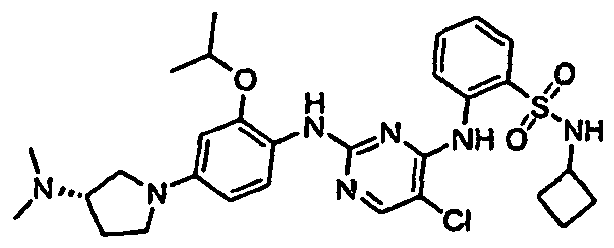
MS m/z 600.2 (M + 1). 122 
MS m/z 562.2 (M + 1). 123 
MS mlz 574.2 (M + 1). 124 
MS m/z 575.2 (M + 1). 125 
MS m/z 600.2 (M + 1). 126 
MS m/z 574.2 (M + 1). 127 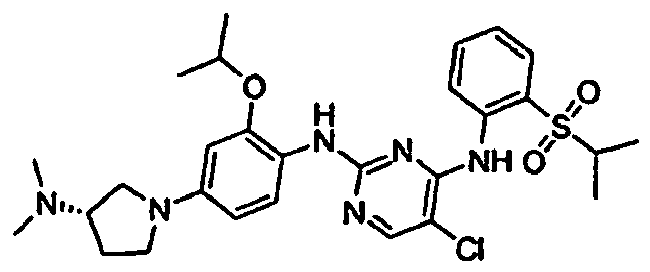
MS m/z 573.2 (M + 1). 128 
MS m/z 604.1 (M + 1). 129 
MS m/z 576.2 (M + 1). 130 
MS m/z 588.2 (M + 1). 131 
MS m/z 561.2 (M + 1). 132 
MS m/z 561.1 (M + 1). 133 
MS mlz 589.2 (M + 1). 134 
MS m/z 575.2 (M + 1). 135 
MS m/z 574.2 (M + 1). 136 
MS m/z 601.2 (M + 1). 137 
MS m/z 560.2 (M + 1). 138 
MS m/z 575.2 (M + 1). 139 
1H NMR 600 MHz (DMSO-d6 ) δ 10.35 (bs, 1H), 9.45 (s, 1H), 8.47 (d, 1H, J = 7.2 Hz), 8.33 (s, 1H), 8.23 (s, 1H), 7.79 (d, 1H, J = 8.4 Hz), 7.57 (t, 1H, J = 7.2 Hz), 7.52 (d, 1H, J = 9.6 Hz), 7.23 (t, 1H, J = 7.2 Hz), 6.68 (s, 0.4H), 6.64 (s, 0.6H), 6.50 (s, 0.6H), 6.49 (s, 0.4H), 5.19 (s, 0.6H), 5.15 (s, 0.4H), 4.58 (m, 1H), 3.99 (m, 0.4H), 3.73 (m, 1.6H), 3.36 (m, 0.6H), 3.26 (m, 0.8H), 3.15 (m, 0.6H), 2.96 (s, 1.2H), 2.89 (s, 1.8H), 2.64 (s, 6H), 2.60 (m, 1H), 2.24 (m, 0.6H), 2.07 (m, 0.4H), 1.20 (d, 6H, J = 6.0 Hz); MS m/z 561.2 (M + 1). 140 
MS m/z 587.2 (M + 1). 141 
MS m/z 587.2 (M + 1). 142 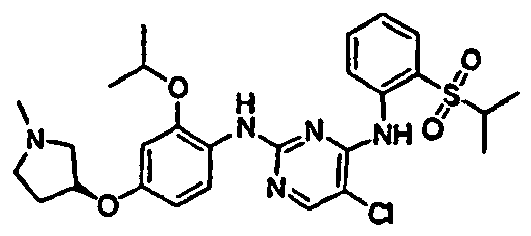
MS m/z 560.2 (M + 1). 143 
MS mlz 575.2 (M + 1). 144 
MS m/z 561.2 (M + 1). 145 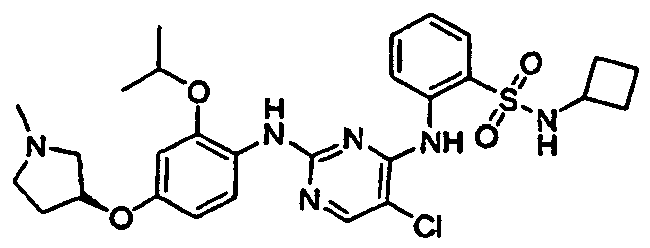
MS m/z 587.2 (M + 1). 146 
MS m/z 587.2 (M + 1). 147 
1H NMR 600 MHz (DMSO-d6 ) 3 9.81 (bs, 0.4H), 9.74 (bs, 0.6H), 9.59 (bs, 1H), 8.48 (bs, 1H), 8.34 (s, 0.4H), 8.33 (s, 0.6H), 8.232 (s, 0.6H), 8.228 (s, 0.4H), 7.82 (d, 1H, J = 7.8 Hz), 7.59 (m, 1H), 7.49 (d, 0.6H, J = 8.4 Hz), 7.47 (d, 0.4H, J = 8.4 Hz), 7.34 (q, 1H, J = 7.2 Hz), 6.75 (s, 1H), 6.68 (s, 1H), 6.57 (dd, 0.6H, J, = 2.4 Hz, J2 8.4 Hz), 6.54 (dd, 0.4H, J, = 2.4 Hz, J2 = 8.4 Hz), 4.73 (m, 0.6H), 4.58 (m, 1H), 4.52 (m, 0.4H), 3.52 (m, 1H), 3.43 (m, 1H), 3.35 (m, 0.4H), 3.33 (m, 0.6H), 3.21 (m, 1H), 3.11 (m, 1H), 2.85 (d, 1.8H, J = 4.8 Hz), 2.82 (d, 1.2H, J = 3.0 Hz), 2.25 (m, 1H), 2.07 (m, 0.4H), 2.05 (m, 0.6H), 1.98 (m, 1H), 1.76 (m, 1H), 1.20 (d, 3.6H, J = 6.0 Hz), 1.18 (d, 2.4H, J = 6.0 Hz), 1.15 (d, 6H, J = 7.2 Hz); MS m/z 574.2 (M + 1). 148 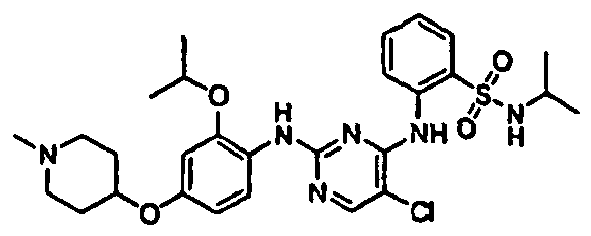
MS m/z 589.3 (M + 1). 149 
MS m/z 575.2 (M + 1). 150 
MS m/z 601.3 (M + 1). 151 
MS m/z 601.3 (M + 1). 152 
MS m/z 559.1 (M + 1). 153 
1H NMR 400 MHz (DMSO-d6 ) δ 10.07 (bs, 1H), 9.44 (s, 1H), 8.54 (s, 1H), 8.52 (bs, 1H), 8.29 (s, 1H), 7.91 (s, 1H), 7.79 (d, 1H, J = 8.0 Hz), 7.61 (t, 1H, J = 7.6 Hz), 7.32 (t, 1H, J = 7.6 Hz), 7.22 (d, 1H, J = 8.8 Hz), 7.14 (d, 1H, J = 8.8 Hz), 4.10 (m, 2H), 3.86 (s, 3H), 3.46 (m, 2H), 3.22 (m, 2H), 3.08 (m, 2H), 2.83 (s, 3H), 2.66 (s, 6H); MS m/z 560.1 (M + 1). 154 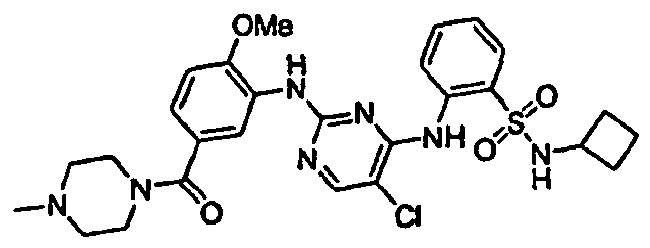
MS m/z 586.1 (M + 1). 155 
MS m/z 586.1 (M + 1). 156 
MS m/z 587.2 (M + 1). 157 
1H NMR 400 MHz (DMSO-d6 ) δ 10.05 (bs, 1H), 9.42 (s, 1H), 8.43 (d, 1H, J = 7.6 Hz), 8.35 (s, 1H), 8.31 (s, 1H), 7.91 (s, 1H), 7.79 (dd, 1H, J1 = 1.6 Hz, J2 = 8.0 Hz), 7.58 (t, 1H, J = 8.0 Hz), 7.32 (t, 1H, J = 8.4 Hz), 7.15 (m, 2H), 4.70 (m, 1H), 4.07 (m, 2H), 3.45 (m, 2H), 3.21 (m, 2H), 3.06 (m, 2H), 2.83 (s, 3H), 2.65 (s, 6H), 1.27 (d, 6H, J = 6.0 Hz); MS m/z 588.2 (M + 1). 158 
MS m/z 614.2 (M + 1). 159 
MS m/z 573.2 (M+1). 160 
1H NMR 600 MHz (DMSO-d 6) δ 9.45 (s, 1H), 8.44 (d, 1H, J = 7.8 Hz), 8.38 (s, 1H), 8.27 (s, 1H), 7.81 (d, 1H, J = 7.8 Hz), 7.66 (d, 1H, J = 8.4 Hz), 7.64 (t, 1H, J = 7.2 Hz), 7.35 (t, 1H, J = 7.2 Hz), 6.97 (s, 1H), 6.76 (d, 1H, J = 8.4 Hz), 4.06 (q, 2H, J = 7.2 Hz), 3.59 (m, 6H), 3.29 (m, 4H), 2.92 (m, 2H), 2.86 (s, 3H), 2.64 (s, 6H), 1.31 (t, 3H, J = 6.6 Hz); MS m/z 574.2 (M + 1). 161 
MS m/z 600.2 (M+1). 162 
MS m/z 600.2 (M+1). 163 
MS m/z 627.5 (M+1). 164 
MS m/z 628.5 (M + 1). 165 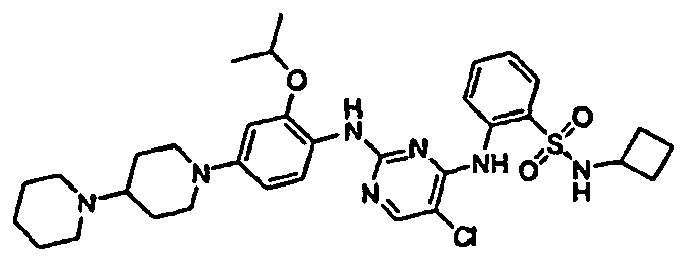
MS m/z 654.5 (M + 1). 166 
MS m/z 654.5 (M+1). 167 
MS m/z 592.3 (M + 1). 168 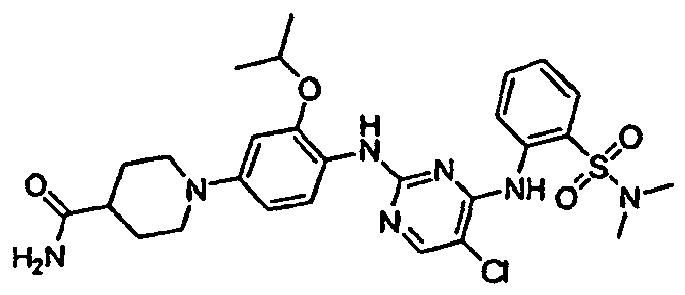
MS m/z 588.2 (M + 1). 169 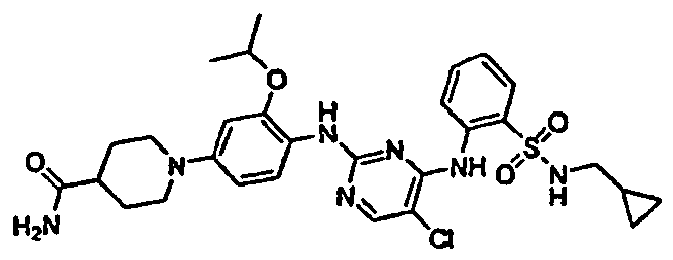
MS m/z 614.2 (M + 1). 170 
MS m/z 574.2 (M + 1). 171 
1H NMR 600 MHz (DMSO-d6 ) δ 9.66 (s, 1H), 8.48 (bs, 1H), 8.40 (d, 1H, J = 8.8 Hz), 8.30 (s, 1H), 7.66 (dd, 1H, J = 1.6 Hz, J2 = 7.6 Hz), 7.71 (t, 1H, J = 8.4 Hz), 7.46 (s, 1H), 7.41 (t, 1H, J = 8.0 Hz), 7.17 (bs, 1H), 6.96 (s, 1H), 6.93 (bs, 1H), 4.67 (m, 1H), 4.02 (q, 1H, J = 7.2 Hz), 3.65 (m, 2H), 3.46 (m, 1H), 3.34 (m, 1H), 2.54 (m, 1H), 1.94 (m, 4H), 1.26 (d, 6H, J = 6.0 Hz), 1.15 (d, 6H, J = 6.0 Hz); MS m/z 587.2 (M +1). 172 
1H NMR 600 MHz (DMSO-d6 ) δ 9.63 (bs, 1H), 8.50 (bs, 1H), 8.46 (bs, 1H), 8.29 (s, 1H), 7.82 (d, 1H, J = 7.2 Hz), 7.61 (t, 1H, J = 7.2 Hz), 7.43 (d, 1H, J = 8.4 Hz), 7.34 (t, 1H, J = 7.2 Hz), 6.75 (s, 1H), 6.58 (d, 1H, J = 6.6 Hz), 4.04 (q, 2H, J = 7.2 Hz), 3.82 (m, 2H), 3.76 (m, 5H), 3.44 (m, 1H), 3.22 (m, 4H), 2.85 (s, 3H), 2.82 (m, 2H), 2.09 (m, 2H), 1.71 (m, 2H), 1.25 (t, 3H, J = 7.2 Hz), 1.16 (d, 6H, J = 7.2 Hz); MS m/z 628.2 (M+1). 173 
MS m/z 615.2 (M + 1). 174 
MS m/z 659.1 (M + 1). 175 
1H NMR 600 MHz (DMSO-d6 ) δ 9.43 (s, 1H), 8.45 (bs, 1H), 8.38 (bs, 1H), 8.24 (s, 1H), 7.91 (d, 1H, J = 8.4 Hz), 7.84 (d, 1H, J = 8.4 Hz), 7.51 (t, 1H, J = 7.2 Hz), 7.48 (d, 1H, J = 8.4 Hz), 7.26 (t, 1H, J = 7.2 Hz), 6.76 (s, 1H), 6.55 (d, 1H, J = 7.2 Hz), 4.05 (q, 2H, J = 6.6 Hz), 3.82 (m, 2H), 3.59 (m, 5H), 3.30 (m, 1H), 3.25 (m, 4H), 2.85 (s, 3H), 2.82 (m, 2H), 2.09 (m, 2H), 1.71 (m, 2H), 1.26 (t, 3H, J = 6.6 Hz), 0.92 (d, 6H, J = 7.2 Hz); MS m/z 643.2 (M + 1). 176 
MS m/z 642.2 (M + 1). 177 
MS m/z 643.3 (M + 1). 178 
MS m/z 669.3 (M + 1). 179 
MS m/z 633.3 (M+1). 180 
MS m/z 629.2 (M + 1). 181 
MS m/z 669.2 (M + 1). 182 
MS m/z 642.2 (M + 1). 183 
MS m/z 615.3 (M + 1). 184 
1H NMR 400 MHz (DMSO-d6 ) δ 9.94 (bs, 1H), 9.53 (s, 1H), 8.49 (m, 2H), 8.23 (s, 1H), 7.79 (dd, 1H, J1 = 2.0 Hz, J2 = 8.0 Hz), 7.58 (t, 1H, J = 7.6 Hz), 7.38 (d, 1H, J = 9.2 Hz), 7.32 (t, 1H, J = 8.0 Hz), 6.68 (d, 1H, J = 2.0 Hz), 6.51 (dd, 1H, J1 = 2.0 Hz, J2 = 8.4 Hz), 421 (m, 2H), 4.04 (q, 2H, J = 6.8 Hz), 3.86 (d, 2H, J = 12 Hz), 3.68 (t, 2H, J = 12 Hz), 3.51 (d, 2H, J = 11.2 Hz), 3.38 (t, 1H, J = 12 Hz), 3.13 (m, 2H), 2.73 (t, 2H, J = 11.2 Hz); 2.64 (s, 6H), 2.16 (d, 2H, J = 11.2 Hz), 1.73 (m, 2H), 1.24 (t, 3H, J = 7.2 Hz); MS m/z 616.3 (M + 1). 185 
MS m/z 642.3 (M+1). 186 
MS m/z 606.7 (M + 1). 187 
MS m/z 599.3 (M+1). 188 
MS m/z 600.3 (M+1). 189 
MS m/z 626.3 (M+1). 190 
MS m/z 590.3 (M+1). 191 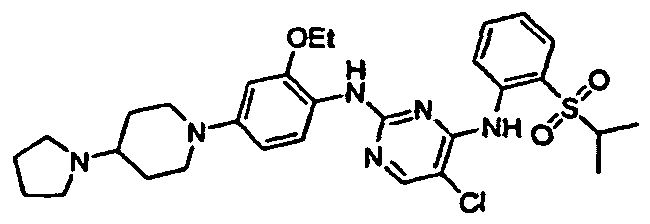
MS m/z 599.3 (M + 1). 192 
1H NMR 400 MHz (DMSO-d6 ) δ 9.86 (bs, 1H), 9.56 (s, 1H), 8.59 (bs, 1H), 8.47 (bs, 1H), 8.24 (s, 1H), 7.79 (dd, 1H, J1 = 1.6 Hz, J2 = 8.0 Hz), 7.58 (t, 1H, J = 8.0 Hz), 7.38 (d, 1H, J = 8.4 Hz), 7.33 (t, 1H, J = 7.2Hz), 6.70 (d, 1H, J = 2.4 Hz), 6.51 (dd, 1H, J1 = 2.4 Hz, J2 = 8.4 Hz), 4.03 (q, 2H, J = 6.8 Hz), 3.81 (d, 2H, J = 12.4 Hz), 3.58 (m, 2H), 3.28 (m, 1H), 3.11 (m, 2H), 2.74 (t, 2H, J = 12 Hz), 2.64 (s, 6H), 2.15 (d, 2H, J = 11.6 Hz), 2.03 (m, 2H), 1.86 (m, 2H), 1.73 (m, 2H), 1.24 (t, 3H, J = 6.8 Hz); MS m/z 600.2 (M + 1). 193 
MS m/z 626.2 (M+1). 194 
1H NMR 400 MHz (CD3OD) δ 8.29 (s, br, 1H), 8.07 (s, br, 1H), 7.96 (d, 1H, J=7.8 Hz), 7.60 (m, 1H), 7.39 (t, 1H, J=7.2 Hz), 7.22(s, br, 1H), 6.31 (s, 1H), 6.22 (s, br, 1H), 4.08(q, 1H, J=6.6 Hz), 3.95 (p, 1H, J=6.0 Hz), 3.61 (m, 2H), 3.53 (dd, 1H, J=4.2, 11.4 Hz), 3.36 (m, 2H), 2.78 (s, 3H), 2.52 (m, 1H), 2.22 (m, 1H), 1.31(t, 3H, J=6.6 Hz), 0.98 (d, 6H, J=6.6Hz); MS m/z 560.40 (M+1). 195 
1H NMR 400 MHz (CD3OD) δ 8.30 (s, br, 1H), 8.05 (s, br, 1H), 7.87 (d, 1H, J=7.8 Hz), 7.60 (m, 1H), 7.42 (m, 1H), 7.17 (s, br, 1H), 6.28 (s, 1H), 6.19 (s, br, 1H), 4.04 (q, 2H, J=6.6 Hz), 3.91 (p, 1H, J=5.4 Hz), 3.60 (m, 2H), 3.50(dd, 1H, J=3.6, 10.8Hz), 3.33 (m, 1H), 2.75 (s, 3H), 2.66 (s, 6H), 2.48 (m, 1H), 2.20 (m, 1H), 1.27 (t, 3H, J=6.6 Hz); MS m/z 546.40 (M + 1). 196 
MS m/z 572.40 (M + 1). 197 
MS m/z 545.40 (M + 1). 198 
MS m/z 545.40 (M + 1). 199 
1H NMR 400 MHz (CD3OD) δ 8.37 (s, br 1H), 8.11 (s, br, 1H), 8.00 (d, 1H, J=7.8 Hz,), 7.65 (s, br, 1H), 7.43 (t, 1H, J=7.2 Hz), 7.25 (s, br, 1H), 6.34 (s, 1H), 6.25 (s, 1H), 4.11(q, 2H, J=7.2 Hz), 3.99 (m, 1H), 3.65 (m, 2H), 3.57 (dd, 1H, J=3.6, 10.8 Hz), 3.41 (m, 2H), 2.82 (s, 3H), 2.56 (m, 1H), 2.28 (m, 1H), 1.35 (t, 3H, J=6.6 Hz), 1.01 (d, 6H, J=6.6 Hz); MS m/z 560.40 (M + 1). 200 
1H NMR 400 MHz (CD3OD) δ 8.30 (s, br, 1H), 8.10 (s, br, 1H), 7.91 (d, 1H, J=7.8 Hz), 7.57 (s, br, 1H), 7.38 (t, 1H, J=7.2 Hz), 7.21 (s, 1H), 6.30 (s, 1H), 6.21 (s, 1H), 4.08 (q, 2H, J=7.2 Hz), 3.95 (m, 1H), 3.68 (m, 1H), 3.62 (m, 2H), 3.53 (dd, 1H, J=4.2, 10.8 Hz), 3.36 (m, 1H), 2.78 (s, 3H), 2.50 (m, 1H), 2.25 (m, 1H), 1.94 (m, 2H), 1.75 (m, 2H), 1.50 (m, 2H), 1.31 (t, 3H, J=7.2 Hz); MS m/z 572.40 (M + 1). 201 
MS m/z 532.40 (M + 1). 202 
MS m/z 546.40 (M + 1). 203 
MS m/z 545.40 (M + 1). 204 
MS m/z 532.40 (M+1). 205 
1H NMR 400 MHz (CD3OD) δ 8.27 (s, br, 1H), 8.07 (m,1H), 7.94 (d, 1H, J=7.8 Hz), 7.61 (s, br, 1H), 7.40(t, 1H, J=7.2Hz), 7.20 (s, 1H), 6.30 (s, 1H), 6.20 (s, 1H), 4.08 (q, 2H, J=7.2 Hz), 3.95 (m, 1H), 3.60 (m, 2H), 3.53 (dd, 1H, J=4.2, 10.8 Hz), 3.35 (m, 1H), 2.78 (s, 3H), 2.73 (d, 1H, J=6.6 Hz), 2.51 (m, 1H), 2.23 (m, 1H), 1.31 (t, 3H, J=7.2 Hz), 0.742 (s, br 1H), 0.32 (s, 2H), 0.00(s,2H); MS m/z 572.40 (M + 1). 206 
1H NMR 400 MHz (CD3OD) δ 8.24 (s, br, 1H), 8.07 (s, br, 1H), 7.93 (d, 1H, J=8.4 Hz), 7.57 (s, 1H), 7.38 (t, 1H, J=7.2 Hz), 7.20 (s, 1H), 6.29 (s, 1H), 6.19 (s, br, 1H), 4.06 (q, 2H, J=7.2 Hz), 3.93 (m, 1H), 3.60 (m, 2H), 3.50 (dd, 1H, J=6.0, 10.8 Hz), 3.35 (m, 1H), 2.76 (s, 3H), 2.72 (d, 1H, J=6.6 Hz), 2.50 (m, 1H), 2.22 (m, 1H), 1.30 (t, 3H, J=7.2 Hz), 0.73 (m, 1H), 0.31 (m, 2H), 0.01(m, 2H); MS m/z 572.40 (M + 1). 207 
MS m/z 545.40 (M + 1). 208 
MS m/z 549.10 (M + 1). 209 
MS m/z 532.40 (M + 1). 210 
1H NMR 400 MHz (CD3OD) δ 8.22 (d, 1H, J=7.8Hz), 8.20 (s, 1H), 7.92 (dd, 1H, J=1.2, 7.8 Hz), 7.58 (t, 1H, J=6Hz), 7.48(d, 1H, J=9.1Hz), 7.38 (t, 1H, J=7.8Hz), 6.65 (s, 1H), 6.46 (d, 1H, J=7.8Hz), 5.20 (s, 1H), 4.06 (q, 2H, J=7.2Hz), 3.86 (m, 1H), 3.38 (m, 1H), 3.05 (m, 3H), 2.64 (m, 1H), 2.50 (s, 3H), 2.30 (m, 1H), 1.34 (t, 3H, J=7.2 Hz); MS m/z 577.30 (M + 1). 211 
MS m/z 533.30 (M + 1). 212 
1H NMR 400 MHz (CD3OD) δ 8.30 (d, 1H, J=7.8Hz), 8.11 (s, 1H), 7.91 (d, 1H, J=7.8Hz), 7.58 )t, 1H, J=7.8 Hz), 7.55 (d, 1H, J=8.4 Hz), 7.36 (t, 1H, J=7.8 Hz), 6.65 (s, 1H), 6.47 (d, 1H, J=8.4 Hz), 5.20 (s, 1H), 4.07 (q, 2H, J=7.2 Hz), 3.87 (m, 1H), 3.38 (m, 1H), 3.23 (m, 1H), 3.00 (m, 2H), 2.64 (m, 1H), 2.50 (s, 3H), 2.38 (m, 1H), 1.35 (t, 3H, J=7.2Hz); MS m/z 533.30 (M + 1). 213 
MS m/z 533.30 (M + 1). 214 
MS m/z 519.30 (M + 1). 215 
MS m/z 563.30 (M + 1). 216 
MS m/z 505.10 (M + 1). 217 
MS m/z 563.30 (M + 1). 218 
MS m/z 563.10 (M + 1). 219 
MS m/z 561.40 (M + 1). 220 
MS m/z 577.30 (M + 1). 221 
MS m/z 524.45 (M + 1). 222 
MS m/z 511.20 (M + 1). 223 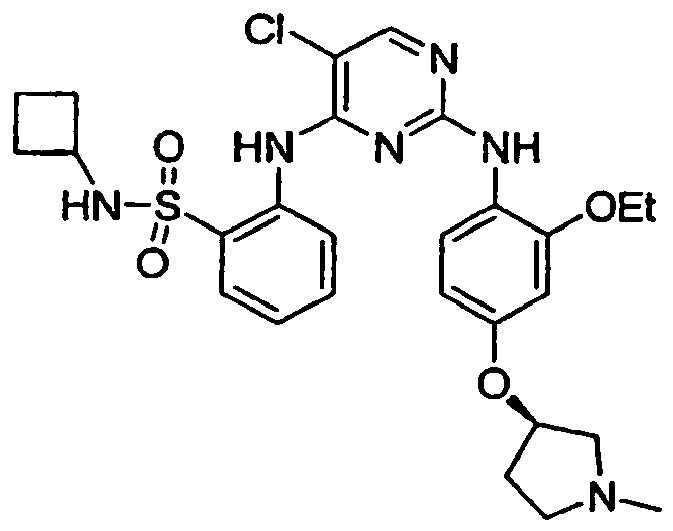
MS m/z 573.40 (M + 1). 224 
MS m/z 547.40 (M + 1). 225 
MS m/z 547.40 (M + 1). 226 
MS m/z 546.40 (M + 1). 227 
MS m/z 546.40 (M + 1). 228 
MS m/z 559.40 (M + 1). 229 
MS m/z 559.40 (M + 1). 230 
MS m/z 559.40 (M + 1). 231 
MS m/z 519.35 (M+1). 232 
MS m/z 532.35 (M + 1). 233 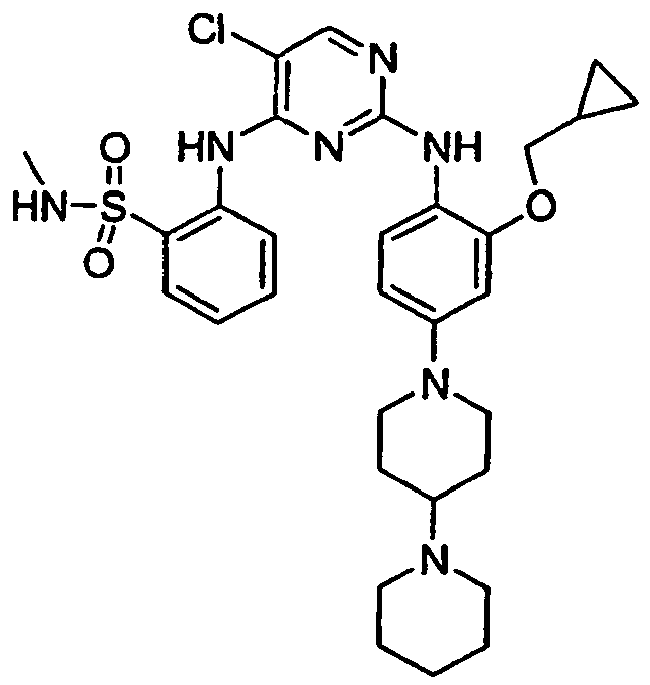
1H NMR 400 MHz (CD3OD) δ 8.06 (d, 1H, J=8.0 Hz), 7.92 (s, 1H), 7.73 (dd, 1H, J=1.6, 8.0 Hz), 7.40 (t, 1H, J=7.6 Hz), 7.22 (m, 1H), 7.10 (d, 1H, J=8.8 Hz), 6.50 (d, 1H, J=2.4 Hz), 6.38 (dd, 1H, J=2.0, 8.8 Hz), 3.67 (m, 4H), 3.35 (m, 2H), 3.15 (m, 1H), 2.84 (m, 2H), 2.69(m, 2H), 2.30 (s, 3H), 2.01 (m, 2H), 1.69 (m, 7H), 1.27 (m, 1H), 0.95 (m, 1H), 0.33 (m, 2H), 0.05 (m, 2H); MS m/z 626.5 (M + 1). 234 
MS m/z 561.4 (M + 1). 235 
MS m/z 547.25 (M + 1). 236 
1H NMR 400 MHz (CD3OD) δ 8.23 (d, 1H, J=7.6Hz), 8.15 (s, 1H), 7.90 (dd, 1H, J=1.6, 8.0Hz), 7.56 (t, 1H, J=7.2 Hz), 7.36 (t, 1H, J=7.6 Hz), 7.31 (d, 1H, J=8.8 Hz), 6.63 (d, 1H, J=2.4 Hz), 6.51 (m, 1H), 4.10 (m, 2H), 3.83 (m, 6H), 3.34 (m, 2H), 2.82 (m, 2H), 2.48 (s, 3H), 2.23 (m, 2H), 1.78 (m, 2H), 1.14 (m, 1H), 0.51 (m, 2H), 0.23 (m, 2H); MS m/z 672.4 (M + 1). 237 
MS m/z 532.4 (M + 1). 238 
MS m/z 546.4 (M + 1). 239 
MS m/z 576.3 (M + 1). 240 
MS m/z 590.4 (M +1). 241 
MS m/z 533.3 (M+1). 242 
1H NMR 400 MHz (CD3OD) δ 8.26 (s, 1H), 8.10 (d, 1H, J=8.0 Hz), 7.90 (dd, 1H, J=1.2, 8.0Hz), 7.80 (d, 1H, J=8.4Hz), 7.62 (m, 1H), 7.38 (t, 1H, J=8.0Hz), 7.05 (d, 1H, J=1.6Hz), 6.83 (dd, 1H, J=1.6, 8.4Hz), 3.86 (s, 3H), 3.43 (m, 4H), 3.00(m, 4H), 2.10 (m, 2H), 1.95 (m,2H), 1.72 (m, 6H), 1.45 (m, 2H); MS m/z 658.4 (M + 1). 243 
MS m/z 546.3 (M + 1). 244 
MS m/z 591.2 (M + 1). 245 
MS m/z 547.3 (M + 1). 246 
MS m/z.591.2 (M + 1). 247 
MS m/z.546.1 (M + 1). 248 
MS m/z.560.2 (M + 1). 249 
MS m/z.604.3 (M + 1). 250 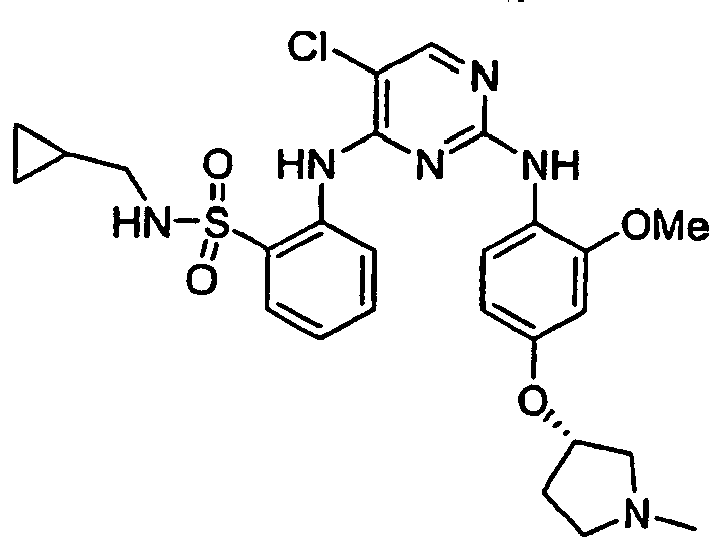
MS m/z.559.4 (M + 1). 251 
MS m/z.573.4 (M + 1). 252 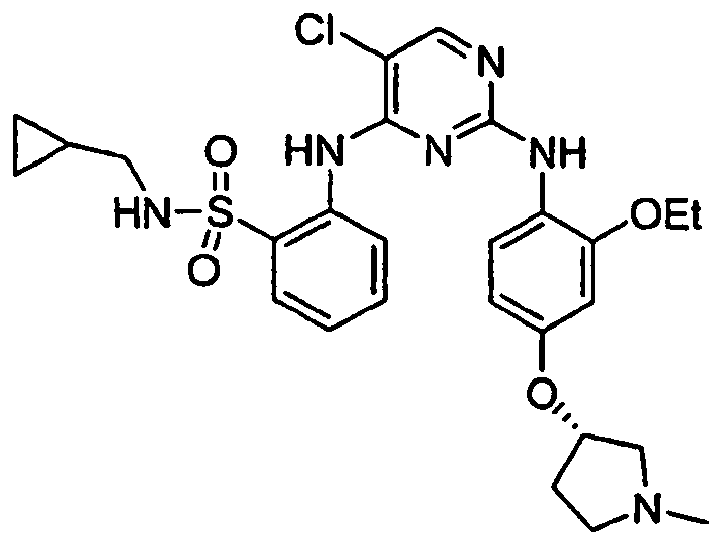
MS m/z.573.4 (M + 1). 253 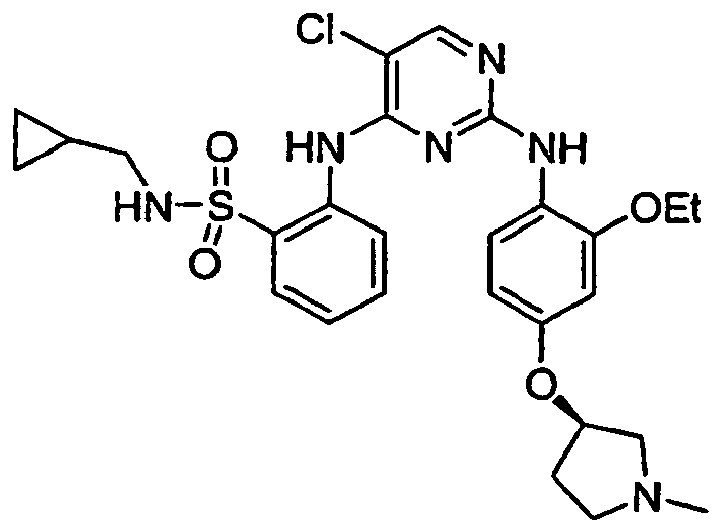
MS m/z.573.4 (M + 1). 254 
MS m/z.519.1 (M + 1). 255 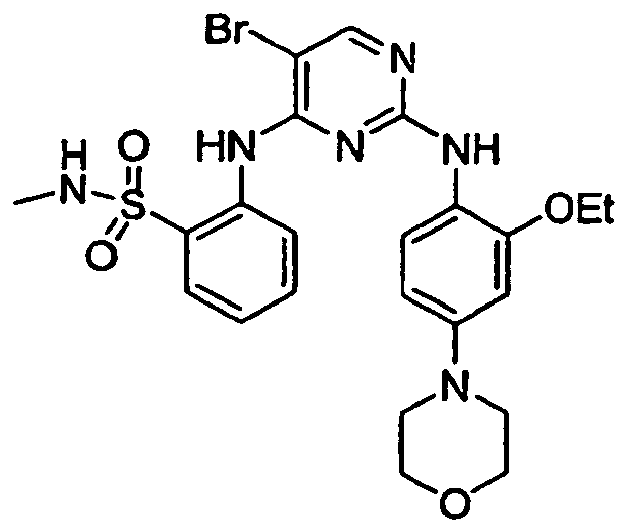
MS m/z.563.1 (M + 1). 256 
MS m/z.577.1 (M + 1). 257 
MS m/z.530.4 (M + 1). 258 
MS m/z.590.4 (M + 1). 259 
MS m/z.588.2 (M + 1). 260 
MS m/z.546.4 (M + 1). 261 
MS m/z.520.4 (M + 1). 262 
MS m/z.534.4 (M + 1). 263 
MS m/z.544.2 (M + 1). 264 
MS m/z.516.4 (M + 1). 265 
MS m/z.574.2 (M + 1). 266 
MS m/z.577.1 (M + 1). 267 
MS m/z.579.3 (M + 1) 268 
MS m/z.614.5 (M + 1) 269 
MS m/z.658.4 (M + 1) 270 
MS m/z.590.3 (M + 1) 271 
MS m/z.546.4 (M + 1) 272 
MS m/z.524.4 (M + 1) 273 
MS m/z.614.5 (M + 1) 274 
1H NMR 400 MHz (CD3OD) δ 8.17 9s, 1H0, 8.15 (d, 1H, J=8.0Hz), 7.89 9dd, 1H, J=1.2, 8.0 Hz), 7.86 (d, 1H, J=8.4hz), 7.61 (m, 1H), 7.36 (m, 1H), 7.01 (d, 1H, J=1.6Hz), 6.81(dd, 1H, J=1.6, 8.0Hz), 4.10 (q, 2H, J=7.2Hz), 3.45 (m, 3H), 2.94 9m, 4H), 2.44 (s, 3H), 2.08 (m, 2H), 1.94 (m, 2H), 1.75 (m, 6H), 1.49 (m, 1H), 1.37 (t, 275 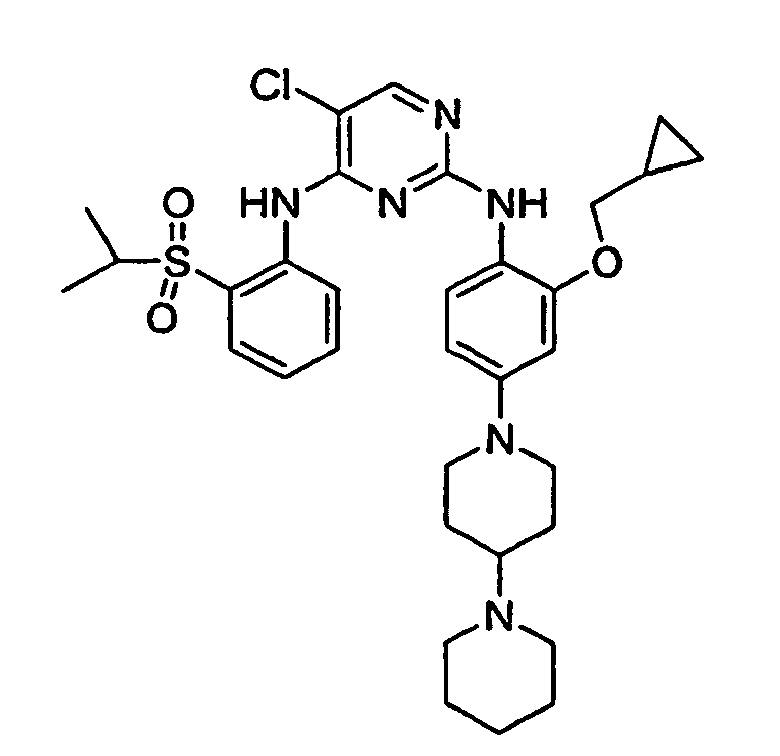
3H, J=6.8Hz); MS m/z.628.5 (M + 1) 1H NMR 400 MHz (CD3OD) δ 8.17 (d, 1H, J=8.0 Hz), 7.93 (s, 1H), 7.74 (dd, 1H, J=1.6, 8.0Hz), 7.47 (t, 1H, J=8.0 Hz), 7.25 (m, 1H), 7.13 (d, 1H, 8.8Hz), 6.48 (d, 1H, J=2.4 Hz), 6.37 (dd, 1H, J=2.4, 8.8Hz), 3.66 (m, 4H), 3.34 (m, 2H), 3.14 (m, 4H), 2.81 (m, 2H), 2.65 (m, 2H), 2.98 (d, 2H, J=12Hz), 1.68 (m, 7H), 1.30 (m, 1H), 1.02 (d, 6H, J=6.8 Hz), 0.99 (m, 1H), 0.32 (m, 2H), 0.04 (m,2H); MS m/z.639.5 (M + 1) 276 
1H NMR 400 MHz (CD3OD) δ 8.32 (d, 1H, J=8.0 Hz), 8.11 (s, 1H), 7.92 (dd, 1H, J=1.6, 8.0Hz), 7.65 (t, 1H, J=7.6Hz), 7.43 (t, 1H, J=7.6Hz), 7.28 (d, 1H, J=8.4Hz), 6.67 (d, 1H, J=2.4Hz), 6.56 (dd, 1H, J=2.4, 8.8Hz), 4.03 (m,2H), 3.86 (m,4H), 3.73 (m, 2H), 3.36 (m, 2H), 3.35 (m, 2H), 3.23 (m, 2H), 2.85 (m, 2H), 2.23 (m, 2H), 1.83 (m, 2H), 1.19 (d, 6H), 1.13 (m, 1H), 0.48 (m, 2H), 0.21 (m, 2H); MS m/z.641.5 (M + 1) 277 
1H NMR 400 MHz (CD3OD) δ 8.06 (d, 1H, J=7.6Hz), 7.91 (S, 1H), 7.72 (dd, 1H), J=1.6, 8.0Hz), 7.39 (t, 1H, J=7.6 Hz), 7.20 (m, 1H), 7.10 (d, 1H, J=4.8 Hz), 6.48 (d, 1H, 2.4Hz), 6.36 (dd, 1H, J=2.4, 8.8Hz), 3.85 (m, 2H), 3.66 (m,4H), 3.56 (m,2H), 3.18 (m, 2H), 3.16 (m, 1H), 2.98 (m, 2H), 2.65 (t, 2H, J=12Hz), 2.29 (s, 3H), 2.05 (m,2H), 1.64 (m, 2H), 0.95 (m, 1H), 0.32 (m, 2H), 0.03 (m, 2H); MS m/z.628.5 (M + 1) 278 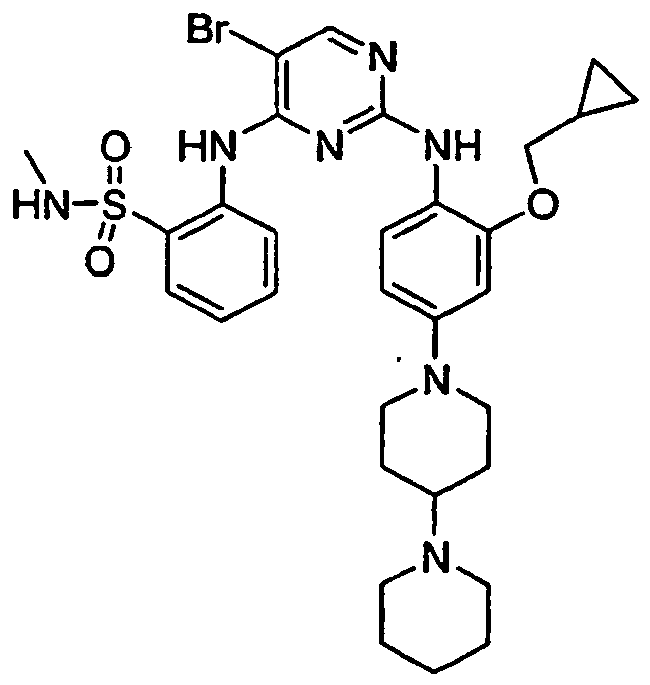
1H NMR 400 MHz (CD3OD) δ 8.18 (d, 1H, J=8.0Hz), 8.15 (s, 1H), 7.89 (dd, 1H, J=1.6, 8.0Hz), 7.56 (t, 1H, J=7.2Hz), 7.38 (m, 1H), 7.25 (d, 1H, J=8.8 Hz), 6.65 (d, 1H, J=2.4 Hz), 6.53 (dd, 1H, J=2.4, 8.8 Hz), 3.82 (m, 4H), 3.49(m, 2H), 3.31 (m, 1H), 2.95 (m, 2H), 2.83 (m, 2H), 2.47 (s, 3H), 2.17 (m, 2H), 1.86(m, 7H), 1.52 (m, 1H), 1.15 (m, 1H), 0.49 (m, 2H), 0.21 (m, 2H); MS m/z.670.4 (m + 1) 279 
MS m/z. 641.5 (M + 1) 280 
1H NMR 400 MHz (CD3OD) δ 8.13 (s, 1H), 8.10 (d, 1H, J=8.0Hz), 7.85 (t, 1H, J=1.6Hz), 7.83 (t, 1H, J=1.6Hz), 7.57 (m, 1H), 7.32 (m,1H), 7.02 (d, 1H, J=1.2Hz), 6.81 (dd, 1H, J=1.6, 8.4Hz), 4.05 (q, 2H, J=6.8Hz), 3.36 (m, 4H), 3.08 (m, 2H), 2.84 (s, 3H), 2.40 (s, 3H), 1.33 (t, 3H, J=6.8Hz); MS m/z.560.4 (M + 1) 281 
MMS m/z.600.5 (M + 1) 282 
NMR 400 MHz (CD3OD) δ 8.30 (d, 1H, J=8.0Hz), 8.21 (s, 1H), 8.00 (d, 1H, J=8.4 Hz), 7.91 (dd, 1H, J=1.63, 8.0 Hz), 7.71 (m, 1H), 7.42 (m, 1H), 7.08 (d, 1H. J=2.0 Hz), 6.91 (dd, 1H, J=1.6, 8.4 Hz), 4.30 (m, 2H), 4.13(q, 2H, J=7.2 Hz), 3.60 (m, 4H), 3.16 (m, 2H),1.41 (t, 3H, J=7.2 Hz), 1.90 9d, 6H, J=6.8 Hz); MS m/z. 573.40 (M + 1) 283 
MS m/z. 681.5 (M + 1) 284 
MS m/z. 559.4 (M + 1) 285 
MS m/z.577.3 (M + 1) 286 
NMR 400 MHz (CD3OD) δ 8.28 (s, br, 1H), 8..11 (s, br, 1H), 7.89 (d, 1H, J=8.4 Hz), 7.53 (s, br, 1H), 7.35 (t, 1H, J=6.0 Hz), 7.29 (m, 1H), 6.30 (s, 1H), 6.20 (d, 1H, J=7.8 Hz), 4.07 (q, 2H, J=7.2 Hz), 4.02 (m, 1H), 3.68 (m, 1H), 3.60 (m, 1H), 3.54 (m, 1H), 3.34 (m, 1H), 2.95 (s, 6H), 2.57 (m, 1H), 2.51 (s, 3H), 2.25 (m, 1H), 1.30 (t, 3H, J=7.2 Hz); MS m/z. 590.3 (M + 1) 287 
MS m/z. 533.3 (M + 1) 288 
MS m/z. 565.3 (M + 1) 289 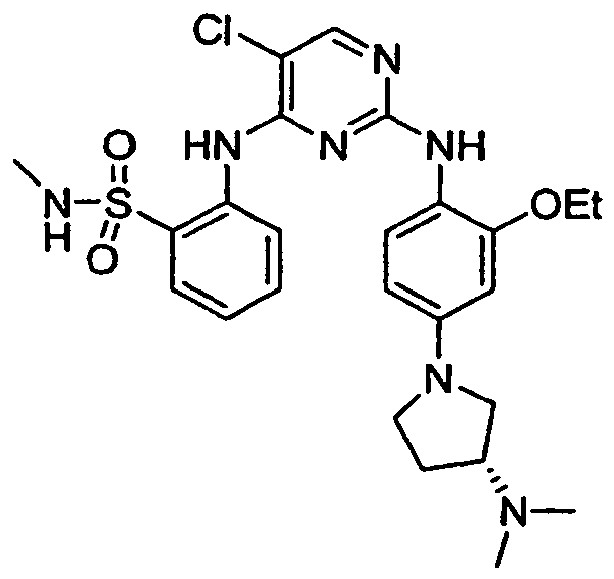
MS m/z. 546.4 (M + 1) 290 
NMR 400 MHz (CD3OD) δ 8.29 (d, 1H, J=8.4 Hz), 8.24 (s, 1H), 7.91 (dd, 1H, J=1.2, 7.8 Hz), 7.57 (m, 2H), 7.35 (t, 1H, J=7.2 Hz), 6.98 (d, 1H, J=9.0 Hz), 6.77 (dd, 1H, J=3.0, 9.0 Hz), 4.18 (t, 2H, J=4.8 Hz), 3.82 (s, 3H), 3.56 (m, 2H), 3.17 (t, 2H, J=4.8 Hz), 3.3 (s, 1H), 3.01 (m, 2H), 2.53 (s, 3H), 1.92 (m, 2H), 1.79 (m, 3H), 1.53 (m, 1H); MS m/z. 591.3 (M + 1) 291 
MS m/z. 521.4 (M + 1) 292 
NMR 400 MHz (CD3OD) δ 8.28 (d, 1H, J=8.4 Hz), 8.15 (s, 1H), 7.89 (dd, 1H, J=2.4, 7.8 Hz), 7.55 (t, 1H, J=7.2 Hz), 7.44 (d, 1H, J=3.0 Hz), 7.33 (t, 1H, J=7.2 Hz), 6.99 (dd, 1H, J=3.6, 9.0 Hz), 6.80 (dd, 1H, J=3.0, 9.0 Hz), 4.18 (t, 2H, J=4.8 Hz), 3.80 (s, 3H), 3.51 (t, 2H, J=4.8 Hz), 3.29 (m, 4H), 2.50 (s, 3H), 1.30 (m, 6H); MS m/z.535.4 (M + 1) 293 
NMR 400 MHz (CD3OD) δ 8.31 (d, 1H, J=8.4 Hz), 8.14 (s, 1H), 7.90 (dd, 1H, J=1.2, 7.8 Hz), 7.59 (m, 1H), 7.53 (d, 1H, J=3.0 Hz), 7.33 (t, 1H, J=7.8 Hz), 6.96 (d, 1H, J=9.0 Hz), 6.76 (dd, 1H, J=3.0, 8.4 Hz), 4.18 (t, 2H, J=4.2 Hz), 3.80 (s, 3H), 3.55 (m, 2H), 3.46 (t, 2H, J=4.8 Hz), 3.00 (t, 2H, J=12.0 Hz), 2.50 (s, 3H), 1.89 (m, 2H), 1.77 (m, 3H), 1.52 (m, 1H); MS m/z.547.4 (M + 1) 294 
MS m/z.605.3 (M + 1) 295 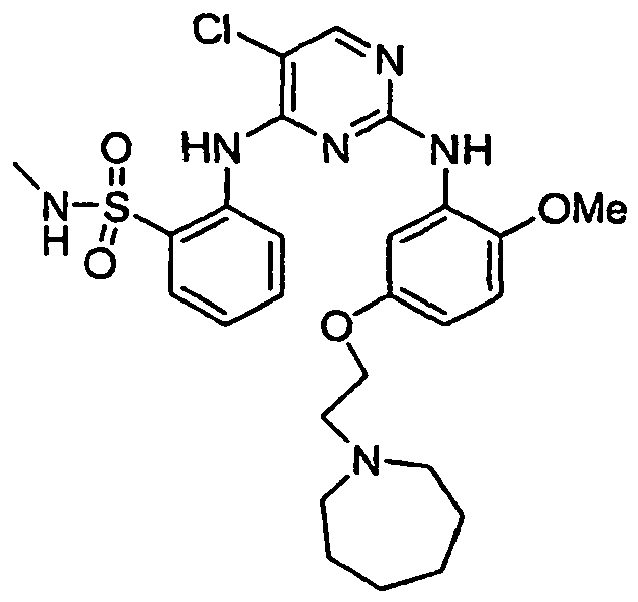
NMR 400 MHz (CD3OD) δ .8.33 (d, 1H, J=8.4 Hz), 8.14)s, 1H), 7.90 (dd, 1H, J=1.2, 7.8 Hz), 7.57 (m, 1H), 7.53 (d, 1H, J=3.0 Hz), 7.33 (t, 1H, J=7.2 Hz), 6.95 (d, 1H, J=9.0 Hz), 6.74 (dd, 1H, J=3.0, 9.0 Hz), 4.17 (t, 1H, J=4.8 Hz), 3.80 (s, 3H), 3.51 (m, 4H), 3.27 (m, 2H), 2.50 (s, 3H), 1.85 (m, 4H0, 1.70 (m, 4H); m/z.561.4 (M +1) 296 
MS m/z.587.4 (M + 1) 297 
MS m/z.589.4 (M + 1) 298 
MS m/z.590.4 (M + 1) 299 
MS m/z.589.4 (M + 1) 300 
MS m/z.591.4 (M + 1) 301 
MS m/z.606.4 (M + 1) 303 
MS m/z.574.4 (M + 1) 304 
MS m/z.618.2 (M + 1) 305 
MS m/z.588.2 (M + 1) 306 
MS m/z.562.4 (M + 1) 307 
MS m/z.530.4 (M + 1) 308 
MS m/z.562.4 (M + 1) 309 
MS m/z.576.2 (M + 1) 310 
MS m/z.546.5 (M + 1) 311 
MS m/z.558.2(M+1) 312 
MS m/z.604.5(M+1) 313 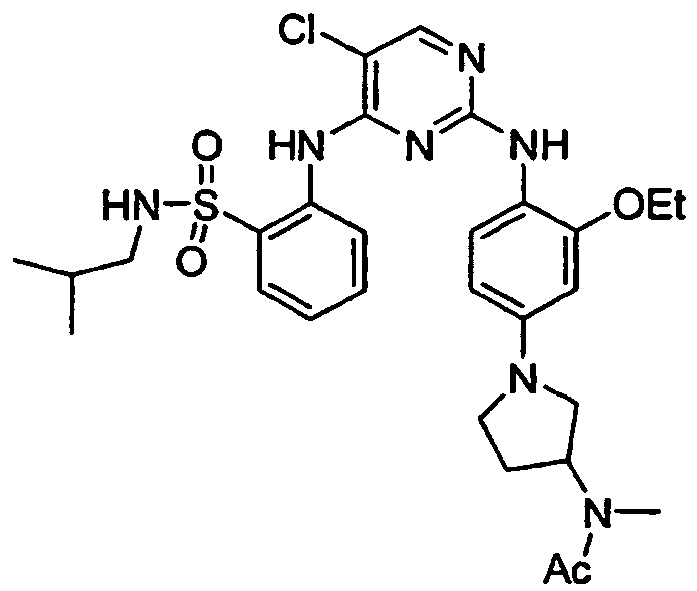
MS m/z.616.5(M+1) 314 
NMR 400 MHz (CD3OD) δ 8.17 (d, 1H, J=8.0 Hz), 7.88 (m, 2H), 7.56 (t, 1H, J=8.0 Hz), 7.37 (m, 1H), 7.17 (d, 1H, J=8.8 Hz), 6.61 (d, 1H, J=2.4 Hz), 6.47 9dd, 1H, J=2.4, 8.4 Hz), 3.75(m, 7H), 3.12 (m, 4H), 2.42 (s, 3H); MS m/z.489.1 (M + 1) 315 
MS m/z.546.4(M+1) 316 
NMR 400 MHz (CD3OD) 5 8.22 (d, 1H, J=8.4 Hz), 7.90 (d, 1H, J=4.4 Hz), 7.86 (dd, 1H, J=1.6, 8.0Hz), 7.55 (m, 1H), 7.34 (m, 1H), 7.27(d, 1H, J=8.8Hz), 6.59 (d, 1H, J=2.4 Hz), 6.45 (dd, 1H, J=1.6, 8.8 H), 4.00 (q. 2H, J=6.8 Hz), 3.75 (t, 4H, J=4.8 Hz), 3.10 (m, 4H), 2.42 (s, 3H), 1.94 (m, 6H), 1.25 (t, 3H, J=6.8Hz); MS m/z.503.2 (M+1) 317 
MS m/z.575.4 (M + 1) 318 
NMR 400 MHz (CD3OD) δ 8.24 9d, 1H, J=7.6 Hz), 8.17 9s, 1H), 7.94 9dd, 1H, J=1.6, 8.0 Hz), 7.60 (t, 1H, J=7.6 Hz), 7.44 (m, 1H), 7.39(t, 1H, J=7.23 Hz), 6.68 (s, 1H), 6.50 (m, 1H), 4.10 (q, 2H, J=7.2 Hz), 3.84 (m, 4H), 3.16 (m, 4H), 2.83 (t, 2H, J=7.2 Hz), 1.37 (m, 6H), 0.75(t, 3H, J=7.6 hz); MS m/z.591.1 (M + 1) 319 
MS m/z.573.4 (M + 1) 320 
MS m/z.586.1 (M + 1) 321 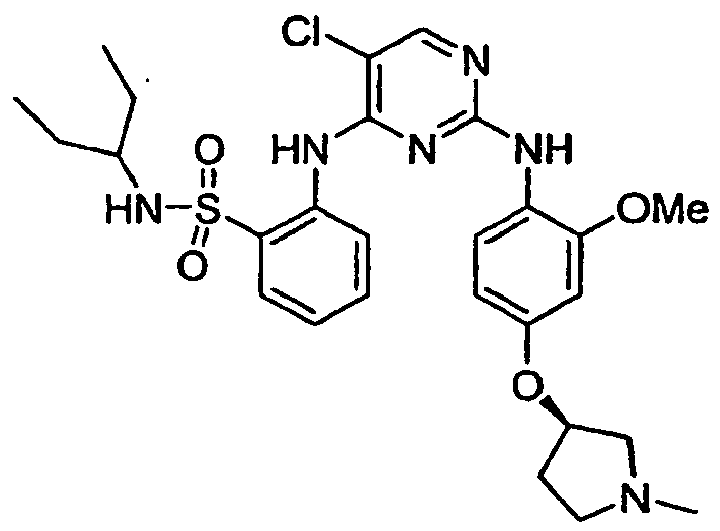
MS m/z.575.4 (M + 1) 322 
MS m/z.572.4 (M + 1) 323 
MS m/z.573.4 (M + 1) 324 
MS m/z.572.4 (M + 1) 325 
MS m/z.589.4 (M + 1) 326 
MS m/z.589.4 (M + 1) 327 
MS m/z.587.4 (M + 1) 328 
MS m/z.587.4 (M + 1) 329 
MS m/z.586.4 (M + 1) 330 
MS m/z.587.1 (M+ 1) 331 
MS m/z.586.4 (M + 1) 332 
MS m/z.600.2 (M + 1) 333 
MS m/z.434.2 (M + 1) 334 
MS m/z.520.0 (M +1) 335 
MS m/z.478.0 (M + 1) 336 
MS m/z.543.2 (M + 1) 338 
NMR 400 MHz (CD3OD) δ 8.18 (d, 1H, J=7.6 Hz), 7.98 (d, 1H, J=4.4 Hz), 7.86 (dd, 1H, J=1.6, 8.0 Hz), 7.56 (m, 1H), 7.46 (s, 1H), 7.30 (m, 1H), 6.83 (m, 2H), 3.75 (s, 3H), 2.40 (s, 3H), 2.08 (s, 3H); MS m/z.418.1 (M+1) 340 
MS m/z.588.4 (M + 1) 341 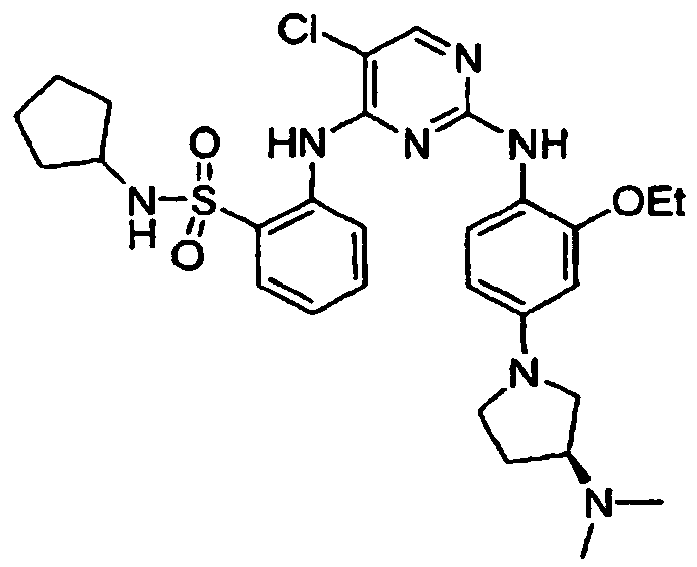
MS m/z.600.4 (M + 1) 342 
MS m/z.602.4 (M + 1) 343 
MS m/z 593.00/595.00 (M +1) 345 
1H NMR 400 MHz (DMSO-d6) δ 8.95 (s, br, 1H), 8.49 (s, br, 2H), 7.80 (dd, J = 7.54, 2.13 Hz, 1H), 7.34 (t, J = 8.36, 2H), 7.14 (m, 3 H), 6.93 (m, 3 H); MS m/z 540.10 / 542.10(M+1) 346 
MS m/z 508.10 / 508.10 (M +1) 347 
MS m/z 522.10/524.10(M+1) 349 
MS m/z 458.10/458.10 (M + 1) 350 
MS m/z. 472.10 / 474.10 (M + 1) 352 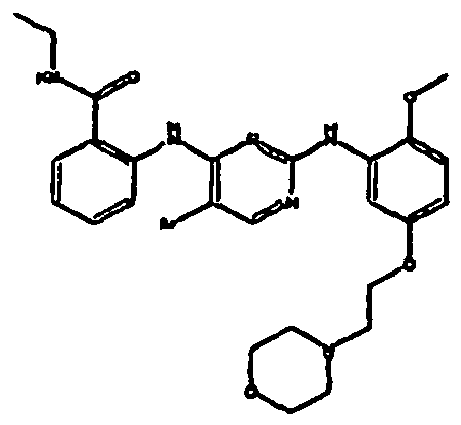
MS m/z. 571.20 /573.10 (M + 1) 353 
MS m/z. 448.10/450.10 (M + 1) 354 
MS m/z 464.10/466.10(M +1) 356 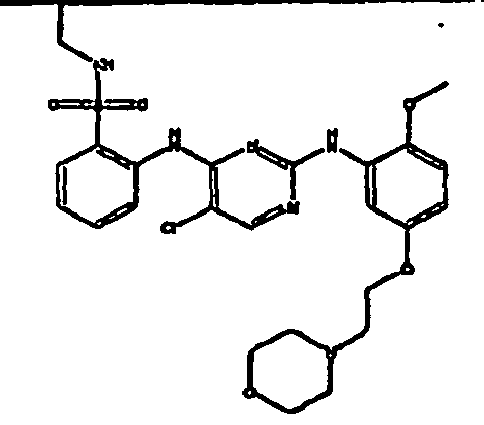
MS m/z 563.20 / 565.20 (M +1) 357 
MS m/z 412.10/414.10(M+1) 358 
MS m/z 428.10/430.10 (M +1) 360 
MS m/z 527.20 / 529.20 (M +1) 361 
MS m/z 492.10/494.10 (M+1) 362 
MS m/z 508.00 / 510.05 (M + 1) 363 
MS m/z 607.10 / 609.10 (M + 1) 364 
MS m/z 563.10 / 565.10 (M + 1) 365 
MS m/z 487.10 / 489.10 (M + 1) 367 
MS m/z 591.20 / 593.20 (M + 1) 368 
MS m/z 605.20 / 607.20 (M + 1) 369 
MS m/z 448.10 / 450.10 (M + 1) 370 
1H NMR 600 MHz (DMSO-d6) δ 9.46 (s, 1H), 8.46 (s, 1H), 8.37 (d, J = 8.12 Hz, 1H), 8.25 s, (1H), 7.75 (dd, 7.87, 1.40 Hz, 1H), 7.55 (t, J = 7.50 Hz, 1H), 7.37 (s, 1H), 7.30 (dt, J = 8.05, 0.8 Hz, 1H), 6.91 (d, J = 8.92 Hz, 1H), 6.58 (dd, J = 8.88, 3.04 Hz, 3.70 (s, 3H), 3.55 (s, 3H), 2.58 (s, 372 
MS m/z 563.20 / 565.20 (M + 1) 373 
MS m/z 519.20 / 521.20 (M +1) 374 
MS m/z 533.20 / 535.20 (M + 1) 375 
MS m/z 476.20 / 478.20 (M + 1) 376 
1H NMR 600 MHz (DMSO-de) δ 9.39 (s, 1H), 8.37 (s, 1H), 8.27 (s, 1H), 8.25 (s, 1H), 7.88 (t, J = 6.02 Hz, 1H), 7.78 (dd, J = 7.94, 1.35 Hz, 1H), 7.50 (dt, J = 8.24, 1.89 Hz, 1H), 7.40 (s, 1H), 7.25 (t, J = 7.39 Hz, 1H), 6.90 (d, J = 8.92 Hz, 1H) 5.65 (dd, J = 8.87, 3.03 Hz. 1H).. 3.70 (s, 3H), 3.54 (s, 378 
MS m/z 591.20 / 593.20 (M + 1) 379 
MS m/z 547.20 / 549.20 (M + 1) 380 
MS m/z 561.20 / 563.20 (M +1) 381 
MS m/z 548.20 / 550.20 / 552.20 (M + 1) 382 
MS m/z 548.20 / 550.20 / 552.20 (M + 1) 383 
MS m/z 563.30 / 565.30 (M + 1) 384 
MS m/z 577.30 / 579.30 (M + 1) 385 
MS m/z 591.40 / 593.30 (M + 1) 386 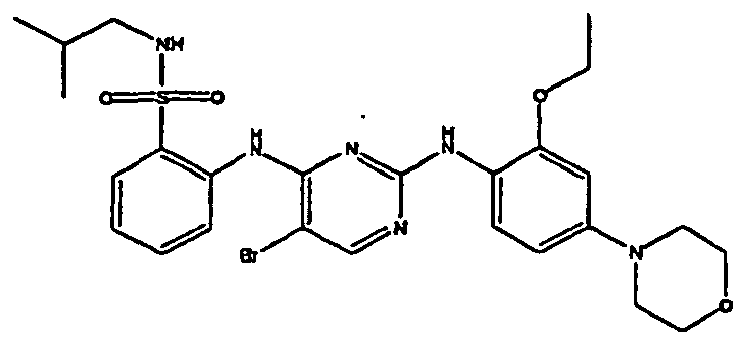
MS m/z 605.40 / 607.40 (M + 1) 387 
MS m/z 617.40 / 619.40 (M + 1) 388 
MS m/z 619.40 / 621.40 (M + 1) 389 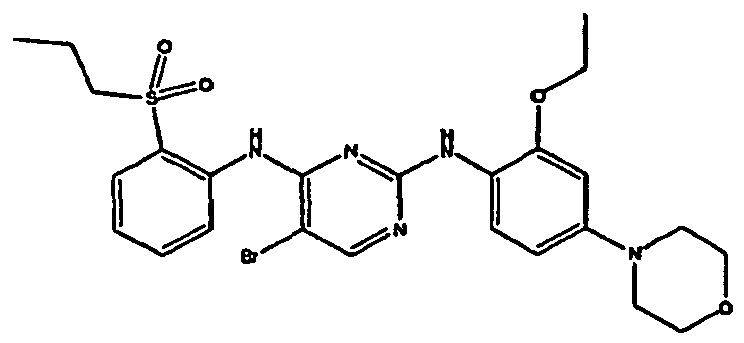
MS m/z 576.30 / 578.30 (M + 1) 390 
MS m/z 563.30 / 565.30 (M + 1) 391 
MS m/z 560.40 / 562.40 (M + 1) 392 
MS m/z 574.40 / 576.50 (M + 1) 393 
1H NMR 400 MHz (DMSO-d6 ) δ 9.47 (s, 1H), 8.45 (d, J = 7.37 Hz, 1H), 8.36 (s, 1H), 8.20 (s, 1H), 7.83 (d, J = 7.93 Hz, 1H), 7.59 (t, J = 8.07 Hz, 1H), 7.47 (d, J = 8.69 Hz, 1H), 7.32 (t, J = 7.54 Hz, 1H), 6.63 (dd, J = 12.67, 2.42 Hz, 1H), 6.49 (m, 1H), 5.16 (m, 1H), 4.01-3.68 (m, 3H). 3.48-MS m/z 587.40 / 589.40 (M + 1) 394 
395 
MS mlz 573.40 / 575.40 (M + 1) 396 
MS m/z 587.40 / 589.40 (M + 1) 397 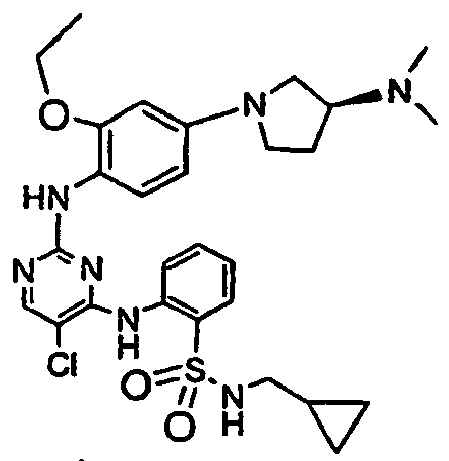
MS m/z 586.40 / 588.40 (M + 1) 398 
MS m/z 586.40 / 588.40 (M + 1) 399 
MS m/z 560.40 / 562.40 (M + 1) 400 
1H NMR 400 MHz (DMSO-d6 ) δ 10.30 (s, br, 1H), 9.53 (s, 1H), 8.53 (s, 1H), 8.41 (d, J = 7.90 Hz, 1H), 8.26 (s, 1H), 7.90 (dd, J = 7.91,1.25 Hz, 1H), 7.64 (t, J = 7.93 Hz, 1H), 7.46 (d, J = 8.70 Hz, 1H), 7.38 (t, J = 7.48 Hz, 1H), 6.67 (dd, J = 13.68, 2.49 Hz, 1H), 6.46 (m, 1H), 5.19 (m, 1H), 4.04 (m, MS m/z 573.20 / 575.20 (M + 1) 401 
402 
MS m/z 573.20 / 575.20 (M + 1) 403 
MS m/z 587.40 / 589.40 (M + 1) 404 
MS m/z 573.401575.40 (M + 1) 405 
MS m/z 587.40 / 589.40 (M + 1) 406 
MS m/z 586.40 / 588.40 (M + 1) 407 
MS m/z 586.40 / 588.40 (M + 1) 408 
1H NMR 600 MHz (CD3OD) δ 8.18 (d, J = 7.80 Hz, 1H), 8.03 (s, 1H), 7.87 (dd, J = 7.96, 1.21 Hz, 1H), 7.47 (m, 2H), 7.25 (t, J = 7.82 Hz, 1H), 6.59 (s, 1H), 6.40 (d, J = 8.56 Hz, 1H), 5.13 (s, 1H), 3.78 (m, 4H), 3.30 (m, 2H), 3.28 (s, 3H), 2.92 (m, 2H), 2.56 (m, 1H), 2.30 (m. 2H), 0.89 (d. J =MS m/z 547.40 / 549.40 (M + 1) 409 
410 
MS m/z 547.40 / 549.40 (M + 1) 411 MS m/z 587.50 / 589.40 (M + 1) 412 
MS m/z 588.50 / 590.40 (M + 1) 413 
MS m/z 637.50 / 639.50 (M + 1) 414 
MS m/z 638.50 / 640.50 (M + 1) 415 
MS m/z 602.50 / 604.50 (M + 1) 416 
MS m/z 583.40 / 585.40 (M + 1) 417 
MS m/z 584.40 / 586.40 (M + 1) 418 
MS m/z 548.40 / 550.40 (M + 1) 419 
MS m/z 540.40 / 542.40 (M + 1) 420 
MS m/z 541.40 / 543.40 (M + 1) 421 
MS m/z 505.40 / 507.40 (M + 1) 422 
MS m/z 667.30 / 669.30 (M + 1) 423 
MS m/z 632.30 / 634.30 (M + 1) 424 
MS m/z 573.40 / 575.40 (M + 1) 425 
1H NMR 400 MHz (CD3OD) δ 8.34 (d, J = 8.4 Hz, 1H), 8.13 (s, 1H), 7.96 (dd, J = 1.2, 7.8 Hz, 1H), 7.63 (t, J = 7.8 Hz, 1H), 7.43 (m, 2H), 6.72 (d, J = 2.4 Hz, 1H), 6.57 (m, 1H), 4.07 (m, 1H), 3.40 (m, 1H), 3.02 (t, J=10.6 Hz, 1H), 2.80 (t, J=11.8, 1H), 2.65 (m, 4H), 2.54, (s, 3H), 2.26 (s, 6H), 1.56 (m, 4H), 1.36 (d, J = 7.2 Hz, 6H). MS m/z 574.20 (M + 1). 426 
MS m/z 603.20 (M + 1). 427 
MS m/z 504.20 (M + 1). 428 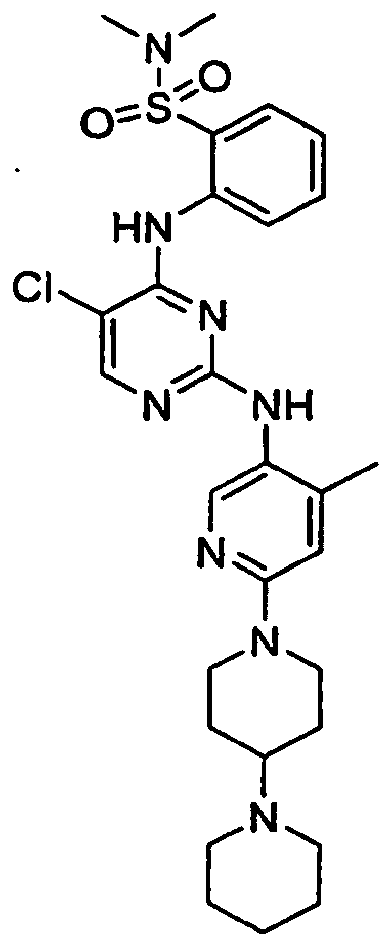
MS m/z 585.30 (M + 1). 429 
MS m/z 627.20 (M + 1). 430 
MS m/z 616.20 (M + 1). 431 
MS m/z 602.20 (M + 1). 432 
MS m/z 562.10 (M + 1). 433 
MS m/z 408.1 (M+1). 434 
MS m/z 421.1 (M + 1). 435 
MS m/z 421.1 (M+1). 436 
MS m/z 480.10 (M + 1). 437 
MS m/z 394.10 (M+1). 438 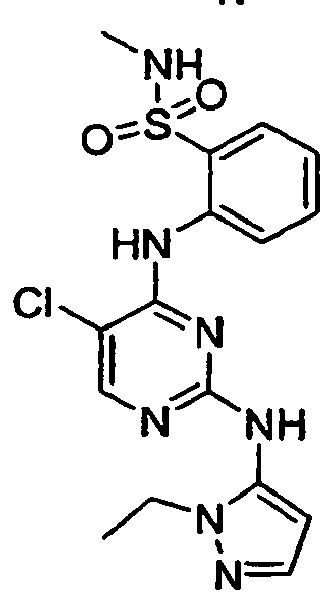
MS m/z 408.10 (M+1). 439 
1H NMR 400 MHz (CD3OD) δ 8.34 (d, J = 8.4 Hz, 1H), 8.13 (s, 1H), 7.96 (dd, J = 1.3, 7.9 Hz, 1H), 7.64 (t, J = 7.9 Hz, 1H), 7.43 (m, 1H), 7.13 (d, J=2.8 Hz, 1H), 6.24 (d, J = 2.8 Hz, 1H), 4.08(m, 1H), 3.41 (m, 1H), 2.58 (s, 6H), 2.54 (s, 3H). MS m/z 574.20 (M+1). 440 
MS m/z 468.20 (M + 1). 441 
MS m/z 552.30 (M + 1). 442 
MS m/z 592.30 (M + 1) 443 
MS m/z 504.20 (M + 1) 444 
MS m/z 588.30 (M + 1) 445 
MS m/z 628.30 (M + 1) 446 
MS m/z 617.20(M + 1) 447 
MS m/z 503.20 (M + 1) 448 
MS m/z 587.20 (M + 1) 449 
MS m/z 627.30 (M + 1) 450 
MS m/z 616.30 (M + 1) 451 
MS m/z 549.30 (M + 1) 452 
MS m/z 509.30 (M + 1) 453 
MS m/z 495.20 (M + 1) 454 
MS m/z 495.20 (M + 1) 455 
MS m/z 585.20 (M + 1) 456 
MS m/z 545.20 (M + 1) 457 
MS m/z 531.20 (M + 1) 458 
MS m/z 531.20 (M + 1) 459 
MS m/z 584.30 (M + 1) 460 
MS m/z 544.20 (M + 1) 461 
MS m/z 530.20 (M + 1) 462 
MS m/z 530.20 (M + 1) 463 
MS m/z 601.30 (M + 1) 464 
MS m/z 626.30 (M + 1) - The ZAP-70 kinase assay is based on time-resolved fluorescence resonance energy transfer (FRET). 80 nM ZAP-70 are incubated with 80 nM Lck (lymphoid T-cell protein tyrosine kinase) and 4 µM ATP in ZAP-70 kinase buffer (20 mM Tris, pH 7.5, 10 µM Na3VO4, 1 mM DTT, 1 mM MnCl2, 0.01 % BSA, 0.05 % Tween-20) for 1 hour at room temperature in a siliconized polypropylene tube. Then, the selective Lck inhibitor PP2 (1-tert-butyl-3-(4-chloro-phenyl)-1H-pyrazolo[3,4-d]pyrimidin-4-ylamine; Alexis Biochemicals) is added (final concentration 1.2 µM) and incubated for further 10 min. 10 µL of this solution is mixed with the 10 µL biotinylated peptide LAT-11 (1 µM) as substrate and 20 µL of serial dilutions of inhibitors and incubated for 4 hours at room temperature. The kinase reaction is terminated with 10 µL of a 10 mM EDTA solution in detection buffer (20 mM Tris, pH 7.5, 0.01 % BSA, 0.05 % Tween-20). 50 µL europium-labelled anti-phosphotyrosine antibody (Eu-PT66; final concentration 0.125 nM); and 50 µL streptavidin-allophycocyanine (SA-APC; final concentration 40 nM) in detection buffer are added. After 1 hour incubation at room temperature fluorescence is measured on the Victor2 Multilabel Counter (Wallac) at 665 nm. Background values (low control) are obtained in the absence of test samples and ATP and are subtracted from all values. Signals obtained in the absence of test samples are taken as 100% (high control). The inhibition obtained in the presence of test compounds is calculated as percent inhibition of the high control. The concentration of test compounds resulting in 50% inhibition (IC50) is determined from the dose-response curves. In this assay, the agents of the invention have IC50 values in the range of 10 nM to 2 µM, preferably from 10 nM to 100 nM.
- Recombinant ZAP-70 kinase is obtained as follows: A nucleic acid encoding full-length human ZAP-70 (GenBank #L05148) is amplified from a Jurkat cDNA library by RT-PCR and cloned into the pBluescript KS vector (Stratagene, California, USA). The authenticity of the ZAP-70 cDNA insert is validated by complete sequence analysis. This donor plasmid is then used to construct a recombinant baculovirus transfer vector based on the plasmid pVL1392 (Pharmingen, California, USA) featuring in addition an N-terminal hexahistidine tag. Following co-transfection with AcNPV viral DNA, 10 independent viral isolates are derived via plaque-purification, amplified on small scale and subsequently analyzed for recombinant ZAP-70 expression by Western Blot using a commercially available anti-ZAP-70 antibody (Clone 2F3.1, Upstate Biotechnology, Lake Placid, NY, USA). Upon further amplification of one positive recombinant plaque, titrated virus stocks are prepared and used for infection of Sf9 cells grown in serum-free SF900 II medium (Life Technologies, Basel, Switzerland) under defined, optimized conditions. ZAP-70 protein is isolated from the lysate of infected Sf9 cells by affinity chromatography on a Ni-NTAcolumn (Qiagen, Basel, Switzerland).
- Recombinant His-tagged ZAP-70 is also available from PanVera LLC, Madison, Wisconsin, USA.
- LAT-11 (linker for activation of T cell): The biotinylated peptide LAT-11 (Biotin-EEGAPDYENLQELN) used as a substrate in the ZAP-70 kinase assay is prepared in analogy to known methods of peptide synthesis. The N-a Fmoc group of Fmoc-Asn(Trt)-oxymethyl-4-phenoxymethyl-co(polystyrene-1%-divinyl-benzene), content of Asn approx. 0.5 mmol/g, is cleaved using piperidine, 20% in DMF. Four equivalents per amino-group of Fmoc-amino acid protected in their side chains [Asp(OtBu), Glu(OtBu), Asn(Trt), Gln(Trt) and Tyr(tBu)] are coupled using DIPCDI and HOBt in DMF. After complete assembly of the peptide chain the terminal Fmoc-protecting group is removed with piperidine in DMF as before. L(+)-biotinyl-aminohexanoic acid is then coupled to the terminal amino group using DIPCDI and HOBt in DMF using four equivalents of the reagents for four days at RT. The peptide is cleaved from the resin support and all side-chain protecting groups are simultaneously removed by using a reagent consisting of 5% dodecylmethylsulfide and 5% water in TFA for two hours at RT. Resin particles are filtered off, washed with TFA and the product is precipitated from the combined filtrates by the addition of 10 to 20 volumes of diethyl ether, washed with ether and dried. The product is purified by chromatography on a C-18 wide-pore silica column using a gradient of acetonitrile in 2% aqueous phosphoric acid. Fractions containing the pure compound are collected, filtered through an anion-exchange resin (Biorad, AG4-X4 acetate form) and lyophilized to give the title compound. MS: 1958.0 (M-H)-1
- Mouse mammary carcinoma 4T1 cells (5 x 10³) are plated in 96-well Ultra low Attachment plates (#3474, Coming Inc.) in 100 µL of Dulbecco's modified eagle medium containing 10% FBS. Cells are cultured for 2 h and inhibitors are added at various concentrations in a final concentration of 0.1 % DMSO. After 48 h, cell growth is assayed with the cell counting kit-8 (Wako Pure Chemical), which uses a water soluble tetrazolium salt WST8. Twenty µL of the reagent is added into each well and cells are further cultured for 2 h. The optical density is measured at 450 nm. The concentration of compound causing 50 % inhibition of growth is determined.
- female or male BALB/c nude mice (5-8 weeks old, Charles River Japan, Inc., Yokohama, Japan) are kept under sterile conditions with water and feed ad libitum. Tumours are induced by subcutaneous injection of tumour cells (human epithelial cell line MIA PaCa-2; European Collection of Cell Cultures (ECACC), Salisbury, Wiltshire, UK, Catalogue Number 85062806; cell line from a 65 year old Caucasian male; undifferentiated human pancreatic carcinoma cell line) into left or right flank of mice under Forene® anaesthesia (Abbott Japan Co., Ltd., Tokyo, Japan). Treatment with the test compound is started when the mean tumor volumes reached approximately 100 mm3. Tumour growth is measured two times per week and 1 day after the last treatment by determining the length of two perpendicular axis. The tumour volumes are calculated in accordance with published methods (see Evans et al., Brit. J. Cancer 45, 466-8, 1982). The anti-tumour efficacy is determined as the mean increase in tumour volume of the treated animals divided by the mean increase in tumour volume of the untreated animals (controls) and, after multiplication by 100, is expressed as delta T/C [%]. Tumour regression is reported as the mean changes of tumor volume of the treated animals divided by the mean tumor volume at start of treatment and, after multiplication by 100, is expressed as regression [%]. The test compound is orally administered daily with or without drug holidays. As an alternative to cell line MIA PaCa-2, another cell line may also be used in the same manner, for example:
- the 4T1 breast carcinoma cell line (ATCC Number CRL-2539; see also Cancer. 88(12 Supple), 2979-2988, 2000) with female BALB/c mice (injection into mammary fat pad).
- On the basis of these studies, a compound of formula I according to the invention shows therapeutic efficacy especially against proliferative diseases responsive to an inhibition of a tyrosine kinase.
- Tablets comprising 50 mg of active ingredient, for example one of the compounds of formula I described in Examples 1 to 131, and having the following composition are prepared in customary manner
-
active ingredient 50 mg wheat starch 150 mg lactose 125 mg colloidal silicic acid 12.5 mg talc 22.5 mg magnesium stearate 2.5 mg Total: 362.5 mg - Preparation: The active ingredient is mixed with a portion of the wheat starch, with the lactose and the colloidal silicic acid and the mixture is forced through a sieve. A further portion of the wheat starch is made into a paste, on a water bath, with five times the amount of water and the powder mixture is kneaded with the paste until a slightly plastic mass is obtained.
- The plastic mass is pressed through a sieve of about 3 mm mesh size and dried, and the resulting dry granules are again forced through a sieve. Then the remainder of the wheat starch, the talc and the magnesium stearate are mixed in and the mixture is compressed to form tablets weighing 145 mg and having a breaking notch.
- 5000 soft gelatin capsules comprising each 50 mg of active ingredient, for example one of the compounds of formula I described in Examples 1 to 131, are prepared in customary manner:
-
active ingredient 250 g Lauroglykol 2 litres - Preparation: The pulverized active ingredient is suspended in Lauroglykol® (propylene glycol laurate, Gattefossé S.A., Saint Priest, France) and ground in a wet pulverizer to a particle size of approx. 1 to 3 µm. 0.419 g portions of the mixture are then dispensed into soft gelatin capsules using a capsule-filling machine.
-
Example FAK IC50 (nM) Phos IC50 (µM) Growth IC50 (µM) T Cell Migration IC50 (µM) IGF-1R IC50 (µM) 1.00 140 0.7 >10 2.00 13 1.2 3.01 44 0.34 >10 3.02 36 0.85 4 3.03 9.1 0.14 0.8 3.04 32 0.53 2 3.05 21 0.17 2 > 10 3.06 13 0.11 2 3.07 16 0.45 2 3.08 74 0.3 6 3.09 48 0.5 0.7 3.10 52 0.95 >10 3.11 9 0.04 0.3 0.2 3.12 5.4 0.01 1 3.13 58 1.7 0.6 0.74 3.14 54 0.4 5 3.15 7 0.02 0.8 0.94 3.16 48 1.1 3 3.17 2.8 0.03 0.2 <0.08 3.18 130 1.5 9 3.19 6.8 0.35 0.8 0.1 3.20 16 0.22 0.3 3.22 120 0.9 2 3.23 38 0.39 0.5 3.24 64 3.5 5 3.25 22 0.3 0.3 0.81 3.26 50 0.79 2 3.28 43 0.71 0.7 3.29 89 0.6 >10 3.30 69 0.6 3 3.31 13 1.1 5 3.32 14 0.18 0.49 0.28 0.12 3.33 2.9 0.03 0.05 0.09 0.13 3.34 7 0.1 0.24 0.13 <0.08 3.35 13 0.02 0.17 0.8 3.55 3.36 43 1.8 2.8 3.37 39 1.1 2.6 3.38 64 1.7 3.8 3.39 2 0.02 0.03 1 0.09 3.40 9 >10 0.9 3.41 22 >10 0.43 3.42 29 0.35 0.3 3.43 5.6 0.2 0.11 0.27 3.44 11 0.05 0.09 0.09 3.45 0.9 0.02 0.02 3.46 4 0.1 0.18 0.3 3.47 1 0.1 0.06 3.48 7 0.07 0.3 0.21 3.49 39 10 0.39 3.50 13 0.12 1 1.19 3.51 29 0.2 0.4 0.41 3.52 29 0.42 2 3.53 6 0.07 0.21 3.54 0.9 0.01 0.07 <0.08 3.55 34 >10 3 3.56 28 0.53 0.15 3.57 28 0.61 3 3.58 21 0.08 0.3 0.14 3.59 95 1.2 >10 3.60 90 0.93 2 3.61 12 10 >10 3.62 63 >10 >10 3.63 27 >10 >10 3.64 5 0.13 0.7 0.21 3.65 8 0.08 0.1 0.15 3.66 1 0.08 0.07 0.25 3.67 6 0.38 0.39 3.68 5.5 0.2 0.63 1 3.69 4 0.2 0.11 0.58 3.70 3.5 0.02 0.13 3.71 11 0.05 0.08 3.72 2.1 0.11 0.06 3.73 11 0.03 0.29 1.63 3.74 15 0.1 0.15 3.75 72 0.5 1.3 3.76 15 0.29 1.3 0.7 3.77 65 >10 3 3.78 10 >10 0.22 3.79 5 1.3 0.12 3.80 12 0.22 0.45 5 3.81 21 0.52 0.98 >10 3.82 4.8 0.2 0.07 3.83 20 0.08 0.32 0.68 3.84 10 1 0.08 6.00 110 0.35 5 7.00 5.3 0.21 0.47 0.04 0.19 7.01 4.7 0.6 0.54 0.19 7.02 7.5 0.1 0.36 0.77 7.03 2.9 0.3 0.39 0.27 7.04 5.2 1 0.29 7.05 6.2 0.3 0.2 0.25 7.06 17 0.8 1.09 0.25 7.07 4.1 0.9 0.18 7.08 8.7 0.8 1 7.09 8.2 1 0.85 7.10 6.6 1 0.98 7.11 2.5 0.6 1.2 0.77 7.12 1.9 0.9 1 0.3 0.62 7.13 5.5 0.8 1.22 1 7.14 7.6 0.3 0.36 0.33 7.15 4.5 0.06 0.19 0.26 7.16 6.4 0.2 0.42 7.17 4.3 0.7 0.69 7.18 6.2 0.5 0.7 7.19 13 0.33 7.20 2.5 >10 0.11 7.21 3.3 >10 0.46 7.22 25 0.48 7.23 1.4 0.25 7.24 5.1 0.09 7.25 13 0.2 0.73 7.25 2 >10 0.57 7.26 4.1 0.15 7.27 21 0.5 0.22 7.28 34 1 0.15 7.29 57 2 0.48 7.30 2.1 0.3 1 8.01 6.6 0.6 0.33 8.02 2.4 0.5 0.99 8.03 13 0.22 1 >10 8.04 8 >10 1.1 9.01 22 0.36 1 0.6 9.02 15 0.5 0.81 9.03 18 0.1 0.37 9.04 13 0.2 0.73 9.05 22 0.36 1.6 0.6 9.06 23 3 0.4 0.3 9.07 17 >10 0.26 10.01 39 1 0.44 10.02 26 0.9 1.06 10.03 23 0.9 2.4 11.01 9 0.7 0.85 11.02 4.1 0.8 0.69 11.03 26 0.41 0.1 11.04 4.3 >10 3.2 12.01 2.5 0.09 0.4 0.22 12.02 1.6 0.05 12.03 2.3 0.25 12.04 1.1 0.14 12.06 2.6 13.01 65 0.81 14.01 19 0.2 1.47 0.28 14.02 190 2 1.1 1 14.03 30 10 1.01 14.04 18 0.54 14.05 37 >10 1 14.06 63 10 1.11 14.07 7.5 0.2 1.4 15.01 15 10 0.47 15.02 21 >10 0.66 15.03 44 2 1.67 16.01 44 >10 4 16.02 6 >10 0.6 16.03 21 3 >10 16.04 9.5 >10 0.92 16B 11 3 7 16.C 28 0.9 >10 18.01 19 >10 1.29 19.01 <1 0.2 0.3 0.29 1.41 19.02 1.6 0.13 0.38 - 0.91 19.03 <1 0.3 0.09 0.64 19.04 1.6 0.2 0.34 0.14 19.05 1.8 0.2 0.67 0.07 0.47 19.06 5 1 0.7 19.07 2.1 0.3 0.11 19.08 3.2 0.03 0.4 0.29 0.13 19.09 1.3 0.17 0.39 0.3 0.48 19.10 1.3 0.06 0.56 1.02 19.11 38 >10 2 19.12 9 >10 0.7 0.63 19.13 2.5 0.3 1.1 19.14 2.6 0.4 1.13 0.44 19.15 3.1 0.5 0.36 19.16 2.3 0.7 1.1 19.17 1 >10 0.17 19.18 7 0.13 0.87 19.19 5.7 0.4 19.20 1.6 0.03 0.07 0.23 19.21 84 >10 1.71 19.22 3.4 0.12 0.51 19.23 6.4 0.7 0.71 19.24 1.8 0.05 0.12 19.25 7.2 1 0.49 0.24 19.26 6.1 0.1 0.3 19.27 1.5 0.3 0.4 19.28 4.8 0.1 0.12 0.3 0.46 19.29 1.9 19.30 <1 0.06 0.1 19.31 1.8 0.4 0.38 19.32 1.4 0.2 0.31 20.01 10 0.3 0.18 0.25 0.7 20.02 9 0.12 0.17 0.75 0.52 20.03 42 0.4 2.5 2.78 20.04 23 0.58 1.9 20.05 6.8 0.87 1.46 20.06 5 0.36 0.14 49 20.07 3 0.1 0.05 0.38 20.08 6.8 0.17 0.05 0.29 20.09 2 0.3 0.01 20.10 2 0.1 0.02 20.11 26 2 0.4 20.12 9.5 20.13 6.3 0.04 20.14 33 0.32 20.15 14 0.4 0.97 0.3 20.16 7.5 0.06 20.17 2 0.14 20.18 15 0.81 20.19 28 0.21 20.20 3.12 0.1 20.21 26 3 0.68 20.22 8 >10 0.19 20.23 30 0.49 3 20.24 19 0.48 2 20.25 6.2 0.21 0.06 20.26 5.3 0.76 0.27 20.27 12 0.85 0.05 0.29 20.28 9.2 0.17 0.08 0.42 20.29 6.1 0.2 0.05 0.31 20.30 7.6 0.3 0.08 0.67 20.31 39 0.5 20.32 13 0.11 20.33 2.5 0.38 20.34 13 1 0.12 20.35 8.7 0.09 0.09 0.15 21.01 1 0.07 0.19 0.47 21.02 8.5 0.33 >10 21.03 1.7 0.3 0.3 21.04 1.8 0.05 0.3 22.01 43 >10 >10 22.02 26 1 3 22.03 6.6 0.09 0.15 0.26 23.01 3.4 0.6 0.2 0.63 0.53 23.02 1.5 0.2 0.4 0.8 23.03 1.7 1 1.12 0.82 23.04 1.2 0.9 1.07 0.6 23.05 1.9 >10 0.59 23.06 16 1 0.57 23.07 2.1 3 0.84 23.08 6.7 0.3 0.49 23.09 2.1 0.2 0.28 24.01 3.6 0.11 0.44 0.05 24.02 2.1 0.5 0.11 0.39 24.03 1 0.3 1.08 25.01 8.5 3 1 25.02 3 0.4 0.13 0.64 26.01 4.4 0.05 0.35 0.29 26.02 1.9 0.03 0.12 0.09 0.39 26.03 1.4 0.1 0.13 0.23 26.04 4.9 0.05 0.43 0.29 1.16 26.05 2.1 0.09 0.23 1.5 26.06 4.4 0.1 0.35 26.07 11 0.5 0.95 26.08 2.9 0.01 0.18 26.09 2.3 0.04 0.22 26.10 2 0.01 0.14 26.11 4.4 0.4 0.78 0.5 26.12 3.7 0.2 0.19 26.13 1.6 0.2 0.44 26.14 5 0.19 26.15 6.9 1.2 0.08 0.07 26.16 9 0.32 2 26.17 17 0.3 0.1 0.26 26.18 1.3 6 1.17 26.19 9.2 0.43 0.79 26.20 10 0.14 0.22 0.6 0.49 26.21 1.1 0.1 0.49 26.22 <1 0.1 0.28 26.23 1.4 0.3 0.09 0.3 0.18 26.24 1 0.5 0.48 0.9 26.25 <1 0.6 0.73 0.3 26.26 1.9 0.2 0.07 0.34 26.27 4.8 0.6 1.49 26.28 2.1 0.5 1.52 26.29 <1 0.31 0.26 26.30 4.4 1 0.76 26.31 2 0.3 0.16 26.32 1.6 0.05 0.6 26.33 4 0.06 0.23 26.34 7 0.1 0.25 26.35 4.5 0.05 0.3 26.36 1.9 0.07 0.09 26.37 <1 26.38 <1 26.39 3.1 27.01 14 0.06 0.47 27.02 5.1 0.5 1.1 27.03 6.3 >10 0.56 27.04 11 0.1 0.27 27.05 8.2 0.04 0.3 27.06 1 0.08 0.31 27.07 5.5 2 0.57 27.08 9.3 0.6 0.75 27.09 4.2 0.5 0.36 28.01 12 0.3 0.46 0.3 28.02 1.9 0.08 0.44 3.71 28.03 7.4 0.07 0.29 28.04 7.5 0.3 0.3 28.05 6.7 0.1 0.12 1.39 28.06 17 0.6 0.56 28.07 47 3 >10 28.08 4.6 0.4 0.37 28.09 3.1 0.5 0.36 28.10 20 3 1.85 28.11 4.2 0.5 0.63 28.12 3.2 0.3 0.43 0.1 28.13 7.8 0.1 0.55 0.29 28.14 3 0.1 1.44 28.15 10 0.5 0.69 28.16 11 0.11 1 0.6 28.17 15 0.16 1.9 28.18 9.1 >10 2.03 28.19 3.7 0.5 0.14 28.20 4.4 2 0.4 28.21 1.3 0.1 0.23 28.22 1.3 0.1 0.3 28.23 5.9 0.5 0.28 28.24 2.9 0.2 0.09 2.57 28.25 3.9 0.04 0.13 28.26 6.6 0.2 0.57 28.27 2.4 0.3 0.42 0.5 28.28 5.2 0.4 0.52 1 28.29 11 0.4 0.36 28.30 2.3 0.9 0.11 28.31 7.4 0.06 1.06 29.01 13 0.7 2.2 0.09 29.02 3.3 0.7 1.1 29.03 5.6 0.1 0.99 30.01 22 0.2 0.89 30.02 12 0.2 0.47 30.03 19 0.5 0.68 30.04 25 0.3 0.99 30.05 8.5 2 0.29 30.06 15 1 1.03 30.07 8.8 0.6 0.47 31.01 30 >10 1.6 31.02 31 0.28 0.29 0.42 32.01 4.1 0.1 0.29 32.02 5.9 0.05 0.37 0.12 33.01 2.5 0.08 0.25 33.02 5.2 0.06 0.25 0.1 34.01 8 0.1 0.37 0.28 34.02 11 0.08 1.17 34.03 33 0.19 2.25 34.04 13 >10 1.22 34.05 51 0.36 5.1 34.06 14 >10 3 34.07 27 >10 2.7 34.08 8.7 >10 1.9 35.01 6.8 >10 1.43 35.02 6.1 0.7 0.23 51.00 8.1 0.013 0.19 0.2 52.00 13 0.2 0.41 <0.08
Claims (12)
- A compound of formula I'
 n' is selected from 1 and 2;R'2 is selected from hydrogen and halo;R'3 is selected from -S(O)0-2NR'5R'6, -S(O)0-2R'6, -NR'5S(O)0-2R'6, and -C(O)NR'5R'6; wherein R'5 is selected from hydrogen and C1-6alkyl: and R'6 is selected from hydrogen, C1-6alkyl and C3-12cycloalkyl, andR'1 is selected from phenyl, pyridinyl, pyrazolyl and pyrimidinyl; wherein any R'1 is substituted by 3 radicals independently selected from ethoxy, ethyl, propyl, methyl, t-butyl, trifluoromethyl, nitrile, cyclobutyloxy, 2,2,2-trifluoroethoxy, isobutyloxy, t-butyloxy, isopropyloxy, methyl-amino-carbonyl, cyclopropyl-methoxy, dimethylamino-propyl-amino, methoxy-ethoxy, -X'R'4, -C(O)R'4 and -OX'R'4; wherein X' is a bond, methylene or ethylene; R'4 is selected from piperazinyl, piperidinyl, pyrralidinyl, morpholino, azepanyl and 1,4-dioxa-8-aza-spiro[4.5]dec-8-yl; wherein R'4 is optionally substituted by 1 to 3 radicals independently, selected from methyl, isopropyl, acetyl, acetyl-methyl-amino, 3-dimethylamino-2,2-dimethyl-propylamino, ethyl-methyl-amino-ethoxy, diethyl-amino-ethoxy, amino-carbonyl, ethyl, 2-oxo-pyrrolidin-1-yl, pyrrolidinyl, pyrrolidinyl-methyl, piperidinyl optionally substituted with methyl or ethyl, morpholino, dimethylamino, dimethylamino-propyl-amino, methyl-amino and ethyl-amino;
with the proviso that it does not include the following compound:
- A compound of of formula I' according to claim 1 in which R'2 is selected from hydrogen and halo; and R'3 is selected from dimethyl-sulfamoyl, isobutyl-sulfamoyl, methyl-sulfamoyl, ethyl-sulfamoyl, propyl-sulfonyl, ethyl-amino-carbonyl, 1-ethyl-propyl-sulfamoyl, cyclopentyl-sulfamoyl, isopropyl-sulfamoyl, cyclohexyl-sulfonyl, cyclopropyl-methyl-sulfamoyl, cyclobutyl-sulfamoyl, isopropyl-sulfonyl.
- A compound of formula I' according to claim 1 selected from


- A pharmaceutical composition comprising a compound according to any one of claims 1 to 3, as active ingredient together with one or more pharmaceutically acceptable diluents or carriers.
- The use of a compound according to any one of claims 1 to 3 for the manufacture of a medicament for the treatment or prevention of neoplastic diseases and immune system disorders.
- A combination comprising a therapeutically effective amount a compound according to any one of claims 1 to 3 and one or more further drug substances, said further drug substance being useful in the treatment of neoplastic diseases or immune system disorders.
- Use of a compound according to any one of claims 1 to 3 or a pharmaceutically acceptable salt thereof, for the manufacture of a medicament for the treatment or prevention of a disease which responds to inhibition of FAK and/or ALK and/or ZAP-70 and/or IGF-IR, wherein the disease to be treated is selected from proliferative diseases.
- Compound according to any one of claims 1 to 3 or a pharmaceutically acceptable salt thereof, for use in the treatment or prevention of proliferative diseases.
- The use according to claim 8, wherein the proliferative disease to be treated is selected from a tumor of, breast, renal, prostate, colorectal, thyroid, ovarian, pancreas, neuronal, lung, uterine and gastro-intestinal tumours as well as osteosarcomas and melanomas.
- The use according to claim 7, wherein the disease to be treated is an immune disease.
- Use of a compound according to any one of claims 1 to 3 or a pharmaceutically acceptable salt thereof, for the manufacture of a medicament for the treatment or prevention of inflammatory and/or an Immune disorder.
- Use according to claim 11 wherein the inflammatory and/or immune disorder is selected from transplant rejection, allergy and autoimmune disorders mediated by immune cells including T lymphocytes, B lymphocytes, macrophages, dendritic cells, mast cells and eosinophils.
Priority Applications (6)
| Application Number | Priority Date | Filing Date | Title |
|---|---|---|---|
| PL10010291T PL2287156T3 (en) | 2003-08-15 | 2004-08-13 | 2,4-Di(phenylamino)-pyrimidines useful in the treatment of neoplastic diseases, inflammatory and immune system disorders |
| SI200431849T SI1660458T1 (en) | 2003-08-15 | 2004-08-13 | 2, 4-pyrimidinediamines useful in the treatment of neoplastic diseases, inflammatory and immune system disorders |
| EP10010291.2A EP2287156B1 (en) | 2003-08-15 | 2004-08-13 | 2,4-Di(phenylamino)-pyrimidines useful in the treatment of neoplastic diseases, inflammatory and immune system disorders |
| PL04764093T PL1660458T3 (en) | 2003-08-15 | 2004-08-13 | 2, 4-pyrimidinediamines useful in the treatment of neoplastic diseases, inflammatory and immune system disorders |
| DK10010291.2T DK2287156T3 (en) | 2003-08-15 | 2004-08-13 | 2,4-Di (phenylamino) pyrimidines useful in the treatment of neoplastic diseases, inflammatory disorders and disorders of the immune system |
| CY20121100300T CY1112571T1 (en) | 2003-08-15 | 2012-03-22 | 2,4-Pyrimidinodiamine Useful in the Treatment of Neoplastic Diseases, Inflammatory Disorders and Disorders of the Immune System |
Applications Claiming Priority (3)
| Application Number | Priority Date | Filing Date | Title |
|---|---|---|---|
| GB0319227A GB0319227D0 (en) | 2003-08-15 | 2003-08-15 | Organic compounds |
| GB0322370A GB0322370D0 (en) | 2003-09-24 | 2003-09-24 | Organic compounds |
| PCT/EP2004/009099 WO2005016894A1 (en) | 2003-08-15 | 2004-08-13 | 2, 4-pyrimidinediamines useful in the treatment of neoplastic diseases, inflammatory and immune system disorders |
Related Child Applications (2)
| Application Number | Title | Priority Date | Filing Date |
|---|---|---|---|
| EP10009494.5 Division-Into | 2010-09-13 | ||
| EP10010291.2 Division-Into | 2010-09-23 |
Publications (2)
| Publication Number | Publication Date |
|---|---|
| EP1660458A1 EP1660458A1 (en) | 2006-05-31 |
| EP1660458B1 true EP1660458B1 (en) | 2012-01-25 |
Family
ID=34196260
Family Applications (2)
| Application Number | Title | Priority Date | Filing Date |
|---|---|---|---|
| EP04764093A Expired - Lifetime EP1660458B1 (en) | 2003-08-15 | 2004-08-13 | 2, 4-pyrimidinediamines useful in the treatment of neoplastic diseases, inflammatory and immune system disorders |
| EP10010291.2A Expired - Lifetime EP2287156B1 (en) | 2003-08-15 | 2004-08-13 | 2,4-Di(phenylamino)-pyrimidines useful in the treatment of neoplastic diseases, inflammatory and immune system disorders |
Family Applications After (1)
| Application Number | Title | Priority Date | Filing Date |
|---|---|---|---|
| EP10010291.2A Expired - Lifetime EP2287156B1 (en) | 2003-08-15 | 2004-08-13 | 2,4-Di(phenylamino)-pyrimidines useful in the treatment of neoplastic diseases, inflammatory and immune system disorders |
Country Status (31)
| Country | Link |
|---|---|
| US (2) | US7893074B2 (en) |
| EP (2) | EP1660458B1 (en) |
| JP (2) | JP4607879B2 (en) |
| KR (1) | KR100904570B1 (en) |
| AR (1) | AR045458A1 (en) |
| AT (1) | ATE542801T1 (en) |
| AU (2) | AU2004264382A1 (en) |
| BR (2) | BR122019017579B8 (en) |
| CA (1) | CA2533320A1 (en) |
| CO (1) | CO5680434A2 (en) |
| CY (2) | CY1112571T1 (en) |
| DK (2) | DK1660458T3 (en) |
| EC (1) | ECSP066371A (en) |
| ES (2) | ES2380206T3 (en) |
| HR (2) | HRP20120335T1 (en) |
| IL (1) | IL173129A0 (en) |
| IS (1) | IS2873B (en) |
| MA (1) | MA27994A1 (en) |
| MX (1) | MXPA06001759A (en) |
| MY (1) | MY147449A (en) |
| NO (1) | NO333306B1 (en) |
| NZ (1) | NZ585188A (en) |
| PL (2) | PL1660458T3 (en) |
| PT (2) | PT2287156E (en) |
| RU (1) | RU2395500C2 (en) |
| SG (1) | SG145749A1 (en) |
| SI (2) | SI2287156T1 (en) |
| TN (1) | TNSN06052A1 (en) |
| TW (1) | TWI378923B (en) |
| WO (1) | WO2005016894A1 (en) |
| ZA (1) | ZA200600464B (en) |
Cited By (1)
| Publication number | Priority date | Publication date | Assignee | Title |
|---|---|---|---|---|
| WO2021173677A1 (en) * | 2020-02-25 | 2021-09-02 | Dana-Farber Cancer Institute, Inc. | Potent and selective degraders of alk |
Families Citing this family (220)
| Publication number | Priority date | Publication date | Assignee | Title |
|---|---|---|---|---|
| TWI329105B (en) | 2002-02-01 | 2010-08-21 | Rigel Pharmaceuticals Inc | 2,4-pyrimidinediamine compounds and their uses |
| GB0206215D0 (en) | 2002-03-15 | 2002-05-01 | Novartis Ag | Organic compounds |
| BR0313059B8 (en) | 2002-07-29 | 2021-07-27 | Rigel Pharmaceuticals | compound, and, pharmaceutical composition |
| CN102558155A (en) | 2003-01-14 | 2012-07-11 | 阿伦纳药品公司 | Aryl and heteroaryl derivatives as modulators of metabolism and the prophylaxis and treatment of diseases related thereto, such as diabetes and hyperglycemia |
| GB0305929D0 (en) | 2003-03-14 | 2003-04-23 | Novartis Ag | Organic compounds |
| JP2004313181A (en) * | 2003-04-02 | 2004-11-11 | Canon Inc | Probe and probe set for detecting causative bacteria of infectious disease, carrier and gene testing method |
| AR045047A1 (en) | 2003-07-11 | 2005-10-12 | Arena Pharm Inc | ARILO AND HETEROARILO DERIVATIVES TRISUSTITUIDOS AS MODULATORS OF METABOLISM AND PROFILAXIS AND TREATMENT OF DISORDERS RELATED TO THEMSELVES |
| CN102358738A (en) | 2003-07-30 | 2012-02-22 | 里格尔药品股份有限公司 | 2,4-pyrimidinediamine compounds and uses of treating or preventing autoimmune diseases thereof |
| TWI378923B (en) * | 2003-08-15 | 2012-12-11 | Novartis Ag | Pyrimidine derivatives |
| US8131475B2 (en) | 2003-09-03 | 2012-03-06 | The United States Of America As Represented By The Secretary, Department Of Health And Human Services | Methods for identifying, diagnosing, and predicting survival of lymphomas |
| US7456176B2 (en) | 2004-04-08 | 2008-11-25 | Targegen, Inc. | Benzotriazine inhibitors of kinases |
| EP1598343A1 (en) * | 2004-05-19 | 2005-11-23 | Boehringer Ingelheim International GmbH | 2-Arylaminopyrimidine derivatives as PLK inhibitors |
| US7521457B2 (en) * | 2004-08-20 | 2009-04-21 | Boehringer Ingelheim International Gmbh | Pyrimidines as PLK inhibitors |
| US7652051B2 (en) | 2004-08-25 | 2010-01-26 | Targegen, Inc. | Heterocyclic compounds and methods of use |
| GB0419161D0 (en) * | 2004-08-27 | 2004-09-29 | Novartis Ag | Organic compounds |
| JP4801096B2 (en) | 2005-01-19 | 2011-10-26 | ライジェル ファーマシューティカルズ, インコーポレイテッド | Prodrugs of 2,4-pyrimidinediamine compounds and their use |
| US20070203161A1 (en) | 2006-02-24 | 2007-08-30 | Rigel Pharmaceuticals, Inc. | Compositions and methods for inhibition of the jak pathway |
| EP1904457B1 (en) | 2005-06-08 | 2017-09-06 | Rigel Pharmaceuticals, Inc. | Compositions and methods for inhibition of the jak pathway |
| WO2007028445A1 (en) * | 2005-07-15 | 2007-03-15 | Glaxo Group Limited | 6-indolyl-4-yl-amino-5-halogeno-2-pyrimidinyl-amino derivatives |
| PE20070362A1 (en) * | 2005-07-15 | 2007-04-23 | Glaxo Group Ltd | COMPOUNDS DERIVED FROM INDAZOLE-4-IL-2,4-PYRIMIDINDIAMINE AS INHIBITORS OF TYROSINE KINASE (KINASE Syk) |
| GB0517329D0 (en) * | 2005-08-25 | 2005-10-05 | Merck Sharp & Dohme | Stimulation of neurogenesis |
| US7528143B2 (en) | 2005-11-01 | 2009-05-05 | Targegen, Inc. | Bi-aryl meta-pyrimidine inhibitors of kinases |
| US8604042B2 (en) | 2005-11-01 | 2013-12-10 | Targegen, Inc. | Bi-aryl meta-pyrimidine inhibitors of kinases |
| US8133900B2 (en) | 2005-11-01 | 2012-03-13 | Targegen, Inc. | Use of bi-aryl meta-pyrimidine inhibitors of kinases |
| TW200736232A (en) * | 2006-01-26 | 2007-10-01 | Astrazeneca Ab | Pyrimidine derivatives |
| WO2007085540A1 (en) * | 2006-01-27 | 2007-08-02 | Glaxo Group Limited | 1h-indaz0l-4-yl-2 , 4-pyrimidinediamine derivatives |
| JP4653842B2 (en) | 2006-02-17 | 2011-03-16 | ライジェル ファーマシューティカルズ, インコーポレイテッド | 2,4-pyrimidinediamine compounds for treating or preventing autoimmune diseases |
| JP2009528295A (en) | 2006-02-24 | 2009-08-06 | ライジェル ファーマシューティカルズ, インコーポレイテッド | Compositions and methods for inhibition of the JAK pathway |
| EP2447359B1 (en) | 2006-04-14 | 2015-11-04 | Cell Signaling Technology, Inc. | Gene defects and mutant ALK kinase in human solid tumors |
| US8168383B2 (en) | 2006-04-14 | 2012-05-01 | Cell Signaling Technology, Inc. | Gene defects and mutant ALK kinase in human solid tumors |
| CA2598893C (en) | 2006-10-11 | 2012-04-10 | Astellas Pharma Inc. | Eml4-alk fusion gene |
| EP1914240B1 (en) | 2006-10-11 | 2009-12-02 | Astellas Pharma Inc. | EML4-ALK fusion gene |
| ES2555803T3 (en) | 2006-10-23 | 2016-01-08 | Cephalon, Inc. | Fusion of bicyclic 2,4-diaminopyrimidine derivatives as using ALK and c-Met inhibitors |
| WO2008073687A2 (en) * | 2006-12-08 | 2008-06-19 | Irm Llc | Compounds and compositions as protein kinase inhibitors |
| BRPI0722383A2 (en) * | 2006-12-08 | 2012-06-05 | Irm Llc | protein kinase inhibiting compounds, compositions containing them as well as their uses |
| AU2007337088A1 (en) * | 2006-12-19 | 2008-07-03 | Genentech, Inc. | Pyrimidine kinase inhibitors |
| TW200902010A (en) | 2007-01-26 | 2009-01-16 | Smithkline Beecham Corp | Anthranilamide inhibitors of aurora kinase |
| AP2009005010A0 (en) | 2007-04-18 | 2009-10-31 | Pfizer Prod Inc | Sulfonyl amide derivatives for the treatment of abnormal cell growth |
| TWI389893B (en) * | 2007-07-06 | 2013-03-21 | Astellas Pharma Inc | Di (arylamino) ary1 compound |
| WO2009010789A2 (en) | 2007-07-16 | 2009-01-22 | Astrazeneca Ab | Pyrimidine derivatives 934 |
| RU2472797C2 (en) * | 2007-08-08 | 2013-01-20 | ГЛАКСОСМИТКЛАЙН ЭлЭлСи | 2-[(2-(PHENYLAMINO)-1H-PYRROLO[2,3-d]PYRIMIDIN-4-YL)AMINO]BENZAMIDE DERIVATIVES AS IGF-IR INIBITORS FOR TREATING CANCER |
| WO2009032668A2 (en) * | 2007-08-28 | 2009-03-12 | Irm Llc | 2 -biphenylamino-4 -aminopyrimidine derivatives as kinase inhibitors |
| WO2009032703A1 (en) * | 2007-08-28 | 2009-03-12 | Irm Llc | 2- (het) arylamino-6-aminopyridine derivatives and fused forms thereof as anaplastic lymphoma kinase inhibitors |
| WO2009080638A2 (en) | 2007-12-20 | 2009-07-02 | Cellzome Limited | Sulfamides as zap-70 inhibitors |
| US20100317663A1 (en) * | 2008-02-19 | 2010-12-16 | Jerry Leroy Adams | Anilinopyridines as inhibitors of fak |
| US8592432B2 (en) | 2008-04-07 | 2013-11-26 | Bei Chen | Compounds and compositions as protein kinase inhibitors |
| US8138339B2 (en) | 2008-04-16 | 2012-03-20 | Portola Pharmaceuticals, Inc. | Inhibitors of protein kinases |
| MX2010011463A (en) | 2008-04-16 | 2011-06-03 | Portola Pharm Inc | 2, 6-diamino- pyrimidin- 5-yl-carboxamides as syk or jak kinases inhibitors. |
| KR20100132550A (en) | 2008-04-16 | 2010-12-17 | 포톨라 파마슈티컬스, 인코포레이티드 | 2,6-diamino-pyrimidin-5-yl-carboxamide as an xsy or yak kinase inhibitor |
| JP2011518219A (en) | 2008-04-22 | 2011-06-23 | ポートラ ファーマシューティカルズ, インコーポレイテッド | Inhibitors of protein kinases |
| EP2300013B2 (en) | 2008-05-21 | 2024-11-13 | Takeda Pharmaceutical Company Limited | Phosphorous derivatives as kinase inhibitors |
| US9273077B2 (en) | 2008-05-21 | 2016-03-01 | Ariad Pharmaceuticals, Inc. | Phosphorus derivatives as kinase inhibitors |
| JP5551689B2 (en) * | 2008-06-17 | 2014-07-16 | アストラゼネカ アクチボラグ | Pyridine compounds |
| US8445505B2 (en) | 2008-06-25 | 2013-05-21 | Irm Llc | Pyrimidine derivatives as kinase inhibitors |
| UY31929A (en) | 2008-06-25 | 2010-01-05 | Irm Llc | COMPOUNDS AND COMPOSITIONS AS CINASE INHIBITORS |
| NZ603525A (en) | 2008-06-27 | 2015-02-27 | Celgene Avilomics Res Inc | Pyrimidine based compound and uses thereof |
| US8338439B2 (en) | 2008-06-27 | 2012-12-25 | Celgene Avilomics Research, Inc. | 2,4-disubstituted pyrimidines useful as kinase inhibitors |
| US11351168B1 (en) | 2008-06-27 | 2022-06-07 | Celgene Car Llc | 2,4-disubstituted pyrimidines useful as kinase inhibitors |
| JO3067B1 (en) * | 2008-10-27 | 2017-03-15 | Glaxosmithkline Llc | Pyrimidine amino pyrimidines as inhibitors for FAK |
| TW201024281A (en) | 2008-11-24 | 2010-07-01 | Boehringer Ingelheim Int | New compounds |
| AR074210A1 (en) | 2008-11-24 | 2010-12-29 | Boehringer Ingelheim Int | PIRIMIDINE DERIVATIVES AS INHIBITORS OF PTK2-QUINASA |
| EP2376491B1 (en) | 2008-12-19 | 2015-03-04 | Cephalon, Inc. | Pyrrolotriazines as alk and jak2 inhibitors |
| PL2389372T3 (en) | 2009-01-23 | 2016-02-29 | Rigel Pharmaceuticals Inc | Compositions and methods for inhibition of the jak pathway |
| EP2414337B1 (en) | 2009-04-03 | 2013-05-01 | Cellzome GmbH | Methods for the identification of kinase interacting molecules and for the purification of kinase proteins |
| US20120040955A1 (en) | 2009-04-14 | 2012-02-16 | Richard John Harrison | Fluoro substituted pyrimidine compounds as jak3 inhibitors |
| JP5918693B2 (en) | 2009-05-05 | 2016-05-18 | ダナ ファーバー キャンサー インスティテュート インコーポレイテッド | EGFR inhibitor and disease treatment method |
| TW201100441A (en) * | 2009-06-01 | 2011-01-01 | Osi Pharm Inc | Amino pyrimidine anticancer compounds |
| WO2010142766A2 (en) * | 2009-06-10 | 2010-12-16 | Cellzome Limited | Pyrimidine derivatives as zap-70 inhibitors |
| CN102498110A (en) * | 2009-06-10 | 2012-06-13 | 雅培制药有限公司 | 2-(LH-pyrazol-4-ylamino)-pyrimidines as kinase inhibitors |
| EP2440058A4 (en) | 2009-06-12 | 2012-11-21 | Dana Farber Cancer Inst Inc | FOUNDED HETEROCYCLIC COMPOUNDS AND USES THEREOF |
| EP2443106A1 (en) * | 2009-06-18 | 2012-04-25 | Cellzome Limited | Heterocyclylaminopyrimidines as kinase inhibitors |
| EP2443095A1 (en) * | 2009-06-18 | 2012-04-25 | Cellzome Limited | Sulfonamides and sulfamides as zap-70 inhibitors |
| EP2475648A1 (en) * | 2009-09-11 | 2012-07-18 | Cellzome Limited | Ortho substituted pyrimidine compounds as jak inhibitors |
| WO2011140338A1 (en) * | 2010-05-05 | 2011-11-10 | Gatekeeper Pharmaceuticals, Inc. | Compounds that modulate egfr activity and methods for treating or preventing conditions therewith |
| BR112012029647A2 (en) | 2010-05-21 | 2016-08-02 | Chemilia Ab | new pyrimidine derivatives |
| US20120101108A1 (en) | 2010-08-06 | 2012-04-26 | Cell Signaling Technology, Inc. | Anaplastic Lymphoma Kinase In Kidney Cancer |
| CN105566229A (en) | 2010-08-10 | 2016-05-11 | 西建阿维拉米斯研究公司 | Besylate salt of a BTK inhibitor, application and preparation method thereof |
| MX2013003184A (en) | 2010-09-22 | 2013-06-07 | Arena Pharm Inc | Modulators of the gpr119 receptor and the treatment of disorders related thereto. |
| US20130317029A1 (en) | 2010-11-01 | 2013-11-28 | Portola Pharmaceuticals, Inc. | Oxypyrimidines as syk modulators |
| EP2635557A2 (en) | 2010-11-01 | 2013-09-11 | Portola Pharmaceuticals, Inc. | Nicotinamides as jak kinase modulators |
| CA2816219C (en) | 2010-11-01 | 2019-10-29 | Portola Pharmaceuticals, Inc. | Nicotinamides as syk modulators |
| US9238629B2 (en) | 2010-11-01 | 2016-01-19 | Celgene Avilomics Research, Inc. | Heteroaryl compounds and uses thereof |
| SG10201508958WA (en) | 2010-11-01 | 2015-11-27 | Celgene Avilomics Res Inc | Heterocyclic Compounds And Uses Thereof |
| WO2012060847A1 (en) | 2010-11-07 | 2012-05-10 | Targegen, Inc. | Compositions and methods for treating myelofibrosis |
| EP2637502B1 (en) | 2010-11-10 | 2018-01-10 | Celgene CAR LLC | Mutant-selective egfr inhibitors and uses thereof |
| JP6000273B2 (en) | 2010-11-29 | 2016-09-28 | オーエスアイ・ファーマシューティカルズ,エルエルシー | Macrocyclic kinase inhibitor |
| PH12013501254A1 (en) * | 2010-12-17 | 2016-07-29 | Novartis Ag | Crystalline forms of 5-chloro-n2-(2-isopropoxy-5-methyl-4-piperidin-4-yl-phenyl)-n4[2-(propane-2-sulfonyl)-phenyl]-pyrimidine-2,4-diamine |
| UY33817A (en) | 2010-12-21 | 2012-07-31 | Boehringer Ingelheim Int | ? NEW BENCYLIC OXINDOLPIRIMIDINES ?. |
| JP2012153674A (en) | 2011-01-28 | 2012-08-16 | Astellas Pharma Inc | Method for producing di(arylamino)aryl compound and synthetic intermediate for the method |
| HUE025395T2 (en) * | 2011-02-02 | 2016-02-29 | Novartis Ag | Methods of using alk inhibitors |
| AU2012216894B2 (en) | 2011-02-17 | 2016-07-14 | Cancer Therapeutics Crc Pty Limited | Selective FAK inhibitors |
| US20130324532A1 (en) | 2011-02-17 | 2013-12-05 | Cancer Therapeutics Crc Pty Limited | Fak inhibitors |
| JP5886411B2 (en) | 2011-03-24 | 2016-03-16 | ノビガ・リサーチ・エービーNoviga Research AB | New pyrimidine derivatives |
| US9249124B2 (en) | 2011-03-30 | 2016-02-02 | H. Lee Moffitt Cancer Center And Research Institute, Inc. | Aurora kinase inhibitors and methods of making and using thereof |
| HRP20240097T1 (en) | 2011-04-22 | 2024-03-29 | Signal Pharmaceuticals, Llc | Substituted diaminocarboxamide and diaminocarbonitrile pyrimidines, compositions thereof, and methods of treatment therewith |
| EP2704572B1 (en) | 2011-05-04 | 2015-12-30 | Ariad Pharmaceuticals, Inc. | Compounds for inhibiting cell proliferation in egfr-driven cancers |
| WO2013059740A1 (en) | 2011-10-21 | 2013-04-25 | Foundation Medicine, Inc. | Novel alk and ntrk1 fusion molecules and uses thereof |
| JP2014532658A (en) | 2011-10-28 | 2014-12-08 | セルジーン アヴィロミクス リサーチ, インコーポレイテッド | Methods for treating Breton tyrosine kinase diseases or disorders |
| WO2013074986A1 (en) | 2011-11-17 | 2013-05-23 | Dana-Farber Cancer Institute, Inc. | Inhibitors of c-jun-n-terminal kinase (jnk) |
| SG11201402570QA (en) | 2011-11-23 | 2014-06-27 | Portola Pharm Inc | Pyrazine kinase inhibitors |
| CA2865420C (en) | 2012-03-06 | 2020-06-02 | Cephalon, Inc. | Fused bicyclic 2,4-diaminopyrimidine derivative as a dual alk and fak inhibitor |
| JP6317319B2 (en) | 2012-03-15 | 2018-04-25 | セルジーン シーエーアール エルエルシー | Solid forms of epidermal growth factor receptor kinase inhibitors |
| CA2866857C (en) | 2012-03-15 | 2021-03-09 | Celgene Avilomics Research, Inc. | Salts of an epidermal growth factor receptor kinase inhibitor |
| JP6469567B2 (en) | 2012-05-05 | 2019-02-13 | アリアド・ファーマシューティカルズ・インコーポレイテッド | Compound for inhibiting cell proliferation of EGFR-activated cancer |
| KR101582852B1 (en) | 2012-05-24 | 2016-01-07 | 서울대학교 산학협력단 | Therapeutics for the treatment of neurodegenerative diseases mediated by Tau proteins |
| KR101446742B1 (en) | 2012-08-10 | 2014-10-01 | 한국화학연구원 | N2,N4-bis(4-(piperazin-1-yl)phenyl)pyrimidine-2,4-diamine derivatives or pharmaceutically acceptable salt thereof, and pharmaceutical composition for the prevention or treatment of cancer containing the same as an active ingredient |
| US9676756B2 (en) | 2012-10-08 | 2017-06-13 | Portola Pharmaceuticals, Inc. | Substituted pyrimidinyl kinase inhibitors |
| US10112927B2 (en) | 2012-10-18 | 2018-10-30 | Dana-Farber Cancer Institute, Inc. | Inhibitors of cyclin-dependent kinase 7 (CDK7) |
| US10000483B2 (en) | 2012-10-19 | 2018-06-19 | Dana-Farber Cancer Institute, Inc. | Bone marrow on X chromosome kinase (BMX) inhibitors and uses thereof |
| US9758522B2 (en) | 2012-10-19 | 2017-09-12 | Dana-Farber Cancer Institute, Inc. | Hydrophobically tagged small molecules as inducers of protein degradation |
| WO2014071419A2 (en) | 2012-11-05 | 2014-05-08 | Foundation Medicine, Inc. | Novel fusion molecules and uses thereof |
| CA2890006C (en) * | 2012-11-06 | 2021-11-23 | Shanghai Fochon Pharmaceutical Co Ltd | Alk kinase inhibitors |
| CN103804299A (en) * | 2012-11-14 | 2014-05-21 | 韩冰 | Compound with neuroprotective effect and use thereof |
| EP2935226A4 (en) | 2012-12-21 | 2016-11-02 | Celgene Avilomics Res Inc | Heteroaryl compounds and uses thereof |
| WO2014113729A2 (en) | 2013-01-18 | 2014-07-24 | Foundation Mecicine, Inc. | Methods of treating cholangiocarcinoma |
| US9561228B2 (en) | 2013-02-08 | 2017-02-07 | Celgene Avilomics Research, Inc. | ERK inhibitors and uses thereof |
| KR20150118159A (en) | 2013-02-22 | 2015-10-21 | 에프. 호프만-라 로슈 아게 | Methods of treating cancer and preventing drug resistance |
| US9611283B1 (en) | 2013-04-10 | 2017-04-04 | Ariad Pharmaceuticals, Inc. | Methods for inhibiting cell proliferation in ALK-driven cancers |
| HK1222848A1 (en) | 2013-05-29 | 2017-07-14 | Cephalon, Inc. | Pyrrolotriazines as alk inhibitors |
| CA2914310A1 (en) | 2013-06-18 | 2014-12-24 | Novartis Ag | Pharmaceutical combinations |
| JP6510510B2 (en) * | 2013-07-11 | 2019-05-08 | ベータ ファーマシューティカルズ カンパニー リミテッド | Protein tyrosine kinase modulators and methods of use |
| US9492471B2 (en) | 2013-08-27 | 2016-11-15 | Celgene Avilomics Research, Inc. | Methods of treating a disease or disorder associated with Bruton'S Tyrosine Kinase |
| WO2015038868A1 (en) * | 2013-09-13 | 2015-03-19 | Cephalon, Inc. | Fused bicyclic 2,4-diaminopyrimidine derivatives |
| RU2550346C2 (en) | 2013-09-26 | 2015-05-10 | Общество с ограниченной ответственностью "Отечественные Фармацевтические Технологии" ООО"ФармТех" | New chemical compounds (versions) and using them for treating oncological diseases |
| WO2015058140A1 (en) | 2013-10-18 | 2015-04-23 | Dana-Farber Cancer Institute, Inc. | Polycyclic inhibitors of cyclin-dependent kinase 7 (cdk7) |
| WO2015058126A1 (en) | 2013-10-18 | 2015-04-23 | Syros Pharmaceuticals, Inc. | Heteroaromatic compounds useful for the treatment of prolferative diseases |
| EP3066215B1 (en) | 2013-11-06 | 2019-04-24 | The United States of America, represented by the Secretary, Department of Health and Human Services | Method for subtyping lymphoma types by means of expression profiling |
| US9415049B2 (en) | 2013-12-20 | 2016-08-16 | Celgene Avilomics Research, Inc. | Heteroaryl compounds and uses thereof |
| NZ715903A (en) | 2014-01-30 | 2017-06-30 | Signal Pharm Llc | Solid forms of 2-(tert-butylamino)-4-((1r,3r,4r)-3-hydroxy-4-methylcyclohexylamino)-pyrimidine-5-carboxamide, compositions thereof and methods of their use |
| WO2015164604A1 (en) * | 2014-04-23 | 2015-10-29 | Dana-Farber Cancer Institute, Inc. | Hydrophobically tagged janus kinase inhibitors and uses thereof |
| US10017477B2 (en) | 2014-04-23 | 2018-07-10 | Dana-Farber Cancer Institute, Inc. | Janus kinase inhibitors and uses thereof |
| US10005760B2 (en) | 2014-08-13 | 2018-06-26 | Celgene Car Llc | Forms and compositions of an ERK inhibitor |
| WO2016029002A2 (en) * | 2014-08-22 | 2016-02-25 | Clovis Oncology, Inc. | Growth factor receptor inhibitors |
| KR102331856B1 (en) | 2014-10-21 | 2021-11-29 | 다케다 야쿠힌 고교 가부시키가이샤 | Crystalline forms of 5-chloro-n4-[2-(dimethylphosphoryl)phenyl]-n2-{2-methoxy-4-[4-(4-methylpiperazin-1-yl)piperidin-1-yl]pyrimidine-2,4-diamine |
| WO2016100310A1 (en) | 2014-12-16 | 2016-06-23 | Signal Pharmaceuticals, Llc | Formulations of 2-(tert-butylamino)-4-((1r,3r,4r)-3-hydroxy-4-methycyclohexylamino)-pyrimidine-5-carboxamide |
| EP3233808B1 (en) | 2014-12-16 | 2021-07-14 | Signal Pharmaceuticals, LLC | Medical uses comprising methods for measurement of inhibition of c-jun n-terminal kinase in skin |
| AU2015371251B2 (en) | 2014-12-23 | 2020-06-11 | Dana-Farber Cancer Institute, Inc. | Inhibitors of cyclin-dependent kinase 7 (CDK7) |
| AU2016205361C1 (en) | 2015-01-06 | 2021-04-08 | Arena Pharmaceuticals, Inc. | Methods of treating conditions related to the S1P1 receptor |
| CA2975260C (en) | 2015-01-29 | 2024-05-21 | Signal Pharmaceuticals Llc | Isotopologues of 2-(tert-butylamino)-4-((1r,3r,4r)-3-hydroxy-4-methylcyclohexylamino)-pyrimidine-5-carboxamide |
| CN107427521B (en) | 2015-03-27 | 2021-08-03 | 达纳-法伯癌症研究所股份有限公司 | Inhibitors of cyclin-dependent kinases |
| WO2016167511A2 (en) * | 2015-04-14 | 2016-10-20 | 한국화학연구원 | N2-(2-methoxyphenyl)pyrimidine derivative, method for preparing same, and pharmaceutical composition for cancer prevention or treatment containing same as active ingredient |
| EP3307728A4 (en) | 2015-06-12 | 2019-07-17 | Dana Farber Cancer Institute, Inc. | ASSOCIATION THERAPY USING TRANSCRIPTION INHIBITORS AND KINASE INHIBITORS |
| PL3310760T3 (en) | 2015-06-22 | 2023-03-06 | Arena Pharmaceuticals, Inc. | Crystalline l-arginine salt of (r)-2-(7-(4-cyclopentyl-3-(trifluoromethyl)benzyloxy)-1,2,3,4-tetrahydrocyclo-penta[b]indol-3-yl)acetic acid for use in s1p1 receptor-associated disorders |
| ES2994877T3 (en) | 2015-07-24 | 2025-02-03 | Celgene Corp | Methods of synthesis of (1r,2r,5r)-5-amino-2-methylcyclohexanol hydrochloride and intermediates useful therein |
| JP7028766B2 (en) | 2015-09-09 | 2022-03-02 | ダナ-ファーバー キャンサー インスティテュート, インコーポレイテッド | Inhibitor of cyclin-dependent kinase |
| CN106699743B (en) * | 2015-11-05 | 2020-06-12 | 湖北生物医药产业技术研究院有限公司 | Pyrimidine derivatives and their uses |
| CN106883213B (en) * | 2015-12-15 | 2021-04-20 | 合肥中科普瑞昇生物医药科技有限公司 | A dual inhibitor of EGFR and ALK kinases |
| WO2018001251A1 (en) * | 2016-06-27 | 2018-01-04 | 杭州雷索药业有限公司 | Benzofuran pyrazole amine protein kinase inhibitor |
| SG11201901251SA (en) | 2016-08-29 | 2019-03-28 | Univ Michigan Regents | Aminopyrimidines as alk inhibitors |
| KR101876514B1 (en) | 2016-11-08 | 2018-07-10 | 한국화학연구원 | Novel pyrimidine compounds, preparation method thereof, and pharmaceutical composition for use in preventing or treating cancer and inflammation disease containing the same as an active ingredient |
| KR20190116416A (en) | 2017-02-16 | 2019-10-14 | 아레나 파마슈티칼스, 인크. | Compounds and Methods for Treating Primary Bile Cholangitis |
| SG11201908234WA (en) | 2017-02-24 | 2019-10-30 | Daegu Gyeongbuk Medical Innovation Found | Pharmaceutical composition comprising compound capable of penetrating blood-brain barrier as effective ingredient for preventing or treating brain cancer |
| JOP20190281A1 (en) * | 2017-06-13 | 2019-12-02 | Korea Res Inst Chemical Tech | N2,n4-diphenylpyrimidin-2,4-diamine derivative, method for preparing same, and pharmaceutical composition containing same as active ingredient for prevention or treatment of cancer |
| JP7356414B2 (en) | 2017-09-07 | 2023-10-04 | レヴォリューション・メディスンズ,インコーポレイテッド | SHP2 inhibitor compositions and methods for treating cancer |
| KR101992621B1 (en) | 2017-12-07 | 2019-09-27 | 주식회사 온코빅스 | Novel pyrimidine derivative showing growth inhibition of cancer cell and pharmaceutical composition comprising the same |
| US20210009613A1 (en) * | 2017-12-12 | 2021-01-14 | Shenzhen Targetrx, Inc. | Arylphosphine oxides for inhibiting kinase activity |
| WO2019117813A1 (en) * | 2017-12-15 | 2019-06-20 | National University Of Singapore | Focal adhesion kinase targeted therapeutics for the treatment of glaucoma and fibrosis |
| BR112020020246A8 (en) | 2018-04-05 | 2022-10-18 | Sumitomo Dainippon Pharma Oncology Inc | AXL KINASE INHIBITORS AND THEIR USE |
| AU2019280822A1 (en) | 2018-06-06 | 2021-01-07 | Arena Pharmaceuticals, Inc. | Methods of treating conditions related to the S1P1 receptor |
| JP7590185B2 (en) | 2018-06-25 | 2024-11-26 | ダナ-ファーバー キャンサー インスティテュート, インコーポレイテッド | TAIRE FAMILY KINASE INHIBITORS AND USES THEREOF - Patent application |
| CN113473990A (en) | 2018-10-08 | 2021-10-01 | 锐新医药公司 | SHP2 inhibitor composition for treating cancer |
| WO2020088390A1 (en) * | 2018-10-29 | 2020-05-07 | 江苏先声药业有限公司 | Pyrimidopyrazole compounds as fourth generation egfr inhibitors |
| WO2020097400A1 (en) | 2018-11-07 | 2020-05-14 | Dana-Farber Cancer Institute, Inc. | Imidazopyridine derivatives and aza-imidazopyridine derivatives as janus kinase 2 inhibitors and uses thereof |
| EP3876930A4 (en) | 2018-11-07 | 2022-07-20 | Dana-Farber Cancer Institute, Inc. | BENZIMIDAZOLE DERIVATIVES AND AZA-BENZIMIDAZOLE DERIVATIVES AS JANUS KINASE 2 INHIBITORS AND THEIR USES |
| EP3876939A4 (en) | 2018-11-07 | 2022-08-10 | Dana-Farber Cancer Institute, Inc. | BENZOTHIAZOLE DERIVATIVES AND 7-AZA-BENZOTHIAZOLE DERIVATIVES AS JANUS KINASE-2 INHIBITORS AND USES THEREOF |
| WO2020140098A1 (en) | 2018-12-28 | 2020-07-02 | Dana-Farber Cancer Institute, Inc. | Inhibitors of cyclin-dependent kinase 7 and uses thereof |
| US20220064196A1 (en) * | 2019-01-17 | 2022-03-03 | Betta Pharmaceuticals Co., Ltd. | EGFR Inhibitors, Compositions and Methods Thereof |
| EP3930845A1 (en) | 2019-03-01 | 2022-01-05 | Revolution Medicines, Inc. | Bicyclic heterocyclyl compounds and uses thereof |
| JP2022525186A (en) * | 2019-03-15 | 2022-05-11 | ザ ジェネラル ホスピタル コーポレイション | TEAD Transcription Factor New Small Molecule Inhibitor |
| EP3942045A1 (en) | 2019-03-21 | 2022-01-26 | Onxeo | A dbait molecule in combination with kinase inhibitor for the treatment of cancer |
| JP2022539208A (en) | 2019-07-03 | 2022-09-07 | スミトモ ファーマ オンコロジー, インコーポレイテッド | Tyrosine kinase non-receptor 1 (TNK1) inhibitors and uses thereof |
| KR102168179B1 (en) * | 2019-10-31 | 2020-10-20 | 주식회사 온코빅스 | Novel pyrimidine derivative showing growth inhibition of cancer cell and pharmaceutical composition comprising the same |
| CN114786777A (en) | 2019-11-04 | 2022-07-22 | 锐新医药公司 | RAS inhibitors |
| PE20221277A1 (en) | 2019-11-04 | 2022-09-05 | Revolution Medicines Inc | RAS INHIBITORS |
| CN114867735A (en) | 2019-11-04 | 2022-08-05 | 锐新医药公司 | RAS inhibitors |
| PE20230249A1 (en) | 2019-11-08 | 2023-02-07 | Revolution Medicines Inc | BICYCLIC HETEROARYL COMPOUNDS AND THEIR USES |
| EP4054579A1 (en) | 2019-11-08 | 2022-09-14 | Institut National de la Santé et de la Recherche Médicale (INSERM) | Methods for the treatment of cancers that have acquired resistance to kinase inhibitors |
| US12590070B2 (en) | 2019-12-03 | 2026-03-31 | Samjin Pharmaceutical Co., Ltd. | Adamantane derivatives as inhibitors of focal adhesion kinase |
| CA3163703A1 (en) | 2020-01-07 | 2021-07-15 | Steve Kelsey | Shp2 inhibitor dosing and methods of treating cancer |
| WO2021148581A1 (en) | 2020-01-22 | 2021-07-29 | Onxeo | Novel dbait molecule and its use |
| KR20230042600A (en) | 2020-06-18 | 2023-03-28 | 레볼루션 메디슨즈, 인크. | Methods of Delaying, Preventing, and Treating Acquired Resistance to RAS Inhibitors |
| CA3187757A1 (en) | 2020-09-03 | 2022-03-24 | Ethan AHLER | Use of sos1 inhibitors to treat malignancies with shp2 mutations |
| AU2021345111B2 (en) | 2020-09-15 | 2025-11-27 | Revolution Medicines, Inc. | Indole derivatives as Ras inhibitors in the treatment of cancer |
| EP4267250A1 (en) | 2020-12-22 | 2023-11-01 | Qilu Regor Therapeutics Inc. | Sos1 inhibitors and uses thereof |
| AU2022206470A1 (en) * | 2021-01-07 | 2023-07-27 | Ontario Institute For Cancer Research (Oicr) | Isoindolinone aminopyrimidine compounds as inhibitors of nuak kinases, compositions and uses thereof |
| US20240228458A1 (en) * | 2021-04-01 | 2024-07-11 | Therapex Co., Ltd. | Pyrimidine derivative having protein kinase inhibitory activity, and therapeutic pharmaceutical composition comprising same |
| JP2024511681A (en) * | 2021-04-02 | 2024-03-14 | ブリッジ バイオセラピューティクス インコーポレイテッド | N2-phenylpyrimidine-2,4-diamine compounds and their preparation and use methods |
| WO2022214681A1 (en) | 2021-04-09 | 2022-10-13 | INSERM (Institut National de la Santé et de la Recherche Médicale) | Methods for the treatment of anaplastic large cell lymphoma |
| CR20230558A (en) | 2021-05-05 | 2024-01-24 | Revolution Medicines Inc | RAS INHIBITORS FOR CANCER TREATMENT |
| EP4334324A1 (en) | 2021-05-05 | 2024-03-13 | Revolution Medicines, Inc. | Covalent ras inhibitors and uses thereof |
| AR125782A1 (en) | 2021-05-05 | 2023-08-16 | Revolution Medicines Inc | RAS INHIBITORS |
| EP4359570A4 (en) | 2021-06-25 | 2025-04-30 | Foundation Medicine, Inc. | Method for using somatic HLA-I LOH to predict the response of lung cancer patients treated with an immune checkpoint inhibitor |
| AR127308A1 (en) | 2021-10-08 | 2024-01-10 | Revolution Medicines Inc | RAS INHIBITORS |
| US12084453B2 (en) | 2021-12-10 | 2024-09-10 | Incyte Corporation | Bicyclic amines as CDK12 inhibitors |
| WO2023114954A1 (en) | 2021-12-17 | 2023-06-22 | Genzyme Corporation | Pyrazolopyrazine compounds as shp2 inhibitors |
| EP4227307A1 (en) | 2022-02-11 | 2023-08-16 | Genzyme Corporation | Pyrazolopyrazine compounds as shp2 inhibitors |
| WO2023172940A1 (en) | 2022-03-08 | 2023-09-14 | Revolution Medicines, Inc. | Methods for treating immune refractory lung cancer |
| AU2023285116A1 (en) | 2022-06-10 | 2024-12-19 | Revolution Medicines, Inc. | Macrocyclic ras inhibitors |
| KR102929746B1 (en) | 2023-03-23 | 2026-02-26 | 청주대학교 산학협력단 | Light heat insulation sheet for curing concrete and quick construction method of concrete structure |
| AU2024241633A1 (en) | 2023-03-30 | 2025-11-06 | Revolution Medicines, Inc. | Compositions for inducing ras gtp hydrolysis and uses thereof |
| WO2024211663A1 (en) | 2023-04-07 | 2024-10-10 | Revolution Medicines, Inc. | Condensed macrocyclic compounds as ras inhibitors |
| WO2024216016A1 (en) | 2023-04-14 | 2024-10-17 | Revolution Medicines, Inc. | Crystalline forms of a ras inhibitor |
| AU2024252105A1 (en) | 2023-04-14 | 2025-10-16 | Revolution Medicines, Inc. | Crystalline forms of ras inhibitors, compositions containing the same, and methods of use thereof |
| CN121712509A (en) | 2023-05-04 | 2026-03-20 | 锐新医药公司 | Combination therapy for RAS related diseases or conditions |
| WO2024251270A1 (en) * | 2023-06-08 | 2024-12-12 | 希格生科(深圳)有限公司 | Nitrogen-containing aromatic ring compound and medical use thereof |
| US20250049810A1 (en) | 2023-08-07 | 2025-02-13 | Revolution Medicines, Inc. | Methods of treating a ras protein-related disease or disorder |
| IL327306A (en) | 2023-10-12 | 2026-05-01 | Revolution Medicines Inc | Macrocyclic ras inhibitors |
| WO2025137507A1 (en) | 2023-12-22 | 2025-06-26 | Regor Pharmaceuticals, Inc. | Sos1 inhibitors and uses thereof |
| WO2025171296A1 (en) | 2024-02-09 | 2025-08-14 | Revolution Medicines, Inc. | Ras inhibitors |
| WO2025240847A1 (en) | 2024-05-17 | 2025-11-20 | Revolution Medicines, Inc. | Ras inhibitors |
| WO2025255438A1 (en) | 2024-06-07 | 2025-12-11 | Revolution Medicines, Inc. | Methods of treating a ras protein-related disease or disorder |
| WO2026015790A1 (en) | 2024-07-12 | 2026-01-15 | Revolution Medicines, Inc. | Methods of treating a ras related disease or disorder |
| WO2026015825A1 (en) | 2024-07-12 | 2026-01-15 | Revolution Medicines, Inc. | Use of ras inhibitor for treating pancreatic cancer |
| WO2026015796A1 (en) | 2024-07-12 | 2026-01-15 | Revolution Medicines, Inc. | Methods of treating a ras related disease or disorder |
| WO2026015801A1 (en) | 2024-07-12 | 2026-01-15 | Revolution Medicines, Inc. | Methods of treating a ras related disease or disorder |
| WO2026050446A1 (en) | 2024-08-29 | 2026-03-05 | Revolution Medicines, Inc. | Ras inhibitors |
| WO2026072904A2 (en) | 2024-09-26 | 2026-04-02 | Revolution Medicines, Inc. | Compositions and methods for treating lung cancer |
| WO2026090116A2 (en) | 2024-10-21 | 2026-04-30 | Revolution Medicines, Inc. | Ras inhibitors |
| US20260108528A1 (en) | 2024-10-22 | 2026-04-23 | Revolution Medicines, Inc. | Methods of treating a ras protein-related disease or disorder |
| WO2026090245A1 (en) | 2024-10-22 | 2026-04-30 | Revolution Medicines, Inc. | Use of ras inhibitors for treating cancer |
Family Cites Families (45)
| Publication number | Priority date | Publication date | Assignee | Title |
|---|---|---|---|---|
| NL129020C (en) | 1964-12-15 | |||
| US3432493A (en) * | 1966-06-27 | 1969-03-11 | Abbott Lab | Substituted sulfanilamides |
| SU194829A1 (en) * | 1966-07-08 | 1967-04-12 | SUBSTITUTED 5,6-DIHYDROPYRROLO- | |
| US3367149A (en) * | 1966-12-15 | 1968-02-06 | Minnesota Mining & Mfg | Radiant white light source |
| EP0002341B1 (en) * | 1977-11-28 | 1982-01-20 | Barry Boettcher | Complexes of bivalent copper, methods of preparation thereof and compositions containing said complexes |
| JPS5964558A (en) * | 1982-09-30 | 1984-04-12 | 三菱電機株式会社 | Manufacture of heat-resistant soft composite body |
| GB9523675D0 (en) | 1995-11-20 | 1996-01-24 | Celltech Therapeutics Ltd | Chemical compounds |
| GB9619284D0 (en) * | 1996-09-16 | 1996-10-30 | Celltech Therapeutics Ltd | Chemical compounds |
| GB9622363D0 (en) * | 1996-10-28 | 1997-01-08 | Celltech Therapeutics Ltd | Chemical compounds |
| GB9705361D0 (en) * | 1997-03-14 | 1997-04-30 | Celltech Therapeutics Ltd | Chemical compounds |
| AU1507199A (en) | 1997-12-15 | 1999-07-05 | Yamanouchi Pharmaceutical Co., Ltd. | Novel pyrimidine-5-carboxamide derivatives |
| AU751573C (en) * | 1998-03-27 | 2003-10-09 | Janssen Pharmaceutica N.V. | HIV inhibiting pyrimidine derivatives |
| DE69933680T2 (en) * | 1998-08-29 | 2007-08-23 | Astrazeneca Ab | PYRIMIDINE COMPOUNDS |
| GB9828511D0 (en) * | 1998-12-24 | 1999-02-17 | Zeneca Ltd | Chemical compounds |
| AU5107900A (en) | 1999-06-09 | 2000-12-28 | Yamanouchi Pharmaceutical Co., Ltd. | Novel heterocyclic carboxamide derivatives |
| JP4622047B2 (en) * | 1999-06-09 | 2011-02-02 | アステラス製薬株式会社 | Novel heterocyclic carboxamide derivatives |
| JP2003511378A (en) | 1999-10-07 | 2003-03-25 | アムジエン・インコーポレーテツド | Triazine kinase inhibitors |
| HUP0301117A3 (en) | 2000-02-17 | 2004-01-28 | Amgen Inc Thousand Oaks | Imidazole derivatives kinase inhibitors, their use, process for their preparation and pharmaceutical compositions containing them |
| US6376770B1 (en) * | 2000-02-28 | 2002-04-23 | Douglas Hyde | Quick connecting universal electrical box and wiring system |
| GB0004890D0 (en) | 2000-03-01 | 2000-04-19 | Astrazeneca Uk Ltd | Chemical compounds |
| GB0004888D0 (en) * | 2000-03-01 | 2000-04-19 | Astrazeneca Uk Ltd | Chemical compounds |
| GB0004887D0 (en) | 2000-03-01 | 2000-04-19 | Astrazeneca Uk Ltd | Chemical compounds |
| US20020132823A1 (en) | 2001-01-17 | 2002-09-19 | Jiahuai Han | Assay method |
| CA2451128A1 (en) * | 2001-06-26 | 2003-01-09 | Bristol-Myers Squibb Company | N-heterocyclic inhibitors of tnf-alpha expression |
| JO3429B1 (en) * | 2001-08-13 | 2019-10-20 | Janssen Pharmaceutica Nv | Hiv inhibiting pyrimidines derivatives |
| US6939874B2 (en) * | 2001-08-22 | 2005-09-06 | Amgen Inc. | Substituted pyrimidinyl derivatives and methods of use |
| WO2003030909A1 (en) | 2001-09-25 | 2003-04-17 | Bayer Pharmaceuticals Corporation | 2- and 4-aminopyrimidines n-substtituded by a bicyclic ring for use as kinase inhibitors in the treatment of cancer |
| DK1442024T3 (en) * | 2001-11-01 | 2008-06-30 | Janssen Pharmaceutica Nv | Aminobenzamide derivatives as glycogen synthase kinase 3 beta inhibitors |
| TWI329105B (en) * | 2002-02-01 | 2010-08-21 | Rigel Pharmaceuticals Inc | 2,4-pyrimidinediamine compounds and their uses |
| WO2003066601A1 (en) * | 2002-02-08 | 2003-08-14 | Smithkline Beecham Corporation | Pyrimidine compounds |
| GB0206215D0 (en) * | 2002-03-15 | 2002-05-01 | Novartis Ag | Organic compounds |
| AU2003231231A1 (en) * | 2002-05-06 | 2003-11-11 | Bayer Pharmaceuticals Corporation | Pyridinyl amino pyrimidine derivatives useful for treating hyper-proliferative disorders |
| EP1518855B1 (en) * | 2002-06-28 | 2011-10-26 | Astellas Pharma Inc. | Diaminopyrimidinecarboxa mide derivative |
| BR0313059B8 (en) * | 2002-07-29 | 2021-07-27 | Rigel Pharmaceuticals | compound, and, pharmaceutical composition |
| UA80767C2 (en) | 2002-12-20 | 2007-10-25 | Pfizer Prod Inc | Pyrimidine derivatives for the treatment of abnormal cell growth |
| PL227577B1 (en) * | 2003-02-07 | 2017-12-29 | Janssen Pharmaceutica Nv | Pyrimidine derivatives for the prevention of hiv infection |
| DE602004021472D1 (en) * | 2003-02-20 | 2009-07-23 | Smithkline Beecham Corp | Pyrimiidinverbindungen |
| GB0305929D0 (en) * | 2003-03-14 | 2003-04-23 | Novartis Ag | Organic compounds |
| ATE370142T1 (en) * | 2003-07-16 | 2007-09-15 | Janssen Pharmaceutica Nv | TRIAZOLOPYRIMIDENE DERIVATIVES AS INHIBITORS OF GLYCOGEN SYNTHASE KINASE-3 |
| JP2007526894A (en) * | 2003-07-16 | 2007-09-20 | ジヤンセン・フアーマシユーチカ・ナームローゼ・フエンノートシヤツプ | Triazolopyrimidine derivatives as glycogen synthase kinase 3 inhibitors |
| EP1663242B1 (en) * | 2003-08-07 | 2011-04-27 | Rigel Pharmaceuticals, Inc. | 2,4-pyrimidinediamine compounds and uses as anti-proliferative agents |
| TWI378923B (en) | 2003-08-15 | 2012-12-11 | Novartis Ag | Pyrimidine derivatives |
| GB0321710D0 (en) * | 2003-09-16 | 2003-10-15 | Novartis Ag | Organic compounds |
| BRPI0414544A (en) * | 2003-09-18 | 2006-11-07 | Novartis Ag | 2,4-di (phenylamino) pyrimidines useful in the treatment of proliferative disorders |
| JP5095409B2 (en) | 2004-11-24 | 2012-12-12 | ライジェル ファーマシューティカルズ, インコーポレイテッド | Spiro 2,4-pyrimidinediamine compounds and uses thereof |
-
2004
- 2004-08-13 TW TW093124290A patent/TWI378923B/en not_active IP Right Cessation
- 2004-08-13 KR KR1020067003056A patent/KR100904570B1/en not_active Expired - Lifetime
- 2004-08-13 BR BR122019017579A patent/BR122019017579B8/en active IP Right Grant
- 2004-08-13 ES ES04764093T patent/ES2380206T3/en not_active Expired - Lifetime
- 2004-08-13 SG SG200806063-4A patent/SG145749A1/en unknown
- 2004-08-13 BR BRPI0413616A patent/BRPI0413616B8/en not_active IP Right Cessation
- 2004-08-13 AT AT04764093T patent/ATE542801T1/en active
- 2004-08-13 DK DK04764093.3T patent/DK1660458T3/en active
- 2004-08-13 CA CA002533320A patent/CA2533320A1/en not_active Abandoned
- 2004-08-13 NZ NZ585188A patent/NZ585188A/en not_active IP Right Cessation
- 2004-08-13 PT PT100102912T patent/PT2287156E/en unknown
- 2004-08-13 PL PL04764093T patent/PL1660458T3/en unknown
- 2004-08-13 HR HRP20120335TT patent/HRP20120335T1/en unknown
- 2004-08-13 US US10/568,367 patent/US7893074B2/en not_active Expired - Lifetime
- 2004-08-13 JP JP2006522998A patent/JP4607879B2/en not_active Expired - Lifetime
- 2004-08-13 SI SI200432067T patent/SI2287156T1/en unknown
- 2004-08-13 AU AU2004264382A patent/AU2004264382A1/en not_active Abandoned
- 2004-08-13 EP EP04764093A patent/EP1660458B1/en not_active Expired - Lifetime
- 2004-08-13 WO PCT/EP2004/009099 patent/WO2005016894A1/en not_active Ceased
- 2004-08-13 PT PT04764093T patent/PT1660458E/en unknown
- 2004-08-13 DK DK10010291.2T patent/DK2287156T3/en active
- 2004-08-13 RU RU2006107785/04A patent/RU2395500C2/en active
- 2004-08-13 EP EP10010291.2A patent/EP2287156B1/en not_active Expired - Lifetime
- 2004-08-13 SI SI200431849T patent/SI1660458T1/en unknown
- 2004-08-13 PL PL10010291T patent/PL2287156T3/en unknown
- 2004-08-13 MX MXPA06001759A patent/MXPA06001759A/en active IP Right Grant
- 2004-08-13 ES ES10010291T patent/ES2424881T3/en not_active Expired - Lifetime
- 2004-08-13 MY MYPI20043301A patent/MY147449A/en unknown
- 2004-08-17 AR ARP040102945A patent/AR045458A1/en active IP Right Grant
-
2006
- 2006-01-12 IL IL173129A patent/IL173129A0/en unknown
- 2006-01-17 ZA ZA2006/00464A patent/ZA200600464B/en unknown
- 2006-02-14 TN TNP2006000052A patent/TNSN06052A1/en unknown
- 2006-02-15 EC EC2006006371A patent/ECSP066371A/en unknown
- 2006-02-17 MA MA28815A patent/MA27994A1/en unknown
- 2006-02-20 CO CO06016492A patent/CO5680434A2/en active IP Right Grant
- 2006-03-13 IS IS8349A patent/IS2873B/en unknown
- 2006-03-15 NO NO20061214A patent/NO333306B1/en unknown
-
2008
- 2008-09-29 AU AU2008229685A patent/AU2008229685B2/en active Active
-
2010
- 2010-07-16 JP JP2010162177A patent/JP2010241830A/en active Pending
-
2011
- 2011-01-04 US US12/984,519 patent/US20110098280A1/en not_active Abandoned
-
2012
- 2012-03-22 CY CY20121100300T patent/CY1112571T1/en unknown
-
2013
- 2013-08-01 HR HRP20130724TT patent/HRP20130724T1/en unknown
- 2013-08-13 CY CY20131100696T patent/CY1117015T1/en unknown
Cited By (1)
| Publication number | Priority date | Publication date | Assignee | Title |
|---|---|---|---|---|
| WO2021173677A1 (en) * | 2020-02-25 | 2021-09-02 | Dana-Farber Cancer Institute, Inc. | Potent and selective degraders of alk |
Also Published As
Similar Documents
| Publication | Publication Date | Title |
|---|---|---|
| US7893074B2 (en) | 2, 4-pyrimidinediamines useful in the treatment of neoplastic diseases, inflammatory and immune system disorders | |
| EP2275413B1 (en) | 2,4-di(phenylamino)-pyrimidines useful in the treatment of neoplastic diseases, inflammatory and immune system disorders | |
| AU2005276582B2 (en) | Pyrimidine derivatives | |
| HK1091813B (en) | 2,4-pyrimidinediamines useful in the treatment of neoplastic diseases, inflammatory and immune system disorders | |
| ES2360502T3 (en) | 2,4-DI (PHENYLAMINE) USEFUL PYRIMIDINS FOR THE TREATMENT OF NEOPLASTIC DISEASES AND INFLAMMATORY DISORDERS AND THE IMMUNE SYSTEM. | |
| HK1147495A1 (en) | 2,4-di(phenylamino)-pyrimidines useful in the treatment of neoplastic diseases, inflammatory and immune system disorders | |
| HK1147495B (en) | 2,4-di(phenylamino)-pyrimidines useful in the treatment of neoplastic diseases, inflammatory and immune system disorders |
Legal Events
| Date | Code | Title | Description |
|---|---|---|---|
| PUAI | Public reference made under article 153(3) epc to a published international application that has entered the european phase |
Free format text: ORIGINAL CODE: 0009012 |
|
| 17P | Request for examination filed |
Effective date: 20060315 |
|
| AK | Designated contracting states |
Kind code of ref document: A1 Designated state(s): AT BE BG CH CY CZ DE DK EE ES FI FR GB GR HU IE IT LI LU MC NL PL PT RO SE SI SK TR |
|
| AX | Request for extension of the european patent |
Extension state: AL HR LT LV MK |
|
| RAP1 | Party data changed (applicant data changed or rights of an application transferred) |
Owner name: IRM LLC Owner name: NOVARTIS PHARMA GMBH Owner name: NOVARTIS AG |
|
| 17Q | First examination report despatched |
Effective date: 20060830 |
|
| REG | Reference to a national code |
Ref country code: HK Ref legal event code: DE Ref document number: 1091813 Country of ref document: HK |
|
| RAP1 | Party data changed (applicant data changed or rights of an application transferred) |
Owner name: IRM LLC Owner name: NOVARTIS AG |
|
| RAP1 | Party data changed (applicant data changed or rights of an application transferred) |
Owner name: IRM LLC Owner name: NOVARTIS AG |
|
| GRAP | Despatch of communication of intention to grant a patent |
Free format text: ORIGINAL CODE: EPIDOSNIGR1 |
|
| GRAC | Information related to communication of intention to grant a patent modified |
Free format text: ORIGINAL CODE: EPIDOSCIGR1 |
|
| GRAS | Grant fee paid |
Free format text: ORIGINAL CODE: EPIDOSNIGR3 |
|
| GRAA | (expected) grant |
Free format text: ORIGINAL CODE: 0009210 |
|
| AK | Designated contracting states |
Kind code of ref document: B1 Designated state(s): AT BE BG CH CY CZ DE DK EE ES FI FR GB GR HU IE IT LI LU MC NL PL PT RO SE SI SK TR |
|
| AX | Request for extension of the european patent |
Extension state: AL HR LT LV MK |
|
| REG | Reference to a national code |
Ref country code: GB Ref legal event code: FG4D |
|
| REG | Reference to a national code |
Ref country code: DE Ref legal event code: R081 Ref document number: 602004036294 Country of ref document: DE Owner name: NOVARTIS AG, CH Free format text: FORMER OWNERS: NOVARTIS AG, 4056 BASEL, CH; NOVARTIS PHARMA GMBH, WIEN, AT; IRM, LLC, HAMILTON, BM Ref country code: DE Ref legal event code: R081 Ref document number: 602004036294 Country of ref document: DE Owner name: NOVARTIS AG, CH Free format text: FORMER OWNERS: NOVARTIS AG, BASEL, CH; NOVARTIS PHARMA GMBH, WIEN, AT; IRM, LLC, HAMILTON, BM Ref country code: CH Ref legal event code: EP |
|
| REG | Reference to a national code |
Ref country code: AT Ref legal event code: REF Ref document number: 542801 Country of ref document: AT Kind code of ref document: T Effective date: 20120215 |
|
| REG | Reference to a national code |
Ref country code: IE Ref legal event code: FG4D |
|
| REG | Reference to a national code |
Ref country code: DE Ref legal event code: R096 Ref document number: 602004036294 Country of ref document: DE Effective date: 20120322 |
|
| REG | Reference to a national code |
Ref country code: RO Ref legal event code: EPE |
|
| REG | Reference to a national code |
Ref country code: HR Ref legal event code: TUEP Ref document number: P20120335 Country of ref document: HR |
|
| REG | Reference to a national code |
Ref country code: NL Ref legal event code: T3 |
|
| REG | Reference to a national code |
Ref country code: PT Ref legal event code: SC4A Free format text: AVAILABILITY OF NATIONAL TRANSLATION Effective date: 20120417 |
|
| REG | Reference to a national code |
Ref country code: DK Ref legal event code: T3 |
|
| REG | Reference to a national code |
Ref country code: ES Ref legal event code: FG2A Ref document number: 2380206 Country of ref document: ES Kind code of ref document: T3 Effective date: 20120509 |
|
| REG | Reference to a national code |
Ref country code: SE Ref legal event code: TRGR |
|
| REG | Reference to a national code |
Ref country code: HR Ref legal event code: T1PR Ref document number: P20120335 Country of ref document: HR |
|
| REG | Reference to a national code |
Ref country code: EE Ref legal event code: FG4A Ref document number: E006516 Country of ref document: EE Effective date: 20120412 |
|
| REG | Reference to a national code |
Ref country code: GR Ref legal event code: EP Ref document number: 20120400886 Country of ref document: GR Effective date: 20120518 |
|
| REG | Reference to a national code |
Ref country code: SK Ref legal event code: T3 Ref document number: E 11642 Country of ref document: SK |
|
| REG | Reference to a national code |
Ref country code: HK Ref legal event code: GR Ref document number: 1091813 Country of ref document: HK |
|
| REG | Reference to a national code |
Ref country code: PL Ref legal event code: T3 |
|
| REG | Reference to a national code |
Ref country code: HU Ref legal event code: AG4A Ref document number: E014092 Country of ref document: HU |
|
| PLBE | No opposition filed within time limit |
Free format text: ORIGINAL CODE: 0009261 |
|
| STAA | Information on the status of an ep patent application or granted ep patent |
Free format text: STATUS: NO OPPOSITION FILED WITHIN TIME LIMIT |
|
| 26N | No opposition filed |
Effective date: 20121026 |
|
| REG | Reference to a national code |
Ref country code: DE Ref legal event code: R097 Ref document number: 602004036294 Country of ref document: DE Effective date: 20121026 |
|
| REG | Reference to a national code |
Ref country code: FR Ref legal event code: PLFP Year of fee payment: 12 |
|
| REG | Reference to a national code |
Ref country code: PT Ref legal event code: PC4A Owner name: NOVARTIS INTERNATIONAL PHARMACEUTICAL LTD., BM Effective date: 20151111 |
|
| REG | Reference to a national code |
Ref country code: PT Ref legal event code: PC4A Owner name: NOVARTIS AG, CH Effective date: 20151111 |
|
| REG | Reference to a national code |
Ref country code: CH Ref legal event code: PUEA Owner name: NOVARTIS AG, CH Free format text: FORMER OWNER: NOVARTIS AG, BM Ref country code: CH Ref legal event code: PFUS Owner name: NOVARTIS AG, BM Free format text: FORMER OWNER: NOVARTIS AG, BM |
|
| REG | Reference to a national code |
Ref country code: HR Ref legal event code: PPPP Ref document number: P20120335 Country of ref document: HR Owner name: NOVARTIS AG, CH Ref country code: HR Ref legal event code: PNAN Ref document number: P20120335 Country of ref document: HR Owner name: NOVARTIS INTERNATIONAL PHARMACEUTICAL LTD., BM |
|
| REG | Reference to a national code |
Ref country code: EE Ref legal event code: GB1A Ref document number: E006516 Country of ref document: EE |
|
| REG | Reference to a national code |
Ref country code: SI Ref legal event code: SP73 Owner name: NOVARTIS AG; CH Effective date: 20151215 |
|
| REG | Reference to a national code |
Ref country code: SK Ref legal event code: PC4A Ref document number: E 11642 Country of ref document: SK Owner name: NOVARTIS AG, BASEL, CH Free format text: FORMER OWNER: NOVARTIS AG, BASEL, CH; IRM LLC, HAMILTON, BM Effective date: 20160219 Ref country code: SK Ref legal event code: PC4A Ref document number: E 11642 Country of ref document: SK Owner name: NOVARTIS AG, BASEL, CH Free format text: FORMER OWNER: NOVARTIS AG, BASEL, CH; NOVARTIS INTERNATIONAL PHARMACEUTICAL LTD., HAMILTON, BM Effective date: 20160219 Ref country code: SK Ref legal event code: PC4A Ref document number: E 11642 Country of ref document: SK Owner name: NOVARTIS INTERNATIONAL PHARMACEUTICAL LTD., HA, BM Free format text: FORMER OWNER: NOVARTIS AG, BASEL, CH; IRM LLC, HAMILTON, BM Effective date: 20160219 |
|
| REG | Reference to a national code |
Ref country code: HU Ref legal event code: GB9C Owner name: NOVARTIS AG, CH Free format text: FORMER OWNER(S): NOVARTIS AG, CH; IRM LLC, BM Ref country code: HU Ref legal event code: FH1C Free format text: FORMER REPRESENTATIVE(S): GOEDOELLE, KEKES, MESZAROS & SZABO SZABADALMI ES VEDJEGY IRODA, HU Representative=s name: GOEDOELLE, KEKES, MESZAROS & SZABO SZABADALMI , HU |
|
| REG | Reference to a national code |
Ref country code: ES Ref legal event code: PC2A Owner name: NOVARTIS AG Effective date: 20160404 |
|
| REG | Reference to a national code |
Ref country code: NL Ref legal event code: PD Owner name: NOVARTIS AG; CH Free format text: DETAILS ASSIGNMENT: VERANDERING VAN EIGENAAR(S), SAMENVOEGEN; FORMER OWNER NAME: NOVARTIS INTERNATIONAL PHARMACEUTICAL LTD. Effective date: 20151224 |
|
| REG | Reference to a national code |
Ref country code: DE Ref legal event code: R082 Ref document number: 602004036294 Country of ref document: DE Representative=s name: LEINWEBER & ZIMMERMANN PATENTANWALTS-PARTG MBB, DE Ref country code: DE Ref legal event code: R082 Ref document number: 602004036294 Country of ref document: DE Representative=s name: LEINWEBER & ZIMMERMANN, DE Ref country code: DE Ref legal event code: R081 Ref document number: 602004036294 Country of ref document: DE Owner name: NOVARTIS AG, CH Free format text: FORMER OWNERS: NOVARTIS AG, 4056 BASEL, CH; IRM, LLC, HAMILTON, BM Ref country code: DE Ref legal event code: R081 Ref document number: 602004036294 Country of ref document: DE Owner name: NOVARTIS AG, CH Free format text: FORMER OWNERS: NOVARTIS AG, BASEL, CH; IRM, LLC, HAMILTON, BM |
|
| REG | Reference to a national code |
Ref country code: FR Ref legal event code: PLFP Year of fee payment: 13 |
|
| REG | Reference to a national code |
Ref country code: FR Ref legal event code: TQ Owner name: NOVARTIS INTERNATIONAL PHARMACEUTICAL LTD., BM Effective date: 20160811 Ref country code: FR Ref legal event code: TQ Owner name: NOVARTIS AG, CH Effective date: 20160811 |
|
| REG | Reference to a national code |
Ref country code: GB Ref legal event code: 732E Free format text: REGISTERED BETWEEN 20170406 AND 20170412 |
|
| REG | Reference to a national code |
Ref country code: FR Ref legal event code: PLFP Year of fee payment: 14 |
|
| REG | Reference to a national code |
Ref country code: AT Ref legal event code: PC Ref document number: 542801 Country of ref document: AT Kind code of ref document: T Owner name: NOVARTIS AG, CH Effective date: 20171213 |
|
| REG | Reference to a national code |
Ref country code: FR Ref legal event code: PLFP Year of fee payment: 15 |
|
| REG | Reference to a national code |
Ref country code: HR Ref legal event code: ODRP Ref document number: P20120335 Country of ref document: HR Payment date: 20190724 Year of fee payment: 16 |
|
| REG | Reference to a national code |
Ref country code: HR Ref legal event code: ODRP Ref document number: P20120335 Country of ref document: HR Payment date: 20200730 Year of fee payment: 17 |
|
| REG | Reference to a national code |
Ref country code: HR Ref legal event code: ODRP Ref document number: P20120335 Country of ref document: HR Payment date: 20210806 Year of fee payment: 18 |
|
| PGFP | Annual fee paid to national office [announced via postgrant information from national office to epo] |
Ref country code: LU Payment date: 20210726 Year of fee payment: 18 Ref country code: MC Payment date: 20210729 Year of fee payment: 18 Ref country code: IE Payment date: 20210810 Year of fee payment: 18 Ref country code: CY Payment date: 20210727 Year of fee payment: 18 Ref country code: CZ Payment date: 20210727 Year of fee payment: 18 Ref country code: EE Payment date: 20210727 Year of fee payment: 18 Ref country code: FI Payment date: 20210809 Year of fee payment: 18 Ref country code: AT Payment date: 20210726 Year of fee payment: 18 Ref country code: BG Payment date: 20210730 Year of fee payment: 18 |
|
| PGFP | Annual fee paid to national office [announced via postgrant information from national office to epo] |
Ref country code: HU Payment date: 20210727 Year of fee payment: 18 Ref country code: DK Payment date: 20210810 Year of fee payment: 18 |
|
| REG | Reference to a national code |
Ref country code: HR Ref legal event code: PBON Ref document number: P20120335 Country of ref document: HR Effective date: 20220813 |
|
| REG | Reference to a national code |
Ref country code: EE Ref legal event code: MM4A Ref document number: E006516 Country of ref document: EE Effective date: 20220831 |
|
| REG | Reference to a national code |
Ref country code: DK Ref legal event code: EBP Effective date: 20220831 |
|
| PG25 | Lapsed in a contracting state [announced via postgrant information from national office to epo] |
Ref country code: MC Free format text: LAPSE BECAUSE OF NON-PAYMENT OF DUE FEES Effective date: 20220831 |
|
| REG | Reference to a national code |
Ref country code: AT Ref legal event code: MM01 Ref document number: 542801 Country of ref document: AT Kind code of ref document: T Effective date: 20220813 |
|
| PG25 | Lapsed in a contracting state [announced via postgrant information from national office to epo] |
Ref country code: LU Free format text: LAPSE BECAUSE OF NON-PAYMENT OF DUE FEES Effective date: 20220813 Ref country code: FI Free format text: LAPSE BECAUSE OF NON-PAYMENT OF DUE FEES Effective date: 20220813 Ref country code: CZ Free format text: LAPSE BECAUSE OF NON-PAYMENT OF DUE FEES Effective date: 20220813 Ref country code: AT Free format text: LAPSE BECAUSE OF NON-PAYMENT OF DUE FEES Effective date: 20220813 |
|
| PG25 | Lapsed in a contracting state [announced via postgrant information from national office to epo] |
Ref country code: HU Free format text: LAPSE BECAUSE OF NON-PAYMENT OF DUE FEES Effective date: 20220814 Ref country code: EE Free format text: LAPSE BECAUSE OF NON-PAYMENT OF DUE FEES Effective date: 20220831 Ref country code: CY Free format text: LAPSE BECAUSE OF NON-PAYMENT OF DUE FEES Effective date: 20220813 |
|
| P01 | Opt-out of the competence of the unified patent court (upc) registered |
Effective date: 20230517 |
|
| PG25 | Lapsed in a contracting state [announced via postgrant information from national office to epo] |
Ref country code: IE Free format text: LAPSE BECAUSE OF NON-PAYMENT OF DUE FEES Effective date: 20220813 Ref country code: DK Free format text: LAPSE BECAUSE OF NON-PAYMENT OF DUE FEES Effective date: 20220831 |
|
| PGFP | Annual fee paid to national office [announced via postgrant information from national office to epo] |
Ref country code: NL Payment date: 20230728 Year of fee payment: 20 |
|
| PGFP | Annual fee paid to national office [announced via postgrant information from national office to epo] |
Ref country code: TR Payment date: 20230814 Year of fee payment: 20 Ref country code: RO Payment date: 20230728 Year of fee payment: 20 Ref country code: IT Payment date: 20230726 Year of fee payment: 20 Ref country code: GB Payment date: 20230720 Year of fee payment: 20 Ref country code: ES Payment date: 20230905 Year of fee payment: 20 Ref country code: CH Payment date: 20230902 Year of fee payment: 20 |
|
| PGFP | Annual fee paid to national office [announced via postgrant information from national office to epo] |
Ref country code: SK Payment date: 20230724 Year of fee payment: 20 Ref country code: SI Payment date: 20230725 Year of fee payment: 20 Ref country code: SE Payment date: 20230726 Year of fee payment: 20 Ref country code: PT Payment date: 20230812 Year of fee payment: 20 Ref country code: PL Payment date: 20230721 Year of fee payment: 20 Ref country code: GR Payment date: 20230728 Year of fee payment: 20 Ref country code: FR Payment date: 20230721 Year of fee payment: 20 Ref country code: DE Payment date: 20230718 Year of fee payment: 20 Ref country code: BE Payment date: 20230728 Year of fee payment: 20 |
|
| PG25 | Lapsed in a contracting state [announced via postgrant information from national office to epo] |
Ref country code: BG Free format text: LAPSE BECAUSE OF NON-PAYMENT OF DUE FEES Effective date: 20220813 |
|
| REG | Reference to a national code |
Ref country code: DE Ref legal event code: R071 Ref document number: 602004036294 Country of ref document: DE |
|
| REG | Reference to a national code |
Ref country code: NL Ref legal event code: MK Effective date: 20240812 |
|
| REG | Reference to a national code |
Ref country code: CH Ref legal event code: PL |
|
| REG | Reference to a national code |
Ref country code: ES Ref legal event code: FD2A Effective date: 20240826 |
|
| REG | Reference to a national code |
Ref country code: SK Ref legal event code: MK4A Ref document number: E 11642 Country of ref document: SK Expiry date: 20240813 |
|
| REG | Reference to a national code |
Ref country code: BE Ref legal event code: MK Effective date: 20240813 |
|
| REG | Reference to a national code |
Ref country code: GB Ref legal event code: PE20 Expiry date: 20240812 |
|
| REG | Reference to a national code |
Ref country code: SE Ref legal event code: EUG |
|
| PG25 | Lapsed in a contracting state [announced via postgrant information from national office to epo] |
Ref country code: PT Free format text: LAPSE BECAUSE OF EXPIRATION OF PROTECTION Effective date: 20240822 Ref country code: GB Free format text: LAPSE BECAUSE OF EXPIRATION OF PROTECTION Effective date: 20240812 |
|
| PG25 | Lapsed in a contracting state [announced via postgrant information from national office to epo] |
Ref country code: ES Free format text: LAPSE BECAUSE OF EXPIRATION OF PROTECTION Effective date: 20240814 |
|
| PG25 | Lapsed in a contracting state [announced via postgrant information from national office to epo] |
Ref country code: SK Free format text: LAPSE BECAUSE OF EXPIRATION OF PROTECTION Effective date: 20240813 Ref country code: SI Free format text: LAPSE BECAUSE OF EXPIRATION OF PROTECTION Effective date: 20240814 |
|
| PG25 | Lapsed in a contracting state [announced via postgrant information from national office to epo] |
Ref country code: SK Free format text: LAPSE BECAUSE OF EXPIRATION OF PROTECTION Effective date: 20240813 Ref country code: SI Free format text: LAPSE BECAUSE OF EXPIRATION OF PROTECTION Effective date: 20240814 Ref country code: PT Free format text: LAPSE BECAUSE OF EXPIRATION OF PROTECTION Effective date: 20240822 Ref country code: GB Free format text: LAPSE BECAUSE OF EXPIRATION OF PROTECTION Effective date: 20240812 Ref country code: ES Free format text: LAPSE BECAUSE OF EXPIRATION OF PROTECTION Effective date: 20240814 |