EP1655034A1 - Use of cyclodextrin for treatment and prevention of bronchial inflammatory diseases. - Google Patents
Use of cyclodextrin for treatment and prevention of bronchial inflammatory diseases. Download PDFInfo
- Publication number
- EP1655034A1 EP1655034A1 EP04104957A EP04104957A EP1655034A1 EP 1655034 A1 EP1655034 A1 EP 1655034A1 EP 04104957 A EP04104957 A EP 04104957A EP 04104957 A EP04104957 A EP 04104957A EP 1655034 A1 EP1655034 A1 EP 1655034A1
- Authority
- EP
- European Patent Office
- Prior art keywords
- cyclodextrin
- bronchial
- treatment
- prevention
- inflammatory diseases
- Prior art date
- Legal status (The legal status is an assumption and is not a legal conclusion. Google has not performed a legal analysis and makes no representation as to the accuracy of the status listed.)
- Withdrawn
Links
- 229920000858 Cyclodextrin Polymers 0.000 title claims abstract description 55
- 238000011282 treatment Methods 0.000 title claims abstract description 16
- 208000027866 inflammatory disease Diseases 0.000 title claims abstract description 14
- 230000002265 prevention Effects 0.000 title claims abstract description 11
- HFHDHCJBZVLPGP-UHFFFAOYSA-N schardinger α-dextrin Chemical compound O1C(C(C2O)O)C(CO)OC2OC(C(C2O)O)C(CO)OC2OC(C(C2O)O)C(CO)OC2OC(C(O)C2O)C(CO)OC2OC(C(C2O)O)C(CO)OC2OC2C(O)C(O)C1OC2CO HFHDHCJBZVLPGP-UHFFFAOYSA-N 0.000 title claims description 26
- -1 cyclodextrin compound Chemical class 0.000 claims abstract description 17
- 239000003814 drug Substances 0.000 claims abstract description 9
- 238000004519 manufacturing process Methods 0.000 claims abstract description 4
- 239000001116 FEMA 4028 Substances 0.000 claims description 7
- 229960004853 betadex Drugs 0.000 claims description 7
- WHGYBXFWUBPSRW-FOUAGVGXSA-N beta-cyclodextrin Chemical compound OC[C@H]([C@H]([C@@H]([C@H]1O)O)O[C@H]2O[C@@H]([C@@H](O[C@H]3O[C@H](CO)[C@H]([C@@H]([C@H]3O)O)O[C@H]3O[C@H](CO)[C@H]([C@@H]([C@H]3O)O)O[C@H]3O[C@H](CO)[C@H]([C@@H]([C@H]3O)O)O[C@H]3O[C@H](CO)[C@H]([C@@H]([C@H]3O)O)O3)[C@H](O)[C@H]2O)CO)O[C@@H]1O[C@H]1[C@H](O)[C@@H](O)[C@@H]3O[C@@H]1CO WHGYBXFWUBPSRW-FOUAGVGXSA-N 0.000 claims description 5
- 241000124008 Mammalia Species 0.000 claims description 4
- 235000011175 beta-cyclodextrine Nutrition 0.000 claims description 4
- 239000000243 solution Substances 0.000 description 23
- FAPWRFPIFSIZLT-UHFFFAOYSA-M Sodium chloride Chemical compound [Na+].[Cl-] FAPWRFPIFSIZLT-UHFFFAOYSA-M 0.000 description 15
- 239000013566 allergen Substances 0.000 description 15
- 239000000203 mixture Substances 0.000 description 15
- XLYOFNOQVPJJNP-UHFFFAOYSA-N water Substances O XLYOFNOQVPJJNP-UHFFFAOYSA-N 0.000 description 14
- 229940097362 cyclodextrins Drugs 0.000 description 13
- ODLHGICHYURWBS-LKONHMLTSA-N trappsol cyclo Chemical compound CC(O)COC[C@H]([C@H]([C@@H]([C@H]1O)O)O[C@H]2O[C@@H]([C@@H](O[C@H]3O[C@H](COCC(C)O)[C@H]([C@@H]([C@H]3O)O)O[C@H]3O[C@H](COCC(C)O)[C@H]([C@@H]([C@H]3O)O)O[C@H]3O[C@H](COCC(C)O)[C@H]([C@@H]([C@H]3O)O)O[C@H]3O[C@H](COCC(C)O)[C@H]([C@@H]([C@H]3O)O)O3)[C@H](O)[C@H]2O)COCC(O)C)O[C@@H]1O[C@H]1[C@H](O)[C@@H](O)[C@@H]3O[C@@H]1COCC(C)O ODLHGICHYURWBS-LKONHMLTSA-N 0.000 description 13
- 102100023688 Eotaxin Human genes 0.000 description 12
- 101710139422 Eotaxin Proteins 0.000 description 12
- 238000009472 formulation Methods 0.000 description 12
- 238000005259 measurement Methods 0.000 description 12
- 201000010099 disease Diseases 0.000 description 11
- 208000037265 diseases, disorders, signs and symptoms Diseases 0.000 description 11
- 230000000694 effects Effects 0.000 description 11
- 238000000034 method Methods 0.000 description 11
- 102000004169 proteins and genes Human genes 0.000 description 11
- 108090000623 proteins and genes Proteins 0.000 description 11
- 206010061218 Inflammation Diseases 0.000 description 10
- 230000004054 inflammatory process Effects 0.000 description 10
- 241000699670 Mus sp. Species 0.000 description 9
- 239000000443 aerosol Substances 0.000 description 9
- 210000004027 cell Anatomy 0.000 description 9
- 108010058846 Ovalbumin Proteins 0.000 description 8
- 210000004969 inflammatory cell Anatomy 0.000 description 8
- 210000004072 lung Anatomy 0.000 description 8
- 229940092253 ovalbumin Drugs 0.000 description 8
- 239000011780 sodium chloride Substances 0.000 description 8
- 210000003979 eosinophil Anatomy 0.000 description 7
- 210000002966 serum Anatomy 0.000 description 7
- HFHDHCJBZVLPGP-RWMJIURBSA-N alpha-cyclodextrin Chemical compound OC[C@H]([C@H]([C@@H]([C@H]1O)O)O[C@H]2O[C@@H]([C@@H](O[C@H]3O[C@H](CO)[C@H]([C@@H]([C@H]3O)O)O[C@H]3O[C@H](CO)[C@H]([C@@H]([C@H]3O)O)O[C@H]3O[C@H](CO)[C@H]([C@@H]([C@H]3O)O)O3)[C@H](O)[C@H]2O)CO)O[C@@H]1O[C@H]1[C@H](O)[C@@H](O)[C@@H]3O[C@@H]1CO HFHDHCJBZVLPGP-RWMJIURBSA-N 0.000 description 6
- 208000006673 asthma Diseases 0.000 description 6
- 239000003795 chemical substances by application Substances 0.000 description 6
- NZWOPGCLSHLLPA-UHFFFAOYSA-N methacholine Chemical compound C[N+](C)(C)CC(C)OC(C)=O NZWOPGCLSHLLPA-UHFFFAOYSA-N 0.000 description 6
- 229960002329 methacholine Drugs 0.000 description 6
- 239000008194 pharmaceutical composition Substances 0.000 description 6
- 150000003839 salts Chemical class 0.000 description 6
- ZFXYFBGIUFBOJW-UHFFFAOYSA-N theophylline Chemical compound O=C1N(C)C(=O)N(C)C2=C1NC=N2 ZFXYFBGIUFBOJW-UHFFFAOYSA-N 0.000 description 6
- LOKCTEFSRHRXRJ-UHFFFAOYSA-I dipotassium trisodium dihydrogen phosphate hydrogen phosphate dichloride Chemical compound P(=O)(O)(O)[O-].[K+].P(=O)(O)([O-])[O-].[Na+].[Na+].[Cl-].[K+].[Cl-].[Na+] LOKCTEFSRHRXRJ-UHFFFAOYSA-I 0.000 description 5
- 229940079593 drug Drugs 0.000 description 5
- 239000002953 phosphate buffered saline Substances 0.000 description 5
- 229940068196 placebo Drugs 0.000 description 5
- 239000000902 placebo Substances 0.000 description 5
- 210000001519 tissue Anatomy 0.000 description 5
- 240000003291 Armoracia rusticana Species 0.000 description 4
- 235000011330 Armoracia rusticana Nutrition 0.000 description 4
- 102000004127 Cytokines Human genes 0.000 description 4
- 108090000695 Cytokines Proteins 0.000 description 4
- 238000002965 ELISA Methods 0.000 description 4
- 150000001875 compounds Chemical class 0.000 description 4
- 239000000284 extract Substances 0.000 description 4
- 238000011534 incubation Methods 0.000 description 4
- 239000003755 preservative agent Substances 0.000 description 4
- 230000008569 process Effects 0.000 description 4
- 239000008213 purified water Substances 0.000 description 4
- 230000004043 responsiveness Effects 0.000 description 4
- 208000024891 symptom Diseases 0.000 description 4
- 238000002560 therapeutic procedure Methods 0.000 description 4
- 238000009423 ventilation Methods 0.000 description 4
- 210000000621 bronchi Anatomy 0.000 description 3
- 229940124630 bronchodilator Drugs 0.000 description 3
- 230000003247 decreasing effect Effects 0.000 description 3
- 238000002474 experimental method Methods 0.000 description 3
- 230000008595 infiltration Effects 0.000 description 3
- 238000001764 infiltration Methods 0.000 description 3
- 238000002483 medication Methods 0.000 description 3
- 210000003097 mucus Anatomy 0.000 description 3
- 239000000843 powder Substances 0.000 description 3
- 230000001954 sterilising effect Effects 0.000 description 3
- 238000004659 sterilization and disinfection Methods 0.000 description 3
- 239000000126 substance Substances 0.000 description 3
- 238000012360 testing method Methods 0.000 description 3
- 229960000278 theophylline Drugs 0.000 description 3
- WRMNZCZEMHIOCP-UHFFFAOYSA-N 2-phenylethanol Chemical compound OCCC1=CC=CC=C1 WRMNZCZEMHIOCP-UHFFFAOYSA-N 0.000 description 2
- 208000000884 Airway Obstruction Diseases 0.000 description 2
- 208000006545 Chronic Obstructive Pulmonary Disease Diseases 0.000 description 2
- 244000024675 Eruca sativa Species 0.000 description 2
- 235000014755 Eruca sativa Nutrition 0.000 description 2
- 206010020772 Hypertension Diseases 0.000 description 2
- 239000012480 LAL reagent Substances 0.000 description 2
- 239000004743 Polypropylene Substances 0.000 description 2
- 206010070834 Sensitisation Diseases 0.000 description 2
- 208000001871 Tachycardia Diseases 0.000 description 2
- 230000005856 abnormality Effects 0.000 description 2
- 230000009471 action Effects 0.000 description 2
- 208000037883 airway inflammation Diseases 0.000 description 2
- 230000003110 anti-inflammatory effect Effects 0.000 description 2
- YZXBAPSDXZZRGB-DOFZRALJSA-N arachidonic acid Chemical compound CCCCC\C=C/C\C=C/C\C=C/C\C=C/CCCC(O)=O YZXBAPSDXZZRGB-DOFZRALJSA-N 0.000 description 2
- 210000002469 basement membrane Anatomy 0.000 description 2
- 229940125388 beta agonist Drugs 0.000 description 2
- 210000004369 blood Anatomy 0.000 description 2
- 239000008280 blood Substances 0.000 description 2
- 230000010083 bronchial hyperresponsiveness Effects 0.000 description 2
- 239000000872 buffer Substances 0.000 description 2
- OSASVXMJTNOKOY-UHFFFAOYSA-N chlorobutanol Chemical compound CC(C)(O)C(Cl)(Cl)Cl OSASVXMJTNOKOY-UHFFFAOYSA-N 0.000 description 2
- HVYWMOMLDIMFJA-DPAQBDIFSA-N cholesterol Chemical compound C1C=C2C[C@@H](O)CC[C@]2(C)[C@@H]2[C@@H]1[C@@H]1CC[C@H]([C@H](C)CCCC(C)C)[C@@]1(C)CC2 HVYWMOMLDIMFJA-DPAQBDIFSA-N 0.000 description 2
- 239000000812 cholinergic antagonist Substances 0.000 description 2
- 229960000265 cromoglicic acid Drugs 0.000 description 2
- VLARUOGDXDTHEH-UHFFFAOYSA-L disodium cromoglycate Chemical compound [Na+].[Na+].O1C(C([O-])=O)=CC(=O)C2=C1C=CC=C2OCC(O)COC1=CC=CC2=C1C(=O)C=C(C([O-])=O)O2 VLARUOGDXDTHEH-UHFFFAOYSA-L 0.000 description 2
- 238000009826 distribution Methods 0.000 description 2
- 231100000673 dose–response relationship Toxicity 0.000 description 2
- 230000002327 eosinophilic effect Effects 0.000 description 2
- 238000001914 filtration Methods 0.000 description 2
- 239000012530 fluid Substances 0.000 description 2
- 239000003862 glucocorticoid Substances 0.000 description 2
- 230000001965 increasing effect Effects 0.000 description 2
- 230000002757 inflammatory effect Effects 0.000 description 2
- 239000000463 material Substances 0.000 description 2
- 210000004379 membrane Anatomy 0.000 description 2
- 239000012528 membrane Substances 0.000 description 2
- 238000002663 nebulization Methods 0.000 description 2
- 239000006199 nebulizer Substances 0.000 description 2
- 231100000252 nontoxic Toxicity 0.000 description 2
- 230000003000 nontoxic effect Effects 0.000 description 2
- 239000012188 paraffin wax Substances 0.000 description 2
- 238000007911 parenteral administration Methods 0.000 description 2
- 229920001155 polypropylene Polymers 0.000 description 2
- 230000002797 proteolythic effect Effects 0.000 description 2
- 230000002685 pulmonary effect Effects 0.000 description 2
- 230000001698 pyrogenic effect Effects 0.000 description 2
- 238000010186 staining Methods 0.000 description 2
- 238000003756 stirring Methods 0.000 description 2
- 239000006228 supernatant Substances 0.000 description 2
- 229940037128 systemic glucocorticoids Drugs 0.000 description 2
- 230000006794 tachycardia Effects 0.000 description 2
- 238000011200 topical administration Methods 0.000 description 2
- BLUGYPPOFIHFJS-UUFHNPECSA-N (2s)-n-[(2s)-1-[[(3r,4s,5s)-3-methoxy-1-[(2s)-2-[(1r,2r)-1-methoxy-2-methyl-3-oxo-3-[[(1s)-2-phenyl-1-(1,3-thiazol-2-yl)ethyl]amino]propyl]pyrrolidin-1-yl]-5-methyl-1-oxoheptan-4-yl]-methylamino]-3-methyl-1-oxobutan-2-yl]-3-methyl-2-(methylamino)butanamid Chemical compound CN[C@@H](C(C)C)C(=O)N[C@@H](C(C)C)C(=O)N(C)[C@@H]([C@@H](C)CC)[C@H](OC)CC(=O)N1CCC[C@H]1[C@H](OC)[C@@H](C)C(=O)N[C@H](C=1SC=CN=1)CC1=CC=CC=C1 BLUGYPPOFIHFJS-UUFHNPECSA-N 0.000 description 1
- PDNHLCRMUIGNBV-UHFFFAOYSA-N 1-pyridin-2-ylethanamine Chemical compound CC(N)C1=CC=CC=N1 PDNHLCRMUIGNBV-UHFFFAOYSA-N 0.000 description 1
- 208000007934 ACTH-independent macronodular adrenal hyperplasia Diseases 0.000 description 1
- 206010001382 Adrenal suppression Diseases 0.000 description 1
- 229920001450 Alpha-Cyclodextrin Polymers 0.000 description 1
- 208000019901 Anxiety disease Diseases 0.000 description 1
- 238000011725 BALB/c mouse Methods 0.000 description 1
- 206010006482 Bronchospasm Diseases 0.000 description 1
- 208000002177 Cataract Diseases 0.000 description 1
- 206010013952 Dysphonia Diseases 0.000 description 1
- 206010014561 Emphysema Diseases 0.000 description 1
- 102000010834 Extracellular Matrix Proteins Human genes 0.000 description 1
- 108010037362 Extracellular Matrix Proteins Proteins 0.000 description 1
- 206010016654 Fibrosis Diseases 0.000 description 1
- WQZGKKKJIJFFOK-GASJEMHNSA-N Glucose Chemical compound OC[C@H]1OC(O)[C@H](O)[C@@H](O)[C@@H]1O WQZGKKKJIJFFOK-GASJEMHNSA-N 0.000 description 1
- 206010053759 Growth retardation Diseases 0.000 description 1
- 206010019280 Heart failures Diseases 0.000 description 1
- 206010021133 Hypoventilation Diseases 0.000 description 1
- DGAQECJNVWCQMB-PUAWFVPOSA-M Ilexoside XXIX Chemical compound C[C@@H]1CC[C@@]2(CC[C@@]3(C(=CC[C@H]4[C@]3(CC[C@@H]5[C@@]4(CC[C@@H](C5(C)C)OS(=O)(=O)[O-])C)C)[C@@H]2[C@]1(C)O)C)C(=O)O[C@H]6[C@@H]([C@H]([C@@H]([C@H](O6)CO)O)O)O.[Na+] DGAQECJNVWCQMB-PUAWFVPOSA-M 0.000 description 1
- 239000000867 Lipoxygenase Inhibitor Substances 0.000 description 1
- 241001465754 Metazoa Species 0.000 description 1
- 241000699666 Mus <mouse, genus> Species 0.000 description 1
- 229940121948 Muscarinic receptor antagonist Drugs 0.000 description 1
- 208000021642 Muscular disease Diseases 0.000 description 1
- 201000009623 Myopathy Diseases 0.000 description 1
- 206010028813 Nausea Diseases 0.000 description 1
- 206010029216 Nervousness Diseases 0.000 description 1
- 208000007027 Oral Candidiasis Diseases 0.000 description 1
- 241000283973 Oryctolagus cuniculus Species 0.000 description 1
- 208000001132 Osteoporosis Diseases 0.000 description 1
- 206010033557 Palpitations Diseases 0.000 description 1
- 229930040373 Paraformaldehyde Natural products 0.000 description 1
- 208000028017 Psychotic disease Diseases 0.000 description 1
- 208000002200 Respiratory Hypersensitivity Diseases 0.000 description 1
- SZKKRCSOSQAJDE-UHFFFAOYSA-N Schradan Chemical compound CN(C)P(=O)(N(C)C)OP(=O)(N(C)C)N(C)C SZKKRCSOSQAJDE-UHFFFAOYSA-N 0.000 description 1
- VMHLLURERBWHNL-UHFFFAOYSA-M Sodium acetate Chemical compound [Na+].CC([O-])=O VMHLLURERBWHNL-UHFFFAOYSA-M 0.000 description 1
- 229920002472 Starch Polymers 0.000 description 1
- 208000002463 Sveinsson chorioretinal atrophy Diseases 0.000 description 1
- 206010044565 Tremor Diseases 0.000 description 1
- 239000007983 Tris buffer Substances 0.000 description 1
- XSQUKJJJFZCRTK-UHFFFAOYSA-N Urea Chemical compound NC(N)=O XSQUKJJJFZCRTK-UHFFFAOYSA-N 0.000 description 1
- 229920004482 WACKER® Polymers 0.000 description 1
- 208000021017 Weight Gain Diseases 0.000 description 1
- 230000002159 abnormal effect Effects 0.000 description 1
- 238000009825 accumulation Methods 0.000 description 1
- 230000001154 acute effect Effects 0.000 description 1
- 239000000654 additive Substances 0.000 description 1
- 239000000048 adrenergic agonist Substances 0.000 description 1
- 230000002411 adverse Effects 0.000 description 1
- 238000012387 aerosolization Methods 0.000 description 1
- 230000010085 airway hyperresponsiveness Effects 0.000 description 1
- 210000005091 airway smooth muscle Anatomy 0.000 description 1
- XAGFODPZIPBFFR-UHFFFAOYSA-N aluminium Chemical compound [Al] XAGFODPZIPBFFR-UHFFFAOYSA-N 0.000 description 1
- 229910052782 aluminium Inorganic materials 0.000 description 1
- 239000002269 analeptic agent Substances 0.000 description 1
- 229940065524 anticholinergics inhalants for obstructive airway diseases Drugs 0.000 description 1
- 230000036506 anxiety Effects 0.000 description 1
- 229940114079 arachidonic acid Drugs 0.000 description 1
- 235000021342 arachidonic acid Nutrition 0.000 description 1
- 201000004553 aspirin allergy Diseases 0.000 description 1
- QVGXLLKOCUKJST-UHFFFAOYSA-N atomic oxygen Chemical compound [O] QVGXLLKOCUKJST-UHFFFAOYSA-N 0.000 description 1
- 229960000686 benzalkonium chloride Drugs 0.000 description 1
- CADWTSSKOVRVJC-UHFFFAOYSA-N benzyl(dimethyl)azanium;chloride Chemical compound [Cl-].C[NH+](C)CC1=CC=CC=C1 CADWTSSKOVRVJC-UHFFFAOYSA-N 0.000 description 1
- 239000011230 binding agent Substances 0.000 description 1
- 229910021538 borax Inorganic materials 0.000 description 1
- 230000007885 bronchoconstriction Effects 0.000 description 1
- 230000002741 bronchospastic effect Effects 0.000 description 1
- 239000002775 capsule Substances 0.000 description 1
- 239000004202 carbamide Substances 0.000 description 1
- 238000005119 centrifugation Methods 0.000 description 1
- 238000012512 characterization method Methods 0.000 description 1
- 210000000038 chest Anatomy 0.000 description 1
- 229960004926 chlorobutanol Drugs 0.000 description 1
- 235000012000 cholesterol Nutrition 0.000 description 1
- 230000001684 chronic effect Effects 0.000 description 1
- IQFVPQOLBLOTPF-HKXUKFGYSA-L congo red Chemical compound [Na+].[Na+].C1=CC=CC2=C(N)C(/N=N/C3=CC=C(C=C3)C3=CC=C(C=C3)/N=N/C3=C(C4=CC=CC=C4C(=C3)S([O-])(=O)=O)N)=CC(S([O-])(=O)=O)=C21 IQFVPQOLBLOTPF-HKXUKFGYSA-L 0.000 description 1
- 238000011109 contamination Methods 0.000 description 1
- 239000003246 corticosteroid Substances 0.000 description 1
- 229960001334 corticosteroids Drugs 0.000 description 1
- 230000006378 damage Effects 0.000 description 1
- 230000008021 deposition Effects 0.000 description 1
- 206010012601 diabetes mellitus Diseases 0.000 description 1
- 238000010790 dilution Methods 0.000 description 1
- 239000012895 dilution Substances 0.000 description 1
- 229940112141 dry powder inhaler Drugs 0.000 description 1
- 230000004064 dysfunction Effects 0.000 description 1
- 230000002500 effect on skin Effects 0.000 description 1
- 239000002158 endotoxin Substances 0.000 description 1
- 230000002708 enhancing effect Effects 0.000 description 1
- 230000007613 environmental effect Effects 0.000 description 1
- 230000007515 enzymatic degradation Effects 0.000 description 1
- 210000002919 epithelial cell Anatomy 0.000 description 1
- BEFDCLMNVWHSGT-UHFFFAOYSA-N ethenylcyclopentane Chemical compound C=CC1CCCC1 BEFDCLMNVWHSGT-UHFFFAOYSA-N 0.000 description 1
- 210000002744 extracellular matrix Anatomy 0.000 description 1
- 238000000605 extraction Methods 0.000 description 1
- 210000002950 fibroblast Anatomy 0.000 description 1
- 230000004761 fibrosis Effects 0.000 description 1
- 230000006870 function Effects 0.000 description 1
- 125000002791 glucosyl group Chemical group C1([C@H](O)[C@@H](O)[C@H](O)[C@H](O1)CO)* 0.000 description 1
- 239000008187 granular material Substances 0.000 description 1
- 125000002887 hydroxy group Chemical group [H]O* 0.000 description 1
- 206010020718 hyperplasia Diseases 0.000 description 1
- 230000004047 hyperresponsiveness Effects 0.000 description 1
- 230000001939 inductive effect Effects 0.000 description 1
- 230000004941 influx Effects 0.000 description 1
- 238000002347 injection Methods 0.000 description 1
- 239000007924 injection Substances 0.000 description 1
- 239000007928 intraperitoneal injection Substances 0.000 description 1
- 102000003835 leukotriene receptors Human genes 0.000 description 1
- 108090000146 leukotriene receptors Proteins 0.000 description 1
- 150000002617 leukotrienes Chemical class 0.000 description 1
- 239000007788 liquid Substances 0.000 description 1
- 229940125389 long-acting beta agonist Drugs 0.000 description 1
- 230000007774 longterm Effects 0.000 description 1
- 239000000314 lubricant Substances 0.000 description 1
- 238000010841 mRNA extraction Methods 0.000 description 1
- 230000001404 mediated effect Effects 0.000 description 1
- 108020004999 messenger RNA Proteins 0.000 description 1
- 125000002496 methyl group Chemical group [H]C([H])([H])* 0.000 description 1
- 230000011987 methylation Effects 0.000 description 1
- 238000007069 methylation reaction Methods 0.000 description 1
- 230000000813 microbial effect Effects 0.000 description 1
- 230000004048 modification Effects 0.000 description 1
- 238000012986 modification Methods 0.000 description 1
- 230000004660 morphological change Effects 0.000 description 1
- 238000010172 mouse model Methods 0.000 description 1
- 239000002105 nanoparticle Substances 0.000 description 1
- 230000008693 nausea Effects 0.000 description 1
- 229960002259 nedocromil sodium Drugs 0.000 description 1
- 210000005036 nerve Anatomy 0.000 description 1
- 229920001542 oligosaccharide Polymers 0.000 description 1
- 239000001301 oxygen Substances 0.000 description 1
- 229910052760 oxygen Inorganic materials 0.000 description 1
- 229920002866 paraformaldehyde Polymers 0.000 description 1
- 230000001575 pathological effect Effects 0.000 description 1
- 239000008188 pellet Substances 0.000 description 1
- 230000010412 perfusion Effects 0.000 description 1
- 239000000546 pharmaceutical excipient Substances 0.000 description 1
- 230000003285 pharmacodynamic effect Effects 0.000 description 1
- 230000000144 pharmacologic effect Effects 0.000 description 1
- 229940067107 phenylethyl alcohol Drugs 0.000 description 1
- 238000002360 preparation method Methods 0.000 description 1
- 238000012545 processing Methods 0.000 description 1
- 239000000047 product Substances 0.000 description 1
- 230000002035 prolonged effect Effects 0.000 description 1
- 238000000751 protein extraction Methods 0.000 description 1
- 210000003456 pulmonary alveoli Anatomy 0.000 description 1
- 210000001147 pulmonary artery Anatomy 0.000 description 1
- 230000009325 pulmonary function Effects 0.000 description 1
- 238000011002 quantification Methods 0.000 description 1
- 229940044601 receptor agonist Drugs 0.000 description 1
- 239000000018 receptor agonist Substances 0.000 description 1
- 230000004648 relaxation of smooth muscle Effects 0.000 description 1
- 210000003019 respiratory muscle Anatomy 0.000 description 1
- 230000004044 response Effects 0.000 description 1
- 230000028327 secretion Effects 0.000 description 1
- 230000008313 sensitization Effects 0.000 description 1
- 229940125387 short-acting bronchodilator Drugs 0.000 description 1
- 210000002460 smooth muscle Anatomy 0.000 description 1
- 230000027849 smooth muscle hyperplasia Effects 0.000 description 1
- 210000000329 smooth muscle myocyte Anatomy 0.000 description 1
- 239000011734 sodium Substances 0.000 description 1
- 229910052708 sodium Inorganic materials 0.000 description 1
- 239000001632 sodium acetate Substances 0.000 description 1
- 235000017281 sodium acetate Nutrition 0.000 description 1
- 239000001488 sodium phosphate Substances 0.000 description 1
- 229910000162 sodium phosphate Inorganic materials 0.000 description 1
- 235000011008 sodium phosphates Nutrition 0.000 description 1
- 235000010339 sodium tetraborate Nutrition 0.000 description 1
- 239000002904 solvent Substances 0.000 description 1
- 235000010199 sorbic acid Nutrition 0.000 description 1
- 239000004334 sorbic acid Substances 0.000 description 1
- 229940075582 sorbic acid Drugs 0.000 description 1
- 125000006850 spacer group Chemical group 0.000 description 1
- 238000013125 spirometry Methods 0.000 description 1
- 235000019698 starch Nutrition 0.000 description 1
- 239000008107 starch Substances 0.000 description 1
- 238000007619 statistical method Methods 0.000 description 1
- 239000008227 sterile water for injection Substances 0.000 description 1
- 230000004936 stimulating effect Effects 0.000 description 1
- 238000006467 substitution reaction Methods 0.000 description 1
- 239000000725 suspension Substances 0.000 description 1
- 238000013268 sustained release Methods 0.000 description 1
- 239000012730 sustained-release form Substances 0.000 description 1
- 238000007910 systemic administration Methods 0.000 description 1
- 239000003826 tablet Substances 0.000 description 1
- 238000011287 therapeutic dose Methods 0.000 description 1
- 230000001225 therapeutic effect Effects 0.000 description 1
- 238000012546 transfer Methods 0.000 description 1
- LENZDBCJOHFCAS-UHFFFAOYSA-N tris Chemical compound OCC(N)(CO)CO LENZDBCJOHFCAS-UHFFFAOYSA-N 0.000 description 1
- BSVBQGMMJUBVOD-UHFFFAOYSA-N trisodium borate Chemical compound [Na+].[Na+].[Na+].[O-]B([O-])[O-] BSVBQGMMJUBVOD-UHFFFAOYSA-N 0.000 description 1
- RYFMWSXOAZQYPI-UHFFFAOYSA-K trisodium phosphate Chemical compound [Na+].[Na+].[Na+].[O-]P([O-])([O-])=O RYFMWSXOAZQYPI-UHFFFAOYSA-K 0.000 description 1
- 230000004584 weight gain Effects 0.000 description 1
- 235000019786 weight gain Nutrition 0.000 description 1
Images


Classifications
-
- A—HUMAN NECESSITIES
- A61—MEDICAL OR VETERINARY SCIENCE; HYGIENE
- A61K—PREPARATIONS FOR MEDICAL, DENTAL OR TOILETRY PURPOSES
- A61K31/00—Medicinal preparations containing organic active ingredients
- A61K31/70—Carbohydrates; Sugars; Derivatives thereof
- A61K31/715—Polysaccharides, i.e. having more than five saccharide radicals attached to each other by glycosidic linkages; Derivatives thereof, e.g. ethers, esters
- A61K31/716—Glucans
- A61K31/724—Cyclodextrins
-
- A—HUMAN NECESSITIES
- A61—MEDICAL OR VETERINARY SCIENCE; HYGIENE
- A61P—SPECIFIC THERAPEUTIC ACTIVITY OF CHEMICAL COMPOUNDS OR MEDICINAL PREPARATIONS
- A61P11/00—Drugs for disorders of the respiratory system
-
- A—HUMAN NECESSITIES
- A61—MEDICAL OR VETERINARY SCIENCE; HYGIENE
- A61P—SPECIFIC THERAPEUTIC ACTIVITY OF CHEMICAL COMPOUNDS OR MEDICINAL PREPARATIONS
- A61P11/00—Drugs for disorders of the respiratory system
- A61P11/06—Antiasthmatics
-
- A—HUMAN NECESSITIES
- A61—MEDICAL OR VETERINARY SCIENCE; HYGIENE
- A61P—SPECIFIC THERAPEUTIC ACTIVITY OF CHEMICAL COMPOUNDS OR MEDICINAL PREPARATIONS
- A61P11/00—Drugs for disorders of the respiratory system
- A61P11/08—Bronchodilators
-
- A—HUMAN NECESSITIES
- A61—MEDICAL OR VETERINARY SCIENCE; HYGIENE
- A61P—SPECIFIC THERAPEUTIC ACTIVITY OF CHEMICAL COMPOUNDS OR MEDICINAL PREPARATIONS
- A61P29/00—Non-central analgesic, antipyretic or antiinflammatory agents, e.g. antirheumatic agents; Non-steroidal antiinflammatory drugs [NSAID]
-
- A—HUMAN NECESSITIES
- A61—MEDICAL OR VETERINARY SCIENCE; HYGIENE
- A61P—SPECIFIC THERAPEUTIC ACTIVITY OF CHEMICAL COMPOUNDS OR MEDICINAL PREPARATIONS
- A61P35/00—Antineoplastic agents
-
- A—HUMAN NECESSITIES
- A61—MEDICAL OR VETERINARY SCIENCE; HYGIENE
- A61P—SPECIFIC THERAPEUTIC ACTIVITY OF CHEMICAL COMPOUNDS OR MEDICINAL PREPARATIONS
- A61P37/00—Drugs for immunological or allergic disorders
- A61P37/08—Antiallergic agents
Definitions
- the present invention relates to the use of cyclodextrin compound for the treatment and prevention of bronchial inflammatory diseases.
- bronchodilator or nonbronchodilators agents also called reliever or controller agents on the basis of their pharmacodynamic effects.
- Short-acting bronchodilators such as inhaled beta agonist or anticholinergics are considered reliever medications.
- Corticosteroids, cromolyn sodium, neodocromil sodium, sustained-release theophylline and long-acting beta agonist are considered controller medications, since they are used to achieve and maintain control of symptoms and are used daily on a long-term basis.
- inhaled ⁇ 2-adrenergic agonists are drugs for relief of symptoms due to acute airway obstruction. They have a rapid onset of action and a 3-6h duration of activity. Unfortunately they have side effects such as tachycardia, palpitations and tremor that often disapear during chronic administration. Anticholinergic agents induce airway smooth muscle relaxation. Their activity is not as effective as beta agonists in asthma but is more prolonged (6 to 8 hours).
- glucocorticoids are effective agents with antiinflammatory effects.
- their side effects include adrenal suppression, osteoporosis, growth suppression, weight gain, hypertension, diabetes, dermal thinning, cataracts, myopathy and psychotic actions. These effects are dose related and are usually seen with systemic administration. Local side effects, including oral candidiasis and dysphonia may occur at lower doses of inhaled glucocorticoids.
- Cromolyn sodium and nedocromil sodium are also classified as controller agents, because of their similar clinical profile. They inhibit bronchoconstriction induced by neurally mediated events.
- Theophylline is generally considered as a bronchodilator but has weak bronchodilator activity in therapeutic doses. It may also have an antiinflammatory properties.
- the dose-related adverse effects of theophylline are nausea, nervousness, anxiety and tachycardia.
- Lipoxygenase inhibitors and leukotriene receptor agonists are also controller agents. They alter the pathological effects of leukotrienes derived from the 5-lipoxygenation of arachidonic acid.They can inhibit the bronchospastic effects of allergens, improvisation, cold dry air, and aspirin allergy. Both are therapeutic in alleviating symtoms and improving pulmonary function during 4-6 weeks of therapy in patients with moderate asthma.
- cyclodextrin are useful for the treatment or prevention of bronchial inflammatory diseases.
- the invention therefore provides the use of cyclodextrin compound for the treatment or prevention of bronchial inflammatory disease in a host mammal in need of such treatment.
- cyclodextrin compound one means cyclodextrin as well as their pharmaceutically acceptables salts, eniantiomeric forms, diastereoisomers and racemates.
- cyclodextrin one means cyclic oligosaccharides produced by enzymatic degradation of starch, which are composed of a variable number of glucopyrannose units, mostly 6,7 or 8. These cyclodextrins are respectively named ⁇ , ⁇ , and ⁇ cyclodextrins ( ⁇ CD, ⁇ CD, ⁇ CD).
- Cyclodextrins according to the invention are cyclodextrins per se or cyclodextrin derivatives, which are at least water soluble in an amount of 0.5gr/100ml at 25°C.
- the water-soluble cyclodextrin derivative preferably used in the present invention refers to a derivative having water solubility of at least that of ⁇ -cyclodextrin. Examples of such water-soluble cyclodextrin derivatives are sulfobutylcyclodextrin, hydroxypropylcyclodextrin, maltosylcyclodextrin, and salts thereof.
- cyclodextrin derivatives are methylcyclodextrins (products of the cyclodextrins methylation), dimethylcyclodextrins (DIMEB) (preferably substituted in 2 and in 6), trimethylcyclodextrins (preferably substituted in 2, 3 and 6), "random methylated” cyclodextrins (RAMEB) (preferably substituted at random in 2, 3 and 6, but with a number of 1,7 to 1,9 methyl by unit glucopyrannose), hydroxypropylcyclodextrins (HPCD, hydroxypropylated cyclodextrins preferably substituted randomly mainly in position 2 and 3 (HP- ⁇ CD, HP- ⁇ CD)), sulfobutylethercycl
- the invention further provides the use of such cyclodextrin compound for the manufacturing of a medicament for the treatment or prevention of bronchial inflammatory diseases in a patient suffering from such a disease.
- the cyclodextrin compound has to be administered to the patient suffering from such a disease, over several months or years (especially in case of prevention), to the patient in need of such a therapy.
- the cyclodextrin compounds are administered preferably as aerosol, with non-toxic doses ranging between nanomolar and molar concentrations.
- the invention relates to a method used for treating bronchial inflammatory diseases, preferably asthma and chronic obstructive pulmonary disease (COPD) in a host mammal in need of such treatment, e.g., a patient suffering from such a disease, by the application of a cyclodextrin compound according to the invention to a patient in a pharmaceutically effective amount.
- Asthma is an inflammatory disease of the bronchial tree related or not to an allergen exposure. This inflammation provokes symptoms in patients by stimulating the bronchial smooth muscles to contract, enhancing the mucus secretion, and inducing bronchial morphological changes thought to be an aggravating factor regarding the course of the disease.
- Airway hyperresponsiveness is a hallmark of the disease and is responsible for most of symptoms.
- Bronchial tree is a very complex tissue with many cell types (as for example epithelial cells, smooth muscle cells, inflammatory cells, nerves, mucus producing cells, fibroblasts) and the bronchial remodelling events which comprise many aspects mainly consist in a deposition of extracellular matrix components in the bronchial walls, a smooth muscle hyperplasia and a hyperplasia of the mucus producing cells.
- the use of cyclodextrin compounds according to the invention inhibits the inflammatory cells influx in the compartments of bronchoalveolar lavage and peribronchial tissue and inhibits the hyperresponsiveness defined as an abnormal response to stimulating agents such as methacholine.
- the invention therefore further relates to a method for treating bronchial inflammatory diseases in a patient suffering from such a disease, using a cyclodextrin compound according to the invention in a therapeutically effective amount.
- the invention preferably further relates to a method for treating emphysema in a patient suffering from such a disease, using cyclodextrin compounds according to the invention.
- the alveolar walls are destroyed by proteolytic processes and this destruction impairs the transfer of oxygen to the blood.
- Physiological problems also occurs because of the derived hyperinflation which causes abnormalities in the ventilation by causing a dysfunction of respiratory muscles and because of a hypertension in pulmonary arteries leading to cardiac failure in advanced stages.
- the invention preferably further relates to a method for treating chronic obstructive pulmonary disease (COPD) in a patient suffering from such a disease, using cyclodextrin compounds according to the invention.
- COPD chronic obstructive pulmonary disease
- the bronchial walls of small airways are remodelled by proteolytic processes and this remodelling and fibrosis induce an airway obstruction which can be measured by spirometry.
- Physiological problems also occurs because of the derived hyperinflation which causes abnormalities in the ventilation/perfusion ratio and causes hypoventilation and eventually CO2 accumulation.
- the cyclodextrin compound has to be administered over several months or years, to the patient in need of such a therapy.
- the cyclodextrin compounds are administered preferably by the aerosolization of a liquid or powder formulation, with non-toxic doses ranging between micro and molar concentrations per kg and day.
- a further preferred object of the invention is a pharmaceutical composition of cyclodextrin compound according to the invention for the treatment of bronchial inflammatory diseases, and its use, containing a cyclodextrin or a salt thereof and preferably a water-soluble cyclodextrin derivative (water soluble being defined as a solubility of at least 0.5 g/100ml water at 25°C).
- the pharmaceutical compositions are aqueous compositions having physiological compatibility.
- the compositions include, in addition to cyclodextrin or a salt thereof, auxiliary substances, buffers, preservatives, solvents and/or viscosity modulating agents.
- Appropriate buffer systems are based on sodium phosphate, sodium acetate or sodium borate.
- Preservatives are required to prevent microbial contamination of the pharmaceutical composition during use. Suitable preservatives are, for example, benzalkonium chloride, chlorobutanol, methylparabene, propylparabene, phenylethyl alcohol, sorbic acid. Such preservatives are used typically in an amount of 0.01 to 1% weight/volume.
- the cyclodextrin of the present invention exhibits its effects through either oral administration, parenteral administration or topical administration, and it is preferably formed into a formulation for parenteral administration, particularly an injection formulation or topical administration, particularly an aerosol formulation.
- a formulation for parenteral administration particularly an injection formulation or topical administration, particularly an aerosol formulation.
- aerosol formulation is for example a solution, a suspension, a micronised powder mixture and the like.
- the formulation is administered by using a nebulizer, a mettered dose inhaler or a dry powder inhaler or any device designed for such an administration.
- galenic formulations include tablets, capsules, powders, granules and the like. These may be produced through well known technique and with use of typical additives such as excipients, lubricants, and binders. Suitable auxiliary substances and pharmaceutical formulations are described in Remington's Pharmaceutical Sciences, 16th ed., 1980, Mack Publishing Co., edited by Oslo et al. Typically, an appropriate amount of a pharmaceutically-acceptable salt is used in the formulation to render the formulation isotonic. Examples of a pharmaceutically acceptable substances include saline, Ringer's solution and dextrose solution. The pH of the solution is preferably from about 5 to about 8, and more preferably from about 7 to about 7.5.
- a preferred pharmaceutical formulation for nebulization contains cyclodextrin (CD), NaCl and water.
- the solution is prepared by dissolving CD in 100 ml of purified water, adding NaCl by stirring so as to dissolve them and complete with water so as to obtain 200 ml of solution.
- the solution is sterilized by filtration through a 0.22 ⁇ m polypropylene membrane or by a steam sterilization process.
- a combination of for 200 ml of solution: 10-50 g CD, preferably 20 gCD, preferably HP ⁇ CD; sodium chloride 1.2-1.5 g, preferably 1.42 g (isotonicity) and water, preferably pyrogen-free, sterile, purified water ad 200 ml.
- 10-50 g CD preferably 20 gCD, preferably HP ⁇ CD
- sodium chloride 1.2-1.5 g preferably 1.42 g (isotonicity)
- water preferably pyrogen-free, sterile, purified water ad 200 ml.
- the solution osmolality is 308 mOs/kg.
- the pH is 7.2.
- the concentration of CD compound can be modified in function of the requirements. It is preferred to adjust the tonicity by addition ofNaCl.
- a preferred formulation for nebulization is:
- ⁇ - and HP- ⁇ -CD were obtained from Wacker Chemie Gmbh (Germany).
- Apyrogenic phosphate buffered saline (PBS) was purchased from Bio-Wittaker (Verviers, Belgium).
- Methacholine was from Sigma-Aldrich (Germany).
- Aerosol was produced by using an ultrasonic nebuliser SYSTAM, the vibration frequency of which is 2.4MHz with variable vibration intensity and ventilation levels. Vibration intensity was fixed in position 6 and the ventilation level was 25 (v 1 ⁇ 2) 1/min.
- SYSTAM ultrasonic nebuliser
- Aerosol size distribution emitted from CDs solutions was determined with a laser size analyzer Mastersizer (Malvern, Orsay, France). Ten milliliters of each solution were directly nebulized in the laser beam. The mouth piece was held at 1 cm from the center of the laser beam. The resulting aerosol was aspirated on the opposite side of the beam. Environmental temperature and relative humidity were maintained constant, that is to say at 20 °C and 40-45%. Triplicates of each measurement were performed and compared to controls of PBS. The results are expressed as the percentage of droplets comprised in the range 0.5 to 5.79 ⁇ m and the median diameter. The concentration of droplets in the air evaluated by the obscuration percentage of the laser beam was in the same range for each experiment (15-25%).
- OVA ovalbumin
- AlumInject Perbio, Erembodegem, Belgium
- Mice were subsequently exposed to allergens by daily inhalation of an aerosol of OVA 1%, for 30 minutes, generated by ultrasonic nebulizer (Devilbiss 2000), from day 21 to 27.
- Mice were subjected to inhalation of ⁇ -CD, HP- ⁇ -CD 1, 7.5, 50 mM and HP- ⁇ -CD 50 mM 30 minutes before OVA inhalation. Mice were sacrificed performed on day 28 as previously reported by Cataldo and al in Am.J.Pathol 2002;161(2):491-498.
- peribronchial inflammation was estimated by a score calculated by quantification of peribronchial inflammatory cells, as previously described by Cataldo DD, Tournoy KG, Vermaelen K et al. in Am J Pathol 2002; 161(2):491-498.
- a value of 0 was adjudged when no inflammation was detectable, a value of 1 when there was occasionally inflammatory cells, a value of 2 when most bronchi were surrounded by a thin layer (1 to 5 cells) of inflammatory cells and a value of 3 when most bronchi were surrounded by a thick layer (>5 cells) of inflammatory cells. Since 5-7 randomly selected tissue sections per mouse were scored, inflammation scores are expressed as a mean value and can be compared between groups. After Congo Red staining, the eosinophilic infiltration in the airway walls was quantified by manual count and reported to the perimeter of epithelial basement membrane defining an eosinophilic inflammatory score.
- the left lung was crushed using a Mikro-Dismembrator (Braun Biotech International, Gmbh Melsungen, Germany).
- the crushed lung tissue was incubated overnight at 4°C in a solution containing 2M urea, 1M NaCl and 50 mM Tris (pH 7.5) and subsequently centrifuged 15 minutes at 16.000xg. The supernatant was stored at -80°C.
- the bronchial hyper responsiveness was determined by measuring the Penh using a barometric plethysmograph as proposed by Hamelmann, E., et al., Am. J Respir. Crit. Care Med. 156 (1997) 766-775). The Penh was measured at baseline and 5 min after the inhalation of increasing doses (25, 50, 75 and 100 mM) of methacholine (Mch).
- Eotaxin and IL-13 levels were assessed using commercial ELISAs (R&D systems, Abingdon, UK). Eotaxin was measured by incubation in a wheel coated with a primary antibody specifically dedicated to the recognition of the protein and after rinsing, a second antibody against eotaxin, coupled with horse radish peroxydase was used to quantify the amounts of eotaxin in the solution
- IL-13 was measured by incubation in a wheel coated with a primary antibody specifically dedicated to the recognition of the protein and after rinsing, a second antibody against IL-13, coupled with horse radish peroxydase was used to quantify the amounts of eotaxin in the solution
- Results of BAL cell count, pulmonary histology, cytokines and mRNA levels were expressed as mean +/- SEM and the comparison between the groups was performed using Mann-Whitney test.
- Mann-Whitney test was performed using GRAPHPAD INSTAT version 3.00 for WINDOWS 95 (GRAPHPAD SOFTWARE, San Diego, CA, USA, WWW.GRAPHPAD.Com.). P values ⁇ 0.05 were considered as significant.
- mice treated with placebo displayed a significant increase in peribronchial inflammation as quantified by the peribronchial inflammation score.
- Mice treated with HP- ⁇ -CD 1, 7.5, and 50 mM and HP- ⁇ -CD 50 mM were shown to have decreased inflammation score when compared to placebo treated mice.
- ⁇ -CD inhalation did not reduce the peribronchial inflammation score (figure 2).
- HP- ⁇ -CD 50 mM reduced the methacholine-induced Penh increase (figure 4).
- HP- ⁇ -CD 50 mM was the only to show a significant decrease (figure 5).
Landscapes
- Health & Medical Sciences (AREA)
- Life Sciences & Earth Sciences (AREA)
- Pharmacology & Pharmacy (AREA)
- Veterinary Medicine (AREA)
- Public Health (AREA)
- General Health & Medical Sciences (AREA)
- Animal Behavior & Ethology (AREA)
- Chemical & Material Sciences (AREA)
- Medicinal Chemistry (AREA)
- Chemical Kinetics & Catalysis (AREA)
- Nuclear Medicine, Radiotherapy & Molecular Imaging (AREA)
- General Chemical & Material Sciences (AREA)
- Organic Chemistry (AREA)
- Pulmonology (AREA)
- Bioinformatics & Cheminformatics (AREA)
- Engineering & Computer Science (AREA)
- Molecular Biology (AREA)
- Epidemiology (AREA)
- Pain & Pain Management (AREA)
- Rheumatology (AREA)
- Immunology (AREA)
- Pharmaceuticals Containing Other Organic And Inorganic Compounds (AREA)
- Medicinal Preparation (AREA)
- Polysaccharides And Polysaccharide Derivatives (AREA)
Abstract
The invention provides the use of a cyclodextrin compound for the manufacturing of a medicament for the treatment or prevention of bronchial inflammatory diseases.
Description
- The present invention relates to the use of cyclodextrin compound for the treatment and prevention of bronchial inflammatory diseases.
- Compounds for the treatment and prevention of bronchial inflammatory disesases are classified in the art as bronchodilator or nonbronchodilators agents also called reliever or controller agents on the basis of their pharmacodynamic effects.
Short-acting bronchodilators such as inhaled beta agonist or anticholinergics are considered reliever medications. Corticosteroids, cromolyn sodium, neodocromil sodium, sustained-release theophylline and long-acting beta agonist are considered controller medications, since they are used to achieve and maintain control of symptoms and are used daily on a long-term basis. - Among reliever medication, inhaled β2-adrenergic agonists are drugs for relief of symptoms due to acute airway obstruction. They have a rapid onset of action and a 3-6h duration of activity. Unfortunately they have side effects such as tachycardia, palpitations and tremor that often disapear during chronic administration.
Anticholinergic agents induce airway smooth muscle relaxation. Their activity is not as effective as beta agonists in asthma but is more prolonged (6 to 8 hours). - Among controller medications, glucocorticoids are effective agents with antiinflammatory effects. Unfortunally, their side effects include adrenal suppression, osteoporosis, growth suppression, weight gain, hypertension, diabetes, dermal thinning, cataracts, myopathy and psychotic actions. These effects are dose related and are usually seen with systemic administration. Local side effects, including oral candidiasis and dysphonia may occur at lower doses of inhaled glucocorticoids.
- Cromolyn sodium and nedocromil sodium are also classified as controller agents, because of their similar clinical profile. They inhibit bronchoconstriction induced by neurally mediated events.
- Theophylline is generally considered as a bronchodilator but has weak bronchodilator activity in therapeutic doses. It may also have an antiinflammatory properties. The dose-related adverse effects of theophylline are nausea, nervousness, anxiety and tachycardia.
- Lipoxygenase inhibitors and leukotriene receptor agonists are also controller agents. They alter the pathological effects of leukotrienes derived from the 5-lipoxygenation of arachidonic acid.They can inhibit the bronchospastic effects of allergens, exercice, cold dry air, and aspirin allergy. Both are efficaceous in alleviating symtoms and improving pulmonary function during 4-6 weeks of therapy in patients with moderate asthma.
- There is therefore a need for improved compounds which can be used for the treatment or prevention of bronchial inflammatory diseases.
- It is now surprisingly found that cyclodextrin are useful for the treatment or prevention of bronchial inflammatory diseases.
- The invention therefore provides the use of cyclodextrin compound for the treatment or prevention of bronchial inflammatory disease in a host mammal in need of such treatment.
- By cyclodextrin compound, one means cyclodextrin as well as their pharmaceutically acceptables salts, eniantiomeric forms, diastereoisomers and racemates.
By cyclodextrin, one means cyclic oligosaccharides produced by enzymatic degradation of starch, which are composed of a variable number of glucopyrannose units, mostly 6,7 or 8. These cyclodextrins are respectively named α, β, and γ cyclodextrins (αCD, βCD, γCD).
Cyclodextrins according to the invention are cyclodextrins per se or cyclodextrin derivatives, which are at least water soluble in an amount of 0.5gr/100ml at 25°C.
The water-soluble cyclodextrin derivative preferably used in the present invention refers to a derivative having water solubility of at least that of β-cyclodextrin. Examples of such water-soluble cyclodextrin derivatives are sulfobutylcyclodextrin, hydroxypropylcyclodextrin, maltosylcyclodextrin, and salts thereof. In particular, sulfobutyl-β-cyclodextrin, hydroxypropyl-β-cyclodextrin, maltosyl-β-cyclodextrin, and salts thereof
Other preferred cyclodextrin derivatives according to the invention are methylcyclodextrins (products of the cyclodextrins methylation), dimethylcyclodextrins (DIMEB) (preferably substituted in 2 and in 6), trimethylcyclodextrins (preferably substituted in 2, 3 and 6), "random methylated" cyclodextrins (RAMEB) (preferably substituted at random in 2, 3 and 6, but with a number of 1,7 to 1,9 methyl by unit glucopyrannose), hydroxypropylcyclodextrins (HPCD, hydroxypropylated cyclodextrins preferably substituted randomly mainly in position 2 and 3 (HP-βCD, HP-γ CD)), sulfobutylethercyclodextrins (SBECD), hydroxyethyl-cyclodextrins, carboxymethylethylcyclodextrins, ethylcyclodextrins, cyclodextrins amphiphiles obtained by grafting hydrocarbonated chains in the hydroxyl groups and being able to form nanoparticles, cholesterol cyclodextrins and triglycerides-cyclodextrins obtained by grafting cyclodextrins monoaminated (with a spacer arm). - Preferred cyclodextrins are
- beta-cyclodextrin and its synthetic derivatives such as HPβCD, SBEβCD, RMβCD, DIMEβCD, TRIMEβCD, hydroxybutyl βCD, glucosyl βCD, maltosyl βCD.
- The invention further provides the use of such cyclodextrin compound for the manufacturing of a medicament for the treatment or prevention of bronchial inflammatory diseases in a patient suffering from such a disease.
- According to the invention the cyclodextrin compound has to be administered to the patient suffering from such a disease, over several months or years (especially in case of prevention), to the patient in need of such a therapy. The cyclodextrin compounds are administered preferably as aerosol, with non-toxic doses ranging between nanomolar and molar concentrations.
- The invention relates to a method used for treating bronchial inflammatory diseases, preferably asthma and chronic obstructive pulmonary disease (COPD) in a host mammal in need of such treatment, e.g., a patient suffering from such a disease, by the application of a cyclodextrin compound according to the invention to a patient in a pharmaceutically effective amount. Asthma is an inflammatory disease of the bronchial tree related or not to an allergen exposure. This inflammation provokes symptoms in patients by stimulating the bronchial smooth muscles to contract, enhancing the mucus secretion, and inducing bronchial morphological changes thought to be an aggravating factor regarding the course of the disease. Airway hyperresponsiveness is a hallmark of the disease and is responsible for most of symptoms. Bronchial tree is a very complex tissue with many cell types (as for example epithelial cells, smooth muscle cells, inflammatory cells, nerves, mucus producing cells, fibroblasts) and the bronchial remodelling events which comprise many aspects mainly consist in a deposition of extracellular matrix components in the bronchial walls, a smooth muscle hyperplasia and a hyperplasia of the mucus producing cells. The use of cyclodextrin compounds according to the invention inhibits the inflammatory cells influx in the compartments of bronchoalveolar lavage and peribronchial tissue and inhibits the hyperresponsiveness defined as an abnormal response to stimulating agents such as methacholine. The disease and current treatments are reviewed in, e.g., GINA Workshop Report, Global Strategy for Asthma Management and Prevention (NIH Publication No. 02-3659) and Fabbri, L.M., and Hurd, S.S., Eur. Respir. J. 22 (2003) 1-2.
- The invention therefore further relates to a method for treating bronchial inflammatory diseases in a patient suffering from such a disease, using a cyclodextrin compound according to the invention in a therapeutically effective amount.
The invention preferably further relates to a method for treating emphysema in a patient suffering from such a disease, using cyclodextrin compounds according to the invention. In such a disease, the alveolar walls are destroyed by proteolytic processes and this destruction impairs the transfer of oxygen to the blood. Physiological problems also occurs because of the derived hyperinflation which causes abnormalities in the ventilation by causing a dysfunction of respiratory muscles and because of a hypertension in pulmonary arteries leading to cardiac failure in advanced stages. - The invention preferably further relates to a method for treating chronic obstructive pulmonary disease (COPD) in a patient suffering from such a disease, using cyclodextrin compounds according to the invention. In such a disease, the bronchial walls of small airways are remodelled by proteolytic processes and this remodelling and fibrosis induce an airway obstruction which can be measured by spirometry. Physiological problems also occurs because of the derived hyperinflation which causes abnormalities in the ventilation/perfusion ratio and causes hypoventilation and eventually CO2 accumulation.
- According to the invention the cyclodextrin compound has to be administered over several months or years, to the patient in need of such a therapy. The cyclodextrin compounds are administered preferably by the aerosolization of a liquid or powder formulation, with non-toxic doses ranging between micro and molar concentrations per kg and day.
- A further preferred object of the invention is a pharmaceutical composition of cyclodextrin compound according to the invention for the treatment of bronchial inflammatory diseases, and its use, containing a cyclodextrin or a salt thereof and preferably a water-soluble cyclodextrin derivative (water soluble being defined as a solubility of at least 0.5 g/100ml water at 25°C).
- The pharmaceutical compositions are aqueous compositions having physiological compatibility. The compositions include, in addition to cyclodextrin or a salt thereof, auxiliary substances, buffers, preservatives, solvents and/or viscosity modulating agents. Appropriate buffer systems are based on sodium phosphate, sodium acetate or sodium borate. Preservatives are required to prevent microbial contamination of the pharmaceutical composition during use. Suitable preservatives are, for example, benzalkonium chloride, chlorobutanol, methylparabene, propylparabene, phenylethyl alcohol, sorbic acid. Such preservatives are used typically in an amount of 0.01 to 1% weight/volume.
- The cyclodextrin of the present invention exhibits its effects through either oral administration, parenteral administration or topical administration, and it is preferably formed into a formulation for parenteral administration, particularly an injection formulation or topical administration, particularly an aerosol formulation. Such aerosol formulation is for example a solution, a suspension, a micronised powder mixture and the like. The formulation is administered by using a nebulizer, a mettered dose inhaler or a dry powder inhaler or any device designed for such an administration.
- Examples of galenic formulations include tablets, capsules, powders, granules and the like. These may be produced through well known technique and with use of typical additives such as excipients, lubricants, and binders.
Suitable auxiliary substances and pharmaceutical formulations are described in Remington's Pharmaceutical Sciences, 16th ed., 1980, Mack Publishing Co., edited by Oslo et al. Typically, an appropriate amount of a pharmaceutically-acceptable salt is used in the formulation to render the formulation isotonic. Examples of a pharmaceutically acceptable substances include saline, Ringer's solution and dextrose solution. The pH of the solution is preferably from about 5 to about 8, and more preferably from about 7 to about 7.5. - A preferred pharmaceutical formulation for nebulization contains cyclodextrin (CD), NaCl and water.
The solution is prepared by dissolving CD in 100 ml of purified water, adding NaCl by stirring so as to dissolve them and complete with water so as to obtain 200 ml of solution. Preferably the solution is sterilized by filtration through a 0.22 µm polypropylene membrane or by a steam sterilization process. - Especially preferred is a combination of (for 200 ml of solution):
10-50 g CD, preferably 20 gCD, preferably HPβCD; sodium chloride 1.2-1.5 g, preferably 1.42 g (isotonicity) and water, preferably pyrogen-free, sterile,purified water ad 200 ml.
Such a formulation is useful for the treatment of bronchial inflammatory diseases. - The following examples, references, and figures are provided to aid the understanding of the present invention. It is understood that modifications can be made in the procedures set forth without departing from the invention.
-
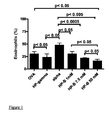
- Figure 1-2
- Effects of inhalation of Compound on BAL eosinophil percentage (Fig 1) and peribronchial inflammation score (fig 2). Controls are mice exposed to ova by inhalation and placebo by inhalation (OVA)
- Figure 3
- Effects of inhalation of Compound on peribronchial eosinophils reported here as a number/mm of epithelial basement membrane.
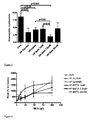
- Figure 4
- Airway responsiveness measurements : Enhanced Ponse (Penh) was measured during 5 minutes after a 2 minutes inhalation of PBS and inceasing doses of methacholine.
- Figure 5
- Measurement of cytokines by Elisa. Eotaxin was measured by incubation in a wheel coated with a primary antibody specifically dedicated to the recognition of the protein and after rinsing, a second antibody against eotaxin, coupled with horse radish peroxydase was used to quantify the amounts of eotaxin in the solution.
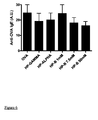
- Figure 6
- Measurement of allergen specific IgE levels in serum.
- Figure 7
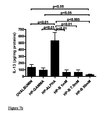
- Measurement of eotaxin and IL-13 in Bal and lung protein extracts. IL-13 was measured by incubation in a wheel coated with a primary antibody specifically dedicated to the recognition of the protein and after rinsing, a second antibody against IL-13, coupled with horse radish peroxydase was used to quantify the amounts of eotaxin in the solution.
- The solution osmolality is 308 mOs/kg. The pH is 7.2.
The concentration of CD compound can be modified in function of the requirements. It is preferred to adjust the tonicity by addition ofNaCl.
A preferred formulation for nebulization is: - For 200 ml of solution:
- HPβCD exempt from pyrogenic 20.15 g (75mM)
- Sodium chloride 1.42 g (isotonicity)
- Pyrogen-free, sterile, purified water, q.s.
ad 200 ml
- a) Weigh 20.15 g of HPβCD exempt from pyrogenic (3.2 % H2O, from ROQUETTE) and dissolve them in 100 ml of purified water.
- b) Weigh 1.42 g of sodium chloride and add them to solution (a) by energetically stirring so as to dissolve them.
- c) Complete with water so as to obtain 200 ml of solution.
- d) Sterilize by filtration through a 0.22 µm polypropylene membrane.
- Use of formulations containing cyclodextrin for therapy of allergen-induced airway inflammation and bronchial hyperresponsiveness in a mouse model of asthma.
- HP-β-CD (degree of substitution = 0.64) was obtained from Roquette (France). α- and HP-γ-CD were obtained from Wacker Chemie Gmbh (Germany). Apyrogenic phosphate buffered saline (PBS) was purchased from Bio-Wittaker (Verviers, Belgium). Methacholine was from Sigma-Aldrich (Germany).
- All other materials were of analytical grade. Sterile water for injection was used throughout this study. Sterile, apyrogenic and isotonic CD solutions were prepared at 1, 7.5 and 50 mM for HP-β-CD and α-CD and at 50 mM for HP-γ-CD. Cyclodextrins were tested following the Bacterial Endotoxin Test described in USP XXVI using Limulus Amebocyte Lysate (LAL). Osmolalities of all the solutions were measured by a Knauer Automatic semi-micro Osmometer and adjusted to the value of 300 mOsm/kg by the addition of an adequate amount of NaCl. A terminal sterilization of the solutions was performed by steam sterilization process.
- Aerosol was produced by using an ultrasonic nebuliser SYSTAM, the vibration frequency of which is 2.4MHz with variable vibration intensity and ventilation levels. Vibration intensity was fixed in position 6 and the ventilation level was 25 (v ½) 1/min.
- Aerosol size distribution emitted from CDs solutions was determined with a laser size analyzer Mastersizer (Malvern, Orsay, France). Ten milliliters of each solution were directly nebulized in the laser beam. The mouth piece was held at 1 cm from the center of the laser beam. The resulting aerosol was aspirated on the opposite side of the beam. Environmental temperature and relative humidity were maintained constant, that is to say at 20 °C and 40-45%. Triplicates of each measurement were performed and compared to controls of PBS. The results are expressed as the percentage of droplets comprised in the range 0.5 to 5.79 µm and the median diameter. The concentration of droplets in the air evaluated by the obscuration percentage of the laser beam was in the same range for each experiment (15-25%). A comparison of the MMAD, the GSD and the percentage of droplets comprised in the range of 0.5 to 5.79 µm of all the CDs solutions with the corresponding values for PBS demonstrated that the presence of CDs in the solution did not influence the droplet size distribution in the aerosols. A fraction of droplets comprised in the range of 0.5 to 5.79 µm close to 65 % was obtained in each experiment.
- In order to study modulation of airway inflammation ,males BALB/c mice of 6 to 8 weeks old were sensitized by intraperitoneal injection of 10 µg ovalbumin (OVA) (Sigma Aldrich, Schnelldorf, Germany) emulsified in aluminum hydroxyde (AlumInject; Perbio, Erembodegem, Belgium) on days 1 and 8. Mice were subsequently exposed to allergens by daily inhalation of an aerosol of OVA 1%, for 30 minutes, generated by ultrasonic nebulizer (Devilbiss 2000), from day 21 to 27. Mice were subjected to inhalation of α-CD, HP-β-CD 1, 7.5, 50 mM and HP-γ-
CD 50mM 30 minutes before OVA inhalation. Mice were sacrificed performed on day 28 as previously reported by Cataldo and al in Am.J.Pathol 2002;161(2):491-498. - Immediately after assessment of airway responsiveness, and 24 hours after the last allergen exposure.
Mices were sacrificed and a bronchoalveolar lavage was performed using 4x1ml PBS-EDTA 0.05mM (Calbiochem, Darmstadt, Germany) as previously described by Cataldo DD, Tournoy KG, Vermaelen K et al. in Am J Pathol 2002; 161(2):491-498. Cells were recovered by gentle manual aspiration. After centrifugation of bronchoalveolar fluid (BALF) (1200 rpm for 10 minutes, at 4°C), the supernatant was frozen at -80°C for protein assessment and the cell pellet was resuspended in 1 ml PBS-EDTA 0.05mM. The differential cell counts were performed on cytocentrifuged preparations (Cytospin) after staining with Diff-Quick (Dade, Belgium). - After BAL, the thorax was opened and the left main bronchus was clamped. The left lung was excised and frozen immediately at -80°C for protein and mRNA extraction. The right lung was infused with 4% paraformaldehyde, embedded in paraffin and used for histology. Sections of 5 µm thickness were cut off from paraffin and were stained with haematoxylin-eosin. The extent of peribronchial inflammation was estimated by a score calculated by quantification of peribronchial inflammatory cells, as previously described by Cataldo DD, Tournoy KG, Vermaelen K et al. in Am J Pathol 2002; 161(2):491-498. A value of 0 was adjudged when no inflammation was detectable, a value of 1 when there was occasionally inflammatory cells, a value of 2 when most bronchi were surrounded by a thin layer (1 to 5 cells) of inflammatory cells and a value of 3 when most bronchi were surrounded by a thick layer (>5 cells) of inflammatory cells. Since 5-7 randomly selected tissue sections per mouse were scored, inflammation scores are expressed as a mean value and can be compared between groups. After Congo Red staining, the eosinophilic infiltration in the airway walls was quantified by manual count and reported to the perimeter of epithelial basement membrane defining an eosinophilic inflammatory score.
The left lung was crushed using a Mikro-Dismembrator (Braun Biotech International, Gmbh Melsungen, Germany). For proteins extraction, the crushed lung tissue was incubated overnight at 4°C in a solution containing 2M urea, 1M NaCl and 50 mM Tris (pH 7.5) and subsequently centrifuged 15 minutes at 16.000xg. The supernatant was stored at -80°C. - Twenty-four hours after the last allergen exposure, the bronchial hyper responsiveness was determined by measuring the Penh using a barometric plethysmograph as proposed by Hamelmann, E., et al., Am. J Respir. Crit. Care Med. 156 (1997) 766-775). The Penh was measured at baseline and 5 min after the inhalation of increasing doses (25, 50, 75 and 100 mM) of methacholine (Mch).
- Eotaxin and IL-13 levels were assessed using commercial ELISAs (R&D systems, Abingdon, UK).
Eotaxin was measured by incubation in a wheel coated with a primary antibody specifically dedicated to the recognition of the protein and after rinsing, a second antibody against eotaxin, coupled with horse radish peroxydase was used to quantify the amounts of eotaxin in the solution - At the end of the experiment, blood was drawn from the heart for measurement of OVA specific serum IgE. Microtiter plates were coated with OVA. Serum was added followed by a biotinylated polyclonal rabbit anti-mouse IgE (S. Florquin, ULB, Brussels, Belgium). A serum pool from OVA-sensitized animals was used as internal laboratory standard; 1 unit was arbitrarily defined as 1/100 dilution of this pool.
- IL-13 was measured by incubation in a wheel coated with a primary antibody specifically dedicated to the recognition of the protein and after rinsing, a second antibody against IL-13, coupled with horse radish peroxydase was used to quantify the amounts of eotaxin in the solution
- Results of BAL cell count, pulmonary histology, cytokines and mRNA levels were expressed as mean +/- SEM and the comparison between the groups was performed using Mann-Whitney test. Mann-Whitney test was performed using GRAPHPAD INSTAT version 3.00 for WINDOWS 95 (GRAPHPAD SOFTWARE, San Diego, CA, USA, WWW.GRAPHPAD.Com.). P values < 0.05 were considered as significant.
- After allergen exposure, eosinophil counts were significantly decreased after the inhalation of HP-β-CD and HP-γ-CD at the dose of 50 mM. There was a dose dependent decrease in BAL eosinophils with the HP-β-CD 1, 7.5 and 50 mM inhalation. Other inflammatory cells were not present in different amounts in the BAL after HP-β-CD inhalation when compared to placebo. On the contrary, α-CD inhalation led to a tendency to increase the number of eosinophils in BAL after allergen exposure (figure 1).
- After allergen exposure, mice treated with placebo displayed a significant increase in peribronchial inflammation as quantified by the peribronchial inflammation score. Mice treated with HP-β-CD 1, 7.5, and 50 mM and HP-γ-
CD 50 mM were shown to have decreased inflammation score when compared to placebo treated mice. α-CD inhalation did not reduce the peribronchial inflammation score (figure 2). - As demonstrated previously, the allergen exposure did induce a significant increase in the number of eosinophils detectable in the peribronchial area. All CD tested induced a decrease of this infiltration and this decrease reached statistical significance for α-CD, HP-β-CD 1, 7.5, and HP-γ-
CD 50 mM (figure 3). - The inhalation of HP-β-
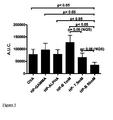
CD 50 mM reduced the methacholine-induced Penh increase (figure 4). When measuring the area under the methacholine dose-response curve for different CDs, HP-β-CD 50 mM was the only to show a significant decrease (figure 5). - There were no significant differences between the groups for the allergen sensitization as assessed by the similar levels of OVA specific IgE measured by ELISA in serum (figure 6).
- When compared to placebo exposed mice, all doses of HP-β-CD tested induced a decrease in levels of eotaxin measured by ELISA in lung protein extracts (figure 7a). IL-13 levels were decreased in BAL after HP-β-CD exposure and, on the contrary, were increased after α-CD exposure (figure 7b).
Claims (4)
- Use of a cyclodextrin compound for the manufacturing of a medicament for the treatment of bronchial inflammatory diseases in a host mammal in need of such treatment.
- Use of a cyclodextrin compound for the manufacturing of a medicament for the prevention of bronchial inflammatory diseases in a host mammal in need of such treatment.
- Use according to claim 1 or 2 wherein the cyclodextrin is a beta-cyclodextrin
- Use according to claim 3 wherein the beta-cyclodextrin is an HP-beta-cyclodextrin.
Priority Applications (13)
| Application Number | Priority Date | Filing Date | Title |
|---|---|---|---|
| EP04104957A EP1655034A1 (en) | 2004-10-10 | 2004-10-10 | Use of cyclodextrin for treatment and prevention of bronchial inflammatory diseases. |
| EP05801277A EP1799231B1 (en) | 2004-10-10 | 2005-09-30 | Use of cyclodextrin for treatment and prevention of bronchial inflammatory diseases |
| PCT/EP2005/054966 WO2006037769A1 (en) | 2004-10-10 | 2005-09-30 | Use of cyclodextrin for treatment and prevention of bronchial inflammatory diseases. |
| DE602005019247T DE602005019247D1 (en) | 2004-10-10 | 2005-09-30 | USE OF CYCLODEXTRIN FOR THE TREATMENT AND PREVENTION OF INFLAMMATORY BRONCHIAL DISEASES |
| AT05801277T ATE456955T1 (en) | 2004-10-10 | 2005-09-30 | USE OF CYCLODEXTRIN TO TREAT AND PREVENT BRONCHIAL INFLAMMATORY DISEASE |
| ES05801277T ES2340511T3 (en) | 2004-10-10 | 2005-09-30 | USE OF CYCLODEXTRINE FOR THE TREATMENT AND PREVENTION OF BRONCHIAL INFLAMMATORY DISEASES. |
| US11/664,999 US7829550B2 (en) | 2004-10-10 | 2005-09-30 | Use of cyclodextrin for treatment and prevention of bronchial inflammatory diseases |
| JP2007535148A JP4989481B2 (en) | 2004-10-10 | 2005-09-30 | Use of cyclodextrins for the treatment and prevention of bronchial inflammatory diseases |
| PL05801277T PL1799231T3 (en) | 2004-10-10 | 2005-09-30 | Use of cyclodextrin for treatment and prevention of bronchial inflammatory diseases |
| US12/846,241 US20110028432A1 (en) | 2004-10-10 | 2010-07-29 | Use of cyclodextrin for treatment and prevention of bronchial inflammatory diseases |
| US13/478,743 US20120295872A1 (en) | 2004-10-10 | 2012-05-23 | Use of cyclodextrin for treatment and prevention of bronchial inflammatory diseases |
| US13/804,626 US9034846B2 (en) | 2004-10-10 | 2013-03-14 | Use of cyclodextrin for treatment and prevention of bronchial inflammatory diseases |
| US14/699,563 US20150258133A1 (en) | 2004-10-10 | 2015-04-29 | Use of cyclodextrin for treatment and prevention of bronchial inflammatory diseases |
Applications Claiming Priority (1)
| Application Number | Priority Date | Filing Date | Title |
|---|---|---|---|
| EP04104957A EP1655034A1 (en) | 2004-10-10 | 2004-10-10 | Use of cyclodextrin for treatment and prevention of bronchial inflammatory diseases. |
Publications (1)
| Publication Number | Publication Date |
|---|---|
| EP1655034A1 true EP1655034A1 (en) | 2006-05-10 |
Family
ID=34929683
Family Applications (2)
| Application Number | Title | Priority Date | Filing Date |
|---|---|---|---|
| EP04104957A Withdrawn EP1655034A1 (en) | 2004-10-10 | 2004-10-10 | Use of cyclodextrin for treatment and prevention of bronchial inflammatory diseases. |
| EP05801277A Expired - Lifetime EP1799231B1 (en) | 2004-10-10 | 2005-09-30 | Use of cyclodextrin for treatment and prevention of bronchial inflammatory diseases |
Family Applications After (1)
| Application Number | Title | Priority Date | Filing Date |
|---|---|---|---|
| EP05801277A Expired - Lifetime EP1799231B1 (en) | 2004-10-10 | 2005-09-30 | Use of cyclodextrin for treatment and prevention of bronchial inflammatory diseases |
Country Status (8)
| Country | Link |
|---|---|
| US (3) | US7829550B2 (en) |
| EP (2) | EP1655034A1 (en) |
| JP (1) | JP4989481B2 (en) |
| AT (1) | ATE456955T1 (en) |
| DE (1) | DE602005019247D1 (en) |
| ES (1) | ES2340511T3 (en) |
| PL (1) | PL1799231T3 (en) |
| WO (1) | WO2006037769A1 (en) |
Cited By (2)
| Publication number | Priority date | Publication date | Assignee | Title |
|---|---|---|---|---|
| RU2506080C1 (en) * | 2012-09-25 | 2014-02-10 | Государственное бюджетное образовательное учреждение высшего профессионального образования "Нижегородская государственная медицинская академия" Министерства здравоохранения и социального развития Российской Федерации (ГБОУ ВПО НижГМА Минздравсоцразвития России) | Method for treatment and prevention of oral complications caused by hormonal preparation inhalations in patients suffering bronchial asthma |
| US11045434B1 (en) | 2020-04-01 | 2021-06-29 | UNION therapeutics A/S | Niclosamide formulations for treating disease |
Families Citing this family (19)
| Publication number | Priority date | Publication date | Assignee | Title |
|---|---|---|---|---|
| US9545424B2 (en) | 2007-06-01 | 2017-01-17 | SolAero Med Inc. | Method of treating pulmonary surfactant dysfunction or respiratory distress syndrome by administering cyclodextrin or a derivative thereof |
| EP2600864B1 (en) * | 2010-08-04 | 2019-01-09 | University Of Virginia Patent Foundation | Compositions and methods for treating inflammatory diseases |
| CN107865968B (en) | 2012-08-03 | 2021-03-05 | 美国政府(由卫生和人类服务部的部长所代表) | Cyclodextrins for the treatment of lysosomal storage disorders |
| JP6181188B2 (en) * | 2012-09-27 | 2017-08-16 | ソールエアロメッド インク. | Treatment of pulmonary surfactant dysfunction using cholesterol-trapped cyclodextrins |
| FR3014694B1 (en) | 2013-12-13 | 2016-11-11 | Roquette Freres | METHYL-CYCLODEXTRIN-BASED COMPOSITIONS FOR THE TREATMENT AND / OR PREVENTION OF DISEASES BY INCREASING THE CHOLESTEROL-HDL RATE |
| NZ724902A (en) * | 2014-03-28 | 2023-03-31 | Univ Liege | Composition comprising cyclodextrin and budesonide derivatives for the treatment and prophylaxis of pulmonary inflammations |
| EP2923702A1 (en) * | 2014-03-28 | 2015-09-30 | Universite De Liege | Composition of cyclodextrin with budesonide derivatives for treatment and prevention of pulmonary inflammatory disease |
| EP3307278A4 (en) | 2015-06-10 | 2018-06-13 | Vtesse, Inc. | Hydroxypropyl beta-cyclodextrin compositions and methods |
| CN112334494A (en) | 2018-06-29 | 2021-02-05 | 罗盖特公司 | Novel hydroxypropyl-beta-cyclodextrin and method for producing the same |
| FR3083234B1 (en) * | 2018-06-29 | 2020-11-27 | Roquette Freres | NEW HYDROXYPROPYL-BETA-CYCLODEXTRINS AND THEIR PREPARATION METHODS |
| BE1027425B1 (en) * | 2019-07-01 | 2021-02-08 | Aquilon Pharmaceuticals | INHALABLE COMPOSITION INCLUDING CYCLODEXTRIN FOR USE IN THE TREATMENT OF NASAL INFLAMMATIONS |
| BE1027612B1 (en) | 2019-09-10 | 2021-05-03 | Aquilon Pharmaceuticals | GOLF BALL-SHAPED MICROPARTICLES FOR USE IN THE TREATMENT AND PREVENTION OF PULMONARY DISEASES |
| MA53516A1 (en) * | 2020-06-15 | 2022-04-29 | Univ Liege | Cyclodextrin used in the treatment and prevention of bronchoconstriction in the late phase of allergen-induced asthma. |
| WO2023118014A1 (en) | 2021-12-20 | 2023-06-29 | Aquilon Pharmaceuticals | Inhalable compositions comprising a complex of hpbcd and budesonide or ciclesonide for the treatment or prevention of a respiratory viral disease or lipopolysaccharide-induced inflammation, in particular lipopolysaccharide-induced inflammation associated with a respiratory viral disease |
| BE1030002B1 (en) | 2021-12-29 | 2023-09-01 | Aquilon Pharmaceuticals | INHABLE COMPOSITIONS COMPRISING A COMPLEX OF HPBCD AND BUDESONIDE OR CICLESONIDE FOR THE TREATMENT OR PREVENTION OF A VIRAL RESPIRATORY DISEASE |
| KR20240160120A (en) | 2022-02-18 | 2024-11-08 | 베렌 테라퓨틱스 피.비.씨. | Composition of hydroxypropyl-beta-cyclodextrin and method for purifying the same |
| BE1031693B1 (en) | 2023-06-07 | 2025-01-23 | Aquilon Pharmaceuticals | PRESERVATIVE-FREE COMPOSITIONS COMPRISING A CORTICOSTEROID AND HPBCD COMPLEX FOR THE TREATMENT OR PREVENTION OF AN INFLAMMATORY DISEASE BY NASAL ADMINISTRATION |
| WO2024251923A1 (en) | 2023-06-07 | 2024-12-12 | Aquilon Pharmaceuticals | Preservative-free compositions comprising a complex of a corticosteroid and hpbcd for the treatment or prevention of an inflammatory disease through nasal administration |
| BE1031691B1 (en) | 2023-06-07 | 2025-01-23 | Aquilon Pharmaceuticals | PRESERVATIVE-FREE COMPOSITIONS COMPRISING A CORTICOSTEROID AND HPBCD COMPLEX FOR THE TREATMENT OR PREVENTION OF AN INFLAMMATORY DISEASE BY NASAL ADMINISTRATION |
Citations (3)
| Publication number | Priority date | Publication date | Assignee | Title |
|---|---|---|---|---|
| US4054736A (en) * | 1970-06-10 | 1977-10-18 | Ono Pharmaceutical Co., Ltd. | Clathrate compounds of prostaglandins or their analogues with cyclodextrin |
| JPS62123132A (en) * | 1985-11-21 | 1987-06-04 | Michio Nakanishi | Composition for remedying bronchial asthma |
| JPS62292719A (en) * | 1986-06-12 | 1987-12-19 | Kaken Pharmaceut Co Ltd | Clear water-soluble drug for external use and production thereof |
Family Cites Families (4)
| Publication number | Priority date | Publication date | Assignee | Title |
|---|---|---|---|---|
| US5254541A (en) * | 1991-11-15 | 1993-10-19 | Merck Frosst Canada, Inc. | (Quinolin-2-ylmethoxy)indole/cyclodextrin complex |
| US5840713A (en) * | 1995-04-03 | 1998-11-24 | Weisz; Paul B. | Therapy for tissue membrane insufficiency |
| AU4717997A (en) * | 1996-10-28 | 1998-05-22 | Farmarc Nederland Bv | Inclusion complexes of beta-2-andrenergics for oral mucosal delivery |
| JP2006008568A (en) * | 2004-06-24 | 2006-01-12 | Cyclochem:Kk | IgE antibody inhibitor and food |
-
2004
- 2004-10-10 EP EP04104957A patent/EP1655034A1/en not_active Withdrawn
-
2005
- 2005-09-30 WO PCT/EP2005/054966 patent/WO2006037769A1/en not_active Ceased
- 2005-09-30 PL PL05801277T patent/PL1799231T3/en unknown
- 2005-09-30 JP JP2007535148A patent/JP4989481B2/en not_active Expired - Fee Related
- 2005-09-30 US US11/664,999 patent/US7829550B2/en active Active
- 2005-09-30 EP EP05801277A patent/EP1799231B1/en not_active Expired - Lifetime
- 2005-09-30 ES ES05801277T patent/ES2340511T3/en not_active Expired - Lifetime
- 2005-09-30 AT AT05801277T patent/ATE456955T1/en active
- 2005-09-30 DE DE602005019247T patent/DE602005019247D1/en not_active Expired - Lifetime
-
2010
- 2010-07-29 US US12/846,241 patent/US20110028432A1/en not_active Abandoned
-
2012
- 2012-05-23 US US13/478,743 patent/US20120295872A1/en not_active Abandoned
Patent Citations (3)
| Publication number | Priority date | Publication date | Assignee | Title |
|---|---|---|---|---|
| US4054736A (en) * | 1970-06-10 | 1977-10-18 | Ono Pharmaceutical Co., Ltd. | Clathrate compounds of prostaglandins or their analogues with cyclodextrin |
| JPS62123132A (en) * | 1985-11-21 | 1987-06-04 | Michio Nakanishi | Composition for remedying bronchial asthma |
| JPS62292719A (en) * | 1986-06-12 | 1987-12-19 | Kaken Pharmaceut Co Ltd | Clear water-soluble drug for external use and production thereof |
Non-Patent Citations (3)
| Title |
|---|
| PATENT ABSTRACTS OF JAPAN vol. 011, no. 349 (C - 456) 14 November 1987 (1987-11-14) * |
| PATENT ABSTRACTS OF JAPAN vol. 012, no. 186 (C - 500) 31 May 1988 (1988-05-31) * |
| RAJEWSKI R A ET AL: "PHARMACEUTICAL APPLICATIONS OF CYCLODEXTRINS. 2. IN VIVO DRUG DELIVERY", JOURNAL OF PHARMACEUTICAL SCIENCES, AMERICAN PHARMACEUTICAL ASSOCIATION. WASHINGTON, US, vol. 85, no. 11, November 1996 (1996-11-01), pages 1142 - 1169, XP000629515, ISSN: 0022-3549 * |
Cited By (3)
| Publication number | Priority date | Publication date | Assignee | Title |
|---|---|---|---|---|
| RU2506080C1 (en) * | 2012-09-25 | 2014-02-10 | Государственное бюджетное образовательное учреждение высшего профессионального образования "Нижегородская государственная медицинская академия" Министерства здравоохранения и социального развития Российской Федерации (ГБОУ ВПО НижГМА Минздравсоцразвития России) | Method for treatment and prevention of oral complications caused by hormonal preparation inhalations in patients suffering bronchial asthma |
| US11045434B1 (en) | 2020-04-01 | 2021-06-29 | UNION therapeutics A/S | Niclosamide formulations for treating disease |
| US11324708B1 (en) | 2020-04-01 | 2022-05-10 | UNION therapeutics A/S | Niclosamide formulations for treating disease |
Also Published As
| Publication number | Publication date |
|---|---|
| US20120295872A1 (en) | 2012-11-22 |
| EP1799231B1 (en) | 2010-02-03 |
| JP2008515847A (en) | 2008-05-15 |
| US7829550B2 (en) | 2010-11-09 |
| US20110028432A1 (en) | 2011-02-03 |
| PL1799231T3 (en) | 2010-07-30 |
| ES2340511T3 (en) | 2010-06-04 |
| DE602005019247D1 (en) | 2010-03-25 |
| JP4989481B2 (en) | 2012-08-01 |
| EP1799231A1 (en) | 2007-06-27 |
| US20090012041A1 (en) | 2009-01-08 |
| ATE456955T1 (en) | 2010-02-15 |
| WO2006037769A1 (en) | 2006-04-13 |
Similar Documents
| Publication | Publication Date | Title |
|---|---|---|
| US20110028432A1 (en) | Use of cyclodextrin for treatment and prevention of bronchial inflammatory diseases | |
| JP3480736B2 (en) | Use of mometasone furoate for the treatment of airway channels and lung disease | |
| US6677323B2 (en) | Use of mometasone furoate for treating airway passage and lung diseases | |
| US9023815B2 (en) | Method for treating rhinitis and sinusitis by rhamnolipids | |
| US20150258133A1 (en) | Use of cyclodextrin for treatment and prevention of bronchial inflammatory diseases | |
| EP3151836B1 (en) | Composition comprising cyclodextrin and budesonide derivatives for use in the treatment and prophylaxis of pulmonary inflammations | |
| JP2022520990A (en) | How to treat respiratory illness | |
| WO2019139479A1 (en) | Compositions and methods for the treatment of lung emphysema and other forms of copd | |
| Doggrell | Triamcinolone: new and old indications | |
| US20210386668A1 (en) | Cyclodextrin for use in the treatment and prevention of late phase bronchoconstriction in allergen-induced asthma | |
| US20070225253A1 (en) | Use of a trioxopyrimidine for the treatment and prevention of bronchial inflammatory diseases |
Legal Events
| Date | Code | Title | Description |
|---|---|---|---|
| PUAI | Public reference made under article 153(3) epc to a published international application that has entered the european phase |
Free format text: ORIGINAL CODE: 0009012 |
|
| AK | Designated contracting states |
Kind code of ref document: A1 Designated state(s): AT BE BG CH CY CZ DE DK EE ES FI FR GB GR HU IE IT LI LU MC NL PL PT RO SE SI SK TR |
|
| AX | Request for extension of the european patent |
Extension state: AL HR LT LV MK |
|
| AKX | Designation fees paid | ||
| REG | Reference to a national code |
Ref country code: DE Ref legal event code: 8566 |
|
| STAA | Information on the status of an ep patent application or granted ep patent |
Free format text: STATUS: THE APPLICATION IS DEEMED TO BE WITHDRAWN |
|
| 18D | Application deemed to be withdrawn |
Effective date: 20061111 |