EP1652929A1 - Plasmids for gene transfer by bacterial conjugation - Google Patents

Plasmids for gene transfer by bacterial conjugation Download PDF

Info

Publication number
EP1652929A1
EP1652929A1 EP04090409A EP04090409A EP1652929A1 EP 1652929 A1 EP1652929 A1 EP 1652929A1 EP 04090409 A EP04090409 A EP 04090409A EP 04090409 A EP04090409 A EP 04090409A EP 1652929 A1 EP1652929 A1 EP 1652929A1
Authority
EP
European Patent Office
Prior art keywords
plasmid
recipient cell
cell
gene
orit
Prior art date
Legal status (The legal status is an assumption and is not a legal conclusion. Google has not performed a legal analysis and makes no representation as to the accuracy of the status listed.)
Withdrawn
Application number
EP04090409A
Other languages
German (de)
French (fr)
Inventor
Erich Lanka
Franca Blaesing
Günther Zieglein
Agnes Combinature Biopharm AG Mühlenweg
Stefan Combinature Biopharm AG Pelzer
Current Assignee (The listed assignees may be inaccurate. Google has not performed a legal analysis and makes no representation or warranty as to the accuracy of the list.)
Merlion Pharmaceuticals GmbH
Max Planck Gesellschaft zur Foerderung der Wissenschaften eV
Original Assignee
Combinature Biopharm AG
Max Planck Gesellschaft zur Foerderung der Wissenschaften eV
Priority date (The priority date is an assumption and is not a legal conclusion. Google has not performed a legal analysis and makes no representation as to the accuracy of the date listed.)
Filing date
Publication date
Application filed by Combinature Biopharm AG, Max Planck Gesellschaft zur Foerderung der Wissenschaften eV filed Critical Combinature Biopharm AG
Priority to EP04090409A priority Critical patent/EP1652929A1/en
Priority to PCT/EP2005/011655 priority patent/WO2006045631A2/en
Publication of EP1652929A1 publication Critical patent/EP1652929A1/en
Withdrawn legal-status Critical Current

Links

Images

Classifications

    • CCHEMISTRY; METALLURGY
    • C12BIOCHEMISTRY; BEER; SPIRITS; WINE; VINEGAR; MICROBIOLOGY; ENZYMOLOGY; MUTATION OR GENETIC ENGINEERING
    • C12NMICROORGANISMS OR ENZYMES; COMPOSITIONS THEREOF; PROPAGATING, PRESERVING, OR MAINTAINING MICROORGANISMS; MUTATION OR GENETIC ENGINEERING; CULTURE MEDIA
    • C12N15/00Mutation or genetic engineering; DNA or RNA concerning genetic engineering, vectors, e.g. plasmids, or their isolation, preparation or purification; Use of hosts therefor
    • C12N15/09Recombinant DNA-technology
    • C12N15/63Introduction of foreign genetic material using vectors; Vectors; Use of hosts therefor; Regulation of expression
    • C12N15/74Vectors or expression systems specially adapted for prokaryotic hosts other than E. coli, e.g. Lactobacillus, Micromonospora
    • C12N15/76Vectors or expression systems specially adapted for prokaryotic hosts other than E. coli, e.g. Lactobacillus, Micromonospora for Actinomyces; for Streptomyces

Definitions

  • the invention relates to novel isolated recombinant plasmids and methods of use thereof for gene transfer by bacterial conjugation.
  • Bacterial conjugation is a powerful tool for gene transfer into various bacterial species including the genus Streptomyces, the most important industrial producers of antibiotics and other pharmacologically relevant secondary metabolites.
  • the technique allows the identification and functional analysis of biosynthetic pathways for pharmaceutical interesting metabolites.
  • the technique further allows the targeted manipulation of the biosynthesis by pathway engineering of homologous and heterologous genes, a strategy, which is called combinatorial biosynthesis.
  • This method has been used successfully with a number of different Streptomyces strains and other Actinomycetes as Amycolatopsis, Actinoplanes, Nonomuraea, Saccharopolyspora, Actinomadura, Micromonospora, Nocardia, Rhodococcus, but also with strains of the amino acid producing genera Corynebacterium. Moreover, this system was also adapted for the conjugative transfer of DNA from E. coli to the Gram-negative Myxobacteria like Sorangium cellulosum, which have gained attention as a valuable source of important natural products including epothilone.
  • plasmid comprising the pSB102 Tra region.
  • a plasmid allows for gene transfer to Actinomycetes strains, which are not accessible to the IncP ⁇ (RP4) transfer system.
  • RP4 IncP ⁇
  • novel antibiotics may be obtainable by genetically manipulating synthesis pathways of such Actinomycetes strains.
  • the plasmid of the invention may further comprise one, several, or all of the elements of the group consisting of "lacI q gene of pGZ119EH, promoter Ptac of pGZ119EH, rrnBT1T 2 terminator of pGZ119EH, ColD origin of replication of pGZ119EH, tetA gene of RP4 with original promoter".
  • the plasmid may comprise in particular the 31,5 kb XbaI-XbaI fragment of pSB102, wherein the Tra region is located.
  • the plasmid of the invention is obtainable in that a 31,5 kb XbaI-XbaI fragment of pSB102 containing the Tra region is inserted into the multi-cloning site of pGZ119EH/HE (the term HE/EH expresses that either of the variant EH or HE may be used).
  • the invention further comprises an isolated recombinant plasmid comprising the mob/rep regions of RSF1010 or pTF-FC2.
  • This may further comprise one, several, or all of the elements of the group consisting of "lacI q gene of pGZ119EH, promoter Ptac of pGZ119EH, rrnBT1T 2 terminator of pGZ119EH, Tra2 region of RP4, tetA gene with original promoter of RP4".
  • Another aspect of the invention is a cell, in particular an Enterobacterium, preferably E. coli, containing at least one plasmid of the invention.
  • it may contain in addition at least one recombinant integrative or non-integrative oriT plasmid (being co-resident with the first plasmid), wherein the oriT plasmid comprises a nucleic acid sequence, which is intended to be transferred to a recipient cell of a different strain.
  • the oriT plasmid may be any plasmid being compatible with the aforementioned plasmids of the invention.
  • the oriT plasmid may, in particular, comprise a defined gene coding for a defined peptide or protein, the gene intended for transfer from the cell as donor cell to a recipient cell of a different strain, wherein the gene comprises a defined nucleic acid sequence coding for a modified or unmodified (but enhanced) biosynthesis step in the recipient cell.
  • the integrative oriT plasmid may be any integrative plasmid, which integrates via a site specific integration. It is e.g. selected from the group consisting of "pSET152, pSEToriT, pSET101, pSET201, and pSEToriT102".
  • the non-integrative oriT plasmid may be any plasmid that is replicable in the recipient cell. It is e.g. selected from the group consisting of "RSF1010K, pMS713-1n, pOJ436, and pUWLoriTaph".
  • the defined foreign nucleic acid sequence is inserted into said oriT plasmid at an appropriate insertion site.
  • An other aspect of the invention comprises a method for intergeneric gene transfer, wherein a donor cell of the invention is contacted with a recipient cell, and wherein the integrative or non-integrative oriT plasmid is transferred from the donor cell to the recipient cell by conjugation.
  • the donor cell may be any Enterobacterium, e.g. E. coli .
  • the recipient cell may be any prokaryotic or eukaryotic cell. Examples are Actinomycetes, in particular Streptomycetes, Myxobacteria, Yeasts, plant and animal cells, like mammal cells (including human cells, but optionally excluding omnipotent human cells).
  • the oriT plasmid may comprise a defined nucleic acid sequence or gene. Non-limiting examples for such defined genes are provided in the following embodiments.
  • the oriT plasmid may comprise one heterologeous (with respect to the recipient cell) gene or several heterologeous (with respect to the recipient cell) genes coding for at least one enzyme.
  • the enzyme may then be extracted and isolated from the recipient cell and, optionally, purified.
  • Such isolated enzyme may, e.g. be used for biocatalysis purposes, by adding to a cell culture.
  • the enzyme may also be left in the cell, in particular in case that it is involved in the biosynthesis of metabolites or substances in the recipient cell. Then these metabolites or substances are isolated from the recipient cell culture, optionally after having cultured the recipient cells.
  • the substances or metabolites may be modified or derivatized, if compared to the substances or metabolites biosynthesized by the recipient cells without gene transfer (combinatorial biosynthesis).
  • the heterologeous gene may also be used for biotransformation of the recipient cell.
  • the oriT plasmid may as well comprise one homologeous (with respect to the recipient cell) gene or several homologeous (with respect to the recipient cell) genes coding for at least one enzyme of the recipient cell.
  • a homologeous gene is a gene, which is identical with a gene naturally present in the recipient cell or differing therefrom but having the same biochemical functionality. This embodiment is useful e.g. for influencing, in particular enhancing, the quantity and/or quality of the biosynthesis of an enzyme or substance in the recipient cell, e.g. by introduction of one or more regulators or for the bypass of bottle-necks of the naturally occuring biosynthesis in the recipient cell.
  • the oriT plasmid may comprise at least one heterologeous or homologeous gene or gene fragment with significant similarities to a gene of the recipient cell or at least one homologeous gene or gene fragment with a mutation (insert, deletion, exchange of at least one nucleotide), wherein the mutation renders the gene disfunctional in the biosynthesis of the recipient cell.
  • This may be utilized for pathway engineering or functional proof, e.g. by way of knock-out experiments.
  • the oriT plasmid may also comprise one or several mobile elements, like transposons, which are used for a transposon mutagenesis of the recipient cell.
  • the oriT plasmid may as well be used for the curing of plasmids resident in the recipient cell.
  • a specific aspect of the invention relates to a method for producing a derivative of a defined compound, the compound being obtainable by biosynthesis in a recipient cell comprising the following steps: a) producing a donor cell of the invention, wherein the defined foreign nucleic acid sequence codes for a protein or peptide not naturally occurring in the recipient cell, wherein the protein or peptide effects a modified biosynthesis step in the biosynthesis of the recipient cell being different from the naturally occurring biosynthesis step of the same recipient cell and resulting in a derivative of the defined compound being produced in the modified biosynthesis, b) contacting the donor cell with the recipient cell, wherein the defined foreign nucleic acid is transferred to the recipient cell, c) effecting expression of the defined foreign nucleic acid in the recipient cell, d) culturing the recipient cell, and e) isolating the derivative of the defined compound from a culture supernatant or from an extract of the cultured recipient cell.
  • any biosynthesis process can be modified to produce a derivative of a compound produced by the wild type recipient cell (or recombinant recipient being already modified in another biosynthesis step of the same biosynthesis), provided that the biosynthesis process, or at least defined steps therein, are known, including the involved peptides, proteins or enzymes, in order to substitute the involved peptides, proteins or enzymes by different ones with the method of the invention, finally yielding the wished derivative.
  • the modified biosynthesis step results in the synthesis of a compound or intermediate product different from the naturally synthesized compound or intermediate product in the wild type recipient cell.
  • the recipient cell may be selected from Actinomycetes, in particular Streptomycetes.
  • Example 1 materials and methods
  • E. coli strain SCS1 [F - , endA1, hsdR17( r K - , m K + ) , supE44, thi-1, ⁇ - , recA1, gyrA96, relA1; Stratagene] was used for all cloning procedures.
  • coli strain GM2163 [F - , ara-14, leuB6, fhuA31, lacY1, tsx78, glnV44, galK2, galT22, mcrA, dcm-6, hisG4, rfbD1, rpsL136 (Sm r ) , dam13::Tn9 (Cm r ) , xylA5, mtl-1, thi-1, mcrB1, hsdR2; NEB] as recipient in intrageneric conjugations and as donor strain in intergeneric conjugations.
  • coli strains HB101 [F - , ⁇ (mcrC-mrr), hsdS20, recA13, ara-14, proA2, lacY1, ⁇ - , galK2, rpsL20 (Sm r ), xyl-5, mtl-1, supE44 (Boyer, H. W. et al., J. Mol. Biol. 41:459-472 (1969)] and the nalidixic acid-resistant derivative HB101Nx r were additionally applied for intrageneric matings.
  • E. coli cells were grown in YT medium (Miller, J.H., Experiments in molecular genetics.
  • antibiotics were used at the following concentrations: tetracycline hydrochloride (Tc), 10 ⁇ g/ml; kanamycin sulfate (Km), 30 ⁇ g/ml; chloramphenicol (Cm), 10 ⁇ g/ml, apramycin sulfate (Am), 25 ⁇ g/ml, nalidixic acid, sodium salt (Nx), 30 ⁇ g/ml.
  • the final concentration of HgCl 2 for selective growth of plasmid pSB102 was 20 ⁇ g/ml.
  • MS medium Hobbs et al., Appl. Microbiol. Biotechnol.
  • Actinomycetes cultures for DNA isolation were grown in CRM Medium (10 g Bacto yeast extract, 20 g tryptone soy broth, 103 g sucrose per liter and 20 ml 2,5 M mgcl 2 solution to be added to the sterilized medium) containing 0.5% glycine, 400 ⁇ g/ml Pm and the appropiate selective antibiotics (see HA medium).
  • Plasmids and oligonucleotides Plasmids used in this study are listed in Table 1. Oligonucleotides used for molecular cloning, PCR analysis or nucleotide sequencing are listed in Table 2.
  • DNA techniques Standard molecular cloning techniques were performed as described (Sambrook et al., see above). PCR fragments were generated using the following polymerases under conditions recommended by the manufacturer: Deep Vent R DNA polymerase (New England Biolabs); ProofStart DNA polymerase (Qiagen) or Taq DNA polymerase (Qiagen). Constructions were verified by DNA sequence analysis.
  • Intrageneric conjugation procedure For quantitative filter matings defined amounts of donor cells (0,5 ml, 1 x 10 8 cells per ml) and GM2163 recipient cells (5 ml, 3-4 x 10 8 cells per ml) were mixed and collected onto a cellulose nitrate filter (0,45 ⁇ m pore size, 25 mm diameter; Sartorius). The filter was incubated for 1h at 30°C on a YT agar plate without selection. Cells were resuspended, and aliquots of serial 10-fold dilutions were plated on YT agar plates with 10 ⁇ g/ml of chloramphenicol for selection of GM2163 plus the appropriate antibiotic for selection of the plasmid to be transferred. The transfer frequency is the number of exconjugants per donor cell.
  • E. coli donor cells were grown to an A 600 of 0,5. Cultures were inoculated from single colonies rather than diluted from overnight cultures because of extremely long lag phases of stationary phase donor cells. Cells were harvested by centrifugation, washed twice with LB to remove residual antibiotics and resuspended 10-fold concentrated in LB. The donor cells were counted prior to use.
  • Actinomycetes spore suspensions stored at -80°C were used as recipients.
  • 10 8 Actinomycetes spores were added to 500 ⁇ l 2x YT broth, heat shocked for 10 min at 50°C to activate germination and cooled to room temperature.
  • An aliquot of 500 ⁇ l of E. coli cells was added and the mixture centrifuged for 2 min at 1000 x g.
  • a defined volume of 900 ⁇ l of the supernatant was removed and the bacterial pellet was resuspended in the remaining volume of approximately 100 ⁇ l.
  • Genomic Actinomycetes DNA was isolated using the Nucleospin Tissue Kit (Macherey & Nagel) according to the product manual for Gram-positive strains with the following modifications: An aliquot of 2 ml of Actinomycetes culture was used. Cells were harvested by centrifugation and washed once with 500 ⁇ l of TE/10% sucrose and stored at -20°C for further processing. The incubation step at 56°C after adding of Proteinase K solution was omitted. Samples were gently mixed rather than vortexed. An aliquot of 600 ⁇ l of buffer B5 was used instead of 500 ⁇ l. DNA was eluted with 200 ⁇ l of buffer BE.
  • Plasmid DNA was isolated from Actinomycetes cells by alkaline lysis essentially as described (Birnboim, H. D. et al., Nucleic Acids Res. 7:1513-1523 (1979); Sambrook et al., see above (1989)) with the following modifications: Cells were washed and stored until further processing as described for genomic DNA isolation.
  • the resuspension buffer (50 mM glucose; 25 mM Tris-HC1; 10 mM EDTA; pH 8,0) contained lysozyme (4 mg/ml). The cells were incubated for 30 min at 37°C before adding the alkaline buffer (0.4 N NaOH; 2% SDS). Incubation at room temperature was for 10 min. 3 M potassium acetate, pH 5,2, was used as neutralization buffer.
  • the DNA pellet was resuspended in 50 ⁇ l TE buffer (10 mM Tris-HC1; 1 mM EDTA; pH 8,0).
  • Example 2 selection of transfer systems and molecular cloning of essential Tra components
  • Plasmid pUB307/pSET152 (Flett et al., see above (1997)) served as a reference system for the evaluation of Tra systems used.
  • Plasmid pUB307, a RP4 derivative lacking TnA (Bennett et al., Mol. Gen. Genet. 154:205-211 (1977); Table 1) had to be modified such that it could be used with co-resident Km r plasmids RSF1010K and pUWLoriTaph (see below).
  • a unique HindIII site in the aphA gene of pUB307 was used for transformation of E. coli with linearized DNA to generate small deletions of the plasmid, yielding the Km s plasmid pUB307 ⁇ K.
  • the plasmid lacks 137 bp, destroying the aphA reading frame (nucleotide positions 38.860 through 38.996 of plasmid RP4).
  • IncP ⁇ Tra system Potential alternatives for the IncP ⁇ Tra system to be used for conjugative DNA transfer into Streptomyces and related Actinomycetes have to be especially efficient in semisolid surface matings, since conjugative transfer in Streptomyces takes place only on solid media under prolonged physical contact of the parental strains.
  • RSF1010 and pTF-FC2 are both broad-host-range plasmids. They are known to be highly mobilizable and possess well-characterized Mob functions.
  • pSB102 belongs to an as yet undescribed group of broad-host-range plasmids.
  • the putative Mpf (mating pair formation) and Dtr (DNA transfer and replication) genes form a compact cluster, which makes the system appropriate for the cloning procedures required.
  • RSF1010 is mobilized at high frequency to a large number of hosts in the presence of conjugative helper plasmids, such as RP4 of the E. coli IncP ⁇ and R751 of the Incpß group. Transfer of the plasmid is known for a wide range of Gram-negative bacteria and several Gram-positive bacteria including Streptomyces lividans and Mycobacterium smegmatis, as well as plant and animal cells. Likewise, pTF-FC2 has been mobilized at high frequency between Escherichia coli strains by the co-resident IncP ⁇ RP4 plasmid, from E. coli to Pseudomonas fluorescens and from Agrobacterium tumefaciens to plant cells.
  • conjugative helper plasmids such as RP4 of the E. coli IncP ⁇ and R751 of the Incpß group. Transfer of the plasmid is known for a wide range of Gram-negative bacteria and several Gram-positive bacteria including Str
  • the plasmid contains the lacI q gene, the tac promoter, a multicloning site and the rrnBT1 / T2 terminator (A).
  • the bla gene of pJF119EH was replaced by the tetracycline resistance gene of plasmid RP4 (tetA with its original promoter, RP4 nucleotide positions 13.921 through 15.273; B).
  • RP4 tetracycline resistance gene of plasmid RP4
  • the pMB1 replicon was replaced by the corresponding mob/rep regions (Scholz et al. , Gene 75:271-288 (1989); Rohrer, J., and D. E. Rawlings, J. Bacteriol.
  • ColD plasmid pGZ119 (Lessl et al., J. Bacteriol. 174:2493-2500 (1992)), was used as the replicon (C).
  • pFB714 The putative Tra region of pSB102 located on a 31,5kb XbaI fragment was inserted into the multicloning site, yielding plasmid pFB714 (D).
  • pFB1124 and pFB1224 carry the mobilization and replication functions of plasmids RSF1010 and pTF-FC2, respectively, and the RP4 Tra2 region including the genes traF and traG, which are required for mobilization of the non-conjugative plasmids RSF1010 and pTF-FC2.
  • pFB714 carries the putative Tra region of plasmid pSB102, which is located on a 31,5kb XbaI fragment.
  • FIG. 2A shows oriT plasmids integrating into the Actinomycetes host chromosome by site-specific recombination.
  • pSET152 (Bierman et al., see above (1992)) provided the basis for each of the integrative oriT plasmids.
  • the plasmids consist of the gene fragment encoding the LacZ ⁇ peptide, a multi-cloning site, the replicon of plasmid pUC19, the attachment site attP and integrase functions int of the temperate phage ⁇ C31 for site-specific integration into the recipient Actinomycete chromosome and the apramycin resistance marker aac3(IV), allowing for selection in both E. coli and Actinomycetes.
  • the 0,8kb IncP ⁇ oriT fragment of plasmid pSET152 was replaced by the respective oriT sequences, which were inserted into the single SphI site (pSET152 nucleotide position 3.606).
  • Insertion of the 38 bp RSF1010 oriT (Brasch, M. A., and R. J. Meyer, J. Mol. Biol. 198:361-369 (1987)) yielded plasmid pSET101.
  • Insertion of the 143 bp pTF-FC2 oriT (Rohrer & Rawlings, see above (1992)) yielded plasmid pSET201.
  • the putative pSB102 oriT is located on a 2,36kb HindIII fragment (pSB102 positions 9.863-12.225; EMBL nucleotide sequence database, accession no. AJ304453).
  • pSET101 was obtained with the RSF1010 sequence in both orientations (pSET101n and u, respectively), while pSET201 contained the pTF-FC2 oriT sequence exclusively in the u orientation.
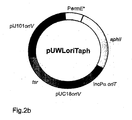
  • Figure 2B shows an oriT plasmid autonomously replicating in the Streptomyces host. Plasmid pUWL201 (Doumith et al., Mol. Gen. Genet. 264:477-485 (2000)) was the basis for the construction of an oriT plasmid autonomously replicating in Streptomyces spp.
  • pUWL201 contributes the replication functions of the Streptomyces broad-host-range multicopy plasmid pIJ101 (Kieser et al., Mol. Gen. Genet. 185:223-228 (1982)), the tsr gene conferring resistance to thiostreptone in Streptomyces, the promoter PermE* (Bibb et al., Mol. Microbiol. 14:533-545 (1994)) and the pUC18 origin for replication in E. coli. Insertion of the 0,8kb PstI fragment of plasmid pOJ436 (Bierman et al. , see above (1992)) containing the IncP ⁇ oriT generated pUWLoriT.
  • plasmids pSET152 (RP4 oriT), pSET101 (RSF1010 oriT) , pSET201 (pTF-FC2 oriT) and pSEToriT102 (pSB102 oriT), will be referred to as integrative oriT plasmids.
  • a derivative of plasmid pUWL201 carrying the IncP ⁇ oriT of plasmid pOJ436 contains the replication functions of the Streptomyces broad-host-range multicopy plasmid pIJ101 allowing for autonomous replication in the host (Fig. 2B).
  • This plasmid, pUWLoriTaph will be referred to as non-integrative oriT plasmid.
  • Table 1 Detailed descriptions of the cloning procedures of both the helper and the oriT plasmids are given in Table 1 and in the following. The new constructs are listed in Table 3.
  • conjugative helper plasmids a set of pGZ expression vectors based on pMS119 (Balzer et al., see above (1992)) was used for the construction of conjugative helper plasmids pFB1124, pFB1224, and pFB714 ( Figures 3, 4, and 5, respectively).
  • Vector plasmids pGZ219 (Table 1), pGZ119 (Lessl et al., see above (1992)), and pGZ1119 (Table 1) share the 2,06kb Nru I/ Bsp HI fragment (lacI q /P tac /MCS/ rrnBT1T2) of pMS119EH (Balzer et al., 1992).
  • the vectors differ in replicon and selectable marker genes (Table 1).
  • Expression vector pGZ219 (Table 1) was the basis for the construction of conjugative helper plasmids pFB1124 and pFB1224.
  • the plasmid carries the tetA gene of RP4 as selectable marker.
  • the 1,35kb DNA fragment containing the RP4 tetA gene together with its original promoter (Table 1) was fused to the BspH I site of the (lacI q / Ptac / MCS / rrnBT1T2) cassette, previously treated with T4 DNA polymerase to generate a "blunt end".
  • Primers used for the amplification of the RP4 tetA gene are listed in Table 2.
  • the reverse primer introduced a single Xho I site to facilitate subsequent molecular cloning steps.
  • a small linker (Table 2), introducing a Nsi I site, was fused to the Nru I site of the ( lacI q /P tac /MCS/ rrnBT1T2 ) cassette.
  • plasmids pFB1124 and pFB1224 were done in two steps. First, the RSF1010 ⁇ 1 replicon of plasmid pGZ219 was substituted with the mob / rep regions of plasmids RSF1010 and pTF-FC2, yielding mobilizable vector plasmids pFB219 and pFB319, respectively.
  • the RSF1010 mobilization and replication genes are located on a 5,6kb Xmn I/ Ssp I fragment.
  • the pTFFC2 mobilization and replication genes are located on a 10,2kb PstI/ Eco RI fragment of pTF-FC2 derivative pDER412 (Rawlings et al., J. Bacteriol. 158:737-738 (1984)).
  • the Nsi I/ Xho I (lacI q /P tac / MCS / rrnBTIT2 / tetA) cassette of plasmid pGZ219 and the respective mob / rep regions were treated with T4 DNA polymerase prior to ligation.
  • RP4 Tra2 genes, traF and traG, required for conjugative transfer, were inserted.
  • Plasmids pML123 and pML100 carry the coding regions for the gene products (TrbB-M) and (TraF/TraG), respectively.
  • TrbB-M gene products
  • TraF/TraG gene products
  • pML123 was digested with Bam HI and Hin dIII, and the 3,1kb Sac I/ Hin dIII fragment of pML100, carrying the traF and traG genes, was inserted via a Bam HI/ Sac I adaptor.
  • Plasmid vector pGZ1119 (Table 1) was used for molecular cloning of the pSB102 tra functions.
  • the 31,5kb Xba I fragment of pSB102 containing the putative Tra region was inserted into the multi-cloning site of pGZ1119, yielding plasmid pFB714 ( Figure 5).
  • oriT plasmids suitable for site-specific integration at the ⁇ C31 attachment site are based on plasmid pSET152 (Bierman et al., see above (1992)).
  • the IncP ⁇ oriT was removed by digesting pSET152 with Pst I , yielding three fragments one containing oriT. The two remaining fragments were isolated and religated yielding plasmid pSEToriT-( Figure 6).
  • the selected oriT sequences were inserted into the single SphI site (pSET152 nucleotide position 3.606).
  • the PCR product was digested with SphI and inserted into pSEToriT - , yielding plasmid pSET201.
  • the putative oriT sequence of plasmid pSB102 (Schneiker et al. , 2001) is located on a 2,36kb HindIII fragment.
  • pSB102 oriT a 0,43kb fragment containing the putative oriT sequence, was amplified (for primers used see Table 2) and inserted into the single Hind III site of vector pBR329.
  • the resulting plasmid pMS713-1n served as a template for a second amplification of the oriT sequence, using primers introducing Sph I restriction sites for molecular cloning into Sph I-digested pSEToriT- (Table 2).
  • Plasmid pUWL201 (Doumith et al. , see above (2000)) served as a backbone for the construction of nonintegrative oriT plasmid pUWLoriTaph (Table 1), which was achieved in two distinct cloning steps.
  • the IncP ⁇ oriT from plasmid pOJ436 (Bierman et al. , see above (1992)), located on a 0,76kb Pst I fragment, was inserted into pUWL201.
  • the oriT containing fragment was inserted into the PstI site of vector pBlueskriptSK(+).
  • the derivative containing a unique Sma I site within the PstI fragment distal to the Bluescript Sma I site was used to cut out the oriT fragment with Sma I .
  • the Sma I fragment was then inserted into the Ssp I site of pUWL201, yielding plasmid pUWLoriT.
  • the kanamycin resistance cassette aphII amplified from plasmid pGM9 (Muth et al. , see above (1989)), was inserted as a bluntended fragment into the unique ScaI site of pUWLoriT. Primers for amplification of the aph II cassette are listed in Table 2.
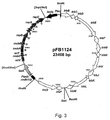
  • Figure 3 shows the genetic map of conjugative helper plasmid pFB1124.
  • the map is based on the following sequence data:
  • the lacI q gene, promoter Ptac and the rrnBT1T2 terminator (black arrow and black bar, respectively) are derived from plasmid pMS119EH (Balzer et al. , see above (1992)).
  • the mobilization and replication functions (grey arrows and grey boxes) are derived from plasmid RSF1010 (EMBL nucleotide sequence database, accession no. M28829).
  • trbB-trbM, traF and traG are derived from plasmid RP4 (EMBL nucleotide sequence database, accession no. L27758). Restriction sites used for molecular cloning are indicated.
  • Figure 4 shows the genetic map of conjugative helper plasmid pFB1224.
  • the map is based on the following sequence data:
  • the lacI q gene, promoter Ptac and the rrnBT1T2 terminator (black arrow and black bar, respectively) are derived from plasmid pMS119EH (Balzer et al. , see above (1992)).
  • the mobilization and replication functions (grey arrows and grey boxes) are derived from plasmid pTF-FC2 (EMBL nucleotide sequence database, accession no. M57717, M64981, M73777 and M26309).
  • trbB-trbM, traF and traG are derived from plasmid RP4 (EMBL nucleotide sequence database, accession no. L27758). Restriction sites used for molecular cloning are indicated.
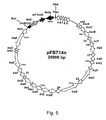
  • Figure 5 shows the genetic map of conjugative helper plasmid pFB714.
  • the map is based on the following sequence data:
  • the lacI q gene, promoter Ptac and the rrnBT1T2 terminator (black arrow and black bar, respectively) and the ColD origin of replication (grey arrow) are derived from plasmid pGZ119EH (Less1 et al. , see above (1992)).
  • the tetA gene hatchched arrow with the original promoter is derived from plasmid RP4 (EMBL nucleotide sequence database, accession no. L27758).
  • Tra functions (white arrows) are derived from plasmid pSB102 (EMBL nucleotide sequence database, accession no. AJ304453). Restriction sites used for molecular cloning of the pSB102 Tra region are indicated.
  • Figure 6 shows the genetic map of plasmid pSEToriT - .
  • the map is based on the sequence data of plasmid pSET152 (EMBL nucleotide sequence database, accession no. AJ414670).
  • pSEToriT - consists of the larger two Pst I fragments of pSET152 with the 0,8kb fragment carrying the IncP ⁇ oriT omitted.
  • Integrative oriT plasmids used were constructed by inserting the corresponding oriT sequences into the single SphI site.
  • Example 3 Tra constructs are functional in intrageneric matings between two E. coli strains
  • Plasmids pFB1124 (Tra system IncQ/IncP ⁇ Mpf, Table 3), pFB1224 (Tra system pTFFC2/IncP ⁇ Mpf, Table 3) and pFB714 (pSB102 Tra system, Table 3) were constructed as self-transmissible plasmids with the ability to mobilize co-residing plasmids carrying the homologous oriT sequence. The presence of functional Tra elements was confirmed by intrageneric matings between E. coli strains.
  • Transfer frequencies obtained with plasmids pFB1124, pFB1224 and pFB714 were about 6- to 25-fold lower compared to those obtained with pUB307 ⁇ K.
  • pFB714 was the most efficient of the three, yielding transfer frequencies with an average of 1,4x10 -1 .
  • the number of exconjugants obtained was about 150-fold lower compared to that obtained with of pFB714 harboring the isolated pSB102 Tra region (Table 4). This might result from replication deficiencies of the environmental plasmid pSB102 in the E. coli host, since retarded growth of the DH5 ⁇ (pSB102/pSEToriT102) donor cells was observed.
  • Example 4 selected Tra systems are suitable for intergeneric conjugative transfer from E. coli to Streptomyces spp.
  • RSF1010, pTF-FC2 and pSB102 Tra systems were compared among one another and with IncP ⁇ system pUB307 ⁇ K/pSET152 in intergeneric conjugation experiments between E. coli strain GM2163 as donor and five different Actinomycetes recipient strains.
  • Actinomycetes strains selected were the following. Streptomyces lividans and Streptomyces coelicolor were selected as genetically well characterized strains often used in standard experiments.
  • Streptomyces diastatochromogenes a polyketomycin producing strain
  • Streptomyces aureofaciens a producer of congocidin and spiramycin.
  • the fifth recipient strain selected was Amycolatopsis japonicum, a nocardioform Actinomycete producing the biodegradable ethylenediaminetetraacetic acid (EDTA) isomer ethylenediaminedisuccinic acid (EDDS).
  • EDTA biodegradable ethylenediaminetetraacetic acid
  • EDDS ethylenediaminedisuccinic acid
  • the selected Actinomycetes carry the ⁇ C31 attB site for site-specific integration of the mobilized pSET derivatives, which lack a replicon to be autonomously maintained in these hosts.
  • pUWLoriTaph contains the replication functions of the Streptomyces broad-host-range multicopy plasmid pIJ101 (Kieser et al., see above (1982)).
  • RSF1010 is known to be transferred to and stably maintained in Streptomyces lividans and Mycobacterium smegmatis.
  • the Km r derivative RSF1010K (Table 1) instead of the original RSF1010 plasmid encoding resistances against streptomycin and sulfonamide was used.
  • Table 5 summarizes the frequencies of exconjugant formation per recipient spore. Exconjugants were obtained with all Tra systems and all Actinomycetes employed. However, conjugation experiments employing Amycolatopsis japonicum as recipient strain yielded transfer frequencies near the detection limit and are therefore left out in the following evaluation of the Tra systems. The actual transfer of pSET DNA into A. japonicum could be confirmed, though, for the IncP ⁇ and pSB102 system (see below and Fig. 3).
  • IncP/IncQ or IncQ-like helper plasmids pFB1124 and pFB1224 were about 2 to 2.000 times less effective in mobilizing the corresponding oriT plasmids than IncP ⁇ plasmid pUB307 ⁇ K (Table 5).
  • Transfer frequencies range from 3x10 -7 (pFB1124/pSET101n with S. diastatochromogenes) to 3x10 -5 (pFB1124/pSET101u and pFB1224/pSET201u with S. aureofaciens).
  • Using the IncP ⁇ system yielded highest transfer frequencies with S. lividans as recipient.
  • the pSB102 Tra system proved to be more efficient in intergeneric conjugation experiments with all Streptomyces strains than the IncP/IncQ and the IncP/IncQ-like system, regardless whether the original pSB102 plasmid was used as helper plasmid or plasmid pFB714 containing pSB102 Tra region.
  • E. coli donor cells carrying pSB102 together with the corresponding oriT plasmid were growing rather slowly, but transfer frequencies observed with pSB102/pSEToriT102 are corresponding to those obtained with pFB714/pSEToriT102. Transfer generally occurred at frequencies of 2x10 -6 to 5x10 -4 (Table 5). Transfer frequencies obtained with S.
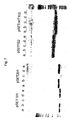
  • Figure 7 shows the PCR analysis of exconjugants.
  • PCR reactions were carried out in 100 ⁇ l with 2 ⁇ l of genomic Actinomycetes DNA, 50 pmol primers each, 200 ⁇ M dNTPs and 2U Taq polymerase in PCR buffer (10 mM Tris-HCl, pH 8,3; 50 mM KCl; 1,5 mM MgCl 2 ).
  • the template was denatured for 3 min at 95°C.
  • Amplification was for 30 cycles with 1 min 95°C, 1 min 58°C and 1 min 72°C and additional 5 min for the final synthesis step.
  • Exconjugants lane a: Streptomyces aureofaciens; lane b: Streptomyces coelicolor; lane c: Amycolatopsis japonicum; lane d: Streptomyces lividans; lane e: Streptomyces diastatochromogenes.
  • Molecular size standard 1 kb ladder.
  • aureofaciens exconjugants did not grow on HA medium containing kanamycin and phospomycin, indicating a loss of the plasmid.
  • A. japonicum exconjugants were stable under the selective conditions applied, but pUWLoriTaph plasmid DNA was not obtained.
  • RSF1010K plasmid DNA was isolated from S. coelicolor, but not from A. japonicum. This might indicate, that the plasmid isolation protocol used is not applicable for this strain, or else, that spontaneous chromosomal mutations led to the formation of Km r A. japonicum colonies.
  • S. aureofaciens exconjugants formed large colonies and reasonable transfer frequencies were obtained.
  • S. aureofaciens exconjugants obtained with pTF-FC2/IncP Mpf and RSF1010/IncP Mpf formed large colonies.
  • the transfer systems of the invention provide the basis for the development of new conjugative systems apart from the mere modification of the established ones exclusively based on conjugative plasmid RP4.
  • pSB102 might offer the access to a wider range of bacterial species since cell surface and membrane components with possibly different affinities and/or specificities from those of the IncP ⁇ system are involved.
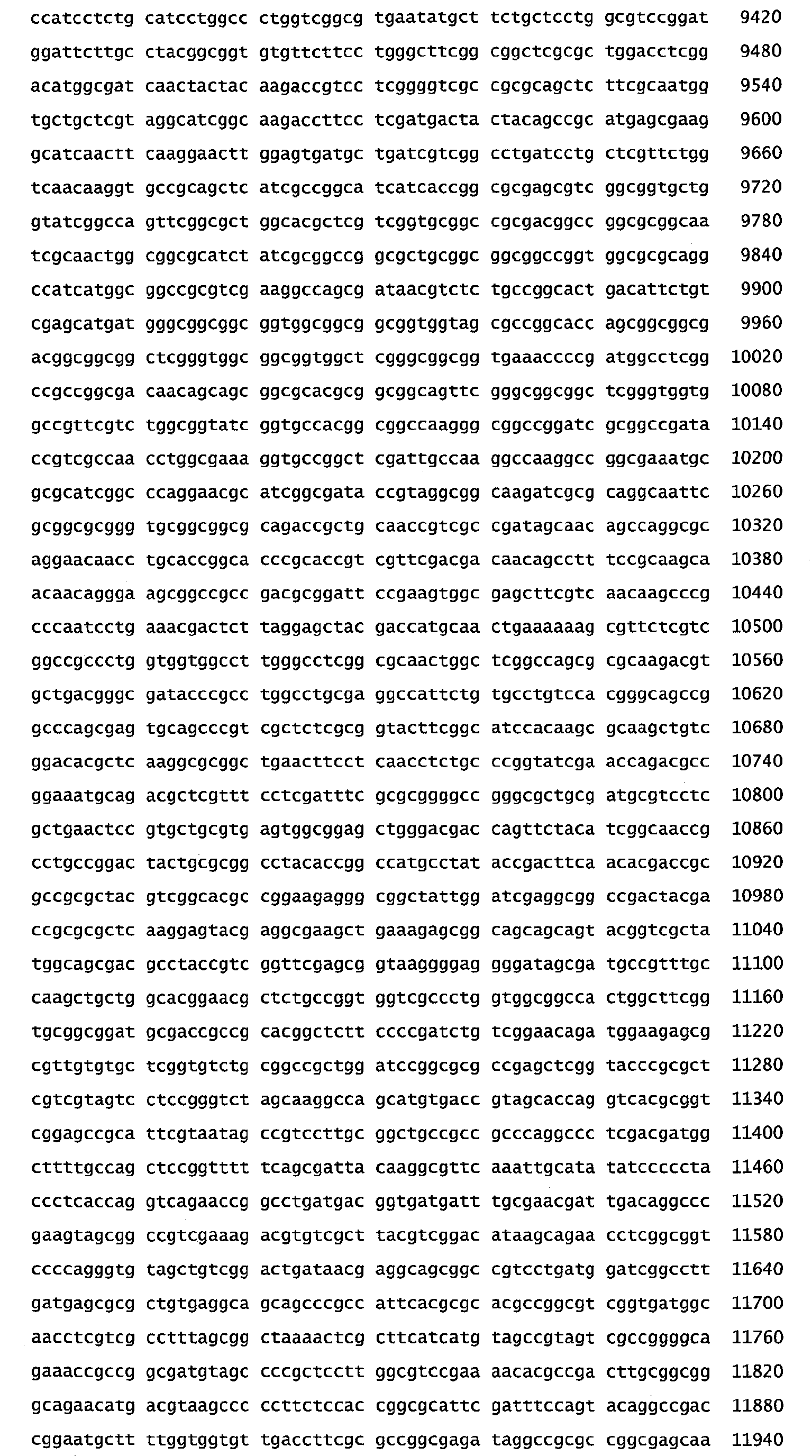
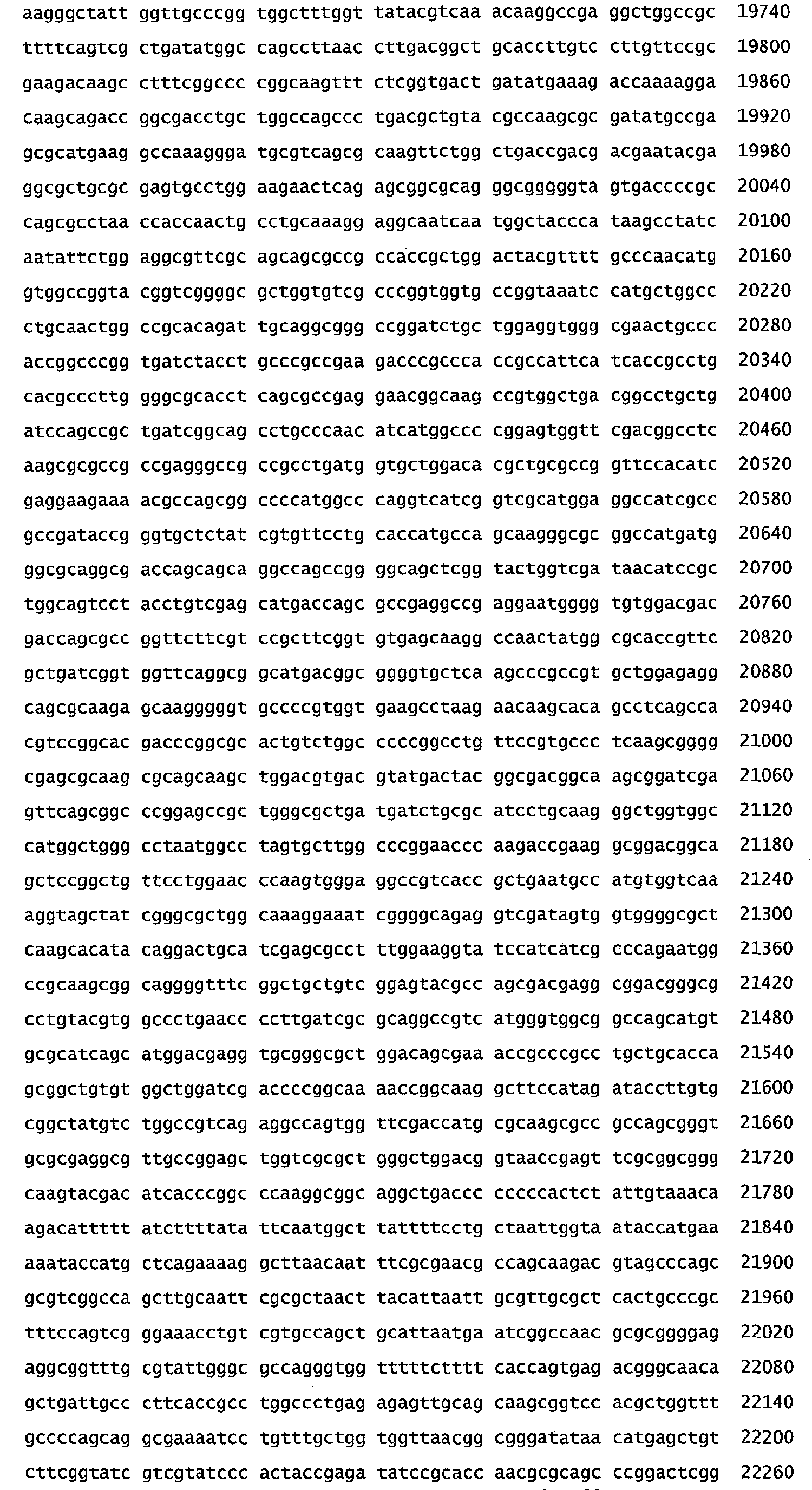
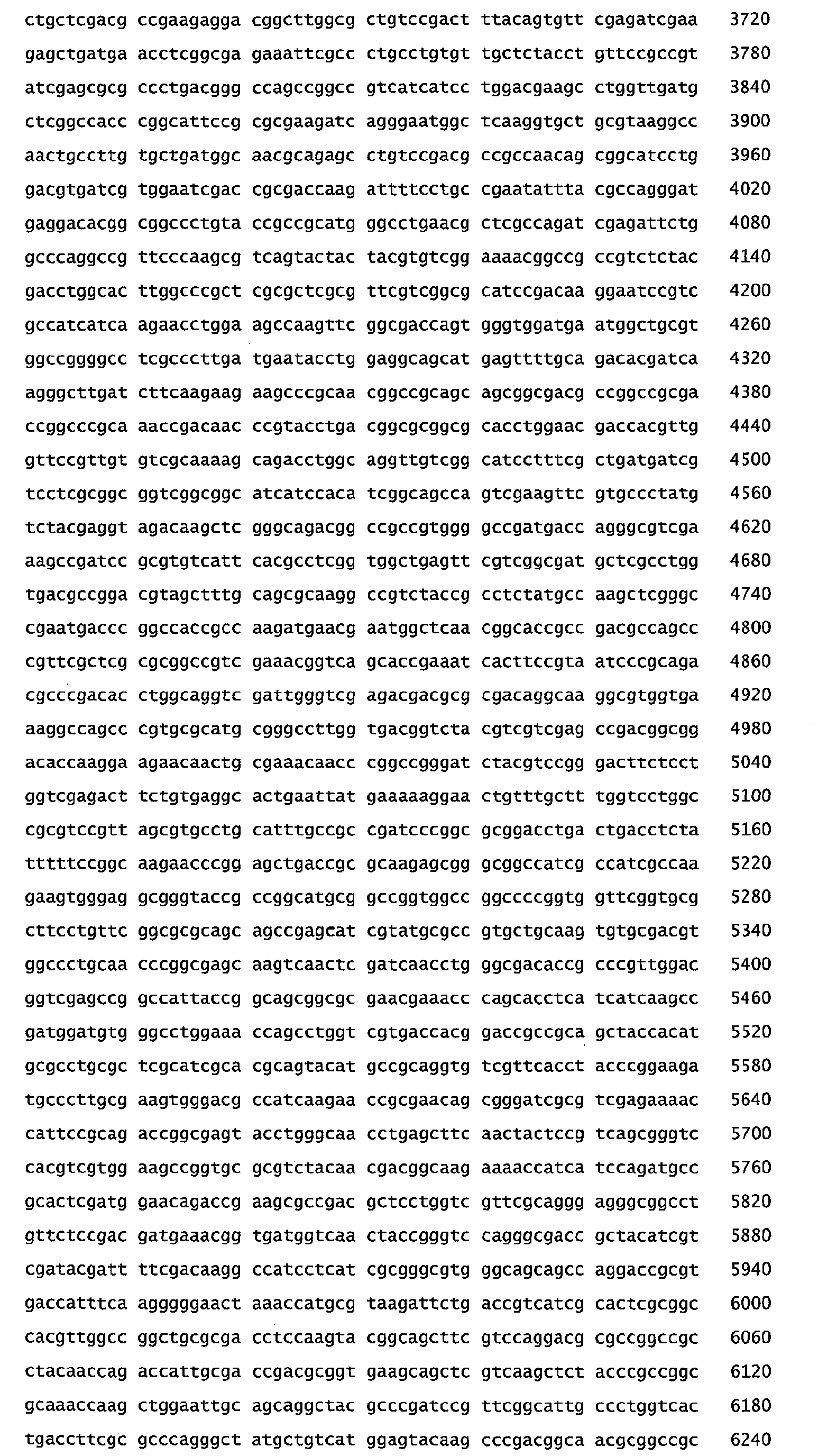
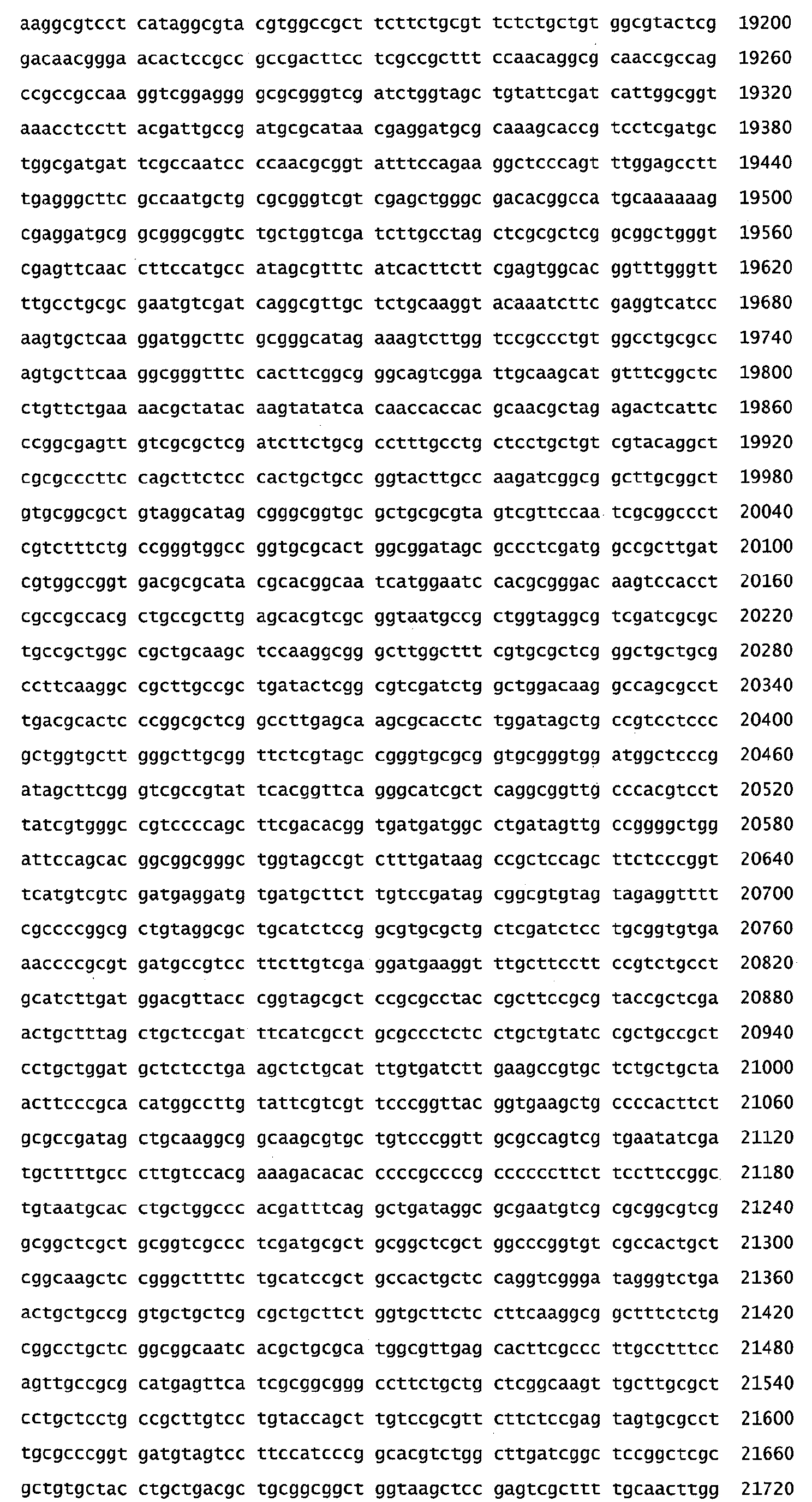
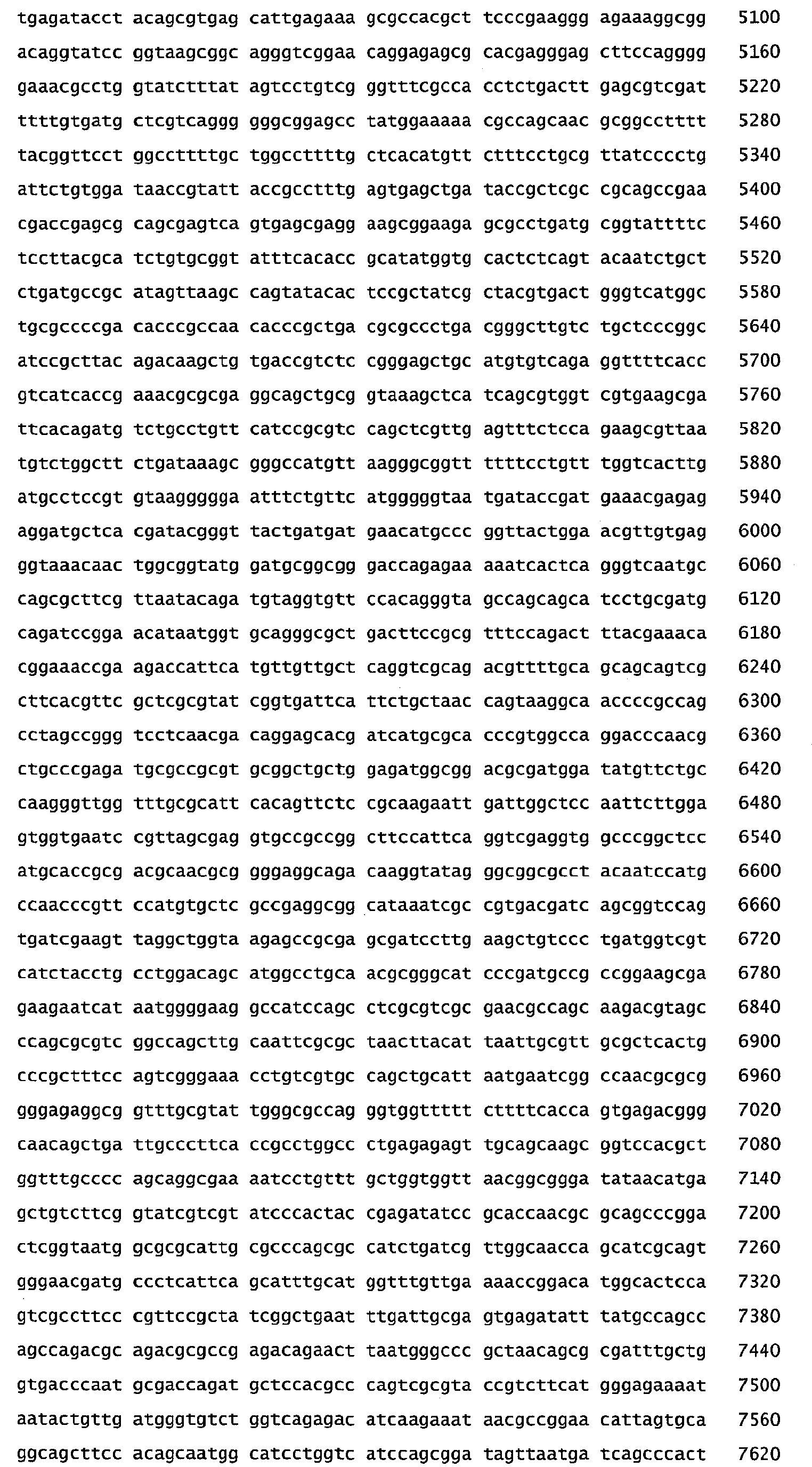
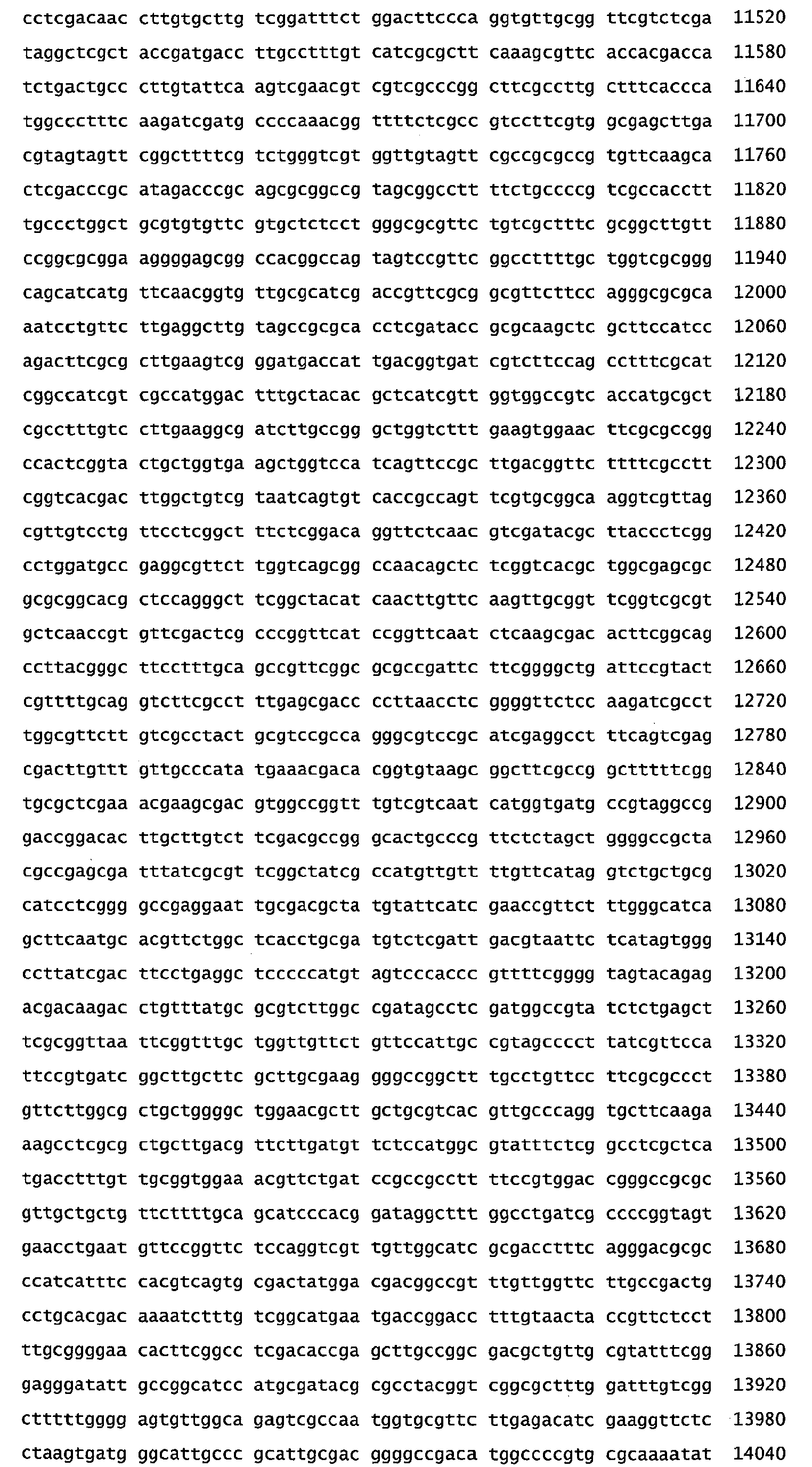
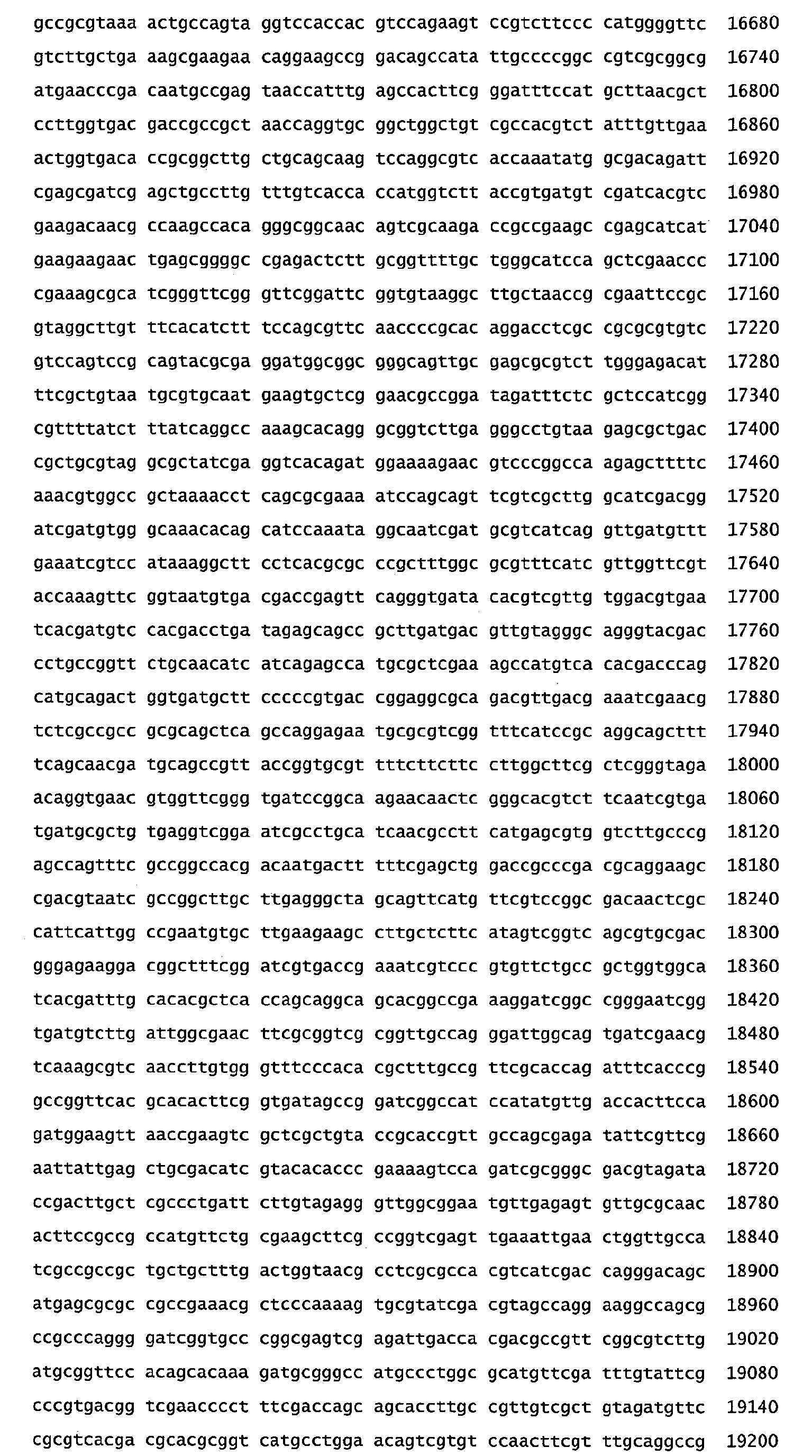
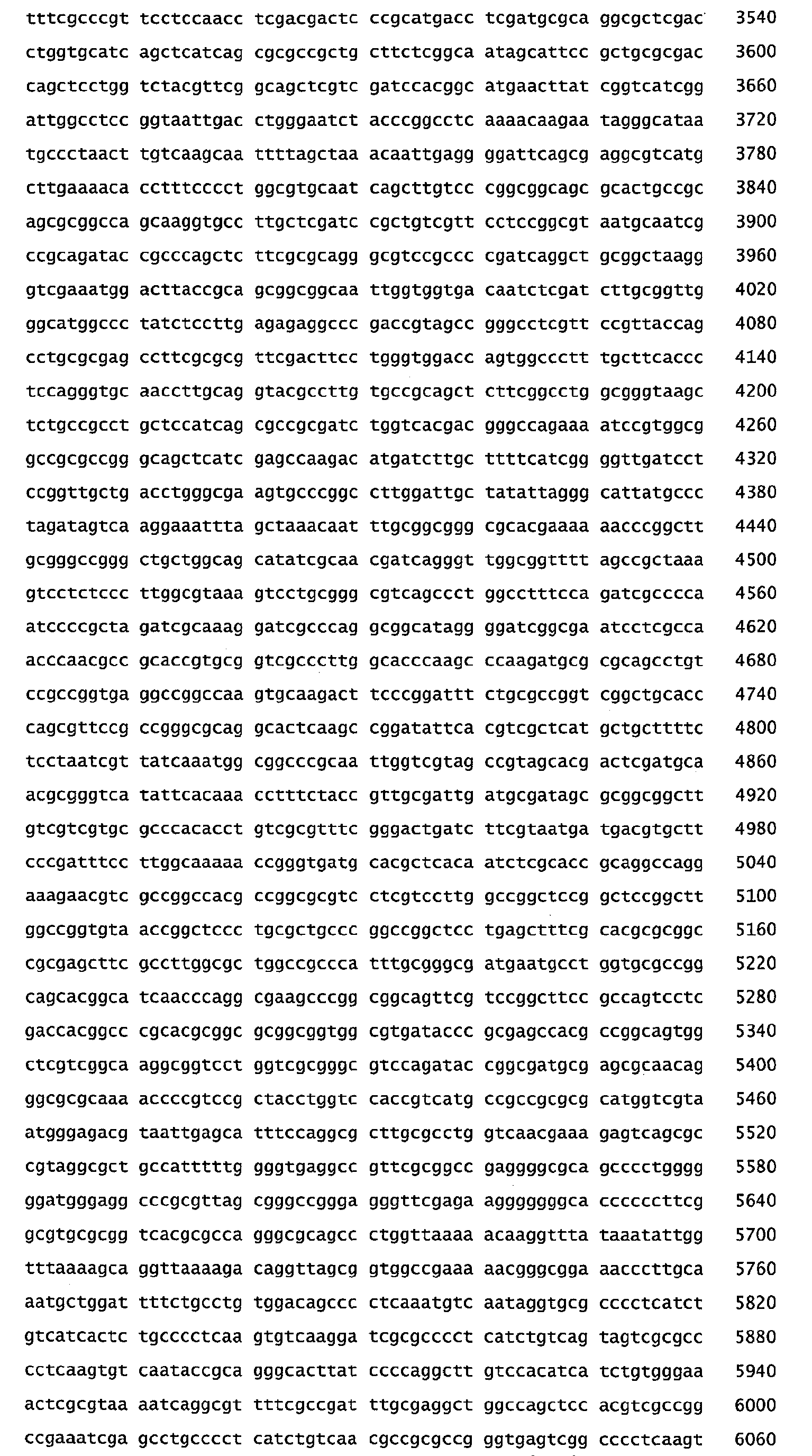
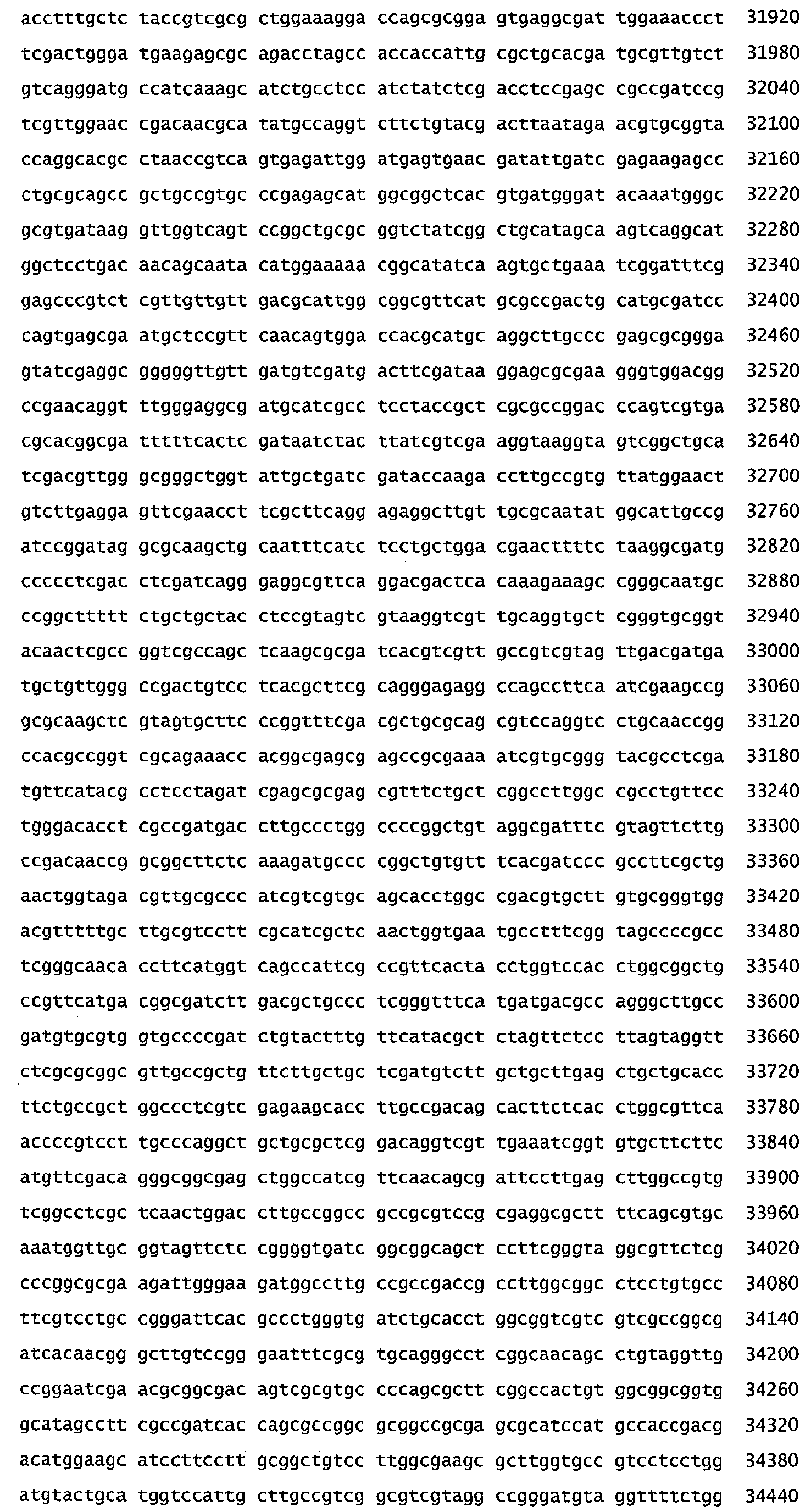
  • SEQ.-ID numbers 20 to 38 are the primers of Table 2 in the order thereof.

Landscapes

  • Genetics & Genomics (AREA)
  • Health & Medical Sciences (AREA)
  • Engineering & Computer Science (AREA)
  • Life Sciences & Earth Sciences (AREA)
  • Chemical & Material Sciences (AREA)
  • Wood Science & Technology (AREA)
  • Organic Chemistry (AREA)
  • Biotechnology (AREA)
  • General Engineering & Computer Science (AREA)
  • Biomedical Technology (AREA)
  • Zoology (AREA)
  • Bioinformatics & Cheminformatics (AREA)
  • Molecular Biology (AREA)
  • Microbiology (AREA)
  • Plant Pathology (AREA)
  • Physics & Mathematics (AREA)
  • Biochemistry (AREA)
  • General Health & Medical Sciences (AREA)
  • Biophysics (AREA)
  • Micro-Organisms Or Cultivation Processes Thereof (AREA)
  • Preparation Of Compounds By Using Micro-Organisms (AREA)

Abstract

The invention relates to a novel isolated recombinant plasmid comprising the pSB102 Tra region, or comprising the mob/rep regions of RSF1010 or pTF-FC2. The invention further relates to a cell comprising such a plasmid, to methods for gene transfer utilizing such cells and to methods for producing derivatives of a compound obtained by biosynthesis or for producing an enzyme.

Description

    Field of the invention
  • The invention relates to novel isolated recombinant plasmids and methods of use thereof for gene transfer by bacterial conjugation.
  • Background of the invention and state of the art.
  • Bacterial conjugation is a powerful tool for gene transfer into various bacterial species including the genus Streptomyces, the most important industrial producers of antibiotics and other pharmacologically relevant secondary metabolites. The technique allows the identification and functional analysis of biosynthetic pathways for pharmaceutical interesting metabolites. The technique further allows the targeted manipulation of the biosynthesis by pathway engineering of homologous and heterologous genes, a strategy, which is called combinatorial biosynthesis.
  • In the document Trieu-Cuot et al., FEMS Microbiol. Lett. 48:289-294 (1987) conjugative transfer of a shuttle plasmid between Gram-negative E. coli strains and a variety of Gram-positive bacteria is described. A protocol for intergeneric transfer of plasmids from E. coli to Streptomyces spp. is disclosed in the document Mazodier, P. et al., J. Bacteriol. 171:3583-3585 (1989). This method has been used successfully with a number of different Streptomyces strains and other Actinomycetes as Amycolatopsis, Actinoplanes, Nonomuraea, Saccharopolyspora, Actinomadura, Micromonospora, Nocardia, Rhodococcus, but also with strains of the amino acid producing genera Corynebacterium. Moreover, this system was also adapted for the conjugative transfer of DNA from E. coli to the Gram-negative Myxobacteria like Sorangium cellulosum, which have gained attention as a valuable source of important natural products including epothilone.
  • A series of cloning vectors for the conjugative transfer of DNA from E. coli to Streptomyces spp. have been described in the document Bierman, M., R. et al., Gene 116:43-49 (1992), including non-replicating, autonomously replicating and integrating plasmid or cosmid vectors. Several other vectors which can be transferred from E. coli to Actinomycetes have been described (Smokvina et al., Gene 94:53-59.(1990); Motamedi et al., Gene 160:25-31 (1995); Voeykova et al., FEMS Microbiol. Lett. 162:47-52 (1998)). However, all conjugation systems developed so far are based on the IncPα (RP4) transfer system. The system is known to be efficient, mediating effective gene transfer not only between different bacterial species but also into other cell types such as yeast and mammalian cells.
  • However, the insofar known conjugation systems are not useable for all Actinomycetes strains since some of these strains are not accessible to these techniques. Thus, there is a demand for alternative conjugation systems and novel plasmids for use therein for accessing such heretofore not accessible strains.
  • Objects of the invention.
  • It is an object of the invention to provide novel plasmids for gene transfer by bacterial conjugation. It is a further object of the invention to provide novel plasmids which allow access to gene transfer to cells, like bacterial strains, not accessible to known conjugation systems. It is an even further object of the invention to provide novel cells and methods for gene transfer by bacterial conjugation.
  • Summary of the invention and preferred embodiments
  • These objects are achieved by providing an isolated recombinant plasmid comprising the pSB102 Tra region. Such a plasmid allows for gene transfer to Actinomycetes strains, which are not accessible to the IncPα (RP4) transfer system. Thus, e.g. novel antibiotics may be obtainable by genetically manipulating synthesis pathways of such Actinomycetes strains.
  • The plasmid of the invention may further comprise one, several, or all of the elements of the group consisting of "lacIq gene of pGZ119EH, promoter Ptac of pGZ119EH, rrnBT1T2 terminator of pGZ119EH, ColD origin of replication of pGZ119EH, tetA gene of RP4 with original promoter".
  • The plasmid may comprise in particular the 31,5 kb XbaI-XbaI fragment of pSB102, wherein the Tra region is located.
  • The plasmid of the invention is obtainable in that a 31,5 kb XbaI-XbaI fragment of pSB102 containing the Tra region is inserted into the multi-cloning site of pGZ119EH/HE (the term HE/EH expresses that either of the variant EH or HE may be used).
  • The invention further comprises an isolated recombinant plasmid comprising the mob/rep regions of RSF1010 or pTF-FC2. This may further comprise one, several, or all of the elements of the group consisting of "lacIq gene of pGZ119EH, promoter Ptac of pGZ119EH, rrnBT1T2 terminator of pGZ119EH, Tra2 region of RP4, tetA gene with original promoter of RP4". It is obtainable in that A) the RSF1010A1 replicon of pGZ219 is substituted with the mob/rep regions of RSF1010 or pTF-FC2, and B) RP4 Tra2 genes, traF and traG, of pML123 and of pML100 are inserted into the multi-cloning site of the product of step A).
  • Another aspect of the invention is a cell, in particular an Enterobacterium, preferably E. coli, containing at least one plasmid of the invention. Optionally it may contain in addition at least one recombinant integrative or non-integrative oriT plasmid (being co-resident with the first plasmid), wherein the oriT plasmid comprises a nucleic acid sequence, which is intended to be transferred to a recipient cell of a different strain. The oriT plasmid may be any plasmid being compatible with the aforementioned plasmids of the invention.
  • The oriT plasmid may, in particular, comprise a defined gene coding for a defined peptide or protein, the gene intended for transfer from the cell as donor cell to a recipient cell of a different strain, wherein the gene comprises a defined nucleic acid sequence coding for a modified or unmodified (but enhanced) biosynthesis step in the recipient cell.
  • The integrative oriT plasmid may be any integrative plasmid, which integrates via a site specific integration. It is e.g. selected from the group consisting of "pSET152, pSEToriT, pSET101, pSET201, and pSEToriT102".
  • The non-integrative oriT plasmid may be any plasmid that is replicable in the recipient cell. It is e.g. selected from the group consisting of "RSF1010K, pMS713-1n, pOJ436, and pUWLoriTaph". The defined foreign nucleic acid sequence is inserted into said oriT plasmid at an appropriate insertion site.
  • An other aspect of the invention comprises a method for intergeneric gene transfer, wherein a donor cell of the invention is contacted with a recipient cell, and wherein the integrative or non-integrative oriT plasmid is transferred from the donor cell to the recipient cell by conjugation. The donor cell may be any Enterobacterium, e.g. E. coli. The recipient cell may be any prokaryotic or eukaryotic cell. Examples are Actinomycetes, in particular Streptomycetes, Myxobacteria, Yeasts, plant and animal cells, like mammal cells (including human cells, but optionally excluding omnipotent human cells). The oriT plasmid may comprise a defined nucleic acid sequence or gene. Non-limiting examples for such defined genes are provided in the following embodiments.
  • The oriT plasmid may comprise one heterologeous (with respect to the recipient cell) gene or several heterologeous (with respect to the recipient cell) genes coding for at least one enzyme. The enzyme may then be extracted and isolated from the recipient cell and, optionally, purified. Such isolated enzyme may, e.g. be used for biocatalysis purposes, by adding to a cell culture. The enzyme may also be left in the cell, in particular in case that it is involved in the biosynthesis of metabolites or substances in the recipient cell. Then these metabolites or substances are isolated from the recipient cell culture, optionally after having cultured the recipient cells. The substances or metabolites may be modified or derivatized, if compared to the substances or metabolites biosynthesized by the recipient cells without gene transfer (combinatorial biosynthesis). The heterologeous gene may also be used for biotransformation of the recipient cell.
  • The oriT plasmid may as well comprise one homologeous (with respect to the recipient cell) gene or several homologeous (with respect to the recipient cell) genes coding for at least one enzyme of the recipient cell. A homologeous gene is a gene, which is identical with a gene naturally present in the recipient cell or differing therefrom but having the same biochemical functionality. This embodiment is useful e.g. for influencing, in particular enhancing, the quantity and/or quality of the biosynthesis of an enzyme or substance in the recipient cell, e.g. by introduction of one or more regulators or for the bypass of bottle-necks of the naturally occuring biosynthesis in the recipient cell.
  • The oriT plasmid may comprise at least one heterologeous or homologeous gene or gene fragment with significant similarities to a gene of the recipient cell or at least one homologeous gene or gene fragment with a mutation (insert, deletion, exchange of at least one nucleotide), wherein the mutation renders the gene disfunctional in the biosynthesis of the recipient cell. This may be utilized for pathway engineering or functional proof, e.g. by way of knock-out experiments.
  • The oriT plasmid may also comprise one or several mobile elements, like transposons, which are used for a transposon mutagenesis of the recipient cell. The oriT plasmid may as well be used for the curing of plasmids resident in the recipient cell.
  • A specific aspect of the invention relates to a method for producing a derivative of a defined compound, the compound being obtainable by biosynthesis in a recipient cell comprising the following steps: a) producing a donor cell of the invention, wherein the defined foreign nucleic acid sequence codes for a protein or peptide not naturally occurring in the recipient cell, wherein the protein or peptide effects a modified biosynthesis step in the biosynthesis of the recipient cell being different from the naturally occurring biosynthesis step of the same recipient cell and resulting in a derivative of the defined compound being produced in the modified biosynthesis, b) contacting the donor cell with the recipient cell, wherein the defined foreign nucleic acid is transferred to the recipient cell, c) effecting expression of the defined foreign nucleic acid in the recipient cell, d) culturing the recipient cell, and e) isolating the derivative of the defined compound from a culture supernatant or from an extract of the cultured recipient cell. In this aspect it must be emphasized that the invention is not limited to specific modifications of naturally occuring biosynthesis processes. In contrast, actually any biosynthesis process can be modified to produce a derivative of a compound produced by the wild type recipient cell (or recombinant recipient being already modified in another biosynthesis step of the same biosynthesis), provided that the biosynthesis process, or at least defined steps therein, are known, including the involved peptides, proteins or enzymes, in order to substitute the involved peptides, proteins or enzymes by different ones with the method of the invention, finally yielding the wished derivative.
  • Thus, the modified biosynthesis step results in the synthesis of a compound or intermediate product different from the naturally synthesized compound or intermediate product in the wild type recipient cell. The recipient cell may be selected from Actinomycetes, in particular Streptomycetes.
  • In the following the invention is explained by Examples which are intended to describe specific, but non-limiting embodiments.
  • Example 1: materials and methods
  • Bacterial strains and media: E. coli strain SCS1 [F-, endA1, hsdR17(rK - , mK +) , supE44, thi-1, λ - , recA1, gyrA96, relA1; Stratagene] was used for all cloning procedures. E. coli strain DH5α[F-, φ80dlacZΔM15, Δ(lacZYA-argF), U169, recA1, endA1, hsdR17(rK - , mK +), phoA, supE44, λ - , thi-1, gyrA96, relA1; Hanahan, D., J. Mol. Biol. 166:557-580 (1983)] was used as donor in intrageneric conjugations and E. coli strain GM2163 [F-, ara-14, leuB6, fhuA31, lacY1, tsx78, glnV44, galK2, galT22, mcrA, dcm-6, hisG4, rfbD1, rpsL136 (Smr) , dam13::Tn9 (Cmr) , xylA5, mtl-1, thi-1, mcrB1, hsdR2; NEB] as recipient in intrageneric conjugations and as donor strain in intergeneric conjugations. E. coli strains HB101 [F-, Δ(mcrC-mrr), hsdS20, recA13, ara-14, proA2, lacY1, λ - , galK2, rpsL20 (Smr), xyl-5, mtl-1, supE44 (Boyer, H. W. et al., J. Mol. Biol. 41:459-472 (1969)] and the nalidixic acid-resistant derivative HB101Nxr were additionally applied for intrageneric matings. Recipients in intergeneric conjugations were the following Actinomycetes strains: Streptomyces aureofaciens Tü13 (Streptomyces ambofaciens DSM 40697); Streptomyces coelicolor A3(2)M145 (SCP1-, SCP2-; Kieser et al., Practical Streptomyces Genetics. John Innes Foundation, Norwich (2000)); Amycolatopsis japonicum MG417-CF17 (Amycolatopsis japonica. DSM 44213; Stegmann et al., J. Biotechnol. 92:195-204 (2001)); Streptomyces lividans 66 TK24 (str-6, SLP2-, SLP3-; Kieser et al., Practical Streptomyces Genetics. John Innes Foundation, Norwich (2000)); Streptomyces diastatochromogenes Tü6028 (Paululat et al., J. Antibiot. (Tokyo) 52:96-101 (1999)). E. coli cells were grown in YT medium (Miller, J.H., Experiments in molecular genetics. Cold Spring Harbor Laboratory, Cold Spring Harbor, N.Y.,(1972)) or LB broth (Sambrook et al., Molecular cloning: a laboratory manual, 2nd ed. Cold Spring Harbor Laboratory, Cold Spring Harbor, N.Y., (1989)) buffered with 25 mM 3-(N-morpholino)propanesulfonic acid (sodium salt, pH 8,0) and supplemented with 25 µg thiamine-hydrochloride per ml and glucose (0,1%). If appropriate, antibiotics were used at the following concentrations: tetracycline hydrochloride (Tc), 10 µg/ml; kanamycin sulfate (Km), 30 µg/ml; chloramphenicol (Cm), 10 µg/ml, apramycin sulfate (Am), 25 µg/ml, nalidixic acid, sodium salt (Nx), 30 µg/ml. The final concentration of HgCl2 for selective growth of plasmid pSB102 was 20 µg/ml. MS medium (Hobbs et al., Appl. Microbiol. Biotechnol. 31:272-277 (1989)) containing 10 mM MgCl2 was used for plating of E. coli/Streptomyces spp. in intergeneric conjugation experiments. Exconjugants were further cultured on selective HA medium (4 g Bacto yeast extract, 10 g malt extract, 4 g glucose-monohydrate per litre; pH 7,3) with antibiotics added in the following concentrations: phosphomycin disodium salt (Pm) 400 µg/ml and Am, 25 µg/ml (selection of pSET vectors) or Km, 50 µg/ml (selection of pUWLoriTaph and RSF1010K, respectively). Actinomycetes cultures for DNA isolation were grown in CRM Medium (10 g Bacto yeast extract, 20 g tryptone soy broth, 103 g sucrose per liter and 20 ml 2,5 M mgcl2 solution to be added to the sterilized medium) containing 0.5% glycine, 400 µg/ml Pm and the appropiate selective antibiotics (see HA medium).
  • Plasmids and oligonucleotides: Plasmids used in this study are listed in Table 1. Oligonucleotides used for molecular cloning, PCR analysis or nucleotide sequencing are listed in Table 2.
  • DNA techniques: Standard molecular cloning techniques were performed as described (Sambrook et al., see above). PCR fragments were generated using the following polymerases under conditions recommended by the manufacturer: Deep VentR DNA polymerase (New England Biolabs); ProofStart DNA polymerase (Qiagen) or Taq DNA polymerase (Qiagen). Constructions were verified by DNA sequence analysis.
  • Intrageneric conjugation procedure: For quantitative filter matings defined amounts of donor cells (0,5 ml, 1 x 10⁸ cells per ml) and GM2163 recipient cells (5 ml, 3-4 x 10⁸ cells per ml) were mixed and collected onto a cellulose nitrate filter (0,45 µm pore size, 25 mm diameter; Sartorius). The filter was incubated for 1h at 30°C on a YT agar plate without selection. Cells were resuspended, and aliquots of serial 10-fold dilutions were plated on YT agar plates with 10 µg/ml of chloramphenicol for selection of GM2163 plus the appropriate antibiotic for selection of the plasmid to be transferred. The transfer frequency is the number of exconjugants per donor cell.
  • Intergeneric conjugation procedure: conjugation of mobilizable plasmids from E. coli into different Actinomycetes was essentially done as described (Flett et al., FEMS Microbiol. Lett. 155:223-229 (1997); Kieser et al., see above (2000)). E. coli donor cells were grown to an A600 of 0,5. Cultures were inoculated from single colonies rather than diluted from overnight cultures because of extremely long lag phases of stationary phase donor cells. Cells were harvested by centrifugation, washed twice with LB to remove residual antibiotics and resuspended 10-fold concentrated in LB. The donor cells were counted prior to use. Actinomycetes spore suspensions stored at -80°C were used as recipients. For each mating experiment, 108 Actinomycetes spores were added to 500 µl 2x YT broth, heat shocked for 10 min at 50°C to activate germination and cooled to room temperature. An aliquot of 500 µl of E. coli cells was added and the mixture centrifuged for 2 min at 1000 x g. A defined volume of 900 µl of the supernatant was removed and the bacterial pellet was resuspended in the remaining volume of approximately 100 µl.
  • Serial 10-fold dilutions of the mixture were spread on MS agar containing 10 mM MgCl2. The plates were incubated for 16-20 h at 29°C and then overlaid with 3 ml soft nutrient agar containing 1 mg Pm for counterselection against E. coli and the appropriate antibiotic for exconjugant selection (1 mg Am and 0,75 mg Km, respectively). Incubation was continued for 2-5 days until exconjugants appeared. The transfer frequency is the number of exconjugants per recipient spore. Exconjugants were further cultured on selective HA medium and analyzed by specific PCR or plasmid DNA isolation (see below).
  • Isolation of DNA from exconjugants: Genomic Actinomycetes DNA was isolated using the Nucleospin Tissue Kit (Macherey & Nagel) according to the product manual for Gram-positive strains with the following modifications: An aliquot of 2 ml of Actinomycetes culture was used. Cells were harvested by centrifugation and washed once with 500 µl of TE/10% sucrose and stored at -20°C for further processing. The incubation step at 56°C after adding of Proteinase K solution was omitted. Samples were gently mixed rather than vortexed. An aliquot of 600 µl of buffer B5 was used instead of 500 µl. DNA was eluted with 200 µl of buffer BE. Plasmid DNA was isolated from Actinomycetes cells by alkaline lysis essentially as described (Birnboim, H. D. et al., Nucleic Acids Res. 7:1513-1523 (1979); Sambrook et al., see above (1989)) with the following modifications: Cells were washed and stored until further processing as described for genomic DNA isolation. The resuspension buffer (50 mM glucose; 25 mM Tris-HC1; 10 mM EDTA; pH 8,0) contained lysozyme (4 mg/ml). The cells were incubated for 30 min at 37°C before adding the alkaline buffer (0.4 N NaOH; 2% SDS). Incubation at room temperature was for 10 min. 3 M potassium acetate, pH 5,2, was used as neutralization buffer. The DNA pellet was resuspended in 50 µl TE buffer (10 mM Tris-HC1; 1 mM EDTA; pH 8,0).
  • Example 2: selection of transfer systems and molecular cloning of essential Tra components
  • pUB307/pSET152 (Flett et al., see above (1997)) served as a reference system for the evaluation of Tra systems used. Plasmid pUB307, a RP4 derivative lacking TnA (Bennett et al., Mol. Gen. Genet. 154:205-211 (1977); Table 1) had to be modified such that it could be used with co-resident Kmr plasmids RSF1010K and pUWLoriTaph (see below). A unique HindIII site in the aphA gene of pUB307 was used for transformation of E. coli with linearized DNA to generate small deletions of the plasmid, yielding the Kms plasmid pUB307ΔK. The plasmid lacks 137 bp, destroying the aphA reading frame (nucleotide positions 38.860 through 38.996 of plasmid RP4).
  • Potential alternatives for the IncPα Tra system to be used for conjugative DNA transfer into Streptomyces and related Actinomycetes have to be especially efficient in semisolid surface matings, since conjugative transfer in Streptomyces takes place only on solid media under prolonged physical contact of the parental strains. Three systems were selected: The mobilization (Mob) system of IncQ plasmid RSF1010, the Mob system of IncQ-like plasmid pTF-FC2 and the Tra system of pSB102, a plasmid recently isolated from the microbial population of the alfalfa rhizosphere (Schneiker et al., Nucleic Acids Res.
    29:5169-5181 (2001)). The selection was done due to the following considerations: RSF1010 and pTF-FC2 are both broad-host-range plasmids. They are known to be highly mobilizable and possess well-characterized Mob functions. In contrast, pSB102 belongs to an as yet undescribed group of broad-host-range plasmids. The putative Mpf (mating pair formation) and Dtr (DNA transfer and replication) genes form a compact cluster, which makes the system appropriate for the cloning procedures required.
  • Although not self-transmissible, RSF1010 is mobilized at high frequency to a large number of hosts in the presence of conjugative helper plasmids, such as RP4 of the E. coli IncPα and R751 of the Incpß group. Transfer of the plasmid is known for a wide range of Gram-negative bacteria and several Gram-positive bacteria including Streptomyces lividans and Mycobacterium smegmatis, as well as plant and animal cells. Likewise, pTF-FC2 has been mobilized at high frequency between Escherichia coli strains by the co-resident IncPα RP4 plasmid, from E. coli to Pseudomonas fluorescens and from Agrobacterium tumefaciens to plant cells.
  • Conjugative transfer of pSB102 is known for Sinorhizobium meliloti L331, Pseudomonas sp B131 and E. coli HBR101 with S. meliloti FP2 as the donor strain.
  • For conjugation experiments, binary vector systems were constructed with the subset of Tra systems. OriT sequences as the only cis-acting elements necessary for plasmid transfer were positioned on one plasmid, genes for transfer proteins required for the formation of the relaxosome and subsequent translocation of the DNA to the recipient cell together are provided on co-resident helper plasmids. The physical structure of the conjugative helper plasmids together with an outline of the cloning strategy is given in Figure 1 and the following. Plasmid pMS119EH (Balzer et al., Nucleic Acids Res. 20: 1851-1858 (1992)) was the basis for the construction of conjugative helper plasmids used. The plasmid contains the lacI q gene, the tac promoter, a multicloning site and the rrnBT1/T2 terminator (A). The bla gene of pJF119EH was replaced by the tetracycline resistance gene of plasmid RP4 (tetA with its original promoter, RP4 nucleotide positions 13.921 through 15.273; B). For the construction of RSF1010 and pTF-FC2 helper plasmids, the pMB1 replicon was replaced by the corresponding mob/rep regions (Scholz et al., Gene 75:271-288 (1989); Rohrer, J., and D. E. Rawlings, J. Bacteriol. 174:6230-6237 (1992); C). For the construction of the pSB102 helper plasmid, ColD, derived from plasmid pGZ119 (Lessl et al., J. Bacteriol. 174:2493-2500 (1992)), was used as the replicon (C). The RP4 Tra2 region and the genes traF and traG, required for mobilization of the non-conjugative plasmids RSF1010 and pTF-FC2, were inserted into the multicloning site, yielding plasmids pFB1124 and pFB1224, respectively (D). The putative Tra region of pSB102 located on a 31,5kb XbaI fragment was inserted into the multicloning site, yielding plasmid pFB714 (D). pFB1124 and pFB1224 carry the mobilization and replication functions of plasmids RSF1010 and pTF-FC2, respectively, and the RP4 Tra2 region including the genes traF and traG, which are required for mobilization of the non-conjugative plasmids RSF1010 and pTF-FC2. pFB714 carries the putative Tra region of plasmid pSB102, which is located on a 31,5kb XbaI fragment. The physical structure of the oriT plasmids is given in Figures 2A and 2B and the following. Figure 2A shows oriT plasmids integrating into the Actinomycetes host chromosome by site-specific recombination. pSET152 (Bierman et al., see above (1992)) provided the basis for each of the integrative oriT plasmids. The plasmids consist of the gene fragment encoding the LacZα peptide, a multi-cloning site, the replicon of plasmid pUC19, the attachment site attP and integrase functions int of the temperate phage φC31 for site-specific integration into the recipient Actinomycete chromosome and the apramycin resistance marker aac3(IV), allowing for selection in both E. coli and Actinomycetes. The 0,8kb IncPα oriT fragment of plasmid pSET152 was replaced by the respective oriT sequences, which were inserted into the single SphI site (pSET152 nucleotide position 3.606). Insertion of the 38 bp RSF1010 oriT (Brasch, M. A., and R. J. Meyer, J. Mol. Biol. 198:361-369 (1987)) yielded plasmid pSET101. Insertion of the 143 bp pTF-FC2 oriT (Rohrer & Rawlings, see above (1992)) yielded plasmid pSET201. The putative pSB102 oriT is located on a 2,36kb HindIII fragment (pSB102 positions 9.863-12.225; EMBL nucleotide sequence database, accession no. AJ304453). Part of the fragment was amplified (pSB102 positions 11.064-11.494) for molecular cloning of the putative oriT region, yielding plasmid pSEToriT102. pSET101 was obtained with the RSF1010 sequence in both orientations (pSET101n and u, respectively), while pSET201 contained the pTF-FC2 oriT sequence exclusively in the u orientation. Figure 2B shows an oriT plasmid autonomously replicating in the Streptomyces host. Plasmid pUWL201 (Doumith et al., Mol. Gen. Genet. 264:477-485 (2000)) was the basis for the construction of an oriT plasmid autonomously replicating in Streptomyces spp. pUWL201 contributes the replication functions of the Streptomyces broad-host-range multicopy plasmid pIJ101 (Kieser et al., Mol. Gen. Genet. 185:223-228 (1982)), the tsr gene conferring resistance to thiostreptone in Streptomyces, the promoter PermE* (Bibb et al., Mol. Microbiol. 14:533-545 (1994)) and the pUC18 origin for replication in E. coli. Insertion of the 0,8kb PstI fragment of plasmid pOJ436 (Bierman et al., see above (1992)) containing the IncPα oriT generated pUWLoriT. Subsequent insertion of the aphll gene of plasmid pGM9 (Muth et al., Mol. Gen. Genet. 219:341-348 (1989)) into the bla gene of pUWL201 yielded the plasmid pUWLoriTaph (Aps/Kmr). These two plasmids represent two different types. Derivatives of pSET152 do not replicate in Streptomyces spp. and related Actinomycetes but allow for site-specific integration in the host chromosome at the bacteriophage φC31 attachment site (Fig. 2A). These plasmids, pSET152 (RP4 oriT), pSET101 (RSF1010 oriT) , pSET201 (pTF-FC2 oriT) and pSEToriT102 (pSB102 oriT), will be referred to as integrative oriT plasmids. A derivative of plasmid pUWL201 carrying the IncPα oriT of plasmid pOJ436 contains the replication functions of the Streptomyces broad-host-range multicopy plasmid pIJ101 allowing for autonomous replication in the host (Fig. 2B). This plasmid, pUWLoriTaph, will be referred to as non-integrative oriT plasmid. Detailed descriptions of the cloning procedures of both the helper and the oriT plasmids are given in Table 1 and in the following. The new constructs are listed in Table 3.
  • Construction of conjugative helper plasmids: a set of pGZ expression vectors based on pMS119 (Balzer et al., see above (1992)) was used for the construction of conjugative helper plasmids pFB1124, pFB1224, and pFB714 (Figures 3, 4, and 5, respectively). Vector plasmids pGZ219 (Table 1), pGZ119 (Lessl et al., see above (1992)), and pGZ1119 (Table 1) share the 2,06kb NruI/BspHI fragment (lacI q /Ptac/MCS/rrnBT1T2) of pMS119EH (Balzer et al., 1992). The vectors differ in replicon and selectable marker genes (Table 1). Expression vector pGZ219 (Table 1) was the basis for the construction of conjugative helper plasmids pFB1124 and pFB1224. The plasmid carries the tetA gene of RP4 as selectable marker. The 1,35kb DNA fragment containing the RP4 tetA gene together with its original promoter (Table 1) was fused to the BspHI site of the (lacI q /Ptac/MCS/rrnBT1T2) cassette, previously treated with T4 DNA polymerase to generate a "blunt end". Primers used for the amplification of the RP4 tetA gene are listed in Table 2. The reverse primer introduced a single XhoI site to facilitate subsequent molecular cloning steps. A small linker (Table 2), introducing a NsiI site, was fused to the NruI site of the (lacI q/Ptac/MCS/rrnBT1T2) cassette. The construction of plasmids pFB1124 and pFB1224 (Figures 3 and 4, respectively) was done in two steps. First, the RSF1010Δ1 replicon of plasmid pGZ219 was substituted with the mob/rep regions of plasmids RSF1010 and pTF-FC2, yielding mobilizable vector plasmids pFB219 and pFB319, respectively. The RSF1010 mobilization and replication genes are located on a 5,6kb XmnI/SspI fragment. The pTFFC2 mobilization and replication genes are located on a 10,2kb PstI/EcoRI fragment of pTF-FC2 derivative pDER412 (Rawlings et al., J. Bacteriol. 158:737-738 (1984)). The NsiI/XhoI (lacI q /Ptac/MCS/rrnBTIT2/tetA) cassette of plasmid pGZ219 and the respective mob/rep regions were treated with T4 DNA polymerase prior to ligation. As the second step, RP4 Tra2 genes, traF and traG, required for conjugative transfer, were inserted. Plasmids pML123 and pML100 (Less1 et al., J. Bacteriol. 175:6415-6425 (1993)) carry the coding regions for the gene products (TrbB-M) and (TraF/TraG), respectively. To combine the essential tra functions on a single plasmid, pML123 was digested with BamHI and HindIII, and the 3,1kb SacI/HindIII fragment of pML100, carrying the traF and traG genes, was inserted via a BamHI/SacI adaptor. The resulting plasmid, pMS124, was digested with EcoRI and HindIII to obtain a 14,4kb fragment carrying the desired tra genes for insertion into the multi cloning sites of pFB219 and pFB319, respectively. Plasmid vector pGZ1119 (Table 1) was used for molecular cloning of the pSB102 tra functions. The 31,5kb XbaI fragment of pSB102 containing the putative Tra region was inserted into the multi-cloning site of pGZ1119, yielding plasmid pFB714 (Figure 5).
  • Construction of oriT plasmids suitable for site-specific integration at the ΦC31 attachment site: the integrative oriT plasmids used (Table 1) are based on plasmid pSET152 (Bierman et al., see above (1992)). The IncPα oriT was removed by digesting pSET152 with PstI, yielding three fragments one containing oriT. The two remaining fragments were isolated and religated yielding plasmid pSEToriT-(Figure 6). The selected oriT sequences were inserted into the single SphI site (pSET152 nucleotide position 3.606). A 44bp synthetic oligonucleotide (Table 2) containing the 38 bp minimal oriT of RSF1010 (Brasch & Meyer, see above (1987)) together with flanking SphI sequences was used for molecular cloning of RSF1010 oriT plasmid pSET101. The 143 bp oriT sequence of plasmid pTFFC2 (Rohrer & Rawlings, see above (1992)) was amplified from plasmid pDER412 (Rawlings et al., see above (1984)) with primers introducing SphI restriction sites at both ends (Table 2). The PCR product was digested with SphI and inserted into pSEToriT-, yielding plasmid pSET201. The putative oriT sequence of plasmid pSB102 (Schneiker et al., 2001) is located on a 2,36kb HindIII fragment. For molecular cloning of pSB102 oriT, a 0,43kb fragment containing the putative oriT sequence, was amplified (for primers used see Table 2) and inserted into the single HindIII site of vector pBR329. Following verification of the OriT+ phenotype, the resulting plasmid pMS713-1n served as a template for a second amplification of the oriT sequence, using primers introducing SphI restriction sites for molecular cloning into SphI-digested pSEToriT- (Table 2).
  • Construction of an orit plasmid suitable for autonomous replication in Streptomyces spp.: plasmid pUWL201 (Doumith et al., see above (2000)) served as a backbone for the construction of nonintegrative oriT plasmid pUWLoriTaph (Table 1), which was achieved in two distinct cloning steps. First, the IncPα oriT from plasmid pOJ436 (Bierman et al., see above (1992)), located on a 0,76kb PstI fragment, was inserted into pUWL201. The oriT containing fragment was inserted into the PstI site of vector pBlueskriptSK(+). The derivative containing a unique SmaI site within the PstI fragment distal to the Bluescript SmaI site was used to cut out the oriT fragment with SmaI. The SmaI fragment was then inserted into the SspI site of pUWL201, yielding plasmid pUWLoriT. Second, the kanamycin resistance cassette aphII, amplified from plasmid pGM9 (Muth et al., see above (1989)), was inserted as a bluntended fragment into the unique ScaI site of pUWLoriT. Primers for amplification of the aphII cassette are listed in Table 2.
  • Following details of the Figures 3 to 6 are provided.
  • Figure 3 shows the genetic map of conjugative helper plasmid pFB1124. The map is based on the following sequence data: The lacI q gene, promoter Ptac and the rrnBT1T2 terminator (black arrow and black bar, respectively) are derived from plasmid pMS119EH (Balzer et al., see above (1992)). The mobilization and replication functions (grey arrows and grey boxes) are derived from plasmid RSF1010 (EMBL nucleotide sequence database, accession no. M28829). Genes trbB-trbM, traF and traG (white arrows) as well as the tetA gene (hatched arrow) with the original promoter are derived from plasmid RP4 (EMBL nucleotide sequence database, accession no. L27758). Restriction sites used for molecular cloning are indicated.
  • Figure 4 shows the genetic map of conjugative helper plasmid pFB1224. The map is based on the following sequence data: The lacI q gene, promoter Ptac and the rrnBT1T2 terminator (black arrow and black bar, respectively) are derived from plasmid pMS119EH (Balzer et al., see above (1992)). The mobilization and replication functions (grey arrows and grey boxes) are derived from plasmid pTF-FC2 (EMBL nucleotide sequence database, accession no. M57717, M64981, M73777 and M26309). Genes trbB-trbM, traF and traG (white arrows) as well as the tetA gene (hatched arrow) with the original promoter are derived from plasmid RP4 (EMBL nucleotide sequence database, accession no. L27758). Restriction sites used for molecular cloning are indicated.
  • Figure 5 shows the genetic map of conjugative helper plasmid pFB714. The map is based on the following sequence data: The lacI q gene, promoter Ptac and the rrnBT1T2 terminator (black arrow and black bar, respectively) and the ColD origin of replication (grey arrow) are derived from plasmid pGZ119EH (Less1 et al., see above (1992)). The tetA gene (hatched arrow) with the original promoter is derived from plasmid RP4 (EMBL nucleotide sequence database, accession no. L27758). Tra functions (white arrows) are derived from plasmid pSB102 (EMBL nucleotide sequence database, accession no. AJ304453). Restriction sites used for molecular cloning of the pSB102 Tra region are indicated.
  • Figure 6 shows the genetic map of plasmid pSEToriT-. The map is based on the sequence data of plasmid pSET152 (EMBL nucleotide sequence database, accession no. AJ414670). pSEToriT- consists of the larger two PstI fragments of pSET152 with the 0,8kb fragment carrying the IncPα oriT omitted. Integrative oriT plasmids used were constructed by inserting the corresponding oriT sequences into the single SphI site.
  • Example 3: Tra constructs are functional in intrageneric matings between two E. coli strains
  • Plasmids pFB1124 (Tra system IncQ/IncPα Mpf, Table 3), pFB1224 (Tra system pTFFC2/IncPα Mpf, Table 3) and pFB714 (pSB102 Tra system, Table 3) were constructed as self-transmissible plasmids with the ability to mobilize co-residing plasmids carrying the homologous oriT sequence. The presence of functional Tra elements was confirmed by intrageneric matings between E. coli strains.
  • In a semi-quantitative approach, the capacity of conjugative transfer of the helper plasmids themselves was tested first. 10-fold serial dilutions of plasmid-harboring HB101 cells were spotted onto a lawn of nalidixic acid resistant HB101Nx cells and selected for tetracycline/nalidixic acid resistance. TCr/Nxr colonies were obtained with each of the plasmids with dilutions as far as 10-5, indicating the presence of functional Tra systems in each of the constructs (data not shown). The mating experiments show that the combination of the IncQ or IncQ-like Mob functions with the IncPα Mpf functions, including the genes traF and traG, on a single plasmid renders the plasmid self-transmissible. With these experiments it is demonstrated that the 31,5kb XbaI fragment of pSB102, carrying the predicted Tra functions, is sufficient to confer the ability of conjugative transfer to a recombinant plasmid. This is the first approach to determine the extension of the pSB102 Tra region.
  • Quantitative filter mating experiments with DH5α as donor and GM2163 as recipient strain were carried out to assess the frequencies of mobilization of the recombinant oriT plasmids by their respective conjugative helper plasmids (Table 4). pUB307ΔK/pSET152 served as the reference system. With regard to the intergeneric matings between E. coli and Actinomycetes, pUB307ΔK-mediated mobilization of plasmids RSF1010K and pUWLoriTaph was included in the analysis. Employing IncPα plasmid pUB307ΔK as helper, transfer efficiencies approached one per donor cell with each of the oriT plasmids. Transfer frequencies obtained with plasmids pFB1124, pFB1224 and pFB714 were about 6- to 25-fold lower compared to those obtained with pUB307ΔK. pFB714 was the most efficient of the three, yielding transfer frequencies with an average of 1,4x10⁻¹. In contrast, employing the original plasmid pSB102, the number of exconjugants obtained was about 150-fold lower compared to that obtained with of pFB714 harboring the isolated pSB102 Tra region (Table 4). This might result from replication deficiencies of the environmental plasmid pSB102 in the E. coli host, since retarded growth of the DH5α (pSB102/pSEToriT102) donor cells was observed. Mobilization experiments with both pSB102 and pFB714 confirm the postulated location of the pSB102 oriT sequence. Control experiments with pSEToriT- yielded transfer frequencies near the detection limit with the exception of experiments carried out with pSB102 as helper plasmid. The latter exhibited reproducible higher transfer frequencies with an average of 4x10⁻⁶. Recombination events taking place during the long growth period might be the reason for this observation.
  • Example 4: selected Tra systems are suitable for intergeneric conjugative transfer from E. coli to Streptomyces spp.
  • Subsequently, RSF1010, pTF-FC2 and pSB102 Tra systems were compared among one another and with IncPα system pUB307ΔK/pSET152 in intergeneric conjugation experiments between E. coli strain GM2163 as donor and five different Actinomycetes recipient strains. Actinomycetes strains selected were the following. Streptomyces lividans and Streptomyces coelicolor were selected as genetically well characterized strains often used in standard experiments.
  • Additionally, Streptomyces diastatochromogenes, a polyketomycin producing strain, was chosen as a potentially convenient recipient strain for combinatorial biosynthesis, and Streptomyces aureofaciens, a producer of congocidin and spiramycin. The fifth recipient strain selected was Amycolatopsis japonicum, a nocardioform Actinomycete producing the biodegradable ethylenediaminetetraacetic acid (EDTA) isomer ethylenediaminedisuccinic acid (EDDS). The selected Actinomycetes carry the φC31attB site for site-specific integration of the mobilized pSET derivatives, which lack a replicon to be autonomously maintained in these hosts. To assess whether the need of the mobilized plasmids to integrate into the host chromosome proves a limiting factor for the formation of exconjugants, conjugation experiments with two plasmids able to replicate in Streptomyces spp., pUWLoriTaph and RSF1010K were included. pUWLoriTaph contains the replication functions of the Streptomyces broad-host-range multicopy plasmid pIJ101 (Kieser et al., see above (1982)). RSF1010 is known to be transferred to and stably maintained in Streptomyces lividans and Mycobacterium smegmatis. For more convenient selection, the Kmr derivative RSF1010K (Table 1) instead of the original RSF1010 plasmid encoding resistances against streptomycin and sulfonamide was used.
  • Table 5 summarizes the frequencies of exconjugant formation per recipient spore. Exconjugants were obtained with all Tra systems and all Actinomycetes employed. However, conjugation experiments employing Amycolatopsis japonicum as recipient strain yielded transfer frequencies near the detection limit and are therefore left out in the following evaluation of the Tra systems. The actual transfer of pSET DNA into A. japonicum could be confirmed, though, for the IncPα and pSB102 system (see below and Fig. 3).
  • The most efficient Tra system for the recipient strains used in this study proved to be the established IncPα system with transfer frequencies between approximately 5x10⁻³ (pUB307ΔK/pSET152 with S. lividans as recipient) and 5x10⁻⁷ (pUB307ΔK/pUWLoriTaph with S. diastatochromogenes as recipient). The direct comparison between mobilization of an integrative and a non-integrative oriT plasmid (pSET152 vs. pUWLoriTaph) could be settled in favor of the integrative oriT plasmid with transfer frequencies about 2-fold to 300-fold higher than those obtained with the non-integrative oriT plasmid (Table 5). The integration of the plasmid into the host chromosome seems therefore not a limiting factor for the formation of exconjugants. No transfer frequency could be calculated for pUB307ΔK/pSET152 with S. aureofaciens as recipient strain. Exconjugant colonies were extremely small and formed a lawn on the agar plate even at high dilutions.
  • IncP/IncQ or IncQ-like helper plasmids pFB1124 and pFB1224 were about 2 to 2.000 times less effective in mobilizing the corresponding oriT plasmids than IncPα plasmid pUB307ΔK (Table 5). Transfer frequencies range from 3x10⁻⁷ (pFB1124/pSET101n with S. diastatochromogenes) to 3x10⁻⁵ (pFB1124/pSET101u and pFB1224/pSET201u with S. aureofaciens). Using the IncPα system yielded highest transfer frequencies with S. lividans as recipient. In contrast, matings with the IncP/IncQ as well as with the IncP/IncQ-like Tra system exhibited the highest frequencies of transfer using S. aureofaciens spores as recipients. Additionally, S. aureofaciens exconjugants obtained with the IncP/IncQ and the IncP/IncQ-like Tra system were large and well growing in contrast to exconjugants obtained with the pUB307AK/pSET152 system. Plasmid RSF1010K could be mobilized into and replicated in S. coelicolor and A. japonicum, but no exconjugants were obtained with S. lividans.
  • The pSB102 Tra system proved to be more efficient in intergeneric conjugation experiments with all Streptomyces strains than the IncP/IncQ and the IncP/IncQ-like system, regardless whether the original pSB102 plasmid was used as helper plasmid or plasmid pFB714 containing pSB102 Tra region. As in intrageneric conjugation experiments, E. coli donor cells carrying pSB102 together with the corresponding oriT plasmid were growing rather slowly, but transfer frequencies observed with pSB102/pSEToriT102 are corresponding to those obtained with pFB714/pSEToriT102. Transfer generally occurred at frequencies of 2x10⁻⁶ to 5x10⁻⁴ (Table 5). Transfer frequencies obtained with S. aureofaciens leveled those obtained with S. lividans or were even higher. S. aureofaciens exconjugants displayed good growth as in conjugation experiments using the IncP/IncQ or IncP/pTF-FC2 Tra system.
  • Taken together, the Tra systems assayed proved to be suitable for intergeneric conjugation between E. coli and Streptomyces spp. in the following gradation: pUB307dK>pSB102>pTF-FC2RSF1010, with integrative>non-integrative.
  • Example 5: confirmation of plasmid transfer
  • Samples of exconjugants were picked and cultivated on selective HA agar plates to confirm the conjugative transfer of the pSET derivatives and their stable maintenance in the Actinomycetes hosts. Phosphomycin was added to counterselect the sensitive E. coli donor.
  • For a further verification of transfer of the integrative oriT plasmids into the five different Actinomycetes strains, genomic DNA was isolated and the presence of integrated pSET DNA was confirmed by PCR analysis using primers mapping at the SphI site (see Table 2). PCR products of the size specific for the corresponding oriT sequences located at this site were obtained with all samples with the exception of RSF1010 and pTF-FC2 oriT (plasmids pSET101 and pSET201, respectively) in A. japonicum (Fig. 7). The weak band visible in the latter two samples is not oriT specific but a PCR by-product also contained in some of the other samples (Fig. 7). However, true exconjugants were also obtained with A. japonicum as shown for the conjugation experiments with pSET152 and pSEToriT102. Three colonies obtained in control experiments with pSEToriT did not yield a PCR product (data not shown).
  • Figure 7 shows the PCR analysis of exconjugants. PCR reactions were carried out in 100 µl with 2 µl of genomic Actinomycetes DNA, 50 pmol primers each, 200 µM dNTPs and 2U Taq polymerase in PCR buffer (10 mM Tris-HCl, pH 8,3; 50 mM KCl; 1,5 mM MgCl2). The template was denatured for 3 min at 95°C. Amplification was for 30 cycles with 1 min 95°C, 1 min 58°C and 1 min 72°C and additional 5 min for the final synthesis step. 10 µl of each PCR reaction were loaded onto 0,8% agarose gels and subjected to electrophoresis in TAE buffer (40 mM Tris-HCl, pH 7,9; 5 mM sodium acetate; 1 mM EDTA). Primers used map to both sides of the SphI site in pSEToriT and yield a PCR product of 390 bp (not shown). oriT specific products display bands of 390 bp plus the size of the corresponding oriT sequence. Exconjugants: lane a: Streptomyces aureofaciens; lane b: Streptomyces coelicolor; lane c: Amycolatopsis japonicum; lane d: Streptomyces lividans; lane e: Streptomyces diastatochromogenes. Molecular size standard: 1 kb ladder.
  • Likewise, the conjugative transfer and stable maintenance of non-integrative plasmids pUWLoriTaph and RSF1010K was confirmed by cultivating the exconjugants on selective HA agar plates with simultaneous counterselection against the E. coli donor. The plasmids were then isolated from stable exconjugants and analyzed by agarose gel electrophoresis (data not shown). Plasmid pUWLoriTaph was stably maintained in S. coelicolor, S. lividans and S. diastatochromogenes, but not in S. aureofaciens and A. japonicum. S. aureofaciens exconjugants did not grow on HA medium containing kanamycin and phospomycin, indicating a loss of the plasmid. A. japonicum exconjugants were stable under the selective conditions applied, but pUWLoriTaph plasmid DNA was not obtained. Likewise, RSF1010K plasmid DNA was isolated from S. coelicolor, but not from A. japonicum. This might indicate, that the plasmid isolation protocol used is not applicable for this strain, or else, that spontaneous chromosomal mutations led to the formation of Kmr A. japonicum colonies.
  • Example 6: comparision of the transfer system of the invention with the state of the art.
  • S. aureofaciens was subjected to a conjugative transfer with the established system IncPα pUB307/pSET152. Exconjugates were, however, extremely small and transfer frequencies could therefore not be determined even when resuspensions were plated in high dilutions. The conjugative transfer of IncPα pUWLoriTaph could not be confirmed.
  • In turn, employing pSB102, S. aureofaciens exconjugants formed large colonies and reasonable transfer frequencies were obtained. Similarly, S. aureofaciens exconjugants obtained with pTF-FC2/IncP Mpf and RSF1010/IncP Mpf formed large colonies.
  • Taken together, the transfer systems of the invention provide the basis for the development of new conjugative systems apart from the mere modification of the established ones exclusively based on conjugative plasmid RP4. Especially pSB102 might offer the access to a wider range of bacterial species since cell surface and membrane components with possibly different affinities and/or specificities from those of the IncPα system are involved.
  • In the following a reference list for the SEQ.-ID numbers and the corresponding plasmids of the invention is given. 1: pFB219EH; 2: pFB319EH; 3: pFB714EH; 4: pFB1124; 5: pFB1224; 6: pGZ119EH; 7: pGZ219EH; 8: pGZ1119EH; 9: pJF119EH; 10: pML100; 11: pML123; 12: pMS124; 13: pMS713-1n; 14: pSEToriT-; 15: pUB307ΔK; 16: pSEToriT102; 17: pSET101u; 18: pSET101n; 19: pSET201u. SEQ.-ID numbers 20 to 38 are the primers of Table 2 in the order thereof.
    Figure imgb0001
    Figure imgb0002
    Figure imgb0003
    Figure imgb0004
    Figure imgb0005
    Figure imgb0006
    Figure imgb0007
    Figure imgb0008
    Figure imgb0009
    Figure imgb0010
    Figure imgb0011
    Figure imgb0012
    Figure imgb0013
    Figure imgb0014
    Figure imgb0015
    Figure imgb0016
    Figure imgb0017
    Figure imgb0018
    Figure imgb0019
    Figure imgb0020
    Figure imgb0021
    Figure imgb0022
    Figure imgb0023
    Figure imgb0024
    Figure imgb0025
    Figure imgb0026
    Figure imgb0027
    Figure imgb0028
    Figure imgb0029
    Figure imgb0030
    Figure imgb0031
    Figure imgb0032
    Figure imgb0033
    Figure imgb0034
    Figure imgb0035
    Figure imgb0036
    Figure imgb0037
    Figure imgb0038
    Figure imgb0039
    Figure imgb0040
    Figure imgb0041
    Figure imgb0042
    Figure imgb0043
    Figure imgb0044
    Figure imgb0045
    Figure imgb0046
    Figure imgb0047
    Figure imgb0048
    Figure imgb0049
    Figure imgb0050
    Figure imgb0051
    Figure imgb0052
    Figure imgb0053
    Figure imgb0054
    Figure imgb0055
    Figure imgb0056
    Figure imgb0057
    Figure imgb0058
    Figure imgb0059
    Figure imgb0060
    Figure imgb0061
    Figure imgb0062
    Figure imgb0063
    Figure imgb0064
    Figure imgb0065
    Figure imgb0066
    Figure imgb0067
    Figure imgb0068
    Figure imgb0069
    Figure imgb0070
    Figure imgb0071
    Figure imgb0072
    Figure imgb0073
    Figure imgb0074
    Figure imgb0075
    Figure imgb0076
    Figure imgb0077
    Figure imgb0078
    Figure imgb0079
    Figure imgb0080
    Figure imgb0081
    Figure imgb0082
    Figure imgb0083
    Figure imgb0084
    Figure imgb0085
    Figure imgb0086
    Figure imgb0087
    Figure imgb0088
    Figure imgb0089
    Figure imgb0090
    Figure imgb0091
    Figure imgb0092
    Figure imgb0093
    Figure imgb0094
    Figure imgb0095
    Figure imgb0096
    Figure imgb0097
    Figure imgb0098
    Figure imgb0099
    Figure imgb0100
    Figure imgb0101
    Figure imgb0102
    Figure imgb0103
    Figure imgb0104
    Figure imgb0105
    Figure imgb0106
    Figure imgb0107
    Figure imgb0108
    Figure imgb0109
    Figure imgb0110
    Figure imgb0111
    Figure imgb0112
    Figure imgb0113
    Figure imgb0114
    Figure imgb0115
    Figure imgb0116
    Figure imgb0117
    Figure imgb0118
    Figure imgb0119
    Figure imgb0120
    Figure imgb0121
    Figure imgb0122
    Figure imgb0123
    Figure imgb0124
    Figure imgb0125
    Figure imgb0126

Claims (11)

  1. An isolated recombinant nucleic acid comprising one or several of the sequences SEQ.-ID 1 to 19.
  2. An isolated protein or peptide coded by one or several of the nucleic acids according to claim 1.
  3. An isolated recombinant plasmid comprising the nucleic acid of claim 1.
  4. An isolated recombinant plasmid comprising the pSB102 Tra region, in particular the 31,5 kb XbaI-XbaI fragment of pSB102, wherein the Tra region is located, optionally further comprising one, several, or all of the elements of the group consisting of "lacI q gene of pGZ119EH, promoter Ptac of pGZ119EH/HE, rrnBT1T2 terminator of pGZ119EH/HE, ColD origin of replication of pGZ119EH/HE, tetA Gene with original promotor of RP4", preferably being pFB714EH.
  5. An isolated recombinant plasmid comprising the mob/rep regions of RSF1010, RSF1010K or pTF-FC2, optionally further comprising one, several, or all of the elements of the group consisting of "lacI q gene of pGZ119EH/HE, promoter Ptac of pGZ119EH/HE, rrnBT1T2 terminator of pGZ119EH/HE, Tra2 region of RP4, tetA Gene with original promotor of RP4", preferably being pFB219EH, pFB1124, pFB319EH, or pFB1224.
  6. A cell, in particular an Enterobacterium, preferably E. coli, containing at least one plasmid according to one of the claims 3 to 5, optionally containing in addition at least one recombinant integrative or non-integrative oriT plasmid, wherein the oriT plasmid may comprise a defined gene coding for a defined enzyme, peptide or protein, the gene intended for transfer from the cell as donor cell to a recipient cell of a different strain, wherein the gene in particular comprises a defined nucleic acid sequence coding for a modified or unmodified biosynthesis step in the recipient cell.
  7. A cell according to claim 6, wherein the integrative orit plasmid is selected from the group consisting of "pSET152, pSET101, pSET201, and pSEToriT102", and wherein the non-integrative oriT plasmid is selected from the group consisting of "RSF1010K, pOJ436, and pUWLoriTaph", wherein the defined nucleic acid sequence is inserted into said oriT plasmid.
  8. A method for intergeneric gene transfer, wherein a donor cell according to claim 6 or 7 is contacted with a recipient cell, wherein the integrative or non-integrative oriT plasmid is transferred from the donor cell to the recipient cell by conjugation.
  9. The method according to claim 8, wherein the recipient cell is selected from Actinomycetes, in particular Streptomycetes.
  10. A method for producing a derivative of a defined compound, the compound being obtainable by biosynthesis in a recipient cell comprising the following steps:
    a) producing a donor cell according to claim 6 or 7, wherein the defined nucleic acid sequence codes for a protein or peptide not naturally occurring in the recipient cell, wherein the protein or peptide effects a modified biosynthesis step in the biosynthesis of the recipient cell being different from the naturally occurring biosynthesis step of the same recipient cell and resulting in a derivative of the defined compound being produced in the modified biosynthesis,
    b) contacting the donor cell with the recipient cell, wherein the defined foreign nucleic acid is transferred to the recipient cell,
    c) effecting expression of the defined foreign nucleic acid in the recipient cell,
    d) culturing the recipient cell, and
    e) isolating the derivative of the defined compound from a culture supernatant or from an extract of the cultured recipient cell.
  11. A method for producing an enzyme, the enzyme being expressed in a recipient cell comprising the following steps:
    a) producing a donor cell according to claim 6 or 7, wherein the defined nucleic acid sequence codes for an enzyme expressable in the recipient cell,
    b) contacting the donor cell with the recipient cell, wherein the defined nucleic acid is transferred to the recipient cell,
    c) effecting expression of the defined nucleic acid in the recipient cell,
    d) culturing the recipient cell, and
    e) isolating the enzyme from a culture supernatant or from an extract of the cultured recipient cell.
EP04090409A 2004-10-27 2004-10-27 Plasmids for gene transfer by bacterial conjugation Withdrawn EP1652929A1 (en)

Priority Applications (2)

Application Number Priority Date Filing Date Title
EP04090409A EP1652929A1 (en) 2004-10-27 2004-10-27 Plasmids for gene transfer by bacterial conjugation
PCT/EP2005/011655 WO2006045631A2 (en) 2004-10-27 2005-10-25 Plasmids for gene transfer by bacterial conjugation

Applications Claiming Priority (1)

Application Number Priority Date Filing Date Title
EP04090409A EP1652929A1 (en) 2004-10-27 2004-10-27 Plasmids for gene transfer by bacterial conjugation

Publications (1)

Publication Number Publication Date
EP1652929A1 true EP1652929A1 (en) 2006-05-03

Family

ID=34928836

Family Applications (1)

Application Number Title Priority Date Filing Date
EP04090409A Withdrawn EP1652929A1 (en) 2004-10-27 2004-10-27 Plasmids for gene transfer by bacterial conjugation

Country Status (2)

Country Link
EP (1) EP1652929A1 (en)
WO (1) WO2006045631A2 (en)

Cited By (2)

* Cited by examiner, † Cited by third party
Publication number Priority date Publication date Assignee Title
FR3099769A1 (en) * 2019-08-05 2021-02-12 Bgene Genetics Bacterial mutagenesis by conjugation in liquid medium
EP3894562A4 (en) * 2018-12-11 2022-08-24 The University of Western Ontario CIS CONJUGATION PLASMIDIC SYSTEM

Families Citing this family (1)

* Cited by examiner, † Cited by third party
Publication number Priority date Publication date Assignee Title
CN114874968A (en) * 2022-06-21 2022-08-09 中国林业科学研究院森林生态环境与自然保护研究所 Method for in-situ modification of metagenome of plant endophytic microbiome

Non-Patent Citations (10)

* Cited by examiner, † Cited by third party
Title
BIERMAN M ET AL: "Plasmid cloning vectors for the conjugal transfer of DNA from Escherichia coli to Streptomyces spp", GENE, ELSEVIER BIOMEDICAL PRESS. AMSTERDAM, NL, vol. 116, no. 1, 1 July 1992 (1992-07-01), pages 43 - 49, XP002116076, ISSN: 0378-1119 *
DATABASE MEDLINE [online] US NATIONAL LIBRARY OF MEDICINE (NLM), BETHESDA, MD, US; "The nucleotide sequences of the replication origins of plasmids ColA and ColD.", XP002348396, retrieved from NCBI Database accession no. 3006099 *
FUERSTE J P ET AL: "MOLECULAR CLONING OF THE PLASMID RP-4 PRIMASE REGION IN A MULTI-HOST-RANGE TAC-P EXPRESSION VECTOR", GENE (AMSTERDAM), vol. 48, no. 1, 1986, pages 119 - 132, XP002321689, ISSN: 0378-1119 *
GORMLEY E P AND DAVIES J: "Transfer of plasmid RSF1010 by conjugation from Escherichia coli to Streptomyces lividans and Mycobacterium smegmatis", JOURNAL OF BACTERIOLOGY, WASHINGTON, DC, US, vol. 173, no. 21, November 1991 (1991-11-01), pages 6705 - 6708, XP002080793, ISSN: 0021-9193 *
LESSL M ET AL: "DISSECTION OF INCP CONJUGATIVE PLASMID TRANSFER DEFINITION OF THE TRANSFER REGION TRA2 BY MOBILIZATION OF THE TRA1 REGION IN TRANS", JOURNAL OF BACTERIOLOGY, vol. 174, no. 8, 1992, pages 2493 - 2500, XP002321690, ISSN: 0021-9193 *
LESSL MONIKA ET AL: "The mating pair formation system of plasmid RP4 defined by RSF1010 mobilization and donor-specific phage propagation", JOURNAL OF BACTERIOLOGY, vol. 175, no. 20, 1993, pages 6415 - 6425, XP002321691, ISSN: 0021-9193 *
SCHNEIKER SUSANNE ET AL: "The genetic organization and evolution of the broad host range mercury resistance plasmid pSB102 isolated from a microbial population residing in the rhizosphere of alfalfa", NUCLEIC ACIDS RESEARCH, vol. 29, no. 24, 15 December 2001 (2001-12-15), pages 5169 - 5181, XP002321692, ISSN: 0305-1048 *
SCHOLZ P ET AL: "COMPLETE NUCLEOTIDE SEQUENCE AND GENE ORGANIZATION OF THE BROAD-HOST-RANGE PLASMID RSF1010", GENE, ELSEVIER BIOMEDICAL PRESS. AMSTERDAM, NL, vol. 75, no. 2, 1989, pages 271 - 288, XP002150558, ISSN: 0378-1119 *
STUEBER D ET AL: "ORGANIZATION OF TRANSCRIPTIONAL SIGNALS IN PLASMIDS PBR-322 AND PACYC-184", PROCEEDINGS OF THE NATIONAL ACADEMY OF SCIENCES OF THE UNITED STATES OF AMERICA, vol. 78, no. 1, 1981, pages 167 - 171, XP002348395, ISSN: 0027-8424 *
ZVEREV V V ET AL, PLASMID. NOV 1985, vol. 14, no. 3, November 1985 (1985-11-01), pages 192 - 199, ISSN: 0147-619X *

Cited By (2)

* Cited by examiner, † Cited by third party
Publication number Priority date Publication date Assignee Title
EP3894562A4 (en) * 2018-12-11 2022-08-24 The University of Western Ontario CIS CONJUGATION PLASMIDIC SYSTEM
FR3099769A1 (en) * 2019-08-05 2021-02-12 Bgene Genetics Bacterial mutagenesis by conjugation in liquid medium

Also Published As

Publication number Publication date
WO2006045631A2 (en) 2006-05-04
WO2006045631A3 (en) 2006-12-14

Similar Documents

Publication Publication Date Title
Musiol-Kroll et al. Challenges and advances in genetic manipulation of filamentous actinomycetes–the remarkable producers of specialized metabolites
Wolf et al. Targeted genome editing in the rare actinomycete Actinoplanes sp. SE50/110 by using the CRISPR/Cas9 System
Kieser et al. [21] Genetic manipulation of Streptomyces: Integrating vectors and gene replacement
Brünker et al. Genetic engineering of an industrial strain of Saccharopolyspora erythraea for stable expression of the Vitreoscilla haemoglobin gene (vhb)
Hosted et al. Use of rpsL for dominance selection and gene replacement in Streptomyces roseosporus
Muth The pSG5-based thermosensitive vector family for genome editing and gene expression in actinomycetes
Blaesing et al. Introduction of DNA into actinomycetes by bacterial conjugation from E. coli—an evaluation of various transfer systems
WO2020185831A1 (en) Expression vector
Wang et al. Developing a robust genome editing tool based on an endogenous type IB CRISPR-Cas system in Saccharopolyspora spinosa
EP1090113A1 (en) Methods for transferring the capability to produce a natural product into a suitable production host
JPH10507087A (en) Vector producing high purity 6,12-dideoxyerythromycin A by fermentation and method thereof
CN108753674A (en) A kind of gene cluster of regulation and control mibemycin synthesis, recombination streptomycete and its preparation method and application
US4703009A (en) RDNA cloning vector pVE1, deletion and hybrid mutants and recombinant derivatives thereof products and processes
EP1652929A1 (en) Plasmids for gene transfer by bacterial conjugation
KR20190005872A (en) Compositions and methods for the preparation of compounds
Sallam et al. A multipurpose transposon-based vector system mediates protein expression in Rhodococcus erythropolis
US6319692B1 (en) Methods for transferring gene into chromosome
Khanna et al. Selection of suitable marker genes for the development of cloning vectors and electroporation in different strains of Amycolatopsis mediterranei
Wöstemeyer et al. Horizontal gene transfer in the rhizosphere: a curiosity or a driving force in evolution?
Zelyas et al. Use of the native flp gene to generate in-frame unmarked mutations in Streptomyces spp.
EP1539952B1 (en) Method for the expression of unknown environmental dna into adapted host cells
Malhotra et al. The genus Amycolatopsis: Indigenous plasmids, cloning vectors and gene transfer systems
Dhingra et al. Development of cloning vectors and transformation methods for Amycolatopsis
JP4586149B2 (en) Promoter and activation method thereof
US20100221812A1 (en) Production of genetically modified actinomycetes by recombination

Legal Events

Date Code Title Description
PUAI Public reference made under article 153(3) epc to a published international application that has entered the european phase

Free format text: ORIGINAL CODE: 0009012

AK Designated contracting states

Kind code of ref document: A1

Designated state(s): AT BE BG CH CY CZ DE DK EE ES FI FR GB GR HU IE IT LI LU MC NL PL PT RO SE SI SK TR

AX Request for extension of the european patent

Extension state: AL HR LT LV MK

AKX Designation fees paid
REG Reference to a national code

Ref country code: DE

Ref legal event code: 8566

STAA Information on the status of an ep patent application or granted ep patent

Free format text: STATUS: THE APPLICATION IS DEEMED TO BE WITHDRAWN

18D Application deemed to be withdrawn

Effective date: 20061104