EP1644490B1 - Transgene zellen - Google Patents
Transgene zellen Download PDFInfo
- Publication number
- EP1644490B1 EP1644490B1 EP04743398.2A EP04743398A EP1644490B1 EP 1644490 B1 EP1644490 B1 EP 1644490B1 EP 04743398 A EP04743398 A EP 04743398A EP 1644490 B1 EP1644490 B1 EP 1644490B1
- Authority
- EP
- European Patent Office
- Prior art keywords
- plant
- cell according
- dna
- polypeptide
- amino acid
- Prior art date
- Legal status (The legal status is an assumption and is not a legal conclusion. Google has not performed a legal analysis and makes no representation as to the accuracy of the status listed.)
- Expired - Lifetime
Links
Images







Classifications
-
- C—CHEMISTRY; METALLURGY
- C12—BIOCHEMISTRY; BEER; SPIRITS; WINE; VINEGAR; MICROBIOLOGY; ENZYMOLOGY; MUTATION OR GENETIC ENGINEERING
- C12N—MICROORGANISMS OR ENZYMES; COMPOSITIONS THEREOF; PROPAGATING, PRESERVING, OR MAINTAINING MICROORGANISMS; MUTATION OR GENETIC ENGINEERING; CULTURE MEDIA
- C12N9/00—Enzymes; Proenzymes; Compositions thereof; Processes for preparing, activating, inhibiting, separating or purifying enzymes
- C12N9/10—Transferases (2.)
- C12N9/1025—Acyltransferases (2.3)
- C12N9/1029—Acyltransferases (2.3) transferring groups other than amino-acyl groups (2.3.1)
-
- A—HUMAN NECESSITIES
- A61—MEDICAL OR VETERINARY SCIENCE; HYGIENE
- A61P—SPECIFIC THERAPEUTIC ACTIVITY OF CHEMICAL COMPOUNDS OR MEDICINAL PREPARATIONS
- A61P3/00—Drugs for disorders of the metabolism
- A61P3/02—Nutrients, e.g. vitamins, minerals
-
- A—HUMAN NECESSITIES
- A61—MEDICAL OR VETERINARY SCIENCE; HYGIENE
- A61P—SPECIFIC THERAPEUTIC ACTIVITY OF CHEMICAL COMPOUNDS OR MEDICINAL PREPARATIONS
- A61P43/00—Drugs for specific purposes, not provided for in groups A61P1/00-A61P41/00
-
- A—HUMAN NECESSITIES
- A61—MEDICAL OR VETERINARY SCIENCE; HYGIENE
- A61P—SPECIFIC THERAPEUTIC ACTIVITY OF CHEMICAL COMPOUNDS OR MEDICINAL PREPARATIONS
- A61P9/00—Drugs for disorders of the cardiovascular system
-
- C—CHEMISTRY; METALLURGY
- C12—BIOCHEMISTRY; BEER; SPIRITS; WINE; VINEGAR; MICROBIOLOGY; ENZYMOLOGY; MUTATION OR GENETIC ENGINEERING
- C12N—MICROORGANISMS OR ENZYMES; COMPOSITIONS THEREOF; PROPAGATING, PRESERVING, OR MAINTAINING MICROORGANISMS; MUTATION OR GENETIC ENGINEERING; CULTURE MEDIA
- C12N15/00—Mutation or genetic engineering; DNA or RNA concerning genetic engineering, vectors, e.g. plasmids, or their isolation, preparation or purification; Use of hosts therefor
- C12N15/09—Recombinant DNA-technology
- C12N15/63—Introduction of foreign genetic material using vectors; Vectors; Use of hosts therefor; Regulation of expression
- C12N15/79—Vectors or expression systems specially adapted for eukaryotic hosts
- C12N15/82—Vectors or expression systems specially adapted for eukaryotic hosts for plant cells, e.g. plant artificial chromosomes (PACs)
- C12N15/8241—Phenotypically and genetically modified plants via recombinant DNA technology
- C12N15/8242—Phenotypically and genetically modified plants via recombinant DNA technology with non-agronomic quality (output) traits, e.g. for industrial processing; Value added, non-agronomic traits
- C12N15/8243—Phenotypically and genetically modified plants via recombinant DNA technology with non-agronomic quality (output) traits, e.g. for industrial processing; Value added, non-agronomic traits involving biosynthetic or metabolic pathways, i.e. metabolic engineering, e.g. nicotine, caffeine
- C12N15/8247—Phenotypically and genetically modified plants via recombinant DNA technology with non-agronomic quality (output) traits, e.g. for industrial processing; Value added, non-agronomic traits involving biosynthetic or metabolic pathways, i.e. metabolic engineering, e.g. nicotine, caffeine involving modified lipid metabolism, e.g. seed oil composition
-
- C—CHEMISTRY; METALLURGY
- C12—BIOCHEMISTRY; BEER; SPIRITS; WINE; VINEGAR; MICROBIOLOGY; ENZYMOLOGY; MUTATION OR GENETIC ENGINEERING
- C12P—FERMENTATION OR ENZYME-USING PROCESSES TO SYNTHESISE A DESIRED CHEMICAL COMPOUND OR COMPOSITION OR TO SEPARATE OPTICAL ISOMERS FROM A RACEMIC MIXTURE
- C12P7/00—Preparation of oxygen-containing organic compounds
- C12P7/64—Fats; Fatty oils; Ester-type waxes; Higher fatty acids, i.e. having at least seven carbon atoms in an unbroken chain bound to a carboxyl group; Oxidised oils or fats
- C12P7/6409—Fatty acids
- C12P7/6427—Polyunsaturated fatty acids [PUFA], i.e. having two or more double bonds in their backbone
- C12P7/6434—Docosahexenoic acids [DHA]
-
- C—CHEMISTRY; METALLURGY
- C12—BIOCHEMISTRY; BEER; SPIRITS; WINE; VINEGAR; MICROBIOLOGY; ENZYMOLOGY; MUTATION OR GENETIC ENGINEERING
- C12P—FERMENTATION OR ENZYME-USING PROCESSES TO SYNTHESISE A DESIRED CHEMICAL COMPOUND OR COMPOSITION OR TO SEPARATE OPTICAL ISOMERS FROM A RACEMIC MIXTURE
- C12P7/00—Preparation of oxygen-containing organic compounds
- C12P7/64—Fats; Fatty oils; Ester-type waxes; Higher fatty acids, i.e. having at least seven carbon atoms in an unbroken chain bound to a carboxyl group; Oxidised oils or fats
- C12P7/6436—Fatty acid esters
- C12P7/6445—Glycerides
- C12P7/6472—Glycerides containing polyunsaturated fatty acid [PUFA] residues, i.e. having two or more double bonds in their backbone
Definitions
- the invention relates to transgenic cells comprising nucleic acid molecules that comprise nucleic acid sequences which encode enzymes involved in the biosynthesis of n-3 fatty acids.
- DHA an example of a n-3 fatty acid can be obtained directly from the diet or derived from metabolism of dietary linoleic and ⁇ -linolenic acid. To obtain sufficient amounts of this fatty acid humans have to eat foods rich in DHA.
- the principle dietary source of DHA is fish or fish oil. However, this has many inherent problems; fish accumulate pollutants, the extracted oil has an unpleasant odour, there is a difficulty in controlling the proportion of specific desirable fatty acids from this source and since fish are a declining resource the market demand for DHA is not being met. Also, vegetarians do not have an obvious alternative food source to fish and therefore either do without DHA or have to take pure supplements.
- LPUFAs Long chain polyunsaturated fatty acids
- EFA essential fatty acids
- linoleic acid (18:2n-6)
- ⁇ -linolenic acid (18:3n-3)
- the major metabolite product of the n-6 pathway in mammals is arachidonic acid (AA) (20:4n-6)
- EPA eicosapentaenoic acid
- DHA docosahexaenoic acid
- n-3 and n-6 essential fatty acids 1-2:1
- n-6 fatty acids Whilst an increased intake of n-6 fatty acids is characterised by cardiovascular problems such as increased blood viscosity, vasospasm and vasoconstriction, the n-3 fatty acids are associated with health promoting properties.
- n-3 fatty acids have been described as anti-inflammatory, antithrombotic, antiarrhythmic, hypolipidemic and vasodilatory (Simonpolous, 1999).
- DHA the role of DHA in the prevention and/or treatment of diseases such as coronary heart disease, hypertension, type II diabetes, ocular diseases, arthritis, cystic fibrosis and schizophrenia and has been the focus of a great deal of medical research.
- n-3 polyunsaturated fatty acids in the cardiovascular diseases has shown that dietary intake of DHA can lower the risk of myocardial infarction, hypertension and complications associated with cardiac surgery.
- a number of population studies have correlated the dietary intake of DHA with cardiovascular risk factors. For instance, a study of a population of Inuits in Canada (426 subjects aged 18-74 yr), who traditionally consume large amounts of marine foods rich in n-3 fatty acids, showed that n-3 fatty acids, such as DHA were positively associated with HDL-cholesterol concentrations and inversely associated with triacylglycerol concentrations and the ratio of total to HDL cholesterol (Dewailly et al., 2001). It was concluded that the high dietary intake of n-3 fatty acids in the Inuit diet was probably responsible for the low mortality rate from ischemic heart disease in this population.
- Essential fatty acids are structural components of all tissues and are indispensable for cell membrane synthesis.
- the brain, retina and other neural tissues have been found to be particularly rich in DHA, where it is involved in neural development and maturation of sensory systems (Uauy et al., 2000).
- DHA forms 25% of the fatty acid complement of the glycosphingolipids of the brain and is an important component of the rods of the retina, and therefore a deficiency in DHA during infant development has been associated with a reduction in cognitive function and visual acuity. Furthermore, deficiencies in DHA have been associated with foetal alcohol syndrome, attention deficit hyperactivity disorder, cystic fibrosis, phenylketonuria and adrenoleukodystrophy.
- n-3 fatty acids such as DHA
- Methods to enhance the DHA content of meat by manipulating animal feed have been met with little success.
- the cultivation of marine micro-organisms such as the Crypthecodinium cohnii and Schizochytrium sp, which are rich sources of DHA has also met with some limited success as the cultivation of algae is technically demanding and costly (Ashford et al., 2000).
- IgASE1 When IgASE1 was expressed in the yeast Saccharomyces cerevisiae, it was shown to specifically elongate the C18- ⁇ 9 polyunsaturated fatty acids, linoleic acid (C18:2n-6, ⁇ 9,12 and alpha-linolenic acid (C18:3, ⁇ 9,12,15 ), to eicosadienoic acid (C20:2, ⁇ 11,14 ) and eicosatrienoic acid (C20:3 ⁇ 11,14,17 ), respectively.
- linoleic acid C18:2n-6, ⁇ 9,12 and alpha-linolenic acid (C18:3, ⁇ 9,12,15 )
- eicosadienoic acid C20:2, ⁇ 11,14
- eicosatrienoic acid C20:3 ⁇ 11,14,17
- ⁇ 6 and ⁇ 5 desaturases are microsomal enzymes that are thought to be a component of a three-enzyme system that includes NADH -cytochrome b 5 reductase, cytochrome b 5 , and the respective desaturase (Sprecher, 1981).
- ⁇ 6 and ⁇ 5 desaturases have been identified. In plants such as the herb, borage (Borago officinalis), the ⁇ 6 desaturase has been identified (Sayanova et al., 1997). ⁇ 6 and ⁇ 5 desaturases have been identified in humans (Hyekyung et al., 1999 and Cho et al., 1999, respectively), in animals such as the nematode; Caenorhabditis elegans (Michaelson et al., 1998 and Napier et al., 1998) and in eukaryotic microorganisms such as the fungus Mortierella alpina (Huang et al., 1999 and Knutzon et al., 1998).
- ⁇ 6 and ⁇ 5 desaturase activities have been found in skeletal muscle, lung, placenta, kidney and pancreas, but are expressed at the highest levels in the liver, brain and heart (Hyekyung et al., 1999). In all these tissues however, ⁇ 6 desaturase activity was found to be higher than that of ⁇ 5 desaturase.
- the genes for both of the enzymes reside on chromosome 11, in a reverse orientation, being separated by ⁇ 11,000 base pairs (Hyekyung et al., 1999).
- a ⁇ 4 desaturase that can introduce a double bond at position 4 of 22:5 n-3 and 22:4 n-6 resulting in the production of DHA and docosapentanoic acid has been identified in the marine fungi Thraustochytrium sp (Qiu et al., 2001).
- acyl-CoA synthetases can exhibit substrate specificity for different chain length or different degrees of saturation of the fatty acid. For example an arachidonate (20:4 n-6)-preferring acyl-CoA synthetase has been identified in rat (Kang et al., 1997). This enzyme has a high affinity for arachidonate and EPA and low affinity for palmitate.
- acyl-CoA synthetases have also been identified in Arabidopsis (Schnurr et al., 2000).
- DGAT Acyl CoA:diacyglycerol acyltransferase
- the ezyme is responsible for transferring an acyl group from acyl-CoA to the sn -3 position of 1,2-diacylglycerol (DAG) to form triacylglycerol (TAG).
- DAG 1,2-diacylglycerol
- TAG triacylglycerol
- the first cloning of a DGAT gene was from mouse (Cases et al., 1998). An Arabidopsis homologue of the mouse DGAT gene was subsequently reported and found to be present as a single copy gene (Hobbs et al., 1999).
- Jako et al., (2001) showed that the Arabidopsis Tag1 mutant which is disrupted in the DGAT gene and has a fatty acid and reduced oil phenotype can be complemented by expression of the DGAT cDNA. Jako et al., (2001) also showed that seed-specific over-expression of the DGAT cDNA in wild-type Arabidopsis enhances oil deposition and average seed weight thus confirming the important role of DGAT in regulating the quantity of seed triacylglycerols and the sink size in developing seeds.
- nucleic acid molecules which encode enzymes involved in n-3 fatty acid metabolism and the manipulation of these sequences and the biochemical pathways which comprise enzymes encoded by these sequences, to provide an alternative dietary source of n-3 fatty acids and, in particular, DHA.
- the sequences encode n-3 fatty acid elongase,desaturase, acyl CoA synthetase and diacylglycerol acyltransferase activities.
- transgenic plant cell comprising a nucleic acid molecule selected from the group consisting of:
- nucleic acid molecules are isolated from an algal species.
- algal species is selected from the group consisting of: Amphidinium carterae, Amphiphora hyalina, Amphiphora sp., Chaetoceros gr acilis, Coscinodiscus sp., Crypthecodinium cohnii, Cryptomonas sp., Cylindrotheca fusiformis, Haslea ostrearia, Isochrysis galbana, Nannochlor opsis oculata, Navicula sp., Nitzschia closterium, Pavlova lutheri, Phaeodactylum tricornutum, Prorocentrum minimum, Rhizosolenia setigera, Skeletonema costatum, Skeletonema sp., Tetraselmis tetrathele, Thalassiosira nitzschioides, Thalassiosira heterophorma, Thalassiosira pseudonana
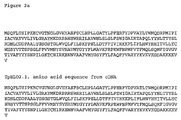
- said polypeptide is a variant polypeptide having fatty elongase activity and comprises the amino acid sequence represented in Figure 2a which sequence has been modified by deletion, addition or substitution of at least one amino acid residue and has at least 75% sequence identity with the amino acid sequence in Figure 2a wherein said modification enhances the enzyme activity of said polypeptide.
- a variant polypeptide may differ in amino acid sequence by one or more substitutions, additions, deletions, truncations that may be present in any combination.
- substitutions are those that vary from a reference polypeptide by conservative amino acid substitutions. Such substitutions are those that substitute a given amino acid by another amino acid of like characteristics.
- amino acids are considered conservative replacements (similar): a) alanine, serine, and threonine; b) glutamic acid and aspartic acid; c) asparagine and glutamine d) arginine and lysine; e) isoleucine, leucine, methionine and valine and f) phenylalanine, tyrosine and tryptophan. Most highly preferred are variants that retain or enhance the same biological function and activity as the reference polypeptide from which it varies.
- a functionally equivalent polypeptide(s) according to the invention is a variant wherein one in which one or more amino acid residues are substituted with conserved or non-conserved amino acid residues, or one in which one or more amino acid residues includes a substituent group.
- Conservative substitutions are the replacements, one for another, among the aliphatic amino acids Ala, Val, Leu and He; interchange of the hydroxyl residues Ser and Thr; exchange of the acidic residues Asp and Glu; substitution between amide residues Asn and Gln; exchange of the basic residues Lys and Arg; and replacements among aromatic residues Phe and Tyr.
- the invention features polypeptide sequences having at least 75% identity with the polypeptide sequences as herein disclosed.
- the polypeptides have at least 85% identity, more preferably at least 90% identity, even more preferably at least 95% identity, still more preferably at least 97% identity, and most preferably at least 99% identity with the amino acid sequences illustrated herein.
- said modified polypeptide has enhanced fatty acid elongase activity
- polypeptide comprises the amino acid sequence represented in Figure 2a .
- polypeptide consists of the amino acid sequence represented in Figure 2a .
- a vector including nucleic acid (s) according to the invention need not include a promoter or other regulatory sequence, particularly if the vector is to be used to introduce the nucleic acid into cells for recombination into the genome for stable transfection.
- the nucleic acid in the vector is operably linked to an appropriate promoter or other regulatory elements for transcription in a host cell such as a prokaryotic, (e.g. bacterial), or eukaryotic (e.g. fungal, plant, mammalian or insect cell).
- a host cell such as a prokaryotic, (e.g. bacterial), or eukaryotic (e.g. fungal, plant, mammalian or insect cell).
- the vector may be a bi-functional expression vector which functions in multiple hosts.
- this may contain its native promoter or other regulatory elements and in the case of cDNA this may be under the control of an appropriate promoter or other regulatory elements for expression in the host cell.
- promoter is meant a nucleotide sequence upstream from the transcriptional initiation site and which contains all the regulatory regions required for transcription.
- Suitable promoters include constitutive, tissue-specific, inducible, developmental or other promoters for expression in plant cells comprised in plants depending on design.
- Such promoters include viral, fungal, bacterial, animal and plant-derived promoters capable of functioning in plant cells.
- Constitutive promoters include, for example CaMV 35S promoter ( Odell et al (1985) Nature 313, 9810-812 ); rice actin ( McElroy et al (1990) Plant Cell 2: 163-171 ); ubiquitin ( Christian et al . (1989) Plant Mol. Biol. 18 (675-689 ); pEMU ( Last et al (1991) Theor Appl. Genet. 81: 581-588 ); MAS ( Velten et al (1984) EMBO J. 3. 2723-2730 ); ALS promoter (U.S. Application Seriel No. 08/409,297 ), and the like.
- Other constitutive promoters include those in U.S. Patent Nos. 5,608,149 ; 5,608,144 ; 5,604,121 ; 5,569,597 ; 5,466,785 ; 5,399,680 , 5,268,463 ; and 5,608,142 .
- Chemical-regulated promoters can be used to modulate the expression of a gene in a plant through the application of an exogenous chemical regulator.
- the promoter may be a chemical-inducible promoter, where application of the chemical induced gene expression, or a chemical-repressible promoter, where application of the chemical represses gene expression.
- Chemical-inducible promoters are known in the art and include, but are not limited to, the maize In2-2 promoter, which is activated by benzenesulfonamide herbicide safeners, the maize GST promoter, which is activated by hydrophobic electrophilic compounds that are used as pre-emergent herbicides, and the tobacco PR-1a promoter, which is activated by salicylic acid.
- promoters of interest include steroid-responsive promoters (see, for example, the glucocorticoid-inducible promoter in Schena et al (1991) Proc. Natl. Acad. Sci. USA 88: 10421-10425 and McNellie et al. (1998) Plant J. 14(2): 247-257 ) and tetracycline-inducible and tetracycline-repressible promoters (see, for example, Gatz et al. (1991) Mol. Gen. Genet. 227: 229-237 , and US Patent Nos. 5,814,618 and 5,789,156 , herein incorporated by reference.
- tissue-specific promoters can be utilised.
- Tissue-specific promoters include those described by Yamamoto et al. (1997) Plant J. 12(2): 255-265 ; Kawamata et al (1997) Plant Cell Physiol. 38(7): 792-803 ; Hansen et al (1997) Mol. Gen. Genet. 254(3): 337-343 ; Russell et al. (1997) Transgenic Res. 6(2): 157-168 ; Rinehart et al (1996) Plant Physiol. 112(3): 1331-1341 ; Van Camp et al (1996) Plant Physiol. 112(2): 525-535 ; Canevascni et al (1996) Plant Physiol.
- tissue specific promoter is a promoter which is active during the accumulation of oil in developing oil seeds, see Broun et al. (1998) Plant J. 13(2): 201-210 .
- operably linked means joined as part of the same nucleic acid molecule, suitably positioned and oriented for transcription to be initiated from the promoter.
- DNA operably linked to a promoter is "under transcriptional initiation regulation" of the promoter.
- the promoter is an inducible promoter or a developmentally regulated promoter.
- vectors are nucleic acid constructs which operate as plant vectors. Specific procedures and vectors previously used with wide success upon plants are described by Guerineau and Mullineaux (1993) (Plant transformation and expression vectors. In: Plant Molecular Biology Labfax (Croy RRD ed) Oxford, BIOS Scientific Publishers, pp 121-148 . Suitable vectors may include plant viral-derived vectors (see e.g. EP-A-194809 ).
- Vectors may also include selectable genetic marker such as those that confer selectable phenotypes such as resistance to herbicides (e.g. kanamycin, hygromycin, phosphinotricin, chlorsulfuron, methotrexate, gentamycin, spectinomycin, imidazolinones and glyphosate).
- selectable genetic marker such as those that confer selectable phenotypes such as resistance to herbicides (e.g. kanamycin, hygromycin, phosphinotricin, chlorsulfuron, methotrexate, gentamycin, spectinomycin, imidazolinones and glyphosate).
- said vectors are vectors suitable for mammalian cell transfection or yeast cell transfection.
- multi-copy vectors such as 2 ⁇ episomal vectors are preferred.
- yeast CEN vectors and intergrating vectors such as YIP vectors are suitable for transformation of yeast species such as Saccharomyces cerevisiae and Pichia spp.
- a vector may include nucleic acid molecules encoding different enzyme activities to facilitate the delivery of different enzyme activities to a transfected or transformed cell to reconstitute enzymic pathways.
- said cell is transformed with nucleic acid molecules selected from the group consisting of nucleic acid sequences encoding elongase and desaturase and/or acyl-CoA synthetase and/or diacylglycerol acyltransferase activities to provide a cell in which at least part of a 3-n fatty acid biosynthetic pathway is reconstituted.
- said cell is selected from the group consisting of: mammalian cells (e.g Chinese Hamster Ovary cells); yeast cells (e.g. Saccharomyces spp, Pichia spp); algal cells (e.g Phaeodactylum tricornutum, Chlamydomonas reinhardtii ); plant cells.
- mammalian cells e.g Chinese Hamster Ovary cells
- yeast cells e.g. Saccharomyces spp, Pichia spp
- algal cells e.g Phaeodactylum tricornutum, Chlamydomonas reinhardtii
- plant cells e.g Chinese Hamster Ovary cells
- mammalian cells e.g Chinese Hamster Ovary cells
- yeast cells e.g. Saccharomyces spp, Pichia spp
- algal cells e.g Phaeodactylum tricornutum, Chlamydomonas rein
- a plant comprising a cell according to the invention.
- said plant is selected from: corn ( Zea mays ), canola ( Brassica napus, Brassica rapa ssp.), flax ( Linum usitatissimum), alfalfa ( Medicago sativa ), rice ( Oryza sativa ), rye ( Secale cerale ), sorghum ( Sorghum bicolor, Sorghum vulgare ) , sunflower ( Helianthus annus ) , wheat ( Tritium aestivum ), soybean ( Glycine max ), tobacco ( Nicotiana tabacum ) , potato ( Solanum tuberosum ), peanuts ( Arachis hypogaea ) , cotton ( Gossypium hir sutum ), sweet potato ( Iopmoea batatus ), cassava ( Manihot esculenta ), coffee (Cofea spp.), coconut ( Cocos nucifera ), pineapple (Anana comosus
- plants of the present invention are crop plants (for example, cereals and pulses, maize, wheat, potatoes, tapioca, rice, sorghum, millet, cassava, barley, pea), and other root, tuber or seed crops.
- Important seed crops are oil-seed rape, sugar beet, maize, sunflower, soybean,sorghum, and flax (linseed).
- Horticultural plants to which the present invention may be applied may include lettuce, endive, and vegetable brassicas including cabbage, broccoli, and cauliflower.
- the present invention may be applied in tobacco, cucurbits, carrot, strawberry, sunflower, tomato, pepper.
- Grain plants that provide seeds of interest include oil-seed plants and leguminous plants.
- Seeds of interest include grain seeds, such as corn, wheat, barley, rice, sorghum, rye, etc.
- Oil-seed plants include cotton, soybean, safflower, sunflower, Brassica, maize, alfalfa, palm, coconut, etc.
- Leguminous plants include beans and peas. Beans include guar, locust bean, fenugreek, soybean, garden beans, cowpea, mungbean, lima bean, fava been, lentils, chickpea, etc.
- transgenic plants adapted for the production of n-3 fatty acids can either be eaten directly or used as a source for the extraction of essential fatty acid, of which DHA would be a constituent.
- a seed comprising a cell according to the invention.
- said cell is a yeast cell, preferably of the genus Saccharomyces spp, preferably Brewer's yeast Saccharomyces cerevisiae.
- the genus Saccharomyces spp is used in both brewing of beer and wine making and also as an agent in baking, particularly bread.
- Yeast is a major constituent of vegetable extracts of which Marmite tm is a typical example. Yeast is also used as an additive in animal feed. It will be apparent that genetically engineered yeast strains can be provided which are adapted to synthesise n-3 fatty acids. These yeast strains can then be used in food stuffs and in wine and beer making to provide products which have enhanced n-3 fatty acid content and in particular DHA content.
- a foodstuff product comprising a yeast cell according to the invention is disclosed.
- said foodstuff product is selected from the group consisting of: wine; beer; bread, baking products (e.g. bread, cake); vegetable extracts.
- said wine or beer in non-alcoholic.
- a fermentation process comprising a plant cell according to the invention.
- a method of modulating the level of n-3 fatty acid, in particular DHA, or variants thereof, in a plant cell comprising;
- a method for the production and optionally the extraction of n-3 fatty acids, in particular DHA comprising:
- n-3 fatty acid particularly DHA
- N-3 fatty acids particularly DHA, or variants thereof, obtainable by the method(s) according to the invention is disclosed.
- N-3 fatty acid, or variant thereof, for use in the manufacture of a medicament for use in the treatment of conditions which would benefit from administration of n-3 fatty acids, or variant thereof is disclosed.
- said condition is selected from the group consisting of: cardiac arrhythmia's; rheumatoid arthritis; Crohn's disease; schizophrenia; cancer; foetal alcohol syndrome; attention deficient hyperactivity disorder; cystic fibrosis; phenylketonuria; unipolar depression; aggressive hostility; adrenoleukodystophy; coronary heart disease, hypertension, type II diabetes, ocular diseases.
- a non-human transgenic animal comprising at least one nucleic acid molecule according to the invention is disclosed.
- a reaction vessel comprising at least one polypeptide disclosed herein fatty acid substrates and co-factors characterised in that said vessel is adapted for the conversion of said fatty acids substrates to n-3 fatty acids, in particular docosahexaenoic acid is disclosed.
- said vessel comprises polypeptides having elongase, desaturase, acyl-CoA synthetase and diacylglycerol acyltransferase activities to provide a vessel in which at least part of a 3-n fatty acid biosynthetic pathway is reconstituted.
- polypeptides are those protein molecules disclosed herein.
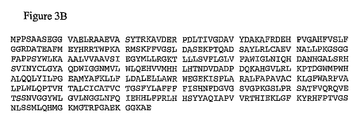
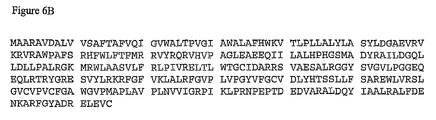
- protein molecules which comprise the sequences as represented by Figures 2a , 2b , 2c , 3b , 4b , 5b or 6b .
- said at least one polypeptide is expressed by a cell according to the invention.
- polypeptide(s) is/are soluble.
- polypeptide(s) is/are immobilised.
- said vessel is a bioreactor.
- a polypeptide disclosed herein has utility with respect to the in vivo biosynthesis of n-3 fatty acids through transformation or transfection of nucleic acids encoding said polypeptide(s) into suitable host cells. Fatty acids can then either be extracted from said cells or foods comprising said cells can be eaten. Cells expressing said polypeptide (s) can also be incubated under suitable growth conditions to facilitate the synthesis of fatty acids. Alternatively, said polypeptide (s) can either be purified from an algal cell culture or manufactured recombinantly and used in a bioreactor to synthesise fatty acids in vitro.
- Pavlova lutheri (CCAP 931/1) was obtained from the Culture Collection of Algae and Protozoa (Dunstaffnage Marine Lab., Oban, PA34 4AD, Scotland, U.K.).
- the growth medium used in all experiments was enriched artificial seawater medium (EASW), made up in 20 1 batches as described by Harrison et al. (1980), and modified by Thompson et al. (1991).
- the medium was further modified by increasing the macronutrient concentrations of NaNO 3 and Na 2 SiO 3 .9H 2 O to 1 mM, and NaH 2 PO 4 to 200 ⁇ M.
- the silicate was dissolved separately in deionized distilled water and the pH adjusted to approximately 8.0 with 50% HCl before it was added to the medium.
- This medium was buffered to pH 8.0 by adding 20 mM N-[2-hydroxyethyl]piperazine-N'-[2-ethanesulfonic acid] (HEPES) and 20 mM NaOH.
- HEPES N-[2-hydroxyethyl]piperazine-N'-[2-ethanesulfonic acid]
- the freshly prepared medium was filtered through a 0.22 ⁇ M MilliporeTM GS membrane filter into a 20 1 sterile propylene reservoir. It was then dispatched by 0.5 1 in 1 1 conical glass flasks and sterilized by autoclaving (30 min, 120°C). The batch cultures were grown at 15°C with 50 ⁇ E m -2 s -1 constant illumination, and aeration provided by shaking the flasks at 150 rpm.
- the nitrate concentration was determined periodically during the culture time by measuring the change of the medium absorbance at 220 nm, according to the method described by Collos et al. (1999).
- the algal culture was harvested by centrifugation at 4,500 rpm for 15 min.
- the cell pellet was suspended in 1 volume of extraction buffer (25 mM Tris-HCl pH 8.0, 25 mM EDTA pH 8.0, 75 mM NaCl, 1 % SDS v/v, 7.8 % ⁇ -mercaptoethanol v/v, in DEPC treated water), and one volume of 25:24:1 phenol:chloroform:isoamyl alcohol (v/v) was added.
- extraction buffer 25 mM Tris-HCl pH 8.0, 25 mM EDTA pH 8.0, 75 mM NaCl, 1 % SDS v/v, 7.8 % ⁇ -mercaptoethanol v/v, in DEPC treated water
- 25:24:1 phenol:chloroform:isoamyl alcohol (v/v) was added.
- the aqueous phase was transferred to a new tube and 1 volume of 24:1 chloroform:iso
- the upper phase was transferred to a fresh tube and LiCl added to a final concentration of 2 M.
- This solution was incubated for 1hr at -20 °C, and then centrifuged at 13,000 rpm at 4 °C for 15 min.
- the resulting pellet was re-suspended in DEPC treated water and the RNA was precipitated by addition of 0.1 volume of 3 M sodium acetate, pH 5.5 and 2.5 volumes of absolute ethanol followed by incubation for 20 min at 4 °C.
- This sample was then centrifuged at 13,000 rpm at 4 °C for 15 min and the resulting pellet was washed with 70 % ethanol, dried and re-suspended in DEPC treated water.
- poly(A) + RNA was prepared with the Poly(A) Quick® mRNA isolation kit (Stratagene) from cells harvested during the exponential phase.
- Double-stranded, end-adapted cDNA synthesised using a cDNA synthesis kit (Stratagene) was passed through a Sepharose CL-2B gel filtration column (Stratagene) to remove adapters and small cDNA molecules.
- cDNA eluted from the column was phenol-extracted, ethanol-precipitated and ligated to arms of the Uni-ZAP XR Vector (Stratagene) before packaging into ⁇ phage using the Gigapack III Gold Packaging Extract (Stratagene).
- a primary library of 3 X 10 6 plaque forming units (pfu) was obtained with the majority of the inserts examined ranging from 0.3 to 1.5 kb. The library was subsequently amplified.
- the cDNA library was excised using the ExAssistTM Interference-Resistant Helper Phage (Stratagene). The excised phagemids were plated as individual bacterial colonies following the manufacturer's instructions. The presence of insert was checked by PCR using universal primers and clones containing cDNA longer than 0.2 kb were selected for sequencing.
- Sequencing reactions were prepared with the ABI Prism Big Dye-Terminator cycle sequencing kit (PE Applied Biosystems), using the universal T3 primer, and these were run on an ABI3700 (96-capillaries) sequencer (PE Applied Biosystems).
- the resulting Expressed Sequence Tags (ESTs) were processed such that all vector sequences were removed and further examined using standard nucleotide sequence alignment algorithms in order to identify EST clones with overlapping sequences. These overlapping sequences were then assembled into contigs. These contigs were annotated by comparison with the non-redundant peptide and nucleotide databases available from the National Centre for Biotechnology Information (NCBI).
- NCBI databases had been downloaded to a local Silicon Graphics Server which allowed the annotation of thousands of ESTs to be performed as a batch job using the BLAST 2 sequence alignment algorithm (Altschul et al., 1997).
- the PIELO1 PlELO2, PIDES1 , PIDES2, PIACS1 and PIDGAT2-1 clones were identified on the basis of homology with other fatty acid elongase/desaturase/acyl-CoA synthase or diacylglycerol acyltransferase genes in the NCBI nucleotide and protein databases.
- nucleic acid hybrids that are stable after washing in 0.1xSSC,0.1% SDS at 60°C. It is well known in the art that optimal hybridisation conditions can be calculated if the sequence of the nucleic acid is known.
- hybridisation conditions uses 4 - 6 x SSPE (20x SSPE contains 175.3g NaCl, 88.2g NaH 2 PO 4 H 2 O and 7.4g EDTA dissolved to 1 litre and the pH adjusted to 7.4); 5-10x Denhardts solution (50x Denhardts solution contains 5g Ficoll (Type 400, Pharmacia), 5g polyvinylpyrrolidone and 5g bovine serum albumen); 100 ⁇ g-1.0mg/ml sonicated salmon/herring DNA; 0.1-1.0% sodium dodecyl sulphate; optionally 40-60% deionised formamide.
- Hybridisation temperature will vary depending on the GC content of the nucleic acid target sequence but will typically be between 42°- 65° C.
- DGAT activity will be assayed by incorporation of [1- 14 C] diacylglycerol into TAG in the presence of several species of fatty acyl CoA substrates that are representative of fatty acids that partition to TAG in P. lutheri. These include: 14:0, 16:0, 16:1, 18:0, 18:1, 18:2, 18:4, 20:5 and 22:6.
- the alga cells (2 ml of culture medium) were harvested during the experimental period by centrifugation at 13,000 rpm for 15 min. Fifty ⁇ g of tripentadecanoin (15:0-TAG) were added to the pellet as an internal standard. The pellet was then suspended in 1 ml of 2:1 chloroform:methanol (v/v) and frozen in liquid nitrogen. After 1 hour at 4°C, the cell debris was discarded by centrifugation and 0.3 ml of 0.9% KCl added to the supernatant. After centrifugation, the bottom phase was transferred into a 2 ml Ependorf and the KCl rinsed with 0.5 ml of chloroform. The chloroform phases were pooled and dried.
- the FA extract was suspended in 0.2 ml of hexane, and this volume was divided in 2 fractions of 0.1 ml. The first fraction was dried, and the lipid extract suspended in 0.2 ml of hexane. This represented the total lipid extract. The second fraction was used to isolate the TAGs by hydrophobic chromatography. Bond Elut (Varian) 1 ml solid phase extraction columns with 100 mg Si packing were used to partition TAGs from other lipids in algal extracts. This protocol was adapted from a method described by Yongmanitchai and Ward (1992). The eluate was dried and the TAG extract suspended in 0.2 ml of hexane. The products of these two extractions were analysed by GC as described previously by Larson and Graham (2001).
- the first pass sequencing of 5,719 cDNA clones from a cDNA library prepared from P. lutheri resulted in the identification of 34 cDNA clones from a single gene which gives a predicted amino acid sequence that has significant identity with fatty acid elongase genes from a variety of organisms. This abundance of copies of the elongase gene indicates that it is expressed at a significant level in P. lutheri cells that are producing DHA.
- Tp ELO2.1, 2.2 and 2.3 genes were identified by screening a Thalassiosira spp genomic database which can be found at http://www.jai.doe.gov/ with PlELO 1 and PIELO 2.
Landscapes
- Health & Medical Sciences (AREA)
- Chemical & Material Sciences (AREA)
- Life Sciences & Earth Sciences (AREA)
- Organic Chemistry (AREA)
- Engineering & Computer Science (AREA)
- Genetics & Genomics (AREA)
- Zoology (AREA)
- Wood Science & Technology (AREA)
- Bioinformatics & Cheminformatics (AREA)
- Biotechnology (AREA)
- General Health & Medical Sciences (AREA)
- General Engineering & Computer Science (AREA)
- Biochemistry (AREA)
- Microbiology (AREA)
- Chemical Kinetics & Catalysis (AREA)
- General Chemical & Material Sciences (AREA)
- Biomedical Technology (AREA)
- Molecular Biology (AREA)
- Oil, Petroleum & Natural Gas (AREA)
- Medicinal Chemistry (AREA)
- Nuclear Medicine, Radiotherapy & Molecular Imaging (AREA)
- Veterinary Medicine (AREA)
- Pharmacology & Pharmacy (AREA)
- Animal Behavior & Ethology (AREA)
- Nutrition Science (AREA)
- Public Health (AREA)
- Cell Biology (AREA)
- Physics & Mathematics (AREA)
- Biophysics (AREA)
- Plant Pathology (AREA)
- Obesity (AREA)
- Diabetes (AREA)
- Hematology (AREA)
- Heart & Thoracic Surgery (AREA)
- Cardiology (AREA)
- Micro-Organisms Or Cultivation Processes Thereof (AREA)
- Preparation Of Compounds By Using Micro-Organisms (AREA)
- Enzymes And Modification Thereof (AREA)
- Fodder In General (AREA)
Claims (11)
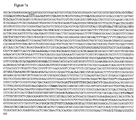
- Transgene Pflanzenzelle, die mit einem Vektor transfiziert ist, der ein Nukleinsäuremolekül umfasst, das ausgewählt ist aus der Gruppe, bestehend aus:i) einem DNA-Molekül, ausgewählt aus den in Figur 1a dargestellten DNA-Sequenzen; undii) einem DNA-Molekül, das unter stringenten Hybridisierungsbedingungen an die in (i) oben identifizierten Sequenzen hybridisiert, und das ein Polypeptid codiert, das eine Fettsäureelongase-Aktivität aufweist.
- Pflanzenzelle nach Anspruch 1, wobei das Polypeptid ein variantes Polypeptid mit Fettsäureelongase-Aktivität ist, und das die in Figur 2a veranschaulichte Aminosäuresequenz umfasst, wobei die Sequenz durch Deletion, Addition oder Substitution von mindestens einem Aminosäurerest modifiziert worden ist und mindestens 75% Sequenzidentität zur Aminosäuresequenz in Figur 2a hat, wobei die Modifikation die Enzymaktivität des Polypeptids steigert.
- Pflanzenzelle nach Anspruch 1 oder 2, wobei das Polypeptid die in den Figuren 2a veranschaulichte Aminosäuresequenz umfasst.
- Zelle nach Anspruch 7, wobei das Polypeptid aus der in den Figuren 2a veranschaulichten Aminosäuresequenz besteht.
- Pflanzenzelle nach einem der Ansprüche 1 bis 4, wobei die Zelle zudem mit einem Vektor transfiziert ist, umfassend ein Nukleinsäuremolekül, das ausgewählt ist aus der Gruppe, bestehend aus:i) einem DNA-Molekül, bestehend aus der in Figur 3a veranschaulichten DNA-Sequenz;ii) DNA-Molekülen, die unter stringenten Hybridisierungsbedingungen an die in (i) oben identifizierte Sequenz hybridisieren und die Desaturase-Aktivität aufweisen;iii) DNA-Molekülen, umfassend DNA-Sequenzen, die aufgrund des genetischen Codes an der in (i) und (ii) oben definierten DNA-Sequenz degeneriert sind.
- Pflanze, umfassend eine Zelle nach einem der Ansprüche 1 bis 5.
- Samen, umfassend eine Zelle nach einem der Ansprüche 1 bis 5.
- Fermentationsprozess, umfassend eine Pflanzenzelle nach einem der Ansprüche 1 bis 5.
- Fermentationsverfahren nach Anspruch 8, wobei das Verfahren die folgenden Schritte umfasst:i) Bereitstellen eines Behälters, der eine Zelle nach einem der Ansprüche 1 bis 5, und Bestandteile, die zur Fermentation und Fettsäurebiosynthese erforderlich sind, enthält; undi) Bereitstellen von Bedingungen, die für die Fermentation der in dem Behälter befindlichen flüssigen Zusammensetzung förderlich sind.
- Verfahren zur Herstellung und gegebenenfalls der Extraktion von n-3-Fettsäure, umfassend:i) Bereitstellen einer Pflanzenzelle nach einem der Ansprüche 1 bis 5;ii) Regenerieren der Zelle in eine Pflanze; undi) Extrahieren der n-3-Fettsäuren aus der Pflanze.
- Verwendung der Pflanzenzelle nach einem der Ansprüche 1 bis 5 zur Produktion eines Nahrungsmittelprodukts oder eines Futtermittelprodukts.
Applications Claiming Priority (2)
| Application Number | Priority Date | Filing Date | Title |
|---|---|---|---|
| GBGB0316629.5A GB0316629D0 (en) | 2003-07-16 | 2003-07-16 | Transgenic cell |
| PCT/GB2004/003057 WO2005007845A2 (en) | 2003-07-16 | 2004-07-13 | Transgenic cells |
Publications (2)
| Publication Number | Publication Date |
|---|---|
| EP1644490A2 EP1644490A2 (de) | 2006-04-12 |
| EP1644490B1 true EP1644490B1 (de) | 2016-06-08 |
Family
ID=27763921
Family Applications (1)
| Application Number | Title | Priority Date | Filing Date |
|---|---|---|---|
| EP04743398.2A Expired - Lifetime EP1644490B1 (de) | 2003-07-16 | 2004-07-13 | Transgene zellen |
Country Status (8)
| Country | Link |
|---|---|
| US (1) | US20070061921A1 (de) |
| EP (1) | EP1644490B1 (de) |
| AU (1) | AU2004257915B2 (de) |
| BR (1) | BRPI0412470A (de) |
| CA (1) | CA2525949A1 (de) |
| GB (1) | GB0316629D0 (de) |
| MX (1) | MXPA06000541A (de) |
| WO (1) | WO2005007845A2 (de) |
Families Citing this family (17)
| Publication number | Priority date | Publication date | Assignee | Title |
|---|---|---|---|---|
| CA3023314C (en) | 2004-04-22 | 2019-12-10 | Commonwealth Scientific And Industrial Research Organisation | Synthesis of long-chain polyunsaturated fatty acids by recombinant cells |
| AU2011232757B2 (en) * | 2004-04-22 | 2013-10-03 | Commonwealth Scientific And Industrial Research Organisation | Synthesis of long-chain polyunsaturated fatty acids by recombinant cells |
| CN103451246B (zh) | 2004-04-22 | 2018-02-16 | 联邦科学技术研究组织 | 用重组细胞合成长链多不饱和脂肪酸 |
| GB0421937D0 (en) * | 2004-10-02 | 2004-11-03 | Univ York | Acyl CoA synthetases |
| DE102005013779A1 (de) * | 2005-03-22 | 2006-09-28 | Basf Plant Science Gmbh | Verfahren zur Herstellung von mehrfach ungesättigten C20- und C22-Fettsäuren mit mindestens vier Doppelbindungen in transgenen Pflanzen |
| US20100242345A1 (en) | 2006-05-19 | 2010-09-30 | LS9, Inc | Production of fatty acids & derivatives thereof |
| US8110670B2 (en) * | 2006-05-19 | 2012-02-07 | Ls9, Inc. | Enhanced production of fatty acid derivatives |
| EP2059588A4 (de) | 2006-08-29 | 2010-07-28 | Commw Scient Ind Res Org | Fettsäuresynthese |
| US8809559B2 (en) | 2008-11-18 | 2014-08-19 | Commonwelath Scientific And Industrial Research Organisation | Enzymes and methods for producing omega-3 fatty acids |
| EP2425007A4 (de) | 2009-04-27 | 2013-01-02 | Ls9 Inc | Herstellung von fettsäureestern |
| BR122019026149A8 (pt) | 2012-06-15 | 2022-06-28 | Commw Scient Ind Res Org | Célula hospedeira, processo de produzir um lipídio de planta extraído, método de produzir semente, farinha de semente, método para produzir um produto alimentício, uso e processo para produzir ésteres de etila |
| PE20170253A1 (es) | 2013-12-18 | 2017-04-14 | Nuseed Pty Ltd | Lipido que comprende acidos grasos poliinsaturados de cadena larga |
| AU2015281791A1 (en) | 2014-06-27 | 2017-01-12 | Commonwealth Scientific And Industrial Research Organisation | Lipid comprising docosapentaenoic acid |
| WO2016075327A2 (en) | 2014-11-14 | 2016-05-19 | Basf Plant Science Company Gmbh | Production of pufas in plants |
| CA3129494A1 (en) | 2019-02-14 | 2020-08-20 | Cargill, Incorporated | Brassica plants producing elevated levels of polyunsaturated fatty acids |
| AU2021373697A1 (en) | 2020-11-04 | 2023-06-08 | Basf Plant Science Company Gmbh | Harvest management |
| EP4312517A1 (de) | 2021-03-25 | 2024-02-07 | BASF Plant Science Company GmbH | Düngemittelverwaltung |
Family Cites Families (4)
| Publication number | Priority date | Publication date | Assignee | Title |
|---|---|---|---|---|
| US6307128B1 (en) * | 1997-06-03 | 2001-10-23 | Miami University | Fatty acid elongases |
| US6677145B2 (en) * | 1998-09-02 | 2004-01-13 | Abbott Laboratories | Elongase genes and uses thereof |
| US7045683B2 (en) * | 2001-05-04 | 2006-05-16 | Abbott Laboratories | Δ4-desaturase genes and uses thereof |
| CA2519169C (en) * | 2002-03-16 | 2013-04-30 | The University Of York | Transgenic plants expressing enzymes involved in fatty acid biosynthesis |
-
2003
- 2003-07-16 GB GBGB0316629.5A patent/GB0316629D0/en not_active Ceased
-
2004
- 2004-07-13 WO PCT/GB2004/003057 patent/WO2005007845A2/en not_active Ceased
- 2004-07-13 US US10/564,560 patent/US20070061921A1/en not_active Abandoned
- 2004-07-13 BR BRPI0412470-7A patent/BRPI0412470A/pt not_active IP Right Cessation
- 2004-07-13 AU AU2004257915A patent/AU2004257915B2/en not_active Ceased
- 2004-07-13 MX MXPA06000541A patent/MXPA06000541A/es unknown
- 2004-07-13 CA CA002525949A patent/CA2525949A1/en not_active Abandoned
- 2004-07-13 EP EP04743398.2A patent/EP1644490B1/de not_active Expired - Lifetime
Also Published As
| Publication number | Publication date |
|---|---|
| BRPI0412470A (pt) | 2006-09-19 |
| WO2005007845A2 (en) | 2005-01-27 |
| AU2004257915A1 (en) | 2005-01-27 |
| CA2525949A1 (en) | 2005-01-27 |
| WO2005007845A3 (en) | 2005-06-02 |
| US20070061921A1 (en) | 2007-03-15 |
| AU2004257915B2 (en) | 2009-12-17 |
| MXPA06000541A (es) | 2006-03-30 |
| EP1644490A2 (de) | 2006-04-12 |
| GB0316629D0 (en) | 2003-08-20 |
Similar Documents
| Publication | Publication Date | Title |
|---|---|---|
| EP2302060B1 (de) | Desaturasen | |
| Petrie et al. | Development of a Brassica napus (canola) crop containing fish oil-like levels of DHA in the seed oil | |
| US10035989B2 (en) | Method for producing polyunsaturated fatty acids in transgenic plants | |
| KR102386838B1 (ko) | 장쇄 다중불포화 지방산을 포함하는 지질 | |
| AU2004257915B2 (en) | Transgenic cells | |
| KR102527795B1 (ko) | 도코사펜타에노산을 포함하는 지질 | |
| US20210290577A1 (en) | Production of Omega-3 Long Chain Polyunsaturated Fatty Acids | |
| US20070261138A1 (en) | Synthetase Enzymes | |
| US20090172837A1 (en) | Process for producing arachidonic acid and/or eicosapentaenoic acid in plants | |
| CA2559360A1 (en) | Method for producing c18, c20 and c22 polyunsaturated fatty acids in transgenic plants | |
| KR102673214B1 (ko) | 도코사펜타에노산을 포함하는 지질 | |
| TW200520679A (en) | Arachidonic acid-containing plants and use of the plants | |
| Hildebrand et al. | Redirecting lipid metabolism in plants |
Legal Events
| Date | Code | Title | Description |
|---|---|---|---|
| PUAI | Public reference made under article 153(3) epc to a published international application that has entered the european phase |
Free format text: ORIGINAL CODE: 0009012 |
|
| 17P | Request for examination filed |
Effective date: 20051102 |
|
| AK | Designated contracting states |
Kind code of ref document: A2 Designated state(s): AT BE BG CH CY CZ DE DK EE ES FI FR GB GR HU IE IT LI LU MC NL PL PT RO SE SI SK TR |
|
| RIN1 | Information on inventor provided before grant (corrected) |
Inventor name: GRAHAM, IAN Inventor name: TONON, THIERRY |
|
| DAX | Request for extension of the european patent (deleted) | ||
| 17Q | First examination report despatched |
Effective date: 20090407 |
|
| GRAP | Despatch of communication of intention to grant a patent |
Free format text: ORIGINAL CODE: EPIDOSNIGR1 |
|
| GRAJ | Information related to disapproval of communication of intention to grant by the applicant or resumption of examination proceedings by the epo deleted |
Free format text: ORIGINAL CODE: EPIDOSDIGR1 |
|
| GRAP | Despatch of communication of intention to grant a patent |
Free format text: ORIGINAL CODE: EPIDOSNIGR1 |
|
| INTG | Intention to grant announced |
Effective date: 20150721 |
|
| INTG | Intention to grant announced |
Effective date: 20150805 |
|
| INTG | Intention to grant announced |
Effective date: 20160226 |
|
| GRAS | Grant fee paid |
Free format text: ORIGINAL CODE: EPIDOSNIGR3 |
|
| GRAA | (expected) grant |
Free format text: ORIGINAL CODE: 0009210 |
|
| AK | Designated contracting states |
Kind code of ref document: B1 Designated state(s): AT BE BG CH CY CZ DE DK EE ES FI FR GB GR HU IE IT LI LU MC NL PL PT RO SE SI SK TR |
|
| REG | Reference to a national code |
Ref country code: GB Ref legal event code: FG4D |
|
| REG | Reference to a national code |
Ref country code: CH Ref legal event code: EP |
|
| REG | Reference to a national code |
Ref country code: IE Ref legal event code: FG4D |
|
| REG | Reference to a national code |
Ref country code: DE Ref legal event code: R096 Ref document number: 602004049429 Country of ref document: DE |
|
| REG | Reference to a national code |
Ref country code: AT Ref legal event code: REF Ref document number: 805268 Country of ref document: AT Kind code of ref document: T Effective date: 20160715 |
|
| REG | Reference to a national code |
Ref country code: FR Ref legal event code: PLFP Year of fee payment: 13 |
|
| REG | Reference to a national code |
Ref country code: NL Ref legal event code: MP Effective date: 20160608 |
|
| PG25 | Lapsed in a contracting state [announced via postgrant information from national office to epo] |
Ref country code: FI Free format text: LAPSE BECAUSE OF FAILURE TO SUBMIT A TRANSLATION OF THE DESCRIPTION OR TO PAY THE FEE WITHIN THE PRESCRIBED TIME-LIMIT Effective date: 20160608 |
|
| REG | Reference to a national code |
Ref country code: AT Ref legal event code: MK05 Ref document number: 805268 Country of ref document: AT Kind code of ref document: T Effective date: 20160608 |
|
| PG25 | Lapsed in a contracting state [announced via postgrant information from national office to epo] |
Ref country code: NL Free format text: LAPSE BECAUSE OF FAILURE TO SUBMIT A TRANSLATION OF THE DESCRIPTION OR TO PAY THE FEE WITHIN THE PRESCRIBED TIME-LIMIT Effective date: 20160608 Ref country code: GR Free format text: LAPSE BECAUSE OF FAILURE TO SUBMIT A TRANSLATION OF THE DESCRIPTION OR TO PAY THE FEE WITHIN THE PRESCRIBED TIME-LIMIT Effective date: 20160909 Ref country code: ES Free format text: LAPSE BECAUSE OF FAILURE TO SUBMIT A TRANSLATION OF THE DESCRIPTION OR TO PAY THE FEE WITHIN THE PRESCRIBED TIME-LIMIT Effective date: 20160608 Ref country code: SE Free format text: LAPSE BECAUSE OF FAILURE TO SUBMIT A TRANSLATION OF THE DESCRIPTION OR TO PAY THE FEE WITHIN THE PRESCRIBED TIME-LIMIT Effective date: 20160608 |
|
| PG25 | Lapsed in a contracting state [announced via postgrant information from national office to epo] |
Ref country code: BE Free format text: LAPSE BECAUSE OF NON-PAYMENT OF DUE FEES Effective date: 20160731 |
|
| PG25 | Lapsed in a contracting state [announced via postgrant information from national office to epo] |
Ref country code: EE Free format text: LAPSE BECAUSE OF FAILURE TO SUBMIT A TRANSLATION OF THE DESCRIPTION OR TO PAY THE FEE WITHIN THE PRESCRIBED TIME-LIMIT Effective date: 20160608 Ref country code: RO Free format text: LAPSE BECAUSE OF FAILURE TO SUBMIT A TRANSLATION OF THE DESCRIPTION OR TO PAY THE FEE WITHIN THE PRESCRIBED TIME-LIMIT Effective date: 20160608 Ref country code: CZ Free format text: LAPSE BECAUSE OF FAILURE TO SUBMIT A TRANSLATION OF THE DESCRIPTION OR TO PAY THE FEE WITHIN THE PRESCRIBED TIME-LIMIT Effective date: 20160608 Ref country code: IT Free format text: LAPSE BECAUSE OF FAILURE TO SUBMIT A TRANSLATION OF THE DESCRIPTION OR TO PAY THE FEE WITHIN THE PRESCRIBED TIME-LIMIT Effective date: 20160608 Ref country code: SK Free format text: LAPSE BECAUSE OF FAILURE TO SUBMIT A TRANSLATION OF THE DESCRIPTION OR TO PAY THE FEE WITHIN THE PRESCRIBED TIME-LIMIT Effective date: 20160608 |
|
| PG25 | Lapsed in a contracting state [announced via postgrant information from national office to epo] |
Ref country code: PL Free format text: LAPSE BECAUSE OF FAILURE TO SUBMIT A TRANSLATION OF THE DESCRIPTION OR TO PAY THE FEE WITHIN THE PRESCRIBED TIME-LIMIT Effective date: 20160608 Ref country code: AT Free format text: LAPSE BECAUSE OF FAILURE TO SUBMIT A TRANSLATION OF THE DESCRIPTION OR TO PAY THE FEE WITHIN THE PRESCRIBED TIME-LIMIT Effective date: 20160608 Ref country code: BE Free format text: LAPSE BECAUSE OF FAILURE TO SUBMIT A TRANSLATION OF THE DESCRIPTION OR TO PAY THE FEE WITHIN THE PRESCRIBED TIME-LIMIT Effective date: 20160608 Ref country code: PT Free format text: LAPSE BECAUSE OF FAILURE TO SUBMIT A TRANSLATION OF THE DESCRIPTION OR TO PAY THE FEE WITHIN THE PRESCRIBED TIME-LIMIT Effective date: 20161010 |
|
| REG | Reference to a national code |
Ref country code: CH Ref legal event code: PL |
|
| REG | Reference to a national code |
Ref country code: DE Ref legal event code: R097 Ref document number: 602004049429 Country of ref document: DE |
|
| PG25 | Lapsed in a contracting state [announced via postgrant information from national office to epo] |
Ref country code: MC Free format text: LAPSE BECAUSE OF FAILURE TO SUBMIT A TRANSLATION OF THE DESCRIPTION OR TO PAY THE FEE WITHIN THE PRESCRIBED TIME-LIMIT Effective date: 20160608 |
|
| PLBE | No opposition filed within time limit |
Free format text: ORIGINAL CODE: 0009261 |
|
| STAA | Information on the status of an ep patent application or granted ep patent |
Free format text: STATUS: NO OPPOSITION FILED WITHIN TIME LIMIT |
|
| PG25 | Lapsed in a contracting state [announced via postgrant information from national office to epo] |
Ref country code: CH Free format text: LAPSE BECAUSE OF NON-PAYMENT OF DUE FEES Effective date: 20160731 Ref country code: LI Free format text: LAPSE BECAUSE OF NON-PAYMENT OF DUE FEES Effective date: 20160731 |
|
| REG | Reference to a national code |
Ref country code: IE Ref legal event code: MM4A |
|
| 26N | No opposition filed |
Effective date: 20170309 |
|
| PG25 | Lapsed in a contracting state [announced via postgrant information from national office to epo] |
Ref country code: SI Free format text: LAPSE BECAUSE OF FAILURE TO SUBMIT A TRANSLATION OF THE DESCRIPTION OR TO PAY THE FEE WITHIN THE PRESCRIBED TIME-LIMIT Effective date: 20160608 Ref country code: DK Free format text: LAPSE BECAUSE OF FAILURE TO SUBMIT A TRANSLATION OF THE DESCRIPTION OR TO PAY THE FEE WITHIN THE PRESCRIBED TIME-LIMIT Effective date: 20160608 |
|
| PG25 | Lapsed in a contracting state [announced via postgrant information from national office to epo] |
Ref country code: IE Free format text: LAPSE BECAUSE OF NON-PAYMENT OF DUE FEES Effective date: 20160713 |
|
| REG | Reference to a national code |
Ref country code: FR Ref legal event code: PLFP Year of fee payment: 14 |
|
| PG25 | Lapsed in a contracting state [announced via postgrant information from national office to epo] |
Ref country code: LU Free format text: LAPSE BECAUSE OF NON-PAYMENT OF DUE FEES Effective date: 20160713 |
|
| PGFP | Annual fee paid to national office [announced via postgrant information from national office to epo] |
Ref country code: FR Payment date: 20170828 Year of fee payment: 14 Ref country code: GB Payment date: 20170830 Year of fee payment: 14 |
|
| PGFP | Annual fee paid to national office [announced via postgrant information from national office to epo] |
Ref country code: DE Payment date: 20170929 Year of fee payment: 14 |
|
| PG25 | Lapsed in a contracting state [announced via postgrant information from national office to epo] |
Ref country code: HU Free format text: LAPSE BECAUSE OF FAILURE TO SUBMIT A TRANSLATION OF THE DESCRIPTION OR TO PAY THE FEE WITHIN THE PRESCRIBED TIME-LIMIT; INVALID AB INITIO Effective date: 20040713 Ref country code: CY Free format text: LAPSE BECAUSE OF FAILURE TO SUBMIT A TRANSLATION OF THE DESCRIPTION OR TO PAY THE FEE WITHIN THE PRESCRIBED TIME-LIMIT Effective date: 20160608 |
|
| PG25 | Lapsed in a contracting state [announced via postgrant information from national office to epo] |
Ref country code: TR Free format text: LAPSE BECAUSE OF FAILURE TO SUBMIT A TRANSLATION OF THE DESCRIPTION OR TO PAY THE FEE WITHIN THE PRESCRIBED TIME-LIMIT Effective date: 20160608 |
|
| PG25 | Lapsed in a contracting state [announced via postgrant information from national office to epo] |
Ref country code: BG Free format text: LAPSE BECAUSE OF FAILURE TO SUBMIT A TRANSLATION OF THE DESCRIPTION OR TO PAY THE FEE WITHIN THE PRESCRIBED TIME-LIMIT Effective date: 20160608 |
|
| REG | Reference to a national code |
Ref country code: DE Ref legal event code: R119 Ref document number: 602004049429 Country of ref document: DE |
|
| GBPC | Gb: european patent ceased through non-payment of renewal fee |
Effective date: 20180713 |
|
| PG25 | Lapsed in a contracting state [announced via postgrant information from national office to epo] |
Ref country code: GB Free format text: LAPSE BECAUSE OF NON-PAYMENT OF DUE FEES Effective date: 20180713 Ref country code: FR Free format text: LAPSE BECAUSE OF NON-PAYMENT OF DUE FEES Effective date: 20180731 Ref country code: DE Free format text: LAPSE BECAUSE OF NON-PAYMENT OF DUE FEES Effective date: 20190201 |