EP1631920B1 - System und verfahren zur erzeugung und verwendung von kompakten linguistischen daten - Google Patents
System und verfahren zur erzeugung und verwendung von kompakten linguistischen daten Download PDFInfo
- Publication number
- EP1631920B1 EP1631920B1 EP03762372A EP03762372A EP1631920B1 EP 1631920 B1 EP1631920 B1 EP 1631920B1 EP 03762372 A EP03762372 A EP 03762372A EP 03762372 A EP03762372 A EP 03762372A EP 1631920 B1 EP1631920 B1 EP 1631920B1
- Authority
- EP
- European Patent Office
- Prior art keywords
- words
- word
- character
- linguistic data
- characters
- Prior art date
- Legal status (The legal status is an assumption and is not a legal conclusion. Google has not performed a legal analysis and makes no representation as to the accuracy of the status listed.)
- Expired - Lifetime
Links
Images


Classifications
-
- G—PHYSICS
- G06—COMPUTING OR CALCULATING; COUNTING
- G06F—ELECTRIC DIGITAL DATA PROCESSING
- G06F40/00—Handling natural language data
- G06F40/20—Natural language analysis
- G06F40/205—Parsing
Definitions
- a key element of these products is the user interface, which typically enables a user to enter text which is processed by the product.
- the prediction of user input is especially useful when included in a mobile device, since such devices typically have input devices, including keyboards, that are constrained in size. Input prediction minimizes the number of keystrokes required to enter words on such devices.
- Input prediction is also useful when text is entered using a reduced keyboard.
- a reduced keyboard has fewer keys than characters that can be entered, thus keystroke combinations are ambiguous.
- a system that uses linguistic data for input prediction allows the user to easily resolve such ambiguities.
- Linguistic data can also be used to disambiguate individual keystrokes that are entered using a reduced keyboard.
- the linguistic data which is used in existing text input prediction systems is typically derived from a body of language, either text or speech, known as a corpus.
- a corpus has uses such as analysis of language to establish its characteristics, analysis of human behavior in terms of use of language in certain situations, training a system to adapt its behavior to particular linguistic circumstances, verifying empirically a theory concerning language, or providing a test set for a language engineering technique or application to establish how well it works in practice.
- An example of a purpose-specific corpus is one comprised of recordings of car drivers speaking to a simulation of a voice-operated control system that recognizes spoken commands.
- An example of a national corpus is the English language.
- US6047298 describes a text compression dictionary generation apparatus including a frequency guideline calculation unit, a long character string cutout unit and a one-character symbol extraction unit.
- US5798721 describes an apparatus for compressing text data using character data defined in a code table.
- GB2305746 describes a text compression apparatus comprising means for splitting a main character string into component strings.
- a system of creating compact linguistic data comprises a corpus and linguistic data analyzer.
- the linguistic data analyzer calculates frequencies of words appearing in the corpus.
- the linguistic data analyzer also maps each unique character in the words to a character index, and replaces each character in the words with the character index to which the character is mapped.
- the linguistic data analyzer also maps sequences of characters that appear in the words to substitution indexes, and replaces each sequence of characters in each word with the substitution index to which the sequence of characters are mapped.
- the linguistic data analyzer also arranges the words into groups where each group contains words that start with a common prefix, and maps each prefix to location information for the group of words which start with the prefix.
- the compact linguistic data includes the unique characters, the character indexes, the substitution indexes, the location information, the groups of words and the frequencies of the words.
- a compact linguistic data structure for a plurality of words is also provided.
- the words are organized into groups, each group containing words that have a common prefix.
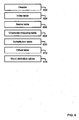
- the compact linguistic data structure comprises an alphabet comprised of each unique character in the words, a character-mapping table for mapping each character in the alphabet to a character index, a substitution table for mapping sequences of characters from the words to substitution indexes, and a plurality of word definition tables for storing the words.
- Each word definition table stores each of the words included in one of the groups.
- the compact linguistic data structure further comprises an offset table for locating the word definition tables. For each of the common prefixes, the offset table contains a location of the word definition table which stores words starting with the common prefix.
- Each of the words in the word definition tables is encoded by replacing each character in the word with the character index to which the character is mapped by the character-mapping table, and by replacing each sequence of characters from the substitution table that appears in the word with the substitution index to which the sequence of characters is mapped by the substitution table.
- the common prefixes for words in each word definition table are removed.
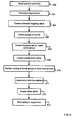
- a method of creating compact linguistic data begins with a step of creating a word-list comprising a plurality of words occurring most frequently in a corpus.
- the method continues with a step of sorting the words in the word-list alphabetically.
- the method continues with a step of creating a character-mapping table for encoding the words in the word-list by replacing characters in the words with associated character indexes contained in the character-mapping table.
- the method continues with a step of separating the words in the word-list into groups, wherein words in each group have a common prefix.
- the method continues with a step of creating a substitution table for encoding the words in the groups by replacing character sequences in the words in the groups with substitution indexes that are mapped to the character sequences by the substitution table.
- the method continues with a step of encoding the words in the groups into byte sequences using the character-mapping table and the substitution table.
- the method continues with a step of creating word definition tables and storing the encoded words in the word definition tables.
- the method continues with a step of creating an offset table for locating groups of encoded words.
- the method ends with a step of storing the character-mapping table, the substitution table, the word definition tables, and the offset table.
- a system and method of creating and using compact linguistic data, based on word prefix indexing with statistical character substitution, is provided.
- the method by which the system stores the linguistic data requires minimal memory usage and provides very fast access to words which begin with a specified prefix and their associated frequencies.
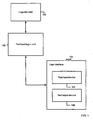
- Fig. 1 is a block diagram of a system in which linguistic data is used for text input prediction.
- the system includes linguistic data 100, a text input logic unit 102, and a user interface 103.
- the system can be implemented on any computing device requiring text input, but is especially suited for embedded devices with a slow CPU and significant RAM and ROM limitations, such as a mobile communication device.
- the user interface 103 includes a text input device 104, which allows a user to enter text into the system.
- the text input device 104 is any device that enables text entry, such a QWERTY, AZERTY or Dvorak keyboard, or a reduced keyboard.
- the user interface 103 also includes a text output device 106, which displays text to a user.
- the text output device 106 may be a graphical component presented on the screen of a mobile device or computer.
- the linguistic data 100 is based on word prefix indexing with statistical character substitution, and is described in more detail below.
- the text input logic unit 102 may, for example, be implemented by computer instructions which are executed by a computer processor that is contained in a mobile device.
- the text input logic unit 102 receives text that is entered by a user using the text input device 104.
- the text input logic unit 102 uses the text output device 106 to present the user with predictions of words that the user has started to enter.
- the predictions are the most probable complete words that start with prefixes entered as text by the user, and are retrieved by the text input logic unit 102 from the linguistic data 100.
- the user may then select one of the predictions using the text input device 104.
- the text input logic unit 102 also disambiguates individual keystrokes that are received from the reduced keyboard, presenting the user with the most probable characters based on words in the linguistic data 100.
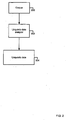
- Fig. 2 is a block diagram of a system of creating compact linguistic data.
- the linguistic data analyzer 202 creates linguistic data 204, described in detail below, by analyzing the corpus 200 of a natural language, such as English or French.
- the linguistic data analyzer 202 calculates frequencies of words appearing in the corpus 200, maps each unique character in the words to a character index; replaces characters in the words with the character indexes to which the characters are mapped, maps sequences of characters that appear in the words to substitution indexes, replaces the sequences of characters in the words with the substitution indexes to which the sequences of characters are mapped, arranges the words into groups where each group contains words that start with a common prefix, and maps each prefix to location information for the group of words which start with the prefix.
- the analysis of the corpus 200 by the linguistic data analyzer 202 includes the calculation of the absolute frequency of the unique words appearing in the corpus 200. Methods for the calculation of frequency and creation of a word-list are described in Fig. 3 and Fig. 4 .
- the word-list is used to create the linguistic data 204.
- the linguistic data 204 includes the unique characters, the character indexes, the substitution indexes, the location information, the groups of words and the frequencies of the words.
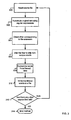
- a method for creating the linguistic data 204 is described in Fig. 5 .
- Fig. 3 is flowchart illustrating a method of filtering source files.
- the source files contain text which comprises a corpus.
- the filtering method is the first step in calculating the frequency of words in the corpus.
- the method begins with the step 300 of reading the contents a source file. After the source file is read, the method continues with the step 302 of performing substitution of text from the file according to user preferences, which may be stored in a properties file.
- the user preferences specify regular expressions which are applied to the text in order to substitute invalid or unwanted characters. For example, a user may not want street names included in the word list, or an Italian user may want to replace "e'" followed by a non-letter with "è", or a user may want to skip the last sentence of a text when it is expected that the last sentence contains only the author's name.
- the method then continues with the step 304 of obtaining a filter corresponding to the type indicated by the file extension of the source file. For example, if the file extension is ".xml”, it is assumed that the file contains an extensible Markup Language (XML) document, so an XML filter is obtained. Similarly, if the file extension is ".html”, then a HyperText Markup Language (HTML) filter is obtained, and if the file extension is ".txt", then a text filter is obtained. Other file extensions may also be mapped to additional filters.
- XML extensible Markup Language
- step 308 of extracting the words from the data resulting from step 306, and writing the extracted words to a filtered-words file at step 310.
- step 501 normalizing the absolute frequencies in the word-list.
- Each absolute frequency is replaced by a relative frequency.
- Absolute frequencies are mapped to relative frequencies by applying a function, which may be specified by a user. Possible functions include a parabolic, Gaussian, hyperbolic or linear distribution.
- each word definition table includes a local offset table 706, which is used to locate each of the local word definition tables 708.
- Each offset also indicates whether the table that is referred to by the offset is a complex or simple word definition table.
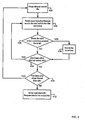
- Fig. 9 is a flowchart illustrating a method of inflection analysis.
- the system and method of creating compact linguistic data may alternatively include the method of inflection analysis, in which both a list of words that have frequencies higher than a minimum specified frequency and an inflection table are created.
- the inflection table is created based on statistical suffix analysis, and encapsulates the linguistic rules for word creation in the language of the corpus.
- the inflection tables make it possible to produce more than one word using the basic word forms stored in the inflection table, ensuring that more words are covered by the linguistic data, while the basic word-list remains compact.
- An inflection table may optionally be included in the linguistic data format shown in Fig. 6 .
Landscapes
- Engineering & Computer Science (AREA)
- Theoretical Computer Science (AREA)
- Health & Medical Sciences (AREA)
- Artificial Intelligence (AREA)
- Audiology, Speech & Language Pathology (AREA)
- Computational Linguistics (AREA)
- General Health & Medical Sciences (AREA)
- Physics & Mathematics (AREA)
- General Engineering & Computer Science (AREA)
- General Physics & Mathematics (AREA)
- Machine Translation (AREA)
Claims (25)
- System zum Erzeugen von kompakten linguistischen Daten (204), die einen Speicherverbrauch minimieren, das aufweist:einen Korpus (200);einen linguistischen Datenanalysator (202),wobei der linguistische Datenanalysator (202)Häufigkeiten von Wörtern berechnet, die in dem Korpus (200) vorkommen, und eine Vielzahl von am häufigsten vorkommenden Wörtern (400-412) auswählt, bezeichnet als die Wörter,die Wörter alphabetisch sortiert,jedes eindeutige Zeichen in den Wörtern einem Zeichenindex zuordnet, jedes Zeichen in den Wörtern mit dem Zeichenindex ersetzt, zu dem das Zeichen zugeordnet ist (502), wodurch erste codierte Wörter erzeugt werden, Sequenzen von Zeichen zuordnet, die in den ersten codierten Wörtern vorkommen, um Indizes zu ersetzen,jede Sequenz von Zeichen in jedem ersten codierten Wort mit dem Substitutionsindex ersetzt, dem die Sequenz von Zeichen zugeordnet sind (508), wodurch zweite codierte Wörter erzeugt werden,die zweiten codierten Wörter in Gruppen anordnet, wobei jede Gruppe zweite codierte Wörter enthält, die mit einem gemeinsamen Präfix beginnen, undjedes Präfix einer Positionsinformation für die Gruppe von zweiten codierten Wörtern zuordnet, die mit dem Präfix beginnen (512);das gemeinsame Präfix der zweiten codierten Wörter in einer Gruppe entfernt, um codierte Wörter zu erzeugen, undwobei die kompakten linguistischen Daten die eindeutigen Zeichen, die zugehörigen Zeichenindizes, die Sequenzen von Zeichen, die zugehörigen Substitutionsindizes, die Positionsinformation, die zugehörigen gemeinsamen Präfixe und die Gruppen von codierten Wörtern umfassen; undeinen Datenspeicher zum Speichern der kompakten linguistischen Daten, wobei der Datenspeicher aufweist:eine Vielzahl von Wortdefinitionstabellen (614) zum Speichern der codierten Wörter; undeine Offset-Tabelle (612) zum Lokalisieren der Wortdefinitionstabellen, wobei für jedes der gemeinsamen Präfixe die Offset-Tabelle (612) eine Position der Wortdefinitionstabelle enthält, die codierte Wörter speichert, die mit dem gemeinsamen Präfix beginnen.
- System gemäß Anspruch 1, das weiter aufweist:eine Benutzerschnittstelle (103), die aufweist:eine Texteingabevorrichtung (104); undeine Textausgabevorrichtung (106); undeine Texteingabe-Logikeinheit (102),wobei die Texteingabe-Logikeinheit (102) ein Text-Präfix von der Texteingabevorrichtung (104) empfängt, eine Vielzahl von vorausgesagten Wörtern aus den kompakten linguistischen Daten abruft, die mit dem Präfix beginnen, und die vorausgesagten Wörter anzeigt unter Verwendung der Textausgabevorrichtung (106).
- System gemäß Anspruch 2, wobei die Texteingabevorrichtung (104) eine Tastatur ist.
- System gemäß Anspruch 3, wobei die Tastatur eine reduzierte Tastatur ist.
- System gemäß Anspruch 2, wobei die Benutzerschnittstelle (103) und die Texteingabe-Logikeinheit auf einer mobilen Kommunikationsvorrichtung implementiert sind.
- Kompakte linguistische Datenstruktur für eine Vielzahl von Wörtern, die einen Speicherverbrauch minimiert, wobei die Wörter in Gruppen organisiert sind, wobei jede Gruppe Wörter enthält, die ein gemeinsames Präfix haben, wobei die kompakte linguistische Datenstruktur aufweist:ein sortiertes Alphabet, das aus jedem eindeutigen Zeichen in den Wörtern besteht;eine Zeichen-Zuordnungs-Tabelle (608) zum Zuordnen jedes Zeichens in dem Alphabet zu einem Zeichenindex;eine Substitutions-Tabelle (610) zum Zuordnen von Sequenzen von Zeichen aus den Wörtern zu Substitutionsindizes;eine Vielzahl von Wortdefinitions-Tabellen (614) zum Speichern von codierten Wörtern, wobei jede Wortdefinitions-Tabelle die codierten Wörter speichert, die in einer der Gruppen enthalten sind; undeine Offset-Tabelle zum Lokalisieren der Wortdefinitions-Tabellen, wobei für jedes der gemeinsamen Präfixe die Offset-Tabelle (612) eine Position der Wortdefinitions-Tabelle enthält, die codierte Wörter speichert, die mit dem gemeinsamen Präfix beginnen, wobei jedes der codierten Wörter in den Wortdefinitions-Tabellen (614) codiert wird durch Ersetzen jedes Zeichens in dem Wort mit dem Zeichenindex, dem das Zeichen durch die Zeichen-Zuordnungs-Tabelle (608) zugeordnet ist, und durch Ersetzen jeder Sequenz von Zeichen aus der Substitutions-Tabelle (610), die in dem Wort auftritt, mit dem Substitutionsindex, dem die Sequenz von Zeichen durch die Substitutions-Tabelle (610) zugeordnet ist; undwobei die gemeinsamen Präfixe für Wörter in jeder Wortdefinitions-Tabelle entfernt werden.
- Kompakte linguistische Datenstruktur gemäß Anspruch 6, die weiter aufweist eine Vielzahl von Häufigkeiten, die zu den Wörtern gehören, wobei die Wortdefinitions-Tabellen die Häufigkeiten speichern.
- Kompakte linguistische Datenstruktur gemäß Anspruch 7, wobei die Häufigkeiten normalisiert sind, so dass sie sich innerhalb eines vorgegebenen Bereichs befinden, und wobei für jede Gruppe von Wörtern die Häufigkeit des Worts in der Gruppe, das eine maximale Häufigkeit hat, mit vollständiger Genauigkeit gespeichert wird, und die Häufigkeiten der verbleibenden Wörter in der Gruppe als Prozentsatz der maximalen Häufigkeit gespeichert werden.
- Kompakte linguistische Datenstruktur gemäß Anspruch 7, wobei zumindest eine der Wortdefinitions-Tabellen (614) aufweist:eine Vielzahl von lokalen Wortdefinitions-Tabellen (708) zum Speichern der codierten Wörter, die von der Wortdefinitions-Tabelle (614) gespeichert sind, wobei jede lokale Wortdefinitions-Tabelle (708) die codierten Wörter speichert, die von der Wortdefinitions-Tabelle (614) gespeichert sind, die ein gemeinsames Präfix haben, das länger ist als das gemeinsame Präfix für die codierten Wörter in der Wortdefinitions-Tabelle (614);eine lokale Offset-Tabelle (706) zum Lokalisieren jeder der lokalen Wortdefinitions-Tabellen (708);eine lokale Zeichen-Zuordnungs-Tabelle (704) zum Zuordnen jedes Zeichens in den Wörtern in den lokalen Wortdefinitions-Tabellen (708) zu einem lokalen Zeichenindex;eine "Hotword"-Tabelle zum Speichern der Position von Wörtern in den lokalen Wortdefinitions-Tabellen (708), die zu den höchsten Häufigkeiten von Wörtern in der Gruppe gehören, die in der Wortdefinitions-Tabelle (614) enthalten ist; undeine Ausnahme-Tabelle (702) zum Speichern von Wörtern, die zu höchsten Häufigkeiten von Wörtern in der Gruppe gehören, die in der Wortdefinitions-Tabelle (614) enthalten ist,wobei jedes der codierten Wörter in den lokalen Wortdefinitions-Tabellen (708) codiert wird durch Ersetzen von Zeichen in dem Wort mit dem lokalen Zeichenindex, dem das Zeichen durch die lokale Zeichen-Zuordnungs-Tabelle (704) zugeordnet ist, und durch Ersetzen jeder Sequenz von Zeichen aus der Substitutions-Tabelle (610), die in dem Wort auftritt, mit dem Substitutionsindex, dem die Sequenz von Zeichen durch die Substitutions-Tabelle (610) zugeordnet ist, und wobei die gemeinsamen Präfixe der codierten Wörter in den lokalen Wortdefinitions-Tabellen (708) entfernt werden.
- Kompakte linguistische Datenstruktur gemäß Anspruch 6, die weiter eine Namenstabelle (606) aufweist, wobei die Namenstabelle (606) einen Namen zum Identifizieren der Wörter aufweist.
- Kompakte linguistische Datenstruktur gemäß Anspruch 6, die weiter aufweist eine Beugungs-Tabelle zum Speichern von Suffixen der Wörter, wobei die Wörter, die in den Wortdefinitions-Tabellen gespeichert sind, die Suffixe betreffen, die in der Beugungs-Tabelle gespeichert sind.
- Kompakte linguistische Datenstruktur gemäß Anspruch 6, wobei die Sequenzen von Zeichen, die in der Substitutions-Tabelle (610) enthalten sind, unterschiedliche Längen haben, wobei, für jede der Längen, die Substitutions-Tabelle (610) eine Untertabelle enthält, die Sequenzen von Zeichen der Länge Substitutionsindizes zuordnet, und wobei die Untertabellen in aufsteigender Reihenfolge gemäß den Längen von Sequenzen organisiert sind, die in den Untertabellen enthalten sind.
- Kompakte linguistische Datenstruktur gemäß Anspruch 6, wobei die Offset-Tabelle (612) jede Kombination von zwei Zeichen aus dem Alphabet einem Index in der Offset-Tabelle (612) zuordnet, der gleich ist der Summe der Position in dem Alphabet des ersten Zeichens in der Kombination, multipliziert mit der Anzahl von Zeichen in dem Alphabet, und der Position in dem Alphabet des zweiten Zeichens in der Kombination.
- Kompakte linguistische Datenstruktur gemäß Anspruch 6, wobei Zeichen in den Wörtern durch Sequenzen von Bits repräsentiert werden, die ein am meisten signifikantes Bit haben, wobei das am meisten signifikante Bit in dem letzten Zeichen in jedem der Wörter in den Wortdefinitions-Tabellen (614) gesetzt ist, und wobei ein Wert jedes Zeichens in den Wörtern basierend auf Bit-Werten von Bits bestimmt wird, außer das am meisten signifikante Bit.
- Kompakte linguistische Datenstruktur gemäß Anspruch 7, die weiter aufweist:eine "neue Wörter"-Tabelle zum Speichern von neuen Wörtern, codiert unter Verwendung der Zeichen-Zuordnungs-Tabelle und der Substitutions-Tabelle, die nicht in den Wortdefinitions-Tabellen (614) enthalten sind, eine Vielzahl von Häufigkeiten, die zu den neuen Wörtern gehören, Indizes für die Anfänge der neuen Wörter, und einen Sortier-Index, der eine alphabetisch sortierte Reihenfolge der neuen Wörter spezifiziert; und eine "aktualisierte Häufigkeit"-Tabelle zum Speichern von Wörtern, die in den Wortdefinitions-Tabellen gespeichert sind, codiert unter Verwendung der Zeichen-Zuordnungs-Tabelle (608) und der Substitutions-Tabelle (610), von aktualisierten Häufigkeiten, die zu den Wörtern gehören, die in den Wortdefinitions-Tabellen (614) gespeichert sind, Indizes für die Anfänge der Wörter in der "aktualisierte Häufigkeit"-Tabelle und einen Sortier-Index, der eine alphabetisch sortierte Reihenfolge der Wörter in der "aktualisierte Häufigkeit"-Tabelle spezifiziert.
- Kompakte linguistische Datenstruktur gemäß Anspruch 6, wobei die Zeichen-Zuordnungs-Tabelle (608), die Substitutions-Tabelle (610), die Wortdefinitions-Tabellen (614) und die Offset-Tabelle (612) in einer computerlesbaren Datei enthalten sind.
- Kompakte linguistische Datenstruktur gemäß Anspruch 16, wobei die computerlesbare Datei weiter einen Header (602) aufweist, wobei der Header Format-, Versions- und Prioritäts-Information aufweist.
- Kompakte linguistische Datenstruktur gemäß Anspruch 16, die weiter aufweist eine Index-Tabelle (604), wobei die Index-Tabelle Indizes in die computerlesbare Datei enthält zum Lokalisieren der Tabellen in der computerlesbaren Datei.
- Kompakte linguistische Datenstruktur gemäß Anspruch 16, wobei die computerlesbare Datei in einem computerlesbaren Medium aufgenommen ist.
- Verfahren, das von einem linguistischen Daten-Analysator (202) durchgeführt wird, zum Erzeugen kompakter linguistischer Daten, die einen Speicherverbrauch minimieren, wobei das Verfahren die Schritte aufweist:Erzeugen einer Wortliste, die eine Vielzahl von Wörtern aufweist, die am häufigsten in einem Korpus vorkommen;Sortieren der Wörter in der Wortliste alphabetisch (500);Erzeugen einer Zeichen-Zuordnungs-Tabelle, die Zeichen in den Wörtern Zeichenindizes zuordnet (502);Trennen von Wörtern in der Wortliste in Gruppen, wobei Wörter in jeder Gruppe ein gemeinsames Präfix haben (504);Erzeugen einer Substitutions-Tabelle, die Zeichen-Sequenzen in den Wörtern Substitutionsindizes zuordnet (508);Codieren der Wörter einer Gruppe in Byte-Sequenzen durch Ersetzen von Zeichen in den Wörtern mit den Zeichenindizes, denen die Zeichen durch die Zeichen-Zuordnungs-Tabelle zugeordnet sind, durch Ersetzen von Zeichen-Sequenzen in den Wörtern mit den Substitutionsindizes, denen die Zeichen-Sequenzen durch die Substitutions-Tabelle (510) zugeordnet sind, und durch Entfernen des gemeinsamen Präfixes;Erzeugen von Wortdefinitions-Tabellen, die die codierten Wörter aufweisen (511);Erzeugen einer Offset-Tabelle zum Lokalisieren von Gruppen von codierten Wörtern (512) und der zugehörigen gemeinsamen Präfixe; undSpeichern der Zeichen-Zuordnungs-Tabelle, der Substitutions-Tabelle, der Wortdefinitions-Tabellen und der Offset-Tabelle (514).
- Verfahren gemäß Anspruch 20, wobei der Schritt des Speicherns (514) aufweist ein Schreiben der Zeichen-Zuordnungs-Tabelle, der Substitutions-Tabelle, der Wortdefinitions-Tabellen und der Offset-Tabelle in eine computerlesbare Datei.
- Verfahren gemäß Anspruch 20, wobei:der Schritt eines Erzeugens der Wortliste die Schritte aufweist:Filtern des Korpus in eine Vielzahl von gefilterten Wörtern (300 - 314);Berechnen absoluter Häufigkeiten, die zu den gefilterten Wörtern gehören; undSpeichern der gefilterten Wörter, die am häufigsten in dem Korpus vorkommen, und der absoluten Häufigkeiten, die zu den am häufigsten vorkommenden gefilterten Wörtern in der Wortliste gehören (400 - 412); und das Verfahren weiter die Schritte aufweist:Erzeugen einer Vielzahl von relativen Häufigkeiten durch Anwenden einer Normalisierungsfunktion auf die absoluten Häufigkeiten, die in der Wortliste gespeichert sind;Erzeugen von Häufigkeitssätzen, die zu den Gruppen von Wörtern gehören; undSpeichern der Häufigkeitssätze in den Wortdefinitions-Tabellen,wobei für jede Gruppe der zugehörige Häufigkeitssatz eine maximale relative Häufigkeit von Wörtern in der Gruppe enthält und für jedes Wort in der Gruppe, das nicht zu der maximalen Häufigkeit gehört, einen Prozentsatz der maximalen relativen Häufigkeit enthält, die der relativen Häufigkeit entspricht, die zu dem Wort gehört.
- Verfahren gemäß Anspruch 22, wobei der Schritt des Berechnens von absoluten Häufigkeiten, die zu den gefilterten Wörtern gehören, die Schritte aufweist:Erzeugen eines Wort-Baums zum Speichern der am häufigsten vorkommenden gefilterten Wörter und der absoluten Häufigkeiten, die zu den am häufigsten vorkommenden Wörtern gehören, wobei Wörter, die zu höheren absoluten Häufigkeiten gehören, in inneren Knoten des Wort-Baums gespeichert werden, und Wörter, die zu niedrigeren absoluten Häufigkeiten gehören, in Blatt-Knoten des Wort-Baums gespeichert werden;Hinzufügen der gefilterten Wörter zu dem Wort-Baum (402), wobei der Schritt des Hinzufügens für jedes gefilterte Wort die Schritte aufweist:Bestimmen, ob das gefilterte Wort in dem Wort-Baum ist;Hinzufügen des gefilterten Worts und seiner zugehörigen absoluten Häufigkeit zu dem Wort-Baum, wenn das gefilterte Wort nicht in dem Wort-Baum ist (402);Inkrementieren der absoluten Häufigkeit, die zu dem gefilterten Wort gehört, wenn das gefilterte Wort in dem Wort-Baum ist;Bestimmen, ob die Anzahl von Knoten in dem Wort-Baum eine vordefinierte Grenze übersteigt (404); undVerkleinern des Wort-Baums, wenn die Anzahl von Knoten in dem Wort-Baum die vordefinierte Grenze übersteigt (406), wobei der Schritt des Verkleinerns den Schritt aufweist eines Löschens von Blatt-Knoten, die Wörter enthalten, die zu niedrigsten absoluten Häufigkeiten gehören.
- Verfahren gemäß Anspruch 22, wobei der Schritt des Filterns des Korpus die Schritte aufweist:Lesen einer Vielzahl von Computerdateien (300), wobei jede Datei eine Erweiterung hat, die einen Typ der Datei anzeigt;Anwenden von regulären Ausdrücken auf Text, der in den Dateien enthalten ist, um ungültige oder unerwünschte Zeichen in dem Text zu ersetzen (302);Erlangen eines Filters für jede Datei, wobei der Filter dem Typ entspricht, der durch die Erweiterung angezeigt wird (304); undAnwenden des Filters, um Text aus den Dateien zu entfernen, der nicht Teil des Korpus ist (306).
- Verfahren gemäß Anspruch 22, das weiter die Schritte aufweist:Hinzufügen eines Worts, das von einem Benutzer aus einer Liste von vorausgesagten Wörtern ausgewählt wird, zu einer Wort-Lern-Liste (802), wobei die Liste von Prädiktionen Wörter enthält, die aus den Wortdefinitions-Tabellen und der Wort-Lern-Liste abgerufen werden;Erlangen eines Worts, das zu einer maximalen Häufigkeit von Wörtern in der Liste von vorhergesagten Wörtern gehört (804);Bestimmen, ob das Wort, das zu der maximalen Häufigkeit gehört, aus den Wortdefinitions-Tabellen erlangt wurde (806);Zuweisen des ausgewählten Worts zu einer Häufigkeit, die gleich der maximalen Häufigkeit plus eins ist, wenn das Wort, das zu der maximalen Häufigkeit gehört, aus den Wortdefinitions-Tabellen erlangt wurde (808);Zuweisen des ausgewählten Worts zu einer Häufigkeit, die gleich der maximalen Häufigkeit ist, wenn das Wort, das zu der maximalen Häufigkeit gehört, nicht aus den Wortdefinitions-Tabellen erlangt wurde (810); undLöschen des Worts, dem die maximale Häufigkeit zugewiesen ist, aus der Wort-Lernen-Liste, wenn das Wort, das zu der maximalen Häufigkeit gehört, nicht aus den Wortdefinitions-Tabellen erlangt wurde (812).
Applications Claiming Priority (4)
| Application Number | Priority Date | Filing Date | Title |
|---|---|---|---|
| US39390302P | 2002-07-03 | 2002-07-03 | |
| US10/289,656 US7269548B2 (en) | 2002-07-03 | 2002-11-07 | System and method of creating and using compact linguistic data |
| CA002411227A CA2411227C (en) | 2002-07-03 | 2002-11-07 | System and method of creating and using compact linguistic data |
| PCT/CA2003/001023 WO2004006122A2 (en) | 2002-07-03 | 2003-07-03 | System and method of creating and using compact linguistic data |
Publications (2)
| Publication Number | Publication Date |
|---|---|
| EP1631920A2 EP1631920A2 (de) | 2006-03-08 |
| EP1631920B1 true EP1631920B1 (de) | 2011-04-20 |
Family
ID=30118651
Family Applications (1)
| Application Number | Title | Priority Date | Filing Date |
|---|---|---|---|
| EP03762372A Expired - Lifetime EP1631920B1 (de) | 2002-07-03 | 2003-07-03 | System und verfahren zur erzeugung und verwendung von kompakten linguistischen daten |
Country Status (4)
| Country | Link |
|---|---|
| EP (1) | EP1631920B1 (de) |
| JP (1) | JP4382663B2 (de) |
| AU (1) | AU2003249793A1 (de) |
| WO (1) | WO2004006122A2 (de) |
Families Citing this family (8)
| Publication number | Priority date | Publication date | Assignee | Title |
|---|---|---|---|---|
| US7765345B2 (en) | 2004-06-02 | 2010-07-27 | Research In Motion Limited | Handheld electronic device and associated method employing a multiple-axis input device and providing text disambiguation |
| EP1603022A1 (de) * | 2004-06-02 | 2005-12-07 | 2012244 Ontario Inc. | Tragbares elektronisches Gerät mit Prädiktive-Texteingabe |
| US7324083B2 (en) | 2004-06-02 | 2008-01-29 | Research In Motion Limited | Handheld electronic device with text disambiguation |
| EP1603015A1 (de) * | 2004-06-02 | 2005-12-07 | 2012244 Ontario Inc. | Tragbares Elektronisches Gerät mit Prädiktive-Texteingabe |
| US7312726B2 (en) | 2004-06-02 | 2007-12-25 | Research In Motion Limited | Handheld electronic device with text disambiguation |
| US8542132B2 (en) | 2004-06-02 | 2013-09-24 | Blackberry Limited | Handheld electronic device and associated method employing a multiple-axis input device and using non-edited characters as context in text disambiguation |
| US7091885B2 (en) | 2004-06-02 | 2006-08-15 | 2012244 Ontario Inc. | Handheld electronic device with text disambiguation |
| CN110286775B (zh) * | 2018-03-19 | 2025-04-04 | 北京搜狗科技发展有限公司 | 一种词库管理方法及装置 |
Citations (3)
| Publication number | Priority date | Publication date | Assignee | Title |
|---|---|---|---|---|
| GB2305746A (en) * | 1995-09-27 | 1997-04-16 | Canon Res Ct Europe Ltd | Data compression apparatus |
| US5798721A (en) * | 1994-03-14 | 1998-08-25 | Mita Industrial Co., Ltd. | Method and apparatus for compressing text data |
| US6047298A (en) * | 1996-01-30 | 2000-04-04 | Sharp Kabushiki Kaisha | Text compression dictionary generation apparatus |
-
2003
- 2003-07-03 JP JP2004518331A patent/JP4382663B2/ja not_active Expired - Lifetime
- 2003-07-03 AU AU2003249793A patent/AU2003249793A1/en not_active Abandoned
- 2003-07-03 EP EP03762372A patent/EP1631920B1/de not_active Expired - Lifetime
- 2003-07-03 WO PCT/CA2003/001023 patent/WO2004006122A2/en not_active Ceased
Patent Citations (3)
| Publication number | Priority date | Publication date | Assignee | Title |
|---|---|---|---|---|
| US5798721A (en) * | 1994-03-14 | 1998-08-25 | Mita Industrial Co., Ltd. | Method and apparatus for compressing text data |
| GB2305746A (en) * | 1995-09-27 | 1997-04-16 | Canon Res Ct Europe Ltd | Data compression apparatus |
| US6047298A (en) * | 1996-01-30 | 2000-04-04 | Sharp Kabushiki Kaisha | Text compression dictionary generation apparatus |
Also Published As
| Publication number | Publication date |
|---|---|
| AU2003249793A1 (en) | 2004-01-23 |
| JP4382663B2 (ja) | 2009-12-16 |
| WO2004006122A2 (en) | 2004-01-15 |
| WO2004006122A8 (en) | 2004-04-22 |
| AU2003249793A8 (en) | 2004-01-23 |
| JP2005531857A (ja) | 2005-10-20 |
| EP1631920A2 (de) | 2006-03-08 |
Similar Documents
| Publication | Publication Date | Title |
|---|---|---|
| US7269548B2 (en) | System and method of creating and using compact linguistic data | |
| KR102268875B1 (ko) | 전자 장치에 텍스트를 입력하는 시스템 및 방법 | |
| US5721899A (en) | Retrieval apparatus using compressed trie node and retrieval method thereof | |
| KR100766169B1 (ko) | 컴퓨터-구현 사전 학습 방법 및 상기 방법을 사용하는 장치, 입력 방법 및 상기 입력 방법을 사용하는 사용자 단말기 장치 | |
| US20020165707A1 (en) | Methods and apparatus for storing and processing natural language text data as a sequence of fixed length integers | |
| KR20050039540A (ko) | 태그 데이터를 갖는 풀-폼 어휘집 및 이를 구축하고이용하는 방법 | |
| CN100429648C (zh) | 一种文本自动分块的方法、分块器和文本到语言合成系统 | |
| JP6447161B2 (ja) | 意味構造検索プログラム、意味構造検索装置、及び意味構造検索方法 | |
| US20100185438A1 (en) | Method of creating a dictionary | |
| EP3635586A1 (de) | Computerisierte verfahren zur datenkompression und -analyse | |
| JP2018018174A (ja) | 符号化プログラム、符号化装置、符号化方法、及び検索方法 | |
| EP1631920B1 (de) | System und verfahren zur erzeugung und verwendung von kompakten linguistischen daten | |
| EP1486885A2 (de) | Verfahren und System zur grammatische Kondensation von Text | |
| Alhawiti | Adaptive models of Arabic text | |
| CN113065002A (zh) | 一种基于知识图谱和上下文语境的中文语义消歧方法 | |
| US6470362B1 (en) | Extracting ordered list of words from documents comprising text and code fragments, without interpreting the code fragments | |
| US12050557B2 (en) | Computerized systems and methods of data compression | |
| HK1091668B (en) | System and method of creating and using compact linguistic data | |
| JPH056398A (ja) | 文書登録装置及び文書検索装置 | |
| KR100712001B1 (ko) | 중국어 데이타 및 사용자에 의해 정정된 데이타를작성하고 사용하는 방법 및 시스템 | |
| JPH0140372B2 (de) | ||
| JPH09245051A (ja) | 自然言語事例検索装置及び自然言語事例検索方法 | |
| US20080177729A1 (en) | Apparatus, method and computer program product for searching document | |
| WO2023091765A1 (en) | Computerized systems and methods of data compression | |
| JP3609252B2 (ja) | 文字列自動分類装置およびその方法 |
Legal Events
| Date | Code | Title | Description |
|---|---|---|---|
| PUAI | Public reference made under article 153(3) epc to a published international application that has entered the european phase |
Free format text: ORIGINAL CODE: 0009012 |
|
| 17P | Request for examination filed |
Effective date: 20050201 |
|
| AK | Designated contracting states |
Kind code of ref document: A2 Designated state(s): AT BE BG CH CY CZ DE DK EE ES FI FR GB GR HU IE IT LI LU MC NL PT RO SE SI SK TR |
|
| AX | Request for extension of the european patent |
Extension state: AL LT LV MK |
|
| REG | Reference to a national code |
Ref country code: HK Ref legal event code: DE Ref document number: 1091668 Country of ref document: HK |
|
| PUAK | Availability of information related to the publication of the international search report |
Free format text: ORIGINAL CODE: 0009015 |
|
| 17Q | First examination report despatched |
Effective date: 20080507 |
|
| GRAP | Despatch of communication of intention to grant a patent |
Free format text: ORIGINAL CODE: EPIDOSNIGR1 |
|
| GRAS | Grant fee paid |
Free format text: ORIGINAL CODE: EPIDOSNIGR3 |
|
| GRAA | (expected) grant |
Free format text: ORIGINAL CODE: 0009210 |
|
| AK | Designated contracting states |
Kind code of ref document: B1 Designated state(s): AT BE BG CH CY CZ DE DK EE ES FI FR GB GR HU IE IT LI LU MC NL PT RO SE SI SK TR |
|
| AX | Request for extension of the european patent |
Extension state: AL LT LV MK |
|
| REG | Reference to a national code |
Ref country code: GB Ref legal event code: FG4D |
|
| REG | Reference to a national code |
Ref country code: CH Ref legal event code: EP |
|
| REG | Reference to a national code |
Ref country code: IE Ref legal event code: FG4D |
|
| REF | Corresponds to: |
Ref document number: 60336856 Country of ref document: DE Date of ref document: 20110601 Kind code of ref document: P |
|
| REG | Reference to a national code |
Ref country code: DE Ref legal event code: R096 Ref document number: 60336856 Country of ref document: DE Effective date: 20110601 |
|
| REG | Reference to a national code |
Ref country code: SE Ref legal event code: TRGR |
|
| REG | Reference to a national code |
Ref country code: NL Ref legal event code: VDEP Effective date: 20110420 |
|
| LTIE | Lt: invalidation of european patent or patent extension |
Effective date: 20110420 |
|
| REG | Reference to a national code |
Ref country code: HK Ref legal event code: GR Ref document number: 1091668 Country of ref document: HK |
|
| PG25 | Lapsed in a contracting state [announced via postgrant information from national office to epo] |
Ref country code: PT Free format text: LAPSE BECAUSE OF FAILURE TO SUBMIT A TRANSLATION OF THE DESCRIPTION OR TO PAY THE FEE WITHIN THE PRESCRIBED TIME-LIMIT Effective date: 20110822 |
|
| PG25 | Lapsed in a contracting state [announced via postgrant information from national office to epo] |
Ref country code: CY Free format text: LAPSE BECAUSE OF FAILURE TO SUBMIT A TRANSLATION OF THE DESCRIPTION OR TO PAY THE FEE WITHIN THE PRESCRIBED TIME-LIMIT Effective date: 20110420 Ref country code: SI Free format text: LAPSE BECAUSE OF FAILURE TO SUBMIT A TRANSLATION OF THE DESCRIPTION OR TO PAY THE FEE WITHIN THE PRESCRIBED TIME-LIMIT Effective date: 20110420 Ref country code: AT Free format text: LAPSE BECAUSE OF FAILURE TO SUBMIT A TRANSLATION OF THE DESCRIPTION OR TO PAY THE FEE WITHIN THE PRESCRIBED TIME-LIMIT Effective date: 20110420 Ref country code: ES Free format text: LAPSE BECAUSE OF FAILURE TO SUBMIT A TRANSLATION OF THE DESCRIPTION OR TO PAY THE FEE WITHIN THE PRESCRIBED TIME-LIMIT Effective date: 20110731 Ref country code: GR Free format text: LAPSE BECAUSE OF FAILURE TO SUBMIT A TRANSLATION OF THE DESCRIPTION OR TO PAY THE FEE WITHIN THE PRESCRIBED TIME-LIMIT Effective date: 20110721 Ref country code: BE Free format text: LAPSE BECAUSE OF FAILURE TO SUBMIT A TRANSLATION OF THE DESCRIPTION OR TO PAY THE FEE WITHIN THE PRESCRIBED TIME-LIMIT Effective date: 20110420 |
|
| PG25 | Lapsed in a contracting state [announced via postgrant information from national office to epo] |
Ref country code: NL Free format text: LAPSE BECAUSE OF FAILURE TO SUBMIT A TRANSLATION OF THE DESCRIPTION OR TO PAY THE FEE WITHIN THE PRESCRIBED TIME-LIMIT Effective date: 20110420 |
|
| PG25 | Lapsed in a contracting state [announced via postgrant information from national office to epo] |
Ref country code: CZ Free format text: LAPSE BECAUSE OF FAILURE TO SUBMIT A TRANSLATION OF THE DESCRIPTION OR TO PAY THE FEE WITHIN THE PRESCRIBED TIME-LIMIT Effective date: 20110420 Ref country code: EE Free format text: LAPSE BECAUSE OF FAILURE TO SUBMIT A TRANSLATION OF THE DESCRIPTION OR TO PAY THE FEE WITHIN THE PRESCRIBED TIME-LIMIT Effective date: 20110420 |
|
| PLBE | No opposition filed within time limit |
Free format text: ORIGINAL CODE: 0009261 |
|
| STAA | Information on the status of an ep patent application or granted ep patent |
Free format text: STATUS: NO OPPOSITION FILED WITHIN TIME LIMIT |
|
| PG25 | Lapsed in a contracting state [announced via postgrant information from national office to epo] |
Ref country code: DK Free format text: LAPSE BECAUSE OF FAILURE TO SUBMIT A TRANSLATION OF THE DESCRIPTION OR TO PAY THE FEE WITHIN THE PRESCRIBED TIME-LIMIT Effective date: 20110420 Ref country code: MC Free format text: LAPSE BECAUSE OF NON-PAYMENT OF DUE FEES Effective date: 20110731 Ref country code: RO Free format text: LAPSE BECAUSE OF FAILURE TO SUBMIT A TRANSLATION OF THE DESCRIPTION OR TO PAY THE FEE WITHIN THE PRESCRIBED TIME-LIMIT Effective date: 20110420 Ref country code: SK Free format text: LAPSE BECAUSE OF FAILURE TO SUBMIT A TRANSLATION OF THE DESCRIPTION OR TO PAY THE FEE WITHIN THE PRESCRIBED TIME-LIMIT Effective date: 20110420 |
|
| REG | Reference to a national code |
Ref country code: CH Ref legal event code: PL |
|
| 26N | No opposition filed |
Effective date: 20120123 |
|
| REG | Reference to a national code |
Ref country code: IE Ref legal event code: MM4A |
|
| PG25 | Lapsed in a contracting state [announced via postgrant information from national office to epo] |
Ref country code: LI Free format text: LAPSE BECAUSE OF NON-PAYMENT OF DUE FEES Effective date: 20110731 Ref country code: CH Free format text: LAPSE BECAUSE OF NON-PAYMENT OF DUE FEES Effective date: 20110731 |
|
| REG | Reference to a national code |
Ref country code: DE Ref legal event code: R097 Ref document number: 60336856 Country of ref document: DE Effective date: 20120123 |
|
| PG25 | Lapsed in a contracting state [announced via postgrant information from national office to epo] |
Ref country code: IT Free format text: LAPSE BECAUSE OF FAILURE TO SUBMIT A TRANSLATION OF THE DESCRIPTION OR TO PAY THE FEE WITHIN THE PRESCRIBED TIME-LIMIT Effective date: 20110420 |
|
| PG25 | Lapsed in a contracting state [announced via postgrant information from national office to epo] |
Ref country code: IE Free format text: LAPSE BECAUSE OF NON-PAYMENT OF DUE FEES Effective date: 20110703 |
|
| PG25 | Lapsed in a contracting state [announced via postgrant information from national office to epo] |
Ref country code: LU Free format text: LAPSE BECAUSE OF NON-PAYMENT OF DUE FEES Effective date: 20110703 |
|
| PG25 | Lapsed in a contracting state [announced via postgrant information from national office to epo] |
Ref country code: BG Free format text: LAPSE BECAUSE OF FAILURE TO SUBMIT A TRANSLATION OF THE DESCRIPTION OR TO PAY THE FEE WITHIN THE PRESCRIBED TIME-LIMIT Effective date: 20110720 |
|
| PG25 | Lapsed in a contracting state [announced via postgrant information from national office to epo] |
Ref country code: TR Free format text: LAPSE BECAUSE OF FAILURE TO SUBMIT A TRANSLATION OF THE DESCRIPTION OR TO PAY THE FEE WITHIN THE PRESCRIBED TIME-LIMIT Effective date: 20110420 |
|
| PG25 | Lapsed in a contracting state [announced via postgrant information from national office to epo] |
Ref country code: HU Free format text: LAPSE BECAUSE OF FAILURE TO SUBMIT A TRANSLATION OF THE DESCRIPTION OR TO PAY THE FEE WITHIN THE PRESCRIBED TIME-LIMIT Effective date: 20110420 |
|
| REG | Reference to a national code |
Ref country code: GB Ref legal event code: 732E Free format text: REGISTERED BETWEEN 20140821 AND 20140827 |
|
| REG | Reference to a national code |
Ref country code: FR Ref legal event code: PLFP Year of fee payment: 14 |
|
| REG | Reference to a national code |
Ref country code: FR Ref legal event code: PLFP Year of fee payment: 15 |
|
| REG | Reference to a national code |
Ref country code: FR Ref legal event code: PLFP Year of fee payment: 16 |
|
| REG | Reference to a national code |
Ref country code: DE Ref legal event code: R079 Ref document number: 60336856 Country of ref document: DE Free format text: PREVIOUS MAIN CLASS: G06F0017200000 Ipc: G06F0040000000 |
|
| REG | Reference to a national code |
Ref country code: FI Ref legal event code: PCE Owner name: BLACKBERRY LIMITED |
|
| REG | Reference to a national code |
Ref country code: DE Ref legal event code: R081 Ref document number: 60336856 Country of ref document: DE Owner name: BLACKBERRY LTD., WATERLOO, CA Free format text: FORMER OWNER: 2012244 ONTARIO INC., WATERLOO, ONTARIO, CA Ref country code: DE Ref legal event code: R081 Ref document number: 60336856 Country of ref document: DE Owner name: BLACKBERRY LTD., WATERLOO, CA Free format text: FORMER OWNER: RESEARCH IN MOTION LIMITED, WATERLOO, ONTARIO, CA Ref country code: DE Ref legal event code: R081 Ref document number: 60336856 Country of ref document: DE Owner name: BLACKBERRY LTD., WATERLOO, CA Free format text: FORMER OWNER: BLACKBERRY LTD., WATERLOO, ONTARIO, CA |
|
| PGFP | Annual fee paid to national office [announced via postgrant information from national office to epo] |
Ref country code: SE Payment date: 20220727 Year of fee payment: 20 Ref country code: GB Payment date: 20220727 Year of fee payment: 20 Ref country code: FI Payment date: 20220727 Year of fee payment: 20 Ref country code: DE Payment date: 20220727 Year of fee payment: 20 |
|
| PGFP | Annual fee paid to national office [announced via postgrant information from national office to epo] |
Ref country code: FR Payment date: 20220725 Year of fee payment: 20 |
|
| REG | Reference to a national code |
Ref country code: DE Ref legal event code: R071 Ref document number: 60336856 Country of ref document: DE |
|
| REG | Reference to a national code |
Ref country code: GB Ref legal event code: PE20 Expiry date: 20230702 |
|
| REG | Reference to a national code |
Ref country code: SE Ref legal event code: EUG |
|
| PG25 | Lapsed in a contracting state [announced via postgrant information from national office to epo] |
Ref country code: GB Free format text: LAPSE BECAUSE OF EXPIRATION OF PROTECTION Effective date: 20230702 |