EP1617853B1 - Isolation of the hepatoprotective agent acteoside from colerbrokea oppositifolia - Google Patents
Isolation of the hepatoprotective agent acteoside from colerbrokea oppositifolia Download PDFInfo
- Publication number
- EP1617853B1 EP1617853B1 EP03816508A EP03816508A EP1617853B1 EP 1617853 B1 EP1617853 B1 EP 1617853B1 EP 03816508 A EP03816508 A EP 03816508A EP 03816508 A EP03816508 A EP 03816508A EP 1617853 B1 EP1617853 B1 EP 1617853B1
- Authority
- EP
- European Patent Office
- Prior art keywords
- acteoside
- extract
- fractions
- oppositifolia
- plant
- Prior art date
- Legal status (The legal status is an assumption and is not a legal conclusion. Google has not performed a legal analysis and makes no representation as to the accuracy of the status listed.)
- Expired - Lifetime
Links
- QFRYQWYZSQDFOS-UHFFFAOYSA-N verbascoside Natural products CC1OC(COC2C(O)C(COC3OC(C(O)C(O)C3O)C(=O)O)OC(Oc4cc(O)cc5OC(=CC(=O)c45)c6ccc(O)c(O)c6)C2O)C(O)C(O)C1O QFRYQWYZSQDFOS-UHFFFAOYSA-N 0.000 title claims abstract description 80
- FBSKJMQYURKNSU-ZLSOWSIRSA-N acteoside Chemical compound O[C@@H]1[C@H](O)[C@@H](O)[C@H](C)O[C@H]1O[C@H]1[C@H](OC(=O)\C=C\C=2C=C(O)C(O)=CC=2)[C@@H](CO)O[C@@H](OCCC=2C=C(O)C(O)=CC=2)[C@@H]1O FBSKJMQYURKNSU-ZLSOWSIRSA-N 0.000 title claims abstract description 72
- 229930185474 acteoside Natural products 0.000 title claims abstract description 70
- FBSKJMQYURKNSU-UKQWSTALSA-N acteoside I Natural products C[C@@H]1O[C@H](O[C@@H]2[C@@H](O)[C@H](OCCc3ccc(O)c(O)c3)O[C@H](CO)[C@H]2OC(=O)C=Cc4ccc(O)c(O)c4)[C@H](O)[C@H](O)[C@H]1O FBSKJMQYURKNSU-UKQWSTALSA-N 0.000 title claims abstract description 70
- 238000002955 isolation Methods 0.000 title claims abstract description 12
- 230000002443 hepatoprotective effect Effects 0.000 title description 15
- OKKJLVBELUTLKV-UHFFFAOYSA-N Methanol Chemical compound OC OKKJLVBELUTLKV-UHFFFAOYSA-N 0.000 claims abstract description 87
- HEDRZPFGACZZDS-UHFFFAOYSA-N Chloroform Chemical compound ClC(Cl)Cl HEDRZPFGACZZDS-UHFFFAOYSA-N 0.000 claims abstract description 44
- 238000000034 method Methods 0.000 claims abstract description 41
- XEKOWRVHYACXOJ-UHFFFAOYSA-N Ethyl acetate Chemical compound CCOC(C)=O XEKOWRVHYACXOJ-UHFFFAOYSA-N 0.000 claims abstract description 38
- 239000000284 extract Substances 0.000 claims abstract description 33
- LFQSCWFLJHTTHZ-UHFFFAOYSA-N Ethanol Chemical compound CCO LFQSCWFLJHTTHZ-UHFFFAOYSA-N 0.000 claims abstract description 31
- 239000000843 powder Substances 0.000 claims abstract description 20
- LRHPLDYGYMQRHN-UHFFFAOYSA-N N-Butanol Chemical compound CCCCO LRHPLDYGYMQRHN-UHFFFAOYSA-N 0.000 claims abstract description 18
- 239000006228 supernatant Substances 0.000 claims abstract description 14
- 239000002904 solvent Substances 0.000 claims abstract description 13
- 238000001035 drying Methods 0.000 claims abstract description 12
- XLYOFNOQVPJJNP-UHFFFAOYSA-N water Substances O XLYOFNOQVPJJNP-UHFFFAOYSA-N 0.000 claims abstract description 10
- 238000005377 adsorption chromatography Methods 0.000 claims abstract description 8
- 239000011521 glass Substances 0.000 claims abstract description 8
- 238000004440 column chromatography Methods 0.000 claims abstract description 7
- 239000002245 particle Substances 0.000 claims abstract description 7
- 239000002034 butanolic fraction Substances 0.000 claims abstract description 6
- 238000001914 filtration Methods 0.000 claims abstract description 6
- VYPSYNLAJGMNEJ-UHFFFAOYSA-N Silicium dioxide Chemical compound O=[Si]=O VYPSYNLAJGMNEJ-UHFFFAOYSA-N 0.000 claims description 20
- RWSXRVCMGQZWBV-WDSKDSINSA-N glutathione Chemical compound OC(=O)[C@@H](N)CCC(=O)N[C@@H](CS)C(=O)NCC(O)=O RWSXRVCMGQZWBV-WDSKDSINSA-N 0.000 claims description 16
- 210000002966 serum Anatomy 0.000 claims description 12
- BPYKTIZUTYGOLE-IFADSCNNSA-N Bilirubin Chemical compound N1C(=O)C(C)=C(C=C)\C1=C\C1=C(C)C(CCC(O)=O)=C(CC2=C(C(C)=C(\C=C/3C(=C(C=C)C(=O)N\3)C)N2)CCC(O)=O)N1 BPYKTIZUTYGOLE-IFADSCNNSA-N 0.000 claims description 10
- 229910052681 coesite Inorganic materials 0.000 claims description 9
- 229910052906 cristobalite Inorganic materials 0.000 claims description 9
- 239000000377 silicon dioxide Substances 0.000 claims description 9
- 229910052682 stishovite Inorganic materials 0.000 claims description 9
- 229910052905 tridymite Inorganic materials 0.000 claims description 9
- 150000003626 triacylglycerols Chemical class 0.000 claims description 7
- 102100027211 Albumin Human genes 0.000 claims description 5
- 108010088751 Albumins Proteins 0.000 claims description 5
- 102000002260 Alkaline Phosphatase Human genes 0.000 claims description 5
- 108020004774 Alkaline Phosphatase Proteins 0.000 claims description 5
- 239000003814 drug Substances 0.000 claims description 5
- 238000000227 grinding Methods 0.000 claims description 5
- 108010024636 Glutathione Proteins 0.000 claims description 4
- 239000006286 aqueous extract Substances 0.000 claims description 4
- 108010078430 glutamine phenylacetyltransferase Proteins 0.000 claims description 4
- 206010019851 Hepatotoxicity Diseases 0.000 claims description 3
- 230000037396 body weight Effects 0.000 claims description 3
- 231100000304 hepatotoxicity Toxicity 0.000 claims description 3
- 230000007686 hepatotoxicity Effects 0.000 claims description 3
- 239000012675 alcoholic extract Substances 0.000 claims description 2
- 150000002632 lipids Chemical class 0.000 claims description 2
- 102000013415 peroxidase activity proteins Human genes 0.000 claims description 2
- 108040007629 peroxidase activity proteins Proteins 0.000 claims description 2
- 238000004519 manufacturing process Methods 0.000 claims 3
- VZGDMQKNWNREIO-UHFFFAOYSA-N tetrachloromethane Chemical compound ClC(Cl)(Cl)Cl VZGDMQKNWNREIO-UHFFFAOYSA-N 0.000 description 24
- 241000196324 Embryophyta Species 0.000 description 21
- 235000019439 ethyl acetate Nutrition 0.000 description 14
- 150000001875 compounds Chemical class 0.000 description 10
- QTBSBXVTEAMEQO-UHFFFAOYSA-N Acetic acid Chemical compound CC(O)=O QTBSBXVTEAMEQO-UHFFFAOYSA-N 0.000 description 9
- WEVYAHXRMPXWCK-UHFFFAOYSA-N Acetonitrile Chemical compound CC#N WEVYAHXRMPXWCK-UHFFFAOYSA-N 0.000 description 9
- 230000001929 anti-hepatotoxic effect Effects 0.000 description 8
- 241000531321 Colebrookea oppositifolia Species 0.000 description 7
- 229960003180 glutathione Drugs 0.000 description 7
- KDSWDGKIENPKLB-QJDQKFITSA-N verbascoside Chemical compound O[C@@H]1[C@H](O)[C@@H](O)[C@H](C)O[C@H]1O[C@H]1[C@H](OC(=O)CCC=2C=C(O)C(O)=CC=2)[C@@H](CO)O[C@@H](OCCC=2C=C(O)C(O)=CC=2)[C@@H]1O KDSWDGKIENPKLB-QJDQKFITSA-N 0.000 description 7
- SEBFKMXJBCUCAI-UHFFFAOYSA-N NSC 227190 Natural products C1=C(O)C(OC)=CC(C2C(OC3=CC=C(C=C3O2)C2C(C(=O)C3=C(O)C=C(O)C=C3O2)O)CO)=C1 SEBFKMXJBCUCAI-UHFFFAOYSA-N 0.000 description 6
- 241000700159 Rattus Species 0.000 description 6
- 230000000694 effects Effects 0.000 description 6
- 210000004185 liver Anatomy 0.000 description 6
- SEBFKMXJBCUCAI-HKTJVKLFSA-N silibinin Chemical compound C1=C(O)C(OC)=CC([C@@H]2[C@H](OC3=CC=C(C=C3O2)[C@@H]2[C@H](C(=O)C3=C(O)C=C(O)C=C3O2)O)CO)=C1 SEBFKMXJBCUCAI-HKTJVKLFSA-N 0.000 description 6
- 229960004245 silymarin Drugs 0.000 description 6
- 235000017700 silymarin Nutrition 0.000 description 6
- 238000004128 high performance liquid chromatography Methods 0.000 description 5
- 239000000463 material Substances 0.000 description 5
- BDAGIHXWWSANSR-UHFFFAOYSA-N Formic acid Chemical compound OC=O BDAGIHXWWSANSR-UHFFFAOYSA-N 0.000 description 4
- 239000004378 Glycyrrhizin Substances 0.000 description 4
- 238000000605 extraction Methods 0.000 description 4
- 238000004992 fast atom bombardment mass spectroscopy Methods 0.000 description 4
- 235000019253 formic acid Nutrition 0.000 description 4
- 239000000499 gel Substances 0.000 description 4
- LPLVUJXQOOQHMX-UHFFFAOYSA-N glycyrrhetinic acid glycoside Natural products C1CC(C2C(C3(CCC4(C)CCC(C)(CC4C3=CC2=O)C(O)=O)C)(C)CC2)(C)C2C(C)(C)C1OC1OC(C(O)=O)C(O)C(O)C1OC1OC(C(O)=O)C(O)C(O)C1O LPLVUJXQOOQHMX-UHFFFAOYSA-N 0.000 description 4
- 229960004949 glycyrrhizic acid Drugs 0.000 description 4
- UYRUBYNTXSDKQT-UHFFFAOYSA-N glycyrrhizic acid Natural products CC1(C)C(CCC2(C)C1CCC3(C)C2C(=O)C=C4C5CC(C)(CCC5(C)CCC34C)C(=O)O)OC6OC(C(O)C(O)C6OC7OC(O)C(O)C(O)C7C(=O)O)C(=O)O UYRUBYNTXSDKQT-UHFFFAOYSA-N 0.000 description 4
- 235000019410 glycyrrhizin Nutrition 0.000 description 4
- LPLVUJXQOOQHMX-QWBHMCJMSA-N glycyrrhizinic acid Chemical compound O([C@@H]1[C@@H](O)[C@H](O)[C@H](O[C@@H]1O[C@@H]1C([C@H]2[C@]([C@@H]3[C@@]([C@@]4(CC[C@@]5(C)CC[C@@](C)(C[C@H]5C4=CC3=O)C(O)=O)C)(C)CC2)(C)CC1)(C)C)C(O)=O)[C@@H]1O[C@H](C(O)=O)[C@@H](O)[C@H](O)[C@H]1O LPLVUJXQOOQHMX-QWBHMCJMSA-N 0.000 description 4
- 238000005507 spraying Methods 0.000 description 4
- 239000003053 toxin Substances 0.000 description 4
- 231100000765 toxin Toxicity 0.000 description 4
- 108700012359 toxins Proteins 0.000 description 4
- BTJIUGUIPKRLHP-UHFFFAOYSA-N 4-nitrophenol Chemical compound OC1=CC=C([N+]([O-])=O)C=C1 BTJIUGUIPKRLHP-UHFFFAOYSA-N 0.000 description 3
- 241001465754 Metazoa Species 0.000 description 3
- 238000005481 NMR spectroscopy Methods 0.000 description 3
- LCTONWCANYUPML-UHFFFAOYSA-M Pyruvate Chemical compound CC(=O)C([O-])=O LCTONWCANYUPML-UHFFFAOYSA-M 0.000 description 3
- 238000000692 Student's t-test Methods 0.000 description 3
- 230000003859 lipid peroxidation Effects 0.000 description 3
- 238000001644 13C nuclear magnetic resonance spectroscopy Methods 0.000 description 2
- BLZVCIGGICSWIG-UHFFFAOYSA-N 2-aminoethoxydiphenylborane Chemical compound C=1C=CC=CC=1B(OCCN)C1=CC=CC=C1 BLZVCIGGICSWIG-UHFFFAOYSA-N 0.000 description 2
- 241001113925 Buddleja Species 0.000 description 2
- NTYJJOPFIAHURM-UHFFFAOYSA-N Histamine Chemical compound NCCC1=CN=CN1 NTYJJOPFIAHURM-UHFFFAOYSA-N 0.000 description 2
- 241000699670 Mus sp. Species 0.000 description 2
- 229920001030 Polyethylene Glycol 4000 Polymers 0.000 description 2
- 238000004458 analytical method Methods 0.000 description 2
- 239000002021 butanolic extract Substances 0.000 description 2
- 238000006243 chemical reaction Methods 0.000 description 2
- 238000002425 crystallisation Methods 0.000 description 2
- 229940079593 drug Drugs 0.000 description 2
- 230000002440 hepatic effect Effects 0.000 description 2
- 231100000784 hepatotoxin Toxicity 0.000 description 2
- 238000000338 in vitro Methods 0.000 description 2
- 238000001727 in vivo Methods 0.000 description 2
- 229940057838 polyethylene glycol 4000 Drugs 0.000 description 2
- 239000000047 product Substances 0.000 description 2
- 230000000069 prophylactic effect Effects 0.000 description 2
- QZAYGJVTTNCVMB-UHFFFAOYSA-N serotonin Chemical compound C1=C(O)C=C2C(CCN)=CNC2=C1 QZAYGJVTTNCVMB-UHFFFAOYSA-N 0.000 description 2
- 239000000741 silica gel Substances 0.000 description 2
- 229910002027 silica gel Inorganic materials 0.000 description 2
- 238000005160 1H NMR spectroscopy Methods 0.000 description 1
- HORQAOAYAYGIBM-UHFFFAOYSA-N 2,4-dinitrophenylhydrazine Chemical compound NNC1=CC=C([N+]([O-])=O)C=C1[N+]([O-])=O HORQAOAYAYGIBM-UHFFFAOYSA-N 0.000 description 1
- RVBUGGBMJDPOST-UHFFFAOYSA-N 2-thiobarbituric acid Chemical compound O=C1CC(=O)NC(=S)N1 RVBUGGBMJDPOST-UHFFFAOYSA-N 0.000 description 1
- KIUMMUBSPKGMOY-UHFFFAOYSA-N 3,3'-Dithiobis(6-nitrobenzoic acid) Chemical compound C1=C([N+]([O-])=O)C(C(=O)O)=CC(SSC=2C=C(C(=CC=2)[N+]([O-])=O)C(O)=O)=C1 KIUMMUBSPKGMOY-UHFFFAOYSA-N 0.000 description 1
- XZKIHKMTEMTJQX-UHFFFAOYSA-N 4-Nitrophenyl Phosphate Chemical compound OP(O)(=O)OC1=CC=C([N+]([O-])=O)C=C1 XZKIHKMTEMTJQX-UHFFFAOYSA-N 0.000 description 1
- 241000005787 Cistanche Species 0.000 description 1
- 241000336291 Cistanche deserticola Species 0.000 description 1
- 241000283984 Rodentia Species 0.000 description 1
- 229920005654 Sephadex Polymers 0.000 description 1
- 239000012507 Sephadex™ Substances 0.000 description 1
- 102000003929 Transaminases Human genes 0.000 description 1
- 108090000340 Transaminases Proteins 0.000 description 1
- OIPILFWXSMYKGL-UHFFFAOYSA-N acetylcholine Chemical compound CC(=O)OCC[N+](C)(C)C OIPILFWXSMYKGL-UHFFFAOYSA-N 0.000 description 1
- 229960004373 acetylcholine Drugs 0.000 description 1
- 230000003509 anti-fertility effect Effects 0.000 description 1
- 210000004369 blood Anatomy 0.000 description 1
- 239000008280 blood Substances 0.000 description 1
- WORJEOGGNQDSOE-UHFFFAOYSA-N chloroform;methanol Chemical compound OC.ClC(Cl)Cl WORJEOGGNQDSOE-UHFFFAOYSA-N 0.000 description 1
- 210000001072 colon Anatomy 0.000 description 1
- 230000000052 comparative effect Effects 0.000 description 1
- 230000001010 compromised effect Effects 0.000 description 1
- 239000000356 contaminant Substances 0.000 description 1
- 230000008602 contraction Effects 0.000 description 1
- 230000003247 decreasing effect Effects 0.000 description 1
- 239000008367 deionised water Substances 0.000 description 1
- 231100000673 dose–response relationship Toxicity 0.000 description 1
- 230000002255 enzymatic effect Effects 0.000 description 1
- 125000001495 ethyl group Chemical group [H]C([H])([H])C([H])([H])* 0.000 description 1
- 239000000706 filtrate Substances 0.000 description 1
- 229930003935 flavonoid Natural products 0.000 description 1
- 150000002215 flavonoids Chemical class 0.000 description 1
- 235000017173 flavonoids Nutrition 0.000 description 1
- 244000144993 groups of animals Species 0.000 description 1
- 231100000753 hepatic injury Toxicity 0.000 description 1
- 229960001340 histamine Drugs 0.000 description 1
- 229940057995 liquid paraffin Drugs 0.000 description 1
- XELZGAJCZANUQH-UHFFFAOYSA-N methyl 1-acetylthieno[3,2-c]pyrazole-5-carboxylate Chemical compound CC(=O)N1N=CC2=C1C=C(C(=O)OC)S2 XELZGAJCZANUQH-UHFFFAOYSA-N 0.000 description 1
- 239000000203 mixture Substances 0.000 description 1
- 229930015704 phenylpropanoid Natural products 0.000 description 1
- 150000002995 phenylpropanoid derivatives Chemical class 0.000 description 1
- 235000017807 phytochemicals Nutrition 0.000 description 1
- 229930000223 plant secondary metabolite Natural products 0.000 description 1
- 238000000746 purification Methods 0.000 description 1
- 239000012925 reference material Substances 0.000 description 1
- 230000029058 respiratory gaseous exchange Effects 0.000 description 1
- 239000000126 substance Substances 0.000 description 1
- 239000000758 substrate Substances 0.000 description 1
- 230000002195 synergetic effect Effects 0.000 description 1
- 230000002381 testicular Effects 0.000 description 1
- 238000012360 testing method Methods 0.000 description 1
- 238000005891 transamination reaction Methods 0.000 description 1
Images

Classifications
-
- A—HUMAN NECESSITIES
- A61—MEDICAL OR VETERINARY SCIENCE; HYGIENE
- A61K—PREPARATIONS FOR MEDICAL, DENTAL OR TOILETRY PURPOSES
- A61K31/00—Medicinal preparations containing organic active ingredients
- A61K31/70—Carbohydrates; Sugars; Derivatives thereof
- A61K31/7028—Compounds having saccharide radicals attached to non-saccharide compounds by glycosidic linkages
- A61K31/7034—Compounds having saccharide radicals attached to non-saccharide compounds by glycosidic linkages attached to a carbocyclic compound, e.g. phloridzin
-
- A—HUMAN NECESSITIES
- A61—MEDICAL OR VETERINARY SCIENCE; HYGIENE
- A61K—PREPARATIONS FOR MEDICAL, DENTAL OR TOILETRY PURPOSES
- A61K36/00—Medicinal preparations of undetermined constitution containing material from algae, lichens, fungi or plants, or derivatives thereof, e.g. traditional herbal medicines
- A61K36/18—Magnoliophyta (angiosperms)
- A61K36/185—Magnoliopsida (dicotyledons)
- A61K36/53—Lamiaceae or Labiatae (Mint family), e.g. thyme, rosemary or lavender
-
- A—HUMAN NECESSITIES
- A61—MEDICAL OR VETERINARY SCIENCE; HYGIENE
- A61P—SPECIFIC THERAPEUTIC ACTIVITY OF CHEMICAL COMPOUNDS OR MEDICINAL PREPARATIONS
- A61P1/00—Drugs for disorders of the alimentary tract or the digestive system
- A61P1/16—Drugs for disorders of the alimentary tract or the digestive system for liver or gallbladder disorders, e.g. hepatoprotective agents, cholagogues, litholytics
Definitions
- a process of isolation of pure Acteoside of high hepatoprotection from plant Colerbrookea oppositifolia comprising steps of drying aerial parts of the plant, grinding the dried parts into powder, percolating the powder with water or ethanol for 3-4 times to obtain an extract, filtering the extract for clearing suspended particles to obtain supernatant, drying the supernatant at about 45 to 55°C to obtain a residue, fractionating the residue with chloroform, ethyl acetate, and butanol successively, subjecting butanol fraction to adsorption chromatography of SiO 2 after adding methanol to the fraction, charging the adsorbed fraction to glass column, eluting the column with solvents of increasing polarity of methanol : chloroform to obtain further fractions and repeating the process one more time, subjecting the fractions to column chromatography to obtain fractions, concentrating the fractions under reduced pressure to obtain acteoside as residue; also disclosed is a method of effectively hepatoprotecting a subject
- Phenylethanoids are a class of compounds reported to be present in plants like Cistanche deserticola and Buddleja species ( Quanbo Xing, Koji Hase et al, Planta Medica, 64, 120-125 (1998) ; Peter J. Houghton and Hiroshi Hikino. Planta Medica, Vol .55, 123-126 (1989 ).
- the main object of the present invention is to isolate a hepatoprotective from plant Colerbrookea oppositifolia .
- Another object of the present invention is to develop a process for the isolation of acteoside from plant Colerbrookea oppositifolia.
- Yet another object of the present invention is to develop a method of hepatoprotecting a subject using Colerbrookea oppositifolia.
- a process of isolation of pure Acteoside of high hepatoprotection from plant Colerbrookea oppositifolia comprising steps of drying aerial parts of the plant grinding the dried parts into powder, percolating the powder with water or ethanol for 3-4 times to obtain an extract, filtering the extract for clearing suspended particles to obtain supernatant, drying the supernatant at about 45 to 55°C to obtain a residue, fractionating the residue with chloroform, ethyl acetate, and butanol successively, subjecting butanol fraction to adsorption chromatography of SiO 2 after adding methanol to the fraction, charging the adsorbed fraction to glass column, eluting the column with solvents of increasing polarity of methanol : chloroform to obtain further fractions and repeating the process one more time, subjecting the fractions to column chromatography to obtain fractions, concentrating the fractions under reduced pressure to obtain acteoside as residue; and hepatoprotecting a subject using pure Acteoside from plant Col
- a process of isolation of pure Acteoside of high hepatoprotection from plant Colerbrookea oppositifolia comprising steps of drying aerial parts of the plant, grinding the dried parts into powder, percolating the powder with water or ethanol for 3-4 times to obtain an extract, filtering the extract for clearing suspended particles to obtain supernatant, drying the supernatant at about 45 to 55°C to obtain a residue, fractionating the residue with chloroform, ethyl acetate, and butanol successively, subjecting butanol fraction to adsorption chromatography of SiO 2 after adding methanol to the fraction, charging the adsorbed fraction to glass column, eluting the column with solvents of increasing polarity of methanol : chloroform to obtain further fractions and repeating the process one more time, subjecting the fractions to column chromatography to obtain fractions, concentrating the fractions under reduced pressure to obtain acteoside as residue; and hepatoprotecting a subject using pure Acteoside from
- the acteoside obtained by the process shows hepatoprotective activity at 12 to 25 times lesser dosage as compared to the one obtained from other sources.
- the extracts are aqueous and alcoholic extracts.
- acteoside is about 1.0% (wt.) of the total extract.
- the dosage may range between 0.5 to 10.0 mg/kg body weight.
- the acteoside may be administered through P.O. routes.
- the acteoside may reduce the abnormally elevated levels of serum glutamine transferase (GPT).
- GPT serum glutamine transferase
- the acteoside may reduce the abnormally elevated levels of serum glutamine transferase (GOT).
- GAT serum glutamine transferase
- the acteoside may reduce the abnormally elevated levels of serum alkaline phosphatase (ALP).
- ALP serum alkaline phosphatase
- the acteoside may reduce the abnormally elevated levels of serum Bilirubin.
- the acteoside may reduce the abnormally elevated levels of serum triglycerides (TG).
- TG serum triglycerides
- the acteoside may reduce the abnormally elevated levels of lipid peroxidase (LP).
- LP lipid peroxidase
- the acteoside may increase the abnormally reduced levels of albumin.
- the acteoside may increase the abnormally decreased levels of reduced-glutathione.
- the acteoside may be about 10 to 20 times more effective as compared to commercially available hepatoprotectants.
- the acteoside may provide about 40-85% protection against hepatotoxicity.
- the present invention relates to unusually very low dosage antihepatotoxic / hepatoprotective activity, of a phenylethanoid named as Verbascoside-also termed as Acteoside or Kusaginin isolated and reported for the first time from a plant named Colerbrookea oppositifolia.
- the invention describes the isolation of verbascoside in a specific manner and demonstrates antihepatotoxic / hepatoprotective activity at very low doses against different toxins.
- the active compound acteoside (verbascoside) is being reported for the first time by the authors of invention from the plant Colebrookea oppositifolia. The authenticity of the acteoside isolated by the authors has been confirmed by 1 H and 13 C NMR data similar to reported in literature ( Phytochemistry 21, 1123-1127 (1982) .
- the compound has been bioevaluated for hepatoprotective/antihepatotoxic activity by using a comprehensive study design annexed herewith as Annexure-2.
- the parameters studied during the bioevaluation to establish the bioefficacy and optimum dose were preferred using the kits (Clonital, Italy and Accurex Biomedical Pvt. Ltd Thane). The list of the parameters is given in Annexure-2 appended herewith.
- the dose response graphs with respect to different parameters in comparison with the standard drug with silymarin and glycyrrhizin are given in Annexure-3 appended herewith.
- the optimum dose to achieve this protection with acteoside of the invention lies between 1.25 mg/kg and 2.5 mg/kg.
- the extract was fractionated with CHCl 3 , EtOAc and n- BuOH (2 x1 Litre each) successively. 15.0 g n -BuOH extract was subjected to adsorption chromatography after dissolving in minimum quantity of MeOH, and adsorbing on SiO 2 gel, 100-200 mesh (100 gm.) Solvent was completely removed to get free flowing material. The adsorbed extract was charged in a glass column of 37.5 mm ⁇ .
- the column was eluted with solvents by gradually increasing the %age of MeOH in CHCl 3 , 105 fractions of 100 ml each were collected and pooled on the bases of TLC patterns checked by using EtOAc: HCOOH : H 2 O : : 8:1:1 as mobile phase. Spots were visualised by spraying with freshly prepared Borinate-PEG 4000 solution [1% solution of 2-aminoethyldiphenylborinate in MeOH and 5% solution of polyethylene glycol 4000 in EtOH (mixed 1:1 v/v before spraying)].
- the compound was established as Verbascoside on the basis of NMR ( 1 H and 13 C) and FABMS data.
- the compound was established as Verbascoside on the basis of NMR ( 1 H and 13 C) and FABMS data.
- the %age of 862-II in the extract RJM/0862/P08/A002 was found to be 0.86.
- n -BuOH extract was subjected to adsorption chromatography on SiO 2 gel, 60-120 mesh (150 gm). Solvent was completely removed to get free flowing material. A glass column of 1.5 inch dia was packed with 100 gm SiO 2 gel, 60-120 mesh in EtOAc. The adsorbed material was charged in the column. The column was eluted with EtOAc and by gradually increasing the %age with MeOH. In all 120 fractions of 100 ml each were collected and pooled on the basis of TLC pattern (EtOAc: HCOOH : H 2 O :: 8:1:1 as developing solvent).
- the compound was established as Verbascoside on the basis of NMR ( 1 H and 13 C) and FABMS data.
- %age of 862-II in the extract RJM/0862/P08/A003 was found to be 0.22.
- 862-II amorphous powder, mp 145-146°C,[ ⁇ ] 21 -85.6 [C 0.5% MeOH], MS: FABMS, [M+Na] + m/z 647 was found to be a known Phenyl propanoid i.e., Verbascoside (Acteoside); [ ⁇ -(3',4'-dihydroxyphenyl) ethyl -O- ⁇ -L-rhamnopyranosyl (1 ⁇ 3)- ⁇ -D-(4-O-caffeoyl)-glucopyranoside].
- CCl 4 1 ml/kg p.o. in liquid paraffin (1:1) 6.
- Parameters Serum Bilirubin Jendrassik Method by using Kit supplied by Clonital, 24030-Carvico (BG)-Italy.
- Triglycerides Enzymatic GFO-POD Method by the Kit supplied by Accurex BiomedicalPvt. Ltd., Thane Albumin: Colorimetric B.C.G. Method by the Kit supplied by Accurex Biomedical Pvt.
- ALT, & AST Pyruvate formed by transamination reaction was determined spectrophotometrically after reaction with 2,4-dinitrophenylhydrazine (Reitman and Frankel, 1957).
- ALP p -nitrophenol formed in alkaline medium was measured spectrophotometrically using p-nitrophenyl phosphate as substrate (Waler and Schutt, 1974).
- Lipid peroxidation Thiobarbituric acid reacting substances were determined spectrophotometrically at 535 nm.
- TC, VC, and V are drug + toxin, vehicle + toxin and vehicle treated groups of animals respectively.
- Table-1 Hepatoprotective potential of Acteoside against CCl 4 induced hepatic injury in Rodents Prophylactic). Treatment Dose mg/ kg Serum parameter a Hepatic parameters GPT (Units) GOT (Units) ALP b Bilirubin (mg %) TG (mg %) Albumin (g %) LP c GSH d Vehicle - 90.76K ⁇ 8.49 99.26 ⁇ 7.62 31.72 ⁇ 1.63 0.27 ⁇ 0.02 30.14 ⁇ 2.58 4.16 ⁇ 0.17 30.90 ⁇ 1.62 8.31 ⁇ 0278 Veh+ CCl 4 - 1513.17 ⁇ 94.
Landscapes
- Health & Medical Sciences (AREA)
- Life Sciences & Earth Sciences (AREA)
- Natural Medicines & Medicinal Plants (AREA)
- Chemical & Material Sciences (AREA)
- Medicinal Chemistry (AREA)
- Pharmacology & Pharmacy (AREA)
- Animal Behavior & Ethology (AREA)
- General Health & Medical Sciences (AREA)
- Public Health (AREA)
- Veterinary Medicine (AREA)
- Engineering & Computer Science (AREA)
- Epidemiology (AREA)
- Biotechnology (AREA)
- Chemical Kinetics & Catalysis (AREA)
- Molecular Biology (AREA)
- Botany (AREA)
- Medical Informatics (AREA)
- Microbiology (AREA)
- Mycology (AREA)
- Gastroenterology & Hepatology (AREA)
- Bioinformatics & Cheminformatics (AREA)
- Alternative & Traditional Medicine (AREA)
- General Chemical & Material Sciences (AREA)
- Nuclear Medicine, Radiotherapy & Molecular Imaging (AREA)
- Organic Chemistry (AREA)
- Medicines Containing Plant Substances (AREA)
- Pharmaceuticals Containing Other Organic And Inorganic Compounds (AREA)
- Acyclic And Carbocyclic Compounds In Medicinal Compositions (AREA)
- Organic Low-Molecular-Weight Compounds And Preparation Thereof (AREA)
Abstract
Description
- A process of isolation of pure Acteoside of high hepatoprotection from plant Colerbrookea oppositifolia, said process comprising steps of drying aerial parts of the plant, grinding the dried parts into powder, percolating the powder with water or ethanol for 3-4 times to obtain an extract, filtering the extract for clearing suspended particles to obtain supernatant, drying the supernatant at about 45 to 55°C to obtain a residue, fractionating the residue with chloroform, ethyl acetate, and butanol successively, subjecting butanol fraction to adsorption chromatography of SiO2 after adding methanol to the fraction, charging the adsorbed fraction to glass column, eluting the column with solvents of increasing polarity of methanol : chloroform to obtain further fractions and repeating the process one more time, subjecting the fractions to column chromatography to obtain fractions, concentrating the fractions under reduced pressure to obtain acteoside as residue; also disclosed is a method of effectively hepatoprotecting a subject using pure Acteoside from plant Colerbrookea oppositifolia, said method comprising steps of administering appropriate low-dose of the acteoside to the subject.
- Phenylethanoids are a class of compounds reported to be present in plants like Cistanche deserticola and Buddleja species (Quanbo Xing, Koji Hase et al, Planta Medica, 64, 120-125 (1998); Peter J. Houghton and Hiroshi Hikino. Planta Medica, Vol .55, 123-126 (1989).
- It is for the first time that a phenylethanoid - verbascoside (also called acteoside or kusaginin) has been isolated by the authors from Colebrookea oppositifolia and found to possess a very strong antihepatotoxic/ hepatoprotective activity at unusually very low doses (between 1.25 and 2.5 mg /kg) in rats and mice.
- The presence of number of flavonoids and glycoflavonoids has already been reported in the literature from Colebrookea oppositifolia [S. Aziz Ahmed, S.A. Siddiqui and Asif Zaman, Indian J. Chemistry 12 1327-28 (1974); S.A. Patwardhan and A.S.Gupta, Indian J. Chemistry, 20B, 627, (1981); Fan Yank, Xing-Li, HAN-Qing Wang and Chong-Ren Yang, Phytochemistry 42 , 867-69 (1996)]. However, the presence of Acteoside from this plant is being reported for the first time.
- Antifertility activity of this plant in male rats with special reference to testicular cell population dynamics have earlier been reported (R.S. Gupta, R.J. Yadav, V.P. Dixit and M.P. Dobhal, Fitoterapia, 72, 236-45 (2001).
- Though the Hepatoprotective/Antihepatotoxic activity of Acteoside (Verbascoside) isolated from other two plants viz. Cistanche species and Buddleja species has been reported. (Quanbo Xing, Koji Hase et al, Planta Medica, 64, 120-125 (1998); Peter J. Houghton and Hiroshi Hikino. Planta Medica, Vol .55, 123-126 (1959), however the present invention not only reports a distinct source namely Colebrookea oppositifolia but the desired activity is accomplished at unusually very low dosage between 1.5 to 2.5 mg/kg in rats.
- As already stated above the Hepatoprotective/Antihepatotoxic activity of acteoside has been reported both in vitro and in vivo (Quanbo Xing, Koji Hase et al, Planta Medica, 64, 120-125 (1998). But the present invention describes the isolation of acteoside from a hitherto unreported source in such a way that the compound shows antihepatotoxic/hepatoprotective activity at doses nearly 12 to 25 times lower than those already reported in the prior art (Quanbo Xing, Koji Hase et al, Planta Medica, 64, 120-125 (1998); Peter J. Houghton and Hiroshi Hikino. Planta Medica, Vol .55, 123-126 (1989). Moreover the parameters evaluated in the prior reports are limited to ALT (in vivo) and AST & MDA (in vitro) whereas the present invention describes the influence of acteoside practically in all important parameters leading to for a clear decision on the efficacy of any hepatoprotective or antihepatotoxic product.
- The reason for the activity of acteoside at such low doses compared to the one reported in the prior art may be due to the specific method of its isolation being distinct to yield a product of higher purity. Contaminants in phytochemicals are well documented to seriously jeopardize the activity of pure active compound though there could be synergistic action also of which, however, there in no mention or indication in the prior art.
- The main object of the present invention is to isolate a hepatoprotective from plant Colerbrookea oppositifolia.
- Another object of the present invention is to develop a process for the isolation of acteoside from plant Colerbrookea oppositifolia.
- Yet another object of the present invention is to develop a method of hepatoprotecting a subject using Colerbrookea oppositifolia.
- A process of isolation of pure Acteoside of high hepatoprotection from plant Colerbrookea oppositifolia said process comprising steps of drying aerial parts of the plant grinding the dried parts into powder, percolating the powder with water or ethanol for 3-4 times to obtain an extract, filtering the extract for clearing suspended particles to obtain supernatant, drying the supernatant at about 45 to 55°C to obtain a residue, fractionating the residue with chloroform, ethyl acetate, and butanol successively, subjecting butanol fraction to adsorption chromatography of SiO2 after adding methanol to the fraction, charging the adsorbed fraction to glass column, eluting the column with solvents of increasing polarity of methanol : chloroform to obtain further fractions and repeating the process one more time, subjecting the fractions to column chromatography to obtain fractions, concentrating the fractions under reduced pressure to obtain acteoside as residue; and hepatoprotecting a subject using pure Acteoside from plant Colerbrookea oppositifolia comprising steps of administering appropriate low-dose of the acteoside to the subject.
- A process of isolation of pure Acteoside of high hepatoprotection from plant Colerbrookea oppositifolia, said process comprising steps of drying aerial parts of the plant, grinding the dried parts into powder, percolating the powder with water or ethanol for 3-4 times to obtain an extract, filtering the extract for clearing suspended particles to obtain supernatant, drying the supernatant at about 45 to 55°C to obtain a residue, fractionating the residue with chloroform, ethyl acetate, and butanol successively, subjecting butanol fraction to adsorption chromatography of SiO2 after adding methanol to the fraction, charging the adsorbed fraction to glass column, eluting the column with solvents of increasing polarity of methanol : chloroform to obtain further fractions and repeating the process one more time, subjecting the fractions to column chromatography to obtain fractions, concentrating the fractions under reduced pressure to obtain acteoside as residue; and hepatoprotecting a subject using pure Acteoside from plant Colerbrookea oppositifolia comprising steps of administering appropriate low-dose of the acteoside to the subject.
- In an embodiment of the present invention, wherein a process of isolation of pure Acteoside of high hepatoprotection from plant Colerbrookea oppositifolia, said process comprising steps of:
- drying aerial parts of the plant,
- grinding the dried parts into powder,
- percolating the powder with water or ethanol for 3-4 times to obtain an extract,
- filtering the extract for clearing suspended particles to obtain supernatant,
- drying the supernatant at about 45 to 55°C to obtain a residue,
- fractionating the residue with chloroform, ethyl acetate, and butanol successively,
- subjecting butanol fraction to adsorption chromatography of SiO2 after adding methanol to the fraction,
- charging the adsorbed fraction to glass column,
- eluting the column with solvents of increasing polarity of methanol : chloroform to obtain further fractions and repeating the process one more time,
- subjecting the fractions to column chromatography to obtain fractions,
- concentrating the fractions under reduced pressure to obtain acteoside as residue.
- In another embodiment of the present invention, wherein the acteoside obtained by the process shows hepatoprotective activity at 12 to 25 times lesser dosage as compared to the one obtained from other sources.
- In yet another embodiment of the present invention, wherein the extracts are aqueous and alcoholic extracts.
- In still another embodiment of the present invention, wherein acteoside is about 1.0% (wt.) of the total extract.
- Also disclosed is a method of effectively hepatoprotecting a subject using pure Acteoside from plant Colerbrookea oppositifolia, said method comprising steps of administering appropriate low-dose of the acteoside to the subject.
- The dosage may range between 0.5 to 10.0 mg/kg body weight.
- The acteoside may be administered through P.O. routes.
- The acteoside may reduce the abnormally elevated levels of serum glutamine transferase (GPT).
- The acteoside may reduce the abnormally elevated levels of serum glutamine transferase (GOT).
- The acteoside may reduce the abnormally elevated levels of serum alkaline phosphatase (ALP).
- The acteoside may reduce the abnormally elevated levels of serum Bilirubin.
- The acteoside may reduce the abnormally elevated levels of serum triglycerides (TG).
- The acteoside may reduce the abnormally elevated levels of lipid peroxidase (LP).
- The acteoside may increase the abnormally reduced levels of albumin.
- The acteoside may increase the abnormally decreased levels of reduced-glutathione.
- The acteoside may be about 10 to 20 times more effective as compared to commercially available hepatoprotectants.
- The acteoside may provide about 40-85% protection against hepatotoxicity.
- The present invention relates to unusually very low dosage antihepatotoxic / hepatoprotective activity, of a phenylethanoid named as Verbascoside-also termed as Acteoside or Kusaginin isolated and reported for the first time from a plant named Colerbrookea oppositifolia. The invention describes the isolation of verbascoside in a specific manner and demonstrates antihepatotoxic / hepatoprotective activity at very low doses against different toxins.
- The active compound acteoside (verbascoside) is being reported for the first time by the authors of invention from the plant Colebrookea oppositifolia. The authenticity of the acteoside isolated by the authors has been confirmed by 1H and 13C NMR data similar to reported in literature (Phytochemistry 21, 1123-1127 (1982).
-
- Fig 1 shows HPLC graph confirming purity.
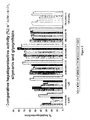
- Fig 2 shows comparative hepatoprotective activity (%) of acteoside, silymarin, and glycyrrhizia.
- The process of isolation of acteoside from different extracts (95% alc., 50% alc. and aqueous) of the plant is described in the examples appended herewith as Annexure-1. The HPLC graph confirming purity is enclosed as fig-1.
- The compound has been bioevaluated for hepatoprotective/antihepatotoxic activity by using a comprehensive study design annexed herewith as Annexure-2. The parameters studied during the bioevaluation to establish the bioefficacy and optimum dose were preferred using the kits (Clonital, Italy and Accurex Biomedical Pvt. Ltd Thane). The list of the parameters is given in Annexure-2 appended herewith. The dose response graphs with respect to different parameters in comparison with the standard drug with silymarin and glycyrrhizin are given in Annexure-3 appended herewith.
- The bioevaluation data for each dose of the acteoside as compared to reference materials viz. silymarin, glycyrrhizin, and required controls are given in the Table-1 which is appended herewith the invention. As is clear from the figure 2 and Table-1 all the parameters which were compromised after the administration of hepatotoxin CCl4 have a very good tendency to revert back to normal levels from a dose of 1.25 mg upto 5 mg/kg of acteoside. The overall percent protection provided by acteoside with reference to all the parameters studied in the invention is generally from 40-80%, and is better than that rendered by silymarin even at 10-20 times the dosage of acteoside.
- The optimum dose to achieve this protection with acteoside of the invention lies between 1.25 mg/kg and 2.5 mg/kg. Statistically, there is no significance observed between the three doses viz. 1.25, 2.5 and 5 mg/kg except when 1.25 mg/kg dose data is compared with that of 5mg/kg dose (Table-2). But no statistical significance is observable between higher doses i.e. 2.5mg/kg and 5 mg/kg. At the same time, similar observation holds fully well for dose effect between 1.25 and 2.5 mg/kg.
- The above-stated invention is elaborated in the form of examples and should not be construed to limit the scope of the invention
- Dried aerial parts of plant material Colebrookea oppositifolia (500 gm) were ground to a coarse powder. The powder was percolated with 95% ethanol for fourteen hours. Extraction process was repeated four times using total of 9 litres of 95% ethanol (3.0 +2.0 + 2.0 + 2.0 Litre, four extractions). All the four extracts were pooled and filtered clear of suspended particles. The supernatant was evaporated to dryness on a wiped film evaporator at 50±5°C. Residue obtained was 60.0 g, (coded as RJM/0862/P0S/A001) extractive value 12%.
- The extract was fractionated with CHCl3 , EtOAc and n-BuOH (2 x1 Litre each) successively. 15.0 g n-BuOH extract was subjected to adsorption chromatography after dissolving in minimum quantity of MeOH, and adsorbing on SiO2 gel, 100-200 mesh (100 gm.) Solvent was completely removed to get free flowing material. The adsorbed extract was charged in a glass column of 37.5 mm Ø. The column was eluted with solvents by gradually increasing the %age of MeOH in CHCl3, 105 fractions of 100 ml each were collected and pooled on the bases of TLC patterns checked by using EtOAc: HCOOH : H2O : : 8:1:1 as mobile phase. Spots were visualised by spraying with freshly prepared Borinate-PEG 4000 solution [1% solution of 2-aminoethyldiphenylborinate in MeOH and 5% solution of polyethylene glycol 4000 in EtOH (mixed 1:1 v/v before spraying)].
- Seven of the fractions showing same TLC pattern were pooled, dried and subjected to rechromatography using 100-200 mesh SiO2 gel column (1:20 ratio) and eluted with CHCl3 : MeOH mixtures of increasing polarity. In all 60 fractions of 200 ml each were collected. Eight of the fractions were pooled on the bases of TLC were dried and again subjected to column chromatography. 30 fractions of 100 ml each were collected. Six fractions were concentrated under reduced pressure. Residue was crystallised from MeOH / CHCl3 as a colourless amorphous powder, soluble in MeOH . Compound found at Rf 0.42 , (solvent system EtOAc: HCOOH : H2O: : 8:1:1) was coded as 862-II. The purity of 862-II was established on the basis of HPLC using following operating conditions.
Column : RP-18e (E-Merck, 5µm, 4.6 × 250 mm), at Mobile Phase : Acetonitrile (B) : 1.5% acetic acid in water (A) Flow rate : 1ml / min. λmax : 335 nm - The compound was established as Verbascoside on the basis of NMR (1H and 13C) and FABMS data.
- Dried aerial parts (500 gm) of Colebrookea oppositifolia were ground and percolated with 50% aqueous ethanol four times (50% EtOH, 4 x 2.5 Litre) for 14 hrs each. All the four extracts were pooled. The pooled aqueous extracts were centrifuged, clear supernatant was evaporated to dryness on a wiped film evaporator at 50 ± 5°C. The residue (90 g) was coded as RJM/0862/P08/A002 (extractive value 18%) and fractionated with CHCl3, EtOAc and n-BuOH successively.
- The n-BuOH ext. was chromatographed on a column of silica gel (60-120 mesh) eluted with a gradient of MeOH in CHCl3. The CHCl3 : T MeOH (5:1) eluate was rechromatographed on a silica gel (100-200 mesh) column using CHCl3-MeOH : H2O (6:1:0.1) as solvent. Fractions homogeneous on TLC were pooled, dried and charged on a sephadex LH-20 column, eluted with MeOH to produce two fractions of 500 ml each. Second fraction containing mainly the target compound (862-n) was subjected to further purification over a sephadex. LH-20. Column was eluted with MeOH: H2O (3:2) to afford a fraction, which on crystallisation from MeOH/CHCl3 yielded a colourless amorphous powder soluble in McOH , Rf0.42 (solvent system EtOAc:HCOOH : H2O:: S:1:1) .
- Standardisation of the extract RJM/OS62/POS/A002 was carried out on the basis of S62-II by HPLC using following operating conditions:
Column : RP- 1 8e (E-Merck, 5µm, 4.6×250 mm), at Mobile Phase : Acetonitrile (B) : 1.5% acetic acid in water (A) Flow rate : 1ml/min. λmax : 335 nm - The compound was established as Verbascoside on the basis of NMR (1H and 13C) and FABMS data.
- The %age of 862-II in the extract RJM/0862/P08/A002 was found to be 0.86.
- Colebrookea oppositifolia aerial parts (500 g) were ground to a coarse powder and then extracted with deionised water at 98± 1°C for 2 hrs. Extraction process was repeated four times using total water (1 + 3 x 0.7 Litre, four extractions). All the four extracts were pooled The pooled extract was centrifuged, the clear filtrate was lyophilized to get light yellow amorphous powder (yield 95 gm). Aqueous extract residue and coded as RJM/0862/P08/A003 (extractive value 19%) was fractionated with CHCl3 , EtOAc and n-BuOH successively.
- n-BuOH extract was subjected to adsorption chromatography on SiO2 gel, 60-120 mesh (150 gm). Solvent was completely removed to get free flowing material. A glass column of 1.5 inch dia was packed with 100 gm SiO2 gel, 60-120 mesh in EtOAc. The adsorbed material was charged in the column. The column was eluted with EtOAc and by gradually increasing the %age with MeOH. In all 120 fractions of 100 ml each were collected and pooled on the basis of TLC pattern (EtOAc: HCOOH : H2O :: 8:1:1 as developing solvent). Spots were visualised by spraying with freshly prepared Borinate-PEG 4000 solution [1% solution of 2-aminoethyldiphenylborinate in MeOH and 5% solution of polyethylene glycol 4000 in EtOH (mixed 1:1 v/v before spraying)].
- Fractions eluted in EtOAc and 10% MeOH showed same TLC pattern. These fractions were pooled, dried and then dissolved in minimum quantity of MeOH . Crystallisation was carried out by the addition of CHCl3 in small portions to methanol solution which yielded a colourless amorphous powder characterised as 862-II.
- Standardisation of the extract RJM/0862/P08/A003 was carried out on the basis of 862-II by HPLC using following operating conditions :
Column : RP-18e (E-Merck, 5µm, 4.6 x 250 mm), at Mobile Phase : Acetonitrile (B) : 1.5% acetic acid in water (A) Flow rate : 1ml / min. λmax : 335 nm - The compound was established as Verbascoside on the basis of NMR (1H and 13C) and FABMS data.
- The %age of 862-II in the extract RJM/0862/P08/A003 was found to be 0.22. 862-II, amorphous powder, mp 145-146°C,[α]21-85.6 [C 0.5% MeOH], MS: FABMS, [M+Na]+ m/z 647 was found to be a known Phenyl propanoid i.e., Verbascoside (Acteoside); [β-(3',4'-dihydroxyphenyl) ethyl -O-α-L-rhamnopyranosyl (1→3)-β-D-(4-O-caffeoyl)-glucopyranoside]. Structure was finally confirmed by 1H and 13CNMR data similar to that reported in literature (Andary C., Wylde, R. Laffite C., Privat G. and Wintemitz F. ; Laboratie de Botanique et Cryptogamie, Faculte de Pharmacie. 34000 Montpellier. France; Phytochemistry, 21 (5), 1123-1127 (1982).
-
1. Animals : Albino rats (Wistar, 150-180 g) either sex Albino mice (Swiss, 25-30 g) either sex 2. Hepatotoxin : Carbon tetrachloride (CCl4) 3. Study : Prophylactic 4. Treatment Schedule : 48h, 24h, 02h, before and 06h after toxin; blood & liver samples collection 18 h after last treatment of test material / reference standard. 5. Doses: Acteoside : 0.625, 1.25, 2.5 & 5.0 mg/ kg, p.o. Silymarin : 50 mg/ kg, p.o. Glycyrrhizin : 100 mg/kg, p.o. CCl4 : 1 ml/kg p.o. in liquid paraffin (1:1) 6. Parameters Serum Bilirubin: Jendrassik Method by using Kit supplied by Clonital, 24030-Carvico (BG)-Italy. Triglycerides: Enzymatic GFO-POD Method by the Kit supplied by Accurex BiomedicalPvt. Ltd., Thane Albumin: Colorimetric B.C.G. Method by the Kit supplied by Accurex Biomedical Pvt. Ltd., Thane Transaminases (ALT, & AST): Pyruvate formed by transamination reaction was determined spectrophotometrically after reaction with 2,4-dinitrophenylhydrazine (Reitman and Frankel, 1957). ALP: p-nitrophenol formed in alkaline medium was measured spectrophotometrically using p-nitrophenyl phosphate as substrate (Waler and Schutt, 1974). Liver homogenate: GSH: It was determined after deproteination by reaction with DTNB (Ellman 1959 as modified by David 1987). Lipid peroxidation :Thiobarbituric acid reacting substances were determined spectrophotometrically at 535 nm. By the method of Buege and Aust (1978). - Hepatoprotective activity (H) was calculated by the following equation :

- Where TC, VC, and V are drug + toxin, vehicle + toxin and vehicle treated groups of animals respectively.
Table-1: Hepatoprotective potential of Acteoside against CCl4 induced hepatic injury in Rodents Prophylactic). Treatment Dose mg/ kg Serum parametera Hepatic parameters GPT (Units) GOT (Units) ALPb Bilirubin (mg %) TG (mg %) Albumin (g %) LPc GSHd Vehicle - 90.76K ± 8.49 99.26±7.62 31.72±1.63 0.27±0.02 30.14±2.58 4.16±0.17 30.90±1.62 8.31±0278 Veh+ CCl4 - 1513.17±94. 21 1006.20±33. 43 76.40±3.68 0.76±0.02 90-85±4.12 2.76±0.11 84.35±3.97 3.25±0.17 Acteoside only (Per-se) 5 98.91±5,30 94.71±5.29 31.87±2.15 0.27±0.02 31.10±2.39 4.66±0.18 30.52±1.38 8.33±0.33 Acteoside + CCl4 0.625 852.27±47.9 3 (39.44) 673.82±56.2 8 (36.64) 66.80±3.53 (21.48) 0.70±0.03 (12.24) 80.15±3.53 (17.63) 3.06±0.07 (21.43) 61.08±3.39 (43.53) 4.66±0.28 (27.86) Acteoside + CCl4 1.25 787.56±57.4 9 (51.01) 503.42±48.9 5 (55.43) 59.10±3.09 (38.72) 0.59±0.03 (34.69) 74.38±3.78 (27.13) 3.25±0.14 (35.00) 52.61±2.25 (59.38) 5.93±0.32 (52.96) Acteoside + CCl4 2.5 662.62±39.8 0 (59.79) 471.81±26.4 0 (58.92) 51.20±1.42 (56.40) 0.50±0.03 (53.06) 59.85±1.88 (51.06) 3.55±0.22 (56.43) 45.46±2.79 (72.76) 6.72±0.28 (68.57) Acteoside + CCl4 5.0 573.10±28.2 5 (66.08) 366.89±26.9 7 (70.49) 46.37±1.89 (67.21) 0.42±0.02 (69.38) 49.31±1.47 (68.42) 3.91±0.12 (32.14) 44.22±1.66 (75.07) 7.02±0.46 (74.50) Silymarin + CCl4 50 665.48±50.0 8 (59.59) 506.88±31.8 2 (55.06) 52.47±2.43 (53.56) 0.48±0.02 (57.14) 58.94±3.35 (52.56) 3.55±0.22 (53.57) 55.23±4.66 (54.48) 6.28±0.32 (59.88) Glycyrrhizin +CCl4 100 746.87 ± 49.77 (53.87) 494.27 ± 36.28 (56.44) 55.63 ± 3.52 (46.48) 0.55 ± 0.04 (42.85) 65.31 ± 3.69 (42.07) 3.30 ± 0.12 (38.57) 54.37 ± 4.32 (56.08) 5.96 ±0.26 (53.55) a : Values represent mean ± SE of six animals in each group; Units : Each unit is µ mole pyruvate/min /L; b : µ mole of p-nitrophenol formed /min/L
c: lipid peroxidation (n mole MDA/g liver); d: glutathione (µ mole GSH/g liver).
: Within parenthesis % protection
: There is no effect on BP and Respiration in the doses of 30µg, 100µg, 300µg and 1 mg I.V. in rat as there is no change in base line.
: There is no change in the base line against the Histamine, 5-HT and Acetylcholine induced contraction on the isolated rat colon.Table- 2: Significance analysis between the doses of acteoside (1.25, 2.5 and 5.0 mg/kg, p.o. at Df. 10 (Student t test) Serum parametera Hepatic parameters Dose: Dose Student t test analysis GPT (Units) GOT (Units) ALPb Bilirubin (mg %) TG (mg %) Albumin (g %) LPc GSHd 1.25 : 2.5 (a : b) t value
P value*1.78 < 0.20NS 0.56 <0.20NS 2.32 <0.05 2.12 < 0.10NS 3.44 < 0.01 1.44 <0.10NS 1.99 <0.10NS 1.85 <0.10NS 1.25 : 5.0 (a : c) t value
P value*3.34 <0.01 2.44 < 0.05 3.51 <0.01 4.71 < 0.001 6.18 < 0.001 3.58 < 0.01 3.00 < 0.01 1.94 < 0.10NS 2.5 : 5.0 (b : c) t value
P value*1.83 <0.10NS 2.78 <0.02 2.04 <0.01NS 2.22 < 0.05 4.41 < 0.01 1.43 <0.10NS 0.38 <0.10NS 0.55 <0.10NS a : Values represent mean ± SE of six animals in each group;
Units: Each unit is µ mole pyruvate/min /L;
b : µ mole of p-nitrophenol formed /min/L
c: lipid peroxidation (n mole MDA/g liver);
d: glutathione (p mole GSH/g liver).
* p < 0.05, ** p < 0.01, P < 0.001, p > 0.05, [not significant] Student t test between the respective does.
Claims (9)
- A process of preparing Acteoside, said process comprising extracting acteoside from plant Colerbrookea oppositifolia.
- A process of isolation of pure Acteoside of high hepatoprotection from plant Colerbrookea oppositifolia, said process comprising steps of:a. drying aerial parts of the plant,b. grinding the dried parts into powder,c. percolating the powder with water or ethanol for 3-4 times to obtain an extract,d. filtering the extract for clearing suspended particles to obtain supernatant,e. drying the supernatant at about 45 to 55°C to obtain a residue,f. fractionating the residue with chloroform, ethyl acetate, and butanol successively,g. subjecting butanol fraction to adsorption chromatography of SiO2 after adding methanol to the fraction,h. charging the adsorbed fraction to glass column,i. eluting the column with solvents of increasing polarity of methanol :chloroform to obtain further fractions and repeating the process one more time,j. subjecting the fractions to column chromatography to obtain fractions,k. concentrating the fractions under reduced pressure to obtain acteoside as residue.
- A process as claimed in claim 1 or 2, wherein the extracts are aqueous and alcoholic extracts.
- A process as claimed in claim 1 or 2, wherein acteoside is about 1.0% (wt.) of the total extract.
- An extract from colerbrookea oppositifolia comprising Acteoside obtainable by the process according to claim or 2.
- Use of an extract according to claim 5 for the manufacture of a medicament for use in a method of protecting a subject against hepatotoxicity.
- Use of an extract according to claim 5 for the manufacture of a medicament for use in a method of protecting a subject against hepatotoxicity, said wherein the extract is to be administered to the subject with acteoside in a dosage ranging between 0.5 and 10.0 mg/kg bodyweight.
- Use of an extract according to claim 5 for the manufacture of a medicament for use in method of reducing in a subject abnormally elevated levels of serum glutamine transferase (GPT), serum glutamine transferase (GOT), serum alkaline phosphatase (ALP), Bilirubin, serum triglycerides (TG), lipid peroxidase (LP), albumin and/or reduced-glutathione, wherein the extract is to be administered to the subject with acteoside in an amount ranging between 0.5 and 10.0 mg/kg bodyweight.
- Use according to any one of claims 6 to 8, wherein acteoside is to be administered through P.O. routes.
Applications Claiming Priority (1)
| Application Number | Priority Date | Filing Date | Title |
|---|---|---|---|
| PCT/IB2003/001180 WO2004087184A1 (en) | 2003-03-31 | 2003-03-31 | Isolation of the hepatoprotective agent acteoside from colerbrokea oppositifolia |
Publications (2)
| Publication Number | Publication Date |
|---|---|
| EP1617853A1 EP1617853A1 (en) | 2006-01-25 |
| EP1617853B1 true EP1617853B1 (en) | 2007-10-24 |
Family
ID=33104924
Family Applications (1)
| Application Number | Title | Priority Date | Filing Date |
|---|---|---|---|
| EP03816508A Expired - Lifetime EP1617853B1 (en) | 2003-03-31 | 2003-03-31 | Isolation of the hepatoprotective agent acteoside from colerbrokea oppositifolia |
Country Status (7)
| Country | Link |
|---|---|
| EP (1) | EP1617853B1 (en) |
| JP (1) | JP4486508B2 (en) |
| CN (1) | CN100467033C (en) |
| AT (1) | ATE376426T1 (en) |
| AU (1) | AU2003215819A1 (en) |
| DE (1) | DE60317111T2 (en) |
| WO (1) | WO2004087184A1 (en) |
Families Citing this family (2)
| Publication number | Priority date | Publication date | Assignee | Title |
|---|---|---|---|---|
| CN109776631A (en) * | 2019-01-30 | 2019-05-21 | 中国人民解放军联勤保障部队第九二八医院 | A kind of preparation method of acteoside |
| CN117205131B (en) * | 2023-11-09 | 2024-01-26 | 云南雅赫生物科技有限公司 | Aqueous extract of calyx She Jianxing with skin whitening and antioxidant effects |
Family Cites Families (2)
| Publication number | Priority date | Publication date | Assignee | Title |
|---|---|---|---|---|
| JPH03271227A (en) * | 1990-03-20 | 1991-12-03 | Tsumura & Co | Therapeutic agent for treating diabetes mellitus |
| EP0576420B1 (en) * | 1991-03-21 | 1995-05-31 | Parfums Christian Dior | Novel derivative of caffeic acid, oraposide, cosmetic or pharmaceutical, particularly dermatological, composition containing it |
-
2003
- 2003-03-31 WO PCT/IB2003/001180 patent/WO2004087184A1/en not_active Ceased
- 2003-03-31 JP JP2004570051A patent/JP4486508B2/en not_active Expired - Lifetime
- 2003-03-31 AU AU2003215819A patent/AU2003215819A1/en not_active Abandoned
- 2003-03-31 EP EP03816508A patent/EP1617853B1/en not_active Expired - Lifetime
- 2003-03-31 CN CNB038265435A patent/CN100467033C/en not_active Expired - Fee Related
- 2003-03-31 DE DE60317111T patent/DE60317111T2/en not_active Expired - Lifetime
- 2003-03-31 AT AT03816508T patent/ATE376426T1/en not_active IP Right Cessation
Also Published As
| Publication number | Publication date |
|---|---|
| DE60317111D1 (en) | 2007-12-06 |
| JP4486508B2 (en) | 2010-06-23 |
| EP1617853A1 (en) | 2006-01-25 |
| CN1771048A (en) | 2006-05-10 |
| WO2004087184A1 (en) | 2004-10-14 |
| DE60317111T2 (en) | 2008-07-31 |
| AU2003215819A1 (en) | 2004-10-25 |
| CN100467033C (en) | 2009-03-11 |
| ATE376426T1 (en) | 2007-11-15 |
| JP2006514675A (en) | 2006-05-11 |
Similar Documents
| Publication | Publication Date | Title |
|---|---|---|
| Kamdem et al. | Mechanism of the superoxide scavenging activity of neoandrographolide− a natural product from Andrographis paniculata nees | |
| Hajhashemi et al. | Analgesic and anti-inflammatory properties of the hydroalcoholic, polyphenolic and boiled extracts of Stachys lavandulifolia | |
| Choi et al. | Antioxidant and α-glucosidase inhibitory phenolic constituents of Lactuca indica L. | |
| US6479080B2 (en) | Tanacetum parthenium extract and method of obtaining same | |
| Mohammed et al. | Roles of Suaeda vermiculata aqueous‐ethanolic extract, its subsequent fractions, and the isolated compounds in hepatoprotection against paracetamol‐induced toxicity as compared to silymarin | |
| Ulubelen et al. | Antifertility effects of some coumarins isolated from Ruta chalepensis and R. chalepensis var. latifolia in rodents | |
| Rajoria et al. | Evaluation of antiproliferative and hepatoprotective effects of wheat grass (Triticum aestivum) | |
| Xiao et al. | Progresses in the study of polysaccharide from medicinal plants of the Asclepiadaceae family | |
| JP4497566B2 (en) | Aldose reductase inhibitors and novel saponins and novel sapogenols | |
| Jain et al. | Effects of Tephrosia purpurea and Momordica dioica on streptozotocin-induced diabetic nephropathy in rats | |
| US6989162B2 (en) | Hepatoprotective agent of plant origin and a process thereof | |
| JP4486508B2 (en) | Isolation of the hepatoprotectant acteoside from Collerbrookeoppositifolia | |
| US5965540A (en) | Cinnamoyl-C-glycoside chromone isolated from aloe barbadensis | |
| CN104873566A (en) | Pharmaceutical composition with antihepatitis activity and application of pharmaceutical composition | |
| AU2003224361B2 (en) | Hepatoprotective activity of 2'-p-Hydroxybenzoylmussaenosidic acid | |
| Hassan et al. | UPLC-PDA-ESI-MS/MS analysis, isolation of chemical constituents, cytotoxic, antioxidant, antiviral and antimicrobial activities of the aerial parts of Lycium shawii roem. & schult | |
| JP2009286800A (en) | Isolation of liver protective agent acteoside from colerbrookea oppositifolia | |
| Babu et al. | Amelioration of cisplatin induced nephrotoxicity by standardized methanolic extract of roots of boerhaavia diffusa | |
| JP2003171349A (en) | Novel diterpenes, compositions using the same, anti-inflammatory agents, anti-cancer agents | |
| JP4071466B2 (en) | Novel orcinol derivatives | |
| Famobuwa et al. | Isolation and Characterization of Bergapten from the Root Bark of Ficus exasperata (Vahl) with Hypoglycemic Activity | |
| DE4021428A1 (en) | Anthelmintic agent to treat diseases due to worms - contg. carotenoid drug extracted from roots of cochlospermum angolense | |
| Mohammed et al. | Research Article Roles of Suaeda vermiculata Aqueous-Ethanolic Extract, Its Subsequent Fractions, and the Isolated Compounds in Hepatoprotection against Paracetamol-Induced Toxicity as Compared to Silymarin | |
| EP4495097A1 (en) | Furanocoumarin-free bakuchiol compositions and their method of preparation thereof | |
| WO2023209548A1 (en) | Leonotis leonurus extracts as a chemoprotectant and post-chemotherapeutic agent |
Legal Events
| Date | Code | Title | Description |
|---|---|---|---|
| PUAI | Public reference made under article 153(3) epc to a published international application that has entered the european phase |
Free format text: ORIGINAL CODE: 0009012 |
|
| 17P | Request for examination filed |
Effective date: 20051028 |
|
| AK | Designated contracting states |
Kind code of ref document: A1 Designated state(s): AT BE BG CH CY CZ DE DK EE ES FI FR GB GR HU IE IT LI LU MC NL PT RO SE SI SK TR |
|
| AX | Request for extension of the european patent |
Extension state: AL LT LV MK |
|
| DAX | Request for extension of the european patent (deleted) | ||
| 17Q | First examination report despatched |
Effective date: 20060802 |
|
| GRAP | Despatch of communication of intention to grant a patent |
Free format text: ORIGINAL CODE: EPIDOSNIGR1 |
|
| GRAS | Grant fee paid |
Free format text: ORIGINAL CODE: EPIDOSNIGR3 |
|
| GRAA | (expected) grant |
Free format text: ORIGINAL CODE: 0009210 |
|
| AK | Designated contracting states |
Kind code of ref document: B1 Designated state(s): AT BE BG CH CY CZ DE DK EE ES FI FR GB GR HU IE IT LI LU MC NL PT RO SE SI SK TR |
|
| REG | Reference to a national code |
Ref country code: GB Ref legal event code: FG4D |
|
| REG | Reference to a national code |
Ref country code: CH Ref legal event code: EP |
|
| REG | Reference to a national code |
Ref country code: IE Ref legal event code: FG4D |
|
| REF | Corresponds to: |
Ref document number: 60317111 Country of ref document: DE Date of ref document: 20071206 Kind code of ref document: P |
|
| NLV1 | Nl: lapsed or annulled due to failure to fulfill the requirements of art. 29p and 29m of the patents act | ||
| PG25 | Lapsed in a contracting state [announced via postgrant information from national office to epo] |
Ref country code: NL Free format text: LAPSE BECAUSE OF FAILURE TO SUBMIT A TRANSLATION OF THE DESCRIPTION OR TO PAY THE FEE WITHIN THE PRESCRIBED TIME-LIMIT Effective date: 20071024 Ref country code: CH Free format text: LAPSE BECAUSE OF FAILURE TO SUBMIT A TRANSLATION OF THE DESCRIPTION OR TO PAY THE FEE WITHIN THE PRESCRIBED TIME-LIMIT Effective date: 20071024 Ref country code: ES Free format text: LAPSE BECAUSE OF FAILURE TO SUBMIT A TRANSLATION OF THE DESCRIPTION OR TO PAY THE FEE WITHIN THE PRESCRIBED TIME-LIMIT Effective date: 20080204 Ref country code: LI Free format text: LAPSE BECAUSE OF FAILURE TO SUBMIT A TRANSLATION OF THE DESCRIPTION OR TO PAY THE FEE WITHIN THE PRESCRIBED TIME-LIMIT Effective date: 20071024 Ref country code: SE Free format text: LAPSE BECAUSE OF FAILURE TO SUBMIT A TRANSLATION OF THE DESCRIPTION OR TO PAY THE FEE WITHIN THE PRESCRIBED TIME-LIMIT Effective date: 20080124 |
|
| REG | Reference to a national code |
Ref country code: CH Ref legal event code: PL |
|
| PG25 | Lapsed in a contracting state [announced via postgrant information from national office to epo] |
Ref country code: PT Free format text: LAPSE BECAUSE OF FAILURE TO SUBMIT A TRANSLATION OF THE DESCRIPTION OR TO PAY THE FEE WITHIN THE PRESCRIBED TIME-LIMIT Effective date: 20080324 Ref country code: SI Free format text: LAPSE BECAUSE OF FAILURE TO SUBMIT A TRANSLATION OF THE DESCRIPTION OR TO PAY THE FEE WITHIN THE PRESCRIBED TIME-LIMIT Effective date: 20071024 Ref country code: BG Free format text: LAPSE BECAUSE OF FAILURE TO SUBMIT A TRANSLATION OF THE DESCRIPTION OR TO PAY THE FEE WITHIN THE PRESCRIBED TIME-LIMIT Effective date: 20080124 |
|
| ET | Fr: translation filed | ||
| PG25 | Lapsed in a contracting state [announced via postgrant information from national office to epo] |
Ref country code: AT Free format text: LAPSE BECAUSE OF FAILURE TO SUBMIT A TRANSLATION OF THE DESCRIPTION OR TO PAY THE FEE WITHIN THE PRESCRIBED TIME-LIMIT Effective date: 20071024 |
|
| PG25 | Lapsed in a contracting state [announced via postgrant information from national office to epo] |
Ref country code: CZ Free format text: LAPSE BECAUSE OF FAILURE TO SUBMIT A TRANSLATION OF THE DESCRIPTION OR TO PAY THE FEE WITHIN THE PRESCRIBED TIME-LIMIT Effective date: 20071024 Ref country code: DK Free format text: LAPSE BECAUSE OF FAILURE TO SUBMIT A TRANSLATION OF THE DESCRIPTION OR TO PAY THE FEE WITHIN THE PRESCRIBED TIME-LIMIT Effective date: 20071024 |
|
| PG25 | Lapsed in a contracting state [announced via postgrant information from national office to epo] |
Ref country code: BE Free format text: LAPSE BECAUSE OF FAILURE TO SUBMIT A TRANSLATION OF THE DESCRIPTION OR TO PAY THE FEE WITHIN THE PRESCRIBED TIME-LIMIT Effective date: 20071024 Ref country code: RO Free format text: LAPSE BECAUSE OF FAILURE TO SUBMIT A TRANSLATION OF THE DESCRIPTION OR TO PAY THE FEE WITHIN THE PRESCRIBED TIME-LIMIT Effective date: 20071024 Ref country code: SK Free format text: LAPSE BECAUSE OF FAILURE TO SUBMIT A TRANSLATION OF THE DESCRIPTION OR TO PAY THE FEE WITHIN THE PRESCRIBED TIME-LIMIT Effective date: 20071024 |
|
| PLBE | No opposition filed within time limit |
Free format text: ORIGINAL CODE: 0009261 |
|
| STAA | Information on the status of an ep patent application or granted ep patent |
Free format text: STATUS: NO OPPOSITION FILED WITHIN TIME LIMIT |
|
| 26N | No opposition filed |
Effective date: 20080725 |
|
| PG25 | Lapsed in a contracting state [announced via postgrant information from national office to epo] |
Ref country code: MC Free format text: LAPSE BECAUSE OF NON-PAYMENT OF DUE FEES Effective date: 20080331 |
|
| PG25 | Lapsed in a contracting state [announced via postgrant information from national office to epo] |
Ref country code: IE Free format text: LAPSE BECAUSE OF NON-PAYMENT OF DUE FEES Effective date: 20080331 Ref country code: EE Free format text: LAPSE BECAUSE OF FAILURE TO SUBMIT A TRANSLATION OF THE DESCRIPTION OR TO PAY THE FEE WITHIN THE PRESCRIBED TIME-LIMIT Effective date: 20071024 Ref country code: GR Free format text: LAPSE BECAUSE OF FAILURE TO SUBMIT A TRANSLATION OF THE DESCRIPTION OR TO PAY THE FEE WITHIN THE PRESCRIBED TIME-LIMIT Effective date: 20080125 |
|
| PG25 | Lapsed in a contracting state [announced via postgrant information from national office to epo] |
Ref country code: FI Free format text: LAPSE BECAUSE OF FAILURE TO SUBMIT A TRANSLATION OF THE DESCRIPTION OR TO PAY THE FEE WITHIN THE PRESCRIBED TIME-LIMIT Effective date: 20071024 |
|
| PG25 | Lapsed in a contracting state [announced via postgrant information from national office to epo] |
Ref country code: CY Free format text: LAPSE BECAUSE OF FAILURE TO SUBMIT A TRANSLATION OF THE DESCRIPTION OR TO PAY THE FEE WITHIN THE PRESCRIBED TIME-LIMIT Effective date: 20071024 |
|
| PG25 | Lapsed in a contracting state [announced via postgrant information from national office to epo] |
Ref country code: HU Free format text: LAPSE BECAUSE OF FAILURE TO SUBMIT A TRANSLATION OF THE DESCRIPTION OR TO PAY THE FEE WITHIN THE PRESCRIBED TIME-LIMIT Effective date: 20080425 Ref country code: LU Free format text: LAPSE BECAUSE OF NON-PAYMENT OF DUE FEES Effective date: 20080331 |
|
| PG25 | Lapsed in a contracting state [announced via postgrant information from national office to epo] |
Ref country code: TR Free format text: LAPSE BECAUSE OF FAILURE TO SUBMIT A TRANSLATION OF THE DESCRIPTION OR TO PAY THE FEE WITHIN THE PRESCRIBED TIME-LIMIT Effective date: 20071024 |
|
| PG25 | Lapsed in a contracting state [announced via postgrant information from national office to epo] |
Ref country code: IT Free format text: LAPSE BECAUSE OF NON-PAYMENT OF DUE FEES Effective date: 20080331 |
|
| REG | Reference to a national code |
Ref country code: FR Ref legal event code: PLFP Year of fee payment: 14 |
|
| REG | Reference to a national code |
Ref country code: FR Ref legal event code: PLFP Year of fee payment: 15 |
|
| REG | Reference to a national code |
Ref country code: FR Ref legal event code: PLFP Year of fee payment: 16 |
|
| PGFP | Annual fee paid to national office [announced via postgrant information from national office to epo] |
Ref country code: IT Payment date: 20190121 Year of fee payment: 14 |
|
| PGFP | Annual fee paid to national office [announced via postgrant information from national office to epo] |
Ref country code: DE Payment date: 20190528 Year of fee payment: 17 |
|
| REG | Reference to a national code |
Ref country code: DE Ref legal event code: R119 Ref document number: 60317111 Country of ref document: DE |
|
| PG25 | Lapsed in a contracting state [announced via postgrant information from national office to epo] |
Ref country code: DE Free format text: LAPSE BECAUSE OF NON-PAYMENT OF DUE FEES Effective date: 20201001 Ref country code: FR Free format text: LAPSE BECAUSE OF NON-PAYMENT OF DUE FEES Effective date: 20200331 |
|
| PGFP | Annual fee paid to national office [announced via postgrant information from national office to epo] |
Ref country code: GB Payment date: 20220314 Year of fee payment: 20 |
|
| REG | Reference to a national code |
Ref country code: GB Ref legal event code: PE20 Expiry date: 20230330 |
|
| PG25 | Lapsed in a contracting state [announced via postgrant information from national office to epo] |
Ref country code: GB Free format text: LAPSE BECAUSE OF EXPIRATION OF PROTECTION Effective date: 20230330 |