EP1616948A1 - Thioredoxin modification - Google Patents
Thioredoxin modification Download PDFInfo
- Publication number
- EP1616948A1 EP1616948A1 EP04724433A EP04724433A EP1616948A1 EP 1616948 A1 EP1616948 A1 EP 1616948A1 EP 04724433 A EP04724433 A EP 04724433A EP 04724433 A EP04724433 A EP 04724433A EP 1616948 A1 EP1616948 A1 EP 1616948A1
- Authority
- EP
- European Patent Office
- Prior art keywords
- cys
- amino acid
- pro
- acid sequence
- polypeptide
- Prior art date
- Legal status (The legal status is an assumption and is not a legal conclusion. Google has not performed a legal analysis and makes no representation as to the accuracy of the status listed.)
- Withdrawn
Links
- 108060008226 thioredoxin Proteins 0.000 title claims abstract description 43
- 229940094937 thioredoxin Drugs 0.000 title claims abstract description 41
- 102000002933 Thioredoxin Human genes 0.000 title claims abstract 11
- 230000004048 modification Effects 0.000 title description 5
- 238000012986 modification Methods 0.000 title description 5
- 108090000765 processed proteins & peptides Proteins 0.000 claims abstract description 59
- 102000004196 processed proteins & peptides Human genes 0.000 claims abstract description 51
- 229920001184 polypeptide Polymers 0.000 claims abstract description 50
- 125000003275 alpha amino acid group Chemical group 0.000 claims abstract description 45
- 235000001014 amino acid Nutrition 0.000 claims abstract description 43
- 150000001413 amino acids Chemical class 0.000 claims abstract description 43
- 230000006907 apoptotic process Effects 0.000 claims abstract description 24
- 125000000151 cysteine group Chemical group N[C@@H](CS)C(=O)* 0.000 claims abstract description 24
- 230000001939 inductive effect Effects 0.000 claims abstract description 16
- 108090000623 proteins and genes Proteins 0.000 claims description 25
- 239000002246 antineoplastic agent Substances 0.000 claims description 22
- 229940088623 biologically active substance Drugs 0.000 claims description 21
- 238000000034 method Methods 0.000 claims description 15
- 230000000694 effects Effects 0.000 claims description 14
- 238000006467 substitution reaction Methods 0.000 claims description 13
- 235000018102 proteins Nutrition 0.000 claims description 12
- 102000004169 proteins and genes Human genes 0.000 claims description 12
- 238000004519 manufacturing process Methods 0.000 claims description 8
- 206010028980 Neoplasm Diseases 0.000 claims description 7
- 230000001093 anti-cancer Effects 0.000 claims description 7
- 230000000295 complement effect Effects 0.000 claims description 7
- 238000012258 culturing Methods 0.000 claims description 7
- 239000013604 expression vector Substances 0.000 claims description 7
- 239000013598 vector Substances 0.000 claims description 7
- 201000011510 cancer Diseases 0.000 claims description 6
- 125000003607 serino group Chemical group [H]N([H])[C@]([H])(C(=O)[*])C(O[H])([H])[H] 0.000 claims description 6
- 108091033319 polynucleotide Proteins 0.000 claims description 4
- 102000040430 polynucleotide Human genes 0.000 claims description 4
- 239000002157 polynucleotide Substances 0.000 claims description 4
- 239000003623 enhancer Substances 0.000 claims description 3
- 239000008194 pharmaceutical composition Substances 0.000 claims description 3
- 238000003259 recombinant expression Methods 0.000 claims description 3
- MTCFGRXMJLQNBG-UHFFFAOYSA-N Serine Natural products OCC(N)C(O)=O MTCFGRXMJLQNBG-UHFFFAOYSA-N 0.000 claims description 2
- 125000000539 amino acid group Chemical group 0.000 claims description 2
- 239000003085 diluting agent Substances 0.000 claims description 2
- 239000003814 drug Substances 0.000 claims description 2
- 239000003937 drug carrier Substances 0.000 claims description 2
- 239000000203 mixture Substances 0.000 claims description 2
- 239000000546 pharmaceutical excipient Substances 0.000 claims description 2
- 230000004075 alteration Effects 0.000 abstract 1
- 238000007385 chemical modification Methods 0.000 abstract 1
- 102100036407 Thioredoxin Human genes 0.000 description 74
- 210000004027 cell Anatomy 0.000 description 58
- 108020004414 DNA Proteins 0.000 description 24
- 102220489643 Thioredoxin_C35S_mutation Human genes 0.000 description 11
- 241000588724 Escherichia coli Species 0.000 description 9
- 101000852559 Homo sapiens Thioredoxin Proteins 0.000 description 9
- 102000056461 human TXN Human genes 0.000 description 9
- 125000004432 carbon atom Chemical group C* 0.000 description 8
- DQLATGHUWYMOKM-UHFFFAOYSA-L cisplatin Chemical compound N[Pt](N)(Cl)Cl DQLATGHUWYMOKM-UHFFFAOYSA-L 0.000 description 7
- 229960004316 cisplatin Drugs 0.000 description 7
- 210000001744 T-lymphocyte Anatomy 0.000 description 5
- 230000001085 cytostatic effect Effects 0.000 description 5
- 239000013612 plasmid Substances 0.000 description 5
- 108010040476 FITC-annexin A5 Proteins 0.000 description 4
- 108010076504 Protein Sorting Signals Proteins 0.000 description 4
- 208000006990 cholangiocarcinoma Diseases 0.000 description 4
- 230000001276 controlling effect Effects 0.000 description 4
- 230000002708 enhancing effect Effects 0.000 description 4
- 238000000684 flow cytometry Methods 0.000 description 4
- 230000003834 intracellular effect Effects 0.000 description 4
- 230000035772 mutation Effects 0.000 description 4
- XJMOSONTPMZWPB-UHFFFAOYSA-M propidium iodide Chemical compound [I-].[I-].C12=CC(N)=CC=C2C2=CC=C(N)C=C2[N+](CCC[N+](C)(CC)CC)=C1C1=CC=CC=C1 XJMOSONTPMZWPB-UHFFFAOYSA-M 0.000 description 4
- RAXXELZNTBOGNW-UHFFFAOYSA-N 1H-imidazole Chemical compound C1=CNC=N1 RAXXELZNTBOGNW-UHFFFAOYSA-N 0.000 description 3
- 108010038807 Oligopeptides Proteins 0.000 description 3
- 102000015636 Oligopeptides Human genes 0.000 description 3
- 102000007056 Recombinant Fusion Proteins Human genes 0.000 description 3
- 108010008281 Recombinant Fusion Proteins Proteins 0.000 description 3
- 230000009471 action Effects 0.000 description 3
- 150000001875 compounds Chemical class 0.000 description 3
- 210000000172 cytosol Anatomy 0.000 description 3
- 239000012634 fragment Substances 0.000 description 3
- -1 nitro, amino Chemical group 0.000 description 3
- 239000006228 supernatant Substances 0.000 description 3
- 150000003573 thiols Chemical group 0.000 description 3
- 101150072359 trx gene Proteins 0.000 description 3
- 102100027765 Atlastin-2 Human genes 0.000 description 2
- AOJJSUZBOXZQNB-TZSSRYMLSA-N Doxorubicin Chemical compound O([C@H]1C[C@@](O)(CC=2C(O)=C3C(=O)C=4C=CC=C(C=4C(=O)C3=C(O)C=21)OC)C(=O)CO)[C@H]1C[C@H](N)[C@H](O)[C@H](C)O1 AOJJSUZBOXZQNB-TZSSRYMLSA-N 0.000 description 2
- 102000004190 Enzymes Human genes 0.000 description 2
- 108090000790 Enzymes Proteins 0.000 description 2
- LFQSCWFLJHTTHZ-UHFFFAOYSA-N Ethanol Chemical compound CCO LFQSCWFLJHTTHZ-UHFFFAOYSA-N 0.000 description 2
- 101000936988 Homo sapiens Atlastin-2 Proteins 0.000 description 2
- 101000954195 Homo sapiens Protein VAC14 homolog Proteins 0.000 description 2
- 241000714260 Human T-lymphotropic virus 1 Species 0.000 description 2
- 108010075639 MAP Kinase Kinase Kinase 5 Proteins 0.000 description 2
- 102100033127 Mitogen-activated protein kinase kinase kinase 5 Human genes 0.000 description 2
- 102000012338 Poly(ADP-ribose) Polymerases Human genes 0.000 description 2
- 108010061844 Poly(ADP-ribose) Polymerases Proteins 0.000 description 2
- 229920000776 Poly(Adenosine diphosphate-ribose) polymerase Polymers 0.000 description 2
- 239000012979 RPMI medium Substances 0.000 description 2
- PXIPVTKHYLBLMZ-UHFFFAOYSA-N Sodium azide Chemical compound [Na+].[N-]=[N+]=[N-] PXIPVTKHYLBLMZ-UHFFFAOYSA-N 0.000 description 2
- 101800001707 Spacer peptide Proteins 0.000 description 2
- 101710168651 Thioredoxin 1 Proteins 0.000 description 2
- 102220489637 Thioredoxin_C32S_mutation Human genes 0.000 description 2
- IQFYYKKMVGJFEH-XLPZGREQSA-N Thymidine Chemical compound O=C1NC(=O)C(C)=CN1[C@@H]1O[C@H](CO)[C@@H](O)C1 IQFYYKKMVGJFEH-XLPZGREQSA-N 0.000 description 2
- 108010018242 Transcription Factor AP-1 Proteins 0.000 description 2
- 102100023132 Transcription factor Jun Human genes 0.000 description 2
- 239000013543 active substance Substances 0.000 description 2
- 238000004458 analytical method Methods 0.000 description 2
- 239000000872 buffer Substances 0.000 description 2
- 239000002299 complementary DNA Substances 0.000 description 2
- 229940088598 enzyme Drugs 0.000 description 2
- 230000006870 function Effects 0.000 description 2
- 238000009396 hybridization Methods 0.000 description 2
- 150000002632 lipids Chemical class 0.000 description 2
- 230000007246 mechanism Effects 0.000 description 2
- 108020004707 nucleic acids Proteins 0.000 description 2
- 102000039446 nucleic acids Human genes 0.000 description 2
- 150000007523 nucleic acids Chemical class 0.000 description 2
- 239000008363 phosphate buffer Substances 0.000 description 2
- 239000000523 sample Substances 0.000 description 2
- 238000001262 western blot Methods 0.000 description 2
- STQGQHZAVUOBTE-UHFFFAOYSA-N 7-Cyan-hept-2t-en-4,6-diinsaeure Natural products C1=2C(O)=C3C(=O)C=4C(OC)=CC=CC=4C(=O)C3=C(O)C=2CC(O)(C(C)=O)CC1OC1CC(N)C(O)C(C)O1 STQGQHZAVUOBTE-UHFFFAOYSA-N 0.000 description 1
- 229920000936 Agarose Polymers 0.000 description 1
- 108700028369 Alleles Proteins 0.000 description 1
- 244000063299 Bacillus subtilis Species 0.000 description 1
- 235000014469 Bacillus subtilis Nutrition 0.000 description 1
- 241000894006 Bacteria Species 0.000 description 1
- 206010004593 Bile duct cancer Diseases 0.000 description 1
- 108091003079 Bovine Serum Albumin Proteins 0.000 description 1
- 206010006187 Breast cancer Diseases 0.000 description 1
- 208000026310 Breast neoplasm Diseases 0.000 description 1
- 108090000397 Caspase 3 Proteins 0.000 description 1
- 108090000567 Caspase 7 Proteins 0.000 description 1
- 102100035904 Caspase-1 Human genes 0.000 description 1
- 108090000426 Caspase-1 Proteins 0.000 description 1
- 102100029855 Caspase-3 Human genes 0.000 description 1
- 102100038902 Caspase-7 Human genes 0.000 description 1
- 206010008342 Cervix carcinoma Diseases 0.000 description 1
- 108010012236 Chemokines Proteins 0.000 description 1
- 102000019034 Chemokines Human genes 0.000 description 1
- 206010009944 Colon cancer Diseases 0.000 description 1
- 241000195493 Cryptophyta Species 0.000 description 1
- 108090000695 Cytokines Proteins 0.000 description 1
- 102000004127 Cytokines Human genes 0.000 description 1
- 238000001712 DNA sequencing Methods 0.000 description 1
- WEAHRLBPCANXCN-UHFFFAOYSA-N Daunomycin Natural products CCC1(O)CC(OC2CC(N)C(O)C(C)O2)c3cc4C(=O)c5c(OC)cccc5C(=O)c4c(O)c3C1 WEAHRLBPCANXCN-UHFFFAOYSA-N 0.000 description 1
- BWGNESOTFCXPMA-UHFFFAOYSA-N Dihydrogen disulfide Chemical compound SS BWGNESOTFCXPMA-UHFFFAOYSA-N 0.000 description 1
- GHASVSINZRGABV-UHFFFAOYSA-N Fluorouracil Chemical compound FC1=CNC(=O)NC1=O GHASVSINZRGABV-UHFFFAOYSA-N 0.000 description 1
- 241000233866 Fungi Species 0.000 description 1
- 208000022072 Gallbladder Neoplasms Diseases 0.000 description 1
- 102000003886 Glycoproteins Human genes 0.000 description 1
- 108090000288 Glycoproteins Proteins 0.000 description 1
- 206010073069 Hepatic cancer Diseases 0.000 description 1
- FBOZXECLQNJBKD-ZDUSSCGKSA-N L-methotrexate Chemical compound C=1N=C2N=C(N)N=C(N)C2=NC=1CN(C)C1=CC=C(C(=O)N[C@@H](CCC(O)=O)C(O)=O)C=C1 FBOZXECLQNJBKD-ZDUSSCGKSA-N 0.000 description 1
- 206010058467 Lung neoplasm malignant Diseases 0.000 description 1
- 229930192392 Mitomycin Natural products 0.000 description 1
- 102000016943 Muramidase Human genes 0.000 description 1
- 108010014251 Muramidase Proteins 0.000 description 1
- NWIBSHFKIJFRCO-WUDYKRTCSA-N Mytomycin Chemical compound C1N2C(C(C(C)=C(N)C3=O)=O)=C3[C@@H](COC(N)=O)[C@@]2(OC)[C@@H]2[C@H]1N2 NWIBSHFKIJFRCO-WUDYKRTCSA-N 0.000 description 1
- 108010062010 N-Acetylmuramoyl-L-alanine Amidase Proteins 0.000 description 1
- ZDZOTLJHXYCWBA-VCVYQWHSSA-N N-debenzoyl-N-(tert-butoxycarbonyl)-10-deacetyltaxol Chemical compound O([C@H]1[C@H]2[C@@](C([C@H](O)C3=C(C)[C@@H](OC(=O)[C@H](O)[C@@H](NC(=O)OC(C)(C)C)C=4C=CC=CC=4)C[C@]1(O)C3(C)C)=O)(C)[C@@H](O)C[C@H]1OC[C@]12OC(=O)C)C(=O)C1=CC=CC=C1 ZDZOTLJHXYCWBA-VCVYQWHSSA-N 0.000 description 1
- 108010057466 NF-kappa B Proteins 0.000 description 1
- 102000003945 NF-kappa B Human genes 0.000 description 1
- 229930012538 Paclitaxel Natural products 0.000 description 1
- 206010061902 Pancreatic neoplasm Diseases 0.000 description 1
- 229940124158 Protease/peptidase inhibitor Drugs 0.000 description 1
- 102000001253 Protein Kinase Human genes 0.000 description 1
- 230000002292 Radical scavenging effect Effects 0.000 description 1
- 208000015634 Rectal Neoplasms Diseases 0.000 description 1
- 102000000505 Ribonucleotide Reductases Human genes 0.000 description 1
- 108010041388 Ribonucleotide Reductases Proteins 0.000 description 1
- 240000004808 Saccharomyces cerevisiae Species 0.000 description 1
- 208000005718 Stomach Neoplasms Diseases 0.000 description 1
- 108091023040 Transcription factor Proteins 0.000 description 1
- 102000040945 Transcription factor Human genes 0.000 description 1
- 208000007097 Urinary Bladder Neoplasms Diseases 0.000 description 1
- 208000006105 Uterine Cervical Neoplasms Diseases 0.000 description 1
- JXLYSJRDGCGARV-WWYNWVTFSA-N Vinblastine Natural products O=C(O[C@H]1[C@](O)(C(=O)OC)[C@@H]2N(C)c3c(cc(c(OC)c3)[C@]3(C(=O)OC)c4[nH]c5c(c4CCN4C[C@](O)(CC)C[C@H](C3)C4)cccc5)[C@@]32[C@H]2[C@@]1(CC)C=CCN2CC3)C JXLYSJRDGCGARV-WWYNWVTFSA-N 0.000 description 1
- 230000002159 abnormal effect Effects 0.000 description 1
- 230000003213 activating effect Effects 0.000 description 1
- 230000004913 activation Effects 0.000 description 1
- 125000002252 acyl group Chemical group 0.000 description 1
- 238000007792 addition Methods 0.000 description 1
- 229940009456 adriamycin Drugs 0.000 description 1
- 125000003342 alkenyl group Chemical group 0.000 description 1
- 125000004183 alkoxy alkyl group Chemical group 0.000 description 1
- 125000000217 alkyl group Chemical group 0.000 description 1
- 125000000304 alkynyl group Chemical group 0.000 description 1
- AVKUERGKIZMTKX-NJBDSQKTSA-N ampicillin Chemical compound C1([C@@H](N)C(=O)N[C@H]2[C@H]3SC([C@@H](N3C2=O)C(O)=O)(C)C)=CC=CC=C1 AVKUERGKIZMTKX-NJBDSQKTSA-N 0.000 description 1
- 229960000723 ampicillin Drugs 0.000 description 1
- 210000004102 animal cell Anatomy 0.000 description 1
- 238000000137 annealing Methods 0.000 description 1
- 239000005557 antagonist Substances 0.000 description 1
- 239000003443 antiviral agent Substances 0.000 description 1
- 125000003710 aryl alkyl group Chemical group 0.000 description 1
- 125000003118 aryl group Chemical group 0.000 description 1
- 230000008901 benefit Effects 0.000 description 1
- 208000026900 bile duct neoplasm Diseases 0.000 description 1
- 230000004071 biological effect Effects 0.000 description 1
- 230000015572 biosynthetic process Effects 0.000 description 1
- 210000004899 c-terminal region Anatomy 0.000 description 1
- 229910052799 carbon Inorganic materials 0.000 description 1
- 230000030833 cell death Effects 0.000 description 1
- 230000003915 cell function Effects 0.000 description 1
- 230000010261 cell growth Effects 0.000 description 1
- 230000004663 cell proliferation Effects 0.000 description 1
- 230000001413 cellular effect Effects 0.000 description 1
- 238000005119 centrifugation Methods 0.000 description 1
- 201000010881 cervical cancer Diseases 0.000 description 1
- 239000013599 cloning vector Substances 0.000 description 1
- 208000029742 colonic neoplasm Diseases 0.000 description 1
- 238000010276 construction Methods 0.000 description 1
- 210000004748 cultured cell Anatomy 0.000 description 1
- 235000018417 cysteine Nutrition 0.000 description 1
- XUJNEKJLAYXESH-UHFFFAOYSA-N cysteine Natural products SCC(N)C(O)=O XUJNEKJLAYXESH-UHFFFAOYSA-N 0.000 description 1
- STQGQHZAVUOBTE-VGBVRHCVSA-N daunorubicin Chemical compound O([C@H]1C[C@@](O)(CC=2C(O)=C3C(=O)C=4C=CC=C(C=4C(=O)C3=C(O)C=21)OC)C(C)=O)[C@H]1C[C@H](N)[C@H](O)[C@H](C)O1 STQGQHZAVUOBTE-VGBVRHCVSA-N 0.000 description 1
- 238000012217 deletion Methods 0.000 description 1
- 230000037430 deletion Effects 0.000 description 1
- 239000005547 deoxyribonucleotide Substances 0.000 description 1
- 125000002637 deoxyribonucleotide group Chemical group 0.000 description 1
- 125000004663 dialkyl amino group Chemical group 0.000 description 1
- 229910001873 dinitrogen Inorganic materials 0.000 description 1
- 150000002016 disaccharides Chemical class 0.000 description 1
- 201000010099 disease Diseases 0.000 description 1
- 208000037265 diseases, disorders, signs and symptoms Diseases 0.000 description 1
- 150000004662 dithiols Chemical class 0.000 description 1
- 125000004185 ester group Chemical group 0.000 description 1
- VJJPUSNTGOMMGY-MRVIYFEKSA-N etoposide Chemical compound COC1=C(O)C(OC)=CC([C@@H]2C3=CC=4OCOC=4C=C3[C@@H](O[C@H]3[C@@H]([C@@H](O)[C@@H]4O[C@H](C)OC[C@H]4O3)O)[C@@H]3[C@@H]2C(OC3)=O)=C1 VJJPUSNTGOMMGY-MRVIYFEKSA-N 0.000 description 1
- 229960005420 etoposide Drugs 0.000 description 1
- 210000003527 eukaryotic cell Anatomy 0.000 description 1
- 239000012894 fetal calf serum Substances 0.000 description 1
- 229960002949 fluorouracil Drugs 0.000 description 1
- 210000000232 gallbladder Anatomy 0.000 description 1
- 201000010175 gallbladder cancer Diseases 0.000 description 1
- 206010017758 gastric cancer Diseases 0.000 description 1
- 150000004676 glycans Chemical class 0.000 description 1
- 125000005843 halogen group Chemical group 0.000 description 1
- HNDVDQJCIGZPNO-UHFFFAOYSA-N histidine Natural products OC(=O)C(N)CC1=CN=CN1 HNDVDQJCIGZPNO-UHFFFAOYSA-N 0.000 description 1
- 239000005556 hormone Substances 0.000 description 1
- 229940088597 hormone Drugs 0.000 description 1
- 239000000852 hydrogen donor Substances 0.000 description 1
- 125000002887 hydroxy group Chemical group [H]O* 0.000 description 1
- 125000002768 hydroxyalkyl group Chemical group 0.000 description 1
- 238000001727 in vivo Methods 0.000 description 1
- 150000002484 inorganic compounds Chemical class 0.000 description 1
- 229910010272 inorganic material Inorganic materials 0.000 description 1
- 238000003780 insertion Methods 0.000 description 1
- 230000037431 insertion Effects 0.000 description 1
- BPHPUYQFMNQIOC-NXRLNHOXSA-N isopropyl beta-D-thiogalactopyranoside Chemical compound CC(C)S[C@@H]1O[C@H](CO)[C@H](O)[C@H](O)[C@H]1O BPHPUYQFMNQIOC-NXRLNHOXSA-N 0.000 description 1
- 201000007270 liver cancer Diseases 0.000 description 1
- 208000014018 liver neoplasm Diseases 0.000 description 1
- 201000005202 lung cancer Diseases 0.000 description 1
- 208000020816 lung neoplasm Diseases 0.000 description 1
- 239000012139 lysis buffer Substances 0.000 description 1
- 229960000274 lysozyme Drugs 0.000 description 1
- 239000004325 lysozyme Substances 0.000 description 1
- 235000010335 lysozyme Nutrition 0.000 description 1
- 208000015486 malignant pancreatic neoplasm Diseases 0.000 description 1
- 210000004962 mammalian cell Anatomy 0.000 description 1
- 229960000485 methotrexate Drugs 0.000 description 1
- 239000003226 mitogen Substances 0.000 description 1
- 229960004857 mitomycin Drugs 0.000 description 1
- 102000035118 modified proteins Human genes 0.000 description 1
- 108091005573 modified proteins Proteins 0.000 description 1
- 150000002772 monosaccharides Chemical class 0.000 description 1
- 229910052757 nitrogen Inorganic materials 0.000 description 1
- 239000002773 nucleotide Substances 0.000 description 1
- 125000003729 nucleotide group Chemical group 0.000 description 1
- 150000002894 organic compounds Chemical class 0.000 description 1
- 125000000962 organic group Chemical group 0.000 description 1
- 229960001592 paclitaxel Drugs 0.000 description 1
- 201000002528 pancreatic cancer Diseases 0.000 description 1
- 208000008443 pancreatic carcinoma Diseases 0.000 description 1
- 239000000137 peptide hydrolase inhibitor Substances 0.000 description 1
- 210000003819 peripheral blood mononuclear cell Anatomy 0.000 description 1
- 229910052697 platinum Inorganic materials 0.000 description 1
- BASFCYQUMIYNBI-UHFFFAOYSA-N platinum Substances [Pt] BASFCYQUMIYNBI-UHFFFAOYSA-N 0.000 description 1
- 229920001282 polysaccharide Polymers 0.000 description 1
- 239000005017 polysaccharide Substances 0.000 description 1
- 210000001236 prokaryotic cell Anatomy 0.000 description 1
- 230000002062 proliferating effect Effects 0.000 description 1
- 238000011321 prophylaxis Methods 0.000 description 1
- 108060006633 protein kinase Proteins 0.000 description 1
- 238000000746 purification Methods 0.000 description 1
- 206010038038 rectal cancer Diseases 0.000 description 1
- 201000001275 rectum cancer Diseases 0.000 description 1
- 230000006697 redox regulation Effects 0.000 description 1
- 230000001105 regulatory effect Effects 0.000 description 1
- 108091008146 restriction endonucleases Proteins 0.000 description 1
- 239000012488 sample solution Substances 0.000 description 1
- 210000002966 serum Anatomy 0.000 description 1
- 230000019491 signal transduction Effects 0.000 description 1
- 238000002741 site-directed mutagenesis Methods 0.000 description 1
- 238000002415 sodium dodecyl sulfate polyacrylamide gel electrophoresis Methods 0.000 description 1
- 125000006850 spacer group Chemical group 0.000 description 1
- 201000011549 stomach cancer Diseases 0.000 description 1
- 125000001424 substituent group Chemical group 0.000 description 1
- 238000003786 synthesis reaction Methods 0.000 description 1
- RCINICONZNJXQF-MZXODVADSA-N taxol Chemical compound O([C@@H]1[C@@]2(C[C@@H](C(C)=C(C2(C)C)[C@H](C([C@]2(C)[C@@H](O)C[C@H]3OC[C@]3([C@H]21)OC(C)=O)=O)OC(=O)C)OC(=O)[C@H](O)[C@@H](NC(=O)C=1C=CC=CC=1)C=1C=CC=CC=1)O)C(=O)C1=CC=CC=C1 RCINICONZNJXQF-MZXODVADSA-N 0.000 description 1
- 229940063683 taxotere Drugs 0.000 description 1
- 230000002103 transcriptional effect Effects 0.000 description 1
- 230000001131 transforming effect Effects 0.000 description 1
- 238000011282 treatment Methods 0.000 description 1
- 201000005112 urinary bladder cancer Diseases 0.000 description 1
- 229960003048 vinblastine Drugs 0.000 description 1
- JXLYSJRDGCGARV-XQKSVPLYSA-N vincaleukoblastine Chemical compound C([C@@H](C[C@]1(C(=O)OC)C=2C(=CC3=C([C@]45[C@H]([C@@]([C@H](OC(C)=O)[C@]6(CC)C=CCN([C@H]56)CC4)(O)C(=O)OC)N3C)C=2)OC)C[C@@](C2)(O)CC)N2CCC2=C1NC1=CC=CC=C21 JXLYSJRDGCGARV-XQKSVPLYSA-N 0.000 description 1
- 229960004528 vincristine Drugs 0.000 description 1
- OGWKCGZFUXNPDA-XQKSVPLYSA-N vincristine Chemical compound C([N@]1C[C@@H](C[C@]2(C(=O)OC)C=3C(=CC4=C([C@]56[C@H]([C@@]([C@H](OC(C)=O)[C@]7(CC)C=CCN([C@H]67)CC5)(O)C(=O)OC)N4C=O)C=3)OC)C[C@@](C1)(O)CC)CC1=C2NC2=CC=CC=C12 OGWKCGZFUXNPDA-XQKSVPLYSA-N 0.000 description 1
- OGWKCGZFUXNPDA-UHFFFAOYSA-N vincristine Natural products C1C(CC)(O)CC(CC2(C(=O)OC)C=3C(=CC4=C(C56C(C(C(OC(C)=O)C7(CC)C=CCN(C67)CC5)(O)C(=O)OC)N4C=O)C=3)OC)CN1CCC1=C2NC2=CC=CC=C12 OGWKCGZFUXNPDA-UHFFFAOYSA-N 0.000 description 1
- 210000005253 yeast cell Anatomy 0.000 description 1
Images




Classifications
-
- C—CHEMISTRY; METALLURGY
- C12—BIOCHEMISTRY; BEER; SPIRITS; WINE; VINEGAR; MICROBIOLOGY; ENZYMOLOGY; MUTATION OR GENETIC ENGINEERING
- C12N—MICROORGANISMS OR ENZYMES; COMPOSITIONS THEREOF; PROPAGATING, PRESERVING, OR MAINTAINING MICROORGANISMS; MUTATION OR GENETIC ENGINEERING; CULTURE MEDIA
- C12N15/00—Mutation or genetic engineering; DNA or RNA concerning genetic engineering, vectors, e.g. plasmids, or their isolation, preparation or purification; Use of hosts therefor
- C12N15/09—Recombinant DNA-technology
-
- C—CHEMISTRY; METALLURGY
- C12—BIOCHEMISTRY; BEER; SPIRITS; WINE; VINEGAR; MICROBIOLOGY; ENZYMOLOGY; MUTATION OR GENETIC ENGINEERING
- C12N—MICROORGANISMS OR ENZYMES; COMPOSITIONS THEREOF; PROPAGATING, PRESERVING, OR MAINTAINING MICROORGANISMS; MUTATION OR GENETIC ENGINEERING; CULTURE MEDIA
- C12N9/00—Enzymes; Proenzymes; Compositions thereof; Processes for preparing, activating, inhibiting, separating or purifying enzymes
- C12N9/0004—Oxidoreductases (1.)
- C12N9/0012—Oxidoreductases (1.) acting on nitrogen containing compounds as donors (1.4, 1.5, 1.6, 1.7)
- C12N9/0036—Oxidoreductases (1.) acting on nitrogen containing compounds as donors (1.4, 1.5, 1.6, 1.7) acting on NADH or NADPH (1.6)
-
- A—HUMAN NECESSITIES
- A61—MEDICAL OR VETERINARY SCIENCE; HYGIENE
- A61P—SPECIFIC THERAPEUTIC ACTIVITY OF CHEMICAL COMPOUNDS OR MEDICINAL PREPARATIONS
- A61P35/00—Antineoplastic agents
-
- A—HUMAN NECESSITIES
- A61—MEDICAL OR VETERINARY SCIENCE; HYGIENE
- A61K—PREPARATIONS FOR MEDICAL, DENTAL OR TOILETRY PURPOSES
- A61K38/00—Medicinal preparations containing peptides
Definitions
- the present invention relates to a thioredoxin (referred to as "TRX") modification protein capable of controlling abnormal cell growth and/or cellular function caused by an endogenous and/or exogenous factor in vivo, and an essentially minimized peptide, DNA encoding the modified protein and the essentially minimized peptide, a recombinant expression vector comprising the DNA, a cell transformed with the DNA, methods for producing the modified TRX protein and the essentially minimized peptide, and a pharmaceutical or a pharmaceutical composition comprising the modified TRX protein and/or the essentially minimized peptide.
- TRX thioredoxin
- Thioredoxin is a small multifunctional protein of 12 kDa having redox-active disulfide/dithiol in its active site sequence, -Cys-Gly-Pro-Cys- ("Redox regulation of cellular activation" Ann. Rev. Immunol. 1997; 15:351-369.). Thioredoxin has been isolated and identified from various prokaryotic or eukaryotic organisms since it was isolated from Escherichia coli as an important enzyme for synthesis of deoxyribonucleotide, a hydrogen donor for ribonucleotide reductase.
- ADF adult T cell leukemia-derived factor
- IL-2 receptor inducing factor produced by T lymphocytes infected with HTLV-1
- human thioredoxin Intracellular thioredoxin plays important roles for radical scavenging and controlling transcription factors for redox such as activator protein-1 and nuclear factor- ⁇ B ("AP-1 transcriptional activity is regulated by a direct association between thioredoxin and Ref-1" 1997; 94: 3633-3638.).
- the human thioredoxin controls signal transduction of p38 mitogen activating protein kinase (MAPK) and apoptosis signal regulating kinase-1 (ASK-1).
- MAPK mitogen activating protein kinase
- ASK-1 apoptosis signal regulating kinase-1
- the present invention analyzes an intracellular controlling activity and a cell internalization activity of TRX, and intends to provide a modified TRX based on the activity and a method for producing the same.
- the present inventors analyzed an intracellular controlling activity and a cell internalization activity of TRX in detail, and consequently succeeded in identifying the internalization activity of extracellular human recombinant TRX wild type. Furthermore, they succeeded in producing a modified TRX based on the activity. That is, subjects of the present invention are as follows.
- Human thioredoxin herein means a polypeptide composed of 105 amino acids represented by SEQ ID NO:2.
- the hTRX of the present invention may be those belonging to thioredoxin superfamily in addition to the human thioredoxin, and those having polypeptides having -Cys-Gly-Pro-Cys-, -Cys-Pro-Tyr-Cys-, -Cys-Pro-His-Cys-, or -Cys-Pro-Pro-Cys- in their active center are exemplified. Among them, the polypeptides having a sequence -Cys-Gly-Pro-Cys- in their active center are preferable.
- an apoptosis-inducing activity and a cytostatic activity are expressed by converting a cysteine residue at position 35 into another amino acid to make a modified TRX, which is useful as an anti-cancer agent.
- a second embodiment of the invention is based on a finding that cell internalization of the modified TRX is dramatically increased by either converting the cysteine residue into another amino acid to make the modification or chemically modifying the cysteine residue (particularly thiol residue) to make the modified TRX, and it has been first demonstrated that an entity of the cell internalization facilitating effect is based on an amino acid sequence represented by -Cys-Gly-Pro-A, -Cys-Pro-Tyr-A-,-Cys-Pro-His-A- or -Cys-Pro-Pro-A- (A represents any amino acid other than Cys, or chemically modified cysteine).
- Cys at position 35 at the C terminal side of the above active center of the TRX may be substituted with any of 19 amino acids (Gly, Ala, Met, Ser, The, Lys, Arg, His, Val, Leu, Ile, Phe, Tyr, Trp, Pro, Gly, Asp, Gln, Asn), and is preferably substituted with Ser.
- the Chemically modified cysteine includes those chemically modified in which a thiol (SH) group of cysteine is substituted with a group represented by SR (R is any organic group, which includes, for example, straight or branched alkyl groups having 1 to 18 carbon atoms, straight or branched alkenyl groups having 2 to 18 carbon atoms, straight or branched alkynyl groups having 2 to 18 carbon atoms, straight or branched alkoxyalkyl groups having 2 to 18 carbon atoms, straight or branched hydroxyalkyl groups having 1 to 18 carbon atoms, acyl groups having 1 to 18 carbon atoms, aryl groups having 6 to 18 carbon atoms, aralkyl groups having 7 to 18 carbon atoms and the like, and these groups may be substituted with a substituent such as a halogen atom, hydroxyl, nitro, amino, monoalkylamino, dialkylamino, methoxy, carboxyl or ester group).
- SR
- the preferable modified thioredoxin and the gene encoding the modified thioredoxin of the present invention is shown in SEQ ID NO:11.
- modified thioredoxin of the invention expresses the apoptosis-inducing activity and the cytostatic activity and is useful as the anti-cancer agent.
- the modified thioredoxin of the invention can enhance the anti-cancer effect by combining with another anti-cancer agent.
- the modified thioredoxin can induce the anti-cancer effect, enhance the effect of the anti-cancer agent, and reduce side effects by combining with the anti-cancer agent at a concentration less than an effective amount for anti-cancer.
- the anti-cancer agents whose effect is enhanced by the combination include adriamycin, methotrexate, taxol, 5-fluorouracil, vinblastine, vincristine, mitomycin, cisplatin, daunomycin, etoposide, taxotere, and the like.
- modified thioredoxin of the present invention and the anti-cancer agent may be concurrently administered or may be separately administered.
- One preferable embodiment of the invention relates to a method for treating a cancer wherein the modified thioredoxin and the anti-cancer agent are administered.
- the cancers capable of being treated are not particularly limited, and include stomach cancer, colon cancer, rectal cancer, hepatic cancer, gall bladder/bile duct cancer, pancreatic cancer, lung cancer, breast cancer, urinary bladder cancer, cervical cancer and the like.
- a therapeutically effective amount of the anti-cancer agent composed of the modified thioredoxin of the present invention is about 0.01 to 100 mg per adult patient with cancer daily, and the therapeutically effective amount when used as an anti-cancer enhancer is about 0.001 to 10 mg.
- the modified thioredoxin of the invention can be produced based on the human thioredoxin of SEQ ID NO:2 by a gene-engineering technique known publicly.
- the modification has one or more substituted, deleted, added or inserted amino acids at positions except for the positions 32 and 35, preferably the positions 32 to 35 in the amino acid sequence of SEQ ID NO:2, and has the apoptosis-inducing activity.
- Such mutations include artificial mutations in addition to the naturally occurring mutations (e.g., alleles).
- a procedure for causing the artificial mutation can include, but is not limited to, site-directed mutagenesis (Nucleic Acids Res.
- the number of mutated amino acids is not limited as long as the apoptosis-inducing activity is not lost, but is preferably within 20 amino acids, more preferably within 15 amino acids, still more preferably within 10 amino acids and most preferably within 5 amino acids.
- a DNA encoding a human modified thioredoxin having a substitution of a cysteine residue at position 35 with another amino acid in an amino acid sequence of SEQ ID NO:2 or a DNA capable of hybridizing with a complementary chain thereof under a stringent condition and encoding a polypeptide having an apoptosis activity is included, and a protein encoded by the DNA has the apoptosis-inducing activity.
- the "stringent condition” herein refers to the condition where only the specific hybridization takes place whereas no non-specific hybridization takes place. Such a condition is typically concentrations equivalent to about "1 x SSC and 0.1% SDS at 37°C", preferably about "0.5 x SSC and 0.1% SDS at 42°C", and more preferably "0.2 x SSC and 0.1% SDS at 65°C”.
- the DNA of the present invention typically has high homology to the DNA (e.g., DNA described in SEQ ID NO:11) encoding the polypeptide of the invention where the position 35 has been mutated. The high homology indicates the homology of 75% or more, preferably 90% or more, more preferably 95% or more and particularly 99% or more.
- the protein of the present invention can be obtained by incorporating the gene of the invention described later into an expression vector and expressing in appropriate host cells.
- the vector it is possible to appropriately select and use those known publicly, e.g., pTrc-HisA and the like.
- the host cells include eukaryotic cells such as mammalian cells and yeast cells and prokaryotic cells such as cells from Escherichia coli, Bacillus subtilis, algae and fungi, and any of them may be used.
- the modified TRX expresses the apoptosis-inducing activity or the cytostatic activity because the modified TRX functions as an antagonist of the TRX when Cys at position 35 is substituted with another amino acid such as Ser.
- the modified TRX having the substitution at position 35 with another amino acid such as Ser is bound to a cell surface at Cys of position 32, no binding to the cell surface occurs at position 35 because of no Cys at position 35 and consequently the modified TRX is rapidly internalized in to the cell.
- This mechanism is also supported by the fact that all of a modified TRX of Ser 32 (Cys at position 35; SEQ ID N0:14), a modified TRX of Ser 32 Ser 35 (SEQ ID NO:13) and the wild type TRX (Cys at positions 32 and 35; SEQ ID NO:2) are scarcely internalized into the cell.
- the amino acid sequence represented by Cys-Gly-Pro-A, -Cys-Pro-Tyr-A-,-Cys-Pro-His-A- or -Cys-Pro-Pro-A- plays a role of a leader peptide to internalize a biologically active substance into the cells, and it is possible to internalize the biologically active substance which has been hardly internalized into the cells by binding the tetrapeptide to the biologically active substance.
- modified one herein is used as a term which encompasses both a variant and a modification.
- the biologically active substances include pharmaceutical compounds which are internalized to function, oligopeptides, polypeptides, monosaccharides, disaccharides or polysaccharides, lipids and the like, and preferably pharmaceutical compounds, oligopeptides and polypeptides (including glycoproteins) are exemplified. It is also possible to enhance selectivity for a target cell by binding an appropriate sequence to the N and C termini of the leader peptide comprising the above tetrapeptide.
- anti-cancer agents for the pharmaceutical compounds as the biologically active substances, anti-cancer agents, anti-viral agents and the like are exemplified.
- biologically active peptides enzymes, antibodies, hormones and the like are exemplified.
- the leader peptide of the present invention can bind the biologically active substance through a spacer peptide if necessary.
- the biologically active substance is a polypeptide
- the above leader peptide is bound to the biologically active polypeptide through the spacer peptide to make a complex, and it is possible to produce the complex by introducing a DNA encoding the complex into an appropriate recombinant vector, transforming a host of bacteria such as Escherichia coli, animal cells such as CHO, or yeast, and culturing the transformant.
- cleavable short chain peptide By introducing an intracellularly cleavable short chain peptide as the spacer, it is possible to intracellularly lead to the biologically active substance, particularly the biologically active oligopeptide or polypeptide.
- a cleavable peptide includes -AYVHDAPVK- which is the sequence of a cleaved site of human pro-interleukin-1B (pro-IL-1 ⁇ ) specifically cleaved by caspase-1 and -GDEVDGVK- which is the sequence of a cleaved site of human poly-ADP-ribose polymerase (PARP) cleaved by caspase-3 and -7 and so on.
- PARP poly-ADP-ribose polymerase
- E. coli Escherichia coli
- Cysteine residues at positions 32 and/or 35 present in the TRX polypeptide were substituted with serine residues by replacing nucleotides at the positions in the TRX gene of SEQ ID NO:1.
- a variant gene (TRX-C32S; SEQ ID NO:14) having the serine residue instead of the cysteine residue at position 32 was made by PCR with a plasmid DNA where the human TRX cDNA (SEQ ID NO:1) had been inserted into a vector pcDNA3.1 as a template using primers 5'-GGA TCC GTG AAG CAG ATC GAG AGC AAG-3' (SEQ ID NO:3) and 5'-CTT GAT CAT TTT GCA AGG CCC AGA CCA-3' (SEQ ID NO:5) as well as primers 5'-GTC GAC TTA GAC TAA TTC ATT AAT GGT GGC-3' (SEQ ID NO:4) and 5'-TGG TCT GGG CCT TGC AAA ATG ATC AAG-3'
- TRX-C35S SEQ ID NO:12
- TRX-C32S/C35S SEQ ID NO:13
- a variant gene having the serine residue instead of the cysteine residue at position 35 in TRX
- a variant gene TRX-C32S/C35S; SEQ ID NO:13
- TRX-C32S/C35S SEQ ID NO:13
- PCR PCR using the primers 5'-CTT GAT CAT TTT GGA AGG CCC ACA CCA-3' (SEQ ID NO:7) and 5'-TGG TGT GGG CCT TCC AAA ATG ATC AAG-3' (SEQ ID NO:8) or 5'-TGG TCT GGG CCT TCC AAA ATG ATC AAG-3' (SEQ ID NO:9) and 5'-CTT GAT CAT TTT GGA AGG CCC AGA CCA-3' (SEQ ID NO:10) instead of the primers used for making the TRX-C32S gene.
- TRX-WT The wild type TRX (TRX-WT) was obtained by amplifying the full length of TRX-WT by PCR with the plasmid DNA where the human TRX cDNA (SEQ ID NO:1) had been inserted into the vector pcDNA3.1 as the template DNA using primers 5'-GGA TCC GTG AAG CAG ATC GAG AGC AAG-3' (SEQ ID NO:3) and 5'-GTC GAC TTA GAC TAA TTC ATT AAT GGT GGC-3' (SEQ ID NO:4).
- TRX-WT, TRX-C32S, TRX-C35S or TRX-C32S/C35S amplified by PCR was ligated to a TOPO cloning vector (supplied from Invitrogen) and subsequently introduced into E . coli host cells.
- a plasmid DNA was collected from a transformed clone, and the sequence of an inserted DNA was identified by DNA sequencing. Subsequently, the plasmid DNA was cleaved with restriction enzymes, BamHI and SalI, the resulting fragment was ligated to a recombinant protein expression vector pQE80L (supplied from Qiagen) added a histidine tag, and then the E. coli host cells, XL-1 Blue were transformed.
- pQE80L supplied from Qiagen
- E. coli cells transformed with the plasmid DNA pQE80L in which the TRX wild type gene or the modified TRX gene had been inserted were seeded in 3L of terrific broth (BRL) (containing 100 ⁇ g/mL of ampicillin) after preculture, and cultured for 4 hours. Subsequently, IPTG was added at a final concentration of 1 mM, and the culture was continued for additional 2 to 4 hours.
- BBL terrific broth
- lysis buffer protease inhibitor, 0.8 mM Imidazol, 2-mercapt ethanol
- lysis buffer protease inhibitor, 0.8 mM Imidazol, 2-mercapt ethanol
- PBS Ni column had been previously replaced with PBS
- the column was washed with 20 mM imidazol-containing PBS, and the sample was eluted with 80 mM imidazol-containing PBS. The eluted sample solution was replaced with the PBS solution using a PD-10 column.
- Fluorescently labeled TRX-WT, TRX-C35S or TRX-C32S/C35S at a final concentration of 1 ⁇ g/ml was added to 5 x 10 5 cells of an HTLV-1 infected human T cell line, ATL2, incubated at 4°C for 30 minutes, and then washed with buffer (0.1% sodium azide-containing phosphate buffer) for flow cytometry. Analysis by the flow cytometry was performed (FIG. 1). As a result, it was identified that only the TRX-C35S could be bound to the cells. It was also identified that this binding was inhibited in the coexistence of the TRX-WT in a largely excessive amount (FIG. 2).
- the histidine-tagged recombinant protein, TRX-WT, TRX-C35S or TRX-C32S/C35S was added at a final concentration of 10 ⁇ g/ml to ATL2 cells, and incubated at 4°C or 37°C for one hour. Subsequently, the cells were collected, washed with the phosphate buffer, then, 1 x 10 7 cells were suspended in hypotonic buffer, and disrupted by a nitrogen gas cell homogenizer (suppled from Pearl). After centrifuging at 1,000 g, the supernatant was collected, and a cytosol fraction of the supernatant was collected by centrifugation at 10,000 g.
- the cytosol fraction was analyzed by Western blotting using SDS-polyacrylamide gel electrophoresis and an anti-TRX monoclonal antibody (FIG. 3). As a result, it was identified that only the TRX-C35S was detected in the cytosol fraction.
- a human T cell line, Jurkat into which the TRX-WT, TRX-C35S or TRX-C32S/C35S gene had been introduced was cultured in serum free RPMI medium for 72 hours to analyze induced apoptosis (FIG. 4). As a result, the apoptosis was further facilitated in Jurkat cells with intracellular high expression of the TRX-C35S compared with Jurkat cells to which the TRX-WT or TRX-C32S/C35S had been introduced.
- Cisplatin (CDDP; cis-platinum (II)-diammine dichloride, Sigma) at a final concentration of 3 ⁇ g/mL was added to cells with high expression of the TRX gene, which were established by introducing the wild type (WT)TRX, C32S/C35S derivative (CS)TRX or C35S derivative-TRX gene into the human T cell line, Jurkat. Annexin V-FITC and propidium iodide(Medical & Biological Laboratories CO., LTD) were bound to the cells after culturing for 24 hours, and the numbers of double-positive cells which exhibited the apoptosis were analyzed by the flow cytometer.
- WT wild type
- CS C32S/C35S derivative
- C35S derivative-TRX C35S derivative-TRX gene
- the recombinant C35S-TRX protein was added at a concentration of 10 ⁇ g/mL into the culture of the human T cell line, Jurkat, incubated for one hour or three hours, and then cisplatin was added at a final concentration of 3 ⁇ g/mL or 6 ⁇ g/mL.
- Annexin V-FITC and propidium iodide were bound to the cells after culturing for 24 hours, and the numbers of double-positive cells which exhibited the apoptosis were analyzed by the flow cytometer.
- the number of double-positive cells for Annexin V-FITC and propidium iodide was increased compared to the groups to which no recombinant protein had been added, and increased by about 2 times in the group with 3 ⁇ g/mL of cisplatin and by about 4 times in the group with 6 ⁇ g/mL of cisplatin.
- the effect was higher in the group pretreated with the C35S-TRX protein for 3 hours than the group pretreated for one hour.
- the modified TRX protein having the high cytostatic activity stably and on a large scale and develop the vector which takes advantage of the peptide sequences derived from the modified TRX capable of being rapidly internalized into the cells.
- the biologically active substance proteins, lipids, nucleic acids, organic compounds, inorganic compounds fused with the modified TRX protein or the peptide derived from the modified TRX can be utilized for the treatment and/or prophylaxis in various disease fields.
Landscapes
- Health & Medical Sciences (AREA)
- Life Sciences & Earth Sciences (AREA)
- Chemical & Material Sciences (AREA)
- Organic Chemistry (AREA)
- Genetics & Genomics (AREA)
- Engineering & Computer Science (AREA)
- Zoology (AREA)
- Bioinformatics & Cheminformatics (AREA)
- Wood Science & Technology (AREA)
- General Engineering & Computer Science (AREA)
- General Health & Medical Sciences (AREA)
- Biotechnology (AREA)
- Biomedical Technology (AREA)
- Microbiology (AREA)
- Medicinal Chemistry (AREA)
- Molecular Biology (AREA)
- Biochemistry (AREA)
- General Chemical & Material Sciences (AREA)
- Physics & Mathematics (AREA)
- Pharmacology & Pharmacy (AREA)
- Animal Behavior & Ethology (AREA)
- Chemical Kinetics & Catalysis (AREA)
- Veterinary Medicine (AREA)
- Nuclear Medicine, Radiotherapy & Molecular Imaging (AREA)
- Public Health (AREA)
- Biophysics (AREA)
- Plant Pathology (AREA)
- Peptides Or Proteins (AREA)
- Medicines That Contain Protein Lipid Enzymes And Other Medicines (AREA)
- Micro-Organisms Or Cultivation Processes Thereof (AREA)
- Preparation Of Compounds By Using Micro-Organisms (AREA)
Abstract
Description
- The present invention relates to a thioredoxin (referred to as "TRX") modification protein capable of controlling abnormal cell growth and/or cellular function caused by an endogenous and/or exogenous factor in vivo, and an essentially minimized peptide, DNA encoding the modified protein and the essentially minimized peptide, a recombinant expression vector comprising the DNA, a cell transformed with the DNA, methods for producing the modified TRX protein and the essentially minimized peptide, and a pharmaceutical or a pharmaceutical composition comprising the modified TRX protein and/or the essentially minimized peptide.
- Thioredoxin is a small multifunctional protein of 12 kDa having redox-active disulfide/dithiol in its active site sequence, -Cys-Gly-Pro-Cys- ("Redox regulation of cellular activation" Ann. Rev. Immunol. 1997; 15:351-369.). Thioredoxin has been isolated and identified from various prokaryotic or eukaryotic organisms since it was isolated from Escherichia coli as an important enzyme for synthesis of deoxyribonucleotide, a hydrogen donor for ribonucleotide reductase. An adult T cell leukemia-derived factor (ADF) has been first identified by the present inventors as an IL-2 receptor inducing factor produced by T lymphocytes infected with HTLV-1, and is human thioredoxin. Intracellular thioredoxin plays important roles for radical scavenging and controlling transcription factors for redox such as activator protein-1 and nuclear factor-κB ("AP-1 transcriptional activity is regulated by a direct association between thioredoxin and Ref-1" 1997; 94: 3633-3638.). In addition, the human thioredoxin controls signal transduction of p38 mitogen activating protein kinase (MAPK) and apoptosis signal regulating kinase-1 (ASK-1).
- Meanwhile, we have reported that the thioredoxin is released out of cells and acts as a cytokine or a chemokine, but its action mechanism has been unknown. It has not been reported that the extracellular TRX is internalized into the cell and that an cell internalization activity which is much higher than that in wild type TRX is produced by modifying a TRX active site.
- The present invention analyzes an intracellular controlling activity and a cell internalization activity of TRX, and intends to provide a modified TRX based on the activity and a method for producing the same.
-
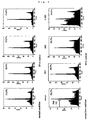
- FIG. 1 shows results of flow cytometric analysis in Example 2;
- FIG. 2 shows results of flow cytometric analysis in Example 2.
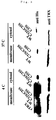
- FIG. 3 shows results of Western blotting in Example 2.
- FIG. 4 shows results of apoptosis analysis in Example 3.
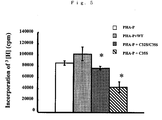
- FIG. 5 shows results of measuring uptake amounts of 3H-thymidine using a scintillation counter.
- FIG. 6 shows results of enhancing effect-1 on anti-cancer agent action in Example 4. In FIG. 6, CDDP(-) and CDDP(+) indicate the absence and presence of 3 µg/mL cisplatin, respectively. TRX-WT, TRX-CS and TRX-C35S indicate a wild type thioredoxin, a modified thioredoxin of two positions, C32S and C35S, and a modified thioredoxin of C35S, respectively. In CDDP(-), dead cells were increased by about four times in TRX-C35S compared with 4% (TRX-WT) and 3% (TRX-CS). In CDDP(+) (3 µg/mL), the dead cells in TRX-C35S (26%) were increased by 5 or 2 times compared with 5% (TRX-WT) or 13% (TRX-CS).
- FIG. 7 shows results of enhancing effect-2 on anti-cancer agent action in Example 4. In FIG. 7, CDDP, rec(-) and rec(+) indicate cisplatin, the absence and presence of the recombinant thioredoxin (C35S-TRX), respectively. An upper right quadrant represents double-positive which means a region indicating cell death (region having an anti-cancer effect). For example, when treated with C35S-TRX for one hour, the number of double-positive cells was increased by two times from 10% to 22% in the presence of 10 µg/mL C35S-TRX in CDDP (3 µg/mL). In CDDP (6 µg/mL), the number of the double-positive cells was increased by 4 times from 18% to 76%. Also, when treated with C35S-TRX for one hour, the number of double-positive cells was increased by 4.7 times from 7% to 33% in the presence of 10 µg/mL C35S-TRX in CDDP (3 µg/mL). In CDDP (6 µg/mL), the number of the double-positive cells was increased by 3 times from 23% to 70%.
- The present inventors analyzed an intracellular controlling activity and a cell internalization activity of TRX in detail, and consequently succeeded in identifying the internalization activity of extracellular human recombinant TRX wild type. Furthermore, they succeeded in producing a modified TRX based on the activity. That is, subjects of the present invention are as follows.
-
Item 1. A human modified thioredoxin composed of any of the following polypeptides:- (a) a polypeptide having an amino acid sequence having a substitution of a cysteine residue at position 35 with another amino acid in an amino acid sequence of SEQ ID NO:2;
- (b) a polypeptide having an amino acid sequence having a chemically modified cysteine residue at position 35 in the amino acid sequence of SEQ ID NO:2;
- (c) a polypeptide having an amino acid sequence having one or more substituted, deleted, inserted or added amino acids in positions except for positions 32 and 35, preferably positions 32 to 35 in the amino acid sequence of SEQ ID NO:2, and having an apoptosis-inducing activity; and
- (d) a polypeptide encoded by a DNA encoding a human modified thioredoxin having the substitution of the cysteine residue with another amino acid in the amino acid sequence of SEQ ID NO:2 or a DNA capable of hybridizing with a complementary chain thereof under a stringent condition.
- Item 2. The human modified thioredoxin according to
Item 1 wherein said another amino acid residue is serine. -
Item 3. A gene composed of any of the following DNA and encoding a human modified thioredoxin having an apoptosis-inducing activity:- (1) a polynucleotide encoding a polypeptide having an amino acid sequence having a substitution of a cysteine residue at position 35 with another amino acid in an amino acid sequence of SEQ ID NO:2 and further having one or more substituted, deleted, inserted or added amino acids in positions except for positions 32 and 35, preferably positions 32 to 35 in the amino acid sequence of SEQ ID NO:2, and having an apoptosis-inducing activity, or a complementary chain thereof; and
- (2) a DNA encoding a human modified thioredoxin having the substitution of the cysteine residue at position 35 with another amino acid in the amino acid sequence of SEQ ID NO:2 or a DNA capable of hybridizing with a complementary chain thereof under a stringent condition and encoding a polypeptide having an apoptosis activity.
-
Item 4. A recombinant expression vector expressibly incorporating the gene ofItem 3. -
Item 5. A transformant transformed with the expression vector ofItem 4. - Item 6. A method for producing a polypeptide having an apoptosis-inducing activity, the method comprising culturing the transformants of
Item 5. - Item 7. A polypeptide for cell internalization of a biologically active substance comprising an amino acid sequence represented by -Cys-Gly-Pro-A, -Cys-Pro-Tyr-A-,-Cys-Pro-His-A- or -Cys-Pro-Pro-A- (A represents any amino acid other than Cys).
- Item 8. Use of a polypeptide comprising an amino acid sequence represented by -Cys-Gly-Pro-A, -Cys-Pro-Tyr-A-,-Cys-Pro-His-A- or -Cys-Pro-Pro-A- (A represents any amino acid other than Cys) for cell internalization of a biologically active substance.
- Item 9. A method for producing a biologically active substance complex capable of being internalized into cells, the method comprising binding the biologically active substance to a polypeptide comprising an amino acid sequence represented by -Cys-Gly-Pro-A, -Cys-Pro-Tyr-A-,-Cys-Pro-His-A- or -Cys-Pro-Pro-A- (A represents any amino acid other than Cys).
- Item 10 A biologically active substance complex capable of being internalized into cells wherein the biologically active substance is bound to a polypeptide comprising an amino acid sequence represented by -Cys-Gly-Pro-A, -Cys-Pro-Tyr-A-,-Cys-Pro-His-A- or -Cys-Pro-Pro-A- (A represents any amino acid other than Cys).
- Item 11. The complex according to
Item 10 wherein the polypeptide comprising an amino acid sequence represented by -Cys-Gly-Pro-A, -Cys-Pro-Tyr-A-,-Cys-Pro-His-A- or -Cys-Pro-Pro-A- (A represents any amino acid other than Cys) is the polypeptide having an amino acid sequence having a substitution of a cysteine residue at position 35 with another amino acid in an amino acid sequence of SEQ ID NO:2. - Item 12. The complex according to
Item 10 or 11 wherein the above biologically active substance is a protein or a polypeptide. - Item 13. A method for producing a polypeptide complex capable of being internalized into cells, the method comprising culturing transformants transformed with a recombinant vector having a polynucleotide encoding the complex in which a biologically active polypeptide has been bound to a polypeptide comprising an amino acid sequence represented by -Cys-Gly-Pro-A, -Cys-Pro-Tyr-A-,-Cys-Pro-His-A- or -Cys-Pro-Pro-A- (A represents any amino acid other than Cys).
- Item 14. An anti-cancer agent composed of the modified thioredoxin according to
Item 1 or 2. - Item 15. An anti-cancer enhancer composed of the modified thioredoxin of
Item 1 or 2. - Item 16. An anti-cancer agent composition comprising the modified thioredoxin of
Item 1 or 2 and another anti-cancer agent. - Item 17. A method for treating a cancer, the method comprising administering the modified thioredoxin of
Item 1 or 2, if necessary, in combination with another anti-cancer agent to a patient with cancer. - Item 18. A medicine or a pharmaceutical composition comprising the complex of any of
Items 10 to 12 and if necessary a pharmaceutically acceptable carrier, excipient or diluting agent. - The present invention will be described in more detail below.
- Human thioredoxin (hTRX) herein means a polypeptide composed of 105 amino acids represented by SEQ ID NO:2.
- The hTRX of the present invention may be those belonging to thioredoxin superfamily in addition to the human thioredoxin, and those having polypeptides having -Cys-Gly-Pro-Cys-, -Cys-Pro-Tyr-Cys-, -Cys-Pro-His-Cys-, or -Cys-Pro-Pro-Cys- in their active center are exemplified. Among them, the polypeptides having a sequence -Cys-Gly-Pro-Cys- in their active center are preferable.
- In a first embodiment of the present invention, it has been found that an apoptosis-inducing activity and a cytostatic activity are expressed by converting a cysteine residue at position 35 into another amino acid to make a modified TRX, which is useful as an anti-cancer agent.
- A second embodiment of the invention is based on a finding that cell internalization of the modified TRX is dramatically increased by either converting the cysteine residue into another amino acid to make the modification or chemically modifying the cysteine residue (particularly thiol residue) to make the modified TRX, and it has been first demonstrated that an entity of the cell internalization facilitating effect is based on an amino acid sequence represented by -Cys-Gly-Pro-A, -Cys-Pro-Tyr-A-,-Cys-Pro-His-A- or -Cys-Pro-Pro-A- (A represents any amino acid other than Cys, or chemically modified cysteine).
- Cys at position 35 at the C terminal side of the above active center of the TRX may be substituted with any of 19 amino acids (Gly, Ala, Met, Ser, The, Lys, Arg, His, Val, Leu, Ile, Phe, Tyr, Trp, Pro, Gly, Asp, Gln, Asn), and is preferably substituted with Ser.
- The Chemically modified cysteine includes those chemically modified in which a thiol (SH) group of cysteine is substituted with a group represented by SR (R is any organic group, which includes, for example, straight or branched alkyl groups having 1 to 18 carbon atoms, straight or branched alkenyl groups having 2 to 18 carbon atoms, straight or branched alkynyl groups having 2 to 18 carbon atoms, straight or branched alkoxyalkyl groups having 2 to 18 carbon atoms, straight or branched hydroxyalkyl groups having 1 to 18 carbon atoms, acyl groups having 1 to 18 carbon atoms, aryl groups having 6 to 18 carbon atoms, aralkyl groups having 7 to 18 carbon atoms and the like, and these groups may be substituted with a substituent such as a halogen atom, hydroxyl, nitro, amino, monoalkylamino, dialkylamino, methoxy, carboxyl or ester group). Such a chemically modified TRX can be easily synthesized by a publicly known method.
- The preferable modified thioredoxin and the gene encoding the modified thioredoxin of the present invention is shown in SEQ ID NO:11.
- It has been found that the modified thioredoxin of the invention expresses the apoptosis-inducing activity and the cytostatic activity and is useful as the anti-cancer agent.
- Furthermore, the modified thioredoxin of the invention can enhance the anti-cancer effect by combining with another anti-cancer agent. In particular, the modified thioredoxin can induce the anti-cancer effect, enhance the effect of the anti-cancer agent, and reduce side effects by combining with the anti-cancer agent at a concentration less than an effective amount for anti-cancer.
- The anti-cancer agents whose effect is enhanced by the combination include adriamycin, methotrexate, taxol, 5-fluorouracil, vinblastine, vincristine, mitomycin, cisplatin, daunomycin, etoposide, taxotere, and the like.
- The modified thioredoxin of the present invention and the anti-cancer agent may be concurrently administered or may be separately administered.
- One preferable embodiment of the invention relates to a method for treating a cancer wherein the modified thioredoxin and the anti-cancer agent are administered.
- The cancers capable of being treated are not particularly limited, and include stomach cancer, colon cancer, rectal cancer, hepatic cancer, gall bladder/bile duct cancer, pancreatic cancer, lung cancer, breast cancer, urinary bladder cancer, cervical cancer and the like.
- A therapeutically effective amount of the anti-cancer agent composed of the modified thioredoxin of the present invention is about 0.01 to 100 mg per adult patient with cancer daily, and the therapeutically effective amount when used as an anti-cancer enhancer is about 0.001 to 10 mg.
- In one preferable embodiment of the present invention, the modified thioredoxin of the invention can be produced based on the human thioredoxin of SEQ ID NO:2 by a gene-engineering technique known publicly. The modification has one or more substituted, deleted, added or inserted amino acids at positions except for the positions 32 and 35, preferably the positions 32 to 35 in the amino acid sequence of SEQ ID NO:2, and has the apoptosis-inducing activity. Such mutations (substitution, deletion, addition and insertion) include artificial mutations in addition to the naturally occurring mutations (e.g., alleles). A procedure for causing the artificial mutation can include, but is not limited to, site-directed mutagenesis (Nucleic Acids Res. 10, 6487-6500, 1982) and the like. The number of mutated amino acids is not limited as long as the apoptosis-inducing activity is not lost, but is preferably within 20 amino acids, more preferably within 15 amino acids, still more preferably within 10 amino acids and most preferably within 5 amino acids.
- In another preferable embodiment of the present invention, a DNA encoding a human modified thioredoxin having a substitution of a cysteine residue at position 35 with another amino acid in an amino acid sequence of SEQ ID NO:2 or a DNA capable of hybridizing with a complementary chain thereof under a stringent condition and encoding a polypeptide having an apoptosis activity is included, and a protein encoded by the DNA has the apoptosis-inducing activity.
- The "stringent condition" herein refers to the condition where only the specific hybridization takes place whereas no non-specific hybridization takes place. Such a condition is typically concentrations equivalent to about "1 x SSC and 0.1% SDS at 37°C", preferably about "0.5 x SSC and 0.1% SDS at 42°C", and more preferably "0.2 x SSC and 0.1% SDS at 65°C". The DNA of the present invention typically has high homology to the DNA (e.g., DNA described in SEQ ID NO:11) encoding the polypeptide of the invention where the position 35 has been mutated. The high homology indicates the homology of 75% or more, preferably 90% or more, more preferably 95% or more and particularly 99% or more.
- The protein of the present invention can be obtained by incorporating the gene of the invention described later into an expression vector and expressing in appropriate host cells. As the vector, it is possible to appropriately select and use those known publicly, e.g., pTrc-HisA and the like. The host cells include eukaryotic cells such as mammalian cells and yeast cells and prokaryotic cells such as cells from Escherichia coli, Bacillus subtilis, algae and fungi, and any of them may be used.
- Without intending to be limited by theory, it is believed that the modified TRX expresses the apoptosis-inducing activity or the cytostatic activity because the modified TRX functions as an antagonist of the TRX when Cys at position 35 is substituted with another amino acid such as Ser.
- Furthermore, it is believed that the modified TRX having the substitution at position 35 with another amino acid such as Ser is bound to a cell surface at Cys of position 32, no binding to the cell surface occurs at position 35 because of no Cys at position 35 and consequently the modified TRX is rapidly internalized in to the cell. This mechanism is also supported by the fact that all of a modified TRX of Ser32 (Cys at position 35; SEQ ID N0:14), a modified TRX of Ser32Ser35 (SEQ ID NO:13) and the wild type TRX (Cys at positions 32 and 35; SEQ ID NO:2) are scarcely internalized into the cell.
- That is, it is obvious that the amino acid sequence represented by Cys-Gly-Pro-A, -Cys-Pro-Tyr-A-,-Cys-Pro-His-A- or -Cys-Pro-Pro-A- (A represents any amino acid other than Cys), particularly Cys-Gly-Pro-A (A is the same as the above) plays a role of a leader peptide to internalize a biologically active substance into the cells, and it is possible to internalize the biologically active substance which has been hardly internalized into the cells by binding the tetrapeptide to the biologically active substance.
- The "modified one" herein is used as a term which encompasses both a variant and a modification.
- The biologically active substances include pharmaceutical compounds which are internalized to function, oligopeptides, polypeptides, monosaccharides, disaccharides or polysaccharides, lipids and the like, and preferably pharmaceutical compounds, oligopeptides and polypeptides (including glycoproteins) are exemplified. It is also possible to enhance selectivity for a target cell by binding an appropriate sequence to the N and C termini of the leader peptide comprising the above tetrapeptide.
- For the pharmaceutical compounds as the biologically active substances, anti-cancer agents, anti-viral agents and the like are exemplified. As biologically active peptides, enzymes, antibodies, hormones and the like are exemplified.
- The leader peptide of the present invention can bind the biologically active substance through a spacer peptide if necessary. For example, when the biologically active substance is a polypeptide, the above leader peptide is bound to the biologically active polypeptide through the spacer peptide to make a complex, and it is possible to produce the complex by introducing a DNA encoding the complex into an appropriate recombinant vector, transforming a host of bacteria such as Escherichia coli, animal cells such as CHO, or yeast, and culturing the transformant.
- By introducing an intracellularly cleavable short chain peptide as the spacer, it is possible to intracellularly lead to the biologically active substance, particularly the biologically active oligopeptide or polypeptide. Such a cleavable peptide includes -AYVHDAPVK- which is the sequence of a cleaved site of human pro-interleukin-1B (pro-IL-1β) specifically cleaved by caspase-1 and -GDEVDGVK- which is the sequence of a cleaved site of human poly-ADP-ribose polymerase (PARP) cleaved by caspase-3 and -7 and so on.
- The present invention will be described in more detail with reference to the following Examples, but these Examples are for illustrating and do not limit the scope of the invention.
- Cysteine residues at positions 32 and/or 35 present in the TRX polypeptide were substituted with serine residues by replacing nucleotides at the positions in the TRX gene of SEQ ID NO:1. A variant gene (TRX-C32S; SEQ ID NO:14) having the serine residue instead of the cysteine residue at position 32 was made by PCR with a plasmid DNA where the human TRX cDNA (SEQ ID NO:1) had been inserted into a vector pcDNA3.1 as a template using primers 5'-GGA TCC GTG AAG CAG ATC GAG AGC AAG-3' (SEQ ID NO:3) and 5'-CTT GAT CAT TTT GCA AGG CCC AGA CCA-3' (SEQ ID NO:5) as well as primers 5'-GTC GAC TTA GAC TAA TTC ATT AAT GGT GGC-3' (SEQ ID NO:4) and 5'-TGG TCT GGG CCT TGC AAA ATG ATC AAG-3' (SEQ ID NO:6). Subsequently, amplified two DNA fragments were mixed at an equal amount, further the primers 5'-GGA TCC GTG AAG CAG ATC GAG AGC AAG-3' (SEQ ID NO:3) and 5'-GTC GAC TTA GAC TAA TTC ATT AAT GGT GGC-3' (SEQ ID NO:4) were added, and then a full length of TRX-C32S was amplified by PCR. The PCR was performed under a cycle condition at 95°C for one minutes, 56°C for one minutes for annealing and 72°C for two minutes for extension. Likewise, a variant gene (TRX-C35S; SEQ ID NO:12) having the serine residue instead of the cysteine residue at position 35 in TRX or a variant gene (TRX-C32S/C35S; SEQ ID NO:13) having the serine residues instead of the cysteine residues at positions 32 and 35 in TRX were made by PCR using the primers 5'-CTT GAT CAT TTT GGA AGG CCC ACA CCA-3' (SEQ ID NO:7) and 5'-TGG TGT GGG CCT TCC AAA ATG ATC AAG-3' (SEQ ID NO:8) or 5'-TGG TCT GGG CCT TCC AAA ATG ATC AAG-3' (SEQ ID NO:9) and 5'-CTT GAT CAT TTT GGA AGG CCC AGA CCA-3' (SEQ ID NO:10) instead of the primers used for making the TRX-C32S gene. The wild type TRX (TRX-WT)was obtained by amplifying the full length of TRX-WT by PCR with the plasmid DNA where the human TRX cDNA (SEQ ID NO:1) had been inserted into the vector pcDNA3.1 as the template DNA using primers 5'-GGA TCC GTG AAG CAG ATC GAG AGC AAG-3' (SEQ ID NO:3) and 5'-GTC GAC TTA GAC TAA TTC ATT AAT GGT GGC-3' (SEQ ID NO:4). The DNA fragment of TRX-WT, TRX-C32S, TRX-C35S or TRX-C32S/C35S amplified by PCR was ligated to a TOPO cloning vector (supplied from Invitrogen) and subsequently introduced into E. coli host cells. A plasmid DNA was collected from a transformed clone, and the sequence of an inserted DNA was identified by DNA sequencing. Subsequently, the plasmid DNA was cleaved with restriction enzymes, BamHI and SalI, the resulting fragment was ligated to a recombinant protein expression vector pQE80L (supplied from Qiagen) added a histidine tag, and then the E. coli host cells, XL-1 Blue were transformed.
- E. coli cells transformed with the plasmid DNA pQE80L in which the TRX wild type gene or the modified TRX gene had been inserted were seeded in 3L of terrific broth (BRL) (containing 100 µg/mL of ampicillin) after preculture, and cultured for 4 hours. Subsequently, IPTG was added at a final concentration of 1 mM, and the culture was continued for additional 2 to 4 hours.
- Collected cells were suspended in lysis buffer (protease inhibitor, 0.8 mM Imidazol, 2-mercapt ethanol) containing 2 mM lysozyme, and disrupted by a sonicator. After centrifuging at 15,000 rpm for 30 minutes, a supernatant was collected, and applied on an Ni agarose column (supplied from Qiagen) equilibrated with PBS (Ni column had been previously replaced with PBS). After applying the sample, the column was washed with 20 mM imidazol-containing PBS, and the sample was eluted with 80 mM imidazol-containing PBS. The eluted sample solution was replaced with the PBS solution using a PD-10 column.
- Fluorescently labeled TRX-WT, TRX-C35S or TRX-C32S/C35S at a final concentration of 1 µg/ml was added to 5 x 10⁵ cells of an HTLV-1 infected human T cell line, ATL2, incubated at 4°C for 30 minutes, and then washed with buffer (0.1% sodium azide-containing phosphate buffer) for flow cytometry. Analysis by the flow cytometry was performed (FIG. 1). As a result, it was identified that only the TRX-C35S could be bound to the cells. It was also identified that this binding was inhibited in the coexistence of the TRX-WT in a largely excessive amount (FIG. 2).
- The histidine-tagged recombinant protein, TRX-WT, TRX-C35S or TRX-C32S/C35S was added at a final concentration of 10 µg/ml to ATL2 cells, and incubated at 4°C or 37°C for one hour. Subsequently, the cells were collected, washed with the phosphate buffer, then, 1 x 10⁷ cells were suspended in hypotonic buffer, and disrupted by a nitrogen gas cell homogenizer (suppled from Pearl). After centrifuging at 1,000 g, the supernatant was collected, and a cytosol fraction of the supernatant was collected by centrifugation at 10,000 g. The cytosol fraction was analyzed by Western blotting using SDS-polyacrylamide gel electrophoresis and an anti-TRX monoclonal antibody (FIG. 3). As a result, it was identified that only the TRX-C35S was detected in the cytosol fraction.
- A human T cell line, Jurkat into which the TRX-WT, TRX-C35S or TRX-C32S/C35S gene had been introduced was cultured in serum free RPMI medium for 72 hours to analyze induced apoptosis (FIG. 4). As a result, the apoptosis was further facilitated in Jurkat cells with intracellular high expression of the TRX-C35S compared with Jurkat cells to which the TRX-WT or TRX-C32S/C35S had been introduced.
- Human peripheral blood mononuclear cells at 5 x 10⁵ were suspended in 1 ml of 10% fetal calf serum-containing RPMI medium, then PHA at a final concentration of 28 ng/mL and 10 µg/mL of the TRX-WT, TRX-C32S/C35S or TRX-C35S were added and cultured. After 96 hours, 3H-thymidine was added and uptake amounts thereof was measured by a scintillation counter (FIG. 5). As a result, it was identified that cell proliferative capacity was increased in the cells with the recombinant TRX-WT protein whereas the cell proliferation was inhibited in the cells with the recombinant TRX-C35S protein, compared to the cells with no TRX.
- Cisplatin (CDDP; cis-platinum (II)-diammine dichloride, Sigma) at a final concentration of 3 µg/mL was added to cells with high expression of the TRX gene, which were established by introducing the wild type (WT)TRX, C32S/C35S derivative (CS)TRX or C35S derivative-TRX gene into the human T cell line, Jurkat. Annexin V-FITC and propidium iodide(Medical & Biological Laboratories CO., LTD) were bound to the cells after culturing for 24 hours, and the numbers of double-positive cells which exhibited the apoptosis were analyzed by the flow cytometer. As a result, it was identified that the number of the dead cells which were double-positive for Annexin V-FITC and propidium iodide in the cell line which expressed the C35S-TRX at a high level was increased by about 4 times compared to the cell line which expressed the WT-TRX or the CA-TRX.
- The recombinant C35S-TRX protein was added at a concentration of 10 µg/mL into the culture of the human T cell line, Jurkat, incubated for one hour or three hours, and then cisplatin was added at a final concentration of 3 µg/mL or 6 µg/mL. Annexin V-FITC and propidium iodide were bound to the cells after culturing for 24 hours, and the numbers of double-positive cells which exhibited the apoptosis were analyzed by the flow cytometer. As a result, in the groups to which the recombinant C35S-TRX protein had been previously added, the number of double-positive cells for Annexin V-FITC and propidium iodide was increased compared to the groups to which no recombinant protein had been added, and increased by about 2 times in the group with 3 µg/mL of cisplatin and by about 4 times in the group with 6 µg/mL of cisplatin. The effect was higher in the group pretreated with the C35S-TRX protein for 3 hours than the group pretreated for one hour.
- As in the above, the preferable embodiments of the present invention have been described, and it will be understood by those skilled in the art that various changes and improvements can be made without departing from the spirit of the invention. Therefore, the scope of the invention should be determined only by the following claims.
- According to the present invention, it becomes possible to produce the modified TRX protein having the high cytostatic activity stably and on a large scale and develop the vector which takes advantage of the peptide sequences derived from the modified TRX capable of being rapidly internalized into the cells. The biologically active substance (proteins, lipids, nucleic acids, organic compounds, inorganic compounds) fused with the modified TRX protein or the peptide derived from the modified TRX can be utilized for the treatment and/or prophylaxis in various disease fields.


Claims (18)
- A human modified thioredoxin composed of any of the following polypeptides:(a) a polypeptide having an amino acid sequence having a substitution of a cysteine residue at position 35 with another amino acid in an amino acid sequence of SEQ ID NO:2;(b) a polypeptide having an amino acid sequence having a chemically modified cysteine residue at position 35 in the amino acid sequence of SEQ ID NO:2;(c) a polypeptide having an amino acid sequence having one or more substituted, deleted, inserted or added amino acids in positions except for positions 32 and 35, preferably positions 32 to 35 in the amino acid sequence of SEQ ID NO:2, and having an apoptosis-inducing activity; and(d) a polypeptide encoded by a DNA encoding a human modified thioredoxin having the substitution of the cysteine residue with another amino acid in the amino acid sequence of SEQ ID NO:2 or a DNA capable of hybridizing with a complementary chain thereof under a stringent condition.
- The human modified thioredoxin according to claim 1 wherein said another amino acid residue is serine.
- A gene composed of any of the following DNA and encoding a human modified thioredoxin having an apoptosis-inducing activity:(1) a polynucleotide encoding a polypeptide having an amino acid sequence having a substitution of a cysteine residue at position 35 with another amino acid in an amino acid sequence of SEQ ID NO:2 and further having one or more substituted, deleted, inserted or added amino acids in positions except for positions 32 and 35, preferably positions 32 to 35 in the amino acid sequence of SEQ ID NO:2, and having an apoptosis-inducing activity, or a complementary chain thereof; and(2) a DNA encoding a human modified thioredoxin having the substitution of the cysteine residue at position 35 with another amino acid in the amino acid sequence of SEQ ID NO:2 or a DNA capable of hybridizing with a complementary chain thereof under a stringent condition and encoding a polypeptide having an apoptosis activity.
- A recombinant expression vector expressibly incorporating the gene of claim 3.
- A transformant transformed with the expression vector of claim 4.
- A method for producing a polypeptide having an apoptosis-inducing activity, the method comprising culturing the transformants of claim 5.
- A polypeptide for cell internalization of a biologically active substance comprising an amino acid sequence represented by -Cys-Gly-Pro-A, -Cys-Pro-Tyr-A-,-Cys-Pro-His-A- or -Cys-Pro-Pro-A- (A represents any amino acid other than Cys).
- Use of a polypeptide comprising an amino acid sequence represented by -Cys-Gly-Pro-A, -Cys-Pro-Tyr-A-,-Cys-Pro-His-A- or -Cys-Pro-Pro-A- (A represents any amino acid other than Cys) for cell internalization of a biologically active substance.
- A method for producing a biologically active substance complex capable of being internalized into cells, the method comprising binding the biologically active substance to a polypeptide comprising an amino acid sequence represented by -Cys-Gly-Pro-A, -Cys-Pro-Tyr-A-,-Cys-Pro-His-A- or -Cys-Pro-Pro-A- (A represents any amino acid other than Cys).
- A biologically active substance complex capable of being internalized into cells wherein the biologically active substance is bound to a polypeptide comprising an amino acid sequence represented by -Cys-Gly-Pro-A, -Cys-Pro-Tyr-A-,-Cys-Pro-His-A- or -Cys-Pro-Pro-A- (A represents any amino acid other than Cys).
- The complex according to claim 10 wherein the polypeptide comprising an amino acid sequence represented by -Cys-Gly-Pro-A, -Cys-Pro-Tyr-A-, -Cys-Pro-His-A- or -Cys-Pro-Pro-A- (A represents any amino acid other than Cys) is the polypeptide having an amino acid sequence having a substitution of a cysteine residue at position 35 with another amino acid in an amino acid sequence of SEQ ID NO:2.
- The complex according to claim 10 or 11 wherein the above biologically active substance is a protein or a polypeptide.
- A method for producing a polypeptide complex capable of being internalized into cells, the method comprising culturing transformants transformed with a recombinant vector having a polynucleotide encoding the complex in which a biologically active polypeptide has been bound to a polypeptide comprising an amino acid sequence represented by -Cys-Gly-Pro-A, -Cys-Pro-Tyr-A-,-Cys-Pro-His-A- or -Cys-Pro-Pro-A- (A represents any amino acid other than Cys).
- An anti-cancer agent composed of the modified thioredoxin of claim 1 or 2.
- An anti-cancer enhancer composed of the modified thioredoxin of claim 1 or 2.
- An anti-cancer agent composition comprising the modified thioredoxin of claim 1 or 2 and another anti-cancer agent.
- A method for treating a cancer, the method comprising administering the modified thioredoxin of claim 1 or 2, if necessary, in combination with another anti-cancer agent to a patient with cancer.
- A medicine or a pharmaceutical composition comprising the complex of any of claims 10 to 12 and if necessary a pharmaceutically acceptable carrier, excipient or diluting agent.
Applications Claiming Priority (3)
| Application Number | Priority Date | Filing Date | Title |
|---|---|---|---|
| JP2003093342 | 2003-03-31 | ||
| JP2003349109 | 2003-10-08 | ||
| PCT/JP2004/004523 WO2004087917A1 (en) | 2003-03-31 | 2004-03-30 | Thioredoxin modification |
Publications (2)
| Publication Number | Publication Date |
|---|---|
| EP1616948A1 true EP1616948A1 (en) | 2006-01-18 |
| EP1616948A4 EP1616948A4 (en) | 2006-11-15 |
Family
ID=33134310
Family Applications (1)
| Application Number | Title | Priority Date | Filing Date |
|---|---|---|---|
| EP04724433A Withdrawn EP1616948A4 (en) | 2003-03-31 | 2004-03-30 | MODIFIED THIOREDOXINE |
Country Status (5)
| Country | Link |
|---|---|
| US (2) | US20090075871A2 (en) |
| EP (1) | EP1616948A4 (en) |
| JP (1) | JP4273234B2 (en) |
| KR (1) | KR20050114268A (en) |
| WO (1) | WO2004087917A1 (en) |
Cited By (2)
| Publication number | Priority date | Publication date | Assignee | Title |
|---|---|---|---|---|
| WO2007066081A1 (en) * | 2005-12-06 | 2007-06-14 | The University Of Manchester | Anti-inflammatory peptides |
| EP2060581A1 (en) * | 2007-10-17 | 2009-05-20 | Chemotherapeutisches Forschungsinstitut Georg-Speyer-Haus | Scaffold proteins for recombinant peptide aptamers |
Families Citing this family (3)
| Publication number | Priority date | Publication date | Assignee | Title |
|---|---|---|---|---|
| WO2014145735A2 (en) | 2013-03-15 | 2014-09-18 | Orpro Therapeutics, Inc. | Product and process for mucus viscosity normalization |
| CN111315759B (en) * | 2017-10-12 | 2023-10-13 | E&S医疗保健有限公司 | Thioredoxin 1 epitope and monoclonal antibodies that specifically bind to it |
| EP4084867A4 (en) * | 2020-01-03 | 2024-01-24 | Orpro Therapeutics, Inc. | COMPOSITIONS EXHIBITING THIOREDOXIN ACTIVITY AND RELATED METHODS |
Family Cites Families (3)
| Publication number | Priority date | Publication date | Assignee | Title |
|---|---|---|---|---|
| US5270181A (en) * | 1991-02-06 | 1993-12-14 | Genetics Institute, Inc. | Peptide and protein fusions to thioredoxin and thioredoxin-like molecules |
| JPH10191977A (en) * | 1997-01-14 | 1998-07-28 | Oriental Yeast Co Ltd | Thioredoxin variants and factors that enhance the transcriptional activity of AP-1 containing the variants |
| AU2003263795A1 (en) * | 2002-08-02 | 2004-02-23 | University Of Rochester | Thioredoxin mutants and uses thereof |
-
2004
- 2004-03-30 WO PCT/JP2004/004523 patent/WO2004087917A1/en not_active Ceased
- 2004-03-30 JP JP2005504243A patent/JP4273234B2/en not_active Expired - Lifetime
- 2004-03-30 KR KR1020057018530A patent/KR20050114268A/en not_active Ceased
- 2004-03-30 EP EP04724433A patent/EP1616948A4/en not_active Withdrawn
- 2004-03-30 US US10/551,488 patent/US20090075871A2/en not_active Abandoned
-
2010
- 2010-01-25 US US12/692,912 patent/US20100184215A1/en not_active Abandoned
Cited By (4)
| Publication number | Priority date | Publication date | Assignee | Title |
|---|---|---|---|---|
| WO2007066081A1 (en) * | 2005-12-06 | 2007-06-14 | The University Of Manchester | Anti-inflammatory peptides |
| US8188053B2 (en) | 2005-12-06 | 2012-05-29 | The University Of Manchester | Anti-inflammatory peptides |
| EP2060581A1 (en) * | 2007-10-17 | 2009-05-20 | Chemotherapeutisches Forschungsinstitut Georg-Speyer-Haus | Scaffold proteins for recombinant peptide aptamers |
| EP2392585A3 (en) * | 2007-10-17 | 2012-02-15 | Chemotherapeutisches Forschungsinstitut Georg-Speyer-Haus | Scaffold proteins for recombinant peptide aptamers |
Also Published As
| Publication number | Publication date |
|---|---|
| US20090075871A2 (en) | 2009-03-19 |
| EP1616948A4 (en) | 2006-11-15 |
| US20080119398A1 (en) | 2008-05-22 |
| KR20050114268A (en) | 2005-12-05 |
| US20100184215A1 (en) | 2010-07-22 |
| WO2004087917A1 (en) | 2004-10-14 |
| JPWO2004087917A1 (en) | 2006-07-06 |
| JP4273234B2 (en) | 2009-06-03 |
Similar Documents
| Publication | Publication Date | Title |
|---|---|---|
| Elhabazi et al. | Biological activity of soluble CD100. I. The extracellular region of CD100 is released from the surface of T lymphocytes by regulated proteolysis | |
| US20070292904A1 (en) | Ephrin and EPH receptor mediated immune modulation | |
| CA2456470A1 (en) | Interleukin-2 mutants with reduced toxicity | |
| US20100184215A1 (en) | Modified thioredoxin | |
| EA013967B1 (en) | Conjugation product | |
| US20230265146A1 (en) | Cytokine conjugates | |
| CN113179631A (en) | Covalent protein drugs developed by proximity-enabling response therapy | |
| US5942412A (en) | Polynucleic acid encoding variant insulin-like growth factor I receptor beta subunit and receptor | |
| Kreitman et al. | Interleukin-6 fused to a mutant form of Pseudomonas exotoxin kills malignant cells from patients with multiple myeloma | |
| KR100497423B1 (en) | Multi-functional chimeric hematopoietic receptor agonists | |
| KR102658844B1 (en) | Peptide derivatives and pharmaceutical compositions | |
| US20210309707A1 (en) | Interferon-gamma biased agonists | |
| CA2600749C (en) | Dimeric or multimeric microproteins | |
| CN1076356C (en) | protein with thrombopoietin activity | |
| KR20040108786A (en) | Chimeric antagonist anth1 | |
| Wakabayashi et al. | Deletion of lysine 84 to lysine 89 enhances the cytotoxicity and the receptor binding affinity of human lymphotoxin. | |
| US6692735B1 (en) | Variant of C6 β-chemokine leukotactin-1(shLkn-1) with enhanced biological activity | |
| EP3749349A1 (en) | Mutant idh1 specific t cell receptor | |
| JPH10191977A (en) | Thioredoxin variants and factors that enhance the transcriptional activity of AP-1 containing the variants | |
| KR100877152B1 (en) | Cell-permeable p66shc fusion protein with anticancer activity | |
| HK40038441A (en) | Il-2 variant | |
| HK1003896B (en) | Protein having tpo activity | |
| HK1004410B (en) | Protein having tpo activity | |
| HK1004410A1 (en) | Protein having tpo activity | |
| JPH05968A (en) | Proteasome inhibitor |
Legal Events
| Date | Code | Title | Description |
|---|---|---|---|
| PUAI | Public reference made under article 153(3) epc to a published international application that has entered the european phase |
Free format text: ORIGINAL CODE: 0009012 |
|
| 17P | Request for examination filed |
Effective date: 20051027 |
|
| AK | Designated contracting states |
Kind code of ref document: A1 Designated state(s): AT BE BG CH CY CZ DE DK EE ES FI FR GB GR HU IE IT LI LU MC NL PL PT RO SE SI SK TR |
|
| AX | Request for extension of the european patent |
Extension state: AL LT LV MK |
|
| DAX | Request for extension of the european patent (deleted) | ||
| RBV | Designated contracting states (corrected) |
Designated state(s): DE FR GB |
|
| A4 | Supplementary search report drawn up and despatched |
Effective date: 20061018 |
|
| 17Q | First examination report despatched |
Effective date: 20061227 |
|
| STAA | Information on the status of an ep patent application or granted ep patent |
Free format text: STATUS: THE APPLICATION IS DEEMED TO BE WITHDRAWN |
|
| 18D | Application deemed to be withdrawn |
Effective date: 20100702 |