EP1602373A1 - Ocular hypotensive agent - Google Patents
Ocular hypotensive agent Download PDFInfo
- Publication number
- EP1602373A1 EP1602373A1 EP04714491A EP04714491A EP1602373A1 EP 1602373 A1 EP1602373 A1 EP 1602373A1 EP 04714491 A EP04714491 A EP 04714491A EP 04714491 A EP04714491 A EP 04714491A EP 1602373 A1 EP1602373 A1 EP 1602373A1
- Authority
- EP
- European Patent Office
- Prior art keywords
- group
- formula
- hydrogen atom
- ocular
- dotted line
- Prior art date
- Legal status (The legal status is an assumption and is not a legal conclusion. Google has not performed a legal analysis and makes no representation as to the accuracy of the status listed.)
- Withdrawn
Links
- 0 *C(N(CCC=O)*N(CC1)CCC1c1n[o]c2c1cccc2)=O Chemical compound *C(N(CCC=O)*N(CC1)CCC1c1n[o]c2c1cccc2)=O 0.000 description 1
Classifications
-
- C—CHEMISTRY; METALLURGY
- C07—ORGANIC CHEMISTRY
- C07D—HETEROCYCLIC COMPOUNDS
- C07D209/00—Heterocyclic compounds containing five-membered rings, condensed with other rings, with one nitrogen atom as the only ring hetero atom
- C07D209/02—Heterocyclic compounds containing five-membered rings, condensed with other rings, with one nitrogen atom as the only ring hetero atom condensed with one carbocyclic ring
- C07D209/44—Iso-indoles; Hydrogenated iso-indoles
- C07D209/48—Iso-indoles; Hydrogenated iso-indoles with oxygen atoms in positions 1 and 3, e.g. phthalimide
-
- A—HUMAN NECESSITIES
- A61—MEDICAL OR VETERINARY SCIENCE; HYGIENE
- A61K—PREPARATIONS FOR MEDICAL, DENTAL OR TOILETRY PURPOSES
- A61K31/00—Medicinal preparations containing organic active ingredients
- A61K31/33—Heterocyclic compounds
- A61K31/395—Heterocyclic compounds having nitrogen as a ring hetero atom, e.g. guanethidine or rifamycins
- A61K31/435—Heterocyclic compounds having nitrogen as a ring hetero atom, e.g. guanethidine or rifamycins having six-membered rings with one nitrogen as the only ring hetero atom
- A61K31/44—Non condensed pyridines; Hydrogenated derivatives thereof
- A61K31/445—Non condensed piperidines, e.g. piperocaine
- A61K31/4523—Non condensed piperidines, e.g. piperocaine containing further heterocyclic ring systems
- A61K31/454—Non condensed piperidines, e.g. piperocaine containing further heterocyclic ring systems containing a five-membered ring with nitrogen as a ring hetero atom, e.g. pimozide, domperidone
-
- A—HUMAN NECESSITIES
- A61—MEDICAL OR VETERINARY SCIENCE; HYGIENE
- A61K—PREPARATIONS FOR MEDICAL, DENTAL OR TOILETRY PURPOSES
- A61K31/00—Medicinal preparations containing organic active ingredients
- A61K31/33—Heterocyclic compounds
- A61K31/395—Heterocyclic compounds having nitrogen as a ring hetero atom, e.g. guanethidine or rifamycins
- A61K31/495—Heterocyclic compounds having nitrogen as a ring hetero atom, e.g. guanethidine or rifamycins having six-membered rings with two or more nitrogen atoms as the only ring heteroatoms, e.g. piperazine or tetrazines
- A61K31/496—Non-condensed piperazines containing further heterocyclic rings, e.g. rifampin, thiothixene or sparfloxacin
-
- A—HUMAN NECESSITIES
- A61—MEDICAL OR VETERINARY SCIENCE; HYGIENE
- A61K—PREPARATIONS FOR MEDICAL, DENTAL OR TOILETRY PURPOSES
- A61K31/00—Medicinal preparations containing organic active ingredients
- A61K31/33—Heterocyclic compounds
- A61K31/395—Heterocyclic compounds having nitrogen as a ring hetero atom, e.g. guanethidine or rifamycins
- A61K31/495—Heterocyclic compounds having nitrogen as a ring hetero atom, e.g. guanethidine or rifamycins having six-membered rings with two or more nitrogen atoms as the only ring heteroatoms, e.g. piperazine or tetrazines
- A61K31/505—Pyrimidines; Hydrogenated pyrimidines, e.g. trimethoprim
- A61K31/506—Pyrimidines; Hydrogenated pyrimidines, e.g. trimethoprim not condensed and containing further heterocyclic rings
-
- A—HUMAN NECESSITIES
- A61—MEDICAL OR VETERINARY SCIENCE; HYGIENE
- A61P—SPECIFIC THERAPEUTIC ACTIVITY OF CHEMICAL COMPOUNDS OR MEDICINAL PREPARATIONS
- A61P27/00—Drugs for disorders of the senses
- A61P27/02—Ophthalmic agents
- A61P27/06—Antiglaucoma agents or miotics
-
- C—CHEMISTRY; METALLURGY
- C07—ORGANIC CHEMISTRY
- C07D—HETEROCYCLIC COMPOUNDS
- C07D209/00—Heterocyclic compounds containing five-membered rings, condensed with other rings, with one nitrogen atom as the only ring hetero atom
- C07D209/02—Heterocyclic compounds containing five-membered rings, condensed with other rings, with one nitrogen atom as the only ring hetero atom condensed with one carbocyclic ring
- C07D209/52—Heterocyclic compounds containing five-membered rings, condensed with other rings, with one nitrogen atom as the only ring hetero atom condensed with one carbocyclic ring condensed with a ring other than six-membered
Definitions
- the present invention relates to an ocular hypotensive agent useful as, for instance, a prophylactic or therapeutic agent for glaucoma or ocular hypertension.
- the present invention relates to an ocular hypotensive agent, more in detail, a prophylactic or therapeutic agent for glaucoma and ocular hypertension.
- the present invention relates to an ocular hypotensive agent, more in detail, a prophylactic or therapeutic agent for glaucoma and ocular hypertension containing one of the following compounds or their pharmaceutically acceptable salts as an active ingredient: the compound represented by the formula (1): wherein A is methylene group, ethylene group or oxygen atom, n is an integer of 3 or 4, R is phenyl group optionally substituted, 2-pyridyl group optionally substituted or 2-pyrimidinyl group optionally substituted, and a solid line with a dotted line in the bicyclo ring means a single bond or a double bond, the compound of the formula (2): wherein A 1 is carbonyl group or sulfonyl group, and when A 1 is carbonyl group, A 2 is a group represented by the formula: wherein E 1 is methylene group, ethylene group or oxygen atom, and a solid line with a dotted line is the same as defined above, the formula: wherein E 2 is methylene group or
- Examples of the substituent of phenyl group in R of the formula (1) are halogen atom, C1-4 alkyl group, C1-4 alkoxy group, etc.
- lower alkyl in the formula (3) means alkyl group having less than 8 carbon atoms, especially less than 6 carbon atoms, and these alkyl chains may be straight or branched.
- lower alkyl group are C1-7 alkyl group such as methyl, ethyl, propyl, isopropyl, butyl, etc.
- lower alkanoyloxy group are C2-7 alkanoyloxy group such as acetoxy, propanoyloxy, etc.
- lower alkylene group are C1-7 alkylene group such as trimethylene, tetramethylene, etc.
- lower alkenylene group are C2-7 alkenylene group such as propenylene, 2-butenylene, etc.
- lower alkoxy group are C1-7 alkoxy group such as methoxy, ethoxy, propoxy, isopropoxy, etc.
- halogen atom are fluorine atom, chlorine atom, bromine atom, etc.
- Examples of a pharmaceutical acceptable salt of the compounds of the formulas (1), (2) and (3) are a salt with an inorganic acid such as hydrochloric acid, hydrobromic acid, hydroiodic acid, sulfuric acid, nitric acid, phosphoric acid, etc., and a salt with an organic acid such as citric acid, maleic acid, fumaric acid, tartaric acid, formic acid, acetic acid, trifluoroacetic acid, oxalic acid, methanesulfonic acid, benzenesulfonic acid, toluenesulfonic acid, etc.
- an inorganic acid such as hydrochloric acid, hydrobromic acid, hydroiodic acid, sulfuric acid, nitric acid, phosphoric acid, etc.
- an organic acid such as citric acid, maleic acid, fumaric acid, tartaric acid, formic acid, acetic acid, trifluoroacetic acid, oxalic acid, methanesulfonic acid, benzen
- Examples of an active ingredient in the preparation of the present invention are tandospirone citrate in the compounds of the formula (1), perospirone hydrochloride hydrate in the compounds of the formula (2) and N-[4-[4-(6-fluoro-1,2-benzisoxazol-3-yl)piperidin-1-yl]butyl]bicyclo[2.2.1]heptan-2,3-diexo-carboxyimide hydrochloride in the compounds of the formula (3). These compounds are preferable in view of duration for the activity.
- the compounds of the formulas (1), (2) and (3) can be prepared in accordance with the methods respectively disclosed in Japanese Patent Publication A 58-126865, Japanese Patent Publication A 62-123179 and Japanese Patent Publication A 1-199967.
- Glaucoma directed to the present invention widely means diseases caused by disturbance of ocular tissue, especially disturbance of function of optic nerve and disturbance of vision owing to promotion of ocular tension in regardless of pathogenesis.
- glaucoma there are high tension glaucoma, and normal tension glaucoma which shows glaucoma papilla defect and defect of field of vision during showing normal tension, and in either case the therapy to reduce ocular tension is practiced.
- ocular hypertension directed to the present invention is a disease that shows high ocular tension beyond normal ocular tension, but does not show any disturbance in visual function and there is high possibility to progress into glaucoma after long term.
- an ocular tension-reducing agent is administered in earlier stage to protect the progress to glaucoma.
- the compounds directed to the present invention When the compounds directed to the present invention is administered orally or parenterally, as the reducing effect of ocular tension is shown, the compounds are useful as a prophylactic or therapeutic agent for glaucoma and ocular hypertension.
- the preparation of the present invention is orally or parenterally administered.
- the preparation is administered in the conventional form, namely orally in tablets, capsules, granules, powders, etc. or in the form of solutions, emulsions, suspensions, etc. as injections or eye drops.
- the preparation is administered in ophthalmic ointments, or in creams, solutions or patches as a dermal application agent.
- the preparation can be administered to rectum in the form of suppositories.
- These preparations are prepared by adding to an active ingredient an acceptable carrier, filler, binder, stabilizer, buffer, solubilizing agent, osmotic agent, etc. in accordance with the conventional method.
- the dose or administration times vary depending on conditions of disease, age, body weight, administration form, but in case of oral administration of tandospirone citrate, usually the dose is 10 to 100mg/day/adult, preferably 20 to 60mg/day/adult in a single dose or divided doses.
- the active ingredient is dissolved in a physiological saline or physiologically acceptable buffer so as to be 0.01 to 1% in the concentration, and the solution is used.
- the preparation is administered 0.5 to 500mg/day/adult, preferably, 1 to 100mg/day/adult in a single dose or divided doses.
- Example 1 Ocular tension-reducing activity by administration to anterior chamber
- Test solutions 1 to 3 were prepared as mentioned below. The solutions were administered in anterior chamber of the rabbit according to the test method mentioned below, and their ocular tension-reducing activities comparing with normal ocular tension of the rabbit were confirmed.
- Tandospirone citrate or perospirone hydrochloride was dissolved in a physiological saline to prepare following preparations.
- Non-white 5 male rabbits were used. Ocular tension was measured under topically anesthetizing the corneal surface with 0.4% oxybuprocaine hydrochloride by using an air impression electronic tonometer (by Japan Alcon Company).
- the rabbit was fitted in a cylinder, after topically anesthetizing the corneal surface with 0.4% oxybuprocaine hydrochloride, and the test solution 10 ⁇ l was injected via cornea in anterior chamber of one eye with an injection needle (30G).
- an injection needle (30G)
- a physiological saline was injected. Ocular tension just before and after injection of the test solution or the physiological saline was measured in accordance with the same method as mentioned above.
- the difference (mean ⁇ S.E.) between tension in the eye to which the test solution was administered and tension in the control eye, and the corresponding t-test result was calculated.
- Table 1 The result was shown in Table 1.
- Test solutions 4 and 5 were prepared as mentioned below and their ocular tension-reducing activities comparing with normal ocular tension of the rabbit was confirmed by installation.
- the method for measuring ocular tension was carried out in accordance with the method mentioned in Example 1.
- Test solution 4 was prepared by dissolving perospirone hydrochloride in solution 1 (physiological saline containing 0.5% polysolbate 80), and test solution 5 was prepared by dissolving perospirone hydrochloride in solution 2 (physiological saline containing 0.5% polysolbate 80, 0.5% glycerin, 2% citric acid and 7% polyethylene glycol 4000, pH4.1). The test solutions were adjusted to each concentration.
- Test solutions 4 and 5 were instillated to one eye of the non-white rabbit.
- Solution 1 50 ⁇ l as a control of the test solution 4
- solution 2 50 ⁇ l as a control of the test solution 5 were instillated to the other eye.
- Ocular tension just before and after injection .of the test solution and the physiological saline were measured in accordance with the same method as mentioned above.
- the difference (mean ⁇ S.E.) between tension in the eye to which the test solution was administered and tension in the control eye, and the corresponding t-test result was calculated.
- the result was shown in Table 2.
- Example 3 Ocular tension-reducing activity by administration in anterior chamber of N-[4-[4-(6-fluoro-1,2-benzisoxazol-3-yl)piperidin-1-yl]butyl]bicyclo[2.2.1]heptan-2,3-diexo-carboxyimide hydrochloride (Abbreviated as compound A)
- Test solution 6 was prepared as mentioned below and its ocular tension-reducing activity comparing with normal ocular tension of the rabbits was confirmed by instillation.
- Test solution 6 0.03% compound A solution
- Ocular tension just before and after injection of the test solution and the physiological saline was measured in accordance with the same method as mentioned in Example 1. At each measured time, the difference (mean ⁇ S.E.) between tension in the eye to which the test solution was administered and tension in the control eye, and the corresponding t-test result was calculated. The result was shown in Table 3. Ocular tension-reducing effect by administration in anterior chamber Hour after administration (hr) Group of test solution 6 Difference of ocular tension (mmHg) 0 0.00 ⁇ 0.11 1 -3.05 ⁇ 1.44 2 -3.35 ⁇ 0.97 3 -2.50 ⁇ 0.91 4 -2.10 ⁇ 0.91 5 -0.35 ⁇ 0.68
- Test solution 7 was prepared as mentioned below and its ocular tension-reducing activity comparing with normal ocular tension of the rabbit was confirmed by instillation.
- the measuring method of ocular tension was carried out in accordance with the method mentioned in Example 1.
- perospirone hydrochloride hydrate and compound A have ocular tension-reducing activity, they are useful as an ocular hypotensive agent, more concretely a prophylactic or therapeutic agent for glaucoma and ocular hypertension.
- Preparation 1 Eye drop (Ingredients 1 in 100ml) Perospirone hydrochloride hydrate 1.0g Polysolbate 80 0.5g Polyethylene glycol 4000 5.0g Citric acid 2.0g Sodium chloride 0.4g Sodium hydroxide suitable amount Sterilized purified water suitable amount Total 100 ml
- the present invention can provide an ocular hypotensive agent.
- the present invention in more detail provides a prophylactic and therapeutic agent for glaucoma and ocular hypertension.
Landscapes
- Health & Medical Sciences (AREA)
- Chemical & Material Sciences (AREA)
- Organic Chemistry (AREA)
- Medicinal Chemistry (AREA)
- Pharmacology & Pharmacy (AREA)
- Life Sciences & Earth Sciences (AREA)
- Animal Behavior & Ethology (AREA)
- General Health & Medical Sciences (AREA)
- Public Health (AREA)
- Veterinary Medicine (AREA)
- Epidemiology (AREA)
- Ophthalmology & Optometry (AREA)
- Bioinformatics & Cheminformatics (AREA)
- Chemical Kinetics & Catalysis (AREA)
- General Chemical & Material Sciences (AREA)
- Nuclear Medicine, Radiotherapy & Molecular Imaging (AREA)
- Engineering & Computer Science (AREA)
- Pharmaceuticals Containing Other Organic And Inorganic Compounds (AREA)
- Acyclic And Carbocyclic Compounds In Medicinal Compositions (AREA)
- Plural Heterocyclic Compounds (AREA)
Abstract
It is intended to provide an ocular hypotensive agent serving as a
prophylactic or therapeutic agent for glaucoma, ocular hypertension, etc.
which contains a compound of the formula (1):
Description
- The present invention relates to an ocular hypotensive agent useful as, for instance, a prophylactic or therapeutic agent for glaucoma or ocular hypertension.
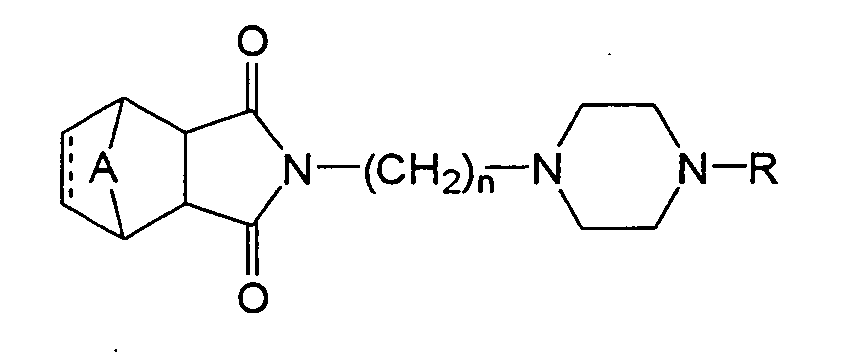
- It is described in Japanese Patent Publication A 58-126865 that an imide compound represented by the formula:wherein R, A and n are the same as defined below, have anxiolytic activity and a compound among these compounds of the above formula, tandospirone citrate:
 is commercialized in Japan as a therapeutic agent for neurosis or psychosomatic disease.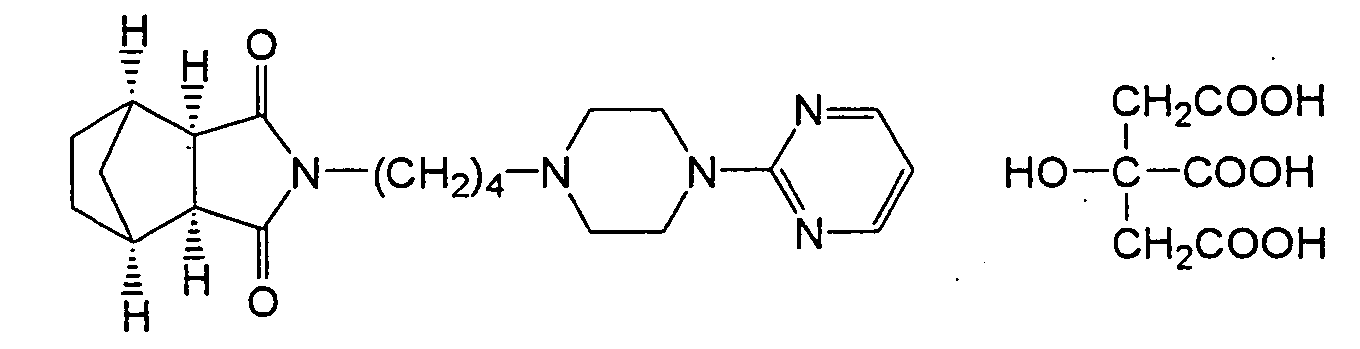
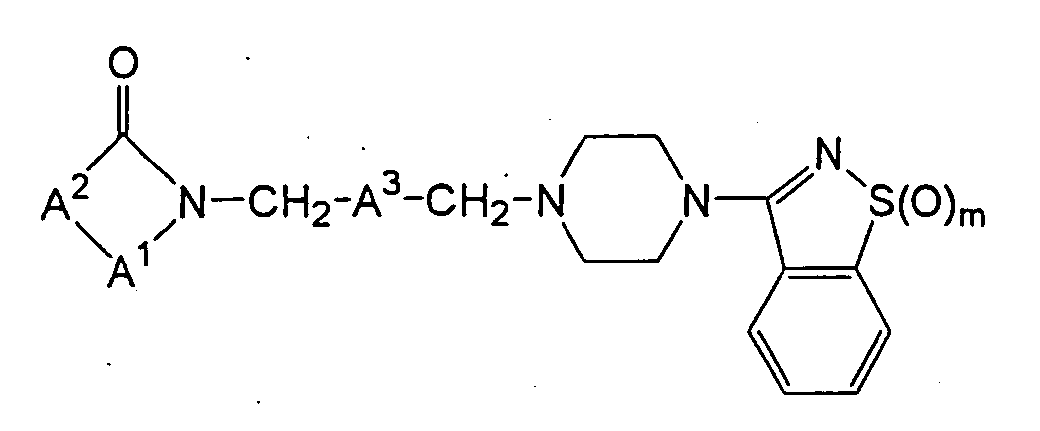
- It is described in Japanese Patent Publication A 62-123179 that compounds represented by the formula:wherein A1, A2, A3 and m are the same as defined below, are useful as an antipsychotic, and a compound among these compounds of the above formula, perospirone hydrochloride hydrate:
 is commercialized in Japan as a therapeutic agent for schizophrenia.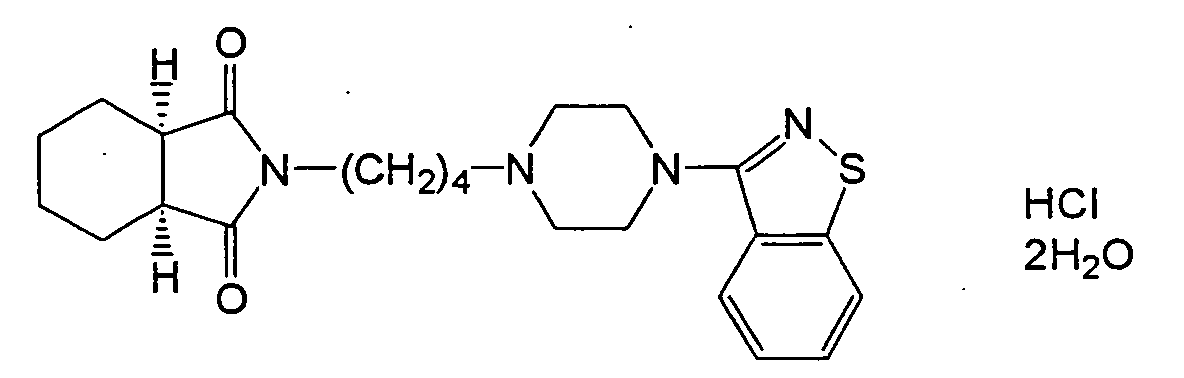
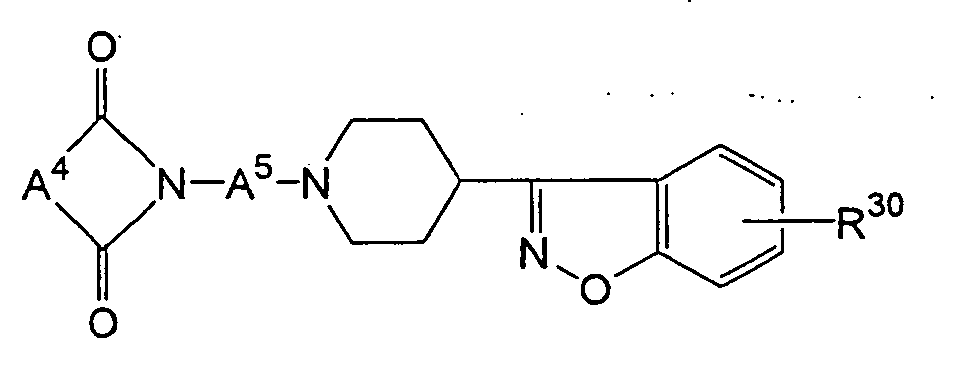
- Furthermore, it is described in Japanese Patent Publication A 1-199967 that compounds represented by the formula:wherein A4, A5 and R30 are the same as defined below, are useful as an antipsychotic, and a compound among these compounds of the above formula, N-[4-[4-(6-fluoro-1,2-benzisoxazol-3-yl)piperidin-1-yl]butyl]bicyclo[2.2.1]heptan-2,3-diexo-carboxyimide hydrochloride:
 is described therein.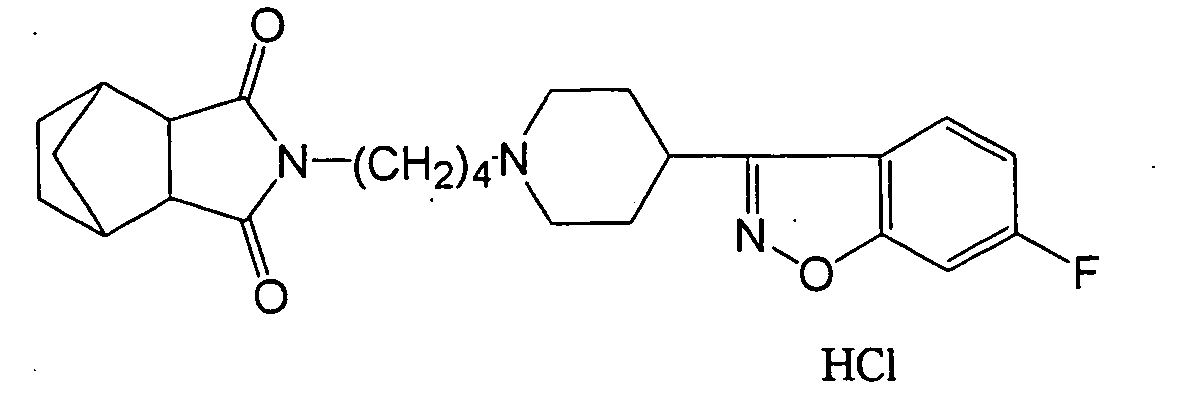
- It is described in Japanese Patent Publication A 9-316002 that a certain 5-HT1A ligand has ocular tension-reducing activity and is expected as a therapeutic agent for oculopathy such as glaucoma, etc. Furthermore a certain 5-HT1A agonist or 5-HT2 antagonist was reported to have ocular tension-reducing activity (Eye 14, 454-463, 2000).
- The present invention relates to an ocular hypotensive agent, more in detail, a prophylactic or therapeutic agent for glaucoma and ocular hypertension.
- The present invention relates to an ocular hypotensive agent, more in detail, a prophylactic or therapeutic agent for glaucoma and ocular hypertension containing one of the following compounds or their pharmaceutically acceptable salts as an active ingredient:
the compound represented by the formula (1):wherein A is methylene group, ethylene group or oxygen atom, n is an integer of 3 or 4, R is phenyl group optionally substituted, 2-pyridyl group optionally substituted or 2-pyrimidinyl group optionally substituted, and a solid line with a dotted line in the bicyclo ring means a single bond or a double bond,
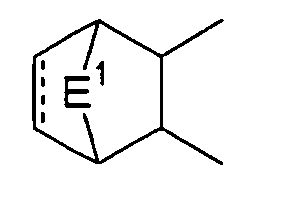
the compound of the formula (2):wherein A1 is carbonyl group or sulfonyl group, and when A1 is carbonyl group, A2 is a group represented by the formula: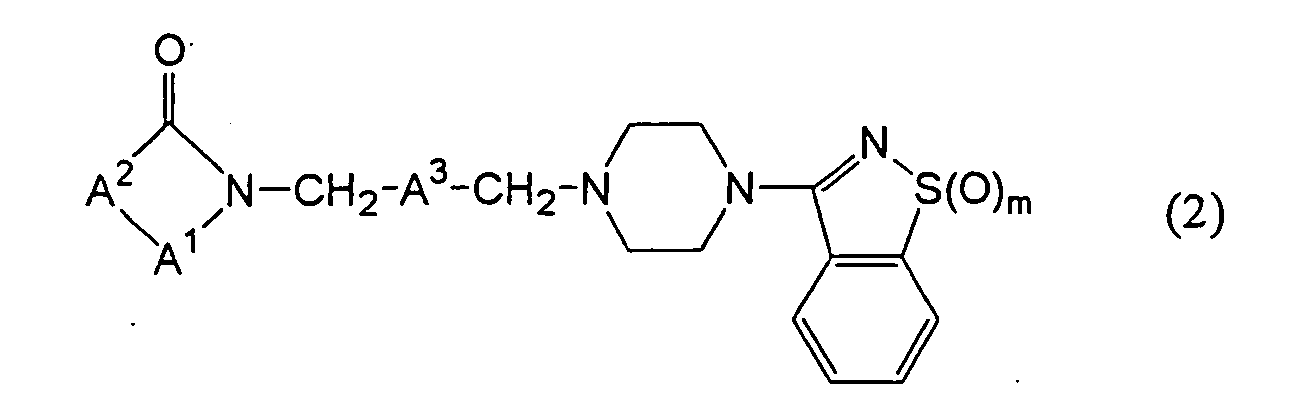 wherein E1 is methylene group, ethylene group or oxygen atom, and a solid line with a dotted line is the same as defined above, the formula:
 wherein E2 is methylene group or ethylene group, and a solid line with a dotted line is the same as defined above, or the formula:
 wherein R1, R2, R3, R4, R5 and R6 are independently hydrogen atom or methyl group,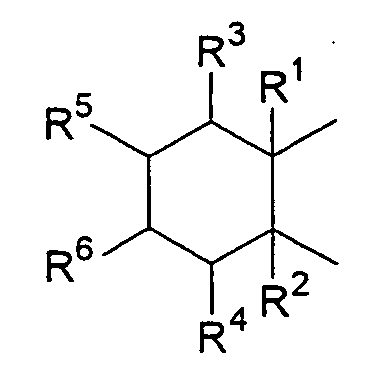
and when A1 is sulfonyl group, A2 is 1,2-phenylene group, A3 is ethylene group optionally substituted by hydroxy group, ethenylene group or ethynylene and m is an integer of 0, 1 or 2,
or the compound of the formula (3):wherein R30 is hydrogen atom, halogen atom, lower alkyl group, lower alkoxy group or hydroxy group, A4 is a group represented by the formula: wherein R10 and R20 are both hydrogen atom, or either of them is hydrogen atom and the other is hydroxy group, lower alkyl group or lower alkanoyloxy group, or R10 and R20 are taken together to form an oxo group, E3 is methylene group, ethylene group or oxygen atom and a solid line with a dotted line is the same as defined above,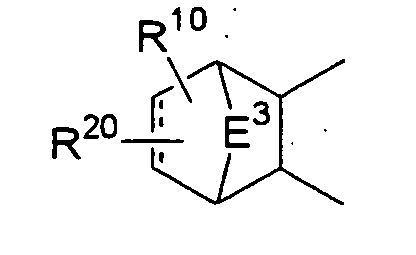
the formula:wherein E4 is methylene group or ethylene group, R11 and R12 are both hydrogen atom or either is hydrogen atom, and the other is hydroxy group, lower alkyl group or lower alkanoyloxy group, or R11 and R12 are taken together to form an oxo group, and a solid line with a dotted line is the same as defined above,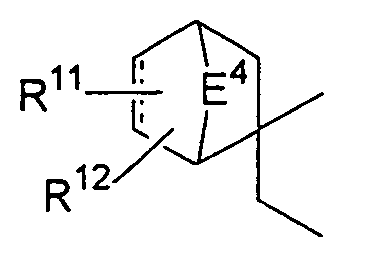
or the formula:wherein R13, R14, R15, R16, R17 and R18 are independently hydrogen atom or lower alkyl group, and R11, R12 and a solid line with a dotted line are the same as defined above,
and A5 is lower alkylene group, lower alkenylene group or lower alkylene group substituted by hydroxy group. - Examples of the substituent of phenyl group in R of the formula (1) are halogen atom, C1-4 alkyl group, C1-4 alkoxy group, etc.
- The term "lower alkyl" in the formula (3) means alkyl group having less than 8 carbon atoms, especially less than 6 carbon atoms, and these alkyl chains may be straight or branched. Examples of lower alkyl group are C1-7 alkyl group such as methyl, ethyl, propyl, isopropyl, butyl, etc. Examples of lower alkanoyloxy group are C2-7 alkanoyloxy group such as acetoxy, propanoyloxy, etc. Examples of lower alkylene group are C1-7 alkylene group such as trimethylene, tetramethylene, etc. Examples of lower alkenylene group are C2-7 alkenylene group such as propenylene, 2-butenylene, etc. Examples of lower alkoxy group are C1-7 alkoxy group such as methoxy, ethoxy, propoxy, isopropoxy, etc. Examples of halogen atom are fluorine atom, chlorine atom, bromine atom, etc.
- Examples of a pharmaceutical acceptable salt of the compounds of the formulas (1), (2) and (3) are a salt with an inorganic acid such as hydrochloric acid, hydrobromic acid, hydroiodic acid, sulfuric acid, nitric acid, phosphoric acid, etc., and a salt with an organic acid such as citric acid, maleic acid, fumaric acid, tartaric acid, formic acid, acetic acid, trifluoroacetic acid, oxalic acid, methanesulfonic acid, benzenesulfonic acid, toluenesulfonic acid, etc.
- Examples of an active ingredient in the preparation of the present invention are tandospirone citrate in the compounds of the formula (1), perospirone hydrochloride hydrate in the compounds of the formula (2) and N-[4-[4-(6-fluoro-1,2-benzisoxazol-3-yl)piperidin-1-yl]butyl]bicyclo[2.2.1]heptan-2,3-diexo-carboxyimide hydrochloride in the compounds of the formula (3). These compounds are preferable in view of duration for the activity.
- The compounds of the formulas (1), (2) and (3) can be prepared in accordance with the methods respectively disclosed in Japanese Patent Publication A 58-126865, Japanese Patent Publication A 62-123179 and Japanese Patent Publication A 1-199967.
- Glaucoma directed to the present invention widely means diseases caused by disturbance of ocular tissue, especially disturbance of function of optic nerve and disturbance of vision owing to promotion of ocular tension in regardless of pathogenesis. In regard to glaucoma, there are high tension glaucoma, and normal tension glaucoma which shows glaucoma papilla defect and defect of field of vision during showing normal tension, and in either case the therapy to reduce ocular tension is practiced.
- Furthermore, ocular hypertension directed to the present invention is a disease that shows high ocular tension beyond normal ocular tension, but does not show any disturbance in visual function and there is high possibility to progress into glaucoma after long term. In ocular hypertension, an ocular tension-reducing agent is administered in earlier stage to protect the progress to glaucoma.
- When the compounds directed to the present invention is administered orally or parenterally, as the reducing effect of ocular tension is shown, the compounds are useful as a prophylactic or therapeutic agent for glaucoma and ocular hypertension.
- The preparation of the present invention is orally or parenterally administered. The preparation is administered in the conventional form, namely orally in tablets, capsules, granules, powders, etc. or in the form of solutions, emulsions, suspensions, etc. as injections or eye drops. The preparation is administered in ophthalmic ointments, or in creams, solutions or patches as a dermal application agent. The preparation can be administered to rectum in the form of suppositories. These preparations are prepared by adding to an active ingredient an acceptable carrier, filler, binder, stabilizer, buffer, solubilizing agent, osmotic agent, etc. in accordance with the conventional method.
- The dose or administration times vary depending on conditions of disease, age, body weight, administration form, but in case of oral administration of tandospirone citrate, usually the dose is 10 to 100mg/day/adult, preferably 20 to 60mg/day/adult in a single dose or divided doses.
- In case of administration of the preparation of the present invention by instillation or by intraocular, the active ingredient is dissolved in a physiological saline or physiologically acceptable buffer so as to be 0.01 to 1% in the concentration, and the solution is used. For example, in case of eye drops, usually, the preparation is administered 0.5 to 500mg/day/adult, preferably, 1 to 100mg/day/adult in a single dose or divided doses.
- The present invention is explained by the following examples in detail, but the present invention should not be limited by these examples.
- Test solutions 1 to 3 were prepared as mentioned below. The solutions were administered in anterior chamber of the rabbit according to the test method mentioned below, and their ocular tension-reducing activities comparing with normal ocular tension of the rabbit were confirmed.
- Tandospirone citrate or perospirone hydrochloride was dissolved in a physiological saline to prepare following preparations.
- Test solution 1: 0.1% tandospirone citrate solution
- Test solution 2: 0.1% perospirone hydrochloride hydrate solution
- Test solution 3: 0.03% perospirone hydrochloride hydrate solution
-
- Non-white 5 male rabbits were used. Ocular tension was measured under topically anesthetizing the corneal surface with 0.4% oxybuprocaine hydrochloride by using an air impression electronic tonometer (by Japan Alcon Company).
- The rabbit was fitted in a cylinder, after topically anesthetizing the corneal surface with 0.4% oxybuprocaine hydrochloride, and the test solution 10µl was injected via cornea in anterior chamber of one eye with an injection needle (30G). To the other eye as a control eye, in the same way as mentioned above, a physiological saline was injected. Ocular tension just before and after injection of the test solution or the physiological saline was measured in accordance with the same method as mentioned above. At each measured time, the difference (mean ± S.E.) between tension in the eye to which the test solution was administered and tension in the control eye, and the corresponding t-test result was calculated. The result was shown in Table 1.
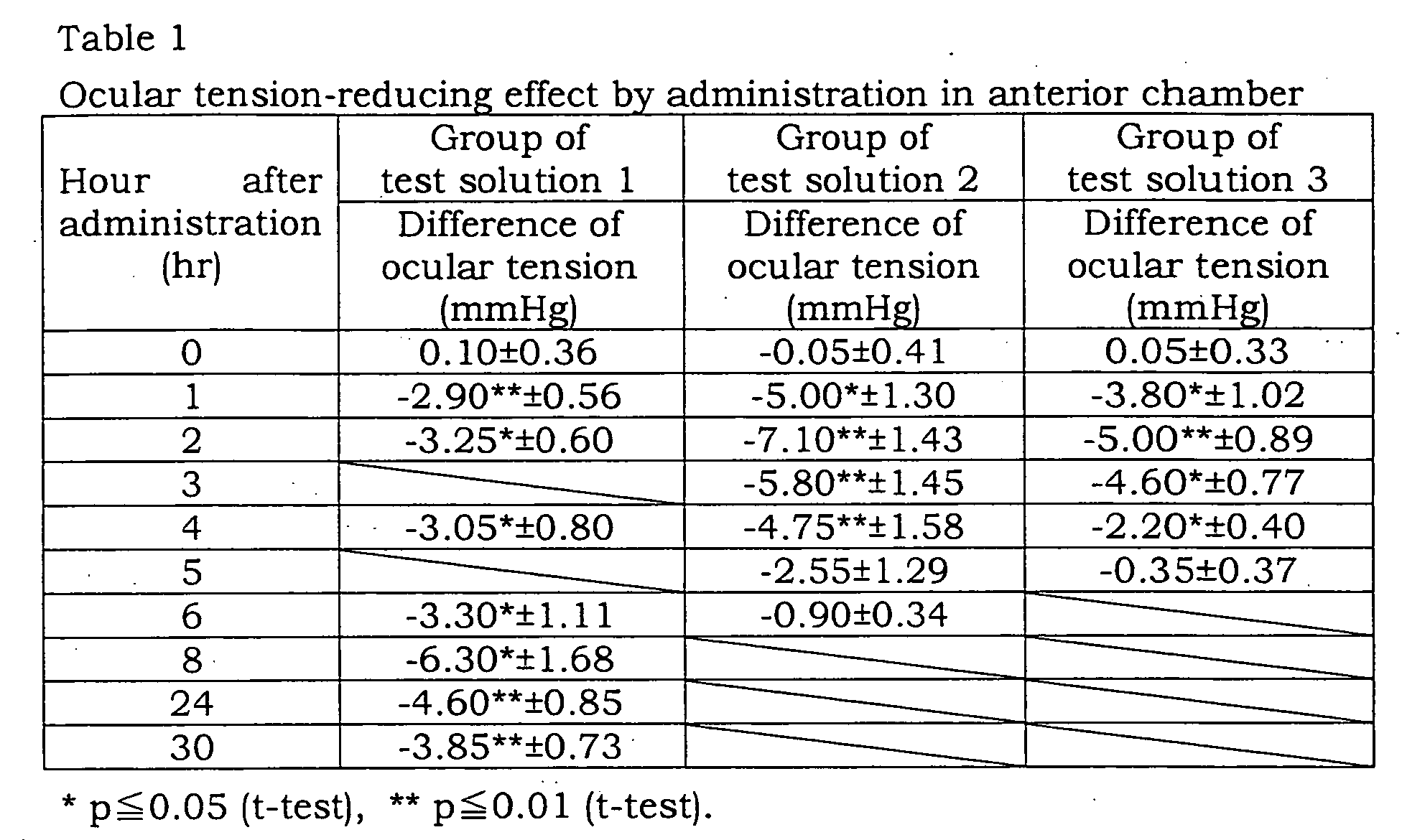
- From the above result, in the groups to which the test solution was administered, the significant ocular tension-reduction was observed from one hour after administration in anterior chamber. In regard to the test solution 1, its effect was continued for more than 30 hours, and the maximum ocular tension-reducing rate was 6.3mmHg 8 hours after administration. In regard to the test solution 2, its effect was continued for 4 hours with the maximum ocular tension-reducing rate about 5.0mmHg. In regard to the test solution 3, its effect was continued for 4 hours with the maximum ocular tension-reducing rate about 7.1 mmHg.
- Test solutions 4 and 5 were prepared as mentioned below and their ocular tension-reducing activities comparing with normal ocular tension of the rabbit was confirmed by installation. The method for measuring ocular tension was carried out in accordance with the method mentioned in Example 1.
- Test solution 4 was prepared by dissolving perospirone hydrochloride in solution 1 (physiological saline containing 0.5% polysolbate 80), and test solution 5 was prepared by dissolving perospirone hydrochloride in solution 2 (physiological saline containing 0.5% polysolbate 80, 0.5% glycerin, 2% citric acid and 7% polyethylene glycol 4000, pH4.1). The test solutions were adjusted to each concentration.
- Test solution 4: 0.3% perospirone hydrochloride hydrate solution
- Test solution 5: 1.0% perospirone hydrochloride hydrate solution
-
- Test solutions 4 and 5 were instillated to one eye of the non-white rabbit. Solution 1 (50µl) as a control of the test solution 4 and solution 2 (50µl) as a control of the test solution 5 were instillated to the other eye. Ocular tension just before and after injection .of the test solution and the physiological saline were measured in accordance with the same method as mentioned above. At each measured time, the difference (mean ± S.E.) between tension in the eye to which the test solution was administered and tension in the control eye, and the corresponding t-test result was calculated. The result was shown in Table 2.

- From the above result, in the groups to which the test solution was administered, the significant ocular tension-reduction was observed from one hour after administration in anterior chamber.
- Test solution 6 was prepared as mentioned below and its ocular tension-reducing activity comparing with normal ocular tension of the rabbits was confirmed by instillation.
- Following solution was prepared by dissolving compound A in physiological saline.
- Test solution 6: 0.03% compound A solution
- Ocular tension just before and after injection of the test solution and the physiological saline was measured in accordance with the same method as mentioned in Example 1. At each measured time, the difference (mean ± S.E.) between tension in the eye to which the test solution was administered and tension in the control eye, and the corresponding t-test result was calculated. The result was shown in Table 3.
Ocular tension-reducing effect by administration in anterior chamber Hour after administration (hr) Group of test solution 6 Difference of ocular tension (mmHg) 0 0.00±0.11 1 -3.05±1.44 2 -3.35±0.97 3 -2.50±0.91 4 -2.10±0.91 5 -0.35±0.68 - From the above result, in the group to which the test solution 6 was administered, the significant maximum ocular tension-reduction was observed two hours after administration in anterior chamber.
- Test solution 7 was prepared as mentioned below and its ocular tension-reducing activity comparing with normal ocular tension of the rabbit was confirmed by instillation. The measuring method of ocular tension was carried out in accordance with the method mentioned in Example 1.
- Following solution was prepared by dissolving compound A in solution 3 (physiological saline containing 0.5% polysolbate 80).
- Test solution 7: 0.1% compound A solution
-
- Ocular tension just before and after the injection of the test solution and the solution 3 was measured in accordance with the same method as mentioned in Example 2. At each measured time, the difference (mean ± S.E.) between tension in the eye to which the test solution was administered and tension in the control eye, and the corresponding t-test result was calculated. The result was shown in Table 4.
Ocular tension-reducing effect by instillation Hour after administration (hr) Group of test solution 7 Difference of ocular tension (mmHg) 0 0.15±0.23 1 -4.10±0.64 2 -3.70± 1.09 3 -1.00±0.64 4 -0.60±0.51 - From the above result, in the group to which the test solution 7 was administered, it was observed that the ocular tension-reduction was continued for 2 hours with the maximum ocular tension-reduction about 4.1mmHg.
- As tandospirone citrate, perospirone hydrochloride hydrate and compound A have ocular tension-reducing activity, they are useful as an ocular hypotensive agent, more concretely a prophylactic or therapeutic agent for glaucoma and ocular hypertension.
Preparation 1 Eye drop (Ingredients 1 in 100ml) Perospirone hydrochloride hydrate 1.0g Polysolbate 80 0.5g Polyethylene glycol 4000 5.0g Citric acid 2.0g Sodium chloride 0.4g Sodium hydroxide suitable amount Sterilized purified water suitable amount Total 100 ml - According to above ingredients, to sterilized distilled water 80ml were added perospirone hydrochloride hydrate, polysorbate 80, polyethylene glycol 4000, citric acid and sodium chloride to dissolved, and then, the solution was adjusted with sodium hydroxide to pH4.1. Thereto was added sterilized distilled water to make eye drop having total amount of 100ml.
Preparation 2 Eye drop (Ingredients 2 in 100ml) Tandospirone citrate 0.1g Polysolbate 80 0.5g Boric acid 1.0g Sodium chloride 0.4g Sodium hydroxide suitable amount Sterilized distilled water suitable amount Total 100 ml - According to above ingredients 2, to sterilized distilled water 80ml were added tandospirone citrate, polysorbate 80, boric acid and sodium chloride to dissolved, and then, the solution was adjusted with sodium hydroxide to pH6.0. Thereto was added sterilized distilled water to make eye drop having total amount of 100ml.
- The present invention can provide an ocular hypotensive agent. The present invention in more detail provides a prophylactic and therapeutic agent for glaucoma and ocular hypertension.
Claims (4)
- An ocular hypotensive agent containing one of the following compounds or their pharmaceutically acceptable salts as an active ingredient:
a compound represented by the formula (1):wherein A is methylene group, ethylene group or oxygen atom, n is an integer of 3 or 4, R is phenyl group optionally substituted, 2-pyridyl group optionally substituted or 2-pyrimidinyl group optionally substituted, and a solid line with a dotted line in the bicyclo ring means a single bond or a double bond,
a compound of the formula (2):wherein A1 is carbonyl group or sulfonyl group, and when A1 is carbonyl group, A2 is a group represented by the formula: wherein E1 is methylene group, ethylene group or oxygen atom, and a solid line with a dotted line is the same as defined above,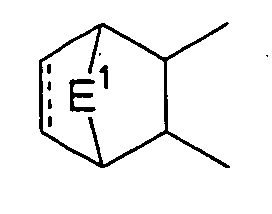
the formula:wherein E2 is methylene group or ethylene group, and a solid line with a dotted line is the same as defined above,
or the formula:wherein R1, R2, R3, R4, R5 and R6 are independently hydrogen atom or methyl group,
and when A1 is sulfonyl group, A2 is 1,2-phenylene group, A3 is ethylene group optionally substituted by hydroxy group, ethenylene group or ethynylene and m is an integer of 0, 1 or 2,
or a compound of the formula (3):wherein R30 is hydrogen atom, halogen atom, lower alkyl group, lower alkoxy group or hydroxy group, A4 is a group represented by the formula: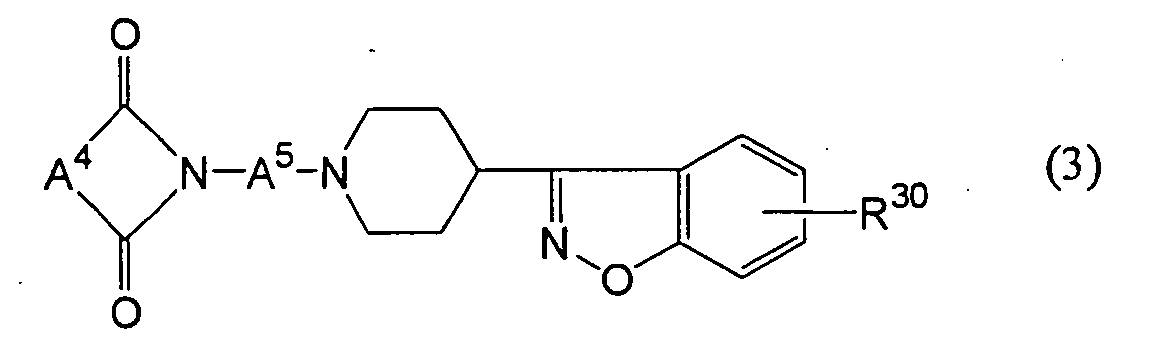 wherein R10 and R20 are both hydrogen atom, or either of them is hydrogen atom and the other is hydroxy group, lower alkyl group or lower alkanoyloxy group, or R10 and R20 are taken together to form an oxo group, E3 is methylene group, ethylene group or oxygen atom and a solid line with a dotted line is the same as defined above,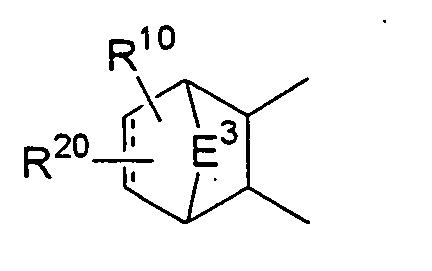
the formula:wherein E4 is methylene group or ethylene group, R11 and R12 are both hydrogen atom or either is hydrogen atom, and the other is hydroxy group, lower alkyl group or lower alkanoyloxy group, or R11 and R12 are taken together to form an oxo group, and a solid line with a dotted line is the same as defined above,
or the formula:wherein R13, R14, R15, R16, R17 and R18 are independently hydrogen atom or lower alkyl group, and R11, R12 and a solid line with a dotted line are the same as defined above,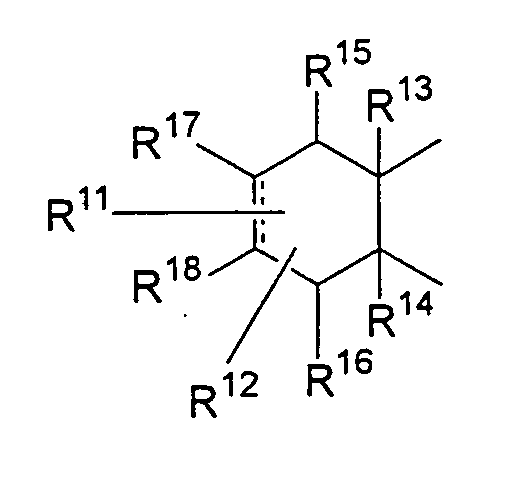
and A5 is lower alkylene group, lower alkenylene group or lower alkylene group substituted by hydroxy group. - The ocular hypotensive agent according to claim 1 containing tandospirone, perospirone or N-[4-[4-(6-fluoro-1,2-benzisoxazol-3-yl) piperidin-1-yl]butyl]bicyclo[2.2.1]heptan-2,3-diexo-carboxyimide or its pharmaceutically acceptable salt.
- The ocular hypotensive agent according to claim 1 containing tandospirone citrate, perospirone hydrochloride or N-[4-[4-(6-fluoro-1,2-benzisoxazol-3-yl)piperidin-1-yl]butyl]bicyclo[2.2.1]heptan-2,3-diexocarboxyimide hydrochloride.
- A prophylactic or therapeutic agent for glaucoma or ocular hypertension containing as an active ingredient the compound or its pharmaceutically acceptable salt described in claim 1, 2, or 3.
Applications Claiming Priority (3)
| Application Number | Priority Date | Filing Date | Title |
|---|---|---|---|
| JP2003053708A JP2004262812A (en) | 2003-02-28 | 2003-02-28 | Ocular hypotensive |
| JP2003053708 | 2003-02-28 | ||
| PCT/JP2004/002235 WO2004075895A1 (en) | 2003-02-28 | 2004-02-25 | Ocular hypotensive agent |
Publications (1)
| Publication Number | Publication Date |
|---|---|
| EP1602373A1 true EP1602373A1 (en) | 2005-12-07 |
Family
ID=32923440
Family Applications (1)
| Application Number | Title | Priority Date | Filing Date |
|---|---|---|---|
| EP04714491A Withdrawn EP1602373A1 (en) | 2003-02-28 | 2004-02-25 | Ocular hypotensive agent |
Country Status (6)
| Country | Link |
|---|---|
| US (1) | US20060160818A1 (en) |
| EP (1) | EP1602373A1 (en) |
| JP (1) | JP2004262812A (en) |
| KR (1) | KR20050104387A (en) |
| CN (1) | CN1753677A (en) |
| WO (1) | WO2004075895A1 (en) |
Cited By (2)
| Publication number | Priority date | Publication date | Assignee | Title |
|---|---|---|---|---|
| WO2010074961A1 (en) * | 2008-12-22 | 2010-07-01 | Alcon Research, Ltd. | Compositions of topical ocular solutions to deliver effective concentrations of active agent to the posterior segment of the eye |
| WO2013009543A1 (en) * | 2011-07-11 | 2013-01-17 | Allergan, Inc. | Polycyclic pyrrolidine-2,5-dione derivatives as -formyl peptide receptor like-1 (fprl-1) receptor modulators |
Families Citing this family (4)
| Publication number | Priority date | Publication date | Assignee | Title |
|---|---|---|---|---|
| AR066901A1 (en) * | 2007-05-18 | 2009-09-23 | Alcon Mfg Ltd | PHODFOLIPID COMPOSITIONS FOR THE CLOSURE OF CONTACT LENSES AND PRESERVATION OF PHARMACEUTICAL COMPOSITIONS |
| TW201010727A (en) * | 2008-09-03 | 2010-03-16 | Alcon Res Ltd | Pharmaceutical composition having relatively low ionic strength |
| US20140271903A1 (en) * | 2013-03-14 | 2014-09-18 | Northeast Ohio Medical University | Use of thermo-sensitive gel for controlled delivery of alk-5 inhibitors to the eye and related methods |
| CN119700695B (en) * | 2025-02-26 | 2025-06-06 | 福安药业集团宁波天衡制药有限公司 | A kind of perospirone hydrochloride tablet and preparation method thereof |
Family Cites Families (13)
| Publication number | Priority date | Publication date | Assignee | Title |
|---|---|---|---|---|
| US4507303A (en) * | 1981-12-22 | 1985-03-26 | Sumitomo Chemical Company, Limited | Succinimide derivatives, compositions and method of use |
| JPH0625181B2 (en) * | 1985-03-27 | 1994-04-06 | 住友製薬株式会社 | New imide derivative |
| CA1335289C (en) * | 1987-10-26 | 1995-04-18 | Fujio Antoku | Piperidinyl benzisoxazole derivatives, their production and pharmaceutical use |
| JP3274579B2 (en) * | 1995-01-12 | 2002-04-15 | 住友製薬株式会社 | Agent for treating psychiatric symptoms associated with cerebrovascular disorders |
| US5998467A (en) * | 1995-10-25 | 1999-12-07 | Mitsubishi Chemical Corporation | Medicine for oculopathy |
| AU4249297A (en) * | 1996-10-31 | 1998-05-22 | Alcon Laboratories, Inc. | Opthalmological compositions containing serotonin 5-ht1a receptor agonist and their use in the treatment of glaucoma |
| MXPA02009071A (en) * | 2000-03-17 | 2003-05-23 | Alcon Inc | Compounds with 5 ht2. |
| US20030207890A1 (en) * | 2001-02-23 | 2003-11-06 | Collier Robert J | Compounds with 5-ht1a activity useful for treating disorders of the outer retina |
| PL358481A1 (en) * | 2000-03-17 | 2004-08-09 | Alcon Inc. | 6-hydroxy-indazole derivatives for treating glaucoma |
| KR20030095183A (en) * | 2000-03-17 | 2003-12-18 | 알콘, 인코퍼레이티드 | 5-Hydroxy indazole derivatives for treating glaucoma |
| US20030119846A1 (en) * | 2000-03-17 | 2003-06-26 | Collier Jr Robert J. | Compounds with 5-ht activity useful for controlling visual field loss |
| JP2003176228A (en) * | 2001-12-11 | 2003-06-24 | Rohto Pharmaceut Co Ltd | Liquid medicine |
| US20030114512A1 (en) * | 2002-09-09 | 2003-06-19 | Collier Robert J | Compounds with 5-ht2 and 5-ht1a agonist activity for treating glaucoma |
-
2003
- 2003-02-28 JP JP2003053708A patent/JP2004262812A/en active Pending
-
2004
- 2004-02-25 EP EP04714491A patent/EP1602373A1/en not_active Withdrawn
- 2004-02-25 KR KR1020057015568A patent/KR20050104387A/en not_active Withdrawn
- 2004-02-25 WO PCT/JP2004/002235 patent/WO2004075895A1/en not_active Ceased
- 2004-02-25 US US10/546,992 patent/US20060160818A1/en not_active Abandoned
- 2004-02-25 CN CNA2004800051830A patent/CN1753677A/en active Pending
Non-Patent Citations (1)
| Title |
|---|
| See references of WO2004075895A1 * |
Cited By (3)
| Publication number | Priority date | Publication date | Assignee | Title |
|---|---|---|---|---|
| WO2010074961A1 (en) * | 2008-12-22 | 2010-07-01 | Alcon Research, Ltd. | Compositions of topical ocular solutions to deliver effective concentrations of active agent to the posterior segment of the eye |
| WO2013009543A1 (en) * | 2011-07-11 | 2013-01-17 | Allergan, Inc. | Polycyclic pyrrolidine-2,5-dione derivatives as -formyl peptide receptor like-1 (fprl-1) receptor modulators |
| US8440684B2 (en) | 2011-07-11 | 2013-05-14 | Allergan, Inc. | Polycyclic pyrrolidine-2,5-dione derivatives as -formyl peptide receptor like-1 (FPRL-1) receptor modulators |
Also Published As
| Publication number | Publication date |
|---|---|
| KR20050104387A (en) | 2005-11-02 |
| CN1753677A (en) | 2006-03-29 |
| WO2004075895A1 (en) | 2004-09-10 |
| JP2004262812A (en) | 2004-09-24 |
| US20060160818A1 (en) | 2006-07-20 |
Similar Documents
| Publication | Publication Date | Title |
|---|---|---|
| EP0389995B1 (en) | Isoquinoline derivatives for the treatment of glaucoma or ocular hypertension | |
| US20140094451A1 (en) | Preventive or remedy for glaucoma | |
| US20220047585A1 (en) | Preventing or treating agent for glaucoma | |
| US6268359B1 (en) | Preventives or remedies for vision disorders | |
| US8193193B2 (en) | Agent for prevention or treatment of glaucoma | |
| US11331311B2 (en) | Prophylactic and/or therapeutic agent containing pyridylaminoacetic acid compound | |
| US20060160818A1 (en) | Ocular hypotensive agent | |
| KR20000064939A (en) | Peripheral circulation improver containing dihydropyridine compound | |
| US20110160267A1 (en) | Method of treating diabetic retinopathy | |
| JP2012193213A (en) | Prophylactic or curative agent for glaucoma | |
| US7910575B2 (en) | Prophylactic or therapeutic agents for allergic ophthalmic diseases or allergic nasal diseases, comprising tricyclic triazolobenzazepine derivative | |
| JPH10500130A (en) | Pharmaceutical composition for treating glaucoma containing terazosin | |
| US5252583A (en) | Isoquinoline derivatives for the treatment of glaucoma or ocular hypertension | |
| JP2004250347A (en) | Agent for treating and/or preventing disease based on retinal ischemia | |
| JPH1072347A (en) | Medicine for improving ophthalmovascular blood flow | |
| JP2006348023A (en) | Angiogenesis inhibitors containing amine derivatives as active ingredients | |
| KR20140050080A (en) | N,n-dialkylalkylenyl esters, compositions thereof, and methods for use thereof | |
| JPWO1999038533A1 (en) | Preventive or therapeutic agent for visual impairment | |
| JPH04134029A (en) | Glaucoma pemedy | |
| JPWO2000061148A1 (en) | Agent for suppressing visual impairment caused by ocular neuronal damage due to factors other than ocular circulatory disorders |
Legal Events
| Date | Code | Title | Description |
|---|---|---|---|
| PUAI | Public reference made under article 153(3) epc to a published international application that has entered the european phase |
Free format text: ORIGINAL CODE: 0009012 |
|
| 17P | Request for examination filed |
Effective date: 20050923 |
|
| AK | Designated contracting states |
Kind code of ref document: A1 Designated state(s): AT BE BG CH CY CZ DE DK EE ES FI FR GB GR HU IE IT LI LU MC NL PT RO SE SI SK TR |
|
| AX | Request for extension of the european patent |
Extension state: AL LT LV MK |
|
| RAP1 | Party data changed (applicant data changed or rights of an application transferred) |
Owner name: DAINIPPON SUMITOMO PHARMA CO., LTD. |
|
| DAX | Request for extension of the european patent (deleted) | ||
| STAA | Information on the status of an ep patent application or granted ep patent |
Free format text: STATUS: THE APPLICATION HAS BEEN WITHDRAWN |
|
| 18W | Application withdrawn |
Effective date: 20070319 |