Scope of the invention
The present invention relates to pharmaceutical aerosol formulations, and in particular the
processes of particle production, improved screening techniques for solution based aerosols,
and the subsequent manipulation of aerosol cloud deposition patterns and morphology of drug
derivatives.
Background of the invention
Several methods have been utilised in generating aerosols in the particle size range requisite
for respiratory therapy. Commercially, jet nebulisers, dry powder inhalers and propellant driven
metered dose inhalers dominate the inhalation market. These systems are not, however, ideal
delivery systems with each having inherent advantages and disadvantages. In achieving
medicinal regulatory standards, they are usually simple in construction (with some exceptions),
ergonomic, portable and relatively cheap to produce commercially. From a regulatory and, thus,
a clinical viewpoint of acceptability, the aerosol generated must be below 10 microns and ideally
within a well-defined size range depending on therapeutic application.
Selective or targeted deposition of inhaled pharmaceuticals to specific locations of the
respiratory tract is preferred, as diseases are not distributed homogeneously throughout the
lung. For example, cystic fibrosis may be distributed throughout the tracheobronchial tract.
Asthma has been identified to localise within the large upper, central or smaller lower bronchial
airways, whereas, at a specific regionalised locations carcinomas have a predilection for
bifurcations. Martonen, T., B. (1992). The behaviour of cigarette smoke in human airways.
Am Ind. Hyg .Assoc. J. 53: 6-15.
More recently, the respiratory tract has been identified as route for systemic delivery, and, so,
particle sizes of the therapeutic agents essential for enhanced delivery: for systemic delivery,
particles should, ideally, be less than 1µm in MMAD. The peripheral regions of airways, the
terminal bronchioles and the alveolar region, are separated from the systemic blood circulation
via a very thin epithelium (<0.2µm). As deposition is dominated by diffusion in this region of the
lung, the small particle size, coupled with large residence time and the large cross-sectional
area of the alveoli make this an ideal delivery vehicle for portal entry.
The dose delivered from the system must be consistent and the respirable fraction suitable for
the intended use. The packaging of the device and formulation is required to protect the
physico-chemical integrity of the medicament and excipients, and not detrimentally interact with
formulation, the system must also be easily transportable and be 'patient friendly'.
The current invention focuses on pressurised metered dose inhaler, but is in no way intended to
be limited to this one inhalation dosage form, and those skilled in the art will appreciate
technologies described can be equally applied to other forms via the inhaled route or equally
other routes of administration: orally, bucally, topically parentally or the like. With respect to the
pressurised metered dose inhaler flexibility can be designed into the invention from the
disclosed information.
Currently, salbutamol as the sulphate salt derivative is generally formulated as a suspension in
a pressurised metered dose inhaler, utilising a HFA propellant. Erstwhile CFC propellants are
being phased out due to their detrimental effect on the environment: chlorofluorocarbons
namely chloromethane and dichlorofluoroethane. Alternative hydrofluorocarbons HFA 134(a) (1,
1, 1, 2-Tetrafluoroetane) and hydrofluorocarbon 227ea (1, 1, 1, 2, 3, 3, 3-heptafluoroethane) are
viewed as being less destructive to the ozone than their chlorofluorocarbon counterparts and,
furthermore, they are toxilogically acceptable to mammalian based respiratory physiology.
According to the prior art, therefore, salbutamol has been formulated as a suspension based
product, in a two stage manufacturing process for use in aerosol preparations with non-chlorinated
propellants. It is assumed persons of adequate knowledge and skill will have an
appreciation of the dosage form, and will be aware of the intricacies of componentry and
formulations. Several techniques are described in the literature to produce such systems (See
Purewal., T., S., and Grant., D., J ., W. (1998). Metered dose inhaler technology. Interpharm
Press Inc, Buffalo Grove, IL, USA).
The majority of pressurized metered dose systems are formulated as a suspension in
preference to a solution. Of the common marketed pMDIs only tornalate and QVAR to date are
solutions (Smyth, H., D., C. (2003). The influence of formulation variables on the
performance of alternative propellant-driven metered dose inhalers. Advanced Drug
Delivery Reviews. 55: 807-828).These products are formulated with an ethanol co-solvent to
aid dissolution of the active compound. Other solution-based systems are indicated in the
literature in which the MMAD of the aerosol cloud can be directly modulated by the addition of
non-volatile excipients: glycerol and PEG 400. Suspensions, which are unstable thermodynamic
systems, are susceptible to several problematic areas. Depending on the formulation and
metering valve, dose variations have been observed, (Cyr, T., D., Duhaime, R., M., Graham,
S., J., Ormsby E., D., Lawrence, R., C., and La Belle, M., J. (1997) Metered Dose Inhalers.
Part 3. Metaproterenol Sulphate: Particle size distribution and dose uniformity. L. Pharm.
Biomed. Anal. 15:1709-1718), coupled with canister orientation and environmental conditions
crystal growth via Ostwald ripening can occur, which can lead to the dissolution of smaller
suspended particles and the subsequent growth of larger crystals during storage. This may,
concomitantly, lead to an increase in mean particle size of the delivered drug, and increase the
potential for variations in deposition of the aerosol resulting in either drug over or under-dosing.
Other problems related with suspension based formulations, particularly with high drug loading,
is the potential build up of drug on the actuator, which may block the spray orifice. As the drug
in suspension systems are in a solid form, problems with polymorphism is a major concern.
Polymorphism affects many intrinsic physico-chemical properties, and can increase solubility in
the propellant/propellant systems enhancing the aforementioned problems.
Solution based pMDI systems would seem initially to be the preferred dosage form. However,
there are difficulties formulating soluble ionic forms of drugs in organic solvent systems. Indeed
it is has been found that the solubility of salt forms is generally lower in aprotic solvents than
that of free bases or acids. This is affirmed from the level of ethanol in tornalate (Bitolterol
Mesylate), presently at 38%w/w. Organic compounds, particularly steroids are suited to solution
inhalers due to their solubility levels in both propellants and ethanol. This use of organic
derivatisation to increase solubility is corroborated by prior studies: the increased solubility of a
salbutamol ester in propellant 134(a).Seville, P., C., Simons, G., Taylor, G., and Dickinson,
P., A. (2000). Prodrug to probe solution HFA pMDI formulation and pulmonary esterase
activity. Int. J. Pharm. 195: 13-16. Solution systems are obviously prone to chemical
degradation as the drug is at the molecular level, but with appropriate use of theory and
practice, soluble and stable salt solutions are possible. In addition to the in-situ, chemical,
drawbacks experienced with solution-based systems data exists, which indicates that aerosol
particles of this type of pressurised system is prone to greater changes in particle size than
suspension-based counterparts. This is routinely considered to be a disadvantage with
suspensions, as the particle size shifts, and exhibits a greater non-respirable fraction; but this
has not been fully investigated in the solution setting. Changes in particle size ranges may,
here, provide pharmaceutical benefits.
Brief summary of the invention
The present invention provides advantages with respect to several areas of aerosol technology
suitable for use within inhalation route. In one embodiment of the invention there is described a
process for screening and production of particles either as a batch process at standard
temperature or from a pressurised system i.e. at pressures greater than standard atmosphere.
This screening technique effectively enables the feasibility of producing stable solution
formulations or by manipulation of reaction thermodynamics and kinetics suspension or
emulsion systems by precipitation of active(s) from solution(s) by use of an antisolvent or anti-solvents.
The resulting use of screened derivatives can be then be utilised to change particle
size distributions and morphology of the active to enhance and direct deposition.
Certain characteristics of the preferred formulations exhibit desirable physico-chemical stability,
and can be manipulated for targeted delivery and may elicit extended duration depending upon
the salt and the formulation.
The technique described may be utilised to produce particles for use in dry powder inhalers,
nebulisers electrohdrodynamic systems or the like. For example, a number of actives and
lactose excipients may be dissolved in a suitable solvent and crash precipitated from
antisolvents such as ethers, esters, ketones, at room temperature and pressure or from
pressurised anti-solvents such as Hydrofluoroalkanes Alkanes, Alkenes or compressed
liquefied gases singly or in combination. In fact, any suitable compressed liquefied, or
compressed gas in combination may be utilised. The temperature and pressure of reactants
and or anti-solvents may be manipulated as required to alter particle size or morphology.
As a screening technique for solution-based inhalers toxilogically acceptable co-solvents agents
such as ethanol or water or combinations can be utilised.
Solubility, of a drug salt derivative, to an appreciable extent, in solvents miscible with the
propellant(s) provides a simple yet robust screening method. For example, taking the current
example salbutamol sulphate manufactured by this method precipitated almost instantaneously
from an ethanol solution. Several other salts also crystallised from solution rendering them
suitable as suspensions. The maleate salt was stable as a solution in ethanol, even at ultra low
temperatures and had to be precipitated by use of an antisolvent.
The use of novel derivates, salts in this case, can be utilised to manipulate two major
characteristics of the aerosol cloud that has not been previously considered or indeed deemed
possible by use of derivative only: the manipulation of particle size deposition patterns and the
morphology of the medicament upon deposition i.e. its physical state whether amorphous solid
or liquid "surfactant-like". Solution formulations are notorious as "finer" in terms of particle size
judged by Mass median aerodynamic diameter (a log normal description aerosol particles) and
not equivalent pharmaceutically to suspensions; this has lead to addition of large masses of non
volatile excipients.
Another scope of the invention includes multiple combinations of active medicaments in
solution, e.g. bronchodilator salt - steroid - parasymapthomimetic agent (salbutamol maleate-fluticasone
propionate- ipratropium bromide) can be produced. High solid loadings of
combination actives may lead to further manipulations of particle size distributions of the aerosol
cloud.
Current medicaments may be modified, e.g. Salmeterol is currently delivered as the Xinafoate
salt. The maleate or oleate my improve solubility to allow manipulation as a solution or
precipitation as a suspension at a range of reaction temperatures or pressures.
Alternatively, some combinations may benefit from one or two drugs in solution and one or two
in suspension. Skilled artisans will delineate such combinations. Probable combinations may
incorporate the same drug as a mixture of solution and suspension so as to have a bi-modal
distribution.
Brief description of the drawings
Figure 1: A graphical representation of the theoretical and experimental solubility of
salbutamol maleate and the theoretically predicted solubility of salbutamol oleate.
Figure 2: A graphical representation of the theoretical and experimental solubility of
salbutamol stearate.
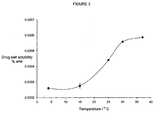
Figure 3: A Graphical illustration of the solubility of salbutamol maleate in pure 134(a).
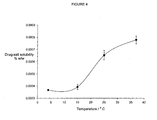
Figure 4 : A Graphical illustration of the solubility of salbutamol oleate in pure 134(a).
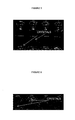
Figure 5: A (side elevation) graphical illustration of the effect of solvent/antisolvent levels
on drug stability and particle sizes of precipitated medicaments.
Figure 6: Plan view graphical illustration of the effect of solvent/antisolvent levels on drug
stability.
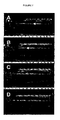
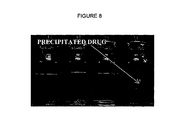
Figure 7: Side elevation view of the stability of solutions systems after prolonged storage
at ultra low temperature (-20°C for 6 months) and precipitation of drug in-situ utilising a
combination of anti-solvents.
Figure 8: A graph illustrating the deposition profiles of salbutamol maleate and oleate at
low temperature and high relative humidity.
Figure 9 : A graph illustrating the deposition profiles of salbutamol maleate and oleate at
high temperature and low relative humidity.
Figure 10: A graph illustrating the deposition profiles of salbutamol maleate and oleate at
low temperature and low relative humidity.
Figure 11: A graph illustrating the deposition profiles of salbutamol maleate and oleate at
high temperature and high relative humidity.
Figure 12: A graph illustrating the deposition profiles of critical inhaler data: actuator
deposition, throat deposition and fine particle fraction of a salbutamol maleate pressurized
metered dose inhaler formulation.
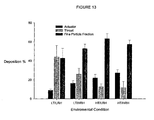
Figure 13: A graph illustrating the deposition profiles of critical inhaler data: actuator
deposition, throat deposition and fine particle fraction of a salbutamol oleate pressurized
metered dose inhaler formulation.
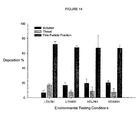
Figure 14 : An SEM of salbutamol maleate particles deposited on a cascade impactor plate
(stage 4).
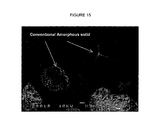
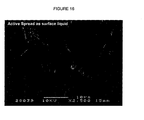
Figure 15: An SEM of salbutamol oleate particles deposited on a cascade impactor plate
(stage 4).
Detailed description of the invention.
It has been suggested from experimental investigations that the environment of the respiratory
tract can influence the fate of inhaled aerosol particles. These influences have been observed
from the deposition patterns that result from the physicochemical composition of the aerosol
cloud, and the thermodynamic and kinetic interactions thereafter with the local environment: the
temperature and humidity profiles of the respiratory tract. The human lung is essentially warm
and humid, but it is however difficult to quantitate and map the localized temperature and
humidity profiles throughout the system. In fact, it has been shown, the actual temperature and
humidity profiles depend on the route of the passage of air: whether the air has been
conditioned by nasal or oral breathing.
Preferred aerosol formulations of the invention comprise a therapeutic amount of a salt parent
compound or derivative either singly or as a combination, a propellant or group of propellants
selected from the group consisting of HFA 134(a) and or HFA 227 and mixtures thereof, and co-solvents,
dispersants and excipients, in an amount to effect solubility of said salts and to dictate
evaporation and hygroscopic processes. Other propellants may be taken from the following
illustrative non-constrictive examples: decapentane, perfluorooctylbromide ... etc.
Changes in chemical composition of the formulation, both active and excipients, can then either
accentuate or negate the effects of such interactions with water vapour molecules on resultant
aerosol cloud emitted from the inhaler hardware. In the presence of varying degrees of water
vapour many pharmaceutical preparations have been shown to be hygroscopic in nature, and
strongly interact with water vapour present. Thus, upon the interaction of an aerosol particle
with the water vapour, particles may change in size, shape and density. As a result, particle
deposition both in terms of mass and specific location may markedly differ and clinical efficacy
becomes effectively diminished.
The invention described discloses the steps that can be taken to manipulate and model the
effects of particle deposition from first principles: from drug derivative synthesis, selection of
stable pharmaceutical aerosol formulations, screened to produce solution or suspension
derivatives either in bulk or in situ (the canister) and the subsequent effects on particle
morphology that may allow manipulation of particle size depositions to deposit to selected
locations of the lung. It has been further discovered that from such manipulations that the
particle morphology can be altered to change physical state on deposition. Derivatives can be
deposited as solids or possibly more advantageously as diffusely spread "liquid crystals", which
is not apparent in the solid form. Surfactant like preparations, which phase transition at body
temperature from conventional crystalline solids with elevated melting points/phase
temperatures are not known, and is counterintuitive as phase transition temperatures of the
solid usually dictate the physical form. A selection of derivatives are included in table 0.
To monitor the effects of hygroscopicity the first stage of experimentation dictated the synthesis
of ethanol soluble derivatives of a model respiratory therapeutic. The beta2 agonist salbutamol
was chosen for this phase. This compound is preferred, but not intended to be in any way
limiting as other active pharmaceutical ingredients may be employed. The derivatives chosen
were selected as they covered extremes of water solubility.
Derivative synthesis and formulation screening
The co-solvent used to screen derivative solubility and formulation approach was ethanol.
Ethanol is a preferred co-solvent as it is toxilogically acceptable and miscible with HFA
propellants, however, other acceptable co-solvents may be used for example glycerol,
ployacohols, sugars isopropanol butanol etc. A comprehensive list can be taken from texts such
as the handbook of pharmaceutical excipients. Ethanol and water mixtures may be utilised. For
solution aerosols a single phase is required when in the final formulation, but equally a
suspension or emulsion may results and be utilised. As the model bronchodilator was a basic
compound acids requisite for salt formation (from pKa values) were selected. Organic acids
proved suitable and are preferred but any suitable acid may be used. Further, it was discovered
that carboxylic unsaturated organic acids were highly ethanol soluble although low molecular
weight unsaturated acids such as butyric proved useful. During experimentation it was
elucidated that in certain circumstances cis configured acid adducts indicated improved
solubility over their trans counterparts: salbutamol maleate was ethanol soluble whereas
salbutamol fumarate was not. A list of experimentally chosen acids are given in table 1 along
with associated solubility expressed as a percentage weight per weight of solvent calculated
from theory, (Clausius Clayperon relationship) but are in no way intended to be limiting. The
solvent necessary to facilitate dissolution is assumed to be of sufficient dielectric constant and
an ideal solvent, although skilled practitioners will endeavor to try a range of solvents as
formulation science is empirical. Other examples of suitable acids are acetate,
benzenesulphonate, mesylate etc, and can be sought from any suitable text: Martindale 2005.
Indeed, several other salts have been manufactured some, of which, have been cited in he
literature but never considered in pressurized metered dose inhalers. From the method of
manufacture melting points as evaluated by DSC differed for some compounds (see table 0).
This leads to an extended function of the invention: the use of polymorphs, clathrates solvates
and also single enantiomers. Preferentially precipitated or solvated species may result from
careful selection of reagents and forms of the active described. Preferentially precipitated or
solvated compounds can be isolated either in bulk or in-situ for use.
For those well versed in the technology derivatives may be alternatively prepared by
manipulation of the chemistry: esterification to produce suitable esters, production of ethers,
polymerization reactions, preferential selection from keto-enol tautomerism and any suitable
organic reaction mechanism.
Theoretically calculated with practically measured solubilities are indicated in figures 1 and 2 for
a selection of derivatives. Stable solution formulations are one embodiment of the invention
since if a salt derivative does not precipitate from a reaction solution in which the crystallising
solvent is ethanol it is inferred then a stable solution with pressurised liquefied gases is
achievable. Two non-limiting examples of use of the manufacture/ screening method are
described below.
Example 1
Synthesis of Salbutamol cis-butenedioate (Maleate) (BULK)
Approximately 0.5g (0.004 moles) of Maleic acid was dissolved in approximately 4ml (3.2g) of
absolute ethanol and 3.2 g of diethyl ether by gentle warming and agitating for several minutes
until complete dissolution had occurred. Approximately 1.0g (0.004 moles) of salbutamol base
was subsequently added to the acid solution. The vessel was sealed and then warmed with
agitation until the base had completely dissolved. The vessel was chilled for 24 hours at approx
2-8C to induce precipitation. The supernatant was removed and a further 5 ml of diethyl ether
was added. The resultant oil was triturated until a white solid appeared. The solid was vacuum
filtered and air-dried. By careful manipulation of the reagents the salt could be crystallised
directly in the flask.
Example 2 (IN-SITU)
Alternatively, a solution of the salt can be prepared by stoichiometric reaction between drug and
acid. Solution concentrates can be prepared over a range of concentrations for example from
0.1-100% w/w but can be adjusted for concentrations dependent on solubility, clinical efficacy,
and temperature. These are then charged to the appropriate vessel in a required concentration
and a metering valve crimped on the vessel. Depending on the concentration and volume of the
solution antisolvent is charged through the vessel to initiate precipitation. The amount and rate
can be manipulated to give desired character of particles ex-actuator. (See figure 8)
Example 3
Synthesis of Salbutamol cis-octadecenoate (Oleate)
Approximately 0.33g (0.001 moles) of oleic acid was dissolved in 10ml of acetone with warming.
To this solution was added approximately 0.25g (0.001 moles) of salbutamol base, which
formed a milky suspension formed. The vessel was sealed and the suspension heated with
serial venting until complete dissolution of the base. The solution was then chilled, and an oil
then formed, which was re-dissolved by agitation at room temperature. A white precipitate
formed after several minutes.
The three examples above are illustrative, and it is recognised that adept practitioners in the art
will try a plethora of solvent combinations and additives to enhance either solubility or induce
crystallisation. As supplementary personifications, drug salt adducts may be two active
compounds ultimately forming a single drug. By way of a non-restrictive example a basic
compound such as salbutamol and an acidic compound such as cromoglycic acid would
potentially form salbutamol cromoglycate.
Alternatively, bronchodilators and steroids may be employed. Other auxiliary examples may
comprise one or more active compounds in solution but co medicaments may be in solution or
suspension. Such further actives may include but not be limited to analgesics such as codeine,
morphine Tetrahydocannabinol or dihydrocodeine; anti allergics such as cromoglycate or
nedocromil; antibiotics such as penecillins, cephamycin, sulphonamides or tetracyclines;
antihistamines such as methapyrilines; antitussives such as noscapine, xanthines or
thephylines; steroids such as beclomethasone diproiponate, fluticasone, dexamethasone and
the like; parasympathomimetics such as ipratropium bromide and oxitrpium bromide and
tiotropium bromide; therapeutic peptides and proteins or amino acids such as insulin and
anticancer agents such as methotreaxate and tamoxifen.
The solid compound is then isolated by a suitable method. Figures 3 and 4 indicates the
solubility profiles of the respective salts synthesised. To formulate stable ethanol soluble
derivatives an empirical approach was taken whereby formulations were prepared in plastic
coated glass bottles with co-solvent levels ranging from 1-50% w/w respectively. The mass of
derivative was formulated at a level to give an equivalent to 100mcg of free base per actuation
from the metering valve. Results from the formulations are depicted in figure 5 for the maleate
salt 6 for the oleate salt and 7 to illustrate the precipitation technique by 7 controlled
precipitation by the use of a second antisolvent: water on formulations of salbutamol maleate.
Evaluation of the results displayed stable solution formulations of both salts achievable at 15%
w/w co-solvent level for the maleate and 30%w/w for the oleate. Skilled artisans may endeavour
to include surfactants or further co-solvents to enhance solubility. Such excipients may include
but not be limited to conventional surfactants: Brij's Tween's lecithins polyvinylpyrollidone and
those described in suitable pharmaceutical excipients handbooks. Figures 5, 6 (maleate salt
side and plan views) and 7 (oleate salt arrows indicate crystals) illustrate 134(a) as an
antisolvent as the drug crystallises from solution. The particle size of each drug is different,
which leads to an embodiment of invention: use of derivative, co-solvent level, excipients level
and antisolvent concentrations to precipitate actives to a desired particle size by careful
moderation of the components.
In figure 7 the use of a further embodiment of the invention is described: a solution aerosol is
formed and a controlled precipitation is produced from a combination of anti-solvents. In this
embodiment the drug precipitates from a HFA 134(a) and water mixture. This is a novel, as
these two agents (water and 134a) are routinely kept apart for a variety of formulation issues.
The solution was stable at room temperature but precipitated at low temperatures particularly <
-20°C. This leads to facilitate those skilled in the art to try various combinations and
permutations of reaction conditions. The nature/chemical composition of the reagents,
temperature of reagents, pressure of reagents and order of addition can all be utilised to give
the desired particle size. The use of water is a further embodiment of the invention. In small
concentrations water is soluble in the new HFA propellants. As an example actives with a high
solubility may be dissolved in water and "crash precipitated" by use of a suitable anti-solvents
erstwhile illustrated.
For example, figures 8-13 delineate a range of particle sizes resulting from a selection of drug
and said reaction conditions after emanation from a metered dose inhaler. Precipitated drug and
excipients combinations can be left as an in situ formulation or the anti-solvents removed and
the powdered medicament used externally: within a dry powder inhaler. Drug excipients
combinations manufactured from this method may allow improvements in powder flow and de-aggregation
and improved stability of medicaments that are affected by moisture. Indeed it may
be that those skilled in the art may produce particle for use in other dosage forms not related to
inhalation therapy as the method of manufacture is suitable for thermally labile compounds.
The following are non restrictive examples of formulations using either solution or suspension
technologies:
Example 4
|
Solution formulation: At RT (approximate values)
|
| Component |
Mass / g |
% w/w |
| Salbutamol Maleate |
0.025 |
0.242 |
| Ethanol |
1.50 |
14.5 |
| 134(a) |
8.50 |
82.32 |
| Water |
0.3 |
2.91 |
The above formulation forms a suspension when stored at sub-zero temperatures indicating
that temperature of components are important during particle size of formulations
Example 5
|
Solution formulation: At RT (approximate values)
|
| Component |
Mass / g |
% w/w |
| Salbutamol Maleate |
0.025 |
0.242 |
| Ethanol |
1.50 |
14.5 |
| 134(a) |
8.50 |
82.3 |
Example 6
|
Suspension formulation: At RT (approximate values)
|
| Component |
Mass / g |
% w/w |
| Salbutamol Maleate |
0.016 |
0.16 |
| Ethanol |
0.053 |
0.53 |
| 134(a) |
9.931 |
99.31 |
Aerosol cloud particle size and morphology manipulation
It is well-known that formulation parameters including the delivery hardware influence resulting
particle size of a propellant driven. By doing so, the resulting MMAD for a suspension-based
inhaler could be manipulated. The aforementioned criteria have some credence when solution
systems are considered, but several deviations occur. The main problems with solution systems
are the 'finer' particle size and their resulting implications related to therapeutic index (June, D.
(1997) Achieving the change: Challenges and successes in the formulation of CFC-free
pMDI's. Eur Respir. Rev. 7: 32-34.). In conjunction, devices are currently tested under
laboratory environments by a number of sizing methods, which measure the aerosol particle
size fractions in-situ or by fractionating into particle size ranges. This allows the calculation of
the average particle size, the total drug recovered, and the residual drug deposited on the
device/actuator. There are, however, two major problems with the testing of aerosols by current
pharmacoepial methods: firstly, when aerosols are measured by different methods they often
yield different information and, secondly, all measurements are made at ambient conditions of
temperature and relative humidity. As the human body and respiratory tract essentially operates
at 37°C and 99.5 % relative humidity, although temperature and humidity gradients are know to
exist, then characteristic measurements of aerosol delivery should be made under or
approaching these conditions.
It would be advantageous therefore to be able to manipulate aerosol cloud dynamics with"
minimum formulation" requirements: without the use of additional non-volatile excipients such
as glycerol although those in the art may wish to incorporate them into formulations. Disclosed
and hitherto unknown are two derivatives formulated which produce aerosol particle size
distributions contrary to what is expected. Further when tested under varying conditions of
temperature and humidity the resultant clouds change in character. To complement this, it has
been also discovered that certain specifications of the aerosol deposition change, and it would
be advantageous to incorporate varying water a contents and temperatures of make up air to
the aerosol.
Non-limiting example of formulation preparation
Formulations of salt derivatives whether prepared by the following method but any suitable
method can be utilise. Plastic coated glass pMDI bottles (St Gobain, France) were weighed on a
balance and tared after first undergoing a rinse with clean and dry compressed air. Drug was
weighed accurately by difference in order to give an equivalent of 100mcg freebase as related
to molecular mass of the salt and the same procedure repeated for absolute ethanol (Fisher
scientific). A continuous sprat valve was crimped on (Bespak, Kings Lynn, UK), according to
manufacturers specifications and the bottle then sonicated (Decon FS 3006) for several minutes
to induce complete dissolution of the drug. The bottle was then dried and once again tared on
the balance. HFA 134(a) was subsequently charged through the valve using a Pamasol 2002
hand gasser crimper (DH Industries, Laindon, Essex, UK). The final formulation preparation was
sonicated for a further several minutes for completeness. Formulations were then stored at
specified temperatures and assessed periodically. All solutions were prepared in duplicate. 10%
w/w ethanol : 90% w/w HFA 134(a) formulations were prepared. This is in no way intended to
limit the extent of the formulations.
Manipulation of critical particle size
Tables 2,3 and 4 and figures 13 and 14 indicate the effects of salt selection on critical particle
size parameters. Throat deposition and fine particle fraction are two major descriptors of emitted
aerosol clouds. For a water insoluble derivative the fine particle fraction is unaffected by
environment, whereas the water-soluble derivative was. It is therefore a preferred incarnation of
the invention to select a derivative that if desired might negate the undesirable effects of
hygroscopic growth. Alternatively a reduced deposition may be required, which can be achieved
by utilisation of said derivatives. In a preferred embodiment reduced throat deposition of drugs
is possible; for drugs that cause candiasis e.g. steroids this would be of immense benefit. From
the data generated metered dose inhalers of this type would benefit from high temperature and
humidity of intake air along with the aerosol.
Solutions were tested for particle size using a cascade impactor, which to that practitioner
skilled is standardised method for determining particle size distributions, under conditions of
thermal and environmental control. Figures 9-12 illustrate the invention from particle size
results. Both salt forms should when formulated at a low co-solvent should have resulted in
deposition patterns similar to the oleate: small MMAD and patterns centred on stages 6,7, and
filter of the impactor. Surprisingly, both salts gave different deposition patterns indicated when
tested under differing conditions illustrated in table 2. It is therefore an embodiment to use
derivatives to utilise derivatives not known to optimise deposition.
It was also noted that both temperature and co-solvent level affected the MMAD and changing
the co-solvent level and temperature further affected the MMAD:
At 15% w/w co-solvent and 4°C the MMAD was 2.08 microns and 37° C the MMAD was 1.67
microns, whereas at 20% w/w co-solvent and 4°C the MMAD was 2.30 microns and 37° C the
MMAD was 1.96 microns respectively.
Manipulation of particle morphology
Particles that emanate from varying forms of inhalers exhibit differing morphologies. For
example, particles emitted from dry powder inhalers consist of crystals of peculiar habits related
to the active and lactose carriers. Depending on the drug and blend of carrier the particles these
will exhibit changes in morphology and associated deposition patterns when they interact with
warm and humid conditions of the human lung. Those from pressurised metered dose inhalers
are effectively equivalent to spray dried particles and as such are amorphous solids. As such
these deposit at specific locations of the lung as indicated from in vitro measurements via
andersen cascade impactor. As an extended example of the invention it was discovered that
drug salt derivative changed the morphology of the particles. Those synthesised from the fatty
acid oleic acid, which has been a conventional surfactant for CFC inhalers and used as a valve
lubricant indicated a liquid and not a solid particle and had been modified and had acquired
surfactant like nature. Surfactants have been routinely used in respiratory medicine.
Morley. C.
J., Bangham. A.B., Miller. N., Davis. J.A. (1981) Dry artificial lung surfactant and its effect
on very premature babies. The Lancet. As such compounds such as phospholipids are
essentially lyotropic liquid crystals and as such are influenced by solvent interactions;
depending on the concentration of lipid, solvent-induced aggregation of the constituents results
in a complex range of structures. Formulations of which have been manufactured to phase
transition and spread at an air water interface. Unexpectedly, the oleate salt spread as a
surfactant, but had a higher phase transition temperature than the lab ambient and did so
without a liquid air interface. This spreading ability it is theorised can be utilised to deliver active
medicaments to cover more receptors and negotiate obstructions in the lung to reach its desired
target
| SALT ANION | MELTING POINT (approx.) °C |
| Acetate | ND |
| Fumarate | ND |
| Lactate | ND |
| NB the Fumarate was insoluble in ethanol even though its only difference to the maleate was the trans arrangement of the carboxylic acid groups. |
| |
| Adipate | 192 |
| Stearate | 108 |
| NB The adipate and state mp differs from that described by Jashnani et al probably due to the solvents used in the synthesis |
| |
| Mesylate | Degrades after 124 |
| Besylate | Degrades after 138 |
| Tosylate | Approx 160 |
| Succinate | 186 |
| Nitrate | 147 |
| Phosphate | 201 |
| Hydrochloride | 188 |
| Maleate | 130 |
| Sulphate | 200 |
| Oleate | 77 |
| Salt Derivative | Theoretical Solubility % w/w |
| | 0°C | 4°C | 25°C | 37°C |
| Maleate | 13.231 | 15.797 | 37.047 | 57.251 |
| Stearate | 1.417 | 1.931 | 8.559 | 18.307 |
| Oleate | 9.261 | 12.305 | 48.280 | 97.033 |
| Drug derivative | Low Temp Low RH | Low Temp High RH | High Temp Low RH | High Temp High RH |
| Maleate | 1.48 | 1.35 | 1.11 | 1.21 |
| Oleate | 1.27 | 1.42 | 0.87 | 1.13 |
| %Deposited at Location | LT/LRH | LT/HRH | HT/LRH | HT/HRH |
| ACTUATOR | 8.97 | 16.33 | 22.00 | 27.35 |
| THROAT | 44.24 | 25.96 | 12.74 | 11.78 |
| FPF | 42.76 | 52.88 | 63.24 | 57.42 |
| % Deposited at Location | LT/LRH | HT/LRH | LT/HRH | HT/HRH |
| ACTUATOR | 6.86 | 16.74 | 19.54 | 20.37 |
| THROAT | 17.29 | 7.70 | 8.82 | 7.52 |
| FPF | 72.33 | 67.87 | 67.43 | 67.00 |