EP1588631A1 - Method of improving storage properties of foods and drinks - Google Patents
Method of improving storage properties of foods and drinks Download PDFInfo
- Publication number
- EP1588631A1 EP1588631A1 EP04704711A EP04704711A EP1588631A1 EP 1588631 A1 EP1588631 A1 EP 1588631A1 EP 04704711 A EP04704711 A EP 04704711A EP 04704711 A EP04704711 A EP 04704711A EP 1588631 A1 EP1588631 A1 EP 1588631A1
- Authority
- EP
- European Patent Office
- Prior art keywords
- fat
- oil
- bread
- food
- lipase
- Prior art date
- Legal status (The legal status is an assumption and is not a legal conclusion. Google has not performed a legal analysis and makes no representation as to the accuracy of the status listed.)
- Withdrawn
Links
Images
Classifications
-
- A—HUMAN NECESSITIES
- A23—FOODS OR FOODSTUFFS; TREATMENT THEREOF, NOT COVERED BY OTHER CLASSES
- A23B—PRESERVATION OF FOODS, FOODSTUFFS OR NON-ALCOHOLIC BEVERAGES; CHEMICAL RIPENING OF FRUIT OR VEGETABLES
- A23B2/00—Preservation of foods or foodstuffs, in general
- A23B2/70—Preservation of foods or foodstuffs, in general by treatment with chemicals
- A23B2/725—Preservation of foods or foodstuffs, in general by treatment with chemicals in the form of liquids or solids
- A23B2/729—Organic compounds; Microorganisms; Enzymes
- A23B2/742—Organic compounds containing oxygen
- A23B2/754—Organic compounds containing oxygen containing carboxyl groups
-
- A—HUMAN NECESSITIES
- A21—BAKING; EDIBLE DOUGHS
- A21D—TREATMENT OF FLOUR OR DOUGH FOR BAKING, e.g. BY ADDITION OF MATERIALS; BAKING; BAKERY PRODUCTS
- A21D13/00—Finished or partly finished bakery products
-
- A—HUMAN NECESSITIES
- A21—BAKING; EDIBLE DOUGHS
- A21D—TREATMENT OF FLOUR OR DOUGH FOR BAKING, e.g. BY ADDITION OF MATERIALS; BAKING; BAKERY PRODUCTS
- A21D15/00—Improving finished, partly finished or par-baked bakery products
-
- A—HUMAN NECESSITIES
- A21—BAKING; EDIBLE DOUGHS
- A21D—TREATMENT OF FLOUR OR DOUGH FOR BAKING, e.g. BY ADDITION OF MATERIALS; BAKING; BAKERY PRODUCTS
- A21D2/00—Treatment of flour or dough by adding materials thereto before or during baking
- A21D2/08—Treatment of flour or dough by adding materials thereto before or during baking by adding organic substances
- A21D2/14—Organic oxygen compounds
- A21D2/16—Fatty acid esters
-
- A—HUMAN NECESSITIES
- A23—FOODS OR FOODSTUFFS; TREATMENT THEREOF, NOT COVERED BY OTHER CLASSES
- A23B—PRESERVATION OF FOODS, FOODSTUFFS OR NON-ALCOHOLIC BEVERAGES; CHEMICAL RIPENING OF FRUIT OR VEGETABLES
- A23B2/00—Preservation of foods or foodstuffs, in general
- A23B2/70—Preservation of foods or foodstuffs, in general by treatment with chemicals
- A23B2/725—Preservation of foods or foodstuffs, in general by treatment with chemicals in the form of liquids or solids
- A23B2/729—Organic compounds; Microorganisms; Enzymes
- A23B2/742—Organic compounds containing oxygen
-
- A—HUMAN NECESSITIES
- A23—FOODS OR FOODSTUFFS; TREATMENT THEREOF, NOT COVERED BY OTHER CLASSES
- A23B—PRESERVATION OF FOODS, FOODSTUFFS OR NON-ALCOHOLIC BEVERAGES; CHEMICAL RIPENING OF FRUIT OR VEGETABLES
- A23B2/00—Preservation of foods or foodstuffs, in general
- A23B2/70—Preservation of foods or foodstuffs, in general by treatment with chemicals
- A23B2/725—Preservation of foods or foodstuffs, in general by treatment with chemicals in the form of liquids or solids
- A23B2/729—Organic compounds; Microorganisms; Enzymes
- A23B2/742—Organic compounds containing oxygen
- A23B2/754—Organic compounds containing oxygen containing carboxyl groups
- A23B2/758—Carboxylic acid esters
-
- A—HUMAN NECESSITIES
- A23—FOODS OR FOODSTUFFS; TREATMENT THEREOF, NOT COVERED BY OTHER CLASSES
- A23B—PRESERVATION OF FOODS, FOODSTUFFS OR NON-ALCOHOLIC BEVERAGES; CHEMICAL RIPENING OF FRUIT OR VEGETABLES
- A23B2/00—Preservation of foods or foodstuffs, in general
- A23B2/70—Preservation of foods or foodstuffs, in general by treatment with chemicals
- A23B2/725—Preservation of foods or foodstuffs, in general by treatment with chemicals in the form of liquids or solids
- A23B2/729—Organic compounds; Microorganisms; Enzymes
- A23B2/783—Microorganisms; Enzymes
-
- A—HUMAN NECESSITIES
- A23—FOODS OR FOODSTUFFS; TREATMENT THEREOF, NOT COVERED BY OTHER CLASSES
- A23B—PRESERVATION OF FOODS, FOODSTUFFS OR NON-ALCOHOLIC BEVERAGES; CHEMICAL RIPENING OF FRUIT OR VEGETABLES
- A23B45/00—Preservation of finished bakery products
Definitions
- microorganism-derived lipases are those derived from microorganisms belonging to the genera Mucor, Rizopus , Candida , Aspergillus , Arthrobacter , Pseudomonas and Chromobacterium.
- the resulting liquid may be used as it is. It is preferred, however, to carry out heat treatment at 50 to 100°C, preferably 60 to 90°C for 5 to 60 minutes to inactivate lipase.
- the methods of purification may be any ordinary methods that can purify fatty acids and include liquid-liquid extraction methods, solid-liquid extraction methods, liquid chromatographic methods and the like.
- milk products such as whole milk, powdered whole milk, skim milk powder and fresh cream
- grain flours such as wheat flour, rye flour and rice flour
- fruit juice such as apple juice
- the agent for improving the keeping quality of the present invention may further contain food additives such as inorganic salts, nucleic acids, sugars, seasonings, spices and fillers according to need.
- food additives such as inorganic salts, nucleic acids, sugars, seasonings, spices and fillers according to need.
- the amount of addition is 0.01 to 1 parts by weight, preferably 0.01 to 0.5 parts by weight in the case of the acid and 0.01 to 20 parts by weight, preferably 0.01 to 10 parts by weight as the culture of a lactic acid bacterium in the case of the culture of a lactic acid bacterium or the treated matter thereof per 100 parts by weight of the food and drink.
- the sponge and dough method about 30wt% to 100wt% of the grain flour to be used, yeast, yeast food and the like are mixed and kneaded with water to obtain a sponge.
- the obtained sponge is fermented at 25 to 35°C for 1 to 5 hours, and then mixed and kneaded with the remaining ingredients such as grain flour, water, salt, sugar, skim milk powder, shortening, egg, butter and the like (dough mixing).
- the resulting dough is further fermented at 25 to 30°C for 20 minutes to 2 hours and then subjected to dividing, benching, molding, proofing (25 to 42°C) and baking (170 to 240°C).
- the amount of the acid to be added is 0.01 to 1 parts by weight, preferably 0.01 to 0.5 parts by weight per 100 parts by weight of the grain flour, and that of the culture of a lactic acid bacterium or the treated matter thereof to be added is 0.01 to 20 parts by weight, preferably 0.01 to 10 parts by weight as the culture of a lactic acid bacterium per 100 parts by weight of the grain flour.
- Lipase-treated matter of oil and fat B (280 g) was obtained by carrying out the same procedure as in Example 1 except for using 300 g of coconut oil and 200 ml of water.
- dough (I) To dough (I) were added 300 g of strong flour, 50 g of sugar, 20 g of salt, 20 g of skim milk powder and 260 g of water, and the mixture was kneaded at a low speed for 3 minutes and at a medium high speed for 4 minutes. Then, 50 g of shortening was further added to the kneaded dough, and the mixture was kneaded at a low speed for 2 minutes, at a medium high speed for 3 minutes and at a high speed for 4 minutes so that the temperature of the resulting dough was 28°C. The dough thus obtained is designated as dough (II).
- Dough (III) was baked at 210°C for 28 minutes using an oven (Reel Oven ER-6-401, manufactured by Fujisawa Seisakusho Co., Ltd.) to make bread.
- the spore suspension was inoculated onto 25 spots on each slice in an amount of 10 ⁇ l per spot.
- spores was added 5 ml of a 0.1% (v/v) Tween 80 solution to suspend the spores, and the resulting suspension was passed through a 40 ⁇ m cell strainer (manufactured by FALCON) twice.
- the spore suspension thus obtained was added to a 15% (v/v) glycerol solution to a density of 5 x 10 6 spores/ml and stored in a frozen state at -80°C until the time of use.
- Loaves of bread were made according to the same process as that of making the control bread in Example 3 except that in the step of making dough (II): 5.0 g of the lipase-treated matter of oil and fat A obtained in Example 1 was added to dough (I), the resulting bread being designated as Bread (i); 7.0 g of a brewed vinegar (high-acid vinegar HDV containing 15 wt% acetic acid, manufactured by Kewpie Jyozo Co., Ltd.) was added to dough (I), the resulting bread being designated as Bread (ii); 30.0 g of the culture of a lactic acid bacterium described below was added to dough (I), the resulting bread being designated as Bread (iii); 5.0 g of the lipase-treated matter of oil and fat A obtained in Example 1 was added, and further 7.0 g of the brewed vinegar was added to dough (I), the resulting bread being designated as Bread (iv); 5.0 g of the lipase-treated matter of oil and fat A obtained in Example 1 was added
- the culture of a lactic acid bacterium used was obtained in the following manner.
- Hiyamugi, Udon, Soba or Chinese noodle is made according to the conventional methods by adding 0.5 g of the mixture described in Example 9 per 100 g of flour.
Landscapes
- Life Sciences & Earth Sciences (AREA)
- Engineering & Computer Science (AREA)
- Food Science & Technology (AREA)
- Wood Science & Technology (AREA)
- Zoology (AREA)
- Chemical & Material Sciences (AREA)
- Polymers & Plastics (AREA)
- Bakery Products And Manufacturing Methods Therefor (AREA)
- Food Preservation Except Freezing, Refrigeration, And Drying (AREA)
- Edible Oils And Fats (AREA)
Abstract
The present invention relates to food and drink and
an agent for improving the keeping quality of food and
drink comprising a lipase-treated matter of oil and fat, a
method for improving the keeping quality of food and drink
by adding the treated matter, and a method for producing
food and drink which comprises adding the treated matter
to food and drink.
Description
The present invention relates to food and drink, an
agent for improving the keeping quality of food and drink,
a method for improving the keeping quality of food and
drink, and a method for producing food and drink.
Addition of preservatives is one of the methods for
preventing putrefaction of foods by microorganisms.
As preservatives, chemical compounds such as benzoic
acid or its sodium salt, sorbic acid or its potassium
salt, sodium dehydroacetate, paraoxybenzoic acid esters,
and propionic acid or its calcium or sodium salt are used.
However, among chemical compounds, there are some
that have toxicity, though having antifungal activity,
such as benzoic acid, benzoic acid derivatives, sorbic
acid and sorbic acid derivatives; some that have low
toxicity but may deteriorate the flavor of food and drink
depending upon the amount used or the kind of food and
drink; and further some that influence the productivity of
food and drink in certain cases.
As natural substances, storax extract, Artemisia
capillaries extract, milt protein, pectin hydrolyzate,
Magnolia obovata extract, ε-polylysine, forsythia extract
and the like are used.
However, natural substances generally have poor
activity against fungi such as molds.
Further, organic acids such as acetic acid, sodium
acetate and propionic acid, ethanol, sugar alcohols and
the like are used to serve as a preservative. In bread
making, for example, sodium acetate is used usually to
serve as a preservative.
However, organic acids, ethanol and sugar alcohols
also may influence foods and drinks depending upon the
amount used.
On the other hand, it is known that lactic acid
bacteria which have been used for food and drink from a
long time ago produce substances having antibacterial and
antifungal activities. Examples of known substances
produced by lactic acid bacteria and having antifungal
activity include acetic acid, caproic acid, formic acid,
propionic acid, butyric acid, valeric acid, sorbic acid
and benzoic acid and their derivatives (see Applied
Microbiology and Biotechnology, 1998, Vol. 50, p. 253-256
and Food Microbiology and Safety, 2002, Vol. 67, p. 2271-2277);
protein-like substances (see Applied and
Environmental Microbiology, 2001, Vol. 67, p. 1-5); and 4-hydroxyphenyl
lactic acid (see Applied and Environmental
Microbiology, 2000, Vol. 66, p. 4084-4090).
However, caproic acid, for example, which is
considered to be the main component of an antifungal
substance produced by Lactobacillus sanfrancisco CB1, one
of lactic acid bacteria (see Applied Microbiology and
Biotechnology, 1998, Vol. 50, p. 253-256), may deteriorate
the flavor of food and drink when added to the food and
drink in large quantities.
An object of the present invention is to provide
food and drink, an agent for improving the keeping quality
of food and drink, a method for improving the keeping
quality of food and drink, and a method for producing food
and drink.
The present invention relates to the following (1)
to (27).
The oil and fat used in the present invention may be
any of oils and fats usually used for food, and animal
oils and fats and vegetable oils and fats are preferably
used.
Examples of animal oils and fats are milk fats, beef
tallow, lard and fish oil, and milk fats are preferably
used. Examples of milk fats are those derived from cow,
sheep, goat and buffalo.
Examples of vegetable oils and fats are coconut oil,
palm oil, palm kernel oil, rapeseed oil, soybean oil, corn
oil, rice bran oil, safflower oil, sesame oil, cottonseed
oil, olive oil, sunflower oil and peanut oil. Among
these, coconut oil, palm oil and palm kernel oil are
preferably used, and coconut oil is particularly
preferably used.
The animal oil and fat and vegetable oil and fat may
be prepared according to conventional methods for use, and
commercially available products thereof may also be used.
The animal oil and fat and vegetable oil and fat may
be used either alone or in combination.
As lipase, any lipase can be used such as animal-derived
or microorganism-derived lipases so long as it has
triacylglycerol lipase (E.C.3.1.1.3) activity.
Examples of animal-derived lipases are pig kidney-derived
lipase and lipase derived from the pharynx of
sheep, cow or goat.
Examples of microorganism-derived lipases are those
derived from microorganisms belonging to the genera Mucor,
Rizopus, Candida, Aspergillus, Arthrobacter, Pseudomonas
and Chromobacterium.
These lipases may be prepared according to
conventional methods for use, and commercially available
lipases may also be used.
Although lipase may be a purified product, matters
containing the enzyme such as a culture of a microorganism
having triacylglycerol lipase activity, treated matters of
the culture, cells and tissues of animals and plants
having triacylglycerol lipase activity, a culture thereof
and treated matters of the culture may also be used as
lipase.
The treated matters of a culture include
concentrated culture, dried culture, cells obtained by
centrifuging the culture, products obtained by treating
the cells by various means such as drying, treatment with
a surfactant, ultrasonication, mechanical friction,
treatment with a solvent, enzymatic treatment, protein
fractionation and immobilization.
The activity of lipase can be measured, for example,
according to the method of measuring glycerol formed by
decomposition [J. Biol. Chem., 235, 1912-1916 (1960)]; the
method of titrating free fatty acid [J. Biochem., 61, 313-319
(1967)]; and the method of measuring the radioactivity
of fatty acid liberated from a labeled substrate [J. Clin.
Invest., 59, 185-192 (1977)]. One unit (hereinafter noted
as "U") of enzyme activity for lipase is defined as the
amount of enzyme which forms 1 µmol of fatty acid in one
minute when the enzyme activity is measured in accordance
with the method described in Oil Chemistry, 1987, Vol. 36,
p. 821.
The lipase-treated matter of oil and fat of the
present invention can be obtained by adding lipase to the
above oil and fat, thereby carrying out lipase treatment
of the oil and fat.
It is preferred to mix oil and fat with water, if
necessary, after melting the oil and fat at a temperature
above its melting point, so as to make the content of the
oil and fat in the mixture 50 to 70wt%. Lipase treatment
is carried out, for example, by adding lipase to oil and
fat or a mixture of oil and fat with water, preferably
followed by emulsification treatment using a homogenizer
or the like, and keeping the resulting mixture at a
predetermined temperature for a predetermined period of
time.
The amount of lipase to be added varies depending
upon the kind of oil and fat, treatment conditions, etc.
Usually, 10 to 1000 U, preferably 100 to 800 U, more
preferably 150 to 500 U of lipase is added per gram of a
mixture of oil and fat with water.
The lipase treatment may be carried out at any
temperature so long as lipase can show triacylglycerol
lipase activity. The temperature of lipase treatment
varies depending upon the kind of lipase and that of oil
and fat, and is preferably in the vicinity of optimum
temperature of the lipase used and at the same time higher
than the melting point of the oil and fat used. For
example, the temperature is preferably 20 to 50°C, more
preferably 30 to 50°C.
The pH for the lipase treatment varies depending
upon the kind of lipase and that of oil and fat used.
Preferred is pH 2 to 8 and more preferred is pH 3 to 7.
The treatment time varies depending upon the kind of
lipase and that of oil and fat used, and is 2 to 120
hours, preferably 12 to 48 hours.
The lipase treatment is carried out by allowing the
mixture to stand or with shaking.
After the lipase treatment, the resulting liquid may
be used as it is. It is preferred, however, to carry out
heat treatment at 50 to 100°C, preferably 60 to 90°C for 5
to 60 minutes to inactivate lipase.
The lipase-treated matter may be used as the lipase-treated
matter of oil and fat of the present invention
either as it is or after heat treatment, or may be
concentrated, dried or purified for use as the lipase-treated
matter of oil and fat of the present invention.
The lipase-treated matter may be subjected to separation
and removal of the cells, etc., if necessary after heat
treatment, using a solid-liquid separation method such as
separation by precipitation, cake filtration, clarifying
filtration, centrifugal filtration, centrifugal
precipitation, pressing, separation, or a method using a
filter press and, if necessary, further subjected to
concentration, drying or purification to be used as the
lipase-treated matter of oil and fat of the present
invention.
The methods of concentration include concentration
by heating, freeze concentration, concentration by reverse
osmosis and concentration under reduced pressure, and
concentration under reduced pressure is preferably used.
The methods of drying include freeze-drying, natural
air drying, hot-air drying, air circulation drying,
ventilation drying, spray drying, drying under reduced
pressure, sun drying, vacuum drying, spray drying,
fluidized bed drying, foam-mat drying and film drying such
as drying with drum dryer, the ultrasonic drying method
and the electromagnetic wave drying method, and spray
drying and freeze-drying are preferably used.
The methods of purification may be any ordinary
methods that can purify fatty acids and include liquid-liquid
extraction methods, solid-liquid extraction
methods, liquid chromatographic methods and the like.
The agent for improving the keeping quality of food
and drink of the present invention (hereinafter also
referred to as the agent for improving the keeping quality
of the present invention) may be the lipase-treated
matters of oil and fat of the present invention which may
be used as they are, or may also contain an acid or a
fermentation product of lactic acid bacteria according to
need.
The agent for improving the keeping quality of food
and drink of the present invention may be used, for
example, as a preservative, a shelf life extender, an
anti-mold agent and an antiseptic agent and is preferably
used as an anti-mold agent.
The acids may be either inorganic acids or organic
acids, and organic acids are preferably used in view of
utilization for foods.
Examples of the organic acids are carboxylic acids
such as acetic acid, propionic acid, ascorbic acid,
fumaric acid, malic acid, tartaric acid and citric acid
and their salts, and acetic acid and its salts are
preferably used. Examples of the salts are sodium salt
and potassium salt.
The culture of lactic acid bacteria includes a
culture obtained by culturing a lactic acid bacterium in a
medium according to an ordinary method used for the
culturing of lactic acid bacteria. The cells or the
culture supernatant obtained by separation from the
culture according to such methods as centrifugation and
filtration may also be used as the culture of lactic acid
bacteria.
Examples of the lactic acid bacteria are
microorganisms belonging to the genera Lactobacillus,
Lactococcus, Streptococcus, Leuconostoc, Pediococcus,
Enterococcus and Tetragenococcus, and, for example, those
belonging to the genera Lactobacillus and Streptococcus
are preferably used. These microorganisms may be used
either alone or in combination of two or more kinds.
Examples of the microorganisms belonging to the
genus Lactobacillus are those belonging to Lactobacillus
bulgaricus, Lactobacillus brevis, Lactobacillus plantarum,
Lactobacillus sanfranciscensis, Lactobacillus
sanfrancisco, Lactobacillus italicus, Lactobacillus casei,
Lactobacillus delbrueckii and Lactobacillus helveticus.
Examples of the microorganisms belonging to the genus
Lactococcus are those belonging to Lactococcus lactis.
Examples of the microorganisms belonging to the genus
Streptococcus are those belonging to Streptococcus
thermophilus and Streptococcus salivarius. Examples of
the microorganisms belonging to the genus Leuconostoc are
those belonging to Leuconostoc cremoris. Examples of the
microorganisms belonging to the genus Pediococcus are
those belonging to Pediococcus acidilactici. Examples of
the microorganisms belonging to the genus Enterococcus are
those belonging to Enterococcus faecalis. Examples of the
microorganisms belonging to the genus Tetragenococcus are
those belonging to Tetragenococcus halophilus. Among
these microorganisms, Lactobacillus bulgaricus,
Lactobacillus italicus, Lactobacillus sanfrancisco,
Lactobacillus plantarum and Streptococcus thermophilus,
for example, are preferably used.
The treated matters of the culture of lactic acid
bacteria include dried products of the culture, the cells
or the supernatant of the culture and products obtained by
treating the culture or the cells with an enzyme, by
ultrasonication or mechanical fracture or with a solvent.
The methods of drying include freeze-drying, natural
air drying, hot-air drying, air circulation drying,
ventilation drying, spray drying, drying under reduced
pressure, sun drying, vacuum drying and the like.
An example of the enzyme used for the enzymatic
treatment is lysozyme, which is used by adding to the
culture or the cells.
An example of ultrasonication treatment is
ultrasonic disruption of the cells using ultrasonic
disruptor.
Mechanical fracture includes fracture using, for
example, a French press, Manton Gaulin homogenizer and
Dyno Mill.
As the solvent used for the solvent treatment,
ethanol, methanol and the like are preferably used, and
ethanol is more preferably used from the viewpoint of
utilization for food and drink. The solvent is used by
directly adding to the culture or the cells.
The lactic acid bacteria can be cultured under
ordinary culturing conditions for lactic acid bacteria,
for example, in a medium containing carbon sources,
nitrogen sources, inorganic substances, amino acids,
vitamins, etc.
As the medium, any of natural media and synthetic
media which contain carbon sources, nitrogen sources,
inorganic substances, trace elements, etc. can be used
insofar as it is a medium usually used for the culturing
of lactic acid bacteria.
Examples of the carbon sources are starch, dextrin,
sucrose, glucose, mannose, fructose, raffinose, rhamnose,
inositol, lactose, maltose, xylose, arabinose, mannitol,
molasses and pyruvic acid, which can be used alone or in
combination. The content of the carbon sources is
preferably 1 to 40 g/l.
Examples of the nitrogen sources are ammonium salts
such as ammonium chloride, ammonium sulfate, ammonium
phosphate, ammonium carbonate and ammonium acetate,
nitrates such as sodium nitrate and potassium nitrate, and
nitrogen-containing organic substances such as peptone,
yeast extract, meat extract, malt extract, corn steep
liquor, casein hydrolysate, soybean powder, vegetable
juice, casamino acid and urea, which can be used alone or
in combination. The content of the nitrogen sources is
preferably 1 to 20 g/l.
Examples of the inorganic substances are sodium
chloride, potassium chloride, calcium chloride, magnesium
sulfate, calcium carbonate, dipotassium hydrogenphosphate,
potassium dihydrogenphosphate, magnesium phosphate,
calcium phosphate, ferrous sulfate, manganese sulfate,
zinc sulfate and copper sulfate, which can be used alone
or in combination. The content of the inorganic
substances is preferably 0.1 to 2 g/l.
Examples of the trace elements are vitamins such as
pantothenic acid, biotin, thiamine and nicotinic acid and
amino acids such as β-alanine and glutamic acid, which
can be used alone or in combination. The content of the
trace elements is preferably 0.0001 to 2 g/l.
In addition to the above components, oleic acid,
linoleic acid, linolenic acid and ricinoleic acid, their
sodium salts, potassium salts or calcium salts, or
vegetable oils such as olive oil, cottonseed oil, linseed
oil, soybean oil, safflower oil and corn oil may be added
to the medium according to need.
Further, milk products such as whole milk, powdered
whole milk, skim milk powder and fresh cream, grain flours
such as wheat flour, rye flour and rice flour and fruit
juice such as apple juice can be used as natural media as
they are or by adding the above-mentioned components of
the medium according to need.
Culturing is preferably carried out by liquid
culturing method, particularly, submerged spinner
culturing method.
During the culturing, the pH of the medium is
adjusted to 2 to 11, preferably 3 to 10 and more
preferably 4 to 8, and culturing is carried out at 10 to
80°C, preferably at 10 to 60°C and particularly preferably
at 20 to 40°C usually for 4 hours to 10 days. For the pH
adjustment of the medium, sodium hydroxide, aqueous
ammonia, ammonium carbonate solution, etc. are used.
The agent for improving the keeping quality of the
present invention may further contain food additives such
as inorganic salts, nucleic acids, sugars, seasonings,
spices and fillers according to need.
Examples of the inorganic salts are sodium chloride,
potassium chloride and ammonium chloride. Examples of the
nucleic acids are sodium inosinate and sodium guanylate.
Examples of the sugars are sucrose, glucose and lactose.
Examples of the seasonings are natural seasonings such as
soy sauce, miso (soybean paste) and extracts. As the
spices, various kinds of spices can be used. Further,
examples of the fillers are dextrin which is a starch
hydrolysate and various kinds of starches. The amount of
these additives used can be properly determined according
to the purpose of use, and they can be contained, for
example, in an amount of 0.1 to 500 parts by weight per
100 parts by weight of the lipase-treated matter of oil
and fat.
The agent for improving the keeping quality of the
present invention, which is further mixed with food
additives or into which food additives are dissolved
according to need, is processed to produce, for example,
powders, granules, pellets, tablets and various liquid
preparations.
Although the content of the lipase-treated matter of
oil and fat in the agent for improving the keeping quality
of the present invention is not particularly limited, it
is preferred that 5 to 100 parts by weight of the lipase-treated
matter of oil and fat is contained per 100 parts
by weight of the agent for improving the keeping quality.
Further, when an acid or a culture of a lactic acid
bacterium or a treated matter thereof is contained, it is
preferred that 0.1 to 20 parts by weight in the case of
the acid or 0.1 to 60 parts by weight as the culture of a
lactic acid bacterium in the case of the culture of a
lactic acid bacterium or the treated matter thereof is
contained per 100 parts by weight of the agent for
improving the keeping quality.
By adding, to food and drink, the agent for
improving the keeping quality of the present invention or
the lipase-treated matter of oil and fat and, if
necessary, an acid or a culture of a lactic acid bacterium
or a treated matter thereof, it is possible to suppress
the growth of microorganisms such as bacteria, yeast and
fungi to improve the keeping quality of food and drink,
and particularly to efficiently suppress the growth of
fungi of the genera Aspergillus, Penicillium, etc.
The addition to food and drink may be done at any
stage of the production process of the food and drink.
The amount of addition to food and drink is 0.01 to
20 parts by weight, preferably 0.05 to 10 parts by weight
as the lipase-treated matter of oil and fat per 100 parts
by weight of the food and drink.
Further, when an acid or a culture of a lactic acid
bacterium or a treated matter thereof is added, the amount
of addition is 0.01 to 1 parts by weight, preferably 0.01
to 0.5 parts by weight in the case of the acid and 0.01 to
20 parts by weight, preferably 0.01 to 10 parts by weight
as the culture of a lactic acid bacterium in the case of
the culture of a lactic acid bacterium or the treated
matter thereof per 100 parts by weight of the food and
drink.
The agent for improving the keeping quality of the
present invention may be added to any foods and drinks
including, for example, bread such as one-loaf bread,
rolls, hard bread, sweetened bun and cooked bread;
confectionery and snacks such as rice crackers, potato
chips and cookies; noodles such as Somen (Japanese fine
wheat noodle), Hiyamugi (Japanese fine wheat noodle
thicker than Somen), Udon (Japanese wheat noodle), Soba
(Japanese buckwheat noodle) and Chinese noodle; seasonings
such as miso (soybean paste), soy sauce, sauce, soup
stock, dressing, mayonnaise and tomato ketchup; soups such
as Japanese clear soup, consommé soup, egg soup, wakame
seaweed soup, shark fin soup, potage and miso soup; soups
and sauces for noodles; cooked rice products such as rice
gruel, porridge of rice and vegetables, and rice with hot
tea or hot water poured on it; processed livestock
products such as ham, sausages and cheese; processed
marine products such as steamed fish paste, dried marine
products, salted and fermented fish products, and various
kinds of processed marine products suitable for
accompaniments for a drink; processed vegetable products
such as pickles; and cooked foods such as boiled foods,
fried foods, grilled foods and curry. The agent is
preferably used for foods and drinks the flavor of which
is improved by the addition of oil and fat. An example of
food and drink the flavor of which is improved by the
addition of oil and fat is bread.
The food and drink may be in the form of powdered
food, sheet-shaped food, bottled food, canned food, retort
pouch food, encapsulated food, tablet food, fluid food,
nutritional drink or the like.
Except for adding the agent for improving the
keeping quality of the present invention or the lipase-treated
matter of oil and fat and, if necessary, an acid
or a culture of a lactic acid bacterium or a treated
matter thereof to food and drink, the food and drink can
be produced according to ordinary production methods of
food and drink.
The food and drink of the present invention can also
be produced, for example, by using granulating methods
such as fluidized bed granulation, stirring granulation,
extrusion granulation, rolling granulation, air stream
granulation, compression molding granulation, crushing
granulation, spray granulation and jet granulation;
coating methods such as pan coating, fluidized bed coating
and dry coating; puffing methods such as puff drying,
excess vapor method, foam-mat method and microwave-heating
method; and extrusion methods using an extrusion
granulator or an extruder.
As an example of the method for producing the food
and drink of the present invention, a method for making
bread is shown below.
For making bread according to the present invention,
ordinary bread making methods are used except for adding
to dough the agent for improving the keeping quality of
the present invention or the lipase-treated matter of oil
and fat and, if necessary, an acid or a culture of a
lactic acid bacterium or a treated matter thereof.
There are two kinds of typical methods for making
one-loaf bread, sweetened bun, etc.; that is, the straight
dough method and the sponge and dough method. The former
is a method in which all the ingredients of dough are
mixed at a time, and the latter is a method in which at
first a sponge is made by adding yeast and water to a part
of grain flour and, after fermentation, the remaining
ingredients are added to the sponge.
However, the methods for making bread are not
limited to these.
Examples of the ingredients of dough are grain
flours, usually wheat flour, yeast, salt and water, and,
if necessary, sugar, skim milk powder, egg, yeast food,
shortening and butter.
In the straight dough method, all the ingredients of
dough are mixed and kneaded, and the kneaded mixture is
fermented at 25 to 30°C for 20 minutes to 4 hours. The
fermented dough is then subjected to the following steps:
dividing, benching, molding, proofing (25 to 42°C) and
baking (170 to 240°C).
In the sponge and dough method, about 30wt% to
100wt% of the grain flour to be used, yeast, yeast food
and the like are mixed and kneaded with water to obtain a
sponge. The obtained sponge is fermented at 25 to 35°C
for 1 to 5 hours, and then mixed and kneaded with the
remaining ingredients such as grain flour, water, salt,
sugar, skim milk powder, shortening, egg, butter and the
like (dough mixing). The resulting dough is further
fermented at 25 to 30°C for 20 minutes to 2 hours and then
subjected to dividing, benching, molding, proofing (25 to
42°C) and baking (170 to 240°C).
The agent for improving the keeping quality of the
present invention or the lipase-treated matter of oil and
fat and, if necessary, an acid or a culture of a lactic
acid bacterium or a treated matter thereof may be added at
any stage of the bread making process.
For example, in the case of the straight dough
method, they may be added to the ingredients of dough
before preparing dough, or may be added at the time of
mixing and kneading of dough after the ingredients are
mixed. In the case of the sponge and dough method, they
may be added to the ingredients before preparing a sponge,
at the time of mixing and kneading of a sponge, or to
dough at the time of dough mixing after preparation of a
sponge.
Although the amount of the agent for improving the
keeping quality of the present invention or the lipase-treated
matter of oil and fat to be added to bread is not
particularly limited, usually 0.01 to 20 parts by weight,
preferably 0.05 to 10 parts by weight as the lipase-treated
matter of oil and fat is added per 100 parts by
weight of the grain flour which is an ingredient of dough.
Further, when an acid or a culture of a lactic acid
bacterium or a treated matter thereof is added, the amount
of the acid to be added is 0.01 to 1 parts by weight,
preferably 0.01 to 0.5 parts by weight per 100 parts by
weight of the grain flour, and that of the culture of a
lactic acid bacterium or the treated matter thereof to be
added is 0.01 to 20 parts by weight, preferably 0.01 to 10
parts by weight as the culture of a lactic acid bacterium
per 100 parts by weight of the grain flour.
Examples of the present invention are shown below.
Salt-free butter (350 g, Snow Brand Milk Products
Co., Ltd.) and 150 ml of water were mixed, and the mixture
was maintained at 62°C for 30 minutes to carry out heat
sterilization. After the treatment, the mixture was
allowed to stand, and when the temperature fell to 42°C,
150,000 U of lipase derived from a microorganism of the
genus Candida (Lipase AY "AMANO" 30G, manufactured by
Amano Pharmaceutical Co., Ltd.) was added thereto with
mixing. The resulting liquid mixture was then emulsified
using a homogenizer. The emulsion was allowed to stand at
42°C for 48 hours to carry out lipase treatment. After
the lipase treatment, the emulsion was heated at 80°C for
30 minutes to inactivate lipase and the water layer was
removed to obtain 270 g of lipase-treated matter of oil
and fat A.
Lipase-treated matter of oil and fat B (280 g) was
obtained by carrying out the same procedure as in Example
1 except for using 300 g of coconut oil and 200 ml of
water.
Strong flour (700 g, Camellia flour, manufactured by
Nisshin Flour Milling Inc.), 20 g of yeast (DIA Yeast,
manufactured by Kyowa Hakko Kogyo Co., Ltd.), 1 g of yeast
food (PAN DIA C-500, manufactured by Kyowa Hakko Kogyo
Co., Ltd.) and 420 g of water were mixed together. The
obtained mixture was kneaded using a bread mixer (SS-71E,
manufactured by Kanto Kongoki Kogyo Co., Ltd.) at a low
speed for 3 minutes and at a medium high speed for 2
minutes so that the temperature of the resulting dough was
24°C, and the obtained dough was fermented at 28°C for 4
hours. The dough thus obtained is designated as dough
(I).
To dough (I) were added 300 g of strong flour, 50 g
of sugar, 20 g of salt, 20 g of skim milk powder and 260 g
of water, and the mixture was kneaded at a low speed for 3
minutes and at a medium high speed for 4 minutes. Then,
50 g of shortening was further added to the kneaded dough,
and the mixture was kneaded at a low speed for 2 minutes,
at a medium high speed for 3 minutes and at a high speed
for 4 minutes so that the temperature of the resulting
dough was 28°C. The dough thus obtained is designated as
dough (II).
Dough (II) was allowed to stand at 25 to 28°C for 20
minutes and then divided to obtain 4 pieces of 220 g each.
The pieces of dough were rounded and allowed to stand at
25 to 28°C for 20 minutes, followed by punching. Then,
each piece of dough was put in a two-loaf bread mold
(Pullman) and fermented at 38°C at 85% relative humidity
until the volume of the dough reached 80% of that of the
mold. The dough thus obtained is designated as dough
(III).
Dough (III) was baked at 210°C for 28 minutes using
an oven (Reel Oven ER-6-401, manufactured by Fujisawa
Seisakusho Co., Ltd.) to make bread.
The thus obtained bread was used as control in the
following experiments.
Loaves of bread were made according to the same
process as that of making the control bread except that in
the step of making dough (II): 3.0 g of sodium acetate was
added to dough (I), the resulting bread being designated
as Bread (1); 0.1 g of caproic acid was added to dough
(I), the resulting bread being designated as Bread (2);
0.5 g of caproic acid was added to dough (I), the
resulting bread being designated as Bread (3); 3.0 g of
the lipase-treated matter of oil and fat A obtained in
Example 1 was added to dough (I), the resulting bread
being designated as Bread (4); 10.0 g of the lipase-treated
matter of oil and fat A obtained in Example 1 was
added to dough (I), the resulting bread being designated
as Bread (5); 3.0 g of the lipase-treated matter of oil
and fat B obtained in Example 2 was added to dough (I),
the resulting bread being designated as Bread (6); and
10.0 g of the lipase-treated matter of oil and fat B
obtained in Example 2 was added to dough (I), the
resulting bread being designated as Bread (7).
(a) Sensory evaluation was conducted on the control
bread and Bread (1) to (7) with respect to the aroma by 15
skilled panelists using 5-point scoring system.
Evaluation was carried out based on the following
criteria with the aroma of the control bread designated as
3 points, and t-test was conducted.
5 points: Aroma particularly favorable; 4 points: Aroma favorable; 3 points: Aroma almost equal to that of control; 2 points: Aroma not favorable; 1 point: Aroma particularly unfavorable.
5 points: Aroma particularly favorable; 4 points: Aroma favorable; 3 points: Aroma almost equal to that of control; 2 points: Aroma not favorable; 1 point: Aroma particularly unfavorable.
The results are shown in Table 1.
| Test Bread | Additive | Amount of Addition (g) | Sensory evaluation |
| Control | None | - | 3.0 |
| Bread (1) | Sodium acetate | 3.0 | 1.9 |
| Bread (2) | Caproic acid | 0.1 | 1.5 |
| Bread (3) | Caproic acid | 0.5 | 1.0 |
| Bread (4) | Lipase-treated matter of oil and fat | 3.0 | 3.3 |
| Bread (5) | Lipase-treated matter of oil and fat | 10.0 | 3.4 |
| Bread (6) | Lipase-treated matter of oil and fat | 3.0 | 3.1 |
| Bread (7) | Lipase-treated matter of oil and fat | 10.0 | 2.9 |
As shown in Table 1, in the loaf of bread to which
sodium acetate was added [Bread (1)] and those to which
caproic acid was added [Bread (2) and (3)], the aroma was
significantly deteriorated compared with that of the bread
containing no additive (control), whereas when the lipase-treated
matter of oil and fat was added, loaves of bread
having an aroma almost equal to that of control [Bread (6)
and (7)] or those having a significantly improved aroma
[Bread (4) and (5)] were obtained.
(b) Each loaf of bread obtained in Example 3 was cut
into slices 17 mm thick.
Four slices of each loaf of bread were used, and a
suspension of the spores of Aspergillus niger ATCC 6275 or
Penicillium expansum ATCC 1117 prepared by suspending the
spores in a 0.1% (v/v) Tween 80 solution at a density of 5
x 102 spores/ml was inoculated onto one side of each
slice.
The spore suspension was inoculated onto 25 spots on
each slice in an amount of 10 µl per spot.
Aspergillus niger, which is a black mold, and
Penicillium expansum, which is a blue mold, are both
common molds growing over bread.
The suspensions of the spores of Aspergillus niger
ATCC 6275 and those of Penicillium expansum ATCC 1117 were
prepared in the following manner.
One loopful of Aspergillus niger ATCC 6275 or
Penicillium expansum ATCC 1117 was inoculated on a slant
medium prepared by adding 20 g of malt extract, 20 g of
glucose, 1 g of peptone and 20 g of agar to 1 l of water
and sterilizing the mixture at 120°C for 20 minutes, and
cultured at 25°C for 7 days. To the slant medium was
added 5 ml of a 0.1% (v/v) Tween 80 solution to suspend
the spores. The resulting suspension was centrifuged to
collect the spores, which were then washed twice with a
0.1% (v/v) Tween 80 solution. To the washed spores was
added 5 ml of a 0.1% (v/v) Tween 80 solution to suspend
the spores, and the resulting suspension was passed
through a 40 µm cell strainer (manufactured by FALCON)
twice. The spore suspension thus obtained was added to a
15% (v/v) glycerol solution to a density of 5 x 10⁶
spores/ml and stored in a frozen state at -80°C until the
time of use.
Sporulation on the slices of bread was observed and
the time (days) required for sporulation was measured by
allowing the slices of bread onto which the spore
suspension of Aspergillus niger ATCC 6275 was inoculated
to stand at 28°C and those onto which the spore suspension
of Penicillium expansum ATCC 1117 was inoculated to stand
at 25°C. Observation of the mold was carried out twice a
day (morning and evening) and the number of spots where
sporulation was confirmed was counted.
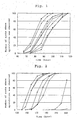
Figs. 1 and 2 show time-lapse changes in the number
of spots (100 in total) where sporulation was observed.
Fig. 1 shows the results when Aspergillus niger was used
and Fig. 2 shows the results when Penicillium expansum was
used.
As shown in Figs. 1 and 2, in both cases of black
mold and blue mold, delay in sporulation was observed by
the addition of an additive selected from the lipase-treated
matter of oil and fat A, sodium acetate and
caproic acid as compared with control. Particularly,
considerable delay in sporulation was observed in the
cases where 10.0 g of the lipase-treated matter of oil and
fat A and 0.5 g of caproic acid were added, respectively.
However, as is clear from the results of the above
(a) and (b), when loaves of bread were made by adding
sodium acetate and caproic acid, the aroma of the obtained
bread [Bread (1), (2) and (3)] was significantly
deteriorated compared with that of control, though an
anti-mold effect was obtained.
On the other hand, when loaves of bread were made by
adding the lipase-treated matter of oil and fat, a
sufficient anti-mold effect was obtained as compared with
no addition group, and further, the aroma of the obtained
bread [Bread (4), (5), (6) and (7)] was equal to or
improved compared with that of no addition group.
Although attempts were made to add more than 0.5 g
of caproic acid, no experiment on the addition of caproic
acid at a concentration higher than 0.5 g was carried out
because adverse effects such as delay in the time of bread
making were observed.
Loaves of bread were made according to the same
process as that of making the control bread in Example 3
except that in the step of making dough (II): 5.0 g of the
lipase-treated matter of oil and fat A obtained in Example
1 was added to dough (I), the resulting bread being
designated as Bread (i); 7.0 g of a brewed vinegar (high-acid
vinegar HDV containing 15 wt% acetic acid,
manufactured by Kewpie Jyozo Co., Ltd.) was added to dough
(I), the resulting bread being designated as Bread (ii);
30.0 g of the culture of a lactic acid bacterium described
below was added to dough (I), the resulting bread being
designated as Bread (iii); 5.0 g of the lipase-treated
matter of oil and fat A obtained in Example 1 was added,
and further 7.0 g of the brewed vinegar was added to dough
(I), the resulting bread being designated as Bread (iv);
5.0 g of the lipase-treated matter of oil and fat A
obtained in Example 1 was added, and further 30.0 g of the
culture of a lactic acid bacterium described below was
added to dough (I), the resulting bread being designated
as Bread (v); and 5.0 g of the lipase-treated matter of
oil and fat A obtained in Example 1 was added, 7.0 g of
the brewed vinegar was added, and 30.0 g of the culture of
a lactic acid bacterium described below was added to dough
(I), the resulting bread being designated as Bread (vi).
The culture of a lactic acid bacterium used was
obtained in the following manner.
Skim milk powder (200 g) and 800 g of water were
mixed in an Erlenmeyer flask and uniformly dispersed,
followed by sterilization by heating at 65°C for 10
minutes. The resulting liquid mixture was cooled to 40°C,
to which 10 mg of a freeze-dried lactic acid bacterium
(DPL621GRB, manufactured by Kyowa Hi Foods Co., Ltd.) was
added, and culturing was carried out by static culture at
40°C for 20 hours. After the culturing, the culture was
subjected to heat-sterilization by heating at 85°C for 30
minutes, followed by cooling to obtain 950 g of a culture
of a lactic acid bacterium. The thus obtained culture was
used as the culture of a lactic acid bacterium.
Sensory evaluation was conducted on the loaves of
Bread (i) to (vi) obtained in Example 4 in the same manner
as shown in Test Example 1 to examine the aroma of the
bread, and an anti-mold effect was examined in the same
manner as shown in Test Example 1. The loaf of bread
obtained in Example 3 was used as control.
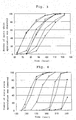
Table 2 shows the results of the sensory evaluation
and Figs. 3 and 4 show time-lapse changes in the number of
spores formed.
| Additives | ||||
| Lipase-treated matter of oil and fat A | Brewed vinegar | Culture of lactic acid bacterium | Sensory evaluation (point) | |
| Control | - | - | - | 3.0 |
| Bread (i) | + | - | - | 3.5 |
| Bread (ii) | - | + | - | 1.9 |
| Bread (iii) | - | - | + | 3.2 |
| Bread (iv) | + | + | - | 2.5 |
| Bread (v) | + | - | + | 3.7 |
| Bread (vi) | + | + | + | 3.4 |
As shown in Table 2, the aroma of the bread to which
only the brewed vinegar was added [Bread (ii)] or of the
bread to which the brewed vinegar and the lipase-treated
matter of oil and fat were added [Bread (iv)] was
significantly bad compared with that of the control bread,
but the aroma of Bread (iv) was better than that of Bread
(ii). On the other hand, the bread to which only the
culture of a lactic acid bacterium was added [Bread (iii)]
had an improved aroma compared with control, and the bread
to which only the lipase-treated matter of oil and fat was
added [Bread (i)], the bread to which the lipase-treated
matter of oil and fat and the culture of a lactic acid
bacterium were added [Bread (v)] and the bread to which
the lipase-treated matter of oil and fat, the brewed
vinegar and the culture of a lactic acid bacterium were
added [Bread (vi)] had significantly improved aroma
compared with control.
As shown in Figs. 3 and 4, an anti-mold effect was
observed in any of the loaves of bread to which an
additive(s) was added because delay in sporulation was
observed. Particularly, a strong anti-mold effect was
observed in any of the loaves of bread obtained by adding
the lipase-treated matter of oil and fat [Bread (iv), (v)
and (vi)].
Thus, when the lipase-treated matter of oil and fat
was added, and when the lipase-treated matter of oil and
fat was used together with an acid and/or the culture of a
lactic acid bacterium, bread with a strong anti-mold
effect and improved aroma could be obtained compared with
the case of no additive or the cases where only acetic
acid or the culture of a lactic acid bacterium was added.
The lipase-treated matter of oil and fat A obtained
in Example 1 (20 g) and 80 g of a brewed vinegar (high-acid
vinegar HDV containing 15 wt% acetic acid,
manufactured by Kewpie Jyozo Co., Ltd., the same applies
hereinbelow) are mixed to obtain a mixture containing the
lipase-treated matter of oil and fat A and acetic acid.
The mixture can be used as an agent for improving the
keeping quality of food and drink.
The lipase-treated matter of oil and fat A obtained
in Example 1 (20 g), 40 g of the culture of a lactic acid
bacterium obtained in Example 4, 30 g of sugar and 10 g of
water are mixed to obtain a mixture containing the lipase-treated
matter of oil and fat A and the culture of a
lactic acid bacterium. The mixture can be used as an
agent for improving the keeping quality of food and drink.
The lipase-treated matter of oil and fat A obtained
in Example 1 (20 g), 40 g of the culture of a lactic acid
bacterium obtained in Example 4 and 40 g of the brewed
vinegar are mixed to obtain a mixture containing the
lipase-treated matter of oil and fat A, the culture of a
lactic acid bacterium and acetic acid. The mixture can be
used as an agent for improving the keeping quality of food
and drink.
The lipase-treated matter of oil and fat A obtained
in Example 1 (40 g) and 60 g of starch (Pineflow,
manufactured by Matsutani Chemical Industry Co., Ltd.) are
mixed to obtain a mixture containing the lipase-treated
matter of oil and fat A. The mixture can be used as an
agent for improving the keeping quality of food and drink.
The lipase-treated matter of oil and fat A obtained
in Example 1 (40 g) and 60 g of the culture of a lactic
acid bacterium obtained in Example 4 are mixed, and the
mixture is freeze-dried using a freeze dryer to obtain a
freeze-dried product. The freeze-dried product can be
used as an agent for improving the keeping quality of food
and drink.
A loaf of bread is made in the same manner as in
Example 3 except that 10 g of the mixture described in
Example 5, 6, 7 or 8 is added.
Somen (Japanese fine wheat noodle), Hiyamugi
(Japanese fine wheat noodle thicker than Somen), Udon
(Japanese wheat noodle), Soba (Japanese buckwheat noodle)
or Chinese noodle is made according to the conventional
methods by adding 1 g of the mixture described in Example
5, 6, 7 or 8 per 100 g of flour.
A loaf of bread is made in the same manner as in
Example 3 except that 5 g of the freeze-dried product
described in Example 9 is added.
Somen, Hiyamugi, Udon, Soba or Chinese noodle is
made according to the conventional methods by adding 0.5 g
of the mixture described in Example 9 per 100 g of flour.
According to the present invention, an agent for
improving the keeping quality of food and drink that does
not adversely affect the flavor of the food and drink, a
method for improving the keeping quality of food and drink
without adversely affecting the flavor of the food and
drink, food and drink having improved keeping quality and
a method for producing the food and drink can be provided.
Claims (27)
- An agent for improving the keeping quality of food and drink, which contains a lipase-treated matter of oil and fat.
- The agent for improving the keeping quality according to Claim 1, wherein the oil and fat is animal oil and fat or vegetable oil and fat.
- The agent for improving the keeping quality according to Claim 2, wherein the animal oil and fat is milk fat.
- The agent for improving the keeping quality according to Claim 2, wherein the vegetable oil and fat is coconut oil.
- The agent for improving the keeping quality according to any one of Claims 1 to 4, which contains an acid or a culture of a lactic acid bacterium or a treated matter thereof.
- The agent for improving the keeping quality according to any one of Claims 1 to 5, wherein the food and drink is bread.
- The agent for improving the keeping quality according to any one of Claims 1 to 6; wherein the agent for improving the keeping quality is an anti-mold agent.
- A food and drink comprising the agent for improving the keeping quality according to any one of Claims 1 to 7 added thereto.
- A method for improving the keeping quality of food and drink, which comprises adding a lipase-treated matter of oil and fat to the food and drink.
- The method according to Claim 9, wherein the oil and fat is animal oil and fat or vegetable oil and fat.
- The method according to Claim 10, wherein the animal oil and fat is milk fat.
- The method according to Claim 10, wherein the vegetable oil and fat is coconut oil.
- The method according to any one of Claims 9 to 12, which comprises adding an acid or a culture of a lactic acid bacterium or a treated matter thereof.
- The method according to any one of Claims 9 to 13, wherein the food and drink is bread.
- The method according to any one of Claims 9 to 14, wherein the method for improving the keeping quality is an anti-mold method.
- A method for producing food and drink, which comprises adding a lipase-treated matter of oil and fat to the food and drink.
- The method according to Claim 16, wherein the oil and fat is animal oil and fat or vegetable oil and fat.
- The method according to Claim 17, wherein the animal oil and fat is milk fat.
- The method according to Claim 17, wherein the vegetable oil and fat is coconut oil.
- The method according to any one of Claims 16 to 19, which comprises adding an acid or a culture of a lactic acid bacterium or a treated matter thereof.
- The method according to any one of Claims 16 to 20, wherein the food and drink is bread.
- A food and drink obtained by the method according to any one of Claims 16 to 21.
- Bread containing a lipase-treated matter of oil and fat.
- The bread according to Claim 23, wherein the oil and fat is animal oil and fat or vegetable oil and fat.
- The bread according to Claim 24, wherein the animal oil and fat is milk fat.
- The bread according to Claim 24, wherein the vegetable oil and fat is coconut oil.
- The bread according to any one of Claims 23 to 26 containing an acid or a culture of a lactic acid bacterium or a treated matter thereof.
Applications Claiming Priority (3)
| Application Number | Priority Date | Filing Date | Title |
|---|---|---|---|
| JP2003014207 | 2003-01-23 | ||
| JP2003014207 | 2003-01-23 | ||
| PCT/JP2004/000592 WO2004064545A1 (en) | 2003-01-23 | 2004-01-23 | Method of improving storage properties of foods and drinks |
Publications (2)
| Publication Number | Publication Date |
|---|---|
| EP1588631A1 true EP1588631A1 (en) | 2005-10-26 |
| EP1588631A4 EP1588631A4 (en) | 2006-05-17 |
Family
ID=32767384
Family Applications (1)
| Application Number | Title | Priority Date | Filing Date |
|---|---|---|---|
| EP04704711A Withdrawn EP1588631A4 (en) | 2003-01-23 | 2004-01-23 | METHOD FOR IMPROVING THE STORAGE CHARACTERISTICS OF FOOD AND BEVERAGE |
Country Status (7)
| Country | Link |
|---|---|
| US (1) | US20060134305A1 (en) |
| EP (1) | EP1588631A4 (en) |
| JP (1) | JP4607014B2 (en) |
| KR (1) | KR20050099610A (en) |
| CN (1) | CN1741751A (en) |
| AU (1) | AU2004206171A1 (en) |
| WO (1) | WO2004064545A1 (en) |
Cited By (3)
| Publication number | Priority date | Publication date | Assignee | Title |
|---|---|---|---|---|
| WO2007067028A1 (en) | 2005-12-07 | 2007-06-14 | Malaysian Agricultural Research And Development Institute (Mardi) | Modified coconut oils with broad antimicrobial spectrum |
| EP1759599A4 (en) * | 2004-04-30 | 2010-11-10 | Kyowa Hakko Food Specialties C | METHOD FOR IMPROVING STORAGE CAPACITY OF FOOD OR BEVERAGE |
| EP3949739A4 (en) * | 2019-03-29 | 2022-12-28 | Kabushiki Kaisha Yakult Honsha | METHOD FOR PRODUCING A LACTIC BACTERIAL FERMENTATION FOOD PRODUCT |
Families Citing this family (8)
| Publication number | Priority date | Publication date | Assignee | Title |
|---|---|---|---|---|
| WO2007021650A2 (en) * | 2005-08-09 | 2007-02-22 | Solar Roast Coffee, Llc | Method and apparatus for roasting coffee beans by means of concentrated solar thermal energy |
| KR100681706B1 (en) * | 2005-11-03 | 2007-02-15 | 한밭대학교 산학협력단 | Kimchi refrigerator using aroma |
| JP4649376B2 (en) * | 2006-07-24 | 2011-03-09 | キリン協和フーズ株式会社 | Anti-boiled agent |
| IT1392414B1 (en) * | 2008-12-23 | 2012-03-02 | Giuliani Spa | PROCEDURE OF MICROBIAL BIOTECHNOLOGY FOR THE COMPLETE DEGRADATION OF GLUTEN IN FLOURS. |
| JP2011172513A (en) * | 2010-02-24 | 2011-09-08 | Okuno Chemical Industries Co Ltd | Food fungicide |
| WO2014127474A1 (en) * | 2013-02-19 | 2014-08-28 | Island Abbey Foods Ltd. | Solid molasses composition |
| RU2646109C1 (en) * | 2017-03-17 | 2018-03-01 | Общество с ограниченной ответственностью "Зеленые линии" | Food stuff preserving agent production method |
| SG11202108657YA (en) * | 2019-02-19 | 2021-09-29 | Yakult Honsha Kk | Method for producing culture of lactic acid bacterium and/or bacterium belonging to genus bifidobacterium |
Family Cites Families (15)
| Publication number | Priority date | Publication date | Assignee | Title |
|---|---|---|---|---|
| JPS5843755A (en) * | 1981-09-08 | 1983-03-14 | T Hasegawa Co Ltd | Milky flavor imparting agent and modifier |
| JPH0748972B2 (en) * | 1991-05-24 | 1995-05-31 | 敷島製パン株式会社 | Bread manufacturing method and frozen dough for bread |
| JP2579851B2 (en) * | 1991-06-21 | 1997-02-12 | 太陽化学株式会社 | Food shelf life improver |
| JPH0573A (en) * | 1991-06-25 | 1993-01-08 | Nippon Oil & Fats Co Ltd | Antibacterial agent |
| JPH0549385A (en) * | 1991-08-14 | 1993-03-02 | Meiji Milk Prod Co Ltd | Bread flavor improver and method for producing bread |
| FI92498C (en) * | 1992-06-10 | 1994-11-25 | Valio Meijerien | New microorganism strain, bacterial preparations containing it and their use for controlling yeast and mold |
| CA2158843C (en) * | 1993-03-30 | 2004-04-20 | Dean A. Oester | Improved fat splitting process |
| JP3274792B2 (en) * | 1995-08-01 | 2002-04-15 | 長谷川香料株式会社 | Food and beverage flavor improver |
| JPH11164675A (en) * | 1997-12-05 | 1999-06-22 | Asama Kasei Kk | Preservative for food and preservation of food |
| JP3426155B2 (en) * | 1999-04-02 | 2003-07-14 | 昭和商事株式会社 | How to improve food preservability |
| JP2001064670A (en) * | 1999-08-24 | 2001-03-13 | Snow Brand Milk Prod Co Ltd | Milk fat partial glyceride |
| JP4099304B2 (en) * | 1999-12-28 | 2008-06-11 | 上野製薬株式会社 | Disinfectant composition |
| JP2002287661A (en) * | 2001-03-27 | 2002-10-04 | Seiko Instruments Inc | Polymer resin substrate, liquid crystal element and electroluminescence element using the same |
| JP3277251B1 (en) * | 2001-03-30 | 2002-04-22 | オリエンタル酵母工業株式会社 | Novel lactic acid bacteria and fermented flavor liquid containing the same |
| JP4228640B2 (en) * | 2001-09-20 | 2009-02-25 | 株式会社カネカ | Flavored oil and fat and method for producing the same |
-
2004
- 2004-01-23 CN CNA2004800026650A patent/CN1741751A/en active Pending
- 2004-01-23 KR KR1020057013244A patent/KR20050099610A/en not_active Withdrawn
- 2004-01-23 US US10/543,188 patent/US20060134305A1/en not_active Abandoned
- 2004-01-23 AU AU2004206171A patent/AU2004206171A1/en not_active Abandoned
- 2004-01-23 EP EP04704711A patent/EP1588631A4/en not_active Withdrawn
- 2004-01-23 JP JP2005508125A patent/JP4607014B2/en not_active Expired - Lifetime
- 2004-01-23 WO PCT/JP2004/000592 patent/WO2004064545A1/en not_active Ceased
Cited By (5)
| Publication number | Priority date | Publication date | Assignee | Title |
|---|---|---|---|---|
| EP1759599A4 (en) * | 2004-04-30 | 2010-11-10 | Kyowa Hakko Food Specialties C | METHOD FOR IMPROVING STORAGE CAPACITY OF FOOD OR BEVERAGE |
| WO2007067028A1 (en) | 2005-12-07 | 2007-06-14 | Malaysian Agricultural Research And Development Institute (Mardi) | Modified coconut oils with broad antimicrobial spectrum |
| EP1973415A4 (en) * | 2005-12-07 | 2012-09-19 | Malaysian Agricultural Res And Dev In | MODIFIED COCONUT OILS WITH A WIDE ANTIMICROBIAL SPECTRUM |
| EP3949739A4 (en) * | 2019-03-29 | 2022-12-28 | Kabushiki Kaisha Yakult Honsha | METHOD FOR PRODUCING A LACTIC BACTERIAL FERMENTATION FOOD PRODUCT |
| AU2020252433B2 (en) * | 2019-03-29 | 2025-06-05 | Kabushiki Kaisha Yakult Honsha | Method for producing lactic acid bacterium fermentation food product |
Also Published As
| Publication number | Publication date |
|---|---|
| EP1588631A4 (en) | 2006-05-17 |
| CN1741751A (en) | 2006-03-01 |
| AU2004206171A1 (en) | 2004-08-05 |
| US20060134305A1 (en) | 2006-06-22 |
| JPWO2004064545A1 (en) | 2006-05-18 |
| JP4607014B2 (en) | 2011-01-05 |
| KR20050099610A (en) | 2005-10-14 |
| WO2004064545A1 (en) | 2004-08-05 |
Similar Documents
| Publication | Publication Date | Title |
|---|---|---|
| Ameen et al. | Lactic acid in the food industry | |
| JP5114770B2 (en) | Novel lactic acid bacteria and method for producing fermented foods using the lactic acid bacteria | |
| Figueroa et al. | Antimicrobial activity and applications of fermentates from lactic acid bacteria–a review | |
| CA2210319C (en) | Production of seasoning | |
| CA1301526C (en) | Method of controllingly aging edible material | |
| US20060134305A1 (en) | Method of improving storage properties of foods and drinks | |
| CA2117408C (en) | Production of a seasoning from koji | |
| AU766707B2 (en) | Stabilization of mayonnaise spreads using whey from nisin-producing cultures | |
| WO1993009681A1 (en) | Process for producing food and drink | |
| JP2008133251A (en) | Lactic acid fermented product of fish meat or fish-derived protein, production method thereof, and food and health food containing the fermented lactic acid product | |
| CA1214067A (en) | Flavouring product | |
| EP1759599A1 (en) | Method of improving storability of food or beverage | |
| PL175926B1 (en) | Method of making a seasoning sauce | |
| SK114893A3 (en) | Process for the production of a seasoning sauce from bread | |
| JP2004283109A (en) | Flavor-improving agent for food and beverage | |
| JP4368923B2 (en) | Flavor improver | |
| CN116406771B (en) | Dried fish fermenting process and starter developing technology | |
| KR100479702B1 (en) | Deterioration protective hot pepper-soybean paste, soybean paste and soy sauce | |
| JP4140515B2 (en) | Seasoning and its manufacturing method | |
| JP2006296421A (en) | Seasoning and method for producing the same | |
| JP3530851B1 (en) | New lactic acid bacteria and flavor-improving seasonings using the same | |
| JP4850749B2 (en) | Manufacturing method of mirin | |
| JP4649376B2 (en) | Anti-boiled agent | |
| JP6942620B2 (en) | Fermented flavor liquid manufacturing method and food manufacturing method | |
| GB2171585A (en) | Yeast extract food flavour |
Legal Events
| Date | Code | Title | Description |
|---|---|---|---|
| PUAI | Public reference made under article 153(3) epc to a published international application that has entered the european phase |
Free format text: ORIGINAL CODE: 0009012 |
|
| 17P | Request for examination filed |
Effective date: 20050803 |
|
| AK | Designated contracting states |
Kind code of ref document: A1 Designated state(s): AT BE BG CH CY CZ DE DK EE ES FI FR GB GR HU IE IT LI LU MC NL PT RO SE SI SK TR |
|
| AX | Request for extension of the european patent |
Extension state: AL LT LV MK |
|
| DAX | Request for extension of the european patent (deleted) | ||
| A4 | Supplementary search report drawn up and despatched |
Effective date: 20060330 |
|
| 17Q | First examination report despatched |
Effective date: 20070919 |
|
| STAA | Information on the status of an ep patent application or granted ep patent |
Free format text: STATUS: THE APPLICATION IS DEEMED TO BE WITHDRAWN |
|
| 18D | Application deemed to be withdrawn |
Effective date: 20080401 |