EP1586651A1 - Means and method for modifying the biomass of plants - Google Patents

Means and method for modifying the biomass of plants Download PDF

Info

Publication number
EP1586651A1
EP1586651A1 EP04008748A EP04008748A EP1586651A1 EP 1586651 A1 EP1586651 A1 EP 1586651A1 EP 04008748 A EP04008748 A EP 04008748A EP 04008748 A EP04008748 A EP 04008748A EP 1586651 A1 EP1586651 A1 EP 1586651A1
Authority
EP
European Patent Office
Prior art keywords
plant
plant according
plants
mirna
family
Prior art date
Legal status (The legal status is an assumption and is not a legal conclusion. Google has not performed a legal analysis and makes no representation as to the accuracy of the status listed.)
Withdrawn
Application number
EP04008748A
Other languages
German (de)
French (fr)
Inventor
Detlef Prof. Dr. Weigel
Rebecca Schwab
Current Assignee (The listed assignees may be inaccurate. Google has not performed a legal analysis and makes no representation or warranty as to the accuracy of the list.)
Max Planck Gesellschaft zur Foerderung der Wissenschaften eV
Original Assignee
Max Planck Gesellschaft zur Foerderung der Wissenschaften eV
Priority date (The priority date is an assumption and is not a legal conclusion. Google has not performed a legal analysis and makes no representation as to the accuracy of the date listed.)
Filing date
Publication date
Application filed by Max Planck Gesellschaft zur Foerderung der Wissenschaften eV filed Critical Max Planck Gesellschaft zur Foerderung der Wissenschaften eV
Priority to EP04008748A priority Critical patent/EP1586651A1/en
Priority to US11/578,688 priority patent/US20080256664A1/en
Priority to PCT/EP2005/003896 priority patent/WO2005100574A1/en
Publication of EP1586651A1 publication Critical patent/EP1586651A1/en
Withdrawn legal-status Critical Current

Links

Images

Classifications

    • CCHEMISTRY; METALLURGY
    • C12BIOCHEMISTRY; BEER; SPIRITS; WINE; VINEGAR; MICROBIOLOGY; ENZYMOLOGY; MUTATION OR GENETIC ENGINEERING
    • C12NMICROORGANISMS OR ENZYMES; COMPOSITIONS THEREOF; PROPAGATING, PRESERVING, OR MAINTAINING MICROORGANISMS; MUTATION OR GENETIC ENGINEERING; CULTURE MEDIA
    • C12N15/00Mutation or genetic engineering; DNA or RNA concerning genetic engineering, vectors, e.g. plasmids, or their isolation, preparation or purification; Use of hosts therefor
    • C12N15/09Recombinant DNA-technology
    • C12N15/63Introduction of foreign genetic material using vectors; Vectors; Use of hosts therefor; Regulation of expression
    • C12N15/79Vectors or expression systems specially adapted for eukaryotic hosts
    • C12N15/82Vectors or expression systems specially adapted for eukaryotic hosts for plant cells, e.g. plant artificial chromosomes (PACs)
    • C12N15/8241Phenotypically and genetically modified plants via recombinant DNA technology
    • C12N15/8261Phenotypically and genetically modified plants via recombinant DNA technology with agronomic (input) traits, e.g. crop yield
    • CCHEMISTRY; METALLURGY
    • C12BIOCHEMISTRY; BEER; SPIRITS; WINE; VINEGAR; MICROBIOLOGY; ENZYMOLOGY; MUTATION OR GENETIC ENGINEERING
    • C12NMICROORGANISMS OR ENZYMES; COMPOSITIONS THEREOF; PROPAGATING, PRESERVING, OR MAINTAINING MICROORGANISMS; MUTATION OR GENETIC ENGINEERING; CULTURE MEDIA
    • C12N15/00Mutation or genetic engineering; DNA or RNA concerning genetic engineering, vectors, e.g. plasmids, or their isolation, preparation or purification; Use of hosts therefor
    • C12N15/09Recombinant DNA-technology
    • C12N15/63Introduction of foreign genetic material using vectors; Vectors; Use of hosts therefor; Regulation of expression
    • C12N15/79Vectors or expression systems specially adapted for eukaryotic hosts
    • C12N15/82Vectors or expression systems specially adapted for eukaryotic hosts for plant cells, e.g. plant artificial chromosomes (PACs)
    • C12N15/8241Phenotypically and genetically modified plants via recombinant DNA technology
    • C12N15/8261Phenotypically and genetically modified plants via recombinant DNA technology with agronomic (input) traits, e.g. crop yield
    • C12N15/8262Phenotypically and genetically modified plants via recombinant DNA technology with agronomic (input) traits, e.g. crop yield involving plant development
    • C12N15/827Flower development or morphology, e.g. flowering promoting factor [FPF]
    • YGENERAL TAGGING OF NEW TECHNOLOGICAL DEVELOPMENTS; GENERAL TAGGING OF CROSS-SECTIONAL TECHNOLOGIES SPANNING OVER SEVERAL SECTIONS OF THE IPC; TECHNICAL SUBJECTS COVERED BY FORMER USPC CROSS-REFERENCE ART COLLECTIONS [XRACs] AND DIGESTS
    • Y02TECHNOLOGIES OR APPLICATIONS FOR MITIGATION OR ADAPTATION AGAINST CLIMATE CHANGE
    • Y02ATECHNOLOGIES FOR ADAPTATION TO CLIMATE CHANGE
    • Y02A40/00Adaptation technologies in agriculture, forestry, livestock or agroalimentary production
    • Y02A40/10Adaptation technologies in agriculture, forestry, livestock or agroalimentary production in agriculture
    • Y02A40/146Genetically Modified [GMO] plants, e.g. transgenic plants

Definitions

  • the present invention relates to means and methods for modifying biomass yield and/or plant growth and/or plant architecture of plants.
  • it concerns transgenic plants exhibiting an increased biomass yield and plant growth rate compared to the corresponding wild-type plants.
  • WO 00/56905 discloses a method for promoting or modifying plant growth, yield and architecture in plants comprising the increased expression of at least two cell cycle interacting proteins, more particularly a protein kinase and a cyclin.
  • US 2003/0172402 A1 discloses a method for improving growth, biomass production and xylem fiber length in trees by over-expressing a key regulatory gene in the biosynthesis of the plant hormone gibberellin.
  • MicroRNAs small RNAs of about 20-24 nudeotides, so-called MicroRNAs (miRNAs), have emerged as important regulators of gene expression.
  • MicroRNAs have been found across both animal and plant kingdoms in great numbers. They have been shown to originate from fold-back RNA precursors, which are processed by the ribonuclease DICER in animals and DICER-LIKE in plants. Plants like Arabidopsis thaliana or animals like zebra fish with mutations in DICER or DICER-LIKE show pleiotropic phenotypes, including lethality for null alleles, suggesting that miRNAs play a very important role in the development of multicellular organisms.
  • the fold-back structures of plant miRNAs are included in transcripts that are developmentally regulated, may contain introns and be polyadenylated, and are most likely transcribed by RNA polymerase II, thus sharing many features with protein-coding messenger RNAs (Aukerman & Sakai, Plant Cell 15 , 2730-2741; Schmid et al, Development 130, 6001-6012).
  • miRNAs bind to motives in the 3'UTR of the transcripts.
  • the resulting RNA-RNA interaction which includes several non-pairing bases, leads to reduced protein accumulation, presumably through attenuation of translation.
  • target sequences for plant miRNAs are mostly found in the coding regions of the target mRNAs and often share a higher degree of complementary to the miRNAs. Both mechanisms - cleavage and repression of translation - are found to regulate target gene expression in plants.
  • miRNA targets have turned out to be key regulators of developmental pathways and most of them belong to various classes of transcription factors.
  • miRNA precursor genes often belong to families with several loci in the genome that give rise to the same, or very similar, mature miRNA sequences. This mature sequence is in most cases perfectly conserved even in distantly related species, such as between the dicotyledonous plant Arabidopsis thaliana and the monocotyledonous plant rice. Even non-seed plants, such as mosses, share perfectly conserved miRNAs with flowering plants, which demonstrates the general applicability of specific miRNAs to any species of higher plants (Floyd & Bowman, Nature 428, 485-486).
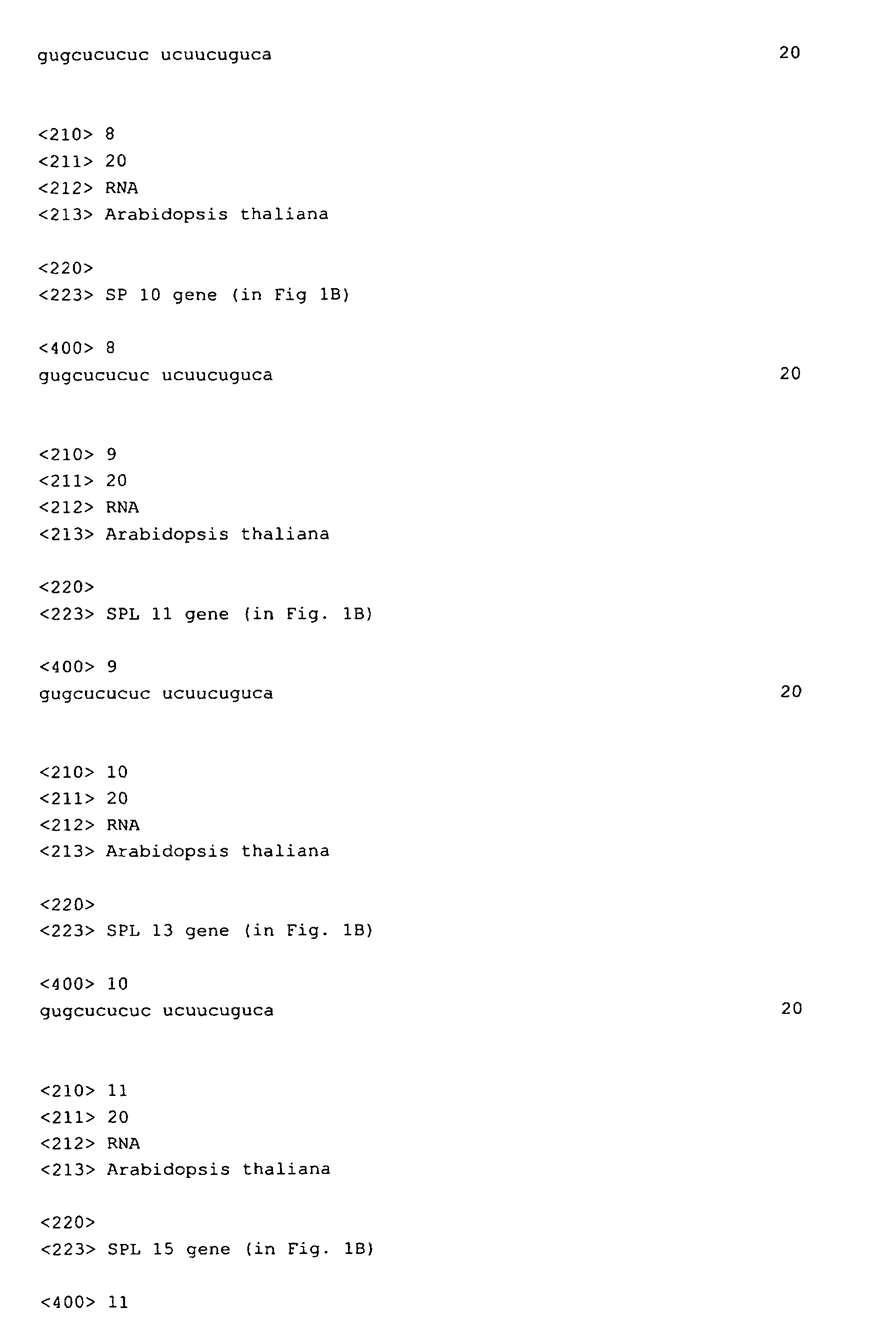
  • microRNA 156 (miR156) of Arabidopsis thaliana was first described in Reinhart et al. (Genes & Development 16, 1616-26) ( Figure 1). The authors cloned the 20 to 21 nucleotide long variants, demonstrated their expression, and also the conservation of miR156 in rice ( Oryza sativa). There are at least six miR156 precursor genes in Arabidopsis (Reinhart et al. ) and at least 10 in rice, the alignments of these microRNAs being depicted in Figure 2. As predicted by Rhoades et al. (Cell 110, 513-20), the potential target genes regulated by miR156 belong to the SPL ( S QUA promoter binding protein like) class of transcription factors, which are specific to plants (Cardon et al, Gene 237, 91-104).
  • SPL S QUA promoter binding protein like
  • SPL genes with predicted miR156 target sequences is also largely unknown, although many were shown to be upregulated upon flowering (Cardon et al ; Schmid et al ), and one of them SPL3, has been shown to accelerate flowering when overexpressed in transgenic Arabidopsis thaliana plants (Cardon et al, Plant Journal 12, 367-377).
  • the problem underlying the present invention is to provide means and methods which enable the modification of biomass yield and/or plant growth and/or plant architecture and particularly, the provision of genetically modified plants which exhibit a modified biomass yield and/or plant growth and/or plant architecture, in particular an increased biomass yield.
  • the present invention pertains to a plant with altered expression of at least one microRNA in the plant compared to a wild-type plant.
  • Altered expression is achieved by any of several means, including selection of knockout lines or naturally occurring variants with altered miRNA expression, modification of upstream regulators of miRNA expression, or transgenic constructs that lead to altered expression of the miRNA or miRNA precursor genes.
  • This plant is characterized by exhibiting a modified biomass yield and/or plant growth and/or plant architecture.
  • the present invention pertains to a plant with altered expression of at least one microRNA that targets members of the SPL gene family.
  • Altered expression is achieved by any of several means, including selection of knockout lines or naturally occurring variants with altered miRNA expression, modification of upstream regulators of miRNA expression, or transgenic constructs that lead to altered expression of the miRNA or miRNA precursor genes.
  • This plant is characterized by exhibiting a modified biomass yield and/or plant growth and/or plant architecture.
  • the present invention pertains to a plant with altered expression of at least one microRNA of the miR156 family in the plant compared to a wild-type plant.
  • Altered expression is achieved by any of several means, including selection of knockout lines or naturally occurring variants with altered miR156 expression, modification of upstream regulators of miR156 expression, or transgenic constructs that lead to altered expression of miR156 or miR156 precursor genes.
  • This plant is characterized by exhibiting a modified biomass yield and/or plant growth and/or plant architecture.
  • Part of the invention is further a plant containing altered levels of a microRNA that has at most three mismatches compared to the miR156 family, which targets members of the SPL family of genes encoding SPL transcription factors.
  • the present invention pertains to a transgenic plant that has been genetically modified wherein the genetic modification consists in the introduction of a construct whose presence results in an overexpression of one microRNA of the miR156 family in the plant compared to a wild-type plant.
  • This transgenic plant is characterized by exhibiting a modified biomass yield and/or plant growth and/or plant architecture.
  • the genetic modification may be any genetic modification leading to an overexpression of microRNAs of the miR156 family in the plant. This encompasses an increased expression as well as a de novo expression of microRNAs of the miR156 family.
  • a corresponding genetic modification may be realized through the introduction of a construct comprising a transgene, said transgene comprising genomic fragments of the miRNA156 sequence being expressed in the plant, thus leading to an overexpression of microRNAs of the miR156 family in the plant.
  • the genetic modification may lead to an overexpression of microRNAs of the miR156 family by use of a modulator acting as an enhancer or a suppressor of gene expression, depending on the circumstances (activation, inactivation).
  • the term 'construct' is meant to cover any possible form of genetic information, which provides the information required in the context of the present invention to a particular target cell.
  • the term 'construct' includes any nucleic acid such as DNA, RNA, DNA-RNA-hybrids as well as synthetic analogues thereof such as f.i. PNA.
  • 'transgenic' is meant that a plant according to the present invention comprises at least one construct as defined above stably integrated in the genome.
  • the sequences of the mature miR156 and various microRNAs of the miR156 family are depicted in Figures 1 and 2, respectively.
  • the miRNA156 shown in Figure 1 was isolated from Arabidopsis (Reinhart et al. ). There are at least six miR156 genes in Arabidopsis (Reinhart et al. ), named miRNA 156a, miRNA 156b, miRNA 156c, miRNA 156d, miRNA 156e, and miRNA 156f, and at least 10 in rice; the alignments of these microRNAs being depicted in Figure 2.
  • the plants according to the present invention may be of any plant species, including monocotyledonous plants or dicotyledonous plants.
  • monocotyledonous plants include, but are not limited to, asparagus, field and sweet corn, barley, wheat, rice, sorghum, onion, pearl millet, rye and oats, orchids, tulips and lilies.
  • dicotyledonous plants include, but are not limited to tomato, tobacco, cotton, rapeseed, field beans, soybeans, peppers, lettuce, peas, alfalfa, clover, cabbage crops or Brassica oleracea (e.g., cabbage, broccoli, cauliflower, Brussels sprouts), radish, carrot, beets, eggplant, spinach, cucumber, squash, melons, cantaloupe, sunflowers and various ornamentals.
  • Woody species include poplar, pine, sequoia, cedar, and oak.
  • the method according to the present invention is applied to agricultural useful plants cultivated for food or industrial applications.
  • the present invention pertains to fiber producing plants (e.g. flax, hemp, cotton), oil storing plants (e.g. rape, sunflower, soybean), starch storing plants (e.g. wheat, barley, oats, rye, potato, maize, rice, pea, cassava), sugar storing plants (e.g. sugar beet, sugar-cane) and protein storing plants (e.g. legumes, cereals, soybean).
  • the invention may also be applied to trees and palms.
  • the transgenic plants are plants in which the vegetative parts are of interest (crops grown for silage, lettuce and other green vegetables, etc.).
  • the term 'modifying plant biomass yield' means a modified, preferably an increased biomass of either the total plant or of specific parts of the plant such as leaf, shoot, fruit, stem, root, flower, trichome, sepals, hypocotyls, petal, stamen, pollen, style, stigma, seed, embryo, ovule, endosperm, seed coat, nodule, cambium, fiber, aleurone, wood, parenchyma, erenchyma, phloem, sieve element, vascular tissue etc., particularly vegetative parts of plants.
  • the biomass of the plant according to the invention is substantially increased compared to wild-type plants by the combined action of significantly higher number of leaves and reduced apical dominance, i.e., an increased number of shoots (branches). Any effect on the biomass yield, compared to the wild type, is part of the present invention.
  • the biomass yield is increased, favorably substantially increased, and in particular several-fold increased.
  • the term 'plant architecture' denotes the morphology of the plants, and relates to various structural features such e.g. the branching pattern, the number, shape, size, texture, position of organs, cells, and tissues of plants, the traits concerning leaves and flower organs being the major determinants for plant architecture.
  • plant organs and tissues include leaf, shoot, fruit, stem, root, flower, trichome, sepals, hypocotyls, petal, stamen, pollen, style, stigma, seed, embryo, ovule, endosperm, seed coat, nodule, cambium, fiber, aleurone, wood, parenchyma, erenchyma, phloem, sieve element, vascular tissue etc.
  • the plants according to the present invention show the following traits: the leaf number is increased and/or the apical dominance is reduced and/or the number of shoots is increased.
  • the decreased apical dominance may be manifested in that the main shoot is overgrown by side shoots.
  • the term 'modified plant growth' relates to an alteration of the growth of the plant, in particular of organs and tissues as mentioned in the foregoing. Preferably, it concerns an increase or acceleration of the growth rate of a plant. According to a preferred embodiment, the increase of the leave production rate is in the range of 1.1 to 1.75.
  • the present invention is further directed to a method for the modification of the biomass yield and/or plant growth and/or plant architecture of a plant, characterized in that the plant is modified in a way leading to an altered expression of microRNAs compared to a wild-type plant.
  • it relates to method for the modification of the biomass yield and/or plant growth and/or plant architecture of a plant characterized in that the plant is transformed with a construct leading to an overexpression of a microRNA of the miR156 family in the transgenic plant compared to a wild-type plant.
  • a further subject of the present invention is transgenic propagation material, seed material, plant parts and transgenic plant cells.
  • propagation materials include any part of a plant suitable for vegetative or sexual propagation for the production of progenies, i.e. for example cuttings, callus cultures, rhizomes, tubers, fruits, seeds, seedlings, protoplast etc.
  • miRNAs of the miR156 family were overexpressed in transgenic Arabidopsis plants. These plants produced leaves at a rate that was about 1.5 to 2 times faster than control plants, and they had reduced apical dominance, i.e. an increased number of shoots (branches). These two effects combine to increase the biomass substantially.
  • Genomic fragments of 1.6 to 2.8 kb in length and centered around the miRNA fold-back sequence (for miRNA156a, b, d and f) as well as a 130 bp genomic fragment containing only the fold-back sequenced (for miRNA156c) were amplified from Arabidopsis thatiana genomic DNA of the ecotype Columbia-0 (see Figure 2 and the following description for the miRNA sequences).
  • the genomic fragments were placed behind the 35S promoter of cauliflower mosaic virus (Odell et al ) in the pART27 derivative pMLBART (Gleave, Plant Mol. Biol. 20 ,1203 -1207).
  • the resulting constructs were introduced into Agrobacterium tumefaciens strains ASE (Fraley et al, Biotechnology 3, 629-635).
  • Transgenic Arabidopsis thaliana plants of the reference ecotype Columbia-0 (Col-0) were generated using the floral dip method for Agrobacterium -mediated transformation (Clough & Bent, Plant Journal 16, 735-743).
  • oligonucleotides used for the amplification of the miR156 genomic fragments are depicted.
  • Seeds from plants infiltrated with the miR156 overexpression constructs were stratified at 4°C for two days, and sown directly on soil.
  • Commercially available Finafe® (AgrEvo), which contains 5.78% of ammonium glufosinate, also known as BastaTM, was diluted 1:1000, and herbicide-resistant plants were selected by spraying twice a week for three weeks. Plants were grown either in long days (LD - 16 hours light, 8 hours dark) or short days (SD - 8 hours light, 16 hours dark), at 23°C and about 150 microEinstein per square meter and second light intensity, provided by a 2:1 mixture of Cool White and GroLux (Sylvania) fluorescent lights.
  • the rosette leaves of transgenic plants according to the present invention were counted at a length of 7mm.
  • Leaf initiation rate (defined as the number of leaves counted from day X to Y divided by (Y-X) days) was determined. 30-40 plants per genotype were investigated. The results are indicated in Tables 1 and 2.
  • Tables 1 and 2 show a substantial increase of leaf initiation rate in miR156 overexpressing plants according to the present invention compared to wild-type plants (empty vector).
  • overexpressing miR156 causes late flowering, which often is accompanied by the formation of aerial rosettes (see Figure 5).
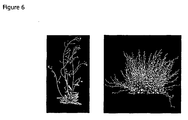
  • plants overexpressing miR156a, b, c and f show decreased apical dominance: the main shoot is overgrown by side shoots. More than 50% of the primary transformants also start to produce flowers first from side shoots rather than the main shoot (see Figure 6).
Landscapes

  • Health & Medical Sciences (AREA)
  • Genetics & Genomics (AREA)
  • Life Sciences & Earth Sciences (AREA)
  • Engineering & Computer Science (AREA)
  • Zoology (AREA)
  • Wood Science & Technology (AREA)
  • Organic Chemistry (AREA)
  • Biomedical Technology (AREA)
  • Chemical & Material Sciences (AREA)
  • Biotechnology (AREA)
  • General Engineering & Computer Science (AREA)
  • Molecular Biology (AREA)
  • Bioinformatics & Cheminformatics (AREA)
  • Microbiology (AREA)
  • Physics & Mathematics (AREA)
  • Plant Pathology (AREA)
  • Biophysics (AREA)
  • Biochemistry (AREA)
  • General Health & Medical Sciences (AREA)
  • Cell Biology (AREA)
  • Physiology (AREA)
  • Breeding Of Plants And Reproduction By Means Of Culturing (AREA)
  • Micro-Organisms Or Cultivation Processes Thereof (AREA)

Abstract

The present invention relates to means and methods for modifying biomass yield and/or plant growth and/or plant architecture of plants. In particular, it concerns transgenic plants exhibiting an increased biomass yield and plant growth rate compared to the corresponding wild-type plants. The plants according to the present invention are characterized by containing altered levels of a microRNA, in particular microRNA that targets members of the SPL family of genes encoding SPL transcription factors. <IMAGE>

Description

The present invention relates to means and methods for modifying biomass yield and/or plant growth and/or plant architecture of plants. In particular, it concerns transgenic plants exhibiting an increased biomass yield and plant growth rate compared to the corresponding wild-type plants.
There is a growing interest in the production of plant structures having traits considered desirable by the agricultural or breeding industry. In particular plants wherein the economically useful parts form a large proportion of the modified plants without negatively affecting the health of the plants would be of agricultural, commercial and technical value. To date, there have been only few attempts to modify plant traits, in particular the key trait biomass, by genetic engineering approaches. WO 00/56905 for example discloses a method for promoting or modifying plant growth, yield and architecture in plants comprising the increased expression of at least two cell cycle interacting proteins, more particularly a protein kinase and a cyclin. US 2003/0172402 A1 discloses a method for improving growth, biomass production and xylem fiber length in trees by over-expressing a key regulatory gene in the biosynthesis of the plant hormone gibberellin.
Recently, small RNAs of about 20-24 nudeotides, so-called MicroRNAs (miRNAs), have emerged as important regulators of gene expression. MicroRNAs have been found across both animal and plant kingdoms in great numbers. They have been shown to originate from fold-back RNA precursors, which are processed by the ribonuclease DICER in animals and DICER-LIKE in plants. Plants like Arabidopsis thaliana or animals like zebra fish with mutations in DICER or DICER-LIKE show pleiotropic phenotypes, including lethality for null alleles, suggesting that miRNAs play a very important role in the development of multicellular organisms.
The fold-back structures of plant miRNAs are included in transcripts that are developmentally regulated, may contain introns and be polyadenylated, and are most likely transcribed by RNA polymerase II, thus sharing many features with protein-coding messenger RNAs (Aukerman & Sakai, Plant Cell 15, 2730-2741; Schmid et al, Development 130, 6001-6012).
The mechanisms described for miRNA action require interaction with target transcripts through complementary base pairing, leading to either translational repression or cleavage of the transcript. In animals, miRNAs bind to motives in the 3'UTR of the transcripts. The resulting RNA-RNA interaction, which includes several non-pairing bases, leads to reduced protein accumulation, presumably through attenuation of translation. Compared to animals, target sequences for plant miRNAs are mostly found in the coding regions of the target mRNAs and often share a higher degree of complementary to the miRNAs. Both mechanisms - cleavage and repression of translation - are found to regulate target gene expression in plants. Generally, miRNA targets have turned out to be key regulators of developmental pathways and most of them belong to various classes of transcription factors. As their targets, miRNA precursor genes often belong to families with several loci in the genome that give rise to the same, or very similar, mature miRNA sequences. This mature sequence is in most cases perfectly conserved even in distantly related species, such as between the dicotyledonous plant Arabidopsis thaliana and the monocotyledonous plant rice. Even non-seed plants, such as mosses, share perfectly conserved miRNAs with flowering plants, which demonstrates the general applicability of specific miRNAs to any species of higher plants (Floyd & Bowman, Nature 428, 485-486).
The in vivo functions of most plant miRNAs remain unknown. The microRNA 156 (miR156) of Arabidopsis thaliana was first described in Reinhart et al. (Genes & Development 16, 1616-26) (Figure 1). The authors cloned the 20 to 21 nucleotide long variants, demonstrated their expression, and also the conservation of miR156 in rice (Oryza sativa). There are at least six miR156 precursor genes in Arabidopsis (Reinhart et al.) and at least 10 in rice, the alignments of these microRNAs being depicted in Figure 2. As predicted by Rhoades et al. (Cell 110, 513-20), the potential target genes regulated by miR156 belong to the SPL ( S QUA promoter binding protein like) class of transcription factors, which are specific to plants (Cardon et al, Gene 237, 91-104).
The function of SPL genes with predicted miR156 target sequences is also largely unknown, although many were shown to be upregulated upon flowering (Cardon et al; Schmid et al), and one of them SPL3, has been shown to accelerate flowering when overexpressed in transgenic Arabidopsis thaliana plants (Cardon et al, Plant Journal 12, 367-377).
There remains a need to develop a method for modifying plant growth characteristics of plants, in particular traits of technical or economical interest such as biomass yield, plant growth rate and plant architecture. Furthermore, there remains a need for transgenic plants with increased biomass yield, growth rate and modified plant architecture.
Accordingly, the problem underlying the present invention is to provide means and methods which enable the modification of biomass yield and/or plant growth and/or plant architecture and particularly, the provision of genetically modified plants which exhibit a modified biomass yield and/or plant growth and/or plant architecture, in particular an increased biomass yield.
This problem is solved by means of the transgenic plants, seed and propagation materials and the methods as defined in the attached claims.
According to a first embodiment, the present invention pertains to a plant with altered expression of at least one microRNA in the plant compared to a wild-type plant. Altered expression is achieved by any of several means, including selection of knockout lines or naturally occurring variants with altered miRNA expression, modification of upstream regulators of miRNA expression, or transgenic constructs that lead to altered expression of the miRNA or miRNA precursor genes. This plant is characterized by exhibiting a modified biomass yield and/or plant growth and/or plant architecture.
According to a second embodiment, the present invention pertains to a plant with altered expression of at least one microRNA that targets members of the SPL gene family. Altered expression is achieved by any of several means, including selection of knockout lines or naturally occurring variants with altered miRNA expression, modification of upstream regulators of miRNA expression, or transgenic constructs that lead to altered expression of the miRNA or miRNA precursor genes. This plant is characterized by exhibiting a modified biomass yield and/or plant growth and/or plant architecture.
According to a third embodiment, the present invention pertains to a plant with altered expression of at least one microRNA of the miR156 family in the plant compared to a wild-type plant. Altered expression is achieved by any of several means, including selection of knockout lines or naturally occurring variants with altered miR156 expression, modification of upstream regulators of miR156 expression, or transgenic constructs that lead to altered expression of miR156 or miR156 precursor genes. This plant is characterized by exhibiting a modified biomass yield and/or plant growth and/or plant architecture. Part of the invention is further a plant containing altered levels of a microRNA that has at most three mismatches compared to the miR156 family, which targets members of the SPL family of genes encoding SPL transcription factors.
According to a fourth embodiment, the present invention pertains to a transgenic plant that has been genetically modified wherein the genetic modification consists in the introduction of a construct whose presence results in an overexpression of one microRNA of the miR156 family in the plant compared to a wild-type plant. This transgenic plant is characterized by exhibiting a modified biomass yield and/or plant growth and/or plant architecture.
The genetic modification may be any genetic modification leading to an overexpression of microRNAs of the miR156 family in the plant. This encompasses an increased expression as well as a de novo expression of microRNAs of the miR156 family. A corresponding genetic modification may be realized through the introduction of a construct comprising a transgene, said transgene comprising genomic fragments of the miRNA156 sequence being expressed in the plant, thus leading to an overexpression of microRNAs of the miR156 family in the plant. Alternatively, the genetic modification may lead to an overexpression of microRNAs of the miR156 family by use of a modulator acting as an enhancer or a suppressor of gene expression, depending on the circumstances (activation, inactivation).
As used herein, the term 'construct' is meant to cover any possible form of genetic information, which provides the information required in the context of the present invention to a particular target cell. The term 'construct' includes any nucleic acid such as DNA, RNA, DNA-RNA-hybrids as well as synthetic analogues thereof such as f.i. PNA.
By 'transgenic' is meant that a plant according to the present invention comprises at least one construct as defined above stably integrated in the genome.
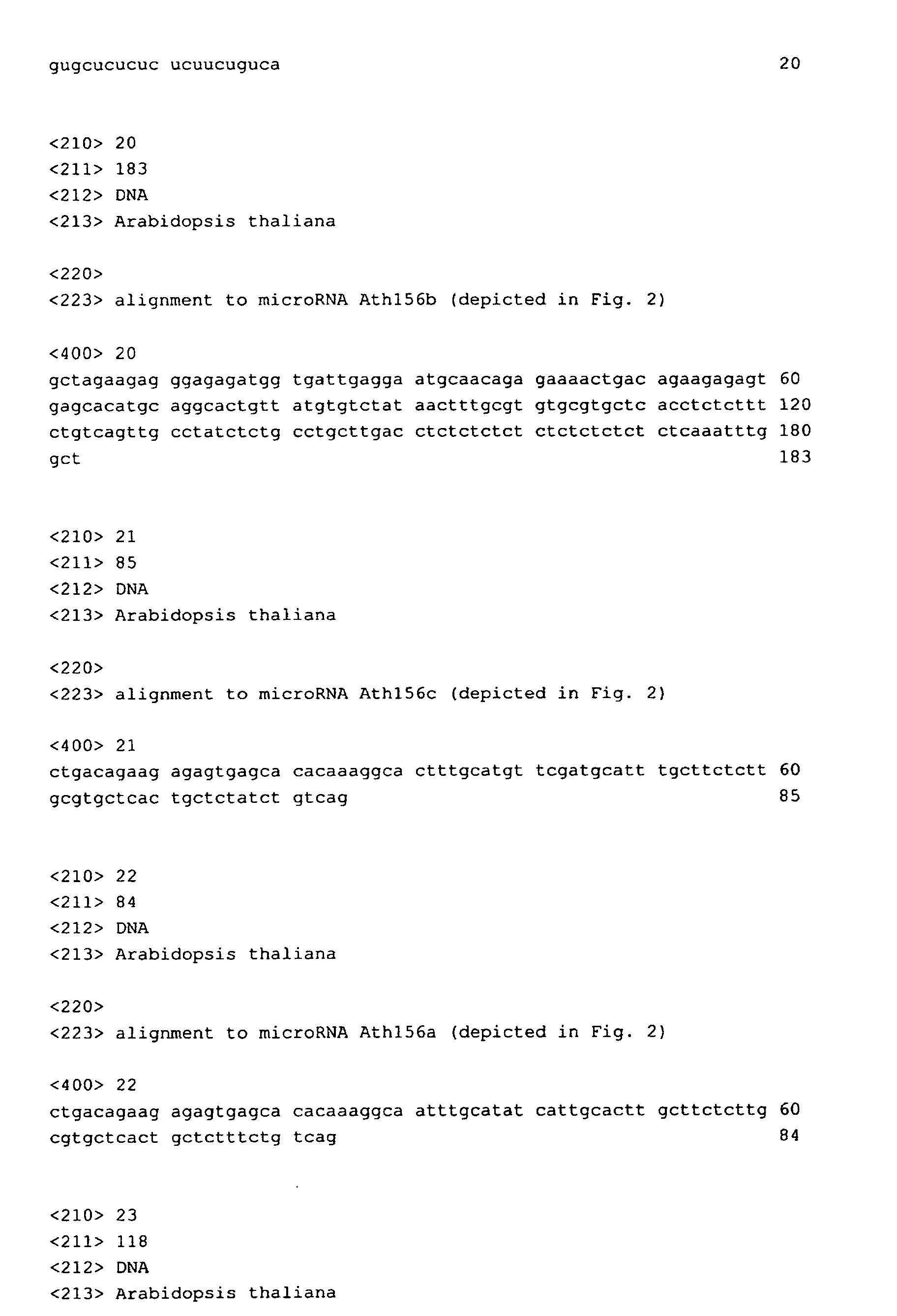
The sequences of the mature miR156 and various microRNAs of the miR156 family are depicted in Figures 1 and 2, respectively. The miRNA156 shown in Figure 1 was isolated from Arabidopsis (Reinhart et al.). There are at least six miR156 genes in Arabidopsis (Reinhart et al.), named miRNA 156a, miRNA 156b, miRNA 156c, miRNA 156d, miRNA 156e, and miRNA 156f, and at least 10 in rice; the alignments of these microRNAs being depicted in Figure 2.
The plants according to the present invention may be of any plant species, including monocotyledonous plants or dicotyledonous plants. Examples of monocotyledonous plants include, but are not limited to, asparagus, field and sweet corn, barley, wheat, rice, sorghum, onion, pearl millet, rye and oats, orchids, tulips and lilies. Examples of dicotyledonous plants include, but are not limited to tomato, tobacco, cotton, rapeseed, field beans, soybeans, peppers, lettuce, peas, alfalfa, clover, cabbage crops or Brassica oleracea (e.g., cabbage, broccoli, cauliflower, Brussels sprouts), radish, carrot, beets, eggplant, spinach, cucumber, squash, melons, cantaloupe, sunflowers and various ornamentals. Woody species include poplar, pine, sequoia, cedar, and oak.
Preferably, the method according to the present invention is applied to agricultural useful plants cultivated for food or industrial applications. Accordingly, the present invention pertains to fiber producing plants (e.g. flax, hemp, cotton), oil storing plants (e.g. rape, sunflower, soybean), starch storing plants (e.g. wheat, barley, oats, rye, potato, maize, rice, pea, cassava), sugar storing plants (e.g. sugar beet, sugar-cane) and protein storing plants (e.g. legumes, cereals, soybean). The invention may also be applied to trees and palms. According to a preferred embodiment, the transgenic plants are plants in which the vegetative parts are of interest (crops grown for silage, lettuce and other green vegetables, etc.).
As used herein, the term 'modifying plant biomass yield' means a modified, preferably an increased biomass of either the total plant or of specific parts of the plant such as leaf, shoot, fruit, stem, root, flower, trichome, sepals, hypocotyls, petal, stamen, pollen, style, stigma, seed, embryo, ovule, endosperm, seed coat, nodule, cambium, fiber, aleurone, wood, parenchyma, erenchyma, phloem, sieve element, vascular tissue etc., particularly vegetative parts of plants. Preferably, the biomass of the plant according to the invention is substantially increased compared to wild-type plants by the combined action of significantly higher number of leaves and reduced apical dominance, i.e., an increased number of shoots (branches). Any effect on the biomass yield, compared to the wild type, is part of the present invention. According to preferred embodiments, the biomass yield is increased, favorably substantially increased, and in particular several-fold increased.
As used herein, the term 'plant architecture' denotes the morphology of the plants, and relates to various structural features such e.g. the branching pattern, the number, shape, size, texture, position of organs, cells, and tissues of plants, the traits concerning leaves and flower organs being the major determinants for plant architecture. Examples for plant organs and tissues include leaf, shoot, fruit, stem, root, flower, trichome, sepals, hypocotyls, petal, stamen, pollen, style, stigma, seed, embryo, ovule, endosperm, seed coat, nodule, cambium, fiber, aleurone, wood, parenchyma, erenchyma, phloem, sieve element, vascular tissue etc.
According to a preferred embodiment, the plants according to the present invention show the following traits: the leaf number is increased and/or the apical dominance is reduced and/or the number of shoots is increased. The decreased apical dominance may be manifested in that the main shoot is overgrown by side shoots.
As used herein, the term 'modified plant growth' relates to an alteration of the growth of the plant, in particular of organs and tissues as mentioned in the foregoing. Preferably, it concerns an increase or acceleration of the growth rate of a plant. According to a preferred embodiment, the increase of the leave production rate is in the range of 1.1 to 1.75.
The present invention is further directed to a method for the modification of the biomass yield and/or plant growth and/or plant architecture of a plant, characterized in that the plant is modified in a way leading to an altered expression of microRNAs compared to a wild-type plant. Preferably, it relates to method for the modification of the biomass yield and/or plant growth and/or plant architecture of a plant characterized in that the plant is transformed with a construct leading to an overexpression of a microRNA of the miR156 family in the transgenic plant compared to a wild-type plant. Regarding further specific embodiments of the methods according to the present invention, reference is made to the above-recited annotations regarding transgenic plants according to the present invention.
A further subject of the present invention is transgenic propagation material, seed material, plant parts and transgenic plant cells. In the present context, propagation materials include any part of a plant suitable for vegetative or sexual propagation for the production of progenies, i.e. for example cuttings, callus cultures, rhizomes, tubers, fruits, seeds, seedlings, protoplast etc.
BRIEF DESCRIPTION OF THE FIGURES
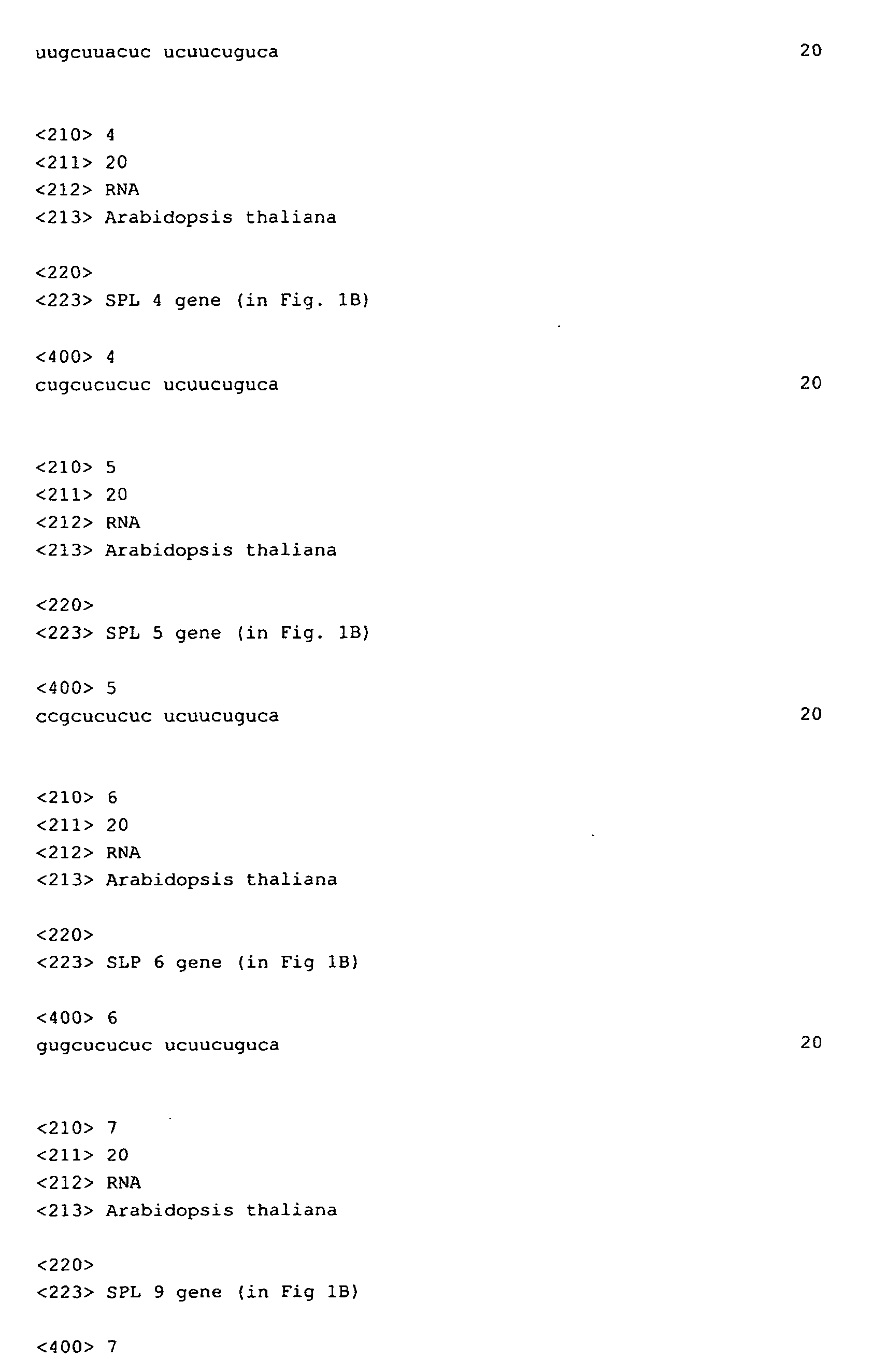
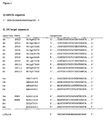
  • Figure 1A shows the mature RNA sequence of miRNA (isolated from Arabidopsis thaliana), according to Reinhart et al. (Genes & Development 16, 1616-26). Figure 1B shows an alignment of the miR156 complementary regions of SPL mRNAs with miR156. Species are Arabidopsis thaliana (At), Oryza sativa (Oz, rice) and Zea mays (Zm, maize). ID refers to common Arabidopsis gene identifiers according to The Arabidopsis Information Resource (http://www.arabidopsis.org) or to GenBank accession numbers.
  • Figure 2 shows the alignment of the six Arabidopsis thaliana miR156 precursors (Ath) and one from rice (Osa).
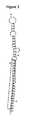
  • Figure 3 shows the 2D-structure of miR156a fold-back structure as predicted by the mfold algorithm (Zuker, Nucleic Acids Res. 31 (13), 3406-15).
  • Figure 4 shows transgenic Arabidopsis thaliana plants according to the present invention compared to wild-type plants. Left: 33 day-old short-day grown wild-type plant (wt). Right: 35S::miR156c plant, in which the miR156c precursor is expressed from the 35S promoter of cauliflower mosaic virus (Odell et al, Nature 313, 810-812).
  • Figure 5 shows transgenic Arabidopsis thaliana plants according to the present invention compared to wild-type plants. Left: Short day-grown wild-type plant, which is about to flower. Right: one 35S::miR156f plant, still vegetative but twice the age as wild-type plant. Note the difference in absolute leaf number.
  • Figure 6 shows transgenic Arabidopsis thaliana plants according to the present invention compared to wild-type plants. Left: Long day-grown wild-type plant. Right: 35S::miR156b plants. Note the increased number of shoots.
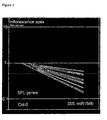
  • Figure 7 demonstrates decreased expression of SPL target genes in plants in which the miR156b precursor is expressed from the 35S promoter of cauliflower mosaic virus. Global gene expression was monitored using Affymetrix GeneChip oligonucleotide arrays (Lockhart et al, Nature Biotechnology 14, 1675-1680). Relative expression levels of 10 SPL genes with predicted miR156 target sequences are compared between wild-type (Col-0) and 35S::miR156b plants, with wild-type levels set to 1. Expression levels were estimated using the robust multiarray (RMA) algorithm (Irizarry et al., Nucleic Acids Res. 31, e15). Numbers on the y axis indicate relative expression levels.
  • In the following, the invention will be illustrated by way of non-limiting examples.
    EXAMPLES
    In the following examples, miRNAs of the miR156 family were overexpressed in transgenic Arabidopsis plants. These plants produced leaves at a rate that was about 1.5 to 2 times faster than control plants, and they had reduced apical dominance, i.e. an increased number of shoots (branches). These two effects combine to increase the biomass substantially.
    Experimental procedure:
    Genomic fragments of 1.6 to 2.8 kb in length and centered around the miRNA fold-back sequence (for miRNA156a, b, d and f) as well as a 130 bp genomic fragment containing only the fold-back sequenced (for miRNA156c) were amplified from Arabidopsis thatiana genomic DNA of the ecotype Columbia-0 (see Figure 2 and the following description for the miRNA sequences).
    The genomic fragments were placed behind the 35S promoter of cauliflower mosaic virus (Odell et al) in the pART27 derivative pMLBART (Gleave, Plant Mol. Biol. 20 ,1203 -1207). The resulting constructs were introduced into Agrobacterium tumefaciens strains ASE (Fraley et al, Biotechnology 3, 629-635). Transgenic Arabidopsis thaliana plants of the reference ecotype Columbia-0 (Col-0) were generated using the floral dip method for Agrobacterium-mediated transformation (Clough & Bent, Plant Journal 16, 735-743).
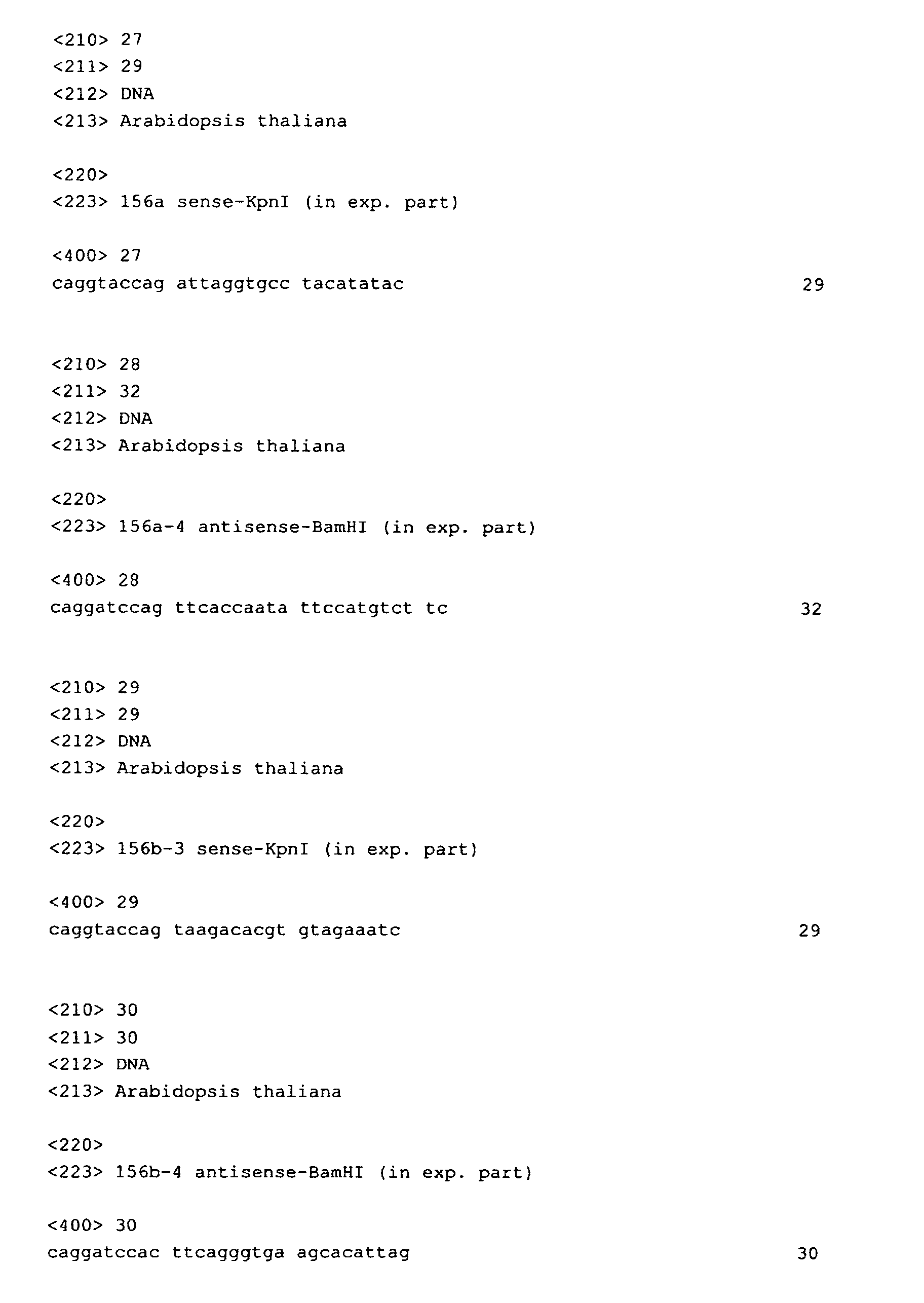
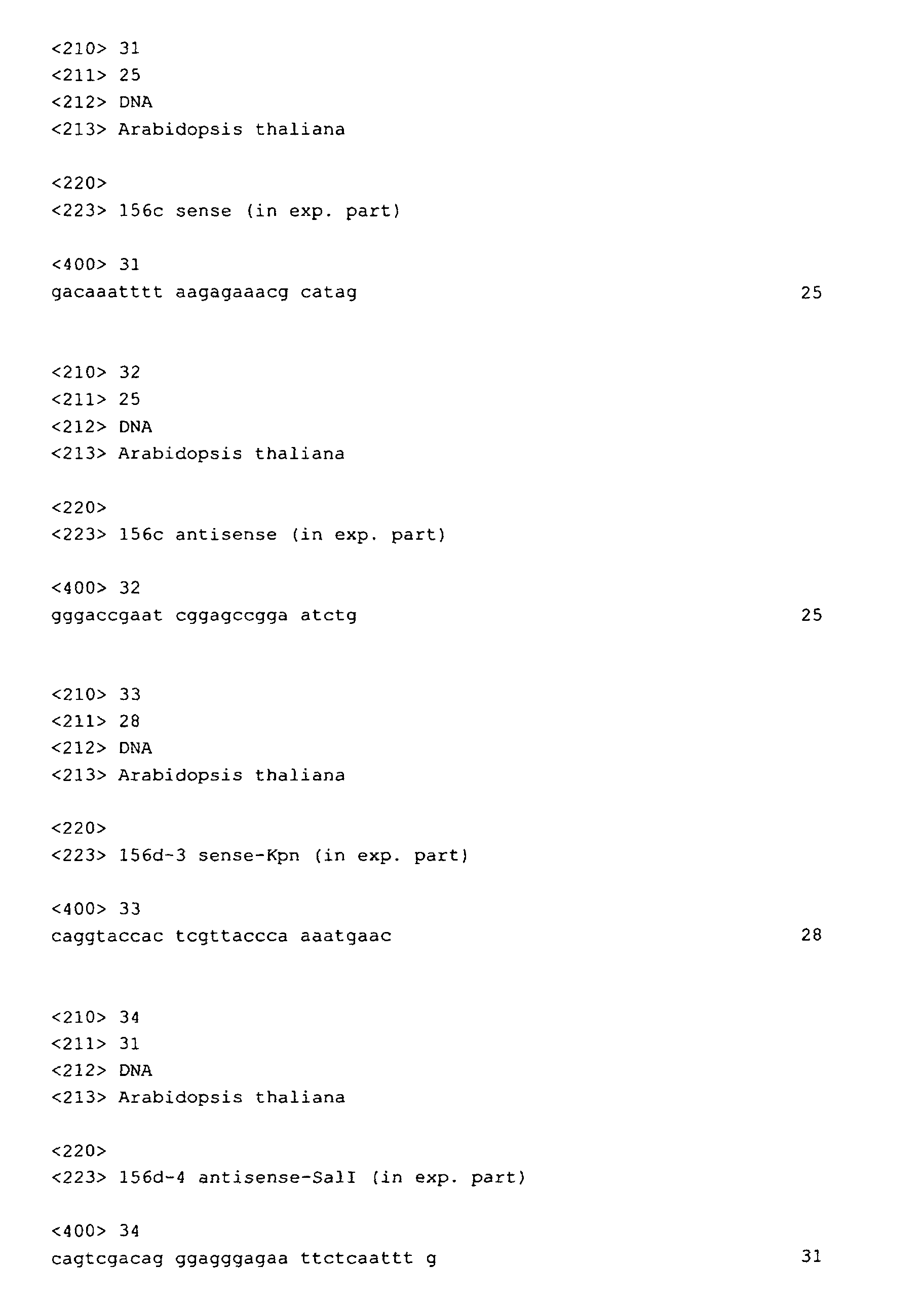
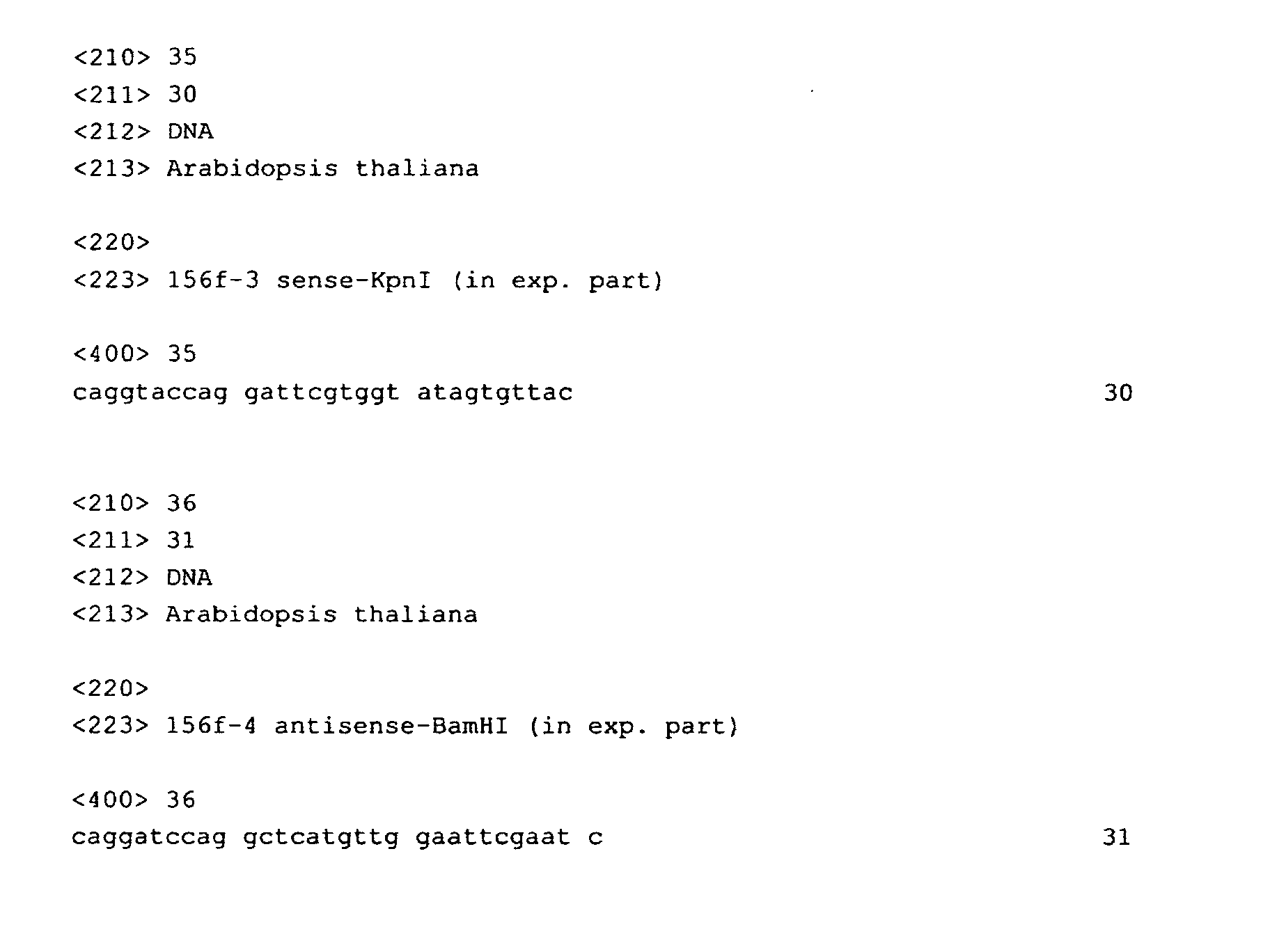
    In the following, the oligonucleotides used for the amplification of the miR156 genomic fragments are depicted.
    Figure 00090001
    Location of the miRNA genomic fragments that have been overexpressed in plants as annotated by TAIR (www.arabidopsis.org):
  • 156a: chromosome2 - nucleotides 10684693-10682418
  • 156b: chromosome4 - nucleotides 15074536-15076231
  • 156c: chromosome4 - nucleotides 15415545-15415411
  • 156d: chromosome5 - nucleotides 3457848- 3455606
  • 156f: chromosome5 - nucleotides 9134591- 9137382
  • Seeds from plants infiltrated with the miR156 overexpression constructs were stratified at 4°C for two days, and sown directly on soil. Commercially available Finafe® (AgrEvo), which contains 5.78% of ammonium glufosinate, also known as Basta™, was diluted 1:1000, and herbicide-resistant plants were selected by spraying twice a week for three weeks. Plants were grown either in long days (LD - 16 hours light, 8 hours dark) or short days (SD - 8 hours light, 16 hours dark), at 23°C and about 150 microEinstein per square meter and second light intensity, provided by a 2:1 mixture of Cool White and GroLux (Sylvania) fluorescent lights.
    Rate of leaf initiation in long days and short days
    The rosette leaves of transgenic plants according to the present invention were counted at a length of 7mm. Leaf initiation rate (defined as the number of leaves counted from day X to Y divided by (Y-X) days) was determined. 30-40 plants per genotype were investigated. The results are indicated in Tables 1 and 2.
    Long Day
    Genotype Empty vector (wild-type control, wt) miR156a over-expression construct miR156b over-expression construct miR156d over-expression construct miR156f over-expression construct MiR156c over-expression construct
    Leaf initiation rate 1.66 2.6 2.38 1.89 2.92 2.31
    Increase relative to wt (not applicable) 1.57 1.43 1.14 1.76 1.39
    Short Day
    Genotype Empty vector (wild-type control, wt) miR156a over-expression construct miR156b over-expression construct miR156d over-expression construct miR156f over-expression construct MiR156c over-expression construct
    Leaf initiation rate 1.40 2.26 2.18 1.66 2.45 1.96
    Increase relative to wt (not applicable) 1.61 1.56 1.19 1.75 1.4
    The results in Tables 1 and 2 show a substantial increase of leaf initiation rate in miR156 overexpressing plants according to the present invention compared to wild-type plants (empty vector).
    Total number of leaves per plant
    All leaves of a plant were counted when the plants started to dry out. 10 plants were investigated for each genotype.
    Long Day
    Genotype Empty vector (wild-type control, wt) miR156b overexpression construct 156d overexpression construct
    Total leaf number 127.3 1800.5 348.5
    Increase relative to wt (not applicable) 14.14 2.74
    The results in Table 3 (and Figure 4) demonstrate that miR156 overexpressing plants according to the present invention have a substantially higher total number of leaves per plant compared to wild-type plants (empty vector).
    Total number of shoots per plant
    When the plants started to dry out, all shoots that had formed fruits (siliques) were counted. 10 plants were investigated for each genotype.
    Long Day
    Genotype Empty vector (wild-type control, wt) miR156b overexpression construct 156d overexpression construct
    Total shoot number 28.6 313.5 82
    Increase relative to wt (not applicable) 11 2.87
    The results in Table 4 demonstrate that miR156 overexpressing plants according to the present invention have a higher total number of shoots per plant compared to wild-type plants (empty vector).
    Delayed flowering
    In both LD and SD conditions, overexpressing miR156 causes late flowering, which often is accompanied by the formation of aerial rosettes (see Figure 5).
    Decreased apical dominance
    In both LD and SD conditions, plants overexpressing miR156a, b, c and f show decreased apical dominance: the main shoot is overgrown by side shoots. More than 50% of the primary transformants also start to produce flowers first from side shoots rather than the main shoot (see Figure 6).
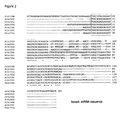
    Figure 00130001
    Figure 00140001
    Figure 00150001
    Figure 00160001
    Figure 00170001
    Figure 00180001
    Figure 00190001
    Figure 00200001
    Figure 00210001
    Figure 00220001

    Claims (21)

    1. A plant exhibiting modified biomass yield and/or plant growth and/or plant architecture characterized in that it contains altered levels of a microRNA.
    2. The plant according to claim 1, characterized in that it contains altered levels of a microRNA that targets members of the SPL family of genes encoding SPL transcription factors.
    3. The plant according to claim 1 or 2, characterized in that it contains altered levels of a microRNA that is identical to those produced by the miR156 family, which targets members of the SPL family of genes encoding SPL transcription factors.
    4. The plant according to any of claims 1 to 3, characterized in that it contains altered levels of a microRNA that has at most three mismatches compared to the miR156 family, which targets members of the SPL family of genes encoding SPL transcription factors.
    5. The plant according to any of claims 1 to 4, characterized in that it contains altered levels of a microRNA of the miR156 family, which targets members of the SPL family of genes encoding SPL transcription factors.
    6. A transgenic plant exhibiting modified biomass yield and/or plant growth and/or plant architecture characterized in that it has been transformed with a construct leading to an overexpression of microRNAs of the miR156 family in the plant compared to a wild-type plant.
    7. The plant according to any of the preceding claims, characterized in that production rate of leaves is increased.
    8. The plant according to any of the preceding claims, characterized in that the number of leaves is increased and/or the apical dominance is reduced.
    9. The plant according to any of the preceding claims, characterized in that the number of shoots is increased.
    10. The plant according to any of the preceding claims, characterized in that the biomass yield is increased.
    11. The plant according to any of the preceding daims, characterized in that the plant shows a delayed flower formation.
    12. The transgenic plant according to any of the preceding claims, characterized in that the construct comprises a transgene.
    13. The transgenic plant according to any of the preceding claims, characterized in that the construct comprises a genomic fragment of a microRNA selected from the group consisting of miRNA 156a, miRNA 156b, miRNA 156c, miRNA 156d, miRNA 156e, and miRNA 156f.
    14. The transgenic plant according to any of the preceding claims, characterized in that the construct comprises a promoter.
    15. The transgenic plant according to any of the preceding claims, characterized in that the plant is a crop, forage, vegetable, ornamental or woody plant.
    16. The transgenic plant according to any of the preceding claims, characterized in that the plant is Arabidopsis thaliana.
    17. Seeds of a transgenic plant according to any of claims 1 to 16.
    18. Cells of a transgenic plant according to any of claims 1 to 16.
    19. Propagation material of a transgenic plant according to any of claims 1 to 16.
    20. A method for the modification of the biomass yield and/or plant growth and/or plant architecture of a plant characterized in that the plant is modified, leading to an altered expression of microRNAs compared to a wild-type plant.
    21. A method according to claim 20 for the production of a plant according to any of claims 1 to 16.
    EP04008748A 2004-04-13 2004-04-13 Means and method for modifying the biomass of plants Withdrawn EP1586651A1 (en)

    Priority Applications (3)

    Application Number Priority Date Filing Date Title
    EP04008748A EP1586651A1 (en) 2004-04-13 2004-04-13 Means and method for modifying the biomass of plants
    US11/578,688 US20080256664A1 (en) 2004-04-13 2005-04-13 Means and Method for Modifying the Biomass of Plants
    PCT/EP2005/003896 WO2005100574A1 (en) 2004-04-13 2005-04-13 Means and method for modifying the biomass of plants

    Applications Claiming Priority (1)

    Application Number Priority Date Filing Date Title
    EP04008748A EP1586651A1 (en) 2004-04-13 2004-04-13 Means and method for modifying the biomass of plants

    Publications (1)

    Publication Number Publication Date
    EP1586651A1 true EP1586651A1 (en) 2005-10-19

    Family

    ID=34924582

    Family Applications (1)

    Application Number Title Priority Date Filing Date
    EP04008748A Withdrawn EP1586651A1 (en) 2004-04-13 2004-04-13 Means and method for modifying the biomass of plants

    Country Status (3)

    Country Link
    US (1) US20080256664A1 (en)
    EP (1) EP1586651A1 (en)
    WO (1) WO2005100574A1 (en)

    Cited By (1)

    * Cited by examiner, † Cited by third party
    Publication number Priority date Publication date Assignee Title
    EP2436771A1 (en) * 2006-03-31 2012-04-04 BASF Plant Science GmbH Plants having enhanced yield-related traits and a method for making the same

    Families Citing this family (6)

    * Cited by examiner, † Cited by third party
    Publication number Priority date Publication date Assignee Title
    CN100429310C (en) * 2006-03-15 2008-10-29 华中农业大学 Genes controlling tillering in rice and their uses
    WO2007131699A2 (en) 2006-05-12 2007-11-22 Bayer Bioscience N.V. Novel stress-related microrna molecules and uses thereof
    WO2011067745A2 (en) * 2009-12-06 2011-06-09 Rosetta Green Ltd. Compositions and methods for enhancing plants resistance to abiotic stress
    US9334505B2 (en) * 2011-08-12 2016-05-10 Purdue Research Foundation Using corngrass1 to engineer poplar as a bioenergy crop
    CN111662924A (en) * 2019-03-07 2020-09-15 山东舜丰生物科技有限公司 Gene editing method for regulating rice plant type and seed grain weight
    CN110106269A (en) * 2019-04-04 2019-08-09 扬州大学 Bna-miR156d is in the control developmental application of cabbage type rape branch

    Family Cites Families (1)

    * Cited by examiner, † Cited by third party
    Publication number Priority date Publication date Assignee Title
    SE0000751D0 (en) * 2000-03-07 2000-03-07 Swetree Genomics Ab Transgenic trees and methods for their production

    Non-Patent Citations (9)

    * Cited by examiner, † Cited by third party
    Title
    CARDON G ET AL: "Molecular characterisation of the Arabidopsis SBP-box genes", GENE, ELSEVIER BIOMEDICAL PRESS. AMSTERDAM, NL, vol. 237, no. 1, 3 September 1999 (1999-09-03), pages 91 - 104, XP004183501, ISSN: 0378-1119 *
    CARDON G H ET AL: "Functional analysis of the Arabidopsis thaliana SBP-box gene SPL3: A novel gene involved in the floral transition", PLANT JOURNAL, BLACKWELL SCIENTIFIC PUBLICATIONS, OXFORD, GB, vol. 12, no. 2, 1997, pages 367 - 377, XP002134823, ISSN: 0960-7412 *
    CHEN XUEMEI: "A microRNA as a translational repressor of APETALA2 in Arabidopsis flower development.", SCIENCE. 26 MAR 2004, vol. 303, no. 5666, 26 March 2004 (2004-03-26), pages 2022 - 2025, XP002300174, ISSN: 1095-9203 *
    KIDNER C A ET AL: "Macro effects of microRNAs in plants", TRENDS IN GENETICS, ELSEVIER, AMSTERDAM, NL, vol. 19, no. 1, January 2003 (2003-01-01), pages 13 - 16, XP004398852, ISSN: 0168-9525 *
    KLEIN J ET AL: "A new family of DNA binding proteins includes putative transcriptional regulators of the antirrhinum majus floral meristem identity genes SQUAMOSA", MOLECULAR AND GENERAL GENETICS, SPRINGER VERLAG, BERLIN, DE, vol. 250, no. 1, 15 January 1996 (1996-01-15), pages 7 - 16, XP002961672, ISSN: 0026-8925 *
    REINHART BRENDA J ET AL: "MicroRNAs in plants", GENES AND DEVELOPMENT, vol. 16, no. 13, 1 July 2002 (2002-07-01), pages 1616 - 1626, XP002300176, ISSN: 0890-9369 *
    RHOADES MATTHEW W ET AL: "Prediction of plant microRNA targets", CELL, CELL PRESS, CAMBRIDGE, NA, US, vol. 110, no. 4, 23 August 2002 (2002-08-23), pages 513 - 520, XP002295225, ISSN: 0092-8674 *
    UNTE ULRIKE S ET AL: "SPL8, an SBP-box gene that affects pollen sac development in Arabidopsis.", PLANT CELL, vol. 15, no. 4, April 2003 (2003-04-01), pages 1009 - 1019, XP002300175, ISSN: 1040-4651 *
    VAZQUEZ FRANCK ET AL: "The nuclear dsRNA binding protein HYL1 is required for microRNA accumulation and plant development, but not posttranscriptional transgene silencing.", CURRENT BIOLOGY : CB. 17 FEB 2004, vol. 14, no. 4, 17 February 2004 (2004-02-17), pages 346 - 351, XP002300173, ISSN: 0960-9822 *

    Cited By (2)

    * Cited by examiner, † Cited by third party
    Publication number Priority date Publication date Assignee Title
    EP2436771A1 (en) * 2006-03-31 2012-04-04 BASF Plant Science GmbH Plants having enhanced yield-related traits and a method for making the same
    US8642838B2 (en) 2006-03-31 2014-02-04 Basf Plant Science Gmbh Plants having enhanced yield-related traits and a method for making the same

    Also Published As

    Publication number Publication date
    WO2005100574A1 (en) 2005-10-27
    US20080256664A1 (en) 2008-10-16

    Similar Documents

    Publication Publication Date Title
    CN106995819B (en) Recombinant DNA constructs and methods for modulating target gene expression
    US10941415B2 (en) Down-regulating gene expression in insect plants
    US10982225B2 (en) Flowering time-regulating genes and related constructs and applications thereof
    JP2021501602A (en) Lodging resistance in plants
    US20130298281A1 (en) Transgenic plants with enhanced agronomic traits
    CN107400670A (en) Control OsbHLH116 genes, RNAi carrier of rice seed germination and preparation method thereof, application
    EP1586651A1 (en) Means and method for modifying the biomass of plants
    WO2016128998A1 (en) Improved transgenic rice plants
    CN110669762A (en) Nucleotide sequences and methods for controlling insect infestation
    US10889828B2 (en) Transgenic plants with enhanced traits
    WO2015102999A1 (en) Drought tolerant plants and related constructs and methods involving genes encoding dtp4 polypeptides
    CN102149821B (en) Recombinant DNA constructs and methods for modulating target gene expression
    CN119842789A (en) Application of soybean MicroRNA172a in regulation and control of plant seed traits
    CN120923596A (en) Application of Tma12 protein in controlling stinkbug pests and thrips pests
    CN120310810A (en) Application of broccoli BoMYC2 gene in regulating plant seed development
    WO2012112518A1 (en) Interfering rnas that promote root growth

    Legal Events

    Date Code Title Description
    PUAI Public reference made under article 153(3) epc to a published international application that has entered the european phase

    Free format text: ORIGINAL CODE: 0009012

    17P Request for examination filed

    Effective date: 20040511

    AK Designated contracting states

    Kind code of ref document: A1

    Designated state(s): AT BE BG CH CY CZ DE DK EE ES FI FR GB GR HU IE IT LI LU MC NL PL PT RO SE SI SK TR

    AX Request for extension of the european patent

    Extension state: AL HR LT LV MK

    AKX Designation fees paid

    Designated state(s): AT BE BG CH CY CZ DE DK EE ES FI FR GB GR HU IE IT LI LU MC NL PL PT RO SE SI SK TR

    STAA Information on the status of an ep patent application or granted ep patent

    Free format text: STATUS: THE APPLICATION IS DEEMED TO BE WITHDRAWN

    18D Application deemed to be withdrawn

    Effective date: 20060420