FIELD OF INVENTION
This invention comprises process for the bioconversion of a fermentable
carbon source to 1,3-propanediol by a single microorganism.
BACKGROUND
1,3-Propanediol is a monomer having potential utility in the production of
polyester fibers and the manufacture of polyurethanes and cyclic compounds.
A variety of chemical routes to 1,3-propanediol are known. For example
ethylene oxide may be converted to 1,3-propanediol over a catalyst in the presence
of phosphine, water, carbon monoxide, hydrogen and an acid, by the catalytic
solution phase hydration of acrolein followed by reduction, or from compounds
such as glycerol, reacted in the presence of carbon monoxide and hydrogen over
catalysts having atoms from group VIII of the periodic table. Although it is
possible to generate 1,3-propanediol by these methods, they are expensive and
generate waste streams containing environmental pollutants.
It has been known for over a century that 1,3-propanediol can be produced
from the fermentation of glycerol. Bacterial strains able to produce
1,3-propanediol have been found, for example, in the groups Citrobacter,
Clostridium, Enterobacter, Ilyobacter, Klebsiella, Lactobacillus, and Pelobacter.
In each case studied, glycerol is converted to 1,3-propanediol in a two step,
enzyme catalyzed reaction sequence. In the first step, a dehydratase catalyzes the
conversion of glycerol to 3-hydroxypropionaldehyde (3-HPA) and water,
Equation 1. In the second step, 3-HPA is reduced to 1,3-propanediol by a
NAD+-linked oxidoreductase, Equation 2. The 1,3-propanediol is not
metabolized further and, as a result,
Glycerol → 3-HPA + H2O
3-HPA + NADH + H+ → 1,3-Propanediol + NAD+
accumulates in the media. The overall reaction consumes a reducing equivalent in
the form of a cofactor, reduced β-nicotinamide adenine dinucleotide (NADH),
which is oxidized to nicotinamide adenine dinucleotide (NAD+).
In Klebsiella pneumonia, Citrobacter freundii, and Clostridium
pasteurianum, the genes encoding the three structural subunits of glycerol
dehydratase (dhab1-3 or dhaB, C and E) are located adjacent to a gene encoding a
specific 1,3-propanediol oxidoreductase (dhaT) (see Figure 1). Although the
genetic organization differs somewhat among these microorganisms, these genes
are clustered in a group which also comprises orƒX and orƒZ (genes encoding a
dehydratase reactivation factor for glycerol dehydratase), as well as orƒY and orƒW
(genes of unknown function). The specific 1,3-propanediol oxidoreductases
(dhaT's) of these microorganisms are known to belong to the family of type III
alcohol dehydrogenases; each exhibits a conserved iron-binding motif and has a
preference for the NAD+/NADH linked interconversion of 1,3-propandiol and
3-HPA. However, the NAD+/NADH linked interconversion of 1,3-propandiol
and 3-HPA is also catalyzed by alcohol dehydrogenases which are not specifically
linked to dehydratase enzymes (for example, horse liver and baker's yeast alcohol
dehydrogenases (E.C. 1.1.1.1)), albeit with less efficient kinetic parameters.
Glycerol dehydratase (E.C. 4.2.1.30) and diol [1,2-propanediol] dehydratase
(E.C. 4.2.1.28) are related but distinct enzymes that are encoded by distinct genes.
Diol dehydratase genes from Klebsiella oxytoca and Salmonella typhimurium are
similar to glycerol dehydratase genes and are clustered in a group which
comprises genes analogous to orƒX and orƒZ (Daniel et al., FEMS Microbiol. Rev.
22, 553 (1999); Toraya and Mori, J. Biol. Chem. 274, 3372 (1999); GenBank
AF026270).
The production of 1,3-propanediol from glycerol is generally performed
under anaerobic conditions using glycerol as the sole carbon source and in the
absence of other exogenous reducing equivalent acceptors. Under these
conditions, in e.g., strains of Citrobacter, Clostridium, and Klebsiella, a parallel
pathway for glycerol operates which first involves oxidation of glycerol to
dihydroxyacetone (DHA) by a NAD+- (or NADP+-) linked glycerol
dehydrogenase, Equation 3. The DHA, following phosphorylation to
dihydroxyacetone phosphate (DHAP) by a DHA kinase (Equation 4),
Glycerol + NAD+ → DHA + NADH + H+
DHA + ATP → DHAP + ADP
becomes available for biosynthesis and for supporting ATP generation via e.g.,
glycolysis. In contrast to the 1,3-propanediol pathway, this pathway may provide
carbon and energy to the cell and produces rather than consumes NADH.
In Klebsiella pneumoniae and Citrobacter freundii, the genes encoding the
functionally linked activities of glycerol dehydratase (dhaB), 1,3-propanediol
oxidoreductase (dhaT), glycerol dehydrogenase (dhaD), and dihydroxyacetone
kinase (dhaK) are encompassed by the dha regulon. The dha regulon, in
Klebsiella pneumoniae and Citrobacter freundii, also encompasses a gene
encoding a transcriptional activator protein (dhaR). The dha regulons from
Citrobacter and Klebsiella have been expressed in Escherichia coli and have been
shown to convert glycerol to 1,3-propanediol.
Neither the chemical nor biological methods described above for the
production of 1,3-propanediol are well suited for industrial scale production since
the chemical processes are energy intensive and the biological processes are
limited to relatively low titer from the expensive starting material, glycerol.
These drawbacks could be overcome with a method requiring low energy input
and an inexpensive starting material such as carbohydrates or sugars, or by
increasing the metabolic efficiency of a glycerol process. Development of either
method will require the ability to manipulate the genetic machinery responsible
for the conversion of sugars to glycerol and glycerol to 1,3-propanediol.
Biological processes for the preparation of glycerol are known. The
overwhelming majority of glycerol producers are yeasts but some bacteria, other
fungi and algae are also known. Both bacteria and yeasts produce glycerol by
converting glucose or other carbohydrates through the fructose-1,6-bisphosphate
pathway in glycolysis or the Embden Meyerhof Parnas pathway, whereas, certain
algae convert dissolved carbon dioxide or bicarbonate in the chloroplasts into the
3-carbon intermediates of the Calvin cycle. In a series of steps, the 3-carbon
intermediate, phosphoglyceric acid, is converted to glyceraldehyde 3-phosphate
which can be readily interconverted to its keto isomer dihydroxyacetone
phosphate and ultimately to glycerol.
Specifically, the bacteria Bacillus licheniformis and Lactobacillus
lycopersica synthesize glycerol, and glycerol production is found in the
halotolerant algae Dunaliella sp. and Asteromonas gracilis for protection against
high external salt concentrations. Similarly, various osmotolerant yeasts
synthesize glycerol as a protective measure. Most strains of Saccharomyces
produce some glycerol during alcoholic fermentation, and this can be increased
physiologically by the application of osmotic stress. Earlier this century
commercial glycerol production was achieved by the use of Saccharomyces
cultures to which "steering reagents" were added such as sulfites or alkalis.
Through the formation of an inactive complex, the steering agents block or inhibit
the conversion of acetaldehyde to ethanol; thus, excess reducing equivalents
(NADH) are available to or "steered" towards DHAP for reduction to produce
glycerol. This method is limited by the partial inhibition of yeast growth that is
due to the sulfites. This limitation can be partially overcome by the use of alkalis
that create excess NADH equivalents by a different mechanism. In this practice,
the alkalis initiated a Cannizarro disproportionation to yield ethanol and acetic
acid from two equivalents of acetaldehyde.
The gene encoding glycerol-3-phosphate dehydrogenase (DAR1, GPD1)
has been cloned and sequenced from S. diastaticus (Wang et al., J. Bact. 176,
7091-7095 (1994)). The DAR1 gene was cloned into a shuttle vector and used to
transform E. coli where expression produced active enzyme. Wang et al. (supra)
recognize that DAR1 is regulated by the cellular osmotic environment but do not
suggest how the gene might be used to enhance 1,3-propanediol production in a
recombinant microorganism.
Other glycerol-3-phosphate dehydrogenase enzymes have been isolated:
for example, sn-glycerol-3-phosphate dehydrogenase has been cloned and
sequenced from Saccharomyces cerevisiae (Larason et al., Mol. Microbiol. 10,
1101 (1993)) and Albertyn et al. (Mol. Cell. Biol. 14, 4135 (1994)) teach the
cloning of GPD1 encoding a glycerol-3-phosphate dehydrogenase from
Saccharomyces cerevisiae. Like Wang et al. (supra), both Albertyn et al. and
Larason et al. recognize the osmo-sensitivity of the regulation of this gene but do
not suggest how the gene might be used in the production of 1,3-propanediol in a
recombinant microorganism.
As with G3PDH, glycerol-3-phosphatase has been isolated from
Saccharomyces cerevisiae and the protein identified as being encoded by the
GPP1 and GPP2 genes (Norbeck et al., J. Biol. Chem. 271, 13875 (1996)). Like
the genes encoding G3PDH, it appears that GPP2 is osmosensitive.
Although a single microorganism conversion of fermentable carbon source
other than glycerol or dihydroxyacetone to 1,3-propanediol is desirable, it has
been documented that there are significant difficulties to overcome in such an
endeavor. For example, Gottschalk et al. (EP 373 230) teach that the growth of
most strains useful for the production of 1,3-propanediol, including Citrobacter
freundii, Clostridium autobutylicum, Clostridium butylicum, and Klebsiella
pneumoniae, is disturbed by the presence of a hydrogen donor such as fructose or
glucose. Strains of Lactobacillus brevis and Lactobacillus buchner, which
produce 1,3-propanediol in co-fermentations of glycerol and fructose or glucose,
do not grow when glycerol is provided as the sole carbon source, and, although it
has been shown that resting cells can metabolize glucose or fructose, they do not
produce 1,3-propanediol (Veiga DA Cunha et al., J. Bacteriol., 174, 1013 (1992)).
Similarly, it has been shown that a strain of Ilyobacter polytropus, which produces
1,3-propanediol when glycerol and acetate are provided, will not produce
1,3-propanediol from carbon substrates other than glycerol, including fructose and
glucose (Steib et al., Arch. Microbiol. 140, 139 (1984)). Finally, Tong et al.
(Appl. Biochem. Biotech. 34, 149 (1992)) taught that recombinant Escherichia coli
transformed with the dha regulon encoding glycerol dehydratase does not produce
1,3-propanediol from either glucose or xylose in the absence of exogenous
glycerol.
Attempts to improve the yield of 1,3-propanediol from glycerol have been
reported where co-substrates capable of providing reducing equivalents, typically
fermentable sugars, are included in the process. Improvements in yield have been
claimed for resting cells of Citrobacter freundii and Klebsiella pneumoniae DSM
4270 co-fermenting glycerol and glucose (Gottschalk et al., supra.; and Tran-Dinh
et al., DE 3734 764); but not for growing cells of Klebsiella pneumoniae
ATCC 25955 co-fermenting glycerol and glucose, which produced no
1,3-propanediol (I-T. Tong, Ph.D. Thesis, University of Wisconsin-Madison
(1992)). Increased yields have been reported for the cofermentation of glycerol
and glucose or fructose by a recombinant Escherichia coli; however, no
1,3-propanediol is produced in the absence of glycerol (Tong et al., supra.). In
these systems, single microorganisms use the carbohydrate as a source of
generating NADH while providing energy and carbon for cell maintenance or
growth. These disclosures suggest that sugars do not enter the carbon stream that
produces 1,3-propanediol.
Recently, however, the conversion of carbon substrates, other than
glycerol or dihydroxyacetone, to 1,3-propanediol by a single microorganism that
expresses a dehydratase enzyme has been described (U.S. 5,686,276;
WO 9821339; WO 9928480; and WO 9821341 (US 6013494)). A specific
deficiency in the biological processes leading to the production of 1,3-propanediol
from either glycerol or glucose has been the low titer of the product achieved via
fermentation; thus, an energy-intensive separation process to obtain
1,3-propanediol from the aqueous fermentation broth is required. Fed batch or
batch fermentations of glycerol to 1,3-propanediol have led to final titers of 65 g/L
by Clostridium butyricum (Saint-Amans et al., Biotechnology Letters 16, 831
(1994)), 71 g/L by Clostridium butyricum mutants (Abbad-Andaloussi et al., Appl.
Environ. Microbiol. 61, 4413 (1995)), 61 g/L by Klebsiellapneumoniae (Homann
et al., Appl. Bicrobiol. Biotechnol. 33, 121 (1990)), and 35 g/L by Citrobacter
freundii (Homann et al., supra). Fermentations of glucose to 1,3-propanediol that
exceed the titer obtained from glycerol fermentations have not yet been disclosed.
The problem that remains to be solved is how to biologically produce
1,3-propanediol, with high titer and by a single microorganism, from an
inexpensive carbon substrate such as glucose or other sugars. The biological
production of 1,3-propanediol requires glycerol as a substrate for a two-step
sequential reaction in which a dehydratase enzyme (typically a coenzyme
B12-dependent dehydratase) converts glycerol to an intermediate,
3-hydroxypropionaldehyde, which is then reduced to 1,3-propanediol by a
NADH- (or NADPH) dependent oxidoreductase. The complexity of the cofactor
requirements necessitates the use of a whole cell catalyst for an industrial process
that utilizes this reaction sequence for the production of 1,3-propanediol.
SUMMARY OF THE INVENTION
Applicants have solved the stated problem and the present invention
provides for bioconverting a fermentable carbon source directly to
1,3-propanediol at significantly higher titer than previously obtained and with the
use of a single microorganism. Glucose is used as a model substrate and E. coli is
used as the model host. In one aspect of this invention, recombinant E. coli
expressing a group of genes (comprising genes that encode a dehydratase activity,
a dehydratase reactivation factor, a 1,3-propanediol oxidoreductase (dhaT), a
glycerol-3-phosphate dehydrogenase, and a glycerol-3-phosphatase) convert
glucose to 1,3-propanediol at titer that approaches that of glycerol to
1,3-propanediol fermentations.
In another aspect of this invention, the elimination of the functional dhaT
gene in this recombinant E. coli results in a significantly higher titer of
1,3-propanediol from glucose. This unexpected increase in titer results in
improved economics, and thus, an improved process for the production of
1,3-propanediol from glucose.
Furthermore, the present invention may be generally applied to include
any carbon substrate that is readily converted to 1) glycerol, 2) dihydroxyacetone,
3) C3 compounds at the oxidation state of glycerol (e.g., glycerol 3-phosphate), or
4) C3 compounds at the oxidation state of dihydroxyacetone (e.g.,
dihydroxyacetone phosphate or glyceraldehyde 3-phosphate). The production of
1,3-propanediol in the dhaT minus strain requires a non-specific catalytic activity
that converts 3-HPA to 1,3-propanediol. Identification of the enzyme(s) and/or
gene(s) responsible for the non-specific catalytic activity that converts 3-HPA to
1,3-propanediol will lead to production of 1,3-propanediol in a wide range of host
microorganisms with substrates from a wide range of carbon-containing
substrates. It is also anticipated that the use of this non-specific catalytic activity
that converts 3-HPA to 1,3-propanediol will lead to an improved process for the
production of 1,3-propanediol from glycerol or dihydroxyacetone, by virtue of an
improved titer and the resulting improved economics.
This activity has been isolated from
E. coli as a nucleic acid fragment
encoding a non-specific catalytic activity for the conversion of 3-hydroxypropionaldehyde
to 1,3-propanediol, as set out in SEQ ID NO:58 or as
selected from the group consisting of:
A chimeric gene may be constructed comprising the isolated nucleic acid
fragment described above operably linked to suitable regulatory sequences. This
chimeric gene can be used to transform miciroorganisms selected from the group
consisting of Citrobacter, Enterobacter, Clostridium, Klebsiella, Aerobacter,
Lactobacillus, Aspergillus, Saccharomyces, Schizosaccharomyces,
Zygosaccharomyces, Pichia, Kluyveromyces, Candida, Hansenula,
Debaryomyces, Mucor, Torulopsis, Methylobacter, Salmonella, Bacillus,
Aerobacter, Streptomyces, Escherichia, and Pseudomonas. E. coli is the
preferred host.
Accordingly, the present invention provides a recombinant microorganism,
useful for the production of 1,3-propanediol comprising: (a) at least one gene
encoding a polypeptide having glycerol-3-phosphate dehydrogenase activity;
(b) at least one gene encoding a polypeptide having glycerol-3-phosphatase
activity; (c) at least one gene encoding a polypeptide having a dehydratase
activity; (d) at least one gene encoding a dehydratase reactivation factor; (e) at
least one endogenous gene encoding an non-specific catalytic activity sufficient to
convert 3-hydroxypropionaldehyde to 1,3-propanediol, wherein no functional
dhaT gene encoding a 1,3-propanediol oxidoreductase is present. The preferred
embodiment is a recombinant microorganism (preferably E. coli) where no dhaT
gene is present. Optionally, the recombinant microorganism may comprise
mutations (e.g., deletion mutations or point mutations) in endogenous genes
selected from the group consisting of: (a) a gene encoding a polypeptide having
glycerol kinase activity; (b) a gene encoding a polypeptide having glycerol
dehydrogenase activity; and (c) gene encoding a polypeptide having
triosephosphate isomerase activity.
In another embodiment the invention includes a process for the production
of 1,3-propanediol comprising:(a) contacting, under suitable conditions, a
recombinant E. coli comprising a dha regulon and lacking a functional dhaT gene
encoding a 1,3-propanediol oxidoreductase activity with at least one carbon
source, wherein the carbon source is selected from the group consisting of
monosaccharides, oligosaccharides, polysaccharides, and single-carbon substrates;
and (b) optionally recovering the 1,3-propanediol produced in (a).
The invention also provides a process for the production of
1,3-propanediol from a recombinant microorganism comprising: (a) contacting
the recombinant microorganism of the present invention with at least one carbon
source selected from the group consisting of monosaccharides, oligosaccharides,
polysaccharides, and single-carbon substrates whereby 1,3-propanediol is
produced; and (b) optionally recovering the 1,3-propanediol produced in (a).
Similarly the invention intends to provide a process for the production of
1,3-propanediol from a recombinant microorganism comprising:
said carbon source selected from the group consisting of glycerol and
dihydroxyacetone, wherein 1,3-propanediol is produced and; (b) optionally recovering the 1,3-propanediol produced in (a).
Yet another aspect of the invention provides for the co-feeding of the
carbon substrate. In this embodiment for the production of 1,3-propanediol, the
steps are: (a) contacting a recombinant E. coli with a first source of carbon and
with a second source of carbon, said recombinant E. coli comprising: (i) at least
one exogenous gene encoding a polypeptide having a dehydratase activity; (ii) at
least one exogenous gene encoding a dehydratase reactivation factor; (iii) at least
one exogenous gene encoding a non-specific catalytic activity sufficient to convert
3-hydroxypropionaldehyde to 1,3-propanediol, wherein no functional dhaT gene
encoding a 1,3-propanediol oxidoreductase activity is present in the recombinant
E. coli and wherein said first carbon source is selected from the group consisting
of glycerol and dihydroxyacetone, and said second carbon source is selected from
the group consisting of monosaccharides, oligosaccharides, polysaccharides, and
single-carbon substrates, and (b) the 1,3-propanediol produced in (a) is optionally
recovered. The co-feed may be sequential or simultaneous. The recombinant
E. coli used in a co-feeding embodiemtn may further comprise: (a) a set of
exogenous genes consisting of (i) at least one gene encoding a polypeptide having
glycerol-3-phosphate dehydrogenase activity; (ii) at least one gene encoding a
polypeptide having glycerol-3-phosphatase activity; and (iii) at least one subset of
genes encoding the gene products of dhaR, orƒY, orƒX, orƒW, dhaB1, dhaB2,
dhaB3 and orƒZ, and (b) a set of endogenous genes, each gene having a mutation
inactivating the gene, the set consisting of: (i) a gene encoding a polypeptide
having glycerol kinase activity; (ii) a gene encoding a polypeptide having glycerol
dehydrogenase activity; and (iii) a gene encoding a polypeptide having
triosephosphate isomerase activity.
Useful recombinant E. coli strains include recombinant E. coli strain
KLP23 comprising: (a) a set of two endogenous genes, each gene having a
mutation inactivating the gene, the set consisting of: (i) a gene encoding a
polypeptide having a glycerol kinase activity; and (ii) a gene encoding a
polypeptide having a glycerol dehydrogenase activity; (b) at least one exogenous
gene encoding a polypeptide having glycerol-3-phosphate dehydrogenase activity;
(c) at least one exogenous gene encoding a polypeptide having glycerol-3-phosphatase
activity; and (d) a plasmid pKP32 and a recombinant E. coli strain
RJ8 comprising: (a) set of three endogenous genes, each gene having a mutation
inactivating the gene, the set consisting of: (i) a gene encoding a polypeptide
having a glycerol kinase activity; (ii) a gene encoding a polypeptide having a
glycerol dehydrogenase activity; and (iii) a gene encoding a polypeptide having a
triosephosphate isomerase activity.
Other useful embodiments include recombinant E. coli comprising: (a) a
set of exogenous genes consisting of: (i) at least one gene encoding a polypeptide
having a dehydratase activity; (ii) at least one gene encoding a polypeptide having
glycerol-3-phosphate dehydrogenase activity; (iii) at least one gene encoding a
polypeptide having glycerol-3-phosphatase activity; and (iv) at least one gene
encoding a dehydratase reactivation factor; and (b) at least one endogenous gene
encoding a non-specific catalytic activity to convert 3-hydroxypropionaldehyde to
1,3-propanediol; wherein no functional dhaT gene encoding a 1,3-propanediol
oxidoreductase activity is present in the recombinant E. coli.
Another embodiemtn is a recombinant E. coli comprising: (a) a set of
exogenous genes consisting of (i) at least one gene encoding a polypeptide having
glycerol-3-phosphate dehydrogenase activity; (ii) at least one gene encoding a
polypeptide having glycerol-3-phosphatase activity; and (iii) at least one subset of
genes encoding the gene products of dhaR, orƒY, orƒX, orƒW, dhaB1, dhaB2,
dhaB3 and orƒZ, and (b) at least one endogenous gene encoding a non-specific
catalytic activity to convert 3-hydroxypropionaldehyde to 1,3-propanediol,
wherein no functional dhaT gene encoding a 1,3-propanediol oxidoreductase
activity is present in the recombinant E. coli. This embodiment also includes a
process using a recombinant E. coli further comprising a set of endogenous
genes, each gene having a mutation inactivating the gene, the set consisting of:
(a) a gene encoding a polypeptide having glycerol kinase activity; (b) a gene
encoding a polypeptide having glycerol dehydrogenase activity; and (c) a gene
encoding a polypeptide having triosephosphate isomerase activity.
This embodiment still further includes a process for the bioproduction of
1,3-propanediol comprising: (a) contacting under suitable conditions the
immediately disclosed recombinant E. coli with at least one carbon source
selected from the group consisting of monosaccharides, oligosaccharides,
polysaccharides, and single-carbon substrates whereby 1,3-propanediol is
produced; and (b) optionally recovering the 1,3-propanediol produced in (a).
And also includes a further process for the bioproduction of
1,3-propanediol comprising: (a) contacting the recombinant E. coli of the
immediately disclosed embodiments that further comprise: (i) at least one
exogenous gene encoding a polypeptide having a dehydratase activity; (ii) at least
one exogenous gene encoding a dehydratase reactivation factor; (iii) at least one
endogenous gene encoding a non-specific catalytic activity to convert 3-hydroxypropionaldehyde
to 1,3-propanediol, with at least one carbon source selected from
the group consisting of glycerol and dihydroxyacetone, and (b) optionally
recovering the 1,3-propanediol produced in (a).
BRIEF DESCRIPTION OF THE DRAWINGS,
SEQUENCE DESCRIPTIONS, AND BIOLOGICAL DEPOSITS
The invention can be more fully understood from the following detailed
description, Figures, the accompanying sequence descriptions, and biological
deposits that form parts of this application.
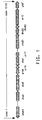
Figure 1 presents the gene organization within the sequence of the dha
regulon subclone pHK28-26.
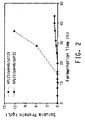
Figure 2 presents a graph of the extracellular soluble protein (g/L)
compared between two fermentations runs essentially as described in Example 7
using a constant feed of vitamin B12. In one case, solid lines, the strain used was
KLP23/pAH48/pKP32. In the other case, dashed lines, the strain used was
KLP23/pAH48/pDT29.
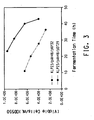
Figure 3 presents a graph of the cell viability [(viable cells/mL)/OD550]
compared between two fermentations runs essentially as described in Example 7
using a constant feed of vitamin B12. In one case (solid lines), the strain used was
KLP23/pAH48/pKP32. In the other case (dashed lines), the strain used was
KLP23/pAH48/pDT29.
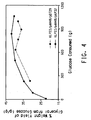
Figure 4 presents a graph of the yield of glycerol from glucose compared
between two fermentations runs essentially as described in Example 7, but in the
absence of vitamin B12 or coenzyme B12. In one case (solid lines), the strain used
was KLP23/pAH48/pKP32. In the other case (dashed lines), the strain used was
KLP23/pAH48/pDT29.
Figure 5 is a flow diagram illustrating the metabolic conversion of glucose
to 1,3-propanediol.
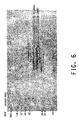
Figure 6 is a 2D-PAGE membrane blot with the soluble protein fraction
extracted from a band showing endogenous E. coli oxidoreductase activity
(non-specific catalytic activity) on a native gel.
The 68 sequence descriptions and the sequence listing attached hereto will
comply with the rules governing nucleotide and/or amino acid sequence
disclosures in patent applications as set forth in 37 C.F.R. §1.821-1.825
("Requirements for Patent Applications Containing Nucleotide Sequences and/or
Amino Acid Sequence Disclosures - the Sequence Rules") and will be consistent
with World Intellectual Property Organization (WIPO) Standard ST2.5 (1998) and
the sequence listing requirements of the EPO and PCT (Rules 5.2 and 49.5(a-bis),
and Section 208 and Annex C of the Administration Instructions). The Sequence
Descriptions contain the one letter code for nucleotide sequence characters and the
three letter codes for amino acids as defined in conformity with the IUPAC-IYUB
standards described in Nucleic Acids Res. 13, 3021-3030 (1985) and in the
Biochemical Journal 219, 345-373 (1984) which are herein incorporated by
reference.
SEQ ID NO:1 contains the nucleotide sequence determined from a 12.1 kb
EcoRI-SalI fragment from pKP1 (cosmid containing DNA from Klebsiella
pneumoniae), subcloned into pIBI31 (IBI Biosystem, New Haven, CT), and
termed pHK28-26. Table 1 further details genes, corresponding base pairs
identified within SEQ ID NO:1, and associated functionality. See also Example 1.
SEQ ID NO:57 contains the nucleotide sequence determined for yqhD.
Applicants have made the following biological deposits under the terms of
the Budapest Treaty on the International Recognition of the Deposit of Microorganisms
for the Purposes of Patent Procedure:
SEQ ID NO:58 contains the amino acid sequence determined for
YahD.
| Depositor Identification Reference | Int'1 Depository Designation | Date of Deposit |
| Transformed E. coli DH5α containing a portion of the Klebsiella genome encoding the glycerol dehydratase enzyme | ATCC 69789 | 18 April 1995 |
| transformed E. coli DH5α containing cosmit pKP4 containing a portion of Klebsiella genome encoding a diol dehydratase enzyme | ATCC 69790 | 18 April 1995 |
| E. coli MSP33.6 | ATCC 98598 | 25 November 1997 |
| glpK mutant E. coli RJF10m | ATCC 98597 | 25 November 1997 |
The deposit(s) will be maintained in the indicated international depository
for at least 30 years and will be made available to the public upon the grant of a
patent disclosing it. The availability of a deposit does not constitute a license to
practice the subject invention in derogation of patent rights granted by
government action.
As used herein, "ATCC" refers to the American Type Culture Collection
international depository located 10801 University Blvd., Manassas, VA 20110-2209
U.S.A. The "ATCC No." is the accession number to cultures on deposit
with the ATCC.
DETAILED DESCRIPTION OF THE INVENTION
The present invention provides for an improved process for bioconverting
a fermentable carbon source directly to 1,3-propanediol using a single
microorganism. The method is characterized by improved titer, yield, and cell
viability as well as a decrease in cell lysis during fermentation.
The present invention is based, in part, upon the observation that
1,3-propanediol fermentation processes comprising 1,3-propanediol
oxidoreductase (dhaT) are characterized by high levels of 3HPA and other
aldehydes and ketones in the medium, which is correlated to a decrease in cell
viability. The present invention is also based, in part, upon the unexpected
finding that the model host, E. coli, is capable of converting 3-HPA to
1,3-propanediol by an endogenous non-specific catalytic activity capable of
converting 3-hydroxypropionaldehyde to 1,3-propanediol. The present invention
is further based, in part, upon the unexpected finding that an E. coli fermentation
process comprising this non-specific catalytic activity and lacking a functional
dhaT results in increased cell viability during fermentation and provides for higher
titers and/or yields of 1,3-propanediol than a fermentation process comprising a
functional dhaT.
In one aspect, glycerol is a model substrate, the host microorganism has a
mutation in wild-type dhaT such that there is no 1,3-propanediol oxidoreductase
activity and comprises a non-specific catalytic activity sufficient to convert
3-hydroxypropionaldehyde to 1,3-propanediol. In another aspect, glucose is a
model substrate and recombinant E. coli is a model host. In this aspect, E. coli
comprises an endogenous non-specific catalytic activity sufficient to convert
3-hydroxypropionaldehyde to 1,3-propanediol. In one embodiment, the non-specific
catalytic activity is an alcohol dehydrogenase.
In one aspect, the present invention provides a recombinant E. coli
expressing a group of genes comprising (a) at least one gene encoding a
polypeptide having glycerol-3-phosphate dehydrogenase activity; (b) at least one
gene encoding a polypeptide having glycerol-3-phosphatase activity; (c) at least
one gene encoding a polypeptide having a dehydratase activity; (d) at least one
gene encoding a dehydratase reactivation factor; and (e) at least one endogenous
gene encoding an non-specific catalytic activity sufficient to convert 3-hydroxypropionaldehyde
to 1,3-propanediol; use of this microorganism converts glucose
to 1,3-propanediol at a high titer. In another aspect of this invention, the
elimination of the functional dhaT gene in this recombinant E. coli provides an
unexpectedly higher titer of 1,3-propanediol from glucose than previously
attained.
The present invention provides an improved method for the biological
production of 1,3-propanediol from a fermentable carbon source in a single
microorganism. In one aspect of the present invention, an improved process for
the conversion of glucose to 1,3-propanediol is achieved by the use of a
recombinant microorganism comprising a host E. coli transformed with the
Klebsiella pneumoniae dha regulon genes dhaR, orƒY, dhaT, orƒX, orƒW, dhaB1,
dhaB2, dhaB3, and orƒZ, all these genes arranged in the same genetic organization
as found in wild type Klebsiella pneumoniae. The titer obtained for the
fermentation process is significantly higher than any titer previously reported for a
similar fermentation. This improvement relies on the use of the plasmid pDT29
as described in Example 6 and Example 7.
In another aspect of the present invention, a further improved process for
the production of 1,3-propanediol from glucose is achieved using a recombinant
E. coli containing genes encoding a G3PDH, a G3P phosphtase, a dehydratase,
and a dehydratase reactivation factor compared to a process using a recombinant
E. coli containing genes encoding a G3PDH, a G3P phosphatase, a dehydratase, a
dehydratase reactivation factor, and also a functional dhaT. The dramatically
improved process relies on an endogenous gene encoding a non-specific catalytic
activity, expected to be an alcohol dehydrogenase, which is present in E. coli.
The dramatic improvement in the process is evident as an increase in
1,3-propanediol titer as illustrated in Examples 7 and 9. The improvement in the
process is also evident as a decrease in cell lysis as determined by the extracellular
soluble protein concentration in the fermentation broth. This aspect of the
invention is illustrated in Figure 2. Additionally, the improvement in the process
is evident as prolonged cell viability over the course of the fermentation. This
aspect of the invention is illustrated in Figure 3. Furthermore, the improvement in
the process is also evident as an increase in yield. In E. coli expressing a
1,3-propanediol oxidoreductase (dhaT) (for example, E. coli KLP23 transformed
with the plasmid pDT29), glycerol can be metabolized to a product other than
3-HPA. In direct contrast, in E. coli not expressing a 1,3-propanediol
oxidoreductase (dhaT) (for example, E. coli KLP23 transformed with the plasmid
pKP32), glycerol is not metabolized to a product other than 3-HPA. That this
cryptic pathway is attributable to the presence or absence of a functional dhaT is
demonstrated by the lower yield of glycerol from glucose as illustrated in
Figure 4.
As used herein the following terms may be used for interpretation of the
claims and specification.
The terms "glycerol-3-phosphate dehydrogenase" and "G3PDH" refer to a
polypeptide responsible for an enzyme activity that catalyzes the conversion of
dihydroxyacetone phosphate (DHAP) to glycerol-3-phosphate (G3P). In vivo
G3PDH may be NADH; NADPH; or FAD-dependent. When specifically
referring to a cofactor specific glycerol-3-phosphate dehydrogenase, the terms
"NADH-dependent glycerol-3-phosphate dehydrogenase", "NADPH-dependent
glycerol-3-phosphate dehydrogenase" and "FAD-dependent glycerol-3-phosphate
dehydrogenase" will be used. As it is generally the case that NADH-dependent
and NADPH-dependent glycerol-3-phosphate dehydrogenases are able to use
NADH and NADPH interchangeably (for example by the gene encoded by gpsA),
the terms NADH-dependent and NADPH-dependent glycerol-3-phosphate
dehydrogenase will be used interchangeably. The NADH-dependent enzyme
(EC 1.1.1.8) is encoded, for example, by several genes including GPD1 (GenBank
Z74071x2), or GPD2 (GenBank Z35169x1), or GPD3 (GenBank G984182), or
DAR1 (GenBank Z74071x2). The NADPH-dependent enzyme (EC 1.1.1.94) is
encoded by gpsA (GenBank U321643, (cds 197911-196892) G466746 and
L45246). The FAD-dependent enzyme (EC 1.1.99.5) is encoded by GUT2
(GenBank Z47047x23), or glpD (GenBank G147838), or glpABC (GenBank
M20938) (see WO 9928480 and references therein, which are herein incorporated
by reference).
The terms "glycerol-3-phosphatase", "sn-glycerol-3-phosphatase", or
"d,1-glycerol phosphatase", and "G3P phosphatase" refer to a polypeptide
responsible for an enzyme activity that catalyzes the conversion of glycerol-3-phosphate
and water to glycerol and inorganic phosphate. G3P phosphatase is
encoded, for example, by GPP1 (GenBank Z47047x125), or GPP2 (GenBank
U18813x11) (see WO 9928480 and references therein, which are herein
incorporated by reference).
The term "glycerol kinase" refers to a polypeptide responsible for an
enzyme activity that catalyzes the conversion of glycerol and ATP to glycerol-3-phosphate
and ADP. The high-energy phosphate donor ATP may be replaced by
physiological substitutes (e.g., phosphoenolpyruvate). Glycerol kinase is
encoded, for example, by GUT1 (GenBank U11583x19) and glpK (GenBank
L19201) (see WO 9928480 and references therein, which are herein incorporated
by reference).
The term "glycerol dehydrogenase" refers to a polypeptide responsible for
an enzyme activity that catalyzes the conversion of glycerol to dihydroxyacetone
(E.C. 1.1.1.6) or glycerol to glyceraldehyde (E.C. 1.1.1.72). A polypeptide
responsible for an enzyme activity that catalyzes the conversion of glycerol to
dihydroxyacetone is also referred to as a "dihydroxyacetone reductase". Glycerol
dehydrogenase may be dependent upon NADH (E.C. 1.1.1.6), NADPH
(E.C. 1.1.1.72), or other cofactors (e.g., E.C. 1.1.99.22). A NADH-dependent
glycerol dehydrogenase is encoded, for example, by gldA (GenBank U00006) (see
WO 9928480 and references therein, which are herein incorporated by reference).
The term "dehydratase enzyme" or "dehydratase" will refer to any enzyme
activity that catalyzes the conversion of a glycerol molecule to the product
3-hydroxypropionaldehyde. For the purposes of the present invention the
dehydratase enzymes include a glycerol dehydratase (E.C. 4.2.1.30) and a diol
dehydratase (E.C. 4.2.1.28) having preferred substrates of glycerol and
1,2-propanediol, respectively. Genes for dehydratase enzymes have been
identified
in Klebsiella pneumoniae, Citrobacter freundii, Clostridium
pasteurianum, Salmonella typhimurium, and
Klebsiella oxytoca. In each case, the
dehydratase is composed of three subunits: the large or "α" subunit, the medium
or "β" subunit, and the small or "γ" subunit. Due to the wide variation in gene
nomenclature used in the literature, a comparative chart is given in Table 1 to
facilitate identification. The genes are also described in, for example, Daniel et al.
(FEMS Microbiol. Rev. 22, 553 (1999)) and Toraya and Mori (
J. Biol. Chem. 274,
3372 (1999)). Referring to Table 1, genes encoding the large or "α" subunit of
glycerol dehydratase include
dhaB1, gldA and
dhaB; genes encoding the medium
or "β" subunit include
dhaB2, gldB, and
dhaC; genes encoding the small or "γ"
subunit include
dhaB3, gldC, and
dhaE. Also referring to Table 1, genes
encoding the large or "α" subunit of diol dehydratase include
pduC and
pddA;
genes encoding the medium or "β" subunit include
pduD and
pddB; genes
encoding the small or "γ" subunit include
pduE and
pddC.
Glycerol and diol dehydratases are subject to mechanism-based suicide
inactivation by glycerol and some other substrates (Daniel et al., FEMS Microbiol.
Rev. 22, 553 (1999)). The term "dehydratase reactivation factor" refers to those
proteins responsible for reactivating the dehydratase activity. The terms
"dehydratase reactivating activity", "reactivating the dehydratase activity" or
"regenerating the dehydratase activity" refers to the phenomenon of converting a
dehydratase not capable of catalysis of a substrate to one capable of catalysis of a
substrate or to the phenomenon of inhibiting the inactivation of a dehydratase or
the phenomenon of extending the useful half-life of the dehydratase enzyme in
vivo. Two proteins have been identified as being involved as the dehydratase
reactivation factor (see WO 9821341 (US 6013494) and references therein, which
are herein incorporated by reference; Daniel et al., supra; Toraya and Mori, J.
Biol. Chem. 274, 3372 (1999); and Tobimatsu et al., J. Bacteriol 181, 4110
(1999)). Referring to Table 1, genes encoding one of the proteins include orƒZ,
dhaB4, gdrA, pduG and ddrA. Also referring to Table 1, genes encoding the
second of the two proteins include orƒX, orƒ2b, gdrB, pduH and ddrB.
The terms "1,3-propanediol oxidoreductase", "1,3-propanediol
dehydrogenase" or "DhaT" refer to the polypeptide(s) responsible for an enzyme
activity that is capable of catalyzing the interconversion of 3-HPA and
1,3-propanediol provided the gene(s) encoding such activity is found to be
physically or transcriptionally linked to a dehydratase enzyme in its natural (i.e.,
wild type) setting; for example, the gene is found within a dha regulon as is the
case with dhaT from Klebsiella pneumonia. Referring to Table 1, genes encoding
a 1,3-propanediol oxidoreductase include dhaT from Klebsiella pneumoniae,
Citrobacter freundii, and Clostridium pasteurianum. Each of these genes encode
a polypeptide belonging to the family of type III alcohol dehydrogenases, exhibits
a conserved iron-binding motif, and has a preference for the NAD+/NADH linked
intercoversion of 3-HPA and 1,3-propanediol (Johnson and Lin, J. Bacteriol. 169,
2050 (1987); Daniel et al., J. Bacteriol. 177, 2151 (1995); and Leurs et al., FEMS
Microbiol. Lett. 154, 337 (1997)). Enzymes with similar physical properties have
been isolated from Lactobacillus brevis and Lactobacillus buchneri (Veiga da
Dunha and Foster, Appl. Environ. Microbiol. 58, 2005 (1992)).
The term "dha regulon" refers to a set of associated genes or open reading
frames encoding various biological activities, including but not limited to a
dehydratase activity, a reactivation activity, and a 1,3-propanediol oxidoreductase.
Typically a dha regulon comprises the open reading frames dhaR, orƒY, dhaT,
orƒX, orƒW, dhaB1, dhaB2, dhaB3, and orƒZ as described herein.
The term "non-specific catalytic activity" refers to the polypeptide(s)
responsible for an enzyme activity that is sufficient to catalyze the interconversion
of 3-HPA and 1,3-propanediol and specifically excludes 1,3-propanediol
oxidoreductase(s). Typically these enzymes are alcohol dehydrogenases. Such
enzymes may utilize cofactors other than NAD+/NADH, including but not limited
to flavins such as FAD or FMN. A gene(s) for a non-specific alcohol
dehydrogenase(s) is found, for example, to be endogenously encoded and
functionally expressed within the microorganism E. coli KLP23.
The terms "function" or "enzyme function" refer to the catalytic activity of
an enzyme in altering the energy required to perform a specific chemical reaction.
It is understood that such an activity may apply to a reaction in equilibrium where
the production of either product or substrate may be accomplished under suitable
conditions.
The terms "polypeptide" and "protein" are used interchangeably.
The terms "carbon substrate" and "carbon source" refer to a carbon source
capable of being metabolized by host microorganisms of the present invention and
particularly carbon sources selected from the group consisting of
monosaccharides, oligosaccharides, polysaccharides, and one-carbon substrates or
mixtures thereof.
The terms "host cell" or "host microorganism" refer to a microorganism
capable of receiving foreign or heterologous genes and of expressing those genes
to produce an active gene product.
The terms "foreign gene", "foreign DNA", "heterologous gene" and
"heterologous DNA" refer to genetic material native to one organism that has
been placed within a host microorganism by various means. The gene of interest
may be a naturally occurring gene, a mutated gene, or a synthetic gene.
The terms "transformation" and "transfection" refer to the acquisition of
new genes in a cell after the incorporation of nucleic acid. The acquired genes
may be integrated into chromosomal DNA or introduced as extrachromosomal
replicating sequences. The term "transformant" refers to the product of a
transformation.
The term "genetically altered" refers to the process of changing hereditary
material by transformation or mutation.
The terms "recombinant microorganism" and "transformed host" refer to
any microorganism having been transformed with heterologous or foreign genes
or extra copies of homologous genes. The recombinant microorganisms of the
present invention express foreign genes encoding glycerol-3-phosphate
dehydrogenase (GPD1), glycerol-3-phosphatase (GPP2), glycerol dehydratase
(dhaB1, dhaB2 and dhaB3), dehydratase reactivation factor (orƒZ and orƒX), and
optionally 1,3-propanediol oxidoreductase (dhaT) for the production of
1,3-propanediol from suitable carbon substrates. A preferred embodiment is an
E. coli transformed with these genes but lacking a functional dhaT. A host
microorganism, other than E. coli, may also be transformed to contain the
disclosed genes and the gene for the non-specific catalytic activity for the
interconversion of 3-HPA and 1,3-propanediol, specifically excluding 1,3-propanediol
oxidoreductase(s) (dhaT).
"Gene" refers to a nucleic acid fragment that expresses a specific protein,
including regulatory sequences preceding (5' non-coding) and following (3' non-coding)
the coding region. The terms "native" and "wild-type" refer to a gene as
found in nature with its own regulatory sequences.
The terms "encoding" and "coding" refer to the process by which a gene,
through the mechanisms of transcription and translation, produces an amino acid
sequence. It is understood that the process of encoding a specific amino acid
sequence includes DNA sequences that may involve base changes that do not
cause a change in the encoded amino acid, or which involve base changes which
may alter one or more amino acids, but do not affect the functional properties of
the protein encoded by the DNA sequence. It is therefore understood that the
invention encompasses more than the specific exemplary sequences.
The term "isolated" refers to a protein or DNA sequence that is removed
from at least one component with which it is naturally associated.
An "isolated nucleic acid molecule" is a polymer of RNA or DNA that is
single- or double-stranded, optionally containing synthetic, non-natural or altered
nucleotide bases. An isolated nucleic acid molecule in the form of a polymer of
DNA may be comprised of one or more segments of cDNA, genomic DNA or
synthetic DNA.
"Substantially similar" refers to nucleic acid molecules wherein changes in
one or more nucleotide bases result in substitution of one or more amino acids, but
do not affect the functional properties of the protein encoded by the DNA
sequence. "Substantially similar" also refers to nucleic acid molecules wherein
changes in one or more nucleotide bases do not affect the ability of the nucleic
acid molecule to mediate alteration of gene expression by antisense or
co-suppression technology. "Substantially similar" also refers to modifications of
the nucleic acid molecules of the instant invention (such as deletion or insertion of
one or more nucleotide bases) that do not substantially affect the functional
properties of the resulting transcript vis-à-vis the ability to mediate alteration of
gene expression by antisense or co-suppression technology or alteration of the
functional properties of the resulting protein molecule. The invention
encompasses more than the specific exemplary sequences.
For example, it is well known in the art that alterations in a gene which
result in the production of a chemically equivalent amino acid at a given site, but
do not effect the functional properties of the encoded protein are common. For the
purposes of the present invention substitutions are defined as exchanges within
one of the following five groups:
Thus, a codon for the amino acid alanine, a hydrophobic amino acid, may
be substituted by a codon encoding another less hydrophobic residue (such as
glycine) or a more hydrophobic residue (such as valine, leucine, or isoleucine).
Similarly, changes which result in substitution of one negatively charged residue
for another (such as aspartic acid for glutamic acid) or one positively charged
residue for another (such as lysine for arginine) can also be expected to produce a
functionally equivalent product.
In many cases, nucleotide changes which result in alteration of the
N-terminal and C-terminal portions of the protein molecule would also not be
expected to alter the activity of the protein.
Each of the proposed modifications is well within the routine skill in the
art, as is determination of retention of biological activity of the encoded products.
Moreover, the skilled artisan recognizes that substantially similar sequences
encompassed by this invention are also defined by their ability to hybridize, under
stringent conditions (0.1X SSC, 0.1% SDS, 65 °C and washed with 2X SSC, 0.1%
SDS followed by 0.1X SSC, 0.1% SDS), with the sequences exemplified herein.
Preferred substantially similar nucleic acid fragments of the instant invention are
those nucleic acid fragments whose DNA sequences are at least 80% identical to
the DNA sequence of the nucleic acid fragments reported herein. More preferred
nucleic acid fragments are at least 90% identical to the DNA sequence of the
nucleic acid fragments reported herein. Most preferred are nucleic acid fragments
that are at least 95% identical to the DNA sequence of the nucleic acid fragments
reported herein.
A nucleic acid fragment is "hybridizable" to another nucleic acid fragment,
such as a cDNA, genomic DNA, or RNA, when a single stranded form of the
nucleic acid fragment can anneal to the other nucleic acid fragment under the
appropriate conditions of temperature and solution ionic strength. Hybridization
and washing conditions are well known and exemplified in Sambrook, J., Fritsch,
E. F. and Maniatis, T. Molecular Cloning: A Laboratory Manual, Second Edition,
Cold Spring Harbor Laboratory Press, Cold Spring Harbor (1989), particularly
Chapter 11 and Table 11.1 therein (entirely incorporated herein by reference).
The conditions of temperature and ionic strength determine the "stringency" of the
hybridization. For preliminary screening for homologous nucleic acids, low
stringency hybridization conditions, corresponding to a Tm of 55 °, can be used,
e.g., 5X SSC, 0.1% SDS, 0.25% milk, and no formamide; or 30% formamide, 5X
SSC, 0.5% SDS. Moderate stringency hybridization conditions correspond to a
higher Tm, e.g., 40% formamide, with 5X or 6X SSC. Hybridization requires that
the two nucleic acids contain complementary sequences, although depending on
the stringency of the hybridization, mismatches between bases are possible. The
appropriate stringency for hybridizing nucleic acids depends on the length of the
nucleic acids and the degree of complementation, variables well known in the art.
The greater the degree of similarity or homology between two nucleotide
sequences, the greater the value of Tm for hybrids of nucleic acids having those
sequences. The relative stability (corresponding to higher Tm) of nucleic acid
hybridization decreases in the following order: RNA:RNA, DNA:RNA,
DNA:DNA. For hybrids of greater than 100 nucleotides in length, equations for
calculating Tm have been derived (see Sambrook et al., supra, 9.50-9.51). For
hybridization with shorter nucleic acids, i.e., oligonucleotides, the position of
mismatches becomes more important, and the length of the oligonucleotide
determines its specificity (see Sambrook et al., supra, 11.7-11.8). In one
embodiment the length for a hybridizable nucleic acid is at least about 10
nucleotides. Preferable a minimum length for a hybridizable nucleic acid is at
least about 15 nucleotides; more preferably at least about 20 nucleotides; and most
preferably the length is at least 30 nucleotides. Furthermore, the skilled artisan
will recognize that the temperature and wash solution salt concentration may be
adjusted as necessary according to factors such as length of the probe.
A "substantial portion" refers to an amino acid or nucleotide sequence
which comprises enough of the amino acid sequence of a polypeptide or the
nucleotide sequence of a gene to afford putative identification of that polypeptide
or gene, either by manual evaluation of the sequence by one skilled in the art, or
by computer-automated sequence comparison and identification using algorithms
such as BLAST (Basic Local Alignment Search Tool; Altschul et al., J. Mol.Biol.
215:403-410 (1993); see also www.ncbi.nlm.nih.gov/BLAST/). In general, a
sequence of ten or more contiguous amino acids or thirty or more nucleotides is
necessary in order to putatively identify a polypeptide or nucleic acid sequence as
homologous to a known protein or gene. Moreover, with respect to nucleotide
sequences, gene-specific oligonucleotide probes comprising 20-30 contiguous
nucleotides may be used in sequence-dependent methods of gene identification
(e.g., Southern hybridization) and isolation (e.g., in situ hybridization of bacterial
colonies or bacteriophage plaques). In addition, short oligonucleotides of 12-15
bases may be used as amplification primers in PCR in order to obtain a particular
nucleic acid molecule comprising the primers. Accordingly, a "substantial
portion" of a nucleotide sequence comprises enough of the sequence to afford
specific identification and/or isolation of a nucleic acid molecule comprising the
sequence. The instant specification teaches partial or complete amino acid and
nucleotide sequences encoding one or more particular proteins. The skilled
artisan, having the benefit of the sequences as reported herein, may now use all or
a substantial portion of the disclosed sequences for the purpose known to those
skilled in the art. Accordingly, the instant invention comprises the complete
sequences as reported in the accompanying Sequence Listing, as well as
substantial portions of those sequences as defined above.
The term "complementary" describes the relationship between nucleotide
bases that are capable to hybridizing to one another. For example, with respect to
DNA, adenosine is complementary to thymine and cytosine is complementary to
guanine. Accordingly, the instant invention also includes isolated nucleic acid
molecules that are complementary to the complete sequences as reported in the
accompanying Sequence Listing as well as those substantially similar nucleic acid
sequences.
The term "percent identity", as known in the art, is a relationship between
two or more polypeptide sequences or two or more polynucleotide sequences, as
determined by comparing the sequences. In the art, "identity" also means the
degree of sequence relatedness between polypeptide or polynucleotide sequences,
as the case may be, as determined by the match between strings of such
sequences. "Identity" and "similarity" can be readily calculated by known
methods, including but not limited to those described in: Computational
Molecular Biology; Lesk, A. M., Ed.; Oxford University Press: New York, 1988;
Biocomputing: Informatics and Genome Projects; Smith, D. W., Ed.; Academic
Press: New York, 1993; Computer Analysis of Sequence Data, Part I; Griffin, A.
M. and Griffin, H. G., Eds.; Humana Press: New Jersey, 1994; Sequence Analysis
in Molecular Biology; von Heinje, G., Ed.; Academic Press: New York, 1987; and
Sequence Analysis Primer; Gribskov, M. and Devereux, J., Eds.; Stockton Press:
New York, 1991. Preferred methods to determine identity are designed to give the
largest match between the sequences tested.
Methods to determine identity and similarity are codified in publicly
available computer programs. Preferred computer program methods to determine
identity and similarity between two sequences include, but are not limited to, the
GCG Pileup program found in the GCG program package, using the Needleman
and Wunsch algorithm with their standard default values of gap creation
penalty=12 and gap extension penalty=4 (Devereux et al., Nucleic Acids Res.
12:387-395 (1984)), BLASTP, BLASTN, and FASTA (Pearson et al., Proc. Natl.
Acad. Sci. USA 85:2444-2448 (1988). The BLASTX program is publicly
available from NCBI and other sources (BLAST Manual, Altschul et al., Natl.
Cent. Biotechnol. Inf., Natl. Library Med. (NCBI NLM) NIH, Bethesda, Md.
20894; Altschul et al., J. Mol. Biol. 215:403-410 (1990); Altschul et al., "Gapped
BLAST and PSI-BLAST: a new generation of protein database search programs",
Nucleic Acids Res. 25:3389-3402 (1997)). Another preferred method to determine
percent identity, is by the method of DNASTAR protein alignment protocol using
the Jotun-Hein algorithm (Hein et al., Methods Enzymol. 183:626-645 ( 1990)).
Default parameters for the Jotun-Hein method for alignments are: for multiple
alignments, gap penalty=11, gap length penalty=3; for pairwise alignments
ktuple=6. As an illustration, by a polynucleotide having a nucleotide sequence
having at least, for example, 95% "identity" to a reference nucleotide sequence it
is intended that the nucleotide sequence of the polynucleotide is identical to the
reference sequence except that the polynucleotide sequence may include up to five
point mutations per each 100 nucleotides of the reference nucleotide sequence. In
other words, to obtain a polynucleotide having a nucleotide sequence at least 95%
identical to a reference nucleotide sequence, up to 5% of the nucleotides in the
reference sequence may be deleted or substituted with another nucleotide, or a
number of nucleotides up to 5% of the total nucleotides in the reference sequence
may be inserted into the reference sequence. These mutations of the reference
sequence may occur at the 5' or 3' terminal positions of the reference nucleotide
sequence or anywhere between those terminal positions, interspersed either
individually among nucleotides in the reference sequence or in one or more
contiguous groups within the reference sequence. Analogously, by a polypeptide
having an amino acid sequence having at least, for example, 95% identity to a
reference amino acid sequence is intended that the amino acid sequence of the
polypeptide is identical to the reference sequence except that the polypeptide
sequence may include up to five amino acid alterations per each 100 amino acids
of the reference amino acid. In other words, to obtain a polypeptide having an
amino acid sequence at least 95% identical to a reference amino acid sequence, up
to 5% of the amino acid residues in the reference sequence may be deleted or
substituted with another amino acid, or a number of amino acids up to 5% of the
total amino acid residues in the reference sequence may be inserted into the
reference sequence. These alterations of the reference sequence may occur at the
amino or carboxy terminal positions of the reference amino acid sequence or
anywhere between those terminal positions, interspersed either individually
among residues in the reference sequence or in one or more contiguous groups
within the reference sequence.
The term "homologous" refers to a protein or polypeptide native or naturally
occurring in a given host cell. The invention includes microorganisms producing
homologous proteins via recombinant DNA technology.
The term "percent homology" refers to the extent of amino acid sequence
identity between polypeptides. When a first amino acid sequence is identical to a
second amino acid sequence, then the first and second amino acid sequences exhibit
100% homology. The homology between any two polypeptides is a direct function of
the total number of matching amino acids at a given position in either sequence, e.g.,
if half of the total number of amino acids in either of the two sequences are the same
then the two sequences are said to exhibit 50% homology.
"Codon degeneracy" refers to divergence in the genetic code permitting
variation of the nucleotide sequence without effecting the amino acid sequence of
an encoded polypeptide. Accordingly, the instant invention relates to any nucleic
acid molecule that encodes all or a substantial portion of the amino acid sequence
as set forth in SEQ ID NO:57. The skilled artisan is well aware of the "codon-bias"
exhibited by a specific host cell in usage of nucleotide codons to specify a
given amino acid. Therefore, when synthesizing a gene for improved expression
in a host cell, it is desirable to design the gene such that its frequency of codon
usage approaches the frequency of preferred codon usage of the host cell.
Modifications to the sequence, such as deletions, insertions, or
substitutions in the sequence which produce silent changes that do not
substantially affect the functional properties of the resulting protein molecule are
also contemplated. For example, alteration in the gene sequence which reflect the
degeneracy of the genetic code, or which result in the production of a chemically
equivalent amino acid at a given site, are contemplated. Thus, a codon for the
amino acid alanine, a hydrophobic amino acid, may be substituted by a codon
encoding another less hydrophobic residue, such as glycine, or a more
hydrophobic residue, such as valine, leucine, or isoleucine. Similarly, changes
which result in substitution of one negatively charged residue for another, such as
aspartic acid for glutamic acid, or one positively charged residue for another, such
as lysine for arginine, can also be expected to produce a biologically equivalent
product. Nucleotide changes which result in alteration of the N-terminal and
C-terminal portions of the protein molecule would also not be expected to alter the
activity of the protein. In some cases, it may in fact be desirable to make mutants
of the sequence in order to study the effect of alteration on the biological activity
of the protein. Each of the proposed modifications is well within the routine skill
in the art, as is determination of retention of biological activity in the encoded
products. Moreover, the skilled artisan recognizes that sequences encompassed by
this invention are also defined by their ability to hybridize, under stringent
conditions (0.1X SSC, 0.1% SDS, 65 °C), with the sequences exemplified herein.
The term "expression" refers to the transcription and translation to gene
product from a gene coding for the sequence of the gene product.
The terms "plasmid", "vector", and "cassette" refer to an extra
chromosomal element often carrying genes which are not part of the central
metabolism of the cell, and usually in the form of circular double-stranded DNA
molecules. Such elements may be autonomously replicating sequences, genome
integrating sequences, phage or nucleotide sequences, linear or circular, of a
single- or double-stranded DNA or RNA, derived from any source, in which a
number of nucleotide sequences have been joined or recombined into a unique
construction which is capable of introducing a promoter fragment and DNA
sequence for a selected gene product along with appropriate 3' untranslated
sequence into a cell. "Transformation cassette" refers to a specific vector
containing a foreign gene and having elements in addition to the foreign gene that
facilitates transformation of a particular host cell. "Expression cassette" refers to
a specific vector containing a foreign gene and having elements in addition to the
foreign gene that allow for enhanced expression of that gene in a foreign host.
Construction of Recombinant Organisms
Recombinant organisms containing the necessary genes that will encode
the enzymatic pathway for the conversion of a carbon substrate to 1,3-propanediol
may be constructed using techniques well known in the art. Genes encoding
glycerol-3-phosphate dehydrogenase (GPD1), glycerol-3-phosphatase (GPP2),
glycerol dehydratase (dhaB1, dhaB2, and dhaB3), dehydratase reactivation factor
(orƒZ and orƒX) and 1,3-propanediol oxidoreductase (dhaT) were isolated from a
native host such as Klebsiella or Saccharomyces and used to transform host strains
such as E. coli DH5α, ECL707, AA200, or KLP23.
Isolation of Genes
Methods of obtaining desired genes from a bacterial genome are common
and well known in the art of molecular biology. For example, if the sequence of
the gene is known, suitable genomic libraries may be created by restriction
endonuclease digestion and may be screened with probes complementary to the
desired gene sequence. Once the sequence is isolated, the DNA may be amplified
using standard primer directed amplification methods such as polymerase chain
reaction (PCR) (U.S. 4,683,202) to obtain amounts of DNA suitable for
transformation using appropriate vectors.
Alternatively, cosmid libraries may be created where large segments of
genomic DNA (35-45kb) may be packaged into vectors and used to transform
appropriate hosts. Cosmid vectors are unique in being able to accommodate large
quantities of DNA. Generally cosmid vectors have at least one copy of the cos
DNA sequence which is needed for packaging and subsequent circularization of
the foreign DNA. In addition to the cos sequence these vectors will also contain
an origin of replication such as ColE1 and drug resistance markers such as a gene
resistant to ampicillin or neomycin. Methods of using cosmid vectors for the
transformation of suitable bacterial hosts are well described in Sambrook, J. et al.,
Molecular Cloning: A Laboratory Manual, Second Edition (1989) Cold Spring
Harbor Laboratory Press, herein incorporated by reference.
Typically to clone cosmids, foreign DNA is isolated and ligated, using the
appropriate restriction endonucleases, adjacent to the cos region of the cosmid
vector. Cosmid vectors containing the linearized foreign DNA are then reacted
with a DNA packaging vehicle such as bacteriophage. During the packaging
process the cos sites are cleaved and the foreign DNA is packaged into the head
portion of the bacterial viral particle. These particles are then used to transfect
suitable host cells such as E. coli. Once injected into the cell, the foreign DNA
circularizes under the influence of the cos sticky ends. In this manner large
segments of foreign DNA can be introduced and expressed in recombinant host
cells.
Isolation And Cloning of Genes Encoding Glycerol Dehydratase (dhaB1, dhaB2,
and dhaB3),
Dehydratase Reactivating Factors (
orƒZ
and orƒX
), and
1,3-propanediol dehydrogenase (dhaT)
Cosmid vectors and cosmid transformation methods were used within the
context of the present invention to clone large segments of genomic DNA from
bacterial genera known to possess genes capable of processing glycerol to
1,3-propanediol. Specifically, genomic DNA from K. pneumoniae was isolated
by methods well known in the art and digested with the restriction enzyme Sau3A
for insertion into a cosmid vector Supercos 1 and packaged using GigapackII
packaging extracts. Following construction of the vector E. coli XL1-Blue MR
cells were transformed with the cosmid DNA. Transformants were screened for
the ability to convert glycerol to 1,3-propanediol by growing the cells in the
presence of glycerol and analyzing the media for 1,3-propanediol formation.
Two of the 1,3-propanediol positive transformants were analyzed and the
cosmids were named pKP1 and pKP2. DNA sequencing revealed extensive
homology to the glycerol dehydratase gene from C. freundii, demonstrating that
these transformants contained DNA encoding the glycerol dehydratase gene.
Other 1,3-propanediol positive transformants were analyzed and the cosmids were
named pKP4 and pKP5. DNA sequencing revealed that these cosmids carried
DNA encoding a diol dehydratase gene.
Although the instant invention utilizes the isolated genes from within a
Klebsiella cosmid, alternate sources of dehydratase genes and dehydratase
reactivation factor genes include, but are not limited to, Citrobacter, Clostridia
and Salmonella (see Table 1).
Genes Encoding G3PDH and G3P Phosphatase
The present invention provides genes suitable for the expression of
G3PDH and G3P phosphatase activities in a host cell.
Genes encoding G3PDH are known. For example, GPD1 has been
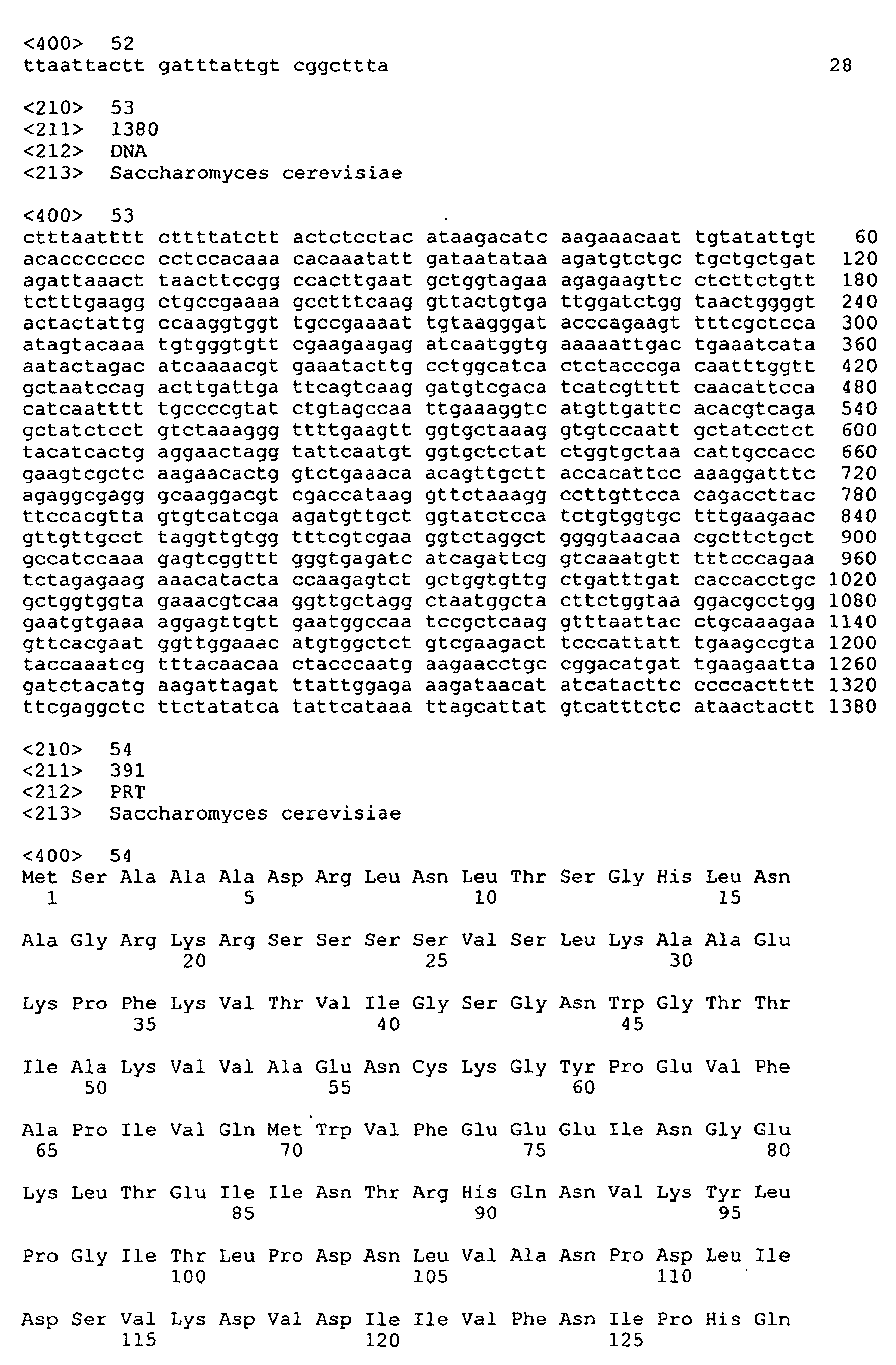
isolated from Saccharomyces and has the base sequence given by SEQ ID NO:53,
encoding the amino acid sequence given in SEQ ID NO:54 (Wang et al., supra).
Similarly, G3PDH activity has also been isolated from Saccharomyces encoded
by GPD2 (Eriksson et al., Mol. Microbiol. 17, 95 (1995)).
For the purposes of the present invention it is contemplated that any gene
encoding a polypeptide responsible for NADH-dependent G3PDH activity is
suitable wherein that activity is capable of catalyzing the conversion of
dihydroxyacetone phosphate (DHAP) to glycerol-3-phosphate (G3P). Further, it
is contemplated that any gene encoding the amino acid sequence of NADH-dependent
G3PDH's corresponding to the genes DAR1, GPD1, GPD2, GPD3, and
gpsA will be functional in the present invention wherein that amino acid sequence
may encompass amino acid substitutions, deletions or additions that do not alter
the function of the enzyme. The skilled person will appreciate that genes
encoding G3PDH isolated from other sources will also be suitable for use in the
present invention. Genes encoding G3P phosphatase are known. For example,
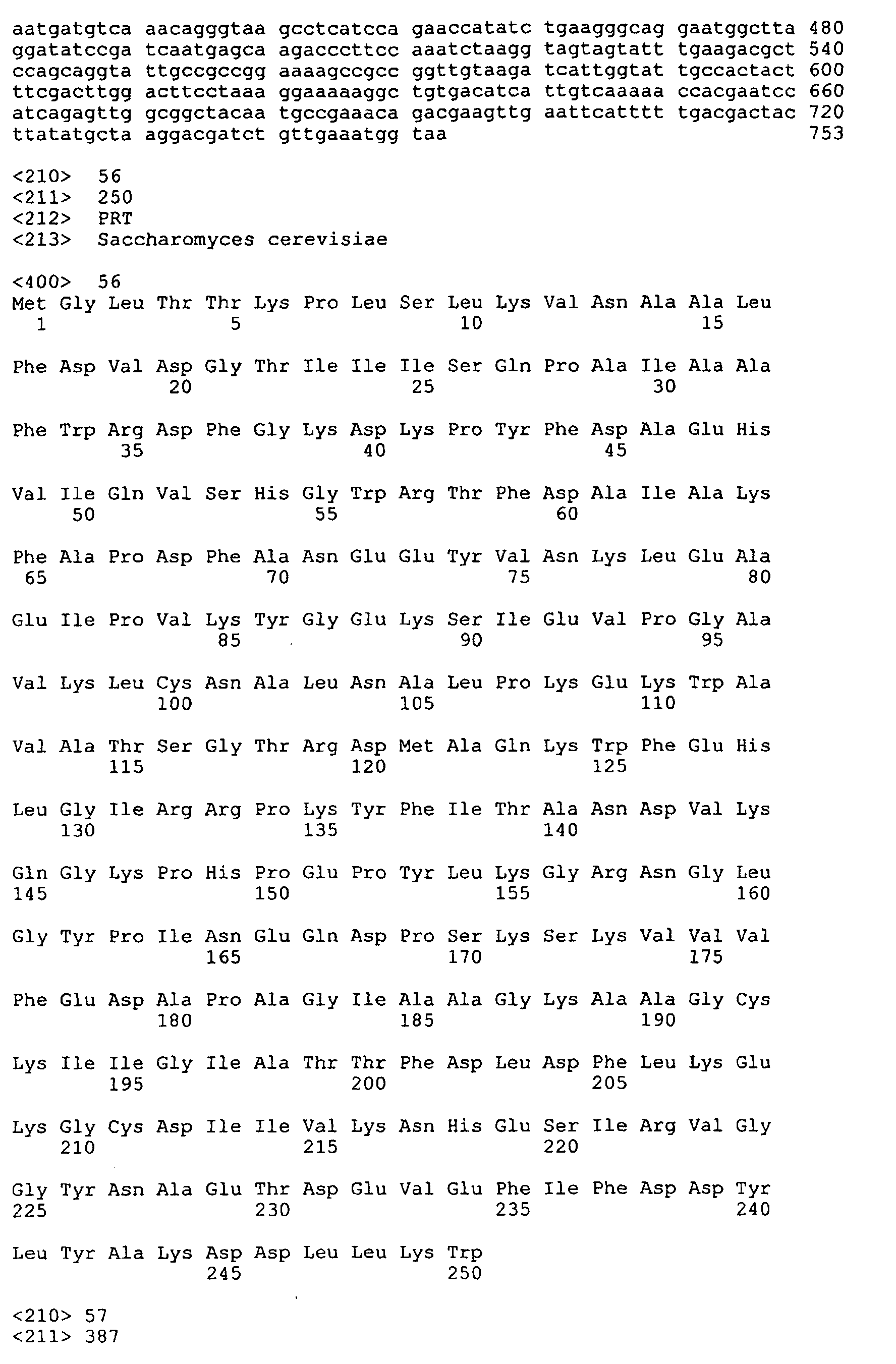
GPP2 has been isolated from Saccharomyces cerevisiae and has the base sequence
given by SEQ ID NO:55, which encodes the amino acid sequence given in
SEQ ID NO:56 (Norbeck et al., J. Biol. Chem. 271, 13875 (1996)).
For the purposes of the present invention, any gene encoding a G3P
phosphatase activity is suitable for use in the method wherein that activity is
capable of catalyzing the conversion of glycerol-3-phosphate plus H2O to glycerol
plus inorganic phosphate. Further, any gene encoding the amino acid sequence of
G3P phosphatase corresponding to the genes GPP2 and GPP1 will be functional
in the present invention including any amino acid sequence that encompasses
amino acid substitutions, deletions or additions that do not alter the function of the
G3P phosphatase enzyme. The skilled person will appreciate that genes encoding
G3P phosphatase isolated from other sources will also be suitable for use in the
present invention.
Host Cells
Suitable host cells for the recombinant production of 1,3-propanediol may be
either prokaryotic or eukaryotic and will be limited only by the host cell ability to
express the active enzymes for the 1,3-propanediol pathway. Suitable host cells
will be bacteria such as Citrobacter, Enterobacter, Clostridium, Klebsiella,
Aerobacter, Lactobacillus, Aspergillus, Saccharomyces, Schizosaccharomyces,
Zygosaccharomyces, Pichia, Kluyveromyces, Candida, Hansenula,
Debaryomyces, Mucor, Torulopsis, Methylobacter, Escherichia, Salmonella,
Bacillus, Streptomyces, and Pseudomonas. Preferred in the present invention are
E. coli, E. blattae, Klebsiella, Citrobacter, and Aerobacter.
Microorganisms can be converted to a
high titer 1,3-propanediol producer
by using the following general protocol.
Considerations which would need to be taken with respect to certain
microorganisms concern the expression or repression of endogenous dhaT-like
enzymes under the conditions for 1,3-propanediol production. These might also
include the presence of glycerol, glucose or anaerobisis.
Vectors and Expression Cassettes
The present invention provides a variety of vectors and transformation and
expression cassettes suitable for the cloning, transformation and expression of
G3PDH, G3P phosphatase, dehydratase, and dehydratase reactivation factor into a
suitable host cell. Suitable vectors will be those which are compatible with the
microorganism employed. Suitable vectors can be derived, for example, from a
bacteria, a virus (such as bacteriophage T7 or a M-13 derived phage), a cosmid, a
yeast or a plant. Protocols for obtaining and using such vectors are known to
those in the art (Sambrook et al., Molecular Cloning: A Laboratory Manual -
volumes 1, 2, 3 (Cold Spring Harbor Laboratory: Cold Spring Harbor, NY,
1989)).
Typically, the vector or cassette contains sequences directing transcription
and translation of the appropriate gene, a selectable marker, and sequences
allowing autonomous replication or chromosomal integration. Suitable vectors
comprise a region 5' of the gene, which harbors transcriptional initiation controls,
and a region 3' of the DNA fragment which controls transcriptional termination. It
is most preferred when both control regions are derived from genes homologous
to the transformed host cell. Such control regions need not be derived from the
genes native to the specific species chosen as a production host.
Initiation control regions, or promoters, which are useful to drive
expression of the G3PDH and G3P phosphatase genes (DAR1 and GPP2,
respectively) in the desired host cell are numerous and familiar to those skilled in
the art. Virtually any promoter capable of driving these genes is suitable for the
present invention including but not limited to CYC1, HIS3, GAL1, GAL10,
ADH1, PGK, PHO5, GAPDH, ADC1, TRP1, URA3, LEU2, ENO, and TPI
(useful for expression in Saccharomyces); AOX1 (useful for expression in
Pichia); and lac, trp, λPL, λPR, T7, tac, and trc (useful for expression in E. coli).
Termination control regions may also be derived from various genes native
to the preferred hosts. Optionally, a termination site may be unnecessary;
however, it is most preferred if included.
For effective expression of the instant enzymes, DNA encoding the
enzymes are linked operably through initiation codons to selected expression
control regions such that expression results in the formation of the appropriate
messenger RNA.
Particularly useful in the present invention are the vectors pDT29 and
pKP32 which are designed to be used in conjunction with pAH48. The essential
elements of pDT29 and pKP32 are derived from the dha regulon isolated from
Klebsiella pneumoniae. pDT29 contains the open reading frames dhaR, orƒY,
dhaT, orƒX, orƒW, dhaB1, dhaB2, and dhaB3, nucleotide the sequences of which
are contained within SEQ ID NO:1. pKP32 contains the same set of open reading
frames as found on pDT29, from the same source, with the difference that pKP32
lacks the dhaT. pAH48 is the vehicle used for the introduction of DAR1 and
GPP2 genes into the host cell and more specifically comprises the DAR1 and
GPP2 genes isolated from Saccharomyces cerevisiae.
Transformation of Suitable Hosts and Expression of Genes for the Production of
1,3-propanediol
Once suitable cassettes are constructed they are used to transform
appropriate host cells. Introduction of the cassette containing the genes encoding
G3PDH, G3P phosphatase, dehydratase, and dehydratase reactivation factor into
the host cell may be accomplished by known procedures such as by
transformation (e.g., using calcium-permeabilized cells, electroporation), or by
transfection using a recombinant phage virus (Sambrook et al., supra).
In the present invention cassettes were used to transform the E. coli as
fully described in the GENERAL METHODS and EXAMPLES.
Mutants
In addition to the cells exemplified, it is contemplated that the present
method will be able to make use of cells having single or multiple mutations
specifically designed to enhance the production of 1,3-propanediol. Cells that
normally divert a carbon feed stock into non-productive pathways, or that exhibit
significant catabolite repression could be mutated to avoid these phenotypic
deficiencies. For example, many wild type cells are subject to catabolite
repression from glucose and by-products in the media and it is contemplated that
mutant strains of these wild type organisms, capable of 1,3-propanediol
production that are resistant to glucose repression, would be particularly useful in
the present invention.
Methods of creating mutants are common and well known in the art. For
example, wild type cells may be exposed to a variety of agents such as radiation or
chemical mutagens and then screened for the desired phenotype. When creating
mutations through radiation either ultraviolet (UV) or ionizing radiation may be
used. Suitable short wave UV wavelengths for genetic mutations will fall within
the range of 200 nm to 300 nm where 254 nm is preferred. UV radiation in this
wavelength principally causes changes within nucleic acid sequence from
guanidine and cytosine to adenine and thymidine. Since all cells have DNA repair
mechanisms that would repair most UV induced mutations, agents such as
caffeine and other inhibitors may be added to interrupt the repair process and
maximize the number of effective mutations. Long wave UV mutations using
light in the 300 nm to 400 nm range are also possible but are generally not as
effective as the short wave UV light unless used in conjunction with various
activators such as psoralen dyes that interact with the DNA.
Mutagenesis with chemical agents is also effective for generating mutants
and commonly used substances include chemicals that affect nonreplicating DNA
such as HNO2 and NH2OH, as well as agents that affect replicating DNA such as
acridine dyes, notable for causing frameshift mutations. Specific methods for
creating mutants using radiation or chemical agents are well documented in the
art. See for example Thomas D. Brock in Biotechnology: A Textbook of
Industrial Microbiology, Second Edition (1989) Sinauer Associates, Inc.,
Sunderland, MA., or Deshpande, Mukund V., Appl. Biochem. Biotechnol. 36, 227
(1992), herein incorporated by reference.
After mutagenesis has occurred, mutants having the desired phenotype
may be selected by a variety of methods. Random screening is most common
where the mutagenized cells are selected for the ability to produce the desired
product or intermediate. Alternatively, selective isolation of mutants can be
performed by growing a mutagenized population on selective media where only
resistant colonies can develop. Methods of mutant selection are highly developed
and well known in the art of industrial microbiology. See for example Brock,
Supra; DeMancilha et al., Food Chem. 14, 313 (1984).
The elimination of an undesired enzyme activity may be also
accomplished by disruption of the gene encoding the enzyme. Such methods are
known to those skilled in the art and are exemplified in Example 4 and Example 8.
Alterations in the 1,3-propanediol Production Pathway
Representative Enzyme Pathway. The production of 1,3-propanediol from
glucose can be accomplished by the following series of steps. This series is
representative of a number of pathways known to those skilled in the art and is
illustrated in Figure 5. Glucose is converted in a series of steps by enzymes of the
glycolytic pathway to dihydroxyacetone phosphate (DHAP) and 3-phosphoglyceraldehyde
(3-PG). Glycerol is then formed by either hydrolysis of DHAP to
dihydroxyacetone (DHA) followed by reduction, or reduction of DHAP to
glycerol 3-phosphate (G3P) followed by hydrolysis. The hydrolysis step can be
catalyzed by any number of cellular phosphatases, which are known to be non-specific
with respect to their substrates, or the activity can be introduced into the
host by recombination. The reduction step can be catalyzed by a NAD+ (or
NADP+) linked host enzyme or the activity can be introduced into the host by
recombination. It is notable that the dha regulon contains a glycerol
dehydrogenase (E.C. 1.1.1.6) that catalyzes the reversible reaction of Equation 3.
Glycerol → 3-HPA + H2O 3-HPA + NADH + H+ → 1,3-Propanediol + NAD+ Glycerol + NAD+ → DHA + NADH + H+
Glycerol is converted to 1,3-propanediol via the intermediate 3-hydroxy-propionaldehye
(3-HPA) as has been described in detail above. The intermediate
3-HPA is produced from glycerol, Equation 1, by a dehydratase enzyme that can
be encoded by the host or can be introduced into the host by recombination. This
dehydratase can be glycerol dehydratase (E.C. 4.2.1.30), diol dehydratase
(E.C. 4.2.1.28) or any other enzyme able to catalyze this transformation. Glycerol
dehydratase, but not diol dehydratase, is encoded by the dha regulon.
1,3-Propanediol is produced from 3-HPA, Equation 2, by a NAD+- (or NADP+)
linked host enzyme or the activity can be introduced into the host by
recombination. This final reaction in the production of 1,3-propanediol can be
catalyzed by 1,3-propanediol dehydrogenase (E.C. 1.1.1.202) or other alcohol
dehydrogenases.
Mutations and transformations that affect carbon channeling. A variety of mutant
microorganisms comprising variations in the 1,3-propanediol production pathway
will be useful in the present invention. For example the introduction of a
triosephosphate isomerase mutation (tpi-) into the microorganism of the present
invention is an example of the use of a mutation to improve the performance by
carbon channeling. Triosephosphate isomerase is the enzyme responsible for the
conversion of DAHP to 3-phosphoglyceraldehyde, and as such allows the
diversion of carbon flow from the main pathway form glucose to glycerol and
1,3-propanediol (Figure 5). Thus, the deletion mutation (tpi-) enhances the overall
metabolic efficiency of the desired pathway over that described in the art.
Similarly, mutations which block alternate pathways for intermediates of the
1,3-propanediol production pathway would also be useful to the present invention.
For example, the elimination of glycerol kinase prevents glycerol, formed from
G3P by the action of G3P phosphatase, from being re-converted to G3P at the
expense of ATP (Figure 5). Also, the elimination of glycerol dehydrogenase (for
example, gldA) prevents glycerol, formed from DHAP by the action of NADH-dependent
glycerol-3-phosphate dehydrogenase, from being converted to
dihydroxyacetone (Figure 5). Mutations can be directed toward a structural gene
so as to impair or improve the activity of an enzymatic activity or can be directed
toward a regulatory gene, including promoter regions and ribosome binding sites,
so as to modulate the expression level of an enzymatic activity.
It is thus contemplated that transformations and mutations can be
combined so as to control particular enzyme activities for the enhancement of
1,3-propanediol production. Thus, it is within the scope of the present invention
to anticipate modifications of a whole cell catalyst which lead to an increased
production of 1,3-propanediol.
The present invention utilizes a preferred pathway for the production of
1,3-propanediol from a sugar substrate where the carbon flow moves from glucose
to DHAP, G3P, Glycerol, 3-HPA and finally to 1,3-propanediol. The present
production strains have been engineered to maximize the metabolic efficiency of
the pathway by incorporating various deletion mutations that prevent the diversion
of carbon to non-productive compounds. Glycerol may be diverted from
conversion to 3HPA by transformation to either DHA or G3P via glycerol
dehydrogenase or glycerol kinase as discussed above (Figure 5). Accordingly, the
present production strains contain deletion mutations in the gldA and glpK genes.
Similarly DHAP may be diverted to 3-PG by triosephosphate isomerase, thus the
present production microorganism also contains a deletion mutation in this gene.
The present method additionally incorporates a dehydratase enzyme for the
conversion of glycerol to 3HPA, which functions in concert with the reactivation
factor, encoded by orƒX and orƒZ of the dha regulon (Figure 5). Although
conversion of the 3HPA to 1,3-propanediol is typically accomplished via a
1,3-propanediol oxidoreductase, the present method utilizes a non-specific
catalytic activity that produces greater titers and yields of the final product,
1,3-propanediol (Figure 5). In such a process, titers of 1,3-propanediol of at least
10 g/L are achieved, where titers of 200 g/L are expected.
Alternatively, an improved process for 1,3-propanediol production may
utilize glycerol or dihydroxyacetone as a substrate where the pathway comprises
only the last three substrates, glycerol → 3HPA → 1,3-propanediol. In such a
process, the oxidoreductase is again eliminated in favor of the non-specific
catalytic activity, (expected to be an alcohol dehydrogenase), however the need
for deletion mutations are nullified by the energy considerations of adding
glycerol to the culture. In such as process titers of 1,3-propanediol of at least
71 g/L are achieved where titers of 200 g/L are expected.
Similarly it is within the scope of the invention to provide mutants of
wildtype microorganisms that have been modified by the deletion or mutation of
the dhaT activity to create improved 1,3-propandiol producers. For example,
microorganisms, which naturally contain all the elements of the dha regulon, may
be manipulated so as to inactivate the dhaT gene encoding the 1,3-propandiol
oxidoreductase activity. These microorganisms will be expected to produce
higher yields and titers of 1,3-propanediol, mediated by the presence of an
endogenous catalytic activity, expected to be an alcohol dehydrogenase.
Examples of such microorganisms include but are not limited to Klebsiella sp.,
Citrobacter sp., and Clostridium sp.
Media and Carbon Substrates
Fermentation media in the present invention must contain suitable carbon
substrates. Suitable substrates may include but are not limited to monosaccharides
such as glucose and fructose, oligosaccharides such as lactose or sucrose,
polysaccharides such as starch or cellulose or mixtures thereof and unpurified
mixtures from renewable feedstocks such as cheese whey permeate, comsteep
liquor, sugar beet molasses, and barley malt. Additionally the carbon substrate
may also be one-carbon substrates such as carbon dioxide, or methanol for which
metabolic conversion into key biochemical intermediates has been demonstrated.
Glycerol production from single carbon sources (e.g., methanol, formaldehyde or
formate) has been reported in methylotrophic yeasts (K. Yamada et al., Agric.
Biol. Chem. 53(2), 541-543 (1989)) and in bacteria (Hunter et. al., Biochemistry
24, 4148-4155 (1985)). These microorganisms can assimilate single carbon
compounds, ranging in oxidation state from methane to formate, and produce
glycerol. The pathway of carbon assimilation can be through ribulose
monophosphate, through serine, or through xylulose-momophosphate (Gottschalk,
Bacterial Metabolism, Second Edition, Springer-Verlag: New York (1986)). The
ribulose monophosphate pathway involves the condensation of formate with
ribulose-5-phosphate to form a 6-carbon sugar that becomes fructose and
eventually the three-carbon product glyceraldehyde-3-phosphate. Likewise, the
serine pathway assimilates the one-carbon compound into the glycolytic pathway
via methylenetetrahydrofolate.
In addition to one and two carbon substrates, methylotrophic
microorganisms are also known to utilize a number of other carbon-containing
compounds such as methylamine, glucosamine and a variety of amino acids for
metabolic activity. For example, methylotrophic yeast are known to utilize the
carbon from methylamine to form trehalose or glycerol (Bellion et al., Microb.
Growth C1 Compd, [Int. Symp.], 7th (1993), 415-32. Editor(s): Murrell, J.
Collin; Kelly, Don P. Publisher: Intercept, Andover, UK). Similarly, various
species of Candida will metabolize alanine or oleic acid (Sulter et al., Arch.
Microbiol. 153(5), 485-489 (1990)). Hence, it is contemplated that the source of
carbon utilized in the present invention may encompass a wide variety of carbon-containing
substrates and will only be limited by the choice of microorganism or
process.
Although it is contemplated that all of the above mentioned carbon
substrates and mixtures (co-feed) thereof are suitable in the present invention,
preferred carbon substrates are glucose, fructose, sucrose, or methanol where the
process intends to produce an endogenous glycerol, and glycerol or
dihydroxyacetone where the process anticipates a glycerol or dihydroxyacetone
feed.
In addition to an appropriate carbon source, fermentation media must
contain suitable minerals, salts, cofactors, buffers and other components, known to
those skilled in the art, suitable for the growth of the cultures and promotion of the
enzymatic pathway necessary for 1,3-propanediol production. Particular attention
is given to Co(II) salts and/or vitamin B12 or precursors thereof.
Adenosyl-cobalamin (coenzyme B12) is an essential cofactor for
dehydratase activity. Synthesis of coenzyme B12 is found in prokaryotes, some of
which are able to synthesize the compound de novo, for example, Escherichia
blattae, Klebsiella species, Citrobacter species, and Clostridium species, while
others can perform partial reactions. E. coli, for example, cannot fabricate the
corrin ring structure, but is able to catalyze the conversion of cobinamide to
corrinoid and can introduce the 5'-deoxyadenosyl group. Thus, it is known in the
art that a coenzyme B12 precursor, such as vitamin B12, need be provided in
E. coli fermentations.
Vitamin B12 additions to E. coli fermentations may be added continuously,
at a constant rate or staged as to coincide with the generation of cell mass, or may
be added in single or multiple bolus additions. Preferred ratios of vitamin B12
(mg) fed to cell mass (OD550) are from 0.06 to 0.60. Most preferred ratios of
vitamin B12 (mg) fed to cell mass (OD550) are from 0.12 to 0.48.
Although vitamin B12 is added to the transformed E. coli of the present
invention it is contemplated that other microorganisms, capable of de novo B12
biosynthesis will also be suitable production cells and the addition of B12 to these
microorganisms will be unnecessary.
Culture Conditions:
Typically cells are grown at 35 °C in appropriate media. Preferred growth
media in the present invention are common commercially prepared media such as
Luria Bertani (LB) broth, Sabouraud Dextrose (SD) broth or Yeast medium (YM)
broth. Other defined or synthetic growth media may also be used and the
appropriate medium for growth of the particular microorganism will be known by
someone skilled in the art of microbiology or fermentation science. The use of
agents known to modulate catabolite repression directly or indirectly, e.g., cyclic
adenosine 2':3'-monophosphate, may also be incorporated into the reaction media.
Similarly, the use of agents known to modulate enzymatic activities (e.g., methyl
viologen) that lead to enhancement of 1,3-propanediol production may be used in
conjunction with or as an alternative to genetic manipulations.
Suitable pH ranges for the fermentation are between pH 5.0 to pH 9.0,
where pH 6.0 to pH 8.0 is preferred as the initial condition.
Reactions may be performed under aerobic or anaerobic conditions where
anaerobic or microaerobic conditions are preferred.
Fed-batch fermentations may be performed with carbon feed, for example,
glucose, limited or excess.
Batch and Continuous Fermentations:
The present process employs a batch method of fermentation. Classical
batch fermentation is a closed system where the composition of the media is set at
the beginning of the fermentation and is not subject to artificial alterations during
the fermentation. Thus, at the beginning of the fermentation the media is
inoculated with the desired microorganism or microorganisms and fermentation is
permitted to occur adding nothing to the system. Typically, however,"batch"
fermentation is batch with respect to the addition of carbon source and attempts
are often made at controlling factors such as pH and oxygen concentration. In
batch systems the metabolite and biomass compositions of the system change
constantly up to the time the fermentation is stopped. Within batch cultures cells
moderate through a static lag phase to a high growth log phase and finally to a
stationary phase where growth rate is diminished or halted. If untreated, cells in
the stationary phase will eventually die. Cells in log phase generally are
responsible for the bulk of production of end product or intermediate.
A variation on the standard batch system is the Fed-Batch system.
Fed-Batch fermentation processes are also suitable in the present invention and
comprise a typical batch system with the exception that the substrate is added in
increments as the fermentation progresses. Fed-Batch systems are useful when
catabolite repression is apt to inhibit the metabolism of the cells and where it is
desirable to have limited amounts of substrate in the media. Measurement of the
actual substrate concentration in Fed-Batch systems is difficult and is therefore
estimated on the basis of the changes of measurable factors such as pH, dissolved
oxygen and the partial pressure of waste gases such as CO2. Batch and Fed-Batch
fermentations are common and well known in the art and examples may be found
in Brock, supra.
Although the present invention is performed in batch mode it is
contemplated that the method would be adaptable to continuous fermentation
methods. Continuous fermentation is an open system where a defined
fermentation media is added continuously to a bioreactor and an equal amount of
conditioned media is removed simultaneously for processing. Continuous
fermentation generally maintains the cultures at a constant high density where
cells are primarily in log phase growth.
Continuous fermentation allows for the modulation of one factor or any
number of factors that affect cell growth or end product concentration. For
example, one method will maintain a limiting nutrient such as the carbon source
or nitrogen level at a fixed rate and allow all other parameters to moderate. In
other systems a number of factors affecting growth can be altered continuously
while the cell concentration, measured by media turbidity, is kept constant.
Continuous systems strive to maintain steady state growth conditions and thus the
cell loss due to media being drawn off must be balanced against the cell growth
rate in the fermentation. Methods of modulating nutrients and growth factors for
continuous fermentation processes as well as techniques for maximizing the rate
of product formation are well known in the art of industrial microbiology and a
variety of methods are detailed by Brock, supra.
It is contemplated that the present invention may be practiced using batch,
fed-batch or continuous processes and that any known mode of fermentation
would be suitable. Additionally, it is contemplated that cells may be immobilized
on a substrate as whole cell catalysts and subjected to fermentation conditions for
1,3-propanediol production.
Identification and purification of 1,3-propanediol:
Methods for the purification of 1,3-propanediol from fermentation media
are known in the art. For example, propanediols can be obtained from cell media
by subjecting the reaction mixture to extraction with an organic solvent,
distillation, and column chromatography (U.S. 5,356,812). A particularly good
organic solvent for this process is cyclohexane (U.S. 5,008,473).
1,3-Propanediol may be identified directly by submitting the media to high
pressure liquid chromatography (HPLC) analysis. Preferred in the present
invention is a method where fermentation media is analyzed on an analytical ion
exchange column using a mobile phase of 0.01N sulfuric acid in an isocratic
fashion.
EXAMPLES
GENERAL METHODS
Procedures for phosphorylations, ligations and transformations are well
known in the art. Techniques suitable for use in the following examples may be
found in Sambrook, J. et al., Molecular Cloning: A Laboratory Manual, Second
Edition, Cold Spring Harbor Laboratory Press (1989).
Materials and methods suitable for the maintenance and growth of
bacterial cultures are well known in the art. Techniques suitable for use in the
following examples may be found in Manual of Methods for General Bacteriology
(Phillipp Gerhardt, R. G. E. Murray, Ralph N. Costilow, Eugene W. Nester, Willis
A. Wood, Noel R. Krieg and G. Briggs Phillips, eds), American Society for
Microbiology, Washington, D.C. (1994) or Thomas D. Brock in Biotechnology:
A Textbook of Industrial Microbiology, Second Edition (1989) Sinauer
Associates, Inc., Sunderland, MA. All reagents and materials used for the growth
and maintenance of bacterial cells were obtained from Aldrich Chemicals
(Milwaukee, WI), DIFCO Laboratories (Detroit, MI), GIBCO/BRL (Gaithersburg,
MD), or Sigma Chemical Company (St. Louis, MO) unless otherwise specified.
The meaning of abbreviations is as follows: "h" means hour(s), "min"
means minute(s), "sec" means second(s), "d" means day(s), "mL" means
milliliters, "L" means liters, 50 amp is 50 µg/mL ampicillin, and LB-50 amp is
Luria-Bertani broth containing 50 µg/mL ampicillin.
Within the tables the following abbreviations are used. "Con." is
conversion, "Sel." is selectivity based on carbon, and "nd" is not detected.
Strains and vectors used and constructed in the following examples are
listed in the chart below:
| STRAIN/PLASMID | DELETION | ORF/GENE |
| KLP23 | gldA |
| | glpK |
| RJ8m | gldA |
| | glpK |
| | Tpi |
| pAH48 | | GPP2
DAR1 |
| pDT29 | | dhaR |
| | | orƒY |
| | | dhaT |
| | | orƒX |
| | | orƒW |
| | | dhaB1 |
| | | dhaB2 |
| | | dhaB3 |
| | | orƒZ |
| pKP32 | | dhaR |
| | | orƒY |
| | | orƒX |
| | | orƒW |
| | | dhaB1 |
| | | dhaB2 |
| | | dhaB3 |
| | | orƒZ |
Dehydratase activity in cell-free extracts was determined using either
glycerol or 1,2-propanediol as substrate. Typically, cell-free extracts were
prepared by cell disruption using a french press followed by centrifugation of the
cellular debris. The assay, based on the reaction of aldehydes with
methylbenzo-2-thiazolone hydrazone, has been described by Forage and Foster
(Biochim. Biophys. Acta 569, 249 (1979)).
Honda et al. (J. Bacteriol. 143, 1458 (1980)) disclose an assay that
measures the reactivation of dehydratases. Dehydratase activity was determined
in toluenized whole cells, with and without ATP, using either glycerol or
1,2-propanediol as substrate. Reactivation was determined by the ratio of product
formation with versus without the ATP addition. Product formation (3-HPA or
propionaldehyde when glycerol or 1,2-propanediol is used as substrate,
respectively) was measured directly, using HPLC, or indirectly, using the
methylbenzo-2-thiazolone hydrazone reagent. Alternatively, product formation
was determined by coupling the conversion of the aldehyde to its respective
alcohol using a NADH linked alcohol dehydrogenase and monitoring the
disappearance of NADH.
Assays for 1,3-propanediol oxidoreductase:
The activity of 1,3-propanediol oxidoreductase, sometimes referred to as
1,3-propanediol dehydrogenase, was determined for cell-free extracts in solution
or in slab gels using 1,3-propanediol and NAD+ as substrates has been described
(Johnson and Lin, J. Bacteriol. 169, 2050 (1987)). Alternatively, the conversion
of 3-HPA and NADH to 1,3-propanediol and NAD+ was determined by the
disappearance of NADH. The slab gel assay has the potential advantage of
separating the activity of 1,3-propanediol oxidoreductase (dhaT) from that of non-specific
alcohol dehydrogenases by virtue of size separation. The native
molecular weights of 1,3-propanediol oxidoreductases (dhaT) from Citrobacter
frendii, Klebsiella pneumoniae, and Clostridium pasteurianum are unusually
large, on the order of 330,000 to 440,000 daltons. Lactobacillus brevis and
Lactobacillus buchneri contain dehydratase associated 1,3-propanediol
oxidoreductases with properties similar to those of known 1,3-propanediol
oxidoreductases (dhaT).
Assays for glycerol 3-phosphate dehydrogenase activity:
A procedure was used as modified below from a method published by Bell
et al. (J. Biol. Chem. 250, 7153 (1975)). This method involved incubating a cell-free
extract sample in a cuvette that contained 0.2 mM NADH, 2.0 mM
dihydroxyacetone phosphate (DHAP), and enzyme in 0.1 M Tris/HCl, pH 7.5
buffer with 5 mM DTT, in a total volume of 1.0 mL at 30 °C. A background rate
of the reaction of enzyme and NADH was first determined at 340 nm for at least
3 min. The second substrate, DHAP, was subsequently added and the absorbance
change over time was further monitored for at least 3 min. G3PDH activity was
defined by subtracting the background rate from the gross rate.
Assay for glycerol-3-phosphatase activity:
The assay for enzyme activity was performed by incubating the extract
with an organic phosphate substrate in a bis-Tris or MES and magnesium buffer,
pH 6.5. The substrate used was either 1-α-glycerol phosphate, or d,1-α-glycerol
phosphate. The final concentrations of the reagents in the assay are: buffer
(20 mM, bis-Tris or 50 mM MES); MgCl2 (10 mM); and substrate (20 mM). If
the total protein in the sample was low and no visible precipitation occurs with an
acid quench, the sample was conveniently assayed in the cuvette. This method
involved incubating an enzyme sample in a cuvette that contained 20 mM
substrate (50 µL, 200 mM), 50 mM MES, 10 mM MgCl2, pH 6.5 buffer. The
final phosphatase assay volume was 0.5 mL. The enzyme-containing sample was
added to the reaction mixture; the contents of the cuvette were mixed and then the
cuvette was placed in a circulating water bath at T = 37 °C for 5 to 120 min, the
length of time depending on whether the phosphatase activity in the enzyme
sample ranged from 2 to 0.02 U/mL. The enzymatic reaction was quenched by
the addition of the acid molybdate reagent (0.4 mL). After the Fiske SubbaRow
reagent (0.1 mL) and distilled water (1.5 mL) were added, the solution was mixed
and allowed to develop. After 10 min, to allow full color development, the
absorbance of the samples was read at 660 nm using a Cary 219 UV/vis
spectrophotometer. The amount of inorganic phosphate released was compared to
a standard curve that was prepared by using a stock inorganic phosphate solution
(0.65 mM) and preparing 6 standards with final inorganic phosphate
concentrations ranging from 0.026 to 0.130 µmol/mL.
Assay for glycerol kinase activity:
An appropriate amount of enzyme, typically a cell-free crude extract, was
added to a reaction mixture containing 40 mM ATP, 20 mM MgSO4 21 mM
uniformly 13C labelled glycerol (99%, Cambridge Isotope Laboratories), and
0.1 M Tris-HCl, pH 9 for 75 min at 25 °C. The conversion of glycerol to glycerol
3-phosphate was detected by 13C-NMR (125 MHz): glycerol (63.11 ppm, δ,
J = 41 Hz and 72.66 ppm, t, J = 41 Hz); glycerol 3-phosphate (62.93 ppm, δ,
J = 41 Hz; 65.31 ppm, br d, J = 43 Hz; and 72.66 ppm, dt, J = 6, 41 Hz).
NADH-linked glycerol dehydrogenase assay:
NADH -linked glycerol dehydrogenase activity (gldA) in cell-free extracts
from E. coli strains was determined after protein separation by non-denaturing
polyacrylamide gel electrophoresis. The conversion of glycerol plus NAD+ to
dihydroxyacetone plus NADH was coupled with the conversion of 3-[4,5-dimethylthiazol-2-yl]-2,5-diphenyltetrazolium
bromide (MTT) to a deeply colored
formazan, using phenazine methosulfate (PMS) as mediator (Tang et al.,
J. Bacteriol. 140, 182 (1997)).
Electrophoresis was performed in duplicate by standard procedures using
native gels (8-16% TG, 1.5 mm, 15 lane gels from Novex, San Diego, CA).
Residual glycerol was removed from the gels by washing 3x with 50 mM Tris or
potassium carbonate buffer, pH 9 for 10 min. The duplicate gels were developed,
with and without glycerol (approximately 0.16 M final concentration), in 15 mL
of assay solution containing 50 mM Tris or potassium carbonate, pH 9, 60 mg
ammonium sulfate, 75 mg NAD+, 1.5 mg MTT, and 0.5 mg PMS.
The presence or absence of NADH -linked glycerol dehydrogenase activity
in E. coli strains (gldA) was also determined, following polyacrylamide gel
electrophoresis, by reaction with polyclonal antibodies raised to purified
K. pneumoniae glycerol dehydrogenase (dhaD).
Isolation and identification of 1,3-propanediol:
The conversion of glycerol to 1,3-propanediol was monitored by HPLC.
Analyses were performed using standard techniques and materials available to one
of skill in the art of chromatography. One suitable method utilized a Waters
Maxima 820 HPLC system using UV (210 nm) and RI detection. Samples were
injected onto a Shodex SH-1011 column (8 mm x 300 mm, purchased from
Waters, Milford, MA) equipped with a Shodex SH-1011P precolumn (6 mm x
50 mm), temperature controlled at 50 °C, using 0.01 N H2SO4 as mobile phase at
a flow rate of 0.5 mL/min. When quantitative analysis was desired, samples were
prepared with a known amount of trimethylacetic acid as external standard.
Typically, the retention times of glucose (RI detection), glycerol, 1,3-propanediol
(RI detection), and trimethylacetic acid (UV and RI detection) were 15.27 min,
20.67 min, 26.08 min, and 35.03 min, respectively.
Production of 1,3-propanediol was confirmed by GC/MS. Analyses were
performed using standard techniques and materials available to one of skill in the
art of GC/MS. One suitable method utilized a Hewlett Packard 5890 Series II gas
chromatograph coupled to a Hewlett Packard 5971 Series mass selective detector
(EI) and a HP-INNOWax column (30 m length, 0.25 mm i.d., 0.25 micron film
thickness). The retention time and mass spectrum of 1,3-propanediol generated
were compared to that of authentic 1,3-propanediol (m/e: 57, 58).
An alternative method for GC/MS involved derivatization of the sample.
To 1.0 mL of sample (e.g., culture supernatant) was added 30 µL of concentrated
(70% v/v) perchloric acid. After mixing, the sample was frozen and lyophilized.
A1:1 mixture of bis(trimethylsilyl)trifluoroacetamide:pyridine (300 µL) was
added to the lyophilized material, mixed vigorously and placed at 65 °C for one h.
The sample was clarified of insoluble material by centrifugation. The resulting
liquid partitioned into two phases, the upper of which was used for analysis. The
sample was chromatographed on a DB-5 column (48 m, 0.25 mm I.D., 0.25 µm
film thickness; from J&W Scientific) and the retention time and mass spectrum of
the 1,3-propanediol derivative obtained from culture supernatants were compared
to that obtained from authentic standards. The mass spectra of TMS-derivatized
1,3-propanediol contains the characteristic ions of 205, 177, 130 and 115 AMU.
Cell Lysis:
Cell lysis was estimated by measuring the extracellular soluble protein
concentration in the fermentation broth. Fermenter samples were centrifuged in a
desktop centrifuge (typically, 3-5 min at 12,000 rpm in an Eppendorf, Model
5415C micro centrifuge) in order to separate cells. The resulting supernatant was
analyzed for protein concentration by the Bradford method using a commercially
available reagent (Bio-Rad Protein Assay, Bio-Rad, Hercules, CA).
Viability:
Cell viability was determined by plating, at appropriate dilutions, cells
obtained from the fermenter on non-selective LB agar plates. Cell viability
between fermenter experiments is compared by using the ratio of viable cells per
mL of fermenter broth divided by OD550 (AU).
EXAMPLE 1
CLONING AND TRANSFORMATION OF E. COLI HOST CELLS WITH
COSMID DNA FOR THE EXPRESSION OF 1,3-PROPANEDIOL
Media:
Synthetic S12 medium was used in the screening of bacterial transformants
for the ability to make 1,3-propanediol. S12 medium contains: 10 mM
ammonium sulfate, 50 mM potassium phosphate buffer, pH 7.0, 2 mM MgCl2,
0.7 mM CaCl2, 50 µM MnCl2, 1 µM FeCl3, 1 µM ZnCl, 1.7 µM CuSO4, 2.5 µM
CoCl2, 2.4 µM Na2MoO4, and 2 µM thiamine hydrochloride.
Medium A used for growth and fermentation consisted of: 10 mM
ammonium sulfate; 50 mM MOPS/KOH buffer, pH 7.5; 5 mM potassium
phosphate buffer, pH 7.5; 2 mM MgCl2; 0.7 mM CaCl2; 50 µM MnCl2; 1 µM
FeCl3; 1 µM ZnCl; 1.72 µM CuSO4; 2.53 µM CoCl2; 2.42 µM Na2MoO4; 2 µM
thiamine hydrochloride; 0.01% yeast extract; 0.01% casamino acids; 0.8 µg/mL
vitamin B12; and 50 µg/mL amp. Medium A was supplemented with either 0.2%
glycerol or 0.2% glycerol plus 0.2% D-glucose as required.
Cells:
Klebsiella pneumoniae ECL2106 (Ruch et al., J. Bacteriol. 124, 348
(1975)), also known in the literature as K. aerogenes or Aerobacter aerogenes,
was obtained from E. C. C. Lin (Harvard Medical School, Cambridge, MA) and
was maintained as a laboratory culture.
Klebsiella pneumoniae ATCC 25955 was purchased from American Type
Culture Collection (Manassas, VA).
E. coli DH5α was purchased from Gibco/BRL and was transformed with
the cosmid DNA isolated from Klebsiella pneumoniae ATCC 25955 containing a
gene coding for either a glycerol or diol dehydratase enzyme. Cosmids containing
the glycerol dehydratase were identified as pKP1 and pKP2 and cosmid
containing the diol dehydratase enzyme were identified as pKP4. Transformed
DH5a cells were identified as DHSα-pKP1, DH5α-pKP2, and DH5α-pKP4.
E. coli ECL707 (Sprenger et al., J. Gen. Microbiol. 135, 1255 (1989)) was
obtained from E. C. C. Lin (Harvard Medical School, Cambridge, MA) and was
similarly transformed with cosmid DNA from Klebsiella pneumoniae. These
transformants were identified as ECL707-pKP1 and ECL707-pKP2, containing
the glycerol dehydratase gene and ECL707-pKP4 containing the diol dehydratase
gene.
E. coli AA200 containing a mutation in the tpi gene (Anderson et al.,
J. Gen. Microbiol. 62, 329 (1970)) was purchased from the E. coli Genetic Stock
Center, Yale University (New Haven, CT) and was transformed with Klebsiella
cosmid DNA to give the recombinant microorganisms AA200-pKP1 and
AA200-pKP2, containing the glycerol dehydratase gene, and AA200-pKP4,
containing the diol dehydratase gene.
DH5α:
Six transformation plates containing approximately 1,000 colonies of
E. coli XL1-Blue MR transfected with K. pneumoniae DNA were washed with
5 mL LB medium and centrifuged. The bacteria were pelleted and resuspended in
5 mL LB medium + glycerol. An aliquot (50 µL) was inoculated into a 15 mL
tube containing S12 synthetic medium with 0.2% glycerol + 400 ng per mL of
vitamin B12 + 0.001% yeast extract + 50 amp. The tube was filled with the
medium to the top and wrapped with parafilm and incubated at 30 °C. A slight
turbidity was observed after 48 h. Aliquots, analyzed for product distribution as
described above at 78 h and 132 h, were positive for 1,3-propanediol, the later
time points containing increased amounts of 1,3-propanediol.
The bacteria, testing positive for 1,3-propanediol production, were serially
diluted and plated onto LB-50 amp plates in order to isolate single colonies.
Forty-eight single colonies were isolated and checked again for the production of
1,3-propanediol. Cosmid DNA was isolated from 6 independent clones and
transformed into E. coli strain DHSα. The transformants were again checked for
the production of 1,3-propanediol. Two transformants were characterized further
and designated as DH5α-pKP1 and DH5α-pKP2.
A 12.1 kb EcoRI-SalI fragment from pKP1, subcloned into pIBI31 (IBI
Biosystem, New Haven, CT), was sequenced and termed pHK28-26 (SEQ ID
NO:1). Sequencing revealed the loci of the relevant open reading frames of the
dha operon encoding glycerol dehydratase and genes necessary for regulation.
Referring to SEQ ID NO:1, a fragment of the open reading frame for dhaK1
encoding dihydroxyacetone kinase is found at bases 1-399 (complement); the
open reading frame dhaD encoding glycerol dehydrogenase is found at bases
1010-2107; the open reading frame dhaR encoding the repressor is found at bases
2209-4134; the open reading frame orƒW, encoding a protein of unknown function
is found at bases 4112-4642 (complement); the open reading frame orƒX encoding
a dehydratase reactivation protein is found at bases 4643-4996 (complement); the
open reading frame dhaT encoding 1,3-propanediol oxidoreductase is found at
bases 5017-6180 (complement); the open reading frame orƒY, encoding a protein
of unknown function is found at bases 6202-6630 (complement); the open reading
frame dhaB1 encoding the alpha subunit glycerol dehydratase is found at bases
7044-8711; the open reading frame dhaB2 encoding the beta subunit glycerol
dehydratase is found at bases 8724-9308; the open reading frame dhaB3 encoding
the gamma subunit glycerol dehydratase is found at bases 9311-9736; the open
reading frame dhaBX, encoding a dehydratase reactivation protein is found at
bases 9749-11572; and a fragment of the open reading frame for glpF encoding a
glycerol uptake facilitator protein is found at bases 11626-12145.
Single colonies of E. coli XL1-Blue MR transfected with packaged cosmid
DNA from K. pneumoniae were inoculated into microtiter wells containing
200 µL of S15 medium (ammonium sulfate, 10 mM; potassium phosphate buffer,
pH 7.0, 1 mM; MOPS/KOH buffer, pH 7.0, 50 mM; MgCl2, 2 mM; CaCl2,
0.7 mM; MnCl2, 50 µM; FeCl3, 1 µM; ZnCl, 1 µM; CuSO4, 1.72 µM; CoCl2,
2.53 µM; Na2MoO4, 2.42 µM; and thiamine hydrochloride, 2 µM) + 0.2%
glycerol + 400 ng/mL of vitamin B12 + 0.001% yeast extract + 50 µg/mL
ampicillin. In addition to the microtiter wells, a master plate containing
LB-50 amp was also inoculated. After 96 h, 100 µL was withdrawn and
centrifuged in a Rainin microfuge tube containing a 0.2 micron nylon membrane
filter. Bacteria were retained and the filtrate was processed for HPLC analysis.
Positive clones demonstrating 1,3-propanediol production were identified after
screening approximately 240 colonies. Three positive clones were identified, two
of which had grown on LB-50 amp and one of which had not. A single colony,
isolated from one of the two positive clones grown on LB-50 amp and verified for
the production of 1,3-propanediol, was designated as pKP4. Cosmid DNA was
isolated from E. coli strains containing pKP4 and E. coli strain DH5α was
transformed. An independent transformant, designated as DH5α-pKP4, was
verified for the production of 1,3-propanediol.
ECL707:
E. coli strain ECL707 was transformed with cosmid K. pneumoniae DNA
corresponding to one of pKP1, pKP2, pKP4 or the Supercos vector alone and
named ECL707-pKP1, ECL707-pKP2, ECL707-pKP4, and ECL707-sc,
respectively. ECL707 is defective in glpK, gld, and ptsD which encode the
ATP-dependent glycerol kinase, NAD+-linked glycerol dehydrogenase, and
enzyme II for dihydroxyacetone of the phosphoenolpyruvate-dependent
phosphotransferase system, respectively.
Twenty single colonies of each cosmid transformation and five of the
Supercos vector alone (negative control) transformation, isolated from LB-50 amp
plates, were transferred to a master LB-50 amp plate. These isolates were also
tested for their ability to convert glycerol to 1,3-propanediol in order to determine
if they contained dehydratase activity. The transformants were transferred with a
sterile toothpick to microtiter plates containing 200 µL of Medium A
supplemented with either 0.2% glycerol or 0.2% glycerol plus 0.2% D-glucose.
After incubation for 48 h at 30 °C, the contents of the microtiter plate wells were
filtered through a 0.45 micron nylon filter and chromatographed by HPLC. The
results of these tests are given in Table 2.
| Conversion of glycerol to 1,3-propanediol by transformed ECL707 |
| transformant | glycerol | glycerol plus glucose |
| ECL707-pKP1 | 19/20 | 19/20 |
| ECL707-pKP2 | 18/20 | 20/20 |
| ECL707-pKP4 | 0/20 | 20/20 |
| ECL707-sc | 0/5 | 0/5 |
E. coli strain AA200 was transformed with cosmid K. pneumoniae DNA
corresponding to one of pKP1, pKP2, pKP4 and the Supercos vector alone and
named AA200-pKP1, AA200-pKP2, AA200-pKP4, and AA200-sc, respectively.
Strain AA200 is defective in triosephosphate isomerase (tpi -).
Twenty single colonies of each cosmid transformation and five of the
empty vector transformation were isolated and tested for their ability to convert
glycerol to 1,3-propanediol as described for
E. coli strain ECL707. The results of
these tests are given in Table 3.
| Conversion of glycerol to 1,3-propanediol by transformed AA200 |
| transformant | glycerol | glycerol plus glucose |
| AA200-pKP1 | 17/20 | 17/20 |
| AA200-pKP2 | 17/20 | 17/20 |
| AA200-pKP4 | 2/20 | 16/20 |
| AA200-sc | 0/5 | 0/5 |
E. coli FM5 (ATCC 53911) genomic DNA was prepared using the
Puregene DNA Isolation Kit (Gentra Systems, Minneapolis, MN). A 1.0 kb DNA
fragment containing partial glpF and glycerol kinase (glpk) genes was amplified
by PCR (Mullis and Faloona, Methods Enzymol. 155, 335 (1987)) from FM5
genomic DNA using primers SEQ ID NO:2 and SEQ ID NO:3. A 1.1kb DNA
fragment containing partial glpK and glpX genes was amplified by PCR from
FM5 genomic DNA using primers SEQ ID NO:4 and SEQ ID NO:5. A MunI site
was incorporated into primer SEQ ID NO:4. The 5' end of primer SEQ ID NO:4
was the reverse complement of primer SEQ ID NO:3 to enable subsequent overlap
extension PCR. The gene splicing by overlap extension technique (Horton et al.,
BioTechniques 8, 528 (1990)) was used to generate a 2.1 kb fragment by PCR
using the above two PCR fragments as templates and primers SEQ ID NO:2 and
SEQ ID NO:5. This fragment represented a deletion of 0.8 kb from the central
region of the 1.5 kb glpK gene. Overall, this fragment had 1.0 kb and 1.1 kb
flanking regions on either side of the MunI cloning site (within the partial glpK) to
allow for chromosomal gene replacement by homologous recombination.
The above 2.1 kb PCR fragment was blunt-ended (using mung bean
nuclease) and cloned into the pCR-Blunt vector using the Zero Blunt PCR
Cloning Kit (Invitrogen, San Diego, CA) to yield the 5.6 kb plasmid pRN100
containing kanamycin and Zeocin resistance genes. The 1.2 kb HincII fragment
from pLoxCat1 (unpublished results), containing a chloramphenicol-resistance
gene flanked by bacteriophage P1 loxP sites (Snaith et al., Gene 166, 173 (1995)),
was used to interrupt the glpK fragment in plasmid pRN100 by ligating it to
MunI-digested (and blunt-ended) plasmid pRN100 to yield the 6.9 kb plasmid
pRN101-1. A 376 bp fragment containing the R6K origin was amplified by PCR
from the vector pGP704 (Miller and Mekalanos, J. Bacteriol. 170, 2575-2583
(1988)) using primers SEQ ID NO:6 and SEQ ID NO:7, blunt-ended, and ligated
to the 5.3 kb Asp718 AatII fragment (which was blunt-ended) from pRN101-1 to
yield the 5.7 kb plasmid pRN102-1 containing kanamycin and chloramphenicol
resistance genes. Substitution of the ColE1 origin region in pRN101-1 with the
R6K origin to generate pRN102-1 also involved deletion of most of the Zeocin
resistance gene. The host for pRN102-1 replication was E. coli SY327 (Miller
and Mekalanos, J. Bacteriol. 170, 2575-2583 (1988)) which contains the pir gene
necessary for the function of the R6K origin.
Engineering of glycerol kinase mutant RJF10m with chloramphenicol resistance
gene interrupt:
E. coli FM5 was electrotransformed with the non-replicative integration
plasmid pRN102-1 and transformants that were chloramphenicol-resistant
(12.5 µg/mL) and kanamycin-sensitive (30 µg/mL) were further screened for
glycerol non-utilization on M9 minimal medium containing 1 mM glycerol. An
EcoRI digest of genomic DNA from one such mutant, RJF10m, when probed with
the intact glpK gene via Southern analysis (Southern, J. Mol. Biol. 98, 503-517
(1975)) indicated that it was a double-crossover integrant (glpK gene replacement)
since the two expected 7.9 kb and 2.0 kb bands were observed, owing to the
presence of an additional EcoRI site within the chloramphenicol resistance gene.
The wild-type control yielded the single expected 9.4 kb band. A 13C NMR
analysis of mutant RJF10m confirmed that it was incapable of converting
13C-labeled glycerol and ATP to glycerol-3-phosphate. This glpK mutant was
further analyzed by genomic PCR using primer combinations SEQ ID NO:8 and
SEQ ID NO:9, SEQ ID NO:10 and SEQ ID NO:11, and SEQ ID NO:8 and SEQ
ID NO:11 which yielded the expected 2.3 kb, 2.4 kb, and 4.0 kb PCR fragments
respectively. The wild-type control yielded the expected 3.5 kb band with primers
SEQ ID NO:8 and SEQ ID NO:11. The glpK mutant RJF10m was
electrotransformed with plasmid pAH48 to allow glycerol production from
glucose. The glpK mutant E. coli RJF10m has been deposited with ATCC under
the terms of the Budapest Treaty on 24 November 1997.
Engineering of glycerol kinase mutant RJF10 with chloramphenicol resistance
gene interrupt removed:
After overnight growth on YENB medium (0.75% yeast extract, 0.8%
nutrient broth) at 37 °C, E. coli RJF10m in a water suspension was
electrotransformed with plasmid pJW168 (unpublished results), which contained
the bacteriophage P1 Cre recombinase gene under the control of the IPTG-inducible
lacUV5 promoter, a temperature-sensitive pSC101 replicon, and an
ampicillin resistance gene. Upon outgrowth in SOC medium at 30 °C,
transformants were selected at 30 °C (permissive temperature for pJW168
replication) on LB agar medium supplemented with carbenicillin (50 µg/mL) and
IPTG (1 mM). Two serial overnight transfers of pooled colonies were carried out
at 30 °C on fresh LB agar medium supplemented with carbenicillin and IPTG in
order to allow excision of the chromosomal chloramphenicol resistance gene via
recombination at the loxP sites mediated by the Cre recombinase (Hoess and
Abremski, J. Mol. Biol. 181, 351-362 (1985)). Resultant colonies were replicaplated
on to LB agar medium supplemented with carbenicillin and IPTG and LB
agar supplemented with chloramphenicol (12.5 µg/mL) to identify colonies that
were carbenicillin-resistant and chloramphenicol-sensitive indicating marker gene
removal. An overnight 30 °C culture of one such colony was used to inoculate
10 mL of LB medium. Upon growth at 30 °C to OD (600 nm) of 0.6 AU, the
culture was incubated at 37 °C overnight. Several dilutions were plated on
prewarmed LB agar medium and the plates incubated overnight at 42 °C (the non-permissive
temperature for pJW168 replication). Resultant colonies were replicaplated
on to LB agar medium and LB agar medium supplemented with
carbenicillin (75 µg/mL) to identify colonies that were carbenicillin-sensitive
indicating loss of plasmid pJW168. One such glpK mutant, RJF10, was further
analyzed by genomic PCR using primers SEQ ID NO:8 and SEQ ID NO:11 and
yielded the expected 3.0 kb band confirming marker gene excision. Glycerol non-utilization
by mutant RJF10 was confirmed by lack of growth on M9 minimal
medium containing 1 mM glycerol. The glpK mutant RJF10 was
electrotransformed with plasmid pAH48 to allow glycerol production from
glucose.
EXAMPLE 3
CONSTRUCTION OF E. COLI STRAIN WITH gldA
GENE KNOCKOUT
The gldA gene was isolated from E. coli by PCR (K. B. Mullis and F. A.
Faloona, Meth. Enzymol. 155, 335-350 (1987)) using primers SEQ ID NO:12 and
SEQ ID NO:13, which incorporate terminal Sph1 and Xba1 sites, respectively,
and cloned (T. Maniatis (1982) Molecular Cloning: A Laboratory Manual. Cold
Spring Harbor, Cold Spring Harbor, NY) between the Sph1 and Xba1 sites in
pUC18, to generate pKP8. pKP8 was cut at the unique Sal1 and Nco1 sites within
the gldA gene, the ends flushed with Klenow and religated, resulting in a 109 bp
deletion in the middle of gldA and regeneration of a unique Sal1 site, to generate
pKP9. A 1.4 kb DNA fragment containing the gene conferring kanamycin
resistance (kan), and including about 400 bps of DNA upstream of the
translational start codon and about 100 bps of DNA downstream of the
translational stop codon, was isolated from pET-28a(+) (Novagen, Madison, Wis)
by PCR using primers SEQ ID NO:14 and SEQ ID NO:15, which incorporate
terminal Sal1 sites, and subcloned into the unique Sal1 site of pKP9, to generate
pKP 13. A 2.1 kb DNA fragment beginning 204 bps downstream of the gldA
translational start codon and ending 178 bps upstream of the gldA translational
stop codon, and containing the kan insertion, was isolated from pKP13 by PCR
using primers SEQ ID NO:16 and SEQ ID NO:17, which incorporate terminal
Sph1 and Xba1 sites, respectively, was subcloned between the Sph1 and Xba1
sites in pMAK705 (Genencor International, Palo Alto, CA), to generate pMP33.
E. coli FM5 was transformed with pMP33 and selected on 20 µg/mL kan at 30 °C,
which is the permissive temperature for pMAK705 replication. One colony was
expanded overnight at 30 °C in liquid media supplemented with 20 µg/mL kan.
Approximately 32,000 cells were plated on 20 µg/mL kan and incubated for 16 h
at 44 °C, which is the restrictive temperature for pMAK705 replication.
Transformants growing at 44 °C have plasmid integrated into the chromosome,
occurring at a frequency of approximately 0.0001. PCR and Southern blot (E.M.
Southern, J. Mol. Biol. 98, 503-517 (1975)) analyses were used to determine the
nature of the chromosomal integration events in the transformants. Western blot
analysis (Towbin et al., Proc. Natl. Acad. Sci. 76, 4350 (1979)) was used to
determine whether glycerol dehydrogenase protein, the product of gldA, is
produced in the transformants. An activity assay was used to determine whether
glycerol dehydrogenase activity remained in the transformants. Activity in
glycerol dehydrogenase bands on native gels was determined by coupling the
conversion of glycerol plus NAD+ to dihydroxyacetone plus NADH to the
conversion of a tetrazolium dye, MTT [3-(4,5-dimethylthiazol-2-yl)-2,5-diphenyltetrazolium
bromide] to a deeply colored formazan, with phenazine
methosulfate as mediator. Glycerol dehydrogenase also requires the presence of
30 mM ammonium sulfate and 100 mM Tris, pH 9 (Tang et al., J. Bacteriol. 140,
182 (1997)). Of 8 transformants analyzed, 6 were determined to be gldA
knockouts. E. coli MSP33.6 has been deposited with ATCC under the terms of
the Budapest Treaty on 24 November 1997.
EXAMPLE 4
CONSTRUCTION OF AN E. COLI STRAIN
WITH glpK AND gldA GENE KNOCKOUTS
A 1.6 kb DNA fragment containing the gldA gene and including 228 bps
of DNA upstream of the translational start codon and 220 bps of DNA
downstream of the translational stop codon was isolated from E. coli by PCR
using primers SEQ ID NO:18 and SEQ ID NO:19, which incorporate terminal
Sph1 and Xba1 sites, respectively, and cloned between the Sph1 and Xba1 sites of
pUC18, to generate pQN2. pQN2 was cut at the unique Sal1 and Nco1 sites
within the gldA gene, the ends flushed with Klenow and religated, resulting in a
109 bps deletion in the middle of gldA and regeneration of a unique Sal1 site, to
generate pQN4. A 1.2 kb DNA fragment containing the gene conferring
kanamycin resistance (kan), and flanked by loxP sites was isolated from
pLoxKan2 (Genencor International, Palo Alto, CA) as a Stu1/Xho1 fragment, the
ends flushed with Klenow, and subcloned into pQN4 at the Sal1 site after flushing
with Klenow, to generate pQN8. A 0.4 kb DNA fragment containing the R6K
origin of replication was isolated from pGP704 (Miller and Mekalanos,
J. Bacteriol. 170, 2575-2583 (1988)) by PCR using primers SEQ ID NO:20 and
SEQ ID NO:21, which incorporate terminal Sph1 and Xba1 sites, respectively,
and ligated to the 2.8 kb Sph1/Xba1 DNA fragment containing the gldA::kan
cassette from pQN8, to generate pKP22. A 1.0 kb DNA fragment containing the
gene conferring chloramphenicol resistance (cam), and flanked by loxP sites was
isolated from pLoxCat2 (Genencor International, Palo Alto, CA) as an Xba1
fragment, and subcloned into pKP22 at the Xba1 site, to generate pKP23. E. coli
strain RJF10 (see Example 2), which is glpK-, was transformed with pKP23 and
transformants with the phenotype kanRcamS were isolated, indicating double
crossover integration, which was confirmed by southern blot analysis. Glycerol
dehydrogenase gel activity assays (as described in Example 3) demonstrated that
active glycerol dehydrogenase was not present in these transformants. The kan
marker was removed from the chromosome using the Cre-producing plasmid
pJW168, as described in Example 2, to produce strain KLP23. Several isolates
with the phenotype kanS demonstrated no glycerol dehydrogenase activity, and
southern blot analysis confirmed loss of the kan marker.
EXAMPLE 5
PLASMID CONSTRUCTION AND STRAIN CONSTRUCTION FOR THE
EXPRESSION OF GLYCEROL 3-PHOSPHATE DEHYDROGENASE (DAR1)
AND/OR GLYCEROL 3-PHOSPHATASE (GPP2)
Construction of expression cassettes for glycerol 3-phosphatase (gpp2):
The Saccharomyces cerevisiae chromosome V lamda clone 6592
(GenBank, accession # U18813x11) was obtained from ATCC. The glycerol
3-phosphate phosphatase gene (GPP2) was cloned by cloning from the lamda
clone as target DNA using synthetic primers (SEQ ID NO:22 with SEQ ID
NO:23) incorporating an BamHI-RBS-XbaI site at the 5' end and a SmaI site at
the 3' end. The product was subcloned into pCR-Script (Stratagene, Madison, WI)
at the SrfI site to generate the plasmid pAH15 containing GPP2. The plasmid
pAH15 contains the GPP2 gene in the inactive orientation for expression from the
lac promoter in pCR-Script SK+. The BamHI-SmaI fragment from pAH15
containing the GPP2 gene was inserted into pBlueScriptII SK+ to generate
plasmid pAH19. The pAH19 contains the GPP2 gene in the correct orientation
for expression from the lac promoter. The XbaI-PstI fragment from pAH19
containing the GPP2 gene was inserted into pPHOX2 to create plasmid pAH21.
The pAH21/ DH5α is the expression plasmid.
Construction of expression cassettes for glycerol 3-phosphate dehydrogenase
(DAR1):
DAR1 was isolated by PCR cloning from genomic S. cerevisiae DNA
using synthetic primers (SEQ ID NO:24 with SEQ ID NO:25). Successful PCR
cloning places an NcoI site at the 5' end of DAR1 where the ATG within NcoI is
the DAR1 initiator methionine. At the 3' end of DAR1 a BamHI site is introduced
following the translation terminator. The PCR fragments were digested with NcoI
+ BamHI and cloned into the same sites within the expression plasmid pTrc99A
(Pharmacia, Piscataway, NJ) to give pDAR1A.
In order to create a better ribosome binding site at the 5' end of DAR1, an
SpeI-RBS-NcoI linker obtained by annealing synthetic primers (SEQ ID NO:26
with SEQ ID NO:27) was inserted into the NcoI site of pDAR1A to create
pAH40. Plasmid pAH40 contains the new RBS and DAR1 gene in the correct
orientation for expression from the trc promoter of pTrc99A (Pharmacia,
Piscataway, NJ). The NcoI-BamHI fragment from pDAR1A and an second set of
SpeI-RBS-NcoI linker obtained by annealing synthetic primers (SEQ ID NO:28
with SEQ ID NO:29) was inserted into the SpeI-BamHI site of pBC-SK+
(Stratagene, Madison, WI) to create plasmid pAH42. The plasmid pAH42
contains a chloramphenicol resistant gene.
Construction of expression cassettes for dar1 and gpp2:
Expression cassettes for DAR1 and GPP2 were assembled from the
individual DAR1 and GPP2 subclones described above using standard molecular
biology methods. The BamHI-PstI fragment from pAH19 containing the
ribosomal binding site (RBS) and GPP2 gene was inserted into pAH40 to create
pAH43. The BamHI-PstI fragment from pAH19 containing the RBS and GPP2
gene was inserted into pAH42 to create pAH45.
The ribosome binding site at the 5' end of GPP2 was modified as follows.
A BamHI-RBS-SpeI linker, obtained by annealing synthetic primers
GATCCAGGAAACAGA (SEQ ID NO:30) with CTAGTCTGTTTCCTG (SEQ
ID NO:31) to the XbaI-PstI fragment from pAH 19 containing the GPP2 gene, was
inserted into the BamHI-PstI site of pAH40 to create pAH48. Plasmid pAH48
contains the DAR1 gene, the modified RBS, and the GPP2 gene in the correct
orientation for expression from the trc promoter of pTrc99A (Pharmacia,
Piscataway, NJ).
Transformation of E. coli:
The plasmids described here were transformed into E. coli DH5α, FM5
and KLP23 using standard molecular biology techniques. The transformants were
verified by their DNA RFLP pattern.
EXAMPLE 6
CONSTRUCTION OF EXPRESSION PLASMIDS FOR USE IN
TRANSFORMATION OF ESCHERICHIA COLI WITH GENES FROM THE
KLEBSIELLA PNEUMONIAE dha REGULON
Construction of the expression vector pTacIQ:
The E. coli expression vector pTacIQ was prepared by inserting lacIq gene
(Farabaugh, Nature 274(5673), 765-769 (1978)) and tac promoter (Amann et al.,
Gene 25, 167-178 (1983)) into the restriction endonuclease site EcoRI of pBR322
(Sutcliffe, Cold Spring Harb. Symp. Quant. Biol. 43, 77-90 (1979)). A multiple
cloning site and terminator sequence (SEQ ID NO:32) replaces the pBR322
sequence from EcoRI to SphI.
Subcloning the glycerol dehydratase genes (dhaB1 ,2,3, X):
The open reading frame for the dhaB3 gene was amplified from pHK28-26
by PCR using primers (SEQ ID NO:33 and SEQ ID NO:34) incorporating an
EcoRI site at the 5' end and a XbaI site at the 3' end. The product was subcloned
into pLitmus29 (New England Biolab, Inc., Beverly, MA) to generate the plasmid
pDHAB3 containing dhaB3.
The region containing the entire coding region for dhaB1, dhaB2, dhaB3
and dhaBX of the dhaB operon from pHK28-26 was cloned into pBluescriptIIKS+
(Stratagene, La Jolla, CA) using the restriction enzymes KpnI and EcoRI to create
the plasmid pM7.
The dhaBX gene was removed by digesting plasmid pM7 with ApaI and
XbaI, purifying the 5.9 kb fragment and ligating it with the 325-bp ApaI-XbaI
fragment from plasmid pDHAB3 to create pM11 containing dhaB1, dhaB2 and
dhaB3.
The open reading frame for the dhaB1 gene was amplified from pHK28-26
by PCR using primers (SEQ ID NO:35 and SEQ ID NO:36) incorporating a
HindIII site and a consensus ribosome binding site at the 5' end and a XbaI site at
the 3' end. The product was subcloned into pLitmus28 (New England Biolab,
Inc., Beverly, MA) to generate the plasmid pDT1 containing dhaB1.
A NotI-XbaI fragment from pM11 containing part of the dhaB1 gene, the
dhaB2 gene and the dhaB3 gene was inserted into pDT1 to create the dhaB
expression plasmid, pDT2. The HindIII-XbaI fragment containing the
dhaB(1,2,3) genes from pDT2 was inserted into pTacIQ to create pDT3.
Subcloning the 1,3-propanediol dehydrogenase gene (dhaT):
The KpnI-SacI fragment of pHK28-26, containing the 1,3-propanediol
dehydrogenase (dhaT) gene, was subcloned into pBluescriptII KS+ creating
plasmid pAH1. The dhaT gene was amplified by PCR from pAH1 as template
DNA and synthetic primers (SEQ ID NO:37 with SEQ ID NO:38) incorporating
an XbaI site at the 5' end and a BamHI site at the 3' end. The product was
subcloned into pCR-Script (Stratagene) at the SrfI site to generate the plasmids
pAH4 and pAH5 containing dhaT. The plasmid pAH4 contains the dhaT gene in
the right orientation for expression from the lac promoter in pCR-Script and pAH5
contains dhaT gene in the opposite orientation. The XbaI-BamHI fragment from
pAH4 containing the dhaT gene was inserted into pTacIQ to generate plasmid
pAH8. The HindII-BamHI fragment from pAH8 containing the RBS and dhaT
gene was inserted into pBluescriptIIKS+ to create pAH11.
Construction of an expression cassette for dhaT and dhaB(1,2,3):
An expression cassette for dhaT and dhaB(1,2,3) was assembled from the
individual dhaB(1,2,3) and dhaT subclones described previously using standard
molecular biology methods. A SpeI-SacI fragment containing the dhaB(1,2,3)
genes from pDT3 was inserted into pAH11 at the SpeI-SacI sites to create pAH24.
A SalI-XbaI linker (SEQ ID NO:39 and SEQ ID NO:40) was inserted into pAH5
that was digested with the restriction enzymes SalI-XbaI to create pDT16. The
linker destroys the XbaI site. The 1 kb SaII-MluI fragment from pDT16 was then
inserted into pAH24 replacing the existing SalI-MluI fragment to create pDT18.
pDT21 was constructed by inserting the SalI-NotI fragment from pDT18 and the
NotI-XbaI fragment from pM7 into pCL1920 (SEQ ID NO:41). The glucose
isomerase promoter sequence from Streptomyces (SEQ ID NO:42) was cloned by
PCR and inserted into EcoRI-HinDIII sites of pLitmus28 to construct pDT5.
pCL1925 was constructed by inserting EcoRI-PvuII fragment of pDT5 into the
EcoRI-PvuI site of pCL1920. pDT24 was constructed by cloning the
HinDIII-MluII fragment of pDT21 and the MluI-XbaI fragment of pDT21 into the
HinDIII-XbaI sites of pCL1925.
Construction of an expression cassette for dhaT and dhaB(1,2,3,X):
pDT21 was constructed by inserting the SalI-NotI fragment from pDT18
and the NotI-XbaI fragment from pM7 into pCL1920 (SEQ ID NO:41). The
glucose isomerase promoter sequence from Streptomyces (SEQ ID NO:42) was
cloned by PCR and inserted into EcoRI-HinDIII sites of pLitmus28 to construct
pDT5. pCL1925 was constructed by inserting EcoRI-PvuII fragment of pDT5
into the EcoRI-PvuI site of pCL 1920. pDT24 was constructed by cloning the
HinDIII-MluII fragment of pDT21 and the MluI-XbaI fragment of pDT21 into the
HinDIII-XbaI sites of pCL1925.
Construction of an expression cassette for dhaR, orƒY, dhaT, orƒX, orƒW and
dhaB(1,2,3,X):
pDT29 was constructed by inserting the SacI-EcoRI fragment of
pHK28-26 into SacI-EcoRI sites of pCL1925.
Construction of an expression cassette for dhaR, orƒY, orƒX, orƒW and
dhaB(1,2,3,X):
A derivative of plasmid pDT29 was constructed in which all except the
first 5 and the last 5 codons (plus stop codon) of the gene
dhaT were deleted by a
technique known as PCR-mediated overlap extension. Using pDT29 as template,
2 primary PCR products were generated using the following primers:
SEQ ID NO:45 was paired with SEQ ID NO:46 to generate a product of
931 bps and encompassing nucleic acid including 5' dhaB1 (to unique ScaI site),
all of orfY, and the first five codons of dhaT. SEQ ID NO:43 was paired with
SEQ ID NO:44 to generate a product of 1348 bps and encompassing nucleic acid
including the last five codons (plus stop codon) of dhaT, all of orƒX, all of orƒW,
and 5' dhaR (to unique SapI site). The 15 bases at the 5' end of SEQ ID NO:44
constitute a tail that is the inverse complement of a 15 base portion of SEQ ID
NO:45. Similarly, the 11 bases at the 5' end of SEQ ID NO:45 constitute a tail
that is the inverse complement of an 11 base portion of SEQ ID NO:44. Thus, the
2 primary PCR products were joined together after annealing (via 26 bp tail
overlap) and extending by PCR, to generate a third nucleic acid product of
2253 bps. This third PCR product was digested with SapI and ScaI and ligated
into pDT29 which was also digested with SapI and ScaI, to generate the plasmid
pKP32, which is identical to pDT29, except for the large, in-frame deletion within
dhaT.
EXAMPLE 7
CONVERSION OF GLUCOSE TO 1,3-PROPANEDIOL USING
E. COLI STRAIN KLP23/pAH48/pDT29 AND THE IMPROVED PROCESS USING KLP23/pAH48/pKP32
Pre-Culture:
KLP23/pAH48/pDT29 and KLP23/pAH48/pKP32 were pre-cultured for
seeding a fermenter in 2YT medium (10 g/L yeast extract, 16 g/L tryptone, and
10 g/L NaCl) containing 200 mg/L carbenicillin (or ampicillin) and 50 mg/L
spectinomycin. KLP23/pAH48/pKP32 is identical to KLP23/pAH48/pDT29
except that dhaT is deleted.
Cultures were started from frozen stocks (10% DMSO as cryoprotectant)
in 500 mL of medium in a 2-L Erlenmeyer flask, grown at 35 °C in a shaker at
250 rpm until an OD550 of approximately 1.0 AU was reached and used to seed
the fermenter.
Fermenter medium:
The following components were sterilized together in the fermenter vessel:
45 g KH2PO4, 12 g citric acid, 12 g MgSO4·7H2O, 30 g yeast extract, 2.0 g ferric
ammonium citrate, 5 mL Mazu DF204 as antifoam, 1.2 g CaCl2·2H2O, and
7.3 mL sulfuric acid. The pH was raised to 6.8 with 20-28% NH4OH and the
following components were added: 1.2 g carbenicillin or ampicillin, 0.30 g
spectinomycin, 60 mL of a solution of trace elements and glucose (from a
60-67 weight % feed). After inoculation, the volume was 6.0 L and the glucose
concentration was 10 g/L. The solution of trace elements contained (g/L): citric
acid. H2O (4.0), MnSO4·H2O (3.0), NaCl (1.0), FeSO4·7H2O (0.10), CoCl2·
6H2O (0.10), ZnSO4·7H2O (0.10), CuSO4·5H2O (0.010), H3BO3 (0.010), and
Na2MoO4·2H2O (0.010).
Fermentation growth:
A 15 L stirred tank fermenter was prepared with the medium described
above. The temperature was controlled at 35 °C and aqueous ammonia
(20-28 weight %) was used to control pH at 6.8. Initial values for air flow rate
(set to minimum values of between 6 and 12 standard liters per min) and agitator
speed (set to minimum values of between 350 and 690 rpm) were set so that
dissolved oxygen (DO) control was initiated when OUR values reached
approximately 140 mmol/L/h. Back pressure was controlled at 0.5 bar. DO
control was set at 10%. Except for minor excursions, glucose was maintained at
between 0 g/L and 10 g/L with a 60% or 67% (wt) feed. Vitamin B12 or
coenzyme B12 was added as noted below.
Fermentation with KLP23/pAH48/pDT29:
A representative fermentation summary of the conversion of glucose to
1,3-propanediol (1,3-PD) using
E. coli strain KLP23/pAH48/pDT29 is given in
Table 4. Vitamin B
12 (0.075 g/L, 500 mL) was fed, starting 3 h after inoculation,
at a rate of 16 mL/h. The yield of 1,3-propanediol was 24 wt % (
g
1,3-propanediol/g glucose consumed) and a titer of 68 g/
L 1,3-propanediol was
obtained.
| Representative fermentation summary of the conversion of glucose to 1,3-propanediol (1,3-PD) using E. coli strain KLP23/pAH48/pDT29 |
| Time (h) | OD550 (AU) | DO (%) | Glucose (g/L) | Glycerol (g/L) | 1,3-PD (g/L) |
| 0 | 0 | 150 | 12.9 | 0.0 | 0 |
| 6 | 17 | 80 | 8.3 | 3.1 | 1 |
| 12 | 42 | 53 | 2.8 | 12.5 | 9 |
| 18 | 98 | 9 | 5.7 | 12.6 | 32 |
| 24 | 136 | 11 | 32.8 | 12.0 | 51 |
| 30 | 148 | 10 | 12.3 | 13.3 | 62 |
| 32 | 152 | 11 | 12.5 | 14.3 | 65 |
| 38 | 159 | 11 | 1.5 | 17.2 | 68 |
Similar results were obtained with an identical vitamin B12 feed at twice
the concentration or bolus additions of vitamin B12 across the time course of the
fermentation. The highest titer obtained was 77 g/L.
Improved fermentation with KLP23/pAH48/pKP32:
A representative fermentation summary of the conversion of glucose to
1,3-propanediol (1,3-PD) using
E. coli strain KLP23/pAH48/pKP32 is given in
Table 5. Vitamin B
12 (0.150 g/L, 500 mL) was fed, starting 3 h after inoculation,
at a rate of 16 mL/h. After 36 h, approximately 2 L of fermentation broth was
purged in order to allow for the continued addition of glucose feed. The yield of
1,3-propanediol was 26 wt % (
g 1,3-propanediol/g glucose consumed) and a titer
of 112 g/
L 1,3-propanediol was obtained.
| Representative fermentation summary of the improved conversion of glucose to 1,3-propanediol (1,3-PD) using E. coli strain KLP23/pAH48/pKP32 |
| Time (h) | OD550 (AU) | DO (%) | Glucose (g/L) | Glycerol (g/L) | 1,3-PD (g/L) |
| 0 | 0 | 148 | 12.8 | 0.0 | 0 |
| 6 | 22 | 84 | 6.9 | 3.3 | 0 |
| 12 | 34 | 90 | 9.7 | 10.4 | 7 |
| 18 | 66 | 43 | 9.3 | 5.9 | 24 |
| 24 | 161 | 9 | 0.2 | 2.5 | 46 |
| 30 | 200 | 10 | 0.2 | 6.0 | 67 |
| 36 | 212 | 10 | 1.2 | 9.7 | 88 |
| 42 | 202 | 2 | 0.1 | 15.5 | 98 |
| 48 | 197 | 12 | 1.2 | 23.8 | 112 |
Similar results were obtained with an identical vitamin B12 feed at half the
concentration or bolus additions of vitamin B12 across the time course of the
fermentation. The highest titer obtained was 114 g/L.
EXAMPLE 8
ENGINEERING OF TRIOSEPHOSPHATE ISOMERASE MUTANT OF
E. COLI KLP23 FOR ENHANCED YIELD OF
1,3-PROPANEDIOL FROM GLUCOSE
Construction of plasmid for triosephosphate isomerase gene replacement in E. coli
KLP23:
E. coli KLP23 genomic DNA was prepared using the Puregene DNA
Isolation Kit (Gentra Systems, Minneapolis, MN). A 1.0 kb DNA fragment
containing cdh and the 3' end of triosephosphate isomerase (tpiA) genes was
amplified by PCR (Mullis and Faloona, Methods Enzymol. 155, 335-350 (1987))
from KLP23 genomic DNA using primers SEQ ID NO:47 and SEQ ID NO:48. A
1.0 kb DNA fragment containing the 5' end of tpiA, yiiQ, and the 5' end of yiiR
genes was amplified by PCR from KLP23 genomic DNA using primers SEQ ID
NO:49 and SEQ ID NO:50. A ScaI site was incorporated into primer SEQ ID
NO:49. The 5' end of primer SEQ ID NO:49 was the reverse complement of
primer SEQ ID NO:48 to enable subsequent overlap extension PCR. The gene
splicing by overlap extension technique (Horton et al., BioTechniques 8, 528-535
(1990)) was used to generate a 2.0 kb fragment by PCR using the above two PCR
fragments as templates and primers SEQ ID NO:47 and SEQ ID NO:50. This
fragment represented a deletion of 73% of the 768 bp tpiA structural gene.
Overall, this fragment had 1.0 kb flanking regions on either side of the ScaI
cloning site (within the partial tpiA) to allow for chromosomal gene replacement
by homologous recombination.
The above blunt-ended 2.0 kb PCR fragment was cloned into the
pCR-Blunt vector using the Zero Blunt PCR Cloning Kit (Invitrogen, San Diego,
CA) to yield the 5.5 kb plasmid pRN106-2 containing kanamycin and Zeocin
resistance genes. The 1.2 kb HincII fragment from pLoxCat1 (unpublished
results), containing a chloramphenicol-resistance gene flanked by bacteriophage
P1 loxP sites (Snaith et al., Gene 166, 173-174 (1995)), was used to interrupt the
tpiA fragment in plasmid pRN106-2 by ligating it to ScaI-digested plasmid
pRN106-2 to yield the 6.8 kb plasmid pRN107-1.
Engineering of triosephosphate isomerase mutant RJ8m by linear DNA
transformation:
Using pRN107-1 as template and primers SEQ ID NO:47 and SEQ ID
NO:50, the 3.2 kb fragment containing tpiA flanking regions and the
loxP-CmR-loxP cassette was PCR amplified and gel-extracted. E. coli KLP23
was electrotransformed with up to 1 µg of this 3.2 kb linear DNA fragment and
transformants that were chloramphenicol-resistant (12.5 µg/mL) and kanamycin-sensitive
(30 µg/mL) were further screened on M9 minimal media for poor
glucose utilization on 1 mM glucose, for normal gluconate utilization on 1 mM
gluconate, and to ensure the glycerol non-utilization phenotype of host KLP23 on
1 mM glycerol. An EcoRI digest of genomic DNA from one such mutant, RJ8m,
when probed with the intact tpiA gene via Southern analysis (Southern, J. Mol.
Biol. 98, 503-517 (1975)) indicated that it was a double-crossover integrant (tpiA
gene replacement) since the two expected 6.6 kb and 3.0 kb bands were observed,
owing to the presence of an additional EcoRI site within the chloramphenicol
resistance gene. As expected, the host KLP23 and wild-type FM5 controls
yielded single 8.9 kb and 9.4 kb bands respectively. This tpiA mutant was further
analyzed by genomic PCR using primers SEQ ID NO:51 and SEQ ID NO:52,
which yielded the expected 4.6 kb PCR fragment while for the same primer pair
the host KLP23 and wild-type FM5 strains both yielded the expected 3.9 kb PCR
fragment. When cell-free extracts from tpiA mutant RJ8m and host KLP23 were
tested for tpiA activity using glyceraldehyde 3-phosphate as substrate, no activity
was observed with RJ8m. The tpiA mutant RJ8m was electrotransformed with
plasmid pAH48 to allow glycerol production from glucose and also with both
plasmids pAH48 and pDT29 or pKP32 to allow 1,3-propanediol production from
glucose. The chloramphenicol resistance marker was eliminated from RJ8m to
give RJ8.
EXAMPLE 9
CONVERSION OF GLUCOSE TO 1,3-PROPANEDIOL USING E. COLI
STRAIN RJ8/pAH48/pDT29 AND THE IMPROVED PROCESS USING RJ8/nAH48/pKP32
Pre-Culture:
RJ8/pAH48/pDT29 and RJ8/pAH48/pKP32 were pre-cultured for seeding
a fermenter as described in Example 7. RJ8/pAH48/pKP32 is identical to
RJ8/pAH48/pDT29 except that dhaT is deleted.
Fermenter medium:
Fermenter medium was as described in Example 7.
Fermentation growth:
Fermenter growth was as described in Example 7 except that initial values
for air flow rate (set to minimum values of between 5 and 6 standard liters per
min) and agitator speed (set to minimum values of between 300 and 690 rpm)
were set so that dissolved oxygen (DO) control was initiated when OUR values
reached between 60 and 100 mmol/L/h. Vitamin B12 or coenzyme B12 was added
as noted below.
Fermentation with RJ8/pAH48/pDT29:
A representative fermentation summary of the conversion of glucose to
1,3-propanediol (1,3-PD) using
E. coli strain RJ8/pAH48/pDT29 is given in
Table 6. Vitamin B
12 was provided as bolus additions of 2, 16 and 16 mg at 2, 8,
and 26 h, respectively. The yield of 1,3-propanediol was 35 wt % (
g
1,3-propanediol/g glucose consumed) and a titer of 50.1 g/
L 1,3-propanediol was
obtained.
| Representative fermentation summary of the conversion of glucose to 1,3-propanediol (1,3-PD) using E. coli strain RJ8/pAH48/pDT29 |
| Time (h) | OD550 (AU) | DO (%) | Glucose (g/L) | Glycerol (g/L) | 1,3-PD (g/L) |
| 0 | 0 | 140 | 10.6 | 0.1 | 0.0 |
| 6 | 5 | 107 | 11.1 | 0.5 | 0.4 |
| 10 | 16 | 90 | 8.5 | 1.7 | 1.3 |
| 14 | 25 | 86 | 1.8 | 2.4 | 5.9 |
| 19 | 38 | 53 | 3.5 | 5.9 | 15.4 |
| 25 | 53 | 38 | 0.1 | 9.2 | 26.7 |
| 31 | 54 | 10 | 4.5 | 7.4 | 39.0 |
| 37 | 37 | 23 | 17.2 | 6.0 | 45.0 |
| 43 | 21 | 13 | 9.9 | 7.7 | 50.1 |
A representative fermentation summary of the conversion of glucose to
1,3-propanediol (1,3-PD) using
E. coli strain RJ8/pAH48/pKP32 is given in
Table 7. Vitamin B
12 was provided as bolus additions of 48 and 16 mg at
approximately 26 and 44 hr, respectively. The yield of 1,3-propanediol was
34 wt % (
g 1,3-propanediol/g glucose consumed) and a titer of 129 g/
L
1,3-propanediol was obtained.
| Representative fermentation summary of the improved conversion of glucose to 1,3-propanediol (1,3-PD) using E. coli strain RJ8/pAH48/pKP32. |
| Time (h) | OD550 (AU) | DO (%) | Glucose (g/L) | Glycerol (g/L) | 1,3-PD (g/L) |
| 0 | 0 | 150 | 12.6 | 0.1 | 0 |
| 6 | 12 | 113 | 6.0 | 2.6 | 0 |
| 12 | 24 | 99 | 0.0 | 10.6 | 0 |
| 18 | 51 | 76 | 2.4 | 28.9 | 0 |
| 24 | 78 | 82 | 2.4 | 44.2 | 5 |
| 30 | 114 | 70 | 3.8 | 26.9 | 33 |
| 36 | 111 | 72 | 0.0 | 20.0 | 57 |
| 42 | 139 | 65 | 0.1 | 21.9 | 69 |
| 48 | 157 | 36 | 0.1 | 22.4 | 79 |
| 55 | 158 | 25 | 0.2 | 21.4 | 94 |
| 64 | 169 | 14 | 0.1 | 15.8 | 113 |
| 72 | 169 | 12 | 0.1 | 13.4 | 119 |
| 74 | 162 | 14 | 0.1 | 14.8 | 129 |
A whole cell assay for 1,3-propanediol dehydrogenase activity was used to
demonstrate that the non-specific catalytic activity in E. coli is present under
fermentative conditions after the addition of vitamin B12 and the production of 3-hydroxypropionaldehyde
(3-HPA), but not before. A recombinant E. coli strain
containing the glycerol-production and 1,3-propanediol-production plasmids,
pAH48 and pKP32, respectively, was grown in 10 L fermenters, essentially as
described in Example 7, but in the absence of vitamin B12. A vitamin B12 bolus
(48 mg) was added when the tanks reached approximately 100 OD550. Aliquots
of cells were taken from the tanks immediately before and 2 h post-vitamin B12
addition. The cells were recovered by centrifugation and resuspended to their
original volume in PBS buffer containing 150 µg/mL chloramphenicol to inhibit
new protein synthesis. An appropriate volume of the chloramphenicol treated
cells was added to 250 mL baffled flasks containing a reaction mixture (PBS
buffer containing 10 g/L glucose, 10 g/L glycerol, 1 mg/L coenzyme B12, and 150
µg/mL chloramphenicol) so that the final volume was 50 mL at an OD550 of
approximately 10. The flasks, protected from light, were shaken at 250 rpm at 35
°C. Aliquots for HPLC analysis were taken over time. Time-dependent
production of 3-HPA was observed in flasks containing cells recovered from the
fermenter either pre- or post-vitamin B12 addition. In direct contrast, significant
levels of 1,3-propanediol were observed only in those flasks containing cells
recovered from the fermenter post-vitamin B12 addition.
Detection of non-specific catalytic activity in cell-free extracts:
A native gel activity stain assay was used to demonstrate non-specific
catalytic activity in cell-free extracts. Cells were recovered, pre- and post-vitamin
B12 addition, from representative 10-L fermentations employing recombinant
E. coli strains containing the glycerol-production and 1,3-propanediol-production
plasmids, pAH48 and pKP32, respectively; and cell-free extracts were prepared by
cell disruption using a French press. The cell-free extracts, a preparation of pure
Klebsiella pneumoniae 1,3-propanediol dehydrogenase (dhaT), and molecular
weight standards were applied to and run out on native gradient polyacrylamide
gels. The gels were then exposed to either the substrates 1,3-propanediol and
NAD+ or ethanol and NAD+. As expected in the gels where 1,3-propanediol was
the substrate, an activity stain for DhaT was observed which migrated on the
native gel at approximately 340 Kdal. This activity was observed only in lanes
where pure Klebsiella pneumoniae 1,3-propanediol dehydrogenase was applied.
In contrast, where 1,3-propanediol was the substrate and post-vitamin B12 cell-free
extracts were applied, a non-specific catalytic activity was observed at
approximately 90 Kdal. When ethanol was used as a substrate, neither the DhaT
band nor the non-specific catalytic activity band were visible, but a separate band
was found pre- and post-vitamin B12 addition at approximately 120 Kdal. This
new band most likely represents an alcohol dehydrogenase with specificity
towards ethanol as substrate as is typically found in all organisms.
This native gel assay, where proteins are separated by molecular weight
prior to the enzymatic assay step, offered greater sensitivity and accuracy in
measuring the reduction of 1,3-propanediol in those constructs with low activity
and where the activity is likely to be distinct from the alcohol dehydrogenases
with specificity towards ethanol as substrate that have been well characterized for
E. coli and found in all organisms. The dehydrogenase assay works on the
principle that dehydrogenase catalyzes the transfer of electrons from 1,3-propanediol
(or other alcohols) to NAD+. PMS (phenazine methosulfate) then
couples electron transfer between NADH and a tetrazolium bromide dye (MTT, 3-[4,5-dimethylthiazol-2-yl]-2,5-diphenyltetrazolium
bromide) which forms a
precipitate in the gel. After a few hours to overnight soaking in the substrates, the
gels are washed to remove reagents and soluble dye. At bands on the gel where
there is an active dehydrogenase, an insoluble blue dye forms. Various aspects of
the assay have been described by Johnson and Lin (J. Bacteriol. 169:2050 (1987)).
Purification and identification of the non-specific catalytic activity in E. coli:
A large scale, partial purification of non-specific catalytic activity was
performed on cells harvested from the end of a typical 1,3-propanediol production
run as described in the improved process using KLP23/pAH48/pKP32 of Example
7. The cell pellet (16 g) was washed and resuspended three times in 20 mL of 50
mM Hepes buffer, pH 7.5. The cells in the suspension were lysed by sonication.
The cell-free extract was obtained by centrifugation (15 min, 20,000 x g, 10 °C)
and the supernatant was further clarified by addition of 250 mg of protamine
sulfate with stirring on ice. The supernatant obtained by centrifugation (20 min,
20,000 x g, 10 °C) was fractionated by passage through a Superdex® 200
preparative grade column (6 x 60 cm) equilibrated with Hepes buffer. Fractions
of 10 mL each were collected and an aliquot of each was concentrated twentyfive-fold
using 10,000 MW cutoff Centricon® membranes prior to assay by the native
gel activity stain. The non-specific catalytic activity was identified in fractions
107-112, and the peak activity in fractions 108-109. A larger aliquot (7 mL each)
of fractions 108 and 109 were concentrated fifty-fold and loaded on all lanes of a
12-lane native gel. The gel was cut in half and one half was stained for
dehydrogenase activity where a dark blue band appeared that represented the non-specific
catalytic activity. The unstained gel was aligned top to bottom with the
stained gel and a band was cut on the unstained gel that corresponded to the band
of non-specific catalytic activity. The gel strip was pulverized and soluble protein
was extracted by immersing the pulverized particles in 0.5 mL of 2D-loading
buffer, heating to 95 °C for 5 min, and centrifugation to remove the gel particles.
The supernatant was loaded onto an isoelectricfocusing (IEF) strip for 2-dimension
polyacrylamide gel electrophoresis (2D-PAGE) using conditions
described for 2D-PAGE of E. coli extracts in the Swiss 2D database
(http://www.expasy.ch/ch2d/; Tonella et al. Electrophoresis 19:1960-1971
(1998)). The gel was transferred to a PVDF membrane by electroblotting. The
membrane was stained for proteins using the Colloidal blue gel stain. The stained
blot used to obtain the identity of the non-specific catalytic activity is shown in
Figure 6. Spots were identified using standard techniques for amino terminus
peptide sequencing. Only a single spot (Spot A) encoded for an oxidoreductase
activity. Nineteen cycles of Spot A (Figure 6) yielded a 100% identity match by
the FASTA search tool with the amino-terminus of yqhD, an E. coli open reading
frame with putative oxidoreductase activity. Complete amino acid sequence for
the protein encoded by yqhD is given in SEQ ID NO:57; the corresponding DNA
sequence is given in SED ID NO:58. The yqhD gene has 40% identity to the gene
adhB in Clostridium, a probable NADH-dependent butanol dehydrogenase 2.
Gene Disruption of yqhD in E. coli KLP23:
Biochemical assays and amino-terminal amino acid sequencing suggested
that non-specific catalytic activity may be encoded by the E. coli yqhD gene. This
gene of unknown function encodes a hypothetical oxidoreductase and contains
two alcohol dehydrogenase signatures also found in the Citrobacter freundii and
Klebsiella pneumoniae 1,3-propanediol dehydrogenase encoded by the dhaT gene.
To disrupt this gene,
yqhD and 830 bp of 5'-flanking DNA sequence and
906 bp of 3'-flanking DNA sequence were amplified from
E. coli KLP23
(Example 4) genomic DNA in a PCR using
Taq polymerase and the following
primers:
The reaction was run at 94 °C for 1 min, 50 °C for 1 min, and 72 °C for 3 min for
35 cycles followed by a final extension at 72 °C for 5 min. The resulting 3.7 Kb
DNA fragment was purified, digested with
SacI and
KpnI and ligated to similarly
digested pBluescriptII KS(+) (Strategene) for 16 h at 16 °C. The ligated DNA
was used to transform
E. coli DH5α (Gibco/BRL) and the expected plasmid,
pJSP29, was isolated from a transformant demonstrating white colony color on
LB agar (Difco) containing X-gal (40 µg/mL) and ampicillin (100 µg/mL).
Plasmid pJSP29 was digested with
AƒlII and
NdeI to liberate a 409 bp DNA
fragment comprising 363 bp of the
yqhD gene and 46 bp of 3'-flanking DNA
sequence. The remaining 5,350 bp DNA fragment was purified and ligated to the
1,374 bp
AƒlII/
NdeI DNA fragment containing the kanamycin resistance gene
from pLoxKan2 (Genencor International, Palo Alto, CA) for 16 h at 16 °C. The
ligated DNA was used to transform
E. coli DH5α and the expected plasmid,
pJSP32-Blue, was isolated from a transformant selected on LB agar media
containing kanamycin (50 µg/mL). Plasmid pJSP32-Blue was digested with
KpnI
and
SacI and the 3,865 bp
yqhD disruption cassette was purified and ligated to
similarly digested pGP704 (Miller and Mekalanos,
J. Bacteriol. 170:2575-2583
(1988)) for 16 h at 16 °C. The ligated DNA was used to transform
E. coli SY327
(Miller and Mekalanos,
J. Bacteriol. 170:2575-2583 (1988)) and the expected
plasmid, pJSP32, was isolated from a transformant selected on LB agar media
containing kanamycin (50 µg/mL). Plasmid pJSP32 was transformed into
E. coli
KLP23 and transformants were selected on LB agar containing kanamycin
(50 µg/mL). Of the 200 kanamycin-resistant transformants screened, two
demonstrated the ampicillin-sensitive phenotype expected for a double-crossover
recombination event resulting in replacement of the
yqhD gene with the
yqhD
disruption cassette.
The disruption of the
yqhD gene was confirmed by PCR using genomic
DNA isolated from these two transformants as the template and the following sets
of primer pairs:
The reactions were run using either
Expand High Fidelity Polymerase (Boehringer
Manheim) or
Platinum PCR Supermix containing
Taq polymerase (Gibco/BRL) at
94 °C for 1 min, 50 °C for 1 min, and 72 °C for 2 min for 35 cycles followed by a
final extension at 72 °C for 5 min. The resulting PCR products were analyzed by
gel electrophoresis in 1.0 % (w/v) agarose. The results summarized in Table 8
confirmed disruption of the
yqhD gene in both transformants.
| Primer Set | Expected Size (bp) | Observed Size (bp) |
| | yqhD disruption | yqhD wild-type |
| 1 | 1,200 | no product | ~1,200 |
| 2 | 1,266 | no product | ~1,266 |
| 3 | 2,594 | no product | ~2,594 |
| 4 | no product | 1,189 | ~900 |
The
yqhD disruption deletes the 3' end of
yqhD, including 46 bp of 3'-flanking
intergenic DNA sequence. The deletion removes 363 bp of 3'
yqhD coding
sequence corresponding to 121 amino acids. A stop codon is present 15 bp
downstream of the remaining
yqhD coding sequence in the kanamycin resistance
cassette.
Plasmids pAH48 and pKP32 were co-transformed into E. coli KLP23
(yqhD- ) and transformants containing both plasmids were selected on LB agar
containing ampicillin (100 µg/mL) and spectinomycin (50 µg/mL). A
representative transformant was tested for its ability to covert glucose to 1,3-propanediol
in 10 L fermentations either in the presence or absence of vitamin
B12.
Demonstration that yqhD
is required for significant 1,3-propanediol production in
E. coli strain KLP23/pAH48/pKP32:
Fermentations for the production of 1,3-propanediol were performed,
essentially as described in Example 7, with the E. coli strain KLP23 (yqhD-
)/pAH48/pKP32 in order to test for the effect of the yqhD disruption on
1,3-propanediol production.
A representative 10-L fermentation using the knockout of the non-specific
catalytic activity, E. coli strain KLP23 (yqhD -)/pAH48/pKP32, is shown in Table
9. The organism steadily accumulated cell mass and glycerol until the addition of
vitamin B12 when the OD550 exceeded 30 A (10.4h). Vitamin B12 was added as
a bolus addition of 8 mg at 10.4 h and thereafter vitamin B12 was continuously fed
at a rate of 1.32 mg/h. In the 4 h that followed B12 addition, glucose consumption
slowed, the oxygen utilization rate dropped and there was no further increase in
optical density. Fermentation of glucose ceased and the glucose concentration in
the tank accumulated. The highest titer of 1,3-propanediol obtained was 0.41 g/L.
The organism was checked for its viability by plating a dilution series of the cells
on agar plates containing ampicillin and spectinomycin. The plates were
incubated for 24 h in a 30 °C incubator. There were no viable colonies on the
plate from the fermentation of E. coli KLP23 (yqhD -)/pAH48/pKP32, Table 11.
By contrast, the cell suspension from a control tank to which no vitamin
B
12 was added continued to accrue cell mass and glycerol until the 10-L tank was
full due to the complete addition of the glucose feed solution (Table 10). An agar
plate viability determination by dilution series of the cell suspension at the end of
this fermentation showed a viable cell count that was consistent with the total cell
number estimated by the optical density value (Table 11).
| Representative fermentation summary of the failed conversion of glucose to 1,3-propanediol (1,3-PD) using E. coli strain KLP23 (yqhD -)/pAH48/pKP32. |
| time (h) | OD550 (AU) | DO (%) | glucose (g/L) | glycerol (g/L) | 1,3-PD (g/L) |
| 0 | 0.4 | 150 | 11.3 | 0.05 | 0 |
| 2.3 | 3.0 | 134 | 10.7 | 0.13 | 0 |
| 4.3 | 10.8 | 85.0 | 8.2 | 1.41 | 0 |
| 8.3 | 23.1 | 81.8 | 0.9 | 10.0 | 0 |
| 16.3 | 37.2 | 149 | 13.1 | 21.4 | 0.41 |
| 18.3 | 47.6 | 149 | 18.9 | 21.6 | 0.39 |
| 20.3 | 39.6 | 149 | 24.4 | 22.3 | 0.42 |
| 23.8 | 33.6 | 149 | 25.4 | 22.0 | 0.41 |
| Representative fermentation summary of the conversion of glucose to glycerol using E. coli strain KLP23 (yqhD -)/pAH48/pKP32. |
| Time (h) | OD550 (AU) | DO (%) | glucose (g/L) | glycerol (g/L) |
| 0 | 0.2 | 148 | 9.5 | 0.06 |
| 2.2 | 2.8 | 128 | 8.9 | 0.13 |
| 4.2 | 10.4 | 58.5 | 7.0 | 1.4 |
| 8.2 | 21.6 | 57.6 | 2.7 | 11.2 |
| 16.2 | 76.8 | 10.7 | 0 | 40.5 |
| 20.2 | 117 | 10.2 | 0 | 52.9 |
| 23.7 | 154 | 8.5 | 0 | 63.9 |
| 36.2 | 239 | 10.1 | 0.1 | 122 |
| Representative summary of viability plate counts from endpoints of fermentations of glucose using E. coli strain KLP23(yqhD -)/pAH48/pKP32 in the absence and presence of vitamin B12. |
| vitamin B12 | time (h) at endpoint | OD550(AU) | viable counts (cfu/mL) |
| no | 36.2 | 239 | 2.1E11 |
| yes | 23.8 | 33.6 | 0 |
| yes | 23.8 | 41.2 | 0 |
Further embodiments of the invention:
wherein no functional
dhaT gene encoding a 1,3-propanediol oxidoreductase activity is
present in the recombinant microorganism and the microorganism is selected from the
group consisting of
Citrobacter, Enterobacter, Clostridium, Klebsiella, Aerobacter,
Lactobacillus, Aspergillus, Saccharomyces, Schizosaccharomyces, Zygosaccharomyces,
Pichia, Kluyveromyces, Candida, Hansenula, Debaryomyces, Mucor, Torulopsis,
Methylobacter, Salmonella, Bacillus, Aerobacter, Streptomyces and
Pseudomonas. 8. The recombinant microorganism of embodiment 7 further comprising:
(a) at least one gene encoding a polypeptide having glycerol-3-phosphate
dehydrogenase activity; and (b) at least one gene encoding a polypeptide having glycerol-3-phosphatase
activity; 9. The recombinant microorganism of embodiment 7 or 8 wherein the dehydratase
reactivation factor is encoded by orƒX and orƒZ, isolated from a dha regulon. 10. The recombinant microorganism of embodiment 9 wherein orƒX and orƒZ are
independently isolated from Klebsiella sp., Citrobacter sp., or Clostridium sp. 11. The recombinant microorganism of embodiment 8, further comprising a set of
endogenous genes, each having a mutation inactivating the gene, the set consisting of :
(a) a first gene encoding a polypeptide having glycerol kinase activity; (b) a second gene encoding a polypeptide having glycerol dehydrogenase activity;
and (c) a third gene encoding a polypeptide having triosephosphate isomerase activity. 12. The recombinant microorganism of embodiments 8 or 11 wherein the recombinant
microorganism converts a carbon source selected from the group consisting of
monosaccharides, oligosaccharides, polysaccharides, and single-carbon substrates to 1,3-propanediol. 13. The recombinant microorganism of embodiment 7 wherein the recombinant
microorganism converts a carbon source selected from the group consisting of glycerol and
dihydroxyacetone to 1,3-propanediol. 14. The recombinant microorganism of embodiments 8 or 11 wherein the gene encoding a
polypeptide having glycerol-3-phosphate dehydrogenase activity is selected from the group
consisting of GPD1, GPD2, GPD3, DAR1, gpsA, GUT2, glpD, and glpABC. 15. The recombinant microorganism of embodiments 8 or 11 wherein the gene encoding a
polypeptide having glycerol-3-phosphatase activity is selected from the group consisting of
GPP1 and GPP2. 16. The recombinant microorganism of embodiments 7, 8 or 11 wherein the gene encoding
a polypeptide having a dehydratase activity is selected from the group consisting of a
glycerol dehydratase and a diol dehydratase. 17. The recombinant microorganism of embodiments 7, 8 and 11 wherein the gene
encoding a polypeptide having a dehydratase activity is isolated from Klebsiella sp.,
Citrobacter sp., or Clostridium sp. 18. A recombinant E. coli comprising:
(a) a set of exogenous genes consisting of:
(i) at least one gene encoding a polypeptide having a dehydratase activity; (ii) at least one gene encoding a polypeptide having glycerol-3-phosphate
dehydrogenase activity; (iii) at least one gene encoding a polypeptide having glycerol-3-phosphatase
activity; and (iv) at least one gene encoding a dehydratase reactivation factor; and (b) at least one endogenous gene encoding a non-specific catalytic activity to
convert 3-hydroxypropionaldehyde to 1,3-propanediol;
wherein no functional
dhaT gene encoding a 1,3-propanediol oxidoreductase activity is
present in the recombinant
E. coli. 19. A recombinant E. coli comprising:
(a) a set of exogenous genes consisting of
(i) at least one gene encoding a polypeptide having glycerol-3-phosphate
dehydrogenase activity; (ii) at least one gene encoding a polypeptide having glycerol-3-phosphatase
activity; and (iii) at least one subset of genes encoding the gene products of dhaR, orƒY,
orƒX, orƒW, dhaB1, dhaB2, dhaB3 and orƒZ, and (b) at least one endogenous gene encoding a non-specific catalytic activity to
convert 3-hydroxypropionaldehyde to 1,3-propanediol,
wherein no functional
dhaT gene encoding a 1,3-propanediol oxidoreductase activity is
present in the recombinant
E. coli. 20. The recombinant E. coli of embodiment 19 further comprising a set of endogenous
genes, each gene having a mutation inactivating the gene, the set consisting of:
(a) a gene encoding a polypeptide having glycerol kinase activity; (b) a gene encoding a polypeptide having glycerol dehydrogenase activity; and (c) a gene encoding a polypeptide having triosephosphate isomerase activity. 21. A process for the bioproduction of 1,3-propanediol comprising:
(a) contacting under suitable conditions the recombinant E. coli of either
embodiment 19 or embodiment 20 with at least one carbon source selected from the group
consisting of monosaccharides, oligosaccharides, polysaccharides, and single-carbon
substrates whereby 1,3-propanediol is produced; and (b) optionally recovering the 1,3-propanediol produced in (a). 22. A process for the bioproduction of 1,3-propanediol comprising:
(a) contacting the recombinant E. coli of embodiments 19 or 20 or the recombinant
E. coli of embodiments 19 or 20 further comprising:
(i) at least one exogenous gene encoding a polypeptide having a
dehydratase activity; (ii) at least one exogenous gene encoding a dehydratase reactivation factor; (iii) at least one endogenous gene encoding a non specific catalytic activity
to convert 3-hydroxy propionaldehyde to 1,3-propanediol,
with at least one carbon source selected from the group consisting of glycerol and
dihydroxyacetone, and (b) optionally recovering the 1,3-propanediol produced in (a). 23. A process for the production of 1,3-propanediol comprising:
(a) contacting a recombinant E. coli with a first source of carbon and with a second
source of carbon, the recombinant E. coli comprising:
(i) at least one exogenous gene encoding a polypeptide having a
dehydratase activity; (ii) at least one exogenous gene encoding a dehydratase reactivation factor; (iii) at least one endogenous gene encoding a non-specific catalytic activity
sufficient to convert 3-hydroxypropionaldehyde to 1,3-propanediol,
wherein no functional
dhaT gene encoding a 1,3-propanediol oxidoreductase
activity is present in the recombinant
E. coli and wherein the first carbon source is
selected from the group consisting of glycerol and dihydroxyacetone, and the
second carbon source is selected from the group consisting of monosaccharides,
oligosaccharides, polysaccharides, and single-carbon substrates; and
(b) optionally recovering the 1,3-propanediol produced in (a). 24. The process of embodiment 23 wherein the recombinant E. coli further comprises
(a) a set of exogenous genes consisting of
(i) at least one gene encoding a polypeptide having glycerol-3-phosphate
dehydrogenase activity; (ii) at least one gene encoding a polypeptide having glycerol-3-phosphatase
activity; and (iii) at least one subset of genes encoding the gene products of dhaR, orƒY,
orƒX, orƒW, dhaB1, dhaB2, dhaB3 and orƒZ, and
(b) a set of endogenous genes, each gene having a mutation inactivating the gene,
the set consisting of :
(i) a gene encoding a polypeptide having glycerol kinase activity; (ii) a gene encoding a polypeptide having glycerol dehydrogenase activity;
and (iii) a gene encoding a polypeptide having triosephosphate isomerase
activity. 25. Vector pDT29 comprising a set of genes dhaR, orƒY, dhaT, orƒX, orƒW, dhaB1, dhaB2,
dhaB3, and orƒZ as set forth in SEQ ID NO: 1. 26. Vector pKP32 comprising dhaR, orƒY, orƒX, orƒW, dhaB1, dhaB2, dhaB3 and orƒZ as
set forth in SEQ ID NO:1. 27. A recombinant E coli strain KLP23 comprising:
(a) a set of two endogenous genes, each gene having a mutation inactivating the
gene, the set consisting of
(i) a gene encoding a polypeptide having a glycerol kinase activity; and (ii) a gene encoding a polypeptide having a glycerol dehydrogenase activity; (b) at least one exogenous gene encoding a polypeptide having glycerol-3-phosphate
dehydrogenase activity; (c) at least one exogenous gene encoding a polypeptide having glycerol-3-phosphatase
activity; and (d) a plasmid pKP32. 28. A recombinant E. coli strain RJ8 comprising:
(a) set of three endogenous genes, each gene having a mutation inactivating the
gene, the set consisting of:
(i) a gene encoding a polypeptide having a glycerol kinase activity; (ii) a gene encoding a polypeptide having a glycerol dehydrogenase activity;
and (iii) a gene encoding a polypeptide having a triosephosphate isomerase
activity. 29. A process for the production of 1,3-propanediol comprising:
(a) contacting, under suitable conditions, a recombinant E. coli comprising a dha
regulon and lacking a functional dhaT gene encoding a 1,3-propanediol oxidoreductase
activity with at least one carbon source, wherein the carbon source is selected from the
group consisting of monosaccharides, oligosaccharides, polysaccharides, and single-carbon
substrates; and (b) optionally recovering the 1,3-propanediol produced in (a).