EP1586331A1 - Entwicklung einer Vakzine zur Prävention von Infektionen mit Filovirus bei Primaten - Google Patents
Entwicklung einer Vakzine zur Prävention von Infektionen mit Filovirus bei Primaten Download PDFInfo
- Publication number
- EP1586331A1 EP1586331A1 EP05013732A EP05013732A EP1586331A1 EP 1586331 A1 EP1586331 A1 EP 1586331A1 EP 05013732 A EP05013732 A EP 05013732A EP 05013732 A EP05013732 A EP 05013732A EP 1586331 A1 EP1586331 A1 EP 1586331A1
- Authority
- EP
- European Patent Office
- Prior art keywords
- ebola
- domain
- replication
- composition
- glycoprotein
- Prior art date
- Legal status (The legal status is an assumption and is not a legal conclusion. Google has not performed a legal analysis and makes no representation as to the accuracy of the status listed.)
- Granted
Links
Images













Classifications
-
- C—CHEMISTRY; METALLURGY
- C07—ORGANIC CHEMISTRY
- C07K—PEPTIDES
- C07K14/00—Peptides having more than 20 amino acids; Gastrins; Somatostatins; Melanotropins; Derivatives thereof
- C07K14/005—Peptides having more than 20 amino acids; Gastrins; Somatostatins; Melanotropins; Derivatives thereof from viruses
-
- A—HUMAN NECESSITIES
- A61—MEDICAL OR VETERINARY SCIENCE; HYGIENE
- A61K—PREPARATIONS FOR MEDICAL, DENTAL OR TOILETRY PURPOSES
- A61K39/00—Medicinal preparations containing antigens or antibodies
- A61K2039/51—Medicinal preparations containing antigens or antibodies comprising whole cells, viruses or DNA/RNA
- A61K2039/525—Virus
- A61K2039/5256—Virus expressing foreign proteins
-
- C—CHEMISTRY; METALLURGY
- C12—BIOCHEMISTRY; BEER; SPIRITS; WINE; VINEGAR; MICROBIOLOGY; ENZYMOLOGY; MUTATION OR GENETIC ENGINEERING
- C12N—MICROORGANISMS OR ENZYMES; COMPOSITIONS THEREOF; PROPAGATING, PRESERVING, OR MAINTAINING MICROORGANISMS; MUTATION OR GENETIC ENGINEERING; CULTURE MEDIA
- C12N2760/00—MICROORGANISMS OR ENZYMES; COMPOSITIONS THEREOF; PROPAGATING, PRESERVING, OR MAINTAINING MICROORGANISMS; MUTATION OR GENETIC ENGINEERING; CULTURE MEDIA ssRNA viruses negative-sense
- C12N2760/00011—Details
- C12N2760/14011—Filoviridae
- C12N2760/14111—Ebolavirus, e.g. Zaire ebolavirus
- C12N2760/14122—New viral proteins or individual genes, new structural or functional aspects of known viral proteins or genes
Definitions
- the present invention relates generally to viral vaccines and, more particularly, to filovirus vaccines and methods of eliciting an immune response against a filovirus or a disease caused by infection with filovirus.
- Ebola viruses and the genetically-related Marburg virus, are filoviruses associated with outbreaks of highly lethal hemorrhagic fever in humans and primates in North America, Europe, and Africa (Peters, C.J. et al . in: Fields Virology , eds. Fields, B.N. et al . 1161-1176, Philadelphia, Lippincott-Raven, 1996; Peters, C.J. et al . 1994 Semin Virol 5 :147-154).
- Ebola viruses are negative-stranded RNA viruses comprised of four subtypes, including those described in the Zaire, Sudan, Reston, and Ivory Coast episodes (Sanchez, A. et al .
- the envelope glycoprotein exists in two alternative forms, a 50-70 kilodalton (kDa) secreted protein of unknown function encoded by the viral genome and a 130 kDa transmembrane glycoprotein generated by RNA editing that mediates viral entry (Peters, C.J. et al . in: Fields Virology , eds. Fields, B.N. et al . 1161-1176, Philadelphia, Lippincott-Raven, 1996; Sanchez, A. et al .
- kDa kilodalton
- RNA viruses include the nucleoprotein (NP), matrix proteins VP24 and VP40, presumed nonstructural proteins VP30 and VP35, and the viral polymerase (reviewed in Peters, C.J. et al . in: Fields Virology , eds. Fields, B.N. et al . 1161-1176, Philadelphia, Lippincott-Raven, 1996).
- NP nucleoprotein
- matrix proteins VP24 and VP40 presumed nonstructural proteins VP30 and VP35
- viral polymerase Reviewed in Peters, C.J. et al . in: Fields Virology , eds. Fields, B.N. et al . 1161-1176, Philadelphia, Lippincott-Raven, 1996.
- spontaneous variation of its RNA sequence does occur in nature, there appears to be less nucleotide polymorphism within Ebola subtypes than among other RNA viruses (Sanchez, A. et al
- Challenge with a lethal dose of the highly pathogenic, wild-type, 1976 Mayinga strain of Ebola Zaire virus resulted in uniform infection in controls, who progressed to a moribund state and death in less than one week.
- all vaccinated animals were asymptomatic for more than six months, with no detectable virus after the initial challenge.
- Filovirus vaccines comprising a nucleic acid molecule encoding a filoviral structural protein operatively-linked to a control sequence in a pharmaceutically acceptable excipient.
- the nucleic acid molecule encodes the transmembrane form of the viral glycoprotein (GP).
- the nucleic acid molecule encodes the secreted form of the viral glycoprotein (SGP).
- the nucleic acid molecule encodes the viral nucleoprotein (NP).
- the present invention further includes vaccines comprising nucleic acid molecules encoding filoviral structural proteins other than GP, SGP, and NP, e.g., other structural gene products which elicit an immune response against a filovirus or disease caused by infection with filovirus.
- the nucleic acid molecules of the vaccines of the present invention encode structural gene products of any Ebola viral strain including the Zaire, Sudan, Ivory Coast and Reston strains. Nucleic acid molecules encoding structural gene products of the genetically-related Marburg virus strains may also be employed.
- nucleic acid molecules of the present invention may be modified, e.g., the nucleic acid molecules set forth herein may be mutated, as long as the modified expressed protein elicits an immune response against a pathogen or disease.
- the nucleic acid molecule may be mutated so that the expressed protein is less toxic to cells.
- the present invention also includes vaccines comprising a combination of nucleic acid molecules.
- nucleic acid molecules encoding GP, SGP and NP of the Zaire, Sudan and Ivory Coast Ebola strains may be combined in any combination, in one vaccine composition.
- the present invention also provides methods for immunizing a subject against disease caused by infection with filovirus comprising administering to the subject an immunoeffective amount of a filovirus vaccine.
- Methods of making and using filovirus vaccines are also provided by the present invention including the preparation of pharmaceutical compositions.
- Ebola (EBO) viruses are members of the Filoviridae and cause a severe, often fatal form of hemorrhagic fever disease in human and/or non-human primates.
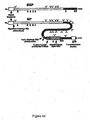
- the glycoprotein (GP) gene of filoviruses is the fourth gene (of seven) from the 3' end of the negative-strand RNA genome. All EBO viruses characterized thus far have the same unconventional type of GP gene organization that results in the expression of a secreted, nonstructural glycoprotein (SGP) in preference to the structural GP.
- SGP secreted, nonstructural glycoprotein
- the SGP is encoded in a single frame (0 frame), while the GP is encoded in two frames (0 and -1 frames). Expression of the GP occurs when the two frames are connected through a transcriptional editing event that results in the insertion of a single extra adenosine (added to a run of seven adenosines).
- the N-terminal 295 residues (including signal sequence) of the SGP (364 total residues) and GP (676 total residues) are identical, but the length and composition of their C-terminal sequences are unique.
- the GP a type 1 transmembrane protein, is found on the surface of the infectious virion and functions in attachment structure in the binding and entry of the virus into susceptible cells. Comparisons of GP predicted amino acid sequences for all species of EBO virus show a general conservation in the N-terminal and C-terminal regions (each approximately one-third of the total sequence) and are separated by a highly variable middle section.
- This protein is highly glycosylated, containing large amounts of N- and O-linked glycans, and for Marburg (MBG) virus (another type of filovirus) has been shown to form trimers.
- MBG Marburg
- N terminal to the transmembrane anchor sequence of the GP is a motif (residues 585 to 609) that is highly conserved in filoviruses.
- This sequence also has a high degree of homology with a motif in the glycoproteins of oncogenic retroviruses that has been shown to be immunosuppressive in vitro.
- SGP SGP can bind to neutrophils
- GP binds to endothelial cells.
- the different binding patterns of SGP and GP suggest that despite having identical N-terminal amino acid sequences ( ⁇ 280 residues), these glycoproteins are structurally very distinct from one another.
- glycoproteins expressed by a Zaire species of Ebola virus were analyzed for cleavage, oligomerization, and other structural properties to better define their functions.
- the 50- to 70-kDa secreted and 150-kDa virion/structural glycoproteins (SGP and GP, respectively), which share the 295 N-terminal residues, are cleaved near the N terminus by signalase.
- This furin cleavage site is present in the same position in the GPs of all Ebola viruses (R[R/K]X[R/K]R ⁇ ), and one is predicted for Marburg viruses (R[R/K]KR ⁇ ), although in a different location.
- Ebola virion peplomers are composed of trimers of GP1-GP2 heterodimers and that aspects of their structure are similar to those of retroviruses (including lentiviruses like HIV-1 and HIV-2), paramyxoviruses, and influenza viruses.
- investigators also determined that SGP is secreted from infected cells almost exclusively in the form of a homodimer that is joined by disulfide bonding.
- GP derived from the Reston strain of virus, which causes disease in non-human primates but not in man, did not disrupt the vasculature of human blood vessels. In contrast, the Zaire GP induced endothelial cell disruption and cytotoxicity in both non-human primate and human blood vessels, and the mucin domain was required for this effect.
- nucleic acid molecules of the present invention may be in the form of RNA or in the form of DNA obtained by cloning or produced synthetically.
- the DNA may be double-stranded or single-stranded.
- Single-stranded DNA or RNA may be the coding strand, also known as the sense strand, or it may be the non-coding strand, also referred to as the anti-sense strand.
- isolated nucleic acid molecule(s) is intended a nucleic acid molecule, DNA or RNA, which has been removed from its native environment.
- recombinant DNA molecules contained in a vector are considered isolated for the purposes of the present invention.
- Further examples of isolated DNA molecules include recombinant DNA molecules maintained in heterologous host cells or purified (partially or substantially) DNA molecules in solution.
- Isolated RNA molecules include in vivo or in vitro RNA transcripts of the DNA molecules of the present invention. Isolated nucleic acid molecules according to the present invention further include such molecules produced synthetically.
- Nucleic acid molecules of the present invention include DNA molecules comprising an open reading frame (ORF) encoding a wild-type filovirus structural gene product; and DNA molecules which comprise a sequence substantially different from those described above but which, due to the degeneracy of the genetic code, still encode an ORF of a wild-type filovirus structural gene product.
- ORF open reading frame
- the genetic code is well known in the art.
- the present invention is further directed to fragments of the nucleic acid molecules described herein.
- a fragment of a nucleic acid molecule having the nucleotide sequence of an ORF encoding a wild-type filovirus structural gene product is intended fragments at least about 15 nt., and more preferably at least about 20 nt., still more preferably at least about 30 nt., and even more preferably, at least about 40 nt. in length.
- fragments corresponding to most, if not all, of the nucleotide sequence of the ORF encoding a wild-type filovirus structural gene product are also intended according to the present invention as are fragments corresponding to most, if not all, of the nucleotide sequence of the ORF encoding a wild-type filovirus structural gene product.
- a fragment at least 20 nt. in length is intended fragments which include 20 or more contiguous bases from the nucleotide sequence of the ORF of a wild-type filovirus structural gene product.
- nucleic acid fragments of the present invention include nucleic acid molecules encoding epitope-bearing portions of the filovirus structural protein.
- such nucleic acid fragments of the present invention include nucleic acid molecules encoding epitope-bearing domains of a filovirus structural protein, where the domain is the GP/SGP identity domain, the mucin-like domain, the furin cleavage site, the fusion peptide domain, the heptad repeat domain, the transmembrane anchor domain, and the intracellular domain, and any combination thereof, for example, a filovirus glycoprotein having a truncation at the carboxy terminus to delete the transmembrane anchor and intracellular domain, a filovirus glycoprotein having a truncation at the carboxy terminus to delete the heptad repeat domain and transmembrane anchor and intracellular domain, a filovirus glycoprotein having a truncation at the carboxy terminus to delete the fusion peptide
- Another example is a filovirus glycoprotein having an amino, internal, or carboxy deletion to delete the mucin-like domain, the furin cleavage site, the fusion peptide domain, the heptad repeat domain, the transmembrane anchor domain, or the intracellular domain.
- the invention provides a nucleic acid molecule comprising a polynucleotide which hybridizes under stringent hybridization conditions to a portion of the polynucleotide in a nucleic acid molecule of the invention described above.
- stringent hybridization conditions is intended overnight incubation at 42°C in a solution comprising: 50% formamide, 5 x SSC (750 mM NaCl, 75 mM trisodium citrate), 50 mM sodium phosphate (pH 7.6), 5 x Denhardt's solution, 10% dextran sulfate, and 20 ⁇ g/ml denatured, sheared salmon sperm DNA, followed by washing the filters in 0.1 x SSC at about 65°C.
- a polynucleotide which hybridizes to a "portion" of a polynucleotide is intended a polynucleotide (either DNA or RNA) hybridizing to at least about 15 nucleotides (nt.), and more preferably at least about 20 nt., still more preferably at least about 30 nt., and even more preferably about 30-70 nt. of the reference polynucleotide.
- a polynucleotide which hybridizes only to a poly A sequence or a complementary stretch of T (or U) residues would not be included in a polynucleotide of the invention used to hybridize to a portion of a nucleic acid of the invention, since such a polynucleotide would hybridize to any nucleic acid molecule containing a poly A.stretch or the complement thereof (e.g., practically any double-stranded cDNA clone).
- nucleic acid molecules of the present invention which encode a filovirus structural gene product may include, but are not limited to those encoding the amino acid sequence of the full-length polypeptide, by itself, the coding sequence for the full-length polypeptide and additional sequences, such as those encoding a leader or secretory sequence, such as a pre-, or pro- or prepro-protein sequence, the coding sequence of the full-length polypeptide, with or without the aforementioned additional coding sequences, together with additional, non-coding sequences, including for example, but not limited to introns and non-coding 5' and 3' sequences, such as the transcribed, non-translated sequences that play a role in transcription, mRNA processing, including splicing and polyadenylation signals, for example, ribosome binding and stability of mRNA; and additional coding sequence which codes for additional amino acids, such as those which provide additional functionalities.
- the present invention further relates to variants of the nucleic acid molecules of the present invention, which encode portions, analogs or derivatives of the filovirus structural gene product.
- Variants may occur naturally, such as a natural allelic variant.
- allelic variant is intended one of several alternate forms of a gene occupying a given locus on a genome of an organism. ( Genes II , Lewin, B., ed., John Wiley & Sons, 1985 New York).
- Non-naturally occurring variants may be produced using art-known mutagenesis techniques.
- variants include those produced by nucleotide substitutions, deletions or additions, which may involve one or more nucleotides.
- the variants may be altered in coding regions, non-coding regions, or both. Alterations in the coding regions may produce conservative or non-conservative amino acid substitutions, deletions or additions. Especially preferred among these are silent substitutions, additions and deletions, which do not alter the properties and activities of the filovirus structural gene product or portions thereof. Also especially preferred in this regard are conservative substitutions.
- nucleic acid molecules comprising a polynucleotide having a nucleotide sequence at least 95% identical, and more preferably at least 96%, 97%, 98% or 99% identical to a nucleotide sequence encoding a polypeptide having the amino acid sequence of a wild-type filovirus structural gene product or fragment thereof or a nucleotide sequence complementary thereto.
- nucleotide sequence of the polynucleotide is identical to the reference sequence except that the polynucleotide sequence may include up to five point mutations per each 100 nucleotides of the reference nucleotide sequence encoding the Ebola virus structural gene product.
- a polynucleotide having a nucleotide sequence at least 95% identical to a reference nucleotide sequence up to 5% of the nucleotides in the reference sequence may be deleted or substituted with another nucleotide, or a number of nucleotides up to 5% of the total nucleotides in the reference sequence may be inserted into the reference sequence.
- These mutations of the reference sequence may occur at the 5' or 3' terminal positions of the reference nucleotide sequence or anywhere between those terminal positions, interspersed either individually among nucleotides in the reference sequence or in one or more contiguous groups within the reference sequence.
- nucleic acid molecule is at least 95%, 96%, 97%, 98% or 99% identical to the reference nucleotide sequence
- Bestfit program Wiconsin Sequence Analysis Package, Version 8 for Unix, Genetics Computer Group, University Research Park, 575 Science Drive, Madison, Wis. 53711. Bestfit uses the local homology algorithm of Smith and Waterman, 1981 Advances in Applied Mathematics 2 :482-489, to find the best segment of homology between two sequences.
- the parameters are set, of course, such that the percentage of identity is calculated over the full length of the reference nucleotide sequence and that gaps in homology of up to 5% of the total number of nucleotides in the reference sequence are allowed.
- the present application is directed to nucleic acid molecules at least 95%, 96%, 97%, 98% or 99% identical to the nucleic acid sequences shown herein in the Sequence Listing which encode a polypeptide having Ebola, Marburg, or Lassa virus polypeptide activity.
- a polypeptide having Ebola, Marburg, or Lassa virus polypeptide activity is intended polypeptides exhibiting Ebola, Marburg, or Lassa virus polypeptide activity in a particular biological assay.
- GP, SGP or NP protein activity can be measured for changes in immunological character by an appropriate immunological assay.
- nucleic acid molecules having a sequence at least 95%, 96%, 97%, 98%, or 99% identical to a nucleic acid sequence shown herein in the Sequence Listing will encode a polypeptide "having Ebola, Marburg, or Lassa virus polypeptide activity".
- degenerate variants of these nucleotide sequences all encode the same polypeptide, this will be clear to the skilled artisan even without performing the above described comparison assay.
- nucleic acid molecules that are not degenerate variants, a reasonable number will also encode a polypeptide having Ebola, Marburg, or Lassa virus polypeptide activity. This is because the skilled artisan is fully aware of amino acid substitutions that are either less likely or not likely to significantly effect protein function (e.g., replacing one aliphatic amino acid with a second aliphatic amino acid).
- the invention further provides a filovirus polypeptide having the amino acid sequence encoded by an open reading frame (ORF) of a wild-type filovirus structural gene, or a peptide or polypeptide comprising a portion thereof (e.g., SGP).
- ORF open reading frame
- the invention further includes variations of the filovirus polypeptide which show substantial filovirus polypeptide activity or which include regions of filovirus protein such as the protein portions discussed below.
- Such mutants include deletions, insertions, inversions, repeats, and type substitutions.
- the fragment, derivative or analog of the polypeptide of the invention may be (i) one in which one or more of the amino acid residues are substituted with a conserved or non-conserved amino acid residue (preferably a conserved amino acid residue) and such substituted amino acid residue may or may not be one encoded by the genetic code, or (ii) one in which one or more of the amino acid residues include a substituent group, or (iii) one in which additional amino acids are fused to the mature polypeptide, such as an IgG Fc fusion region peptide or leader or secretory sequence or a sequence which is employed for purification of the mature polypeptide or a proprotein sequence.
- a conserved or non-conserved amino acid residue preferably a conserved amino acid residue
- additional amino acids are fused to the mature polypeptide, such as an IgG Fc fusion region peptide or leader or secretory sequence or a sequence which is employed for purification of the mature polypeptide or a proprotein sequence.
- the number of amino acid substitutions a skilled artisan would make depends on many factors, including those described above. Generally speaking, the number of amino acid substitutions for any given filovirus polypeptide will not be more than 50, 40, 30, 20, 10, 5 or 3.
- Amino acids in the filovirus polypeptides of the present invention that are essential for function can be identified by methods known in the art, such as site-directed mutagenesis or alanine-scanning mutagenesis (Cunningham & Wells 1989 Science 244: 1081-1085). The latter procedure introduces single alanine mutations at every residue in the molecule. The resulting mutant molecules are then tested for biological activity such as changes in immunological character.
- polypeptides of the present invention are conveniently provided in an isolated form.
- isolated polypeptide is intended a polypeptide removed from its native environment.
- a polypeptide produced and/or contained within a recombinant host cell is considered isolated for purposes of the present invention.
- isolated polypeptide are polypeptides that have been purified, partially or substantially, from a recombinant host cell or a native source.
- a recombinantly produced version of the filovirus polypeptide can be substantially purified by the one-step method described in Smith and Johnson 1988 Gene 67 :31-40.
- polypeptides of the present invention include a polypeptide comprising a polypeptide having the amino acid sequence of a wild-type filovirus structural gene product or portion thereof or encoded by a nucleic acid sequence shown herein in the Sequence Listing; as well as polypeptides which are at least 95% identical, and more preferably at least 96%, 97%, 98%, or 99% identical to those described above.
- a polypeptide having an amino acid sequence at least, for example, 95% "identical" to a reference amino acid sequence of an filovirus polypeptide is intended that the amino acid sequence of the polypeptide is identical to the reference sequence except that the polypeptide sequence may include up to five amino acid alterations per each 100 amino acids of the reference amino acid of the filovirus polypeptide.
- up to 5% of the amino acid residues in the reference sequence may be deleted or substituted with another amino acid, or a number of amino acids up to 5% of the total amino acid residues in the reference sequence may be inserted into the reference sequence.
- These alterations of the reference sequence may occur at the amino or carboxy terminal positions of the reference amino acid sequence or anywhere between those terminal positions, interspersed either individually among residues in the reference sequence or in one or more contiguous groups within the reference sequence.
- any particular polypeptide is at least 95%, 96%, 97%, 98%, or 99% identical to a reference amino acid sequence can be determined conventionally using known computer programs such the Bestfit program (Wisconsin Sequence Analysis Package, Version 8 for Unix, Genetics Computer Group, University Research Park, 575 Science Drive, Madison, Wis. 53711).
- Bestfit program Wiconsin Sequence Analysis Package, Version 8 for Unix, Genetics Computer Group, University Research Park, 575 Science Drive, Madison, Wis. 53711.
- Bestfit or any other sequence alignment program to determine whether a particular sequence is, for instance, 95% identical to a reference sequence according to the present invention, the parameters are set, of course, such that the percentage of identity is calculated over the full length of the reference amino acid sequence and that gaps in homology of up to 5% of the total number of amino acid residues in the reference sequence are allowed.
- the invention provides portions of the polypeptides described herein with at least 30 amino acids and more preferably at least 50 amino acids.
- Preferred portions of the present invention include polypeptides comprising an epitope-bearing portion of a filovirus structural protein.
- preferred portions of the present invention include polypeptides comprising an epitope-bearing domain of a filovirus structural protein, where the domain is the GP/SGP identity domain, the mucin-like domain, the furin cleavage site, the fusion peptide domain, the heptad repeat domain, the transmembrane anchor domain, and the intracellular domain, and any combination thereof, for example, a filovirus glycoprotein having a truncation at the carboxy terminus to delete the transmembrane anchor and intracellular domain, a filovirus glycoprotein having a truncation at the carboxy terminus to delete the heptad repeat domain and transmembrane anchor and intracellular domain, a filovirus glycoprotein having a truncation at the carboxy terminus to delete the fusion peptide domain, heptad repeat domain, and transmembrane anchor and intracellular domain, a filovirus glycoprotein having a truncation at the carboxy terminus to delete the
- Another example is a filovirus glycoprotein having an amino, internal, or carboxy deletion to delete the mucin-like domain, the furin cleavage site, the fusion peptide domain, the heptad repeat domain, the transmembrane anchor domain, or the intracellular domain.
- polypeptides of the invention may be produced by any conventional means (Houghten, R.A. 1985 PNAS USA 82 :5131-5135).
- SMPS Simultaneous Multiple Peptide Synthesis
- the present invention also relates to vectors which include the nucleic acid molecules of the present invention, host cells which are genetically engineered with the recombinant vectors, and the production of filovirus polypeptides or fragments thereof by recombinant techniques.
- the present invention relates to "prime and boost" immunization regimes in which the immune response induced by administration of a priming composition is boosted by administration of a boosting composition.
- the present invention is based on the inventors' experimental demonstration that effective boosting can be achieved using replication-defective adenovirus vectors, following priming with any of a variety of different types of priming compositions.
- the present invention employs replication-deficient adenovirus which, as the experiments described below show, has been found to be an effective means for providing a boost to an immune response primed to antigen using any of a variety of different priming compositions.
- Replication-deficient adenovirus derived from human serotype 5 has been developed as a live viral vector by Graham and colleagues (Graham & Prevec 1995 Mol Biotechnol 3 :207-20; Bett et al . 1994 PNAS USA 91 :8802-6).
- Adenoviruses are non-enveloped viruses containing a linear double-stranded DNA genome of around 3600 bp.
- Recombinant viruses can be constructed by in vitro recombination between an adenovirus genome plasmid and a shuttle vector containing the gene of interest together with a strong eukaryotic promoter, in a permissive cell line which allows viral replication.
- High viral titres can be obtained from the permissive cell line, but the resulting viruses, although capable of infecting a wide range of cell types, do not replicate in any cells other than the permissive line, and are therefore a safe antigen delivery system.
- Recombinant adenoviruses have been shown to elicit protective immune responses against a number of antigens including tick-borne encephalitis virus NS1 protein (Jacobs et al . 1992 J Virol 66 :2086-95) and measles virus nucleoprotein (Fooks et al . 1995 Virology 210 :456-65).
- the experimental work described below demonstrates that use of embodiments of the present invention allows for recombinant replication-defective adenovirus expressing an antigen to boost an immune response primed by a DNA vaccine.
- the replication-defective adenovirus was found to induce an immune response after intramuscular immunization.
- prime/boost vaccination regimes the replication-defective adenovirus is also envisioned as being able to prime a response that can be boosted by a different recombinant virus or recombinantly produced antigen.
- Non-human primates immunized with plasmid DNA and boosted with replication-defective adenovirus were protected against challenge.
- Both recombinant replication-deficient adenovirus and plasmid DNA are vaccines that are safe for use in humans.
- the inventors found that a vaccination regime used intramuscular immunization for both prime and boost can be employed, constituting a general immunization regime suitable for inducing an immune response, e.g., in humans.
- the present invention in various aspects and embodiments employs a replication-deficient adenovirus vector encoding an antigen for boosting an immune response to the antigen primed by previous administration of the antigen or nucleic acid encoding the antigen.
- a general aspect of the present invention provides for the use of a replication-deficient adenoviral vector for boosting an immune response to an antigen.
- One aspect of the present invention provides a method of boosting an immune response to an antigen in an individual, the method including provision in the individual of a replication-deficient adenoviral vector including nucleic acid encoding the antigen operably linked to regulatory sequences for production of antigen in the individual by expression from the nucleic acid, whereby an immune response to the antigen previously primed in the individual is boosted.
- An immune response to an antigen may be primed by genetic immunization, by infection with an infectious agent, or by recombinantly produced antigen.
- a further aspect of the invention provides a method of inducing an immune response to an antigen in an individual, the method comprising administering to the individual a priming composition comprising the antigen or nucleic acid encoding the antigen and then administering a boosting composition which comprises a replication-deficient adenoviral vector including nucleic acid encoding the antigen operably linked to regulatory sequences for production of antigen in the individual by expression from the nucleic acid.
- a further aspect provides for use of a replication-deficient adenoviral vector, as disclosed, in the manufacture of a medicament for administration to a mammal to boost an immune response to an antigen.
- a medicament is generally for administration following prior administration of a priming composition comprising the antigen.
- the priming composition may comprise any viral vector, including adenoviral, or other than adenoviral, such as a vaccinia virus vector such as a replication-deficient strain such as modified virus Ankara (MVA) (Mayr et al . 1978 Primabl Bakteriol 167 :375-90; Sutter and Moss 1992 PNAS USA 89 :10847-51; Sutter et al . 1994 Vaccine 12 :1032-40) or NYVAC (Tartaglia et al .
- a viral vector including adenoviral, or other than adenoviral, such as a vaccinia virus vector such as a replication-deficient strain such as modified virus Ankara (MVA) (Mayr et al . 1978 Primabl Bakteriol 167 :375-90; Sutter and Moss 1992 PNAS USA 89 :10847-51; Sutter et al . 1994 Vaccine 12 :1032-40) or NYVAC (Tarta
- an avipox vector such as fowlpox or canarypox, e.g., the strain known as ALVAC (Kanapox, Paoletti et al . 1994 Dev Biol Stand 1994 82 :65-9), or a herpes virus vector.
- the priming composition may comprise DNA encoding the antigen, such DNA preferably being in the form of a circular plasmid that is not capable of replicating in mammalian cells.
- Any selectable marker should not be resistant to an antibiotic used clinically, so for example Kanamycin resistance is preferred to Ampicillin resistance.
- Antigen expression should be driven by a promoter which is active in mammalian cells, for instance the cytomegalovirus immediate early (CMV IE) promoter.
- CMV IE cytomegalovirus immediate early
- a priming composition is followed by boosting with first and second boosting compositions, the first and second boosting compositions being the same or different from one another, e.g., as exemplified below.
- Still further boosting compositions may be employed without departing from the present invention.
- a triple immunization regime employs DNA, then adenovirus (Ad) as a first boosting composition, and then MVA as a second boosting composition, optionally followed by a further (third) boosting composition or subsequent boosting administration of one or other or both of the same or different vectors.
- Ad adenovirus
- MVA boosting composition
- Another option is DNA then MVA then Ad, optionally followed by subsequent boosting administration of one or other or both of the same or different vectors.
- the antigen to be included in respective priming and boosting compositions need not be identical, but should share epitopes.
- the antigen may correspond to a complete antigen in a target pathogen or cell, or a fragment thereof.
- Peptide epitopes or artificial strings of epitopes may be employed, more efficiently cutting out unnecessary protein sequence in the antigen and encoding sequence in the vector or vectors.
- One or more additional epitopes may be included, for instance epitopes which are recognized by T helper cells, especially epitopes recognized in individuals of different HLA types.
- regulatory sequences for expression of the encoded antigen will include a promoter.
- promoter is meant a sequence of nucleotides from which transportation may be initiated of DNA operably linked downstream (i.e. in the 3' direction on the sense strand of double-stranded DNA).
- operably linked means joined as part of the same nucleic acid molecule, suitably positioned and oriented for transcription to be initiated from the promoter.
- DNA operably linked to a promoter is "under transcriptional initiation regulation" of the promoter.
- Terminator fragments including terminator fragments, polyadenylation sequences, enhancer sequences, marker genes, internal ribosome entry site (IRES) and other sequences may be included as appropriate, in accordance with the knowledge and practice of the ordinary person skilled in the art: see, for example, Molecular Cloning: a Laboratory Manual, 2 nd edition, Sambrook et al . 1989 Cold Spring Harbor Laboratory Press. Many known techniques and protocols for manipulation of nucleic acid, for example in preparation of nucleic acid constructs, mutagenesis, sequencing, introduction of DNA into cells and gene expression, and analysis of proteins, are described in detail in Current Protocols in Molecular Biology, Ausubel et al . eds., John Wiley & Sons, 1994.
- Suitable promoters for use in aspects and embodiments of the present invention include the cytomegalovirus immediate early (CMV IE) promoter, with or without intron A, and any other promoter that is active in mammalian cells.
- CMV IE cytomegalovirus immediate early
- Either or both of the priming and boosting compositions may include an adjuvant or cytokine, such as alpha-interferon, gamma-interferon, platelet-derived growth factor (PDGF), granulocyte macrophage-colony stimulating factor (GM-CSF) granulocyte-colony stimulating factor (gCSF), tumor necrosis factor (TNF), epidermal growth factor (EGF), IL-1, IL-2, IL-4, IL-6, IL-8, IL-10 and IL-12, or encoding nucleic acid therefor.
- PDGF platelet-derived growth factor
- GM-CSF granulocyte macrophage-colony stimulating factor
- GCF tumor necrosis factor
- EGF epidermal growth factor
- IL-1 IL-2, IL-4, IL-6, IL-8, IL-10 and IL-12
- IL-12 encoding nucleic acid therefor.
- Administration of the boosting composition is generally weeks or months after administration of the priming composition, preferably about 2-3 weeks or 4 weeks, or 8 weeks, or 16 weeks, or 20 weeks, or 24 weeks, or 28 weeks, or 32 weeks.
- administration of priming composition, boosting composition, or both priming and boosting compositions is intramuscular immunization.
- Intramuscular administration of adenovirus vaccines or plasmid DNA may be achieved by using a needle to inject a suspension of the virus or plasmid DNA.
- An alternative is the use of a needless injection device to administer a virus or plasmid DNA suspension (using, e.g., BiojectorTM) or a freeze-dried powder containing the vaccine (e.g., in accordance with techniques and products of Powderject), providing for manufacturing individually prepared doses that do not need cold storage. This would be a great advantage for a vaccine that is needed in rural areas of Africa.
- Adenovirus is a virus with an excellent safety record in human immunizations.
- the generation of recombinant viruses can be accomplished simply, and they can be manufactured reproducibly in large quantities.
- Intramuscular administration of recombinant replication-deficient adenovirus is therefore highly suitable for prophylactic or therapeutic vaccination of humans against diseases which can be controlled by an immune response.
- the individual may have a disease or disorder such that delivery of the antigen and generation of an immune response to the antigen is of benefit or has a therapeutically beneficial effect.
- administration will have prophylactic aim to generate an immune response against a pathogen or disease before infection or development of symptoms.
- Diseases and disorders that may be treated or prevented in accordance with the present invention include those in which an immune response may play a protective or therapeutic role.
- compositions may comprise a pharmaceutically acceptable excipient, carrier, buffer, stabilizer or other materials well known to those skilled in the art. Such materials should be non-toxic and should not interfere with the efficacy of the active ingredient.
- the precise nature of the carrier or other material may depend on the route of administration, e.g., intravenous, cutaneous or subcutaneous, intramucosal (e.g., gut), intranasal, intramuscular, or intraperitoneal routes.
- administration is preferably intradermal, subcutaneous or intramuscular.
- Liquid pharmaceutical compositions generally include a liquid carrier such as water, petroleum, animal or vegetable oils, mineral oil or synthetic oil.
- a liquid carrier such as water, petroleum, animal or vegetable oils, mineral oil or synthetic oil.
- Physiological saline solution, dextrose or other saccharide solution or glycols such as ethylene glycol, propylene glycol or polyethylene glycol may be included.
- the active ingredient will be in the form of a parenterally acceptable aqueous solution which is pyrogen-free and has suitable pH, isotonicity and stability.
- a parenterally acceptable aqueous solution which is pyrogen-free and has suitable pH, isotonicity and stability.
- isotonic vehicles such as Sodium Chloride Injection, Ringer's Injection, Lactated Ringer's Injection.
- Preservatives, stabilizers, buffers, antioxidants and/or other additives may be included, as required.
- a slow-release formulation may be employed.
- the particles may be administered to an individual, particularly human or other primate.
- Administration may be to another mammal, e.g., rodent such as mouse, rat or hamster, guinea pig, rabbit, sheep, goat, pig, horse, cow, donkey, dog or cat.
- rodent such as mouse, rat or hamster, guinea pig, rabbit, sheep, goat, pig, horse, cow, donkey, dog or cat.
- Administration is preferably in a "prophylactically effective amount” or a “therapeutically effective amount” (as the case may be, although prophylaxis may be considered therapy), this being sufficient to show benefit to the individual.
- the actual amount administered, and rate and time-course of administration, will depend on the nature and severity of what is being treated. Prescription of treatment, e.g., decisions on dosage etc., is within the responsibility of general practitioners and other medical doctors, or in a veterinary context a veterinarian, and typically takes account of the disorder to be treated, the condition of the individual patient, the site of delivery, the method of administration and other factors known to practitioners. Examples of the techniques and protocols mentioned above can be found in Remington's Pharmaceutical Sciences, 16 th edition, Osol, A. ed., 1980.
- DNA is administered (preferably intramuscularly) at a dose of 10 micrograms to 50 milligrams/injection, followed by adenovirus (preferably intramuscularly) at a dose of 5 x 10 7 - 1 x 10 12 particles/injection.
- composition may, if desired, be presented in a kit, pack or dispenser, which may contain one or more unit dosage forms containing the active ingredient.
- the kit for example, may comprise metal or plastic foil, such as a blister pack.
- the kit, pack, or dispenser may be accompanied by instructions for administration.
- a composition may be administered alone or in combination with other treatments, either simultaneously or sequentially dependent upon the condition to be treated.
- Delivery to a non-human mammal need not be for a therapeutic purpose, but may be for use in an experimental context, for instance in investigation of mechanisms of immune responses to an antigen of interest, e.g., protection against disease.
- DNA vaccines have been shown to elicit specific immune responses to Ebola virus antigens and to protect guinea pigs (Xu, L. et al . 1998 Nat Med 4 :7-42) and mice (Vanderzanden, L. et al. 1998 Virology 246 :134-144) against challenge with Ebola virus adapted to produce lethal infection in rodents (Connolly, B.M. et al. 1999 J Infect Dis 179 :S203-S217; Bray, M. et al . 1998 J Infect Dis 178 :651-661). Although both cell-mediated and humoral immune responses were elicited, antibody titer correlated with the degree of protection in animals immunized with plasmids encoding proteins from the Zaire subtype of Ebola virus.
- a broadly effective vaccine would need to provide immunity to the multiple Ebola subtypes isolated in human infections (Zaire, Sudan and Ivory Coast), but a multivalent vaccine might dilute the specific immune response demonstrated for the single subtype vaccine.
- immunization with a single plasmid encoding Zaire subtype virion glycoprotein, GP(Z) generated a substantial virus-specific antibody response and conferred protective immunity in guinea pigs (Table I).
- Table I Comparison of multivalent vs . monovalent genetic immunization in guinea pigs.
- Guinea pigs were immunized intramuscularly three times at two-week intervals with 100 ⁇ g of DNA (Plasmid, 100 ⁇ g p1012; GP(Z), 100 ⁇ g pGP(Z); GP(Z) + NP, 75 ⁇ g pGP(Z) and 25 ⁇ g pNP; GP(Z, IC, S) + NP, 25 ⁇ g each of pGP(Z), pGP(IC), pGP(S) and pNP).
- Serum was collected 6 weeks after the first injection and pre-challenge titers for antibody to Ebola GP (ELISA IgG) were measured by ELISA (Ksiazek, T.G. et al . 1992 J Clin Microbiol 30 :947-950) and are displayed as the reciprocal endpoint dilution. Three months after the final immunization the animals were challenged as described (Xu, L. et al . 1998 Nat Med 4 :37-42).
- Recombinant, replication-deficient adenoviruses can be grown to high titer, infect antigen-presenting cells, and induce potent immune responses (Davis, A.R. et al . 1985 PNAS USA 82 :7560-7564; Natuk, R.J. et al . 1992 PNAS USA 89 :7777-7781; Xiang, Z.Q. et al .
- Adenoviruses have shown a boosting effect in mice (Xiang, Z.Q. et al . 1999 J Immunol 162 :6716-6723), but the combination of DNA and adenovirus has not been tested for efficacy in an infectious challenge model, and the success of this approach in primates is yet unknown.
- mice were injected with DNA and adenovirus vectors either singly or in combinations, and cell-mediated and humoral immune responses were assessed.
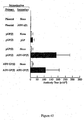
- a 10- to 100-fold increase in antibody titer was found in mice injected with DNA followed by an adenovirus boost, compared to DNA immunization alone (Fig. 47).
- An increase in cytotoxic T cell responses was also observed with this combination.
- Immunization with ADV-GP(Z) alone yielded antibody titers that were not significantly different from those obtained with the DNA prime, adenovirus boost immunization.
- Ebola virus isolated directly from humans must first be adapted by multiple, sequential passage in rodents in order to produce a lethal infection in mice or guinea pigs (Connolly, B.M. et al . 1999 J Infect Dis 179 :S203-S217; Bray, M. et al . 1998 J Infect Dis 178 :651-661).
- Primate models of Ebola infection are thought to have a stronger predictive value for human disease and immune protection.
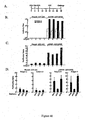
- Cynomolgus macaques ( Macaca fascicularis ) received 3 injections of naked DNA vectors at 4-week intervals (Fig. 48A) and, after several months of rest which has been shown to boost immune responses (Letvin, N.L. et al . 1997 PNAS USA 94 :9378-9383), were boosted with recombinant adenovirus expressing only the Zaire glycoprotein (Fig. 48A).
- Control animals received empty vectors (plasmid DNA and ADV- ⁇ E1 recombinant adenovirus), and vaccinated animals received the multicomponent DNA vaccine containing NP and three subtypes of Ebola GP (pGP/NP), followed by ADV-GP(Z).
- anti-Ebola serum antibodies could not be detected in control animals, but in animals receiving the Ebola vaccine, an antigen-specific antibody response was detected at week 12, one month after the third DNA injection (Fig. 48B).
- antibody titers After boosting with recombinant adenovirus, antibody titers increased 10- to 20-fold over the levels obtained with DNA alone. Three months after the final immunization, antibody levels remained high, except for one animal (subject 8) whose titer dropped slightly from 5 x 10 4 to 1.3 x 10 4 .
- CD8-positive lymphocytes did not affect Ebola antigen-specific lymphocyte proliferation. Therefore, the CD4-positive subset of lymphocytes, which provide the T cell help required for high antibody titers, contributes to the vaccine-induced cellular immune response.
- GP open reading frames were generated from polymerase chain reaction after reverse transcription of RNA (RT-PCR) products of infected cell RNA using the following primers: 5' ATC TTC AGG ATC TCG CCA TGG A 3' (Sudan GP gene; Nco I > ATG; SEQ ID NO: 44 ), 5' GAT ATT CAA CAA AGC AGC TTG CAG 3' (Sudan GP gene; C-terminus GP stop; SEQ ID NO: 45), 5' CTA ATC ACA GTC ACC ATG GGA 3' (Ivory Coast GP gene; Nco I > ATG; SEQ ID NO: 46), 5' AAA GTA TGA TGC TAT ATT AGT TCA 3' (Ivory Coast GP gene; C-terminus GP stop; SEQ ID NO: 47) yielding the TA clones PCR2.1 Sudan and PCR2.1 Ivory Coast.
- the Sudan glycoprotein was digested from plasmid PCR2.1 with Xba I/ Hind III, Klenow treated, and cloned into the Xba I site of p1012 (Xu, L. et al . 1998 Nat Med 4 :37-42).
- Ivory Coast GP was digested from plasmid PCR2.1 with EcoR I, Klenow treated, and cloned into the Xba I site of p1012 (Xu, L. et al . 1998 Nat Med 4 :37-42).
- the BamH I/ EcoR I fragment of GP(Z) was digested from pGEM-3Zf(-)-GP, treated with Klenow, and inserted into Hind III/ Xba I/Kle/CIP treated pRc/CMV plasmid.
- the resulting plasmid (PRC/CMV-GP(Z)) was digested by Nru I/ Dra III and treated with Klenow.
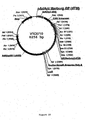
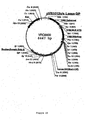
- the Nru I/ Dra III/Kle fragment containing the CMV enhancer, GP(Z) DNA and bovine growth hormone polyadenylation signal was inserted into the Bgl II site of the adenoviral shuttle plasmid pAdBgIII (Ohno, T.
- the adenovirus a first generation dl 309-based Ad5 vector, contained a deletion in E1 to render the vector replication-defective and a partial deletion/substitution in E3, which disrupts the coding sequences for the E3 proteins with a relative molecular mass of 14.7 kD, 14.5 kD and 10.4 kD, respectively.
- the recombinant adenovirus expressing Zaire GP, ADV-GP(Z) was made according to previously published methods (Aoki, K. et al . 1999 Mol Med 5:224-231).
- the dose of adenovirus administered 10 10 plaque-forming units (PFU) per animal (approximately 3 ⁇ 0 9 PFU/kg), is within the range used safely in human gene therapy trials.
- DNA and adenovirus vectors expressing Ebola Zaire GP or NP were constructed as described previously (Xu, L. et al . 1998 Nat Med 4 :37-42; Ohno, T. et al . 1994 Science 265 :781-784), with gene expression under the control of the cytomegalovirus enhancer and promoter.
- Mice were immunized intramuscularly with 100 ⁇ g of DNA (pGP or a p1012 plasmid control) or 10 8 PFU of adenovirus (ADV-GP or ADV- ⁇ E1 control virus) on days 0, 14, and 28 and blood was collected on day 28.
- mice received an intramuscular boost with DNA or adenovirus and titers were remeasured on day 56.
- ELISA IgG titers were determined using 96-well plates coated with a preparation of Ebola virus antigen derived from purified virions and enriched for membrane-associated proteins (GP, VP40 and VP24) (Ksiazek, T.G. et al . 1992 J Clin Microbiol 30 :947-950). Specific antigen binding was detected using a goat anti-human IgG(H+L)-horseradish peroxidase conjugate and ABTS/Peroxide (substrate/indicator).
- Macaque immunization For the DNA immunizations, animals received 1 mg each of DNA expressing GP(Zaire) [GP(Z)], GP(Ivory Coast) [pGP(IC)], GP(Sudan) [pGP(S)] and NP(Zaire) administered as a mixture [pGP/NP], or 4 mg empty [pGP(Z)] control plasmid bilaterally (2 mg per side) in the deltoid muscle. Immunization at weeks 0 and 4 were by IM injection, and at week 8 by Biojector.
- animals received 10 10 PFU of ADV-GP (Zaire subtype) or ADV- ⁇ E1 (empty vector) divided into two doses administered bilaterally in the deltoid muscle.
- ADV-GP Zaire subtype
- ADV- ⁇ E1 empty vector
- all animals received an intraperitoneal injection of approximately 6 PFUs of Ebola virus (Zaire 1976 isolate; Mayinga strain) (Kiley, M.P. et al . 1980 J Gen Virol 49 :333-341) in 1 ml Hanks' buffered salt solution.
- the virus was isolated directly from patient blood and used after a single passage in Vero cells.
- ELISA IgG titers were determined as above for control (Plasmid: ADV- ⁇ E1) and immunized [pGP/NP: ADV-GP(Z)] monkeys. The reciprocal endpoint of dilution for each subject was at week 12 and week 24: Serum antibody levels were measured by ELISA as described (Ksiazek, T.G. et al . 1992 J Clin Microbiol 30 :947-950).
- SGP Ebola secreted glycoprotein
- the amino acid sequences of Ebola GP(Zaire) and NP (Zaire) were obtained from Genbank: GP(Zaire), Genbank accession no. P87666; NP(Zaire), Genbank accession no. NC_002549; while GP(Sudan/Gulu) was obtained from the CDC.
- the amino acid sequences were then back-translated to DNA sequences using mammalian preferred codons.
- Serial 75 bp oligos with 25 bp overlapping were prepared to cover the entire gene.
- the oligos were then assembled into intact mammalian genes containing preferred codons using PCR. In the design, a stop codon was introduced in front of the predicted transmembrane domains of GP(Zaire) (a.a.
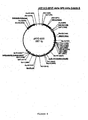
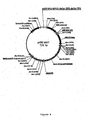
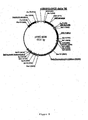
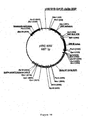
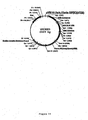
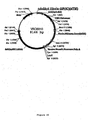
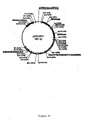
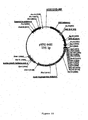
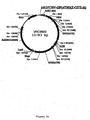
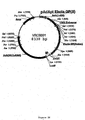
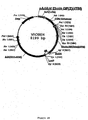
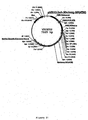
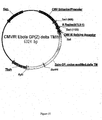
- the codon-modified, transmembrane domain deleted form of the Ebola GP (Sudan/Gulu) gene was excised from p1012 (x/s)-GP(S/G)( ⁇ TM)/h using Sal I/ Kpn I, and inserted into the Sal I/ Kpn I digested CMV/R/MCS plasmid.
- the codon-modified, transmembrane domain deleted form of the Ebola GP (Zaire) gene was excised from p1012 x/s-GP (Z)(dTM)/h Sal I/ Bgl II sites and cloned into the Sal I/ Bgl II sites of the CMV/R plasmid.
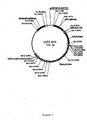
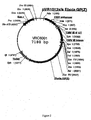
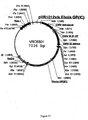
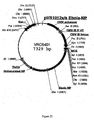
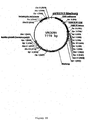
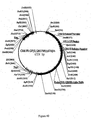
- Not I- Kpn I fragment from VRC6400 (pVR1012-NP) expressing Ebola nucleoprotein of Zaire Subtype was excised and cloned into the Not I/ Kpn I sites of the CMV/R plasmid.
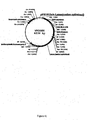
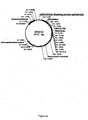
- This invention provides an improved mammalian expression vector which generates a higher level of protein expression than vectors currently in use.
- the expression vector is unique in that it uses a specific translational enhancer in combination with specific enhancer/promoters to yield high levels of expression and enhanced immunogenicity for DNA vaccines. This is particularly important because the potency of these vaccines in humans is marginal and generic improvements can serve as important platforms to make the technology practical for human use.
- the expression vector cassettes can be used in other gene based vaccines as well, or for production of recombinant proteins from eukaryotic expression vectors.
- the invention is useful in the production of genetic vaccines and gene therapies for a wide variety of diseases, including HIV and other viral diseases and cancer.
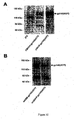
- Figure 50 Enhanced expression of modified CMV expression vector, CMV/R.
- Mouse fibroblast 3T3 cells were transfected with (A) vector alone (lane 1), CMVint-gp-145(dCFI) (lane 2), CMV/R-gp145(dCFI) (lane 3) or (B) mUBB-gp145(dCFI) (lane 4), mUBB/R-gp145(dCFI) (lane 5) in 6-well tissue culture dishes with 0.5 ug of the corresponding plasmids using calcium phosphate. 24 hours after transfection, cells were harvested and lysed in lysis buffer (50 mM HEPES, 150 mM NaCl, 1% NP-40, Mini Complete protease inhibitor cocktail (Roche)).
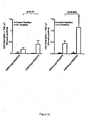
- Figure 51 Enhanced immunogenicity of modified CMV expression vector, CMV/R, in mice.
- mice in each group were immunized with 50 ⁇ g of the indicated plasmid DNA at weeks 0, 2, and 6. 10 days after the last injection, splenocytes from each mouse were harvested and stimulated using a pool of control peptides (15 mer), or a pool of HIV Env peptides (15 mer) for 6 hours.
- the stimulated splenocytes were stained using a cocktail of antibodies containing PE-anti-mouse CD3, PerCP-anti-mouse CD4, APC-anti-mouse CD8, FITC-anti-mouse IFN- ⁇ and FITC-anti-mouse TNF- ⁇ ..
- the samples were analyzed by flow cytometry. CD3/CD4/IFN- ⁇ /TNF- ⁇ and CD3/CD8/IFN- ⁇ /TNF- ⁇ positive cell numbers were measured using FloJo software (Treestar).
- the present invention is further characterized by the following items:
Landscapes
- Chemical & Material Sciences (AREA)
- Organic Chemistry (AREA)
- Health & Medical Sciences (AREA)
- Life Sciences & Earth Sciences (AREA)
- Biophysics (AREA)
- Biochemistry (AREA)
- Gastroenterology & Hepatology (AREA)
- General Health & Medical Sciences (AREA)
- Genetics & Genomics (AREA)
- Medicinal Chemistry (AREA)
- Molecular Biology (AREA)
- Proteomics, Peptides & Aminoacids (AREA)
- Virology (AREA)
- Micro-Organisms Or Cultivation Processes Thereof (AREA)
Applications Claiming Priority (3)
| Application Number | Priority Date | Filing Date | Title |
|---|---|---|---|
| US32647601P | 2001-10-01 | 2001-10-01 | |
| US326476 | 2001-10-01 | ||
| EP02761814A EP1504112A4 (de) | 2001-10-01 | 2002-09-24 | Entwicklung einer vakzine zur prävention von infektionen mit dem filovirus bei primaten |
Related Parent Applications (1)
| Application Number | Title | Priority Date | Filing Date |
|---|---|---|---|
| EP02761814A Division EP1504112A4 (de) | 2001-10-01 | 2002-09-24 | Entwicklung einer vakzine zur prävention von infektionen mit dem filovirus bei primaten |
Publications (2)
| Publication Number | Publication Date |
|---|---|
| EP1586331A1 true EP1586331A1 (de) | 2005-10-19 |
| EP1586331B1 EP1586331B1 (de) | 2008-05-28 |
Family
ID=34937663
Family Applications (1)
| Application Number | Title | Priority Date | Filing Date |
|---|---|---|---|
| EP05013732A Expired - Lifetime EP1586331B1 (de) | 2001-10-01 | 2002-09-24 | Entwicklung einer Vakzine zur Prävention von Infektionen mit Filovirus bei Primaten |
Country Status (1)
| Country | Link |
|---|---|
| EP (1) | EP1586331B1 (de) |
Cited By (1)
| Publication number | Priority date | Publication date | Assignee | Title |
|---|---|---|---|---|
| EP3188752A2 (de) * | 2014-09-03 | 2017-07-12 | Bavarian Nordic A/S | Rekombinanter modifizierter vaccinia virus ankara (mva) filovirus-impfstoff |
Citations (1)
| Publication number | Priority date | Publication date | Assignee | Title |
|---|---|---|---|---|
| WO1997042320A1 (en) * | 1996-05-08 | 1997-11-13 | The Government Of The United States Of America, Represented By The Secretary, Department Of Health And Human Services | Mutant aequorea victoria fluorescent proteins having increased cellular fluorescence |
-
2002
- 2002-09-24 EP EP05013732A patent/EP1586331B1/de not_active Expired - Lifetime
Patent Citations (1)
| Publication number | Priority date | Publication date | Assignee | Title |
|---|---|---|---|---|
| WO1997042320A1 (en) * | 1996-05-08 | 1997-11-13 | The Government Of The United States Of America, Represented By The Secretary, Department Of Health And Human Services | Mutant aequorea victoria fluorescent proteins having increased cellular fluorescence |
Non-Patent Citations (3)
| Title |
|---|
| SULLIVAN N J ET AL: "Development of a preventive vaccine for Ebola virus infection in primates", NATURE, MACMILLAN JOURNALS LTD. LONDON, GB, vol. 408, no. 6812, 30 November 2000 (2000-11-30), pages 605 - 609, XP002242909, ISSN: 0028-0836 * |
| VANDERZANDEN L ET AL: "DNA Vaccines Expressing either the GP or NP Genes of Ebola Virus Protect Mice from Lethal Challenge", VIROLOGY, ACADEMIC PRESS,ORLANDO, US, vol. 246, no. 1, 20 June 1998 (1998-06-20), pages 134 - 144, XP004445782, ISSN: 0042-6822 * |
| XU L ET AL: "Immunization for Ebola virus infection", NATURE MEDICINE, NATURE PUBLISHING, CO, US, vol. 4, no. 1, January 1998 (1998-01-01), pages 37 - 42, XP002131515, ISSN: 1078-8956 * |
Cited By (1)
| Publication number | Priority date | Publication date | Assignee | Title |
|---|---|---|---|---|
| EP3188752A2 (de) * | 2014-09-03 | 2017-07-12 | Bavarian Nordic A/S | Rekombinanter modifizierter vaccinia virus ankara (mva) filovirus-impfstoff |
Also Published As
| Publication number | Publication date |
|---|---|
| EP1586331B1 (de) | 2008-05-28 |
Similar Documents
| Publication | Publication Date | Title |
|---|---|---|
| US8124592B2 (en) | Development of a preventive vaccine for filovirus infection in primates | |
| WO2003028632A9 (en) | Development of a preventive vaccine for filovirus infection in primates | |
| AU2002327049A1 (en) | Development of a preventive vaccine for filovirus infection in primates | |
| US11913013B2 (en) | Chimpanzee adenoviral vector-based filovirus vaccines | |
| US9012618B2 (en) | Nucleic acids encoding modified Ebola virus glycoproteins with diminished cytotoxicity while retaining native antigenic structures | |
| WO2016034678A2 (en) | Recombinant modified vaccinia virus ankara (mva) filovirus vaccine | |
| EP1586331B1 (de) | Entwicklung einer Vakzine zur Prävention von Infektionen mit Filovirus bei Primaten | |
| CA2519282C (en) | Development of a preventive vaccine for filovirus infection in primates | |
| AU2005244541B2 (en) | Development of a preventative vaccine for filovirus infection in primates |
Legal Events
| Date | Code | Title | Description |
|---|---|---|---|
| PUAI | Public reference made under article 153(3) epc to a published international application that has entered the european phase |
Free format text: ORIGINAL CODE: 0009012 |
|
| AC | Divisional application: reference to earlier application |
Ref document number: 1504112 Country of ref document: EP Kind code of ref document: P |
|
| AK | Designated contracting states |
Kind code of ref document: A1 Designated state(s): AT BE BG CH CY CZ DE DK EE ES FI FR GB GR IE IT LI LU MC NL PT SE SK TR |
|
| 17P | Request for examination filed |
Effective date: 20060411 |
|
| AKX | Designation fees paid |
Designated state(s): AT BE BG CH CY CZ DE DK EE ES FI FR GB GR IE IT LI LU MC NL PT SE SK TR |
|
| 17Q | First examination report despatched |
Effective date: 20060915 |
|
| GRAP | Despatch of communication of intention to grant a patent |
Free format text: ORIGINAL CODE: EPIDOSNIGR1 |
|
| GRAS | Grant fee paid |
Free format text: ORIGINAL CODE: EPIDOSNIGR3 |
|
| GRAA | (expected) grant |
Free format text: ORIGINAL CODE: 0009210 |
|
| AC | Divisional application: reference to earlier application |
Ref document number: 1504112 Country of ref document: EP Kind code of ref document: P |
|
| AK | Designated contracting states |
Kind code of ref document: B1 Designated state(s): AT BE BG CH CY CZ DE DK EE ES FI FR GB GR IE IT LI LU MC NL PT SE SK TR |
|
| REG | Reference to a national code |
Ref country code: GB Ref legal event code: FG4D |
|
| REG | Reference to a national code |
Ref country code: CH Ref legal event code: EP |
|
| REF | Corresponds to: |
Ref document number: 60226911 Country of ref document: DE Date of ref document: 20080710 Kind code of ref document: P |
|
| REG | Reference to a national code |
Ref country code: IE Ref legal event code: FG4D |
|
| REG | Reference to a national code |
Ref country code: CH Ref legal event code: NV Representative=s name: VOSSIUS & PARTNER |
|
| REG | Reference to a national code |
Ref country code: ES Ref legal event code: FG2A Ref document number: 2307093 Country of ref document: ES Kind code of ref document: T3 |
|
| PG25 | Lapsed in a contracting state [announced via postgrant information from national office to epo] |
Ref country code: AT Free format text: LAPSE BECAUSE OF FAILURE TO SUBMIT A TRANSLATION OF THE DESCRIPTION OR TO PAY THE FEE WITHIN THE PRESCRIBED TIME-LIMIT Effective date: 20080528 |
|
| PG25 | Lapsed in a contracting state [announced via postgrant information from national office to epo] |
Ref country code: CZ Free format text: LAPSE BECAUSE OF FAILURE TO SUBMIT A TRANSLATION OF THE DESCRIPTION OR TO PAY THE FEE WITHIN THE PRESCRIBED TIME-LIMIT Effective date: 20080528 Ref country code: SE Free format text: LAPSE BECAUSE OF FAILURE TO SUBMIT A TRANSLATION OF THE DESCRIPTION OR TO PAY THE FEE WITHIN THE PRESCRIBED TIME-LIMIT Effective date: 20080828 Ref country code: PT Free format text: LAPSE BECAUSE OF FAILURE TO SUBMIT A TRANSLATION OF THE DESCRIPTION OR TO PAY THE FEE WITHIN THE PRESCRIBED TIME-LIMIT Effective date: 20081028 Ref country code: DK Free format text: LAPSE BECAUSE OF FAILURE TO SUBMIT A TRANSLATION OF THE DESCRIPTION OR TO PAY THE FEE WITHIN THE PRESCRIBED TIME-LIMIT Effective date: 20080528 |
|
| PG25 | Lapsed in a contracting state [announced via postgrant information from national office to epo] |
Ref country code: SK Free format text: LAPSE BECAUSE OF FAILURE TO SUBMIT A TRANSLATION OF THE DESCRIPTION OR TO PAY THE FEE WITHIN THE PRESCRIBED TIME-LIMIT Effective date: 20080528 |
|
| PLBE | No opposition filed within time limit |
Free format text: ORIGINAL CODE: 0009261 |
|
| STAA | Information on the status of an ep patent application or granted ep patent |
Free format text: STATUS: NO OPPOSITION FILED WITHIN TIME LIMIT |
|
| PG25 | Lapsed in a contracting state [announced via postgrant information from national office to epo] |
Ref country code: EE Free format text: LAPSE BECAUSE OF FAILURE TO SUBMIT A TRANSLATION OF THE DESCRIPTION OR TO PAY THE FEE WITHIN THE PRESCRIBED TIME-LIMIT Effective date: 20080528 Ref country code: BG Free format text: LAPSE BECAUSE OF FAILURE TO SUBMIT A TRANSLATION OF THE DESCRIPTION OR TO PAY THE FEE WITHIN THE PRESCRIBED TIME-LIMIT Effective date: 20080828 Ref country code: MC Free format text: LAPSE BECAUSE OF NON-PAYMENT OF DUE FEES Effective date: 20080930 |
|
| 26N | No opposition filed |
Effective date: 20090303 |
|
| PG25 | Lapsed in a contracting state [announced via postgrant information from national office to epo] |
Ref country code: FI Free format text: LAPSE BECAUSE OF FAILURE TO SUBMIT A TRANSLATION OF THE DESCRIPTION OR TO PAY THE FEE WITHIN THE PRESCRIBED TIME-LIMIT Effective date: 20080528 |
|
| PG25 | Lapsed in a contracting state [announced via postgrant information from national office to epo] |
Ref country code: LU Free format text: LAPSE BECAUSE OF NON-PAYMENT OF DUE FEES Effective date: 20080924 Ref country code: CY Free format text: LAPSE BECAUSE OF FAILURE TO SUBMIT A TRANSLATION OF THE DESCRIPTION OR TO PAY THE FEE WITHIN THE PRESCRIBED TIME-LIMIT Effective date: 20080528 |
|
| PG25 | Lapsed in a contracting state [announced via postgrant information from national office to epo] |
Ref country code: TR Free format text: LAPSE BECAUSE OF FAILURE TO SUBMIT A TRANSLATION OF THE DESCRIPTION OR TO PAY THE FEE WITHIN THE PRESCRIBED TIME-LIMIT Effective date: 20080528 |
|
| PG25 | Lapsed in a contracting state [announced via postgrant information from national office to epo] |
Ref country code: GR Free format text: LAPSE BECAUSE OF FAILURE TO SUBMIT A TRANSLATION OF THE DESCRIPTION OR TO PAY THE FEE WITHIN THE PRESCRIBED TIME-LIMIT Effective date: 20080829 |
|
| REG | Reference to a national code |
Ref country code: CH Ref legal event code: PFA Owner name: THE GOVERNMENT OF THE U.S.A., AS REPR. BY THE , US Free format text: FORMER OWNER: THE GOVERNMENT OF THE U.S.A., AS REPR. BY THE SECRETARY, DEPT. OF HEALTH AND HUMAN SERVICES, THE NAT. INST. OF HEALTH, US |
|
| REG | Reference to a national code |
Ref country code: FR Ref legal event code: PLFP Year of fee payment: 15 |
|
| REG | Reference to a national code |
Ref country code: FR Ref legal event code: PLFP Year of fee payment: 16 |
|
| REG | Reference to a national code |
Ref country code: FR Ref legal event code: PLFP Year of fee payment: 17 |
|
| PGFP | Annual fee paid to national office [announced via postgrant information from national office to epo] |
Ref country code: NL Payment date: 20210926 Year of fee payment: 20 Ref country code: IT Payment date: 20210922 Year of fee payment: 20 Ref country code: IE Payment date: 20210927 Year of fee payment: 20 Ref country code: FR Payment date: 20210927 Year of fee payment: 20 |
|
| PGFP | Annual fee paid to national office [announced via postgrant information from national office to epo] |
Ref country code: GB Payment date: 20210927 Year of fee payment: 20 Ref country code: BE Payment date: 20210927 Year of fee payment: 20 Ref country code: DE Payment date: 20210929 Year of fee payment: 20 |
|
| PGFP | Annual fee paid to national office [announced via postgrant information from national office to epo] |
Ref country code: ES Payment date: 20211001 Year of fee payment: 20 |
|
| PGFP | Annual fee paid to national office [announced via postgrant information from national office to epo] |
Ref country code: CH Payment date: 20211004 Year of fee payment: 20 |
|
| REG | Reference to a national code |
Ref country code: DE Ref legal event code: R071 Ref document number: 60226911 Country of ref document: DE |
|
| REG | Reference to a national code |
Ref country code: NL Ref legal event code: MK Effective date: 20220923 |
|
| REG | Reference to a national code |
Ref country code: CH Ref legal event code: PL Ref country code: ES Ref legal event code: FD2A Effective date: 20220930 |
|
| REG | Reference to a national code |
Ref country code: BE Ref legal event code: MK Effective date: 20220924 |
|
| REG | Reference to a national code |
Ref country code: GB Ref legal event code: PE20 Expiry date: 20220923 |
|
| REG | Reference to a national code |
Ref country code: IE Ref legal event code: MK9A |
|
| PG25 | Lapsed in a contracting state [announced via postgrant information from national office to epo] |
Ref country code: GB Free format text: LAPSE BECAUSE OF EXPIRATION OF PROTECTION Effective date: 20220923 Ref country code: ES Free format text: LAPSE BECAUSE OF EXPIRATION OF PROTECTION Effective date: 20220925 |
|
| PG25 | Lapsed in a contracting state [announced via postgrant information from national office to epo] |
Ref country code: IE Free format text: LAPSE BECAUSE OF EXPIRATION OF PROTECTION Effective date: 20220924 |