EP1575982B1 - Promoter for the production of hyaluronic acid containing ginsenoside compound k - Google Patents
Promoter for the production of hyaluronic acid containing ginsenoside compound k Download PDFInfo
- Publication number
- EP1575982B1 EP1575982B1 EP03813984A EP03813984A EP1575982B1 EP 1575982 B1 EP1575982 B1 EP 1575982B1 EP 03813984 A EP03813984 A EP 03813984A EP 03813984 A EP03813984 A EP 03813984A EP 1575982 B1 EP1575982 B1 EP 1575982B1
- Authority
- EP
- European Patent Office
- Prior art keywords
- hyaluronic acid
- compound
- production
- skin
- cells
- Prior art date
- Legal status (The legal status is an assumption and is not a legal conclusion. Google has not performed a legal analysis and makes no representation as to the accuracy of the status listed.)
- Expired - Lifetime
Links
Images


Classifications
-
- C—CHEMISTRY; METALLURGY
- C07—ORGANIC CHEMISTRY
- C07J—STEROIDS
- C07J17/00—Normal steroids containing carbon, hydrogen, halogen or oxygen, having an oxygen-containing hetero ring not condensed with the cyclopenta(a)hydrophenanthrene skeleton
-
- A—HUMAN NECESSITIES
- A61—MEDICAL OR VETERINARY SCIENCE; HYGIENE
- A61K—PREPARATIONS FOR MEDICAL, DENTAL OR TOILETRY PURPOSES
- A61K31/00—Medicinal preparations containing organic active ingredients
- A61K31/70—Carbohydrates; Sugars; Derivatives thereof
- A61K31/7028—Compounds having saccharide radicals attached to non-saccharide compounds by glycosidic linkages
- A61K31/7034—Compounds having saccharide radicals attached to non-saccharide compounds by glycosidic linkages attached to a carbocyclic compound, e.g. phloridzin
- A61K31/704—Compounds having saccharide radicals attached to non-saccharide compounds by glycosidic linkages attached to a carbocyclic compound, e.g. phloridzin attached to a condensed carbocyclic ring system, e.g. sennosides, thiocolchicosides, escin, daunorubicin
-
- A—HUMAN NECESSITIES
- A61—MEDICAL OR VETERINARY SCIENCE; HYGIENE
- A61K—PREPARATIONS FOR MEDICAL, DENTAL OR TOILETRY PURPOSES
- A61K8/00—Cosmetics or similar toiletry preparations
- A61K8/18—Cosmetics or similar toiletry preparations characterised by the composition
- A61K8/72—Cosmetics or similar toiletry preparations characterised by the composition containing organic macromolecular compounds
- A61K8/73—Polysaccharides
- A61K8/735—Mucopolysaccharides, e.g. hyaluronic acid; Derivatives thereof
-
- A—HUMAN NECESSITIES
- A61—MEDICAL OR VETERINARY SCIENCE; HYGIENE
- A61P—SPECIFIC THERAPEUTIC ACTIVITY OF CHEMICAL COMPOUNDS OR MEDICINAL PREPARATIONS
- A61P17/00—Drugs for dermatological disorders
-
- A—HUMAN NECESSITIES
- A61—MEDICAL OR VETERINARY SCIENCE; HYGIENE
- A61P—SPECIFIC THERAPEUTIC ACTIVITY OF CHEMICAL COMPOUNDS OR MEDICINAL PREPARATIONS
- A61P19/00—Drugs for skeletal disorders
- A61P19/02—Drugs for skeletal disorders for joint disorders, e.g. arthritis, arthrosis
-
- A—HUMAN NECESSITIES
- A61—MEDICAL OR VETERINARY SCIENCE; HYGIENE
- A61P—SPECIFIC THERAPEUTIC ACTIVITY OF CHEMICAL COMPOUNDS OR MEDICINAL PREPARATIONS
- A61P43/00—Drugs for specific purposes, not provided for in groups A61P1/00-A61P41/00
-
- A—HUMAN NECESSITIES
- A61—MEDICAL OR VETERINARY SCIENCE; HYGIENE
- A61Q—SPECIFIC USE OF COSMETICS OR SIMILAR TOILETRY PREPARATIONS
- A61Q19/00—Preparations for care of the skin
- A61Q19/08—Anti-ageing preparations
Definitions
- the present invention relates to a promoter containing ginsenoside compound K for the production of hyaluronic acid. More particularly, the present invention provides a new efficacy of 20-O- ⁇ -D-glucopyranosyl-20(S)-protopanaxadiol (called "compound K”), a chief metabolite of ginseng saponin, to increase the expression of the hyaluronic acid synthase (HAS) gene in human cells and thereby to promote the production of hyaluronic acid (HA), and provides a promoter containing compound K for the production of hyaluronic acid.
- compound K 20-O- ⁇ -D-glucopyranosyl-20(S)-protopanaxadiol
- Hyaluronic acid is a nonsulfated glycosaminoglycan, linear polysaccharide with a very large molecular weight of 200,000 to 400,000 composed of repeating glucuronic acid and N-acetylglucosamine residues.
- Hyaluronic acid is a major structural component of the extracellular matrix and involved in water retention, maintenance of the extracellular space and storage and diffusion of cell growth factors and nutrients, as well as in cell proliferation and differentiation, and migration.
- hyaluronic acid exists in the skin, particularly in epidermal extracellular space and dermal connective tissue, and it is synthesized by keratinocyte and fibroblasts. Further, the concentration of hyaluronic acid in human skin decreases with aging, which causes the skin to lose its elasticity and to decrease water retention ( Biochem Biophys Acta 279, 265-275 , Carbohydr Res 159, 127-136 , Int J Dermatol 33, 119-122 ).
- the human joint capsule is composed of the outer fibrous layer and the inner synovial membrane, in which synovial fluid containing hyaluronic acid and glycoprotein, functions as a joint lubricant. It has however been reported that in osteoarthritis (degenerative arthritis), the production of hyaluronic acid decreases and destruction by proteolytic enzymes is accelerated, so diminishing the concentration of hyaluronic acid in a joint. Therefore as the concentration of hyaluronic acid in a joint decreases, the joint cannot absorb or disperse shocks, so accelerating cartilage damage. Hence, hyaluronate injection was approved by the FDA in 1997 as a device for the relief of pain from osteoarthritis and has been applied thereto. However, in the end, it may be more effective to increase the biosynthesis of hyaluronic acid.
- estradiol and its derivatives applied on the skin might increase the biosynthesis of hyaluronic acid ( Steroids 16,1-3 , J Invest Dermatol 87, 668-673 , Skin Pharmacol Appl Skin Physiol 15, 175-183 ).
- the detailed mechanism for the metabolism of hyaluronic acid has not yet been fully elucidated. It has been merely known that hyaluronic acid is synthesized at the inner surface of the plasma membrane by hyaluronic acid synthase and is extruded through the membrane into the extracellular space simultaneously with the ongoing synthesis ( J. Biol. Chem. 272, 13997-14000 ).
- HAS1 human epidermal growth factor
- HAS2 epidermal growth factor
- an object of the present invention is to provide a new use of compound K to increase the expression of the hyaluronic acid synthase gene and thereby to promote the production of hyaluronic acid.
- Another object of the present invention is to provide a promoter for the production of hyaluronic acid containing compound K as an effective ingredient.
- a further object of the present invention is to provide the possibility of compound K being applied for treatment or prevention of osteoarthritis.
- the present invention provides a new efficacy of compound K, which already has been known to have efficacies such as an immunity-increasing effect, a tumor angiogenesis-suppressing effect and a cancerous cell permeation-inhibiting effect. That is to say, the invention provides a new efficacy of compound K to increase the expression of the hyaluronic acid synthase gene and thereby to promote the production of hyaluronic acid.
- Compound K that is, 20-O- ⁇ -D-glucopyranosyl-20(S)-protopanaxadiol represented by the following formula 1, is a chief metabolite of ginseng saponin decomposed by human intestinal bacteria ( Hasegawa, H., Sung, J. H., Matsumiya. S., Uchiyama. M.,(1996) Planta Medica 62, 453-457 ).
- Ginsenosides and theirs derivatives derived from ginseng have the constitutions that sugar such as glucose, rhamnose, arabinose, xylose or the like is linked via ether bond to protopanaxadiol or protopanaxatriol, which are triterpenes of the dammarane series. So far, a total of a 29 types of gensenosides have been isolated from ginseng (KOREA INSAM). Shibata, in 1964, named the components of ginseng saponin as "ginsenoside”, which refers to glycoside contained in ginseng.
- Ginsenosides are classified into ginsenoside-Ro, which is a family of oleanane saponin, and ginsenoside-Ra, -Rb1, -Rb2, -Rc, -Rd, -Re, -Rf, -Rg1, -Rg2, -Rg3 and -Rh, according to the order of movement in separating from TLC (thin-layer chromatography).
- Ginseng saponins have been known to exhibit different pharmacological efficacies depending on their type, number or the position of sugar bonded to aglycon. Many researches have been conducted on the pharmacological efficacy of major saponins plentifully contained in ginseng and easily isolated therefrom. However, only a few researches have been conducted on the pharmacological efficacy of minor saponins contained only in red ginseng or of saponin metabolites decomposed by human intestinal bacteria.
- compound K i.e. 20-O- ⁇ -D-glucopyronosyl-20(S)-protopanaxadiol
- compound K is composed of one sugar (glucose) bonded to protopanaxadiol and has been known to exhibit pharmacological efficacy in suppressing cancerous cell proliferation, suppressing tumor cell proliferation and enforcing anticancer activity of anticancer agents.
- extensive studies on saponin metabolites revealed that the pharmacological efficacy of ginseng saponin is due to the metabolites decomposed by human intestinal bacteria, not to the saponin itself ( Chem Pharm Bull 38(10) 2859-2861 , Bio. Pharm. Bull 25(6) 743-747 ).
- HAS2 gene expression increased in compound K-treated human epidermal and dermal cell lines i.e. keratinocyte cell line HaCaT and fibroblast cell line HDF. That is, treatment with compound K for 24 hours induced 3-times and 2.5-times increases in HAS2 gene expression in the cultured HaCaT and HDF cells respectively, in comparison with no treatment. Furthermore, HAS2 gene expression increased about 3-times and about 5-times during 24 hours and 48 hours incubations of HaCaT cells with treatment of 1 ⁇ M compound K, respectively. These results show that compound K has HAS2 gene expression-promoting efficacy in human cell. At the same time, it was confirmed that the concentration of hyaluronic acid in the human cell culture was increased by treatment of compound K.
- the present inventors confirmed that the production of hyaluronic acid increased in the compound K-treated hairless mouse skin.
- compound K was introduced to a patch and applied onto the back skin of a hairless mouse, the production of hyaluronic acid increased about 3-times in the epidermis and dermis.
- Compound K employed in the present invention may be natural compound K or synthetic compound K obtained by the conventional method, Compound K may be obtained by dissolving purified saponin of ginseng in aqueous solvent such as distilled water or buffer solution, or in a mixture of the aqueous solvent and organic solvent, and then reacting with at least one of naringinase separated from Penicillium and pectinase separated from Aspergillus.
- aqueous solvent such as distilled water or buffer solution
- a mixture of the aqueous solvent and organic solvent reacting with at least one of naringinase separated from Penicillium and pectinase separated from Aspergillus.
- compound K can increase HAS2 gene expression and promote the production of hyaluronic acid. Accordingly, compound K can be added into medicaments for treatment or prevention of diseases, such as osteoarthritis, by administration of hyaluronic acid.
- ginseng extract red ginseng, white ginseng and the root hair and leaf of ginseng
- citrate buffer pH 4.0
- 10g of naringinase Sigma, St. Louis, MO
- 10g of pectinase Novozyme, Copenhagen, Denmark
- the reaction mixture was extracted with 2l of ethylacetate and then evaporated under a vacuum condition to give 2.8g of residue.
- the obtained product was subjected to silica gel column chromatography, eluted with chloroform- methanol (9:1) and then with chloroform-methanol (6: 1), to give 0.28g of pure compound K.
- Spontaneously immortalized human keratinocyte cell line, HaCaT was provided by Dr. N.E. Fusenig (Deutsches Krebsgeberstechnik(DKFZ), Heidelberg, Germany) and human diploid fibroblast cell line, HDF, was provided by Dr. S.C. Park (Seoul National University, Seoul, Korea).
- the cells were cultured in Dulbecco's modified Eagle's medium (DMEM) supplemented with 10% fetal bovine serum (HyClone), sodium bicarbonate (3.6g/l) and antibiotics of streptomycin (100 ⁇ g/ml) and penicillin (100U/ml) (Life Technologies, Inc.) at 37 °C in a humidified atmosphere containing 5% CO 2 and 95% air.
- DMEM Dulbecco's modified Eagle's medium
- HyClone fetal bovine serum
- sodium bicarbonate 3.6g/l
- antibiotics of streptomycin 100 ⁇ g/ml
- penicillin 100U/ml
- the cells were seeded into a tissue culture flask at 1 ⁇ 10 5 cells per 75cm 2 and cultured in the medium with 10% fetal bovine serum for 24 hours. Subsequently, the cells were cultured in the serum-free medium for another 24 hours and then in fresh serum-free medium supplemented with 1 to 5 ⁇ M of compound K for 3, 6, 12, 24 or 48 hours. As a control, the cells were cultured in the medium supplemented with 0.01% vehicle (dimethylsulfoxide, DMSO). In the control, no effect of DMSO on cell growth and differentiation was observed.
- vehicle dimethylsulfoxide
- RNA concentration was measured by spectrophotometry and RNA integrity was checked by agarose gel electrophoresis.
- the reaction mixture was gently incubated at 42 °C for 60 min, to be subjected to reverse transcription. Then, the reverse transcriptase was inactivated by heating at 85 °C for 5 min.
- PCR was performed using Perkin-Elmer Cycler 9600(Perkin-Elmer Applied Biosystems, Foster, CA) in 50 ⁇ l of reaction mixture containing 0.04U/ ⁇ l AmpliTaq TM DNA polymerase (Perkin Elmer, Shelton, Connecticut), 50mM Tris (pH8.3), 0.25mg/ml BSA, 3mM MgCl 2 , 0.25mM dNTPs and 0.25 ⁇ M sense or antisense PCR primers (Table 1) under a PCR thermal profile consisting of denaturation at 95 °C for 5 min prior to the initial cycle and 25 ⁇ 35 cycles of 45 sec at 95 °C, 45 sec for 60 °C and 1 min at 72 °C.
- PCR products were electrophoresed through agarose gels and visualized with ethidium bromide staining. The results are shown in Fig. 1 and Fig. 2 .
- GAPDH is a criterion for standardization of the amplified products.
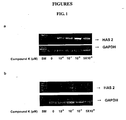
- Fig. 1 is a result of quantitative RT-PCR for HAS2 gene, in order to identify HAS mRNA expression in keratinocyte cell line HaCaT ( Fig. 1a ) and fibroblast cell line HDF ( Fig. 1b ) after treatment with various concentrations of compound K, and shows the effect of the compound K on HAS2 mRNA level.
- HAS2 mRNA was detected in a small amount in the control, but increased 3-times and 2.5-times in compound K-treated HaCaT cells and HDF cells, respectively.
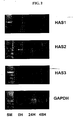
- Fig. 2 shows the effect of compound K on HAS1, HAS2 and HAS3 transcription in the HaCaT cells.
- HaCaT cells were cultured for 24 or 48 hours in the medium with 0 or 1 ⁇ M compound K added thereto, then total RNA was isolated therefrom. Total RNA was reverse transcribed and amplified for 30 PCR cycles.
- HAS2 transcription increased about 3-times and about 5-times during 24 hr and 48 hours incubation of HaCaT cells treated with compound K, respectively.
- compound K did not influence the HAS 1 and HAS3 mRNA levels detected in small amount.
- HaCaT and HDF cells were washed with PBS then fixed in a fixative with 2% paraformaldehyde(v/v) and 0.5% glutaraldehyde(v/v) at room temperature for 20 min. After fixation, the cells were washed three times for 2 min each with 0.1 M sodium phosphate buffer (pH7.4), then blocked in 1% bovine serum albumin (w/v) containing 0.1% Triton X-100 (v/v) in the same buffer at room temperature for 30 min. Hyaluronan staining was carried out with a specific probe of biotinylated hyaluronan binding protein (bHABP) (Seikagaku, Tokyo, Japan).
- bHABP biotinylated hyaluronan binding protein
- the bHABP probe diluted to 5 ⁇ g/ml in 3% bovine serum albumin (w/v), was added to the fixed cells and was incubated overnight at 4°C. After washing, avidin-fluorescein isothocyanate (FITC) was added. Images were analyzed with fluorescent microscope and are shown in Fig. 3 .
- Fig. 3 shows the effect of compound K on the distribution of hyaluronic acid in the cultured HaCaT and HDF cells.
- HaCaT cells Fig. 3a, Fig. 3b
- HDF cells Fig. 3c, Fig. 3d
- Hyaluronan staining was carried out with bHABP(Seikagaku). Each skin sample was fixed with 2 % formaldehyde and 0.5 % glutaraldehyde in PBS, embedded and sectioned. After deparaffinization, sections were incubated in 0.3% H 2 O 2 in methanol at room temperature for 30 min, washed with PBS, then blocked in 1% bovine serum albumin. Subsequently the sections were incubated in 5mg/ml bHABP in PBS at 4°C then, after washing, incubated with streptoavidin-peroxidase, diluted to 1/300 in PBS at room temperature, for 30 min.
- each slide was reacted with 3,3'-diaminobenzidine tetrahydrochloride(DAB) at room temperature for 5 min. After washing with distilled water, staining was carried out with Mayer's hematoxylin.
- DAB 3,3'-diaminobenzidine tetrahydrochloride
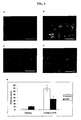
- Fig. 4 shows hyaluronic acid widely deposited in the epidermis and dermis. It shows that hyaluronic acid significantly increased in compound K-treated hairless mouse skin. As shown in Fig. 4a and Fig. 4b , the amount of hyaluronic acid increased predominantly in the extracellular papillary dermis and in the viable epidermis of the compound K-treated murine skin. Fig. 4c is a result of quantitative image analysis, showing that the amount of HA increased 3-folds in epidermis and dermis of the compound K-treated murine skin, respectively, as compared with the untreated skin. ( p ⁇ 0.05).
- Skin-care efficacies such as facial wrinkle, fine wrinkle, hydration, elasticity, smoothness, roughness and brightness were evaluated by the volunteers and skin expert inspectors. Difference before and after using topical samples and improvement were determined by photometry evaluation with Camscope ® (model DCS-105) and by image analysis of silicon replica with Skin-Visiometer SV 600(Courage & Khazaka, Germany).
- Fig. 5 shows a result of evaluation with global photodamage score conducted by skin expert inspectors.
- compound K induced statistically significant decrease in facial wrinkle and fine wrinkle ( Fig. 5a ).
- Fig. 5b 76% of volunteers after 8 weeks of use and 92% of volunteers after 12 weeks of use gave positive and affirmative estimate ( Fig. 5b )
- compound K a chief metabolite of ginseng saponin, can increase expression of gene coding hyaluronic acid synthase 2 and thereby activate the production of hyaluronic acid in a living body. Therefore, compound K can be effectively used for prevention and treatment of osteoarthritis, utilizing hyaluronic acid for remedial value.
Landscapes
- Health & Medical Sciences (AREA)
- Life Sciences & Earth Sciences (AREA)
- General Health & Medical Sciences (AREA)
- Veterinary Medicine (AREA)
- Public Health (AREA)
- Animal Behavior & Ethology (AREA)
- Chemical & Material Sciences (AREA)
- Medicinal Chemistry (AREA)
- Organic Chemistry (AREA)
- Pharmacology & Pharmacy (AREA)
- Epidemiology (AREA)
- Dermatology (AREA)
- General Chemical & Material Sciences (AREA)
- Chemical Kinetics & Catalysis (AREA)
- Bioinformatics & Cheminformatics (AREA)
- Nuclear Medicine, Radiotherapy & Molecular Imaging (AREA)
- Engineering & Computer Science (AREA)
- Birds (AREA)
- Molecular Biology (AREA)
- Gerontology & Geriatric Medicine (AREA)
- Physical Education & Sports Medicine (AREA)
- Rheumatology (AREA)
- Orthopedic Medicine & Surgery (AREA)
- Immunology (AREA)
- Steroid Compounds (AREA)
- Pharmaceuticals Containing Other Organic And Inorganic Compounds (AREA)
- Cosmetics (AREA)
- Medicines Containing Plant Substances (AREA)
Abstract
Description
- The present invention relates to a promoter containing ginsenoside compound K for the production of hyaluronic acid. More particularly, the present invention provides a new efficacy of 20-O-β-D-glucopyranosyl-20(S)-protopanaxadiol (called "compound K"), a chief metabolite of ginseng saponin, to increase the expression of the hyaluronic acid synthase (HAS) gene in human cells and thereby to promote the production of hyaluronic acid (HA), and provides a promoter containing compound K for the production of hyaluronic acid.
- Hyaluronic acid is a nonsulfated glycosaminoglycan, linear polysaccharide with a very large molecular weight of 200,000 to 400,000 composed of repeating glucuronic acid and N-acetylglucosamine residues. Hyaluronic acid is a major structural component of the extracellular matrix and involved in water retention, maintenance of the extracellular space and storage and diffusion of cell growth factors and nutrients, as well as in cell proliferation and differentiation, and migration.
- In mammals, it has been reported that 50% or more of their hyaluronic acid exists in the skin, particularly in epidermal extracellular space and dermal connective tissue, and it is synthesized by keratinocyte and fibroblasts. Further, the concentration of hyaluronic acid in human skin decreases with aging, which causes the skin to lose its elasticity and to decrease water retention (Biochem Biophys Acta 279, 265-275, Carbohydr Res 159, 127-136, Int J Dermatol 33, 119-122).
- The human joint capsule is composed of the outer fibrous layer and the inner synovial membrane, in which synovial fluid containing hyaluronic acid and glycoprotein, functions as a joint lubricant. It has however been reported that in osteoarthritis (degenerative arthritis), the production of hyaluronic acid decreases and destruction by proteolytic enzymes is accelerated, so diminishing the concentration of hyaluronic acid in a joint. Therefore as the concentration of hyaluronic acid in a joint decreases, the joint cannot absorb or disperse shocks, so accelerating cartilage damage. Hence, hyaluronate injection was approved by the FDA in 1997 as a device for the relief of pain from osteoarthritis and has been applied thereto. However, in the end, it may be more effective to increase the biosynthesis of hyaluronic acid.
- The biosynthesis of hyaluronic acid in cultured epidermal cells has been reported to be increased by various growth factors and by trans-retinoic acid, N-methylserine and the like ( Biochem.J. 258, 919-922, Biochem.J. 283, 165-170, Biochem.J 307 817-821, J. Biol. Chem. 272,4787-4794, J Invest Dermatol 92, 326-332, Biol Pharm Bull 17, 361-364, Skin Pharmacol Appl Skin Physiol 12, 276-283). Further, there were reports that estradiol and its derivatives applied on the skin might increase the biosynthesis of hyaluronic acid (Steroids 16,1-3, J Invest Dermatol 87, 668-673, Skin Pharmacol Appl Skin Physiol 15, 175-183). However, the detailed mechanism for the metabolism of hyaluronic acid has not yet been fully elucidated. It has been merely known that hyaluronic acid is synthesized at the inner surface of the plasma membrane by hyaluronic acid synthase and is extruded through the membrane into the extracellular space simultaneously with the ongoing synthesis (J. Biol. Chem. 272, 13997-14000).
- Currently, three different HAS genes have been identified in mammalian cells: HAS1, HAS2 and HAS3 which are highly homologous. In relation thereto, it was reported that HAS2 gene expression increased when an epidermal growth factor (EGF) was contained in a medium of epidermal cell line culture (J. Biol. Chem. 276, 20428-20435). However, studies on distribution of hyaluronic acid in cells and tissues and on various factors and enzymes related to hyaluronic acid, for example HAS or factors regulating the activity of hyaluronic acid, remain insufficient up to now.
- Therefore, several continuing studies have paid attentions to the possibility of hyaluronic acid, and have extensively researched to find effective production and injection of hyaluronic acid and methods for increasing the biosynthesis of hyaluronic acid. However, obvious results are not yet known.
- Under these circumstances, the present inventors researched to find an effective method for supplying hyaluronic acid into the human body. As a result thereof, we found that compound K (20-O-β-D-glucopyranosyl-20(S)-protopanaxadiol), a chief metabolite of ginsepeng saponin having immunity-increasing, tumor angiogenesis-suppressing and cancerous cell permeation-inhibiting effects (
WO 97/31013 - Therefore, an object of the present invention is to provide a new use of compound K to increase the expression of the hyaluronic acid synthase gene and thereby to promote the production of hyaluronic acid.
- Another object of the present invention is to provide a promoter for the production of hyaluronic acid containing compound K as an effective ingredient.
- A further object of the present invention is to provide the possibility of compound K being applied for treatment or prevention of osteoarthritis.
- In order to accomplish the objects, the present invention provides a new efficacy of compound K, which already has been known to have efficacies such as an immunity-increasing effect, a tumor angiogenesis-suppressing effect and a cancerous cell permeation-inhibiting effect. That is to say, the invention provides a new efficacy of compound K to increase the expression of the hyaluronic acid synthase gene and thereby to promote the production of hyaluronic acid.
- The following is a detailed description of the present invention.
- Compound K, that is, 20-O-β-D-glucopyranosyl-20(S)-protopanaxadiol represented by the following formula 1, is a chief metabolite of ginseng saponin decomposed by human intestinal bacteria (Hasegawa, H., Sung, J. H., Matsumiya. S., Uchiyama. M.,(1996) Planta Medica 62, 453-457).

- Ginsenosides and theirs derivatives derived from ginseng have the constitutions that sugar such as glucose, rhamnose, arabinose, xylose or the like is linked via ether bond to protopanaxadiol or protopanaxatriol, which are triterpenes of the dammarane series. So far, a total of a 29 types of gensenosides have been isolated from ginseng (KOREA INSAM). Shibata, in 1964, named the components of ginseng saponin as "ginsenoside", which refers to glycoside contained in ginseng. Ginsenosides are classified into ginsenoside-Ro, which is a family of oleanane saponin, and ginsenoside-Ra, -Rb1, -Rb2, -Rc, -Rd, -Re, -Rf, -Rg1, -Rg2, -Rg3 and -Rh, according to the order of movement in separating from TLC (thin-layer chromatography). Ginseng saponins have been known to exhibit different pharmacological efficacies depending on their type, number or the position of sugar bonded to aglycon. Many researches have been conducted on the pharmacological efficacy of major saponins plentifully contained in ginseng and easily isolated therefrom. However, only a few researches have been conducted on the pharmacological efficacy of minor saponins contained only in red ginseng or of saponin metabolites decomposed by human intestinal bacteria.
- Among ginseng saponins, compound K, i.e. 20-O-β-D-glucopyronosyl-20(S)-protopanaxadiol, is composed of one sugar (glucose) bonded to protopanaxadiol and has been known to exhibit pharmacological efficacy in suppressing cancerous cell proliferation, suppressing tumor cell proliferation and enforcing anticancer activity of anticancer agents. In particular, extensive studies on saponin metabolites revealed that the pharmacological efficacy of ginseng saponin is due to the metabolites decomposed by human intestinal bacteria, not to the saponin itself (Chem Pharm Bull 38(10) 2859-2861, Bio. Pharm. Bull 25(6) 743-747).
- The present inventors confirmed that HAS2 gene expression increased in compound K-treated human epidermal and dermal cell lines, i.e. keratinocyte cell line HaCaT and fibroblast cell line HDF. That is, treatment with compound K for 24 hours induced 3-times and 2.5-times increases in HAS2 gene expression in the cultured HaCaT and HDF cells respectively, in comparison with no treatment. Furthermore, HAS2 gene expression increased about 3-times and about 5-times during 24 hours and 48 hours incubations of HaCaT cells with treatment of 1µM compound K, respectively. These results show that compound K has HAS2 gene expression-promoting efficacy in human cell. At the same time, it was confirmed that the concentration of hyaluronic acid in the human cell culture was increased by treatment of compound K.
- In addition, the present inventors confirmed that the production of hyaluronic acid increased in the compound K-treated hairless mouse skin. When compound K was introduced to a patch and applied onto the back skin of a hairless mouse, the production of hyaluronic acid increased about 3-times in the epidermis and dermis. These results indicate that compound K has HA production-promoting efficacy in a living body.
- Finally, the present inventors confirmed that wrinkle, hydration, elasticity, smoothness and brightness were improved when compound K-containing topical composition was applied onto the human skin.
- Compound K employed in the present invention may be natural compound K or synthetic compound K obtained by the conventional method, Compound K may be obtained by dissolving purified saponin of ginseng in aqueous solvent such as distilled water or buffer solution, or in a mixture of the aqueous solvent and organic solvent, and then reacting with at least one of naringinase separated from Penicillium and pectinase separated from Aspergillus.
- The present invention shows that compound K can increase HAS2 gene expression and promote the production of hyaluronic acid. Accordingly, compound K can be added into medicaments for treatment or prevention of diseases, such as osteoarthritis, by administration of hyaluronic acid.
-
-
Fig. 1 is a result of quantitative RT-PCR for HAS2 gene, in order to identify HAS2 mRNA expression in keratinocyte cell line HaCaT (Fig. 1a ) and fibroblast cell line HDF (Fig. 1b ) after treatment with various concentrations of compound K. -
Fig. 2 is a result of quantitative RT-PCR for HAS1, HAS2 and HAS3 genes, in order to identify HAS mRNA expression in HaCaT cells after treatment with compound K for various time periods. -
Fig. 3 shows the effect of compound K on the distribution of hyaluronic acid in the cultured HaCaT and HDF cells. After treatment with 1µM of compound K, the increased production of hyaluronic acid was confirmed by the immunocytochemical method and then the result was quantitated. -
Fig. 4 shows the increased production of hyaluronic acid in the compound K-treated back skin of the hairless mouse, confirmed by immunohistochemical staining. -
Fig. 5 shows morphological changes in human skin by treatment with the compound K-containing topical composition. - The present invention will be described in more detail by way of the following examples, which should not be considered to limit the scope of the present invention. Further, it will be apparent to one skilled in the art that various modifications and variations can be made within the scope of the present invention and without departing therefrom.
- 10g of ginseng extract (red ginseng, white ginseng and the root hair and leaf of ginseng) was dissolved in 2ℓ of citrate buffer (pH 4.0). Thereto was added 10g of naringinase (Sigma, St. Louis, MO), 10g of pectinase (Novozyme, Copenhagen, Denmark) then the mixture was cultured in 38 °C of water bath for 48 hours. After enzymetic hydrolysis was completed, the reaction mixture was extracted with 2ℓ of ethylacetate and then evaporated under a vacuum condition to give 2.8g of residue. For purification of compound K, the obtained product was subjected to silica gel column chromatography, eluted with chloroform- methanol (9:1) and then with chloroform-methanol (6: 1), to give 0.28g of pure compound K.
- Spontaneously immortalized human keratinocyte cell line, HaCaT, was provided by Dr. N.E. Fusenig (Deutsches Krebsforschungszentrum(DKFZ), Heidelberg, Germany) and human diploid fibroblast cell line, HDF, was provided by Dr. S.C. Park (Seoul National University, Seoul, Korea).
- The cells were cultured in Dulbecco's modified Eagle's medium (DMEM) supplemented with 10% fetal bovine serum (HyClone), sodium bicarbonate (3.6g/ℓ) and antibiotics of streptomycin (100µg/mℓ) and penicillin (100U/mℓ) (Life Technologies, Inc.) at 37 °C in a humidified atmosphere containing 5% CO2 and 95% air. The culture was changed with fresh medium every 3 days. On reaching the maximum cell-density, the cells were recultured at a 1:5 division ratio. 48 hours before treatment with compound K, the cells were seeded into a tissue culture flask at 1×10⁵ cells per 75cm2 and cultured in the medium with 10% fetal bovine serum for 24 hours. Subsequently, the cells were cultured in the serum-free medium for another 24 hours and then in fresh serum-free medium supplemented with 1 to 5µM of compound K for 3, 6, 12, 24 or 48 hours. As a control, the cells were cultured in the medium supplemented with 0.01% vehicle (dimethylsulfoxide, DMSO). In the control, no effect of DMSO on cell growth and differentiation was observed.
- HaCaT cells and HDF cells were washed twice with phosphate buffered saline (PBS) (Life Technologies, Inc.), and total cellular RNA was isolated with TRIzol® reagent (GibcoBRL Life Technologies, Grand Island, NY) according to manufacturer's instructions. RNA concentration was measured by spectrophotometry and RNA integrity was checked by agarose gel electrophoresis.
- Quantitated total RNA was reverse transcribed, then RT-PCR was performed using HAS1-, HAS2- and HAS3-specific primers. In brief, 4µg of total RNA was reverse transcribed in 25µℓ of reaction mixture containing 2.5U/µℓ Superscript II reverse transcriptase (Invitrogen, Carlsbad, CA), 1U/µℓ RNase inhibitor, 5mM MgCl2, 50mM KCl, 10mM Tris-HCl (pH8.3), 2.5µM oligo(dT) primers and 1mM dNTPs. The reaction mixture was gently incubated at 42 °C for 60 min, to be subjected to reverse transcription. Then, the reverse transcriptase was inactivated by heating at 85 °C for 5 min.
- Subsequently, 5µℓ of the resulting mixture was subjected to PCR. Each PCR was performed using Perkin-Elmer Cycler 9600(Perkin-Elmer Applied Biosystems, Foster, CA) in 50µℓ of reaction mixture containing 0.04U/µℓ AmpliTaq™ DNA polymerase (Perkin Elmer, Shelton, Connecticut), 50mM Tris (pH8.3), 0.25mg/mℓ BSA, 3mM MgCl2, 0.25mM dNTPs and 0.25µM sense or antisense PCR primers (Table 1) under a PCR thermal profile consisting of denaturation at 95 °C for 5 min prior to the initial cycle and 25~35 cycles of 45 sec at 95 °C, 45 sec for 60 °C and 1 min at 72 °C. The PCR products were electrophoresed through agarose gels and visualized with ethidium bromide staining. The results are shown in
Fig. 1 andFig. 2 . GAPDH is a criterion for standardization of the amplified products.[Table 1] Sequences of HAS1-, HAS2- and HAS3-specific primers for quantitative RT-PCR Primers Sequences HAS1 Forward 5'-ACCATCGCCTTCGCCCTGCTCATCC-3' Reverse 5'-CCCGCTCCACATTGAAGGCTACCCA-3' HAS2 Forward 5'-TTTCTTTATGTGACTCATCTGTCTCACCGG-3' Reverse 5'-ATTGTTGGCTACCAGTTTATCCAAAGGG-3' HAS3 Forward 5'-CAGAAGGCTGGACATATAGAGGAGGG-3' Reverse 5'-ATTGTTGGCTACCAGTTTATCCAAACG-3' -
Fig. 1 is a result of quantitative RT-PCR for HAS2 gene, in order to identify HAS mRNA expression in keratinocyte cell line HaCaT (Fig. 1a ) and fibroblast cell line HDF (Fig. 1b ) after treatment with various concentrations of compound K, and shows the effect of the compound K on HAS2 mRNA level. In this experiment, HAS2 mRNA was detected in a small amount in the control, but increased 3-times and 2.5-times in compound K-treated HaCaT cells and HDF cells, respectively. -
Fig. 2 shows the effect of compound K on HAS1, HAS2 and HAS3 transcription in the HaCaT cells. HaCaT cells were cultured for 24 or 48 hours in the medium with 0 or 1 µM compound K added thereto, then total RNA was isolated therefrom. Total RNA was reverse transcribed and amplified for 30 PCR cycles. As a result, HAS2 transcription increased about 3-times and about 5-times during 24 hr and 48 hours incubation of HaCaT cells treated with compound K, respectively. However, compound K did not influence the HAS 1 and HAS3 mRNA levels detected in small amount. - HaCaT and HDF cells were washed with PBS then fixed in a fixative with 2% paraformaldehyde(v/v) and 0.5% glutaraldehyde(v/v) at room temperature for 20 min. After fixation, the cells were washed three times for 2 min each with 0.1 M sodium phosphate buffer (pH7.4), then blocked in 1% bovine serum albumin (w/v) containing 0.1% Triton X-100 (v/v) in the same buffer at room temperature for 30 min. Hyaluronan staining was carried out with a specific probe of biotinylated hyaluronan binding protein (bHABP) (Seikagaku, Tokyo, Japan). The bHABP probe, diluted to 5µg/mℓ in 3% bovine serum albumin (w/v), was added to the fixed cells and was incubated overnight at 4°C. After washing, avidin-fluorescein isothocyanate (FITC) was added. Images were analyzed with fluorescent microscope and are shown in
Fig. 3 . -
Fig. 3 shows the effect of compound K on the distribution of hyaluronic acid in the cultured HaCaT and HDF cells. HaCaT cells (Fig. 3a, Fig. 3b ) and HDF cells (Fig. 3c, Fig. 3d ) were cultured in the presence of 1µM compound K (Fig. 3b, Fig. 3d ) or in the absence of compound K (Fig. 3a, Fig. 3c ). - Male albino Hos:hr-1 mice, 30 weeks old, were purchased from Biogenomics (Seoul, Korea) and had unrestricted access to standard rodent chow and water. After one week of acclimation under controlled conditions of 24 ± 2 °C and 55 ± 10% humidity, 200 µℓ of 1%(w/v) compound K solution in the vehicle (1,3-BG:ethanol=7:3) was topically applied onto the back of the mouse two times for 2 days. 24 hours after the final administration, each skin sample was collected.
- Hyaluronan staining was carried out with bHABP(Seikagaku). Each skin sample was fixed with 2 % formaldehyde and 0.5 % glutaraldehyde in PBS, embedded and sectioned. After deparaffinization, sections were incubated in 0.3% H2O2 in methanol at room temperature for 30 min, washed with PBS, then blocked in 1% bovine serum albumin. Subsequently the sections were incubated in 5mg/mℓ bHABP in PBS at 4°C then, after washing, incubated with streptoavidin-peroxidase, diluted to 1/300 in PBS at room temperature, for 30 min. After washing, each slide was reacted with 3,3'-diaminobenzidine tetrahydrochloride(DAB) at room temperature for 5 min. After washing with distilled water, staining was carried out with Mayer's hematoxylin.
- Stained slides were quantitatively characterized via digital image analysis using ImagePro-Plus (Media Cybernetics, Silver Spring, MD). Images were captured through an Olympus BH-2 microscope fitted with a MicroImage video camera (Boyertown, PA). Parameters, such as total area, total stained area, and intensity of stain, were taken from a series of 10 random images on several slides to obtain a mean value for statistical comparison. Staining score is determined by the following formula 1:
- One-way ANOVA with post-hog Duncan test was performed using SigmaStat (SPSS Inc., Chicago, IL). Data were expressed as the mean±SEM. Significance was considered at p<0.05.
-
Fig. 4 shows hyaluronic acid widely deposited in the epidermis and dermis. It shows that hyaluronic acid significantly increased in compound K-treated hairless mouse skin. As shown inFig. 4a and Fig. 4b , the amount of hyaluronic acid increased predominantly in the extracellular papillary dermis and in the viable epidermis of the compound K-treated murine skin.Fig. 4c is a result of quantitative image analysis, showing that the amount of HA increased 3-folds in epidermis and dermis of the compound K-treated murine skin, respectively, as compared with the untreated skin. (p<0.05). - The above results confirm that treatment of the skin cells with compound K increases the expression of hyaluronic acid synthase, HAS2 gene, resulting in promotion of the production of hyaluronic acid in the epidermis and dermis of the skin.
- In order to evaluate the efficacy of the cosmetic composition containing compound K, a clinical trial was conducted with forty-nine (49) healthy Korean females aged from 31 to 37 years and having facial wrinkle and fine wrinkle. They were divided into three groups by skin type: normal skin, dry skin and combination skin and used two kinds of oily-water emulsions containing 0.03% compound K or none. Before the trial, all the volunteers were evaluated for facial wrinkle and fine wrinkle with a global photodamage score. All the scores were obtained before use and 4, 8 and 12 weeks after use. Each volunteer applied test samples onto the facial skin twice per day (morning and evening) at their homes, and particularly onto the wrinkles of the eye rims.
- Skin-care efficacies such as facial wrinkle, fine wrinkle, hydration, elasticity, smoothness, roughness and brightness were evaluated by the volunteers and skin expert inspectors. Difference before and after using topical samples and improvement were determined by photometry evaluation with Camscope®(model DCS-105) and by image analysis of silicon replica with Skin-Visiometer SV 600(Courage & Khazaka, Germany).
-
Fig. 5 shows a result of evaluation with global photodamage score conducted by skin expert inspectors. In a comparison of initial values measured before use and values measured after 12 weeks of use of the emulsions with or without compound K as a control, it was found that compound K induced statistically significant decrease in facial wrinkle and fine wrinkle (Fig. 5a ). In the clinical trial, 76% of volunteers after 8 weeks of use and 92% of volunteers after 12 weeks of use gave positive and affirmative estimate (Fig. 5b ) - In skin replica analysis, it was found that total wrinkle decreased statistically significantly after 8 weeks of use. 92% of volunteers answered improvement in skin smoothness; 68% answered improvement in skin brightness; 68% answered improvement in skin elasticity; and 94% answered improvement in skin roughness. 88% of volunteers answered increase in skin moisturizing capacity.
- As above described, compound K, a chief metabolite of ginseng saponin, can increase expression of gene coding
hyaluronic acid synthase 2 and thereby activate the production of hyaluronic acid in a living body. Therefore, compound K can be effectively used for prevention and treatment of osteoarthritis, utilizing hyaluronic acid for remedial value. -
- < 110> AMOREPACIFIC CORPORATION
- < 120> Promoter for the production of hyaluronic acid containing ginsenoside Compound K
- <160> 6
- <170> KopatentIn 1.71
- <210> 1
<211> 25
<212> DNA
<213> Artificial Sequence - <220>
<223> PCR amplification primer for amplifying the gene of has 1 - <400> 1
accatcgcct tcgccctgct catcc 25 - <210> 2
<211> 25
<212> DNA
<213> Artificial Sequence - <220>
<223> PCR amplification primer for amplifying the gene of has 1 - <400> 2
cccgctccac attgaaggct accca 25 - <210> 3
<211> 30
<212> DNA
<213> Artificial Sequence - <220>
<223> PCR amplification primer for amplifying the gene of has 2 - <400> 3
tttctttatg tgactcatct gtctcaccgg 30 - <210> 4
<211> 28
<212> DNA
<213> Artificial Sequence - <220>
<223> PCR amplification primer for amplifying the gene of has 2 - <400> 4
attgttggct accagtttat ccaaaggg 28 - <210> 5
<211> 26
<212> DNA
<213> Artificial Sequence - <220>
<223> PCR amplification primer for amplifying the gene of has 3 - <400> 5
cagaaggctg gacatataga ggaggg 26 - <210> 6
<211> 27
<212> DNA
<213> Artificial Sequence - <220>
<223> PCR amplification primer for amplifying the gene of has 3 - <400> 6
attgttggct accagtttat ccaaacg 27
Claims (2)
- Compound K (20-O-β-D-glocopyranosyl-20(S)-protopanaxadiol) represented by formula 1

- Compound K for use according to claim 1, wherein compound K promotes the production of hyaluronic acid by increasing the expression of hyaluronic acid synthase gene.
Applications Claiming Priority (3)
| Application Number | Priority Date | Filing Date | Title |
|---|---|---|---|
| KR2002084036 | 2002-12-26 | ||
| KR10-2002-0084036A KR100485326B1 (en) | 2002-12-26 | 2002-12-26 | Promoter for the production of hyaluronic acid containing ginsenoside compound K |
| PCT/KR2003/001889 WO2004058796A1 (en) | 2002-12-26 | 2003-09-16 | Promoter for the production of hyaluronic acid containing ginsenoside compound k |
Publications (3)
| Publication Number | Publication Date |
|---|---|
| EP1575982A1 EP1575982A1 (en) | 2005-09-21 |
| EP1575982A4 EP1575982A4 (en) | 2010-05-26 |
| EP1575982B1 true EP1575982B1 (en) | 2012-06-13 |
Family
ID=36684731
Family Applications (1)
| Application Number | Title | Priority Date | Filing Date |
|---|---|---|---|
| EP03813984A Expired - Lifetime EP1575982B1 (en) | 2002-12-26 | 2003-09-16 | Promoter for the production of hyaluronic acid containing ginsenoside compound k |
Country Status (7)
| Country | Link |
|---|---|
| US (2) | US20060160752A1 (en) |
| EP (1) | EP1575982B1 (en) |
| JP (1) | JP4580242B2 (en) |
| KR (1) | KR100485326B1 (en) |
| CN (1) | CN100376595C (en) |
| AU (1) | AU2003261657A1 (en) |
| WO (1) | WO2004058796A1 (en) |
Families Citing this family (15)
| Publication number | Priority date | Publication date | Assignee | Title |
|---|---|---|---|---|
| JP2007051091A (en) * | 2005-08-18 | 2007-03-01 | Shiseido Co Ltd | Hyaluronic acid production accelerator |
| CN101147743B (en) * | 2006-09-19 | 2010-10-06 | 浙江海正药业股份有限公司 | Application of Ginsenoside Compound-K in Pharmaceuticals |
| CN102459623B (en) * | 2009-05-19 | 2015-06-24 | 株式会社一和 | Methods for preparing a fermented ginseng concentrate or powder |
| US8962695B2 (en) | 2009-06-22 | 2015-02-24 | J-Oil Mills, Inc. | Hyaluronic acid production promoter and melanin production inhibitor |
| KR101427572B1 (en) * | 2009-11-25 | 2014-08-08 | (주)아모레퍼시픽 | A composition for external application of skin for promoting hyaluronic acid production containing ginsenoside Re and ginsenoside compound K |
| JP6175216B2 (en) * | 2010-03-08 | 2017-08-02 | 丸善製薬株式会社 | Preventive and therapeutic agents for arthritis |
| CN102465182A (en) * | 2010-10-29 | 2012-05-23 | 株式会社爱茉莉太平洋 | Detection kit for detecting skin active substance and method for detecting skin active substance |
| US20120150001A1 (en) * | 2010-11-04 | 2012-06-14 | Compact Imaging | Hyaluronic acid based glucose monitoring |
| WO2012173452A1 (en) * | 2011-06-16 | 2012-12-20 | 한국생명공학연구원 | Antimicrobial agent made of ginsenoside compound k or derivatives thereof |
| FR3020570B1 (en) * | 2014-04-30 | 2017-07-21 | Pierre Fabre Dermo Cosmetique | ASSOCIATION OF A HYALURONIC ACID AND A SULFATE POLYSACCHARIDE |
| KR102029040B1 (en) | 2015-09-30 | 2019-10-07 | (주)아모레퍼시픽 | Ginsenoside fatty acid ester compounds, preparation method thereof, and cosmetic composition comprising the same |
| CN106632570B (en) * | 2016-09-19 | 2018-07-17 | 李晓辉 | Diol type Hydrolizates and its preparation method and application |
| EP3562469A1 (en) | 2016-12-29 | 2019-11-06 | Nestlé Skin Health SA | Micro- or nanoparticular vesicles comprising crosslinked hyaluronic acid, compositions comprising the same and method for their use in skin care |
| WO2018122344A1 (en) | 2016-12-29 | 2018-07-05 | Nestlé Skin Health Sa | Composition comprising a crosslinked hyaluronic acid (ha) in combination with a low-molecular ha and/or an agent stimulating endogenous ha synthesis |
| KR102788446B1 (en) | 2022-08-02 | 2025-03-31 | 원광대학교산학협력단 | Drug delivery patch and manufacturing method thereof |
Family Cites Families (12)
| Publication number | Priority date | Publication date | Assignee | Title |
|---|---|---|---|---|
| FR2742987B1 (en) * | 1996-01-03 | 1998-04-03 | Lvmh Rech | USE IN THE FIELD OF COSMETICS AND PHARMACY, ESPECIALLY DERMATOLOGY, OF AN EXTRACT OF ERIOBOTRYA JAPONICA TO STIMULATE THE SYNTHESIS OF GLYCOSAMINOGLYCANS |
| KR0164266B1 (en) * | 1996-02-22 | 1999-01-15 | 오오니시 쿠니히로 | Metabolites of ginseng saponins by human intestinal bacteria and its preparation for an anticancer |
| FR2767057B1 (en) * | 1997-08-08 | 1999-10-29 | Lvmh Rech | USE OF GINSENOSIDE RB1 AS AN AGENT FOR STIMULATING THE SYNTHESIS OF ELASTINE |
| CN1630528A (en) * | 1999-08-30 | 2005-06-22 | 独立行政法人科学技术振兴机构 | Brain Cell or Nerve Cell Protector Containing Medicinal Ginseng |
| JP2002322068A (en) * | 2001-02-26 | 2002-11-08 | Japan Science & Technology Corp | Vascular regeneration promoter |
| KR100465977B1 (en) | 2002-01-05 | 2005-01-13 | 주식회사 태평양 | Nanoemulsion having Compound K by nano-emulsion technology, and skin care and pharmaceutical compositions for external applications utilizing thereof |
| JP4549625B2 (en) * | 2002-01-05 | 2010-09-22 | 株式會社アモーレパシフィック | Finely emulsified particles containing ginseng saponin metabolites as active ingredients, a method for producing the same, and a cosmetic composition for preventing skin aging containing the same |
| KR100835863B1 (en) * | 2002-04-08 | 2008-06-09 | (주)아모레퍼시픽 | Fine emulsified particles containing 20-0- [α-L-arabinopyranosyl (1-> 6) -β-D-glucopyranosyl] -20 (S) -protopanaxadiol by nanoemulsification technology And an external composition for skin using the same |
| KR100465976B1 (en) | 2002-01-05 | 2005-01-13 | 주식회사 태평양 | Nanoemulsion having Ginsenoside F1 by nano-emulsion technology, and skin care and pharmaceutical compositions for external applications utilizing thereof |
| CN1240390C (en) * | 2002-01-30 | 2006-02-08 | 株式会社一和 | Biologic converted ginseng composition and preparing process thereof |
| KR100517899B1 (en) * | 2002-01-30 | 2005-09-30 | 주식회사 일화 | Bioconversion ginseng composite using microorganism and fabrication method thereof |
| KR200380429Y1 (en) | 2005-01-17 | 2005-03-31 | 박호선 | Microphone noise eliminating apparatus |
-
2002
- 2002-12-26 KR KR10-2002-0084036A patent/KR100485326B1/en not_active Expired - Fee Related
-
2003
- 2003-09-16 EP EP03813984A patent/EP1575982B1/en not_active Expired - Lifetime
- 2003-09-16 US US10/539,011 patent/US20060160752A1/en not_active Abandoned
- 2003-09-16 AU AU2003261657A patent/AU2003261657A1/en not_active Abandoned
- 2003-09-16 JP JP2004562980A patent/JP4580242B2/en not_active Expired - Lifetime
- 2003-09-16 WO PCT/KR2003/001889 patent/WO2004058796A1/en not_active Ceased
- 2003-09-16 CN CNB038257149A patent/CN100376595C/en not_active Expired - Lifetime
-
2008
- 2008-08-01 US US12/184,622 patent/US8173607B2/en not_active Expired - Fee Related
Also Published As
| Publication number | Publication date |
|---|---|
| CN100376595C (en) | 2008-03-26 |
| US20090062217A1 (en) | 2009-03-05 |
| KR20040057339A (en) | 2004-07-02 |
| US20060160752A1 (en) | 2006-07-20 |
| WO2004058796A1 (en) | 2004-07-15 |
| KR100485326B1 (en) | 2005-04-27 |
| AU2003261657A1 (en) | 2004-07-22 |
| JP4580242B2 (en) | 2010-11-10 |
| CN1717414A (en) | 2006-01-04 |
| US8173607B2 (en) | 2012-05-08 |
| EP1575982A1 (en) | 2005-09-21 |
| JP2006515303A (en) | 2006-05-25 |
| EP1575982A4 (en) | 2010-05-26 |
Similar Documents
| Publication | Publication Date | Title |
|---|---|---|
| US8173607B2 (en) | Promoter for the production of hyaluronic acid containing ginsenoside compound K | |
| EP1021161B1 (en) | Use of ellagic acid and its derivatives in cosmetics and dermatology | |
| JP5837729B2 (en) | HAS2-stimulating plant extract | |
| Lee et al. | The effects of Areca catechu L extract on anti‐aging | |
| CN113164797B (en) | Novel cosmetic and dermatological uses of Cistus cymbidium extract | |
| US20080045467A1 (en) | Composition Containing Ginsenoside F1 Or Compound K For Skin External Application | |
| US20050265944A1 (en) | Carbohydrate-based anti-wrinkle and tissue remodelling compounds | |
| EP3721864A1 (en) | Cosmetic composition for promoting skin exfoliation | |
| CN111265460A (en) | Skin barrier repair compositions and uses thereof | |
| Lee et al. | A fermented barley and soybean formula enhances skin hydration | |
| DE69426932T2 (en) | USE OF OLIGOSACCHARIDES FOR PREVENTING AND TREATING AGING OF THE SKIN | |
| JP2025000883A (en) | Method for screening anti-aging component | |
| KR101640735B1 (en) | Composition for improving skin wrinkle | |
| EP1009378A1 (en) | Use of the rhoeo discolor plant extracts in cosmetics and pharmaceutics, in particular in dermatology | |
| KR101640736B1 (en) | Composition for improving skin wrinkle | |
| KR20140072419A (en) | Anti-Wrinkle Composition | |
| JP2019529515A (en) | Use of 6-O- (C8-C20 alkyl ester) of 1-O- (C1-C6 alkyl) -β-D-glucoside as a skin protectant | |
| JP2026031357A (en) | Agent, skin application agent, and cosmetic for use in inhibition of binding between ages and rage | |
| WO2026002420A1 (en) | Cosmetic use of compounds derived from oleanolic acid | |
| CN120112282A (en) | Agent for inhibiting pruritus containing sphingosine base and use thereof | |
| KR20080110943A (en) | Hyaluronic acid production-promoting composition containing Mbsp | |
| HK1171390A1 (en) | Heparanase activity inhibitor |
Legal Events
| Date | Code | Title | Description |
|---|---|---|---|
| PUAI | Public reference made under article 153(3) epc to a published international application that has entered the european phase |
Free format text: ORIGINAL CODE: 0009012 |
|
| 17P | Request for examination filed |
Effective date: 20050623 |
|
| AK | Designated contracting states |
Kind code of ref document: A1 Designated state(s): AT BE BG CH CY CZ DE DK EE ES FI FR GB GR HU IE IT LI LU MC NL PT RO SE SI SK TR |
|
| AX | Request for extension of the european patent |
Extension state: AL LT LV MK |
|
| DAX | Request for extension of the european patent (deleted) | ||
| A4 | Supplementary search report drawn up and despatched |
Effective date: 20100422 |
|
| RIC1 | Information provided on ipc code assigned before grant |
Ipc: A61P 19/02 20060101AFI20100416BHEP Ipc: A61Q 19/08 20060101ALI20100416BHEP Ipc: A61K 8/63 20060101ALI20100416BHEP |
|
| 17Q | First examination report despatched |
Effective date: 20101005 |
|
| GRAP | Despatch of communication of intention to grant a patent |
Free format text: ORIGINAL CODE: EPIDOSNIGR1 |
|
| RIN1 | Information on inventor provided before grant (corrected) |
Inventor name: CHANG, HUI-KYOUNGNO. 307-1507, KUMHWA JUKONG APT. Inventor name: KIM, HAN-KON,NO. 201-903, JUKONG GREENVILLE Inventor name: KIM, DUCK-HEENO. 2-902, HANYANG APARTMENT Inventor name: SIM, YOUNG-CHUL,NO. 123-1402, SAMIK APARTMENT Inventor name: LEE, YONG-SUNG,NO. 25-602, HANYANG APARTMENT Inventor name: KANG, BYUNG-YOUNG,NO. 308-1503, MIDO APARTMENT Inventor name: KANG, HAK-HEE,NO. 111-2501, DAELIM APARTMENT Inventor name: KIM, SU-JONG,NO. 303, VISION HOUSE Inventor name: YEOM, MYEONG-HOON,NO. 101-902, BYUCKSAN APARTMENT Inventor name: SUNG, DAE-SEOK,NO. 4-817, MIJU APARTMENT Inventor name: CHO, SI-YOUNG,NO. 204, 487-8, SANGGAL-RI Inventor name: WOE, KWANG-SIK |
|
| GRAS | Grant fee paid |
Free format text: ORIGINAL CODE: EPIDOSNIGR3 |
|
| GRAA | (expected) grant |
Free format text: ORIGINAL CODE: 0009210 |
|
| AK | Designated contracting states |
Kind code of ref document: B1 Designated state(s): AT BE BG CH CY CZ DE DK EE ES FI FR GB GR HU IE IT LI LU MC NL PT RO SE SI SK TR |
|
| REG | Reference to a national code |
Ref country code: GB Ref legal event code: FG4D |
|
| REG | Reference to a national code |
Ref country code: AT Ref legal event code: REF Ref document number: 561723 Country of ref document: AT Kind code of ref document: T Effective date: 20120615 Ref country code: CH Ref legal event code: EP |
|
| REG | Reference to a national code |
Ref country code: IE Ref legal event code: FG4D |
|
| REG | Reference to a national code |
Ref country code: DE Ref legal event code: R096 Ref document number: 60341310 Country of ref document: DE Effective date: 20120809 |
|
| REG | Reference to a national code |
Ref country code: NL Ref legal event code: VDEP Effective date: 20120613 |
|
| PG25 | Lapsed in a contracting state [announced via postgrant information from national office to epo] |
Ref country code: SE Free format text: LAPSE BECAUSE OF FAILURE TO SUBMIT A TRANSLATION OF THE DESCRIPTION OR TO PAY THE FEE WITHIN THE PRESCRIBED TIME-LIMIT Effective date: 20120613 Ref country code: FI Free format text: LAPSE BECAUSE OF FAILURE TO SUBMIT A TRANSLATION OF THE DESCRIPTION OR TO PAY THE FEE WITHIN THE PRESCRIBED TIME-LIMIT Effective date: 20120613 Ref country code: CY Free format text: LAPSE BECAUSE OF FAILURE TO SUBMIT A TRANSLATION OF THE DESCRIPTION OR TO PAY THE FEE WITHIN THE PRESCRIBED TIME-LIMIT Effective date: 20120613 |
|
| REG | Reference to a national code |
Ref country code: AT Ref legal event code: MK05 Ref document number: 561723 Country of ref document: AT Kind code of ref document: T Effective date: 20120613 |
|
| PG25 | Lapsed in a contracting state [announced via postgrant information from national office to epo] |
Ref country code: GR Free format text: LAPSE BECAUSE OF FAILURE TO SUBMIT A TRANSLATION OF THE DESCRIPTION OR TO PAY THE FEE WITHIN THE PRESCRIBED TIME-LIMIT Effective date: 20120914 Ref country code: SI Free format text: LAPSE BECAUSE OF FAILURE TO SUBMIT A TRANSLATION OF THE DESCRIPTION OR TO PAY THE FEE WITHIN THE PRESCRIBED TIME-LIMIT Effective date: 20120613 |
|
| PG25 | Lapsed in a contracting state [announced via postgrant information from national office to epo] |
Ref country code: RO Free format text: LAPSE BECAUSE OF FAILURE TO SUBMIT A TRANSLATION OF THE DESCRIPTION OR TO PAY THE FEE WITHIN THE PRESCRIBED TIME-LIMIT Effective date: 20120613 Ref country code: CZ Free format text: LAPSE BECAUSE OF FAILURE TO SUBMIT A TRANSLATION OF THE DESCRIPTION OR TO PAY THE FEE WITHIN THE PRESCRIBED TIME-LIMIT Effective date: 20120613 Ref country code: SK Free format text: LAPSE BECAUSE OF FAILURE TO SUBMIT A TRANSLATION OF THE DESCRIPTION OR TO PAY THE FEE WITHIN THE PRESCRIBED TIME-LIMIT Effective date: 20120613 Ref country code: AT Free format text: LAPSE BECAUSE OF FAILURE TO SUBMIT A TRANSLATION OF THE DESCRIPTION OR TO PAY THE FEE WITHIN THE PRESCRIBED TIME-LIMIT Effective date: 20120613 Ref country code: EE Free format text: LAPSE BECAUSE OF FAILURE TO SUBMIT A TRANSLATION OF THE DESCRIPTION OR TO PAY THE FEE WITHIN THE PRESCRIBED TIME-LIMIT Effective date: 20120613 Ref country code: BE Free format text: LAPSE BECAUSE OF FAILURE TO SUBMIT A TRANSLATION OF THE DESCRIPTION OR TO PAY THE FEE WITHIN THE PRESCRIBED TIME-LIMIT Effective date: 20120613 |
|
| PG25 | Lapsed in a contracting state [announced via postgrant information from national office to epo] |
Ref country code: PT Free format text: LAPSE BECAUSE OF FAILURE TO SUBMIT A TRANSLATION OF THE DESCRIPTION OR TO PAY THE FEE WITHIN THE PRESCRIBED TIME-LIMIT Effective date: 20121015 Ref country code: IT Free format text: LAPSE BECAUSE OF FAILURE TO SUBMIT A TRANSLATION OF THE DESCRIPTION OR TO PAY THE FEE WITHIN THE PRESCRIBED TIME-LIMIT Effective date: 20120613 |
|
| PG25 | Lapsed in a contracting state [announced via postgrant information from national office to epo] |
Ref country code: NL Free format text: LAPSE BECAUSE OF FAILURE TO SUBMIT A TRANSLATION OF THE DESCRIPTION OR TO PAY THE FEE WITHIN THE PRESCRIBED TIME-LIMIT Effective date: 20120613 |
|
| REG | Reference to a national code |
Ref country code: DE Ref legal event code: R119 Ref document number: 60341310 Country of ref document: DE |
|
| PLBE | No opposition filed within time limit |
Free format text: ORIGINAL CODE: 0009261 |
|
| STAA | Information on the status of an ep patent application or granted ep patent |
Free format text: STATUS: NO OPPOSITION FILED WITHIN TIME LIMIT |
|
| PG25 | Lapsed in a contracting state [announced via postgrant information from national office to epo] |
Ref country code: MC Free format text: LAPSE BECAUSE OF NON-PAYMENT OF DUE FEES Effective date: 20120930 Ref country code: DK Free format text: LAPSE BECAUSE OF FAILURE TO SUBMIT A TRANSLATION OF THE DESCRIPTION OR TO PAY THE FEE WITHIN THE PRESCRIBED TIME-LIMIT Effective date: 20120613 Ref country code: ES Free format text: LAPSE BECAUSE OF FAILURE TO SUBMIT A TRANSLATION OF THE DESCRIPTION OR TO PAY THE FEE WITHIN THE PRESCRIBED TIME-LIMIT Effective date: 20120924 |
|
| REG | Reference to a national code |
Ref country code: CH Ref legal event code: PL |
|
| 26N | No opposition filed |
Effective date: 20130314 |
|
| GBPC | Gb: european patent ceased through non-payment of renewal fee |
Effective date: 20120916 |
|
| REG | Reference to a national code |
Ref country code: IE Ref legal event code: MM4A |
|
| REG | Reference to a national code |
Ref country code: DE Ref legal event code: R097 Ref document number: 60341310 Country of ref document: DE Effective date: 20130314 |
|
| PG25 | Lapsed in a contracting state [announced via postgrant information from national office to epo] |
Ref country code: LI Free format text: LAPSE BECAUSE OF NON-PAYMENT OF DUE FEES Effective date: 20120930 Ref country code: IE Free format text: LAPSE BECAUSE OF NON-PAYMENT OF DUE FEES Effective date: 20120916 Ref country code: DE Free format text: LAPSE BECAUSE OF NON-PAYMENT OF DUE FEES Effective date: 20130403 Ref country code: BG Free format text: LAPSE BECAUSE OF FAILURE TO SUBMIT A TRANSLATION OF THE DESCRIPTION OR TO PAY THE FEE WITHIN THE PRESCRIBED TIME-LIMIT Effective date: 20120913 Ref country code: GB Free format text: LAPSE BECAUSE OF NON-PAYMENT OF DUE FEES Effective date: 20120916 Ref country code: CH Free format text: LAPSE BECAUSE OF NON-PAYMENT OF DUE FEES Effective date: 20120930 |
|
| REG | Reference to a national code |
Ref country code: DE Ref legal event code: R119 Ref document number: 60341310 Country of ref document: DE Effective date: 20130403 |
|
| PG25 | Lapsed in a contracting state [announced via postgrant information from national office to epo] |
Ref country code: TR Free format text: LAPSE BECAUSE OF FAILURE TO SUBMIT A TRANSLATION OF THE DESCRIPTION OR TO PAY THE FEE WITHIN THE PRESCRIBED TIME-LIMIT Effective date: 20120613 |
|
| PG25 | Lapsed in a contracting state [announced via postgrant information from national office to epo] |
Ref country code: LU Free format text: LAPSE BECAUSE OF NON-PAYMENT OF DUE FEES Effective date: 20120916 |
|
| PG25 | Lapsed in a contracting state [announced via postgrant information from national office to epo] |
Ref country code: HU Free format text: LAPSE BECAUSE OF FAILURE TO SUBMIT A TRANSLATION OF THE DESCRIPTION OR TO PAY THE FEE WITHIN THE PRESCRIBED TIME-LIMIT Effective date: 20030916 |
|
| REG | Reference to a national code |
Ref country code: FR Ref legal event code: PLFP Year of fee payment: 14 |
|
| REG | Reference to a national code |
Ref country code: FR Ref legal event code: PLFP Year of fee payment: 15 |
|
| REG | Reference to a national code |
Ref country code: FR Ref legal event code: PLFP Year of fee payment: 16 |
|
| PGFP | Annual fee paid to national office [announced via postgrant information from national office to epo] |
Ref country code: FR Payment date: 20220620 Year of fee payment: 20 |