EP1571158A2 - Globular assembly of amyloid beta protein and uses thereof - Google Patents
Globular assembly of amyloid beta protein and uses thereof Download PDFInfo
- Publication number
- EP1571158A2 EP1571158A2 EP04027742A EP04027742A EP1571158A2 EP 1571158 A2 EP1571158 A2 EP 1571158A2 EP 04027742 A EP04027742 A EP 04027742A EP 04027742 A EP04027742 A EP 04027742A EP 1571158 A2 EP1571158 A2 EP 1571158A2
- Authority
- EP
- European Patent Office
- Prior art keywords
- amyloid
- addls
- protein
- oligomeric structure
- cells
- Prior art date
- Legal status (The legal status is an assumption and is not a legal conclusion. Google has not performed a legal analysis and makes no representation as to the accuracy of the status listed.)
- Granted
Links
Images





Classifications
-
- C—CHEMISTRY; METALLURGY
- C07—ORGANIC CHEMISTRY
- C07K—PEPTIDES
- C07K14/00—Peptides having more than 20 amino acids; Gastrins; Somatostatins; Melanotropins; Derivatives thereof
- C07K14/435—Peptides having more than 20 amino acids; Gastrins; Somatostatins; Melanotropins; Derivatives thereof from animals; from humans
- C07K14/46—Peptides having more than 20 amino acids; Gastrins; Somatostatins; Melanotropins; Derivatives thereof from animals; from humans from vertebrates
- C07K14/47—Peptides having more than 20 amino acids; Gastrins; Somatostatins; Melanotropins; Derivatives thereof from animals; from humans from vertebrates from mammals
- C07K14/4701—Peptides having more than 20 amino acids; Gastrins; Somatostatins; Melanotropins; Derivatives thereof from animals; from humans from vertebrates from mammals not used
- C07K14/4711—Alzheimer's disease; Amyloid plaque core protein
-
- A—HUMAN NECESSITIES
- A61—MEDICAL OR VETERINARY SCIENCE; HYGIENE
- A61P—SPECIFIC THERAPEUTIC ACTIVITY OF CHEMICAL COMPOUNDS OR MEDICINAL PREPARATIONS
- A61P25/00—Drugs for disorders of the nervous system
- A61P25/28—Drugs for disorders of the nervous system for treating neurodegenerative disorders of the central nervous system, e.g. nootropic agents, cognition enhancers, drugs for treating Alzheimer's disease or other forms of dementia
-
- A—HUMAN NECESSITIES
- A61—MEDICAL OR VETERINARY SCIENCE; HYGIENE
- A61K—PREPARATIONS FOR MEDICAL, DENTAL OR TOILETRY PURPOSES
- A61K38/00—Medicinal preparations containing peptides
Definitions
- the invention was made with government support under Agreement Nos. AG15501-02, AG-13496-02, AG10481-02, NS34447, and AG13499-03, awarded by the National Institutes of Health. Accordingly, the government may have certain rights in the invention.
- the present invention pertains to a new composition of matter, amyloid beta-derived dementing ligands (ADDLs).
- ADDLs comprise amyloid ⁇ peptide assembled into soluble globular non-fibrillar oligomeric structures that are capable of activating specific cellular processes.
- the invention also provides methods for assaying the formation, presence, receptor protein binding and cellular activities of ADDLs. Also described are compounds that block the formation or activity of ADDLs, and methods of identifying such compounds.
- ADDL formation and activity is relevant inter alia to learning and memory. Modulation of ADDL formation or activity thus can be employed according to the invention in the treatment of learning and memory disorders, as well as other diseases, disorders or conditions that are due to the effects of the ADDLs.
- Alzheimer's disease is a progressive neurodegenerative disease, characterized by distinct pathologies, including neurofibrillary tangles, neuritic plaques, neuronal atrophy, dendritic pruning and neuronal death. From a historical perspective, definitive diagnosis of Alzheimer's disease always has relied upon identification of specific pathologic hallmarks, namely the neurofibrillary tangles which represent the collapsed cytoskeleton of dead and dying neurons, and neuritic plaques, which are extracellular deposits of various protein, lipid, carbohydrate and salt compounds, the primary protein component of which is a 39-43 residue peptide known as amyloid ⁇ .
- Alzheimer's disease namely the loss of memory, the erosion of cognitive functions, and the significant changes in personality and behavior, which are most significant.
- symptomatic changes are specific cellular mechanisms that cause nerve cells to malfunction, and eventually to degenerate and die.
- These cellular mechanisms undoubtedly operate within a background environment that variously affords some level of protection, or exerts contributing and exacerbating effects. The result is a very broad age/incidence distribution curve, with few clues from population studies that point to specific causes.
- ADDLs the central focus of the invention described herein, only form as stable entities from this longer form of amyloid, and not from the more prevalent, shorter form A ⁇ 1-40.
- Amyloid ⁇ in Alzheimer's Disease In 1984, Glenner and Wong succeeded in isolating and identifying the cerebrovascular amyloid associated with Alzheimer's disease (Glenner et al., Biochem. Biophys. Res. Commun., 120 , 885-890, 1984a). Subsequently, the same 39-43 residue peptides now known as amyloid ⁇ were identified as the major protein component of Alzheimer's disease neuritic plaques (Glenner et al., Biochem. Biophys. Res. Commun., 122, 1131-1135 1984b; Masters et al., EMBO J., 4 , 2757-2764, 1985a; Masters et al., Proc. Natl.
- Amyloid ß also was identified as the plaque component in brains of Down's Syndrome individuals, (Glenner et al, Biochem. Biophys. Res. Commun., 122, 1131-1135, 1984b; Masters et al., EMBO J., 4, 2757-2764, 1985a; Masters et al., Proc. Natl. Acad.
- the APP gene is a large, multi-exon gene that is differentially spliced into a number of APP's (reviewed in Selkoe, In, Annual Review of Neuroscience, Cowan (Ed.), 17 , ix + 623 p, 489-517, 1994).
- the proteins are large transmembrane proteins, now known to be processed by several pathways, one or more of which may generate amyloid ⁇ .
- amyloid ⁇ formation occurs as a normal process in many cell types, though its formation may not represent a predominant overall pathway.
- Non-amyloid Plaque Components in Alzheimer's Disease Amyloid ⁇ is the major protein component of plaques, comprising more than 70% of the total protein. A variety of other protein components also are present, however, including ⁇ 1-antichymotrypsin (ACT), heparin sulfate proteoglycans (HSPG), apolipoproteins E and J, butyrylcholinesterase (BChE), S-100B, and several complement components. While the importance of these components in the onset and progression of Alzheimer's disease has not been established, involvement of apo E isoforms in the disease has been established by genetic studies of Roses and colleagues (Strittmatter et al., Proc. Natl. Acad. Sci.
- the acute phase inflammatory protein ACT also is upregulated in Alzheimer's disease brain, and it is known to associate with the N-terminal 16 residues of amyloid ⁇ .
- Ma et al. (Ma et al., Nature, 372 , 92-94, 1994) have reported that ACT can enhance the aggregation of amyloid ⁇ 1-42, and these authors speculate that the enhanced aggregation contributes to its neurotoxicity.
- Amyloid ⁇ Cellular Responses and In Vivo Pathology Beyond the plaques and tangles that are the hallmarks of Alzheimer's disease, it is clear that a range of cellular responses has been induced, both in neurons and in accompanying glial cells. At a biochemical level, hyperphosphorylation of the tau protein is evident, resulting from perturbation of the kinase/phosphatase balance. At a transcriptional level, a variety of genes are activated to produce a spectrum of proteins not normally present or only present at lower levels in the brain. There also is significant evidence that inflammatory processes have been activated.
- tau phosphorylation has been documented to be induced by aggregated amyloid ⁇ 1-42 in differentiated SH-SY5Y cells (Lambert et al., J. Neurosci. Res., 39 , 377-384, 1994), and this result has been confirmed in a more recent report by Busciglio et al. ( Neuron, 14 , 879-88, 1995), in which amyloid ⁇ activated tau phosphorylation in cultured primary rat hippocampal neurons.
- amyloid ⁇ structure and activity there continues to be a problem of reproducibility of published experimental work involving amyloid toxicity (Brining, Neurobiology of Aging, 18 , 581-589, 1997), and widespread variability of activity obtained with different batches of amyloid, or even the same batch of amyloid handled in slightly different ways, in spite of identical chemical composition (May et al., Neurobiology of Aging, 13 , 1676-87, 1993). This has raised questions regarding the precise structures of amyloid ⁇ that are responsible for its activity.
- the present invention seeks to overcome the problems in the prior art. Accordingly, it is an object of the present invention to provide a new composition of matter, amyloid ⁇ peptide assembled into soluble globular non-fibrillar oligomeric structures (ADDLs), that unexpectedly are neurotoxic.
- ADDLs soluble globular non-fibrillar oligomeric structures
- the invention encompasses a new composition of matter, termed amyloid beta-derived dementing ligands or amyloid beta-derived diffusible ligands (ADDLs).
- ADDLs consist of amyloid ß peptide assembled into soluble non-fibrillar oligomeric structures that are capable of activating specific cellular processes.
- Another aspect of the invention consists of methods for assaying the formation, presence, receptor protein binding and cellular activities of ADDLs.
- the invention further encompasses assay methods and methods of identifying compounds that modulate (e.g., increase or decrease) the formation and/or activity of ADDLs. Such compounds can be employed in the treatment of diseases, disorders, or conditions due to the effects of the ADDLs.
- amyloid ⁇ -derived dementing ligands amyloid ⁇ -derived diffusible ligands (ADDLs), amyloid ⁇ soluble non-fibrillar amyloid ⁇ oligomeric structures, or simply oligomeric structures.
- ADDLs amyloid ⁇ -derived diffusible ligands
- amyloid ⁇ soluble non-fibrillar amyloid ⁇ oligomeric structures or simply oligomeric structures.
- the ADDLs can be formed in vitro.
- a solution e.g., a DMSO solution
- monomeric amyloid ⁇ 1-42 or other appropriate amyloid ⁇ , as further described herein
- cold tissue culture media e.g., F12 cell culture media
- the supernatant fraction contains small, soluble oligomeric globules that are highly neurotoxic, e.g., in neuronal cell and brain slice cultures.
- the ADDLs also can be formed by coincubation of amyloid ⁇ with certain appropriate agents, e.g., clusterin (a senile plaque protein that also is known as ApoJ), as well as by other methods, as described herein.
- clusterin a senile plaque protein that also is known as ApoJ
- the present invention provides an isolated soluble non-fibrillar amyloid ⁇ oligomeric structure.
- the oligomeric structure so isolated does not contain an exogenous added crosslinking agent.
- the oligomeric structure desirably is stable in the absence of any crosslinker.
- Atomic force microscope analysis can be carried out as is known in the art and described herein, for instance, using a Digital Instruments Atomic force microscope as described in Example 3.
- AFM of such a supernatant fraction i.e., a supernatant fraction in which fibrillar structures have been removed
- AFM of such a supernatant fraction reveals a number of different size globules (i.e., or different size oligomeric structures) present in the fraction.
- These globules fall within the range of from about 4.7 to about 11.0 nm, with the major fraction falling within a size range of from about 4.7 nm to about 6.2 nm.
- globules having dimensions of from about 5.3 nm to about 5.7 nm. Larger globules from about 6.5 nm to about 11.0 nm appear less frequently, but may possess neurotoxic properties similar to the more prevalent, smaller species. It appears that the globules of dimensions of from about 4.7 nm to about 6.2 nm on AFM comprise the pentamer and hexamer form of oligomeric amyloid ⁇ (A ⁇ ) protein. The AFM size globules of from about 4.2 nm to about 4.7 nm appear to correspond to the A ⁇ tetramer.
- the large globules appear to correspond to oligomeric species ranging in size from about 13 amyloid monomers to about 24 amyloid monomers.
- the size globules of from about 2.8 nm to about 3.4 nm correspond to dimer (Roher et al., J. Biol. Chem., 271 , 20631-20635, 1996).
- the A ⁇ monomer AFM size ranges from about 0.8 nm to about 1.8 - 2.0 nm.
- Monomeric and dimeric amyloid ⁇ are not neurotoxic in neuronal cell cultures or in the organotypic brain slice cultures.
- the present invention provides an isolated soluble non-fibrillar amyloid ß oligomeric structure (i.e., an ADDL) that preferably comprises at from about 3 to about 24 amyloid ⁇ protein monomers, especially from about 3 to about 20 amyloid ⁇ protein monomers, particularly from about 3 to about 16 amyloid ⁇ protein monomers, most preferably from about 3 to about 12 amyloid ⁇ protein monomers, and which desirably comprises at from about 3 to about 6 amyloid ⁇ protein monomers.
- large globules (less predominant species) appear to correspond to oligomeric species ranging in size from about 13 amyloid ⁇ monomers to about 24 amyloid ⁇ monomers.
- the invention provides an isolated soluble non-fibrillar amyloid ⁇ oligomeric structure wherein the oligomeric structure preferably comprises trimer, tetramer, pentamer, hexamer, heptamer, octamer, 12-mer, 16-mer, 20-mer or 24-mer aggregates of amyloid P proteins.
- the invention provides an isolated soluble non-fibrillar amyloid ⁇ protein oligomeric structure wherein the oligomeric structure preferably comprises trimer, tetramer, pentamer, or hexamer aggregates of amyloid ⁇ protein.
- the oligomeric structure of the invention optimally exhibits neurotoxic activity.
- the higher order structure of the soluble non-fibrillar amyloid ⁇ protein oligomer structure desirably can be obtained not only from amyloid ⁇ 1-42, but also from any amyloid ⁇ protein capable of stably forming the soluble non-fibrillar amyloid ⁇ oligomeric structure.
- amyloid ⁇ 1-43 also can be employed.
- Amyloid ⁇ 1-42 with biocytin at position 1 also can be employed.
- Amyloid ⁇ (e.g., ⁇ 1-42 or ⁇ 1-43) with a cysteine at the N-terminus also can be employed.
- a ⁇ truncated at the amino terminus e.g., particularly missing one or more up to the entirety of the sequence of amino acid residues 1 through 8 of A ⁇ 1-42 or A ⁇ 1-43), or A ⁇ (e.g., A ⁇ 1-42 or 1-43) having one or two extra amino acid residues at the carboxyl terminus
- amyloid ⁇ 1-40 can transiently form ADDL-like structures which can be toxic, but these structures are not stable and cannot be isolated as aqueous solutions, likely due to the shortened nature of the protein, which limits its ability to form such higher order assemblies in a stable fashion.
- the isolated soluble non-fibrillar amyloid ⁇ oligomeric structure according to the invention comprises globules of dimensions of from about 4.7 nm to about 11.0 nm, particularly from about 4.7 nm to about 6.2 nm as measured by atomic force microscopy.
- the isolated soluble non-fibrillar amyloid ß oligomeric structure comprises globules of dimensions of from about 4.9 nm to about 5.4 nm, or from about 5.7 nm to about 6.2 nm, or from about 6.5 nm to about 11.0 nm, as measured by atomic force microscopy.
- the isolated soluble non-fibrillar amyloid ß oligomeric structure according to the invention is such that wherein from about 30% to about 85%, even more preferably from about 40% to about 75% of the assembly comprises two predominant sizes of globules, namely, of dimensions of from about 4.9 nm to about 5.4 nm, and from about 5.7 nm to about 6.2 nm, as measured by atomic force microscopy.
- the oligomeric structure comprises AFM size globules of about 5.3 to about 5.7 nm. It is also desirable that the oligomeric structure may comprise AFM size globules of about 6.5 nm to about 11.0 nm.
- the bands corresponding to ADDLs run at about from 26 kD to about 28 kD, and with a separate broad band representing sizes of from about 36 kD to about 108 kD.
- the ADDLs comprise a band that runs at from about 22 kD to about 24 kD, and may further comprise a band that runs at about 18 to about 19 kD.
- the invention preferably provides an isolated soluble non-fibrillar amyloid ⁇ oligomeric structure (i.e., ADDL) that has a molecular weight of from about 26 kD to about 28 kD as determined by non-denaturing gel electrophoresis.
- the invention also preferably provides an isolated soluble non-fibrillar amyloid ß oligomeric structure (i.e., ADDL) that runs as a band corresponding to a molecular weight of from about 22 kD to about 24 kD as determined by electrophoresis on a 15% SDS-polyacrylamide gel.
- the invention further preferably provides an isolated soluble non-fibrillar amyloid ß oligomeric structure (i.e., ADDL) that runs as a band corresponding to a molecular weight of from about 18 kD to about 19 kD as determined by electrophoresis on a 15% SDS-polyacrylamide gel.
- ADDL isolated soluble non-fibrillar amyloid ß oligomeric structure
- ADDL bands can be visualized.
- the increased resolution obtained with this gel system confirms the ability to obtain according to the invention an isolated oligomeric structure having a molecular weight ranging from about 13 kD to about 116 kD, as determined by electrophoresis on a 16.5% tris-tricine SDS-polyacrylamide gel.
- the ADDL bands appear to correspond to distinct size species.
- this gel system allows visualization of bands corresponding to trimer with a size of about 13 to about 14 kD, tetramer trimer with a size of about 17 to about 19 kD, pentamer with a size of about 22 kD to about 23 kD, hexamer with a size of about 26 to about 28 kD, heptamer with a size from about 32 kD to 33 kD, and octamer with a size from about 36 kD to about 38 kD, as well as larger soluble oligomers ranging in size from about 12 monomers to about 24 monomers.
- the invention desirably provides an isolated oligomeric structure, wherein the oligomeric structure has, as determined by electrophoresis on a 16.5% tris-tricine SDS-polyacrylamide gel, a molecular weight selected from the group consisting of from about 13 kD to about 14 kD, from about 17 kD to about 19 kD, from about 22 kD to about 23 kD, from about 26 kD to about 28 kD, from about 32 kD to about 33 kD, and from about 36 kD to about 38 kD.
- the invention further provides a method for preparing the isolated soluble non-fibrillar amyloid B oligomeric structure. This method optionally comprises the steps of:
- the A ⁇ protein is diluted in step (b) desirably to a final concentration ranging from about 5 nM to about 500 ⁇ M, particularly from about 5 ⁇ M to about 300 ⁇ M, especially at about 100 ⁇ M.
- the "appropriate media" into which the A ⁇ protein solution is diluted in step (b) preferably is any media that will support, if not facilitate, ADDL formation.
- F12 media (which is commercially available as well as easily formulated in the laboratory) is preferred for use in this method of the invention.
- substitute F12 media also desirably can be employed.
- Substitute F 12 media differs from F12 media that is commercially available or which is formulated in the laboratory.
- substitute F12 media preferably comprises the following components: N, N-dimethylglycine, D-glucose, calcium chloride, copper sulfate pentahydrate, iron(II) sulfate heptahydrate, potassium chloride, magnesium chloride, sodium chloride, sodium bicarbonate, disodium hydrogen phosphate, and zinc sulfate heptahydrate.
- synthetic F 12 media optionally comprises: N, N-dimethylglycine (from about 600 to about 850 mg/L), D-glucose (from about 1.0 to about 3.0 g/L), calcium chloride (from about 20 to about 40 mg/L), copper sulfate pentahydrate (from about 15 to about 40 mg/L), iron(II) sulfate heptahydrate (from about 0.4 to about 1.2 mg/L), potassium chloride (from about 160 to about 280 mg/L), magnesium chloride (from about 40 to about 75 mg/L), sodium chloride (from about 6.0 to about 9.0 g/L), sodium bicarbonate (from about 0.75 to about 1.4 g/L), disodium hydrogen phosphate (from about 120 to about 160 mg/L), and zinc sulfate heptahydrate (from about 0.7 to about 1.1 mg/L).
- synthetic F12 media comprises: N, N-dimethylglycine (about 766 mg/L), D-glucose (about 1.802 g/L), calcium chloride (about 33 mg/L), copper sulfate pentahydrate (about 25 mg/L), iron(II) sulfate heptahydrate (about 0.8 mg/L), potassium chloride (about 223 mg/L), magnesium chloride (about 57 mg/L), sodium chloride (about 7.6 g/L), sodium bicarbonate (about 1.18 g/L), disodium hydrogen phosphate (about 142 mg/L), and zinc sulfate heptahydrate (about 0.9 mg/L).
- the pH of the substitute F 12 media preferably is adjusted, for instance, using 0.1 M sodium hydroxide, desirably to a pH of from about 7.0 to about 8.5, and preferably a pH of about 8.0.
- the foregoing method further desirably can be carried out by forming the slowly-sedimenting oligomeric structure in the presence of an appropriate agent, such as clusterin. This is done, for instance, by adding clusterin in step (c), and, as set out in the Examples which follow.
- an appropriate agent such as clusterin
- the invention also provides as described in the Examples, a method for preparing a soluble non-fibrillar amyloid ⁇ oligomeric structure according to the invention, wherein the method comprises:
- the ADDLs are prepared by the incorporation of 10% biotinylated amyloid ß 1-42 (or other appropriate biotinylated amyloid ⁇ protein), they can be utilized in a receptor binding assay using neural cells and carried out, for instance, on a fluorescence activated cell sorting (FACS) instrument, with labeling by a fluorescent avidin conjugate.
- FACS fluorescence activated cell sorting
- another reagent capable of binding the ADDL to form a fluorescently labeled molecule, and which may already be part of a fluorescent-labeled conjugate can be employed.
- the soluble non-fibrillar amyloid ⁇ oligomeric structure can be formed such that the amyloid protein includes another binding moiety, with ''binding moiety" as used herein encompassing a molecule (such as avidin, streptavidin, polylysine, and the like) that can be employed for binding to a reagent to form a fluorescently-labeled compound or conjugate.
- the "fluorescent reagent" to which the oligomeric structure binds need not itself fluoresce directly, but instead may merely be capable of fluorescence through binding to another agent.
- the fluorescent reagent which binds the oligomeric structure can comprise a ⁇ amyloid specific antibody (e.g., 6E10), with fluorescence generated by use of a fluorescent secondary antibody.
- ADDLs act through a particular cell surface receptor, and that early events mediated by the ADDLs (i.e., events prior to cell killing) can be advantageously controlled (e.g., for treatment or research) by compounds that block formation and activity (e.g., including receptor binding) of the ADDLs.
- the invention provides a method for identifying compounds that modulate (i.e., either facilitate or block) activity (e.g., activity such as receptor binding) of the ADDL.
- This method preferably comprises:
- the method can be employed for identifying compounds that modulate (i.e., either facilitate or block) formation or activity (e.g., binding to a cell surface protein, such as a receptor) of the oligomeric structure comprising:
- the fluorescence of the cultures further optionally is compared with the fluorescence of cultures that have been treated in the same fashion except that instead of adding or not adding test compound prior to formation of the oligomeric structure, the test compound either is or is not added after formation of the oligomeric structure.
- compounds that block formation of the oligomeric structure are identified as resulting in a reduced fluorescence of the culture, and compounds that facilitate formation of the oligomeric structure are identified as resulting in an increased fluorescence of the culture, as compared to the corresponding culture contacted with the oligomeric structure in the absence of the test compound, only when the compound is added prior to oligomeric structure.
- compounds that block binding to a cell surface protein (e.g., a receptor) of the oligomeric structure are identified as resulting in a reduced fluorescence of the culture
- compounds that facilitate binding to a cell surface protein of the oligomeric structure are identified as resulting in an increased fluorescence of the culture, as compared to the corresponding culture contacted with the oligomeric structure in the absence of the test compound, when the compound is added either prior to or after oligomeric structure.
- a cell-based assay particularly a cell-based enzyme-linked immunosorbent assay (ELISA) can be employed in accordance with the invention to assess ADDL binding activity.
- the method can be employed to detect binding of the oligomeric structure to a cell surface protein. This method preferably comprises:
- the assay desirably also can be carried out so as to identify compounds that modulate (i.e., either facilitate or block) formation or binding to a cell surface protein of the oligomeric structure.
- the test compound is either added to the ADDL preparation, prior to the contacting of the cells with the ADDLs.
- This assay thus can be employed to detect compounds that modulate formation of the oligomeric structure (e.g., as previously described).
- the test compound can be added to the ADDL preparation prior to contacting the cells (but after ADDL formation), or to the cells prior to contact with ADDLs. This method (e.g., as previously described) can be employed to detect compounds that modulate ADDL binding to the cell surface.
- a test compound can be added to the mixture of cells plus ADDLs.
- This method e.g., as previously described
- a cell surface protein e.g., to an ADDL receptor
- the specificity of the compounds for acting on an ADDL-mediated downstream effect can be confirmed, for instance, by simply adding the test compound in the absence of any coincubation with ADDLs.
- further appropriate controls e.g., as set forth in the following Examples and as known to those skilled in the art should be included with all assays.
- the present invention provides a method for identifying compounds that block formation of the oligomeric structure of the invention, wherein the method desirably comprises:
- This information on compounds the modulate (i.e., facilitate or block) formation and/or activity including binding to a cell surface protein of the oligomeric structure can be employed in the research and treatment of ADDL-mediated diseases, conditions, or disorders.
- the methods of the invention can be employed to investigate the activity and neurotoxicity of the ADDLs themselves. For instance, when 20 nL of the ADDL preparation was injected into the hippocampal region of an adult mouse 60-70 minutes prior to the conduct of a long-term potentiation (LTP) experiment (e.g.
- LTP long-term potentiation
- the invention provides a method for assaying the effects of ADDLs that preferably comprises:
- the invention provides a method for identifying compounds that modulate the effects of the ADDL oligomeric structure.
- the method preferably comprises:
- the present invention provides a method for identifying compounds that modulate (i.e., either increase or decrease) the neurotoxicity of the ADDL protein assembly, which method comprises:
- ADDLs bring about a rapid morphological change in serum-starved B 103 cells, and they also activate Fyn kinase activity in these cells within 30 minutes of ADDL treatment (data not shown).
- ADDLs also induce rapid complex formation between Fyn and focal adhesion kinase (FAK; Zhang et al, Neurosci. Letters, 211, 1-4, 1996), and translocating of several phosphorylated proteins and Fyn-Fak complex to a Triton-insoluble fraction (Berg et al., J. Neurosci.
- ADDLs may be important neuroprotective drugs for Alzheimer's disease.
- ADDLs when ADDLs are added to cultures of primary astrocytes, the astrocytes become activated and the mRNA for several proteins, including IL-1, inducible nitric oxide synthase, Apo E, Apo J and ⁇ 1-antichymotrypsin become elevated.
- proteins including IL-1, inducible nitric oxide synthase, Apo E, Apo J and ⁇ 1-antichymotrypsin become elevated.
- the method desirably comprises:
- ADDLs according to the present invention have utility in vitro.
- Such ADDLs can be used inter alia as a research tool in the study of ADDL binding and interaction within cells and in a method of assaying ADDL activity.
- ADDLs, and studies of ADDL formation, activity and modulation can be employed in vivo.
- the compounds identified using the methods of the present invention can be used to treat any one of a number of diseases, disorders, or conditions that result in deficits in cognition or learning (i.e., due to a failure of memory), and/or deficits in memory itself.
- Such treatment or prevention can be effected by administering compounds that prevent formation and/or activity of the ADDLs, or that modulate (i.e., increase or decrease the activity of, desirably as a consequence of impacting ADDLs) the cell agents with which the ADDLs interact (e.g., so-called "downstream" events).
- Such compounds having ability to impact ADDLs are referred to herein as "ADDL-modulating compounds”.
- ADDL-modulating compounds not only can act in a negative fashion, but also, in some cases preferably are employed to increase the formation and/or activity of the ADDLs.
- the method when employed in vivo, can be employed for protecting an animal against decreases in cognition, learning or memory due to the effects of the ADDL protein assembly.
- This method comprises administering a compound that blocks the formation or activity of the ADDLs.
- deficits in cognition, learning and/or memory accrue due to ADDL formation and/or activity such deficits can be reversed or restored once the activity (and/or formation) of ADDLs is blocked.
- the invention thus preferably provides a method for reversing (or restoring) in an animal decreases in cognition, learning or memory due to the effects of an oligomeric structure according to the invention.
- This method preferably comprises blocking the formation or activity of the ADDLs.
- the invention thus also desirably provides a method for reversing in a nerve cell decreases in long-term potentiation due to the effects of a soluble non-fibrillar amyloid ß oligomeric structure according to the invention (as well as protecting a nerve cell against decrease in long-term potentiation due to to the effects of a soluble non-fibrillar amyloid ß oligomeric structure), the method comprising contacting the cell with a compound that blocks the formation or activity of the oligomeric structure.
- this method desirably can be applied in the treatment or prevention of a disease, disorder, or condition that manifests as a deficit in cognition, learning and/or memory and which is due to ADDL formation or activity, especially a disease, disorder, or condition selected from the group consisting of Alzheimer's disease, adult Down's syndrome (i.e., over the age of 40 years), and senile dementia.
- a disease, disorder, or condition selected from the group consisting of Alzheimer's disease, adult Down's syndrome (i.e., over the age of 40 years), and senile dementia.
- this method desirably can be applied in the treatment or prevention of early deleterious effects on cellular activity, cognition, learning, and memory that may be apparent prior to the development of the disease, disorder, or condition itself, and which deleterious effects may contribute to the development of, or ultimately constitute the disease, disorder, or condition itself.
- the method preferably can be applied in the treatment or prevention of the early malfunction of nerve cells or other brain cells that can result as a consequence of ADDL formation or activity.
- the method preferably can be applied in the treatment or prevention of focal memory deficits (FMD) such as have been described in the literature (e.g., Linn et al., Arch.
- FMD focal memory deficits
- the method further desirably can be employed in the treatment or prevention of ADDL-induced aberrant neuronal signaling, impairment of higher order writing skills (e.g., Snowdon et al., JAMA, 275 , 528-532, 1996) or other higher order cognitive function, decreases in (or absence of) long-term potentiation, that follows as a consequence of ADDL formation or activity.
- ADDL-induced aberrant neuronal signaling impairment of higher order writing skills (e.g., Snowdon et al., JAMA, 275 , 528-532, 1996) or other higher order cognitive function
- ADDL-induced aberrant neuronal signaling can be measured by a variety of means. For instance, for normal neuronal signaling (as well as observation of a long-term potentiation response), it appears that among other things, Fyn kinase must be activated, Fyn kinase must phosphorylate the NMDA channel (Miyakawa et al., Science, 278 , 698-701, 1997; Grant, JPhysiol Paris, 90 , 337-338, 1996), and Fyn must be present in the appropriate cellular location (which can be impeded by Fyn-FAK complex formation, for instance, as occurs in certain cytoskeletal reorganizations induced by ADDL).
- ADDL-induced aberrant neuronal signaling which is a signaling malfunction that is induced by aberrant activation of cellular pathways by ADDLs
- knowledge thereof can be employed in the methods of the invention, such as would be obvious to one skilled in the art.
- ADDL-induced aberrant cell signaling can be assessed (e.g., as a consequence of contacting nerve cells with ADDLs, which may further be conducted in the presence or absence of compounds being tested for ADDL-modulating activity) using any of these measures, or such as would be apparent to one skilled in the art, e.g., Fyn kinase activation (or alteration thereof), Fyn-FAK complex formation (or alteration thereof), cytoskeletal reorganization (or alteration thereof), Fyn kinase subcellular localization (or alteration thereof), Fyn kinase phosphorylation of the NMDA channel (or alteration thereof).
- Fyn kinase activation or alteration thereof
- Fyn-FAK complex formation or alteration thereof
- cytoskeletal reorganization or alteration thereof
- Fyn kinase subcellular localization or alteration thereof
- Fyn kinase phosphorylation of the NMDA channel or alteration thereof.
- amyloid formation can be (but need not necessarily be) modeled as a two-phase process.
- amyloid precursor protein e.g., the amyloid precursor protein of 695 amino acids (Kang et al., Nature , 325 , 733-736 (1987)) or the 751 amino acid protein (Ponte et al., Nature , 331 , 525-527 (1988) each having within their sequence the ⁇ amyloid core protein sequence of approximately 4 kDa identified by Glenner et al.
- amyloid processing and/or deposition into higher molecular weight structures e.g., fibrils, or any other structure of ⁇ amyloid having a molecular weight greater than ⁇ amyloid monomer, and including structures that are considerably smaller than plaques and pre-plaques. It is conceivable that some compounds may impact one or both of these phases. For some compounds, a deleterious effect is obtained, but it is not clear whether the locus of inhibition is on protein production, or on amyloid processing and/or deposition.
- compounds that act at either the first or second phase, or both phases are compounds that act at either the first or second phase, or both phases.
- compounds that modulate the second phase have special utility to impact ADDLs and find use in methods of treatment that rely on ADDL modulation.
- Such compounds that modulate (e.g., block) the deposition of amyloid into higher molecular weight structures include, but are not limited to, compounds that modulate (particularly compounds that impede) the incorporation of ⁇ amyloid monomers into higher molecular weight structures, especially fibrils.
- such compounds that impair incorporation of ⁇ amyloid monomers into higher molecular weight structures can be employed to exert an inhibitory effect on ADDL formation and/or activity (i.e., by reducing formation of ADDLs), in accordance with the methods of the invention.
- ADDL formation and/or activity i.e., by reducing formation of ADDLs
- Such known modulators that desirably can be employed in the present invention are described as follows, however, other similar modulators also can be employed.
- PCT International Application WO 96/39834 and Canadian Application 2222690 pertain to novel peptides capable of interacting with a hydrophobic structural determinant on a protein or peptide for amyloid or amyloid-like deposit formation, thereby inhibiting and structurally blocking the abnormal folding of proteins and peptides into amyloid and amyloid-like deposits.
- the '834 application pertains to inhibitory peptides comprising a sequence of from about 3 to about 15 amino acid residues and having a hydrophobic cluster of at least three amino acids, wherein at least one of the residues is a ⁇ -sheet blocking amino acid residue selected from Pro, Gly, Asn, and His, and the inhibitory peptide is capable of associating with a structural determinant on the protein or peptide to structurally block and inhibit the abnormal filing into amyloid or amyloid-like deposits.
- PCT International Application WO 95/09838 pertains to a series of peptidergic compounds and their administration to patients to prevent abnormal deposition of ⁇ amyloid peptide.
- PCT International Application WO 98/08868 pertains to peptides that modulate natural ⁇ amyloid peptide aggregation.
- These peptide modulators comprise three to five D-amino acid residues and include at least two D-amino acid residues selected from the group consisting of D-leucine, D-phenylalanine, and D-valine.
- an amyloid modulator compound that comprises an amyloidogenic protein or peptide fragment thereof (e.g., transthyretin, prion protein, islet amyloid polypeptide, atrial natriuretic factor, kappa light chain, lambda light chain, amyloid A, procalcitonin, cystatin C, ⁇ 2 microglobulin, ApoA-1, gelsolin, procalcitonin, calcitonin, fibrinogen, and lysozyme) coupled directly or indirectly to at least one modifying group (e.g., comprises a cyclic, heterocyclic, or polycyclic group, contains a cis-decalin group, contains a cholanyl structure, is a cholyl group, comprises a biotin-containing group, a fluorescein-containing group, etc.) such that the compound modulates the aggregation of natural amyloid proteins or peptides when a modifying group (e.g., comprises a cyclic
- PCT International Application WO 97/21728 pertains to peptides that incorporate the Lys-Leu-Val-Phe-Phe (KVLFF) sequence of amyloid ⁇ that is necessary for polymerization to occur. Peptides that incorporate this sequence bind to amyloid ⁇ and are capable of blocking fibril formation.
- KVLFF Lys-Leu-Val-Phe-Phe
- PCT International Application WO 97/16191 pertains to an agent for inhibiting the aggregation of amyloid protein in animals by administering a 9-acridinone compound having the formula wherein R 1 and R 2 are hydrogen, halo, nitro, amino, hydroxy, trifluoromethyl, alkyl, alkoxy, and alkythio; R 3 is hydrogen or alkyl; and R 4 is alkylene-N R 5 R 6 , wherein R 5 and R 6 are independently hydrogen, C 1 -C 4 alkyl, or taken together with the nitrogen to which they are attached are piperidyl or pyrrolidinyl, and the pharmaceutically acceptable salts thereof.
- PCT International Application WO 97/16194 pertains to an agent for inhibiting the aggregation of amyloid protein in animals by administering a naphthylazo compound having the formula wherein R 1 and R 2 independently are hydrogen, alkyl, substituted alkyl, or a complete heterocyclic ring, R 3 is hydrogen or alkyl, R 4 , R 5 , R 6 , and R 7 are substituent groups including, but not limited to hydrogen, halo, alkyl, and alkoxy.
- Japanese Patent 9095444 pertains to an agent for inhibiting the agglomeration and/or deposition of amyloid protein wherein this agent contains a thionaphthalene derivative of the formula wherein R is a 1-5 carbon alkyl substituted with OH or COOR 4 (optionally substituted by aryl, heterocyclyl, COR 5 , CONHR 6 , or cyano; R 4 is H or 1-10 carbon alkyl, 3-10 carbon alkenyl, 3-10 carbon cyclic alkyl (all optionally substituted); R 5 and R 6 are optionally substituted aryl or heterocyclyl; R 1 and R 2 are H, 1-5 carbon alkyl or phenyl; R' is hydrogen, 1-5 carbon alkyl or COR'; R' is OR', -R" or -N(R"') 2 ; R', R", R''' is 1-4 carbon alkyl.
- Japanese Patent 7309760 and PCT International Application WO 95/11248 pertain to inhibitors of coagulation and/or deposition of amyloid ⁇ protein which are particular rifamycin derivatives.
- Japanese Patent 7309759 pertains to inhibitors of coagulation and/or deposition of amyloid ⁇ protein which are particular rifamycin SV derivatives.
- Japanese Patent 7304675 pertains to inhibitors of agglutination and/or precipitation of amyloid ⁇ protein which are particular 3-homopiperazinyl-rifamycin derivatives.
- Japanese Patent 7247214 pertains to pyridine derivatives and that salts or prodrugs that can be employed as inhibitors of ⁇ -amyloid formation or deposition.
- U.S. Patent 5,427,931 pertains to a method for inhibiting deposition of amyloid placques in a mammal that comprises the administration to the mammal of an effective plaque-deposition inhibiting amount of protease nexin-2, or a fragment or analog thereof.
- PCT International Application WO 96/25161 pertains to a pharmaceutical composition for inhibiting production or secretion of amyloid ⁇ protein, which comprises a compound having the formula wherein ring A is an optionally substituted benzene ring, R represents OR', or SR 1 , wherein R 1 , R 2 and R 3 are the same or different and each is selected from a hydrogen atom, an optionally substituted hydrocarbon group or R 2 and R 3 taken together with the adjacent nitrogen atom, form an optionally substituted nitrogen-containing heterocyclic group, and Y is an optionally substituted alkyl group, or a pharmaceutically acceptable salt thereof, if necessary, with a pharmaceutically acceptable excipient, carrier or diluent.
- modulators are employed according to the invention. It also is preferred that gossypol and gossypol derivatives be employed. Furthermore, it is contemplated that modulators are employed that have ability to impact ADDL activity (e.g., PCT International Applications WO 93/15112 and 97/26913).
- ADDLs themselves may be applied in treatment. It has been discovered that these novel assemblies described herein have numerous unexpected effects on cells that conceivably can be applied for therapy. For instance, ADDLs activate endothelial cells, which endothelial cells are known, among other things to interact with vascular cells. Along these lines, ADDLs could be employed, for instance, in wound healing. Also, by way of example, Botulinum Toxin Type A (BoTox) is a neuromuscular junction blocking agent produced by the bacterium Clostridium botulinum that acts by blocking the release of the neurotransmitter acetylcholine. Botox has proven beneficial in the treatment of disabling muscle spasms, including dystonia.
- BoTox Botulinum Toxin Type A
- ADDLs themselves theoretically could be applied to either command neural cell function or, to selectively destroy targeted neural cells (e.g., in cases of cancer, for instance of the central nervous system, particularly brain). ADDLs appear further advantageous in this regard given that they have very early effects on cells, and given that their effect on cells (apart from their cell killing effect) appears to be reversible.
- a cell can be any cell, and, preferably, is a eukaryotic cell.
- a eukaryotic cell is a cell typically that possesses at some stage of its life a nucleus surrounded by a nuclear membrane.
- the eukaryotic cell is of a multicellular species (e.g., as opposed to a unicellular yeast cell), and, even more preferably, is a mammalian (optionally human) cell.
- the method also can be effectively carried out using a wide variety of different cell types such as avian cells, and mammalian cells including but not limited to rodent, primate (such as chimpanzee, monkey, ape, gorilla, orangutan, or gibbon), feline, canine, ungulate (such as ruminant or swine), as well as, in particular, human cells.
- Preferred cell types are cells formed in the brain, including neural cells and glial cells.
- An especially preferred cell type according to the invention is a neural cell (either normal or aberrant, e.g., transformed or cancerous).
- the neural cell is a neuroblastoma cell.
- a cell can be present as a single entity, or can be part of a larger collection of cells.
- a "larger collection of cells” can comprise, for instance, a cell culture (either mixed or pure), a tissue (e.g., neural or other tissue), an organ (e.g., brain or other organs), an organ system (e.g., nervous system or other organ system), or an organism (e.g., mammal, or the like).
- the organs/tissues/cells of interest in the context of the invention are of the central nervous system (e.g., are neural cells).
- contacting comprises any means by which these agents physically touch a cell.
- the method is not dependent on any particular means of introduction and is not to be so construed.
- Means of introduction are well known to those skilled in the art, and also are exemplified herein. Accordingly, introduction can be effected, for instance, either in vitro (e.g., in an ex vivo type method of therapy or in tissue culture studies) or in vivo. Other methods also are available and are known to those skilled in the art.
- Such "contacting” can be done by any means known to those skilled in the art, and described herein, by which the apparent touching or mutual tangency of the ADDLs and ADDL-modulating compounds and the cell can be effected.
- contacting can be done by mixing these elements in a small volume of the same solution.
- the elements further can be covalently joined, e.g., by chemical means known to those skilled in the art, or other means, or preferably can be linked by means of noncovalent interactions (e.g., ionic bonds, hydrogen bonds, Van der Waals forces, and/or nonpolar interactions).
- the cell to be affected and the ADDL or ADDL-modulating compound need not necessarily be brought into contact in a small volume, as, for instance, in cases where the ADDL or ADDL-modulating compound is administered to a host, and the complex travels by the bloodstream or other body fluid such as cerebrospinal fluid to the cell with which it binds.
- the contacting of the cell with a ADDL or ADDL-modulating compound sometimes is done either before, along with, or after another compound of interest is administered. Desirably this contacting is done such that there is at least some amount of time wherein the coadministered agents concurrently exert their effects on a cell or on the ADDL.
- an agent e.g., an ADDL or ADDL-modulating compound
- suitable methods of administering an agent e.g., an ADDL or ADDL-modulating compound
- an agent e.g., an ADDL or ADDL-modulating compound
- suitable methods of administering an agent (e.g., an ADDL or ADDL-modulating compound) of the present invention to an animal for purposes of therapy and/or diagnosis, research or study are available, and, although more than one route can be used for administration, a particular route can provide a more immediate and more effective reaction than another route.
- Pharmaceutically acceptable excipients also are well-known to those who are skilled in the art, and are readily available. The choice of excipient will be determined in part by the particular method used to administer the agent. Accordingly, there is a wide variety of suitable formulations for use in the context of the present invention. The following methods and excipients are merely exemplary and are in no way limiting.
- Formulations suitable for oral administration can consist of (a) liquid solutions, such as an effective amount of the compound dissolved in diluents, such as water, saline, or orange juice; (b) capsules, sachets or tablets, each containing a predetermined amount of the active ingredient, as solids or granules; (c) suspensions in an appropriate liquid; and (d) suitable emulsions.
- Tablet forms can include one or more of lactose, mannitol, corn starch, potato starch, microcrystalline cellulose, acacia, gelatin, colloidal silicon dioxide, croscarmellose sodium, talc, magnesium stearate, stearic acid, and other excipients, colorants, diluents, buffering agents, moistening agents, preservatives, flavoring agents, and pharmacologically compatible excipients.
- Lozenge forms can comprise the active ingredient in a flavor, usually sucrose and acacia or tragacanth, as well as pastilles comprising the active ingredient in an inert base, such as gelatin and glycerin, emulsions, gels, and the like containing, in addition to the active ingredient, such excipients as are known in the art.
- an inert base such as gelatin and glycerin, emulsions, gels, and the like containing, in addition to the active ingredient, such excipients as are known in the art.
- An agent of the present invention can be made into aerosol formulations to be administered via inhalation.
- aerosol formulations can be placed into pressurized acceptable propellants, such as dichlorodifluoromethane, propane, nitrogen, and the like. They also can be formulated as pharmaceuticals for non-pressured preparations such as in a nebulizer or an atomizer.
- Formulations suitable for parenteral administration include aqueous and non-aqueous, isotonic sterile injection solutions, which can contain antioxidants, buffers, bacteriostats, and solutes that render the formulation isotonic with the blood of the intended recipient, and aqueous and non-aqueous sterile suspensions that can include suspending agents, solubilizers, thickening agents, stabilizers, and preservatives.
- the formulations can be presented in unit-dose or multi-dose sealed containers, such as ampules and vials, and can be stored in a freeze-dried (lyophilized) condition requiring only the addition of the sterile liquid excipient, for example, water, for injections, immediately prior to use.
- Extemporaneous injection solutions and suspensions can be prepared from sterile powders, granules, and tablets of the kind previously described.
- the dose administered to an animal, particularly a human, in the context of the present invention will vary with the agent of interest, the composition employed, the method of administration, and the particular site and organism being treated. However, preferably a dose corresponding to an effective amount of an agent (e.g., an ADDL or ADDL-modulating compound according to the invention) is employed.
- an agent e.g., an ADDL or ADDL-modulating compound according to the invention.
- An "effective amount” is one that is sufficient to produce the desired effect in a host, which can be monitored using several end-points known to those skilled in the art.
- desired effects include, but are not limited to, an effect on learning, memory, LTP response, neurotoxicity, ADDL formation, ADDL cell surface protein (e.g., receptor) binding, antibody binding, cell morphological changes, Fyn kinase activity, astrocyte activation, and changes in mRNA levels for proteins such as interleukin-1, inducible nitric oxide synthase, ApoE, ApoJ, and ⁇ 1-antichymotrypsin.
- ADDL cell surface protein e.g., receptor
- antibody binding e.g., cell surface protein (e.g., receptor) binding
- cell morphological changes Fyn kinase activity
- astrocyte activation e.g., glial growth factor-1
- Fyn kinase activity e.g., Fyn kinase activity
- astrocyte activation e.g., astrocyte activation
- mRNA levels for proteins such as interleukin-1, inducible
- ADDLs or ADDL-modulating compounds can vary depending on whether the composition is administered in combination with other pharmaceutical compositions, or depending on interindividual differences in pharmacokinetics, drug disposition, and metabolism.
- amounts can vary in in vitro applications depending on the particular cell type utilized or the means or solution by which the ADDL or ADDL-modulating compound is transferred to culture.
- One skilled in the art easily can make any necessary adjustments in accordance with the requirements of the particular situation.
- Direct techniques include, but are not limited to, the placement of a drug delivery catheter into the ventricular system of the host, thereby bypassing the blood-brain barrier.
- Indirect techniques include, but are not limited to, the formulation of the compositions to convert hydrophilic drugs into lipid-soluble drugs using techniques known in the art (e.g., by blocking the hydroxyl, carboxyl, and primary amine groups present on the drug) which render the drug able to cross the blood-brain barrier.
- the delivery of hydrophilic drugs can be improved, for instance, by intra-arterial infusion of hypertonic solutions (or other solutions) which transiently open the blood brain barrier.
- ADDLs were prepared by dissolving 1 mg of solid amyloid ⁇ 1-42 (e.g., synthesized as described in Lambert et al., J. Neurosci. Res., 39 , 377-395, 1994) in 44 ⁇ L of anhydrous DMSO. This 5 mM solution then was diluted into cold (4°C) F12 media (Gibco BRL, Life Technologies) to a total volume of 2.20 mL (50-fold dilution), and vortexed for about 30 seconds. The mixture was allowed to incubate at from about 0°C to about 8°C for about 24 hours, followed by centrifugation at 14,000g for about 10 minutes at about 4°C.
- solid amyloid ⁇ 1-42 e.g., synthesized as described in Lambert et al., J. Neurosci. Res., 39 , 377-395, 1994
- This 5 mM solution then was diluted into cold (4°C) F12 media (Gibco BRL
- the supernatant was diluted by factors of 1:10 to 1:10,000 into the particular defined medium, prior to incubation with brain slice cultures, cell cultures or binding protein preparations.
- ADDLs were formed at a concentration of A ⁇ protein of 100 ⁇ M.
- the highest concentration used for experiments is 10 ⁇ M and, in some cases, ADDLs (measured as initial A ⁇ concentration) were diluted (e.g., in cell culture media) to 1 nM.
- AFM atomic force microscopy
- a 20 ⁇ L aliquot of the 1:100 dilution was applied to the surface of a freshly cleaved mica disk and analyzed. Other manipulations were as described as follows, or as is apparent.
- ADDL formation was carried out as described above, with the exception that the F12 media was replaced by a buffer (i.e., "substitute F12 media") containing the following components: N, N-dimethylglycine (766 mg/L), D-glucose (1.802 g/L), calcium chloride (33 mg/L), copper sulfate pentahydrate (25 mg/L), iron(II) sulfate heptahydrate (0.8 mg/L), potassium chloride (223 mg/L), magnesium chloride (57 mg/L), sodium chloride (7.6 g/L), sodium bicarbonate (1.18 g/L),disodium hydrogen phosphate (142 mg/L), and zinc sulfate heptahydrate (0.9 mg/L).
- the pH of the buffer was adjusted to 8.0 using 0.1 M sodium hydroxide.
- Glutaraldehyde has been successfully used in a variety of biochemical systems. Glutaraldehyde tends to crosslink proteins that are directly in contact, as opposed to nonspecific reaction with high concentrations of monomeric protein. In this example, glutaraldehyde-commanded crosslinking of amyloid ⁇ was investigated.
- Oligomer preparation was carried out as described in example 1, with use of substitute F12 media.
- the supernatant that was obtained following centrifugation (and in some cases, fractionation) was treated with 0.22 mL of a 25% aqueous solution of glutaraldehyde (Aldrich), followed by 0.67 mL of 0.175 M sodium borohydride in 0.1 M NaOH (according to the method of Levine, Neurobiology of Aging, 1995).
- the mixture was stirred at 4°C for 15 minutes and was quenched by addition of 1.67 mL of 20% aqueous sucrose.
- the mixture was concentrated 5 fold on a SpeedVac and dialyzed to remove components smaller than 1 kD.
- the material was analyzed by SDS PAGE.
- This example sets forth the size characterization of ADDLs formed as in Example 1, and using a variety of methods (e.g., native gel electophoresis, SDS-polyacrylamide gel electrophoresis, AFM, field flow fractionation, and immunorecognition).
- native gel electophoresis e.g., native gel electophoresis, SDS-polyacrylamide gel electrophoresis, AFM, field flow fractionation, and immunorecognition.
- AFM was carried out essentially as described previously (e.g., Stine et al., J. Protein Chem., 15, 193-203, 1996). Namely, images were obtained using a Digital Instruments (Santa Barbara, CA) Nanoscope IIIa Multimode Atomic force microscope using a J-scanner with xy range of 150 ⁇ . Tapping Mode was employed for all images using etched silicon TESP Nanoprobes (Digital Instruments). AFM data is analyzed using the Nanoscope IIIa software and the IGOR ProTM waveform analysis software. For AFM analysis, 4 ⁇ scans (i.e., assessment of a 4 ⁇ m x 4 ⁇ m square) were conducted.
- Section and width analysis are in separate analysis modules in the Nanoscope IIIa software.
- ADDL analysis there is a systematic deviation between the sizes obtained by section analysis and those obtained by width analysis. Namely, for a 4 ⁇ scan, section analysis yields heights that are usually about 0.5 nm taller, thus resulting in a deviation of about 0.5 nm in the values obtained for the sizes of the globules.
- ADDLs Size characterization of ADDLs by AFM section analysis e.g., as described in Stine et al., J. Protein Chem., 15 , 193-203, 1996) or width analysis (Nanoscope III software) indicated that the predominant species were globules of about 4.7 nm to about 6.2 nm along the z-axis.
- Comparison with small globular proteins (Aß 1-40 monomer, aprotinin, bFGF, carbonic anhydrase) suggested that ADDLs had mass between 17-42 kD. What appear to be distinct species can be recognized.
- globules of dimensions of from about 4.9 nm to about 5.4 nm, from about 5.4 nm to about 5.7 nm, and from about 5.7 nm to about 6.2 nm.
- the globules of dimensions of about 4.9-5.4 nm and 5.7-6.2 nm appear to comprise about 50% of globules.
- An ADDL preparation according to the invention was fractionated on a Superdex 75 column (Pharmacia, Superose 75PC 3.2/3.0 column).
- the fraction comprising the ADDLs was the third fraction of UV absorbance eluting from the column and was analyzed by AFM and SDS-polyacryalamide gel electrophoresis.
- a representative AFM analysis of fraction 3 is depicted in Figure 3 . Fractionation resulted in greater homogeneity for the ADDLs, with the majority of the globules having dimensions of from about 4.9 nm to about 5.4 nm.
- SDS-polyacrylamide gel electrophoresis of the fraction demonstrated a heavy lower band corresponding to the monomer/dimer form of A ⁇ .
- Clusterin treatment was carried out as described in Oda et al. ( Exper. Neurol., 136 , 22-31, 1995) basically by adding clusterin in the incubation described in Example 1.
- the starting A ⁇ 1-42 could be dissolved in 0.1 N HCl, rather than DMSO, and this starting A ⁇ 1-42 could even have fibrillar structures at the outset.
- incubation with clusterin for 24 hours at room temperature of 37°C resulted in preparations that were predominantly free of fibrils, consistent with their slow sedimentation. This was confirmed by experiments showing that fibril formation decreases as the amount of clusterin added increases.
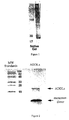
- the preparations resulting from clusterin treatment exclusively comprised small globular structures approximately 5-6 nm in size as determined by AFM analysis of ADDLs fractionated on a Superdex 75 gel column. Equivalent results were obtained by conventional electron microscopy. In contrast, A ⁇ 1-42 that had self-associated under standard conditions (Snyder et al., Biophys. J., 67 , 1216-28, 1994) in the absence of clusterin showed primarily large, non-diffusible fibrillar species. Moreover, the resultant ADDL preparations were passed through a Centricon 10 kD cut-off membrane and analyzed on as SDS-polyacrylamide gradient gel. As can be seen in Figure 4 , only the monomer passes through the Centricon 10 filter, whereas ADDLs are retained by the filter. Monomer found after the separation could only be formed from the larger molecular weight species retained by the filter.
- ADDL preparations comprise small fibril-free oligomers of A ⁇ 1-42, and that ADDLs can be obtained by appropriate clusterin treatment of amyloid ⁇ .
- the toxic moieties in Example 4 could comprise rare structures that contain oligomeric A ⁇ and clusterin.
- Oda et al. Exper. Neurol., 136 , 22-31, 1995
- clusterin was found to increase the toxicity of A ⁇ 1-42 solutions
- others have found that clusterin at stoichiometric levels protects against A ⁇ 1-40 toxicity
- ADDL formation in the absence of clusterin further was characterized in this Example.
- ADDLs essentially indistinguishable from those chaperoned by clusterin.
- ADDLs also formed when monomeric A ⁇ solutions were incubated at 37 degrees in brain slice culture medium but at very low concentration (50 nM), indicating a potential to form physiologically. All ADDL preparations were relatively stable and showed no conversion to fibrils during the 24 hour tissue culture experiments.
- ADDLs form and are stable under physiological conditions and suggest that they similarly can form and are stable in vivo.
- ADDLs were induced by clusterin, low temperature, or low Aß concentration
- the stable oligomers that formed were potent neurotoxins. Toxicity was examined in organotypic mouse brain slice cultures, which provided a physiologically relevant model for mature CNS. Brain tissue was supported at the atmosphere-medium interface by a filter in order to maintain high viability in controls.
- brain slices were obtained from strains B6 129 F2 and JR 2385 (Jackson Laboratories) and cultured as previously described (Stoppini et al., J. Neurosci. Meth., 37 , 173-182, 1991), with modifications. Namely, an adult mouse was sacrificed by carbon dioxide inhalation, followed by rapid decapitation. The head was emersed in cold, sterile dissection buffer (94 mL Gey's balanced salt solution, pH 7.2, supplemented with 2 mL 0.5M MgCl 2 , 2 ml 25% glucose, and 2 mL 1.0 M Hepes), after which the brain was removed and placed on a sterile Sylgard-coated plate.
- sterile dissection buffer 94 mL Gey's balanced salt solution, pH 7.2, supplemented with 2 mL 0.5M MgCl 2 , 2 ml 25% glucose, and 2 mL 1.0 M Hepes
- the cerebellum was removed and a mid-line cut was made to separate the cerebral hemispheres. Each hemisphere was sliced separately. The hemisphere was placed with the mid-line cut down and a 30 degree slice from the dorsal side was made to orient the hemisphere. The hemisphere was glued cut side down on the plastic stage of a Campden tissue chopper (previously wiped with ethanol) and emersed in ice cold sterile buffer. Slices of 200 ⁇ m thickness were made from a lateral to medial direction, collecting those in which the hippocampus was visible.
- Each slice was transferred with the top end of a sterile pipette to a small petri dish containing Dulbecco's Modified Eagle Medium (DMEM) containing 10% fetal calf serum, 2% S/P/F (streptomycin, penicillin, and fungizone; Life Technologies (Gibco, BRL), Gaithersburg, MD), observed with a microscope to verify the presence of the hippocampus, and placed on a Millicell-CM insert (Millipore) in a deep well tissue culture dish (Falcon, 6-well dish). Each well contained 1.0 mL of growth medium, and usually two slices were on each insert. Slices were placed in a incubator (6% CO 2 , 100% humidity) overnight.
- DMEM Dulbecco's Modified Eagle Medium
- S/P/F streptomycin, penicillin, and fungizone
- Life Technologies Gaithersburg, MD
- Millicell-CM insert Millipore
- ADDLs were present for 24 hours at a maximal 5 ⁇ M dose of total A ⁇ (i.e., total A ⁇ was never more than 5 ⁇ M in any ADDL experiment).
- Cell death as shown by "false yellow staining", was almost completely confined to the stratum pyramidale (CA 3-4) and dentate gyrus (DG) suggesting strongly that principal neurons of the hippocampus (pyramidal and granule cells, respectively) are the targets of ADDL-induced toxicity.
- glia viability is unaffected by a 24 hour ADDL treatment of primary rat brain glia, as determined by trypan blue exclusion and MTT assay (Finch et al., unpublished).
- DG Dentate gyrus
- CA3 regions were particularly sensitive and showed ADDL-evoked cell death in every culture obtained from animals aged P20 (weanlings) to P84 (young adult). Up to 40% of the cells in this region die following chronic exposure to ADDLs. The pattern of neuronal death was not identical to that observed for NMDA, which killed neurons in DG and CA1 but spared CA3.
- FIG. 5 illustrates the % dead cells verses ADDL concentration measured as initial amyloid ⁇ 1-42 concentration (nM). Because of the difficulties of quantifying brain slices, the results are not detailed enough to determine the EC50 with precision. However, as can be seen in Figure 5 , even after 1000-fold dilution ( ⁇ 5 nM A ⁇ ), ADDL-evoked cell death was more than 20%. Toxicity was observed even with 0.3 nM ADDLs. This contrasts with results obtained with conventionally aged A ⁇ , which is toxic to neurons in culture at about 20 to about 50 ⁇ M. These data show that ADDLs are effective at doses approximately 1,000-10,000-fold smaller than those used in fibrillar A ⁇ experiments.
- ADDLs were to pass through the culture-support filter to cause cell death, the results validate that ADDLs are diffusible, consistent with their small oligomeric size.
- the methods set forth herein can be employed as an assay for ADDL-mediated changes in cell viability.
- the assay can be carried out by coincubating or coadministering along with the ADDLs agents that potentially may increase or decrease ADDL formation and/or activity. Results obtained with such coincubation or coadministration can be compared to results obtained with inclusion of ADDLs alone.
- This example sets forth an assay that can be employed to detect an early toxicity change in response to amyloid ß oligomers.
- PC12 cells were passaged at 4 x 10 4 cells/well on a 96-well culture plate and grown for 24 hours in DMEM + 10% fetal calf serum + 1% S/P/F (streptomycin, penicillin, and fungizone). Plates were treated with 200 ⁇ g/mL poly-1-lysine for 2 hours prior to cell plating to enhance cell adhesion.
- One set of six wells was left untreated and fed with fresh media, while another set of wells was treated with the vehicle control (PBS containing 10% 0.01 N HCl, aged o/n at RT). Positive controls were treated with triton (1%) and Na Azide (0.1%) in normal growth media.
- ELISA plate reader
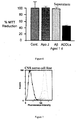
- results of this experiment thus confirm that that ADDL preparations obtained from coaggregation of A ⁇ mediated by clusterin have enhanced toxicity. Moreover, the results confirm that the PC 12 oxidative stress response can be employed as an assay to detect early cell changes due to ADDLs.
- the assay can be carried out by coincubating or coadministering along with the ADDLs agents that potentially may increase or decrease ADDL formation and/or activity. Results obtained with such coincubation or coadministration can be compared to results obtained with inclusion of ADDLs alone.
- This example sets forth a further assay of ADDL-mediated cell changes. Namely, the MTT oxidative stress toxicity assay presented in the preceding example can be carried out with HN2 cells instead of PC12 cells. Other appropriate cells similarly can be employed.
- HN2 cells were passaged at 4 x 10 4 cells/well on a 96-well culture plate and grown for 24 hours in DMEM + 10% fetal calf serum + 1% S/P/F (streptomycin, penicillin, and fungizone). Plates were treated with 200 ⁇ g/mL poly 1-lysine for 2 hours prior to cell plating to enhance cell adhesion. The cells were differentiated for 24-48 hours with 5 ⁇ M retinoic acid and growth was further inhibited with 1% serum. One set of wells was left untreated and given fresh media. Another set of wells was treated with the vehicle control (0.2% DMSO). Positive controls were treated with triton (1%) and Na Azide (0.1%).
- Amyloid ⁇ oligomers prepared as described in example 1, with and without inhibitor compounds present were added to the cells for 24 hours. After the 24 hour incubation, MTT (0.5 mg/mL) was added to the cells for 2.5 hours (11 ⁇ L of 5 mg/mL stock into 100 ⁇ L of media). After the incubation with MTT, the media was aspirated and 100 ⁇ L of 100% DMSO is added to lyse the cells and dissolve the blue crystals. The plate was incubated for 15 minutes at RT and read on a plate reader (ELISA) at 550 nm.
- MTT 0.5 mg/mL
- This assay similarly can be carried out by coincubating or coadministering along with the ADDLs agents that potentially may increase or decrease ADDL formation and/or activity. Results obtained with such coincubation or coadministration can be compared to results obtained with inclusion of ADDLs alone.
- This example sets forth yet another assay of ADDL-mediated cell changes - assay of cell morphology by phase microscopy.
- cultures were grown to low density (50-60% confluence). To initiate the experiment, the cells were serum-starved in F12 media for 1 hour. Cells were then incubated for 3 hours with amyloid ⁇ oligomers prepared as described in example 1, with and without inhibitor compounds added to the cells, for 24 hours. After 3 hours, cells were examined for morphological differences or fixed for immunofluorescence labeling. Samples were examined using the MetaMorph Image Analysis system and an MRI video camera (Universal Imaging, Inc.).
- results of such assays are presented in the examples which follow.
- the assay can be carried out by coincubating or coadministering along with the ADDLs agents that potentially may increase or decrease ADDL formation and/or activity. Results obtained with such coincubation or coadministration can be compared to results obtained with inclusion of ADDLs alone.
- the cells were washed twice in cold PBS to remove free, unbound amyloid ⁇ oligomers, resuspended in a 1:1,000 dilution of avidin conjugated to fluorescein, and incubated for one hour at 4°C with gentle agitation.
- avidin conjugated to fluorescein conjugated to fluorescein
- amyloid ⁇ -specific antibodies and fluorescent secondary antibody were employed instead of avidin, eliminating the need to incorporate 10% of the biotinylated amyloid ⁇ analog.
- biotinylated 6E10 monoclonal antibody (1 ⁇ L Senetec, Inc., St. Louis, Missouri) was added to the cell suspension and incubated for 30 minutes. Bound antibody was detected after pelleting cells and resuspending in 500 ⁇ L PBS, using FITC-conjugated streptavidin (1:500, Jackson Laboratories) for 30 minutes.
- FACScan Becton-Dickenson Fluorescence Activated Cell Scanner
- 10,000 or 20,000 events typically were collected for both forward scatter (size) and fluorescence intensity, and the data were analyzed by Consort 30 software (Becton-Dickinson). Binding was quantified by multiplying mean fluorescence by total number of events, and subtracting value for background cell fluorescence in the presence of 6E10 and FITC.
- ADDLs exert their effects by binding to a specific cell surface receptor.
- trypsin sensitivity of B 103 cells showed that their ADDL binding sites were cell surface proteins and that binding was selective for a subset of particular domains within these proteins.
- the present assay can also be employed as an assay for ADDL-mediated cell binding.
- the assay can be carried out by coincubating or coadministering along with the ADDLs agents that potentially may increase or decrease ADDL formation and/or activity. Results obtained with such coincubation or coadministration can be compared to results obtained with inclusion of ADDLs alone.
- This example sets forth the manner in which ADDL formation can be inhibited using, for instance, gossypol.
- ADDLs were prepared as described in Example 1.
- Gossypol Aldrich
- the resulting preparation was assessed for neurotoxicity using the LIVE/DEAD® assay kit as previously described.
- the amount of cell death that occurred after 24 hours of exposure to the gossypol/ADDL preparation was less than 5%. This is comparable to the level of toxicity obtained for a corresponding DMSO control preparation (i.e., 6%), or a gossypol control preparation that did not contain any ADDLs (i.e., 4%).
- Tryptic peptides were prepared using confluent B 103 cells from four 100 mm dishes that were removed by trypsinization (0.025%, Life Technologies) for approximately 3 minutes. Trypsin-chymotrypsin inhibitor (Sigma, 0.5 mg/mL in Hank's Buffered Saline) was added, and cells were removed via centrifugation at 500 x g for 5 minutes. Supernatant ( ⁇ 12 mL) was concentrated to approximately 1.0 mL using a Centricon 3 filter (Amicon), and was frozen after the protein concentration was determined. For blocking experiments, sterile concentrated tryptic peptides (0.25 mg/mL) were added to the organotypic brain slice or to the suspended B103 cells in the FACs assay at the same time as the ADDLs were added.
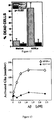
- tryptic peptides released into the culture media (0.25 mg/mL) inhibited ADDL binding by > 90% as shown in Figure 9 .
- control cells exposed to BSA even at 100mg/mL, had no loss of binding.
- the tryptic peptides also were antagonists of ADDL-evoked cell death. Namely, as shown in Figure 9, addition of tryptic peptides resulted in a 75% reduction in cell death, p ⁇ 0.002.
- the present assay can also be employed as an assay for agents that mediate ADDL cell binding or ADDL effects on cell activity.
- the assay can be carried out by coincubating or coadministering along with the ADDLs agents that potentially may increase or decrease ADDL formation and/or activity. Results obtained with such coincubation or coadministration can be compared to results obtained with inclusion of ADDLs alone.
- addition of the agents before or after binding of the ADDLs to the cell surface can be compared to identify agents that impact such binding, or that act after binding has occurred.
- This example sets forth dose response experiments done to determine whether ADDL binding to the cell surface is saturable. Such saturability would be expected if the ADDLs in fact interact with a particular cell surface receptor.
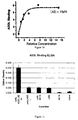
- ADDL binding For these studies, B 103 cells were incubated with increasing amounts of ADDLs and ADDL binding was quantitated by FACscan analysis. Results are presented in Figure 10. These results confirm that a distinct plateau is achieved for ADDL binding. Saturability of ADDL binding occurs at a relative A ⁇ 1-42 concentration (i.e., ADDL concentration relative to A ⁇ ) of about 250 nm.
- ADDL binding is saturable.
- Such saturability of ADDL binding especially when considered with the results of the trypsin studies, validates that the ADDLs are acting through a particular cell surface receptor.
- Example 14 Cell-Based ELISA for ADDL Binding Activity
- This example sets forth a cell-based assay, particularly a cell-based enzyme-linked immunosorbent assay (ELISA) that can be employed to assess ADDL binding activity.
- ELISA enzyme-linked immunosorbent assay
- ADDLs were prepared according to the method described in Example 1. To begin the assay, each microtiter plate well containing cells was treated with 50 ⁇ L of fixative (3.7% formalin in DMEM) for 10 minutes at room temperature. This fixative/DMEM solution was removed and a second treatment with 50 ⁇ L formalin (no DMEM) was carried out for 15 minutes at room temperature.
- fixative 3.7% formalin in DMEM
- the fixative was removed and each well was washed twice with 100 ⁇ L phosphate buffered saline (PBS). 200 ⁇ L of a blocking agent (1% BSA in PBS) was added to each well and incubated at room temperature for 1 hour. After 2 washes with 100 ⁇ L PBS, 50 ⁇ L of ADDLs (previously diluted 1:10 in PBS), were added to the appropriate wells, or PBS alone as a control, and the resulting wells were incubated at 37°C for 1 hour. 3 washes with 100 ⁇ L PBS were carried out, and 50 ⁇ L biotinylated 6E10 (Senetek) diluted 1:1000 in 1% BSA/PBS was added to the appropriate wells.
- PBS phosphate buffered saline
- PBS was added as a control. After incubation for 1 hour at room temperature on a rotator, the wells were washed 3 times with 50 ⁇ L PBS, and 50 ⁇ L of the ABC reagent (Elite ABC kit, Vector Labs) was added and incubated for 30 minutes at room temperature on the rotator. After washing 4 times with 50 ⁇ L PBS, 50 ⁇ L of ABTS substrate solution was added to each well and the plate was incubated in the dark at room temperature. The plate was analyzed for increasing absorption at 405 nm. Only when ADDLs, cells, and 6E10 were present was there a significant signal, as illustrated in Figure 11 .
- the ABC reagent Elite ABC kit, Vector Labs
- a cell-based ELISA assay can be employed as an assay for ADDL-mediated cell binding.
- the assay can be carried out by coincubating or coadministering along with the ADDLs agents that potentially may increase or decrease ADDL formation and/or activity. Results obtained with such coincubation or coadministration can be compared to results obtained with inclusion of ADDLs alone.
- Example 15 Fyn kinase knockout protects against ADDL neurotoxicity
- Fyn belongs to the Src-family of protein tyrosine kinases, which are central to multiple cellular signals and responses (Clarke et al., Science, 268 , 233-238). Fyn is of particular interest because it is upregulated in AD-afflicted neurons (Shirazi et al., Neuroreport, 4, 435-437, 1993). It also appears to be activated by conventional A ⁇ preparations (Zhang et al., Neurosci.
- Fyn knockout mice (Grant et al., Science, 258, 1903-1910, 1992) were treated as described in the preceding examples, by comparing images of brain slices of mice either treated or not treated with ADDLs for 24 hours to determine dead cells in the DG and CA3 area.
- the quantitative comparison (presented in Figure 12 ) was obtained with error bars representing means +/-SEM for 4-7 slices.
- cortical astrocyte cultures were prepared from neonatal (1-2 day old) Sprague-Dawley rat pups by the method of Levison and McCarthy (Levison et al., In : Banker et al. (Eds.), Culturing Nerve Cells, MIT press, Cambridge, MA, , 309-36, 1991), as previously described (Hu et al., J. Biol. Chem., 271, 2543-2547, 1996).
- cerebral cortex was dissected out, trypsinized, and cells were cultured in ⁇ -MEM (Gibco, BRL) containing 10% fetal bovine serum (Hyclone Laboratories Inc., Logan UT) and antibiotics (100 U/mL penicillin, 100 mg/mL streptomycin). After 11 days in culture, cells were trypsinized and replated into 100-mm plates at a density of ⁇ 6 x10 5 cells/plate and grown until confluent (Hu et al., J. Biol. Chem., 271 , 2543-2547, 1996).
- Astrocytes were treated with ADDLs prepared according to Example 1, or with A ⁇ 17-42 (synthesized as per Lambert et al., J. Neurosci. Res., 39 , 377-384, 1994; also commercially available). Treatment was done by trypsinizing confluent cultures of astrocytes and plating onto 60 mm tissue culture dishes at a density of 1 x 10 6 cells/dish (e.g., for RNA analysis and ELISAs), into 4-well chamber slides at 5 x 10 4 cells /well (e.g., for immunohistochemistry), or into 96-well plates at a density of 5 x 10 4 cells/well (e.g., for NO assays).
- the cells were washed twice with PBS to remove serum, and the cultures incubated in ⁇ -MEM containing N2 supplements for an additional 24 hours before addition of A ⁇ peptides or control buffer (i.e., buffer containing diluent).
- control buffer i.e., buffer containing diluent
- astrocyte morphology was done by examining cells under a Nikon TMS inverted microscope equipped with a Javelin SmartCam camera, Sony video monitor and color video printer. Typically, four arbitrarily selected microscopic fields (20X magnification) were photographed for each experimental condition. Morphological activation was quantified from the photographs with NIH Image by counting the number of activated cells (defined as a cell with one or more processes at least one cell body in length) in the four fields.
- RNA levels in the cultures was determined with use of Northern blots and slot blots. This was done by exposing cells to ADDLs or control buffer for 24 hours. After this time, the cells were washed twice with diethylpyrocarbonate (DEPC)-treated PBS, and total RNA was isolated by RNeasy purification mini-columns (Qiagen, Inc., Chatsworth, CA), as recommended by the manufacturer. Typical yields of RNA were 8 to 30 mg of total RNA per dish. For Northern blot analysis, 5 mg total RNA per sample was separated on an agarose-formaldehyde gel, transferred by capillary action to Hybond-N membrane (Amersham, Arlington Heights IL), and UV crosslinked.
- DEPC diethylpyrocarbonate
- RNA loadings 200 ng was blotted onto Duralon-UV membrane (Stratagene, La Jolla CA) under vacuum, and UV crosslinked. Confirmation of equivalent RNA loadings was done by ethidium bromide staining or by hybridization and normalization with a GAPDH probe.
- Probes were generated by restriction enzyme digests of plasmids, and subsequent gel purification of the appropriate fragment. Namely, cDNA fragments were prepared by RT-PCR using total RNA from rat cortical astrocytes. RNA was reverse transcribed with a Superscript II system (GIBCO/ BRL), and PCR was performed on a PTC-100 thermal controller (MJ Research Inc, Watertown, MA) using 35 cycles at the following settings: 52°C for 40 seconds; 72°C for 40 seconds; 96°C for 40 seconds. Primer pairs used to amplify a 447 bp fragment of rat IL- 1 ⁇ were: Forward: 5' GCACCTTCTTTCCCTTCATC 3' [SEQ ID NO:1].
- the plasmids were the rat iNOS cDNA plasmid pAstNOS-4, corresponding to the rat iNOS cDNA bases 3007-3943 (Galea et al., J. Neurosci. Res., 37 , 406-414, 1994), and the rat GAPDH cDNA plasmid pTRI-GAPDH (Ambion, Inc., Austin TX).
- the probes (25 ng) were labeled with 32 P-dCTP by using a Prime-a-Gene Random-Prime labeling kit (Promega, Madison WI) and separated from unincorporated nucleotides by use of push-columns (Stratagene). Hybridization was done under stringent conditions with QuikHyb solution (Stratagene), using the protocol recommended for stringent hybridization. Briefly, prehybridization was conducted at 68°C for about 30 to 60 minutes, and hybridization was at 68°C for about 60 minutes. Blots were then washed under stringent conditions and exposed to either autoradiography or phosphoimaging plate.
- nitrite assay For measurement of NO by nitrite assay, cells were incubated with A ⁇ peptides or control buffer for 48 hours, and then nitrite levels in the conditioned media were measured by the Griess reaction as previously described (Hu et al., J. Biol. Chem., 271, 2543-2547, 1996). When the NOS inhibitor N-nitro-L-arginine methylester (L-name) or the inactive D-name isomer were used, these agents were added to the cultures at the same time as the A ⁇ .
- L-name N-nitro-L-arginine methylester
- D-name inactive D-name isomer
- ADDLs activate glial cells. It is possible that glial proteins may contribute to neural deficits, for instance, as occur in Alzheimer's Disease, and that some effects of ADDLs may actually be mediated indirectly by activation of glial cells. In particular, glial proteins may facilitate formation of ADDLs, or ADDL-mediated effects that occur downstream of receptor binding. Also, it is known that clusterin is upregulated in the brain of the Alzheimer's diseased subject, and clusterin is made at elevated levels only in glial cells that are activated. Based on this, activation of glial cells by a non-ADDL, non-amyloid stimulus could produce clusterin which in turn might lead to ADDLs, which in turn would damage neurons and cause further activation of glial cells.
- neuroprotective benefits can be obtained by treatments that modulate (i.e., increase or decrease) ADDL-mediated glial cell activation. Further, the results suggest that blocking these effects on glial cells, apart from blocking the neuronal effects, may be beneficial.
- LTP Long-term potentiation
- Injections of intact animals Mice were anesthesized with urethane and placed in a sterotaxic apparatus. Body temperature was maintained using a heated water jacket pad. The brain surface was exposed through holes in the skull. Bregma and lambda positions for injection into the middle molecular layer of hippocampus are 2 mm posterior to bregma, 1 mm lateral to the midline, and 1.2-1.5 mm ventral to the brain surface. Amyloid ⁇ oligomer injections were by nitrogen puff through ⁇ 10 nm diameter glass pipettes.
- LTP in injected animals Experiments follow the paradigm established by Routtenberg and colleagues for LTP in mice (Namgung et al., Brain Research, 689 , 85-92, 1995). Perforant path stimulation from the entorhinal cortex was used, with recording from the middle molecular layer and the cell body of the dentate gyrus. A population excitatory postsynaptic potential (pop-EPSP) and a population spike potential (pop-spike) were observed upon electrical stimulation. LTP could be induced in these responses by a stimulus of 3 trains of 400 Hz, 8 x 0.4 ms pulses/train (Namgung et al., Brain Research, 689 , 85-92, 1995).
- FIG 14 illustrates the spike amplitude effect of ADDLs in whole animals.
- ADDLs block the persistence phase of LTP induced by high frequency electrical stimuli applied to entorhinal cortex and measured as cell body spike amplitude in middle molecular layer of the dentate gyrus.
- ADDLs in both whole animals and tissue slices, the addition of ADDLs results in significant disruption of LTP in less than an hour, prior to any cell degeneration or killing.
- These experiments thus support that ADDLs exert very early effects, and interference with ADDL formation and/or activity thus can be employed to obtain a therapeutic effect prior to advancement of a disease, disorder, or condition (e.g., Alzheimer's disease) to a stage where cell death results.
- a disease, disorder, or condition e.g., Alzheimer's disease
- these results confirm that decreases in memory occur before neurons die. Interference prior to such cell death thus can be employed to reverse the progression, and potentially restore decreases in memory.
- This example sets forth early effects of ADDLs in vivo and the manner in knowledge of such early effects can be manipulated.
- ADDL modulating compounds according to the invention can be employed in the treatment and/or prevention of these early cognitive and behavioural deficits resulting from ADDL-induced neuronal malfunction, or ADDLs themselves can be applied, for instance, in animal models, to study such induced neuronal malfunction.
- ADDLs induce these defects in a manner similar to compromised LTP function such as is induced by ADDLs.
- ADDL modulating compounds according to the invention can be employed in the treatment and/or prevention of these early cognitive decline and focal memory deficits, and impairment of higher order writing skills, resulting from ADDL formation or activity, or ADDLs themselves can be applied, for instance, in animal models, to study such induced defects. In particular, such studies can be conducted such as is known to those skilled in the art, for instance by comparing treated or placebo-treated age-matched subjects.
- This Example describes an alternative method for making ADDLs that can be employed instead of, for instance, the methods described in Examples 1 and 4.
- Amyloid ⁇ monomer stock stock solution is made by dissolving the monomer in hexafluoroisoproanol (HFIP), which is subsequently removed by speed vacuum evaporation.
- HFIP hexafluoroisoproanol
- the solid peptide is redissolved in dry DMSO at 5 mM to form a DMSO stock solution, and the ADDLs are prepared by diluting 1 ⁇ l of the DMSO stock solution into 49 ⁇ l of F12 media (serum-free, phenol-red free). The mixture is vortexed and then incubated at 4°C for 24 hours.
- amyloid ⁇ oligomers For gel analysis following preparation of the amyloid ⁇ oligomers (i.e., oligomers prepared as described in the prior example), 1 ⁇ l of the oligomer solution is added to 4 ⁇ l of F12 and 5 ⁇ l of tris-tricine loading buffer, and then loaded on a pre-made 16.5% tris-tricine gel (Biorad). Electrophoresis is carried out for 2.25 hours at 100 V. Following electrophoresis, the gel is stained using the Silver Xpress kit (Novex). Alternately, instead of staining the gel, the amyloid ⁇ species are transferred from the gel to Hybond-ECL (Amersham) in SDS-containing transfer buffer for 1 hour at 100 V at 4°C.
- Hybond-ECL Amersham
- the blot is blocked in TBS-T1 containing 5% milk for 1 hour at room temperature. Following washing in TBS-T1, the blot is incubated with primary antibody (26D6, 1:2000,) for 1.5 hours at room temperature. The 26D6 antibody recognizes the amino terminal region of amyloid ⁇ . Following further washing, the blot is incubated with secondary antibody (anti-mouse HRP, 1:3500) for 1.5 hours at room temperature. Following more washing, the blot is incubated in West Pico Supersignal reagents (500 ⁇ l of each; supplied by Pierce) and 3 mls of ddH 2 O for 5 minutes. Finally, the blot is exposed to film and developed.
- primary antibody 26D6, 1:2000,
- secondary antibody anti-mouse HRP, 1:3500
- Figure 16 shows a computer-generated image of a densitometer-scanned 16.5% tris-tricine SDS-polyacrylamide gel (Biorad).
- the figure confirms a range of oligomeric, soluble ADDLs (labeled "ADDLs”), dimer (labeled "Dimer”), and monomer (labeled "Monomer”).
- This gel system thus enables visualization of distinct ADDLs comprising from at least 3 monomers (trimer) up to about 24 monomers.
- AFM was done as described in Example 3 except that fractionation on a Superdex 75 column was not performed, and the field was specifically selected such that larger size globules in the field were measured.
- the analysis is the same from a technical standpoint as that done in Example 3, but in this instance the field that was specifically selected for and examined allows visualization of oligomers that have larger sizes than those that were measured by the section analysis.
- AFM was carried out using a NanoScope® III MultiMode AFM (MMAFM) workstation using TappingMode® (Digital Instruments, Santa Barbara, CA).
- Figure 17 is a computer-generated image of an AFM analysis of ADDLs showing various sized structures of different amyloid ⁇ oligomers.
- the adhered structures range in size from 1 to 10.5 nm in z height. Based on this characterization, the structures comprise from 3 to 24 monomeric subunits, consistent with the bands shown on Tris-tricine SDS-PAGE. In separate experiments (not shown) species as high as about 11 nm have been observed.
Landscapes
- Health & Medical Sciences (AREA)
- Chemical & Material Sciences (AREA)
- Engineering & Computer Science (AREA)
- Biomedical Technology (AREA)
- Neurology (AREA)
- Life Sciences & Earth Sciences (AREA)
- Organic Chemistry (AREA)
- General Health & Medical Sciences (AREA)
- Neurosurgery (AREA)
- Bioinformatics & Cheminformatics (AREA)
- Medicinal Chemistry (AREA)
- Hospice & Palliative Care (AREA)
- Pharmacology & Pharmacy (AREA)
- Biophysics (AREA)
- Molecular Biology (AREA)
- Proteomics, Peptides & Aminoacids (AREA)
- Biochemistry (AREA)
- Gastroenterology & Hepatology (AREA)
- Zoology (AREA)
- Toxicology (AREA)
- Psychiatry (AREA)
- Chemical Kinetics & Catalysis (AREA)
- General Chemical & Material Sciences (AREA)
- Nuclear Medicine, Radiotherapy & Molecular Imaging (AREA)
- Genetics & Genomics (AREA)
- Animal Behavior & Ethology (AREA)
- Public Health (AREA)
- Veterinary Medicine (AREA)
- Investigating Or Analysing Biological Materials (AREA)
- Peptides Or Proteins (AREA)
- Measuring Or Testing Involving Enzymes Or Micro-Organisms (AREA)
- Medicines That Contain Protein Lipid Enzymes And Other Medicines (AREA)
- Pharmaceuticals Containing Other Organic And Inorganic Compounds (AREA)
- Medicines Containing Material From Animals Or Micro-Organisms (AREA)
- Investigating Or Analysing Materials By The Use Of Chemical Reactions (AREA)
- Medicines Containing Antibodies Or Antigens For Use As Internal Diagnostic Agents (AREA)
- Compounds Of Unknown Constitution (AREA)
Abstract
Description
- (a) the test material is contacted with neuroblastoma cells (e.g., B 103 neuroblastoma cells); and
- (b) increases in fyn kinase activity are measured by comparing fyn kinase activity in the cells against fyn kinase activity in neuroblastoma cells that have not been contacted with said test material. In particular, Fyn kinase activity can be compared making use of a commercially available kit (e.g., Kit #QIA-28 from Oncogene Research Products, Cambridge, MA) or using an assay analogous to that described in Borowski et al., J. Biochem. (Tokyo), 115, 825-829, 1994.
Namely, amyloid formation can be (but need not necessarily be) modeled as a two-phase process. In the first phase is initiated the production of amyloid precursor protein (e.g., the amyloid precursor protein of 695 amino acids (Kang et al., Nature, 325, 733-736 (1987)) or the 751 amino acid protein (Ponte et al., Nature, 331, 525-527 (1988) each having within their sequence the β amyloid core protein sequence of approximately 4 kDa identified by Glenner et al. (U.S. Patent 4,666,829)). In the second phase occurs amyloid processing and/or deposition into higher molecular weight structures (e.g., fibrils, or any other structure of β amyloid having a molecular weight greater than β amyloid monomer, and including structures that are considerably smaller than plaques and pre-plaques). It is conceivable that some compounds may impact one or both of these phases. For some compounds, a deleterious effect is obtained, but it is not clear whether the locus of inhibition is on protein production, or on amyloid processing and/or deposition.
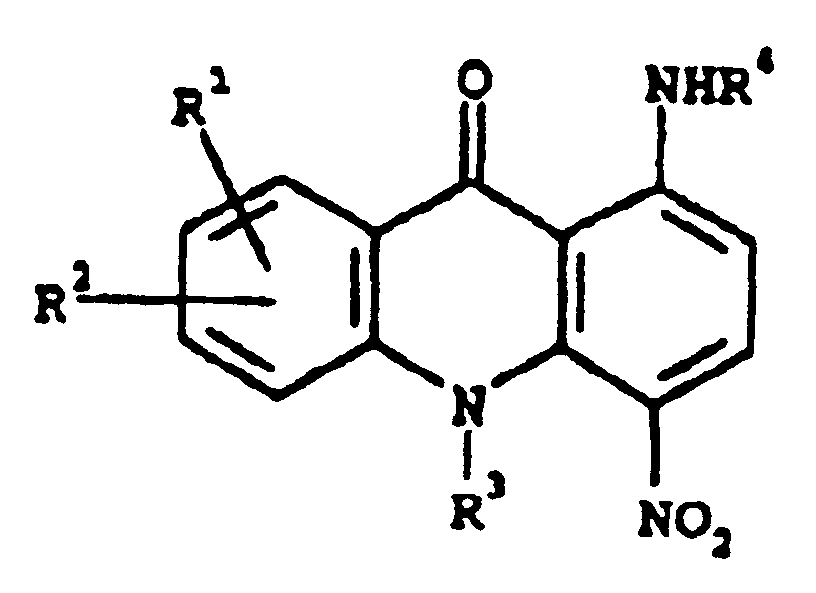

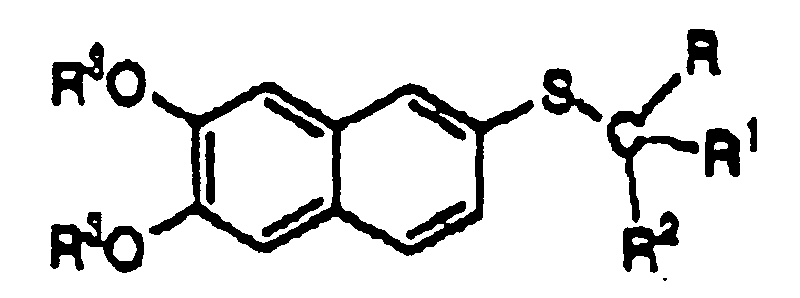


with compounds that block formation of the oligomeric structure being identified as resulting in a reduced fluorescence of said culture as compared to the corresponding culture contacted with said oligomeric structure in the absence of said test compound, only when said compound is added prior to oligomeric structure, and
compounds that block binding to a cell surface protein of the oligomeric structure being identified as resulting in a reduced fluorescence of said culture as compared to the corresponding culture contacted with said oligomeric structure in the absence of said test compound, when said compound is added either prior to or after oligomeric structure.
with compounds that block formation of the oligomeric structure being identified as resulting in a reduced fluorescence of said culture as compared to the corresponding culture contacted with said oligomeric structure in the absence of said test compound, only when said compound is added prior to oligomeric structure, and
compounds that block binding to a cell surface protein of the oligomeric structure being identified as resulting in a reduced fluorescence of said culture as compared to the corresponding culture contacted with said oligomeric structure in the absence of said test compound, when said compound is added either prior to or after oligomeric structure.
with compounds that block formation of the oligomeric structure being identified as resulting in a reduced color change produced by said culture as compared to the corresponding culture contacted with said oligomeric structure in the absence of said test compound, only when said compound is added prior to oligomeric structure, and
compounds that block receptor binding of the oligomeric structure being identified as resulting in a reduced color change produced by said culture as compared to the corresponding culture contacted with said oligomeric structure in the absence of said test compound, when said compound is added either prior to or after oligomeric structure.


Claims (9)
- A composition for use in protecting an animal against decreases in learning or memory due to the effects of a soluble, non-fibrillar amyloid β protein assembly comprising 13 to 24 amyloid β proteins, wherein the amyloid β proteins is the β1-42 protein and wherein the assembly is neurotoxic, comprising a compound that blocks the formation or activity of the protein assembly.
- A composition for use in reversing in an animal decreases in learning or memory due to the effects of a soluble, non-fibrillar amyloid β protein assembly comprising 13 to 24 amyloid β proteins is the β1-42 protein and wherein the assembly is neurotoxic, comprising a compound that blocks the formation or activity of the protein assembly.
- A composition according to Claim 1 or 2 for use as a medicament in the treatment of a disease, disorder, or condition selected from the group consisting of Alzheimer's disease, adult Down's syndrome, and senile dementia.
- A composition for use in protecting a nerve cell against decreases in long-term potentiation due to the effects of a soluble, non-fibrillar amyloid β protein assembly comprising 13 to 24 amyloid β proteins, wherein the amyloid β protein is the β1-42 protein and wherein the assembly is neurotoxic, comprising the cell with a compound that blocks the formation or activity of the protein assembly.
- A composition for use in reversing in a nerve cell decreases in long-term potentiation due to the effects of a soluble, non-fibrillar amyloid β protein assembly comprising 13 to 24 amyloid β proteins, wherein the amyloid β protein is the β1-42 protein and wherein the assembly is neurotoxic, comprising a compound that blocks the formation or activity of the protein assembly.
- A composition for use in protecting a nerve cell against aberrant neuronal signaling due to the effects of a soluble, non-fibrillar amyloid β protein assembly comprising 13 to 24 amyloid β proteins, wherein the amyloid β protein is the β1-42 protein and wherein the assembly is neurotoxic, comprising a compound that blocks the formation or activity of the protein assembly.
- An isolated, soluble, non-fibrillar, neurotoxic amyloid β oligomeric structure comprising from 13 to about 24 amyloid β proteins, without an exogenous added crosslinking agent, for use in the treatment of Alzheimer's disease, Down's syndrome, mild cognitive impairment, and senile dementia.
- An isolated, soluble, non-fibrillar, neurotoxic amyloid β oligomeric structure comprising from 13 to about 24 amyloid β proteins, without an exogenous added crosslinking agent, for use in the diagnosis of Alzheimer's disease, Down's syndrome, mild cognitive impairment, and senile dementia.
- The use of an isolated, soluble, non-fibrillar, neurotoxic amyloid β oligomeric structure comprising from 13 to about 24 amyloid β proteins, without an exogenous added crosslinking agent, in the preparation of a medicament for the therapeutic and/or prophylactic treatment of Alzheimer's disease, Down's syndrome, mild cognitive impairment, and senile dementia.
Applications Claiming Priority (3)
| Application Number | Priority Date | Filing Date | Title |
|---|---|---|---|
| US36923699A | 1999-08-04 | 1999-08-04 | |
| US369236 | 1999-08-04 | ||
| EP00952571A EP1200470B1 (en) | 1999-08-04 | 2000-08-04 | Globular assembly of amyloid beta protein and uses thereof |
Related Parent Applications (2)
| Application Number | Title | Priority Date | Filing Date |
|---|---|---|---|
| EP00952571.8 Division | 2000-08-04 | ||
| EP00952571A Division EP1200470B1 (en) | 1999-08-04 | 2000-08-04 | Globular assembly of amyloid beta protein and uses thereof |
Publications (3)
| Publication Number | Publication Date |
|---|---|
| EP1571158A2 true EP1571158A2 (en) | 2005-09-07 |
| EP1571158A3 EP1571158A3 (en) | 2007-03-14 |
| EP1571158B1 EP1571158B1 (en) | 2009-10-14 |
Family
ID=23454671
Family Applications (2)
| Application Number | Title | Priority Date | Filing Date |
|---|---|---|---|
| EP04027742A Revoked EP1571158B1 (en) | 1999-08-04 | 2000-08-04 | Globular assembly of amyloid beta protein and uses thereof |
| EP00952571A Expired - Lifetime EP1200470B1 (en) | 1999-08-04 | 2000-08-04 | Globular assembly of amyloid beta protein and uses thereof |
Family Applications After (1)
| Application Number | Title | Priority Date | Filing Date |
|---|---|---|---|
| EP00952571A Expired - Lifetime EP1200470B1 (en) | 1999-08-04 | 2000-08-04 | Globular assembly of amyloid beta protein and uses thereof |
Country Status (9)
| Country | Link |
|---|---|
| EP (2) | EP1571158B1 (en) |
| JP (1) | JP4796725B2 (en) |
| AT (2) | ATE283285T1 (en) |
| AU (1) | AU6524500A (en) |
| CA (1) | CA2381323C (en) |
| DE (2) | DE60016227T2 (en) |
| ES (1) | ES2235926T3 (en) |
| HK (1) | HK1047944A1 (en) |
| WO (1) | WO2001010900A2 (en) |
Cited By (2)
| Publication number | Priority date | Publication date | Assignee | Title |
|---|---|---|---|---|
| US8974768B2 (en) | 2010-03-23 | 2015-03-10 | Max-Delbrueck-Centrum Fuer Molekulare Medizin | Azo compounds reducing formation and toxicity of amyloid beta aggregation intermediates |
| US9217024B2 (en) | 2007-12-18 | 2015-12-22 | Acumen Pharmaceuticals, Inc. | ADDL receptor polypeptides, polynucleotides and host cells for recombinant production |
Families Citing this family (51)
| Publication number | Priority date | Publication date | Assignee | Title |
|---|---|---|---|---|
| US20030068316A1 (en) * | 1997-02-05 | 2003-04-10 | Klein William L. | Anti-ADDL antibodies and uses thereof |
| US7179892B2 (en) | 2000-12-06 | 2007-02-20 | Neuralab Limited | Humanized antibodies that recognize beta amyloid peptide |
| US7790856B2 (en) | 1998-04-07 | 2010-09-07 | Janssen Alzheimer Immunotherapy | Humanized antibodies that recognize beta amyloid peptide |
| US7588766B1 (en) | 2000-05-26 | 2009-09-15 | Elan Pharma International Limited | Treatment of amyloidogenic disease |
| US6913745B1 (en) | 1997-12-02 | 2005-07-05 | Neuralab Limited | Passive immunization of Alzheimer's disease |
| TWI239847B (en) | 1997-12-02 | 2005-09-21 | Elan Pharm Inc | N-terminal fragment of Abeta peptide and an adjuvant for preventing and treating amyloidogenic disease |
| US6761888B1 (en) | 2000-05-26 | 2004-07-13 | Neuralab Limited | Passive immunization treatment of Alzheimer's disease |
| US20080050367A1 (en) | 1998-04-07 | 2008-02-28 | Guriq Basi | Humanized antibodies that recognize beta amyloid peptide |
| US6905686B1 (en) | 1997-12-02 | 2005-06-14 | Neuralab Limited | Active immunization for treatment of alzheimer's disease |
| US7964192B1 (en) | 1997-12-02 | 2011-06-21 | Janssen Alzheimer Immunotherapy | Prevention and treatment of amyloidgenic disease |
| EA006606B1 (en) | 2000-02-24 | 2006-02-24 | Вашингтон Юниверсити | HUMANIZED ANTIBODIES THAT SEQUESTER Aβ PEPTIDE |
| AU2001268005A1 (en) | 2000-07-07 | 2002-01-21 | Lars Lannfelt | Prevention and treatment of alzheimer's disease |
| PE20020574A1 (en) | 2000-12-06 | 2002-07-02 | Wyeth Corp | HUMANIZED ANTIBODIES THAT RECOGNIZE THE AMYLOID PEPTIDE BETA |
| US7700751B2 (en) | 2000-12-06 | 2010-04-20 | Janssen Alzheimer Immunotherapy | Humanized antibodies that recognize β-amyloid peptide |
| EP1944040B1 (en) | 2001-08-17 | 2012-08-01 | Washington University | Assay method for Alzheimer's disease |
| EP1288226A1 (en) * | 2001-09-03 | 2003-03-05 | Nederlandse Organisatie Voor Toegepast-Natuurwetenschappelijk Onderzoek Tno | Modification of the expression levels of Toll-like receptor familiy members for influencing neurodegeneration and neuroprotection in the human central nervous system |
| MY139983A (en) | 2002-03-12 | 2009-11-30 | Janssen Alzheimer Immunotherap | Humanized antibodies that recognize beta amyloid peptide |
| EP1535056A1 (en) * | 2002-07-31 | 2005-06-01 | Solvias AG | Device and method for measurement |
| JP2006508072A (en) * | 2002-10-01 | 2006-03-09 | ノースウエスタン ユニバーシティ | Amyloid beta-derived diffusible ligands (ADDLs), ADDL substitutes, ADDL-binding molecules, and uses thereof |
| DE10303974A1 (en) * | 2003-01-31 | 2004-08-05 | Abbott Gmbh & Co. Kg | Amyloid β (1-42) oligomers, process for their preparation and their use |
| ES2344645T3 (en) | 2003-02-10 | 2010-09-02 | Applied Molecular Evolution, Inc. | MOLECULES OF UNION TO ABETA. |
| TWI306458B (en) | 2003-05-30 | 2009-02-21 | Elan Pharma Int Ltd | Humanized antibodies that recognize beta amyloid peptide |
| US8250823B2 (en) | 2003-08-26 | 2012-08-28 | Ejot Gmbh & Co. Kg | Dowels and methods for the assembly of insulating panels |
| JP2008500286A (en) * | 2004-05-14 | 2008-01-10 | ノースウエスタン ユニバーシティ | Compositions comprising ADDL receptors, related compositions, and related methods |
| SE0401601D0 (en) | 2004-06-21 | 2004-06-21 | Bioarctic Neuroscience Ab | Protofibril specific antibodies and uses thereof |
| ES2396555T3 (en) | 2004-12-15 | 2013-02-22 | Janssen Alzheimer Immunotherapy | Antibodies that recognize beta amyloid peptide |
| EP1838348B1 (en) | 2004-12-15 | 2013-06-26 | Janssen Alzheimer Immunotherapy | Humanized amyloid beta antibodies for use in improving cognition |
| KR20080021585A (en) | 2005-03-05 | 2008-03-07 | 애보트 게엠베하 운트 콤파니 카게 | Screening methods, methods for purifying non-diffusion A-beta oligomers, selective antibodies against such non-diffusion A-beta oligomers and methods for preparing such antibodies |
| DE102005014936A1 (en) | 2005-03-24 | 2006-12-14 | Abbott Gmbh & Co. Kg | New substituted oxindole derivatives are vasopressin receptor binders useful to treat e.g. diabetes insipidus, enuresis nocturna, incontinence, hypertonia, heart failure, myocardial infarction, coronary spasm and renal disorders |
| TW200726774A (en) * | 2005-06-30 | 2007-07-16 | Merck & Co Inc | Composition and method for producing stable amyloid beta oligomers |
| RU2442793C2 (en) | 2005-11-30 | 2012-02-20 | Эбботт Лэборетриз | ANTISUBSTANCES AGAINST GLOBULOMER Aβ, THEIR ANTIGEN-BINDING PARTS, CORRESPONDING HYBRIDOMAS, NUCLEIC ACIDS, VECTORS, HOST CELLS, WAYS OF PRODUCTION OF MENTIONED ANTISUBSTANCES, COMPOSITIONS CONTAINING MENTIONED ANTISUBSTANCES, APPLICATION OF MENTIONED ANTISUBSTANCES AND WAYS OF APPLICATION OF MENTIONED ANTISUBSTANCES |
| JP2009518010A (en) | 2005-11-30 | 2009-05-07 | アボット・ラボラトリーズ | Methods for preparing recombinant forms of human β-amyloid protein and use of these proteins |
| PL1976877T5 (en) | 2005-11-30 | 2017-09-29 | Abbvie Inc | Monoclonal antibodies against amyloid beta protein and uses thereof |
| MY169492A (en) | 2006-03-23 | 2019-04-15 | Bioarctic Neuroscience Ab | Improved protofibril selective antibodies and the use thereof |
| US8784810B2 (en) | 2006-04-18 | 2014-07-22 | Janssen Alzheimer Immunotherapy | Treatment of amyloidogenic diseases |
| US8455626B2 (en) | 2006-11-30 | 2013-06-04 | Abbott Laboratories | Aβ conformer selective anti-aβ globulomer monoclonal antibodies |
| WO2008088983A1 (en) | 2007-01-18 | 2008-07-24 | Eli Lilly And Company | PEGYLATED Aβ FAB |
| US8895004B2 (en) | 2007-02-27 | 2014-11-25 | AbbVie Deutschland GmbH & Co. KG | Method for the treatment of amyloidoses |
| US8003097B2 (en) | 2007-04-18 | 2011-08-23 | Janssen Alzheimer Immunotherapy | Treatment of cerebral amyloid angiopathy |
| ES2498040T3 (en) | 2007-07-27 | 2014-09-24 | Janssen Alzheimer Immunotherapy | Treatment of amyloidogenic diseases with humanized anti-beta antibodies |
| JO3076B1 (en) | 2007-10-17 | 2017-03-15 | Janssen Alzheimer Immunotherap | Immunotherapy regimes dependent on apoe status |
| US9067981B1 (en) | 2008-10-30 | 2015-06-30 | Janssen Sciences Ireland Uc | Hybrid amyloid-beta antibodies |
| SI2448968T1 (en) * | 2009-06-29 | 2021-07-30 | Bioarctic Ab | ANTIBODIES SELECTIVE FOR N-TERMINALTRUNCATED AMYLOID-p PROTOFIBRILS/OLIGOMERS |
| WO2011130377A2 (en) | 2010-04-15 | 2011-10-20 | Abbott Laboratories | Amyloid-beta binding proteins |
| US9062101B2 (en) | 2010-08-14 | 2015-06-23 | AbbVie Deutschland GmbH & Co. KG | Amyloid-beta binding proteins |
| CN103782171B (en) | 2011-07-13 | 2016-12-14 | 默沙东公司 | For detecting method of amyloid beta oligomers and application thereof in fluid sample |
| WO2013164763A2 (en) | 2012-04-30 | 2013-11-07 | Innovative Health Diagnostics | A biological complex specific for alzheimer's disease detection in vitro and use thereof |
| CN106661103B (en) | 2014-07-10 | 2020-11-03 | 生命北极神经科学公司 | Improved Aβ protofibril-binding antibody |
| US20190015361A1 (en) * | 2017-07-17 | 2019-01-17 | Maxwell Biosciences, Inc. | Polytherapy modulating cathelicidin gene exprtession modulation for the treatment of alzheimer's disease and other conditions |
| US12685490B2 (en) | 2020-01-28 | 2026-07-21 | The Board Of Trustees Of The Leland Stanford Junior University | Method of preventing or treating pancreatic dysfunction or diabetes by upregulating human cathelicidin LL-37 to inhibit islet amyloid polypeptide (IAPP) self-assembly |
| WO2023107830A1 (en) * | 2021-12-06 | 2023-06-15 | The Board Of Trustees Of The Leland Stanford Junior University | Amyloid oligomer compositions |
Citations (2)
| Publication number | Priority date | Publication date | Assignee | Title |
|---|---|---|---|---|
| WO1996039834A1 (en) | 1995-06-07 | 1996-12-19 | New York University | Peptides and pharmaceutical compositions thereof for treatment of disorders or diseases associated with abnormal protein folding into amyloid or amyloid-like deposits |
| WO1998033815A1 (en) | 1997-02-05 | 1998-08-06 | Northwestern University | Amyloid beta protein (globular assembly and uses thereof) |
Family Cites Families (1)
| Publication number | Priority date | Publication date | Assignee | Title |
|---|---|---|---|---|
| EP1007048A4 (en) * | 1997-03-11 | 2004-09-22 | Gen Hospital Corp | IDENTIFICATION OF AGENTS USEFUL IN THE TREATMENT OF ALZHEIMER'S DISEASE |
-
2000
- 2000-08-04 AT AT00952571T patent/ATE283285T1/en not_active IP Right Cessation
- 2000-08-04 DE DE60016227T patent/DE60016227T2/en not_active Expired - Lifetime
- 2000-08-04 EP EP04027742A patent/EP1571158B1/en not_active Revoked
- 2000-08-04 AU AU65245/00A patent/AU6524500A/en not_active Abandoned
- 2000-08-04 ES ES00952571T patent/ES2235926T3/en not_active Expired - Lifetime
- 2000-08-04 HK HK02107926.2A patent/HK1047944A1/en unknown
- 2000-08-04 AT AT04027742T patent/ATE445639T1/en not_active IP Right Cessation
- 2000-08-04 EP EP00952571A patent/EP1200470B1/en not_active Expired - Lifetime
- 2000-08-04 DE DE60043165T patent/DE60043165D1/en not_active Expired - Lifetime
- 2000-08-04 WO PCT/US2000/021458 patent/WO2001010900A2/en not_active Ceased
- 2000-08-04 CA CA002381323A patent/CA2381323C/en not_active Expired - Lifetime
- 2000-08-04 JP JP2001515707A patent/JP4796725B2/en not_active Expired - Lifetime
Patent Citations (3)
| Publication number | Priority date | Publication date | Assignee | Title |
|---|---|---|---|---|
| WO1996039834A1 (en) | 1995-06-07 | 1996-12-19 | New York University | Peptides and pharmaceutical compositions thereof for treatment of disorders or diseases associated with abnormal protein folding into amyloid or amyloid-like deposits |
| CA2222690A1 (en) | 1995-06-07 | 1996-12-19 | New York University | Peptides and pharmaceutical compositions thereof for treatment of disorders or diseases associated with abnormal protein folding into amyloid or amyloid-like deposits |
| WO1998033815A1 (en) | 1997-02-05 | 1998-08-06 | Northwestern University | Amyloid beta protein (globular assembly and uses thereof) |
Non-Patent Citations (5)
| Title |
|---|
| LINN ET AL., ARCH. NEUROL., vol. 52, 1995, pages 485 - 490 |
| NAMGUNG ET AL., BRAIN RESEARCH, vol. 689, 1995, pages 85 - 92 |
| ROHER ET AL., J. BIOL. CHEM., vol. 271, 1996, pages 20631 - 20635 |
| SNOWDON ET AL., JAMA, vol. 275, 1996, pages 528 - 532 |
| STRITTMATTER ET AL., PROC. NATL. ACAD SCI. USA, vol. 90, 1993, pages 1977 - 81 |
Cited By (2)
| Publication number | Priority date | Publication date | Assignee | Title |
|---|---|---|---|---|
| US9217024B2 (en) | 2007-12-18 | 2015-12-22 | Acumen Pharmaceuticals, Inc. | ADDL receptor polypeptides, polynucleotides and host cells for recombinant production |
| US8974768B2 (en) | 2010-03-23 | 2015-03-10 | Max-Delbrueck-Centrum Fuer Molekulare Medizin | Azo compounds reducing formation and toxicity of amyloid beta aggregation intermediates |
Also Published As
| Publication number | Publication date |
|---|---|
| HK1047944A1 (en) | 2003-03-14 |
| EP1571158B1 (en) | 2009-10-14 |
| DE60043165D1 (en) | 2009-11-26 |
| EP1200470B1 (en) | 2004-11-24 |
| WO2001010900A2 (en) | 2001-02-15 |
| AU6524500A (en) | 2001-03-05 |
| EP1571158A3 (en) | 2007-03-14 |
| DE60016227T2 (en) | 2005-12-15 |
| DE60016227D1 (en) | 2004-12-30 |
| ATE445639T1 (en) | 2009-10-15 |
| ES2235926T3 (en) | 2005-07-16 |
| EP1200470A2 (en) | 2002-05-02 |
| ATE283285T1 (en) | 2004-12-15 |
| WO2001010900A3 (en) | 2001-08-30 |
| JP2003510023A (en) | 2003-03-18 |
| CA2381323C (en) | 2009-10-06 |
| JP4796725B2 (en) | 2011-10-19 |
| CA2381323A1 (en) | 2001-02-15 |
Similar Documents
| Publication | Publication Date | Title |
|---|---|---|
| EP1200470B1 (en) | Globular assembly of amyloid beta protein and uses thereof | |
| AU735825B2 (en) | Amyloid beta protein (globular assembly and uses thereof) | |
| US20090285804A1 (en) | Anti-ADDLs antibodies and uses thereof | |
| AU2003279728B2 (en) | Amyloid beta-derived diffusible ligands (addls), addl-surrogates, addl-binding molecules, and uses thereof | |
| US20060178302A1 (en) | Amyloid beta protein (globular assembly and uses thereof) | |
| CA2170727A1 (en) | Methods and compositions for binding tau and map2c proteins | |
| US7790673B2 (en) | Methods and compositions relating to cystatin C | |
| US5811243A (en) | Methods and compositions for binding tau and MAP2c proteins | |
| MXPA99007161A (en) | Amyloid beta protein (globular assembly and uses thereof) | |
| EP2404612A1 (en) | Diagnosis, prophylaxis and therapy of Alzheimer's disease and other neurodementing disorders |
Legal Events
| Date | Code | Title | Description |
|---|---|---|---|
| PUAI | Public reference made under article 153(3) epc to a published international application that has entered the european phase |
Free format text: ORIGINAL CODE: 0009012 |
|
| 17P | Request for examination filed |
Effective date: 20041123 |
|
| AC | Divisional application: reference to earlier application |
Ref document number: 1200470 Country of ref document: EP Kind code of ref document: P |
|
| AK | Designated contracting states |
Kind code of ref document: A2 Designated state(s): AT BE CH CY DE DK ES FI FR GB GR IE IT LI LU MC NL PT SE |
|
| AX | Request for extension of the european patent |
Extension state: AL LT LV MK |
|
| PUAL | Search report despatched |
Free format text: ORIGINAL CODE: 0009013 |
|
| AK | Designated contracting states |
Kind code of ref document: A3 Designated state(s): AT BE CH CY DE DK ES FI FR GB GR IE IT LI LU MC NL PT SE |
|
| AX | Request for extension of the european patent |
Extension state: AL LT LV MK |
|
| RIN1 | Information on inventor provided before grant (corrected) |
Inventor name: WALS, PAT Inventor name: FINCH, CALEB E. Inventor name: LAMBERT, MARY P. Inventor name: KLEIN, WILLIAM L. Inventor name: BARLOW, ANN Inventor name: CHROMY, BRETT A. Inventor name: ROZOVSKY, IRINA Inventor name: MORGAN, TODD Inventor name: KRAFT, GRANT A. |
|
| 17Q | First examination report despatched |
Effective date: 20070807 |
|
| AKX | Designation fees paid |
Designated state(s): AT BE CH CY DE DK ES FI FR GB GR IE IT LI LU MC NL PT SE |
|
| GRAP | Despatch of communication of intention to grant a patent |
Free format text: ORIGINAL CODE: EPIDOSNIGR1 |
|
| GRAS | Grant fee paid |
Free format text: ORIGINAL CODE: EPIDOSNIGR3 |
|
| RAP1 | Party data changed (applicant data changed or rights of an application transferred) |
Owner name: NORTHWESTERN UNIVERSITY Owner name: UNIVERSITY OF SOUTHERN CALIFORNIA |
|
| GRAA | (expected) grant |
Free format text: ORIGINAL CODE: 0009210 |
|
| AC | Divisional application: reference to earlier application |
Ref document number: 1200470 Country of ref document: EP Kind code of ref document: P |
|
| AK | Designated contracting states |
Kind code of ref document: B1 Designated state(s): AT BE CH CY DE DK ES FI FR GB GR IE IT LI LU MC NL PT SE |
|
| REG | Reference to a national code |
Ref country code: GB Ref legal event code: FG4D |
|
| REG | Reference to a national code |
Ref country code: CH Ref legal event code: EP |
|
| REG | Reference to a national code |
Ref country code: CH Ref legal event code: NV Representative=s name: ISLER & PEDRAZZINI AG |
|
| REG | Reference to a national code |
Ref country code: IE Ref legal event code: FG4D |
|
| REF | Corresponds to: |
Ref document number: 60043165 Country of ref document: DE Date of ref document: 20091126 Kind code of ref document: P |
|
| RIN2 | Information on inventor provided after grant (corrected) |
Inventor name: BARLOW, ANN Inventor name: KLEIN, WILLIAM L. Inventor name: WALS, PAT Inventor name: ROZOVSKY, IRINA Inventor name: FINCH, CALEB E. Inventor name: CHROMY, BRETT A. Inventor name: MORGAN, TODD Inventor name: LAMBERT, MARY P. Inventor name: KRAFFT, GRANT A. |
|
| NLV1 | Nl: lapsed or annulled due to failure to fulfill the requirements of art. 29p and 29m of the patents act | ||
| PG25 | Lapsed in a contracting state [announced via postgrant information from national office to epo] |
Ref country code: ES Free format text: LAPSE BECAUSE OF FAILURE TO SUBMIT A TRANSLATION OF THE DESCRIPTION OR TO PAY THE FEE WITHIN THE PRESCRIBED TIME-LIMIT Effective date: 20100125 Ref country code: FI Free format text: LAPSE BECAUSE OF FAILURE TO SUBMIT A TRANSLATION OF THE DESCRIPTION OR TO PAY THE FEE WITHIN THE PRESCRIBED TIME-LIMIT Effective date: 20091014 Ref country code: PT Free format text: LAPSE BECAUSE OF FAILURE TO SUBMIT A TRANSLATION OF THE DESCRIPTION OR TO PAY THE FEE WITHIN THE PRESCRIBED TIME-LIMIT Effective date: 20100215 Ref country code: SE Free format text: LAPSE BECAUSE OF FAILURE TO SUBMIT A TRANSLATION OF THE DESCRIPTION OR TO PAY THE FEE WITHIN THE PRESCRIBED TIME-LIMIT Effective date: 20091014 |
|
| PG25 | Lapsed in a contracting state [announced via postgrant information from national office to epo] |
Ref country code: BE Free format text: LAPSE BECAUSE OF FAILURE TO SUBMIT A TRANSLATION OF THE DESCRIPTION OR TO PAY THE FEE WITHIN THE PRESCRIBED TIME-LIMIT Effective date: 20091014 Ref country code: AT Free format text: LAPSE BECAUSE OF FAILURE TO SUBMIT A TRANSLATION OF THE DESCRIPTION OR TO PAY THE FEE WITHIN THE PRESCRIBED TIME-LIMIT Effective date: 20091014 |
|
| PLBI | Opposition filed |
Free format text: ORIGINAL CODE: 0009260 |
|
| PG25 | Lapsed in a contracting state [announced via postgrant information from national office to epo] |
Ref country code: DK Free format text: LAPSE BECAUSE OF FAILURE TO SUBMIT A TRANSLATION OF THE DESCRIPTION OR TO PAY THE FEE WITHIN THE PRESCRIBED TIME-LIMIT Effective date: 20091014 |
|
| 26 | Opposition filed |
Opponent name: ABBOTT GMBH & CO. KG Effective date: 20100714 |
|
| PLAX | Notice of opposition and request to file observation + time limit sent |
Free format text: ORIGINAL CODE: EPIDOSNOBS2 |
|
| PG25 | Lapsed in a contracting state [announced via postgrant information from national office to epo] |
Ref country code: GR Free format text: LAPSE BECAUSE OF FAILURE TO SUBMIT A TRANSLATION OF THE DESCRIPTION OR TO PAY THE FEE WITHIN THE PRESCRIBED TIME-LIMIT Effective date: 20100115 |
|
| PLAF | Information modified related to communication of a notice of opposition and request to file observations + time limit |
Free format text: ORIGINAL CODE: EPIDOSCOBS2 |
|
| PG25 | Lapsed in a contracting state [announced via postgrant information from national office to epo] |
Ref country code: IT Free format text: LAPSE BECAUSE OF FAILURE TO SUBMIT A TRANSLATION OF THE DESCRIPTION OR TO PAY THE FEE WITHIN THE PRESCRIBED TIME-LIMIT Effective date: 20091014 Ref country code: MC Free format text: LAPSE BECAUSE OF NON-PAYMENT OF DUE FEES Effective date: 20100831 |
|
| PLBB | Reply of patent proprietor to notice(s) of opposition received |
Free format text: ORIGINAL CODE: EPIDOSNOBS3 |
|
| PG25 | Lapsed in a contracting state [announced via postgrant information from national office to epo] |
Ref country code: IE Free format text: LAPSE BECAUSE OF NON-PAYMENT OF DUE FEES Effective date: 20100804 |
|
| PGFP | Annual fee paid to national office [announced via postgrant information from national office to epo] |
Ref country code: CH Payment date: 20110812 Year of fee payment: 12 |
|
| PGFP | Annual fee paid to national office [announced via postgrant information from national office to epo] |
Ref country code: DE Payment date: 20110727 Year of fee payment: 12 Ref country code: FR Payment date: 20110818 Year of fee payment: 12 Ref country code: GB Payment date: 20110803 Year of fee payment: 12 |
|
| REG | Reference to a national code |
Ref country code: DE Ref legal event code: R103 Ref document number: 60043165 Country of ref document: DE Ref country code: DE Ref legal event code: R064 Ref document number: 60043165 Country of ref document: DE |
|
| RDAF | Communication despatched that patent is revoked |
Free format text: ORIGINAL CODE: EPIDOSNREV1 |
|
| RDAG | Patent revoked |
Free format text: ORIGINAL CODE: 0009271 |
|
| STAA | Information on the status of an ep patent application or granted ep patent |
Free format text: STATUS: PATENT REVOKED |
|
| PG25 | Lapsed in a contracting state [announced via postgrant information from national office to epo] |
Ref country code: CY Free format text: LAPSE BECAUSE OF FAILURE TO SUBMIT A TRANSLATION OF THE DESCRIPTION OR TO PAY THE FEE WITHIN THE PRESCRIBED TIME-LIMIT Effective date: 20091014 |
|
| REG | Reference to a national code |
Ref country code: CH Ref legal event code: PL |
|
| 27W | Patent revoked |
Effective date: 20111207 |
|
| GBPR | Gb: patent revoked under art. 102 of the ep convention designating the uk as contracting state |
Effective date: 20111207 |
|
| PG25 | Lapsed in a contracting state [announced via postgrant information from national office to epo] |
Ref country code: LU Free format text: LAPSE BECAUSE OF REVOCATION BY EPO Effective date: 20100804 Ref country code: NL Free format text: LAPSE BECAUSE OF FAILURE TO SUBMIT A TRANSLATION OF THE DESCRIPTION OR TO PAY THE FEE WITHIN THE PRESCRIBED TIME-LIMIT Effective date: 20091014 |
|
| PG25 | Lapsed in a contracting state [announced via postgrant information from national office to epo] |
Ref country code: CH Free format text: LAPSE BECAUSE OF THE APPLICANT RENOUNCES Effective date: 20091014 Ref country code: LI Free format text: LAPSE BECAUSE OF THE APPLICANT RENOUNCES Effective date: 20091014 |
|
| REG | Reference to a national code |
Ref country code: DE Ref legal event code: R107 Ref document number: 60043165 Country of ref document: DE Effective date: 20121115 |