EP1559722A1 - Caenorhabditis elegans p21-aktivierte Kinase (PAK) und assoziierten Funktionsverlustphenotypen - Google Patents
Caenorhabditis elegans p21-aktivierte Kinase (PAK) und assoziierten Funktionsverlustphenotypen Download PDFInfo
- Publication number
- EP1559722A1 EP1559722A1 EP04001748A EP04001748A EP1559722A1 EP 1559722 A1 EP1559722 A1 EP 1559722A1 EP 04001748 A EP04001748 A EP 04001748A EP 04001748 A EP04001748 A EP 04001748A EP 1559722 A1 EP1559722 A1 EP 1559722A1
- Authority
- EP
- European Patent Office
- Prior art keywords
- pak
- seq
- protein
- elegans
- dna sequence
- Prior art date
- Legal status (The legal status is an assumption and is not a legal conclusion. Google has not performed a legal analysis and makes no representation as to the accuracy of the status listed.)
- Granted
Links
- 108090000623 proteins and genes Proteins 0.000 title claims description 142
- 108010058266 p21-Activated Kinases Proteins 0.000 title abstract description 30
- 102000006271 p21-Activated Kinases Human genes 0.000 title description 28
- 101000978558 Caenorhabditis elegans Serine/threonine-protein kinase max-2 Proteins 0.000 title 1
- 101100296200 Mus musculus Pak3 gene Proteins 0.000 claims abstract description 87
- 150000001875 compounds Chemical class 0.000 claims abstract description 43
- 101100181041 Arabidopsis thaliana KINUA gene Proteins 0.000 claims abstract description 21
- 230000019491 signal transduction Effects 0.000 claims abstract description 12
- 102000004169 proteins and genes Human genes 0.000 claims description 114
- 101100464197 Caenorhabditis elegans pak-1 gene Proteins 0.000 claims description 94
- 230000009368 gene silencing by RNA Effects 0.000 claims description 68
- 102000040430 polynucleotide Human genes 0.000 claims description 65
- 108091033319 polynucleotide Proteins 0.000 claims description 65
- 239000002157 polynucleotide Substances 0.000 claims description 65
- 239000013598 vector Substances 0.000 claims description 64
- 108091032973 (ribonucleotides)n+m Proteins 0.000 claims description 55
- 108091028043 Nucleic acid sequence Proteins 0.000 claims description 55
- 210000002149 gonad Anatomy 0.000 claims description 42
- 238000000034 method Methods 0.000 claims description 32
- 230000000694 effects Effects 0.000 claims description 28
- 230000005012 migration Effects 0.000 claims description 26
- 238000013508 migration Methods 0.000 claims description 26
- 125000003275 alpha amino acid group Chemical group 0.000 claims description 21
- 231100001129 embryonic lethality Toxicity 0.000 claims description 18
- 230000036512 infertility Effects 0.000 claims description 17
- 241000894006 Bacteria Species 0.000 claims description 16
- 239000013612 plasmid Substances 0.000 claims description 16
- 230000001747 exhibiting effect Effects 0.000 claims description 14
- 230000000415 inactivating effect Effects 0.000 claims description 14
- 239000003112 inhibitor Substances 0.000 claims description 14
- 238000012228 RNA interference-mediated gene silencing Methods 0.000 claims description 13
- 238000003556 assay Methods 0.000 claims description 12
- 230000002950 deficient Effects 0.000 claims description 11
- 238000004519 manufacturing process Methods 0.000 claims description 10
- 229920001184 polypeptide Polymers 0.000 claims description 10
- 102000004196 processed proteins & peptides Human genes 0.000 claims description 10
- 108090000765 processed proteins & peptides Proteins 0.000 claims description 10
- 230000027455 binding Effects 0.000 claims description 9
- 230000000295 complement effect Effects 0.000 claims description 9
- 230000035897 transcription Effects 0.000 claims description 9
- 238000013518 transcription Methods 0.000 claims description 9
- 241000588724 Escherichia coli Species 0.000 claims description 8
- 230000001580 bacterial effect Effects 0.000 claims description 8
- 230000002068 genetic effect Effects 0.000 claims description 8
- 108020004491 Antisense DNA Proteins 0.000 claims description 6
- 108020005544 Antisense RNA Proteins 0.000 claims description 6
- 108090000994 Catalytic RNA Proteins 0.000 claims description 6
- 102000053642 Catalytic RNA Human genes 0.000 claims description 6
- 239000003816 antisense DNA Substances 0.000 claims description 6
- 239000003184 complementary RNA Substances 0.000 claims description 6
- 108091092562 ribozyme Proteins 0.000 claims description 6
- 238000012216 screening Methods 0.000 claims description 6
- 230000008569 process Effects 0.000 claims description 5
- 108091026890 Coding region Proteins 0.000 claims description 4
- 238000003780 insertion Methods 0.000 claims description 4
- 230000037431 insertion Effects 0.000 claims description 4
- 238000002360 preparation method Methods 0.000 claims description 4
- 240000004808 Saccharomyces cerevisiae Species 0.000 claims description 3
- 235000014680 Saccharomyces cerevisiae Nutrition 0.000 claims description 3
- 101100258025 Schizosaccharomyces pombe (strain 972 / ATCC 24843) shk1 gene Proteins 0.000 claims description 3
- 201000010099 disease Diseases 0.000 claims description 3
- 208000037265 diseases, disorders, signs and symptoms Diseases 0.000 claims description 3
- 239000003814 drug Substances 0.000 claims description 3
- 230000001771 impaired effect Effects 0.000 claims description 3
- 230000031146 intracellular signal transduction Effects 0.000 claims description 3
- 230000007257 malfunction Effects 0.000 claims description 3
- 230000003213 activating effect Effects 0.000 claims description 2
- 230000007812 deficiency Effects 0.000 claims description 2
- 238000012217 deletion Methods 0.000 claims description 2
- 230000037430 deletion Effects 0.000 claims description 2
- 238000001742 protein purification Methods 0.000 claims description 2
- 238000007423 screening assay Methods 0.000 claims description 2
- 241000894007 species Species 0.000 claims description 2
- 238000002560 therapeutic procedure Methods 0.000 claims description 2
- 239000006166 lysate Substances 0.000 claims 2
- 230000011664 signaling Effects 0.000 abstract description 3
- 108091030071 RNAI Proteins 0.000 description 55
- 102000020233 phosphotransferase Human genes 0.000 description 32
- 108091000080 Phosphotransferase Proteins 0.000 description 30
- 210000004027 cell Anatomy 0.000 description 22
- 241001465754 Metazoa Species 0.000 description 15
- 102000001451 CRIB domains Human genes 0.000 description 13
- 108050009667 CRIB domains Proteins 0.000 description 13
- 230000007547 defect Effects 0.000 description 13
- IAZDPXIOMUYVGZ-UHFFFAOYSA-N Dimethylsulphoxide Chemical compound CS(C)=O IAZDPXIOMUYVGZ-UHFFFAOYSA-N 0.000 description 12
- 102000001708 Protein Isoforms Human genes 0.000 description 12
- 108010029485 Protein Isoforms Proteins 0.000 description 12
- 239000002299 complementary DNA Substances 0.000 description 12
- 102000040650 (ribonucleotides)n+m Human genes 0.000 description 11
- 230000006870 function Effects 0.000 description 11
- 101100139831 Caenorhabditis elegans ced-10 gene Proteins 0.000 description 10
- 238000013459 approach Methods 0.000 description 10
- 238000009396 hybridization Methods 0.000 description 10
- 102100040684 Fermitin family homolog 2 Human genes 0.000 description 9
- 101000892677 Homo sapiens Fermitin family homolog 2 Proteins 0.000 description 9
- 235000013601 eggs Nutrition 0.000 description 9
- 101700056750 PAK1 Proteins 0.000 description 8
- 102100027910 Serine/threonine-protein kinase PAK 1 Human genes 0.000 description 8
- 108020004999 messenger RNA Proteins 0.000 description 8
- 230000001105 regulatory effect Effects 0.000 description 8
- 108091060211 Expressed sequence tag Proteins 0.000 description 7
- 238000010367 cloning Methods 0.000 description 7
- 108020004414 DNA Proteins 0.000 description 6
- 108700026244 Open Reading Frames Proteins 0.000 description 6
- 102100027911 Serine/threonine-protein kinase PAK 3 Human genes 0.000 description 6
- 238000002474 experimental method Methods 0.000 description 6
- 101150029686 Pak gene Proteins 0.000 description 5
- 239000012634 fragment Substances 0.000 description 5
- 239000012528 membrane Substances 0.000 description 5
- 239000000243 solution Substances 0.000 description 5
- 238000011144 upstream manufacturing Methods 0.000 description 5
- 101000927796 Homo sapiens Rho guanine nucleotide exchange factor 7 Proteins 0.000 description 4
- 101000987315 Homo sapiens Serine/threonine-protein kinase PAK 3 Proteins 0.000 description 4
- 241000244206 Nematoda Species 0.000 description 4
- 230000004913 activation Effects 0.000 description 4
- 230000002710 gonadal effect Effects 0.000 description 4
- 238000013537 high throughput screening Methods 0.000 description 4
- 238000000338 in vitro Methods 0.000 description 4
- 230000002779 inactivation Effects 0.000 description 4
- 230000005764 inhibitory process Effects 0.000 description 4
- 238000000520 microinjection Methods 0.000 description 4
- 239000000203 mixture Substances 0.000 description 4
- 238000003757 reverse transcription PCR Methods 0.000 description 4
- 238000012360 testing method Methods 0.000 description 4
- 230000009261 transgenic effect Effects 0.000 description 4
- 238000005406 washing Methods 0.000 description 4
- 102000007469 Actins Human genes 0.000 description 3
- 108010085238 Actins Proteins 0.000 description 3
- 108020004635 Complementary DNA Proteins 0.000 description 3
- 241001167795 Escherichia coli OP50 Species 0.000 description 3
- 206010028980 Neoplasm Diseases 0.000 description 3
- HEMHJVSKTPXQMS-UHFFFAOYSA-M Sodium hydroxide Chemical compound [OH-].[Na+] HEMHJVSKTPXQMS-UHFFFAOYSA-M 0.000 description 3
- 101710137500 T7 RNA polymerase Proteins 0.000 description 3
- 238000004458 analytical method Methods 0.000 description 3
- 201000011510 cancer Diseases 0.000 description 3
- 230000003197 catalytic effect Effects 0.000 description 3
- 102000013515 cdc42 GTP-Binding Protein Human genes 0.000 description 3
- 108010051348 cdc42 GTP-Binding Protein Proteins 0.000 description 3
- 230000009087 cell motility Effects 0.000 description 3
- 230000018109 developmental process Effects 0.000 description 3
- 235000013305 food Nutrition 0.000 description 3
- 238000011534 incubation Methods 0.000 description 3
- 230000003993 interaction Effects 0.000 description 3
- 238000002156 mixing Methods 0.000 description 3
- 239000000523 sample Substances 0.000 description 3
- 239000000126 substance Substances 0.000 description 3
- 210000002262 tip cell Anatomy 0.000 description 3
- 210000001519 tissue Anatomy 0.000 description 3
- XLYOFNOQVPJJNP-UHFFFAOYSA-N water Substances O XLYOFNOQVPJJNP-UHFFFAOYSA-N 0.000 description 3
- 101000934362 Caenorhabditis elegans Cell division control protein 42 homolog Proteins 0.000 description 2
- 102000013446 GTP Phosphohydrolases Human genes 0.000 description 2
- 108091006109 GTPases Proteins 0.000 description 2
- 206010053759 Growth retardation Diseases 0.000 description 2
- 101000987310 Homo sapiens Serine/threonine-protein kinase PAK 2 Proteins 0.000 description 2
- 101000987297 Homo sapiens Serine/threonine-protein kinase PAK 4 Proteins 0.000 description 2
- 238000000636 Northern blotting Methods 0.000 description 2
- 241000283984 Rodentia Species 0.000 description 2
- 238000012300 Sequence Analysis Methods 0.000 description 2
- 102100027939 Serine/threonine-protein kinase PAK 2 Human genes 0.000 description 2
- 101710148163 Serine/threonine-protein kinase PAK 3 Proteins 0.000 description 2
- FAPWRFPIFSIZLT-UHFFFAOYSA-M Sodium chloride Chemical compound [Na+].[Cl-] FAPWRFPIFSIZLT-UHFFFAOYSA-M 0.000 description 2
- 238000002105 Southern blotting Methods 0.000 description 2
- 230000001908 autoinhibitory effect Effects 0.000 description 2
- 230000008827 biological function Effects 0.000 description 2
- 210000004899 c-terminal region Anatomy 0.000 description 2
- 230000012292 cell migration Effects 0.000 description 2
- 230000033077 cellular process Effects 0.000 description 2
- 230000008859 change Effects 0.000 description 2
- 238000006243 chemical reaction Methods 0.000 description 2
- 239000003153 chemical reaction reagent Substances 0.000 description 2
- 210000004292 cytoskeleton Anatomy 0.000 description 2
- 238000011161 development Methods 0.000 description 2
- 238000010790 dilution Methods 0.000 description 2
- 239000012895 dilution Substances 0.000 description 2
- 210000002257 embryonic structure Anatomy 0.000 description 2
- 230000026109 gonad development Effects 0.000 description 2
- 231100000001 growth retardation Toxicity 0.000 description 2
- 230000001939 inductive effect Effects 0.000 description 2
- 230000002401 inhibitory effect Effects 0.000 description 2
- 230000002452 interceptive effect Effects 0.000 description 2
- 230000033001 locomotion Effects 0.000 description 2
- 210000004962 mammalian cell Anatomy 0.000 description 2
- 230000035772 mutation Effects 0.000 description 2
- 239000013642 negative control Substances 0.000 description 2
- 230000004766 neurogenesis Effects 0.000 description 2
- 230000036961 partial effect Effects 0.000 description 2
- 230000000144 pharmacologic effect Effects 0.000 description 2
- 230000026731 phosphorylation Effects 0.000 description 2
- 238000006366 phosphorylation reaction Methods 0.000 description 2
- 238000000746 purification Methods 0.000 description 2
- 150000003384 small molecules Chemical class 0.000 description 2
- 230000004083 survival effect Effects 0.000 description 2
- 230000001360 synchronised effect Effects 0.000 description 2
- 102100037263 3-phosphoinositide-dependent protein kinase 1 Human genes 0.000 description 1
- 241001156002 Anthonomus pomorum Species 0.000 description 1
- 241000972773 Aulopiformes Species 0.000 description 1
- 244000063299 Bacillus subtilis Species 0.000 description 1
- 235000014469 Bacillus subtilis Nutrition 0.000 description 1
- 241000212384 Bifora Species 0.000 description 1
- 108091003079 Bovine Serum Albumin Proteins 0.000 description 1
- 206010006187 Breast cancer Diseases 0.000 description 1
- 208000026310 Breast neoplasm Diseases 0.000 description 1
- 241000244203 Caenorhabditis elegans Species 0.000 description 1
- 102000003952 Caspase 3 Human genes 0.000 description 1
- 108090000397 Caspase 3 Proteins 0.000 description 1
- 108090000626 DNA-directed RNA polymerases Proteins 0.000 description 1
- 102000004163 DNA-directed RNA polymerases Human genes 0.000 description 1
- 241000255581 Drosophila <fruit fly, genus> Species 0.000 description 1
- 241000196324 Embryophyta Species 0.000 description 1
- 102100030013 Endoribonuclease Human genes 0.000 description 1
- 101710199605 Endoribonuclease Proteins 0.000 description 1
- 229920001917 Ficoll Polymers 0.000 description 1
- 241000233866 Fungi Species 0.000 description 1
- 241000465865 Geodermatophilaceae bacterium Species 0.000 description 1
- 208000028782 Hereditary disease Diseases 0.000 description 1
- 241000238631 Hexapoda Species 0.000 description 1
- 241000282412 Homo Species 0.000 description 1
- 101000600756 Homo sapiens 3-phosphoinositide-dependent protein kinase 1 Proteins 0.000 description 1
- 101000814373 Homo sapiens Protein wntless homolog Proteins 0.000 description 1
- 101000628647 Homo sapiens Serine/threonine-protein kinase 24 Proteins 0.000 description 1
- 101001129076 Homo sapiens Serine/threonine-protein kinase N1 Proteins 0.000 description 1
- 101000987317 Homo sapiens Serine/threonine-protein kinase PAK 1 Proteins 0.000 description 1
- 101001117146 Homo sapiens [Pyruvate dehydrogenase (acetyl-transferring)] kinase isozyme 1, mitochondrial Proteins 0.000 description 1
- 208000026350 Inborn Genetic disease Diseases 0.000 description 1
- 102000000646 Interleukin-3 Human genes 0.000 description 1
- 108010002386 Interleukin-3 Proteins 0.000 description 1
- DEFJQIDDEAULHB-IMJSIDKUSA-N L-alanyl-L-alanine Chemical compound C[C@H](N)C(=O)N[C@@H](C)C(O)=O DEFJQIDDEAULHB-IMJSIDKUSA-N 0.000 description 1
- 241000124008 Mammalia Species 0.000 description 1
- 208000024556 Mendelian disease Diseases 0.000 description 1
- 206010027476 Metastases Diseases 0.000 description 1
- 102000029749 Microtubule Human genes 0.000 description 1
- 108091022875 Microtubule Proteins 0.000 description 1
- 102000003505 Myosin Human genes 0.000 description 1
- 108060008487 Myosin Proteins 0.000 description 1
- 102000016349 Myosin Light Chains Human genes 0.000 description 1
- 108010067385 Myosin Light Chains Proteins 0.000 description 1
- 102100035044 Myosin light chain kinase, smooth muscle Human genes 0.000 description 1
- 108010074596 Myosin-Light-Chain Kinase Proteins 0.000 description 1
- 102400000058 Neuregulin-1 Human genes 0.000 description 1
- 108090000556 Neuregulin-1 Proteins 0.000 description 1
- 239000000020 Nitrocellulose Substances 0.000 description 1
- 239000004677 Nylon Substances 0.000 description 1
- 102100029181 PDZ and LIM domain protein 5 Human genes 0.000 description 1
- 101150038791 Pak1 gene Proteins 0.000 description 1
- 108700019535 Phosphoprotein Phosphatases Proteins 0.000 description 1
- 102000045595 Phosphoprotein Phosphatases Human genes 0.000 description 1
- 102000001253 Protein Kinase Human genes 0.000 description 1
- 101710192141 Protein Nef Proteins 0.000 description 1
- 102000009516 Protein Serine-Threonine Kinases Human genes 0.000 description 1
- 108010009341 Protein Serine-Threonine Kinases Proteins 0.000 description 1
- 102100039471 Protein wntless homolog Human genes 0.000 description 1
- 108010065868 RNA polymerase SP6 Proteins 0.000 description 1
- 102000004278 Receptor Protein-Tyrosine Kinases Human genes 0.000 description 1
- 108090000873 Receptor Protein-Tyrosine Kinases Proteins 0.000 description 1
- 101710113029 Serine/threonine-protein kinase Proteins 0.000 description 1
- 102100026764 Serine/threonine-protein kinase 24 Human genes 0.000 description 1
- 101710125350 Serine/threonine-protein kinase N1 Proteins 0.000 description 1
- 102100027940 Serine/threonine-protein kinase PAK 4 Human genes 0.000 description 1
- 108091027967 Small hairpin RNA Proteins 0.000 description 1
- 102000005465 Stathmin Human genes 0.000 description 1
- 108050003387 Stathmin Proteins 0.000 description 1
- ISAKRJDGNUQOIC-UHFFFAOYSA-N Uracil Natural products O=C1C=CNC(=O)N1 ISAKRJDGNUQOIC-UHFFFAOYSA-N 0.000 description 1
- 230000002378 acidificating effect Effects 0.000 description 1
- 239000012190 activator Substances 0.000 description 1
- 239000004480 active ingredient Substances 0.000 description 1
- 238000013019 agitation Methods 0.000 description 1
- 108010056243 alanylalanine Proteins 0.000 description 1
- 230000033115 angiogenesis Effects 0.000 description 1
- 238000000137 annealing Methods 0.000 description 1
- 230000002424 anti-apoptotic effect Effects 0.000 description 1
- 230000005756 apoptotic signaling Effects 0.000 description 1
- 238000002820 assay format Methods 0.000 description 1
- 230000035578 autophosphorylation Effects 0.000 description 1
- 108010028263 bacteriophage T3 RNA polymerase Proteins 0.000 description 1
- 230000008901 benefit Effects 0.000 description 1
- 238000010256 biochemical assay Methods 0.000 description 1
- 230000031018 biological processes and functions Effects 0.000 description 1
- 230000033228 biological regulation Effects 0.000 description 1
- 230000015572 biosynthetic process Effects 0.000 description 1
- 229940098773 bovine serum albumin Drugs 0.000 description 1
- 210000004556 brain Anatomy 0.000 description 1
- 210000000748 cardiovascular system Anatomy 0.000 description 1
- 238000004113 cell culture Methods 0.000 description 1
- 230000024245 cell differentiation Effects 0.000 description 1
- 230000032823 cell division Effects 0.000 description 1
- 230000010261 cell growth Effects 0.000 description 1
- 210000000170 cell membrane Anatomy 0.000 description 1
- 230000001413 cellular effect Effects 0.000 description 1
- 210000003169 central nervous system Anatomy 0.000 description 1
- 238000012512 characterization method Methods 0.000 description 1
- 239000003795 chemical substances by application Substances 0.000 description 1
- 230000009089 cytolysis Effects 0.000 description 1
- 230000003436 cytoskeletal effect Effects 0.000 description 1
- 230000000593 degrading effect Effects 0.000 description 1
- 230000001419 dependent effect Effects 0.000 description 1
- CETRZFQIITUQQL-UHFFFAOYSA-N dmso dimethylsulfoxide Chemical compound CS(C)=O.CS(C)=O CETRZFQIITUQQL-UHFFFAOYSA-N 0.000 description 1
- 230000013020 embryo development Effects 0.000 description 1
- 239000003623 enhancer Substances 0.000 description 1
- 230000004927 fusion Effects 0.000 description 1
- 210000004602 germ cell Anatomy 0.000 description 1
- 238000010438 heat treatment Methods 0.000 description 1
- 230000010196 hermaphroditism Effects 0.000 description 1
- 102000034345 heterotrimeric G proteins Human genes 0.000 description 1
- 108091006093 heterotrimeric G proteins Proteins 0.000 description 1
- 102000044476 human PAK1 Human genes 0.000 description 1
- 102000050788 human PAK4 Human genes 0.000 description 1
- 230000037417 hyperactivation Effects 0.000 description 1
- WQYVRQLZKVEZGA-UHFFFAOYSA-N hypochlorite Inorganic materials Cl[O-] WQYVRQLZKVEZGA-UHFFFAOYSA-N 0.000 description 1
- 238000001727 in vivo Methods 0.000 description 1
- 238000011065 in-situ storage Methods 0.000 description 1
- 238000009434 installation Methods 0.000 description 1
- 238000002955 isolation Methods 0.000 description 1
- 231100000225 lethality Toxicity 0.000 description 1
- 230000004807 localization Effects 0.000 description 1
- 230000008774 maternal effect Effects 0.000 description 1
- 230000007246 mechanism Effects 0.000 description 1
- 230000001404 mediated effect Effects 0.000 description 1
- 230000004060 metabolic process Effects 0.000 description 1
- 230000009401 metastasis Effects 0.000 description 1
- 244000005700 microbiome Species 0.000 description 1
- 210000004688 microtubule Anatomy 0.000 description 1
- 230000008880 microtubule cytoskeleton organization Effects 0.000 description 1
- 238000010369 molecular cloning Methods 0.000 description 1
- 230000000877 morphologic effect Effects 0.000 description 1
- 230000004899 motility Effects 0.000 description 1
- 210000002161 motor neuron Anatomy 0.000 description 1
- 210000003205 muscle Anatomy 0.000 description 1
- 210000005036 nerve Anatomy 0.000 description 1
- 210000002569 neuron Anatomy 0.000 description 1
- 229920001220 nitrocellulos Polymers 0.000 description 1
- 201000008654 non-syndromic X-linked intellectual disability Diseases 0.000 description 1
- 238000010899 nucleation Methods 0.000 description 1
- 229920001778 nylon Polymers 0.000 description 1
- 230000008506 pathogenesis Effects 0.000 description 1
- 230000037361 pathway Effects 0.000 description 1
- 210000001184 pharyngeal muscle Anatomy 0.000 description 1
- 210000003800 pharynx Anatomy 0.000 description 1
- -1 phospho Chemical class 0.000 description 1
- 230000010118 platelet activation Effects 0.000 description 1
- 230000000861 pro-apoptotic effect Effects 0.000 description 1
- 230000002035 prolonged effect Effects 0.000 description 1
- 108060006633 protein kinase Proteins 0.000 description 1
- 238000004445 quantitative analysis Methods 0.000 description 1
- 102000016731 rac GTP-Binding Proteins Human genes 0.000 description 1
- 108010092883 rac GTP-Binding Proteins Proteins 0.000 description 1
- 230000007115 recruitment Effects 0.000 description 1
- 238000011160 research Methods 0.000 description 1
- 102000007268 rho GTP-Binding Proteins Human genes 0.000 description 1
- 108010033674 rho GTP-Binding Proteins Proteins 0.000 description 1
- 235000019515 salmon Nutrition 0.000 description 1
- 238000000926 separation method Methods 0.000 description 1
- 238000002864 sequence alignment Methods 0.000 description 1
- 238000002791 soaking Methods 0.000 description 1
- 239000011780 sodium chloride Substances 0.000 description 1
- 238000001228 spectrum Methods 0.000 description 1
- 230000004936 stimulating effect Effects 0.000 description 1
- 239000011550 stock solution Substances 0.000 description 1
- 238000003786 synthesis reaction Methods 0.000 description 1
- 230000009885 systemic effect Effects 0.000 description 1
- 231100000331 toxic Toxicity 0.000 description 1
- 230000002588 toxic effect Effects 0.000 description 1
- 229940035893 uracil Drugs 0.000 description 1
- 230000029812 viral genome replication Effects 0.000 description 1
- 230000009447 viral pathogenesis Effects 0.000 description 1
- 238000001262 western blot Methods 0.000 description 1
Images
















Classifications
-
- C—CHEMISTRY; METALLURGY
- C12—BIOCHEMISTRY; BEER; SPIRITS; WINE; VINEGAR; MICROBIOLOGY; ENZYMOLOGY; MUTATION OR GENETIC ENGINEERING
- C12N—MICROORGANISMS OR ENZYMES; COMPOSITIONS THEREOF; PROPAGATING, PRESERVING, OR MAINTAINING MICROORGANISMS; MUTATION OR GENETIC ENGINEERING; CULTURE MEDIA
- C12N15/00—Mutation or genetic engineering; DNA or RNA concerning genetic engineering, vectors, e.g. plasmids, or their isolation, preparation or purification; Use of hosts therefor
- C12N15/09—Recombinant DNA-technology
- C12N15/11—DNA or RNA fragments; Modified forms thereof; Non-coding nucleic acids having a biological activity
- C12N15/113—Non-coding nucleic acids modulating the expression of genes, e.g. antisense oligonucleotides; Antisense DNA or RNA; Triplex- forming oligonucleotides; Catalytic nucleic acids, e.g. ribozymes; Nucleic acids used in co-suppression or gene silencing
- C12N15/1137—Non-coding nucleic acids modulating the expression of genes, e.g. antisense oligonucleotides; Antisense DNA or RNA; Triplex- forming oligonucleotides; Catalytic nucleic acids, e.g. ribozymes; Nucleic acids used in co-suppression or gene silencing against enzymes
-
- A—HUMAN NECESSITIES
- A01—AGRICULTURE; FORESTRY; ANIMAL HUSBANDRY; HUNTING; TRAPPING; FISHING
- A01K—ANIMAL HUSBANDRY; AVICULTURE; APICULTURE; PISCICULTURE; FISHING; REARING OR BREEDING ANIMALS, NOT OTHERWISE PROVIDED FOR; NEW BREEDS OF ANIMALS
- A01K67/00—Rearing or breeding animals, not otherwise provided for; New or modified breeds of animals
- A01K67/60—New or modified breeds of invertebrates
- A01K67/61—Genetically modified invertebrates, e.g. transgenic or polyploid
- A01K67/63—Genetically modified worms
- A01K67/64—Genetically modified nematodes
-
- C—CHEMISTRY; METALLURGY
- C07—ORGANIC CHEMISTRY
- C07K—PEPTIDES
- C07K14/00—Peptides having more than 20 amino acids; Gastrins; Somatostatins; Melanotropins; Derivatives thereof
- C07K14/435—Peptides having more than 20 amino acids; Gastrins; Somatostatins; Melanotropins; Derivatives thereof from animals; from humans
- C07K14/43504—Peptides having more than 20 amino acids; Gastrins; Somatostatins; Melanotropins; Derivatives thereof from animals; from humans from invertebrates
- C07K14/43536—Peptides having more than 20 amino acids; Gastrins; Somatostatins; Melanotropins; Derivatives thereof from animals; from humans from invertebrates from worms
- C07K14/4354—Peptides having more than 20 amino acids; Gastrins; Somatostatins; Melanotropins; Derivatives thereof from animals; from humans from invertebrates from worms from nematodes
- C07K14/43545—Peptides having more than 20 amino acids; Gastrins; Somatostatins; Melanotropins; Derivatives thereof from animals; from humans from invertebrates from worms from nematodes from Caenorhabditis
-
- C—CHEMISTRY; METALLURGY
- C12—BIOCHEMISTRY; BEER; SPIRITS; WINE; VINEGAR; MICROBIOLOGY; ENZYMOLOGY; MUTATION OR GENETIC ENGINEERING
- C12N—MICROORGANISMS OR ENZYMES; COMPOSITIONS THEREOF; PROPAGATING, PRESERVING, OR MAINTAINING MICROORGANISMS; MUTATION OR GENETIC ENGINEERING; CULTURE MEDIA
- C12N9/00—Enzymes; Proenzymes; Compositions thereof; Processes for preparing, activating, inhibiting, separating or purifying enzymes
- C12N9/10—Transferases (2.)
- C12N9/12—Transferases (2.) transferring phosphorus containing groups, e.g. kinases (2.7)
- C12N9/1205—Phosphotransferases with an alcohol group as acceptor (2.7.1), e.g. protein kinases
-
- A—HUMAN NECESSITIES
- A01—AGRICULTURE; FORESTRY; ANIMAL HUSBANDRY; HUNTING; TRAPPING; FISHING
- A01K—ANIMAL HUSBANDRY; AVICULTURE; APICULTURE; PISCICULTURE; FISHING; REARING OR BREEDING ANIMALS, NOT OTHERWISE PROVIDED FOR; NEW BREEDS OF ANIMALS
- A01K2217/00—Genetically modified animals
- A01K2217/07—Animals genetically altered by homologous recombination
- A01K2217/075—Animals genetically altered by homologous recombination inducing loss of function, i.e. knock out
-
- A—HUMAN NECESSITIES
- A01—AGRICULTURE; FORESTRY; ANIMAL HUSBANDRY; HUNTING; TRAPPING; FISHING
- A01K—ANIMAL HUSBANDRY; AVICULTURE; APICULTURE; PISCICULTURE; FISHING; REARING OR BREEDING ANIMALS, NOT OTHERWISE PROVIDED FOR; NEW BREEDS OF ANIMALS
- A01K2227/00—Animals characterised by species
- A01K2227/70—Invertebrates
- A01K2227/703—Worms, e.g. Caenorhabdities elegans
-
- A—HUMAN NECESSITIES
- A01—AGRICULTURE; FORESTRY; ANIMAL HUSBANDRY; HUNTING; TRAPPING; FISHING
- A01K—ANIMAL HUSBANDRY; AVICULTURE; APICULTURE; PISCICULTURE; FISHING; REARING OR BREEDING ANIMALS, NOT OTHERWISE PROVIDED FOR; NEW BREEDS OF ANIMALS
- A01K2267/00—Animals characterised by purpose
- A01K2267/03—Animal model, e.g. for test or diseases
- A01K2267/0331—Animal model for proliferative diseases
-
- C—CHEMISTRY; METALLURGY
- C12—BIOCHEMISTRY; BEER; SPIRITS; WINE; VINEGAR; MICROBIOLOGY; ENZYMOLOGY; MUTATION OR GENETIC ENGINEERING
- C12N—MICROORGANISMS OR ENZYMES; COMPOSITIONS THEREOF; PROPAGATING, PRESERVING, OR MAINTAINING MICROORGANISMS; MUTATION OR GENETIC ENGINEERING; CULTURE MEDIA
- C12N2310/00—Structure or type of the nucleic acid
- C12N2310/10—Type of nucleic acid
- C12N2310/14—Type of nucleic acid interfering nucleic acids [NA]
Definitions
- a novel C. elegans p21-activated kinase (PAK) gene and associated loss-of-function phenotypes that facilitate screening for small molecule modulators of PAK activity in the nematode, Caenorhabditis elegans.
- the invention refers to a novel C. elegans p21-activated kinase gene, the pak-3 gene, and associated loss-of-function phenotypes. These phenotypes can be used to elucidate PAK signaling pathways in C. elegans and to screen compounds that modulate PAK signaling.
- the p21-activated kinases comprise a group of serine/threonine protein kinases with distinct structural features that have emerged as important regulators of several different cellular and biological processes (reviewed in Bokoch, Annu Rev Biochem 2003. 72:743-81).
- the PAK family can be subdivided in the PAK 1-3 subclass and the PAK 4-6 subclass (based on the numbering of the human/mammalian PAKs), the former being the focus of interest here.
- Members of the PAK 1-3 subclass are highly related to the STE20 kinase in yeast, the founding member of this protein class, and homologues have also been identified in other model organisms such as Drosophila and C. elegans.
- PAKs of the 1-3 class are the highly conserved C-terminal catalytic domain and the N-terminal regulatory domain, respectively.
- a distinct motif in the regulatory domain of PAK proteins is the CRIB domain (cdc42 and Rac interactive domain), which overlaps with an autoinhibitory domain, keeping the catalytic domain inactive in the absence of stimulatory signals.
- Other motifs found in PAK proteins are SH3 binding domains and an acidic residue-rich domain between the regulatory domain and the catalytic domain. Additionally a binding site for the G ⁇ y subunit of heterotrimeric G proteins has been reported to be present in the very C-terminus of PAK.
- PAKs The most well described activators of PAKs are the Rho class GTPases cdc42 and Rac that upon binding to the CRIB domain block the autoinhibitory domain, leading to activation of the kinase domain. Activation of PAKs can also take place through GTPase independent mechanisms after recruitment of PAKs to the plasma membrane where tyrosine kinase receptor mediated activation occurs. PAKs are known to be activated by phosphorylation, in part through autophosphorylation at Thr423 and Ser144 (numbering according to human PAK1). One kinase that has been shown to phosphorylate Thr423 is PDK1, a 3-phosphinositide dependent kinase.
- PAKs Many proteins have been reported to be phosphorylated by PAKs, several of those are proteins involved in cell structure and cell motility. It has for example been shown that LIM kinases-1 and -2, serine kinases implicated in actin cytoskeletal dynamics, are phosphorylated by PAKs. Other targets involved in cell motility are myosin light chain kinase and regulatory myosin light chain. In addition PAKs are involved in microtubule dynamics, possibly by phosphorylation of stathmin.
- PAKs are highly involved in cellular processes such as cell motility and cell migration, which on the organism level is manifested as important role(s) for PAKs during e.g. neurogenesis and angiogenesis. It has also been suggested that PAKs are part of a signaling cascade leading to platelet activation through their regulatory action on actin cytoskeleton dynamics. PAKs are known to have both pro- and antiapoptotic effects, depending on the isoform in question.
- PAK2 is activated by caspase 3 and is thus part of the apoptotic signaling cascade, whereas it has been reported that PAK1 is activated by certain signaling pathways that promote cell survival, for example by IL-3 signaling.
- the important role for PAKs in neurogenesis is exemplified by the hereditary disease nonsyndromic X-linked mental retardation, which is caused by point mutations in PAK3, the brain-specific PAK isoform in humans.
- PAKs may play important roles in cancer metastasis. So has it been reported that many breast cancer cell lines express elevated PAK1 and PAK2 activities. It has also been shown that heregulin, a stimulator of cancer cell growth stimulates PAK1 activity. In addition, dominant negative forms of Pak1 can inhibit motility and invasiveness in cancer cell model.
- PAKs can associate with the HIV encoded Nef protein, a protein of central importance in HIV pathogenesis. Together with Nef, PAK appears to promote viral replication and pathogenesis of HIV, and PAK is required for survival of infected cells.
- PAK1 PAK1 encoding gene in C. elegans
- pak-1 In addition to the pak-1 gene, one other predicted gene in the C. elegans genome, c45b11.1, appears to encode a PAK protein, which, based on sequence homology, belongs to the PAK 4-6 subclass of PAK proteins. We propose to call this gene pak-4.
- the invention pertains to an isolated polynucleotide comprising a DNA sequence which is selected from one of the following groups
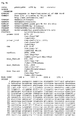
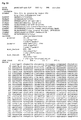
- the isolated polynucleotide consists of a polynucleotide sequence of SEQ ID NO. 1.
- the pak-3a polypeptide that is encoded by the DNA-sequence is the pak-3a polypeptide of C. elegans consisting of an amino acid sequence of SEQ ID NO. 7.
- the hybridization can occur under conditions of medium or high stringency. Conditions of medium or high stringent hybridization can be found in textbooks as "Molecular Cloning; edited by Sambrook J. Fritsch E.F., Maniatis T.; Cold Spring Harbor Laboratory Press (ISBN: 0-87969-309-6)" "Current Protocols in Molecular Biology; edited by Ausubel F.M., Brent R., guitarist R.E., Moore D.D., Seidmann J.G., Smith A., Struhl K., John Wiley & Sons, Inc. (ISBN: 0-471-50338-X-looseleaf)."
- the DNA or RNA is transferred on to a membrane filter (e.g. nylon, nitrocellulose) via Southern Blot or Northern Blot.
- a membrane filter e.g. nylon, nitrocellulose
- the membrane filter containing the target DNA or RNA (e.g. polynucleotide comprising a sequence of SEQ ID NO. 1) is thoroughly wetted in 6 x SSC which is prepared from 20 x SSC by dilution with water. (20 x SSC : 0,3 M NaCl, 0,3 M Na 3 -Citrat ⁇ 2 H 2 O).
- the membrane filter is then prehybridized by adding 0,2 ml prehybridization solution and incubated at 68°C for 1-2 hours.
- the prehybridization solution consists of 6 x SSC, 5 x Denhardt's reagent, 0,5 % SDS and 100 ⁇ g/ml denatured, fragmented salmon sperm DNA.
- 5 x Denhardt's reagent is prepared from 100 x Denhardt's solution by dilution with water. (100 x Denhardt's solution: 10 g Ficoll 400 and 10 g PolyvinylPyrollidone and 10 g Bovine Serum Albumin in 500 ml water).
- the radiolabeled probe is double stranded, it has to be denatured by heating for 5 min. at 100°C followed by rapid chilling to between 0°C to 10°C.
- the hybridization mix is incubated for 2 to 14 hours at 60°C. After hybridization the membrane filter is first washed in 2 x SSC containing 0,5% SDS for 5 minutes at room temperature. The filter is then washed in 2 x SSC containing 0,1 % SDS for 15 minutes at room temperature. The filter is then washed in 0,1 % SSC containing 0,5 % SDS for 30 minutes at 37°C.
- the filter is then washed in 0,1 x SSC containing 0,5 % SDS for 30 minutes at 42°C. After this washing steps the filter is exposed e.g. to X-ray film or is analyzed by a phosphoimager (Applied Biosystems).
- the medium and high stringency conditions differ in particular with respect to the temperature and composition of the washing steps.
- the prehybridization and incubation with the radiolabeled probe is performed under the same conditions as in case of medium stringent hybridization
- the washing steps under stringent hybridization are as follows:
- the invention concerns an isolated polynucleotide comprising a DNA sequence that is selected from one of the following groups
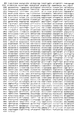
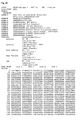
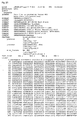
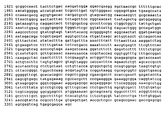
- the isolated polynucleotide consists of a polynucleotide sequence of SEQ ID NO. 2, 3, 4, 5 or 6.
- the pak-3b polypeptide that is encoded by the DNA sequence is the pak-3b polypeptide of C. elegans consisting of an amino acid sequence of SEQ ID NO. 8, 9, 10, 11 or 12.
- the invention refers in a further embodiment to a recombinant vector sequence comprising a DNA sequence selected from one of the following groups
- the conditions for hybridization as specified for pak-3a are applicable for a DNA sequence that hybridizes to one of the SEQ ID NO. 13, 14, 15, 16, 17 or 18 as well.
- the invention refers in a further preferred embodiment to a vector sequence that consists of a DNA sequence of one of the SEQ ID NO. 13, 14, 15, 16, 17 or 18.
- the invention refers also to a host cell containing a recombinant vector system as specified in SEQ ID NO. 13, 14, 15, 16, 17 or 18.
- a host cell may be any cell that is transformable by a vector sequence.
- host cells are: Escherichia coli, Bacillus subtilis, Saccharomyces cerevisiae, insect cells, mammalian cell lines (NIH 3T3; COS; Hela etc.) and others.
- a further embodiment of the invention refers to an isolated protein that is encoded by a polynucleotide sequence of SEQ ID NO. 1.
- This isolated protein can consist of an amino acid sequence of SEQ ID NO. 7.
- This isolated protein can exhibit the activity of a pak-3a protein.
- a further embodiment of the invention refers to an isolated protein that is encoded by a polynucleotide sequence of SEQ ID NO. 2, 3, 4, 5 or 6.
- Such an isolated protein can consists of an amino acid sequence of SEQ ID NO. 8, 9, 10, 11 or 12. This isolated protein can exhibit the activity of a pak-3b protein.
- the invention refers also to the use of a host cell containing a recombinant vector system of SEQ ID NO. 13, 14, 15, 16, 17 or 18 for manufacturing of a protein having an amino acid sequence of SEQ ID NO. 7 and/or exhibiting the activity of a pak-3a protein or for manufacturing of a protein having an amino acid sequence of SEQ ID NO. 8, 9, 10, 11 or 12 and/or exhibiting the activity of a pak-3b protein.
- the invention refers to the use of a host cell containing a recombinant vector system of SEQ ID NO. 13, 14, 15, 16, 17 or 18 in a screening assay for identifying of a compound which interacts with a pak-3a protein or a pak-3b protein.
- a compound when a compound interacts with a protein in context of the present invention it shall mean that the compound binds to the protein, or that it stimulates the activity of the protein (activation), or it diminishes the activity of the protein (inhibition), or it maintains the activity of the protein, or it stabilizes the acting of the protein.
- the invention concerns further the manufacturing of a protein having an amino acid sequence of SEQ ID NO. 7, 8, 9, 10, 11 or 12 and/or exhibiting the activity of a pak-3a or pak-3b protein by cultivation of host cell which harbors a recombinant vector sequence of SEQ ID NO. 13, 14, 15, 16, 17 or 18, after cultivation the separation of the cells from cultivation medium, thereafter the lysis of the cells and the purification of the protein by means of protein purification techniques.
- a person skilled in the art will get access to all required protocols for performing such a method for manufacturing of the protein starting from cultivation of the cells up to the purification of the protein in a text book such as "Current Protocols in Protein Science; edited by Coligan J. E., Dunn B.M., Ploegh H.L., Speicher D.W., Wingfield P.T.; Wiley, John & Sons, Inc. (ISBN: 0471140988)".
- the invention refers to the use of a protein having an amino acid sequence of SEQ ID NO. 7, 8, 9, 10, 11 or 12 and/or exhibiting the activity of a pak-3a or pak-3b protein to the preparation of an antibody which exhibits binding specificity for such a protein.
- the invention pertains to the use of a protein having an amino acid sequence of SEQ ID NO. 7, 8, 9, 10, 11 or 12 and/or exhibiting the activity of a pak-3a or pak-3b protein the preparation of a medicament for therapy of a disease which is caused by a deficiency, hyperactivation, or malfunction of a mammalian analogous protein of a pak-3a and/or pak-3 protein.
- a mammalian analogous protein may be derived from the human species. It can consist of a kinase protein.
- the disease involved may be related to a malfunction of the central nervous system, of metabolism, of the cardiovascular system, of the cell division process, or of other cellular or systemic processes.
- the invention refers further to the use of a protein having an amino acid sequence of SEQ ID NO. 7, 8, 9, 10, 11 or 12 in a screening process for identifying of a compound that interacts with a pak-3a or a pak-3b protein.
- a screening process can be organized in form of a High-Throughput-Screening (HTS).
- HTS High-Throughput-Screening
- An embodiment of the invention refers to an assay for identifying of a compound that is interacting with a pak-3a and/or a pak-3b protein wherein
- the pak-3a or pak-3b protein can consist of a protein having an amino acid sequence of SEQ ID NO. 7, 8, 9, 10, 11 or 12.
- a chemical compound can be provided by means of a chemical synthesis performed in a chemist's laboratory or by an industrial process.
- a chemical compound can be further provided by isolation from a biological organism (e.g. bacterium, fungus, plant, mammal etc.).
- the pak-3a or pak-3b protein can be provided in form of a host cell which harbors a recombinant vector of SEQ ID NO. 13, 14, 15, 16, 17 or 18 and expresses a protein having the activity of a pak-3a or pak-3b protein.
- a host cell is brought in contact with the chemical compound.
- the assay is used for identifying a compound that is inactivating, or activating, or binding, or maintaining the activity of a pak-3a and/or pak-3b protein.
- the invention concerns further a compound that can be identified by such an assay as well as the use of such a compound as pharmaceutically active ingredient or the use of such a compound for manufacturing of a medicament.
- a compound may consist of a molecular weight of 100 to 50 000 kDa.
- the invention pertains in a further embodiment to a strain of C. elegans that is exhibiting a loss-of-function phenotype with respect to the pak-3a and/or pak-3b protein.
- a loss-of-function phenotype is detectable by means of southern or northern blots in case the gene and/or the mRNA is not expressed.
- the loss-of-function phenotype is also detectable by western blots in case the protein is not expressed.
- the determination of the activity of the pak-3a or pak-3b protein proves the loss-of-function phenotype with respect to the pak-3a and/or pak-3b protein in case the organism is not able to produce functional versions of the proteins, or is degrading the proteins rapidly or contains inhibitors of the proteins.
- the loss-of-function phenotype of a C. elegans strains with respect to the pak-3a and/or pak-3b protein can be linked to gonad migration, embryonic lethality or sterility.
- the loss-of-function phenotype of the strain of C. elegans is caused by a mutation or by a partly or complete deletion of the gene coding sequence of pak-3a and/or pak-3b.
- the loss-of-function phenotype of the strain of C. elegans is caused by an insertion of a polynucleotide sequence into the gene coding sequence of pak-3a and/or pak-3b.
- the loss-of-function phenotype of the strain of C. elegans is caused by a polynucleotide that is selected from the following group:
- RNAi by feeding a cDNA or genomic DNA fragment from the gene of interest is cloned in a plasmid between two opposing T7 RNA polymerase promoter sites.
- the plasmid is subsequently transformed in to an E. coli host strain that contains an inducible T7 RNA polymerase gene and the E. coli strain obtained is used as a C. elegans food source (Timmons and Fire, 1998, Nature, 395, 854; Timmons et al, 2001, Gene 263, 103-112; Kamath et al, 2000, Genome Biology 2, research0002.1-0002.10research0002.1-0002.10).
- RNAi in C. elegans was the microinjection of dsRNA into the animal body cavity (Fire et al, 1998, Nature 391, 801-811).
- dsRNA is obtained by in vitro transcription of a cDNA or genomic DNA fragment cloned into a vector with T3, T7 or SP6 RNA polymerase promoter sites, or from a hybrid PCR product containing both suitable RNA polymerase promoter site(s) and sequence from the gene of interest. Normally the two RNA strands are transcribed separately and subsequently annealed together.
- both strands can be transcribed in one reaction (if the insert has been cloned in both orientations downstream of the same promoter), meaning that a separate annealing stap can be left out.
- the in vitro produced dsRNA is subsequently microinjected into the body of C. elegans animals. With this approach the number of animals available for analysis is much lower than the feeding method. However, it has occasionally been claimed that microinjection has a higher success rate.
- dsRNA tha worms can be incubated ("soaked") in high concentrations of dsRNA (Maeda et al 2001, Current Biology, 11, 171-176).
- Transgenics DsRNA can also be produced in situ in the worms by generating transgenic animals expressing either a hairpin RNA molecule that fold on itself to a dsRNA, or by the use of two transgenic constructs expressing the two different RNA strands.
- labour intensive this approach opens the possibility for stably knocked-down RNAs as well as tissue-specific and inducible RNAi, depending on the promoter chosen for driving the RNA expression (Tavernakis et al, 2000, Nature Genetics, 24, 180-183).
- the loss-of-function phenotype of the strain of C. elegans is caused by an inhibitor of the pak-3a and/or pak-3b protein.
- the invention refers also to the use of a strain of C. elegans that is exhibiting a loss-of-function phenotype for identifying of a protein of the PAK signaling pathway.
- a protein can be a kinase, a phosphatase, a transcription enhancer, a transcription repressor or any other protein which is able to interact with a intracellular signaling cascade.
- the invention refers further to the use of a strain that is exhibiting a loss-of-function phenotype for identifying a compound that interacts with a protein of the PAK signaling pathway.
- the invention further pertains to a method for generating a C. elegans having a phenotype that is characterized by sterility and/or embryonic lethality and/or a defective gonad migration pattern in by
- pak-3 shall include pak-3a and pak-3b.
- the reference shall pertain to pak-3a and/or pak-3b.
- the inactivating of the pak-1 gene and/or pak-1 protein and pak-3 gene and/or pak-3 protein has to be performed in the same C. elegans organisms. The inactivating of both genes could occur simultaneously at the same time or consecutively one after another. In all cases of inactivation of pak-1 and/or pak-1 to obtain the loss of function phenotype it makes no difference whether the chemical inhibition and/or genetic inactivation of pak-3 is performed before or subsequently after the chemical inhibition and/or genetic inactivation of pak-1
- the identifying of a C. elegans exhibiting the phenotype of sterility and/or embryonic lethality and/or a defective gonad migration pattern can occur in offsprings of the F1 and/or the F2 and/or a further following generation.
- RNA molecules that are suitable for RNA interference with a pak-1 coding polynucleotide.
- RNA molecules can be derived from at least one of the vectors of the following group: pKG61 (SEQ ID NO. 26), pKG71 (SEQ ID NO.28).
- the according vector is introduced into a bacterial strain as e.g. E. coli, the RNA is transcribed from the plasmid promotor and thereafter isolated from the bacteria and purified. The purified RNA is then brought in contact with a cell of C. elegans, or a part of an organism of C. elegans or a complete organism of C. elegans.
- a further possibility of inactivating the pak-1 gene and/or the pak-1 protein consists in feeding bacteria to C. elegans which bacteria contain RNA molecules which are suitable for RNA interference with a pak-1 coding polynucleotide.
- Such bacteria for the feeding of the C. elegans can harbor at least one plasmid of the following group: pKG61 (SEQ ID NO. 26), pKG71 (SEQ ID NO. 28).
- the RNA is transcribed from these vectors within the bacteria.
- the inactivating of the pak-1 gene and/or the pak-1 protein can be performed by use of a pak-1 knock out strain of C. elegans. Such a knock out strain is e.g. C. elegans RB 689.
- the pak-1 gene and/or pak-1 protein can be inactivated by means of an according antisense RNA, antisense DNA, a Ribozyme, an inhibitor of the pak-1 gene transcription or an inhibitor of the pak-1 protein.
- RNA molecules that are suitable for RNA interference with a pak-3 coding polynucleotide.
- RNA molecules can be derived from at least one of the vectors of the following group: pKG65 (SEQ ID NO. 27), pKG71 (SEQ ID NO. 28), pKG63 (SEQ ID NO. 29), pKG64 (SEQ ID NO. 30).
- the according vector is introduced into a bacterial strain as e.g. E. coli, the RNA transcribed from the plasmid promotor and thereafter isolated from the bacteria and purified. The purified RNA is then brought in contact with a cell of C.
- a further possibility of inactivating the pak-3 gene and/or the pak-3 protein consists in feeding bacteria to C. elegans which bacteria contain RNA molecules which are suitable for RNA interference with a pak-3 coding polynucleotide.
- Such bacteria for the feeding of the C. elegans can harbor at least one plasmid of the following group: pKG65 (SEQ ID NO. 27), pKG71 (SEQ ID NO. 28), pKG63 (SEQ ID NO. 29), pKG64 (SEQ ID NO. 30).
- the RNA is transcribed from these vectors within the bacteria.
- the inactivating of the pak-3 gene and/or pak-3 protein can be performed by use of a pak-3 knock out strain of C. elegans.
- the pak-3 gene and/or pak-3 protein can be inactivated by means of an according antisense RNA, antisense DNA, a Ribozyme, an inhibitor of the pak-3 gene transcription or an inhibitor of the pak-3 protein.
- the invention pertains further to a strain of C. elegans which is characterized by a phenotype of sterility and/or embryonic lethality and/or a defective gonad migration and which harbors an inquired or missing pak-1 function and an impaired or missing pak-3 function.
- the term function shall refer to the gene and/or the protein.
- the strain of C. elegans of the invention which is characterized by a phenotype of sterility and/or embryonic lethality and/or a defective gonad migration pattern could be obtainable or could be obtained by one or several of the methods for generating a C. elegans having said phenotypes.
- Such a strain can be used amongst other things for characterizing the intracellular signaling cascade linked to pak-1 and/or pak-3. Such a strain can also be used for identifying of a compound that interferes with one or several proteins which are part of the signaling cascade linked to pak-1and/or pak-3. Such a strain can further be used for identification of a compound that interferes with transcription of one or several proteins that are part of the signaling cascade linked to pak-1 and/or pak-3.
- the invention relates also to manufacturing of a RNA molecule wherein at least one of the polynucleotides of pKG61 (SEQ ID NO. 26), pKG65 (SEQ ID NO. 27), pKG71 (SEQ ID NO.
- RNA molecules that are obtainable or obtained by such a method. These RNA molecules can be used as individual species one by one or in a combined manner for RNA interference with a pak-1 and/or pak-3 protein coding polynucleotide.
- the plasmids of the present invention have been deposited with the DSMZ - Deutsche Sammlung von Mikroorganismen und Zellkulturen GmbH (German Collection of Microorganisms and Cell Cultures GmbH) Mascheroder Weg 1 b D-38124 Braunschweig according to the following numbers:
- Nematode culture was done according to Brenner 1974. Strains were obtained from the C. elegans Genomics Center (CGC) and the C. elegans knock out consortium.
- CGC C. elegans Genomics Center
- the different isoforms of pak-3 cDNA were cloned by RT-PCR from N2 (C. elegans wild-type) total RNA. All primers contain 5'adaptor sequences to allow Gateway cloning. RT-PCR products with 5' Gateway adaptor sequences were re-amplified using AttB sequence primers and cloned via the BP reaction into the vector pDONR201 as described by the manufacturer (Invitrogen). Sequence alignments were done using the Lasergene software package. Blast database searches were conducted using the NCBI Blast tool (internal installation). Sequence motifs were identified using the Workbench Pfam HMM database search tool (GeneData AG).
- pKG40 (pak-3a wild-type; DSM 16147) was cloned by the use of gene-specific primers based on the gene prediction for y38f1a.10, (SEQ ID NO. 33).
- One pak-3a clone was isolated by the 5' SL1 primer kg37 [see below] in combination with kg26. This clone was found to have an ORF identical to pKG40 and was not kept).
- pKG43 (pak-3b SL 1 t1680c; Ala-Ala; DSM 16148) was cloned by a 5' primer corresponding to the SL1 trans-spliced leader sequence in conjunction with the 3' primer kg26 (agaaagctgggtcTACTTTTCTCGGACGGCTCT, SEQ ID NO. 24).
- pKG44 (pak-3b Ins1581 t1686c; DSM 16149), pKG58 (pak-3b Ins228 Deta Exon 7) and pKG59 (pak-3b a43g Ins1581) were all cloned by combining a gene-specific 5' primer, kg50 (aaaaagcaggctcaaaATGTCAACTTCAAAAAGTTCCAAG, SEQ ID NO. 25), derived from the sequence information from pKG43, with the 3' primer kg26 (SEQ ID NO. 22).
- pKG123 (pak-3b wild-type; DSM 16152) was constructed by replacing an EcoRV-Sacl restriction fragment (the C-terminal part of the kinase domain) in pKG44, containing deviations from the wild-type sequence, with the corresponding wild-type fragment from pKG58, thus creating a full-length, wild-type cDNA clone.
- RNAi RNA interference was done using the feeding method as described previously in Eraser et al. 2000 and Kamath et al. 2000. Double RNAi was done either by mixing bacterial cultures before seeding plates or by generation of vector constructs containing two cDNA fragments.
- Vectors for RNAi by feeding were generated by cloning full-length or partial cDNAs into derivatives of the double T7 vector pPD129.36 (Timmons & Fire, Nature 395, 854). Either a Gateway-adopted version (pKG14) was used for cloning according to standard Gateway protocols (Invitrogen) or a version with a Srfl site added to the polylinker (pKG90) was used for direct cloning of PCR products as described (Schlotterer, C. and Wolff, C. Trends Genet, 1996. 12, 286-287).
- Egg lay was scored by placing 5 or 10 [for 1. pak-1 (RNAi); 2. pak-1(ok448); pak-3(RNAi) 3. pak-1(ok448); pak-3b(RNAi)] adult F1 generation worms (1 st generation progeny from the P0 parents initially exposed to RNAi treatment) on plates (5 plates per RNAi treatment) for 5 h at 20°C and subsequent manual counting of the eggs after removal of the adult worms.
- Embryonic lethality was defined as the number of eggs remaining 24 h after removal of the adult worms relative the total number of eggs laid.
- DTC migration was scored essentially as described previously (Nishiwaki 1999 Genetics 152, 985-997; Su et al 2000, Development 127, 585-594). Briefly, F1 generation late L4 larvae or young adults were observed under Nomarski (DIC) optics using an Axioplan 2 microscope (Sulston and Horwitz 1977, Dev Biol 56, 110-156) and the trajectories of the DTCs were deduced from the shapes of the gonad arms. As a negative control worms were exposed to bacteria expressing the empty T7 vector. The DTC migration phenotypes were group into five different classes (Fig.
- synchronized RB689 (pak-1, ok448) L1 larvae were obtained by NaOH/Na-hypochlorite treatment of gravid adults and subsequent incubation of the resulting eggs in M9 buffer O/N at 20°C with agitation essentially as described (C. elegans, a practical approach, Ed. I. Hope, 1999). About 30 L1 larvae in NGM medium were mixed with 2 OD600 E. coli OP-50, 100 ⁇ M test compound, 1 % DMSO (from compound stock solution) in a final volume of 50 ⁇ l per well in flat-bottomed 96-well plates and incubated at 20° for 3 to 4 days.
- Preliminary in-well scoring of gonad phenotypes was done using an Axiovert 200 microscope.
- worms were pipetted out of the wells, mounted and analyzed under Nomarski (DIC) optics.
- DIC Nomarski
- As a negative control worms were incubated with 1 % DMSO.
- the initial indication of a hitherto unknown pak gene in C. elegans came from the identification of a predicted open reading frame, y38f1a.10 (SEQ ID NO. 33), encoding a kinase domain with high homology to a pak-type kinase domain.
- the kinase domain is also classified at the www.kinase.com website as a pak-type kinase domain).
- the predicted ORF y38f1a.10 does not encode for a CRIB-domain, the regulatory domain conserved within the PAK gene family.
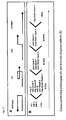
- the first class corresponds roughly to the predicted ORF y38f1a.10 but with an additional exon upstream of the kinase domain.
- the second class spans both ORFs y38f1a.10 and f18a11.4, thus demonstrating that these two ORFs belong to one single gene.
- the mRNAs have a 5' region longer than predicted in f18a11.4 and also longer than the EST yk651h1.
- Sequence analysis revealed a splicing pattern different from the ORF f18a11.4 and most importantly a domain with homology to a CRIB domain.
- RNAi by feeding experiments were performed. However, no obvious phenotypes could be detected when N2 wild-type worms were used for RNAi. Similarly, no phenotypes were observed when pak-1 function was assayed by RNAi, which was corroborated by observation of the pak-1 knock-out strain RB689, appearing completely wild-type in morphology and behavior.
- Embryonic lethality was initially observed from the presence of small, round eggs that did not hatch upon prolonged incubation. Closer examination of these eggs suggested a high degree of cellular differentiation, for example muscle and pharynx tissue was clearly present. However, the overall morphology of the embryos was distorted, ranging from moderate to very severe with no morphological features conserved. A quantitative analysis (Table I) demonstrated more than 20 % embryonic lethality in N2 animals and almost 40 % in the RB689 background.
- a third pak gene is encoded by the predicted gene c45b11.1, which is most similar to the human PAK4. It is known that mammalian PAK4 differ significantly in regulation and function from PAK1 and PAK3. In agreement with this, no additional phenotypes were observed in double RNAi experiments between c45b11.1 and pak-1 or pak-3.
- the shape of the bi-lobed gonad is determined by the paths of cell migration of the gonadal distal tip cells (DTCs).
- DTCs gonadal distal tip cells
- the two gonadal arms develop from the ventrally located gonadal primordium in the midbody.
- One DTC migrates anteriorly and the other posteriorly close to the ventral midline.
- the migration of the DTCs then undergoes two turns, the first turn towards the dorsal side and the second turn towards the midbody.
- the result of these migrations is the formation of the two symmetrical C-shaped adult gonad arms.
- Rho GTPases to which the Rac proteins belong, are upstream regulators of PAKs.
- C. elegans paks also are important for DTC pathfinding it was deducted that there is an interaction between pak-1 and pak-3 and the two Racs ced-10 and mig-2 in C. elegans gonad development.
- RNAi experiments was performed in different genetic backgrounds (summarized in Table II). The different experimental combinations consistently showed that mig-2 or ced-10 loss of function did not lead to a stronger phenotype in combination with pak-3 than the separate single loss of function mutants.
- worms were exposed to a set of potential PAK inhibitors, derived from a chemical compound collection, in a 96-well assay format. Synchronized RB689 (pak-1, ok448) L1 larvae were incubated with test compounds in NGM (media) and E. coli OP-50 as food source. As the compounds were added as DMSO solutions, worms exposed to DMSO was used as a control. At late L4 or early young adult stage, gonad phenotypes were scored.
- PAK inhibitors can be identified in a C. elegans-based assay demonstrates the usefulness of this model organism as a tool for pharmacological research.
- growth retardation was observed also exemplifies that potential side effects can be identified in parallel to the specific assay readout, i.e. that C. elegans-based assays can be valuable as high-throughput screening systems.
- RNAi treatment Genotype % Eggs laid % Emb Lethality N2 ctrl Wild-type 100 0,2 pak-1 pak-1 (RNAi) 113 2,2 pak-3 pak-3 (RNAi) 69 5,0 pak-1/-3 (one vector pak-1 (RNAi); pak-3(RNAi); 11 20,8 pak-1/pak-3 (mixed vectors) pak-1 (RNAi); pak-3(RNAi 17 15,4 RB689 ctrl pak-1 (ok448) 100 4,4 pak-3 pak-1 (ok448); pak-3(RNAi) 3 38,7 pak-3a pak-1 (ok448); pak-3a(RNAi) 134 4,0 pak-3b pak-1 (ok448); pak-3b(RNAi 2 22,7 Strain Cpd % wt % pak-like % Straight % Movement Def % affectted n RB689 pak-1(ok448) ctrl 99 0 0 1 1 1
Landscapes
- Life Sciences & Earth Sciences (AREA)
- Health & Medical Sciences (AREA)
- Chemical & Material Sciences (AREA)
- Genetics & Genomics (AREA)
- Organic Chemistry (AREA)
- Engineering & Computer Science (AREA)
- Zoology (AREA)
- Molecular Biology (AREA)
- Biomedical Technology (AREA)
- Wood Science & Technology (AREA)
- Bioinformatics & Cheminformatics (AREA)
- Biochemistry (AREA)
- General Health & Medical Sciences (AREA)
- General Engineering & Computer Science (AREA)
- Biotechnology (AREA)
- Tropical Medicine & Parasitology (AREA)
- Environmental Sciences (AREA)
- Biophysics (AREA)
- Microbiology (AREA)
- Medicinal Chemistry (AREA)
- Animal Behavior & Ethology (AREA)
- Virology (AREA)
- Biodiversity & Conservation Biology (AREA)
- Animal Husbandry (AREA)
- Plant Pathology (AREA)
- Toxicology (AREA)
- Gastroenterology & Hepatology (AREA)
- Physics & Mathematics (AREA)
- Proteomics, Peptides & Aminoacids (AREA)
- Measuring Or Testing Involving Enzymes Or Micro-Organisms (AREA)
- Enzymes And Modification Thereof (AREA)
- Micro-Organisms Or Cultivation Processes Thereof (AREA)
- Peptides Or Proteins (AREA)
Priority Applications (5)
| Application Number | Priority Date | Filing Date | Title |
|---|---|---|---|
| EP04001748A EP1559722B1 (de) | 2004-01-28 | 2004-01-28 | Caenorhabditis elegans p21-aktivierte Kinase (PAK) und assoziierten Funktionsverlustphenotypen |
| AT04001748T ATE517913T1 (de) | 2004-01-28 | 2004-01-28 | Caenorhabditis elegans p21-aktivierte kinase (pak) und assoziierten funktionsverlustphenotypen |
| US11/045,439 US7319024B1 (en) | 2004-01-28 | 2005-01-28 | C. elegans p21-activated kinase (PAK) gene and associated loss-of-function phenotypes that facilitate screening for small molecule modulators of PAK activity in the nematode, caenorhabditis elegans |
| AU2005200621A AU2005200621B2 (en) | 2004-01-28 | 2005-02-11 | A novel C. elegans p21-activated kinase (PAK) gene and associated loss-of-function phenotypes that facilitate screening for small molecule modulators of PAK activity in the nematode, Caenorhabditis elegans |
| US11/871,255 US20080213798A1 (en) | 2004-01-28 | 2007-10-12 | Novel c. elegans p21-activated kinase (pak) gene and associated loss-of-function phenotypes that facilitate screening for small molecule modulators of pak activity in the nematode, caenorhabditis elegans |
Applications Claiming Priority (1)
| Application Number | Priority Date | Filing Date | Title |
|---|---|---|---|
| EP04001748A EP1559722B1 (de) | 2004-01-28 | 2004-01-28 | Caenorhabditis elegans p21-aktivierte Kinase (PAK) und assoziierten Funktionsverlustphenotypen |
Publications (2)
| Publication Number | Publication Date |
|---|---|
| EP1559722A1 true EP1559722A1 (de) | 2005-08-03 |
| EP1559722B1 EP1559722B1 (de) | 2011-07-27 |
Family
ID=34639391
Family Applications (1)
| Application Number | Title | Priority Date | Filing Date |
|---|---|---|---|
| EP04001748A Expired - Lifetime EP1559722B1 (de) | 2004-01-28 | 2004-01-28 | Caenorhabditis elegans p21-aktivierte Kinase (PAK) und assoziierten Funktionsverlustphenotypen |
Country Status (4)
| Country | Link |
|---|---|
| US (2) | US7319024B1 (de) |
| EP (1) | EP1559722B1 (de) |
| AT (1) | ATE517913T1 (de) |
| AU (1) | AU2005200621B2 (de) |
Citations (1)
| Publication number | Priority date | Publication date | Assignee | Title |
|---|---|---|---|---|
| US20030023997A1 (en) * | 1998-10-24 | 2003-01-30 | Gisela Peraus | Transgenic c. elegans as a model organism for investigations on alzheimer's disease |
-
2004
- 2004-01-28 EP EP04001748A patent/EP1559722B1/de not_active Expired - Lifetime
- 2004-01-28 AT AT04001748T patent/ATE517913T1/de not_active IP Right Cessation
-
2005
- 2005-01-28 US US11/045,439 patent/US7319024B1/en not_active Expired - Fee Related
- 2005-02-11 AU AU2005200621A patent/AU2005200621B2/en not_active Ceased
-
2007
- 2007-10-12 US US11/871,255 patent/US20080213798A1/en not_active Abandoned
Patent Citations (1)
| Publication number | Priority date | Publication date | Assignee | Title |
|---|---|---|---|---|
| US20030023997A1 (en) * | 1998-10-24 | 2003-01-30 | Gisela Peraus | Transgenic c. elegans as a model organism for investigations on alzheimer's disease |
Non-Patent Citations (12)
| Title |
|---|
| BURBELO P D ET AL: "Cloning, central nervous system expression and chromosomal mapping of the mouse PAK-1 and PAK-3 genes", GENE, ELSEVIER BIOMEDICAL PRESS. AMSTERDAM, NL, vol. 232, no. 2, 31 May 1999 (1999-05-31), pages 209 - 215, XP004167505, ISSN: 0378-1119 * |
| CHEN ET AL.: "The Caenorhabditis elegans p21-activated kinase (CePAK) colocalizes with CeRac1 and CDC42Ce at hypodermal cell boundaries during embryo elongation", THE JOURNAL OF BIOLOGICAL CHEMISTRY, vol. 271, no. 42, 18 October 1996 (1996-10-18), pages 26362 - 26368, XP002285902 * |
| DATABASE EMBL [online] EBI; 13 January 2002 (2002-01-13), KOHARA ET AL.: "Caenorhabditis elegans cDNA clone:yk1024all : 5' end, single read", XP002285906, retrieved from EBI Database accession no. BJ101260 * |
| DATABASE EMBL [online] EBI; 16 May 2003 (2003-05-16), REBOUL ET AL.: "OSTR106H11_1 AD-wrmcDNA Caenorhabditis elegans cDNA, mRNA sequence", XP002285908, retrieved from EBI Database accession no. CB392803 * |
| DATABASE EMBL [online] EBI; 16 May 2003 (2003-05-16), REBOUL ETAL.: "OSTF106H11_1 AD-wmcDNA Caenorhabditis elegans cDNA, mRNA sequence", XP002285907, retrieved from EBI Database accession no. CB388866 * |
| DATABASE EMBL [online] EBI; 19 July 1999 (1999-07-19), KOHARA, Y.: "Caenorhabditis elegens cDNA clone:yk65h1 : 5' end, single read", XP002285905, retrieved from EBI Database accession no. AV196244 * |
| DATABASE EMBL [online] EBI; 29 October 1998 (1998-10-29), WALLIS, J.M.: "Caenorhabditis elegans YAC Y38F1A", XP002285904, retrieved from EBI Database accession no. AL032639 * |
| IINO ET AL.: "Expression pattern of the C. elegans p21-activated protein kinase, CePAK", BIOCHEMICAL AND BIOPHYSICAL RESEARCH COMMUNICATIONS, vol. 245, no. 1, 1998, pages 177 - 184, XP002285903 * |
| LUNDQUIST ERIK A ET AL: "Three C. elegans Rac proteins and several alternative Rac regulators control axon guidance, cell migration and apoptotic cell phagocytosis", DEVELOPMENT (CAMBRIDGE), vol. 128, no. 22, November 2001 (2001-11-01), pages 4475 - 4488, XP002286060, ISSN: 0950-1991 * |
| REBOUL ET AL., NATURE GENETICS, vol. 34, May 2003 (2003-05-01), pages 35 - 41 * |
| REDDIEN PETER W ET AL: "CED-2/CrkII and CED-10/Rac control phagocytosis and cell migration in Caenorhabditis elegans", NATURE CELL BIOLOGY, vol. 2, no. 3, March 2000 (2000-03-01), pages 131 - 136, XP002286059, ISSN: 1465-7392 * |
| ROUSSEAU ET AL.: "A new constitutively active brain PAK3 isoform displays modified specificities toward Rac and Cdc42 GTPases", THE JOURNAL OF BIOLOGICAL CHEMISTRY, vol. 278, no. 6, 7 February 2003 (2003-02-07), pages 3912 - 3920, XP002285901 * |
Also Published As
| Publication number | Publication date |
|---|---|
| AU2005200621B2 (en) | 2010-08-12 |
| US20080213798A1 (en) | 2008-09-04 |
| EP1559722B1 (de) | 2011-07-27 |
| US7319024B1 (en) | 2008-01-15 |
| AU2005200621A1 (en) | 2005-08-11 |
| ATE517913T1 (de) | 2011-08-15 |
Similar Documents
| Publication | Publication Date | Title |
|---|---|---|
| Boquet et al. | Ciboulot regulates actin assembly during Drosophila brain metamorphosis | |
| Hu et al. | Cloning and characterization of tryptophan 2, 3‐dioxygenase gene of Zhikong scallop Chlamys farreri (Jones and Preston 1904) | |
| Chen et al. | A novel member of the tob family of proteins controls sexual fate in Caenorhabditis elegans germ cells | |
| US20090077679A1 (en) | Gene silencing by systemic rna interference | |
| Masai et al. | Immunolocalization of Drosophila eye‐specific diacylgylcerol kinase, rdgA, which is essential for the maintenance of the photoreceptor | |
| CA2386270A1 (en) | Rna interference pathway genes as tools for targeted genetic interference | |
| Peter et al. | The small heat shock proteins of the nematode Caenorhabditis elegans: structure, regulation and biology | |
| Britton et al. | Identification of promoter elements of parasite nematode genes in transgenic Caenorhabditis elegans | |
| Qu et al. | Mutations at the Ser50 residue of translation factor eIF-2a dominantly affect developmental rate, body weight, and viability of Drosophila melanogaster | |
| DeLotto et al. | Multiple isoforms of the Drosophila Spätzle protein are encoded by alternatively spliced maternal mRNAs in the precellular blastoderm embryo | |
| Ragone et al. | The Drosophila melanogaster gene for the NADH: ubiquinone oxidoreductase acyl carrier protein: developmental expression analysis and evidence for alternatively spliced forms | |
| Korzelius et al. | C. elegans MCM-4 is a general DNA replication and checkpoint component with an epidermis-specific requirement for growth and viability | |
| Stevens et al. | Identification and characterization of B′′‐subunits of protein phosphatase 2 A in Xenopus laevis oocytes and adult tissues: Evidence for an independent N‐terminal splice variant of PR130 and an extended human PR48 protein | |
| US7319024B1 (en) | C. elegans p21-activated kinase (PAK) gene and associated loss-of-function phenotypes that facilitate screening for small molecule modulators of PAK activity in the nematode, caenorhabditis elegans | |
| JP5209840B2 (ja) | 線虫、カエノラブディティス−エレガンス(Caenorhabditiselegans)におけるPAK活性の低分子量のモジュレーターのスクリーニングを容易にする、新規のC.エレガンスp21活性化キナーゼ(PAK)遺伝子、および、関連する機能欠損の表現型 | |
| Camus et al. | Gene trap insertion reveals two open reading frames in the mouse SSeCKS gene: the form predominantly detected in the nervous system is suppressed by the insertion while the other, specific of the testis, remains expressed | |
| Jauch et al. | The Drosophila melanogaster DmCK2β transcription unit encodes for functionally non-redundant protein isoforms | |
| Yoo et al. | Overexpression of Drosophila Rad51 protein (DmRad51) disrupts cell cycle progression and leads to apoptosis | |
| NO332106B1 (no) | C. elegans stamme med inaktivt pak-3b gen, anvendelse av denne, samt fremgangsmate for fremstilling av samme. | |
| Drury et al. | A receptor tyrosine kinase regulated by the transcription factor VAB-3/PAX6 pairs with a pseudokinase to trigger immune signalling upon oomycete recognition in C. elegans | |
| Pfeiffer et al. | Wee Kinases, Big Impact: Wee and Myt Kinases as Critical Regulators of Meiotic Progression | |
| Barcelo | The effect of dS6K on growth and the identification of interactors of dS6K in Drosophila melanogaster | |
| Xiong | Identification and characterization of protein phopshatases regulating the Sma/Mab pathway in C. elegans | |
| Hogan | Isolation and characterization of a Caenorhabditis elegans SRC loss-of-function allele using reverse genetics | |
| Bounoutas | Caenorhabditis elegans touch receptor neuron development and function: The roles of microtubules, a MAP kinase pathway, and an F-box protein |
Legal Events
| Date | Code | Title | Description |
|---|---|---|---|
| PUAI | Public reference made under article 153(3) epc to a published international application that has entered the european phase |
Free format text: ORIGINAL CODE: 0009012 |
|
| AK | Designated contracting states |
Kind code of ref document: A1 Designated state(s): AT BE BG CH CY CZ DE DK EE ES FI FR GB GR HU IE IT LI LU MC NL PT RO SE SI SK TR |
|
| AX | Request for extension of the european patent |
Extension state: AL LT LV MK |
|
| RAP1 | Party data changed (applicant data changed or rights of an application transferred) |
Owner name: SANOFI-AVENTIS DEUTSCHLAND GMBH |
|
| 17P | Request for examination filed |
Effective date: 20060203 |
|
| AKX | Designation fees paid |
Designated state(s): AT BE BG CH CY CZ DE DK EE ES FI FR GB GR HU IE IT LI LU MC NL PT RO SE SI SK TR |
|
| GRAP | Despatch of communication of intention to grant a patent |
Free format text: ORIGINAL CODE: EPIDOSNIGR1 |
|
| GRAS | Grant fee paid |
Free format text: ORIGINAL CODE: EPIDOSNIGR3 |
|
| GRAA | (expected) grant |
Free format text: ORIGINAL CODE: 0009210 |
|
| AK | Designated contracting states |
Kind code of ref document: B1 Designated state(s): AT BE BG CH CY CZ DE DK EE ES FI FR GB GR HU IE IT LI LU MC NL PT RO SE SI SK TR |
|
| REG | Reference to a national code |
Ref country code: GB Ref legal event code: FG4D |
|
| REG | Reference to a national code |
Ref country code: CH Ref legal event code: EP |
|
| REG | Reference to a national code |
Ref country code: DE Ref legal event code: R096 Ref document number: 602004033590 Country of ref document: DE Effective date: 20110915 |
|
| REG | Reference to a national code |
Ref country code: NL Ref legal event code: VDEP Effective date: 20110727 |
|
| REG | Reference to a national code |
Ref country code: AT Ref legal event code: MK05 Ref document number: 517913 Country of ref document: AT Kind code of ref document: T Effective date: 20110727 |
|
| PG25 | Lapsed in a contracting state [announced via postgrant information from national office to epo] |
Ref country code: FI Free format text: LAPSE BECAUSE OF FAILURE TO SUBMIT A TRANSLATION OF THE DESCRIPTION OR TO PAY THE FEE WITHIN THE PRESCRIBED TIME-LIMIT Effective date: 20110727 Ref country code: SE Free format text: LAPSE BECAUSE OF FAILURE TO SUBMIT A TRANSLATION OF THE DESCRIPTION OR TO PAY THE FEE WITHIN THE PRESCRIBED TIME-LIMIT Effective date: 20110727 Ref country code: NL Free format text: LAPSE BECAUSE OF FAILURE TO SUBMIT A TRANSLATION OF THE DESCRIPTION OR TO PAY THE FEE WITHIN THE PRESCRIBED TIME-LIMIT Effective date: 20110727 Ref country code: PT Free format text: LAPSE BECAUSE OF FAILURE TO SUBMIT A TRANSLATION OF THE DESCRIPTION OR TO PAY THE FEE WITHIN THE PRESCRIBED TIME-LIMIT Effective date: 20111128 Ref country code: BE Free format text: LAPSE BECAUSE OF FAILURE TO SUBMIT A TRANSLATION OF THE DESCRIPTION OR TO PAY THE FEE WITHIN THE PRESCRIBED TIME-LIMIT Effective date: 20110727 |
|
| PG25 | Lapsed in a contracting state [announced via postgrant information from national office to epo] |
Ref country code: GR Free format text: LAPSE BECAUSE OF FAILURE TO SUBMIT A TRANSLATION OF THE DESCRIPTION OR TO PAY THE FEE WITHIN THE PRESCRIBED TIME-LIMIT Effective date: 20111028 Ref country code: AT Free format text: LAPSE BECAUSE OF FAILURE TO SUBMIT A TRANSLATION OF THE DESCRIPTION OR TO PAY THE FEE WITHIN THE PRESCRIBED TIME-LIMIT Effective date: 20110727 Ref country code: CY Free format text: LAPSE BECAUSE OF FAILURE TO SUBMIT A TRANSLATION OF THE DESCRIPTION OR TO PAY THE FEE WITHIN THE PRESCRIBED TIME-LIMIT Effective date: 20110727 Ref country code: SI Free format text: LAPSE BECAUSE OF FAILURE TO SUBMIT A TRANSLATION OF THE DESCRIPTION OR TO PAY THE FEE WITHIN THE PRESCRIBED TIME-LIMIT Effective date: 20110727 |
|
| PG25 | Lapsed in a contracting state [announced via postgrant information from national office to epo] |
Ref country code: CZ Free format text: LAPSE BECAUSE OF FAILURE TO SUBMIT A TRANSLATION OF THE DESCRIPTION OR TO PAY THE FEE WITHIN THE PRESCRIBED TIME-LIMIT Effective date: 20110727 Ref country code: SK Free format text: LAPSE BECAUSE OF FAILURE TO SUBMIT A TRANSLATION OF THE DESCRIPTION OR TO PAY THE FEE WITHIN THE PRESCRIBED TIME-LIMIT Effective date: 20110727 |
|
| PG25 | Lapsed in a contracting state [announced via postgrant information from national office to epo] |
Ref country code: EE Free format text: LAPSE BECAUSE OF FAILURE TO SUBMIT A TRANSLATION OF THE DESCRIPTION OR TO PAY THE FEE WITHIN THE PRESCRIBED TIME-LIMIT Effective date: 20110727 Ref country code: IT Free format text: LAPSE BECAUSE OF FAILURE TO SUBMIT A TRANSLATION OF THE DESCRIPTION OR TO PAY THE FEE WITHIN THE PRESCRIBED TIME-LIMIT Effective date: 20110727 Ref country code: RO Free format text: LAPSE BECAUSE OF FAILURE TO SUBMIT A TRANSLATION OF THE DESCRIPTION OR TO PAY THE FEE WITHIN THE PRESCRIBED TIME-LIMIT Effective date: 20110727 |
|
| PLBE | No opposition filed within time limit |
Free format text: ORIGINAL CODE: 0009261 |
|
| STAA | Information on the status of an ep patent application or granted ep patent |
Free format text: STATUS: NO OPPOSITION FILED WITHIN TIME LIMIT |
|
| PG25 | Lapsed in a contracting state [announced via postgrant information from national office to epo] |
Ref country code: DK Free format text: LAPSE BECAUSE OF FAILURE TO SUBMIT A TRANSLATION OF THE DESCRIPTION OR TO PAY THE FEE WITHIN THE PRESCRIBED TIME-LIMIT Effective date: 20110727 |
|
| 26N | No opposition filed |
Effective date: 20120502 |
|
| REG | Reference to a national code |
Ref country code: DE Ref legal event code: R097 Ref document number: 602004033590 Country of ref document: DE Effective date: 20120502 |
|
| PG25 | Lapsed in a contracting state [announced via postgrant information from national office to epo] |
Ref country code: MC Free format text: LAPSE BECAUSE OF NON-PAYMENT OF DUE FEES Effective date: 20120131 |
|
| REG | Reference to a national code |
Ref country code: CH Ref legal event code: PL |
|
| GBPC | Gb: european patent ceased through non-payment of renewal fee |
Effective date: 20120128 |
|
| REG | Reference to a national code |
Ref country code: IE Ref legal event code: MM4A |
|
| PG25 | Lapsed in a contracting state [announced via postgrant information from national office to epo] |
Ref country code: GB Free format text: LAPSE BECAUSE OF NON-PAYMENT OF DUE FEES Effective date: 20120128 Ref country code: CH Free format text: LAPSE BECAUSE OF NON-PAYMENT OF DUE FEES Effective date: 20120131 Ref country code: LI Free format text: LAPSE BECAUSE OF NON-PAYMENT OF DUE FEES Effective date: 20120131 |
|
| PG25 | Lapsed in a contracting state [announced via postgrant information from national office to epo] |
Ref country code: IE Free format text: LAPSE BECAUSE OF NON-PAYMENT OF DUE FEES Effective date: 20120128 |
|
| PG25 | Lapsed in a contracting state [announced via postgrant information from national office to epo] |
Ref country code: ES Free format text: LAPSE BECAUSE OF FAILURE TO SUBMIT A TRANSLATION OF THE DESCRIPTION OR TO PAY THE FEE WITHIN THE PRESCRIBED TIME-LIMIT Effective date: 20111107 |
|
| PG25 | Lapsed in a contracting state [announced via postgrant information from national office to epo] |
Ref country code: BG Free format text: LAPSE BECAUSE OF FAILURE TO SUBMIT A TRANSLATION OF THE DESCRIPTION OR TO PAY THE FEE WITHIN THE PRESCRIBED TIME-LIMIT Effective date: 20111027 |
|
| PG25 | Lapsed in a contracting state [announced via postgrant information from national office to epo] |
Ref country code: TR Free format text: LAPSE BECAUSE OF FAILURE TO SUBMIT A TRANSLATION OF THE DESCRIPTION OR TO PAY THE FEE WITHIN THE PRESCRIBED TIME-LIMIT Effective date: 20110727 |
|
| PGFP | Annual fee paid to national office [announced via postgrant information from national office to epo] |
Ref country code: DE Payment date: 20140122 Year of fee payment: 11 |
|
| PG25 | Lapsed in a contracting state [announced via postgrant information from national office to epo] |
Ref country code: LU Free format text: LAPSE BECAUSE OF NON-PAYMENT OF DUE FEES Effective date: 20120128 |
|
| PGFP | Annual fee paid to national office [announced via postgrant information from national office to epo] |
Ref country code: FR Payment date: 20140108 Year of fee payment: 11 |
|
| PG25 | Lapsed in a contracting state [announced via postgrant information from national office to epo] |
Ref country code: HU Free format text: LAPSE BECAUSE OF FAILURE TO SUBMIT A TRANSLATION OF THE DESCRIPTION OR TO PAY THE FEE WITHIN THE PRESCRIBED TIME-LIMIT Effective date: 20040128 |
|
| REG | Reference to a national code |
Ref country code: DE Ref legal event code: R119 Ref document number: 602004033590 Country of ref document: DE |
|
| PG25 | Lapsed in a contracting state [announced via postgrant information from national office to epo] |
Ref country code: DE Free format text: LAPSE BECAUSE OF NON-PAYMENT OF DUE FEES Effective date: 20150801 |
|
| REG | Reference to a national code |
Ref country code: FR Ref legal event code: ST Effective date: 20150930 |
|
| PG25 | Lapsed in a contracting state [announced via postgrant information from national office to epo] |
Ref country code: FR Free format text: LAPSE BECAUSE OF NON-PAYMENT OF DUE FEES Effective date: 20150202 |