EP1549010B1 - Schlüsselaktualisierung in sicherer Multicastkommunikation - Google Patents
Schlüsselaktualisierung in sicherer Multicastkommunikation Download PDFInfo
- Publication number
- EP1549010B1 EP1549010B1 EP03293294A EP03293294A EP1549010B1 EP 1549010 B1 EP1549010 B1 EP 1549010B1 EP 03293294 A EP03293294 A EP 03293294A EP 03293294 A EP03293294 A EP 03293294A EP 1549010 B1 EP1549010 B1 EP 1549010B1
- Authority
- EP
- European Patent Office
- Prior art keywords
- key
- group
- area
- kek
- gcks
- Prior art date
- Legal status (The legal status is an assumption and is not a legal conclusion. Google has not performed a legal analysis and makes no representation as to the accuracy of the status listed.)
- Expired - Lifetime
Links
- 238000004891 communication Methods 0.000 title claims abstract description 20
- 238000000034 method Methods 0.000 claims abstract description 36
- 230000008569 process Effects 0.000 claims description 14
- 238000007726 management method Methods 0.000 description 25
- 238000013459 approach Methods 0.000 description 16
- 230000011664 signaling Effects 0.000 description 11
- 238000010586 diagram Methods 0.000 description 6
- 230000007246 mechanism Effects 0.000 description 5
- 230000005540 biological transmission Effects 0.000 description 4
- 238000013461 design Methods 0.000 description 4
- 230000006870 function Effects 0.000 description 4
- 230000003068 static effect Effects 0.000 description 3
- 230000008859 change Effects 0.000 description 2
- 238000011156 evaluation Methods 0.000 description 2
- 238000005259 measurement Methods 0.000 description 2
- 230000000737 periodic effect Effects 0.000 description 2
- 238000012545 processing Methods 0.000 description 2
- 230000009897 systematic effect Effects 0.000 description 2
- 238000012546 transfer Methods 0.000 description 2
- 230000001960 triggered effect Effects 0.000 description 2
- 230000003111 delayed effect Effects 0.000 description 1
- 238000009795 derivation Methods 0.000 description 1
- 230000003993 interaction Effects 0.000 description 1
- 238000013507 mapping Methods 0.000 description 1
- 238000012986 modification Methods 0.000 description 1
- 230000004048 modification Effects 0.000 description 1
- 230000008520 organization Effects 0.000 description 1
- 230000009467 reduction Effects 0.000 description 1
- 238000012552 review Methods 0.000 description 1
Images



Classifications
-
- H—ELECTRICITY
- H04—ELECTRIC COMMUNICATION TECHNIQUE
- H04L—TRANSMISSION OF DIGITAL INFORMATION, e.g. TELEGRAPHIC COMMUNICATION
- H04L63/00—Network architectures or network communication protocols for network security
- H04L63/06—Network architectures or network communication protocols for network security for supporting key management in a packet data network
- H04L63/065—Network architectures or network communication protocols for network security for supporting key management in a packet data network for group communications
-
- H—ELECTRICITY
- H04—ELECTRIC COMMUNICATION TECHNIQUE
- H04L—TRANSMISSION OF DIGITAL INFORMATION, e.g. TELEGRAPHIC COMMUNICATION
- H04L63/00—Network architectures or network communication protocols for network security
- H04L63/10—Network architectures or network communication protocols for network security for controlling access to devices or network resources
- H04L63/104—Grouping of entities
-
- H—ELECTRICITY
- H04—ELECTRIC COMMUNICATION TECHNIQUE
- H04L—TRANSMISSION OF DIGITAL INFORMATION, e.g. TELEGRAPHIC COMMUNICATION
- H04L9/00—Cryptographic mechanisms or cryptographic arrangements for secret or secure communications; Network security protocols
- H04L9/08—Key distribution or management, e.g. generation, sharing or updating, of cryptographic keys or passwords
- H04L9/0816—Key establishment, i.e. cryptographic processes or cryptographic protocols whereby a shared secret becomes available to two or more parties, for subsequent use
- H04L9/0819—Key transport or distribution, i.e. key establishment techniques where one party creates or otherwise obtains a secret value, and securely transfers it to the other(s)
- H04L9/0822—Key transport or distribution, i.e. key establishment techniques where one party creates or otherwise obtains a secret value, and securely transfers it to the other(s) using key encryption key
-
- H—ELECTRICITY
- H04—ELECTRIC COMMUNICATION TECHNIQUE
- H04L—TRANSMISSION OF DIGITAL INFORMATION, e.g. TELEGRAPHIC COMMUNICATION
- H04L9/00—Cryptographic mechanisms or cryptographic arrangements for secret or secure communications; Network security protocols
- H04L9/08—Key distribution or management, e.g. generation, sharing or updating, of cryptographic keys or passwords
- H04L9/0816—Key establishment, i.e. cryptographic processes or cryptographic protocols whereby a shared secret becomes available to two or more parties, for subsequent use
- H04L9/0819—Key transport or distribution, i.e. key establishment techniques where one party creates or otherwise obtains a secret value, and securely transfers it to the other(s)
- H04L9/083—Key transport or distribution, i.e. key establishment techniques where one party creates or otherwise obtains a secret value, and securely transfers it to the other(s) involving central third party, e.g. key distribution center [KDC] or trusted third party [TTP]
- H04L9/0833—Key transport or distribution, i.e. key establishment techniques where one party creates or otherwise obtains a secret value, and securely transfers it to the other(s) involving central third party, e.g. key distribution center [KDC] or trusted third party [TTP] involving conference or group key
-
- H—ELECTRICITY
- H04—ELECTRIC COMMUNICATION TECHNIQUE
- H04L—TRANSMISSION OF DIGITAL INFORMATION, e.g. TELEGRAPHIC COMMUNICATION
- H04L9/00—Cryptographic mechanisms or cryptographic arrangements for secret or secure communications; Network security protocols
- H04L9/08—Key distribution or management, e.g. generation, sharing or updating, of cryptographic keys or passwords
- H04L9/0891—Revocation or update of secret information, e.g. encryption key update or rekeying
-
- H—ELECTRICITY
- H04—ELECTRIC COMMUNICATION TECHNIQUE
- H04L—TRANSMISSION OF DIGITAL INFORMATION, e.g. TELEGRAPHIC COMMUNICATION
- H04L2209/00—Additional information or applications relating to cryptographic mechanisms or cryptographic arrangements for secret or secure communication H04L9/00
- H04L2209/80—Wireless
Definitions
- This invention relates to rekeying in secure mobile multicast communications and, more specifically to inter-area rekeying of encryption keys.
- IP multicast model [S. Deering, "Host Extension for IP Multicasting", Internet RFC 1112, August 1989]. This model allows any user to send Data Traffic in a single copy of its message to a group of hosts knowing only their group address, or more exactly their multicast address: members join the group by subscription without the sender needing (nor being able) to use the individual group members' unicast addresses. The sender's message is then optimally duplicated by multicast routers on the path towards the receivers.
- IP Multicast model was originally specified without security support. This issue remains an obstacle for a broader deployment of IP multicast, especially for security-sensitive applications such as Pay-Per-View, private conferences and military communications, for example, where data confidentiality in a dynamic membership context is necessary. Furthermore, the mobility of users complicates the IP multicast security problem.
- the Multicast Security (msec) Working Group of the Internet Engineering Task Force (IETF) specifies a common architecture for secure multicast communications [ T. Hordjono and B. Weis, "The Multicast security (MSEC) Architecture", Internet draft, draft-ietf-msec-arch-04.txt, November 2003 ].
- This architecture defines a security entity used for delivery and management of cryptographic keys in secure groups. Such an entity is called the Group Controller Key Server (GCKS).
- GCKS Group Controller Key Server
- the algorithms that manage the distribution, rekeying ('updating'), and revocation of the group keys are known as group key management protocols.
- the challenge of any key management protocol is to generate and distribute new keys such that the data remains secure while the overall impact on system performance is minimized.
- There are two basic designs of group key management model a centralized design and a distributed design.
- the GCKS entity interacts securely with other GCKS entities to provide more scalable group management services, and hence to avoid signaling overhead and system bottleneck in the case of a large number of group members, which are more likely in the case of a centralized architecture.
- the manager of the entire group - the domain - is called the Domain GCKS.
- the domain is divided into administrative regions called areas.
- the area may be constructed on either a physical or a logical basis.
- an area may represent a Corporate Network, or may contain a set of users that belong to a common logical group or coalition, independently of their physical location.
- Each area is managed by an area GCKS, a 'local GCKS'.
- the present invention relates to the distributed architecture.
- the Domain GCKS In order to ensure the confidentiality of multicast application data, the Domain GCKS generates and distributes to all group members a common key called a Traffic Encryption Key (TEK). This key is used by the multicast source to encrypt data traffic, and by receivers to decrypt source's data.
- TEK Traffic Encryption Key
- the local GCKS is responsible for distributing the TEK to members within its area in a secure fashion using a specific key called: Key Encryption Key (KEK).
- KEK Key Encryption Key
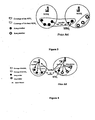
- the means by which the local GCKS distributes keys in a secure fashion may include a unicast or multicast secure channel, a logical hierarchy of keys or an extension of the server hierarchy. This framework is depicted in Figure 1 of the accompanying drawings.
- the group is dynamic, so that when a new member joins the group, the TEK must be changed to ensure that the newly joining member cannot decrypt previous communications; this requirement is called Backward Secrecy.
- the TEK must be changed - rekeyed - to ensure that the leaving member cannot decrypt further communications using the TEK it held before leaving the session; such a requirement is called Forward Secrecy.
- keys will have a predetermined lifetime and will be periodically refreshed according to particular intervals. This ensures that no keying material remains valid for more than a fixed period of time.
- a new member when a new member joins the group through a given area it sends the local GCKS a signalling message to request the Group Traffic Encryption Key (TEK) as well as the local KEK.
- the local GCKS then creates and multicasts a new KEK to all the existing members of its area encrypted with the previous KEK.
- the new KEK is also unicast to the new member using a secure channel established using suitable mechanisms such as those based on a shared key or member's public key.
- the Domain GCKS multicasts the new TEK to all local GCKSs and then each local GCKS (GCKS i , GCKS j and so on) forwards the new TEK to group members in their respective areas in one multicast distribution using the respective KEKs (KEK i , KEK j and so on).
- the process of updating the keying material when a new member joins the group ensures backward secrecy. As a result, the new member cannot have access to an unchanged KEK to decrypt the previous TEK that was encrypted with an unchanged KEK, and thus cannot obtain data transmitted prior to its arrival.
- the Domain GCKS Once the new KEK is distributed, the Domain GCKS generates and distributes a new TEK to all the local GCKSs. Each local GCKS then forwards securely the new TEK to all its area members using the KEK. This method ensures forward secrecy. That is, a leaving member cannot decrypt future group communications in any area because it does not have the required keying materials (i.e. the new TEK and the new KEK).
- the group key management service is required to ensure the following features in respect of all group members, even for group members that move intra-group between different areas in the domain - inter-area mobility :
- FIG. 2 The situation for intra-group inter-area mobility is illustrated in Figure 2 , in which a current group member MM ij initially in the area managed by GCKS i moves intra-group to the area managed by GCKS j , a current group member MM ji initially in the area managed by GCKS j moves intra-group to the area managed by GCKS i , and a current group member MM kj initially in the area managed by GCKS k moves intra-group to the area managed by GCKS j .
- each area may contain one or more Autonomous Systems (ASs) such as Corporate Networks that may represent a distinct organization with its own physical network.
- ASs Autonomous Systems
- the ASs may also be limited by geographical constraints. Problems have arisen with proposed mechanisms for rekeying, due to security policies, key latency and risks of traffic interruptions and over-frequent inter-area signalling.
- SR Static Rekey
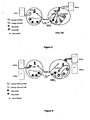
- Figure 3 One known proposal, referred to as a Static Rekey (SR) approach is illustrated in Figure 3 [C. Zhang and al., "Comparison of Inter-Area Rekeying Algorithms for Secure Wireless Group Communications", IFIP WG 7.3 International Symposium on Computer Performance Modeling, Measurement and Evaluation, September 2002].
- the local GCKS i maintains the KEK i unchanged when a mobile member MM ij moves intra-group to a new area. That is, the mobile member MM ij will continue receiving the KEK i originating from its GCKS i .
- the GCKS i may use inter-area multicast to distribute updates of KEK i for members out of the area. Otherwise, it may use a forwarding node, such as the Home Agent in the case of Mobile IP.
- mapping the logical area structure directly onto the physical topology of the network proposes mapping the logical area structure directly onto the physical topology of the network.
- these approaches propose moving the key changes as close as possible to the members, shifting existing trust relationships to the current location of the mobile member to support future key exchange and eliminating the member's dependence on a distant security server.
- a group member MM ij when a group member MM ij moves to a new area, it sends a signaling message to the previous GCKS i as well as the visited GCKS j .
- the areas GCKS i and GCKS j then update their local KEKs. No TEK rekey is required since the member MM ij proves its group membership to the new local GCKS j using specific information called credentials, for example in the manner described in S. Griffin, B. DeCleene, L. Dondeti, R. Flynn, D. Kiwior, and A. Olbert," Hierarchical Key Management for Mobile Multicast Members. Accordingly, the data transmission continues uninterrupted.
- This approach is simple from a key management point of view.
- it separates the case of intra-group mobile members from that of members entering or leaving the group by maintaining the TEK unchanged when a current group member moves between areas.
- it implies systematic rekeying of the local KEKs KEK i and KEK j for all group members within the areas affected by the handover of the mobile member MM ij .
- the efficiency of this approach is seriously affected in the case of group members with a high inter-area mobility.
- FEDRP First Entry Delayed Rekey+ Periodic
- GCKS i then adds the member MM ij to a list of members that have left the area by intra-group mobility without leaving the group and still hold a valid area key KEK i for a limited period of time.
- This list is called an Extra Key Owner List (EKOL). It is reset when and if a member holding a valid area key KEK i, in area i or visiting another area, leaves the group and when the timer of the validity period expires.
- the mobile member MM ij may accumulate multiple KEKs that correspond to different areas it has been in. If the mobile member MM ij returns to an area it has previously visited, the local GCKS checks if this member is on the local EKOL list.
- the mobile member MM ij receives (optionally) the current KEK i using a secure channel. However, if the member MM ij is not present in the list, a new KEK i is generated and sent in one multicast distribution to current area members using the previous KEK i, and in a unicast transmission using a secure channel to the mobile member MM ij .
- the FEDRP approach improves significantly the inter-area rekeying by keeping the KEK i of the previous area GCKS i unchanged.
- the FEDRP approach suffers from systematic rekeying when the mobile member enters a new area GCKS j for the first time. That is, when the member MM ij moves to the new area GCKS j, its mobility is supported in the previous area GCKS i, but not in the visited area GCKS j .
- the present invention provides a method of and apparatus for inter-area rekeying of encryption keys in secure mobile multicast communications as described in the accompanying claims.
- Embodiments of the present invention shown in the drawings enable a reduction in the computational capabilities needed for both the key server and area members to support encryption/decryption operations due to membership dynamism (group join/leave) and member's frequent mobility, by separating member's mobility treatment from group membership dynamism, and by amortizing the movement impact over the TEK validity period.
- embodiments of the present invention provide the following features.
- embodiments of the present invention provide the following enhancements:
- This mechanism enables the impact of member's movement on area member rekeying and that of the visited area in particular to be reduced significantly. It separates the rekeying of mobile members from membership dynamism (group join/leave) without affecting the KEK rekeying process. This is achieved by introducing a specific key called Visitor Encryption Key (VEK), which is provided to mobile members when they move to a new area.
- VK Visitor Encryption Key
- the mobile member MM ij when it moves form area i to area j , it sends a signalling message to GCKS i of the area it is leaving as well as a signalling message to GCKS j of the area in which it is arriving to notify them about its mobility.
- the signalling messages may be implemented as in FEDRP and IR, using credentials, for example as described in S. Griffin, B. DeCleene, L. Dondeti, R. Flynn, D. Kiwior, and A. Olbert," Hierarchical Key Management for Mobile Multicast Members".
- the GCKS j sends the Visitor Encryption Key VEK j rather than the KEK j to the mobile member using a secure channel.
- This key VEK j acts similarly to a KEK within this area j but is not used by members MM j already in the area j and possessing the current KEK j .
- Visitor-Key Owner Lists (such as VKOL i ) contain the list of members still holding a valid VEK (such as VEK i ) but which have subsequently left the key area (area i ) in which they obtained the VEK.
- VKOL i Visitor-Key Owner Lists
- VEK i the Visitor-Key Owner Lists
- GCKS i can distinguish between members holding VEK i and are out of area; from those that are in. For example, when the VKOL i is reset (as described below) only members with VEK i and that are out of area i will be removed.
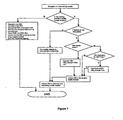
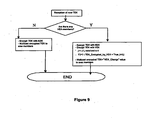
- FIGS 7 to 10 show in more detail examples of the processes that the local GCKS performs in the embodiment of Figure 6 when a new member enters or leaves the area.
- the processes shown include Group join and leave, as well as movement of a current group member between two areas.
- the GCKS i triggers a validity period (as in FEDRP) for the local key VEK i or KEK i that the mobile member MM ij holds. Subsequently, if the mobile member returns to area i during the validity period, the GCKS i removes this member from the list and no local rekeying occurs (optionally, GCKS i provides the entering member with the current TEK). Accordingly, it is unnecessary to rekey area members when a mobile member returns to a previously visited area.
- the local GCKS i resets the owner list EKOL i or VKOL i and distributes a new local key (KEK i or VEK i ) to each concerned local member using a secure channel.
- this embodiment of the present invention separates fully member's intra-group mobility from group membership dynamism (group join/ leave).
- the local GCKS i When a new member (as opposed to a current group member entering the area by intra-group mobility) joins the group via a given area i where there are VEK-members, the local GCKS i will distribute a new KEK i to all the area members encrypted separately with the current KEK i and the current VEK i . As a result, all the current area members will then hold the new KEK i . The KEK i is distributed by unicast to the new member as well using a secure channel. Next, the Domain GCKS multicasts securely the new TEK to all the area GCKSs. Each area GCKS then multicasts the new TEK to all the group members using the local area keys (local KEKs, and local VEKs when and where there are VEK-members).
- the GCKS i sends either a new KEK i or a new VEK i (depending on which local key the leaving member holds) to the concerned members of the area i using a secure channel with each member, which may be any secure channel except that based on current VEK/KEK, for example a unicast channel.
- the Domain GCKS multicasts securely the new TEK to all the area GCKSs.
- Each area GCKS then multicasts the new TEK to all the group members using the local area keys (local KEKs, and local VEKs when and where there are VEK-members)
- local area keys local KEKs, and local VEKs when and where there are VEK-members
- the rekey is a KEK i rekey
- all the local members will be sent the new KEK i and the local VKOL list is reset (previous members who visited the area i are absent will no longer hold a valid VEK i ); in this case, any group members still in the area i that hold a VEK i will switch to the new KEK i .
- the local GCKS i distributes the new TEK in one multicast transmission using the local keys.
- the session interruption latency is significantly reduced whether or not the number of KEK i -members in the affected area i is significant. Such a gain of processing time is particularly valuable in real-time applications.
- the EKOL i as well as the VKOL i lists on which the leaving member is listed are reset when the new local key is distributed to area i members.
- the VEK i can be considered as a temporary key, since the members holding such a key in a given area will switch to the new KEK i when a KEK i rekeying occurs (after a group join or periodic rekeying). Any additional processing that management of the VEK i may introduce in the GCKS i is negligible.
- VEK management it is within the scope of the present invention, however, to modify the system to function in other ways with respect to VEK management, for example, so that a new member receives an updated VEK rather than an updated KEK.
- Another modification would suggest that when a member holding a VEK i leaves the group, the GCKS i may distribute a new KEK i (rather than updating VEK i as described in our basic mechanism) for all the remaining area i members using a secure channel with each of those members.
- the local GCKS i Each time the local GCKS i needs to forward a new TEK (TEK rekey) within its area i that includes VEK i -members, it multicasts the new TEK separately encrypted with KEK i and VEK i . To achieve this, the local GCKS i checks first if it has obtained the current VEK i by derivation from the previous one since the previous TEK forwarding.
- TEK rekey TEK rekey
- the local GCKS i notifies the VEK i -members (within the TEK distribution message) that the new TEK they are receiving is encrypted with a new VEK i (derived from the previous one see above).
- the VEK i -members then decrypt this new TEK using the derived VEK i (the members obtain the new VEK i by applying the same function to the previous VEK i as the one that was applied by the GCKS i server).
- the GCKS i encrypts the TEK i with the current value of the VEK i and multicast it to VEK i -members, notifying them not to obtain a derived VEK i .
Landscapes
- Engineering & Computer Science (AREA)
- Computer Security & Cryptography (AREA)
- Computer Networks & Wireless Communication (AREA)
- Signal Processing (AREA)
- Computer Hardware Design (AREA)
- Computing Systems (AREA)
- General Engineering & Computer Science (AREA)
- Mobile Radio Communication Systems (AREA)
- Small-Scale Networks (AREA)
Claims (16)
- Verfahren zur Schlüsselaktualisierung bzw. Neuverschlüsselung von Verschlüsselungsschlüsseln zwischen Bereichen in sicheren mobilen Multicast-Kommunikationen, in welchem ein Domain Group Controller Key Server (Domain GCKS) Verkehrs-Verschlüsselungsschlüssel bzw. Traffic Encryption Keys (TEK) an eine Vielzahl lokaler Group Controller Key Server (lokale GCKS) verteilt, welche jeweilige Gruppenschlüssel-Verwaltungsbereiche bedienen, und diese lokalen Group Controller Key Server senden die Traffic Encryption Keys, welche unter Verwendung von Schlüssel-Verschlüsselungsschlüsseln bzw. Key Encryption Keys (KEKi, KEKj), welche dem jeweiligen lokalen Group Controller Key Server (lokaler GCKSi, GCKSj) spezifisch sind, an Gruppenmitglieder, welche in den jeweiligen Gruppenschlüssel-Verwaltungsbereichen angeordnet sind, wobei die lokalen Group Controller Key Server (GCKSi, GCKSj) Extra Key Owner Lists (EKOLi, EKOLj) bzw. Eigenschlüssel-Besitzerlisten) für diese Gruppenschlüssel-Verwaltungsbereiche (Bereichi, Bereichj) bilden, welche Gruppenmitglieder (MMi,MMj), welche Key Encryption Keys (KEKi, KEKj) besitzen und in dem entsprechenden Gruppenschlüssel-Verwaltungsbereich (Bereichi, Bereichj) angeordnet sind, von Gruppenmitgliedern (MMij) unterscheiden, welche Key Encryption Keys (KEK i ) besitzen, welche in dem entsprechenden Gruppenschlüssel-Verwaltungsbereich (Bereichi) angeordnet waren, welche jedoch einen anderen Bereich (Bereichj) besuchen, dadurch gekennzeichnet, dass jeder lokale GCKS (GCKSi) die Traffic Encryption Keys an Mitglieder seiner Gruppe sendet, welche einen anderen Bereich (Bereicj) besuchen, wobei die Mitglieder unter Verwendung eines Besucher- oder Visitor Encryption Key (VEKj) verschlüsselt sind und dieser VEKj dem GCKS (GCKSj) des besuchten Bereichs spezifisch ist und sich von dem Key Encryption Key (KEKj) dieses Bereichs unterscheidet.
- Verfahren nach Anspruch 1, welches des Weiteren den Schritt der Schlüsselaktualisierung bzw. Neuverschlüsselung der Traffic Encryption Keys (TEK) nach der Schlüsselaktualisierung bzw. Neuverschlüsselung des Key Encryption Key (KEKi, KEKj) aufweist.
- Verfahren nach Anspruch 1 oder 2, dadurch gekennzeichnet, dass die lokalen Group Controller Key Server (GCKSi, GCKSj) einen Key Encryption Key (KEKi, KEKj) mit Hilfe eines Prozesses schlüsselaktualisieren bzw. neu verschlüsseln, wobei der Prozess die Übertragung eines neuen Key Encryption Key (KEKi, KEKj) an augenblickliche Gruppenmitglieder, welche unter Verwendung des augenblicklichen Key Encryption Key (KEKi, KEKj) verschlüsselt sind, und an Besucher-Gruppenmitglieder einschließt, welche den Visitor Encryption Key (VEKi, VEKj) verwenden.
- Verfahren nach Anspruch 1 oder 2, dadurch gekennzeichnet, dass der lokale Group Controller Key Server GCKSi eher den Visitor Encryption Key (VEKi) als den Key Encryption Key (KEKi) an neue Mitglieder, welche sich der Gruppe über Antennen anschließen, sendet.
- Verfahren nach Anspruch 3, dadurch gekennzeichnet, dass lokale Group Controller Key Server (GCKSi, GCKSj) einen Key Encryption Key (KEKi, KEKj) mit Hilfe eines Prozesses schlüsselaktualisieren bzw. neu verschlüsseln, welcher die selektive Übertragung des neuen Key Encryption Key (KEKi, KEKj) an in dem entspechenden Gruppenschlüssel-Verwaltungsbereich (Bereichi, Bereichj) angeordnete bestehende Gruppenmitglieder einschließt.
- Verfahren nach Anspruch 3 oder 5, dadurch gekennzeichnet, dass die lokalen Group Controller Key Server (GCKSi, GCKSj) einen Key Encryption Key (KEKi, KEKj) mit Hilfe eines Prozesses schlüsselaktualisieren bzw. neu verschlüsseln, welcher die Übertragung eines neues Key Encryption Key (KEKi, KEKj) an bestehende Gruppenmitglieder unter Verwendung von Multicast-Nachrichten und an Besucher-Gruppenmitglieder über einen unterschiedlichen sicheren Kanal einschließt.
- Verfahren nach Anspruch 6, dadurch gekennzeichnet, dass der Key Encryption Key (KEKi, KEKj) an Besucher-Gruppenmitglieder über diesen unterschiedlichen sicher Kanal unter Verwendung einer Unicast-Nachricht gesendet wird.
- Verfahren nach einem der Ansprüche 3 bis 7, dadurch gekennzeichnet, dass eine Schlüsselaktualisierung bzw. Neuverschlüsselung eines Key Encryption Key (KEKi, KEKj) einschließt, dass die lokalen Group Controller Key Server (GCKSi, GCKSj) einen neuen Key Encryption Key (KEKi, KEKj) selektiv an augenblickliche Gruppenmitglieder, welche sich gegenwärtig in den entsprechenden Gruppenschlüssel-Verwaltungsbereichen (Bereichi, Bereichj) befinden, senden.
- Verfahren nach einem der vorhergehenden Ansprüche, dadurch gekennzeichnet, dass die lokalen Group Controller Key Server (GCKSi, GCKSj) die Visitor Encryption Keys (VEKi, VEKj) mit Hilfe eines Prozesses schlüsselaktualisieren bzw. neu verschlüsseln, welcher die Übertragung eines neuen Key Encryption Key (KEKi, KEKj) an die Besucher-Gruppenmitglieder unter Verwendung des Visitor Encryption Key (VEKi, VEKj) einschließt.
- Verfahren nach einem der vorhergehenden Ansprüche, welches des Weiteren einschließt, dass die lokalen Group Controller Key Server (GCKSi, GCKSj) Besucherschlüssel-Besitzerlisten oder Visitor Key Owner Lists (VKOLi, VKOLj) für die Gruppenschlüssel-Verwaltungsbereiche (Bereichi, Bereichj) bilden, welche Gruppenmitglieder (MMi, MMj), die Visitor Encryption Keys (VEKi, VEKj) besitzen und in dem entsprechenden Gruppenschlüssel-Verwaltungsbereich (Bereichi, Bereichj) angeordnet sind, von Gruppenmitgliedern (MMij) unterscheiden, welche Visitor Encryption Keys (VEKi) besitzen, die in dem entsprechenden Gruppenschlüssel-Verwaltungsbereich (Bereichi) angeordnet waren, jedoch einen anderen Bereich (Bereichj) besuchen.
- Verfahren nach Anspruch 10, dadurch gekennzeichnet, dass die Eigenschlüssel-Besitzerlisten oder Extra Key Owner Lists (EKOLi, EKOLj) sowie die Besucherschlüssel-Besitzerlisten oder Visitor Key Owner Lists (VKOLi, VKOLj) Listen der Gruppenmitglieder (MMij) aufweisen, welche Key Encryption Keys (KEKi) bzw. Visitor Encryption Keys (VEKi, VEKj) besitzen, welche in dem entsprechenden Gruppenschlüssel-Verwaltungsbereich (Bereichi) angeordnet waren, jedoch einen anderen Bereich (Bereichj) besuchen.
- Verfahren nach einem der vorhergehenden Ansprüche, dadurch gekennzeichnet, dass ein Gruppenmitglied (MMij), welches einen anderen Gruppenschlüssel-Verwaltungsbereich (Bereichj) besucht hat, zu einem Bereich (Bereichi) zurückkehrt, für welchen es einen entsprechenden Key Encryption Key (KEKi) oder Visitor Encryption Key (VEKi) besitzt, bevor eine von dem jeweiligen Group Controller Key Server (GCKSi) festgelegte Gültigkeitszeitdauer abläuft, ohne dass der entsprechende Group Controller Key Server (GCKSi) den Key Encryption Key (KEKi) neu verschlüsselt.
- Verfahren nach einem der vorhergehenden Ansprüche, welches des Weiteren den Schritt einschließt, dass der lokale Group Controller Key Server (GCKSi) einen neuen Visitor Encryption Key (VEKj) an ein Besucher-Gruppenmitglied (MMij) sendet, welches in dem entsprechenden Gruppenschlüssel-Verwaltungsbereich (Bereichj) eintrifft, falls es kein anderes Besucher-Gruppenmitglied (MMij) gibt, welches in dem entsprechenden Gruppenschlüssel-Verwaltungsbereich (Bereichj) angeordnet ist, und falls es einen augenblicklichen Visitor Encryption Key (VEKj) gibt, welcher bereits zur Verschlüsselung eines früheren Traffic Encryption Key (TEK) verwendet worden ist.
- Verfahren nach Anspruch 13, dadurch gekennzeichnet, dass der Schritt der Übertragung eines neuen Visitor Encryption Key (VEKj) an ein in dem entsprechenden Gruppenschlüssel-Verwaltungsbereich (Bereichj) eintreffendes Besucher-Gruppenmitglied (MMij) die Ableitung des neuen Visitor Encryption Key (VEKj) aus dem augenblicklichen Visitor Encryption Key (VEKj) unter Verwendung einer den augenblicklichen Besucher-Gruppenmitgliedern (MMij) bekannten sicheren Funktion einschließt, und dass der Schritt der Weiterleitung des Traffic Encryption Key (TEK) im Anschluss daran an Gruppenmitglieder (MMij), welche den jeweiligen Gruppenschlüssel-Verwaltungsbereich (Bereichj) besuchen, die Angabe einschließt, ob der Traffic Encryption Key (TEK) unter Verwendung eines auf diese Weise abgeleiteten Visitor Encryption Key (VEKj) verschlüsselt ist.
- Verfahren nach Anspruch 13, dadurch gekennzeichnet, dass die sichere Funktion zur Ableitung des neuen Visitor Encryption Key (VEKj) eine Einweg-Hash-Funktion aufweist.
- Verfahren nach einem der vorherigen Ansprüche, dadurch gekennzeichnet, dass die lokalen Group Controller Key Server (GCKSi, GCKSj) selektiv den Key Encryption Key (KEKi, KEKj) und die Visitor Encryption Keys (VEKi, VEKj) neu verschlüsseln, wenn ein augenblickliches Gruppenmitglied (MMi, MMj, MMij) die Gruppe in Bereichen verlässt, für welche das verlassende Gruppenmitglied einen augenblicklichen Key Encryption Key (KEKi, KEKj) bzw. Visitor Encryption Keys (VEKi, VEKj) besitzt.
Priority Applications (8)
| Application Number | Priority Date | Filing Date | Title |
|---|---|---|---|
| EP03293294A EP1549010B1 (de) | 2003-12-23 | 2003-12-23 | Schlüsselaktualisierung in sicherer Multicastkommunikation |
| DE60322929T DE60322929D1 (de) | 2003-12-23 | 2003-12-23 | Schlüsselaktualisierung in sicherer Multicastkommunikation |
| AT03293294T ATE405082T1 (de) | 2003-12-23 | 2003-12-23 | Schlüsselaktualisierung in sicherer multicastkommunikation |
| AU2004308477A AU2004308477B2 (en) | 2003-12-23 | 2004-12-22 | Rekeying in secure mobile multicast communications |
| CA002548198A CA2548198A1 (en) | 2003-12-23 | 2004-12-22 | Rekeying in secure mobile multicast communications |
| PCT/US2004/043416 WO2005062951A2 (en) | 2003-12-23 | 2004-12-22 | Rekeying in secure mobile multicast communications |
| US10/596,786 US20070143600A1 (en) | 2003-12-23 | 2004-12-22 | Rekeying in secure mobile multicast communications |
| HK05108494.9A HK1075553B (en) | 2005-09-27 | Rekeying in secure mobile multicast communications |
Applications Claiming Priority (1)
| Application Number | Priority Date | Filing Date | Title |
|---|---|---|---|
| EP03293294A EP1549010B1 (de) | 2003-12-23 | 2003-12-23 | Schlüsselaktualisierung in sicherer Multicastkommunikation |
Publications (2)
| Publication Number | Publication Date |
|---|---|
| EP1549010A1 EP1549010A1 (de) | 2005-06-29 |
| EP1549010B1 true EP1549010B1 (de) | 2008-08-13 |
Family
ID=34530831
Family Applications (1)
| Application Number | Title | Priority Date | Filing Date |
|---|---|---|---|
| EP03293294A Expired - Lifetime EP1549010B1 (de) | 2003-12-23 | 2003-12-23 | Schlüsselaktualisierung in sicherer Multicastkommunikation |
Country Status (7)
| Country | Link |
|---|---|
| US (1) | US20070143600A1 (de) |
| EP (1) | EP1549010B1 (de) |
| AT (1) | ATE405082T1 (de) |
| AU (1) | AU2004308477B2 (de) |
| CA (1) | CA2548198A1 (de) |
| DE (1) | DE60322929D1 (de) |
| WO (1) | WO2005062951A2 (de) |
Families Citing this family (40)
| Publication number | Priority date | Publication date | Assignee | Title |
|---|---|---|---|---|
| US7907733B2 (en) * | 2004-03-05 | 2011-03-15 | Electronics And Telecommunications Research Institute | Method for managing traffic encryption key in wireless portable internet system and protocol configuration method thereof, and operation method of traffic encryption key state machine in subscriber station |
| US7434047B2 (en) * | 2004-12-30 | 2008-10-07 | Nokia, Inc. | System, method and computer program product for detecting a rogue member in a multicast group |
| EP1889399B1 (de) * | 2005-06-10 | 2012-03-14 | Samsung Electronics Co., Ltd. | Verfahren zur verwaltung eines gruppenverkehrs-verschlüsselungsschlüssels in einem drahtlosen tragbaren internet-system |
| KR100704678B1 (ko) | 2005-06-10 | 2007-04-06 | 한국전자통신연구원 | 무선 휴대 인터넷 시스템에서의 그룹 트래픽 암호화 키갱신 방법 |
| DE102006008745A1 (de) * | 2005-11-04 | 2007-05-10 | Siemens Ag | Verfahren und Server zum Bereitstellen eines Mobilitätsschlüssels |
| US8176317B2 (en) * | 2006-01-19 | 2012-05-08 | Helius, Inc. | System and method for multicasting IPSec protected communications |
| WO2007122576A1 (en) * | 2006-04-25 | 2007-11-01 | Nokia Corporation | Ip multicast based systems, apparatuses and methods for tcp connection migration |
| US8547891B2 (en) * | 2006-10-10 | 2013-10-01 | Qualcomm Incorporated | Systems and methods for improving multicasting over a forward link |
| CN1996835B (zh) * | 2006-12-31 | 2010-12-08 | 华中科技大学 | 基于分布式管理架构的自适应安全组通信系统 |
| US7840810B2 (en) * | 2007-01-18 | 2010-11-23 | Panasonic Electric Works Co., Ltd. | Systems and methods for rejoining a second group of nodes with a first group of nodes using a shared group key |
| US8429400B2 (en) * | 2007-06-21 | 2013-04-23 | Cisco Technology, Inc. | VPN processing via service insertion architecture |
| CN101355425A (zh) * | 2007-07-24 | 2009-01-28 | 华为技术有限公司 | 组密钥管理中实现新组员注册的方法、装置及系统 |
| US8447039B2 (en) * | 2007-09-26 | 2013-05-21 | Cisco Technology, Inc. | Active-active hierarchical key servers |
| US8411866B2 (en) * | 2007-11-14 | 2013-04-02 | Cisco Technology, Inc. | Distribution of group cryptography material in a mobile IP environment |
| EP2234323A1 (de) * | 2007-12-27 | 2010-09-29 | Keiko Ogawa | Informationsverteilungssystem und programm dafür |
| JP5077186B2 (ja) * | 2008-10-17 | 2012-11-21 | 富士通株式会社 | 通信装置、通信方法及び通信プログラム |
| US8515064B2 (en) | 2008-10-30 | 2013-08-20 | Telefonaktiebolaget Lm Ericsson (Publ) | Method and an apparatus for key management in a communication network |
| US8189789B2 (en) * | 2008-11-03 | 2012-05-29 | Telcordia Technologies, Inc. | Intrusion-tolerant group management for mobile ad-hoc networks |
| US8885830B2 (en) * | 2009-05-04 | 2014-11-11 | Mitre Corporation | Method and apparatus for dynamically establishing and joining an encrypted collaborative communication session |
| US8185936B1 (en) * | 2009-07-13 | 2012-05-22 | Sprint Communications Company L.P. | Automatic device-profile updates based on authentication failures |
| US8509448B2 (en) * | 2009-07-29 | 2013-08-13 | Motorola Solutions, Inc. | Methods and device for secure transfer of symmetric encryption keys |
| US9294270B2 (en) * | 2010-01-05 | 2016-03-22 | Cisco Technology, Inc. | Detection of stale encryption policy by group members |
| CN102484791A (zh) * | 2010-05-19 | 2012-05-30 | 三洋电机株式会社 | 基站装置 |
| CN102577227A (zh) * | 2010-05-31 | 2012-07-11 | 三洋电机株式会社 | 终端装置以及基站装置 |
| KR101808188B1 (ko) * | 2011-07-04 | 2017-12-13 | 삼성전자주식회사 | 이동 기기에 대한 그룹 키 관리를 위한 방법 및 장치 |
| US8897452B2 (en) * | 2011-10-27 | 2014-11-25 | Architecture Technology, Inc. | Network having multicast security and method therefore |
| US9143321B2 (en) | 2012-03-09 | 2015-09-22 | Motorola Solutions, Inc. | Communication protocol for secure communications systems |
| JP5983785B2 (ja) * | 2012-06-29 | 2016-09-06 | 日本電気株式会社 | M2mにおけるグループ・ベースド・フィーチャのためのセキュリティアップデート |
| US9871653B2 (en) | 2013-07-18 | 2018-01-16 | Cisco Technology, Inc. | System for cryptographic key sharing among networked key servers |
| KR20190047143A (ko) * | 2013-07-31 | 2019-05-07 | 닛본 덴끼 가부시끼가이샤 | Mtc 그룹 키 관리를 위한 디바이스들 및 방법 |
| US9848332B2 (en) * | 2014-11-21 | 2017-12-19 | Apple Inc. | Method and apparatus for providing wireless service groups |
| US9800579B2 (en) * | 2015-02-12 | 2017-10-24 | Verizon Patent And Licensing Inc. | Network-based client side encryption |
| JP6282779B2 (ja) * | 2015-03-24 | 2018-02-21 | 株式会社東芝 | 管理装置、プログラム、システムおよび方法 |
| US9998431B2 (en) | 2015-06-09 | 2018-06-12 | Intel Corporation | System, apparatus and method for secure network bridging using a rendezvous service and multiple key distribution servers |
| US9591479B1 (en) | 2016-04-14 | 2017-03-07 | Wickr Inc. | Secure telecommunications |
| US11750381B2 (en) * | 2017-04-28 | 2023-09-05 | Nicira, Inc. | Minimizing traffic drop when rekeying in a distributed security group |
| US10855440B1 (en) | 2017-11-08 | 2020-12-01 | Wickr Inc. | Generating new encryption keys during a secure communication session |
| US11101999B2 (en) | 2017-11-08 | 2021-08-24 | Amazon Technologies, Inc. | Two-way handshake for key establishment for secure communications |
| US10778432B2 (en) | 2017-11-08 | 2020-09-15 | Wickr Inc. | End-to-end encryption during a secure communication session |
| US10541814B2 (en) | 2017-11-08 | 2020-01-21 | Wickr Inc. | End-to-end encryption during a secure communication session |
Family Cites Families (11)
| Publication number | Priority date | Publication date | Assignee | Title |
|---|---|---|---|---|
| US5564070A (en) * | 1993-07-30 | 1996-10-08 | Xerox Corporation | Method and system for maintaining processing continuity to mobile computers in a wireless network |
| US5471532A (en) * | 1994-02-15 | 1995-11-28 | Motorola, Inc. | Method of rekeying roaming communication units |
| US5381479A (en) * | 1994-02-28 | 1995-01-10 | Motorola, Inc. | Method for over the air rekeying of multiple communication groups |
| US6584566B1 (en) * | 1998-08-27 | 2003-06-24 | Nortel Networks Limited | Distributed group key management for multicast security |
| US6263435B1 (en) * | 1999-07-06 | 2001-07-17 | Matsushita Electric Industrial Co., Ltd. | Dual encryption protocol for scalable secure group communication |
| US20030068047A1 (en) * | 2001-09-28 | 2003-04-10 | Lee David A. | One-way broadcast key distribution |
| US7308583B2 (en) * | 2002-01-25 | 2007-12-11 | Matsushita Electric Industrial Co., Ltd. | Data distribution system |
| US7350077B2 (en) * | 2002-11-26 | 2008-03-25 | Cisco Technology, Inc. | 802.11 using a compressed reassociation exchange to facilitate fast handoff |
| US7450722B2 (en) * | 2002-12-13 | 2008-11-11 | General Instrument Corporation | Subset difference method for multi-cast rekeying |
| US20040236939A1 (en) * | 2003-02-20 | 2004-11-25 | Docomo Communications Laboratories Usa, Inc. | Wireless network handoff key |
| US20050100166A1 (en) * | 2003-11-10 | 2005-05-12 | Parc Inc. | Systems and methods for authenticating communications in a network medium |
-
2003
- 2003-12-23 AT AT03293294T patent/ATE405082T1/de not_active IP Right Cessation
- 2003-12-23 DE DE60322929T patent/DE60322929D1/de not_active Expired - Lifetime
- 2003-12-23 EP EP03293294A patent/EP1549010B1/de not_active Expired - Lifetime
-
2004
- 2004-12-22 AU AU2004308477A patent/AU2004308477B2/en not_active Ceased
- 2004-12-22 WO PCT/US2004/043416 patent/WO2005062951A2/en not_active Ceased
- 2004-12-22 CA CA002548198A patent/CA2548198A1/en not_active Abandoned
- 2004-12-22 US US10/596,786 patent/US20070143600A1/en not_active Abandoned
Also Published As
| Publication number | Publication date |
|---|---|
| EP1549010A1 (de) | 2005-06-29 |
| US20070143600A1 (en) | 2007-06-21 |
| AU2004308477A1 (en) | 2005-07-14 |
| CA2548198A1 (en) | 2005-07-14 |
| WO2005062951A3 (en) | 2005-11-17 |
| ATE405082T1 (de) | 2008-08-15 |
| WO2005062951A2 (en) | 2005-07-14 |
| DE60322929D1 (de) | 2008-09-25 |
| AU2004308477B2 (en) | 2007-08-30 |
| HK1075553A1 (en) | 2005-12-16 |
Similar Documents
| Publication | Publication Date | Title |
|---|---|---|
| AU2004308477B2 (en) | Rekeying in secure mobile multicast communications | |
| DeCleene et al. | Secure group communications for wireless networks | |
| US7434046B1 (en) | Method and apparatus providing secure multicast group communication | |
| Bruschi et al. | Secure multicast in wireless networks of mobile hosts: protocols and issues | |
| KR100495540B1 (ko) | 다수-대-다수 보안 통신용의 분배 그룹 키 관리 구조 | |
| Howarth et al. | Dynamics of key management in secure satellite multicast | |
| Mapoka | Group key management protocols for secure mobile multicast communication: A comprehensive survey | |
| Zhang et al. | Comparison of inter-area rekeying algorithms for secure wireless group communications | |
| Mehdizadeh et al. | Lightweight decentralized multicast–unicast key management method in wireless IPv6 networks | |
| Barskar et al. | A survey on efficient group key management schemes in wireless networks | |
| Dondeti et al. | Survey and comparison of secure group communication protocols | |
| Bettahar et al. | AKMP: an adaptive key management protocol for secure multicast | |
| Cao et al. | Scalable key management for secure multicast communication in the mobile environment | |
| Gharout et al. | Adaptive group key management protocol for wireless communications | |
| Mapoka et al. | Efficient authenticated multi-service group key management for secure wireless mobile multicast | |
| Challal et al. | Adaptive clustering for scalable key management in dynamic group communications | |
| CN100546241C (zh) | 基于物理层次的组播密钥管理方法 | |
| Li et al. | Incremental threshold scheme enabled iot group key management | |
| Gharout et al. | Key management with host mobility in dynamic groups | |
| Bhargava et al. | Fault-tolerant authentication and group key management in mobile computing | |
| Roh et al. | Key management scheme for providing the confidentiality in mobile multicast | |
| Baddi et al. | Key management for secure multicast communication: A survey | |
| HK1075553B (en) | Rekeying in secure mobile multicast communications | |
| Mapoka et al. | Novel rekeying approach for secure multiple multicast groups over wireless mobile networks | |
| Li et al. | Hierarchical agent-based secure and reliable multicast in wireless mesh networks |
Legal Events
| Date | Code | Title | Description |
|---|---|---|---|
| PUAI | Public reference made under article 153(3) epc to a published international application that has entered the european phase |
Free format text: ORIGINAL CODE: 0009012 |
|
| AK | Designated contracting states |
Kind code of ref document: A1 Designated state(s): AT BE BG CH CY CZ DE DK EE ES FI FR GB GR HU IE IT LI LU MC NL PT RO SE SI SK TR |
|
| AX | Request for extension of the european patent |
Extension state: AL LT LV MK |
|
| REG | Reference to a national code |
Ref country code: HK Ref legal event code: DE Ref document number: 1075553 Country of ref document: HK |
|
| 17P | Request for examination filed |
Effective date: 20051110 |
|
| AKX | Designation fees paid |
Designated state(s): AT BE BG CH CY CZ DE DK EE ES FI FR GB GR HU IE IT LI LU MC NL PT RO SE SI SK TR |
|
| GRAP | Despatch of communication of intention to grant a patent |
Free format text: ORIGINAL CODE: EPIDOSNIGR1 |
|
| GRAS | Grant fee paid |
Free format text: ORIGINAL CODE: EPIDOSNIGR3 |
|
| GRAA | (expected) grant |
Free format text: ORIGINAL CODE: 0009210 |
|
| AK | Designated contracting states |
Kind code of ref document: B1 Designated state(s): AT BE BG CH CY CZ DE DK EE ES FI FR GB GR HU IE IT LI LU MC NL PT RO SE SI SK TR |
|
| REG | Reference to a national code |
Ref country code: GB Ref legal event code: FG4D |
|
| REG | Reference to a national code |
Ref country code: CH Ref legal event code: EP |
|
| RAP2 | Party data changed (patent owner data changed or rights of a patent transferred) |
Owner name: MOTOROLA INC. |
|
| REG | Reference to a national code |
Ref country code: IE Ref legal event code: FG4D |
|
| REF | Corresponds to: |
Ref document number: 60322929 Country of ref document: DE Date of ref document: 20080925 Kind code of ref document: P |
|
| REG | Reference to a national code |
Ref country code: HK Ref legal event code: GR Ref document number: 1075553 Country of ref document: HK |
|
| NLT2 | Nl: modifications (of names), taken from the european patent patent bulletin |
Owner name: MOTOROLA INC. Effective date: 20080917 |
|
| PG25 | Lapsed in a contracting state [announced via postgrant information from national office to epo] |
Ref country code: ES Free format text: LAPSE BECAUSE OF FAILURE TO SUBMIT A TRANSLATION OF THE DESCRIPTION OR TO PAY THE FEE WITHIN THE PRESCRIBED TIME-LIMIT Effective date: 20081124 Ref country code: NL Free format text: LAPSE BECAUSE OF FAILURE TO SUBMIT A TRANSLATION OF THE DESCRIPTION OR TO PAY THE FEE WITHIN THE PRESCRIBED TIME-LIMIT Effective date: 20080813 |
|
| PG25 | Lapsed in a contracting state [announced via postgrant information from national office to epo] |
Ref country code: FI Free format text: LAPSE BECAUSE OF FAILURE TO SUBMIT A TRANSLATION OF THE DESCRIPTION OR TO PAY THE FEE WITHIN THE PRESCRIBED TIME-LIMIT Effective date: 20080813 Ref country code: SI Free format text: LAPSE BECAUSE OF FAILURE TO SUBMIT A TRANSLATION OF THE DESCRIPTION OR TO PAY THE FEE WITHIN THE PRESCRIBED TIME-LIMIT Effective date: 20080813 Ref country code: AT Free format text: LAPSE BECAUSE OF FAILURE TO SUBMIT A TRANSLATION OF THE DESCRIPTION OR TO PAY THE FEE WITHIN THE PRESCRIBED TIME-LIMIT Effective date: 20080813 |
|
| PG25 | Lapsed in a contracting state [announced via postgrant information from national office to epo] |
Ref country code: BE Free format text: LAPSE BECAUSE OF FAILURE TO SUBMIT A TRANSLATION OF THE DESCRIPTION OR TO PAY THE FEE WITHIN THE PRESCRIBED TIME-LIMIT Effective date: 20080813 |
|
| PG25 | Lapsed in a contracting state [announced via postgrant information from national office to epo] |
Ref country code: DK Free format text: LAPSE BECAUSE OF FAILURE TO SUBMIT A TRANSLATION OF THE DESCRIPTION OR TO PAY THE FEE WITHIN THE PRESCRIBED TIME-LIMIT Effective date: 20080813 Ref country code: BG Free format text: LAPSE BECAUSE OF FAILURE TO SUBMIT A TRANSLATION OF THE DESCRIPTION OR TO PAY THE FEE WITHIN THE PRESCRIBED TIME-LIMIT Effective date: 20081113 |
|
| PG25 | Lapsed in a contracting state [announced via postgrant information from national office to epo] |
Ref country code: SK Free format text: LAPSE BECAUSE OF FAILURE TO SUBMIT A TRANSLATION OF THE DESCRIPTION OR TO PAY THE FEE WITHIN THE PRESCRIBED TIME-LIMIT Effective date: 20080813 Ref country code: CZ Free format text: LAPSE BECAUSE OF FAILURE TO SUBMIT A TRANSLATION OF THE DESCRIPTION OR TO PAY THE FEE WITHIN THE PRESCRIBED TIME-LIMIT Effective date: 20080813 Ref country code: RO Free format text: LAPSE BECAUSE OF FAILURE TO SUBMIT A TRANSLATION OF THE DESCRIPTION OR TO PAY THE FEE WITHIN THE PRESCRIBED TIME-LIMIT Effective date: 20080813 Ref country code: PT Free format text: LAPSE BECAUSE OF FAILURE TO SUBMIT A TRANSLATION OF THE DESCRIPTION OR TO PAY THE FEE WITHIN THE PRESCRIBED TIME-LIMIT Effective date: 20090113 |
|
| PLBE | No opposition filed within time limit |
Free format text: ORIGINAL CODE: 0009261 |
|
| STAA | Information on the status of an ep patent application or granted ep patent |
Free format text: STATUS: NO OPPOSITION FILED WITHIN TIME LIMIT |
|
| 26N | No opposition filed |
Effective date: 20090514 |
|
| PG25 | Lapsed in a contracting state [announced via postgrant information from national office to epo] |
Ref country code: MC Free format text: LAPSE BECAUSE OF NON-PAYMENT OF DUE FEES Effective date: 20081231 Ref country code: EE Free format text: LAPSE BECAUSE OF FAILURE TO SUBMIT A TRANSLATION OF THE DESCRIPTION OR TO PAY THE FEE WITHIN THE PRESCRIBED TIME-LIMIT Effective date: 20080813 |
|
| REG | Reference to a national code |
Ref country code: CH Ref legal event code: PL |
|
| PG25 | Lapsed in a contracting state [announced via postgrant information from national office to epo] |
Ref country code: IT Free format text: LAPSE BECAUSE OF FAILURE TO SUBMIT A TRANSLATION OF THE DESCRIPTION OR TO PAY THE FEE WITHIN THE PRESCRIBED TIME-LIMIT Effective date: 20080813 |
|
| PG25 | Lapsed in a contracting state [announced via postgrant information from national office to epo] |
Ref country code: IE Free format text: LAPSE BECAUSE OF NON-PAYMENT OF DUE FEES Effective date: 20081223 Ref country code: LI Free format text: LAPSE BECAUSE OF NON-PAYMENT OF DUE FEES Effective date: 20081231 Ref country code: CH Free format text: LAPSE BECAUSE OF NON-PAYMENT OF DUE FEES Effective date: 20081231 |
|
| PG25 | Lapsed in a contracting state [announced via postgrant information from national office to epo] |
Ref country code: SE Free format text: LAPSE BECAUSE OF FAILURE TO SUBMIT A TRANSLATION OF THE DESCRIPTION OR TO PAY THE FEE WITHIN THE PRESCRIBED TIME-LIMIT Effective date: 20081113 |
|
| PG25 | Lapsed in a contracting state [announced via postgrant information from national office to epo] |
Ref country code: HU Free format text: LAPSE BECAUSE OF FAILURE TO SUBMIT A TRANSLATION OF THE DESCRIPTION OR TO PAY THE FEE WITHIN THE PRESCRIBED TIME-LIMIT Effective date: 20090214 Ref country code: LU Free format text: LAPSE BECAUSE OF NON-PAYMENT OF DUE FEES Effective date: 20081223 Ref country code: CY Free format text: LAPSE BECAUSE OF FAILURE TO SUBMIT A TRANSLATION OF THE DESCRIPTION OR TO PAY THE FEE WITHIN THE PRESCRIBED TIME-LIMIT Effective date: 20080813 |
|
| PG25 | Lapsed in a contracting state [announced via postgrant information from national office to epo] |
Ref country code: TR Free format text: LAPSE BECAUSE OF FAILURE TO SUBMIT A TRANSLATION OF THE DESCRIPTION OR TO PAY THE FEE WITHIN THE PRESCRIBED TIME-LIMIT Effective date: 20080813 |
|
| PG25 | Lapsed in a contracting state [announced via postgrant information from national office to epo] |
Ref country code: GR Free format text: LAPSE BECAUSE OF FAILURE TO SUBMIT A TRANSLATION OF THE DESCRIPTION OR TO PAY THE FEE WITHIN THE PRESCRIBED TIME-LIMIT Effective date: 20081114 |
|
| REG | Reference to a national code |
Ref country code: FR Ref legal event code: CD |
|
| REG | Reference to a national code |
Ref country code: DE Ref legal event code: R082 Ref document number: 60322929 Country of ref document: DE Representative=s name: SPLANEMANN BARONETZKY KNITTER PATENTANWAELTE R, DE |
|
| REG | Reference to a national code |
Ref country code: DE Ref legal event code: R081 Ref document number: 60322929 Country of ref document: DE Owner name: MOTOROLA SOLUTIONS, INC., US Free format text: FORMER OWNER: MOTOROLA, INC., SCHAUMBURG, US Effective date: 20120113 Ref country code: DE Ref legal event code: R082 Ref document number: 60322929 Country of ref document: DE Representative=s name: SCHUMACHER & WILLSAU PATENTANWALTSGESELLSCHAFT, DE Effective date: 20120113 Ref country code: DE Ref legal event code: R081 Ref document number: 60322929 Country of ref document: DE Owner name: MOTOROLA SOLUTIONS, INC., SCHAUMBURG, US Free format text: FORMER OWNER: MOTOROLA, INC., SCHAUMBURG, ILL., US Effective date: 20120113 Ref country code: DE Ref legal event code: R081 Ref document number: 60322929 Country of ref document: DE Owner name: MOTOROLA SOLUTIONS, INC., CHICAGO, US Free format text: FORMER OWNER: MOTOROLA, INC., SCHAUMBURG, ILL., US Effective date: 20120113 |
|
| REG | Reference to a national code |
Ref country code: DE Ref legal event code: R082 Ref document number: 60322929 Country of ref document: DE Representative=s name: SCHUMACHER & WILLSAU PATENTANWALTSGESELLSCHAFT, DE |
|
| REG | Reference to a national code |
Ref country code: DE Ref legal event code: R082 Ref document number: 60322929 Country of ref document: DE Representative=s name: SCHUMACHER & WILLSAU PATENTANWALTSGESELLSCHAFT, DE |
|
| REG | Reference to a national code |
Ref country code: FR Ref legal event code: PLFP Year of fee payment: 13 |
|
| PGFP | Annual fee paid to national office [announced via postgrant information from national office to epo] |
Ref country code: FR Payment date: 20151124 Year of fee payment: 13 |
|
| REG | Reference to a national code |
Ref country code: DE Ref legal event code: R082 Ref document number: 60322929 Country of ref document: DE Representative=s name: SCHUMACHER & WILLSAU PATENTANWALTSGESELLSCHAFT, DE Ref country code: DE Ref legal event code: R081 Ref document number: 60322929 Country of ref document: DE Owner name: MOTOROLA SOLUTIONS, INC., CHICAGO, US Free format text: FORMER OWNER: MOTOROLA SOLUTIONS, INC., SCHAUMBURG, ILL., US |
|
| REG | Reference to a national code |
Ref country code: FR Ref legal event code: ST Effective date: 20170831 |
|
| PG25 | Lapsed in a contracting state [announced via postgrant information from national office to epo] |
Ref country code: FR Free format text: LAPSE BECAUSE OF NON-PAYMENT OF DUE FEES Effective date: 20170102 |
|
| PGFP | Annual fee paid to national office [announced via postgrant information from national office to epo] |
Ref country code: GB Payment date: 20191226 Year of fee payment: 17 |
|
| PGFP | Annual fee paid to national office [announced via postgrant information from national office to epo] |
Ref country code: DE Payment date: 20210224 Year of fee payment: 18 |
|
| GBPC | Gb: european patent ceased through non-payment of renewal fee |
Effective date: 20201223 |
|
| REG | Reference to a national code |
Ref country code: DE Ref legal event code: R079 Ref document number: 60322929 Country of ref document: DE Free format text: PREVIOUS MAIN CLASS: H04L0029060000 Ipc: H04L0065000000 |
|
| PG25 | Lapsed in a contracting state [announced via postgrant information from national office to epo] |
Ref country code: GB Free format text: LAPSE BECAUSE OF NON-PAYMENT OF DUE FEES Effective date: 20201223 |
|
| REG | Reference to a national code |
Ref country code: DE Ref legal event code: R119 Ref document number: 60322929 Country of ref document: DE |
|
| PG25 | Lapsed in a contracting state [announced via postgrant information from national office to epo] |
Ref country code: DE Free format text: LAPSE BECAUSE OF NON-PAYMENT OF DUE FEES Effective date: 20220701 |