EP1545255B2 - Insole with arch spring - Google Patents
Insole with arch spring Download PDFInfo
- Publication number
- EP1545255B2 EP1545255B2 EP03752651.4A EP03752651A EP1545255B2 EP 1545255 B2 EP1545255 B2 EP 1545255B2 EP 03752651 A EP03752651 A EP 03752651A EP 1545255 B2 EP1545255 B2 EP 1545255B2
- Authority
- EP
- European Patent Office
- Prior art keywords
- insole
- arch
- spring insert
- heel
- arch spring
- Prior art date
- Legal status (The legal status is an assumption and is not a legal conclusion. Google has not performed a legal analysis and makes no representation as to the accuracy of the status listed.)
- Expired - Lifetime
Links
Images



Classifications
-
- A—HUMAN NECESSITIES
- A43—FOOTWEAR
- A43B—CHARACTERISTIC FEATURES OF FOOTWEAR; PARTS OF FOOTWEAR
- A43B13/00—Soles; Sole-and-heel integral units
- A43B13/02—Soles; Sole-and-heel integral units characterised by the material
- A43B13/10—Metal
-
- A—HUMAN NECESSITIES
- A43—FOOTWEAR
- A43B—CHARACTERISTIC FEATURES OF FOOTWEAR; PARTS OF FOOTWEAR
- A43B13/00—Soles; Sole-and-heel integral units
- A43B13/02—Soles; Sole-and-heel integral units characterised by the material
- A43B13/12—Soles with several layers of different materials
-
- A—HUMAN NECESSITIES
- A43—FOOTWEAR
- A43B—CHARACTERISTIC FEATURES OF FOOTWEAR; PARTS OF FOOTWEAR
- A43B13/00—Soles; Sole-and-heel integral units
- A43B13/38—Built-in insoles joined to uppers during the manufacturing process, e.g. structural insoles; Insoles glued to shoes during the manufacturing process
- A43B13/41—Built-in insoles joined to uppers during the manufacturing process, e.g. structural insoles; Insoles glued to shoes during the manufacturing process combined with heel stiffener, toe stiffener, or shank stiffener
-
- A—HUMAN NECESSITIES
- A43—FOOTWEAR
- A43B—CHARACTERISTIC FEATURES OF FOOTWEAR; PARTS OF FOOTWEAR
- A43B17/00—Insoles for insertion, e.g. footbeds or inlays, for attachment to the shoe after the upper has been joined
- A43B17/14—Insoles for insertion, e.g. footbeds or inlays, for attachment to the shoe after the upper has been joined made of sponge, rubber, or plastic materials
-
- A—HUMAN NECESSITIES
- A43—FOOTWEAR
- A43B—CHARACTERISTIC FEATURES OF FOOTWEAR; PARTS OF FOOTWEAR
- A43B7/00—Footwear with health or hygienic arrangements
- A43B7/14—Footwear with health or hygienic arrangements with foot-supporting parts
- A43B7/1405—Footwear with health or hygienic arrangements with foot-supporting parts with pads or holes on one or more locations, or having an anatomical or curved form
- A43B7/141—Footwear with health or hygienic arrangements with foot-supporting parts with pads or holes on one or more locations, or having an anatomical or curved form having an anatomical or curved form
-
- A—HUMAN NECESSITIES
- A43—FOOTWEAR
- A43B—CHARACTERISTIC FEATURES OF FOOTWEAR; PARTS OF FOOTWEAR
- A43B7/00—Footwear with health or hygienic arrangements
- A43B7/14—Footwear with health or hygienic arrangements with foot-supporting parts
- A43B7/1405—Footwear with health or hygienic arrangements with foot-supporting parts with pads or holes on one or more locations, or having an anatomical or curved form
- A43B7/1415—Footwear with health or hygienic arrangements with foot-supporting parts with pads or holes on one or more locations, or having an anatomical or curved form characterised by the location under the foot
- A43B7/143—Footwear with health or hygienic arrangements with foot-supporting parts with pads or holes on one or more locations, or having an anatomical or curved form characterised by the location under the foot situated under the lateral arch, i.e. the cuboid bone
-
- A—HUMAN NECESSITIES
- A43—FOOTWEAR
- A43B—CHARACTERISTIC FEATURES OF FOOTWEAR; PARTS OF FOOTWEAR
- A43B7/00—Footwear with health or hygienic arrangements
- A43B7/14—Footwear with health or hygienic arrangements with foot-supporting parts
- A43B7/1405—Footwear with health or hygienic arrangements with foot-supporting parts with pads or holes on one or more locations, or having an anatomical or curved form
- A43B7/1415—Footwear with health or hygienic arrangements with foot-supporting parts with pads or holes on one or more locations, or having an anatomical or curved form characterised by the location under the foot
- A43B7/144—Footwear with health or hygienic arrangements with foot-supporting parts with pads or holes on one or more locations, or having an anatomical or curved form characterised by the location under the foot situated under the heel, i.e. the calcaneus bone
-
- A—HUMAN NECESSITIES
- A43—FOOTWEAR
- A43B—CHARACTERISTIC FEATURES OF FOOTWEAR; PARTS OF FOOTWEAR
- A43B7/00—Footwear with health or hygienic arrangements
- A43B7/14—Footwear with health or hygienic arrangements with foot-supporting parts
- A43B7/1405—Footwear with health or hygienic arrangements with foot-supporting parts with pads or holes on one or more locations, or having an anatomical or curved form
- A43B7/1415—Footwear with health or hygienic arrangements with foot-supporting parts with pads or holes on one or more locations, or having an anatomical or curved form characterised by the location under the foot
- A43B7/1445—Footwear with health or hygienic arrangements with foot-supporting parts with pads or holes on one or more locations, or having an anatomical or curved form characterised by the location under the foot situated under the midfoot, i.e. the second, third or fourth metatarsal
-
- A—HUMAN NECESSITIES
- A43—FOOTWEAR
- A43B—CHARACTERISTIC FEATURES OF FOOTWEAR; PARTS OF FOOTWEAR
- A43B7/00—Footwear with health or hygienic arrangements
- A43B7/14—Footwear with health or hygienic arrangements with foot-supporting parts
- A43B7/22—Footwear with health or hygienic arrangements with foot-supporting parts with fixed flat-foot insertions, metatarsal supports, ankle flaps or the like
- A43B7/223—Footwear with health or hygienic arrangements with foot-supporting parts with fixed flat-foot insertions, metatarsal supports, ankle flaps or the like characterised by the constructive form
-
- A—HUMAN NECESSITIES
- A43—FOOTWEAR
- A43B—CHARACTERISTIC FEATURES OF FOOTWEAR; PARTS OF FOOTWEAR
- A43B7/00—Footwear with health or hygienic arrangements
- A43B7/14—Footwear with health or hygienic arrangements with foot-supporting parts
- A43B7/28—Adapting the inner sole or the side of the upper of the shoe to the sole of the foot
Definitions
- the present invention relates generally to insoles for footwear and, more particularly, to improved insoles having an arch spring.
- contoured insoles have arch portions that are made primarily of thick, bulky insole material, such as a foam material.
- this can be disadvantageous, for example, when used with shoes having a built-in arch portion, since the thick, bulky arch portion introduces excessive bulk under the foot that can cause foot discomfort.
- such an insole might not be capable of use in a shoe already having a built-in arch support, since the combination may be too bulky for comfort.
- WO 99/33417 A1 discloses the use of an insole having a midfoot section with an asymmetric domed structure configured to fit the profile of the human foot and to stimulate the golgi tendon organ.
- EP 1 116 449 A2 relates to insoles particularly adapted for working people that spend much time on their feet in a standing position.
- oriented grooves or recesses are provided on the insole, which define transverse flex members therebetween which function as springs.
- An insole having an upper layer, a lower layer and a supporting layer has been disclosed in EP 1 090 563 A2 .
- the layers are connected with each other by pressing, forming, and melting of the layers consisting of thermoplastic materials with basically the same melting point.
- an insole for use with footwear includes a first layer including a heel portion of a first thickness, a forefoot portion, a mid portion connecting together the forefoot portion and the heel portion, the mid portion having a substantially constant second thickness which is much less than the first thickness of the heel portion an having an upward curvature, an upper surface extending along the forefoot portion, mid portion and heel portion and on which a person stands, the upper surface having the curvature at said mid portion, and a lower surface extending along the forefoot portion, mid portion and heel portion, the lower surface including a shallow recess in the mid portion, and the lower surface having the curvature at the mid portion, the first layer being made of a material of a first hardness; and a flexible and resilient, thin arch spring insert of a substantially constant thickness secured in the recess and following the curvature of the mid portion, the arch spring insert being made of a material of a second hardness which is greater than the first hardness, wherein the arch spring insert has a stiffness
- the arch spring insert and the recess preferably have substantially the same shape and dimensions. Further, the arch spring insert optionally includes corner wing sections at a rear section thereof which extend slightly into the heel portion. The arch spring insert also optionally can taper in width toward a central section thereof. In a preferred embodiment the arch spring insert has a stiffness in the range between 0.89 and 3.57 kg/cm (5 to 20 pounds/inch).
- the heel portion is cupped to maintain a heel of a person in the heel portion.
- the forefoot portion has a length such that, when in use, the forefoot portion ends immediately distally of the user's metatarsals.
- the first layer is made of a soft, resilient foam material preferably having a Shore Type OO Durometer hardness in the range of 40 to 70, while the material of the arch spring insert generally has a flexural modulus in the range of 6.89 ⁇ 10 8 to 3.45 ⁇ 10 9 N/m 2 (100,000 to 500,000 p.s.i.), preferably in the range of 1.03 ⁇ 10 9 to 2.76 ⁇ 10 9 N/m 2 (150,000 to 400,000 p.s.i.) and more preferably in the range of 1.24 ⁇ 10 9 to 1.59 ⁇ 10 9 N/m 2 (180,000 to 230,000 p.s.i.).
- a three-quarter length left insole 10 is adapted to be placed in an article of footwear, as is well known. Only the left insole 10 will now be described, with the understanding that the right insole (not shown) will be the mirror image of left insole 10.
- a "three-quarter length insole” refers to an insole with a forefoot portion that, in use, ends immediately distally of a user's metatarsals, that is, positioned just under the sulcus. In such case, an appropriately sized insole 10 can be inserted into a large variety of shoe sizes.
- insole 10 has the general shape of a human left foot and therefore includes a forefoot portion 12, a heel portion 14, and a mid portion 16 which connects forefoot portion 12 and heel portion 14 together.
- Heel portion 14 has a greater thickness than toe portion 12.
- heel portion 14 can have a thickness of about 5-8 mm, while forefoot portion can have a thickness of about 1-3 mm.
- Mid portion 16 has a thickness which is frequently in the same range as forefoot portion 12 through the length thereof, but which increases in a tapering manner near the rear end thereof to meet with the increased thickness of heel portion 14.
- it may be desirable to use a different thickness for the forefoot portion such as by making the forefoot portion thinner than the midfoot portion.
- forefoot portion 12 and mid portion 14 together typically, but not necessarily, have a generally small constant thickness throughout, except as indicated below.
- mid portion 16 is curved upwardly to correspond to an arch of a person's foot.
- heel portion 14 is preferably a cupped heel portion.
- heel portion 14 includes a relatively flat central portion 14a except as discussed below, and a sloped side wall 14b that extends around the sides and rear of central portion 14a.
- a cupped heel portion thereby stabilizes the heel of the person and maintains the heel in heel portion 14, to prevent such spreading out of the fat pad portion of the heel and to also prevent any side-to-side movement of the heel in heel portion 14.
- a pillow 14c is provided as a raised portion at the center of heel portion 14, and is provided at the area of heel portion 14 that receives the greatest force. Since the cushioning energy is directly proportional to thickness, the cushioning effect is normally achieved with increasing bulk of the entire insole. The present invention accomplishes this by increasing the bulk slightly by up to approximately 3 mm in thickness above the upper surface of the insole at heel portion 14, only at the area where the greatest forces result during walking.
- a similar pillow 12a is provided at forefoot portion 12 located just proximal to the user's second and third metatarsals, which is the location of the greatest forces in the forefoot during the "toe off' phase of a step.
- Insole 10 is formed by a lower layer 18 and a top cover 20 secured to the upper surface of lower layer 18, along forefoot portion 12, cupped heel portion 14 and mid portion 16, by any suitable means, such as adhesive, radio frequency welding, etc.
- Lower layer 18 can be made from any suitable material including, but not limited to, any flexible material which can cushion and absorb the shock from heel strike on the insole.
- Suitable shock absorbing materials can include any suitable foam, such as but not limited to cross-linked polyethylene, poly(ethylene-vinyl acetate), polyvinyl chloride, synthetic and natural latex rubbers, neoprene, block polymer elastomers of the acrylonitrile-butadiene-styrene or styrene-butadiene-styrene type, thermoplastic elastomers, ethylenepropylene rubbers, silicone elastomers, polystyrene, polyurea or polyurethane; preferably a flexible polyurethane foam made from a polyol chain and an isocyanate such as a monomeric or prepolymerized diisocyanate based on 4,4'-diphenylmethane diisocyanate (MDI) or toluene diisocyan
- foams can be blown with fluorocarbons, water, methylene chloride or other gas producing agents, as well as by mechanically frothing to prepare the shock absorbing resilient layer.
- foams advantageously can be molded into the desired shape or geometry.
- Non-foam elastomers such as the class of materials known as viscoelastic polymers, or silicone gels, which show high levels of damping when tested by dynamic mechanical analysis performed in the range of -50 degrees C to 100 degrees C may also be advantageously employed.
- a resilient polyurethane can be prepared from diisocyanate prepolymer, polyol, catalyst and stabilizers which provide a waterblown polyurethane foam of the desired physical attributes.
- Suitable diisocyanate prepolymer and polyol components include polymeric MDI M-10 (CAS 9016-87-9) and Polymeric MDI MM-103 (CAS 25686-28-6), both available from BASF, Parsippany, New Jersey U.S.A.; Pluracol 945 (CAS 9082-00-2) and Pluracol 1003, both available from BASF, Parsippany, New Jersey U.S.A.; Multrinol 9200, available from Mobay, Pittsburgh, Pennsylvania U.S.A.; MDI diisocyanate prepolymer XAS 10971.02 and polyol blend XUS 18021.00 available from Dow Chemical Company, Midland, Michigan U.S.A.; and Niax 34-28, available from Union Carbide, Danbury, Connecticut U.S.A.
- urethane systems generally contain a surfactant, a blowing agent, and an ultraviolet stabilizer and/or catalyst package.
- Suitable catalysts include Dabco 33-LV (CAS 280-57-9, 2526-71-8), Dabco X543 (CAS Trade Secret), Dabco T-12 (CAS 77-58-7), and Dabco TAC (CAS 107-21-1) all obtainable from Air Products Inc., Allentown, Pennsylvania U.S.A.; Fomrez UL-38, a stannous octoate, from the Witco Chemical Co., New York, New York U.S.A. or A-1 (CAS 3033-62-3) available from OSI Corp., Norcross, Georgia U.S.A.
- Suitable stabilizers include Tinuvin 765 (CAS 41556-26-7), Tinuvin 328 (CAS 25973-55-1), Tinuvin 213 (CAS 104810-48-2), Irganox 1010 (CAS 6683-19-8), Irganox 245 (CAS 36443-68-2), all available from the Ciba Geigy Corporation, Greensboro, North Carolina U.S.A., or Givsorb UV-1 (CAS 057834-33-0) and Givsorb UV-2 (CAS 065816-20-8) from Givaudan Corporation, Clifton, New Jersey U.S.A.
- Suitable surfactants include DC-5169 (a mixture), DC190 (CAS68037-64-9), DC 197 (CAS69430-39-3), DC-5125 (CAS 68037-62-7) all available from Air Products Corp., Allentown Pennsylvania U.S.A. and L-5302 (CAS trade secret) from Union Carbide, Danbury Connecticut U.S.A.
- lower layer 18 can be a laminate construction, that is, a multilayered composite of any of the above materials.
- Multilayered composites are made from one or more of the above materials such as a combination of polyethylene vinyl acetate and polyethylene (two layers), a combination of polyurethane and polyvinyl chloride (two layers) or a combination of ethylene propylene rubber, polyurethane foam and ethylene vinyl acetate (3 layers).
- lower layer 18 is made from a urethane molded material such as a soft, resilient foam material having a Shore Type OO Durometer hardness in the range of 40 to 70, as measured using the test equipment sold for this purpose by Instron Corporation of Canton Massachusetts U.S.A. Such materials provide adequate shock absorption for the heel and cushioning for the midfoot and forefoot.
- a urethane molded material such as a soft, resilient foam material having a Shore Type OO Durometer hardness in the range of 40 to 70, as measured using the test equipment sold for this purpose by Instron Corporation of Canton Massachusetts U.S.A.
- Such materials provide adequate shock absorption for the heel and cushioning for the midfoot and forefoot.
- Top cover 20 can be made from any suitable material including, but not limited to, fabrics, leather, leatherboard, expanded vinyl foam, flocked vinyl film, coagulated polyurethane, latex foam on scrim, supported polyurethane foam, laminated polyurethane film or in-mold coatings such as polyurethanes, styrene-butadiene rubber, acrylonitrile-butadiene, acrylonitrile terpolymers and copolymers, vinyls, or other acrylics, as integral top covers. Desirable characteristics of top cover 20 include good durability, stability and visual appearance. It is also desirable that top cover 20 has good flexibility, as indicated by a low modulus, in order to be easily moldable.
- top cover 20 should provide an appropriate texture in order to achieve a suitable mechanical bond to the upper surface of lower layer 18.
- Top cover 20 can be a fabric, such as a brushed knit laminated top cloth (for example, brushed knit fabric/urethane film/non-woven scrim cloth laminate) or a urethane knit laminate top cloth.
- top cover 20 is made from a polyester fabric material.
- Lower layer 18 can be prepared by conventional methods such as heat sealing, ultrasonic sealing, radio-frequency sealing, lamination, thermoforming, reaction injection molding, and compression molding, if necessary, followed by secondary die-cutting or in-mold die cutting. Representative methods are taught, for example, in U.S. Pat. Nos. 3,489,594 ; 3,530,489 4,257,176 ; 4,185,402 ; 4,586,273 , in Handbook of Plastics, Herber R. Simonds and Carleton Ellis, 1943, New York, N.Y .; Reaction Injection Molding Machinery and Processes, F.
- the innersole is prepared by a foam reaction molding process such as is taught in U.S. Patent 4,694,589 .
- insole 10 is placed in a shoe such that the medial side of mid portion 16 rests against the inside of the shoe.
- Forefoot portion 12 may end just in front of the metatarsals.
- insole 10 can also be a full-length insole, that is, extending along the entire foot.
- insole 10 is provided with a shallow recess 24 about 2 mm deep or thick at the lower surface of lower section 18.
- Shallow recess 24 extends along substantially the entire mid portion 16 and tapers toward the center thereof.
- shallow recess 24 can have a width of about 4 mm at a rear section thereof, a width of about 3.5 mm at a central section thereof and a width of about 5 mm at a front section thereof.
- recess 24 has recessed corner wing sections 24a and 24b at the rear section thereof which extend slightly into the heel portion 14, and the purpose for which will become apparent from the discussion which follows. It will be appreciated that, because of the curvature of mid portion 16, shallow recess 24 follows the same curvature.
- Arch spring insert 26 is made from a harder and stiffer material than the foam material of lower layer 18 of insole 10.
- arch spring insert 26 can be made from: a fiberglass filled polypropylene; nylon; fiberglass; polypropylene; woven extrusion composite; ABS; thermoplastic polymer; carbon graphite; polyacetal, for example, that sold under the trademark "DELRIN” by E.I. du Pont de Nemours and Company of Wilmington, Delaware U.S.A.; or any other suitable material.
- the material used for arch spring insert 26 generally has a flexural modulus in the range of about 6.89 ⁇ 10 8 to 3.45 ⁇ 10 9 Newton/meter 2 (100,000 to 500,000 pounds per square inch) preferably in the range of about 1.03 ⁇ 10 9 to 2.76 ⁇ 10 9 N/m 2 (150,000 to 400,000 p.s.i) and more preferably in the range of about 1.24 ⁇ 10 9 to 1.59 ⁇ 10 9 N/m 2 (180,000 to 230,000 p.s.i.). Techniques for measuring flexural modulus are well known to those skilled in the art.
- the arch area of insole 10 preferably has a stiffness in the range between about 0.89 and 10.7 Kg/cm (5 to 60 pounds/inch) and, more preferably, in the range between about 0.89 and 3.57 Kg/cm (5 to 20 pounds/ inch).
- Fig. 12 shows the effect of varying the arch stiffness, where the x-axis is stiffness (expressed in pounds/ inch) and the y-axis is a "comfort rating," described in more detail below.
- the diamond symbol ( ) refers to satisfying 80% of the population, while the square symbol ( ) refers to satisfying 90% of the population. If the stiffness falls below about 0.89 Kg/cm (5 pounds/inch), the insole 10 does not provide sufficient support.
- stiffness is defined as the ratio of an applied load to the corresponding observed amount of arch deflection, as measured over the range of applied forces.
- the comfort rating was determined by surveying users of different prototype versions of insoles having varying arch stiffnesses. These subjective assessments were obtained from paired comparison crossover studies utilizing thirty men and thirty women who previously had experienced foot discomfort while wearing their shoes. The subjects had widely varying shoe sizes and represented a normal distribution of foot types. A prototype pair of insoles was worn inside the shoes by a subject for two consecutive days and at least eight hours per day, following which the subjects rated comfort, degree of support and their overall satisfaction with the insoles. Ratings were combined to achieve a comfort score for each arch stiffness tested.
- arch spring insert 26 is secured in recess 24 by an adhesive, although it could also be placed in a mold and the remainder of lower section 18 of insole 10 can be molded thereon, and thereby bonded to the material of arch spring insert 26 during the molding operation.
- arch spring insert 26 flattens. During this operation, the flexion changes throughout the step cycle. In such case, the edges of arch spring insert 26 move outwardly so that there is no change in resistance to the weight applied to insole 10, that is, the resistance remains substantially constant, unlike the bulky foam arch portions of prior art insoles in which the resistance increases as a person steps thereon due to the compression of the material.
- arch spring insert 26 behaves much like the arch of a person's foot, which elongates as it flattens. Accordingly, arch spring insert 26 follows natural body movements and is more adaptable to different body structures and different ways of walking, that is, is more adaptable to the requirements of an individual person's foot. Therefore, insole 10 according to the present invention is suitable for different sizes, heights, weights, etc., and therefore is more versatile than conventional insoles having bulky arch portions.
- arch spring insert 26 can be easily engineered to optimize the range of stiffness, for example, by changing the thickness, composition, height of the arch, etc.
- the stiffness of the arch area of insole 10 is a function of the material used in lower layer 18 of insole 10, the nature of the material of arch spring insert 26 and the arch geometry.
- Arch spring insert 26 further includes wings 26a and 26b which are secured within recessed corner wing sections 24a and 24b. Wings 26a permit natural motion of the foot during a stride, that is, with normal heel to arch progression. Thus, wings 26a allow the arch of the foot to come into play during the latter part of a heel strike, while the person's heel is still supported by the full cushion of the foam material, thereby providing a natural transition.
- insole 10 replaces the bulky foam material in the arch portion of conventional insoles with a relatively thin flexible and resilient arch spring insert 26 that functions as a spring and which comfortably supports the arch area of the user's foot.
- arch spring insert 26 With arch spring insert 26, insole 10 flexes and elongates as the arch of the foot flattens during a stride, thereby adapting to the requirements of each person's foot and providing a more controlled resistance.
- Insole 10 can be inserted in any shoes, even those with built-in arch supports, without introducing excessive bulk under the foot that can cause discomfort.
- the present invention has been described primarily in connection with removable insoles, the invention can be incorporated directly into the sole of a shoe, and the present invention is intended to cover the same.
Landscapes
- Health & Medical Sciences (AREA)
- Epidemiology (AREA)
- General Health & Medical Sciences (AREA)
- Public Health (AREA)
- Chemical & Material Sciences (AREA)
- Engineering & Computer Science (AREA)
- Materials Engineering (AREA)
- Footwear And Its Accessory, Manufacturing Method And Apparatuses (AREA)
Description
- The present invention relates generally to insoles for footwear and, more particularly, to improved insoles having an arch spring.
- Conventionally, contoured insoles have arch portions that are made primarily of thick, bulky insole material, such as a foam material. However, this can be disadvantageous, for example, when used with shoes having a built-in arch portion, since the thick, bulky arch portion introduces excessive bulk under the foot that can cause foot discomfort. Further, such an insole might not be capable of use in a shoe already having a built-in arch support, since the combination may be too bulky for comfort.
- In addition, with such conventional bulky arch portions, in order to change the stiffness of the arch portion, it is necessary to change the foam material and thickness thereof, which becomes difficult to engineer in practice.
- Also, with a bulky foam arch portion, the more that a person steps on the arch portion, thereby compressing the foam material, the stiffer the foam material becomes. Accordingly, the resistance of the foam material varies during the step. Thus, the use of a bulky foam material for the arch portion of an insole makes it more difficult to define, set or determine the stiffness of the arch, since it will vary for different body structures and different gaits.
-
WO 99/33417 A1 -
EP 1 116 449 A2 - In
DE 92 01 704 U an insole has been described having at least one first soft layer and a further layer underneath, which is harder than the first layer. - An insole having an upper layer, a lower layer and a supporting layer has been disclosed in
EP 1 090 563 A2 - Accordingly, it is a feature of the present invention to provide an insole that overcomes the problems with the aforementioned conventional insoles.
- It is another feature of the present invention to provide an insole that replaces the bulky foam material in the arch portion with a relatively strong, thin resilient and flexible material that functions as a spring.
- It is still another feature of the present invention to provide an insole which comfortably supports the arch area of the user's foot.
- It is yet another feature of the present invention to provide an insole that flexes continually with the arch of the foot as it flattens during a stride.
- It is a further feature of the present invention to provide an insole having an arch portion that adapts to the requirements of each person's foot.
- It is a still further feature of the present invention to provide an insole in which the flexion of the arch portion changes throughout the step, providing a more controlled and constant resistance.
- It is a yet further feature of the present invention to provide an insole having an arch portion which is suitable for different body types.
- It is another feature of the present invention to provide an insole in which the arch portion elongates during a step to simulate natural body movements.
- In accordance with
claim 1, an insole for use with footwear includes a first layer including a heel portion of a first thickness, a forefoot portion, a mid portion connecting together the forefoot portion and the heel portion, the mid portion having a substantially constant second thickness which is much less than the first thickness of the heel portion an having an upward curvature, an upper surface extending along the forefoot portion, mid portion and heel portion and on which a person stands, the upper surface having the curvature at said mid portion, and a lower surface extending along the forefoot portion, mid portion and heel portion, the lower surface including a shallow recess in the mid portion, and the lower surface having the curvature at the mid portion, the first layer being made of a material of a first hardness; and a flexible and resilient, thin arch spring insert of a substantially constant thickness secured in the recess and following the curvature of the mid portion, the arch spring insert being made of a material of a second hardness which is greater than the first hardness, wherein the arch spring insert has a stiffness in a range between 0.89 and 10.7 kg/cm (5 to 60 pounds/inch) that permits flexion and elongation of the mid portion as an arch of a foot flattens during a stride wherein said recess (24) includes corner wing sections (24a, 24b) at a rear section thereof which extend slightly into the heel portion (14); and wherein the arch spring insert (26) further includes wings (26a, 26b) which are secured within said recessed corner wing sections (24a, 24b). - The arch spring insert and the recess preferably have substantially the same shape and dimensions. Further, the arch spring insert optionally includes corner wing sections at a rear section thereof which extend slightly into the heel portion. The arch spring insert also optionally can taper in width toward a central section thereof. In a preferred embodiment the arch spring insert has a stiffness in the range between 0.89 and 3.57 kg/cm (5 to 20 pounds/inch).
- The heel portion is cupped to maintain a heel of a person in the heel portion. The forefoot portion has a length such that, when in use, the forefoot portion ends immediately distally of the user's metatarsals.
- The first layer is made of a soft, resilient foam material preferably having a Shore Type OO Durometer hardness in the range of 40 to 70, while the material of the arch spring insert generally has a flexural modulus in the range of 6.89·108 to 3.45·109 N/m2 (100,000 to 500,000 p.s.i.), preferably in the range of 1.03·109 to 2.76·109 N/m2 (150,000 to 400,000 p.s.i.) and more preferably in the range of 1.24·109 to 1.59·109 N/m2 (180,000 to 230,000 p.s.i.).
- The above and other features of the invention will become readily apparent from the following detailed description thereof which is to be read in connection with the accompanying drawings.
-
-
Fig. 1 is a top perspective view of a left insole according to the present invention; -
Fig. 2 is a bottom perspective view of the insole; -
Fig. 3 is a front elevational view of the insole; -
Fig. 4 is a rear elevational view of the insole; -
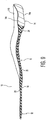
Fig. 5 is a right side elevational view of the insole; -
Fig. 6 is a left side elevational view of the insole; -
Fig. 7 is a top plan view of the insole; -
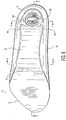
Fig. 8 is a bottom plan view of the insole; -
Fig. 9 is a cross-sectional view of the insole, taken along line 9-9 ofFig. 8 ; -
Fig. 10 is a cross-sectional view of the insole, taken along line 10-10 ofFig. 8 ; -
Fig. 11 is a cross-sectional view of the insole, taken along line 11-11 ofFig. 8 ; and -
Fig. 12 is a graphical diagram of arch comfort rating versus arch stiffness with the present invention. - Referring to the drawings in detail, a three-quarter length left
insole 10 according to the present invention is adapted to be placed in an article of footwear, as is well known. Only theleft insole 10 will now be described, with the understanding that the right insole (not shown) will be the mirror image ofleft insole 10. A "three-quarter length insole" refers to an insole with a forefoot portion that, in use, ends immediately distally of a user's metatarsals, that is, positioned just under the sulcus. In such case, an appropriately sizedinsole 10 can be inserted into a large variety of shoe sizes. - Specifically,
insole 10 has the general shape of a human left foot and therefore includes aforefoot portion 12, aheel portion 14, and amid portion 16 which connectsforefoot portion 12 andheel portion 14 together.Heel portion 14 has a greater thickness thantoe portion 12. For example, without limitation thereto,heel portion 14 can have a thickness of about 5-8 mm, while forefoot portion can have a thickness of about 1-3 mm.Mid portion 16 has a thickness which is frequently in the same range asforefoot portion 12 through the length thereof, but which increases in a tapering manner near the rear end thereof to meet with the increased thickness ofheel portion 14. In some instances, it may be desirable to use a different thickness for the forefoot portion, such as by making the forefoot portion thinner than the midfoot portion. Thus,forefoot portion 12 andmid portion 14 together typically, but not necessarily, have a generally small constant thickness throughout, except as indicated below. - Because of the relatively small thickness of
mid portion 16, in comparison with much thicker conventional mid portions having a bulky arch area,mid portion 16 is curved upwardly to correspond to an arch of a person's foot. - It will be appreciated that
heel portion 14 is preferably a cupped heel portion. Specifically, as shown,heel portion 14 includes a relatively flatcentral portion 14a except as discussed below, and a slopedside wall 14b that extends around the sides and rear ofcentral portion 14a. Generally, when a heel strikes a surface, the fat pad portion of the heel spreads out. A cupped heel portion thereby stabilizes the heel of the person and maintains the heel inheel portion 14, to prevent such spreading out of the fat pad portion of the heel and to also prevent any side-to-side movement of the heel inheel portion 14. - A
pillow 14c is provided as a raised portion at the center ofheel portion 14, and is provided at the area ofheel portion 14 that receives the greatest force. Since the cushioning energy is directly proportional to thickness, the cushioning effect is normally achieved with increasing bulk of the entire insole. The present invention accomplishes this by increasing the bulk slightly by up to approximately 3 mm in thickness above the upper surface of the insole atheel portion 14, only at the area where the greatest forces result during walking. Asimilar pillow 12a is provided atforefoot portion 12 located just proximal to the user's second and third metatarsals, which is the location of the greatest forces in the forefoot during the "toe off' phase of a step. -
Insole 10 is formed by alower layer 18 and atop cover 20 secured to the upper surface oflower layer 18, alongforefoot portion 12,cupped heel portion 14 andmid portion 16, by any suitable means, such as adhesive, radio frequency welding, etc. -
Lower layer 18 can be made from any suitable material including, but not limited to, any flexible material which can cushion and absorb the shock from heel strike on the insole. Suitable shock absorbing materials can include any suitable foam, such as but not limited to cross-linked polyethylene, poly(ethylene-vinyl acetate), polyvinyl chloride, synthetic and natural latex rubbers, neoprene, block polymer elastomers of the acrylonitrile-butadiene-styrene or styrene-butadiene-styrene type, thermoplastic elastomers, ethylenepropylene rubbers, silicone elastomers, polystyrene, polyurea or polyurethane; preferably a flexible polyurethane foam made from a polyol chain and an isocyanate such as a monomeric or prepolymerized diisocyanate based on 4,4'-diphenylmethane diisocyanate (MDI) or toluene diisocyanate (TDI). Such foams can be blown with fluorocarbons, water, methylene chloride or other gas producing agents, as well as by mechanically frothing to prepare the shock absorbing resilient layer. Such foams advantageously can be molded into the desired shape or geometry. Non-foam elastomers such as the class of materials known as viscoelastic polymers, or silicone gels, which show high levels of damping when tested by dynamic mechanical analysis performed in the range of -50 degrees C to 100 degrees C may also be advantageously employed. A resilient polyurethane can be prepared from diisocyanate prepolymer, polyol, catalyst and stabilizers which provide a waterblown polyurethane foam of the desired physical attributes. Suitable diisocyanate prepolymer and polyol components include polymeric MDI M-10 (CAS 9016-87-9) and Polymeric MDI MM-103 (CAS 25686-28-6), both available from BASF, Parsippany, New Jersey U.S.A.; Pluracol 945 (CAS 9082-00-2) and Pluracol 1003, both available from BASF, Parsippany, New Jersey U.S.A.; Multrinol 9200, available from Mobay, Pittsburgh, Pennsylvania U.S.A.; MDI diisocyanate prepolymer XAS 10971.02 and polyol blend XUS 18021.00 available from Dow Chemical Company, Midland, Michigan U.S.A.; and Niax 34-28, available from Union Carbide, Danbury, Connecticut U.S.A. These urethane systems generally contain a surfactant, a blowing agent, and an ultraviolet stabilizer and/or catalyst package. Suitable catalysts include Dabco 33-LV (CAS 280-57-9, 2526-71-8), Dabco X543 (CAS Trade Secret), Dabco T-12 (CAS 77-58-7), and Dabco TAC (CAS 107-21-1) all obtainable from Air Products Inc., Allentown, Pennsylvania U.S.A.; Fomrez UL-38, a stannous octoate, from the Witco Chemical Co., New York, New York U.S.A. or A-1 (CAS 3033-62-3) available from OSI Corp., Norcross, Georgia U.S.A. Suitable stabilizers include Tinuvin 765 (CAS 41556-26-7), Tinuvin 328 (CAS 25973-55-1), Tinuvin 213 (CAS 104810-48-2), Irganox 1010 (CAS 6683-19-8), Irganox 245 (CAS 36443-68-2), all available from the Ciba Geigy Corporation, Greensboro, North Carolina U.S.A., or Givsorb UV-1 (CAS 057834-33-0) and Givsorb UV-2 (CAS 065816-20-8) from Givaudan Corporation, Clifton, New Jersey U.S.A. Suitable surfactants include DC-5169 (a mixture), DC190 (CAS68037-64-9), DC 197 (CAS69430-39-3), DC-5125 (CAS 68037-62-7) all available from Air Products Corp., Allentown Pennsylvania U.S.A. and L-5302 (CAS trade secret) from Union Carbide, Danbury Connecticut U.S.A. - Alternatively,
lower layer 18 can be a laminate construction, that is, a multilayered composite of any of the above materials. Multilayered composites are made from one or more of the above materials such as a combination of polyethylene vinyl acetate and polyethylene (two layers), a combination of polyurethane and polyvinyl chloride (two layers) or a combination of ethylene propylene rubber, polyurethane foam and ethylene vinyl acetate (3 layers). - Preferably,
lower layer 18 is made from a urethane molded material such as a soft, resilient foam material having a Shore Type OO Durometer hardness in the range of 40 to 70, as measured using the test equipment sold for this purpose by Instron Corporation of Canton Massachusetts U.S.A. Such materials provide adequate shock absorption for the heel and cushioning for the midfoot and forefoot. -
Top cover 20 can be made from any suitable material including, but not limited to, fabrics, leather, leatherboard, expanded vinyl foam, flocked vinyl film, coagulated polyurethane, latex foam on scrim, supported polyurethane foam, laminated polyurethane film or in-mold coatings such as polyurethanes, styrene-butadiene rubber, acrylonitrile-butadiene, acrylonitrile terpolymers and copolymers, vinyls, or other acrylics, as integral top covers. Desirable characteristics oftop cover 20 include good durability, stability and visual appearance. It is also desirable thattop cover 20 has good flexibility, as indicated by a low modulus, in order to be easily moldable. The bonding surface oftop cover 20 should provide an appropriate texture in order to achieve a suitable mechanical bond to the upper surface oflower layer 18.Top cover 20 can be a fabric, such as a brushed knit laminated top cloth (for example, brushed knit fabric/urethane film/non-woven scrim cloth laminate) or a urethane knit laminate top cloth. Preferably,top cover 20 is made from a polyester fabric material. -
Lower layer 18 can be prepared by conventional methods such as heat sealing, ultrasonic sealing, radio-frequency sealing, lamination, thermoforming, reaction injection molding, and compression molding, if necessary, followed by secondary die-cutting or in-mold die cutting. Representative methods are taught, for example, inU.S. Pat. Nos. 3,489,594 ;3,530,489 4,257,176 ;4,185,402 ;4,586,273 , in Handbook of Plastics, Herber R. Simonds and Carleton Ellis, 1943, New York, N.Y.; Reaction Injection Molding Machinery and Processes, F. Melvin Sweeney, 1987, New York, N.Y.; and Flexible Polyurethane Foams, George Woods, 1982, New Jersey; whose preparative teachings are incorporated herein by reference. Preferably, the innersole is prepared by a foam reaction molding process such as is taught inU.S. Patent 4,694,589 . - During use,
insole 10 is placed in a shoe such that the medial side ofmid portion 16 rests against the inside of the shoe.Forefoot portion 12 may end just in front of the metatarsals. However,insole 10 can also be a full-length insole, that is, extending along the entire foot. - In accordance with the present invention,
insole 10 is provided with ashallow recess 24 about 2 mm deep or thick at the lower surface oflower section 18.Shallow recess 24 extends along substantially the entiremid portion 16 and tapers toward the center thereof. Thus, for example,shallow recess 24 can have a width of about 4 mm at a rear section thereof, a width of about 3.5 mm at a central section thereof and a width of about 5 mm at a front section thereof. - In addition,
recess 24 has recessedcorner wing sections heel portion 14, and the purpose for which will become apparent from the discussion which follows. It will be appreciated that, because of the curvature ofmid portion 16,shallow recess 24 follows the same curvature. - A flexible and resilient
arch spring insert 26 having a thickness of about 2 mm and having the same shape and dimensions asshallow recess 24, is secured withinshallow recess 24.Arch spring insert 26 is made from a harder and stiffer material than the foam material oflower layer 18 ofinsole 10. For example,arch spring insert 26 can be made from: a fiberglass filled polypropylene; nylon; fiberglass; polypropylene; woven extrusion composite; ABS; thermoplastic polymer; carbon graphite; polyacetal, for example, that sold under the trademark "DELRIN" by E.I. du Pont de Nemours and Company of Wilmington, Delaware U.S.A.; or any other suitable material. - The material used for
arch spring insert 26 generally has a flexural modulus in the range of about 6.89·108 to 3.45·109 Newton/meter2 (100,000 to 500,000 pounds per square inch) preferably in the range of about 1.03·109 to 2.76·109 N/m2 (150,000 to 400,000 p.s.i) and more preferably in the range of about 1.24·109 to 1.59·109 N/m2 (180,000 to 230,000 p.s.i.). Techniques for measuring flexural modulus are well known to those skilled in the art. - The arch area of
insole 10 preferably has a stiffness in the range between about 0.89 and 10.7 Kg/cm (5 to 60 pounds/inch) and, more preferably, in the range between about 0.89 and 3.57 Kg/cm (5 to 20 pounds/ inch).Fig. 12 shows the effect of varying the arch stiffness, where the x-axis is stiffness (expressed in pounds/ inch) and the y-axis is a "comfort rating," described in more detail below. In this figure, the diamond symbol () refers to satisfying 80% of the population, while the square symbol ( ) refers to satisfying 90% of the population. If the stiffness falls below about 0.89 Kg/cm (5 pounds/inch), the
insole 10 does not provide sufficient support. On the other hand, if the arch stiffness is significantly greater than about 10.7 Kg/cm (60 pounds/inch), the insole loses its comfort. Different prototypes that have been developed to have the above-described preferred properties have been shown to provide superior arch comfort while also providing a desired amount of support. - The method for determining stiffness involved use of an INSTRON™ compression strength testing machine, sold by Instron Corporation of Canton, Massachusetts U.S.A.
Insoles 10 having trimmed arch flanges were placed in the platform of the test machine, equipped with a 22.7 Kg (50 pound) load cell. Measurements of the amount of deflection of the central area of the insole arch were recorded as a function of the applied load. For purposes of this invention, stiffness is defined as the ratio of an applied load to the corresponding observed amount of arch deflection, as measured over the range of applied forces. - The comfort rating was determined by surveying users of different prototype versions of insoles having varying arch stiffnesses. These subjective assessments were obtained from paired comparison crossover studies utilizing thirty men and thirty women who previously had experienced foot discomfort while wearing their shoes. The subjects had widely varying shoe sizes and represented a normal distribution of foot types. A prototype pair of insoles was worn inside the shoes by a subject for two consecutive days and at least eight hours per day, following which the subjects rated comfort, degree of support and their overall satisfaction with the insoles. Ratings were combined to achieve a comfort score for each arch stiffness tested.
- Typically,
arch spring insert 26 is secured inrecess 24 by an adhesive, although it could also be placed in a mold and the remainder oflower section 18 ofinsole 10 can be molded thereon, and thereby bonded to the material ofarch spring insert 26 during the molding operation. - As a person steps on
insole 10,arch spring insert 26 flattens. During this operation, the flexion changes throughout the step cycle. In such case, the edges ofarch spring insert 26 move outwardly so that there is no change in resistance to the weight applied toinsole 10, that is, the resistance remains substantially constant, unlike the bulky foam arch portions of prior art insoles in which the resistance increases as a person steps thereon due to the compression of the material. Thus, in the operation of the present invention,arch spring insert 26 behaves much like the arch of a person's foot, which elongates as it flattens. Accordingly,arch spring insert 26 follows natural body movements and is more adaptable to different body structures and different ways of walking, that is, is more adaptable to the requirements of an individual person's foot. Therefore,insole 10 according to the present invention is suitable for different sizes, heights, weights, etc., and therefore is more versatile than conventional insoles having bulky arch portions. - The geometry and material of
arch spring insert 26 can be easily engineered to optimize the range of stiffness, for example, by changing the thickness, composition, height of the arch, etc. The stiffness of the arch area ofinsole 10 is a function of the material used inlower layer 18 ofinsole 10, the nature of the material ofarch spring insert 26 and the arch geometry. -
Arch spring insert 26 further includeswings corner wing sections Wings 26a permit natural motion of the foot during a stride, that is, with normal heel to arch progression. Thus,wings 26a allow the arch of the foot to come into play during the latter part of a heel strike, while the person's heel is still supported by the full cushion of the foam material, thereby providing a natural transition. - Thus, with the present invention,
insole 10 replaces the bulky foam material in the arch portion of conventional insoles with a relatively thin flexible and resilientarch spring insert 26 that functions as a spring and which comfortably supports the arch area of the user's foot. Witharch spring insert 26,insole 10 flexes and elongates as the arch of the foot flattens during a stride, thereby adapting to the requirements of each person's foot and providing a more controlled resistance.Insole 10 can be inserted in any shoes, even those with built-in arch supports, without introducing excessive bulk under the foot that can cause discomfort. - Although the present invention uses the term "insole," it will be appreciated that the use of other equivalent or similar terms such as "innersole" or "insert" are considered to be synonymous and interchangeable, and thereby included in the presently claimed invention.
- Further, although the present invention has been described primarily in connection with removable insoles, the invention can be incorporated directly into the sole of a shoe, and the present invention is intended to cover the same. In this regard, reference is made in the claims to an insole for use with footware, including a removable insole or an insole built into a shoe. If built into a shoe, for example, the heel portion could be fixed and the mid portion and forefoot portions allowed to elongate as the foot flexes.
- Having described specific preferred embodiments of the invention with reference to the accompanying drawings, it will be appreciated that the present invention is not limited to those precise embodiments and that various changes and modifications can be effected therein by one of ordinary skill in the art without departing from the scope of the invention as defined by the appended claims.
Claims (11)
- An insole (10) for insertion into footwear, comprising:(a) a first layer including: a heel portion (14) of a first thickness, a forefoot portion (12), a mid portion (16) connecting together said forefoot portion (12) and said heel portion (14), said mid portion (16) having a second thickness which is less than the first thickness of the heel. portion (14), and having an upward curvature, an upper surface extending along said forefoot portion.(12), mid portion (16) and heel portion (14) and on which a person stands, said upper surface having said curvature at said mid portion (16), and a lower surface extending along said forefoot portion (12), mid portion (16) and heel portion (14), said lower surface including a shallow recess (24) in said mid portion (16), and said lower surface having said curvature at said mid portion (16), said first layer being made of a material having a first hardness; and(b) a flexible and resilient thin arch spring insert (26) of a substantially constant thickness. secured in said recess (24) and following the curvature of the mid portion (16), said arch spring insert (26) comprising a material having a second hardness which is greater than said first hardness;wherein the arch spring insert (26) has a stiffness in a range between about 0.89 and 10:7 kg/cm that permits flexion and elongation of the mid portion (16) as an arch of a foot flattens during a stride,
wherein said arch recess (24) includes corner wing sections (24a, 24b) at a rear section thereof which extend slightly into the heel portion (14); and
wherein the arch spring insert (26) further includes wings (26a) and (26b) which are secured within said recessed corner wing sections (24a) and (24b). - The insole (10) according to claim 1, wherein said arch spring insert (26) and said recess (24) have substantially the same shapes and dimensions.
- The insole (10) according to any of claims 1 to 2, wherein said heel portion (14) is cupped to maintain a user's heel in said heel portion (14).
- The insole (10) according to any of claims 1 to 3, wherein said arch spring insert (26) tapers in width towards a central section thereof.
- The insole (10) according to any of claims 1 to 4, wherein said forefoot portion (12) has a length such that, when in use, the forefoot portion (12) ends immediately distally of a user's metatarsals.
- The insole (10) according to any of claims 1 to 5, wherein an arch area has a stiffness in a range between 0.89 and 3.57 kg/cm.
- The insole (10) according to any of claims 1 to 6, wherein said first layer comprises a soft resilient foam material having a Shore Type 00 Durometer hardness between about 40 and about 70.
- The insole (10) according to any of claims 1 to 7, wherein said arch spring insert (26) comprises a material having a flexural modulus between about 6.89 x 10⁸ and about 3.45 x 10⁹ N/m2.
- The insole (10) according to any of claims 1 to 8, wherein said arch spring insert (26) comprises a material having a flexural modulus between about 1.03 x10⁹ and about 2.76 x 10⁹ N/m2.
- The insole (10) according to any of claims 1 to 9, wherein said arch spring insert (26) comprises a material having a flexural modulus between about 1.24 x10⁹ and about 1.59 x 10⁹ N/m2.
- The insole (10) according to any of claims 1 to 10, wherein said arch spring insert (26) comprises a polymeric material.
Applications Claiming Priority (3)
| Application Number | Priority Date | Filing Date | Title |
|---|---|---|---|
| US212913 | 1980-12-04 | ||
| US10/212,913 US6915598B2 (en) | 2002-08-06 | 2002-08-06 | Insole with arch spring |
| PCT/US2003/024519 WO2004012548A1 (en) | 2002-08-06 | 2003-08-04 | Insole with arch spring |
Publications (3)
| Publication Number | Publication Date |
|---|---|
| EP1545255A1 EP1545255A1 (en) | 2005-06-29 |
| EP1545255B1 EP1545255B1 (en) | 2013-09-18 |
| EP1545255B2 true EP1545255B2 (en) | 2020-07-15 |
Family
ID=31494386
Family Applications (1)
| Application Number | Title | Priority Date | Filing Date |
|---|---|---|---|
| EP03752651.4A Expired - Lifetime EP1545255B2 (en) | 2002-08-06 | 2003-08-04 | Insole with arch spring |
Country Status (7)
| Country | Link |
|---|---|
| US (1) | US6915598B2 (en) |
| EP (1) | EP1545255B2 (en) |
| JP (3) | JP4519647B2 (en) |
| AU (1) | AU2003244336B2 (en) |
| CA (1) | CA2436383C (en) |
| MY (1) | MY137104A (en) |
| WO (1) | WO2004012548A1 (en) |
Families Citing this family (140)
| Publication number | Priority date | Publication date | Assignee | Title |
|---|---|---|---|---|
| US20040211086A1 (en) | 2003-04-23 | 2004-10-28 | Hbn Shoe, Llc | Device for high-heeled shoes |
| PL1602294T3 (en) * | 2004-06-02 | 2008-07-31 | Spannrit Schuhkomponenten Gmbh | Polyurethane foam innersole and manufacturing method |
| US7284342B2 (en) * | 2004-08-06 | 2007-10-23 | Schering-Plough Healthcare Products, Inc. | Heel insert |
| CA2583612A1 (en) * | 2004-10-13 | 2006-04-27 | Hbn Shoe, Llc | Device for high-heeled shoes and method of constructing a high-heeled shoe |
| ITRM20040516A1 (en) * | 2004-10-20 | 2005-01-20 | Ks Italia S A S Di Ambrosone Mario & C | STIMULATION SHOE FOR THE CORRECT DEVELOPMENT OF PLANTAR ARCHES. |
| GB0514578D0 (en) * | 2005-07-15 | 2005-08-24 | Orthotics Online Ltd | Copper orthotic |
| KR200410566Y1 (en) * | 2005-12-02 | 2006-03-13 | 주식회사 지에스디 | Shoe insole |
| CZ298894B6 (en) * | 2006-05-10 | 2008-03-05 | Hanák@Josef | Inner sole |
| US20110162657A1 (en) * | 2006-06-05 | 2011-07-07 | Tullous Micam W | Mattress Incorporating a Headrest for Preventing and Correcting Non-Synostotic Cranial Deformities in Infants |
| US8590536B2 (en) * | 2006-06-05 | 2013-11-26 | Micam W. Tullous | Lateral support craniocervical orthosis and method |
| US11510800B2 (en) * | 2006-06-05 | 2022-11-29 | Micam W. Tullous | Lateral support craniocervical orthosis and method |
| US7707751B2 (en) | 2006-06-16 | 2010-05-04 | Schering-Plough Healthcare Products, Inc. | Adjustable orthotic |
| MX2009001320A (en) * | 2006-08-03 | 2009-04-06 | Schering Plough Healthcare | Gel insole. |
| US7958653B2 (en) * | 2006-09-21 | 2011-06-14 | Schering-Plough Healthcare Products, Inc. | Cushioned orthotic |
| US7845097B2 (en) * | 2006-12-07 | 2010-12-07 | Callaway Golf Company | Chemically-treated outsole assembly for a golf shoe |
| CN100586326C (en) * | 2006-12-25 | 2010-02-03 | 欧立达股份有限公司 | Insole structure |
| US7827705B2 (en) * | 2007-03-08 | 2010-11-09 | Nike, Inc. | Article of footwear with multiple cleat sizes |
| US7802379B2 (en) * | 2007-03-08 | 2010-09-28 | Nike, Inc. | Article of footwear with indented tip cleats |
| US20090007194A1 (en) * | 2007-04-30 | 2009-01-01 | Thales Avionics, Inc. | Remote recovery of in-flight entertainment video seat back display audio |
| DE202007008016U1 (en) * | 2007-06-05 | 2007-08-09 | Zimmermann, Manuela | Shoe`s insert, has heel area on which heel of foot of user lies during intended usage of insert, and longitudinal arched area on which longitudinal arch of foot of user lies during intended usage of insert |
| US20090025254A1 (en) * | 2007-07-25 | 2009-01-29 | Smith Charles A | Orthotic insole assembly |
| US20090031583A1 (en) * | 2007-08-03 | 2009-02-05 | Schering-Plough Healthcare Products, Inc. | Foot Support For Alleviating Knee Pain |
| JP5438023B2 (en) * | 2007-11-21 | 2014-03-12 | スペンコ、メディカル、コーパレイシャン | Insole for arthritis and diabetes |
| EP2111770B1 (en) * | 2008-04-25 | 2014-06-18 | M. Christophe Otte | Sole of a shoe with shock absorbing properties, orthopaedic boot and shoe comprising such a sole. |
| EP2145554B1 (en) * | 2008-07-10 | 2012-03-07 | Valfussbett S.r.l. | Insole for shoe |
| US9003679B2 (en) | 2008-08-06 | 2015-04-14 | Nike, Inc. | Customization of inner sole board |
| WO2010077296A2 (en) * | 2008-12-09 | 2010-07-08 | Red Wing Shoe Company, Inc. | Molded insole for welted footwear |
| USD650979S1 (en) | 2009-07-14 | 2011-12-27 | Arben Marku | Curvilinear shoe sole |
| US8567094B2 (en) * | 2009-09-23 | 2013-10-29 | Shoes For Crews, Llc | Shoe construction having a rocker shaped bottom and integral stabilizer |
| US8850718B2 (en) * | 2009-09-23 | 2014-10-07 | Shoes For Crews, Llc | Shoe with support system |
| USD632468S1 (en) * | 2009-11-11 | 2011-02-15 | Payless Shoesource Worldwide, Inc. | Shoe insole |
| CA2796193C (en) * | 2010-06-25 | 2017-02-14 | Spenco Medical Corporation | Contoured support insole |
| US20120131817A1 (en) * | 2010-11-30 | 2012-05-31 | Eero Kaakkola | Custom-fit insole for footwear and related method of manufacture |
| US10010131B2 (en) | 2011-02-02 | 2018-07-03 | Implus Footcare, Llc | Flow insole |
| US10674786B2 (en) * | 2011-03-08 | 2020-06-09 | Athalonz, Llc | Athletic positioning apparatus including a heel platform and applications thereof |
| WO2012129182A1 (en) | 2011-03-18 | 2012-09-27 | Columbia Sportswear North America, Inc. | High-stability multi-density midsole |
| KR20120007242U (en) * | 2011-04-12 | 2012-10-22 | 주식회사 엘에스네트웍스 | Cushion materials and insole comprising thereof |
| USD661076S1 (en) * | 2011-08-11 | 2012-06-05 | Stable Step LLC | Insole |
| US9144265B2 (en) | 2011-09-14 | 2015-09-29 | Shoes For Crews, Llc | Shoe with support system |
| US8776399B2 (en) * | 2012-01-24 | 2014-07-15 | Fusco Industrial Corporation | Shoe insole |
| US9131746B2 (en) | 2012-08-28 | 2015-09-15 | Roar Licensing, Llc | Foot orthotic |
| JP2015526251A (en) | 2012-08-31 | 2015-09-10 | スペンコ メディカル コーポレーション | Basketball insole |
| USD794300S1 (en) * | 2012-09-21 | 2017-08-15 | Meditex Ltd. | Orthopedic insoles |
| USD738081S1 (en) * | 2012-10-12 | 2015-09-08 | Lfrj, Llc | Shoe insert |
| US9750303B2 (en) | 2013-03-15 | 2017-09-05 | New Balance Athletics, Inc. | Cambered sole |
| JP5768088B2 (en) * | 2013-05-21 | 2015-08-26 | 美津濃株式会社 | insole |
| US20150026998A1 (en) * | 2013-07-29 | 2015-01-29 | Su-Miao LIN | Insole structure |
| PL406614A1 (en) * | 2013-12-20 | 2015-06-22 | Garbacz Mirosław Zakład Produkcji Obuwia Lemigo | Method for joining elements made from foamed ethylene-vinyl acetate copolymer EVA with polyurethane |
| US10182616B2 (en) * | 2014-02-18 | 2019-01-22 | Catherine Maureen O'Brien | Shoe liners and method for making the same |
| US10517351B2 (en) | 2014-06-06 | 2019-12-31 | Roar Athletic Performance Corp. | Shoe with integral orthotic/propulsion plate |
| US20160021976A1 (en) | 2014-07-24 | 2016-01-28 | Shlomo Piontkowski | Footwear with Dynamic Arch System |
| US9392842B2 (en) | 2014-07-24 | 2016-07-19 | Shlomo Piontkowski | Footwear with dynamic arch system |
| US9204687B1 (en) | 2014-07-24 | 2015-12-08 | Shlomo Piontkowski | Footwear with dynamic arch system |
| US9857788B2 (en) | 2014-07-24 | 2018-01-02 | Shlomo Piontkowski | Adjustable height sole |
| US10827798B2 (en) | 2014-07-24 | 2020-11-10 | Shlomo Piontkowski | Footwear with dynamic arch system |
| USD768370S1 (en) * | 2014-10-06 | 2016-10-11 | Alim Kanji | Shoe crease prevention insert |
| USD791456S1 (en) * | 2014-11-18 | 2017-07-11 | Peacocks Orthotics Limited | Insole |
| USD747861S1 (en) | 2015-01-23 | 2016-01-26 | Christine Cipriani | Insole |
| CA2987041A1 (en) | 2015-05-28 | 2016-12-01 | Implus Footcare, Llc | Contoured support shoe insole |
| JP2018515200A (en) | 2015-05-28 | 2018-06-14 | インプラス フットケア、エルエルシー | Contour support insoles |
| US10136698B2 (en) | 2015-05-28 | 2018-11-27 | Implus Footcare, Llc | Shoe insole |
| CA2980463A1 (en) | 2015-05-28 | 2016-12-01 | Implus Footcare, Llc | Contoured support shoe insole |
| US20190008230A1 (en) * | 2015-06-19 | 2019-01-10 | Correct Motion Inc. | Insole for sport footwear |
| USD771921S1 (en) | 2015-06-25 | 2016-11-22 | Implus Footcare, Llc | Shoe insole |
| USD758058S1 (en) | 2015-06-25 | 2016-06-07 | Spenco Medical Corporation | Heel cup |
| USD762366S1 (en) | 2015-06-25 | 2016-08-02 | Spenco Medical Corporation | Shoe insole |
| USD761543S1 (en) | 2015-06-25 | 2016-07-19 | Spenco Medical Corporation | Shoe insole |
| USD766560S1 (en) | 2015-06-25 | 2016-09-20 | Implus Footcare, Llc | Shoe insole |
| USD762367S1 (en) | 2015-06-25 | 2016-08-02 | Spenco Medical Corporation | Shoe insole |
| USD762368S1 (en) | 2015-06-25 | 2016-08-02 | Spenco Medical Corporation | Shoe insole |
| USD797428S1 (en) | 2015-07-15 | 2017-09-19 | Implus Footcare, Llc | Shoe insole |
| USD797429S1 (en) | 2015-07-15 | 2017-09-19 | Implus Footcare, Llc | Shoe insole |
| USD797430S1 (en) | 2015-07-15 | 2017-09-19 | Implus Footcare, Llc | Shoe insole |
| USD771922S1 (en) | 2015-09-15 | 2016-11-22 | Implus Footcare, Llc | Shoe insole |
| USD778567S1 (en) | 2015-09-17 | 2017-02-14 | Implus Footcare, Llc | Shoe insole |
| USD814750S1 (en) | 2015-09-25 | 2018-04-10 | Fourfoot, Llc | Sandal |
| USD778040S1 (en) | 2015-09-25 | 2017-02-07 | Implus Footcare, Llc | Shoe insole |
| CN108289637B (en) | 2015-10-05 | 2021-07-02 | 斯格尔兹威尔尼斯公司 | Generate orthodontic product recommendations |
| US20170172252A1 (en) * | 2015-12-18 | 2017-06-22 | Neale Cody Schindermann | Removable shoe insole |
| TWI569743B (en) * | 2016-01-15 | 2017-02-11 | 歐立達股份有限公司 | A device for foot three dimensional motion control and plantar pressure redistribution |
| US10602803B2 (en) * | 2016-02-26 | 2020-03-31 | Nike, Inc. | Sockliner for a shoe |
| US10299538B2 (en) | 2016-02-26 | 2019-05-28 | Nike, Inc. | Sockliner with integral skirt |
| US10390587B2 (en) | 2016-03-01 | 2019-08-27 | Hbn Shoe, Llc | Device for high-heeled shoes and method of constructing a high-heeled shoe |
| US10477915B2 (en) | 2016-03-01 | 2019-11-19 | Hbn Shoe, Llc | Device for high-heeled shoes and method of constructing a high-heeled shoe |
| US10709195B2 (en) * | 2016-03-11 | 2020-07-14 | Industech International Inc. | Shoe insole |
| US20170318898A1 (en) * | 2016-05-05 | 2017-11-09 | Sole Supports, Inc. | Weight adjustable calibrated orthotics |
| US10271612B2 (en) * | 2016-06-21 | 2019-04-30 | YZ Studio, Inc. | High heel shoe |
| WO2018118430A1 (en) * | 2016-12-20 | 2018-06-28 | Nike Innovate C.V. | Energy return footwear plate |
| KR102033994B1 (en) * | 2017-03-31 | 2019-10-18 | 서현웅 | ArchGreen foot calibration sphere and Its Manufacturing Method |
| MX2019012052A (en) * | 2017-04-07 | 2019-12-09 | Bayer Healthcare Llc | Insole for relieving plantar fasciitis pain. |
| USD808142S1 (en) * | 2017-07-03 | 2018-01-23 | Bayer Healthcare Llc | Insole |
| AU2018347537A1 (en) | 2017-10-13 | 2020-04-02 | Scholl's Wellness Company Llc | Footcare product dispensing kiosk |
| WO2019160822A1 (en) | 2018-02-14 | 2019-08-22 | Radovic Philip Andrew | Functional orthotic support structure for footwear |
| US10702008B2 (en) | 2018-02-26 | 2020-07-07 | Hbn Shoe, Llc | Device and method of constructing shoes |
| FR3106960B1 (en) * | 2020-02-11 | 2022-01-21 | Sigvaris Ag | Morphological sole, footwear, and method of manufacture |
| EP3932243A1 (en) * | 2020-07-01 | 2022-01-05 | Tacchificio Villa Cortese S.r.l. | Bi-component plastic insole obtained by injection molding |
| DE102020117662B4 (en) | 2020-07-03 | 2026-04-30 | Winsole GmbH | shoe insole |
| JP7496122B2 (en) | 2020-08-27 | 2024-06-06 | 株式会社 Akaishi | Slippers and how to put them on |
| USD972826S1 (en) * | 2020-09-29 | 2022-12-20 | Zhuangli Qin | Insole |
| USD961901S1 (en) * | 2020-09-29 | 2022-08-30 | Zhuangli Qin | Insole |
| USD961214S1 (en) * | 2020-09-29 | 2022-08-23 | Zhuangli Qin | Insole |
| CA204751S (en) * | 2021-01-21 | 2023-02-06 | Frankie4 IP 1 Pty Ltd | Footbed for a shoe |
| USD1001454S1 (en) * | 2021-03-15 | 2023-10-17 | David Epstein | Insole |
| USD1043079S1 (en) * | 2021-07-28 | 2024-09-24 | Hewlett-Packard Development Company, L.P. | Shoe orthotic |
| USD1032171S1 (en) * | 2021-07-28 | 2024-06-25 | Hewlett-Packard Development Company, L.P. | Shoe orthotic |
| USD1036092S1 (en) * | 2021-07-28 | 2024-07-23 | Hewlett-Packard Development Company, L.P. | Shoe orthotic |
| US11540588B1 (en) | 2021-11-24 | 2023-01-03 | Hbn Shoe, Llc | Footwear insole |
| JP1743226S (en) * | 2022-05-31 | 2023-05-01 | shoe insole | |
| USD1031231S1 (en) * | 2022-07-27 | 2024-06-18 | Jianfeng Du | Insole |
| USD1029478S1 (en) * | 2022-07-27 | 2024-06-04 | Jianfeng Du | Insole |
| USD1026439S1 (en) * | 2022-07-29 | 2024-05-14 | Zhuangli Qin | Insole |
| USD1016453S1 (en) * | 2022-07-29 | 2024-03-05 | Zhuangli Qin | Insole |
| USD1029480S1 (en) * | 2022-07-29 | 2024-06-04 | Zhuangli Qin | Insole |
| USD1026436S1 (en) * | 2022-07-29 | 2024-05-14 | Zhuangli Qin | Insole |
| USD1019100S1 (en) * | 2022-07-29 | 2024-03-26 | Zhuangli Qin | Insole |
| USD1019098S1 (en) * | 2022-07-29 | 2024-03-26 | Zhuangli Qin | Insole |
| USD1028463S1 (en) * | 2022-07-29 | 2024-05-28 | Zhuangli Qin | Insole |
| USD1026438S1 (en) * | 2022-07-29 | 2024-05-14 | Zhuangli Qin | Insole |
| USD1028464S1 (en) * | 2022-07-29 | 2024-05-28 | Zhuangli Qin | Insole |
| USD1019097S1 (en) * | 2022-07-29 | 2024-03-26 | Zhuangli Qin | Insole |
| USD1028465S1 (en) * | 2022-07-29 | 2024-05-28 | Zhuangli Qin | Insole |
| USD1028466S1 (en) * | 2022-07-29 | 2024-05-28 | Zhuangli Qin | Insole |
| USD1016452S1 (en) * | 2022-07-29 | 2024-03-05 | Zhuangli Qin | Insole |
| USD1026437S1 (en) * | 2022-07-29 | 2024-05-14 | Zhuangli Qin | Insole |
| USD1029479S1 (en) * | 2022-07-29 | 2024-06-04 | Zhuangli Qin | Insole |
| USD1016451S1 (en) * | 2022-07-29 | 2024-03-05 | Zhuangli Qin | Insole |
| USD1028467S1 (en) * | 2022-07-29 | 2024-05-28 | Zhuangli Qin | Insole |
| USD1019099S1 (en) * | 2022-07-29 | 2024-03-26 | Zhuangli Qin | Insole |
| USD987961S1 (en) * | 2022-10-07 | 2023-06-06 | Nike, Inc. | Shoe |
| USD988701S1 (en) * | 2022-10-07 | 2023-06-13 | Nike, Inc. | Shoe |
| HUE069979T2 (en) * | 2022-10-10 | 2025-04-28 | Spannrit Gmbh | Orthopaedic pur foam plastic shoe insole blank |
| USD1044245S1 (en) * | 2022-10-16 | 2024-10-01 | Jinjiang City Shubao Shoes Co., Ltd. | Insole |
| USD1089999S1 (en) * | 2022-12-15 | 2025-08-26 | Vh Footwear Inc. | Footwear insole |
| US11805850B1 (en) | 2023-07-19 | 2023-11-07 | Hbn Shoe, Llc | Cuboid pad |
| USD1082267S1 (en) | 2024-04-09 | 2025-07-08 | Hbn Shoe, Llc | Shoe insert |
| USD1058136S1 (en) * | 2024-06-19 | 2025-01-21 | Wei Nie | Insole |
| USD1116129S1 (en) * | 2024-07-23 | 2026-03-03 | Northwest Podiatric Laboratory, Inc. | Orthotic insert |
| WO2026060409A1 (en) * | 2024-09-16 | 2026-03-19 | Nicholas Martin | Sustainable height-enhancing footwear insole with stability contours |
| USD1129803S1 (en) * | 2025-01-16 | 2026-06-16 | Wei Nie | Orthopedic arch insole |
| USD1116405S1 (en) * | 2025-06-06 | 2026-03-10 | Lulu Guo | Insole |
Family Cites Families (22)
| Publication number | Priority date | Publication date | Assignee | Title |
|---|---|---|---|---|
| US3489594A (en) | 1967-02-13 | 1970-01-13 | Scholl Mfg Co Inc | Insole material having controlled slippage characteristics and method of making same |
| US3530489A (en) | 1968-08-19 | 1970-09-22 | Usm Corp | Footwear manufacture |
| US3601908A (en) * | 1969-05-15 | 1971-08-31 | Francis M Gilkerson | Molded insole |
| NL7806461A (en) * | 1977-06-21 | 1978-12-27 | Toho Beslon Co | INSOLE AND METHOD OF MANUFACTURE THEREOF. |
| US4185402A (en) | 1977-11-02 | 1980-01-29 | Scholl, Inc. | Deodorizing insole |
| DE2808127C2 (en) | 1978-02-25 | 1985-09-26 | Walter 7000 Stuttgart Auracher | Blank for the production of orthopedic shoe insoles |
| US4176476A (en) * | 1978-04-14 | 1979-12-04 | Rogers Corporation | Cushion insole |
| US4257176A (en) | 1979-03-09 | 1981-03-24 | Scholl, Inc. | Insole with material released under foot loads |
| US4800657A (en) * | 1981-11-25 | 1989-01-31 | Brown Dennis N | Variably adjustable shoe insert |
| US4694589A (en) | 1983-02-28 | 1987-09-22 | Sullivan James B | Elastomeric shoe innersole |
| US4586273A (en) | 1983-12-28 | 1986-05-06 | Bernard Chapnick | Shoe insert construction |
| US4597196A (en) * | 1984-08-24 | 1986-07-01 | Northwest Podiatric Laboratories, Inc. | Orthotic insert and method or making of the same |
| US4879821A (en) * | 1987-09-04 | 1989-11-14 | Hyde Athletic Industries Inc. | Insole construction |
| GB2230935A (en) * | 1989-04-25 | 1990-11-07 | Calzaturificio Zamberlan S R L | Arch supporting insoles |
| CA2034300C (en) * | 1990-02-16 | 1998-04-14 | Dennis N. Brown | Orthotic insert for shoes |
| US5338600A (en) * | 1991-08-19 | 1994-08-16 | Medical Materials Corporation | Composite thermoplastic material including a compliant layer |
| DE9201704U1 (en) | 1992-02-12 | 1992-07-09 | Paromed Medizintechnik GmbH, 8201 Neubeuern | Insole |
| US6120880A (en) * | 1995-03-23 | 2000-09-19 | Crow; William R. | Performance enhancing athletic shoe components and methods |
| EP1041947B1 (en) | 1997-12-24 | 2005-04-27 | Barefoot Science Technologies Inc. | Rehabilitative shoe insole device |
| DE19948545A1 (en) | 1999-10-08 | 2001-04-12 | Globus Berkemann Gmbh & Co Kg | Orthopedic shoe insert |
| MXPA00009779A (en) | 1999-12-31 | 2003-04-25 | Schering Plough Healthcare | Work insoles. |
| AUPQ837800A0 (en) | 2000-06-23 | 2000-07-20 | 5Th Floor Pty Ltd | Flexible orthotic device |
-
2002
- 2002-08-06 US US10/212,913 patent/US6915598B2/en not_active Expired - Lifetime
-
2003
- 2003-08-04 AU AU2003244336A patent/AU2003244336B2/en not_active Ceased
- 2003-08-04 JP JP2004526470A patent/JP4519647B2/en not_active Expired - Fee Related
- 2003-08-04 EP EP03752651.4A patent/EP1545255B2/en not_active Expired - Lifetime
- 2003-08-04 MY MYPI20032926A patent/MY137104A/en unknown
- 2003-08-04 WO PCT/US2003/024519 patent/WO2004012548A1/en not_active Ceased
- 2003-08-04 CA CA002436383A patent/CA2436383C/en not_active Expired - Lifetime
-
2007
- 2007-05-07 JP JP2007122912A patent/JP2007229498A/en not_active Withdrawn
-
2009
- 2009-07-16 JP JP2009168024A patent/JP2009279419A/en not_active Withdrawn
Also Published As
| Publication number | Publication date |
|---|---|
| EP1545255B1 (en) | 2013-09-18 |
| AU2003244336B2 (en) | 2004-12-09 |
| CA2436383A1 (en) | 2004-02-06 |
| US6915598B2 (en) | 2005-07-12 |
| JP2009279419A (en) | 2009-12-03 |
| WO2004012548A1 (en) | 2004-02-12 |
| CA2436383C (en) | 2007-10-30 |
| EP1545255A1 (en) | 2005-06-29 |
| MY137104A (en) | 2008-12-31 |
| JP4519647B2 (en) | 2010-08-04 |
| US20040025376A1 (en) | 2004-02-12 |
| AU2003244336A1 (en) | 2004-02-23 |
| JP2005519723A (en) | 2005-07-07 |
| JP2007229498A (en) | 2007-09-13 |
Similar Documents
| Publication | Publication Date | Title |
|---|---|---|
| EP1545255B1 (en) | Insole with arch spring | |
| CA2514278C (en) | Heel insert | |
| US6301805B1 (en) | Full length insole for obese people | |
| CA2322405C (en) | Work insoles | |
| US20200029653A1 (en) | Insole for relieving plantar facsiitis pain | |
| JP4859149B2 (en) | Adjustable support band | |
| CA2349272C (en) | Full length insole for arthritic and/or diabetic people | |
| US6631568B2 (en) | Insole for fitness and recreational walking | |
| US6286232B1 (en) | Pregnancy/maternity insoles | |
| US12599192B2 (en) | Flexible arch support for footwear | |
| NZ527904A (en) | Insole with arch spring | |
| HK1079061A (en) | Removable insole and footwear provided with an insole | |
| HK1037492A (en) | Work insoles |
Legal Events
| Date | Code | Title | Description |
|---|---|---|---|
| PUAI | Public reference made under article 153(3) epc to a published international application that has entered the european phase |
Free format text: ORIGINAL CODE: 0009012 |
|
| 17P | Request for examination filed |
Effective date: 20030903 |
|
| AK | Designated contracting states |
Kind code of ref document: A1 Designated state(s): AT BE BG CH CY CZ DE DK EE ES FI FR GB GR HU IE IT LI LU MC NL PT RO SE SI SK TR |
|
| AX | Request for extension of the european patent |
Extension state: AL LT LV MK |
|
| DAX | Request for extension of the european patent (deleted) | ||
| 17Q | First examination report despatched |
Effective date: 20060907 |
|
| RAP1 | Party data changed (applicant data changed or rights of an application transferred) |
Owner name: MSD CONSUMER CARE, INC. |
|
| GRAP | Despatch of communication of intention to grant a patent |
Free format text: ORIGINAL CODE: EPIDOSNIGR1 |
|
| GRAS | Grant fee paid |
Free format text: ORIGINAL CODE: EPIDOSNIGR3 |
|
| GRAA | (expected) grant |
Free format text: ORIGINAL CODE: 0009210 |
|
| AK | Designated contracting states |
Kind code of ref document: B1 Designated state(s): AT BE BG CH CY CZ DE DK EE ES FI FR GB GR HU IE IT LI LU MC NL PT RO SE SI SK TR |
|
| REG | Reference to a national code |
Ref country code: GB Ref legal event code: FG4D |
|
| REG | Reference to a national code |
Ref country code: CH Ref legal event code: EP |
|
| REG | Reference to a national code |
Ref country code: IE Ref legal event code: FG4D |
|
| REG | Reference to a national code |
Ref country code: AT Ref legal event code: REF Ref document number: 632270 Country of ref document: AT Kind code of ref document: T Effective date: 20131015 |
|
| REG | Reference to a national code |
Ref country code: DE Ref legal event code: R096 Ref document number: 60344951 Country of ref document: DE Effective date: 20131107 |
|
| PG25 | Lapsed in a contracting state [announced via postgrant information from national office to epo] |
Ref country code: CY Free format text: LAPSE BECAUSE OF FAILURE TO SUBMIT A TRANSLATION OF THE DESCRIPTION OR TO PAY THE FEE WITHIN THE PRESCRIBED TIME-LIMIT Effective date: 20130703 Ref country code: SE Free format text: LAPSE BECAUSE OF FAILURE TO SUBMIT A TRANSLATION OF THE DESCRIPTION OR TO PAY THE FEE WITHIN THE PRESCRIBED TIME-LIMIT Effective date: 20130918 |
|
| REG | Reference to a national code |
Ref country code: NL Ref legal event code: VDEP Effective date: 20130918 |
|
| REG | Reference to a national code |
Ref country code: AT Ref legal event code: MK05 Ref document number: 632270 Country of ref document: AT Kind code of ref document: T Effective date: 20130918 |
|
| PG25 | Lapsed in a contracting state [announced via postgrant information from national office to epo] |
Ref country code: GR Free format text: LAPSE BECAUSE OF FAILURE TO SUBMIT A TRANSLATION OF THE DESCRIPTION OR TO PAY THE FEE WITHIN THE PRESCRIBED TIME-LIMIT Effective date: 20131219 Ref country code: FI Free format text: LAPSE BECAUSE OF FAILURE TO SUBMIT A TRANSLATION OF THE DESCRIPTION OR TO PAY THE FEE WITHIN THE PRESCRIBED TIME-LIMIT Effective date: 20130918 Ref country code: SI Free format text: LAPSE BECAUSE OF FAILURE TO SUBMIT A TRANSLATION OF THE DESCRIPTION OR TO PAY THE FEE WITHIN THE PRESCRIBED TIME-LIMIT Effective date: 20130918 |
|
| PG25 | Lapsed in a contracting state [announced via postgrant information from national office to epo] |
Ref country code: CY Free format text: LAPSE BECAUSE OF FAILURE TO SUBMIT A TRANSLATION OF THE DESCRIPTION OR TO PAY THE FEE WITHIN THE PRESCRIBED TIME-LIMIT Effective date: 20130918 Ref country code: BE Free format text: LAPSE BECAUSE OF FAILURE TO SUBMIT A TRANSLATION OF THE DESCRIPTION OR TO PAY THE FEE WITHIN THE PRESCRIBED TIME-LIMIT Effective date: 20130918 |
|
| PG25 | Lapsed in a contracting state [announced via postgrant information from national office to epo] |
Ref country code: SK Free format text: LAPSE BECAUSE OF FAILURE TO SUBMIT A TRANSLATION OF THE DESCRIPTION OR TO PAY THE FEE WITHIN THE PRESCRIBED TIME-LIMIT Effective date: 20130918 Ref country code: CZ Free format text: LAPSE BECAUSE OF FAILURE TO SUBMIT A TRANSLATION OF THE DESCRIPTION OR TO PAY THE FEE WITHIN THE PRESCRIBED TIME-LIMIT Effective date: 20130918 Ref country code: NL Free format text: LAPSE BECAUSE OF FAILURE TO SUBMIT A TRANSLATION OF THE DESCRIPTION OR TO PAY THE FEE WITHIN THE PRESCRIBED TIME-LIMIT Effective date: 20130918 Ref country code: EE Free format text: LAPSE BECAUSE OF FAILURE TO SUBMIT A TRANSLATION OF THE DESCRIPTION OR TO PAY THE FEE WITHIN THE PRESCRIBED TIME-LIMIT Effective date: 20130918 Ref country code: RO Free format text: LAPSE BECAUSE OF FAILURE TO SUBMIT A TRANSLATION OF THE DESCRIPTION OR TO PAY THE FEE WITHIN THE PRESCRIBED TIME-LIMIT Effective date: 20130918 |
|
| PG25 | Lapsed in a contracting state [announced via postgrant information from national office to epo] |
Ref country code: AT Free format text: LAPSE BECAUSE OF FAILURE TO SUBMIT A TRANSLATION OF THE DESCRIPTION OR TO PAY THE FEE WITHIN THE PRESCRIBED TIME-LIMIT Effective date: 20130918 Ref country code: ES Free format text: LAPSE BECAUSE OF FAILURE TO SUBMIT A TRANSLATION OF THE DESCRIPTION OR TO PAY THE FEE WITHIN THE PRESCRIBED TIME-LIMIT Effective date: 20130918 |
|
| PLBI | Opposition filed |
Free format text: ORIGINAL CODE: 0009260 |
|
| PG25 | Lapsed in a contracting state [announced via postgrant information from national office to epo] |
Ref country code: PT Free format text: LAPSE BECAUSE OF FAILURE TO SUBMIT A TRANSLATION OF THE DESCRIPTION OR TO PAY THE FEE WITHIN THE PRESCRIBED TIME-LIMIT Effective date: 20140120 |
|
| 26 | Opposition filed |
Opponent name: RECKITT BENCKISER (BRANDS) LIMITED Effective date: 20140618 |
|
| PLAX | Notice of opposition and request to file observation + time limit sent |
Free format text: ORIGINAL CODE: EPIDOSNOBS2 |
|
| REG | Reference to a national code |
Ref country code: DE Ref legal event code: R026 Ref document number: 60344951 Country of ref document: DE Effective date: 20140618 |
|
| PG25 | Lapsed in a contracting state [announced via postgrant information from national office to epo] |
Ref country code: DK Free format text: LAPSE BECAUSE OF FAILURE TO SUBMIT A TRANSLATION OF THE DESCRIPTION OR TO PAY THE FEE WITHIN THE PRESCRIBED TIME-LIMIT Effective date: 20130918 |
|
| PLAF | Information modified related to communication of a notice of opposition and request to file observations + time limit |
Free format text: ORIGINAL CODE: EPIDOSCOBS2 |
|
| PLAF | Information modified related to communication of a notice of opposition and request to file observations + time limit |
Free format text: ORIGINAL CODE: EPIDOSCOBS2 |
|
| PLBB | Reply of patent proprietor to notice(s) of opposition received |
Free format text: ORIGINAL CODE: EPIDOSNOBS3 |
|
| PG25 | Lapsed in a contracting state [announced via postgrant information from national office to epo] |
Ref country code: LU Free format text: LAPSE BECAUSE OF FAILURE TO SUBMIT A TRANSLATION OF THE DESCRIPTION OR TO PAY THE FEE WITHIN THE PRESCRIBED TIME-LIMIT Effective date: 20140804 Ref country code: MC Free format text: LAPSE BECAUSE OF FAILURE TO SUBMIT A TRANSLATION OF THE DESCRIPTION OR TO PAY THE FEE WITHIN THE PRESCRIBED TIME-LIMIT Effective date: 20130918 |
|
| REG | Reference to a national code |
Ref country code: CH Ref legal event code: PL |
|
| PG25 | Lapsed in a contracting state [announced via postgrant information from national office to epo] |
Ref country code: CH Free format text: LAPSE BECAUSE OF NON-PAYMENT OF DUE FEES Effective date: 20140831 Ref country code: LI Free format text: LAPSE BECAUSE OF NON-PAYMENT OF DUE FEES Effective date: 20140831 |
|
| REG | Reference to a national code |
Ref country code: IE Ref legal event code: MM4A |
|
| PG25 | Lapsed in a contracting state [announced via postgrant information from national office to epo] |
Ref country code: IE Free format text: LAPSE BECAUSE OF NON-PAYMENT OF DUE FEES Effective date: 20140804 |
|
| PG25 | Lapsed in a contracting state [announced via postgrant information from national office to epo] |
Ref country code: BG Free format text: LAPSE BECAUSE OF FAILURE TO SUBMIT A TRANSLATION OF THE DESCRIPTION OR TO PAY THE FEE WITHIN THE PRESCRIBED TIME-LIMIT Effective date: 20130918 |
|
| PG25 | Lapsed in a contracting state [announced via postgrant information from national office to epo] |
Ref country code: TR Free format text: LAPSE BECAUSE OF FAILURE TO SUBMIT A TRANSLATION OF THE DESCRIPTION OR TO PAY THE FEE WITHIN THE PRESCRIBED TIME-LIMIT Effective date: 20130918 Ref country code: HU Free format text: LAPSE BECAUSE OF FAILURE TO SUBMIT A TRANSLATION OF THE DESCRIPTION OR TO PAY THE FEE WITHIN THE PRESCRIBED TIME-LIMIT; INVALID AB INITIO Effective date: 20030804 |
|
| REG | Reference to a national code |
Ref country code: FR Ref legal event code: PLFP Year of fee payment: 14 |
|
| APBM | Appeal reference recorded |
Free format text: ORIGINAL CODE: EPIDOSNREFNO |
|
| APBP | Date of receipt of notice of appeal recorded |
Free format text: ORIGINAL CODE: EPIDOSNNOA2O |
|
| APAH | Appeal reference modified |
Free format text: ORIGINAL CODE: EPIDOSCREFNO |
|
| APBQ | Date of receipt of statement of grounds of appeal recorded |
Free format text: ORIGINAL CODE: EPIDOSNNOA3O |
|
| APAH | Appeal reference modified |
Free format text: ORIGINAL CODE: EPIDOSCREFNO |
|
| REG | Reference to a national code |
Ref country code: FR Ref legal event code: PLFP Year of fee payment: 15 |
|
| REG | Reference to a national code |
Ref country code: FR Ref legal event code: PLFP Year of fee payment: 16 |
|
| APBU | Appeal procedure closed |
Free format text: ORIGINAL CODE: EPIDOSNNOA9O |
|
| REG | Reference to a national code |
Ref country code: DE Ref legal event code: R082 Ref document number: 60344951 Country of ref document: DE Representative=s name: BETTEN & RESCH PATENT- UND RECHTSANWAELTE PART, DE Ref country code: DE Ref legal event code: R081 Ref document number: 60344951 Country of ref document: DE Owner name: SCHOLL'S WELLNESS COMPANY LLC, PARSIPPANY, US Free format text: FORMER OWNER: MSD CONSUMER CARE, INC., MEMPHIS, TENN., US |
|
| RAP2 | Party data changed (patent owner data changed or rights of a patent transferred) |
Owner name: SCHOLL'S WELLNESS COMPANY LLC |
|
| PUAH | Patent maintained in amended form |
Free format text: ORIGINAL CODE: 0009272 |
|
| STAA | Information on the status of an ep patent application or granted ep patent |
Free format text: STATUS: PATENT MAINTAINED AS AMENDED |
|
| 27A | Patent maintained in amended form |
Effective date: 20200715 |
|
| AK | Designated contracting states |
Kind code of ref document: B2 Designated state(s): AT BE BG CH CY CZ DE DK EE ES FI FR GB GR HU IE IT LI LU MC NL PT RO SE SI SK TR |
|
| REG | Reference to a national code |
Ref country code: DE Ref legal event code: R102 Ref document number: 60344951 Country of ref document: DE |
|
| REG | Reference to a national code |
Ref country code: GB Ref legal event code: 732E Free format text: REGISTERED BETWEEN 20201022 AND 20201028 |
|
| PGFP | Annual fee paid to national office [announced via postgrant information from national office to epo] |
Ref country code: IT Payment date: 20200821 Year of fee payment: 18 |
|
| PG25 | Lapsed in a contracting state [announced via postgrant information from national office to epo] |
Ref country code: IT Free format text: LAPSE BECAUSE OF NON-PAYMENT OF DUE FEES Effective date: 20210804 |
|
| PGFP | Annual fee paid to national office [announced via postgrant information from national office to epo] |
Ref country code: GB Payment date: 20220829 Year of fee payment: 20 Ref country code: DE Payment date: 20220829 Year of fee payment: 20 |
|
| PGFP | Annual fee paid to national office [announced via postgrant information from national office to epo] |
Ref country code: FR Payment date: 20220825 Year of fee payment: 20 |
|
| REG | Reference to a national code |
Ref country code: DE Ref legal event code: R071 Ref document number: 60344951 Country of ref document: DE |
|
| REG | Reference to a national code |
Ref country code: GB Ref legal event code: PE20 Expiry date: 20230803 |
|
| PG25 | Lapsed in a contracting state [announced via postgrant information from national office to epo] |
Ref country code: GB Free format text: LAPSE BECAUSE OF EXPIRATION OF PROTECTION Effective date: 20230803 |