EP1540979B1 - Verfahren und system zum bereitstellen von telekommunikationsdiensten, sowie system und informationstechnologie gerät - Google Patents
Verfahren und system zum bereitstellen von telekommunikationsdiensten, sowie system und informationstechnologie gerät Download PDFInfo
- Publication number
- EP1540979B1 EP1540979B1 EP03748007A EP03748007A EP1540979B1 EP 1540979 B1 EP1540979 B1 EP 1540979B1 EP 03748007 A EP03748007 A EP 03748007A EP 03748007 A EP03748007 A EP 03748007A EP 1540979 B1 EP1540979 B1 EP 1540979B1
- Authority
- EP
- European Patent Office
- Prior art keywords
- service
- services
- umts
- wlan
- provision
- Prior art date
- Legal status (The legal status is an assumption and is not a legal conclusion. Google has not performed a legal analysis and makes no representation as to the accuracy of the status listed.)
- Expired - Lifetime
Links
- 238000000034 method Methods 0.000 title claims abstract description 38
- 238000005516 engineering process Methods 0.000 title description 2
- 230000005540 biological transmission Effects 0.000 claims description 12
- 230000002452 interceptive effect Effects 0.000 claims description 8
- 230000015556 catabolic process Effects 0.000 claims description 5
- 238000006731 degradation reaction Methods 0.000 claims description 5
- 238000010295 mobile communication Methods 0.000 claims description 3
- 238000004590 computer program Methods 0.000 claims 1
- 238000004891 communication Methods 0.000 description 8
- 230000010354 integration Effects 0.000 description 8
- 238000012360 testing method Methods 0.000 description 7
- 238000010586 diagram Methods 0.000 description 6
- 238000012546 transfer Methods 0.000 description 5
- 238000012545 processing Methods 0.000 description 3
- 238000012795 verification Methods 0.000 description 3
- 230000006870 function Effects 0.000 description 2
- 230000007246 mechanism Effects 0.000 description 2
- 238000012986 modification Methods 0.000 description 2
- 230000004048 modification Effects 0.000 description 2
- 230000008447 perception Effects 0.000 description 2
- 230000007704 transition Effects 0.000 description 2
- 230000009471 action Effects 0.000 description 1
- 239000002131 composite material Substances 0.000 description 1
- 230000009977 dual effect Effects 0.000 description 1
- 230000000694 effects Effects 0.000 description 1
- 238000011156 evaluation Methods 0.000 description 1
- GVVPGTZRZFNKDS-JXMROGBWSA-N geranyl diphosphate Chemical compound CC(C)=CCC\C(C)=C\CO[P@](O)(=O)OP(O)(O)=O GVVPGTZRZFNKDS-JXMROGBWSA-N 0.000 description 1
- 238000005259 measurement Methods 0.000 description 1
- 230000008569 process Effects 0.000 description 1
- 230000004044 response Effects 0.000 description 1
- 230000007480 spreading Effects 0.000 description 1
Images

Classifications
-
- H—ELECTRICITY
- H04—ELECTRIC COMMUNICATION TECHNIQUE
- H04W—WIRELESS COMMUNICATION NETWORKS
- H04W88/00—Devices specially adapted for wireless communication networks, e.g. terminals, base stations or access point devices
- H04W88/02—Terminal devices
- H04W88/06—Terminal devices adapted for operation in multiple networks or having at least two operational modes, e.g. multi-mode terminals
-
- H—ELECTRICITY
- H04—ELECTRIC COMMUNICATION TECHNIQUE
- H04W—WIRELESS COMMUNICATION NETWORKS
- H04W48/00—Access restriction; Network selection; Access point selection
- H04W48/18—Selecting a network or a communication service
Definitions
- the two telecommunications systems may be two mobile communication systems working according to the UMTS (Universal Mobile Telecommunications System) standard and according to a Wireless Local Area Network (WLAN) standard such as for instance the standard currently denoted as 802.11.
- UMTS Universal Mobile Telecommunications System
- WLAN Wireless Local Area Network
- WO 02/054677 discloses a method for providing a telecommunication service in a wireless telecommunication system comprising a wireless local network, at least one public mobile network, at least one mobile station supporting both of the networks and at least one terminal. Availability of the requested data transmission service and reachability of the terminal in the local network is checked, if the mobile station is attached to the local network and data transmission is desired between the mobile station and the terminal. A service request is transmitted from the mobile station to the public mobile network in response to the data transmission service not being providable substantially in accordance with the service request and/or the terminal not being reachable via the local network.
- US 6,243,581 discloses a mobile computer system, capable of seamless roaming between wireless communication networks, which includes data processing resources for executing software, a plurality of wireless interfaces that supports simultaneous wireless connections with first and second wireless communication networks, and a network access arbitrator that routes data communicated between the software executed by the data processing resources and the first and second wireless communication networks.
- the network access arbitrator routes the data to the first wireless communication network via a first wireless interface and then seamlessly reroutes the data to a second wireless communication network via a second wireless interface.
- the aim of the present invention is to provide a solution allowing the optimum exploitation of the opportunities offered by such an integration scenario. This concerns in particular the possibility of dynamically performing an optimum choice of the access to the integrated system, taking into account the requirements of the network administrator (or of the operator) and of the user that is requesting a service.
- the invention also concerns the corresponding system and the related information technology product, that may be directly loaded in the internal memory of a digital computing unit and incorporates portions of software code for performing the steps of the method when the product is run on a computer.
- the terminals T linked to the system are multi-mode or multi-system terminals, e.g. capable of simultaneously supporting various standards, such as the UMTS and a 802.11 standard.
- the conversational service is at first dealt with: it is a type or class of service used for real time calls between users, as in the case of voice and video-conference services.
- the transfer time must be kept low and the time relationship between the various parts of the information flow must remain unchanged, so as to meet the characteristics of the human perception.
- the solution according to the invention aims at best exploiting the opportunities offered by the above-described context. This is made possible through a technique that dynamically carries out a optimum choice of the radio access, taking account of the requirements of the network administrator (or operator) and of the user requesting the service.
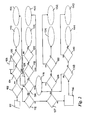
- system according to the invention can be implemented in the form of a module 10 (making reference to Figure 1 ), integrated in the RNC controller already foreseen within the integration scenario referred to in the introduction of the present invention.
- the characteristics required for the choice described in the sequel essentially correspond to parameters such as: class of service requested, bit rate and possibility of re-negotiating the service.
- step 108 test is positive (which states that it possible to start a so called "re-negotiation" of the service, offering it at a lower datarate)
- the system returns to step 104 through a re-negotiation step 109.
- the check on the availability of the UMTS resource is then carried out again, by making reference not to the characteristics of the service so as originally requested, but to the service characteristics resulting from the re-negotiation, for instance with reference to a lower data rate.
- step 102 If at step 102 it has been ascertained that the requested service is not a service of conversational type, the system evolves toward a step 112, where a check is made on whether the requested service is a streaming service.
- a service of this kind may be provided through the WLAN resource and the UMTS resource as well, the latter being however regarded (for the reasons already described before) as a more valuable resource.
- step 112 the system evolves toward a further selection step 127, wherein a check is made on whether the service being requested is an interactive service.
- the service is allocated over the WLAN network, identified as available. This occurs at the step denoted 116.
- step 138 gives a negative outcome indicating the unavailability of the WLAN resource
- the system evolves toward a step 140, where a check is made on the availability of the UMTS resource.
- step 140 leads as an alternative either to the service provision over UMTS (step 142) or to the notification of the impossibility of offering the service (step 144).
- the WLAN standard is rather unsuitable to support services of conversational type, thus this type of services is immediately routed to the UMTS network.
- the service is allocated over such a radio access, and the procedure ends.
- the service allocation over WLAN or UMTS corresponds to the fact that the relating check on the resource has given a positive outcome, and the service is provided through the radio access or the 802.11b or UMTS standards.
- the service is not offered when the procedures end without the possibility of providing the requested service because no radio resources are available to meet the service requirements.
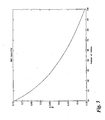
- SAF Service Activity Factor
- the control that has been effected is the following.
- the UMTS resource is available? No.
- the question receives this time a positive answer (Yes).
- the service is then allocated on the WLAN network with the appropriate data-rate modified, i.e. reduced as compared to the data-rate initially requested.
Landscapes
- Engineering & Computer Science (AREA)
- Computer Networks & Wireless Communication (AREA)
- Signal Processing (AREA)
- Computer Security & Cryptography (AREA)
- Mobile Radio Communication Systems (AREA)
- Financial Or Insurance-Related Operations Such As Payment And Settlement (AREA)
- Data Exchanges In Wide-Area Networks (AREA)
- Telephonic Communication Services (AREA)
- Small-Scale Networks (AREA)
- Exchange Systems With Centralized Control (AREA)
Claims (27)
- Ein Verfahren zur Bereitstellung von Telekommunikationsdiensten in einer Umgebung, in welcher eine Vielzahl von Systemen mit unterschiedlichen Standards (WLAN, UMTS) arbeiten und die von einem Terminal (T) in integrierter Weise erreichbar sind, wobei zumindest einer der Dienste durch mehrere Systeme aus der Vielzahl bereitgestellt werden kann, wobei das Verfahren in Bezug auf die Anfrage zur Bereitstellung von dem zumindest einen Dienst folgende Schritte umfasst:- Verifizieren der Verfügbarkeit der Bereitstellung des angefragten Dienstes auf zumindest einem ersten (WLAN) und einem zweiten (UMTS) System aus der Vielzahl, wobei das erste System (WLAN) in Bezug auf das zweite System (UMTS) eine Ressource bildet, die in einer bevorzugten Weise genutzt wird; und- Auswählen von zumindest einem aus dem ersten (WLAN) und dem zweiten (UMTS) System aus der Vielzahl in einer automatischen und dynamischen Weise für die Bereitstellung des angefragten Dienstes,
wobei der Schritt des Auswählens von zumindest einem aus dem ersten (WLAN) und dem zweiten (UMTS) System in einer automatischen und dynamischen Weise die folgenden Schritte umfasst:Unterteilen der Telekommunikationsdienste in einen ersten Satz von Diensten, die durch das zweite System (UMTS) bereitgestellt werden, und im Fall (102) einer Anfrage zur Bereitstellung eines Dienstes innerhalb des ersten Satzes, Verifizieren (104) der Verfügbarkeit des zweiten Systems zur Bereitstellung des angefragten Dienstes aus dem ersten Satz, Bereitstellen (106) oder Nichtbereitstellen (110) des Dienstes aus dem ersten Satz durch das zweite System (UMTS) in Abhängigkeit davon, ob das zweite System verfügbar ist oder nicht, undgekennzeichnet ist dadurch, dassder Schritt des Auswählens ausgeführt wird, um innerhalb des ersten Satzes eine Untermenge von Diensten herauszufinden, die unter zumindest einer Bedingung von modifizierten QoS-Erfordernissen angeboten werden können, und dass im Falle des Vorliegens (108) einer Bereitstellungsanfrage für einen Dienst aus der Untermenge, das Verfahren den Schritt des Verifizierens (104) der Nichtverfügbarkeit des zweiten Systems (UMTS) für die Bereitstellung des angefragten Dienstes aus der Untermenge umfasst und, wenn die Nichtverfügbarkeit verifiziert wurde, den Schritt eines erneuten Aushandelns (109) der Bereitstellungsanfrage umfasst, wodurch der Dienst aus der Untermenge erneut für die Bereitstellung unter einer Bedingung von modifizierten QoS-Erfordernisses angefragt wird. - Verfahren nach Anspruch 1, dadurch gekennzeichnet, dass der Schritt des Auswählens einen Schritt des Unterteilens der Telekommunikationsdienste in einen zweiten Satz von Diensten umfasst, die Dienste aus dem zweiten Satz von beiden, dem ersten System (WLAN) und dem zweiten System (UMTS) bereitgestellt werden, und im Falle (112, 127, 136) einer Bereitstellungsanfrage für einen Dienst aus dem zweiten Satz- a1) ein Verifizieren (114, 128, 138) der Verfügbarkeit des ersten Systems (WLAN), um den angefragten Dienst aus dem zweiten Satz bereitzustellen, und ein Bereitstellen (116) des angefragten Dienstes aus dem zweiten Satz über das erste System (WLAN), wenn das erste System verfügbar ist, umfasst,- a2) im Falle, dass das erste System (WLAN) für die Übertragung des angefragten Dienstes aus dem zweiten Satz nicht verfügbare ist, ein Verifizieren der Verfügbarkeit des zweiten Systems (UMTS) umfasst, um den angefragten Dienst aus dem zweiten Satz bereitzustellen, und ein Anbieten (120, 132, 142) und ein Ablehnen (126, 134, 144) des angefragten Dienstes aus dem zweiten Satz in Abhängigkeit davon umfasst, ob das zweite System (UMTS) zur Bereitstellung des angefragten Dienstes zur Verfugung steht oder nicht.
- Verfahren nach Anspruch 2, dadurch gekennzeichnet, dass der Schritt des Auswählens ausgeführt wird, um zu einer entsprechenden Untermenge von Diensten aus dem zweiten Satz zu gelangen, die unter zumindest einer Bedingung aus den modifizierten QoS-Erfordernissen bereitgestellt werden können und dass, sofern eine Bereitstellungsanfrage für einen Dienst aus der entsprechenden Untermenge vorliegt (112), das Verfahren folgende Schritte aufweist:Verifizieren (114) der Nichtverfügbarkeit zumindest eines der Systeme aus dem ersten (WLAN) und dem zweiten (UMTS) System für die Bereitstellung des angefragten Dienstes aus der entsprechenden Untermenge und, nach dem Verifizieren der Nichtverfügbarkeit (114, 118) den Schritt eines erneuten Aushandelns (124) der Bereitstellungsanfrage umfasst, wodurch die Bereitstellung des Dienstes aus der entsprechenden Untermenge unter einer Bedingung der modifizierten QoS-Erfordernisse erneut angefragt wird.
- Verfahren nach Anspruch 2 oder Anspruch 3, dadurch gekennzeichnet, dass der Schritt des Auswählens derart ausgeführt wird, dass er zu Diensten aus zumindest einem aus dem Satz und der entsprechenden Untermenge führt, wobei die Dienste unter einer Vielzahl von Bedingungen der modifizierten QoS-Erfordernissen bereitgestellt wird, und dass das Verfahren den Schritt des wiederholten Neuaushandelns (109, 124) der Bereitstellungsanfrage für einen Dienst unter nachfolgend modifizierten QoS-Erfordernissen umfasst.
- Verfahren nach einem der Ansprüche 2 bis 4, dadurch gekennzeichnet, dass der Schritt des Auswählens einen Schritt des Unterteilens der Dienste aufweist, wobei das Unterteilen in einen ersten Satz, von Diensten aus der Sprachklasse und in einen zweiten Satz von Diensten, die zumindest eine der Klassen: der Streamingdienste, interaktiven Dienste und der Background-Dienste aufweist.
- Verfahren nach Anspruch 3 und Anspruch 5, dadurch gekennzeichnet, dass die entsprechende Untermenge von Diensten aus dem zweiten Satz Streamingclassdienste umfassen.
- Verfahren nach einem der vorhergehenden Ansprüche, dadurch gekennzeichnet, dass der Schritt des Auswählens ausgeführt wird, indem die Systeme aus der Gruppe, die durch die mobilen Kommunikationssysteme gebildet wird, ausgewählt werden.
- Verfahren nach Anspruch 7, dadurch gekennzeichnet, dass der Schritt des Auswählens ausgeführt wird durch ein Auswählen von Systemen aus der Gruppe, die durch die UMTS, WLAN und 802.11-Systeme gebildet wird.
- Verfahren nach einem der vorhergehenden Ansprüche, dadurch gekennzeichnet, dass der Schritt des Verifizierens der Verfügbarkeit des ersten Systems (WLAN) auf der Basis eines Kriteriums der Zugangskontrolle eines Nutzers ausgeführt wird, indem der Performanceverlust des ersten Systems, wenn die Anzahl der Benutzer steigt, festgestellt wird.
- Verfahren nach Anspruch 9, dadurch gekennzeichnet, dass es weiter die Schritte umfasst:- Detektieren der insgesamt zur Verfügung stehenden Bitrate für die aktiven Nutzer des ersten Systems (WLAN),- das erste System für einen neuen Nutzer als nicht verfügbar zu betrachten, wenn die verfügbare Bitrate für den möglichen Zugang des neuen Nutzers einen Schwellenwert erreicht hat.
- Verfahren nach einem der vorhergehenden Ansprüche, dadurch gekennzeichnet, dass es den Schritt des Detektierens der Verfügbarkeit des zweiten Systems (UMTS) aufweist, indem ein Auslastungsparameter (η) des zweiten Systems definiert wird und indem das zweite System als nicht verfügbar erachtet wird, wenn der Auslastungsparameter einen Schwellenwert erreicht.
- Verfahren nach Anspruch 11, dadurch gekennzeichnet, dass der Auslastungsparameter (η) ein Parameter ist, der auf der Basis der "Pol-Kapazität" hergeleitet wurde.
- System für das Bereitstellen von Telekommunikationsdiensten in einer Umgebung, mit einer Vielzahl von Telekommunikationssystemen, die unterschiedliche Standards (WLAN, UMTS) nutzen und welche von einem Terminal (T) in einer integrierten Weise zugänglich sind, in welchem zumindest eines der Dienste von mehreren Telekommunikationssytemen aus der Vielzahl bereitstellbar ist, wobei das System ein Modul (10) umfasst, welches in der Lage ist, wenn eine Bereitstellungsanfrage für den zumindest einen Dienst vorliegt, mit der Vielzahl von Telekommunikationssystemen zu kooperieren, wobei das System ausgebildet ist, um:- die Verfügbarkeit der Bereitstellung des angefragten Dienstes von zumindest einem ersten (WLAN) und einem zweiten (UMTS) System aus der Vielzahl von Telekommunikationssystemen zu verifizieren, und- in einer automatischen und dynamischen Weise von den Telekommunikationssystemen zumindest ein erstes (WLAN) und ein zweites (UMTS) System aus der Vielzahl für die Bereitstellung des angefragten Dienstes auszuwählen, wobei das Modul ausgebildet ist, um aus der Vielzahl von Telekommunikationssystemen das zumindest erste (WLAN) und das zumindest zweite (UMTS) System auszuwählen, wobei das erste System (WLAN) in Bezug auf das zweite System (UMTS) eine Ressource bildet, die bevorzugt ausgenutzt wird;
wobei die Auswahl derart vorgenommen wird, um eine Unterteilung der Dienste in einen ersten Satz von Diensten zu erreichen, die nur durch Mittel des zweiten Systems (UMTS) bereitgestellt werden, und im Fall (102) einer Bereitstellungsanfrage eines Dienstes innerhalb des ersten Satzes, die Verfügbarkeit des zweiten Systems für die Bereitstellung des Dienstes aus dem angefragten ersten Satz zu verifizieren, indem der Dienst aus dem ersten Satz über das zweite System (UMTS) bereitgestellt (106) oder nicht bereitgestellt (110) wird, in Abhängigkeit davon, ob das zweite System zur Verfügung steht oder nicht, und
dadurch gekennzeichnet ist, dass
das Modul (10) ausgebildet ist, um die Auswahl derart auszuführen, dass die Auswahl innerhalb des ersten Satzes zu einer Untermenge von Diensten führt, die zumindest unter einer Bedingung der modifizierten QoS-Erfordernissen bereitstellbar ist, und im Fall (108), dass die Bereitstellungsanfrage eines Dienstes aus der Untermenge vorliegt, dass das Modul (10) ausgebildet ist, um die Verfügbarkeit des zweiten Systems (UMTS) für die Bereitstellung des Dienstes aus der angefragten Untermenge zu verifizieren (104), und, sofern die Nichtverfügbarkeit verifiziert wurde, die Bereitstellungsanfrage neu auszuhandeln (109), wodurch der Dienst aus der Untermenge erneut für die Bereitstellung unter einer Bedingung der modifizierten QoS-Erfordernisse angefragt wird. - System nach Anspruch 13, dadurch gekennzeichnet, dass das Modul (10) in einem Kontrollelement integriert ist, welches zumindest das erste (WLAN) und das zweite (UMTS) System aus der Vielzahl gemeinsam aufweisen.
- System nach Anspruch 13, dadurch gekennzeichnet, dass die Auswahl ausgebildet ist, um die Unterteilung der Dienste in einen zweiten Satz von Diensten, die über das erste System (WLAN) als auch durch ein zweites System (UMTS) bereitstellbar sind, zu erreichen und im Fall (112, 127, 136) einer Bereitstellungsanfrage für einen Dienst aus dem zweiten Satz folgende Schritte auszuführen:- a1) Verifizieren (114, 128, 138) der Verfügbarkeit des ersten Systems (WLAN) für die Bereitstellung des angefragten Dienstes aus dem zweiten Satz und Bereitstellen (116) des angefragten Dienstes aus dem zweiten Satz durch das erste System (WLAN), sofern das erste System verfügbar ist;- a2) wenn das erste System (WLAN) nicht verfügbar ist, Bereitstellen des angefragten Dienstes aus dem zweiten Satz, Verifizieren der Verfügbarkeit des zweiten Systems (UMTS) für die Bereitstellung des angefragten Dienstes aus dem zweiten Satz, und Anbieten (120, 132, 142) und Ablehnen (126, 134, 144) des angefragten Dienstes aus dem zweiten Satz in Abhängigkeit davon, ob das zweite System (UMTS) verfügbar ist oder nicht verfügbar ist für die Bereitstellung des angefragten Dienstes aus dem zweiten Satz.
- System nach Anspruch 15, dadurch gekennzeichnet, dass das Modul (10) ausgebildet ist, um den Schritt des Auswählens derart auszuführen, dass die Auswahl zu einer entsprechenden Untermenge von Diensten aus dem zweiten Satz führen kann, die unter zumindest einer Bedingung aus den modifizierten QoS-Erfordernissen bereitstellbar sind und, dass im Fall (112) einer Bereitstellungsanfrage für den Dienst aus der entsprechenden Untermenge, das Modul (10) ausgebildet ist, um die Nichtverfügbarkeit zumindest eines aus dem ersten (WLAN) und dem zweiten (UMTS) System für die Bereitstellung des angefragten Dienstes aus der entsprechenden Untermenge zu verifizieren (114) und, wenn die Nichtverfügbarkeit (114, 118) verifiziert wurde, die Bereitstellungsanfrage neu auszuhandeln (124), wodurch die Bereitstellung des Dienstes aus der entsprechenden Untermenge erneut unter einer Bedingung der modifizierten QoS-Erfordernisse angefragt wird.
- System nach Anspruch 15 oder Anspruch 16, dadurch gekennzeichnet, dass das Modul (10) ausgebildet ist, den Auswahlschritt derart auszuführen, dass die Auswahl zu Diensten aus zumindest einem aus dem Satz oder der entsprechenden Untermenge führt, wobei die Dienste unter einer Vielzahl von Bedingungen aus den modifizierten QoS-Erfordernissen bereitgestellt werden, und dass das Modul (10) ausgebildet ist, um wiederholt die Dienstbereitstellungsanfrage unter Bedingungen von anschließend modifizierten QoS-Erfordernissen auszuhandeln (109, 124).
- System nach einem der Ansprüche 15 bis 17, dadurch gekennzeichnet, dass das Modul (10) ausgebildet ist, um den Schritt des Auswählens derart auszuführen, dass er zu einer Aufteilung der Dienste in einen ersten Satz, der Dienste einer Sprachklasse aufweist, und in einen zweiten Satz von Diensten, der Dienste in zumindest einer Klasse aus den Streaming-Diensten, interaktiven Diensten und Background-Diensten aufweist, führen kann.
- System nach Anspruch 16 und Anspruch 18, dadurch gekennzeichnet, dass die entsprechende Untermenge von Diensten aus dem zweiten Satz Dienste aus einer Streaming-Klasse aufweist.
- System nach einem der Ansprüche 13 bis 19, dadurch gekennzeichnet, dass das Modul (10) ausgebildet ist, um mit mobilen Kommunikationssystemen wie den Telekommunikationssystemen aus der Vielzahl zu kooperieren.
- System nach Anspruch 20, dadurch gekennzeichnet, dass das Modul (10) ausgebildet ist, um mit Telekommunikationssystemen aus der Gruppe, die durch die UMTS, WLAN und 802.11-Systeme gebildet sind, zu kooperieren.
- System nach Anspruch 21, dadurch gekennzeichnet, dass das Modul (10) in einen Radionetzwerkcontroller oder einen RNC-Controller integriert ist.
- System nach einem der Ansprüche 13 bis 22, dadurch gekennzeichnet, dass das Modul (10) ausgebildet ist, um die Verfügbarkeit des ersten Systems (WLAN) auf der Basis eines Zugangskontrollenkriteriums eines Nutzers zu verifizieren, indem der Performanceverlust des ersten Systems, wenn die Anzahl der Nutzer steigt, detektiert wird.
- System nach Anspruch 23, dadurch gekennzeichnet, dass das Modul (10) ausgebildet ist, um:- die insgesamt verfügbare Bitrate für die aktiven Nutzer des ersten Systems (WLAN) zu detektieren,- das erste System als nicht verfügbar für einen neuen Nutzer zu erachten, wenn die verfügbare Bitrate, die nach Zulassung des neuen Nutzers bestehen würde, einen Grenzwert erreicht.
- System nach einem der Ansprüche 13 bis 24, dadurch gekennzeichnet, dass das Modul (10) ausgebildet ist, um die Verfügbarkeit des zweiten Systems (UMTS) über ein Auslastungsparameter (η) des zweiten Systems zu detektieren und das zweite System als nicht verfügbar zu erachten, wenn der Auslastungsparameter einen Schwellenwert erreicht.
- System nach Anspruch 25, dadurch gekennzeichnet, dass der Auslastungsparameter (η) ein Parameter darstellt, der auf Basis der "Pol-Kapazität" hergeleitet wurde.
- Computerprogrammprodukt, welches in einen internen Speicher eines digitalen Computers ladbar ist und Teile von Softwarecodes aufweist, die ausgebildet sind, das Verfahren nach einem der Ansprüche 1 bis 12 auszuführen, wenn das Produkt auf einem Computer läuft.
Applications Claiming Priority (3)
| Application Number | Priority Date | Filing Date | Title |
|---|---|---|---|
| IT000824A ITTO20020824A1 (it) | 2002-09-20 | 2002-09-20 | Procedimento per erogare servizi di telecomunicazioni, relativo sistema e prodotto informatico |
| ITTO20020824 | 2002-09-20 | ||
| PCT/EP2003/010114 WO2004028190A1 (en) | 2002-09-20 | 2003-09-11 | A method for providing telecommunications services, related system and information technology product |
Publications (2)
| Publication Number | Publication Date |
|---|---|
| EP1540979A1 EP1540979A1 (de) | 2005-06-15 |
| EP1540979B1 true EP1540979B1 (de) | 2010-08-18 |
Family
ID=32012184
Family Applications (1)
| Application Number | Title | Priority Date | Filing Date |
|---|---|---|---|
| EP03748007A Expired - Lifetime EP1540979B1 (de) | 2002-09-20 | 2003-09-11 | Verfahren und system zum bereitstellen von telekommunikationsdiensten, sowie system und informationstechnologie gerät |
Country Status (11)
| Country | Link |
|---|---|
| US (1) | US8064915B2 (de) |
| EP (1) | EP1540979B1 (de) |
| JP (1) | JP4842539B2 (de) |
| CN (1) | CN100466841C (de) |
| AT (1) | ATE478531T1 (de) |
| AU (1) | AU2003267343A1 (de) |
| BR (1) | BRPI0314585B1 (de) |
| CA (1) | CA2498595C (de) |
| DE (1) | DE60333843D1 (de) |
| IT (1) | ITTO20020824A1 (de) |
| WO (1) | WO2004028190A1 (de) |
Families Citing this family (10)
| Publication number | Priority date | Publication date | Assignee | Title |
|---|---|---|---|---|
| GB2424545A (en) * | 2005-03-24 | 2006-09-27 | Orange Personal Comm Serv Ltd | Packet radio communications system where at least one ran is arranged to operate with a different communication standard than the other rans |
| CN101213789B (zh) * | 2005-06-29 | 2012-12-05 | 艾利森电话股份有限公司 | 用于代表多运营商无线通信系统中的移动环境网络进行协商的网络组件及其使用方法 |
| KR100735302B1 (ko) * | 2006-02-08 | 2007-07-03 | 삼성전자주식회사 | 휴대용 단말기에서 통신망 선택방법 |
| US8644822B1 (en) | 2006-05-18 | 2014-02-04 | Sprint Spectrum L.P. | Method and system for providing differentiated services to mobile stations |
| US7976572B2 (en) * | 2007-02-09 | 2011-07-12 | Arizant Healthcare Inc. | Forced air warming unit |
| CN101437278B (zh) * | 2007-11-14 | 2011-01-05 | 华为技术有限公司 | 一种选择网络的方法、系统和装置 |
| US8787172B2 (en) | 2010-06-21 | 2014-07-22 | Qualcomm Incorporated | Method and apparatus for QoS context transfer during inter radio access technology handover in a wireless communication system |
| US8908636B2 (en) | 2010-06-21 | 2014-12-09 | Qualcomm Incorporated | Method and apparatus for QoS context transfer during inter radio access technology handover in a wireless communication system |
| CN103580993A (zh) * | 2012-07-19 | 2014-02-12 | 奥沃集合公司 | 网络平台内提供软件工具用以建立群组并在群组成员客户端之间通信的系统和方法 |
| US9838948B2 (en) | 2014-07-29 | 2017-12-05 | Aruba Networks, Inc. | Deep packet inspection (DPI) aware client steering and load balancing in wireless local area network (WLAN) infrastructure |
Family Cites Families (15)
| Publication number | Priority date | Publication date | Assignee | Title |
|---|---|---|---|---|
| GB2322258B (en) * | 1996-12-26 | 2001-05-30 | Daewoo Electronics Co Ltd | Method and apparatus for scheduling cells based on pre-synchronized frames |
| US6243581B1 (en) | 1998-12-11 | 2001-06-05 | Nortel Networks Limited | Method and system for seamless roaming between wireless communication networks with a mobile terminal |
| US6603755B1 (en) * | 1999-05-14 | 2003-08-05 | Ericsson Inc. | Mobile terminals, methods, and computer program products that can facilitate the selection of a communication service provider in a multiple communications mode environment |
| CN100380874C (zh) * | 1999-05-17 | 2008-04-09 | 艾利森电话股份有限公司 | 用于提供无线接入载体业务的方法和设备 |
| FI108593B (fi) | 1999-12-31 | 2002-02-15 | Nokia Oyj | Paketinreititys monipalveluverkossa |
| AU2001277766B2 (en) | 2000-08-11 | 2006-05-18 | Nec Corporation | Communication system, method thereof, switching center thereof and base station control station thereof |
| JP3570508B2 (ja) * | 2000-08-11 | 2004-09-29 | 日本電気株式会社 | 通信システム及びその方法並びにその交換局、基地局制御局 |
| DE60040533D1 (de) * | 2000-09-13 | 2008-11-27 | Motorola Inc | Netzwerk, Verfahren und Server zur Datenübertragung |
| JP4622070B2 (ja) | 2000-09-13 | 2011-02-02 | 株式会社デンソー | 適応通信システム、通信端末、及び記録媒体 |
| US7039027B2 (en) | 2000-12-28 | 2006-05-02 | Symbol Technologies, Inc. | Automatic and seamless vertical roaming between wireless local area network (WLAN) and wireless wide area network (WWAN) while maintaining an active voice or streaming data connection: systems, methods and program products |
| FI111775B (fi) * | 2000-12-29 | 2003-09-15 | Nokia Corp | Tietoliikennepalvelun tarjoaminen useita verkkoja käsittävässä langattomassa tietoliikennejärjestelmässä |
| WO2002089512A1 (en) * | 2001-05-02 | 2002-11-07 | Nokia Corporation | Method and device for controlling admission of users to a cellular radio network |
| US20030074443A1 (en) * | 2001-10-15 | 2003-04-17 | Makonnen Melaku | Last mile quality of service broker (LMQB) for multiple access networks |
| US20030126263A1 (en) * | 2001-12-31 | 2003-07-03 | Gregg Fenton | Multimedia load balancing architecture |
| US7313091B2 (en) * | 2002-05-24 | 2007-12-25 | Interdigital Technology Corporation | Method and system for control of congestion in CDMA systems |
-
2002
- 2002-09-20 IT IT000824A patent/ITTO20020824A1/it unknown
-
2003
- 2003-09-11 CN CNB2006100030407A patent/CN100466841C/zh not_active Expired - Lifetime
- 2003-09-11 EP EP03748007A patent/EP1540979B1/de not_active Expired - Lifetime
- 2003-09-11 BR BRPI0314585A patent/BRPI0314585B1/pt active IP Right Grant
- 2003-09-11 WO PCT/EP2003/010114 patent/WO2004028190A1/en not_active Ceased
- 2003-09-11 AU AU2003267343A patent/AU2003267343A1/en not_active Abandoned
- 2003-09-11 JP JP2004537048A patent/JP4842539B2/ja not_active Expired - Lifetime
- 2003-09-11 DE DE60333843T patent/DE60333843D1/de not_active Expired - Lifetime
- 2003-09-11 US US10/528,057 patent/US8064915B2/en not_active Expired - Lifetime
- 2003-09-11 CA CA2498595A patent/CA2498595C/en not_active Expired - Lifetime
- 2003-09-11 AT AT03748007T patent/ATE478531T1/de not_active IP Right Cessation
Also Published As
| Publication number | Publication date |
|---|---|
| CN100466841C (zh) | 2009-03-04 |
| WO2004028190A1 (en) | 2004-04-01 |
| EP1540979A1 (de) | 2005-06-15 |
| AU2003267343A1 (en) | 2004-04-08 |
| ITTO20020824A1 (it) | 2004-03-21 |
| US8064915B2 (en) | 2011-11-22 |
| CA2498595C (en) | 2015-06-23 |
| BRPI0314585B1 (pt) | 2017-02-07 |
| ATE478531T1 (de) | 2010-09-15 |
| JP4842539B2 (ja) | 2011-12-21 |
| CN1682561A (zh) | 2005-10-12 |
| US20060068783A1 (en) | 2006-03-30 |
| JP2005539444A (ja) | 2005-12-22 |
| BR0314585A (pt) | 2005-08-09 |
| DE60333843D1 (de) | 2010-09-30 |
| CA2498595A1 (en) | 2004-04-01 |
Similar Documents
| Publication | Publication Date | Title |
|---|---|---|
| US10681614B2 (en) | Network-controlled adaptive terminal behavior managing high-network-load scenarios | |
| FI111506B (fi) | Menetelmä palvelun laatutason valitsemiseksi langattomassa tiedonsiirtojärjestelmässä | |
| JP4234977B2 (ja) | デジタル移動ネットワークを介して通信するための通信デバイスおよび方法 | |
| JP4809424B2 (ja) | 低品質の検出に基づくip音声呼の接続タイプの引き継ぎ | |
| CN100459775C (zh) | 多小区网络中的服务优先权 | |
| JP4789918B2 (ja) | 異種ネットワークシステム、ネットワークノード、および移動ホスト | |
| JP2007520131A (ja) | Utran無線アクセスネットワークにおける無線リソース管理方法、コアネットワークサービスノード、および無線アクセスネットワーク制御装置 | |
| CN113079541A (zh) | 一种报告信息的发送方法、装置及系统 | |
| US9154911B2 (en) | Selective delivery of presence messages for wireless communication devices | |
| US7583969B2 (en) | Method of communication | |
| JP2009517968A (ja) | 高速ダウンリンクにおける低ビットレートユーザのフロー制御 | |
| EP1940193B1 (de) | Basistationssteuergerät, mobiles Kommunikationssystem und Prioritätszellen-Auswahlverfahren zur Anwendung darin | |
| CA2498595C (en) | A method for providing telecommunications services, related system and information technology product | |
| US20050174965A1 (en) | Network optimization based on service behavior | |
| CN1965547A (zh) | 帧传输间隔 | |
| US20130250894A1 (en) | Method, apparatus, and system for accessing multi-operator core network | |
| US7088707B2 (en) | Method for setting a R-P link in mobile communication system | |
| NO338303B1 (no) | Tjenestekvalitetsprofilbehandling i et mobiltelekommunikasjonssystem | |
| EP1754388B1 (de) | Zellenaktualisierungsnachricht um anzuzeigen, ob benutzerdaten oder steuerdaten signalaufwärts gesendet werden, und jeweilige verfahren zur abwicklung dieser beiden arten von daten | |
| US12388559B2 (en) | Jamming mitigation in CBRS network | |
| EP2071894B1 (de) | Ressourcenverwaltungssystem und -verfahren auf Grundlage der Verwendung von Funkressourcen | |
| JP4645338B2 (ja) | 無線通信システム、無線制御局及びそれらに用いるサービス変更方法 | |
| US20040240443A1 (en) | Packet transmission method, network element and arrangement | |
| KR100893199B1 (ko) | 패킷 호 설정 시간 단축을 위한 패킷 호 처리 방법 및 장치 | |
| KR20100070484A (ko) | 비동기 이동통신 망에서의 호 처리 방법 및 시스템 |
Legal Events
| Date | Code | Title | Description |
|---|---|---|---|
| PUAI | Public reference made under article 153(3) epc to a published international application that has entered the european phase |
Free format text: ORIGINAL CODE: 0009012 |
|
| 17P | Request for examination filed |
Effective date: 20050405 |
|
| AK | Designated contracting states |
Kind code of ref document: A1 Designated state(s): AT BE BG CH CY CZ DE DK EE ES FI FR GB GR HU IE IT LI LU MC NL PT RO SE SI SK TR |
|
| AX | Request for extension of the european patent |
Extension state: AL LT LV MK |
|
| DAX | Request for extension of the european patent (deleted) | ||
| 17Q | First examination report despatched |
Effective date: 20060130 |
|
| GRAP | Despatch of communication of intention to grant a patent |
Free format text: ORIGINAL CODE: EPIDOSNIGR1 |
|
| RIC1 | Information provided on ipc code assigned before grant |
Ipc: H04W 48/00 20090101AFI20100226BHEP |
|
| GRAS | Grant fee paid |
Free format text: ORIGINAL CODE: EPIDOSNIGR3 |
|
| GRAA | (expected) grant |
Free format text: ORIGINAL CODE: 0009210 |
|
| AK | Designated contracting states |
Kind code of ref document: B1 Designated state(s): AT BE BG CH CY CZ DE DK EE ES FI FR GB GR HU IE IT LI LU MC NL PT RO SE SI SK TR |
|
| REG | Reference to a national code |
Ref country code: GB Ref legal event code: FG4D |
|
| REG | Reference to a national code |
Ref country code: CH Ref legal event code: EP |
|
| REG | Reference to a national code |
Ref country code: IE Ref legal event code: FG4D |
|
| REF | Corresponds to: |
Ref document number: 60333843 Country of ref document: DE Date of ref document: 20100930 Kind code of ref document: P |
|
| REG | Reference to a national code |
Ref country code: NL Ref legal event code: VDEP Effective date: 20100818 |
|
| PG25 | Lapsed in a contracting state [announced via postgrant information from national office to epo] |
Ref country code: AT Free format text: LAPSE BECAUSE OF FAILURE TO SUBMIT A TRANSLATION OF THE DESCRIPTION OR TO PAY THE FEE WITHIN THE PRESCRIBED TIME-LIMIT Effective date: 20100818 Ref country code: FI Free format text: LAPSE BECAUSE OF FAILURE TO SUBMIT A TRANSLATION OF THE DESCRIPTION OR TO PAY THE FEE WITHIN THE PRESCRIBED TIME-LIMIT Effective date: 20100818 |
|
| PG25 | Lapsed in a contracting state [announced via postgrant information from national office to epo] |
Ref country code: PT Free format text: LAPSE BECAUSE OF FAILURE TO SUBMIT A TRANSLATION OF THE DESCRIPTION OR TO PAY THE FEE WITHIN THE PRESCRIBED TIME-LIMIT Effective date: 20101220 Ref country code: SI Free format text: LAPSE BECAUSE OF FAILURE TO SUBMIT A TRANSLATION OF THE DESCRIPTION OR TO PAY THE FEE WITHIN THE PRESCRIBED TIME-LIMIT Effective date: 20100818 Ref country code: BG Free format text: LAPSE BECAUSE OF FAILURE TO SUBMIT A TRANSLATION OF THE DESCRIPTION OR TO PAY THE FEE WITHIN THE PRESCRIBED TIME-LIMIT Effective date: 20101118 Ref country code: CY Free format text: LAPSE BECAUSE OF FAILURE TO SUBMIT A TRANSLATION OF THE DESCRIPTION OR TO PAY THE FEE WITHIN THE PRESCRIBED TIME-LIMIT Effective date: 20100818 |
|
| PG25 | Lapsed in a contracting state [announced via postgrant information from national office to epo] |
Ref country code: NL Free format text: LAPSE BECAUSE OF FAILURE TO SUBMIT A TRANSLATION OF THE DESCRIPTION OR TO PAY THE FEE WITHIN THE PRESCRIBED TIME-LIMIT Effective date: 20100818 Ref country code: BE Free format text: LAPSE BECAUSE OF FAILURE TO SUBMIT A TRANSLATION OF THE DESCRIPTION OR TO PAY THE FEE WITHIN THE PRESCRIBED TIME-LIMIT Effective date: 20100818 Ref country code: SE Free format text: LAPSE BECAUSE OF FAILURE TO SUBMIT A TRANSLATION OF THE DESCRIPTION OR TO PAY THE FEE WITHIN THE PRESCRIBED TIME-LIMIT Effective date: 20100818 Ref country code: GR Free format text: LAPSE BECAUSE OF FAILURE TO SUBMIT A TRANSLATION OF THE DESCRIPTION OR TO PAY THE FEE WITHIN THE PRESCRIBED TIME-LIMIT Effective date: 20101119 |
|
| PG25 | Lapsed in a contracting state [announced via postgrant information from national office to epo] |
Ref country code: MC Free format text: LAPSE BECAUSE OF NON-PAYMENT OF DUE FEES Effective date: 20100930 Ref country code: DK Free format text: LAPSE BECAUSE OF FAILURE TO SUBMIT A TRANSLATION OF THE DESCRIPTION OR TO PAY THE FEE WITHIN THE PRESCRIBED TIME-LIMIT Effective date: 20100818 |
|
| REG | Reference to a national code |
Ref country code: CH Ref legal event code: PL |
|
| PG25 | Lapsed in a contracting state [announced via postgrant information from national office to epo] |
Ref country code: SK Free format text: LAPSE BECAUSE OF FAILURE TO SUBMIT A TRANSLATION OF THE DESCRIPTION OR TO PAY THE FEE WITHIN THE PRESCRIBED TIME-LIMIT Effective date: 20100818 Ref country code: RO Free format text: LAPSE BECAUSE OF FAILURE TO SUBMIT A TRANSLATION OF THE DESCRIPTION OR TO PAY THE FEE WITHIN THE PRESCRIBED TIME-LIMIT Effective date: 20100818 Ref country code: EE Free format text: LAPSE BECAUSE OF FAILURE TO SUBMIT A TRANSLATION OF THE DESCRIPTION OR TO PAY THE FEE WITHIN THE PRESCRIBED TIME-LIMIT Effective date: 20100818 Ref country code: CZ Free format text: LAPSE BECAUSE OF FAILURE TO SUBMIT A TRANSLATION OF THE DESCRIPTION OR TO PAY THE FEE WITHIN THE PRESCRIBED TIME-LIMIT Effective date: 20100818 |
|
| PLBE | No opposition filed within time limit |
Free format text: ORIGINAL CODE: 0009261 |
|
| STAA | Information on the status of an ep patent application or granted ep patent |
Free format text: STATUS: NO OPPOSITION FILED WITHIN TIME LIMIT |
|
| PG25 | Lapsed in a contracting state [announced via postgrant information from national office to epo] |
Ref country code: ES Free format text: LAPSE BECAUSE OF FAILURE TO SUBMIT A TRANSLATION OF THE DESCRIPTION OR TO PAY THE FEE WITHIN THE PRESCRIBED TIME-LIMIT Effective date: 20101129 |
|
| 26N | No opposition filed |
Effective date: 20110519 |
|
| PG25 | Lapsed in a contracting state [announced via postgrant information from national office to epo] |
Ref country code: IE Free format text: LAPSE BECAUSE OF NON-PAYMENT OF DUE FEES Effective date: 20100911 Ref country code: CH Free format text: LAPSE BECAUSE OF NON-PAYMENT OF DUE FEES Effective date: 20100930 Ref country code: LI Free format text: LAPSE BECAUSE OF NON-PAYMENT OF DUE FEES Effective date: 20100930 |
|
| REG | Reference to a national code |
Ref country code: DE Ref legal event code: R097 Ref document number: 60333843 Country of ref document: DE Effective date: 20110519 |
|
| PG25 | Lapsed in a contracting state [announced via postgrant information from national office to epo] |
Ref country code: LU Free format text: LAPSE BECAUSE OF NON-PAYMENT OF DUE FEES Effective date: 20100911 Ref country code: HU Free format text: LAPSE BECAUSE OF FAILURE TO SUBMIT A TRANSLATION OF THE DESCRIPTION OR TO PAY THE FEE WITHIN THE PRESCRIBED TIME-LIMIT Effective date: 20110219 |
|
| PG25 | Lapsed in a contracting state [announced via postgrant information from national office to epo] |
Ref country code: TR Free format text: LAPSE BECAUSE OF FAILURE TO SUBMIT A TRANSLATION OF THE DESCRIPTION OR TO PAY THE FEE WITHIN THE PRESCRIBED TIME-LIMIT Effective date: 20100818 |
|
| REG | Reference to a national code |
Ref country code: FR Ref legal event code: PLFP Year of fee payment: 14 |
|
| REG | Reference to a national code |
Ref country code: FR Ref legal event code: PLFP Year of fee payment: 15 |
|
| REG | Reference to a national code |
Ref country code: FR Ref legal event code: PLFP Year of fee payment: 16 |
|
| PGFP | Annual fee paid to national office [announced via postgrant information from national office to epo] |
Ref country code: GB Payment date: 20220927 Year of fee payment: 20 Ref country code: DE Payment date: 20220928 Year of fee payment: 20 |
|
| PGFP | Annual fee paid to national office [announced via postgrant information from national office to epo] |
Ref country code: FR Payment date: 20220926 Year of fee payment: 20 |
|
| PGFP | Annual fee paid to national office [announced via postgrant information from national office to epo] |
Ref country code: IT Payment date: 20220926 Year of fee payment: 20 |
|
| P01 | Opt-out of the competence of the unified patent court (upc) registered |
Effective date: 20230528 |
|
| P02 | Opt-out of the competence of the unified patent court (upc) changed |
Effective date: 20230601 |
|
| REG | Reference to a national code |
Ref country code: DE Ref legal event code: R071 Ref document number: 60333843 Country of ref document: DE |
|
| REG | Reference to a national code |
Ref country code: GB Ref legal event code: PE20 Expiry date: 20230910 |
|
| PG25 | Lapsed in a contracting state [announced via postgrant information from national office to epo] |
Ref country code: GB Free format text: LAPSE BECAUSE OF EXPIRATION OF PROTECTION Effective date: 20230910 |